Newsletter
Want to keep up to date with all our latest news and information?


ResidentialBusiness
Administrators
-
Joined
-
Last visited
Everything posted by ResidentialBusiness
-
Trilateral submarine and technology pact between US, UK and Australia must shift decisively into delivery phase, says defence secretaryView the full article
-
We may earn a commission from links on this page. Deal pricing and availability subject to change after time of publication. For gym-goers and fitness enthusiasts, finding earbuds that are the right blend of durable and comfortable can be difficult —especially if you’re on a budget. JBL excels in this area; they’re known for delivering strong, bass-y sound, and some models, like the JBL Endurance Peak 3 earbuds, can withstand even the toughest workouts. Right now, they’re $59.95 (originally $99.95), a 40% drop that brings them down to their lowest price ever. JBL Endurance Peak 3 Earbuds $59.95 at Amazon $99.95 Save $40.00 Get Deal Get Deal $59.95 at Amazon $99.95 Save $40.00 These exercise earbuds don’t include active noise cancellation, but they do have what PCMag—which gives them an Editors’ Choice Award—calls a “powerful, bass-forward sound signature.” They’re also completely waterproof and dust-tight with an IP68 rating, meaning they can be submerged in water for more than 30 minutes, making them suitable for heavy rain or rinsing under running water. To keep them in place during intense movement, the earpieces have sport ear hooks that gently but securely clamp them into place without interfering with glasses. The hooks also double as a power switch: w\When the tips magnetically connect with the main body of the earpiece, they turn off. This can be frustrating if you need to take them off briefly, since you’ll need to stop the tips from touching the body to avoid powering down. Touch controls are on the outside of each earbud. They last around 10 hours per charge, and the IPX charging case holds an extra 40 hours of battery life. According to JBL, around 10 minutes of charging will get you an hour of playback, and they fully charge in about two hours. The case, it should be said, is large, clunky, and hard to open, and its slippery exterior makes it hard to grip. The companion app allows you to adjust EQ, view battery life, switch between or turn off Ambient Aware and TalkThru modes, and customize touch controls. These might not be the best choice if you’re looking for noise-canceling buds or a more compact case. However, if you’re in the market for ultra-durable workout earbuds with a secure fit, long battery life, and great value, the JBL Endurance Peak 3 earbuds are a solid choice for sporty people, especially at the $60 price point. Our Best Editor-Vetted Tech Deals Right Now Apple AirPods Pro 3 Noise Cancelling Heart Rate Wireless Earbuds — $219.99 (List Price $249.00) Apple iPad 11" 128GB A16 WiFi Tablet (Blue, 2025) — $279.00 (List Price $349.00) Sony WH-1000XM5 — $278.00 (List Price $399.99) Samsung Galaxy Tab A9+ 10.9" 64GB Wi-Fi Tablet (Graphite) — $149.99 (List Price $219.99) Apple Watch Series 11 [GPS 46mm] Smartwatch with Jet Black Aluminum Case with Black Sport Band - M/L. Sleep Score, Fitness Tracker, Health Monitoring, Always-On Display, Water Resistant — $329.00 (List Price $429.00) Blink Outdoor 4 1080p 3-Camera Kit With Sync Module Core — $74.99 (List Price $189.99) Amazon Fire TV Stick 4K Plus — $29.99 (List Price $49.99) Deals are selected by our commerce team View the full article
-
Adobe’s latest move brings some of its most recognizable creative and document-editing tools directly into ChatGPT — a shift that could reshape how small businesses handle marketing, content creation, and everyday productivity tasks. With Photoshop, Adobe Express, and Acrobat now built into ChatGPT’s interface, business owners gain access to advanced creative capabilities simply by describing what they want to do. For entrepreneurs who often juggle design work without dedicated staff, this integration offers a more streamlined, lower-friction path to producing professional-quality visuals and documents. Adobe says its goal is to “make creativity accessible for everyone,” a message that resonates with small businesses increasingly relying on digital content to compete. “We’re thrilled to bring Photoshop, Adobe Express and Acrobat directly into ChatGPT, combining our creative innovations with the ease of ChatGPT to make creativity accessible for everyone,” said David Wadhwani, president of digital media at Adobe. “Now hundreds of millions of people can edit with Photoshop simply by using their own words, right inside a platform that’s already part of their day-to-day.” For small business owners accustomed to navigating multiple apps to complete simple tasks, these integrations could offer meaningful time savings. Instead of opening Photoshop, hunting down the right tool, or figuring out layers, users can type instructions like “Adobe Photoshop, help me blur the background of this image,” and ChatGPT will guide the action. The process works similarly for tasks in Adobe Express and Acrobat, allowing business owners to stay within a single workspace and move faster from idea to execution. Key benefits surfaced immediately. Photoshop’s conversational controls allow users to fine-tune specific elements of an image — adjusting brightness, exposure, or contrast — or apply effects without understanding advanced editing workflows. This lowers the barrier for small teams that need frequent social graphics or product photos but don’t have formal design experience. Adobe Express adds access to a large library of templates for events, promotions, and marketing campaigns, making it easier to customize designs without switching apps. Acrobat’s capabilities may be especially relevant for businesses managing contracts, invoices, or compliance documents. Owners can edit PDFs, extract tables, merge files, or redact sensitive information directly in chat, which could reduce reliance on separate editing tools. While the new integrations expand access, they also introduce considerations for small businesses. Relying heavily on AI-driven creative tools may shorten production cycles, but users still need to maintain brand consistency and review outputs carefully. Templates and automated designs help speed up work but do not replace the need for oversight, especially when producing client-facing or regulated documents. Additionally, businesses handling sensitive data should pay attention to how content flows through ChatGPT and Adobe’s systems, ensuring internal policies align with platform capabilities. Adobe notes that users can seamlessly transition into full desktop apps when projects require more precision, suggesting the ChatGPT integrations serve best as fast-action tools rather than full replacements for advanced workflows. The rollout also highlights Adobe’s broader investment in agentic AI and conversational interfaces. The company points to earlier launches like Acrobat Studio and AI Assistants for Photoshop and Express as part of an ongoing effort to simplify creative tasks through natural language. An upcoming AI Assistant for Adobe Firefly, designed to help users move ideas across multiple Adobe applications, suggests deeper integrations are on the horizon. For small businesses increasingly operating across mobile and web platforms, availability matters. Photoshop, Adobe Express, and Acrobat for ChatGPT are free and live today on desktop, web, and iOS. Adobe Express is already available on Android, with Photoshop and Acrobat support coming soon. Cost-conscious business owners may find value in testing these tools without committing to paid plans, especially if they frequently need quick edits or design iterations. This expansion positions ChatGPT as a more comprehensive workspace for content-driven businesses. By pulling Adobe’s high-end capabilities into a conversational interface, the partnership could help smaller companies move faster, present more polished materials, and operate with fewer technical hurdles — as long as they remain attentive to quality control and data-handling practices. This article, "Adobe Brings Photoshop, Express and Acrobat Tools Directly Into ChatGPT" was first published on Small Business Trends View the full article
-
Adobe’s latest move brings some of its most recognizable creative and document-editing tools directly into ChatGPT — a shift that could reshape how small businesses handle marketing, content creation, and everyday productivity tasks. With Photoshop, Adobe Express, and Acrobat now built into ChatGPT’s interface, business owners gain access to advanced creative capabilities simply by describing what they want to do. For entrepreneurs who often juggle design work without dedicated staff, this integration offers a more streamlined, lower-friction path to producing professional-quality visuals and documents. Adobe says its goal is to “make creativity accessible for everyone,” a message that resonates with small businesses increasingly relying on digital content to compete. “We’re thrilled to bring Photoshop, Adobe Express and Acrobat directly into ChatGPT, combining our creative innovations with the ease of ChatGPT to make creativity accessible for everyone,” said David Wadhwani, president of digital media at Adobe. “Now hundreds of millions of people can edit with Photoshop simply by using their own words, right inside a platform that’s already part of their day-to-day.” For small business owners accustomed to navigating multiple apps to complete simple tasks, these integrations could offer meaningful time savings. Instead of opening Photoshop, hunting down the right tool, or figuring out layers, users can type instructions like “Adobe Photoshop, help me blur the background of this image,” and ChatGPT will guide the action. The process works similarly for tasks in Adobe Express and Acrobat, allowing business owners to stay within a single workspace and move faster from idea to execution. Key benefits surfaced immediately. Photoshop’s conversational controls allow users to fine-tune specific elements of an image — adjusting brightness, exposure, or contrast — or apply effects without understanding advanced editing workflows. This lowers the barrier for small teams that need frequent social graphics or product photos but don’t have formal design experience. Adobe Express adds access to a large library of templates for events, promotions, and marketing campaigns, making it easier to customize designs without switching apps. Acrobat’s capabilities may be especially relevant for businesses managing contracts, invoices, or compliance documents. Owners can edit PDFs, extract tables, merge files, or redact sensitive information directly in chat, which could reduce reliance on separate editing tools. While the new integrations expand access, they also introduce considerations for small businesses. Relying heavily on AI-driven creative tools may shorten production cycles, but users still need to maintain brand consistency and review outputs carefully. Templates and automated designs help speed up work but do not replace the need for oversight, especially when producing client-facing or regulated documents. Additionally, businesses handling sensitive data should pay attention to how content flows through ChatGPT and Adobe’s systems, ensuring internal policies align with platform capabilities. Adobe notes that users can seamlessly transition into full desktop apps when projects require more precision, suggesting the ChatGPT integrations serve best as fast-action tools rather than full replacements for advanced workflows. The rollout also highlights Adobe’s broader investment in agentic AI and conversational interfaces. The company points to earlier launches like Acrobat Studio and AI Assistants for Photoshop and Express as part of an ongoing effort to simplify creative tasks through natural language. An upcoming AI Assistant for Adobe Firefly, designed to help users move ideas across multiple Adobe applications, suggests deeper integrations are on the horizon. For small businesses increasingly operating across mobile and web platforms, availability matters. Photoshop, Adobe Express, and Acrobat for ChatGPT are free and live today on desktop, web, and iOS. Adobe Express is already available on Android, with Photoshop and Acrobat support coming soon. Cost-conscious business owners may find value in testing these tools without committing to paid plans, especially if they frequently need quick edits or design iterations. This expansion positions ChatGPT as a more comprehensive workspace for content-driven businesses. By pulling Adobe’s high-end capabilities into a conversational interface, the partnership could help smaller companies move faster, present more polished materials, and operate with fewer technical hurdles — as long as they remain attentive to quality control and data-handling practices. This article, "Adobe Brings Photoshop, Express and Acrobat Tools Directly Into ChatGPT" was first published on Small Business Trends View the full article
-
Cracker Barrel posted lower-than-expected sales in its fiscal first quarter and trimmed its revenue forecast for the year as it continued to feel the fallout from a botched plan to revamp its logo and restaurants. The Lebanon, Tennessee-based restaurant chain said Tuesday its revenue fell 5.7% to $797.2 million in the three months ending Oct. 31. That was lower than the $800 million Wall Street anticipated, according to analysts polled by FactSet. Cracker Barrel said its same-store restaurant sales dropped 4.7% while sales in its retail shops dropped 8.5%. Those declines were also slightly higher than analysts forecast. Cracker Barrel said it now expects total revenue of $3.2 billion to $3.3 billion in its 2026 fiscal year. That’s down from $3.35 billion to $3.45 billion previously. The company also said it expects adjusted pre-tax earnings of $70 million to $110 million, down from $150 million to $190 million previously. Cracker Barrel shares fell more than 10% in after-hours trading Tuesday. Cracker Barrel announced in August that it was simplifying the chain’s logo as part of a larger plan to modernize the chain’s dark, antique-filled restaurants. But the move had disastrous consequences. Fans didn’t like that the new logo didn’t include Cracker Barrel’s longtime mascot, an overall-clad man leaning on a barrel, or the words “Old Country Store.” They also rebelled against the store redesigns. Cracker Barrel backtracked a week later, saying it would keep the logo. In September, the company also suspended its plans to remodel stores. The chain operates around 650 restaurants nationwide, with many in Texas, Florida and Tennessee. Cracker Barrel shareholders voted late last month to keep company CEO Julie Felss Masino in place despite the logo debacle. But one of the company’s directors, Gilbert Davila, resigned from Cracker Barrel’s board Thursday after preliminary results indicated that shareholders rejected his reelection. Davila, who joined Cracker Barrel’s board in 2020, is the president and CEO of DMI Consulting, a multicultural marketing firm. He reviewed Cracker Barrel’s advertising as part of his role on the board. —Dee-Ann Durbin, AP Business Writer View the full article

-
If you’re considering a franchise opportunity in the USA, it’s crucial to know the top contenders that could lead to success. The Melting Pot offers a unique dining experience with fondue, whereas Marco’s Pizza stands strong in the competitive pizza market. Big Chicken, backed by Shaquille O’Neal, and Cinnabon with its iconic cinnamon rolls are notable as well. Other options like PJ’s Coffee, Arby’s, and Great Clips® present diverse choices. Each brand boasts solid support for franchisees, ensuring a profitable venture. Key Takeaways The Melting Pot offers a unique fondue dining experience with strong franchise support, appealing to investors without prior restaurant experience. Marco’s Pizza is a well-established brand with a low initial fee and a focus on quality ingredients, making it a robust growth option. Big Chicken, backed by Shaquille O’Neal, provides a trendy menu with strong growth potential and a compelling celebrity endorsement. Cinnabon boasts high foot traffic with its iconic cinnamon rolls, supported by extensive marketing and brand recognition. PJ’s Coffee emphasizes quality beverages and breakfast items, backed by strong franchisee support and Direct Trade coffee sourcing. The Melting Pot The Melting Pot® stands out in the casual dining sector by offering a unique interactive dining experience centered around fondue. This concept positions it well among franchise opportunities in the USA, attracting a diverse range of investors. You don’t need prior restaurant experience to become a franchisee, making it accessible to many looking for food industry franchise opportunities. With an initial franchise fee of $45,000, total investments range from $1,364,514 to $2,069,764, reflecting its commitment to quality food and service. The Melting Pot® has earned numerous franchise awards, highlighting its strong performance and customer satisfaction. This franchise’s engaging dining concept continues to thrive in a competitive restaurant environment, ensuring both profitability and lasting popularity. Marco’s Pizza With over 1,150 locations across the United States, Marco’s Pizza has established itself as a key player in the competitive pizza delivery market. Founded in 1978, the franchise offers a unique opportunity for aspiring business owners. Key features include: A $25,000 initial franchise fee, making entry feasible for many. A total investment ranging from $242,142 to $633,109, appealing to a diverse range of investors. Recognition as the first national pizza delivery brand to offer crustless pizza, showcasing innovation. Marco’s Pizza consistently ranks well in industry news for its growth and commitment to quality ingredients, enhancing customer satisfaction. If you’re considering international franchise opportunities, Marco’s Pizza presents a robust option with a proven track record in the fast-food sector. Big Chicken Big Chicken, founded by Shaquille O’Neal, stands out in the fast-casual dining scene with its unique menu of crispy chicken sandwiches and tenders. With over 22 locations already open and more on the way, the franchise showcases strong growth potential, bolstered by O’Neal‘s celebrity endorsement. If you’re considering a franchise opportunity, Big Chicken‘s innovative offerings and brand recognition could be a significant draw in today’s competitive market. Celebrity Endorsement Impact Celebrity endorsements greatly influence consumer behavior, especially in the competitive world of franchising. Big Chicken, founded by NBA legend Shaquille O’Neal, effectively leverages his star influence to improve brand visibility and attract customers. This strategy not only boosts trust and loyalty among consumers but also positions the franchise favorably for potential franchisees. Shaquille O’Neal’s image directly contributes to increased customer engagement. The franchise’s focus on celebrity appeal improves its marketing efforts. Big Chicken’s growth potential is considerably tied to its strong celebrity endorsement. With over 22 locations and more in development, Big Chicken showcases the effectiveness of celebrity endorsements in driving brand success and solidifying its place in the market. Menu Variety and Innovation How does menu variety contribute to a franchise’s success? At Big Chicken, the diverse menu, featuring crispy chicken sandwiches, tenders, and unique sides, appeals to a broad range of customer preferences. This variety not only attracts different demographics but also encourages repeat visits. The franchise emphasizes innovation by regularly introducing new items, which keeps the dining experience fresh and engaging. With over 22 restaurants currently operational and more in development, Big Chicken showcases its commitment to broadening menu offerings to draw in new customers. Franchise Growth Potential With a strong foundation built on menu variety and innovation, Big Chicken is well-positioned for significant growth in the fast-casual dining sector. Currently operating over 22 restaurants, this franchise, endorsed by Shaquille O’Neal, is broadening swiftly. The initial franchise fee is $40,000, with total investments ranging from $673,000 to $1,642,000, making it attractive for potential franchisees. Key aspects of Big Chicken’s growth potential include: A menu focused on crispy chicken sandwiches and unique sides, meeting consumer demand for quality fast food. Celebrity association that improves brand recognition and attracts diverse customers. An emphasis on innovative dining experiences, aligning with current trends in the franchise environment. Cinnabon Cinnabon offers a unique product that stands out in the food service industry, primarily because of its famous cinnamon rolls. With over 1,500 locations globally and strong brand recognition, investing in a Cinnabon franchise can lead to significant customer loyalty and foot traffic. As the initial franchise fee ranges from $5,500 to $30,500, the total investment can vary between $112,000 and $546,800, providing extensive support to franchisees for operational success. Unique Product Offering With regard to unique product offerings in the dessert franchise market, few compare to the appeal of Cinnabon’s signature cinnamon rolls. These warm, gooey treats are a staple, driving significant foot traffic to over 1,500 locations worldwide. Their distinct flavor profile and generous frosting make them irresistible, especially in high-traffic areas like malls. Key features of Cinnabon’s product offerings include: Diverse Menu Options: Beyond cinnamon rolls, Cinnabon offers various pastries and drinks, catering to different tastes. Consistent Quality: Each roll is crafted with the same high standards, ensuring a reliable customer experience. Customizable Treats: Customers can personalize their orders, enhancing satisfaction and encouraging repeat visits. This unique product strategy positions Cinnabon as a strong contender in the dessert franchise sector. Established Brand Recognition Established in 1985, Cinnabon has cultivated a strong brand recognition that greatly benefits its franchisees. With approximately 1,500 locations worldwide, Cinnabon stands as a leader in the bakery franchise sector. The brand’s signature cinnamon rolls attract significant customer traffic, particularly in mall settings, ensuring a steady flow of business. Franchisees enjoy the advantages of this established presence, which improves customer loyalty and drives sales. Cinnabon furthermore provides marketing support, further contributing to the profitability and operational success of its franchises. By leveraging the brand’s recognition, you can tap into a loyal customer base, making it easier to establish your location in the competitive food service market. This strong brand foundation makes Cinnabon an appealing franchise opportunity. Investment and Fees When considering a franchise opportunity like Cinnabon, grasping the investment and fees involved is crucial. The initial franchise fee ranges from $5,500 to $30,500, making it accessible for many potential franchisees. The total initial investment varies between $112,000 and $546,800, largely depending on your location and setup costs. Furthermore, you’ll need to account for ongoing royalty fees, typically between 4% and 8% of your gross sales. Cinnabon franchises benefit from high customer traffic, especially in mall locations. The franchise model includes extensive support for marketing, operations, and training. A well-established brand improves your revenue potential, making the investment worthwhile. Understanding these financial aspects can help you make an informed decision. PJ’s Coffee As you explore franchise opportunities, PJ’s Coffee stands out due to its rich history and commitment to quality. Established in 1978 and now part of Ballard Brands, this franchise offers a diverse menu of coffee beverages and breakfast items. PJ’s sources its coffee through Direct Trade partnerships, ensuring high-quality products. The initial franchise fee is $35,000, with total investments ranging from $406,000 to $1,024,000. Franchisees enjoy a robust support system, including training programs, marketing assistance, and operational guidance. With a loyal customer base and an increasing demand for quality coffee, PJ’s Coffee is well-positioned in the market. The brand’s focus on creating a unique coffee shop experience appeals to consumers seeking quality and convenience. Arby’s Arby’s offers a compelling franchise opportunity for those interested in the fast-food sector, particularly in the sandwich market. Founded in 1964, it has grown to be the second-largest sandwich chain globally, with over 3,500 locations across nine countries. The initial franchise fee ranges from $6,250 to $50,000, and total investments can vary from $628,950 to $2,000,000. Arby’s focus on high-quality meats, especially its signature roast beef sandwiches, sets it apart in the industry. Drive-thru business growth caters to consumer preferences for convenience. Franchisees receive robust training and operational support. Innovative menu items attract a diverse customer base. This combination of factors makes Arby’s a remarkable franchise option. Great Clips® Great Clips® stands out as a leading hair salon franchise in the United States, offering a unique opportunity for those interested in the service industry. With over 4,400 locations nationwide, it’s known for affordable, no-appointment hair care services that attract a steady stream of customers. This no-appointment model allows for quick and efficient haircuts, contributing to high satisfaction rates. As a franchisee, you’ll benefit from a well-established brand, thorough training, and ongoing corporate support, ensuring smooth operations. The initial investment is relatively low, with franchise fees between $20,000 and $25,000, and total costs ranging from $150,000 to $300,000. Great Clips®’ strong marketing and community involvement further improve customer loyalty, making it a reliable opportunity. Frequently Asked Questions Which Franchise Is Most Profitable in the USA? Determining the most profitable franchise in the USA depends on various factors, including industry performance and location. Fast food franchises like McDonald’s and Chick-fil-A consistently show high sales figures. In home services, Mr. Rooter thrives because of ongoing demand. Furthermore, Marco’s Pizza and Cinnabon likewise report strong financial returns. Typically, successful franchises can offer a return on investment ranging from 15% to 25%, emphasizing the importance of support and strategic placement. What Is the Number One Franchise in the US? The number one franchise in the U.S. is McDonald’s, known for its strong brand and global presence. Its franchisees benefit from extensive support systems, including training and marketing. With an initial franchise fee of around $45,000 and total investments between $1 million and $2.2 million, it remains accessible to many. McDonald’s adaptability to trends, like digital ordering, and its vast network of over 38,000 locations contribute to its leading position in the fast-food industry. What Are the Most Profitable Franchises in 2025? In 2025, you’ll find home service franchises, like plumbing and cleaning services, maintaining profitability because of ongoing consumer demand. Food service franchises, especially those with unique menus or celebrity partners, are expected to thrive as convenience becomes crucial. Weight loss franchises are likewise poised for growth, reflecting society’s focus on health. Furthermore, well-established brands with strong marketing support, like Arby’s, will likely continue to attract loyal customers and guarantee profitability. Which Franchise Is Best for Beginners? If you’re a beginner looking into franchising, consider options like Cinnabon, which has lower initial costs and accessible franchise fees. Marco’s Pizza offers strong support with a reasonable franchise fee. The Melting Pot provides a unique dining experience, though it requires a higher investment. On the other hand, Big Chicken, backed by Shaquille O’Neal, presents a recognizable brand. Finally, Mr. Rooter is ideal for those interested in service-based businesses, featuring strong growth potential and support. Conclusion To summarize, exploring the top seven franchise opportunities in the USA can help you make an informed decision about your future business venture. Each brand, from The Melting Pot to Great Clips, offers unique services and strong support systems, which are critical for success. By comprehending the strengths of each franchise, you can align your interests with the right opportunity, potentially leading to a profitable and fulfilling career in the franchise industry. Image via Google Gemini This article, "Top 7 Franchise Opportunities in the USA" was first published on Small Business Trends View the full article
-
If you’re considering a franchise opportunity in the USA, it’s crucial to know the top contenders that could lead to success. The Melting Pot offers a unique dining experience with fondue, whereas Marco’s Pizza stands strong in the competitive pizza market. Big Chicken, backed by Shaquille O’Neal, and Cinnabon with its iconic cinnamon rolls are notable as well. Other options like PJ’s Coffee, Arby’s, and Great Clips® present diverse choices. Each brand boasts solid support for franchisees, ensuring a profitable venture. Key Takeaways The Melting Pot offers a unique fondue dining experience with strong franchise support, appealing to investors without prior restaurant experience. Marco’s Pizza is a well-established brand with a low initial fee and a focus on quality ingredients, making it a robust growth option. Big Chicken, backed by Shaquille O’Neal, provides a trendy menu with strong growth potential and a compelling celebrity endorsement. Cinnabon boasts high foot traffic with its iconic cinnamon rolls, supported by extensive marketing and brand recognition. PJ’s Coffee emphasizes quality beverages and breakfast items, backed by strong franchisee support and Direct Trade coffee sourcing. The Melting Pot The Melting Pot® stands out in the casual dining sector by offering a unique interactive dining experience centered around fondue. This concept positions it well among franchise opportunities in the USA, attracting a diverse range of investors. You don’t need prior restaurant experience to become a franchisee, making it accessible to many looking for food industry franchise opportunities. With an initial franchise fee of $45,000, total investments range from $1,364,514 to $2,069,764, reflecting its commitment to quality food and service. The Melting Pot® has earned numerous franchise awards, highlighting its strong performance and customer satisfaction. This franchise’s engaging dining concept continues to thrive in a competitive restaurant environment, ensuring both profitability and lasting popularity. Marco’s Pizza With over 1,150 locations across the United States, Marco’s Pizza has established itself as a key player in the competitive pizza delivery market. Founded in 1978, the franchise offers a unique opportunity for aspiring business owners. Key features include: A $25,000 initial franchise fee, making entry feasible for many. A total investment ranging from $242,142 to $633,109, appealing to a diverse range of investors. Recognition as the first national pizza delivery brand to offer crustless pizza, showcasing innovation. Marco’s Pizza consistently ranks well in industry news for its growth and commitment to quality ingredients, enhancing customer satisfaction. If you’re considering international franchise opportunities, Marco’s Pizza presents a robust option with a proven track record in the fast-food sector. Big Chicken Big Chicken, founded by Shaquille O’Neal, stands out in the fast-casual dining scene with its unique menu of crispy chicken sandwiches and tenders. With over 22 locations already open and more on the way, the franchise showcases strong growth potential, bolstered by O’Neal‘s celebrity endorsement. If you’re considering a franchise opportunity, Big Chicken‘s innovative offerings and brand recognition could be a significant draw in today’s competitive market. Celebrity Endorsement Impact Celebrity endorsements greatly influence consumer behavior, especially in the competitive world of franchising. Big Chicken, founded by NBA legend Shaquille O’Neal, effectively leverages his star influence to improve brand visibility and attract customers. This strategy not only boosts trust and loyalty among consumers but also positions the franchise favorably for potential franchisees. Shaquille O’Neal’s image directly contributes to increased customer engagement. The franchise’s focus on celebrity appeal improves its marketing efforts. Big Chicken’s growth potential is considerably tied to its strong celebrity endorsement. With over 22 locations and more in development, Big Chicken showcases the effectiveness of celebrity endorsements in driving brand success and solidifying its place in the market. Menu Variety and Innovation How does menu variety contribute to a franchise’s success? At Big Chicken, the diverse menu, featuring crispy chicken sandwiches, tenders, and unique sides, appeals to a broad range of customer preferences. This variety not only attracts different demographics but also encourages repeat visits. The franchise emphasizes innovation by regularly introducing new items, which keeps the dining experience fresh and engaging. With over 22 restaurants currently operational and more in development, Big Chicken showcases its commitment to broadening menu offerings to draw in new customers. Franchise Growth Potential With a strong foundation built on menu variety and innovation, Big Chicken is well-positioned for significant growth in the fast-casual dining sector. Currently operating over 22 restaurants, this franchise, endorsed by Shaquille O’Neal, is broadening swiftly. The initial franchise fee is $40,000, with total investments ranging from $673,000 to $1,642,000, making it attractive for potential franchisees. Key aspects of Big Chicken’s growth potential include: A menu focused on crispy chicken sandwiches and unique sides, meeting consumer demand for quality fast food. Celebrity association that improves brand recognition and attracts diverse customers. An emphasis on innovative dining experiences, aligning with current trends in the franchise environment. Cinnabon Cinnabon offers a unique product that stands out in the food service industry, primarily because of its famous cinnamon rolls. With over 1,500 locations globally and strong brand recognition, investing in a Cinnabon franchise can lead to significant customer loyalty and foot traffic. As the initial franchise fee ranges from $5,500 to $30,500, the total investment can vary between $112,000 and $546,800, providing extensive support to franchisees for operational success. Unique Product Offering With regard to unique product offerings in the dessert franchise market, few compare to the appeal of Cinnabon’s signature cinnamon rolls. These warm, gooey treats are a staple, driving significant foot traffic to over 1,500 locations worldwide. Their distinct flavor profile and generous frosting make them irresistible, especially in high-traffic areas like malls. Key features of Cinnabon’s product offerings include: Diverse Menu Options: Beyond cinnamon rolls, Cinnabon offers various pastries and drinks, catering to different tastes. Consistent Quality: Each roll is crafted with the same high standards, ensuring a reliable customer experience. Customizable Treats: Customers can personalize their orders, enhancing satisfaction and encouraging repeat visits. This unique product strategy positions Cinnabon as a strong contender in the dessert franchise sector. Established Brand Recognition Established in 1985, Cinnabon has cultivated a strong brand recognition that greatly benefits its franchisees. With approximately 1,500 locations worldwide, Cinnabon stands as a leader in the bakery franchise sector. The brand’s signature cinnamon rolls attract significant customer traffic, particularly in mall settings, ensuring a steady flow of business. Franchisees enjoy the advantages of this established presence, which improves customer loyalty and drives sales. Cinnabon furthermore provides marketing support, further contributing to the profitability and operational success of its franchises. By leveraging the brand’s recognition, you can tap into a loyal customer base, making it easier to establish your location in the competitive food service market. This strong brand foundation makes Cinnabon an appealing franchise opportunity. Investment and Fees When considering a franchise opportunity like Cinnabon, grasping the investment and fees involved is crucial. The initial franchise fee ranges from $5,500 to $30,500, making it accessible for many potential franchisees. The total initial investment varies between $112,000 and $546,800, largely depending on your location and setup costs. Furthermore, you’ll need to account for ongoing royalty fees, typically between 4% and 8% of your gross sales. Cinnabon franchises benefit from high customer traffic, especially in mall locations. The franchise model includes extensive support for marketing, operations, and training. A well-established brand improves your revenue potential, making the investment worthwhile. Understanding these financial aspects can help you make an informed decision. PJ’s Coffee As you explore franchise opportunities, PJ’s Coffee stands out due to its rich history and commitment to quality. Established in 1978 and now part of Ballard Brands, this franchise offers a diverse menu of coffee beverages and breakfast items. PJ’s sources its coffee through Direct Trade partnerships, ensuring high-quality products. The initial franchise fee is $35,000, with total investments ranging from $406,000 to $1,024,000. Franchisees enjoy a robust support system, including training programs, marketing assistance, and operational guidance. With a loyal customer base and an increasing demand for quality coffee, PJ’s Coffee is well-positioned in the market. The brand’s focus on creating a unique coffee shop experience appeals to consumers seeking quality and convenience. Arby’s Arby’s offers a compelling franchise opportunity for those interested in the fast-food sector, particularly in the sandwich market. Founded in 1964, it has grown to be the second-largest sandwich chain globally, with over 3,500 locations across nine countries. The initial franchise fee ranges from $6,250 to $50,000, and total investments can vary from $628,950 to $2,000,000. Arby’s focus on high-quality meats, especially its signature roast beef sandwiches, sets it apart in the industry. Drive-thru business growth caters to consumer preferences for convenience. Franchisees receive robust training and operational support. Innovative menu items attract a diverse customer base. This combination of factors makes Arby’s a remarkable franchise option. Great Clips® Great Clips® stands out as a leading hair salon franchise in the United States, offering a unique opportunity for those interested in the service industry. With over 4,400 locations nationwide, it’s known for affordable, no-appointment hair care services that attract a steady stream of customers. This no-appointment model allows for quick and efficient haircuts, contributing to high satisfaction rates. As a franchisee, you’ll benefit from a well-established brand, thorough training, and ongoing corporate support, ensuring smooth operations. The initial investment is relatively low, with franchise fees between $20,000 and $25,000, and total costs ranging from $150,000 to $300,000. Great Clips®’ strong marketing and community involvement further improve customer loyalty, making it a reliable opportunity. Frequently Asked Questions Which Franchise Is Most Profitable in the USA? Determining the most profitable franchise in the USA depends on various factors, including industry performance and location. Fast food franchises like McDonald’s and Chick-fil-A consistently show high sales figures. In home services, Mr. Rooter thrives because of ongoing demand. Furthermore, Marco’s Pizza and Cinnabon likewise report strong financial returns. Typically, successful franchises can offer a return on investment ranging from 15% to 25%, emphasizing the importance of support and strategic placement. What Is the Number One Franchise in the US? The number one franchise in the U.S. is McDonald’s, known for its strong brand and global presence. Its franchisees benefit from extensive support systems, including training and marketing. With an initial franchise fee of around $45,000 and total investments between $1 million and $2.2 million, it remains accessible to many. McDonald’s adaptability to trends, like digital ordering, and its vast network of over 38,000 locations contribute to its leading position in the fast-food industry. What Are the Most Profitable Franchises in 2025? In 2025, you’ll find home service franchises, like plumbing and cleaning services, maintaining profitability because of ongoing consumer demand. Food service franchises, especially those with unique menus or celebrity partners, are expected to thrive as convenience becomes crucial. Weight loss franchises are likewise poised for growth, reflecting society’s focus on health. Furthermore, well-established brands with strong marketing support, like Arby’s, will likely continue to attract loyal customers and guarantee profitability. Which Franchise Is Best for Beginners? If you’re a beginner looking into franchising, consider options like Cinnabon, which has lower initial costs and accessible franchise fees. Marco’s Pizza offers strong support with a reasonable franchise fee. The Melting Pot provides a unique dining experience, though it requires a higher investment. On the other hand, Big Chicken, backed by Shaquille O’Neal, presents a recognizable brand. Finally, Mr. Rooter is ideal for those interested in service-based businesses, featuring strong growth potential and support. Conclusion To summarize, exploring the top seven franchise opportunities in the USA can help you make an informed decision about your future business venture. Each brand, from The Melting Pot to Great Clips, offers unique services and strong support systems, which are critical for success. By comprehending the strengths of each franchise, you can align your interests with the right opportunity, potentially leading to a profitable and fulfilling career in the franchise industry. Image via Google Gemini This article, "Top 7 Franchise Opportunities in the USA" was first published on Small Business Trends View the full article
-
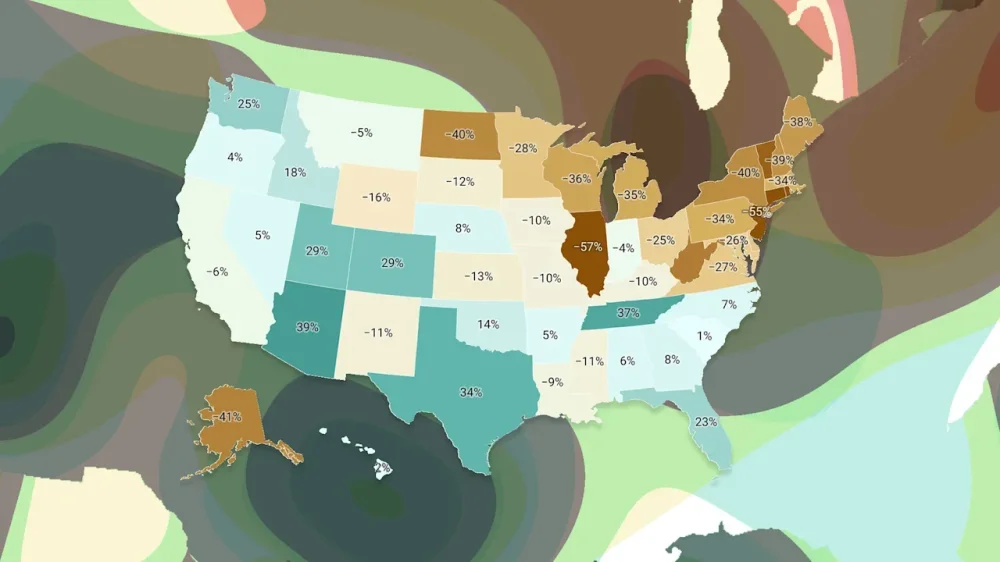
Want more housing market stories from Lance Lambert’s ResiClub in your inbox? Subscribe to the ResiClub newsletter. When assessing home price momentum, ResiClub believes it’s important to monitor active listings and months of supply. If active listings start to rapidly increase as homes remain on the market for longer periods, it may indicate pricing softness or weakness. Conversely, a rapid decline in active listings beyond seasonality could suggest a market that is heating up. Since the national Pandemic Housing Boom fizzled out in 2022, the national power dynamic has slowly been shifting directionally from sellers to buyers. Of course, across the country that shift has varied. Generally speaking, local housing markets where active inventory has jumped above pre-pandemic 2019 levels have experienced softer home price growth (or outright price declines) over the past 36 months. Conversely, local housing markets where active inventory remains far below pre-pandemic 2019 levels have, generally speaking, experienced more resilient home price growth over the past 36 months. Where is national active inventory headed? National active listings are on the rise on a year-over-year basis (+13% between November 2024 and November 2025). This indicates that homebuyers have gained some leverage in many parts of the country over the past year. Some sellers markets have turned into balanced markets, and more balanced markets have turned into buyers markets. Nationally, we’re still below pre-pandemic 2019 inventory levels (-6% below November 2019) and some resale markets, in particular chunks of the Midwest and Northeast, still remain tight-ish. While national active inventory is still up year-over-year, the pace of growth has slowed in recent months—more than typical seasonality would suggest—as some sellers have thrown in the towel and delisted in weak/soft markets. Here are the November inventory/active listings totals, according to Realtor.com: November 2017 -> 1,228,077 📉 November 2018 -> 1,273,047 📈 November 2019 -> 1,143,332 📉 November 2020 -> 683,822 📉 November 2021 -> 512,241 📉 November 2022 -> 750,200 📈 November 2023 -> 755,489 📈 November 2024 -> 953,452 📈 November 2025 -> 1,072,417 📈 If we maintain the current year-over-year pace of inventory growth (+118,965 homes for sale), we’d have 1,191,382 active inventory come November 2026. Below is the year-over-year active inventory percentage change by state: While active housing inventory is rising in most markets on a year-over-year basis, some markets still remain tight-ish (although it’s loosening in those places too). As ResiClub has been documenting, both active resale and new homes for sale remain the most limited across huge swaths of the Midwest and Northeast. That’s where home sellers next spring are likely, relatively speaking, to have more power than their peers in many Southern markets. In contrast, active housing inventory for sale has neared or surpassed pre-pandemic 2019 levels in many parts of the Sun Belt and Mountain West, including metro area housing markets such as Punta Gorda and Austin. Many of these areas saw major price surges during the Pandemic Housing Boom, with home prices getting stretched compared to local incomes. As pandemic-driven domestic migration slowed and mortgage rates rose, markets like Tampa and Austin faced challenges, relying on local income levels to support frothy home prices. This softening trend was accelerated further by an abundance of new home supply in the Sun Belt. Builders are often willing to lower prices or offer affordability incentives (if they have the margins to do so) to maintain sales in a shifted market, which also has a cooling effect on the resale market: Some buyers, who would have previously considered existing homes, are now opting for new homes with more favorable deals. That puts additional upward pressure on resale inventory. At the end of November 2025, 18 states were above pre-pandemic 2019 active inventory levels: Alabama, Arkansas, Arizona, Colorado, Florida, Georgia, Hawaii, Idaho, Nebraska, Nevada, North Carolina, Oklahoma, Oregon, South Carolina, Tennessee, Texas, Utah, and Washington. (The District of Columbia—which we left out of this analysis—is also back above pre-pandemic 2019 active inventory levels too. Softness in D.C. proper’s predates the current admin’s job cuts.) Big picture: Over the past few years, we’ve observed a softening across many housing markets as strained affordability tempers the fervor of a market that was unsustainably hot during the Pandemic Housing Boom. While home prices are falling some in pockets of the Sun Belt, a big chunk of Northeast and Midwest markets still eked out a little price appreciation this year. Nationally aggregated home prices have been pretty close to flat in 2025. Below is another version of the table above—but this one includes every month since January 2017: View the full article
-
The internet has become a vital tool for human connection, but it comes with its fair share of risks, with the biggest being your privacy and security. With the big tech giants hungry for every ounce of your data they can get and scammers looking to target you every day, you do need to take a few precautions to protect your online privacy and security. There's no foolproof approach to these two things, and unfortunately, the onus is on you to take care of your data. Before you start looking for a VPN or ways to delete your online accounts, you should take a moment to understand your privacy and security needs. Once you do, it'll be a lot easier to take a few proactive steps to safeguard your privacy and security on the internet. Sadly, there's no "set it and forget it" solution for this, but I'm here to walk you through some useful hacks that can apply to whatever risks you might be facing. Don't use real information, unless you have toWhen you install an app on your phone, you'll often be bombarded with pop-ups asking for permission to access your contacts, location, notifications, microphone, camera, and many other things. Some are necessary, while most are not. The formula I use is to deny every permission unless it's absolutely necessary to the app's core function. Similarly, when you're creating a profile anywhere online, you should avoid giving out any personal information unless it's absolutely necessary. You don't have to use your legal name, real date of birth, or an email address with your real name on most apps you sign up for. Some sites also still use antiquated password recovery methods such as security questions that ask for your mother's maiden name. Even in these fields, you don't have to reveal the truth. Every bit of information that you put on the internet can potentially be exposed in a breach. It's best to use information that's either totally or partially fake to safeguard your privacy. You can remove yourself from Google search results Credit: Pranay Parab If your personal information is easily available on Google, and you want to get it removed, you can send Google a request to remove it. Check Google's support page for how to remove results to see specific instructions for your case. For most people, the simplest way to remove results about yourself is to go to Google's Results About You page, sign in, and follow the instructions on screen. Use email aliases to identify where your data was leaked fromMost modern email services let you create unlimited aliases, which means that you don't need to reveal your primary email address each time you sign up for a new service. Instead of signing up with realemail@gmail.com, you can use something like realemail+sitename@gmail.com. Gmail lets you create unlimited aliases using this method, and you can use that to identify who leaked your data. If you suddenly start getting a barrage of spam to a particular alias, you'll know which site sold your data. Your photos reveal a lot about youWhen you take a photo, the file for it contains a lot of information about you. By default, all cameras will store EXIF (exchangeable image format) data, which logs when the photo was taken, which camera was used, and photo settings. You should remove exif data from photos before posting them on the internet. If you're using a smartphone to take photos, it'll also log the location of each image, which can be used to track you. While social media sites may sometimes remove location and exif data from your pictures, you cannot always rely on these platforms to protect your privacy for you. You should take a few steps to strip exif data before uploading images. The easiest way to get started is to disable location access for your phone's camera app. On both iPhone and Android, you can open the Settings app, navigate to privacy settings or permissions, and deny location access to Camera. This will mean that you won't be able to search for a location in your photos app and identify all photos taken there, and you'll also lose out on some fun automated slideshows that Apple and Google create. However, it also means that your privacy is protected. You can also use apps to quickly hide faces and anonymize metadata from photos. While you're at it, don't forget that screenshots can also leak sensitive information about you. Some types of malware steal sensitive information from screenshots, so be sure to periodically delete those, too. Think about what you use AI for Credit: Pranay Parab Nearly every single AI tool is mining your data to improve its services. Sometimes, this means it's using everything you type or upload. At other times, it could be using things you've written, photos or videos you've posted, or any other media you've ever uploaded to the internet, to train its AI models. There's not much you can do about mass data scraping off the internet, but you can and should be careful with your usage of AI tools. You can sometimes stop AI tools from perpetually using your data, but relying on these companies to honor those settings toggles is like relying on Meta to keep your data private. It's best to avoid revealing any personal information to any AI service, regardless of how strong a connection you feel with it. Just assume that anything you send to an AI service can, and probably will, be used to train AI models or even be sold to advertising companies. You can delete information stored with data brokersYes, big companies like Facebook or TikTok can track you even if you don't have an account with them. Data brokers collect vast troves of information about your internet visits, and sell it to advertisers or literally anyone who's willing to pay. To limit the damage, you can start by following Lifehacker's guide to blocking companies from tracking you online. Next, you can go ahead and opt out of data collection by data brokers. If that's not enough, you can also use services that remove your personal information from data broker sites. A VPN isn't always the right answerNow, I'm sure some of you are thinking that using a VPN will protect you from most of the tracking on the internet. That may be true in some cases, but using a VPN 24/7 is not the right approach for most people. For starters, it just routes all your traffic via the VPN company's servers, which means that you need to place your trust in the company's promises not to log your information, and its ability to keep your data safe and private. It also won't protect you from the types of data leaks that might happen from, say, publicly posting photos tagged with location data. Many VPN providers claim to be able to protect you, but there are downsides to consider. Some companies such as Mullvad and Proton VPN have earned a solid reputation for privacy, but using a VPN all the time can create more problems than it solves. Your internet speed slows down a lot, streaming services may not work properly, and lots of sites may not load at all because they block VPN IP addresses. In most cases, you'll probably be better off if you use adblockers and an encrypted DNS instead. Try a different combination of privacy toolsFor most people, ad blockers are a good privacy tool. Even though Google is cracking down on ad blockers, there are ways to get around those restrictions. I highly recommend using uBlock Origin, which also has a mobile version now. Once you've settled on a good ad blocker, you should consider also using a good DNS service to filter out trackers, malware, and phishing sites on a network level. Having a DNS service is like having a privacy filter for all your internet traffic, whether it's on your phone, laptop, or even your router. I've been using NextDNS for a few years, but you can also try AdGuard DNS or ControlD. All of these services have a generous free tier, but you can optionally pay a small annual fee for more features. Use a good firewall for your computer Credit: Little Snitch Almost all apps these days send telemetry data to remote servers. This isn't too much of a problem if you only use apps from trusted sources, and can help with things like automatic software updates. But malicious apps or even poorly managed ones may be more open with your data than you would like. You can restrict some of that by using a good firewall app. This lets you monitor incoming and outgoing internet traffic from your device, and restrict devices from sending unwanted data to the internet. Blocking these requests can hamper some useful features, like those automatic app updates, but they can also stop apps from unnecessarily sending data to online servers. There are some great firewall apps for Mac and for Windows, and you should definitely consider using these for better online privacy. Switch to a good password managerI've probably said this a million times, but I will repeat my advice: use a good password manager. You may think it's a bit annoying, but this single step is the easiest way to greatly improve your security on the internet. Password managers can take the hassle of remembering passwords away from you, and they'll also generate unique passwords that are hard to crack. Both Bitwarden and Apple Passwords (which ships with your Mac, iPhone, and iPad) are free to use, and excellent at their job. Go right ahead and start using them today. I guarantee that you won't regret it. View the full article
-
Researchers on the forefront of artificial intelligence (AI) and leaders of many of the major platforms—from Jeffrey Hinton to Yoshua Bengio, Demis Hassabis, Sam Altman, Dario Amodei, and Elon Musk—have voiced concerns that AI could lead to the destruction of humanity itself. Even the stated odds from some of these AI experts, with an end-days scenario as high as 25%, are still “wildly optimistic,” according to Nate Soares, president of the Machine Intelligence Research Institute (MIRI) and coauthor of the recent best-selling book If Anyone Builds It, Everyone Dies. That’s because, as he argues in the book, the track we’re on with AI is headed for disaster—unless something radically changes. The book, cowritten with researcher Eliezer Yudkowsky, explores potential threats posed by “superintelligence,” or theoretical AI systems that are smarter than humans. “We’re sort of growing these AIs that act in ways nobody asked for, that have these drives and emergent behaviors nobody intended,” Soares said at last month’s World Changing Ideas Summit, cohosted by Fast Company and Johns Hopkins University in Washington, D.C. “If we get superhumanly intelligent AIs that are pursuing ends nobody wanted, I think the default outcome is that literally everybody on earth dies,” he added. A reckoning for the world Likening the work of some AI leaders to building an airplane while flying with no landing gear, Soares said that not enough attention is being paid to the technology’s potentially negative outcomes. The amount of global investment being poured into AI shows that people are betting it won’t be a “total dud,” he said, but there are two other “crazy” options: AI radically automates all human labor, so the economy is captured by a very small group, or it becomes super intelligent and kills everyone. “The world hasn’t really quite come to understand just how crazy this AI stuff is,” Soares said. But there is some reason for optimism, Soares said, as a lot of people are worried about the future of AI, which makes for a “brittle” situation if more people—all of us included—voice their concerns. “Maybe if enough people are like, ‘Wait, we’re doing what now? What the heck?’” Soares said. “Maybe that will shake the whole world into saying, ‘Holy crap, let’s change course.’” View the full article

-
At the recent AWS re:Invent conference, Amazon Web Services (AWS) unveiled significant enhancements to its Amazon Bedrock AgentCore, designed to empower businesses in developing, deploying, and scaling AI agents effectively. These innovations can reshape how small businesses integrate artificial intelligence into their operations, providing tools that not only streamline tasks but also enhance decision-making processes. The new features of the Amazon Bedrock AgentCore include real-time policy enforcement, continuous evaluations, and advanced memory mechanisms. These developments address several challenges that businesses face when adopting AI technologies. One of the most critical capabilities introduced is policy enforcement that actively blocks unauthorized actions by AI agents. This function operates outside the core agent code, offering small business owners a robust layer of security against unintended or harmful decisions made by AI systems. As Paul Kinney, Vice President of Product Development at Amazon Device Operations, noted, “Trust is crucial in AI adoption, and our new policy controls ensure that human oversight is maintained even as businesses scale their operations.” Additionally, AgentCore Evaluations enable developers to continuously assess their AI agents’ performance. This real-time feedback can be particularly beneficial for small businesses that may lack the extensive resources to monitor AI developments rigorously. By leveraging these evaluation tools, small business owners can ensure that their agents are operating efficiently and making effective decisions based on current data. The newly introduced AgentCore Memory feature further enhances AI functionality by allowing agents to learn from past interactions and decisions, improving their decision-making capabilities over time. This episodic learning can significantly boost operational efficiency, particularly for businesses in customer service, marketing, and supply chain management. For instance, a small e-commerce shop could employ an AI agent that remembers customer preferences, delivering personalized experiences that drive sales and increase customer satisfaction. Real-world applications of these innovations span a wide array of industries. From healthcare organizations like Cohere Health, which could leverage AI for patient management, to logistics firms enhancing supply chain decisions with better data analysis, the potential is vast. This adaptability underscores the utility of AgentsCore across sectors, making it an attractive option for small businesses aiming to gain a competitive edge. However, it’s essential for small business owners to consider the potential challenges these technologies may bring. The complexity of implementing AI can overwhelm smaller teams lacking in-depth technical expertise. As noted by tech consultant Lisa Jacobs, “While these advancements are promising, it’s vital for small businesses to invest in training and support to maximize their benefits. Without a proper understanding, the risk of underutilization increases.” Moreover, the rapid pace of AI development means small businesses need to stay abreast of continuous updates and changes. Keeping up with technology is not just about acquisition but also involves ongoing education and adaptation. For some smaller firms, especially those operating under tight budgets, investing in such technology can feel daunting. However, taking advantage of AWS’s extensive resources and tutorials could ease this transition. Nevertheless, the potential benefits often outweigh the challenges. The enhancements to Amazon Bedrock AgentCore could catalyze significant transformation for smaller enterprises. By leveraging these advanced AI capabilities effectively, businesses can streamline operations, enhance customer interactions, and ultimately drive growth. The bottom line is that these innovations provide a unique opportunity for small businesses to harness the power of AI. The tools and mechanisms offered in the Amazon Bedrock AgentCore can help them navigate the complexities of AI integration while benefiting from increased productivity and improved decision-making processes. For more details on the newly introduced capabilities of Amazon Bedrock AgentCore, visit the original press release at Amazon News. Image via Google Gemini This article, "Amazon Launches Enhancements to Bedrock AgentCore for Smarter AI Agents" was first published on Small Business Trends View the full article
-
At the recent AWS re:Invent conference, Amazon Web Services (AWS) unveiled significant enhancements to its Amazon Bedrock AgentCore, designed to empower businesses in developing, deploying, and scaling AI agents effectively. These innovations can reshape how small businesses integrate artificial intelligence into their operations, providing tools that not only streamline tasks but also enhance decision-making processes. The new features of the Amazon Bedrock AgentCore include real-time policy enforcement, continuous evaluations, and advanced memory mechanisms. These developments address several challenges that businesses face when adopting AI technologies. One of the most critical capabilities introduced is policy enforcement that actively blocks unauthorized actions by AI agents. This function operates outside the core agent code, offering small business owners a robust layer of security against unintended or harmful decisions made by AI systems. As Paul Kinney, Vice President of Product Development at Amazon Device Operations, noted, “Trust is crucial in AI adoption, and our new policy controls ensure that human oversight is maintained even as businesses scale their operations.” Additionally, AgentCore Evaluations enable developers to continuously assess their AI agents’ performance. This real-time feedback can be particularly beneficial for small businesses that may lack the extensive resources to monitor AI developments rigorously. By leveraging these evaluation tools, small business owners can ensure that their agents are operating efficiently and making effective decisions based on current data. The newly introduced AgentCore Memory feature further enhances AI functionality by allowing agents to learn from past interactions and decisions, improving their decision-making capabilities over time. This episodic learning can significantly boost operational efficiency, particularly for businesses in customer service, marketing, and supply chain management. For instance, a small e-commerce shop could employ an AI agent that remembers customer preferences, delivering personalized experiences that drive sales and increase customer satisfaction. Real-world applications of these innovations span a wide array of industries. From healthcare organizations like Cohere Health, which could leverage AI for patient management, to logistics firms enhancing supply chain decisions with better data analysis, the potential is vast. This adaptability underscores the utility of AgentsCore across sectors, making it an attractive option for small businesses aiming to gain a competitive edge. However, it’s essential for small business owners to consider the potential challenges these technologies may bring. The complexity of implementing AI can overwhelm smaller teams lacking in-depth technical expertise. As noted by tech consultant Lisa Jacobs, “While these advancements are promising, it’s vital for small businesses to invest in training and support to maximize their benefits. Without a proper understanding, the risk of underutilization increases.” Moreover, the rapid pace of AI development means small businesses need to stay abreast of continuous updates and changes. Keeping up with technology is not just about acquisition but also involves ongoing education and adaptation. For some smaller firms, especially those operating under tight budgets, investing in such technology can feel daunting. However, taking advantage of AWS’s extensive resources and tutorials could ease this transition. Nevertheless, the potential benefits often outweigh the challenges. The enhancements to Amazon Bedrock AgentCore could catalyze significant transformation for smaller enterprises. By leveraging these advanced AI capabilities effectively, businesses can streamline operations, enhance customer interactions, and ultimately drive growth. The bottom line is that these innovations provide a unique opportunity for small businesses to harness the power of AI. The tools and mechanisms offered in the Amazon Bedrock AgentCore can help them navigate the complexities of AI integration while benefiting from increased productivity and improved decision-making processes. For more details on the newly introduced capabilities of Amazon Bedrock AgentCore, visit the original press release at Amazon News. Image via Google Gemini This article, "Amazon Launches Enhancements to Bedrock AgentCore for Smarter AI Agents" was first published on Small Business Trends View the full article
-
It’s Christmas time, so I’m taking a look at myths related to the holiday. Last week, I focused on myths about Jesus. This week I’m taking a look at that other beloved Christmas icon: Santa Claus, the central figure in the secular holiday mascot pantheon, who is so mysterious, we can’t even agree on his real name. I’m sure he’s innocent of any crimes, but Santa has many aliases. Among many other sobriquets and honorifics, the guy who brings presents in December goes by Jolly Old St. Nicholas, Kris Kringle, Père Noël, and Father Christmas. That’s a lot of fake identities, but what is his real name? And who invented him? Did Coca-Cola invent Santa Claus?There is an often repeated myths that the modern image of Santa Claus—red clothes, white beard, fat—was created by the Coca Cola company in the 1930s to sell soda. But nah. While it’s true that Coke blanketed popular publications with ads featuring Haddon Sundblom’s illustrations of a red-clad hefty boy drinking Coke, Sundblom’s was drawing on existing depictions of Santa, particularly the 1822 poem "A Visit From St. Nicholas," commonly called "'Twas the Night Before Christmas." Did Clement Clark Moore invent Santa Claus? "A Visit from St. Nicholas" was written by Clement Clark Moore's and the poem did create some Santa details that have been nearly universally adopted. The chubbiness, the twinkly eyes, the jollyness, and the rosy cheeks are pure Moore. Also the sleigh and reindeer, the reindeer’s names, and Santa coming down the chimney were invented by Moore. But Moore didn’t invent Santa, because Moore thought St. Nick was a wee baby man. Santa Claus is not a wee baby manWhile Twas the Night Before Christmas offers no specific height for St. Nicholas, Moore describes St. Nick as “an elf,” and “a little old driver,” who pilots a “miniature sleigh” towed by “eight tiny reindeer.” He is said to fit up the chimney with ease, even though he has a belly like a bowlful of jelly. The preponderance of clues from Moore’s poem suggest St. Nick is around two feet tall. Moore’s poem isn’t even about Santa Claus. It’s about St. Nick, and much of Moore’s inspiration was based on centuries-old traditions, and those were based on folk myths drawn from Catholic hagiographies. But if you trace Santa Claus mythologies all the way back to the year 300, during the Roman Empire, you will actually land on a historically verified person who lived on earth. So Santa Claus is real—kind of. Jolly Old St. Nicholas: original Christmas badass Credit: Public Domain Above is a depiction of St. Nicholas painted between 1503 and 1508. You may be wondering why St. Nick is pictured gesturing to three miniature, naked men standing in a wooden barrel—like what kind of Christmas parties did they have back then?? I’m going to get to it, believe me, but first—the facts. Saint Nicholas of Myra, also known as Nicholas the Wonderworker, was a Catholic bishop who lived in Turkey during the Roman Empire and (probably) attended the First Council of Nicaea in 325. He died on Dec. 6 sometime around 343. That’s all we know for sure about St. Nick—the earliest accounts of his life and deeds were hagiographies written centuries after his death, so, according to leading St. Nick historian Jona Lendering and common sense, can't be relied upon. But still, a cult formed around St. Nick, people built churches to him, and we still talk about him today as a good guy who brings kids presents, so he must have done something right. Here are only some of the good deeds and miracles attributed to St. Nicholas: As an infant, refused to suckle his mother’s breast on Fridays Rescued three girls from prostitution by giving their father gold to pay their dowries Calmed a storm at sea Saved three soldiers from wrongful execution Remained chaste Chopped down a tree possessed by a demon Slapped the heretic Arius at the Council of Nicaea for suggesting God created Jesus All those are good deeds, but one tale of St. Nick is a great deed that stands head and shoulders above the others; St. Nicholas, it is said, resurrected three children who had been murdered, chopped up, and and pickled in brine by an evil butcher planning to sell them as pork during a famine. As you’d probably expect, the story of St. Nicholas confronting an evil butcher and bringing pickled children back from the grave caught on with people in a bigger way than the one about him slapping a heretic. Some variations had him enslaving the evil butcher and bringing him around on his yearly rounds to beat naughty children with a stick. All of which brings us back to the homunculi: They're wearing goose suits. Credit: Public Domain The story of the resurrected children so enthralled people that artists started depicting St. Nick with three little buff boys in a vat (they only look like old men because painters in the early medieval period sucked at drawing children). “St. Nick with naked children” was seen so much that even people who hadn’t heard the story of the butcher associated the saint with children and he became known as the Saint who liked children (but not in a gross way). The legend and cult of St. Nicholas spread far and wide, and when it made it to the Netherlands, they called him “Sinterklaas" which eventually became Santa Claus. The religious rivalry of Kris Kringle and St. NicholasKris Kringle and St. Nick were once bitter enemies, products of warring religious dogmas, but Christmas magic and American religious tolerance melded them into a single holiday entity. By the 17th century, a jolly old saint named Nicholas bringing children presents on Dec. 6 was the tradition all over Europe. But Protestant reformer Martin Luther did not want no Catholic saint giving presents to no Protestant kids. So Luther replaced St. Nick with Jesus himself, creating and popularizing a tradition where Baby J gives children presents on Dec. 25, the anniversary of the day He was born, rather than St. Nick giving them presents on Dec. 6, the anniversary of his own death. The gift giver was called Christkindl, the Christ Child and was often depicted with wings. Said to hide mischievously when delivering gifts, Christkindl was to grown-up Jesus as The Muppet Babies are to The Muppets—not quite canonical, but fun for kids. He was also St. Nick's enemy, sent to erase the jolly old saint from the Protestant imagination, and the operation was partially successful. Christkindl is still the default seasonal gift bringer in some parts of the world. But the joke was ultimately on Martin Luther. Christkindl came to the U.S. with German immigrants in the 1800s. Germans met the Dutch settlers who were already here and devoted to St. Nicholas. Presumably because both St. Nicholas and Christkindle are myths told to children, there was no bitter, bloody religious war. Not a single heretic was slapped. Instead, they compromised: America gradually settled on presents being delivered on Dec. 25 instead of Dec. 6, but Santa Claus brought the gifts instead of Christkindl, whose name eventually morphed into “Kris Kringle,” another name for Santa/St. Nick. View the full article
-
The Senate is heading toward dueling partisan votes on health care this week after Republicans said Tuesday that they had united around a plan, for now, that would allow COVID-era health care subsidies to expire. Both the Republican plan, which would replace the subsidies with new savings accounts, and a Democratic bill to extend the enhanced Affordable Care Act tax credits for three years lack the bipartisan support needed for passage. Senate Majority Leader John Thune, R-S.D., said Tuesday that the Democratic legislation does not include enough reforms to curb fraud or limit high-income recipients. That legislation “will fail,” Thune said. At the same time, Democratic Leader Chuck Schumer called the Republican plan “phony” and said the bill is “dead on arrival.” The burden is on Republicans “to vote with us,” Schumer said of Democrats, who forced a 43-day government shutdown over the issue. With Republicans and Democrats unable to agree — or even really negotiate with each other — millions of people could see increases in their premium payments when the tax credits expire in January. Both sides blame the other for the increasingly likely failure of Congress to act, bringing the issue into the midterm election year with political talking points but little in the way of compromise on the subsidies that have helped keep costs down for many of the more than 24 million Americans. Tentative GOP unity after years of disagreement The Republican unity around a single plan, in the Senate at least, comes as the party has wrangled for more than a decade over how to replace former President Barack Obama’s signature law, also known as Obamacare. The legislation by Louisiana Sen. Bill Cassidy, the chairman of the Senate Health, Labor, Education and Pensions Committee, and Idaho Sen. Mike Crapo, the chairman of the Senate Finance Committee, emerged this week from many different proposals from Republican senators, including some that would have extended the tax credits with new limits. Despite those differences, Republicans worked to project unity as they emerged from a lunch meeting Tuesday. Ohio Sen. Bernie Moreno, who had just recently proposed legislation to extend the subsidies with new income caps, said he is now “hyper-focused” on Cassidy and Crapo’s legislation. Missouri Sen. Josh Hawley, who had his own bill to reduce taxes on health care, said the consensus bill “isn’t perfect, but I’m willing to give it a go.” “I just think that Republicans can’t do nothing,” Hawley said after the meeting. “I think we ought to be doing everything we can to try and get down the cost of health care.” Thune said there will now be “something out there that Republicans will be able to talk about and support and vote for, and then we’ll see.” There was less consensus in the House, where moderate Republicans who are up for reelection have been pushing Speaker Mike Johnson, R-La., to extend the subsidies with new reforms while the right flank of the party has demanded deeper reforms to the ACA. House Majority Leader Steve Scalise told reporters that GOP leadership will present options to members on Wednesday for potential votes next week. Proposed health savings accounts The bill by Cassidy and Crapo would let the current subsidies, first put in place during the COVID-19 pandemic, expire. The legislation would then make payments to the new health savings accounts for the next two years, for enrollees making less than 700% of the federal poverty level who pick lower-cost, higher-deductible bronze or catastrophic health insurance plans. Eligible enrollees between the ages of 18 and 49 would get $1,000 per year, while those between 50 and 64 would get $1,500. The money could be spent to defray out-of-pocket expenses like copays and deductibles, or to purchase other qualified health-related items directly from companies, but not to cover monthly premiums. Cassidy and Crapo say their bill provides better support to Americans than the expiring subsidies do because it hands money directly to the people, giving them the power to decide how to spend or save it — a message President Donald The President has echoed in recent weeks. Republicans say the plan could also cut down on fraud in the health care system, pointing to a Government Accountability Office report that found some fake recipients were able to get coverage. The bill also includes new language limiting the use of Affordable Care Act money for abortion — a dealbreaker for moderate Democrats who say they would have been willing to negotiate on the issue. Uncertainty over costs Health analysts warn that the plan won’t do much to help lower-income Affordable Care Act enrollees who rely on subsidies to afford their monthly insurance fees. The Republicans’ plan also requires enrollees to pick higher-deductible plans to be eligible for the payments — meaning heavy users of health insurance may end up saddled with out-of-pocket costs far higher than the new influx of cash in their pockets. Oregon Sen. Ron Wyden, the top Democrat on the Senate Finance Committee, said the GOP proposal “leaves middle-class Americans saddled with sky-high premiums, and Big Insurance makes out like bandits by selling junk plans to families that desperately need health coverage.” “Instead of working with Democrats to stop this health cost crisis, Republicans are selling snake oil,” Wyden said. Swenson reported from New York. Associated Press reporter Kevin Freking contributed to this report. —Mary Clare Jalonick and Ali Swenson, Associated Press View the full article

-
Former lobbyist and UK deputy prime minister joins London-based Hiro CapitalView the full article
-
Enthusiastic picklers are fighting a war against neighbours sick of the sport’s relentless ‘pock, pock, pock’ noise View the full article
-
In sales, perfecting key strategies can greatly improve your success. Knowing your product inside and out is crucial, but it’s equally important to understand your customer’s specific pain points. Effective follow-up and relationship building can lead to loyal clients and referrals. By utilizing rejection as a learning opportunity, you can refine your approach. These foundational tips are just the beginning; exploring the nuances of each can transform your sales technique. What’s next on your path to excellence? Key Takeaways Understand your product’s unique features and benefits to effectively convey its value to customers. Research prospects’ pain points to tailor solutions that resonate with their specific challenges. Follow up consistently, as most sales require multiple touchpoints to close a deal successfully. Embrace rejection as a learning opportunity to refine your sales strategy and improve future interactions. Set clear, measurable sales goals to maintain focus and track progress towards success. Know Everything About Your Product Comprehending your product is vital for achieving sales success. Knowing its features, functions, and benefits allows you to address customer pain points effectively. Familiarize yourself with product demo videos, support documents, and FAQs to confidently answer questions during sales interactions. Highlighting unique features that set your product apart from competitors strengthens your sales pitch, reinforcing your unique selling proposition (USP). This knowledge enables you to tailor solutions to meet the individual needs of prospects, creating a personalized sales experience. Continuous learning and staying updated on product developments will help maintain your confidence, which is imperative for building trust and rapport. For effective sales, apply these helpful sales tips and sales tips tricks to guarantee you’re prepared for every interaction. Understand the Prospect’s Pain Points Grasping your prospect’s pain points is crucial for developing effective sales strategies. Actively listening to prospects can reveal specific challenges, which allows you to present customized solutions that resonate with their needs. Research shows that 68% of buyers prefer salespeople who comprehend their problems and offer relevant solutions. By asking open-ended questions, you can uncover underlying issues that may not be immediately apparent, nurturing deeper engagement. Addressing these pain points effectively builds trust, as prospects are more inclined to believe in sales professionals who articulate how their product or service directly addresses their challenges. In the end, comprehending pain points can greatly increase your sales conversion rates, making it a critical focus in your sales approach. Know Your Customer in Advance Knowing your customer in advance can greatly improve your sales effectiveness. Researching prospects before meetings can boost your success by 70%, as it allows you to tailor your approach to their specific needs. Identifying the decision-maker is essential, since 75% of buyers prefer reps who understand their company’s structure. Furthermore, knowing the goals of your call helps maintain focus; calls with clear objectives have a 30% higher success rate. Reviewing previous interactions builds relationships, making 65% of customers feel valued when you acknowledge past conversations. Finally, utilizing customer data and insights boosts engagement, with personalized outreach leading to a 45% increase in response rates compared to generic messaging. Prior preparation is key to effective sales. Always Follow Up After you’ve taken the time to understand your customer and their needs, the next step in the sales process is to follow up. It’s important to keep in mind that 80% of sales require at least five follow-ups to close a deal. Timing matters; responding to leads within 24 hours can double your win rates for smaller deals and boost larger ones by 21%. Use follow-up emails to maintain connections and address any lingering questions. Here are some tips to improve your follow-up strategy: Personalize your communications by referencing past conversations. Utilize tools like Badger Maps to schedule follow-ups efficiently. Keep your follow-ups brief and focused. Follow up consistently to demonstrate your persistence and interest. Use Rejection as an Opportunity Rejection is an integral part of the sales process, and using it as a tool for growth can greatly improve your success. By analyzing the reasons behind each rejection, you can pinpoint areas for improvement and refine your approach, making every setback a stepping stone. Cultivating resilience in the face of rejection not just builds your adaptability but furthermore positions you for better outcomes in future interactions with potential clients. Embrace Rejection’s Lessons In the domain of sales, facing rejection can be a valuable opportunity for growth, as it allows you to reflect on your approach and refine your techniques. Embracing rejection helps you develop resilience and adaptability, which are essential for long-term success. Consider these strategies to turn rejection into a learning experience: View rejection as a learning tool: Each “no” can reveal areas for improvement. Gather feedback: Ask rejected prospects for their thoughts to uncover objections. Stay motivated: Use rejection to fuel your desire to improve skills. Keep a growth mindset: Understand that persistence often leads to eventual success. Analyze Rejection Reasons When sales professionals encounter rejection, it’s essential to analyze the reasons behind it to transform setbacks into stepping stones for future success. By comprehending common objections, you can improve your sales pitches, boosting effectiveness by 20-30%. Furthermore, gathering feedback from rejected prospects helps refine your value propositions, increasing your conversion rates in future interactions. Rejections likewise provide valuable insights into market trends and customer preferences, allowing you to adjust your sales strategies accordingly. Viewing rejection as a learning opportunity not only strengthens your resilience but can increase your likelihood of closing future deals by 50%. Finally, documenting rejection reasons creates a resource for training, nurturing a culture of continuous improvement within your team. Build Resilience Through Experience Building resilience through experience involves recognizing that rejection is a natural part of the sales process. To thrive, you need to embrace rejection and view it as an opportunity for growth. Consider these key points: Understand rejection: It’s common; 80% of sales require at least five follow-ups. Analyze feedback: Investigate why a prospect declined; insights can refine your pitch. Adapt and improve: Use setbacks to strengthen your future interactions. Shift your mindset: View rejection as a stepping stone to boost your performance. Leverage Technology for Efficiency To boost your efficiency in sales, consider utilizing CRM tools to centralize customer interactions and manage your sales pipeline effectively. By automating administrative tasks, you can save significant time—up to 20%—which allows you to concentrate on selling. Embracing these technologies not just streamlines your processes but likewise improves your ability to build stronger customer relationships. CRM Tools Utilization Utilizing CRM tools effectively can greatly improve your sales efficiency by centralizing customer data and streamlining communication. These systems help you manage leads and track interactions, potentially boosting your sales productivity by 30%. Here are some ways you can leverage CRM tools: Automate repetitive tasks like follow-up emails and appointment scheduling. Gain insights into customer behavior and preferences through advanced analytics. Integrate with other sales technologies for a more cohesive workflow. Regularly update and maintain your CRM data for accurate records. Automate Administrative Tasks Automating administrative tasks is a breakthrough for sales professionals looking to improve their efficiency and focus on what truly matters: building relationships and closing deals. By utilizing sales automation tools, you can reduce time spent on administrative duties by up to 30%. This allows you to dedicate more time to selling and nurturing connections. Implementing CRM systems streamlines lead management, tracking interactions effectively and potentially increasing your win rates by 20%. Automating repetitive tasks like email outreach can save you an average of 8 hours each week. Additionally, leveraging AI-powered tools provides insights into customer behavior, boosting conversion rates by 15%. Integrating chatbots for initial interactions improves lead qualification, capturing valuable data and enabling engagement with more qualified prospects. Build Strong Relationships Building strong relationships with your prospects is essential for long-term success in sales, as trust is a key component of any business transaction. To nurture these connections, consider the following strategies: Engage in meaningful conversations instead of just delivering sales pitches, boosting your closing chances by 50%. Follow up on personal connections made during meetings, as 70% of buyers appreciate personalized outreach. Maintain regular communication and check-ins, since 80% of sales require at least five follow-ups to secure a deal. Show genuine interest in your prospect’s needs, leading to a 41% increase in customer loyalty and higher referral rates. Develop a Unique Selling Proposition (USP) A Unique Selling Proposition (USP) is vital for distinguishing your product in a crowded marketplace. It clearly articulates what sets your product apart from competitors, highlighting unique features and benefits that resonate particularly with your target audience. A well-defined USP can greatly boost customer engagement; 64% of consumers are more likely to buy from a brand that communicates its value proposition clearly. To develop your USP, understand your customers’ pain points and directly address them, which can improve conversion rates. Successful brands incorporate their USP into all marketing materials, ensuring consistent messaging that improves brand recognition and loyalty. Regularly testing and refining your USP based on customer feedback is critical, as 70% of companies that do so see improved sales performance. Master the Art of Listening How can perfecting the art of listening transform your sales approach? By focusing on active listening, you can better understand your customers and improve your rapport with them. Here are some key techniques: Paraphrase customer statements to guarantee comprehension. Use open body language and nod to show engagement. Actively listen to feedback to refine your sales techniques. Identify unconsidered needs to tailor your solutions. Set Clear Goals and Metrics Setting clear goals and metrics is essential for driving sales success. When you set specific sales goals, you increase your focus and motivation, making you ten times more likely to achieve them. By utilizing metrics, you can track your progress and make timely adjustments to your strategies, potentially boosting your performance by up to 30%. Establishing SMART goals—Specific, Measurable, Achievable, Relevant, Time-bound—provides a structured approach that improves accountability. Regularly reviewing sales metrics like conversion rates and customer acquisition costs helps identify patterns and areas for improvement. Finally, celebrating milestones toward your goals boosts team morale and cultivates a culture of success, encouraging continuous improvement in your sales efforts. Frequently Asked Questions What Are the 7 Essential Selling Skills Every Sales Person Should Know? To succeed in sales, you should master seven crucial skills: active listening to understand customer needs, emotional intelligence to connect with clients, and thorough product knowledge to answer queries confidently. Adaptability allows you to adjust your approach for different personalities, whereas persistence guarantees you follow up effectively. Strong communication skills help convey your message clearly, and negotiation skills enable you to reach mutually beneficial agreements. These skills improve your overall effectiveness in sales. What Are the 7 Keys to Sales? The seven keys to sales include comprehending customer needs, active listening, personalizing communication, leveraging technology, demonstrating value, consistent follow-up, and maintaining persistence. First, identify and empathize with your customer’s challenges. Next, listen carefully to tailor your approach. Use CRM tools to streamline processes and analyze data. Show how your solution provides unique benefits, not just a lower price. Finally, follow up regularly, as persistence often leads to successful outcomes in sales. What Are the 5 Key of Sales? The five keys to sales include grasping your buyers, aiming to solve their pain points, following up strategically, personalizing communication, and leveraging social proof. First, create detailed buyer personas to tailor your approach. Next, address specific challenges your customers face. Then, implement consistent follow-ups, as many sales need several attempts. Personalize your messages to build rapport, and finally, use testimonials to establish credibility and influence decisions effectively. These strategies improve overall sales success. What Are the 7 Steps to Successful Selling? To achieve successful selling, follow these seven steps: First, identify and qualify leads to target the right prospects. Next, build rapport and trust through meaningful conversations. Then, present customized solutions that address specific pain points. After that, handle objections gracefully by anticipating concerns. Finally, close with confidence, emphasizing the value and urgency of your offering. Timely follow-ups can improve your chances of closing deals and securing new customers. Conclusion In conclusion, mastering sales requires a strategic approach that includes in-depth product knowledge, comprehension of customer pain points, and effective follow-up practices. By leveraging technology and actively listening to prospects, you can improve your relationships and identify their needs. Setting clear goals and developing a unique selling proposition will keep your efforts focused and efficient. Remember, each interaction is an opportunity for growth, and consistently nurturing connections can lead to increased customer loyalty and referrals. Image via Google Gemini This article, "10 Essential Sales Tips and Tricks for Success" was first published on Small Business Trends View the full article
-
In sales, perfecting key strategies can greatly improve your success. Knowing your product inside and out is crucial, but it’s equally important to understand your customer’s specific pain points. Effective follow-up and relationship building can lead to loyal clients and referrals. By utilizing rejection as a learning opportunity, you can refine your approach. These foundational tips are just the beginning; exploring the nuances of each can transform your sales technique. What’s next on your path to excellence? Key Takeaways Understand your product’s unique features and benefits to effectively convey its value to customers. Research prospects’ pain points to tailor solutions that resonate with their specific challenges. Follow up consistently, as most sales require multiple touchpoints to close a deal successfully. Embrace rejection as a learning opportunity to refine your sales strategy and improve future interactions. Set clear, measurable sales goals to maintain focus and track progress towards success. Know Everything About Your Product Comprehending your product is vital for achieving sales success. Knowing its features, functions, and benefits allows you to address customer pain points effectively. Familiarize yourself with product demo videos, support documents, and FAQs to confidently answer questions during sales interactions. Highlighting unique features that set your product apart from competitors strengthens your sales pitch, reinforcing your unique selling proposition (USP). This knowledge enables you to tailor solutions to meet the individual needs of prospects, creating a personalized sales experience. Continuous learning and staying updated on product developments will help maintain your confidence, which is imperative for building trust and rapport. For effective sales, apply these helpful sales tips and sales tips tricks to guarantee you’re prepared for every interaction. Understand the Prospect’s Pain Points Grasping your prospect’s pain points is crucial for developing effective sales strategies. Actively listening to prospects can reveal specific challenges, which allows you to present customized solutions that resonate with their needs. Research shows that 68% of buyers prefer salespeople who comprehend their problems and offer relevant solutions. By asking open-ended questions, you can uncover underlying issues that may not be immediately apparent, nurturing deeper engagement. Addressing these pain points effectively builds trust, as prospects are more inclined to believe in sales professionals who articulate how their product or service directly addresses their challenges. In the end, comprehending pain points can greatly increase your sales conversion rates, making it a critical focus in your sales approach. Know Your Customer in Advance Knowing your customer in advance can greatly improve your sales effectiveness. Researching prospects before meetings can boost your success by 70%, as it allows you to tailor your approach to their specific needs. Identifying the decision-maker is essential, since 75% of buyers prefer reps who understand their company’s structure. Furthermore, knowing the goals of your call helps maintain focus; calls with clear objectives have a 30% higher success rate. Reviewing previous interactions builds relationships, making 65% of customers feel valued when you acknowledge past conversations. Finally, utilizing customer data and insights boosts engagement, with personalized outreach leading to a 45% increase in response rates compared to generic messaging. Prior preparation is key to effective sales. Always Follow Up After you’ve taken the time to understand your customer and their needs, the next step in the sales process is to follow up. It’s important to keep in mind that 80% of sales require at least five follow-ups to close a deal. Timing matters; responding to leads within 24 hours can double your win rates for smaller deals and boost larger ones by 21%. Use follow-up emails to maintain connections and address any lingering questions. Here are some tips to improve your follow-up strategy: Personalize your communications by referencing past conversations. Utilize tools like Badger Maps to schedule follow-ups efficiently. Keep your follow-ups brief and focused. Follow up consistently to demonstrate your persistence and interest. Use Rejection as an Opportunity Rejection is an integral part of the sales process, and using it as a tool for growth can greatly improve your success. By analyzing the reasons behind each rejection, you can pinpoint areas for improvement and refine your approach, making every setback a stepping stone. Cultivating resilience in the face of rejection not just builds your adaptability but furthermore positions you for better outcomes in future interactions with potential clients. Embrace Rejection’s Lessons In the domain of sales, facing rejection can be a valuable opportunity for growth, as it allows you to reflect on your approach and refine your techniques. Embracing rejection helps you develop resilience and adaptability, which are essential for long-term success. Consider these strategies to turn rejection into a learning experience: View rejection as a learning tool: Each “no” can reveal areas for improvement. Gather feedback: Ask rejected prospects for their thoughts to uncover objections. Stay motivated: Use rejection to fuel your desire to improve skills. Keep a growth mindset: Understand that persistence often leads to eventual success. Analyze Rejection Reasons When sales professionals encounter rejection, it’s essential to analyze the reasons behind it to transform setbacks into stepping stones for future success. By comprehending common objections, you can improve your sales pitches, boosting effectiveness by 20-30%. Furthermore, gathering feedback from rejected prospects helps refine your value propositions, increasing your conversion rates in future interactions. Rejections likewise provide valuable insights into market trends and customer preferences, allowing you to adjust your sales strategies accordingly. Viewing rejection as a learning opportunity not only strengthens your resilience but can increase your likelihood of closing future deals by 50%. Finally, documenting rejection reasons creates a resource for training, nurturing a culture of continuous improvement within your team. Build Resilience Through Experience Building resilience through experience involves recognizing that rejection is a natural part of the sales process. To thrive, you need to embrace rejection and view it as an opportunity for growth. Consider these key points: Understand rejection: It’s common; 80% of sales require at least five follow-ups. Analyze feedback: Investigate why a prospect declined; insights can refine your pitch. Adapt and improve: Use setbacks to strengthen your future interactions. Shift your mindset: View rejection as a stepping stone to boost your performance. Leverage Technology for Efficiency To boost your efficiency in sales, consider utilizing CRM tools to centralize customer interactions and manage your sales pipeline effectively. By automating administrative tasks, you can save significant time—up to 20%—which allows you to concentrate on selling. Embracing these technologies not just streamlines your processes but likewise improves your ability to build stronger customer relationships. CRM Tools Utilization Utilizing CRM tools effectively can greatly improve your sales efficiency by centralizing customer data and streamlining communication. These systems help you manage leads and track interactions, potentially boosting your sales productivity by 30%. Here are some ways you can leverage CRM tools: Automate repetitive tasks like follow-up emails and appointment scheduling. Gain insights into customer behavior and preferences through advanced analytics. Integrate with other sales technologies for a more cohesive workflow. Regularly update and maintain your CRM data for accurate records. Automate Administrative Tasks Automating administrative tasks is a breakthrough for sales professionals looking to improve their efficiency and focus on what truly matters: building relationships and closing deals. By utilizing sales automation tools, you can reduce time spent on administrative duties by up to 30%. This allows you to dedicate more time to selling and nurturing connections. Implementing CRM systems streamlines lead management, tracking interactions effectively and potentially increasing your win rates by 20%. Automating repetitive tasks like email outreach can save you an average of 8 hours each week. Additionally, leveraging AI-powered tools provides insights into customer behavior, boosting conversion rates by 15%. Integrating chatbots for initial interactions improves lead qualification, capturing valuable data and enabling engagement with more qualified prospects. Build Strong Relationships Building strong relationships with your prospects is essential for long-term success in sales, as trust is a key component of any business transaction. To nurture these connections, consider the following strategies: Engage in meaningful conversations instead of just delivering sales pitches, boosting your closing chances by 50%. Follow up on personal connections made during meetings, as 70% of buyers appreciate personalized outreach. Maintain regular communication and check-ins, since 80% of sales require at least five follow-ups to secure a deal. Show genuine interest in your prospect’s needs, leading to a 41% increase in customer loyalty and higher referral rates. Develop a Unique Selling Proposition (USP) A Unique Selling Proposition (USP) is vital for distinguishing your product in a crowded marketplace. It clearly articulates what sets your product apart from competitors, highlighting unique features and benefits that resonate particularly with your target audience. A well-defined USP can greatly boost customer engagement; 64% of consumers are more likely to buy from a brand that communicates its value proposition clearly. To develop your USP, understand your customers’ pain points and directly address them, which can improve conversion rates. Successful brands incorporate their USP into all marketing materials, ensuring consistent messaging that improves brand recognition and loyalty. Regularly testing and refining your USP based on customer feedback is critical, as 70% of companies that do so see improved sales performance. Master the Art of Listening How can perfecting the art of listening transform your sales approach? By focusing on active listening, you can better understand your customers and improve your rapport with them. Here are some key techniques: Paraphrase customer statements to guarantee comprehension. Use open body language and nod to show engagement. Actively listen to feedback to refine your sales techniques. Identify unconsidered needs to tailor your solutions. Set Clear Goals and Metrics Setting clear goals and metrics is essential for driving sales success. When you set specific sales goals, you increase your focus and motivation, making you ten times more likely to achieve them. By utilizing metrics, you can track your progress and make timely adjustments to your strategies, potentially boosting your performance by up to 30%. Establishing SMART goals—Specific, Measurable, Achievable, Relevant, Time-bound—provides a structured approach that improves accountability. Regularly reviewing sales metrics like conversion rates and customer acquisition costs helps identify patterns and areas for improvement. Finally, celebrating milestones toward your goals boosts team morale and cultivates a culture of success, encouraging continuous improvement in your sales efforts. Frequently Asked Questions What Are the 7 Essential Selling Skills Every Sales Person Should Know? To succeed in sales, you should master seven crucial skills: active listening to understand customer needs, emotional intelligence to connect with clients, and thorough product knowledge to answer queries confidently. Adaptability allows you to adjust your approach for different personalities, whereas persistence guarantees you follow up effectively. Strong communication skills help convey your message clearly, and negotiation skills enable you to reach mutually beneficial agreements. These skills improve your overall effectiveness in sales. What Are the 7 Keys to Sales? The seven keys to sales include comprehending customer needs, active listening, personalizing communication, leveraging technology, demonstrating value, consistent follow-up, and maintaining persistence. First, identify and empathize with your customer’s challenges. Next, listen carefully to tailor your approach. Use CRM tools to streamline processes and analyze data. Show how your solution provides unique benefits, not just a lower price. Finally, follow up regularly, as persistence often leads to successful outcomes in sales. What Are the 5 Key of Sales? The five keys to sales include grasping your buyers, aiming to solve their pain points, following up strategically, personalizing communication, and leveraging social proof. First, create detailed buyer personas to tailor your approach. Next, address specific challenges your customers face. Then, implement consistent follow-ups, as many sales need several attempts. Personalize your messages to build rapport, and finally, use testimonials to establish credibility and influence decisions effectively. These strategies improve overall sales success. What Are the 7 Steps to Successful Selling? To achieve successful selling, follow these seven steps: First, identify and qualify leads to target the right prospects. Next, build rapport and trust through meaningful conversations. Then, present customized solutions that address specific pain points. After that, handle objections gracefully by anticipating concerns. Finally, close with confidence, emphasizing the value and urgency of your offering. Timely follow-ups can improve your chances of closing deals and securing new customers. Conclusion In conclusion, mastering sales requires a strategic approach that includes in-depth product knowledge, comprehension of customer pain points, and effective follow-up practices. By leveraging technology and actively listening to prospects, you can improve your relationships and identify their needs. Setting clear goals and developing a unique selling proposition will keep your efforts focused and efficient. Remember, each interaction is an opportunity for growth, and consistently nurturing connections can lead to increased customer loyalty and referrals. Image via Google Gemini This article, "10 Essential Sales Tips and Tricks for Success" was first published on Small Business Trends View the full article
-
Microsoft's Patch Tuesday update for December is here, and Windows users should ensure their machines are updated as soon as possible to fix three zero-day vulnerabilities. These are security flaws that are actively exploited or publicly disclosed before the developer releases an official patch. As reported by Bleeping Computer, this month's update addresses 56 bugs in total: 28 elevation-of-privilege vulnerabilities, 19 remote-code-execution vulnerabilities, four information-disclosure vulnerabilities, three denial-of-service vulnerabilities, and two spoofing vulnerabilities. Three of the remote code execution flaws are labeled "critical." Note that these figures do not include updates released for Microsoft Edge and Mariner. Patch Tuesday is typically released on the second Tuesday of every month around 10am PT, so you can anticipate security updates at that time. Three zero-days fixedOne of the zero-days patched in December has been actively exploited in the wild, though Microsoft has not shared any details as to how. CVE-2025-62221 is an elevation-of-privilege vulnerability in the Windows Cloud Files Mini Filter Driver, and when exploited, give attackers SYSTEM privileges. The mini filter allows cloud applications, such as OneDrive, access to file system functions. The other two bugs fixed have been publicly disclosed: CVE-2025-64671 - GitHub Copilot for Jetbrains Remote Code Execution Vulnerability: This flaw, which can be exploited through a Cross Prompt Injection in untrusted files or MCP servers, allows attackers to execute commands locally. According to Krebs on Security, this could trick the LLM into adding malicious instructions in the user's auto-approve settings. CVE-2025-54100 - PowerShell Remote Code Execution Vulnerability: This bug could cause scripts embedded in a webpage to be executed when retrieved using Invoke-WebRequest. CVE-2025-62221 has been attributed to Microsoft Threat Intelligence Center (MSTIC) & Microsoft Security Response Center (MSRC). CVE-2025-64671 was disclosed by Ari Marzuk, while CVE-2025-54100 has been credited to multiple security researchers. View the full article
-
Change would affect citizens of states including UK, France and AustraliaView the full article
-
Sen. Hassan sent letters to corporate owners of manufactured housing communities, looking for answers on affordability and living conditions for their residents. View the full article

-
If you don't yet have a REAL ID, you can continue to fly, but it's going to cost you. Beginning Feb. 1, 2026, the Transportation Security Administration (TSA) will start collecting a $45 fee from travelers using non-compliant forms of identification at airport security checkpoints. The agency previously proposed a fee of $18 to cover the administrative and IT costs of ID verification for those traveling without a REAL ID or passport but increased the total to $45 in an announcement released earlier this month. REAL ID requirementsThe 2005 REAL ID Act mandated the standardization of state-issued driver's licenses and identification cards. After multiple delays since 2008, the Department of Homeland Security earlier this year finally began requiring anyone age 18 and over to have a REAL ID-compliant license to clear airport security or enter certain federal buildings. Travelers can also comply with the regulations using a U.S. passport, U.S. passport card, DHS Trusted Traveler card, or state-issued Enhanced Driver's License (from Michigan, Minnesota, New York, Vermont, of Washington). Enhanced Tribal Cards, permanent resident and border crossing cards, Department of Defense IDs, and foreign passports are also accepted. You can still travel without a REAL IDThe vast majority of Americans—94 percent—already have a REAL ID or another accepted form of identification. Those who don't will have to complete an online verification process and pay the $45 fee before they are able to clear airport security. Travelers are being encouraged to do this in advance: If you arrive without approval, you'll be sent out of line to complete the process (which can take up to 30 minutes) before being allowed through. The $45 fee covers security checkpoint access for up to 10 days, after which you'll have to repeat the process and payment. Travelers whose REAL ID or passport has been lost or stolen also have to pay. View the full article
-
Consider this: You want to book a multicity, international trip with flights from New York City to London, then Paris, and then back to New York City. There are numerous variables in the mix—different airlines, various ticketing levels, and more—that make the booking more complicated than anticipated. Accordingly, you may end up booking several separate flights, with multiple tickets and confirmation codes to keep track of. If you travel a lot, that can be a lot to manage. But Navan, a corporate travel and expense platform, says it has smoothed the whole process out for booking flights. Navan—which went public less than a month and a half ago, and mainly competes in the same space as companies such as Ramp and Concur—announced on Wednesday that it has unveiled a huge upgrade to its multicity booking process, making it easier than ever to book complex travel itineraries. That’s something that amounts to a rather large engineering breakthrough, its team says. While users previously could use Navan for exactly these types of complicated, multicity bookings, doing so, following the upgrades, is now much simpler. These types of itineraries amount to “around 10% of bookings” on the platform, says Ian Fette, vice president of Engineering at Navan, but “it wasn’t the feature that got all the attention and love.” However, the process has been “massively upgraded,” he says, although it took some time. Navan started working on the improved process during the second half of 2024. And, as noted, it’s the myriad variables that come into play when booking multicity trips that made it such a daunting task for engineers. “What’s hard about multicity [itineraries]is not all airlines can handle all the itineraries you can throw at them,” Fette says. “Some airlines have partnerships and can sell one ticket that covers the whole journey, or you can construct itineraries where one airline can fulfill all the routes,” he continues, “but it may not be price competitive—we try to break it up and see if we can fill it as one ticket, and get a good price.” Previously, balancing simplicity and pricing for multicity bookings has been the goal for travelers, and it generally involved a one-ticket approach (comprising all flights) or a series of one-way flights. Navan’s upgraded system spares travelers from “trying to do all that mental work of trying to put it together.” Fette says users are already lauding the changes, and that the upgrades lay the foundation for future enhancements to the Navan platform. “This unlocks our ability to continue to iterate our ticketing intelligence—how we use the knowledge and data we have to drive you to the best pricing,” he says. “This is an ongoing area of investment for us, and it’s a huge step up.” View the full article

-
Reading the news, it can feel like no one is partying anymore. People seem more excited to stay home than go out. Gen Z is drinking less than any other generation. Wellness clubs have replaced night clubs as the go-to spots to socialize. But partying is not dead — priorities have simply shifted, as highlighted in the Evite’s Pregame Report 2026 released today. The online invitations platform surveyed more than 5,000 party enthusiasts to uncover the hottest trends and the biggest pet peeves for party planning in 2026. As it turns out, partying no longer happens only at the club. It has shifted to smaller, connection-focused affairs. After birthdays and holiday celebrations, watch parties came in as the third-most-popular event types at 49%, followed by book clubs at 43% and celebrating pets at 35%. After all, a dog’s birthday party is still a party. Gen Z has been declared “generation stay-at-home.” But that doesn’t mean they aren’t inviting people over. According to Evite, home-based celebrations are booming as hosts prioritise comfort and intimate celebrations over big blow outs. “Post-pandemic, people discovered they prefer deeper, more meaningful connections over crowded events, and as a result their homes have become more central to their identity and social lives,” Olivia Pollock, Evite’s Etiquette & Hosting Expert, tells Fast Company. “There’s also a practical component at play. Hosting at home helps keep budgets manageable, 67% of respondents say they prefer affordable, personalized experiences.” If they aren’t going out, a new generation of hosts is instead getting creative at home, turning their apartments into makeshift coffeehouses and planning elaborate themed dinners designed with TikTok and Instagram in mind. If they are hosting outside the home, 69% favor outdoor and nature-based locations, with over half (52%) seeking unconventional venues. “In 2025, social media isn’t just a tool, it’s the unofficial co-host at gatherings,” says Pollock. Nearly a quarter of respondents plan to host content-friendly gatherings specifically designed to share online. “That might mean a unique spin on a charcuterie board, a themed tablescape, or even personalized touches like namecards, knowing that guests will definitely want to take a post on their socials.” Partying, in whatever form, is more important than ever, particularly at a time when 57% of Americans are lonely. Younger generations are feeling it worse than older Americans, a recent Cigna survey shows. Those figures are unsurprising given that in 2023, only 4.1 percent of Americans attended or hosted social gatherings on a given weekend or holiday, data from the U.S. Bureau of Labor Statistics shows. The antidote would be a nationwide effort to get out and party more. Even if that looks like hosting a wine and cheese night at home or a watch party for the finale of your favorite show rather than shaking ass at the club. It also means showing up. Evite found 62% of respondents cited guests RSVP-ing “yes” and then bailing as a top pet peeve, with ignoring RSVP deadlines just behind at 57%. Hosts also have a role to play. Being underprepared with a lack of details about the dress code or schedule is the cause of headaches for 67% of guests. Not enough food or drinks (49%) and poor scheduling or timing (39%) also are etiquette faux pas. Alcohol, once a party staple, is now less of a go-to, as the sober-curious movement continues to gain ground. Those aged 34 and under are drinking about 10 percent less now compared with two decades ago, according to a 2023 Gallup poll. Half of hosts now strive to offer a variety of beverage options, with soda (48%), crafted mocktails (39%), and tea or coffee (37%) topping the list of preferred guest beverages. In 2026, partying isn’t going anywhere. It just looks a little different. “The common thread is that people just want to connect,” said Pollock. “Regardless of the occasion, or the venue.” View the full article

-
A SpaceX initial public offering might be on the horizon. The aerospace company, run by founder and CEO Elon Musk, is reportedly planning an IPO aimed at raising over $30 billion, according to Bloomberg, which cited people familiar with the matter. The IPO could be as soon as mid- to late-2026 or 2027. In its recent 2026 US Venture Capital Outlook, PitchBook pointed to the rise in space-focused stock listings, citing favorable policies. Fast Company has reached out to SpaceX for comment and will update this post if we hear back. Reaching the $30 billion threshold would make SpaceX the largest IPO in history—and give it a reported $1.5 trillion valuation. Oil company Saudi Aramco currently holds the record, raising $29 billion in 2019. It hit a $1.9 trillion valuation, selling 1.5% of its ownership. Sources cited by Bloomberg claim that SpaceX will hit about $15 billion in revenue this year and estimate $22 billion to $24 billion in 2026. Most of that income is courtesy of Starlink, which has been used by governments and companies alike to provide satellite internet services. Executives at SpaceX have floated the idea of Starlink spinning off and doing its own IPO. However, last year, CFO Bret Johnsen said it would likely be “in the years to come.” Musk and the company’s board have reportedly already started making plans for an IPO, including hiring. The funds would, in part, go toward developing space-based data centers, presumably to help power the enormous computing needs of the AI boom. Stocks rise in space-adjacent companies News of a potential SpaceX listing has led to a spike in share prices of related companies. Take EchoStar Corporation, which sold spectrum licenses to SpaceX this fall. Between two separate deals, EchoStar received $11.1 billion in SpaceX private stock. The company’s shares (Nasdaq: SATS) closed up about 6% on Tuesday and jumped nearly 7% in premarket trading on Wednesday. Space transportation company Rocket Lab Corporation saw its shares (Nasdaq: RKLB) close up 3.6% and rise another 1.5% overnight. View the full article