Newsletter
Want to keep up to date with all our latest news and information?


ResidentialBusiness
Administrators
-
Joined
-
Last visited
Everything posted by ResidentialBusiness
-
Changing an organism’s genome is a profound act, and the tools you use to make the changes don’t alleviate the need for responsible regulation. Since bursting onto the scene in 2012, CRISPR technology has been used to modify dozens of species from bacteria to livestock to plants, and even human embryos. Many countries have put ethical guardrails in place to prohibit creating designer babies. However, in agriculture, gene-edited crops are largely exempt from regulatory oversight, creating a “Wild West” where anything goes and edited crops are free to enter the food supply. Unlike “traditional” genetically modified organisms (GMO)—used since the 1990s to create Roundup Ready seeds and many other widely used products—editing doesn’t involve inserting “transgenic” DNA from other organisms. Instead, it tweaks the genes that already exist. As such, proponents claim it’s a safer approach: no Frankenfoods, just selective breeding on steroids. Following a massive industry lobbying campaign, such arguments have gained traction around the world. In Europe, regulators are forging ahead with a two-tier regulatory system for modified crops. While traditional GMOs remain heavily regulated, gene-edited crops are being given a free pass, with no oversight or labeling required. (Some heavily edited crops will still undergo a degree of scrutiny, though far less than GMO crops.) GENE EDITING NEEDS OVERSIGHT In the U.S., the USDA’s SECURE Rule had, since 2020, similarly exempted most edited crops from regulatory oversight—until it was ruled “arbitrary and capricious” and struck down last December by a California judge. For now, the USDA has reverted to its pre-2020 rulebook—full of red tape, but at least even-handed in the burdens imposed on agtech innovators. The issue here isn’t that there’s anything wrong with gene editing. One of us (Randall) spent several years leading gene editing research at numerous companies, including Inari, Arcadia, and Monsanto (now Bayer), and we can tell you that CRISPR is an incredible tool. It’s already being used to create amazing new products—from bananas that won’t go brown to rice that’s resistant to destructive viruses. Researchers are also developing vitamin-packed tomatoes, carbon-sequestering strains of rice, and high-yield wheat. They should be applauded: We’ll need all these innovations, and more, to grow healthy, tasty, and affordable food for billions of people in a warming world. But while there isn’t anything uniquely dangerous about gene editing, there isn’t anything uniquely safe about it either. With both gene editing and transgenic methods, you’re rewriting the genome—and what matters is the impact of the new genetic content, not where the underlying DNA “letters” came from. Whatever methods are used, genetic engineering can deliver enormous benefits, but brings real risks—and requires proper oversight to ensure safety and maintain public confidence. THE GMO BACKLASH However, the current bifurcated approach that gives gene editing a pass creates a significant risk that regulators are sowing the seeds of a future backlash against genetic engineering. Paradoxically, GMO crops have one important benefit over gene-edited crops: Precisely because they contain transgenic genetic information, they can be easily detected using simple lab testing. Gene-edited crops, on the other hand, are typically indistinguishable from conventional crops, so if an edited crop were found to have harmful traits, it would be extremely difficult—and unimaginably expensive—to verifiably remove it from the global food chain. The approach also distorts the marketplace by creating incentives for gene editing at the expense of future innovations using proven GMO technologies that farmers and consumers already rely on. Unfortunately, by downplaying the need for meaningful oversight of edited crops, we risk playing into the hands of the least scrupulous market participants. In China, gene editing techniques have already been misused to unlawfully edit the genomes of unborn babies, and Chinese firms are racing to create gene-edited medical treatments in ways that have raised eyebrows among Western regulators. Now, China is actively promoting gene editing for crops and livestock, too, in a bid to end its reliance on U.S. soybeans and other farm exports. Want to place a bet that no corners will be cut along the way? We’re no Luddites, with Randall spending his career using genetic techniques to improve crops. Genetic engineering, encompassing both transgenic methods and gene editing, is the defining technological breakthrough of our time (sorry, ChatGPT). But it’s also among the most misunderstood, and certainly the most maligned, of modern technologies. Crop innovators, burned once by the demonization of GMOs, are understandably eager to avoid tarring gene editing methods with the same brush. A BACKDOOR APPROACH But in the rush to wave through gene editing technologies, we’re falling into the same trap. The industry’s arrogant dismissal of safety concerns turned an entire generation against GMOs. Now, instead of being forthright with consumers about the power and potential of gene editing, the industry is trying to sneak it in by the back door as simply an extension of selective breeding methods used since the dawn of agriculture. The reality is more nuanced. There’s no need to panic about gene editing methods. But there’s also no scientific basis for casting GMO crops as “bad” and edited crops as “good.” Both gene editing and genetic modification are incredibly powerful tools—and the novel plant traits they enable should be welcomed. But they should also be regulated, carefully and effectively—and regulated as products, based on their own unique attributes, regardless of the processes used to create them. It’s time to move away from process-oriented regulations and focus instead on creating a level playing field for both transgenic and gene-edited crops. We need an honest conversation and clear-eyed regulations of both technologies to protect the safety of the food chain—and ensure that vital new agtech breakthroughs continue to develop in safe, transparent, and sustainable ways. Shely Aronov is CEO and cofounder of Innerplant. Randell Schultz, PhD, is vice president of research and development at Innerplant. View the full article

-
We may earn a commission from links on this page. Deal pricing and availability subject to change after time of publication. Black Friday sales officially start Friday, November 28, and run through Cyber Monday, December 1, and Lifehacker is sharing the best sales based on product reviews, comparisons, and price-tracking tools before it's over. Follow our live blog to stay up-to-date on the best sales we find. Browse our editors’ picks for a curated list of our favorite sales on laptops, fitness tech, appliances, and more. Subscribe to our shopping newsletter, Add to Cart, for the best sales sent to your inbox. Sales are accurate at the time of publication, but prices and inventory are always subject to change. Black Friday is generally a great time to buy tech, and laptops are frequent highlight items during doorbuster sales. But there are so many deals (and "deals") right now that it can be hard to know which ones are worth buying and which might be a little misleading. Luckily, I review laptops for a living, and I've narrowed down my favorite Black Friday laptop deals for you, whether you're looking for a productivity machine, a gaming buddy, or just a cheap little clamshell to go online with. Best thin and light laptops M4 Apple MacBook Air $749.00 at Amazon $999.00 Save $250.00 Get Deal Get Deal $749.00 at Amazon $999.00 Save $250.00 M5 Apple MacBook Pro $1,399.99 at Amazon $1,599.00 Save $199.01 Get Deal Get Deal $1,399.99 at Amazon $1,599.00 Save $199.01 Microsoft Surface Laptop with Snapdragon X Plus (10-core) $749.99 at Amazon $1,199.99 Save $450.00 Get Deal Get Deal $749.99 at Amazon $1,199.99 Save $450.00 Dell 14 Plus Laptop $799.99 at Dell $1,249.00 Save $449.01 Get Deal Get Deal $799.99 at Dell $1,249.00 Save $449.01 SEE 1 MORE Productivity laptops are going to be some of the most common sales you'll see this Black Friday, especially if you're looking at premium, thin, and light devices. Apple laptopsAlmost every MacBook Air is on sale, for instance, starting at $749 for the most recent model, with the M4 chip. This deal will net you 16GB of RAM and 256GB of storage, which should be enough for light use. Or, you could bump up to the 24 GB RAM/512GB storage MacBook Air for $1,149. If you need more power and a built-in fan, the M5 MacBook Pro starts at $1,399 this Black Friday, which will net you 16GB of RAM and 512GB of storage. There are plenty of models of this laptop available, you could get the model with an M4 Max chip, 48GB of RAM, and 1TB of storage for $3,499. Don't worry—it's actually more powerful than the M5, even if it sounds weaker. It's just that Apple has yet to release an M5 Max chip. Windows laptopsIf Windows is more your thing, you could opt for Microsoft's take on the MacBook, with the Microsoft Surface Laptop. This starts at $750, although there are currently two models selling for that price point, the 2024 one and the 2025 one. My pick is actually the 2024 one, as it's mostly identical, but the CPU has slightly more cores. Speaking of, this laptop has a Snapdragon X Plus chip, a touchscreen, and comes with 16GB of RAM and 512GB of storage. That chip is actually somewhat unique against most other Windows laptops, as it's built on mobile architecture, which means it sacrifices a bit on program compatibility but makes up for it on battery life. Finally, if you need a more traditional Windows laptop, the Dell 14 Plus is a solid choice. By default, it's $799 and comes with a solid workhorse of a chip in the Intel Core Ultra 7 258V, and packs a generous 32GB of RAM and 1TB of storage. There are numerous configuration options as well, although discounts vary on each. Best gaming laptops Asus Tuf Gaming A16 with RTX 5070 $1,199.99 at Best Buy $1,699.99 Save $500.00 Get Deal Get Deal $1,199.99 at Best Buy $1,699.99 Save $500.00 Lenovo LOQ Gaming Laptop with RTX 5050 $649.99 at Best Buy $1,099.99 Save $450.00 Get Deal Get Deal $649.99 at Best Buy $1,099.99 Save $450.00 MSI Vector 16 HX AI 400 with RTX 5080 $1,899.99 at Best Buy $2,499.99 Save $600.00 Get Deal Get Deal $1,899.99 at Best Buy $2,499.99 Save $600.00 SEE 0 MORE Gaming laptop deals are a bit more rare on Black Friday, mostly because there are so many options out there that you can't necessarily expect the one you want to be on sale, or for those that are to come with the most attractive specs. However, I've found a few compelling options this Black Friday, across a number of price points. Starting on the low end of the spectrum, there's the Lenovo LOQ, which is on sale at Best Buy for $650. This comes with an entry level RTX 5050 graphics card, a strong enough Intel Core i5-13450HX chip, and the standard budget gaming loadout of 16GB of RAM and 512GB of storage. The screen is also a simply 1,920 x 1,080, but given that this is meant more for lightweight games, that shouldn't be an issue. It's a good choice if you mostly play smaller indie games, or competitive games like Fortnite, which tend to optimize for users with all types of machines. If you want a more middle-of-the-road option, try the Asus TUF Gaming A16, which is $1,200 at Best Buy. This will bump you up to an AMD Ryzen 9 chip, an RTX 5070 GPU, 32GB of RAM, 1TB of storage, and a 1,920 x 1,200 screen. It should be able to play most AAA titles, assuming you're willing to play with settings on some of the more demanding titles. Finally, if you want to splurge a bit, there's the MSI Vector 16 HX AI 400 for $1,900 at Best Buy. Mouthful of a name aside, this is actually one of the cheaper ways to get the high-end RTX 5080 laptop this Black Friday. It packs an Intel Core Ultra 9-275HX chip, an RTX 5080 GPU, 16GB of RAM, and a 1TB SSD. Yes, that amount of RAM is technically a little lower than on the TUF, but the screen is a higher resolution at 2,560 x 1,600, and 16GB should still be enough to run pretty much any game in combination with the rest of this machine's specs. Best budget laptops Acer Chromebook Plus 515 $299.99 at Amazon $429.99 Save $130.00 Get Deal Get Deal $299.99 at Amazon $429.99 Save $130.00 Lenovo IdeaPad Flex 3i Chromebook $282.16 at Amazon $350.50 Save $68.34 Get Deal Get Deal $282.16 at Amazon $350.50 Save $68.34 Dell Latitude 7410 (Refurbished) + Microsoft Office Pro 2021 $274.99 at StackSocial $1,019.98 Save $744.99 Get Deal Get Deal $274.99 at StackSocial $1,019.98 Save $744.99 SEE 0 MORE Finally, you can also find a good deal on a budget laptop if all you want is a reliable machine to use for light work and going online. While I've previously written about why you should be skeptical of cheap laptops during Black Friday, there are still budget machines out there worth buying. (Most of them are Chromebooks, but I do have at least one Windows option for you as well.) Starting off with a general option that should work well for just about everyone, there's the $300 Acer Chromebook Plus 515. This comes with an Intel Core i3-1305U chip, 8GB of RAM, and 256GB of storage. Those humble specs are enough to qualify it for Chromebook Plus verification, unlocking a few extra AI features, and should be enough for the web-based applications Chromebooks specialize in. If you want your Chromebook to be able to moonlight as a tablet, you could instead opt for the Lenovo IdeaPad Flex 3i, which is $282. You'll lose out on those minor Chromebook Plus AI bonuses, but you'll gain the ability to convert the screen between laptop mode and tablet mode. It's also a little weaker than the Chromebook Plus 515, with an Intel Pentium N6000 chip, but its 8GB of RAM and 128GB of storage mean it should still be up to web-based tasks. Finally, if you must get a budget Windows laptop, StackSocial's $275 Dell Latitude 7410 deal is surprisingly good. With an Intel Core i5-10310U chip, 16GB of RAM, and 512GB of storage, you'll get a decent amount of processing power for the price, even if that chip is a little old. Plus, you'll get a digital code for Microsoft Office Pro 2021 thrown in. The catch is that it's refurbished, but you can't do much better for a Windows machine below $300. Does Apple do Black Friday?Yes, Apple participates in Black Friday, though you may want to compare their sales with other retailers like Best Buy and Walmart. Apple is offering an exclusive $250 gift card for eligible purchases, but so far, the best Black Friday sale on an Apple product is the M4 MacBook on sale for cheaper than ever. Does Amazon have Black Friday deals?Yes, Amazon has Black Friday sales, but prices aren’t always what they seem. Use a price tracker to make sure you’re getting the best deal, or refer to guides like our live blog that use price trackers for you. And if you have an Amazon Prime membership, make the most of it. What stores have the best sales on Black Friday?Nowadays, both large retailers and small businesses compete for Black Friday shoppers, so you can expect practically every store to run sales through Monday, December 1, 2025. The “best” sales depend on your needs, but in general, the biggest discounts tend to come from larger retailers who can afford lower prices: think places like Amazon, Walmart, Target, Best Buy, and Home Depot. You can find all the best sales from major retailers on our live blog. Our Best Editor-Vetted Early Black Friday Deals Right Now Apple AirPods Pro 3 Noise Cancelling Heart Rate Wireless Earbuds — $219.99 (List Price $249.00) Apple iPad 11" 128GB A16 WiFi Tablet (Blue, 2025) — $274.00 (List Price $349.00) Amazon Fire HD 10 (2023) — $69.99 (List Price $139.99) Sony WH-1000XM5 — $248.00 (List Price $399.99) Blink Outdoor 4 1080p Wireless Security Camera (5-Pack) — $159.99 (List Price $399.99) Amazon Fire TV Stick 4K Plus — $24.99 (List Price $49.99) NEW Bose Quiet Comfort Ultra Wireless Noise Cancelling Headphones — $298.00 (List Price $429.00) Shark AI Ultra Matrix Clean Mapping Voice Control Robot Vacuum with XL Self-Empty Base — $249.99 (List Price $599.00) Apple Watch Series 11 (GPS, 42mm, S/M Black Sport Band) — $339.00 (List Price $399.00) WD 6TB My Passport USB 3.0 Portable External Hard Drive — $134.99 (List Price $179.99) Deals are selected by our commerce team View the full article
-
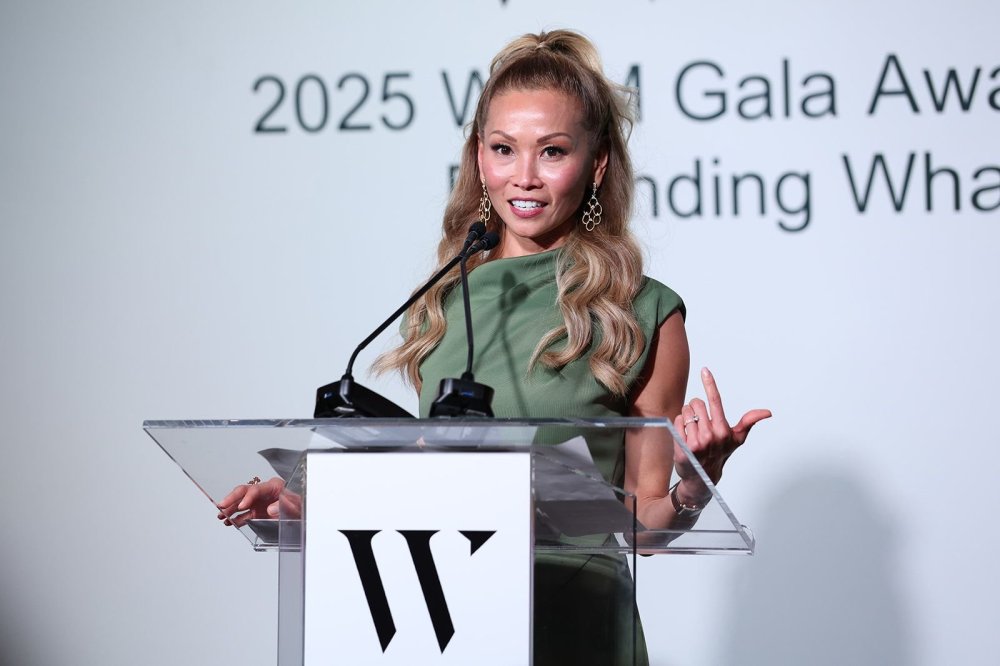
The New York Stock Exchange disclosed the news on Monday of the sudden passing of its head of International Capital Markets. View the full article
-
We may earn a commission from links on this page. Deal pricing and availability subject to change after time of publication. Black Friday sales officially start Friday, November 28, and run through Cyber Monday, December 1, and Lifehacker is sharing the best sales based on product reviews, comparisons, and price-tracking tools before it's over. Follow our live blog to stay up-to-date on the best sales we find. Browse our editors’ picks for a curated list of our favorite sales on laptops, fitness tech, appliances, and more. Subscribe to our shopping newsletter, Add to Cart, for the best sales sent to your inbox. Sales are accurate at the time of publication, but prices and inventory are always subject to change. I test a lot of wearables for Lifehacker, and for all the fancy fitness watches and smartwatches out there, I usually think entry-level models are the most useful option for the average runner or everyday person who only wants to track some exercise. There are plenty of great watches under $250, and with this week's Black Friday deals, some have dropped even lower. Here are the best deals on good fitness and running watches you can find right now in that price range. The best Black Friday deals on Garmin ForerunnersI think the Forerunner 255 is probably the best budget Garmin out there, but at this point it's an older model. It still does its job just fine, but prices can be unpredictable and many of the listings you'll find are for refurbished units. Nothing wrong with that—just make sure you understand what you're getting. There are two sizes, 41 and 46 millimeters, and each one can come with or without music storage. Note that the 255 has a MIP screen, an older technology that has its pros and cons. Garmin Forerunner 255 Music (46 mm), $229.99 refurbished Garmin Forerunner 255S (41 mm, no music storage) $249.99 refurbished The Forerunner 165 is another good entry level pick, and our resident marathoner loved the 165 Music. Like the 255, it comes in both a music and non-music version, but there is only one size. Both are on sale for Black Friday: Garmin Forerunner 165, $199.99 (normally $249.99) Garmin Forerunner 165 Music, $249.99 (normally $299.99) The next step up from there would be the Forerunner 265, which is on a great sale, but unfortunately it doesn't quite dip into our target price range—it's $299.99. The Forerunner 55, though, is down to $149.99. This is an older, barebones watch, but not a bad pick if you're looking for something basic. The best Black Friday deals on the Coros Pace 3 and 4Coros just launched the AMOLED Pace 4, and dropped the price on the MIP Pace 3. Aside from that difference in display type, they have similar functions and are both great entry-level watches. I reviewed the Pace 4, which has a great battery life and new voice features. The Pace 3 is a solid pick, too. You can read my comparison of the two here. These prices aren't necessarily Black Friday deals, but if you're looking for a bargain, they should definitely be on your list. Coros Pace 3: $199.99 (previously $229.99) Coros Pace 4: $249.99 (regular price) The best Black Friday deals on the Suunto RunSuunto makes some great, underrated fitness watches. I loved the Suunto Run when I tested it. It's on sale for $199.99, normally $249.99. The best Black Friday deals on the Garmin Vivoactive 5 and 6I mentioned Garmin's Forerunners above, but Garmin also makes some lifestyle watches. These don't have the running-specific focus, but they have great fitness features and would be great for any casual runner. The Vivoactive 6 is the newest in this line, making the Vivoactive 5 even more affordable. I've tested both and liked them; check out my review of the Vivoactive 6 for more on the differences between the two. Garmin Vivoactive 5: $184.99 (originally $299.99, but it's been $229.99 ever since the Vivoactive 6 launched) Garmin Vivoactive 6: $249.99 (normally $299.99) What stores have the best sales on Black Friday?Nowadays, both large retailers and small businesses compete for Black Friday shoppers, so you can expect practically every store to run sales through Monday, December 1, 2025. The “best” sales depend on your needs, but in general, the biggest discounts tend to come from larger retailers who can afford lower prices: think places like Amazon, Walmart, Target, Best Buy, and Home Depot. You can find all the best sales from major retailers on our live blog. Are Black Friday deals worth it?In short, yes, Black Friday still offers discounts that can be rare throughout the rest of the year. If there’s something you want to buy, or you’re shopping for gifts, it’s a good time to look for discounts on what you need, especially tech sales, home improvement supplies, and fitness tech. Of course, if you need to save money, the best way to save is to not buy anything. Are Cyber Monday deals better than Black Friday?Black Friday used to be bigger for major retailers and more expensive tech and appliances, while Cyber Monday was for cheaper tech and gave smaller businesses a chance to compete online. Nowadays, though, distinction is almost meaningless. Every major retailer will offer sales on both days, and the smart move is to know what you want, use price trackers or refer to guides like our live blog that use price trackers for you, and don’t stress over finding the perfect timing.\ Our Best Editor-Vetted Early Black Friday Deals Right Now Apple AirPods Pro 3 Noise Cancelling Heart Rate Wireless Earbuds — $219.99 (List Price $249.00) Apple iPad 11" 128GB A16 WiFi Tablet (Blue, 2025) — $274.00 (List Price $349.00) Amazon Fire HD 10 (2023) — $69.99 (List Price $139.99) Sony WH-1000XM5 — $248.00 (List Price $399.99) Blink Outdoor 4 1080p Wireless Security Camera (5-Pack) — $159.99 (List Price $399.99) Amazon Fire TV Stick 4K Plus — $24.99 (List Price $49.99) NEW Bose Quiet Comfort Ultra Wireless Noise Cancelling Headphones — $298.00 (List Price $429.00) Shark AI Ultra Matrix Clean Mapping Voice Control Robot Vacuum with XL Self-Empty Base — $249.99 (List Price $599.00) Apple Watch Series 11 (GPS, 42mm, S/M Black Sport Band) — $339.00 (List Price $399.00) WD 6TB My Passport USB 3.0 Portable External Hard Drive — $134.99 (List Price $179.99) Deals are selected by our commerce team View the full article
-
We may earn a commission from links on this page. Deal pricing and availability subject to change after time of publication. Black Friday sales officially start Friday, November 28, and run through Cyber Monday, December 1, and Lifehacker is sharing the best sales based on product reviews, comparisons, and price-tracking tools before it's over. Follow our live blog to stay up-to-date on the best sales we find. Browse our editors’ picks for a curated list of our favorite sales on laptops, fitness tech, appliances, and more. Subscribe to our shopping newsletter, Add to Cart, for the best sales sent to your inbox. Sales are accurate at the time of publication, but prices and inventory are always subject to change. Apple products are notoriously expensive. As such, you might have been waiting to buy a new MacBook or iPad until right about now, when there's a chance Black Friday and Cyber Monday sales will bring down those costs. And indeed, Apple is running a Black Friday promotion this year, valid with the purchase of a qualifying Apple device. But here's the thing: If you want the best price, you probably shouldn't buy any Apple products directly from Apple during either Black Friday or Cyber Monday. What is Apple's Black Friday deal?According to the official Apple Store Shopping Event site, the company's promotion starts on Black Friday (Nov. 28) and runs through Dec. 1 (Cyber Monday). During this time, no Apple products will actually be on sale: MacBook Airs will still start at $999, while AirPods Max will still run you a whopping $549. See, rather than cut prices, Apple is instead offering customers an Apple gift card with the purchase of an Apple device. How much that gift card is worth depends on the product you purchase: Apple advertises that you can receive a gift card up to $250, but that's only available to customers buying a new MacBook. If you buy an iPad Air, iPad A16, or iPad mini, you get $100. (iPad Pros are left out of the deal.) If you buy an iPhone 16 or iPhone 16e, you get $75. (There are no gift cards when purchasing an iPhone 17 device, either.) You can also get a $75 gift card when you buy AirPods Max, AirPods Pro 3, or AirPods 4. Apple Watch Series 11 or SE 3 customers get $50, as do those buying HomePod, Apple TV 4K, or any of the following Beats products: Beats Studio Pro, Powerbeats Pro 2, Beats Solo 4, Beats Studio Buds +, or Beats Pill. You can also get a $25 gift card with the purchase of a Magic Keyboard for iPad Air, Magic Keyboard Folio for iPad A16, or Apple Pencil Pro. An Apple gift card isn't necessarily a bad accompaniment to one of these purchases. If you had the choice between buying a $1,000 MacBook with a $250 gift card, or buying a $1,000 without a $250 gift card, I know what choice you'd make. But the issue isn't the gift card itself, it's the fact other stores are offering deals of a similar value in discounts. There are better ways to save money on Apple productsLet's consider that MacBook Air. For $999, you can pick up the base-model M4 MacBook Air from Apple, and snag a $250 gift card while you're at it. But take a look at that same MacBook Air on Amazon, and you'll find that the machine is currently $250 cheaper than it is at Apple. For $749, you can have a laptop Apple charges you $999 for. And while buying it from Apple from Nov. 28 through Dec. 1 nets you a $250 gift card, you can't retroactively use it on your MacBook Air. Instead, you'll need to use it on another purchase through Apple. Amazon gives you that amount off up front—and you'll pay less in sales tax. M4 MacBook Air $749.00 at Amazon $999.00 Save $250.00 Get Deal Get Deal $749.00 at Amazon $999.00 Save $250.00 Similarly, you can buy Apple's AirPods 4 with Active Noise Cancellation from Amazon for $99.99. That same pair will cost you $179 at Apple, which means you're saving more than the $75 Apple gift card you'd receive for your direct-from-Cupertino purchase. The same applies to the AirPods Max, which are $120 off at Amazon right now, also beating the $75 gift card. To be fair, not all Apple devices are experiencing the same level of discounts at other retailers. The AirPods Pro 3, for example, are $219.99 at most stores right now. That's a $30 discount, which isn't nothing, but you'd get a $75 gift card at Apple for the same product. You might prefer the latter in this scenario, provided you plan to spend more money at Apple. Here's another example of this split: The iPad Air is currently $150 off at Amazon, $50 more than the $100 gift card Apple would give you. But the iPad A16 is only $75 off, $25 less than that same $100 gift card. The Apple Watch SE 3 is exactly as discounted as its gift card price—$50—while the 46mm Series 11 is $60 off, a $10 advantage to Amazon. Now, maybe the gift card deal works well for you: Perhaps you have multiple Apple products on your wishlist, or you're buying a number of devices for people as gifts, or you want to give the gift card itself as a gift. If so, sure, these gift cards will certainly come in handy. But my advice is this: Take a careful look at what the product you want to buy is going for at various stores, and see which one is selling it the cheapest. My guess is, for the vast majority of Apple devices in this promotion, you'd be better off taking the discount over the gift card—especially if this is the only Apple purchase you're making any time soon. Does Amazon have Black Friday deals?Yes, Amazon has Black Friday sales, but prices aren’t always what they seem. Use a price tracker to make sure you’re getting the best deal, or refer to guides like our live blog that use price trackers for you. And if you have an Amazon Prime membership, make the most of it. What stores have the best sales on Black Friday?Nowadays, both large retailers and small businesses compete for Black Friday shoppers, so you can expect practically every store to run sales through Monday, December 1, 2025. The “best” sales depend on your needs, but in general, the biggest discounts tend to come from larger retailers who can afford lower prices: think places like Amazon, Walmart, Target, Best Buy, and Home Depot. You can find all the best sales from major retailers on our live blog. Are Black Friday deals worth it?In short, yes, Black Friday still offers discounts that can be rare throughout the rest of the year. If there’s something you want to buy, or you’re shopping for gifts, it’s a good time to look for discounts on what you need, especially tech sales, home improvement supplies, and fitness tech. Of course, if you need to save money, the best way to save is to not buy anything. Our Best Editor-Vetted Early Black Friday Deals Right Now Apple AirPods Pro 3 Noise Cancelling Heart Rate Wireless Earbuds — $219.99 (List Price $249.00) Apple iPad 11" 128GB A16 WiFi Tablet (Blue, 2025) — $274.00 (List Price $349.00) Amazon Fire HD 10 (2023) — $69.99 (List Price $139.99) Sony WH-1000XM5 — $248.00 (List Price $399.99) Blink Outdoor 4 1080p Wireless Security Camera (5-Pack) — $159.99 (List Price $399.99) Amazon Fire TV Stick 4K Plus — $24.99 (List Price $49.99) NEW Bose Quiet Comfort Ultra Wireless Noise Cancelling Headphones — $298.00 (List Price $429.00) Shark AI Ultra Matrix Clean Mapping Voice Control Robot Vacuum with XL Self-Empty Base — $249.99 (List Price $599.00) Apple Watch Series 11 (GPS, 42mm, S/M Black Sport Band) — $339.00 (List Price $399.00) WD 6TB My Passport USB 3.0 Portable External Hard Drive — $134.99 (List Price $179.99) Deals are selected by our commerce team View the full article
-
We may earn a commission from links on this page. Deal pricing and availability subject to change after time of publication. Black Friday sales officially start Friday, November 28, and run through Cyber Monday, December 1, and Lifehacker is sharing the best sales based on product reviews, comparisons, and price-tracking tools before it's over. Follow our live blog to stay up-to-date on the best sales we find. Browse our editors’ picks for a curated list of our favorite sales on laptops, fitness tech, appliances, and more. Subscribe to our shopping newsletter, Add to Cart, for the best sales sent to your inbox. Sales are accurate at the time of publication, but prices and inventory are always subject to change. I've tested plenty of pairs of adjustable dumbbells, and no matter which brand you ultimately choose, I highly recommend investing in a set. The math alone makes it a no-brainer: Buying individual pairs of dumbbells from five to 80 pounds in five-pound increments would cost well over $1,500 and eat up valuable floor space. Adjustable dumbbells deliver the same versatility for a fraction of that price—and with Black Friday deals happening now, there's never been a better time to buy. Right now, the PowerBlock Elite EXP Adjustable Dumbbells are on sale for $339.51 on Amazon, down from their usual $449 price tag. That's a solid $110 savings. POWERBLOCK Elite EXP Adjustable Dumbbell (2020 Model) $339.14 at Amazon $449.00 Save $109.86 Get Deal Get Deal $339.14 at Amazon $449.00 Save $109.86 Why PowerBlocks top the listYou'd be hard-pressed to find a "best home dumbbells" list without PowerBlocks near the top. Lifehacker senior health editor Beth Skwarecki ranks these her favorite adjustable dumbbell set, and for good reason. The futuristic cubic design isn't just for show. These dumbbells are incredibly compact, which is the whole point of going adjustable over a traditional rack of individual weights. They take up minimal space while offering maximum range for your home gym. What I personally love most is the pin system for weight adjustment. It's quick and intuitive, so you can change resistance mid-workout without breaking your flow. Just pull the pin, select your desired weight, and you're ready to go—no fiddling with collars or plates. One thing to considerThe only real drawback is the frame design: You have to place your hand inside the dumbbell's structure to grip it. This can feel slightly awkward at first, especially if you're wearing a nice big watch. It's not a dealbreaker, but worth noting if you're particular about grip comfort. If you prefer focusing on single-arm exercises or want to test the waters before committing to a full set, Walmart has a single adjustable dumbbell (up to 50 lbs) for just $199.99 right now. How long do Black Friday deals really last?Black Friday sales officially begin Friday, November 28, 2025, and run throughout “Cyber Week,” the five-day period that runs from Thanksgiving through Cyber Monday, December 1, 2025. But Black Friday and Cyber Monday dates have expanded as retailers compete for customers. You can get the same Black Friday sales early, and we expect sales to wind down by December 3, 2025. Are Black Friday deals worth it?In short, yes, Black Friday still offers discounts that can be rare throughout the rest of the year. If there’s something you want to buy, or you’re shopping for gifts, it’s a good time to look for discounts on what you need, especially tech sales, home improvement supplies, and fitness tech. Of course, if you need to save money, the best way to save is to not buy anything. Are Cyber Monday deals better than Black Friday?Black Friday used to be bigger for major retailers and more expensive tech and appliances, while Cyber Monday was for cheaper tech and gave smaller businesses a chance to compete online. Nowadays, though, distinction is almost meaningless. Every major retailer will offer sales on both days, and the smart move is to know what you want, use price trackers or refer to guides like our live blog that use price trackers for you, and don’t stress over finding the perfect timing. Our Best Editor-Vetted Early Black Friday Deals Right Now Apple AirPods Pro 3 Noise Cancelling Heart Rate Wireless Earbuds — $219.99 (List Price $249.00) Apple iPad 11" 128GB A16 WiFi Tablet (Blue, 2025) — $274.00 (List Price $349.00) Amazon Fire HD 10 (2023) — $69.99 (List Price $139.99) Sony WH-1000XM5 — $248.00 (List Price $399.99) Blink Outdoor 4 1080p Wireless Security Camera (5-Pack) — $159.99 (List Price $399.99) Amazon Fire TV Stick 4K Plus — $24.99 (List Price $49.99) NEW Bose Quiet Comfort Ultra Wireless Noise Cancelling Headphones — $298.00 (List Price $429.00) Shark AI Ultra Matrix Clean Mapping Voice Control Robot Vacuum with XL Self-Empty Base — $249.99 (List Price $599.00) Apple Watch Series 11 (GPS, 42mm, S/M Black Sport Band) — $339.00 (List Price $399.00) WD 6TB My Passport USB 3.0 Portable External Hard Drive — $134.99 (List Price $179.99) Deals are selected by our commerce team View the full article
-
Swalwell alleges Pulte obtained and used the lawmaker's personal mortgage records in violation of US privacy laws and constitutional protections for political expression. View the full article

-
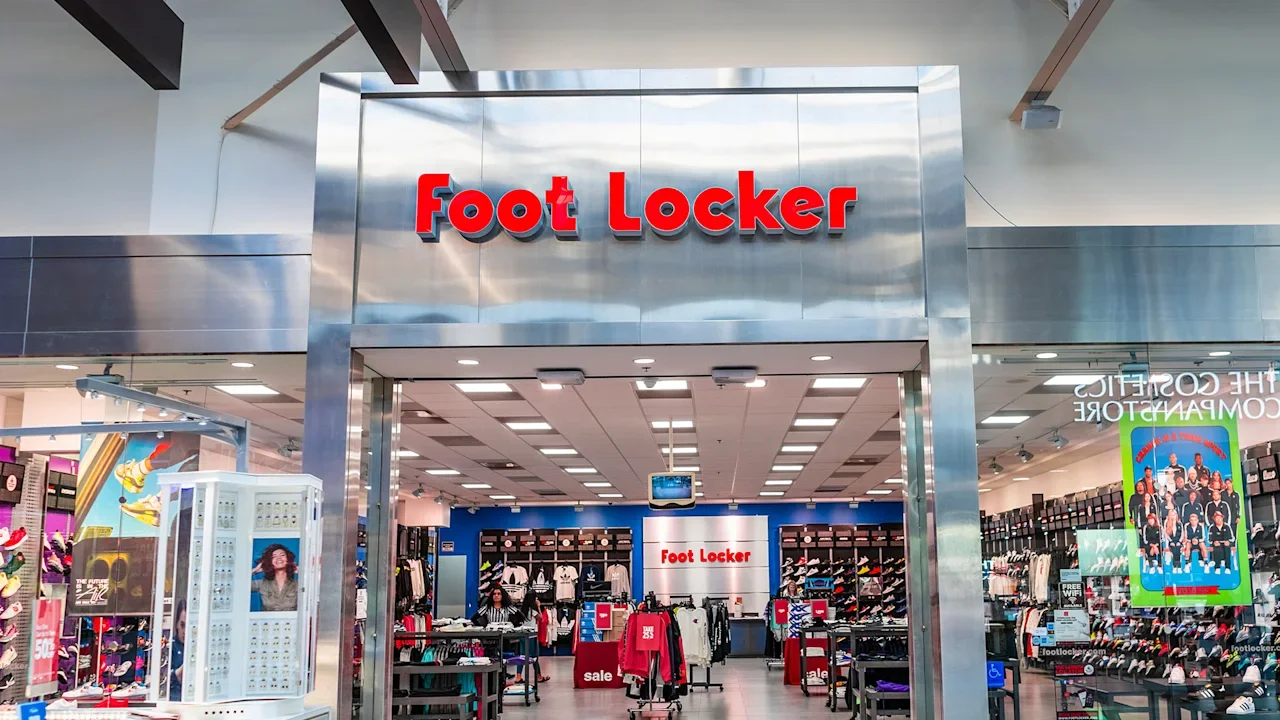
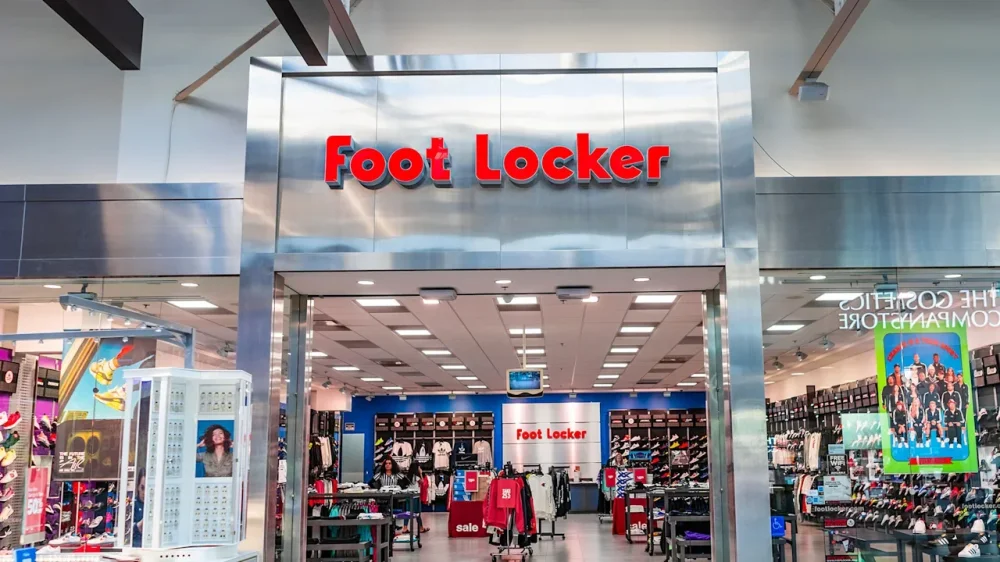
Dick’s Sporting Goods (NYSE: DKS) announced it will close select Foot Locker stores and raised its full-year year outlook, in its third quarter earnings report on Tuesday. While Dick’s has not disclosed how many locations it will shutter (Fast Company has reached out for confirmation), it is part of a larger restructuring effort, according to executive chairman Ed Stack who spoke with CNBC. Dick’s acquired leading footwear and apparel retailer Foot Locker for $2.5 billion back in September, according to its latest earnings release. As of November 1, the company was operating 3,230 store locations across the combined Dick’s and Foot Locker businesses globally. Shares in the Pittsburgh-based sports retailer were up about 1% at the time of this writing by late afternoon on Tuesday. “[Dick’s] is taking strategic actions to address unproductive assets, including the optimization of inventory and the closure of underperforming stores,” Dick’s said in its earnings release. “The company believes these actions will lay the groundwork for the success of the Foot Locker Business starting in 2026.” Once it optimizes inventory and shutters those underperforming stores, Dick’s said it expects Q4 2025 operating profit for Foot Locker to be just “slightly negative.” Dick’s third quarter revenue came in at $4.17 billion beating expectations of $3.59 billion; and reported earnings per share (EPS) of $2.78 adjusted versus $2.71. Dick’s is working to offset declining traffic, (Q3 foot traffic was down 2.6% year-over-year) by deepening digital engagement through its Game Changer app, (which had 7.4 million unique active users last quarter) expanding its House of Sport locations, and is betting on its recent Foot Locker acquisition to drive in-store growth, according to Placer.ai. View the full article
-
We may earn a commission from links on this page. Deal pricing and availability subject to change after time of publication. Black Friday sales officially start Friday, November 28, and run through Cyber Monday, December 1, and Lifehacker is sharing the best sales based on product reviews, comparisons, and price-tracking tools before it's over. Follow our live blog to stay up-to-date on the best sales we find. Browse our editors’ picks for a curated list of our favorite sales on laptops, fitness tech, appliances, and more. Subscribe to our shopping newsletter, Add to Cart, for the best sales sent to your inbox. Sales are accurate at the time of publication, but prices and inventory are always subject to change. When Amazon launched its first Kindle all the way back in 2007, it set off a brand new e-reader business. But as the technology has progressed, now you can use E-Ink displays for way more than reading. There are now digital notebooks, too, but as you might expect, they tend to be a little larger and a lot more expensive than an e-reader. The Kindle digital notebook is 10.2 inches and usually goes for well over $400, for instance (although it's currently discounted for Black Friday). That's where the iFlyTek AiNote Air 2 comes in. This digital notebook is smaller, at 8.2 inches, and thanks to a Black Friday deal, is now $399 ($100 off its usual price). But, unlike the Scribe, it also comes with built-in ChatGPT access—no subscription required—for AI features like translation and speech-to-text notes. iFlyTek AiNote Air 2 $399.00 at Amazon $499.00 Save $100.00 Get Deal Get Deal $399.00 at Amazon $499.00 Save $100.00 That makes it a bit more like the Viwoods' AiPaper E Ink Notebook than the Scribe or other competitors like the Remarkable Paper Pro. And that's great news. Lifehacker editor Joel Cunningham gave the AiPaper 4/5 stars in his review, but it's still not for everyone, coming in at a large 10.65 inches and having an MSRP of $549 dollars (it's also slightly discounted for Black Friday, but stock is going fast). Lifehacker hasn't gone hands-on with the AiNote Air 2, but aside from being smaller and more affordable, it also introduces a 5MP camera, which could be useful when interacting with ChatGPT. It adds a speaker, too, so you won't need headphones to listen to audiobooks. It also comes with a stylus. Alongside the additions, though, there are a few compromises. Storage is capped at 32GB, and the battery is smaller than the AiPaper's, at 2,600mAh rather than 4,100mAh. The resolution is also a little less sharp, at 293PPI vs 300PPI, but this might be less noticeable on the smaller screen. It's definitely a more generic take on the product, but the core functionality is here, and it could be a suitable, more compact, and more affordable alternative to people who want to take AI-assisted digital notes on the go. It's also received praise over on Reddit, where one user called it "the closest experience to writing on a nice pad of paper with a smooth rolling pen I've ever experienced." How long do Black Friday deals really last?Black Friday sales officially begin Friday, November 28, 2025, and run throughout “Cyber Week,” the five-day period that runs from Thanksgiving through Cyber Monday, December 1, 2025. But Black Friday and Cyber Monday dates have expanded as retailers compete for customers. You can get the same Black Friday sales early, and we expect sales to wind down by December 3, 2025. Are Black Friday deals worth it?In short, yes, Black Friday still offers discounts that can be rare throughout the rest of the year. If there’s something you want to buy, or you’re shopping for gifts, it’s a good time to look for discounts on what you need, especially tech sales, home improvement supplies, and fitness tech. Of course, if you need to save money, the best way to save is to not buy anything. Are Cyber Monday deals better than Black Friday?Black Friday used to be bigger for major retailers and more expensive tech and appliances, while Cyber Monday was for cheaper tech and gave smaller businesses a chance to compete online. Nowadays, though, distinction is almost meaningless. Every major retailer will offer sales on both days, and the smart move is to know what you want, use price trackers or refer to guides like our live blog that use price trackers for you, and don’t stress over finding the perfect timing. Our Best Editor-Vetted Early Black Friday Deals Right Now Apple AirPods Pro 3 Noise Cancelling Heart Rate Wireless Earbuds — $219.99 (List Price $249.00) Apple iPad 11" 128GB A16 WiFi Tablet (Blue, 2025) — $274.00 (List Price $349.00) Amazon Fire HD 10 (2023) — $69.99 (List Price $139.99) Sony WH-1000XM5 — $248.00 (List Price $399.99) Blink Outdoor 4 1080p Wireless Security Camera (5-Pack) — $159.99 (List Price $399.99) Amazon Fire TV Stick 4K Plus — $24.99 (List Price $49.99) NEW Bose Quiet Comfort Ultra Wireless Noise Cancelling Headphones — $298.00 (List Price $429.00) Shark AI Ultra Matrix Clean Mapping Voice Control Robot Vacuum with XL Self-Empty Base — $249.99 (List Price $599.00) Apple Watch Series 11 (GPS, 42mm, S/M Black Sport Band) — $339.00 (List Price $399.00) WD 6TB My Passport USB 3.0 Portable External Hard Drive — $134.99 (List Price $179.99) Deals are selected by our commerce team View the full article
-
We may earn a commission from links on this page. Deal pricing and availability subject to change after time of publication. Black Friday sales officially start Friday, November 28, and run through Cyber Monday, December 1, and Lifehacker is sharing the best sales based on product reviews, comparisons, and price-tracking tools before it's over. Follow our live blog to stay up-to-date on the best sales we find. Browse our editors’ picks for a curated list of our favorite sales on laptops, fitness tech, appliances, and more. Subscribe to our shopping newsletter, Add to Cart, for the best sales sent to your inbox. Sales are accurate at the time of publication, but prices and inventory are always subject to change. If you’ve been curious about Whoop, this is a good time to try it out. You can only buy the iconic screenless band if it's bundled with a year-long subscription, and right now all four tiers of Whoop's one-year memberships are on sale with an included device. Prices start at $129, which is an all-time low. Note that this budget offering is the secret fourth tier of membership. Whoop will tell you they offer three tiers of membership: Life, Peak, and One. You can buy these either from their website or through retailers like Amazon. But there's a difference! While the middle and top tiers are the same wherever you buy them, the lowest tier—called One—comes with an updated 5.0 device if you buy it through a retailer, but an older 4.0 device if you order directly from Whoop. Opting for the older device saves you $50, and the prices for Black Friday deals drop even lower. Here are the offerings: Whoop One with the older 4.0 device: $129 (normally $149). This option is only available from Whoop.com. Whoop One with a 5.0 device: $179 (normally $199). This option is not available from Whoop.com but can be bought from retailers like Amazon and Best Buy. Whoop Peak with a 5.0 device: $199 (normally $239). If you're confused by all the options, this is the one that makes the most sense for most people. Whoop Life with an MG device: $299 (normally $359). Whoop Peak with 5.0 device $199.00 at Amazon $239.00 Save $40.00 Get Deal Get Deal $199.00 at Amazon $239.00 Save $40.00 What you're gettingIf you get the subscription with the 4.0 device, the main thing you're losing is battery life. The Whoop 4.0 has a five-day battery life, but you can charge it with a wireless power pack while you're wearing it. You can read my review of the Whoop 4.0 here, but note that Whoop only had one subscription option when I wrote that review. The One subscription does not support the health monitor, stress monitor, or the new Healthspan feature, but you still get Strain and Recovery scores and coaching on your sleep and exercise. The One membership with a 5.0 device is the same idea, but the 5.0 device can go over two weeks on a single charge. The One subscription only gives you a wired power pack, not the wireless one, so you'll have to take the device off to charge it. (That said, I prefer to take it off to charge anyway.) The Peak membership is the regular one, and likely Whoop's most popular. It's the one I would recommend to most people, and it comes with a 5.0 device, which I reviewed here. You get all the features the One subscription is missing, and the current price of $199 is a definite bargain. The Life membership with an MG device is Whoop's premium offering, and if I may offer an opinion: It's not worth it. For the extra $100/year (normally an extra $120/year) you only get a few things, none of them particularly useful. These include blood pressure estimates, which don't seem to be particularly reliable, and which the FDA has asked Whoop to remove because Whoop is not a medical device (even though they call it the "medical grade" model). Life also gives you ECG readings, which are a standard feature on much cheaper smartwatches and fitness trackers these days. And if you're outside the U.S., you can get irregular heart rhythm notifications. If you decide you like Whoop after trying the One membership and want to upgrade to the Peak membership, you can upgrade at any time, paying an extra fee to account for the difference in price between the two. You can read here what I thought of Whoop after using it for a while. The app is really thoughtfully designed, with analytics and insights that help you align your training and recovery with your goals—something that no other device or app really does quite as well. It’s a pricey subscription, but I totally get why it’s worth it to many people. How long do Black Friday deals really last?Black Friday sales officially begin Friday, November 28, 2025, and run throughout “Cyber Week,” the five-day period that runs from Thanksgiving through Cyber Monday, December 1, 2025. But Black Friday and Cyber Monday dates have expanded as retailers compete for customers. You can get the same Black Friday sales early, and we expect sales to wind down by December 3, 2025. Are Black Friday deals worth it?In short, yes, Black Friday still offers discounts that can be rare throughout the rest of the year. If there’s something you want to buy, or you’re shopping for gifts, it’s a good time to look for discounts on what you need, especially tech sales, home improvement supplies, and fitness tech. Of course, if you need to save money, the best way to save is to not buy anything. Are Cyber Monday deals better than Black Friday?Black Friday used to be bigger for major retailers and more expensive tech and appliances, while Cyber Monday was for cheaper tech and gave smaller businesses a chance to compete online. Nowadays, though, distinction is almost meaningless. Every major retailer will offer sales on both days, and the smart move is to know what you want, use price trackers or refer to guides like our live blog that use price trackers for you, and don’t stress over finding the perfect timing. Our Best Editor-Vetted Early Black Friday Deals Right Now Apple AirPods Pro 3 Noise Cancelling Heart Rate Wireless Earbuds — $219.99 (List Price $249.00) Apple iPad 11" 128GB A16 WiFi Tablet (Blue, 2025) — $274.00 (List Price $349.00) Amazon Fire HD 10 (2023) — $69.99 (List Price $139.99) Sony WH-1000XM5 — $248.00 (List Price $399.99) Blink Outdoor 4 1080p Wireless Security Camera (5-Pack) — $159.99 (List Price $399.99) Amazon Fire TV Stick 4K Plus — $24.99 (List Price $49.99) NEW Bose Quiet Comfort Ultra Wireless Noise Cancelling Headphones — $298.00 (List Price $429.00) Shark AI Ultra Matrix Clean Mapping Voice Control Robot Vacuum with XL Self-Empty Base — $249.99 (List Price $599.00) Apple Watch Series 11 (GPS, 42mm, S/M Black Sport Band) — $339.00 (List Price $399.00) WD 6TB My Passport USB 3.0 Portable External Hard Drive — $134.99 (List Price $179.99) Deals are selected by our commerce team View the full article
-
Spurred to action by tech industry lobbyists and insiders, Republicans in the Senate appear to be planning to add language to the National Defense Authorization Act (NDAA) that would preempt states from passing laws regulating AI labs. Two sources with knowledge tell Fast Company that a small group of GOP lawmakers, staffers, and tech lobbyists worked through the weekend crafting the new language. Heading into Thanksgiving, much uncertainty hangs over the fate of the state-level moratorium – and a fair amount of secrecy about how the AI industry and its MAGA allies will try to tie the hands of states, and Congress, to regulate AI. Democrats and others may not be allowed to see the new language until the vote to pass or reject the NDAA, a so-called “must-pass” bill that funds the military. Senate Democrats also have no visibility on the scope of the moratorium language that will go in the NDAA. Could it, for example, prevent states from passing any and all kinds of AI laws, including those that focus on consumer protection issues or AI-related unemployment? “What big tech is trying to do here is an even larger giveaway than Section 230,” says Future of Life Institute’s head of U.S. policy Michael Kleinman. (Section 230 of the Communications Decency Act of 1996 exempted tech platforms from liability for user-generated content.) “You literally have big tech lobbyists meeting with a handful of senior Republicans trying over the course of a holiday weekend to craft legislation that will govern what state governments can do around AI for the future–it’s appalling.” Not long after Louisiana Republican Steve Scalise, the House Majority Leader, introduced the preemption measure last week, Massachusetts Democratic Senators Elizabeth Warren and Ed Markey quickly penned and sent a letter to their colleagues urging them to oppose adding the state moratorium — which they describe as a “poison pill” — to the NDAA, which will need 60 GOP votes to end a Democratic filibuster and advance to a final vote. Attorneys General representing 36 states sent a letter to Congressional leadership opposing the state moratorium language. Congress is not in session because of the Thanksgiving holiday. But Republicans plan to make another push to convince lawmakers to add the state preemption to the NDAA when they return December 1, sources say. Last week, the White House proposed a route that bypasses Congress, circulating a draft executive order (EO) that proposes pulling back congressionally approved broadband funding from any state enacting new AI laws. The EO also proposed creating a new Department of Justice task force to challenge existing state AI laws. The White House had reportedly planned to release the EO last Friday, but chose to delay it. Many of the people who would benefit from a state AI moratorium were present at a November 18 White House state dinner hosted by President Donald The President for Saudi Crown Prince Mohammed bin Salman. These include Elon Musk, Jeff Bezos, Nvidia CEO Jensen Huang, OpenAI’s Greg Brockman, AMD CEO Lisa Su, and Apple CEO Tim Cook. David Sacks, The President’s “AI and crypto czar” and venture capitalist, was also among the attendees. Given the import of stifling AI regulation whenever and wherever possible, it’s very likely that the state AI law moratorium was discussed while these people were in Washington for the event, one Washington source said. Texas Republican Senator Ted Cruz tried last summer to tuck the preemption into the so-called One Big Beautiful Bill Act (an appropriations measure) last summer, but senators voted 99-1 to remove it. The moratorium idea is unpopular with the public, survey data shows, and unpopular across the political spectrum in Washington DC. Despite broad opposition, tech industry insiders such as Marc Andreessen, Elon Musk, and Sacks have The President’s ear, and have helped keep the state preemption idea alive in the Capitol. Big tech’s big opportunity In a broad sense, the chance to keep government oversight away from what could be the most impactful technology in a generation may explain why tech moguls and opinion leaders threw their support behind Donald The President before the 2024 election and have continued to praise and appease him. While the The President administration rewards his tech industry allies by killing government inquiries and regulation, big U.S. tech companies and financiers are now sinking trillions into building the infrastructure needed to support a massive expansion of generative AI. The AI industry has been ramping up its lobbying spend over the past two years to stifle AI regulation at both the federal and state levels. It’s also expanding into electoral politics. This summer a group of AI companies and investors launched a super PAC worth $100 million called “Leading the Future” that will push “pro-AI” candidates and oppose pro-AI regulation candidates. Backers include a16z, OpenAI President Greg Brockman, Palantir co-founder Joe Lonsdale, Perplexity AI, and angel investor Ron Conway. On a legal level, some in the tech industry, including the venture capital firm Andreessen Horowitz, argue that state laws should focus on the application, not the development, of AI–such as to prevent or punish things like fraud or civil rights violations–while federal law should govern the “national AI market.” AI companies also fear being burdened by a “patchwork” of state AI regulations instead of a single set of federal rules. Tom Kemp, who directs the California Privacy Protection Agency, explains that in many tech policy issues there’s a debate over the boundary between issues covered by federal law and issues covered by state law. But Congress hasn’t come close to passing a broad AI safety and transparency law, and isn’t likely to. “The fundamental issue they have is that there’s no federal backstop,” Kemp says. “So the moratorium basically says you just can’t do any laws having to do with AI.” Innovation versus states’ rights Many state governors, including Florida Republican Ron DeSantis, and legislators, claim they have not just a right but a responsibility to enact AI laws to protect the public in the absence of a federal law. State lawmakers are very aware of the series of reports about AI chatbots exacerbating mental health problems in users, including younger ones. “There’s a big concern that state legislators cannot protect kids from some of the harms of AI,” Kemp says. On Monday, a bipartisan group of 280 state lawmakers from across the country sent a letter to lawmakers in the House and Senate opposing the state AI law preemption, saying it would hamstring their efforts to address the impacts of artificial intelligence. The tech lobby and its Republican allies frame the moratorium as critical to helping the U.S. maintain its lead in AI — technology that will be increasingly used in defense and national security. But even the top players in defense don’t seem convinced. “You need the four corners of the armed forces committees to be all approved,” says Kemp, who met with lawmakers last week in Washington to discuss the issue. In other words, the majority and minority leaders of both the House and Senate Armed Services Committees have to agree to insert state AI preemption language into the NDAA. Kemp believes that Alabama Republican Rep. Mike Rogers, the chairman of the House Committee on Armed Services, and Washington Democratic Rep. Adam Smith, the committee’s ranking member, are opposed, as is Senate Committee on Armed Services ranking member Jack Reed. Mississippi Republican Senator Roger Wicker, the chairman of the committee, has yet to announce his position. It’s possible that new language in the NDAA will go beyond a state-level pre-emption, and promote some form of broad, but weak, federal AI law that limits oversight by both federal and state regulators. On Monday the Leading the Future PAC launched a $10 million campaign to push Congress to craft a “national AI policy” that would override a patchwork of state laws, reports CNBC. “What we’re seeing, not just with preemption, but with these big tech super PACs is that big tech will go to any effort to undermine that overwhelming small-D democratic will,” Kleinman says. “All the polling that we have done and that others have done shows that consistently across the board strong majorities of both parties support AI regulation.” View the full article

-
An expanded data set based on the third quarter annual price changes is what U.S. Federal Housing uses to calculate next year's conforming loan limits. View the full article
-
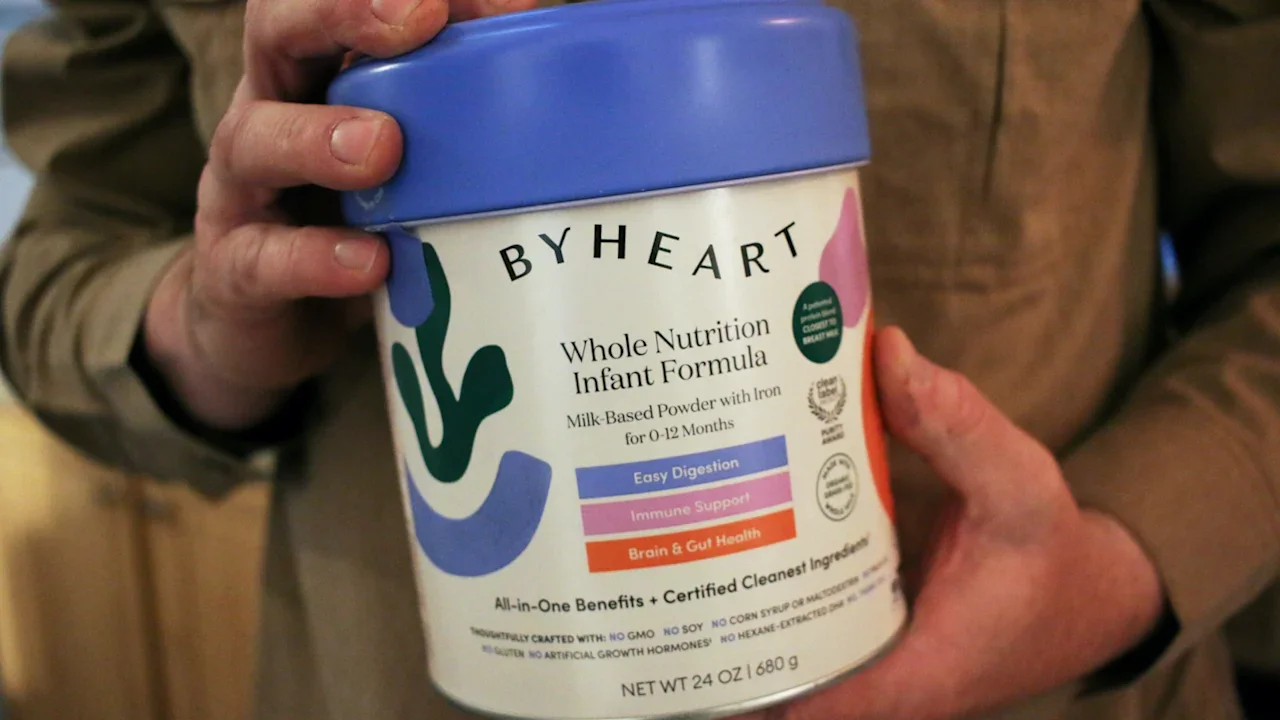
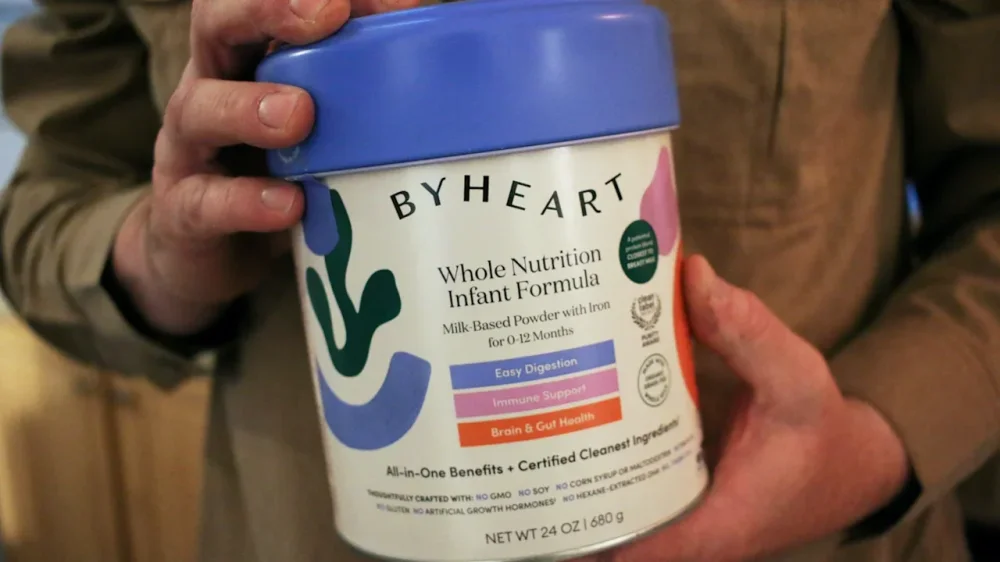
Tests of ByHeart infant formula tied to a botulism outbreak that has sickened dozens of babies showed that all of the company’s products may have been contaminated. Laboratory tests of 36 samples of formula from three different lots showed that five samples contained the type of bacteria that can lead to the rare and potentially deadly illness, the company said Monday on its website. “Based on these results, we cannot rule out the risk that all ByHeart formula across all product lots may have been contaminated,” the company wrote. At least 31 babies in 15 states who consumed ByHeart formula have been sickened in the outbreak that began in August, according to federal and state health officials. In addition, other infants who drank ByHeart formula were treated for botulism in earlier months, as far back as November 2024, although they are not counted in the outbreak, officials said. Clostridium botulinum type A, the type of bacteria detected, can be unevenly distributed in powdered formula. Not all babies who ingest it will become ill, though all infants under age 1 are at risk, medical experts said. ByHeart recalled all of its formula nationwide on Nov. 11. However, some products have remained on store shelves despite the recall, according to state officials and the U.S. Food and Drug Administration. Parents and caregivers should stop feeding the formula to babies immediately and monitor the children for symptoms, which can take up to 30 days to appear. Infant botulism occurs when babies ingest spores that germinate in their intestine and produce a toxin. Symptoms include constipation, difficulty sucking or feeding, drooping eyelids, flat facial expression, and weakness in the arms, legs, and head. The illness is a medical emergency and requires immediate treatment. At least 107 babies nationwide have been treated for botulism with an IV medication known as BabyBIG since Aug. 1, health officials said. In a typical year, less than 200 infants are treated for the illness. To report an illness tied to the outbreak, contact an FDA consumer complaint coordinator or fill out an online MedWatch form. Consumers who bought ByHeart on the company’s website on or after Aug. 1 can receive a full refund, an expansion of its previous policy, the company said. ___ The Associated Press Health and Science Department receives support from the Howard Hughes Medical Institute’s Department of Science Education and the Robert Wood Johnson Foundation. The AP is solely responsible for all content. —Jonel Aleccia, AP health writer View the full article
-
Chancellor takes steps to cushion the cost of living but is set to extend a ‘stealth tax’ by freezing personal tax thresholdsView the full article
-
Sales at U.S. retailers and restaurants increased modestly in September as resilient consumers moderated their spending after splurging over the summer. Sales rose 0.2% in September from the previous month, the Commerce Department said Tuesday, in a report delayed more than a month because of the government shutdown. Sales jumped 0.6% in July and August and 1% in June. Numerous reports on inflation, employment, spending, and growth remain delayed and the government won’t likely be caught up until late December. The retail sales figures, which aren’t adjusted for inflation, suggest that Americans pulled back on spending in September as many households struggled with high prices for groceries, rent, and many imported goods hit by tariffs. The retail sales report covers about one-third of consumer spending, with the rest going to services such as travel, haircuts, and entertainment. Still, higher spending should lift the economy’s growth to a solid 3% annual rate in the July-September quarter, economists forecast, after a sluggish 1.6% expansion in the first half of the year. Much of the spending, however, was driven by rising prices at gas stations and grocery stores. Still, sales rose 0.7% in September at restaurants and bars, a healthy gain in discretionary spending. Sales at clothing, electronics, and sporting goods stores fell. Consumer spending could slow in the final three months of the year, economists warned. The government shutdown, weak hiring, and elevated inflation will likely cause more Americans to cut back. “The moribund labor market and ongoing drag on real incomes from tariff-induced price increases suggest that this slowdown is likely to be maintained,” Oliver Allen, an economist at Panthenon Macroeconomics, a consulting firm, said. Also on Tuesday, payroll processor ADP released its weekly measure of hiring, which found that companies cut an average of 13,500 jobs a week in the four weeks ending Nov. 8. The report is a sign hiring may have slowed since September, when the government said a solid 119,000 jobs were added. The disparity found in economic data shows how the economy remains in an uncertain state despite the solid growth in the third quarter. Hiring has generally been weak and the unemployment rate has ticked higher, which could drag down consumer spending and the broader economy if it worsens. Unemployment rose to 4.4% in September, the highest in nearly four years, from 4.3%, according to the delayed monthly jobs report released last week. Higher-income Americans are driving much of the gains, according to data from Bank of America and reports from retailers such as Walmart, as lower-income shoppers seek bargains and are more likely to spend more on necessities. Still, some retailers issued positive reports Tuesday, including electronics chair Best Buy and Dick’s Sporting Goods. Best Buy lifted its sales and profit forecasts for the year. Tuesday’s report comes before the crucial winter holiday season kicks off this weekend, when retailers earn as much as a fifth of their revenues. The National Retail Federation and other forecasters expect modest sales gains this year, compared with last year’s holiday, with the NRF projecting that sales will top $1 trillion for the first time. Separate figures from the Labor Department suggest that inflation remains elevated but isn’t accelerating, which could make it more likely that a closely-divided Federal Reserve cuts rates next month. Wholesale prices rose 0.3% in September from August, the Labor Department said Tuesday, and 2.7% compared with a year ago. The monthly gain in the producer price index was pushed higher by a sharp increase in gasoline costs. The yearly figure was unchanged from the previous month. Core prices, which exclude the volatile food and energy prices, rose just 0.1% in September and 2.6% from a year earlier. Those figures are less than expected and suggest inflation pressures are cooling, economists said. The retail sales figures land as many economic data are coming in mixed. Wage growth has slowed this year and is just modestly above inflation, a trend that is likely driving Americans’ concerns around affordability. Wages, on average, rose 3.8% in September from a year ago, the government said last week. That is only modestly above September’s annual inflation rate of 3%. But for many Americans, particularly those earning lower incomes or for older workers, wages are rising more slowly and are clearly trailing inflation. The Bank of America Institute estimates that for the poorest one-third of households, pay grew just 1% in October from a year earlier, while the highest one-third saw their wages rise 3.7%. The gap between higher- and lower-income households matches an August figure as the widest in nearly a decade, the bank said. Bank of America uses anonymous data from its customers to calculate the figures. And a separate report from JPMorganChase Institute showed that incomes for a typical household have retreated to levels last seen in the early 2010s, after the harsh 2008-2009 recession. “Households are going into the end of the year with weak income growth and bank balances that remain flat, after adjusting for inflation,” the report said. —Christopher Rugaber, AP economics writer AP Retail Writer Anne D’Innocenzio contributed to this report. View the full article

-
If everything feels expensive this year, you’re not alone. The high cost of living is on many Americans’ minds heading into the tail end of the year – a period defined by ceaseless shopping, whether it’s for the Thanksgiving menu or a last minute gift for under the tree. Americans need to buy stuff (perhaps not so much stuff), but they’re also feeling the pinch of persistent inflation, chaotic tariffs and a frozen job market in 2025. How those forces will play out this holiday shopping season remains to be seen. According to a recent survey from consulting firm Deloitte, more people will be shopping this Black Friday through Cyber Monday, but they plan to spend less. Consumers said they plan to spend an average of $622 during the stretched out shopping holiday, down 4% from last year – the first decline in five years. Unsurprisingly, shoppers who planned to cut their spending pointed to higher living costs and financial constraints in the decision. Some generational differences emerged. Gen X shoppers and boomers reported plans to reduce their spending during the shopping holiday, but Gen Z and millennial shoppers said they would stay the course and keep their spending levels the same this year. With the explosion of online shopping, lining up at the mall before sunrise for doorbuster sales might seem like a relic of the past, but 72% of Gen Z shoppers actually said they plan to shop in person this year. “While most shoppers are showing restraint this season, the spending power of Gen Z is growing—they are responsible for about $20 of every $100 holiday dollar spent, compared to just $4 five years ago,” Deloitte Retail Strategy Leader Brian McCarthy said. “And we expect they are headed back to the stores on Black Friday to take part in the excitement of the day.” People from both higher and lower-income households said they planned to cut back on spending this year, but those in the range between $100,000 and $200,000 actually reported plans to spend 5% more this year. The National Retail Federation estimates that a record 186.9 million people plan to shop between Thanksgiving and Cyber Monday (the Monday following Black Friday) this year. That projection is up by 3 million shoppers compared to 2024. During that period, Black Friday is expected to reign supreme among deal-seekers, drawing an estimated 130.4 million people to shop the day after Thanksgiving. Saturday and Sunday aren’t full-blown shopping holidays of their own, but Cyber Monday – a relatively recent invention – will likely continue to gain ground, luring around half as many shoppers as Black Friday itself. Pushing back on Black Friday To draw attention to the cost of living crisis, a coalition of organizations is calling for shoppers to sit out this Black Friday. A grassroots movement known as the “Mass Blackout,” is urging Americans to boycott online and in-store shopping, including digital purchases, for one week, starting on Tuesday, November 25. While the Mass Blackout website calls out the The President administration’s coziness with corporations, it’s not explicitly a Democratic effort. “Big business is funding authoritarian candidates while walking back public commitments to civil rights, labor protections, diversity, and democracy,” the website states. “This isn’t about left vs. right. This is about people vs. power.” While the coalition wants Americans to spend less this holiday season, it still encourages participants to give their money to small businesses and local shops. Another major boycott is looking to hit the biggest names in retail where it hurts this holiday season. The “We Ain’t Buying It” movement, tied to progressive groups like Indivisible and the No Kings protests, is similarly calling for a shopping blackout over Thanksgiving weekend, specifically targeting Amazon, Target and Home Depot over their deference to the The President administration and their reversal of DEI policies. “We’ll send a clear message: until they cease collaborating with this administration’s harmful policies, our dollars will go elsewhere,” the campaign’s website states. View the full article

-
We may earn a commission from links on this page. Deal pricing and availability subject to change after time of publication. Black Friday sales officially start Friday, November 28, and run through Cyber Monday, December 1, and Lifehacker is sharing the best sales based on product reviews, comparisons, and price-tracking tools before it's over. Follow our live blog to stay up-to-date on the best sales we find. Browse our editors’ picks for a curated list of our favorite sales on laptops, fitness tech, appliances, and more. Subscribe to our shopping newsletter, Add to Cart, for the best sales sent to your inbox. Sales are accurate at the time of publication, but prices and inventory are always subject to change. Unless you're planning to open a professional gym, there's no reason to drop thousands on a treadmill. The good news? You don't have to. Right now, the NordicTrack T Series 10 is on sale for $949 on Amazon—that's 27% off and a savings of $350 for Black Friday. My colleague Beth Skwarecki also recommends the T Series line as a top choice for home runners, and several models are discounted right now. If you're looking for something more compact or budget-friendly, the T Series 5 is 25% off at just $449. But with its 10" tilting HD touchscreen, the T10 offers the best value during this sale. NordicTrack T10 Treadmill $949.00 at Amazon $1,299.00 Save $350.00 Get Deal Get Deal $949.00 at Amazon $1,299.00 Save $350.00 Why the T Series 10 is a go-to optionWhat sets the T10 apart is its integration with the NordicTrack ecosystem. When you join, you get access to over 10,000 workouts through iFIT ($39/month or $396/year). This isn't just a library of on-demand classes—it's a full training experience with expert coaches guiding you through runs, hikes, strength sessions, yoga, and more. The other perk of iFIT is it should automatically adjust your treadmill's speed and incline to match whatever workout you're doing. No fumbling with buttons mid-stride or losing focus to manually change settings. The system handles it for you, so you can concentrate entirely on your form and effort. Perfect for data-driven runnersIf you're someone who tracks fitness across multiple platforms (guilty), iFIT syncs seamlessly with Strava, Garmin, and Apple Health. Your treadmill runs flow directly into your broader training data, making it easy to monitor progress and stay consistent with your goals. The foldable design is a must-have for anyone tight on space. When you're done, it tucks away without taking over your living room. If you've been waiting for the right moment to invest in a home treadmill, this is it. How long do Black Friday deals really last?Black Friday sales officially begin Friday, November 28, 2025, and run throughout “Cyber Week,” the five-day period that runs from Thanksgiving through Cyber Monday, December 1, 2025. But Black Friday and Cyber Monday dates have expanded as retailers compete for customers. You can get the same Black Friday sales early, and we expect sales to wind down by December 3, 2025. Are Black Friday deals worth it?In short, yes, Black Friday still offers discounts that can be rare throughout the rest of the year. If there’s something you want to buy, or you’re shopping for gifts, it’s a good time to look for discounts on what you need, especially tech sales, home improvement supplies, and fitness tech. Of course, if you need to save money, the best way to save is to not buy anything. Are Cyber Monday deals better than Black Friday?Black Friday used to be bigger for major retailers and more expensive tech and appliances, while Cyber Monday was for cheaper tech and gave smaller businesses a chance to compete online. Nowadays, though, distinction is almost meaningless. Every major retailer will offer sales on both days, and the smart move is to know what you want, use price trackers or refer to guides like our live blog that use price trackers for you, and don’t stress over finding the perfect timing. Our Best Editor-Vetted Early Black Friday Deals Right Now Apple AirPods Pro 3 Noise Cancelling Heart Rate Wireless Earbuds — $219.99 (List Price $249.00) Apple iPad 11" 128GB A16 WiFi Tablet (Blue, 2025) — $274.00 (List Price $349.00) Amazon Fire HD 10 (2023) — $69.99 (List Price $139.99) Sony WH-1000XM5 — $248.00 (List Price $399.99) Blink Outdoor 4 1080p Wireless Security Camera (5-Pack) — $159.99 (List Price $399.99) Amazon Fire TV Stick 4K Plus — $24.99 (List Price $49.99) NEW Bose Quiet Comfort Ultra Wireless Noise Cancelling Headphones — $298.00 (List Price $429.00) Shark AI Ultra Matrix Clean Mapping Voice Control Robot Vacuum with XL Self-Empty Base — $249.99 (List Price $599.00) Apple Watch Series 11 (GPS, 42mm, S/M Black Sport Band) — $339.00 (List Price $399.00) WD 6TB My Passport USB 3.0 Portable External Hard Drive — $134.99 (List Price $179.99) Deals are selected by our commerce team View the full article
-
As threat from ChatGPT recedes, users are searching more with the market leader and monetisation seems to be intactView the full article
-
Client satisfaction surveys are essential for comprehending your customers’ needs and improving your services. To maximize their effectiveness, you should consider five best practices. For instance, keeping your surveys concise with 5-7 focused questions can reduce fatigue and improve response rates. Furthermore, using clear language guarantees everyone interprets your questions correctly. These strategies set the foundation for meaningful feedback, but there’s more to explore regarding how to implement them effectively. Key Takeaways Keep surveys concise with 5-7 vital questions to enhance engagement and response rates. Use clear, unbiased language to ensure all respondents understand the questions easily. Incorporate open-ended questions at the end to gather detailed feedback and suggestions. Optimize surveys for mobile devices with responsive design and quick loading times. Follow up on feedback promptly to show customers their opinions are valued and to identify recurring issues. Keep Your Survey Concise To guarantee you gather meaningful insights from your client satisfaction surveys, it’s crucial to keep them concise. Aim for 5-7 vital questions, as this aligns with csat survey best practices and reduces survey fatigue. When surveys are brief, respondents are less overwhelmed and more inclined to provide thoughtful answers. Research shows that shorter surveys can boost response rates by 10-20%, so focusing on relevant questions is critical. Each question should have a clear purpose, eliminating unnecessary or redundant queries to maintain engagement. Furthermore, structuring your survey with a mix of question types during the process can improve the overall quality of feedback. Implementing these customer satisfaction survey best practices will lead to more actionable insights. Use Clear and Unbiased Language Using clear and unbiased language in client satisfaction surveys is essential for gathering accurate feedback. When you craft your questions, keep them straightforward to improve clarity. This guarantees respondents fully understand what you’re asking, reducing misinterpretation. Here are some best practices: Avoid jargon and technical terms; use commonly understood words to encourage engagement. Employ neutral wording to eliminate bias, allowing true feelings to shine through. Keep response options clear and distinct, using concrete phrases for each rating. Regularly review and update your survey questions to maintain this clarity and neutrality, adapting to evolving language and customer familiarity. Include Open-Ended Questions Strategically Including open-ended questions strategically in client satisfaction surveys can greatly boost the quality of feedback you receive. These questions allow customers to express detailed feedback in their own words, providing richer insights that numerical ratings often miss. By incorporating open-ended questions, you can uncover specific pain points and suggestions for improvement that structured questions may overlook. Moreover, surveys featuring these types of questions tend to yield higher engagement rates, as customers appreciate the chance to share their thoughts freely. It’s advisable to place open-ended questions toward the end of the survey, allowing respondents to reflect on their overall experience before offering detailed comments. Analyzing these responses can reveal common themes, helping you identify trends and prioritize areas for improvement. Optimize for Mobile Devices As more customers engage with businesses through their mobile devices, optimizing client satisfaction surveys for mobile use has become a priority. To guarantee higher participation rates, consider the following best practices: Use responsive design, so questions and response options are easily readable and clickable on smaller screens. Confirm surveys load quickly, as even a 1-second delay can reduce conversions by 7%, leading to higher abandonment rates. Incorporate larger touch targets for answer selections to improve user experience and prevent frustration. Additionally, keep surveys concise and limit open-ended questions, accommodating users who may be completing surveys on-the-go. Follow Up on Feedback Following up on customer feedback is essential for building strong relationships and nurturing loyalty. When you swiftly address negative feedback, you can appreciably boost customer retention; about 70% of consumers are more likely to return if their complaints are handled effectively. For those who share positive feedback, a personalized response or a handwritten note can strengthen your connection and promote loyalty. In addition, consistent follow-up helps identify recurring issues, enabling you to make informed improvements. Engaging with customers post-feedback shows you value their opinions, encouraging future participation in surveys. Moreover, informing them about actions taken based on their suggestions improves transparency and builds trust, in the end benefiting your brand and customer satisfaction. Frequently Asked Questions What Are the 3 C’s of Customer Satisfaction? The 3 C’s of customer satisfaction are Consistency, Communication, and Connection. Consistency means providing reliable experiences across all interactions, ensuring customers feel valued. Communication involves keeping customers informed about products, services, and any changes; this can enrich their experience. Connection refers to building emotional bonds with customers, which nurtures loyalty. What Are the Best Practices for Customer Surveys? To conduct effective customer surveys, keep your questions concise, limiting them to 5-7 crucial items. Use a clear 1-5 rating scale to simplify responses, making it easy for customers to provide feedback. Include open-ended questions to gather detailed insights. Send surveys swiftly after customer interactions to capture fresh impressions, and guarantee they’re optimized for mobile devices, as many customers prefer using their phones for quick completion. This approach improves response rates and quality of feedback. What Is the 5 Point Scale for Customer Satisfaction Survey? The 5-point scale for customer satisfaction surveys ranges from 1 to 5, where 1 indicates “Highly Unsatisfied” and 5 signifies “Highly Satisfied.” This scale simplifies feedback by providing distinct options for respondents, making it easier for them to express their opinions. It allows you to quantify customer satisfaction effectively, track changes over time, and identify trends. Most respondents prefer this straightforward format, ensuring higher participation and more actionable insights for your organization. What Are the Four-Four Customer Satisfaction Survey Processes? The Four-Four Customer Satisfaction Survey Process includes four key stages: planning, execution, analysis, and action. First, you define your objectives and target audience to create focused questions. Next, you distribute the survey at ideal times, like right after customer interactions, to gather immediate feedback. In the analysis phase, you evaluate the responses for trends, and finally, you implement changes based on feedback, showing customers their opinions matter. Conclusion Incorporating these five best practices into your client satisfaction surveys can greatly improve their effectiveness. By keeping surveys concise, using clear language, including strategic open-ended questions, optimizing for mobile, and quickly following up on feedback, you not only enhance response rates but likewise gather more meaningful insights. This approach demonstrates that you value client opinions, nurturing stronger relationships and finally increasing customer satisfaction. Implementing these strategies can lead to actionable improvements in your services or products. Image via Google Gemini This article, "5 Best Practices for Essential Client Satisfaction Surveys" was first published on Small Business Trends View the full article
-
Generative AI is changing the way we live and work in a multitude of ways, and that includes coding. The best AI bots of today can debug, refine, and create code, from a simple text prompt. You can put together a small app or website in the same way you can generate an image or write an essay with these tools. Many professional programmers are now leaning heavily on AI to help get their work done, but the door has also been opened for those without any coding experience to get involved. This is something that's been termed "vibe coding"—where you're coding on vibes, basically—and all you need to get started is an idea. But is it really as simple as simply typing out what you want and letting an AI bot do the coding on your behalf? According to a lot of AI enthusiasts I see on X, vibe coding means "it's over" (whatever "it" is), and people are "one-shotting" all kinds of projects (as in, using a single prompt to create something). To investigate further, I tried to create a little project of my own using ChatGPT and Gemini. Here's how it went. What is vibe coding?There's no official, fixed definition of vibe coding, but in general it refers to using natural language prompts to get an AI to code apps and websites. In the same way as you might ask ChatGPT for an image of a cabin in a wood, you can also ask it for a landing page for your company, or a tool to log and analyze income and expenditure. Usually, despite all the talk of one-shotting, the idea is not to try and get everything included in your very first prompt, but to start small and then use follow-up prompts to refine. There are several variables involved when it comes to building websites and apps, and so you're going to have to specify layouts, images, interactions, colors, fonts, and plenty more. You can always get the AI to make some of these decisions for you, but to really get something close to what you originally imagined you're going to want to be specific. AI bots are also able to debug code and fix problems for you—again, you just describe what's not working. It's a bit like having a conversation with an actual programmer. ChatGPT can produce masses of code from a single prompt. Credit: Lifehacker A common way that people get started with vibe coding is to build simple games, and you'll find plenty of examples of this on the web. You describe what you want to happen, and the AI writes something to match—then you chat through how you'd like the gameplay to flow, and how the visuals should appear on screen. All of the major AI chatbot tools now have coding components included in them, and will present you with both the raw code (which you can edit manually, if you want), and a preview of how the executed code works—your app will run or your website will be displayed right inside the chatbot interface. The AI can even select a coding language for you, if needed. Vibe coding has its limitations, not least because of the unpredictability of AI, and for larger, professional software programs and games these AI bots will just be one tool among many that coders use—there is the potential for disaster if AI is not used carefully. However, for fun, small projects, this is something now available to anyone with access to an AI with coding capabilities. Trying out vibe codingI decided to build a simple HTML-based elevator sim I could run in my browser—I've always been slightly confused about how elevators work, and it seemed like a suitable project for testing vibe coding. ChatGPT was the first AI bot I tried to get to help me, and I quickly realized that quite a lot of prompting is needed—more than you might think at first. I couldn't just say "build me an elevator sim": I had to specify the screen layout, the number of floors, the speed of the elevator, how the passengers should be displayed, and how to determine the floors they're heading to, just for starters. After a few minutes of the AI thinking, I had my sim. And it worked, up to a point. However, it didn't all work, all at the same time. Some of the issues the app had were freezing at certain floors, not picking people up in the right order, forgetting how many passengers were actually in the elevator, and generally not following elevator logic—each time I would point out the mistake, ChatGPT would apologize and try again. ChatGPT's elevator sim—which never properly worked. Credit: Lifehacker Most bugs could be fixed within a prompt or two, but then new issues would appear. One problem that was particularly difficult to solve was getting the elevator code to go back and pick people up when the cab was full the first time. Because I didn't understand the code, I couldn't really see where the problem was. With each revision the AI was apologetic, but didn't seem to grasp what was going on. At one point the elevator would zoom around the floors picking everyone up who called for a ride, without dropping off the existing passengers first. Then a weird graphical glitch developed on the passenger sprites. By this stage, even vibe coding was starting to feel like hard work: After about 45 minutes, and still without a fully working elevator sim, I decided my time and effort would be better spent elsewhere. I gave Gemini a go with this task too, and to Google's credit, it did do better. There were fewer issues, but there were still issues: Passengers still got picked up in the wrong order, and it didn't follow my instructions entirely. I spent less time on this with Gemini, but it got closer to what I wanted, even if it still had glitches I wasn't happy with. Gemini was better at the task, but it still wasn't perfect. Credit: Lifehacker Overall, vibe coding was a frustrating experience. Perhaps the issue is with AI understanding how an elevator works, rather than with its actual coding capabilities, but I was disappointed not to be able to get something that worked properly. Maybe when I'm over the annoyances that I had this time around I'll go back and try something different—without the logical complexities of an elevator system. My experience did highlight some of the limitations of vibe coding: You're often going to need a lot of prompting to get the AI to understand what you want, and there will be bugs to fix along the way, even if the chatbots are very accommodating and polite when it comes to fixing those bugs. There are also two recognizable hallmarks of generative AI here, too: An air of confidence and authority in responses, even when those responses are wrong, and unpredictability in the results. These AI models are designed to give varied answers to the same prompts, which is fine when you're churning out 10 AI pictures of a waterfall but not so helpful when you're trying to wrangle some code into shape. View the full article
-
If you ask New Yorkers on the street what they think about the giant, controversial print ad campaign in the NYC subway system, their initial response might be, “Which one?” In the past two months alone, not one, but two ad campaigns fitting that description have appeared on the subway. The first debuted in late September, when Friend, an AI company billed as a portable “companion,” ran a $1 million print campaign featuring a variety of servile messages like, “I’ll never leave dirty dishes in the sink.” The campaign received massive criticism, to the point that the MTA was forced to continuously remove Friend’s vandalized ads. In an interview with Fast Company, Friend CEO Avi Schiffman said he “expected that would happen,” and, in fact, he designed the ads with white space to invite graffiti. Now, another controversial print ad campaign has joined the fray. The new ads are paid for by Nucleus Genomics, a genetic health company specializing in genetic testing, IVF services, and embryo screening. The company’s ads include phrases like, “Height is 80% genetic,” “IQ is 50% genetic,” “Have your best baby,” and “These babies have great genes.” In emails to Fast Company, Nucleus said that its new campaign was inspired by yet another contentious ad from this year: Sydney Sweeney’s recent American Eagle partnership, which sparked backlash for what many people believed was a casual promotion of eugenics. Shock value marketing is as old as advertising itself. But Friend and Nucleus’s recent campaigns represent a novel kind of rage bait marketing that is primed for the current moment of political and technological divide. This new era of attention-seeking provocation, incubated on social media with companies like Cluely, has now made its way into the physical world where brands are looking to double down on turning backlash into opportunity. We spoke to leading experts about the rise of rage bait marketing and where it goes from here. Hear from: An NYU Stern School of Business professor on why the new crop of tech startups is perfectly primed for rage baiting. The head of strategy at The Martin Agency on the advantage provocative marketing campaigns give young companies—and what it might cost them. The cofounder of Joan Creative on what comes next after this initial wave of rage bait campaigns. What is Nucleus Genomics trying to do, exactly? Nucleus was launched in 2021 by the now-25-year-old Kian Sadeghi. According to Sadeghi, the company is dedicated to “helping parents have healthier children” through what he calls “genetic optimization.” In practice, Nucleus provides a few different services. Its first offering was a proprietary DNA testing kit that uses cheek swabs to, per its website, “uncover your genetic risk for 2000+ conditions.” This summer, Nucleus partnered with a company called Genomic Prediction to begin offering an embryo screening service that allows patients to look at their embryos’ statistically predicted traits—including the potential likelihood of developing conditions like autism or Alzheimer’s, alongside eye color, height, hair color, and IQ. Later, in August, the company bundled that service with a new full-service IVF program called IVF+. Nucleus isn’t the only company that’s started offering more advanced embryo screening services in recent years. Several others, like Orchid and Genomic Prediction, have emerged within the last decade. All of these companies are facing intense debate from the scientific community over the legitimacy of their prediction models, the morality of screening for certain traits, and the long-term repercussions of a future in which embryo optimization becomes commonplace. This discussion around the ethics of Nucleus’ core premise is actually what sets it up for a successful rage bait campaign, according to Joshua Lewis, an assistant professor of marketing at NYU’s Stern School of Business. For companies like Friend and Nucleus, he says, some level of polarization is intrinsic to the product itself. AI companions, for example, will inevitably have detractors who find the premise objectionable, as well as champions who believe in it wholeheartedly; the same goes for embryo screening companies. By employing “rage bait” tactics, Lewis says, these companies can start broader cultural dialogues and build affinity with their target audiences without losing too many potential customers. “To polarize intentionally can make some sense, because ultimately what you want in marketing is to have your target segments be loyal. Polarizing can be quite good, as long as your non-target segments are experiencing the rage, and your target segments are appreciating what the brand is doing,” Lewis says. Regardless of Nucleus’ actual intentions, he adds, “it doesn’t cost them much to upset people who weren’t going to be using their products anyway.” For companies in nascent fields, there’s an added advantage to aiming for shock value in campaigns, says Elizabeth Paul, chief strategy officer at the advertising company The Martin Agency. “If you’re in the business of genetically engineered babies or AI companions, controversy is baked into the product,” Paul says. “It seems to me like Nucleus Genomics and Friend AI decided to lean into that reality and make their backlash bug a feature. If anyone’s wondering, Why would you do that? I think their tension-filled campaigns better amplified mass awareness for what are very nascent categories.” Inside Nucleus’ latest campaign In an email to Fast Company, Nucleus’ PR firm described the subway campaign—which includes a full takeover of the Broadway Lafayette station, more than 1,000 subway car ads, and another 1,000 street ads—as “the first mainstream campaign to openly champion advanced embryo selection for specific traits.” Several of the ads call out physical attributes and IQ, and most direct viewers to Nucleus’ landing page, pickyourbaby.com. The Nucleus team says it was inspired by “the controversial ‘Good Jeans’ campaign featuring Sydney Sweeney.” In that campaign, a denim-clad Sweeney narrates, “Genes are passed down from parents to offspring, often determining traits like hair color, personality, and even eye color. My jeans are blue.” A male voice-over adds, “Sydney Sweeney has great jeans.” It almost immediately entered the sphere of marketing infamy for (likely inadvertently) promoting genetic ideals, given Sweeney’s blue eyes, blond hair, and white skin. When Sadeghi saw the reaction to the Sweeney ad, he noticed a lot of what he calls “DNA dissonance”—or what he considers a widespread misunderstanding of what DNA actually is, why genetics matter, and how far along genetic testing has come in the scientific community. He claims that Nucleus’s products are “just another tool parents are going to use to help give their child the best start in life,” and that the ads can help parents better understand how to achieve that advantage. While Sadeghi benignly frames the campaign as an educational tool, it doesn’t exactly line up with the actual ads. Much of the copy feels designed to generate a reaction—good or bad—to what Sadeghi refers to as the “sci-fi narrative” surrounding embryo optimization. The internet reacts On Threads, one post of an ad reads, “Every single day there’s a new dystopian subway ad.” On TikTok, a video with nearly 200,000 views critiquing the campaign is captioned, “We need to have some very serious conversations about eugenics cuz we’re losing ground here.” Another TikTok with more than 2.4 million views shows a camera panning around the Broadway Lafayette station with the overlaid text, “Uhhh sorry but what in the eugenics is this?” More than 8,000 other users have sounded off about the campaign in the comments. On the surface, rage baiting might seem counterproductive—who wants people to hate their product? But for companies like Friend and Nucleus, the numbers may speak for themselves. Nucleus says that since the campaign debuted, the company has seen an over 1,700% increase in sales, primarily driven by sign-ups to its IVF+ services. Across organic responses, it’s achieved almost five million impressions. Similarly, Friend’s earlier campaign sparked dozens of stories in the media and commentary across social media, causing Schiffman to deem it an “overwhelming success.” The vast majority of marketers are not going to want to test the adage “all press is good press” by courting controversy, Paul says. Still, most can probably understand the desire to break through the noise in an environment where consumers are bombarded with content on a daily basis. On social media, one algorithmically-backed way to achieve those ends is by eliciting fear or anger. “The reality is, according to Kantar, 85% of ads right now fail to meet the minimum threshold of attention for comprehension,” Paul says. “In other words, they are so bland and boring and invisible, people did not pay enough attention to even process what they said. In an environment like that, brand invisibility is a bigger threat than brand rejection.” “Companies are choosing to say the quiet part out loud” Risk and provocation in marketing is a tale as old as time. Paul points out that such tactics trace back as far as P.T. Barnum’s shock-value stunts for his circus events. But Jaime Robinson, cofounder of the agency Joan Creative, believes there is something entirely unique about Friend and Nucleus’ recent campaigns: the willingness to openly address, and even emphasize—intrinsically controversial elements of their products. Robinson recalls a 1974 ad in which a brand called Beautymist featured football player Joe Namath pictured with his legs smoothed by a pair of nylons. Lewis remembers a 2018 ad featuring Colin Kaepernick after he refused to take a knee during the National Anthem. Each of these examples, they told me in separate interviews, were made with the knowledge that there would be some backlash from the public. The difference with Friend AI and Nucleus, Robinson explains, is that pantyhose and sneakers are not inherently controversial, while AI companions and embryo screening are—and instead of hiding the elements of these products that consumers are most wary of, both companies are bringing them to the fore. “[Nucleus’] product is something where you can not just look out for potential diseases your embryos might have, but also pick out features like eye color and hair color. They’ve made a really provocative choice in their product and their use-case,” Robinson says. Last year, she adds, a company like Nucleus might have shied away from talking about those features, and instead emphasized “the health aspects” of the marketing. Now, they’re “putting it front-and-center.” “It’s about saying things that go against some of the most deeply held convictions of most of us and the things that we find most uncomfortable in the world: being replaced by robots; having babies being picked by their physical features and IQ,” Robinson says. “These are the things that we find the most abhorrent, just as human beings.” Robinson believes that part of this marketing strategy might be attributable to “a political climate in which authority figures are constantly testing the boundaries of what is acceptable to say.” Lewis noted that, in a sense, President The President often uses similar rage bait techniques in order to communicate his own personal branding. Now, we might be seeing that political tenor bleed into the marketing sphere. Both Robinson and Paul predict that, in the wake of Friend and Nucleus’ campaigns, we’re likely to see an uptick in “rage bait” marketing in the months to come. “What’s interesting now is how companies are choosing to say the quiet part out loud, and doing it fearlessly,” Robinson says. “It’s almost as if they’ve thrown away the dog whistle and traded it for a foghorn.” View the full article

-
U.S. consumers were much less confident in the economy in November in the aftermath of the government shutdown, weak hiring, and stubborn inflation. The Conference Board said Tuesday that its consumer confidence index dropped to 88.7 in November from an upwardly revised October reading of 95.5, the lowest reading since April, when President Donald The President announced sweeping tariffs that caused the stock market to plunge. The figures suggest that Americans are increasingly wary of high costs and sluggish job gains, with perceptions of the labor market worsening, the survey found. Declining confidence could pose political problems for The President and Republicans in Congress, as the dimmer views of the economy were seen among all political affiliations and were particularly sharp among independents, the Conference Board said. Earlier Tuesday, a government report showed that retail sales slowed in September after healthy readings over the summer. While economists forecast healthy growth for the July-September quarter, many expect a much weaker showing in the final three months of the year, largely because of the shutdown. Less-confident consumers may spend less, though the connection isn’t always clear. In recent years, consumer spending has held up even when the available data suggests they’ve grown more anxious. “We do not think that consumer spending is about to hit a cliff, as spending has decoupled from confidence, but risks to the downside are increasing,” Thomas Simons, chief U.S. economist at Jefferies, an investment bank, said. The proportion of consumers that said jobs are “plentiful” dropped to 27.6% in November, down from 28.6% in the previous month. It is down sharply from 37% in December. At the same time, 17.9% said jobs are “hard to get,” slightly below the 18.3% who said so in October. That figure is up from 15.2% in September. The figures on job availability are seen by economists as reliable predictors of hiring and the unemployment rate. Americans continue to worry about elevated costs, fueling the “affordability” concerns that were a key issue in elections earlier this month. “Consumers’ write-in responses pertaining to factors affecting the economy continued to be led by references to prices and inflation, tariffs and trade, and politics, with increased mentions of the federal government shutdown,” said Dana Peterson, chief economist at the Conference Board. The shutdown ended Nov. 12. The economy likely grew at a solid annual rate of about 3% in the July-September quarter, economists estimate. But growth is likely to slow in the final three months of the year, largely because of the shutdown, which cut off pay for federal workers, disrupted contracts, and interrupted air travel. The Conference Board survey ran through Nov. 18, about five days after the shutdown ended. —Christopher Rugaber, AP economics writer View the full article
-
In an era where mid-market businesses face increasing complexities and competition, Intuit Inc. has stepped up with a powerful new offering alongside Rehmann, a professional advisory firm. Their collaboration introduces the Intuit Enterprise Suite, aimed at enhancing growth for mid-market companies by leveraging artificial intelligence within a streamlined enterprise resource planning (ERP) platform. This partnership promises to tackle the challenges small- and medium-sized enterprises (SMEs) encounter with outdated ERP systems. Simon Williams, vice president of the accountant segment at Intuit, noted, “Like Intuit, Rehmann is obsessed with customer success. This partnership reflects our combined commitment to fuel business growth through innovative, adaptable, AI-native solutions that streamline workflows, help save time, and deliver data-driven insights that accelerate profitability.” For SMEs navigating through layers of accounting software and disparate applications, the introduction of Intuit Enterprise Suite may feel like a breath of fresh air. Many businesses today rely on up to 25 different applications, leading to fragmented tech stacks and data silos, which ultimately impair decision-making and growth strategies. Intuit aims to consolidate these functions into one intelligent platform, offering functionalities such as multi-entity financial management, business intelligence reporting, payroll, and marketing. The practical applications of this suite are expansive. For scaling businesses, it could mean automating routine accounting tasks and providing insights through advanced AI capabilities. The platform will also support clients transitioning from QuickBooks, enabling a seamless upgrade experience. This smooth migration might alleviate concerns about losing vital data or operational disruptions during the changeover. Sharon Berman, principal at Rehmann, expressed her enthusiasm about the partnership, stating, “We’re excited to partner with Intuit on this journey. This strategic move underscores our dedication to innovation and operational excellence. With Intuit Enterprise Suite, we’re positioning our firm to deliver enhanced financial clarity and agility, supporting smarter decision-making and long-term growth.” However, the integration of such advanced technology does not come without challenges. For small business owners, the initial investment in transitioning to a new ERP system could pose financial hurdles, especially if they are accustomed to more traditional systems. Additionally, the learning curve associated with adopting a more sophisticated platform may require staff training, which could temporarily divert resources from critical operations. Moreover, while Intuit’s AI-driven solutions promise automation and increased accuracy, small business owners must remain vigilant. Ensuring data integrity and adjusting to new workflows are essential for maximizing the benefits of the technology. A comprehensive implementation strategy will be critical in overcoming these hurdles, which entails not only financial investment but also time and personnel resources. Ultimately, Intuit’s partnership with Rehmann heralds a new era for mid-market businesses looking to streamline operations and harness the power of technology for better decision-making. The Intuit Enterprise Suite is tailored to meet the unique needs of these businesses, leveraging an extensive partner ecosystem to create a customized experience that fits industry-specific requirements. With the emphasis on agility and innovation, small business owners who adopt this platform may find themselves better positioned to navigate the complex landscape of today’s competitive market. As they seek tools that enable growth and efficiency, the offerings from Intuit and Rehmann could provide the comprehensive solutions they need. For more detailed information on this announcement, you can read the original press release here. Image via Google Gemini This article, "Intuit Partners with Rehmann to Empower Mid-Market Businesses with AI ERP Solutions" was first published on Small Business Trends View the full article