Newsletter
Want to keep up to date with all our latest news and information?


ResidentialBusiness
Administrators
-
Joined
-
Last visited
Everything posted by ResidentialBusiness
-
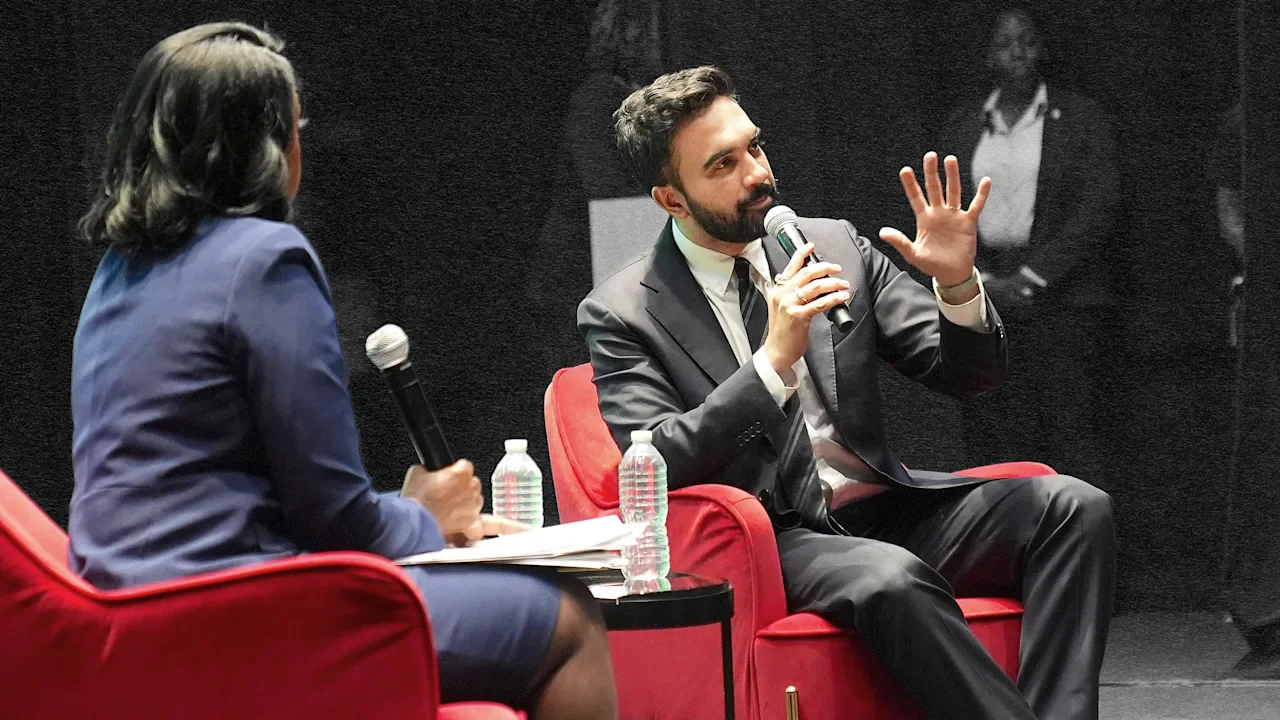
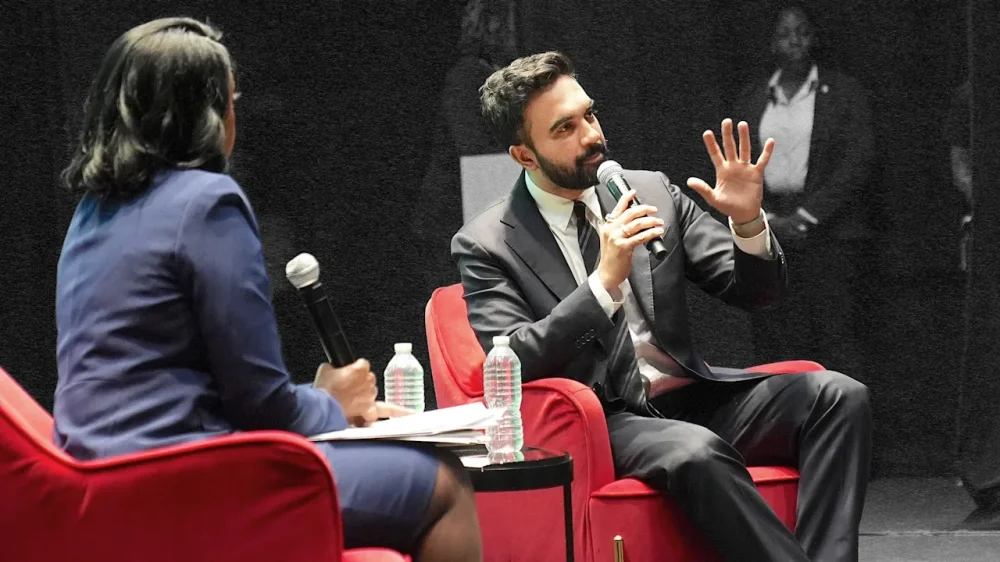
On Monday evening at the Apollo Theater in Harlem, New York City’s last-standing mayoral candidates—Zohran Mamdani, Andrew Cuomo, and Curtis Sliwa—took the stage to address their plans to meet the needs of Black women in New York should they take on the role. New York’s mayoral election has captured global attention, with an international audience deeply invested in the outcome after newcomer and current state assemblyman Mamdani beat former governor Cuomo as the Democratic nominee in June. Noticeably absent was the city’s current mayor, Eric Adams. The forum took place on the heels of Adams dropping his bid for mayoral reelection just one day prior, bringing renewed interest in the battle to win the hearts of New Yorkers—or at least their votes. The event was organized by The Links, Incorporated, an international service nonprofit for African American women; Higher Heights Leadership Fund; the National Action Network; the National Urban League; and the New York Urban League, and took place at the Apollo Stages at the Victoria where it was open to the public. “The importance of our voices in today’s world is crucial,” said Jamila Beckford, president of the Greater Bronx chapter of The Links, Incorporated The group tapped NY1 news anchor Cheryl Willis to interview each mayoral candidate on how they intended to address various issues as they are uniquely experienced by Black women—particularly topics related to healthcare, domestic violence, entrepreneurial efforts, and the workforce. Interestingly, the forum was devoid of face-to-face contact between the candidates: They were individually brought before the audience to participate in a series of 20-minute-long interviews. On housing Housing insecurity is a major challenge experienced by Black women. When asked about his plans to secure safe and affordable housing, Sliwa suggested opening the 8,000 NYCHA apartments that are currently unoccupied—which Willis was quick to shut down, pointing out how the empty apartments are “dilapidated” and therefore unhabitable. Sliwa replied by stating that he would devise plans for New Yorkers to become homeowners, particularly for apartments they had resided in for years. “I think I know what can be done, and the fiscal limitations for what can’t be done,” he said. Mamdani, whose mayoral campaign has championed a rent freeze for two million New Yorkers living in rent-stabilized apartments, reiterated these plans and points to how such a tactic would impact Black families. “The previous mayoral admin did it three times,” he said. “We know it’s a question of political will.” He added that affordability isn’t just about tenants, but landlords and homeowners, pointing to the issue of deed thefts and his plans to protect homeowners. Cuomo’s solution was to “build more housing,” though Willis clarified that new housing was usually priced at market rate “What we are doing now is destroying historically Black communities with gentrifiers, where people have to move out because they are being priced out of their neighborhoods,” he said. On the workplace and leadership Willis pressed each candidate about their take on the attacks on diversity, equity, and inclusion (DEI) policies by the The President administration as well as the purging of government jobs, which, among other factors, has reportedly led to an exodus of 300,000 Black women from the U.S. workforce. A concern for many in the room was the visibility of Black women in senior leadership positions. Mamdani, often critical of Eric Adams’s tenure as mayor, made a positive observation about his opponent: “His leadership team looks like the city.” “When we speak about the necessity of excellence and diversity and a team that looks like the city that it serves, that it’s intentional,” Mamdani added. Emphasizing the need for vocational school and training, Sliwa said, “Obviously, qualified Black women have to be prioritized. They’re raising families for a future generation.” Willis rebutted by mentioning that many Black women are highly educated beyond vocational school. As for Cuomo, he stressed that his administration would look like New York City. “I believe deeply in the power of Black women,” he said. In response to a question about widening pay gaps between white men and Black women, he insisted that lawsuits were the answer. On mental health Willis mentioned that domestic and intimate partner violence against women are especially high among Black women. When asked what he would do to protect this vulnerable population, Sliwa stated that “sending social workers is not the answer”—an apparent dig at Mamdani, who has previously shared this strategy as part of his public safety plans. “You team up police with social workers—if a man is continually abusive, he has to be out of the house, he has to go through therapy,” Sliwa said, citing his experience as founder of the Guardian Angels. The volunteer-based organization enlists people to defend against crime on the city’s public transit system and, most recently, perform wellness checks on homeless people. Mamdani, in his response, stated plainly, “One of my primary responsibilities is to uplift the existing agendas.” The The President administration’s deliberate takedown of DEI efforts and its subsequent impact on the Black community was a charged topic, and one that the candidates appeared aligned on pushing back against. When asked how he would deal with The President’s attempts to meddle in local politics, Mamdani said, “I would remind them who I work for, which is the people of New York City.” Cuomo, who has dealt with The President’s many threats during his prior tenure as New York State governor, said “Let him come with his demands, and we’ll say hell no, we won’t go.” New York’s mayoral election is on November 4. Most polls show Mamdani in the lead by a significant margin. View the full article
-
Hello there, and welcome once again to Fast Company’s Plugged In. For something that continues to suck up so much of the world’s attention, social networking has not exactly been a font of wild innovation in recent years. Its big names are all up there in years and showing their age: Facebook is 21, Twitter is 19. Instagram is 15, Snapchat is 14. Newer entrants, such as BeReal, rarely live up to their early great expectations. Even Bluesky, where many of us have found a home after fleeing the Elon Muskified version of Twitter, isn’t growing at its old clip. So I was intrigued when two new social networking experiences debuted in rapid succession in late September: Meta’s Vibes and OpenAI’s Sora. Thanks to the fact that both focus on letting people share AI-generated imagery, they compete directly with each other. But their all-AI format also sets them apart from existing social networks, where generative AI is most often a distraction from human contact, not the main attraction. Personally, I like the idea of AI being cordoned off into its own social app. Most examples of the technology showing up in other social feeds have a dystopian tinge, from Twitter’s Grok bot going full Hitler to the maudlin deepfakes that have recently become an unwelcome element of my Facebook time. (For some reason, Paul McCartney stars in many of the newest ones—in one instance shown dolefully strumming a guitar at Charlie Kirk’s funeral.) Plenty of my friends get downright surly when they encounter AI on their feeds; to avoid making them unhappy, I have gone cold turkey on sharing it. Isolated in its own apps, however, AI imagery only gets exposed to people who want to see it. And everyone who does see it will understand that it’s synthetic—or so I hope. While I was waiting to snag an invite code for the Sora app—a requirement to try it at the moment—I dived into Vibes, which is not an app unto itself. Instead, it’s an element of the Meta AI app, which also includes a general-purpose chatbot and serves as a companion for the Meta-powered smart glasses from Ray-Ban and Oakley. Meta is billing Vibes as “an early preview” and says additional personalization and creation tools are in the works. In its debut incarnation, Vibes doesn’t do all that much. You can enter prompts to create brief AI videos, add music, and then post them to the Vibes feed (or Instagram or Facebook—although I kind of hope you won’t). A Discover feed lets you flip through clips posted by other users, TikTok style, and there’s a remix option that enables you to modify those clips and reshare them. I cheerfully admit that I found thumbing my way through Vibes mildly entertaining in a hypnotic, untaxing way. Ultimately, though, it felt a little like snacking on Chex Mix—unrelenting sameness, packaged as variety. Little about the videos I saw felt like an expression of individual creativity: I lost track of the number of buttery-smooth tracking shots of obsessively detailed, Pixar-esque orange monsters I saw. The image-generating algorithms—not the humans typing the prompts—are the stars here. Which brings us back to Sora. Its biggest differentiator from Vibes is that you can create a “cameo” digitized version of yourself and make it the main character of your AI clips. You can also make your cameo available for incorporation into your friends’ videos, or even ones credited by the entire Sora community. Moreover, cameos and other characters in Sora videos talk; in Vibes, audio is limited to music you pick from its library. Once I got into Sora, it took only a minute or two of exposure to realize that the experience it offers is vastly richer than Vibes. Its clips aren’t just demos of what the technology can do—they’re wacky 10-second mini-movies, sometimes with multiple shots, that occasionally provoked me to literally LOL. Thanks to cameos and OpenAI’s decision to allow depiction of copyrighted property unless its owners explicitly request otherwise, the cast of characters is dazzling: OpenAI CEO Sam Altman, Pikachu, SpongeBob, JFK, Martin Luther King Jr., Betty White, Mister Rogers, and several tech journalists of my acquaintance all made multiple appearances in my feed. Just in its first few days, Sora seems to have spawned a billion memes, such as a dog being pulled over for speeding, that users riff on by remixing them. In remixes I saw, the driver was a fish, a cow, a giraffe, and Dora the Explorer. No equivalent kindling of community-based humor seemed to be going on over at Vibes. In other words, Sora feels far more like a killer app with a truly social angle than Vibes. It’s hard to imagine that Meta—which turned imitating (and sometimes improving upon) Snapchat into Instagram’s entire modus operandi—isn’t working furiously on similar functionality. But even if it catches up, OpenAI got there first. Which means that it also has to worry about its app causing problems that the current, more anodyne Vibes probably won’t. To its credit, OpenAI has clearly done a lot of thinking on that topic. When I signed into Sora for the first time, I got a full-screen disclaimer: “You are about to enter a creative world of AI-generated content. Some videos may depict people you recognize, but the actions and events shown are not real.” I wasn’t able to create videos of living celebrities—I tried Donald The President, Taylor Swift, and Bad Bunny—except for Altman, who created a cameo of himself and set it to allow open usage. Some baseline of good taste is being imposed: My attempt to create a clip of my own cameo punching out people resulted in an odd effect where the blows didn’t quite land. The most worrisome misuse of Sora might involve it being used as a tool for deepfake-assisted bullying. OpenAI says it’s putting limits on teenagers’ use of the app, including tighter rules for cameo appearances. You can even see other people’s unpublished draft videos if they depict your cameo, a pretty important measure given that it’s possible to download Sora videos for use elsewhere without ever posting them in the app. (They carry Sora watermarks, indicating their provenance and fictional nature.) No matter how hard OpenAI works to keep Sora healthy, it’s tough to imagine there won’t be instances of users with bad intent successfully jumping over its guardrails. Sora-generated slop could also overwhelm other social networks where AI is less welcome. Or maybe the app will simply grow tiresome once its novelty has worn off. For now, Sora is easily the most interesting consumer product that OpenAI has come up with since ChatGPT. More significantly, it’s the rare new social network that feels like it might have legs. I’m @harrymccracken there—and hope it remains a silly ingredient in my social-media diet for the foreseeable future. You’ve been reading Plugged In, Fast Company’s weekly tech newsletter from me, global technology editor Harry McCracken. If a friend or colleague forwarded this edition to you—or if you’re reading it on FastCompany.com—you can check out previous issues and sign up to get it yourself every Friday morning. I love hearing from you: Ping me at hmccracken@fastcompany.com with your feedback and ideas for future newsletters. I’m also on Bluesky, Mastodon, and Threads, and you can follow Plugged In on Flipboard. More top tech stories from Fast Company ChatGPT can now spend your money for you It’s a huge deal for users, brands, and the future of agentic AI. Read More → How the White House redesigned its website to blame Democrats for the shutdown WH.gov transformed into a billboard for a government shutdown publicity moment. Read More → One in five Americans now regularly get news on TikTok, up sharply from 2020 ‘No social media platform we’ve studied has experienced faster growth in news consumption.’ Read More → Peloton is pivoting to AI. Here’s how it’s using custom-built models to improve your workout The embattled at-home fitness company is raising its prices and using machine learning to personalize members’ workouts. Read More → Why Amazon went all-in on balls for its new line of speakers Three years in the making, Amazon’s new spherical Echo Studio and Echo Dot Max are built to raise the bar of Amazon’s audio quality and usher in the next generation of smart home. Read More → Who controls the machines that control Artificial Intelligence? The hidden arms race of AI supercomputers. Read More → View the full article

-
We may earn a commission from links on this page. Did you know you can customize Google to filter out garbage? Take these steps for better search results, including adding my work at Lifehacker as a preferred source. When you're looking to top off your iPhone's battery, you might not think much about the actual plug you're using. The thing is, it actually matters quite a bit, especially if you care about charging speeds. But even knowing that, you might take a look at Apple's newest power adapter and think "$40? Without a cable? No way." It's certainly a steep price for a power adapter, especially as you can find other options for literally half the price. But there's something interesting about this particular charger. It might not necessarily be worth $40, but there's a reason it's not cheap: This thing might be the only power adapter you need in your tech tool box. Dynamic power outputAs you can see from the product listing, Apple's power adapter is advertised as a 40W charger. However, it is also advertised as being able to deliver up to 60W. You don't typically see that from a power adapter, as the wattage you see is the wattage you usually get. As CNET's Bridget Carey explains, this is made possible through some clever engineering. The power adapter will start by offering the maximum charging output your device in question can take in, up to 60W. iPhones can't accept 60W of charging, for example, but MacBooks can: So this 40W power adapter can actually deliver 60W of power when connected to something like your MacBook—at first. Since the power adapter isn't actually a true 60W charger, it can't sustain that power output for long periods of time. As such, it pulls back the power draw over time. In practical terms, it means you can get an initial 60W charge on a device that can accept it, which can help charge your larger devices faster at the start. Rather than bring a power adapter for your iPhone, and a larger one for your MacBook, or tote a huge power adapter for both, you get a compact power adapter that can offer the best of both worlds. There's also a reason Apple chose 40W for this power adapter's "standard" output. The new iPhone 17 series has the quickest charging speeds of any iPhone device so far, charging up to 50% in just 20 minutes. (The exception is the iPhone 17 Air, which can charge to 50% in 30 minutes.) However, you need the right power adapter to take advantage of these charging speeds—at least 40W. (Again, the iPhone 17 Air is the exception, as it can charge to 50% in 30 minutes with 20W or higher.) That's really the perk of this dynamic power adapter. It's powerful enough to offer the fastest charging speeds for your iPhone 17, while also offering a power boost to give something like a MacBook a faster charge, at least for a little while. That being said, there are plenty of power adapter options out there, including ones that offer outputs in the 60W range. No matter what power adapter you end up going with, just keep two things in mind: the maximum power output of the adapter itself, but also your charging cable. If your cable can't support the wattage, it doesn't matter how large the adapter is. View the full article
-
Economists and investors say there are scattered signs of self-censorshipView the full article
-
The economic consequences of the current federal government shutdown hinge critically on how long it lasts. If it is resolved quickly, the costs will be small, but if it drags on, it could send the U.S. economy into a tailspin. That’s because the economy is already in a precarious state, with the labor market struggling, consumers losing confidence and uncertainty mounting. As an economist who studies public finance, I closely follow how government policies affect the economy. Let me explain how a prolonged shutdown could affect the economy—and why it could be a tipping point to recession. Direct impacts from a government shutdown The partial government shutdown began on Oct. 1, 2025, as Democrats and Republicans failed to reach a deal on funding some portion of the federal government. A partial shutdown means that some funding bills have been approved, entitlement spending continues since it does not rely on annual appropriations, and some workers are deemed necessary and stay on the job unpaid. While most of the 20 shutdowns that occurred from 1976 through 2024 lasted only a few days to a week, there are signs the current one may not be resolved so quickly. The economy would definitely take a direct hit to gross domestic product from a lengthy shutdown, but it’s the indirect impacts that could be more harmful. The most recent shutdown, which extended over the 2018–2019 winter holidays and lasted 35 days, was the longest in U.S. history. After it ended, the Congressional Budget Office estimated the partial shutdown delayed approximately US$18 billion in federal discretionary spending, which translated into an $11 billion reduction in real GDP. Most of that lost output was made up later once the shutdown ended, the CBO noted. It is estimated that the permanent losses were about $3 billion—a drop in the bucket for the $30 trillion U.S. economy. The indirect and more lasting impacts The full impact may depend to a large extent on the psychology of the average consumer. Recent data suggests that consumer confidence is falling as the stagnation in the labor market becomes more clear. Business confidence has been mixed as the manufacturing index continues to indicate the sector is in contraction, while other business confidence measures indicate mixed expectations about the future. If the shutdown drags on, the psychological effects may lead to a larger loss of confidence among consumers and businesses. Given that consumer spending accounts for 70% of economic activity, a fall in consumer confidence could signal a turning point in the economy. These indirect effects are in addition to the direct impact of lost income for federal workers and those that operate on federal contracts, which leads to reductions in consumption and production. The risk of significant government layoffs, beyond the usual furloughs, could deepen the economic damage. Extensive layoffs would shift the losses from a temporary delay to a more permanent loss of income and human capital, reducing aggregate demand and potentially increasing unemployment spillovers into the private sector. In short, while shutdowns that end quickly tend to inflict modest, mostly recoverable losses, a protracted shutdown—especially one involving layoffs of a significant number of government workers—could inflict larger, lasting impacts on the economy. US economy is already in distress This is all occurring as the U.S. labor market is flashing warnings. Payrolls grew by only 22,000 in August, with July and June estimates revised down by 21,000. This follows payroll growth of only 73,000 in July, with May and June estimates revised down by 258,000. In addition, preliminary annual revisions to the employment data show the economy gained 911,000 fewer jobs in the previous year than had been reported. Long-term unemployment is also rising, with 1.8 million people out of work for more than 27 weeks—nearly a quarter of the total number of unemployed individuals. At the same time, AI adoption and cost-cutting could further reduce labor demand, while an aging workforce and lower immigration shrink labor supply. Fed Chair Jerome Powell refers to this as a “curious kind of balance” in the labor market. In other words, the job market appears to have come to a screeching halt, making it difficult for recent graduates to find work. Recent graduate unemployment—that is, those who are 22 to 27 years old—is now 5.3% relative to the total unemployment rate of 4.3%. The latest data from the ADP employment report, which measures only private company data, shows that the economy lost 32,000 jobs in September. That’s the biggest decline in 2½ years. While that’s worrying, economists like me usually wait for the official Bureau of Labor Statistics numbers to come out to confirm the accuracy of the payroll processing firm’s report. The government data that was supposed to come out on Oct. 3 might have offered a possible counterpoint to the bad ADP news, but due to the shutdown BLS will not be releasing the report. Problems Fed rate cuts can’t fix This will only increase the uncertainty surrounding the health of the U.S. economy. And it adds to the uncertainty created by on-again, off-again tariffs as well as the newly imposed tariffs on lumber, furniture and other goods. Against this backdrop, the Fed is expected to lower interest rates at least two more times this year to stimulate consumer and business spending following its September quarter-point cut. This raises the risk of reigniting inflation, but the cooling labor market is a more immediate concern for the Fed. While lower short-term rates may help at the margin, I believe they cannot resolve the deeper challenges, such as massive government deficits and debt, tight household budgets, a housing affordability crisis and a shrinking labor force. The question now is not will the Fed cut rates, because it likely will, but whether that cut will help, particularly if the shutdown lasts weeks or more. Monetary policy alone cannot overcome the uncertainty created by tariffs, the lack of fiscal restraint, companies focused on cutting costs by replacing people with technology, the impact of the shutdown and the fears of consumers about the future. Lower interest rates may buy time, but they won’t solve these structural problems facing the U.S. economy. John W. Diamond is the director of the Center for Public Finance at the Baker Institute at Rice University. This article is republished from The Conversation under a Creative Commons license. Read the original article. View the full article

-
Creating a winning marketing strategy requires a clear, step-by-step approach. First, you’ll want to conduct thorough market research to understand your audience and competitors. Next, developing detailed buyer personas will help you tailor your offerings. After that, crafting a compelling messaging framework is essential for articulating your unique value proposition. Then, it’s time to design targeted marketing strategies. Finally, continuous measurement and refinement guarantee your strategy remains effective. Let’s explore each of these steps in detail. Key Takeaways Conduct thorough market research to identify customer needs and analyze competitors for effective positioning. Develop detailed buyer personas to understand demographics, psychographics, and customer pain points. Craft a compelling messaging framework that highlights your unique value proposition and aligns with customer motivations. Design tailored marketing strategies incorporating the 4 Ps: Product, Price, Place, and Promotion, based on research insights. Continuously measure and refine performance using KPIs, analytics tools, and customer feedback to adapt to market changes. Conduct Thorough Market Research Conducting thorough market research is essential for any business looking to succeed in today’s competitive environment. You need to understand customer preferences, as 42% of startups fail because of a lack of market need. By using both qualitative and quantitative methods, you can gather extensive data on demographics, psychographics, and industry trends. Analyzing competitors’ strengths and weaknesses will also provide insights into your market positioning, helping you identify unique selling propositions. Furthermore, identifying industry trends through research can reveal opportunities for innovation. Regularly updating and refining your market research based on new data will guarantee that your marketing strategy remains relevant and effective, ultimately improving your chances of success in a dynamic market terrain. Develop Detailed Buyer Personas Creating detailed buyer personas is an essential step in developing a successful marketing strategy. To start, analyze demographic data like age, gender, income, and education. This helps you define marketing initiatives that target your ideal customer profile. Incorporate psychographic factors such as interests, attitudes, and lifestyles to better understand buyer motivations. Researching customer challenges and pain points allows you to tailor your products or services, enhancing your value proposition. Utilize qualitative and quantitative methods, like surveys and focus groups, for robust data. Continuously refine these personas based on new insights, ensuring your marketing strategy remains relevant and effective in addressing evolving customer behaviors. This approach will notably contribute to building a marketing strategy that resonates with your audience. Craft a Compelling Messaging Framework To craft a compelling messaging framework, start by clearly defining your unique value proposition (UVP), which outlines how your product or service addresses specific pain points faced by your target audience. Next, identify key messaging pillars that align with your buyer personas’ motivations and challenges. This guarantees your communications resonate effectively. Incorporate a consistent brand voice across all channels, whether formal or conversational, to build trust and recognition. Utilize feedback from customer interactions and market research to refine your messaging framework, enabling you to adjust to evolving preferences. Finally, regularly review and update your framework based on analytics to guarantee your marketing remains relevant, maximizing engagement and conversion rates as you learn how to create a marketing strategy and develop your product marketing plan. Design Tailored Marketing Strategies Designing customized marketing strategies is essential for connecting with your target audience effectively. Start with in-depth market research to understand customer demographics and preferences. Use this information to create detailed buyer personas that reflect their motivations and challenges. This approach helps you craft personalized marketing messages that resonate. Incorporate the 4 Ps of marketing—Product, Price, Place, and Promotion—to align your offerings with customer needs and market trends. Furthermore, leverage data analytics tools to track interactions and campaign performance, allowing you to continuously refine your strategies. Finally, implement A/B testing to determine which messages and channels yield the best results. Continuously Measure and Refine Performance During the implementation of your marketing strategy, it’s crucial to continuously measure and refine your performance. Regularly analyze key performance indicators (KPIs) like website traffic and conversion rates, which help assess how effective your strategy is. Use analytics tools for data collection, allowing you to adjust tactics based on trends. A/B testing various campaigns can reveal which strategies yield the best ROI. Schedule quarterly reviews to align with market changes and consumer preferences. Moreover, create a feedback loop by gathering insights from customers and sales teams to refine your messaging and tactics effectively. Action Purpose Analyze KPIs Assess effectiveness Conduct A/B Testing Identify high-performing tactics Schedule Reviews Guarantee strategy alignment Frequently Asked Questions What Are the 5 Steps of Marketing Strategies? To develop effective marketing strategies, follow these five steps. First, define your business and marketing goals clearly. Next, conduct thorough market research to understand competitors and customer preferences. Then, create detailed customer profiles to tailor your messaging. After that, synthesize your findings to align goals with market insights. Finally, implement an action plan that outlines responsibilities, timelines, and budgets, ensuring your marketing efforts are organized and focused on achieving desired outcomes. What Are the 5 P’s of Marketing Strategy? The 5 P’s of marketing strategy are Product, Price, Place, Promotion, and People. Product involves what you’re offering, focusing on features and quality. Price refers to your pricing strategy, reflecting value during a competitive landscape. Place deals with distribution channels, ensuring customers can access your product easily. Promotion encompasses your marketing communications to engage your audience. Finally, People address the target market, emphasizing comprehension of customer needs and preferences for effective marketing. What Is the 5S Marketing Strategy? The 5S marketing strategy focuses on five key elements: Sell, Serve, Speak, Save, and Sizzle. You start with “Sell,” which emphasizes effective promotion of products. Next, “Serve” involves delivering excellent customer service to nurture loyalty. “Speak” means engaging customers with relevant communication. “Save” aims to attract price-sensitive consumers through promotions. Finally, “Sizzle” creates excitement around your brand, enhancing customer experience. Together, these elements drive customer engagement and boost sales effectively. What Are the 5 P’s of Strategic Marketing? The 5 P’s of strategic marketing are Product, Price, Place, Promotion, and People. First, define your Product by comprehending its features and benefits to meet customer needs. Next, determine the right Price to reflect value and competition. Then, choose the appropriate Place for distribution, ensuring accessibility. After that, craft your Promotion strategy to raise awareness. Finally, consider People, focusing on your target audience’s demographics and preferences to improve engagement and effectiveness. Conclusion In summary, creating a winning marketing strategy requires careful planning and execution. By conducting thorough market research, developing detailed buyer personas, crafting a compelling messaging framework, designing customized marketing strategies, and continuously measuring performance, you can effectively meet customer needs. Stay adaptable and responsive to feedback, ensuring your strategy remains relevant in a changing market. Follow these steps, and you’ll improve your chances of achieving your marketing goals and driving business success. Image Via Envato This article, "How to Create a Winning Marketing Strategy in 5 Steps" was first published on Small Business Trends View the full article
-
Creating a winning marketing strategy requires a clear, step-by-step approach. First, you’ll want to conduct thorough market research to understand your audience and competitors. Next, developing detailed buyer personas will help you tailor your offerings. After that, crafting a compelling messaging framework is essential for articulating your unique value proposition. Then, it’s time to design targeted marketing strategies. Finally, continuous measurement and refinement guarantee your strategy remains effective. Let’s explore each of these steps in detail. Key Takeaways Conduct thorough market research to identify customer needs and analyze competitors for effective positioning. Develop detailed buyer personas to understand demographics, psychographics, and customer pain points. Craft a compelling messaging framework that highlights your unique value proposition and aligns with customer motivations. Design tailored marketing strategies incorporating the 4 Ps: Product, Price, Place, and Promotion, based on research insights. Continuously measure and refine performance using KPIs, analytics tools, and customer feedback to adapt to market changes. Conduct Thorough Market Research Conducting thorough market research is essential for any business looking to succeed in today’s competitive environment. You need to understand customer preferences, as 42% of startups fail because of a lack of market need. By using both qualitative and quantitative methods, you can gather extensive data on demographics, psychographics, and industry trends. Analyzing competitors’ strengths and weaknesses will also provide insights into your market positioning, helping you identify unique selling propositions. Furthermore, identifying industry trends through research can reveal opportunities for innovation. Regularly updating and refining your market research based on new data will guarantee that your marketing strategy remains relevant and effective, ultimately improving your chances of success in a dynamic market terrain. Develop Detailed Buyer Personas Creating detailed buyer personas is an essential step in developing a successful marketing strategy. To start, analyze demographic data like age, gender, income, and education. This helps you define marketing initiatives that target your ideal customer profile. Incorporate psychographic factors such as interests, attitudes, and lifestyles to better understand buyer motivations. Researching customer challenges and pain points allows you to tailor your products or services, enhancing your value proposition. Utilize qualitative and quantitative methods, like surveys and focus groups, for robust data. Continuously refine these personas based on new insights, ensuring your marketing strategy remains relevant and effective in addressing evolving customer behaviors. This approach will notably contribute to building a marketing strategy that resonates with your audience. Craft a Compelling Messaging Framework To craft a compelling messaging framework, start by clearly defining your unique value proposition (UVP), which outlines how your product or service addresses specific pain points faced by your target audience. Next, identify key messaging pillars that align with your buyer personas’ motivations and challenges. This guarantees your communications resonate effectively. Incorporate a consistent brand voice across all channels, whether formal or conversational, to build trust and recognition. Utilize feedback from customer interactions and market research to refine your messaging framework, enabling you to adjust to evolving preferences. Finally, regularly review and update your framework based on analytics to guarantee your marketing remains relevant, maximizing engagement and conversion rates as you learn how to create a marketing strategy and develop your product marketing plan. Design Tailored Marketing Strategies Designing customized marketing strategies is essential for connecting with your target audience effectively. Start with in-depth market research to understand customer demographics and preferences. Use this information to create detailed buyer personas that reflect their motivations and challenges. This approach helps you craft personalized marketing messages that resonate. Incorporate the 4 Ps of marketing—Product, Price, Place, and Promotion—to align your offerings with customer needs and market trends. Furthermore, leverage data analytics tools to track interactions and campaign performance, allowing you to continuously refine your strategies. Finally, implement A/B testing to determine which messages and channels yield the best results. Continuously Measure and Refine Performance During the implementation of your marketing strategy, it’s crucial to continuously measure and refine your performance. Regularly analyze key performance indicators (KPIs) like website traffic and conversion rates, which help assess how effective your strategy is. Use analytics tools for data collection, allowing you to adjust tactics based on trends. A/B testing various campaigns can reveal which strategies yield the best ROI. Schedule quarterly reviews to align with market changes and consumer preferences. Moreover, create a feedback loop by gathering insights from customers and sales teams to refine your messaging and tactics effectively. Action Purpose Analyze KPIs Assess effectiveness Conduct A/B Testing Identify high-performing tactics Schedule Reviews Guarantee strategy alignment Frequently Asked Questions What Are the 5 Steps of Marketing Strategies? To develop effective marketing strategies, follow these five steps. First, define your business and marketing goals clearly. Next, conduct thorough market research to understand competitors and customer preferences. Then, create detailed customer profiles to tailor your messaging. After that, synthesize your findings to align goals with market insights. Finally, implement an action plan that outlines responsibilities, timelines, and budgets, ensuring your marketing efforts are organized and focused on achieving desired outcomes. What Are the 5 P’s of Marketing Strategy? The 5 P’s of marketing strategy are Product, Price, Place, Promotion, and People. Product involves what you’re offering, focusing on features and quality. Price refers to your pricing strategy, reflecting value during a competitive landscape. Place deals with distribution channels, ensuring customers can access your product easily. Promotion encompasses your marketing communications to engage your audience. Finally, People address the target market, emphasizing comprehension of customer needs and preferences for effective marketing. What Is the 5S Marketing Strategy? The 5S marketing strategy focuses on five key elements: Sell, Serve, Speak, Save, and Sizzle. You start with “Sell,” which emphasizes effective promotion of products. Next, “Serve” involves delivering excellent customer service to nurture loyalty. “Speak” means engaging customers with relevant communication. “Save” aims to attract price-sensitive consumers through promotions. Finally, “Sizzle” creates excitement around your brand, enhancing customer experience. Together, these elements drive customer engagement and boost sales effectively. What Are the 5 P’s of Strategic Marketing? The 5 P’s of strategic marketing are Product, Price, Place, Promotion, and People. First, define your Product by comprehending its features and benefits to meet customer needs. Next, determine the right Price to reflect value and competition. Then, choose the appropriate Place for distribution, ensuring accessibility. After that, craft your Promotion strategy to raise awareness. Finally, consider People, focusing on your target audience’s demographics and preferences to improve engagement and effectiveness. Conclusion In summary, creating a winning marketing strategy requires careful planning and execution. By conducting thorough market research, developing detailed buyer personas, crafting a compelling messaging framework, designing customized marketing strategies, and continuously measuring performance, you can effectively meet customer needs. Stay adaptable and responsive to feedback, ensuring your strategy remains relevant in a changing market. Follow these steps, and you’ll improve your chances of achieving your marketing goals and driving business success. Image Via Envato This article, "How to Create a Winning Marketing Strategy in 5 Steps" was first published on Small Business Trends View the full article
-
Gusty weather drives huge amounts of wind power into the gridView the full article
-
After revolutionising the music industry, the streaming mogul is stepping back but not giving upView the full article
-
The move will deprive the Fed of key statistics and further dent America’s global economic leadershipView the full article
-
In a rapidly changing retail landscape, small businesses are seeking innovative ways to meet customer demands and enhance their shopping experiences. PayPal’s recent announcement regarding updates to PayPal Honey introduces a game-changing tool that could help small enterprises bridge the gap between discovery and purchase, leveraging AI to streamline the customer journey. According to a PayPal release dated September 30, 2025, the new capabilities of PayPal Honey aim to optimize the purchasing process for consumers who utilize AI tools. This technology is particularly useful as 61% of U.S. adults now engage with AI tools, and nearly half are enthusiastic about how AI can enhance their online shopping experience. As small business owners navigate this trend, understanding the implications of these updates could greatly benefit their operations and sales. PayPal Honey enhances user interactions by transforming AI-driven product inquiries into seamless buying experiences. When a consumer asks an AI chatbot for recommendations on items like “the best televisions that are 55 inches or larger,” PayPal Honey’s extension displays product options filtered by real-time pricing, merchant choices, and exclusive offers. This feature aims to reduce the time customers spend hunting for product information, thus minimizing potential sales drop-offs. Mark Grether, Senior Vice President and General Manager of PayPal Ads, highlighted the urgency of this evolution, stating, “We’re witnessing the dawn of agentic commerce, where AI fundamentally reshapes how people discover and buy products.” By incorporating PayPal Honey into their shopping experience, small businesses can create an environment where consumers are more likely to complete their purchases instead of getting lost in a labyrinth of options. The launch of these features coincides with a dramatic rise in AI-generated traffic to retail sites, which has surged by an astounding 1,200%. However, this increase does not guarantee conversions. PayPal Honey’s functionality aims to enhance the link between AI product recommendations and actual purchases, which may provide merchants an edge in a competitive market. The extension of PayPal Honey is designed to offer smart shopping recommendations—including price comparisons and personalized offers based on shopping patterns. This feature not only elevates the customer experience but also allows merchants to attract more traffic from engaged consumers who are ready to make purchases. For small business owners, this can translate to increased sales as PayPal Honey automatically surfaces additional shopping options, ensuring customers have access to a broader range of products, including those from major retailers that AI recommendations might overlook. Implementing this technology can give small businesses a unique selling proposition, appealing to the modern consumer’s desire for comprehensive, effortless shopping experiences. Working with PayPal Honey could also enhance advertising effectiveness, allowing small businesses to better utilize data insights for targeted marketing efforts. By connecting with PayPal’s expansive network, businesses may drive improved engagement rates through personalized offers that resonate with their consumer base. However, as with any technological advancement, there are potential challenges associated with integrating AI-enhanced shopping experiences. Small business owners should consider the necessary investments in technology, training, and marketing to effectively implement tools like PayPal Honey. Moreover, ensuring a cohesive experience between in-store and online shopping may require additional resources. These updates to PayPal Honey will be rolled out at no cost to existing and new users in the U.S. just in time for Black Friday and the holiday shopping season. New users can download PayPal Honey through joinhoney.com, making this an opportune moment for small businesses to get onboard with the latest in agentic commerce. As the retail ecosystem continues to evolve, small business owners looking for actionable strategies should consider the implications of integrating AI-driven tools like PayPal Honey into their operations. By leveraging these advancements, they can offer enhanced customer experiences while driving sales and building lasting relationships with their consumers. For further details, you can refer to the original announcement by PayPal here. Image via PayPal This article, "PayPal Honey Simplifies AI Shopping with Instant Product Discovery Tools" was first published on Small Business Trends View the full article
-
In a rapidly changing retail landscape, small businesses are seeking innovative ways to meet customer demands and enhance their shopping experiences. PayPal’s recent announcement regarding updates to PayPal Honey introduces a game-changing tool that could help small enterprises bridge the gap between discovery and purchase, leveraging AI to streamline the customer journey. According to a PayPal release dated September 30, 2025, the new capabilities of PayPal Honey aim to optimize the purchasing process for consumers who utilize AI tools. This technology is particularly useful as 61% of U.S. adults now engage with AI tools, and nearly half are enthusiastic about how AI can enhance their online shopping experience. As small business owners navigate this trend, understanding the implications of these updates could greatly benefit their operations and sales. PayPal Honey enhances user interactions by transforming AI-driven product inquiries into seamless buying experiences. When a consumer asks an AI chatbot for recommendations on items like “the best televisions that are 55 inches or larger,” PayPal Honey’s extension displays product options filtered by real-time pricing, merchant choices, and exclusive offers. This feature aims to reduce the time customers spend hunting for product information, thus minimizing potential sales drop-offs. Mark Grether, Senior Vice President and General Manager of PayPal Ads, highlighted the urgency of this evolution, stating, “We’re witnessing the dawn of agentic commerce, where AI fundamentally reshapes how people discover and buy products.” By incorporating PayPal Honey into their shopping experience, small businesses can create an environment where consumers are more likely to complete their purchases instead of getting lost in a labyrinth of options. The launch of these features coincides with a dramatic rise in AI-generated traffic to retail sites, which has surged by an astounding 1,200%. However, this increase does not guarantee conversions. PayPal Honey’s functionality aims to enhance the link between AI product recommendations and actual purchases, which may provide merchants an edge in a competitive market. The extension of PayPal Honey is designed to offer smart shopping recommendations—including price comparisons and personalized offers based on shopping patterns. This feature not only elevates the customer experience but also allows merchants to attract more traffic from engaged consumers who are ready to make purchases. For small business owners, this can translate to increased sales as PayPal Honey automatically surfaces additional shopping options, ensuring customers have access to a broader range of products, including those from major retailers that AI recommendations might overlook. Implementing this technology can give small businesses a unique selling proposition, appealing to the modern consumer’s desire for comprehensive, effortless shopping experiences. Working with PayPal Honey could also enhance advertising effectiveness, allowing small businesses to better utilize data insights for targeted marketing efforts. By connecting with PayPal’s expansive network, businesses may drive improved engagement rates through personalized offers that resonate with their consumer base. However, as with any technological advancement, there are potential challenges associated with integrating AI-enhanced shopping experiences. Small business owners should consider the necessary investments in technology, training, and marketing to effectively implement tools like PayPal Honey. Moreover, ensuring a cohesive experience between in-store and online shopping may require additional resources. These updates to PayPal Honey will be rolled out at no cost to existing and new users in the U.S. just in time for Black Friday and the holiday shopping season. New users can download PayPal Honey through joinhoney.com, making this an opportune moment for small businesses to get onboard with the latest in agentic commerce. As the retail ecosystem continues to evolve, small business owners looking for actionable strategies should consider the implications of integrating AI-driven tools like PayPal Honey into their operations. By leveraging these advancements, they can offer enhanced customer experiences while driving sales and building lasting relationships with their consumers. For further details, you can refer to the original announcement by PayPal here. Image via PayPal This article, "PayPal Honey Simplifies AI Shopping with Instant Product Discovery Tools" was first published on Small Business Trends View the full article
-
A comedy festival in the capital of Saudi Arabia has provided golden material for comedians who declined the offer on principle—or would’ve done, if they’d received an invite in the first place. The debut Riyadh Comedy Festival, running Sept. 26 to Oct. 9, bills itself as “the biggest comedy festival in the world.” In the line up of more than 50 comedians, some like Bill Burr and Pete Davidson, whose firefighter father was killed in the 9/11 attacks, came as a shock and disappointment to fans. The irony is also not lost that many of these same comics, who have publicly railed against cancel culture and preached about freedom of speech, sold out to a regime that allegedly provided a list of deal terms for appearing at the event, including forbidding any criticism of religion or the Saudi royals. Online, fellow comedians quickly jumped on the bit. “Sometimes in order to fight the power, you need to be paid by the power,” quipped comedian Vinny Thomas, who often goes viral for his social media skits. New York-based comedian Gianmarco Soresi wrote on X: “If you do the Riyadh Comedy Festival and don’t tell a joke that gets you imprisoned by the monarchy then what was even the point of having The President on your podcast?” Shaan Baig, who regularly posts impressions on TikTok, offered one of comedian Aziz Ansari. “At first I was like oh noooo,” he says. “But then they showed me the money and I was like, um, who cares about dead journalists? Get me to the desert.” Representatives for Ansari, Burr, and Davidson did not respond to request for comment at the time of publication. Marc Maron, host of the WTF podcast, joked that it was easy for him to “take the high road on this one” given he was not asked to perform. He also questioned how the festival would be promoted. “From the folks that brought you 9/11,” he riffed in a stand-up bit posted to Instagram last week. “Two weeks of laughter in the desert, don’t miss it.” Jokes aside, Human Rights Watch called on the performers who chose to partake “to publicly urge Saudi authorities to free unjustly detained Saudi dissidents, journalists, and human rights activists,” suggesting that the Saudi government is using the festival “to deflect attention from its brutal repression of free speech and other pervasive human rights violations.” But, as comedian Zach Woods said on Instagram: “Name one comedian who hasn’t whored themself out to a dictator.” View the full article

-
Below, Michelle “MACE” Curran shares five key insights from her new book, The Flipside: How to Invert Your Perspective and Turn Fear into Your Superpower. Michelle spent over a decade as a fighter pilot and served as the Lead Solo Pilot for the Thunderbirds, the U.S. Air Force’s elite demonstration team. She has nearly 2,000 hours of F-16 flying time and flew combat missions in Afghanistan. Known for her upside-down maneuvers, she has inspired audiences at airshows and flyovers like the Super Bowl, Daytona 500, and Indy 500. What’s the big idea? Mace spent years operating in high-pressure environments, from combat situations to performing high-speed maneuvers in front of millions of people. But what also came with that career were the moments behind the scenes of self-doubt, the struggle to find her identity, the near misses, and the mental battles that came with the job. Much of what she learned to persevere and triumph as a fighter pilot applies to winning at life. 1. Your inner critic is just a voice, not a verdict. When I was a young, inexperienced fighter pilot, I lived with this constant fear that I didn’t belong and wasn’t good enough. I’d walk into a briefing room and feel like everyone else had it together. Meanwhile, I was hyperaware of everything I said and did as I tried to live up to my idea of what the perfect fighter pilot was. This voice lives in all of us—that inner critic—telling you that you’re not ready, not enough, or don’t have what it takes. It may sound a whole lot like the truth, but that voice is often just fear in disguise: fear of being seen, fear of failing, or fear of finally succeeding and not knowing what to do with it. I had to learn that my inner critic wasn’t a signal to stop. It didn’t mean I was in the wrong place. It was a sign that I was pushing into something that mattered—something that was difficult, but worth doing. I used to think that courage would show up, make me feel ready, and then I’d act. But courage comes after the action. So, when that inner critic chimes in, pause, acknowledge it, and then take one small, bold step despite it. Courage isn’t the absence of doubt. It’s action in the presence of it. “It was a sign that I was pushing into something that mattered—something that was difficult, but worth doing.” I didn’t get rid of my inner critic. I just stopped letting it drive. Even now, it still shows up before big decisions or at the start of new chapters, but I’ve learned to recognize its tone. It’s never curious. It’s never kind. It always speaks in absolutes: you’ll never, you can’t, you shouldn’t. When I hear that voice now, I take it as a clue, not a command. It’s a sign that I’m stretching into something that matters. 2. One minute, one hour, one month. During an airshow in Columbia, I was flying my Thunderbird jet at 400 miles per hour, just a couple of thousand feet above a forest. Suddenly, I saw a flash of light, heard a loud thud, and felt the jet shake. I had just hit a bird. Later, I’d find out it was a vulture with a six-foot wingspan, but in that moment, all I knew was that this was serious. I didn’t know how bad the damage was. Was the engine okay? Would the aircraft keep flying? My adrenaline spiked, but I didn’t panic. I fell back on a mental checklist that we drilled from day one in training: Maintain aircraft control (don’t make it worse). Analyze the situation (what do I know?). Take proper action (what can I do about it?). First, I focused on flying the jet, checking my instruments, and communicating with the rest of the team. Not fixing, but assessing, then acting. I still use that same process when things go sideways in life, but I translate it like this: What do I need to do in the next one minute, one hour, and one month? One minute: pause, breathe. Just let yourself feel it. Ground yourself in your body. One hour: analyze, gather facts. Get support. One month: adjust your habits, actions, and mindset. Whether it’s a breakup, a layoff, or a deal falling through, you don’t need to solve everything all at once. When a bird hits your jet or life just hits you hard, start with the next minute because how you respond in small windows determines how you navigate the big ones. That bird strike could have gone very differently. If I had let panic set the tempo, I could have turned a bad moment into a catastrophic one, and I think we do that in life, too. We try to sprint through things that need a steady walk. When something goes wrong, don’t just ask, What should I do? Ask what matters most in this moment? What can wait, and what can I shift long-term? That’s how you lead yourself through pressure—not perfectly, but with purpose. 3. Wiggle your toes. Air refueling is when one airplane takes gas from another while flying alongside each other at over 300 miles per hour, thousands of feet in the air. It is a skill that requires practice and finesse, and it is stressful to learn. As a newbie pilot with little experience attempting this task, I was tense. My hand was going numb and I was gripping the stick like it owed me money, and every time I got close to the position where our airplanes would actually touch, I’d overcorrect, become unstable, and be told to back up and try again. After one particularly bad flight, my instructor gave me this piece of advice: “Mace, when you get close, don’t forget to wiggle your toes.” It sounded silly considering we were trained combat pilots flying $30 million aircraft, but on the next flight, I gave it a try. As I felt the stress build, I consciously moved my toes inside my boots, and it worked. That tiny movement disrupted the tension in my body. It made me breathe, relax, and refocus. “When pressure rises, your instinct might be to grip tighter, but sometimes the best move is to loosen your hold.” Wiggling my toes became a ritual, and not just in the jet, but anytime. Stress made me want to control everything too tightly. When pressure rises, your instinct might be to grip tighter, but sometimes the best move is to loosen your hold. Try wiggling your toes. It’s a physical disruptor. It breaks the stress spiral. It buys you a moment to respond with intention instead of reacting under duress, and sometimes that’s all you need to regain control, not by force, but by presence. 4. Call signs are earned, not chosen. In the fighter pilot world, we have nicknames that we refer to as call signs, and you do not get to pick yours. It’s given to you, usually after a mistake you made as a young pilot. Mine came during basic fighter maneuvering. I got so focused on the wrong thing that I accidentally broke the sound barrier—I was supersonic when I wasn’t supposed to be, and didn’t even realize it. I didn’t even understand what had happened until after we landed and watched the cockpit recordings during our debrief. Not long after, I was officially named Mace (an acronym for “MACH at circle entry”). This wasn’t a compliment. It was a reminder of a rookie mistake, and I honestly felt a lot of shame around it. Then I thought about how every single pilot in my unit had a call sign, even the most respected, the best, the most experienced. I realized that when you’re doing something hard, no one gets by unscathed, and it wasn’t perfection that led to success, but persistence. Our identities are often shaped by how we recover from missteps, not how we avoid them. That moment became part of my growth. I eventually owned it. I learned from it, and I flew smarter because of it. You might not get to control how every chapter of your story starts, but you do get to decide how it ends. I used to carry so much shame around that call sign, but then I realized it meant I was in the game. You don’t get a call sign if you’re sitting on the sidelines. You get one by showing up, getting it, and still coming back for more. All the people I looked up to had a moment they’d rather forget. Confidence doesn’t come from never falling. It comes from proving to yourself that you can rise after you do. 5. What’s your go/no-go criteria? In aviation, we use the concept of go/no-go decisions. This is something you decide before the mission ever begins, not when things are falling apart. Before every flight, especially ones that push limits, you set your criteria. If the weather drops below a certain level, no go. If fuel hits this mark, go home. If the system isn’t functioning, abort the mission. Why? Because once you’re in the air, the variables increase, and so does the pressure. You’re emotionally invested, and that’s when people make poor decisions. They press forward toward an objective and into danger because they’re already in motion. A great example from mountaineering is summit fever, when a team pushes ahead because that summit is so close, even though they’ve already passed their turnaround time. Go/no-go keeps you honest and calm so that when chaos hits, you don’t have to figure it out. You just follow the plan. “You’re emotionally invested, and that’s when people make poor decisions.” I’ve used this concept in my personal life. Whether business, relationships, or big goals, I try to set my limits and values before investing time, money, and energy. What am I willing to compromise on? When will I walk away or shift course? This is where the sunk cost fallacy kicks in. We tell ourselves that we’ve already come this far and invested too much to quit now, but that logic traps us in bad decisions. The time, energy, or money you’ve already spent is gone. What matters is whether continuing is still aligned with your values, safety, and mission. Go/no-go protects you from doubling down just to justify your investment. It gives you a way to honor your effort without letting it dictate your future so that when things deviate from the plan, you don’t have to scramble to find clarity. Bold doesn’t mean reckless, and quitting isn’t the same as failing. Draw those go/no go lines before you need them because decisions made in calm are what guides you in chaos. This article originally appeared in Next Big Idea Club magazine and is reprinted with permission. View the full article

-
For the ladies of the Las Vegas Aces and the Phoenix Mercury, it’s time to leave it all on the court. The 2025 WNBA finals start tonight (Friday, October 3) at 8 p.m. ET. Notably, this is the first year that the WNBA finals are a best-of-seven games format. The Aces may be favored to win, but don’t count out the scrappy Mercury squad. Let’s take a deeper look at how these two teams got here, their strengths, and how to tune in. A season and playoffs recap The WNBA consists of 13 teams, with the top eight moving onto the postseason playoffs. This year, the Minnesota Lynx, Las Vegas Aces, Atlanta Dream, Phoenix Mercury, New York Liberty, Golden State Valkyries, Indiana Fever, and Seattle Storm got the chance to battle it out in a bracket-style tournament consisting of three rounds, including the finals. In the regular season, the Aces went out on a high note, winning their last 16 games. The team traveled a bumpier path to the finals and fought hard to earn their spot. In Game 5 of their semifinal series, the women defeated the Indiana Fever in overtime, 107–98. Coach Becky Hammon joked, “Our road has been broken. It’s been a twisty, windy one but here we are,” as ESPN reported. The Aces are no strangers to the finals, having participated in four of them in the last six years. They were victorious in 2022 and 2023, becoming the first team since the Sparks to win back-to-back championships. On the other side of the coin, the Phoenix Mercury entered this season with almost all new players. This roster thrived in the playoffs as the underdogs. They first took on defending champions New York Liberty and came out victorious. Next, they defeated No. 1 seed Minnesota Lynx. The franchise has not won a championship since 2014, but was present in the 2021 battle. Coach Nate Tibbetts embraced the team’s darkhorse standing. “No one has had expectations for us except ourselves,” he mused, according to to ESPN. “The pride and the togetherness for such a new group, it’s pretty impressive.” Strengths and weaknesses Each team has their own unique power plays and pitfalls. The Aces’ greatest assets come in a trio. Center A’ja Wilson, guard Jackie Young, and guard Chelsea Gray are at the top of their respective games. They have experience winning two previous championships together and have helped mentor newer player NaLyssa Smith. The Aces will also have the home court advantage for games 1, 2, 5, and 7 because they are the higher seeded team. A potential Achilles’ heel is relying too much on their star players. Wilson and Young can’t score all the points themselves. They need backup from their teammates, and without it might not get the results they so desperately want. Their opponents have their own set of advantages and vulnerabilities. Phoenix is on a roll, and this momentum could help them win it all. They are not afraid to go all-in. Their defense is going to have to continue to bring the heat to defeat the Aces, just like they did against the Lynx. A failure to do so might just end up in a loss. Travel searches to Phoenix and Las Vegas skyrocket Fans are preparing for an epic showdown and appear willing to travel to see it live. This is evident in data from Booking.com, the WNBA’s official travel partner. The site has seen a 103% increase in travel searches for Phoenix for October 8-10, and 166% increase for October 15, Booking.com shared with Fast Company. Aces fans have also gotten in on the action, with Las Vegas searches increasing 67% for October 3-5 and 127% for October 17. Overall, searches for Las Vegas sustained increased searches during the entire series. How can I watch or stream the WNBA finals? If you can’t make the trip to see the players in person, never fear. To see game 1 of the 2025 WNBA finals, tune into ESPN at 8 p.m. ET. You can also catch the action on ESPN.com and the ESPN app, but you will need a traditional pay-TV subscription to watch it this way. The easiest way for cord-cutters to see it all is to sign up for a live-TV streaming service, including: Hulu+Live TV Fubo Sling TV YouTube TV. The entire series will be broadcast across ESPN and ABC. Below is the full WNBA finals schedule, per the WNBA’s website. If one team dominates the first four games, the last three could be unnecessary. Game 1: Mercury at Aces (Friday, Oct. 3, 8 ET, ESPN) Game 2: Mercury at Aces (Sunday, Oct. 5, 3 ET, ABC) Game 3: Aces at Mercury (Wednesday, Oct. 8, 8 ET, ESPN) Game 4: Aces at Mercury (Friday, Oct. 10, 8 ET, ESPN) Game 5: Mercury at Aces (Sunday, Oct. 12, 3 ET, ABC) Game 6: Aces at Mercury (Wednesday, Oct. 15, 8 ET, ESPN) Game 7: Mercury at Aces (Friday, Oct. 17, 8 ET, ESPN) View the full article

-
Did you know you can customize Google to filter out garbage? Take these steps for better search results, including adding my work at Lifehacker as a preferred source. Much has been said about Comet, Perplexity's web browser, not just because of its AI features, but also because of its paywall. Early access was initially reserved to a waitlist of Perplexity Max users, a subscription that costs $200 per month, before Perplexity opened up access to Perplexity Pro users, who only need to pay $20 per month. Still, seeing as most web browsers are free to use, I imagine most people still shied away from trying Comet because of the price. If that sounds like you, there's good news. On Friday, Perplexity made Comet available to anyone who wants to try it for free. You don't need to subscribe to any Perplexity plan, nor do you even need a Perplexity account—though the company has some features tied to those who sign in. Comet is built on Chromium, so if you're coming from Chrome, or another Chromium browser like Edge, you'll be able to jump right in. Installing Comet is as easy as any other web browser: just head to Perplexity's website, and choose "Download Comet." Even setting up the browser feels familiar, as you can import another Chrome profile, choose a profile pic, and set a name. But of course, the real advertised advantage here is the AI assistant. Like other AI-powered browsers, Comet has a built-in chatbot you can talk to about whatever it is you want—particularly the web pages you happen to be browsing. But Comet's AI is agentic, which means you can ask the AI to do things for you. If you ask it to take you to a specific website, it will (though I'm not sure that's any faster than simply typing in the site by hand). If you ask it to open a specific link on the page, you can see the bot take over the page, and choose the URL you asked for. For example, I asked the assistant to open Lifehacker, then asked it to click on our article "How to Browse the Dark Web." It did both of these things, and even offered a summary of the dark web piece. But Perplexity says you can also request more complex tasks: According to the company, the assistant can draft emails on your behalf, build websites, make purchases, create citations, add to your calendar. There's even a voice mode, as with other AI bots like ChatGPT or Gemini, so you can talk to the browser if you want to. I'm still not sold on the idea that injecting agentic AI into my web browser is what I need to better experience the internet. Maybe I need to spend some time with Comet to experience that "future." But seeing how often the tech still makes mistakes—not the mention the untapped security risks—I'm not sure I want to hand off all of my browsing tasks to AI just yet. Still, if you're interested, you can give it a go without spending a dime. View the full article
-
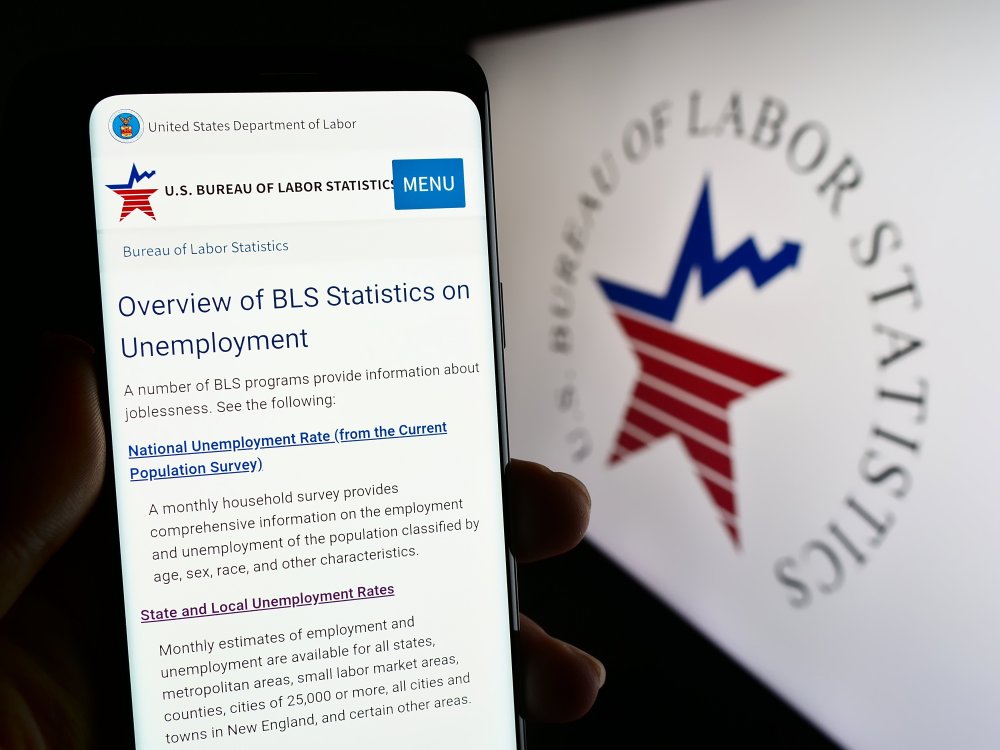
The ongoing government shutdown prevented the Bureau of Labor Statistics from releasing its September jobs report Friday, but job growth appears to be softening. The lack of reliable government data comes as the Federal Reserve mulls further interest rate cuts. View the full article
-
U.S. technology company Nvidia and Fujitsu, a Japanese telecommunications and computer maker, agreed Friday to work together on artificial intelligence to deliver smart robots and a variety of other innovations using Nvidia’s computer chips. “The AI industrial revolution has already begun. Building the infrastructure to power it is essential in Japan and around the world,” Nvidia Chief Executive Jensen Huang said, hugging his Fujitsu counterpart Takahito Tokita on stage. “Japan can lead the world in AI and robotics,” Huang told reporters at a Tokyo hotel. The companies will work together on building what they called “an AI infrastructure,” or the system on which the various futuristic AI uses will be based, including health care, manufacturing, the environment, next-generation computing and customer services. The hope is to establish that AI infrastructure for Japan by 2030. It initially will be tailored for the Japanese market, leveraging Fujitsu’s decades-long experience here, but may later expand globally, and will utilize Nvidia’s GPUs, or graphics processing units, which are essential for AI, according to both sides. The two executives did not outline specific projects or give a monetary figure for planned investments. But exploring a collaboration in AI for robots with Yaskawa Electric Corp., a Japanese machinery and robot maker, was noted as a possible example. AI will be constantly evolving and learning, they said. Fujitsu and Nvidia have been working together on AI, speeding up manufacturing with digital twins and robotics to tackle aging Japan’s labor shortages. Tokita said the companies were taking a “humancentric” approach aimed at keeping Japan competitive. “Through our collaboration with Nvidia, we aim to create new, unprecedented technologies and contribute to solving even more serious social issues,” said Tokita. Yuri Kageyama is on Threads: https://www.threads.com/@yurikageyama —Yuri Kageyama, AP Business Writer View the full article

-
US president warns militant group that ‘all HELL . . . will break out’ if it does not sign up to his dealView the full article
-
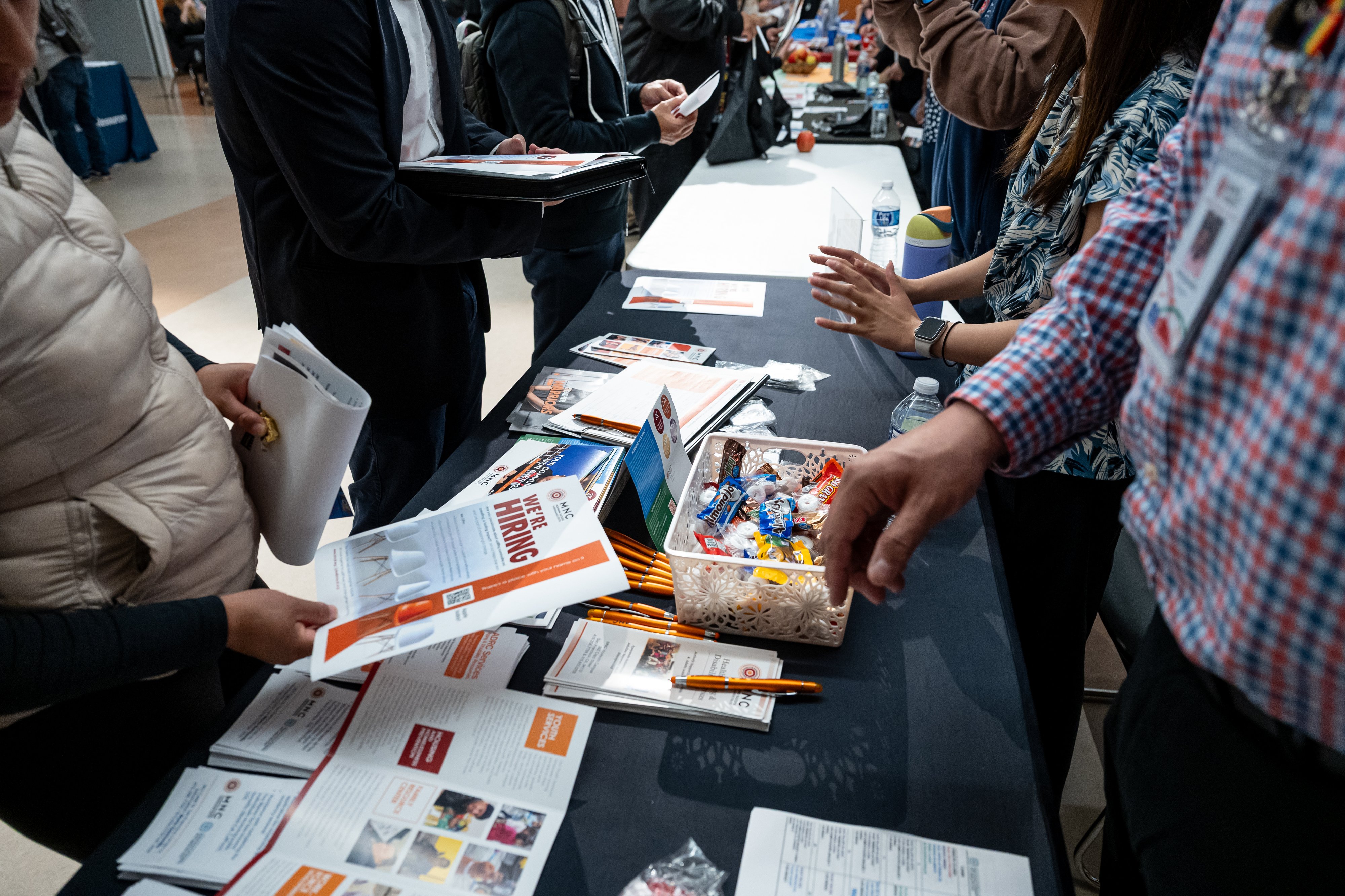
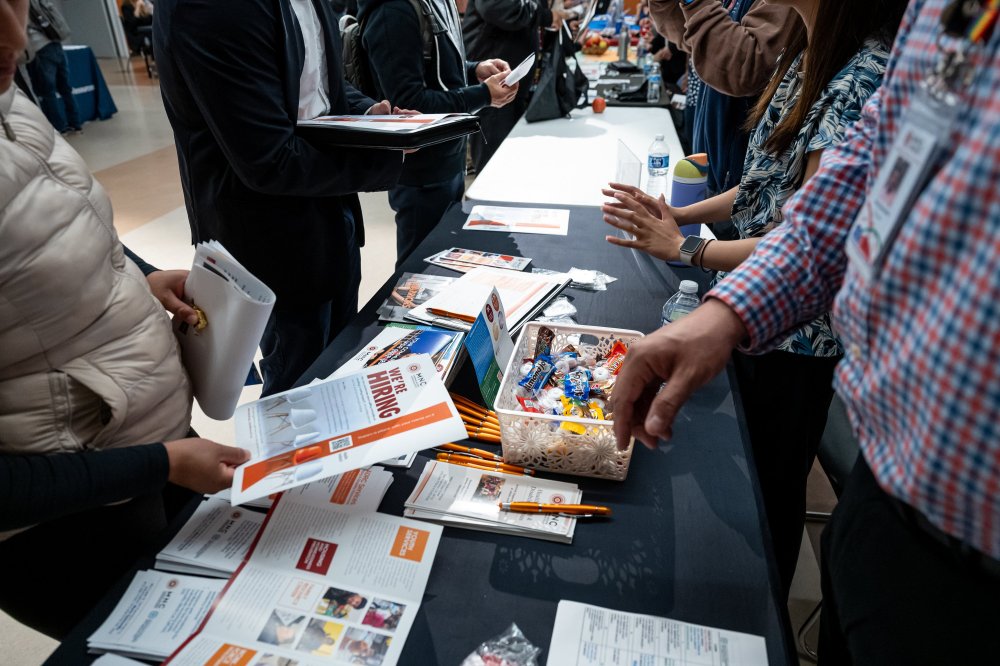
Even without the marquee data from the Bureau of Labor Statistics — which won't be published on Friday due to the government shutdown — a number of private-sector indicators out in recent days pointed to sluggish hiring, limited layoffs, modest pay gains and easing demand for workers in September. View the full article
-
For small businesses engaged in international trade, the speed of transactions often makes the difference between smooth operations and stalled cash flow. Visa has taken a noteworthy step towards enhancing this aspect with the introduction of a new stablecoin prefunding pilot through Visa Direct. Announced at SIBOS 2025, this initiative aims to revolutionize cross-border payments, improving both efficiency and flexibility for businesses of all sizes. Chris Newkirk, President of Visa’s Commercial & Money Movement Solutions, emphasized the urgency of this upgrade. “Cross-border payments have been stuck in outdated systems for far too long,” he stated. This new pilot not only promises quicker transactions but also unlocks liquidity, making it particularly beneficial for small businesses navigating the complexities of international payments. The introduction of stablecoin prefunding directly addresses longstanding issues in cross-border payments, including high costs and delays. For decades, businesses have had to “park” large amounts of capital in traditional fiat currencies before making payments, tying up resources that could otherwise be utilized for growth. Key Benefits Unlocked Liquidity: By allowing businesses to prefund Visa Direct with stablecoins, companies can avoid the burdensome practice of holding substantial fiat balances in advance. This shift will keep capital active while still ensuring that necessary payouts are managed efficiently. Modernized Treasury Operations: Through this accelerated system, businesses can settle payments within minutes rather than waiting days. This acceleration enables more responsive liquidity management, a crucial factor in today’s fast-paced markets. Reduced Volatility: Stablecoins offer a stable settlement layer, minimizing exposure to the fluctuations often seen in local currencies. This aspect is particularly relevant for small businesses that might not have the financial bandwidth to hedge against currency risk. Practical Applications The pilot scheme will primarily cater to banks, remitters, and financial institutions. However, small business owners can also benefit indirectly. A more streamlined process often leads to faster transaction times and potentially lower fees, translating to cost savings for business owners needing to send payments across borders. When conducting international business, smaller enterprises often deal with multiple currencies, each with its own unique hurdles. The predictability offered by stablecoin transactions can help reduce the complexities associated with currency conversion fees and waiting periods before funds are available. It’s important to note that while the payouts can be prefunded in stablecoins, recipients will still receive their payments in local currencies. This maintains the traditional structure of international transactions while enhancing the back-end efficiency. Potential Challenges While the prospect of using stablecoins for prefunding offers multiple advantages, small business owners should proceed with caution. The pilot is currently limited to select partners, suggesting that not every business will be immediately eligible for these benefits. Expectations should be managed as Visa plans to expand the initiative over the coming years. Furthermore, although stablecoins aim to provide stability, their acceptance and regulatory environment can vary significantly depending on the jurisdiction. Small business owners may need to stay updated on local regulations concerning cryptocurrency transactions to avoid potential legal pitfalls. The digital landscape is evolving rapidly, and keeping pace with these changes will require diligence. Small business owners will benefit from thorough research and possibly engaging financial advisors familiar with the implications of adopting stablecoins in their payment processes. Visa’s initiative is set to potentially reshape how small businesses manage international payments, lending them the agility needed in a globally competitive market. More information regarding Visa’s new stablecoin pilot can be found in their official press release here. As financial technologies continue to evolve, small business owners would do well to stay informed and prepared for these changes, ensuring they leverage the tools that can drive efficiency and growth in their operations. Image via Envato This article, "Visa Direct Unveils Stablecoin Pilot for Instant Global Payments" was first published on Small Business Trends View the full article
-
For small businesses engaged in international trade, the speed of transactions often makes the difference between smooth operations and stalled cash flow. Visa has taken a noteworthy step towards enhancing this aspect with the introduction of a new stablecoin prefunding pilot through Visa Direct. Announced at SIBOS 2025, this initiative aims to revolutionize cross-border payments, improving both efficiency and flexibility for businesses of all sizes. Chris Newkirk, President of Visa’s Commercial & Money Movement Solutions, emphasized the urgency of this upgrade. “Cross-border payments have been stuck in outdated systems for far too long,” he stated. This new pilot not only promises quicker transactions but also unlocks liquidity, making it particularly beneficial for small businesses navigating the complexities of international payments. The introduction of stablecoin prefunding directly addresses longstanding issues in cross-border payments, including high costs and delays. For decades, businesses have had to “park” large amounts of capital in traditional fiat currencies before making payments, tying up resources that could otherwise be utilized for growth. Key Benefits Unlocked Liquidity: By allowing businesses to prefund Visa Direct with stablecoins, companies can avoid the burdensome practice of holding substantial fiat balances in advance. This shift will keep capital active while still ensuring that necessary payouts are managed efficiently. Modernized Treasury Operations: Through this accelerated system, businesses can settle payments within minutes rather than waiting days. This acceleration enables more responsive liquidity management, a crucial factor in today’s fast-paced markets. Reduced Volatility: Stablecoins offer a stable settlement layer, minimizing exposure to the fluctuations often seen in local currencies. This aspect is particularly relevant for small businesses that might not have the financial bandwidth to hedge against currency risk. Practical Applications The pilot scheme will primarily cater to banks, remitters, and financial institutions. However, small business owners can also benefit indirectly. A more streamlined process often leads to faster transaction times and potentially lower fees, translating to cost savings for business owners needing to send payments across borders. When conducting international business, smaller enterprises often deal with multiple currencies, each with its own unique hurdles. The predictability offered by stablecoin transactions can help reduce the complexities associated with currency conversion fees and waiting periods before funds are available. It’s important to note that while the payouts can be prefunded in stablecoins, recipients will still receive their payments in local currencies. This maintains the traditional structure of international transactions while enhancing the back-end efficiency. Potential Challenges While the prospect of using stablecoins for prefunding offers multiple advantages, small business owners should proceed with caution. The pilot is currently limited to select partners, suggesting that not every business will be immediately eligible for these benefits. Expectations should be managed as Visa plans to expand the initiative over the coming years. Furthermore, although stablecoins aim to provide stability, their acceptance and regulatory environment can vary significantly depending on the jurisdiction. Small business owners may need to stay updated on local regulations concerning cryptocurrency transactions to avoid potential legal pitfalls. The digital landscape is evolving rapidly, and keeping pace with these changes will require diligence. Small business owners will benefit from thorough research and possibly engaging financial advisors familiar with the implications of adopting stablecoins in their payment processes. Visa’s initiative is set to potentially reshape how small businesses manage international payments, lending them the agility needed in a globally competitive market. More information regarding Visa’s new stablecoin pilot can be found in their official press release here. As financial technologies continue to evolve, small business owners would do well to stay informed and prepared for these changes, ensuring they leverage the tools that can drive efficiency and growth in their operations. Image via Envato This article, "Visa Direct Unveils Stablecoin Pilot for Instant Global Payments" was first published on Small Business Trends View the full article
-
Our system is a mess but experts have already set out what would make it coherent, efficient and equitableView the full article
-
A major Japanese beverage producer says it has been hit by a cyberattack that left its operations disrupted for the fifth day on Friday, and Japanese media are reporting that stocks of the company’s popular beer and other beverages are running low in some stores. Asahi Group Holdings said its computer systems were hit by a cyberattack on Monday, creating glitches that have affected orders, shipments, and a customer call center in Japan. Overseas systems were not affected. A company spokeswoman told the Associated Press on Friday that the problem had still not been fixed, though some emergency shipments were made on Wednesday, with employees entering information into computer systems manually. The cause and motive of the attacks were still under investigation, the spokeswoman said. She requested anonymity, which is customary for Japanese companies. Japanese media said some convenience stores weren’t getting their deliveries and that stocks were low and the products were even being sold out in some places. A 7-Eleven convenience store in Tokyo visited by an AP reporter on Friday evening still stocked plenty of Asahi beer, though the saleswoman said she expected the stocks to start running low soon. It’s unclear when the system will be back up and running, Asahi said. The company has canceled events and is delaying the launch of products. Some Japanese media reports said the attacks may be ransomware, but Asahi declined to comment. Tokyo-based Asahi, founded in 1949, makes beer, including its popular Super Dry rice lager and other beverages, including cider and juices, as well as baby food, candy and some other food products. Yuri Kageyama is on Threads: https://www.threads.com/@yurikageyama —Yuri Kageyama, AP Business Writer View the full article
-
Tesla’s Cybertrucks might be the most polarizing vehicle on the market. And due to their electronic door-open mechanism, they’re far from the safest. A new lawsuit underscores this, alleging that 19-year-old college student Krysta Tsukahara died during a fiery crash because the truck’s electric doors shut down, preventing the door from opening on either side, as the New York Times first reported. Tsukahara’s family is suing Tesla in Alameda County Superior Court. In Cybertrucks, a passenger has to click a button for the door to open. The only “manual” mechanism to open a rear door is to pull a cable—but reaching said cable involves removing “the rubber mat on the bottom of the rear door’s map pocket,” according to Tesla. The person then has to pull the cable forward before pushing the door open. These manual releases are in different locations in various Tesla models. The November 2024 crash occurred when a Cybertruck carrying four people crashed into a tree and caught fire. A friend following in another vehicle broke one of the Cybertruck’s windows and rescued one of the four people. He was unable to rescue Tsukahara, who the suit alleges died from burns and smoke inhalation, not the impact of the crash. Tsukahara’s family is also suing the estate of the driver, who was reportedly under the influence of alcohol, amphetamines, and cocaine when the car crashed. Fast Company has reached out to Tesla for comment and will update this post if we hear back. Tesla’s door handles have a history of malfunctioning Elon Musk’s electric car company uses door-open buttons across its vehicles, with further accusations beyond the Cybertruck. On September 10, a Bloomberg report revealed that over 140 customers had complaints “related to Tesla’s doors getting stuck, not opening, or otherwise malfunctioning since 2018.” Multiple cases mirror Tsukahara’s case of being stuck inside a burning vehicle, unable to get the doors open. Take a Toronto crash, in October 2024. A Tesla Model Y crashed into a barrier and caught fire, killing all four of its passengers. The electric door buttons didn’t work, trapping the individuals in the car. Five days after the Bloomberg report, the National Highway Traffic Safety Administration (NHTSA) opened an investigation into Tesla’s Model Y vehicles, specifically looking at opening doors from the outside without power. Its preliminary evaluation points to incidents in which parents have been unable to get their child out of the car. In a September 17 interview on Bloomberg’s Hot Pursuit! podcast, Tesla design chief Franz von Holzhausen claimed that the company is working on a redesign to help in a “panic situation.” It would combine the mechanical and electronic door releases. “So in the moment that you’re in a panic situation, the muscle memory to go to what you know is right there,” von Holzhausen said. “You just pull a little bit further on the lever and you have the mechanical release.” It seems Tesla’s solution to its dangerous design is to provide a normal, functioning door handle. View the full article