All Activity
- Past hour
-
 A reader writes: I’m hiring for some new roles in my team and this has generated some excitement from internal folks looking to grow in their careers. That’s great! I’m always happy to meet with internal people before they submit resumes/go through the formal interview process, it’s very much a part of our team culture. However, twice now, different internal candidates have scheduled a one-on-one with me during a time when I already have a meeting and am showing as booked! This has kind of thrown me for a loop (do they not know how to use our extremely basic common scheduling software? do they think I’m booked for fun and will reschedule for them?) and honestly given me some hesitation around them as real candidates. But then I was wondering, is this just a personal pet peeve of mine and not a genuine yellow flag for their candidacy? Do personal pet peeves get to factor into my hiring decision if I’m their manager? If they move to the interview stage, are there ways I can feel out if they have a lack of attention to detail/lack of care for people’s work schedules without just saying, “Hey, why did you schedule a one-on-one for one of the only times I was not available?” The primary lens you want to run all concerns like this through is: how does this relate to the skills and qualities that are need to do this specific job well? If something is genuinely just a pet peeve but doesn’t have any real connection to what it will take to do the job well — like if you were irrationally irritated by people who don’t record an outgoing message on their voicemail or who write “gentle reminder” in emails (that last one is my own pet peeve) — you should set that aside. Having a mildly annoying habit doesn’t mean they wouldn’t be the best candidate for the job. But some pet peeves do very much speak to how the person would approach the work, and those are fair game to consider. In this case, I assume the scheduling stuff is alarming you because it feels like it speaks to a lack of attention to detail, or maybe that they don’t know how to use very basic office systems, pointing to a sort of baseline incompetence. Those are reasonable to consider. That said, these are also internal candidates, so you have access to a lot more info about them than you would have if they were external candidates. The reason small things can matter a lot with external candidates is because when you’re working with very limited info about someone, you have no choice but to rely on whatever info you get during the hiring process — but that is not the case with internal candidates. So: are either of these candidates your direct reports? If so, you probably have enough regular contact with them and their work that you know if they do in fact have issues with attention to detail. If they don’t report to you and you don’t have a lot of interaction with them, it’s a reasonable question to pose to their direct manager (whose input you should be soliciting on them regardless). And you can also ask about things that are weighing on you! It’s fine to say, “I noticed you tried to schedule a one-on-one for one of the only times I wasn’t available — is my calendar not showing up correctly on your end, or how did that happen?” (Note you’re not assuming the error was on their end and are allowing for the possibility that it wasn’t.) Just make sure you evaluate the answer, whatever it is, through the lens of what actually matters for the job you’re hiring for. The post is it petty to hold small details against internal candidates? appeared first on Ask a Manager. View the full article
 -
Creating an app video is vital for showcasing your app’s features and attracting users. To start, you need to define your concept clearly, allowing you to communicate your app’s unique value. Next, crafting a compelling script will help you convey your message effectively. Then, developing a visual style aligned with your brand guarantees consistency. Comprehending the strategic distribution of your video is likewise important for maximizing its reach. As you proceed, consider the specific requirements for app store videos to improve your chances of success. Key Takeaways Define your app’s core concept and unique selling points to create an engaging narrative that resonates with your target audience. Craft a compelling script that highlights the app’s problem-solving capabilities and includes a clear call to action for downloads. Develop a visual style that aligns with your app’s brand identity, using high-quality visuals and consistent design elements throughout the video. Edit the video for clarity and flow, ensuring smooth transitions and a polished final product that effectively communicates your message. Choose appropriate distribution platforms and adhere to app store guidelines for video length and format to maximize viewer engagement. Understanding App Demo Videos When you create an app demo video, it’s vital to understand its primary purpose: to showcase the app’s key features and benefits effectively. Unlike marketing videos, app demos focus on functionality and user experience, presenting concise, visually engaging content. You’ll want to highlight how your app solves specific user problems, emphasizing benefits that lead to greater viewer retention. Quality visuals, animations, and screen recordings are fundamental for clarity, especially when using the best Android editing apps video. Good video apps for Android can help you produce polished content. If you’re wondering, “What is InShot?” it’s an excellent tool for creating professional-looking videos. Finally, include a clear call to action to prompt viewers to download and engage with your app. Key Considerations for Creating an Effective App Video Creating an effective app video hinges on several key considerations that can greatly impact viewer engagement and retention. Start by ensuring clarity and concision; focus on the app’s most impactful features to keep it easy to understand. High-quality visuals are crucial—use animations and screen recordings to improve the presentation. Here are three critical points to remember: Tailor the content and tone to resonate with your target audience, addressing their specific needs. Include a clear call to action, guiding viewers to download the app after watching. Incorporate subtitles for accessibility, broadening your audience reach. Utilizing cool video editing apps for Android or film editing apps for Android can help you make app video that stands out effectively. Step 1: Define Your Concept Defining your concept is essential for crafting a compelling app video that resonates with your audience. Start by pinpointing your app’s core purpose and unique selling points, focusing on how it addresses specific user problems or improves experiences. Develop an engaging narrative that showcases key features and benefits, aligning them with your target audience’s interests. Keep the video concise, ideally between 15 to 30 seconds for app store previews and around 60 seconds for other platforms. Collaborate with stakeholders to gather insights, ensuring a thorough view of the app’s functionalities. Use storyboarding techniques to visualize your concept, mapping out scenes that effectively illustrate the app’s functionality and user experience, ensuring compatibility with inshot compatible formats for seamless editing. Step 2: Craft a Compelling Script Crafting a compelling script is a key step in producing an effective app video that resonates with viewers and highlights your app’s benefits. To achieve this, focus on these three crucial elements: Value Proposition: Clearly convey how your app solves specific user problems and improves their experience. Concise Messaging: Highlight impactful features in a way that’s engaging and easy to follow for your target audience. Structured Narrative: Use a problem-solution approach to guide viewers through the app’s functionalities, maintaining their interest. Incorporate call-to-action phrases to encourage viewers to download the app or explore its features. Remember to tailor the tone and language of your script to resonate with your demographic, increasing relatability and engagement. Step 3: Develop Your Visual Style When developing your visual style, make sure it aligns with your app’s brand identity, using consistent colors, fonts, and imagery. High-quality visuals and animations can greatly improve user engagement, so prioritize these elements to showcase your app effectively. Furthermore, consider incorporating screen recordings to provide an authentic demonstration of your app’s functionality, allowing viewers to see how it addresses their needs. Align With Brand Identity Creating a visual style that aligns with your app’s brand identity is essential for establishing a cohesive presentation that users can easily recognize. When you develop this style, consider the following elements: Color Schemes: Use consistent colors that reflect your brand’s personality and values, enhancing recognition. Typography: Choose fonts that complement your brand and maintain readability, ensuring a professional look. Logo and Imagery: Incorporate your logo and relevant graphics throughout the video to create a sense of ownership and trust. Use High-Quality Visuals Using high-quality visuals is crucial for making your app video both engaging and informative. Start by utilizing high-resolution screen recordings and animations to effectively showcase your app’s features, ensuring clarity for viewers. Incorporate your app’s branding elements—such as colors and logos—to create a cohesive visual identity throughout the video. Aim for clean, modern design aesthetics that align with current trends, enhancing visual appeal and maintaining viewer interest. Employ visual storytelling techniques to guide users through your app’s functionality, making it easier for them to understand navigation. Furthermore, consider including subtitles and annotations to improve accessibility and comprehension, catering to a wider audience while enhancing viewer retention. These strategies will greatly enhance the quality of your app video. Incorporate Engaging Animations Incorporating engaging animations into your app video not merely improves its visual appeal but also helps convey information more effectively. By using animations, you can simplify complex features and augment the overall viewer experience. To create impactful animations, consider these key elements: Motion Graphics: Use dynamic visuals to illustrate your app’s functionalities, making them easier to understand. Animated Text and Icons: Emphasize crucial points and calls to action, guiding viewers through the app’s benefits seamlessly. Brand Alignment: Confirm your animations match your app’s branding and visual identity, creating a cohesive narrative. Step 4: Record High-Quality Footage To effectively showcase your app’s features, recording high-quality footage is vital. Start by utilizing screen recording software to capture interactions directly from your device. Make sure you set the resolution to at least 1080p for professional-quality visuals. A quiet environment is important; background noise can distract viewers, so consider using a high-quality microphone for voiceovers or commentary. Filming multiple takes of key features allows you to capture different angles and interactions, making your video more dynamic. Finally, use a storyboard to plan specific shots and sequences, guaranteeing you highlight all important functionalities clearly and concisely. This preparation will help create a polished and engaging video that effectively communicates your app’s value to potential users. Step 5: Edit Your Video for Clarity Editing your video for clarity is crucial, as it guarantees that your app’s features are presented in the most effective way possible. To achieve this, follow these steps: Trim unnecessary footage: Keep your video concise, ideally between 15 to 30 seconds for app store submissions, confirming every second counts. Utilize high-quality visuals: Incorporate engaging visuals and animations that clearly showcase your app’s key features and functionalities, capturing viewer attention. Add text overlays and subtitles: Improve accessibility and comprehension by including clear text overlays and subtitles, catering to diverse audiences and boosting overall insight. Finally, review your edited video multiple times to verify clarity, flow, and coherence, making necessary adjustments for a polished final product. Step 6: Integrate Sound Design and Music Integrating sound design and music into your app video is vital for enhancing its overall impact, as these elements can greatly influence viewer engagement. Background music that aligns with your app’s brand identity can improve retention, especially since 65% of people are visual learners who benefit from auditory support. Sound effects serve to highlight key features and actions, aiding viewers in comprehending your app’s functionality. It’s important to balance audio levels of voiceovers, sound effects, and music to maintain clarity and professionalism. Furthermore, subtle shifts in music can guide viewers through different sections, enhancing the storytelling aspect. Step 7: Distribute Your Video Strategically Once you’ve created your app video, distributing it strategically becomes essential for maximizing its impact and reach. To guarantee your video reaches the right audience, follow these steps: Choose Your Platforms: Select social media, websites, and email marketing channels, tailoring your content to suit each platform’s audience for better engagement. Add Download Links: Make it easy for users by including clear and separate download links for both iOS and Android in the video description or on the end screen. Utilize Analytics: Track viewer engagement and conversion rates using analytics tools, allowing you to refine your strategy based on what works best. App Store Video Requirements When creating app videos for the App Store, it’s vital to understand the specific requirements to guarantee your content meets platform standards. iOS app preview videos must be between 15 and 30 seconds long, which means you need to capture your audience’s attention quickly. Make sure your video file size doesn’t exceed 500 MB, as this is the maximum allowed. Furthermore, you can choose either portrait or scenery orientation for your video, depending on your app’s design. Since autoplay is enabled, starting strong is fundamental. Finally, consider including subtitles to improve accessibility and engage a broader audience. Adhering to these guidelines will help make certain your app video stands out in the competitive App Store environment. Android Google Play Video Guidelines To effectively promote your app on the Google Play Store, comprehending the video guidelines is crucial. Following these guidelines guarantees your video meets platform standards and engages users effectively. Video Length: Aim for a video duration of around 60 seconds. Although you can go longer, keeping it concise improves viewer engagement. Orientation: Upload your video in horizontal orientation to align with the Play Store’s design, providing a better user experience. Upload Options: You can either upload the video directly or provide a YouTube link. Just remember to adhere to YouTube’s upload guidelines regarding file size and format to avoid any issues. Leveraging App Promo Videos in Marketing Strategies App promo videos are a potent tool in your marketing strategy, extending beyond the Google Play Store to various platforms like social media, websites, and email campaigns. To maximize reach and engagement, guarantee your videos are versatile and customized to different audience segments. Incorporating clear calls to action can greatly improve conversion rates, guiding viewers to download the app or visit your site for more information. Testing promotional strategies, such as direct download links for iOS and Android, can provide valuable insights into user behavior and boost download rates. Furthermore, using app promo videos within marketing funnels streamlines the customer experience, driving software adoption and reducing the need for users to search for the app independently. Frequently Asked Questions How to Make a Step by Step Video? To create a step-by-step video, start by defining your video’s goal and target audience. Plan your content by scripting each step clearly, ensuring it’s concise and easy to follow. Develop a storyboard to visualize the sequence and improve viewer engagement with visuals. Record high-quality video and audio, using screen recordings if necessary. Finally, edit the video to remove irrelevant parts, and add annotations and subtitles for clarity and accessibility throughout the process. How to Make a Video of Your App? To create a video of your app, start by defining its core functionality and user benefits. Write a clear script that highlights key features. Use high-quality visuals and screen recordings to demonstrate the app in action, keeping the video concise, ideally under 30 seconds. Record a professional voiceover to guide viewers through the content. Finally, include a strong call to action, encouraging viewers to download your app with direct links to app stores. How to Make an App Step by Step? To make an app step by step, start by identifying your target audience and defining the app’s purpose. Next, outline key features and create wireframes to visualize your design. After that, choose a development platform, whether it’s native or cross-platform. Build the app, focusing on user experience, and conduct thorough testing for bugs. Finally, launch the app on relevant app stores and promote it using marketing strategies to reach your audience effectively. How to Create an App Walkthrough? To create an effective app walkthrough, start by defining your app’s key features and benefits. Script a clear, step-by-step guide that avoids technical jargon. Use high-quality screen recording software to showcase the app in action, incorporating engaging visuals. Add a voiceover to provide clear instructions and improve the narrative. Finally, wrap up the video with a strong call to action, encouraging viewers to download the app and explore its features further. Conclusion Creating an effective app video requires careful planning and execution. By defining your concept, crafting a clear script, and developing a visually appealing style, you can highlight your app’s unique features. Confirm your video adheres to app store guidelines for ideal distribution. Once your video is complete, leverage it in your marketing strategies to improve visibility and engagement. Following these steps will help you produce a professional app video that effectively communicates your app’s value to potential users. Image via Google Gemini This article, "How to Make an App Video – A Step-by-Step Guide" was first published on Small Business Trends View the full article
-
Creating an app video is vital for showcasing your app’s features and attracting users. To start, you need to define your concept clearly, allowing you to communicate your app’s unique value. Next, crafting a compelling script will help you convey your message effectively. Then, developing a visual style aligned with your brand guarantees consistency. Comprehending the strategic distribution of your video is likewise important for maximizing its reach. As you proceed, consider the specific requirements for app store videos to improve your chances of success. Key Takeaways Define your app’s core concept and unique selling points to create an engaging narrative that resonates with your target audience. Craft a compelling script that highlights the app’s problem-solving capabilities and includes a clear call to action for downloads. Develop a visual style that aligns with your app’s brand identity, using high-quality visuals and consistent design elements throughout the video. Edit the video for clarity and flow, ensuring smooth transitions and a polished final product that effectively communicates your message. Choose appropriate distribution platforms and adhere to app store guidelines for video length and format to maximize viewer engagement. Understanding App Demo Videos When you create an app demo video, it’s vital to understand its primary purpose: to showcase the app’s key features and benefits effectively. Unlike marketing videos, app demos focus on functionality and user experience, presenting concise, visually engaging content. You’ll want to highlight how your app solves specific user problems, emphasizing benefits that lead to greater viewer retention. Quality visuals, animations, and screen recordings are fundamental for clarity, especially when using the best Android editing apps video. Good video apps for Android can help you produce polished content. If you’re wondering, “What is InShot?” it’s an excellent tool for creating professional-looking videos. Finally, include a clear call to action to prompt viewers to download and engage with your app. Key Considerations for Creating an Effective App Video Creating an effective app video hinges on several key considerations that can greatly impact viewer engagement and retention. Start by ensuring clarity and concision; focus on the app’s most impactful features to keep it easy to understand. High-quality visuals are crucial—use animations and screen recordings to improve the presentation. Here are three critical points to remember: Tailor the content and tone to resonate with your target audience, addressing their specific needs. Include a clear call to action, guiding viewers to download the app after watching. Incorporate subtitles for accessibility, broadening your audience reach. Utilizing cool video editing apps for Android or film editing apps for Android can help you make app video that stands out effectively. Step 1: Define Your Concept Defining your concept is essential for crafting a compelling app video that resonates with your audience. Start by pinpointing your app’s core purpose and unique selling points, focusing on how it addresses specific user problems or improves experiences. Develop an engaging narrative that showcases key features and benefits, aligning them with your target audience’s interests. Keep the video concise, ideally between 15 to 30 seconds for app store previews and around 60 seconds for other platforms. Collaborate with stakeholders to gather insights, ensuring a thorough view of the app’s functionalities. Use storyboarding techniques to visualize your concept, mapping out scenes that effectively illustrate the app’s functionality and user experience, ensuring compatibility with inshot compatible formats for seamless editing. Step 2: Craft a Compelling Script Crafting a compelling script is a key step in producing an effective app video that resonates with viewers and highlights your app’s benefits. To achieve this, focus on these three crucial elements: Value Proposition: Clearly convey how your app solves specific user problems and improves their experience. Concise Messaging: Highlight impactful features in a way that’s engaging and easy to follow for your target audience. Structured Narrative: Use a problem-solution approach to guide viewers through the app’s functionalities, maintaining their interest. Incorporate call-to-action phrases to encourage viewers to download the app or explore its features. Remember to tailor the tone and language of your script to resonate with your demographic, increasing relatability and engagement. Step 3: Develop Your Visual Style When developing your visual style, make sure it aligns with your app’s brand identity, using consistent colors, fonts, and imagery. High-quality visuals and animations can greatly improve user engagement, so prioritize these elements to showcase your app effectively. Furthermore, consider incorporating screen recordings to provide an authentic demonstration of your app’s functionality, allowing viewers to see how it addresses their needs. Align With Brand Identity Creating a visual style that aligns with your app’s brand identity is essential for establishing a cohesive presentation that users can easily recognize. When you develop this style, consider the following elements: Color Schemes: Use consistent colors that reflect your brand’s personality and values, enhancing recognition. Typography: Choose fonts that complement your brand and maintain readability, ensuring a professional look. Logo and Imagery: Incorporate your logo and relevant graphics throughout the video to create a sense of ownership and trust. Use High-Quality Visuals Using high-quality visuals is crucial for making your app video both engaging and informative. Start by utilizing high-resolution screen recordings and animations to effectively showcase your app’s features, ensuring clarity for viewers. Incorporate your app’s branding elements—such as colors and logos—to create a cohesive visual identity throughout the video. Aim for clean, modern design aesthetics that align with current trends, enhancing visual appeal and maintaining viewer interest. Employ visual storytelling techniques to guide users through your app’s functionality, making it easier for them to understand navigation. Furthermore, consider including subtitles and annotations to improve accessibility and comprehension, catering to a wider audience while enhancing viewer retention. These strategies will greatly enhance the quality of your app video. Incorporate Engaging Animations Incorporating engaging animations into your app video not merely improves its visual appeal but also helps convey information more effectively. By using animations, you can simplify complex features and augment the overall viewer experience. To create impactful animations, consider these key elements: Motion Graphics: Use dynamic visuals to illustrate your app’s functionalities, making them easier to understand. Animated Text and Icons: Emphasize crucial points and calls to action, guiding viewers through the app’s benefits seamlessly. Brand Alignment: Confirm your animations match your app’s branding and visual identity, creating a cohesive narrative. Step 4: Record High-Quality Footage To effectively showcase your app’s features, recording high-quality footage is vital. Start by utilizing screen recording software to capture interactions directly from your device. Make sure you set the resolution to at least 1080p for professional-quality visuals. A quiet environment is important; background noise can distract viewers, so consider using a high-quality microphone for voiceovers or commentary. Filming multiple takes of key features allows you to capture different angles and interactions, making your video more dynamic. Finally, use a storyboard to plan specific shots and sequences, guaranteeing you highlight all important functionalities clearly and concisely. This preparation will help create a polished and engaging video that effectively communicates your app’s value to potential users. Step 5: Edit Your Video for Clarity Editing your video for clarity is crucial, as it guarantees that your app’s features are presented in the most effective way possible. To achieve this, follow these steps: Trim unnecessary footage: Keep your video concise, ideally between 15 to 30 seconds for app store submissions, confirming every second counts. Utilize high-quality visuals: Incorporate engaging visuals and animations that clearly showcase your app’s key features and functionalities, capturing viewer attention. Add text overlays and subtitles: Improve accessibility and comprehension by including clear text overlays and subtitles, catering to diverse audiences and boosting overall insight. Finally, review your edited video multiple times to verify clarity, flow, and coherence, making necessary adjustments for a polished final product. Step 6: Integrate Sound Design and Music Integrating sound design and music into your app video is vital for enhancing its overall impact, as these elements can greatly influence viewer engagement. Background music that aligns with your app’s brand identity can improve retention, especially since 65% of people are visual learners who benefit from auditory support. Sound effects serve to highlight key features and actions, aiding viewers in comprehending your app’s functionality. It’s important to balance audio levels of voiceovers, sound effects, and music to maintain clarity and professionalism. Furthermore, subtle shifts in music can guide viewers through different sections, enhancing the storytelling aspect. Step 7: Distribute Your Video Strategically Once you’ve created your app video, distributing it strategically becomes essential for maximizing its impact and reach. To guarantee your video reaches the right audience, follow these steps: Choose Your Platforms: Select social media, websites, and email marketing channels, tailoring your content to suit each platform’s audience for better engagement. Add Download Links: Make it easy for users by including clear and separate download links for both iOS and Android in the video description or on the end screen. Utilize Analytics: Track viewer engagement and conversion rates using analytics tools, allowing you to refine your strategy based on what works best. App Store Video Requirements When creating app videos for the App Store, it’s vital to understand the specific requirements to guarantee your content meets platform standards. iOS app preview videos must be between 15 and 30 seconds long, which means you need to capture your audience’s attention quickly. Make sure your video file size doesn’t exceed 500 MB, as this is the maximum allowed. Furthermore, you can choose either portrait or scenery orientation for your video, depending on your app’s design. Since autoplay is enabled, starting strong is fundamental. Finally, consider including subtitles to improve accessibility and engage a broader audience. Adhering to these guidelines will help make certain your app video stands out in the competitive App Store environment. Android Google Play Video Guidelines To effectively promote your app on the Google Play Store, comprehending the video guidelines is crucial. Following these guidelines guarantees your video meets platform standards and engages users effectively. Video Length: Aim for a video duration of around 60 seconds. Although you can go longer, keeping it concise improves viewer engagement. Orientation: Upload your video in horizontal orientation to align with the Play Store’s design, providing a better user experience. Upload Options: You can either upload the video directly or provide a YouTube link. Just remember to adhere to YouTube’s upload guidelines regarding file size and format to avoid any issues. Leveraging App Promo Videos in Marketing Strategies App promo videos are a potent tool in your marketing strategy, extending beyond the Google Play Store to various platforms like social media, websites, and email campaigns. To maximize reach and engagement, guarantee your videos are versatile and customized to different audience segments. Incorporating clear calls to action can greatly improve conversion rates, guiding viewers to download the app or visit your site for more information. Testing promotional strategies, such as direct download links for iOS and Android, can provide valuable insights into user behavior and boost download rates. Furthermore, using app promo videos within marketing funnels streamlines the customer experience, driving software adoption and reducing the need for users to search for the app independently. Frequently Asked Questions How to Make a Step by Step Video? To create a step-by-step video, start by defining your video’s goal and target audience. Plan your content by scripting each step clearly, ensuring it’s concise and easy to follow. Develop a storyboard to visualize the sequence and improve viewer engagement with visuals. Record high-quality video and audio, using screen recordings if necessary. Finally, edit the video to remove irrelevant parts, and add annotations and subtitles for clarity and accessibility throughout the process. How to Make a Video of Your App? To create a video of your app, start by defining its core functionality and user benefits. Write a clear script that highlights key features. Use high-quality visuals and screen recordings to demonstrate the app in action, keeping the video concise, ideally under 30 seconds. Record a professional voiceover to guide viewers through the content. Finally, include a strong call to action, encouraging viewers to download your app with direct links to app stores. How to Make an App Step by Step? To make an app step by step, start by identifying your target audience and defining the app’s purpose. Next, outline key features and create wireframes to visualize your design. After that, choose a development platform, whether it’s native or cross-platform. Build the app, focusing on user experience, and conduct thorough testing for bugs. Finally, launch the app on relevant app stores and promote it using marketing strategies to reach your audience effectively. How to Create an App Walkthrough? To create an effective app walkthrough, start by defining your app’s key features and benefits. Script a clear, step-by-step guide that avoids technical jargon. Use high-quality screen recording software to showcase the app in action, incorporating engaging visuals. Add a voiceover to provide clear instructions and improve the narrative. Finally, wrap up the video with a strong call to action, encouraging viewers to download the app and explore its features further. Conclusion Creating an effective app video requires careful planning and execution. By defining your concept, crafting a clear script, and developing a visually appealing style, you can highlight your app’s unique features. Confirm your video adheres to app store guidelines for ideal distribution. Once your video is complete, leverage it in your marketing strategies to improve visibility and engagement. Following these steps will help you produce a professional app video that effectively communicates your app’s value to potential users. Image via Google Gemini This article, "How to Make an App Video – A Step-by-Step Guide" was first published on Small Business Trends View the full article
- Today
-
Former U.S. Treasury Secretary Larry Summers will resign from teaching at Harvard University amid a campus review of his ties to Jeffrey Epstein, the university announced Wednesday. Summers, who has been on leave since November and whose name appeared hundreds of times in newly released Epstein files, will leave at the end of the school year, according to a statement from Harvard spokesperson Jason Newton. “Professor Summers has announced that he will retire from his academic and faculty appointments at Harvard at the end of this academic year and will remain on leave until that time,” Newton said. In a statement, Summers said it was a difficult decision and expressed gratitude to the students and colleagues he worked with over 50 years. “Free of formal responsibility, as President Emeritus and a retired professor, I look forward in time to engaging in research, analysis, and commentary on a range of global economic issues,” Summers said. Summers served as treasury secretary under former President Bill Clinton and went on to lead Harvard as president for five years starting in 2001. It’s the latest fallout from the Justice Department’s recent release of millions of pages of records pertaining to Epstein and his longtime confidant and former girlfriend Ghislaine Maxwell. Resignations have rippled across the academic, legal, and business communities. In Britain, former Prince Andrew and ex-diplomat Peter Mandelson were arrested because of their connections to Epstein and Maxwell. ____ The Associated Press’ education coverage receives financial support from multiple private foundations. AP is solely responsible for all content. Find AP’s standards for working with philanthropies, a list of supporters and funded coverage areas at AP.org. —Collin Binkley, AP education writer View the full article

-
Companies want to hire workers with artificial intelligence skills, but don’t want to pay the premium. Those are the findings from a new report from Payscale, a leading online provider of data on salaries and compensation. Payscale’s 2026 Compensation Best Practices Report finds that while 60% of companies mention AI as part of their job descriptions, only 55% are willing to shell out extra money for those skills in the form of higher salaries, bonuses or even equity in the company. Why? Well, according to the report, there are a few reasons for the discrepancy, including the impact of a tight job market on hiring, coming at a time when businesses are also tightening their budgets. In fact, 51% of the businesses surveyed say their biggest challenge in the current economic landscape is balancing employee pay expectations with budget constraints. It could be that while companies want to pay more, they just don’t have the cash. So, how much are jobs paying? The report finds the median base pay increase in 2026 is only 3.5%. Job hugging trend continues in workplace Another reason for lower-than-desired salaries is “job hugging“—the current trend where employees are staying longer in their positions and choosing not to leave their jobs. Only about 8% of U.S. workers are actually voluntarily quitting, the report finds. And those positions take about 30 days to fill, signaling “reduced churn” and less urgency on the part of companies to compete aggressively for talent. According to the report, 40% of the organizations surveyed say they have indeed experienced “job hugging” in 2025, with 15% agreeing that it inhibits business growth. With confidence in finding a new job at an all-time low among workers, and “workers hold[ing] onto their jobs for dear life”—it’s no wonder AI skills aren’t boosting salaries across the board. How AI is transforming the job market While 59% of the human resource leaders and compensation teams that Payscale surveyed say they are not replacing employees with AI now or in the future, 30% already are—or are considering it for the future. Construction, business services, technology (including software), and healthcare are the leading industries already replacing workers with AI, according to the report. View the full article

-
At a time of broken climate pledges and an economy-wide bearhug of automation and artificial intelligence, the dominant themes of the recently announced 2026 National Design Awards—climate action, sustainability, dedication to craft—are a refreshing reset. Rewarding innovation and impact among U.S.-based designers, the awards are both an honor and a pulse check on the state of design. This year’s group of winners represent a diverse group of practitioners and firms exploring ways that work in design and the arts can counteract environmental catastrophe and re-center the human hand in shaping the future. Honorees include the indigenous underpinnings in the textiles of fashion designer Josh Tafoya, the cross-border ecological and social research outposts of Estudio Teddy Cruz + Fonna Forman, and the environmentally sensitive museum design of architecture firm Frida Escobedo Studio. Other winners were selected for works pushing the boundaries of fields from digital cartography to ecological restoration. Launched in 2000 by the Cooper Hewitt Smithsonian Design Museum in New York, the awards honor designers across design disciplines from architecture to digital design to interior design. Despite the awards program being created as a project of the White House Millennium Council, this year’s honorees zag away from the trendlines of current national politics. Two standout honorees include Mattaforma, a New York City-based architecture and research studio focusing on mass-timber and sustainable building materials, and Berea College Student Craft, a hands-on experiential design and craft program that dates back to 1893. The 2026 jury was chaired by Aric Chen, director of the Zaha Hadid Foundation, and also included Liz Danzico, vice president of design at Microsoft AI, Henk Ovink, executive director and founding commissioner for the Global Commission on the Economics of Water, and Valerie Steele, director and chief curator of the Museum at the Fashion Institute of Technology. Here’s the full list of categories and winners: Architecture: Frida Escobedo Studio Climate Action: UCSD Community Stations by Estudio Teddy Cruz + Fonna Forman Communication Design: Thought Matter Design Visionary: Robert Earl Paige Digital Design: Laura Kurgan Emerging Designer: Mattaforma Fashion Design: Josh Tafoya Interior Design: Charlap Hyman & Herrero Landscape Architecture: Ten Eyck Landscape Architects Product Design: Berea College Student Craft View the full article
-
For five of the six private mortgage insurers, the surge of originations during the fourth quarter led to more new business versus the prior three months. View the full article
-
Google is rolling out a significant update to how average daily budgets pace in campaigns that use ad scheduling — and it could materially change monthly spend totals. What’s happening. Starting March 1, 2026, Google Ads will begin proactively pacing budgets to spend up to the full 30.4x monthly limit, even if campaigns only run on specific days via ad scheduling. How it works: The 2x daily overspend rule stays in place. The 30.4x average daily budget monthly cap remains unchanged. Campaigns will not run outside scheduled hours. But Google will now attempt to hit the full monthly ceiling within the allowed schedule. Why we care. Until now, advertisers running limited schedules — like weekends only — effectively spent less per month because Google paced against active days. Campaigns using ad scheduling may start spending significantly more per month — even though daily budgets and billing caps haven’t changed. Google will now push harder to hit the full 30.4x monthly limit within scheduled days, which could double spend for weekend-only or limited-hour campaigns. Without adjusting daily budgets, marketers risk unintentionally overshooting their intended monthly targets. Example. A campaign set to weekends only with a $100 daily budget previously spent about $800/month (roughly eight weekend days). Under the new pacing logic, it could spend up to $1,600/month — hitting $200 (2x daily budget) on each scheduled day. What Google says. According to Google Ads Liaison Ginny Marvin, the goal is to better align pacing behavior with advertisers’ expectations around monthly spend limits. Spend will still be driven by campaign objectives like conversions or conversion value, and no campaign will exceed the existing billing caps. Ginny also clarified that only advertisers who received notifications about this update will be affected and the change will be slowly rolled out. Between the lines. This is less about raising limits — and more about how aggressively Google uses existing ones. For advertisers relying on ad scheduling to naturally suppress spend, this could lead to unexpected increases unless daily budgets are recalibrated. What to do now: Review campaigns using ad scheduling. Recalculate daily budgets based on true monthly goals. Lower daily budgets if you want to maintain previous monthly spend levels. The bottom line. Google isn’t changing how much you can spend — it’s changing how quickly you will spend it. Flighted and part-time campaigns should adjust before March 2026. First spotted. This updated was mentioned by Jordan Fry who shared the Google message he got on LinkedIn. View the full article
-
We may earn a commission from links on this page. Samsung's Galaxy S26 lineup is here, and in most ways, it's an upgrade. There are new features like the privacy display, alongside more expected upgrades to the chipset, battery life (for the base model), and charging speed (for the Ultra). But one key part of the S26 ecosystem remains a downgrade from even the Galaxy S24's: Samsung removed Bluetooth from the Galaxy S25 Ultra's S Pen last year, and unfortunately, it's not back for the S26 Ultra. It's a hit to fans of the S Pen's former wireless control features, which debuted on the Galaxy Note 10 in 2019 and allowed the S Pen to do things like take a photo or switch between camera modes from afar. Essentially, it was a built-in remote control for your phone, so you wouldn't need to fuss with camera timers or PowerPoint remotes anymore. Users were clear that they didn't like it being removed from the S25 Ultra, but it seems like that wasn't enough to keep Samsung from leaving the feature in the past. Why did Samsung get rid of Bluetooth on the S Pen?With the S26 Ultra's announcement, the last glimmer of hope that Bluetooth on the S Pen might make a triumphant return seems pretty dead. Samsung's been quiet about it this time around, but the company did offer some explanation for why the feature was removed back when the S25 Ultra was revealed. In a statement to Android Police, Samsung blamed the feature's discontinuation on low user adoption, saying "Bluetooth Low Energy is not supported on the Galaxy S25 Ultra as Samsung found that S Pen usage for BLE-enabled features was very low." However, the company also took the opportunity to plug products that still offered some of the features cut from the S Pen, adding that "Galaxy users are utilizing gesture controls on the Galaxy Ring and Galaxy Watch for hands-free photo capture instead." While it's heartening that Samsung hasn't given up on remote control for its phones entirely, it should be noted that the current generation Galaxy Watch starts at $350, while the Galaxy Ring is $400. These aren't exactly replacements for an accessory that comes with your phone. What features did the S Pen lose?Bluetooth on the S Pen was also a bit more versatile than gesture controls on the Galaxy Watch and Galaxy Ring. While the S Pen was useful for photo capture, its full list of Bluetooth features included: Capturing photos and adjusting camera modes from afar. Moving to the next photo in the Samsung Gallery app. Moving forward and back in the Samsung Internet browser with the function button, and using gestures to navigate the page. Recording voice notes. Navigating around the Samsung Notes app and selecting pens from afar. Moving between slides in PowerPoint. Controlling audio and media playback. Using Air Actions, which functioned like gesture controls for activating specific, sometimes customizable phone features. Can I still use the Galaxy S24 Ultra? Samsung Galaxy S24 Ultra at Amazon Shop Now Shop Now at Amazon The most recent phone to have Bluetooth included in the S Pen is Samsung's Galaxy S24 Ultra, and if you're a diehard Bluetooth S Pen user, I've got good news for you. The Galaxy S24 line was Samsung's first to promise seven years of updates, meaning the Galaxy S24 Ultra will get official support straight from Samsung until 2031. That leaves you plenty of time until you'll need to upgrade, so you can stubbornly stick to your handset for at least a little while longer. And despite being a few years old, the S24 Ultra is still plenty powerful, with the same display resolution and amount of RAM as the S26 Ultra, a still competitive Snapdragon 8 Gen 3 chip, and a 200MP main rear camera lens. Unless you absolutely need the most cutting edge technology possible, that's a great setup, and can run even demanding apps like Genshin Impact on high settings without issue. Now that we're two generations past the S24 Ultra, it seems unlikely that Bluetooth is going to leave Samsung's graveyard. But if you have an older device, you won't have to mourn for at least a little while longer. View the full article
-
The newest Galaxy series is officially here. Samsung announced its latest batch of flagship phones During its big Unpacked 2026 event. The company had announced as much ahead of the presentation but was silent on the name, though few will be surprised to learn this year's phones are the Galaxy S26 series—specifically, the Galaxy S26, Galaxy S26+ and Galaxy S26 Ultra. While the new devices look similar to last year's models, there are some new features and changes (including ones exclusive to the S26 Ultra) that may make them worth upgrading. The S26 series comes with new Galaxy AI features Credit: Sachin Bahal Since Samsung is all-in on AI, it's only fitting there are a couple of new Galaxy AI features making their debut on the Galaxy S26 series. First is the "Now Nudge," Samsung's answer to the Pixel 10's Magic Cue feature. Now Nudge uses AI to understand the context of what's currently on your screen and prompts users with helpful information, such relevant photos, calendar availability and more. The Galaxy S26 series supports switching between three AI assistants at once. You can access Google Gemini and Bixby, of course, but users will now be able to use Perplexity as well. This includes hands-free voice commands (e.g. "Hey Plex.") Galaxy S26 users can utilize Perplexity to get info, manage tasks, or even navigate through their device using natural voice or text prompts. Samsung is also upgrading Circle to Search with version 3.0. Now, users can circle multiple items within an image, such as a whole outfit, and Galaxy AI can identify and itemize each item at once. Then, there's Notification Intelligence, where the AI will prioritize your most important messages and notifications, such as conversations with humans, above promotional or subscription notifications. The higher priority notifications will appear higher in your incoming notifications list. Credit: Sachin Bahal One of the S26 Ultra's exclusive features is Privacy Display, which allows users to make their screen only visible when viewing straight on, as if you're using a privacy screen protectors. Privacy Display can be enabled all the time or during certain conditions, like using certain apps or when entering a passcode or password. These are the specs for the Galaxy S26 series Credit: Sachin Bahal All models in the Galaxy S26 series are powered by the Qualcomm Snapdragon 8 Elite Gen 5 for Galaxy chip, a slightly overclocked version of the SoC exclusive to Samsung phones. Compared to last year's Snapdragon 8 Elite chip, the 8 Elite Gen 5 brings a 20% performance boost and 35% CPU power efficiency, thanks to the 3 nanometer manufacturing process. The new Adreno GPU in the 8 Elite Gen 5 should also improve graphics performance by 23%. Like the Galaxy S25 series, all three Galaxy S26 models feature a Dynamic AMOLED 2X display, which supports an adaptive refresh rate of 1-120Hz. Storage options include 256GB and 512GB on the S26 and S26+, while the S26 Ultra comes in an optional 1TB variant as well. All three come with 12GB of RAM, but the 1TB S26 Ultra comes with 16GB of RAM. Screen sizes have stayed relatively the same apart from the base S26, which has gone up to 6.3 inches: Galaxy S26: 6.3-inch display (2340 x 1080) Galaxy S26+: 6.7-inch display (3120 x 1440) Galaxy S26 Ultra: 6.9-inch display (3120 x 1440) The base model S26 comes with a 4,300 mAh battery, up from the 4,000 mAh battery on the S25, while the S26+ stays with a 4,900 mAh battery and the S26 Ultra continues with a 5,000 mAh battery. The S26 supports 25W wired and 15W wireless charging, while the S26+ supports 45W wired and 20W wireless charging. The S26 Ultra, however, has the fastest speeds of all, with 60W wired and 25W wireless charging. Despite those speeds, the Galaxy S26 series does not support Qi2 with the built-in magnetic array like Pixelsnap on the Pixel 10 series. That being said, Samsung will happily sell you their official cases with magnets built-in and will offer a magnetic charging puck and magnet battery pack. Credit: Sachin Bahal As far as the cameras go, Samsung isn't changing much with the Galaxy S26 series. The S26 and S26+ have the same 12MP ultra-wide, 50MP wide, and 10MP telephoto lenses as the S25 and S25+. The Galaxy S26 Ultra gets a slight upgrade, at least to the 200MP wide lens, which now comes with a new f/1.4 aperture. It carries over the 50MP ultra-wide and two telephoto lenses, 10MP (3x) and 50MP (5x), of the S25 Ultra. The 12MP selfie camera on all three models also hasn't changed from the S25 series. Thanks to the wider aperture on the Galaxy S26 Ultra, you can shoot what Samsung calls Nightography Video. It allows users to capture more detail in low light environments, to complement Samsung's Nightography photo mode. When is the Galaxy S26 available? Credit: Credit: Sachin Bahal The Galaxy S26 series is available for pre-order starting today. The phones will be available in a number of colors including, Cobalt Violet, Sky Blue and Black. View the full article
-
To coincide with the Samsung Galaxy S26 launch, Google announced three Gemini-related upgrades for Android, coming first to both the Galaxy S26 series and the Google Pixel 10 range. In fact, one of these new features seems like a significant step forward for AI on smartphones: the ability for Gemini to handle multi-step tasks on an Android phone. The examples Google gives are booking a ride through Uber or reordering a meal on DoorDash, where the AI takes care of everything in the background, leaving you free to worry about, well, whether it's going to work. Google wants Gemini to perform tasks on your behalf "When you're working on a repetitive daily task, it's easy to daydream about handing it off to someone else," explains Google in the announcement blog post. "Now, we're showing an early preview of what's possible." Understandably, this has a "beta" label as well as an "early preview" label attached, and it's initially only going to be available on Galaxy S26 phones and Pixel 10 phones (the Pixel 10a misses out). It'll also be limited to the U.S. and South Korea to begin with. As per Google, the process will be tightly controlled: Automations begin with your voice command and end as soon as the task is finished. Live notifications will keep you updated throughout, and you can jump in and take manual control at any time. What's more, the app is run in a "secure, virtual window" on your phone, with restricted app access. It's going to be interesting to see how well this works. If it works well, this feels like a notable moment in getting AI to actually do mobile tasks for us. It's not clear if Google needs third-party app permission for this, but for now the feature will be available "for select apps" in the food, grocery, and rideshare categories. Google is upgrading Circle to Search and Scam DetectionNext, Google is upgrading Circle to Search on Android, the feature that lets you circle anything on screen and run a search from it. Circle to Search can do everything from find you a lamp online to warn you about a phishing scam. Now, Circle to Search will be able to search multiple elements on screen at once. It might be different pieces of furniture in a room, or different items of clothing in an outfit. You don't actually make the selections yourself: You just circle the relevant area (or the entire screen), and Gemini picks out the various constituent parts. "We know that sometimes you aren't just looking for a single thing on your screen—you're looking for the whole thing," says Google. "Whether you're curating a mood board, building an entire outfit or just satisfying your multi-layered curiosity...Circle to Search is getting a whole lot more helpful." Circle to Search can now scan for multiple items in a search. Credit: Google Google is also embedding the ability to virtually try on clothes from your phone in the Circle to Search flow. It's similar to the Gemini multi-step process above, with the AI taking on several sequential tasks to (in theory) be even more useful—technically, Google calls it a query fan-out technique. Again, this will be exclusive to Galaxy S26 and Pixel 10 phones, with no word yet on this potentially expanding to other handsets. Finally, the last upgrade is more of a wider roll out than a new feature. The Scam Detection AI that Android uses to detect if you're being scammed in calls in real time is coming to the Galaxy S26 series for users in the U.S. It's already offered on multiple Pixel models in the U.S., the UK, Australia, Canada, India, and Ireland. The same technology is also currently available in Google Messages to catch text-based scams, and Google says it's "enhancing" how this works to recognize more varied scams, starting with Galaxy S26 and Pixel 10 devices. The new and improved tech will use on-device models to better spot techniques used by scammers. View the full article
-
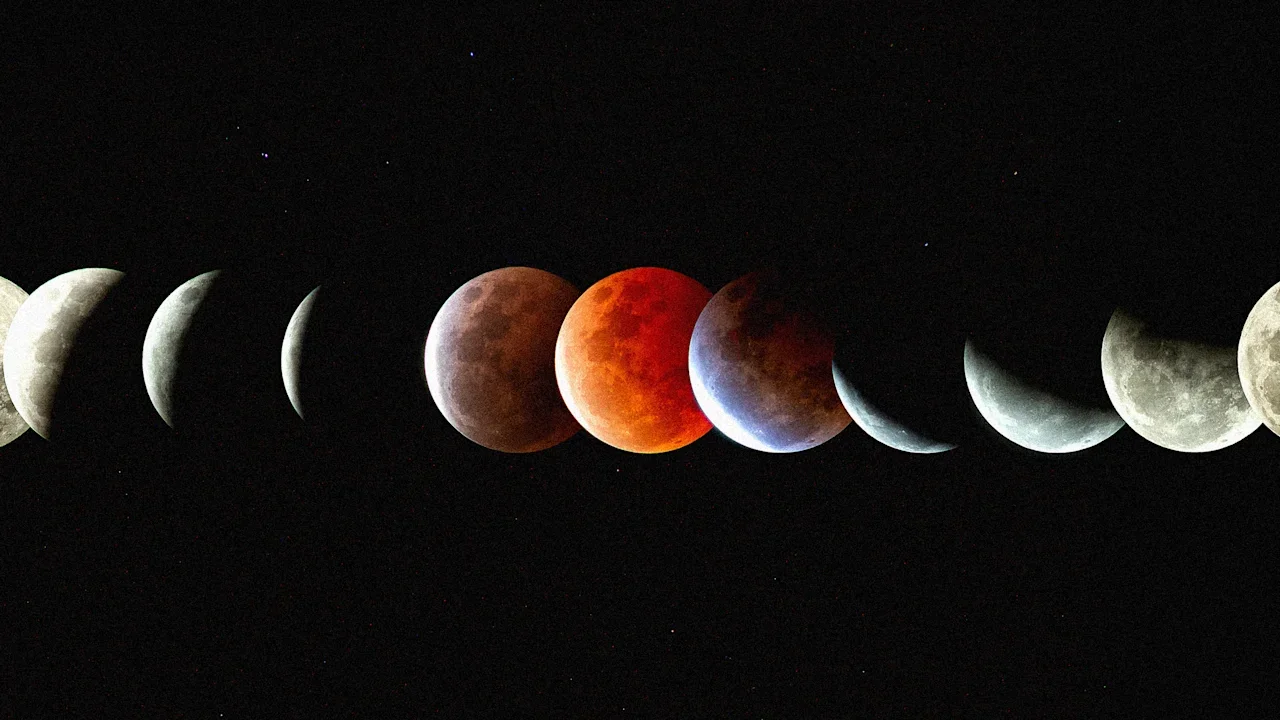
Next week, a rare celestial event will take to the skies. On March 3, amateur astronomers will get to witness a blood moon and a worm moon all at once. According to Space.com, a blood moon occurs during a total lunar eclipse, as the Earth passes directly between the Sun and Moon and casts a shadow across the moon’s surface. The moon appears red due to the way the Earth’s atmosphere filters sunlight. “This effect, known as Rayleigh scattering, is the same reason that the sky takes on magnificent shades of red and orange around sunset,” the site explains. While different seasons often bring exciting astrological events, this one is exceptionally rare. According to NASA, a blood moon can only occur during the full moon phase. But the blood moon also coincides with March’s full worm moon, named for the time of year when the Earth begins to thaw (which the worms appreciate). When can I see the blood moon? The eclipse, which will be visible across most of the U.S., is set to begin at 3:33 a.m. EST on March 3. The eclipse won’t begin to enter totality until around 6:04 a.m. EST, reaching its “greatest point at 6:33 a.m. ET, just minutes before the Full Moon peak,” explains Almanac.com. Do I need to wear protective glasses? Luckily, you won’t need any special equipment to view the event. It’s safe to look directly at a lunar eclipse (unlike a solar eclipse, which you need to wear protective eyewear to safely view, minus during complete totality). Still, NASA says that, if you want an even better view, binoculars are a good idea. “For a more dramatic observing experience, seek a dark environment away from bright lights. Binoculars or a telescope can also enhance your view,” it explains. What other celestial events are coming up? After the dramatic show next week, the event will not take place again until New Year’s Eve 2028–2029. That means, if you’re hoping to catch the show, you better make sure you’re looking up. Especially because constellations may appear brighter, too, as the moon’s light is dimmed. But another exciting astrological event will take place just days later. Space.com says on March 8, a “conjunction” of Venus and Saturn will appear in the sky. While the planets are, in fact, very far apart, as Venus “passes one degree to the upper right of Saturn,” they’ll appear closer than ever from Earth. View the full article
-
Economist continues retreat from public commitments following emails detailing correspondence with Jeffrey EpsteinView the full article
-
A reader writes: I am about to make my first hire. We posted the job a couple of days ago. The job is semi-specialized work with specific qualifications. The job description clearly says cover letter and resume. Of the many applications I’ve received, one, maybe two, indicate that they’ve read the application before applying. The others appear to be following a job search plan that is along the lines of “throw spaghetti at the wall and see what sticks” – ranging from generic cover letters that don’t mention either the name of the employer or the job itself (if there’s a cover letter) to resumes that show nothing in the form of meeting requirements. Is this really a common job hunt strategy? Is it fallout from unemployment and a bit of desperation on the part of job-seekers, or are people just getting bad advice, and not figuring out what works for them? I answer this question — and two others — over at Inc. today, where I’m revisiting letters that have been buried in the archives here from years ago (and sometimes updating/expanding my answers to them). You can read it here. Other questions I’m answering there today include: Should I not say “my team”? How to explain interviewing for a new job after working for yourself The post why are so many unqualified candidates applying for the job we advertised? appeared first on Ask a Manager. View the full article
-
Comments by Peter Kyle come on Brussels trip aimed at securing British access to ‘Made in Europe’ schemeView the full article
-
The growing backlash to data centers, and the rising electricity bills that accompany them, has become difficult for politicians to ignore. President Donald The President is now the latest to address the issue. In his State of the Union address on Tuesday, The President announced what he called a “ratepayer protection pledge,” for which the White House will tell “major tech companies that they have the obligation to provide for their own power needs.” “We have an old grid,” The President said. “It could never handle the kind of numbers, the amount of electricity that’s needed.” Under the agreement, tech companies can build their own power plants, which The President says will protect community electricity prices from going up. “In many cases,” he added, “prices of electricity will go down for the community, and very substantially down.” Another empty promise? To climate experts, though, that pledge sounds like another empty promise from the president, just like his campaign vow to reduce Americans’ utility costs. One of The President’s key campaign promises was to slash Americans’ energy bills in half within the first year of his presidency. But in reality, electricity bills rose 13% nationally by the end of 2025, according to Climate Power, a climate advocacy organization. That hike hasn’t been entirely because of the AI-driven data center boom. Bills rose in part because the The President administration has canceled clean energy projects like wind and solar and instead made the country more dependent on foreign oil and fossil fuels. Those efforts will only exacerbate the energy costs associated with data centers. Wind and solar power are cheaper than coal and natural gas for utility-scale electricity—but as data centers demand more and more power, the country is building more natural gas power plants. “If The President and Republicans were serious about lowering costs, they’d focus on bringing more made in America clean energy onto the grid,” Climate Power senior advisor Jesse Lee said in a statement following the State of the Union. “Instead, they’re trying to ban it.” Data centers becoming a political issue The President’s ratepayer protection pledge is the latest version of a data center solution that has been growing in popularity. As they face increased backlash, with communities opposing data center projects in their backyards, some tech companies like Anthropic have taken it upon themselves to promise to pay for their increased energy use. Politicians, on both sides of the aisle, are also increasingly calling for fixes. In November 2025, Abigail Spanberger won the Virginia governor’s race after focusing on rising electricity bills during her campaign. She specifically called out data centers, saying she’ll make sure they pay “their own way and their fair share” of their new electricity and transmission needs. More recently, Missouri Senator Josh Hawley introduced a bill this month to stop data centers from driving up energy costs by requiring them to have their own power sources. Vermont Senator Bernie Sanders just this week went for a more extreme solution, calling for a moratorium on data center construction. It’s not clear if these efforts will do anything to stem the rising costs for all the data centers already planned or in the works, though—which would add a total of 93 GW of electricity demand to the grid by 2029. Already in response to that demand, proposals for new natural gas plants are soaring, tripling in 2025 compared to the year prior, according to nonprofit research organization Global Energy Monitor. The U.S. now has the most gas-fired power capacity in development (that includes projects that have been announced as well as those in preconstruction and/or construction), the nonprofit says—with more than a third of that capacity slated to directly power data centers. View the full article

-
Aulene Wessel also previously worked in the fintech sector, and will be heading up accounting in her new post at the nonbank mortgage lender and servicer. View the full article

-
Amazon Pharmacy is stepping up its game and making waves in the pharmaceutical landscape with the announcement of its expansion of Same-Day medication delivery services. By the end of 2026, the company plans to reach nearly 4,500 cities and towns across the U.S., significantly enhancing access for millions of consumers. This move opens doors not just for individual customers but also presents an opportunity for small businesses aiming to navigate the evolving healthcare environment. John Love, Vice President of Amazon Pharmacy, emphasized, “Patients shouldn’t have to choose between speed, cost, and convenience when it comes to their medication, regardless of where they live.” This philosophy is particularly relevant for small business owners who often juggle multiple responsibilities and seek efficient solutions to improve their operations. Faster medication delivery is crucial, especially in areas where traditional pharmacies may struggle due to staffing shortages or transportation issues. This is particularly true in states like Idaho and Massachusetts, where pharmacy access has historically been limited. For small business owners operating in or serving these regions, the convenience of quick delivery can enhance employee well-being, productivity, and job satisfaction—a winning combination for any workplace. The service has already garnered attention with its record delivery speeds, capturing a range of communities from dense urban neighborhoods to remote locations. For instance, Amazon Pharmacy utilizes electric vehicles for suburban areas and even ferries and horses for deliveries on Mackinac Island, Michigan. Such logistical innovations highlight how Amazon’s extensive delivery network can meet diverse needs, potentially influencing how small businesses structure their health benefits and medication coverage. Among the standout features of the expanded service is access to licensed pharmacists 24/7. This can be particularly appealing for small business owners who might need quick consultations about employees’ health needs or medication side effects. The expansion also includes in-person kiosks, enabling customers to pick up prescriptions efficiently right after medical appointments, a model that could improve employee health management significantly. Yet, with these advancements also come challenges. Small businesses must be prepared to adapt to a digital-first approach as patients increasingly expect services that merge technology with convenience. This shift could involve updating health benefits, providing education on using digital pharmacy services, or even reevaluating existing relationships with local pharmacies. On the savings front, Amazon Pharmacy has made a point of maintaining transparency in pricing, a crucial aspect for small business owners managing budgets tight due to inflation and rising costs. The company reports that it helped customers save over $150 million in 2025 through automatic application of manufacturer-sponsored coupons. For small businesses, leveraging Amazon Pharmacy’s offerings could streamline employee healthcare expenses significantly. Moreover, Prime members can benefit from the $5-per-month RxPass program, which provides access to over 50 commonly prescribed medications. This could represent a valuable resource for small business owners looking to manage healthcare costs while providing comprehensive services to their employees. However, small businesses must think critically about integrating Amazon Pharmacy into their employee health programs. While the convenience of Same-Day delivery is attractive, potential dependency on a single supplier could raise questions about reliability and service quality in case of outages or supply chain disruptions. Moreover, some small business owners may feel a strong allegiance to local pharmacies, fostering community engagement. Balancing this with the efficiency and savings that Amazon Pharmacy offers could present a complex decision. As the digital pharmacy sector evolves, the implications for small business owners are significant. Whether it’s through employee health management, navigating costs, or keeping pace with customer expectations, the expansion of Amazon Pharmacy’s Same-Day delivery service serves as a case study in the importance of adaptability. With rapid shifts in consumer behavior and technology integration, small businesses must stay informed and agile to ensure they are meeting both their own needs and those of their employees. For further details on Amazon Pharmacy’s initiatives and how they might affect your small business, you can visit the original announcement here. Image via Google Gemini This article, "Amazon Pharmacy to Boost Same-Day Prescription Delivery to 4,500 Cities" was first published on Small Business Trends View the full article
-
Amazon Pharmacy is stepping up its game and making waves in the pharmaceutical landscape with the announcement of its expansion of Same-Day medication delivery services. By the end of 2026, the company plans to reach nearly 4,500 cities and towns across the U.S., significantly enhancing access for millions of consumers. This move opens doors not just for individual customers but also presents an opportunity for small businesses aiming to navigate the evolving healthcare environment. John Love, Vice President of Amazon Pharmacy, emphasized, “Patients shouldn’t have to choose between speed, cost, and convenience when it comes to their medication, regardless of where they live.” This philosophy is particularly relevant for small business owners who often juggle multiple responsibilities and seek efficient solutions to improve their operations. Faster medication delivery is crucial, especially in areas where traditional pharmacies may struggle due to staffing shortages or transportation issues. This is particularly true in states like Idaho and Massachusetts, where pharmacy access has historically been limited. For small business owners operating in or serving these regions, the convenience of quick delivery can enhance employee well-being, productivity, and job satisfaction—a winning combination for any workplace. The service has already garnered attention with its record delivery speeds, capturing a range of communities from dense urban neighborhoods to remote locations. For instance, Amazon Pharmacy utilizes electric vehicles for suburban areas and even ferries and horses for deliveries on Mackinac Island, Michigan. Such logistical innovations highlight how Amazon’s extensive delivery network can meet diverse needs, potentially influencing how small businesses structure their health benefits and medication coverage. Among the standout features of the expanded service is access to licensed pharmacists 24/7. This can be particularly appealing for small business owners who might need quick consultations about employees’ health needs or medication side effects. The expansion also includes in-person kiosks, enabling customers to pick up prescriptions efficiently right after medical appointments, a model that could improve employee health management significantly. Yet, with these advancements also come challenges. Small businesses must be prepared to adapt to a digital-first approach as patients increasingly expect services that merge technology with convenience. This shift could involve updating health benefits, providing education on using digital pharmacy services, or even reevaluating existing relationships with local pharmacies. On the savings front, Amazon Pharmacy has made a point of maintaining transparency in pricing, a crucial aspect for small business owners managing budgets tight due to inflation and rising costs. The company reports that it helped customers save over $150 million in 2025 through automatic application of manufacturer-sponsored coupons. For small businesses, leveraging Amazon Pharmacy’s offerings could streamline employee healthcare expenses significantly. Moreover, Prime members can benefit from the $5-per-month RxPass program, which provides access to over 50 commonly prescribed medications. This could represent a valuable resource for small business owners looking to manage healthcare costs while providing comprehensive services to their employees. However, small businesses must think critically about integrating Amazon Pharmacy into their employee health programs. While the convenience of Same-Day delivery is attractive, potential dependency on a single supplier could raise questions about reliability and service quality in case of outages or supply chain disruptions. Moreover, some small business owners may feel a strong allegiance to local pharmacies, fostering community engagement. Balancing this with the efficiency and savings that Amazon Pharmacy offers could present a complex decision. As the digital pharmacy sector evolves, the implications for small business owners are significant. Whether it’s through employee health management, navigating costs, or keeping pace with customer expectations, the expansion of Amazon Pharmacy’s Same-Day delivery service serves as a case study in the importance of adaptability. With rapid shifts in consumer behavior and technology integration, small businesses must stay informed and agile to ensure they are meeting both their own needs and those of their employees. For further details on Amazon Pharmacy’s initiatives and how they might affect your small business, you can visit the original announcement here. Image via Google Gemini This article, "Amazon Pharmacy to Boost Same-Day Prescription Delivery to 4,500 Cities" was first published on Small Business Trends View the full article
-
Plus six factors to consider. By August Aquila MAX: Maximize Productivity, Profitability and Client Retention Go PRO for members-only access to more August J. Aquila. View the full article
-
Plus six factors to consider. By August Aquila MAX: Maximize Productivity, Profitability and Client Retention Go PRO for members-only access to more August J. Aquila. View the full article
-
Discord, the popular platform for gamers to communicate online, is postponing its controversial age verification policy after receiving swift backlash from users with concerns about their privacy. The global rollout of the system is now delayed to the second half of 2026, Discord’s Chief Technology Officer and co-founder Stanislav Vishnevskiy wrote in a Tuesday blog post acknowledging that the company “missed the mark.” “Many of you are worried that this is just another big tech company finding new ways to collect your personal data. That we’re creating a problem to justify invasive solutions,” Vishnevskiy wrote. “I get that skepticism. It’s earned, not just toward us, but toward the entire tech industry. But that’s not what we’re doing.” Discord, which says it has more than 200 million active users, will continue to meet specific legal obligations it has for age verification of users, the company said, but the global expansion of age verification will only come after it makes changes to the initial policy it laid out in early February. The company announced earlier this month that it would roll out an age verification policy in March that would include face scanning or requests for an ID upload for users it could not determine were adults. This drew swift ire from users. Many pointed to a recent security breach of a third-party provider Discord worked with that exposed government ID photos of up to 70,000 Discord users. Vishnevskiy referenced the security breach in the blog post, writing that he understood that incident added to users’ skepticism, but he emphasized the company no longer works with that vendor and has rigorous standards for its partners. “Every vendor we work with goes through a security and privacy review before integration,” he wrote. “That includes contractual limits on data use, and strict retention and deletion requirements. Information submitted for age verification is stored only for the minimum time necessary, which in most cases means it’s deleted immediately. If a vendor doesn’t pass, we don’t work with them.” One of the vendors that didn’t meet the mark was Persona, an identity verification service. Vishnevskiy said Discord ran a limited test with Persona in the United Kingdom only in January. The company was not able to meet Discord’s standard for facial age estimation, Vishnevskiy wrote, which stipulates that the estimation “must be performed entirely on-device, meaning your biometric data never leaves your phone.” The company distanced itself from Persona after that relationship also became the subject of online criticism. Persona is backed by the venture capital firm Founders Fund, which is run by by Palantir Technologies co-founder Peter Thiel. Thiel and Palantir are often criticized for of the company’s partnerships with the government for surveillance purposes, with Palantir recently inking an agreement with U.S. Immigration and Customs Enforcement to streamline the process of identifying and deporting people the agency is targeting. The backlash to the original policy and even the revised version came even though Vishnevskiy wrote that for “90%+ of users, nothing changes.” Discord is able to proactively determine the ages of the vast majority of users by looking at account-level signals. Those include how long the account has existed, whether there is a payment method on file, the types of servers a user is in and general patterns of account activity, Vishnevskiy wrote. He emphasized the company does not read messages, analyze conversations or look at account content to estimate users ages. For the minority of users whose ages Discord cannot determine, the company is now working to offer more options beyond face scanning and requesting an ID, including credit card verification. The company is going to “complete and expand” alternative options before rolling out the new system. Users who choose not to verify their age will get to keep their account, servers, friends list, direct messages and voice chat, but will not be able to access age-restricted content or change certain default safety settings designed to protect teens, Vishnevskiy wrote. Discord promised users it will publish a detailed post explaining how its automatic age determination systems work and will document every verification vendor and their practices on its website. —Kaitlyn Huamani, AP technology writer View the full article
-
Gen Z still believes in true love, even if the pursuit looks a little different from their parents’ generation. That’s according to a new Tinder x Harris Poll white paper shared exclusively with Fast Company. The survey was conducted online in the U.S. on behalf of Match Group by the Harris Poll from September to October 2025, among a nationally representative sample of 2,500 single adults ages 18 to 79. Some 80% of Gen Z singles said they believe they’ll find true love, and 74% said they believe they’ll get married, compared to 57% and 43% of all singles, respectively. That might surprise some at a time when young people are reportedly having less sex, going out less, and facing more rejection—romantic or otherwise—than ever before. Rather than signaling a romance recession for Gen Z, these trends point to an inflection point in dating culture. Traditional relationship milestones are becoming outdated. Young adults are slowing down their pursuit of finding “the one,” owning a home, and having kids. For now, Gen Zers are prioritizing “micro-commitments” over milestones. “Previous generations often moved through commitment in a few headline steps: Define the relationship, meet the family, move in, get engaged,” Devyn Simone, Tinder’s resident relationship expert, tells Fast Company. “Gen Z still wants the ceremonies eventually, but they’re building ‘proof’ along the way through everyday behaviors, and a lot of those behaviors show up first online.” That might look like being added to Close Friends, sending voice notes, or being introduced to the group chat. The soft launch has become a modern relationship milestone. Of the single Gen Z respondents surveyed by Tinder, 46% who use social media said they soft launch their relationships, while 37% said they hard launch their relationships, compared with 12% and 10% of single social media users over the age of 45. The ultimate green flag For those who have hard launched a relationship on social media, 81% believe it’s an important sign of commitment. Location sharing is another modern way to hard launch a relationship in the internet age. “What’s important to understand is that these aren’t frivolous internet behaviors,” says Simone. “They’re Gen Z’s way of making connections tangible and visible while still pacing themselves.” Throughout different stages—from first date to marriage, and sometimes divorce—many share their relationships candidly online in much the same way they would with a trusted confidant: the good, the bad, and the ugly. Ick lists—of instant turnoffs that end romantic interest—are frequently crowdsourced online. Common offenses include being rude to service staff, or an inability to communicate or handle conflict, with 28% of Gen Z singles strongly agreeing that the ick is based on a lack of emotional competence or social skills, compared to just 17% of older singles. These social and emotional competencies have become more important for Gen Z than traditional compatibility markers like financial success or career achievement, according to Tinder. A boyfriend? In this economy? Gen Z expects romantic partners not only to have the skills to communicate but also the willingness to engage in those conversations. In a Tinder survey cited in the white paper, 56% said honest conversations matter, and those who don’t meet the bare minimum are no longer being excused. Cynicism about heterosexual relationships is more widespread than ever. Only 55% of Gen Zers feel ready for romantic relationships right now, and 75% are not in a hurry to find a partner. Context matters. “Gen Z is coming of age in a moment defined by economic uncertainty, shifting cultural norms around marriage and children, and a broader redefinition of what adulthood looks like,” says Simone. “Instead of making sweeping promises about forever, Gen Z tends to ask, ‘Are we aligned right now? Are we building something that feels healthy?’” Rather than diving headfirst into a rental agreement, marriage, or any other kind of legally binding commitment, small milestones help build trust incrementally, reducing risk for a generation that has watched the social contract disintegrate before their eyes. That doesn’t mean Gen Z is turning its back on connection. Quite the opposite: 33% of Gen Zers strongly agree that expanding their social network is important, compared to 20% of older singles. Maybe the real “milestones” were the friends we made along the way Instead of solely chasing romantic connections, Gen Z is also pursuing mentorship, community, and friendships that may or may not blossom into romance. “For many Gen Z daters, connection might begin in group settings, shared interest spaces, or friend-of-a-friend dynamics,” says Simone. “What they need are tools that reflect how relationships actually unfold today: gradually, socially, and often in community.” This has led Tinder and other dating apps to rethink how best to show up for Gen Z users, prioritizing micro-commitments over grand gestures. Tinder has recently introduced more casual modes for Gen Zers to meet each other, including its double-date feature and college mode, creating space for moments of connection without romantic pressure. “Sometimes it begins with a follow, a voice note, a shared night out with friends,” says Simone. “All these small signals that, over time, add up to something real.” Gen Zers aren’t giving up on romantic love. They’re just going steady. View the full article

-
Netflix's March slate kicks off with the live stream of the 32nd annual Actors Awards hosted by Kristen Bell—red carpet coverage begins at 7 pm ET on March 1 followed by the show at 9 pm. Netflix will also be hosting a live performance from BTS as part of their comeback tour (March 21 at 7 am ET) as well as the MLB Opening Night matchup between the Yankees and the Giants (March 25 at 7 pm ET). Cillian Murphy reprises his role as British gangster Tommy Shelby in a new feature-length film. Peaky Blinders: The Immortal Man (March 20) is set a few years after the series finale and sees Shelby return to Birmingham when his estranged son (played by Barry Keoghan) gets involved in a Nazi plot. Netflix will also get all four seasons of The Man in the High Castle (March 11), the dystopian drama series—originally created for Amazon Prime Video—set in a parallel universe in which the Axis powers won World War II. The Dinosaurs (March 6) is a new docu-series from the team behind Our Planet that explores the rise and fall of the dinosaurs over the span of 150 million years. The series is executive produced by Steven Spielberg and narrated by Morgan Freeman. Finally, Love Is Blind: The Reunion from season 10 will premiere on March 11 at 9 pm ET. Here's everything else coming to Netflix in March, and everything that's leaving. What's coming to Netflix in March 2026Available March 1The Actor Awards Presented by SAG-AFTRA—Netflix Live Event Casino Chef Deepwater Horizon Desperado Fifty Shades Darker Fifty Shades Freed Fifty Shades of Grey The Green Knight Goosebumps Jurassic World Jurassic World: Fallen Kingdom Legion The Lego Movie Matilda Misery Ray Sicario Stephen King's Sleepwalkers The Swan Princess Trolls Zombieland Available March 2Gabby's Dollhouse: Season 13—Netflix Family Hotel Mumbai Jurassic World: Dominion Available March 3The Bling Ring Bruce Bruce: I Ain’t Playin’—Netflix Comedy Special Available March 4Blue Therapy—Netflix Series Street Flow 3—Netflix Film Available March 5A Friend, a Murderer—Netflix Documentary Ginger & Rosa Vladimir—Netflix Series Available March 6A Man Called Ove Boyfriend on Demand—Netflix Series The Dinosaurs—Netflix Documentary Hello Bachchon—Netflix Series Still Shining—Netflix Series Strangers in the Park—Netflix Film The TikTok Killer—Netflix Documentary War Machine—Netflix Film Available March 7BEASTARS FINAL SEASON Part2—Netflix Series Downton Abbey: The Grand Finale Nuremberg Available March 9Clifford the Big Red Dog Sesame Street: Volume 2—Netflix Family Available March 10Derrick Stroup: Nostalgic—Netflix Comedy Special Jobs ONE PIECE: Season 2—Netflix Series Available March 11Age of Attraction—Netflix Series Louis Theroux: Inside the Manosphere—Netflix Documentary Love Is Blind: The Reunion—Netflix Series The Man in the High Castle: Seasons 1-4 Available March 12Love is Blind: Sweden: Season 3—Netflix Series Made in Korea—Netflix Film Virgin River: Season 7—Netflix Series Available March 13Fatal Seduction: Season 3—Netflix Series That Night—Netflix Series Available March 14Nobody 2 Available March 16The Plastic Detox—Netflix Documentary Available March 17Mark Normand: None Too Pleased—Netflix Comedy Special The Ricky Gervais Show: Seasons 1-3 Available March 18Eva Lasting: Season 4—Netflix Series Radioactive Emergency—Netflix Series Season 2: Furies: Resistance—Netflix Series Available March 19Jigsaw Saw Saw II Saw III Saw IV Saw V Saw VI Saw X Saw: The Final Chapter STEEL BALL RUN JoJo’s Bizarre Adventure—Netflix Series Tyler Perry's Beauty in Black Season 2 Part 2—Netflix Series Unicorn Academy: Secrets Revealed: Chapter 1—Netflix Family Available March 20Peaky Blinders: The Immortal Man—Netflix Film Pokémon Horizons: Season 3—Rising Hope Part 2—Netflix Family The Rise of the Red Hot Chili Peppers: Our Brother, Hillel—Netflix Documentary Available March 21The Bad Guys 2 BTS THE COMEBACK LIVE | ARIRANG—Netflix Live Event Available March 23Anatomy of a Fall Inside: Season 3—Netflix Series Minions: The Rise of Gru Available March 24Jeff Ross: Take a Banana for the Ride—Netflix Comedy Special Ready or Not: Texas—Netflix Series Available March 25Heartbreak High: Season 3—Netflix Series Homicide: New York: Season 2—Netflix Documentary MLB Opening Night: Yankees vs. Giants—Netflix Live Event Available March 26Caterpillar The Conners: Season 7 Jo Nesbø's Detective Hole—Netflix Series Mike & Molly: Seasons 1- 6 The Prosecutor—Netflix Documentary The Red Line—Netflix Film Something Very Bad Is Going to Happen—Netflix Series Available March 2753 Sundays—Netflix Film BTS: THE RETURN—Netflix Documentary The Parisian Agency: Exclusive Properties: Season 6—Netflix Series Available March 28Anemone Available March 31Aaron Chen: Funny Garden—Netflix Comedy Special Untold: The Death & Life of Lamar Odom—Netflix Documentary What's leaving Netflix in March 2026Leaving March 1A League of Their Own Ace Ventura: Pet Detective Ace Ventura: When Nature Calls The Amazing Spider-Man The Amazing Spider-Man 2 As Good as It Gets Bad Teacher Battlefield Earth Boyz n the Hood Bram Stoker's Dracula Braveheart Brightburn Dante's Peak Franklin & Bash: Seasons 1-4 Godzilla I Know What You Did Last Summer Little Women Pulp Fiction Stripes This Is 40 The Ugly Truth The Wedding Ringer The Wolf of Wall Street Leaving March 2The Hughleys: Seasons 1-4 Leaving March 5Forrest Gump Leaving March 6Power Rangers Leaving March 11Are You There God? It's Me, Margaret Leaving March 12House of Gucci The Hustle Leaving March 13The Talented Mr. Ripley Leaving March 14Miracle in Cell No. 7 Leaving March 16Titanic Leaving March 20Four Brothers Leaving March 25Wrath of Man Leaving March 31The Hurt Locker View the full article
-
PM pressed by Kemi Badenoch to cut interest rates charged to graduates but some Labour MPs want alternative planView the full article