All Activity
- Past hour
-
Google removed a Search Engine Land article (Report: Clickout Media turned news sites into AI gambling hubs, published March 26) from its search results after a copyright complaint (that appears, to us, to be entirely false). Meanwhile, a similar DMCA filing led to the takedown of the original Press Gazette investigation. What happened. A DMCA notice filed March 27 claimed Search Engine Land copied content “word for word” and used proprietary images. The complaint led Google to begin removing the article from search results globally. The notice identifies the complainant as “US Webspam,” with no clear public attribution. The context. The removed article reported that Clickout Media allegedly used expired or acquired domains to publish AI-generated gambling content. Press Gazette, which broke the story on March 25, said its own investigation was also removed from Google after a nearly identical complaint. That complaint falsely alleged infringement of a 2024 Verge article, despite no direct duplication. You can read their follow-up here: Press Gazette exposé of parasite SEO firm removed from Google results. The claim details. Here’s the message we received via Google Search Console on March 27: Description of claim: The infringing news website has blatantly and willfully violated copyright law by copying our entire content word for word, including all images, which are solely owned by our company. This includes the complete replication of our original written material, as published on our official website, along with the proprietary visuals accompanying it. Despite multiple good-faith efforts to resolve this matter amicably, the infringing party (hereinafter referred to as “Infringer”) continues to unlawfully publish and distribute our copyrighted content without permission. This is a direct and flagrant breach of our rights and a clear violation of Google’s copyright policies. We hereby demand the immediate removal of this infringing material from Google search results to protect our intellectual property. You can read the DMCA complaint here. What doesn’t add up. The Search Engine Land article contains no images, contradicting the complaint. Also: A search of its text shows no evidence of copied content. The notice claims “multiple good-faith efforts” to resolve the issue, but no outreach was received before filing. The complaint was submitted one day after publication. What Google says. Google’s standard policy is to remove content upon receiving a valid copyright complaint, with an option for publishers to file a counter notice. The company has not commented on this specific case. Why we care. This shows how DMCA takedowns can be weaponized to suppress reporting, including coverage of search spam and site reputation abuse. Legitimate content can be temporarily removed from search results due to unverified claims, with the resolution taking weeks or longer. What’s next. We’ll watch whether this article is DMCA’d and removed, along with the Press Gazette’s, and anyone else covering the story. Reactions. Here’s some reaction from X: theholycoins isn’t owned by clickout (it’s one of the sites that would actually do negative reporting into their scams, so they probably picked one of those posts and said they were them/the original author of your dmca’d piece) the rabbit hole on clickout goes a lot deeper than… — (@undercover) March 30, 2026 I'm surprised this was approved by Google… I've seen them come back with rejected DMCA notices when it was clear the site was infringing copyright. This is a BS DMCA takedown that doesn't even make sense. Very interesting case… I have a feeling the article will surface again… https://t.co/Zi8hUV8g14 — Glenn Gabe (@glenngabe) March 29, 2026 A totally irrelevant site has DMCAed Search Engine Land's reporting page about ClickOut Media spamming Google's search results! Weird enough DMCA requested was accepted by Google and now this URL https://t.co/DV8TR1NRLk from Search Engine Land isn't showing up in search… pic.twitter.com/dGbJ04KbQG — Gagan Ghotra (@gaganghotra_) March 29, 2026 ICYMI: Last week @pressgazette published an investigative report about a media company that acquires online publishers and exploits their domain authority for SEO shenanigans. This is the same company that acquired a portion of @Cointelegraph to host casino & gambling content,… pic.twitter.com/duFkS7MBiP — Afik Rechler (@kifakrec) March 29, 2026 View the full article
-
The government MBS guarantor ended a 15-day advance notice mandate for extensions on a filing deadline so those with a March 31 due date can still ask for one. View the full article
-
Microsoft Advertising now allows e-commerce merchants to edit their Merchant Center store name and domain directly within the platform — no support ticket required. Why we care. Store details like names and URLs change as businesses rebrand or restructure. Previously, updating these required manual intervention. Self-serve control reduces friction and keeps campaigns running more smoothly during transitions. How it works — the details: Store name changes go through editorial review before going live. During review, ads keep running under the existing approved name — so there’s no interruption to campaigns. Domain/URL changes require merchants to verify ownership of the new domain before the switch takes effect. Ads continue serving on the old domain in the meantime. Once approved, product URLs must be updated to reflect the new domain. Reusing names or domains is allowed — as long as the store name clears editorial checks and the domain is verified and confirmed as merchant-owned. The bottom line. The update gives ecommerce advertisers more autonomy over their store settings while building in safeguards — editorial review and domain verification — to prevent abuse and maintain ad quality. View the full article
-
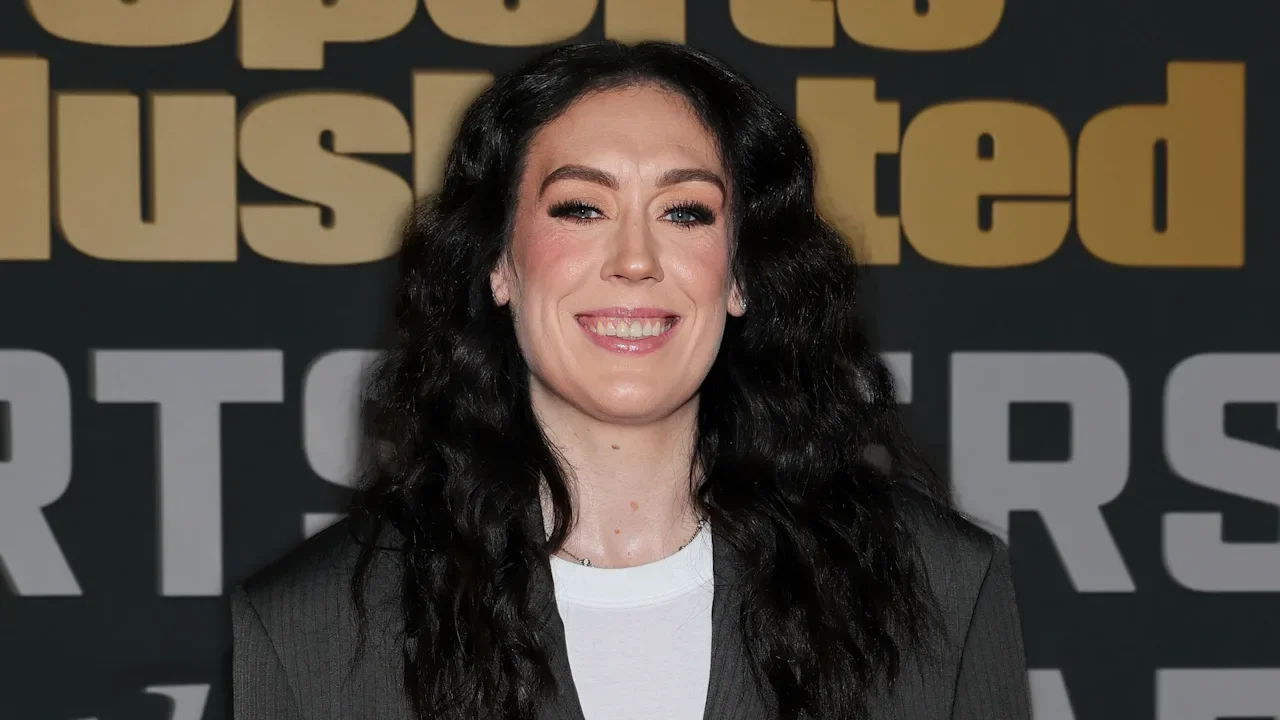
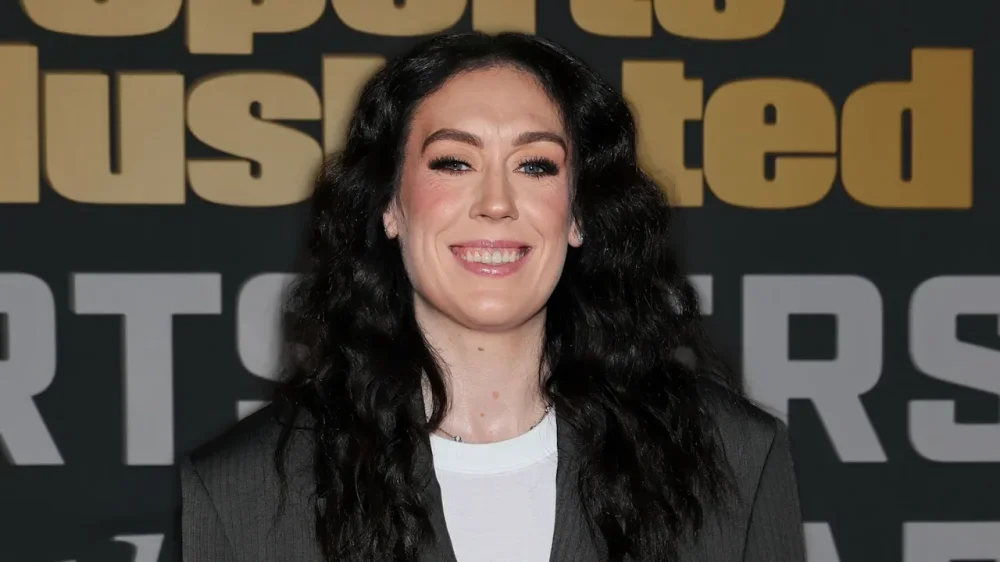
Back in 1972, only 54 years ago, it was way harder for women and girls to play sports. Resources were scarce, there weren’t the same legal protections as today, it was socially discouraged—and coaches even often found themselves transporting entire teams themselves in their own cars, mopping courts and floors after a match, and funding the purchasing of uniforms and sweats. Before Title IX—the landmark legislation that ended sex-based discrimination in sports passed in 1972—girls and young women who wanted to go to college for athletics sometimes found they simply couldn’t. Maybe the admission requirements (which were different than they were for men) were too steep; perhaps the school they wanted to attend didn’t even have any women’s sports teams, let alone the sport they hoped to compete in. But today? It’s difficult to turn on the TV or open up a smartphone without seeing a powerful woman in sports: whether that’s an athlete who is at the top of her game, or an analyst who is racking up award nominations and hosting her own show. Some of those girls and women moved into the realm of professional sports as athletes, a lot became coaches, GMs, team executives, as well as reporters, announcers, and broadcasters. Equality in women’s sports is about more than the athletes on the field—every time a gain is made for one group of women, on the field or off, it has the potential to improve things for all women. And today, the women who are leading the way in sports are acutely aware of the impact they have. Mega star Breanna Stewart graduated from the University of Connecticut and was the number-one overall draft pick in 2016, and has since added three WNBA championships to her resume. She also started a whole second league: Unrivaled, the professional 3-on-3 women’s basketball league in Miami that she co-founded with fellow UConn alum and WNBA leader Napheesa Collier. Since then, she was one of the athletes on the ground who recently negotiated what sounds like a landmark Collective Bargaining Agreement with the WNBA. WNBA players opted out of the CBA previously signed in January 2020 last October, and negotiations between the Women’s National Basketball Player’s Association (WNBPA) and the league’s leadership began nearly immediately. Those conversations took months, and ultimately, the two parties came to an agreement that will provide generational change for the athletes who play in the league. For the first time, the players will benefit from a gross revenue sharing system, and minimum salaries will hover around $300,000. It’s one of the most high-profile examples of women fighting for what they’re worth in the modern workforce. While speaking to Fast Company about her March Madness bracket at a press event for Reese’s, Stewart admitted there was no way she could have seen any of this coming in 2016. “When I first got drafted, I don’t know if I could have seen this path because I don’t know if I could have seen the sport growing as quickly and as rapidly as it did,” she explained. “I’m not surprised by it at all, but I think we’ve come a long way. When I first came in, we were in one CBA, and then we had the new CBA in 2019, and now we’re in an even newer CBA. There’s the growth and evolution. All things take time to really build and get excited for where we’re going as a whole.” The fact that such advances have been built for women by women is important to her. “I think what I want to say is as women, we’re constantly always fighting for better and fighting for more. That’s nothing new to us being in the WNBA. And while we do it, we continue to stay united on where we’re trying to go and you see that with the CBA,” she added. As one of the vice presidents of the league’s players’ association, Stewart was present at nearly every negotiations meeting, some of which extended well into the early morning hours. “I can’t talk specifics, but obviously it’s going to be transformational,” she explained. “It’s going to be something that has never happened before and I’m really excited about that, but I’m not surprised because it’s a league full of women who are constantly doing this. We know what it means to step up to the plate and stand on our work and our family and we’re just doing it.” That sentiment is also shared among women who work in other areas of the sports world. Andraya Carter knows a thing or two about finding new ways to stay in a field you feel passionate about. She graduated from the University of Tennessee when injuries ended her own pro basketball goals. Carter, who began calling Tennessee’s games for ESPN3 in 2016 and has since become one of the most prominent faces in women’s sports for ESPN, told Fast Company, “Instead of being a part of it as a player, I get to be alongside it as an analyst in such a big time of growth. But it’s really a testament to the players who have put on amazing performances. It just feels like it’s been the perfect storm to just have the game explode and grow.” Representation matters: that’s something we hear frequently. But that doesn’t mean that representation is happening at the rate it should. A 2021 report for the The Institute for Diversity and Ethics in Sport at at the University of Central Florida revealed that while the Associated Press Sports Editors has improved in terms of hiring more racially diverse editors, reporters, and journalists (their racial grade was a B-) it has a long way to go when it comes to hiring women (their gender/sex grade: a D). Alaina Morris, who covers men’s and women’s sports at Vanderbilt University in Nashville for 247Sports, knows what that feels like at a more local level. Morris, who just graduated with a B.A. in Sports Media in December, has already seen the sex disparity in the flesh. “In my experience, I’ve noticed that press conferences, practices, and games are still predominantly male spaces,” she told Fast Company. “Women’s basketball is often the only sport I cover where I’m regularly surrounded by other women. At men’s basketball and football outings, more often than not, I’m the only woman in attendance.” Representation of women in the sports industry is “improving,” she also said, but “there’s still significant progress to be made. There’s no question that sports remains a male-dominated industry.” Like a lot of women (including this author), Morris has also encountered bias at events. She recalled one men’s event when it was assumed she was a photographer while picking up her credential. “I had to clarify that I was the reporter,” she said. “The person working the gate couldn’t grasp that at first and had questions for me when I corrected him. It’s just one example of moments where assumptions were made about my role and abilities because of my gender.” A career in sports may still be something that isn’t easily handed to women, but there are plenty who are paving the way. Whether that’s by taking action on the court, reporting live on TV, or writing up the stories that matter, there’s plenty of room for more. View the full article
-
A reader writes: This happened a few years ago, but I would appreciate knowing how I should have handled it in the moment as all my supervisor training was patchy and on the fly and definitely had gaps. We had an internal promotion opportunity and two candidates: Abby and Bella. Both were in the same support role where Bella had more experience, but Abby had natural aptitude. The new position was much more technical in nature, needing a lot of spreadsheet and database work, instead of document formatting and people skills. We were all surprised when Bella applied, as none of this role played to her strengths or interests, but we interviewed both. She could have been taking extra training we were not aware of yet. Abby’s education, skillset, and reputation made her the strong choice before the interview. Her personality makes interviewing harder, especially with a panel of three colleagues, but she made it through okay. Bella’s education, skillset, and reputation did not make her an obvious choice, but she interviews very well. But here’s the issue: She gave an example that perfectly highlighted the skills for this position — identifying issues in an existing database and reports, working with IT to fix the reports, and rolling out the changes and training staff. The other two panel members were impressed, as they know this report and remember how clumsy it was and how good it is now. However: That was my work. I supervised both Bella and Abby, and I made that entire process change and I taught it to Bella. I honestly couldn’t tell in the moment if she was blatantly lying, or if she’d Dunning-Krugered herself into thinking she spearheaded the entire process rather than sitting through my training for the new system at the end. At the time, I didn’t deep-dive, as we were already fairly decided on Abby, so I simply said, “Yes, I remember that entire process very well …” and left it hanging for a while. When we debriefed afterwards, I clarified for my panel peers. It cemented our decision that Abby was the right person for the promotion. What was the right path in the moment of the interview, and afterwards? It can be really hard to know how to react correctly in the moment in a situation like that — it’s natural to be stunned that the person is flagrantly lying (and in front of you, someone they should know will know the truth!), and often the conversation has already moved on by the time you’ve collected your thoughts and are confident of how to respond. Sometimes, too, you might not trust yourself to get the response right in the moment and you want some time to think about it before you speak up so you don’t get it wrong. So it’s very normal and understandable that you didn’t say anything in the moment. That said … you absolutely can say something in the moment when something like this happens. The easiest way to do it is to just articulate very plainly your own understanding of the situation and then ask for clarification. Your tone shouldn’t be accusatory but rather more “maybe I’m misunderstanding.” For example: “You probably remember that I was heavily involved in the X work — I led the change process and trained you and the other staff on it at the end. My recollection was that your involvement came at the end, when you were trained on the new system rather than spearheading the work, so I wonder if you can you speak more to what your role was.” And if you missed the chance to say it in the moment, it also would have been okay to go back to it later in the conversation, saying something like, “I want to go back to something we talked about a littler earlier” and then using the language above. Bella probably wouldn’t have responded by confessing that yes, in fact she had completely misrepresented her work; more likely, she would have tried to bluff her way through a response by puffing up whatever her limited involvement was. At that point, you could have simply moved on — but you wouldn’t have let a flagrant lie go unremarked upon, and who knows, maybe you’d have learned that she did have more involvement than you realized (probably not, but it’s good to allow for that possibility, or maybe she just had a fundamental misunderstanding of how much work was actually involved in that project because she’d been so uninvolved). Personally, I nearly always come down on the side of “say the thing” rather than letting this stuff pass — partly on principle but mostly because since you’re going to factor it into your decision you should give the person the chance to clarify any miscommunication first — but other people come down on the side of “eh, we’re not going to hire her for other reasons, or this itself is so prohibitive that there’s no point in even getting into it with her,” and that’s legitimate too. But all else being equal, I believe it’s better to say the thing. The post a candidate used my experience as hers, when I was on the interview panel appeared first on Ask a Manager. View the full article
-
Industry warnings of disruption contrast with government calls for calmView the full article
-
The federal court rejected Flagstar's attempts for both a panel rehearing and an en banc hearing to overturn California's interest on mortgage escrow rule. View the full article
-
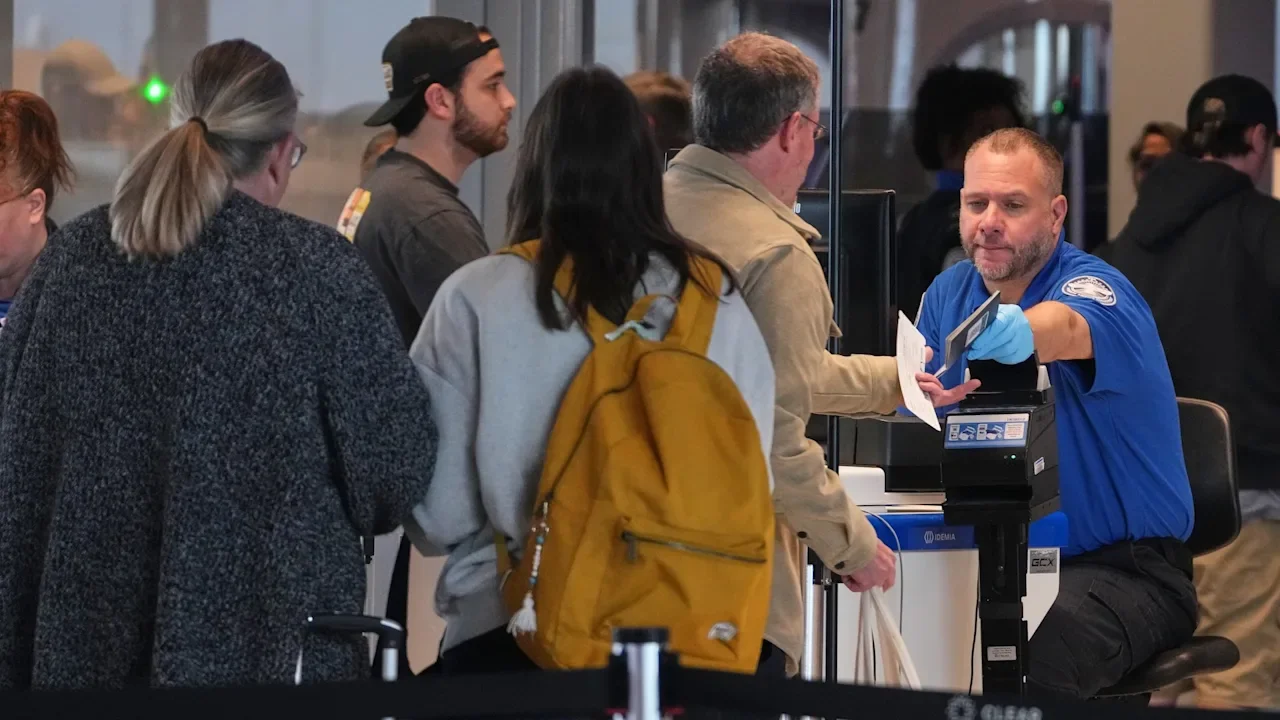
After weeks of chaos in U.S. airports, the Transportation Safety Administration said the first paychecks in weeks are being sent as early as Monday to its workers, giving the beleaguered aviation system a boost of optimism. Wait times at some TSA security bottlenecks, such as the airport checkpoints in Atlanta and Houston, improved significantly Monday morning. But how long it will take for long security lines to consistently return to normal — and how long federal immigration officers will stay in airports — remains unknown as the busy spring break travel season continues. The DHS shutdown has resulted in not only travel delays but also warnings of airport closures as TSA workers missing paychecks stopped going to work. Those workers were just recovering financially since last fall’s extended government shutdown. Wait times still pushed beyond two hours at New York’s LaGuardia Airport Monday morning. Baltimore-Washington International Airport had minimal wait-times Monday morning, but continued to advise travelers to arrive three hours before their scheduled departure. President Donald The President on Friday ordered the Department of Homeland Security to pay TSA officers immediately to ease the lines plaguing airports. The move came after The President rejected bipartisan congressional efforts to fund the TSA while negotiations continue with Democrats, who have refused to approve more funding without restraints on The President’s immigration enforcement and mass deportation operations. Democrats are demanding better identification for the officers, judicial warrants in some cases and for agents to refrain from conducting raids around schools, churches or other sensitive places. Republicans and the White House have been willing to negotiate on some points, but the sides have yet to reach a final agreement. On Monday, there were few signs of progress on Capitol Hill, where the Senate held a short session without considering the House bill and resumed its two-week break. GOP Sen. John Hoeven of North Dakota said afterward that Senate Republicans are talking with Democrats and also the House as they try to find a way to funding DHS. TSA employees had gone without pay since DHS funding lapsed in February. The department’s shutdown reached 44 days on Sunday, eclipsing the record 43-day shutdown last fall that affected all of the federal government. The DHS shutdown has resulted in not only travel delays but also warnings of airport closures as TSA workers missing paychecks stopped going to work. Those workers had already endured the nation’s longest government shutdown last fall. Multiple airports experienced greater than 40% callout rates, and nearly 500 of the agency’s nearly 50,000 transportation security officers quit during the shutdown. The President deployed Immigration and Customs Enforcement agents to some airports a week ago to help with security as TSA callouts rose nationwide. How long they stay, White House border czar Tom Homan said, depends on how quickly TSA employees return to work. A TSA statement said the agency “has immediately begun the process of paying its workforce,” with paychecks arriving “as early as Monday.” The overall absentee rate among TSA officers scheduled to work dipped slightly on Sunday, according to DHS. The highest were concentrated at major airports that have seen consistently elevated absences lately. Those included BWI, both of Houston’s main airports; Louis Armstrong International Airport in New Orleans; Atlanta’s Hartsfield-Jackson International Airport; and John F. Kennedy International Airport in New York. —Josh Funk and John Seewer, Associated Press Associated Press reporters Rio Yamat and Mary Clare Jalonick contributed. View the full article

-
During the week of March 23, a truck carrying Nestlé’s new Formula One-themed KitKat bars was making its way from picturesque central Italy to its intended destination of Poland. Somewhere along the way, the truck was intercepted and approximately 12 tons of the bars—or more than 413,793 KitKats—were stolen. The whereabouts of both the bars and the truck are still unknown. Despite all odds, this is shaping up to be a huge win for Nestlé. The Swiss food giant confirmed the chocolate heist to The Athletic on March 28, explaining that the bars in the truck were part of KitKat’s first season as F1’s official chocolate partner. No one was hurt in the process, the company said, and the stolen product is not considered to be a risk, since each bar can be tracked with a unique product code. The theft comes just a week before Easter, an important time of year for Nestlé when shoppers are guaranteed to be loading up their grocery carts with sweets. It’s not the first heist to have captured international headlines recently. Last year, the world watched as a much more costly heist (of the actual crown jewels) became a PR crisis for the famed Louvre Museum in Paris, drawing global attention to the museum’s security holes and years-long infrastructure problems. For Nestlé, though, the great KitKat heist is turning out to be less of a disaster, and more of a free brand promotion—and it shows that, in the world of marketing, context is king. KitKat’s ‘Ocean’s 11’ moment After initial news of the KitKat crime broke over the weekend, it quickly racked up coverage from news outlets including CBS, NBC, The Guardian, and Delish. On March 29, Nestlé decided to publicly acknowledge the situation via a statement on KitKat’s official social media accounts. “We can confirm that 12T of KitKat products were stolen while in transit between our factory in Central Italy and their destination in Poland,” it began. “We are working closely with local authorities and supply partners to investigate. The good news: there are no concerns for consumer safety, and supply is not affected.” This post—which now has over 333,000 likes on X and another 340,000 on Instagram—instantly brought the great chocolate heist into the cultural zeitgeist. Memes about the situation (including several blaming Hungary for the crime) took off. Other brands smelled an opportunity in KitKat’s unfortunate mishap, prompting Domino’s Pizza, the mobile game Cut the Rope, and Ryanair to offer up their own statements on the situation, which collectively generated hundreds of thousands of additional likes on X. A KitKat spokesperson told Fast Company that the brand didn’t have any data to share on how this response has impacted sales, given how quickly the situation is evolving. However, the spokesperson noted, “We are actually positively surprised by the level of online engagement, and grateful that so many people are keen to support us and help fix this industry issue.” So far, the response to KitKat’s pre-Easter theft has largely been positive and silly, resulting in troves of free user-generated content for the brand. It’s revealed just how much the context matters in a brand moment like this one. A tale of two heists While both the Louvre heist and the KitKat heist involved similarly ridiculous premises, the latter pointed a massive spotlight at the museum’s existing issues with crumbling infrastructure, lackluster security, and ongoing employee dissatisfaction. Hundreds of articles, videos, and posts were made in the wake of the Louvre’s heist, but many of them inevitably led viewers back to this information, causing the overall tenor of the response to be overwhelmingly negative. The Louvre heist reminded people of the museum’s organizational crisis. Nestlé’s heist seems to have reminded people how much they love biting into a KitKat. A Reddit thread dedicated to the KitKat fiasco, which now has more than 4,000 upvotes, sums it up. “Honestly sounds like the most ‘harmless’ heist of the century lol,” one user commented. “No one’s really upset.” Another responded, “Guess someone really needed those chocolate bars so im not mad either.” View the full article

-
Most Americans feel powerless amid the ongoing partial government shutdown. For 45 days, the Department of Homeland Security has gone without funding, leaving the TSA in shambles and wreaking havoc at airports across America (where President Donald The President’s plan to deploy ICE agents has only added to travelers’ stress). It’s up to members of Congress to end the shutdown one way or another, and an unlikely source just gave citizens a way to send their lawmakers a message: TMZ. TMZ’s reputation as a tabloid precedes it. Controversial reporting, like sharing photographs of Liam Payne’s body after his death and breaking the news of Kobe Bryant’s passing before his family had been informed, have made the outlet notorious for crossing lines with its journalism. On Thursday, March 26, TMZ posted a call for submissions, asking Americans to send photos of congresspeople leaving Washington D.C. and on vacation, as Congress begins a planned two-week recess despite the ongoing shutdown and war in Iran. “As TSA officers are selling their blood to keep a roof over their heads, members of Congress are packing their bags for a 2-week vacation, and WE WANT THE PICS!” TMZ wrote in its post, which also featured a video of TMZ Live hosts Harvey Levin and Charles Latibeaudiere. “We want to show what they are doing at your expense,” Levin said in the video, repeating the call for photos and videos of congresspeople on spring break while everyday Americans struggle to enjoy their own vacations. A TMZ spokesperson summed up the move in a statement to Fast Company: “To quote a legendary ‘broadcaster,’ we’re mad as hell and we’re not gonna take it anymore,” they said. The internet was immediately intrigued at the prospect of TMZ “using their messy, morally-lacking ways for good,” as one viral post put it. The concept of TMZ using their messy, morally-lacking ways for good https://t.co/YYGYioWNy9 — The Third King 👑 (@thirdking0208) March 27, 2026 Days later, as Congress’s two-week recess begins in earnest, TMZ’s callouts of representatives began. The most talked about congressman on vacation is Senator Lindsey Graham (R-SC), who was spotted dining at Disney World, then wandering around the theme park with a bubble wand in hand. Lindsay Graham agitated for this war and is now on vacation in Disney World. Reminder: He has no wife or kids. Why is he there? https://t.co/aWF6pwrmkM pic.twitter.com/vKDjn54TQD — Ali Ahmadi (@AliR_Ahmadi) March 29, 2026 so is he there alone? https://t.co/SkMu07RUX4 — bailey (@Baileymoon15) March 30, 2026 Some social media users suggested Graham’s (apparently solo) trip to Disney is especially jarring in light of his recent comments asking his constituents in South Carolina to “send their sons and daughters over to the Middle East” to fight in the war. lindsey graham told South Carolinians to send their sons and daughters to war while he goes to Disney. — Covie (@covie_93) March 30, 2026 TMZ also posted shots of Senators Marsha Blackburn (R-TN) and John Barrasso (R-WY) in airports during and after leaving D.C., while Representative Robert Garcia (D-CA) was papped at a casino in Las Vegas. The internet collectively celebrated the chance to put congresspeople on blast, thanking TMZ for placing pressure on the government as only a tabloid could. “Sometimes TMZ clocks in and decides to go after the government rather than Britney Spears,” one user remarked, “and in those moments we know peace.” “tmz can be sooo powerful when it chooses its targets correctly,” added political influencer Matt Bernstein. Sometimes TMZ clocks in and decides to go after the government rather than Britney Spears and in those moments we know peace https://t.co/MHXVxB9Vpl — kelli (@LagunaBiotchIG) March 27, 2026 tmz can be sooo powerful when it chooses its targets correctly https://t.co/4GUyCEnpZZ — matt (@mattxiv) March 30, 2026 Others wondered why TMZ doesn’t spend more of its time targeting politicians, considering the obvious good it’s done for the brand’s image in a single weekend. “I think TMZ should just do this forever!” one poster wrote. I think TMZ should just do this forever! https://t.co/bUZjfZ3Lld — Kanika Talwar (@Kanika_Talwar) March 29, 2026 TMZ isn’t the only brand to put pressure on members of Congress. Delta recently announced it was suspending its “specialty services” perk for U.S. Senators and Representatives, which would normally allow them to skip TSA lines and receive escorts. Instead, Delta is letting congresspeople feel the full effects of their shutdown, while TMZ keeps them on their toes even after getting through the airport. If the brands’ efforts will convince members of Congress to end the shutdown anytime soon remains to be seen—but their Disney adventures won’t go unnoticed (or un-ridiculed) until they do. View the full article
-
Reddit today opened its Pro publishing tools to all publishers, removing the waitlist and offering free access in a public beta to expand distribution and engagement. Why we care. Reddit Pro gives you a centralized tool to track where your content spreads, streamline posting, and find the right communities. It transforms Reddit from a manual posting exercise into a structured distribution channel. The details. You can now sign up for Reddit Pro, verify your domain (typically within three business days), and access the Links tab. With Reddit Pro, you can: Track where your content is shared across Reddit. Auto-import articles via RSS for quick posting. Get AI-powered recommendations on relevant communities. Reddit also added features based on early feedback: Community snapshots show rules, stats, and top discussions. Community notes let you track strategy and context. By the numbers. Reddit reported more than 55 billion views of publisher-related conversations in 2025. Publishers testing since September saw: Median post views up 46%. Profile views nearly doubled. Median comments up 48%. What else. Reddit is expanding profile flairs to all Pro users, letting you organize posts on your profile so users can browse coverage and engage with stories. Reddit’s announcement. Helping publishers thrive on Reddit View the full article
- Today
-
Shares of mortgage giants Fannie Mae (FNMA) and Freddie Mac (FMCC) saw huge price surges early Monday after hedge fund manager Bill Ackman posted about the two stocks on social media. “Some of the highest quality businesses in the world are trading at extremely cheap prices. Ignore the MSM. One of the most one-sided wars in history that will end well for the U.S. and the world. And we have the potential for a large peace dividend. One of the best times in a long time to buy quality. Ignore the bears,” Ackman wrote in a Sunday night post on X. “And Fannie and Freddie are stupidly cheap. Asymmetry at its best. They could be a 10X and it could happen soon.” It was that last part that sent Fannie Mae and Freddie Mac stocks to the moon, naturally. As of around noon ET on Monday, Fannie Mae shares were up more than 35%, trading at more than $6.50. Shares were trading at $4.86 on Friday, and even with the Ackman-backed boost, are still down almost 40% year-to-date. Similarly, Freddie Mac shares were up 33% as of noon ET on Monday, trading at more than $5.80. They are still down almost 44% year-to-date. As for Ackman’s comment on the two stocks being “stupidly cheap?” He’s correct, to a degree—but it depends on your perspective. Freddie Mac went public in the late 1980s, and share prices were at their peaks during the mid-aughts, trading at more than $65 before crashing during the housing and financial crisis in 2008. Fannie Mae saw a similar arc, trading at more than $80 at one point in 2001. It also fell to penny stock status in 2008. Neither stock has ever seen much of a recovery until the past year or so. FNMA, for instance, topped out at around $15.30 in September 2025. But Ackman wasn’t the only one offering market commentary. In response to Ackman’s post, Michael Burry, the famous “Big Short” investor, offered his apparent agreement by posting, “Cannot emphasize enough how rare this is in this market.” Burry has also been weighing in on the housing market, recently arguing that the United States does not have a housing shortage, which is commonly blamed for high housing prices. Burry also wrote a Substack post about buying shares of Fannie Mae and Freddie Mac. It seems that when figures like Ackman and Burry speak up, the markets listen and respond—that’s what’s largely driven the Monday surge in Fannie Mae and Freddie Mac. View the full article

-
Banks must plan to support decentralized finance without disturbing their existing businesses. That's easier said than done. View the full article
-
If you want to improve teamwork and encourage collaboration among your team, consider implementing activities that promote interaction and communication. Board game gatherings can cultivate strategic thinking, whereas lunch and learns provide opportunities for personal connections. Volunteering as a group can build trust, and moonshot brainstorms can spark innovative ideas. These activities not merely strengthen relationships but additionally improve overall team performance. Discover how each of these activities can transform your team’s dynamics and effectiveness. Key Takeaways Organize Board Game Gatherings to enhance strategic thinking and foster collaboration among small teams, improving communication and morale. Host Lunch and Learns to encourage open dialogue and personal sharing, strengthening relationships and boosting team trust in a relaxed environment. Engage in Volunteer Activities to cultivate deeper connections and improve workplace culture while enhancing collaboration and trust among team members. Implement Mini Hackathons for focused collaboration on specific challenges, promoting teamwork and generating tangible outcomes in a short time frame. Conduct Moonshot Brainstorms to inspire innovative thinking in a no-judgment environment, fostering collective creativity and enhancing team resilience. Board Game Gatherings Board game gatherings can be an effective way to improve teamwork among small teams, ideally consisting of around 10 people or fewer. These events minimize arguments and boost collaboration by engaging team members in strategic thinking and friendly competition. You’ll find that cooperative games are especially beneficial, as they require players to rely on one another to achieve common goals, which improves overall teamwork. These settings additionally encourage comprehension of each other’s motivations and priorities through shared experiences, making them ideal team building activities for students or even team building activities for 3rd graders. Furthermore, the relaxed atmosphere allows for informal bonding, which promotes better communication and collaboration. As friendships develop among team members, workplace performance and morale can greatly improve. Participating in board game gatherings not just nurtures a positive team dynamic but enriches teamwork activities, leading to a more cohesive team. Moonshot Brainstorms When teams engage in moonshot brainstorms, they release the potential for groundbreaking ideas that transcend conventional thinking. These sessions typically involve small groups of up to a dozen participants, nurturing focused discussions and creative exchanges. By creating a no-judgment atmosphere, you and your teammates can express your wildest ideas without fear of criticism, enhancing the creative flow. This approach can greatly boost team morale, as members feel empowered by the possibilities of their collective creativity. Moonshot brainstorms challenge traditional constraints, helping teams develop resilience and adaptability—essential skills in today’s complex business environments. Incorporating these sessions into your team-building engineering activities or as team building exercises for teachers can lead to innovative solutions and breakthroughs. In the end, moonshot brainstorms are among the best teamwork activities to inspire collaboration and push the boundaries of what’s possible within your organization. Lunch and Learns Lunch and Learns are effective ways to build trust among team members as well as enhancing team dynamics. In these informal sessions, you can share knowledge on relevant topics, which not just encourages open communication but also promotes a collaborative environment. Building Trust Through Sharing How can sharing knowledge in a casual setting improve teamwork? Lunch and Learns create an informal environment for team members to exchange ideas, improving trust and collaboration. Here are three benefits of these sessions: Strengthened Relationships: Sharing personal experiences encourages deeper connections, building a sense of community within the team. Open Dialogue: A relaxed atmosphere promotes interaction, allowing participants to engage freely with one another and with leadership, bridging gaps in communication. Increased Morale: Light discussions refresh employees, boosting motivation and productivity, much like engaging in large group phys ed games can energize participants during physical education games for large groups. These elements combine to cultivate a culture of trust that eventually improves teamwork and collaboration. Enhancing Team Dynamics Together Building on the trust established through sharing, improving team dynamics can greatly benefit from engaging in activities like Lunch and Learns. These informal sessions allow 10 to 20 participants to share knowledge and skills, nurturing collaboration and strengthening relationships. By discussing lighter topics relevant to work life, you can refresh and motivate team members, leading to increased productivity in the afternoon. Lunch and Learns additionally promote open communication and feedback, contributing to a culture of continuous learning and improvement. Mixing different topics and formats caters to diverse interests and learning styles, ensuring everyone can participate effectively. Project Management Call and Response To improve teamwork and project management skills, the Project Management Call and Response activity offers a unique approach that emphasizes communication and strategic thinking. This exercise involves selecting a speaker who gives instructions to replicate a hidden structure without any direct physical interaction. Here’s how it works: Team Selection: Gather around 25 participants, ensuring everyone plays a role in the task. Time Constraint: Introduce a time limit to create urgency, prompting quick decision-making and problem-solving. Feedback Loop: After the activity, discuss insights gained about collective strengths and areas for improvement. Grab Bag of Creativity The Grab Bag of Creativity activity encourages you to think outside the box by drawing two random items and brainstorming ways to combine them. This exercise not only promotes team collaboration but likewise helps generate innovative solutions through shared ideas and critical thinking. Encourage Creative Thinking Engaging in the Grab Bag of Creativity activity not just sparks innovative thinking but also strengthens team dynamics. This exercise encourages team members to collaborate on unique ideas, enhancing their communication and trust. By creating a low-stakes environment, you can cultivate a culture of innovation. Here’s how: Draw Random Items: Pick two items from the bag, pushing you to think outside the box. Brainstorm Uses: Collaborate on innovative applications for these items, promoting creative problem-solving. Identify Strengths: Leverage diverse perspectives, allowing individual strengths to shine in developing unique solutions. Foster Team Collaboration Nurturing team collaboration is crucial for improving overall productivity and building a cohesive work environment. One effective way to achieve this is through the Grab Bag of Creativity activity. By drawing random items from a bag and brainstorming innovative uses, team members can strengthen their critical-thinking skills and think outside the box. This activity encourages open communication and idea sharing, building trust and camaraderie. Teams can see a productivity boost of up to 12.5% by leveraging individual strengths collectively. It’s adaptable for any team size and creates a relaxed environment conducive to experimentation. Activity Benefits Grab Bag of Creativity Improves collaboration Random Item Drawing Stimulates innovative thinking Critical-Thinking Strengthens problem-solving skills Trust Building Promotes open communication Generate Innovative Solutions Even though brainstorming might seem like a straightforward task, the Grab Bag of Creativity transforms it into a dynamic and engaging experience that nurtures innovative solutions. In this activity, teams draw two random items from a bag and brainstorm creative ways to use them together, which promotes out-of-the-box thinking and collaboration. Here’s how to implement it effectively: Random Selection: Each team member picks two items from the bag, ensuring unpredictability. Collaborative Brainstorming: Encourage participants to share ideas, leveraging diverse perspectives and individual strengths. Incentives: Offer a prize for the most clever idea, boosting motivation and engagement. Volunteering Together Volunteering together can greatly improve teamwork by nurturing strong relationships among team members who work toward a shared, noble purpose. When you engage in volunteer activities, you cultivate real intra-team connections, enhancing collaboration and trust. These shared experiences can greatly reduce workplace conflict, as team members develop deeper bonds through collective efforts. Organizations that participate in community service projects often see improved team morale and increased employee satisfaction, which contributes to a more positive workplace culture. Volunteering allows individuals to align their unique talents and strengths with meaningful contributions, helping them build skills as they work together. Studies indicate that teams involved in volunteering initiatives report higher levels of engagement and productivity, showcasing the positive impact of altruistic activities on overall team performance. Mini Hackathons Mini hackathons serve as an innovative way to further improve teamwork by bringing team members together in a focused environment to tackle specific challenges. These structured events typically last a few hours to a day and promote intense collaboration, leading to effective solutions. Here are three key benefits of mini hackathons: Divergent Thinking: Teams explore multiple creative approaches to problems, enhancing their problem-solving skills. Enhanced Collaboration: Time constraints require participants to communicate effectively, nurturing stronger relationships and teamwork. Tangible Outcomes: Many teams walk away with prototypes or actionable plans, translating ideas into real-world applications. Frequently Asked Questions What Are the 5 C’s of Collaboration? The 5 C’s of collaboration are Communication, Cooperation, Coordination, Contribution, and Conflict Resolution. Effective communication encourages open dialogue, nurturing trust among team members. Cooperation guarantees everyone works in the direction of shared goals, boosting productivity. Coordination aligns tasks for better performance, minimizing misunderstandings. Contribution emphasizes valuing each member’s input, enhancing overall creativity and innovation. Finally, conflict resolution helps manage disagreements constructively, allowing the team to move forward effectively. Together, these elements create a cohesive and productive team environment. How to Enhance Collaboration in a Team? To improve collaboration in your team, start by promoting open dialogue through structured discussions that identify individual strengths and weaknesses. Incorporate regular feedback sessions to support continuous improvement and trust. Engage in icebreaker games to enhance communication and connection among team members. Furthermore, consider creative problem-solving activities, like escape rooms, to encourage teamwork and critical thinking. These strategies collectively build a cohesive environment that boosts collaboration and overall team performance. What Are the Big Five Teamwork Activities? The big five teamwork activities include problem-solving challenges, icebreaker games, collaborative projects, volunteer opportunities, and feedback sessions. Engaging in problem-solving activities improves critical thinking and promotes collaboration. Icebreakers build trust and open communication among team members. Collaborative projects allow individuals to leverage their strengths, whereas volunteer opportunities create shared goals and deeper connections. Finally, feedback sessions encourage continuous improvement by allowing team members to share insights and refine their teamwork strategies effectively. What Are Fun Activities for Team Bonding? For fun team bonding activities, consider icebreaker games like “Two Truths and a Lie,” which encourage sharing personal stories. Collaborative challenges, such as the Marshmallow Challenge, promote creative problem-solving and teamwork. Scavenger hunts improve communication and morale, as well as social events like virtual happy hours strengthen relationships. Creative projects, such as mural painting, allow team members to showcase their strengths and reinforce a shared vision, in the end improving cohesion within the group. Conclusion Incorporating diverse activities like board game gatherings, moonshot brainstorms, and mini hackathons can considerably improve teamwork and collaboration. These approaches not only encourage strategic thinking and creativity but additionally promote open communication and trust among team members. By engaging in structured challenges and volunteering together, you can build stronger relationships and improve morale in the workplace. In the end, investing time in these collaborative activities leads to more effective teamwork and tangible outcomes for your organization. Image via Google Gemini This article, "7 Best Activities for Teamwork to Boost Collaboration" was first published on Small Business Trends View the full article
-
Federal Reserve Chair Jerome Powell said the central bank is cautiously monitoring consumer sentiment as tensions from the Iran war push energy prices higher, complicating efforts to bring inflation down to the Fed's target. View the full article
-
In a stark reminder of the high stakes and stringent oversight surrounding COVID-19 relief funding, Gurjeet Bath, a Fresno businessman, has been sentenced to 14 months in prison for fraudulently obtaining over $825,000 through the Paycheck Protection Program (PPP). This case stands as a cautionary tale for small business owners navigating the complexities of government assistance during a crisis. The PPP was designed to provide essential financial support to small businesses struggling to keep employees on payroll. However, Bath exploited this federal program by falsifying employee records and inflating wage data—an act that fueled not only personal gain but also undermined the integrity of a lifeline meant for legitimate struggling enterprises. U.S. Attorney Eric Grant highlighted the gravity of Bath’s actions, stating, “During a time when legitimate businesses were struggling to survive, this defendant chose to exploit a program designed to keep workers employed.” Bath’s fraudulent actions involved applying for and receiving three PPP loans totaling more than $1 million for his trucking businesses, G.S. Bath Inc. and Complete Transportation Solutions. By fabricating records, he misrepresented the number of employees and their wages to secure the funds, ultimately diverting the money into purchasing agricultural land. The FBI’s investigation, in collaboration with the SBA Office of Inspector General, underscores the federal commitment to rooting out fraud in these vital programs. The ramifications of this case reach beyond Bath’s prison sentence. For small business owners, it serves as a crucial reminder to adhere strictly to eligibility requirements and maintain accurate documentation. The consequences of misinformation can be severe, ranging from fines to jail time and loss of access to future funding opportunities. Practical applications of this case’s lessons are manifold. Business owners seeking to apply for government assistance must understand that the relief funds come with strict regulations. Accurate record-keeping, honest representation of employee data, and transparent financial practices are essential to both secure funding and build long-term trust with financial institutions and government agencies. Additionally, the ongoing scrutiny by federal agencies should raise awareness about the importance of compliance for small businesses. This vigilance aims not only to prevent misuse but to ensure that the relief reaches those genuinely in need. The emphasis on accountability is reflected in the significant penalties imposed on fraudsters. Bath’s case stands as a warning: those who attempt to exploit programs designed for community support risk severe legal repercussions. While the PPP has provided necessary funding for numerous small enterprises, recent high-profile fraud cases indicate a tightening of scrutiny by government authorities. Business owners may want to brace themselves for increased audits and reviews of loan applications, especially as federal agencies continue to enhance oversight mechanisms. In light of these developments, small business owners are encouraged to seek out legal and financial advice before applying for relief programs. Ensuring compliance not only safeguards against legal troubles but can also foster healthier relationships with banks and lenders for future opportunities. As U.S. Attorney Grant aptly noted, Bath’s actions have irrevocably harmed the collective trust of the community in these essential programs. “He has since pleaded guilty and repaid the stolen funds, but that does not erase the harm caused.” This statement should resonate deeply within the small business community, highlighting the dual necessity of taking full advantage of available resources while eschewing any shortcuts that could lead to devastating consequences. For further details on the case, the full press release can be found here. Image via Google Gemini This article, "Fresno Man Sentenced for Stealing $825K in Pandemic Relief Funds" was first published on Small Business Trends View the full article
-
In a stark reminder of the high stakes and stringent oversight surrounding COVID-19 relief funding, Gurjeet Bath, a Fresno businessman, has been sentenced to 14 months in prison for fraudulently obtaining over $825,000 through the Paycheck Protection Program (PPP). This case stands as a cautionary tale for small business owners navigating the complexities of government assistance during a crisis. The PPP was designed to provide essential financial support to small businesses struggling to keep employees on payroll. However, Bath exploited this federal program by falsifying employee records and inflating wage data—an act that fueled not only personal gain but also undermined the integrity of a lifeline meant for legitimate struggling enterprises. U.S. Attorney Eric Grant highlighted the gravity of Bath’s actions, stating, “During a time when legitimate businesses were struggling to survive, this defendant chose to exploit a program designed to keep workers employed.” Bath’s fraudulent actions involved applying for and receiving three PPP loans totaling more than $1 million for his trucking businesses, G.S. Bath Inc. and Complete Transportation Solutions. By fabricating records, he misrepresented the number of employees and their wages to secure the funds, ultimately diverting the money into purchasing agricultural land. The FBI’s investigation, in collaboration with the SBA Office of Inspector General, underscores the federal commitment to rooting out fraud in these vital programs. The ramifications of this case reach beyond Bath’s prison sentence. For small business owners, it serves as a crucial reminder to adhere strictly to eligibility requirements and maintain accurate documentation. The consequences of misinformation can be severe, ranging from fines to jail time and loss of access to future funding opportunities. Practical applications of this case’s lessons are manifold. Business owners seeking to apply for government assistance must understand that the relief funds come with strict regulations. Accurate record-keeping, honest representation of employee data, and transparent financial practices are essential to both secure funding and build long-term trust with financial institutions and government agencies. Additionally, the ongoing scrutiny by federal agencies should raise awareness about the importance of compliance for small businesses. This vigilance aims not only to prevent misuse but to ensure that the relief reaches those genuinely in need. The emphasis on accountability is reflected in the significant penalties imposed on fraudsters. Bath’s case stands as a warning: those who attempt to exploit programs designed for community support risk severe legal repercussions. While the PPP has provided necessary funding for numerous small enterprises, recent high-profile fraud cases indicate a tightening of scrutiny by government authorities. Business owners may want to brace themselves for increased audits and reviews of loan applications, especially as federal agencies continue to enhance oversight mechanisms. In light of these developments, small business owners are encouraged to seek out legal and financial advice before applying for relief programs. Ensuring compliance not only safeguards against legal troubles but can also foster healthier relationships with banks and lenders for future opportunities. As U.S. Attorney Grant aptly noted, Bath’s actions have irrevocably harmed the collective trust of the community in these essential programs. “He has since pleaded guilty and repaid the stolen funds, but that does not erase the harm caused.” This statement should resonate deeply within the small business community, highlighting the dual necessity of taking full advantage of available resources while eschewing any shortcuts that could lead to devastating consequences. For further details on the case, the full press release can be found here. Image via Google Gemini This article, "Fresno Man Sentenced for Stealing $825K in Pandemic Relief Funds" was first published on Small Business Trends View the full article
-
Financial Reporting Council issues guidance stressing need for human oversightView the full article
-
Google's Gary Illyes and Martin Splitt discuss page weight growth, the 15MB crawl limit, and whether structured data is adding bloat to web pages. The post Google: Pages Are Getting Larger & It Still Matters appeared first on Search Engine Journal. View the full article
-
We may earn a commission from links on this page. Deal pricing and availability subject to change after time of publication. With so many options on the market, it can be tough to differentiate between vacuum robots and mop hybrids. But if you’re on a budget, one major factor to consider is whether it has a roller mop. A roller mop cleans hard floors better by preventing dirty water from spreading and is more effective at removing heavy-duty messes, similar to wiping up a mess with a wet towel. The new Eufy Omni C28 is the “most budget-friendly roller mop robot vacuum,” according to Mashable, and right now it's 38% off for the Amazon Big Spring Sale, bringing it to a record-low price of $499.99 (originally $799.99). Eufy Omni C28 Robot Vacuum and Mop $799.99 at Amazon Get Deal Get Deal $799.99 at Amazon Along with being surprisingly affordable for its extra-long roller design, the C28 is a compact choice for apartments and smaller homes with a dock that takes up less space than other auto-washing and drying hybrid cleaners. The one drawback is the 15,000 Pa suction power, which, on the surface, appears underwhelming compared to higher-powered options costing four figures. Despite this, professional and consumer reviews consistently state that the C28 leaves floors sparkling and dust-free, especially when the wet, pressurized roller mop does double duty. It also performs well in smart mapping, with setup taking just a couple of minutes. While the 10.7-inch roller mop (which self-cleans with clean water nine times a second) is the main standout feature, the robot vacuum’s 4.5-inch height may not be slim enough to fit under some dishwashers and low-clearance furniture or cabinets. And despite 15,000 Pa suction, it can be a little noisy, particularly during the auto-empty process. It can cross thresholds up to 20 mm, and the roller mop lifts up to 10.8 mm when carpeting is detected. The five-in-one base station keeps the C28 hands-free for up to 75 days, handling mop cleaning, dust removal, water tank refilling, wastewater collection, and hot-air drying, which runs a bit faster than competitors thanks to a four-air duct system. If you want a genuinely hands-free setup with an effective self-cleaning roller mop, the mid-range Eufy Omni C28 robot vacuum and mop is a solid option, offering great value for near-high-end features at less than half the price, especially during the Amazon Big Spring Sale, when it’s at its lowest price ever. Our Best Editor-Vetted Amazon Big Spring Sale Deals Right Now Apple AirPods Pro 3 Noise Cancelling Heart Rate Wireless Earbuds — $199.00 (List Price $249.00) Apple iPad 11" 128GB A16 WiFi Tablet (Blue, 2025) — $299.00 (List Price $349.00) Samsung Galaxy Tab A11+ 128GB Wi-Fi 11" Tablet (Gray) — $202.00 (List Price $249.99) Sony WH1000XM6- Best Wireless Noise Canceling Headphones — $398.00 (List Price $459.99) Apple Watch Series 11 (GPS, 42mm, S/M Black Sport Band) — $299.00 (List Price $399.00) Blink Video Doorbell Wireless (Newest Model) + Sync Module Core — $35.99 (List Price $69.99) Fire TV Stick 4K Max Streaming Player With Remote — $34.99 (List Price $59.99) Amazon Kindle Colorsoft 16GB 7" eReader (Black) — $169.99 (List Price $249.99) Deals are selected by our commerce team View the full article
-
BEST practices are often viewed as the key to success in the business world. Certifications to prove practitioners are competent in accordance with a best practice make sense at the surface. However, they’ve become psychological cover that create mediocre results at best. It’s reassuring to be able to point at the protocol and say, “I followed the best practice. It’s not my fault.” Take project management, for example. Most project managers I’ve met (my younger self included) come from technical backgrounds who love best practices. I genuinely thought project management was about following the best practice and forcing people to follow my plan. Spoiler alert: That didn’t work. With today’s disruption and volatility, “business as usual” means little when there’s no “usual” anywhere in sight. Although Disruption and Volatility would make great names for a law firm, they require an adaptive approach to ensure survival and sustainability. Best practices bring a false measure of certainty for keeping threats at bay. However, they’re largely irrelevant as they’re developed by looking in the rearview mirror according to what worked under the conditions at that time. The solution is enhancing critical thinking to navigate complexity in real time. These days, to be successful, you need to be adaptable. This requires developing the critical thinking skills to solve the unique challenges your situation presents. To do so, follow these tips: 1. Don’t Mistake Motion for Mastery Attending endless meetings, always agreeing with leadership, escalating decisions, and “checking the boxes” that show you observed the best practice are all compliance-based behavior. You feel like you’re providing value but are really providing only a superficial benefit. Busy work consumes energy. It moves the needle little in terms of value delivered. This puts your organization and yourself at risk. Mastery comes from thoughtful distillation to what matters. Condense your work down to its essence — the 1 percent that really moves the needle. This involves having the important coaching conversation to shift the thinking of a team member, sharing the contrarian viewpoint that no one else sees, or carving out time for learning and growth to build new thinking. These are all leverage plays that return far more over time than they consume. 2. Understand That Best Practices Become So in Hindsight I started my career in engineering and realized early on that the work I did was a “good enough” approximation of the real-world physics my designs operated in. This allowed me to build things that consistently worked at a reasonable cost. Best practices are an approximation of what works in the real world. However, they’re only a snapshot of what worked at one point in time in the past. The business environment evolves rapidly at an ever-increasing rate of change. Best practices are backward-looking and largely irrelevant to the modern environment in which we try to apply them. This is why we talk of “better” practices and not “best” practices. You should always be getting better in the system in which you operate. Once you think you’ve arrived at the “best,” there’s no point to continue getting better. That leads to complacency. 3. Realize That Value Lies Beneath the Surface Understand what the organization you work within truly values. I often find when working with clients, whatever leadership thinks provides value in terms of outcomes are in tension with what leaders actually show they value day to day. For example, they may say the organization needs to be the top innovator in its industry globally. Then, leaders micromanage, reinforce compliance, and criticize mistakes. You can’t get to innovation if you value compliance, shame risk-taking, and make it intimidating for people to pursue efforts that might come up short. Success comes to those who are brave and can push back against the behavioral norms despite the daily rhetoric. Speak up when it feels uncomfortable. Have one high-leverage conversation tomorrow that you’ve been putting off. I rarely meet leaders who don’t value results when you show them you can achieve them. People who can do this write their own ticket. That means you need to be ready for some social discomfort on your journey to delivering the results your organization truly wants. Best practices are misaligned with the needs of the modern business environment because they’re rooted in yesterday’s logic and provide convenient psychological cover. In a world that previously rewarded compliance, many professionals were never required to develop strong critical thinking. That world has shifted. Leaders must move beyond the comfort those practices once provided and focus instead on the high leverage work that creates real outcomes. The willingness to think, question, and adapt is now what separates compliance from true leadership. * * * Kursten Faller a leadership and project management advisor with more than 25 years of experience helping organizations navigate complexity, change, and transformation. Founder of Midgard, a consulting firm, he has worked with executives and teams across sectors, offering executive coaching, leadership development, and advisory services. Alan Weiss is a globally recognized consultant, speaker, and author, renowned for his expertise in organizational development and personal growth. As the founder of Summit Consulting Group, Inc., he has advised over 500 leading organizations worldwide, including Merck, Hewlett-Packard, GE, Mercedes-Benz, and the Federal Reserve. The Hidden Project Drivers: Building Behavior that Drives Success (Business Expert Press, April 3, 2026), shares how to deliver outcomes successfully by inspiring rather than controlling. * * * Follow us on Instagram and X for additional leadership and personal development ideas. * * * View the full article
-
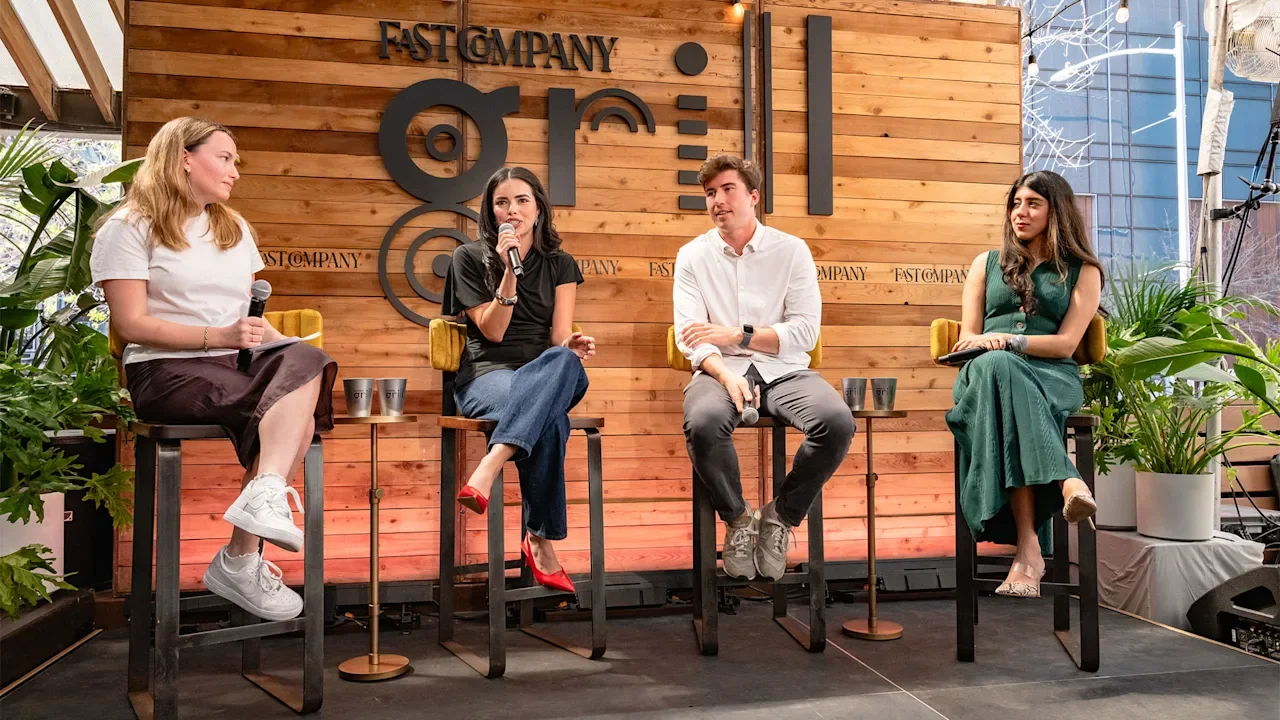
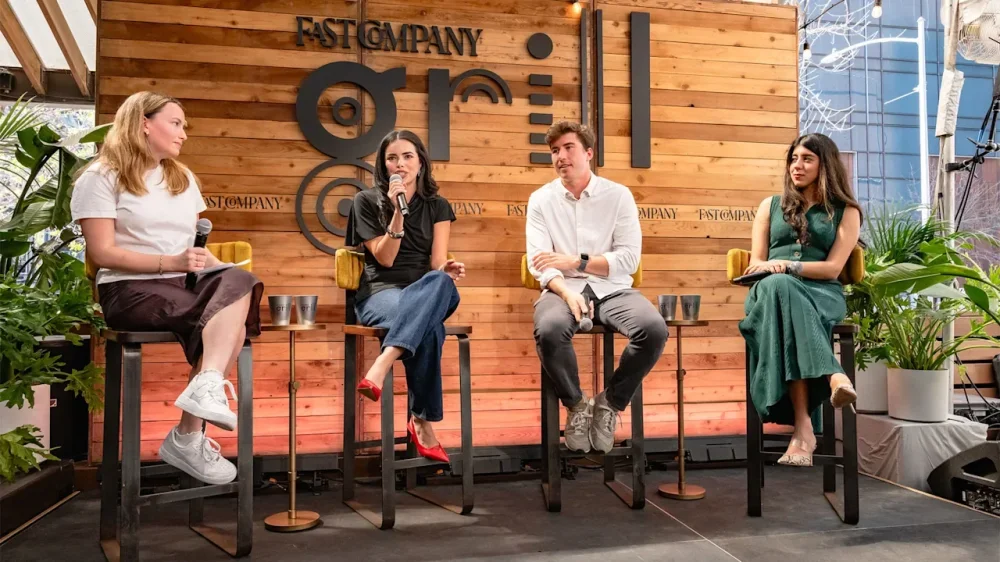
Gen Z founders may not have spent as much time in the workplace when they started their companies as some older founders. But in some ways, that gives them unique insight that can be valuable for leaders. For Katie Diasti and Anam Lakhani, a disconnect from the work they were doing as interns has helped to shape their leadership style. Specifically, those experiences inspired them to ensure that all of their team members feel a sense of both ownership and impact for the work they’re doing. “I remember interning and creating a whole deck and making a whole presentation, but never being allowed to be in the room that the presentation was in,” recalled Diasti, founder and CEO of Viv Period Care, speaking at the Fast Company Grill at SXSW. “Now, as we have team members creating something, I want them to see the holistic approach—I want them to see every metric of the business and the goal, because that actually motivates them to feel that ownership and that trust.” Lakhani, meanwhile, was inspired to co-found the Alinea Invest app during college to make investing more accessible to her generation—and likewise, she drew on her experience interning in investment banking on Wall Street to ensure her company’s work felt both meaningful and impactful. “One thing I knew when starting my company is I wanted every day to feel like you were moving the company forward, that you were having an impact on the user experience, that you were driving something forward,” she said. Balancing what they know—and don’t know Being a disruptive founder—and especially at a young age—requires a balancing act of sorts. On the one hand, young founders don’t have the “baggage” of longheld expectations about how things are done. But they must also have good mentors, and a sense of humility to navigate managing people who are several decades older, said Liam Ryan, CEO of Streetleaf, which designs, installs, and maintains solar streetlights throughout the U.S. And while it’s important internally to foster a sense that everyone in the company is on the same team, interacting with outside stakeholders requires being confident in the expertise you as a leader have acquired when encountering outdated stigmas, Ryan added. “When we first started doing this like five, six, years ago, we’d come into the room and they’d roll their eyes like, ‘The Gen Z solar people are here,’” Ryan recalled. “But when we showed that our products are not only more economical, but also sustainable, it got more people listening to what we’re doing, not just one part of the equation.” View the full article
-
A bug in Google Ads Editor is causing structured snippet extensions copied between accounts to remain unintentionally linked. When advertisers change the language in one account, it can automatically update the same extension in another. Why we care. This bug creates hidden inconsistencies for advertisers managing multi-market campaigns, especially when different languages are required across accounts. What advertisers are seeing. The issue surfaced while managing Czech and Slovak e-commerce accounts by digital marketer Marcin Wsół. Changing the snippet language in one account triggered the same change in the other. The extensions appear separate but behave as if synced. Zoom in. Using the Google Ads web interface can temporarily correct the issue, however, further edits in Editor may cause the language settings to toggle again. Also. The bug isn’t limited to cross-account use. PPC News Feed founder, Hana Kobzová, founder that copying structured snippets within the same account can also lead to incorrect language settings after edits. Between the lines. Advertisers relying on bulk edits in Editor may unknowingly overwrite localization settings, leading to mismatched messaging across markets. Bottom line. Until fixed, advertisers should double-check structured snippet languages after copying or editing in Google Ads Editor—especially when working across accounts or regions. First seen. This error was first picked up by Wsół, which was picked up by PPC News Feed. View the full article
-
At SXSW, the future of music and culture is always on display. From packed showcases to surprise sets and branded activations, the festival offers a glimpse of what’s next. But behind every viral moment and seamless event is a workforce SXSW rarely acknowledges: freelancers. They are the sound engineers running live sets, the videographers capturing performances that travel the world, the stage managers keeping showcases on schedule, the photographers, producers, and crew who turn ideas into experiences. SXSW depends on them. I saw this up close at a Latino Victory Fund event during the festival, where filmmaker Robert Rodriguez took the stage to celebrate Los Lobos — an iconic band that has shaped generations of music and culture — and the documentary premiere, Native Sons. It was the kind of moment SXSW is known for: electric, cross-generational, deeply rooted in place. And like every showcase and panel, it was powered by freelancers—producers, technicians, videographers, and crews whose labor makes these moments possible, and who too often remain invisible. Independent workers now make up a massive share of the U.S. workforce, with more than 60 million Americans freelancing today—nearly two in five workers—up from roughly one in three pre-pandemic.¹ The “future of work” SXSW celebrates isn’t something on the horizon. It’s already here. And yet, the conditions under which many of these workers operate remain anything but forward-looking. And the stakes are not abstract. According to a recent Freelancers Union survey, 82% of freelancers say healthcare access influences how they vote—a powerful signal that economic insecurity in this sector is shaping political behavior in real time. With the world’s eyes on Texas during a pivotal election year, Congressman Greg Casar figured prominently at this year’s festival. Speaking at Axios House, he made a clear case that Democrats must prove they are delivering for working people —especially Latino workers — are driving much of the country’s economic growth. But at SXSW, that question isn’t abstract. It’s embodied by the freelancers powering the festival itself—workers whose economic realities too often fall outside the protections policymakers claim to champion. We cannot continue to celebrate the future of work on stage while ignoring the conditions of the people doing that work behind the scenes. In New York, we passed the Freelance Isn’t Free Act, guaranteeing freelancers the right to a written contract and timely payment. It’s simple: if you do the work, you should get paid—on time and in full. It works. But step outside New York, including to places like Texas where SXSW takes place, and those protections disappear. That gap matters—not just for freelancers, but for the future SXSW claims to represent, and a future we are not waiting for. Millions of Americans are already building careers as independent workers across the industries that power our cultural and economic life. The question isn’t whether freelance work will grow. It’s whether we will build an economy that respects it. Festivals like SXSW have an opportunity—and a responsibility—to lead. That means more than putting creators on stage. It means committing to fair standards behind the scenes: contracts, timely payment, and basic protections for the people who make the entire ecosystem possible. fIt also means policymakers must catch up. States across the country should adopt and expand laws like Freelance Isn’t Free so that a worker’s rights don’t end at a city or state line. If SXSW is where the future comes into focus, it should also be where we decide what kind of future we’re building—one where creativity is celebrated and protected, and where the workers behind the scenes are finally recognized as essential to the story. Congressman Greg Casar speaking at Axios House1 Upwork Research Institute, Freelance Forward 2023: The Growing Freelance Workforce in the United States, 2023, https://www.upwork.com/research/freelance-forward-2023-research-report; see also Gig Economy Data Hub (Rockefeller Institute of Government), “Freelance Forward Data Sources,” https://gigeconomydata.org/research/data-sources/freelance-forward.html. View the full article
-
At SXSW, the future of music and culture is always on display. From packed showcases to surprise sets and branded activations, the festival offers a glimpse of what’s next. But behind every viral moment and seamless event is a workforce SXSW rarely acknowledges: freelancers. They are the sound engineers running live sets, the videographers capturing performances that travel the world, the stage managers keeping showcases on schedule, the photographers, producers, and crew who turn ideas into experiences. SXSW depends on them. I saw this up close at a Latino Victory Fund event during the festival, where filmmaker Robert Rodriguez took the stage to celebrate Los Lobos — an iconic band that has shaped generations of music and culture — and the documentary premiere, Native Sons. It was the kind of moment SXSW is known for: electric, cross-generational, deeply rooted in place. And like every showcase and panel, it was powered by freelancers—producers, technicians, videographers, and crews whose labor makes these moments possible, and who too often remain invisible. Independent workers now make up a massive share of the U.S. workforce, with more than 60 million Americans freelancing today—nearly two in five workers—up from roughly one in three pre-pandemic.¹ The “future of work” SXSW celebrates isn’t something on the horizon. It’s already here. And yet, the conditions under which many of these workers operate remain anything but forward-looking. And the stakes are not abstract. According to a recent Freelancers Union survey, 82% of freelancers say healthcare access influences how they vote—a powerful signal that economic insecurity in this sector is shaping political behavior in real time. With the world’s eyes on Texas during a pivotal election year, Congressman Greg Casar figured prominently at this year’s festival. Speaking at Axios House, he made a clear case that Democrats must prove they are delivering for working people —especially Latino workers — are driving much of the country’s economic growth. But at SXSW, that question isn’t abstract. It’s embodied by the freelancers powering the festival itself—workers whose economic realities too often fall outside the protections policymakers claim to champion. We cannot continue to celebrate the future of work on stage while ignoring the conditions of the people doing that work behind the scenes. In New York, we passed the Freelance Isn’t Free Act, guaranteeing freelancers the right to a written contract and timely payment. It’s simple: if you do the work, you should get paid—on time and in full. It works. But step outside New York, including to places like Texas where SXSW takes place, and those protections disappear. That gap matters—not just for freelancers, but for the future SXSW claims to represent, and a future we are not waiting for. Millions of Americans are already building careers as independent workers across the industries that power our cultural and economic life. The question isn’t whether freelance work will grow. It’s whether we will build an economy that respects it. Festivals like SXSW have an opportunity—and a responsibility—to lead. That means more than putting creators on stage. It means committing to fair standards behind the scenes: contracts, timely payment, and basic protections for the people who make the entire ecosystem possible. fIt also means policymakers must catch up. States across the country should adopt and expand laws like Freelance Isn’t Free so that a worker’s rights don’t end at a city or state line. If SXSW is where the future comes into focus, it should also be where we decide what kind of future we’re building—one where creativity is celebrated and protected, and where the workers behind the scenes are finally recognized as essential to the story. Congressman Greg Casar speaking at Axios House1 Upwork Research Institute, Freelance Forward 2023: The Growing Freelance Workforce in the United States, 2023, https://www.upwork.com/research/freelance-forward-2023-research-report; see also Gig Economy Data Hub (Rockefeller Institute of Government), “Freelance Forward Data Sources,” https://gigeconomydata.org/research/data-sources/freelance-forward.html. View the full article