All Activity
- Past hour
-
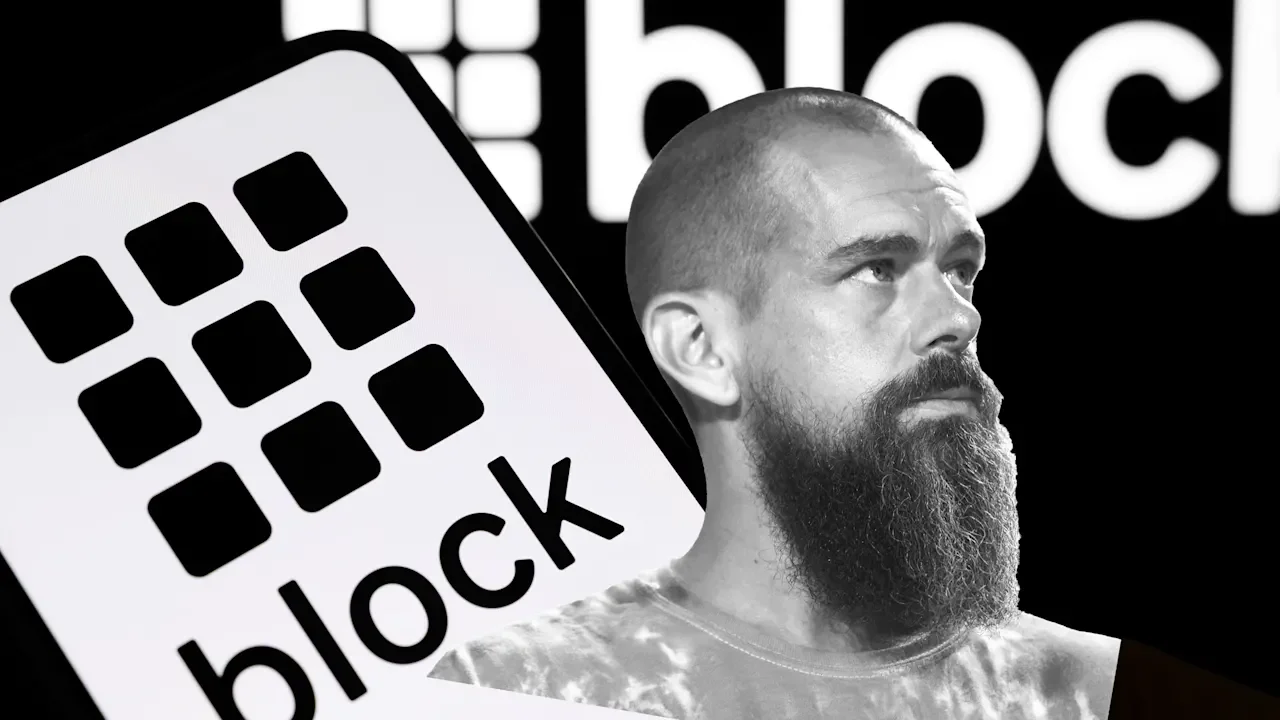
On Thursday, Block CEO Jack Dorsey announced that his fintech company, which owns Square and Cash App, would be laying off a whopping 40% of its workforce, slashing over 4,000 jobs. Despite a “strong year” in 2025, Dorsey—like many of his tech executive peers—believes AI will enable greater efficiency with far fewer workers. “Intelligence tools have changed what it means to build and run a company,” he wrote in a letter to shareholders. “We’re already seeing it internally. A significantly smaller team, using the tools we’re building, can do more and do it better.” A number of business leaders have seemingly used AI as a smokescreen for layoffs, but Dorsey has explicitly attributed the job cuts at Block to “intelligence,” which he claims will be “at the core of how the entire company works.” Dorsey attempted to explain his decision in a memo to employees, which he shared publicly on X (also known as Twitter, the company Dorsey once cofounded). “I had two options: cut gradually over months or years as this shift plays out, or be honest about where we are and act on it now,” he wrote. “I chose the latter. Repeated rounds of cuts are destructive to morale, to focus, and to the trust that customers and shareholders place in our ability to lead.” (Block has, in fact, been laying off employees in waves this month, according to multiple reports.) Dorsey insisted the company would not “just disappear people from slack and email and pretend they were never here,” and that he would host a live video session to thank employees for their work. “I know doing it this way might feel awkward,” he wrote. “I’d rather it feel awkward and human than efficient and cold.” Read Dorsey’s post in full below: today we’re making one of the hardest decisions in the history of our company: we’re reducing our organization by nearly half, from over 10,000 people to just under 6,000. that means over 4,000 of you are being asked to leave or entering into consultation. i’ll be straight about what’s happening, why, and what it means for everyone. first off, if you’re one of the people affected, you’ll receive your salary for 20 weeks + 1 week per year of tenure, equity vested through the end of may, 6 months of health care, your corporate devices, and $5,000 to put toward whatever you need to help you in this transition (if you’re outside the U.S. you’ll receive similar support but exact details are going to vary based on local requirements). i want you to know that before anything else. everyone will be notified today, whether you’re being asked to leave, entering consultation, or asked to stay. we’re not making this decision because we’re in trouble. our business is strong. gross profit continues to grow, we continue to serve more and more customers, and profitability is improving. but something has changed. we’re already seeing that the intelligence tools we’re creating and using, paired with smaller and flatter teams, are enabling a new way of working which fundamentally changes what it means to build and run a company. and that’s accelerating rapidly. i had two options: cut gradually over months or years as this shift plays out, or be honest about where we are and act on it now. i chose the latter. repeated rounds of cuts are destructive to morale, to focus, and to the trust that customers and shareholders place in our ability to lead. i’d rather take a hard, clear action now and build from a position we believe in than manage a slow reduction of people toward the same outcome. a smaller company also gives us the space to grow our business the right way, on our own terms, instead of constantly reacting to market pressures. a decision at this scale carries risk. but so does standing still. we’ve done a full review to determine the roles and people we require to reliably grow the business from here, and we’ve pressure-tested those decisions from multiple angles. i accept that we may have gotten some of them wrong, and we’ve built in flexibility to account for that, and do the right thing for our customers. we’re not going to just disappear people from slack and email and pretend they were never here. communication channels will stay open through thursday evening (pacific) so everyone can say goodbye properly, and share whatever you wish. i’ll also be hosting a live video session to thank everyone at 3:35pm pacific. i know doing it this way might feel awkward. i’d rather it feel awkward and human than efficient and cold. to those of you leaving…i’m grateful for you, and i’m sorry to put you through this. you built what this company is today. that’s a fact that i’ll honor forever. this decision is not a reflection of what you contributed. you will be a great contributor to any organization going forward. to those staying…i made this decision, and i’ll own it. what i’m asking of you is to build with me. we’re going to build this company with intelligence at the core of everything we do. how we work, how we create, how we serve our customers. our customers will feel this shift too, and we’re going to help them navigate it: towards a future where they can build their own features directly, composed of our capabilities and served through our interfaces. that’s what i’m focused on now. expect a note from me tomorrow. jack View the full article
-
We may earn a commission from links on this page. Dark began as a mystery involving a missing child and evolved, over its three seasons, into a wildly complex narrative: a time travel-driven story that explores dark family secrets over the course of several generations. Youth may be a sort of protection in some horror stories, but not here, not even a little tiny bit. No one is safe from the show's emotions threats, nor from literally being killed. Dark gets twistier and more compelling throughout its three seasons and, miracle of miracles, ends on its own terms and on a highly satisfying note. There's nothing quite like it out there, which is a big part of the appeal, but it's certainly not the only show with a smart, mature tone and compellingly twisty mysteries. Stream Dark on Netflix and then check out these other smart and spooky shows. Wayward Pines (2015 – 2016) Based on a trilogy of Blake Crouch novels, the show, initially, stars Matt Dillon as a Secret Service agent investigating the disappearances of two fellow agents in the Idaho town of Wayward Pines. Things go awry pretty much immediately, and he wakes up from a car accident to find one of the agents (Carla Gugino), who's also his ex, having settled down in the seemingly idyllic community—and she's 12 years older than when he last saw her a few weeks ago. Even more dramatically, the local sheriff (Terrence Howard) enforces a strict "no one ever leaves" policy, on pain of having one's neck slit. The mysteries pile up from there. Stream Wayward Pines on Hulu. Wayward Pines at Hulu Learn More Learn More at Hulu From (2022 – ) Here we travel to The Town (we never get a name—definitely a red flag), from which no one can ever leave. The residents and visitors aren't metaphorically trapped, but literally so, and are beset by creatures come from the woods and kill anyone found outside after dark. The Matthews family learn all about this firsthand when they roll into town in their RV and find themselves trapped alongside the local sheriff (Harold Perrineau)—just as the sun's going down. The show's monsters aren't just mindlessly hungry, they're cunning and sadistic, and more than capable of killing residents in impressively gory ways. It's very much a supernatural spin on the "small towns ain't what they seem" vibe. Stream From on MGM+ or buy it from Prime Video. From (2022 – ) at Prime Video Get Deal Get Deal at Prime Video 12 Monkeys (2015 – 2018) Though the series at first felt like a pointless retread of the Terry Gilliam film (and of La Jetée, on which that was based), the series eventually began to luxuriate in its extended timeline and use it to ruminate on ideas of free will versus predetermination, even while throwing in plenty of action and mystery. Well before the end of the first season, the show found its sometimes-confusing (but always heady) groove. It’s sort of a pre-apocalypse story, with time travelers from a pretty rotten future sent back into the past to seek out and stop the release of a virus that will ultimately kill seven billion humans, and that’s expected to continue to mutate and eventually wipe out everyone left. Stream 12 Monkeys on Prime Video. 12 Monkeys at Prime Video Learn More Learn More at Prime Video 1899 (2022) The steamship Kerberos is headed to New York City from Southampton in the UK, full of immigrants ready to start a new life. Sounds inspirational, except for that portentously named ship—and the fact that the series comes from Jantje Friese and Baran bo Odar of Dark fame. The passengers soon discover that the boat isn't just a boat, but includes portals to other locations and seemingly even other times. The unplanned ending (the show was cancelled) answers some questions while raising many others. Still: a bit of spooky fun on a boat. Stream 1899 on Netflix. 1899 (2022) at Netflix Learn More Learn More at Netflix Twin Peaks (1990 – 1991, 2017) With all due respect to every other "small towns are weird" show, including Dark, I'm not sure that there's any finer example of the form than than this addictive bit of weirdness from David Lynch and Mark Frost. Teens and adults in the deceptively quiet Twin Peaks face tragedy accompanied by supernatural threats from outside of our normal space and time. I think? The mysteries here aren't really meant to be solved as much as pondered with an eye toward nebulous existential dread (and if that's not your idea of fun, I'm not sure what you're doing here). Kyle MacLachlan plays FBI Special Agent Dale Cooper, who arrives in the title town to investigate the murder of teenager homecoming queen Laura Palmer (Sheryl Lee), precipitating a (very) long night of the soul as Cooper uncovers secrets and mysteries among the town's delightfully, and often disturbingly, weird residents. As good as the original is, the anti-nostalgic followup series is a triumph. Stream Twin Peaks on Paramount+. Twin Peaks at Paramount+ Learn More Learn More at Paramount+ Signal (2016 – ) Blending police procedural, mystery, and science fiction, this K-drama remains one of the most-watched dramas in South Korean TV history—enough that a second season is coming after a wait of nearly 10 years. Police profiler Park Hae-young (Lee Je-hoon) finds a discarded walkie-talkie that connects him with Detective Lee Jae-han (Cho Jin-woong), who disappeared in 2000 but who is able to communicate from an earlier time. The two detectives are able to work together, across time, to solve a very cold case—but soon discover that there are disturbing consequences in the present when they fiddle with time. Stream Signal on Netflix. Signal (2016 – ) at Netflix Learn More Learn More at Netflix Curon (2020) Set near the real-life Lago di Resia in northern Italy, the show was inspired by the lake's singular view: the bell tower of a 14th century chapel rising above the water, the only visible remains of a village submerged by a dam in the 1950s. That eerie setting is home to Anna Raina (Valeria Bilello); it was, anyway, until she fled while pregnant with her twin daughters following her mother's tragic and mysterious death. The twins are now teenagers, and the three of them have returned—except nobody seems to want them around. They come to learn that Anna's been having dreams about her mother's death in which she's the killer, and then she herself disappears. It all ties back to that lake and the creepy bell tower. Stream Curon on Netflix. Curon (2020) at Netflix Learn More Learn More at Netflix Fringe (2008 – 2013) We don't talk nearly enough about Fringe, a smart sci-fi/crime procedural that served as a true successor to the X-Files (and that wrapped more satisfyingly than that show ever did, even given multiple tries). Starting out as a kind of weird-mystery-of-the-week thing with Anna Torv as FBI Agent Olivia Dunham, Joshua Jackson as civilian consultant Peter and John Noble as his science-guy dad, Walter, straight out of a mental institution. It soon becomes clear that the odd occurrences they've been investigating are all linked to potentially universe-ending incursions across time and space, and that Walter has dark secrets that are both personal and existentially profound. Stream Fringe on Hulu. Fringe (2008 – 2013) at Hulu Learn More Learn More at Hulu Archive 81 (2022) A clever and spooky horror noir that gets a mixed recommendation only because of Netflix's tendency to cancel shows after a single season. Archive 81 stars Mamoudou Athie as archivist Dan, hired to restore some old tapes from the 1990s. What follows involves a demonic cult, Lovecraftian horrors, and a jazz-age demon cult. It builds an impressive horror mythology that it only barely had a chance to develop. And yet! We love a spooky tape moment. Stream Archive 81 on Netflix. Archive 81 (2022) at Netflix Learn More Learn More at Netflix Channel Zero (2016 – 2018) A mind-bending and occasionally gruesome expansion of various online creepypastas, Nick Antosca's series takes the form of four season-long storylines. While the tone is far from juvenile, the vibe here is childhood-nightmares-come-to-life: The show's first season anticipates I Saw the TV Glow with a story about a half-remembered TV series linked to the disappearances of several children; another finds a couple of sisters dealing with cannibals and a mysterious staircase in the middle of the woods, while the last has a newlywed couple finding a mysterious door that unlocks childhood anxieties (and a freaky clown). The most Dark-like (perhaps) is the second season, which sees a group of friends trapped in a tourist-attraction haunted house that exits into a disturbing alternate reality. It's all smart and genuinely freaky, existential dread blending with memorable visuals such as a child made entirely of human teeth. Stream Channel Zero on Shudder and AMC+ or buy it from Prime Video. Channel Zero at Prime Video Learn More Learn More at Prime Video Feria: The Darkest Light (2022) Dark deeds and supernatural forces from the past haunt multiple generations—this time, in 1995 Andalusia. This import finds teenage sisters Sofia and Eva caught in a nightmare when their parents go missing while being implicated in a cult ritual that's left 23 people dead, including a woman who'd been missing for years. Tying back to 1975 and, implicitly, the fall of Francisco Franco, Feria shatters this small town's sense of community and security while calling into question the value of the organizations—including government and church—that everyone holds dear. Kids getting caught up in generational cycles of violence and shame is an extremely recognizable vibe. Stream Feria on Netflix. Feria: The Darkest Light at Netflix Learn More Learn More at Netflix Tales From the Loop (2020) A gorgeous-looking anthology, Tales From the Loop takes place in the small town of Mercer, Ohio—a town that happens to sit upon the titular Loop, a physics lab exploring mysteries for which science has no answers. Each episode offers the story of a person or family in the town impacted by the work of the Loop, in slow-burning stories about the intersection of technology and human existence. It’s based on a conceptual art book by artist Simon Stålenhag, and successfully ports over that book’s striking look and feel. Stream Tales from the Loop on Prime Video. Tales From the Loop (2020) at Prime Video Learn More Learn More at Prime Video The OA (2016 – 2019) The unclassifiable sci-fi/mystery series stars Brit Marling as Prairie Johnson (Brit Marling), a woman who returns after a seven-year disappearance, proclaiming herself to be the “original angel”; aiding her case is the fact that she has the ability to see, though she was previously blind. She assembles a group of young people to help her in a mission to save others who've been lost, which she can only do by opening a portal to another dimension. The critically acclaimed show was unceremoniously cancelled after two seasons, which hasn't stopped people talking about the show and its mysteries. Stream The OA on Netflix. The OA at Netflix Learn More Learn More at Netflix The Leftovers (2014 – 2017) The premise of The Leftovers is brilliantly subdued: Around 2% of the world's population disappears without explanation, and it's enough to upend just about everything. Politics have adapted to the new normal, religions have collapsed and reformed, and families have had to make peace with the inexplicable loss of loved ones. The first season revolves around the Garvey family. led by Kevin (Justin Theroux), a sheriff whose wife (Amy Brenneman) left him to join a cult, while subsequent seasons broaden the scope to bring in other characters in other locations. Showrunner Damon Lindelof also co-created Lost, and the two series share some similarities (including a relatively grim tone), but where Lost spun out of control, The Leftovers recognizes that complex plotting and the search for answers is really the point. Stream The Leftovers on HBO Max. The Leftovers at HBO Max Learn More Learn More at HBO Max Gravity Falls (2012 – 2016) Finally, a little something for the kids, who also deserve a spooky mystery or two. (I say "kids," but this is genuinely pretty fun for all ages.) The much-loved, if relatively short-lived, animated series follows twin siblings Mabel and Dipper Pines (Kristen Schaal and Jason Ritter) sent to spend the summer with their great uncle (aka "Grunkle") Stan (voiced by show creator Alex Hirsch). While helping Stan run his mystery-themed tourist shack, the kids run into a series of supernatural mysteries, many related to the show's ultimate antagonist, dream demon Bill Cipher. The show's finale was similarly a blockbuster—the highest rated telecast in the history of Disney XD, as a matter of fact. Not terrifying, perhaps, but genuinely clever. Stream Gravity Falls on Disney+. Gravity Falls (2012 – 2016) at Disney+ Learn More Learn More at Disney+ View the full article
- Today
-
Keep the process from dragging on. By Jody Grunden Building the Virtual CFO Firm in the Cloud Go PRO for members-only access to more Jody Grunden. View the full article
-
Keep the process from dragging on. By Jody Grunden Building the Virtual CFO Firm in the Cloud Go PRO for members-only access to more Jody Grunden. View the full article
-
Perceptions are changing ... and rightfully so. By David Lau, founder and CEO of DPL Financial Partners, and Ross McGoodwin, regional vice president at DPL Financial Partners The Holistic Guide to Wealth Management Go PRO for members-only access to more Rory Henry. View the full article
-
Perceptions are changing ... and rightfully so. By David Lau, founder and CEO of DPL Financial Partners, and Ross McGoodwin, regional vice president at DPL Financial Partners The Holistic Guide to Wealth Management Go PRO for members-only access to more Rory Henry. View the full article
-
A patent document published by Google hints that Google Search may take searchers from the search results page, to an AI-generated page which is super personalized to answer the query, as opposed to taking that searcher to a web page. Patent. The patent is named AI-generated content page tailored to a specific user and was filed by Google about a year ago and then granted last month. This patent describes a system that uses Artificial Intelligence (AI) to automatically create a custom landing page for a business or organization when a user performs a search. Instead of just sending a user to a generic homepage, the system generates a page dynamically that is specifically relevant to the user’s intent and the organization’s content. Patent abstract. Here is a copy of the abstract of the patent: “Techniques for generating an artificial intelligence (AI)-generated page for a first organization. The system can include a machine-learned model configured to generate the AI-generated page. The system can receive from a user device associated with a user account, the user query. Additionally, the system can generate a search result page for the user query. The search result page can include a first result associated with a first landing page of the first organization. The system can calculate a landing page score for the first landing page. The system can generate an updated search result page based on the landing page score exceeding a threshold value, the updated search result page having a navigation link to an AI-generated page for the first organization. The system can cause a presentation, on a display of the user device, the updated search result page.” Example. Here is a fictitious example: Imagine you are looking for a specific item, like “waterproof hiking boots for wide feet,” from a big store like REI or Amazon. Normally, when you click a search result, it sends you to the store’s generic “Hiking Boots” page, and you have to filter the results yourself to find what you actually need. Instead, Google could use AI to build a new page that gives you a more customized and filtered response. Credits. This was spotted by Brandon Lazovic and posted by Joshua Squires on LinkedIn. Joshua wrote, “In short, Google would use AI to generate a page that looks like your website but rebuilds the entire structure of a page dynamically, in real time, and places it at the top of the SERP. This throws up all kinds of red flags to me.” Glenn Gabe wrote, “If you thought AIOs angered people, just wait for AI-generated landing pages from Google. Yes, Google could create new landing pages from the SERPs if yours isn’t good enough (based on this patent).” And Lily Ray added that this is “Terrifying to be honest.” Why we care. Again, this is just a patent document and does not mean Google is doing this, will do this in the future or something else. Although some may think this is a form of what Google is doing with AI Overviews or AI Mode. In any event, it is worth reading because it is useful to see how Google’s mind is working. View the full article
-
In recent months, fans of Burger King appear to have fallen out of love with the chain’s signature sandwich, the Whopper. Social media has been full of complaints about the quality of ingredients and even completely deformed burgers. In response, the burger chain said this week that it is rolling out a revamped Whopper. Here’s what’s changing, and where and when you can get yours. Why is Burger King revamping the Whopper? In short, customers became unhappy with the quality of the chain’s flagship burger in recent years. Criticisms range from the lackluster quality of ingredients in the burger to soggy buns to even smashed burgers (no, not in a good way). That last complaint—burgers that were physically deformed when they reached the customer’s hands—is something even the company’s U.S. and Canadian president, Tom Curtis, admitted to. “So the Whopper being smushed, literally, I’ve heard it . . . and we’ve seen it,” Curtis told CNN. And while no one expects a fast food burger to be the gold standard for hamburgers around the world, lately, customers seem to have lost patience with the Whopper’s problems—especially as prices have risen in recent years and once “affordable” fast food has become increasingly out of reach for many Americans. That growing unhappiness is something the burger chain has taken seriously. This week, it announced that, based on customer complaints and feedback, it was making the first changes to the Whopper in nearly a decade. What are the Burger King Whopper changes? On Thursday, Burger King announced it was revamping the Whopper—but it wasn’t starting over from scratch. “The Whopper is an icon, so we didn’t set out to reinvent it,” Curtis said in a statement announcing the move. “Instead, we elevated it based on direct Guest feedback.” That “elevated” Whopper consists of three new elements, according to the company: a more premium, better-tasting bun better-tasting mayo served in a box to protect the burger from getting smashed Other elements of the burger will remain the same, including its beef patty, and topping of onions, tomatoes, lettuce, and pickles. When and where will the revamped Whopper be available? Burger King says the new Whopper will be available this week, where it will roll out across the chain’s 7,000 locations, according to CNN. Will the new Whopper cost more? That depends on who’s paying the bill. Curtis told CNN that the revamped Whopper is estimated to increase costs for Burger King franchisees by about $4,000 per year per store. But Burger King is recommending to franchisees that they do not pass these increased costs onto customers, who are already reducing their discretionary spending due to inflationary pressures. The price of a Whopper can vary by location. In New York City, a standard Whopper currently costs around $6.99. In the Midwest, Whoppers go for around $6.19, and in San Fransisco they can go for as high as around $8.19, according to data from the company’s online ordering system. If franchisees abide by Burger King’s advice, customers should not see any price increase when ordering the revamped Whopper. View the full article

-
ChatGPT now has more than 900 million weekly active users, OpenAI announced. This is the first time OpenAI has publicly cited the 900 million weekly active user mark. Why we care. User behavior continues to fragment beyond traditional search. If 900 million people use ChatGPT weekly, discovery, research, and product comparisons are increasingly happening within AI interfaces. That said, many of those actions tend to lead users to traditional search for confirmation. The details. OpenAI shared the figure of 900 million weekly active users while announcing a new $110 billion funding round. The company also reported more than 50 million consumer subscribers and over 9 million paying business users. What it means. ChatGPT is a place where you compete for queries, commercial intent, and brand visibility. While not all behavior here is “search” in the strict sense, you need to understand how content is surfaced, cited, or summarized in AI-generated answers — and how that impacts conversions. OpenAI’s announcement. Scaling AI for everyone View the full article
-
If you’re looking to save on craft supplies, it’s crucial to know the best coupon codes available at Craft Outlet. For instance, using the XMAS code can give you a 30% discount, especially beneficial for military members and students during holiday events. Moreover, the SUMMERSALE25 code can provide a significant 40% off on select items. Comprehending these codes and promotions can help you maximize your savings, but there’s more to take into account, including shipping and return policies. Key Takeaways Utilize the XMAS code for a 30% discount during military and holiday events, applicable to both military members and students. Apply the SUMMERSALE25 code for a 40% discount on select items during summer promotions. Take advantage of seasonal promotions that offer up to 35% off during significant events like New Year’s Day and Labor Day. New customers can receive first-order discounts by signing up for newsletters, enhancing initial savings. Regularly check for updates on seasonal discounts to maximize savings throughout the year. How to Maximize Your Savings With Craft Outlet Coupons To maximize your savings with Craft Outlet coupons, it’s essential to adopt a strategic approach. Start by using the craft outlet coupon code XMAS, which offers a consistent 30% discount on your purchases, especially during military or seasonal events. Furthermore, aim for free shipping on orders over $69, as this can greatly reduce costs on larger craft supply purchases. Regularly check for seasonal promotions and special event discounts to uncover extra savings opportunities throughout the year. If you’re a new customer, take advantage of first-order discounts by signing up for newsletters or creating an account. Finally, stay updated on the latest coupon codes by following CraftOutlet.com on social media, as community feedback can reveal current promo code success rates. Best Coupon Codes for CraftOutlet.com When shopping at CraftOutlet.com, you’ll find several current discount offers that can greatly reduce your total. For instance, using the code “SUMMERSALE25” can save you 40% on select items, as military members can take advantage of the “XMAS” code for 30% off. Don’t forget to check for seasonal promotions, as they often provide additional savings opportunities throughout the year. Current Discount Offers As you explore the latest discount offers available at CraftOutlet.com, you’ll find a variety of coupon codes designed to maximize your savings. One standout is the craft outlet promo code XMAS, which gives you a generous 30% discount on all products. If you’re a new customer, don’t miss out on first-order discounts, where verified codes can reveal even more savings. Regular updates on these discount codes guarantee you stay informed, with a current maximum discount of 35% expected in August 2025. Furthermore, existing customers may benefit from loyalty discounts of up to 10%, based on purchases in the last six months. Together, these offers provide a solid opportunity to save during your shopping for your favorite craft supplies. Seasonal Promotions Available Seasonal promotions at CraftOutlet.com offer customers numerous opportunities to save on their favorite craft supplies. For instance, using the code XMAS during holiday events can give military members a generous 30% discount. Throughout the year, verified coupon codes often provide savings of up to 35%, especially in months like August 2025. You can additionally find special offers during significant events like New Year’s Day and Labor Day, which typically include additional discounts beyond standard promotions. Plus, taking advantage of free shipping on orders over $69 encourages larger seasonal purchases, maximizing your savings. Be sure to check regularly for updates on these seasonal promotions, as they can help you make the most of your factory direct craft promo code. Code Application Tips Discount Code Savings XMAS 30% Off Free Shipping Orders Over $69 Seasonal Offers Varies Seasonal Promotions and Discounts to Watch For When shopping at CraftOutlet.com, keep an eye out for seasonal promotions that can save you a significant amount on your purchases. For instance, military members and students can utilize the code XMAS for 30% off during holiday sales, and similar discounts are available during events like Back-to-School or Labor Day. Staying informed through CraftOutlet’s social media and newsletters will help you catch these limited-time offers and guarantee you maximize your crafting budget. Holiday Sale Events Craft Outlet offers a variety of holiday sale events throughout the year, making it an ideal time for crafters to stock up on supplies. During events like New Year’s Day and Labor Day, you can find discounts up to 35% off. For military members, the best-value discount code, XMAS, provides a generous 30% off. Plus, enjoy free shipping on orders over $69, encouraging bulk purchases. To guarantee you don’t miss exclusive offers, keep an eye on these seasonal promotions and subscribe to newsletters. Here’s a quick overview of upcoming events: Event Discount Free Shipping New Year’s Up to 35% off Orders over $69 Labor Day Up to 35% off Orders over $69 Christmas 30% for Military Orders over $69 Spring Sale Up to 35% off Orders over $69 Stay updated for the best savings! Seasonal Discount Codes Seasonal discount codes present a valuable opportunity for shoppers looking to save on crafting supplies throughout the year. CraftOutlet.com frequently runs promotions during key holidays like New Year’s Day and Labor Day, offering discounts that can reach up to 35%. Military members and students can particularly benefit from the regular 30% off factory direct craft coupon code, especially during events like Back-to-School season and Easter. To maximize your savings, keep an eye on these seasonal sales, as CraftOutlet.com regularly updates its offers. Signing up for newsletters or following them on social media guarantees you stay informed about upcoming discounts and exclusive deals, making it easier to plan your crafting purchases and save considerably. Limited-Time Offers Limited-time offers on CraftOutlet.com provide excellent opportunities to save on a variety of crafting supplies, especially during key seasonal promotions. For instance, you can use the code XMAS for a 30% military discount during the holidays, which is likewise available for students. Furthermore, special discounts often arise during events like New Year’s Day or Labor Day, making these times ideal for extra savings. If you spend over $69, you can also enjoy free shipping, encouraging you to stock up during these sales. By regularly checking for updates on discounts, you can maximize your savings. Don’t forget to utilize Factory Direct Craft coupons during these promotions for even more significant reductions on your crafting needs. Military and Student Discounts at Craft Outlet Although you may not find a dedicated military or student discount program at Craft Outlet, there are still opportunities to save. Military members can use the code XMAS for 30% off their purchases. Moreover, special events like New Year’s Day or Labor Day sometimes feature military discounts at Craft Outlet, so keep an eye out for those promotions. For students, whereas there’s no specific student discount program, using the same XMAS code grants you 30% off as well. In addition, seasonal promotions during events like Back-to-School Season or Easter may provide extra savings opportunities. It’s recommended to regularly check Craft Outlet’s website for updates on potential discounts for military and student shoppers to maximize your savings. Understanding Craft Outlet’s Shipping Policies When shopping at Craft Outlet, comprehending the shipping policies can greatly improve your overall experience. CraftOutlet.com offers free shipping on orders over $69, making it smart to stock up on supplies. Most products qualify for this benefit, enhancing the value of larger purchases. Delivery typically takes between 3 to 7 business days, depending on your location. Nonetheless, it’s vital to review specific shipping policies, as they may vary for certain items or locations. Remember, customers are responsible for shipping charges on returns, so consider this when shopping. If you’re near the craft depot San Antonio, visiting in person can additionally streamline your supply needs. Shipping Feature Details Free Shipping Threshold Orders over $69 Typical Delivery Time 3 to 7 business days Product Eligibility Most items eligible for free shipping Return Shipping Responsibility Customer pays for return shipping Policy Variance Check specific item policies Return Policy Insights for Craft Outlet Purchases Grasping the return policy at Craft Outlet can help you navigate the shopping experience more effectively. Craft Outlet accepts returns of non-sale items within 30 days of purchase, provided they’re in their original condition. Refunds go back to your original payment method, but keep in mind that shipping fees are non-refundable. For sale items, returns aren’t accepted, so it’s crucial to double-check your selections before finalizing your purchase. If you need to return an item, you’re responsible for the shipping costs, as free return shipping isn’t offered. For the most accurate and up-to-date information, it’s advisable to review the return policy details directly on the crafters square website. This guarantees you’re fully informed before making any returns. Tips for Using Store Credits and Rewards Points Comprehending how to effectively use store credits and rewards points can improve your shopping experience at Craft Outlet, especially after maneuvering the return process. To access your store credits, log into Shop Pay and select the store credit option during checkout. Remember, existing reward points convert to cash equivalents, which expire one year after your last order. When checking out, navigate to the payment methods section and choose “Store Credit” to apply your credits. If you’re part of the VIP program at Crafters Depot, you can earn discounts based on your spending over the last six months, offering 5%, 7%, or 10% off. Make sure you’re logged in to use any credits or points effectively. Frequently Asked Questions What Is the SBM50 Promo Code? The SBM50 promo code provides a 50% discount on selected items at Craft Outlet. To use it, you’ll need to enter the code during the checkout process. Make sure to check the terms and conditions associated with the code, as it only applies to specific products. It’s advisable to apply the code soon, since promotional codes can have expiration dates or usage limits that could affect your savings. What Is the TRIPLE10 Promo Code? The TRIPLE10 promo code provides a 10% discount on qualifying purchases at Craft Outlet. You can apply this code during checkout by entering it in the designated field. It’s important to note that TRIPLE10 can be used on sale items, increasing your savings potential. Nonetheless, make sure to check for any expiration dates and be aware that stacking this code with other discounts may be limited. Always review the terms for the best experience. What Is the Coupon Code for Crafty Intentions? Currently, there isn’t a specific coupon code publicly available for Crafty Intentions. Nevertheless, you can often find general crafting discounts through various platforms. For example, Craft Outlet frequently shares promo codes like XMAS, which offers 30% off. To maximize your savings, check community forums that track and verify active coupon codes. It’s wise to apply any relevant coupons during checkout to guarantee you receive your discount before completing your purchase. Do Promo Codes Really Work? Yes, promo codes can work effectively for discounts. Many retailers regularly provide codes that offer substantial savings on products. For instance, CraftOutlet.com has reported promo codes with success rates of up to 94%. Nevertheless, it’s crucial to check for specific restrictions, such as whether the code is single-use or applies only to select items. Staying informed about seasonal promotions can likewise improve your chances of receiving additional discounts on your purchases. Conclusion By utilizing Craft Outlet’s various coupon codes and promotions, you can greatly improve your savings on craft supplies. Whether you’re a new customer or a loyal shopper, there are customized discounts available, including military and student benefits. Stay informed about seasonal offerings and take advantage of loyalty rewards to maximize your budget. Furthermore, comprehending the shipping and return policies can further enrich your shopping experience. Implement these strategies to make the most of your Craft Outlet purchases. Image via Google Gemini This article, "7 Must-Have Craft Outlet Coupon Codes for Big Savings" was first published on Small Business Trends View the full article
-
We may earn a commission from links on this page. Deal pricing and availability subject to change after time of publication. Right now, those in the Samsung ecosystem can take advantage of a pre-order deal on a brand-new Samsung Galaxy S26 Ultra unlocked phone. $1,299 discount is the standard retail price, but Amazon is offering a free $200 gift card to sweeten the deal on the phone, which officially releases on March 11, 2026, and is available in four colors. Samsung Galaxy S26 Ultra, Unlocked Android Smartphone + $200 Gift Card $1,299.00 at Amazon Shop Now Shop Now $1,299.00 at Amazon The Ultra is the largest and most feature-rich model in the S26 line, weighing close to half a pound. Its 5,000mAh battery is the largest of the lineup, and its 6.9-inch display is perfect for those who want more of an e-reader feel to their phone. This model comes with 512GB of storage, an S Pen, and the new Snapdragon 8 Elite Gen 5 chip, which enables more AI features, stronger gaming, better multitasking capabilities, and overall faster speeds than its predecessors. The camera system is also the most advanced in the S26 series, with a 200-megapixel main sensor, a 50-megapixel ultrawide, and two dedicated telephoto lenses with 3x and 5x optical zoom that let you get closer without sacrificing image quality. The Ultra is also the only phone in the S26 lineup to feature the new privacy display, which is vetted by PCMag and limits the viewing angles so people can’t see the screen from off-angle, making it ideal for avoiding prying eyes. It can be used on the entire screen or just portions. If you want the most powerful and largest Galaxy and don’t mind that it’s a little bulkier than the Plus and the S26, this unlocked Samsung Galaxy S26 Ultra is your best bet with top-of-the-line performance in every area and AI baked in everywhere. Our Best Editor-Vetted Tech Deals Right Now Apple AirPods 4 Active Noise Cancelling Wireless Earbuds — $139.99 (List Price $179.00) Samsung Galaxy S26 Ultra 6.9" 512GB Privacy Display Smartphone + $200 Gift Card — $1,299.99 (List Price $1,699.99) Samsung Galaxy Buds 4 AI Noise Cancelling Wireless Earbuds + $20 Amazon Gift Card — $179.99 (List Price $199.99) Google Pixel 10a 128GB 6.3" Unlocked Smartphone + $100 Gift Card — $499.00 (List Price $599.00) Apple iPad 11" 128GB A16 WiFi Tablet (Blue, 2025) — $329.99 (List Price $349.00) Apple Watch Series 11 [GPS 46mm] Smartwatch with Jet Black Aluminum Case with Black Sport Band - M/L. Sleep Score, Fitness Tracker, Health Monitoring, Always-On Display, Water Resistant — $329.00 (List Price $429.00) Amazon Fire TV Soundbar — $99.99 (List Price $119.99) Deals are selected by our commerce team View the full article
-
Keeping track of materials, products and supplies gets complicated fast once quantities start moving daily. That’s where well-structured inventory templates make a difference. Instead of guessing what’s in stock or scrambling before a reorder, you get clarity on inventory levels, costs and restock timing in one organized place. Whenever you’re ready to start managing projects, give ProjectManager a try. ProjectManager is an award-winning project management software designed to plan, schedule and track projects from start to finish. Build detailed project schedules, allocate resources, monitor costs and compare estimates against actual performance using a complete set of powerful project management tools. Get started for free today. /wp-content/uploads/2024/04/Light-mode-portfolio-dashboard-CTA-1600x851.pngLearn more 1. Inventory Template for Excel Built for flexibility, this inventory template works across industries and operational setups. Whether you’re managing raw materials for manufacturing, tracking finished goods for retail, organizing spare parts for maintenance or monitoring supplies for a construction project, it centralizes stock data in one structured spreadsheet. You can monitor inventory levels, calculate total inventory value, identify reorder points and reduce stockouts without needing specialized inventory management software. /wp-content/uploads/2026/02/Free-Inventory-Template-for-Excel-1600x517.png Inventory item name: Clearly identifies each product, material or component so teams avoid confusion when tracking stock movements and updating inventory records. Inventory item description: Provides additional specifications such as size, model, category or usage to distinguish similar items and support accurate inventory control. Location: Indicates the warehouse, storage room, shelf or job site where the item is physically stored for faster retrieval and audits. Unit of measurement: Defines how the item is counted, such as pieces, boxes, kilograms or liters, ensuring consistent stock tracking. Quantity in stock: Shows current inventory levels available for use or sale, helping prevent shortages and unexpected stockouts. Unit price / Total inventory price: Captures cost per unit and automatically calculates total inventory value for budgeting and financial reporting. Last restock date: Records the most recent replenishment date to monitor supplier performance and inventory turnover rates. Reorder level / Time / Quantity: Establishes minimum stock thresholds, supplier lead times and optimal reorder quantities to maintain supply continuity. Supplier: Lists the vendor responsible for providing the item, simplifying procurement tracking and future purchase orders. 2. Inventory Template for Google Sheets Structurally, this Google Sheets inventory template mirrors the inventory template for Excel, using the same fields and calculations for inventory tracking and stock management. The difference shows up in how teams use it. Because it runs in Google Sheets, multiple users can update quantities, adjust reorder levels and review inventory data simultaneously. Changes sync in real time, which improves visibility across departments and supports faster purchasing decisions without emailing spreadsheet versions back and forth. /wp-content/uploads/2026/02/Free-Inventory-Template-for-Google-Sheets-1600x451.png Control over user access is another major advantage. With Google Sheets, you decide exactly who can view, comment or edit the inventory spreadsheet, which reduces the risk of accidental changes to inventory data. Warehouse staff can update stock quantities, purchasing teams can modify reorder points and executives can review inventory reports in view-only mode. This permission-based access keeps inventory control organized while still allowing real-time collaboration across departments. 3. Stock Register Template At its core, a stock register is a structured log that records every movement of inventory entering and leaving a business. Manufacturing companies, construction firms, retail operations and warehouse-based distributors rely on a stock register to maintain accurate inventory levels and prevent stock discrepancies. Unlike basic inventory lists, a stock register tracks transactions over time, showing how purchases, issues and returns affect available stock. Among inventory templates, this format is especially valuable for businesses that manage high-volume materials or operate multiple storage locations. /wp-content/uploads/2025/11/Stock-Register-Format.png What makes this stock register template practical is how it connects item data with real transaction activity. The top section captures company details, location and approval information, while the item descriptions define SKU codes, units of measurement and reorder thresholds. Below that, transactional data logs purchase and issue entries with dates, reference numbers and suppliers. Each transaction automatically updates running stock quantities, unit costs and closing stock value, giving managers real-time visibility into inventory movement, stock valuation and purchasing needs. 4. Stock Sheet Template Unlike a detailed stock register that logs every transaction, a stock sheet provides a clear snapshot of current inventory levels in a simple, row-based format. Small to mid-sized businesses, retail stores, hardware suppliers and warehouse teams often use a stock sheet to monitor available quantities without diving into full transaction histories. It focuses on what is currently on hand, where it is stored and how much it is worth. /wp-content/uploads/2025/08/Stock-Sheet-Template-1.png This stock sheet template organizes inventory by item name, category, SKU and supplier, making it easy to identify materials across locations. Opening stock, stock in and stock out columns calculate closing stock automatically, helping teams maintain accurate inventory levels. Unit cost and total value fields support inventory valuation and budget tracking, while reorder level thresholds flag when replenishment is required. Because everything appears in one structured grid, managers can quickly review stock movement, detect discrepancies and plan procurement without reviewing separate transaction logs. 5. Equipment Inventory Template Heavy machinery, tools and operational assets require closer tracking than standard stock items. An equipment inventory records physical assets owned or leased by a company, along with their condition, financial details and depreciation. Construction firms, manufacturing plants, field service providers and production facilities rely on equipment inventory systems to manage asset value, maintenance planning and replacement decisions while keeping financial records aligned with actual equipment usage. /wp-content/uploads/2022/12/Equipment-inventory-template-screenshot-updated.png This equipment inventory template combines operational tracking with financial visibility. It captures serial numbers, condition, branch location and department assignments so assets remain accountable. Acquisition details such as vendor, purchase date, loan terms and down payment support capital planning. Monthly operating costs and depreciation fields calculate current value over time, helping managers evaluate asset performance, forecast replacement needs and maintain accurate equipment valuation without separate accounting spreadsheets. 6. Material List Template Before work begins on a job site or production run, teams need a structured breakdown of required materials. A material list outlines every component, quantity and specification necessary to complete a project. Construction contractors, engineering teams and manufacturing operations use material lists to estimate costs, coordinate procurement and prevent delays caused by missing supplies or inaccurate quantity calculations. /wp-content/uploads/2026/01/Material-list-template.png Designed to support planning and purchasing, this material list template organizes materials by description, grade or specification and trade category. Required quantities, unit cost and total cost fields help calculate accurate project budgets, while supplier details and required delivery dates improve procurement scheduling. Delivery location and storage requirements ensure materials are handled correctly once received, giving project managers stronger control over cost forecasting, logistics coordination and on-site inventory readiness. 7. Material Requisition Form When materials are needed on-site or in production, teams don’t simply pull items without documentation. A material requisition formally requests specific materials from inventory for operational use. Construction companies, manufacturing plants and maintenance departments rely on material requisitions to control internal inventory movement, prevent unauthorized withdrawals and maintain accurate stock levels while keeping projects aligned with their schedule and resource plan. /wp-content/uploads/2025/09/Material-Requisition-Form.png Structured for accountability, this material requisition template captures company details, request dates and approval signatures before any material is released. Item codes, descriptions, required quantities and needed-by dates connect each request to a specific location and priority level. Supplier references and delivery instructions clarify logistics, while approval tracking ensures oversight. By documenting internal material transfers, teams protect inventory accuracy and reduce stock discrepancies. 8. Purchase Requisition Form Before money is committed to a supplier, organizations typically require formal internal approval. A purchase requisition is a documented request asking management or procurement to authorize buying specific goods or services. Medium to large businesses, government agencies and structured operations use purchase requisitions to enforce budget control, maintain procurement policies and ensure purchasing decisions align with financial planning. /wp-content/uploads/2025/04/purchase-requisition-form-600x565.png Designed to streamline approval workflows, this purchase requisition template records request dates, priority level and delivery deadlines at the top for quick visibility. Requestor and approver information creates clear accountability, while the justification section explains the business need. Item details, quantities, unit pricing and vendor fields provide cost transparency. Subtotal, tax and discount calculations summarize financial impact before approval is granted. 9. Purchase Order Template Once a purchase requisition is approved, the next formal step is issuing a purchase order. A purchase order is a legally binding document sent to a vendor confirming quantities, pricing and delivery terms. Construction firms, retailers, manufacturers and service providers use purchase orders to control procurement, document agreements and protect both buyer and supplier through clearly defined transaction terms. /wp-content/uploads/2021/03/Purchase-Order-Screenshot-600x369.jpg This purchase order template organizes buyer and vendor information at the top, including contact details and PO number for tracking. Shipping terms, delivery dates and payment conditions define logistical expectations. Line items specify product descriptions, quantities and unit prices, with totals calculated automatically. Tax and final totals summarize the transaction value, giving finance and operations teams complete purchasing clarity. ProjectManager Is an Award-Winning Project Management Software ProjectManager offers robust project management features such as Gantt charts, task lists, workload management charts, timesheets and real-time dashboards and reports. In addition to that, it’s also equipped with AI project insights, online team collaboration features and unlimited file storage that further help project managers ensure nothing falls through the cracks. Watch the video to learn more! If you need a tool to help you as a project management professional, then signup for our software now at ProjectManager. Our online software can help project managers plan, track and oversee projects as they unfold. Sign up for a free 30-day trial today! The post 9 Free Inventory Templates for Excel and Google Sheets appeared first on ProjectManager. View the full article
-
US and Israel burned through interceptors at an unprecedented rate during last year’s 12-day warView the full article
-
Productivity, and alleged lost productivity, has driven most of the conversation around traffic congestion and sprawl in the United States. While “time is money” is true in some contexts, it’s a terrible starting point for planning transportation systems. Traffic congestion is a pervasive issue, whether it’s the destination (a downtown, a stadium, a new development) or the streets connecting to the destinations. In economic terms, congestion occurs when demand exceeds supply: not enough lanes for everyone trying to get somewhere at once. Your time is valuable and there are sometimes real consequences you experience when roads are clogged with cars. But it’s a serious mistake to overplay the economic claims. Doom and gloom Researchers tend to analyze traffic with the assumption that the “time is money” framework is completely valid. News outlets love it too because it produces reliable doom and gloom for clicks and views: Traffic congestion cost the US economy $74 billion in lost time last year. Drivers lost 102 hours stuck in traffic last year. The average American driver lost $771 in productivity sitting in traffic last year. Of course, an industry that plans, engineers, and builds roads is eager to argue we need more roads. But the impulse to attach dollar values to time isn’t just self-serving industry spin. The World Economic Forum uses the same standard economic framework to justify transit lanes and bike lanes. Residents of cities and suburbs do benefit from multimodal infrastructure, but the economic framing around productivity is weak. Productivity pressure Economists treat humans as if we’re rational creatures who make decisions that can be predicted with basic math. An economist won’t calculate time with family, the choice to spend an extra hour at trivia night, homemade bread, journaling, or band practice. There isn’t a formula for why we make certain choices that lead to a higher quality of life. The productivity pressure that results creates fertile ground for anxiety, depression, and burnout. There’s a constant expectation to be “on,” connected, producing. Admitting you need a break reads as weakness. Too much productivity, paradoxically, undermines everything productivity promises. It’s not my musical genre, but I’m sure there’s a country song about a guy who tried so hard that he died too soon. Corporate HR departments tend to understand that a “machine” running without maintenance breaks down. They track the turnover, the disengagement, and the burnout. The human body and mind require regular maintenance: socializing, resting, walking with no particular destination, writing music, taking pictures, shooting hoops, and so on. Public agencies are perpetually strapped for cash, but they continue spending depleted budgets on congestion relief that doesn’t work. Be deeply skeptical of any report on the economic costs of congestion because those studies reliably reduce humans to soulless economic units. The same principle that makes road expansions fail—induced demand—explains why building for people works. Design for human flourishing and you’ll induce more of it. Build more lanes to make car travel easy, and you’ll get more car trips. Redesign a street network to make cycling easy, and you’ll get more bike trips. Building a human-scale city means working towards outcomes that don’t show up on a productivity dashboard. View the full article

-
The country used to be contemptuous of parties on either extreme, but no longerView the full article
-
It’s the Friday open thread! The comment section on this post is open for discussion with other readers on any work-related questions that you want to talk about (that includes school). If you want an answer from me, emailing me is still your best bet*, but this is a chance to take your questions to other readers. * If you submitted a question to me recently, please do not repost it here, as it may be in my queue to answer. The post open thread – February 27, 2026 appeared first on Ask a Manager. View the full article
-
Last year, Google's Gemini AI took a major step forward in image generation with the launch of its Nano Banana upgrade—perhaps as much due to its quirky codename as its impressive capabilities—and now the next iteration is here. Nano Banana 2 is another notable upgrade for AI image-making, and it's currently rolling out to all Gemini users. Nano Banana 2 is a combination of the original Nano Banana and the Pro version that followed a few months later. It's essentially Nano Banana Pro at faster speeds, as noted in Google's announcement, though Nano Banana Pro is also sticking around for those on Plus, Pro, and Ultra plans for situations where detail and accuracy matters more than speed. A hard-working (if rather generic) journalist (Nano Banana 2 on the left, Nano Banana Pro on the right.) Credit: Lifehacker If you're keeping track of the underlying, technical names for these models, Nano Banana is "Gemini 2.5 Flash Image," Nano Banana Pro is "Gemini 3 Pro Image," and Nano Banana 2 is "Gemini 3.1 Flash Image" (reflecting the upgraded capabilities, at "flash" speed). What Nano Banana 2 can doNano Banana 2 has inherited much of the feature-set of Nano Banana Pro, bringing with it advanced world knowledge (so you can add in real time information like weather forecasts), and accurate and legible text (often a failing of early AI image models). Google is also talking up its subject consistency, ability to follow detailed instructions, aspect ratio and resolution control, and visual fidelity. Nano Banana 2 gets you started more quickly with a selection of presets, Credit: Lifehacker While Nano Banana 2 is now available for all users, there are usage limits, as you would expect. You can create 20 images a day if you're not on any subscription, 50 images a day as an AI Plus subscriber, 100 images a day with AI Pro, and 1,000 images a day with AI Ultra. (Google does caution that "limits may change frequently" based on demand). You'll see Nano Banana 2 replacing Nano Banana Pro pretty much everywhere you use Gemini, including in AI Mode for search and Google Lens. As always, generated pictures will be marked with Google's SynthID technology that tags images as AI-made. Picking apart what's actually changed here isn't all that easy, but essentially, free users previously had very limited access to Nano Banana Pro—sometimes as few as one or two generations a day, depending on general demand. Thanks to the improved efficiency of Nano Banana 2, these users can now create many more pictures with a model that almost matches the quality of Pro (at least until Google tweaks the usage limits again). For paying users, Nano Banana Pro remains available, though Nano Banana 2 will be the default. That shows that Pro is still slightly better (if slower), and Google talks about it being more suitable for "high-fidelity tasks requiring maximum factual accuracy" and where "additional detail" is required. Testing Nano Banana 2 The current weather, papercraft style. (Nano Banana 2 on the left, Nano Banana Pro on the right.) Credit: Lifehacker All of which is to say, once you start testing out Nano Banana 2, you might not think it seems massively different to Nano Banana Pro—you'll just get your picture back more quickly. I've been putting the new model through its paces with a variety of different prompts, and it certainly impresses, even if it's not yet at the stage where its results are flawless every time. TO start, select Create image in the Gemini app and you'll see there's a new template feature available: You can pick from presets like Gothic clay or Oil painting and then add to the prompt, or just type out a prompt from scratch as normal. As before, you can also create a starting image (or multiple images) for Gemini to work from, via the + (plus) button. The Pro version is a little better to my eyes here. (Nano Banana 2 on the left, Nano Banana Pro on the right.) Credit: Lifehacker If you are signed up for Gemini's AI Plus, AI Pro, or AI Ultra plans, once Nano Banana 2 has rendered your picture, you can tap or click on the three dots underneath it and choose Redo with Pro to get the same prompt rendered again with the aid of the extra thinking power of Nano Banana Pro (though this does seem to somehow delete the image template, if you selected one). In one of my tests, I asked Gemini to produce a papercraft style weather forecast for New York—making use of image generation, real time information, and text rendering—and it completed the task well, using both Nano Banana 2 and Nano Banana Pro. The two models came up with quite different but equally high-quality results. As expected, the Pro model offered slightly more detail. Nano Banana 2 (left) does the better Lifehacker infographic—maybe Nano Banana Pro (right) was having an off day. Credit: Lifehacker I also asked tested out landscape painting and infographic creation, and even had it make a comic strip charting the opening moments of Bleak House by Charles Dickens (one for the copyright lawyers to look into). The end results were mostly impressive across the board, with text and graphics that were accurate, styles that matched the instructions, and few errors. AI images still aren't all the way thereThese models aren't perfect. Words are occasionally misspelled, the physics of images are occasionally wonky (AI still can't faithfully recreate the real world), and these graphics still have the generic feel of something that's been trained on lots and lots of previous content, rather than something that's actually original. How Nano Banana 2 compares to Nano Banana Pro Realistic comics from both models here, but Nano Banana 2 (left) makes some typographical errors. Credit: Lifehacker It's difficult to compare Nano Banana 2 and Nano Banana Pro directly, as obviously the prompt gets redone from scratch each time, so you get something original when you pick Redo with Pro rather than a tweak of the first image you had. Overall, it does feel as though Pro still has the edge in terms of quality and subtle touches, but in certain cases I preferred what Nano Banana 2 served up. After plenty of test runs, it feels as though the biggest gain right now is in the way Gemini can pull information from the web (like weather conditions or specific details) to create imagery. These models are also getting better at working in different styles, and leaving behind fewer and fewer giveaways that the pictures were made by AI. How you feel about that will vary from person to person, of course. View the full article
-
You can now generate custom PPC tools in plain English. With GPT-5 enabling complete program generation, the competitive edge belongs to those who master AI-assisted automation. Frederick Vallaeys is building tools in minutes, not days or months, with AI. Vallaeys spent 10 years at Google building tools like Google Ads Editor, then another 10 building tools at Optmyzr, where he’s CEO. He’s watched automation evolve firsthand, and vibe coding is the next leap. At SMX Next 2025, he shared his journey with vibe coding. The traditional script problem If you work in PPC, automation has always been top of mind. In the early days, you relied on Google Ads scripts. Scripts are great because there’s always more work than fits in a day. But here’s the problem: when Vallaeys asks who actually writes their own scripts, only three to five out of 100 raise their hands. Most people copy and paste scripts because they don’t know how to code. This works, but it’s limiting. You’re stuck with what someone else built instead of implementing your own secret sauce. GPT changes the game A couple of years ago, GPT made it easy to write scripts without knowing how to code. The best part? Large language models are multimodal. You can take a whiteboard flowchart of your campaign decision tree, give the image to AI, and it’ll write the full Google Ads script. Vallaeys suggests rethinking meetings. Instead of seeing client meetings as more work, treat them as prompt-engineering sessions. It’s easy to get frustrated when clients add more to your plate. But with a mindset shift, the meeting becomes the prompt that tells AI what to execute. What is vibe coding? Instead of writing lines of code, you describe what you want the software to do, and the AI handles the technical implementation. That’s vibe coding. Imagine your team needs software that does X, Y, and Z. Write down what it needs to do, give it to a coding tool, and it builds the software. As Vallaeys says, it’s mind-blowing. Scripts are old news. Vibe coding is the new frontier. A live example: Building a persona scorer Vallaeys showed how fast this works. He went to Lovable and said, “Build me a persona scorer for an ad that shows how well it resonates with five different audiences.” In less than 20 seconds, the AI responded with its design vision, features, and approach. It explained exactly what it would build, so he could immediately say, “Actually, make it 10 audiences instead of five.” You work with it like a human developer — without touching code. You just describe what you want changed. The framework: What should you automate? Traditionally, you automated two types of work: quick, frequent tasks (like reviewing search terms) and long, infrequent tasks (like monthly reporting with analysis). Vallaeys advises you not to limit automation to what you already do. Think about what you wish you could do more often but haven’t because it’s too time-consuming. That’s prime automation territory. The old way vs. The new way The old process was painful. Launching something took at least a month. You’d spend days writing specs. Engineers would spend days building. You’d find bugs, coordinate meetings, and repeat. The other problem? Traditional code was deterministic — pure if/then logic. Great for reliability, but terrible for nuanced decisions like, “Is this a competitor term?” It’s nearly impossible to program every variation of competitor keywords. The promise of on-demand software Sam Altman announced GPT-5, leading with “on-demand software generation.” The industry is moving beyond software-as-a-service to true on-demand software. The new way? Write a one-paragraph spec (five minutes), give it to AI (15-minute build), then review and iterate (three minutes per change). In under an hour, you have working automation. This new code is flexible, not just deterministic. LLMs can answer nuanced questions like, “Is this a competitor term?” with high probability. It’s the best of both worlds. The expanding scope of automation With vibe coding, anything you can explain to a human, a machine can build. Landing pages that follow brand guidelines? Done. Custom audience tools? Done. Here’s the radical shift: you can now automate tasks that take just 90 minutes by hand. Build throwaway software for one-time tasks. Even if it breaks next month, it saved you time today. What can you build with vibe coding? You can build landing pages, microsites, interactive web apps, Chrome extensions, browser extensions, and WordPress plugins — all through simple prompts. Available tools Start with Claude or ChatGPT — tools you likely already subscribe to. They’re great for data analysis, calculators, and quick visualizations. For more complex apps that need databases or login systems, use Lovable, V0.dev, Replit, or Bolt. They handle the complexity, so you don’t have to. If you’re more technical, try Codex, Bolt.new, or Cursor. But for most people, the simpler tools handle almost everything. Case Study 1: Seasonality analysis tool Vallaeys asked someone on his team who had never coded to build a seasonality analysis tool. She fed PPC Town Hall podcast videos into Claude. The process was simple: gather resources, write a prompt, give it to AI, and test it in the browser. No installation required. The team iterated on the fly, asking for different plots and forecasting methods. In minutes, they had advanced enhancements. The AI knew where to add help text and simplify the interface because it’s trained on millions of web apps. Case Study 2: Panel of experts tool Vallaeys wanted multiple custom GPTs to review his blog posts in sequence, each giving feedback from its persona. Then a consolidator GPT would summarize the most common feedback into three to five bullet points. He vibe-coded this in V0.dev by describing what he wanted. It generated a clean tool with text input, the ability to add custom GPTs, and everything worked. Case Study 3: Chrome extension for demos For customer demos, Vallaeys needed to blur sensitive numbers. He wanted options: Fully redact or just blur? Include currencies or only numbers? Handle different separators? He built a Chrome extension with all those options using simple prompts. Problem solved. Prompting tips for success Always include the use case. Say “seasonality tool” instead of vague terms like “time series analysis.” The AI makes better assumptions and may suggest approaches you hadn’t considered. Ask questions: “How did you approach this?” or “Where do you store data?” It helps you learn. Use chat mode to explore alternatives without changing the code. Ask for three approaches, pick one, go deeper, then say, “Execute that.” The PPC audience analyzer The audience analyzer Vallaeys’ team built is available to try. You can grab the code, add your logo, turn insights into action items — whatever you need. Just tell it what to change, and it updates. Final thoughts: Stay competitive Vallaeys makes one point clear: you’re not competing against AI. You’re competing against people who use it better than you do. Try vibe coding today. Go to one of these tools and give it a single prompt. See what happens. The first time Vallaeys tried it, his mind was blown. Now that you’ve learned something new, use it to get better at AI. That’s how you stay ahead. View the full article
-
The other night, I heard cabinets opening in the kitchen and the shuffling of bags and containers. My husband was looking for snacks with our 9-year-old. After, he got him ready for bed, read him a book, and ordered us dinner. Then he sat down at his laptop and worked until 9 p.m. As I unloaded the dishwasher, I realized two things. First: My husband was killing it. Second: The second shift isn’t women’s work anymore. It’s everyone’s burnout. The second shift, rewritten In 1989, sociologist Arlie Russell Hochschild introduced “the second shift” to describe what happened when women got home from their paid job to an unpaid one: making dinner, folding laundry, shuttling kids to sports. Thirty-plus years ago, that division was clear. Today, it’s more like … murky. Couples expect both parents to be career-driven and active parents These days, most dual-income households assume both partners will be ambitious at work and hands-on at home. In fact, fathers are spending more time on childcare than ever before. According to Pew Research, they’ve doubled their involvement since the 1960s. Parenting is the most gender-equal it’s ever been. The problem is, most couples I talk to feel fried. Nobody’s workload has gotten lighter. It’s just doubled. Moms may still do the mental load, but dads are tired, too. The mental load. It’s where the second shift truly lives. And despite how equitable we’ve become at dividing up chores, most households still put that “boss level” parenting role on mom. Who needs to be reminded about soccer practice? Who picks out which days they have guitar lessons and tutoring? Who keeps track of when new sneakers are needed? Hint: Whoever has the mental load. While mothers are traditionally expected to drive carpools, recent research shows that men are experiencing more work-family conflict than previous generations. They’re still expected to be hands-on dads who never miss a soccer game. But they’re also expected to be nothing but present at work, too. Society told dads they could be more involved. But workplace culture didn’t give them the space to do it. That’s why dads everywhere are loading up on after-hours email. Remote work came with the illusion of flexibility, then drove us all insane. Remote work erased the finish line When COVID sent millions of people into remote and hybrid work situations, we thought flexible schedules would solve all our problems. They kind of did. But they also left us with a handful of issues we hadn’t realized we needed to solve. Without a commute, there’s no transition from work to home life. There’s no off-ramp. Which means work eats into bedtimes, and work follows us home and sometimes to bed. When employees left the office for good, “having it all” became “doing it all at once.” And that’s when burnout started rearing its head (again). Parents wanted equality at home. Too many people wanted equality at home without discussing what equality at work would look like. We wanted to share the childcare AND be successful professionals. What we ended up with was equally divided childcare we were both responsible for and work that still demands we’re “on” 24/7. Kids still need to eat, bathe, and be nurtured. Work still treats you like you have unlimited bandwidth. So, we both started doing two jobs. And then we crashed. Gen Z is already drawing the line The second shift stopped being a women’s issue and became a systemic issue. Millennial parents are burnt out. Generation Z isn’t following suit. Earlier this year, CNBC reported that Gen Z employees were the happiest in the workplace. But they’re happy for one key reason: They know exactly what they won’t tolerate at work. Want flexibility? Sure. Mental health resources? Of course. Clear boundaries around your personal life? Absolutely. They’re not buying into hustle culture as identity. They’ve grown up seeing their parents work on reports during family vacations and answer client emails during soccer games. They don’t think that’s the version of success they want. They see it as depleting and it has made them draw a hard line in the sand when it comes to work. Which is why Gen Z will say no to policies like “flexible schedules” that actually require your schedule to be flexible … for their business. At 9 p.m. Companies like to brag about how they offer “flexible schedules.” Then they email their employees at 9 p.m. Expecting them to reply. And employees are calling BS. If you want to keep employees, especially parents you’ll have to offer actual flexibility. That means built-in boundaries. Actual hours you expect your employees to be offline. Actual limits on how many meetings they can attend in a day. And leaders that lead by example when it comes to quitting time. Because if they don’t get that flexibility from you high-performing employees will re-impose boundaries on themselves. Or they’ll leave. Actually, they’re already leaving. Parents aren’t just burning out at work. They’re quitting their jobs because of it. If we don’t change how we approach the second shift at work, we’re going to have a retention crisis. Businesses are seeing masses of Millennials and Gen Xers leave because they’re burnt out juggling homework and Slack messages. But Generation Z employees aren’t willing to accept that trade-off. And if businesses don’t start changing how they treat parents and caregivers who need to “switch gears” at the end of the day, they’re going to lose an entire generation of employees. Being a human who wants to recover from work is once again a must-have. And ambitious employees are about to show businesses just how valuable that flexibility is. View the full article

-
Benson Lu’s life revolves around Pokémon. The 26-year-old has played the mobile game Pokémon Go every day for a decade, watches the animated show every week, goes to the local card shop in his Los Angeles suburb to play the brand’s trading card game every week, and has a whopping collection of cards worth more than $70,000. “I don’t remember when was the last day I did not think about Pokémon at all,” he said. In the 30 years since Pokémon debuted in Japan with the 1996 release of Pokémon Red and Pokémon Green for Nintendo Game Boy, the franchise has taken over the globe with its animated shows, mobile games and highly coveted trading cards. Its popularity continues with fans young and old. Pokémon offers a masterclass in character design, which has helped make it so enduring, said Heather Cole, teaching assistant professor of game design and interactive media at West Virginia University. “I think the longevity of it has to do with the characters and world-building it does with the characters,” she said. A valuable commodity It’s not just cuteness that has people clamoring for merchandise, particularly trading cards. Today, some are so coveted that social media star Logan Paul sold one for a record $16.5 million. In Southern California, the fervor around Pokémon cards has led to strings of break-ins in recent months at trading card stores that have amounted to hundreds of thousands of dollars of losses and even some collectors robbed at gunpoint. Adam Corn, owner of card business Overdose Gaming Inc, said he was able to buy a house last year from his Pokémon cards. “Pokémon almost always appreciates in value over time,” Corn said. “So it’s just a really good place to put your money in my opinion, better than a a lot of other assets.” Companies like Beckett Grading Services and Professional Sports Authenticator authenticate and grade the quality of Pokémon cards on a scale of 1-10, with 10 being pristine mint condition and fetching the highest prices. Paul bought the PSA Grade 10 Pikachu Illustrator card a few months prior for $5.3 million and wore the card on a chain around his neck in videos. It features a Pikachu holding a pen and feather sweeper. Last Tuesday, thieves stole more than $80,000 of Pokémon cards from Do-We Collectibles in Anaheim—the second time the store has been targeted. Other stores around Los Angeles and in New York have been hit by Pokémon thieves too. Duy Pham, owner of the Anaheim store, said the financial incentive of trading cards for robbers and scalpers means “the hobby will never be the same.” “It’s rougher for collectors and players,” Pham said. “It’s hard for us to get anything.” Collectors can either pay retail price for a standard pack of randomized Pokémon cards, around $5 for 10 cards, or buy the specific card they want secondhand for higher prices. But much like gambling, opening packs doesn’t always pan out to profit—Aiden Zeng spent $1,000 on packs of cards that were only valued at $60 on the resale market, he said. Zeng, 17, said his fandom began in elementary school, when he obsessed over character guidebooks. He eventually began trying to collect every single type of card available for his favorite, Black Kyurem. “I memorized every single Pokémon’s specific move set, what region they come from, some of the lore behind it,” Zeng said. Resurgence of popularity Even beyond dedicated collectors, Zeng said he has seen a resurgence of popularity for Pokémon at his high school in Toronto, where some students decorate their phone cases with cards featuring special artwork or a holographic sheen. Pokémon creator Satoshi Tajiri has said he enjoyed catching insects and other small critters in the fields and forests outside the Tokyo suburb where he lived as a child. Those creatures inspired him to make the colorful, fantastical Pokémon of which there are thousands of species today. While his hobby is lucrative, Lu said the draw for him is still nostalgia for the characters he grew up with and the community he has formed around Pokémon. He prefers not to sell his single cards because he worries he will never be able to find them again. Lu recently spent an entire Saturday walking around the Rose Bowl in Pasadena, California, looking for Pokémon on his augmented reality phone game at an event attended by thousands. “I’ve liked Pokémon ever since I was a kid,” he said. “And I still like it the same amount.” —Jaimie Ding and Liam Mcewan, Associated Press View the full article

-
Operating a franchise business comes with notable advantages that can greatly enhance your chances of success. You’ll benefit from established brand recognition, which attracts customers right from the start. Furthermore, extensive support from the franchisor, including training and operational guidance, makes managing your business easier. You’ll additionally encounter a reduced risk of failure thanks to proven business models. Let’s explore how these factors can shape your expedition in the franchise world. Key Takeaways Established brand recognition provides immediate customer loyalty and a competitive advantage, leading to higher initial sales. Comprehensive support includes training, operational guidance, and marketing strategies, ensuring effective business management. Reduced risk of failure is achieved through a proven business model and strong brand identity, enhancing customer trust. Increased buying power allows for better pricing and cost savings through collective purchasing strength within the franchise network. A built-in customer base from day one facilitates quicker profitability and boosts visibility through franchisor marketing support. Established Brand Recognition When you operate a franchise, you gain immediate access to an established brand, which can greatly streamline your path toward building a customer base. The benefits of being a franchisee include leveraging existing customer loyalty to establish a stable revenue stream from day one. Since recognizable branding elements, like logos and signage, are already in place, you can quickly capitalize on national or global brand recognition, giving you a competitive edge. Furthermore, many franchisees experience increased traffic upon opening, thanks to the familiarity of the brand, resulting in higher initial sales compared to independent startups. In the end, these advantages of operating a franchise enable you to focus on growth during minimizing the challenges of brand-building from scratch. Access to Comprehensive Support Operating a franchise not only provides you with established brand recognition but also grants access to extensive support from the franchisor. You’ll benefit from thorough training programs that equip you with the crucial skills to run your business effectively from day one. Ongoing support includes operational guidance, marketing strategies, and troubleshooting assistance, all designed to help you navigate challenges efficiently. Many franchisors provide dedicated corporate staff who assist with day-to-day operations, enhancing overall management. Moreover, franchise networks enable you to connect with fellow owners, sharing best practices and valuable experiences that can improve business performance. Regular updates and resources from the franchisor keep you informed about industry trends, ensuring you’re well-equipped to adapt and thrive in the market. Reduced Risk of Failure Franchising greatly lowers the risk of failure for aspiring business owners by providing the advantage of an established brand name and identity. With a recognized brand, you gain customer trust and recognition, which is essential for success. Operating under a proven business model, you can depend on standardized processes and operational support, markedly reducing the likelihood of failure. Studies show that franchises often report success rates of up to 90%, thanks to their existing customer bases and validated demand for their products or services. Furthermore, the support structures offered by franchisors, including initial training and ongoing guidance, further mitigate risks. Being part of a franchise network allows you to share knowledge and best practices, enhancing your operational resilience. Increased Buying Power Increased buying capacity is one of the significant advantages of being part of a franchise network. As a franchisee, you benefit from the collective purchasing strength, allowing you to negotiate better prices for goods and services than independent businesses. This access to economies of scale can lead to substantial cost savings on inventory and supplies. Key benefits include: Established relationships with suppliers, securing favorable terms and pricing. Lower operational costs through combined purchasing from multiple locations. Reduced expenses on marketing materials, as costs are shared across the franchise. Improved profit margins as a result of lower overall costs. Built-in Customer Base Being part of a franchise network not just improves your purchasing strength but also provides you with a built-in customer base right from the start. With established brand recognition, you’ll likely see higher initial sales compared to launching an independent business. Many customers are already loyal to the brand, driving traffic to your location as soon as you open. Research shows that franchises often achieve quicker profitability by tapping into a pre-existing customer demographic, minimizing the time needed to grow your client base. Furthermore, the franchisor’s support in marketing efforts boosts your visibility, helping you attract first-time customers and convert them into repeat business. This solid foundation can greatly increase your chances of success. Frequently Asked Questions What Are the Advantages of a Franchise Business? Franchise businesses offer several advantages, including established brand recognition that helps you attract customers more easily. They typically have lower failure rates, thanks to proven business models and operational support. You gain access to thorough training programs and ongoing assistance from franchisors, equipping you to manage your operations effectively. Moreover, being part of a franchise network boosts your purchasing strength, allowing you to negotiate better rates, which can lead to increased profitability. What Are the 5 Advantages and 6 Disadvantages of Franchise? When considering a franchise, you’ll find several advantages and disadvantages. Advantages include established brand recognition, lower failure risk, extensive support, increased purchasing capacity, and a proven business model. Nonetheless, disadvantages can include high initial costs, limited control, potential conflicts with the franchisor, lack of financial privacy, limited creative opportunities, and ongoing royalty fees. Weighing these factors can help you decide if franchising aligns with your business goals and aspirations. What Are the 4 P’s of Franchising? The 4 P’s of franchising are crucial for success. First, Product refers to the goods or services you offer, focusing on quality and consistency. Next, Price involves setting competitive rates that attract customers during ensuring profitability. Then, Place highlights the importance of selecting strategic locations and distribution channels to reach your target market effectively. Finally, Promotion encompasses your marketing strategies aimed at building brand awareness and drawing in customers. Which of the Following Is an Advantage of Operating a Franchise? One significant advantage of operating a franchise is the reduced risk of failure. Franchises often have proven business models that increase your chances of success compared to independent ventures. You benefit from an established brand, which boosts customer recognition and loyalty. Furthermore, extensive training and ongoing support equip you with vital skills. Access to collective purchasing influence helps lower costs, making it easier to negotiate prices with suppliers and improve profit margins. Conclusion In conclusion, operating a franchise business offers distinct advantages that can greatly enhance your chances of success. With established brand recognition, extensive support, reduced risk of failure, increased purchasing strength, and a built-in customer base, you’re better positioned for profitability and growth. These factors combine to create a structured environment where you can focus on managing your franchise effectively. By leveraging these benefits, you can navigate the challenges of entrepreneurship with greater confidence and efficiency. Image via Google Gemini and ArtSmart This article, "5 Key Advantages of Operating a Franchise Business" was first published on Small Business Trends View the full article
-
The former two-time head of the Federal Housing Administration is an industry consultant since he left government service following Pres. The President's first term. View the full article

-
As small business owners strive to balance efficiency and creativity, the latest advancements in artificial intelligence (AI) are emerging as a game-changer. Recent insights from Lenovo highlight how integrating AI into workflows not only frees up time but also enhances creative potential, paving the way for innovative practices that could redefine productivity in small enterprises. Gavin Yarbrough, a content creator and student at UNC Chapel Hill, seamlessly leverages AI tools like ChatGPT to optimize his work. By analyzing data from his top-performing videos, AI condenses hours of investigation into mere minutes. “I use AI to open up more time in the day to be productive,” he explains. This additional time allows him to dive into his passions, enhancing both his content creation and personal growth. AI is becoming more than just a time-saving tool; it acts as a collaborative partner in creative endeavors. Jeff Snow, the Head of Product at Motorola’s AI Ecosystem, stresses that leveraging AI empowers creators to offload repetitive tasks and refine their ideas. “It can help creators offload repetitive work, speed up inspiration, act as a sounding board, and polish content,” he notes. For small business owners, this is particularly significant, as AI can alleviate the burden of tasks that detract from innovation. A study by GoTo reveals a staggering 2.6 hours a day are lost to tasks that AI could streamline. For small business owners, this adds up to over 13 hours each week—time that could be redirected towards strategic planning, customer engagement, or quality control. Snow observes that creators gain not only time but also “brain space” to focus on vision, enabling them to explore new avenues for growth. Shriya Boppana, an MBA student at Duke University, exemplifies the dual advantage of AI in both personal and professional realms. With multiple responsibilities, she utilizes tools like ChatGPT for everything from scheduling to simplifying meal preparations. “I use it in every single portion of my life,” Boppana affirms. This versatility of AI can streamline small business owners’ daily operations, allowing them to devote more energy to core business functions. Small business owners are also recognizing AI’s potential for enhancing creativity. Boppana reports that AI has transformed her design workflow, enabling her to execute brand projects like logo creation and social media management with unprecedented speed. “I can’t do all of that on my own in a quick timeline,” she explains, a sentiment that resonates with solo entrepreneurs or small teams that often juggle numerous hats. Of course, the implementation of AI tools does come with its considerations. While many in the workforce are transitioning towards expecting AI as part of their daily lives, adapting to these technologies can still pose challenges for some. Over-reliance on AI might dilute personal intuition or creativity, leading to concerns about authenticity in creative outputs. Snow advises that AI should enhance rather than disrupt the creative flow, suggesting businesses consider the balance between utilizing technology and preserving human insight. AI tools like Lenovo’s Personal Ambient Intelligence, known as Qira, aim to support creators discreetly, maintaining focus while assisting with drafting social media posts and organizing tasks. “For creators, Lenovo Qira is the ultimate partner,” Snow details. By personalizing interactions, Qira offers a tailored experience that could ease the learning curve for small business owners, emphasizing the importance of practical applications over mere technology adoption. Moreover, recent findings suggest a correlation between AI integration and improved emotional well-being in the workplace. A survey indicated that workplaces implementing AI saw a significant reduction in emotional exhaustion, helping employees manage workloads more effectively. This suggests that AI not only enhances efficiency but can also promote a healthier work-life balance. As AI technology continues to evolve, it presents exciting opportunities for small businesses looking to improve productivity and creativity. Yarbrough encapsulates this sentiment, noting that the technology allows him to focus on what truly matters: the creative side of his work. “This is just the beginning of AI’s potential for creators,” Snow concludes, underscoring the extensive benefits of merging productivity with creativity. For small business owners eager to optimize their operations, embracing AI might well be the ticket to unlocking new levels of success—both in terms of efficiency and innovative capabilities. To read more, visit the original post here. Image via Google Gemini This article, "Gen Z Creators Embrace AI as a Game-Changer for Productivity and Creativity" was first published on Small Business Trends View the full article
-
Move comes as UK withdraws staff from Iran amid fears of a confrontation between Washington and TehranView the full article
-
Dubbed Fairway Home Insurance Agency, the new business is the latest to emerge from agreements struck between mortgage lenders and The Baldwin Group brokerage. View the full article