All Activity
- Past hour
-
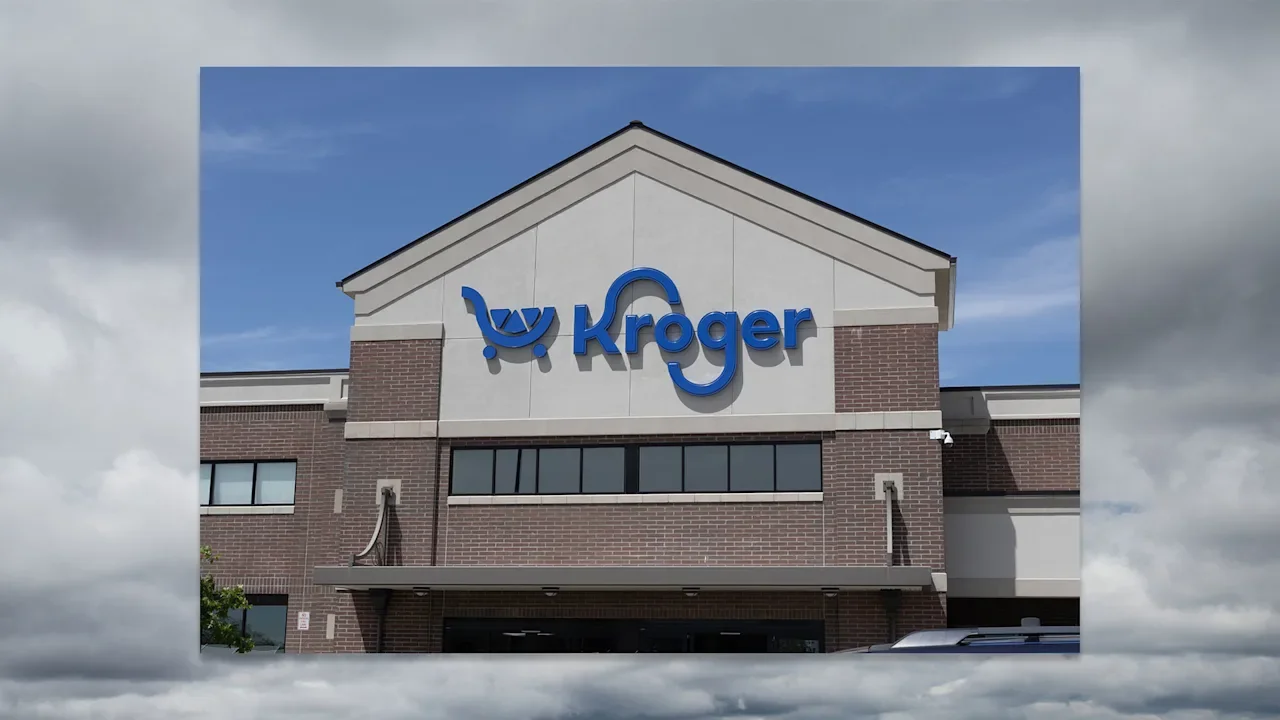
Groceries are a little harder to come by in dozens of neighborhoods this year in the wake of an ongoing retreat from The Kroger Co. The Cincinnati-based supermarket company has been shuttering locations since June of last year, when it announced a footprint optimization plan that would result in the closure of about 60 stores. According to a Fast Company review of local media reports and online review platforms like Yelp, Kroger could be more than halfway through that process. Some 33 stores have already closed, with at least three more confirmed so far this year. Closures in the months since the announcement largely impact stores under the flagship Kroger banner, but also include Kroger-owned Fred Meyer, Fry’s Food and Drug, Harris Teeter, Jay C, King Soopers, Mariano’s, Pick ’n Save, and QFC locations. Kroger has not publicly provided a list of locations that would be impacted by its plan, which was disclosed in a quarterly earnings report and was expected to bring “modest financial benefit.” It’s unclear how many jobs have been lost by Kroger’s plan. As of early 2025, when it last filed an annual report with the Securities and Exchange Commission (SEC), it had 409,000 full- and part-time employees. Kroger said it operated 2,731 supermarkets at that time. Fast Company reached out to Kroger for comment. Kroger also announced in August that it was laying off about 1,000 corporate workers, and during its most recent earnings call this week, it said it planned to close 50 underperforming locations of its Little Clinic walk-in care centers. Shares of The Kroger Co. (NYSE: KR) are up over 18% this year, far outperforming the S&P 500, which is down 1.5% this year as of Friday. Job losses and union pushback Kroger’s decision to close stores has been controversial, with residents and food workers’ unions accusing the company of abandoning certain communities where Kroger was the only remaining option for affordable groceries. The closures come during an affordability crisis that has more and more families across America struggling to pay their food bills. According to a recent research brief from Stacy Mitchell and Katy Milani of the Institute for Local Self-Reliance, grocery deserts—low-income areas where at least a third of residents don’t have easy access to a supermarket—exacerbate this problem. The institute has an interactive map that tracks food access across the country. One reason grocery deserts have proliferated over the decades is because of market consolidation, which lets large chains like Kroger or Walmart enjoy a playing field with less competition from independent grocers. Just this week, discount grocery chain Grocery Outlet announced that it would close about 36 locations during its 2026 fiscal year. Which Kroger stores are closing? Kroger did not publicly provide a list of store closures or respond to a request for additional details about closures. According to local media reports and data from online review platforms, the following locations have closed since Kroger’s 2025 announcement: Kroger 2452 Morosgo Way NE, Atlanta, GA 30324 3855 Buford Hwy. NE, Brookhaven, GA 30329 3479 Memorial Dr., Decatur, GA 30032 11877 Douglas Rd., Alpharetta, GA 30005 3311 N Sterling Ave., Peoria, IL 61604 4526 W Western Ave., South Bend, IN 46619 901 Johnson St., Elkhart, IN 46514 4211 S 3rd St., Louisville, KY 40214 4100 Barksdale Blvd, Bossier City, LA 71112 1664 E Stone Dr., Kingsport, TN 37660 239 W 20th St., Houston, TX 77008 (closing soon) 6060 Farm to Market 2920, Spring, TX 77379 (closing soon) 9325 Katy Fwy., Houston, TX 77024 2300 Gessner Rd., Houston, TX 77080 1904 Emmet St. N, Charlottesville, VA 22901 466 Cummings St., Abingdon, VA 24210 2908 State St., Gassaway, WV 26624 Fred Meyer 7250 Pacific Ave., Tacoma, WA 98408 Fry’s Food and Drug 1915 S Power Rd., Mesa, AZ 85206 Harris Teeter 950 S George Mason Dr., Arlington, VA 22204 3600 S Glebe Rd. W100, Arlington, VA 22202 8200 Crestwood Heights Dr., McLean, VA 22102 11845 Old Georgetown Rd., Rockville, MD 20852 5563 Western Blvd., Suite 6A, Raleigh, NC 27606 5706 Wyalong Dr., Charlotte, NC 28227 (closing soon) Jay C Food Stores 201 High St., Shoals, IN 47581 King Soopers 5050 E Arapahoe Rd., Centennial, CO 80122 Mariano’s 450 W Half Day Rd., Buffalo Grove, IL 60089 2323 Capital Dr., Northbrook, IL 60062 144 S Gary Ave., Bloomingdale, IL 60108 Pick ’n Save 1735 W Silver Spring Dr., Glendale, WI 53209 3701 S 27th St., Milwaukee, WI 53221 2355 N 35th St., Milwaukee, WI 53210 2320 W Ryan Rd., Oak Creek, WI 53154 2931 S. Chicago Ave., South Milwaukee, Wisconsin, 53172 QFC 926 164th St. SE, Mill Creek, WA 98012 This story might be updated as new information on store closures is learned. View the full article
-
A work paycheck is an essential document that outlines your earnings and deductions for a specific pay period. It typically shows your gross pay, which is the total amount earned, and net pay, the amount you take home after deductions like taxes and benefits. Comprehending the differences between hourly and salaried positions, along with how deductions impact your paycheck, can greatly affect your financial planning. So, what else should you know about managing your paycheck effectively? Key Takeaways A work paycheck is a payment received by employees for their labor, detailing gross pay and net pay after deductions. Paychecks can be issued on various schedules, such as weekly, bi-weekly, or monthly, depending on company policy. Gross pay includes total earnings from salary or hourly wages before any deductions are made. Deductions from gross pay include mandatory taxes and optional contributions, impacting the final take-home amount (net pay). Regularly reviewing pay stubs ensures accuracy in earnings and deductions, aiding in effective financial planning and budgeting. Understanding Gross Pay and Net Pay When you receive a paycheck, it’s important to grasp the distinction between gross pay and net pay. Gross pay is your total earnings before any deductions are taken out, encompassing your salary, bonuses, and other forms of compensation. Conversely, net pay, often referred to as take-home pay, is the amount you actually receive after all deductions have been subtracted from your gross pay. Deductions can include mandatory taxes, such as federal and state income taxes, Social Security, and Medicare. Furthermore, there may be optional deductions for benefits like health insurance and retirement contributions. Employers are required to provide pay stubs that detail both gross pay and net pay, along with a breakdown of all deductions. Grasping these figures is essential for effective budgeting, as net pay reflects the actual amount available for spending or saving each pay period. Payment Structures: Hourly vs. Salaried Grasping the differences between hourly and salaried payment structures is crucial for both employees and employers. Hourly payment structures compensate you based on the actual hours you work, with the federal minimum wage set at $7.25 per hour, while many states have higher rates. If you’re an hourly employee, you’re typically eligible for overtime pay at 1.5 times your regular rate for hours worked beyond 40 in a week. Conversely, salaried employees receive a fixed annual salary that doesn’t fluctuate with hours worked. This often includes benefits like paid time off and health insurance, but salaried positions may require you to work extra hours without additional pay. Both hourly and salaried employees can earn additional compensation, such as performance bonuses or commissions tied to job performance or company profits, which can greatly improve overall earnings. Comprehending these structures can help you make informed career decisions. Deductions and Their Impact on Your Paycheck When you look at your paycheck, it’s crucial to understand the deductions that reduce your gross pay to net pay. Mandatory deductions, like federal income tax and Social Security, are required by law, whereas optional ones, such as contributions to health insurance or retirement accounts, can vary based on your choices. Mandatory vs. Optional Deductions Have you ever wondered how mandatory and optional deductions influence your paycheck? Comprehending these deductions is crucial for evaluating your net pay. Here’s a breakdown: Type of Deduction Examples Mandatory Deductions Federal income tax withheld, Social Security, Medicare Optional Deductions Retirement plan contributions, health insurance premiums, union dues Mandatory deductions, like Social Security (6.2%) and Medicare (1.45%), are required by law and reduce your take-home pay. Conversely, optional deductions are voluntary and can improve your benefits but likewise impact your net pay. You can manage your finances by adjusting these optional deductions, influencing your overall financial planning and take-home pay. Calculating Net Pay Impact Grasping how deductions affect your paycheck helps in calculating your net pay, the amount you actually take home. Your gross pay represents your total earnings before any deductions are made, including federal withholding, state income tax, Social Security, and Medicare. These mandatory taxes and withholdings reduce your gross pay considerably, impacting your net pay. Optional deductions for benefits like health insurance and retirement contributions can further decrease your take-home amount. It’s crucial to regularly review your pay stub, which details your gross pay, deductions, and net pay, ensuring transparency and accuracy in your compensation. The Pay Period and Pay Date Explained Grasping the pay period and pay date is crucial for managing your finances effectively. The pay period is the timeframe during which you work and earn wages, often structured as weekly, bi-weekly, or monthly. For salaried employees, gross income is calculated by dividing the annual salary by the number of pay periods, like 52 for weekly or 26 for bi-weekly. If you’re an hourly employee, you determine your gross earnings by multiplying the total hours worked during the pay period by your hourly wage. Pay dates follow the end of the pay period, typically occurring a few days later to allow for payroll processing. Comprehending these timelines helps you budget effectively and plan for expenses. Knowing when to expect your paycheck can greatly impact your financial management, ensuring you’re prepared for bills and other obligations as they arise. Special Considerations for Non-Citizen Workers Grasping the intricacies of your paycheck is particularly significant for non-citizen workers, as several factors can influence how you receive your earnings. Here are some crucial considerations: Make sure you have the appropriate visa type, like H-1B for skilled workers or J-1 for exchange visitors. Employment eligibility can vary by visa type, affecting your ability to receive paychecks and access certain benefits. Familiarize yourself with U.S. tax responsibilities, as you’re subject to federal income taxes on your earnings. You might qualify for tax treaty benefits, which can provide exemptions or reduced tax rates based on your country of origin. Comprehending U.S. payroll practices will help you navigate salary negotiations and workplace dynamics effectively. Importance of Financial Literacy in Managing Paychecks Comprehending financial literacy is vital for managing your paycheck effectively. By grasping the difference between gross pay and net pay, you can analyze deductions accurately and set realistic budgets that align with your income. This knowledge not merely helps you avoid surprises but likewise empowers you to make informed decisions about your finances. Understanding Net Pay When you receive your paycheck, it’s essential to know that net pay, or take-home pay, is the amount that remains after all deductions are taken from your gross pay. Comprehending net pay helps you manage your finances effectively. Here are some key points to reflect on: It reflects your actual income for spending, saving, and investing. Use tools like a take-home pay calculator Oregon or payroll calculator MA for accurate calculations. Watch out for federal withholding tax and tax withheld on bonus payments. Regularly review your pay stubs to catch discrepancies. Familiarize yourself with final paycheck requirements by state to guarantee compliance. Being financially literate about net pay encourages better decision-making and promotes healthier financial habits. Analyzing Deductions Effectively How can you effectively analyze deductions on your paycheck to better manage your finances? Start by identifying the mandatory deductions from a paycheck, such as federal withholding tax, Social Security, and Medicare. These taxes considerably impact your net pay. Next, look at optional deductions, like retirement contributions and health insurance. Comprehending the difference between before-tax deductions, which reduce your taxable income, and after-tax deductions, which don’t, is vital for accurate financial planning. Regularly analyzing deductions helps you spot discrepancies, improves your budgeting, and keeps you informed about your total compensation. Setting Realistic Budgets Setting realistic budgets is essential for managing your finances effectively, especially as you navigate the intricacies of your paycheck. Comprehending your net pay, which is the amount you receive after deductions, helps you create a solid financial plan. Here are key points to reflect on: Review your pay stubs regularly to catch discrepancies in earnings or deductions. Familiarize yourself with deductions like federal withholding tax and healthcare contributions. Base your budget on net pay to allocate funds wisely. Include categories for necessities, discretionary spending, and savings in your budgeting. Improve your financial literacy to make informed decisions about spending and saving. Frequently Asked Questions How Does a Paycheck Work? A paycheck works by summarizing your earnings for a specific pay period, detailing your gross pay, deductions, and net pay. You receive it in various formats, like paper checks or direct deposit, which is often preferred for convenience. Your paycheck includes important details such as your hours worked, pay rates, and itemized deductions for taxes and benefits. Comprehending these components helps you manage your finances and plan your budget effectively. What Are the Benefits of Using Workpay? Using Workpay offers several benefits for employees and employers alike. You gain clear insights into your earnings, taxes, and deductions, which improves your financial planning. Direct deposit guarantees you receive your pay securely and on time. The platform reduces administrative burdens for employers, minimizing payroll errors. Furthermore, electronic pay stubs and accessible payroll information increase your engagement and satisfaction, whereas compliance with regulations protects employers from potential penalties, guaranteeing a smooth payroll process. How Much of a $1000 Paycheck Should I Save? You should aim to save at least 20% of a $1000 paycheck, which equals $200. Following the 50/30/20 budgeting rule, allocate 50% for needs, 30% for wants, and that 20% for savings. It’s wise to establish an emergency fund covering 3-6 months of living expenses. Consider setting up automatic transfers to guarantee you save consistently. Periodically reassess your savings goals to adapt to any changes in your financial situation. How Does Workpay Work? Workpay refers to how employees receive their earnings for the services they provide. Employers calculate gross pay based on hours worked or salaries, then deduct taxes, benefits, and other contributions to determine net pay. Pay periods can vary, impacting how frequently you receive payments, such as weekly or bi-weekly. Comprehending these components is crucial for managing your finances effectively and ensuring you’re aware of the deductions taken from your earnings. Conclusion In conclusion, comprehending your paycheck is essential for effective financial management. By familiarizing yourself with gross pay, net pay, and various deductions, you can better navigate your earnings and expenses. Knowing the payment structure and pay period helps you plan your finances accordingly. Furthermore, being aware of specific considerations for non-citizen workers guarantees compliance with regulations. Ultimately, enhancing your financial literacy empowers you to make informed decisions regarding your paycheck and overall financial health. Image via Google Gemini This article, "What Is a Work Paycheck and How Does It Work?" was first published on Small Business Trends View the full article
-
Regarding managing payroll, selecting the right software can make a significant difference for your business. The environment is filled with various tax payroll solutions, each offering unique features and pricing structures. It’s crucial to evaluate aspects like integration with accounting systems, user experience, and support options. As you explore your choices, you’ll want to understand how these tools can streamline your payroll process and guarantee compliance. Let’s examine the top options available. Key Takeaways Gusto, QuickBooks Payroll, and ADP RUN are among the top payroll solutions, offering automated tax calculations and compliance support. OnPay and Square Payroll provide affordable options, starting at $40 and $35 per month, respectively, with unlimited pay runs. Most payroll services charge a base fee plus a per-employee cost, typically ranging from $4 to $80 monthly. User-friendly interfaces and real-time insights enhance employee engagement and financial management for small businesses. Integration capabilities with accounting software like QuickBooks and Xero improve customization and streamline payroll processes. Overview of Payroll Services When you’re running a small business, managing payroll can feel overwhelming, especially with the intricacies of tax regulations and employee compensation. Payroll services simplify these complex accounting tasks, helping you avoid penalties from tax agencies through accurate processing. Many payroll tax software solutions are affordable, typically costing less than $100 per month for businesses with a small number of employees. Popular options like Gusto, QuickBooks Payroll, and ADP RUN offer unique features such as integrated HR capabilities, extensive reporting, and customizable options that suit your business needs. Furthermore, these services often provide unlimited payroll runs and next-day direct deposit, ensuring your employees are paid on time. When evaluating payroll services, experts test and rate them, with some receiving high praise for user experience and functionality. Investing in tax payroll software can streamline your payroll processes, allowing you to focus on growing your business efficiently. Top Picks for Tax Payroll Software Selecting the appropriate payroll software is crucial for small to medium-sized businesses maneuvering through the intricacies of payroll management and tax compliance. Gusto stands out with its all-in-one payroll solution, offering automated tax calculations and filings at a competitive price of $49 per month, plus $6 per employee. If you’re already using QuickBooks for accounting, QuickBooks Payroll integrates perfectly, providing next-day direct deposit for $50 plus $6 per employee. OnPay is a budget-friendly choice starting at $40 monthly, supporting unlimited pay runs and multi-state payroll. For businesses with fewer than 50 employees, ADP RUN offers detailed payroll reports and compliance support, though its pricing starts around $79 per month plus $4 per employee. Finally, Square Payroll is an affordable option, beginning at $35 plus $6 per employee, featuring automatic payroll runs and employee self-onboarding, ideal for startups and small businesses looking to streamline their payroll processes. Key Features to Consider When choosing payroll software, you should prioritize automation and efficiency, as these features can greatly reduce manual errors and save time. Compliance and reporting capabilities are likewise crucial, ensuring that you meet tax regulations and can easily generate necessary reports. Furthermore, consider how well the software integrates with your HR systems; this can streamline your processes and improve overall functionality. Automation and Efficiency Effective payroll management hinges on the automation and efficiency features of payroll software, which can greatly improve your business operations. Automation can reduce errors by up to 31%, ensuring more accurate wage calculations and tax filings. Look for automated tax calculations that streamline compliance with federal and state regulations, helping to prevent costly penalties. Payroll solutions offering unlimited payroll runs allow you to process payments at any frequency, enhancing your flexibility. Integration capabilities with accounting and HR systems notably improve data accuracy and reduce manual input, saving time for your HR department. Finally, real-time analytics and reporting features enable you to gain insights into payroll expenditures and workforce costs, driving informed decision-making for your business. Compliance and Reporting Ensuring compliance with payroll regulations is essential for any business, as it helps avoid costly penalties and legal issues. Choosing payroll software that automates tax calculations and filings minimizes errors and keeps you compliant with local, state, and federal regulations. Solutions like Gusto and OnPay feature built-in compliance tools that alert you to changes in tax laws and labor regulations. Furthermore, detailed reporting capabilities are critical for tracking payroll liabilities and tax obligations. Services such as ADP RUN and Paychex Flex offer real-time analytics to identify potential compliance risks, ensuring adherence to labor laws. Customizable reporting options enable you to generate specific compliance reports for audits or regulatory reviews, enhancing your overall payroll management. Integration With HR Systems Integrating payroll software with HR systems is essential for streamlining operations and improving efficiency within your business. This integration reduces manual entry, minimizes errors, and guarantees seamless data transfer between payroll and HR functions. Many solutions, such as Gusto and QuickBooks Payroll, offer compatibility with popular HR tools, allowing you to manage employee information effectively. Here are key features to take into account: Feature Benefit Automated Tax Calculations Guarantees compliance with regulations Customizable Workflows Tailors integration to your needs Employee Self-Service Access Improves engagement and satisfaction Pricing Structure of Payroll Services When you’re considering payroll services, it’s important to understand the pricing structure. Most providers charge a base fee plus a per-employee cost, which can range from $17 to $80 monthly, depending on the features you choose. Moreover, some services might’ve setup fees, whereas others offer promotional deals that can help lower your initial expenses. Monthly Pricing Breakdown Grasping the monthly pricing breakdown for payroll services is essential for businesses looking to manage their payroll needs effectively. Here’s a quick comparison of some popular options: Service Monthly Starting Price Gusto $49 + $6 per employee Square Payroll $35 + $6 per employee Justworks $50 + $6 per person QuickBooks Payroll $50 + $6 per employee ADP RUN Pricing not publicly listed Each service offers unique features such as unlimited payroll runs or thorough analytics. Recognizing these costs helps you choose the right service that aligns with your business goals during managing your payroll efficiently. Always consider the total cost, including any additional services you might need. Per-Employee Costs Grasping the per-employee costs in payroll services is vital for businesses aiming to budget effectively and make informed decisions. Most payroll services charge a base monthly fee plus a per-employee cost. For example, Patriot Payroll starts at $17 per month with an additional $4 per employee. Gusto and QuickBooks Payroll both begin at $50 per month and add $6 per employee, offering integrated payroll and HR functionalities. Square Payroll is another affordable option, starting at $35 per month plus $6 per employee. If your business has international operations, Remote provides global payroll management starting at $29 per employee monthly. Grasping these pricing structures helps you choose the best payroll service for your business needs. Setup Fees Explained Grasping the setup fees associated with payroll services can greatly impact your overall budgeting and decision-making. Many providers, like OnPay, charge a flat rate of $36 monthly, plus $4 per employee, with initial data entry included at no extra cost. Gusto starts at $49 per month, adding $6 per person, but be aware that improved features may incur additional charges in higher-tier plans. Square Payroll offers a competitive starting price of $35, along with $6 per employee, making it a budget-friendly choice. ADP RUN’s pricing varies based on your employee count and specific services, suggesting customization potential. TriNet‘s fees can range from $100 to $140 per employee, reflecting its extensive HR solutions for larger companies. User Experience and Support When you’re looking for tax payroll software solutions, understanding user experience and support is crucial for effective payroll management. Gusto stands out with its highly rated user experience, featuring an intuitive interface that allows flexibility in managing payroll and HR tasks, even though live support is available only during limited hours. OnPay likewise shines in customer support, boasting high satisfaction ratings and an easy-to-navigate interface that streamlines payroll processing. Homebase offers a thorough app that integrates scheduling, time tracking, and payroll, with responsive support, making it effective for managing multiple clients. For those needing constant assistance, ADP RUN provides 24/7 live support for payroll inquiries, ensuring you can get help whenever necessary. Paychex Flex takes it a step further by offering dedicated specialists available around the clock, enhancing user experience with interactive reporting and self-service capabilities for employees. Each option brings unique strengths to user experience and support. Compliance and Tax Management In terms of payroll, automated tax calculations are crucial for maintaining compliance with regulations. With payroll software, you can guarantee accurate tax filings and minimize the risk of penalties from tax agencies. Automated Tax Calculations Automated tax calculations in payroll software play a crucial role in guaranteeing compliance with federal, state, and local tax obligations. These systems minimize the risk of penalties for non-compliance by ensuring accurate withholding and filing. Many solutions, like Gusto and OnPay, provide automatic updates to tax rates and regulations, keeping your business compliant with the latest laws. Feature Benefit Automatic Updates Guarantees compliance with changing tax laws Detailed Reporting Helps track and manage tax liabilities effectively Error Reduction Reduces manual entry errors by 31% With thorough support, these tools remind you of tax deadlines and assist with filing requirements, making it easier to stay on top of your tax responsibilities. Compliance With Regulations Payroll software not merely streamlines automated tax calculations but also plays a crucial role in ensuring compliance with various regulations. With tools like Gusto and OnPay, you can stay updated with federal, state, and local tax laws, greatly reducing the risk of costly errors. Here are three key benefits: Automated Updates: The software automatically adjusts to tax law changes, helping you avoid penalties. Compliance Reports: You can generate necessary documentation for audits and regulatory requirements easily. Employee Access: Self-service portals let employees view their tax forms and pay stubs, enhancing transparency. Integration With Accounting Systems Integrating payroll solutions with accounting systems can greatly improve your business’s financial management. Many payroll platforms, like Gusto and QuickBooks Payroll, seamlessly connect with popular accounting software. This integration allows for real-time syncing of payroll data, ensuring salary expenditures, tax calculations, and employee deductions are accurately reflected in your financial reports. Here’s a quick overview of key payroll solutions and their integration capabilities: Payroll Solution Accounting Integration Customization Options Gusto QuickBooks, Xero Limited QuickBooks Payroll QuickBooks High Wave Payroll Wave Moderate OnPay Various High ADP RUN Custom APIs Extensive Benefits of Using Payroll Software When you choose to implement payroll software, you can streamline your entire payroll process, making it more efficient and accurate. This automation reduces the complexity of calculations related to wages, taxes, and deductions, greatly lowering the chances of errors. Businesses that use payroll software experience 31% fewer mistakes than those relying on manual methods. Here are three key benefits of using payroll software: Enhanced Accuracy: Automated calculations help guarantee compliance with tax regulations, reducing penalties for miscalculations or late submissions. Employee Engagement: User-friendly interfaces and self-service portals allow employees to access their pay stubs and tax forms easily, improving satisfaction. Real-Time Insights: With integrated reporting and analytics, you gain valuable insights into labor costs and payroll trends, aiding in better financial management. How to Choose the Right Payroll Solution How do you determine which payroll solution best fits your business needs? Start by evaluating your business size and complexity. Solutions like Paycom and Paychex Flex are ideal for larger teams requiring integrated HR features, whereas OnPay suits smaller businesses looking for budget-friendly options. Next, consider the pricing structure; services like Gusto and Square Payroll charge a base fee plus a per-employee fee, while OnPay offers a flat rate for all employees. Evaluate features, focusing on benefits integration with Gusto or scheduling and time tracking with Homebase. Automation capabilities are essential, as seen in Gusto and Rippling, which streamline payroll processing and tax compliance. Finally, check customer support and user experience; prioritize platforms with responsive assistance like OnPay and Gusto, known for high user satisfaction ratings. Future Trends in Payroll Technology As payroll technology evolves, businesses are poised to benefit from advancements that prioritize automation and efficiency. You can expect a significant shift toward AI-driven solutions, reducing errors and improving payroll processes by up to 31%. Furthermore, cloud-based systems will dominate the market, offering real-time data access that’s vital for remote workforces. Here are three key trends to watch: Enhanced Employee Self-Service: Workers will gain more control over their payroll and benefits, leading to increased satisfaction and less HR workload. Integration Capabilities: Seamless workflows will emerge as payroll systems integrate better with HR and financial software, enhancing overall operational efficiency. Regulatory Compliance Features: Payroll solutions will keep pace with real-time updates on tax laws and regulations, helping businesses mitigate compliance risks effectively. Staying ahead in these areas will be important for optimizing your payroll processes. Frequently Asked Questions What’s the Best Payroll Software? To determine the best payroll software for your needs, consider factors like pricing, features, and scalability. Gusto is great for small to medium businesses, whereas Remote excels in global payroll capabilities. QuickBooks Payroll offers solid integration with QuickBooks Online. If affordability is key, Square Payroll is a strong contender. For robust reporting, ADP RUN provides customizable solutions. Assess your business size, budget, and specific requirements to find the right fit. Who Is Adp’s Biggest Competitor? ADP’s biggest competitor is Paychex. Paychex combines payroll, HR, and benefits administration, appealing mainly to mid-sized and larger businesses. Its flexible platform offers extensive HR tools and 24/7 U.S.-based support, ensuring smooth onboarding. Unlike ADP’s traditional pricing, Paychex has modular add-ons, allowing customization of services. Paychex Flex starts at $39 per month plus $5 per employee, providing competitive pricing and over 160 report templates for compliance-focused industries, enhancing its appeal. Can Payroll Software Handle Taxes? Yes, payroll software can handle taxes effectively. It automates tax calculations, ensuring compliance with federal, state, and local regulations. You can generate and file crucial tax forms like W-2s and 1099s directly through the software, making reporting simpler. Many platforms likewise provide updates on tax law changes, so you stay informed. Furthermore, automatic tax deductions from employee paychecks streamline the payroll process, ensuring timely tax payments and reducing the risk of errors. Who Is Better Than Paychex? If you’re considering alternatives to Paychex, Gusto offers a user-friendly interface and integrated HR tools, starting at $39 per month. OnPay is budget-friendly with unlimited payroll runs for $40 per month. Rippling features extensive automation and global payroll capabilities, starting at $8 per user. QuickBooks Payroll integrates well with QuickBooks Online for $45 per month, whereas ADP RUN provides robust reporting for businesses under 50 employees, starting at $79 per month. Conclusion Choosing the right payroll software is crucial for streamlining your business operations and ensuring compliance with tax regulations. By considering factors like key features, pricing, user experience, and integration with accounting systems, you can identify a solution that meets your specific needs. As payroll technology continues to evolve, staying informed about trends can help you adapt and optimize your payroll processes, in the end enhancing efficiency and reducing errors in your business. Image via Google Gemini and ArtSmart This article, "Top 10 Tax Payroll Software Solutions" was first published on Small Business Trends View the full article
-
By now, anyone who follows major brands has seen it or heard of it: The small bite that went ‘round the world. McDonald’s CEO and chairman Chris Kempczinski recently posted a video of himself on Instagram trying the brand’s newly launched Big Arch burger. It was basically the golden arches version of a dorky corporate unboxing. When he got the Big Arch into his grips, he took a reasonable, if small, bite and said, “I love this product. It is so good.” Cue the online mockfest. Kempczinski didn’t deliver the news like an amphetamine-laced nano-influencer. No, here he was eating like some quarter-zip normie on a first date. On a scale of 1-10 in executive public performance, if one is Bank of America’s 2006 adaptation of U2’s “One” and 10 is Steve Jobs unveiling the iPhone, this was somewhere in the gaping maw of middleground. It’s amazing how a seemingly small moment—a lo-fi social post—can blow up bigger than most ambitions for a major ad campaign. The earned media value here for McDonald’s is easily in the millions, which is exactly why so many CEOs from its fast food rival brands fervently jumped on the moment as an opportunity to soak in some of that sweet, sweet attention with their own take on the big bite. As the video spawned cringe-inducing knock-offs from the CEOs of Burger King, Wendy’s, and others, it entered the natural cycle of online brand virality: A video goes viral; it gets mocked; rival brands capitalize on the moment, squashing any last trace of organic attention; people turn on the pile-on brands; suddenly, the original video starts to look brilliant. It’s a brutal but beautiful cycle that ended with Kempczinski and the marketing machine behind him being heralded by some as calculating geniuses. There are theories floating around now that this is all a big orchestrated stunt meant to hype the Big Arch’s U.S. launch, and that Kempczinski & Co are playing 4D social media chess knowing this would happen all along. Sources familiar with the company have assured me this isn’t the case. Kempczinski has been doing tasting videos for years, and until people began making fun of it weeks after it was originally posted, it was in no way a stand-out among all his other takes. Wendy’s U.S. president takes a few bites of a Wendy’s burger after the Burger King CEO went viral for taking a huge bite of his burger and the McDonald’s CEO went viral for barely taking a bite. pic.twitter.com/cD1CCgSBsC — FearBuck (@FearedBuck) March 4, 2026 Serving consistency Kempczinski has an impressively consistent record of just this sort of dorky unboxing taste test video. In May 2024, he took a solid chomp out of a Ghost Pepper McChicken from Canada. In September 2024, it was a big normal bite out of a Samurai McSpicy from Thailand. Back in May last year, it was the McCrispy Strips. Totally normal. In July, it was the Snack Wrap. Guess what? Normal. Why did this video take off? For many, the sheer Squidward of it all made it a slow, arching meatball of a pitch right over home plate to hit with jokes about out-of-touch executives. But let’s just roll with the idea that the Big Arch video does, in fact, make Kempczinski look like an out-of-step corporate CEO. I hate to break it to everybody, but every burger-eating CEO jumping on this bandwagon is in the same club. Burger King president TomCurtis made more than $6.9 million in 2024, and $5.4 million in 2023. Meanwhile, Wendy’s has taken things a step further and is now advertising for a “Chief Tasting Officer.” The smell of desperation is clear. The brand is on its third CEO in three years, and has been forced to close hundreds of restaurants due to a sales slide. It’s got bigger burger issues to fry. If I may address the executives flexing their big boy bites directly for a quick second: Gentlemen, this is beneath you. You may think this makes your brand look strong. It makes it look small. Throwing rocks from the sidelines shows everyone just how much bigger McDonald’s actually is. As dorky as Kempczinski’s tasting videos may be, his consistency is the reason why any real attempt to frame this single video as disingenuous falls flat. Cultural goodwill McDonald’s has worked for years to build up enough cultural goodwill to make this Big Arch episode seem quaint in the grand scheme of its marketing. From all the various Famous Orders collabs, to the 2024 anime-inspired WcDonald’s work, to last year’s headfirst dive into the Minecraft Movie, and making Grimace an unofficial New York Mets mascot. But just as important is how the brand navigates fan-driven social media moments. Sources familiar with the company, not authorized to speak on the record, tell me that it wasn’t a question of if McDonald’s would respond or comment in some way, but how. It could’ve been a press release. Or at the other end of the spectrum, a limited edition Kempczinski Happy Meal on the McD’s app that’s just a hamburger, small fries, small Diet Coke. Instead it went with a just-fun-enough wink, acknowledging the joke but not ruining it. The approach when something is decidedly fan-driven online, is to keep it that way. This is in the same vein as how the brand only very subtly nodded to the hilarious 2023 Grimace shake TikTok trend, which saw users act out their mysterious-yet-gruesome murder at the hands of the purple shake. meee pretending i don't see the grimace shake trendd pic.twitter.com/ZTcnLTESC8 — McDonald's (@McDonalds) June 27, 2023 As a general rule, McDonald’s doesn’t participate in the brand-on-brand violence that so often flushes through our feeds. It’s weird enough when brands on social talk to people as if they’re people, but when it’s brands talking to other brands, the sheer thirst for our attention and approval is suffocating. Like a Dutch Oven of corporate pseudo-comedy. Nothing could illustrate this more than this week’s scramble of social media managers trying to cook up the best quip. I wrote the same paragraph almost word for word in 2019. Great job, everyone. A little fun between brands is obviously fine, but these big biting CEOs all need to remember that the public is the real boss in these social media feeding frenzies. And unless they’re using more energy building up their own cultural goodwill, the next time, say, there’s a horsemeat situation, or maybe a kerfuffle over AI-driven price surging, it’ll be them and their brand on the menu. View the full article

-
In an era where small business owners are constantly juggling multiple responsibilities, Google has introduced an intriguing solution aimed at simplifying daily operations. The tech giant’s forthcoming beta feature in its Gemini app promises to let users offload multi-step tasks directly to their smartphones, offering potential relief for the overworked entrepreneur. Launching soon for Pixel 10, Pixel 10 Pro, and Samsung Galaxy S26 series users, the Gemini app aims to revolutionize how business owners approach repetitive tasks. Scheduled to debut first in the U.S. and Korea, it enables users to command the app to handle tasks such as booking rides or reordering meals with just a long-press of the power button. This hands-free solution provides an inviting prospect for small business owners who must allocate their time effectively. Key benefits of the Gemini app for small businesses are clear. By automating everyday tasks, owners can save precious time and focus on strategic decisions that drive growth. For instance, instead of spending several minutes navigating food delivery apps during a busy workday, entrepreneurs can let Gemini handle the reordering. As small business owner Clara Johnson points out, “Time is money. The less time I spend on mundane tasks, the more I can invest in my business.” Safety and privacy stand as paramount features in this innovative addition. Google emphasizes that the automations initiated by the user will halt as soon as the task is complete, ensuring that control remains firmly in the owner’s hands. Furthermore, Gemini’s task management operates within a limited secure window on the phone, mitigating concerns about larger privacy issues typically associated with automation. Notifications keep users in the loop, allowing them to monitor progress and intervene when necessary. Real-world implications for small businesses are substantial. For entrepreneurs who seek to optimize operations, this tool can help reduce the administrative burden. Whether it’s coordinating transportation for an important business meeting via rideshare or ensuring crucial meal deliveries during busy hours, the hands-free capabilities of Gemini allow for seamless multitasking. Yet, while the benefits are enticing, small business owners should also consider potential challenges. The initial rollout of Gemini’s beta feature will only be available for select applications within the food, grocery, and rideshare categories. This limitation could hinder broader adoption, especially for businesses regularly utilizing a wider range of apps for their operations. As with any new technology, there is also a learning curve. Small business owners will need to familiarize themselves with how to best utilize the app for maximum efficiency. Furthermore, while the privacy safeguards are promising, skepticism may linger among some users who worry about entrusting their devices to automation software. Despite these challenges, the launch of the Gemini app positions itself as an innovative stepping stone toward simplifying operational tasks. As Google seeks user feedback and iterates on the feature, small business owners will have the opportunity to leverage technology that aligns with their everyday needs. Small business owners intrigued by this tech evolution can find more information and stay updated as Gemini prepares to launch by visiting Google’s official blog. Read more here. As technology increasingly melds with daily business operations, tools like Gemini present an exciting glimpse into a future where efficiency reigns supreme, empowering entrepreneurs to reclaim valuable time they can better invest in their ventures. Image via Google Gemini This article, "Google Unveils Beta Feature to Automate Daily Tasks with Gemini App" was first published on Small Business Trends View the full article
-
Google’s Liz Reid, VP and head of Search, drew a clearer line between Google Search and Gemini but said it’s still unclear whether the products will converge, diverge further, or be superseded. The big picture. Reid said Search is an information product focused on helping people connect with the web, while Gemini is centered more on assisting with productivity and creation. She added that the boundaries are fluid, especially as AI products evolve quickly and agentic experiences reshape how people use the internet. What she’s saying. In short, Reid said Search and Gemini share technology but have different product “north stars.” They could overlap more over time, but the eventual long-term direction is still open. Here’s what she said in an interview on Access Podcast: “I don’t know the answer is the short answer.” “I think what we see is some areas they’re converging more and some areas they’re diverging more, right? And like and so what are they going to net out? Like do the areas that diverged eventually all come or do the areas that diverge become even bigger over time? I think we’ll see.” “So I don’t know in in all honesty, but I think we are right now at a point where depending on what angle you look at, you’d think they’re getting closer or they’re getting further apart.” “Who knows, maybe agents will mean like the right product is neither of the two of them is a third product altogether that they merge into. I don’t know yet.” Gemini vs. Search. Here’s the distinction Reid made: On Gemini: “Gemini’s focus is on sort of being this assistant and so it tends to lean in more heavily on things like productivity or creation, right?” On Search: “Search is more information based and it believes that often in those information use cases you also want to connect and hear from other people. And so how do you bring out the web?” Agents and the web’s future. Reid also said Google expects a future with more agent-to-agent internet activity, not just humans browsing directly. “I certainly think the there will be a world in which sort of agents are doing a lot of interaction on the internet, not just people.” “I do think probably means there’s a world in which a lot of agents are talking with each other, and not just with humans going forward as we evolve.” Google vs. ChatGPT. Reid pushed back on the idea that AI is a simple winner-take-all battle between Google and ChatGPT. “I don’t know, by the way, that we’re going to end up in a world where there’s only one product, right?” “I think what we’re seeing is like simultaneously people are adopting more tools and search is growing, right? because the the possibility of the tech is just allowing many more questions.” Trusted sources. Reid also said Google wants to do more to surface sources users trust or pay for. “I think one thing Google is trying to do a lot more of and we’ve taken small steps so far but want to do more. How do you help when there is that relationship?” She pointed to Google’s Preferred Sources feature and broader subscription-aware experiences: “If you love this source and you do have a relationship with it then that content should surface more easily for you on Google.” “We should surface the the one that they’re paying for and not the six that they can’t get access to more.” Why we care. Reid’s comments suggest Google hasn’t settled on Search’s long-term role in an AI-first ecosystem. So keep watching closely as AI assistants, agents, and search results evolve. The interview. What happens to Google when AI answers everything? with Liz Reid View the full article
- Today
-
Comprehending the key steps in the conflict resolution process is essential for maintaining a harmonious workplace. First, you need to identify the source of the conflict and look beyond the incident to grasp underlying issues. It’s important to encourage both parties to propose solutions, promoting collaboration. By monitoring and following up on agreements, you can guarantee progress. These steps not just improve employee satisfaction but additionally prevent costly disruptions. What other factors can influence successful conflict resolution? Key Takeaways Identify the conflict’s source by gathering information and understanding differing perspectives from all parties involved. Practice active listening to validate feelings and promote open communication during discussions. Encourage collaborative problem-solving by requesting solutions from both parties and focusing on actionable steps. Facilitate agreement by clarifying proposed solutions and drafting a written contract with timelines for accountability. Monitor the effectiveness of agreements through regular check-ins and open communication to address any concerns. Understanding the Conflict Resolution Process Grasping the conflict resolution process is vital for effectively managing disputes in various settings, whether at work, home, or in social situations. The conflict resolution process consists of five key steps: identifying the source of the conflict, exploring underlying issues beyond the incident, soliciting solutions from both parties, identifying mutually acceptable solutions, and finalizing the agreement with a follow-up plan. Each step emphasizes collaboration and aims to maintain relationships during addressing interests. For those looking to improve their skills, a conflict resolution skills PDF can provide valuable insights. By comprehending these dispute resolution steps, you can proactively engage when conflicts arise, preventing escalation. Additionally, utilizing structured approaches like the Thomas-Kilmann Conflict Model can help you navigate different conflict management styles effectively. By mastering the conflict resolution process, you can promote better communication and achieve more satisfactory outcomes for everyone involved. Importance of Addressing Conflict Promptly Addressing conflict swiftly is essential for maintaining a healthy team dynamic. By recognizing early signs of conflict, like passive resistance or miscommunication, you can prevent escalation that disrupts productivity and morale. When you tackle issues head-on, you not just resolve immediate concerns but likewise contribute to a more open and collaborative workplace environment. Early Detection of Signs How can recognizing the early signs of conflict impact your workplace? Early detection of conflict signs, like passive resistance or noticeable changes in body language, can prevent escalation and contribute to a healthier work environment. A recent survey revealed that 23% of employees left their jobs due to unresolved conflicts, underscoring the need for swift action. When managers intervene early, they can minimize emotional buildup, encouraging better morale. Unaddressed conflicts can lead to project failures, as 18% of participants reported witnessing such outcomes. Impact on Team Dynamics Recognizing the early signs of conflict is just the beginning; how you respond can shape team dynamics considerably. Addressing workplace conflict swiftly can prevent missed deadlines, as unresolved disputes often lead to significant productivity losses. In fact, about 23% of employees leave their jobs because of conflict, underscoring the importance of timely resolution for talent retention. When managers intervene early, they help prevent emotional buildup, encouraging a culture of openness and collaboration. This approach not just improves team cohesion but likewise makes employees feel heard and supported. Furthermore, neglecting conflict can cost organizations an estimated $359 billion annually. By addressing conflicts quickly, you contribute to a healthier work environment, eventually benefiting the entire team. Step 1: Identify the Source of the Conflict Conflict often arises from misunderstandings or differing perspectives, making it essential to identify the source of the disagreement. To effectively address the conflict, follow these steps: Gather Information: Determine when the parties felt upset and how the situation began to identify underlying issues. Ask Probing Questions: Use questions like “What do you think happened here?” to facilitate deeper discussions and reveal the root cause. Listen Impartially: Demonstrate impartiality as you listen to both sides, encouraging openness and a clearer comprehension of their perspectives. Acknowledge Feelings: Use acknowledgments like “I see” or “uh huh” to create a supportive environment, which can help individuals express their thoughts and feelings more freely. Recognizing that the current conflict may stem from past minor issues is essential for effective resolution and preventing future disputes. Step 2: Look Beyond the Incident Although it may be tempting to focus solely on the incident that triggered a dispute, it’s crucial to look beyond that specific event to comprehend the deeper issues at play. Recognizing that the immediate incident may not be the root cause of anger helps in uncovering underlying issues contributing to the conflict. Encouraging disputants to reflect on prior minor grievances can reveal patterns that exacerbate current disputes. By using probing questions, such as “What do you think happened here?”, you can facilitate deeper discussions that focus on the real causes of the problem. Shifting the focus from the triggering incident to these underlying issues promotes a more productive dialogue and improves comprehension between parties. Additionally, grasping the broader context of the conflict allows for more effective and lasting resolution strategies to be developed, paving the way for a more harmonious interaction moving forward. Step 3: Request Solutions From Both Parties In this step, you’ll encourage both parties to propose their own solutions, which helps shift the focus from assigning blame to collaborative problem-solving. By asking open-ended questions and actively listening to their responses, you can explore mutual interests and cultivate a dialogue that promotes creative solutions. This approach not just addresses the immediate conflict but likewise strengthens the relationships involved, paving the way for a healthier work environment. Encourage Collaborative Problem-Solving One effective approach to resolving disputes is to encourage collaborative problem-solving, where both parties actively participate in generating solutions. This method cultivates a cooperative atmosphere and leads to more effective outcomes. https://www.youtube.com/watch?v=jg_Q34kGsKg Here are key steps to facilitate this process: Ask open-ended questions like, “What do you think could improve this situation?” to inspire brainstorming. Focus on actionable steps rather than assigning blame, promoting shared ownership of the resolution. Actively listen to all suggestions, noting both verbal and non-verbal cues to guarantee every idea is acknowledged. Aim for consensus by discussing the benefits of each proposed solution, assuring both parties feel heard and valued throughout the process. This strengthens relationships and boosts future collaboration. Shift Blame to Solutions As you work in the direction of resolving conflicts, shifting blame to solutions can greatly improve the dialogue between disputing parties. By requesting solutions from both sides, you focus on collaborative problem-solving rather than assigning blame, which encourages constructive discussions. Encourage disputants to suggest their own solutions; this ownership can lead to more sustainable outcomes and better relationships. Use open-ended questions like, “How can you make things better between you?” to promote cooperation and allow both parties to express their views. Actively listen to the proposed solutions to acknowledge their concerns, reducing defensiveness and enhancing compromise. By emphasizing collaborative solutions, you can resolve conflicts more effectively, contributing to a healthier workplace culture and higher employee morale. Explore Mutual Interests First Exploring mutual interests is essential for effective conflict resolution, especially when you shift the focus to solutions. By requesting solutions from both parties, you promote collaborative problem-solving and improve communication. Here’s how to do it effectively: Ask Open-Ended Questions: Encourage dialogue with questions like, “How can you make things better between you?” Listen Actively: Pay attention to verbal cues and body language to grasp underlying emotions. Highlight Benefits: Emphasize the merits of various solutions to stimulate cooperation. Encourage Participation: Actively involve both parties in proposing solutions to increase commitment to the outcomes. Step 4: Identify Solutions Both Disputants Can Support Identifying solutions that both disputants can support is a pivotal step in the conflict resolution process. To achieve this, you must actively listen for ideas that benefit everyone involved, ensuring both parties feel heard and valued. Highlighting the merits of proposed solutions from both perspectives cultivates a collaborative atmosphere, encouraging buy-in from each disputant. It’s crucial to focus not just on immediate concerns but likewise on promoting greater cooperation for future interactions. By listening for common ground, you can pinpoint solutions that align with both parties’ interests and needs, increasing the likelihood of reaching an agreement. Aiming for win-win outcomes is particularly important, as these lead to more sustainable resolutions; when disputants actively support the solutions, they’re more likely to adhere to the agreements made. This step lays the foundation for a productive and cooperative relationship moving forward. Step 5: Facilitate an Agreement Step 5 in the conflict resolution process is to facilitate an agreement that both parties can commit to moving forward. This step is essential for ensuring that the resolution is sustainable. Here are some key actions to take: Clarify Comprehension: Make sure both parties have a clear grasp of the proposed solutions and their future implications. Symbolize Commitment: Encourage a handshake or verbal agreement to reinforce accountability and commitment to the resolution. Draft a Written Contract: Consider creating a document that outlines specific actions and timelines, helping to prevent misunderstandings later. Discuss Action Plans: Ask both parties about their action plans to maintain the resolution, nurturing ownership and responsibility. Additionally, discussing contingency plans can prepare both parties for potential future conflicts, ensuring a supportive and healthy working relationship. Strategies for Effective Conflict Resolution In relation to effective conflict resolution, utilizing specific techniques can make a significant difference. Open communication is essential, as it allows everyone involved to express their views and concerns, leading to a better comprehension of the situation. Conflict Resolution Techniques Effective conflict resolution techniques are essential for managing disagreements and cultivating a productive environment. Here are some strategies you can adopt: Active Listening: Focus on comprehending the other party’s perspective, which reduces defensiveness and promotes empathy. Thomas-Kilmann Conflict Model: Utilize the five strategies—avoiding, accommodating, competing, compromising, and collaborating—based on the situation’s context and the importance of relationships. Win-Win Approach: Encourage collaboration and open dialogue, aiming for mutual satisfaction and stronger relationships. Regular Follow-Ups: Check in after resolution to guarantee adherence to agreements and address any lingering issues, reinforcing accountability. Importance of Open Communication Open communication plays a pivotal role in resolving conflicts effectively, as it enables individuals to articulate their concerns and feelings freely. When you establish a neutral setting for discussions, it improves openness and encourages everyone to share their perspectives fully, which is essential for identifying root causes. Practicing active listening, where you engage through verbal acknowledgments and body language, boosts comprehension and reduces defensiveness during conversations. Clearly communicating the meeting’s goal and focusing on behaviors rather than personal attacks helps prevent escalation and leads to constructive outcomes. Moreover, regular follow-ups after conflict resolution discussions are critical for ensuring ongoing communication, adhering to agreements, and addressing any new issues that may arise, reinforcing accountability within the team. The Role of Leaders in Conflict Management Leaders are pivotal in managing conflicts within an organization, as they both address personal disputes and guide employees through the resolution process. To effectively manage conflicts, consider these key roles you can play: Training: Equip yourself and your managers with conflict resolution skills to handle disputes calmly and fairly, reducing escalation risks. Fostering Openness: Create a culture where employees feel comfortable addressing conflicts proactively, preventing emotional buildup and enhancing productivity. Regular Follow-ups: After resolving conflicts, check in with team members to verify compliance with agreements, reinforcing communication and commitment to a positive workplace. Encouraging Collaboration: Promote teamwork and collaboration, as these elements help mitigate potential conflicts before they escalate. Ethical Responsibilities in Conflict Resolution When managing conflict resolution, it’s essential to prioritize ethical responsibilities, as these principles help guarantee that all parties involved feel respected and heard. By recognizing and respecting the rights and needs of everyone, you can create a fair environment. Leaders must uphold procedural fairness, ensuring equitable treatment in conflict situations, which is fundamental for maintaining trust within the organization. When employees feel valued, it boosts morale and productivity. Implementing ethical conflict resolution practices encourages open communication and collaboration, reducing the likelihood of escalation and preventing minor grievances from becoming major issues. Training in ethical conflict resolution equips you with the skills needed to handle disputes fairly and effectively, reinforcing your organization’s commitment to high ethical standards. This approach not only improves workplace harmony but also nurtures a culture where individuals feel safe to express their concerns, eventually leading to a more positive work environment for everyone involved. Common Scenarios Leading to Workplace Conflict Conflict in the workplace often arises from common scenarios that can disrupt team dynamics and hinder productivity. Comprehending these situations can help you navigate and mitigate potential disputes effectively. Here are four common scenarios leading to workplace conflict: Poor communication – Misunderstandings and misinterpretations often stem from a lack of clear communication, leading to frustration among team members. Unclear performance expectations – When roles and responsibilities aren’t defined, confusion can arise, causing disputes over accountability. Time management issues – Missed deadlines can create stress and tension, particularly for colleagues relying on timely contributions to meet their goals. Ambiguous role definitions – Overlapping tasks can lead to increased pressure, as team members mightn’t know who’s responsible for what. Benefits of Effective Conflict Resolution Effective conflict resolution serves as a cornerstone for cultivating a productive and harmonious workplace. When disputes are resolved effectively, team dynamics improve remarkably; in fact, 66% of employees report better workplace relationships and collaboration. Prioritizing conflict resolution can likewise reduce turnover rates by up to 25%, saving your organization substantial recruitment and training costs. Furthermore, companies with strong conflict resolution strategies see a 30% increase in overall employee satisfaction, which encourages engagement and productivity. In addition, successful resolution of conflicts improves innovation, with 92% of employees stating that a collaborative environment promotes the sharing of new ideas and solutions. By addressing conflicts swiftly, you can likewise prevent the staggering potential loss of $359 billion annually faced by American businesses because of unresolved disputes and workplace tensions. To conclude, effective conflict resolution not only strengthens relationships but also contributes to a thriving organizational culture. Monitoring and Following Up on Agreements Monitoring and following up on agreements after a dispute is vital to guarantee all parties stick to their commitments and maintain accountability. To facilitate effective follow-up, consider these steps: Schedule Regular Check-Ins: Set up periodic meetings to discuss the progress of the agreements. This helps identify any emerging issues early on. Encourage Open Communication: Cultivate an environment where team members feel comfortable sharing concerns or challenges related to the agreements. Evaluate the Effectiveness: Assess how well the resolution is working and make adjustments if necessary to secure sustained harmony within the team. Recognize Improvements: Acknowledge any positive changes in relationships or job satisfaction, reinforcing the benefits of the conflict resolution process. Frequently Asked Questions What Are the 5 Steps of Conflict Resolution? The five steps of conflict resolution include identifying the conflict’s source, comprehending each party’s perspective, and looking beyond just the triggering incident. You’ll want to encourage both parties to propose solutions, nurturing a collaborative environment. Next, identify mutually acceptable solutions that everyone can support. Finally, formalize the agreement, whether through a handshake or a written contract, to outline the action plan and follow-up measures, aiding in the prevention of future disputes. What Are the 5 Stages of the Conflict Process? The conflict process consists of five stages. First, latent conflict arises from unrecognized issues between parties. Next, perceived conflict occurs when one or more parties acknowledge the disagreement. Following that, felt conflict involves emotional responses like frustration or anxiety, heightening tensions. Then, manifest conflict emerges, characterized by visible hostility or breakdowns in communication. Finally, resolution takes place, addressing the underlying issues and restoring relationships, ensuring a constructive outcome for everyone involved. What Are the 5 C’s of Conflict Resolution? The 5 C’s of conflict resolution are crucial for effectively addressing disputes. First, recognize the Crisis to understand its urgency. Next, engage in Communication to express your views openly. Then, work on Collaboration with others to identify shared solutions. After that, consider Compromise, where both sides may need to give something up for a resolution. Finally, aim for Closure, ensuring everyone feels satisfied and committed to preventing future conflicts. What Are the 7 Steps in Conflict Resolution? To resolve conflicts effectively, you should follow these seven steps: First, identify the conflict’s source by gathering information from all parties involved. Next, understand each perspective to uncover underlying issues. Then, explore solutions collaboratively, focusing on problem-solving instead of blame. Agree on a resolution, implement it, and monitor progress to guarantee its effectiveness. Finally, follow up to reinforce accountability and address any new concerns that may arise, maintaining a constructive environment. Conclusion In summary, effectively managing the conflict resolution process is essential for maintaining a healthy workplace. By swiftly addressing conflicts and following the outlined steps—identifying the source, comprehending differing perspectives, and cultivating collaborative solutions—you can promote a cooperative environment. Regular monitoring and follow-up guarantee that agreements are upheld, leading to improved employee satisfaction and productivity. Remember, resolving conflicts benefits individuals involved as well as strengthens the organization as a whole. Image via Google Gemini and ArtSmart This article, "What Are the Key Steps in Conflict Resolution Process?" was first published on Small Business Trends View the full article
-
Comprehending the key steps in the conflict resolution process is essential for maintaining a harmonious workplace. First, you need to identify the source of the conflict and look beyond the incident to grasp underlying issues. It’s important to encourage both parties to propose solutions, promoting collaboration. By monitoring and following up on agreements, you can guarantee progress. These steps not just improve employee satisfaction but additionally prevent costly disruptions. What other factors can influence successful conflict resolution? Key Takeaways Identify the conflict’s source by gathering information and understanding differing perspectives from all parties involved. Practice active listening to validate feelings and promote open communication during discussions. Encourage collaborative problem-solving by requesting solutions from both parties and focusing on actionable steps. Facilitate agreement by clarifying proposed solutions and drafting a written contract with timelines for accountability. Monitor the effectiveness of agreements through regular check-ins and open communication to address any concerns. Understanding the Conflict Resolution Process Grasping the conflict resolution process is vital for effectively managing disputes in various settings, whether at work, home, or in social situations. The conflict resolution process consists of five key steps: identifying the source of the conflict, exploring underlying issues beyond the incident, soliciting solutions from both parties, identifying mutually acceptable solutions, and finalizing the agreement with a follow-up plan. Each step emphasizes collaboration and aims to maintain relationships during addressing interests. For those looking to improve their skills, a conflict resolution skills PDF can provide valuable insights. By comprehending these dispute resolution steps, you can proactively engage when conflicts arise, preventing escalation. Additionally, utilizing structured approaches like the Thomas-Kilmann Conflict Model can help you navigate different conflict management styles effectively. By mastering the conflict resolution process, you can promote better communication and achieve more satisfactory outcomes for everyone involved. Importance of Addressing Conflict Promptly Addressing conflict swiftly is essential for maintaining a healthy team dynamic. By recognizing early signs of conflict, like passive resistance or miscommunication, you can prevent escalation that disrupts productivity and morale. When you tackle issues head-on, you not just resolve immediate concerns but likewise contribute to a more open and collaborative workplace environment. Early Detection of Signs How can recognizing the early signs of conflict impact your workplace? Early detection of conflict signs, like passive resistance or noticeable changes in body language, can prevent escalation and contribute to a healthier work environment. A recent survey revealed that 23% of employees left their jobs due to unresolved conflicts, underscoring the need for swift action. When managers intervene early, they can minimize emotional buildup, encouraging better morale. Unaddressed conflicts can lead to project failures, as 18% of participants reported witnessing such outcomes. Impact on Team Dynamics Recognizing the early signs of conflict is just the beginning; how you respond can shape team dynamics considerably. Addressing workplace conflict swiftly can prevent missed deadlines, as unresolved disputes often lead to significant productivity losses. In fact, about 23% of employees leave their jobs because of conflict, underscoring the importance of timely resolution for talent retention. When managers intervene early, they help prevent emotional buildup, encouraging a culture of openness and collaboration. This approach not just improves team cohesion but likewise makes employees feel heard and supported. Furthermore, neglecting conflict can cost organizations an estimated $359 billion annually. By addressing conflicts quickly, you contribute to a healthier work environment, eventually benefiting the entire team. Step 1: Identify the Source of the Conflict Conflict often arises from misunderstandings or differing perspectives, making it essential to identify the source of the disagreement. To effectively address the conflict, follow these steps: Gather Information: Determine when the parties felt upset and how the situation began to identify underlying issues. Ask Probing Questions: Use questions like “What do you think happened here?” to facilitate deeper discussions and reveal the root cause. Listen Impartially: Demonstrate impartiality as you listen to both sides, encouraging openness and a clearer comprehension of their perspectives. Acknowledge Feelings: Use acknowledgments like “I see” or “uh huh” to create a supportive environment, which can help individuals express their thoughts and feelings more freely. Recognizing that the current conflict may stem from past minor issues is essential for effective resolution and preventing future disputes. Step 2: Look Beyond the Incident Although it may be tempting to focus solely on the incident that triggered a dispute, it’s crucial to look beyond that specific event to comprehend the deeper issues at play. Recognizing that the immediate incident may not be the root cause of anger helps in uncovering underlying issues contributing to the conflict. Encouraging disputants to reflect on prior minor grievances can reveal patterns that exacerbate current disputes. By using probing questions, such as “What do you think happened here?”, you can facilitate deeper discussions that focus on the real causes of the problem. Shifting the focus from the triggering incident to these underlying issues promotes a more productive dialogue and improves comprehension between parties. Additionally, grasping the broader context of the conflict allows for more effective and lasting resolution strategies to be developed, paving the way for a more harmonious interaction moving forward. Step 3: Request Solutions From Both Parties In this step, you’ll encourage both parties to propose their own solutions, which helps shift the focus from assigning blame to collaborative problem-solving. By asking open-ended questions and actively listening to their responses, you can explore mutual interests and cultivate a dialogue that promotes creative solutions. This approach not just addresses the immediate conflict but likewise strengthens the relationships involved, paving the way for a healthier work environment. Encourage Collaborative Problem-Solving One effective approach to resolving disputes is to encourage collaborative problem-solving, where both parties actively participate in generating solutions. This method cultivates a cooperative atmosphere and leads to more effective outcomes. https://www.youtube.com/watch?v=jg_Q34kGsKg Here are key steps to facilitate this process: Ask open-ended questions like, “What do you think could improve this situation?” to inspire brainstorming. Focus on actionable steps rather than assigning blame, promoting shared ownership of the resolution. Actively listen to all suggestions, noting both verbal and non-verbal cues to guarantee every idea is acknowledged. Aim for consensus by discussing the benefits of each proposed solution, assuring both parties feel heard and valued throughout the process. This strengthens relationships and boosts future collaboration. Shift Blame to Solutions As you work in the direction of resolving conflicts, shifting blame to solutions can greatly improve the dialogue between disputing parties. By requesting solutions from both sides, you focus on collaborative problem-solving rather than assigning blame, which encourages constructive discussions. Encourage disputants to suggest their own solutions; this ownership can lead to more sustainable outcomes and better relationships. Use open-ended questions like, “How can you make things better between you?” to promote cooperation and allow both parties to express their views. Actively listen to the proposed solutions to acknowledge their concerns, reducing defensiveness and enhancing compromise. By emphasizing collaborative solutions, you can resolve conflicts more effectively, contributing to a healthier workplace culture and higher employee morale. Explore Mutual Interests First Exploring mutual interests is essential for effective conflict resolution, especially when you shift the focus to solutions. By requesting solutions from both parties, you promote collaborative problem-solving and improve communication. Here’s how to do it effectively: Ask Open-Ended Questions: Encourage dialogue with questions like, “How can you make things better between you?” Listen Actively: Pay attention to verbal cues and body language to grasp underlying emotions. Highlight Benefits: Emphasize the merits of various solutions to stimulate cooperation. Encourage Participation: Actively involve both parties in proposing solutions to increase commitment to the outcomes. Step 4: Identify Solutions Both Disputants Can Support Identifying solutions that both disputants can support is a pivotal step in the conflict resolution process. To achieve this, you must actively listen for ideas that benefit everyone involved, ensuring both parties feel heard and valued. Highlighting the merits of proposed solutions from both perspectives cultivates a collaborative atmosphere, encouraging buy-in from each disputant. It’s crucial to focus not just on immediate concerns but likewise on promoting greater cooperation for future interactions. By listening for common ground, you can pinpoint solutions that align with both parties’ interests and needs, increasing the likelihood of reaching an agreement. Aiming for win-win outcomes is particularly important, as these lead to more sustainable resolutions; when disputants actively support the solutions, they’re more likely to adhere to the agreements made. This step lays the foundation for a productive and cooperative relationship moving forward. Step 5: Facilitate an Agreement Step 5 in the conflict resolution process is to facilitate an agreement that both parties can commit to moving forward. This step is essential for ensuring that the resolution is sustainable. Here are some key actions to take: Clarify Comprehension: Make sure both parties have a clear grasp of the proposed solutions and their future implications. Symbolize Commitment: Encourage a handshake or verbal agreement to reinforce accountability and commitment to the resolution. Draft a Written Contract: Consider creating a document that outlines specific actions and timelines, helping to prevent misunderstandings later. Discuss Action Plans: Ask both parties about their action plans to maintain the resolution, nurturing ownership and responsibility. Additionally, discussing contingency plans can prepare both parties for potential future conflicts, ensuring a supportive and healthy working relationship. Strategies for Effective Conflict Resolution In relation to effective conflict resolution, utilizing specific techniques can make a significant difference. Open communication is essential, as it allows everyone involved to express their views and concerns, leading to a better comprehension of the situation. Conflict Resolution Techniques Effective conflict resolution techniques are essential for managing disagreements and cultivating a productive environment. Here are some strategies you can adopt: Active Listening: Focus on comprehending the other party’s perspective, which reduces defensiveness and promotes empathy. Thomas-Kilmann Conflict Model: Utilize the five strategies—avoiding, accommodating, competing, compromising, and collaborating—based on the situation’s context and the importance of relationships. Win-Win Approach: Encourage collaboration and open dialogue, aiming for mutual satisfaction and stronger relationships. Regular Follow-Ups: Check in after resolution to guarantee adherence to agreements and address any lingering issues, reinforcing accountability. Importance of Open Communication Open communication plays a pivotal role in resolving conflicts effectively, as it enables individuals to articulate their concerns and feelings freely. When you establish a neutral setting for discussions, it improves openness and encourages everyone to share their perspectives fully, which is essential for identifying root causes. Practicing active listening, where you engage through verbal acknowledgments and body language, boosts comprehension and reduces defensiveness during conversations. Clearly communicating the meeting’s goal and focusing on behaviors rather than personal attacks helps prevent escalation and leads to constructive outcomes. Moreover, regular follow-ups after conflict resolution discussions are critical for ensuring ongoing communication, adhering to agreements, and addressing any new issues that may arise, reinforcing accountability within the team. The Role of Leaders in Conflict Management Leaders are pivotal in managing conflicts within an organization, as they both address personal disputes and guide employees through the resolution process. To effectively manage conflicts, consider these key roles you can play: Training: Equip yourself and your managers with conflict resolution skills to handle disputes calmly and fairly, reducing escalation risks. Fostering Openness: Create a culture where employees feel comfortable addressing conflicts proactively, preventing emotional buildup and enhancing productivity. Regular Follow-ups: After resolving conflicts, check in with team members to verify compliance with agreements, reinforcing communication and commitment to a positive workplace. Encouraging Collaboration: Promote teamwork and collaboration, as these elements help mitigate potential conflicts before they escalate. Ethical Responsibilities in Conflict Resolution When managing conflict resolution, it’s essential to prioritize ethical responsibilities, as these principles help guarantee that all parties involved feel respected and heard. By recognizing and respecting the rights and needs of everyone, you can create a fair environment. Leaders must uphold procedural fairness, ensuring equitable treatment in conflict situations, which is fundamental for maintaining trust within the organization. When employees feel valued, it boosts morale and productivity. Implementing ethical conflict resolution practices encourages open communication and collaboration, reducing the likelihood of escalation and preventing minor grievances from becoming major issues. Training in ethical conflict resolution equips you with the skills needed to handle disputes fairly and effectively, reinforcing your organization’s commitment to high ethical standards. This approach not only improves workplace harmony but also nurtures a culture where individuals feel safe to express their concerns, eventually leading to a more positive work environment for everyone involved. Common Scenarios Leading to Workplace Conflict Conflict in the workplace often arises from common scenarios that can disrupt team dynamics and hinder productivity. Comprehending these situations can help you navigate and mitigate potential disputes effectively. Here are four common scenarios leading to workplace conflict: Poor communication – Misunderstandings and misinterpretations often stem from a lack of clear communication, leading to frustration among team members. Unclear performance expectations – When roles and responsibilities aren’t defined, confusion can arise, causing disputes over accountability. Time management issues – Missed deadlines can create stress and tension, particularly for colleagues relying on timely contributions to meet their goals. Ambiguous role definitions – Overlapping tasks can lead to increased pressure, as team members mightn’t know who’s responsible for what. Benefits of Effective Conflict Resolution Effective conflict resolution serves as a cornerstone for cultivating a productive and harmonious workplace. When disputes are resolved effectively, team dynamics improve remarkably; in fact, 66% of employees report better workplace relationships and collaboration. Prioritizing conflict resolution can likewise reduce turnover rates by up to 25%, saving your organization substantial recruitment and training costs. Furthermore, companies with strong conflict resolution strategies see a 30% increase in overall employee satisfaction, which encourages engagement and productivity. In addition, successful resolution of conflicts improves innovation, with 92% of employees stating that a collaborative environment promotes the sharing of new ideas and solutions. By addressing conflicts swiftly, you can likewise prevent the staggering potential loss of $359 billion annually faced by American businesses because of unresolved disputes and workplace tensions. To conclude, effective conflict resolution not only strengthens relationships but also contributes to a thriving organizational culture. Monitoring and Following Up on Agreements Monitoring and following up on agreements after a dispute is vital to guarantee all parties stick to their commitments and maintain accountability. To facilitate effective follow-up, consider these steps: Schedule Regular Check-Ins: Set up periodic meetings to discuss the progress of the agreements. This helps identify any emerging issues early on. Encourage Open Communication: Cultivate an environment where team members feel comfortable sharing concerns or challenges related to the agreements. Evaluate the Effectiveness: Assess how well the resolution is working and make adjustments if necessary to secure sustained harmony within the team. Recognize Improvements: Acknowledge any positive changes in relationships or job satisfaction, reinforcing the benefits of the conflict resolution process. Frequently Asked Questions What Are the 5 Steps of Conflict Resolution? The five steps of conflict resolution include identifying the conflict’s source, comprehending each party’s perspective, and looking beyond just the triggering incident. You’ll want to encourage both parties to propose solutions, nurturing a collaborative environment. Next, identify mutually acceptable solutions that everyone can support. Finally, formalize the agreement, whether through a handshake or a written contract, to outline the action plan and follow-up measures, aiding in the prevention of future disputes. What Are the 5 Stages of the Conflict Process? The conflict process consists of five stages. First, latent conflict arises from unrecognized issues between parties. Next, perceived conflict occurs when one or more parties acknowledge the disagreement. Following that, felt conflict involves emotional responses like frustration or anxiety, heightening tensions. Then, manifest conflict emerges, characterized by visible hostility or breakdowns in communication. Finally, resolution takes place, addressing the underlying issues and restoring relationships, ensuring a constructive outcome for everyone involved. What Are the 5 C’s of Conflict Resolution? The 5 C’s of conflict resolution are crucial for effectively addressing disputes. First, recognize the Crisis to understand its urgency. Next, engage in Communication to express your views openly. Then, work on Collaboration with others to identify shared solutions. After that, consider Compromise, where both sides may need to give something up for a resolution. Finally, aim for Closure, ensuring everyone feels satisfied and committed to preventing future conflicts. What Are the 7 Steps in Conflict Resolution? To resolve conflicts effectively, you should follow these seven steps: First, identify the conflict’s source by gathering information from all parties involved. Next, understand each perspective to uncover underlying issues. Then, explore solutions collaboratively, focusing on problem-solving instead of blame. Agree on a resolution, implement it, and monitor progress to guarantee its effectiveness. Finally, follow up to reinforce accountability and address any new concerns that may arise, maintaining a constructive environment. Conclusion In summary, effectively managing the conflict resolution process is essential for maintaining a healthy workplace. By swiftly addressing conflicts and following the outlined steps—identifying the source, comprehending differing perspectives, and cultivating collaborative solutions—you can promote a cooperative environment. Regular monitoring and follow-up guarantee that agreements are upheld, leading to improved employee satisfaction and productivity. Remember, resolving conflicts benefits individuals involved as well as strengthens the organization as a whole. Image via Google Gemini and ArtSmart This article, "What Are the Key Steps in Conflict Resolution Process?" was first published on Small Business Trends View the full article
-
Tehran using intelligence shared by Moscow to launch retaliatory drone and missile attacksView the full article
-
Hopes for Bank of England rate cuts fade as oil and gas prices soarView the full article
-
Last September, President Donald The President took the stage at a White House press conference to give America some (completely unfounded) medical advice. “Taking Tylenol is not good,” The President said. “I’ll say it: It’s not good.” The President alleged that Tylenol, aka acetaminophen, is linked to autism, and that pregnant women taking the common painkiller increases the likelihood of their children being autistic. The President had no scientific evidence to back up his claim, nor the support of the broader medical community—and yet, his critique of Tylenol had an impact on America’s emergency rooms nearly overnight. A new study in The Lancet shows that between The President’s speech on September 22 and the end of the study period on December 7, acetaminophen orders for pregnant patients ages 15 to 44 in emergency rooms declined by 10%. Meanwhile, orders for non-pregnant women in the same age range did not see any significant change. Dr. Jeremy Faust, the lead researcher on the study, told NPR that The President’s words “had an immediate impact on how much Tylenol or acetaminophen was being ordered in emergency departments.” “This is thousands of women not getting pain control or not getting fever reduction when they need it, when they want it, when they would benefit from it,” he said. Whether the drop in Tylenol orders was due to patients refusing the drug or doctors choosing not to prescribe it is unclear. The study was also limited to emergency departments, and did not account for other hospital departments nor for women potentially taking Tylenol at home. Emergency room orders for Tylenol had mostly returned to normal by the end of the study period, suggesting that initial anxieties fueled by The President’s speech were short-lived. But another of The President’s recommendations seems to have staying power: A drug The President recommended as a cure for autism—again, with no scientific backing—jumped in usage. At that same press conference, The President said that the FDA would be changing the label for leucovorin, a vitamin B drug typically used in conjunction with cancer treatment, to allow its use as a treatment for autism. “That’s one of the things that I’m very, very happy about,” The President said. Leucovorin has had no major clinical trials to prove its effectiveness in treating autism. Nevertheless, outpatient leucovorin prescriptions for children ages 5 to 17 increased by 71% during the study period and remain elevated compared to the months before The President’s speech. The shift in sales of both Tylenol and leucovorin point to The President’s outsize influence on the American public, whether or not he has facts to back him up. But forces in the healthcare industry, including Kenvue, the manufacturer of Tylenol, are fighting to keep consumers informed. Kenvue spokesperson Melissa Witt told NPR, “We stand with science and continue to believe that there is no credible data that shows a proven link between taking acetaminophen and autism.” View the full article

-
Authorities struggle to restrain Hizbollah and ease domestic tensionsView the full article
-
The Mortgage Industry Standards Maintenance Organization is nearing completion on the first of a three-phase Veterans Affairs loan guarantee modernization effort. View the full article

-
In an era when customer experience drives business success, small telecommunication providers find themselves at a crossroads—struggling to retain customers despite significant investments in 5G technology and digital transformation. The recent launch of Salesforce’s Agentforce for Communications offers a promising solution tailored specifically for this sector, enabling companies to enhance customer engagement and drive new revenue streams. The telecommunications industry faces unique pressures, including decreasing average revenue per user (ARPU) and high customer churn rates, which can be as staggering as 40%. These challenges can erode profits and hinder growth. According to Salesforce, the introduction of Agentforce addresses these issues by providing tailored AI agents designed to optimize sales and customer service performance. Salesforce’s Agentforce includes five prebuilt AI agents that help sales teams manage complex transactions and streamline customer service interactions. The platform’s agents enhance deal velocity, support technicians in upselling during field visits, and allow service representatives to focus on high-value customer needs rather than mundane tasks. For small business owners in telecommunications, this means their teams can reclaim precious time that can be redirected toward expanding their offerings and improving service quality. Summer Collins, Chief AI & Data Director at One NZ, lauded the platform, stating, “Our AI assistant uses real-time data to handle everything from balance inquiries to plan switches, resulting in a 4x increase in engagement over traditional digital and physical channels.” Such metrics reveal the transformative potential of AI in driving customer interaction. Companies leveraging Agentforce, like Lumen Technologies and Personal (a Telecom Argentina company), report substantial productivity gains. Ryan Asdourian, Lumen’s EVP and Chief Marketing & Strategy Officer, mentioned that “Agentforce is the engine reclaiming more than 300 hours of productivity for our teams every week,” illustrating the potential for resource optimization. For small business owners, the practical applications of Agentforce are noteworthy. The suite includes agents focused on specific tasks such as the Billing Resolution Agent, which harmonizes and analyzes billing data to resolve disputes autonomously, allowing customer service teams to focus on more complex cases. This kind of automation not only improves customer satisfaction but also fosters a more efficient operational model. Another compelling feature is the Guided Selling Agent, which helps field service technicians generate upsell opportunities in real-time—turning routine service visits into profitable encounters. This not only enhances the technician’s role but provides additional avenues for revenue generation without significantly increasing the workload. Despite these advantages, small business owners should consider potential challenges before fully integrating this technology. Implementing new AI systems may require an upfront investment in training and adaptation, as teams will need time to adjust to new workflows. There may also be resistance from employees who are accustomed to traditional practices, making change management a critical component of the implementation process. Moreover, businesses must ensure their existing data infrastructure can efficiently support the integration of AI agents, which depend heavily on real-time data and analytics. A solid foundation will be essential for maximizing the benefits of Agentforce and ensuring consistent performance across the board. As Salesforce’s David Fan sums up, “With Agentforce for Communications, we’re helping telecom companies work smarter by connecting every part of their business… with AI agents that work 24/7 alongside human teams.” The ability to leverage 24/7 AI support could reshape customer interactions, reduce operational friction, and ultimately lead to growth opportunities. For small telecom businesses seeking innovative solutions to overcome current industry challenges, Agentforce for Communications presents a compelling option. Those who embrace this technology may not only boost productivity but also create lasting relationships with their customers—turning each interaction into a meaningful opportunity for growth. For more detailed insights on the platforms and features available, please visit the original post. Image via Google Gemini This article, "Telecom Companies Turn to AI Agents to Boost Revenue and Customer Loyalty" was first published on Small Business Trends View the full article
-
In an era when customer experience drives business success, small telecommunication providers find themselves at a crossroads—struggling to retain customers despite significant investments in 5G technology and digital transformation. The recent launch of Salesforce’s Agentforce for Communications offers a promising solution tailored specifically for this sector, enabling companies to enhance customer engagement and drive new revenue streams. The telecommunications industry faces unique pressures, including decreasing average revenue per user (ARPU) and high customer churn rates, which can be as staggering as 40%. These challenges can erode profits and hinder growth. According to Salesforce, the introduction of Agentforce addresses these issues by providing tailored AI agents designed to optimize sales and customer service performance. Salesforce’s Agentforce includes five prebuilt AI agents that help sales teams manage complex transactions and streamline customer service interactions. The platform’s agents enhance deal velocity, support technicians in upselling during field visits, and allow service representatives to focus on high-value customer needs rather than mundane tasks. For small business owners in telecommunications, this means their teams can reclaim precious time that can be redirected toward expanding their offerings and improving service quality. Summer Collins, Chief AI & Data Director at One NZ, lauded the platform, stating, “Our AI assistant uses real-time data to handle everything from balance inquiries to plan switches, resulting in a 4x increase in engagement over traditional digital and physical channels.” Such metrics reveal the transformative potential of AI in driving customer interaction. Companies leveraging Agentforce, like Lumen Technologies and Personal (a Telecom Argentina company), report substantial productivity gains. Ryan Asdourian, Lumen’s EVP and Chief Marketing & Strategy Officer, mentioned that “Agentforce is the engine reclaiming more than 300 hours of productivity for our teams every week,” illustrating the potential for resource optimization. For small business owners, the practical applications of Agentforce are noteworthy. The suite includes agents focused on specific tasks such as the Billing Resolution Agent, which harmonizes and analyzes billing data to resolve disputes autonomously, allowing customer service teams to focus on more complex cases. This kind of automation not only improves customer satisfaction but also fosters a more efficient operational model. Another compelling feature is the Guided Selling Agent, which helps field service technicians generate upsell opportunities in real-time—turning routine service visits into profitable encounters. This not only enhances the technician’s role but provides additional avenues for revenue generation without significantly increasing the workload. Despite these advantages, small business owners should consider potential challenges before fully integrating this technology. Implementing new AI systems may require an upfront investment in training and adaptation, as teams will need time to adjust to new workflows. There may also be resistance from employees who are accustomed to traditional practices, making change management a critical component of the implementation process. Moreover, businesses must ensure their existing data infrastructure can efficiently support the integration of AI agents, which depend heavily on real-time data and analytics. A solid foundation will be essential for maximizing the benefits of Agentforce and ensuring consistent performance across the board. As Salesforce’s David Fan sums up, “With Agentforce for Communications, we’re helping telecom companies work smarter by connecting every part of their business… with AI agents that work 24/7 alongside human teams.” The ability to leverage 24/7 AI support could reshape customer interactions, reduce operational friction, and ultimately lead to growth opportunities. For small telecom businesses seeking innovative solutions to overcome current industry challenges, Agentforce for Communications presents a compelling option. Those who embrace this technology may not only boost productivity but also create lasting relationships with their customers—turning each interaction into a meaningful opportunity for growth. For more detailed insights on the platforms and features available, please visit the original post. Image via Google Gemini This article, "Telecom Companies Turn to AI Agents to Boost Revenue and Customer Loyalty" was first published on Small Business Trends View the full article
-
Advances in online planning tools make it easier and more affordable. By Cody Barbo The Holistic Guide to Wealth Management Go PRO for members-only access to more Rory Henry. View the full article
-
Advances in online planning tools make it easier and more affordable. By Cody Barbo The Holistic Guide to Wealth Management Go PRO for members-only access to more Rory Henry. View the full article
-
How do you want this new relationship to begin? By Jody Grunden Building the Virtual CFO Firm in the Cloud Go PRO for members-only access to more Jody Grunden. View the full article
-
How do you want this new relationship to begin? By Jody Grunden Building the Virtual CFO Firm in the Cloud Go PRO for members-only access to more Jody Grunden. View the full article
-
Gap stock is plummeting this morning in early trading after the company reported its fourth-quarter results after the bell yesterday. As of this writing, shares of Gap Inc. (NYSE: GAP) are down more than 12%, and its recent temporary store closures are partly to blame for that. Here’s what you need to know. Gap’s Q4 2025 results The iconic retail chain turns 56 this year, and during its long life, it has seen its fair share of ups and downs. The company’s name-brand Gap stores were an iconic mall staple in the 80s and 90s, but in the early 21st century, the brand faced growing competition from online rivals and shifting brand loyalties among Gen Z—something the company has been working to address in recent years. In addition to its name-brand stores, The Gap also owns the athleisure brand Athleta, the safari-themed brand Banana Republic, and the value brand Old Navy. In its earnings report yesterday, The Gap reported the following for its fourth quarter, which ended January 31, 2026: Net sales: $4.2 billion (up 2% year over year) Net income: $171 million Diluted earnings per share (EPS): $0.45 Unfortunately for the company, these results were either in line with or below expectations. As noted by CNBC, The Gap’s revenue of $4.2 billion matched analyst expectations. However, its diluted EPS of 45 cents was one cent below the 46 cents analysts were expecting. Gap further broke out its comparable sales for the fourth quarter across its brands. When it came to comparable sales, the company’s namesake brand, Gap, performed best. Gap saw comparable sales rise 7% versus the same period a year earlier. Banana Republic saw a 4% increase, and Old Navy saw a 3% increase. However, the company’s Athleta brand suffered a huge drop—its comparable sales were down 10% from the same quarter a year earlier. 800 temporary store closures hit The Gap’s bottom line The Gap’s retail stores are facing many of the same pressures as most physical apparel stores: more price-conscious consumers, prominent online threats from Amazon, Shein, and Temu, and high tariff costs for the quarter. (President The President’s “Liberation Day tarrifs were not declared illegal by the Supreme Court until February, meaning they were in effect for Gap’s entire Q4.) However, the company also said that its temporary store closures hurt its bottom line. Mainly due to severe winter weather in the northeast in January, The Gap was forced to temporarily close as many as 800 of its stores, which had a negative impact on comparable sales. “Old Navy and all the brands were actually trending better heading into that weather disruption,” said the Gap’s chief financial officer, Katrina O’Connell (via CNBC). “The good news is the trends recovered immediately after those storms passed.” Investors will not be interested in whether store closures by other retail companies operating in the northeast also had as negative an impact on bottom lines as the closures of The Gap’s brands did. A tariff boost in Gap’s future? After reporting its lackluster results and issuing guidance that was already largely in line with investor expectations (fiscal 2026 net sales growth of between 2% and 3%), Gap’s shares fell. Currenlty GAP shares are down more than 13% to $23.59. Year-to-date the company’s share price is now in the red, down about 4.3%. However, over the past 12 months, the company’s share price is still up about 25%. Gap may also have a saving grace in the cards. President The President’s tariffs being declared void by the Supreme Court means the company is currently paying much less on import duties. The President has recently enacted new tariffs of up to 15%, but that threshold is less than what The Gap was paying. As CNBC reported, Gap’s O’Connell said the company did not factor these tariff price changes into its future guidance yet, as it believed it was “premature to plan for a change.” However, O’Connell noted that “If the [current] Section 122 tariffs were to stay in place for the year or expire in July, it should lead to a more favorable outcome versus the outlook we provided today.” That’s something investors will be hoping for. View the full article

-
If you’re looking for a job or hiring, the question is no longer whether AI is involved—but how aggressively you’re using it. Generative AI has wormed into every stage of recruitment, from drafting applications and filtering candidates to AI-led interviews. It’s the wild west out there. (And it’s getting wilder.) Both employers and prospective employees are exasperated. Examples abound. Last year, Anthropic urged prospective applicants to not use AI systems when applying to jobs at the AI company, even asking them to sign a contract to confirm they read and understood the ask. Goldman Sachs has implemented blocks and employs AI detection software, while McKinsey actually requires candidates to use its internal chatbot Lilli for practical consulting tasks. As all parties scrabble to jump through the new LLM-molded hoops, the mechanics of hiring are going under the microscope. CVs, take-home tasks, interviews—all of it is ripe for re-engineering. In a market obsessed with automation for automation’s sake, one particular Swedish AI darling is standing steadfast in its AI-resistant approach. “Jam around on ChatGPT—but it’s not going to save you” Sana Labs, founded in 2016 by high school prodigy Joel Hellermark, builds software that helps organizations train employees and deploy AI assistants using their own institutional knowledge. The client roster features the likes of Spotify, Hootsuite, Strava, and Robinhood, and in November, it was acquired by Workday for $1.1 billion, a deal that’s reportedly one of Europe’s largest AI acquisitions. The business runs on generative AI, and yet, when it comes to recruitment, Sana has designed a system where leaning on LLMs is a liability. As the AI-on-AI arms race between candidates and recruiters intensifies, Sana’s contrarian bet appears to be paying off. It has scaled to a 300-person team, adding 150 new hires in the past year alone, with an attrition rate that’s well below the industry benchmarks (in the European tech sector, the average sits at 17.4%). Everything usually starts with a poach. Exceptional staff are rarely looking for a job, explains head of operations Olivia Elf, who’s been a ‘Sanian’ since 2021. The team spends weeks, months or sometimes years chasing down talent—once their interest is piqued, the window is narrow. “We need to make it as easy as possible for someone to apply,” Elf tells Fast Company. “We have two clicks, not 10.” Candidates upload a CV and add contact details. That’s it. Everyone hears back within 24 hours—often in half that time—whether they’re rejected or cleared to move on. Next comes a rapid-fire intro call with an available Sana staffer. There’s no central recruiting figurehead: every single employee at the company is trained to interview, which Elf calls “the best life skill anyone can have.” Interviewers are encouraged to push boundaries—the more mind-bending the questions, the better. But first, Sana’s litmus test: the MEH framework. Are you a missionary or a mercenary (M)? Do you strive for excellence, always (E)? Do you demonstrate humility (H)? Pass that (in other words, don’t be a “meh” candidate), and you’re sent a role- or domain-specific take-home task. “We expect people to use every tool available—we’re not looking to cap anyone,” Hellermark, who founded Sana when he was just 19, tells Fast Company. “Setting artificial constraints in hiring would contradict the environment candidates are stepping into.” Hopefuls are invited to a Sana hub in Stockholm, New York, or London (most work is on-site anyway, with relocation common) to present their take-home task. This is where reliance on LLMs is rendered useless. Feedback is instant, and candidates should expect to be challenged on their thinking when they present. “We get quite aggressive, but it’s done with care and humor, so the experience should simulate the experience of working here,” says Elf. If a slide deck smacks of ChatGPT, interviewers press harder. “We want to know which parts they used AI for and we’re not going to tiptoe around that,” says Elf. In “You can jam around on ChatGPT before, sure—but that’s not going to save you.” Of course, not every company can afford to fly candidates from around the world to prove their skills without AI in person. “It’s a luxury that can get expensive if you’re hiring at high volume,” says Andreas Bundi, who’s been a recruiter for 15 years and founded Berlin-based HR consultancy Bundls. “It’s more realistic for companies to use tools and good judgment in how they conduct remote interviews to minimize the risks of candidates cheating.” To boot, Sana’s line of questioning is deliberately personal and reflective. They want to see deep into the mind palace, so ChatGPT is a useless shortcut. Favorite questions include: “Looking back at the most pivotal decision you made, what principles shape those?” “When you’re sitting on your couch scrolling, where do you end up?” “When’s the last time you changed your mind about something important?” All of which are questions candidates would struggle to answer with any gumption using an LLM. Looking for: inquiring minds On the surface, all this sounds quite quaint. But after years of remote work, highly automated hiring funnels, and now hacks to game every stage of the process, the basics are easy to overlook. Paranoia is high, while trust is low. Reports of job and employment-related scams have increased by 1000%, and actual losses run into the hundreds of millions of dollars. Everyone assumes everyone else is cheating. Bundi has seen more companies balk at in-person task presentations and interviews, which he says is a natural response to the overreliance on LLMs: “I’ve seen a huge increase in fraudulent applications, and certainly more AI firms in my network are using third-party tools to detect when it’s being used in applications and interviews,” he explains. He adds that the use of AI auditing tools will rise, especially in fast-scaling firms. “But I don’t think the in-person thing is necessary—I could definitely imagine there is some candidate pushback to the carbon emissions, even if companies no longer seem to care about projecting an ethical image themselves.” By now, Sana’s hiring philosophy is well-worn: the process has barely shifted since 2022, before the AI boom ruptured recruitment. There is, however, one new non-negotiable: candidates must be genuinely curious about AI itself. This is, after all, an AI company where employees are constantly stress-testing models and building automations for kicks. Being unilaterally curious outranks networks, prestige-level employers, and even formal credentials. “Curious people are curious beyond ego,” says Elf. “They’re constantly reinventing themselves, comfortable naming their weaknesses, and actively working toward their own version 2.0.” As well as being a trait that only humans have, she adds, curious people are almost always the most fun people to work with, which for Sana is important to keep in mind during the hiring process. As large language models metabolize the internet and spew out its average, the impact on hardcore users is coming into focus. Researchers have found that while LLMs can help with goal-directed tasks, like answering specific questions or copyediting documents, they hinder “divergent thinking,” or the ability to generate novel ideas. Curiosity has moved onto the endangered list, and more employers might want to consider doubling down. Elf agrees. “AI is doing a lot of wonders, but it is absolutely a threat to rigorous thinking, one that’s reducing the need to look into your own head,” she says. While much of the hiring market optimizes for speed at great cost, Sana seeks depth and an infinite skillset. Curiosity, it turns out, is both a soft skill and a survival skill in an AI-native world. As we hurtle towards conformity, it’s also the hardest one to fake. View the full article

-
Qualcomm's five new AI-native Wi-Fi 8 networking SoCs cover every market segment. The post MWC: Qualcomm releases a one-stop-shop of Wi-Fi 8 networking SoCs – with performance well beyond the standard appeared first on Wi-Fi NOW Global. View the full article
-
Google's AI Mode self-citations tripled in nine months. SE Ranking data shows that more links now lead to organic search results, not business profiles. The post Google AI Mode Cites Itself More Often, With More Organic Links appeared first on Search Engine Journal. View the full article
-
Google is reaching out directly to advertisers via email, requiring them to confirm whether their campaigns contain EU political ads — with a hard deadline of March 31st. Why we care. This isn’t optional. EU regulation now requires Google to verify political ad status across all active campaigns, and advertisers who don’t act before the deadline could face compliance issues. What’s happening. Google is asking every advertiser to declare whether their existing campaigns include EU political ads. The requirement applies to all current campaigns and must be completed by March 31, 2026. How to comply: Google has outlined three ways to submit the confirmation: Campaign level — Go to Campaign Settings and select “EU political ads” to confirm individual campaigns. Multiple campaigns — Go to the Campaigns tab and use the “EU political ads” option to confirm several at once. Account level — Confirm for all new and existing campaigns in one go. Selecting “No” at account level automatically applies that answer to every campaign, including future ones. You can still override this for individual campaigns at any time. Between the lines. The account-level option is the most efficient route for most advertisers who are confident none of their campaigns fall under the EU political ads definition. Google has made it straightforward to reverse or adjust the selection at any point, so there’s no risk in acting early. The bottom line. Check your inbox — Google is contacting advertisers directly. If you run campaigns targeting EU audiences, log in and complete the confirmation before March 31st to stay compliant. First seen. This update was spotted by Paid Search expert, Arpan Banerjee, who shared the details of the comms on Linkedin. View the full article
-
A commercial bridge loan is a short-term financing option primarily used in commercial real estate transactions. Typically lasting from a few months to three years, these loans provide quick access to funds, enabling businesses to seize opportunities in competitive markets. Secured by the property involved, they often cover up to 75% of project costs, featuring an interest-only payment structure. Comprehending how these loans work and their specific applications can be essential for making informed financial decisions. Key Takeaways A commercial bridge loan is a short-term financing option for commercial real estate, typically lasting from a few months to three years. These loans provide quick access to funds, allowing businesses to act swiftly in competitive markets and cover immediate capital needs. They are secured by the real estate involved in the transaction, with lenders typically covering up to 75% of the loan-to-cost ratio. Key features include interest-only payment structures and rapid funding, often closing within days compared to traditional financing. While advantageous for quick financing, they come with higher interest rates and fees, creating pressure for borrowers to refinance or sell quickly. Definition of a Commercial Bridge Loan A commercial bridge loan serves as a crucial financial tool for those maneuvering the intricacies of commercial real estate transactions. These loans are short-term financing solutions, typically lasting from a few months to three years, providing quick access to funds when you need them most. Commercial bridge loans are often secured by the real estate involved in the transaction, helping you cover immediate capital needs as you wait for permanent financing or property sales to finalize. Eligibility for these loans often hinges on loan-to-value (LTV) and loan-to-cost (LTC) ratios, with amounts typically reaching up to 75% LTC. Although the interest rates for commercial bridge loans tend to be higher than traditional loans, this reflects the increased risk and urgency associated with short-term financing. You can obtain these loans from various sources, including banks, credit unions, and private lenders, with terms varying based on each lender’s criteria. Key Features of Commercial Bridge Loans Key features of commercial bridge loans make them an appealing option for investors needing quick financial solutions. These short-term financing options typically offer terms ranging from 12 to 24 months, allowing you to access capital swiftly for real estate transactions. Commercial bridge loan lenders usually cover up to 75% of the loan-to-cost (LTC) ratio, enabling you to leverage a significant portion of your project’s total costs. The interest-only payment structure keeps monthly financing costs lower during the loan term, which can be beneficial for cash flow management. Moreover, these loans are often secured by the property itself, requiring collateral to mitigate lender risk. The application process is typically fast, allowing you to close deals in just a few days, which is essential when you need to seize immediate real estate opportunities. How Commercial Bridge Loans Work Comprehending how commercial bridge loans work is vital for anyone looking to secure fast financing for real estate ventures. These short-term loans, typically lasting up to three years, provide quick access to capital for immediate opportunities. They’re secured by collateral—usually the property involved in the transaction—and eligibility hinges on loan-to-value (LTV) and loan-to-cost (LTC) ratios. Repayment terms can vary, but many options include interest-only payments, which help keep costs lower during the loan period. You’ll find commercial bridge loans available from various sources, including traditional Bank of America, private lenders, and online platforms, each offering different rates and terms based on your specific business needs. Significantly, the application and approval process for a commercial bridge loan is often much faster than that of traditional financing, allowing you to act quickly on time-sensitive real estate deals. Uses for Commercial Bridge Loans Commercial bridge loans serve a variety of practical purposes in the real estate sector, making them a valuable tool for businesses looking to seize immediate opportunities. You can use these loans to acquire properties quickly, ensuring you don’t miss out on lucrative deals. They’re particularly useful for financing renovations or major capital improvements, enhancing property value for value-add projects. Moreover, bridge loans for real estate investors provide crucial working capital during shifting periods. You might need them to cover expenses during waiting for permanent financing or resolving issues related to long-term loans. If you’re involved in fix-and-flip projects, these loans can supply the necessary upfront capital for purchasing and renovating properties. In addition, they can temporarily support properties lacking a stabilized tenant base, allowing for much-needed renovations and upgrades to attract tenants. Where to Obtain a Commercial Bridge Loan When you’re looking to obtain a commercial bridge loan, there are several avenues to explore that can meet your financing needs. You can start by approaching traditional banks or credit unions, as they may offer bridge loans, though their terms can be strict and often require excellent credit. Local institutions might provide more flexible terms, but be prepared for rigorous qualification standards. Alternatively, consider direct lenders like Avana Capital or Capital Funding Financial. These bridge lenders typically have more lenient requirements and can tailor loan structures to fit your specific needs. For quicker access to funds, online lenders can facilitate applications, sometimes within 24 hours, but they might come with higher interest rates and limited options. Regardless of your choice, it’s crucial to compare loan terms and rates among different lenders to secure the best financing solution for your commercial real estate project. Advantages of Commercial Bridge Loans If you’re considering a quick financing option for your real estate needs, you’ll find that commercial bridge loans offer several key advantages. First, these loans provide rapid funding, often closing in just days, allowing you to seize immediate opportunities without lengthy negotiations. Bridge finance loans typically feature flexible terms, including interest-only payment options, making financing costs more manageable as you seek permanent solutions. Moreover, these loans can finance up to 75% of the total project cost, giving you significant capital for property acquisitions or renovations. Most bridge loans likewise lack prepayment penalties, enabling you to repay early if you secure long-term financing sooner. The combination of fast execution and adaptable repayment options makes commercial bridge loans particularly beneficial for businesses involved in renovations, repositioning properties, or addressing short-term capital needs. Disadvantages of Commercial Bridge Loans Though commercial bridge loans can provide quick access to capital, they likewise come with several notable disadvantages that borrowers should consider. First, these bridge loans for real estate usually have higher interest rates compared to traditional financing, which can considerably raise your overall borrowing costs. Moreover, you may face monthly payment obligations that can be burdensome, especially if you’re already managing other debts. The short-term nature of these loans, typically lasting 12 to 24 months, creates pressure to refinance or sell your property quickly to avoid default. In addition, fees associated with commercial bridge loans can reach up to 2% of the loan amount, increasing your expenses. Finally, there’s a risk of a balloon payment if you don’t refinance or sell before the loan matures, potentially leading to significant financial strain. Being aware of these disadvantages is essential before pursuing commercial bridge loans. Eligibility Criteria for Bridge Loans To qualify for a commercial bridge loan, borrowers typically need to meet several specific eligibility criteria that lenders use to assess risk. First, a strong credit score, often above 600, is vital, as it indicates your ability to handle the higher interest rates associated with these loans. In addition, bridge loan lenders evaluate loan-to-value (LTV) and loan-to-cost (LTC) ratios, with many allowing financing up to 75% LTC. You must also demonstrate a clear exit strategy for repaying the loan, usually through refinancing or property sales within a short term of 12 to 24 months. Moreover, lenders often require documentation proving the viability of the property being financed, including financial statements, property appraisals, and renovation plans if applicable. Keep in mind that specific requirements may vary based on the type of commercial property involved, such as office buildings or industrial sites, which can influence eligibility and loan terms. Real-World Applications of Commercial Bridge Loans Commercial bridge loans serve a variety of practical purposes for RealEstate.com traversing the real estate environment. By leveraging bridge financing in real estate, you can quickly seize investment opportunities and navigate transitional phases effectively. Here are three common applications: Acquiring Properties: You can use bridge loans to purchase properties before securing long-term financing, allowing you to act fast in competitive markets. Financing Renovations: If you’re looking to upgrade or renovate a commercial property, these loans can cover costs, helping to boost property value and attract tenants during the wait for permanent funding. Covering Operational Costs: During ongoing transactions, bridge loans help maintain cash flow, ensuring your business stays operational and stable. Whether you’re fixing and flipping properties or stabilizing distressed assets, commercial bridge loans provide crucial financial support in various scenarios. Comparing Commercial Bridge Loans With Traditional Financing When comparing commercial bridge loans to traditional financing, you’ll notice key differences in speed and costs. Bridge loans typically offer quicker approval and funding, allowing you to access cash when you need it most, whereas traditional loans can take much longer to process. Nonetheless, the convenience of a bridge loan often comes with higher interest rates and fees, making it crucial to weigh these factors against your financial needs. Speed of Approval Even though traditional financing can take weeks or even months to finalize, commercial bridge loans offer a much faster approval process, often closing within just a few days. This speed is crucial for businesses needing quick access to capital. Here are three reasons why bridge loans excel in speed: Streamlined Application: Bridge Funding requires minimal documentation, simplifying the application process. Immediate Collateral Evaluation: Lenders focus primarily on the value of the collateral, reducing evaluation time. Prioritized Flexibility: Many lenders emphasize speed, enabling rapid funding without lengthy negotiations. With these features, commercial bridge loans provide a timely solution for real estate opportunities, contrasting sharply with the slower pace of traditional financing options. You can seize opportunities quickly when you choose bridge loans. Cost and Fees Comprehending the costs and fees associated with commercial bridge loans is fundamental for making informed financial decisions. Bridge lenders in commercial real estate often charge interest rates ranging from 8% to 12%, considerably higher than traditional financing options that can be as low as 3% to 6%. Moreover, fees may reach up to 2% of the loan amount, which is typically more than what’s found in traditional loans, where origination fees can be lower or negotiable. The short-term nature of bridge loans, lasting 12 to 24 months, requires quick refinancing, unlike traditional loans that offer 15 to 30-year terms. Monthly payments can likewise be higher, especially if structured as interest-only, whereas traditional loans usually provide more manageable payments. Considerations for Businesses Before Applying Before applying for a commercial bridge loan, it’s essential to carefully evaluate your business’s immediate funding needs alongside the associated costs, which can include higher interest rates and fees that might exceed 2% of the loan amount. Here are three key considerations to keep in mind: Return on Investment (ROI): Assess whether the opportunities funded by the bridge financing align with your financial goals and promise a solid ROI. Refinancing Strategy: Since these loans typically have short terms of up to three years, it’s important to have a clear plan for repayment to avoid financial strain. Overall Financial Situation: Consider your existing debt obligations to guarantee you can manage multiple loans without stressing your cash flow. Lastly, comparing different lenders can reveal varying terms and qualification criteria, helping you find the best fit for your business needs. Frequently Asked Questions How Do Commercial Bridge Loans Work? Commercial bridge loans offer short-term financing, typically ranging from six months to three years. They provide quick access to capital for real estate opportunities, often secured by the property itself. You’ll find repayment structures flexible, allowing for interest-only payments during the term. Eligibility depends on loan-to-value and loan-to-cost ratios. As funding can be secured in days, be aware that these loans usually carry higher interest rates and fees than traditional financing options. What Is the Downside of a Bridge Loan? When considering a bridge loan, you should be aware of several downsides. These loans often come with higher interest rates, leading to increased costs. Monthly payments can strain your cash flow, especially if you have other debts. Fees may add up to 2% of the loan amount, further escalating expenses. Moreover, short repayment terms mean you must quickly refinance or sell, or risk facing a balloon payment, which could cause financial distress. What Are the Negatives of a Bridging Loan? When considering a bridging loan, you should be aware of several negatives. Higher interest rates can lead to increased borrowing costs compared to traditional loans. Short repayment terms, typically 12 to 24 months, can create financial strain if you can’t refinance or sell your property quickly. Moreover, large origination fees, sometimes up to 2% of the loan amount, and the risk of negative equity if property values decline can complicate your financial situation. Is Getting a Bridging Loan a Good Idea? Getting a bridging loan can be a strategic choice if you need quick access to capital for real estate opportunities. Nevertheless, you should consider the higher interest rates that may increase your overall borrowing costs. With repayment terms typically between 12 to 24 months, it’s essential to have a solid plan for refinancing or selling the property. Assess your financial stability and repayment capabilities to determine if this option suits your needs. Conclusion In conclusion, a commercial bridge loan offers a flexible and quick financing option for businesses involved in real estate transactions. With its short-term nature and interest-only payments, it can effectively facilitate property acquisitions, renovations, or cash flow management. Nevertheless, comprehending eligibility criteria and potential risks is essential before applying. By considering your specific needs and exploring available options, you can determine if a commercial bridge loan is the right choice for your business strategy. Image via Google Gemini and ArtSmart This article, "What Is a Commercial Bridge Loan and How Does It Work?" was first published on Small Business Trends View the full article