All Activity
- Today
-
Fed chair cites importance of resisting short-term pressure in accepting Volcker award for public serviceView the full article
-
A loyalty program website is a digital platform designed to manage customer rewards efficiently. It allows users to sign up, track points, and redeem offers easily. By integrating with customer relationship management systems, these websites create personalized experiences based on user behavior. This setup not just improves engagement but additionally nurtures brand loyalty. Comprehending how these websites function can be vital for businesses looking to leverage customer relationships effectively. Let’s explore the key components that make these platforms successful. Key Takeaways A loyalty program website allows businesses to manage customer rewards and engagement through a user-friendly online platform. Users can easily sign up, track points, and redeem offers directly from the website. The platform integrates with CRM systems for personalized experiences and targeted promotions based on user behavior. Gamification elements, such as badges and progress bars, enhance user engagement and encourage repeat interactions. Businesses benefit from real-time data tracking, leading to improved marketing strategies and increased customer retention. Understanding Loyalty Program Websites A loyalty program website is an essential tool for both businesses and consumers, serving as a digital hub for managing rewards and engagement. When you join hotel loyalty programs, you’ll find that these websites allow you to sign up, track your points, and redeem offers easily. They typically feature a user-friendly interface that lets you view your current status and available rewards while providing ways to earn more points through purchases or engagement. These websites are often integrated with customer relationship management (CRM) systems, personalizing your experience by showcasing targeted offers based on your behavior and preferences. Furthermore, many loyalty program websites are mobile-compatible, enabling you to manage your rewards conveniently from your smartphone. Effective loyalty program websites clearly communicate terms, conditions, and redemption processes, enhancing your participation and retention in the program. This functionality makes it easier for you to maximize your benefits as a loyal customer. Key Features of a Loyalty Program Website When you explore the key features of a loyalty program website, you’ll notice that user-friendly interfaces play an essential role in improving customer experience. These websites typically include several important elements: Account Management: Customers can easily create accounts, track their points, and redeem rewards, ensuring smooth navigation. Dashboard Insights: A detailed dashboard provides visibility into points earned, available rewards, and transaction history, making it easy to manage your engagement with hotel loyalty programs. Personalized Communication: Customized promotions and reminders about reward expirations help keep members informed and engaged, maximizing hotel membership benefits. Furthermore, many loyalty program websites integrate gamification, which encourages participation through progress bars and badges. This creates a sense of achievement, motivating customers to engage more with the program. With these features, a loyalty program website not only improves user experience but also nurtures a lasting relationship between customers and brands. How Loyalty Program Websites Enhance Customer Engagement Loyalty program websites improve your customer engagement by providing customized rewards that cater to your shopping habits. With easy access to benefits, you can track your points and redeem rewards quickly, making the entire experience seamless. This bespoke approach not just encourages you to return but also heightens your overall satisfaction with the brand. Personalized Rewards Experience In today’s competitive market, personalized rewards experiences play an essential role in improving customer engagement on loyalty program websites. By leveraging customer data, loyalty programs can tailor offers to fit your preferences, making interactions more relevant. Here are three key elements that improve your experience: Marriott Incentives: Hotel loyalty rewards programs can provide personalized rewards based on your purchase history, ensuring you’re receiving offers that matter to you. Tiered Systems: Hotel membership programs often feature tiered rewards, motivating you to achieve higher spending for exclusive benefits. Gamification: Elements like point multipliers and challenges make the rewards process enjoyable, encouraging more frequent engagement. These strategies greatly boost customer retention and satisfaction, reinforcing engagement with the brand. Easy Access to Benefits How can easy access to benefits transform your experience with loyalty program websites? These platforms, especially those linked to hotel loyalty programs, allow you to track your hotel reward points effortlessly. With intuitive interfaces, you can quickly check your status, redeem rewards, and explore customized offers that suit your preferences. Gamification elements, like progress bars and achievement badges, motivate you to engage more frequently and earn rewards faster. Furthermore, these websites often feature exclusive online deals and promotions, encouraging you to visit regularly and increasing your overall satisfaction. By managing preferences and receiving personalized communications, you improve your interaction with the brand, ultimately strengthening your loyalty and maximizing the benefits from your hotel loyalty programs. Integration With Sales Systems Integrating loyalty program websites with sales systems is vital for enhancing customer experiences and streamlining operations. This integration allows for automatic tracking of customer purchases and reward points in real-time, which is fundamental for hotel loyalty programs and hotel rewards programs. Here are three key benefits of this integration: Seamless Data Exchange: Linking sales systems with loyalty platforms guarantees accurate accumulation and redemption of rewards, reducing manual entry errors. Customer Insights: Businesses gain valuable insights into customer spending patterns, enabling targeted marketing and personalized rewards that resonate with your preferences. Faster Transactions: Streamlined processes facilitate quicker transactions and reward redemptions, making it easier for you to enjoy your benefits without delays. Benefits for Businesses Using Loyalty Program Websites Utilizing loyalty program websites offers businesses a range of advantages that can greatly improve their operations and customer relationships. For instance, these platforms provide a centralized space to manage customer data, enabling you to track preferences and tailor hotel rewards effectively. By enhancing customer retention, a well-implemented loyalty program can lead to a 5% increase in retention and potentially boost profitability by up to 95%. Moreover, loyalty program websites integrate seamlessly with marketing and CRM systems, allowing you to offer personalized experiences and targeted promotions that resonate with your customers’ interests. Automation of communication and reward notifications simplifies the user experience, increasing participation rates and driving engagement. Furthermore, implementing a loyalty program website can markedly reduce operational costs associated with manual management, allowing your business to focus on enhancing customer experiences and maximizing revenue potential. Examples of Successful Loyalty Program Websites When you look at successful loyalty program websites, you’ll notice common features that drive user engagement. For instance, Starbucks Rewards lets you earn points with every purchase, whereas Sephora’s Beauty Insider allows members to track their rewards and access personalized offers. These platforms effectively improve customer interaction and retention through their strategic design and customized benefits. Notable Program Features Successful loyalty program websites share several notable features that boost customer engagement and satisfaction. When you explore hotel loyalty programs and hotel member programs, you’ll notice these key elements: User-Friendly Interfaces: These platforms allow you to easily track points, rewards, and transaction history, making participation straightforward. Gamification: Programs like Starbucks Rewards include challenges and milestones, motivating you to earn more points through engaging experiences. Tiered Rewards: Programs such as Sephora‘s Beauty Insider offer increasing benefits based on your spending, encouraging you to engage more frequently. Additionally, personalized offers and social sharing options can enrich your experience, driving satisfaction and loyalty. User Engagement Strategies Engagement strategies play a pivotal role in the effectiveness of loyalty program websites, helping brands cultivate stronger connections with their customers. Successful sites often simplify earning and redeeming loyalty points rewards through user-friendly interfaces. Gamification elements, like challenges and point multipliers, encourage frequent interactions, especially in hotel loyalty programs. Customized offers based on user behavior can greatly improve engagement, as seen in programs like Sephora’s Beauty Insider. Regular communication via emails or push notifications about rewards status keeps members informed and engaged. Moreover, integrating social sharing features allows customers to showcase their achievements, potentially attracting new members through word-of-mouth. Strategy Description Example User-Friendly Design Simplifies earning and redeeming rewards Major hotel loyalty programs Gamification Challenges and point multipliers to motivate Online retail loyalty sites Personalization Customized offers based on user behavior Sephora’s Beauty Insider Social Sharing Allows sharing achievements on social media Various loyalty programs Steps to Create Your Own Loyalty Program Website Creating a loyalty program website involves several essential steps that can greatly boost customer retention and engagement. Here’s how you can get started: Define Your Goals and Structure: Decide whether you want a points-based, tiered, or paid loyalty system. This choice should align with your business objectives and cater to customer preferences, especially for free hotel membership options. Choose a User-Friendly Platform: Select software that supports loyalty program management, enabling features like tracking points, redeeming rewards, and integrating with your customer relationship management (CRM) system. Design an Intuitive Interface: Create an engaging layout that allows customers to easily sign up, track rewards, and access benefits. A straightforward design boosts participation rates and overall satisfaction. Lastly, promote your hotel loyalty programs through social media, email campaigns, and in-store signage to encourage sign-ups and engagement. Regularly analyze feedback to refine your program continually. Measuring the Effectiveness of a Loyalty Program Website Measuring the effectiveness of a loyalty program website is crucial for comprehending how well it meets both your business objectives and customer expectations. For hotel loyalty programs, key metrics such as customer retention rates, repeat purchase frequency, and average spend per visit can provide valuable insights. You can track these metrics through your loyalty program hotel website, allowing you to assess customer engagement and reward points accumulation. Additionally, gathering customer feedback and monitoring participation rates directly from the website can help you identify areas for improvement. A/B testing different reward structures or promotions helps measure which strategies yield the highest customer satisfaction and engagement. In the end, effective loyalty program websites often report higher customer lifetime value, with studies showing that even a 5% increase in retention can lead to up to a 95% increase in profitability, underscoring the importance of continual measurement and optimization. Future Trends in Loyalty Program Websites As the terrain of customer loyalty continues to evolve, loyalty program websites are adapting to meet changing consumer expectations and technological advancements. Here are some future trends you can expect in hotel loyalty programs and hotel loyalty schemes: Personalization: With 80% of consumers expecting customized experiences, brands will leverage data analytics to offer personalized rewards and promotions. Mobile Optimization: As 70% of consumers prefer mobile apps for engagement, loyalty platforms will prioritize mobile-friendly interfaces to improve user experience. Gamification: Incorporating game-like elements can boost customer interaction, with studies showing engagement rates increasing by up to 30%. Additionally, integrating social media features will likely increase engagement, whereas sustainability efforts will resonate with 60% of consumers who prefer eco-friendly brands. Frequently Asked Questions How Does a Loyalty Program Work? A loyalty program works by letting you earn points or rewards for each purchase you make. You typically sign up and receive a unique identifier, like a membership card, to track your points. You can accumulate points through purchases, social media interactions, or referrals. These points can be redeemed for discounts or exclusive offers, encouraging you to engage more with the brand and enhancing your overall shopping experience. Are Loyalty Programs Just a Marketing Ploy? Loyalty programs aren’t just marketing ploys; they genuinely improve customer experiences by offering rewards and personalized interactions. Research shows that 85% of consumers feel these programs elevate their likelihood of shopping with a brand. They provide insights into customer behavior, allowing businesses to tailor offerings effectively. What Is an Example of a Loyalty Program? A well-known example of a loyalty program is Starbucks Rewards. When you make a purchase, you earn stars that can be redeemed for free drinks and food items. This system not just boosts your engagement with the brand but additionally encourages repeat visits. Another example is Sephora’s Beauty Insider program, where your spending reveals tiered rewards, giving you access to exclusive products and events customized to your beauty preferences. What Are the Three R’s of Loyalty Programs? The three R’s of loyalty programs are Rewards, Recognition, and Relationships. Rewards provide you with tangible benefits like points or discounts for your continued business. Recognition involves acknowledging your loyalty through personalized communications or special treatment, which strengthens your connection to the brand. Relationships focus on building emotional connections by comprehending your preferences and creating meaningful interactions, nurturing long-term loyalty that benefits both you and the business. Conclusion In summary, loyalty program websites serve as crucial tools for businesses aiming to improve customer engagement and retention. By offering features like point tracking and personalized promotions, these platforms streamline the reward process for users. Integrating with CRM systems further tailors the experience, making it beneficial for both customers and companies. As trends evolve, adapting your loyalty program website can drive continued success, ensuring you meet customer expectations and maintain competitiveness in the market. Image via Google Gemini This article, "What Is a Loyalty Program Website and How Does It Work?" was first published on Small Business Trends View the full article
-
Salesforce recently unveiled its latest innovation, the Agentforce Contact Center, designed to revolutionize customer service for small businesses. By enhancing the interplay between artificial intelligence (AI) and human agents, Salesforce aims to streamline support processes, increase efficiency, and enrich customer experiences—a crucial combination for small enterprises eager to compete in increasingly crowded markets. At its core, Agentforce Contact Center enables AI agents to handle a greater number of cases automatically, reserving human involvement for more complex issues that require personalized attention. This smart division of labor not only accelerates responses but also ensures that human agents are equipped with comprehensive context regarding past interactions. According to Salesforce, this integration leads to heightened first-touch resolution rates, reduced average handling times, and increased customer satisfaction. “Contact centers patched together with a variety of legacy tools cannot bridge the gap between AI and CRM,” stated Kishan Chetan, EVP and GM of Agentforce Service at Salesforce. This emphasis on unified systems could be a game-changer for small businesses, many of which may struggle with inadequate tools that don’t offer seamless operations. Key benefits of the Agentforce Contact Center include smarter agents across various channels, which understand customer needs before issues arise. This pre-emptive approach not only personalizes communication but also reduces friction in the customer journey. Businesses can launch a single interface for their entire contact center, providing supervisors with an all-encompassing view of operations and accelerating AI implementation. Another intriguing aspect of this solution is its capacity to unlock the value of voice data. By embedding voice capabilities into the CRM, Agentforce captures spoken interactions in real-time, allowing for immediate insights into customer sentiments. For small businesses looking to improve service quality, this feature enables more informed decision-making and efficient problem resolution. Being able to incrementally adopt these technologies is especially appealing for small business owners who might be wary of large-scale commitments. Salesforce positions Agentforce Contact Center as an easily scalable solution. It can be implemented progressively, starting with a small team or single channel and developing into a fully integrated contact center over time. The promise that businesses can establish a system in just minutes—rather than days—can significantly lower barriers to entry and alleviate the common stress associated with technology rollouts. However, small business owners should also consider potential challenges. Implementing AI tools may require investment in training to ensure that human agents can effectively collaborate with AI solutions. Furthermore, while initial setups may be quick, the ongoing maintenance and scaling of integrated systems could demand more resource commitment than anticipated. Early adopters of Agentforce Contact Center have shared their enthusiasm. George Reuter, Managing Director of Impact & Innovation at Compass Working Capital, noted, “We were looking for a way to expand our reach without compromising the individualized support that makes our model effective.” His company believes the new platform will enhance their operational efficiency while maintaining their commitment to high-quality support. Another testimonial came from Nathan Bohneman, Senior Digital Product Manager at Ferguson, who highlighted how the platform can unify various engagement channels and CRM data. “Agentforce Contact Center could enable us to deliver the seamless, personalized service our customers expect,” he remarked. As small business owners navigate the ever-shifting landscape of customer expectations, the integration of AI in customer service is becoming increasingly vital. The Agentforce Contact Center brings together voice, AI, and CRM into a singular system, allowing for cohesive operations that can adapt as needs evolve. As these trends grow, companies integrating such technologies may find themselves at a significant advantage. For those interested in exploring these developments further, you can find more details on Salesforce’s announcement here. Image via Google Gemini This article, "Salesforce Launches AI-Enhanced Contact Center for Seamless Customer Support" was first published on Small Business Trends View the full article
-
Salesforce recently unveiled its latest innovation, the Agentforce Contact Center, designed to revolutionize customer service for small businesses. By enhancing the interplay between artificial intelligence (AI) and human agents, Salesforce aims to streamline support processes, increase efficiency, and enrich customer experiences—a crucial combination for small enterprises eager to compete in increasingly crowded markets. At its core, Agentforce Contact Center enables AI agents to handle a greater number of cases automatically, reserving human involvement for more complex issues that require personalized attention. This smart division of labor not only accelerates responses but also ensures that human agents are equipped with comprehensive context regarding past interactions. According to Salesforce, this integration leads to heightened first-touch resolution rates, reduced average handling times, and increased customer satisfaction. “Contact centers patched together with a variety of legacy tools cannot bridge the gap between AI and CRM,” stated Kishan Chetan, EVP and GM of Agentforce Service at Salesforce. This emphasis on unified systems could be a game-changer for small businesses, many of which may struggle with inadequate tools that don’t offer seamless operations. Key benefits of the Agentforce Contact Center include smarter agents across various channels, which understand customer needs before issues arise. This pre-emptive approach not only personalizes communication but also reduces friction in the customer journey. Businesses can launch a single interface for their entire contact center, providing supervisors with an all-encompassing view of operations and accelerating AI implementation. Another intriguing aspect of this solution is its capacity to unlock the value of voice data. By embedding voice capabilities into the CRM, Agentforce captures spoken interactions in real-time, allowing for immediate insights into customer sentiments. For small businesses looking to improve service quality, this feature enables more informed decision-making and efficient problem resolution. Being able to incrementally adopt these technologies is especially appealing for small business owners who might be wary of large-scale commitments. Salesforce positions Agentforce Contact Center as an easily scalable solution. It can be implemented progressively, starting with a small team or single channel and developing into a fully integrated contact center over time. The promise that businesses can establish a system in just minutes—rather than days—can significantly lower barriers to entry and alleviate the common stress associated with technology rollouts. However, small business owners should also consider potential challenges. Implementing AI tools may require investment in training to ensure that human agents can effectively collaborate with AI solutions. Furthermore, while initial setups may be quick, the ongoing maintenance and scaling of integrated systems could demand more resource commitment than anticipated. Early adopters of Agentforce Contact Center have shared their enthusiasm. George Reuter, Managing Director of Impact & Innovation at Compass Working Capital, noted, “We were looking for a way to expand our reach without compromising the individualized support that makes our model effective.” His company believes the new platform will enhance their operational efficiency while maintaining their commitment to high-quality support. Another testimonial came from Nathan Bohneman, Senior Digital Product Manager at Ferguson, who highlighted how the platform can unify various engagement channels and CRM data. “Agentforce Contact Center could enable us to deliver the seamless, personalized service our customers expect,” he remarked. As small business owners navigate the ever-shifting landscape of customer expectations, the integration of AI in customer service is becoming increasingly vital. The Agentforce Contact Center brings together voice, AI, and CRM into a singular system, allowing for cohesive operations that can adapt as needs evolve. As these trends grow, companies integrating such technologies may find themselves at a significant advantage. For those interested in exploring these developments further, you can find more details on Salesforce’s announcement here. Image via Google Gemini This article, "Salesforce Launches AI-Enhanced Contact Center for Seamless Customer Support" was first published on Small Business Trends View the full article
-
If you’re looking to order crafts online, several websites stand out for their extensive offerings and user-friendly experiences. For instance, CraftDirect.com specializes in scrapbook supplies, whereas Etsy features unique handmade items. JoAnn and Michaels provide a broad selection of fabrics and crafting necessities. Amazon stands out with its vast variety. Each site caters to different crafting needs, ensuring you find the right materials. Explore these options to discover which one suits your projects best. Key Takeaways CraftDirect.com offers a vast selection of scrapbook supplies and free shipping on orders over $69, making it ideal for paper crafting enthusiasts. Etsy connects buyers with unique handmade and vintage items, supporting small artisans while providing a wide range of craft materials. JoAnn features a comprehensive selection of fabrics and frequent sales, with convenient online shopping and in-store pickup options for fabric projects. Michaels serves as a comprehensive crafting superstore with competitive pricing, free shipping on orders over $69, and numerous DIY project ideas. Amazon boasts an unparalleled selection of craft supplies with customer reviews, user-friendly browsing, and quick Prime shipping for fast delivery. CraftDirect.com: Paper Crafts, Scrapbook Supply, and More In the context of finding quality supplies for paper crafts and scrapbooking, CraftDirect.com stands out as a reliable online resource. This site offers an extensive selection of scrapbook supplies, with new items added daily, making it a prime destination for craft enthusiasts. You can explore competitive pricing across various departments, ensuring you get quality products at reasonable prices. Furthermore, CraftDirect.com provides free shipping on orders over $69, making it easier to stock up on necessities. They also promote exclusive deals on popular brands, enhancing your shopping experience. For those looking for inspiration, the store features easy crafting projects and DIY guides, perfect for both beginners and experienced crafters alike. When you order crafts online, CraftDirect.com should be on your radar. Etsy: Unique Handmade and Vintage Items Etsy serves as a lively global marketplace that specializes in unique handmade, vintage, and craft supplies, connecting you with independent sellers from around the world. You can explore millions of listings, from jewelry and clothing to home décor and craft materials. This platform supports small businesses and artisans, allowing them to showcase their creativity. Along with finished products, Etsy offers an extensive selection of craft supplies and DIY kits, making it a great resource for your next project. Plus, you can find unique items at competitive prices, especially during sales and promotions. Category Examples Highlights Handmade Items Jewelry, Clothing One-of-a-kind creations Vintage Goods Home Décor Nostalgic finds Craft Supplies DIY Kits Everything you need to create JoAnn: Fabrics and Craft Supplies When you shop at JoAnn, you’ll find an extensive selection of fabrics and crucial craft supplies that cater to all your project needs. Their convenient online shopping platform allows you to browse a vast inventory from trusted brands, and you can even opt for in-store pickup to save on shipping costs. With frequent sales and promotions, JoAnn makes it easy to stock up on materials during the time while providing classes and tutorials to help you improve your crafting skills. Extensive Fabric Selection JoAnn Fabrics and Craft Supplies stands out as a go-to destination for anyone seeking an extensive selection of fabrics for various projects. You’ll find a vast array of options, from apparel and home décor to quilting materials, all catering to different crafting needs. Whether you’re searching for designer fabrics, seasonal prints, or unique textiles, JoAnn guarantees you have access to the latest trends both in-store and online. With frequent promotions and sales, you’ll enjoy competitive pricing on your purchases. The user-friendly website allows you to easily search for specific fabric types, making your experience similar to visiting the best craft shops. For those near new york craft stores or a hobby store near me, JoAnn is an excellent choice. Convenient Online Shopping Shopping for craft supplies online has never been easier, especially with the extensive offerings at JoAnn Fabrics and Craft Supplies. You’ll find a wide array of items that cater to your crafting needs, all competitively priced. If you’re looking for craft stores near me within 20 mi, JoAnn stands out for its convenience. Plus, you can enjoy free shipping on orders over $69, making it economical for larger purchases. Consider using their in-store pick-up option for quick access to your orders without delays. JoAnn updates its inventory frequently, ensuring you have access to the latest items. If you’re near an art supply store in Vancouver, WA, or any hobby stores near my location, JoAnn remains a top choice for all your crafting necessities. Crafting Essentials Availability Crafting enthusiasts will appreciate the vast selection available at JoAnn Fabrics and Craft Supplies, where an extensive range of items meets various project needs. JoAnn stands out among craft stores in Portland, Oregon, offering everything from sewing notions to quilting fabrics and home décor materials. If you’re looking for hobby stores open today, JoAnn frequently runs promotions and discounts, making it budget-friendly. You’ll find crucial crafting tools and accessories for any project, whether it’s knitting or scrapbooking. With options for both online shopping and in-store pickup, JoAnn guarantees you can easily access crafting necessities. For those searching for a craft shop in Portland, or an art store in Vancouver, WA, JoAnn remains a reliable choice among local hobby shops nearby. Michaels: Comprehensive Crafting Superstore Michaels stands out as a leading crafting superstore, offering an extensive array of supplies that cater to a variety of creative projects. Whether you’re searching for craft store yarn, art materials, or seasonal decorations, Michaels has what you need. They provide a weekly flier highlighting current sales, ensuring you can find competitive pricing on your favorite items. For convenience, you can enjoy free shipping on orders over $69 or choose in-store pickup. Regularly updated inventory features new items and exclusive deals on trusted brands, making it a top choice among local hobby stores near me. Plus, Michaels’ Create Blog offers DIY guides and project ideas, enhancing your hobby and craft experience. Amazon: Vast Selection of Craft Supplies In regards to sourcing craft supplies, Amazon offers an unparalleled selection that caters to virtually every crafting need. You can find everything from art materials to sewing kits and DIY project necessities, ensuring you have access to high-quality materials for your projects. The platform features products from popular brands, giving you confidence in your choices. Furthermore, with numerous customer reviews available, you can make informed decisions based on the experiences of others. Many craft items qualify for Prime shipping, allowing for fast delivery when you need supplies quickly. Finally, Amazon’s user-friendly interface makes browsing and searching for new crafting tools and supplies simple, enhancing your online shopping experience considerably. Spoonflower: Custom Fabric and Wallpaper For those looking to personalize their crafting projects, Spoonflower offers a unique solution with its focus on custom fabric and wallpaper. You can upload your designs or choose from a vast library of patterns created by independent creators. The platform features a variety of fabric types, including cotton, canvas, and performance knit, ensuring you find the perfect match for your project. Spoonflower’s commitment to eco-friendly printing means you’ll enjoy water-based inks and options made from recycled materials. Plus, the user-friendly interface makes browsing, searching, and purchasing easy and efficient. If you’re unsure about a design, order swatch packs to preview the fabric before you commit to larger quantities, guaranteeing satisfaction with your personalized materials. Purl Soho: High-Quality Yarn and Materials When you’re looking for high-quality yarn and crafting materials, Purl Soho stands out with its unique selection of colors and textures. You’ll find an extensive range of natural fibers that not only improve the quality of your projects but likewise support eco-friendly practices. With detailed product descriptions and a variety of patterns available, you can easily find the perfect materials to inspire your next creation. Unique Color Selection How can you find the perfect yarn in a color that inspires your next project? Purl Soho thrives in offering a unique color selection that caters to all your crafting needs. Their extensive range of high-quality yarns features various yarn types and weights, making it easy to find what you’re looking for. You can easily explore different color palettes through their user-friendly website, which showcases seasonal updates and exclusive yarn collections. This guarantees you have access to fresh options that reflect the latest trends. From soft pastels to lively hues, Purl Soho’s commitment to quality is evident in the vivid colors and textures available, allowing you to create stunning projects that truly stand out. Quality Crafting Materials Purl Soho sets itself apart by offering a carefully curated selection of high-quality yarn and crafting materials, making it an ideal destination for crafters seeking reliability and excellence. Unlike many hobby stores around you, Purl Soho emphasizes sustainability, sourcing from responsible suppliers and providing eco-friendly options. You’ll find a stunning array of colors and textures, perfect for your art craft hobby, whether you’re knitting or crocheting. Detailed product descriptions and photographs guarantee you make informed choices, similar to what you’d expect from your closest craft store. With an extensive library of free patterns and tutorials, Purl Soho improves your crafting experience, making it a top contender, even compared to well-known places like Hobby Lobby or any artisan store near me. Frequently Asked Questions What Is the Best Crafting Website? Choosing the best crafting website depends on your specific needs. If you’re into sewing, JoAnn and Mood Designer Fabrics offer quality supplies. For knitting or embroidery, check out Purl Soho and The Yarnery for premium yarns. If paper crafting interests you, Cricut and Silhouette provide excellent cutting machines and materials. Furthermore, Etsy allows you to find unique, handcrafted items as you support small businesses, making it a versatile option for various crafting projects. What Is the Best Website to Sell Crafts Online? The best website to sell crafts online depends on your specific needs. Etsy is ideal for handmade and vintage items, providing a large audience. If you want more control over branding, consider Shopify, which allows you to create a unique online store. Amazon Handmade offers exposure through its extensive marketplace, whereas ArtFire targets niche markets. Furthermore, social media platforms like Facebook Marketplace and Instagram Shops enable you to sell directly to consumers, leveraging visual appeal. What Is the Most Popular Craft Store? The most popular craft store often varies by location and preference, but Michaels typically ranks high because of its extensive selection of crafting materials, home décor, and seasonal items. JoAnn likewise remains a strong competitor, particularly for fabric and sewing supplies, in spite of recent store closures. Hobby Lobby attracts customers with its regular sales and broad inventory. For unique items, many crafters turn to online platforms like Etsy and Amazon, broadening their options. Which Company Is Best for Art and Craft? Determining the best company for art and craft depends on your specific needs. If you seek a wide variety of supplies, Craft Direct offers competitive prices and quality options. For fabric, JoAnn remains a strong choice in spite of some store closures. If you’re into knitting, Purl Soho provides premium yarns. For cutting machines, Cricut and Silhouette lead the market. Finally, Etsy connects you with unique, handmade materials from independent creators, enhancing your crafting experience. Conclusion In summary, exploring these seven websites can greatly improve your crafting experience. CraftDirect.com offers extensive scrapbook supplies, whereas Etsy connects you to unique handmade treasures. JoAnn and Michaels provide a wide array of fabrics and necessities, respectively. Amazon’s vast selection guarantees you’ll find almost anything you need. Furthermore, Spoonflower allows for custom fabric and wallpaper, and Purl Soho specializes in high-quality yarn. Each platform caters to different crafting needs, making it easy to find the right materials for your projects. Image via Google Gemini and ArtSmart This article, "7 Best Websites to Order Crafts Online" was first published on Small Business Trends View the full article
-
If you’re looking to order crafts online, several websites stand out for their extensive offerings and user-friendly experiences. For instance, CraftDirect.com specializes in scrapbook supplies, whereas Etsy features unique handmade items. JoAnn and Michaels provide a broad selection of fabrics and crafting necessities. Amazon stands out with its vast variety. Each site caters to different crafting needs, ensuring you find the right materials. Explore these options to discover which one suits your projects best. Key Takeaways CraftDirect.com offers a vast selection of scrapbook supplies and free shipping on orders over $69, making it ideal for paper crafting enthusiasts. Etsy connects buyers with unique handmade and vintage items, supporting small artisans while providing a wide range of craft materials. JoAnn features a comprehensive selection of fabrics and frequent sales, with convenient online shopping and in-store pickup options for fabric projects. Michaels serves as a comprehensive crafting superstore with competitive pricing, free shipping on orders over $69, and numerous DIY project ideas. Amazon boasts an unparalleled selection of craft supplies with customer reviews, user-friendly browsing, and quick Prime shipping for fast delivery. CraftDirect.com: Paper Crafts, Scrapbook Supply, and More In the context of finding quality supplies for paper crafts and scrapbooking, CraftDirect.com stands out as a reliable online resource. This site offers an extensive selection of scrapbook supplies, with new items added daily, making it a prime destination for craft enthusiasts. You can explore competitive pricing across various departments, ensuring you get quality products at reasonable prices. Furthermore, CraftDirect.com provides free shipping on orders over $69, making it easier to stock up on necessities. They also promote exclusive deals on popular brands, enhancing your shopping experience. For those looking for inspiration, the store features easy crafting projects and DIY guides, perfect for both beginners and experienced crafters alike. When you order crafts online, CraftDirect.com should be on your radar. Etsy: Unique Handmade and Vintage Items Etsy serves as a lively global marketplace that specializes in unique handmade, vintage, and craft supplies, connecting you with independent sellers from around the world. You can explore millions of listings, from jewelry and clothing to home décor and craft materials. This platform supports small businesses and artisans, allowing them to showcase their creativity. Along with finished products, Etsy offers an extensive selection of craft supplies and DIY kits, making it a great resource for your next project. Plus, you can find unique items at competitive prices, especially during sales and promotions. Category Examples Highlights Handmade Items Jewelry, Clothing One-of-a-kind creations Vintage Goods Home Décor Nostalgic finds Craft Supplies DIY Kits Everything you need to create JoAnn: Fabrics and Craft Supplies When you shop at JoAnn, you’ll find an extensive selection of fabrics and crucial craft supplies that cater to all your project needs. Their convenient online shopping platform allows you to browse a vast inventory from trusted brands, and you can even opt for in-store pickup to save on shipping costs. With frequent sales and promotions, JoAnn makes it easy to stock up on materials during the time while providing classes and tutorials to help you improve your crafting skills. Extensive Fabric Selection JoAnn Fabrics and Craft Supplies stands out as a go-to destination for anyone seeking an extensive selection of fabrics for various projects. You’ll find a vast array of options, from apparel and home décor to quilting materials, all catering to different crafting needs. Whether you’re searching for designer fabrics, seasonal prints, or unique textiles, JoAnn guarantees you have access to the latest trends both in-store and online. With frequent promotions and sales, you’ll enjoy competitive pricing on your purchases. The user-friendly website allows you to easily search for specific fabric types, making your experience similar to visiting the best craft shops. For those near new york craft stores or a hobby store near me, JoAnn is an excellent choice. Convenient Online Shopping Shopping for craft supplies online has never been easier, especially with the extensive offerings at JoAnn Fabrics and Craft Supplies. You’ll find a wide array of items that cater to your crafting needs, all competitively priced. If you’re looking for craft stores near me within 20 mi, JoAnn stands out for its convenience. Plus, you can enjoy free shipping on orders over $69, making it economical for larger purchases. Consider using their in-store pick-up option for quick access to your orders without delays. JoAnn updates its inventory frequently, ensuring you have access to the latest items. If you’re near an art supply store in Vancouver, WA, or any hobby stores near my location, JoAnn remains a top choice for all your crafting necessities. Crafting Essentials Availability Crafting enthusiasts will appreciate the vast selection available at JoAnn Fabrics and Craft Supplies, where an extensive range of items meets various project needs. JoAnn stands out among craft stores in Portland, Oregon, offering everything from sewing notions to quilting fabrics and home décor materials. If you’re looking for hobby stores open today, JoAnn frequently runs promotions and discounts, making it budget-friendly. You’ll find crucial crafting tools and accessories for any project, whether it’s knitting or scrapbooking. With options for both online shopping and in-store pickup, JoAnn guarantees you can easily access crafting necessities. For those searching for a craft shop in Portland, or an art store in Vancouver, WA, JoAnn remains a reliable choice among local hobby shops nearby. Michaels: Comprehensive Crafting Superstore Michaels stands out as a leading crafting superstore, offering an extensive array of supplies that cater to a variety of creative projects. Whether you’re searching for craft store yarn, art materials, or seasonal decorations, Michaels has what you need. They provide a weekly flier highlighting current sales, ensuring you can find competitive pricing on your favorite items. For convenience, you can enjoy free shipping on orders over $69 or choose in-store pickup. Regularly updated inventory features new items and exclusive deals on trusted brands, making it a top choice among local hobby stores near me. Plus, Michaels’ Create Blog offers DIY guides and project ideas, enhancing your hobby and craft experience. Amazon: Vast Selection of Craft Supplies In regards to sourcing craft supplies, Amazon offers an unparalleled selection that caters to virtually every crafting need. You can find everything from art materials to sewing kits and DIY project necessities, ensuring you have access to high-quality materials for your projects. The platform features products from popular brands, giving you confidence in your choices. Furthermore, with numerous customer reviews available, you can make informed decisions based on the experiences of others. Many craft items qualify for Prime shipping, allowing for fast delivery when you need supplies quickly. Finally, Amazon’s user-friendly interface makes browsing and searching for new crafting tools and supplies simple, enhancing your online shopping experience considerably. Spoonflower: Custom Fabric and Wallpaper For those looking to personalize their crafting projects, Spoonflower offers a unique solution with its focus on custom fabric and wallpaper. You can upload your designs or choose from a vast library of patterns created by independent creators. The platform features a variety of fabric types, including cotton, canvas, and performance knit, ensuring you find the perfect match for your project. Spoonflower’s commitment to eco-friendly printing means you’ll enjoy water-based inks and options made from recycled materials. Plus, the user-friendly interface makes browsing, searching, and purchasing easy and efficient. If you’re unsure about a design, order swatch packs to preview the fabric before you commit to larger quantities, guaranteeing satisfaction with your personalized materials. Purl Soho: High-Quality Yarn and Materials When you’re looking for high-quality yarn and crafting materials, Purl Soho stands out with its unique selection of colors and textures. You’ll find an extensive range of natural fibers that not only improve the quality of your projects but likewise support eco-friendly practices. With detailed product descriptions and a variety of patterns available, you can easily find the perfect materials to inspire your next creation. Unique Color Selection How can you find the perfect yarn in a color that inspires your next project? Purl Soho thrives in offering a unique color selection that caters to all your crafting needs. Their extensive range of high-quality yarns features various yarn types and weights, making it easy to find what you’re looking for. You can easily explore different color palettes through their user-friendly website, which showcases seasonal updates and exclusive yarn collections. This guarantees you have access to fresh options that reflect the latest trends. From soft pastels to lively hues, Purl Soho’s commitment to quality is evident in the vivid colors and textures available, allowing you to create stunning projects that truly stand out. Quality Crafting Materials Purl Soho sets itself apart by offering a carefully curated selection of high-quality yarn and crafting materials, making it an ideal destination for crafters seeking reliability and excellence. Unlike many hobby stores around you, Purl Soho emphasizes sustainability, sourcing from responsible suppliers and providing eco-friendly options. You’ll find a stunning array of colors and textures, perfect for your art craft hobby, whether you’re knitting or crocheting. Detailed product descriptions and photographs guarantee you make informed choices, similar to what you’d expect from your closest craft store. With an extensive library of free patterns and tutorials, Purl Soho improves your crafting experience, making it a top contender, even compared to well-known places like Hobby Lobby or any artisan store near me. Frequently Asked Questions What Is the Best Crafting Website? Choosing the best crafting website depends on your specific needs. If you’re into sewing, JoAnn and Mood Designer Fabrics offer quality supplies. For knitting or embroidery, check out Purl Soho and The Yarnery for premium yarns. If paper crafting interests you, Cricut and Silhouette provide excellent cutting machines and materials. Furthermore, Etsy allows you to find unique, handcrafted items as you support small businesses, making it a versatile option for various crafting projects. What Is the Best Website to Sell Crafts Online? The best website to sell crafts online depends on your specific needs. Etsy is ideal for handmade and vintage items, providing a large audience. If you want more control over branding, consider Shopify, which allows you to create a unique online store. Amazon Handmade offers exposure through its extensive marketplace, whereas ArtFire targets niche markets. Furthermore, social media platforms like Facebook Marketplace and Instagram Shops enable you to sell directly to consumers, leveraging visual appeal. What Is the Most Popular Craft Store? The most popular craft store often varies by location and preference, but Michaels typically ranks high because of its extensive selection of crafting materials, home décor, and seasonal items. JoAnn likewise remains a strong competitor, particularly for fabric and sewing supplies, in spite of recent store closures. Hobby Lobby attracts customers with its regular sales and broad inventory. For unique items, many crafters turn to online platforms like Etsy and Amazon, broadening their options. Which Company Is Best for Art and Craft? Determining the best company for art and craft depends on your specific needs. If you seek a wide variety of supplies, Craft Direct offers competitive prices and quality options. For fabric, JoAnn remains a strong choice in spite of some store closures. If you’re into knitting, Purl Soho provides premium yarns. For cutting machines, Cricut and Silhouette lead the market. Finally, Etsy connects you with unique, handmade materials from independent creators, enhancing your crafting experience. Conclusion In summary, exploring these seven websites can greatly improve your crafting experience. CraftDirect.com offers extensive scrapbook supplies, whereas Etsy connects you to unique handmade treasures. JoAnn and Michaels provide a wide array of fabrics and necessities, respectively. Amazon’s vast selection guarantees you’ll find almost anything you need. Furthermore, Spoonflower allows for custom fabric and wallpaper, and Purl Soho specializes in high-quality yarn. Each platform caters to different crafting needs, making it easy to find the right materials for your projects. Image via Google Gemini and ArtSmart This article, "7 Best Websites to Order Crafts Online" was first published on Small Business Trends View the full article
-
If you’re considering investing in a franchise, comprehending the average initial franchise fee is essential for your budgeting. Typically, these fees range from $20,000 to $50,000, varying by brand and industry. Fast food franchises average around $45,000, whereas some retail franchises can start as low as $10,000. Nevertheless, it’s not just about the upfront fee; ongoing costs like royalty and marketing fees can greatly impact your overall profitability. So, what else should you keep in mind? Key Takeaways Initial franchise fees typically range from $20,000 to $50,000, depending on the brand and industry. Fast food franchises have an average initial fee of about $45,000. Retail franchises can have lower fees, starting around $10,000. Hotel franchises often charge higher fees, averaging $75,000, with additional costs per room. It’s important to budget for ongoing fees, including royalties and marketing, which can impact overall profitability. Understanding Franchise Fees When exploring the domain of franchising, comprehending franchise fees is crucial for potential franchisees. The initial franchise fee typically ranges from $20,000 to $50,000, influenced by the brand and industry. For instance, fast food and restaurant franchises often have an average initial fee of around $45,000, whereas retail franchises average about $10,000. Lesser-known brands may charge lower fees, whereas established brands require higher fees because of their customer loyalty and brand recognition. This franchise fee usually covers initial setup costs, including marketing, recruitment, and training, facilitating a smoother entry into the franchise business model. Recognizing the average franchise fee as an investment can lead to quicker profitability compared to starting an independent business from scratch. Average Cost of Franchise Fees When considering the average cost of franchise fees, you’ll find that typical fees range from $20,000 to $50,000, varying by brand and industry. Fast food franchises often charge around $45,000, whereas retail options can be as low as $10,000. Several factors, like company size, location, and support level, influence these fees, making it crucial to evaluate your choices carefully. Typical Fee Ranges Franchise fees can vary considerably, typically ranging from $20,000 to $50,000 depending on factors like brand recognition and industry type. Comprehending these typical fee ranges can help you budget effectively. Here’s a quick overview of average initial franchise fees by sector: Industry Type Average Initial Fee Notes Fast Food $45,000 Commonly higher because of demand Retail $10,000 Lower fees for lesser-known brands Hotel $75,000 Charges can be $500 per room Health & Fitness $25,000 – $250,000 Wide range based on brand reputation Influencing Factors Several factors influence the average cost of franchise fees, which typically range from $20,000 to $50,000. The average initial franchise fee largely depends on brand recognition and size; established brands often command higher fees because of customer loyalty and a proven business model. For example, quick-service restaurants (QSRs) average around $45,000, whereas retail franchises may charge closer to $10,000. Location likewise plays a significant role, with fees in prime areas being higher because of the potential for greater profitability. Furthermore, the level of support provided by franchisors, including training and marketing assistance, can impact the franchise fee definition, often correlating with the initial investment required. Comprehending these influencing factors is crucial for effective budgeting. Industry Comparisons Grasping the average cost of franchise fees across various industries can help you make informed decisions when considering a franchise opportunity. The typical franchise fees vary considerably, influenced by brand reputation and market demand. Here’s a quick comparison of average initial franchise fees in key sectors: Industry Average Initial Franchise Fee Quick-Service Restaurants $45,000 Retail Franchises $10,000 Hospitality $75,000 Health & Fitness $25,000 – $250,000 Additionally, keep in mind that the average franchise royalty fee often accompanies these fees, adding to your overall budget. This insight can position you better when evaluating franchise options. Factors Influencing Franchise Fees When considering franchise fees, several key factors come into play that can greatly impact your initial investment. Brand reputation often dictates how much you’ll pay, as well-known franchises leverage their customer loyalty to charge higher fees. Furthermore, the location of your franchise and the level of support provided by the franchisor can likewise affect the overall cost, making it crucial to evaluate these elements carefully. Brand Reputation Impact Brand reputation plays a crucial role in determining initial franchise fees, as established names often command a premium due to their recognized value in the marketplace. When you consider franchise fee examples, McDonald’s and Subway are well-known brands in the fast food sector that typically average initial franchise fees around $45,000, reflecting their market dominance and customer loyalty. Larger firms usually charge higher franchise fees that can exceed $50,000, thanks to their extensive support systems and the trust they’ve built over time. This support, including training and marketing assistance, can justify higher fees and influence your decision to invest. In the end, the stronger the brand reputation, the more likely you’re to see an increase in initial franchise fees, leading to a more secure investment. Location Influence The location of your franchise can greatly impact the initial franchise fee you’ll encounter, as prime areas typically demand higher fees owing to their potential for success. Franchisors often adjust franchise fees based on local market conditions, competition, and economic factors. If you’re considering a metropolitan or high-demand region, be prepared for higher initial fees compared to rural areas. Established brands charge more for franchises in locations with a strong customer base and brand recognition, reflecting the value of that location. Moreover, factors like local demographics, consumer spending habits, and accessibility can greatly influence the franchise fees you’ll face. Comprehending these variables will help you budget effectively and make informed decisions about your franchise investment. Support Level Variation Understanding how support level variation influences franchise fees is crucial for potential franchisees. The type and extent of support from franchisors can greatly affect the initial fees you’ll encounter. Typically, franchises offering thorough training, marketing assistance, and operational support charge higher fees. Established brands with strong reputations often demand increased franchise fees because of the perceived value of their support. Furthermore, geographic location can play a significant role; prime areas may require higher fees given potential success rates. Ongoing royalty fees, typically ranging from 4% to 12% of gross sales, likewise shape initial franchise fees, as they reflect the ongoing support you’ll receive. Support Type Impact on Franchise Fees Extensive Training Higher Fees Marketing Assistance Higher Fees Operational Support Higher Fees Brand Reputation Higher Fees Location Influence Higher Fees Ongoing Fees and Costs When considering the ongoing fees and costs associated with a franchise, it’s vital to understand that these obligations greatly impact your bottom line. The franchise royalty fee typically ranges from 4% to 10% of your monthly gross sales, ensuring a steady revenue stream for franchisors. Furthermore, you might encounter marketing fees that account for another 1% to 5% of your gross revenue, which fund local and national advertising efforts. It’s important to factor in renewal fees, often set at a reduced percentage of the original franchise fee, to maintain ownership beyond the initial agreement period. Ongoing operational expenses, such as utilities, payroll, and insurance, are critical to budget effectively and keep your franchise profitable. Additional Costs to Consider Considering the full scope of costs involved in starting a franchise goes beyond just the initial franchise fee. You’ll need to budget for various additional expenses to guarantee a smooth launch. Cost Type Estimated Range Notes Real Estate Costs Varies Leasing or purchasing commercial space Build-Out Costs $50,000 – $200,000 Renovations and equipment installation Initial Inventory $10,000 – $50,000 Depends on the franchise model Insurance Costs $2,000 – $10,000/year General liability and workers’ compensation Moreover, ongoing operational costs, including utilities and payroll, are crucial for maintaining cash flow. Don’t forget to factor in franchise royalties, which contribute to the overall investment. Key Considerations for Franchise Decisions Grasping the key considerations for franchise decisions is crucial for anyone looking to invest in this business model. First, you need to evaluate the initial franchise fee, which typically ranges from $20,000 to $50,000, depending on the brand and industry. For instance, Quick-Service Restaurants (QSRs) average around $45,000, whereas retail franchises often cost about $10,000. Brand reputation plays a significant role, as established brands may charge higher fees because of customer loyalty and support. Furthermore, consider location; prime areas can demand higher fees because of increased sales potential. Don’t forget to factor in ongoing royalty fees, typically between 4% and 9% of gross sales, as they impact your overall budgeting and profitability. Frequently Asked Questions What Is the Average Initial Franchise Fee? The average initial franchise fee typically falls between $20,000 and $50,000, varying by brand and industry. For instance, Quick-Service Restaurants (QSRs) average around $45,000, whereas retail franchises range from $10,000 to $50,000. Hotel franchises often have considerably higher fees, averaging $75,000 or $500 per room. Lesser-known brands tend to charge lower fees than established ones, which demand higher amounts because of their market reputation and brand recognition. What Is the Normal Franchise Fee? The normal franchise fee varies considerably by brand and industry. Usually, you’ll see fees ranging from $10,000 to $50,000. Quick-Service Restaurants (QSRs) often charge around $45,000, whereas lesser-known brands may have lower fees. This one-time payment covers vital services like training and marketing support. Why Does It Only Cost $10k to Own a Chick-Fil-A Franchise? Chick-fil-A’s franchise fee is only $10,000 since the company owns the real estate and equipment, lowering initial costs for franchisees. Although this fee is minimal, your overall investment will range between $200,000 and $400,000, covering operational expenses and build-out. The company likewise employs a strict selection process to guarantee franchisees align with its values, requiring them to actively manage the restaurant, which promotes strong customer service and brand consistency. How to Determine Initial Franchise Fee? To determine the initial franchise fee, start by researching various franchises in your industry of interest. Look at their Franchise Disclosure Documents (FDDs), which detail fees and other costs. Consider factors like brand reputation, location, and level of support offered by the franchisor, as these can influence pricing. Comparing fees across similar franchises will help you understand the market and make an informed decision about your investment. Conclusion In summary, comprehending the average initial franchise fee, which typically ranges from $20,000 to $50,000, is crucial for effective budgeting. When considering a franchise, you must additionally account for ongoing costs like royalty and marketing fees, along with any additional expenses that may arise. By thoroughly evaluating these financial aspects, you can make informed decisions that align with your investment goals and guarantee the long-term viability of your franchise business. Image via Google Gemini This article, "How Much Is the Average Initial Franchise Fee for Budgeting?" was first published on Small Business Trends View the full article
-
If you’re considering investing in a franchise, comprehending the average initial franchise fee is essential for your budgeting. Typically, these fees range from $20,000 to $50,000, varying by brand and industry. Fast food franchises average around $45,000, whereas some retail franchises can start as low as $10,000. Nevertheless, it’s not just about the upfront fee; ongoing costs like royalty and marketing fees can greatly impact your overall profitability. So, what else should you keep in mind? Key Takeaways Initial franchise fees typically range from $20,000 to $50,000, depending on the brand and industry. Fast food franchises have an average initial fee of about $45,000. Retail franchises can have lower fees, starting around $10,000. Hotel franchises often charge higher fees, averaging $75,000, with additional costs per room. It’s important to budget for ongoing fees, including royalties and marketing, which can impact overall profitability. Understanding Franchise Fees When exploring the domain of franchising, comprehending franchise fees is crucial for potential franchisees. The initial franchise fee typically ranges from $20,000 to $50,000, influenced by the brand and industry. For instance, fast food and restaurant franchises often have an average initial fee of around $45,000, whereas retail franchises average about $10,000. Lesser-known brands may charge lower fees, whereas established brands require higher fees because of their customer loyalty and brand recognition. This franchise fee usually covers initial setup costs, including marketing, recruitment, and training, facilitating a smoother entry into the franchise business model. Recognizing the average franchise fee as an investment can lead to quicker profitability compared to starting an independent business from scratch. Average Cost of Franchise Fees When considering the average cost of franchise fees, you’ll find that typical fees range from $20,000 to $50,000, varying by brand and industry. Fast food franchises often charge around $45,000, whereas retail options can be as low as $10,000. Several factors, like company size, location, and support level, influence these fees, making it crucial to evaluate your choices carefully. Typical Fee Ranges Franchise fees can vary considerably, typically ranging from $20,000 to $50,000 depending on factors like brand recognition and industry type. Comprehending these typical fee ranges can help you budget effectively. Here’s a quick overview of average initial franchise fees by sector: Industry Type Average Initial Fee Notes Fast Food $45,000 Commonly higher because of demand Retail $10,000 Lower fees for lesser-known brands Hotel $75,000 Charges can be $500 per room Health & Fitness $25,000 – $250,000 Wide range based on brand reputation Influencing Factors Several factors influence the average cost of franchise fees, which typically range from $20,000 to $50,000. The average initial franchise fee largely depends on brand recognition and size; established brands often command higher fees because of customer loyalty and a proven business model. For example, quick-service restaurants (QSRs) average around $45,000, whereas retail franchises may charge closer to $10,000. Location likewise plays a significant role, with fees in prime areas being higher because of the potential for greater profitability. Furthermore, the level of support provided by franchisors, including training and marketing assistance, can impact the franchise fee definition, often correlating with the initial investment required. Comprehending these influencing factors is crucial for effective budgeting. Industry Comparisons Grasping the average cost of franchise fees across various industries can help you make informed decisions when considering a franchise opportunity. The typical franchise fees vary considerably, influenced by brand reputation and market demand. Here’s a quick comparison of average initial franchise fees in key sectors: Industry Average Initial Franchise Fee Quick-Service Restaurants $45,000 Retail Franchises $10,000 Hospitality $75,000 Health & Fitness $25,000 – $250,000 Additionally, keep in mind that the average franchise royalty fee often accompanies these fees, adding to your overall budget. This insight can position you better when evaluating franchise options. Factors Influencing Franchise Fees When considering franchise fees, several key factors come into play that can greatly impact your initial investment. Brand reputation often dictates how much you’ll pay, as well-known franchises leverage their customer loyalty to charge higher fees. Furthermore, the location of your franchise and the level of support provided by the franchisor can likewise affect the overall cost, making it crucial to evaluate these elements carefully. Brand Reputation Impact Brand reputation plays a crucial role in determining initial franchise fees, as established names often command a premium due to their recognized value in the marketplace. When you consider franchise fee examples, McDonald’s and Subway are well-known brands in the fast food sector that typically average initial franchise fees around $45,000, reflecting their market dominance and customer loyalty. Larger firms usually charge higher franchise fees that can exceed $50,000, thanks to their extensive support systems and the trust they’ve built over time. This support, including training and marketing assistance, can justify higher fees and influence your decision to invest. In the end, the stronger the brand reputation, the more likely you’re to see an increase in initial franchise fees, leading to a more secure investment. Location Influence The location of your franchise can greatly impact the initial franchise fee you’ll encounter, as prime areas typically demand higher fees owing to their potential for success. Franchisors often adjust franchise fees based on local market conditions, competition, and economic factors. If you’re considering a metropolitan or high-demand region, be prepared for higher initial fees compared to rural areas. Established brands charge more for franchises in locations with a strong customer base and brand recognition, reflecting the value of that location. Moreover, factors like local demographics, consumer spending habits, and accessibility can greatly influence the franchise fees you’ll face. Comprehending these variables will help you budget effectively and make informed decisions about your franchise investment. Support Level Variation Understanding how support level variation influences franchise fees is crucial for potential franchisees. The type and extent of support from franchisors can greatly affect the initial fees you’ll encounter. Typically, franchises offering thorough training, marketing assistance, and operational support charge higher fees. Established brands with strong reputations often demand increased franchise fees because of the perceived value of their support. Furthermore, geographic location can play a significant role; prime areas may require higher fees given potential success rates. Ongoing royalty fees, typically ranging from 4% to 12% of gross sales, likewise shape initial franchise fees, as they reflect the ongoing support you’ll receive. Support Type Impact on Franchise Fees Extensive Training Higher Fees Marketing Assistance Higher Fees Operational Support Higher Fees Brand Reputation Higher Fees Location Influence Higher Fees Ongoing Fees and Costs When considering the ongoing fees and costs associated with a franchise, it’s vital to understand that these obligations greatly impact your bottom line. The franchise royalty fee typically ranges from 4% to 10% of your monthly gross sales, ensuring a steady revenue stream for franchisors. Furthermore, you might encounter marketing fees that account for another 1% to 5% of your gross revenue, which fund local and national advertising efforts. It’s important to factor in renewal fees, often set at a reduced percentage of the original franchise fee, to maintain ownership beyond the initial agreement period. Ongoing operational expenses, such as utilities, payroll, and insurance, are critical to budget effectively and keep your franchise profitable. Additional Costs to Consider Considering the full scope of costs involved in starting a franchise goes beyond just the initial franchise fee. You’ll need to budget for various additional expenses to guarantee a smooth launch. Cost Type Estimated Range Notes Real Estate Costs Varies Leasing or purchasing commercial space Build-Out Costs $50,000 – $200,000 Renovations and equipment installation Initial Inventory $10,000 – $50,000 Depends on the franchise model Insurance Costs $2,000 – $10,000/year General liability and workers’ compensation Moreover, ongoing operational costs, including utilities and payroll, are crucial for maintaining cash flow. Don’t forget to factor in franchise royalties, which contribute to the overall investment. Key Considerations for Franchise Decisions Grasping the key considerations for franchise decisions is crucial for anyone looking to invest in this business model. First, you need to evaluate the initial franchise fee, which typically ranges from $20,000 to $50,000, depending on the brand and industry. For instance, Quick-Service Restaurants (QSRs) average around $45,000, whereas retail franchises often cost about $10,000. Brand reputation plays a significant role, as established brands may charge higher fees because of customer loyalty and support. Furthermore, consider location; prime areas can demand higher fees because of increased sales potential. Don’t forget to factor in ongoing royalty fees, typically between 4% and 9% of gross sales, as they impact your overall budgeting and profitability. Frequently Asked Questions What Is the Average Initial Franchise Fee? The average initial franchise fee typically falls between $20,000 and $50,000, varying by brand and industry. For instance, Quick-Service Restaurants (QSRs) average around $45,000, whereas retail franchises range from $10,000 to $50,000. Hotel franchises often have considerably higher fees, averaging $75,000 or $500 per room. Lesser-known brands tend to charge lower fees than established ones, which demand higher amounts because of their market reputation and brand recognition. What Is the Normal Franchise Fee? The normal franchise fee varies considerably by brand and industry. Usually, you’ll see fees ranging from $10,000 to $50,000. Quick-Service Restaurants (QSRs) often charge around $45,000, whereas lesser-known brands may have lower fees. This one-time payment covers vital services like training and marketing support. Why Does It Only Cost $10k to Own a Chick-Fil-A Franchise? Chick-fil-A’s franchise fee is only $10,000 since the company owns the real estate and equipment, lowering initial costs for franchisees. Although this fee is minimal, your overall investment will range between $200,000 and $400,000, covering operational expenses and build-out. The company likewise employs a strict selection process to guarantee franchisees align with its values, requiring them to actively manage the restaurant, which promotes strong customer service and brand consistency. How to Determine Initial Franchise Fee? To determine the initial franchise fee, start by researching various franchises in your industry of interest. Look at their Franchise Disclosure Documents (FDDs), which detail fees and other costs. Consider factors like brand reputation, location, and level of support offered by the franchisor, as these can influence pricing. Comparing fees across similar franchises will help you understand the market and make an informed decision about your investment. Conclusion In summary, comprehending the average initial franchise fee, which typically ranges from $20,000 to $50,000, is crucial for effective budgeting. When considering a franchise, you must additionally account for ongoing costs like royalty and marketing fees, along with any additional expenses that may arise. By thoroughly evaluating these financial aspects, you can make informed decisions that align with your investment goals and guarantee the long-term viability of your franchise business. Image via Google Gemini This article, "How Much Is the Average Initial Franchise Fee for Budgeting?" was first published on Small Business Trends View the full article
-
Small business owners are experiencing a nuanced economic landscape as new data from the NFIB reveals mixed signals of optimism and concern. According to the NFIB Small Business Optimism Index, the index dipped slightly by 0.5 points in February to 98.8, yet this figure remains marginally above the 52-year average of 98. While optimism has waned a bit, confidence is on the rise, hinting at a cautious but hopeful outlook for the coming months. “Although optimism declined slightly, small businesses report feeling more certain in February as they look toward the coming months,” stated NFIB Chief Economist Bill Dunkelberg. Several key metrics suggest that while challenges persist, many small business owners are navigating them effectively, leading to increased sales and profits. Among the most significant findings, the employment landscape appears to be tightening. The Employment Index rose nearly a point to 103.5, indicating a robust labor market dynamic. This increase primarily stemmed from compensation-related factors rather than merely raising headcounts. Furthermore, 15% of small business owners identified labor quality as their main concern, a notable reduction from previous months, and the lowest level since April 2020. Sales figures have also shown improvement, with a net 1% of business owners reporting higher nominal sales in recent months. This marks a substantial increase of 7 points from January, bringing sales performance closer to historical averages. Despite a decline in expectations regarding future sales, the change in sentiment appears to be moderating, with specific challenges from large competitors weighing on Main Street businesses. Interestingly, 59% of owners acknowledged that supply chain disruptions had some impact on their operations, a slight decrease from January. On the profitability front, reports of positive profit trends rose, although a net negative 14% remains indicative of ongoing pressures impacting overall earnings. Competing with larger businesses has become a pressing issue for 8% of small business owners, marking a 2-point rise from January. This points to a challenging competitive landscape, forcing small firms to innovate and differentiate themselves in an increasingly crowded marketplace. The labor market remains a critical focus, with 33% of small business owners reporting unfilled job openings in February, a slight increase from the previous month. This further emphasizes the ongoing difficulties many small businesses face in attracting qualified applicants, despite a net 34% of businesses having raised compensation over the past months. However, inflation remains a concern, with 12% of owners citing it as their top problem, unchanged from the previous month. This persistent issue underscores the necessity for small business owners to strategize around both pricing and cost management in the coming quarters to maintain their profitability. Despite these concerns, positive gestures are seen in spending habits. Reports indicate that 54% of small businesses made capital expenditures in the last six months; however, this figure represents a decline from January. Noteworthy is that among those who did invest, 37% focused on new equipment and 15% on facility improvements, reflecting an intent to enhance operational capabilities. Owners reported a slower rate of selling price increases; a net 24% raised prices—an indication that the market is beginning to stabilize in terms of pricing strategies. The number of owners planning to hike prices decreased to a net 28%, suggesting a cautious approach among small business owners in managing inflationary pressures. For owners contemplating expansion, 15% see this as an opportune time, yet this reflects a standstill from the previous month. The sentiment regarding the health of their businesses remains relatively stable, with 55% reporting it as good. In this complex environment, small business owners are encouraged to focus on strategies that enhance resilience while managing competition and inflation. Engaging with resources such as the NFIB’s research and insights can offer valuable support amidst these fluctuating conditions. As small businesses continue to navigate through economic complexities, staying informed and adaptable will remain crucial. For further insights and to delve into the specific data from the NFIB, you can access the original press release here: NFIB Press Release. Image via Google Gemini This article, "Small Business Optimism Dips Slightly, But Confidence Remains Steady" was first published on Small Business Trends View the full article
-
Small business owners are experiencing a nuanced economic landscape as new data from the NFIB reveals mixed signals of optimism and concern. According to the NFIB Small Business Optimism Index, the index dipped slightly by 0.5 points in February to 98.8, yet this figure remains marginally above the 52-year average of 98. While optimism has waned a bit, confidence is on the rise, hinting at a cautious but hopeful outlook for the coming months. “Although optimism declined slightly, small businesses report feeling more certain in February as they look toward the coming months,” stated NFIB Chief Economist Bill Dunkelberg. Several key metrics suggest that while challenges persist, many small business owners are navigating them effectively, leading to increased sales and profits. Among the most significant findings, the employment landscape appears to be tightening. The Employment Index rose nearly a point to 103.5, indicating a robust labor market dynamic. This increase primarily stemmed from compensation-related factors rather than merely raising headcounts. Furthermore, 15% of small business owners identified labor quality as their main concern, a notable reduction from previous months, and the lowest level since April 2020. Sales figures have also shown improvement, with a net 1% of business owners reporting higher nominal sales in recent months. This marks a substantial increase of 7 points from January, bringing sales performance closer to historical averages. Despite a decline in expectations regarding future sales, the change in sentiment appears to be moderating, with specific challenges from large competitors weighing on Main Street businesses. Interestingly, 59% of owners acknowledged that supply chain disruptions had some impact on their operations, a slight decrease from January. On the profitability front, reports of positive profit trends rose, although a net negative 14% remains indicative of ongoing pressures impacting overall earnings. Competing with larger businesses has become a pressing issue for 8% of small business owners, marking a 2-point rise from January. This points to a challenging competitive landscape, forcing small firms to innovate and differentiate themselves in an increasingly crowded marketplace. The labor market remains a critical focus, with 33% of small business owners reporting unfilled job openings in February, a slight increase from the previous month. This further emphasizes the ongoing difficulties many small businesses face in attracting qualified applicants, despite a net 34% of businesses having raised compensation over the past months. However, inflation remains a concern, with 12% of owners citing it as their top problem, unchanged from the previous month. This persistent issue underscores the necessity for small business owners to strategize around both pricing and cost management in the coming quarters to maintain their profitability. Despite these concerns, positive gestures are seen in spending habits. Reports indicate that 54% of small businesses made capital expenditures in the last six months; however, this figure represents a decline from January. Noteworthy is that among those who did invest, 37% focused on new equipment and 15% on facility improvements, reflecting an intent to enhance operational capabilities. Owners reported a slower rate of selling price increases; a net 24% raised prices—an indication that the market is beginning to stabilize in terms of pricing strategies. The number of owners planning to hike prices decreased to a net 28%, suggesting a cautious approach among small business owners in managing inflationary pressures. For owners contemplating expansion, 15% see this as an opportune time, yet this reflects a standstill from the previous month. The sentiment regarding the health of their businesses remains relatively stable, with 55% reporting it as good. In this complex environment, small business owners are encouraged to focus on strategies that enhance resilience while managing competition and inflation. Engaging with resources such as the NFIB’s research and insights can offer valuable support amidst these fluctuating conditions. As small businesses continue to navigate through economic complexities, staying informed and adaptable will remain crucial. For further insights and to delve into the specific data from the NFIB, you can access the original press release here: NFIB Press Release. Image via Google Gemini This article, "Small Business Optimism Dips Slightly, But Confidence Remains Steady" was first published on Small Business Trends View the full article
-
If you want to make the most of your shopping and travel experiences, exploring top rewards programs can be advantageous. Programs like Starbucks Rewards and Amazon Prime offer unique benefits, whereas others, such as Delta SkyMiles and Hilton Honors, cater to frequent travelers and hotel guests. Furthermore, MyWalgreens rewards those focused on health. Each option has distinct features that can improve your experience, but comprehending how to leverage them effectively is key. What will you choose? Key Takeaways Starbucks Rewards offers personalized offers and quick transactions, making it ideal for frequent coffee drinkers to earn free drinks and food. Amazon Prime provides free two-day shipping and exclusive deals, enhancing the online shopping experience while offering entertainment options through streaming services. Delta SkyMiles never expire, allowing travelers to accumulate miles through flights and purchases, with valuable tiered benefits like priority boarding. Hilton Honors allows members to earn points on stays and dining, redeemable for free nights and upgrades, with user-friendly app tracking. MyWalgreens rewards purchases and health activities, offering quick pickup and promotions that encourage healthy behaviors for additional points. Starbucks Rewards Starbucks Rewards is a popular loyalty program that allows members to earn stars for every dollar spent at Starbucks, making it a straightforward way to score free drinks and food items. With nearly 30 million members, it’s clear that this program captures significant customer interest, as 53% of store spending comes from rewards participants. You’ll appreciate personalized offers customized to your preferences, along with engaging member-only games and promotions, enhancing your experience. Pre-loading funds simplifies transactions, allowing for quicker purchases, and you’ll enjoy free coffee refills, adding to your convenience. As loyalty programs go, Starbucks Rewards stands out, akin to the best airline loyalty schemes, driving customer retention effectively. Its impressive 16% year-over-year growth illustrates how well it cultivates loyalty and encourages repeat visits, making it a model for other programs, including traditional airline loyalty programs, to emulate. Amazon Prime Amazon Prime is an extensive subscription service that offers a variety of benefits aimed at improving your shopping experience. By investing in this program, you’ll reveal several features designed for convenience and value. Here are some key benefits: Free Two-Day Shipping: Enjoy fast delivery on eligible items, boosting your shopping efficiency. Streaming Services: Access Prime Video and other entertainment options, making it a versatile membership. Exclusive Deals: Take advantage of special offers during events like Prime Day, allowing you to save considerably. Consistent Updates: Regular improvements keep the program relevant and appealing, similar to airline reward schemes that adapt to customer needs. Amazon Prime stands out among good rewards programs, nurturing strong customer loyalty. Many members express a high likelihood of renewing their subscriptions, thanks to the perceived value of the benefits offered, ensuring you get the most from your investment. Delta SkyMiles If you’re looking for a rewards program that offers flexibility and a range of earning opportunities, Delta SkyMiles could be a strong choice. One of the standout features of Delta SkyMiles is that your miles never expire, allowing you to accumulate rewards without a time constraint. You can earn miles not just through flights but as well via co-branded credit card purchases and partnerships with hotels and car rental services. This makes it one of the top frequent flyer programs for diverse earning options. In addition, the program often features promotions and bonus mile opportunities, enhancing your potential to accumulate rewards. Delta SkyMiles includes a tiered elite status system, providing benefits like priority boarding, free checked bags, and lounge access based on your membership level. Moreover, dynamic award pricing adjusts the miles required for flights based on demand, giving you valuable flexibility in how you redeem your rewards within the airline points programs. Hilton Honors Hilton Honors provides a robust rewards program that allows you to earn points through various activities, including hotel stays, dining, and even surveys. You can redeem these points for free nights, room upgrades, and unique experiences. Here’s how you can maximize your benefits: Earn points: Accumulate points through hotel stays and dining in addition to participating in surveys. Enjoy elite status: Access benefits like late check-outs and lounge access, based on your program level. Stay informed: Take advantage of regular promotions and personalized offers that improve your earning potential. Use the app: The user-friendly Hilton Honors app makes it easy to track points and book stays. Additionally, Hilton Honors partners with various brands, offering even more opportunities for point accumulation. This makes it a great choice for those seeking the best American Airlines miles program for international travel and engaging with airline loyalty clubs. Mywalgreens Many shoppers appreciate the convenience and benefits of the MyWalgreens rewards program, which offers a straightforward points-based system. As a member, you earn points not just for purchases but also for health-related activities, enhancing your engagement with the program. With fast same-day retail pickup for health and wellness items, your shopping experience becomes more efficient. The Walgreens app allows you to track your points and health metrics seamlessly, integrating your shopping with personal health management. Regular promotions encourage you to adopt healthy behaviors, enabling you to earn additional points. Plus, MyWalgreens promotes community involvement by letting you donate your rewards points to charities. While you might consider the airline with the best rewards program or the best miles program for travel, MyWalgreens stands out in retail, combining shopping rewards with health incentives. This program truly maximizes benefits for health-conscious consumers and supports community initiatives. Frequently Asked Questions What Is the Most Successful Rewards Program? The most successful rewards program is Starbucks Rewards, with nearly 30 million members who contribute to 53% of store spending. This program saw 16% growth in engagement year-over-year, showcasing its effective strategy. Members earn stars for purchases, which can be redeemed for free items. The program’s success lies in its ability to cultivate customer loyalty and encourage repeat visits, making it a prime example in the competitive rewards terrain. What Is the World’s Most Generous Rewards Program? The world’s most generous rewards program is often seen as Delta SkyMiles. You can earn miles on flights and via co-branded credit cards, with miles that never expire. The program offers dynamic award pricing, allowing you to redeem miles flexibly. Frequent promotions help you accumulate rewards quickly. Members enjoy exclusive perks like upgrades and priority boarding, enhancing the travel experience. Delta actively adapts its offerings based on customer feedback, adding value to your membership. Who Has the Best Rewards System? Determining who’s the best rewards system depends on your preferences. Starbucks Rewards thrives with its gamified points system, encouraging frequent purchases. Delta SkyMiles offers valuable benefits for travelers, including non-expiring miles. Hilton Honors stands out for generous hotel rewards, whereas Amazon Prime improves convenience with fast shipping and streaming access. Nike Membership provides unique perks in footwear, including exclusive releases and free classes. Evaluate these options based on your lifestyle and spending habits to find the best fit. What Are the 3 R’s of Loyalty? The 3 R’s of loyalty are Retention, Rewards, and Recognition. Retention focuses on keeping existing customers, which can greatly boost profits. Rewards programs offer tangible benefits that encourage repeat purchases, increasing customer spending. Recognition involves acknowledging loyal customers through personalized experiences and exclusive perks, enhancing their satisfaction. Together, these elements nurture strong relationships and drive ongoing engagement, ultimately resulting in increased revenue for businesses that effectively implement these strategies. Conclusion In summary, leveraging rewards programs like Starbucks Rewards, Amazon Prime, Delta SkyMiles, Hilton Honors, and MyWalgreens can greatly improve your shopping and travel experiences. Each program offers unique benefits, from accumulating points for free items to enjoying exclusive deals and tiered rewards. By comprehending how these programs work and aligning them with your spending habits, you can maximize savings and enjoy greater value from your purchases. Consider enrolling in programs that best fit your lifestyle for best benefits. Image via Google Gemini and ArtSmart This article, "Top 5 Good Rewards Programs to Maximize Benefits" was first published on Small Business Trends View the full article
-
If you want to make the most of your shopping and travel experiences, exploring top rewards programs can be advantageous. Programs like Starbucks Rewards and Amazon Prime offer unique benefits, whereas others, such as Delta SkyMiles and Hilton Honors, cater to frequent travelers and hotel guests. Furthermore, MyWalgreens rewards those focused on health. Each option has distinct features that can improve your experience, but comprehending how to leverage them effectively is key. What will you choose? Key Takeaways Starbucks Rewards offers personalized offers and quick transactions, making it ideal for frequent coffee drinkers to earn free drinks and food. Amazon Prime provides free two-day shipping and exclusive deals, enhancing the online shopping experience while offering entertainment options through streaming services. Delta SkyMiles never expire, allowing travelers to accumulate miles through flights and purchases, with valuable tiered benefits like priority boarding. Hilton Honors allows members to earn points on stays and dining, redeemable for free nights and upgrades, with user-friendly app tracking. MyWalgreens rewards purchases and health activities, offering quick pickup and promotions that encourage healthy behaviors for additional points. Starbucks Rewards Starbucks Rewards is a popular loyalty program that allows members to earn stars for every dollar spent at Starbucks, making it a straightforward way to score free drinks and food items. With nearly 30 million members, it’s clear that this program captures significant customer interest, as 53% of store spending comes from rewards participants. You’ll appreciate personalized offers customized to your preferences, along with engaging member-only games and promotions, enhancing your experience. Pre-loading funds simplifies transactions, allowing for quicker purchases, and you’ll enjoy free coffee refills, adding to your convenience. As loyalty programs go, Starbucks Rewards stands out, akin to the best airline loyalty schemes, driving customer retention effectively. Its impressive 16% year-over-year growth illustrates how well it cultivates loyalty and encourages repeat visits, making it a model for other programs, including traditional airline loyalty programs, to emulate. Amazon Prime Amazon Prime is an extensive subscription service that offers a variety of benefits aimed at improving your shopping experience. By investing in this program, you’ll reveal several features designed for convenience and value. Here are some key benefits: Free Two-Day Shipping: Enjoy fast delivery on eligible items, boosting your shopping efficiency. Streaming Services: Access Prime Video and other entertainment options, making it a versatile membership. Exclusive Deals: Take advantage of special offers during events like Prime Day, allowing you to save considerably. Consistent Updates: Regular improvements keep the program relevant and appealing, similar to airline reward schemes that adapt to customer needs. Amazon Prime stands out among good rewards programs, nurturing strong customer loyalty. Many members express a high likelihood of renewing their subscriptions, thanks to the perceived value of the benefits offered, ensuring you get the most from your investment. Delta SkyMiles If you’re looking for a rewards program that offers flexibility and a range of earning opportunities, Delta SkyMiles could be a strong choice. One of the standout features of Delta SkyMiles is that your miles never expire, allowing you to accumulate rewards without a time constraint. You can earn miles not just through flights but as well via co-branded credit card purchases and partnerships with hotels and car rental services. This makes it one of the top frequent flyer programs for diverse earning options. In addition, the program often features promotions and bonus mile opportunities, enhancing your potential to accumulate rewards. Delta SkyMiles includes a tiered elite status system, providing benefits like priority boarding, free checked bags, and lounge access based on your membership level. Moreover, dynamic award pricing adjusts the miles required for flights based on demand, giving you valuable flexibility in how you redeem your rewards within the airline points programs. Hilton Honors Hilton Honors provides a robust rewards program that allows you to earn points through various activities, including hotel stays, dining, and even surveys. You can redeem these points for free nights, room upgrades, and unique experiences. Here’s how you can maximize your benefits: Earn points: Accumulate points through hotel stays and dining in addition to participating in surveys. Enjoy elite status: Access benefits like late check-outs and lounge access, based on your program level. Stay informed: Take advantage of regular promotions and personalized offers that improve your earning potential. Use the app: The user-friendly Hilton Honors app makes it easy to track points and book stays. Additionally, Hilton Honors partners with various brands, offering even more opportunities for point accumulation. This makes it a great choice for those seeking the best American Airlines miles program for international travel and engaging with airline loyalty clubs. Mywalgreens Many shoppers appreciate the convenience and benefits of the MyWalgreens rewards program, which offers a straightforward points-based system. As a member, you earn points not just for purchases but also for health-related activities, enhancing your engagement with the program. With fast same-day retail pickup for health and wellness items, your shopping experience becomes more efficient. The Walgreens app allows you to track your points and health metrics seamlessly, integrating your shopping with personal health management. Regular promotions encourage you to adopt healthy behaviors, enabling you to earn additional points. Plus, MyWalgreens promotes community involvement by letting you donate your rewards points to charities. While you might consider the airline with the best rewards program or the best miles program for travel, MyWalgreens stands out in retail, combining shopping rewards with health incentives. This program truly maximizes benefits for health-conscious consumers and supports community initiatives. Frequently Asked Questions What Is the Most Successful Rewards Program? The most successful rewards program is Starbucks Rewards, with nearly 30 million members who contribute to 53% of store spending. This program saw 16% growth in engagement year-over-year, showcasing its effective strategy. Members earn stars for purchases, which can be redeemed for free items. The program’s success lies in its ability to cultivate customer loyalty and encourage repeat visits, making it a prime example in the competitive rewards terrain. What Is the World’s Most Generous Rewards Program? The world’s most generous rewards program is often seen as Delta SkyMiles. You can earn miles on flights and via co-branded credit cards, with miles that never expire. The program offers dynamic award pricing, allowing you to redeem miles flexibly. Frequent promotions help you accumulate rewards quickly. Members enjoy exclusive perks like upgrades and priority boarding, enhancing the travel experience. Delta actively adapts its offerings based on customer feedback, adding value to your membership. Who Has the Best Rewards System? Determining who’s the best rewards system depends on your preferences. Starbucks Rewards thrives with its gamified points system, encouraging frequent purchases. Delta SkyMiles offers valuable benefits for travelers, including non-expiring miles. Hilton Honors stands out for generous hotel rewards, whereas Amazon Prime improves convenience with fast shipping and streaming access. Nike Membership provides unique perks in footwear, including exclusive releases and free classes. Evaluate these options based on your lifestyle and spending habits to find the best fit. What Are the 3 R’s of Loyalty? The 3 R’s of loyalty are Retention, Rewards, and Recognition. Retention focuses on keeping existing customers, which can greatly boost profits. Rewards programs offer tangible benefits that encourage repeat purchases, increasing customer spending. Recognition involves acknowledging loyal customers through personalized experiences and exclusive perks, enhancing their satisfaction. Together, these elements nurture strong relationships and drive ongoing engagement, ultimately resulting in increased revenue for businesses that effectively implement these strategies. Conclusion In summary, leveraging rewards programs like Starbucks Rewards, Amazon Prime, Delta SkyMiles, Hilton Honors, and MyWalgreens can greatly improve your shopping and travel experiences. Each program offers unique benefits, from accumulating points for free items to enjoying exclusive deals and tiered rewards. By comprehending how these programs work and aligning them with your spending habits, you can maximize savings and enjoy greater value from your purchases. Consider enrolling in programs that best fit your lifestyle for best benefits. Image via Google Gemini and ArtSmart This article, "Top 5 Good Rewards Programs to Maximize Benefits" was first published on Small Business Trends View the full article
-
Starting payroll for your business can seem intimidating, but it’s fundamental for compliance and efficiency. You’ll need to apply for an Employer Identification Number (EIN) and gather key employee information. Completing necessary employment documents, classifying employees, and choosing a payroll processing method are critical steps. Furthermore, setting up a dedicated payroll bank account and maintaining accurate records will help guarantee everything runs smoothly. Comprehending these steps is essential, so let’s explore them further. Key Takeaways Apply for an Employer Identification Number (EIN) through Form SS-4 for tax identification and compliance. Gather core employee information, including legal names, addresses, and tax withholding preferences using Form W-4. Complete necessary employment documents like Form I-9 to verify eligibility and maintain organized records. Classify employees as exempt or nonexempt based on job duties and salary to comply with the Fair Labor Standards Act (FLSA). Decide on a payroll processing method, either in-house or outsourced, considering your business size and needs. Apply for an Employer Identification Number (EIN) Applying for an Employer Identification Number (EIN) is a vital step in establishing your business. This unique nine-digit number, assigned by the IRS, identifies your business for tax purposes. Before you can begin employee payroll setup, you’ll need to obtain your EIN. The application process is free and can be completed online through the IRS website, allowing for immediate issuance. To set up a payroll account, you’ll need to fill out Form SS-4, providing details like your legal business name, address, and structure. Whether you’re a sole proprietor, partnership, or corporation, obtaining an EIN is imperative, even though you don’t have employees yet. It’s additionally needed for reporting taxes and opening a business bank account. Comprehending how to set up payroll for LLCs involves this first step, ensuring you’re compliant with federal tax regulations as you move forward with your business plans. Obtain Required State or Local Business IDs When you start your business, obtaining the necessary state or local business IDs is essential for compliance and tax processing. Each jurisdiction may have different requirements, so it’s important to research what IDs you need based on where you operate. Importance of Compliance Ensuring compliance with state and local regulations is critical for any business, particularly regarding obtaining the necessary business IDs. These IDs are fundamental for processing taxes accurately and avoiding fines for non-compliance. Different states may require specific ID numbers that impact your ability to operate legally. If you fail to secure the required IDs, you could face delays in payroll processing and financial penalties from tax agencies. In addition, business IDs are crucial for reporting employee information and ensuring proper tax withholding. When you learn how to set up payroll or how to set up payroll for 1 employee, remember to check the specific requirements for your state or locality to maintain compliance and avoid legal issues as you start payroll. Research Local Regulations Before you can effectively manage payroll for your business, it’s critical to research and understand the local regulations regarding required business IDs. Check if your state or local government mandates specific IDs for tax purposes, as compliance is fundamental to avoid fines. For instance, some states require a state tax ID number, which is essential for processing state tax payments. Keep in mind that requirements can vary greatly; nine states don’t impose a state income tax, which may lessen your registration obligations. Utilize resources like the Small Business Administration for state-specific information, and consider consulting an accountant or legal advisor. They can clarify local regulations and guarantee you obtain all necessary IDs correctly. Application Process Overview Obtaining the necessary state or local business identification numbers is an essential step in setting up your payroll system. Before you start payroll, check the specific requirements for your state or locality, as they can vary considerably. Each state may require different business IDs, including state tax ID numbers, to guarantee proper tax processing and compliance. It’s critical to adhere to these regulations; failing to obtain the required IDs can lead to penalties or fines. You can find helpful resources, like the Small Business Administration, which provides guidance on the specific ID requirements for your area. Gather Core Employee Information Gathering core employee information is a crucial first step in setting up payroll for your business. You’ll need to collect fundamental details like each employee’s legal name, address, date of birth, and Social Security Number (SSN). This information guarantees accurate tax reporting and compliance with federal regulations. Utilize Form W-4 to gather federal tax withholding preferences, allowing employees to specify their filing status and any additional withholding amounts. It’s equally important to collect state-specific withholding certificates alongside the W-4 to address any state tax obligations. Maintain organized records of this information, as it’s critical for compliance with federal and state laws, in addition to protecting against identity theft. Finally, make sure to collect all necessary documentation from new hires swiftly to guarantee smooth payroll processing and adherence to employment verification requirements. Complete Necessary Employment Documents When hiring new employees, you’ll need to guarantee they complete vital paperwork, including Form W-4 and Form I-9. These forms help determine federal tax withholding and verify work eligibility in the U.S. Moreover, keeping track of state-specific withholding certificates and securely storing personal information, like Social Security Numbers, is critical for compliance and accurate payroll processing. Employee Paperwork Requirements Completing the necessary employment documents is vital for guaranteeing compliance with federal and state regulations when hiring new employees. Start by having your new hires fill out Form W-4 to indicate their tax withholding preferences, which helps with accurate federal income tax calculations. You must also complete Form I-9 to verify each employee’s eligibility to work in the U.S., requiring documentation that proves identity and employment authorization. Collecting the Social Security Number (SSN) is significant for fulfilling tax reporting obligations. Moreover, file a new hire report with your state agency within 20 days of hiring to comply with state law. Finally, maintain organized records of all completed documents, including W-4s and I-9s, to guarantee ongoing compliance. Tax Withholding Documentation Tax withholding documentation is vital for ensuring that your business meets federal and state requirements regarding employee income tax withholdings. New employees must complete Form W-4, indicating their tax withholding preferences, which directly affects federal income tax deductions from their paychecks. In addition, you need to collect Form I-9 to verify each new hire’s eligibility to work in the U.S.; this requires documentation proving identity and employment authorization. Depending on your jurisdiction, state-specific withholding certificates may likewise be necessary, detailing the amount of state income tax to withhold. It’s imperative to keep accurate records of all completed forms, as failing to do so can result in penalties and complications with employee tax reporting during audits. Classify Employees as Exempt or Nonexempt Classifying employees as exempt or nonexempt is crucial for ensuring compliance with the Fair Labor Standards Act (FLSA) and avoiding potential legal issues. Comprehending these classifications helps you determine how to pay your employees properly. Exempt employees typically earn a salary and aren’t entitled to overtime pay, whereas nonexempt employees must receive overtime for hours worked over 40 in a workweek. To classify employees correctly, consider the following points: Job duties and responsibilities Salary level (minimum $684 per week in 2023) Salary basis State-specific regulations Regular updates based on job changes Establish a Payroll Schedule Once you’ve classified your employees correctly, the next step is establishing a payroll schedule that works for your business. This schedule is vital for ensuring timely payments, with common frequencies being weekly, biweekly, semimonthly, and monthly. Biweekly is the most prevalent choice among businesses. Be sure to check state laws, as they may dictate minimum pay frequency requirements to stay compliant and avoid penalties. The IRS requires income tax withholding to be calculated for the entire pay period, emphasizing the need for consistency in your payroll schedule. Clear communication of the pay schedule to your employees promotes transparency and trust, fundamental for a positive work environment. Moreover, consistent payroll scheduling aids in managing cash flow effectively, allowing you to plan for expenses related to employee compensation. Payroll Schedule Frequency Weekly Every 7 days Biweekly Every 14 days Semimonthly Twice a month Monthly Once a month Choose a Payroll Processing Method When you’re deciding on a payroll processing method, think about whether you want to handle it in-house with software or outsource it to a payroll service provider. Each option has its advantages, such as automation and compliance with software, versus the full management of payroll by a service provider. Your choice should reflect your business size, growth plans, and awareness of local payroll regulations. In-House Payroll Processing In-house payroll processing offers businesses the opportunity to manage payroll tasks internally, giving you greater control over employee data and payroll calculations. This method requires a thorough comprehension of tax regulations, employee classifications, and proper record-keeping to avoid compliance issues and potential penalties. To effectively manage in-house payroll, consider the following: Invest in reliable payroll software for accurate calculations. Stay updated on changes in tax laws and labor regulations. Maintain organized documentation to meet retention requirements. Train staff regularly on payroll processes. Grasp federal and state laws governing payroll operations. Outsourced Payroll Services How can outsourcing payroll services benefit your business? By automating calculations, tax filings, and compliance, outsourced payroll greatly reduces the risk of errors and fines compared to in-house management. Providers like Square Payroll and ADP offer full-service solutions that include direct deposit, employee setup, and real-time reporting, streamlining payroll management for small businesses. This not only saves you time but also allows you to focus on your core operations instead of payroll challenges. Furthermore, many payroll service providers offer scalable solutions, making it easy to adjust your payroll processing as your business grows or changes. Outsourcing guarantees you access expert support and resources, helping you stay updated with the latest tax regulations and labor laws for compliance. Open a Dedicated Payroll Bank Account A dedicated payroll bank account is a vital tool for guaranteeing clear financial management within your business. By separating business funds from employee payments, you improve accountability and simplify your accounting processes. This account should solely be used for payroll-related expenses, including: Employee salaries Tax withholdings Other deductions Payroll service fees Compliance-related expenses Using a dedicated account helps you track payroll expenses effectively, manage cash flow, and reduce the risk of overspending in other areas. Choose a bank that offers customized services for businesses, such as online banking and payroll integration, to streamline your operations. Furthermore, regularly reconcile the payroll bank account with your payroll records to identify any discrepancies quickly. This practice not only guarantees accuracy but also helps you stay compliant with federal and state payroll regulations. Overall, a dedicated payroll PayPal account is vital for maintaining organized and efficient financial management. Report Payroll Service Provider Authorization After establishing a dedicated payroll bank account, the next step involves reporting payroll service provider authorization to the IRS. To do this, you’ll need to complete Form 8655. This form allows your payroll provider to act on your behalf for tax matters, which is essential for efficient payroll processing. Make sure to submit Form 8655 before your payroll service can start processing payroll and filing taxes for you. It’s important that the form includes accurate details about your business and the designated payroll provider to avoid any issues. Once approved, your payroll service provider can access your tax information and directly submit required payroll tax filings to the IRS. Don’t forget to keep a copy of the authorized Form 8655 for your records; this will help you with compliance verification in the future. Maintain Accurate Payroll Records and Compliance Maintaining accurate payroll records and compliance is essential for your business, as it guarantees you meet legal obligations and avoid costly penalties. To achieve this, keep detailed payroll records for each employee, which should include hours worked, wages paid, and any deductions. Make certain to: Retain copies of all payroll tax filings and W-2s for at least four years. Document all payroll-related communications, including employee status updates and compensation changes. Regularly review and update payroll records to reflect changes in tax rates or employee status. Implement a secure system for storing payroll records that protects sensitive information. Ensure compliance with the Fair Labor Standards Act (FLSA) and state laws. Frequently Asked Questions How Do I Start Payroll for a Small Business? To start payroll for your small business, first, get an Employer Identification Number (EIN) from the IRS. Next, check state and local regulations for any additional IDs or tax requirements. Classify your workers correctly as either employees or independent contractors. Complete necessary paperwork like Form W-4 for tax withholding and Form I-9 for employment eligibility. Finally, establish a payroll schedule that complies with laws, and clearly communicate it to your employees. How Do I Set up Payroll for the First Time? To set up payroll for the first time, you’ll need to start by obtaining an Employer Identification Number (EIN) from the IRS. This number is essential for tax reporting. Next, guarantee compliance with local regulations by gathering any additional IDs necessary. Accurately classify your workers as employees or independent contractors, as this affects tax withholdings. Finally, establish a payroll schedule and complete required paperwork, like Form W-4, to maintain organized records. What Is Required to Set up Payroll? To set up payroll, you need an Employer Identification Number (EIN) from the IRS for tax reporting. Check for any state or local business IDs, as these vary by jurisdiction. New employees must complete Form W-4 for tax withholding and Form I-9 to verify work eligibility. Choose a payroll schedule that meets state laws, and keep organized records of employee information and payroll documents to guarantee compliance with regulations. What Do You Need to Set up a Payroll? To set up payroll, you need an Employer Identification Number (EIN) for tax reporting. Verify compliance with state and local ID requirements. Next, gather employee information, including names, Social Security Numbers, and tax forms like the W-4. Decide on a payroll schedule that aligns with state laws, ensuring timely payments. Finally, choose a payroll system or service that fits your business size and needs, whether managing it in-house or outsourcing. Conclusion Starting payroll for your business is a crucial process that requires careful attention to detail. By following these ten fundamental steps, you’ll guarantee compliance with federal and state regulations as you streamline your payroll operations. From obtaining your Employer Identification Number to maintaining accurate records, each step plays a significant role in your overall business management. By implementing these practices, you’ll create a solid foundation for effective payroll processing and support your employees in a straightforward manner. Image via Google Gemini This article, "10 Essential Steps to Start Payroll for Your Business" was first published on Small Business Trends View the full article
-
Starting payroll for your business can seem intimidating, but it’s fundamental for compliance and efficiency. You’ll need to apply for an Employer Identification Number (EIN) and gather key employee information. Completing necessary employment documents, classifying employees, and choosing a payroll processing method are critical steps. Furthermore, setting up a dedicated payroll bank account and maintaining accurate records will help guarantee everything runs smoothly. Comprehending these steps is essential, so let’s explore them further. Key Takeaways Apply for an Employer Identification Number (EIN) through Form SS-4 for tax identification and compliance. Gather core employee information, including legal names, addresses, and tax withholding preferences using Form W-4. Complete necessary employment documents like Form I-9 to verify eligibility and maintain organized records. Classify employees as exempt or nonexempt based on job duties and salary to comply with the Fair Labor Standards Act (FLSA). Decide on a payroll processing method, either in-house or outsourced, considering your business size and needs. Apply for an Employer Identification Number (EIN) Applying for an Employer Identification Number (EIN) is a vital step in establishing your business. This unique nine-digit number, assigned by the IRS, identifies your business for tax purposes. Before you can begin employee payroll setup, you’ll need to obtain your EIN. The application process is free and can be completed online through the IRS website, allowing for immediate issuance. To set up a payroll account, you’ll need to fill out Form SS-4, providing details like your legal business name, address, and structure. Whether you’re a sole proprietor, partnership, or corporation, obtaining an EIN is imperative, even though you don’t have employees yet. It’s additionally needed for reporting taxes and opening a business bank account. Comprehending how to set up payroll for LLCs involves this first step, ensuring you’re compliant with federal tax regulations as you move forward with your business plans. Obtain Required State or Local Business IDs When you start your business, obtaining the necessary state or local business IDs is essential for compliance and tax processing. Each jurisdiction may have different requirements, so it’s important to research what IDs you need based on where you operate. Importance of Compliance Ensuring compliance with state and local regulations is critical for any business, particularly regarding obtaining the necessary business IDs. These IDs are fundamental for processing taxes accurately and avoiding fines for non-compliance. Different states may require specific ID numbers that impact your ability to operate legally. If you fail to secure the required IDs, you could face delays in payroll processing and financial penalties from tax agencies. In addition, business IDs are crucial for reporting employee information and ensuring proper tax withholding. When you learn how to set up payroll or how to set up payroll for 1 employee, remember to check the specific requirements for your state or locality to maintain compliance and avoid legal issues as you start payroll. Research Local Regulations Before you can effectively manage payroll for your business, it’s critical to research and understand the local regulations regarding required business IDs. Check if your state or local government mandates specific IDs for tax purposes, as compliance is fundamental to avoid fines. For instance, some states require a state tax ID number, which is essential for processing state tax payments. Keep in mind that requirements can vary greatly; nine states don’t impose a state income tax, which may lessen your registration obligations. Utilize resources like the Small Business Administration for state-specific information, and consider consulting an accountant or legal advisor. They can clarify local regulations and guarantee you obtain all necessary IDs correctly. Application Process Overview Obtaining the necessary state or local business identification numbers is an essential step in setting up your payroll system. Before you start payroll, check the specific requirements for your state or locality, as they can vary considerably. Each state may require different business IDs, including state tax ID numbers, to guarantee proper tax processing and compliance. It’s critical to adhere to these regulations; failing to obtain the required IDs can lead to penalties or fines. You can find helpful resources, like the Small Business Administration, which provides guidance on the specific ID requirements for your area. Gather Core Employee Information Gathering core employee information is a crucial first step in setting up payroll for your business. You’ll need to collect fundamental details like each employee’s legal name, address, date of birth, and Social Security Number (SSN). This information guarantees accurate tax reporting and compliance with federal regulations. Utilize Form W-4 to gather federal tax withholding preferences, allowing employees to specify their filing status and any additional withholding amounts. It’s equally important to collect state-specific withholding certificates alongside the W-4 to address any state tax obligations. Maintain organized records of this information, as it’s critical for compliance with federal and state laws, in addition to protecting against identity theft. Finally, make sure to collect all necessary documentation from new hires swiftly to guarantee smooth payroll processing and adherence to employment verification requirements. Complete Necessary Employment Documents When hiring new employees, you’ll need to guarantee they complete vital paperwork, including Form W-4 and Form I-9. These forms help determine federal tax withholding and verify work eligibility in the U.S. Moreover, keeping track of state-specific withholding certificates and securely storing personal information, like Social Security Numbers, is critical for compliance and accurate payroll processing. Employee Paperwork Requirements Completing the necessary employment documents is vital for guaranteeing compliance with federal and state regulations when hiring new employees. Start by having your new hires fill out Form W-4 to indicate their tax withholding preferences, which helps with accurate federal income tax calculations. You must also complete Form I-9 to verify each employee’s eligibility to work in the U.S., requiring documentation that proves identity and employment authorization. Collecting the Social Security Number (SSN) is significant for fulfilling tax reporting obligations. Moreover, file a new hire report with your state agency within 20 days of hiring to comply with state law. Finally, maintain organized records of all completed documents, including W-4s and I-9s, to guarantee ongoing compliance. Tax Withholding Documentation Tax withholding documentation is vital for ensuring that your business meets federal and state requirements regarding employee income tax withholdings. New employees must complete Form W-4, indicating their tax withholding preferences, which directly affects federal income tax deductions from their paychecks. In addition, you need to collect Form I-9 to verify each new hire’s eligibility to work in the U.S.; this requires documentation proving identity and employment authorization. Depending on your jurisdiction, state-specific withholding certificates may likewise be necessary, detailing the amount of state income tax to withhold. It’s imperative to keep accurate records of all completed forms, as failing to do so can result in penalties and complications with employee tax reporting during audits. Classify Employees as Exempt or Nonexempt Classifying employees as exempt or nonexempt is crucial for ensuring compliance with the Fair Labor Standards Act (FLSA) and avoiding potential legal issues. Comprehending these classifications helps you determine how to pay your employees properly. Exempt employees typically earn a salary and aren’t entitled to overtime pay, whereas nonexempt employees must receive overtime for hours worked over 40 in a workweek. To classify employees correctly, consider the following points: Job duties and responsibilities Salary level (minimum $684 per week in 2023) Salary basis State-specific regulations Regular updates based on job changes Establish a Payroll Schedule Once you’ve classified your employees correctly, the next step is establishing a payroll schedule that works for your business. This schedule is vital for ensuring timely payments, with common frequencies being weekly, biweekly, semimonthly, and monthly. Biweekly is the most prevalent choice among businesses. Be sure to check state laws, as they may dictate minimum pay frequency requirements to stay compliant and avoid penalties. The IRS requires income tax withholding to be calculated for the entire pay period, emphasizing the need for consistency in your payroll schedule. Clear communication of the pay schedule to your employees promotes transparency and trust, fundamental for a positive work environment. Moreover, consistent payroll scheduling aids in managing cash flow effectively, allowing you to plan for expenses related to employee compensation. Payroll Schedule Frequency Weekly Every 7 days Biweekly Every 14 days Semimonthly Twice a month Monthly Once a month Choose a Payroll Processing Method When you’re deciding on a payroll processing method, think about whether you want to handle it in-house with software or outsource it to a payroll service provider. Each option has its advantages, such as automation and compliance with software, versus the full management of payroll by a service provider. Your choice should reflect your business size, growth plans, and awareness of local payroll regulations. In-House Payroll Processing In-house payroll processing offers businesses the opportunity to manage payroll tasks internally, giving you greater control over employee data and payroll calculations. This method requires a thorough comprehension of tax regulations, employee classifications, and proper record-keeping to avoid compliance issues and potential penalties. To effectively manage in-house payroll, consider the following: Invest in reliable payroll software for accurate calculations. Stay updated on changes in tax laws and labor regulations. Maintain organized documentation to meet retention requirements. Train staff regularly on payroll processes. Grasp federal and state laws governing payroll operations. Outsourced Payroll Services How can outsourcing payroll services benefit your business? By automating calculations, tax filings, and compliance, outsourced payroll greatly reduces the risk of errors and fines compared to in-house management. Providers like Square Payroll and ADP offer full-service solutions that include direct deposit, employee setup, and real-time reporting, streamlining payroll management for small businesses. This not only saves you time but also allows you to focus on your core operations instead of payroll challenges. Furthermore, many payroll service providers offer scalable solutions, making it easy to adjust your payroll processing as your business grows or changes. Outsourcing guarantees you access expert support and resources, helping you stay updated with the latest tax regulations and labor laws for compliance. Open a Dedicated Payroll Bank Account A dedicated payroll bank account is a vital tool for guaranteeing clear financial management within your business. By separating business funds from employee payments, you improve accountability and simplify your accounting processes. This account should solely be used for payroll-related expenses, including: Employee salaries Tax withholdings Other deductions Payroll service fees Compliance-related expenses Using a dedicated account helps you track payroll expenses effectively, manage cash flow, and reduce the risk of overspending in other areas. Choose a bank that offers customized services for businesses, such as online banking and payroll integration, to streamline your operations. Furthermore, regularly reconcile the payroll bank account with your payroll records to identify any discrepancies quickly. This practice not only guarantees accuracy but also helps you stay compliant with federal and state payroll regulations. Overall, a dedicated payroll PayPal account is vital for maintaining organized and efficient financial management. Report Payroll Service Provider Authorization After establishing a dedicated payroll bank account, the next step involves reporting payroll service provider authorization to the IRS. To do this, you’ll need to complete Form 8655. This form allows your payroll provider to act on your behalf for tax matters, which is essential for efficient payroll processing. Make sure to submit Form 8655 before your payroll service can start processing payroll and filing taxes for you. It’s important that the form includes accurate details about your business and the designated payroll provider to avoid any issues. Once approved, your payroll service provider can access your tax information and directly submit required payroll tax filings to the IRS. Don’t forget to keep a copy of the authorized Form 8655 for your records; this will help you with compliance verification in the future. Maintain Accurate Payroll Records and Compliance Maintaining accurate payroll records and compliance is essential for your business, as it guarantees you meet legal obligations and avoid costly penalties. To achieve this, keep detailed payroll records for each employee, which should include hours worked, wages paid, and any deductions. Make certain to: Retain copies of all payroll tax filings and W-2s for at least four years. Document all payroll-related communications, including employee status updates and compensation changes. Regularly review and update payroll records to reflect changes in tax rates or employee status. Implement a secure system for storing payroll records that protects sensitive information. Ensure compliance with the Fair Labor Standards Act (FLSA) and state laws. Frequently Asked Questions How Do I Start Payroll for a Small Business? To start payroll for your small business, first, get an Employer Identification Number (EIN) from the IRS. Next, check state and local regulations for any additional IDs or tax requirements. Classify your workers correctly as either employees or independent contractors. Complete necessary paperwork like Form W-4 for tax withholding and Form I-9 for employment eligibility. Finally, establish a payroll schedule that complies with laws, and clearly communicate it to your employees. How Do I Set up Payroll for the First Time? To set up payroll for the first time, you’ll need to start by obtaining an Employer Identification Number (EIN) from the IRS. This number is essential for tax reporting. Next, guarantee compliance with local regulations by gathering any additional IDs necessary. Accurately classify your workers as employees or independent contractors, as this affects tax withholdings. Finally, establish a payroll schedule and complete required paperwork, like Form W-4, to maintain organized records. What Is Required to Set up Payroll? To set up payroll, you need an Employer Identification Number (EIN) from the IRS for tax reporting. Check for any state or local business IDs, as these vary by jurisdiction. New employees must complete Form W-4 for tax withholding and Form I-9 to verify work eligibility. Choose a payroll schedule that meets state laws, and keep organized records of employee information and payroll documents to guarantee compliance with regulations. What Do You Need to Set up a Payroll? To set up payroll, you need an Employer Identification Number (EIN) for tax reporting. Verify compliance with state and local ID requirements. Next, gather employee information, including names, Social Security Numbers, and tax forms like the W-4. Decide on a payroll schedule that aligns with state laws, ensuring timely payments. Finally, choose a payroll system or service that fits your business size and needs, whether managing it in-house or outsourcing. Conclusion Starting payroll for your business is a crucial process that requires careful attention to detail. By following these ten fundamental steps, you’ll guarantee compliance with federal and state regulations as you streamline your payroll operations. From obtaining your Employer Identification Number to maintaining accurate records, each step plays a significant role in your overall business management. By implementing these practices, you’ll create a solid foundation for effective payroll processing and support your employees in a straightforward manner. Image via Google Gemini This article, "10 Essential Steps to Start Payroll for Your Business" was first published on Small Business Trends View the full article
-
Actor John Stamos is thinking a lot more about potential opportunities to live-stream these days—be it at New York’s Thanksgiving Day parade, performing with the Beach Boys when he heads to Route 66 for the 100-year anniversary later this year, or even while getting his first-ever tattoo in Austin for SXSW. “I thought, ‘Oh, we should have live-streamed that,” said Stamos, speaking at the Fast Company Grill at SXSW. “That could have been interesting watching me go through that kind of pain.” As chief innovation officer of Zeam, a startup that lets people stream local TV stations and other content from anywhere, Stamos is excited to bring people an alternative to what he sees as an abundance of homogenized and overproduced content right now. WHAT AUDIENCES WANT “Where do we go for just fresh, authentic content with no agenda?” Stamos said. “We’re giving people freedom to be authentic and to be real—and I think that’s what audiences want right now.” What’s more, Zeam will open up new opportunities for local TV stations to live-stream content that might be of interest to people beyond their markets—say, the annual balloon festival in Albuquerque or what’s happening in a city ahead of a NASCAR race. That’s according to Jack Perry, the company’s founder and CEO. Zeam gives local stations the technology to focus on creating content, removing barriers of cost and complexity. Whether live-streaming a comedian’s trek around Michigan for five straight days or a concert with the Empire State Building as backdrop, Zeam is proving that there is an audience somewhere for anything. Consider this: Within an hour of Stamos appearing in a commercial during the 2025 Super Bowl to promote Zeam, 33,000 people had downloaded the app and were watching a live-stream of the company’s truck driving around Las Vegas. “People like life in real-time and we’re going to give them life in real-time,” Perry said. “We should stop focusing on what people are watching, just that they’re watching something that we’ve put onto our platform that makes it easy for them.” View the full article

-
The healthcare crisis in the U.S. is one marked by rising costs, coverage gaps, staggering medical debt, and attacks on access. While various groups have stepped up with innovative solutions to address these serious issues, experts say the crisis is likely to get worse in the absence of radical policy change at the federal level. Consider how Undue Medical Debt is tackling the $220 billion in medical debt that affects some 100 million Americans. Since the nonprofit was founded more than a decade ago, it has forgiven $27 billion in debt for 17 million people by buying debt for pennies on the dollar using donations. But the cumulative mountain of debt is likely to grow even higher as costs go up, Allison Sesso, president and CEO, said during a panel discussion at the Fast Company Grill at SXSW. While states have stepped in with some measures to protect consumers from more serious financial ramifications that might stem from their medical debt, such actions—and the work that Undue Medical Debt is doing—are merely a Band-Aid of sorts. “It is a systems problem and we have to address it in a systems way, and the system is very much broken for people,” Sesso said. OTHER SOLUTIONS One of those problems is that there’s a ripple effect to federal policy changes, like the approximately $1 trillion that will be cut from the Medicaid program over the next decade. That will increase costs for everyone, which penalizes employers and employees who rely on employer-sponsored healthcare plans, noted Shelly Towns, chief marketing officer at Lantern, a company that helps bring down costs related to specialty care, including cancer and surgery. “We are trying to steer as many members as possible into low-cost care, which can come with a very high-quality bar—which is what we require,” Towns said. “And you can just save a ton of money by doing that.” Finally, another route for addressing the current crisis is through the courts. Of the 200-plus legal actions that the American Civil Liberties Union (ACLU) has filed, it has won 64% of them, said Ambalika Williams, senior campaign strategist for reproductive freedom at the civil rights organization. And in the absence of a federal policy solution, advocacy is one way to push back—but it requires the voices of many to be successful, she said. “Folks in the business community: You all have a very unique role here in standing up to really protect what we have and improve on what we have,” Williams said. “That’s why it’s really important when we see these things happening—that we’re using our voices to speak out so more and more people know about it.” View the full article

-
Generous deals to keep CEOs at some of the largest UK companies have caused barely a ripple of discontentView the full article
-
In terms of video editing, finding the right free software can greatly influence your projects. Several options stand out, each offering unique features to meet different needs. For instance, DaVinci Resolve is well-regarded for its professional-grade capabilities, whereas HitFilm Express shines in blending editing with visual effects. If you’re a beginner or a Mac user, iMovie might be the perfect fit. The choices available can suit various styles, but which one will truly improve your workflow? Key Takeaways DaVinci Resolve offers professional-grade features, including advanced color correction and audio post-production, with no watermarks for seamless use. HitFilm Express combines video editing with visual effects compositing, making it ideal for creating engaging content with extensive tutorial support. iMovie provides a user-friendly interface and advanced functionalities, making it perfect for beginners, especially Mac users. Clipchamp is a web-based editor with green screen capabilities and stock libraries, providing a straightforward editing experience. OpenShot allows watermark-free exports and is suitable for novices, with a simple interface for easy navigation and editing. Top Free Video Editing Software for YouTubers When you’re immersing yourself in YouTube content creation, choosing the right video editing software is crucial, and there are several excellent free options available. DaVinci Resolve stands out as a top choice, offering professional-grade features such as advanced color correction and audio post-production, all without the hassle of watermarks. Another great option is HitFilm Express, which combines video editing with visual effects compositing, perfect for creating engaging content. If you’re looking for flexibility, Lightworks offers professional tools but limits exports to 720p. For Mac users, iMovie provides a user-friendly interface and advanced functionalities. Finally, Clipchamp is a convenient web-based editor with features like green screen and stock libraries, making it one of the best inexpensive video editing software options available. Best Free Video Editors for Beginners For those just starting in video editing, selecting the right software can greatly improve your learning experience and creativity. Programs like iMovie and Adobe Premiere Rush are among the best video editing software free options, offering user-friendly interfaces that make editing straightforward. For good YouTube editing software free, you might consider OpenShot and Shotcut, as they allow you to export videos without watermarks, ensuring a polished look. If you’re seeking thorough tutorials, DaVinci Resolve and Clipchamp provide extensive resources to help you master fundamental techniques. Finally, HitFilm Express and Lightworks offer advanced features, catering to both beginners and those looking for the best cheap editing software as they grow their skills across various platforms. Recommended Free Online Video Editing Tools When you’re looking for free online video editing tools, browser-based solutions offer convenience and accessibility. Each tool, like Clipchamp and Adobe Express, comes with its own features and limitations, affecting your editing experience. Browser-Based Editing Solutions Browser-based editing solutions have transformed video creation by allowing users to edit directly in their web browsers, making the process accessible even for those with less robust computers. These platforms often feature user-friendly interfaces and templates, catering to quick video production for social media. Here are three notable options: Clipchamp – Offers a straightforward editing experience without the need for strong hardware. Adobe Express – Provides a drag-and-drop interface with no watermark in its free plan, perfect for polished videos. Kapwing – Includes various free features, though you might encounter limitations on export quality. These tools represent some of the best editing software available, making them excellent choices even for users seeking the best video program for Windows. Features and Limitations Although many free online video editing tools offer impressive features, they often come with limitations that users should consider. For example, tools like Clipchamp and Adobe Express provide user-friendly interfaces with drag-and-drop functionality, making content creation easy. Nevertheless, some advanced editors, such as PowerDirector and OpenShot, may impose watermarks or restrict high-resolution exports in their free versions. Whereas editors like DaVinci Resolve and HitFilm Express offer extensive tutorials and community support, the limitations typically include reduced export quality, restricted access to premium features, and potential performance issues based on your hardware. Consequently, it’s crucial to evaluate your editing needs and computer capabilities to select the most suitable free video editing software that balances features and limitations effectively. User Experience Comparison How do you choose the right free video editing software for your needs? Evaluating user experience is vital for effective editing. Here are three recommended tools to take into account: 1. Adobe Premiere Rush: Ideal for quick edits, its simple interface supports 1080p exports, but it lacks advanced features like chroma keying. 2. Clipchamp: A web-based editor offering multi-track editing and templates, it likewise supports 1080p exports. Nevertheless, its performance relies heavily on your internet speed. 3. iMovie: Best for Mac users, it features a user-friendly interface with options like chroma keying and video stabilization, though it’s limited to a 16:9 format. These options cater to varying needs, making it easier for you to find the right fit for your projects. Best Free Video Editing Software for Mobile Devices With regard to editing videos on the go, choosing the right mobile app can make all the difference. CapCut is a popular choice, offering an intuitive interface with robust features like keyframe animations and a vast music library, all without watermarks. InShot stands out for its user-friendly design, enabling quick edits like trimming, merging, and adding text. KineMaster supports multi-layer editing and advanced tools such as chroma keying, though it includes a watermark in its free version. Adobe Premiere Rush allows easy video creation with drag-and-drop editing and color correction. Finally, Alight Motion is ideal for animation enthusiasts, providing options for multi-layer animations and customizable keyframes, making it a unique mobile editing choice. Features to Look for in Free Video Editing Software When searching for free video editing software, it’s essential to take into account the user interface design, as a straightforward layout can make editing more intuitive. Furthermore, look for export options that support various formats, ensuring your videos can be shared across multiple platforms without issues. Finally, pay attention to the editing features offered, such as multi-track editing and basic effects, which can greatly improve your projects. User Interface Design Selecting the right user interface design is crucial when evaluating free video editing software. A well-designed interface can dramatically improve your editing experience. Here are three key features to take into account: Intuitive Drag-and-Drop Functionality: This simplifies the editing process, allowing quick asset placement without hassle. Customizable Workspace: This feature lets you arrange tools and panels according to your preferences, boosting your workflow efficiency. Clear Navigation System: Easy-to-access menus and shortcuts streamline the editing process, reducing the learning curve for newcomers. Additionally, look for real-time playback capabilities to review edits smoothly, along with thorough tutorials and user support to help you master the software’s features effectively. Export Options Available Export options play a significant role in choosing free video editing software, as they determine how you can share your finalized projects. Many free editors limit exports to lower resolutions like 720p, whereas premium versions may offer up to 4K. It’s vital to look for software that supports various formats like MP4, AVI, and MOV for broader compatibility. Some options, like DaVinci Resolve, provide extensive export capabilities without watermarks, suitable for professional use. Furthermore, consider tools that allow direct exports to social media platforms to simplify sharing. Features like batch exporting can likewise save you time when handling multiple videos. Feature Description Resolution Options 720p, 1080p, 4K available in premium Format Compatibility MP4, AVI, MOV Watermark Status No watermarks for professional use Direct Social Media Export Share directly to platforms like YouTube and Facebook Editing Features Offered To create compelling videos, it’s vital to choose free video editing software that offers a robust set of editing features. Here are three key features to look for: Multi-track Editing: This allows you to work on complex projects with multiple video and audio layers, enabling creative flexibility. Advanced Editing Tools: Look for capabilities like color correction, audio editing, and visual effects, which improve video quality and appeal. User-Friendly Interface: An intuitive design with drag-and-drop functionalities simplifies the editing process, making it accessible for beginners. Best Open Source Video Editors for Linux Users What makes open-source video editors appealing for Linux users? For starters, Kdenlive offers a robust editing interface with features like multi-track editing and numerous export options, making it suitable for all skill levels. Shotcut stands out for its versatility, supporting various formats and providing tools like color grading and video filters, all in addition to being user-friendly. OpenShot allows for unlimited layers and tracks, perfect for users seeking straightforward editing solutions, complete with effects and transitions. Blender, mainly a 3D modeling software, as well includes impressive video editing capabilities, appealing to those interested in visual effects. Finally, Pitivi focuses on user-friendliness, featuring an intuitive interface and crucial editing tools, ideally suited for beginners maneuvering through Linux. Advantages of Using Free Video Editing Software Using free video editing software is a cost-effective way to learn the ropes of video editing without spending any money. You’ll gain access to advanced features like color correction and visual effects that are usually found in paid programs, allowing you to improve your projects considerably. Plus, with numerous tutorials and community support available, you can easily build your skills and experiment with different styles at your own pace. Cost-Effective Learning Tool Even though many aspiring video editors hesitate to invest in expensive software, free video editing tools offer an accessible way to develop vital skills without the burden of financial commitment. By using these tools, you can: Experiment with various editing techniques, allowing you to learn what works best for your style, all at no cost. Access extensive tutorials and community support, which can help you improve your skills effectively without feeling overwhelmed. Utilize professional-grade features like multi-camera editing and visual effects compositing, typically reserved for premium software, making it easier to produce high-quality work. This flexibility encourages you to explore different platforms, helping you identify the best fit for your evolving editing needs as you build a solid foundation in video editing. Access to Advanced Features Free video editing software provides access to advanced features that can greatly improve your editing projects, making it easier for you to create professional-quality content without the financial burden. Programs like DaVinci Resolve and Lightworks offer tools such as multi-camera editing and color correction, all for free. If you’re looking for motion effects or visual effects compositing, HitFilm Express and Blender have you covered. Many of these free editors come with tutorials and community support, so you can learn complex techniques without spending money. Furthermore, some software, like ActivePresenter, specializes in screen recording, whereas others handle high-resolution action camera footage. Best of all, most free options don’t watermark your finished videos, allowing you to showcase polished work. Comparison of Free Video Editing Tools When selecting a free video editing tool, it’s essential to evaluate various features and capabilities to find the one that best suits your needs. Here’s a comparison of some top options: DaVinci Resolve: This tool is often regarded as the best free software, offering professional-grade features without watermarks and is compatible with Windows, macOS, and Linux. Lightworks: Although it provides advanced editing capabilities, the free version limits export quality to 720p, which can be a drawback for some users. HitFilm Express: This option combines video editing with visual effects compositing, boasting over 410 effects and extensive tutorials, making it a great choice for visual effects enthusiasts. Tips for Getting Started With Free Video Editors Getting started with free video editors can feel overwhelming, but by choosing a user-friendly option, you’ll find the process more manageable. Begin with software like iMovie or OpenShot, which cater to beginners and provide crucial features without unnecessary complexity. To boost your skills, utilize online tutorials specific to your chosen software, helping you navigate its interface and capabilities. Experiment with editing tools like trimming, splitting, and adding changes to learn how to manipulate video clips effectively. Don’t forget to explore built-in templates and effects, as they can improve your videos with minimal effort. Finally, regularly save your projects and export them in various formats to guarantee compatibility across platforms, maximizing your content’s reach and impact. Additional Resources for Video Editing Tutorials Wondering where to find reliable video editing tutorials? You’ve got plenty of options to improve your skills. Here are three great resources to check out: YouTube Creator Academy: This platform offers a range of tutorials for both beginners and experienced users, covering everything from basic techniques to advanced editing skills. Adobe and DaVinci Resolve: Both provide extensive online resources, including step-by-step guides that allow you to learn at your own pace as you effectively utilize their software features. Skillshare and Udemy: These websites offer structured video editing courses complete with practical projects and community feedback, helping you develop your skills thoroughly. Explore these resources to boost your video editing capabilities effectively. Frequently Asked Questions What Is the Best Video Editing Software for Free? When you’re looking for the best free video editing software, several strong options exist. DaVinci Resolve offers professional-grade features without watermarks, whereas Lightworks provides advanced tools with a 720p export limit. HitFilm Express combines editing with visual effects and includes numerous tutorials. OpenShot is great for users wanting an open-source solution with unlimited layers. Finally, Avid Media Composer First provides advanced editing and cloud collaboration, making it suitable for aspiring filmmakers. What Do Youtubers Use to Edit for Free? YouTubers often choose free video editing software to manage costs during creating quality content. Popular options include DaVinci Resolve, known for its advanced color correction and professional tools. Lightworks offers non-linear editing, but its free version limits exports to 720p. HitFilm Express combines editing with visual effects, whereas iMovie provides a user-friendly experience for Mac users. OpenShot is an open-source choice that supports unlimited layers for straightforward editing without any fees. Which Video Editor Is Easiest to Learn? When you’re looking for the easiest video editor to learn, consider options like iMovie, which offers an intuitive interface for Mac users, or Adobe Premiere Rush, known for its guided edits and templates. If you prefer web-based tools, Clipchamp simplifies editing with accessible features. OpenShot is great for basic edits without a steep learning curve, whereas Kdenlive provides advanced options as you gain skills. These editors cater well to beginners, ensuring a smooth learning experience. What Is the No. 1 Editing App? The No. 1 editing app you should consider is DaVinci Resolve. It offers professional-grade tools and features without any watermarks. You can enjoy advanced color correction, audio post-production, and multi-user collaboration, making it suitable for both beginners and experienced editors. It runs on Windows, macOS, and Linux, and includes over 100 GPU-accelerated effects. Although it has a steep learning curve, extensive online tutorials can help you quickly improve your editing skills. Conclusion In summary, exploring free video editing software can greatly improve your projects without the burden of costs. Whether you’re a beginner using iMovie, a YouTuber benefiting from DaVinci Resolve, or someone seeking online tools like Clipchamp, there’s an option for everyone. Each software has unique features that cater to different editing styles. By considering your specific needs and experimenting with these tools, you can develop your editing skills and produce high-quality content effectively. Image via Google Gemini and ArtSmart This article, "Best Free Video Editing Software You Should Try" was first published on Small Business Trends View the full article
-
In terms of video editing, finding the right free software can greatly influence your projects. Several options stand out, each offering unique features to meet different needs. For instance, DaVinci Resolve is well-regarded for its professional-grade capabilities, whereas HitFilm Express shines in blending editing with visual effects. If you’re a beginner or a Mac user, iMovie might be the perfect fit. The choices available can suit various styles, but which one will truly improve your workflow? Key Takeaways DaVinci Resolve offers professional-grade features, including advanced color correction and audio post-production, with no watermarks for seamless use. HitFilm Express combines video editing with visual effects compositing, making it ideal for creating engaging content with extensive tutorial support. iMovie provides a user-friendly interface and advanced functionalities, making it perfect for beginners, especially Mac users. Clipchamp is a web-based editor with green screen capabilities and stock libraries, providing a straightforward editing experience. OpenShot allows watermark-free exports and is suitable for novices, with a simple interface for easy navigation and editing. Top Free Video Editing Software for YouTubers When you’re immersing yourself in YouTube content creation, choosing the right video editing software is crucial, and there are several excellent free options available. DaVinci Resolve stands out as a top choice, offering professional-grade features such as advanced color correction and audio post-production, all without the hassle of watermarks. Another great option is HitFilm Express, which combines video editing with visual effects compositing, perfect for creating engaging content. If you’re looking for flexibility, Lightworks offers professional tools but limits exports to 720p. For Mac users, iMovie provides a user-friendly interface and advanced functionalities. Finally, Clipchamp is a convenient web-based editor with features like green screen and stock libraries, making it one of the best inexpensive video editing software options available. Best Free Video Editors for Beginners For those just starting in video editing, selecting the right software can greatly improve your learning experience and creativity. Programs like iMovie and Adobe Premiere Rush are among the best video editing software free options, offering user-friendly interfaces that make editing straightforward. For good YouTube editing software free, you might consider OpenShot and Shotcut, as they allow you to export videos without watermarks, ensuring a polished look. If you’re seeking thorough tutorials, DaVinci Resolve and Clipchamp provide extensive resources to help you master fundamental techniques. Finally, HitFilm Express and Lightworks offer advanced features, catering to both beginners and those looking for the best cheap editing software as they grow their skills across various platforms. Recommended Free Online Video Editing Tools When you’re looking for free online video editing tools, browser-based solutions offer convenience and accessibility. Each tool, like Clipchamp and Adobe Express, comes with its own features and limitations, affecting your editing experience. Browser-Based Editing Solutions Browser-based editing solutions have transformed video creation by allowing users to edit directly in their web browsers, making the process accessible even for those with less robust computers. These platforms often feature user-friendly interfaces and templates, catering to quick video production for social media. Here are three notable options: Clipchamp – Offers a straightforward editing experience without the need for strong hardware. Adobe Express – Provides a drag-and-drop interface with no watermark in its free plan, perfect for polished videos. Kapwing – Includes various free features, though you might encounter limitations on export quality. These tools represent some of the best editing software available, making them excellent choices even for users seeking the best video program for Windows. Features and Limitations Although many free online video editing tools offer impressive features, they often come with limitations that users should consider. For example, tools like Clipchamp and Adobe Express provide user-friendly interfaces with drag-and-drop functionality, making content creation easy. Nevertheless, some advanced editors, such as PowerDirector and OpenShot, may impose watermarks or restrict high-resolution exports in their free versions. Whereas editors like DaVinci Resolve and HitFilm Express offer extensive tutorials and community support, the limitations typically include reduced export quality, restricted access to premium features, and potential performance issues based on your hardware. Consequently, it’s crucial to evaluate your editing needs and computer capabilities to select the most suitable free video editing software that balances features and limitations effectively. User Experience Comparison How do you choose the right free video editing software for your needs? Evaluating user experience is vital for effective editing. Here are three recommended tools to take into account: 1. Adobe Premiere Rush: Ideal for quick edits, its simple interface supports 1080p exports, but it lacks advanced features like chroma keying. 2. Clipchamp: A web-based editor offering multi-track editing and templates, it likewise supports 1080p exports. Nevertheless, its performance relies heavily on your internet speed. 3. iMovie: Best for Mac users, it features a user-friendly interface with options like chroma keying and video stabilization, though it’s limited to a 16:9 format. These options cater to varying needs, making it easier for you to find the right fit for your projects. Best Free Video Editing Software for Mobile Devices With regard to editing videos on the go, choosing the right mobile app can make all the difference. CapCut is a popular choice, offering an intuitive interface with robust features like keyframe animations and a vast music library, all without watermarks. InShot stands out for its user-friendly design, enabling quick edits like trimming, merging, and adding text. KineMaster supports multi-layer editing and advanced tools such as chroma keying, though it includes a watermark in its free version. Adobe Premiere Rush allows easy video creation with drag-and-drop editing and color correction. Finally, Alight Motion is ideal for animation enthusiasts, providing options for multi-layer animations and customizable keyframes, making it a unique mobile editing choice. Features to Look for in Free Video Editing Software When searching for free video editing software, it’s essential to take into account the user interface design, as a straightforward layout can make editing more intuitive. Furthermore, look for export options that support various formats, ensuring your videos can be shared across multiple platforms without issues. Finally, pay attention to the editing features offered, such as multi-track editing and basic effects, which can greatly improve your projects. User Interface Design Selecting the right user interface design is crucial when evaluating free video editing software. A well-designed interface can dramatically improve your editing experience. Here are three key features to take into account: Intuitive Drag-and-Drop Functionality: This simplifies the editing process, allowing quick asset placement without hassle. Customizable Workspace: This feature lets you arrange tools and panels according to your preferences, boosting your workflow efficiency. Clear Navigation System: Easy-to-access menus and shortcuts streamline the editing process, reducing the learning curve for newcomers. Additionally, look for real-time playback capabilities to review edits smoothly, along with thorough tutorials and user support to help you master the software’s features effectively. Export Options Available Export options play a significant role in choosing free video editing software, as they determine how you can share your finalized projects. Many free editors limit exports to lower resolutions like 720p, whereas premium versions may offer up to 4K. It’s vital to look for software that supports various formats like MP4, AVI, and MOV for broader compatibility. Some options, like DaVinci Resolve, provide extensive export capabilities without watermarks, suitable for professional use. Furthermore, consider tools that allow direct exports to social media platforms to simplify sharing. Features like batch exporting can likewise save you time when handling multiple videos. Feature Description Resolution Options 720p, 1080p, 4K available in premium Format Compatibility MP4, AVI, MOV Watermark Status No watermarks for professional use Direct Social Media Export Share directly to platforms like YouTube and Facebook Editing Features Offered To create compelling videos, it’s vital to choose free video editing software that offers a robust set of editing features. Here are three key features to look for: Multi-track Editing: This allows you to work on complex projects with multiple video and audio layers, enabling creative flexibility. Advanced Editing Tools: Look for capabilities like color correction, audio editing, and visual effects, which improve video quality and appeal. User-Friendly Interface: An intuitive design with drag-and-drop functionalities simplifies the editing process, making it accessible for beginners. Best Open Source Video Editors for Linux Users What makes open-source video editors appealing for Linux users? For starters, Kdenlive offers a robust editing interface with features like multi-track editing and numerous export options, making it suitable for all skill levels. Shotcut stands out for its versatility, supporting various formats and providing tools like color grading and video filters, all in addition to being user-friendly. OpenShot allows for unlimited layers and tracks, perfect for users seeking straightforward editing solutions, complete with effects and transitions. Blender, mainly a 3D modeling software, as well includes impressive video editing capabilities, appealing to those interested in visual effects. Finally, Pitivi focuses on user-friendliness, featuring an intuitive interface and crucial editing tools, ideally suited for beginners maneuvering through Linux. Advantages of Using Free Video Editing Software Using free video editing software is a cost-effective way to learn the ropes of video editing without spending any money. You’ll gain access to advanced features like color correction and visual effects that are usually found in paid programs, allowing you to improve your projects considerably. Plus, with numerous tutorials and community support available, you can easily build your skills and experiment with different styles at your own pace. Cost-Effective Learning Tool Even though many aspiring video editors hesitate to invest in expensive software, free video editing tools offer an accessible way to develop vital skills without the burden of financial commitment. By using these tools, you can: Experiment with various editing techniques, allowing you to learn what works best for your style, all at no cost. Access extensive tutorials and community support, which can help you improve your skills effectively without feeling overwhelmed. Utilize professional-grade features like multi-camera editing and visual effects compositing, typically reserved for premium software, making it easier to produce high-quality work. This flexibility encourages you to explore different platforms, helping you identify the best fit for your evolving editing needs as you build a solid foundation in video editing. Access to Advanced Features Free video editing software provides access to advanced features that can greatly improve your editing projects, making it easier for you to create professional-quality content without the financial burden. Programs like DaVinci Resolve and Lightworks offer tools such as multi-camera editing and color correction, all for free. If you’re looking for motion effects or visual effects compositing, HitFilm Express and Blender have you covered. Many of these free editors come with tutorials and community support, so you can learn complex techniques without spending money. Furthermore, some software, like ActivePresenter, specializes in screen recording, whereas others handle high-resolution action camera footage. Best of all, most free options don’t watermark your finished videos, allowing you to showcase polished work. Comparison of Free Video Editing Tools When selecting a free video editing tool, it’s essential to evaluate various features and capabilities to find the one that best suits your needs. Here’s a comparison of some top options: DaVinci Resolve: This tool is often regarded as the best free software, offering professional-grade features without watermarks and is compatible with Windows, macOS, and Linux. Lightworks: Although it provides advanced editing capabilities, the free version limits export quality to 720p, which can be a drawback for some users. HitFilm Express: This option combines video editing with visual effects compositing, boasting over 410 effects and extensive tutorials, making it a great choice for visual effects enthusiasts. Tips for Getting Started With Free Video Editors Getting started with free video editors can feel overwhelming, but by choosing a user-friendly option, you’ll find the process more manageable. Begin with software like iMovie or OpenShot, which cater to beginners and provide crucial features without unnecessary complexity. To boost your skills, utilize online tutorials specific to your chosen software, helping you navigate its interface and capabilities. Experiment with editing tools like trimming, splitting, and adding changes to learn how to manipulate video clips effectively. Don’t forget to explore built-in templates and effects, as they can improve your videos with minimal effort. Finally, regularly save your projects and export them in various formats to guarantee compatibility across platforms, maximizing your content’s reach and impact. Additional Resources for Video Editing Tutorials Wondering where to find reliable video editing tutorials? You’ve got plenty of options to improve your skills. Here are three great resources to check out: YouTube Creator Academy: This platform offers a range of tutorials for both beginners and experienced users, covering everything from basic techniques to advanced editing skills. Adobe and DaVinci Resolve: Both provide extensive online resources, including step-by-step guides that allow you to learn at your own pace as you effectively utilize their software features. Skillshare and Udemy: These websites offer structured video editing courses complete with practical projects and community feedback, helping you develop your skills thoroughly. Explore these resources to boost your video editing capabilities effectively. Frequently Asked Questions What Is the Best Video Editing Software for Free? When you’re looking for the best free video editing software, several strong options exist. DaVinci Resolve offers professional-grade features without watermarks, whereas Lightworks provides advanced tools with a 720p export limit. HitFilm Express combines editing with visual effects and includes numerous tutorials. OpenShot is great for users wanting an open-source solution with unlimited layers. Finally, Avid Media Composer First provides advanced editing and cloud collaboration, making it suitable for aspiring filmmakers. What Do Youtubers Use to Edit for Free? YouTubers often choose free video editing software to manage costs during creating quality content. Popular options include DaVinci Resolve, known for its advanced color correction and professional tools. Lightworks offers non-linear editing, but its free version limits exports to 720p. HitFilm Express combines editing with visual effects, whereas iMovie provides a user-friendly experience for Mac users. OpenShot is an open-source choice that supports unlimited layers for straightforward editing without any fees. Which Video Editor Is Easiest to Learn? When you’re looking for the easiest video editor to learn, consider options like iMovie, which offers an intuitive interface for Mac users, or Adobe Premiere Rush, known for its guided edits and templates. If you prefer web-based tools, Clipchamp simplifies editing with accessible features. OpenShot is great for basic edits without a steep learning curve, whereas Kdenlive provides advanced options as you gain skills. These editors cater well to beginners, ensuring a smooth learning experience. What Is the No. 1 Editing App? The No. 1 editing app you should consider is DaVinci Resolve. It offers professional-grade tools and features without any watermarks. You can enjoy advanced color correction, audio post-production, and multi-user collaboration, making it suitable for both beginners and experienced editors. It runs on Windows, macOS, and Linux, and includes over 100 GPU-accelerated effects. Although it has a steep learning curve, extensive online tutorials can help you quickly improve your editing skills. Conclusion In summary, exploring free video editing software can greatly improve your projects without the burden of costs. Whether you’re a beginner using iMovie, a YouTuber benefiting from DaVinci Resolve, or someone seeking online tools like Clipchamp, there’s an option for everyone. Each software has unique features that cater to different editing styles. By considering your specific needs and experimenting with these tools, you can develop your editing skills and produce high-quality content effectively. Image via Google Gemini and ArtSmart This article, "Best Free Video Editing Software You Should Try" was first published on Small Business Trends View the full article
-
To sell the idea of last year’s Wienie 500 to Oscar Mayer, creative agency Johannes Leonardo used AI to show what a race among the iconic Wienermobiles might look like when they took to the Indianapolis Motor Speedway’s historic oval. “That is an inherently brilliant idea that most people will go, ‘That’s fun,’” said the agency’s CEO, Helen Andrews, during a panel discussion at the Fast Company Grill at SXSW. “It’s a good example of how AI can accelerate creativity, not replace it.” While AI can be a powerful way for brands to accelerate production and analyze consumer data, creative types must recognize that just because they can use these tools doesn’t mean they should. This is particularly true as consumers become better attuned to sussing out what’s authentic and what’s not, which puts a premium on good ideas and experiences that really resonate with audiences. THE PREMIUM FOR A PERSONAL TOUCH While Liquid Death has found that AI can be useful for “little bits here and there,” as a comedy-led beverage brand, maintaining a human touch is a necessity, said Andy Pearson, vice president of creative, noting, “Everything we make, I want it to feel like it’s made by humans.” Maintaining a sense of humanity is important, particularly as people crave more in-person experiences and a sense of “real authenticity,” Pearson said. “It’s something that I think as our eyes deceive us more and more will become much more important.” It’s also vital that brands tap into how best to connect with consumers by recognizing what AI can’t change, said James Chester, CEO of WVN, which uses AI technology to help brands optimize their physical spaces. “People want to be in-person,” Chester said. “And I think that it will get more valuable as online life becomes more of a commodity, less personal, and we start to live in this sort of blended reality of like, ‘Oh my God, this is all fake. I actually have to just go talk to my buddy.’” View the full article

-
Rising crude price will boost export revenue as Mark Carney seeks to counter Donald The President’s trade warsView the full article
-
CF Industries aided by access to low-cost US natural gas as energy crisis slams Asian and European competitorsView the full article
-
Want more housing market stories from Lance Lambert’s ResiClub in your inbox? Subscribe to the ResiClub newsletter. Zillow economists just published their updated 12-month forecast, projecting that U.S. home prices—as measured by the Zillow Home Value Index—will rise 0.5% from February 2026 to February 2027. That’s a mild downward revision from its 12-month forecast published last month (+0.9%). While Zillow’s national home price forecast isn’t negative, it isn’t exactly bullish either. It foresees a soft national housing market in 2026, one where affordability may improve slightly as U.S. income growth outpaces U.S. home price growth. What type of regional variation does Zillow anticipate in 2026? Among the 300 largest U.S. metro-area housing markets, Zillow expects the biggest home price increase from February 2026 to February 2027 to occur in these 15 metros: Rockford, Illinois → +5.1% Syracuse, New York → +4.6% Atlantic City, New Jersey → +4.6% Knoxville, Tennessee → +3.9% Rochester, New York → +3.8% Green Bay, Wisconsin → +3.8% Appleton, Wisconsin → +3.8% Wausau, Wisconsin → +3.7% Morristown, Tennessee → +3.7% Janesville, Wisconsin → +3.5% Norwich, Connecticut → +3.4% Vineland, New Jersey → +3.3% Pottsville, Pennsylvania → +3.3% Hartford, Connecticut → +3.2% New Haven, Connecticut → +3.2% Among the 300 largest U.S. metro-area housing markets, Zillow expects the biggest home price decline from February 2026 to February 2027 to occur in these 15 metros: Houma, Louisiana → -7.0% Lake Charles, Louisiana → -4.5% New Orleans → -3.8% Austin → -3.6% Alexandria, Louisiana → -3.2% Lafayette, Louisiana → -3.0% Beaumont, Texas → -3.0% Chico, California → -2.9% Shreveport, Louisiana → -2.8% Denver → -2.6% Boulder, Colorado → -2.5% San Francisco → -2.4% Punta Gorda, Florida → -2.4% Santa Rosa, California → -2.3% Vallejo, California → -2.3% U.S. home prices, as measured by the Zillow Home Value Index, are currently up 0.4% year over year. If Zillow’s latest 12-month outlook (+0.5%) comes to fruition, it would represent another year in a nationally aggregated soft housing market. Below is what the current year-over-year rate of home price growth looks like for single-family homes and condos. The Sunbelt, in particular Southwest Florida, is currently the epicenter of housing market weakness. “As the housing market moves toward balance, new listings and sales are expected to increase at roughly the same pace. That closer alignment between supply and demand should help keep home values relatively stable overall,” wrote a Zillow economist in a March 13 report. “Existing home sales are now projected to reach 4.24 million in 2026, a small upward revision from last month’s estimate of 4.2 million. Moderately easing mortgage rates are expected to unlock some pent-up demand, supporting a modest rebound in transactions. Even with this improvement, sales are expected to remain below historical norms.” View the full article
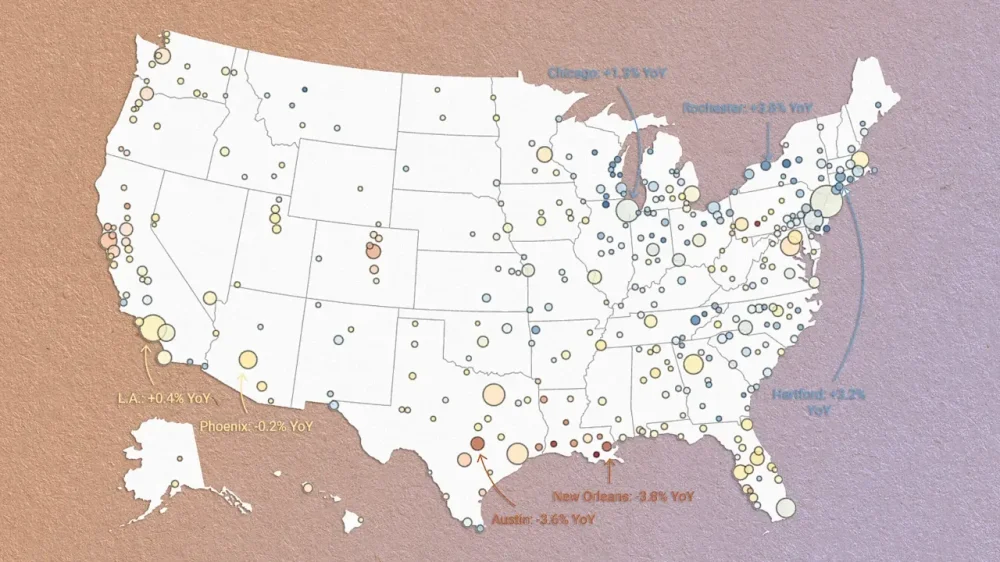
-
After a long court battle, the SAVE plan is officially kaput. Launched in 2023, the Biden administration’s Saving on a Valuable Education (SAVE) federal student loan repayment plan was created to replace the outgoing REPAYE program–and help keep Biden’s campaign promise to forgive student loans. Under the SAVE plan, a borrower’s monthly payment would be calculated based on income and family size and could be set as low as $0 per month for the lowest-earning borrowers. The program also fast-tracked forgiveness for those who borrowed less than $12,000. Several states sued the Biden administration in 2024, arguing that the SAVE plan exceeded the administrative branch’s statutory authority. Payments were paused for borrowers enrolled in the SAVE program during the litigation process, but interest began accruing on the loans as of August 2025. The Eighth Circuit Court of Appeals decision on March 10 officially ended the SAVE plan for good–and borrowers are left with the less-than-reassuring message that they can expect “clear guidance” from the Department of Education in the coming weeks. To get some direct answers about what student loan borrowers should do about the end of the SAVE program, I talked to student loan expert and author Mark Kantrowitz. Here’s what you need to know. Stick a fork in it—SAVE is done Some of the reporting about the end of the SAVE plan has included information about the Havens v. U.S. Department of Education (ED) lawsuit which was filed hours before the Eighth Circuit Court’s decision. This lawsuit argues that the ED is compelled to implement the SAVE plan. But Kantrowitz makes it clear there is no hail mary that can save the SAVE plan. “The Havens v. U.S. Department of Education lawsuit was rendered moot by the Eighth Circuit Court’s decision ending the SAVE plan,” he says. “It will not resurrect the SAVE repayment plan or provide the forgiveness sought by the plaintiffs.” Available repayment options Current borrowers on the SAVE plan have the following repayment plan options. Borrowers can access these options by filling out the Income Driven Repayment (IDR) Plan Request Form. Income-Based Repayment (IBR) This repayment plan sets your monthly payment as 10% or 15% of your discretionary income, depending on when your loans were originally disbursed. After 20 or 25 years of repayment, any remaining loan balance is forgiven. Pay As You Earn (PAYE) & Income-Contingent Repayment (ICR) Under the PAYE plan, your monthly payments are capped at 10% of your discretionary income. After 20 years of repayment, any remaining loan balance is forgiven. The ICR plan calculates your monthly payment as either 20% of your discretionary income or the amount you would pay on a fixed 12-year plan, whichever is less. After 25 years of repayment, any remaining loan balance is forgiven. Both the PAYE and ICR plans are currently available to SAVE borrowers, but they are scheduled to be phased out in July, 2028. If you choose to switch to PAYE or ICR today, you will need to choose a different repayment plan as of July 2028. Repayment Assistance Program (RAP)—Coming July 2026 Under this forthcoming repayment plan, monthly payments will range from 1% to 10% of your adjusted gross income, with a minimum monthly payment of $10. As long as you are making payments, RAP will cancel any unpaid interest so your balance can’t continue to grow. After 30 years of repayment, any remaining loan balance is forgiven. Although SAVE borrowers cannot sign up for this repayment plan currently, it will be available this summer. No need to wait for ED guidance The end of the SAVE plan instantly put the seven million borrowers who are currently signed up for the program into a strange sort of limbo. These borrowers have not had to make payments on their loans since litigation began in 2024, although interest has been accruing on their loans for the past seven months. But when the Eighth Circuit Court decision struck down the SAVE plan, the ED was unable to offer clear guidance about when or how these borrowers would have to switch their repayment plans. Kantrowitz explains that this guidance is probably going to take a little longer to materialize, since the Eighth Circuit Court decision reversed a lower court’s decision. That doesn’t change the fact that SAVE is dead, but it does mean there’s still a little more legal volleying. “Once the lower court accepts the settlement between Missouri and the U.S. Department of Education, the SAVE plan will end,” Kantrowitz says. “Then the U.S. Department of Education will provide guidance about switching into another repayment plan.” Remember that your interest is accruing The seven million borrowers scrambling to change their repayment plan are unfortunately being met with a Department of Education that didn’t prepare for them. “The IDR Plan Request Form has a backlog of 576,609 applications left to process, which will take an additional seven months at the current rate,” Kantrowitz says. “If there are no improvements and the 7.2 million SAVE borrowers file this form, it will take an additional seven years to clear the backlog.” If waiting for the ED to deal with this doesn’t sound enough like a Kafka-esque nightmare, Kantrowitz points out that the delay will also stab you right in the bank account. “Interest will continue to accrue on these loans while the borrowers are waiting to switch into IBR,” he says. If all that comes to pass, “undoubtedly there will be a lawsuit about the lack of timely processing of this form,” Kantrowitz says. But the best course of action is to apply for a payment plan change as soon as possible. It is unlikely that borrowers will have to wait months or years, and the sooner you apply, the sooner you can stop the interest accruing. Saving your loans in a post-SAVE world The SAVE repayment plan disappeared practically overnight when the Eighth Circuit Court of Appeals overturned a lower court’s ruling on March 10. This leaves millions of borrowers unsure what to do with their paused loans that are accruing interest. Student loan expert Mark Kantrowitz makes it clear that the SAVE plan is not only merely dead, it’s really most sincerely dead–even though the ED has not yet released guidance to borrowers. He suggests that the government agency may not offer guidance until after the lower court accepts the settlement required by the Eighth Circuit Court’s decision. Borrowers have multiple repayment options to choose from, including Income-Based Repayment (IBR), Pay As You Earn (PAYE), Income-Contingent Repayment, and the Repayment Assistance Plan (RAP), all of which can be accessed by filing an IDR Plan Request Form. You should remember that PAYE and ICR will be phased out as of July 2028, and RAP is not officially available until July of this year. Finally, Kantrowitz does want borrowers to remember that interest is still accruing on their loans and the ED has a backlog of IDR Plan Request Forms. So the sooner you apply for a change of repayment plan, the better it will be for your finances. View the full article

-
After a long court battle, the SAVE plan is officially kaput. Launched in 2023, the Biden administration’s Saving on a Valuable Education (SAVE) federal student loan repayment plan was created to replace the outgoing REPAYE program–and help keep Biden’s campaign promise to forgive student loans. Under the SAVE plan, a borrower’s monthly payment would be calculated based on income and family size and could be set as low as $0 per month for the lowest-earning borrowers. The program also fast-tracked forgiveness for those who borrowed less than $12,000. Several states sued the Biden administration in 2024, arguing that the SAVE plan exceeded the administrative branch’s statutory authority. Payments were paused for borrowers enrolled in the SAVE program during the litigation process, but interest began accruing on the loans as of August 2025. The Eighth Circuit Court of Appeals decision on March 10 officially ended the SAVE plan for good–and borrowers are left with the less-than-reassuring message that they can expect “clear guidance” from the Department of Education in the coming weeks. To get some direct answers about what student loan borrowers should do about the end of the SAVE program, I talked to student loan expert and author Mark Kantrowitz. Here’s what you need to know. Stick a fork in it – SAVE is done Some of the reporting about the end of the SAVE plan has included information about the Havens v. U.S. Department of Education (ED) lawsuit which was filed hours before the Eighth Circuit Court’s decision. This lawsuit argues that the ED is compelled to implement the SAVE plan. But Kantrowitz makes it clear there is no hail mary that can save the SAVE plan. “The Havens v. U.S. Department of Education lawsuit was rendered moot by the Eighth Circuit Court’s decision ending the SAVE plan,” he says. “It will not resurrect the SAVE repayment plan or provide the forgiveness sought by the plaintiffs.” Available repayment options Current borrowers on the SAVE plan have the following repayment plan options. Borrowers can access these options by filling out the Income Driven Repayment (IDR) Plan Request Form. Income-Based Repayment (IBR) This repayment plan sets your monthly payment as 10% or 15% of your discretionary income, depending on when your loans were originally disbursed. After 20 or 25 years of repayment, any remaining loan balance is forgiven. Pay As You Earn (PAYE) & Income-Contingent Repayment (ICR) Under the PAYE plan, your monthly payments are capped at 10% of your discretionary income. After 20 years of repayment, any remaining loan balance is forgiven. The ICR plan calculates your monthly payment as either 20% of your discretionary income or the amount you would pay on a fixed 12-year plan, whichever is less. After 25 years of repayment, any remaining loan balance is forgiven. Both the PAYE and ICR plans are currently available to SAVE borrowers, but they are scheduled to be phased out in July, 2028. If you choose to switch to PAYE or ICR today, you will need to choose a different repayment plan as of July 2028. Repayment Assistance Program (RAP) – Coming July 2026 Under this forthcoming repayment plan, monthly payments will range from 1% to 10% of your adjusted gross income, with a minimum monthly payment of $10. As long as you are making payments, RAP will cancel any unpaid interest so your balance can’t continue to grow. After 30 years of repayment, any remaining loan balance is forgiven. Although SAVE borrowers cannot sign up for this repayment plan currently, it will be available this summer. No need to wait for ED guidance The end of the SAVE plan instantly put the 7 million borrowers who are currently signed up for the program into a strange sort of limbo. These borrowers have not had to make payments on their loans since litigation began in 2024, although interest has been accruing on their loans for the past seven months. But when the Eighth Circuit Court decision struck down the SAVE plan, the ED was unable to offer clear guidance about when or how these borrowers would have to switch their repayment plans. Kantrowitz explains that this guidance is probably going to take a little longer to materialize, since the Eighth Circuit Court decision reversed a lower court’s decision. That doesn’t change the fact that SAVE is dead, but it does mean there’s still a little more legal volleying. “Once the lower court accepts the settlement between Missouri and the U.S. Department of Education, the SAVE plan will end,” Kantrowitz says. “Then the U.S. Department of Education will provide guidance about switching into another repayment plan.” Remember that your interest is accruing The 7 million borrowers scrambling to change their repayment plan are unfortunately being met with a Department of Education that didn’t prepare for them. “The IDR Plan Request Form has a backlog of 576,609 applications left to process, which will take an additional 7 months at the current rate,” Kantrowitz says. “If there are no improvements and the 7.2 million SAVE borrowers file this form, it will take an additional 7 years to clear the backlog.” If waiting for the ED to deal with this doesn’t sound enough like a Kafka-esque nightmare, Kantrowitz points out that the delay will also stab you right in the bank account. “Interest will continue to accrue on these loans while the borrowers are waiting to switch into IBR,” he says. If all that comes to pass, “undoubtedly there will be a lawsuit about the lack of timely processing of this form,” Kantrowitz says. But the best course of action is to apply for a payment plan change as soon as possible. It is unlikely that borrowers will have to wait months or years, and the sooner you apply, the sooner you can stop the interest accruing. Saving your loans in a post-SAVE world The SAVE repayment plan disappeared practically overnight when the Eighth Circuit Court of Appeals overturned a lower court’s ruling on March 10. This leaves millions of borrowers unsure what to do with their paused loans that are accruing interest. Student loan expert Mark Kantrowitz makes it clear that the SAVE plan is not only merely dead, it’s really most sincerely dead–even though the ED has not yet released guidance to borrowers. He suggests that the government agency may not offer guidance until after the lower court accepts the settlement required by the Eighth Circuit Court’s decision. Borrowers have multiple repayment options to choose from, including Income-Based Repayment (IBR), Pay As You Earn (PAYE), Income-Contingent Repayment, and the Repayment Assistance Plan (RAP), all of which can be accessed by filing an IDR Plan Request Form. You should remember that PAYE and ICR will be phased out as of July 2028, and RAP is not officially available until July of this year. Finally, Kantrowitz does want borrowers to remember that interest is still accruing on their loans and the ED has a backlog of IDR Plan Request Forms. So the sooner you apply for a change of repayment plan, the better it will be for your finances. View the full article