All Activity
- Past hour
-
A reader writes: At my company, we have an instant messaging system. A lot of people will send an initial message that says nothing but “you free?” or “hi.” In addition to making me irrationally annoyed (just tell me what you want already!), I have no idea what the appropriate response is. Is it “yes,” “hello Bob,” “what’s up”? All of these seem terrible. What is appropriate IM protocol? I like to start with, “Do you have time for a question about X?” Or just the question if it’s short because that’s what I’d prefer to receive, but maybe people find this rude? I am aware that I am overthinking this but I also can’t stop overthinking it. I answer this question over at Inc. today, where I’m revisiting letters that have been buried in the archives here from years ago (and sometimes updating/expanding my answers to them). You can read it here. The post is it rude to instant-message someone “hi” with no further context? appeared first on Ask a Manager. View the full article
-
Oil jumps to $114 as tensions flare up in Middle EastView the full article
-
In December 2025, the biggest battery maker in the world, CATL, started what it calls the world’s first large-scale deployment of robots in its Luoyang, China factory. Last week, the State Grid Corporation of China began its $1 billion 2026 plan to deploy a humanoid army to maintain its grid autonomously. And just a few days ago, at the other side of the East China Sea, Japan Airlines announced the beginning of a test program of humanoids to carry luggage at airports. While we listen to Elon Musk tell us how magical and civilization-changing Tesla’s Optimus robots are, Asian countries are light-years ahead of us, deploying humanoids to do their bidding in real-life scenarios. There are two main reasons humanoids are happening much faster in Asia than in the U.S. or Europe. One of the reasons is purely economic: China is always looking at cost optimization. For years, industrial robotics has been a main driver in the country’s quest to reduce manufacturing prices and times. China’s dark factories, where fully automated robots churn out devices with the lights off because they don’t need them, are famous. “China is by far the world’s largest robotics market in 2024. It represents 54% of global deployments. The latest figures show that 295,000 industrial robots have been installed in the country, the highest annual total on record,” says the International Federation of Robotics in its World Robotics 2025 Report. So humanoids—bipeds or wheeled—are the logical next step. This is especially true as AI models begin to understand the world, and companies realize that a huge market awaits for general and specialized tasks that only human-like robots can properly do. The other reason is demographic: Japan’s population is quickly getting older, while in China, fewer people want to do hard and dangerous work like maintaining power grids. Japan became the world’s first “super-aged” society back in 2006, and as of 2026, over 30% of its population is aged 65 or older. The country’s total population is currently shrinking by nearly one million people per year. The sheer lack of young, able-bodied workers makes manual labor roles in logistics and aviation impossible to fill, forcing the country into reliance on machines. In China, the issue is slightly different, but equally pressing. While China has a massive population, its traditional blue-collar workforce is aging out. An estimated 300 million migrant workers—the people who physically built the country’s modern infrastructure and power grids over the last four decades—are now approaching retirement age. Younger generations are simply not stepping in to replace them in highly dangerous roles, like maintaining live 10,000-volt power lines. Facing a critical workforce shortage in the trades, China has chosen to deploy robotic electricians that operate 50% faster than human crews with a 98% success rate. Business and political drive At the same time, China and Japan have the means and the willpower to make this happen. The former controls the majority of the global supply chain to make humanoids—and robots of any kind—in huge quantities. Meanwhile, the U.S. can’t even produce magnets—a key component to robotics—without reliance on its rival. Japan, with its aging population in mind, has been working on robotics for years and now is making the jump from small deployments in hospital facilities to large-scale industrial deployment of humanoids. The country’s move into aviation logistics is born of sheer demographic desperation. According to The Guardian, the country will require more than 6.5 million foreign workers by 2040 just to hit its economic growth targets, but it faces intense political pressure to limit immigration. The solution is mechanical. Starting this May, a 130-centimeter-tall humanoid manufactured by the Chinese company Unitree will begin hauling passenger luggage and cargo on the tarmac of Haneda airport, a massive hub that handles over 60 million passengers annually. These units can operate continuously for two to three hours. Tomohiro Uchida, President of GMO AI and Robotics—which is collaborating on the pilot alongside JAL Ground Service—says that while airports look highly automated, “their back-end operations still rely heavily on human labor and face serious labor shortages.” While Japan is testing the waters to plug a gaping demographic hole, China is diving headfirst into mass industrialization. The State Grid Corporation of China has allocated 6.8 billion yuan (roughly $1 billion) to purchase approximately 8,500 robots this year alone. While that order includes 5,000 quadruped robot dogs to examine power lines in mountainous terrain, they are actively introducing humanoid and dual-arm models to execute dangerous maintenance duties on the ultra-high-voltage grid. Across all Chinese utility companies, spending on AI robotics is projected to exceed 10 billion yuan in 2026. The growth of embodied AI is about to explode in the Asian country—with total output in China reaching 2.1 million units by 2030—says Zheshang Securities. It’s only the beginning of the future, as the financial firm describes: “We believe 2026 will be the year humanoid robots achieve mass production. The future has arrived.” A robotic army marches towards automation That future is already clocking in at CATL’s Zhongzhou facility. Operating via a Vision-Language-Action AI model, robotics company Spirit AI’s Xiaomo humanoids visually identify shifted plug positions and instantaneously correct their grip to connect high-voltage battery components with a 99% success rate. Not only is this a dangerous task for human operators—who obviously don’t want to get electrocuted—but, because they don’t take breaks, a single humanoid handles a daily workload three times larger than a human employee. CATL is not alone in this industrial shift. A massive ecosystem of highly funded, specialized manufacturers is fueling these deployments. Unitree Robotics—the Hangzhou-based firm supplying Japan Airlines—recently completed its Series C funding, pushing its valuation past $1.6 billion. The company recorded over 5,500 shipments in 2025 and recently filed for a $610 million IPO on the Shanghai Stock Exchange to aggressively scale manufacturing. AgiBot is another purely-robotic play in China. Founded in 2023, the Shanghai-based company shipped over 5,100 humanoid robots in 2025 alone, securing the number one spot globally in both humanoid shipment volume and market share. By early April 2026, AgiBot officially rolled its 10,000th unit off the production line, cementing its position as the undisputed global leader in commercial humanoid manufacturing. For context, American counterparts like Figure AI, Agility Robotics, and Tesla shipped a fraction of the Chinese humanoid industry numbers. Same with Ubtech Robotics, which has introduced its Walker S2 industrial humanoid. It features an autonomous battery swapping system that allows it to operate continuously. Ubtech reported a staggering 2,200 percent surge in full-size humanoid robot revenue in 2025, successfully hitting its target of delivering 500 units by year’s end, and actively placing hundreds on the factory floors of BYD, Geely, and Foxconn. Ubtech has amassed cumulative orders exceeding 1.4 billion yuan and is currently scaling its manufacturing capacity with a target of 10,000 units annually. But the humanoid push doesn’t stop at these specialized robotic startups. Other tech and car brands are quickly pivoting to embodied AI as well. Xpeng just broke ground in the first quarter of 2026 on a 1.2 million-square-foot production facility in Guangzhou that will build its viral Iron humanoid robots by year’s end. Xiaomi is embracing robotics, too. Its CEO Lei Jun recently announced that the company’s humanoids have successfully completed autonomous trial operations on their EV assembly lines, maintaining a 90% success rate when installing self-tapping nuts on car floors within a 76-second window. Xiaomi plans to deploy these machines in large numbers across its production facilities by 2030. Supply chain and more China is clearly ahead and that’s because, in addition to having the political and economic will, they have the manufacturing power to make it happen. The same reason why American giants like Tesla will struggle to compete with this robotic army that Beijing is pushing full steam ahead: China fully dominates the supply chain. The center of which is in Shenzhen, a hyper-concentrated manufacturing hub that acts as the world’s primary robotics forge. By the end of 2025, Shenzhen manufactured nearly 8 million service robots—a broad category that includes logistics bots, cleaners, and the foundation for more complex humanoids. This staggering volume accounted for 43% of China’s total national output, pushing the city’s robotics industry value past $35.4 billion. Yang Qian, the chief operating officer of X Square Robot, says that this local supply chain advantage means “custom parts can be delivered in days, compared with months overseas.” He adds that iteration costs in Shenzhen are “only a tenth of those abroad.” American manufacturers are currently choking on their lack of a domestic supply chain. It’s not only that the Chinese have more experience and manufacturing power. You only have to focus on one of many critical bottlenecks: rare-earth magnets. A single Tesla Optimus humanoid requires up to eight pounds of Neodymium-Iron-Boron magnets to power its 40-plus servo motors. When Beijing halted exports of these materials on April 4, 2025—after The President started his tariff war against China—Optimus production hit a brick wall. Anonymous sources within the Optimus supply chain confirmed to AInvest that Tesla capped its inventory at roughly 1,000 units, stating that with the procurement freeze, Musk’s goal of producing 5,000 units this year is “now largely unattainable.” In a recent podcast recorded at Nvidia’s GTC event in San Jose, CEO Jensen Huang warned that the U.S. robotics industry will be forced to rely on China. “I think China is formidable,” Huang said. “The reason for that is because their microelectronics, motors, rare earth and magnets—which are foundational to robotics—are the world’s best. So in a lot of ways, our robotics industry relies deeply on their ecosystem and their supply chain.” Huang added that, while the U.S. practically invented robotics, then the country got “tired and exhausted” waiting for the necessary AI “brain” technology to emerge, allowing China to seize the manufacturing advantage. The problem is that, while the U.S. government is frantically trying to prop up a domestic magnet supply chain through companies like MP Materials, China is also advancing in the AI models that humanoid robots use, matching and even surpassing its American counterparts. If Washington and Silicon Valley don’t spend more money in becoming independent from China as fast as possible, America will be stuck watching Elon Musk’s home videos while China actually builds the robotic workforce of the future to solve real problems, today. View the full article

- Today
-
Willie Simon stood outside the Memphis motel where Rev. Martin Luther King, Jr. was assassinated in 1968, now a museum dedicated to the Civil Rights Movement. Days after the U.S. Supreme Court gutted a key provision of the Voting Rights Act, Simon feared what the decision would mean not just for Black Americans like himself but an entire country where the political guardrails seem to be coming apart. Simon, who leads the Shelby County Democratic Party in Tennessee, said the court’s conservative majority set a precedent that if you’re “not in the in-crowd group, they can just erase us.” By weakening a requirement that states draw congressional districts in a way that gives minorities an opportunity to control their own fate, the court escalated the nationwide redistricting war that has seen Democrats and Republicans casting aside decades of tradition in hopes of gaining an edge over the competition. New sessions are scheduled to begin this week in two Republican-controlled states to eliminate U.S. House districts represented by Democrats, and there’s more on the horizon. It’s the latest example of how the American democratic experiment has been pushed to the breaking point in the decade since Donald The President rose to power. Extreme rhetoric has become commonplace. There’s been a spike in political violence and a rash of assassinations. Five years after the Jan. 6 attack on the U.S. Capitol, The President’s allies are trying to harness the same falsehoods about voter fraud to reshape elections. The rules and norms that once helped smooth over an unruly country’s vast differences have given way to a race for power at all costs. “I’ve never subscribed to the idea we’re in a civil war, but the gerrymandering wars and the recent decision from the Supreme Court do not make the United States more united,” said Matt Dallek, a political scientist at George Washington University. “It speeds up the hyperpartisan force and atmosphere that people feel on both sides.” ‘No more rule of law’ The President ignited the conflict over redistricting last year by urging Republicans to redraw congressional maps to reduce the likelihood that his party loses the U.S. House in the November midterm elections. It was an unusual step, since redistricting normally only takes place after the once-a-decade census to accommodate population shifts. But in 2019 the Supreme Court ruled federal courts cannot prevent partisan gerrymandering, and The President saw a chance to push the limits. Once Republican-led states like Texas started shifting district lines, Democratic-led states like California countered. The fight was heading for a draw until the Supreme Court’s conservative majority issued its long-awaited decision in Louisiana v. Callais. The court weakened the last remaining national impediment to gerrymandering — the Voting Rights Act’s requirement that, in places where white people and outnumbered racial minorities vote differently, districts be drawn to give those minorities a chance to elect representatives they prefer. The ruling opened a new set of political floodgates. Republicans in Tennessee plan to erase the only Democratic congressional district, which is majority Black and centered in Memphis, by splitting it up among more conservative suburban and rural white communities. More than a dozen other majority-minority districts, mainly in the South, could face the same fate. Louisiana moved to postpone its congressional primaries, set for May 16, to have a chance to redraw two majority-Black Democratic seats it was required to maintain before the recent ruling. Alabama is trying to get the Supreme Court to let it redraw its two majority-Black seats. “We should demand that State Legislatures do what the Supreme Court says must be done,” The President wrote on social media on Sunday. “That is more important than administrative convenience.” He said Republicans could gain 20 seats through redistricting. Democrats have threatened to retaliate by splitting up conservative bastions in states like New York and Illinois, which would reallocate Republican voters to more liberal, urban districts. With fewer limits — either legal or self-imposed — people expect the issue to become a perpetual race to squeeze every possible advantage out of legislative maps. “It’s hard to know where it ends,” said Rick Hasen, a law professor at UCLA. Partisans gleefully shared color-coded maps of California with all 54 House seats drawn for Democrats, or southern states with only a couple of blue districts. Most agreed that eventually it will be very hard for Democrats to get elected to the House in any Republican-run state, even if there are large swaths of blue-leaning terrain, and vice versa for Republicans in Democratic-run states. That seems un-American, said Jonathan Cervas, a political scientist at Carnegie Mellon who’s redrawn maps on behalf of judges reviewing redistricting litigation. The country’s system, he said, “was founded on this idea that it’s majority rule with minority rights.” “There is no more rule of law in redistricting,” Cervas said. “There have to be some constraints, somewhere. Otherwise we don’t really have elections.” Politicians’ best tool to game elections The arcane art of drawing legislative lines is the most powerful tool that politicians have for gaming elections. They can make districts an almost guaranteed win for their side by drawing lines that scoop up a majority of their voters and just enough of the opposition’s supporters to ensure the other party cannot win that seat or the one next door, either. Lawmakers have used the trick since the country’s founding. Democratic gerrymanders helped the party hold onto the House through the Reagan revolution. After the 2010 midterms, Republican majorities in state legislatures allowed the GOP to draw districts to lock up control of the House even during President Barack Obama’s reelection two years later. However, that didn’t prevent the “blue wave” in 2018, during The President’s first term, when Democrats retook the House. It was a reminder that even the most partisan gerrymanders may stifle shifts in public opinion but eventually crack as political tides turn. “When you try to get every last ounce of blood from the stone you can end up shooting yourself in the foot,” said Michael Li of the liberal Brennan Center for Justice in New York. Political coalitions also change, and voters that a party thinks will be reliable can switch sides. That’s what’s happened in the The President era, as Democrats have expanded their support among wealthier and suburban voters and Republicans among Blacks and Latinos. Although Republicans won’t be able to exploit the full force of the Supreme Court ruling until after the November midterms, it will be challenging for Democrats to find enough seats to counter those gains. Sean Trende, a political analyst who has drawn maps for Republicans, agreed that the court decision is likely to lead to partisan gerrymandering run amok. He said it’s been hard to find neutral arbiters to rein in politicians who draw lines to benefit themselves. The coming storm, Trende said, will be more of a symptom of polarization than its root cause. “All our institutions are broken. We don’t speak a common political language,” Trende said. “This is what you get.” —Nicholas Riccardi, Associated Press View the full article
-
When considering the average tax rate for corporations, it’s crucial to acknowledge that the current rate stands at 21 percent, a significant drop from the historical average of nearly 32 percent. This decline reflects various fiscal policy changes over the years, impacting large firms differently, as their effective tax rate hovers around 16 percent. Comprehending these nuances, along with the role of pass-through entities, can illuminate broader implications for corporate taxation and business strategies. What might these trends suggest for future reforms? Key Takeaways The current U.S. corporate tax rate is 21 percent on net income. The historical average corporate tax rate from 1909 to 2025 is approximately 31.99 percent. In 2022, the average effective tax rate for firms over $100 million was 16.0 percent. U.S. corporate tax revenues account for about 1.3 percent of GDP, lower than many OECD countries. Pass-through entities report around 70% of business income, impacting overall corporate tax revenues. Overview of Corporate Tax Rates Corporate tax rates play a crucial role in shaping the financial environment for businesses in the United States. Currently, the corporate tax rate in the United States stands at 21 percent, which applies to a corporation’s net income. Historically, the average tax rate for corporations from 1909 to 2025 is around 31.99 percent, with significant fluctuations over the decades. For instance, the highest recorded corporate tax rate was 52.80 percent in 1968, whereas the lowest was just 1.00 percent in 1910. In 2022, corporations with net incomes exceeding $100 million reported an average effective tax rate of 16.0 percent. Compared to other wealthy countries, the U.S. corporate tax revenues accounted for approximately 1.3 percent of GDP, indicating a lower tax burden overall. Historical Trends in Corporate Tax Rates Although many factors influence corporate tax rates, an extensive look at historical trends reveals a significant evolution in the U.S. tax environment over the last century. The average corporate tax rate in the U.S. has been approximately 31.99 percent since 1909, with notable fluctuations. In 1968, the highest recorded rate reached 52.80 percent, whereas the lowest was just 1.00 percent in 1910. Since the late 1960s, federal corporate tax rates have typically declined, currently sitting at 21 percent. This downward trend reflects broader fiscal policy changes and aligns with data from the tax rates by president chart. Comprehending these historical trends can help you grasp the shifting terrain of corporate tax by nation and its implications on business behavior. Comparison of U.S. Corporate Tax Rates With Other Countries When you compare U.S. corporate tax rates to those in other wealthy OECD countries, you’ll find some notable differences. Whereas the U.S. has a federal statutory tax rate of 21 percent, many OECD countries have average rates around 13 percent, which can greatly affect overall business costs. Moreover, comprehending the impact of state and local taxes, in addition to the distinction between effective and statutory rates, is essential for grasping the full picture of corporate taxation in the U.S. U.S. vs. OECD Rates In comparing U.S. corporate tax rates with those of other OECD countries, it’s important to recognize that the U.S. federal statutory rate stands at 21 percent, which aligns closely with the average rates of 13 wealthy OECD nations. Nevertheless, the effective tax rate for U.S. firms earning over $100 million is around 16.0 percent, illustrating a disparity between statutory and actual tax burdens. Here’s a quick comparison of statutory rates: Country Statutory Tax Rate United States 21% Germany 30% France 26.5% Japan 30.62% Despite the U.S. rate being competitive, corporate tax revenues account for only 1.3 percent of GDP, lower than many peers. State and Local Taxes Grasping the impact of state and local taxes on the overall corporate tax burden is vital for businesses operating in the United States. During the federal statutory corporate tax rate is set at 21 percent, adding state and local taxes can greatly increase the total tax burden. The average top state rate stands around 6.5 percent, pushing the effective tax rate higher for many corporations. In comparison, countries like Ireland attract multinational corporations with a much lower corporate tax rate of 12.5 percent. As a result, U.S. corporate tax revenues, which were only 1.3 percent of GDP in 2022, reflect a decline relative to similarly wealthy countries, emphasizing the importance of considering state and local taxes in overall tax strategy. Effective vs. Statutory Rates Even though the statutory corporate tax rate in the U.S. is set at 21%, comprehending the effective tax rate reveals a more nuanced picture. For large firms, the average effective tax rate was 16% in 2022, showing significant differences because of deductions and credits. In comparison, countries like Ireland and Hungary have lower rates at 12.5% and 9%, respectively. Meanwhile, the average effective rate across OECD countries was about 23.5% in 2021. This data highlights that U.S. corporate taxes are relatively low among developed nations. Country Statutory Rate U.S. 21% Ireland 12.5% Hungary 9% OECD Avg. 23.5% Large U.S. Firms 16% Impact of Pass-Through Entities on Corporate Tax Revenues As the popularity of pass-through entities, like S corporations and partnerships, grows, the scope of corporate tax revenues is undergoing significant changes. Today, about 70% of business income in the U.S. is reported by these entities, which means more income is taxed at individual rates instead of the corporate tax rate. This shift has led to a substantial reduction in overall corporate tax revenues, as pass-through entities completely avoid the corporate income tax. For instance, in 2022, firms earning over $100 million had an average effective tax rate of just 16.0%, well below the statutory corporate tax rate of 21%. This trend highlights the increasing influence of pass-through entities on the framework of corporate taxation, warranting careful consideration. State and Local Corporate Tax Rates Corporate tax rates at the state and local levels play a significant role in shaping business environments across the United States. The average top state corporate income tax rate is 6.5%, with New Jersey at 11.5% and North Carolina at a low 2.25%. States like South Dakota and Wyoming attract businesses by not levying any corporate income tax. Here’s a summary of some notable state corporate tax rates: State Corporate Tax Rate New Jersey 11.5% Nebraska 5.2% Louisiana 5.5% North Carolina 2.25% South Dakota No Tax Twelve states, including Arizona and Arkansas, as well maintain rates at or below 5%, impacting profitability for businesses. Policy Options for Reforming Corporate Taxation To effectively address the challenges faced by the current corporate tax system, lawmakers are considering a range of policy options aimed at reforming corporate taxation. One approach involves broadening the tax base and eliminating certain tax expenditures that disproportionately benefit a few corporations. Adjusting the corporate tax rate could improve fairness and efficiency, ensuring that all companies contribute a fair share to federal revenues. Lawmakers are additionally examining the implementation of a minimum tax on large corporations, targeting those with substantial profits that currently pay low taxes. Implications of Corporate Tax Rates on Business Decisions Comprehending how corporate tax rates affect your business decisions is essential for effective financial management. With the current federal rate at 21 percent and an average effective rate of 16.0 percent for large firms, you might need to implement tax liability management strategies to optimize profitability. Furthermore, fluctuations in these rates can influence your choices regarding investment, growth opportunities, and whether to reinvest profits or distribute dividends. Tax Liability Management Strategies As the federal corporate tax rate in the U.S. stands at 21%, businesses must navigate a complex environment of tax liability management strategies to optimize their financial performance. In order to minimize liabilities, corporations often employ tax planning techniques, utilizing deductions and credits that can lead to effective rates as low as 16.0% for firms earning over $100 million in 2022. Furthermore, with the rise of pass-through entities, companies need to evaluate their business structures carefully to achieve better tax outcomes. Changes in tax legislation, such as the Corporate Alternative Minimum Tax (CAMT) at 15%, further require businesses to adapt their strategies. Investment and Growth Decisions The implications of corporate tax rates on investment and growth decisions are significant, as they directly influence how businesses allocate their resources. With the federal corporate tax rate currently at 21 percent, companies often find themselves with higher after-tax profits compared to the historical average of 31.99 percent. This lower rate may encourage reinvestment in expansion or research and development. Furthermore, firms earning over $100 million faced an effective tax rate of about 16.0 percent in 2022, which can drive mergers and acquisitions as businesses aim to optimize tax liabilities. In addition, the rise of pass-through entities has shifted more income to individual tax rates, prompting companies to reconsider their strategic planning to improve overall profitability and growth potential. Frequently Asked Questions What Is the Average Corporate Tax Rate? The average corporate tax rate in the U.S. is currently 21 percent, effective until at least December 2025. Nevertheless, large corporations often pay a lower effective rate, around 16 percent, as a result of various deductions and credits in the tax code. Historically, rates have fluctuated markedly, peaking at 52.80 percent in 1968. Today, corporate tax revenues account for about 1.3 percent of GDP, reflecting a long-term decline in tax contributions relative to the economy. Why Is the Corporate Tax Rate 21%? The corporate tax rate is 21% primarily because of the Tax Cuts and Jobs Act enacted in December 2017. This law aimed to boost U.S. business competitiveness globally by lowering the previous rate of 35%. The 21% rate aligns more closely with those of other developed nations, making it easier for U.S. corporations to operate effectively in the international market. Moreover, various deductions and credits can influence the effective tax rate for companies. Why Is My Blended Tax Rate 37%? Your blended tax rate is 37% since it combines the corporate tax rate of 21% with other taxes you may owe, such as personal income taxes and state or local taxes. If your business is structured as a pass-through entity, your profits get taxed at individual rates, potentially reaching the highest personal tax rate of 37%. Furthermore, if applicable, the Corporate Alternative Minimum Tax adds a minimum tax burden of 15% on adjusted income. Are C Corps Taxed at 21%? Yes, C Corporations are typically taxed at a federal statutory rate of 21% on their net income. This rate was established by the Tax Cuts and Jobs Act in 2017 and is effective until at least December 2025. On the other hand, large corporations with net incomes exceeding $100 million may experience an effective tax rate of about 16% because of deductions and credits. Furthermore, certain corporations might face a Corporate Alternative Minimum Tax starting in 2023. Conclusion In conclusion, grasping corporate tax rates is vital for businesses and policymakers alike. The current U.S. statutory rate of 21 percent contrasts with an effective rate of 16 percent for large firms, reflecting complex tax strategies and the impact of pass-through entities. Historical trends show significant declines in tax rates over the last century. As debates on reform continue, the implications of these rates on business decisions and revenue generation remain critical for economic planning and growth. Image via Google Gemini This article, "Average Tax Rate for Corporations?" was first published on Small Business Trends View the full article
-
When considering the average tax rate for corporations, it’s crucial to acknowledge that the current rate stands at 21 percent, a significant drop from the historical average of nearly 32 percent. This decline reflects various fiscal policy changes over the years, impacting large firms differently, as their effective tax rate hovers around 16 percent. Comprehending these nuances, along with the role of pass-through entities, can illuminate broader implications for corporate taxation and business strategies. What might these trends suggest for future reforms? Key Takeaways The current U.S. corporate tax rate is 21 percent on net income. The historical average corporate tax rate from 1909 to 2025 is approximately 31.99 percent. In 2022, the average effective tax rate for firms over $100 million was 16.0 percent. U.S. corporate tax revenues account for about 1.3 percent of GDP, lower than many OECD countries. Pass-through entities report around 70% of business income, impacting overall corporate tax revenues. Overview of Corporate Tax Rates Corporate tax rates play a crucial role in shaping the financial environment for businesses in the United States. Currently, the corporate tax rate in the United States stands at 21 percent, which applies to a corporation’s net income. Historically, the average tax rate for corporations from 1909 to 2025 is around 31.99 percent, with significant fluctuations over the decades. For instance, the highest recorded corporate tax rate was 52.80 percent in 1968, whereas the lowest was just 1.00 percent in 1910. In 2022, corporations with net incomes exceeding $100 million reported an average effective tax rate of 16.0 percent. Compared to other wealthy countries, the U.S. corporate tax revenues accounted for approximately 1.3 percent of GDP, indicating a lower tax burden overall. Historical Trends in Corporate Tax Rates Although many factors influence corporate tax rates, an extensive look at historical trends reveals a significant evolution in the U.S. tax environment over the last century. The average corporate tax rate in the U.S. has been approximately 31.99 percent since 1909, with notable fluctuations. In 1968, the highest recorded rate reached 52.80 percent, whereas the lowest was just 1.00 percent in 1910. Since the late 1960s, federal corporate tax rates have typically declined, currently sitting at 21 percent. This downward trend reflects broader fiscal policy changes and aligns with data from the tax rates by president chart. Comprehending these historical trends can help you grasp the shifting terrain of corporate tax by nation and its implications on business behavior. Comparison of U.S. Corporate Tax Rates With Other Countries When you compare U.S. corporate tax rates to those in other wealthy OECD countries, you’ll find some notable differences. Whereas the U.S. has a federal statutory tax rate of 21 percent, many OECD countries have average rates around 13 percent, which can greatly affect overall business costs. Moreover, comprehending the impact of state and local taxes, in addition to the distinction between effective and statutory rates, is essential for grasping the full picture of corporate taxation in the U.S. U.S. vs. OECD Rates In comparing U.S. corporate tax rates with those of other OECD countries, it’s important to recognize that the U.S. federal statutory rate stands at 21 percent, which aligns closely with the average rates of 13 wealthy OECD nations. Nevertheless, the effective tax rate for U.S. firms earning over $100 million is around 16.0 percent, illustrating a disparity between statutory and actual tax burdens. Here’s a quick comparison of statutory rates: Country Statutory Tax Rate United States 21% Germany 30% France 26.5% Japan 30.62% Despite the U.S. rate being competitive, corporate tax revenues account for only 1.3 percent of GDP, lower than many peers. State and Local Taxes Grasping the impact of state and local taxes on the overall corporate tax burden is vital for businesses operating in the United States. During the federal statutory corporate tax rate is set at 21 percent, adding state and local taxes can greatly increase the total tax burden. The average top state rate stands around 6.5 percent, pushing the effective tax rate higher for many corporations. In comparison, countries like Ireland attract multinational corporations with a much lower corporate tax rate of 12.5 percent. As a result, U.S. corporate tax revenues, which were only 1.3 percent of GDP in 2022, reflect a decline relative to similarly wealthy countries, emphasizing the importance of considering state and local taxes in overall tax strategy. Effective vs. Statutory Rates Even though the statutory corporate tax rate in the U.S. is set at 21%, comprehending the effective tax rate reveals a more nuanced picture. For large firms, the average effective tax rate was 16% in 2022, showing significant differences because of deductions and credits. In comparison, countries like Ireland and Hungary have lower rates at 12.5% and 9%, respectively. Meanwhile, the average effective rate across OECD countries was about 23.5% in 2021. This data highlights that U.S. corporate taxes are relatively low among developed nations. Country Statutory Rate U.S. 21% Ireland 12.5% Hungary 9% OECD Avg. 23.5% Large U.S. Firms 16% Impact of Pass-Through Entities on Corporate Tax Revenues As the popularity of pass-through entities, like S corporations and partnerships, grows, the scope of corporate tax revenues is undergoing significant changes. Today, about 70% of business income in the U.S. is reported by these entities, which means more income is taxed at individual rates instead of the corporate tax rate. This shift has led to a substantial reduction in overall corporate tax revenues, as pass-through entities completely avoid the corporate income tax. For instance, in 2022, firms earning over $100 million had an average effective tax rate of just 16.0%, well below the statutory corporate tax rate of 21%. This trend highlights the increasing influence of pass-through entities on the framework of corporate taxation, warranting careful consideration. State and Local Corporate Tax Rates Corporate tax rates at the state and local levels play a significant role in shaping business environments across the United States. The average top state corporate income tax rate is 6.5%, with New Jersey at 11.5% and North Carolina at a low 2.25%. States like South Dakota and Wyoming attract businesses by not levying any corporate income tax. Here’s a summary of some notable state corporate tax rates: State Corporate Tax Rate New Jersey 11.5% Nebraska 5.2% Louisiana 5.5% North Carolina 2.25% South Dakota No Tax Twelve states, including Arizona and Arkansas, as well maintain rates at or below 5%, impacting profitability for businesses. Policy Options for Reforming Corporate Taxation To effectively address the challenges faced by the current corporate tax system, lawmakers are considering a range of policy options aimed at reforming corporate taxation. One approach involves broadening the tax base and eliminating certain tax expenditures that disproportionately benefit a few corporations. Adjusting the corporate tax rate could improve fairness and efficiency, ensuring that all companies contribute a fair share to federal revenues. Lawmakers are additionally examining the implementation of a minimum tax on large corporations, targeting those with substantial profits that currently pay low taxes. Implications of Corporate Tax Rates on Business Decisions Comprehending how corporate tax rates affect your business decisions is essential for effective financial management. With the current federal rate at 21 percent and an average effective rate of 16.0 percent for large firms, you might need to implement tax liability management strategies to optimize profitability. Furthermore, fluctuations in these rates can influence your choices regarding investment, growth opportunities, and whether to reinvest profits or distribute dividends. Tax Liability Management Strategies As the federal corporate tax rate in the U.S. stands at 21%, businesses must navigate a complex environment of tax liability management strategies to optimize their financial performance. In order to minimize liabilities, corporations often employ tax planning techniques, utilizing deductions and credits that can lead to effective rates as low as 16.0% for firms earning over $100 million in 2022. Furthermore, with the rise of pass-through entities, companies need to evaluate their business structures carefully to achieve better tax outcomes. Changes in tax legislation, such as the Corporate Alternative Minimum Tax (CAMT) at 15%, further require businesses to adapt their strategies. Investment and Growth Decisions The implications of corporate tax rates on investment and growth decisions are significant, as they directly influence how businesses allocate their resources. With the federal corporate tax rate currently at 21 percent, companies often find themselves with higher after-tax profits compared to the historical average of 31.99 percent. This lower rate may encourage reinvestment in expansion or research and development. Furthermore, firms earning over $100 million faced an effective tax rate of about 16.0 percent in 2022, which can drive mergers and acquisitions as businesses aim to optimize tax liabilities. In addition, the rise of pass-through entities has shifted more income to individual tax rates, prompting companies to reconsider their strategic planning to improve overall profitability and growth potential. Frequently Asked Questions What Is the Average Corporate Tax Rate? The average corporate tax rate in the U.S. is currently 21 percent, effective until at least December 2025. Nevertheless, large corporations often pay a lower effective rate, around 16 percent, as a result of various deductions and credits in the tax code. Historically, rates have fluctuated markedly, peaking at 52.80 percent in 1968. Today, corporate tax revenues account for about 1.3 percent of GDP, reflecting a long-term decline in tax contributions relative to the economy. Why Is the Corporate Tax Rate 21%? The corporate tax rate is 21% primarily because of the Tax Cuts and Jobs Act enacted in December 2017. This law aimed to boost U.S. business competitiveness globally by lowering the previous rate of 35%. The 21% rate aligns more closely with those of other developed nations, making it easier for U.S. corporations to operate effectively in the international market. Moreover, various deductions and credits can influence the effective tax rate for companies. Why Is My Blended Tax Rate 37%? Your blended tax rate is 37% since it combines the corporate tax rate of 21% with other taxes you may owe, such as personal income taxes and state or local taxes. If your business is structured as a pass-through entity, your profits get taxed at individual rates, potentially reaching the highest personal tax rate of 37%. Furthermore, if applicable, the Corporate Alternative Minimum Tax adds a minimum tax burden of 15% on adjusted income. Are C Corps Taxed at 21%? Yes, C Corporations are typically taxed at a federal statutory rate of 21% on their net income. This rate was established by the Tax Cuts and Jobs Act in 2017 and is effective until at least December 2025. On the other hand, large corporations with net incomes exceeding $100 million may experience an effective tax rate of about 16% because of deductions and credits. Furthermore, certain corporations might face a Corporate Alternative Minimum Tax starting in 2023. Conclusion In conclusion, grasping corporate tax rates is vital for businesses and policymakers alike. The current U.S. statutory rate of 21 percent contrasts with an effective rate of 16 percent for large firms, reflecting complex tax strategies and the impact of pass-through entities. Historical trends show significant declines in tax rates over the last century. As debates on reform continue, the implications of these rates on business decisions and revenue generation remain critical for economic planning and growth. Image via Google Gemini This article, "Average Tax Rate for Corporations?" was first published on Small Business Trends View the full article
-
Google said it has “resolved” an issue with logging data within Google Search Console reporting. The logging issue happened between May 13, 2025 through April 27, 2026, about 50 weeks. The resolution did not fix the past data, but it did fix the issue going forward. What Google said. Here is what Google posted: “A logging error prevented Search Console from accurately reporting impressions from May 13, 2025 until April 27, 2026. This issue has been resolved. As a result, you may notice a decrease in impressions in the Search Console Performance report. Only impressions and related metrics – CTR and average position – were affected; clicks were not affected by the error, and this issue affected data logging only.” What was fixed. Just to be clear, Google has not fixed the data from May 13, 2025 through April 27, 2026 but just fixed the data going forward. So keep this in mind when reviewing the data in that date range. John Mueller from Google confirmed on Bluesky that this is only fixed going forward and the old data will not be fixed. Why we care. When reviewing your Search Console data, please note that for about 50 weeks, almost a year, the reports may be off and you may see a decrease in impressions, and thus click-through rate and average position data are also impacted. View the full article
-
A landmark federal court decision has opened the doors to COVID-era tax refunds for millions of U.S. taxpayers. In Kwong v. United States, the U.S. Court of Federal Claims determined that the COVID-19 pandemic effectively paused federal tax deadlines from January 2020 through July 2023, giving taxpayers more time to file and pay their taxes than the Internal Revenue Service (IRS) had previously recognized. The court ruled that the disaster-relief provision in Internal Revenue Code Section 7508A requires the IRS to pause all penalties and interest throughout the entire disaster period, plus an additional 60 days. That means that while the COVID-19 federal disaster period ran from January 20, 2020, through May 11, 2023, returns and payments weren’t late until after July 10, 2023. Last week, Erin Collins, the national taxpayer advocate, wrote that tens of millions of taxpayers could be eligible for COVID-era refunds, given that they were hit with penalties or interest for late filings or payments during this period. “This issue is widespread and not limited to a small or specialized group of taxpayers,” she wrote. Collins leads the Office of the Taxpayer Advocate, an independent organization within the IRS that helps taxpayers resolve IRS issues and advocates for taxpayers’ rights. In the blog post, Collins explains that the ruling affects individual taxpayers, small businesses, corporations, trusts, and estates. She expects the Department of Justice (DOJ) to appeal the court’s decision. However, taxpayers can file a claim for a pandemic-era refund. Fast Company wrote about the court’s decision in March when it first happened. Who qualifies for a refund? Taxpayers may be eligible for refunds or abatements of penalties and interest the IRS assessed during the COVID-19 federal disaster period. This includes taxpayers who were: Assessed penalties for failure to timely file returns, failure to pay taxes, or failure to make estimated tax payments; Interest that began occurring earlier than it should have, or not at all; Overpayment interest for the same time period. Here’s how to file a refund claim Tax relief is not automatic. Taxpayers must file a claim. Collins writes, “Unless the IRS or Congress acts to ensure all affected taxpayers will receive refunds if the Kwong decision is upheld, taxpayers seeking refunds for penalties and interest they paid relating to that period will, in most cases, need to file claims by July 10, 2026.” Here’s how to check whether you qualify for a refund and file a claim: Review your tax records and transcripts through your Individual Online Account on the IRS website. Analyze your account activity during the 2020 to 2023 timeframe to verify whether any penalties or interest fees were charged. If you’re eligible for a refund, file IRS Form 843. File this form by July 10, 2026. Collins encourages taxpayers to send their forms by certified mail so they can easily prove they submitted a claim on time in case their form gets lost or misplaced. Millions of Americans filing claims could result in an IRS backlog and lengthy delays. View the full article
-
US tech billionaire leads $140mn investment into Panthalassa as search for AI power pushes into exotic new frontiersView the full article
-
A reader writes: I work in higher education, in an area that is particularly under political fire. Due to anti-DEIA legislation, there have been people who have been targeted and fired due to anti-diversity advocacy. Some of the incidents have involved video that had been taken clandestinely and then edited for maximum damage. This has led to people losing their jobs and created a space of paranoia. I work in an environment that requires collaboration and collegiality in order to complete work. During a casual meeting with a friendly colleague, they mentioned that another colleague showed them a piece of tech that they were now carrying that allowed them to record the people around them without their knowledge. Think Meta glasses but actually more discreet (like an AI transcribing device you can carry in your pocket). This information was *kind of* given in confidence, as the person who told me was the only one would know that our colleague was walking around with it. I hope to circle back to have a deeper conversation about what could be shared once I get your advice. I walked away from that conversation kind of freaked out. My profession has specific norms around privacy that are definitely in contrast to this technology and our front-facing policies reflect those norms. But our policy norms are not the same as the larger workplace and there are definitely a small but loud minority of people who would try to argue for the use of the tech. Regardless, I am extremely uncomfortable with the idea of this colleague wandering from meeting to meeting, recording coworkers without their knowledge. The space I work is intensely hierarchical and while I’m not at the bottom of the hierarchy, I don’t actually interact with this person. So I technically don’t have a way to directly make him stop. But I do have strong networks in administration that I could involve. This also brings larger issues about recording colleagues, trust in the workplace and current standards of privacy. I guess I’m asking, am I overthinking/overreacting? And if I’m not, what should be the next step and what recommendations can I make to try to make sure that my colleagues are aware that we have a recorder in our midst? You are not overthinking or overreacting. Most workplaces have policies or practices that assume or require that people be informed before they’re recorded, and having someone surreptitiously recording every work conversation they’re involved in (and then having the data sent elsewhere to be processed and stored by AI) raises enormous security issues. As these devices get more common, employers are going to need to come up with more explicit policies to address their use. In fact, are you sure that your organization doesn’t have existing policies that would cover this? It’s possible that they do, even if those policies didn’t envision this specific technology. Either way, though, this is a very, very reasonable thing to raise. In fact, I’d argue that now that you know about it, you have an obligation to raise it (doubly so if you’re in any kind of leadership or senior role). Go to those strong administration networks you mentioned, explain what you’ve become aware of, share your concerns, and ask how to address it. The post my coworker carries a hidden recording device everywhere appeared first on Ask a Manager. View the full article
-
Even in the The President era, foreign tourists flock to the ‘Mother Road’ in search of the true AmericaView the full article
-
The Pentagon said Friday that it has reached deals with seven tech companies to use their artificial intelligence in its classified computer networks, allowing the military to tap into AI-powered capabilities to help it fight wars. Google, Microsoft, Amazon Web Services, Nvidia, OpenAI, Reflection and SpaceX will provide their resources to help “augment warfighter decision-making in complex operational environments,” the Defense Department said. Notably absent from the list is AI company Anthropic, after its public dispute and legal fight with the The President administration over the ethics and safety of AI usage in war. The Defense Department has been rapidly accelerating its use of AI in recent years. The technology can help the military reduce the time it takes to identify and strike targets on the battlefield, while aiding in the organization of weapons maintenance and supply lines, according to a report in March from the Brennan Center for Justice. But AI has already raised concerns that its use could invade Americans’ privacy or allow machines to choose targets on the battlefield. One of the companies contracting with the Pentagon said its agreement required human oversight in certain situations. Concerns about military use of AI arose during Israel’s war against militants in Gaza and Lebanon, with U.S. tech giants quietly empowering Israel to track targets. But the number of civilians killed also soared, fueling fears that these tools contributed to the deaths of innocent people. Questions about military use of AI still being worked out The Pentagon’s latest contracts come at a time of anxiety about the potential for over-reliance on the technology on the battlefield, said Helen Toner, interim executive director at Georgetown University’s Center for Security and Emerging Technology. “A lot of modern warfare is based on people sitting in command centers behind monitors, making complicated decisions about confusing, fast-moving situations,” said Toner, a former board member of OpenAI. “AI systems can be helpful in terms of summarizing information or looking at surveillance feeds and trying to identify potential targets.” But questions about the appropriate levels of human involvement, risk and training are still being worked out, she said. “How do you roll out these tools rapidly for them to be effective and provide strategic advantage?” Toner asked, “While also recognizing that you need to train the operators and make sure they know how to use them and don’t over trust them?” Such concerns were raised by Anthropic. The tech company said it wanted assurances in its contract that the military would not use its technology in fully autonomous weapons and the surveillance of Americans. Defense Secretary Pete Hegseth said the company must allow for any uses the Pentagon deemed lawful. Anthropic sued after President Donald The President, a Republican, tried to stop all federal agencies from using the company’s chatbot Claude and Hegseth sought to label the company a supply chain risk, a designation meant to protect against sabotage of national security systems by foreign adversaries. OpenAI had announced a deal with the Pentagon in March to effectively replace Anthropic with ChatGPT in classified environments. OpenAI confirmed in a statement Friday that it was the same agreement it announced in early March. “As we said when we first announced our agreement several months ago, we believe the people defending the United States should have the best tools in the world,” the company said. One company’s agreement with the Pentagon included language that said there should be human oversight over any missions in which the AI systems act autonomously or semiautonomously, according to a person familiar with the agreement who was not authorized to speak about it publicly. The language also said the AI tools must be used in ways that are consistent with constitutional rights and civil liberties. Those resemble sticking points for Anthropic, though OpenAI has previously said that it secured similar assurances when it made its own deal with the Pentagon. The Pentagon’s point of view Emil Michael, the Pentagon’s chief technology officer, told CNBC on Friday that it would have been irresponsible to rely on only one company, an acknowledgment of the friction with Anthropic. “And when we learned that one partner didn’t really want to work with us in the way we wanted to work with them, we went out and made sure that we had multiple different providers,” Michael said. Some of the companies, including Amazon and Microsoft, have long worked with the military in classified environments, and it was not immediately clear if the new agreements significantly altered their government partnerships. Others, such as chipmaker Nvidia and the startup Reflection, are new to such work. Both companies make open-source AI models, which Michael has described as a priority to provide an “American alternative” to China’s rapid development of AI systems in which some key components are publicly accessible for others to build upon. The Pentagon said Friday that military personnel are already using its AI capabilities through its official platform, GenAI.mil. “Warfighters, civilians and contractors are putting these capabilities to practical use right now, cutting many tasks from months to days,” the Pentagon said, adding that the military’s growing AI capabilities will “give warfighters the tools they need to act with confidence and safeguard the nation against any threat.” In many cases, the military uses artificial intelligence the same way civilians do: to take on rote tasks that would take humans hours or days to complete, said Toner, of Georgetown University. AI can be used to better predict when a helicopter needs maintenance or figure out how to efficiently move large amounts of troops and gear, she said. It can also help determine whether vehicles on a drone’s surveillance feeds are civilian or military. But people shouldn’t become overly dependent on it. “There’s a phenomenon called automation bias, where people can be prone to assume that machines work better than they actually do,” Toner said. O’Brien reported from Providence, Rhode Island. Follow the AP’s coverage of artificial intelligence at https://apnews.com/hub/artificial-intelligence. —Ben Finley and Matt O’Brien, Associated Press View the full article

-
Here is a recap of what happened in the search forums today, through the eyes of the Search Engine Roundtable and other search forums on the web. Google explained how using AI in isolation works better for them...View the full article
-
There’s a fundamental battle happening in search right now. On one side is topical authority — the darling phrase of every SEO consultant who needs to sell more content. On the other is brand authority — something marketers have talked about for decades, while much of search treated it as optional, vague, or something the brand team could handle after the sitemap was fixed. Now AI has walked into the room, kicked over the furniture, eaten half the traffic, and exposed the real problem. Search still matters. The global economy runs on people looking, comparing, buying, and solving problems through it. But the industry has a marketing problem. And it shows. Too many SEOs have lost the plot on why people choose, remember, trust, search for, recommend, and buy from brands. AI search is making that ignorance harder to hide. That’s why brand authority wins — but not in the way most SEO dashboards suggest. Topical authority was never supposed to mean content landfill Before we get to AI, we need to define what topical authority was meant to be. At its best, it’s simple. You publish useful work, create evidence, and share expertise. Others cite you, journalists mention you, communities discuss you, and customers search for you. Over time, your brand becomes associated with the topic. That’s authority. It’s also brand building. The problem is that much of the SEO industry hasn’t sold it that way. In practice, topical authority became a convenient commercial wrapper for content production. SEO retainers were built around three pillars: technical, content, and links. Technical SEO became more specialized. Links were outsourced, packaged, renamed, earned through digital PR, or bought in one way or another. Content, meanwhile, remained the dependable agency engine — easy to sell, scope, and report. Think 4-8 blog posts a month, a topical map, a content hub, a cluster, a pillar page, and another 2,000 words on something nobody asked to read. This wasn’t always wrong. In the pre-AI search world, content had real labor behind it. A decent article required research, writing, editing, optimization, internal linking, and promotion. That work had value. Good content could rank, attract links, build email lists, support commercial pages, and create some advertising effect through exposure. Back in the day, we built what were often called power pages — strategic assets designed to earn links, rank, get shared, and pass equity to commercial pages. They had a purpose. They weren’t created just because the spreadsheet had another empty cell. Topical authority changed that logic. It turned “let’s create something worth citing” into “let’s cover every possible keyword in the topic map and hope Google mistakes volume for expertise.” That was the original sin. Your customers search everywhere. Make sure your brand shows up. The SEO toolkit you know, plus the AI visibility data you need. Start Free Trial Get started with Authority is what others say about you Authority isn’t created by what you publish on your own site. It’s created when you become a recognized source. Former Google engineer Jun Wu described this in terms of “mention information” — how search engines analyze natural language, identify topic phrases and sources, cluster related terms, and map associations between sources and topics. In plain English, they can recognize when certain brands, people, domains, and entities are repeatedly mentioned in relation to specific topics. Today, SEOs call that brand co-occurrence. The idea isn’t new. When authoritative sites, journalists, communities, reviewers, experts, and customers consistently mention your brand in relation to a topic, you become associated with it — not because you published hundreds of near-identical articles, but because the wider web treats you as relevant. Topical coverage is what you say about yourself. Authority is what the market says about you. AI search makes that difference hard to ignore. The smash burger test Suppose you want to become an authority in the smash burger industry. You probably don’t, but some topical authority consultant calling themselves a “semantic SEO” is likely pitching it to a fast food brand right now. An SEO version of topical authority would probably begin with a map: What is a smash burger? Best meat for smash burgers. History of smash burgers. Smash burger recipes. Smash burger toppings. Smash burger glossary. Best smash burger restaurants. How to make a smash burger at home. There’s nothing inherently wrong with that. If you run a serious smash burger publication, restaurant group, food brand, or equipment business, some of it might be useful. But authority doesn’t come from publishing those pages. Real authority looks different. You create original data on the fastest-growing smash burger chains. You publish an index of the best-rated smash burger restaurants in the U.S. and U.K. You interview chefs, test meat blends, and produce videos people actually watch. You become a source journalists use when covering the category. Food creators reference your data. Restaurant owners subscribe to your newsletter. People search for your brand plus “smash burger report.” That’s topical authority. It’s also brand authority. The thin SEO version is publishing thousands of keyword pages and internally linking them until your CMS starts begging for death. The real version is becoming known. AI has broken the old content economics The old commercial defense of topical authority was traffic. Brands didn’t hire search marketers because they had a deep spiritual yearning to become encyclopedias. They hired them for organic revenue growth — to appear when customers searched, and to drive clicks, leads, and sales. Informational content was sold, in part, as advertising. Someone searches a question, lands on your article, and sees your brand. Maybe they join your email list, return later, or buy. That model was always more fragile than the industry admitted. Most users don’t sit around thinking about your B2B SaaS platform, your dog food brand, or your running shoe category page. Ask someone to name 10 toothpaste brands, and they’ll struggle, despite a lifetime of exposure. Ask them to recall the last ten TikToks they watched, and watch their face collapse. Advertising works through memory structures, distinctive assets, repeated exposure, and relevance. A single accidental visit to a generic “what is” article was never the brand-building miracle some content marketers claimed. Now AI has made the economics worse. For many informational searches, answers are increasingly synthesized before the click. From the user’s point of view, that’s often a better experience. My dad is in his 70s. He loves AI Overviews. He doesn’t want to click through three ad-infested recipe pages, dodge newsletter popups, reject cookies, scroll past a life story, and finally find how long to boil an egg. He wants the answer. Users aren’t mourning your lost organic session. They’re getting on with their lives. That’s the uncomfortable truth. If the click disappears, much of the supposed advertising effect of informational content disappears with it — no logo exposure, no distinctive assets, no remarketing pixel, no email capture, and no carefully designed journey. Just your content absorbed into a synthesized answer, and maybe a small source link on the side. Get the newsletter search marketers rely on. See terms. AI citations aren’t the same as human citations This brings us to another emerging industry obsession: AI citations. The small source boxes in ChatGPT, Gemini, Perplexity, AI Overviews, and other AI search experiences are being treated as the new holy metric. Agencies, tools, and consultants are already building around it. The SEO industry loves a single metric — domain authority, traffic, keyword positions, share of voice, and now AI visibility. The problem is that an AI citation isn’t the same as a human citation. An AI citation is often a helpful link — a reference, a retrieval artifact. It’s directionally useful. It can show what sources a system uses to support an answer, and whether your content is accessible, relevant, and being surfaced in certain contexts. But it’s not the same as: A journalist choosing to cite your research. A customer recommending you in a forum. A creator reviewing your product. A trade publication naming your brand as an expert source. Human citations are evidence of market recognition. AI citations are evidence of machine retrieval. Don’t confuse the two. The goal isn’t to be scraped. It’s to be recommended. Brand search is the cleaner signal If you want a better proxy for whether your authority is growing, look at brand search. People search for brands they know, are considering, have bought from, or were recommended. Brand search isn’t perfect, but it’s much closer to commercial reality than counting how often a chatbot footnotes your blog post. That’s why share of search matters. It gives you a directional view of market demand and mental availability. If more people are searching for your brand relative to competitors, something is happening. Your advertising, PR, product, reviews, word of mouth, content, partnerships, social presence, and customer experience are creating demand. This is where the “but this is just SEO” crowd starts clearing its throat. It’s not “just SEO.” Or rather, it’s only SEO if you define it so broadly that it includes every activity that might influence a search result. That’s strategic ambiguity. It lets everyone claim they were doing the future all along. Most SEO retainers weren’t building brand fame. They were producing content, fixing technical issues, buying or earning links, and reporting rankings. Sometimes it worked — sometimes very well. But the average topical authority strategy wasn’t a sophisticated brand visibility program. Traditional SEO still matters None of this means you abandon traditional SEO. Buyer-intent rankings, category pages, product pages, local pages, technical SEO, internal linking, structured data, reviews, and crawlability matter. Search still works as a shelf. Many brands are discovered for the first time in supermarkets. The same is true in Google. If someone searches “emergency locksmith near me,” “best trail running shoes,” or “meeting intelligence software,” you want to appear. Being found still matters, but it’s not the same as being recommended. Traditional SEO helps you get found, while brand authority drives recommendation. AI search shifts the balance toward the latter, synthesizing options, reducing uncertainty, and often naming brands, products, and solutions directly. The new job is meaningful visibility Semrush accidentally said the quiet part out loud with its April Fools’ “Brand Visibility Expert” stunt, where employees changed their titles on LinkedIn. It was a joke, but not entirely. The company later described AI visibility tools that track brand visibility, mentions, prompts, perception, and competitor presence in AI search. That’s where the market is going. The future of search marketing isn’t just search engine optimization. It’s brand visibility across the network. That means increasing meaningful visibility in the places where humans and AI systems encounter information: Search engines. AI answers. Review sites. Communities. YouTube. Reddit. Trade media. News sites. Podcasts. Influencers. Comparison pages. Customer reviews. Social platforms. Partner ecosystems. Your own site. The web is now the surface, and your website is just one part of it. This is the shift many SEOs don’t want to face. Many are used to optimizing owned pages for search engines. The next era is about optimizing a brand’s presence across the web. That requires different work. Start with positioning If you want to build brand authority in AI, start with positioning. Who are you for? What problem do you solve? How do you solve it better? What should the market associate with you? What proof supports that claim? These aren’t fluffy brand questions. They’re search questions now. A locksmith isn’t only an emergency locksmith. They may install commercial locks, repair window locks, replace garage locks, secure doors, and provide security advice. A running shoe retailer may want to be known for trail running expertise, fast delivery, wide range, gait analysis, competitive pricing, or specialist advice. A SaaS platform may want to be known for extracting meeting intelligence that helps sales teams improve conversion. These are performance attributes — the reasons people choose you. Your search strategy should reinforce them. If your pet food brand specializes in sensitive stomachs, you need to be visible around dog dietary problems — not just on your blog, but in vet commentary, buyer guides, reviews, creator content, journalist coverage, customer stories, comparison pages, and data studies. These are the places where humans and AI systems learn what’s credible. That’s brand authority. Create things worth being cited by humans The rule for AI-era content is simple. Every piece of content should have real-world marketing value at publish. If one person encounters it, they should understand your brand better, feel more positively about it, remember something useful, or be more likely to trust you. If content only makes sense as an SEO asset after it ranks, it’s probably weak. This means you stop creating “dead” content. Instead: Create original research. Publish category data. Build useful tools. Share expert commentary. Produce strong product comparisons. Release reports journalists can cite. Create opinionated guides. Review products properly. Explain problems better than competitors. Make videos people want to watch. Turn internal data into public insight. Build assets that earn links and mentions. Do fewer things. Make them better. Promote them harder. Brands have limited budgets — smaller ones have even less room for waste. Spending thousands on a content library that repeats known information may be less effective than using the same budget to create one excellent data study, seed it with journalists, get creators talking, earn reviews, improve product pages, and run ads that make people search for your brand. Ask yourself, “What use of this budget is most likely to increase brand search, links, mentions, reviews, and recommendations?” Fitness times visibility equals success A useful idea from network science applies here: success is driven by fitness multiplied by visibility. Fitness is your ability to outperform alternatives — product, service, price, expertise, speed, range, design, convenience, proof, reviews, and customer experience. Visibility is how often and how meaningfully the market encounters those signals. Fitness without visibility is a brilliant brand nobody knows. Visibility without fitness is hype — and it usually collapses. That’s how preferential attachment starts. Brands that are talked about get talked about more. Brands that are searched get searched more. Brands that earn links earn more links. Brands that become default sources are cited more often. Brands that sell more get more reviews, more mentions, more data, and more presence. AI accelerates this dynamic, consuming the web faster than humans and reinforcing those signals at scale. If your brand has dense, consistent, and credible associations with the problems you solve, you reduce uncertainty that you’re a good recommendation. See the complete picture of your search visibility. Track, optimize, and win in Google and AI search from one platform. Start Free Trial Get started with What actually wins in AI search Brand authority wins in AI — because real topical authority was always brand authority. The version of topical authority that deserves to survive is the one where a brand becomes a genuine source in its category — creating useful information, earning mentions, building demand, getting searched, getting cited, and becoming associated with the problems it solves. The version that deserves to die is the one where a brand publishes endless keyword-targeted sludge and calls the result authority. AI hasn’t killed SEO. It’s killed the illusion that mediocrity deserves traffic. The search marketers who win next won’t be the ones who publish the most. They’ll be the ones who make brands more meaningfully visible across the internet. They’ll understand positioning, PR, content, technical SEO, reviews, creators, category demand, links, mentions, and brand search as one connected system. The goal isn’t to optimize for search engines, but for the network they use to understand the world. Build the brand. Make it visible. Make it worth recommending. Everything else is just content with delusions of grandeur. View the full article
-
Your boss can make or break your job experience: a good boss, smooth sailing ahead. A bad boss? Misery. According to a new workplace study, most employees are dealing with the latter. The research comes from Harris Poll’s Thought Leadership Practice who just conducted its Toxic Boss survey, which included online responses from 1,334 employed U.S. adults. It defined a toxic boss as someone who “exhibits harmful workplace behaviors, including unfair preferential treatment, lack of recognition, blame-shifting, unnecessary micromanagement, unreasonable expectations, being unapproachable, taking credit for others’ ideas, acting unprofessionally, or discriminating against employees based on personal characteristics.” A staggering six out of 10 workers said they currently have a toxic boss. Meanwhile, 70% say they’ve had a toxic boss at some point in their career. This rises to 75% for LGBTQIA+ workers. The impact is significant. Nearly half (47%) say their boss’s bad behavior is stressing them out, burning them out, or causing their mental health to slide downhill. Meanwhile, one-third say bad bosses have caused them to lose money, either because their behavior caused them to miss out on financial rewards or stalled their chances at a promotion. Most workers cope by working harder. The majority of workers (66%) say they’ve responded to toxic bosses by trying to meet their demands — working on weekends and on days off. Two-thirds of workers also say they’ve changed jobs because of a toxic job. But either way, workers are seeking mental health care to cope with how they feel about the situation. More than half (53%) have gone to therapy over their toxic boss. And while some workers say they avoid reporting their bosses’ behavior at all costs to avoid deepening the conflict, many are pushing back. More than half (55%) say they’ve taken at least one action to push back against their boss’s harmful behavior. Interestingly, it’s Gen Z who is stepping up the most: 73% of workers have pushed back against a toxic boss. Largely, workers say bad bosses are a result of external pressures: 71% blamed current economic conditions for high stress around the office. The AI race is playing an important role in driving toxic boss energy, too: 44% of workers said that their company invests more in AI than things like providing one-on-one coaching for people managers, and training the next generation of leaders within the company. “We’re in the largest technology investment cycle in a generation, and the human side of work is being left behind,” says Libby Rodney, Chief Strategy Officer at The Harris Poll. “Toxic leadership isn’t a character flaw. It’s an investment failure. These are today’s managers who were never trained or held to a standard, and now we’re asking them to lead through a transformation they weren’t equipped for before AI even arrived.” For the majority of employees, the solution is clear. It’s not less of an emphasis on AI, or even better pay: it’s more support. Sixty-four percent of workers said better leadership training is the best way to reduce toxic behavior and build healthier workplaces. View the full article

-
The AI chatbots are coming for your smart home. Both Alexa+ and Gemini for Home are now rolling out to users who've opted in to the upgrades, replacing standard Alexa and Google Assistant, respectively. Once you get access, they'll do everything we've become familiar with from these next-gen AI assistants—natural language conversations, complex queries and responses, various hallucinations—while retaining all the previous smart-home functionality, whether that's turning off lights or checking in on video doorbells. I got access to these two upgrades within the space of a week, giving me the opportunity to test them against each other. With an Amazon Echo Show, a Google Nest Hub, and a selection of Philips Hue smart lights, I got to work. Upgrading to Alexa+ and Gemini for HomeUpgrades to both Alexa+ and Gemini for Home appear in the relevant apps on your phone. You'll be prompted to set up the new AI assistant, then taken through a few basic configuration steps (like choosing a voice for the AI). With that done, it's a case of simply saying "hey Alexa" or "hey Google" to the app on your phone or one of the smart devices you've got, and talking. Alexa+ does have one advantage in terms of its web app: If you use it via a browser, you get a smart home controls section you can switch to. Gemini on the web won't understand or implement any smart-home-related commands you give it, though rather confusingly it does sync chats you've had on your phone app, which will include these commands if you look back at them. The Alexa app updated with Alexa+ Credit: Lifehacker Both these AI apps only offer the basics for free when it comes to smart home controls (switching things on and off). With Alexa+, if you want the full conversational AI experience, it's going to cost you $19.99 per month—though it's also available as part of Amazon Prime, which is $14.99 a month. Note that this is separate from any Ring subscriptions you need to archive your video recordings. With Gemini for Home, the conversational AI is paywalled, as is the video recording history. You can opt to pay $10 or $20 a month, depending on how much video history you want (these plans replace the old Nest Aware ones). The higher tier also gets you AI-powered event descriptions and summaries for what's happening in any recorded video clips ("a delivery driver arrived at 1pm" and so on), and if you already pay Google $19.99 or more a month for one of the other Gemini AI plans, you get Gemini for Home included. How Alexa+ and Gemini for Home stack up against each other With the AIs up and running, I asked about which days I'd need an umbrella. While both assistants accurately understood the question and told me the weather forecast for the week, I preferred Gemini's answer: It was more comprehensive, and actually answered the question about the umbrella for each day (Alexa+ just gave me the chance of rain each day, and left me to make my own mind up about an umbrella, though the graphics were nicer). The Google Home app updated with Gemini. Credit: Lifehacker I requested some tips on bathroom cleaning, and both Alexa+ and Gemini for Home gave me answers that were informed and free from errors (as far as I could tell). They both accurately summarized several movies for me without a hitch, too, though Alexa+ was more cautious when it came to spoilers. These are the type of questions and prompts you can put through Alexa+ and Gemini—but it's the smart home integration I was most interested in looking at. When you update to Alexa+ or Gemini for Home, all of your existing devices with smart assistant access get the upgrade too. How Alexa+ and Google for Home integrate with smart home devicesIt's in controlling your smart home devices where things get trickier for Alexa+ and Gemini for Home, because they first have to recognize that you're providing a simple command—and then they must carry it out, rather than launching into a long answer about the features of smart lights or the best affordable smart cameras for families. I was expecting a few mistakes and bugs here, but was pleasantly surprised by both AIs: I was able to easily change my smart-light settings with my voice, including their color and their brightness, as well as whether or not they were switched on. Setting a smart light routine with Alexa+ Credit: Lifehacker Scheduled actions worked well, too: I got Gemini for Home to turn on my smart lights at a certain time, and told Alexa+ to turn them back off at a later time, and my instructions were followed exactly. You can set up these routines to repeat across certain time periods too, and they get saved in the app if you need to make edits. If you've got an Amazon or Google smart display, you can set up widgets for your smart home devices, and control them with a few taps. Both my Echo Show and my Nest Hub let me control light status, color, and brightness from the screen, and both worked flawlessly with barely any lag at all. I also tested reminders and timers—two other features you're likely to want to access through your smart speakers or smart displays. Again, both Alexa+ and Gemini for Home did what they were told, correctly recognizing a direct command rather than a more complex AI prompt, and carrying out the instructions. Setting a smart light routine with Gemini for Home. Credit: Lifehacker With no smart home cameras or doorbells installed, I couldn't test out the video features offered by these AIs. Anecdotal evidence suggests they can be a bit hit-or-miss when identifying what's going on in a clip and summarizing it for you—so you shouldn't always expect them to be perfectly accurate. In general, I found Alexa+ and Gemini for Home to be reliable, smart, and useful. View the full article
-
Why do good companies stumble? I’m talking about the organizations that were once on top. The ones that seemed to lead their category. Today, we’d call them legacy brands or some euphemism that acknowledges the significance they once had and their staying power to stick around. However, somehow or another, they lost the plot along the way, and if only they had fixed this, changed that, or done this one thing, they would have continued winning. It’s a “If/then” proposition straight out of an MBA case study. A clear villain with an easy fix. As satisfying as that framing might be, it’s almost always never that simple. Instead, it’s typically a litany of factors at play that undermine an organization’s intentions and, ultimately, their outcomes and subsequent standing. And these factors are mainstay characters of change. So, the real question isn’t, “Why do good companies stumble,” but why do companies stumble navigating change? So, we invited Nick Tran on this week’s episode of the FROM THE CULTURE podcast to talk about change—how organizations endure it, maneuver around it, and occasionally turn it into something useful. Tran is the kind of marketer CMOs name when asked what CMOs they admire. That’s not surprising considering the brands he’s led (i.e., Taco Bell, Samsung, Hulu, and TikTok) and the changes he’s helped them navigate. Every one of those companies, he’ll cheerfully admit, was either a dumpster fire when he arrived or about to become one. Now, as President and CMO of First Round Collective, he no longer thinks the pattern is a coincidence; he thinks it’s a calling, which makes him the perfect person to talk to if we are to interrogate navigating change. What Tran said early in our conversation, almost as a throwaway, is the line I haven’t been able to forget. Most companies have good instincts. The leaders have experience that enables them to make good choices. Their understanding of who they are and who they serve was, at one point, at least, hard-won and clear. The reason they end up in trouble is rarely because their instincts disappeared but typically because the noise grew too loud and drowned out their instincts. The noise is familiar. Board demands. Shareholder pressure that prioritizes the next twelve weeks instead of the next twelve years. Executives incentivized to prioritize their career over the sustainability of their stakeholders. The cacophony of these inputs’ cumulative effect doesn’t destroy a leader’s good instincts; it just makes them increasingly less audible and harder to flow. This is where our conversation with Tran throws its hardest punch, and it’s the move I’d recommend any leader navigating change steal immediately. You have to remove self. Death to ego. You aren’t running the company; you’re a steward of it. It’s the spine of what Robert Greenleaf called servant leadership, and it remains countercultural for the same reason it always has: the C-suite is shaped by incentives that reward the opposite posture. For instance, by any measure, Tran has won the awards game. However, the stat that matters most on his scorecard is how many people who once worked for him have gone on to become CMOs themselves—at the time of our conversation, the number was seven. Ego counts what a leader led. Stewards count who they grew. One focuses on self and others focuses on others, which inherently quiets the noise and makes a leader’s instinct more pronounced. In a sound recording, like a song, for example, its steward is thinking about the listener, the performances of the musicians and vocalists who contributed to it, as well as the broader industry murmurs that will evaluate the song’s performance in the market. The steward (i.e., the music producers, the Quincy Jones’ of the world) is balancing all the sounds of all the stakeholders to create the best song possible. Their focus is the song, not themselves. The same goes with organizational stewards; they are custodians of the music, bringing out the most important parts and softening the sounds that are a part of the composition but need only be atmospheric and less pronounced. It’s not about them; it’s about the organization. Boards, shareholders, and quarter-watchers aren’t going anywhere. That’s just the nature of the beast. It’s the room noise that will always be present in a sound recording, but not its focus. And the song’s steward knows this, just as much as they know to add more volume to the vocals and less to the cowbell. The same thing goes with organizational stewards; they must balance all the sounds to ensure that their instincts are pronounced. Death to ego, it turns out, is mostly about clearing space. For the instinct to come back. For the people you lead to outgrow you. For the company to be handed off to whoever’s next in better shape than you found it. Most companies already know what to do. The leader’s job is to get out of the way long enough to let them remember. Check out our full conversation with Nick Tran on the latest episode of FROM THE CULTURE here. View the full article

-
With the right approach, webinars can evolve from awareness tools into consistent drivers of pipeline and revenue. The post How To Run A Webinar Program That Actually Drives ROI appeared first on Search Engine Journal. View the full article
-
GameStop Corporation has proposed to buy the online auction giant eBay Inc. for $125 per share, or a total of roughly $56 billion. “The offer represents a 46% premium to eBay’s unaffected closing price on February 4, 2026, the day GameStop started accumulating its position in eBay,” reads a press release from the video game retailer. “GameStop has built a 5% economic stake in eBay through derivatives and beneficial ownership of common stock.” Here’s what you need to know about the unusual move: What did GameStop propose? The deal, as proposed, would comprise 50% cash and 50% GameStop stock. Ryan Cohen, who took over as GameStop’s CEO in 2021, would remain as CEO of the combined company, should the bid be accepted. How has eBay responded? On Monday morning, eBay confirmed receipt of the offer, saying “it had no discussions with or outreach from GameStop prior to receiving the proposal.” It further said that its board of directors, “in consultation with its financial and legal advisors, will carefully review and consider the unsolicited proposal to determine the course of action that it believes is in the best interests of the company and all eBay shareholders.” This is not a common thing, right? What makes the news so surprising is that it was unsolicited, for one. And second, eBay is a much larger company than GameStop. As of the end of last week, GameStop’s market capitalization was $11.9 billion, while eBay’s was more than $46 billion. However, that isn’t slowing down Cohen, who even sent a letter to the chair of eBay on Sunday, explaining that he wanted to cut costs, combine GameStop’s physical stores with eBay’s large online presence, and create a company that could go toe-to-toe with Amazon—something that Cohen told The Wall Street Journal in an interview. For those who could read the tea leaves, Cohen did hint at GameStop taking a big swing back in January. In an interview with CNBC, he mentioned that GameStop wanted to try to acquire a much bigger public company that could drastically increase GameStop’s value. That has now come to fruition with his bid for eBay. Cohen, too, is putting the new proposed company’s success on his shoulders. “Following close, I will serve as Chief Executive Officer of the combined company,” he wrote in his letter to eBay Chair Paul Pressler. “I will receive no salary, no cash bonuses, and no golden parachute – I will be compensated solely based on the performance of the combined company.” How have the companies’ stock reacted? As markets opened on Monday, shares of eBay (Nasdaq: EBAY) were up about 6.58% to $110.92. Notably, that’s not quite as high as the $125 that GameStop says it’s offering. Shares of GameStop (NYSE: GME), which famously led the meme stock craze of 2021, were down 4.26% on Monday. However, the stock is up about 23% year to date. View the full article
-
We are highly confident that this could end up a car crashView the full article
-
If you’re looking to maximize your shopping benefits, consider joining free loyalty programs that cater to your spending habits. Programs like My Best Buy Rewards and Starbucks Rewards offer points and stars for purchases, whereas Target Circle and Sephora Beauty Insider provide personalized discounts and exclusive rewards. Furthermore, Mywalgreens improves your health-related shopping with cash back. Each program is designed to boost your savings and improve your experience, making it worthwhile to explore these options. Key Takeaways My Best Buy Rewards offers free shipping, points on purchases, and exclusive discounts for electronics shoppers. Starbucks Rewards allows members to earn stars on purchases, redeemable for free items, with personalized offers and mobile ordering. Target Circle provides 1% back on purchases, exclusive discounts, and birthday rewards, enhancing the shopping experience at Target. Sephora Beauty Insider offers tiered benefits, exclusive rewards, and personalized offers, making it ideal for beauty enthusiasts. Mywalgreens allows members to earn cash back on purchases, access personalized deals, and support health causes with their rewards. Best Buy My Best Buy Rewards If you frequently shop for electronics, the My Best Buy Rewards program could be an excellent fit for you. It’s a free loyalty program that offers several benefits for members. You’ll enjoy free standard shipping with no minimum purchase, making it convenient for shopping. Plus, you earn points on every purchase, which can be redeemed for discounts on future buys, enhancing your long-term savings. For those looking for more, My Best Buy Plus, at $49.99/year, provides perks like free 2-day shipping and exclusive member prices. If you’re tech-savvy, consider My Best Buy Total for $179.99/year, which includes protection plans like AppleCare+, 24/7 tech support, and a 20% discount on repairs. This program is available to residents in all 50 states, D.C., and Puerto Rico, making it one of the top free rewards programs for electronics enthusiasts. Starbucks Rewards Starbucks Rewards is a popular loyalty program that allows you to earn valuable rewards while enjoying your favorite coffee. For every dollar you spend, you earn 2 stars, and once you accumulate 150 stars, you can redeem them for a free drink or food item. The program also provides personalized offers, in addition to opportunities to participate in exclusive games and challenges, allowing you to earn even more rewards. With a mobile-first approach, you can save your favorite coffee orders and use mobile ordering for added convenience. Moreover, members enjoy free refills on brewed coffee and tea, which improves the overall value of the program. Currently, nearly 30 million members contribute to 53% of store spending through Starbucks Rewards, highlighting its significant impact on customer engagement and sales. Joining this program can maximize your coffee experience and rewards at Starbucks. Target Circle Target Circle is a free membership program aimed to improve your shopping experience at Target. As a member, you earn 1% back on every purchase, which you can redeem for discounts later. You’ll gain access to exclusive discounts and personalized offers customized to your shopping habits, making it easier to save on items you love. Moreover, Target Circle celebrates your birthday with special rewards, elevating your overall experience. You can likewise participate in community giving initiatives by voting on projects that matter to you, cultivating a sense of connection. To help you visualize the benefits, here’s a quick overview: Feature Description Benefits Cash Back Earn 1% back on purchases Redeem for discounts Personalized Offers Exclusive discounts based on habits Save on preferred items Birthday Rewards Special treats on your birthday Improved shopping experience Community Voting Influence local giving initiatives Connect with your community With the Target app, tracking your rewards and offers is simple and convenient. Sephora Beauty Insider As you explore the domain of beauty products, the Sephora Beauty Insider program offers a straightforward way to improve your shopping experience. By joining, you’ll earn one point for every dollar spent, and once you reach 500 points, you can redeem them for exclusive products and rewards. The program features three tiers: Insider, VIB, and Rouge, which require spending $0, $350, and $1,000, respectively. Each tier reveals increasing benefits, including special discounts during events. Members also enjoy personalized offers, birthday gifts, and access to exclusive events, enhancing their overall experience. Furthermore, Sephora frequently provides opportunities for bonus points and double points days, encouraging you to shop more often. With over 25 million active members, the program plays a significant role in nurturing customer loyalty and repeat purchases, making it a valuable option for beauty enthusiasts looking to maximize their shopping rewards. Mywalgreens When you join myWalgreens, you can take advantage of a free loyalty program intended to improve your shopping experience at Walgreens. As a member, you’ll earn 1% cash back on every purchase and 5% on Walgreens-branded products, making it easy to save during your shopping. The program tailors personalized deals and promotions based on your shopping habits, enhancing your overall experience. Additionally, myWalgreens celebrates your birthday with special rewards, encouraging more engagement throughout the year. You can track your points conveniently through the myWalgreens app or website, allowing you to redeem them for discounts on future purchases. Moreover, the program emphasizes community involvement by enabling members to donate their rewards to support health-related causes, promoting a sense of connection and purpose. Frequently Asked Questions What Company Has the Best Loyalty Program? Determining which company has the best loyalty program depends on your preferences and spending habits. Starbucks Rewards offers significant benefits, allowing you to earn stars for free drinks and food. Amazon Prime provides value with shipping and streaming perks. Sephora’s tiered system rewards beauty purchases, whereas Dunkin’ Rewards gives you points for coffee. Target Circle offers cash back and discounts. Evaluate these options based on what aligns best with your lifestyle and purchasing choices. What Is the World’s Most Generous Rewards Program? The world’s most generous rewards program often varies by individual preferences. Starbucks Rewards is popular, offering 2 stars per dollar spent, with 150 stars redeemable for a free drink. Amazon Prime improves loyalty through free shipping and exclusive deals. Delta SkyMiles provides miles that never expire, whereas Hilton Honors allows points for free nights. Sephora’s Beauty Insider Program features tiered rewards, offering points for purchases and exclusive access, boosting customer retention. What Are the Best Loyalty Programmes? When considering the best loyalty programs, you should evaluate options like Starbucks Rewards, where you earn stars for purchases, and Sephora Beauty Insider, which offers tiered rewards. Target Circle gives you 1% back with personalized deals, whereas Kohl’s Rewards provides 5% back and Kohl’s Cash for extra savings. Finally, myWalgreens offers cash back and customized promotions, enhancing your shopping experience through its app. Each program has unique benefits worth exploring. What Are the 3 R’s of Loyalty? The 3 R’s of loyalty are Reward, Recognition, and Retention. Reward involves offering tangible benefits, like points or discounts, to encourage repeat purchases. Recognition focuses on acknowledging loyal customers through personalized offers or tiered memberships, making them feel valued. Retention aims to keep customers engaged by providing a seamless experience and customized promotions. Effectively implementing these elements can lead to increased customer satisfaction and higher sales, as loyal customers tend to buy more. Conclusion Joining free loyalty programs like My Best Buy Rewards, Starbucks Rewards, Target Circle, Sephora Beauty Insider, and Mywalgreens can improve your shopping experience as you save money. Each program offers unique benefits customized to your preferences, whether you’re looking for discounts, points, or exclusive rewards. By signing up for these programs, you can maximize your shopping value and enjoy personalized offers. Consider enrolling in one or more of these programs to make the most of your purchases. Image via Google Gemini and ArtSmart This article, "5 Best Free Loyalty Programs You Should Join" was first published on Small Business Trends View the full article
-
If you’re looking to maximize your shopping benefits, consider joining free loyalty programs that cater to your spending habits. Programs like My Best Buy Rewards and Starbucks Rewards offer points and stars for purchases, whereas Target Circle and Sephora Beauty Insider provide personalized discounts and exclusive rewards. Furthermore, Mywalgreens improves your health-related shopping with cash back. Each program is designed to boost your savings and improve your experience, making it worthwhile to explore these options. Key Takeaways My Best Buy Rewards offers free shipping, points on purchases, and exclusive discounts for electronics shoppers. Starbucks Rewards allows members to earn stars on purchases, redeemable for free items, with personalized offers and mobile ordering. Target Circle provides 1% back on purchases, exclusive discounts, and birthday rewards, enhancing the shopping experience at Target. Sephora Beauty Insider offers tiered benefits, exclusive rewards, and personalized offers, making it ideal for beauty enthusiasts. Mywalgreens allows members to earn cash back on purchases, access personalized deals, and support health causes with their rewards. Best Buy My Best Buy Rewards If you frequently shop for electronics, the My Best Buy Rewards program could be an excellent fit for you. It’s a free loyalty program that offers several benefits for members. You’ll enjoy free standard shipping with no minimum purchase, making it convenient for shopping. Plus, you earn points on every purchase, which can be redeemed for discounts on future buys, enhancing your long-term savings. For those looking for more, My Best Buy Plus, at $49.99/year, provides perks like free 2-day shipping and exclusive member prices. If you’re tech-savvy, consider My Best Buy Total for $179.99/year, which includes protection plans like AppleCare+, 24/7 tech support, and a 20% discount on repairs. This program is available to residents in all 50 states, D.C., and Puerto Rico, making it one of the top free rewards programs for electronics enthusiasts. Starbucks Rewards Starbucks Rewards is a popular loyalty program that allows you to earn valuable rewards while enjoying your favorite coffee. For every dollar you spend, you earn 2 stars, and once you accumulate 150 stars, you can redeem them for a free drink or food item. The program also provides personalized offers, in addition to opportunities to participate in exclusive games and challenges, allowing you to earn even more rewards. With a mobile-first approach, you can save your favorite coffee orders and use mobile ordering for added convenience. Moreover, members enjoy free refills on brewed coffee and tea, which improves the overall value of the program. Currently, nearly 30 million members contribute to 53% of store spending through Starbucks Rewards, highlighting its significant impact on customer engagement and sales. Joining this program can maximize your coffee experience and rewards at Starbucks. Target Circle Target Circle is a free membership program aimed to improve your shopping experience at Target. As a member, you earn 1% back on every purchase, which you can redeem for discounts later. You’ll gain access to exclusive discounts and personalized offers customized to your shopping habits, making it easier to save on items you love. Moreover, Target Circle celebrates your birthday with special rewards, elevating your overall experience. You can likewise participate in community giving initiatives by voting on projects that matter to you, cultivating a sense of connection. To help you visualize the benefits, here’s a quick overview: Feature Description Benefits Cash Back Earn 1% back on purchases Redeem for discounts Personalized Offers Exclusive discounts based on habits Save on preferred items Birthday Rewards Special treats on your birthday Improved shopping experience Community Voting Influence local giving initiatives Connect with your community With the Target app, tracking your rewards and offers is simple and convenient. Sephora Beauty Insider As you explore the domain of beauty products, the Sephora Beauty Insider program offers a straightforward way to improve your shopping experience. By joining, you’ll earn one point for every dollar spent, and once you reach 500 points, you can redeem them for exclusive products and rewards. The program features three tiers: Insider, VIB, and Rouge, which require spending $0, $350, and $1,000, respectively. Each tier reveals increasing benefits, including special discounts during events. Members also enjoy personalized offers, birthday gifts, and access to exclusive events, enhancing their overall experience. Furthermore, Sephora frequently provides opportunities for bonus points and double points days, encouraging you to shop more often. With over 25 million active members, the program plays a significant role in nurturing customer loyalty and repeat purchases, making it a valuable option for beauty enthusiasts looking to maximize their shopping rewards. Mywalgreens When you join myWalgreens, you can take advantage of a free loyalty program intended to improve your shopping experience at Walgreens. As a member, you’ll earn 1% cash back on every purchase and 5% on Walgreens-branded products, making it easy to save during your shopping. The program tailors personalized deals and promotions based on your shopping habits, enhancing your overall experience. Additionally, myWalgreens celebrates your birthday with special rewards, encouraging more engagement throughout the year. You can track your points conveniently through the myWalgreens app or website, allowing you to redeem them for discounts on future purchases. Moreover, the program emphasizes community involvement by enabling members to donate their rewards to support health-related causes, promoting a sense of connection and purpose. Frequently Asked Questions What Company Has the Best Loyalty Program? Determining which company has the best loyalty program depends on your preferences and spending habits. Starbucks Rewards offers significant benefits, allowing you to earn stars for free drinks and food. Amazon Prime provides value with shipping and streaming perks. Sephora’s tiered system rewards beauty purchases, whereas Dunkin’ Rewards gives you points for coffee. Target Circle offers cash back and discounts. Evaluate these options based on what aligns best with your lifestyle and purchasing choices. What Is the World’s Most Generous Rewards Program? The world’s most generous rewards program often varies by individual preferences. Starbucks Rewards is popular, offering 2 stars per dollar spent, with 150 stars redeemable for a free drink. Amazon Prime improves loyalty through free shipping and exclusive deals. Delta SkyMiles provides miles that never expire, whereas Hilton Honors allows points for free nights. Sephora’s Beauty Insider Program features tiered rewards, offering points for purchases and exclusive access, boosting customer retention. What Are the Best Loyalty Programmes? When considering the best loyalty programs, you should evaluate options like Starbucks Rewards, where you earn stars for purchases, and Sephora Beauty Insider, which offers tiered rewards. Target Circle gives you 1% back with personalized deals, whereas Kohl’s Rewards provides 5% back and Kohl’s Cash for extra savings. Finally, myWalgreens offers cash back and customized promotions, enhancing your shopping experience through its app. Each program has unique benefits worth exploring. What Are the 3 R’s of Loyalty? The 3 R’s of loyalty are Reward, Recognition, and Retention. Reward involves offering tangible benefits, like points or discounts, to encourage repeat purchases. Recognition focuses on acknowledging loyal customers through personalized offers or tiered memberships, making them feel valued. Retention aims to keep customers engaged by providing a seamless experience and customized promotions. Effectively implementing these elements can lead to increased customer satisfaction and higher sales, as loyal customers tend to buy more. Conclusion Joining free loyalty programs like My Best Buy Rewards, Starbucks Rewards, Target Circle, Sephora Beauty Insider, and Mywalgreens can improve your shopping experience as you save money. Each program offers unique benefits customized to your preferences, whether you’re looking for discounts, points, or exclusive rewards. By signing up for these programs, you can maximize your shopping value and enjoy personalized offers. Consider enrolling in one or more of these programs to make the most of your purchases. Image via Google Gemini and ArtSmart This article, "5 Best Free Loyalty Programs You Should Join" was first published on Small Business Trends View the full article
-
From beyond the museum walls Monday, works of art will move and take shape as the glitterati of guests from Beyoncé, Nicole Kidman to Venus Williams will fashionably ascend the Metropolitan Museum of Art’s steps and exhibit their creative interpretations of this year’s dress code, “Fashion is art.” The question of whether fashion is art has long been topic of conversation for fashion insiders, and this first Monday in May the dress code is leaving nothing up for debate. The dress code for the starry fundraising event calls for guests to “express their relationship to fashion as an embodied art form.” Fashion has long drawn inspiration from works of art, leaving guests with no shortage of artistic references to show off. Embodying art But will guests pull from the fashion archives on Monday or wear custom artistic creations from fashion houses? Archival fashion looks have become a red carpet phenomenon with fashion savvy stars wanting to get their hands on some of the rarer pieces of fashion history. Designer Elsa Schiaparelli famously collaborated in 1937 with Spanish artist Salvador Dalí to design a white silk dress with a lobster printed on the front. Years later, Yves Saint Laurent would design shift dresses filled with Piet Mondrian’s blocks of color in 1965, and more recently, Marc Jacobs collaborated with artist Takashi Murakami in 2002 to add his designs to Louis Vuitton. Monday’s carpet is also chance for celebrities to deliver their own performance art. The late designer Alexander McQueen was heavily regarded by fashion insiders as an artist. He closed his Spring 1999 show with a piece of performance art when machines sprayed Shalom Harlow’s white dress with black and yellow spray paint as she posed on a rotating turntable. Past Gala dress codes have honored designers and pulled from literature. Last year, the art of tailoring was center stage with the dress code “Tailored for you.” The high-profile event raises money for the museum’s Costume Institute, and each year the dress code for the gala takes cues from the Costume Institute’s spring exhibition. On display this Spring, the “Costume Art” exhibit will “examine the centrality of the dressed body.” The relationship between fashion and art has not always been embraced. Art historian and author Nancy Hall-Duncan writes in her book, “Art X Fashion: Fashion Inspired by Art” that in the 19th century, art was perceived as classical and fashion was frivolous. When Yves Saint Laurent held the Met’s first fashion exhibit in 1983, the exhibit was met with heavy criticism. Since then, the museum has held countless fashion exhibits throughout the years with museums around the world following suit. The Louvre put on its first fashion exhibition “Louvre couture” last year. The dress code set by Wintour and the Met’s Costume Institute curator, Andrew Bolton, is the final seal of approval that fashion is art, Hall-Duncan told The Associated Press. “Isn’t that a giant step?” she said. “It will indeed change perceptions.” How to watch the Met Gala carpet and celebrity looks Didn’t snag one of the pricey tickets or a spot on the ultra-exclusive guestlist? The red carpet spectacle is available for all to watch online with the Vogue livestream. Ashley Graham, La La Anthony and Cara Delevingne will be hosting the livestream starting at 6 p.m. with Emma Chamberlain interviewing guests throughout the night. The Associated Press will have a livestream of celebrities leaving a pair of New York hotels on their way to the gala beginning at 4:30 p.m. on APNews.com and YouTube. It’s the first chance to see what attendees will be wearing before they hit the gala’s carpet. —Beatrice Dupuy, Associated Press View the full article
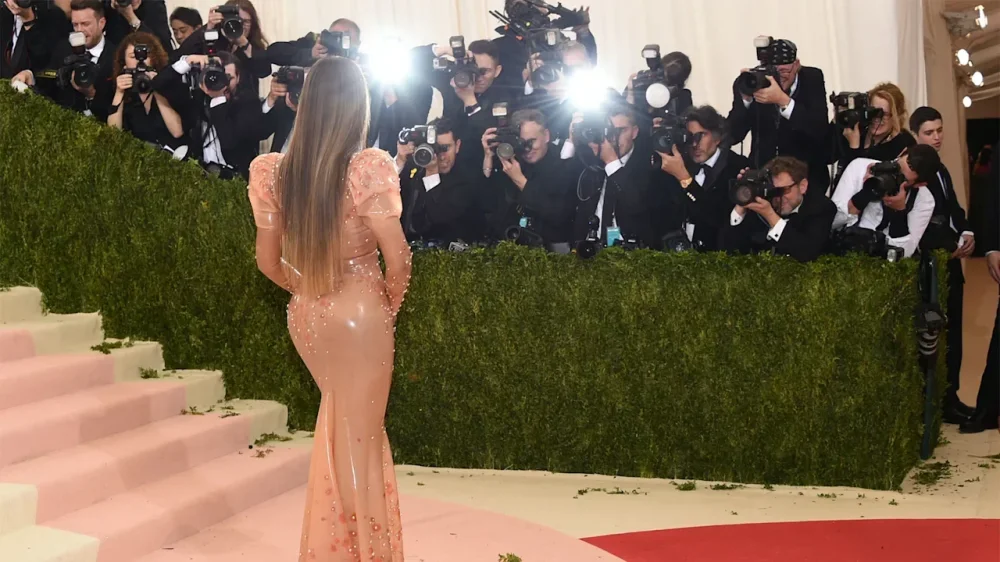
-
Germany’s SPRIND, the Federal Agency for Disruptive Innovation, and Sweden’s Vinnova, the country’s innovation agency, are two bodies that traditionally haven’t worked hand in hand. But the challenges the world currently faces have brought the two public innovation agencies together to back teams from across Europe building systems that can defend airports, nuclear plants, and civilian sites from hostile drones. One team, led by Martin Saska, a robotics professor at Czech Technical University in Prague, is among those being backed by the agencies to develop anti-drone technology. Beyond supporting a single company, the partnership offers Europe a way to stand firm amid shifting alliances elsewhere. Mario Draghi’s report on European competitiveness made clear that the continent was falling behind in the speed and scale at which radical ideas reach the market. The SPRIND-Vinnova partnership, formalized last year, is a deliberate effort to change that. “We need to have a fundamentally different way of funding innovation if we want to see different results,” says Jano Costard, head of challenges at SPRIND. “If we as SPRIND would have just copied what everybody else did, then what would be our added value?” Both agencies are modeled on DARPA, the U.S. defense agency credited with creating and later popularizing the internet and GPS, but with the military framing stripped away. SPRIND, founded in 2019 and operational from 2020, was given unusual legal latitude in how it spends money, including a 2023 act of parliament in Germany that allowed it to take equity stakes in startups, something most German public bodies cannot do. Vinnova, more than 20 years older, has operated with a similar playbook for years. Sweden, with a population of just 10 million, produced more than 500 IPOs in the past decade, more than Germany, France, Spain, and the Netherlands combined. “Europe as a whole needs to invest more in radical breakthrough innovation, and we also need to figure out ways of really supporting the journey to scale,” says Darja Isaksson, director general of Vinnova. The aim, she adds, is to “make it easy for private sector VC to spot that and to crowd in.” The choice of drones for the agencies’ first joint initiative is no accident. Beyond the integral role drones are playing in Middle Eastern conflicts, repeated drone sightings over European airports in late 2025 have rattled governments. There is also growing anxiety about the role of Russian- and Chinese-made hardware in critical infrastructure, making anti-drone technology a key focus for European police forces and militaries. The challenge is that Europe’s drone sector remains highly fragmented. Costard argues that without coordinated demand across member states, no startup can build a viable business in the space. “If every police force that would like to buy drone interceptors posts different requirements, that’s a nightmare for any small startup,” he says. For founders like Saska, whose company EAGLE.ONE builds drones that hunt other drones, the agencies’ support has made a tangible difference. Winning a SPRIND challenge round in 2024, he says, “got a lot of leads, and this helped us really get into the German market.” Saska argues that Europe needs sovereign drone capability for deeper security reasons: police forces and some armies across the continent still rely on consumer drones from Chinese manufacturer DJI. Bringing together two countries’ innovation agencies helps pool expertise and accelerate the pace at which solutions can emerge. “Iteration speed is a superpower,” says Costard, borrowing a line from OpenAI co-founder Greg Brockman. “If these young teams rely on the funding that we provide, the slower we are, the slower they are.” Success tends to breed success, and the model is beginning to spread. The Netherlands has announced a SPRIND-style agency of its own, and the European Innovation Council has been tasked with piloting challenge-driven funding. Sweden is also exploring an expanded version of what Vinnova already does, while the European Commission renegotiates its next research framework with Draghi’s recommendations on the table. “Our mission is to solve the grand challenges of our time,” says Costard. “They’re typically not unsolved because nobody has thought about them—it’s typically because they’re very hard to solve.” View the full article
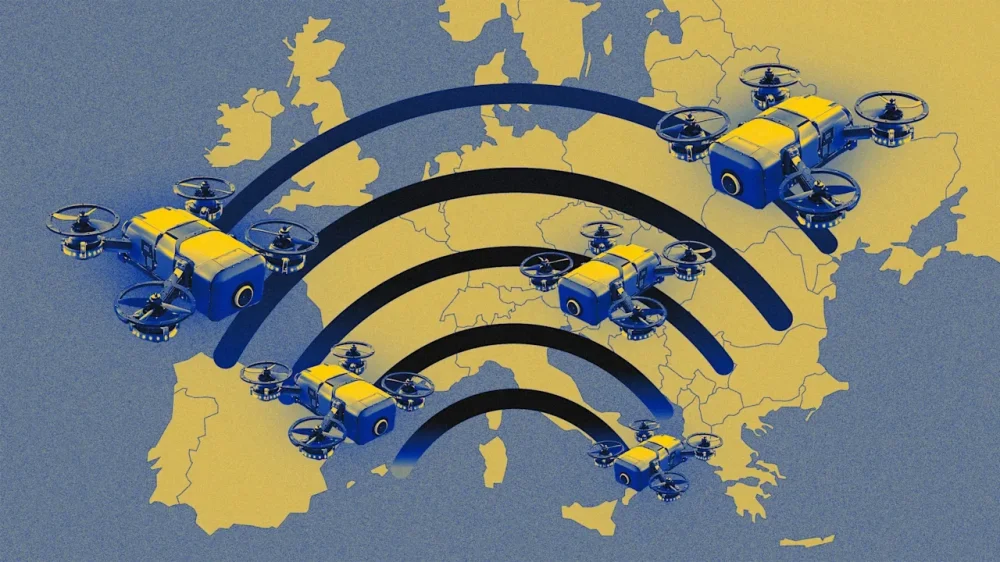
-
This week, a meme-based generational civil war is breaking out on TikTok, and only one side knows it's even happening; a throwaway tweet from rapper Young Thug has me looking into why so many rappers put "ASAP" in front of their names, and we're going back in time to 2012, when prank videos ruled the internet. TikTok’s Le Snack Demon and why it signals a generational riftTikTok has been around since 2016; Instagram, since 2010. Both have lived long enough to see long-time users butting heads with newcomers, and generational battle lines are being drawn around a little AI cartoon character called Snack Demon. It started on (older-coded) Instagram, where this video from an AI slop account went viral: You don't have to be 17 years old to see that this meme is dumb and bad. It speaks to something most younger people don't care about: wanting to avoid eating snacks because you're on a diet. It is exactly the kind of meme someone's mom would post. This fact was not lost on TikTok, as illustrated by @nataliethebrownie in this video: So the stage was set for Snack Demon to operate on both a sincere level and an ironic one. TikTok moms and the mom-adjacent are taking the meme at face value and posting videos like these. The younger generation are responding with similar videos meant to mock how lame the original posts are. The ironic versions of Snack Demon videos tend to feature a different AI-generated main character—a gray Snack Demon—and often mention current meme-target Arby's, but the dance, annoying song, and cutesy-slop vibe remain the same. I especially love that they refer to it as "Le Snack Demon," an ironic dig at the way older generations of online people used to dunk on lame internet "rage comics" headed "le me." That's a double dose of irony! Ultimately, younger generations don't understand that they can't actually win this war. First, because the number of people who appreciate irony has never been huge and it seems to shrinking rapidly in 2026, and secondly, because it doesn't matter how cool you are when you're young. Everyone who lives long enough will be eventually be mocked online for posting their own version of Snack Demon. Why rappers are using “ASAP” in their namesRapper Young Thug recently tweeted that he was changing his name. His real first name is "Jeffery" and he doesn't want a connection to Epstein. I'm only writing about this because the tweet says "I'm changing my f**king name asap bro," and at first I thought he said he was changing his name to "ASAP Bro," joining A$AP Rocky, ASAP Lou, A$AP Ferg, ASAP Twelvyy, A$AP NAST, and about a hundred other rappers and producers who have chosen "ASAP" or "A$AP" as part of their stage name. Classically, “ASAP” means “as soon as possible,” and that's how Young Thug meant it in his tweet. As much as I’d like it to be, A$AP Rocky’s stage name is not “As Soon As Possible, Rocky.” "A$AP" or "ASAP" indicates an affiliation with the ASAP Mob, a New York hip-hop collective started by ASAP Yams, ASAP Bari, and ASAP Illz way back in 2006. As for what the letters actually stand for in terms of rap names, it depends on who you ask. Some say ASAP is short for “Always Strive And Prosper.” Some say it means, “Assassinating Snitches and Police.” If you work at NASA, ASAP means "Aerospace Safety Advisory Panel," and it's “Always Say a Prayer” if you’re religious, but I like A$AP Rocky’s preferred definition best: “Acronym Symbolizing Any Purpose.” Viral video of the week: yelling food ordersOver 50 million people have watched the video below, in which TikToker @pablopyee pretends to be hearing-impaired so they can yell their orders at the beleaguered worker behind the counter at a fast food place. There's more where that came from. This TikToker has a little cottage industry of prank-style videos in which he bellows at fast food workers, pronounces words incorrectly, aggressively compliments strangers, and otherwise causes mild mayhem. Yeah, it sucks to make people uncomfortable in public, especially if they're working, but most of his subjects seem like they're at least amused, and no one is getting hurt—unlike past generations of prank videos that were sometimes as simple as "walk up to a stranger and slap them across the face" or "drive a car while blindfolded." And I like that this TikToker is bucking the trend of his peers, whose generation-defining trait is being afraid to do anything (socialize, have a drink, take risks, have sex, make friends) for fear of appearing "cringe" on social media. And at least it isn't AI. He's out there being loud and embarrassing in the flesh. Educational brainrot videos take over TikTokIf the young person in your life is watching AI-generated slop videos on TikTok all day, don't assume that they're watching mindless content. Sure, most AI-made videos online richly deserve the "brainrot" name, but there's a growing, oxymoronic trend online of educational brainrot videos. The format seems to have begun with the Skeleton and Socrates videos I discussed a few weeks ago, and has since expanded beyond Greek history. Here are a few channels that are making (semi) worthwhile brainrot. MoggyBoi: This channel features videos explaining hygiene and grooming, with skeletons. Law by Skele: This channel uses skeletons to explain basic legal concepts. jessicaer45: There are no skeletons here. This channel is a weird combination of sea shanties and grotesque scientific and medical situations that answers questions like, "what would happen if you were trapped inside a giant oyseter?" These videos all seem wholly AI-generated, so I can't vouch for the accuracy of the facts contained within them, but they seem to be at least aiming at truth, which beats most brainrot. View the full article