All Activity
- Past hour
-
 The Mortgage Bankers Association's index of home-purchase applications rose 5.1% in the week ended Jan. 16, data from the group showed Wednesday. View the full article
-
The justices will weigh whether to let The President fire Fed Governor Lisa Cook over mortgage-fraud allegations that she denies. View the full article

-
The debate over SEO versus AEO/GEO appears to be reaching a consensus. The post A Little Clarity On SEO, GEO, And AEO appeared first on Search Engine Journal. View the full article
-
Bill Hunt explains how governance converts complexity into momentum, ensuring digital strategies deliver measurable enterprise value. The post Web Governance As A Growth Lever: Building A Center Of Excellence That Actually Works appeared first on Search Engine Journal. View the full article
-
Wix Harmony AI site builder enables natural language site creation with the ability to switch to manual mode at any point. The post Wix Introduces Harmony AI Website Builder appeared first on Search Engine Journal. View the full article
-
We may earn a commission from links on this page. Deal pricing and availability subject to change after time of publication. Mobile gaming stopped being a casual distraction a while ago. Big-budget titles, console-quality ports, and cloud streaming have turned phones into credible gaming machines. The problem is still input. Touch controls work until they don’t, especially once games demand precise movement, aiming, or long sessions. The Razer Kishi Ultra is built to fix that gap. And it’s currently $79.99 on Amazon, which online price trackers confirm is its lowest price to date. It fits most phones, even with cases, and can expand wide enough to hold an iPad mini, which gives it more range than controllers built only for phones. Razer Kishi Ultra Gaming Controller $79.99 at Amazon $149.99 Save $70.00 Get Deal Get Deal $79.99 at Amazon $149.99 Save $70.00 In use, the Kishi Ultra feels closer to a traditional console controller than a typical snap-on accessory. It’s large and deliberately so, with thick grips that distribute the weight of your phone instead of cramping your hands. The triggers use Hall Effect sensors, which provide smoother movement and more consistent input than standard triggers, especially noticeable in racing games and shooters where partial pulls matter. The face buttons are mechanical and clicky, and the eight-way D-pad handles precise inputs well for fighting games and older titles. Razer also includes two extra programmable bumpers that can be mapped through its app, which helps in games that benefit from quick-access controls. That said, there are some trade-offs worth noting. The controller connects over USB-C, so it won’t work with older iPhones that still rely on Lightning. The wired connection does bring one upside: You can plug it into a PC and use it like a standard controller, which adds value if you move between platforms. On iOS, cloud gaming support can feel inconsistent with services like Xbox Game Pass, while Android tends to be smoother overall, notes this PCMag review. Still, if you want mobile gaming to feel closer to a console session, the Kishi Ultra makes a convincing case at this price. The Razer Kishi Ultra is a full-size mobile gaming controller that brings console-style controls to phones and tablets. It’s now $79.99 on Amazon, the lowest price it has hit so far, making it easier to justify if you want more precise controls for mobile or cloud gaming. Our Best Editor-Vetted Tech Deals Right Now Apple AirPods 4 Active Noise Cancelling Wireless Earbuds — $148.99 (List Price $179.00) Apple Watch Series 11 [GPS 46mm] Smartwatch with Jet Black Aluminum Case with Black Sport Band - M/L. Sleep Score, Fitness Tracker, Health Monitoring, Always-On Display, Water Resistant — $399.00 (List Price $429.00) Amazon Fire TV Stick 4K Plus — (List Price $24.99 With Code "FTV4K25") Samsung Galaxy Tab A9+ 10.9" 64GB Wi-Fi Tablet (Graphite) — $149.99 (List Price $219.99) Deals are selected by our commerce team View the full article
-
Most businesses don’t fail to rank in the local pack because they lack reviews, links, or proximity. They fail long before that because Google never considers them eligible in the first place. This is a recurring pattern in local search that almost everyone overlooks. Google decides what you are before it decides how relevant you are. From exact matches to broad intent: How eligibility shifts In a niche query, Google is looking for a 1:1 match. They want high-confidence entities that leave zero room for interpretation. However, once you zoom out to a broader search like “restaurants,” that lockdown disappears. Suddenly, the Map Pack opens up to a variety of related categories. This is where hidden ranking factors like clicks, NavBoost, reviews, and even real-time signals like openness are prioritized. Your business name and category create a unified signal that defines your “entity boundary.” For thousands of businesses, a name that is too specific acts as a technical anchor, preventing them from appearing in those high-value, broad-intent Map Packs. Conversely, for those trying to dominate a niche, aligning your name and category perfectly is the ultimate “cheat code” for eligibility. Dig deeper: How to pick the right Google Business Profile categories The eligibility gatekeeper: Interpretation first, rankings second The reality is that you aren’t just competing against other businesses; you are competing against Google’s own need for certainty. Thanks to the Google Content Warehouse API Leak, we now have visibility into the engine driving this NlpSemanticParsingLocalBusinessType. This is the upstream “brain” that decides whether your business is even eligible to show up for a query before traditional ranking factors like reviews, links, or proximity are ever considered. Think of it as a machine learning classifier designed to minimize noise. By filtering out businesses that are semantically unlikely to be a match for a query, Google ensures its Map Pack results are highly confident. If you don’t pass this semantic filter, your 500 five-star reviews don’t even get looked at. This is why, if Google’s parser identifies the combination of your business name and primary category as a narrow entity boundary, you are immediately limited in the queries you can compete for. Your business name and primary category do more than describe you. They dictate your eligibility for specific queries. They are the fundamental building blocks of your digital territory, setting the invisible walls of where you are and aren’t allowed to rank. Business name + category: A unified signal The leaked documentation reveals that Google evaluates your business name and business category as part of a single locationElement. These aren’t just two fields in a database. They are parsed through the same semantic model in parallel. But they serve very different roles in the parsing process: Business name = semantic tokens: This is your self-identification signal. Google extracts raw language tokens from your name to infer niche, scope, and intent. Every word in your name is a signal of “what you are.” Business category = structured authority: Backed by the LocalCategoryReliable grammar referenced in the leak, this is the tie-breaker. Categories are structured, curated Google category IDs (GCIDs), not free-text inputs. The category provides a taxonomy-based definition that usually overrides minor naming ambiguities. However, when your name contains a highly specific token like “pizza” or “grout,” it creates a narrow “entity boundary.” This forces the algorithm to interpret your business with a limited scope, making it very difficult to rank up into broader categories unless you have behavioral signals to back it up. Dig deeper: Google’s Local Pack isn’t random – it’s rewarding ‘signal-fit’ brands Tokens, categories, and SAB eligibility When searching “kids dance lessons Palm Beach” and “child dance lessons Palm Beach,” a clear pattern emerged in the Map Pack. Two service area businesses (SABs) appear: Tippi Toes Palm Beach Gardens (Position 4). KemKids Dance Studio (Position 7). Both listings use hidden addresses. Neither appears for the broader query “dance lessons Palm Beach.” A closer look shows their primary categories differ: KemKids is categorized as a Dance School. Tippi Toes is categorized as a Dance Company. Despite the category difference, both listings surface for child-specific searches and fail to appear for the broader dance lesson query. Based on what we know from the Google API leak, Google evaluates entity relevance before ranking. For SABs, relevance signals in the name can help shape entity interpretation, allowing them to surface for specific queries. In these examples, the business name provides an explicit age qualifier that closely aligns with the search intent. Dig deeper: GEO x local SEO: What it means for the future of discovery The ‘smoothie’ anchor Picture a cafe called “Tropical Sips & Smoothies.” They’ve got a smoothie lineup, daily specials, hot sandwiches, and salads. But their brand name tells Google one thing loud and clear: This is a smoothie shop. The conflict? In Google’s semantic parsing, business names aren’t just labels. They’re tokenized identity signals. Words like “smoothies” and “sips” create a strong beverage-first classification that can overpower weaker “secondary signals” (a few lunch mentions in reviews, a couple photos of sandwiches, etc.). As a result, when someone searches “smoothie near me,” Google has high confidence in eligibility. But when the query shifts to “lunch near me,” the system tends to prioritize broader meal categories. Tropical Sips & Smoothies can still rank, but it often needs unusually strong validation (behavioral signals, prominence, repeated lunch language in reviews) to break out of the beverage boundary. If you want to win broad-intent queries, don’t brand yourself as a niche specialist unless you are willing to fight against the constraints of your own entity boundary. Get the newsletter search marketers rely on. See terms. Category doesn’t always decide – sometimes Google just reads the sign In a world where SEOs spend thousands on schema markup and website content, Google’s parser can still take shortcuts. Faced with a business called Smokey’s Smoke & Smoothie – categorized as a smoke shop with no website, no menu, and zero secondary categories – the system concludes, “Yes, this is where I should send someone for a smoothie fruit beverage.” Put “smoothie” in the name, and Google will often ignore the fact that the business also sells glass pipes and rolling papers. The algorithm isn’t just reading the sign. It’s effectively ignoring the entire store behind it. Case study: Why secondary signals fail (halal vs. steakhouse) I recently ran a test that showed how literal this “gatekeeper” function really is. The analysis focused on a high-traffic restaurant with strong halal signals across nearly every surface. The website referenced halal. GBP attributes were set to halal. “Halal restaurant” was added as a secondary category. Yelp was optimized for halal. The business had PR coverage and influencer mentions tied to halal dining, and reviews repeatedly praised the halal menu. Despite all of this, the business was invisible for “halal restaurant” searches. The reason was simple. The primary category was set to “steakhouse.” To test the impact, I changed the primary category to “halal restaurant” and updated the website’s meta title to match. The result was immediate. Ranking grids flipped from deep red to solid No. 1s across the city. All of those secondary signals – reviews, attributes, content, and mentions – didn’t matter until the primary category gave Google the semantic permission to show the business for that query. This illustrates a critical point. Google needs clear, top-level cues to understand what your business is before it considers how good you are. Interestingly, this limitation exists deep in the code. The category steak_house is treated as a specialty dining classification. Unlike categories that end in _restaurant, it lacks a broader “restaurant” entity scope. As a result, businesses using it as a primary category often dominate steak-specific searches but struggle to compete for broader queries like “restaurant” unless they accumulate unusually strong validation signals. The validation layer: Clicks and visits If your name or category is anchoring you too deeply in a niche, you need to provide ground truth to Google to expand that boundary. The leak confirms that once the parser interprets your entity, Google validates that interpretation through real-world behavior: visitHistory: This confirmed ranking factor uses foot traffic patterns to validate a business’s prominence. If people frequently visit your “steakhouse” for dinner, it reinforces your authority in that category. clickRadius50Percent: Google calculates the geographic radius where your business receives 50% of its clicks. A wider “click radius” signals that you are a “destination” entity with a broader reach, which can help stretch your entity boundary further than a purely local name would suggest. NavBoost: This system tracks “good clicks” and “longest last clicks.” If users search for “lunch” and consistently click your listing and stay there, Google’s NavBoost system can eventually override a narrow name interpretation by observing that you satisfy the user’s intent. The 2026 strategy: How to re-anchor your entity for local search Expanding your entity boundary requires consistent proof that your business operates at a broader scope. If you are stuck in a niche lockdown, you need to counterbalance your name with evidence. Website authority (service pages): Your website must provide the primary proof. Creating authoritative service pages, localized for broader services, helps shift your site’s identity from a narrow focus to a broader entity. GBP category alignment: While your business name provides the semantic tokens, the primary category provides the structural permission for Google to consider you a candidate for the larger query. Secondary categories should then be used to reinforce specific niches. Behavioral reinforcement: Focus on driving “branded” clicks and real-world visits. Dig deeper: Want to win at local SEO? Focus on reviews and customer sentiment Eligibility comes before ranking Local rankings aren’t just about optimization. They’re about confidence. Google ranks what it understands and suppresses what it doesn’t. Here’s the part most businesses don’t understand. You have to evaluate your business name and primary category against the specific queries you’re trying to win. Eligibility isn’t universal. It’s query by query. If your primary category is limiting your ability to rank for the terms that matter most, reexamine the strategy. You can keep stacking secondary signals, but if the top-level classification is telling Google you’re not that, you may be wasting effort because Google has already made its decision. Not every keyword is worth chasing on Google. If the query you want requires an identity shift you’re not willing to make, it may be smarter to push those “secondary signals” through other channels – ads, social platforms, creator partnerships, PR, and other third-party directories. Then let Google catch up later through branded demand and real-world behavior. Stop thinking about rankings. Start thinking about how Google interprets the very soul of your business and whether the queries you’re chasing are worth the price of admission. View the full article
-
In October, gold hit a significant milestone, reaching $4,000 an ounce for the first time. Less than four months later, the precious metal is well on its way to $4,900 an ounce in an astonishing push that shows no signs of stopping. Late Tuesday, January 20, gold hit a new record high of $4,800 an ounce, and by Wednesday morning, it rose to over $4,880 an ounce—up more than 12% year-to-date (YTD) and up about 76% over the last 12 months. A report from the London Bullion Market Association (LBMA) predicts gold could trade anywhere between $3,450 and $7,150 an ounce in 2026. Analysts surveyed by the LBMA predict wildly different figures, with Robin Bhar of RBMC forecasting an average of $4,000 per ounce, and Julia Du of the ICBC Standard Bank predicting an average of $6,050 per ounce. Silver has also continued its surge right alongside gold. The precious metal surpassed $95 per ounce for the first time on Tuesday. It has fluttered ever since, dropping within $2 less an ounce, before reaching above $95 again and again. Silver’s new record-high figure is up about 34% YTD, and up more than 201% over the last year. In the LBMA report, Du took an equally bullish stance on silver, forecasting an average of $125 per ounce, while Bart Melek of TD Securities predicted an average of $44.25 per ounce. Why do gold and silver continue to rise? Gold and silver are seen as safe-haven assets at a time of intense geopolitical uncertainty. This week has seen President Donald The President continue his push to take Greenland by whatever means necessary. Today, he is attending the World Economic Forum in Davos to further his demands, and push back against European leaders who oppose them. Over the weekend, The President threatened tariffs of up to 25% on eight European countries, including the United Kingdom and Denmark. View the full article

-
Right now, too many physicians and patients are trapped in a fragmented system. Information exists—but rarely in a form that’s usable or easily actionable. Too often, lab results arrive as scanned images. Medication histories show up late or unreadable. Critical details hide in pages no one has time to sift through. What clinicians feel in those moments is not just inconvenience—it’s strain. They’re carrying the weight of navigating a complexity that shouldn’t sit on their shoulders in the first place. Many expect artificial intelligence (AI) to solve the problem but while it can be an important part of the solution, AI is only as smart as the data it feeds on and only as effective as the structure that enables it. When information is incomplete, inconsistent, or locked in silos, even the most advanced tools struggle to deliver meaningful insight. AI plays an important role—but not by fixing fragmented data on its own. The work of organizing, connecting, and interpreting healthcare information still belongs to people and the systems they build. Where AI helps is after that foundation is in place: by bringing the right information forward at the right time, reducing the effort it takes to find what matters, and supporting better decisions in the moment of care. The next era of healthcare innovation won’t be driven by larger AI models. It will be driven by how well we prepare the information they rely on. The benefits of AI AI is already helping clinicians reclaim time. It drafts documentation, supports communication, and reduces administrative burden reducing the pressures that drive burnout. A nationwide survey of more than 500 physicians and administrators conducted by athenaInstitute for its AI on the Frontlines of Care report found that 64% of clinicians said documentation-related AI reduces their workload, and nearly half identified “time saved” as AI’s most important benefit. What stands out is how often clinicians describe these savings in terms of what they get back: the ability to be present with their patients. Less administrative pressure doesn’t just lighten their workload—it changes how they show up in the exam room. That’s powerful. But these gains reveal a deeper truth: AI performs best when the information around it is complete, consistent, and interpretable. For too many medical practices across the nation, that’s the exception, not the rule. AI only works when the data works Clinicians consistently report difficulty accessing what they need when they need it, according to athenaInstitute’s research. Nearly half say they encounter inconsistent formats or information that is simply hard to locate. Only 2% report having timely, comprehensive visibility across systems. This disconnect has real consequences. AI cannot flag early signs that a patient’s condition is worsening if key information is missing. It can’t prevent duplicative testing when records don’t follow patients across medical settings. It can’t strengthen clinical reasoning when the underlying information contradicts itself. AI is a force multiplier, but it can only magnify what already exists. If the data is fragmented, the insight will be fragmented too. This is why interoperability matters to every one of us, whether we realize it or not. For clinicians, it’s the difference between piecing together bits of information or having a clear picture of their patients. For patients, it’s the difference between reciting the same information repeatedly or speaking face-to-face with your physician, with no distractions. AI adoption grows when it reduces friction in the workflows clinicians struggle with most: documentation, intake, communication, scheduling, and claims. Trust grows when AI is transparent, monitored, and clinically grounded. Safety grows when interoperability and standardization serve as the backbone of clarity. Four shifts that will shape the future The organizations that unlock AI’s full value will be the ones that build the strongest data foundation. Leading organizations will take four actions. 1. Curate, not accumulate. Clinicians don’t need more data. They need meaningful data that supports their ability to treat patients. 2. Standardize to simplify. Predictable structure in the data—formats, fields and definitions—reduces friction and cognitive load. 3. Make intelligence portable. Patients move. Their information should move with them—intact, interpretable, and ready to support the next moment of care. 4. Support intuitive interpretation. The best AI surfaces what matters, explains why, and reinforces—not replaces—clinician judgment. When these elements come together, AI stops functioning as a series of disconnected tools and starts acting as a true intelligence partner—one that provides clarity instead of noise. Healthcare has never lacked dedication, intelligence, or compassion. What it has lacked is clarity—the ability to see the full picture when it matters most. AI can help deliver that clarity, but only when it’s built on a system that speaks a common language. If we invest in connected, usable data today, we won’t just make healthcare more efficient. We’ll make it more human. And that’s the kind of progress and innovation patients, clinicians, and communities deserve. Stacy Simpson is chief marketing officer at athenahealth and co-chair of athenaInstitute. View the full article

- Today
-
To improve your customer service management skills, you need to explore key articles that cover crucial strategies. These writings highlight the importance of building lasting relationships with clients, streamlining onboarding processes, and ensuring quick resolutions to inquiries. They likewise emphasize the value of personalized experiences and consistent communication. Comprehending these concepts can greatly impact your approach, leading to improved customer satisfaction. What strategies from these articles will you implement first? Key Takeaways Understanding Customer Needs: Articles that explore effective communication and active listening to address customer expectations and enhance satisfaction are essential. Strategies for Retention: Look for insights on gathering feedback and implementing unexpected gestures to boost customer loyalty and retention rates. Social Media Engagement: Read about leveraging social listening and timely responses on popular platforms to improve customer satisfaction and engagement. Balancing Automation and Human Interaction: Explore articles that emphasize the importance of combining technology with personalized service for a superior customer experience. Empathy in Service: Seek out discussions on incorporating empathy into service strategies to strengthen customer relationships and improve overall interactions. The 4 Types of Customer Service and How to Use Them Regarding customer service, there are four main types that businesses can use to meet their customers’ diverse needs: live answering, live chat, email, and IVR (Interactive Voice Response). Live answering delivers immediate, personalized support, making it ideal for complex inquiries or high-stakes situations where customers may have heightened emotions. Live chat, conversely, offers a fast and efficient way to engage customers in real-time, particularly effective for online storefronts looking to convert leads. Email remains essential, with customers expecting personalized responses within 24 hours to promote satisfaction and loyalty. Finally, IVR systems utilize AI to prioritize calls based on urgency, helping to streamline service and manage high request volumes effectively. For a deeper comprehension of these types and their applications, exploring Zendesk customer service management articles can provide you with valuable insights and strategies to improve your service offerings. 9 Secrets to Having World-Class Customer Service World-class customer service hinges on several key practices that greatly improve the overall customer experience. To achieve customer delight, focus on these fundamentals: Value People Over Profit: Prioritize customer relationships to exceed expectations and cultivate long-term loyalty, leading to better returns. Streamline Onboarding: Guarantee a smooth shift for new clients to greatly improve retention rates and build trust from the start. Commit to Fast Resolutions: Aim for quicker solutions to issues, as timely responses boost customer satisfaction and show you value their time. Gather Actionable Feedback: Regularly collect and analyze feedback to refine services based on actual user experiences, making improvements that matter. 10 Ways to Make Customers Fall in Love With Your Business How can you make your customers truly fall in love with your business? Here are some effective strategies to improve client delight: Strategy Impact Personalize Experiences 80% of consumers prefer this Consistent Communication 70% link responsiveness to loyalty Gather Feedback Improve retention by up to 15% Unexpected Gestures Boost loyalty by 70% The Definitive Guide to Social Customer Service Building strong customer relationships often involves the right mix of personalized experiences and reliable communication. Social customer service is essential in today’s digital environment, as 67% of consumers use social media for support. Here’s how you can improve your strategy: Engage Quickly: Respond to inquiries swiftly, as timely replies can increase customer satisfaction by 70%. Utilize Social Listening: Monitor brand mentions and sentiments to address concerns proactively. Leverage Popular Platforms: Focus on channels like Twitter and Facebook, where customers expect real-time communication. Train Your Team: Guarantee your support team is well-versed in social media etiquette and product knowledge. Implementing these strategies can lead to a 20-40% boost in customer retention. For more insights, check out customer support articles that explore deeper into effective social customer service practices. Customer Service 101: A Guide to Providing Stand-Out Support Experiences Providing exceptional customer service is important for any business aiming to cultivate loyalty and satisfaction among its clientele. To stand out, you need to understand the differences between customer experience, customer service, and customer care. These distinctions can impact your business’s success and stock prices. Effective communication and active listening are fundamental; they help you grasp customer needs and improve satisfaction. As automation and technology streamline processes, balancing these tools with human interaction is crucial to maintain a positive customer experience. Empathy should be at the forefront of your service strategy, as it directly influences relationships. Implementing practical strategies, like personalizing interactions and following up after resolving issues, can greatly boost quality. For more insights, consider reading various customer care articles that explore these practices in greater depth, offering guidance on how to raise your customer service game and nurture long-term loyalty. Frequently Asked Questions What Are the 7 R’s of Customer Service? The 7 R’s of customer service are essential for effective service delivery. They include the Right Person, meaning you need skilled staff to address customer needs, and the Right Time, which emphasizes timely responses to improve satisfaction. The Right Place guarantees customers can easily access support, whereas the Right Information ensures accuracy and relevance. Furthermore, the Right Method focuses on using appropriate communication channels, and the Right Feedback involves gathering insights to boost service quality. What Are the 5 R’s of Customer Service? The 5 R’s of customer service include Responsiveness, Respect, Reliability, Resourcefulness, and Relationship-building. Responsiveness means addressing customer needs quickly, whereas Respect involves treating all customers with dignity. Reliability focuses on consistently delivering on promises, ensuring customers can trust your service. Resourcefulness is about creatively solving problems to meet individual needs. Finally, Relationship-building emphasizes cultivating long-term connections with customers, enhancing their overall experience and loyalty to your brand. What Are the 7 C’s of CRM? The 7 C’s of CRM are fundamental for effective customer relationship management. They include Customer, which focuses on comprehending your clients’ needs; Cost, evaluating the overall value against the price; Convenience, ensuring easy access to services; Communication, nurturing clear dialogue; Consistency, maintaining uniform quality across all interactions; Content, delivering relevant information; and Community, building a sense of belonging among customers. Each element plays a vital role in creating strong, lasting relationships with your clientele. What Are the 7 Essentials to Excellent Customer Service? To provide excellent customer service, you should focus on seven fundamentals: consistency, effective communication, comprehension of customer preferences, timely follow-ups, active listening, problem-solving skills, and continuous feedback analysis. Consistency builds trust, whereas clear communication guarantees customers feel valued. Adapting to preferred channels improves satisfaction. Timely follow-ups show commitment, and active listening helps address concerns. Problem-solving skills are vital for resolutions, and analyzing feedback elevates service quality for better customer retention and loyalty. Conclusion In conclusion, mastering customer service management requires a multifaceted approach. By comprehending the types of service available, implementing best practices, and prioritizing relationship-building over profit, you can greatly improve customer satisfaction and loyalty. Streamlining onboarding processes, ensuring quick resolutions, and personalizing interactions further contribute to a positive experience. By consistently applying these strategies, you’ll not just retain clients but additionally cultivate a culture of outstanding service that benefits your business in the long run. Image via Google Gemini This article, "5 Essential Articles on Customer Service Management You Need to Read" was first published on Small Business Trends View the full article
-
To improve your customer service management skills, you need to explore key articles that cover crucial strategies. These writings highlight the importance of building lasting relationships with clients, streamlining onboarding processes, and ensuring quick resolutions to inquiries. They likewise emphasize the value of personalized experiences and consistent communication. Comprehending these concepts can greatly impact your approach, leading to improved customer satisfaction. What strategies from these articles will you implement first? Key Takeaways Understanding Customer Needs: Articles that explore effective communication and active listening to address customer expectations and enhance satisfaction are essential. Strategies for Retention: Look for insights on gathering feedback and implementing unexpected gestures to boost customer loyalty and retention rates. Social Media Engagement: Read about leveraging social listening and timely responses on popular platforms to improve customer satisfaction and engagement. Balancing Automation and Human Interaction: Explore articles that emphasize the importance of combining technology with personalized service for a superior customer experience. Empathy in Service: Seek out discussions on incorporating empathy into service strategies to strengthen customer relationships and improve overall interactions. The 4 Types of Customer Service and How to Use Them Regarding customer service, there are four main types that businesses can use to meet their customers’ diverse needs: live answering, live chat, email, and IVR (Interactive Voice Response). Live answering delivers immediate, personalized support, making it ideal for complex inquiries or high-stakes situations where customers may have heightened emotions. Live chat, conversely, offers a fast and efficient way to engage customers in real-time, particularly effective for online storefronts looking to convert leads. Email remains essential, with customers expecting personalized responses within 24 hours to promote satisfaction and loyalty. Finally, IVR systems utilize AI to prioritize calls based on urgency, helping to streamline service and manage high request volumes effectively. For a deeper comprehension of these types and their applications, exploring Zendesk customer service management articles can provide you with valuable insights and strategies to improve your service offerings. 9 Secrets to Having World-Class Customer Service World-class customer service hinges on several key practices that greatly improve the overall customer experience. To achieve customer delight, focus on these fundamentals: Value People Over Profit: Prioritize customer relationships to exceed expectations and cultivate long-term loyalty, leading to better returns. Streamline Onboarding: Guarantee a smooth shift for new clients to greatly improve retention rates and build trust from the start. Commit to Fast Resolutions: Aim for quicker solutions to issues, as timely responses boost customer satisfaction and show you value their time. Gather Actionable Feedback: Regularly collect and analyze feedback to refine services based on actual user experiences, making improvements that matter. 10 Ways to Make Customers Fall in Love With Your Business How can you make your customers truly fall in love with your business? Here are some effective strategies to improve client delight: Strategy Impact Personalize Experiences 80% of consumers prefer this Consistent Communication 70% link responsiveness to loyalty Gather Feedback Improve retention by up to 15% Unexpected Gestures Boost loyalty by 70% The Definitive Guide to Social Customer Service Building strong customer relationships often involves the right mix of personalized experiences and reliable communication. Social customer service is essential in today’s digital environment, as 67% of consumers use social media for support. Here’s how you can improve your strategy: Engage Quickly: Respond to inquiries swiftly, as timely replies can increase customer satisfaction by 70%. Utilize Social Listening: Monitor brand mentions and sentiments to address concerns proactively. Leverage Popular Platforms: Focus on channels like Twitter and Facebook, where customers expect real-time communication. Train Your Team: Guarantee your support team is well-versed in social media etiquette and product knowledge. Implementing these strategies can lead to a 20-40% boost in customer retention. For more insights, check out customer support articles that explore deeper into effective social customer service practices. Customer Service 101: A Guide to Providing Stand-Out Support Experiences Providing exceptional customer service is important for any business aiming to cultivate loyalty and satisfaction among its clientele. To stand out, you need to understand the differences between customer experience, customer service, and customer care. These distinctions can impact your business’s success and stock prices. Effective communication and active listening are fundamental; they help you grasp customer needs and improve satisfaction. As automation and technology streamline processes, balancing these tools with human interaction is crucial to maintain a positive customer experience. Empathy should be at the forefront of your service strategy, as it directly influences relationships. Implementing practical strategies, like personalizing interactions and following up after resolving issues, can greatly boost quality. For more insights, consider reading various customer care articles that explore these practices in greater depth, offering guidance on how to raise your customer service game and nurture long-term loyalty. Frequently Asked Questions What Are the 7 R’s of Customer Service? The 7 R’s of customer service are essential for effective service delivery. They include the Right Person, meaning you need skilled staff to address customer needs, and the Right Time, which emphasizes timely responses to improve satisfaction. The Right Place guarantees customers can easily access support, whereas the Right Information ensures accuracy and relevance. Furthermore, the Right Method focuses on using appropriate communication channels, and the Right Feedback involves gathering insights to boost service quality. What Are the 5 R’s of Customer Service? The 5 R’s of customer service include Responsiveness, Respect, Reliability, Resourcefulness, and Relationship-building. Responsiveness means addressing customer needs quickly, whereas Respect involves treating all customers with dignity. Reliability focuses on consistently delivering on promises, ensuring customers can trust your service. Resourcefulness is about creatively solving problems to meet individual needs. Finally, Relationship-building emphasizes cultivating long-term connections with customers, enhancing their overall experience and loyalty to your brand. What Are the 7 C’s of CRM? The 7 C’s of CRM are fundamental for effective customer relationship management. They include Customer, which focuses on comprehending your clients’ needs; Cost, evaluating the overall value against the price; Convenience, ensuring easy access to services; Communication, nurturing clear dialogue; Consistency, maintaining uniform quality across all interactions; Content, delivering relevant information; and Community, building a sense of belonging among customers. Each element plays a vital role in creating strong, lasting relationships with your clientele. What Are the 7 Essentials to Excellent Customer Service? To provide excellent customer service, you should focus on seven fundamentals: consistency, effective communication, comprehension of customer preferences, timely follow-ups, active listening, problem-solving skills, and continuous feedback analysis. Consistency builds trust, whereas clear communication guarantees customers feel valued. Adapting to preferred channels improves satisfaction. Timely follow-ups show commitment, and active listening helps address concerns. Problem-solving skills are vital for resolutions, and analyzing feedback elevates service quality for better customer retention and loyalty. Conclusion In conclusion, mastering customer service management requires a multifaceted approach. By comprehending the types of service available, implementing best practices, and prioritizing relationship-building over profit, you can greatly improve customer satisfaction and loyalty. Streamlining onboarding processes, ensuring quick resolutions, and personalizing interactions further contribute to a positive experience. By consistently applying these strategies, you’ll not just retain clients but additionally cultivate a culture of outstanding service that benefits your business in the long run. Image via Google Gemini This article, "5 Essential Articles on Customer Service Management You Need to Read" was first published on Small Business Trends View the full article
-
A five-pillar approach to paid search audits that exposes why AI-optimized campaigns still miss revenue, pipeline, and growth goals. The post The 5-Pillar Audit: Diagnosing Strategy Vs. Tactic Failures In A Google Ads Account appeared first on Search Engine Journal. View the full article
-
Back before Reddit became the unofficial "front page of the internet," you would dig up your next long read or binge watch on Digg. Starting in 2004, the original version of the site worked much like Reddit does today, with community members submitting content they found interesting to premade category pages and others voting on it until an algorithm eventually decided what should make its way to the front page. Aside from the lack of user-made pages like subreddits, it was generally pretty familiar to what modern users might expect—and, speaking from experience, it was a big deal to be featured on Digg. Unfortunately, starting in 2010, the site went through a few drastic redesigns that added controversial features like the DiggBar (a clunky toolbar that would display over content) and got rid of features like burying (the equivalent of modern downvoting). It bounced from owner to owner and experimented with new formats like a manually curated front page, but by that point, Reddit had become the behemoth it's known as today. It was hard for Digg to keep up. Now, after Reddit has spent years saddled with its own controversies, Digg is back with yet another relaunch, with a new beta from original founder Kevin Rose and Reddit co-founder Alexis Ohanian that aim to combine the best of both site's legacies. What does Digg look like now? Credit: Digg Last week, Rose and Ohanian opened their new Digg to the public, debuting a new design that looks a lot like Reddit, but cleaner. On desktop, the sidebar on the left uses icons rather than labels, and generally has fewer complications, so no distracting "games on Reddit" tab. To the right of that, you get your main, infinite scrolling feed, and I'll admit, I like the classic blue-on-white color scheme (although you can use dark mode if you like). Unlike the classic Digg, this feed will include user-made communities, which work like subreddits, so you can join and leave them at any time to curate what you see. And yes, the downvote is back, along with full commenting functionality. You can also swap over from a feed that only shows communities you're subscribed to (My Feed) to one that collects the best posts across Digg (All Digg) with a button up top, which is one pretty significant difference—Reddit has the r/all subreddit, but it requires navigating away from your main feed and isn't available in the app. But the big difference maker is in the right sidebar, which shows recent posts on Reddit, but "Digg Daily" on Digg. This shows trending posts and featured communities at a glance, so you can get caught up with news without having to scroll the "All Digg" feed for too long, but curiously, it's also got the "Digg Daily" podcast. This one addition is probably the most significant way the new Digg differs from Reddit, and also the most awkward. What is Digg Daily? Credit: Digg It had to be here somewhere—Digg Daily is the site's implementation of AI. Updated once a day, this brief five-ish minute podcast recaps the biggest stories on the site that day, using AI hosts that sound like slightly more robotic versions of the ones you'll get on Google's NotebookLM. You'll get a few sentences talking about the story's original source (which, when I listened, did credit the author of the article being discussed), as well as a few quotes from readers. Unfortunately, while you can bring up chapters to jump ahead in Digg Daily and see a list of discussed topics, there aren't any links to find either the sources or Digg posts being discussed, and the "Featured Posts" bar below Digg Daily doesn't relate to what's on the podcast at all. It's a nice idea, but aside from getting a high-level overview of what was popular on the site that day, I didn't find it too useful. Summaries are extremely short, and comments are awkward to hear outside of their original context. It might be a good first step to know what to search the site for, but links would really help it out. On the plus side, Digg Daily might not always be AI: The company said during an interview with TechCrunch that it might swap out the robotic hosts for human ones following user feedback. Human lead curation could help the recaps feel a bit more natural, and even bring back some elements from the eras of Digg where the front page was managed by a staff rather than an algorithm. What's missing?Aside from the different look and minor additions like Digg Daily, getting started on Digg should be pretty familiar for anyone who's used Reddit. The mobile app also has full functionality, although sidebar features have been moved to buttons above and below the main feeds. But there are a few ways the platform is looking to grow. The big one is probably communities, or Digg's version of subreddits. The site launched with 21 default communities off the bat, but it'll take a while for user-made communities to pop up for more obscure topics. For instance, I've been replaying the Mega Man: Battle Network games from my youth a lot lately, and while there are multiple regularly updated subreddits for that series with thousands of members each, there's not a Digg community for them yet. It sounds like a small complaint, but one of Reddit's big strengths is that you can just Google "[topic] + reddit" and probably find an answer to whatever question you might have, no matter how small. Without years of posts on topics both big and small to lean on, it'll take Digg some time to catch up. You can help with that by starting a community, but weirdly, communities right now can only have a single moderator, so be prepared to do a lot of heavy lifting. However, the growing pains aren't all bad. Personally, I can't stand that modern Reddit pushes users to theme their avatars around its mascot, and buries the button to just upload their own images deep in the Settings page. Especially because the best options for dressing up your avatar are paywalled. Digg doesn't have any paywall or mascot dress-up feature, so uploading your own photo to be your Digg avatar is the only way to go. Overall, it's a less bloated experience. What's coming?While Digg might be light on features now, it does have the basics down, and that TechCrunch interview pointed to more possibilities coming down the line. For instance, the owners might be using AI in some ways, but they're also big on fighting AI spam. They said they're not opting for one universal solution, but are looking at options on a case-by-case basis. In the interview, they discussed possibly forcing users of a community based around a product to prove they own that product before they can post. Similar suggested solutions were using location data to see if community members had attended in-person meetups, although that raises privacy concerns. "I don't think there's going to be any one silver bullet here," Rose told TechCrunch, but the general idea is to build trust and ensure users are authentic while remaining non-intrusive. This would help keep suspicious writing that sounds like ad copy or political brigading off the site, but would also keep users from having to upload personal data or pay for a one-time verification badge. Given that thousands of subreddits famously went dark in 2023 over a lack of trust between moderators and the site's owners, it's a noble goal, at least. It also tracks with Digg's promises of more public moderation and relaxed ownership of user-generated material, although I'll leave legal experts to comment on those in detail. Overall, it's encouraging that most of the features being discussed here are about core posting usability, although there are a few fun ideas sprinkled in, too, including plans to allow users to customize the look and feel of their communities, as well as add integrations with other sites—for instance, allowing Letterboxd scores to natively show up on a movies community. How to try the Digg beta Credit: Digg If this all sounds interesting to you, you can try the Digg beta right now, and despite that "beta" name, it's not too different from signing up for any other site. Just navigate to Digg.com or download the Digg app, click the "Signup/Login" button at the top of the feed, enter an email, and claim a username. After you authenticate using a code sent to your email, you should be all set to start scrolling and subscribing to communities. Or, you can scroll without being signed in, if you're OK with using the default feed. You can also still visit individual communities, by searching for them in the site's search bar. View the full article
-
British prime minister issues strongest rebuke yet over US president’s push to seize islandView the full article
-
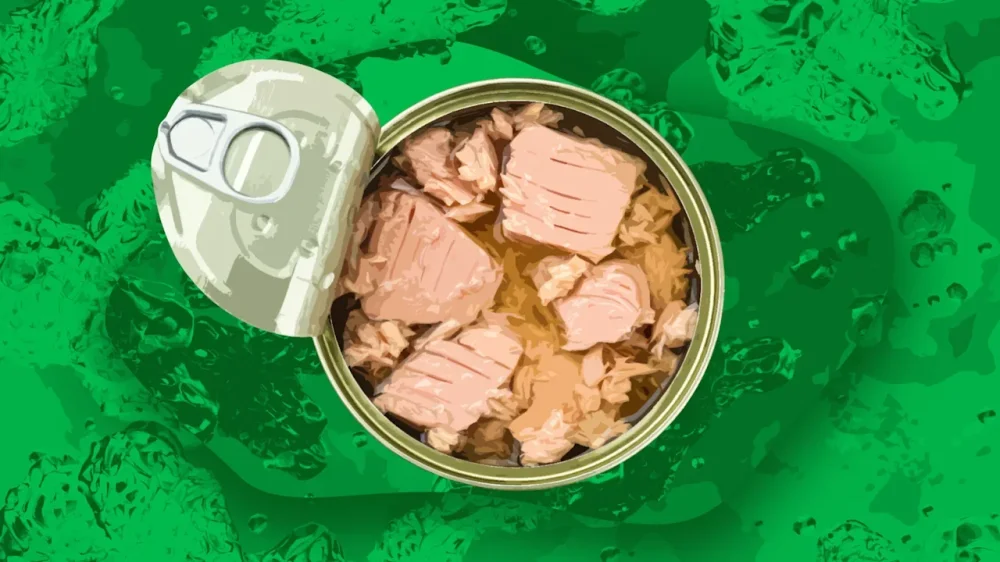
The U.S. Food and Drug Administration (FDA) has alerted the public to a threat posed by select canned tuna products. The canned tuna is at risk of harboring the bacterium that causes botulism, a potentially fatal form of food poisoning. Here’s what you need to know about the canned tuna recall. What’s happened? The U.S. Food and Drug Administration has posted a recall notice on its website announcing that select cans of Genova Yellowfin Tuna have the potential to be contaminated with Clostridium botulinum, a bacterium that can cause botulism in humans and animals who consume it. The canned tuna is produced by the El Segundo, California Tri-Union Seafoods company, which initiated the voluntary recall after it became aware that a third-party distributor had “inadvertently released quarantined product” that was linked to a recall in early 2025. That recall was related to a flaw in the “easy open” pull tab lid on select canned tuna products. The flaw meant that the seal on the can could be impacted, which could cause the tuna inside to leak or for bacteria like Clostridium botulinum to enter the product. Tri-Union Seafoods has learned that some quarantined products from that recall were inadvertently distributed by a third-party distributor, hence the new recall. What canned tuna is being recalled? There are multiple canned tuna products being recalled. The products are sold in cans under the Genova brand. The recalled products include: Genova Yellowfin Tuna in Olive Oil 5.0 oz 4 Pack UPC: 4800073265 Can Code: S84N D2L Best if Used By Date: 1/21/2028 Genova Yellowfin Tuna in Olive Oil 5.0 oz 4 Pack UPC: 4800073265 Can Code: S84N D3L Best if Used By Date: 1/24/2028 Genova Yellowfin Tuna in in Extra Virgin Olive Oil with Sea Salt 5.0 oz UPC: 4800013275 Can Code: S88N D1M Best if Used By Date: 1/17/2028 Product photos can be found in the recall notice here. Which states were the recalled tuna sold in? The recalled canned tuna was sold in nine states, including: California Illinois Indiana Kentucky Maryland Michigan Ohio Wisconsin Virginia Which stores were the recalled tuna sold in? According to the recall notice, the recalled canned tuna was distributed to six retailers. These include: Albertsons stores in California Giant Food stores in Maryland and Virginia Meijer stores in Illinois, Indiana, Kentucky, Michigan, Ohio, and Wisconsin Pavilions stores in California Safeway stores in California Vons stores in California What should I do if I have the recalled tuna? The recall notice stresses that even if the recalled product doesn’t smell or look spoiled, you should not use it. Instead, you should dispose of the recalled canned tuna or take it back to its place of purchase for a full refund. Alternately, consumers with the recalled product can contact Tri-Union Seafoods for a retrieval kit and a coupon for a replacement can of tuna. Full details about the tuna recall can be found in the notice posted to the FDA’s website. View the full article
-
The EAT-Lancet Commission gives us a clear roadmap: If we want to feed 10 billion people without destroying the planet, we need to radically transform our diets by eating more whole grains, more legumes, and fewer ultra-processed foods. The problem? We’re asking consumers to overhaul their eating habits while competing against an entire industry that has spent decades—and billions of dollars—engineering products to be scientifically irresistible. Whole foods don’t stand a chance against ultra-processed alternatives optimized for addictive taste and shelf stability, unless they can deliver on both flavor and texture. SUSTAINABLE FOOD NEEDS TO BE DELICIOUS Consumers shouldn’t have to sacrifice the planet for great taste, and that’s where the food industry has failed us. The pasta category represents a promising opportunity to change this narrative. It’s a universal comfort food beloved across cultures, income levels, and palates. Pasta is uniquely positioned to lead this shift, not just because it’s loved, but because it can naturally carry whole grains, legumes, and nutrient-dense ingredients without disrupting the eating experience consumers value most. Yet most “better-for-you” pastas have disappointed consumers. Grainy textures, chalky aftertastes, mushy mouthfeel—the category has trained people to expect compromise. Nutritious ingredients shouldn’t disrupt expectations. Creating more nutritious pasta that delivers the taste consumers expect requires studying how different plant proteins behave during extrusion, how hydration affects structure, and how to preserve the al dente bite that defines great pasta. The goal in product development is not to mimic traditional semolina pasta but to unlock an exciting, satisfying way to enjoy legumes, celebrating their natural flavor, texture, and nutritional value rather than disguising them. If food companies want to stay both relevant and responsible, true innovation should be a tool for sustainability, not just a marketing message. And real innovation starts with the food itself: naturally nutritious, minimally processed ingredients are inherently good for people and the planet. START WITH HOW FOOD IS DEVELOPED But equally important is how we develop food. This work doesn’t happen only in labs; it happens in kitchens. The industry needs more chefs, not just scientists; people who understand how flavors interact, how ingredients behave, and how to creatively blend them into something both nourishing and craveable. The kitchen is quite literally the heart of our company—the place where chefs experiment, teams gather, colleagues taste prototypes, and spontaneous conversations shape the next generation of products. It’s where flavor, nutrition, and sustainability meet in practice, not theory. This collaborative, culinary-first approach is what ensures that better-for-you food doesn’t just check boxes; it genuinely delights. How we communicate this to consumers is essential. For years, the language of healthy eating has become almost clinical—a maze of disclaimers and technical jargon. We need to bring the conversation back to clarity and enjoyment: explaining why wholesome ingredients matter, how minimal processing supports better health and a more satisfying eating experience, all without compromise. Clearer language and education won’t just help consumers make better choices; it will help them understand why the choices exist in the first place. TASTE MUST DRIVE CHANGE But achieving this is a cultural shift, not a quick fix. It demands patience, steady investment, and a willingness to prioritize long-term impact over short-term wins. And it cannot rest on food companies alone. Real progress requires alignment across the entire food value chain, from manufacturers to retailers and distributors, with retailers playing a particularly powerful role in shaping access, visibility, and everyday choice. We can’t wait for consumers to demand better. All stakeholders need to lead proactively by creating better options, making them accessible, and letting great taste drive adoption. The future of the planet—and the health of billions—depends on the choices we make today. Carlo Stocco is the managing director of Andriani/Felicia North America. View the full article

-
This week's out-of-touch guide is a mélange of internet nonsense that reflect real world anxieties. A gritty part of London is going viral for a taxpayer-funded water park that only exists thanks to AI videos made to enrage racists. Inside the kid-centric videogame Roblox, users are protesting both ICE and age verification without ever leaving their avatars. And in the darker corners of the online world, looksmaxxers are determining who is a HTN, while everyone on TikTok is saying, "Screw it. We're going to pretend to be birds." What is a Croydon Water Park?It might sound like the name of an outré sex act or a cocktail from the 1980s, but a Croydon Water Park is something else entirely, and it's going to take some exsplaining. Croydon is a large town in South London with a reputation as a rough, gritty place, known (fairly or unfairly) for its concrete and crime. It's also diverse—51% of its population identifies as Black, Asian, or from a minority ethnic background—so U.K. racists generally don't like Croydon. The "water park" bit comes from people posting AI-generated videos of face-masked men ("roadmen," in slang) enjoying Croydon's waterpark, which doesn't exist, often with "reminders" that it's "taxpayer funded." This is rage bait for old, racist Brits. Here's a representative sampling: Other AI created locations in Croydon include this tax-payer funded buffet: And the Croydon Aquarium: In the online hall of mirrors, it's impossible to tell how many of the angry wankers in the comment section are legit, and how many are kids cosplaying as angry wankers. Judge for yourself on the #Croydon tag. Protests break out in Roblox over ICE raids (and age verification)Digital activism can be messy. Recently, in response to ICE protests in Minnesota, Roblox users have been staging their own demonstrations within the game. Led by @clipsforcloset, users are reenacting ICE raids, holding up signs, and otherwise expressing their deep feelings about current events. It looks like this: Here's a demonstration featuring ICE vans rolling up to a pre-school: Protesting in a game isn't likely to have an immediate effect on the real world, but in terms of educating an extremely hard-to-reach population about what happening outside their computers, it could be effective. But it seems that the issue that's most important to many Roblox users isn't ICE, but the platform's age verification requirements. Roblox's newly rolled out restrictions on chat require users to either provide an ID or pose for a series of photos so their age can be determined—otherwise, they can't chat. From the guess-the-age bot getting it totally wrong, to privacy questions, to people selling age-verified accounts online, there is a lot wrong with Roblox new policy, so some Roblox users are organizing "marches" on the virtual headquarters of Roblox that seem to be against both ICE and the chat restrictions. Some have pointed out that marching in a game means you're adding to the player count, so it might not be the most effective means of protest, but it's interesting that the same kind of "What's the point?" arguments and inability to keep protestors "on message" are known issues in real-life activism. Speaking of real life, so far, it doesn't look like Roblox age verification is affecting its parent company's stock price. What does HTN mean?The acronym "HTN" stands for "high-tier normie." In normal language, you might call a HTN a "good looking guy," but not like male-model good-looking. It comes from the online community of "looksmaxxers," people focused on maximizing physical attractiveness. Looksmaxxers use what they consider an objective gauge of human facial attractiveness called the PSL scale, and a HTN has a 4.5 to 5.5 out of 8 on the PSL scale. All of this is totally nutso of course, but a lot of younger men think it's truth. If you know any younger men like that, explain to them that scoring high on the "being a semi-decent person" scale beats any number on the PSL scale. Viral videos of the week: TikTok's Owl impersonatorsThis week, TikTok is being overtaken by people doing impressions of owls. The meme works like this: You say, "This is my impression of an owl if it was X" and act it out. The X can be anything. Celebrity owls are popular, like this impression of an owl if it was Michael Jackson: There are lots of owl impressions of groups, like this owl that is an "Italian American, but also from New York." If you dig a little deeper, you get into more conceptual owls, like an owl that is "an overstimulated millennial mom who is teaching herself to self-regulate while teaching their child to self-regulate," or an owl "that is ChatGPT." For thousands of videos featuring countless kinds of owls, check out TikTok's owl impersonators. View the full article
-
For more than a decade, international SEO has followed a familiar playbook: Create dedicated country- and language-specific URLs. Localize the content. Deploy hreflang. Let search engines rank and serve the correct version. In the AI-mediated search environment, that playbook is no longer enough. In 2026, consistent global visibility is determined less by traditional ranking mechanics and more by how effectively content is retrieved, interpreted, and validated. What still works in 2026 The following fundamentals continue to shape international SEO outcomes in 2026. Market-scoped URLs with real differences still win One of the clearest dividing lines in 2026 is between true market-scoped content and translated replicas. Country-specific URLs continue to perform when they reflect real market differences, such as: Legal disclosures. Pricing or currency. Availability and eligibility. Shipping, returns, or compliance requirements. Content that reflects local intent, rather than language alone, is more likely to be retrieved and retained. By contrast, identical page structures across markets, shared offers, CTAs, and entity relationships, or simple language swaps without intent differentiation, are increasingly treated as redundant. When two pages answer the same intent, AI systems detect semantic equivalence and select a single representative version, regardless of language. Dig deeper: How to craft an international SEO approach that balances tech, translation and trust Hreflang works, but AI redefines its limits Hreflang remains one of the most reliable tools in international SEO, particularly in traditional SERPs, which are still dominant worldwide. When implemented correctly, it prevents duplication issues, supports proper canonical resolution, and ensures users land on the correct country or language version of a page. However, its influence is not universal across all modern search experiences. In AI-mediated retrieval and synthesis workflows, content selection can occur before hreflang signals are evaluated or without consulting them at all. AI systems may select a single upstream representation for synthesis. In these cases, hreflang has no mechanism to influence which version is chosen, and may not be applied anywhere in the AI response pipeline. In AI-driven environments, market differentiation, entity clarity, local authority, and content freshness must already be established before retrieval occurs. Once content collapses at the semantic level, hreflang cannot resolve equivalence after the fact. Entity clarity determines whether pages are considered at all In 2026, your focus should be more about entity clarity. AI-driven systems must rapidly resolve: Who is this organization? Which brand or product is involved? Which market context applies? Which version should be trusted? When those relationships are unclear, systems default to the most confident global interpretation even when that interpretation is wrong for the local user. To reduce this risk, organizations must explicitly define and reinforce their entity lineage across markets. This means clearly modeling how the organization relates to its brands, products, offers, and market-specific variations. Each local page should reinforce, not contradict, the parent entity while expressing legitimate local distinctions such as regulatory status, availability, pricing logic, or customer eligibility. Practically, this requires consistency across content, structure, and data, including: Stable naming conventions. Predictable URL patterns. Consistent internal linking. This helps AI systems infer hierarchy and scope. Structured data should reinforce business reality and market relationships, not just satisfy schema validators. And critically, local pages must be supported by corroborating signals, such as in-market experts, certifications, and references, that anchor the entity within its regional context. Dig deeper: Multilingual and international SEO: 5 mistakes to watch out for Local authority signals are market-relative Don’t assume that authority is transferred cleanly across borders. AI systems increasingly evaluate trust within a market context, asking whether a source is locally relevant, locally validated, and locally credible. This is especially true in regulated, high-consideration, or culturally nuanced industries. Local credibility is reinforced through in-country subject matter experts and authorship. Alignment with local regulators, standards bodies, and associations also matters, as do market-specific citations, references, and partnerships. By contrast, relying on global brand authority alone is far less effective. Translating a single global expert bio across dozens of markets often fails to establish local trust. AI systems cross-reference first-party content with third-party databases, professional profiles, and reputable local publishers. When claimed expertise cannot be corroborated locally, confidence drops, and the system often defaults to a safer, more globally recognized source. What no longer works The approaches below remain common, but they don’t scale reliably today. Translation-only localization Because AI models collapse multilingual content into shared semantic representations, translated pages that add no new intent, authority, or context are rarely retrieved. The most confident version of a concept – often English – wins globally. Avoiding semantic collapse now requires intent expansion, entity reinforcement, and market-specific validation, not just language swaps. Dig deeper: 15 SEO localization dos and don’ts: Navigating cultural sensitivity Indexing as a visibility signal A market-specific page can be indexed, valid, and hreflang-correct and still never appear in AI Overviews or AI Mode. Visibility is now a selection problem, not a ranking problem. AI systems retrieve fewer sources, favor clearer entities, and prioritize confidence over completeness. Get the newsletter search marketers rely on. See terms. Page-centric international SEO Strategies that focus on optimizing individual pages, titles, translations, hreflang tags, and metadata don’t scale reliably in 2026. AI-driven retrieval and synthesis operate at the concept and entity level, not the page level. When international SEO is executed page by page, entity relationships fragment across markets, concept coverage becomes inconsistent, and one market’s version can become dominant by accident. Even well-optimized pages may never be considered if they aren’t part of a clearly defined, coherent entity representation. Decentralized market publishing without governance Allowing regional teams to publish and update content independently without shared governance has become increasingly risky. Uncoordinated publishing creates semantic drift across markets, competing representations of the same concepts, and inconsistent freshness signals. Under AI-driven retrieval, these inconsistencies don’t remain confined to individual markets. Instead, they’re evaluated globally, allowing the fastest-moving or most current market to unintentionally override others during synthesis. Without governance, decentralized publishing becomes silent competition among markets, often producing globally incorrect results. Dig deeper: The global E-E-A-T gap: When authority doesn’t travel New constraints shaping visibility International SEO is increasingly shaped by constraints that sit upstream of ranking conditions that determine which content is even eligible for consideration across markets. Cross-language information retrieval changes the rules Cross-language information retrieval isn’t new, but its impact has intensified. As AI-driven systems increasingly retrieve and normalize content across languages before ranking or serving decisions occur, long-standing international practices now operate under different constraints. In LLM architectures, content is represented as numerical vectors encoding semantic meaning rather than as language-specific text. When two pages contain substantively identical information, even if written in different languages, they’re often normalized into the same or near-identical semantic representation. From the model’s perspective, these pages become interchangeable expressions of the same underlying concept or entity. Signals global teams rely on, such as language, currency, sizes, checkout rules, or legal availability, aren’t semantic properties of the text itself. They’re metadata properties of the URL or the business logic behind it. As a result, AI systems may retrieve the strongest global representation of a concept and reuse it across markets, even when that version is commercially or legally incorrect for the user. This doesn’t mean the fundamentals stopped working. It means they now operate within a system in which semantic equivalence collapses market distinctions unless those distinctions are made explicit upstream. This constraint explains why correct implementations can still produce counterintuitive outcomes, and why differentiation, entity clarity, and governance matter more than ever. Freshness-driven semantic dominance Freshness isn’t just a simple recency signal. It’s become a competitive constraint in how AI systems choose representative content across markets. When multiple pages express the same underlying concept, AI-driven retrieval systems often favor the version that reflects the most current terminology, technical understanding, or conceptual framing. This creates an unintuitive outcome for global organizations: semantic dominance can emerge from any market. A smaller region, a secondary-language team, or a less strategically important site can become the system’s preferred reference point if its content evolves faster or more accurately than that of other markets. Once established, that version may be reused across markets during synthesis, regardless of commercial intent or geographic relevance. Freshness, in this context, is evaluated relative to competing versions of the same concept, not solely relative to time. Market size, revenue contribution, or organizational priority don’t factor into the model’s decision. Without intentional governance, freshness drift allows one market’s understanding to override others, silently turning update velocity into a form of semantic control. Dig deeper: Global PPC and SEO co-optimization: How to audit for multinational success Reframing international SEO for AI-driven search This shift is changing how international SEO is approached. Global organizations are re-architecting their models to align with how modern search systems retrieve, evaluate, and synthesize information across markets. International SEO is increasingly treated as a system for managing trust, relevance, and market alignment, rather than as a localization workflow. As a result, organizations are publishing fewer, stronger market pages and governing freshness and updates as shared infrastructure, not as content hygiene. At its core, international SEO is now about proving, at scale, which version of a business should be trusted, retrieved, and synthesized for each market. View the full article
-
Even under normal leadership, a status-anxious US would be lashing outView the full article
-
Last week,I reported on January 15th of a Google Search ranking update with a lot of heated volatility. Truth is, it went through the weekend, but now it is spiking back up again as of yesterday and today - January 20th and 21st.View the full article
-
Demis Hassabis, Google DeepMind CEO, said at the World Economic Forum in Davos, Switzerland, that Google does not have "any plans" to bring ads to Gemini. This comes even after OpenAI announced ads are coming to ChatGPT.View the full article
-
Google added an "Answer now" link or button to the Gemini app. Clicking "Answer now" will stop Google's Gemini from thinking and then give you an answer right away using Gemini 3 Flash model.View the full article
-
Israel will join countries including UAE, Morocco and Belarus on body that US president wants to adopt UN-like roleView the full article
-
Google is testing adding to the verification section of the Local Service Ads detail screen various details and qualifiers. These details and qualifiers include attributes such as Passed License Check" , "Number Of Recent Bookings", "Passed Background Check" And "Has Business Insurance."View the full article
-
As you know, Google has appealed its search monopoly ruling and with that, filed a number of new documents with the court. One is an affidavit of Elizabeth Reid, Google's Vice President and Head of Search. The other is of Jesse Adkins Director of Product Management for Search Syndication and Search Ads Syndication.View the full article