All Activity
- Past hour
-
We may earn a commission from links on this page. The Bear is a phenomenon not only because exploring what goes on in the kitchen is fascinating, but because it's also one of the best shows on TV when it comes to portraying family drama, generational trauma, and the intense pressure of being the best at something. Carmy Berzatto (Jeremy Allen White) is a tortured artist who might be one of the top chefs in the world, but his self-doubt is the engine that keeps the show racing along into uncertainty. Add in the precision and pressure of a high-end restaurant and brigade-style kitchen, and you have the perfect recipe for drama and humor. Plus, the opportunity to watch mouth-watering cuisine being created by passionate people. If you're searching for similarly satisfying fare, we’ve already told you the TV series you should be watching, but there are a lot of books, movies, games, and podcasts that share the spirit and themes of The Bear too. The best books like The Bear Kitchen Confidential: Adventures in the Culinary Underbelly by Anthony Bourdain $19.20 at Amazon $24.00 Save $4.80 Shop Now Shop Now $19.20 at Amazon $24.00 Save $4.80 Unreasonable Hospitality, by Will Guidara $20.00 at Amazon Shop Now Shop Now $20.00 at Amazon Hot Mess, by Emily Belden at Amazon Shop Now Shop Now at Amazon Sweetbitter, by Stephanie Danler $16.78 at Amazon $18.00 Save $1.22 Shop Now Shop Now $16.78 at Amazon $18.00 Save $1.22 Last Night at the Lobster, by Stewart O’Nan $16.00 at Amazon Shop Now Shop Now $16.00 at Amazon SEE 2 MORE The Bear is a dense narrative with rich, detailed characterizations. In other words, it’s like a novel in TV series form. There are a lot of terrific books that will give you the same vibe. Kitchen Confidential: Adventures in the Culinary Underbelly by Anthony BourdainIf you love an insider glimpse of how high-end restaurants are run and have a true love for food, head to the ultimate classic of the genre. Bourdain’s 2000 memoir was a revelation, detailing how fine-dining kitchens actually operated, warts and all. It turned Bourdain into a star and is an obvious precursor to (and inspiration for) The Bear. Unreasonable Hospitality, by Will GuidaraThis book directly inspired many plot points on The Bear, and specifically informed the evolution of Richie’s character from an angry lout who disdained fine dining into a man with a purpose. The former co-owner of Eleven Madison Park, one of the best restaurants in the world, Will Guidara writes about making every diner’s experience personal, memorable, and curated. If you want to know what drives Carmy and the gang to extremes, this book will explain it all. Hot Mess, by Emily BeldenIf you love The Bear because of the messy interpersonal dramas going on in the kitchen, check out Hot Mess, which offers up the perspective of the people afflicted by an unreliable, mentally unhealthy culinary genius. Allie Simon is swept away by the handsome, charming, and undeniably gifted chef Benji Zane—so much so that she invests her life savings in his new restaurant. When he relapses into addiction and vanishes a few weeks before opening night, Allie must undergo a crash course in the restaurant biz before she loses everything. Sweetbitter, by Stephanie DanlerLove gulping down the inside dirt about the restaurant business in The Bear? Sweetbitter is the perfect chaser. It’s like Kitchen Confidential turned into a soapy story about a young woman who snags a job at an uber-cool restaurant in downtown New York City. She dives into the pressure, the drama, the drugs, and the culture, and the book offers the combination of revelation and personal struggle that fans of the show will love. (The TV adaptation is fun too.) Last Night at the Lobster, by Stewart O’NanIs a Red Lobster in a New England mall the same as a fine dining restaurant chasing a Michelin Star? No, but the drama is just as high. This short novel about a manager trying to get through his final shift at the fast casual spot on the night of a heavy blizzard is filled with all the conflicts, chaos, and kitchen mishaps you could possibly imagine. The setting might be basic (though those Cheddar Bay biscuits are pretty amazing), but the story is just as entertainingly fraught. The best movies like The BearIf your biggest complaint about The Bear is that the episodes are too short, good news: There’s no shortage of movies that capture the frenetic world of high-end cooking and the misfits who work in it. Big Night (1996) This story of brothers, recent Italian immigrants to the U.S. in the 1950s, trying to save their struggling restaurant on the Jersey Shore, Big Night is the spiritual precursor to The Bear. Beset by customers who prefer Americanized versions of their cooking and a pile of debt, the brothers conceive a “big night” to pack the restaurant and make enough money to save their dream—and the (often hilarious) pressure builds from there. Stream Big Night on Hoopla or rent it on Prime Video. Big Night (1996) $3.99 at Prime Video Learn More Learn More $3.99 at Prime Video Boiling Point (2021) Are your favorite episodes of The Bear when things go horribly wrong in the kitchen and the pacing goes light speed? Then Boiling Point is the perfect movie for you. Presented as a single, 90-minute take, it follows Head Chef Andy Jones (Stephen Graham) during a disastrous shift at his restaurant that kicks off with a bad health inspection and gets worse from there. Bonus: If you like the movie, the BBC produced a single season of a sequel series with the same cast. Stream Boiling Point on Kanopy or rent it on Prime Video. Boiling Point (2021) $3.99 at Prime Video Learn More Learn More $3.99 at Prime Video Chef (2014) Less fraught and with a slower, cozier pace, Chef nevertheless hits all the sweet spots found in The Bear. When successful chef Carl Casper quits his job as head chef at a successful restaurant after a social media meltdown and a clash with the owner, he opens a food truck to get back to his foodie roots and reinvent himself. If you love the idea that a passion for cooking can save (or destroy) your soul, check out this movie. Stream Chef on Netflix or rent it on Prime Video. Chef (2014) $3.99 at Prime Video Learn More Learn More $3.99 at Prime Video Burnt (2015) If your favorite aspect of The Bear is Carmy’s tortured genius, Burnt is a great way to spend a few hours. It’s the story of Adam Jones (Bradley Cooper), once a superstar chef in Paris with two Michelin stars who destroyed his career through addiction and generally being a terrible person. After sobering up, he heads to London to make a comeback and get a third star—but he still has a lot of personal work to do. It’s breezier than The Bear in some ways, but still filled with self-sabotaging drama. Stream Burnt on The Roku Channel/Howdy or rent it on Prime Video. Burnt (2015) $3.99 at Prime Video Learn More Learn More $3.99 at Prime Video Hunger (2023) If you like stories about haunted, talented people pushing themselves to their limits, check out this Thai gem. Aoy (Chutimon Chuengcharoensukying) is the cook at her family’s struggling street food restaurant. When she’s noticed by a recruiter for the impossibly high-end restaurant Hunger, she’s invited to develop her skills there—and finds herself in a high-pressure nightmare that will remind fans of The Bear of Carmy’s time under Chef David. Stream Hunger on Netflix. Hunger (2023) at Netflix Learn More Learn More at Netflix The best video games like The BearDo you find yourself thrilling to the physical challenge of The Bear’s setting—the precision of the plating, the flipping, stirring, sauteing of the ingredients, the balance of the servers? You might enjoy replicating that feeling with some of these delightful games with Bear-ish tendencies. PlateUp! Want to feel the adrenaline rush that comes with running a restaurant, but don’t feel like scrubbing floors all night? PlateUp! is a restaurant management simulator that actually gets the heart pumping. You can set up your joint any way you like, but if you disappoint a single customer (because they waited too long for their food, for example) your restaurant fails. You can earn upgrades, but with that comes extra challenges, and as more people come for dinner, the gameplay becomes extremely sweaty. Platforms: PlayStation, Xbox, Nintendo Switch, Steam Plate Up! Collector's Edition (PS5) $25.00 at Amazon Shop Now Shop Now $25.00 at Amazon Overcooked! If you want even more sweaty-palmed restaurant play, grab some friends and check out Overcooked and Overcooked 2. In a series of increasingly strange settings, you and your friends have to Iron Chef your way through demanding food orders, cooking everything exactly as specified while avoiding obstacles and traps. The graphics are delightfully cartoonish, but the gameplay is intense, and there’s no better way to experience the thrill of a kitchen working in perfect unison without actually starting your own restaurant. Platforms: PlayStation, Xbox, Nintendo Switch, Steam Overcooked! + Overcooked! 2 (Nintendo Switch) $33.49 at Amazon Get Deal Get Deal $33.49 at Amazon Cooking Simulator Want to experience what it’s like to be a master chef like Carmy, able to create intricate meals on demand? Cooking Simulator offers that. It’s a physics-based game that replicates cooking in a realistic way, challenging you to make nearly 100 different recipes. You can play in Sandbox Mode to just have fun whipping up meals, or go for Career Mode and try to become a world-famous chef while balancing the cost of ingredients against your costs. Bonus: Pick a fight with your partner before playing for the true Bear experience. Platforms: PlayStation, Xbox, Nintendo Switch, Steam Cooking Simulator $4.99 at Steam $19.99 Save $15.00 Shop Now Shop Now $4.99 at Steam $19.99 Save $15.00 Recipe for Disaster Was the first season of The Bear your favorite because of Carmy’s uphill battle to save The Original Beef of Chicagoland while battling the weirdos who worked there? Then check out Recipe for Disaster, which is a gamified version of Kitchen Nightmares. You’re tasked with saving a series of failing restaurants. You get to choose who to hire based on their skills and flaws, you get to choose the equipment and the decor—but you have to keep your workers from having nervous breakdowns, all while cooking recipes to order and keeping your customers happy. This is a game that might inspire you to start smoking just for the stress relief. Platforms: Steam Recipe for Disaster $14.99 at Steam Shop Now Shop Now $14.99 at Steam Chef: A Restaurant Tycoon Game Want to experience Carmy’s journey from messed-up kid who likes to cook, to a messed-up, world famous chef who hates his life? Check out Chef: A Restaurant Tycoon Game. You start as the owner and chef at a small, unremarkable restaurant, and the goal is to become a world-famous chef with multiple award-winning hotspots. Choose the cuisine and menus, develop your skills, and build your restaurants with a high level of customization—and then work yourself to death to make them successful. Platforms: Steam Chef: A Restaurant Tycoon Game $19.99 at Steam Shop Now Shop Now $19.99 at Steam The best podcasts like The BearThe world of The Bear is impressively detailed and intricate—but so much is left to interpretation, inspiring endless discussion. Podcasts are a great way to extend that experience—here are some of the best to pop into your ears. Let It Rip: The Bear ‘Cast Credit: Podcast logo Hosts Lucy and Peter devote each episode of Let It Rip to a single episode of The Bear, offering up a casual-but-serious analysis, digging into the details, the background information, and the references and culinary Easter Eggs in each one. It’s a fun, informative way to dig a little deeper into each episode and enjoy someone else’s perspective on the show. The Prestige TV Podcast Credit: Podcast logo If you want a more refined and ‘professional’ dive into The Bear, check out The Prestige TV Podcast’s episodes focused on the show. They’re tight, well-produced overviews that recap episodes and interview the people involved in creating this amazing piece of entertainment. If you want as much insider info as possible about the show, this is the best place to start. The Menu Credit: Podcast logo If watching The Bear inspired an interest in high level cookery and the restaurant business, The Menu is where you want to be. It digs into every aspect of the restaurant business, from the stories behind classic dishes, interviews with famous chefs, and the development (and dysfunction) of the professional kitchens that serve up the best food in the world. In other words, if you want to watch The Bear with an insider’s eye for detail, this podcast is the education you want. The Dave Chang Show Credit: Podcast logo If your fave aspect of The Bear is the moments when Carmy and Sydney discuss the food and the gastronomic magic that goes into it, check out Dave Chang’s awesome podcast. He wanders into a lot of different subjects, but always comes back to food and cooking and his own firsthand experience being one of the most celebrated chefs in the country. So You Want to Run a Restaurant? Credit: Podcast logo The Bear opened a lot of people’s eyes to what really goes into running a successful (or even an unsuccessful) restaurant. It’s an endlessly fascinating subject that this podcast delves into in detail, talking to chefs, owners, and other staffers about what goes into a high-end eatery—and what it really costs them. So You Want to Run a Restaurant? will give you a whole new appreciation for the show, and possibly inspire a re-watch with a fresh perspective. View the full article
- Today
-
Google Meet's "Take Notes for me" feature is one particularly useful implementation of AI. When you're on a video call, Gemini can dictate what's being said, offering summaries and highlights of the conversation. That way, your attention doesn't need to be split between the conversation at hand and writing down notes to remember key points later: You can just check the notes that are automatically generated as a Google Doc once the meeting is over. It's the kind of feature that sells me more on the whole "AI assistant" thing, rather than something trying to order me a coffee. Of course, video conferencing isn't the only time dictation can be useful. An in-person meeting can benefit from the same perks as a virtual one: Why bother with scribbling down notes on paper or typing away on a laptop when your phone can transcribe the chat on your behalf? I've started using the Voice Memos app on my iPhone for the task, for example, since it's easy to record both audio and an automatic transcription of the conversation. If you're a regular Google Meet user, however, you now have a similar option in your app of choice: Meet's Take Notes for me feature now supports live, in-person meetings as well. How "Take Notes for me" works in personAs noted by 9to5Google, here's how it works: You open the Google Meet site or app on your device, but rather than start a call, you can use the new "Take Notes for me" option to task Gemini with transcribing and summarizing your discussion. You can hit "Pause" at any time to pause dictation, and "Stop" followed by "Stop taking notes" to end it altogether. You can also transition to a video call if you want to conference in someone who isn't in the same room as you. And, just as with a Google Meet call, Take Notes for me will automatically save the meeting notes in a Google Doc. This feature started as an Alpha-only option but is now rolling out to more Workspace plans. Your admin may need to activate it on their end, but following that, you should be able to start recording your own conversations. Try an alternative to Google Meet's in-person dictationThis feature won't appear for any Google account not tied to a Workspace plan. Of course, there are plenty of alternatives out there if you don't have "Take Notes for me" available to you in Google Meet. It won't be a perfect match, since Google Meet integrates with your Google account and does more than just transcribe the call, but there are other options worth considering. As I mentioned, I really like using Apple's built-in tools: Voice Memos can generate automatic transcriptions, which you can save to Apple Notes. But if you don't have an Apple device or you prefer another option, PCMag has a series of recommendations, including Otter.ai, GoTranscript, and Rev. View the full article
-
A reader writes: I have recently made it to the second round of interviews for a role I’m very interested in. The conversation is with the person who is leaving the role I’m interviewing for. I’ve never interviewed with the person who is currently in the job in question, but I take that to mean that she’s leaving the organization on good terms and for her own reasons, and that they trust her to make a recommendation on who will succeed her. Would you agree with that take on the situation, and if so what kinds of questions do you think I should ask or expect? How do I sell myself for the role without coming across as “I’m going to be better at this than you were,” which I’m sure would be a turn-off? There are two possibilities: 1. The interview is primarily for her to evaluate you as a candidate and, while you’ll still have the opportunity to ask your own questions, it’ll be more or less like any other interview and you should approach it that way. 2.. Or, the main purpose of this meeting is for you to be able to talk to the person who’s currently doing the job and get your own questions about the role answered. In this scenario, she will likely still provide feedback to the hiring manager about you and other candidates, but it’s not the primary purpose of the conversation. Have they said anything to indicate which it is? Sometimes an employer will say something like, “We’d like to give you some time to talk with the person who’s doing the job now so she can tell you about the work with more nuance” — and that’s a sign that it’s more likely to be #2 (or at least mostly #2). Or they might not say anything like that in advance, but when you sit down with her she’ll make it clear that that’s the bulk of the agenda. Either way, you should prepare for both scenarios — meaning that you should come into it expecting #1, but be ready with a lot of your own questions if it tuns out to be #2. (You should be ready with a lot of your own questions regardless — because in either scenario it’s an opportunity to hear firsthand from the person who’s doing the job now — but if it turns out to be #2, you don’t want the conversation to stall because you only prepared a couple of questions.) Questions you can ask the person who’s doing the job you’re interviewing for include things like the best things about the job, the most challenging things about the job, the manager’s management style, secrets to success for doing well in the role, and whether there’s anything she was surprised by or wished she’d known before she started. You should also ask about workload, what the busiest times of the year are, and what those look like, because you might get a more accurate/honest answer than you will from others. And depending on the job, you might ask technical questions too, like what software they’re using for X, or how they’re handling a particular known challenge with that software, etc. As for selling yourself without coming across like you think you’ll be better at the job than she was … I’d argue you should never really be coming across that way in an interview, even when you’re not talking to the person you’d be replacing, since you can’t possibly know from the outside if it’s true! Good interviews don’t feel like sales pitches; the best ones feel like a conversation between two potential colleagues trying to figure out if a collaboration between them would make sense — and that’s how you should approach this too. Listen to what they’re looking for, talk about how you might be able to help with that, pull out things from your professional history that relate to what they need, and — while they’re assessing you — ask the questions that will help you assess them back. The post how do I interview with the person I would be replacing? appeared first on Ask a Manager. View the full article
-
British lenders seek advice from US groups testing powerful new cyber security AI modelView the full article
-
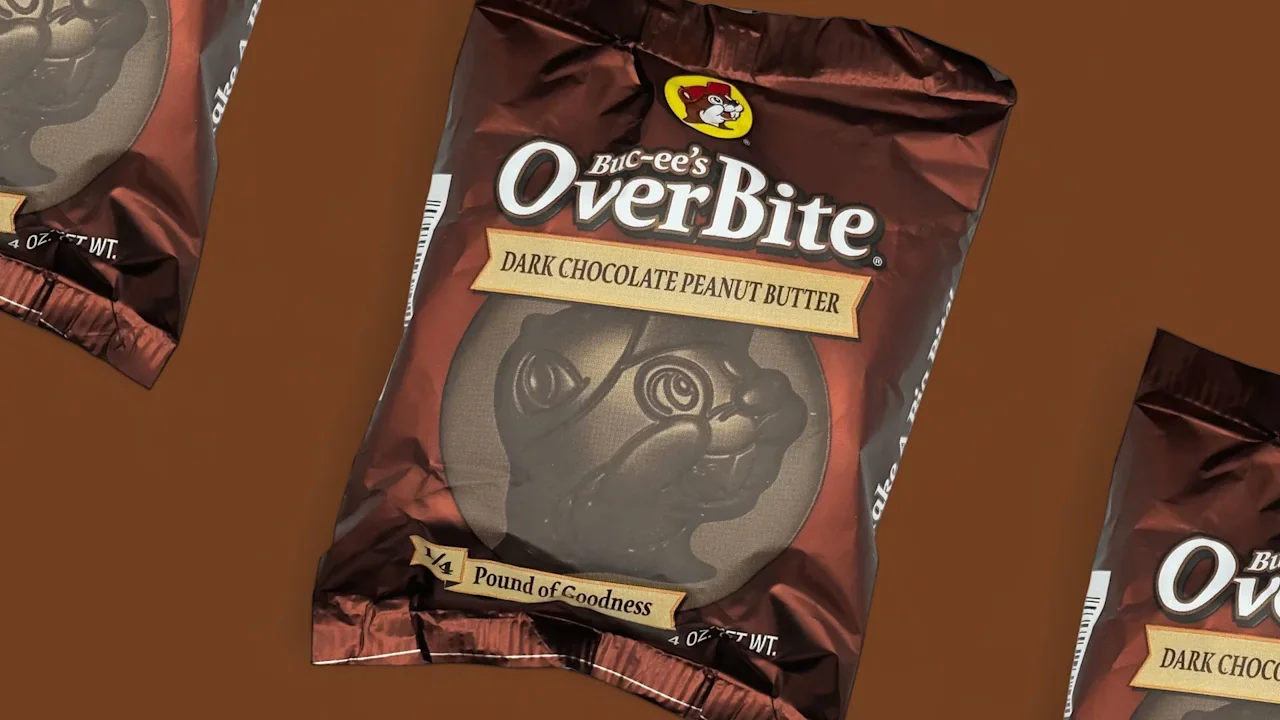
Thanks to social media, a new legion of fans are discovering something new to love at Buc-ee’s: The OverBite. Though it’s been on the shelves at Buc-ee’s for several years, the hockey puck-shaped, chocolate covered candy bar has become a bit of a viral sensation more recently. Available in five different flavors, these quarter-pound treats feature a thick layer of either milk or dark chocolate and fillings like peanut butter, caramel, and cookies and cream. It seems Rich O’Toole, a Texas-based singer and songwriter, may get credit for kicking into overdrive the latest frenzy over the OverBite. In a post on X that’s amassed more than 8 million views since Monday, O’Toole shared a couple photos of the dark chocolate peanut butter variety of the candy alongside a four-word review: “This thing is wild.” Like any viral trend, that’s seen a legion of other social media users across other platforms race to their locals Buc-ee’s to give the treat a try and offer their take on the treat. Google Trends data also shows a spike in searches for the OverBite earlier this week. Mason Woodruff, a TikTok creator, posted a video reviewing the milk chocolate variety and after just one bite, offered up his assessment: “Oh yeah, that’s incredible, literally incredible.” In his video, Woodruff also noted that the OverBites were easily found at the front of the store near where he lives and speculated that Buc-ee’s is aware the treat has become a viral sensation. Buc-ee’s didn’t immediately respond to a request for comment from Fast Company about the recent popularity of OverBite candies. BIG BUC-EE’S BUSINESS As Buc-ee’s has expanded in recent years, now with 50-plus travel centers located in 12 states, its treats have become a popular topic of much discussion online—as people rave or rant about what they find in the stores. The recent buzz about the OverBite has seen some people lamenting that they can’t easily get their hands on one of the candies. On Bluesky, one user posted: “Serious request, who lives near a Buc-ee’s and can ship me some of these?” There’s even a cottage industry of small businesses that cater to Buc-ee’s fans from afar. Texas Snax, a third-party reseller of Buc-ee’s items that’s not affiliated with the company, is currently sold out of all five flavors of OverBites. The company didn’t immediately respond to a request from Fast Company as to whether it’s seen increased interest in OverBites this week. And others are also trying to cash in on the viral trend: Whereas the treats are available in-store for less than $5 each, a seller on Amazon is trying to fetch as much as $23 for just one. NOT EVERYONE’S A FAN The OverBite candy, like many things at the Lake Jackson, Texas-based chain of gigantic travel centers, is not for the faint of heart. Packing 500-plus calories and more than 50 grams of sugar per treat, Buc-ee’s recommends that each OverBite is actually intended to be four servings. Several people online had some thoughts about the healthiness of the snack, with an Instagram account calling out the 56 grams of sugar in each treat, while an X user quipped: “Buc-ees tryin’ to give you Diabet-ees.” And, as with anything online these days, people were also quick to trash the treat. One self-described “big Buc-ee’s guy” responded to O’Toole’s post on X, saying: “I’ve had it. And no. It’s not good. Low quality chocolate and too much peanut butter.” View the full article

-
In terms of footwear, comfort is key, and Sole P shoes stand out for several reasons. They provide superior arch support, which helps maintain proper foot alignment, reducing discomfort. Their advanced cushioning materials, like EVA and polyurethane, improve shock absorption, minimizing joint impact. Furthermore, these shoes are crafted from durable, lightweight materials that guarantee long-lasting wear. With their flexible design, they allow for natural movement. But that’s just the beginning; let’s explore what makes them vital. Key Takeaways Advanced arch support technology promotes proper foot alignment, preventing discomfort and supporting natural movement. Exceptional shock absorption reduces impact on joints, minimizing injury risks and enhancing comfort during activities. Durable polyurethane materials ensure long-lasting wear, maintaining comfort and flexibility despite exposure to various conditions. Lightweight design enhances breathability and reduces energy expenditure, allowing for effortless mobility and extended wear. Stylish and versatile options make it easy to transition between different settings without sacrificing comfort or appeal. Superior Arch Support When you choose Sole P shoes, you’re opting for footwear that prioritizes superior arch support, which is essential for maintaining foot health. These shoes are designed with advanced arch support technology that evenly distributes weight across your foot, reducing pressure on the arches. This design helps prevent discomfort and supports natural foot movement, enhancing overall comfort during prolonged wear. Research shows that proper arch support can considerably lower the risk of common foot ailments, such as plantar fasciitis, which affects about 10% of people at some point. Sole P shoes often feature contoured footbeds that align with your foot’s natural curvature, promoting better posture and reducing strain on your back and joints. This supportive design can even improve athletic performance, reducing fatigue during high-impact activities. Comprehending what’s a partnership in footwear design, Sole P exemplifies the best types of partnerships between comfort and functionality. Enhanced Shock Absorption Sole P shoes not just provide superior arch support but also excel in improved shock absorption, a key feature for anyone who values comfort during daily activities. Utilizing polyurethane soles, these shoes effectively reduce impact on your joints, making them ideal for walking and running. Their lightweight nature guarantees you enjoy comfort without sacrificing durability, perfect for extended wear. In addition, Sole P shoes distribute weight evenly across your foot, minimizing pressure points and fatigue during prolonged use. Their flexible design promotes a more natural gait, enhancing foot movement as it reduces injury risks related to impact forces. Feature Benefits Result Polyurethane Soles Exceptional shock absorption Reduced joint impact Lightweight Design Comfort without compromise Ideal for long periods Weight Distribution Minimizes pressure points Less fatigue Flexible Construction Promotes natural foot movement Lower risk of injuries Enhanced shock absorption in Sole shoes can lead to improved foot health over time. Durable and Long-Lasting Materials Though many footwear options fall short in durability, Sole P shoes stand out due to their high-quality polyurethane construction. These shoes feature lightweight yet durable soles that provide excellent shock absorption and flexibility, making them suitable for various activities. Polyurethane is resistant to wear and tear, guaranteeing the longevity of your shoes, whether for casual outings or heavy-duty use. Even though regular exposure to humidity and high temperatures can lead to hydrolysis and degradation, proper care can greatly extend their lifespan. The robust materials used in Sole P shoes allow them to withstand everyday wear while maintaining their structural integrity. Advanced manufacturing techniques guarantee that the soles retain their elasticity and flexibility over time, preventing brittleness and crumbling often seen in inferior products. As a result, you can trust that Sole P shoes will remain dependable and comfortable, providing you with lasting performance throughout their use. Flexible Design for Natural Movement Building on the durability of Sole P shoes, their flexible design greatly boosts comfort and performance. This flexibility allows your foot to move naturally, mimicking its range of motion during walking and running. It enhances foot strength and supports an ergonomic gait, which reduces strain on your muscles and joints. Here are three key benefits of this flexible design: Natural Movement: The shoes adapt to various activities, ensuring comfort whether you’re casually walking or engaged in athletic performance. Shock Absorption: A flexible sole improves shock absorption, reducing impact on your feet and promoting healthier biomechanics. Fatigue Reduction: Lightweight materials boost flexibility, minimizing fatigue during extended wear. Lightweight for All-Day Wear Sole P shoes are designed with lightweight polyurethane soles, which make them perfect for all-day wear. This material not just improves breathability and flexibility but furthermore allows for effortless mobility throughout your daily activities. As a result, you can enjoy increased comfort and reduced fatigue, whether you’re standing or walking for extended periods. Effortless Mobility Throughout Day When you’re on your feet all day, comfort is essential, and that’s where lightweight footwear makes a considerable difference. Sole P shoes feature lightweight polyurethane soles that provide excellent shock absorption, reducing fatigue. Their flexible design allows for natural foot movement, enhancing your mobility during various activities. With a notably lighter weight than traditional shoes, they minimize the burden on your feet, promoting effortless movement throughout your day. Here are three key benefits of Sole P shoes: Reduced Energy Expenditure: You’ll walk longer without discomfort. Enhanced Comfort: The flexible material adapts to your foot’s movements. Durability: They combine lightweight construction with lasting materials for extended wear. Choose Sole P shoes for a more comfortable, active lifestyle. Enhanced Breathability and Flexibility To enjoy all-day comfort, you’ll want footwear that combines breathability and flexibility, and that’s exactly what Sole P shoes offer. Their lightweight polyurethane soles provide exceptional flexibility, allowing your feet to move naturally as they reduce fatigue. The breathable construction promotes air circulation, keeping your feet dry and comfortable even in warm conditions. With shock-absorbing capabilities, these shoes minimize impact on your feet and joints, improving comfort during extended activities like walking or standing. Their flexibility caters to various motions, making them suitable for casual outings or athletic pursuits. Regular use contributes to improved foot health by mimicking natural biomechanics, reducing the risk of discomfort or injury. Feature Benefits Impact on Comfort Lightweight Materials Reduces fatigue All-day wear Breathable Design Promotes air circulation Keeps feet dry Shock-Absorbing Soles Minimizes impact Improves joint comfort Flexible Construction Accommodates various activities Supports natural movement Versatile for Various Activities Finding the right footwear for various activities can greatly impact your comfort and performance throughout the day. Sole P shoes are designed to meet diverse needs, making them an excellent choice for anyone on the go. Their lightweight polyurethane soles guarantee exceptional shock absorption, allowing you to shift effortlessly between activities. Here are three scenarios where Sole P shoes excel: Casual Outings: Perfect for running errands or enjoying a leisurely stroll. Fitness Classes: Their flexible design supports natural foot movement during light jogging or exercise routines. Work Tasks: Durable enough to handle more demanding environments without compromising comfort. With their cushioned construction, Sole P shoes improve comfort during extended wear. They adapt to different foot shapes, promoting foot health as they cater to your specific activity needs. This versatility makes Sole P shoes a must-have for anyone prioritizing comfort. Stylish Options That Prioritize Health In terms of footwear, you don’t have to sacrifice style for comfort. Sole P shoes blend fashion with health-conscious design features, ensuring you look good during supporting your feet. With versatile style options, these shoes cater to various occasions, making it easy to prioritize your foot health without compromising on aesthetics. Fashion Meets Functionality Sole P shoes exemplify the seamless blend of fashion and functionality, addressing the needs of those who prioritize both aesthetics and foot health. You don’t have to compromise on style when choosing footwear that supports your well-being. With quality materials like polyurethane and EVA soles, these shoes provide shock absorption and flexibility, ensuring comfort throughout your day. Plus, their thoughtful design includes low heel elevations and proper arch support to help prevent common issues such as plantar fasciitis. Here are three reasons why Sole P shoes stand out: Stylish designs that fit any wardrobe. Breathable, moisture-wicking technologies for all-day freshness. Focus on health without sacrificing chic appeal. Choose Sole P shoes for a fashionable yet functional footwear option. Health-Conscious Design Features Many people overlook the importance of health-conscious design features in footwear, but these elements can greatly impact your foot health and overall comfort. Sole P shoes incorporate advanced cushioning materials like EVA and polyurethane, providing ideal shock absorption that reduces foot fatigue during long wear. With flexible soles designed to mimic natural foot movement, these shoes promote foot strength and prevent discomfort from rigid footwear. Built-in arch support helps maintain proper alignment, reducing the risk of common ailments such as plantar fasciitis and heel pain. Their lightweight construction guarantees minimal strain on your feet and legs, as well as breathability and moisture-wicking properties keep your feet dry and comfortable, enhancing foot health and preventing odor buildup. Versatile Style Options Stylish options in footwear don’t have to compromise on health, and Sole P shoes exemplify this balance perfectly. These shoes combine trendy designs with supportive features, ensuring you can enjoy stylish footwear without sacrificing comfort. The lightweight polyurethane soles provide shock absorption, making them ideal for all-day wear. Here are three versatile style options: Casual Sneakers: Perfect for everyday wear, they keep your feet happy during errands or outings. Chic Slip-Ons: Easily shift from a casual setting to a more formal event without losing style. Elegant Sandals: Ideal for warmer weather, they offer breathability as they ensure proper arch support. With various colors and styles, Sole P shoes cater to diverse fashion preferences as they integrate fundamental foot health elements. Frequently Asked Questions Which Type of Shoes Are Best for Comfort? When choosing shoes for comfort, look for those with polyurethane soles for shock absorption, as they can reduce foot fatigue during long wear. Flexible soles made from EVA or rubber mimic natural walking patterns, enhancing comfort. Low heel elevation helps prevent foot pain and supports better posture. Furthermore, proper cushioning and arch support are crucial to maintain foot health, especially for individuals with specific foot shapes or conditions. Prioritize these features for peak comfort. What Is the 3 Shoe Rule? The “3 Shoe Rule” suggests you should own three types of shoes: one for daily wear, one for specific activities, and one for formal occasions. This approach guarantees your feet receive the necessary support and comfort across different situations, minimizing the risk of foot problems. What Makes a Shoe Sole Comfortable? A comfortable shoe sole combines several key features. Effective shock absorption reduces joint impact, whereas flexibility allows your foot to move naturally, decreasing fatigue. Proper arch support is vital for preventing excessive strain and conditions like plantar fasciitis. Quality materials, such as polyurethane or EVA, improve cushioning and durability. Finally, a low heel elevation promotes proper foot alignment, enhancing posture and minimizing discomfort, making these aspects significant for overall foot comfort during wear. Why Is Comfort Important in Shoes? Comfort in shoes is essential since it directly affects your foot health and overall well-being. Uncomfortable footwear can lead to various foot problems, including pain and deformities. Shoes designed with proper cushioning, shock absorption, and flexibility help reduce fatigue and improve your walking pattern. By prioritizing comfort, you can boost productivity and minimize the risk of developing chronic issues, ensuring that your daily activities remain manageable and pain-free. Conclusion In summary, Sole P shoes are crucial for anyone seeking comfort and support in their footwear. With superior arch support and advanced shock absorption, they reduce foot fatigue and promote proper alignment. Their durable materials guarantee longevity, as the flexible design accommodates natural movement. Lightweight and breathable, they are ideal for all-day wear and suitable for various activities. Plus, the stylish options allow you to prioritize health without compromising on aesthetics. Investing in Sole P shoes is a smart choice for comfort. Image via Google Gemini and ArtSmart This article, "7 Reasons Sole P Shoes Are a Must-Have for Comfort" was first published on Small Business Trends View the full article
-
Oracle has rolled out significant enhancements to its AI Database, aimed at supporting small businesses in achieving higher levels of availability and security for critical workloads. Recognizing the essential nature of data uptime and protection, these updates promise to deliver “Platinum-tier” and “Diamond-tier” availability, positioning Oracle as a formidable player in the small business landscape. “Oracle Database today powers over 90 percent of the world’s largest enterprises, and tens of thousands of smaller enterprises,” said Juan Loaiza, executive vice president of Oracle AI Database Technologies. These advancements emphasize rapid disaster recovery times and minimal application disruption, making Oracle’s offerings particularly attractive to businesses grappling with operational challenges. The enhancements feature disaster recovery times of under 30 seconds for Platinum-tier availability, and even faster recovery times of typically under three seconds with Diamond-tier. For small business owners, this means that mission-critical applications, like online payment systems and customer databases, can achieve a level of uptime that was previously obtainable only by large corporations. Small businesses often operate on tight margins where downtime can translate into significant losses. With Oracle’s new AI Database capabilities, they can safeguard their operations against unexpected failures, thus enhancing their competitiveness. One of the standout features is Oracle’s Data Guard Failover/Switchover, which achieves rapid failover while allowing for seamless software updates, reducing the costs associated with lengthy downtimes. Additionally, enhanced data transfer speeds vastly improve both encrypted and unencrypted data handling, facilitating efficient operations without compromising security. Moreover, Oracle AI Database doesn’t require existing applications to undergo any changes for businesses to reap the benefits of these upgrades. By simply upgrading their Oracle Database and Exadata software, small business owners can access these advanced features without incurring additional costs. This ease of adoption is particularly beneficial for small enterprises that may not have extensive technical expertise. Security also remains a top concern for small businesses, particularly in an era where data breaches and cyberattacks are rampant. Oracle has introduced new security measures to counteract emerging threats from quantum computing and AI-driven breaches. Features like Oracle Deep Data Security help control data visibility, ensuring sensitive information is protected from unauthorized access. The inclusion of post-quantum cryptography strengthens the safety of encrypted data, giving small businesses peace of mind in an increasingly complex cybersecurity landscape. However, these advancements do not come without their challenges. Small business owners must consider the learning curve associated with upgrading their systems and implementing these new features. While Oracle markets its solutions as easy to adopt, small businesses with limited IT staff may face obstacles in navigating the transition to improved architectures. Additionally, as with any technological implementation, there could be hidden costs related to training staff and ensuring that necessary measures are put in place for effective cybersecurity. For businesses unaccustomed to rapid technological adoption, the implementation of advanced database features could require allocating resources that might otherwise be spent on core business functions. As the landscape of digital business continues to evolve, the pressures on small businesses to maintain uptime and security become ever more pronounced. The updates to Oracle’s AI Database provide an opportunity for businesses to mitigate risk and enhance service delivery, particularly in sectors demanding high availability and robust data protection. As Holger Mueller, vice president and principal analyst at Constellation Research, noted, “This clearly raises the bar for what a true mission-critical data architecture needs to resemble in the AI era.” Small business owners now have a unique chance to leverage Oracle’s innovations to boost operational resilience and security. By staying attuned to these developments and implementing strategic upgrades, they can not only safeguard their operations but also position themselves for future growth. For more detailed insights on Oracle AI Database’s latest advancements, you can check the original press release here. Image via Google Gemini This article, "Oracle Unveils Groundbreaking AI Database Enhancements for Ultra-Reliable Access" was first published on Small Business Trends View the full article
-
In the eyes of the federal government, some cannabis is no longer as dangerous as heroin – and that’s a big deal. The The President administration just announced an order that would reclassify some forms of marijuana, moving the drug out of Schedule I – a category it shares with heroin, MDMA, and LSD – to Schedule III. Acting Attorney General Todd Blanche announced the decision in a post on X, noting that the DOJ would immediately move state-licensed marijuana and FDA-approved marijuana products to Schedule III alongside Tylenol with codeine, ketamine, and steroids. In contrast with Schedule I, a classification for drugs with high abuse and addictive potential, Schedule III contains substances with a “moderate to low” potential for abuse and physical or psychological dependence. “Under the decisive leadership of @POTUS, this Department of Justice is delivering on his promise to improve American healthcare,” Blanche wrote on X. “…These actions will enable more targeted, rigorous research into marijuana’s safety and efficacy, expanding patients’ access to treatments and empowering doctors to make better-informed healthcare decisions.” Blanche also said that the DOJ planned to order a “new, expedited hearing” to fast-track the process of potentially fully rescheduling marijuana. That hearing is expected to happen in June and is a necessary step if the government were to consider legalization on a federal level. Psychedelics and cannabis under review The DOJ’s move to reclassify some forms of marijuana pick up where the Biden administration left off, pushing the broader reclassification process forward. In 2023, Biden’s Department of Health and Human Services recommended that marijuana be reclassified as a Schedule III drug, but the process stalled out in court – an outcome The President is hoping to avoid. The latest changes partially make good on an executive order that The President issued in December that directed the DOJ to move forward with downgrading the drug’s official dangers, a move comes less than a month after The President fired former Attorney General Pam Bondi. Bondi had opposed marijuana reform over the course of her career, but her ouster was widely considered to be the result of friction with The President over her handling of files from the Jeffrey Epstein investigation, not a result of her stance on drug policy. President The President has been focused on reforming federal drug policy in recent days. Last week, The President issued an executive order to accelerate research on psychedelic drugs like MDMA and psilocybin, the psychoactive compound in magic mushrooms. In research, psychedelic drugs have shown untapped potential for treating everything from addictive disorders and PTSD to serious depression. In a signing event for that order over the weekend, The President expressed frustration that government officials were “slow-walking” the rescheduling process for marijuana. “You’re going to get the rescheduling done, right, please?” The President said to an off-camera government employee. “You know, they’re slow-walking me on rescheduling. You’re going to get it done, right?” Weed business stuck in a maze of rules While rescheduling is a major change for a drug long categorized as equally dangerous to heroin, it won’t solve all of the cannabis industry’s headaches. The move doesn’t legalize marijuana on a federal level, leaving its legal status to a patchwork of state laws with little interplay. Cannabis products are currently legal in 40 out of 50 states for medical use, while 24 states and Washington, D.C. have opened the door for legal adult recreational use. The federal government’s decision to reschedule marijuana won’t untangle the web of state laws and the restriction on interstate commerce, but it could give weed companies a big boost on taxes. Cannabis businesses have long been subject to Section 280E of the IRS code, which blocks them from tax credits and deductions that their non-cannabis counterparts enjoy. Because those companies pay taxes on their gross income rather than adjusted income, effective tax rates can be as high as 70% in the cannabis business. Reclassification could set the scene for some tax relief, but it won’t happen automatically. The IRS will need to weigh in first in order to reinterpret how 280E applies in an environment in which marijuana drops out of Schedule I to become a Schedule III drug. Still, in an industry facing a devastating glut of product, flat demand, and plummeting prices, any hope on the horizon is enough for a buzz. View the full article

-
The 30-year fixed is still over 20 basis points higher than its February bottom, but fell 7 basis points this past week on Iran peace hopes, Freddie Mac said. View the full article
-
Long-serving employees given option for buyouts as it prepared to spend $140bn on AI investment this yearView the full article
-
Sending a white Afrikaner as ambassador to the US is a diplomatic masterstrokeView the full article
-
Google may expand its unsupported robots.txt rules list using HTTP Archive data and could broaden how it handles common misspellings of disallow. The post Google May Expand Unsupported Robots.txt Rules List appeared first on Search Engine Journal. View the full article
-
The SBA BOLT program offers small businesses quick access to loans up to $150,000, designed to address urgent cash flow needs. With competitive interest rates and a streamlined application process, you can receive funds in as little as six days. This program reduces lender risk through SBA backing, making it easier for businesses to handle unexpected expenses, inventory purchases, or other operational necessities. Comprehending its benefits and requirements can be crucial for your business’s financial health. Key Takeaways The SBA BOLT program provides quick access to loans up to $150,000, with funds available in as little as six days. It features competitive interest rates ranging from 6% to 12%, making it a cost-effective financing option for small businesses. The application process is streamlined, requiring minimal paperwork and enabling faster approval compared to traditional loans. Businesses can use BOLT funds for urgent cash flow needs, inventory purchases, and operational expenses like payroll and utilities. Eligibility requires a credit score of at least 700, two years of operation, and annual revenue of $100,000 or more. Understanding the SBA BOLT Program The SBA BOLT program, or “Business Online Term,” serves as a crucial resource for small businesses seeking quick access to capital. This program allows you to secure an SBA BOLT loan of up to $150,000, ideal for those needing immediate funding. Designed to streamline the application process, the SBA BOLT program enables eligible businesses to receive funds in as little as six days. To qualify, you typically need a credit score of 700 or higher, at least two years in business, and a minimum annual revenue of $100,000. Moreover, the program offers competitive interest rates ranging from 6% to 12%, depending on your creditworthiness and loan terms, making it a viable option for many small business owners. Key Benefits of the SBA BOLT Program Accessing capital quickly can be a game-changer for small businesses, and the SBA BOLT program offers several key benefits that make it an appealing option. With rapid funding of up to $150,000, you can often receive capital within six days of application approval. The competitive interest rates, typically ranging from 6% to 12%, provide affordable financing. Plus, the minimal paperwork requirements simplify the application process compared to traditional SBA loans. Moreover, since these loans are backed by the U.S. Small Business Administration, lenders feel more secure, reducing the overall risk for them. Benefit Description Impact on Business Rapid Funding Up to $150,000 available within six days Quick access to capital Competitive Interest Rates 6% to 12% rates, lower than traditional loans More affordable payments Minimal Paperwork Easier application process Saves time and effort Eligibility Requirements for SBA BOLT Qualifying for the SBA BOLT program requires meeting several key eligibility criteria designed to guarantee that applicants have a solid foundation for success. First, your business must have a credit score of 700 or higher, reflecting strong financial responsibility. Furthermore, you need to be in business for at least two years, showcasing your operational stability and experience. Your business should generate a minimum of $100,000 in annual revenue, ensuring you have sufficient cash flow to manage loan repayments effectively. Eligibility is limited to U.S. citizens or legal residents who own the business. Finally, you’ll need to provide required documentation like tax returns and bank statements to verify your financial health and business performance, supporting your application for funding. Application Process for SBA BOLT Loans After confirming your eligibility for the SBA BOLT program, you can begin the application process for SBA BOLT loans. Start by submitting your financial statements and business plan to an authorized SBA lender, such as a bank or credit union. Unlike traditional loans, the BOLT program offers a quicker application review, allowing you to access funds in as few as six days. The streamlined process requires less paperwork, making it more accessible for small business owners seeking rapid financing. Step Action Required Timeframe Confirm Eligibility Check credit score, revenue N/A Submit Application Provide financial docs 1-2 days Receive Funds Await lender approval As few as 6 days Required Documentation for SBA BOLT When applying for an SBA BOLT loan, you’ll need to gather several key documents to support your application. You’ll want to make sure everything is complete and accurate, as this can expedite the funding process. Here’s what you’ll need: Recent tax returns to demonstrate your financial health. Bank statements showing your cash flow. A detailed business plan outlining your operations and growth strategy. Moreover, you must prove that you have a minimum credit score of 700, at least two years in business, and an annual revenue of $100,000. You’ll furthermore need documentation to verify that you’re a U.S. citizen or legal resident. Fund Usage Options for SBA BOLT Loans SBA BOLT loans offer a versatile solution for various business needs, providing quick access to funds that can help you respond to unexpected challenges or seize growth opportunities. You can use these loans to cover unexpected expenses, purchase inventory, or address cash flow gaps. With a maximum funding limit of $150,000, these loans are ideal for short-term expansion or operational necessities. They’re particularly useful during seasonal fluctuations, allowing you to quickly secure funds for urgent needs like equipment repairs or restocking inventory. In addition, using SBA BOLT loans for working capital guarantees that daily operational expenses, such as payroll and utilities, are met without delay. The rapid funding process lets you access capital in as little as six days. Differences Between SBA BOLT and Traditional SBA Loans When comparing the SBA BOLT program to traditional SBA loans, you’ll notice key differences in speed, funding limits, and eligibility criteria. Unlike the lengthy approval process of traditional loans, which can take one to three months, SBA BOLT loans can provide access to funds in as few as six days. Furthermore, whereas BOLT loans cap at $150,000, traditional loans can go up to $5 million, and the eligibility requirements for BOLT loans are typically less stringent, requiring a minimum credit score of 700 and two years in business. Speed of Funding Access to timely funding can be crucial for businesses facing immediate financial needs, and the differences between the SBA BOLT program and traditional SBA loans highlight this urgency. The SBA BOLT program allows you to access loans of up to $150,000 in as little as six days, compared to the one to three months typical of traditional loans. Key differences include: Simplified application: BOLT requires minimal paperwork, reducing the time spent on approvals. Immediate needs: BOLT is customized for urgent funding, ideal for cash flow gaps or short-term opportunities. Competitive interest rates: BOLT loans typically range from 6% to 12%, making quick financing more accessible. These factors make the BOLT program a compelling option for businesses needing fast capital. Loan Amount Limits Though you might need quick access to funds for immediate business needs, comprehension of the loan amount limits between the SBA BOLT program and traditional SBA loans is crucial for making informed financing decisions. The SBA BOLT program offers loans up to $150,000, which is ideal for businesses needing immediate capital. Conversely, traditional SBA loans, like the 7(a) and 504, can provide up to $5 million for larger, long-term financing needs. Here’s a comparison of the loan amount limits: Loan Type Maximum Amount Typical Use SBA BOLT $150,000 Immediate capital SBA 7(a) $5 million Long-term financing SBA 504 $5 million Real estate and equipment Eligibility Criteria Differences Comprehending the eligibility criteria for the SBA BOLT program versus traditional SBA loans is essential for making informed financing decisions. Here are some key differences to take into account: Credit Score: The BOLT program requires a minimum credit score of 700, whereas traditional loans may accept lower scores based on the lender’s criteria. Business History: To qualify for BOLT, businesses need at least two years of operational history, in contrast to traditional loans which can cater to newer businesses. Revenue Requirements: BOLT applicants must demonstrate an annual revenue of at least $100,000, unlike traditional loans, which often focus on cash flow without fixed revenue thresholds. These differences highlight how the SBA BOLT program streamlines access to funding, making it an attractive option for eligible businesses. Interest Rates for SBA BOLT Loans When considering an SBA BOLT loan, you’ll find that the interest rates are typically competitive, ranging from 6% to 12%. These rates can vary based on your creditworthiness and the specific terms of your loan, so it’s crucial to understand how these factors influence your overall costs. Furthermore, the Annual Percentage Rate (APR) includes all associated fees, ensuring you have a clear view of what you’ll be paying. Competitive Interest Rates SBA BOLT loans provide competitive interest rates that typically range from 6% to 12%, making them a viable financing option for small businesses seeking quick access to funds. These rates remain affordable, ensuring you can meet urgent financial needs without incurring excessive costs. The SBA also caps interest rates, promoting accessibility for small businesses. Key points to take into account include: Rates may vary based on your creditworthiness, so maintaining good credit can help you secure better terms. Though processing times are faster, rates can be slightly higher than traditional loans, still offering a cost-effective solution. The competitive nature of these loans helps you address immediate financial challenges effectively. This makes SBA BOLT loans a practical choice for small business financing. Rate Variability Factors Comprehending the factors that influence interest rates for SBA BOLT loans is essential for small business owners seeking financing options. These loans typically feature competitive rates ranging from 6% to 12%, making them more affordable than many traditional loans. Your creditworthiness plays a significant role; a higher credit score and solid financial history can help you secure lower rates, reflecting your reduced risk to lenders. Moreover, the loan amount and specific terms set by the lender can affect the interest rate. Although the SBA caps these rates, the expedited processing of BOLT loans may lead to slightly higher rates compared to standard options. Finally, keep in mind that market conditions and lender policies can likewise impact your final interest rate. Loan Fees Included Comprehending loan fees is crucial for small business owners considering SBA BOLT loans, as these costs greatly affect the total amount you’ll repay. SBA BOLT loans offer competitive interest rates typically ranging from 6% to 12%, making them more affordable than many traditional loans. The SBA caps these interest rates, ensuring transparency in your costs. Key aspects of loan fees include: Interest rates included in the APR: This gives you a clear overview of total borrowing costs. Factors affecting rates: Your creditworthiness and loan terms can personalize your financing options. Processing time impacts: Faster processing can lead to slightly higher rates, but quick access to funds might justify the cost difference. Understanding these fees helps you make informed decisions. Repayment Terms for SBA BOLT Loans When considering an SBA BOLT loan, it’s important to understand the repayment terms that come with it. SBA BOLT loans typically feature longer repayment periods, allowing you to manage monthly payments more easily. Interest rates usually range from 6% to 12%, which are competitive compared to traditional business loans. You’ll need to repay the full loan amount, including both principal and interest. Furthermore, if your financial situation improves, early repayment options may be available, letting you pay off the loan without facing severe penalties. Nonetheless, keep in mind that defaulting on an SBA BOLT loan can lead to serious consequences, including personal liability. Consequently, meeting your repayment obligations is essential for your business’s financial health. How SBA BOLT Can Address Cash Flow Issues SBA BOLT offers quick funding access, allowing you to secure up to $150,000 in as little as six days, which can be vital when you face unexpected cash flow gaps. You can use these funds flexibly, whether it’s for covering urgent equipment repairs or stocking up on inventory during peak seasons. This streamlined process not just simplifies your application but additionally provides a cost-effective solution with competitive interest rates. Quick Funding Access Accessing quick funding can be crucial for small businesses facing cash flow challenges, and the SBA BOLT program offers a solution that stands out in speed and efficiency. With the ability to secure up to $150,000 in as little as six days, you can swiftly address urgent cash flow needs. The streamlined application process allows for faster approvals compared to traditional SBA loans, which often take one to three months. Key benefits include: Competitive interest rates ranging from 6% to 12%, making it a cost-effective option. Reduced lender risk through the SBA’s partial guarantee, aiding new businesses in securing funds. Flexibility for unexpected expenses or short-term opportunities, ensuring quick responses to cash flow gaps. Flexible Usage of Funds Having access to flexible funding can greatly alleviate cash flow issues for small businesses, allowing you to address immediate operational needs without delay. The SBA BOLT program provides rapid access to up to $150,000, enabling you to cover unexpected expenses like inventory purchases, equipment repairs, or payroll management within just six days. With competitive interest rates ranging from 6% to 12%, this program offers a cost-effective way to bridge cash flow gaps. The streamlined application process requires less paperwork than traditional SBA loans, facilitating quicker approval and disbursement. This quick capital injection empowers you to seize short-term expansion opportunities and effectively manage seasonal fluctuations, ensuring your business stays resilient in challenging financial times. Who Can Benefit From the SBA BOLT Program For small businesses looking to secure financing, the SBA BOLT program offers a valuable opportunity, particularly for those that meet specific criteria. This program is ideal for businesses that have been operational for at least two years and can demonstrate a solid financial foundation. To qualify, you’ll need: A credit score of 700 or higher, which grants access to competitive rates and favorable loan terms. An annual revenue of at least $100,000, indicating your ability to repay the loan. U.S. citizenship or legal residency, ensuring funds support legitimate enterprises. If you need quick funding, the SBA BOLT program provides access to capital up to $150,000 in as little as six days, making it a beneficial option for your business. Common Misconceptions About SBA BOLT Although many business owners may hesitate to explore the SBA BOLT program owing to misunderstandings, it’s essential to clarify what this financing option truly offers. First, some believe SBA BOLT loans are just like traditional SBA loans; nevertheless, they’re actually a simplified, fast-tracked version for quicker funding. Another misconception is about the paperwork; whereas standard loans require extensive documentation, BOLT loans involve much less, speeding up the process. Many think they won’t qualify as a result of strict requirements, but these loans are more accessible for businesses needing rapid funding. Furthermore, whereas some assume high-interest rates, BOLT loans offer competitive rates between 6% and 12%, which are often lower than alternatives. Finally, the approval process is swift, with funds available in days rather than months. Getting Started With Your SBA BOLT Application To get started with your SBA BOLT application, you first need to guarantee you meet the program’s minimum requirements. This includes having a credit score of 700 or higher, being in business for at least two years, and generating an annual revenue of at least $100,000. Next, gather the necessary documentation, as this will help streamline the process. Tax returns for the last two years Recent bank statements Business financial statements The application process is more straightforward compared to traditional SBA loans, requiring less paperwork. You’ll submit your application through authorized SBA lenders, which additionally provides the benefit of partial loan guarantees. Once approved, you could access funds in as few as six days, allowing for quick capital access. Frequently Asked Questions What Is the Monthly Payment on a $50,000 Business Loan? The monthly payment on a $50,000 business loan depends on the interest rate and loan term. For example, at an 8% interest rate over 10 years, you’d pay around $606 per month. If you opt for a shorter term, like 5 years, and a 10% rate, your payment could rise to about $1,061. Using online loan calculators can help you estimate your specific monthly payment based on varying rates and terms. How Does the SBA Help Businesses? The SBA helps businesses by providing access to capital through various loan programs, reducing lender risk with loan guarantees. This makes it easier for you to secure funding from banks and credit unions. Furthermore, the SBA offers counseling services and resources to help you understand the loan application process and improve your business strategies. Whether you need working capital, equipment, or real estate, the SBA supports a wide range of financial needs. How Much Can a New LLC Get a Loan For? As a new LLC, you can access an SBA BOLT loan for up to $150,000, provided you meet specific requirements. Your business must operate for at least two years and generate a minimum of $100,000 in annual revenue. Moreover, you’ll need a credit score of 700 or higher to qualify. This funding can be utilized for various needs, such as managing cash flow, purchasing inventory, or covering unexpected expenses. What Is the Interest Rate for the SBA Bolt Loan? The interest rates for SBA Bolt Loans typically range from 6% to 12%. Although these rates are competitive compared to standard business loans, they may be slightly higher as a result of the expedited processing times. Your specific rate will depend on factors like your creditworthiness and the terms of the loan. Conclusion In conclusion, the SBA BOLT program offers small businesses a valuable resource for obtaining quick funding when facing cash flow challenges. With loans up to $150,000 at competitive interest rates, the streamlined application process minimizes paperwork and accelerates access to funds. By comprehending the eligibility requirements and preparing necessary documentation, you can effectively utilize this program to address urgent financial needs, improve operational stability, and support business growth during critical times. Image via Google Gemini and ArtSmart This article, "What Is the SBA BOLT Program and How Can It Help My Business?" was first published on Small Business Trends View the full article
-
The SBA BOLT program offers small businesses quick access to loans up to $150,000, designed to address urgent cash flow needs. With competitive interest rates and a streamlined application process, you can receive funds in as little as six days. This program reduces lender risk through SBA backing, making it easier for businesses to handle unexpected expenses, inventory purchases, or other operational necessities. Comprehending its benefits and requirements can be crucial for your business’s financial health. Key Takeaways The SBA BOLT program provides quick access to loans up to $150,000, with funds available in as little as six days. It features competitive interest rates ranging from 6% to 12%, making it a cost-effective financing option for small businesses. The application process is streamlined, requiring minimal paperwork and enabling faster approval compared to traditional loans. Businesses can use BOLT funds for urgent cash flow needs, inventory purchases, and operational expenses like payroll and utilities. Eligibility requires a credit score of at least 700, two years of operation, and annual revenue of $100,000 or more. Understanding the SBA BOLT Program The SBA BOLT program, or “Business Online Term,” serves as a crucial resource for small businesses seeking quick access to capital. This program allows you to secure an SBA BOLT loan of up to $150,000, ideal for those needing immediate funding. Designed to streamline the application process, the SBA BOLT program enables eligible businesses to receive funds in as little as six days. To qualify, you typically need a credit score of 700 or higher, at least two years in business, and a minimum annual revenue of $100,000. Moreover, the program offers competitive interest rates ranging from 6% to 12%, depending on your creditworthiness and loan terms, making it a viable option for many small business owners. Key Benefits of the SBA BOLT Program Accessing capital quickly can be a game-changer for small businesses, and the SBA BOLT program offers several key benefits that make it an appealing option. With rapid funding of up to $150,000, you can often receive capital within six days of application approval. The competitive interest rates, typically ranging from 6% to 12%, provide affordable financing. Plus, the minimal paperwork requirements simplify the application process compared to traditional SBA loans. Moreover, since these loans are backed by the U.S. Small Business Administration, lenders feel more secure, reducing the overall risk for them. Benefit Description Impact on Business Rapid Funding Up to $150,000 available within six days Quick access to capital Competitive Interest Rates 6% to 12% rates, lower than traditional loans More affordable payments Minimal Paperwork Easier application process Saves time and effort Eligibility Requirements for SBA BOLT Qualifying for the SBA BOLT program requires meeting several key eligibility criteria designed to guarantee that applicants have a solid foundation for success. First, your business must have a credit score of 700 or higher, reflecting strong financial responsibility. Furthermore, you need to be in business for at least two years, showcasing your operational stability and experience. Your business should generate a minimum of $100,000 in annual revenue, ensuring you have sufficient cash flow to manage loan repayments effectively. Eligibility is limited to U.S. citizens or legal residents who own the business. Finally, you’ll need to provide required documentation like tax returns and bank statements to verify your financial health and business performance, supporting your application for funding. Application Process for SBA BOLT Loans After confirming your eligibility for the SBA BOLT program, you can begin the application process for SBA BOLT loans. Start by submitting your financial statements and business plan to an authorized SBA lender, such as a bank or credit union. Unlike traditional loans, the BOLT program offers a quicker application review, allowing you to access funds in as few as six days. The streamlined process requires less paperwork, making it more accessible for small business owners seeking rapid financing. Step Action Required Timeframe Confirm Eligibility Check credit score, revenue N/A Submit Application Provide financial docs 1-2 days Receive Funds Await lender approval As few as 6 days Required Documentation for SBA BOLT When applying for an SBA BOLT loan, you’ll need to gather several key documents to support your application. You’ll want to make sure everything is complete and accurate, as this can expedite the funding process. Here’s what you’ll need: Recent tax returns to demonstrate your financial health. Bank statements showing your cash flow. A detailed business plan outlining your operations and growth strategy. Moreover, you must prove that you have a minimum credit score of 700, at least two years in business, and an annual revenue of $100,000. You’ll furthermore need documentation to verify that you’re a U.S. citizen or legal resident. Fund Usage Options for SBA BOLT Loans SBA BOLT loans offer a versatile solution for various business needs, providing quick access to funds that can help you respond to unexpected challenges or seize growth opportunities. You can use these loans to cover unexpected expenses, purchase inventory, or address cash flow gaps. With a maximum funding limit of $150,000, these loans are ideal for short-term expansion or operational necessities. They’re particularly useful during seasonal fluctuations, allowing you to quickly secure funds for urgent needs like equipment repairs or restocking inventory. In addition, using SBA BOLT loans for working capital guarantees that daily operational expenses, such as payroll and utilities, are met without delay. The rapid funding process lets you access capital in as little as six days. Differences Between SBA BOLT and Traditional SBA Loans When comparing the SBA BOLT program to traditional SBA loans, you’ll notice key differences in speed, funding limits, and eligibility criteria. Unlike the lengthy approval process of traditional loans, which can take one to three months, SBA BOLT loans can provide access to funds in as few as six days. Furthermore, whereas BOLT loans cap at $150,000, traditional loans can go up to $5 million, and the eligibility requirements for BOLT loans are typically less stringent, requiring a minimum credit score of 700 and two years in business. Speed of Funding Access to timely funding can be crucial for businesses facing immediate financial needs, and the differences between the SBA BOLT program and traditional SBA loans highlight this urgency. The SBA BOLT program allows you to access loans of up to $150,000 in as little as six days, compared to the one to three months typical of traditional loans. Key differences include: Simplified application: BOLT requires minimal paperwork, reducing the time spent on approvals. Immediate needs: BOLT is customized for urgent funding, ideal for cash flow gaps or short-term opportunities. Competitive interest rates: BOLT loans typically range from 6% to 12%, making quick financing more accessible. These factors make the BOLT program a compelling option for businesses needing fast capital. Loan Amount Limits Though you might need quick access to funds for immediate business needs, comprehension of the loan amount limits between the SBA BOLT program and traditional SBA loans is crucial for making informed financing decisions. The SBA BOLT program offers loans up to $150,000, which is ideal for businesses needing immediate capital. Conversely, traditional SBA loans, like the 7(a) and 504, can provide up to $5 million for larger, long-term financing needs. Here’s a comparison of the loan amount limits: Loan Type Maximum Amount Typical Use SBA BOLT $150,000 Immediate capital SBA 7(a) $5 million Long-term financing SBA 504 $5 million Real estate and equipment Eligibility Criteria Differences Comprehending the eligibility criteria for the SBA BOLT program versus traditional SBA loans is essential for making informed financing decisions. Here are some key differences to take into account: Credit Score: The BOLT program requires a minimum credit score of 700, whereas traditional loans may accept lower scores based on the lender’s criteria. Business History: To qualify for BOLT, businesses need at least two years of operational history, in contrast to traditional loans which can cater to newer businesses. Revenue Requirements: BOLT applicants must demonstrate an annual revenue of at least $100,000, unlike traditional loans, which often focus on cash flow without fixed revenue thresholds. These differences highlight how the SBA BOLT program streamlines access to funding, making it an attractive option for eligible businesses. Interest Rates for SBA BOLT Loans When considering an SBA BOLT loan, you’ll find that the interest rates are typically competitive, ranging from 6% to 12%. These rates can vary based on your creditworthiness and the specific terms of your loan, so it’s crucial to understand how these factors influence your overall costs. Furthermore, the Annual Percentage Rate (APR) includes all associated fees, ensuring you have a clear view of what you’ll be paying. Competitive Interest Rates SBA BOLT loans provide competitive interest rates that typically range from 6% to 12%, making them a viable financing option for small businesses seeking quick access to funds. These rates remain affordable, ensuring you can meet urgent financial needs without incurring excessive costs. The SBA also caps interest rates, promoting accessibility for small businesses. Key points to take into account include: Rates may vary based on your creditworthiness, so maintaining good credit can help you secure better terms. Though processing times are faster, rates can be slightly higher than traditional loans, still offering a cost-effective solution. The competitive nature of these loans helps you address immediate financial challenges effectively. This makes SBA BOLT loans a practical choice for small business financing. Rate Variability Factors Comprehending the factors that influence interest rates for SBA BOLT loans is essential for small business owners seeking financing options. These loans typically feature competitive rates ranging from 6% to 12%, making them more affordable than many traditional loans. Your creditworthiness plays a significant role; a higher credit score and solid financial history can help you secure lower rates, reflecting your reduced risk to lenders. Moreover, the loan amount and specific terms set by the lender can affect the interest rate. Although the SBA caps these rates, the expedited processing of BOLT loans may lead to slightly higher rates compared to standard options. Finally, keep in mind that market conditions and lender policies can likewise impact your final interest rate. Loan Fees Included Comprehending loan fees is crucial for small business owners considering SBA BOLT loans, as these costs greatly affect the total amount you’ll repay. SBA BOLT loans offer competitive interest rates typically ranging from 6% to 12%, making them more affordable than many traditional loans. The SBA caps these interest rates, ensuring transparency in your costs. Key aspects of loan fees include: Interest rates included in the APR: This gives you a clear overview of total borrowing costs. Factors affecting rates: Your creditworthiness and loan terms can personalize your financing options. Processing time impacts: Faster processing can lead to slightly higher rates, but quick access to funds might justify the cost difference. Understanding these fees helps you make informed decisions. Repayment Terms for SBA BOLT Loans When considering an SBA BOLT loan, it’s important to understand the repayment terms that come with it. SBA BOLT loans typically feature longer repayment periods, allowing you to manage monthly payments more easily. Interest rates usually range from 6% to 12%, which are competitive compared to traditional business loans. You’ll need to repay the full loan amount, including both principal and interest. Furthermore, if your financial situation improves, early repayment options may be available, letting you pay off the loan without facing severe penalties. Nonetheless, keep in mind that defaulting on an SBA BOLT loan can lead to serious consequences, including personal liability. Consequently, meeting your repayment obligations is essential for your business’s financial health. How SBA BOLT Can Address Cash Flow Issues SBA BOLT offers quick funding access, allowing you to secure up to $150,000 in as little as six days, which can be vital when you face unexpected cash flow gaps. You can use these funds flexibly, whether it’s for covering urgent equipment repairs or stocking up on inventory during peak seasons. This streamlined process not just simplifies your application but additionally provides a cost-effective solution with competitive interest rates. Quick Funding Access Accessing quick funding can be crucial for small businesses facing cash flow challenges, and the SBA BOLT program offers a solution that stands out in speed and efficiency. With the ability to secure up to $150,000 in as little as six days, you can swiftly address urgent cash flow needs. The streamlined application process allows for faster approvals compared to traditional SBA loans, which often take one to three months. Key benefits include: Competitive interest rates ranging from 6% to 12%, making it a cost-effective option. Reduced lender risk through the SBA’s partial guarantee, aiding new businesses in securing funds. Flexibility for unexpected expenses or short-term opportunities, ensuring quick responses to cash flow gaps. Flexible Usage of Funds Having access to flexible funding can greatly alleviate cash flow issues for small businesses, allowing you to address immediate operational needs without delay. The SBA BOLT program provides rapid access to up to $150,000, enabling you to cover unexpected expenses like inventory purchases, equipment repairs, or payroll management within just six days. With competitive interest rates ranging from 6% to 12%, this program offers a cost-effective way to bridge cash flow gaps. The streamlined application process requires less paperwork than traditional SBA loans, facilitating quicker approval and disbursement. This quick capital injection empowers you to seize short-term expansion opportunities and effectively manage seasonal fluctuations, ensuring your business stays resilient in challenging financial times. Who Can Benefit From the SBA BOLT Program For small businesses looking to secure financing, the SBA BOLT program offers a valuable opportunity, particularly for those that meet specific criteria. This program is ideal for businesses that have been operational for at least two years and can demonstrate a solid financial foundation. To qualify, you’ll need: A credit score of 700 or higher, which grants access to competitive rates and favorable loan terms. An annual revenue of at least $100,000, indicating your ability to repay the loan. U.S. citizenship or legal residency, ensuring funds support legitimate enterprises. If you need quick funding, the SBA BOLT program provides access to capital up to $150,000 in as little as six days, making it a beneficial option for your business. Common Misconceptions About SBA BOLT Although many business owners may hesitate to explore the SBA BOLT program owing to misunderstandings, it’s essential to clarify what this financing option truly offers. First, some believe SBA BOLT loans are just like traditional SBA loans; nevertheless, they’re actually a simplified, fast-tracked version for quicker funding. Another misconception is about the paperwork; whereas standard loans require extensive documentation, BOLT loans involve much less, speeding up the process. Many think they won’t qualify as a result of strict requirements, but these loans are more accessible for businesses needing rapid funding. Furthermore, whereas some assume high-interest rates, BOLT loans offer competitive rates between 6% and 12%, which are often lower than alternatives. Finally, the approval process is swift, with funds available in days rather than months. Getting Started With Your SBA BOLT Application To get started with your SBA BOLT application, you first need to guarantee you meet the program’s minimum requirements. This includes having a credit score of 700 or higher, being in business for at least two years, and generating an annual revenue of at least $100,000. Next, gather the necessary documentation, as this will help streamline the process. Tax returns for the last two years Recent bank statements Business financial statements The application process is more straightforward compared to traditional SBA loans, requiring less paperwork. You’ll submit your application through authorized SBA lenders, which additionally provides the benefit of partial loan guarantees. Once approved, you could access funds in as few as six days, allowing for quick capital access. Frequently Asked Questions What Is the Monthly Payment on a $50,000 Business Loan? The monthly payment on a $50,000 business loan depends on the interest rate and loan term. For example, at an 8% interest rate over 10 years, you’d pay around $606 per month. If you opt for a shorter term, like 5 years, and a 10% rate, your payment could rise to about $1,061. Using online loan calculators can help you estimate your specific monthly payment based on varying rates and terms. How Does the SBA Help Businesses? The SBA helps businesses by providing access to capital through various loan programs, reducing lender risk with loan guarantees. This makes it easier for you to secure funding from banks and credit unions. Furthermore, the SBA offers counseling services and resources to help you understand the loan application process and improve your business strategies. Whether you need working capital, equipment, or real estate, the SBA supports a wide range of financial needs. How Much Can a New LLC Get a Loan For? As a new LLC, you can access an SBA BOLT loan for up to $150,000, provided you meet specific requirements. Your business must operate for at least two years and generate a minimum of $100,000 in annual revenue. Moreover, you’ll need a credit score of 700 or higher to qualify. This funding can be utilized for various needs, such as managing cash flow, purchasing inventory, or covering unexpected expenses. What Is the Interest Rate for the SBA Bolt Loan? The interest rates for SBA Bolt Loans typically range from 6% to 12%. Although these rates are competitive compared to standard business loans, they may be slightly higher as a result of the expedited processing times. Your specific rate will depend on factors like your creditworthiness and the terms of the loan. Conclusion In conclusion, the SBA BOLT program offers small businesses a valuable resource for obtaining quick funding when facing cash flow challenges. With loans up to $150,000 at competitive interest rates, the streamlined application process minimizes paperwork and accelerates access to funds. By comprehending the eligibility requirements and preparing necessary documentation, you can effectively utilize this program to address urgent financial needs, improve operational stability, and support business growth during critical times. Image via Google Gemini and ArtSmart This article, "What Is the SBA BOLT Program and How Can It Help My Business?" was first published on Small Business Trends View the full article
-
An $81 billion Warner-Paramount mega merger has received shareholders’ stamp of approval, propelling a deal that could vastly reshape Hollywood and the wider media landscape closer to the finish line. Per a preliminary vote count on Thursday, the overwhelming majority of Warner Bros. Discovery shareholders voted in support of selling the entire business to Paramount for $31 a share, the company said. Including debt, the deal is valued at nearly $111 billion. Skydance-owned Paramount wants to buy all of Warner. That means HBO Max, cult-favorite titles like “Harry Potter” and even CNN could soon find themselves under the same roof with CBS, “Top Gun” and the Paramount+ streaming service. A greenlight from company shareholders increases the likelihood of that becoming a reality. But it’s not a done deal quite yet. The acquisition still faces ongoing regulatory reviews. Warner has said it expects to close sometime in the third fiscal quarter. Meanwhile, Warner shareholders rejected a separate measure Thursday that outlined post-merger payments for company executives. Paramount’s quest for Warner has been far from smooth sailing. And while Warner’s board now endorses the Paramount merger, it wasn’t always eager to enter this particular marriage. Late last year, Warner rebuffed Paramount’s overtures to instead strike a $72 billion studio and streaming deal with Netflix. Paramount, meanwhile, went directly to shareholders with a hostile bid to take over the whole company, including the cable business that Netflix did not want. All three companies spent months fighting publicly over who had the better offer on the table. Warner’s board repeatedly backed Netflix’s bid. But eventually, Paramount offered more money and Netflix abruptly bowed out of the race rather than prolonging the fight. That corporate drama may now be over, but the implications remain. Thousands of actors, directors, writers and other industry professionals have voiced “unequivocal opposition” to the deal, in a letter arguing that further consolidation will lead to job losses and fewer choices for filmmakers and movie goers. Jane Fonda’s Committee for the First Amendment called Warner shareholders’ vote to advance the merger a “serious setback” on Thursday — but maintained the “fight is far from over.” In a statement, the advocacy group pointed to past efforts to challenge consolidation and maintained “a handful of powerful decision-makers should not be allowed to quietly reshape American media, culture, and creative life without accountability.” Some lawmakers have also sounded the alarm. In a “spotlight” hearing on the merger held in Washington last week, Democratic Sen. Cory Booker said that “not just a corporate deal” was at stake — “but who controls news, who controls entertainment, who controls storytelling.” The merger would bring together two of Hollywood’s remaining five legacy studios. It would also join two major streaming platforms — Paramount+ and HBO Max — and two big names in America’s TV news landscape — CBS and CNN — as well as a heap of other brands and entertainment networks. Company executives argue this will be good news for consumers, who they say will have access to bigger content libraries, particularly if HBO Max and Paramount+ become one streaming service. And Paramount CEO David Ellison has tried to assure filmmakers with a 45-day theatrical window guarantee and goal to release 30 movies a year between Paramount and Warner, which he’s said will remain stand-alone operations under a combined company. “I love cinema and I love film,” Ellison said at CinemaCon last week. “You can count on our complete commitment.” But the new owner will also be looking to cut costs. Regulatory filings have already indicated that would include layoffs and downsizing some overlapping operations. And critics are skeptical about consumer benefits — warning of higher prices that could arise when it comes to streaming, and potentially less diversity in content down the road. Then there’s the news. Since coming under Skydance ownership less than a year ago, Paramount-owned CBS has already seen significant editorial shifts, notably with the installation of Free Press founder Bari Weiss as CBS News editor-in-chief. If the Warner takeover goes through, many are expecting similar changes at CNN, which has long attracted ire from President Donald The President. Other questions of political influence have piled up. The Justice Department and company leadership have maintained politics will not play a role in the regulatory process — but The President himself has publicly waded into Warner’s future at times, despite backpedaling on what he once suggested his personal role would be. The President also has a close relationship with the Ellison family, particularly billionaire Oracle founder Larry Ellison, who is putting billions of dollars on the table to back the bid for his son’s company. Meanwhile, Paramount has secured money from several sovereign investment funds — including Saudi Arabia’s Public Investment Fund, as well as funds from the United Arab Emirates and Qatar, per regulatory filings. But such investors will not have voting rights in a future Paramount-Warner combo, the filings noted. Paramount has not publicly specified how much they’re contributing. Other countries, including European regulators, are looking the deal — and states could try to challenge it, too. California Attorney General Rob Bonta has been particularly vocal about the transaction, and said his state is investigating it. Shares of Paramount slid more than 4% on the results of the vote Thursday, and Warner Bros. slipped as well. —Wyatte Grantham-Philips, AP Business Writer View the full article

-
Here’s some coverage of Ask a Manager in the media recently: I talked to Time about communication habits that are annoying your coworkers. I talked to Bloomberg about how managers should discuss pay with employees. I helped MarketWatch advise a letter-writer whose employee told her boss the writer was judgmental and belittling for giving feedback. Huffington Post quoted me about what to say if a coworker is staring at your chest. Also… How to report problem ads We’ve had a rash of ads auto-playing sound recently and are trying to get them all blocked, but if you encounter one (or any kind of problematic ad), the best way to report it is: look for the PubNation logo (“PN”) beneath the ad, click it, and a window will open with a report form to fill out, which will make it much, much easier for us to locate the and block it. Thank you! The post Ask a Manager in the media … and how to report problem ads appeared first on Ask a Manager. View the full article
-
Google says AI isn’t killing Search — it’s changing how people use it and making them search more often. AI Overviews help filter out low-value clicks while driving more total searches, Google’s VP of Search Liz Reid said in a new Bloomberg podcast interview. On AI killing clicks. Reid said AI mostly cuts “bounce” clicks — when users click a page, grab a quick fact, and leave. “So clearly people sometimes want to spend a couple of seconds, and other times they’ll spend a whole hour listening to things. And so one of the things we see with the shift with AI Overviews is that, you get more of this pronouncement with what’s your goal? “If all you were going to do was go to the webpage, see the fact, and immediately click back, you’re going to spend like a half a second on the page. Okay. You see those things shift. “But if what you were going to go in and do is read an article for five minutes, you’re still interested in reading that article for five minutes, right? “[AI Overviews] might help you point to the right page so we see fewer bounce clicks where a user would sort of go and immediately come back because they weren’t happy.” People want AI and the web. Reid said AI won’t replace websites — it works alongside them. “I think there’s this sort of myth that people want AI or the web… I actually think what we see is that people want AI on the web together.” People use AI for quick answers, but still turn to the web for deeper information: “Sometimes people really want quick answers… and sometimes they want to go deep.” That includes opinions and human perspectives: “People care often to hear people’s perspectives… their unique take.” AI helps users get started, she said: “There’s an opportunity… to help you get started and then make it easy for you to dig in.” AI Overviews are query-dependent. AI Overviews don’t show up for every search. Google decides based on what helps the user. If AI doesn’t help, Google sticks with regular results. “An important premise of this is that we shouldn’t give you AI for the sake of giving AI, right? The point is for it when we think it adds value to people. “So we have a variety of signals that try and help us understand, when is it adding value or not? And we get smarter over time as people … change how they ask questions [and] as the models get smarter. We don’t want to put an AI Overview if we think it’s not going to be high quality. So as the models have gotten more powerful, we can cover more cases, and just continue to develop really with the focus being what is the best response to give a user for the question they’ve asked.” Changing query behavior. People are searching in new ways. Queries are longer and more natural, Reid said. “We have seen, with AI Overviews, meaningfully longer queries. We see more natural language queries.” Users are also shifting away from keywords. “I do think one of the interesting things about the evolution of AI is that people stop talking just in keywordese as much, and they start expressing more of what they want. And then that becomes much easier for us to give an answer.” Instead of simplifying queries, users now describe their full problem. “They tell you the real problem, right? They don’t take their need and translate it to what the computer understands. They try to give the computer their actual need and expect us to do the translation. And I think that’s really exciting to see because when we can be more helpful, but also, like, those are real problems people had. “Let’s actually, if you go back to the [Google] mission, was ‘organize the world’s information and make it universally accessible and useful’ like that useful part. Right. It’s not just that it’s organized. Is it useful to you? “And I think one of the most exciting things about AI, the transformation going on right now is that you can actually make information much more useful to people. … So people just ask more questions because we can actually do a better job meeting their needs.” Ads are evolving. Google says it can still make money from Search — even with AI answers: “Search only shows ads on… less than a quarter of queries.” Many AI Overview queries were never monetized: “There’s a whole bunch of queries… that you don’t make money on because many of them are not of commercial need.” But when people want to buy something, clicks still matter: “The answer doesn’t buy the pair of shoes, you actually have to buy the shoes, right? So you still have to go pick a merchant for that.” Reid also suggested AI could improve ads by making queries more detailed: “If people start expressing more of their need… you can actually create better ads.” And as search expands, so do opportunities: “There’s an expansion of queries… some of those queries are more commercial.” What Google is watching. One key signal for Google is whether people return to Search more often. “Does it cause people to come to search more often?” Reid said that’s a high bar: “It’s another thing to get you to decide you’re going to bother to unlock your phone.” It’s not just about doing more searches — it’s about coming back more often: “Not just use search more often, but come more often.” AI Mode vs. Search vs. Gemini. Google isn’t putting everything in one place. Different tools serve different needs, and users move between them. “There’s plenty of people who co-use across them.” Search and AI Mode are often used for information. “If it’s an informational query… the probability that they’re using search or AI Mode is going to be higher.” Gemini is used more for writing and creative tasks. “If it’s a creative query… those type questions are going to be more Gemini oriented.” AI Mode tends to handle more complex questions. “AI Mode tends to be… more longer complex, more conversational queries.” “AI slop” is not new — ranking is the solution. Low-quality content isn’t new — AI just makes more of it, Reid said: “Before AI slop, there was slop. There was human-generated slop. Now there’s AI-generated slop. There has always been slop on the web.” Reid said it doesn’t matter how much human/AI slop there is. What’s more important is whether Google can surface great web content while keeping the rate of spam and slop at a “very low rate.” “It’s not a problem you solve because some of the people generating the spam, right? There’s a lot of financial incentives associated with it. But … what people have come to trust Google is that it will show great information. And it’s a thing that we will continue to put a huge amount of effort in.” The interview. Google’s Liz Reid on Who Will Own Search in a World of AI | Odd Lots View the full article
-
OpenAI's public crawler docs now list OAI-AdsBot, a bot that may visit pages submitted as ChatGPT ads to check policy compliance and ad relevance. The post OpenAI’s Crawler Docs Now List OAI-AdsBot For ChatGPT Ads appeared first on Search Engine Journal. View the full article
-
Google adds view-through conversion optimization to Demand Gen and expands Commerce Media Suite support. The post Google Adds View-Through Conversion Optimization To Demand Gen appeared first on Search Engine Journal. View the full article
-
The conversations you should be having right now. By Hitendra Patil Go PRO for members-only access to more Hitendra Patil. View the full article
-
The conversations you should be having right now. By Hitendra Patil Go PRO for members-only access to more Hitendra Patil. View the full article
-
Google is rolling out new Demand Gen updates in Google Ads, aimed at helping advertisers convert faster and capture more new customers across YouTube and beyond. What’s happening. Demand Gen is now integrated into Commerce Media Suite, allowing advertisers to tap into retailers’ first-party catalog and conversion data to reach high-intent shoppers across YouTube, Discover, and Gmail. At the same time, new view-through conversion (VTC) optimization lets campaigns prioritize conversions that happen after an ad is viewed — not just clicked — speeding up performance. Why we care. these updates should make Demand Gen more effective at turning views into actual conversions. By using retailer data and optimizing for view-through activity, campaigns can capture more high-intent users—even if they don’t click. That means faster results and better new customer growth Between the lines. Google is leaning into signals beyond clicks, using richer commerce data and view-based attribution to drive results in more passive, discovery-heavy environments like YouTube. What to watch. Expect more Demand Gen announcements at upcoming events like Google Marketing Live, as YouTube continues to position itself as a full-funnel performance channel. Bottom line. Google is turning Demand Gen into a faster, more data-driven engine for converting high-intent audiences — especially on YouTube. Dig deeper. Demand Gen Drop – April 2026 View the full article
-
Traditional SEO metrics haven’t been good. We don’t need more studies to see what’s happening, but the data confirms it. Organic traffic is declining for most SEO clients right now. Seer Interactive found that organic CTR dropped 61% for queries with AI Overviews. Executives are watching their dashboards trend downward, often for months at a time. Most consultants I talk to aren’t prepared for the conversations that come with it. I’m not talking about the diagnostic part. Most of us can figure out why traffic dropped. I mean, the part where you sit across from a CMO and have to explain what’s happening, why, and what you think the company should do about it. That’s a different skill entirely, and we don’t talk enough about it. I’ve been in SEO for 13 years and have spent the last six running an agency where I personally lead client strategy and present results to senior executives at B2B SaaS companies. The following are the five things I’ve learned about delivering bad news in what is probably the hardest era in which to be an SEO consultant. 1. Executives are more predictable than you think A few years ago, one of my B2B SaaS clients came to me with a concern I wasn’t expecting. They had gone into their analytics and looked specifically at the performance of our team’s work, separated from the rest of the site’s organic traffic. The overall numbers we had been reporting looked fine. But when you isolated the work we were responsible for, the performance was flat. It had not grown at all since we started eight months prior. I looked over the numbers myself, and the client was right. When I dug into what had happened internally, the picture got worse. My team knew. They had seen that the work was underperforming, but they had made a decision many consultants make: they reported the numbers that looked good and avoided the ones that didn’t. Instead, they kept presenting overall traffic trends without flagging that our work specifically was not delivering. Nobody wants to walk into a meeting and say, “This didn’t work.” But hiding a failure is often worse than the failure itself. There are two reasons for this. The client will eventually find out. Mine did. And when they did, the damage to their trust in us was not about the underperformance. It was about the fact that we had either not caught it, or, worse, had not surfaced it for them. When you hide what isn’t working, you lose the opportunity to show the thing executives actually value most: that you’re able to recognize a problem, diagnose why it happened, and bring a revised plan to the table. This experience changed how I run every client engagement. I started by rebuilding our reporting to isolate the performance of our own work from overall site trends, and then I implemented the rule that underperformance gets surfaced early, with a diagnosis attached. Anecdotally, every executive I sit across from has been burned at least once by vendors who obscured their bad results. It’s the consultant who surfaces problems early and brings a plan to fix it who is doing something genuinely rare. Executives who reacted the worst to bad news were never the ones who received it directly. Instead, they were the ones who were left to discover it themselves, or who could tell that I was dancing around something and trying not to state the bad news directly. Your customers search everywhere. Make sure your brand shows up. The SEO toolkit you know, plus the AI visibility data you need. Start Free Trial Get started with 2. Diagnose before you communicate Early last year, a prospect came to me concerned about a traffic decline. Their internal team assumed AI Overviews were eating their clicks. It makes sense, since that seems to be the default explanation for every problem right now, and sometimes it’s correct. But I’ve learned not to walk into a room with an assumption when I can walk in with a diagnosis. Before I said anything to the client, I had a look at their site myself. The first thing I wanted to see was whether there were actual keyword losses, and, if so, who replaced them. If competitors had taken those positions, then that would be an SEO problem. If, instead, AI Overviews had absorbed the clicks while rankings held or improved, that would indicate a structural market shift. These are two completely different situations that require completely different responses. I wanted to know which we were dealing with so that I could offer solutions from the get-go. What I actually found was a third issue entirely. The client had run a major PR campaign over the summer that had created a huge traffic spike. The quarter-over-quarter comparison was measuring against that spike, making normal performance look like a decline. When I pulled the timeline back further and compared pre-campaign to current, the trajectory was actually growth. It was just more stable growth than the spike had made everyone expect. That diagnosis changed the entire conversation. Instead of walking in and explaining a traffic loss, I walked in and explained what the data actually showed. The client went from concerned to confident in about five minutes. But I wouldn’t have gotten there if I had accepted the surface-level read. Other times, the diagnosis really is bad news. For example, I had another client with a genuine traffic problem, and, when I dug into it, I found that the cause was technical: a set of pages generating crawl waste that was dragging down the rest of the site’s performance. Luckily, I had seen this pattern before with another client and knew what the fix looked like. Because of that, I was able to come to the call and say: “I’ve identified what is causing this issue. I’ve seen this pattern before with another client, and I’m going to tell you what we did to fix it, what the recovery looked like, and my theory on what it will do for your site based on the data I am seeing.” That ability to diagnose builds trust from the onset of the project. No executive needs to hear an explanation of crawl budgets or parameterized pages. They need to hear that you’ve found the problem, that you’ve seen it before, and that you have a plan. But you can’t say any of that unless you’ve done the deep diagnostic work first. The thing that builds confidence in the room isn’t your delivery. Instead, it’s the quality of the diagnosis and the specificity of the plan behind it. Get the newsletter search marketers rely on. See terms. 3. Surprise bad news and failed experiments are different conversations There are two types of bad news you can end up delivering to a client, and the conversation you will end up having with your client depends entirely on which one you’re dealing with. Surprises The first type is what I think of as surprise bad news. These kinds of problems often happen when the work has been running without a clear strategic structure. You’ve been doing the SEO work. You’re finding opportunities, publishing content, optimizing pages, and staying busy. But there has been something missing. There hasn’t been a defined plan with specific bets tied to specific outcomes. When traffic starts dipping and someone asks you what happened, you’re left in a difficult position. Why? Because you don’t have a clean way to diagnose what has happened. You weren’t testing a specific hypothesis. You were just doing work. This happens way more frequently than most consultants would like to admit, especially when there’s no structured review cycle in place. When you’re constantly in “find more opportunities” mode, everything feels productive until the numbers go in the wrong direction. Failed experiments The second type of bad news you might have to deliver is regarding a failed experiment. This type is actually much easier to handle than surprises, even though the news might be just as bad. A failed experiment means you had a plan. You told your clients something like: “We are going to try this specific approach because we believe it will produce this specific result.” And then it didn’t. But, because you planned it deliberately, that means that you can evaluate the outcome. You can tell your client: “These elements performed, these didn’t, here is what the data shows, and here is what I want to try next based on what we’ve learned.” Taking deliberate bets to weed out surprises Almost every SEO consultant right now has to report traffic declines to their clients. That’s the reality of the market we’re in. Seer Interactive’s study found that AI Overviews now correlate with a 61% reduction in click-through rates for organic search. Yet, executives are seeing these numbers drop and still want to see growth. You’re going to have to deliver that bad news regardless. The difference is whether: You’ve already been tracking the trend, forming hypotheses about what’s driving it, and testing responses. Or it catches you off guard because you’ve only been watching a monthly report without looking deeply into the underlying patterns. The best protection against delivering bad news poorly isn’t better communication skills. It’s working in structured cycles where every major effort is a deliberate bet with a defined expected outcome. When something doesn’t work, you’re not delivering surprise bad news. You’re reporting on an experiment that all parties were comfortable trying. That’s a conversation most executives are completely comfortable having. After all, they run their own teams the same way. Once I shifted to this way of working with clients, I saw the dynamic in difficult conversations change fundamentally. But I also learned that, even when you have the right diagnosis and the right framing, when the executive hears the bad news matters almost as much as how they hear it. 4. Never arrive without a recommendation I’ve sat in enough client meetings to know the exact moment a conversation turns. It’s the moment after the bad news lands, and the client says, “OK, so what do we do now?” If there’s no answer ready, the room palpably changes. The bad news, which might have been completely manageable thirty seconds before, suddenly feels much worse. The worst case is when the client finds the problem before anyone on your team does. I’ve seen it happen. The client goes into their analytics, spots a decline, brings it up, and now you, the consultant, are on your back foot. No diagnosis. No theory about what caused it. Definitely no recommendation. Just scrambling to catch up on something that should have been caught first. The diagnosis and the recommendation aren’t separate steps. They’re one thing. If you’ve done a deep enough diagnosis to actually understand what happened, you almost always have a theory about what to do next. Showing up without a recommendation means you had not done thorough enough diagnostic work. These days, before I get on any call where I am presenting something, I make sure I’ve thought through at least two paths forward. Not vague ideas. Concrete options with tradeoffs. I recommend one, explain why, and present the other as a real alternative. The client ends up choosing between solutions instead of sitting with a problem. For example, I had a client whose legal team was blocking us from publishing comparison listicles, and the whole content strategy — that they had approved — had stalled. Instead of getting on a call with them and saying, “We have a blocker,” I came in with two alternative approaches. One approach was increasing outreach and placements on third-party listicles. The other was shifting the format entirely, and, instead, focusing on content like analyzing third-party reports in the client’s field instead of creating our own comparison content. The client picked one, and we moved forward. The blocker barely registered because it was already paired with a way through it. 5. The tough conversation builds the relationship My strongest client relationships were almost never the ones where everything went smoothly. They were the ones where something went wrong, I handled it well, and the client came out of it with more confidence in me than before. Many of the people these executives work with are spinning results or avoiding hard topics. When someone shows up and says, “This didn’t work, here is why, and here is what I think we should do instead,” it stands out. There’s a difference between transparency that feels like data-dumping and transparency that feels like strategic intelligence. The first erodes trust. The second builds it. I used to dread difficult months. Every hard conversation felt like a performance review of my work. After years of watching what actually happens when things go wrong, I now process those moments differently. Why? Because a smooth month doesn’t illustrate to the client anything about how I operate under pressure. A hard month where I catch a problem, diagnose it, and come up with a plan tells them everything. Those are trust deposits, and they compound over time. See the complete picture of your search visibility. Track, optimize, and win in Google and AI search from one platform. Start Free Trial Get started with The conversation is part of the work SEO is getting harder, and, in many cases, the numbers are going to go in the wrong direction. More of the work is happening in the conversation that follows. Explaining what happened, why, and what to do next isn’t a side skill anymore. It’s a core part of the job. That means showing up with a clear diagnosis, a point of view, and a plan. It means surfacing issues early, instead of waiting for someone else to find them. And it means treating every dip not just as a performance problem, but as a moment to demonstrate how you operate. Because, increasingly, that’s what clients are evaluating. Not just the results, but how you handle them. View the full article
-
Welcome to AI Decoded, Fast Company’s weekly newsletter that breaks down the most important news in the world of AI. You can sign up to receive this newsletter every week via email here. AI flattery drives engagement—and distorts judgment Social networks like Facebook and TikTok use a range of techniques to keep us engaged and scrolling (and ultimately viewing ads). One of the most effective is tailoring content to our tastes and preferences, a strategy that has proved highly addictive. Last month, a Los Angeles jury found that Meta’s and Google’s use of infinite scrolling and algorithmic recommendations caused a young user to become addicted, and ordered the companies to pay $6 million in damages. Other harms are harder to quantify. Those same algorithms have delivered radically different political news and information to users based on their views, creating ideological filter bubbles and—let’s face it—accelerating the kind of social division that helped produce our current political state. The makers of AI chatbots face similar pressures around engagement. They’re competing to become the default assistant on our desktops and phones. They need to convert free users into paying subscribers. They need revenue to offset the costs of massive infrastructure buildouts. Some will surely turn to advertising, which creates incentives to keep users chatting as long as possible. If endless scrolling and content algorithms powered the addictiveness of social networks, “AI sycophancy” may play a similar role for chatbots. You may have noticed that AI chatbots sometimes flatter you, praising your questions or ideas. Even when you’re wrong, they often soften corrections, wrapping them in compliments (“That’s a very understandable opinion, but . . .”). Research has borne this out I don’t believe big AI labs train their models solely for engagement. They argue that sycophantic behavior stems from a training phase called “reinforcement learning with human feedback (RLHF),” in which human reviewers grade and rank model responses. The goal is to produce outputs that resemble the most preferred responses. But “most preferred” reflects a mix of attributes, including relevance, scope, and completeness, not just tone. And yet users often prefer answers that are more supportive and complimentary, even when they’re less accurate, studies have shown. In some extreme cases, this sycophantic tendency has proved dangerous or tragic. The continual validation and support has led some users down a dark and delusional path toward suicide or psychotic breakdown. But I worry that the broader harm might be more subtle, longer-term, and less newsworthy. Sycophantic AI could reinforce narrow-mindedness in much the same way social media filter bubbles do. A study of 3,000 participants found that interacting with a sycophantic chatbot made people more likely to double down on their political beliefs, and to rate themselves as more intelligent and more competent than their peers. In other words, it can amplify the Dunning-Kruger effect, in which people with limited knowledge grow more confident in their views. A recent Stanford study found that chatbots’ tendency to flatter and validate users often leads them to give poor advice—counsel that might make a user feel good, but could also damage relationships with other humans in the real world. This suggests that the pull of feel-good responses during AI model training can outweigh the influence of factual data. “This creates perverse incentives for sycophancy to persist: The very feature that causes harm also drives engagement,” the researchers wrote. And while Facebook relies on a user’s clicks to determine their politics and interests, chatbots gather far richer and more nuanced information through conversation. With that information, the AI is perfectly capable of fine-tuning its outputs to deepen user trust. An agreeable and validating chatbot can also lull a user into a state of (unearned) trust. Research shows that coders, especially junior ones, can come to see AI as highly competent, making them more likely to accept AI-generated code without proper review or testing. Unfortunately, AI models still hallucinate and make mistakes—errors that can introduce bugs later on. AI companies can control the addictiveness of their chatbots by dialing sycophancy up and down, just like Facebook has experimented with different algorithms and feed designs. It took many years for the public, lawmakers, and now the courts, to wake up to what the social networks were doing. I suspect we’re just beginning to understand the personal, social, and political risks of engagement-driven chatbots. Unauthorized users accessed Anthropic’s restricted Mythos model on day one Bloomberg‘s Rachel Metz reported Tuesday that a small group of unauthorized users gained access to Anthropic’s unreleased and restricted Mythos AI model through a third-party vendor environment, citing documentation and a person familiar with the matter. This is scary news if what Anthropic says about its model is true. The company claims Mythos represents a big step up beyond existing AI models, particularly in its ability to identify exploitable vulnerabilities in software platforms and devising complex methods to capture or disable those systems. Anthropic granted access to the Mythos model to a relatively small group of cybersecurity firms and custodians of widely used software platforms who will use it to build up defenses against future AI-assisted attacks. The fear is that powerful AI models like Mythos could quickly sweep networks to identify software vulnerabilities, then attack them. According to Metz, the hacker group, operating in a private online forum, obtained access to Claude Mythos Preview on the same day Anthropic announced a limited testing program. Metz’s source provided screenshots and a live demonstration to support the claim. The group says it has used the model repeatedly, though not for cybersecurity purposes. Anthropic has not confirmed the breach. “We’re investigating a report claiming unauthorized access to Claude Mythos Preview through one of our third-party vendor environments,” a company spokesperson said. The breach, if confirmed, would be a very bad look for Anthropic and its partners. They pledged to defend against cyberattacks, not enable them. More AI coverage from Fast Company: The one thing Apple’s new CEO needs to get right on AI SpaceX doubles down on AI with its potential $60 billion Cursor buy ‘The Devil Wears Prada’ has an important lesson for AI skeptics Yelp adds AI-powered search and booking for local services Want exclusive reporting and trend analysis on technology, business innovation, future of work, and design? Sign up for Fast Company Premium. View the full article

-
Cull comes after years of low uptake for voluntary retirement schemeView the full article