All Activity
- Past hour
-
Surge, which claims to serve some of the nation's larger wholesale players, said the lender's behavior was reminiscent of its spat with Black Knight. View the full article
-
OpenAI is emerging as a new advertising channel, but early advertiser sentiment is mixed as brands grapple with limited data, unclear performance, and a rapidly evolving product. Driving the news. Two months after launching ads in ChatGPT, advertisers are experimenting — but still lack clear measurement tools and performance benchmarks. Early campaigns are largely impression-based, with little insight into outcomes. CPMs have reportedly been high, with initial minimum spends in the six figures. Some advertisers say the product feels early and slow to mature. The vibe check. According to Ad Age reporting, advertiser sentiment sits somewhere between cautious optimism and frustration. Optimism stems from ChatGPT’s position as a leading consumer AI platform. Frustration centers on lack of transparency, targeting, and reporting. Why we care. This report this highlights both the opportunity and risk of investing in AI ad platforms early. While ChatGPT offers access to a fast-growing, high-intent audience, the lack of measurement and evolving product features make it a challenging channel to justify at scale. It’s a signal to test thoughtfully and start building an AI strategy without overcommitting budget too soon. The bigger picture. OpenAI’s ad push comes as it juggles multiple priorities — from AI development to enterprise growth — while facing rising competition from Google and Anthropic. Some in the industry see OpenAI as having “cast too wide a net,” experimenting across video, commerce, and other products before refocusing. Its Instant Checkout commerce feature was quietly pulled back whilst video ambitions have also lost ground to competitors. How ads actually show up. Early tests suggest ads may influence user journeys — but not always directly. In one example, a sponsored retailer appeared more prominently in recommendations, even when multiple options were listed. Still, platforms maintain that ads do not directly alter core answers. Yes, but. There’s ongoing tension between consumer trust (keeping answers unbiased), and advertiser goals (increasing visibility and influence). That balance will likely shape how AI ads evolve. What marketers should do now. Experts say brands don’t need to rush in. Large brands may benefit from early testing whilst others can focus on strategy development while the space matures. The priority is understanding how AI fits into broader media and search behavior. The bottom line. ChatGPT ads are still in their infancy — promising, but unproven — leaving advertisers to experiment carefully while waiting for the platform to catch up to expectations. View the full article
- Today
-
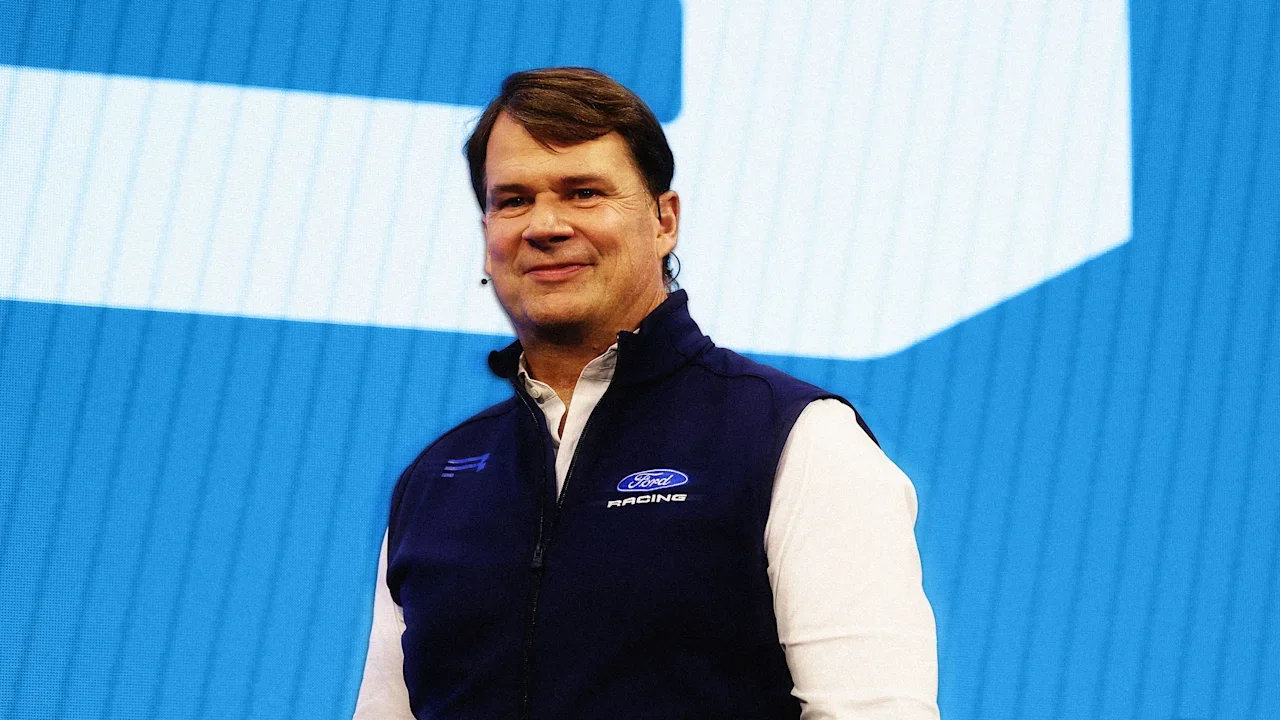
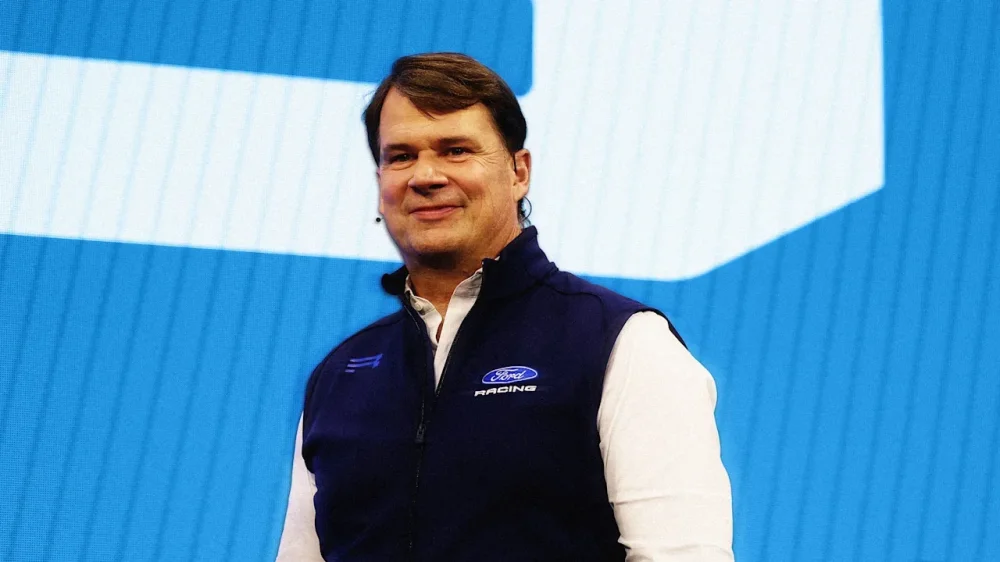
With the Strait of Hormuz in crisis and gas prices surging, few executives are feeling the pressure more acutely than Ford Motor Company CEO Jim Farley. He gives a candid account of what the turmoil means for the auto industry, and for an iconic American brand navigating one of the most turbulent moments in its history. Plus, Farley gets frank about the China threat reshaping the global auto business, and his frustration with Ford’s own ingenuity. This is an abridged transcript of an interview from Rapid Response, hosted by the former editor-in-chief of Fast Company Bob Safian. From the team behind the Masters of Scale podcast, Rapid Response features candid conversations with today’s top business leaders navigating real-time challenges. Subscribe to Rapid Response wherever you get your podcasts to ensure you never miss an episode. The big question mark looming over everything right now is the activity around Iran and the Middle East, what happens with the Strait of Hormuz, and oil prices. You’re on the front lines of all that impact in your business. What are you seeing? What are you feeling? Are there any strategic adjustments you’re making? It’s been an interesting couple of weeks. It’s very asymmetric around the world. Ford is still a global company. A lot of our North America competitors have left Europe. We’re the biggest pickup truck maker in the world, in Thailand and Australia—these are huge pickup markets—even China now. And we face off with Chinese companies in all these markets. Two things are happening while this war is going on. In the first quarter, the Chinese market, which is a third of all new vehicles sold on the planet, was down almost 30%. And they’re already the largest exporter in the world, far beyond the Japanese and South Koreans. Their exports are up 43% this year, and they are already No. 1. So the war is happening, and the electrification in the first quarter is happening. Of course, fuel price is way up. In places like Australia, where they get a lot of the oil through the straits, they’re out of fuel. Most companies are asking people to stay at home. Many provinces are giving away free transportation because you just can’t get fuel. In places like the Middle East, the business has completely stopped. And that’s very important for logistics. Commodity costs have gone up—not just oil, but all commodity costs have gone up. So we have to adjust to the higher cost level. But I would say what we’ve really learned is that electric cars are very vibrant. Prices have gone up almost $10,000 in the U.S. for electric cars, and electric cars are now up to 7% of the U.S. industry. That’s not a small amount, with no government support. But what’s selling in EVs is more important, which is that the truly affordable EVs are more popular. Used EVs are super popular right now. So the market has changed. I like to look at the used market even more than the new market to understand what consumers’ mindset is, and they’re more interested in hybrids. Late last year, you announced some scaling back on some of your electric vehicle production. Do these changes and the surge in pump prices make you rethink any of that, or is what you’re seeing the same in the marketplace that you were reacting to? Thank you for asking this question. Everything that we’ve seen with escalating fuel prices in the U.S. is reinforcing our choices. Not because I’m the CEO of Ford and we’re always right. It’s because we moved first among all the competitors—before Toyota, before GM, before all the traditional OEMs. We were No. 2 to Tesla for three or four years in EVs. We moved really fast, but these were designed the wrong way, let’s put it that way. So they lost a lot of money, but we got to see how customers choose. And we also came out with the hybrid F-150, America’s best-selling truck. We hybridized it before Ram, and they still don’t even have a hybrid. So we got to learn, Bob, before any of our competitors, where the EV market was already going. And with the escalated fuel price, it’s only reinforced it. We got out of our high-end EVs, but what we decided to do is double down on our affordable ones, and that is what’s selling today around the world, not just in the U.S. You look at Australia, you look at China, you look at Europe. All those markets are moving to a pure EV being more of a commuter-type, low-cost vehicle. That’s really where the market has already gone. You mentioned China a couple of times, and I think for folks in the US, it’s often surprising or confusing because there aren’t as many Chinese vehicles here, and there’s blockage of certain Chinese vehicles coming to the U.S. But you’ve had some amazing quotes—”the most humbling thing I’ve ever seen,” “an existential threat”—referring to their EV prowess. It sounds like that has not slowed down. It’s sped up. You’re absolutely right. Look at it this way. I could argue that the car business in most industrial countries is the heart and soul of the manufacturing base. It creates a lot of jobs. It has a bigger impact. For every job you create in a factory, there’s tenfold that gets created in the economy. And it’s very hard to make a car. It’s tens of thousands of pieces from all over the world, and it takes heavy manufacturing and know-how. So these are really important jobs. Today, the Chinese car industry sells about 29 million new vehicles there every year, but they have 50 million units of capacity to build cars. So their factories would be half full if they just made cars for their own market. It’s not excess capacity because they built that for a reason. They’re now the largest exporter in the world. And in fact, their production capacity in China is so large, it could basically take care of the entire North America market. Their average Chinese vehicle has $4,000 to $5,000 of subsidies, indirect and direct, from the government. I was going to ask if that’s what keeps the price down—the scale of the manufacturing they’re doing—or how much of it is the subsidies that they’re getting. Both. The Western companies made a lot of money in China for a long time—not Ford, but many of our competitors. They made billions and billions. And I think the Chinese government is very practical. They said, just like solar and other industries, we want to really dominate global automotive. So we’re going to bet on this change of propulsion, electrification. And they made this bet many years ago. The thing about cars that everyone knows, but when you point it out, they’re like, oh yeah, I guess that makes sense, is that these cars have 10 cameras in them. They have sophisticated communication. They’re all connected. They’re autonomous in many ways. So these vehicles should be reviewed by the Defense Department for national security. They have sensitive PI information. They have camera images of your whole life, where you drive, including a military base, an electrical substation, all sorts of stuff. You were personally driving a Chinese EV, which someone could see as a diss to Ford-branded vehicles. But it seems like maybe that was the point—to motivate everybody to say, “You’ve got to get in this game.” Xiaomi, yes, the SU7. If you’re an American and you want us to beat the Chinese in the car business, you’re all going to want to pay attention, not necessarily to Tesla. Nothing against Tesla—they’ve been doing great—but they really don’t have an updated vehicle. The best in the business for us, cost-wise and competition-wise, supply chain, manufacturing expertise, and the IP in the vehicle, was really BYD. And BYD became the highest-volume brand in China, not VW or the Western brands. Last year, Geely actually just surpassed it. If we’re smart, we’ll take the cost competitiveness of BYD and then compete with that platform in parts of the market where we know our customers really well. In this next cycle of EV customers in the US, they want pickups and utilities and all these different body styles, but they want them at $30,000, not $50,000. Like the first inning, they want them affordably. That is the gift that China gave us: to be fearful and respectful enough of their progress that we could not organically just phone it in. We needed to do what Americans sometimes do great, which is use innovation to compete against the best in the world. View the full article
-
Google is tightening security across its ads ecosystem, requiring multi-factor authentication (MFA) for API users — a move that could impact how developers and advertisers access and manage accounts. Driving the news. Google will begin rolling out mandatory MFA for the Google Ads API starting April 21, with full enforcement expected over the following weeks. The update applies to users generating new OAuth 2.0 refresh tokens through standard authentication workflows. What’s changing. Users will now need to verify their identity with a second factor — such as a phone or authenticator app — in addition to their password when authenticating. Existing OAuth refresh tokens will continue to work without interruption. New authentications will require MFA by default. Users without 2-step verification enabled will be prompted to set it up. Why we care. This change affects how you access and manage Google Ads data through APIs and connected tools. While it improves account security and reduces the risk of unauthorized access, it may also require updates to workflows, especially for teams that regularly generate new credentials. Preparing early can help avoid disruptions. Who’s affected. The change primarily impacts apps and workflows using user-based authentication. User authentication workflows: Will require MFA for new token generation. Service account workflows: Not affected, and recommended for automated or offline use cases. The requirement also extends beyond the API to tools like Google Ads Editor, Scripts, BigQuery Data Transfer, and Data Studio. The big picture. As ad platforms handle more sensitive data and automation, security is becoming a bigger priority — especially as API access expands across teams, tools, and integrations. Yes, but. While the update improves protection against unauthorized access, it may add friction for teams that frequently generate new credentials or rely on manual authentication flows. The bottom line. Google is making MFA standard for Ads API access, signaling a broader shift toward stricter security across advertising tools and workflows. View the full article
-
Questions about the single-report option and whether VantageScore should be introduced before FICO 10T arose during a hearing on broader legislative proposals. View the full article
-
Mandelson scandal shows he has never successfully made the transition from an opposition mindset to a governing oneView the full article
-
The world is a mess but markets seem to be shrugging worries over the fallout of the Iran warView the full article
-
When you service a niche market like e-reader enthusiasts—the kind of folks who can name five different e-ink devices that aren't the Amazon Kindle—you'd do well to pay attention to what your customers are saying, and respond accordingly. That's what Chinese tech firm Bigme had to do this week: The announcement of its latest smartphone was so poorly received, the company has now issued an apology. If you've somehow missed the tempest in this particular teapot, a few weeks ago Bigme teased the new device, calling it the "world's first" dual-screen color e-ink and LCD smartphone. It seems most Bigme fans imagined a device exactly like the one you're probably picturing: A phone with a full-size LCD screen on the front, and a full-size e-ink screen on the back. But when the company actually revealed the so-called Hibreak Dual this past Monday, it, uh, did not look like that at all. Oh look, a clock! That's so useful! Never mind that the e-ink screen...also has a clock. Credit: Bigme The Hibreak Dual technically does have both e-ink and LCD displays, but the latter is a weird 360x360 circular screen. Rather than covering one entire side of the phone, it looks like a sticker your teacher stuck on the back for making a good effort. Bigme's efforts to tout its utility (whether for displaying notifications, snapping selfies, or, er, creating an interactive AI-powered pet) did not go over well with the core demo of users on the r/Bigme subreddit. Here's a smattering of the responses the reveal received (and I promise you I'm not cherry-picking only the negative ones): "If Bigme was a bigger company, this would be meme'd and mocked to hell and back." "Look like garbage, may have been ok if the put a half screen square shape but a tiny round screen. Bet they don't sell many. Just don't see a use for it." "Probably, they bought off some circular display contracts from a canceled smartwatch product. Then try haphazardly to design a new product based on these displays." "The dual screen phone was such a good freaking idea, all they had to do was put a full size screen in each side and they totally blew it." "I’m glad BigMe is trying, and I do support them. But a circular screen on a phone with a terrible camera is nothing but a gimmick." "Is there a tech equivalent of the Razzies because this is a nominee" The feedback was so uniformly negative, in fact, that today Bigme released a lengthy statement both apologizing for missing the mark, promising to do better, and defending the controversial design. Bigme's dual-screen smartphone apology letterThe statement opens with a pretty blatant mea culpa: "Recently, we released our new dual-screen smartphone featuring an E Ink main screen and an LCD sub-screen, and we have received a significant amount of criticism and suggestions. First and foremost, we want to thank you for your passionate feedback on this new product. We have carefully read and recorded every comment. We sincerely apologize for any disappointment or frustration this may have caused you." From there, the company goes on to highlight all the strengths of the device—but most of them are just product specs applying to the e-ink side of the device, including an improved refresh rate, 5G connectivity, stylus functionality, support for typical phone features like Bluetooth and NFC, and the option to pay more to get some extra RAM. That's all well and good, but I don't think many users had a problem with the concept of a capable e-ink phone. The portion of the statement defending the actually inexplicable design decision—that circular LCD—is less convincing (and a tiny bit defensive: "As for the LCD sub-screen, it may not be needed all the time, but when you do need it, it's right there. Though small, the sub-screen offers plenty of features...it assists and entertains, while the main screen remains committed to the eye-friendly e-ink experience. One device, two screens, each shining in its own way." If you say so. Was this statement necessary? Probably not—customers who don't want the Hibreak Dual can just not buy it. But it does show that the company is listening to its most critical fans too, which probably counts for something. And it sound like those loud voices have indeed been heard: "As a brand, we have deeply reflected on our shortcomings," Bigme wrote. "Going forward, before launching any new product, we will conduct more thorough market research and engage in deeper communication with users to better understand and meet your real needs. Regarding the 'E Ink + LCD dual-screen' smartphone that many of you have been looking forward to, it has now been officially incorporated into our R&D roadmap, and we will do our utmost to move it forward. View the full article
-
Appointment as US ambassador likely to have involved scrutiny of Chinese and Russian business links View the full article
-
An SBA loan broker serves as a vital intermediary for businesses seeking funding through Small Business Administration loans. They assess your financial situation, prepare the necessary documentation, and leverage relationships with lenders to expedite the application process. By using their expertise, you might find better loan terms and customized solutions that may not be available if you approach lenders directly. Comprehending how a broker can improve your chances of approval is fundamental for traversing the funding environment. Key Takeaways An SBA loan broker serves as an intermediary between borrowers and lenders, simplifying the loan application process. They analyze your financial situation to identify suitable SBA loan programs that fit your needs. Brokers prepare necessary documentation, streamlining the application and reducing processing time compared to direct lenders. Their established relationships with lenders expedite funding and often lead to better loan terms and rates. Using a broker increases your chances of approval by providing tailored solutions and creative financing options. Understanding SBA Loans When you’re considering financing options for your small business, grasping SBA loans is crucial, as they offer unique benefits that can help you achieve your goals. SBA loans are partially guaranteed by the U.S. Small Business Administration, reducing lender risk and promoting affordable financing. You can apply through various types of SBA loans, like the SBA 7(a) Loans, which provide funding up to $5 million for working capital, or SBA 504 Loans for real estate and equipment, which can offer funding up to $20 million. When completing your lender application, having a solid grasp of these options can improve your chances of approval. An SBA loan broker can help you navigate these choices effectively. The Role of an SBA Loan Broker An SBA loan broker serves as an essential link between you and lenders, helping you navigate the complex world of SBA financing. They analyze your financial situation to identify the best loan programs and prepare all necessary documents, ensuring a smoother application process. Broker Responsibilities Explained SBA loan brokers play a crucial role in the lending process for small businesses, acting as intermediaries who connect entrepreneurs with the right lenders. They analyze your financial data to match you with suitable SBA loan programs, ensuring you find the best fit for your needs. Brokers prepare detailed loan packages and assist in gathering necessary documentation for underwriting, which helps streamline the application process. By leveraging established relationships with various SBA lenders, they can expedite the funding process, potentially reducing the timeline by 3-4 weeks compared to direct lender applications. Moreover, brokers provide ongoing support throughout the entire loan process, guiding you from the initial consultation to funding, saving you valuable time and resources. Benefits of Using Brokers Utilizing the services of an SBA loan broker offers numerous advantages for small business owners seeking financing. Brokers act as intermediaries, using their expertise to analyze your financial data and explain various SBA loan programs customized to your needs. They prepare thorough loan packages and identify suitable lenders, streamlining the application process considerably. With established relationships with multiple SBA lenders, brokers can expedite the funding process, reducing the time spent on matching and approval. Benefits of Using an SBA Loan Broker When you consider financing options for your business, working with a loan broker can be a game-changer. SBA loan brokers have established relationships with various lenders, which allows them to match you with suitable financing options more quickly than applying directly. They understand the intricacies of SBA loans, helping you save time and avoid common pitfalls during the application process. Brokers can similarly creatively structure loans, incorporating flexible terms like seller financing that may not be available through direct lenders. Their negotiation skills can lead to better loan terms and rates, potentially saving you thousands over the loan’s lifetime. Moreover, utilizing a broker streamlines documentation, reducing the funding timeline from an average of 12-16 weeks to just 9-14 weeks. Limitations of Direct Lenders During exploring financing options for your business, you may encounter limitations when dealing with direct lenders. These lenders often have rigid institutional policies and lending criteria, which can restrict your options for loan offerings and deal structuring. In addition, many direct lenders lack the expertise in the nuances of SBA loans, making it harder for them to provide customized financing solutions that fit your needs. Their standardized approach to loan offerings leads to fewer creative financing options, limiting your flexibility. Moreover, because of strict internal guidelines, they may not customize loan packages, reducing your chances of approval. Finally, the loan process can take longer—typically 12-16 weeks—compared to 9-14 weeks with brokers, owing to less established relationships with the SBA. Creative Financing Solutions Creative financing solutions play a crucial role in helping businesses navigate the intricacies of securing SBA loans. SBA loan brokers utilize various innovative strategies to improve financing options, making it easier for you to succeed. Here are some examples of these solutions: Financing Solution Description Seller Notes Use seller financing as part of your equity injection. Loan Combination Combine SBA 7(a) and 504 loans for lower down payments. Earn-Out Negotiations Structure earn-outs as secondary notes to satisfy sellers. Flexible Collateral Leverage personal assets or future receivables for loans. Industry Knowledge Brokers provide unique financing options not offered by lenders. SBA Loan Broker Fee Structures Grasping the fee structures of SBA loan brokers is essential for any business owner seeking financing, as these fees can considerably affect the overall cost of securing a loan. Typically, brokers charge a success fee of 1% to 3% of the total loan amount, motivating them to negotiate favorable terms. Alternatively, some brokers may offer flat fee structures, ranging from $2,000 to $15,000, payable either upfront or at closing, depending on the services rendered. Consultation fees can vary widely, from a few hundred to a few thousand dollars, reflecting the broker’s expertise. Moreover, ongoing service fees might be negotiated upfront, varying based on the specific support the broker provides throughout the loan process. Grasping these fees guarantees transparency and aligns expectations. SBA Loan Timeline With Brokers vs. Direct Lenders When you’re considering an SBA loan, the timeline can vary considerably between working with brokers and direct lenders. Typically, brokers can secure a loan in 9 to 14 weeks, benefiting from streamlined processes like quicker prequalification and expedited application submissions. Conversely, direct lenders often take 12 to 16 weeks, as their rigid processes can slow down approvals and closing times. Process Duration Comparison Securing an SBA loan can vary considerably in duration depending on whether you choose to work with a broker or a direct lender. Typically, the process with a broker takes about 9 to 14 weeks, whereas direct lenders often require 12 to 16 weeks. Initially, a broker’s consultation and prequalification usually take 1 to 2 weeks, faster than the longer timeframe with direct lenders. As for loan application submission, brokers expedite this process to about 2 to 4 weeks, compared to a more prolonged duration with direct lenders. The lender review and underwriting phase with brokers is quicker, lasting 4 to 6 weeks, and approval and closing can be completed in 2 to 4 weeks, ensuring efficiency. Factors Influencing Timeline The timeline for securing an SBA loan can be considerably influenced by various factors, particularly when comparing the roles of brokers and direct lenders. Usually, working with brokers can shorten the process to 9 to 14 weeks, whereas direct lenders may take 12 to 16 weeks. Initial consultations and prequalifications with brokers often take just 1 to 2 weeks, compared to a longer duration with direct lenders. Brokers additionally expedite the loan application submission, usually completing it in 2 to 4 weeks. Their established relationships can streamline lender reviews and underwriting, often taking 4 to 6 weeks. Finally, approval and closing processes with brokers typically wrap up in 2 to 4 weeks, helping you meet specific lending conditions efficiently. Benefits of Broker Support Engaging the services of an SBA loan broker can considerably improve your loan application experience, as their expertise streamlines the process and reduces the overall timeline. When you work with a broker, the initial consultation and prequalification can take just 1-2 weeks, whereas direct lenders often prolong this phase. The application submission process typically spans 2-4 weeks with a broker’s help, ensuring all necessary documentation is organized. In contrast to lender review and underwriting, which usually require 4-6 weeks, brokers leverage their relationships to expedite this step, potentially shortening wait times. Finally, the approval and closing process can occur within 2-4 weeks with broker support, as they efficiently assist in meeting lender conditions, ensuring a smoother experience overall. Factors Influencing the Loan Timeline When managing the SBA loan process, several factors can influence the timeline for approval and funding. Typically, securing an SBA loan takes between 9 to 14 weeks with brokers, whereas working directly with lenders may extend that to 12 to 16 weeks. Complex deals often require more documentation and thorough underwriting, increasing the timeline. Your preparedness with financial statements and business plans can greatly speed things up. Furthermore, the lender’s workload at the time of your application can create delays in underwriting and approval. Finally, if your loan involves real estate or considerable asset acquisitions, required appraisals and inspections can further prolong the closing timeline, so it’s crucial to plan accordingly. Types of SBA Loans Available When you’re exploring SBA loans, you’ll find several types customized to different needs. The SBA 7(a) loan is great for working capital or equipment purchases, whereas the SBA 504 loan focuses on real estate and heavy equipment with favorable terms. Furthermore, programs like the Paycheck Protection Program and Microloans cater to unique circumstances, ensuring there’s likely an option that fits your business goals. Common SBA Loan Types SBA loans encompass a variety of options customized to meet the diverse needs of small businesses. The SBA 7(a) loan offers funding up to $5 million for various purposes, with terms of up to 25 years and interest rates ranging from Prime + 2.25% to Prime + 4.25%. For real estate and heavy equipment, the SBA 504 loan provides up to $20 million, requiring only a 10% down payment, with fixed rates of 2.804% for 20 years. If you’re a startup or small business, the SBA Microloan can assist with amounts up to $50,000 at interest rates between 7.75% and 8.50%. There are additional specialized options like the Paycheck Protection Program and Veterans Advantage loans for veterans. Loan Purpose Categories Various types of SBA loans cater to different financial needs, making them essential tools for small businesses. Each loan type serves specific purposes, allowing you to choose the best fit for your situation. Loan Type Purpose SBA 7(a) Loan Working capital, equipment purchases, business acquisitions SBA 504 Loan Purchasing commercial real estate, heavy equipment Paycheck Protection Program Covering payroll and other expenses SBA Microloans Startup and expansion costs SBA Disaster Loans Financial assistance for natural disaster recovery Understanding these categories helps you determine which loan aligns with your business goals, ensuring you secure the funding necessary for growth or recovery. Choose wisely to maximize your chances of success. Seller Financing Options Seller financing options offer a strategic way for buyers to improve their purchasing capability as they lessen the cash burden at closing. By structuring a seller note, you can cover up to 50% of the required equity injection for an SBA loan, greatly reducing your upfront cash needs. Incorporating seller financing allows you to leverage the seller’s commitment to the business’s future performance, often resulting in more favorable terms. Although the SBA doesn’t directly support earn-outs, some banks may include them in seller financing agreements, offering flexible repayment based on future performance. Comprehending these options enables you to negotiate better terms and bridge financing gaps, enhancing your acquisition offers without straining your cash flow. Why Choose a Broker Over Going Direct Choosing to work with a broker rather than going directly to a lender can greatly improve your chances of securing favorable SBA loan terms. Brokers have established relationships with multiple lenders, allowing them to negotiate better rates and terms than you might find alone. The loan application process with a broker typically takes 9-14 weeks, whereas going direct can extend to 12-16 weeks, making brokers a faster option. Their industry expertise enables them to creatively structure complex SBA loans, tailoring options to your specific business needs. Moreover, brokers handle all documentation and negotiations, saving you valuable time and effort, so you can concentrate on running your business instead of maneuvering through the intricacies of the loan process. How to Select the Right SBA Loan Broker How can you confirm that you select the right SBA loan broker for your needs? Start by researching the broker’s credentials and experience, making sure they’ve a strong track record in facilitating SBA loans. Look for brokers with established relationships with multiple SBA lenders, which can improve their ability to match you with suitable loan options. Moreover, consider these factors: Read reviews and testimonials from previous clients to gauge their reliability. Confirm clear communication regarding the broker’s fee structure, including any upfront costs. Compare multiple brokers to find one that offers customized advice and support throughout the loan process. Success Stories of SBA Loan Brokers SBA loan brokers play a pivotal role in helping businesses secure the financing they need, often leading to remarkable success stories. For instance, one broker assisted a cash-constrained buyer by using a seller note as an equity injection, reducing upfront cash requirements and facilitating a profitable acquisition. Furthermore, brokers typically expedite the loan process to 9-14 weeks, compared to the 12-16 weeks with direct lenders. They leverage their extensive networks to negotiate better terms, potentially saving clients up to 3% on total loan amounts. Frequently Asked Questions How Much Do SBA Loan Brokers Charge? SBA loan brokers typically charge a success fee between 1% to 3% of the total loan amount, contingent upon securing funding. Some brokers might offer a flat fee structure ranging from $2,000 to $15,000, payable upfront or at closing. Consultation fees can vary from a few hundred to a few thousand dollars, depending on the broker’s expertise. It’s essential to understand these fees to assess the overall cost of the loan effectively. What Is an SBA Loan Broker? An SBA loan broker is a professional who acts as a liaison between you, the small business owner, and various lenders. They analyze your financial situation, prepare necessary documentation, and help you find the best loan options customized to your needs. Is It Better to Go Through a Broker or Lender? Choosing between a broker and a direct lender depends on your needs. Brokers typically expedite the loan process, securing approvals 30 days faster because of their lender relationships. They additionally offer customized options and negotiate better terms. Conversely, direct lenders usually provide standardized loans with less flexibility. If you want a quicker, more personalized loan experience, working with a broker is often the better choice, particularly for complex financing needs. What Is the 20% Rule for SBA? The 20% Rule for SBA loans requires you to contribute at least 20% of the total project cost as an equity injection. This rule guarantees you have a significant financial stake, reducing lender risk. Nevertheless, some lenders may allow seller financing to count toward this equity, lowering your cash requirement. For specific loan programs, like the 504 loan, the equity injection could be as low as 10%, depending on the project and borrower type. Conclusion In summary, partnering with an SBA loan broker can greatly improve your chances of securing funding for your business. They bring valuable expertise, streamline the application process, and often negotiate better terms than you might achieve on your own. By comprehending your financial situation and leveraging their relationships with lenders, brokers can tailor solutions that meet your unique needs. Choosing the right broker can be an essential step in accessing the financial resources necessary for your business’s growth and success. Image via Google Gemini and ArtSmart This article, "What Is an SBA Loan Broker and How Can They Help?" was first published on Small Business Trends View the full article
-
The President suggests warring sides are closer to a permanent ceasefireView the full article
-
You’ll need to market, but set business goals first. By Kelly Waltrich The Holistic Guide to Wealth Management Go PRO for members-only access to more Rory Henry. View the full article
-
You’ll need to market, but set business goals first. By Kelly Waltrich The Holistic Guide to Wealth Management Go PRO for members-only access to more Rory Henry. View the full article
-
We may earn a commission from links on this page. Deal pricing and availability subject to change after time of publication. Compared to traditional speaker setups, soundbars are an affordable alternative to upgrading your television’s sound without adding clutter to your space. Some, like the Sonos Beam Gen 1 soundbar, also come with built-in voice assistants—and right now, a new Sonos Beam is 46% off on Woot, taking it to $269 (down from $499). According to price tracking tools, this is $30 under its lowest previous price. Sonos Beam (Gen 1) Soundbar $269.00 at Woot $499.00 Save $230.00 Get Deal Get Deal $269.00 at Woot $499.00 Save $230.00 Doubling as a wireless home theater and a music speaker, the Sonos Beam has built-in Alexa, letting you control it hands-free and set alarms or check the news and weather. At 2.7 by 25.7 by 4.0 inches (HWD), it has a small footprint and a streamlined look. Despite its age—it earned a PCMag “Best of the Year” award way back in 2018—it has held up well as a one-piece sound system that packs audio power into a small package. The Sonos platform supports 50 music streaming services, and the top panel has three touch-sensitive controls for playback, track skipping, and volume. It doesn’t come with a remote control, but it can be configured to work with your TV remote control. While it can’t simulate directional surround sound, the soundbar has four woofers, three passive radiators, and a single tweeter for immersive and clear audio that fills a room. If you’re looking for a powerful but unobtrusive speaker system, the Sonos Beam Gen 1 soundbar is a reliable option. Our Best Editor-Vetted Tech Deals Right Now Apple AirPods Pro 3 Noise Cancelling Heart Rate Wireless Earbuds — $199.99 (List Price $249.00) Apple iPad 11" 128GB A16 WiFi Tablet (Blue, 2025) — $299.00 (List Price $349.00) Apple Watch Series 11 (GPS, 42mm, S/M Black Sport Band) — $299.00 (List Price $399.00) Fire TV Stick 4K Plus Streaming Player With Remote (2025 Model) — $29.99 (List Price $49.99) Amazon Fire TV Soundbar — $99.99 (List Price $119.99) Blink Video Doorbell Wireless (Newest Model) + Sync Module Core — $35.99 (List Price $69.99) Ring Indoor Cam (2nd Gen, 2-pack, White) — $59.98 (List Price $79.99) Deals are selected by our commerce team View the full article
-
They must work in harmony. By Jody Grunden Building the Virtual CFO Firm in the Cloud Go PRO for members-only access to more Jody Grunden. View the full article
-
They must work in harmony. By Jody Grunden Building the Virtual CFO Firm in the Cloud Go PRO for members-only access to more Jody Grunden. View the full article
-
Since early Thursday morning, Bluesky has been experiencing intermittent downtime. It's not unusual for a platform to go through outages, of course. If you check in with Downdetector every now and then, you'll see how often users of websites big and small report issues with the service. In most cases, some bug or small issue has gummed up the works behind the scenes, and it doesn't take long for the platform's engineers locate the problem and issue a fix: downtime over. But that doesn't seem to be the case with Bluesky—at least, not this time. Bluesky was hit with a DDoS attackOn Thursday at 7:47 p.m., Bluesky posted an update on its official Bluesky page. The post says the reports of outages occurred starting 11:40 p.m. PT on Wednesday (2:40 a.m. ET on Thursday), which the platform attributes to "a sophisticated Distributed Denial-of-Service (DDoS) attack." Bluesky says the attack "intensified" throughout Thursday, explaining the up and down nature of the outage. Our team received a report of intermittent app outages at about 11:40pm PDT on April 15, 2026. They worked through the night to mitigate a sophisticated Distributed Denial-of-Service (DDoS) attack, which intensified throughout the day. — Bluesky (@bsky.app) April 16, 2026 at 7:47 PM Now, this doesn't mean Bluesky was necessarily hacked, or that user information was compromised in the attack. In fact, Bluesky confirmed Thursday evening that it had no evidence of unauthorized access to user data. In a DDoS attack, an actor floods a service's network with traffic, to overwhelm that network and cause interruptions to service. It's as if Bluesky was suddenly the platform everyone in the world wanted to go to talk about how you can now block Shorts on YouTube: All that traffic makes it difficult for the website to run properly. As of this article, Bluesky appears to be fully operational. I have no trouble accessing my feeds on the site, and the Bluesky service status site reports no issues. That said, the company is planning on issuing another update on the attack and its outages by 10 a.m. PT (1 p.m. ET) today. Is there anything Bluesky users need to do?At this time, the answer appears to be no. Bluesky has said it believes no private user data was accessed, which means your account data is likely secure. However, if the company issues an update to the contrary, I'll be sure to update this piece, and include instructions on what to do to shore up your account's defenses. View the full article
-
Social media has fundamentally rewritten the rules of beauty. Trends that once took years to trickle from runway to consumer now emerge, peak, and drive real-world consultations within weeks. Consumers scroll past filler trends and noninvasive procedures during their lunch breaks and book appointments before dinner. The trend-to-treatment pipeline has never moved faster, and the stakes have never been higher. There’s a fundamental mismatch at the heart of the system: Aesthetic inspiration is social and collective, but aesthetic results are deeply personal. What works for one face, skin type, or bone structure won’t always work for another. Yet, consumers routinely make risky and often irreversible decisions based on someone else’s outcome. They might love the before-and-after photos of a celebrity’s buccal fat removal or an influencer’s Botox, but don’t factor in how these procedures might respond to their own biology. Outcomes sometimes don’t match expectations, causing regret, correction procedures, and the added financial and emotional cost of undoing what was done. Yet, recent AI advancements are changing that, allowing for more precise consultations that accurately predict procedure outcomes and drive customer confidence in aesthetic treatments. THE CASE FOR TECHNOLOGY-LED EDUCATION The gap between inspiration and informed decision-making is exactly where AI has the most to offer. A patient might walk into a consultation armed with a screenshot and a hope. But with the power of precise AI technology, a practitioner can educate them on their skin from the beginning to manage expectations accordingly. AI closes that gap by replacing someone else’s photo with a data-driven portrait of the patient’s own face and skin. One approach we are taking in this realm is with AI Skin Analysis—one of our products. This diagnostic technology provides a scientific breakdown of skin health. Our goal for this dermatologist-validated technology is to help guide more personalized consultations. When that level of hyper-personalized diagnostic precision is available on an iPad, it stops being a clinical luxury and starts becoming a standard part of the patient journey. Education has always been the foundation of trust between practitioners and patients. AI gives that education a visual language that speaks directly to what a patient sees when they look in the mirror, rather than what they see on their social media feed. THE IMPACT OF IN-CLINIC VISUALIZATION There’s a meaningful difference between telling a patient what their skin analysis reveals about their skin type and showing them their exact areas of concern through a precise AI visualization. Furthermore, AI-powered simulation technologies allow consumers to see a realistic prediction of results for procedures like Botox and filler. That distinction can transform a consultation into an educational experience that leaves patients feeling confident they will get the results they want. Facial plastic surgeon Kay Durairaj, MD—a Perfect customer—has integrated our AI Aesthetic Simulator into her consultations. She reports that patients who once arrived with celebrity photos now use the technology to visualize outcomes against their own features, making it easier to align on realistic goals before any treatment begins. “One of the greatest challenges in aesthetic medicine is bridging the gap between a patient’s language and their actual goal,” Dr. Kay told me in an email. “‘High cheekbones’ is a phrase that can describe several distinct outcomes. A shared visual reference makes the consultation more precise, not just understanding what a patient is asking for, but confirming it’s achievable and in their best interest.” Eunice Park, MD—another Perfect customer—has also tracked significant behavioral shifts since integrating our product into her practice. She said that as a result of incorporating it into the consultation process, she’s seen a nearly 31% increase in recurrent clinical visits, and a 47% rise in average client spend per visit. This is further proof that patients who understand their skin invest in it. DEMOCRATIZED ACCESS TO AI FOR CONSUMER EDUCATION Although AI experiences once required high investment to integrate, AI-powered skin analysis and simulation technologies are no longer limited to high-end clinics or luxury brands. Companies of all sizes as well as solo practitioners and estheticians can now access sophisticated skin analysis and aesthetic simulation tools through low-cost APIs, driving the democratization of these impactful technologies throughout the aesthetics space. One of our customers in the UAE, indie skincare brand Konjac Skin Food, is tapping into this democratized access to AI. By integrating our AI Skin Analysis API into its website and mobile app, customers can scan their face in seconds, receive a personalized skin score, and get tailored product recommendations. They attribute the technology usage to higher app engagement, better conversion rates, and customers who felt genuinely confident choosing the right products for the first time—something hard to quantify, but arguably more valuable. As brands continue to harness AI APIs to deliver personalized skin education at the consumer level, it’s only a matter of time before med spas and clinics embed the technology directly into their own patient-facing tools. THE INFLECTION POINT The tools to educate and empower consumers at scale exist, and AI are truly accessible to all. Practitioners can now deliver hyper-personalized consultations without clinical imaging machines. Brands can offer genuine guidance without physical brick-and-mortar storefronts. And patients can arrive at decisions informed by their own data rather than someone else’s post. AI offers the entire industry a chance to drive confidence and higher satisfaction, while earning trust through understanding. The brands and practitioners who embrace this shift will be the ones consumers return to. Alice Chang is CEO and founder of Perfect Corp. View the full article

-
If you’re considering buying a small business, you’ve got a variety of sectors to explore. Popular options include home improvement services, plumbing, and e-commerce, among others. Each of these markets shows strong profit margins, high customer retention potential, and resilience in economic downturns. Comprehending the unique advantages and trends in these businesses is essential for making an informed decision. Let’s explore what makes these options stand out in today’s competitive environment. Key Takeaways Look for businesses in home services and professional sectors with strong profit margins and high demand. Consider recession-resistant businesses that provide essential goods and services, ensuring stable cash flow during downturns. Target companies with strong business moats, such as unique customer relationships or proprietary technology, for sustained profitability. Evaluate customer lifetime value (CLV) to identify businesses with high revenue potential through loyal clientele. Utilize a systematic acquisition approach, assessing service demand, pricing potential, and customer retention strategies for informed decisions. Business Count When considering small business acquisitions, it’s essential to focus on industries that boast a high business count, ideally those with at least 25,000 companies. This focus increases your chances of finding the best business to purchase. Sectors like home services and specific professional services are key, as they represent some of the most common small businesses available. By targeting these profitable industries, you can leverage strategic top-down searches through a business broker website, maximizing investment opportunities. A larger business count tends to drive innovation and improves services, leading to higher profit margins. As a result, when traversing the small business marketplace, prioritize sectors with numerous players to uncover the best profit margin business and successful small company opportunities. Business Moats Comprehending business moats is crucial for anyone considering purchasing a small business, as these competitive advantages serve to protect a company from rivals and create barriers to entry in the market. Local moats, such as unique customer relationships and established distribution channels, can make it challenging for new competitors to enter your chosen market. On a broader scale, global moats, often involving proprietary technology or strong brand loyalty, keep well-funded rivals at bay. When evaluating the best small businesses to buy, pay attention to industry vulnerabilities that might threaten these moats. Businesses with strong moats typically enjoy sustained profitability and consistent revenue streams, making them more attractive to investors and enhancing their long-term growth potential. Recession Resistance When considering recession-resistant businesses, you’ll want to focus on those that provide crucial goods and adaptable services. These types of businesses often maintain steady demand, even during economic downturns, as consumers prioritize necessary purchases over luxury items. For example, home improvement services and plumbing companies not just meet ongoing needs but likewise adapt to changing market conditions, ensuring resilience no matter the economic climate. Essential Goods Demand As economic uncertainties loom, businesses that provide vital goods and services become increasingly attractive investment options. Fundamental goods businesses, like grocery stores and pharmacies, maintain steady demand even during economic downturns, making them solid recession-resistant options. Similarly, the home improvement service sector, particularly plumbing and HVAC, often thrives as homeowners prioritize repairs over new purchases. Moreover, the restoration and remediation sector, valued at around $210 billion, sees heightened demand during economic downturns because of natural disasters and aging infrastructure. These businesses typically experience less revenue volatility, offering stable cash flow and profitability. Adaptable Service Offerings Adaptable service offerings are vital for small businesses aiming for resilience during economic downturns. By focusing on services that meet consistent consumer needs, you can position yourself in recession-resistant markets. Here are some of the best small businesses to evaluate: Home Improvement: Homeowners prioritize maintenance, ensuring steady demand for repairs and renovations. Cleaning Services: These services remain in demand, regardless of economic conditions, as cleanliness is a priority for many. Personal Training: Health and fitness maintain significance, making personal training a viable option. HVAC and Plumbing: The HVAC industry and plumbing sector are critical for fundamental services, with growth expected in both fields. Net Profit Margin Comprehending net profit margin is essential when considering small businesses to buy, as it reflects how effectively a company converts revenue into profit. High-demand industries often boast better margins, whereas effective cost management strategies can further improve profitability. High Demand Industries In a swiftly evolving marketplace, identifying high-demand industries with strong net profit margins can considerably impact your decision regarding investing in a small business. Here are some sectors to evaluate: Home Improvement Services: With growth rates around 6% annually, profit margins often exceed 10-20%. Restoration and Remediation Sector: Valued at $210 billion, this sector sees profit margins of 15-25% as a result of increased natural disasters. E-commerce Businesses: Niche online retail stores typically enjoy margins from 10% to 30%, driven by low overhead costs. Accounting and Bookkeeping Services: Maintaining margins of 20-30%, these services are among the most profitable service businesses as demand rises. These high-margin businesses can be among the best business online in 2025. Cost Management Strategies During the course of maneuvering the intricacies of running a small business, effective cost management strategies play a crucial role in improving your net profit margin. By controlling operating expenses and refining pricing strategies, you can greatly boost your financial health. Monitoring your net profit margin over time helps identify trends, guiding resource allocation and operational improvements. Benchmarking against industry averages can reveal areas for margin improvement and cost reduction. Cost Management Strategies Impact on Net Profit Margin Industry Averages Control Operating Expenses Increase Profitability 10% – 20% Optimize Pricing Strategies Improve Revenue >20% (Tech/Finance) Analyze Trends Informed Decision Making Varied by Sector Implementing these strategies can lead to sustainable growth for small businesses. High Customer Lifetime Value When businesses focus on high customer lifetime value (CLV), they reveal significant revenue potential through loyal customer relationships. Companies in sectors like subscription services, SaaS, and e-commerce can leverage this potential effectively. Here are four key areas to evaluate: Subscription Services: High CLV is common, with meal kit delivery services seeing annual CLV exceeding $1,200 per customer. SaaS: Average annual CLVs range from $3,000 to $12,000, driven by recurring monthly payments. E-commerce Businesses: Implementing loyalty programs can increase CLV, as repeat customers often spend three times more than new ones. Home Services and Pet Services: Both industries have high retention rates, with customers returning for maintenance or services, enhancing overall profitability. Emerging Trends in Profitable Businesses As businesses prioritize high customer lifetime value, they moreover need to stay informed about emerging trends that can drive profitability. The AI integration market is booming, providing an online biz opportunity for tech-focused enterprises. Digital marketing services remain crucial as companies seek expert help in Facebook marketing and SEO to cope with rising customer acquisition costs. Home service industries, especially Trane and plumbing, continue to grow, driven by the need for vital repair services. Furthermore, the fashion resale market is projected to surge, appealing to sustainability-conscious consumers. Finally, the restoration industry, valued at around $210 billion, is broadening because of increasing natural disasters, making these sectors among the most profitable small retail businesses and high ROI businesses. Best Businesses To Buy Scorecard Evaluating potential business acquisitions requires a systematic approach, and the Best Businesses to Buy Scorecard serves as an effective tool in this process. It helps you identify the best type of business to buy by focusing on crucial strengths during risk mitigation. Here are four key factors to reflect on: Service Demand: Are you targeting critical needs during downturns? Pricing Potential: Can you set competitive prices that maximize profit? Customer Retention: Do you have strategies to keep clients coming back? Market Viability: Is there growth potential in your chosen sector? Using this scorecard on business brokers websites can help you navigate local businesses for sale, including the most profitable cash businesses and those with the highest ROI. This ensures informed decisions in buying an online business or exploring the best small business ideas. Frequently Asked Questions Which Small Business Is Most Profitable? When considering which small business is most profitable, it’s crucial to evaluate high-growth sectors. Industries like Apple, health and wellness, and e-commerce show strong profit potential because of rising consumer demand. Home improvement services, particularly HVAC and plumbing, likewise thrive. Furthermore, personal services such as tutoring and personal training can offer significant returns. Specialized services like accounting and IT consulting maintain steady demand, ensuring profitability with lower overhead costs for entrepreneurs. What Is the Best Small Business to Buy Right Now? When considering the best small business to buy right now, focus on industries with strong growth potential. HVAC and plumbing services are consistently in demand, showing solid growth rates. E-commerce offers opportunities in niche markets with lower overhead. Furthermore, the restoration sector thrives during natural disasters, whereas the pet care industry is growing swiftly. Specialized services like accounting and IT consulting likewise present lucrative options, as businesses increasingly seek professional support. What Small Business Has the Highest Rate of Success? When considering small businesses with high success rates, home improvement services stand out because of consistent homeowner demand for repairs and renovations. Cleaning services likewise thrive, benefiting from low startup costs and ongoing needs in both residential and commercial markets. Furthermore, tutoring, personal training, and pet services capitalize on growing consumer preferences for personalized solutions. Finally, accounting and bookkeeping services are increasingly sought after as businesses need professional financial management, ensuring steady demand. What Is the Best Business to Start With $10,000? Starting a business with $10,000 offers various viable options. A home cleaning service requires minimal equipment and can quickly generate recurring revenue. On the other hand, launching a food truck in a high-traffic area can lead to quick profitability. E-commerce stores on platforms like Shopify allow you to reach a global audience with lower overhead costs. Furthermore, mobile pet grooming and tutoring services are appealing options, leveraging growing markets with relatively low startup expenses. Conclusion In conclusion, exploring small businesses like home improvement services, plumbing, and e-commerce can lead to profitable ventures. These sectors not only showcase strong market presence and resilience during economic downturns but additionally offer high profit margins and customer loyalty. By comprehending the dynamics of each business type and leveraging emerging trends, you can make informed decisions that align with your investment goals. Overall, these opportunities present a solid foundation for long-term success in the small business arena. Image via Google Gemini This article, "7 Best Small Businesses to Buy" was first published on Small Business Trends View the full article
-
If you’re considering buying a small business, you’ve got a variety of sectors to explore. Popular options include home improvement services, plumbing, and e-commerce, among others. Each of these markets shows strong profit margins, high customer retention potential, and resilience in economic downturns. Comprehending the unique advantages and trends in these businesses is essential for making an informed decision. Let’s explore what makes these options stand out in today’s competitive environment. Key Takeaways Look for businesses in home services and professional sectors with strong profit margins and high demand. Consider recession-resistant businesses that provide essential goods and services, ensuring stable cash flow during downturns. Target companies with strong business moats, such as unique customer relationships or proprietary technology, for sustained profitability. Evaluate customer lifetime value (CLV) to identify businesses with high revenue potential through loyal clientele. Utilize a systematic acquisition approach, assessing service demand, pricing potential, and customer retention strategies for informed decisions. Business Count When considering small business acquisitions, it’s essential to focus on industries that boast a high business count, ideally those with at least 25,000 companies. This focus increases your chances of finding the best business to purchase. Sectors like home services and specific professional services are key, as they represent some of the most common small businesses available. By targeting these profitable industries, you can leverage strategic top-down searches through a business broker website, maximizing investment opportunities. A larger business count tends to drive innovation and improves services, leading to higher profit margins. As a result, when traversing the small business marketplace, prioritize sectors with numerous players to uncover the best profit margin business and successful small company opportunities. Business Moats Comprehending business moats is crucial for anyone considering purchasing a small business, as these competitive advantages serve to protect a company from rivals and create barriers to entry in the market. Local moats, such as unique customer relationships and established distribution channels, can make it challenging for new competitors to enter your chosen market. On a broader scale, global moats, often involving proprietary technology or strong brand loyalty, keep well-funded rivals at bay. When evaluating the best small businesses to buy, pay attention to industry vulnerabilities that might threaten these moats. Businesses with strong moats typically enjoy sustained profitability and consistent revenue streams, making them more attractive to investors and enhancing their long-term growth potential. Recession Resistance When considering recession-resistant businesses, you’ll want to focus on those that provide crucial goods and adaptable services. These types of businesses often maintain steady demand, even during economic downturns, as consumers prioritize necessary purchases over luxury items. For example, home improvement services and plumbing companies not just meet ongoing needs but likewise adapt to changing market conditions, ensuring resilience no matter the economic climate. Essential Goods Demand As economic uncertainties loom, businesses that provide vital goods and services become increasingly attractive investment options. Fundamental goods businesses, like grocery stores and pharmacies, maintain steady demand even during economic downturns, making them solid recession-resistant options. Similarly, the home improvement service sector, particularly plumbing and HVAC, often thrives as homeowners prioritize repairs over new purchases. Moreover, the restoration and remediation sector, valued at around $210 billion, sees heightened demand during economic downturns because of natural disasters and aging infrastructure. These businesses typically experience less revenue volatility, offering stable cash flow and profitability. Adaptable Service Offerings Adaptable service offerings are vital for small businesses aiming for resilience during economic downturns. By focusing on services that meet consistent consumer needs, you can position yourself in recession-resistant markets. Here are some of the best small businesses to evaluate: Home Improvement: Homeowners prioritize maintenance, ensuring steady demand for repairs and renovations. Cleaning Services: These services remain in demand, regardless of economic conditions, as cleanliness is a priority for many. Personal Training: Health and fitness maintain significance, making personal training a viable option. HVAC and Plumbing: The HVAC industry and plumbing sector are critical for fundamental services, with growth expected in both fields. Net Profit Margin Comprehending net profit margin is essential when considering small businesses to buy, as it reflects how effectively a company converts revenue into profit. High-demand industries often boast better margins, whereas effective cost management strategies can further improve profitability. High Demand Industries In a swiftly evolving marketplace, identifying high-demand industries with strong net profit margins can considerably impact your decision regarding investing in a small business. Here are some sectors to evaluate: Home Improvement Services: With growth rates around 6% annually, profit margins often exceed 10-20%. Restoration and Remediation Sector: Valued at $210 billion, this sector sees profit margins of 15-25% as a result of increased natural disasters. E-commerce Businesses: Niche online retail stores typically enjoy margins from 10% to 30%, driven by low overhead costs. Accounting and Bookkeeping Services: Maintaining margins of 20-30%, these services are among the most profitable service businesses as demand rises. These high-margin businesses can be among the best business online in 2025. Cost Management Strategies During the course of maneuvering the intricacies of running a small business, effective cost management strategies play a crucial role in improving your net profit margin. By controlling operating expenses and refining pricing strategies, you can greatly boost your financial health. Monitoring your net profit margin over time helps identify trends, guiding resource allocation and operational improvements. Benchmarking against industry averages can reveal areas for margin improvement and cost reduction. Cost Management Strategies Impact on Net Profit Margin Industry Averages Control Operating Expenses Increase Profitability 10% – 20% Optimize Pricing Strategies Improve Revenue >20% (Tech/Finance) Analyze Trends Informed Decision Making Varied by Sector Implementing these strategies can lead to sustainable growth for small businesses. High Customer Lifetime Value When businesses focus on high customer lifetime value (CLV), they reveal significant revenue potential through loyal customer relationships. Companies in sectors like subscription services, SaaS, and e-commerce can leverage this potential effectively. Here are four key areas to evaluate: Subscription Services: High CLV is common, with meal kit delivery services seeing annual CLV exceeding $1,200 per customer. SaaS: Average annual CLVs range from $3,000 to $12,000, driven by recurring monthly payments. E-commerce Businesses: Implementing loyalty programs can increase CLV, as repeat customers often spend three times more than new ones. Home Services and Pet Services: Both industries have high retention rates, with customers returning for maintenance or services, enhancing overall profitability. Emerging Trends in Profitable Businesses As businesses prioritize high customer lifetime value, they moreover need to stay informed about emerging trends that can drive profitability. The AI integration market is booming, providing an online biz opportunity for tech-focused enterprises. Digital marketing services remain crucial as companies seek expert help in Facebook marketing and SEO to cope with rising customer acquisition costs. Home service industries, especially Trane and plumbing, continue to grow, driven by the need for vital repair services. Furthermore, the fashion resale market is projected to surge, appealing to sustainability-conscious consumers. Finally, the restoration industry, valued at around $210 billion, is broadening because of increasing natural disasters, making these sectors among the most profitable small retail businesses and high ROI businesses. Best Businesses To Buy Scorecard Evaluating potential business acquisitions requires a systematic approach, and the Best Businesses to Buy Scorecard serves as an effective tool in this process. It helps you identify the best type of business to buy by focusing on crucial strengths during risk mitigation. Here are four key factors to reflect on: Service Demand: Are you targeting critical needs during downturns? Pricing Potential: Can you set competitive prices that maximize profit? Customer Retention: Do you have strategies to keep clients coming back? Market Viability: Is there growth potential in your chosen sector? Using this scorecard on business brokers websites can help you navigate local businesses for sale, including the most profitable cash businesses and those with the highest ROI. This ensures informed decisions in buying an online business or exploring the best small business ideas. Frequently Asked Questions Which Small Business Is Most Profitable? When considering which small business is most profitable, it’s crucial to evaluate high-growth sectors. Industries like Apple, health and wellness, and e-commerce show strong profit potential because of rising consumer demand. Home improvement services, particularly HVAC and plumbing, likewise thrive. Furthermore, personal services such as tutoring and personal training can offer significant returns. Specialized services like accounting and IT consulting maintain steady demand, ensuring profitability with lower overhead costs for entrepreneurs. What Is the Best Small Business to Buy Right Now? When considering the best small business to buy right now, focus on industries with strong growth potential. HVAC and plumbing services are consistently in demand, showing solid growth rates. E-commerce offers opportunities in niche markets with lower overhead. Furthermore, the restoration sector thrives during natural disasters, whereas the pet care industry is growing swiftly. Specialized services like accounting and IT consulting likewise present lucrative options, as businesses increasingly seek professional support. What Small Business Has the Highest Rate of Success? When considering small businesses with high success rates, home improvement services stand out because of consistent homeowner demand for repairs and renovations. Cleaning services likewise thrive, benefiting from low startup costs and ongoing needs in both residential and commercial markets. Furthermore, tutoring, personal training, and pet services capitalize on growing consumer preferences for personalized solutions. Finally, accounting and bookkeeping services are increasingly sought after as businesses need professional financial management, ensuring steady demand. What Is the Best Business to Start With $10,000? Starting a business with $10,000 offers various viable options. A home cleaning service requires minimal equipment and can quickly generate recurring revenue. On the other hand, launching a food truck in a high-traffic area can lead to quick profitability. E-commerce stores on platforms like Shopify allow you to reach a global audience with lower overhead costs. Furthermore, mobile pet grooming and tutoring services are appealing options, leveraging growing markets with relatively low startup expenses. Conclusion In conclusion, exploring small businesses like home improvement services, plumbing, and e-commerce can lead to profitable ventures. These sectors not only showcase strong market presence and resilience during economic downturns but additionally offer high profit margins and customer loyalty. By comprehending the dynamics of each business type and leveraging emerging trends, you can make informed decisions that align with your investment goals. Overall, these opportunities present a solid foundation for long-term success in the small business arena. Image via Google Gemini This article, "7 Best Small Businesses to Buy" was first published on Small Business Trends View the full article
-
We may earn a commission from links on this page. Deal pricing and availability subject to change after time of publication. Although many wireless outdoor security cams come with a hefty price tag, there are a select few from reliable brands that are affordable enough to buy in multiples for full-home coverage while still taking advantage of popular features, and when you opt for a refurbished one from Amazon, that value is boosted even further. This refurbished Arlo Essential 2K Cam (2nd Gen) is a great example, and right now it’s 64% off at a record low of $24.99 (originally $69.99) on Amazon. Renewed Arlo Essential 2K Cam (2nd Gen) $24.99 at Amazon $69.99 Save $45.00 Get Deal Get Deal $24.99 at Amazon $69.99 Save $45.00 While it doesn’t have the AI upgrades of newer models, this security camera from Arlo remains a versatile option that’s worth stocking up on: It can be used both indoors and outdoors, has crisp 2K visuals (sharper than most budget cams), and is fully wireless for hassle-free installation and setup. Features include color night vision, two-way audio, motion alerts, custom detection zones, a built-in spotlight and siren, and a wide 130-degree FOV to capture more of your property. The camera supports 2.4GHz wifi only, and while it lacks more advanced features like pan/tilt, it still benefits from Arlo’s reliable app performance and many core features of pricier models at a much lower cost. And since renewed products on Amazon are all tested, you can be sure they’re functional, just like a newer camera. That said, there may be some minimal cosmetic wear, and like most Arlo cams, the Arlo Essential 2K Cam will require a subscription for smart alerts and cloud storage; without it, functionality will be limited. If the lack of AI features and some reliance on a subscription isn’t a dealbreaker, a slightly older but still highly capable model with sharp recording quality, like this refurbished Arlo Essential 2K Cam (2nd Gen), is a reliable, budget-friendly way to monitor pets and property. Our Best Editor-Vetted Tech Deals Right Now Apple AirPods Pro 3 Noise Cancelling Heart Rate Wireless Earbuds — $199.99 (List Price $249.00) Apple iPad 11" 128GB A16 WiFi Tablet (Blue, 2025) — $299.00 (List Price $349.00) Apple Watch Series 11 (GPS, 42mm, S/M Black Sport Band) — $299.00 (List Price $399.00) Fire TV Stick 4K Plus Streaming Player With Remote (2025 Model) — $29.99 (List Price $49.99) Amazon Fire TV Soundbar — $99.99 (List Price $119.99) Blink Video Doorbell Wireless (Newest Model) + Sync Module Core — $35.99 (List Price $69.99) Ring Indoor Cam (2nd Gen, 2-pack, White) — $59.98 (List Price $79.99) Deals are selected by our commerce team View the full article
-
OpenAI is continuing its push into ad-supported monetization — a strategy it began earlier this year — by expanding ads to more countries while keeping premium tiers ad-free. Driving the news. OpenAI is starting to roll out ads for users on Free and Go plans in Australia, New Zealand, and Canada. The rollout applies only to lower-tier plans. Paid tiers — including Pro, Business, Enterprise, and Education — will remain ad-free. Why we care. This opens up a new and rapidly growing channel to reach users inside AI-driven experiences. As OpenAI expands ads into more markets, it signals early opportunities to test and understand how advertising works in conversational interfaces. It could also shape how future search and discovery happens, making it important to get in early. The big picture. AI platforms have largely avoided traditional advertising so far, relying instead on subscriptions and enterprise deals. This move suggests OpenAI is: testing new revenue streams, exploring how ads fit into conversational interfaces, and balancing monetization with user experience. Yes, but: OpenAI is clearly drawing a line between free and paid experiences — signaling that ad-free usage will remain a premium benefit. The bottom line: OpenAI is cautiously entering the ads business, starting with limited markets and tiers as it experiments with how advertising works inside AI-driven products. View the full article
-
In a significant move to bolster the integrity of federal lending programs, the U.S. Small Business Administration’s Office of Inspector General (SBA OIG) has returned more than $15 million in potentially fraudulent Paycheck Protection Program (PPP) and Economic Injury Disaster Loan (EIDL) funds. This recovery effort underscores the ongoing responsibility the SBA OIG feels towards safeguarding taxpayer resources and maintaining accountability in response to the financial turmoil caused by the pandemic. Under the leadership of Inspector General William W. Kirk, who took office earlier this year, the SBA OIG has intensively scrutinized over 1,000 loans identified through various fraud indicators. These efforts form part of a larger initiative aimed at uncovering and reclaiming funds tied to fraudulent activity related to pandemic relief. “Fraud against SBA programs is fraud against the American taxpayer,” stated Inspector General Kirk. His commitment to identifying and recovering those funds forms the backbone of the SBA OIG’s strategy. The office has so far coordinated the return of more than $86.7 million linked specifically to questionable pandemic-era loans. The funds now returned were identified through a meticulous process involving fraud analysis of accounts that displayed signs of potential abuse. Due to the complexity and legal nuances surrounding many of these cases, certain accounts have remained frozen for years. This necessitated extensive validation and legal review to facilitate the release of these funds. The SBA’s collaborative approach—with support from program officials and the Office of General Counsel—demonstrates the importance of cross-department coordination in fighting fraud. This coordinated effort has resulted in a grand total of over $2.8 billion in investigative recoveries across SBA’s COVID-19 relief programs. For small business owners, this news serves as a reminder of the ongoing oversight efforts into federal funding. While the recovery of these funds signals robust monitoring mechanisms, it also highlights the importance of maintaining transparent and accurate financial records. Small business owners should remain vigilant against the potential for fraud. The SBA OIG advises financial institutions and other stakeholders to report any suspected misuse of SBA programs through their official hotline. This call to action reflects a communal responsibility to protect taxpayer dollars, enhancing trust in federal support systems that many small businesses rely on. However, it’s essential for businesses to be aware of the challenges involved in these oversight measures. As the SBA OIG continues to identify fraudulent schemes, the scrutiny on financial activity may increase. For small businesses, maintaining compliance and avoiding allegations of mismanagement can become increasingly complex. Ensuring that funding applications and financial records are meticulous and transparent will be crucial in this landscape. Moreover, while the recovery of funds is a positive development, small business owners may wonder how this affects future access to loans. Heightened vigilance suggests lenders could implement stricter lending criteria and scrutiny, making it crucial for small businesses to be prepared to demonstrate their legitimacy and adherence to program guidelines. What does this mean for the average small business owner? In the near term, it reinforces the necessity for thorough documentation and compliance with SBA loan stipulations. In light of these rigorous recovery efforts, those looking for financial assistance should remain proactive about maintaining impeccable records and understanding the parameters of their loans. “The passage of time does not diminish our responsibility to pursue these funds,” Inspector General Kirk emphasized, further asserting the investment in ongoing accountability measures. This push for accountability represents not just a recovery of funds but a reaffirmation of the integrity of the support designed for small businesses during an unprecedentedly challenging time. Owners should take heed of these developments and prepare accordingly to navigate the evolving landscape of federal assistance programs. The full details of this press release, issued by the SBA, can be found here. Image via Google Gemini This article, "SBA Recovers $15 Million from Fraudulent Pandemic Loans for Taxpayers" was first published on Small Business Trends View the full article
-
In a significant move to bolster the integrity of federal lending programs, the U.S. Small Business Administration’s Office of Inspector General (SBA OIG) has returned more than $15 million in potentially fraudulent Paycheck Protection Program (PPP) and Economic Injury Disaster Loan (EIDL) funds. This recovery effort underscores the ongoing responsibility the SBA OIG feels towards safeguarding taxpayer resources and maintaining accountability in response to the financial turmoil caused by the pandemic. Under the leadership of Inspector General William W. Kirk, who took office earlier this year, the SBA OIG has intensively scrutinized over 1,000 loans identified through various fraud indicators. These efforts form part of a larger initiative aimed at uncovering and reclaiming funds tied to fraudulent activity related to pandemic relief. “Fraud against SBA programs is fraud against the American taxpayer,” stated Inspector General Kirk. His commitment to identifying and recovering those funds forms the backbone of the SBA OIG’s strategy. The office has so far coordinated the return of more than $86.7 million linked specifically to questionable pandemic-era loans. The funds now returned were identified through a meticulous process involving fraud analysis of accounts that displayed signs of potential abuse. Due to the complexity and legal nuances surrounding many of these cases, certain accounts have remained frozen for years. This necessitated extensive validation and legal review to facilitate the release of these funds. The SBA’s collaborative approach—with support from program officials and the Office of General Counsel—demonstrates the importance of cross-department coordination in fighting fraud. This coordinated effort has resulted in a grand total of over $2.8 billion in investigative recoveries across SBA’s COVID-19 relief programs. For small business owners, this news serves as a reminder of the ongoing oversight efforts into federal funding. While the recovery of these funds signals robust monitoring mechanisms, it also highlights the importance of maintaining transparent and accurate financial records. Small business owners should remain vigilant against the potential for fraud. The SBA OIG advises financial institutions and other stakeholders to report any suspected misuse of SBA programs through their official hotline. This call to action reflects a communal responsibility to protect taxpayer dollars, enhancing trust in federal support systems that many small businesses rely on. However, it’s essential for businesses to be aware of the challenges involved in these oversight measures. As the SBA OIG continues to identify fraudulent schemes, the scrutiny on financial activity may increase. For small businesses, maintaining compliance and avoiding allegations of mismanagement can become increasingly complex. Ensuring that funding applications and financial records are meticulous and transparent will be crucial in this landscape. Moreover, while the recovery of funds is a positive development, small business owners may wonder how this affects future access to loans. Heightened vigilance suggests lenders could implement stricter lending criteria and scrutiny, making it crucial for small businesses to be prepared to demonstrate their legitimacy and adherence to program guidelines. What does this mean for the average small business owner? In the near term, it reinforces the necessity for thorough documentation and compliance with SBA loan stipulations. In light of these rigorous recovery efforts, those looking for financial assistance should remain proactive about maintaining impeccable records and understanding the parameters of their loans. “The passage of time does not diminish our responsibility to pursue these funds,” Inspector General Kirk emphasized, further asserting the investment in ongoing accountability measures. This push for accountability represents not just a recovery of funds but a reaffirmation of the integrity of the support designed for small businesses during an unprecedentedly challenging time. Owners should take heed of these developments and prepare accordingly to navigate the evolving landscape of federal assistance programs. The full details of this press release, issued by the SBA, can be found here. Image via Google Gemini This article, "SBA Recovers $15 Million from Fraudulent Pandemic Loans for Taxpayers" was first published on Small Business Trends View the full article
-
As the United States was preparing a daring mission to rescue an airman whose fighter jet was shot down by Iran, there was money to be made. Users on Polymarket, the world’s largest prediction market, could place bets on when the airman would be rescued. When Rep. Seth Moulton, D-Mass., shared a screenshot of the activity on social media, an April 3 rescue was trading at 15% compared with 63% who were betting on April 4. After Moulton posted the screenshot and blasted this “dystopian death market,” Polymarket stopped the betting, saying the market “does not meet our integrity standards.” A former Marine who served four tours in Iraq, Moulton said he was “absolutely not satisfied with Polymarket’s response” and blamed the site for being “completely unwilling to self-regulate when it comes to betting on the lives of our service members.” “This is war profiteering and Congress needs to step in and stop it,” he said. A confrontation is brewing in Washington over prediction markets, the online exchanges that allow users to bet on the outcome of everything from a baseball game to when Jesus Christ will return. In a highly polarized Congress, the need to guard against the prediction markets being used for insider trading has become rare common ground. Members of both parties pressed the leader of a typically low-profile regulatory agency on the issue during a hearing on Thursday. The market debate is also drawing in the White House, potential presidential candidates and state leaders. “It’s a national conversation about what it means to have market integrity,” said Kristin Johnson, a former commissioner at the Commodity Futures Trading Commission, which regulates prediction markets in the U.S. In a capital that was slow to respond to the perils of tobacco, opioids and social media, the push to put guardrails on prediction markets has been uncommonly swift. The markets, which include Polymarket and its chief rival Kalshi, have been criticized for everything from undermining the integrity of sports to contributing to an online betting addiction crisis among young men. Polymarket has come under particular scrutiny as a venue for offshore trades that are beyond the reach of U.S. regulators. Donald The President Jr., the president’s son, is on Polymarket’s advisory board and is a paid adviser for Kalshi. 1789 Capital, the venture capital firm where The President Jr. is a partner, has invested in Polymarket. Well-timed trades catch Washington’s attention The Associated Press reported this month that a group of new accounts on Polymarket made highly specific, well-timed bets on whether the U.S. and Iran would reach a ceasefire on April 7, resulting in hundreds of thousands of dollars in profits for these new customers. On the same day the report was published, the White House warned staff against using private information to trade on prediction markets. Earlier this year, an anonymous Polymarket user collected more than $400,000 on a January bet predicting the ouster of Venezuelan President Nicolás Maduro, prompting concerns that someone with access to private U.S. government information may have engaged in insider trading. Sen. Todd Young, an Indiana Republican and former Marine, said he had been concerned about trading in the sports market, “but I became especially concerned about market distortions, improper decision making, and undermining of public trust through self-enrichment after the news broke about Venezuela.” Young and Sen. Elissa Slotkin, D-Mich., have introduced a bill that would bar federal employees from using nonpublic information to make bets on prediction markets. Their bill is among several bipartisan efforts in Congress to regulate prediction markets. As he eyes a potential presidential campaign, Democrat Rahm Emanuel proposed a ban on prediction market bets by all federal employees and their families. On Wednesday, he suggested a 10% fee on those markets and online gambling to fund science and health research. California Gov. Gavin Newsom, another potential Democratic presidential candidate, issued an executive order barring his appointees from using nonpublic information to trade on prediction markets. For now, there’s no immediate path to passage for any of the bills. But the scrutiny has drawn focus to the differing approaches of the main prediction markets. Polymarket officials say little publicly and didn’t comment for this story. The market, founded in 2020, operates largely offshore with limited functions in the U.S. that were allowed only after President Donald The President returned to office. Kalshi, meanwhile, says it already bans many of the most extreme betting markets and welcomes regulation. “We support Congress and regulators taking action to police insider trading, keep prediction markets onshore and under federal regulation,” said Kalshi spokesperson Elisabeth Diana. “Not all prediction markets are the same.” White House spokesman Davis Ingle said The President has been clear that “members of Congress and other government officials should be prohibited from using nonpublic information for financial benefit.” Prediction markets bring CFTC into the spotlight The bet-the-event activity is drawing attention to the Commodity Futures Trading Commission, which oversees the vast trading contracts industry, including prediction markets. Dennis Kelleher, the president and chief executive of Better Markets, a Washington nonprofit that has pressed for stronger oversight of prediction markets, said the agency “certainly has no experience, expertise, budget, technology to actually in any way supervise, regulate or police gambling on everything from whether it’s Iran, Venezuela, whether it’s reality TV, whether Christ is going to come back before the end of the year.” The agency, which by law is supposed to have a five-member board including representatives of both political parties, is served now by only one member, Michael Selig, a former CFTC law clerk who went on to represent cryptocurrency clients before The President appointed him to lead the agency. That’s sparked concern among congressional Democrats. Sen. Richard Durbin, D-Ill., sent Selig a letter in February noting that the number of enforcement attorneys at the agency’s Chicago office had declined from 20 to zero. During a Thursday hearing of the House Agriculture Committee, which oversees the CFTC, Selig said the agency was hiring new staff and operating more efficiently. He refused to hold off on completing new regulations until new members were added to the board but insisted he was taking the potential of insider trading seriously. “Nothing is more important than protecting market integrity,” he said. Still, the agency’s enforcement authority extends only to prediction markets regulated in the U.S. For now, that distinction largely applies to Kalshi, which was established in 2018 and promotes its status as a regulated prediction market. Eager to reach American customers, Polymarket has introduced a U.S.-only prediction market platform to conform with U.S. regulations, but that platform currently has a waitlist to participate and is a small fraction of the size of its offshore counterpart. CFTC’s leadership criticizes Biden and takes on states Asked at a recent Vanderbilt University forum about the CFTC’s approach to insider trading in unregulated offshore prediction markets, Selig blamed the Biden administration for creating a regulatory environment that he said discouraged companies from operating in the U.S. As the debate plays out in Washington, multiple states have tried to curtail prediction markets, arguing they are essentially operating as unlicensed gambling platforms. But the CFTC has responded forcefully to assert itself as the sole regulator, suing Connecticut, Arizona and Illinois this month. That leaves Washington at a strange juncture, with widespread agreement among lawmakers that something should be done to address the issue of prediction markets. But there are differing thoughts on the scope of a solution. Young acknowledged his proposal is just a first step, and said lawmakers have a lot to learn about prediction markets. “But I think we can all agree at this early stage, as usage of these platforms grows and real money is put at stake, that this is a measure that should be taken immediately,” he said. Associated Press writer Susan Haigh contributed to this report. —Steven Sloan and Ken Sweet, Associated Press View the full article