All Activity
- Past hour
-
Built around the company's guidelines, Rezi Mortgage Assistant helps borrowers learn about the lending process on their own terms, Newrez executives said. View the full article
- Today
-
We may earn a commission from links on this page. Deal pricing and availability subject to change after time of publication. DIY home maintenance and repair projects can save you money because you don’t need to hire a pro for every repair or upgrade. From replacing a leaky faucet to adding a knob to your desk drawer, a good set of hand tools is essential for success. Craftsman tools has a good reputation for making quality, long-lasting tools, but if you’re interested in DIY, you might have noticed that these tools can be expensive. If you need to expand your tool set, or if you’re just starting out, these deals on Craftsman tools at Lowe’s will help keep your budget in check. The best deals on tool sets at Lowe'sCraftsman is known for their mechanic’s tool sets. I remember as an aspiring tinkerer, playing with my dad’s Craftsman ratchet while assisting him with DIY home repairs, and the first set of tools I got as a teenager was a Craftsman wrench set. Here are some deals on Craftsman sets for DIYers of any skill set. The Craftsman 242-piece mechanic’s tool set is on sale for $99, 56% off its regular price. This set comes with a ¼-inch, a ⅓-inch, and a ½-inch ratchet and includes SAE sockets ranging in size from 5/32-inches to ⅞-inches and metric sockets ranging from 4mm to 21mm. Also included is a set of combination wrenches, extension bits, a driver handle and bits for screws, and a verastack 3-drawer case. The Craftsman 105-piece mechanic’s tool set is on sale for $69.98, 46% off its usual price. This set comes with a ¼-inch and a ⅜-inch ratchet, metric and SAE sockets, a spark plug socket, a set of allen wrenches, a driver, handles and bits for screws, and a case. This is a decent set for doing basic vehicle maintenance or performing tasks like changing the air filter for your home HVAC. The Craftsman Overdrive 80-piece mechanic’s tool set is on sale for $79.98, 46% off its typical price. This set includes metric and SAE sized sockets, some socket extenders, a corner adapter for the ratchet, driver bits for screws, and a case. This set is specifically designed for vehicle maintenance and can be used on stubborn, rounded out hardware that’s difficult to remove with lighter weight tools. The Craftsman 24-piece ratchet set is on sale for $19.98, 33% off its regular price. This set includes one ¼-inch ratchet handle, a set of metric sockets, a set of screw driver bits, an extension bit, and a case. Since many cars use mostly metric hardware, this is a good compact set that will travel well with a larger set, and it can be useful for small maintenance tasks on vehicles and bikes. Best air compressor deal at Lowe'sA portable air compressor is a convenient tool to have for small woodworking projects and DIY builds. Its smaller size makes it less useful for big jobs like decking or roofing, but I use my Craftsman pancake compressor for applying trim and molding, and it’s a lot more convenient than lugging a bigger one around. An air compressor can also be used to run a paint sprayer or for air-powered cutting and bolting tools. The Craftsman 6-gallon portable compressor is on sale for $99, 41% off its usual price. It comes with the fitting you need to connect pneumatic air hoses, but you’ll need to buy a hose to use air tools with it. View the full article
-
We may earn a commission from links on this page. I just got my review unit of the Fitbit Air, and while I can't give you a full review yet, I've now had the device in my hand and have tried out the new Google Health app that will soon replace the Fitbit app. I've already found a lot to like about it, which kind of surprised me. My hopes were high, but my expectations were not. Here's what I'm seeing so far. The Fitbit Air is small and light Credit: Beth Skwarecki From photos, I could tell the Fitbit Air looked small and light, but I was mostly seeing it on a basketball player's arm. In person, it really does live up to the photos. The Fitbit Air has an 18-millimeter strap, which is much thinner than what you see on any other smart bands, and overall, it's the smallest fitness tracker I've used in recent years (and maybe ever). Here is a photo of the Air (far right, in the "fog" colorway) next to a current generation Whoop MG. Right to left, the other two devices are a Polar Loop (beige) and an Amazfit Helio (black). Left to right: Amazfit Helio, Polar Loop, Whoop MG, Fitbit Air Credit: Beth Skwarecki The Fitbit Air's coach was able to pull data from a screenshot Credit: Beth Skwarecki The Fitbit Air, like all smart bands, relies on its companion app for data analysis and display, so the app's performance is critical to how useful the band actually is as a tracker. I had already done my workout for the day when I first tried the new app, so I showed the coach a screenshot of my results from that workout. (I had tracked it on a Coros watch.) The coach detected the number of minutes I'd spent in each heart rate zone, then converted them to Fitbit zones and logged them appropriately. Google Health's AI coach may be hallucinating lessI had a terrible time with an early version of the Google Health coach. The hallucinations were bad, and even as of last week, the memory problem was awful. It would insist on obeying something as a commandment that had just been a passing thought months ago ("I'd like heavy singles in my workout"), even if I went into my "coach notes" and deleted that memory. But since trying the new version of the app, I haven't seen any significant hallucinations, and there are no intrusive long-term memories—at least so far. I also noticed the coach was able to do what it said. When I asked it to log my Hyrox workout, it logged it as starting at 8 p.m. (the current time). When I asked it to update that time to 6 p.m., I didn't see the update right away and figured it was another broken promise—but a minute later, I noticed that it had, in fact, updated. It will take more testing to see whether the coach always does the right thing, or if I just lucked out, but it certainly seems to be working better than what I saw in the Public Preview. View the full article
-
Company with ties to US president’s son has MOU with chipmaker that Congress warned is connected to Communist PartyView the full article
-
The MBA's Market Composite Index found mortgage applications rose 1.7% on a seasonally-adjusted basis from one week prior for the period ending May 8. View the full article
-
Current commercial mortgage loan rates can vary greatly depending on the property type and loan size. For instance, multifamily loans over $6 million have rates around 5.16%, whereas those under $6 million sit at 5.60%. Retail property mortgages average 6.07%, and higher-risk bridge loans can reach 9.00%. Comprehending these nuances, along with factors like borrower credit profiles, is crucial for making informed financing decisions. What other elements should you consider in this complex environment? Key Takeaways Multifamily loan rates are currently 5.16% for loans over $6 million and 5.60% for loans under $6 million. Retail property mortgage rates stand at 6.07% with a maximum loan-to-value (LTV) of 75%. SBA 504 Loans have rates of 6.50% with LTVs up to 90%. Bridge loans carry higher rates at 9% due to increased risk. Conventional loan rates range from 6% to 10%, requiring down payments of 20% to 25%. Understanding Current Commercial Mortgage Rates Grasping current commercial mortgage rates is essential for anyone looking to invest in real estate or secure financing for a business property. As of December 1, 2025, multifamily loan rates are 5.16% for loans over $6 million and 5.60% for loans under that amount, both with a loan-to-value (LTV) ratio up to 80%. If you’re considering retail properties, commercial retail mortgage rates sit at 6.07% with an LTV up to 75%. On the other hand, SBA 504 loans offer rates of 6.50% with an LTV up to 90%. For short-term financing, bridge loans carry higher rates of 9.00%, reflecting their associated risks. Overall, current commercial mortgage loan rates vary based on property type and borrower creditworthiness. Bank and credit union loans are currently favored because of their lower rates compared to debt funds and CMBS, which are customized for assets with long lease terms. Comprehending these rates can greatly impact your investment decisions. Factors Influencing Commercial Mortgage Rates When you’re looking into commercial mortgage rates, several key factors come into play. The type of property you’re financing can notably impact the rates, with residential properties often attracting lower rates than commercial spaces because of varying risk perceptions. Furthermore, your creditworthiness as a borrower is essential, as stronger credit profiles typically lead to more favorable loan terms and interest rates. Property Type Impact The type of property you’re investing in can greatly influence the interest rates you’ll encounter for commercial mortgage loans. Multifamily loans typically attract lower rates, with a current interest rate of 5.16% for loans over $6 million. Conversely, retail properties command higher rates, averaging around 6.07%. The Loan-to-Value (LTV) ratio is significant; multifamily loans can reach up to 80% LTV, whereas retail loans are capped at 75%. Properties perceived as higher risk, like those with short lease terms or in less desirable locations, often face steeper rates because of instability concerns. Comprehending these factors can help you make informed investment decisions and potentially secure better financing options customized to your property type. Borrower Creditworthiness Factors Comprehending how borrower creditworthiness factors into commercial mortgage rates can considerably impact your financing options. Lenders closely evaluate your credit score, where scores above 700 typically qualify you for lower interest rates, whereas scores below 600 may lead to higher rates or even denials. Furthermore, the Debt Service Coverage Ratio (DSCR) plays a significant role; a DSCR of 1.25x or higher suggests you can comfortably cover your debt payments, potentially securing better rates. Your net worth and cash liquidity are likewise assessed; having a higher net worth and readily available cash can improve your creditworthiness. Finally, demonstrating a successful track record in property management or business operations can positively influence lenders, further affecting the interest rates you receive. Types of Commercial Mortgages Available Comprehending the various types of commercial mortgages available can help you make informed decisions for your investment needs. You’ll find options like conventional loans, which usually have interest rates ranging from 6% to 10% and require a down payment of 20% to 25%. If you’re looking for competitive rates, consider SBA 504 loans, offering rates between 5% to 7% with down payments as low as 10% to 20%. For properties with long lease terms, CMBS loans are beneficial, especially since they offer non-recourse options that limit your personal liability. Finally, agency loans from Fannie Mae and Freddie Mac are ideal for financing multifamily properties, featuring lower servicing costs and interest rates typically between 5.60% to 7.15%. Each type serves different borrower needs, so it’s crucial to assess your specific situation before choosing the right mortgage. Recent Trends in Commercial Mortgage Rates As recent shifts in the commercial mortgage terrain unfold, staying updated on current rates becomes vital for potential investors. Currently, multifamily loans over $6 million have a rate of 5.16% with an 80% loan-to-value (LTV) ratio, whereas those under $6 million sit at 5.60%. For commercial retail mortgages, the rate is 6.07% with a maximum LTV of 75%. These fluctuations are largely driven by the Federal Reserve‘s efforts to manage inflation, with the federal funds rate between 3.75% and 4.00%. Furthermore, CMBS loans are offering rates from 6.12% for 5-year terms to 6.81% for 10-year terms, indicating rising financing costs. Borrowers are increasingly favoring Bank of America and credit union loans, particularly for short-term deals with lower prepayment penalties, reflecting a shift in preference amid these changing market conditions. Keeping an eye on these trends will help you make informed investment decisions. Comparing Conventional and SBA Loans When considering financing options for your business, it’s essential to understand the differences between conventional loans and SBA loans. Conventional loans typically come with interest rates ranging from 6% to 10%, whereas SBA 504 loans offer more attractive rates between 5% and 7%. SBA loans require a down payment of 10%-20%, whereas conventional loans often need 20%-25%. In addition, the SBA 7(a) loan program can charge interest rates up to 12.5% with at least a 10% down payment, catering to various business needs. In terms of loan terms, conventional loans typically have shorter repayment periods of 5-10 years, whereas SBA loans can provide longer terms, helping you manage cash flow more effectively. Keep in mind that SBA loans often involve more paperwork and stricter requirements, such as demonstrating repayment ability, compared to conventional loans which may offer more flexible underwriting standards. The Role of Creditworthiness in Loan Rates Your creditworthiness plays a significant role in determining the interest rates you’ll receive on a commercial mortgage. Lenders closely examine your credit score and financial history, as a strong profile often leads to lower rates, sometimes by as much as 1%. Furthermore, factors like the Debt Service Coverage Ratio can further influence the terms you’re offered, making it crucial to maintain a solid credit standing. Impact on Interest Rates Comprehending how creditworthiness impacts interest rates is vital for anyone considering a commercial mortgage. Lenders assess your creditworthiness through various metrics, including credit scores, financial history, and the debt service coverage ratio (DSCR). A higher DSCR indicates you can comfortably cover loan payments, which often results in lower interest rates. Conversely, a lower DSCR could lead to higher rates because of perceived risk. Furthermore, properties generating strong cash flow from reliable tenants can improve your creditworthiness, positively affecting the interest rates on loans secured against them. Currently, market trends show that borrowers with excellent credit profiles tend to access lower rates, as commercial mortgage rates fluctuate based on overall borrower risk assessments and economic conditions. Assessing Borrower Profiles Evaluating borrower profiles is crucial for grasping how creditworthiness influences commercial mortgage rates. Lenders assess your credit score, financial history, and business experience to determine your loan eligibility. If your Debt Service Coverage Ratio (DSCR) is 1.25x or higher, it shows you have sufficient cash flow to cover mortgage payments, making you more attractive to lenders. Properties with lower Loan-to-Value (LTV) ratios and higher DSCRs are perceived as less risky, which can help you negotiate better rates. A strong borrower profile not merely allows you to secure lower interest rates but additionally enables you to access larger loan amounts, as lenders view you as reliable and less likely to default. Grasping these factors can greatly impact your borrowing success. Locking in Commercial Mortgage Rates Locking in commercial mortgage rates is a critical step in securing favorable financing for your real estate investment. Most lenders in commercial real estate don’t allow you to lock in rates at the term sheet stage, so it’s crucial to engage with lenders early in the process. Typically, you can secure a rate lock once you’ve established a relationship with a lender and submitted a deposit for necessary reports. Comprehending each lender’s policies on rate locks is important, as some may allow this option whereas others won’t. Engaging with lenders early not just aids in locking in rates but also streamlines the transaction process and may lead to better terms. Moreover, be aware that market conditions and lender engagement timelines can greatly impact your ability to lock in commercial mortgage rates, which are subject to frequent changes. Always stay informed to make the best decisions for your investment. Importance of Loan-to-Value Ratios Comprehending the Loan-to-Value (LTV) ratio is vital when maneuvering through commercial mortgages, as it directly impacts your borrowing costs and the lender’s risk assessment. A lower LTV typically means you’re viewed as a less risky borrower, potentially leading to better interest rates and terms. Conversely, if your LTV exceeds 75%, you might face higher rates because of the perceived risk, making it imperative to grasp how this metric influences your financing options. Impact on Borrowing Costs When you’re evaluating a commercial mortgage, the Loan-to-Value (LTV) ratio plays a key role in determining your borrowing costs. A lower LTV typically leads to more favorable interest rates, as lenders perceive less risk. Here are some important points to take into account: Multifamily loans over $6 million often have an LTV of up to 80%, with interest rates around 5.16%. Loans under $6 million at the same LTV usually see rates increase to 5.60%. Higher LTV ratios, like the SBA 504 loans at 90%, come with rates around 6.50%. Properties with lower LTVs and higher Debt Service Coverage Ratios (DSCR) can secure better pricing, resulting in significant savings over the life of the loan. Risk Assessment Factors A critical component in evaluating commercial mortgage loans is the Loan-to-Value (LTV) ratio, which considerably influences risk assessment. Lower LTVs typically indicate a less risky investment for lenders, making them more attractive. Usually, LTV ratios range from 55% to 90%, and the specific percentage depends on the loan type, property type, and borrower profile. Loans with lower LTV ratios often qualify for better pricing since they’re viewed as having a lower default risk. Conversely, a higher LTV may lead to increased interest rates and stricter loan terms, as lenders see these loans as riskier. For a thorough risk assessment, it’s vital to evaluate the LTV alongside other metrics like the Debt Service Coverage Ratio (DSCR) and Debt Yield. Navigating the Application Process Maneuvering the application process for a commercial mortgage can be complex, especially if you’re unfamiliar with the requirements. To boost your chances of approval, focus on these key aspects: Documentation: Prepare a current rent roll showing at least 90% occupancy and a 12-month operating history to demonstrate cash flow. Creditworthiness: Lenders assess your credit rating, so make sure it’s strong and reflects your financial responsibility. Debt Service Coverage Ratio (DSCR): Grasp this ratio, as it indicates your ability to pay back the loan using your property’s income. Business Plan: Include a thorough business plan that outlines your strategy and comprehension of the market, which can greatly improve your application. Benefits of Working With a Commercial Mortgage Broker Working with a commercial mortgage broker offers borrowers numerous advantages that can simplify the financing process. Brokers have access to a wide range of capital sources, including banks, credit unions, and alternative lenders, enabling them to find competitive rates customized to your needs. They simplify the loan application process by providing expert guidance, ensuring you meet the necessary documentation requirements and understand various loan terms. Furthermore, brokers can negotiate better loan terms on your behalf, leveraging their relationships with lenders to secure lower rates or reduced fees, which can greatly lower your overall financing costs. With their extensive market knowledge, they can identify the most suitable loan types, such as SBA loans or CMBS options, based on your specific property and profile. Refinancing Commercial Mortgages: What to Expect Refinancing a commercial mortgage can be a strategic move to manage your financial obligations more effectively, especially in a market where interest rates are fluctuating. Nevertheless, you should prepare for some challenges along the way. Here’s what you can expect during the refinancing process: Financial Assessment: Lenders will evaluate your cash flow, net worth, and liquidity to determine your creditworthiness. Increased Costs: Rising mortgage payments may require you to inject more cash or seek equity partners, as rental income mightn’t keep pace. Debt Service Coverage Ratio (DSCR): You’ll need to take into account this ratio, as it evaluates your property’s cash flow against your debt obligations. Broker Assistance: Engaging a National Association of Mortgage Brokers can be beneficial, providing access to better financing options and terms customized to your situation. Understanding these factors can help you navigate the refinancing environment more effectively. Tips for Securing the Best Mortgage Rates When you’re looking to secure the best mortgage rates, it’s essential to approach the process with a clear strategy. First, shop around—rates can vary widely among lenders, with conventional commercial loans typically ranging from 6% to 10%. Use this variance to negotiate loan terms; well-qualified borrowers can leverage competitive offers to secure better deals. Consider working with a commercial mortgage broker, as they can simplify the loan process and provide access to exclusive financing options. Furthermore, focus on lender type—JPMorgan Chase often offer more competitive rates than alternative lenders. Your borrower profile matters too; a strong credit score and relevant business experience can considerably influence the interest rates available to you. Finally, keep an eye on economic conditions, such as Federal Reserve policies and inflation trends. Timing your application during favorable conditions can further improve your chances of securing better rates. Frequently Asked Questions What Is the Current Commercial Mortgage Interest Rate? Right now, commercial mortgage interest rates vary based on the type of loan. For multifamily loans over $6 million, the rate is 5.16%, whereas loans under $6 million sit at 5.60%. If you’re looking at retail mortgages, expect a rate of 6.07%. SBA 504 loans are currently at 6.50%, and bridge loans carry a higher rate of 9.00%. Each loan type likewise has different loan-to-value ratios, affecting your financing options. What Is the Rate of Interest on a Commercial Loan? The interest rate on a commercial loan varies based on several factors, including the type of property, the borrower’s creditworthiness, and market conditions. Typically, rates can range from around 5% to as high as 14%. For instance, multifamily loans may have lower rates compared to bridge loans, which are usually more expensive because of their short-term nature. Comprehending these variables helps you make informed decisions when seeking commercial financing. Are Mortgage Rates Different for Commercial Property? Yes, mortgage rates are different for commercial properties compared to residential loans. These rates typically range from about 5% to 14%, depending on factors like the loan type and your qualifications as a borrower. For instance, multifamily loans over $6 million usually have rates around 5.16%, while retail mortgages might sit at around 6.07%. Furthermore, the Loan-to-Value (LTV) ratio and economic conditions can greatly affect these rates. What Is the Current Commercial Bank Interest Rate? The current commercial bank interest rate varies based on the type of loan and amount. For multifamily loans exceeding $6 million, the rate stands at 5.16%, whereas loans below that threshold have a higher rate of 5.60%. Retail mortgage rates are currently at 6.07%, and SBA 504 loans are offered at 6.50%. Bridge loans typically come with higher costs, reflecting a rate of 9.00%. Each option has specific loan-to-value (LTV) ratios. Conclusion In conclusion, comprehending current commercial mortgage loan rates is crucial for making informed financing decisions. Rates vary greatly based on property type, loan size, and borrower profiles. By considering factors such as creditworthiness and loan-to-value ratios, you can better navigate the application process. Whether you opt for conventional loans or SBA options, working with a knowledgeable commercial mortgage broker can help you secure the best rates. Always stay informed about market trends to optimize your financing strategy. Image via Google Gemini and ArtSmart This article, "Current Commercial Mortgage Loan Rates" was first published on Small Business Trends View the full article
-
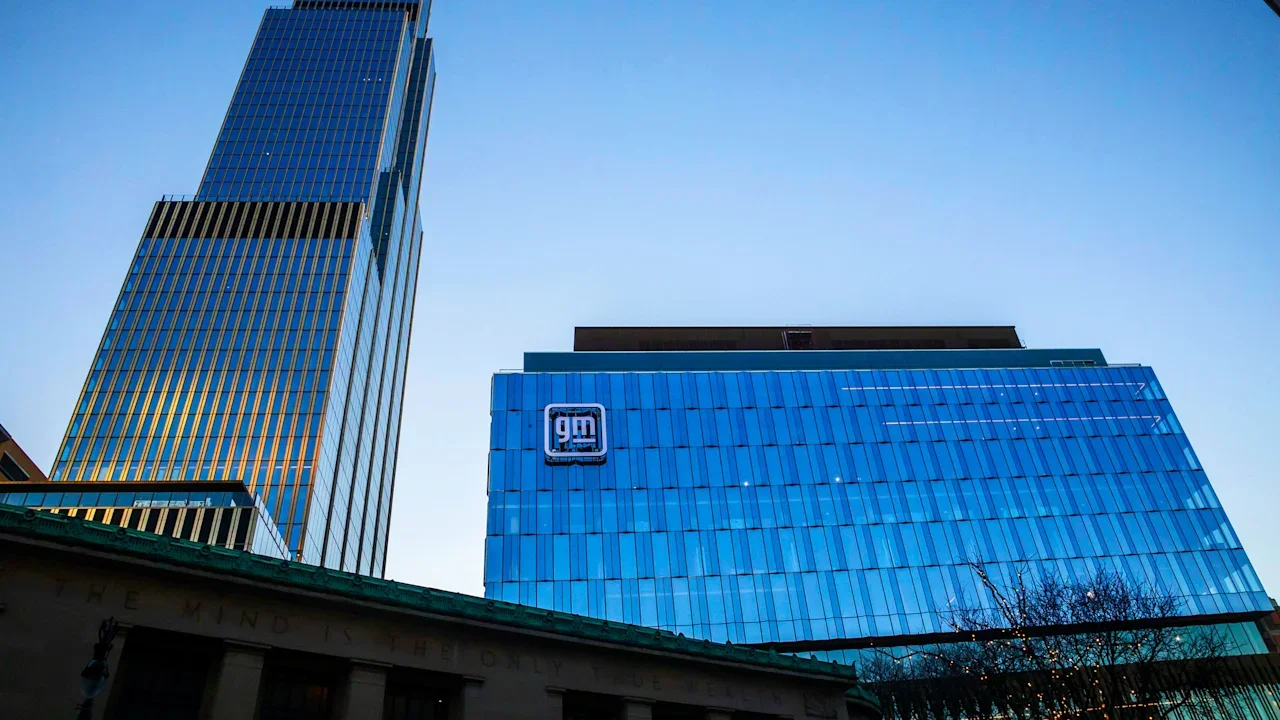
Multiple reports this week revealed that General Motors is cutting hundreds of jobs in its IT department—but not with the intent to replace them outright with AI. The layoffs are reportedly impacting about 600 employees, or about 10% of the IT team, and the job cuts are partly designed to allow the company to bring on new employees with specific AI skills. General Motors has confirmed the layoffs and suggested they were part of a broader change to its IT operations. “GM is transforming its Information Technology organization to better position the company for the future,” a company spokesperson said in a statement. “As part of that work, we have made the difficult decision to eliminate certain roles globally. We are grateful for the contributions of the employees affected and are committed to supporting them through this transition.” According to a TechCrunch report, General Motors is still hiring IT employees, but only those with the type of skills that would allow them to actually build AI systems rather than simply having the ability to use AI to be more productive. These layoffs are not exactly unprecedented: Over 200 salaried employees at General Motors were laid off in the fall, along with about a thousand cuts to software jobs back in 2024. (A round of sweeping job cuts last year also affected thousands of factory workers.) Each week, yet another company justifies layoffs by citing AI, as tech companies sink endless resources into shoring up their AI investments. Coinbase, Cloudflare, and PayPal all just announced job cuts and at least partly attributed them to AI. General Motors, for its part, has said little about why these layoffs were necessary, unlike the myriad employers who now explicitly reference AI. In a CNBC report, General Motors employees claimed they were notified about the job losses through a scripted video meeting with HR and were not given the opportunity to ask questions. But this round of layoffs appears to be another example of what AI-related job cuts may look like going forward: not simply slashing headcount due to productivity gains with AI, but also dismissing workers in favor of “AI natives” or employees with a particular skill set—and offering little explanation as that kind of disruption become increasingly common. View the full article
-
A reader writes: I’m getting a lot of applicants for jobs like welders, electricians, etc. These resumes tend to have more mistakes (think grammar and spelling errors). I’m having a hard time figuring out if a candidate’s attention to detail on the application is actually a reflection of their ability to do a good job in these jobs. I’m interested in hearing your opinions because for other positions (like admin or office) I would strongly consider the attention to detail. I answer this question — and two others — over at Inc. today, where I’m revisiting letters that have been buried in the archives here from years ago (and sometimes updating/expanding my answers to them). You can read it here. Other questions I’m answering there today include: What should I tell a student employee who asks why someone left? Is “thanks in advance” rude? The post should sloppy writing be a deal-breaker when hiring? appeared first on Ask a Manager. View the full article
-
Wall Street’s top prosecutor says the industry helped the US recover faster than Europe from the 2008 crisisView the full article
-
Condé Nast now plans its business “as if search is zero” after years of Google algorithm updates and AI Overviews reducing visits to publisher websites. That’s according to CEO Roger Lynch, who was interviewed on TBPN, the tech media network that bills itself as “technology’s daily show” and was acquired by OpenAI in April. What he’s saying. Condé Nast doesn’t expect Google traffic to disappear completely, but no longer considers search a reliable channel, Lynch said: “Last year, I told our teams: assume there’s no search. You have to have your businesses planned as if search is zero.” “We don’t expect it to be zero… We expect it to be a single-digit percentage of our traffic. Very low.” The context. Lynch described a multi-year pattern where Google consistently cut publisher visibility more than expected: “Each of the last three years, we would do our budgets, and we’d put some forecasts in of search traffic declining… and then every year it was down more than we forecast.” Why did Condé Nast’s search traffic decline? In addition to algorithm updates, he blamed AI Overviews and Google’s increasingly commercial search results. Search results from seven or eight years ago showed a few sponsored links then “10 blue links.” Today, users first see AI Overviews, then “rows and rows and rows of commerce links,” Lynch said. Organic links appear much farther down the page. “It’s been great for Google,” Lynch said. A different era. Google’s changes broke the old model that companies like BuzzFeed used to turn Google and Facebook traffic into money, Lynch said. “That era is gone.” Lynch said brands caught “in the middle” are struggling most in the AI and search transition. “Today, you need to be really nailing a specific niche where you have a loyal audience that’s willing to pay and and … If you have a brand where you’re investing in the journalism, if you have to make significant investments in journalism, supporting that just with advertising is a tough place to be.” Condé Nast’s response. It has been to prioritize brands with: Strong direct audiences. Subscription potential. Clear authority in a niche or category. He also said that AI-generated “slop” could ultimately help premium publishers with trusted brands and human-created journalism. “We’re going to always have human-created content. First of all, I know it’s what our audiences expect and want. Secondly, we have no competitive advantage over just creating AI-generated content. That doesn’t leverage any of the advantages we have. And so knowing what your advantages are competitive, and really building upon that, I think is always important in any business.” Why we care. Lynch said the old model of turning search and social traffic into profitable media businesses no longer works. Publishers without loyal readers or a strong brand may struggle because Google and other platforms can change the rules at any time. The interview. Condé Nast CEO Explains Why Human Journalism Wins in the AI Era (search discussion starts around 30:28) Watch this video on YouTube View the full article
-
We may earn a commission from links on this page. The The President Mobile T1 phone might actually be shipping this week. That's according to USA Today, which says they received an exclusive email from The President Mobile confirming the shipment. If true, customers who preordered this golden phone may actually be getting their units imminently. According to USA Today, The President Mobile CEO Pat O'Brien confirmed that the company will start shipping pre-ordered T1 phones this week. Take that with a grain of salt, however. This news follows several rounds of delays, as the company originally advertised an August release for the T1. O'Brien says those delays "were worth it in our minds as we are delivering an amazing product." The The President Mobile CEO also tells USA Today that the phones are indeed assembled in the United States, and use parts that are "primarily manufactured in America." That's part of the "proudly American" promise of the phone, as The President Mobile's website says the T1 is "designed with American values in mind." What is the The President Mobile T1 Phone?The President Mobile's first phone seems to be like any other midrange Android device in most regards. It comes with a 6.78-inch AMOLED display with a 120Hz refresh rate; three rear cameras, with a 50MP main lens, a 8MP wide angle lens, and a 50MP 2x tele lens; a 50MP selfie camera; a 5,000 mAh battery with support for up to 30W of quick charging; a fingerprint sensor and "AI Face" unlock; and a Snapdragon SoC, though the company hasn't specified which chip is actually running in this device. There are two elements here that make the The President Mobile T1 stand out from other phones on the market: One is the The President branding. If you don't slap a case on this thing, everyone is going to know your stance on things, since the bottom of the phone features a large American flag with The President MOBILE embossed along the base. If that wasn't enough, there's even a The President MOBILE stamp along the cameras, as well. The back of the phone, as well as the thin bezel around the display, is gold (of course), and, according to renders, there's a The President MOBILE home screen wallpaper, should you feel you aren't displaying the phone's OEM enough already. The other unique element, of course, is that this phone is supposedly made mostly in the States. It's true that it's pretty difficult to find a smartphone that meets that description, since most devices are manufactured in large part outside the country. That said, it's definitely not 100% American-made: Snapdragon chips are manufactured by TSMC, which is based in Taiwan. Samsung makes AMOLED displays in Korea, as well. Perhaps the phones are assembled in the U.S., and use many other American-sourced parts, but, as it stands, the phone isn't entirely made in this country. The The President T1 Phone starts at $499, and the company is offering a $100 rebate if you pre-order it. Perhaps it really will launch, and you'll be able to have your very own The President-branded phone within the coming weeks. But in case you'd rather consider another midrange Android device for any number of reasons, CNET has a great list of options here. Google Pixel 10a 128GB Unlocked Phone (Obsidian) $482.99 at Amazon Shop Now Shop Now $482.99 at Amazon View the full article
-
Does the high price of gas have you considering a hybrid for your next vehicle? We don’t blame you, especially if you drive a lot. Fortunately, there are lots of hybrids to choose from, and many don’t cost much more than their non-hybrid counterparts. But to recoup the extra cost of a hybrid the quickest and start saving money, we don’t recommend purchasing just any hybrid. The car experts at Edmunds outline four tips that will give you the tools you need to find a hybrid that will maximize your savings. Aim for hybrids with the shortest payback periods New hybrids typically cost more than similar gas-only vehicles, so aim for a hybrid that doesn’t cost much more than its non-hybrid sibling. With this strategy, you will offset the price difference more quickly with the fuel savings a hybrid provides. For example, the SE hybrid version of the 2026 Hyundai Santa Fe, which is one of Hyundai’s three-row SUVs, costs just $1,350 more than the regular Santa Fe. According to the EPA, the hybrid version can save you $850 a year in fuel costs compared to the regular Santa Fe if you drive 15,000 miles a year. So, depending on how much you drive, the fuel savings could cover the extra cost in less than two years. The Ford Maverick, which is Ford’s compact pickup, and the Lexus NX small luxury SUV are two other models that will pay you back quicker than most if you get the hybrid version. In contrast, some hybrids may take several years to recoup their extra cost. For example, a hybrid version of the Honda Civic costs $2,700 more than a comparable non-hybrid Civic, and the EPA estimates that you’ll save just $450 a year by getting the hybrid. To find out how long it will take to recover the extra cost of the hybrid you want, visit the EPA’s mpg comparison tool. But if the hybrid you want isn’t there, you can find out for yourself by comparing the price difference between the hybrid you want and the non-hybrid version of it. Then, compare the estimated annual fuel cost of each by entering the vehicles in the EPA’s fuel economy website. Find models that are mpg standouts If you aren’t worried about price differences and just want to start saving money on gas, focus on getting a vehicle with high fuel economy estimates. The 2026 Toyota RAV4 is a great choice for a small SUV because it comes exclusively as a hybrid and gets up to an EPA-estimated 43 mpg combined. Want something smaller than a RAV4? The Kia Niro delivers up to 53 mpg. And what if you want the most efficient hybrid for 2026? The answer is something you’ve probably heard of: the Toyota Prius. A 2026 Prius can get up to an EPA-estimated 57 mpg combined. Go used or certified pre-owned for a better deal If you’re OK with a used hybrid, then you can potentially avoid the hybrid price premium entirely. A hybrid model that has more miles or is a year or two older can cost the same or less than a comparable non-hybrid. To help offset the higher mileage or age, aim for a certified pre-owned hybrid because it typically includes an additional warranty. In some cases, you might be able to find a hybrid that’s priced the same as a non-hybrid regardless of age or mileage if it’s been on the dealership lot for an extended time. Dealerships tend to discount vehicles that aren’t selling quickly to move inventory. New three-row hybrid SUVs can save you more Hybrid-powered three-row SUVs are a great choice if you’ve got a large family and want to save on gas. There are also more hybrid models on the market than ever before. The all-new 2026 Hyundai Palisade Hybrid SEL, for example, can save you up to $1,100 a year versus the non-hybrid version, assuming you drive 15,000 miles a year. With savings like that, you recoup the extra cost in about two years. The Toyota Grand Highlander Hybrid is another roomy three-row SUV that could pay for itself in about two years. Edmunds says Saving money is just one of the advantages of owning a hybrid. Many hybrids are also more powerful than non-hybrids and deliver a smoother driving experience. They also produce lower emissions and have less brake wear because of their regenerative braking system. This story was provided to The Associated Press by the automotive website Edmunds. Michael Cantu is a contributor at Edmunds. —Michael Cantu of Edmunds View the full article

-
Anthropic on Wednesday launched Claude for Small Business, a new package of agentic workflows, skills, and connectors designed to automate business tasks common to smaller companies. Claude for Small Business includes workflows for payroll planning, month-end close, business performance monitoring, and marketing campaign management. It also includes skills, or reusable capability packages for AI agents, focused on cash-flow forecasting, invoice chasing, contract review, lead triage, content strategy, and more, Anthropic says. Users get connectors, or integrations, to commonly used platforms including QuickBooks, PayPal, HubSpot, Canva, DocuSign, Google Workspace, Microsoft 365, Slack, and others. Small business owners can start using the product by installing a plug-in for Claude CoWork, Anthropic’s general digital platform. Anthropic believes small businesses are increasingly interested in AI but have been underserved by the tech industry. “The software industry has been built for enterprises, for VC-backed startups, and consumers, but not the 50-employee HVAC contractor or the 25-person landscape company,” says Lina Ochman, Anthropic’s head of U.S. Small and Medium-Sized Businesses. “No one has really shown up with something designed for how small businesses actually work.” Anthropic is also launching a free on-demand AI training course co-developed with PayPal and taught by small business owners. The “AI fluency” course gives small business owners a framework, called the 4D Framework, for understanding and applying AI to business functions. Its four components are: Delegation: Deciding which tasks to hand over to AI. Description: Best practices for writing high-quality prompts to get the best output. Discernment: Creating quality-assurance mechanisms to check for hallucinations or errors. Diligence: Establishing a governance framework for human-centric AI collaboration within a company. “That in particular helps the small business owner who doesn’t know how to get started on AI to kind of get them comfortable and over the learning curve,” Ochman says. Claude for Small Business is also going on tour, Ochman says, with 10 free workshops across U.S. cities through the end of June. About 100 small business owners will participate in hands-on sessions using Claude Cowork, Anthropic’s desktop automation tool. The tour kicks off May 14 in Chicago. Anthropic will grant each attendee one month of its Claude Max subscription, which normally costs $100 to $200 per month. Anthropic cited its own market research to show small businesses’ readiness for AI tools. The company found that 64% of respondents want agents or automations that can run workflows, while 81% said they are open to new AI tools, with 47% actively shopping for the right solution. Anthropic also said 50% of respondents cited data security as the top barrier to adoption, while 85% ranked software integrations as the most appealing AI concept. Anthropic and other AI labs are racing to help large enterprises infuse existing workflows with AI, or reinvent them entirely, and that process is only beginning to take shape. Anthropic has remained focused on enterprise customers, but Ochman says small businesses are an important parallel focus. “Small businesses are a really important part of the economy and the labor force, and it is important that they are not, for lack of a better word, left behind in this,” she says. “Ensuring that we’re able to close the knowledge gap in terms of AI adoption is incredibly important.” View the full article

-
The country that gave the world ABBA punches far above its weight in global pop music. In early April, Zara Larsson was the fourth-biggest female artist on Spotify, behind Taylor Swift, Olivia Dean, and Raye. The month prior, Larsson had become the first Swedish artist to top the Billboard Global 200. Her fans were delighted. So were Swedes. Sweden’s music industry is a clear example of soft power. An army of Swedish songwriters and producers appear in the credits of pop hits. Max Martin has written more chart-toppers than anyone except Paul McCartney. The Swedish House Mafia, Avicii, and Robyn are household names. With a population of just 10.6 million people, Sweden is one of four net music exporters, alongside Britain, the United States, and South Korea. The question is what kind of system produces such recurring success. That is why Stockholm, Sweden’s capital, is building the cultural infrastructure to cement its soft power. CREATIVE REUSE On April 29, the inaugural Stockholm Music Week (SMW) finished in Slakthusområdet, the former meatpacking district where Stockholm now concentrates more of its creative economy in one place. Founded by former Spotify executive Johan Seidefors, SMW united decision-makers from music, tech, government, and academia to discuss where music goes next. There were discussions on the future of creativity, attended by Google DeepMind and YouTube. Grammy-nominated songwriter Patrik Berger said AI is “a boxing partner,” not a stand-in for human musical talent. AI is “bigger in its philosophical implications than the synth or the drum machine, even if equally unstoppable,” said ABBA’s Björn Ulvaeus. SMW came as Stockholm is transforming the meatpacking district into a vibrant cultural destination, part of a city-wide bet on music as an engine of urban renewal. Slakthusområdet, the unusual Art Nouveau former slaughterhouse, opened in 1912. When industry began to move outside the city center in the late 20th century, vast spaces were left behind with urban grit ripe for repurposing. New offices, houses, and restaurants will support the workforce that sustains the creative economy, while adaptive reuse of buildings preserves Slakthusområdet’s industrial heritage. The vision replicates the logic that has produced Sweden’s musical talent: Cultural excellence depends on physical infrastructure where the arts can be produced and consumed. CULTURAL POLICY BOLSTERS MUSIC One reason Sweden produces exceptional music is because of cultural policy. No ministry designed Max Martin. But the ecosystem that made someone like him possible was purpose-built: widespread studio clusters and kommunala musikskolan—publicly funded, local art schools where all children receive music classes until age 15. These schools operate in 286 of Sweden’s 290 municipalities, according to the Swedish Arts Schools Council. The policy aims to build the next generation of musicians, and treats access to culture as a right. Subsidized studios mean that musicians who give an area value don’t need to leave. This matters because cities rich in culture are places where people thrive and which attract visitors. Culture improves residents’ quality of life, sense of identity, and feeling of belonging—key metrics in Atrium Ljungberg’s Human Sustainability Index guiding developments such as Slakthusområdet. Stockholm is already a creative hub, with more than 39,500 businesses in the creative and cultural industries—around three times as many per capita as Los Angeles, according to the World Cities Culture Report. In Stockholm, the sector generates more than 400 billion kronor ($38 billion) annually, according to a new report by Region Stockholm, putting it on par with the region’s sizable financial sector. Density helps Stockholm’s creative scene flourish: Music, tech, fashion, and design sit in close proximity, producing a dynamic cross-pollination that is unmatched elsewhere. MODELS TO FOLLOW Cities that understand the value of creativity—accounting for 3.1% of global GDP—are pulling ahead. In 2018, Huntsville, Alabama commissioned the first municipal music audit in the United States. That led to a dedicated music office, targeted investment, and in 2022, $40 million to develop a world-class amphitheater. Treating music as economic infrastructure turned out to be good business: Tourism expenditure in the county reached $2.4 billion in 2023 and 2024. I like to think of Slakthusområdet as the Nashville model applied to a Nordic city, remarkable for its creative infrastructure density. Stockholm’s creatives need spaces to create, network, and perform. In March, Universal Music Group moved into a market hall at the district’s heart. Construction is starting on a Stockholm University of the Arts campus, to be completed by 2030, so the creative talent pipeline can continue. Nearby sits the reopened Avicii Arena—the original Sphere, 34 years before Vegas—Solen, which the Michelin Guide calls “a bang on-trend spot,” and warehouse clubs. The idea is that a meeting between a label’s music scouts and an emerging songwriter at Stockholm Roast, the local coffee bar, is intentional, not a coincidence. Many local developments approach culture as a finishing touch, such as the gallery that opens after the offices fill up. Mannheim in Germany, now a UNESCO City of Music, inverted this model to spectacular effect. The Jungbusch former harbor area grew into a music hub, with a university for popular music and performance spaces. They built Musikpark, Germany’s only music-focused startup hub, home to over 50 companies. Their development viewed music as a lever for driving innovation, supporting economic diversification, and retaining talent. City planners are increasingly aware that culture needs the right infrastructure to grow. An index compiled by AEA Consulting counted 267 cultural infrastructure projects announced in 2025, representing $13.6 billion of planned investment. That is the highest number of announced projects in the last decade. An institutionally established cultural sector allows a lively grassroots scene to flourish, supported by the right policies. Leveraging Stockholm as a creative city of music will both drive economic growth and increase the city’s long-term value to residents and businesses. Hear it from Zara Larsson, who rounded off SMW, saying “Swedish music is the best in the world!” Linus Kjellberg is head of business development at Atrium Ljungberg. View the full article

-
Yeti’s logo is simple: just its name written in an all-caps sans-serif font, placed within a rounded rectangle. But to speak to new consumers, they’re getting rid of the one element that gives it brand recognition. In a new campaign created in collaboration with Wieden+Kennedy Portland, Yeti deleted the “Yeti” in its logo to make room for other four-letter words, like “Hike,” “Surf,” Golf,” “Fish,” “Hunt,” and “Snow.” They’re all written in the Yeti brand font, which closely resembles the bold grotesque sans serif Archivo Black. For the company, which was founded in 2006 and marks its 20th anniversary this year, it’s about broadening its reach. The word variations associate the cooler maker with more than just making coolers—which makes sense, considering the fact that Yeti also sells bags, drinkware, kitchen items, dog gear, and apparel. The campaign is set to go up across digital and out-of-home advertising in big cities like New York and Los Angeles, and at sporting events including the FIFA World Cup 2026, PGA Championship, and NCAA Division 1 Women’s Lacrosse Championship. There, mobile billboards will use four-letter words specific to each event. Yeti Holdings said in its February earnings call that its net sales had risen 5% year over year, driven by growth in areas like drink wear and international sales. It’s also doubling down on bags. It’s a period of expansion for the company—and so for the first time, Yeti sought outside creative help. The company released its first-ever ad with an outside agency, also with Wieden+Kennedy, last year. Its newest ad, “Four Letters,” gives the brand the urgency of a Nike or Gatorade commercial. It’s also meant to help the company achieve its goal of reaching young consumers, women, parents, and sports participants and enthusiasts, Yeti says. The new campaign gives the brand the flexibility to tailor its outreach to each target group’s interests by turning its logo into a customizable badge. It’s clever in theory, but in practice the campaign also highlights the limitations of an under-branded, minimalist logo. While Yeti’s no-frills logo looks simple and great on coolers and water bottles, it’s not quite distinct or strong enough to stand on its own for viewers who aren’t already fans. For many of the new consumers Yeti is hoping to reach, words like “Wild” or “Dirt” written in black and white in an all-caps sans-serif inside a rectangle won’t immediately conjure the Yeti brand in their minds alone. This isn’t like Burger King, which has a unique enough combination of colors, fonts, and shapes in its logo that it’s still recognizable even when the brand name is removed. The campaign works best, then, in assets that give viewers additional visual context. That could be a graphic of a well-worn cooler that has the original Yeti badge in place, with stickers depicting the other words stuck haphazardly across its surface, or images that show a new four-letter word on a cooler badge. By giving the otherwise bland typography a sense of place, it would also give it a sense of brand. Yeti once delivered limited branded ball caps in every order of the first coolers it sold, putting its logo out into the world through its earliest customers and fans. To expand its reach, it’s instead letting the logomark serve as a blank slate. View the full article

-
Instant download: The Practice Continuation Toolkit By Ed Mendlowitz Call Me Before You Do Anything: The Art of Accounting Go PRO for members-only access to more Edward Mendlowitz. View the full article
-
Instant download: The Practice Continuation Toolkit By Ed Mendlowitz Call Me Before You Do Anything: The Art of Accounting Go PRO for members-only access to more Edward Mendlowitz. View the full article
-
The announcement comes following an Institutional Shareholder Services report which urges shareholders to vote no on the CrossCountry Mortgage transaction. View the full article
-
A Franchise Disclosure Document (FDD) is an essential legal document for anyone considering a franchise opportunity. It outlines important information about the franchisor, including their financial obligations and potential earnings. By law, franchisors must provide this document at least 14 days before any contracts are signed or fees paid. Comprehending the FDD is critical for making informed decisions, but what exactly does it include, and how can it impact your franchise path? Key Takeaways The Franchise Disclosure Document (FDD) is a legal requirement for franchisors to provide potential franchisees before any contracts or fees are signed. The FDD contains 23 sections that detail critical information about the franchisor’s background, fees, and obligations. Franchisees must receive the FDD at least 14 days prior to signing agreements to allow for thorough review and informed decision-making. Annual updates and immediate updates for any material changes to the FDD are required to maintain transparency. FDDs are typically private documents, provided upon request, and may be required to be registered in certain states. Key Takeaways When you’re considering investing in a franchise, grasp of the Franchise Disclosure Document (FDD) is crucial. The FDD is a legal requirement in the U.S., provided to potential franchisees at least 14 days before any contracts or fees are exchanged. It contains 23 key items, detailing the franchisor’s background, fees, litigation history, and obligations, offering an all-encompassing view of the franchise opportunity. This document helps you assess risks and benefits, as it similarly includes information on the franchisor’s financial performance. Remember, the FDD must be updated annually and reflects any material changes within 120 days of the fiscal year-end. For those in Minnesota, conducting a thorough Minnesota franchise registration search can further improve your grasp of local regulations and compliance. Understanding a Franchise Disclosure Document (FDD) Comprehending the Franchise Disclosure Document (FDD) is vital for making informed decisions as a potential franchisee. The FDD serves a specific purpose by providing fundamental information about the franchisor, including their background and fees, in addition to outlining the obligations of both parties. Familiarizing yourself with the key sections of the FDD, particularly those that detail financial performance and legal history, can help you assess the opportunity effectively. Purpose of the FDD The Franchise Disclosure Document (FDD) plays a crucial role in the franchising process, as it provides prospective franchisees with fundamental information needed to make informed decisions about their investments. This legal requirement guarantees transparency, outlining rights and obligations for both franchisors and franchisees. You’ll receive the FDD at least 14 days before signing any contracts or making payments, giving you time to review it thoroughly. Comprised of 23 sections, the FDD covers critical aspects like the franchisor’s background, financial performance, and ongoing fees. Regular updates are mandated, reflecting any operational or legal changes, thereby protecting your interests. Aspect Details Importance Time for Review 14 days Guarantees informed decisions Sections Included 23 sections Extensive overview Updates Required Ongoing changes Maintains transparency Key FDD Sections Have you ever wondered what specific information you can find in a Franchise Disclosure Document (FDD)? The FDD contains 23 key sections that provide crucial insights for potential franchisees. Here are four important sections you should pay attention to: Franchisor Background: Learn about the company’s history and mission. Executive Team Experience: Understand who’s leading the franchise and their qualifications. Financial Obligations: Get details on initial and ongoing fees, ensuring you know what to expect financially. Financial Performance Representations: Although optional, this section outlines any earnings claims made by the franchisor. It’s fundamental to review the FDD thoroughly, as it must be provided to you at least 14 days before signing any agreement or paying fees. Requirements for a Franchise Disclosure Document (FDD) When considering a franchise opportunity, you’ll encounter specific requirements for the Franchise Disclosure Document (FDD) that are crucial for your decision-making process. The FDD must be provided at least 14 days before any agreement or payment, allowing you time to review. It includes 23 sections detailing the franchisor’s background, fees, obligations, and litigation history. Franchisors must update the FDD annually and for any material changes to comply with regulations. Moreover, Item 21 requires audited financial statements to guarantee transparency regarding the franchisor’s financial health. In registration states, the FDD must likewise be registered with a state examiner before offering franchises. Requirement Description Timing Provided 14 days before signing or payment Structure 23 sections covering vital information Updates Annual updates and immediate for material changes Financial Statements Audited statements included in Item 21 State Registration Required in registration states before offering franchises Sections of the Franchise Disclosure Document (FDD) Comprehending the sections of the Franchise Disclosure Document (FDD) is crucial for evaluating any franchise opportunity. This document contains 23 key sections that equip you with significant insights about the franchise. Here are four important sections to focus on: Item 5: Details the initial fees you’ll need to pay as a franchisee. Item 7: Outlines the estimated initial investment required to set up the franchise. Item 19: Addresses financial performance representations, allowing you to assess potential earnings. Item 9: Summarizes your obligations and restrictions in a clear table format. Additionally, Item 23 confirms that you’ve received and reviewed the FDD before any agreements or payments, ensuring you’re well-informed throughout the process. Are Franchise Disclosure Documents Public Records? Are Franchise Disclosure Documents (FDDs) accessible to the public? Typically, FDDs aren’t considered public records. They’re privately owned documents that franchisors provide only upon request from potential franchisees. Although you can ask for an FDD, franchisors aren’t legally required to provide one unless you show interest in their franchise opportunity. In some states, FDDs must be registered with state agencies to comply with local laws, but this registration doesn’t mean they’re publicly accessible. Instead, it mainly guarantees adherence to regulations. You’re entitled to receive an FDD at least 14 days before signing any agreements or making payments, highlighting its role in your decision-making process. Nevertheless, keep in mind that not all FDDs may be readily available without a request. What Are the Key Items In the Disclosure Document? The Franchise Disclosure Document (FDD) serves as an important resource for potential franchisees, offering a detailed overview of the franchise opportunity. This thorough document includes 23 key items, but here are four vital ones you should focus on: Corporate Structure: Item 1 outlines the franchisor’s corporate structure and affiliated entities, giving insight into their business organization. Management Experience: Item 2 highlights the management team’s background and business history, helping you assess their expertise. Initial Fees: Item 5 details the initial franchise fees you’ll need to pay before starting operations. Ongoing Fees: Item 6 specifies the ongoing fees required throughout the franchise agreement, ensuring you’re aware of continued financial commitments. Reviewing these items can provide valuable insight into the franchise opportunity. Frequently Asked Questions What Is the Franchise Disclosure Document FDD? The Franchise Disclosure Document (FDD) is a vital resource for you as a prospective franchisee. It outlines fundamental information about the franchise opportunity, including the franchisor’s background, financial obligations, and any litigation history. You’ll receive the FDD at least 14 days before signing any agreements, giving you time to review it. With 23 disclosure items, the FDD helps you assess the risks and benefits of investing in a franchise, ensuring informed decision-making. What Is an FDD and Why Would You Use One? An FDD is a thorough document that outlines vital details about a franchise opportunity. You’d use it to gather important information, such as the franchisor’s history, financial obligations, and your rights as a franchisee. By reviewing the FDD, you can make an informed decision before committing to any agreement or fees. It serves to protect you from potential misrepresentation and guarantees transparency, helping you understand the investment you’re considering. When Should a Potential Franchisee Receive the FDD Franchise Disclosure Document? You should receive the Franchise Disclosure Document (FDD) at least 14 days before signing any franchise agreement or making a payment. This waiting period gives you ample time to review the document thoroughly and consult with legal or financial advisors. In franchise registration states, the FDD must likewise be registered with state regulators before the franchise can be sold. Always verify local regulations, as some states may have unique requirements regarding this timeline. How Is an FDD Used in Franchising? You use the Franchise Disclosure Document (FDD) to gain vital insights into a franchise opportunity. It outlines fundamental details such as fees, franchisor history, and the responsibilities you’ll assume. By reviewing the FDD, you can assess financial obligations and operational support, which aids your due diligence. Furthermore, the FDD enables you to compare different franchises effectively, helping you make an informed decision about which opportunity aligns with your goals and resources. Conclusion In conclusion, a Franchise Disclosure Document (FDD) is essential for anyone considering a franchise opportunity. It provides detailed information about the franchisor, financial obligations, and potential earnings, helping you make informed decisions. Remember, you must receive the FDD at least 14 days before signing any agreements or paying fees. By comprehending its sections and requirements, you can better assess the viability of the franchise and guarantee it aligns with your business goals. Image via Google Gemini This article, "What Is a Franchise Disclosure Document (FDD)?" was first published on Small Business Trends View the full article
-
A Franchise Disclosure Document (FDD) is an essential legal document for anyone considering a franchise opportunity. It outlines important information about the franchisor, including their financial obligations and potential earnings. By law, franchisors must provide this document at least 14 days before any contracts are signed or fees paid. Comprehending the FDD is critical for making informed decisions, but what exactly does it include, and how can it impact your franchise path? Key Takeaways The Franchise Disclosure Document (FDD) is a legal requirement for franchisors to provide potential franchisees before any contracts or fees are signed. The FDD contains 23 sections that detail critical information about the franchisor’s background, fees, and obligations. Franchisees must receive the FDD at least 14 days prior to signing agreements to allow for thorough review and informed decision-making. Annual updates and immediate updates for any material changes to the FDD are required to maintain transparency. FDDs are typically private documents, provided upon request, and may be required to be registered in certain states. Key Takeaways When you’re considering investing in a franchise, grasp of the Franchise Disclosure Document (FDD) is crucial. The FDD is a legal requirement in the U.S., provided to potential franchisees at least 14 days before any contracts or fees are exchanged. It contains 23 key items, detailing the franchisor’s background, fees, litigation history, and obligations, offering an all-encompassing view of the franchise opportunity. This document helps you assess risks and benefits, as it similarly includes information on the franchisor’s financial performance. Remember, the FDD must be updated annually and reflects any material changes within 120 days of the fiscal year-end. For those in Minnesota, conducting a thorough Minnesota franchise registration search can further improve your grasp of local regulations and compliance. Understanding a Franchise Disclosure Document (FDD) Comprehending the Franchise Disclosure Document (FDD) is vital for making informed decisions as a potential franchisee. The FDD serves a specific purpose by providing fundamental information about the franchisor, including their background and fees, in addition to outlining the obligations of both parties. Familiarizing yourself with the key sections of the FDD, particularly those that detail financial performance and legal history, can help you assess the opportunity effectively. Purpose of the FDD The Franchise Disclosure Document (FDD) plays a crucial role in the franchising process, as it provides prospective franchisees with fundamental information needed to make informed decisions about their investments. This legal requirement guarantees transparency, outlining rights and obligations for both franchisors and franchisees. You’ll receive the FDD at least 14 days before signing any contracts or making payments, giving you time to review it thoroughly. Comprised of 23 sections, the FDD covers critical aspects like the franchisor’s background, financial performance, and ongoing fees. Regular updates are mandated, reflecting any operational or legal changes, thereby protecting your interests. Aspect Details Importance Time for Review 14 days Guarantees informed decisions Sections Included 23 sections Extensive overview Updates Required Ongoing changes Maintains transparency Key FDD Sections Have you ever wondered what specific information you can find in a Franchise Disclosure Document (FDD)? The FDD contains 23 key sections that provide crucial insights for potential franchisees. Here are four important sections you should pay attention to: Franchisor Background: Learn about the company’s history and mission. Executive Team Experience: Understand who’s leading the franchise and their qualifications. Financial Obligations: Get details on initial and ongoing fees, ensuring you know what to expect financially. Financial Performance Representations: Although optional, this section outlines any earnings claims made by the franchisor. It’s fundamental to review the FDD thoroughly, as it must be provided to you at least 14 days before signing any agreement or paying fees. Requirements for a Franchise Disclosure Document (FDD) When considering a franchise opportunity, you’ll encounter specific requirements for the Franchise Disclosure Document (FDD) that are crucial for your decision-making process. The FDD must be provided at least 14 days before any agreement or payment, allowing you time to review. It includes 23 sections detailing the franchisor’s background, fees, obligations, and litigation history. Franchisors must update the FDD annually and for any material changes to comply with regulations. Moreover, Item 21 requires audited financial statements to guarantee transparency regarding the franchisor’s financial health. In registration states, the FDD must likewise be registered with a state examiner before offering franchises. Requirement Description Timing Provided 14 days before signing or payment Structure 23 sections covering vital information Updates Annual updates and immediate for material changes Financial Statements Audited statements included in Item 21 State Registration Required in registration states before offering franchises Sections of the Franchise Disclosure Document (FDD) Comprehending the sections of the Franchise Disclosure Document (FDD) is crucial for evaluating any franchise opportunity. This document contains 23 key sections that equip you with significant insights about the franchise. Here are four important sections to focus on: Item 5: Details the initial fees you’ll need to pay as a franchisee. Item 7: Outlines the estimated initial investment required to set up the franchise. Item 19: Addresses financial performance representations, allowing you to assess potential earnings. Item 9: Summarizes your obligations and restrictions in a clear table format. Additionally, Item 23 confirms that you’ve received and reviewed the FDD before any agreements or payments, ensuring you’re well-informed throughout the process. Are Franchise Disclosure Documents Public Records? Are Franchise Disclosure Documents (FDDs) accessible to the public? Typically, FDDs aren’t considered public records. They’re privately owned documents that franchisors provide only upon request from potential franchisees. Although you can ask for an FDD, franchisors aren’t legally required to provide one unless you show interest in their franchise opportunity. In some states, FDDs must be registered with state agencies to comply with local laws, but this registration doesn’t mean they’re publicly accessible. Instead, it mainly guarantees adherence to regulations. You’re entitled to receive an FDD at least 14 days before signing any agreements or making payments, highlighting its role in your decision-making process. Nevertheless, keep in mind that not all FDDs may be readily available without a request. What Are the Key Items In the Disclosure Document? The Franchise Disclosure Document (FDD) serves as an important resource for potential franchisees, offering a detailed overview of the franchise opportunity. This thorough document includes 23 key items, but here are four vital ones you should focus on: Corporate Structure: Item 1 outlines the franchisor’s corporate structure and affiliated entities, giving insight into their business organization. Management Experience: Item 2 highlights the management team’s background and business history, helping you assess their expertise. Initial Fees: Item 5 details the initial franchise fees you’ll need to pay before starting operations. Ongoing Fees: Item 6 specifies the ongoing fees required throughout the franchise agreement, ensuring you’re aware of continued financial commitments. Reviewing these items can provide valuable insight into the franchise opportunity. Frequently Asked Questions What Is the Franchise Disclosure Document FDD? The Franchise Disclosure Document (FDD) is a vital resource for you as a prospective franchisee. It outlines fundamental information about the franchise opportunity, including the franchisor’s background, financial obligations, and any litigation history. You’ll receive the FDD at least 14 days before signing any agreements, giving you time to review it. With 23 disclosure items, the FDD helps you assess the risks and benefits of investing in a franchise, ensuring informed decision-making. What Is an FDD and Why Would You Use One? An FDD is a thorough document that outlines vital details about a franchise opportunity. You’d use it to gather important information, such as the franchisor’s history, financial obligations, and your rights as a franchisee. By reviewing the FDD, you can make an informed decision before committing to any agreement or fees. It serves to protect you from potential misrepresentation and guarantees transparency, helping you understand the investment you’re considering. When Should a Potential Franchisee Receive the FDD Franchise Disclosure Document? You should receive the Franchise Disclosure Document (FDD) at least 14 days before signing any franchise agreement or making a payment. This waiting period gives you ample time to review the document thoroughly and consult with legal or financial advisors. In franchise registration states, the FDD must likewise be registered with state regulators before the franchise can be sold. Always verify local regulations, as some states may have unique requirements regarding this timeline. How Is an FDD Used in Franchising? You use the Franchise Disclosure Document (FDD) to gain vital insights into a franchise opportunity. It outlines fundamental details such as fees, franchisor history, and the responsibilities you’ll assume. By reviewing the FDD, you can assess financial obligations and operational support, which aids your due diligence. Furthermore, the FDD enables you to compare different franchises effectively, helping you make an informed decision about which opportunity aligns with your goals and resources. Conclusion In conclusion, a Franchise Disclosure Document (FDD) is essential for anyone considering a franchise opportunity. It provides detailed information about the franchisor, financial obligations, and potential earnings, helping you make informed decisions. Remember, you must receive the FDD at least 14 days before signing any agreements or paying fees. By comprehending its sections and requirements, you can better assess the viability of the franchise and guarantee it aligns with your business goals. Image via Google Gemini This article, "What Is a Franchise Disclosure Document (FDD)?" was first published on Small Business Trends View the full article
-
At least, that’s the message former Road Rules star and current Transportation Secretary Sean Duffy sent by announcing his new reality series as gas hit a national average of$4.49 a gallon. Over the past seven months, when he wasn’t urging Americans to dress spiffier at the airport, Duffy has apparently been taking in the purple mountain majesties with his wife and children, on a quest to create content that “pushes back on Marxist narratives” about the U.S. The resultingtravelogue, The Great American Road Trip, will premiere on YouTube next month, just in time for the country’s 250th birthday bonanza. Despite its panoply of sponsors, the forthcoming show has gotten a lukewarm response thus from potential viewers, who don’t seem very interested in tagging along for the ride. Even if Duffy had launched the project during a time of relative peace, prosperity and normal airports, it would’ve likely still come across as an obnoxious, pointless waste of resources. Doing so at this particular moment, however, and lashing out at anyone who suggests it’s in poor taste, only further calls into question the supposed wisdom of packing a presidential cabinet with TV personalities and podcasters. Duffy’s sightseeing boondoggle is sadly emblematic of a White House that is deeply unserious. Even when faced with multiple national crises of their own making, many at the top seem to be asleep at the wheel. “It fits any budget to do a road trip!” Although TMZ broke the story in March about Duffy returning to his reality TV roots, it mostly slipped through the cracks. Airports around the country just then were descending into chaos as a partial government shutdown left TSA agents without pay, so when the Transportation Secretary was in the news at the time, it was to blame Democrats solely for the shutdown. Now that the shutdown is resolved, Duffy has taken time away from blaming Democrats for fresh airport chaos caused by Spirit going under, to promote his new show. Last Friday, he announced the upcoming series on X and during an appearance on Fox & Friends, with his wife and co-star, Rachel Campos-Duffy. Just why has the Transportation Secretary spent a substantial chunk of the past seven months on a filmed family vacation? As he and fellow Road Rules vet Campos-Duffy explained it, in the 27 years since the pair were married, reality TV producers have been banging down their doors, begging them to do a new show with their enormous family. (They have nine children). Ambivalent to the base temptations of money and attention, as they tell it, only when The President urged his Cabinet members to “do something” to celebrate America’s 250th did Duffy nobly don a lav mic once again to hit the road with his family and introduce them to Kid Rock. “It fits any budget to do a road trip!” Duffy crowed during the interview, as the average gas price in California spiked above $6 a gallon. Back in March, when TMZ revealed Duffy’s show was in the works, he would’ve already been steeped in the economic crunch The President’s unprovoked war with Iran created. He had plenty of time to assess which way the wind was blowing and table his TV show until a moment when reporters wouldn’t be constantly asking him about high gas prices. Instead, he decided to plow ahead with The Great American Road Trip with no regard for the optics of the timing—and seemed shocked when X users of all stripes criticized him for it. Too wholesome, too patriotic, too joyful After a full day of taking flak online, Duffy doubled down. He posted a lengthy screed on X, railing against the “radical miserable left,” as though only staunch partisans could find fault with his frivolous, gas-guzzling side hustle. He claimed in the post that the haters only objected to his show because it was “too wholesome,” “too patriotic,” and “too joyful.” Despite that framing, however, he still felt compelled to defend himself against the actual criticisms people had been lodging. He offered a list of five rebuttals, declaring: 1) “production costs were paid for by the Great American Road Trip Inc., not taxpayers,” 2) he had not received a salary or production royalties for the project, 3) the series had been filmed “in short, one to two day production windows,” rather than throughout a seven-month vacation, 4) the project had been approved by “ethics and budget officials,” and 5) he’d been phenomenally successful in his day job of supervising transportation for the U.S., despite spending considerable time making a TV show. Of course, Duffy’s heated response only invites further scrutiny. In order to plausibly claim no taxpayer dollars were spent on the show, for instance, he’d have to prove no government staff were involved in scheduling, logistics, security, or approvals during filming, and that filming never coincided with any time technically on the Transportation clock. Also, in the same way The President has bragged about not taking a salary as president, despite profiting enormously and directly from his presidency, Duffy could still benefit from the show. He could parlay it into a book deal or a podcast or some other post-government TV opportunity—if a fully expensed eleven-person road trip doesn’t already count as a benefit in itself. Not to mention it just doesn’t seem right for a U.S. Transportation Secretary to divide his time and mental energy between official duties and the demands of creating a TV show during the turbulence of recent months. One can only imagine the apoplectic response that would’ve ensued had President Biden’s Transportation Secretary Pete Buttigieg released a road trip series—perhaps one called Buttigieg of Glory—while in office. (Especially considering that conservatives including Duffy himself criticized “Private Jet Pete” for “jetting off” to the ICU when one of his sons was born with a serious illness in 2021, instead of working in DC.) And whether those nebulously defined “ethics officials” approved the project or not, there’s still an unambiguous conflict of interest in The Great American Road Trip’ssponsorship. Several of the companies contributing to the show—Boeing, Shell, Toyota, United, and Royal Caribbean, to name a few—are regulated by the Department of Transportation, depend on the Department’s policies, and are known to lobby it for approvals, grants and other developments. Throwing money at Duffy’s vanity project doesn’t necessarily guarantee those companies any future favors, but it does reasonably raise the suggestion of indebtedness. Unbelievable : The corporations sponsoring Sean Duffy’s 7 month reality TV trip are all regulated by the department he leads. They literally paid him to take an extended vacation from doing his job. https://t.co/oXUkK1GX75 pic.twitter.com/PF38qKPHHb — chyea ok (@chyeaok) May 8, 2026 It doesn’t require membership in the “radical miserable left” to smell something fishy there. Not particularly good TV The President appears in the opening moments of the Great American Road Trip trailer, welcoming the Duffy clan into the Oval Office, so it stands to reason he approved this project. After all, The President has unique insight into the power of reality TV. Despite coming from a real estate background, it was The President’s experience on The Apprentice that brought him into millions of Americans’ homes, laying the foundation for his presidency. What makes Good TV seems to take precedence in his calculus over what makes Good Governance, which probably explains why he’s put so many TV personalities in power. What does not make for particularly good TV, however, at least as far as The President is concerned, is when his people get called out for sticking their nose right in the camera. It didn’t work out well for Kristi Noem after she spent $200 million on an ad campaign where she cosplayed as a cowgirl, nor did things pan out for Elon Musk after he made a spectacle of himself trying to influence an election in Wisconsin. And Kash Patel’s fortunes remain unclear after he reportedly got on The President’s bad side by partying on camera with the U.S. Olympic hockey team and becoming the subject of multiple Atlantic exposés. Excessive displays of personal vanity and let-them-eat-cake obliviousness are only tolerated from one person in the White House, and that person is not Sean Duffy. If his road trip reality series rolls out this summer while gas prices continue to climb, well, let’s just say he will likely have plenty of time for his next cross-country adventure. View the full article

-
Small and mid-market businesses face a daunting challenge: managing HR duties across numerous disconnected tools, resulting in inefficiencies and wasted resources. Intuit aims to address this issue with the launch of QuickBooks Workforce, a comprehensive human capital management (HCM) solution. Set to revolutionize how businesses handle workforce management, this new platform is embedded directly within existing QuickBooks applications, promising a more efficient and integrated approach to HR tasks. QuickBooks Workforce consolidates a range of essential functions—from hiring and onboarding to payroll, benefits administration, and performance management—all within a single platform. According to Intuit, many small businesses utilize anywhere from 7 to 25 different tools to manage their workforce, resulting in an annual cost of about $120,000. QuickBooks Workforce directly tackles this fragmentation by automating and synchronizing various HR processes, thereby reducing overhead and administrative burdens. “The launch of QuickBooks Workforce marks the most significant evolution of Intuit’s human capital management capabilities since QuickBooks Online debuted 25 years ago,” said David Hahn, EVP and GM of the Services Group at Intuit. The platform not only simplifies processes but also connects with financial management, enabling business owners to gain a real-time view of labor costs alongside other financial metrics. For small business owners, this integrated approach could lead to substantial time savings. Intuit claims that AI-driven automation within QuickBooks Workforce could free up nearly four hours per week of administrative work, allowing teams to focus on strategic activities rather than routine tasks. Key features include a Payroll Agent that automates time collection and validation, as well as seamless integration between payroll and benefits data, which simplifies decision-making processes. Real-world implications of the platform are already being felt by businesses. Emily Radaker, CFO of MEC, Inc., a customer testing QuickBooks Workforce, shared her perspective: “QuickBooks Workforce has helped to completely reinvent how we manage the day-to-day, with simpler processes that automate the manual steps… Having everything, from time tracking to HR, flow directly into payroll means we have a real-time view of our labor costs alongside our financials, on a single platform.” The platform offers a variety of tools tailored to different business sizes. QuickBooks Workforce is structured into three tiers: Workforce Payroll caters to smaller businesses with essential payroll services and basic HR tools. Workforce Premium is geared toward more established businesses, offering advanced features like time tracking on-the-go and enhanced team management. Workforce Elite serves mid-market firms, adding capabilities for complex time tracking alongside extensive HR support. This tiered structure makes it possible for businesses to select a service level that aligns with their needs without overwhelming them with unnecessary features. While this new platform offers significant advantages, small business owners should also consider potential challenges. Transitioning to an all-in-one system may require some upfront effort to migrate data and train staff, which could pose a temporary disruption. Moreover, understanding how to fully leverage the new automation features for maximum efficiency could necessitate ongoing education for team members. Despite these hurdles, the potential benefits of reducing administrative burdens and streamlining HR processes are compelling. For small and mid-market businesses looking to allocate their resources more effectively, QuickBooks Workforce could be a game-changing solution. QuickBooks Workforce will soon be accessible to all eligible customers of QuickBooks Online, QuickBooks Online Advanced, and the Intuit Enterprise Suite. For current users of QuickBooks Payroll, access to the new features will be seamless based on their existing subscription tiers, while new customers can integrate Workforce into their QuickBooks services. As businesses continually strive for efficiency and improved management of their workforce, the advancements offered by QuickBooks Workforce could provide the tools necessary to navigate an increasingly complex business environment. For more detailed information, you can view the original announcement from Intuit here. Image via Google Gemini This article, "Intuit Unveils QuickBooks Workforce: A Game-Changer for HR Management" was first published on Small Business Trends View the full article
-
Small and mid-market businesses face a daunting challenge: managing HR duties across numerous disconnected tools, resulting in inefficiencies and wasted resources. Intuit aims to address this issue with the launch of QuickBooks Workforce, a comprehensive human capital management (HCM) solution. Set to revolutionize how businesses handle workforce management, this new platform is embedded directly within existing QuickBooks applications, promising a more efficient and integrated approach to HR tasks. QuickBooks Workforce consolidates a range of essential functions—from hiring and onboarding to payroll, benefits administration, and performance management—all within a single platform. According to Intuit, many small businesses utilize anywhere from 7 to 25 different tools to manage their workforce, resulting in an annual cost of about $120,000. QuickBooks Workforce directly tackles this fragmentation by automating and synchronizing various HR processes, thereby reducing overhead and administrative burdens. “The launch of QuickBooks Workforce marks the most significant evolution of Intuit’s human capital management capabilities since QuickBooks Online debuted 25 years ago,” said David Hahn, EVP and GM of the Services Group at Intuit. The platform not only simplifies processes but also connects with financial management, enabling business owners to gain a real-time view of labor costs alongside other financial metrics. For small business owners, this integrated approach could lead to substantial time savings. Intuit claims that AI-driven automation within QuickBooks Workforce could free up nearly four hours per week of administrative work, allowing teams to focus on strategic activities rather than routine tasks. Key features include a Payroll Agent that automates time collection and validation, as well as seamless integration between payroll and benefits data, which simplifies decision-making processes. Real-world implications of the platform are already being felt by businesses. Emily Radaker, CFO of MEC, Inc., a customer testing QuickBooks Workforce, shared her perspective: “QuickBooks Workforce has helped to completely reinvent how we manage the day-to-day, with simpler processes that automate the manual steps… Having everything, from time tracking to HR, flow directly into payroll means we have a real-time view of our labor costs alongside our financials, on a single platform.” The platform offers a variety of tools tailored to different business sizes. QuickBooks Workforce is structured into three tiers: Workforce Payroll caters to smaller businesses with essential payroll services and basic HR tools. Workforce Premium is geared toward more established businesses, offering advanced features like time tracking on-the-go and enhanced team management. Workforce Elite serves mid-market firms, adding capabilities for complex time tracking alongside extensive HR support. This tiered structure makes it possible for businesses to select a service level that aligns with their needs without overwhelming them with unnecessary features. While this new platform offers significant advantages, small business owners should also consider potential challenges. Transitioning to an all-in-one system may require some upfront effort to migrate data and train staff, which could pose a temporary disruption. Moreover, understanding how to fully leverage the new automation features for maximum efficiency could necessitate ongoing education for team members. Despite these hurdles, the potential benefits of reducing administrative burdens and streamlining HR processes are compelling. For small and mid-market businesses looking to allocate their resources more effectively, QuickBooks Workforce could be a game-changing solution. QuickBooks Workforce will soon be accessible to all eligible customers of QuickBooks Online, QuickBooks Online Advanced, and the Intuit Enterprise Suite. For current users of QuickBooks Payroll, access to the new features will be seamless based on their existing subscription tiers, while new customers can integrate Workforce into their QuickBooks services. As businesses continually strive for efficiency and improved management of their workforce, the advancements offered by QuickBooks Workforce could provide the tools necessary to navigate an increasingly complex business environment. For more detailed information, you can view the original announcement from Intuit here. Image via Google Gemini This article, "Intuit Unveils QuickBooks Workforce: A Game-Changer for HR Management" was first published on Small Business Trends View the full article
-
Condé Nast CEO Roger Lynch told teams to plan as if search traffic will be zero after three years of forecasts that underestimated actual declines. The post Condé Nast CEO: Plan As If Search Traffic Will Be Zero appeared first on Search Engine Journal. View the full article
-
Standing behind a downtown bar, Evan Duke smiled when he thought about no longer paying federal income tax on the hundreds of dollars in tips he earns on a busy night pouring beers and mixing drinks. But the 30-year-old said he cannot afford health insurance and worries about how higher costs for rent, food and fuel are affecting him and the patrons who slip cash into the jar at Pearl & Peril. “It’s kind of messy right now,” Duke said. Duke’s dilemma is an economic microcosm of Donald The President’s second presidency. Although the Republican president has tried to put more money in middle-class pockets with tax cuts, the benefits are being eroded as prices keep rising, especially during the war with Iran. The latest numbers, released Tuesday, showed the rate of inflation continued to climb. It’s a financial tug-of-war shaping people’s lives as they consider the upcoming midterm elections, which will determine control of Congress during the final two years of The President’s tenure. All of these economic issues have been center stage in the battleground state of North Carolina and its U.S. Senate race. Michael Whatley, the Republican nominee and former national party chairman, is championing The President’s tax overhaul. Roy Cooper, the Democratic candidate and a former governor, is panning The President’s management of the U.S. economy. Duke, a registered independent, isn’t sure who he’ll support. Like a lot of Americans who vote with their wallets, he expects to decide based on “how things are going at the time.” “I’ve got to do more research,” he said. Polar opposite views of the same law The dividing line is what The President called “the one big beautiful bill,” his signature legislation that cuts taxes but also reduces funding for public programs like Medicaid. When Whatley recently appeared with Vice President JD Vance in Rocky Mount, he said the midterm elections were about “protecting no tax on tips, no tax on overtime, no tax on Social Security.” Some of the claims were an exaggeration. For example, the legislation does not entirely eliminate federal levies on overtime. But his remarks showed how much Republicans want voters to see the legislation as a “working families tax cut,” as they’ve taken to calling it. “I don’t know about you, but I sure trust you to spend your money better than a federal government in D.C.,” Whatley said. Tracy Brill, 62, a The President supporter in the audience, said she was willing to cope with rising costs due to the war. “The course he’s taken is spot on,” she said, adding that “I believe the other presidents didn’t do what they should have done.” Cooper and Democrats have focused their pitch around what they call the “affordability crisis.” They emphasize health care costs and Republicans’ refusal to extend expanded subsidies for Affordable Care Act premiums. And they highlight housing and utility prices, hikes on consumer goods affected by The President’s tariffs, and ripple effects from the president’s Iran war on everything from fuel and farmer’s fertilizer costs to groceries. “It seems like everything that Washington is doing is driving up costs across the board,” Cooper said in Greensboro. It’s a convenient turnabout for Democrats. President Joe Biden and his party had previously faced blame for inflation, which The President capitalized on in his comeback campaign, but now Republicans shoulder the brunt of voters’ angst. Republicans have a larger margin in the U.S. Senate than in the U.S. House, but Democrats believe economic dissatisfaction gives them a shot at full control of Congress. North Carolina is a top target along with Maine, Ohio and Alaska. There are even hopes that Iowa and Texas could be competitive, too. Economic anxiety adds to Republicans’ challenge Democrats have long struggled to win Senate seats in North Carolina, but they believe they have a better shot this year because Republican incumbent Thom Tillis is retiring. Cooper also enjoys a centrist reputation and has won six statewide elections already, including two gubernatorial contests in cycles when The President carried North Carolina. Whatley has deep ties in Republican circles as a former lobbyist and longtime party leader, but he’s not yet well known to voters. Phyllis Aycock, a 79-year-old antiques store owner in Nash County, is leaning toward Cooper even after voting for The President three times. She said she regrets her most recent vote for the president. “It’s the whole trickle-down effect,” Aycock said, explaining that economic uncertainty and inflation, including premium hikes on health insurance that supplements her Medicare and cancels out Social Security cost-of-living adjustments and any tax breaks she’s received during The President’s tenure. She said she wonders whether The President “even thinks about the cause-and-effect of what he does or what he doesn’t do, how it directly affects us, and when I say ‘us,’ I definitely mean the middle-class, lower-class working people, the blue collar, the ones that pay the taxes.” “It just seems like there’s no relief for us, like it’s all for the guy who has everything already,” she said. Aycock and her son, Michael, said they’ve seen foot traffic and purchases at their store decrease, which sits a few doors down from the law office where Cooper and his father once practiced. The elder Aycock said she doesn’t know Cooper personally but has voted for him before and would consider doing so again. As for Whatley, she’s heard only fealty to The President. She tightened her lips, then said, “I’m worried he’s just a yes man. We’ve got enough of those.” Cooper leans on North Carolina’s Medicaid expansion During Cooper’s second term as governor, he convinced the Republican-run Legislature to expand Medicaid — a government insurance program for low-income or disabled adults and children in poor or working-class households — under President Barack Obama’s Affordable Care Act. Cooper talks about that program alongside his criticism of Republicans’ refusal to extend pandemic-era subsidies for private insurance plans. The issue has drawn supporters like Emily Miller, a 43-year-old from Greensboro who volunteers on various voter turnout efforts that benefit Democrats. “Medicaid and the Affordable Care Act absolutely have saved my life,” said Miller, who has physical health problems. As a Kentucky and then North Carolina resident, she leaned on the 2010 law’s benefits between her time as a public schoolteacher and her return to the workforce as an education consultant. When she didn’t have a full-time job, Miller said, she required expensive medical care, including some inpatient mental health services. She said her part-time jobs at the time would not have covered private insurance costs, much less direct market rates for her treatment. “I’m very grateful I’ve gotten back to a place where I’ve got a career again,” Miller said, with employer-based coverage. “I’m an example of exactly what this system is supposed to do. It was a bridge. And so many people, people who are working, are struggling like that.” Miller is also skeptical that people will benefit from The President’s legislation to cut taxes on overtime pay. “I had an overtime-eligible job,” she said, “and I had bosses who would send us home before we got those extra hours.” Yet for Cooper to win, he also needs to energize apathetic voters, including some Democrats. James Outlaw, a 60-year-old in rural Bertie County, said he’ll probably vote in November but doesn’t see things improving regardless of the outcome. “It won’t get no better,” he said, as he filled in his lotto numbers at a local convenience store. “Never does.” Duke’s decision Back behind the bar in downtown Raleigh, Duke looked forward to the coming weekend, which would bring thirstier crowds and, hopefully, more tips. He said he appreciates getting “a few thousand dollars” from the tax breaks, and he said he’d “at least look at” Whatley, the Republican candidate. But he also thinks of the back-of-the-house workers who don’t earn tips and won’t benefit from it. As for his lack of health insurance, Duke said that’s not enough to guarantee his vote for Cooper, even as he remembered the Democratic nominee as “a pretty good governor.” “I’m healthy, and I can pay rent,” he said. That may be the outlook Republicans need as they urge voters to be patient. While speaking in Rocky Mount, Vance assured the audience that The President wouldn’t let the economy languish. “He constantly is pressing on the gas,” Vance said. “He wants us to do more.” —Bill Barrow, Associated Press View the full article