All Activity
- Today
-
More than 5,000 council seats are up for grabs in England, as parties also vie for control of the Scottish parliament and Welsh SeneddView the full article
-
Rocket Cos. fell just $200 million short of United Wholesale Mortgage in Q1, as servicing recapture from its massive MSR portfolio fueled $44.7B in closed loan volume. View the full article
-
Washington says it launched strikes after Tehran attacked American destroyersView the full article
- Yesterday
-
In terms of filing your taxes, knowing the earliest day to start can help you prepare effectively. For the 2025 tax year, the IRS opens e-filing on January 27, 2026. Although you can gather your documents before then, you can’t submit your return until that date. Filing early offers benefits like quicker processing and minimizing the risk of identity theft. What’s crucial is comprehending the key deadlines and what you’ll need to file accurately. Key Takeaways The IRS typically opens e-filing in late January; for the 2025 tax year, it opens on January 27, 2026. Taxpayers can start preparing documents like W-2s and 1099s before e-filing opens. Early filing reduces the risk of identity theft and speeds up refund processing. Extending the filing deadline requires submitting Form 4868 by the original due date. Unpaid taxes must be settled by the original deadline to avoid penalties, even with an extension. Tax Season Overview Tax season is an important time for individuals and businesses alike, as it marks the period when taxpayers prepare and file their income tax returns. Typically occurring between January and April, this season kicks off once the IRS announces the opening of e-filing, usually in late January. For the 2025 tax year, the earliest day to file taxes electronically is January 27, 2025. Although you can prepare your documents ahead of time, you can’t officially submit until the e-filing window opens. The mass tax day, which is the deadline for most taxpayers, falls on April 15, 2026. If you need extra time, you can file for an extension, pushing your deadline to October 15, 2026. By comprehending these key dates and deadlines, you can better manage your tax responsibilities and avoid unnecessary stress during this busy season. When Can You Start Filing Taxes? Though you can’t officially file your taxes until the IRS opens for e-filing, you can start preparing your documents well in advance. Typically, the IRS begins accepting tax returns in late January, with the first day for e-filing for the 2025 tax year set for January 27, 2026. Before this date, it’s wise to gather and organize your tax documents, including W-2s, 1099s, and receipts, to guarantee a smooth filing process. Key Tax Deadlines for Individuals Grasping key tax deadlines is vital for ensuring you meet your obligations without incurring penalties. The IRS typically starts accepting tax returns for the previous year in late January, with the 2025 tax returns expected to begin around January 27, 2026. Mark your calendar for Tax Day, which is April 15, 2026, for filing individual income tax returns. If you need more time, you can file for an extension using Form 4868, pushing your deadline to October 15, 2026. Nonetheless, keep in mind that if you owe taxes, you must pay any amounts due by April 15, 2026, to avoid penalties, no matter if you file an extension. Furthermore, employers are required to send out W-2 forms by February 2, 2026, which are critical for completing your tax return accurately. Keeping these deadlines in mind will help you navigate your tax responsibilities smoothly. Important Dates for Businesses As a business owner, it’s essential to stay on top of important tax deadlines to avoid penalties. For partnerships and S corporations, you’ll need to file your 2025 tax returns by March 15, 2026, whereas C corporations share the same deadline but can opt for an extension until September 15, 2026. Make certain you’re aware of these dates and plan accordingly to guarantee a smooth filing process. Partnerships and S-Corps Deadlines When you’re involved in a partnership or operating as an S-Corporation, it’s vital to be aware of important tax deadlines to guarantee compliance and avoid penalties. For the 2025 tax year, both partnerships and S-Corporations must file their tax returns by March 15, 2026. Partnerships should use Form 1065, whereas S-Corporations must file Form 1120-S. If you need more time, you can request a six-month extension using Form 7004, pushing the deadline to September 15, 2026. Furthermore, it’s important to distribute Schedule K-1 to partners and shareholders by the filing deadline, as this form reports individual income. For fiscal year entities, deadlines depend on the 15th day of the third or fourth month after the fiscal year ends. C Corps Filing Dates Comprehending the filing dates for C Corporations is essential for maintaining compliance and avoiding unnecessary penalties. C Corps must file their federal income tax returns using Form 1120 by March 15 for calendar year filers. If you need more time, you can request a six-month extension, pushing the deadline to September 15. For fiscal year filers, the deadline is the 15th day of the third month following the end of your fiscal year. Furthermore, estimated tax payments are due quarterly, with the first payment for calendar year taxpayers due on April 15. Benefits of Early Filing Filing your taxes early offers several significant benefits that can ease the overall process and improve your financial well-being. By taking this proactive approach, you can enjoy a smoother experience and potentially boost your refund. Reduced Risk of Fraud: Early filing secures your Social Security number sooner, minimizing the risk of identity theft and refund fraud. Faster Refunds: Typically, about 90% of early e-filed returns are processed within 21 days, allowing you to receive your refund more quickly. Organized Finances: Filing early gives you extra time to gather documentation and organize your finances, reducing last-minute stress. Additionally, you can spot any errors or missing documents well before the April 15 deadline, which helps avoid penalties and may even lead to discovering new deductions or credits you qualify for, enhancing your overall tax refund. Required Documents for Filing When you’re ready to file your taxes, gathering the right documents is vital. You’ll need an unexpired government-issued photo ID, like your driver’s license, and your Social Security card or number to verify your identity and report your income. Furthermore, income documents such as W-2 forms, 1099s, and last year’s tax returns will help guarantee you complete your filing accurately. Essential Identification Documents To successfully file your taxes, you’ll need several vital identification documents to guarantee accuracy and compliance. First, an unexpired government-issued photo ID, like a driver’s license or passport, is necessary to verify your identity. Next, you must provide your Social Security card or number, ensuring accurate income reporting and tax processing. Finally, last year’s federal and state tax returns serve as valuable references, helping you prepare for the current year as you identify any financial changes. Here’s a quick summary of the key identification documents: Unexpired government-issued photo ID (driver’s license or passport). Social Security card or number. Last year’s federal and state tax returns. Gather these documents before you start your filing process! Income Verification Materials Gathering the right income verification materials is vital for a smooth tax-filing experience. You’ll need to provide your Social Security number or card to verify your identity for the IRS. Important documents include W-2 forms from your employers and 1099 forms if you’ve done freelance or contract work. If you received unemployment benefits, include those statements as well. For the self-employed, Form 1099-K is critical, as it reports electronic payments for services rendered throughout the year. It’s also wise to have last year’s federal and state tax returns handy; these can help verify your income and deductions. Finally, don’t forget an unexpired government-issued photo ID, such as a driver’s license, for identification purposes when filing. Tips for Successful Early Filing Filing your taxes early can be a smart move, especially if you want to avoid the last-minute rush and potential errors. To guarantee a smooth process, consider these tips: Gather Documents Early: Collect all necessary paperwork, like W-2s and 1099s, ahead of time. This helps streamline your filing and reduces the risk of last-minute issues. E-file for Efficiency: Filing electronically is recommended for faster processing. You’ll usually receive quicker acknowledgment from the IRS, along with faster refunds. Utilize Professional Help: Whether you choose tax preparation software or a tax professional, getting assistance early can help you identify potential deductions or credits that might be overlooked. What to Do If You Need More Time? If you find yourself needing more time to complete your tax return, it’s vital to understand the steps you can take to avoid penalties. First, you can request an automatic 6-month extension by filing Form 4868 by the original due date. Nevertheless, keep in mind that this extension only applies to filing, not to paying. You must pay any taxes owed by the original deadline to avoid additional charges and interest on the unpaid balance. If you haven’t filed tax returns for previous years, it’s important to file those as soon as possible to mitigate penalties. Finally, if you’re uncertain about the filing process or how to request an extension, consider seeking assistance from a tax professional. They can provide guidance customized to your situation, helping you navigate the intricacies of tax filing and extensions efficiently. Frequently Asked Questions How Early Is Too Early to File Taxes? Filing your taxes too early can lead to complications, as returns submitted before the IRS starts processing won’t be accepted. Although you can prepare your documents in advance, such as gathering W-2s and 1099s, you should wait until the IRS officially opens e-filing. Submitting too soon won’t allow for timely processing, potentially causing delays. Aim to file as early as possible after the IRS begins accepting returns for a smoother experience. What Is the Earliest the IRS Will Accept Tax Returns? The IRS usually starts accepting tax returns in late January. For 2025 tax returns, the date is expected to be January 27, 2026. Although you can prepare your taxes beforehand, you can’t submit them until the IRS opens e-filing. Filing electronically is faster than paper filing, which takes longer for processing. Early filing is encouraged to receive refunds quicker and to avoid the rush as the tax deadline approaches. What Is the First Day You Can File Taxes? You can officially file your taxes starting January 27, 2026, for the 2025 tax year. Whereas you can prepare your returns before this date, the IRS won’t accept them until then. Filing early can expedite processing and lead to quicker refunds, as most refunds are issued within 21 days of e-filing. To guarantee a smooth experience, gather all necessary documents and information before the filing date. What’s the Earliest You Can Get a Tax Return? You can typically expect to receive your tax return about 21 days after the IRS accepts your electronically filed return. If you file accurately and choose direct deposit for your refund, you’ll likely see it sooner. Nevertheless, any errors in your return, such as incorrect personal information or missing documents, can delay the process. Approximately 90% of electronic refunds are issued within three weeks, making e-filing the quickest method. Conclusion In conclusion, knowing when you can start filing taxes is essential for effective tax management. For the 2025 tax year, the e-filing system opens on January 27, 2026. Early filing offers advantages such as quicker processing times and reduced risk of errors. By preparing your documents in advance and being aware of key deadlines, you can navigate the tax season more efficiently. If you need extra time, be sure to explore your options well before the final due date. Image via Google Gemini and ArtSmart This article, "Earliest Day to File Taxes?" was first published on Small Business Trends View the full article
-
US Court of International Trade says levies applied under Section 122 of trade act are ‘unauthorized by law’View the full article
-
Canvas, the cloud-based learning management system used by more than 8,000 colleges and universities, including all top ten colleges in the U.S., is being held for ransom. A group called Shinyhunters has claimed responsibility for the hack and has given Canvas' parent company, Instructure, until May 12 to reach a settlement, or else "everything is leaked." Canvas outages have been reported nationwideThere's no word on how many schools have been affected, but reports of students being unable to access Canvas are coming in from universities and colleges all over the country. Over the last half an hour, complaints of Canvas being down have gone from nearly none to over 8,000 on Down Detector. Credit: Stephen Johnson A similar breach of Instructure took place in late April or early May, and the company confirmed that names, email addresses, student ID numbers, and private messages exchanged between users were exposed by Shinyhunters, but said there was no evidence of compromised passwords, dates of birth, social security numbers, or financial information. Instructure updated its software on May 2, saying that it had deployed patches, increased monitoring, and taken other measures meant to contain the damage, a fact referenced by ShinyHunters in the message left for Canvas users: Credit: Stephen Johnson The hacker group claimed its previous hack added up to over 3 terabytes of data, affecting 275 million students, teachers, and others at close to 9,000 educational institutions. Whether this latest breach will be that large remains to be seen. What to do if you're affected by the Canvas outageWhile the threat is presumably being resolved, here are some steps students and faculty can take to make their digital data more secure on Canvas. Change your password: If you can log in, change your Canvas password. If you use the same password for banking, email, and other places, change those as well. Enable Multi-Factor Authentication (MFA): This adds an extra layer of security. Beware of phishing emails: If email addresses were compromised, hackers may send highly targeted emails to students. Be suspicious of any messages asking you to install software or share account information. Monitor your credit: It's unknown whether financial information was part of the hack, but giving your credit report a check wouldn't hurt. View the full article
-
The US president says he will hit the bloc with ‘much higher’ tariffs if it does not implement agreement by July 4View the full article
-
Virtual meetings are essential to remote work—but they can also be tedious. If Zoom is your video conferencing platform of choice, there are lots of hidden features you can tap to make meetings more efficient for hosts and engaging for participants. Here are the best tips and tricks for getting the most out of Zoom. Use self-selected breakout rooms to create a virtual networking eventVirtual networking is already awkward, and potentially even more so if you send people to random breakout rooms to force conversation. While meeting participants are commonly assigned to breakout rooms automatically, Zoom has a feature that allows individuals to choose their breakout and move between rooms at their own pace. This creates a more flexible experience that simulates in-person networking—if you're the host, you can name breakout rooms so participants can self-select based on interests or themes. Click Breakout Rooms, select the number of rooms you want to create, select Let participants choose room, and click Create. Then, click Options or the gear icon and check Allow participants to choose room and Allow participants to return to the main session at any time. Once breakout rooms have been started, you'll see a Rename option in the breakout rooms window, which you can use to add a name to each space. To join breakout rooms, participants will click Breakout Rooms, hover over the number in the list, and click Join > Join. They can follow the same process to move between rooms or return to the main session. Note that self-selection is available only on the desktop and mobile apps—those on the web client will need to be moved manually by the host. Upload a CSV to pre-populate breakout rooms for large meetings Alternatively, there are plenty of situations in which you'll need to assign meeting attendees to specific breakout rooms, rather than letting them choose or using Zoom's random assignment feature—for example, when you want to ensure that all members of a team go to the same room. This can be done manually once the meeting has started, but with large groups, it's much easier to do in advance, and all you need is a CSV file. There's a template on Zoom's support page: You'll simply need one column with the breakout room names and another with participants' email addresses. When you schedule the meeting, go to Options, check Breakout Room pre-assign > Import from CSV and drag and drop your file into the pop-up window. Zoom allows pre-assignment for up to 100 rooms and 1,000 participants. Set your slides as a virtual background to simulate an in-person presentationWhen you're presenting to an audience in person, you are likely standing in front of projected slides, so they can watch both you and your content at once. Zoom's Virtual Background feature simulates this by superimposing your video on your screen share, so attendees can see your expressions and gestures and follow your slides without needing to look back and forth. (Note that this is compatible with either PowerPoint or Keynote.) Click Share > Screens and select Microsoft Powerpoint from under Application Windows. You can then choose the overlay type for where your video will appear—In front displays you over your shared slides. You can resize your video and drag it around the screen. Then click Share. Share your computer audio for ambient sound during breaks If you want to maintain a specific vibe during meeting breaks—or use music as a cue to return from a break—you can share your computer audio for ambient sound. This works whether or not you are sharing your screen, so you could leave a slide up with information for participants while also playing music in the background. To share audio without sharing your screen, click Share Screen > Advanced > Computer Audio > Share. You can play audio from anywhere on your device, including music streaming services and YouTube. If you also want to share your screen, click Share Screen, select the program or desktop you want to share, and select Share Sound > Share. Spotlight multiple speakers to simulate an in-person panel Zoom's default is to highlight the video or icon for the current speaker. Depending on your view, this can be distracting as videos move around your screen—especially during a Q&A when many participants are unmuting and interacting with presenters. To prevent the chaos, Zoom hosts can spotlight up to nine people as primary speakers to appear in participants primary speaker view. (This is different than pinning a participant, which sets people as primary speakers on your device only.) Spotlighting essentially simulates an in-person panel, allowing participants to see all primary speakers on equal footing. Remaining attendees will be visible via scroll at the top of the meeting screen. To spotlight, hover over a participant's video and click the three dots > Spotlight for Everyone. Repeat this process, selecting Add Spotlight for up to nine speakers. Add an Immersive View of real-life meeting locationsVirtual meetings are often boring, but Zoom's Immersive View makes a presentation, class, or group a little more interesting by placing participants in real-life scenes. Instead of floating heads in small boxes, you can move attendees to "sit" at classroom desks, in chairs behind a podium on stage, or even on logs around a campfire. Zoom has pre-built scenes, or you can upload an image of your actual office or outdoor space. These virtual backgrounds accommodate up to 25 participants. As a host, click View > Immersive, select whether to add participants to your scene automatically or manually, and select the scene. Press Start to place people into the immersive view. For custom immersive views, you'll have to move participants around manually. Separate audio files for recording podcasts or instructional contentBecause any Zoom meeting can be recorded, it's a convenient platform for creating and saving collaborative or conversation-based content, such as podcasts, instructional videos, board meetings, and more. However, having multiple people on mic at once can make it difficult to listen back—if people talk over each other or one participant has noise in the background while another is speaking. In these cases, you can record separate audio files and edit them together later for a cleaner experience. As the host, on the Zoom desktop app, click your profile picture > Settings > Record and enable Record a separate audio file for each participant. This will record and save each file locally under the participant's name. Set up a second device as “co-host” to manage participants and chatRunning a meeting in which you have to share a presentation, watch the chat, and keep an eye on attendees who want to participate—it's a lot, especially if you're trying to do it all on the same small screen. A workaround is to sign in on a second device and use one for screen sharing and the other to manage participants and chat activity. Join the meeting on both devices—on your primary device with host privileges, click Participants, hover over your other profile in the list, then click More > Make co-host > Confirm. (If you're not the main meeting host, you can still be assigned co-host privileges.) With a paid Zoom account, you can be logged in on two devices of the same type concurrently or a computer alongside a phone or tablet. Alternatively, anyone can log in on another device under a different account or as a guest. If you are logged in under the same profile, be sure to mute all audio on the second device to avoid feedback. Customize your waiting room to share a live agenda and chat with attendeesIf you want a more polished (or interesting) waiting room experience than the standard Zoom landing page that says "Waiting for the host to start the meeting," you can customize what participants see. The simplest option is text title for the waiting room, but you can also add an image, upload a branded logo with a message or meeting description, or include a looping video (with or without sound)—which could be used to display the meeting agenda, meeting rules, and a welcome message. Enable Waiting Room when scheduling your meeting, then go to Waiting Room Options > Customize Waiting Room > Save once you've added your customizations. Zoom waiting rooms also have a chat feature, so hosts can message everyone in the waiting room or communicate privately with individuals. Click Chat and select the individual or Waiting room participants to chat with all. Use AI Companion to get a recap when you join a meeting lateAI Companion is Zoom's generative AI tool with productivity capabilities like taking notes, creating meeting summaries, and identifying action items. If enabled for a meeting, it can also answer participant questions in real time—meaning if you join late, you can get a summary of everything you missed without drawing attention to your tardiness. Preset questions include “Catch me up,” “Was my name mentioned?” and “What are the action items?” although you can ask custom questions as well. Tap the AI Companion icon in the top-right corner of the meeting and select a provided question or compose your own. Note that the Meeting Questions feature is available only on workplace and enterprise accounts and must be enabled by the host. View the full article
-
If the disappearing office snacks have you updating your LinkedIn, you might be the office Chicken Little. Psychologists call it intolerance of uncertainty, and your brain is literally hijacking your rational thought. Here’s how to stop the spiral before you stress out your whole team. View the full article

-
QuickBooks is a financial management tool that can greatly streamline your business operations. If you’re managing invoices, payments, and expenses, it automates many of these tasks, saving you time and reducing errors. With features like payroll processing and customizable reports, it offers valuable insights into your financial health. But is it the right choice for your business? Let’s explore its key features and benefits to help you decide. Key Takeaways QuickBooks is a financial management tool that automates invoicing, payments, and expense tracking for small to medium-sized businesses. It offers various versions, including Online, Desktop, and Mac, catering to different user needs and preferences. Key features include expense tracking, payroll services, inventory management, and customizable financial reports for better business insights. QuickBooks is trusted by over 5 million users, providing real-time access to financial data from any internet-enabled device. A 30-day free trial allows potential users to assess if QuickBooks meets their specific financial management needs. Understanding QuickBooks: An Overview QuickBooks serves as a strong tool for managing finances, especially for small and medium-sized businesses. Comprehending QuickBooks: an overview can help you decide if this software is right for you. Developed by Intuit, QuickBooks simplifies financial management by automating processes like invoicing, payments, and expense tracking. This means you can save time and minimize manual errors in your financial records. With various versions available, including Online, Desktop, and Mac, QuickBooks caters to different user needs and operating systems. As of 2019, it boasted around 3.3 million subscribers, making it one of the most popular accounting solutions worldwide. If you’re wondering, “Do I need QuickBooks?” consider how its integration with numerous third-party applications can improve its functionality, allowing you to manage your finances from a centralized platform. With QuickBooks, you can streamline your financial tasks and increase overall efficiency in your business operations. Key Features of QuickBooks QuickBooks offers crucial functionalities that cater to various business needs, making it a versatile tool for users. You can automate invoicing and bill payments, generate detailed financial reports, and manage payroll seamlessly. Furthermore, industry-specific solutions are available, allowing you to tailor the software to fit your unique business requirements. Essential Functionalities Overview When managing a business, having the right tools can make all the difference in efficiency and accuracy. QuickBooks offers crucial functionalities that streamline various processes. It automates invoicing and payment processing, ensuring timely payments and reducing human error. Expense tracking is simplified through direct connections to your bank accounts, offering detailed reports. Customizable financial reports help you monitor your business health, whereas integrated payroll services manage employee payments and tax deductions. Furthermore, QuickBooks supports inventory management by tracking stock levels and sending alerts for low inventory. Feature Description Invoicing & Payments Automates invoicing and reminds for payments Expense Tracking Connects to bank accounts for detailed reports Payroll & Inventory Manages employee payments and tracks stock levels These features highlight some QuickBooks pros and cons. Industry-Specific Solutions Available Many businesses face unique challenges based on their industry, and customized solutions can greatly improve operational efficiency. QuickBooks offers customized plans for sectors like nonprofit, retail, and construction, addressing specific needs and regulatory requirements. For instance, retail businesses benefit from advanced inventory management, whereas nonprofits can track donations effectively. The QuickBooks Online Advanced plan caters to larger businesses, allowing unlimited Chart of Account entries for complex accounting. If you’re using the Plus plan, you can track up to 40 combined classes and locations, enhancing financial reporting accuracy across multiple sites. Plus, seamless integration with third-party apps relevant to your industry can further streamline your operations. Many users mention these advantages in their QuickBooks Online reviews, highlighting its practicality. Types of QuickBooks Versions When considering the types of QuickBooks versions, you’ll find options customized to different needs. QuickBooks Online offers the flexibility of cloud access, allowing you to manage your finances from any device, whereas QuickBooks Desktop provides a robust offline experience with various packages to fit different business sizes. Furthermore, QuickBooks for Mac caters particularly to Mac users, ensuring a seamless integration with Apple‘s operating system. QuickBooks Online Features QuickBooks Online offers a range of features designed to meet the diverse needs of small to medium-sized businesses, ensuring you can immerse yourself in your finances effectively. With its cloud-based solution, you can manage your accounts from any device with internet access. Here are some key QuickBooks Online features: Simple: Ideal for freelancers, focusing on invoicing and expense tracking. Essentials: Includes multi-user access and integrates with bank accounts. Plus: Allows tracking by classes and locations for better oversight. Advanced: Provides unlimited Chart of Account entries and advanced reporting for larger businesses. Each subscription plan is customized to different operational needs, helping you choose the most suitable option for your business. QuickBooks Desktop Options Choosing the right version of QuickBooks Desktop can greatly impact how you manage your business finances. QuickBooks offers several options: Pro, Premier, and Enterprise. The QuickBooks Pro version suits small businesses with up to three users, whereas Premier is customized for 5-40 users and includes industry-specific features. If you’re running a larger business, QuickBooks Enterprise provides personalization for up to 30 users, with advanced reporting and inventory management tools. Each version includes crucial features like invoicing, expense tracking, payroll management, and financial reporting, but the capabilities and user limits vary. Unlike QuickBooks Online, which requires a subscription, QuickBooks Desktop is a one-time purchase. For a deeper comprehension, consider reading a QuickBooks review to help guide your decision. Benefits of Using QuickBooks for Your Business Utilizing QuickBooks can greatly improve your business’s financial management by automating essential tasks like invoicing and bill payments. The benefits of using QuickBooks for your business are substantial, as it minimizes human error as well as freeing up your time to focus on growth. With over 5 million users, QuickBooks is trusted for its robust features, including: Seamless integration with over 800 third-party applications Real-time access to financial data from any internet-enabled device Automated tax calculations and filing assistance Detailed expense tracking and payroll management QuickBooks online reviews reflect its effectiveness in helping small and medium-sized businesses streamline their financial processes. Streamlining Financial Management With Quickbooks In regards to managing finances, having a streamlined process can make all the difference for small business owners. QuickBooks automates repetitive tasks, freeing up your time to focus on growth. By centralizing invoicing, payments, and expense tracking in one platform, you gain efficiency in managing your finances. Here’s a snapshot of QuickBooks’ key features: Feature Benefit Importance Automation Saves time Focus on growth Centralized platform Simplifies tasks Increases efficiency Real-time data Improves decision-making Enhances financial clarity Customizable reports Provides insights Aids strategic planning Third-party integrations Expands functionality Boosts operational efficiency With strong QuickBooks online reviews, many users appreciate the clarity and visibility it offers into their financial health, allowing for informed decisions. Automating Invoicing and Payments Automating invoicing and payments can greatly improve your financial management process, especially when you’re juggling multiple responsibilities as a small business owner. QuickBooks simplifies this task by allowing you to create and send invoices quickly, reducing manual entry and streamlining the billing process. Here are some key features: Auto Send Function: Schedule recurring invoices automatically to minimize overdue accounts. Customizable Designs: Tailor your invoices to reflect your brand as you ensure records are up to date. Payment Tracking: Keep tabs on payments easily to avoid confusion. Bank Integration: Automatically categorize and reconcile payments, reducing human error. Although there are pros and cons of QuickBooks Online, automating invoicing and payments can greatly improve your efficiency. You’ll save time, reduce errors, and maintain a more organized financial system, ultimately allowing you to focus on growing your business. Tracking Expenses and Generating Reports Effective financial management doesn’t stop at invoicing and payments; tracking expenses and generating reports are equally important for maintaining a clear picture of your business’s financial health. QuickBooks simplifies expense tracking by connecting to your bank and credit card accounts, automatically categorizing transactions to guarantee accuracy. You can likewise manually record transactions or bills, generating Accounts Payable reports that help you make timely payments and avoid overdue accounts. The Snap & Save feature allows you to capture receipts directly through the mobile app, enhancing organization and accessibility. Customizable financial reports, like profit-and-loss statements and balance sheets, provide actionable insights into spending patterns and overall business performance. If you’re considering how to choose the right accounting software for your business, QuickBooks offers advanced options, enabling you to create industry-specific reports for detailed financial analysis customized to your unique needs. Integrating Quickbooks With Third-Party Applications Integrating QuickBooks with third-party applications can greatly improve your business’s operational efficiency. By connecting with over 800 apps, you can boost functionality and streamline various processes. Here are some key benefits of these integrations: Automate data syncing to reduce manual entry errors. Connect with e-commerce tools like Shopify for seamless sales management. Use payment processors such as PayPal and Square for easy transactions. Integrate inventory management apps for real-time stock tracking. The QuickBooks App Store serves as a centralized resource to discover and connect with suitable tools customized to your business needs. With these integrations, you can save time, improve accuracy in financial reporting, and guarantee efficient management. If you’re interested in comprehending how these features work, check out a quickbooks pro online review to see how other users benefit from this flexibility. Evaluating if Quickbooks Is Right for You When considering whether QuickBooks is the right choice for your business, it’s essential to evaluate your specific needs and operations. QuickBooks is designed primarily for small to medium-sized businesses, offering features like invoicing, expense tracking, and payroll management. If you’re looking to automate repetitive tasks and focus on growth, you might find that QuickBooks is worth it. With over 5 million global users, its robust reporting capabilities provide real-time financial insights, helping you monitor your business’s financial health. Moreover, if you need customization, QuickBooks integrates with over 800 third-party applications, maximizing efficiency customized to your operations. Before making a commitment, take advantage of the 30-day free trial to assess its features and confirm it meets your requirements. Frequently Asked Questions What Is the Point of Using Quickbooks? Using QuickBooks helps you streamline your financial management processes, from invoicing to expense tracking. It automates tasks, reducing the risk of human error and saving you valuable time. With real-time access to your financial data, you can make informed decisions and collaborate with your accountant remotely. Furthermore, its customizable reporting features allow you to monitor business health, whereas automated tax calculations simplify compliance, ensuring timely payments and less stress during tax season. Does the IRS Look at Quickbooks? The IRS doesn’t particularly look at QuickBooks, but it may review financial records generated by the software during an audit. If you maintain accurate records, QuickBooks can be beneficial if the IRS requests documentation. By generating reports like profit-and-loss statements and balance sheets, you can provide a clear overview of your finances. Properly categorized transactions simplify verifying income and expenses, helping to reduce discrepancies that could attract IRS scrutiny. How Much Does Quickbooks Cost per Month? QuickBooks offers various pricing plans to fit different needs. The Simple Start plan starts at about $25 per month, whereas the Essentials plan is around $50 monthly. If you need more features, the Plus plan costs approximately $80 per month. For freelancers, there’s a self-employed plan priced at about $15 monthly. Keep in mind that additional fees for payroll services range from $45 to $125, depending on the features you choose. What Are People Replacing Quickbooks With? Many businesses are turning to alternatives like Xero for its real-time collaboration features and user-friendly interface. FreshBooks is popular among freelancers, thanks to its invoicing and time-tracking abilities. Zoho Books is a cost-effective choice for startups, offering an extensive suite of tools. Wave Accounting attracts entrepreneurs with its free, robust features, whereas Sage Accounting appeals to larger companies through advanced analytics and reporting capabilities, providing deeper insights compared to QuickBooks. Conclusion To sum up, QuickBooks offers a robust solution for managing your business’s financial tasks efficiently. With its diverse features, including invoicing, expense tracking, and third-party integrations, it can greatly streamline your operations. Evaluating your specific needs will help determine if QuickBooks is the right fit for your organization. If you seek to improve financial accuracy and boost reporting capabilities, investing in QuickBooks may be a beneficial choice for your business’s future success. Image via Google Gemini and ArtSmart This article, "What Is Quickbooks and Do You Need It?" was first published on Small Business Trends View the full article
-
QuickBooks is a financial management tool that can greatly streamline your business operations. If you’re managing invoices, payments, and expenses, it automates many of these tasks, saving you time and reducing errors. With features like payroll processing and customizable reports, it offers valuable insights into your financial health. But is it the right choice for your business? Let’s explore its key features and benefits to help you decide. Key Takeaways QuickBooks is a financial management tool that automates invoicing, payments, and expense tracking for small to medium-sized businesses. It offers various versions, including Online, Desktop, and Mac, catering to different user needs and preferences. Key features include expense tracking, payroll services, inventory management, and customizable financial reports for better business insights. QuickBooks is trusted by over 5 million users, providing real-time access to financial data from any internet-enabled device. A 30-day free trial allows potential users to assess if QuickBooks meets their specific financial management needs. Understanding QuickBooks: An Overview QuickBooks serves as a strong tool for managing finances, especially for small and medium-sized businesses. Comprehending QuickBooks: an overview can help you decide if this software is right for you. Developed by Intuit, QuickBooks simplifies financial management by automating processes like invoicing, payments, and expense tracking. This means you can save time and minimize manual errors in your financial records. With various versions available, including Online, Desktop, and Mac, QuickBooks caters to different user needs and operating systems. As of 2019, it boasted around 3.3 million subscribers, making it one of the most popular accounting solutions worldwide. If you’re wondering, “Do I need QuickBooks?” consider how its integration with numerous third-party applications can improve its functionality, allowing you to manage your finances from a centralized platform. With QuickBooks, you can streamline your financial tasks and increase overall efficiency in your business operations. Key Features of QuickBooks QuickBooks offers crucial functionalities that cater to various business needs, making it a versatile tool for users. You can automate invoicing and bill payments, generate detailed financial reports, and manage payroll seamlessly. Furthermore, industry-specific solutions are available, allowing you to tailor the software to fit your unique business requirements. Essential Functionalities Overview When managing a business, having the right tools can make all the difference in efficiency and accuracy. QuickBooks offers crucial functionalities that streamline various processes. It automates invoicing and payment processing, ensuring timely payments and reducing human error. Expense tracking is simplified through direct connections to your bank accounts, offering detailed reports. Customizable financial reports help you monitor your business health, whereas integrated payroll services manage employee payments and tax deductions. Furthermore, QuickBooks supports inventory management by tracking stock levels and sending alerts for low inventory. Feature Description Invoicing & Payments Automates invoicing and reminds for payments Expense Tracking Connects to bank accounts for detailed reports Payroll & Inventory Manages employee payments and tracks stock levels These features highlight some QuickBooks pros and cons. Industry-Specific Solutions Available Many businesses face unique challenges based on their industry, and customized solutions can greatly improve operational efficiency. QuickBooks offers customized plans for sectors like nonprofit, retail, and construction, addressing specific needs and regulatory requirements. For instance, retail businesses benefit from advanced inventory management, whereas nonprofits can track donations effectively. The QuickBooks Online Advanced plan caters to larger businesses, allowing unlimited Chart of Account entries for complex accounting. If you’re using the Plus plan, you can track up to 40 combined classes and locations, enhancing financial reporting accuracy across multiple sites. Plus, seamless integration with third-party apps relevant to your industry can further streamline your operations. Many users mention these advantages in their QuickBooks Online reviews, highlighting its practicality. Types of QuickBooks Versions When considering the types of QuickBooks versions, you’ll find options customized to different needs. QuickBooks Online offers the flexibility of cloud access, allowing you to manage your finances from any device, whereas QuickBooks Desktop provides a robust offline experience with various packages to fit different business sizes. Furthermore, QuickBooks for Mac caters particularly to Mac users, ensuring a seamless integration with Apple‘s operating system. QuickBooks Online Features QuickBooks Online offers a range of features designed to meet the diverse needs of small to medium-sized businesses, ensuring you can immerse yourself in your finances effectively. With its cloud-based solution, you can manage your accounts from any device with internet access. Here are some key QuickBooks Online features: Simple: Ideal for freelancers, focusing on invoicing and expense tracking. Essentials: Includes multi-user access and integrates with bank accounts. Plus: Allows tracking by classes and locations for better oversight. Advanced: Provides unlimited Chart of Account entries and advanced reporting for larger businesses. Each subscription plan is customized to different operational needs, helping you choose the most suitable option for your business. QuickBooks Desktop Options Choosing the right version of QuickBooks Desktop can greatly impact how you manage your business finances. QuickBooks offers several options: Pro, Premier, and Enterprise. The QuickBooks Pro version suits small businesses with up to three users, whereas Premier is customized for 5-40 users and includes industry-specific features. If you’re running a larger business, QuickBooks Enterprise provides personalization for up to 30 users, with advanced reporting and inventory management tools. Each version includes crucial features like invoicing, expense tracking, payroll management, and financial reporting, but the capabilities and user limits vary. Unlike QuickBooks Online, which requires a subscription, QuickBooks Desktop is a one-time purchase. For a deeper comprehension, consider reading a QuickBooks review to help guide your decision. Benefits of Using QuickBooks for Your Business Utilizing QuickBooks can greatly improve your business’s financial management by automating essential tasks like invoicing and bill payments. The benefits of using QuickBooks for your business are substantial, as it minimizes human error as well as freeing up your time to focus on growth. With over 5 million users, QuickBooks is trusted for its robust features, including: Seamless integration with over 800 third-party applications Real-time access to financial data from any internet-enabled device Automated tax calculations and filing assistance Detailed expense tracking and payroll management QuickBooks online reviews reflect its effectiveness in helping small and medium-sized businesses streamline their financial processes. Streamlining Financial Management With Quickbooks In regards to managing finances, having a streamlined process can make all the difference for small business owners. QuickBooks automates repetitive tasks, freeing up your time to focus on growth. By centralizing invoicing, payments, and expense tracking in one platform, you gain efficiency in managing your finances. Here’s a snapshot of QuickBooks’ key features: Feature Benefit Importance Automation Saves time Focus on growth Centralized platform Simplifies tasks Increases efficiency Real-time data Improves decision-making Enhances financial clarity Customizable reports Provides insights Aids strategic planning Third-party integrations Expands functionality Boosts operational efficiency With strong QuickBooks online reviews, many users appreciate the clarity and visibility it offers into their financial health, allowing for informed decisions. Automating Invoicing and Payments Automating invoicing and payments can greatly improve your financial management process, especially when you’re juggling multiple responsibilities as a small business owner. QuickBooks simplifies this task by allowing you to create and send invoices quickly, reducing manual entry and streamlining the billing process. Here are some key features: Auto Send Function: Schedule recurring invoices automatically to minimize overdue accounts. Customizable Designs: Tailor your invoices to reflect your brand as you ensure records are up to date. Payment Tracking: Keep tabs on payments easily to avoid confusion. Bank Integration: Automatically categorize and reconcile payments, reducing human error. Although there are pros and cons of QuickBooks Online, automating invoicing and payments can greatly improve your efficiency. You’ll save time, reduce errors, and maintain a more organized financial system, ultimately allowing you to focus on growing your business. Tracking Expenses and Generating Reports Effective financial management doesn’t stop at invoicing and payments; tracking expenses and generating reports are equally important for maintaining a clear picture of your business’s financial health. QuickBooks simplifies expense tracking by connecting to your bank and credit card accounts, automatically categorizing transactions to guarantee accuracy. You can likewise manually record transactions or bills, generating Accounts Payable reports that help you make timely payments and avoid overdue accounts. The Snap & Save feature allows you to capture receipts directly through the mobile app, enhancing organization and accessibility. Customizable financial reports, like profit-and-loss statements and balance sheets, provide actionable insights into spending patterns and overall business performance. If you’re considering how to choose the right accounting software for your business, QuickBooks offers advanced options, enabling you to create industry-specific reports for detailed financial analysis customized to your unique needs. Integrating Quickbooks With Third-Party Applications Integrating QuickBooks with third-party applications can greatly improve your business’s operational efficiency. By connecting with over 800 apps, you can boost functionality and streamline various processes. Here are some key benefits of these integrations: Automate data syncing to reduce manual entry errors. Connect with e-commerce tools like Shopify for seamless sales management. Use payment processors such as PayPal and Square for easy transactions. Integrate inventory management apps for real-time stock tracking. The QuickBooks App Store serves as a centralized resource to discover and connect with suitable tools customized to your business needs. With these integrations, you can save time, improve accuracy in financial reporting, and guarantee efficient management. If you’re interested in comprehending how these features work, check out a quickbooks pro online review to see how other users benefit from this flexibility. Evaluating if Quickbooks Is Right for You When considering whether QuickBooks is the right choice for your business, it’s essential to evaluate your specific needs and operations. QuickBooks is designed primarily for small to medium-sized businesses, offering features like invoicing, expense tracking, and payroll management. If you’re looking to automate repetitive tasks and focus on growth, you might find that QuickBooks is worth it. With over 5 million global users, its robust reporting capabilities provide real-time financial insights, helping you monitor your business’s financial health. Moreover, if you need customization, QuickBooks integrates with over 800 third-party applications, maximizing efficiency customized to your operations. Before making a commitment, take advantage of the 30-day free trial to assess its features and confirm it meets your requirements. Frequently Asked Questions What Is the Point of Using Quickbooks? Using QuickBooks helps you streamline your financial management processes, from invoicing to expense tracking. It automates tasks, reducing the risk of human error and saving you valuable time. With real-time access to your financial data, you can make informed decisions and collaborate with your accountant remotely. Furthermore, its customizable reporting features allow you to monitor business health, whereas automated tax calculations simplify compliance, ensuring timely payments and less stress during tax season. Does the IRS Look at Quickbooks? The IRS doesn’t particularly look at QuickBooks, but it may review financial records generated by the software during an audit. If you maintain accurate records, QuickBooks can be beneficial if the IRS requests documentation. By generating reports like profit-and-loss statements and balance sheets, you can provide a clear overview of your finances. Properly categorized transactions simplify verifying income and expenses, helping to reduce discrepancies that could attract IRS scrutiny. How Much Does Quickbooks Cost per Month? QuickBooks offers various pricing plans to fit different needs. The Simple Start plan starts at about $25 per month, whereas the Essentials plan is around $50 monthly. If you need more features, the Plus plan costs approximately $80 per month. For freelancers, there’s a self-employed plan priced at about $15 monthly. Keep in mind that additional fees for payroll services range from $45 to $125, depending on the features you choose. What Are People Replacing Quickbooks With? Many businesses are turning to alternatives like Xero for its real-time collaboration features and user-friendly interface. FreshBooks is popular among freelancers, thanks to its invoicing and time-tracking abilities. Zoho Books is a cost-effective choice for startups, offering an extensive suite of tools. Wave Accounting attracts entrepreneurs with its free, robust features, whereas Sage Accounting appeals to larger companies through advanced analytics and reporting capabilities, providing deeper insights compared to QuickBooks. Conclusion To sum up, QuickBooks offers a robust solution for managing your business’s financial tasks efficiently. With its diverse features, including invoicing, expense tracking, and third-party integrations, it can greatly streamline your operations. Evaluating your specific needs will help determine if QuickBooks is the right fit for your organization. If you seek to improve financial accuracy and boost reporting capabilities, investing in QuickBooks may be a beneficial choice for your business’s future success. Image via Google Gemini and ArtSmart This article, "What Is Quickbooks and Do You Need It?" was first published on Small Business Trends View the full article
-
We may earn a commission from links on this page. Deal pricing and availability subject to change after time of publication. If you want to create an authentic home theater feel without shelling out for a premium projector, a massive TV is the way to do it. A great option for this is the 100-inch model of the award-winning Hisense U8QG QLED TV, which is big enough and bright enough to make you reconsider going out to the movies ever again—and right now, it’s more than $1,200 off, taking it down to $2,797.96, its lowest price ever. 2025 Hisense 100-Inch U8QG QLED TV $2,797.96 at Amazon $3,999.99 Save $1,202.03 Get Deal Get Deal $2,797.96 at Amazon $3,999.99 Save $1,202.03 With Mini-LED backlighting, this TV gets super bright—it can hit up to 5,000 nits peak brightness and has up to 5,600 local dimming zones. This results in deep blacks, bold contrast, and high-performing HDR in Dolby Vision, HDR10, HDR10+, and hybrid log gamma (HLG). There's a built-in 4.1.2-channel spatial audio system, Wi-Fi 6E connectivity. According to this PCMag review (which gave it an Editors’ Choice Award), the set's brightness is the standout feature, while it also offers “perfect black levels for an OLED-like infinite contrast ratio,” and only minimal light bloom around the edges, given its large size. CNET’s review also calls it the brightest TV the author has ever tested, and praises the “excellent contrast and well-saturated colors.” Ultimately, if you’re not ready to splurge on a similarly sized OLED but still want impressive performance and features for less than $3,000, the monster-sized 100-inch Hisense U8QG QLED is a smart choice—and even more appealing at its current 30% discount. Our Best Editor-Vetted Tech Deals Right Now Apple AirPods Pro 3 Noise Cancelling Heart Rate Wireless Earbuds — $199.99 (List Price $249.00) Apple Watch Series 11 [GPS 46mm] Smartwatch with Jet Black Aluminum Case with Black Sport Band - M/L. Sleep Score, Fitness Tracker, Health Monitoring, Always-On Display, Water Resistant — $329.00 (List Price $429.00) Fitbit Versa 4 Fitness Smartwatch (Black) — $149.95 (List Price $199.95) Apple iPad 11" A16 128GB Wi-Fi Tablet (Silver, 2025) — $299.00 (List Price $349.00) Anker 20,000mAh Portable Power Bank With Built-in USB-C Cable — $49.99 (List Price $69.99) Deals are selected by our commerce team View the full article
-
IDEAS shared have the power to expand perspectives, change thinking, and move lives. Here are two ideas for the curious mind to engage with: I. Carey Nieuwhof on large and loud opponents to change: “The loudest people affected by a proposed change are those who are most opposed. The more opposed people are, the louder they tend to become. The problem arises because the noise of opponents to any change will make you a bad mathematician. “You will confuse loud with large. And you will confuse volume with velocity. You will begin to believe that because opponents are loud, they are many, and because they have volume, they have momentum. Those are the two traps almost every leader falls into at some point. We simply assume loud means large, and that volume signals velocity. But loud does not equal large. And volume does not equal velocity. Just because a voice is loud doesn’t mean you should listen to it most.” Source: Leading Change without Losing It: Five Strategies That Can Revolutionize How You Lead Change When Facing Opposition II. Julia Dhar, Kristy Ellmer and Philip Jameson on leading change: “Leaders of successful change do more than follow a checklist; they draw on a nuanced understanding of human nature to respond to unique challenges every day. For this reason, we sometimes say that change leadership is a rough-water sport. Every four years, you may watch some footage of an Olympic event called canoe slalom, in which competitors crash down a course of surging whitewater—reading the currents ahead of them, positioning their boat in the right spots at the right moment, and getting back on course when the unexpected occurs. Just like these competitors, change leaders need to predict and respond to the changing currents of human behavior, emotion, and thought across their organizations. Like canoe slalom, leading change is messy and tough—and there is no such thing as a perfect run.” Source: How Change Really Works: Seven Science-Based Principles for Transforming Your Organization * * * Look for these ideas every Thursday on the Leading Blog. Find more ideas on the LeadingThoughts index. * * * Follow us on Instagram and X for additional leadership and personal development ideas. View the full article
-
Remember that Hyrox fitness race trend I’ve written about? Welp, looks like I’m going to be doing a race. I’m teaming up with Meredith Dietz, our resident marathon runner, to tackle Hyrox NYC in the women’s doubles division. You can read here about how she’s training and what she sees as her strengths and weaknesses. As a weightlifter, I'll explain my approach. I could honestly distill the question of “how should I train” down to one word: running. Everybody tells me that running is the most important skill of a Hyrox race, it’s the thing you’ll spend the most time doing on race day, and it should make up most of your training, especially if you’re someone like me who has a good strength base but lacks in endurance. What I need to be prepared forAs I’ve written, Hyrox is a structured fitness race. We’ll run eight kilometers (about five miles), one kilometer at a time. Meredith and I will have to do the runs together, but we can share the work when we get to the stations that fall in between the running segments: there’s a ski erg machine, a sled push, a sled pull, burpee broad jumps, a rowing machine, a farmer’s carry, lunges, and wall balls. My biggest disappointment, on researching the race format, is that none of this really plays to a weightlifter’s strengths. Being strong will certainly help, but it’s not like there’s a max deadlift in the mix. I need to get good at strength endurance—the 100 wall balls are essentially 100 very light squats. My strengthsI’m examining the race rules for things I might be good at and I'm coming up short. I know from strongman competitions that I’m really good at seated sled pulls, but the sled pull in the Hyrox race is done while standing, and I don’t feel particularly confident about it. Still, it’s possible that I’ll find some of the heavier stations a bit easier than Meredith does. There are a few small things that work in my favor. I can easily squat “ass to grass,” meaning I won’t be one of the people who gets no-reps on the wall balls (your hips have to sink below your knees every time). I’ve got reasonably good grip strength, so the farmer’s carry doesn’t scare me. I have better upper body strength than the average woman, so anywhere I can use it, that’s a little bonus. Aside from physical strengths, I do have a mental strength. I love taking on competitions where I get to perfect my technique and my strategy. I’ve beaten people who are stronger than me in strongman and odd-lift competitions by simply knowing the exercises better and making better decisions on race day. I also get a nerdy thrill by carefully studying things that other people will meathead their way through. How much will this actually help me on race day? Maybe not at all, but it’s the only source of hope I’ve got. My weaknessesAs we’ve already discussed, my weakness is: running. I’m not starting from scratch, fortunately. I already own running shoes and I know the principles of training for running. But I didn’t run at all this past winter, so I need to build up my mileage from nearly zero at the same time I need to be building cardio fitness. If I'm not careful, that's a recipe for disaster, so I need to make sure I don't increase my mileage too much too soon. We don’t have a lot of time to train, so this is a bit of a balancing act. How I’m training for the HyroxI identified three priorities at the start of training, and now that I’ve been trying different workouts and learning more about the sport, I’m all the more committed to these. In order: Get used to running. Build my endurance so I can keep working for the 90+ minutes the race will take. Learn the movements and techniques I’ll need for the stations. Note that there’s nothing about strength in my priorities. I figure that’s the least of my worries. That said, my training always includes strength work, so it’s staying in the rotation. As I explained in this Instagram video, I’m paying attention to my heart rate to pace myself in workouts. One or two workouts each week might be a hard one, like a Hyrox class or a tempo run. The rest of my work consists of easier cardio, like zone 2 and 3 runs. To avoid overuse injuries, I’m making sure not to run too much. Hiking and indoor cycling are both in the mix so that I can keep working on my endurance even when I feel I’ve done as much running mileage as I safely can in a given week. The bottom lineMeredith put it best: on paper, a runner and a weightlifter seem like they should combine to make one complete Hyrox athlete. In reality, the race format favors endurance athletes. I expect Meredith will be jogging the runs at an easy pace while I struggle to keep up. When we get to the strength stations, I might be able to pick up some slack, but honestly that will depend on how tired I am from the run. One wild card is learning to work together as a team. Meredith and I live in different cities and we won’t get to meet in person until I arrive in New York for the race. If we want to practice skills like handing off sandbags, we’ll have to do those independently with whatever gym buddies we happen to meet at our home gyms. On race day, everything will need to come together—or maybe fall apart. I have a feeling that it’s going to be a learning experience for both of us, no matter the result. View the full article
-
Real PMs are finally saying the quiet parts out loud about project management software — from gatekeeping their own tools to calling out industry darlings by name. Here's what practicing PMs and ops leaders actually think about the tools they use every day. The post 6 Project Managers Tell Us Their Unpopular Opinions on PM Software appeared first on The Digital Project Manager. View the full article
-
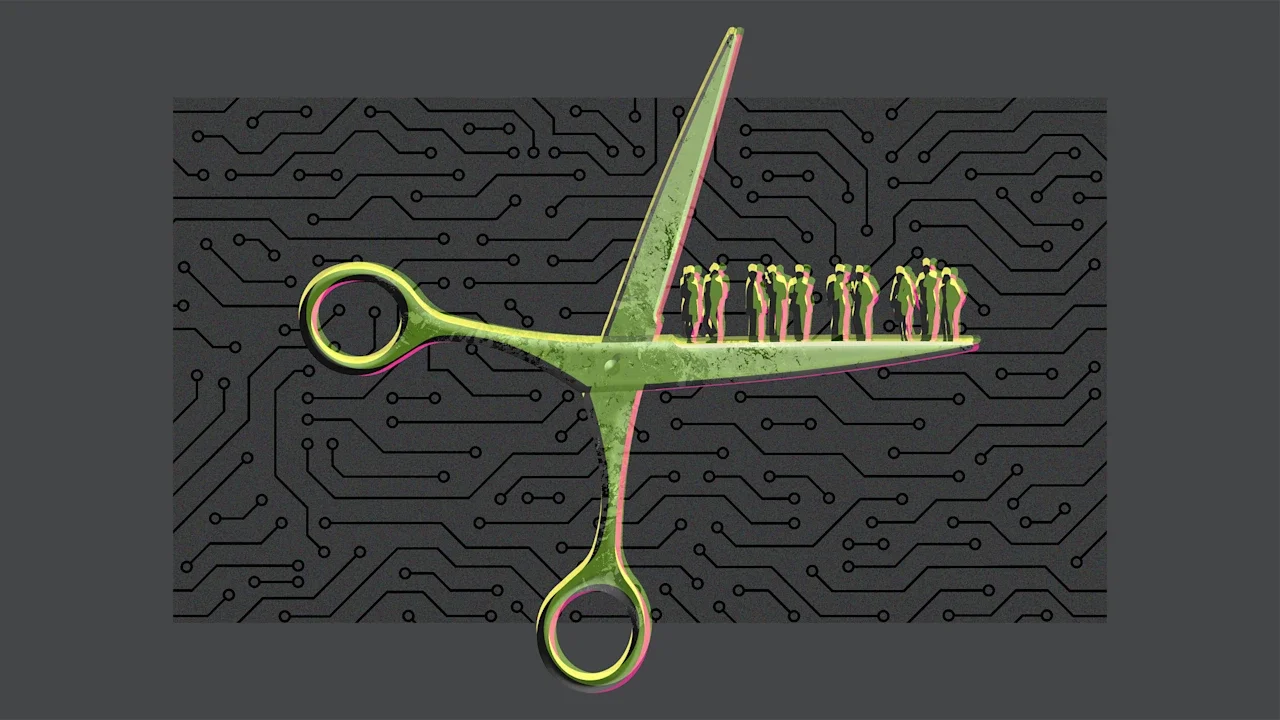
As tech companies continue slashing jobs with impunity, workers are right to be fearful—and fed up. But it appears that overall layoffs may actually be slowing down, according to the latest report from outplacement firm Challenger, Gray & Christmas. In April, employers across the country announced 83,387 job cuts, an uptick of 38% from the 60,620 cuts during the month prior. That figure is, however, lower than it was in April 2025, when layoffs had reached 105,441. Overall layoffs for 2026 have also significantly dropped in comparison to last year: As of April, employers have disclosed plans for over 300,000 layoffs—half the number of layoffs that had been announced by this time last year. But in tech, there were 33,361 job cuts in April, bringing year-to-date layoffs to 85,411—an uptick of 33% from the 64,118 layoffs at this point in 2025. In fact, this is the highest year-to-date total since 2023, when the industry saw record-high layoffs. The tech industry is often an exception to broader economic trends, given the boom and bust nature of the sector. Even when tech layoffs spike, those cuts don’t necessarily account for a sizable portion of total layoffs across the labor market—though they tend to get substantial attention from the media and industry observers. In this era, tech is also uniquely susceptible to the sweeping investments in AI that are driving many layoffs in the industry. The report by Challenger, Gray & Christmas captures this effect: In April, AI was the top reason that companies cited for layoffs, accounting for 26% of job cuts. AI has been behind 49,135 job cuts so far this year, and it is the third most frequently cited rationale for layoffs. “Technology companies continue to announce large-scale cuts and are leading all industries in layoff announcements,” Andy Challenger, the workplace expert and chief revenue officer for Challenger, Gray & Christmas, said in a statement. “They are also often citing AI spend and innovation. Regardless of whether individual jobs are being replaced by AI, the money for those roles is.” There is, of course, plenty of debate over how many of these job cuts actually reflect AI-related productivity gains, especially as CEOs face immense pressure to prove that their AI investments are worthwhile. Economists have cautioned that AI has yet to usher in major shifts across the labor market, and that jobs are not yet being replaced outright. Still, these ongoing layoffs are yet another sign that the tech industry no longer promises the job security that it once did—and tech workers have reason to be disillusioned as they brace themselves for endless rounds of layoffs. View the full article
-
The buyer will add around 800,000 loans to its hefty servicing portfolio, while Valon said it will shift away from servicing to focus on technology. View the full article
-
The new law, which will mandate the Bureau of Indian Affairs to approve or deny loan applications within 30 days, passed with wide bipartisan support. View the full article
-
Sound is the invisible backbone of every meeting. You can have the most sophisticated AV technology, a thoughtfully designed layout, and the most ergonomic chairs in the building — but if participants can't clearly hear one another, none of it matters. In 2026, crystal-clear audio isn't a luxury. It's the benchmark for successful meetings and collaboration that works. View the full article
-
The real estate technology company reduced its workforce and consolidated select vendor relationships. These moves will save the company roughly $2 million. View the full article
-
We’re living through a full-fledged skinny epidemic. Even if seeing celebrities get thinner and thinner doesn’t mean anything to you, notice how marketing for various weight loss products is getting increasingly ubiquitous. When I look around, the onslaught doesn’t stop with all the ads for GLP-1s. What has really caught my eye recently is how I—a fitness writer who happens to be pretty thin—keep receiving targeted ads for different types of “AI body scans.” These services take a few different forms (which I dive into below), but what they all try to sell is the same idea: Apparently, I don’t know enough about my body. It turns out I need to know my body fat percentage, muscle mass, visceral fat, and of course, my "biological age." Before I break down what exactly these AI body scans can (and cannot) tell you, know that this is not some takedown of AI tools being used by radiologists to spot cancer from a CT scan. What I’m focusing on here is all the false advertising for consumers like me, people naturally drawn to the shiniest tools to understand every little thing about their bodies. But before I build my health decisions around a number on a screen, I have to wonder about the gap between what these tools promise and what they actually deliver. What are AI body scans, exactly?Body composition scans are nothing new—it’s the AI angle that’s giving the market a fresh angle. The term "AI body scan" covers a range of technology, from clinical-grade DEXA machines used in research hospitals, to apps that claim to estimate your body fat from a selfie. At the serious end sits the DEXA scan (Dual-Energy X-ray Absorptiometry). Originally developed to measure bone density, DEXA uses two low-dose X-ray beams to distinguish between bone, fat, and lean tissue with genuine precision. It can identify visceral fat (the dangerous kind that accumulates around organs), regional fat distribution, and bone density. A single session might cost between $40 and $300 out-of-pocket, depending on where you go and whether any insurance applies. A company like BodySpec, for instance, has built businesses around making DEXA more accessible, performing around a thousand scans a day and building what it describes as the “largest proprietary DEXA dataset” in the world. Below DEXA on the precision ladder sits “bioelectrical impedance analysis” (BIA). BIA is the technology powering most "smart scales," gym body composition stations, and many of those consumer-level AI scanners that keep targeting me with ads. BIA works by passing a small electrical current through your body and measuring how it travels. Fat resists electrical current; lean tissue (mostly water) conducts it well. From this resistance, the device estimates body composition. Then, at the bottom of the technical hierarchy, sit the phone camera apps. Translating a 2D image into a body fat percentage or visceral fat estimate requires assumptions that are generous at best. These apps may be useful as very rough awareness tools, but so is a photograph. Another note on "AI" in this contextAgain, it's worth being specific about what AI is actually doing in most of these products, because as always, the word can mean a lot of things. In the better DEXA-based services, AI is being used to process and contextualize large datasets, helping users understand their results in comparison to relevant populations, flagging trends over time, and personalizing recommendations. For instance, BodySpec describes using AI to give its scanning service a kind of institutional memory for each client, stitching together health history and personal context so that consultations feel personalized at scale. In consumer devices, "AI" most often means that an algorithm has been trained on a dataset to estimate body composition. But the AI is only as good as the underlying measurement, and those underlying measurements might not be accurate in the first place. What an AI body scan cannot tell youLet’s take a look at where the marketing diverges from the medicine, and where some skepticism is warranted. A body composition scan cannot tell you about your insulin sensitivity, inflammation, thyroid function, cortisol levels, or dozens of other physiological variables that determine your actual metabolic health. Two people can have identical DEXA results (same muscle mass, same body fat, same visceral fat reading), but one can have pre-diabetes while the other doesn't. “I had two people with similar scan results, but very different metabolic health once labs were checked,” says Dr. Raymond Douglas, a board-certified oculoplastic surgeon and professor at Cedars-Sinai Hospital in Los Angeles. “And if you're making lifestyle choices based on a scan number alone, you may be fixing the wrong problem." What’s more, that sort of interpretation of scan results assume the reading was accurate in the first place, which isn’t always the case. “I have years of experience with seeing patients who have high muscle readings but are simply water-retained,” says Dr. Alexander Acosta. “If you have retained more water, say from a salty lunch or your period, the machine is likely to report a 5% increase in muscle mass.” This is especially relevant for those BIA products, like the smart scales you might see at the gym. Your hydration state—which fluctuates throughout the day, with exercise, with diet, with hormonal cycles—skews the result. Perhaps no feature of these AI scanners is more aggressively marketed than "biological age." The marketing angle makes sense: What if you find out your body is actually half your age on paper? It’s no mystery how this number has a way of inspiring either relief or dread, and it often inspires purchases. Biological age is usually calculated by an algorithm that compares your information with population averages, and those averages are limited. “From my experience, the algorithms don't take into account your genetic background and inherited metabolic rate. The computer may tell a 30-year-old they have a 50-year-old heart due to stress,”Acosta says. “I have actually seen these numbers change by five years after a bad night's sleep.” A number that swings five years based on one night's sleep isn’t a number worth obsessing over, if you ask me. What body scans are actually good for One way to approach all this is to think of body scans as a tool to track trends over time, rather than expecting to have your world rocked from a single session. “Muscle trending up, visceral fat trending down—those are worth paying attention to,” Douglas says. “The mistake most people make is treating a single session like a full medical workup." If you scan under consistent conditions every few months, you could glean a lot of useful information from the patterns that appear. Are you gaining lean mass while losing fat? Is your visceral fat creeping up despite stable weight? These are questions a body composition scan, done repeatedly, can help answer in ways a bathroom scale cannot. "A DEXA scan provides a much clearer picture of what is actually happening in your body by measuring body fat percentage by area, lean mass, bone density, and visceral fat,” says Elaine Shi, CEO and co-founder of BodySpec. “It moves us away from guessing based on proxies like BMI—which is outdated and doesn't represent diverse populations—and allows us to make decisions based on clinical-grade insights." For example, Shi says people taking GLP-1 medications for weight loss can lose a significant proportion of their reduction in lean muscle mass rather than fat, which could point to a metabolic problem that would be invisible on a regular scale. How to use these tools without being fooled by themIf you're going to use DEXA, use it over the course of several months. Numerous scans taken under consistent conditions (same time of day, same hydration status, same proximity to exercise) could show patterns worth paying attention to. If you're going to use BIA devices, understand that the readings are noisy. Don't scan after a salty meal, after intense exercise, or during a phase of hormonal flux and expect accuracy. If you’re interested in inflammatory markers, fasting glucose, insulin, lipid panels, thyroid function, a body composition score is no substitute for bloodwork. "Treat the scan as an awareness tool, then combine it with blood tests, blood markers of inflammation, and lifestyle habits to draw conclusions," says Douglas. You should also be especially skeptical of biological age scores. A single number generated by comparing your data to population averages on a given day is not a substantial medical insight. And when you see an ad for a phone camera app that claims to measure your visceral fat with AI, ask what the underlying measurement is. If there is no good answer (which there won’t be from a 2D image), the so-called AI has nothing real to work with. The bottom lineThe move away from BMI and toward actual body composition measurement is promising for a lot of people. If your doctor sends you to a DEXA scan to assess your bone density and you’re interested in other insights about your body composition along the way, consider your scan results as part of a bigger trend over time. Your body composition score may be a great starting point, but you still want a human healthcare professional to make sense of the results. At the end of the day, snake oil will always thrive in the wellness industry. These days, every snake oil salesman under the sun knows to slap on the term "AI-powered" to add authoritative language to imperfect products. Before you spend hundreds of dollars on a body scan (or waste your time and energy with a phone app), consider the limitations of these readings—and be honest about what exactly you’re trying to discover here. A scan that cannot distinguish between muscle and retained water, whose biological age score shifts five years with poor sleep, and whose readings vary with what you ate for lunch might not be giving you the answers about your body that you crave. View the full article
-
Microsoft Advertising is giving advertisers more flexibility in reporting, with custom columns now supporting all conversion metrics — a move aimed at deeper, more tailored campaign analysis. What’s happening. According to Microsoft’s product liaison Navah Hopkins, advertisers can now build custom metrics using the full range of conversion data available in the platform. This includes both all conversions and primary conversions, allowing marketers to align reporting more closely with their specific goals. Why we care. Standard reporting often doesn’t reflect how businesses actually measure success. By expanding custom columns, Microsoft is enabling advertisers to create metrics that better reflect their own performance definitions — whether that’s based on lead quality, revenue or blended conversion actions. This is especially useful for advertisers managing multiple conversion types or complex funnels. More control over performance metrics. Advertisers can now create custom columns using ratios and combinations of metrics that matter most to them — such as cost per qualified lead, blended CPA or conversion rate based on primary goals. Revenue and ROAS calculations will also reflect the values set at the conversion goal level, giving more accurate insights tied to business outcomes. Between the lines. This update signals a shift toward more flexible, advertiser-defined measurement — rather than relying solely on platform-standard metrics. It also reflects ongoing demand for better reporting customisation as campaigns become more automated and complex. What to watch: How advertisers use custom metrics to guide optimisation decisions Whether this leads to more consistent reporting across teams and stakeholders If similar flexibility expands across other areas of the platform Bottom line. Microsoft is giving advertisers more control over how they measure success — turning custom columns into a more powerful tool for campaign analysis. View the full article
-
We may earn a commission from links on this page. Deal pricing and availability subject to change after time of publication. I've never really felt the need to own a power station, but when my city got hit with winter storms that took out our power for multiple days, that changed. They're the kind of thing you don't know you need until you need it—so consider learning from my mistake and get one ahead of time. When I finally bought one, I went with the EcoFlow Delta 3 Ultra Plus, which is now $1,499 (originally $2,199) after a 32% discount. The EcoFlow website is also having an up to 45% sale on multiple products right now. EF EcoFlow DELTA 3 Ultra Plus Portable Power Station 3072Wh LiFePO4 Battery, 3600W (7200W Surge) Output, Expandable to 11kWh, Solar Generator (Panel Optional), Reliable Home Battery Backup & Camping $1,499.00 at Amazon $2,199.00 Save $700.00 Get Deal Get Deal $1,499.00 at Amazon $2,199.00 Save $700.00 I've only had a brief power outage since I got the Delta 3 Ultra Plus, so I haven't been able to test it to its full potential. However, I've gotten pretty comfortable with it and used it in ways I never thought I would, like being able to run my projector on my deck or backyard for an outdoor movie night. It gives you 3,072Wh of power with an output of 3,600W and a 7,200W peak, meaning it can keep a 120W refrigerator cooling for about 35 hours, according to Mashable's review. I am impressed by the functionality of the EcoFlow app, too. You get the ability to prioritize which devices receive power the longest, so when battery power is scarce, the essentials will keep running while the other devices shut off. How that might work in the real world: You leave your refrigerator plugged in overnight, along with your phones and a heater. You can prioritize your refrigerator so if the battery runs low during the night, it will shut off power to your phone and heater to keep your fridge running longer. You can also monitor your energy use, and the app will automatically start charging your power station if it detects a storm is coming. Carrying it around is very easy with the telescoping handle that you can pull out from under it, however, rolling it around anywhere that isn't a flat, smooth surface is difficult. Our Best Editor-Vetted Tech Deals Right Now Apple AirPods Pro 3 Noise Cancelling Heart Rate Wireless Earbuds — $199.99 (List Price $249.00) Apple Watch Series 11 [GPS 46mm] Smartwatch with Jet Black Aluminum Case with Black Sport Band - M/L. Sleep Score, Fitness Tracker, Health Monitoring, Always-On Display, Water Resistant — $329.00 (List Price $429.00) Fitbit Versa 4 Fitness Smartwatch (Black) — $149.95 (List Price $199.95) Apple iPad 11" A16 128GB Wi-Fi Tablet (Silver, 2025) — $299.00 (List Price $349.00) Anker 20,000mAh Portable Power Bank With Built-in USB-C Cable — $49.99 (List Price $69.99) Deals are selected by our commerce team View the full article
-
At the Exceptional Women Alliance, we help senior women leaders mentor one another through shared insight. As founder, chair, and CEO, I speak with executives shaping how organizations evolve and perform. This month, I spoke with Jennifer Renaud, CEO of Kradle LLC and a board director with more than 30 years experience in digital innovation, commercial strategy, and customer-centered growth. She has guided companies through operating model transformation and post-integration growth. As artificial intelligence becomes embedded across organizations, Renaud believes companies must rethink how decisions are made. Traditional hierarchies, designed for stability and control, often slow organizations when speed and adaptability matter most. Here are highlights from our discussion. Q: How are traditional decision hierarchies becoming less effective? Jennifer Renaud: Hierarchies were built for predictability. They worked when markets moved slowly and information traveled through limited channels. Today, customer expectations shift quickly, competitive advantages disappear faster, and organizations are expected to respond almost immediately. Many companies still assume better decisions come from additional layers of approval. In reality, too many approvals often create delays. When decision authority sits too high in the organization, teams wait for alignment while customer and market signals lose relevance. Organizations rarely fail because of one bad decision. More often, they struggle because they make too few decisions to keep pace with change. Leaders are increasingly recognizing that decision quality improves when authority sits closer to the insight itself. The people closest to customers, products, and operations often understand emerging tradeoffs best. Q: How can companies move faster without losing alignment? Renaud: I think about this through the lens of decision proximity—how close decision authority sits to the information needed to make a strong decision. When decisions move too far from the source of insight, context weakens and response times slow. Leaders may gain consistency, but they often lose accuracy and speed. High-growth companies intentionally shorten the distance between signal and response. Amazon’s distinction between reversible and irreversible decisions is a strong example. Teams are encouraged to move quickly on decisions that can later be adjusted, rather than waiting for perfect consensus. Not every decision needs executive involvement or has to be perfect the first time. Decision proximity improves both speed and judgment because the people closest to the issue usually understand the tradeoffs most clearly. Q: How is AI changing decision-making inside organizations? Renaud: AI is dramatically increasing the number of signals organizations can act on. It is not just automating tasks; it is continuously generating insights across pricing, forecasting, supply chains, customer engagement, and operations. Signals that once took months to identify now appear in real time, forcing organizations to make decisions faster. Teams can evaluate multiple variables simultaneously and identify opportunities that would have been difficult to detect manually. For example, companies can analyze supplier constraints, production efficiencies, and product compatibility together to determine the most effective manufacturing combinations. The advantage is not simply better analysis. It is the ability to act on insight while it still matters. As AI expands the number of signals requiring interpretation, leaders cannot centralize every decision. Clarity around decision rights becomes far more important. Q: What helps leaders build strong decision cultures? Renaud: Decision cultures are shaped through everyday leadership behavior. One adjustment I’ve made personally is stepping out of meetings where decisions should be made closer to the action. When senior leaders are in the room, teams often wait for their perspective before committing. Leaders still create value by clarifying priorities, defining guardrails, and helping teams understand what good judgment looks like. As organizations grow, leadership effectiveness depends less on making every decision and more on building systems that enable strong decisions to happen consistently. Organizations that clearly define ownership and decision rights adapt faster as conditions change. Q: What mindset shifts matter most for leaders? Renaud: Many leaders feel pressure to always have the answer. One of the most important shifts is recognizing that leadership is less about personally making every decision and more about creating conditions where strong decisions can emerge throughout the organization. Companies that build decision cultures often develop stronger accountability and adaptability because insight and action remain closely connected. Hierarchies still matter for direction and alignment, but they cannot carry the full burden of decision-making in fast-moving environments. Ultimately, leadership is reflected in how consistently an organization can make strong decisions without needing the leader at every step. Larraine Segil is founder, chair, and CEO of The Exceptional Women Alliance. View the full article
-
The lenders' examples of using generative artificial intelligence were more practical than transformational, but in any case data challenges represent a common problem. View the full article