All Activity
- Past hour
-
 Intuit Inc. has officially opened its TurboTax flagship store in New York City’s SoHo neighborhood, marking a significant evolution in the tax preparation landscape, particularly for small business owners. The launch represents not just a single store, but also the rollout of approximately 600 Expert Offices and 20 TurboTax Stores nationwide—an initiative designed to bridge the gap between artificial intelligence and human expertise in tax filing. Key Benefits for Small Business Owners One of the standout features of the new TurboTax flagship store is its unique combination of AI-driven technology and personalized human assistance. This integration aims to alleviate the traditional stress associated with tax preparation. Small business owners can particularly benefit from several key offerings: Automated Data Entry: Catering to small businesses, the platform automates data entry for 90% of common tax forms, which significantly reduces the time spent on paperwork. This automation allows owners to focus on running their businesses rather than being bogged down by tax-related duties. Expert Matching: The AI-powered system matches users with local tax experts suited to their specific tax situations. This means that small business owners will receive tailored assistance, resulting in potential savings and optimized filings. Flexible Options: Owners can choose whether to engage in a “Do It With Me” (DIWM) approach alongside an expert or hand off their returns entirely to the professionals. This flexibility can adapt to different levels of comfort and expertise among small business owners. Real-Time Progress Tracking: The integration of digital with in-person services allows for a seamless transition where customers can start their filing on an app and continue in the store, providing a fluid experience that saves time and enhances control. Educational Resources: The flagship store features an immersive “Forum,” utilizing a large digital screen to educate users on financial options and the value of expert guidance. This offers small business owners invaluable insights into making informed financial decisions. Navigating Potential Challenges While there are many benefits, small business owners should also be aware of possible challenges associated with this new service format: Transition from Traditional Methods: Those used to traditional tax preparation processes may find it challenging to adapt to the new integrated approach. Familiarity with the technology will be essential to take full advantage of the offerings. Cost Considerations: Engaging in personalized expert assistance may incur costs that some small businesses are not prepared for, particularly during lean financial periods. An evaluation of the cost versus potential savings is crucial. Accessibility and Reliability of Local Experts: Small businesses operating in regions with fewer store locations might face difficulties accessing the same level of personalized service offered in metropolitan areas, leading to variability in experience. In his remarks at the store’s grand opening, Mark Notarainni, Executive Vice President and General Manager of the Consumer Group at Intuit, emphasized the company’s commitment to revolutionizing how taxes are handled. “We are fundamentally redefining what it means to get taxes done by delivering a first-of-its-kind seamless integration of our digital and physical experience,” he noted. This innovative approach aims not only to simplify tax preparation but also to empower users with better financial outcomes year-round. Building Community and Future Skills To cement its commitment to community development, Intuit announced a $100,000 donation to New York City Public Schools, aimed at enhancing financial literacy among students. This initiative reflects a broader concern for building future skills that can benefit both individuals and small businesses alike. The TurboTax stores are strategically located across several metropolitan areas, including New York, Chicago, Dallas, and Southern California, thereby ensuring that small business owners can access services tailored to their specific needs. For small business owners, the opening of Intuit’s TurboTax flagship store offers a promising fusion of technology and personalized assistance, potentially transforming the tax filing experience. As businesses navigate the changing landscape, a proactive approach combined with accessible technology could empower them to achieve better financial outcomes. To explore more about TurboTax’s offerings and locate a store, visit TurboTax.com or learn more through the original press release. Image via Google Gemini This article, "Intuit Unveils TurboTax Flagship Store in NYC, Launching 600 Expert Offices" was first published on Small Business Trends View the full article
 - Today
-
If you want to close more sales today, it’s vital to focus on proven strategies that can improve your approach. Building strong relationships with clients, comprehending their needs, and utilizing effective closing techniques are important steps. You should as well create urgency, confidently address objections, and follow up consistently. Collaboration with your sales team can further advance your tactics. By refining these methods, you can greatly increase your chances of success. What specific strategies will you implement first? Key Takeaways Build strong relationships with clients through active listening and empathy to increase loyalty and repeat business. Understand client needs and pain points to tailor your sales strategies effectively. Utilize effective closing techniques like the Assumptive Close and Scarcity Close to create urgency. Implement consistent follow-up strategies to maintain engagement and improve closure rates. Maintain a positive mindset and focus on solutions to overcome challenges and reinforce commitment to prospects. Build Strong Relationships With Clients Building strong relationships with clients is vital for driving sales success. When you establish rapport and trust, clients become five times more likely to engage with your recommendations, resulting in smoother sales processes. Genuine connections, built through meaningful conversations, lead to increased client loyalty, which contributes to repeat business and referrals. Active listening and empathy are important; they help you understand clients’ needs and cultivate long-term relationships. Research shows that investing time in these connections can boost sales effectiveness by 37%. During closing calls, keep in mind that nurturing these relationships can enable you to close more sales. Understand Client Needs and Pain Points Comprehending client needs and pain points is fundamental for effective sales strategies, as it allows you to tailor your approach to meet specific challenges. Conducting a customer needs analysis reveals valuable insights that help you address these pain points, leading to better client satisfaction and loyalty. Utilizing social listening techniques enables you to track client conversations and preferences, keeping you attuned to their evolving needs. Mapping customer experiences helps identify critical moments where interventions can effectively tackle challenges. Moreover, personalizing communications based on customer profiles cultivates stronger relationships, making clients more receptive to your solutions. By addressing pain points effectively, you differentiate your offerings in a competitive market, increasing your chances of closing sales and building long-term relationships. Utilize Effective Closing Techniques Closing a sale effectively is crucial for converting prospects into customers, especially when you’ve already established a relationship and identified their needs. You can employ various closing techniques to improve your success. For instance, using the Assumptive Close allows you to discuss next steps confidently, prompting quicker decisions from interested prospects. The Puppy Dog Close offers a risk-free trial, creating emotional attachment and increasing the likelihood of a sale afterward. Moreover, the Scarcity Close emphasizes limited-time offers, leveraging FOMO to encourage prompt action. Summarizing key benefits during discussions reinforces your value proposition and makes the Summary Close effective. Finally, adapt these techniques to match your prospects’ specific needs and readiness for the best results. Create a Sense of Urgency How can you effectively create a sense of urgency in your sales strategy? Start by utilizing limited-time offers or discounts, as research shows that urgency can boost conversion rates by up to 332%. Highlight the potential costs of inaction; frame the decision to purchase as a way to avoid future losses. Consider using countdown timers in emails or on landing pages to visually emphasize urgency, triggering impulse buying behavior. Frame benefits regarding missed opportunities, making it clear that your offer won’t last forever. Finally, leverage social proof, such as testimonials or case studies, to suggest high demand and encourage prospects to act quickly, reinforcing the idea that many others are already taking advantage of your offer. Leverage Trial Offers for Engagement Creating urgency in sales can effectively prompt immediate action, but once you’ve captured a prospect’s attention, it’s important to engage them further through trial offers. Offering free demos or pilot programs allows prospects to experience your product’s value firsthand, creating emotional connections that increase conversion likelihood. The Puppy Dog Close technique takes advantage of this by letting users try the product risk-free, cultivating attachment during the trial. Approximately 70% of consumers are more likely to buy after such experiences, as they assess effectiveness in solving their problems. Trial offers likewise reduce buyer hesitation by addressing objections related to risk, making prospects feel secure. This approach can shorten sales cycles, moving prospects swiftly from consideration to decision-making and boosting close rates. Foster Empathy and Trust To promote empathy and trust with your clients, focus on building genuine relationships through active listening and thoughtful responses. When you share personal experiences that resonate with their challenges, you create a deeper connection that shows you truly understand their needs. This approach not just improves rapport but likewise encourages loyalty, making clients more likely to engage with your offerings. Build Genuine Relationships Building genuine relationships with clients is vital for successful sales, as trust serves as the foundation for a smooth sales process. When you engage in meaningful conversations and show authentic interest in your clients’ needs, you improve rapport and increase their receptiveness to your recommendations. Utilizing customer profiling and social listening allows you to gather valuable insights, enabling you to tailor your approach to better meet client expectations. Establishing a connection through empathy and comprehension of customer pain points is significant; clients are more inclined to engage with those who demonstrate genuine concern for their needs. Research shows that strong relationships in B2B sales can lead to a 50% increase in sales opportunities, emphasizing the importance of trust and rapport-building in closing deals effectively. Listen Actively and Respond Effective communication goes beyond simply exchanging information; it involves actively listening to your clients and responding thoughtfully. Active listening means fully concentrating on your prospect’s words, which nurtures empathy and trust. When clients feel valued and understood, it leads to stronger relationships and increased sales opportunities. Research shows that salespeople who practice this skill can boost their close rates by up to 20%. Thoughtful responses to objections validate concerns and improve rapport, making prospects more receptive to your solutions. By engaging in meaningful conversations and asking open-ended questions, you uncover deeper insights into customer needs. This approach not only enhances your chances of closing a sale but additionally encourages repeat business and referrals, contributing to long-term success. Share Personal Experiences Sharing personal experiences can greatly amplify your sales interactions, as it helps establish a relatable connection with prospects. By sharing challenges you’ve faced, and how your solutions worked, you position yourself as a credible partner. This builds trust and demonstrates empathy, which is vital since 70% of consumers prefer buying from empathetic brands. Personal anecdotes can effectively address prospects’ pain points, showing you understand their needs and care about their success. Benefits of Sharing Personal Experiences Impact on Sales Builds trust and credibility Increases chances of closing by up to 30% Humanizes your approach Strengthens relationships with prospects Makes prospects feel understood Improves overall customer satisfaction Address Objections Confidently When you encounter objections during a sales conversation, addressing them confidently can greatly impact the outcome of your pitch. Start by anticipating common objections and preparing well-researched responses, which boosts your confidence. As you listen actively to your prospect’s concerns, aim to understand the root causes, showing empathy and building rapport. Reframe objections as opportunities, emphasizing the costs of not acting or the benefits they might miss. Support your claims with testimonials and case studies that directly address similar objections, enhancing your credibility. Maintain a positive attitude throughout the discussion; a constructive mindset keeps the focus on solutions rather than obstacles. Follow Up Consistently Consistent follow-up is essential for improving your sales closure rates and maintaining engagement with prospects. Research indicates that effective follow-up can boost your closure rates by up to 50%. To achieve this, it’s important to reach out multiple times; studies show that 80% of sales require at least five follow-up calls. Make your follow-ups valuable by including insights or testimonials to hold your prospect’s interest. Personalizing your messages to address specific needs demonstrates genuine attentiveness, increasing the likelihood of securing a sale. Furthermore, timing matters—aim to follow up within 24 hours of your last interaction. This reinforces your commitment and keeps the momentum going, ensuring that your prospects feel valued and engaged throughout the sales process. Collaborate With Your Sales Team Effective sales strategies don’t just hinge on individual efforts; they thrive on collaboration within your sales team. Collaborating improves communication, ensuring everyone is aligned on strategies, which leads to a cohesive approach to closing deals. Using tools like Slack or CRM platforms allows for real-time insights and quicker decision-making. Joint meetings help identify common objections and develop collective solutions, making it easier to address concerns. Encourage team members to share successful techniques and experiences, promoting a culture of continuous improvement. Strong relationships among team members lead to better teamwork and support, ultimately driving higher sales performance. Benefit of Collaboration Tools to Use Improved communication Slack Quicker decision-making CRM platforms Identification of objections Joint meetings Sharing successful techniques Team discussions Continuously Learn and Adapt To thrive in sales, it’s crucial to continuously learn and adapt your strategies, as the setting can change swiftly. Regularly review your past sales successes and failures to pinpoint effective closing techniques and areas needing improvement. Seek feedback from peers, mentors, and clients; their insights can refine your approach and improve your closing skills. Staying updated on industry trends and shifts in buyer behavior allows you to adjust your strategies for greater effectiveness. Attend training sessions and workshops focused on sales techniques to gain fresh insights. Finally, experiment with various closing approaches and measure their outcomes to discover which methods resonate best with your target audience, ensuring you remain competitive in a dynamic sales environment. Frequently Asked Questions How Do You Close Sales Immediately? To close sales instantly, you can use effective techniques. Start by confidently discussing next steps, like setting installation dates, to encourage quick decisions. Create urgency with limited-time offers to stimulate immediate action. Consider offering a risk-free trial, allowing prospects to experience your product’s value. Highlight low stock levels to induce a fear of missing out. Finally, follow up quickly with personalized communication, addressing any concerns as you reiterate the benefits of your offering. What Is the 1 10 Closing Technique? The 1 10 Closing Technique helps you gauge a prospect’s interest in your product or service by asking them to rate it on a scale from 1 to 10. If they rate below 10, you can ask follow-up questions to understand their hesitation and address their concerns. This method promotes open dialogue, allowing you to tailor your sales approach effectively. In the end, it can improve your chances of closing the sale by encouraging collaboration. How to Increase Closing Ratio in Sales? To increase your closing ratio in sales, focus on employing effective techniques like the Assumptive Close and Puppy Dog Close. Create urgency with limited-time offers, and follow up regularly with personalized communications to keep prospects engaged. Address objections smoothly by preparing solid responses, which helps build trust. What Is the 3 Yes Technique in Sales? The 3 Yes Technique in sales involves securing three affirmative responses from your prospect during a conversation. Each “yes” should relate to their needs or the value of your offering, reinforcing their commitment. This approach leverages the psychological principle of consistency, increasing the likelihood they’ll follow through with their decision. You can effectively combine this technique with other closing methods, such as the Assumptive Close or Summary Close, to boost your chances of success. Conclusion By implementing these ten proven tips, you can improve your sales techniques and effectively close more deals. Building strong relationships and comprehending client needs are crucial first steps. Utilize closing techniques and create urgency to prompt action. Address objections confidently and follow up consistently to reinforce your commitment. Collaborating with your sales team nurtures better strategies, as continuous learning enables you to adapt. By focusing on these strategies, you can boost your sales performance today and in the future. Image via Google Gemini and ArtSmart This article, "10 Proven Tips to Close More Sales Today" was first published on Small Business Trends View the full article
-
Improving customer service is crucial for any business aiming to thrive in a competitive market. You can improve your approach by comprehending customer needs and actively seeking their feedback. Setting clear service standards and communicating them effectively helps manage expectations. Furthermore, delighting customers by exceeding their expectations creates memorable experiences. By streamlining processes and nurturing a customer-focused culture, your team can be more effective. Curious about the specific strategies that can raise your service? Key Takeaways Gather and analyze customer feedback regularly to identify gaps and enhance service delivery. Set clear service standards and communicate them consistently across all customer touchpoints. Delight customers by exceeding their expectations through personalized interactions and unexpected value. Streamline processes to ensure efficiency and eliminate barriers that hinder customer support. Foster a customer-focused team culture by promoting accountability, collaboration, and skill development. Understand Customer Needs How can you truly comprehend your customers’ needs? Start by gathering thorough knowledge about your current customer information. This comprehension is crucial for aligning your products and services with customer expectations. One of the most effective ways to improve customer service is to regularly seek feedback through testimonials and surveys. Personal follow-ups can likewise help uncover gaps in your information. Engaging long-serving team members who’ve established relationships with customers can provide valuable insights into their preferences. Furthermore, utilizing tools like CRM systems or spreadsheets to capture and update customer data guarantees that you have secure and organized access to this information. By identifying and addressing any gaps in your comprehension, you can improve service delivery and strengthen the alignment between your offerings and what customers truly want. This proactive approach finally leads to a more satisfying customer experience. Seek and Promote Customer Feedback What’s the best way to comprehend your customers’ experiences? Seeking and promoting customer feedback is crucial. Research shows that 90% of highly satisfied customers are likely to return, so grasping their opinions can greatly boost retention. You can improve response rates by offering simple feedback forms or surveys, especially when you provide incentives. Moreover, conducting personal follow-ups after purchases allows you to gather direct opinions, helping you gauge satisfaction and identify areas for improvement. Encouraging customers to provide testimonials and online reviews can greatly improve your brand’s credibility, as 84% of consumers trust online reviews just as much as personal recommendations. By regularly engaging with loyal customers and inviting their feedback, you can build on the positive aspects of your service, nurturing loyalty and encouraging word-of-mouth referrals. Prioritizing customer feedback creates a cycle of improvement that benefits both your business and your customers. Set and Communicate Clear Service Standards Setting clear service standards is crucial for creating a consistent customer experience that meets expectations. By defining service expectations and ensuring consistent communication practices, you can streamline interactions and improve satisfaction. Furthermore, establishing realistic response times helps manage customer expectations, making it easier for your team to deliver high-quality service across all touchpoints. Define Service Expectations Clearly Defining service expectations clearly is essential for creating a consistent and reliable customer experience. Establishing specific service standards helps set customer expectations and guarantees that your team delivers consistent service. For example, aim to answer all customer calls within five rings. Communicate these standards to your team to clarify their roles and responsibilities, promoting a cohesive service experience. It’s also important to regularly revisit and update standards based on customer feedback to align with their evolving needs. Documenting these standards in easily accessible formats, like training manuals, supports adherence and accountability among team members. Service Standard Expected Outcome Importance Answer calls in 5 rings Quick response to customers Improves customer satisfaction Resolve issues in 24 hours Timely problem solving Builds trust and loyalty Follow-up within 48 hours Guarantees customer feels valued Promotes ongoing engagement Provide product info within 3 minutes Efficient service Reduces customer frustration Maintain a friendly tone Positive customer interactions Encourages repeat business Ensure Consistent Communication Practices To guarantee consistent communication practices across your organization, it’s crucial to establish clear service standards that everyone understands. Start by defining the tone and language used in all communications to reflect your company’s values and ethics. This approach promotes a cohesive brand voice, making interactions more recognizable to customers. Identify key customer contact points to guarantee a seamless experience; this way, customers receive consistent messaging, no matter which channel they use. Regularly review and update these service standards based on customer feedback and performance metrics. Keeping your standards relevant and effective helps maintain high-quality service and improves customer satisfaction. Establish Realistic Response Times Maintaining consistent communication practices lays the groundwork for establishing realistic response times that align with customer expectations. Setting clear response times helps manage these expectations effectively. When you communicate these times at key contact points, it guarantees transparency and consistency. Achievable standards allow your team to maintain quality, even during busy periods. Regularly reviewing and adjusting these times based on customer feedback can improve service efficiency. Response Time Customer Expectation 1 Hour High urgency inquiries 24 Hours General inquiries 48 Hours Technical issues 1 Week Non-urgent feedback Ongoing Long-term support Implementing structured response times can greatly boost customer satisfaction and retention rates. Delight Customers by Exceeding Expectations To truly delight your customers, recognizing special occasions and providing unexpected value can make a significant difference. A simple acknowledgment of milestones, paired with thoughtful gestures like personalized offers or complimentary services, nurtures appreciation and builds loyalty. Recognize Special Occasions Recognizing special occasions can be a transformative factor for customer loyalty. When you acknowledge events like birthdays or anniversaries, you show your customers they matter. Research indicates that 62% of consumers appreciate personalized messages from brands during these milestones. Consider sending personalized gifts or discounts; this approach can boost your customer retention rates by 20%, encouraging repeat purchases. Furthermore, 70% of customers report feeling more valued when brands recognize their special moments. Implementing an automated system to send greetings or special offers can improve customer satisfaction scores by up to 15%. These delightful gestures not only create memorable experiences but also generate positive word-of-mouth referrals, as 92% of consumers trust recommendations from friends and family over traditional advertising. Provide Unexpected Value Though many businesses focus on providing standard services, going the extra mile by offering unexpected value can set you apart from the competition. Simple gestures, like surprise gifts or free upgrades, greatly improve customer satisfaction and can lead to a 10-20% increase in repeat business. Recognizing special events with personalized offers nurtures appreciation, creating memorable experiences that encourage word-of-mouth referrals. Moreover, extending services or providing complimentary add-ons exceeds expectations and makes customers feel valued. Implementing thoughtful touches, such as handwritten thank-you notes or follow-up calls, leaves a lasting impression, with 70% of consumers more likely to recommend a business that shows care. In the end, consistently delighting customers can increase retention rates by 25%, driving long-term profitability and loyalty. Create Easy and Effortless Customer Service How can businesses create an easy and effortless customer service experience? Start by mapping the customer path from initial contact to after-sales support. This helps identify areas needing improvement, improving the overall experience. Offer multiple contact methods for 24/7 support, ensuring customers can reach you conveniently. This flexibility increases satisfaction and encourages retention. Eliminate barriers in response times, such as long waits or complex navigation. Streamlining these processes improves efficiency and boosts customer satisfaction. Clear communication about your offerings is vital; customers need to understand products and services to avoid confusion, making their purchasing decisions simpler. Finally, simplify the purchasing process by reducing steps and providing clear instructions. This approach nurtures higher retention rates, as customers are more likely to return when their experience is straightforward and easy. Analyze Customer Concerns and Complaints Analyzing customer concerns and complaints is an essential step in improving your service quality. Identifying the root causes of issues can greatly enhance customer satisfaction. Implementing a structured system for storing and analyzing feedback helps you recognize emerging patterns and common triggers. This systematic approach allows you to address complaints efficiently. Regularly sharing insights from customer complaints with relevant team members promotes collaboration and improves problem-solving efforts. Establishing guiding principles for review meetings guarantees that complaints are addressed consistently. Utilizing data analytics to track complaint trends can inform your strategic decisions, leading to better overall customer service processes. Here’s a quick overview of key strategies: Strategy Purpose Outcome Identify root causes Understand underlying issues Improved service quality Store customer feedback Recognize patterns Enhanced problem-solving Share insights Promote collaboration Systematic complaint resolution Utilize data analytics Inform strategic decisions Better service processes Foster a Customer-Focused Team Culture Creating a customer-focused team culture is crucial for improving service quality and ensuring that every team member understands their role in customer satisfaction. By prioritizing exceptional customer service, you cultivate accountability and collaboration within your team. Here are three effective strategies to implement: Define Roles Clearly: Make sure every team member knows how their job impacts customer service. This clarity boosts engagement and responsibility. Assess Performance Regularly: Regular evaluations based on service delivery not only encourage continuous improvement but likewise recognize individual contributions, motivating the team. Promote Skill Development: Create a supportive environment where team members can improve their skills. This nurtures a growth mindset, leading to innovative solutions and improved customer interactions. Frequently Asked Questions How Can You Improve Customer Service? To improve customer service, start by implementing a feedback system, allowing customers to voice their concerns. Train your representatives in empathy and conflict resolution to handle issues effectively. Utilize technology, like CRM tools and AI chatbots, to streamline interactions and boost efficiency. Establish clear communication channels to set realistic expectations, nurturing trust. Finally, regularly monitor key metrics, such as customer satisfaction scores, to assess performance and identify areas needing improvement. What Are the 7 R’s of Customer Service? The 7 R’s of customer service are critical for meeting customer needs effectively. They include the Right Product, ensuring you’ve got what customers want; Right Time, delivering it when they need it; Right Place, making it accessible; Right Quantity, providing enough for demand; Right Quality, meeting expectations; Right Price, aligning with perceived value; and Right Information, offering clear guidance. What Are the 5 R’s of Customer Service? The 5 R’s of customer service are Recognition, Response, Resolution, Reliability, and Relationship. Recognition means acknowledging customer needs and preferences, helping personalize interactions. Response highlights the necessity of timely communication since quick replies can prevent customer loss. Resolution focuses on effectively addressing issues, aiming for first-call resolution to minimize costs. Reliability involves consistently delivering promises, whereas Relationship emphasizes building trust to improve customer loyalty, particularly during challenging situations. What Are the 4 P’s That Improve Customer Service? To improve customer service, focus on the four P’s: People, Process, Product, and Performance. Empower your staff, allowing them to make decisions, which boosts confidence and satisfaction. Streamline processes for quicker responses, ensuring efficiency. Equip representatives with thorough product knowledge to build trust. Finally, set measurable performance objectives, such as response times, to maintain high standards. Conclusion In summary, improving customer service is crucial for building loyalty and boosting satisfaction. By comprehending customer needs, actively seeking feedback, and setting clear service standards, you can create a more effective experience. Delighting customers with personalized interactions and streamlining processes further improves their experience. Moreover, analyzing concerns and nurturing a customer-focused team culture guarantees continuous improvement. By implementing these strategies, you can drive meaningful change in your customer service approach, eventually leading to positive outcomes for your business. Image via Google Gemini This article, "7 Effective Ways to Improve Customer Service" was first published on Small Business Trends View the full article
-
Improving customer service is crucial for any business aiming to thrive in a competitive market. You can improve your approach by comprehending customer needs and actively seeking their feedback. Setting clear service standards and communicating them effectively helps manage expectations. Furthermore, delighting customers by exceeding their expectations creates memorable experiences. By streamlining processes and nurturing a customer-focused culture, your team can be more effective. Curious about the specific strategies that can raise your service? Key Takeaways Gather and analyze customer feedback regularly to identify gaps and enhance service delivery. Set clear service standards and communicate them consistently across all customer touchpoints. Delight customers by exceeding their expectations through personalized interactions and unexpected value. Streamline processes to ensure efficiency and eliminate barriers that hinder customer support. Foster a customer-focused team culture by promoting accountability, collaboration, and skill development. Understand Customer Needs How can you truly comprehend your customers’ needs? Start by gathering thorough knowledge about your current customer information. This comprehension is crucial for aligning your products and services with customer expectations. One of the most effective ways to improve customer service is to regularly seek feedback through testimonials and surveys. Personal follow-ups can likewise help uncover gaps in your information. Engaging long-serving team members who’ve established relationships with customers can provide valuable insights into their preferences. Furthermore, utilizing tools like CRM systems or spreadsheets to capture and update customer data guarantees that you have secure and organized access to this information. By identifying and addressing any gaps in your comprehension, you can improve service delivery and strengthen the alignment between your offerings and what customers truly want. This proactive approach finally leads to a more satisfying customer experience. Seek and Promote Customer Feedback What’s the best way to comprehend your customers’ experiences? Seeking and promoting customer feedback is crucial. Research shows that 90% of highly satisfied customers are likely to return, so grasping their opinions can greatly boost retention. You can improve response rates by offering simple feedback forms or surveys, especially when you provide incentives. Moreover, conducting personal follow-ups after purchases allows you to gather direct opinions, helping you gauge satisfaction and identify areas for improvement. Encouraging customers to provide testimonials and online reviews can greatly improve your brand’s credibility, as 84% of consumers trust online reviews just as much as personal recommendations. By regularly engaging with loyal customers and inviting their feedback, you can build on the positive aspects of your service, nurturing loyalty and encouraging word-of-mouth referrals. Prioritizing customer feedback creates a cycle of improvement that benefits both your business and your customers. Set and Communicate Clear Service Standards Setting clear service standards is crucial for creating a consistent customer experience that meets expectations. By defining service expectations and ensuring consistent communication practices, you can streamline interactions and improve satisfaction. Furthermore, establishing realistic response times helps manage customer expectations, making it easier for your team to deliver high-quality service across all touchpoints. Define Service Expectations Clearly Defining service expectations clearly is essential for creating a consistent and reliable customer experience. Establishing specific service standards helps set customer expectations and guarantees that your team delivers consistent service. For example, aim to answer all customer calls within five rings. Communicate these standards to your team to clarify their roles and responsibilities, promoting a cohesive service experience. It’s also important to regularly revisit and update standards based on customer feedback to align with their evolving needs. Documenting these standards in easily accessible formats, like training manuals, supports adherence and accountability among team members. Service Standard Expected Outcome Importance Answer calls in 5 rings Quick response to customers Improves customer satisfaction Resolve issues in 24 hours Timely problem solving Builds trust and loyalty Follow-up within 48 hours Guarantees customer feels valued Promotes ongoing engagement Provide product info within 3 minutes Efficient service Reduces customer frustration Maintain a friendly tone Positive customer interactions Encourages repeat business Ensure Consistent Communication Practices To guarantee consistent communication practices across your organization, it’s crucial to establish clear service standards that everyone understands. Start by defining the tone and language used in all communications to reflect your company’s values and ethics. This approach promotes a cohesive brand voice, making interactions more recognizable to customers. Identify key customer contact points to guarantee a seamless experience; this way, customers receive consistent messaging, no matter which channel they use. Regularly review and update these service standards based on customer feedback and performance metrics. Keeping your standards relevant and effective helps maintain high-quality service and improves customer satisfaction. Establish Realistic Response Times Maintaining consistent communication practices lays the groundwork for establishing realistic response times that align with customer expectations. Setting clear response times helps manage these expectations effectively. When you communicate these times at key contact points, it guarantees transparency and consistency. Achievable standards allow your team to maintain quality, even during busy periods. Regularly reviewing and adjusting these times based on customer feedback can improve service efficiency. Response Time Customer Expectation 1 Hour High urgency inquiries 24 Hours General inquiries 48 Hours Technical issues 1 Week Non-urgent feedback Ongoing Long-term support Implementing structured response times can greatly boost customer satisfaction and retention rates. Delight Customers by Exceeding Expectations To truly delight your customers, recognizing special occasions and providing unexpected value can make a significant difference. A simple acknowledgment of milestones, paired with thoughtful gestures like personalized offers or complimentary services, nurtures appreciation and builds loyalty. Recognize Special Occasions Recognizing special occasions can be a transformative factor for customer loyalty. When you acknowledge events like birthdays or anniversaries, you show your customers they matter. Research indicates that 62% of consumers appreciate personalized messages from brands during these milestones. Consider sending personalized gifts or discounts; this approach can boost your customer retention rates by 20%, encouraging repeat purchases. Furthermore, 70% of customers report feeling more valued when brands recognize their special moments. Implementing an automated system to send greetings or special offers can improve customer satisfaction scores by up to 15%. These delightful gestures not only create memorable experiences but also generate positive word-of-mouth referrals, as 92% of consumers trust recommendations from friends and family over traditional advertising. Provide Unexpected Value Though many businesses focus on providing standard services, going the extra mile by offering unexpected value can set you apart from the competition. Simple gestures, like surprise gifts or free upgrades, greatly improve customer satisfaction and can lead to a 10-20% increase in repeat business. Recognizing special events with personalized offers nurtures appreciation, creating memorable experiences that encourage word-of-mouth referrals. Moreover, extending services or providing complimentary add-ons exceeds expectations and makes customers feel valued. Implementing thoughtful touches, such as handwritten thank-you notes or follow-up calls, leaves a lasting impression, with 70% of consumers more likely to recommend a business that shows care. In the end, consistently delighting customers can increase retention rates by 25%, driving long-term profitability and loyalty. Create Easy and Effortless Customer Service How can businesses create an easy and effortless customer service experience? Start by mapping the customer path from initial contact to after-sales support. This helps identify areas needing improvement, improving the overall experience. Offer multiple contact methods for 24/7 support, ensuring customers can reach you conveniently. This flexibility increases satisfaction and encourages retention. Eliminate barriers in response times, such as long waits or complex navigation. Streamlining these processes improves efficiency and boosts customer satisfaction. Clear communication about your offerings is vital; customers need to understand products and services to avoid confusion, making their purchasing decisions simpler. Finally, simplify the purchasing process by reducing steps and providing clear instructions. This approach nurtures higher retention rates, as customers are more likely to return when their experience is straightforward and easy. Analyze Customer Concerns and Complaints Analyzing customer concerns and complaints is an essential step in improving your service quality. Identifying the root causes of issues can greatly enhance customer satisfaction. Implementing a structured system for storing and analyzing feedback helps you recognize emerging patterns and common triggers. This systematic approach allows you to address complaints efficiently. Regularly sharing insights from customer complaints with relevant team members promotes collaboration and improves problem-solving efforts. Establishing guiding principles for review meetings guarantees that complaints are addressed consistently. Utilizing data analytics to track complaint trends can inform your strategic decisions, leading to better overall customer service processes. Here’s a quick overview of key strategies: Strategy Purpose Outcome Identify root causes Understand underlying issues Improved service quality Store customer feedback Recognize patterns Enhanced problem-solving Share insights Promote collaboration Systematic complaint resolution Utilize data analytics Inform strategic decisions Better service processes Foster a Customer-Focused Team Culture Creating a customer-focused team culture is crucial for improving service quality and ensuring that every team member understands their role in customer satisfaction. By prioritizing exceptional customer service, you cultivate accountability and collaboration within your team. Here are three effective strategies to implement: Define Roles Clearly: Make sure every team member knows how their job impacts customer service. This clarity boosts engagement and responsibility. Assess Performance Regularly: Regular evaluations based on service delivery not only encourage continuous improvement but likewise recognize individual contributions, motivating the team. Promote Skill Development: Create a supportive environment where team members can improve their skills. This nurtures a growth mindset, leading to innovative solutions and improved customer interactions. Frequently Asked Questions How Can You Improve Customer Service? To improve customer service, start by implementing a feedback system, allowing customers to voice their concerns. Train your representatives in empathy and conflict resolution to handle issues effectively. Utilize technology, like CRM tools and AI chatbots, to streamline interactions and boost efficiency. Establish clear communication channels to set realistic expectations, nurturing trust. Finally, regularly monitor key metrics, such as customer satisfaction scores, to assess performance and identify areas needing improvement. What Are the 7 R’s of Customer Service? The 7 R’s of customer service are critical for meeting customer needs effectively. They include the Right Product, ensuring you’ve got what customers want; Right Time, delivering it when they need it; Right Place, making it accessible; Right Quantity, providing enough for demand; Right Quality, meeting expectations; Right Price, aligning with perceived value; and Right Information, offering clear guidance. What Are the 5 R’s of Customer Service? The 5 R’s of customer service are Recognition, Response, Resolution, Reliability, and Relationship. Recognition means acknowledging customer needs and preferences, helping personalize interactions. Response highlights the necessity of timely communication since quick replies can prevent customer loss. Resolution focuses on effectively addressing issues, aiming for first-call resolution to minimize costs. Reliability involves consistently delivering promises, whereas Relationship emphasizes building trust to improve customer loyalty, particularly during challenging situations. What Are the 4 P’s That Improve Customer Service? To improve customer service, focus on the four P’s: People, Process, Product, and Performance. Empower your staff, allowing them to make decisions, which boosts confidence and satisfaction. Streamline processes for quicker responses, ensuring efficiency. Equip representatives with thorough product knowledge to build trust. Finally, set measurable performance objectives, such as response times, to maintain high standards. Conclusion In summary, improving customer service is crucial for building loyalty and boosting satisfaction. By comprehending customer needs, actively seeking feedback, and setting clear service standards, you can create a more effective experience. Delighting customers with personalized interactions and streamlining processes further improves their experience. Moreover, analyzing concerns and nurturing a customer-focused team culture guarantees continuous improvement. By implementing these strategies, you can drive meaningful change in your customer service approach, eventually leading to positive outcomes for your business. Image via Google Gemini This article, "7 Effective Ways to Improve Customer Service" was first published on Small Business Trends View the full article
-
When crypto first gained prominence more than 15 years ago, one of the big selling points of the currency was its lack of ties to any specific government. Unlike fiat currency, cryptocurrency offered the possibility of a purely mathematical currency that was unrelated to politics, governance, or taxes. While crypto is still touted as an alternative to fiat currency, such as the U.S. dollar, the real world of politics, governance, and taxes has found a way to intrude on the use of this alternative currency in America. Specifically, the IRS requires U.S. taxpayers to report crypto earnings on their taxes. Because in this world nothing can be said to be certain, except the death of idealistic perfection and taxes. And since the IRS is involved, the process of reporting your crypto assets on your tax return can include the kind of tear-your-hair-out complexity that makes you want to forgo money altogether and return to the barter system. That’s why we spoke to personal finance expert Robert Farrington about how to handle tax filing when you have crypto assets. Here’s what we learned. How you received your crypto matters There are several ways you can find yourself the proud owner of cryptocurrency: You might receive crypto as a payment for goods or services You might mine it yourself You might purchase it as an investment Depending on how the crypto came into your possession can affect how you report it on your taxes, and Farrington explains that this can make your taxes complex as a result. Crypto as income If you accept crypto as a payment for goods or services, the currency is considered part of your income. In that case, “you treat the income as business income regardless of the currency. You need to report it as the USD value at the time you received it,” Farrington says. For example, let’s say you received 0.25 Bitcoin on August 31, 2025, as payment for your business’s services. Bitcoin was worth $108,236.71 USD on that day, which means you’ll need to report your 0.25 Bitcoin income as $27,059.18, even if you did not immediately convert the cryptocurrency into USD. “When or if you convert the crypto to USD, you’ll have a secondary transaction that may have a capital gain or loss associated with it,” Farrington explains. (More on that below.) It’s also important to note that mining your own crypto is also treated as income, which could either be considered business income or hobby income. “If it’s mined as part of a business, you can also potentially deduct related business expenses, like computer hardware, software, or utility costs,” Farrington says. Crypto as investment Investing in crypto has become much more mainstream in recent years, and the tax rules governing cryptocurrency investments are largely the same as the rules for other investments. In particular, like other types of investments, short-term and long-term capital gains rules apply to cryptocurrency gains and losses. For any cryptocurrency you’ve held for less than one year, short-term capital gains or loss rules apply, while any crypto you’ve held for longer than a year will fall under long-term capital gains or loss rules. Where things get a little confusing is how you experience capital gains or losses with crypto: by converting your crypto into USD. “When you convert the crypto to fiat currency, like USD, you’ll typically pay capital gains taxes on it,” Farrington says. That’s because you will usually convert the crypto at a higher currency exchange rate than you purchased it for. For example, let’s say you invested in a crypto asset worth $20,000 USD and held it for three years, during which time it increased in value to $28,000 USD. When you convert the asset into USD, you would have a long-term capital gain of $8,000. Don’t forget to account for crypto shopping Another confusing aspect of reporting crypto on your taxes is the fact that you can have a capital gain or loss when you pay for goods or services via cryptocurrency. Here’s how it works: In any transaction where you use your cryptocurrency to make a payment, there will likely be a difference between the amount the crypto was worth when you received it and its current fair market value (FMV). If the FMV has gone up, that’s a capital gain, which means you’ll have to pay the capital gains tax. If the FMV has gone down, that’s a capital loss, which you may be able to use to offset future gains or income. The IRS is getting more aggressive As with any new technology, cryptocurrency operated in a kind of lawless Wild West environment before legislation, regulations, and tax law got a chance to catch up with the new state of affairs. With the new reporting requirements for the 2026 tax filing season, the IRS is now catching up to—and getting more aggressive—with crypto. “This year, for the 2025 tax year, centralized exchanges will be required to file form 1099-DA with the IRS to report digital asset sales,” Farrington says. Theoretically, the government has always required taxpayers to report their digital asset sales on their taxes in previous years, but without the requirement that crypto exchanges file these 1099-DA forms, the IRS was more reliant on self-reporting. This is why Farrington says it’s essential that you ensure your crypto transactions are accurately reported on your tax return, or it could trigger an audit. Meticulous crypto bookkeeping is a must, and Farrington suggests taking the time to ensure that your transactions are accurately categorized on the exchange so there are no incorrect 1099s filed. “For example, if you transfer tokens between exchanges, you may want to go in and make certain it’s categorized as a transfer so that the exchange doesn’t mistakenly report it as a gain,” Farrington recommends. A little bit of extra preparation, documentation, and double-checking can give your tax season some important peace of mind. Virtual currency, real taxes Cryptocurrency may not feature portraits of Washington, Lincoln, Hamilton, or Jackson, but that doesn’t keep Uncle Sam’s sticky fingers out of your virtual wallet. American taxpayers have to report their crypto income, investments, gains, and transactions on their tax returns. And for the first time in 2026, crypto exchanges are now required to file 1099-DA forms to report digital asset sales. Keeping good records of your crypto assets will help you tame the tax filing beast—but Farrington stresses that “If you’re not familiar with these concepts to begin with, you should definitely seek advice from a tax professional.” View the full article

-
Holding Steady, Tuning Workflow, and Testing AI By CPA Trendlines Research Join the Busy Season Barometer survey here. Go PRO for members-only access to more CPA Trendlines Research. View the full article
-
Holding Steady, Tuning Workflow, and Testing AI By CPA Trendlines Research Join the Busy Season Barometer survey here. Go PRO for members-only access to more CPA Trendlines Research. View the full article
-
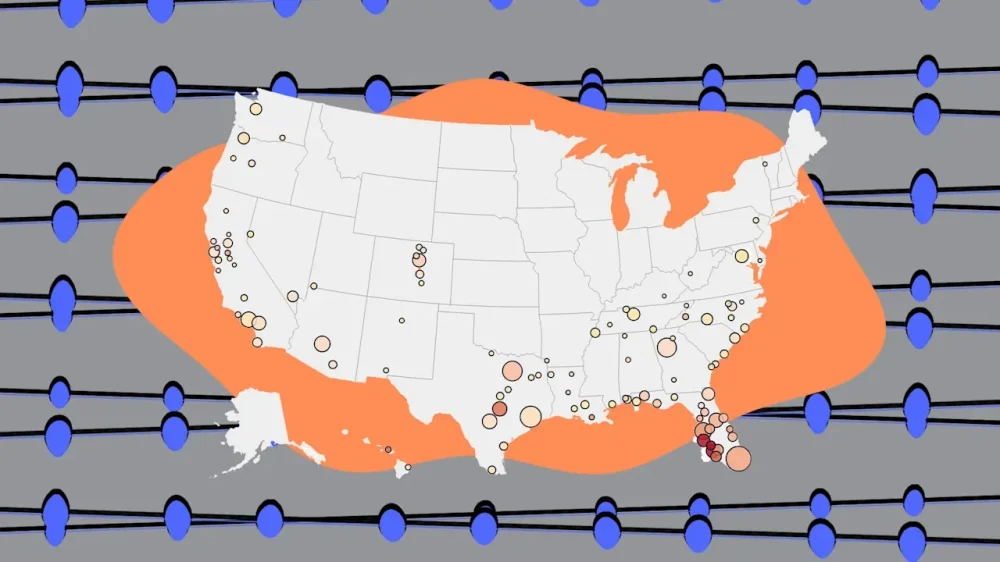
Want more housing market stories from Lance Lambert’s ResiClub in your inbox? Subscribe to the ResiClub newsletter. Based on our analysis of the Zillow Home Value Index, U.S. home prices are up just 0.1% year over year from December 2024 to December 2025. That marks a deceleration from the +2.6% growth rate a year earlier—though national price growth has recently stabilized, ticking slightly higher from a low of -0.01% in August 2025. In the first half of 2025, the number of major metro-area housing markets seeing year-over-year declines climbed. That count has since pretty much stopped ticking up. 31 of the nation’s 300 largest housing markets (10% of markets) had a falling year-over-year reading in the January 2024 to January 2025 window. 42 of the nation’s 300 largest housing markets (14% of markets) had a falling year-over-year reading in the February 2024 to February 2025 window. 60 of the nation’s 300 largest housing markets (20% of markets) had a falling year-over-year reading in the March 2024 to March 2025 window. 80 of the nation’s 300 largest housing markets (27% of markets) had a falling year-over-year reading in the April 2024 to April 2025 window. 96 of the nation’s 300 largest housing markets (32% of markets) had a falling year-over-year reading in the May 2024 to May 2025 window. 110 of the nation’s 300 largest housing markets (36% of markets) had a falling year-over-year reading in the June 2024 to June 2025 window. 105 of the nation’s 300 largest housing markets (36% of markets) had a falling year-over-year reading in the July 2024 to July 2025 window. 109 of the nation’s 300 largest housing markets (35% of markets) had a falling year-over-year reading in the August 2024 to August 2025 window. 105 of the nation’s 300 largest housing markets (35% of markets) had a falling year-over-year reading in the September 2024 to September 2025 window. 105 of the nation’s 300 largest housing markets (35% of markets) had a falling year-over-year reading in the October 2024 to October 2025 window. 98 of the nation’s 300 largest housing markets (33% of markets) had a falling year-over-year reading in the November 2024 to November 2025 window. 106 of the nation’s 300 largest housing markets (35% of markets) had a falling year-over-year reading in the December 2024 to December 2025 window. As you can see above, in the first half of 2025, there was a notable increase in the number of housing markets slipping into year-over-year price declines as the supply-demand equilibrium (as measured by inventory) shifted more quickly toward homebuyers. Over the past seven months, however, the list of declining markets has begun to stabilize as inventory growth has decelerated. Home prices are still climbing a little year over year in many regions where active inventory remains well below pre-pandemic 2019 levels, such as pockets of the Northeast and Midwest. In contrast, some pockets in states like Texas, Florida, and Colorado—where active inventory exceeds pre-pandemic 2019 levels by a solid clip—are seeing modest home price pullbacks or flat pricing. Many of the housing markets seeing the most softness, where homebuyers have gained the most leverage, are primarily located in Sunbelt regions, particularly the Gulf Coast and Mountain West. Many of these areas saw even greater price surges during the Pandemic Housing Boom, with home price growth outpacing local income levels. As pandemic-driven domestic migration slowed and mortgage rates rose in 2022, markets like Tampa and Austin faced challenges, relying on local income levels to support frothy home prices. That Sunbelt softening was further compounded by an abundance of new home supply in the region. Builders are often willing to lower prices or offer affordability incentives to maintain sales, which also has a cooling effect on the resale market. As a result, some buyers who might have previously opted for existing homes are instead choosing new construction with more attractive deals—which added further upward pressure to resale inventory growth over the past few years. Of course, while 106 of the nation’s 300 largest metro-area housing markets are seeing year-over-year home price declines, another 194 are seeing year-over-year home price increases. Where are home prices still up on a year-over-year basis? See the map below. Below is a historical chart showing the year-over-year change in home prices across the 50 largest metro housing markets, with the yellow line representing the national aggregate, dating back to 2000. View the full article
-
Tesla CEO Elon Musk just admitted what we have been saying since he first made his grand promises about the company’s Cybercab robotaxi and Optimus humanoid robot: His target to mass-produce these products was unrealistic, and now they’re crumbling faster than a Cybertruck’s accelerator pedal. On January 20, Musk said on X that early production of both products will be “agonizingly slow”—a remarkable admission for a man who has spent the past year telling investors these moonshot projects would save his flailing car company. “For Cybercab and Optimus, almost everything is new, so the early production rate will be agonizingly slow, but eventually end up being insanely fast,” Musk wrote. This is the same man who promised that the Cybercab would launch in 2026 at a price “under $30,000,” revolutionizing urban transportation with fully autonomous vehicles that would cost riders just 20 cents per mile. And the same person who, at his Hollywood spectacle of an event in October 2024, claimed these scissor-doored wonders would transform parking lots into parks. It’s the same Musk who said Optimus would be working in Tesla factories by the end of 2025, with 5,000 units produced in 2026 and eventually 1 million per year within five years. But two sources in the Optimus supply chain claim that “Tesla had only procured enough parts to produce 1,200 Optimus units and had manufactured close to 1,000 before manufacturing halted (more on this later). As of now, there are no robots doing any meaningful work in Tesla factories; this week, Musk claimed they are “currently doing simple tasks.” We do know, from videos online, that they move at glacial speeds and can’t replace human workers in any way. Fail after fail Let’s review the scoreboard of broken promises. Musk announced the Cybercab in 2024 at the We, Robot event, saying production would begin in 2026. Experts immediately called BS. “Tesla software is at least years behind where Waymo is,” Matthew Wansley, a professor at New York’s Cardozo School of Law, told Reuters at the time. Wansley was right to be skeptical. Tesla’s Full Self-Driving manages 71 miles between critical disengagements—moments when a human has to grab control—compared to Waymo’s 17,311 miles. And that gap hasn’t closed. Tesla still reportedly depends heavily on tele-operators to prevent fatal accidents. On December 7, 2025, Musk promised that unsupervised Cybercabs were going to start driving in Austin “in three weeks.” There are no reports confirming this that I could find, though there is word that those Cybercabs are still supervised as of January 23, albeit from a chase car. Optimus, meanwhile, has become the Fyre Festival of robotics. Musk claimed in April 2025 that “Optimus has the potential to be north of $10 trillion in revenue, like it’s really bananas. It will be the biggest product ever.” He told investors the robot would “eventually dwarf” Tesla’s vehicle business and could unlock “massive new economic value.” Production of the robot froze completely last June and October. Overheating joints, limp wrists, and batteries that died before lunch forced Tesla to halt procurement after manufacturing only about 1,000 units at $60,000 each—units that moved at less than half the speed of the humans they were supposed to replace. It’s no wonder he’s now warning that he was deeply wrong (and yet still managed to throw another empty promise that we are supposed to believe). This slow admission is just the latest chapter in Musk’s decade-long saga of vaporware. He has claimed Tesla would solve Full Self-Driving “this year” every year since 2014. It’s 2026, and Musk is warning of “agonizingly slow” production instead of the revolution he promised. Here’s a prediction The timing of Musk’s confession couldn’t be worse for Tesla. The company’s core business is collapsing. Much of Tesla’s $1.39 trillion valuation, according to Reuters, “hinges on investor expectations for its self-driving technology and humanoid robots, even as the company’s core revenue and profit continue to come from electric vehicle sales.” Translation: The stock is inflated on fantasies while the actual business falters. So here we are, watching Musk admit that his previous timeline was fiction while maintaining that production will “eventually end up being insanely fast.” Eventually. That word again. Tesla trades with the valuation of a tech revolutionary while delivering the results of a struggling automaker with stagnant design, obsolete technology, and a CEO more focused on serving popcorn with speeded-up robots at Hollywood diners than fixing his company’s hemorrhaging sales. I’m not Musk, and my crystal ball may be as broken as his, but here’s my prediction: These “agonizingly slow” production ramps will decrease revenue numbers, wear investors’ patience thin, and ultimately end in an agonizingly fast stock collapse. View the full article

-
Every year, Tennis Australia CEO Craig Tiley issues a challenge to his team that would make most executives—and their teams—break into a cold sweat: Reinvent 50% of the Australian Open. Not subtle changes or a few tweaks. Half of everything, so no two tournaments are ever the same. Today, to help satisfy Tiley’s mandate, the event has evolved into a three-pronged innovation machine. There’s an in-house R&D lab that’s been developing analytics, broadcast, and fan engagement advancements for more than 15 years, alongside a startup accelerator that’s piloted 40 companies, and a $40 million VC fund to capitalize those startups. “The 50% innovation challenge creates something most large organizations struggle to cultivate: permission to fail,” says Machar Reid, director of innovation and AO Ventures general partner.” It’s working. The 2025 Australian Open set attendance records with 1,218,831 fans through the gates over three weeks, breaking the previous year’s mark by more than 100,000. It attracted 1.9 billion global viewers, drew 2.3 billion social impressions, and generated $565.8 million for host city Melbourne’s economy. And this year’s tournament, which rolls into its final rounds this weekend, is poised to be another record-setter. Inside Tennis Australia’s tech workshop It all started with AO Labs, Tennis Australia’s research and development arm. This is the internal division that builds the broadcast and fan engagement technologies that have transformed how people watch tennis. Last year’s breakout was AO Animated, which uses skeletal tracking to turn live matches into Nintendo Wii-style cartoons. The technology tracks 29 points on each player’s body at 50 frames per second, creating real-time avatars that move exactly as the players do. The feed went viral in 2025, drawing nearly 1 million viewers in the first four days alone. The technology is fun. But it also solves a real problem. Tennis Australia took over its own broadcast production in 2015—one of only two Grand Slam tournaments to control its own broadcast (the US Open only recently started moving in this direction). Other Grand Slams turn broadcast production over to networks like ESPN or TNT Sports. Tennis Australia maintains creative control, then licenses that production to broadcast partners including ESPN in the U.S. and Channel 9 in Australia. But those licensing agreements create restrictions. The AO Animated stream functions as a legal work-around. Since it’s generated from tracking biometric data rather than relying on video footage, it doesn’t violate exclusivity agreements. Viewers without broadcast subscriptions could clip highlights and share them. Fans loved it. Players found it hilarious. By week two of last year’s tournament, Tennis Australia was providing the feed to three broadcast partners, and they’ve brought it back again for 2026. AO Animated is among the latest in a series of experiments. But even AO Labs isn’t enough to satisfy Tiley’s 50% mandate. To achieve that, the team knew it had to tap external resources. Turning Melbourne Park into a tech incubator In 2022, Tennis Australia launched AO Startups. The goal: identify early-stage companies with technology Tennis Australia could eventually implement, giving both sides a chance to test product-market fit at one of the world’s biggest sporting events. “Rather than trying to be really narrow with a problem statement, we stay purposefully broad,” says Reid. “There are occasions where we don’t know what we don’t know.” The 2025 cohort included 12 companies—the largest since inception—spanning digital ticketing platforms, AI-powered personalized menus for dietary needs, automated screening checks, production project management software, and wearable resistance suits for athlete training. The selection process is rigorous, but fast. Startups apply through aostartups.ausopen.com, with applications opening periodically throughout the year and Tennis Australia announcing new cohorts in the lead-up to each Australian Open. Applicants are evaluated on team quality, market opportunity, ambition level, and mutual impact potential. Those accepted get access to Tennis Australia executives, pilots across the organization’s summer events, and pathways to becoming official suppliers. Each pilot is customized based on the company’s stage and technology. Some test products still in development. Others run full-scale deployments. Some pilots test across Tennis Australia’s entire three-week summer series—the United Cup in Sydney and Perth, Brisbane International, and Adelaide International—with select pilots deployed at the Australian Open itself. The customized trials give founders real-world feedback at scale while giving Tennis Australia confidence that the systems work under pressure—which is critical, given that they’re not just piloting tools that enhance the broadcast and fan experience, but technology that can impact the matches themselves. Six engineers vs. one monopoly In 2021, four engineers walked away from Hawkeye, the company that had dominated electronic line calling in tennis for two decades. They teamed up with two others and founded Bolt6 specifically to build something better—a cloud-first system that could do things Hawkeye’s legacy architecture couldn’t. Tennis Australia had been a Hawkeye client for 17 years. When Bolt6 approached the team about piloting new technology through AO Startups, Reid saw opportunity—and a lot of risk. “[Line calling] is our highest-risk technology,” Reid says. “If that does not work, we’re in trouble, because it’s calling lines for the playing group. It’s not like we have lines people waiting on standby to jump in if the technology goes down.” So Tennis Australia methodically de-risked it, inviting Bolt6 to join AO Startups. At the 2023 Australian Open, Bolt6 ran in stealth mode alongside Hawkeye on the tournament’s center court—side-by-side testing, every call compared. In 2024, Bolt6 handled all Australian Open lead-up events and expanded to testing alongside Hawkeye on three stadium courts during the main tournament. Only after two years of testing did Tennis Australia deploy Bolt6 across all 17 courts for the entire 2025 summer, fully replacing Hawkeye. Risk/reward The gamble paid off. Bolt6’s cloud architecture unlocked capabilities Hawkeye couldn’t deliver. Because the system is cloud-based, Tennis Australia could centralize operations—running all courts from one location instead of requiring on-site servers at each venue. The system processes faster and integrates with other platforms more easily, opening new possibilities beyond just calling lines. In fact, it’s Bolt6’s technology that drives the skeletal tracking and 360-degree camera system that AO Labs integrated to create the Wii-style animations and dynamic broadcast angles. Technology that started as line calling evolved into a dynamic broadcasting tool. “It is a genuine partnership around how to create stories for the viewer at home,” says James Japhet, Bolt6 cofounder and chief commercial officer. “It’s not just us doing it, this is us working hand in hand with Tennis Australia.” The partnership has turbocharged Bolt6’s growth. The company went from being deployed at three events in 2023 to 40 in 2024, around 90 in 2025, and now a projected 170 events in 2026, expanding beyond tennis into sports like NASCAR and the PGA Tour. “I don’t think we would have had that same trajectory without the partnership and support of Tennis Australia,” Japhet says. A global stage for tech startups Another company, Raven Controls, came through AO Startups in 2023 with a different kind of technology. Founder Ian Kerr, a former police officer in Scotland who specialized in emergency planning, had built an incident management platform after witnessing chaos at major events—safety decisions that weren’t properly logged, stakeholders who couldn’t communicate, critical information lost in radio chatter. Raven digitizes that coordination. The platform is cloud-based and AI-driven, creating one centralized system where every incident gets logged, every decision gets recorded, and security, medical, and crowd control teams can all see what’s happening in real time. “Before Raven, these systems were all siloed,” Kerr explains. “Security would know about an incident, but medical wouldn’t. Or crowd management would see a problem, but it would take 20 minutes to coordinate a response.” By the time Kerr connected with Tennis Australia in 2023, Raven had already managed UEFA Champions League finals, two Euro soccer championships, and two Ryder Cups. Reid saw the value immediately. The platform could handle the complexity of coordinating security, operations, and emergency response across Melbourne Park’s 17 courts and sprawling grounds. The AO Startups pilot tested Raven across Tennis Australia’s summer events in 2023, giving Kerr’s team real-world feedback at scale while providing global exposure beyond their European base. Completing the innovation loop With the in-house lab and external tech incubators thriving, in January 2025 Tennis Australia completed the innovation loop, launching a $30 million fund called AO Ventures. Backed by 150 investors, including venture capitalist Brad Feld and prominent Australian families, the fund writes checks of around $500,000 for seed rounds and $1 million for Series A, according to Reid. To date, four investments have closed: Bolt6 and Raven, along with two padel properties—Mindspring Padel and Padel Haus. The goal, according to Reid, is to invest in approximately 20 companies, with at least five emerging from the AO Startups pipeline. The key, Reid says, is that Tennis Australia becomes not just the investor, but ideally the customer as well. “Our best way of delivering return is for us to be a client and be able to shout from the rooftops,” he says. After Raven completed its pilot and became a Tennis Australia client, the company competed for a contract with Legends Global, which operates more than 300 stadiums across North America. Legends conducted due diligence with Tennis Australia, and its reference, Kerr says—combined with Raven’s proven performance across Tennis Australia’s events—is what helped Raven win the contract. “Having Tennis Australia as a part of our profile has absolutely given us a massive stamp of approval at a very senior level,” Kerr says. “That support was invaluable to us.” A 70% success rate Ten startups are participating in the 2026 tournament, including the National Pickleball League, VueMotion, and Truefuels. Since launching in 2022, 40 companies have piloted their technology through AO Startups. Some 70% have become Tennis Australia suppliers or partners—a conversion rate that significantly outperforms typical corporate accelerator programs, where 40% to 50% is considered strong. Tiley has said he wants to make the Australian Open “the biggest sporting event in the world.” The three-pronged innovation engine turning startups into global players is driving the Open to ever-higher levels of fan engagement. “From a leadership point of view, I tell the team to come and ask for forgiveness, not permission,” Tiley told Boardroom. “The approach is: Just go for it. If it works, great. If it doesn’t, we’ll just make some adjustments and give it a go again.” View the full article

-
Mascots are currently enjoying a renaissance. From McDonald’s Grimace to the WNBA’s Ellie the Elephant and Pop-Tarts’ Pop-Tart guy, companies everywhere are leaning on characters to represent their brand values and attract eyes on social media. Now the The President administration is joining in with its own mascot. It’s a literal lump of coal. The coal mascot—named “Coalie”—appears to be a new character designed to represent the Office of Surface Mining Reclamation and Enforcement (OSMRE), a bureau in the U.S. Department of the Interior. Coalie officially debuted on January 22, when Interior Secretary Doug Burgum posted him (it?) on his X account. In the post, which has now been viewed more than 37,000 times, Burgum shared an obviously AI-generated illustration of himself kneeling next to a grinning, bug-eyed piece of coal that’s decked out in a yellow coal miner’s helmet, vest, and boots. The caption, in part, read “Mine, Baby, Mine!” A deeper exploration of OSMRE’s website shows that Coalie appears to be a genuine effort on the agency’s part to explain its goals. And while it may not have been OSMRE’s intention, a poorly designed lump of coal is actually the perfect metaphor to represent the The President administration’s desperate attempt to revive the coal industry. The perfect mascot for The President’s energy agenda Since taking office in January 2025, The President has been on a mission to prop up coal, despite both environmental and economic data pointing to a dwindling future for fossil fuels. Coal’s dominance has been declining for years, and for good reason: Burning coal is linked to air pollution that can cause asthma, brain damage, heart problems, and more. It’s one of the worst offenders for greenhouse gas pollution, with environmental experts estimating that the world needs to completely phase out coal power by 2040 in order to meet the goals set out in the 2015 Paris climate agreement. Further, multiple studies have found that coal is among the more expensive technologies for utilities today, making it significantly less competitive than renewable energy sources like solar, wind, and natural gas. Nevertheless, last April The President signed multiple executive orders aimed at reviving the coal industry, at the same time that his administration suspended a decades-old program to detect lung disease in coal miners. In September, the Department of Energy announced plans to spend more than half a billion dollars to prop up coal. Now enter Coalie: the mascot tasked with the gargantuan challenge of making The President’s coal bailout seem palatable. In a new post to OSMRE’s website titled “10 Things to Know About How OSMRE Supports America’s Energy Legacy and Communities,” Coalie is pictured smiling and waving in multiple hastily assembled graphics. He’s serving as the cheerful mouthpiece for several dubious claims, including that OSMRE works with Indigenous peoples by “consulting with tribal leadership through a government-to-government process” (see the federal government’s long-standing history of extracting resources on Native lands and ignoring tribal opposition), and that OSMRE “evaluates the potential environmental impact of federal actions” and practices “responsible stewardship of public lands and resources” (there is no environmentally responsible way to harvest coal). In short, Coalie has been handed an impossible job. Ironically, if any mascot could succinctly sum up the The President administration’s asinine insistence on a fossil fuel comeback, it would be a shoddily slapped together illustration of a lump of coal. View the full article

-
Over the past couple of days, TikTok has been flooded with owl impressions—albeit ones in which the birds sound like various celebrities, have regional accents, or find themselves in hyper-specific situations. It’s a trend better seen with your own eyes than explained. “My impression of an owl if the owl was Jennifer Coolidge” is one such viral example. “If The President were an owl,” impersonated another. An “owl but it’s Keira Knightley,” another posted. Or “an owl but it’s Bella Swan,” said yet another. The hashtag #owlimpression currently has 13,000 videos of TikTokers “hoo-hoo-ing” in various likenesses. There are also definitive rankings of the best impressions thus far. Other celebrities who have received the owl treatment include Shakira, Alan Rickman, Barack Obama, and Hugh Jackman. Even Jonas Brothers members Joe and Nick Jonas have joined in to playfully troll one another. Accent-based owl impressions are a big part of the trend, too, with creators demonstrating what owls would sound like if they were from China and Texas or Scotland and Australia. Some are even as specific as an Italian American owl from New York or an owl from the Bronx. The trend has since snowballed into a bit of a competition for the chronically online over just how niche the impressions can get, building on the internet’s shared cultural language. Here, the distinctive voices of Jennifer Coolidge and Keira Knightley, as well as Hugh Jackman in his role as Jean Valjean in Les Miserables, are internet references as much as they are real people. Alongside cultural references such as RuPaul’s Drag Race and Love Island, there are the broader impressions of owls in everyday scenarios: an “owl as “a jealous girlfriend” or an “owl who only hangs out with the guys.” There’s an “impression of an owl if it was a dad getting up” and an “owl that trips over a cobblestone that sticks out a little bit too much.” While undeniably silly, this trend offers a welcome reprieve from the brain rot and AI slop that have come to dominate much of the internet’s shared spaces in recent months. Perhaps that explains why a trend so genius in its simplicity has caught on with such gusto across the social media platform. Sure, ChatGPT’s image generator could certainly morph a celebrity into owl form, complete with sound effects. Or unleash deepfakes of SpongeBob SquarePants characters on the internet. With little hesitation, though, the human brain can conjure up what Jennifer Coolidge might sound like as an owl. AI could never come up with an impression like this of an “owl that was on the Titanic.” View the full article

-
Apple’s iOS 26 has been available for nearly six months now, but it’s still one of the company’s least well-received software updates for the iPhone. Primarily, people have criticized the new Liquid Glass user interface design, which Apple now lets you tone down. But iOS 26 also changed the way many apps function on the iPhone, disrupting a user’s muscle memory and expectations, leading to many to pine for the way the iPhone functioned on iOS 18. Yet while you can’t revert to iOS 18 once you’ve upgraded to iOS 26, you can make some simple tweaks that will make your iOS 26 iPhone function as it did before. Here’s how. 1. Give Safari the layout it used to have, before iOS 26 After Liquid Glass, one of the most frequent complaints I’ve heard about iOS 26 relates to the Safari app. In iOS 26, Apple changed Safari’s default interface, giving it a new “compact” design that hides important buttons, including bookmarks and tabs. In iOS 26, you now have to tap a new three-dots button next to the new compact URL bar to reveal the buttons that let you access your bookmarks, tabs, and other functions. This change both disrupts muscle memory and requires you to tap more just to access the browser’s basic features. Thankfully, you can ditch the new iOS 26 Safari layout and revert to the layout Safari had in iOS 18 by doing the following: Open the Settings app. Tap Apps. Tap Safari. Under the “Tabs” section, tap Bottom. Doing this again places the important bookmarks and tabs buttons directly on a toolbar at the bottom of Safari. 2. Switch back to the classic Phone interface In iOS 26, Apple also changed the layout of the Phone app, giving it a new “unified” interface that both merges the “Favorites” and “Recents” toolbar buttons into a single “Calls” button and jettisons the Voicemail button entirely. While this change declutters the Phone interface, it also means you have to tap more just to access basic features—like your voicemails. Thankfully, as with Safari above, you can revert the Phone app to its old interface: Open the Phone app. Tap the three-bar button in the top right corner. In the pop-up menu, tap the Classic interface button. Your Phone app will now have the same layout it had in iOS 18. 3. Stop Music from auto-mixing your songs iOS 26 not only changed the layout of some of the iPhone’s most popular apps, but it also changed the way you hear your music in the Music app. In iOS 26, the Music app cross-mixes your songs by default, melding the end of one with the beginning of the next using AI. Needless to say, this annoys the heck out of many music aficionados, who like to hear the entire song as the artist envisioned. But thankfully, you can disable this AI slopification of your songs by doing the following: Open the Settings app. Tap Apps. Tap Music. Under the Audio header, tap Song Transitions. On the Song Transitions screen, toggle the Song Transitions button to off. Your music will now play as it did in iOS 18. 4. Disable background wallpapers in Messages iOS 26 brought some helpful new features to the Messages app, including polls and the ability to live translate messages not in your native language. But Messages in iOS 26 also added the ability to change a chat’s background. And while this in itself isn’t bad, the user doesn’t have total control over the look of their background by default. The person they are chatting with can change it for everyone in the conversation. When this happens, it’s a distracting pain for all those who like to see blue bubbles against a clean, white background. The good thing is that you can disable background wallpapers by doing the following, which will make Messages look as it did in iOS 18: Open the Settings app. Tap Apps. Tap Messages. Tap the “Conversation Backgrounds” switch to toggle the feature off. Even if the friend you’re texting with changes their background, all you’ll see is the glorious white background you were used to in iOS 18. 5. Get PDFs to open where you’re used to In iOS 26, Apple brought the Previews app from the Mac to iPhone. Previews is Apple’s PDF reader, and its presence on the iPhone isn’t a bad thing. But the default way iOS 26 handles PDFs now is to open them in Previews, not the Files app (the iPhone’s file manager where documents are stored), which complicates things. In iOS 18, tapping on a PDF in Files would open it where you expected: inside the Files app. But in iOS 26, tapping on a PDF in the Files app kicks you out of Files and launches the Previews app, where the PDF opens. This is a pain, especially if you just wanted to quickly browse all the PDFs you have in the Files app. Luckily, you can stop this from happening by deleting the Previews app from your iPhone: Tap and hold on the Previews app icon. From the pop-up menu, tap Remove app. Tap Delete App. Tap Delete. Now, when you tap on a PDF in Files, it will open in the Files app—just like it did in iOS 18. View the full article

-
Spammers and malicious actors inundate us with a steady stream of text messages—often purporting to be from legitimate institutions or companies. Stanching this flow isn’t easy. Just as the unwanted emails we receive often tell us that we can simply unsubscribe via the “unsubscribe” link, these text messages explain that we can opt out of future communication simply by replying “STOP.” But that’s not always a safe way to deal with these unsolicited texts. Here’s why—and what you should do instead. The problem with replying “STOP” to unsolicited text messages We’ve all had it happen. We get a text message pitching us a product or asking for a political donation. At the end of the message, we are politely informed that we can opt out of future text communications either by replying “STOP” directly to the message itself, or texting “STOP” to another number they list. That may be tempting. It ostensibly offers a quick solution to a legitimate annoyance. But it’s not always a good idea. That’s because replying to a spammy or malicious text in any way informs the sender that the phone number they used has a real person on the other end who is receiving their messages. Once they get this confirmation, a spammer is likely to send you more messages, not fewer. Thankfully, today’s smartphones have powerful features built into them that can help you deal with nuisance texts like this, without needing to rely on the goodwill of the sender to remove you from their blast list. Here’s what to do instead It should be noted that sometimes it is safe to reply “STOP” or otherwise follow the instructions in a text message to instruct the sender to cease future communications. If the text message is from a legitimate institution, such as your doctor’s office, bank, school, or even political groups, they will often honor opt-out “STOP” requests. But if the text is from a spammer, replying “STOP” is pretty much futile. Instead, your best course of action to ensure that you never hear from the sender again is to simply block the number they are texting you from. The way you do this varies slightly depending on whether you have an iPhone or an Android phone. But here’s how to block a spam text message sender on both. How to block a text message sender on iPhone The default text message app on iPhone is called Messages. Whenever a spam text message lands in your app, here’s what to do: Do not reply to it. Instead, tap the sender’s phone number or name at the top of the text message thread. On the next screen, tap Block Contact. Tap Block Contact from the pop-up that appears. If you’re getting too many spam text messages from multiple senders, iOS 26 users also have the option to enable a feature called Screen Unknown Senders, which filters all texts from unknown senders into their own inbox, segregating the messages from the ones you want to receive. How to block a text message sender on Android Google makes it really easy to block text message senders on Android as well. You can do this through the default messaging app on Android phones, called Messages. Here’s how: Do not reply to it. Open the Messages app. Find the thread from the sender you want to block, then tap and hold it. From the pop-up menu that appears, tap Block. Depending on what flavor of Android you are using, you may also need to confirm the block by tapping OK. Be careful who you give your phone number to You’ll probably never be able to know for certain how a spammer got your phone number. Maybe they obtained it illegally, scraped it from the web, nabbed it from a data breach, or even bought it legally from a data broker. Many of these things are outside of your control. But you can make your phone number harder to obtain by giving it out more sparingly, especially to questionable websites. Meanwhile, when you get those spam text messages, think twice before replying “STOP.” Simply blocking the number is often a faster way to end the annoyance—and to protect your number from being flagged as belonging to a real person. View the full article
-
If you’re an old-school writer like me, usually the words alone are all you need. But once in a while, you need something extra. I’m referring to all the special symbols that don’t appear on your keyboard. Maybe you need to mark something as copyrighted with a ©, or you want to rave about the £8 order of fish and chips on your recent trip to London. Perhaps you’re a mathematician who’s working with π. ¿Y qué pasa si necesitas escribir una pregunta en español? Instead of having to dig deep into your virtual keyboard’s corners or memorize ASCII character codes, there’s a free website you can use to copy these symbols and more directly to your clipboard for easy anywhere-pasting—no matter what kind of device you’ve got in front of you. This tip originally appeared in the free Cool Tools newsletter from The Intelligence. Get the next issue in your inbox and get ready to discover all sorts of awesome tech treasures! Your special character cheat sheet To look up all those extra symbols that aren’t on your keyboard, just head to Symbol.wtf. ➜ Symbol.wtf is a single-page website with a searchable list of special characters. ⌚ It takes just a few seconds to find whatever symbol you need. ✅ Clicking a symbol copies it to your clipboard so you can paste it into any text field—with no sign-ups, ads, or usage limits. Symbol.wtf offers 195 commonly used characters, including punctuation, currency, accent letters, arrows, musical symbols, and even ♥ ♦ ♣ ♠ playing card suits. The whole list is easy enough to scroll through, but there’s also a search bar and a list of filtering options at the top. The hardest part of using it is remembering the Symbol.wtf URL, but I just think to myself “What the f‽«≠ was that symbol site again?” and that usually jogs my memory well enough. 🤔 What about emoji? The characters you find on Symbol.wtf are not emoji, which are defined separately under the Unicode standard. If you’re typing on a phone, your keyboard almost certainly has an emoji button for looking up these symbols. What if you’re not on your phone, though? You could bring up your computer’s emoji picker by pressing Win + . (on Windows), Fn/🌐 + E (on a Mac), or Search + Shift + Space (on a Chromebook). 📌 But if that fails for whatever reason, you could just head to Unicode.party. Much like Symbol.wtf, it’s a searchable list of symbols—which you can click to copy to your clipboard. There’s a skin tone selector at the top, and the search results are pretty much instantaneous. Just don’t let any young folks know you’re looking up your emoji this way, because you know how they’ll respond. 🙄🙄🙄 Symbol.wtf and Unicode.party both work in any web browser. They’re free to use with no ads or usage limits. No sign-up is required, and neither site does any tracking of your usage. Treat yourself to all sorts of brain-boosting goodies like this with the free Cool Tools newsletter—starting with an instant introduction to an incredible audio app that’ll tune up your days in truly delightful ways. View the full article

-
Move consolidates Xi Jinping’s grip on the commission that directs armed forces’ strategy and operationsView the full article
-
Successful referral programs can greatly enhance customer acquisition and brand loyalty. By examining various strategies, you can identify effective elements to implement in your own approach. For instance, Omsom offers dual incentives for both referrers and friends, whereas SimpliSafe provides cash rewards that encourage participation. Each program has unique features that promote engagement and community. Comprehending these strategies can help you create a more effective referral system for your business, but what specific tactics will resonate most with your audience? Key Takeaways Omsom: Offers $5 rewards for both referrers and referred, fostering community participation through straightforward incentives. Casper: Leverages emotional appeal with $50 off for friends and a $75 gift card for referrers, enhancing user excitement. PayPal: Features a simple referral system that rewards both referrers and new users with $10, promoting easy participation. Dropbox: Provides additional storage space for referrals, creating a unique non-cash reward that boosts user engagement. Airbnb: Earns travel credits for referrals, effectively promoting word-of-mouth and building a loyal community among users. Omsom: Dual Incentives That Attract Attention Omsom’s referral program stands out due to its dual incentives, which not only draw attention but also encourage participation from both current customers and their friends. By offering $5 rewards to both the referrer and the referred, Omsom creates a simple yet effective way to get referrals. With its bold design elements, the program catches the eye, drawing users in and prompting action. You can share your referral link through various methods, including email and social media, making it convenient to spread the word. This flexibility is one of the creative ways to get referrals that sets Omsom apart. Furthermore, incorporating referral contest ideas could further improve engagement, motivating users to actively participate. Overall, Omsom serves as a prime example of how a well-structured referral program can cultivate a sense of community while driving customer acquisition. Consequently, it stands as a remarkable model in the field of referral program examples. Blume: Simple and Elegant User Experience Blume’s referral program stands out with its uncluttered layout, making it easy for you to navigate and understand the benefits. The quick sign-up process requires only minimal steps, allowing you to engage effortlessly with the program and boosting conversion rates. Furthermore, attractive visual elements improve the overall experience, reinforcing the brand’s appeal as you move through the referral process. Uncluttered Layout Benefits An uncluttered layout greatly improves user experience, as it allows individuals to navigate and understand the referral process with ease. Blume’s Blume referral program exemplifies this through its simple design, which effectively reduces cognitive load. By using high-quality product images, the interface becomes visually appealing, drawing users in and encouraging participation. Clear presentations of reward details further help users to grasp the benefits quickly, making the program more attractive for potential referrers. When the design is straightforward, users can focus on the actions they need to take without feeling overwhelmed. This seamless experience not just improves user engagement but also increases the likelihood of customers sharing the referral program with friends, nurturing organic growth. Quick Sign-Up Process A quick sign-up process is crucial for encouraging user participation in referral programs, and Blume exemplifies this with its streamlined approach. With minimal steps, you can easily join the referral program without facing unnecessary complications. This efficient layout improves your experience by making the referral process straightforward and easy to understand. As you navigate through the system, you’ll find that the simplicity contributes to higher participation rates. By reducing friction during the sign-up phase, Blume effectively encourages more referrals, increasing customer engagement. The elegant design not merely captures attention but also facilitates a seamless experience for you, demonstrating the importance of user-friendly interfaces in referral marketing and underscoring how a quick sign-up can lead to greater success. Attractive Visual Elements When maneuvering through Blume’s referral program, you’ll quickly notice the impact of attractive visual elements on your overall experience. The program features a simple and uncluttered layout, making navigation intuitive and participation straightforward. Eye-catching product images create a visually appealing environment that draws your attention and boosts engagement. By prominently displaying reward details in the headline, Blume effectively communicates the benefits, prompting you to take action. The quick sign-up process, involving minimal steps, allows you to join the referral program without unnecessary complications. This focus on aesthetic appeal and user-friendly design not just improves your experience but also contributes to higher conversion rates and overall satisfaction among participants, ensuring a seamless engagement with the program. Casper: Excitement of Product Opening as a Reward Casper’s referral program effectively leverages the thrill of unboxing, making the product opening a fundamental part of the customer experience. Their visually appealing landing page captures your attention and clearly communicates the rewards for both you and your friend, enhancing engagement and comprehension. Unboxing Experience Appeal Unboxing experiences have become a significant marketing tool, particularly evident in how companies like Casper leverage them to improve customer engagement. Casper’s referral program emphasizes the excitement of unboxing by offering substantial rewards—$50 off for the friend referred and a $75 Amazon gift card for the referrer. This creates a strong incentive tied to the thrill of receiving a new product. By focusing on the emotional appeal of unboxing, Casper not only improves customer interaction but additionally encourages sharing among users, as they enthusiastically share their experiences. The integration of this unboxing narrative into the referral program contributes to higher conversion rates, tapping into the anticipation and satisfaction associated with discovering and opening a new product, nurturing a sense of community among users. Visual Landing Page Design A well-designed landing page can greatly improve the effectiveness of a referral program by capturing user attention and clearly communicating the program’s benefits. Casper’s landing page exemplifies this, showcasing the excitement of unboxing their products, which creates anticipation among potential customers. The visually appealing layout boosts user experience and simplifies participation in the referral program. To illustrate Casper’s clear communication of rewards, here’s a concise comparison: Reward Type Amount Discount for Friend $50 off Gift Card for Referrer $75 Amazon gift card This combination of engaging design and attractive rewards motivates existing customers to share their enthusiasm, contributing greatly to Casper‘s successful referral marketing strategy. SimpliSafe: Stacking Discounts for Enhanced Tracking Though many companies offer referral programs, SimpliSafe stands out by effectively stacking discounts to improve tracking and user engagement. Their referral program provides a $100 Visa gift card for the referrer and substantial discounts for new customers, making it a compelling choice for participation. The ease of sharing options—through email, SMS, or direct link—simplifies the referral process, allowing you to invite others effortlessly. Furthermore, new customers who sign up via referrals receive a free indoor camera along with their discount, enhancing the overall appeal of the offer. SimpliSafe’s strategy focuses on stacking referral discounts with ongoing promotions, which can lead to improved tracking and increased engagement metrics. This dual incentive structure not only encourages existing customers to share the service but likewise delivers valuable savings to new users, creating a win-win situation for everyone involved. PayPal: Timeless Approach to Referral Rewards PayPal‘s referral program stands out for its straightforward approach, rewarding users for sharing the platform with friends. This method not only incentivizes users but additionally drives growth effectively. Here’s how it works: You earn $10 for every friend you refer who signs up and completes a transaction. New customers likewise receive $10 after spending or sending just $5 within their first 30 days. There’s an annual limit of $100 on referral earnings, encouraging you to refer multiple friends without straining PayPal’s budget. This win-win scenario makes it one of the most cost-effective ways to acquire new customers, markedly lowering customer acquisition costs compared to traditional marketing methods. The success of PayPal’s referral program lies in its simplicity and effectiveness, leveraging existing customer relationships to encourage growth and engagement. It’s a classic example of how a clear incentive can drive both user participation and company success. Dropbox: Encouraging Engagement Through Storage Incentives Dropbox leverages a unique referral program that encourages user engagement by rewarding you with additional storage space for each friend you successfully refer. This straightforward process is seamlessly integrated within the app, allowing you to invite friends directly through various platforms with ease. Both you, the referrer, and the new user gain benefits from this dual incentive, promoting a sense of community and shared experience among Dropbox users. This model has set a long-lasting standard in referral programs, demonstrating how non-cash rewards can effectively increase user engagement. The program not only drives user growth but additionally motivates existing users to actively promote the service to their networks. By incentivizing referrals in this way, Dropbox greatly boosts its customer acquisition efforts, ensuring that both new and current users remain engaged and invested in the platform. Airbnb: Building Community Through Travel Credits Airbnb‘s referral program stands out for its ability to cultivate a sense of community among users by offering travel credits as incentives. This approach not only rewards existing users but likewise encourages them to introduce friends to the platform. Here’s how it works: Mutual Benefits: Both the referrer and the new user can earn up to $40 in travel credits, making it appealing for everyone involved. Word-of-Mouth Promotion: By sharing their unique referral links via social media or email, users can easily invite friends, improving personal connections. Clear Communication: Airbnb guarantees users understand the benefits, which boosts participation rates and promotes engagement. This community-oriented strategy improves brand loyalty and user interaction, contributing to Airbnb’s growth as a leading travel platform. Frequently Asked Questions What Is an Example of a Referral Program? An example of a referral program is PayPal’s initiative, where you earn $10 for referring a friend. If your friend joins and completes a qualifying transaction, they additionally receive a $10 bonus. This approach not just incentivizes you to spread the word about PayPal but similarly encourages new users to engage with the platform, effectively driving customer acquisition as well as rewarding both the referrer and the new user. How to Run a Successful Referral Program? To run a successful referral program, start by defining clear goals that align with your business objectives. Offer attractive incentives for both referrers and new customers, ensuring both parties feel rewarded. Simplify the referral process with easy sharing options and clear instructions. Regularly update incentives to keep participants engaged, and consider using referral software to automate tracking and reward distribution, which helps maintain accurate records and improves overall customer experience. What Is the Best Referral Program? The best referral program usually includes double-sided rewards, benefiting both the referrer and the new customer. Clear communication and easy sharing options are crucial, as they encourage participation. Programs that leverage community ties often see higher spending from referred customers. Innovative strategies, like gamified rewards, can make the process engaging. Furthermore, tiered rewards can nurture loyalty, motivating customers to refer multiple times and become active advocates for the brand. How to Measure the Success of a Referral Program? To measure the success of your referral program, track key metrics like conversion rates, which show how effectively referrals turn into sales. Calculate the Customer Acquisition Cost (CAC) for referred customers compared to traditional methods, as this can reveal cost-effectiveness. Monitor retention rates, since referred customers often have higher lifetime value. Utilize analytics tools to assess participation and engagement, and gather feedback to identify improvement areas, ensuring the program aligns with customer preferences. Conclusion In conclusion, successful referral programs leverage various strategies to engage users and propel growth. By offering dual incentives like Omsom, creating streamlined experiences as Blume does, or focusing on community engagement through travel credits like Airbnb, companies can effectively attract and retain customers. These diverse approaches underscore the importance of clarity, simplicity, and rewarding both referrers and referred friends. By analyzing these examples, you can develop a referral strategy customized to your business needs and goals. Image via Google Gemini and ArtSmart This article, "7 Successful Referral Program Examples to Inspire Your Strategy" was first published on Small Business Trends View the full article
-
Successful referral programs can greatly enhance customer acquisition and brand loyalty. By examining various strategies, you can identify effective elements to implement in your own approach. For instance, Omsom offers dual incentives for both referrers and friends, whereas SimpliSafe provides cash rewards that encourage participation. Each program has unique features that promote engagement and community. Comprehending these strategies can help you create a more effective referral system for your business, but what specific tactics will resonate most with your audience? Key Takeaways Omsom: Offers $5 rewards for both referrers and referred, fostering community participation through straightforward incentives. Casper: Leverages emotional appeal with $50 off for friends and a $75 gift card for referrers, enhancing user excitement. PayPal: Features a simple referral system that rewards both referrers and new users with $10, promoting easy participation. Dropbox: Provides additional storage space for referrals, creating a unique non-cash reward that boosts user engagement. Airbnb: Earns travel credits for referrals, effectively promoting word-of-mouth and building a loyal community among users. Omsom: Dual Incentives That Attract Attention Omsom’s referral program stands out due to its dual incentives, which not only draw attention but also encourage participation from both current customers and their friends. By offering $5 rewards to both the referrer and the referred, Omsom creates a simple yet effective way to get referrals. With its bold design elements, the program catches the eye, drawing users in and prompting action. You can share your referral link through various methods, including email and social media, making it convenient to spread the word. This flexibility is one of the creative ways to get referrals that sets Omsom apart. Furthermore, incorporating referral contest ideas could further improve engagement, motivating users to actively participate. Overall, Omsom serves as a prime example of how a well-structured referral program can cultivate a sense of community while driving customer acquisition. Consequently, it stands as a remarkable model in the field of referral program examples. Blume: Simple and Elegant User Experience Blume’s referral program stands out with its uncluttered layout, making it easy for you to navigate and understand the benefits. The quick sign-up process requires only minimal steps, allowing you to engage effortlessly with the program and boosting conversion rates. Furthermore, attractive visual elements improve the overall experience, reinforcing the brand’s appeal as you move through the referral process. Uncluttered Layout Benefits An uncluttered layout greatly improves user experience, as it allows individuals to navigate and understand the referral process with ease. Blume’s Blume referral program exemplifies this through its simple design, which effectively reduces cognitive load. By using high-quality product images, the interface becomes visually appealing, drawing users in and encouraging participation. Clear presentations of reward details further help users to grasp the benefits quickly, making the program more attractive for potential referrers. When the design is straightforward, users can focus on the actions they need to take without feeling overwhelmed. This seamless experience not just improves user engagement but also increases the likelihood of customers sharing the referral program with friends, nurturing organic growth. Quick Sign-Up Process A quick sign-up process is crucial for encouraging user participation in referral programs, and Blume exemplifies this with its streamlined approach. With minimal steps, you can easily join the referral program without facing unnecessary complications. This efficient layout improves your experience by making the referral process straightforward and easy to understand. As you navigate through the system, you’ll find that the simplicity contributes to higher participation rates. By reducing friction during the sign-up phase, Blume effectively encourages more referrals, increasing customer engagement. The elegant design not merely captures attention but also facilitates a seamless experience for you, demonstrating the importance of user-friendly interfaces in referral marketing and underscoring how a quick sign-up can lead to greater success. Attractive Visual Elements When maneuvering through Blume’s referral program, you’ll quickly notice the impact of attractive visual elements on your overall experience. The program features a simple and uncluttered layout, making navigation intuitive and participation straightforward. Eye-catching product images create a visually appealing environment that draws your attention and boosts engagement. By prominently displaying reward details in the headline, Blume effectively communicates the benefits, prompting you to take action. The quick sign-up process, involving minimal steps, allows you to join the referral program without unnecessary complications. This focus on aesthetic appeal and user-friendly design not just improves your experience but also contributes to higher conversion rates and overall satisfaction among participants, ensuring a seamless engagement with the program. Casper: Excitement of Product Opening as a Reward Casper’s referral program effectively leverages the thrill of unboxing, making the product opening a fundamental part of the customer experience. Their visually appealing landing page captures your attention and clearly communicates the rewards for both you and your friend, enhancing engagement and comprehension. Unboxing Experience Appeal Unboxing experiences have become a significant marketing tool, particularly evident in how companies like Casper leverage them to improve customer engagement. Casper’s referral program emphasizes the excitement of unboxing by offering substantial rewards—$50 off for the friend referred and a $75 Amazon gift card for the referrer. This creates a strong incentive tied to the thrill of receiving a new product. By focusing on the emotional appeal of unboxing, Casper not only improves customer interaction but additionally encourages sharing among users, as they enthusiastically share their experiences. The integration of this unboxing narrative into the referral program contributes to higher conversion rates, tapping into the anticipation and satisfaction associated with discovering and opening a new product, nurturing a sense of community among users. Visual Landing Page Design A well-designed landing page can greatly improve the effectiveness of a referral program by capturing user attention and clearly communicating the program’s benefits. Casper’s landing page exemplifies this, showcasing the excitement of unboxing their products, which creates anticipation among potential customers. The visually appealing layout boosts user experience and simplifies participation in the referral program. To illustrate Casper’s clear communication of rewards, here’s a concise comparison: Reward Type Amount Discount for Friend $50 off Gift Card for Referrer $75 Amazon gift card This combination of engaging design and attractive rewards motivates existing customers to share their enthusiasm, contributing greatly to Casper‘s successful referral marketing strategy. SimpliSafe: Stacking Discounts for Enhanced Tracking Though many companies offer referral programs, SimpliSafe stands out by effectively stacking discounts to improve tracking and user engagement. Their referral program provides a $100 Visa gift card for the referrer and substantial discounts for new customers, making it a compelling choice for participation. The ease of sharing options—through email, SMS, or direct link—simplifies the referral process, allowing you to invite others effortlessly. Furthermore, new customers who sign up via referrals receive a free indoor camera along with their discount, enhancing the overall appeal of the offer. SimpliSafe’s strategy focuses on stacking referral discounts with ongoing promotions, which can lead to improved tracking and increased engagement metrics. This dual incentive structure not only encourages existing customers to share the service but likewise delivers valuable savings to new users, creating a win-win situation for everyone involved. PayPal: Timeless Approach to Referral Rewards PayPal‘s referral program stands out for its straightforward approach, rewarding users for sharing the platform with friends. This method not only incentivizes users but additionally drives growth effectively. Here’s how it works: You earn $10 for every friend you refer who signs up and completes a transaction. New customers likewise receive $10 after spending or sending just $5 within their first 30 days. There’s an annual limit of $100 on referral earnings, encouraging you to refer multiple friends without straining PayPal’s budget. This win-win scenario makes it one of the most cost-effective ways to acquire new customers, markedly lowering customer acquisition costs compared to traditional marketing methods. The success of PayPal’s referral program lies in its simplicity and effectiveness, leveraging existing customer relationships to encourage growth and engagement. It’s a classic example of how a clear incentive can drive both user participation and company success. Dropbox: Encouraging Engagement Through Storage Incentives Dropbox leverages a unique referral program that encourages user engagement by rewarding you with additional storage space for each friend you successfully refer. This straightforward process is seamlessly integrated within the app, allowing you to invite friends directly through various platforms with ease. Both you, the referrer, and the new user gain benefits from this dual incentive, promoting a sense of community and shared experience among Dropbox users. This model has set a long-lasting standard in referral programs, demonstrating how non-cash rewards can effectively increase user engagement. The program not only drives user growth but additionally motivates existing users to actively promote the service to their networks. By incentivizing referrals in this way, Dropbox greatly boosts its customer acquisition efforts, ensuring that both new and current users remain engaged and invested in the platform. Airbnb: Building Community Through Travel Credits Airbnb‘s referral program stands out for its ability to cultivate a sense of community among users by offering travel credits as incentives. This approach not only rewards existing users but likewise encourages them to introduce friends to the platform. Here’s how it works: Mutual Benefits: Both the referrer and the new user can earn up to $40 in travel credits, making it appealing for everyone involved. Word-of-Mouth Promotion: By sharing their unique referral links via social media or email, users can easily invite friends, improving personal connections. Clear Communication: Airbnb guarantees users understand the benefits, which boosts participation rates and promotes engagement. This community-oriented strategy improves brand loyalty and user interaction, contributing to Airbnb’s growth as a leading travel platform. Frequently Asked Questions What Is an Example of a Referral Program? An example of a referral program is PayPal’s initiative, where you earn $10 for referring a friend. If your friend joins and completes a qualifying transaction, they additionally receive a $10 bonus. This approach not just incentivizes you to spread the word about PayPal but similarly encourages new users to engage with the platform, effectively driving customer acquisition as well as rewarding both the referrer and the new user. How to Run a Successful Referral Program? To run a successful referral program, start by defining clear goals that align with your business objectives. Offer attractive incentives for both referrers and new customers, ensuring both parties feel rewarded. Simplify the referral process with easy sharing options and clear instructions. Regularly update incentives to keep participants engaged, and consider using referral software to automate tracking and reward distribution, which helps maintain accurate records and improves overall customer experience. What Is the Best Referral Program? The best referral program usually includes double-sided rewards, benefiting both the referrer and the new customer. Clear communication and easy sharing options are crucial, as they encourage participation. Programs that leverage community ties often see higher spending from referred customers. Innovative strategies, like gamified rewards, can make the process engaging. Furthermore, tiered rewards can nurture loyalty, motivating customers to refer multiple times and become active advocates for the brand. How to Measure the Success of a Referral Program? To measure the success of your referral program, track key metrics like conversion rates, which show how effectively referrals turn into sales. Calculate the Customer Acquisition Cost (CAC) for referred customers compared to traditional methods, as this can reveal cost-effectiveness. Monitor retention rates, since referred customers often have higher lifetime value. Utilize analytics tools to assess participation and engagement, and gather feedback to identify improvement areas, ensuring the program aligns with customer preferences. Conclusion In conclusion, successful referral programs leverage various strategies to engage users and propel growth. By offering dual incentives like Omsom, creating streamlined experiences as Blume does, or focusing on community engagement through travel credits like Airbnb, companies can effectively attract and retain customers. These diverse approaches underscore the importance of clarity, simplicity, and rewarding both referrers and referred friends. By analyzing these examples, you can develop a referral strategy customized to your business needs and goals. Image via Google Gemini and ArtSmart This article, "7 Successful Referral Program Examples to Inspire Your Strategy" was first published on Small Business Trends View the full article
-
Is there an easy way to tell when someone is really listening to what you say? New research just uncovered one unexpected sign: They may blink less. That’s the finding of a study by researchers at Concordia University in Montreal. Most research on blinking has focused on vision, the researchers explain. But they thought blinking might also provide clues to what’s going on in people’s brains. For example, do we blink less when we are concentrating hard on listening to someone or something? To find out, the researchers recruited 49 adults and provided them with special glasses that tracked every blink. Then they played recordings of 20 sentences for the subjects with some interfering background noise. They varied the volume of the sentences. The lower the volume, the harder it was to hear over the background sounds, and the more subjects had to concentrate. As participants listened extra hard to make out those quieter sentences, their blinking slowed down. “We don’t just blink randomly.” “We don’t just blink randomly. In fact, we blink systematically less when salient information is presented,” Pénélope Coupal, an honors student in Concordia’s Laboratory for Hearing and Cognition and the lead author on the research, said in a statement from Concordia. The researchers also wondered whether a change in visual conditions, such as lighting, would affect how often people blinked. So they repeated the experiment, but this time, they also randomly varied the lighting between dark, medium, and bright. They found the same pattern as in the first experiment. Changes in lighting made no difference. People blinked less when their brains were working harder. Should you assume that if you’re speaking to someone, and they’re blinking frequently, they aren’t really listening to you? Not necessarily. The researchers noted that there is a wide range in people’s normal baseline blink rate, with some naturally blinking as often as 70 times per minute, and others only blinking 10 times per minute. But within those variations, the trend held. However much people naturally blink, their blinking slows when they are listening closely. As a leader, you need to know when people are listening carefully to what you have to say, and when their attention has wandered away. That may tell you that whatever you’re saying is something they already know, or something they don’t find useful. If you’re a smart communicator, you already know to watch other people’s body language closely. It can help you tell whether what you’re saying is resonating, or whether you should move on to something else. This new research on blinking gives you one more tool to help you figure that out. —Minda Zetlin This article originally appeared on Fast Company‘s sister publication, Inc. Inc. is the voice of the American entrepreneur. We inspire, inform, and document the most fascinating people in business: the risk-takers, the innovators, and the ultra-driven go-getters that represent the most dynamic force in the American economy. View the full article

-
Google AI boss tells FT that despite unsustainable exuberance in the tech sector, ‘if the bubble bursts we will be fine’View the full article
-
Below, J. Eric Oliver shares five key insights from his new book, How To Know Your Self: The Art & Science of Discovering Who You Really Are. Eric has been teaching at the University of Chicago for 20 years as a professor of political science. He has published six books and numerous scholarly articles on topics ranging from the “obesity epidemic” to the sources of conspiratorial thinking in American politics. He is also the host of the Knowing podcast. What’s the big idea? We suffer because we mistake the fluid process of being for a fixed identity. Flourishing begins when we learn to bring into alignment and balance the forces that shape the self. Listen to the audio version of this Book Bite—read by Eric himself—in the Next Big Idea App. 1. You are not a noun. You are a verb. For most of my life, I thought of myself as a fixed entity: This is me. These are my traits. This is who I am. I assumed I was essentially that same person who loved sugary cereal at age 8, fried chicken at 12, and tequila at 21, and who still loves those things now, even if my stomach disagrees. But this is an illusion. Neuroscience, physics, and Buddhism all agree: There is nothing fixed about us—not even close. Instead, we are processes. We are an ever-shifting swirl of molecules, emotions, passing thoughts, and the lingering echo of every person we’ve ever loved, disliked, or wanted to impress. The self is a process. More specifically, your self is all the ways the energies that animate you as a living being negotiate with reality. Unfortunately, like most negotiations in my life, I accepted the contract without reading the fine print. And so, much of myself is caught up in painful and unproductive feeling states. But the good news is that once you see yourself as a verb, not a noun, everything changes. You realize you are not stuck, even if your mind insists you are. Instead, you are continually unfolding and can be redirected in more positive ways. We are not broken things, but misaligned processes. 2. Our purpose in life is balance. When people ask about my “purpose,” I usually mumble something about being a better parent, writing a good book, or trying to make the world a better place. But the reality is that none of these activities really defines my life. They are disguises of what my life’s true purpose is: Optimizing this self. This notion is not as shallow or narcissistic as it first sounds. It starts with a key fact: At our core, we are living energy systems. Everything that we know as ourselves—our identities, thoughts, emotions, and so on—are ways this living energy system within keeps going. The self is what keeps the flame of life alight, preferably without burning the house down in the process. This means balancing two basic imperatives of the self: Order: all the structures that organize our lives, from our cells to habits to calendars. Vitality: the energy that animates us—what compels us to sing and dance or eat that second slice of cake. This is where balance becomes vital. A self with too much order is stifled and diminished, but a self with too much vitality is wasteful and incoherent. The secret to living well is finding the right balance between Order and Vitality at all layers of your being. Your moods, thoughts, and “good” or “bad” days all emerge from this balancing act. To optimize your life, you need to see and fix the things that throw you out of alignment. 3. Thoughts do not define you. I used to believe that my thoughts were everything. Every anxious rumination. Every petty judgment. Every catastrophic prediction about the future—all hard truths. But this was a delusion. Thoughts are more like mental weather that rolls in and rolls out. Your thoughts are not you. They are mental emissions—quick guesses that your brain makes to keep you eating better or stop you from walking into traffic. “When you step back and watch your thoughts without always believing them, you gain a bit of freedom.” Once I realized this, life became a lot lighter. I learned to ask myself, “Is this thought helping anything?” And a lot of the time, the answer was no. Sure, I might still wake up at 3 a.m., but I’m no longer convinced that the world was ending because I hadn’t replied to an email. When you step back and watch your thoughts without always believing them, you gain a bit of freedom. A little spaciousness. A moment of, “Oh, look. There’s my anxiety talking again. How cute.” It’s surprisingly life-changing. 4. We are social beings—down to our cells. Inside each of your cells live many tiny creatures called mitochondria. Technically, they are not the same species as you. They moved into our cells a billion years ago and never left. They also reveal a profound truth: We are not a singular person, but a collection of living beings. Our very essence is a social phenomenon. We live because of cooperation. We flourish because of connection. Our selves are not built in isolation. They grow in language, in culture, in relationships, and especially in the messy ones that involve stressful holidays, unmet expectations, or the occasional handwritten apology. I used to think I could solve myself privately, through solitary contemplation and discipline. Now I know better. The way I really grow as a person is through my relationships with others. It’s where I find my sticking points, meaning the places where my self-processes are misaligned. “As a social being, love is not optional.” If you want to thrive, you must do it in community, whatever that means for you. As a social being, love is not optional. Friendship is not optional. Intimacy is not optional. Even conflict, when done kindly, can be a tool for growth. This is humbling, but also oddly comforting. We don’t have to figure everything out alone. In fact, we shouldn’t even try to. Balance is something we figure out together. 5. Living well means recognizing your imbalances, and letting them go. Most of us secretly believe in a moment of transcendence: If I get the perfect job … If the kitchen remodel ever finishes … If my partner would just load the dishwasher correctly … … then I will be calm, wise, and fulfilled. But transcendence doesn’t work like that. Living well is both simpler and more difficult than we usually believe. First, you have to see your imbalances—the places where you are rigid, afraid, lonely, or exhausted. Recognizing them can be difficult because your mind will keep insisting that these reactions are essential to your survival. But most of the time, they are not. They are merely habits that we keep around even if they aren’t serving us well. Once we can see our thoughts and feelings this way, they no longer dominate us. But then comes the harder part: letting them go. Not by force, but by curiosity, courage, and care. Three things help: Tend to your basics. Sleep, relationships, food, and meaningful work are all essential. You can’t build a thriving self on a collapsing foundation. To find your optimal balance, you first need to locate the right footing. This means taking care of your body’s basic needs. Direct your attention. Wherever your attention goes, your experience follows. We need to find ways to control our minds better. Meditation, journaling, and yoga are useful tools for doing this. They all reveal our mental machinery and help cultivate mindfulness. Engage your emotions with gentleness. Our emotions aren’t verdicts. They’re signals. If we treat them as teachers instead of emergencies, they lose their power to dominate us. When you can sit with your feelings and muster some calm detachment, a radical change happens. What emerges is not a flawless, transcendent self, but a softer, wiser relationship with the person you already are. Enjoy our full library of Book Bites—read by the authors!—in the Next Big Idea app. This article originally appeared in Next Big Idea Club magazine and is reprinted with permission. View the full article

-
Companies have never had more tools to measure engagement, yet employees have never reported feeling more disconnected. It’s one of the defining paradoxes of modern work: Engagement scores are the obsession of many organizations, yet loneliness, turnover, and team friction are rising. People are completing their tasks but not always experiencing the relationships that make work sustainable, creative, or truly human. Engagement measures motivation, whereas connectedness assesses whether people can work effectively together over time. Many researchers and thinkers have named the forces shaping the future of work. Jonathan Haidt, in The Anxious Generation, highlights how today’s workforce arrives with higher baseline anxiety and weaker social muscles, shaped by smartphone-centered adolescence and a decline in face-to-face interaction. Sociologist Allison Pugh, in The Last Human Job, argues that the only irreplaceable work humans will do in the future is relational, involving empathy, attunement, and presence, the distinctively human capacities that AI cannot replicate. Given all this, why are organizations still leaning so heavily on engagement surveys, tools that were built decades ago for a radically different world of work? Because engagement has historically been a useful signal. However, in today’s context, it is insufficient. Engagement indicates whether people are motivated, whereas connectedness indicates whether people can thrive. When Engagement Worked and Why It No Longer Does There’s a reason engagement became the gold standard of workplace metrics. According to Kevin Kruse, a serial entrepreneur and best-selling author, engagement reflects the emotional commitment employees feel toward their organization—the psychological spark behind discretionary effort. Engaged employees often deliver higher productivity, better customer service, and stronger alignment with the company’s purpose. For years, engagement surveys have helped leaders understand motivation at scale. In the industrial, colocated workplaces for which they were designed, engagement was a reasonable proxy for performance. But motivation is no longer the primary bottleneck. The bottleneck is relational capacity: people’s ability to work together, navigate conflict, build trust, and collaborate across distance and difference. Today, an employee can be engaged with their tasks while feeling profoundly disconnected from their team. They can care about the mission yet feel invisible in meetings. They can exceed goals while having no one at work they can confide in. High engagement can sit atop fragile relational foundations. In hybrid and distributed work, it often does. Engagement indicates whether people are enthusiastic, while connectedness indicates whether an organization is healthy. Why Engagement No Longer Matches the Moment The central challenge facing leaders is not effort, it’s isolation. The U.S. Surgeon General’s 2023 Advisory called loneliness a “public health epidemic,” noting that the workplace is one of the primary places where adults seek connection. Hybrid work has weakened casual social ties, while digital communication has reduced emotional nuance. Younger workers, raised in online ecosystems, often arrive less practiced in conflict resolution, spontaneous dialogue, and relational risk-taking, all core ingredients of high-functioning teams. Employees may be engaged but unable to speak candidly, trust teammates, navigate differences, ask for help, or integrate into a cohesive whole. As Moe, a workplace culture expert and bestselling author, often says: “People thrive when they feel seen, not just surveyed.” Engagement surveys weren’t designed to measure visibility, they were designed to measure satisfaction, and satisfaction does not predict resilience. What Connectedness Actually Measures Connectedness is not a vibe, it is a measurable set of relational conditions that determine whether people can do complex, interdependent work together. We define connectedness as “The degree to which people feel seen, supported, trusted, and in meaningful relationships with the humans they rely on to do their work.” Connectedness captures dimensions that engagement simply doesn’t: 1. Relational Trust. Do people believe their colleagues have their backs? Trust is a well-established predictor of team performance and psychological bravery. 2. Belonging. A sense of belonging reduces turnover risk, buffers stress, and improves collaboration. Deloitte reports that 79% of employees surveyed said fostering belonging was important to organizational success, and 93% agreed belonging drives organizational performance. 3. Psychological Bravery. Can employees disagree productively? Tell the truth? Take interpersonal risks? Bravery is what fuels innovation and healthy conflict. 4. Purpose and Meaning. Clarity of purpose is not a strategic artifact, it is relational glue. It helps employees understand not only what they do but also why they matter. 5. Network Strength and Collaboration Flow. This reflects how well people work together across teams, not just how they feel about the organization in the abstract. 6. Feeling Seen. Employees do not require perfection, but they do require recognition of their humanity: their story, their needs, their contributions. Allison Pugh’s research underscores this point: These relational dimensions are the very aspects of work that machines cannot automate. “The irreplaceable human contribution,” she writes, “is connection itself.” Connectedness Predicts Performance Better Than Engagement Does Why is connectedness more predictive than engagement? Research across organizational psychology, sociology, and network science consistently shows that connected teams: Innovate more easily Recover from setbacks faster Handle conflict with less damage Execute complex work with fewer delays Experience lower burnout and turnover Google’s Project Aristotle famously found that psychological safety—a relational variable—was the top predictor of team effectiveness, beating out individual talent and skill mix. In hybrid and in-person work, it is the strength of relationships, not individual sentiment scores, that determines the speed of collaboration, cross-functional problem-solving, and execution resilience. Engagement fuels effort while connectedness fuels performance. How Leaders Can Start Measuring Connectedness Today This is where leaders typically ask: “Okay, but how do we measure something as intangible as connectedness?” Here’s a practical playbook from our combined work: 1. Quarterly Connection Pulses. Short, frequent surveys with questions such as: Do you feel connected to the people you work closely with? Do you have someone at work you can be real with? Does cross-team collaboration feel trusting and safe? 2. Relationship Network Mapping. Organizational network analysis, a method of mapping networks in organizations, can identify bottlenecks, isolated individuals, and overloaded “super-connectors.” 3. Leader Relational Credibility Index. A relational 360: Do people feel seen, supported, safe, challenged, and understood by their leaders? 4. Collaboration Friction Score. Identify where function-to-function trust is breaking down, even when engagement is high. 5. Belonging Gaps. Identify individuals who are enthusiastic but invisible, the group most vulnerable to burnout and turnover. 6. Monthly Meet-Ups. Replace or refine annual performance reviews with regular, meaningful two-way dialogue between the people leader and the employee. These tools shift leaders from watching scores to watching stories, the lived relational realities within their teams. To build connected organizations, leaders must shift from driving engagement to designing relational ecosystems and from motivating individuals to strengthening networks. In Tony’s work designing relational leadership experiences, we call this creating Campfires of Connection: intentional spaces where people can speak bravely, listen deeply, and reconnect with the purpose behind their work. In Moe’s research, this is the Heart Habit of leadership: showing up with curiosity, presence, and attunement so people feel truly seen. In a world where isolation is rising and trust is fraying, connectedness is a strategic capability, and it’s time leaders start measuring what matters most. View the full article

-
Remote and hybrid teams provide significant advantages for both employees and organizations. These arrangements improve work-life balance, which can lead to increased job satisfaction and enhanced productivity. By allowing flexible schedules, companies can tap into a broader talent pool, saving on costs as they nurture diversity. In addition, these setups support stronger team collaboration and employee well-being. As you explore these benefits, consider how they might impact your own work experience and team dynamics. Key Takeaways Remote and hybrid work arrangements enhance work-life balance, leading to higher employee satisfaction and retention rates. Flexibility in work hours contributes to improved productivity, allowing employees to work during their peak performance times. Organizations gain access to a broader talent pool, attracting diverse candidates with specialized skills beyond geographical limitations. Both employees and companies experience cost savings, with reduced commuting expenses for workers and lower overhead costs for employers. Enhanced team collaboration and mental health support are achieved through digital communication tools and flexible work structures, fostering a cohesive work environment. Enhanced Work-Life Balance As remote and hybrid work arrangements become more common, many employees find that they can achieve a better work-life balance. With flexible work hours and locations, you can better manage your time and personal responsibilities. A considerable reduction in commute times means you can dedicate more hours to personal activities, improving overall satisfaction and well-being. The flexibility in choosing where you work helps mitigate burnout, allowing you to tailor your environment to fit your needs and productivity patterns. When managing hybrid teams, leaders notice that this flexibility contributes to higher retention rates, especially among women and those with long commutes. Studies show that when employees gain control over their work hours and locations, their productivity increases, leading to a healthier balance and better job performance. Increased Employee Satisfaction When you have the flexibility to choose your work location, it greatly improves your work-life balance, leading to higher job satisfaction. Studies show that hybrid work arrangements reduce employee turnover by 33%, highlighting the importance of autonomy in your role. In the end, this flexibility not only empowers you but additionally contributes to increased engagement and productivity, making it an essential aspect of modern work environments. Work-Life Balance Enhancement Remote and hybrid work arrangements greatly improve work-life balance, leading to increased employee satisfaction. Employees in hybrid models report a better balance between their personal and professional lives, resulting in reduced burnout and higher job satisfaction. This flexibility allows you to manage personal responsibilities alongside your work tasks, which is vital for overall satisfaction. Studies show that having the option to work remotely markedly boosts retention rates, as you feel more fulfilled when you can choose your work environment. Furthermore, eliminating commute time gives you more opportunities to engage in personal activities that promote well-being. Working during your peak productivity hours, enabled by flexible schedules, further contributes to improved satisfaction and performance in your role. Flexibility and Autonomy Benefits The flexibility and autonomy provided by remote and hybrid work models markedly contribute to increased employee satisfaction. You can choose your work hours and location, which often leads to improved work-life balance and time efficiency. This ability to manage personal responsibilities during working helps boost your productivity and job satisfaction. Many employees prefer this level of autonomy, as studies show it correlates with higher retention rates, especially among knowledge workers who appreciate control over their environments. Furthermore, a hybrid model allows you to tailor your work methods, cultivating a sense of ownership that improves job satisfaction. Offering flexible arrangements aligns with expectations, as most knowledge workers now anticipate some degree of remote work in their roles. Improved Productivity Levels When you work in a remote or hybrid setup, you often enjoy improved work-life balance, which directly impacts your productivity. Flexible work hours mean you can structure your day to fit your peak performance times, allowing for better focus on tasks. Furthermore, reduced commute stress frees up valuable time and energy, enabling you to concentrate on your work more effectively. Enhanced Work-Life Balance Achieving a better work-life balance substantially improves productivity levels for employees in hybrid arrangements. When you can manage your personal responsibilities during working, it leads to higher job satisfaction and reduces burnout. The flexibility of hybrid work allows you to allocate your time effectively, whether that means focusing on work tasks or personal activities. Benefit Impact Improved Job Satisfaction Increases motivation and engagement Reduced Turnover Rate 33% decrease, especially for women Improved Productivity Customized work environments boost output Flexible Work Hours Flexible work hours play a significant role in enhancing productivity levels for employees, especially in hybrid and remote work settings. When you can work during your peak productivity times, you’re likely to experience increased efficiency and job satisfaction. A study shows that 65% of remote workers report working more hours than their in-office counterparts, indicating the potential for heightened productivity with flexible schedules. Furthermore, having control over your work hours helps you maintain a better work-life balance, reducing burnout and improving overall performance. This flexibility likewise allows you to manage personal responsibilities more effectively, leading to better focus during work hours. Organizations offering flexible schedules can attract and retain top talent, as many knowledge workers now expect some level of remote work flexibility. Reduced Commute Stress Reducing commute stress is one of the most notable advantages of remote and hybrid work models, as it allows you to reclaim valuable time that would otherwise be spent traveling to and from the office. With shorter or eliminated commutes, you can redirect those hours toward productive tasks or personal activities, greatly enhancing your work-life balance. Studies show that lower commute-related stress leads to improved overall productivity, focus, and creativity, as you have more energy to dedicate to your work. Furthermore, the financial savings from reduced commuting costs can be allocated to enhancing your work environment or personal well-being. In the end, less time spent commuting contributes to higher job satisfaction and retention rates, benefiting both you and your employer. Access to a Broader Talent Pool As companies adopt remote and hybrid work models, they gain access to a broader talent pool that transcends geographical boundaries. This flexibility not only draws in a diverse range of candidates but additionally greatly improves the chances of finding the right fit for specific roles. Studies indicate that knowledge workers increasingly prioritize remote options, making organizations that offer these models more appealing. Here’s a quick overview of the benefits: Benefit Description Impact on Organization Diverse Talent Access to candidates from various backgrounds Improved creativity and innovation Increased Flexibility Attracts workers seeking better work-life balance Higher retention rates Cost Efficiency Reduced recruitment costs by broadening reach Better hiring outcomes Specialized Skills Ability to find niche skills not available locally Strengthened competitive advantage Cost Savings for Employees and Organizations Though remote and hybrid work models offer significant advantages for both employees and organizations, one of the most compelling aspects is the potential for cost savings. For employees, these arrangements can save an average of $4,000 annually by eliminating: Commuting costs, which include fuel or public transportation fees. Work attire expenses, as formal clothing requirements diminish. Daily meals outside the home, leading to reduced food expenditure. Organizations likewise benefit financially, with the opportunity to reduce overhead costs by up to 30%. This is achieved through decreased office space needs and lower utility expenses. In addition, the flexibility of remote work allows employees to choose lower-cost living areas, enhancing their financial situation. Companies can similarly experience increased employee retention rates, as 80% of workers prefer some form of remote work, saving on recruitment and training costs. Flexibility in Work Arrangements Flexibility in work arrangements has become a crucial factor in today’s employment environment, allowing employees to choose when and where they work. This level of control over work hours and location has been linked to improved productivity and reduced burnout. Studies show that those with hybrid work options report better work-life balance, which leads to higher job satisfaction and retention rates. By embracing remote work flexibility, organizations can tap into a broader talent pool, unrestricted by geographic boundaries, enhancing their recruitment efforts. Moreover, flexible schedules enable you to manage personal responsibilities more effectively, resulting in improved overall performance and well-being. Research indicates that providing hybrid work models can decrease turnover rates, particularly among women and non-managers, by as much as 33%. In a competitive job market, these factors illustrate why flexibility in work arrangements is critical for both employees and organizations alike. Strengthened Team Collaboration In today’s work environment, strengthened team collaboration can emerge as a significant advantage of remote and hybrid models. These setups utilize digital communication tools that promote engagement, even when team members are miles apart. Here are three key aspects of this collaboration: Continuous Innovation: The flexibility of hybrid arrangements encourages a culture of creativity and idea-sharing, allowing teams to adapt swiftly to challenges. Diverse Perspectives: With access to a broader talent pool, organizations can attract individuals from various locations, enriching discussions and collaboration with different viewpoints. Enhanced Cohesion: Regular check-ins and clear communication strategies help maintain connections among team members, strengthening overall team dynamics. Boosted Employee Retention Rates As companies increasingly embrace hybrid work models, they often see a notable boost in employee retention rates. Shifting to a hybrid schedule can reduce turnover by 33%, demonstrating a strong link between such arrangements and retention. A study of over 1,600 workers at Trip.com revealed that women, non-managers, and those with long commutes exhibit the highest retention rates. Furthermore, 80% of U.S. companies adopting remote work policies report improved employee satisfaction. The flexibility of hybrid work greatly improves work-life balance, an essential factor for retaining talent. It’s clear that employees with remote work flexibility tend to stay longer, making hybrid models effective for attracting and retaining top talent. Factor Impact on Retention Hybrid Work Model 33% Decrease in Turnover Employee Satisfaction 80% Report Improvement Flexibility Key for Work-Life Balance Support for Mental Health and Well-Being Even though many remote workers enjoy the benefits of flexible schedules, a significant number still face challenges related to mental health and well-being. Nearly half report feeling a lack of emotional support at work, which underscores the need for customized mental health resources. Addressing these challenges is essential, as 11% of remote workers experience burnout, impacting productivity. To effectively support mental health, organizations can implement the following strategies: Flexible Work Hours: Allowing for varied schedules helps maintain a healthier work-life balance. Increased Paid Time Off (PTO): Offering additional PTO can combat feelings of burnout and help recharge employees. Digital Wellness Initiatives: Tools addressing personal finance and other well-being aspects can improve retention, with 84% of employees preferring employers who provide all-encompassing wellness solutions. Frequently Asked Questions What Are the Benefits of Hybrid Vs Remote? When comparing hybrid versus remote work models, you’ll notice distinct benefits. Hybrid work offers flexibility, allowing you to balance in-office and remote hours, which can improve job satisfaction. You’re likewise likely to experience better collaboration with colleagues when meeting face-to-face occasionally. Conversely, fully remote work provides more freedom in location and often eliminates commute times, promoting a better work-life balance. Both models can boost productivity but cater to different employee preferences and needs. What Are the 5 C’s of Hybrid Work? The five C’s of hybrid work are collaboration, culture, communication, creativity, and comfort. You’ll find that collaboration combines in-person and remote teamwork, nurturing diverse ideas. A strong culture promotes employee satisfaction and retention. Effective communication guarantees clarity and cohesion within teams. Creativity flourishes when individuals work during their most productive hours. Finally, comfort leads to improved work-life balance, reducing stress and increasing overall job satisfaction, which benefits both employees and organizations. What Is a Key Benefit of Managing a Virtual or Hybrid Workplace? A key benefit of managing a virtual or hybrid workplace is the ability to access a broader talent pool. By removing geographical restrictions, you can recruit individuals from diverse backgrounds, enhancing your team’s creativity and problem-solving capabilities. This approach not just increases inclusion but furthermore strengthens your organization by bringing in various perspectives. Moreover, remote work often leads to greater employee satisfaction, which can boost retention rates and overall productivity within your team. What Are the Benefits of Working Remotely for the Team? Working remotely offers several advantages for your team. You’ll experience improved work-life balance, as flexible hours allow you to manage your personal and professional responsibilities more effectively. This setup can lead to reduced burnout, enhancing overall productivity. Furthermore, remote work eliminates commute time, contributing to healthier lifestyles. You’ll likewise find that you can tap into a wider talent pool, enabling you to collaborate with diverse individuals regardless of their location. Conclusion In conclusion, remote and hybrid teams offer significant advantages that can benefit both employees and organizations. You can enjoy improved work-life balance, increased satisfaction, and enhanced productivity, as well as accessing a diverse talent pool. These flexible arrangements lead to cost savings and promote stronger collaboration, ultimately boosting employee retention rates. By prioritizing mental health and well-being, remote work structures not just support individual growth but likewise contribute to the overall success of the organization. Image via Google Gemini This article, "Key Benefits of Remote and Hybrid Teams" was first published on Small Business Trends View the full article
-
Remote and hybrid teams provide significant advantages for both employees and organizations. These arrangements improve work-life balance, which can lead to increased job satisfaction and enhanced productivity. By allowing flexible schedules, companies can tap into a broader talent pool, saving on costs as they nurture diversity. In addition, these setups support stronger team collaboration and employee well-being. As you explore these benefits, consider how they might impact your own work experience and team dynamics. Key Takeaways Remote and hybrid work arrangements enhance work-life balance, leading to higher employee satisfaction and retention rates. Flexibility in work hours contributes to improved productivity, allowing employees to work during their peak performance times. Organizations gain access to a broader talent pool, attracting diverse candidates with specialized skills beyond geographical limitations. Both employees and companies experience cost savings, with reduced commuting expenses for workers and lower overhead costs for employers. Enhanced team collaboration and mental health support are achieved through digital communication tools and flexible work structures, fostering a cohesive work environment. Enhanced Work-Life Balance As remote and hybrid work arrangements become more common, many employees find that they can achieve a better work-life balance. With flexible work hours and locations, you can better manage your time and personal responsibilities. A considerable reduction in commute times means you can dedicate more hours to personal activities, improving overall satisfaction and well-being. The flexibility in choosing where you work helps mitigate burnout, allowing you to tailor your environment to fit your needs and productivity patterns. When managing hybrid teams, leaders notice that this flexibility contributes to higher retention rates, especially among women and those with long commutes. Studies show that when employees gain control over their work hours and locations, their productivity increases, leading to a healthier balance and better job performance. Increased Employee Satisfaction When you have the flexibility to choose your work location, it greatly improves your work-life balance, leading to higher job satisfaction. Studies show that hybrid work arrangements reduce employee turnover by 33%, highlighting the importance of autonomy in your role. In the end, this flexibility not only empowers you but additionally contributes to increased engagement and productivity, making it an essential aspect of modern work environments. Work-Life Balance Enhancement Remote and hybrid work arrangements greatly improve work-life balance, leading to increased employee satisfaction. Employees in hybrid models report a better balance between their personal and professional lives, resulting in reduced burnout and higher job satisfaction. This flexibility allows you to manage personal responsibilities alongside your work tasks, which is vital for overall satisfaction. Studies show that having the option to work remotely markedly boosts retention rates, as you feel more fulfilled when you can choose your work environment. Furthermore, eliminating commute time gives you more opportunities to engage in personal activities that promote well-being. Working during your peak productivity hours, enabled by flexible schedules, further contributes to improved satisfaction and performance in your role. Flexibility and Autonomy Benefits The flexibility and autonomy provided by remote and hybrid work models markedly contribute to increased employee satisfaction. You can choose your work hours and location, which often leads to improved work-life balance and time efficiency. This ability to manage personal responsibilities during working helps boost your productivity and job satisfaction. Many employees prefer this level of autonomy, as studies show it correlates with higher retention rates, especially among knowledge workers who appreciate control over their environments. Furthermore, a hybrid model allows you to tailor your work methods, cultivating a sense of ownership that improves job satisfaction. Offering flexible arrangements aligns with expectations, as most knowledge workers now anticipate some degree of remote work in their roles. Improved Productivity Levels When you work in a remote or hybrid setup, you often enjoy improved work-life balance, which directly impacts your productivity. Flexible work hours mean you can structure your day to fit your peak performance times, allowing for better focus on tasks. Furthermore, reduced commute stress frees up valuable time and energy, enabling you to concentrate on your work more effectively. Enhanced Work-Life Balance Achieving a better work-life balance substantially improves productivity levels for employees in hybrid arrangements. When you can manage your personal responsibilities during working, it leads to higher job satisfaction and reduces burnout. The flexibility of hybrid work allows you to allocate your time effectively, whether that means focusing on work tasks or personal activities. Benefit Impact Improved Job Satisfaction Increases motivation and engagement Reduced Turnover Rate 33% decrease, especially for women Improved Productivity Customized work environments boost output Flexible Work Hours Flexible work hours play a significant role in enhancing productivity levels for employees, especially in hybrid and remote work settings. When you can work during your peak productivity times, you’re likely to experience increased efficiency and job satisfaction. A study shows that 65% of remote workers report working more hours than their in-office counterparts, indicating the potential for heightened productivity with flexible schedules. Furthermore, having control over your work hours helps you maintain a better work-life balance, reducing burnout and improving overall performance. This flexibility likewise allows you to manage personal responsibilities more effectively, leading to better focus during work hours. Organizations offering flexible schedules can attract and retain top talent, as many knowledge workers now expect some level of remote work flexibility. Reduced Commute Stress Reducing commute stress is one of the most notable advantages of remote and hybrid work models, as it allows you to reclaim valuable time that would otherwise be spent traveling to and from the office. With shorter or eliminated commutes, you can redirect those hours toward productive tasks or personal activities, greatly enhancing your work-life balance. Studies show that lower commute-related stress leads to improved overall productivity, focus, and creativity, as you have more energy to dedicate to your work. Furthermore, the financial savings from reduced commuting costs can be allocated to enhancing your work environment or personal well-being. In the end, less time spent commuting contributes to higher job satisfaction and retention rates, benefiting both you and your employer. Access to a Broader Talent Pool As companies adopt remote and hybrid work models, they gain access to a broader talent pool that transcends geographical boundaries. This flexibility not only draws in a diverse range of candidates but additionally greatly improves the chances of finding the right fit for specific roles. Studies indicate that knowledge workers increasingly prioritize remote options, making organizations that offer these models more appealing. Here’s a quick overview of the benefits: Benefit Description Impact on Organization Diverse Talent Access to candidates from various backgrounds Improved creativity and innovation Increased Flexibility Attracts workers seeking better work-life balance Higher retention rates Cost Efficiency Reduced recruitment costs by broadening reach Better hiring outcomes Specialized Skills Ability to find niche skills not available locally Strengthened competitive advantage Cost Savings for Employees and Organizations Though remote and hybrid work models offer significant advantages for both employees and organizations, one of the most compelling aspects is the potential for cost savings. For employees, these arrangements can save an average of $4,000 annually by eliminating: Commuting costs, which include fuel or public transportation fees. Work attire expenses, as formal clothing requirements diminish. Daily meals outside the home, leading to reduced food expenditure. Organizations likewise benefit financially, with the opportunity to reduce overhead costs by up to 30%. This is achieved through decreased office space needs and lower utility expenses. In addition, the flexibility of remote work allows employees to choose lower-cost living areas, enhancing their financial situation. Companies can similarly experience increased employee retention rates, as 80% of workers prefer some form of remote work, saving on recruitment and training costs. Flexibility in Work Arrangements Flexibility in work arrangements has become a crucial factor in today’s employment environment, allowing employees to choose when and where they work. This level of control over work hours and location has been linked to improved productivity and reduced burnout. Studies show that those with hybrid work options report better work-life balance, which leads to higher job satisfaction and retention rates. By embracing remote work flexibility, organizations can tap into a broader talent pool, unrestricted by geographic boundaries, enhancing their recruitment efforts. Moreover, flexible schedules enable you to manage personal responsibilities more effectively, resulting in improved overall performance and well-being. Research indicates that providing hybrid work models can decrease turnover rates, particularly among women and non-managers, by as much as 33%. In a competitive job market, these factors illustrate why flexibility in work arrangements is critical for both employees and organizations alike. Strengthened Team Collaboration In today’s work environment, strengthened team collaboration can emerge as a significant advantage of remote and hybrid models. These setups utilize digital communication tools that promote engagement, even when team members are miles apart. Here are three key aspects of this collaboration: Continuous Innovation: The flexibility of hybrid arrangements encourages a culture of creativity and idea-sharing, allowing teams to adapt swiftly to challenges. Diverse Perspectives: With access to a broader talent pool, organizations can attract individuals from various locations, enriching discussions and collaboration with different viewpoints. Enhanced Cohesion: Regular check-ins and clear communication strategies help maintain connections among team members, strengthening overall team dynamics. Boosted Employee Retention Rates As companies increasingly embrace hybrid work models, they often see a notable boost in employee retention rates. Shifting to a hybrid schedule can reduce turnover by 33%, demonstrating a strong link between such arrangements and retention. A study of over 1,600 workers at Trip.com revealed that women, non-managers, and those with long commutes exhibit the highest retention rates. Furthermore, 80% of U.S. companies adopting remote work policies report improved employee satisfaction. The flexibility of hybrid work greatly improves work-life balance, an essential factor for retaining talent. It’s clear that employees with remote work flexibility tend to stay longer, making hybrid models effective for attracting and retaining top talent. Factor Impact on Retention Hybrid Work Model 33% Decrease in Turnover Employee Satisfaction 80% Report Improvement Flexibility Key for Work-Life Balance Support for Mental Health and Well-Being Even though many remote workers enjoy the benefits of flexible schedules, a significant number still face challenges related to mental health and well-being. Nearly half report feeling a lack of emotional support at work, which underscores the need for customized mental health resources. Addressing these challenges is essential, as 11% of remote workers experience burnout, impacting productivity. To effectively support mental health, organizations can implement the following strategies: Flexible Work Hours: Allowing for varied schedules helps maintain a healthier work-life balance. Increased Paid Time Off (PTO): Offering additional PTO can combat feelings of burnout and help recharge employees. Digital Wellness Initiatives: Tools addressing personal finance and other well-being aspects can improve retention, with 84% of employees preferring employers who provide all-encompassing wellness solutions. Frequently Asked Questions What Are the Benefits of Hybrid Vs Remote? When comparing hybrid versus remote work models, you’ll notice distinct benefits. Hybrid work offers flexibility, allowing you to balance in-office and remote hours, which can improve job satisfaction. You’re likewise likely to experience better collaboration with colleagues when meeting face-to-face occasionally. Conversely, fully remote work provides more freedom in location and often eliminates commute times, promoting a better work-life balance. Both models can boost productivity but cater to different employee preferences and needs. What Are the 5 C’s of Hybrid Work? The five C’s of hybrid work are collaboration, culture, communication, creativity, and comfort. You’ll find that collaboration combines in-person and remote teamwork, nurturing diverse ideas. A strong culture promotes employee satisfaction and retention. Effective communication guarantees clarity and cohesion within teams. Creativity flourishes when individuals work during their most productive hours. Finally, comfort leads to improved work-life balance, reducing stress and increasing overall job satisfaction, which benefits both employees and organizations. What Is a Key Benefit of Managing a Virtual or Hybrid Workplace? A key benefit of managing a virtual or hybrid workplace is the ability to access a broader talent pool. By removing geographical restrictions, you can recruit individuals from diverse backgrounds, enhancing your team’s creativity and problem-solving capabilities. This approach not just increases inclusion but furthermore strengthens your organization by bringing in various perspectives. Moreover, remote work often leads to greater employee satisfaction, which can boost retention rates and overall productivity within your team. What Are the Benefits of Working Remotely for the Team? Working remotely offers several advantages for your team. You’ll experience improved work-life balance, as flexible hours allow you to manage your personal and professional responsibilities more effectively. This setup can lead to reduced burnout, enhancing overall productivity. Furthermore, remote work eliminates commute time, contributing to healthier lifestyles. You’ll likewise find that you can tap into a wider talent pool, enabling you to collaborate with diverse individuals regardless of their location. Conclusion In conclusion, remote and hybrid teams offer significant advantages that can benefit both employees and organizations. You can enjoy improved work-life balance, increased satisfaction, and enhanced productivity, as well as accessing a diverse talent pool. These flexible arrangements lead to cost savings and promote stronger collaboration, ultimately boosting employee retention rates. By prioritizing mental health and well-being, remote work structures not just support individual growth but likewise contribute to the overall success of the organization. Image via Google Gemini This article, "Key Benefits of Remote and Hybrid Teams" was first published on Small Business Trends View the full article
-
The President has laid waste to the Atlantic alliance — the Greenland crisis shows what needs to be doneView the full article