All Activity
- Past hour
-
 JPMorganChase said Wednesday it plans to open more than 160 new bank branches in over three dozen states—and renovate nearly 600 more—as part of a nationwide, multibillion-dollar push for more affordable financial services. Those branches will include locations in rural and low-to-moderate income (LMI) communities in the Northeast, Southeast, America’s “Heartland” or Midwest, and Southwest—including in North and South Carolina, Florida, Pennsylvania, Kansas, Massachusetts, and Tennessee this year. JPMorganChase tells Fast Company those will include branch locations in: “Greater Philadelphia, Greater Boston, the Tampa Bay area, Minneapolis–Saint Paul metro area, Raleigh–Cary metro area/The Triangle, and the Charlotte metro area.” According to The Brookings Institution, the affordability crisis has reached every corner of the country, hitting middle-and-lower income earners the hardest, resulting in a 29% cumulative price increase since 2019 for Americans. Along with opening the branches, Chase plans to invest in local businesses, affordable housing, and job training, help fuel economic growth, and build stronger communities. “Every Chase branch is a reflection of its neighborhood,” Jennifer Roberts, CEO of Chase consumer banking said in the release. “Each branch represents our promise to stand alongside our customers as partners, helping them navigate and achieve their financial goals.” The expansion is part of Chase’s 2024 strategy to open more than 500 new branches, renovate 1,700 locations, and hire 3,500 employees nationwide over a three year-period. JPMorganChase financials Shares of JPMorgan Chase & Co. (JPM) were trading up 1.3% in midday trading on Wednesday at the time of this writing. The company reported strong fourth-quarter earnings last month with adjusted earnings per share (EPS) coming in at $5.23, exceeding estimates of $4.92, and better-than-expected revenue of $46.77 billion versus, $46.20 billion. At the time of this writing, it had a market capitalization of over $847 billion. View the full article
-
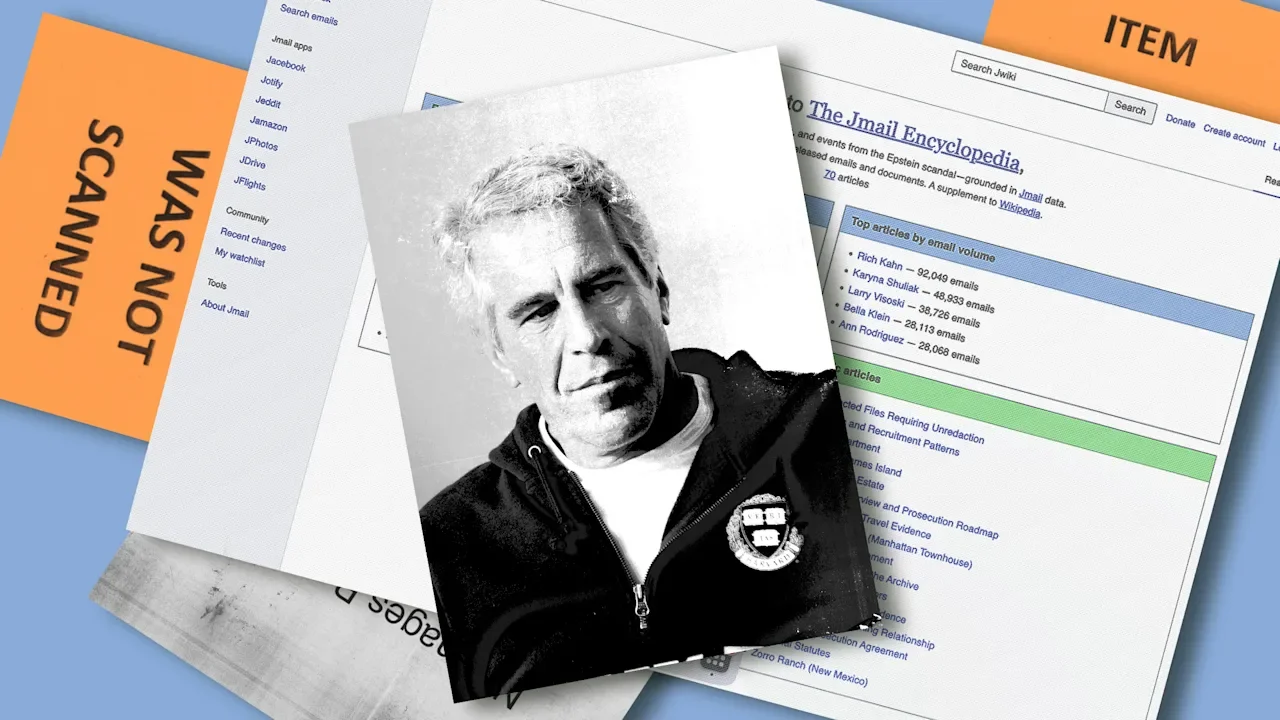
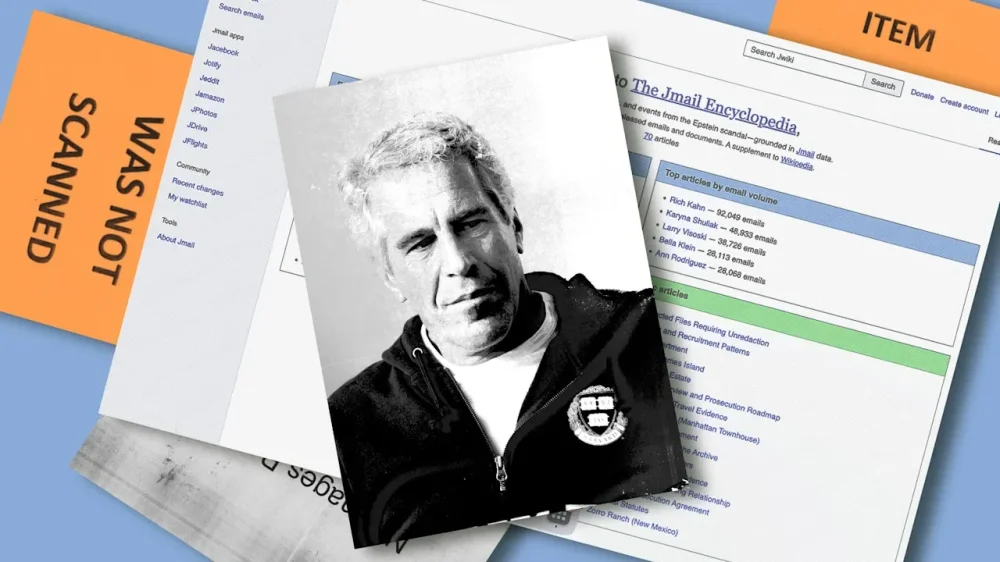
On February 2, wellness influencer Peter Attia stepped down from his role as chief science officer at the protein company David. On February 12, Goldman Sachs’ top lawyer Kathryn Ruemmler announced her resignation from the company. And on February 13, Hollywood agent Casey Wasserman revealed that he would sell his talent agency. All of these business execs worked in very different spheres, but their sudden departures can be traced back to the same point of origin: their names cropped up again and again in the Department of Justice’s (DOJ) latest trove of Epstein files, released in late January. Over the past few weeks, many prominent figures have stepped down from their high-profile positions amidst growing scrutiny over their relationships to the convicted sex offender Jeffrey Epstein. A new tool called “Jwiki” is dedicated to compiling all of that information in one place—on, as the name suggests, a webpage designed to mimic Wikipedia. It’s the latest interface from a team of developers who have spent the last several months converting the notoriously dense and convoluted Epstein files into easily searchable interfaces, condensing about 3.5 million pages of material spread across .txt files, zip files, and Google Drive folders into recognizable formats. With Jwiki, instead of sifting through all of the Epstein files for individual mentions of various public figures (a nearly impossible task for members of the public), users can simply search their name and receive a succinct summary of their involvement with Epstein. How two technologists build the “Jsuite” Jwiki comes courtesy of a team led by technologists Riley Walz and Luke Igel. Walz has previously built several viral websites, including San Francisco’s “Tech Jester” and a tool to track the city’s parking cops. In November 2025, Igel, who’s the CEO of an AI company called Kino, requested Walz’s help with a tool to demystify Epstein’s emails. They built the first iteration in just one night. That initial tool, called Jmail, allows users to wade through Epstein’s seemingly endless email correspondence in a Gmail-style interface. To build it, Walz and Igel used Google’s Gemini AI to run optical character recognition (OCR) on the individual emails and map it onto a simulation of Epstein’s actual inbox. Since then, Walz and Igel have relied heavily on vibe coding to expand the Jsuite into other apps like Jamazon; which tracks Epstein’s Amazon orders through receipts; Jflights, which converts his flight data into a searchable map; and Jphotos, which compiles the files’ thousands of photos into one massive folder. In an interview with the publication Arena on February 12, Walz and Igel said that the Jsuite is receiving an average of 10,000 visitors daily, with a peak of well over a million visitors in a single day. How to use Jwiki According to a post from the official Jmail account on X, Walz and Igel’s team built Jwiki using their existing Jmail data. Upon first opening the site, users are greeted with a homepage that includes sections for a daily featured article, top articles by email volume, and top articles by viewership. The wiki includes entries on people, places, and events referenced in the files. Users can either click on one of these displayed entries or look into their own areas of interest via a search bar. Clicking on Lesley Groff, Epstein’s longtime executive assistant, for example, leads to a Wikipedia-style summary that includes a breakdown of her background, correspondence with Epstein (a whopping 224,747 emails), personal connections, and visits to Epstein’s properties. It also includes a concluding section called “Criminal Exposure Assessment,” which, according to Jmail’s post on X, “cites U.S. codes that people may have been breaking as seen in the Jmail record.” “We believe that the US government has a responsibility to fully investigate the people implicated by these files,” the X post reads. Each Jwiki entry comes with the important caveat that its contents were generated by AI, meaning it’s fairly likely the resource is peppered with some inaccuracies and potential hallucinations. To address that concern, the Jmail team announced on X on February 18 that they’d opened the site for public contributions. Users can now sign in, propose edits to articles, and view the full revision history of every change. The edits are then reviewed and either approved or denied by a team of admins. Ultimately, the team says, its goal is “Wikipedia-style open editing, where the articles self-correct.” As the Epstein files slowly begin to bring powerful business leaders to account (albeit not in a court of law), Jwiki is one of the best tools available to the public so far to understand exactly what the rich and powerful were up to behind closed doors. View the full article
-
US president says Diego Garcia military base may be needed for strikes on IranView the full article
-
In terms of gathering customer feedback, choosing the right survey tool is crucial for effective results. Each tool offers unique features customized to different aspects of customer satisfaction. For instance, ProProfs Survey Maker is ideal for thorough surveys, whereas Qualaroo focuses on sentiment analysis. Grasping these differences can help you select the best option for your needs. So, which tool will you find most beneficial for enhancing your customer engagement strategy? Key Takeaways ProProfs Survey Maker offers customizable templates and a drag-and-drop editor for easy survey creation, enhancing user experience. Qualaroo utilizes nudge technology for unobtrusive feedback collection, focusing on customer sentiment analysis with AI-driven insights. Typeform engages respondents with a one-question-at-a-time format and supports multimedia questions for richer feedback collection. SurveyMonkey provides advanced analytics and real-time data visualization, helping identify trends and patterns in customer feedback. Qualtrics excels in customer experience management, integrating feedback for a holistic view and employing AI-driven predictive analytics for insights. ProProfs Survey Maker: Best for Comprehensive Customer Feedback Surveys With regard to gathering customer feedback, ProProfs Survey Maker stands out as a top choice for creating thorough surveys. This professional survey software offers over 100 customizable templates and a drag-and-drop editor, making it easy for you to design an extensive customer research survey. You can choose from various question types, such as multiple-choice, star ratings, and open-ended questions, ensuring diverse feedback collection. ProProfs likewise integrates seamlessly with popular tools like Freshdesk and Zendesk, enhancing its functionality. One of its best features is the detailed reporting capabilities, which include charts and graphs for easy visualization of your survey results. This makes analyzing customer satisfaction of McDonald’s or any other brand straightforward. As a free anonymous feedback tool, ProProfs is among the best survey tools available for conducting online customer satisfaction surveys, ensuring data security and reliability throughout the process. Qualaroo: Best for Customer Sentiment Analysis Gathering customer feedback isn’t just about collecting data; it’s furthermore about comprehending how customers feel about your brand. Qualaroo stands out as a leading tool for customer sentiment analysis, utilizing innovative nudge technology that unobtrusively prompts users for feedback during their website interactions. With AI-driven sentiment analysis, the platform helps you accurately interpret customer responses and emotions, making it invaluable for surveys market research. Qualaroo supports multi-language surveys, enhancing your reach across diverse markets. You can likewise customize survey designs to align with your brand aesthetics, ensuring a cohesive experience. Its real-time reporting features offer immediate insights, enabling quick decision-making and responsive strategies. Whether you’re exploring online survey jobs from home or looking for the best survey websites, Qualaroo serves as an influential resource. Furthermore, it includes free survey tools, making it accessible for businesses of all sizes. Typeform: Best for Engaging Customer Feedback Surveys In relation to collecting customer feedback, Typeform stands out by offering an engaging and interactive survey experience. This platform is among the best survey sites because of its unique one-question-at-a-time layout, which improves user experience and boosts response rates. With customizable templates, you can align your surveys with your branding, making them visually appealing and professional. Typeform also supports multimedia questions, allowing you to gather richer insights through images, videos, and audio clips. This feature can greatly improve the quality of feedback you receive. Furthermore, real-time response tracking means you can analyze feedback as it comes in, facilitating timely decision-making. With pricing starting at $35 per month, Typeform is a viable option for businesses seeking to improve their customer feedback collection. As a top-rated survey company, it’s a strong choice among good survey websites and product survey tools, especially for online surveys in Canada. SurveyMonkey: Best for Survey Analysis With regard to analyzing survey data, SurveyMonkey is a top choice for businesses looking to extract meaningful insights. It offers advanced analytics and reporting tools that help you derive actionable insights from your survey for business efforts. With real-time data visualization through charts and dashboards, interpreting results becomes straightforward. Its AI-powered insights feature identifies trends and patterns, enhancing your decision-making process. Here’s a quick comparison of SurveyMonkey’s features: Feature Description Analytics Tools Advanced reporting and data analysis Customization Options Wide range of templates and question types Starting at $25 per user per month, it’s one of the best-rated survey sites. Whether you’re conducting a company research survey or looking for an anonymous survey app, SurveyMonkey is among the best survey apps available, making it easy to take survey responses and gather additional survey data effectively. Qualtrics: Best for Customer Experience Management Though many platforms offer survey capabilities, Qualtrics stands out as the best tool for customer experience management due to its thorough approach to gathering feedback across various touchpoints. This platform excels in feedback integration, providing a holistic view of customer sentiment. With advanced analytics features, you can identify trends, pain points, and opportunities for improvement, which drive actionable insights. Furthermore, Qualtrics employs AI-driven predictive analytics to forecast customer satisfaction and loyalty, enabling you to take proactive measures to improve the customer experience. The extensive customization options allow for in-depth research, ensuring that you gather the most relevant data for your needs. In addition, customized solutions are available, accommodating organizations of all sizes with flexible pricing that fits your budget. Frequently Asked Questions What Are the Three Online Survey Tools? When you’re looking for online survey tools, consider SurveyMonkey, Qualtrics, and Typeform. SurveyMonkey offers various templates and advanced analytics, whereas Qualtrics focuses on customer experience management with AI-driven insights. Typeform stands out with its engaging, interactive design that presents one question at a time. Each tool caters to different needs and budgets, providing options from free to premium plans, ensuring you can find a solution that fits your survey requirements effectively. What Are the 3 C’s of Customer Satisfaction? The 3 C’s of customer satisfaction are Consistency, Communication, and Customer Experience. Consistency means providing reliable service or product quality, which builds trust. Effective Communication involves swiftly addressing customer concerns and offering clear information. Customer Experience refers to the overall path a customer takes with a brand, influencing their satisfaction and likelihood to return. What Is the Best Online Survey Tool? When choosing the best online survey tool, consider your specific needs. SurveyMonkey is versatile and user-friendly, starting at $25 per user monthly. Qualtrics offers advanced analytics but requires custom pricing. If you want engaging designs, Typeform starts at $35 per month. For a free option, Google Forms allows easy data collection, though it’s less customizable. Zoho Survey provides various question types and real-time reporting, with plans starting at $20, making it a solid choice. What Are CSAT Tools? CSAT tools measure how well your products or services meet customer expectations through structured surveys. They typically use a rating scale, such as 1-5, to assess satisfaction levels. You can calculate CSAT scores by dividing the number of satisfied customers by total respondents and multiplying by 100. Many tools offer analytics to identify trends and integrate with CRM systems, providing a thorough view of customer interactions and feedback. Conclusion In summary, selecting the right tool for online customer satisfaction surveys is crucial for gathering valuable insights. ProProfs Survey Maker, Qualaroo, Typeform, SurveyMonkey, and Qualtrics each offer unique features customized to different needs, from thorough feedback to advanced analytics. By leveraging these tools, you can effectively understand customer sentiment, improve engagement, and make informed decisions to enhance your business services. Prioritizing the right platform guarantees you maximize the effectiveness of your customer feedback strategies. Image via Google Gemini This article, "5 Essential Tools for Online Customer Satisfaction Surveys" was first published on Small Business Trends View the full article
-
Minutes from January meeting show US policymakers saw risk that price growth will remain above 2%View the full article
- Today
-
Residential lending remains steady in select cities as resilient housing markets, strong employment, limited supply, and migration trends shape borrower demand. View the full article

-
Emerald Fennell’s Wuthering Heights is a love-it-or-hate-it kind of film—and for the most part, critics are falling in the “hate it” camp. The new adaptation of Emily Brontë’s classic novel is catching flak as critics say it oversimplifies a complex story of generational trauma and racial tension into a straightforward romance laced with Fennell’s signature shock value (she’s also the director behind Promising Young Woman and Saltburn—infamous bathtub scene and all). But a recent comment from star and producer Margot Robbie takes criticism out of the equation, instead saying that as an artist, critics’ opinions never cross her mind. At a recent panel for Vogue Australia, Robbie—given her dual role as producer and leading actress—was asked how much she thinks about her audience while making a movie, as opposed to immersing herself in the story. “I consider audience always. I’ve never, ever been on set and thought, ‘What are the critics going to think of this?’” Robbie replied. “I’m like, ‘What’s an audience going to feel right now? What’s their emotional response going to be?’ “I just believe you should make movies for the people who are going to buy tickets to see the movies,” Robbie added. “It’s kind of as simple as that.” Margot RobbieEmerald Fennell Robbie has produced all three of Fennell’s films, but Wuthering Heights is the first she appears in. “I love working with Emerald [Fennell] because she always prioritizes an emotional experience over a heady idea,” Robbie said. “She’ll let a cool idea fall by the wayside to offer the option that is going to be most exciting for an audience.” Robbie’s take was immediately divisive online. Some fellow filmmakers, including Cobra Kai writer and director Jon Hurwitz, echoed Robbie’s sentiment. “This is the way. Audience first. Always,” Hurwitz wrote in a post on X. This is the way. Audience first. Always. https://t.co/oX8hRlVH7M — Jon Hurwitz (@jonhurwitz) February 18, 2026 But others took issue with Robbie’s reading, noting that it frames films more as commercial products than as works of art—not to mention that critics are audience members themselves. Critic and editor-in-chief of AwardsWatch Erik Anderson pointed out that “actors and directors never say this when their films get good reviews” in his own response to Robbie’s statement. Why do actors and directors never say this when their films get good reviews https://t.co/PLl1LhFHhl — Erik Anderson (@AwardsWatchErik) February 18, 2026 On Rotten Tomatoes, Wuthering Heights is currently labeled “rotten,” with a critic score of 59%. In his review, The New Yorker’s Justin Chang deemed the adaptation “extravagantly superficial.” For The Guardian, Adrian Horton dubbed it a “big movie with a very small mind.” And in a take that went viral, Vulture’s Allison Willmore called the film “Fennell’s dumbest movie,” while also praising it as “her best to date.” That appeal to the lowest common denominator is working for Wuthering Heights, at least on a commercial level. The film made $83 million globally over the Presidents’ Day holiday weekend, debuting as the number-one movie in North America. Robbie’s audience-first philosophy clearly gets butts in seats—but if every creative ditches their “heady ideas” in favor of broad appeal, the future of film as an art form doesn’t look quite as promising. View the full article

-
Last week, we talked about workplace romance gone either wrong or right, and here are 12 of my favorite stories you shared. 1. The emergency deployments The company I worked for occasionally had to respond to statewide emergencies (think every two years). When these happened, you had to go work in a different location and fill roles for the emergency. So a team lead on emergency could just be a support staffer at their day job or a middle line manager could become the states liaison with the feds. Somehow this change in location and status made people lose their minds. The sudden power made the person “sexy”: coworkers (often married) would begin affairs with this person. There was drama and fights as this newfound power showed itself in personal favors, petty revenge, and love triangles. And then … the emergency was over and we returned home and there was (somehow as a surprise) fallout as people realized they had to still work with the coworkers they had slept with/ backstabbed / caught in affairs / tried to seduce. Mind-boggling. And guess what happened on the next emergency deployment? 2. The sofa Many years ago, we had a sitting area adjacent to the women’s bathroom that had a beautiful sofa in it. We redecorated one year and I asked what was to become of the sofa because I really liked it and if they were donating it, I would be happy to take it off their hands. I was promptly told by our Administrator that I would not like that sofa due to the fact it was the ‘after hours meet up sofa.’ Apparently, on SEVERAL occasions, housekeeping walked in on numerous employees throughout the years, having sex after hours on said couch. I did not take the sofa. 3. The declaration Coworker and I were best work buddies for two years at a distribution center. One day he walked up to me and said, “OP, I love you.” I cheerily told him I loved him, too. He said, “No. I mean I really love you.” I was stunned, thought about it, and eight months later we were married. We retired together in 2010 and will celebrate 27 years in July. 4. The annual conference We had a couple from different states that had a “Same Time Next Year” relationship at the annual conference. They were both married with kids at home but hooked up all week at the conference. They were not discreet about it. 5. The sandwich maneuver Over the first couple of months on a new job, I got to know one of the managers gradually because my work overlapped with his area of responsibility. I didn’t particularly care for him, he was kind of a jerk, honestly. I had heard workplace gossip about someone who had just gotten married a few months ago and was already getting divorced because his wife was cheating on him. It was this man, and it seemed to explain why he acted like a jerk at times. As I got to know this man, another coworker pointed out he was spending more time “explaining work things” to me than I needed. She said she thought he liked me. I will admit, he had started to grow on me. But dating him seemed like too much of a trainwreck: 1) my own rule about not dating coworkers; 2) his recent separation and pending divorce; 3) he was a manager, though not my manager. One day he asked for half of my Subway (footlong) sandwich, saying he hadn’t brought lunch and didn’t have time to go out and get lunch. I was planning to eat half for lunch, half for dinner because I was taking night classes at the time. And I think he knew that, but I explained it anyway. And he said, without missing a beat, “I’ll buy you dinner.” We had dinner later that night after my class. That was a Wednesday night. It sounds crazy, but by Sunday evening, we both decided we really liked each other and wanted to keep seeing each other and no one else. We kept it secret at work for a couple of months. And we got married a little over two years later. We were married for just over 34 years and still would be — we are not only because this amazing man passed away two years ago. I found out later that the same coworker who had told me she thought he liked me had also told him to “stop going in her office and drooling all over her, and just ask her out.” So glad this coworker helped nudge us together. 6. The printer gambit I met my partner when I was an undergrad at a university where he was IT staff. (He’d dropped out and become full-time staff so we were the same age.) Some very romantic early gestures included: fixing the common printer queues so my print jobs would jump ahead of everyone else’s, and altering all the computer clusters to replace Clippy with the cat version of Clippy, because Clippy annoyed me so much. Probably technically an abuse of his employee privileges but I was smitten. (And still am lo these 26 years later, where he’s now my in-house sysadmin and continues to keep my computing technology running smoothly and with love.) 7. The poison ivy I worked at a boarding school where faculty and staff (and their families) all lived on campus. A staff member had an affair with another staff member’s husband. They had claimed that they were just friends due to a shared interest in cycling. The affair came to light when they both got horrible poison ivy, including in places that would not normally be exposed on a bike ride. 8. The food I met my husband at work when we were both 20 years old working in a terrible restaurant that was really exploitative. I was waiting tables and he was a line cook. The restaurant made me waive my right to breaks, and one day I was so busy waiting tables that I didn’t eat for nine hours and was starting to feel sick. We weren’t allowed to eat any of the restaurant food without paying for it, and I was completely broke at the time. I had been at the job about a month, and my husband (who I had never spoken to), made me a really REALLY nice plate of food and snuck it out to me. I think I fell in love in that exact moment. We’ve been together 10 years now. 9. The hotel room Very early in my career, I worked for a small consultancy where two key staff were working on a project for the same client and every time they went for an on-site, we would book them a hotel for a couple of nights. Well, over the months, sparks flew and they fell in love, but kept it very very quiet … until the day where their quarterly trip to Big City fell in the week of a big conference and we were only able to book one hotel room at the last minute. When I sheepishly confessed that one of them would have to skip the trip because I’d left it too late to book two rooms at the hotel, the man went pink and the woman laughed and said, “Sweetie, don’t worry about it – we only ever use one room anyway.” I’d say that was the most awkward conversation of my career except that it wasn’t, because a few months later I had to explain to the client’s accountant why we were now only billing them for one hotel room. (The happy couple will be celebrating their 17th wedding anniversary in a couple of weeks.) 10. The invitation I accidentally went on a date with a coworker. He asked me what I was doing after work and I told him without realizing that he was asking if I wanted to do something together. So he tagged along, I hated it, he was apologetic, and we’ve been married for 16 years now. 11. The alleged rumor One late afternoon, at the very end of the workday, my entire department — which was made up of lots of sub-departments — was called up to the floor where the executive offices were. The conference room couldn’t hold all of us, so the VP gathered everyone in that floor’s lobby and told us … … that we should stop spreading rumors about [male employee several rungs above me on the corporate ladder] and [female employee who reported to that male employee] and we especially needed to stop saying that they were having after-hours sex on the table of the conference room that we all couldn’t fit into. I had only ever heard the male employee’s name, and only in reference to him being the head of Sub-Department X. And I had never even heard of the female employees name. I for sure had never heard any of those rumors before, but I absolutely knew about them afterward! 12. The successful holiday party date I’m the letter-writer for this letter. We’ve been together 10 years today! The post the sandwich maneuver, the poison ivy, and other stories of workplace romance appeared first on Ask a Manager. View the full article
-
Below, Jennifer Reid shares five key insights from her new book, Guilt Free: Reclaiming Your Life from Unreasonable Expectations. Jennifer is a psychiatrist, assistant professor at the University of Pennsylvania, and busy mom of two boys. She is also the creator, host, and author of A Mind of Her Own podcast and Substack newsletter. What’s the big idea? Women are socialized to feel constant guilt—not because they are doing something wrong, but because they are held to impossible expectations. This guilt can be unlearned by understanding its roots and replacing self-criticism with healthier ways of caring, motivating, and relating. Listen to the audio version of this Book Bite—read by Jennifer herself—in the Next Big Idea App. 1. Guilt: the good, the bad, and the ugly. Guilt, in certain circumstances, can be a helpful emotion. For centuries, humans have used guilt to help them connect, collaborate, and build community because the ability to feel guilty when we’ve harmed someone expresses to them that we care enough to feel badly about what has happened. It also motivates us to try to make a repair. Guilt begins to lose its benefit, though, when we are victims of manipulative guilt, whether from our families, our social networks, or in our cultural experiences. “Gosh, I wish you were able to visit us more often, but I guess you’re really busy with your big, important job.” Manipulative guilt can feel pretty terrible. The most toxic guilt, however, is the type of guilt so many women feel almost constantly. This generalized, self-critical guilt leads to thoughts like, “Why can’t I do anything right?” and “Why don’t I ever feel like I’m doing enough?” Rather than responding to a particular harm we’ve committed, we’re feeling guilty for falling short on several sky-high, unreasonable expectations. Importantly, this is not because we are getting something wrong. This is something women have been socialized to experience, often from a very young age, by the people who care for us and the culture during our lives. We are taught to feel guilty, and we are excellent students. 2. The Four Furies of expectations. Our guilt triggers are incredibly diverse, involving our roles as friends, sisters, daughters, mothers, romantic partners, and employees. But the foundation of all this guilt is based on just two key factors: our expectations and our perceived reality. This is the Guilt Equation, which tells us that our guilt increases when what we believe we should be doing (our expectation) doesn’t match what we’re able to accomplish (our reality). If, for example, we believe a good mother would never forget to pack a bagged lunch on a field trip day, and it slips our mind, here comes the intense guilt. The often unreasonably high expectations women face tend to fall into four main categories, which I call the Four Furies: We are expected to be constant caretakers, making sure everyone in our lives has everything they need, even if this means (and it often does) that we put ourselves last. We must be hyper-accountable, especially for other people’s thoughts and feelings, even though we don’t have any actual control over these: “Mom seems sad. If I were a good daughter, I would be able to say the right thing to cheer her up.” We are expected to strive for perfection in all things, but especially in our bodies, our minds, and our self-control. We should be able to have it all, balancing each of our responsibilities effortlessly, even when we feel totally overwhelmed. 3. Guilty can be sneaky. Before beginning the process of lowering this guilt, it’s important to recognize another fundamental truth: guilt may be serving us in a variety of ways. We may believe we need this guilt because it provides us with something we really want—motivation. After all, if we don’t feel guilty for skipping a day at the gym or berating ourselves for choosing to sleep in a little instead of getting up with our alarm, then doesn’t this mean we will simply give up on ourselves? Guilt can also become a protective stand-in for emotions we don’t feel safe feeling, much less expressing, such as anger or frustration. We tell ourselves, “I shouldn’t be so upset that my partner didn’t do what I asked. He’s been really stressed at work, and I should be more understanding.” These “benefits” of guilt, however, are costly because they force us to believe we are getting something wrong, relying on harmful self-criticism to push us toward a goal. Or we repeatedly shift these difficult thoughts and feelings inward where they continue to make us miserable, with no relief in sight. Instead of guilt, we can learn to tap into healthier and more beneficial strategies, such as using self-compassion to enhance motivation and allowing ourselves to experience the full range of natural human emotions. We can also focus our all-important attention on the ways we are already showing up, and the many things we are doing well. “Guilt can also become a protective stand-in for emotions we don’t feel safe feeling, much less expressing, such as anger or frustration.” In addition, although we can’t control the thoughts and feelings of people in our lives, we can shape our interactions with them through crucial communication strategies, including learning to accept disappointment in ourselves and others, being clear and consistent with our boundaries, and practicing the powerful art of delegation, even when we’re met with an eye roll or other clear expressions of frustration. 4. We can SPEAK up for less guilt. To learn concrete steps for lowering guilt, I’d like to introduce SPEAK: Showing Up Paying Attention Examining the Evidence Taking Action Keep Going By showing up, you are telling yourself that you are important enough to warrant time, attention, and care, which is no small thing. Paying attention involves becoming a curious, non-judgmental observer of your thoughts and feelings throughout the day, which later allows you to examine the evidence for helpful clues about your own unique guilt triggers. As you gain these crucial insights, you can begin to take action. This is not a one-size-fits-all approach but instead, it allows you to use the strategies you find most helpful. You could challenge unreasonable expectations by learning to limit unhealthy comparisons, especially with strangers on social media. You can rewrite unfair childhood scripts such as being labeled “the girl who took care of everybody,” by learning about cognitive restructuring, which involves treating your initial guilty or self-critical thoughts as rough drafts, rather than the final product. You can strengthen your sense of self-efficacy by adopting a growth mindset and using tools from positive psychology to reject the idea that you must be perfect to be loved. Finally, and most importantly, you can vow to just keep at it, every single day. 5. Lowering guilt for ourselves and future generations. We have been socialized to feel guilty, repeatedly reminded that we should be striving for unreachable levels of caretaking, accountability, perfection, and life balance. This has not occurred on an individual level, however, but rather as a delayed shift of the expectations women continue to face, even as we’ve fought for and achieved more opportunities to create the families, careers, and lives we most desire. “This can be our legacy: living our best lives with far less guilt.” But this also represents an opportunity for massive change. Much has been written about intergenerational transmission of trauma, a powerful influence on future populations down to the level of their gene expression. What this suggests is the considerable potential for women of this time—through our refusal to continue living with constant guilt, unfair expectations, and overlooked contributions—to create a cascade of agency and empowerment that affects generations of women to come. This can be our legacy: living our best lives with far less guilt. Enjoy our full library of Book Bites—read by the authors!—in the Next Big Idea app. This article originally appeared in Next Big Idea Club magazine and is reprinted with permission. View the full article

-
Team building games play an essential role in enhancing collaboration among team members. These activities can range from icebreakers to problem-solving challenges, each designed to improve communication and encourage teamwork. Engaging in these games not just strengthens relationships but also boosts overall productivity. In the following sections, you’ll discover five effective games that can transform your team’s dynamics and lead to more successful collaborations. Let’s explore how each game contributes to a cohesive work environment. Key Takeaways Icebreaker Questions: Use fun, personal questions to spark conversation and create connections among team members, enhancing communication and collaboration. Virtual Escape Rooms: Engage remote teams in problem-solving and teamwork as they work together to solve puzzles and escape within a time limit. Collaborative Drawing: Utilize online whiteboards for team members to draw together, fostering creativity and enhancing communication through visual collaboration. Outdoor Scavenger Hunt: Organize a scavenger hunt that promotes teamwork and strategic planning as teams work together to complete challenges and find items. Two Truths and a Lie: Encourage team members to share personal facts, fostering connections and trust while promoting a fun and relaxed atmosphere. Importance of Team Building Games Team-building games play a vital role in enhancing workplace dynamics, as they promote communication and collaboration among team members. Engaging in these activities, whether in-person or virtual, allows you to interact more frequently, which can lead to improved performance. Research shows that companies focusing on collaboration are five times more likely to perform at a high level. Team-building activities for schools and fun group games can likewise increase team morale, contributing to a 21% rise in profitability for highly engaged teams. When you participate in games for large groups or the best games for big groups, you develop significant problem-solving skills and innovative thinking. These good games for large groups help identify individual strengths, leading to a 12.5% increase in overall productivity. In the end, team-building games create a supportive environment that encourages growth, making them indispensable for any organization aiming for success. Icebreaker Games to Foster Communication Encouraging communication among team members is crucial for a cohesive work environment, and icebreaker games serve as an effective tool to achieve this. These icebreaker games, such as “Two Truths and a Lie” or “Would You Rather?”, promote personal connections and create a relaxed atmosphere ideal for teamwork. When you incorporate fun big group games into meetings, you help set a positive tone, making it easier for everyone to express ideas. Additionally, these group games for large groups improve engagement, leading to a reported 21% increase in profitability, according to a Gallup report. By utilizing party games for adults in large groups, you boost morale and collaboration. Studies reveal that successful teams communicate face-to-face or via videoconferencing 12 times more than less successful ones, emphasizing the importance of these icebreakers in establishing effective communication. Problem-Solving Games for Teamwork How can problem-solving games improve your team’s ability to collaborate and innovate? By engaging in problem-solving activities, your team can boost critical thinking skills and cultivate creativity in a supportive environment. Popular options include classroom team building games and group party games designed to challenge participants. These games for big groups often require effective communication and diverse perspectives, which strengthens interpersonal relationships and trust among team members. Research indicates that 77% of CEOs struggle to find the necessary creativity and innovation skills within their workforce. Problem-solving games create low-stakes environments for experimentation, building resilience and adaptability—traits vital for maneuvering workplace challenges. Ultimately, teams focusing on these experiences can achieve significant improvements in performance and collaboration, leading to higher overall productivity and engagement. Consider incorporating games to play with large groups or family games for big groups to maximize your team’s potential. Outdoor Team Building Activities Outdoor team building activities offer a dynamic way to improve collaboration and problem-solving skills during the use of natural settings. These activities encourage team bonding through shared experiences and promote physical fitness. Engaging in outdoor challenges, like obstacle courses or scavenger hunts, cultivates strategic planning among team members, enhancing their ability to work together under pressure. Here are some popular outdoor games to reflect on: Game Type Description Big Group Games Fun activities for large gatherings Outdoor Games for Large Groups Engaging challenges in open spaces Party Games for Large Parties Interactive games that boost morale Games to Play with Groups Versatile activities for team bonding Large Family Games Inclusive fun for extended families These activities often require minimal setup, making them adaptable to various team dynamics. Studies show companies promoting collaboration through outdoor activities achieve high performance more efficiently. Virtual Team Building Games for Remote Teams As remote work becomes more prevalent, how can teams maintain strong connections and collaboration? Virtual team building games offer an effective solution, helping remote teams bond and improve teamwork. Here are three engaging options to reflect on: Virtual Escape Rooms: These promote teamwork by requiring players to solve puzzles collaboratively within a set time, making them ideal for small groups. Who Am I? Stickers: Using platforms like Zoom or Microsoft Teams, participants guess interesting facts about each other, increasing engagement and rapport. Collaborative Drawing: Online whiteboards allow team members to express creativity together, deepening communication bonds. These activities can easily be adapted from large group kid games indoor to party games for large groups. They’re among the best games for large groups and can be enjoyed by games for 12 people or even outdoor games for big groups when shifting back to in-person events. Frequently Asked Questions What Are Some Games That Encourage Teamwork? To encourage teamwork, consider games like collaborative drawing, where you and your team create a shared artwork on a digital whiteboard. Scavenger hunts motivate you to find items together, enhancing problem-solving skills. Back-to-back drawing nurtures effective communication as one person describes an image as the other draws. Mini hackathons allow quick brainstorming sessions for innovative solutions, whereas office trivia tests your collective knowledge, promoting camaraderie and collaboration among team members. What Are the Fun Games for Work on Teams? For effective teamwork, consider games like “Two Truths and a Lie,” which promotes personal sharing, or “Human Bingo,” enhancing connection among team members. Engaging in scavenger hunts can improve problem-solving skills, whereas trivia contests encourage friendly competition. Icebreakers such as “Would You Rather?” facilitate communication, breaking down barriers. Incorporating creative activities like brainstorming sessions can boost innovation and collaboration. These games collectively help strengthen relationships and improve overall team dynamics in the workplace. What Are Fun Activities for Team Bonding? For effective team bonding, consider activities like icebreakers, scavenger hunts, or problem-solving challenges. Icebreakers, such as “Two Truths and a Lie,” encourage personal connections. Scavenger hunts promote teamwork and collaboration, aligning with common goals. Furthermore, engaging in problem-solving games can spark innovative thinking. These activities not merely improve communication but likewise improve overall team performance, making members feel valued and connected, which can lead to increased productivity and reduced turnover rates. What Is the 21 Questions Game for Coworkers? The 21 Questions Game is a structured activity where coworkers take turns asking each other open-ended questions. Each participant answers these questions, which can range from light-hearted to serious topics. This game encourages sharing of personal stories and preferences, promoting better comprehension among team members. Conclusion Incorporating team building games into your workplace can greatly improve collaboration and productivity. By engaging in icebreaker activities, problem-solving challenges, outdoor adventures, or virtual experiences, you create opportunities for team members to communicate effectively and strengthen their relationships. These games not just encourage a supportive environment but likewise promote strategic thinking and creativity. In the end, prioritizing team building activities can lead to improved performance and a more cohesive team dynamic, crucial for achieving organizational goals. Image via Google Gemini This article, "5 Fun Team Building Games to Enhance Collaboration" was first published on Small Business Trends View the full article
-
It now takes more than 23 weeks on average for an unemployed person in the US to find a new job. For 1 in 4 unemployed people, or 1.8 million Americans, they are still job hunting six months later. Long-term unemployment is now at its highest level in three years. That’s not great news for those affected by the layoffs sweeping through companies like Target, Amazon, Nike and Pinterest in the first months of the year. As of January 2026, there are 386,000 more long-term unemployed Americans—those who have been looking for jobs for more than 27 weeks—than there were in January 2025. How did we get here? A “low-hire, low-fire” environment defined much of 2025 and is now carrying over into 2026. While this has kept the unemployment rate historically low, at just over 4% in December, news of corporate layoffs were—and still are—never far from the headlines. The outplacement firm Challenger, Gray & Christmas reported that companies slashed more than 108,000 jobs last month, the most since October and the worst January for job cuts since 2009. U.S. employers added just 181,000 jobs in all of 2025, compared to 1.46 million in 2024. Private employers added 22,000 jobs in January, payroll processor ADP reported last week, again far fewer than economists had predicted. Another upshot of a “low-hire, low-fire” environment—fewer people quitting their jobs, with most opting to sit tight in their roles and ride out a tumultuous economy. This perfect storm means those in need of a job are having a harder time finding one. It’s simple math: The supply of job seekers is far outpacing demand. Roughly one million more people are seeking work than there were available jobs as of December, according to BLS data analyzed by Indeed. By now, they’ve also exhausted their 26 weeks of unemployment insurance benefits in many cases, which replace less than 40% of a person’s previous income on average. The long-term unemployment issue shows no signs of abating. Instead, faced with a stagnant market and a broken social contract, many are getting creative with solutions. The unemployed-to-self-employed pipeline has never been stronger. Others are channelling their inner doomsday prepper. Some, instead of spending their days poring over job listings or firing out résumés, are simply accepting their fate and reframing it as their funemployment era. Whatever the case—a lot of Americans are out of work. And staying that way for a long time. View the full article

-
Shipping software without structured release planning is how teams end up missing deadlines, overloading sprints and disappointing stakeholders. When priorities shift and features compete for attention, a clear release plan keeps development focused. Instead of reacting to chaos, teams move deliberately toward a coordinated, well-timed launch. What Is Release Planning? Release planning is the structured process teams use to decide what will be delivered in an upcoming software release and how that work will unfold over time. Rather than guessing what fits into a version, product managers and engineering leads review priorities, assess capacity, evaluate dependencies and sequence major features into a realistic timeline. The discussion typically includes product management, engineering, QA and sometimes stakeholders from marketing, sales or support. Trade-offs are made, assumptions are clarified and risks are surfaced before development accelerates. By the end of release planning, the team produces a release plan that outlines scope, timing and responsibilities, giving everyone a shared direction for execution. ProjectManager is an award-winning project portfolio management software that offers advanced planning, scheduling and tracking tools for software development and IT teams, allowing them to create visual roadmaps for their delivery plans, allocate resources, track costs and manage waterfall and agile workflows. Additionally, ProjectManager integrates with Jira, Azure Devops and features an open API that facilitates integration with other software development tools. Get started for free today. /wp-content/uploads/2024/02/light-mode-CTA-1600x918.jpgLearn more What Is a Release Plan? A release plan is a structured outline that defines what functionality will be delivered in an upcoming software version, when it will be delivered and how teams will coordinate to launch it. In software development, digital product management and IT environments, it connects business priorities to technical execution. It clarifies scope, sequencing, milestones and responsibilities so stakeholders share expectations. By organizing delivery into deliberate increments, a release plan reduces uncertainty and supports predictable, controlled deployments. Why Create a Release Plan? Across digital product management, software development and IT projects, a release plan acts as a living coordination tool rather than a static document. It evolves as priorities shift, capacity changes and risks surface. Teams rely on it to control scope, sequence delivery work and synchronize stakeholders around a clear, shared launch timeline. Enterprise IT & Digital Transformation Projects Large organizations frequently undertake enterprise IT and digital transformation projects to modernize systems, integrate platforms or automate operations. These initiatives affect multiple departments, legacy infrastructure and external vendors. Because changes must be introduced in controlled stages, release planning becomes essential to minimize disruption, manage dependencies and coordinate technical and business readiness. Enterprise resource planning (ERP) system implementation across finance, operations and procurement departments Cloud migration of on-premise infrastructure to hybrid or multi-cloud environments Company-wide CRM platform rollout with phased regional deployment Legacy system modernization replacing outdated core business applications Enterprise cybersecurity upgrade introducing new monitoring and access controls /wp-content/uploads/2025/05/IT-roadmap-template-featured-image.jpg Get your free IT Roadmap Template Use this free IT Roadmap Template for Excel to manage your projects better. Download Excel File Software Development Software development projects focus on building, enhancing or maintaining digital products that evolve through multiple versions. Features are delivered incrementally, defects are resolved continuously and user expectations shift quickly. Release planning provides structure so teams can group functionality into coherent versions, manage sprint capacity and deliver stable, predictable updates. Major SaaS product feature release introducing new subscription functionality Mobile application version upgrade with redesigned user interface API platform expansion enabling third-party developer integrations Performance optimization release targeting scalability and response times Security patch cycle addressing critical vulnerabilities across environments Digital Product Management Digital product management projects center on shaping, prioritizing and evolving customer-facing products over time. These initiatives connect strategy, market positioning and user feedback to delivery decisions. Because releases influence revenue, retention and competitive differentiation, release planning ensures features are bundled intentionally, purposefully timed and aligned with the business goals defined in the organization’s strategic plan. Subscription pricing model redesign with phased feature and billing adjustments Marketplace platform expansion introducing new seller onboarding workflows Customer analytics dashboard launch with segmented user access controls Freemium-to-paid conversion optimization initiative with gated premium features International product localization rollout with regional compliance updates What Should Be Included In a Release Plan? A strong release plan goes beyond dates and feature lists. It clarifies intent, boundaries and execution realities so teams understand exactly what they are committing to deliver and how success will be measured. Release Goals and Objectives Before sequencing work, teams must define release goals and objectives that anchor decision-making. These clarify what business problem the release is solving, what specific outcomes are expected and which KPIs will measure success after launch. They also determine whether the initiative is revenue-driven, compliance-driven, performance-driven or customer-driven, ensuring every feature supports a deliberate purpose. Scope and Feature Set Within a release plan, scope and feature set describe the exact work included in the upcoming version and the boundaries that prevent uncontrolled expansion. This section outlines the major functionality being delivered, the level of effort required and the items intentionally excluded so stakeholders understand what will and will not ship. Epics: Large bodies of work that group related functionality into meaningful product outcomes scheduled within the release. User stories or requirements: Detailed descriptions of functionality that specify what users need and how the system should behave. Enhancements vs bug fixes: Clear distinction between new capabilities being added and defects being corrected during the release cycle. Technical debt items: Refactoring, architectural improvements or code cleanup tasks included to maintain long-term system stability. Explicit exclusions: Features or requests intentionally deferred to future releases to control scope and protect delivery timelines. Timeline and Milestones No release plan is complete without a clearly structured project timeline and defined milestones that mark progress from kickoff to launch. This section lays out when work will occur, how it is sequenced and which checkpoints confirm readiness. By mapping time to deliverables, teams prevent last-minute compression and create shared expectations around delivery pacing. Sprint allocations: Distribution of epics and stories across specific sprints to match team capacity and priorities. Development phases: Broader sequencing of design, build and integration activities leading toward feature completion. Code freeze date: Agreed cutoff point when no new features are added to stabilize the release. QA start/end: Defined testing window that allocates time for validation, regression and defect resolution. UAT window: Period when business users validate functionality before final production approval. Go-live date: Official deployment milestone when the release becomes available to end users. Post-release review: Structured evaluation meeting to assess outcomes, performance metrics and lessons learned. /wp-content/uploads/2025/08/Milestones-Template-Screenshot-600x279.pngFree milestones template for Excel Dependencies and Risks Even well-scoped releases can derail if external constraints are ignored. Dependencies and risks identify factors that may influence delivery timing, stability or scope. By documenting these variables early, teams can adjust sequencing, secure approvals and prepare mitigation strategies before issues escalate and threaten the overall release plan. Cross-team dependencies: Work requiring coordination with other product, platform or operations teams before completion. Infrastructure readiness: Availability and stability of environments, servers and deployment pipelines needed for launch. Third-party integrations: External systems or vendors whose timelines directly affect feature delivery. Regulatory approvals: Compliance reviews or certifications required before releasing regulated functionality. Resource constraints: Limited developer capacity, competing priorities or staffing gaps impacting progress. Known technical risks: Identified architectural limitations or unresolved issues that could delay deployment. /wp-content/uploads/2024/11/Risk-assessment-template-screenshot-600x212.pngFree risk assessment template for Excel Resources and Roles Clarity around resources and roles ensures a release plan is grounded in real capacity and clear accountability. This section identifies who is responsible for decisions, who executes delivery work and who must be consulted or informed. By defining ownership upfront, teams reduce confusion, accelerate issue resolution and avoid last-minute escalations that stall progress. Product owner: Owns release priorities, clarifies scope decisions and approves trade-offs when constraints arise. Engineering leads: Guide technical direction, validate feasibility and coordinate development effort across teams. QA team: Designs and executes validation activities to confirm release stability and functional accuracy. DevOps: Manages deployment pipelines, environment readiness and rollback procedures supporting production launch. Stakeholders: Provide business input, review progress and confirm alignment with organizational objectives. Executive sponsor: Secures funding, resolves escalated conflicts and reinforces strategic commitment to delivery. Testing and Quality Assurance Plan Confidence in a release depends on a structured testing and quality assurance plan embedded within the release plan. This section outlines how functionality will be validated, what acceptance criteria must be met and how defects will be addressed. By defining testing activities in advance, teams protect stability and avoid rushing validation at the end of the cycle. Testing environments: Defined development, staging and production-like environments used to validate functionality safely. Regression testing scope: Clear boundaries identifying which existing features must be retested before release. Automated vs manual tests: Balanced approach combining scripted automation with exploratory manual validation efforts. Acceptance criteria: Specific, measurable conditions each feature must meet before approval. Performance/security testing: Validation activities ensuring scalability, reliability and protection against vulnerabilities. /wp-content/uploads/2024/10/test-plan-template-screenshot-600x272.pngFree test plan template for Excel Communication Plan Launching without structured communication creates confusion, even when the software works perfectly. A communication plan within a release plan outlines who needs information, what they need to know and when they need to hear it. It ensures internal alignment, prepares customers for change and supports adoption by coordinating messaging before, during and after deployment. Internal updates: Regular progress communications shared with teams to confirm timelines, scope adjustments and readiness milestones. Stakeholder briefings: Targeted sessions that review release scope, business impact and launch expectations with leadership. Customer announcements: External communications informing users about new features, changes or upcoming downtime. Release notes: Structured documentation summarizing delivered functionality, fixes and known limitations. Support team enablement: Training and documentation provided to support staff before launch to handle inquiries. Post-Release Monitoring and Evaluation Work does not end once deployment completes. Post-release monitoring and evaluation define how performance, adoption and stability will be assessed after go-live. This part of the release plan ensures teams track real-world impact, respond to incidents quickly and review results against original objectives to improve future release planning cycles. Internal updates: Ongoing operational reports tracking system stability and early performance indicators. Stakeholder briefings: Follow-up reviews evaluating whether release objectives and KPIs were achieved. Customer announcements: Additional communications addressing feedback, clarifications or incremental improvements. Release notes: Updated documentation reflecting patches, hotfixes or minor adjustments post-launch. Support team enablement: Continued knowledge sharing to address emerging issues and customer concerns. Who Participates in the Release Planning Process Ultimate accountability for leading release planning sits with the product manager or product owner. That role owns prioritization, facilitates trade-off decisions and ensures the release plan reflects business goals and delivery constraints. While many contributors shape the outcome, the product lead is responsible for driving alignment and securing commitment. The product manager defines release objectives, prioritizes features, negotiates trade-offs and approves final scope decisions, ensuring the release plan balances customer value, revenue impact and delivery feasibility. The engineering manager validates technical feasibility, confirms capacity assumptions and coordinates development sequencing, preventing overcommitment and aligning the release plan with architectural constraints. The development team provides effort estimates, identifies implementation risks and clarifies dependencies, grounding release commitments in realistic execution timelines rather than optimistic projections. The QA lead defines validation scope, testing timelines and acceptance standards, ensuring quality gates are embedded directly into the release planning process. The DevOps or infrastructure lead prepares deployment pipelines, environment readiness plans and rollback strategies, protecting operational stability during release execution. The UX or design lead confirms design readiness, usability validation requirements and asset completion, ensuring features included in the release plan are fully prepared for development. The executive sponsor reinforces strategic alignment, resolves escalated conflicts and secures organizational support, strengthening accountability behind release planning commitments. ProjectManager Can Help with IT & Software Development Projects ProjectManager is an award-winning project portfolio management software equipped with powerful features for IT and software development teams, such as Gantt chart roadmaps to manage delivery plans and project portfolios, dashboards for monitoring resource utilization, project costs and progress in real time and kanban boards for agile sprints and iterative planning. ProjectManager also offers robust resource management features such as workload charts to balance teams’ workloads and timesheets for detailed time tracking. On top of that, ProjectManager integrates with Jira and Azure DevOps and has an open API so that organizations can integrate its powerful project portfolio management features with their favorite tools. Watch the video below to learn more. Release Planning FAQ What Is the Difference Between Release Planning and Delivery Planning In Software Development? Release planning focuses on deciding what will ship in a specific version and when it will be made available to users. It sets scope boundaries, defines objectives and sequences major features. Delivery planning, on the other hand, concentrates on how the team will execute that work day to day. It translates release commitments into sprint tasks, resource assignments and short-term coordination activities needed to complete development. What Is the Difference Between a Release Plan and a Delivery Plan In Software Development? A release plan outlines the overall structure of an upcoming version, including scope, timing, milestones and launch expectations. A delivery plan drills deeper into execution details, mapping specific tasks, workload distribution and operational steps required to complete the work. While the release plan defines what will be delivered and when, the delivery plan explains how the team will get it done. The post Release Planning In Software Development: Making a Release Plan appeared first on ProjectManager. View the full article
-
Microsoft Advertising is rolling out multi-image ads for Shopping campaigns in Bing search results, giving ecommerce brands a richer way to showcase products and capture shopper attention before the click. What’s new. Advertisers can now display multiple product images within a single Shopping ad, letting shoppers preview different angles, styles or variations directly in search. The format is designed to make ads more visually engaging and informative, helping consumers compare options quickly without leaving the results page. How it works: Additional images are uploaded through the optional additional_image_link attribute in the product feed. Advertisers can include up to 10 images, separated by commas. The images appear alongside pricing and retailer information in Shopping results. Why we care. Multi-image ads could increase engagement and purchase intent by presenting a fuller picture of a product. More visuals can highlight features, colors and design details that a single image might miss. Discovery. The feature was first spotted by digital marketer Arpan Banerjee who shared spotting it on LinkedIn. The bottom line. Multi-image Shopping ads give retailers more creative flexibility and shoppers more context at a glance — a shift that could improve ad performance and reshape how products compete in search results. View the full article
-
A White House Council of Economic Advisers report published Tuesday found that the CFPB cost consumers between $237 and $369 billion since its creation, an analysis that consumer advocates and some financial academics say is flawed. View the full article

-
Gary Vaynerchuk prides himself on being ahead of the curve. As the chairman of communications company VaynerX and the cofounder of Resy, not to mention an angel investor in brands like Twitter, Facebook, Uber, and Venmo, he knows a thing or two about trends in business. And in a new interview with CBS Mornings, he shared what he thinks is to blame for consumer burnout: not advertisers, social media, or even consumers themselves—but modern parenting. “I think that parenting needs to be called out of the last 40 years,” Vaynerchuk said. “I believe that the burnout, the insecurity, all the stuff we talk about, I believe the reason we’re buying more stuff is, we’re using it as Band-Aids and glitter because we’re not strong enough to be secure in what we are and who we are and what we have.” What many people blame on an oversaturated market and the omnipresence of social media, Vaynerchuk attributes to overly lax parenting. After all, he says, being inundated with ads is nothing new. “We grew up with Lifestyles of the Rich and Famous. MTV Cribs had plenty of run,” he pointed out. “We want to blame technology for a much bigger issue, which is modern parenting misstepped. We don’t hold kids accountable, we don’t ground, we definitely don’t whoop.” Vaynerchuk claimed he receives “tens of thousands of DMs from 20-to-30-year-olds every month” that often cite frustration with being coddled by parents, from being tracked on apps like Life360 into adulthood, to having their lives bankrolled with no expectation of paying their family back. “We’re sending these kids into the real world, and we’re wondering why they’re depressed,” Vaynerchuk continued. “They’re depressed because they weren’t taught any accountability. Eighth place trophies for everyone.” “We’ve demonized losing, when losing is the teacher,” he added. Elsewhere in the interview, Vaynerchuk gave his predictions for the next big industry in America—live shopping, already a half-trillion dollar industry in China, “is where social media in 2009 was”—as well as for the future of artificial intelligence. “All of it is gonna lead to us having more time for leisure,” he said. “I think there’s a scenario where we go to a four-day work week because of efficiencies and subsidies from the biggest winners in AI.” “People are worried about losing money,” Vaynerchuk continued. “People are scared of losing their jobs. But the tractor was invented when 80% of us worked on farms 200 years ago, and we found new jobs . . . Instead of, ‘wah, wah, wah,’ what about, ‘Let me take control of it’? What about all the people that might get inspired by this interview, and get a job in three years that pays them three times more that they’re happy about, because they took the AI surfboard instead of putting their head in the sand?” View the full article

-
A new applied learning path from Microsoft Advertising is designed to help marketers get more value from Performance Max campaigns through hands-on, scenario-based training — not just theory. What’s happening. The new Performance Max learning path bundles three progressive courses that focus on real-world setup, optimization and troubleshooting. The structure is meant to let advertisers learn at their own pace while building practical skills they can immediately apply to live campaigns. Each course targets a different stage of expertise, from beginner fundamentals to advanced strategy and credentialing. What’s included: Course 1: Foundations Introducing Microsoft Advertising Performance Max campaigns covers the essentials. Ideal for beginners who want to understand how PMax campaigns work. Focuses on core concepts and terminology. Course 2: Hands-on setup Setting up Microsoft Advertising Performance Max campaigns provides a guided walkthrough. Designed for advertisers launching their first PMax campaign or refreshing their skills. Walks step-by-step through campaign creation and answers common setup questions. Course 3: Advanced implementation Implementing & optimizing Microsoft Advertising Performance Max centers on scenario-based applied learning. Targets advanced users developing strategic and optimization skills. Includes practical tools like checklists, videos and reusable reference materials. How it works. The third course introduces embedded support features that let learners access targeted educational resources mid-assessment via a “Help me understand” option. Users can review specific concepts in context and return directly to their questions. The benefit. Learners can spend more time on weak areas while quickly progressing through familiar material. Credential payoff. Completing the advanced course unlocks the chance to earn a Performance Max badge. The credential signals proficiency in implementing and optimizing PMax campaigns and applying best practices in real-world scenarios. The badge is digitally shareable and verifiable through Credly, making it easy to display on professional platforms like LinkedIn. Why we care. This update from Microsoft Advertising makes it faster and easier to build real, job-ready skills for running Performance Max campaigns — not just theoretical knowledge. The applied, scenario-based training helps marketers avoid common setup mistakes, optimize campaigns more confidently, and improve performance in live accounts. Plus, the shareable credential adds professional credibility, signaling proven expertise to clients and employers. The bottom line. The new learning path aims to close the gap between training and execution. By combining applied scenarios, embedded support and credentialing, it offers a structured route for advertisers to build confidence — and prove it — in Performance Max campaign management. View the full article
-
ChatGPT heavily favors the top of content when selecting citations, according to an analysis of 1.2 million AI answers and 18,012 verified citations by Kevin Indig, Growth Advisor. Why we care. Traditional search rewarded depth and delayed payoff. AI favors immediate classification — clear entities and direct answers up front. If your substance isn’t surfaced early, it’s less likely to appear in AI answers. By the numbers. Indig’s team found a consistent “ski ramp” citation pattern that held across randomized validation batches. He called the results statistically indisputable: 44.2% of citations come from the first 30% of content. 31.1% come from the middle (30–70%). 24.7% come from the final third, with a sharp drop near the footer. At the paragraph level, AI reads more deeply: 53% of citations come from the middle of paragraphs. 24.5% come from first sentences. 22.5% come from last sentences. The big takeaway. Front-load key insights at the article level. Within paragraphs, prioritize clarity and information density over forced first sentences. Why this happens. Large language models are trained on journalism and academic writing that follow a “bottom line up front” structure. The model appears to weight early framing more heavily, then interpret the rest through that lens. Modern models can process massive token windows, but they prioritize efficiency and establish context quickly. What gets cited. Indig identified five traits of highly cited content: Definitive language: Cited passages were nearly twice as likely to use clear definitions (“X is,” “X refers to”). Direct subject-verb-object statements outperform vague framing. Conversational Q&A structure: Cited content was 2x more likely to include a question mark. 78.4% of citations tied to questions came from headings. AI often treats H2s as prompts and the following paragraph as the answer. Entity richness: Typical English text contains 5% to 8% proper nouns. Heavily cited text averaged 20.6%. Specific brands, tools, and people anchor answers and reduce ambiguity. Balanced sentiment: Cited text clustered around a subjectivity score of 0.47 — neither dry fact nor emotional opinion. The preferred tone resembles analyst commentary: fact plus interpretation. Business-grade clarity: Winning content averaged a Flesch-Kincaid grade level of 16 versus 19.1 for lower-performing content. Shorter sentences and plain structure beat dense academic prose. About the data. Indig analyzed 3 million ChatGPT responses and 30 million citations, isolating 18,012 verified citations to examine where and why AI pulls content. His team used sentence-transformer embeddings to match responses to specific source sentences, then measured their page position and linguistic traits such as definitions, entity density, and sentiment. Bottom line. Narrative “ultimate guide” writing may underperform in AI retrieval. Structured, briefing-style content performs better. Indig argues this creates a “clarity tax.” Writers must surface definitions, entities, and conclusions early—not save them for the end. The report. The science of how AI pays attention View the full article
-
Ikea plans to open even more new stores this year. On Wednesday, the Swedish furniture retailer released its 2025 Annual Summary, which included plans to open four new locations. Ikea previously announced plans to open six new stores, bringing the new total for openings slated in 2026 to 10. The latest batch of locations includes stores in Chicago, Fort Collins, Los Angeles, and Tulsa. The six previously announced Ikea locations include: Huntsville, Alabama; University Park in Dallas; Phoenix; Rockwall in Dallas; the Chantilly/Dulles area in the Washington region; and Houston-Webster, Texas. Per the announcement, Ikea had a successful 2025, despite a challenging economic environment. The company reported $5.3 billion in total sales and said it saw foot traffic from more than 61 million people. It opened 14 new locations and its Ikea Family Rewards program reached 25 million members—a 17% increase from the previous year. “FY25 was a year of meaningful connection and growth despite a challenging external environment. We strengthened our ability to serve customers through new store formats, digital innovation and expanded rewards, all while reinforcing our commitment to communities and the environment,” said Rob Olson, Interim CEO of Ikea U.S., in the announcement. Olson continued, “Looking ahead to FY26, we will build on this momentum, focusing on continued investment in the U.S. to make Ikea more affordable, accessible and sustainable.” For the state of Oklahoma, the Tulsa location will be its first-ever Ikea. It comes after a campaign called Tulsa Loves Ikea championed the idea. On social media, dozens of Tulsa residents couldn’t contain their excitement when commenting on a post about the opening. One local wrote, “I can’t wait to go play house inside ikea!” Another commented, “The way I’m jumping up and down at work right now… so exciting!” Last year, Ikea’s new CEO Juvencio Maeztu spoke to Fast Company on why the chain is committed to keeping prices low, citing inflation and high costs of living. Maeztu also credited “the need to socialize” as to why Ikea stores still draw customers while other chains are collapsing. “People still have the need to go out,” Maeztu said. “That’s why it’s important that we call it a meeting place—not necessarily a shopping center—and when you visit our meeting place it’s a way to connect with the communities . . . to create traffic with engagement and food and events.” View the full article

-
Falling rates spurred a refi surge that pushed defect rates to 1.79% in Q3, driven by income and compliance documentation gaps as lenders ran lean, per Aces Quality Management. View the full article
-
For the past decade I have volunteered at St. Francis Inn, a soup kitchen in the Kensington neighborhood of Philadelphia. Kensington, for those not from Philly, has long had a reputation for potent but affordable street drugs. Interstate 95 and the Market-Frankford elevated commuter train line provide easy access to the neighborhood for buyers and sellers, and abandoned buildings offer havens for drug use and other illicit activity. St. Francis Inn Ministries, which was founded by two Franciscan friars in 1979, serves sit-down breakfast and dinner for thousands of people each year, many of whom suffer from poverty, homelessness, and substance use disorder. It also runs Marie’s Closet, a charity that provides free used clothing and housewares. These ministries are operated by a core team of nine full-time members, hundreds of volunteers from local high schools and colleges, and an ad hoc team of folks from many walks of life. In the years I’ve been volunteering at St. Francis, significant changes have occurred in Kensington, including gentrification, soaring housing prices and increased police activity. Such changes can make it harder for people who suffer from poverty and homelessness to remain in the neighborhood. Around 2018, the number of guests visiting St. Francis Inn was already dwindling noticeably. I heard volunteers speculate on whether St. Francis Inn should relocate further north in Philadelphia where there are more people in need. Others wondered whether St. Francis Inn should create a mobile unit that traveled to people in need wherever they may be. As I listened, I realized that this was a business decision. As a professor of management at St. Joseph’s University in Philadelphia, I decided to present this decision to the students in my Management Honors Capstone Seminar. In January 2026, I published a business case study titled “Dealing with Change in Kensington, Philadelphia: The Case of Saint Francis Inn.” An interesting business case The capstone seminar I teach is the second of two strategic management courses that honors business students take in their senior year. Using the Harvard case study method, students identify the critical issues embedded in a variety of cases and find the information needed to evaluate those issues using seminal theories in strategic management. Students then propose a solution—a hypothesis they believe best addresses the situation. They test whether that solution works by building a plan of action—called a “proof”—that provides logic and evidence that their solution would work. Part of what I believe makes this case study interesting is that it involves some of the most vulnerable people in Philadelphia. I felt it was important to give students the opportunity to consider important issues of social justice when applying their business decision-making skills. Morally sound recommendations Among other material, the course covers two different perspectives that students can use to make informed decisions and propose solutions for St. Francis Inn. The first is the resource-based view. Using this framework, students identify the unique resources and capabilities that a firm—in this case, St. Francis Inn—has built over the years. Then they determine how to use those resources and capabilities best to carry out the firm’s mission. St. Francis Inn’s mission is to live among and serve the poor, following the example of St. Francis of Assisi. The organization has built decades-long relationships with food companies—which share leftover meat, vegetables and other products with the inn—as well as with members of the community in Kensington. In addition, they have developed a network of hundreds of well-trained and motivated volunteer workers throughout Philadelphia and, indeed, the entire country. The second framework that students are expected to use is “formal moral theory,” which provides a set of different theories for determining moral rules. It enables us to make ethical decisions that are structured, rational, and logical. For example, using “utilitarianism,” students quantify all of the costs and benefits of a decision and choose the option that provides the largest net benefit—or utility—to society. “Rights theory” requires students to make decisions that respect the intrinsic dignity of all persons. Students can use these theories to make morally sound recommendations on how St. Francis Inn can best serve the stakeholders in its community. Perhaps the most obvious people affected by St. Francis Inn are the people living in the neighborhood who struggle with homelessness and substance use disorder and receive food and other assistance there. Other groups of concern include longtime neighbors who have homes nearby but still live in poverty, new residents moving into the neighborhood, local property developers who generally want to see fewer homeless people in the neighborhood, and city officials who are responsible for various government functions. These include police and emergency medical services, city council members and social services organizations. Students must answer a two-dimensional question: Given what St. Francis Inn does best, how can it best address the needs of its most important stakeholders? Since they are business majors, many quickly gravitate to logical business decisions that St. Francis Inn can make, such as continuing its operation where it is, relocating, or creating a mobile service. Without fail, there are students each semester who argue that regardless of what’s “best” for St. Francis Inn, the interests of the various people of concern in the neighborhood must be respected. To be honest, I enjoy watching them grapple with this problem with sincerity and care. Here, students must balance an organization’s core competencies with the moral impact of its decisions, while prioritizing the rights and needs of diverse, nontraditional groups who have a stake in this decision. That’s a valuable skill for any future—or, for that matter, current—business executive. Read more of our stories about Philadelphia and Pennsylvania, or sign up for our Philadelphia newsletter on Substack. Tim Swift is a professor of management at St. Joseph’s University. This article is republished from The Conversation under a Creative Commons license. Read the original article. View the full article

-
A reader writes: Earlier this year, an employee of mine suddenly and unexpectedly passed away. He was excellent at his job and extremely well-liked by the rest of our department. His partner also works here. We are currently interviewing for someone to fill the now-empty role. At what point (if ever) is it appropriate to relay any of this to the candidates? So far, no one has asked why the job is open. While folks in the department are wonderful people, I have no idea whether any leftover resentment, awkwardness, or other weirdness may happen when our new person starts their job. There is some interaction between this position and the partner’s position, so I’d like to give the new person a heads-up on that level, at some point. I don’t want to make things weird, but want to give the future/new employee an appropriate level of information so they can integrate well into the department. I answer this question — and two others — over at Inc. today, where I’m revisiting letters that have been buried in the archives here from years ago (and sometimes updating/expanding my answers to them). You can read it here. Other questions I’m answering there today include: I need to stop trying to solve problems that aren’t mine Allergies on video calls The post how to replace a beloved employee who died appeared first on Ask a Manager. View the full article
-
In spite of glitches, the tech sector is certain that voice is the next frontier in AIView the full article
-
Google Ads has launched a new Results tab inside its Recommendations section that shows advertisers the measured performance impact after they apply bid and budget suggestions. How it works. After an advertiser applies a bid or budget recommendation, Google analyzes campaign performance one week later and compares it to an estimated baseline of what would have happened without the change. The system then highlights the incremental lift, such as additional conversions generated by raising a budget or adjusting targets. Where to find it. Impact reporting appears in the Recommendations area of an account. A summary callout shows recent results on the main page, while a dedicated Results tab provides a deeper breakdown grouped by Budget and Target recommendations, with filtering options for each. Why we care. Advertisers can now see whether Google’s automated recommendations actually drive incremental results — not just projected gains — helping teams evaluate the business value of platform guidance. What to expect. Results are reported as a seven-day rolling average measured across a 28-day window after a recommendation is applied. Metrics focus on the campaign’s primary bidding objective — such as conversions, conversion value, or clicks. Between the lines. The feature adds a layer of accountability to automated recommendations at a time when advertisers are relying more heavily on platform-driven optimization. Spotted by. Hana Kobzová founder of PPCNewsFeed who shared a screenshot of the help doc on LinkedIn. Help doc. Even though there isn’t a live Google help doc, a Google spokesperson has confirmed that there’s an early pilot running. View the full article
-
The Nancy Guthrie investigation is now in its third week, which means it was only a matter of time before the case piqued the interest of online armchair detectives. Nancy Guthrie, the mother of Today Show anchor Savannah Guthrie, was reported missing on Feb. 1. In the weeks since, the street outside her home in Tucson, Arizona, has become a destination for true-crime livestreamers. Online sleuths have dissected the publicly available details of the ongoing case while spreading far-fetched conspiracy theories. Some have filmed themselves driving through Guthrie’s neighborhood. The hashtag #nancyguthrie currently has more than 16,000 posts on TikTok, where users analyze Ring doorbell footage and excerpts from Savannah Guthrie’s 2024 memoir, capitalizing on public interest in the case and often drawing hundreds of thousands of views. These posts across social media platforms have forced law enforcement to repeatedly set the record straight and dispel rampant rumors and misinformation, particularly as it pertains to Guthrie’s family members. Pima County Sheriff Chris Nanos announced Monday that Guthrie’s children and their spouses had been fully cleared from the investigation. “The family has been nothing but cooperative and gracious and are victims in this case,” Sheriff Chris Nanos said in a statement posted on X. A statement from Sheriff Chris Nanos on the Nancy Guthrie Investigation: pic.twitter.com/YfhQSPkrFJ — Pima County Sheriff's Department (@PimaSheriff) February 16, 2026 His statement appeared to indirectly address those speculating online and reporting irresponsibly about the case. Influencer content is, by nature, unwieldy, reactionary, and unbeholden to the same standards as traditional news outlets covering ongoing investigations. Former Los Angeles Sheriff’s Department Lt. Gil Carrillo told 13 News that online speculation has the potential to inadvertently hinder investigations. “With all of these people that are getting on social media rendering their opinions and their thoughts, investigators have to take time from their investigation and assign people to follow those leads up because they all have to be followed,” Carrillo said. “Every one of them has to be vetted out.” Members of the true-crime community counter that more eyes on an active case can help, something authorities themselves have acknowledged. As a person involved in the Guthrie investigation told CNN last week: “The breakthrough tip could come from anyone, from anywhere.” In 2021, online sleuths credited themselves with helping locate the remains of Gabby Petito, the 22-year-old who went missing during a road trip with her boyfriend. As the internet became consumed with the case, sharing images, analyzing Petito’s YouTube uploads, and speculating about timelines, YouTubers Jenn and Kyle Bethune spotted Petito’s van in their own travel footage. This helped point authorities to the area where Petito’s body was ultimately found. Since then, similar episodes have played out across the hugely popular true-crime corner of the internet. Inspired by those successes, influencers and amateur sleuths are increasingly inserting themselves into both active and cold cases. But even well-meaning intervention can risk doing more harm than good. View the full article

-
It’s never too early to consider your legacy. By Jackie Meyer Go PRO for members-only access to more Jackie Meyer. View the full article