All Activity
- Past hour
-
Previous UK governments argued Terrorism Act was for banning non-state terrorist organisations onlyView the full article
- Today
-
Some passengers were wrongly told they would keep their Gold or Silver tier status in shake-up of its loyalty programmeView the full article
-
The main reason Shark Tank star Barbara Corcoran fires people? Having a bad attitude. On a recent podcast episode of The Burnouts, Corcoran shared that after hiring her first salesperson from another firm and training her “like crazy for a year-and-a-half,” there was one thing training couldn’t fix: her attitude. That experience taught her a straightforward, non-negotiable hiring principle. While skills can be taught, a good attitude cannot. “I learned a very valuable lesson: [if you] have somebody who has a bad attitude, they’re going to suck up other people into their attitude,” Corcoran said in the podcast episode. One person’s negative outlook can bleed into the rest of the workplace. To protect her team’s culture, Corcoran said she fires people with a bad attitude “right away,” because she doesn’t want them to “contaminate” other employees’ mindsets. “I want a happy atmosphere,” she added. “The minute I see a complainer, I make an appointment to fire them.” Corcoran has been vocal about how negative attitudes impact workplace culture in the past. When asked why she was so irked by complainers in a past episode of Diary of a CEO, Corcoran answered that complainers are “thieves.” “They take your money away and they take your energy, and the most valuable asset you have is your energy,” she said in the episode. “And if they take your energy away, you’re not going to deliver enough to everybody else—there’s not enough to go around.” When it comes to how and when she does the firing, she said, “always on a Friday.” Corcoran received social media backlash for this practice in the past, but it seems like that hasn’t changed her day-of-the-week preference. Corcoran’s firing script is short and simple, too. “I say, ‘it’s not working out, you don’t fit in here,’” Corcoran explained. “And I give no more information than that. […] The first time I fired someone, I tried to explain to them what was lacking, and you never win the argument. You’re better off saying, ‘you just don’t fit in here.’” While she never argues the case, Corcoran isn’t necessarily operating from a place of cruelty or impatience. She said she always points people in a different, forward direction. “I would tell them where they would fit in, what kind of job would make them very, very successful, which I really believed,” she added. “My partner used to say, when I fired someone, they walked out like they got a promotion.” It’s clear that Corcoran believes that workplace culture has to be actively maintained and protected—and that she’s willing to be the one to do just that. View the full article

-
The The President administration is putting America on the fast track to a good trip. On Friday, April 24, the FDA granted an expedited review process to three experimental psychedelic drugs. It issued priority vouchers to three currently unnamed companies, two of which are expected to research psilocybin as a treatment for depression, and one which will study a drug called methylone, a stimulant similar to MDMA, for treating PTSD. Those vouchers shorten the FDA’s review process from its standard 10 to 12 months to just one to two months, meaning FDA-approved psychedelics could arrive as soon as this summer. Research in to psychedelics has been limited before now, with the drugs being illegal in the U.S. FDA commissioner Marty Makary said in a press release that psychedelics “have the potential to address the nation’s mental health crisis, including conditions like treatment resistant depression, alcoholism and other serious mental health and substance abuse conditions.” The The President administration’s pro-drug efforts Forget a war on drugs: The The President administration is making once-illicit substances its ally. The FDA’s fast-tracked approval for new psychedelic research comes just days after President Donald The President signed an executive order to the same effect. On Monday, April 18, The President ordered the FDA commissioner to grant priority vouchers to psychedelic drugs that have received Breakthrough Therapy designations, in an effort to “ensure that red tape does not delay the FDA’s gold standard review of any potential therapy.” Beyond psychedelics, the The President administration is also moving to make state-licensed marijuana safer and more accessible. On Thursday, April 23, the Justice Department announced a new hearing, scheduled to begin June 29, to reclassify marijuana from a Schedule I drug to a Schedule II drug. Schedule I drugs, a category including heroin, ecstasy, and LSD, are considered to be more dangerous and require higher regulation, while Schedule III drugs are defined as “drugs with a moderate to low potential for physical and psychological dependence.” The reclassification would ease the process of new research into marijuana’s medical applications, along with making its federal legalization more feasible. A new era for drug approval The FDA’s rapid review for psychedelics is part of the Commissioner’s National Priority Voucher (CNPV) program, which launched in June of 2025. “Using a common-sense approach, the national priority review program will allow companies to submit the lion’s share of the drug application before a clinical trial is complete so that we can reduce inefficiencies,” Makary said of the new voucher program at the time. “The ultimate goal is to bring more cures and meaningful treatments to the American public.” The CNPV program isn’t without its critics. It was launched without approval from Congress, sparking concern that pharmaceutical companies could essentially bribe the The President administration with financial contributions in the hopes of securing vouchers. Experts emphasize that even with expedited FDA approval, rigorous research still needs to be at the forefront of any drug trial. Dr. Peg Nopoulos, chair of the University of Iowa’s psychiatry department, told NBC News that she’s “happy to see that the wheels are being greased” on psychedelic research, but that “the science behind it has to be rock solid.” “I’m a scientist, and there’s no way we can approve a drug without understanding who’s going to benefit from it, who’s not going to benefit from it and what the risks are,” she said. View the full article

-
The probe focuses on the New Labour grandee’s time as a commissioner in BrusselsView the full article
-
After bottoming out at 1.3% in December 2025, the click-through rate (CTR) on Google’s AI Overviews climbed to 2.4% in February 2026. That’s an 85% jump in two months, according to new data from Seer Interactive. What moves CTR. When an AI Overview appears, pages cited in it get more clicks than pages on that same results page that aren’t cited. But both still get fewer clicks than searches with no AI Overview: No AI Overview: ~3.3% CTR AI Overview with citation: ~2.1% CTR AI Overview without citation: ~0.9% CTR Where clicks are shifting. Searches without AI Overviews are getting more valuable. CTR on those queries increased from 2.8% in early 2025 to 3.8% by February 2026. One reason: AI Overviews handle quick answers. The users who still click through are looking for more. AI Overviews vary by query intent. AI Overviews show up unevenly across query types: Informational: ~36% show AIOs Transactional: ~5% Comparison: ~95% Question: ~86% Yes, but. Lower CTR doesn’t always mean worse results. In some cases, clicks stayed flat while impressions grew. This suggests brands may have appeared in more AI Overviews even as CTR dropped. Paid search is far more stable. When Google showed an AI Overview, paid CTR rose slightly from 14.6% to 16.2%. When it didn’t, CTR fell from 26% to 21.8%. Why we care. Google’s AI Overviews aren’t just reducing clicks — they’re redistributing them, sending more traffic to sites they cite and far less to those they don’t. That means you need to get featured in AI Overviews and also focus more on searches where people click. About the data. Seer studied 53 brands, 5.47 million queries, and 2.43 billion impressions from January 2025 to February 2026. The report. AIO Impact on Google CTR: 2026 Update View the full article
-
Iran’s top diplomat on Friday headed to Pakistan, where officials have been trying to get the United States and Iran to convene for a second round of ceasefire negotiations. The trip comes as much of the world is on edge over a war that has snarled crucial energy exports through the Strait of Hormuz, clouded the global economic picture, and left thousands dead across the Middle East. Foreign Minister Abbas Araghchi wrote on X that he was on his way to Pakistan, Oman, and Russia on a trip focused on “bilateral matters and regional developments.” The White House did not immediately respond to questions about Araghchi’s trip and whether a U.S. delegation would also travel to Pakistan. Islamabad has sought to reinject momentum into the negotiations between Iran and the United States, which did not resume this week as had been expected. The President extends the Jones Act waiver for 90 days Separately, on Friday, the White House said President Donald The President issued a 90-day extension to the Jones Act waiver, making it easier for non-American vessels to transport oil and natural gas. The President first announced a 60-day waiver in March in a move intended to stabilize energy prices and ease oil and gas shipments to the U.S. following the effective closure of the Strait of Hormuz. “New data compiled since the initial waiver was issued revealed that significantly more supply was able to reach U.S. ports faster,” the White House post on social media said. The price of Brent crude oil, the international standard, retreated on the news, vacillating between $103 a barrel and more than $107 — still early 50% higher than where it was on Feb. 28, when the Iran war began. The squeeze on shipments through the strait has rippled through global maritime trade flows, including through the Panama Canal nearly halfway around the world. Pakistan forges ahead with diplomatic efforts Pakistan has been trying to get U.S. and Iranian officials back to the table after The President this week announced an indefinite extension of the ceasefire with Iran, honoring Islamabad’s request for more time for diplomatic outreach. That hasn’t lowered tensions in the strait, a strategic waterway through which a fifth of the world’s oil and natural gas is shipped during peacetime. Iran has kept its stranglehold on traffic through the strait, attacking three ships earlier this week, while the U.S. is maintaining a blockade on Iranian ports and The President has ordered the military to “shoot and kill” small boats that could be placing mines. “Iran has an important choice, a chance to make a deal, a good deal, a wise deal,” U.S. Defense Secretary Pete Hegseth told reporters on Friday. He said a second U.S. aircraft carrier will join the blockade in a few days. Washington already has three aircraft carriers in the region; the USS George H.W. Bush in the Indian Ocean; the USS Abraham Lincoln in the Arabian Sea; and the USS Gerald R. Ford in the Red Sea. It is the first time since 2003 that three American carriers have been operating in the region simultaneously. The force includes 200 aircraft and 15,000 sailors and Marines, U.S. Central Command said. A growing toll even as ceasefires hold Since the war began, at least 3,375 people have been killed in Iran, and more than 2,490 people in Lebanon, where new fighting between Israel and the Iran-backed militant group Hezbollah broke out two days after the war started, according to authorities. Additionally, 23 people have died in Israel and more than a dozen in Gulf Arab states. Fifteen Israeli soldiers in Lebanon and 13 U.S. service members throughout the region have been killed. The U.N. peacekeeping force in southern Lebanon has also sustained casualties. UNIFIL said Friday that an Indonesian peacekeeper died of wounds sustained in an attack on his base on March 29, raising to six — four Indonesians and two French — the number of force members killed since the war erupted. Tensions linger in Lebanon despite extended truce The situation in Lebanon remained tense a day after The President announced Israel and Lebanon had agreed to extend a ceasefire between Israel and Hezbollah by three weeks. Hezbollah has not participated in the diplomacy brokered by Washington. Israeli Prime Minister Benjamin Netanyahu, in a video statement released by his office on Friday, hailed “a process to achieve a historic peace between Israel and Lebanon.” Earlier, the Israeli army asked residents of the southern Lebanese village of Deir Aames to evacuate, saying Hezbollah was using the village to launch attacks against Israel. Israel’s military said it downed a drone over Lebanon following the launch of a small surface-to-air missile by Hezbollah. The militant group, meanwhile, said it shot down an Israeli drone with a surface-to-air missile over the outskirts of the southern port city of Tyre. —Munir Ahmed, Jon Gambrell, and Jamey Keaten, Associated Press David Rising, Koral Saeed, Bassem Mroue, Aamer Madhani, and Josh Boak contributed. View the full article

-
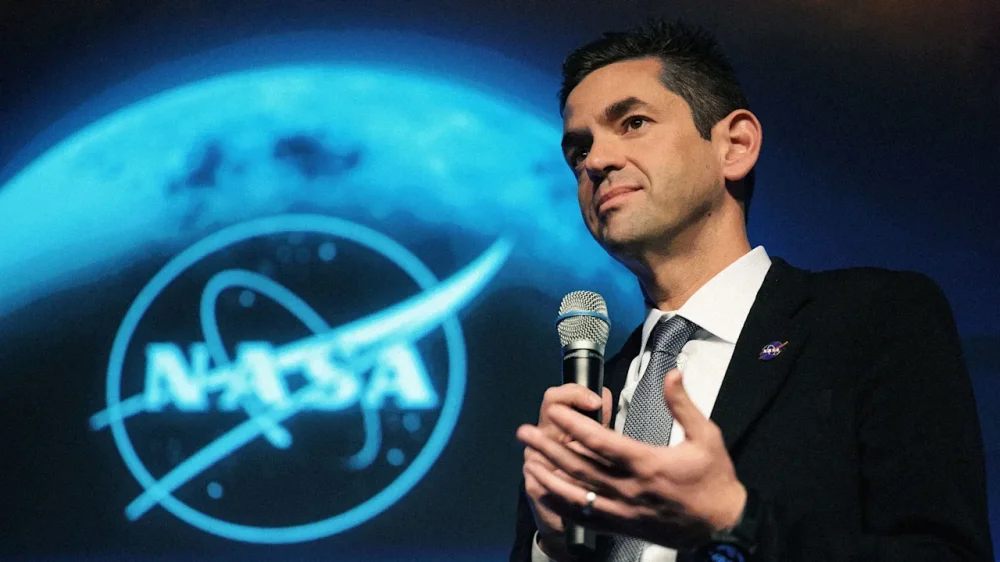
Just days after the record-breaking Artemis II splashed down in the Pacific, NASA Administrator Jared Isaacman is ready to talk about what comes next. An entrepreneur turned space chief, Isaacman gets frank about the agency’s ambitions to build a permanent lunar base, put boots on Mars, and push the search for extraterrestrial life further than ever before. Plus, he shares why he sees the accelerating space race with China as one of the most consequential competitions of our time. This is an abridged transcript of an interview from Rapid Response, hosted by the former editor-in-chief of Fast Company Bob Safian. From the team behind the Masters of Scale podcast, Rapid Response features candid conversations with today’s top business leaders navigating real-time challenges. Subscribe to Rapid Response wherever you get your podcasts to ensure you never miss an episode. I wanted to start by congratulating you on the successful Artemis II flight, a 10-day voyage farther than any humans had gone before, a stepping stone for returning to the moon. You’re still new to NASA, only a few months in. Do you still bask in the euphoria, or for you personally, is it just, all right, onto the next thing? We’ve been incredibly busy for four months, so I don’t feel very new. We’re all running really hard right now, so there are a lot of 18- and 20-hour days because Artemis II, for as much of a great success as it was as a mission, was just the opening act in America’s return to the moon. We are in another race right now, so our goal is to get American astronauts back to the surface of the moon and build the moon base so they can stay. To answer your question, yes, I was completely in awe at launch and captivated throughout the entirety of the mission itself and the recovery operation on the boat because we haven’t done this in 53 years. So we’re doing a lot of new things, a lot of skills we haven’t exercised in a while, not to mention just the overwhelming cool factor of sending humans farther into space than ever before. I had a conversation with the CEO of Intuitive Machines after their private landing of Odysseus on the moon, and he talked about how so many things on the mission didn’t go as planned at every stage, which they had sort of planned for. During Artemis II, are you clued in if it’s time to go to Plan B? How much does that happen? Of course. I am in every one of the meetings. I would say I’m a very in-the-weeds and active administrator here. So throughout the entire flight readiness review and preflight readiness review process leading up to the mission, we were tracking the issues we actually had when we put Artemis and the SLS rocket out to the pad. We had some hydrogen leak issues. We had helium flow issues in the upper stage. We actually had to bring the rocket back into the Vehicle Assembly Building and fix those problems. So I was very aware of the issues before launch. Are there any particularly meaningful moments for you, particular lessons gleaned, or unexpected things that were revealed? I would say the biggest takeaway from my perspective is this: There absolutely were things that did not perform as expected, and that’s good. We want to learn them and get them out of the way before you’re actually landing on the moon. I will say that if we all could have sat around a table before launch and said, “What do you think we’re going to be discussing in terms of issues before we commit to the translunar injection burn?” that’s when the astronauts are not hours away from being in the water, but days away. That’s an incredibly important decision. I will say probably the highest-blood-pressure moment of any human spaceflight mission is reentry. That’s where there are no Plan Bs. The heat shield has to work. The parachutes have to come out and help decelerate the vehicle before it gets into the water. So you’ve got a lot of off-ramps on ascent when you’re sending the rocket into space. You have a launch escape system. When you’re on orbit, you have lots of time to talk about issues like water valves or wastewater lines. But once Orion is committed to the translunar injection, we send it out there. It was on a free-return trajectory, meaning that spacecraft and those four astronauts were coming right back around the moon, and they were going to slam into Earth’s atmosphere to decelerate the vehicle, take all its energy out, and that has to work. There’s no Plan B there. This past week, I know you were on Capitol Hill getting grilled about NASA’s budget. What part of that is your mission? Is that your personal version of a mission where you’re like, “I’m on reentry. I don’t know what’s going to happen”? I would just say that this is absolutely part of the job. And if it’s, are my responsibilities dynamic, am I going from the launch control center to the recovery ship to talking on Capitol Hill? Absolutely. I enjoy it, to be very honest. Part of what I love doing in life, not just here at NASA, is being able to bring together a lot of people with differing views and get aligned so we can achieve incredibly challenging things, which is what we do here at NASA. Big, bold endeavors, ambitious objectives, the near impossible, as I like to say many times, and getting Capitol Hill aligned on how to do it. And of course, it’s a conversation about the budget. But what I wanted to point out is, we are in a great race right now. This is not like the 1960s. Success and failure are going to be measured in months, not years. And if you perpetuate the status quo, if you ask us to keep doing things the way we have for decades, when we did not have a geopolitical competitor capable of rivaling us in the high ground of space, then we are going to lose. Or we can acknowledge our shortcomings, that we’ve spread ourselves very thin over the years, and now it’s time to reconcentrate our resources back on the mission that taxpayers have entrusted us to do, which is get back to the moon, build the base, realize its potential, and master the skills so you can get to Mars in the near future. And this race you’re talking about, just so we’re clear, you’re talking about competing with China, right? You’ve said nuclear power propulsion is essential for America to dominate the future space race. All of that is sort of around staying ahead of China. In a way, competition is a good thing because it constantly forces us to think about what comes next. In that respect, programs like nuclear power and propulsion are very important because there is a race on right now to return to the moon and build a base. I want to point out, if you think of the surface area of the moon, it’s essentially the size of Africa, but where the United States and our international partners, and where the Chinese want to be, is in a portion of the moon, the South Pole, that’s essentially the size of, call it Washington, D.C., maybe a little bit bigger. And that’s because there is water ice there that we need to interact with for in situ resource manufacturing, to master the skills to make propellant. And you want to do this on the moon before you are required to do it on the surface of Mars. So it’s got the water ice, but it also has the crater ridgelines where you have access to essentially what we call the eternal light, where you can get some solar power. Where nuclear power and propulsion comes in: President The President’s national space policy is don’t just return to the moon for the footsteps and the flag. Build the base, build the enduring presence, master those skills, and make investments in the next giant leap capabilities. That’s where nuclear power and propulsion comes in because it is a very efficient way to move mass. Think train locomotives, not airplanes. It’s a very efficient way to move mass, whether it’s to the moon or Mars. But also, the components and capability, the reactor design, are going to be very similar to what you will use for surface power on the moon, as well as on Mars. And you’re going to need that power to make propellant on the surface. And then the last piece I’d say is simply this: if you want to explore the outer solar system, the farther away you get from the sun, the less effective it is as a source of solar power. That’s where you’re going to need nuclear power and propulsion to explore the outer solar system. View the full article
-
Ministers and MPs are openly debating how the PM might be removed after elections where Labour is expected to perform dismallyView the full article
-
Some advertisers say ad reviews are taking more than seven days — far beyond normal timelines. What’s happening. Matthew Skelton, a senior PPC specialist, has flagged a pattern many advertisers are now recognizing: Demand Gen campaigns stuck in “in review” status for days at a time. The delays are showing up across multiple accounts and industries, with no obvious policy violations or warnings to explain the holdup. Notably, the issue doesn’t appear to be affecting other campaign types. Search and Performance Max campaigns are still moving through review as expected, pointing to a problem specific to Demand Gen. Why we care. For advertisers using Demand Gen to test creatives and drive upper-funnel performance, speed is part of the strategy. Long review times slow down iteration, delay launches, and make it harder to respond to seasonal or time-sensitive opportunities. A week-long delay can throw off pacing and reduce the effectiveness of campaigns that depend on rapid optimization. The response. Ginny Marvin, Google Ads Liaison, has acknowledged the issue, confirming that some Demand Gen image ads are taking longer than expected to complete review. According to Marvin, Google’s teams are actively working on a fix, though no timeline has been shared. Bottom line. If your Demand Gen ads are stuck in review, it’s likely not just you — and for now, it’s a known issue on Google’s side rather than something advertisers can directly fix. First seen. This update was spotted by Matthew Skelton who shared his experience on LinkedIn. View the full article
-
In an era where consumer behavior shifts at lightning speed, Venmo is evolving from a simple peer-to-peer payment app to a comprehensive money movement platform aimed at the next generation of spenders. This transition is notably marked by the expansion of Venmo’s Stash rewards program and a new brand campaign, which could have significant implications for small businesses looking to tap into a younger clientele. At its core, Venmo is enhancing its offerings to encourage everyday spending and enhance customer loyalty. The Stash rewards program now allows users to earn cash back on purchases made with Venmo at a growing list of lifestyle brands. Small business owners might see this as an opportunity to engage with customers who are increasingly looking to get more value from their transactions. When combined with the Venmo Debit Mastercard, this feature ensures that the cash benefits reflect everyday spending patterns—from dinner with friends to shopping trips. “We believe every dollar spent should also bring a return, and our updated rewards program is designed to do just that,” said Alexis Sowa, General Manager of Venmo at PayPal. This statement underscores the platform’s commitment to maximizing value for both consumers and businesses—essentially making every transaction count. For small businesses, the growth in Venmo’s merchant network—now including major players like Sephora, Ulta, Taco Bell, and Pizza Hut—means that partnering with Venmo could be mutually beneficial. As Venmo integrates itself more deeply into the shopping landscape, small businesses that allow Venmo payments could attract a younger demographic eager to earn rewards while spending on their favorite brands. For instance, by accepting Venmo at checkout, businesses can capitalize on the buzz surrounding rewards and the growing trend of cash-back offers. Moreover, with up to 5% cash back available for selected merchants, small business owners could leverage this enticement in their marketing efforts. An appeal to cash-conscious consumers who prioritize rewards can lead to increased foot traffic and potentially higher sales volumes. However, as enticing as these developments may seem, small business owners should also be aware of the challenges involved with adopting new payment systems. Transitioning to a platform like Venmo requires technical integration, which could entail costs or complexity in the short term. Since not all merchants will be eligible for the rewards program, businesses must stay informed about which of their offerings will be included and how that could impact customer expectations. Additionally, businesses should be cautious about charging additional transaction fees, which could deter customers from using Venmo, especially as it gains popularity among younger consumers who are increasingly favoring seamless, cost-effective payment solutions. The new advertising campaign featuring actors Rachel Sennott and Jordan Firstman emphasizes genuine moments, underscoring how Venmo intertwines with everyday life. The campaign is designed to resonate particularly with Gen Z, illustrating that spending through Venmo can feel not only rewarding but also authentic. This has real implications for businesses looking to connect with this demographic. Marketing strategies could leverage the same vibe of authenticity to engage customers more effectively. With Venmo’s focus on facilitating seamless transactions and creating real value through rewards, small businesses that align with these shifts stand to benefit significantly. By considering the potential advantages of integrating Venmo into their payment processes and being mindful of the associated challenges, small business owners can better position themselves to attract a modern customer base eager for rewarding consumer experiences. For further details, consult the full press release here. Image via Google Gemini This article, "Venmo Boosts Everyday Spending with Expanded Cash Back Rewards Program" was first published on Small Business Trends View the full article
-
Delinquencies also showed signs of overall improvement in March, despite an increase in foreclosure numbers, ICE Mortgage Technology said. View the full article
-
John Ternus will face innovation challenges that Tim Cook never had toView the full article
-
If you’ve had a Capital One savings account in recent years, the bank may soon send some money your way after a U.S. judge approved a $425 million settlement this week. Better yet? You don’t have to do anything to claim your stake in the class action lawsuit that was initially filed against the McLean, Virginia-based bank in 2024. To be eligible for settlement funds, you must have had a Capital One 360 Savings account at any time from mid-September 2019 through mid-June 2025. WHO IS ELIGIBLE FOR A PAYMENT The case stems from allegations that Capital One “acted deceptively regarding the marketing and payment of interest on its 360 Savings account product,” according to a settlement notification sent to customers. During the nearly six-year period in question, Capital One offered two very similarly-named savings accounts that offered very different interest rates—with the 360 Performance Savings account paying a higher rate than the 360 Savings account. That difference grew substantially as the Federal Reserve began hiking interest rates in 2022. By December 2023, 360 Performance Savings accountholders were paid an APR of 4 35% compared to only 0.30% for 360 Savings account holders, according to information from Wolf Popper, the law firm that represented the plaintiffs in the case. “Since Capital One did nothing to advise its legacy accountholders that they would have to switch to the new account to earn a competitive interest rate, 360 Savings accountholders across the country have lost out on interest payments Capital One should have paid them,” the firm said in a summary of the case on its website. The firm didn’t immediately respond to a request for comment about the settlement from Fast Company. HOW MUCH CUSTOMERS WILL RECEIVE But don’t count your dollars quite yet. The above dynamics also make the case a bit trickier for customers to know how much money you can expect to receive. Affected 360 Savings customers will receive an individualized payment that’s based on the amount of interest you would have earned if the account were receiving the same rate as the 360 Performance account. Payments will be issued to customers beginning around July 21. CASE RENEGOTIATED The settlement was dragged out a bit as it had to be renegotiated after a U.S. judge initially rejected the same amount—albeit with different terms—in November. Investors, too, seem to be renegotiating what they think shares of Capital One are worth lately. The stock has tumbled nearly 22% this year while the broader S&P 500 is up about 4% during the same period. View the full article

-
The job search is exhausting: an application, several rounds of interviews, skills assessments, and, increasingly, even a work trial. Work trials are when an interviewee is asked to complete job-related tasks over a short period of time—often a few days or up to a week—so an employer can evaluate how they perform in a real working environment before making a hiring decision. As recruiters and hiring managers sift through a flood of applications that can sound increasingly similar—especially in the age of AI—these trials have emerged as a way to evaluate candidates in real time. This shift raises important questions: Are work trials a better predictor of success than an interview? Do they risk exploiting candidates’ time and labor? Do both sides benefit? And are longer, more immersive hiring processes here to stay? When applications start to look the same “The job market in general is undergoing a larger upheaval—the largest upheaval in modern history—because of the advent of AI,” said Jennifer Dulski, CEO and founder of leadership training platform Rising Team. AI, she explained, has made it far easier to apply to roles at scale, flooding employers with applicants and complicating how hiring managers assess who is qualified—or even a real person versus a bot helping an applicant apply to jobs. Enter: work trials. They aren’t new, but a 2025 survey by the National Association of Colleges and Employers found that nearly two-thirds of employers now use skill-based hiring for entry-level roles. The shift reflects a broader move away from resume-based screening, and more towards real-world skill. “For hiring managers, the question is: ‘how do you even determine who’s real and who isn’t?’” Dulski asked. On top of that, does the applicant really have the skills to do the job? As a result, “Work trials have become one of the only real ways to tell what someone will be like in a work setting,” she said. Pros for the candidate According to Dulski, one of the clearest benefits of work trials is that they give candidates a real opportunity to show what they can do. “It gives them a chance to really show what they’re capable of,” she said. She also explained the experience can benefit candidates by offering a clearer view inside a company’s day-to-day environment. Depending on the scope of the trial, participants may interact with teammates, join Slack channels, or sit in meetings—giving them a better sense of whether the role and culture feel like a fit for them. Pros for the employer On the company side, Dulski said work trials are largely about reducing the risk of a bad hire. “It’s very expensive to make a bad hire,” she said, pointing to estimates from consulting firm GH Smart, which has suggested the cost of a C-level mis-hire can cost up to 15 times compensation when broader organizational impacts are included. She also noted that the Society of Human Resource Management has put the cost of a bad hire at roughly 50 to 200% of an employee’s salary. So even a weeklong or extended work trial can help employers make more informed decisions. The goal, she explained, is to avoid hiring based on too little data, and instead observe how someone actually performs before extending an offer. According to Lucas Botzen, an HR manager and CEO of payroll and HR platform Rivermate, work trials can be beneficial for both parties. “They provide an actual experience of what working together would really feel like for both the employee and the applicant,” he said. Cons for the employer For employers, they have “to create a project, have someone manage the project, to have someone there answering a lot of questions, to be doing all the back and forth,” Dulski said. That level of involvement can quickly add up, especially when multiple candidates are going through the process. “It’s almost like a full-time job,” managing them all. She also pointed to a practical constraint: the process is difficult for employers to automate. “It’s one of the things that can’t really be managed as effectively with AI… this probably needs a human to manage their work projects.” As a result, she said, companies that use work trials effectively tend to reserve them for later-stage candidates. To save time, “put people through a pretty rigorous vetting process before they get to this stage.” Cons for the candidate Work trials can also be difficult for candidates who are already employed. A week-long assignment often requires taking time off work, or a vacation from their current job. “If there is no pay associated with the assessment, this could cause problems related to fairness and ethics,” Botzen said. “The potential exists for candidates to view themselves as being taken advantage of, particularly if they are providing real value but receiving neither payment nor compensation, or if they are asked by several different organizations to perform a similar type of assessment.” At Botzen’s company, “We favor using short, structured assessments, or paid project-based assessments where the expectations are clear and reasonable in terms of respect for the applicant’s time,” he explained. “I don’t think you can ask someone to do a week of work and not pay them,” Dulski said. While not a full week-long work trial, one jobseeker told Fast Company she recently completed an extensive interview assignment that required roughly eight hours of work, followed by an additional hour presenting to a panel. The job seeker who asked to remain anonymous while navigating a tough job market, where online reputation matters, said the work trial wasn’t an easy feat. “The work wasn’t theoretical,” she said. “It included building workflows, organizing a complex travel itinerary, and thinking through operational scenarios including AI implementation. It felt very close to real work.” She said she ultimately agreed to the assignment because of the realities of today’s job market. “It doesn’t feel like you have much of a choice. It’s highly competitive.” she explained. She “was told I performed exceptionally well, only to be rejected the next day with no feedback,” she said. “Evaluation is fair. Unpaid, high-effort assignments without transparency or feedback are not.” Another anonymous jobseeker described a multi-day hiring assignment that ultimately left him frustrated by the process and expectations. He said he was asked to prepare a 40-minute presentation after a series of interviews, a task that required roughly three days of work. “I took three days to do this, and you know that was three days that I wasn’t working,” he said. After what he described as strong feedback, he was still rejected shortly after. “Your presentation was excellent,” he recalled being told—before receiving a rejection the following Monday. He said the process felt like a “bait and switch,” especially given the amount of unpaid time involved. “Three full days, no compensation,” he said. What makes work trials work For candidates, they tend to work best when expectations are clearly defined, they are compensated, scope is time-bound, and the exercise reflects real but reasonable job conditions rather than extended production-level work. For employers, effectiveness comes down to design and discipline: using trials at the right stage of the hiring process, ensuring consistent evaluation standards, and keeping the process efficient enough to manage without overwhelming internal teams. When those conditions are met, work trials function less like open-ended assignments and more like structured snapshots of how someone thinks, works—and if they’ll make a strong fit on a team. View the full article

-
But in its earnings release, parent company Hilltop Holdings warned its full year 2026 results are going to be impacted by things outside of its control. View the full article
-
Access to the database has been paused after data breach under pressure from ministersView the full article
-
Search giant increases its financial backing to help the AI lab add computing power to run its modelsView the full article
-
A commercial land mortgage is a specialized loan aimed at financing the purchase of land for commercial use, with the land itself acting as collateral. These loans usually require a down payment ranging from 15% to 35% and often come with higher interest rates compared to residential mortgages. You’ll need to provide a thorough business plan to showcase how the land will generate income. Comprehending the application process and eligibility criteria is essential, as it can greatly impact your investment. Key Takeaways A commercial land mortgage is a loan specifically for purchasing land intended for commercial development, using the land as collateral. Borrowers typically need to make a down payment between 15% and 35% of the land’s purchase price. Loan terms generally range from 5 to 20 years and may include balloon payments at the end. Higher interest rates, usually 1-2.5% above residential mortgages, reflect the increased risk associated with commercial loans. A detailed business and development plan is often required for loan approval, assessing potential income and property use. Understanding Commercial Land Mortgages When you’re considering a commercial land mortgage, it’s essential to understand what it entails and how it differs from traditional residential loans. A commercial land mortgage is particularly designed for purchasing land intended for commercial development, with the land itself serving as collateral. Unlike residential mortgages, these loans often require higher down payments, typically ranging from 15% to 35%, reflecting the increased risk of undeveloped land. Interest rates are typically higher as well, influenced by the loan’s risk profile and term lengths that can vary from 5 to 20 years. To qualify, you may need to present a detailed business plan outlining the intended land use and projected returns. Moreover, be mindful of various fees associated with the loan, including application and origination fees, which can impact your overall borrowing costs. Using a building loan calculator can help you estimate these expenses efficiently during the consideration of a commercial land mortgage. Key Features of Commercial Land Mortgages Key features of commercial land mortgages are crucial to understand for anyone looking to finance land intended for commercial use. These mortgages are customized particularly for purchasing land for development or investment, with loan amounts typically based on the land’s appraised value and your creditworthiness. Here’s a quick overview of some key features: Feature Description Down Payment Ranges from 20% to 35% of the purchase price Loan Terms Usually 5 to 20 years, may include balloon payments Interest Rates Typically 1-2.5% higher than residential rates Development Plan Required Lenders assess potential income generation from the land Appraised Value Basis Loan amounts depend on the appraised value of the land Understanding these features can help you make informed decisions when seeking financing for commercial land. Eligibility Requirements for Commercial Land Mortgages Securing a commercial land mortgage involves meeting specific eligibility requirements that lenders usually impose to minimize risk. First, you’ll need to provide a detailed business plan and property plans that outline the intended use and development of the land. Furthermore, you must submit personal and business financial documents for the past 3-5 years, including income tax returns and credit history, to demonstrate your financial stability. Expect to make a down payment of 15-35%, which is typically higher than residential mortgage down payments. Lenders often seek a debt service coverage ratio (DSCR) of at least 1.1 to 1.4, ensuring the income generated from the property can comfortably cover mortgage payments. Finally, the property must be an eligible type, such as retail spaces, office buildings, or mixed-use developments, preferably with strong, long-term anchor tenants to secure financing. Benefits and Drawbacks of Commercial Land Mortgages In the process of contemplating a commercial land mortgage, it’s essential to weigh both the benefits and drawbacks to determine if it’s the right choice for your business. Here are some key points to reflect on: Financing Flexibility: These loans often allow you to finance up to 75% of the land’s appraised value, providing higher leverage options. Tax Advantages: Interest payments on commercial land mortgages may be tax-deductible, potentially improving your overall cash flow. Location Control: Securing a mortgage lets you control costs and secure land for future development before construction starts. However, be aware of the drawbacks. Commercial land mortgages typically come with higher interest rates, and strict underwriting standards may require detailed business plans and substantial down payments, which can be challenging to meet. The Application Process for Commercial Land Mortgages When you’re ready to apply for a commercial land mortgage, comprehension of the application process is critical for success. First, you’ll need to prepare a detailed business plan alongside financial documents, including 3-5 years of personal and business tax returns. This helps demonstrate your financial stability and repayment capability. Lenders will conduct a thorough review of your credit history, considering any name changes and past addresses to assess your creditworthiness. You might additionally need to submit recent bank statements, asset and liability statements, and financial profiles of business partners or directors. Depending on the lender and property type, supplementary documentation, such as environmental assessments or land use permits, may be required. Finally, expect an underwriting process where the lender evaluates the property’s value, your financial health, and the proposed use of the land before making a decision on loan approval. Frequently Asked Questions How Do Commercial Mortgage Loans Work? Commercial mortgage loans work by securing financing against commercial properties. You typically receive a loan amount based on the property’s appraised value, with loan-to-value ratios ranging from 55% to 70%. To qualify, you must show sufficient cash flow, often assessed through net operating income that exceeds mortgage payments. Terms usually last from 5 to 10 years for stabilized properties, and you might face higher interest rates compared to residential loans because of increased risk. How Much Deposit Is Needed for a Commercial Mortgage? For a commercial mortgage, you’ll typically need a deposit ranging from 15% to 35% of the property’s purchase price. If you’re buying an owner-occupied property, your down payment could be as low as 15% to 20%, especially with SBA loans. For non-owner-occupied properties, expect to put down 25% to 35%. Your creditworthiness, the property’s cash flow, and market conditions may likewise influence the specific percentage required. How Do Commercial Land Loans Work? Commercial land loans finance the purchase of land for business purposes, like constructing offices or retail spaces. You’ll usually need a down payment between 20% and 35% because of the higher risks involved. These loans often have terms ranging from 5 to 20 years, with interest rates typically higher than conventional mortgages. Lenders assess your cash flow and business plan, and you might face a balloon payment at the end of the term. How Difficult Is It to Get a Commercial Mortgage? Getting a commercial mortgage can be quite difficult because of strict lender requirements. You’ll need a detailed business plan and financial documents from the last few years. Lenders often look for a debt service coverage ratio between 1.1 and 1.4, along with a loan-to-value ratio of 55% to 70%. Moreover, expect to provide extensive documentation, including tax returns, bank statements, and significant down payments, making the process challenging for many borrowers. Conclusion In conclusion, a commercial land mortgage is a specialized loan designed for purchasing land for business purposes, with the land itself acting as collateral. Comprehending its key features, eligibility requirements, and the application process is crucial for making informed decisions. Although these mortgages can facilitate significant business opportunities, they likewise come with higher costs and stringent requirements. By weighing the benefits against the drawbacks, you can determine if this financing option aligns with your commercial development goals. Image via Google Gemini This article, "What Is a Commercial Land Mortgage and How Does It Work?" was first published on Small Business Trends View the full article
-
When you post something on the internet, you cede a measure of control to anyone who might happen upon it. Photos, videos, text, audio recordings: all of this content can be downloaded or screenshot, and repurposed in whatever way another user wishes. That's the risk of posting online. The thing is, you might not assume the platform you're posting to would go out of its way to help other users repurpose your content—but that's exactly what TikTok is currently doing with its new AI "remixes" feature. What are TikTok's AI "remixes?"AI remixes are meant to be a kind of meme-creation tool. According to CNET, remixes allow TikTok users to create a custom image generated from your content—with the help of AI, of course. If you post a video of your morning coffee routine, for example, a viewer could use remixes to generate an image of you holding your coffee, with text that reads "That first morning sip be like," or anything else they might want to spin up. The idea is apparently to share this new AI image in your video's comments, as another means to boost engagement on the platform. TikTok remixes are currently only in testingIt's important to note that remixes are not an official TikTok feature at this time—TikTok confirmed to CNET that AI remixes are currently an experimental feature, and the company is trialing it on a limited basis. There are no definitive plans to roll it out further, and TikTok says the way remixes work could change by the time it launches in full—if it ever does. I'm sure some users would be creative enough to generate some funny AI memes using remixes, but I have some big privacy concerns. Creators might not want to subject their likeness to TikTok's AI factory, as allowing your content to be used in remixes essentially means giving permission for your face and videos to be used to train the company's AI models. The good news is TikTok does allow you to opt out of remixes; the bad news is that you can't opt out en masse. Instead, the app forces you to disable remixes for each and every video you post. It seems the company thinks you might want to allow Remix for some videos and not others, when, in reality, many creators would likely prefer to block them altogether. How to opt out of TikTok's AI remixesNot everyone has to worry about this quite yet, since TikTok is only trialing AI remixes with select users. Still, if you post videos on TikTok, it's worth checking your settings to make sure the feature isn't enabled—assuming you want to opt out, of course. To do so, tap on one of your TikTok videos, then tap the three dots in the bottom right corner. Scroll down, and choose "Privacy Settings." If you're part of the trial, you'll see "Allow AI to remix content" enabled. Tap to turn the option off. View the full article
-
When The Las Vegas Raiders announced Indiana University quarterback Fernando Mendoza as the first overall pick in the 2026 NFL Draft yesterday, it kicked off what might just be the most special time of year for any football fan. This three day draft period—April 23-25—is unquestionably the moment in the year when the highest number of fans are at their most optimistic. No wins, no losses, just new beginnings, new players, new possibilities. It’s also a marquee event for the league. About 600,000 people attended last year’s draft in Green Bay over its three days, across seven rounds, 32 teams, and 257 picks. On TV and streaming, the draft drew massive audiences, with the first round averaging 13.6 million viewers across TV and digital platforms, making it the second most-watched in history. But that is dwarfed by the draft’s presence on social media, as the league, all the teams, many of the draftee players, fan creators and influencers, all combined to make reams of content that weave together the entire story. It’s a scale and scope of mass concentrated content creation rare in any other pro sport. Draft week on just the NFL’s own social channels now drives more than 500 million views, which has doubled in the last five years. According to the league, on TikTok during the draft last year, 30% of the reached audience was female, and 44% were 18-24, significantly younger and more female than the league’s reach during the NFL regular season. “The draft is consistently one of the top five to 10 social moments of the year,” says Ian Trombetta, the NFL’s senior vice president of global social and influencer marketing. “Obviously we’re in a World Cup year, so there’s going to be some nuance there, but in a normal year the draft lands inside the top five.” The NFL’s social and influencer team operates a real-time content command center to help harness the power of the occasion. On-site in Pittsburgh, and in the league offices in New York and Los Angeles, its team of 10 people produces about 1,000 social posts a day during the draft, from the moment a prospect’s name is called and introduced to their new city, to last-minute trades. It’s live action social media at scale. Last year, the league’s team averaged 33 pieces of content per hour during the draft on each of its three days. Tucked inside Pittsburgh’s Acrisure Stadium, the league’s social team overlooked all the fans cheering their picks, chronicling all the action. On Day 1, on top of all the picks, there were seven trades, keeping the social team incredibly busy. Not just online, but after every trade, the whole team did push-ups to keep the energy up. For this draft, not only is the league hoping to build on the audience it had last year, but also be the ultimate conduit and connector between all the various stakeholders across social media. Here’s how they’ll do it. Monitor When Mendoza’s name gets called—or any draftee for that matter—social media jumps, with not only fans of the QB and the Raiders, but also his sponsors (which include Adidas, Taco Bell, Pfizer, LinkedIn, JLab, Epic Games, Keurig, and Dr. Pepper), creators, NFL influencers and more. One of the primary functions of the NFL’s social command center is to keep track of all of this, which then informs how it reacts (or doesn’t). “It’s not just what’s happening on broadcast on the stage, but obviously it’s what the teams are doing, what players are doing to react to these moments, and what broader culture, whether it’s celebrities, creators, influencers, are saying about their favorite teams,” says Bryce Gustafson, NFL senior director, social programming & initiative integration. “Those are all things we’re monitoring in real time.” There’s an hourly report that we send across the organization that looks and analyzes all the social conversation, as well as breaking news more broadly. “That sort of real-time monitoring is really important for us so that we’re not out of step from a tone perspective, or would inform if we hold off on some of the content from a creator or otherwise that just would seem inappropriate for that moment,” says Trombetta. Create and collaborate The role of monitoring is also to see what creators or influencers the league can collaborate or engage with during the draft. Gustafson says the goal is to push the envelope in terms of who they’re engaging with, whether in an official capacity or not. This year for example, the league will be working with popular creators from The Diamond Gym and Peters Pasta. But Trombetta says that with their freedom across all of these stakeholders on social, comes a massive responsibility. “The league is seen as the source of truth,” says Trombetta. “There are so many rumors and speculation as to who’s getting traded or this guy might get drafted here or he might slip to there, that fans look to the NFL—especially now in this AI driven environment—to say what is accurate.” While it’s using its own content to counter fake AI slop online, the league is also utilizing AI tools in order to be able to produce so much social content as quickly as possible. Trombetta and Gustafson’s teams will use it for everything from social listening, to tagging NFL content to creating art that shows traded players in new uniforms. “It really cuts across so many areas at this point and we see it as a real accelerant to so many of the different aspects that we’re trying to get after,” says Trombetta. Setting the tone The new NFL season doesn’t start until September, but for Trombetta and Gustafson, it starts just a couple of weeks after the Super Bowl, at the NFL Combine, where college players run through a series of physical tests for NFL teams. This is where the league’s social team starts to get a sense of how the draft may start to shake out. “That’s really our first touch point with many of these athletes in terms of whether it’s creating content directly with them, or even just simply celebrating them via our social channels through incredible athletic performances,” says Trombetta. At the draft, once they know where the league’s newest players are headed, the league’s social content team begins to think about how they can build content around these rookies all season long. “The draft not only gives us an opportunity to get to know the players, which is really helpful to understand what they’re like as people and how they might fit into certain campaigns, it also gives us an indication of what the true level of fan interest is in certain players,” says Trombetta. As the draft continues, the content blitz has begun. View the full article

-
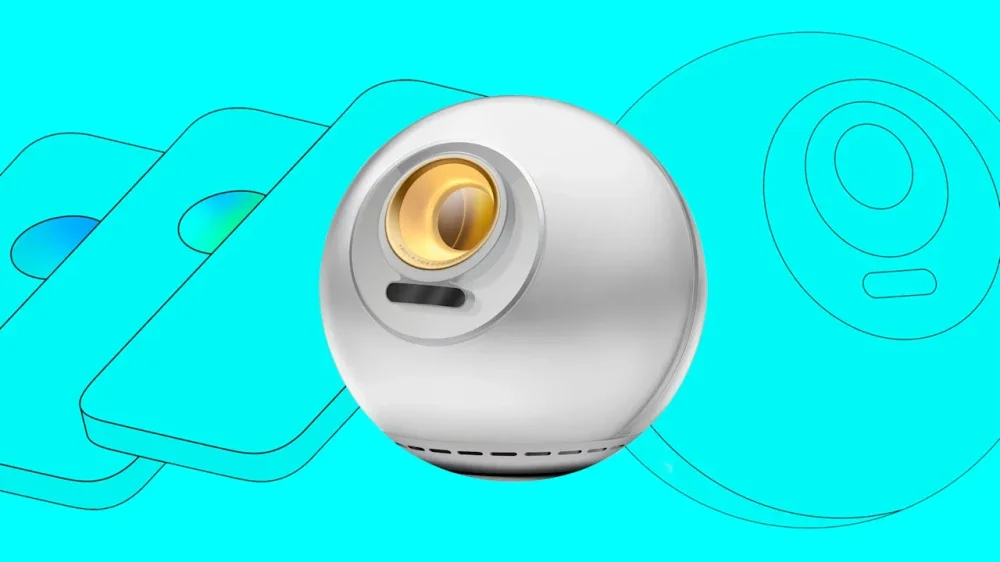
Hello again, and welcome back to Fast Company’s Plugged In. Last weekend, I stopped by a gadget kiosk at my local mall—but not to buy a phone case or get a cracked screen replaced. Instead, I was there to get my irises and face scanned by a device called the Orb so I could receive a credential known as a World ID. Its purpose: to provide verifiable proof I’m a human being. Like everyone on the internet, I have grudgingly accepted the need to complete CAPTCHA tests, a truly irritating form of personhood verification that has been with us for almost 30 years. But until fairly recently, it hadn’t dawned on me that more conclusive evidence might be necessary. It did, however, occur to the founders of Tools for Humanity (TFH), the outfit behind the World ID. They—OpenAI CEO Sam Altman, Alex Blania, and Max Novendstern—founded it back in 2019, which is eons ago in AI years. Now it’s become easier to understand why “proof of human,” as TFH calls it, might be a pressing issue. Deepfaked imposters have become so convincing that they’ve already been used in impersonation scams that have netted millions of dollars for cybercriminals. Moreover, the rise of agentic AI has us hurtling toward an era when agents will jostle for resources across the internet—not always for sinister purposes, but certainly in ways that will complicate life for those of us made of flesh and blood. By next year, Cloudflare CEO Matthew Prince recently predicted, the bots online will outnumber the humans. Consequently, a reliable means of validating one’s humanity—CAPTCHAs are notoriously easy to fool—could become essential infrastructure. “At the limit, every single app and website on the internet will have to use something like World ID to protect itself and its users,” says TFH chief product officer Tiago Sada. Last week, Altman (TFH’s chairman) and Sada were among the presenters at an event the company held in San Francisco to unveil version 4.0 of the World ID platform. (CEO Blania, recovering from emergency hand surgery, Zoomed in.) The launch was dense with news, including partnerships with Zoom, DocuSign, and Tinder—three familiar brands that will build World ID-based verification into their apps—and a system for preventing bots from buying up concert tickets en masse. A selfie-based option will supplement the Orb’s face-and-iris scan for situations in which absolute certitude of humanity is less critical. And a new feature will assist users who want to delegate tasks to their personal agents, helping to distinguish the good bots from the bad. TFH’s event amounted to a reboot of sorts. The company has issued 18 million World ID verifications to date, but has struggled to frame its service in a consistent, broadly appealing way. In its early days, it called itself “a technology company built to ensure a more just economic system,” a mission that led to it creating its own cryptocurrency. New World ID members still receive Worldcoin as a benefit—mine is currently worth $10.59—and the World app feels as much like a crypto wallet as an ID verification tool. Inevitably, scanning people’s irises and offering cryptocurrency as a signup inducement has struck many observers as creepy. That might help explain why I didn’t catch a single mention of Worldcoin at the launch event, and why TFH is beta-testing an app focused entirely on World ID—”a much simpler and streamlined experience,” says Sada. The design of the Orb—which gives off the vibe of an enormous, possibly omniscient robotic eyeball—remains foreboding, but the company is working on a much smaller version in a smartphone-like shell. As TFH has rolled out World IDs globally, it’s faced sprawling pushback, with regulators in Brazil, Hong Kong, Indonesia, Kenya, the Philippines, Portugal, and Spain impeding its efforts based on concerns over its stewardship of biometric data. That said, its approach to privacy is far from a worst-case scenario. Signing up does not require you to disclose information such as your name, email address, or gender. Rather than TFH holding onto your iris and face scans, they get transferred to your own device, then deleted from its servers. The means of verification is abstracted into single-use codes; companies that receive them learn nothing about you based on the transaction except that TFH vouches for your humanity. (The company will collect a fee from such companies for each user it verifies: “Even though the technology is very new, the business model is very old,” says Sada.) I was comfortable enough with these measures to get my own World ID, a self-serve process that involved downloading the World app and briefly staring into the Orb with my eyeglasses off. It took less than five minutes at the kiosk I visited, and then I ambled off to see what was new at the Apple Store. What I’m still wrestling with is TFH’s current messaging about what it’s trying to do. Instead of saying it’s striving for a more just economic system, TFH now calls itself “a technology company building for humans in the age of AI.” That’s accurate enough. But surveys show that the AI industry has not yet convinced most people that AI will benefit them personally. And yet they’re increasingly being asked to adjust themselves to the technology’s impact on daily life, and World ID is one of those accommodations. It’s not obvious that anyone will get much out of having proven they’re human, other than clawing back a shred of pre-AI normalcy. Maybe it’s not TFH’s job to make the case that AI will be worth the hassle. (In his brief introductory remarks at last week’s event, Altman—whose association with the company lashes it to the controversy he generates in his day job-mentioned “a lot of wonderful things” the technology is doing, but didn’t specify what they were.) It’s clear, however, that it’s working hard to make getting verified seem cool rather than a utilitarian necessary evil, like dental insurance or a sump pump. For example, the company’s flagship stores in cities such as Lisbon, Rome, San Francisco, and Seoul, which are among the nearly 400 locations where you can get scanned, look like quirky art galleries. Its event included a sneaker drop and a concert by rapper Anderson .Paak. In a strange mini-scandal, after TFH announced at the event that it was “joining” Bruno Mars’ upcoming tour with “VIP experiences for verified humans,” Wired’s Maxwell Zeff and Lauren Goode reported that Mars’ team and concert producer Live Nation denied such a partnership existed or had even been broached. A TFH spokesperson attributed the on-stage claim to “a miscommunication.” (The anti-concert-bot technology will be used for an upcoming European tour by Jared Leto’s band, however.) In the end, I think Sada is likely correct that something akin to World ID will need to become pervasive. Whether it’ll be World ID itself is a classic chicken-or-egg puzzle. Unless way more than 18 million consumers sign up—TFH has said its goal is a billion—companies won’t see it as the de facto method of human verification. And until it’s widely adopted by apps and sites, most people won’t need it. Neither cryptocurrency nor sneaker drops will change that basic fact. Still, the addition of Zoom, Docusign, and Tinder as partners speaks to three activities humans undertake at scale: holding meetings, signing paperwork, and finding dates. People will continue performing them in the AI era, regardless of any new complications. If TFH gains enough support in other popular domains, from additional major players, it might yet make the transition from slightly unsettling curiosity to mainstream necessity. You’ve been reading Plugged In, Fast Company’s weekly tech newsletter from me, global technology editor Harry McCracken. If a friend or colleague forwarded this edition to you—or if you’re reading it on fastcompany.com—you can check out previous issues and sign up to get it yourself every Friday morning. I love hearing from you: Ping me at hmccracken@fastcompany.com with your feedback and ideas for future newsletters. I’m also on Bluesky, Mastodon, and Threads, and you can follow Plugged Inon Flipboard. More top tech stories from Fast Company Apple’s new CEO is a hardware guy, but software is his biggest challenge John Ternus’s leadership has already given us some of Apple’s best devices ever. But the company could use a reboot when it comes to software. Read More → Sorry, Reese Witherspoon is correct about AI Celebrities are learning the hard way that the AI discourse is toxic. Read More → NASA’s awe-inducing iPhone moon video is a free ad for Apple, but there’s a catch Who owns the moon (video)? Read More → OpenAI releases GPT-5.5, a more powerful engine for coding, science, and general work The company is positioning its newest system as its strongest agentic coding model yet, as it faces pressure to keep pace with its rival Anthropic. Read More → Plug-in solar is coming. Here’s how much you could save on electric bills A new calculator from the nonprofit Bright Saver estimates potential savings from plug-in solar panels. Read More → Brace yourself for a flood of patches in all of your tech gadgets Anthropic’s Mythos is surfacing hidden vulnerabilities across operating systems and browsers, prompting urgent fixes. Read More → View the full article
-
Comprehending what makes a successful franchise model is essential for aspiring entrepreneurs. It involves several key elements, such as a strong brand identity, a unique value proposition, and efficient operational systems. Furthermore, nurturing a solid relationship between franchisor and franchisee is critical. These components not merely improve profitability but also guarantee long-term sustainability. As you explore these factors, you’ll uncover specific strategies that can greatly impact success in the franchise industry. Key Takeaways A strong, recognizable brand name attracts both customers and potential franchisees, enhancing market presence and trust. A unique business model differentiates the franchise from competitors, ensuring a compelling value proposition. Extensive training programs maintain operational consistency and empower franchisees with essential skills and knowledge. Effective marketing strategies drive brand awareness, resonate with target audiences, and support franchisee growth. A partnership model between franchisor and franchisee fosters collaboration, shared risk, and mutual rewards for long-term success. Proven Franchise Business Model When considering a proven franchise business model, it’s vital to recognize how well-established systems contribute to overall success. The existence of over 759,236 franchise establishments in the U.S. as of 2018 highlights the widespread acceptance of these models. Effective franchise model examples demonstrate the importance of well-defined target audiences and buyer personas, allowing for focused marketing strategies. A strong value proposition sets a model franchise apart from competitors, attracting potential franchisees and customers. Moreover, proven business processes, refined over time, improve operational efficiency and consistency. Extensive training programs are critical, transforming new franchisees into specialists and maintaining high standards across locations. These factors collectively create a robust foundation for any successful franchise business model. Efficient Operational and Support Systems Efficient operational and support systems play a pivotal role in the success of any franchise, guaranteeing that each unit operates seamlessly in the direction of shared business objectives. To achieve this, focus on the following key areas: Training and Hiring: Develop extensive training programs to guarantee all staff are knowledgeable and aligned with franchise standards. Marketing Strategies: Implement consistent marketing efforts that resonate with the target audience and drive brand awareness. Inventory Management: Maintain efficient inventory systems to guarantee product availability during minimizing waste and costs. Feedback Mechanisms: Establish channels for franchise owners to provide feedback, helping identify areas for improvement in operational support. Long-Term Commitment and Relationship Building Establishing long-term commitment between franchisors and franchisees is vital for cultivating a relationship that thrives on trust and cooperation. This relationship is fundamental for managing challenges and guaranteeing mutual growth. Successful franchise systems prioritize relationship development, as seen in franchisees who excel through strong partnerships. Researching existing franchisee experiences can give you insights into the level of support and relationship quality within the franchise. Trust and information exchange play significant roles, enabling both parties to address concerns and seize opportunities effectively. For instance, the story of the first Groutsmith franchise owner illustrates the importance of nurturing long-term relationships for ongoing success. Factor Importance Example Trust Builds credibility Open communication Information Exchange Improves problem-solving Regular updates on market trends Support Cultivates franchisee success Training programs Relationship Development Encourages collaboration Joint marketing strategies Commitment Guarantees longevity Franchisee feedback mechanisms Market Saturation and Strategic Positioning Building a strong relationship with your franchisor is important, but grasping market saturation and strategic positioning can greatly impact your success as a franchisee. Comprehending these concepts will help you make informed decisions about your investment. Consider these key points: Market Saturation: Lower saturation usually indicates greater growth potential, making it a smart choice for new franchisees. Expansion Stages: Franchises in early stages often provide better opportunities than well-established brands. Demand Evaluation: Evaluating product and service demand is essential for selecting the right franchise, as seen with companies like Groutsmith. Competitive Markets: Targeting markets with less competition can lead to higher profitability and stability over time. Key Ingredients for Franchise Success Comprehending the key ingredients for franchise success is critical if you want to maximize your investment and operate effectively within the franchise model. A strong, recognizable brand name attracts both customers and franchisees, making it fundamental for your success. You should likewise focus on a unique business model that sets you apart from competitors, ensuring a compelling value proposition. An effective training system is indispensable, as it maintains consistency and quality across all locations, nurturing brand loyalty among customers. Furthermore, a partnership model between franchisor and franchisee encourages shared risk and reward, enhancing trust and cooperation. Finally, define a core product or service that appeals to a broad audience and has longevity, ensuring your franchise remains relevant and grows sustainably. Frequently Asked Questions What Are the 4 P’s of Franchising? The 4 P’s of franchising—Product, Price, Place, and Promotion—are crucial for any franchise’s success. You need a strong product that appeals to a wide audience, ensuring brand recognition. Setting the right price involves covering costs during a competitive landscape. For placement, consider franchise territories that maximize growth opportunities. Finally, your promotion should balance centralized marketing with local campaigns, giving franchisees effective tools to engage their communities and attract customers. What Is the 7 Day Rule for Franchise? The 7 Day Rule for franchising requires that franchisors give you the Franchise Disclosure Document (FDD) at least seven days before you sign any agreement or make a payment. This rule helps guarantee you have enough time to review essential information about the franchise system, including fees and obligations. Adhering to this rule is legally mandated in the U.S., and failing to comply can lead to serious legal consequences for franchisors. What Is a Good Franchise Model? A good franchise model includes a proven business concept that’s easy to replicate. You’ll want standardized operating procedures, extensive manuals, and clear guidelines to guarantee consistency across locations. The core product should have a strong value proposition appealing to a broad audience, promoting growth. Effective training and support are crucial for franchisees to achieve operational efficiency. Furthermore, a solid financial model balances initial investments with ongoing fees, securing profitability for everyone involved. Why Does It Only Cost $10k to Own a Chick-Fil-A Franchise? It only costs $10,000 to own a Chick-fil-A franchise since the company covers most of the startup costs, including the building and equipment, which can total up to $2 million. This model allows you to focus on operating the restaurant rather than worrying about significant financial investments. Although you don’t gain equity in the restaurant, your role as an owner-operator encourages commitment to customer service, benefiting both you and the brand. Conclusion In conclusion, a successful franchise model combines a proven business framework with efficient support systems, cultivating strong relationships between franchisors and franchisees. It’s vital to strategically position the brand in less saturated markets as well as ensuring consistent training and operational standards. By focusing on these key ingredients, franchise systems can achieve long-term growth and profitability. Comprehending these elements can guide potential franchisees in selecting the right opportunity and contribute to the overall success of the franchise. Image via Google Gemini This article, "What Makes a Successful Franchise Model?" was first published on Small Business Trends View the full article
-
Comprehending what makes a successful franchise model is essential for aspiring entrepreneurs. It involves several key elements, such as a strong brand identity, a unique value proposition, and efficient operational systems. Furthermore, nurturing a solid relationship between franchisor and franchisee is critical. These components not merely improve profitability but also guarantee long-term sustainability. As you explore these factors, you’ll uncover specific strategies that can greatly impact success in the franchise industry. Key Takeaways A strong, recognizable brand name attracts both customers and potential franchisees, enhancing market presence and trust. A unique business model differentiates the franchise from competitors, ensuring a compelling value proposition. Extensive training programs maintain operational consistency and empower franchisees with essential skills and knowledge. Effective marketing strategies drive brand awareness, resonate with target audiences, and support franchisee growth. A partnership model between franchisor and franchisee fosters collaboration, shared risk, and mutual rewards for long-term success. Proven Franchise Business Model When considering a proven franchise business model, it’s vital to recognize how well-established systems contribute to overall success. The existence of over 759,236 franchise establishments in the U.S. as of 2018 highlights the widespread acceptance of these models. Effective franchise model examples demonstrate the importance of well-defined target audiences and buyer personas, allowing for focused marketing strategies. A strong value proposition sets a model franchise apart from competitors, attracting potential franchisees and customers. Moreover, proven business processes, refined over time, improve operational efficiency and consistency. Extensive training programs are critical, transforming new franchisees into specialists and maintaining high standards across locations. These factors collectively create a robust foundation for any successful franchise business model. Efficient Operational and Support Systems Efficient operational and support systems play a pivotal role in the success of any franchise, guaranteeing that each unit operates seamlessly in the direction of shared business objectives. To achieve this, focus on the following key areas: Training and Hiring: Develop extensive training programs to guarantee all staff are knowledgeable and aligned with franchise standards. Marketing Strategies: Implement consistent marketing efforts that resonate with the target audience and drive brand awareness. Inventory Management: Maintain efficient inventory systems to guarantee product availability during minimizing waste and costs. Feedback Mechanisms: Establish channels for franchise owners to provide feedback, helping identify areas for improvement in operational support. Long-Term Commitment and Relationship Building Establishing long-term commitment between franchisors and franchisees is vital for cultivating a relationship that thrives on trust and cooperation. This relationship is fundamental for managing challenges and guaranteeing mutual growth. Successful franchise systems prioritize relationship development, as seen in franchisees who excel through strong partnerships. Researching existing franchisee experiences can give you insights into the level of support and relationship quality within the franchise. Trust and information exchange play significant roles, enabling both parties to address concerns and seize opportunities effectively. For instance, the story of the first Groutsmith franchise owner illustrates the importance of nurturing long-term relationships for ongoing success. Factor Importance Example Trust Builds credibility Open communication Information Exchange Improves problem-solving Regular updates on market trends Support Cultivates franchisee success Training programs Relationship Development Encourages collaboration Joint marketing strategies Commitment Guarantees longevity Franchisee feedback mechanisms Market Saturation and Strategic Positioning Building a strong relationship with your franchisor is important, but grasping market saturation and strategic positioning can greatly impact your success as a franchisee. Comprehending these concepts will help you make informed decisions about your investment. Consider these key points: Market Saturation: Lower saturation usually indicates greater growth potential, making it a smart choice for new franchisees. Expansion Stages: Franchises in early stages often provide better opportunities than well-established brands. Demand Evaluation: Evaluating product and service demand is essential for selecting the right franchise, as seen with companies like Groutsmith. Competitive Markets: Targeting markets with less competition can lead to higher profitability and stability over time. Key Ingredients for Franchise Success Comprehending the key ingredients for franchise success is critical if you want to maximize your investment and operate effectively within the franchise model. A strong, recognizable brand name attracts both customers and franchisees, making it fundamental for your success. You should likewise focus on a unique business model that sets you apart from competitors, ensuring a compelling value proposition. An effective training system is indispensable, as it maintains consistency and quality across all locations, nurturing brand loyalty among customers. Furthermore, a partnership model between franchisor and franchisee encourages shared risk and reward, enhancing trust and cooperation. Finally, define a core product or service that appeals to a broad audience and has longevity, ensuring your franchise remains relevant and grows sustainably. Frequently Asked Questions What Are the 4 P’s of Franchising? The 4 P’s of franchising—Product, Price, Place, and Promotion—are crucial for any franchise’s success. You need a strong product that appeals to a wide audience, ensuring brand recognition. Setting the right price involves covering costs during a competitive landscape. For placement, consider franchise territories that maximize growth opportunities. Finally, your promotion should balance centralized marketing with local campaigns, giving franchisees effective tools to engage their communities and attract customers. What Is the 7 Day Rule for Franchise? The 7 Day Rule for franchising requires that franchisors give you the Franchise Disclosure Document (FDD) at least seven days before you sign any agreement or make a payment. This rule helps guarantee you have enough time to review essential information about the franchise system, including fees and obligations. Adhering to this rule is legally mandated in the U.S., and failing to comply can lead to serious legal consequences for franchisors. What Is a Good Franchise Model? A good franchise model includes a proven business concept that’s easy to replicate. You’ll want standardized operating procedures, extensive manuals, and clear guidelines to guarantee consistency across locations. The core product should have a strong value proposition appealing to a broad audience, promoting growth. Effective training and support are crucial for franchisees to achieve operational efficiency. Furthermore, a solid financial model balances initial investments with ongoing fees, securing profitability for everyone involved. Why Does It Only Cost $10k to Own a Chick-Fil-A Franchise? It only costs $10,000 to own a Chick-fil-A franchise since the company covers most of the startup costs, including the building and equipment, which can total up to $2 million. This model allows you to focus on operating the restaurant rather than worrying about significant financial investments. Although you don’t gain equity in the restaurant, your role as an owner-operator encourages commitment to customer service, benefiting both you and the brand. Conclusion In conclusion, a successful franchise model combines a proven business framework with efficient support systems, cultivating strong relationships between franchisors and franchisees. It’s vital to strategically position the brand in less saturated markets as well as ensuring consistent training and operational standards. By focusing on these key ingredients, franchise systems can achieve long-term growth and profitability. Comprehending these elements can guide potential franchisees in selecting the right opportunity and contribute to the overall success of the franchise. Image via Google Gemini This article, "What Makes a Successful Franchise Model?" was first published on Small Business Trends View the full article
-
iPhones and Macs work together seamlessly in all kinds of ways, whether you want to control your Apple phone from your Mac or use it as a webcam. Apple calls this suite of features Continuity, and it extends to iPads and Apple Watches too—so if you stay inside the Apple ecosystem you're guaranteed to get devices that play nicely together. Features like those offered by Apple Continuity aren't quite as easy for Google, Samsung, and Microsoft to implement, but everyone who isn't Apple is busy trying to improve the cross-device experience. Pixels and Chromebooks now offer several useful integrations, as do Samsung Galaxy phones and Galaxy Book laptops. Those Samsung features, managed by the Galaxy Connect app, have just been expanded to non-Samsung Windows 11 computers, so far more people can now take advantage of them. As long as you've got a PC running Windows 11 and fitted with an Intel or AMD chip, this is now available to you (ARM-based PCs aren't yet supported). The expansion was quietly announced in the release notes of version 2.1.6.0 of the Galaxy Connect app available on the Microsoft Store. Once you've got the app installed, here's what you can do with it. Getting started with Galaxy ConnectAfter downloading and running Galaxy Connect, you'll see a prompt to sign in with a Samsung account. You're going to need one of these to use Galaxy Connect, and presumably you've already got one you use with your Galaxy phone. Once that's done, you'll get to the front page of Galaxy Connect, which has four main sections. The first is Continue on other devices. This primarily means copy and paste, so if you copy something on your PC you can then switch to your Galaxy phone and then paste it there (or vice versa). Like all Galaxy Connect features, both devices need to have Bluetooth turned on, and to be on the same wifi network. The Galaxy Connect app. Credit: Lifehacker Enabling this feature via the toggle switch also means wifi network information gets synced. If you've previously connected to a wifi network with your Windows 11 laptop, for example, then when your Samsung phone comes across it, it'll already know the password—you just need to tap to connect. Camera continuity is another included feature: Samsung says it lets you "take pictures or scan documents on your phone or tablet, then continue working on them in apps like Samsung Notes on your computer." However, it's not clear how this works, and I couldn't figure it out—something for Samsung to work on, perhaps. Enabling cross-device communication. Credit: Lifehacker The next item in the Galaxy Connect menu is easier to understand, and called Storage Share. Go into this section, turn on the toggle switch, and you'll get an extra Storage Share entry in File Explorer in Windows 11. (If your phone doesn't appear, check that Connected devices > Storage Share is enabled in Settings on your Galaxy phone). This gives you easy access to everything on your phone, and means you can transfer files between both devices without messing around with syncing apps or cables. This is exactly how straightforward it should be to swap files between computers and phones, in fact—it took us a few years, but we got there in the end. How "multi control" and "second screen" work in Galaxy ConnectThe other two sections in Galaxy Connect are a little more complex, and require extra downloads. They're not just on/off toggle switches, and have some additional configuration required. As soon as you select them, you'll be directed to the relevant download from the Microsoft Store. First is Multi control, which essentially lets you operate your phone from your laptop or desktop: You get to arrange your phone and PC, as you would a secondary display, and then you can send your Windows 11 cursor to and from the Galaxy phone just by moving it off screen in the appropriate direction. When the cursor leaves your computer screen and arrives on your phone screen, you can use your mouse and keyboard to control the Galaxy handset. It makes typing and selecting much easier, and if you need to bring any text, links, or images back to your PC you can simply drag them across the edge of the screen back to the desktop interface. The Multi control window. Credit: Lifehacker The final Galaxy Connect feature is Second screen, and as you might be able to guess from the name, this lets you use a Galaxy device as a secondary display for your computer—though it only works with tablets, not smartphones, so I haven't tested it out directly. Again, you have the ability to position your two screens in relation to each other. You get all the benefits that usually come with having a second screen, like more room to put apps and windows away from your main desktop until you need them. It's also handy for having something on in the background, like a video or a social media feed, without it taking up room on your main display. The second screen requires an extra download. Credit: Lifehacker Microsoft Phone LinkIf you're familiar with Windows-and-phone synchronicity, you might be wondering where Microsoft's own Phone Link app fits in here. You can use it as well as or instead of Galaxy Connect (if you can't get the Samsung app to work for whatever reason). This duplicates some of the features you'll find in Galaxy Connect, including the quick swapping of files, and the clipboard syncing. There are extra features in Phone Link as well, such as the ability to mirror your phone's screen on the Windows desktop, and to manage notifications, texts, and calls from your computer. (saving you from constantly switching between devices). Search for Phone Link from the taskbar or Start menu to find it, then follow the instructions to connect your handset. View the full article