All Activity
- Past hour
-
Today's Bissett Bullet: “Of all of the components of an effective marketing strategy, your message is arguably the most important.” By Martin Bissett See more Bissett Bullets here Go PRO for members-only access to more Martin Bissett. View the full article
- Today
-
This week was a big one for Apple. The company announced a slew of new products, including the "affordable" iPhone 17e, the M4 iPad Air, M5 series MacBooks, and, of course, the low-cost MacBook Neo. That's a jam-packed list of updates affecting most of Apple's product lineup. Amid all the hullabaloo, however, Apple quietly issued a small update for its lineup of products—notably, for the iPhone. iOS 26.3.1 is the latest version of Apple's iPhone OS, and comes just three weeks after the release of iOS 26.3. Keen observers will note that the 0.0.1 updates are usually pretty minor, and 26.3.1 is no exception. There are no new features here like you'd expect from a 26.3 update (in fact, Apple is saving those for iOS 26.4). Instead, this update adds support for Apple's new Studio Display and Studio Display XDR monitors, which are currently available to preorder, and smooths out the rough edges of iOS, patching bugs and fixing glitches that weren't fixed with the last update. What are those bug fixes, you ask? Good question. Apple is being pretty cagey with this latest update, and isn't saying much outside of acknowledging the existence of bug fixes in general. The company didn't even issue proper security notes for 26.3.1, but does list these updates on its security release site. That could mean a couple of things: Either there aren't any major CVE (Common Vulnerabilities and Exposures) entries to note here, or there aren't any Apple is comfortable disclosing at this time. If there are security vulnerabilities that Apple wants to patch without cluing in bad actors, they might quietly ship a security update without noting them. Of course, that's pure speculation since we don't have the notes here, so there may be no major patches to note here. iOS 26.3.1 isn't the only update Apple released, either. According to Apple's security site, the company also shipped macOS 26.3.1, as well as iOS 18.7.6. Interestingly, Apple released visionOS 26.3.1 on Feb. 26. If there are any security patches in this 26.3.1 series, the company addressed them on Vision Pro ahead of iPhone, iPad, and Mac. How to install iOS 26.3.1To update your iPhone, open Settings, then head to General > Software Update. Here, wait for iOS to load, then follow the on-screen instructions to download and install iOS 26.3.1. View the full article
-
Welcome to AI Decoded, Fast Company’s weekly newsletter that breaks down the most important news in the world of AI. You can sign up to receive this newsletter every week via email here. Familiar tensions around Sam Altman OpenAI CEO Sam Altman voiced his support for Anthropic in its dispute with the Pentagon over the use of its AI for targeting autonomous weapons and in domestic mass surveillance. He did so in a company meeting and during a CNBC Squawk Box appearance last Friday, the day Anthropic was effectively blacklisted by the The President administration. But two days earlier, on Wednesday, Altman had reportedly already begun talking to the Pentagon about a contract that would let OpenAI effectively replace Anthropic as the sole supplier of AI models for classified information. The day after Anthropic missed its “deadline” for agreeing to the Pentagon’s terms, Altman announced on X that his company had reached an agreement with the Pentagon to provide AI for the same classified work. He added that the contract emphasized that the Pentagon wouldn’t use its AI for autonomous weapons or domestic mass surveillance. Altman explained on X that the contract contained guarantees that OpenAI models wouldn’t be used for autonomous weapons or mass surveillance. It seemed odd that OpenAI’s lawyers would be able to do that on such a tight timeline, while Anthropic’s lawyers weren’t able to do so over the weeks the company spent negotiating with the Pentagon. Altman seemed to try to explain it away in a March 1 tweet: “I think Anthropic may have wanted more operational control than we did,” he wrote. (Anthropic CEO Dario Amodei, for his part, said during a company meeting that OpenAI’s negotiations with the Pentagon amounted to “safety theater,” according to The Information.) In an internal memo that Altman tweeted this week, he acknowledged that rushing to get a deal done with the Pentagon on the same day Anthropic lost its deal was a bad look. “The issues are super complex, and demand clear communication,” he wrote. “We were genuinely trying to de-escalate things and avoid a much worse outcome, but I think it just looked opportunistic and sloppy.” All of this strongly suggests that OpenAI simply accepted the same or similar alternative contract language the Pentagon offered Anthropic at the eleventh hour—language that promised, in a completely non-binding way, not to use the AI for autonomous weapons or mass surveillance. On Monday night, Altman said on X that the Pentagon had agreed to add more explicit language rooted in existing U.S. laws stating that OpenAI’s models wouldn’t be used for domestic surveillance. But didn’t Anthropic object to the Pentagon’s desire to use AI models for domestic surveillance programs already permitted under existing laws? People who have worked with Altman say the CEO often says one thing and does another. Recall that the OpenAI board of directors fired Altman because he’d been less than honest about strategic decisions he made for the company. In his latest Platformer newsletter, Casey Newton recalls this quote from Wall Street Journal reporter Keach Hagey’s book about Altman, The Optimist. “It had taken [Ilya] Sutskever years to be able to put his finger on Altman’s pattern of behavior—how OpenAI’s CEO would tell him one thing, then say another and act as if the difference was an accident. ‘Oh, I must have misspoken,’ Altman would say. Sutskever felt that Altman was dishonest and causing chaos, which would be a problem for any CEO, but especially for one in charge of such potentially civilization-altering technology.” In his latest Platformer newsletter, Casey Newton cites reporting from reporter Keach Hagey’s book The Optimist, which recounts how OpenAI cofounder and then–chief scientist Ilya Sutskever eventually grew uneasy about Altman’s leadership. As Hagey writes, it took Sutskever years to put his finger on what bothered him: conversations with Altman would later seem to shift or contradict themselves, only to be waved away with explanations like, “Oh, I must have misspoken.” Sutskever ultimately came to see the behavior as dishonest and destabilizing—which, per the book, “would be a problem for any CEO, but especially for one in charge of such potentially civilization-altering technology.” The AI Contract Fight That Should Have Stayed Inside the Pentagon Anthropic’s dispute with the Pentagon should never have become public. Because the matter involves defense and classified information, it should have been handled face-to-face, in private, at the Pentagon. But for some reason Defense Secretary Pete Hegseth and President Donald The President decided to turn it into a culture war issue. Their decision to ultimately declare Anthropic a “supply chain risk” was arbitrary and capricious, and still makes little sense. Yet the core issues at the center of the dispute were legitimate disagreements, and the way they’re being resolved could have lasting consequences for how AI is used in government, including defense. In July 2025, Anthropic signed a $200 million contract with the Pentagon to develop AI for national security, making it the first AI company to deploy models on classified networks (through a partnership with Palantir). There was a sort of poison pill in that contract. It has now poisoned Anthropic’s relationship with the Pentagon, and arguably both parties share some of the blame. The dispute began early this year when the Pentagon informed Anthropic that it was “reviewing its contracts.” DoD officials said that, in order to renew the agreement beyond its original term, Anthropic would need to remove any guardrails preventing its AI models from being used in operations not prohibited by law. The original contract, which the Pentagon signed in 2025, did not expressly prohibit the use of Anthropic’s models for targeting autonomous weapons or conducting mass surveillance—Anthropic’s two main “red line” use cases. But Anthropic’s Terms of Service did, and the contract stated that defense agencies could use the AI models for anything not prohibited in the Terms of Service. Didn’t the DoD’s attorneys give those terms a careful read before signing the contract? And given the sensitive nature of the work its models would be doing at the Pentagon, why didn’t Anthropic put language about mass surveillance and autonomous weapons directly into the contract itself? Now, seven months later, the Pentagon says it will terminate the agreement. A lot of time, money, and effort might have been saved if the two sides had confronted their disagreements last July. Many in the defense industry see the core dispute as a question of who gets to set policy for how the armed forces use AI. Such policies have already been dictated by Congress, the argument goes, and if new rules are needed Congress will act. Defense agencies, in this view, should not be bound by guardrails set by private AI companies. Before the February 27 resolution deadline, Senate Armed Services Committee leaders Chairman Roger Wicker (R-Miss.) and Jack Reed (D-R.I.) sent a letter to Hegseth and Amodei arguing that contract disputes are not the appropriate venue for setting national AI policy, and urging the two sides to keep negotiating. Anthropic, for its part, argues that some of AI’s capabilities have already raced ahead of the law. For example, AI models can analyze surveillance data at an unprecedented scale, potentially threatening privacy and assembly rights in ways existing statutes do not fully anticipate, Amodei has said. By writing a rule against such uses into its Terms of Service, Anthropic says it is providing its own safeguard. Anthropic’s objection to using its models as the brains for autonomous weapons—like the drones now active in the Ukraine conflict and in the Gaza Strip—is more technical than legal or moral. The company believes the AI is not yet reliable enough to fill that role without human supervision, raising the risk of targeting and potentially killing the wrong people. In more civil times, the Anthropic–DoD dispute would likely have been worked out behind the scenes. A technical solution also seems readily imaginable. While Anthropic was the first AI company to install models on classified networks, it was never going to be the only one. The Pentagon always planned to approve OpenAI, xAI, and Google for classified work. One could imagine a system that calls on different models for different tasks, depending on their strengths, and their “red lines.” Instead, Anthropic—whose AI is reportedly well regarded by many in defense and intelligence circles—was suddenly labeled a “woke” company led by “leftist fanatics,” as the president put it on Truth Social, and barred from use not only by the Pentagon but by the agency’s suppliers as well. More AI coverage from Fast Company: AI ‘vibe-coded’ war dashboards are flooding social media The startup that turned Texas’s book ban law into big business How to understand the circular dealmaking fueling the AI boom What this Texas GOP primary revealed about the politics of AI data centers Want exclusive reporting and trend analysis on technology, business innovation, future of work, and design? Sign up for Fast Company Premium. View the full article

-
Quick, low-cost ideas. By Sandi Leyva Go PRO for members-only access to more Sandi Smith Leyva. View the full article
-
Quick, low-cost ideas. By Sandi Leyva Go PRO for members-only access to more Sandi Smith Leyva. View the full article
-
Daylight savings time (DST) is just around the corner. This Sunday, March 8, the clocks will spring forward again, and with the change comes the ongoing conversation about, well—why are we doing this, anyway? According to an AP-NORC poll, only 12% of Americans favor DST, while 47% oppose it and 40% are neutral. In Canada’s British Columbia (BC) province, the government has finally decided to take matters into its own hands, and come this Sunday, daylight saving time (DST) will be permanent year-round. “This decision isn’t just about clocks. It’s about making life easier for families, reducing disruptions for businesses and supporting a stable, thriving economy,” British Columbia premier David Eby said in a release. “I am hopeful that our American neighbours will soon join us in ending disruptive time changes.” Much like the BC province, there are some U.S. states that have also refused to adhere to the time changes—namely, Hawaii and Arizona (with the exception of the Navajo Nation), as well as the U.S. territories of Puerto Rico, the Virgin Islands, American Samoa, Guam, and Northern Mariana Islands. In fact, any U.S. state can ditch the time change by state law in accordance with the Uniform Time Act, per the U.S. Department of Transportation. What to know about daylight saving time 2026 This Saturday, March 8, at 2 a.m. local time, most Americans will turn back their clocks to 1 a.m. That change will last until this fall, on Sunday, November 1—the end of DST, when the clocks fall backward. The upcoming time change means that in New York City, for example, the sunset won’t occur until 6:55 p.m. this Sunday. How daylight savings time shifts affect health In its news release, the BC government said the move away from DST would improve people’s overall health, be less disruptive, and most importantly, add back a crucial hour of an extra daylight to dark winter months. Research from Stanford Medicine backs this up: Scientists there found changing the clocks twice a year disrupts circadian rhythms, leading to higher rates of stroke and obesity, and has even been linked to more car crashes. View the full article

-
A defiant Elon Musk on Wednesday took the stand in a jury trial to defend himself against accusations that he engaged in a pattern of deceptive behavior that misled investors as he attempted to back out of his $44 billion deal to buy Twitter before he finally completed the takeover. The civil trial in San Francisco centers on a class-action lawsuit filed just before Musk took control of Twitter, a social media service he renamed X, in October 2022, six months after agreeing to buy the embattled company for $44 billion, or $54.20 per share. The price paid by the world’s richest man represents sliver of a fortune now estimated at $841 billion. The case, which represents Twitter shareholders who sold the stock between May 13 and Oct. 4, 2022, revolves around allegations that Musk violated federal securities laws while taking a series of calculated steps to drive down the company’s stock price in an attempt to either blow up the deal or wrangle a lower sales price. Musk maintained the deal merited re-negotiation or termination while insisting Twitter’s board duped him about the percentage of fake, or “bot,” account on its platform — a stance he took again during his Wednesday testimony in a black suit and a tie. When asked if he had threatened to “hunt down” Twitter’s board unless they returned to the negotiating table to discuss a revised sales price, Musk didn’t rule out that possibility in an answer that reflected the acrimony surrounding the deal. “There were a lot of threats going back and forth from both sides,” Musk said. “I was pretty upset with the Twitter board because I felt they had engaged in fraud.” The problem of bots and fake accounts on Twitter wasn’t new at the time Musk negotiated the deal. The company had paid $809.5 million in 2021 to settle claims it was overstating its growth rate and monthly user figures. Twitter also disclosed its bot estimates to the Securities and Exchange Commission for years, while also cautioning that its estimate might be too low. In Wednesday testimony, Musk repeatedly described the information that Twitter’s board provided with an abbreviation for a bull’s scatology. “I did make it clear that I thought it was BS,” Musk said of Twitter’s calculations asserting that only about 5% if its accounts were bots. But the allegations in the case accuse of Musk making a series of misleading statements about the Twitter deal before he served notice in July 2022 that he was pulling the plug on the deal. After Musk backed out, Twitter went to court in Delaware to force him to honor his original deal. Just before that case was scheduled to go to trial, Musk reversed course again and agreed to pay what he had originally promised. Musk testified Wednesday that he ended up completing the deal because his lawyers advised him that Delaware Chancery Court Chancellor Kathleen St. Jude McCormick, the judge in charge of the case, was “extremely biased” against him and he had no chance of prevailing. He pointed out that McCormick voided a $55 billion pay package awarded to him as CEO of electric automaker Tesla, but that decision wasn’t made until January 2024 — 15 months after he completed the Twitter takeover. The Delaware Supreme Court overturned McCormick’s ruling late last year. By tying his belief that McCormick was biased against him to his lawyers, Musk insulated himself from extensive questioning about the decision through legal protections shielding discussions between attorneys and their clients. But U.S. District Judge Charles Breyer on Wednesday cited other evidence that Musk may have personally concluded McCormick was biased, which could lift attorney-client privilege. Breyer indicated he may rule on the matter later in the trial currently scheduled to continue through March 19. In his testimony, Musk asserted that his decision to follow through on the deal at the original sales price provided a huge windfall for most Twitter shareholders. But Twitter’s shares fell below $33, or about 40% below Musk’s original purchase price, while the deal was hanging in limbo. That downturn costs shareholders who sold their stock during the uncertainty caused by what the lawsuit alleges was Musk’s deceitful behavior. “I can’t control whether people sell their stock, but everyone who held the stock fared extremely well,” Musk said. This isn’t the first time that Musk has been dragged into court to defend himself against allegations of duping investors with his social media posts. Three years ago, Musk spent about eight hours testifying in a San Francisco federal trial about his plans to buy Tesla — the electric automaker that he still runs as publicly traded company — for $420 per share in a proposed 2018 deal that never materialized. A nine-member jury absolved Musk of wrongdoing in that case. Before his Wednesday testimony concluded, Musk acknowledged that his frequent posts on social media probably reveal too much about what his going on his mind. “What I think privately is what I say publicly,” Musk said. Musk is expected to return to court Thursday to continue his testimony. —Barbara Ortutay and Michael Liedtke, AP Technology Writers View the full article

-
When you’re considering unsecured business loans, it’s essential to explore your options carefully. Several lenders, such as Fundbox, OnDeck, and Bank of America, offer diverse financing solutions customized to different needs. Each lender has unique interest rates, approval criteria, and loan amounts that can cater to entrepreneurs, startups, and established businesses. Comprehending these distinctions can help you find the right fit for your financial goals and requirements, but which lender might suit you best? Key Takeaways Fundbox offers quick approvals for unsecured lines of credit up to $150,000, ideal for businesses with minimum annual revenue of $30,000. OnDeck provides unsecured loans and lines of credit, catering to businesses with at least one year of operation and a minimum revenue of $100,000. Bank of America features competitive interest rates for unsecured loans, requiring a strong personal credit score and two years in business. Wells Fargo Business specializes in customized lines of credit for good-to-excellent credit borrowers, offering flexible funding terms and amounts up to $150,000. SMB Compass provides a wide range of financing solutions, including same-day funding options for loans and lines of credit up to $5 million. Fundbox If you’re looking for a flexible financing option for your business, Fundbox might be worth considering. As one of the leading unsecured business loan lenders, Fundbox specializes in offering business lines of credit up to $150,000. With interest rates starting at 4.66%, it provides an attractive option for unsecured business financing. To qualify, you’ll need to have been in business for at least three months, demonstrate a minimum annual revenue of $30,000, and maintain a personal credit score of at least 600. The application requires a business checking account, which helps streamline the funding process. One of the key advantages of Fundbox is its quick loan approval, typically granted within one business day, giving you rapid access to capital when you need it most. Additionally, there are no prepayment fees, allowing you flexibility in repayment options. OnDeck OnDeck stands out as a prominent option for businesses in need of unsecured financing, offering term loans up to $250,000 and lines of credit reaching $100,000. To qualify for an unsecured business term loan, you’ll need a minimum personal credit score of 625 and at least one year in business. OnDeck likewise requires a minimum annual revenue of $100,000, ensuring that your local business has stable income to support repayment. While their interest rates start at 35.90% APR, reflecting the higher risk associated with unsecured lending, OnDeck provides the advantage of same-day funding. This means you can access capital quickly, especially when facing urgent financial needs. Unlike secured business lending, where you may need to put up collateral, OnDeck focuses on your business’s financial health and creditworthiness. This makes them a viable choice for many businesses seeking fast, unsecured financing solutions. Bank of America Bank of America presents a solid option for businesses seeking unsecured loans, with competitive interest rates starting at 8.50%. You can borrow between $10,000 and $200,000, which gives you flexibility depending on your business needs. To qualify, you’ll need a personal credit score of at least 700 and a minimum of two years in operation. Furthermore, your business must generate a minimum annual revenue of $100,000 to be eligible for these loans. The loan terms range from 12 to 60 months, allowing you to select a repayment period that fits your financial situation. Bank of America likewise offers the Preferred Rewards for Business program, which provides various benefits without monthly maintenance fees on business accounts. This could be an attractive option if you’re looking to strengthen your business’s financial health. Wells Fargo Business Wells Fargo Business provides unsecured lines of credit up to $150,000, catering to various business needs. To qualify, you’ll need a personal credit score of at least 680, and even newer businesses with less than two years of operation can apply. Interest rates range from 10.00% to 18.00%, depending on your credit profile, making it crucial to understand both the loan features and eligibility requirements before you proceed. Loan Features Overview When exploring financing options, it’s essential to understand the features offered by various lenders. Wells Fargo Business provides unsecured lines of credit up to $150,000, accommodating diverse business needs. You’ll find flexible funding terms ranging from 3 to 24 months, enhancing your repayment options. Nevertheless, keep in mind that a personal credit score of at least 680 is required, which is higher than some competitors. Wells Fargo specializes in customizing loan options for businesses with good-to-excellent credit, improving your chances of approval. Furthermore, their offerings include a mix of SBA loans, which can be beneficial for those seeking longer-term financing at potentially lower interest rates. Feature Details Benefits Maximum Amount $150,000 Suitable for various needs Funding Terms 3 to 24 months Flexible repayment options Credit Score Requirement Minimum 680 Higher approval chances Customized Options For good-to-excellent credit Tailored solutions SBA Loans Available Longer-term financing options Eligibility Requirements Explained To secure an unsecured business loan with Wells Fargo, you’ll need to meet several eligibility requirements customized to guarantee responsible lending. First, a minimum personal credit score of 680 is necessary to qualify. If you’re a newer business, you’ll be pleased to know that you can still qualify for a line of credit even with less than two years in operation. Nevertheless, specific requirements for their SBA loans aren’t publicly disclosed and may vary depending on your situation. Wells Fargo offers unsecured lines of credit with a maximum loan amount of $150,000, making it a practical option for many small businesses. With a 4.2-star rating from Bankrate, Wells Fargo is recognized as a reliable lender for unsecured financing. SMB Compass SMB Compass stands out as a versatile lender in the unsecured business loan market, offering a range of financing solutions customized to meet various business needs. You can choose from multiple loan options, including term loans and lines of credit, with amounts reaching up to $5 million. With a Bankrate score of 4.6, SMB Compass has established a strong reputation among borrowers, making it a reliable choice. Interest rates start at 7.99%, providing competitive rates for businesses seeking unsecured funding. If you need funds quickly, you may benefit from same-day funding options available for eligible borrowers. Additionally, SMB Compass emphasizes flexible repayment solutions, including interest-only payment options, which can accommodate your business’s cash flow requirements. This flexibility allows you to tailor your repayment plan according to your specific financial situation, making SMB Compass a practical option for various business financing needs. Bluevine Bluevine provides businesses with a flexible line of credit option, allowing you to access up to $250,000 with competitive interest rates starting at 7.80%. One of the advantages of Bluevine is that there are no monthly fees for keeping your line of credit open, making it a cost-effective choice for managing cash flow. You can receive approval for funding within 24 hours, providing quick access to capital when you need it most. To qualify for Bluevine’s line of credit, you’ll need a personal credit score of at least 625 for a six-month term or 700 for a twelve-month term. Furthermore, Bluevine requires a minimum annual revenue of $100,000, ensuring that borrowers have a stable income source. This combination of quick funding, competitive rates, and no monthly fees makes Bluevine an appealing option for many businesses seeking financial flexibility. Fora Financial Fora Financial stands out as a reliable option for businesses seeking unsecured loans, offering amounts ranging from $5,000 to $500,000. With a minimum credit score requirement of 570, it caters primarily to small and mid-sized businesses. You’ll find flexible repayment terms ranging from 4 to 18 months, allowing you to choose a plan that suits your cash flow. One of the most appealing features is the quick access to funding; approvals are typically granted within 24 hours, and you may receive funds in just a few days. Furthermore, Fora Financial streamlines the application process, requiring minimal documentation, which improves efficiency for busy business owners. Whether you need working capital or funding for expansion, Fora Financial provides customized financial solutions that align with your unique business needs. This makes it a practical choice for entrepreneurs looking for swift and accessible financial support. Frequently Asked Questions Are SBA 7A Loans Unsecured? SBA 7(a) loans aren’t typically classified as unsecured, as they often require collateral. Nevertheless, in certain cases, you might secure one without personal collateral, depending on your creditworthiness and business financials. The SBA guarantees part of the loan, which can lead to better terms. Maximum loan amounts reach $5 million, with repayment terms ranging from 7 to 25 years. Meeting eligibility criteria, including a minimum credit score, is essential for approval. What Is the Biggest Unsecured Loan I Can Get? The biggest unsecured loan you can get often depends on your business type and financial health. Established businesses might secure loans up to $10 million, whereas startups typically see limits around $100,000. If you’re a woman or minority entrepreneur, specific programs may offer up to $250,000. Furthermore, some lenders provide options for those with bad credit, potentially reaching $1.5 million, but terms and rates will vary greatly based on your creditworthiness. What Is the Monthly Payment on a $50,000 Business Loan? The monthly payment on a $50,000 business loan varies greatly based on the interest rate and term length. For instance, at a 10% interest rate over five years, you’d pay around $1,061 monthly. Yet, if the rate jumps to 20%, that payment could increase to about $1,320. Shorter terms or higher rates, like 35.90%, could push your payments above $4,200 monthly. Always use loan calculators to estimate payments accurately and consider additional fees. Is It Hard to Get an Unsecured Business Loan? Yes, it can be hard to get an unsecured business loan. Lenders often have strict eligibility criteria, like minimum credit scores and business history. For instance, some require a score of at least 625, whereas others might accept lower scores. Without collateral, you might face higher interest rates and smaller loan amounts. To improve your chances, make certain you have a strong financial profile, including consistent revenue and a solid credit history. Conclusion In summary, exploring your options among these top seven unsecured business loan lenders can lead you to the right financial solution for your needs. Each lender, from Fundbox to Fora Financial, offers distinct products customized for various business scenarios, such as working capital or expansion. By carefully evaluating interest rates, approval criteria, and loan amounts, you can make an informed decision that aligns with your financial goals. Take the time to research and choose the lender that fits your business best. Image via Google Gemini and ArtSmart This article, "Consider These Top 7 Unsecured Business Loan Lenders" was first published on Small Business Trends View the full article
-
Shipping companies struggle to reroute vessels as disruption starts to cause congestion at ports outside the GulfView the full article
-
Police take away phone and laptop during raid View the full article
-
For 20 years, the web has run on a simple trade: publish content that meets a person’s needs, rank in search, earn traffic, then monetize that traffic through products, services, affiliate referrals, or ads. Zero-click answers and AI search are rewriting that relationship. The new question is whether AI will cite you as a source — and whether that visibility can turn into revenue. To understand who gets included and who gets routed around, I ran over 200 AI visibility audits across 10 industries. The pattern was consistent: Most sites are easy to parse, but hard to justify citing. And the industries that rely on discovery traffic the most are often the ones making themselves the hardest to access. How the audit was conducted I ran 201 audits using the same rubric and captured an overall AI visibility score, plus four subscores: Freshness. Structure. Authority and evidence. Extractability. The dataset included 201 audits across 10 industries: Coupons. Affiliate reviews. Travel booking. Local directories. Personal finance comparison. Health information. Legal directories. Online courses. Job boards. Recipes. Note that there was a page type skew — the sample is homepage-heavy (131 homepages, 13 articles, with the remainder a mix of pages). That matters because homepages tend to be marketing-heavy and evidence-light. I also tracked access failures because “error” results are part of the story. 38 of the 201 audits (18.9%) returned an error, meaning the agent was likely blocked or couldn’t reliably access the content. An additional eight audits were technically processed but scored 0 due to missing subscores, consistent with partial extraction or app-style rendering that yields little accessible content. When I summarized score distributions, I focused on the successfully processed audits (163 sites), so “cannot access” didn’t get mixed with “low quality.” I treated error rate by industry as its own signal because it indicated whether AI systems could reliably use a site as a source. Your customers search everywhere. Make sure your brand shows up. The SEO toolkit you know, plus the AI visibility data you need. Start Free Trial Get started with Where industries stand in AI visibility The table below shows how the industries in the dataset performed in the audits. RankIndustryError rateMedian overallMedian authorityMedian extractabilityAt risk1Travel booking and trip planning33.3%45.531.052.0High2Job boards and career marketplaces40.0%64.044.074.0High3Legal directories and lead gen35.0%63.044.074.0High4Coupons and deals20.0%62.036.074.0High5Local directories and lead gen5.3%64.038.074.0Medium6Online courses and learning marketplaces30.0%67.546.580.0Medium7Health info and symptom lookups15.0%69.052.080.0Low8Personal finance comparison5.0%67.052.078.0Low9Affiliate product reviews0.0%69.554.074.0Low10Recipes and cooking content5.0%75.055.581.5Low What the audits actually revealed The findings show that most websites aren’t built to be cited consistently. Here are the three numbers that matter. Access is a bigger problem than most teams think 38 of 201 sites (18.9%) returned an error. In some categories, it was far worse: job boards (40%), legal directories (35%), travel booking (33%), and course marketplaces (30%). In those spaces, a third to nearly half of the market is effectively AI-dark by default. Legal directories had the highest AI blocking of any industry. Most sites are stuck in the middle Across the 163 processed audits: Average overall score: 61.6 Median overall score: 66 70.6% landed in “Inconsistent visibility” (60 to 79) Only 4.9% reached “Strong foundation” (80 to 94) 0% hit “Exceptional” (95 plus) Translation: Most brands aren’t built to be reliably used and cited. The gap is proof, not formatting Median subscores across processed audits: Structure: 92 Extractability: 74 Authority and evidence: 48 Freshness: 45 Most pages are easy to parse. Far fewer are easy to justify citing. Two repeated findings explain why: “No last modified header detected” showed up 114 times (machine-readable freshness is missing). Citations or outbound references appeared only 13 times (machine-readable proof is rare). That should change how you think about risk. More than losing traffic, the bigger threat is being removed from the consideration set. Dig deeper: What 4 AI search experiments reveal about attribution and buying decisions Get the newsletter search marketers rely on. See terms. 3 ways an industry vanishes from AI search Industries disappear for three reasons. You can think of them as three failure modes. 1. Access failure: AI can’t reliably reach your content If agents can’t consistently access your content, the model has less to work with and will either route around you or fill in the gaps from other sources. What access failure looks like: Bot protections, rate limiting, or web application firewall (WAF) rules that treat agents as hostile. App-style rendering where meaningful content never arrives in initial HTML. Content gated behind prompts, popups, or scripts that don’t resolve cleanly. Why this causes vanishing: If AI systems can’t reliably extract, they can’t reliably cite. The user’s intent still gets satisfied — it just gets satisfied by someone else’s crawlable content or a native AI answer. 2. Trust failure: AI can read you, but can’t justify citing you Trust failure is quieter. The agent can access your page, parse it, and summarize it, but the page doesn’t provide enough proof for the model to confidently cite it as a source. This was the dominant pattern in the completed audits. In plain language: Your content is readable, but it isn’t defensible. The clearest proof of this showed up when I compared page types: Median authority score on article pages: 76 Median authority score on homepages: 45 A polished homepage isn’t proof. If you want to be cited for anything beyond your brand name, a typical homepage alone isn’t enough. Evidence usually lives in articles, explainers, data pages, policy pages, and methodology pages. 3. Utility failure: Even if you’re visible, the click may not happen Utility failure is the most painful. You might get included. You might get cited. But if your value is only information, AI can compress it into an answer, and the user never needs to visit your site. Visibility determines whether you appear in the conversation. Utility determines whether appearing turns into revenue. A practical way to think about it: If your page answers the question, AI can replace the page. If your product or service completes the job, AI still needs you. Access failure gets you excluded. Trust failure gets you skipped. Utility failure gets you summarized. Why certain industries show up as vulnerable Once access, trust, and utility get viewed together, the vulnerable industries stop looking random. The categories that repeatedly showed high risk in my dataset share three traits: Access is inconsistent (blocking and extraction problems). The content is easy to compress into a single answer. The business has no next step value once the answer is delivered. That’s why travel booking, job boards, legal directories, and coupon sites clustered as the most exposed categories in this dataset. The bigger takeaway? Your website can be built in a way that invites exclusion, even if your business is healthy. Dig deeper: Why every AI search study tells a different story See the complete picture of your search visibility. Track, optimize, and win in Google and AI search from one platform. Start Free Trial Get started with The point you shouldn’t miss Some industries will feel this harder than others. A site funded primarily by high-volume informational traffic is more exposed to zero-click behavior. But even in those categories, the path forward is to stop selling information alone. The big mistake right now is treating AI search like a ranking update, when it’s an economic update. The audits made two things obvious: Many industries are making themselves hard to access, which guarantees the model will route around them. Even when the model can read a page, it often can’t justify citing it because proof is missing. The threat is invisibility. You don’t win by hiding. You win by becoming cite-worthy and by building something the user still needs after the answer is delivered. Trust plus utility is the new moat. Anything else is just playing from yesterday’s playbook. View the full article
-
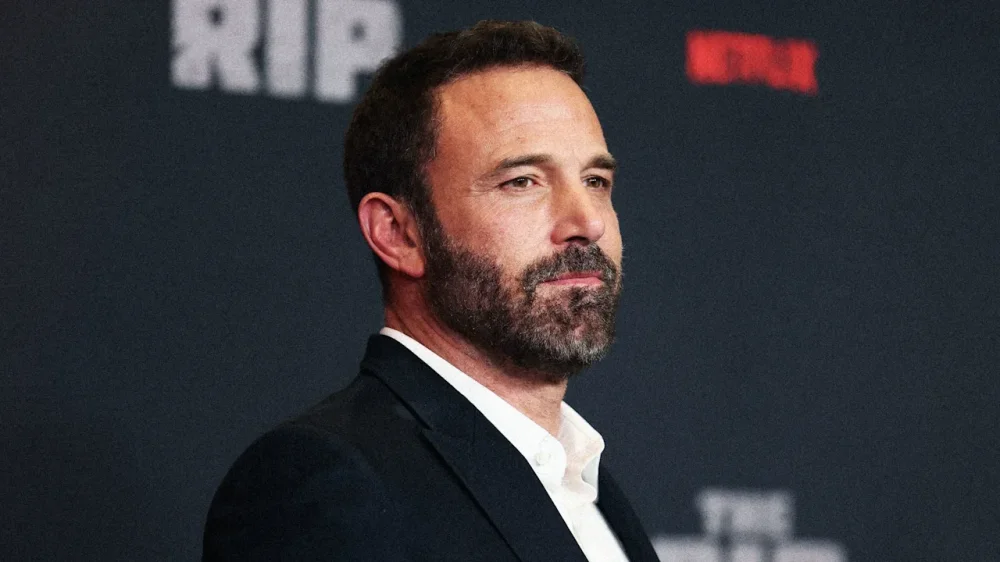
Just days after abandoning its planned Warner Bros. Discovery acquisition, Netflix is back with a very different kind of deal: The streaming giant has acquired InterPositive, a startup founded by actor and director Ben Affleck that is developing AI tools for filmmakers. InterPositive’s entire team will join Netflix as part of the acquisition, and Affleck himself will become an advisor to the streamer. Financial details of the deal weren’t disclosed. Affleck founded InterPositive in 2022 after realizing that existing AI video models weren’t ready to produce Hollywood-grade footage from scratch. “Together with a small team of engineers, researchers and creatives, I began filming a proprietary dataset on a controlled soundstage with all the familiarities of a full production,” he says. With the help of this training data, InterPositive then developed its own video model, optimized for use in real-world production environments. “We also built in restraints to protect creative intent, so the tools are designed for responsible exploration while keeping creative decisions in the hands of artists,” Affleck says. InterPositive has been operating in stealth until today, and a Netflix spokesperson declined to share details about the company’s staff. However, a bit of digging revealed that InterPositive was originally incorporated as Fin Bone LLC, an entity that has applied for a number of patents related to AI filmmaking tools in the U.S. and overseas. (Those patents credit Affleck as the inventor.) A common refrain in those applications is that existing AI video models focus entirely on the final visual output, and not on the way cinematographers traditionally construct individual shots—a sentiment echoed by Affleck in a video Netflix published Thursday morning in conjunction with the announcement. “People mostly think of [AI] as making something from nothing,” Affleck says in the video. “I gotta type something into a computer, and it’s gonna give me a movie. That’s not what this is.” Instead of prompting visuals from scratch, InterPositive’s technology requires filmmakers to shoot much of their raw footage first. That footage is then used to train a custom AI model, which can in turn help with common post-production issues. “You can use your own model to remove the wires on stunts, reframe a shot, get a shot you missed, shape the lighting, enhance the backgrounds,” Affleck says. Generative AI has been controversial in Hollywood. Actors and labor unions have been highly critical of the technology, fearing that studios might use it to replace human labor with cheap automation. “I understand the skepticism because I share it,” says Affleck, adding that he was scared the first time he saw generative AI in action. However, the actor-director also argues that it’s important for the film industry not to remain on the sidelines: “I was worried that this was a technology that was going to grow outside of the ecosystem of filmmakers and artists.” Netflix has publicly acknowledged the use of AI for some of its productions, including to create visual effects in its sci-fi show The Eternaut, and to make actors of the Adam Sandler movie Happy Gilmore 2 look younger in a flashback scene. The company has also published guidelines on how production partners can and cannot use AI for Netflix content. “We’ve been working with [machine learning] and AI for a long time, but always in service of responsible use of technology, versus technology for technology’s sake,” says Netflix chief product and technology officer Elizabeth Stone. View the full article
-
It’s the Thursday “ask the readers” question. A reader writes: I work in a field that leans heavily towards freelance gig work these days, but I’ve been lucky enough to work in-house for a firm since making a career change into this industry six years ago. I’ve done a bit of freelance on the side here and there, but not a lot, and I haven’t been self-promoting as a person who’s looking for work because, well, I wasn’t! I had a full-time job that I loved! Well … now I’ve been laid off as my firm downsized, and I’m going to have to go freelance on pretty short notice. Obviously I’ll be job searching as well, but it’s hard to overstate just how much this industry is based on self-employed freelancers these days; my in-house job was a real unicorn situation, especially in the U.S. I’m staring down the prospect of not just looking for work, but also having to come up with new habits and systems and routines. For years, I’ve been clocking in and using my company’s systems and collaborating with a bunch of great coworkers and doing the work I was assigned. Now, all of that is going to have to be self-directed, and I’m going to have to self-promote and invoice and all the rest, and any collaborations and anyone checking my work is going to have to be something I arrange, and I’m going to have to figure out how to motivate and focus myself without that structure. Any tips from the readers? What works for you, what do you wish you’d known, what’s overrated, what’s good when you’re starting out vs good for when your business is more established? The comment section is open! The post ask the readers: what do I need to know to successfully freelance? appeared first on Ask a Manager. View the full article
-
The top employers in home lending value business partners with a large market share and reach but they also need to differentiate themselves. View the full article
-
You’ve probably seen compounding making headlines recently, and not for the right reasons. From so-called “personalized” GLP-1s flooding the market to telehealth startups touting hormone “rebalancing” kits, compounding has become a buzzword for companies looking to shortcut regulation. Much of the scrutiny is justified; some companies exploit compounding to bypass evidence standards or chase fast revenue. But when compounding is grounded in rigorous data, fills a real market gap, and meets a clinical need, it can meaningfully accelerate access to therapies that would otherwise take years to reach patients. In women’s health, especially, it can bridge the gap between urgent unmet needs and slow regulatory timelines in a market overlooked for far too long. WHAT IS COMPOUNDING? When a physician prescribes a compounded medication, a licensed pharmacist prepares it by adjusting an FDA-approved drug to create a tailored formulation when no commercial option meets the patient’s needs. Simply put, compounding exists to fill gaps in care. This plays a critical role, for example, with oncology patients who require custom dosages not offered in commercial products, or those who need medications reformulated without allergens. In limited circumstances, compounding can also allow companies to deliver new formulations to underserved populations using proven pharmaceutical ingredients while continuing toward FDA approval. Responsible compounding is always: Anchored in evidence Only used when no FDA-approved option exists, and patients would otherwise have no access And part of a defined regulatory plan When aligned with these standards, compounding can bring scientific advancements into real‑world use years sooner—without compromising rigor—especially in areas where investment and approvals lag. WOMEN’S HEALTH AS A CASE STUDY Women’s health is decades behind other therapeutic categories when it comes to FDA-approved options. A recent WEF-BCG report found that women’s health receives only 6% of private healthcare capital,and companies focused exclusively on women’s health capture less than 1%. Meanwhile, drug development averages 10–12 years and can exceed $2 billion per approved product. Costs and timelines can be further compounded by gender bias in clinical research, regulatory standards based on male physiology, or inconsistent definitions of women‑specific conditions. The result is an even wider gap between what science can deliver and what women can actually access. Compounding offers one way to close that gap responsibly. When my company, Daré, evaluated sildenafil—the same active ingredient in Viagra—for female arousal disorder, decades of data and controlled studies supported its potential. Yet, 30 years after Viagra’s approval for men, no one had put in the hard work to do the research, develop the right formulation, and definitively demonstrate sildenafil’s effect on women. After extensive FDA engagement and rigorous development, we made our proprietary formulation for DARE to PLAY, the first topical sildenafil cream for women, supported by published, peer-reviewed clinical data, available via compounding. We did so because the evidence we generated was compelling, the need was urgent, and millions of women were living without options. WHY SHOULD YOU CARE? Compounding allowed us to give women access to a formulation that has been rigorously studied and clinically tested, where no FDA-approved option exists. We’re committed to FDA approval of the first treatment for arousal disorder in women, but we won’t let women wait unnecessarily for a solution that we’ve demonstrated the science already supports. RAISE THE BAR, WIDEN THE PATH Compounding is not a shortcut, nor a replacement for FDA approval. It can be a catalyst for innovation when used exactly as designed, to get credible, science-backed solutions to people who need them and should not have to wait. It allows innovators to widen access in a controlled, science-first way while continuing the work toward FDA approval. For founders working in historically underfunded areas like women’s health, including sexual health, menopause, fertility, and pelvic pain, compounding offers a model where patient need, scientific rigor, and market-building move in the same direction. The future of responsible innovation isn’t about choosing between speed and rigor. We can and should deliver both. Sabrina Martucci Johnson is founder and CEO of Daré Bioscience. View the full article

-
In September 2025, the nation received its latest report card on 12th-grade math from the National Assessment of Educational Progress. These results should be a wake-up call for any American concerned about the future of education and workforce development in the United States. The findings showed that 78% of 12th graders were not proficient in mathematics, with more students than ever falling below the math proficiency benchmarks established by the National Center for Education Statistics. This widening skills gap signals serious trouble ahead for the American workforce. As the future of work becomes increasingly dependent on STEM skills, we are failing to equip millions of students with the tools needed to succeed. In today’s political landscape, there are few issues that consistently draw bipartisan agreement, and K–12 education is often at the center of intense debate. Still, I remain optimistic that common-sense education policies can unite leaders across party lines. One reason for optimism is the growing agreement among governors in blue, red, and purple states on a simple truth: When we invest in STEM education, we invest in America’s future. HOW STEM EDUCATION SETS STUDENTS UP FOR SUCCESS As the CEO of FIRST (For Inspiration and Recognition of Science and Technology), a global youth robotics community, I have seen firsthand how experiential STEM learning can change students’ trajectories. Hands-on, team-based learning builds confidence, curiosity, and resilience in ways that traditional classroom instruction alone often cannot. The workforce implications of STEM learning experiences are significant, given that STEM roles are growing at roughly twice the rate of other jobs and typically pay more than double the national average wage. By 2030, the World Economic Forum projects that 170 million new jobs will be created globally, driven largely by advances in technology, data, and artificial intelligence. Preparing young people for this future is imperative. Programs like ours give students early exposure to real-world problem solving and technical skills that translate across industries, including careers that do not yet exist. A 10-year longitudinal study shows that participation in FIRST programs increases students’ confidence with STEM concepts, sustains long-term engagement, and inspires them to pursue STEM careers. FIRST participants consistently demonstrate improved math performance, school attendance, and overall engagement—and alumni are more than twice as likely as their peers to express increased interest in STEM and three times more likely to major in math-related disciplines in college. ON THE HORIZON I am pleased to see that governors and legislators across the political spectrum recognize the importance of STEM. In Ohio, state leaders partnered with FIRST and Experiential to bring robotics kits into classrooms and to establish 70 teams supporting grades K-12. Colorado launched the Opportunity Now Grant program to invest in educational opportunities and talent development in healthcare, aerospace engineering, and quantum technologies. Pennsylvania recently inaugurated the Keystone STEM Challenge, a free, statewide problem-solving challenge open to students in grades 5-12. Programs like this go beyond supporting STEM education: They build the future workforce and create the strong local talent pools companies need to grow. Perhaps one of the best showcases for the power of STEM education in action is the FIRST Championship, the culminating event of our youth robotics competition season and a chance for over 50,000 people from around the country and world to come together to celebrate the FIRST teams’ work and accomplishments throughout the year. The FIRST Championship event positions STEM and robotics as just as exciting, collaborative, and inspiring as any “traditional” team sport. When robotics is celebrated with the same energy we bring to athletics, students show up, persist, and thrive. That cultural shift matters as much as curriculum. Today,many policymakers are recognizing that STEM is essential to both students’ futures and a resilient K–12 education system. We believe robotics can integrate seamlessly with state curricula while directly supporting workforce readiness and economic competitiveness. Some issues are too important to be reduced to partisan debates, and preparing young people for the future is one of them. I am encouraged by the growing bipartisan momentum behind rigorous, hands-on STEM education. If we see that commitment through, we can help ensure the next generation of innovators is ready, not only to enter the workforce, but to shape it. Chris Moore is CEO of FIRST. View the full article

-
In today’s economy, identifying crucial services for franchise opportunities is important for potential investors. These businesses not only satisfy community needs but furthermore demonstrate resilience in fluctuating markets. Key sectors include shipping and receiving, security solutions, and home care services, each offering unique advantages. Comprehending these sectors can guide your investment decisions and improve your chances of success. Discover how these franchises can meet demand and offer stability in your entrepreneurial path. Key Takeaways Essential businesses like shipping services, such as Goin’ Postal, have grown due to increased e-commerce demand. Security solutions, exemplified by Surveillance Secure, are vital as crime prevention and safety become priorities for communities. Home care services, offered by Home Helpers, cater to the aging population and individuals needing assistance, ensuring consistent demand. Franchise opportunities in essential services often require thorough training and support from the franchisor for operational success. Evaluating startup costs and funding options is critical for anyone considering investing in an essential service franchise. The Importance of Essential Businesses in Today’s Economy As you navigate today’s economy, it’s essential to understand the role fundamental businesses play in maintaining community health and safety. Critical businesses, such as grocery stores and pharmacies, are important, especially during crises. They not only provide necessary services but also create job opportunities, positively impacting local economies. The resilience of these businesses makes them stable investments, particularly in uncertain times. With increased demand during the pandemic, they’ve demonstrated their significance in daily life. Service franchise opportunities, including home services franchises, can offer consistent revenue, even during lockdowns. Goin’ Postal: A Franchise for Shipping and Receiving Needs Investing in a franchise like Goin’ Postal can be a strategic move in today’s evolving market. As one of the top service franchises, it offers crucial shipping and receiving services customized to both individuals and businesses. With the rise of e-commerce, Goin’ Postal has experienced increased demand, making it a smart addition to your investment portfolio. This franchise from home model allows you to operate with a proven business strategy and provides extensive training to address industry challenges. Goin’ Postal’s crucial services guarantee you remain operational during unforeseen events, contributing to community sustainability and franchisee profitability. Surveillance Secure: Meeting the Demand for Security Solutions As businesses increasingly prioritize security, you’re looking at a valuable opportunity with Surveillance Secure. Their innovative technology solutions, like touchless access control and thermal body temperature screening, address the rising demand for safety in commercial environments. Rising Security Demand With the increasing emphasis on safety and compliance in various sectors, the demand for security solutions has risen sharply in recent years. Surveillance Secure has experienced an average annual revenue increase of 20.3% since 2016, reflecting this growing need for electronic security, especially in commercial settings. The pandemic heightened health and sanitation standards, creating a stronger demand for advanced services like touchless access control and thermal body temperature screening. Major clients, including Pepsi and Marriott, showcase Surveillance Secure’s robust presence in the corporate security sector. As e-commerce continues to thrive, the need for improved security measures in businesses is expected to grow, presenting lucrative opportunities for aspiring franchisees in the sector of top home service franchises. Innovative Technology Solutions The surge in security demands has propelled companies like Surveillance Secure to innovate and improve their technology solutions, ensuring they meet the evolving needs of diverse industries. Since 2016, Surveillance Secure has seen an average annual revenue increase of 20.3%, reflecting strong market demand for electronic security solutions. With a focus on health and sanitation standards, there’s a rising need for products like touchless access control and thermal body temperature screening. Major clients, including Pepsi and Marriott, trust Surveillance Secure, showcasing its credibility. As businesses adapt to new safety requirements, the franchise’s innovative technology solutions position it for continued growth in the security and surveillance industry. Investing in a Surveillance Secure franchise offers a promising opportunity in an increasingly security-focused market. Home Helpers: Supporting Seniors With Care Services Home Helpers stands out in the franchise environment by offering essential care services customized for seniors and individuals requiring assistance in their daily lives. This franchise provides both medical and non-medical support, ensuring a stable demand in the growing healthcare sector. With thorough training and marketing assistance, you’ll find it easier to navigate the intricacies of home care. Home Helpers likewise focuses on developing at-home testing solutions, highlighting its commitment to public health needs. Backed by strong leadership, the executive team offers ongoing support and resources, enhancing your operational success. As the aging population continues to grow, investing in Home Helpers presents a viable long-term opportunity in an important industry. Oxi Fresh: Revolutionizing Carpet Cleaning With Eco-Friendly Methods Oxi Fresh is transforming the carpet cleaning industry by prioritizing eco-friendly methods that align with modern environmental standards. Specializing in environmentally friendly technology, Oxi Fresh meets EPA standards against SARS-CoV-2, ensuring a safe cleaning process for homes and businesses. This franchise has shown consistent growth, even thriving during economic downturns, demonstrating its market resilience. Its unique cleaning techniques allow carpets to dry in about one hour, reducing customer downtime markedly compared to traditional services. Key Considerations for Franchisee Success Success as a franchisee hinges on several key factors that can greatly influence your business outcomes. Your level of engagement with the business directly correlates with better results, so investing time is fundamental. Adhering to the established franchise model helps maintain consistency and quality. Familiarity with the industry improves your ability to navigate challenges, allowing you to tailor services to meet customer needs. Continuous learning about market trends is critical for long-term profitability, as consumer preferences evolve. Building strong relationships with customers and the community nurtures loyalty and positively impacts your franchise’s reputation. If you can’t manage the business personally, having a trusted partner or manager guarantees consistent operations and informed decision-making, which are pivotal for success. Evaluating Startup Costs and Funding Options for Franchises When you’re considering a franchise, comprehension of the initial investment is essential, as startup costs can range from $50,000 to over $150,000. You’ll need to explore various funding strategies, including personal savings and bank loans, at the same time being aware of the importance of having some unborrowed funds available. Reviewing the franchise disclosure document (FDD) will likewise help you grasp all associated costs and obligations, ensuring you make an informed decision. Understanding Initial Investment Steering through the initial investment for a franchise can feel overwhelming, but comprehending the associated costs and funding options is crucial for success. Initial investments can range from under $50,000 to over $150,000, covering franchise fees, equipment, and operational expenses. The franchise fee is a one-time payment granting you the rights to operate under the brand, whereas ongoing royalties are a percentage of your monthly revenue. https://www.youtube.com/watch?v=O1As2zxy0es It’s important to understand that some funds need to be saved rather than borrowed to meet startup obligations. Common funding sources include personal savings, loans, or equity investments. The Franchise Disclosure Document (FDD) will provide detailed financial information and obligations, helping you evaluate the full financial commitment involved in franchising. Funding Strategies Overview Comprehending the funding strategies available for franchise ownership is critical, especially since startup costs can vary widely based on several factors. Costs can range from under $50,000 to over $150,000, influenced by the brand, location, and necessary equipment. Initial franchise fees grant the rights to operate under a brand, whereas ongoing royalty fees depend on monthly revenue. It’s important to understand the requirement for unborrowed funds, as some cash must be saved to meet franchisor criteria. Your funding options include personal savings, loans, and equity investments, each with its own risks and rewards. The Franchise Disclosure Document (FDD) provides fundamental information about investment costs and ongoing obligations, helping you assess the financial aspects of the franchise opportunity effectively. Frequently Asked Questions What Are the 4 P’s of Franchising? The 4 P’s of franchising are Product, Price, Place, and Promotion. Product focuses on the quality and uniqueness of the goods or services offered. Price involves setting competitive fees and pricing that balance franchisee affordability with franchisor profitability. Place addresses the distribution channels and locations for ideal market reach. Promotion encompasses marketing strategies like advertising and social media to raise brand awareness and attract customers, ensuring the franchise effectively engages its target audience. What Do You Need to Know About Franchising Generally? When you explore franchising, it’s vital to understand the relationship between franchisors and franchisees. You’ll operate under an established brand, following their business model and guidelines. Review the Franchise Disclosure Document (FDD) carefully, as it outlines your rights, obligations, and financial details. You’ll receive training and ongoing support, helping reduce risks. The process involves researching opportunities, negotiating terms, and signing agreements before launching your franchise. Knowledge of these aspects is fundamental for success. What Services Are Offered by the Perfect Franchise? The perfect franchise offers a variety of crucial services customized to meet market demands. These can include retail shipping and receiving, electronic security solutions, healthcare services for seniors, environmentally friendly cleaning, and home maintenance. Each service addresses a specific need, ensuring consistent demand. By providing extensive training and support, these franchises enable you to operate effectively and maximize profitability, as well as adapting to changing consumer preferences and economic conditions. Why Is It Only $10,000 to Open a Chick-Fil-A? Opening a Chick-Fil-A franchise costs only $10,000 because of its unique business model. Chick-Fil-A retains ownership of the restaurant property and equipment, which minimizes financial risk for franchisees. Even though the initial fee is low, franchisees must be actively involved in daily management and operations. Furthermore, the profit-sharing arrangement allows you to earn a portion of the restaurant’s profits, as the company covers operational costs and expansion. This selective model guarantees franchisee alignment with brand values. Conclusion To conclude, investing in vital service franchises like Goin’ Postal, Surveillance Secure, Home Helpers, and Oxi Fresh can provide stability and profitability. These businesses address ongoing community needs, ensuring their relevance in today’s economy. As you consider franchise opportunities, evaluate startup costs and funding options carefully, as these factors are critical for long-term success. By choosing the right franchise, you can contribute positively to your community as you build a sustainable business. Image via Google Gemini and ArtSmart This article, "7 Essential Services for Franchise Opportunities You Need to Know" was first published on Small Business Trends View the full article
-
CEO’s move comes with company’s holdings of cash and short-term Treasury bills at a record $373bnView the full article
-
Customer loyalty programs are crucial tools that businesses use to encourage repeat purchases and improve customer engagement. By offering rewards such as points, discounts, or exclusive access, these programs motivate customers to spend more and return frequently. Members typically spend considerably more than non-members, as their buying habits are tracked to maximize rewards. Comprehending how these programs operate can reveal their impact on business success and customer relationships, leading to intriguing insights about effective implementation. Key Takeaways Customer loyalty programs encourage repeat business by offering rewards like points, discounts, or exclusive access to products. Members typically spend up to 18% more than non-members, enhancing customer retention. Programs collect personal information to track purchases and enable reward accumulation based on spending. Different types include points-based, tiered, paid, coalition, and referral programs, each offering various incentives. Effective programs require clear objectives, appealing rewards, and ongoing communication to ensure member engagement and satisfaction. Definition of Customer Loyalty Programs Customer loyalty programs are a strategic approach that brands use to encourage repeat business and promote deeper engagement with their customers. These programs reward you for making repeat purchases, offering various incentives like points, discounts, or exclusive access to products. The best retail rewards programs not only improve customer retention but also provide brands with valuable insights into your purchasing behavior and preferences. About 79% of consumers are involved in at least one loyalty program, demonstrating their widespread appeal. Loyalty programs can be structured in different ways, including points-based, tiered, cashback, or paid systems, each catering to diverse customer motivations. Research shows that members of loyalty programs typically spend up to 18% more than those who aren’t members, reflecting the effectiveness of these programs in nurturing brand loyalty and increasing overall sales. How Customer Loyalty Programs Work Grasping how customer loyalty programs work can help you appreciate their value beyond just rewards. To start, you typically need to enroll in these programs by providing personal information, which allows businesses to track your purchases and earnings. As you shop, you earn points based on the dollar amount spent, encouraging you to return for more purchases. Many programs feature tiered rewards, meaning you access greater benefits as you reach higher spending levels or engagement milestones. Businesses automatically track your activity, simplifying the process of accumulating and redeeming rewards. This seamless experience improves your satisfaction and incentivizes continued loyalty. Moreover, data analytics from these programs provide brands with insights into your preferences and spending habits, enabling them to refine their offerings. By grasping how these programs function, you can make informed choices about where to shop and the potential benefits waiting for you. Benefits of Customer Loyalty Programs Even though many shoppers might see loyalty programs as mere tools for earning rewards, they actually offer significant advantages for both consumers and businesses alike. These programs not only improve customer experience but likewise increase profitability for brands. Here are some key benefits: Increased Spending: Members typically spend up to 18% more than non-members. Brand Preference: Customers are 59% more likely to choose a brand that offers a loyalty program over competitors. Higher Retention Rates: About 85% of shoppers continue purchasing from brands that have loyalty initiatives. Long-Term Value: The customer lifetime value (CLV) for loyalty program members can be 6.3 times higher than for non-members. Data Insights: Loyalty programs provide businesses with valuable insights into customer preferences, enabling targeted marketing strategies. These benefits ultimately contribute to stronger consumer relationships and improved business growth. Types of Customer Loyalty Programs Loyalty programs come in various forms, each designed to cater to different consumer preferences and behaviors. Here are some common types: Program Type Description Points-Based Earn points for each purchase, redeemable for rewards, popularized by brands like Starbucks. Tiered Loyalty Offers rewards based on spending levels, providing increasing benefits as customers advance. Paid Loyalty Requires a membership fee for exclusive perks and discounts, exemplified by Amazon Prime. Coalition Loyalty Involves partnerships between multiple brands, allowing rewards to be earned and redeemed across different businesses. Referral Programs Customers receive rewards for successfully referring new customers, promoting brand growth. Understanding these types can help you choose the programs that best suit your shopping habits and preferences. By selecting the right loyalty program, you can maximize your rewards and improve your overall shopping experience. Examples of Successful Customer Loyalty Programs Many companies have successfully implemented customer loyalty programs that not only improve customer satisfaction but also drive sales growth. Here are some notable examples: Starbucks Rewards: Earn stars for every purchase, redeemable for free drinks and food, creating a loyal customer base. Marriott Bonvoy: A points-based system for hotel stays, car rentals, and flights, offering exclusive benefits like room upgrades. Delta SkyMiles Medallion: Tiered rewards based on spending, providing perks such as priority boarding and free checked bags for frequent travelers. Amazon Prime: A paid loyalty program that offers free shipping, access to streaming services, and exclusive discounts, greatly boosting customer retention. Walgreens Balance Rewards: Customers receive 10 cents back for every dollar spent, redeemable on future purchases, encouraging repeat visits. These programs demonstrate effective strategies that improve customer loyalty as well as boosting sales and profitability for businesses. Tips for Creating an Effective Loyalty Program To create an effective loyalty program, start by defining clear objectives that align with your overall customer experience strategy. Next, choose a reward structure that resonates with your audience, whether it’s a simple points system or tiered rewards. Finally, promote your program effectively to guarantee customers understand its value and benefits, which can greatly improve their loyalty to your brand. Define Clear Objectives Establishing clear objectives for your loyalty program is essential if you want to guarantee it aligns with your overall business goals. Start by identifying what you aim to achieve, ensuring you understand your audience’s preferences. Here are some key points to take into account: Increase customer retention rates. Boost average order value. Improve customer engagement through relevant rewards. Set measurable goals, like a 20% rise in membership sign-ups. Incorporate feedback mechanisms to adapt to evolving customer needs. Regularly review performance metrics such as redemption rates and net promoter scores (NPS) to assess the effectiveness of your program. Choose Reward Structure Choosing the right reward structure for your loyalty program is crucial since it directly influences customer engagement and retention. Consider implementing a points-based system, where customers earn points for purchases that can be redeemed for discounts or freebies. Tiered rewards can motivate higher spending, encouraging customers to reach new levels for greater benefits, similar to Delta Air Lines frequent flyer programs. You might likewise explore a paid loyalty program, like Amazon Prime, which offers immediate perks upon payment and can boost spending. Incorporating a mix of rewards—monetary incentives, exclusive access, and personalized offers—can appeal to a broader audience. Regularly review and adjust your reward structure based on customer feedback and performance metrics to guarantee it remains effective and relevant. Promote Program Effectively A well-promoted loyalty program can greatly improve customer engagement and retention. To guarantee your program stands out, focus on these effective strategies: Clearly define your value proposition by highlighting unique benefits and rewards, boosting member acquisition by up to 20%. Simplify the sign-up process; streamlined registration can increase enrollments by 50%. Utilize targeted marketing strategies like personalized emails and social media campaigns to engage potential members, enhancing brand loyalty by 36%. Regularly communicate updates and rewards through various channels to keep members informed, potentially improving retention by 25%. Incorporate feedback mechanisms to gather insights on preferences, adapting the program can raise customer satisfaction scores by 30%. Implementing these strategies will optimize your loyalty program’s effectiveness. Frequently Asked Questions How Do Customer Loyalty Programs Work? Customer loyalty programs work by rewarding you for repeat purchases. When you enroll, you start earning points or discounts based on your spending. Many programs have tiered benefits, meaning the more you spend, the better the rewards. These programs often track your purchases through a membership card or app, allowing businesses to analyze your preferences and spending habits. This data helps them tailor offers, improving your overall shopping experience. What Are the 4 C’s of Customer Loyalty? The 4 C’s of customer loyalty are Customer, Cost, Convenience, and Communication. To build loyalty, you need to understand your audience, personalizing interactions to strengthen relationships. Offer value through rewards that justify their investment, making customers feel appreciated. Guarantee a seamless experience for accessing rewards, reducing friction in engagement. Finally, maintain clear communication about program benefits and personalized offers, helping customers stay informed and connected to your brand, which improves their loyalty. What Are the 3 R’s of Customer Loyalty? The three R’s of customer loyalty are Reward, Recognition, and Relevance. Reward means giving you incentives, like points or discounts, to encourage repeat purchases. Recognition is about acknowledging your loyalty with personalized communications or special treatment, making you feel valued. Relevance focuses on tailoring experiences and offers based on your preferences and behaviors, ensuring interactions are meaningful. Together, these elements improve your experience and strengthen your relationship with brands, promoting long-term loyalty. Are Loyalty Programs Just a Marketing Ploy? Loyalty programs aren’t just marketing ploys; they’re strategic tools aimed at building real relationships with customers. By offering rewards for repeat purchases, they encourage ongoing engagement. Around 79% of consumers participate in these programs, showing their appeal. They can boost annual revenue by 12-18% and greatly influence brand preference. Moreover, these programs generate valuable data, allowing businesses to tailor their offerings and improve the overall customer experience, making them effective beyond mere marketing tactics. Conclusion In conclusion, customer loyalty programs are strategic tools that improve customer engagement and drive repeat business. By offering rewards like points, discounts, or exclusive access, these programs encourage members to spend more and cultivate long-term relationships. Comprehending the various types and successful examples of these programs can help businesses create effective strategies customized to their audience. Implementing a well-structured loyalty program not just boosts retention but provides valuable insights for targeted marketing efforts. Image via Google Gemini This article, "What Are Customer Loyalty Programs and How Do They Work?" was first published on Small Business Trends View the full article
-
More flights resume across Middle East despite some refuelling disruptions in OmanView the full article
-
Picture two scenes. In the first, a Swiss train pulls away at exactly 10:02 a.m. If you’re not on the platform, it’s already too late. Precision is respect. It always comes first. In the second, a family minibus idles with the engine running. Somebody’s cousin is late. “We can’t leave without him.” The whole group waits because relationships matter more than the clock. These two images capture what anthropologist Edward T. Hall described in the 1950s as monochronic and polychronic relationships to time. In monochronic cultures, time is linear and segmented. You do one thing at a time. You respect deadlines. You don’t interrupt. In polychronic cultures, by contrast, time is fluid. Multiple activities can overlap. Interruptions are normal. Human connection often takes precedence over punctuality. There’s room for improvisation. Hall’s framework is usually applied to national cultures—Northern Europe and the United States are often described as more monochronic whereas parts of Latin America, Africa, the Middle East, or Southern Europe are said to be more polychronic. But in today’s workplace, this distinction is no longer just about geography. It’s about how we work. It’s about how we reward work. And even more importantly, it’s also about gender. A productivity bias toward monochronic time Modern corporate life is built on monochronic assumptions. Calendar invites carve the day into neat blocks. Deep work is idealized. Focus is fetishized. The most admired professionals are often those who can shut the door, silence notifications, and deliver—on time, every time. Monochronic work has undeniable advantages. It enables depth. It supports complex problem-solving. It rewards persistence. In research, engineering, writing, and strategy, sustained concentration can be transformative. But it can also become rigid. Monochronic workers may stick to a plan long after conditions have changed. They may resist interruptions that, in hindsight, could have opened new opportunities. The system prizes predictability, which is often hard to generate. Polychronic workers, by contrast, tend to thrive in flux. They switch contexts more easily. They welcome the unexpected conversation, the new angle, the emerging opportunity. Their days are less linear, more improvisational. In that sense, polychronism may be particularly well suited to innovation and entrepreneurship — especially in moments that call for a strategic pivot mid-course. This flexibility can produce increased relational intelligence. But it comes at a cost: dispersion, unfinished tasks and cognitive overload. And that cost is not distributed equally. The gendered burden of polychronic time Too often, the monochronic/polychronic distinction is framed as a personality difference. Some people are “naturally” or “culturally” focused; others are scattered. Some are disciplined; others are relational. But that is way too simplistic a framing. Many people—especially women—do not choose polychronic time. They are assigned to it. It’s hardly a revelation: women continue to shoulder a disproportionate share of unpaid care work. Beyond the visible tasks lies the mental load: the constant anticipation of needs, the quiet monitoring, the emotional labor that keeps family life coherent. Even in dual-income households, research consistently finds that this invisible infrastructure of daily life rests largely on women’s shoulders. And this work is inherently polychronic. It requires constant switching between domains: professional deadlines, school emails, elderly parents’ prescriptions, a last-minute call from daycare. It demands anticipatory thinking across multiple timelines. It rewards attentiveness to interruption. In other words, many women operate in a state of enforced polychronicity. But then they enter workplaces designed for monochronic performance, which produces a double bind. In professional settings, monochronic behavior— uninterrupted focus, linear execution—is often interpreted as leadership potential and intellectual superiority. Meanwhile, polychronic behavior—context switching, responsiveness, relational attentiveness—can be misread as lack of focus or insufficient discipline. Yet for many women, the fragmentation of attention is not a personality flaw. It is the structural consequence of unequal responsibility. That’s why our relationship to time is not simply a matter of national culture or individual temperament. It is shaped by life constraints, social expectations, and economic realities. A mother who answers a school call during a meeting is not demonstrating a cultural preference for fluid time. She is navigating a system that assumes someone else will absorb the interruption—and almost always, that someone else is her. In theory, polychronic time can generate serendipity, creativity and strong social bonds. But often it produces cognitive strain. The inability to complete tasks without interruption erodes satisfaction. The sense of never being fully present—at work or at home—feeds guilt and self-doubt. Many women internalize this strain as personal inadequacy. They compare themselves to monochronic partners or colleagues. They conclude they lack discipline. Rethinking time as a workplace equity issue If we take Hall’s framework seriously, we should stop treating time orientation as a moral hierarchy. Monochronic is not superior. Polychronic is not inferior. They are adaptive responses to different environments. The most important aspect of the question is whether or not we get any choice in the matter. Organizations that value inclusion should examine how their structures reward one temporal style over another. Do performance metrics assume uninterrupted availability? Do leadership norms privilege those who can guard their time fiercely? Are flexibility policies distributed equally? Do they come with less pay? It’s true that hybrid work and digital tools have blurred boundaries for everyone. But the burden of managing that interruptibility still falls unevenly. Instead of asking individuals to “be more focused,” perhaps we should ask how teams can better distribute cognitive labor, including the cognitive labor associated with teamwork. How can an organization protect deep work time for caregivers? How can workplaces recognize relational labor as real contributions? Of course we need both models at work: monochronic time is invaluable when precision, safety, or deep thinking are required; polychronic time is essential when navigating uncertainty or human crises. Some people can alternate between the two by design. But for caregivers—including those who absorb the invisible coordination work at the office—polychronic time is simply an obligation. View the full article

-
TikTok is entertaining, addictive, and full of hidden features that can make the experience way more enjoyable—not to mention safer. Because for all its charms, TikTok is something of a privacy nightmare. The app's ownership recently shifted from Chinese company ByteDance to the TikTok USDS Joint Venture, a new entity backed by Oracle's Larry Ellison, private equity firm Silver Lake, and UAE-based investment firm MGX, a change that raised plenty of eyebrows when it was announced in January 2026, and may have you thinking twice about how it's using your data. When it comes to hacking your TikTok feed, you probably already know the surface-level tricks: adding automatic captions, holding down to play at 2x speed, or tapping "Not interested" to nudge the algorithm. Let's go deeper, with 10 TikTok hacks you might not know about. There's a way to view your TikTok watch historyFinding a TikTok via the search bar is famously painful. If you didn't like or save the video, you can consider it gone forever...unless you use this little-known trick to actually see your own watch history. Go to the search bar on your For You feed, type a single period (.) and hit search. You'll see an option to “view your watch history.” From here, you can even filter by date, if you remember roughly when you watched the video you're looking for. This is huge. Credit: Meredith Dietz Long-press the share button to quickly send a TikTok to your top friendsInstead of going through the full share menu, you can simply press and hold the share (arrow) button while watching a video. Your top four contacts will appear instantly, letting you send with one tap. Note: TikTok's idea of who makes it into your "top four" may surprise you, and it's not entirely transparent about how it determines who counts as one of your closest connections. Enable clear mode in TikTok for a cleaner watch experienceTo strip away the like buttons, comment icons, and other UI clutter from a video, long-press on the screen while watching and select Clear Display. Alternatively, pinch the screen with two fingers and move slightly outward to toggle the same mode. Press X or swipe to the next video to exit clear mode. This trick is particularly great for screenshots, or when you want to get a better view of the video without the interface in the way. Drop an emoji react in TikTok without opening commentsPress and hold the comment box to send a quick emoji reaction without pulling up the full comments section. It's faster, though if you ask me, the comments section is crucial to the full TikTok experience. Some of the best content on the internet lives in the replies. Reset your TikTok For You feed's algorithm Stuck in a content rut? TikTok has a way to wipe your feed and start fresh: Tap Profile at the bottom right Tap the three-line menu (top right) Go to Settings and privacy Select Content preferences Tap Refresh your For You feed Tap Continue to confirm Your feed will repopulate with a clean slate of broader, less personalized content. Save a TikTok as a Live Photo for your iPhone Lock CcreenLove a video so much you want to see it every time you lock your phone? Or do you want to prank a friend who left their phone in your hands? On iPhone, open any video in TikTok, tap the Share (arrow) icon, and select Live Photo from the bottom row. The video will save to your Photos app. To then use it as a lock screen wallpaper: Open the Live Photo in the iPhone Photos app Tap Share → Use as Wallpaper Or go to Settings → Wallpaper → Choose a New Wallpaper and select it from your library Force-press your lock screen and your TikTok video will play as a live photo. This is useful if you really, really like someone's fan edits of your favorite character. Opt out of TikTok's data collectionTikTok collects a lot. If you’re going to use the app, there isn’t really a way to get around the privacy nightmare completely. Still, in the settings, you can limit what it does with your data: Turn off targeted ads outside of TikTok Disable using off-TikTok activity for ad targeting Turn off location tracking within the app Stop contact syncing You can also go to your phone's system Settings → TikTok and revoke location permissions at the OS level. This is usually a more reliable route than trusting in-app controls. Stop TikTok from suggesting your account to othersTwo layers here, and you need both: In TikTok settings, you should turn off syncing for contacts and Facebook friends. But the real hack is to also go into your phone's settings and revoke TikTok's contacts permission entirely. Otherwise TikTok may still be able to match your account to people who have your number saved, even with in-app syncing off. Use hidden hashtags to reach the right audienceReady to post something yourself? Hashtags tell TikTok's algorithm what your video is about, but a wall of hashtags in your caption looks messy and may actually confuse the algorithm. But you can hack it with two cleaner approaches: Use SEO-based terms, shrink them small, and flick them off-screen in the caption editor. Post your video, then immediately add hashtags as your very first comment. Whichever method you choose, stick to 3–5 hashtags that directly relate to your content, mixing specific, broad, and trending tags. More isn't better here, since it can dilute your content. Boost your own engagementThe secret to engaging an audience of your own is to actually be engaging, and to engage back with others. For instance, replying to comments with video responses boosts reach more than typing a reply does. But to make sure you’re posting something that gets a comment in the first place, use the three-hook rule to keep viewers watching past the first second: Text hook. Put descriptive text on-screen that tells viewers exactly what this video is about. Verbal hook. In your voiceover or talking-head intro, explain why they should stick around. Visual hook. Do something visually compelling immediately. Always open with your most exciting footage, even if you circle back chronologically. Finally, capitalizing on trends does help, but I promise you don't have to dance to trending sounds—just add a popular song to the background of whatever you're already filming to ride its algorithm boost. View the full article
-
Here is a recap of what happened in the search forums today, through the eyes of the Search Engine Roundtable and other search forums on the web. Google AI Mode has better link cards to recipe sites now...View the full article
-
How content is structured in an article or blog post might not seem controversial. But, apparently, Google doesn’t want you to create bite-sized chunks of content simply to please LLMs. Called “chunking,” this technique helps get your content noticed by AI models and reflects how readers actually engage with online content. Chunking may make content more retrievable or citable in AI search, but ultimately, it improves the flow of content and makes concepts easier for people to understand. Let’s talk about how chunking works and when to use it. What is chunking? Chunking is the practice of organizing text into distinct, self-contained units of meaning. When content is chunked, information is segmented so each paragraph focuses on a single idea and contains everything the reader needs to understand the basics of that idea simply and quickly. Someone should be able to read a single paragraph and grasp the concept without having to hunt for context in the surrounding words. Does chunking help AI or people? The recent criticism from Google suggests that the practice of chunking over-optimizes content, specifically so that it will show up in AI answers. The idea that people are writing specifically for AI assumes that what’s good for AI is somehow bad for human readers. But really, chunking helps communicate ideas for both readers and search retrieval systems. When content is chunked, it doesn’t dumb down or artificially fragment ideas. It organizes information to match how people actually read online content, making articles easier to scan. Chunking also helps AI systems because they operate at the passage level rather than the page level. For example, when a system needs to identify an answer for “how to measure keyword cannibalization,” a heading that says exactly that, followed by a focused paragraph, would create a clear match. In contrast, when an answer to that same question is buried in a dense paragraph covering three other topics, that information gets diluted. The AI might see relevant keywords, but if the text meanders between ideas, it will have a lower confidence that the passage definitively answers the query. Clear structure creates clear meaning. Chunking helps both readers to scan content and AI systems to accurately identify what your content says. Dig deeper: Chunk, cite, clarify, build: A content framework for AI search Your customers search everywhere. Make sure your brand shows up. The SEO toolkit you know, plus the AI visibility data you need. Start Free Trial Get started with When to chunk content When writing from scratch, integrate chunking into your process from the start. However, it may not be worth your time to edit existing content solely to chunk it. You may find that some articles already follow chunking principles, even if they weren’t explicitly planned to do so. Others may be out of date or poorly structured, requiring more substantial rewrites. If you want to chunk existing content, prioritize pieces that: Receive significant traffic but have high bounce rates or low engagement. Rank well, but aren’t being cited. Cover complex topics where readers need to find specific information quickly. Serve bottom-of-funnel audiences making decisions based on specific details. Skip chunking edits for content that: Already performs well and receives AI citations. Is scheduled for comprehensive rewrites in the near future. Covers topics where narrative flow matters more than information retrieval. If you have content that is impactful because it creates an emotional arc, chunking or breaking it down into discrete chunks could hurt the piece. If your content succeeds by carrying readers through a journey rather than letting them jump to an answer, preserve that flow. For example: Thought leadership that builds to a provocative conclusion. Opinion essays that require context before the thesis lands. Brand storytelling that uses prose rhythm. Dig deeper: Chunks, passages and micro-answer engine optimization wins in Google AI Mode Get the newsletter search marketers rely on. See terms. How to chunk content A chunk in a piece of content should be long enough to explain one thought. This often results in shorter paragraphs — the defining feature is a singular focus, not the word count. These focused paragraphs sit under clear headings. The heading tells the reader what to expect, and the chunks beneath it deliver on that expectation. Build chunking into your content outline To include chunking in your writing, the most effective approach is to integrate it from the start. Define for yourself or other writers which ideas or concepts in a given topic constitute a chunk, focusing on paragraphs and heading descriptions. If using content briefs, make it clear in your outlines that each H2 or H3 should cover one complete concept and the content under that heading should fully explain the concept. How to edit existing content into chunks Focus your efforts on high-value pages first when editing existing content. Prioritize pages that receive traffic but struggle with engagement or pages that rank well but aren’t being cited. Evaluate your heading structure: Do your H2s and H3s clearly say the information that each section contains? If not, rework the overall structure of an article first, to include the main points of the topic. Add paragraph chunks for any new subheadings. Look for paragraphs that contain multiple ideas and break them apart: Each paragraph should stand on its own as a complete thought without depending on other ideas. Edit the article to delete any extra information: Make the paragraphs concise. Focus only on relevant information for each chunk. To chunk or not to chunk? Don’t let Google convince you that chunking is a hack. Chunking makes content work better for everyone and everything — from readers scanning for specific information to AI systems matching queries to answers. Dig deeper: How to build a context-first AI search optimization strategy View the full article
-
The job market is tough right now: AI résumé filters, the rise of ghost jobs, and waves of industry-wide layoffs. Many workers cling tightly to their jobs in this environment, a phenomenon known as “job hugging.” But a surprising number of mid-career millennials aren’t scrambling to avoid redundancy. Instead, they admit they’d prefer an external push out the door because the alternative—voluntarily navigating a chaotic job market—feels far too risky. And experts say it’s a trend that should leave the cohort right below millennials worried. A recent survey of 2,000 Gen Z and millennial workers in the US by online education platform ELVTR found that 37% of millennials are dissatisfied with their current roles, and 55% feel unsettled in their careers. Nearly six in 10 said they hoped for an external excuse to leave a job they felt stuck in, such as being laid off. Roman Peskin, ELVTR’s CEO, calls it “career dysmorphia”: Jobs no longer deliver the stability or upward mobility that they used to. On top of that, many young people have high levels of student debt gathering interest in a world where the cost of living is still rising, making traditional milestones, like homeownership, increasingly out of reach. “We sold them a career vision which they probably aren’t going to get,” Peskin continues. “They’re more willing to afford the thought of, ‘I’m going to find something else, but I can’t really afford to pull the trigger myself’.” Having millennials secretly wishing their jobs would disappear is a warning sign to Gen Zers. They’re entering a workforce where almost every industry is being reshaped by AI and instability, and where getting hired and building a meaningful career may be far more difficult than they thought. Feeling stuck in a collapsing career pyramid Many millennials essentially feel stuck, unable to quit, but unconvinced that staying will provide the future they were promised. On social media, this malaise is being dubbed the “Great Millennial Career Crisis.” Jessi Jean, a content creator who talks about her career pivot at age 35, described it in a TikTok at the end of last year. She said millennials in particular were sold a version of success that “doesn’t exist anymore.” “We’re told, go to school, pick a responsible career, work hard . . . if you climb the ladder, you’ll definitely be rewarded,” she said. “Buy a house, get married, have the kids, and then you’re going to feel fulfilled.” But many who followed that path encountered recessions, skyrocketing student loan debt, high housing costs, and now, rapid AI advancement. “Now technology is taking out entire job markets,” Jean said. “So I think so many of us are realizing that our parents’ dream isn’t ours.” This tension suggests the career ladder itself isn’t working—with millennials watching it collapse from the inside. The end of trial and error For decades, corporate structures operated like pyramids. They found their best people through the trial and error of hiring broadly at the bottom, training and testing them, and promoting the strongest performers. That way, if you hired ten graduates, you only needed one to emerge as a future leader. But that structure is rapidly changing, with young talent facing a “jobpocalypse” once they graduate. AI is reshaping the bottom rungs of the career ladder, with companies including PwC and IBM warning that automation is shrinking entry-level corporate roles. HR software company Avature’s recent AI impact report, which surveyed 180 HR, talent acquisition, and talent technology professionals across industries worldwide, found that 76% of respondents believe AI will significantly reduce hiring, creating what it called an “entry-level squeeze.” Avature’s CEO and founder, Dimitri Boylan, tells Fast Company that many of the company’s customers, which range from Apple to Xerox, believe this pyramid “is not going to be in existence in the future.” Companies can no longer afford experimentation, so they need to be far more precise in selecting junior hires from the start, meaning more intense recruitment processes for junior roles. Even those who do get hired may find there’s less tolerance for mistakes. The old system allowed young workers to learn on the job and grow into management, but an AI-augmented workforce may offer far less patience and room to improve. “It’s a compounding problem,” Boylan says. “The generation that’s coming into the workforce right now, the 18- to 25-year-olds—this is going to have a very big impact on them.” ‘Midlife crises now arrive at 25’ Ella Robertson McKay, managing director of the NGO for young leaders One Young World, agrees that young people are facing multiple stressors in their lives and careers. But she also points to their adaptability and digital fluency as strengths. “I have no concerns about the leadership caliber amongst Gen Z,” she says. It’s just about teasing those out, and that may mean restructuring a new pipeline altogether. Boylan says it’s up to HR to understand how the architecture within their organizations is changing and move people in the right directions—though it will take some time for the best route to become clear. “They have a lot of figuring out to do,” Boylan says. “But they don’t have enough data yet to do it.” There will always be ambitious workers willing to push through uncertain times, Peskin says. Top firms will always be willing to pay for top talent. But that divide is widening, and there’s no guarantee of job security in any industry. “It’s becoming more of a law of the jungle,” Peskin says. “Midlife crises now arrive at 25, because disillusionment comes much sooner.” Millennial workers fantasizing about being laid off could be written off as burnout, but it signals more than that. It’s a bright red flag for those looking to break into their chosen industry. While millennials are secretly hoping to be pushed from a crumbling career ladder, Gen Z may discover it’s not waiting for them at all. View the full article