All Activity
- Today
-
 Join our webinar to discover effective strategies for automating Google Ads and mastering Performance Max Smart Bidding. The post What Profitable Google Ads Look Like in 2026 [Webinar] appeared first on Search Engine Journal. View the full article
 -
A vulnerability in an ACF addon plugin installed in 100k websites enables unauthenticated attackers to gain administrator privileges. The post WordPress Advanced Custom Fields Extended Plugin Vulnerability appeared first on Search Engine Journal. View the full article
-
Figure comes as investors await Bank of England’s next decision on interest rates View the full article
-
From greater flexibility to a sense of ownership and the hope of financial gain, solopreneurship feels like the new American dream. However, there’s a hidden cost to that dream that has nothing to do with the unending hustle that comes with being both a business owner and that business’s sole employee. It’s the undeniable cost to the planet. In 2025, about 41 million businesses in the U.S. were run by a sole individual who is both its owner and only employee. As AI allows for solopreneurs to automate a growing number of tasks, the technology is enabling small businesses—from gigs like content creation to event planner or even niche work like dog grooming or jewelry making, and more—to absolutely thrive with a team of only one. Therefore, while an individual with an idea may have needed an entire team to turn that idea into real cash flow in the past, it’s now completely feasible (and massively popular) to do so with the help of AI. That’s true for solopreneur Dan Mazei, who was formerly communications and marketing leader for organizations like Reebok, Tinder, Activision Blizzard, and Ford, and a long-time agency leader for major clients like Nintendo and Unilever. Now, Mazei runs his own business as the founder and principal of All Tangled Roots, a marketing consultancy for brands, with the help of AI. Mazei tells Fast Company that AI is crucial to his business model, as it can “level the playing field for a solo service provider against a sea of heavily staffed agencies” that are doing the same kind of work. That same is true for Samantha Levitin, a solopreneur and founder of Levitin Collective, a boutique PR firm working across lifestyle, wellness, hospitality, and consumer brands, in NYC. (She’s also a new mom to a 15-month-old baby.) Levitin says that AI enables her to manage the dreaded mental load that comes with running a business while being a parent. “Starting my own firm meant knowing I’d be doing everything myself, and AI helped fill gaps that would normally require a small team, which I was used to,” Levitin says. The solopreneur adds that she began building her business while on maternity leave, and, ultimately, it’s given her both “flexibility and balance.” She says, “I intentionally designed the firm to be small . . . and AI gives me back time and mental space so I can focus on what matters most in my field: creative thinking, relationship building, and hands-on client work.” Still, we can’t talk about AI’s incredible power to turn dreams into reality without talking about the cost. While there are many challenges that may come from running a business made up of one—such as working around the clock, or the significant financial risks—there are also clear environmental costs which are largely being ignored. According to a 2024 MIT report on the environmental impact of AI, the energy demands that come from both training and using AI are massive and growing all the time. In North America, electricity requirements increased from 2,688 megawatts at the end of 2022 to 5,341 megawatts by the following year, mostly due to the growing demand for generative AI. And experts worry we simply aren’t concerned enough about that stark reality. Noman Bashir, lead author of the environmental impact paper, and a Computing and Climate Impact Fellow at MIT Climate and Sustainability Consortium (MCSC) and a postdoc in the Computer Science and Artificial Intelligence Laboratory (CSAIL), says, per MIT, that the impact is massive but “everyday user doesn’t think too much about that.” According to Bashir, the reason is two-fold. “The ease of use of generative AI interfaces and the lack of information about the environmental impacts of my actions means that, as a user, I don’t have much incentive to cut back on my use of generative AI,” Bashir explains. Jonathan Schaeffer, an AI researcher and CEO of a startup called Kind, agrees. Schaefer tells Fast Company that “not enough attention is being paid to the hidden environmental costs” of the widespread technology. “AI tools can significantly increase the energy consumption involved, particularly from the massive data centers required to support cloud-based AI systems,” the CEO explains. “These data centers, housing thousands of servers running AI models, consume large amounts of electricity, much of which is still sourced from nonrenewable resources, contributing significantly to carbon emissions.” Schaefer adds that the technology also comes with a hidden financial cost that most people don’t realize they may end up paying for themselves. “In many jurisdictions, the capacity to feed these data centers contributes to a significant increase in the price of electricity, a cost that is often passed on to consumers.” Moreover, the CEO says that data centers require more than energy to operate, but “they also need cooling systems to prevent overheating” which would increase their environmental footprint further. According to Bloomberg, which analyzed data from DC Byte, electricity costs in areas located near “significant data center activity” rose 267% over a month when compared to data from five years earlier. Kevin Gast, cofounder and CEO of VVater, a next-generation water treatment company dedicated to using advanced technologies to address global water challenges, is mostly concerned with the pace at which AI is moving. “When you multiply millions of daily AI interactions across businesses worldwide, you’re looking at a significant environmental load that most people simply aren’t aware of,” Gast tells Fast Company. “Data centers are already using billions of gallons (of water) annually, and as AI becomes more embedded in everyday business operations, that demand is only accelerating. We’re seeing increased pressure on freshwater resources in certain regions, especially where facilities overlap with areas already managing water.” According to a 2025 global study from Arizona State University, freshwater resources have been drying up since 2002 at an unprecedented rate. On the bright side, Gast says solutions are being developed almost as quickly. “We’re seeing serious investment in closed-loop water recycling systems, advanced treatment technologies, and strategic facility placement in regions with better water availability and natural cooling climates.” He continues, “The challenge now is accelerating that progress to keep pace with how quickly AI is being adopted across every sector.” While more and more individuals are certainly turning to AI to run their businesses, that doesn’t mean they aren’t all totally in the dark about its impact. Mazei says that, on a human level, he’s cautious of big tech’s “overreach”, such as “potentially integrating someone else’s code into our most personal choices.” Still, the solopreneur credits the technology with helping him “choose a professional path” that he “didn’t believe was viable just a few short years ago.” As the cost of living continues to soar, and even talented and driven professionals struggle to find well-paying jobs, solopreneurship may find that putting aside their concern for the environment is a small price to pay for making good on the American dream that feels otherwise hard to come by. View the full article

-
As we move into 2026, it’s time to examine the subtle behaviors that undermine our professional impact. As someone who works with mid- to senior-level leaders, I see and hear the ways in which communication behaviors and patterns get in their way. Small changes can create influential outcomes! Here are three critical habits to eliminate if you want to project true confidence and gravitas. Breaking these three habits isn’t about becoming someone you’re not—it’s about removing the barriers between your capabilities and how others perceive them. True executive presence combines confident delivery with substantive content, and that starts with eliminating the small behaviors that undermine your authority. 1. Using Passive and Tentative Language The Habit: Softening your statements with phrases like “I think maybe we could consider . . .” or “The report was completed by the team” instead of owning your ideas and actions. Why It Matters: Tentative language signals uncertainty, even when you’re confident in your position. Passive voice distances you from your accomplishments and makes your contributions invisible. Break It: Replace hedging language with direct statements. Say “I recommend this strategy” instead of “I think this could work.” Use active voice: “I led the initiative” rather than “The initiative was led.” This shift isn’t about arrogance—it’s about clarity and ownership. 2. Relying on Verbal Fillers and Rushed Responses The Habit: Punctuating your speech with “uh,” “um,” “like,” and “you know,” or immediately jumping to answer questions without pausing to think. Why It Matters: Verbal fillers make you appear unprepared or nervous, undermining your credibility. Rushing to respond can make you seem reactive rather than thoughtful, and it robs you of the power that silence provides. Break It: Practice embracing pauses. When asked a question, take a breath before responding—this demonstrates that you’re considering the question seriously. During presentations, pause after making an important point. That brief silence creates emphasis and gives your audience time to absorb what you’ve said. The discomfort you feel in silence is temporary; the authority you project is lasting. 3. Neglecting Nonverbal Communication The Habit: Being unaware of how you enter spaces, sit, stand, gesture, or control your facial expressions—essentially letting your body language happen unconsciously. Why It Matters: Your body speaks before you do. How you walk into a room, whether you slouch in your chair, fidget during difficult conversations, or fail to make appropriate eye contact all send powerful messages about your confidence and composure. You can have brilliant ideas, but if your nonverbal cues signal discomfort or uncertainty, your message loses impact. Break It: Become intentional about your physical presence. Notice how you enter meetings—walk with purpose, not hurried but not hesitant. Pay attention to your posture when sitting or standing; it should convey engagement and authority. Use gestures deliberately to reinforce your message rather than as nervous habits. Master your facial expressions so they remain appropriate and controlled even under pressure. Practice using space confidently, whether at a conference table or presenting to a group. The Path Forward Executive presence develops continuously throughout your career. Each email you send, every videoconference you lead, and all the presentations you deliver are opportunities to practice these principles. Focus on crafting messages that are organized, clear, concise, audience-centered, and compelling. Master your vocal delivery—tone, volume, pitch, articulation, and pacing all add meaning to your words. Remember: confidence can be quiet. It’s not about being the loudest voice in the room, but about projecting self-assurance, composure, and poise. Gravitas comes from conveying dignity and substance, not from dominating every conversation. As you break these three habits in 2026, you’ll find that your voice carries more weight, your ideas gain traction more easily, and your leadership presence strengthens naturally. The goal isn’t perfection—it’s progress toward communicating with the clarity and conviction that marks an effective leader. View the full article

-
A few years ago, I discovered a tomato sauce recipe that was surprisingly simple: just canned tomatoes, butter, salt, and an onion. It inspired me to experiment, adding this and that each time to see how the flavor changed. Today, I’d call myself an amateur sauce expert. I know exactly how long it needs to simmer, what shade of red signals it’s ready, and how to improvise with whatever’s in the fridge. As my kitchen exploits remind me, experimentation is part of learning. It wouldn’t be the same if I’d just asked ChatGPT how to make sauce each time. I’d be outsourcing my culinary creativity and losing the teachable moments that come from trial and error. As New Yorker writer Joshua Rothman observed, “[I]t’s becoming clear that artificial intelligence can relieve us of the burden of trying and trying again. A.I. systems make it trivially easy to take an existing thing and ask for a new iteration.” AI can boost creative thinking—or eliminate it entirely. As the CEO of a company built on automation, I’ve found that the key is to treat AI as a creative collaborator, not a replacement. Here are a few rules of thumb for striking the right balance. 1. Use AI for idea generation—not final decisions When generative AI became widely available, a lot of hype swirled around its implications. Professionals, from knowledge workers to authors and beyond, feared that AI would take their jobs. AI seemed destined to keep improving, outpacing the skills and intelligence of its human counterparts. More recently, the technology’s limits have become more apparent. While AI tools remain powerful workplace tools, their progress is unlikely to be endlessly exponential. As Cal Newport notes, critics argue that “the technology is important but not poised to radically transform our lives;” it may not get dramatically better than it is today. AI won’t write the next great novel or compose symphonies to rival Bach. But it is an excellent brainstorming partner. Wharton professor Christian Terwiesch, who tested ChatGPT’s idea generation against college students’, explained: “It’s cheap. It’s fast. It’s good. What’s not to be liked? Worst case is you reject all of the ideas and run with your own. But our research speaks strongly to the fact that your idea pool will get better.” Let AI tools like ChatGPT help you generate more, better ideas. Start with your own thoughts, and use AI to generate alternatives. Then, apply your own human judgment to refine and select the best path forward. Treat prompts like a conversation, not a command One of the strengths of generative AI tools like ChatGPT is their conversational nature. Think of your first prompt as an icebreaker—it’s just there to get the dialogue started. While I recommend being as specific as possible, that is, giving the tool enough context to generate strong, accurate replies, you can always refine as you go. To offer a visual, imagine your dialogue with AI as a funnel: wide at the top and narrowing as you move toward the bottom. You might start by asking ChatGPT to generate ideas for a marketing campaign. Once it produces a list, ask it to refine those ideas for a specific target audience—say, tech entrepreneurs in their 20s to 40s, or suburban parents. Keep iterating until you land on the output that works best for you. Create space for experimentation Curiosity may have killed the cat, but it certainly won’t kill your company. In fact, a healthy sense of curiosity among employees will strengthen it. Research-backed benefits include boosted innovation, reduced group conflict, fewer decision-making errors, and improved communication. While leaders often claim to value curiosity, they tend to stifle it, preferring that employees stay within the lines. Instead, leaders should give employees the freedom to explore. Build enough slack into their schedules so they can test and tinker with AI tools without the pressure to prove immediate ROI. Lead by example: Share your own experiments—whether it’s trying a new AI feature or recounting an automation gone awry. Getting it wrong can be valuable, too. Ask for employee feedback to uncover what they’re curious about: new systems or tools they’d like to try, or better ways the company could operate. It might feel inefficient, like a misuse of employee time and effort, but in the AI era, staying competitive depends on curiosity and experimentation. Like a chef giving their team full access to the kitchen, leaders must create workplaces where both creativity and experimentation can thrive. View the full article

-
Take charge of your advertising with Performance Max. Learn to segment products and enhance your campaign performance effectively. The post The Smart Way To Take Back Control Of Google’s Performance Max [A Step-By-Step Guide] appeared first on Search Engine Journal. View the full article
-
In a powerful speech before the Minneapolis City Council, a nurse broke down as she shed light on the fear so many in her profession are feeling as U.S. Immigration and Customs Enforcement agents have stormed the city. “In Minneapolis, I feel like I’m a sitting duck,” the speaker began in a January 15 address. “I don’t feel safe at home. I don’t feel safe at work. Kids aren’t safe at school,” she said through sobs. “I was born in Minneapolis and I am scared out of my mind because I have skin that is not white and that is not fair.” The speaker went on to contend that ICE’s presence and the aggressive tactics agents have increasingly been using has created a “public health emergency” in the city. She said nurses now fear for their own safety and the safety of their patients of color, many of whom may be too afraid to leave home and seek medical help when they need it, regardless of their immigration status. “What happens when ICE comes into our hospitals?” she said. “Where is our moral code?” The speech was delivered a week after Renee Nicole Good, an American citizen and mother of three, was shot and killed by an ICE agent in her own Minneapolis neighborhood. Since Good’s death, ICE’s actions have seemed to grow even more extreme. Just hours after the killing, reports of agents tear-gassing students outside a school began circulating. Following the incident, Minneapolis Public Schools canceled classes for the rest of the week, citing safety concerns. In another recent incident, ICE agents dragged multiple workers out of a Target store. Videos of the incident have been circulating online, prompting outrage. But even as workplaces are being disrupted by violent altercations at the hands of immigration enforcement agents and employees are left feeling unsafe at work (or are too afraid to go to work at all), major companies are remaining silent. Fast Company reached out to Target, General Mills, Best Buy, Carhartt, and others to find out their stance on ICE’s presence, yet not a single business responded. Fear is impacting a number of business sectors, particularly those that employ a large number of undocumented individuals, including restaurants, farming, and construction. On January 19, Minnesota state Senator Aric Putnam was joined by agriculture leaders at a press conference to discuss the growing fears. Putnam said both documented and undocumented people are staying home because they are too terrified to go to work. “People are genuinely experiencing this anxiety and this fear. This is about fear,” Putnam said. “Real cops don’t wear masks. That’s just the way it works.” Gary Wertish, president of the Minnesota Farmers Union, warned that deportation fears are bound to impact food deliveries. “We work with restaurants in the Minneapolis area and other parts of the state,” he said. “They’re closing because their workers, even though they’re legal, they’re afraid to go out of their house. They’re afraid to go to work.” While the economic toll on Minnesota isn’t yet known, when ICE showed up on farms in California, the impact was crushing. A 2025 case study looking at the economic impact of ICE on California’s agricultural industry estimated that it drove a crop loss of anywhere from $3 billion to $7 billion and a 5% to 12% increase in the price of produce. Likewise, according to recent reporting from The Minnesota Star Tribune, roughly 80% of immigrant-owned businesses along main drags in both Minneapolis and St. Paul had closed as of January 13 as employees stayed home in droves. GoFundMe pages are popping up to support employees and their families. “Right before Christmas, a lot of businesses were telling us sales were down 50%, 70%, or 80%,” Allison Sharkey, president of Lake Street Council, told the outlet. “Now this week? For a lot of business, it’s down to zero.” View the full article

-
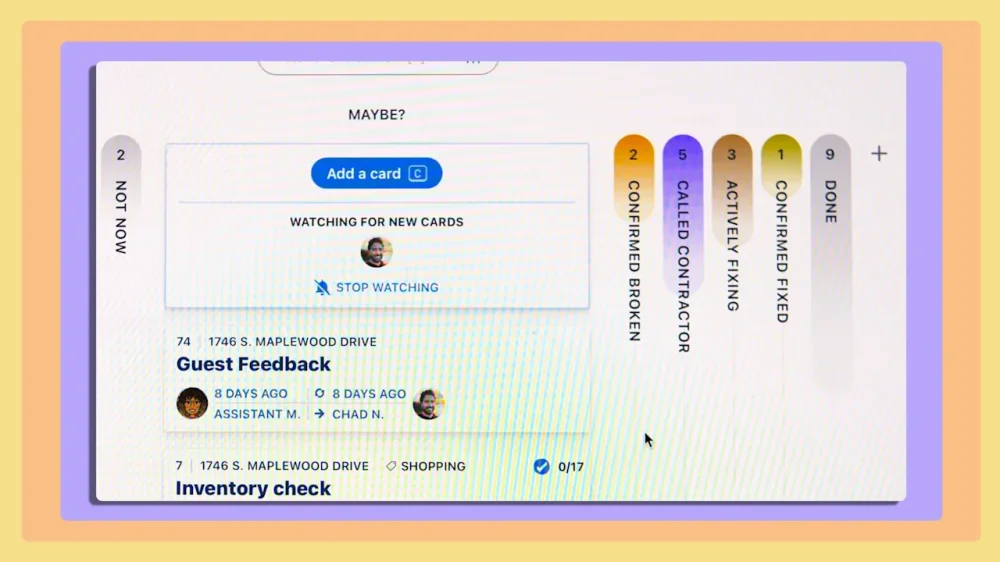
Spend an hour talking to 37signals CEO Jason Fried, and you’ll find yourself drawn into his fixation on three frustrating facts about productivity tools today: They’re boring. They’re complicated. They’re overpacked with overhyped AI features that fail to do what they promise and end up providing little in the way of practical value. Those same realities are the reason Fried decided to launch Fizzy—a new app that aims to reinvent organization software by undoing everything that’s happened to it over the past several years. Challenging current standards is nothing new to 37signals, of course. Fried and his fellow face-of-the-company David Heinemeier Hansson have made a name for themselves as gadflies who aren’t afraid to take on conventional wisdom and criticize both Big Tech tendencies and general workplace politics across any and all mediums. Their software, too, has often hinted at a decidedly rebellious streak that suggests the way we’ve been trained to do things is ripe for rethinking—something that’s apparent both with the company’s venerable project management product Basecamp and with its more recent email service Hey, which emphasizes privacy and control to give Gmail a run for its money. Take a peek at the Fizzy homepage, and you’ll instantly see a sense of that same sort of us-against-them mentality in this newest project—with pointed jabs at the current states of Trello, Jira, Asana, and even GitHub Issues. On the surface, interestingly enough, Fizzy actually seems a lot like Trello—the kanban-style cards-and-boards app that’s been through pivot after pivot and, in many views beyond just 37signals’ own assertions, gotten so bogged down in superfluous features that it’s lost sight of why people once loved it. Fizzy, then, is “a return to the fundamentals,” Fried says—”with some changes.” And, fitting with the at-times contrarian philosophy of 37signals, the entire project started on a whim. Fizzy’s bubbled-up beginnings Two years ago, Fried and his team were sitting around at a company meetup and talking about bugs—the buzzing, leg-biting variety, not the virtual ones we sometimes see in software. “Someone said something about bugs hitting a windshield,” Fried recalls. “And I said, ‘Wait—that’s interesting.'” Fried had been wanting to create a simple app for tracking software bugs for ages, but he’d never quite landed on the right approach or angle to make it unique. The visual of literal insects splatting onto a windshield struck him as the metaphor he’d been missing. “The [computer] screen would be a windshield, with the splatters all over it—and the splatters would be like bugs,” he explains. “Bigger splats would be like bigger issues, and smaller splats would be smaller issues.” This led to the creation of an internal tool called, fittingly enough, Splat. Eventually, the bugs-on-a-windshield concept evolved into bubbles representing different bugs—bubbles that, notably, looked fizzy—and from there, the interface became a simpler and less cartoony series of boards and cards. And then, another light bulb went off in Fried’s busy brain. Basecamp has had a feature in it called Card Tables for a while now—essentially a form of Trello-like kanban boards for organizing info within the service. The same sort of setup exists as a feature or an optional view in lots of other productivity suites, too, ranging from Notion to ClickUp, Asana, Any.do, and beyond. But Fried suddenly realized that with Trello’s seemingly endless identity crisis, no simple, stand-alone option for easy kanban-style organization existed as a de facto default anymore. And while that sort of interface worked well as one feature within a broader service like Basecamp—as well as an element in Jira, Asana, and the other productivity tools Fizzy’s web marketing calls out as having grown stale and sluggish—there was also a demand for it to be its own isolated entity, without an entire ecosystem of features around it. “I’ve always been fanatically obsessed with ‘what’s the simplest good version of this idea,'” Fried says. “We didn’t build this to compete with anybody. . . . We build things that we want to exist.” And thus, Fizzy was born—a freemium and open source app that’s “Kanban as it should be,” as its homepage declares, and not (ahem) “as it has been.” The Fizzy kanban experience When you first sign into Fizzy and start a new board, you’re greeted with three default columns: “Not Now,” “Maybe,” and “Done.” And, interestingly, only one of those columns is open and fully visible at a time. You can always add more columns beyond those, of course, but that opening trio is intended to serve as a simple starting point and way to remain focused—with an approach that Fried believes will work for a surprising number of organizational needs. That’s the main Fizzy framework. Within any column in any board, then, you can create a card and fill it in with any manner of text, lists, or images. You might create cards to track bugs, for instance, following Fizzy’s original vision. Or you might use cards to represent work tasks, household chores, customer feedback—almost anything imaginable. From there, you can easily move cards between columns or even to different boards to represent their status at any given moment. You can add steps, leave comments, and assign cards to collaborators as well as place tags on cards to group related items together. And you can pin cards, too, to put them in an easily visible stack in the lower-left corner of the screen—a possibility I’ve found myself especially enamored with as I’ve explored Fizzy and figured out how it might work for me. Another particularly fun and helpful touch is Fizzy’s feature for labeling a card as urgent: You just click a ticket icon in the card’s corner, and that turns it into a “Golden Ticket”—which causes the card to both appear golden in color and move to the top of its column. One struggle I’ve absolutely experienced with Trello and other organizational apps is what I think of as “the graveyard problem,” or the tendency to start seeing these systems as dumping grounds for info that you never end up revisiting. Fizzy helps you avoid that dump-and-jump mentality by automatically moving any card you create into the “Not Now” column if there’s no activity on it after 30 days—though you can opt to change that timing on an account-wide basis or specifically for any individual board. “The idea [is] that you cannot just keep adding things that you’re never going to do,” Fried says. “These things are ephemeral. You don’t get to just have something on a list forever.” That’s all well and good, and it helps Fizzy feel like a fresher version of a familiar environment. What’s most striking about using the app, though, is its simplicity—for better or, sometimes, for worse—and, alongside that, its unabashed boldness in what it wants to be. The pros and cons of simplicity More than anything, what I noticed within seconds of trying Fizzy was the absence of overwhelming menus, buried options, and integrations I never asked for. At the same time, I was struck by the presence of a distinctive design and sense of whimsy that’s largely faded from the greater software universe. That feeling is palpable in everything from Fizzy’s large, playful fonts to the splashes of color throughout its interface—all subtle-seeming touches on paper but noticeable contrasts in practice, coming from the largely gray-on-gray world that’s become commonplace in what Fried considers the “Notionization” of software design. “Software’s become boring—corporate,” he says. “It’s lost a lot of personality over the years. We wanted to bring some of that back in.” Design aside, the relatively small number of feature-oriented bells and whistles acts as both an asset and a liability for Fizzy, especially now in its early form. As someone who spends hours a week inside Trello, not having Fizzy feel slow and bloated and larded up with awkwardly tacked-on options really is refreshing. But at the same time, for me, there are certain elements missing that make Fizzy difficult to fully embrace. To wit: At this point, I use Trello primarily for organizing my writing—and that means I’m constantly saving stuff I see on the web for later revisiting. I rely heavily on both an unofficial Trello browser extension and the official Trello mobile app for being able to beam anything I see on any device I’m using into a specific Trello spot with a single swift click on my computer or a couple quick taps on my phone. It’s integral to my workflow. Fizzy, as of this moment, exists only as a progressive web app—something you install from your browser, without any platform-native form. And for the most part, that approach works admirably. But when it comes to a use case like mine, where I need a native presence that makes link-saving easy, it’s a limitation that would keep me from being able to leap to Fizzy today. Weighing out cases like that and deciding what’s worth adding versus when it’s more important to prioritize the product’s purity is high on Fried’s mind, particularly as someone who’s watched so many other apps get weighted down, overly complicated, and increasingly unpleasant to use over time. “Software slides downhill—that’s how it evolves, unfortunately,” he says. “What was once good is now complicated. It’s now harder than it used to be and unnecessarily so, for most cases.” Fried readily concedes that there are always instances where someone needs something more in a piece of software. For what it’s worth, he says his team would like to make mobile apps for Fizzy eventually. (37signals offers a full complement of native versions of Basecamp and Hey.) And he seemed intrigued by my browser extension use case as well. But by failing to maintain a strong vision for what a product should and shouldn’t be—and what specific needs it should and, equally important, shouldn’t serve—an app can try to be everything for everyone and end up being nothing of consequence for anyone. “What ends up happening is . . . almost everyone lose[s] the charm in the beauty of the simple thing,” argues Fried. AI, source code, and beyond One feature I’ve found myself pleased not to find in Fizzy is any manner of AI—as in, the large-language-model-powered generative-AI fiddliness that’s being crammed into every nook and cranny of so many other services and serving as the entire raison d’être for countless new tools. Fried says his team experimented with bringing AI into Fizzy in a few different forms but ultimately determined it wasn’t useful enough—and good enough, for now—to release. “When it exists, people tend to lean on it in a way where it’s considered to be the be-all, end-all truth,” he says. “In our testing, it was not that at all. It was a bit of a mirage.” One early experiment involved a system that’d let you ask your account questions in natural language and receive summarized info about your data. Given how new the product was, though, 37signals found it was often failing to provide any meaningful insights—and decided not to present an opportunity for users to ask questions that the service couldn’t effectively answer. Another AI experiment offered a weekly newsletter-style overview of all the activity across your Fizzy boards, with five headlines of things that happened in the previous week. Fried says it was fine, but he found that reading it didn’t make him feel any more informed—so the feature didn’t really need to exist, unless it was there solely for buzzword bragging. “I don’t want to put software out in the world that’s checking a box if it’s not really doing its job,” he says. To be clear, Fried doesn’t see his present stance on AI within Fizzy to be any sort of dogma. If and when the technology serves a clear and effective goal with genuine practical benefit, he says, he’ll consider it. But until then, he sees no reason to indulge an industry obsession and add to the hype only to leave folks disappointed when they actually experience it. Another area where Fizzy is breaking the productivity app mold is in 37signals’ decision to share the software’s source code, with the option for anyone to host it themselves and use it—heck, even customize and modify it—for free. The only limitation, according to 37signals, is not being able to run it as a hosted commercial service for other users, a right the company reserves for itself. If you use the app in its more standard 37signals-hosted setup, you can create up to 1,000 cards across 1GB of storage without having to pay—a threshold Fried expects will be more than enough for most people to embrace the service for years before having to shell out a dime. Once you cross the 1,000-card threshold, it costs $20 per month for unlimited cards and up to 5GB of storage, with additional space available for an extra fee. Fried says there’s no sweeping strategic vision behind this or any grand plan for Fizzy to act as a gateway toward Basecamp or other 37signals products. It’s just an app he and his team wanted to see exist and so decided to create, as its own stand-alone thing, for anyone else who might benefit from using it. “This is not going to be our breadwinner,” he says. “We’re at the point in our careers . . . [where] we can do stuff we just want to try to do because we think it’s the right thing.” Fried even goes as far as to say that if current 37signals customers find they can accomplish everything they need with Fizzy and no longer require the much more ambitious Basecamp subscription, he considers that a company win. In fact, he says that’s happened numerous times already—and in each instance, he’s done nothing but celebrate it. “If you don’t need [Basecamp], now we have something else for you,” he says. More than anything, Fried’s hope is that Fizzy can not only serve its direct users but also serve the tech industry by setting an example of—and maybe even creating expectations for—how satisfying software can be when it deliberately tries to be different and doesn’t just blindly mimic trends. “Our products don’t look like anybody else’s,” he says. “They don’t work like anybody else’s. And I’d like to see more companies do that versus just follow the established patterns.” View the full article
-
It’s five answers to five questions. Here we go… 1. Coworker keeps suggesting I should babysit his kids I work in an office environment, somewhat causal, but we have absolutely no involvement with anything children-related. So I have no idea why a manager here seems to think that I would be interested in babysitting for him in the office or outside of work. For reference, I’m a mid-20s woman in a mostly male office. The manager in question, Fergus, is above me in the hierarchy but not my boss (I report to two people above him). I’ve known for a while that he has two young children, and the nature of our jobs is either long hours, an odd schedule, or both. He has often made reference to his unhappiness with not being able to see his kids as often. Back when we were peers, he made the occasional comment about getting me to babysit for him, despite the fact I’ve never met his children, have no desire to meet or babysit his children, and we made the exact same pay rate. Since he’s been promoted to his current job, I have seen him less due to schedule mismatches but every few weeks I still hear an occasional somewhat passive-aggressive comment about him bringing his children in and leaving them with me or me watching his kids after work. I haven’t heard ever he make a similar request to any of the other people in my job or to the other woman of similar age in the office. How should I handle this? It’s not super frequent but it is grating when he does mention it. I do get along with my bosses, but I am not sure it is worthwhile to bring up to them. I could speak to Fergus about it but am not comfortable with the idea of engaging with him directly. And I’m not sure if it’s even worth it to bring up since it’s not an everyday occurrence. It’s because you’re one of the few women, and he assumes all women are interested in and available for child care. The next time he says something about having you watch his kids, say this in response: “I know you’re joking, but I’m not available to babysit and would rather you stop joking about it.” If you want to — or if the initial request to stop doesn’t work — feel free to also say, “It’s uncomfortable being one of the few women here and being the one to get babysitting comments. I’m sure you don’t mean it that way, but I’m asking you to stop.” If he ever does bring his kids in and try to leave them with you, be ready to say on the spot (before he can get away), “I’m not able to watch them, don’t leave them here.” 2. My shifts are annoyingly short I work in a call center and it’s casual work. But it’s casual in a really annoying way. I get three- and four-hour shifts, every day. That means three hours of commuting for three hours work, on a bad day. People are leaving just because it’s not worth it. Why not give me seven hours work one day, then a day off? When I mentioned this in a meeting, management just said “there’s an algorithm” and “the business needs you at some times and not others.” But when I finish my three-hour shift, I find myself leaving just as the guy next to me starts his four-hour shift. So there’s clearly seven hours of work to be done, right? Another manager in that meeting said, “Hey, this job is not for everyone” as if it was submarine captain or battlefield medic. But it’s mostly helping elderly people change their passwords. Do you think the company is deliberately giving us crumbs of work to keep us hanging on? I speculate sometimes that if they gave us whole days off, we would find it easier to apply for other jobs. I don’t think they’re scheduling you that way to keep you from applying for other jobs (since you could do that during your half-days off — or at least you could if you didn’t have such a long commute). But I do think they’re scheduling you that way for other reasons that aren’t good — like that they want to avoid you being eligible for health insurance or other benefits, or keeping each person’s hours below a certain threshold means they don’t have to pay into specific state programs (or offer paid sick leave, in some states), or so forth. Have you ever asked how it advantages the company to schedule people like this? Or explicitly asked for longer shifts? This company doesn’t sound particularly forthcoming so nothing useful may result from that, but both are worth asking. 3. Should I say I’m willing to take a salary below the advertised range? This is my first time job-hunting since it became a requirement in many places to post the pay rates with job listings. Many places still have a spot for expected salary on their applications, though. With jobs that I’m confident I’m qualified for, I have no problem naming a figure in that range, but what about the ones that are a stretch? Some I would be happy to take even $10,000 below the lower end of the range, but is that helping my application to offer that or should I stick with the range? For reference, I’m being laid off from a nonprofit for financial reasons, and it’s mostly for profit jobs that I’m feeling this way about. You should stick with the range they listed. Saying that you’ll take less than their range will look like you’re naively undervaluing your own skills, or aren’t qualified for the level the job is at, or didn’t pay enough attention to the ad. They’ve told you what the job is worth to them; assume they mean it and assess where you should fall in that range accordingly. Also, the fact that you’re moving from nonprofit to for-profit is almost certainly playing a role here; you need to assess the value of the work you’d be doing within the market you’d be doing it in. The question isn’t, “How little pay would you accept in a vacuum?” It’s, “Knowing what you know about the market rate for this work within this industry and this geographic area, what salary will seem fair and worthwhile to you?” (And believe me, you would not be happy two years from now to realize that you’re making $10,000 less than coworkers doing the exact same work as you just because you used nonprofit salary scales to negotiate originally.) 4. Using family caregiving leave immediately before vacation Last month, with the holidays approaching, I was planning to work remotely from my parents’ house Monday and Tuesday of one week while visiting them (this is allowed under company policy — up to six remote weeks a year from anywhere in the continental U.S.) and then take off the rest of the year for holidays. However, my mother is seriously ill and dying of cancer so I took off that Monday and Tuesday to care for her (this is also allowed under company policy and comes out of a different balance than vacation, which is why I could do that but not take vacation these two days.) However, I am wondering about whether it is appropriate to use the two back-to-back — caregiving leave immediately prior to a vacation (and potentially immediately after depending on where we are in January). Is it appropriate under these particular circumstances, or is it bad optics since it seems like I’m extending my vacation? And if not, what should I do? You are fine. People cobble together all sorts of arrangements during the holidays, but you’d be fine even if it hadn’t been the holidays. It’s not suspicious for care-giving to fall right before or after a vacation; in fact, it can make a lot of logical sense in situations like yours. The only way this would raise eyebrows in a reasonable company would be if you were someone who had a track record of unreliability and/or using your time off in ways that seemed obviously outside the spirit or letter of the law (like if you were someone who always seemed to need sick days to extend vacations you otherwise wouldn’t have had accrued time to take, or so forth). Assuming you are a reasonably conscientious person without a track record of shady PTO use, no one is likely to think twice about this. I’m sorry about your mom! 5. Should I let someone launch a gas-flame-heated hot air balloon from our parking lot? The company where I work is on the outskirts of town and has a large gravel parking lot and an empty lawn and forest behind that. If I am the only person in the building and someone knocks on the door and asks to launch a gas-flame-heated hot air balloon from our parking lot, should I let them? This is completely hypothetical, of course. Absolutely you should. The real answer is that no, you’re probably not authorized to take on that legal liability (and potential safety risk?) for your company and so you’d need to either say no or consult with whoever is. Whoever is will be delighted to get this question. The post coworker wants me to babysit his kids, my shifts are way too short, and more appeared first on Ask a Manager. View the full article
-
Former audit chief is early favourite in contest with international COO Gary WingroveView the full article
-
Organisation’s executives including chair Larry Fink discuss future of annual shindig for political and business elitesView the full article
-
Signature of ‘prosperity plan’ expected at Davos has been postponed amid transatlantic rift View the full article
-
Talks have been unsuccessful so far but point to populist party’s efforts to become main party of the right View the full article
-
While the US president fires off social media posts increasing tariffs, the bloc has to overcome political divisions to retaliateView the full article
-
US president’s trip to Davos risks delaying his schedule, including a planned address to economic forumView the full article
-
An online review management platform is a tool that helps businesses effectively monitor and respond to customer feedback across multiple digital channels. It centralizes reviews, streamlines the process of gathering feedback, and uses advanced analytics to uncover patterns in customer sentiment. By integrating with existing business systems, it not just boosts brand reputation but additionally builds trust with customers. Comprehending how these platforms operate can greatly influence your business strategy, especially in today’s competitive market. Key Takeaways An online review management platform centralizes customer feedback from various digital channels to streamline review processes and improve engagement. It employs automated systems to solicit reviews following positive customer interactions, increasing the volume of feedback received. Real-time sentiment analysis tools help identify recurring themes in reviews, enabling businesses to address issues promptly. Integration with CRM systems ensures seamless data flow and enhanced customer relationship management, improving overall service quality. A centralized dashboard provides analytics and insights into review trends, helping businesses make informed strategic decisions. Understanding Online Review Management Platforms As businesses aim to improve their online presence, comprehending online review management platforms becomes vital. These platforms centralize customer feedback tracking by monitoring, collecting, and responding to reviews across multiple digital platforms. By utilizing ratings and reviews software, businesses streamline their review management process, making it more efficient. Many online review management platforms employ automated systems to solicit reviews immediately after positive customer interactions, increasing the chances of receiving valuable feedback. Advanced features, like sentiment analysis tools, enable businesses to identify recurring themes in customer feedback, guiding necessary strategic improvements. Additionally, these platforms often integrate with existing customer relationship management (CRM) systems, allowing for seamless data flow and boosting overall effectiveness. Quick responses to reviews are fundamental, especially since 53% of customers expect replies to negative reviews within a week. By using an online review management platform, you can greatly improve your business’s online reputation and cultivate better customer relationships. The Importance of Online Reviews in Today’s Market In today’s market, online reviews play an essential role in shaping trust and credibility for your brand. With over 90% of consumers reading reviews before making purchases, these testimonials greatly impact purchasing decisions and can improve your visibility through better SEO. Trust and Credibility Boost Online reviews play a crucial role in shaping consumer trust and credibility in today’s digital marketplace, where over 90% of consumers consult them before making a purchase. A strong presence of positive reviews greatly improves your brand’s credibility, acting as unbiased social proof. Importantly, 81% of consumers check Google reviews when searching for local businesses, which boosts customer confidence and loyalty. Actively managing your online reputation can lead to a remarkable increase in conversion rates, with brands displaying five or more product reviews experiencing increases of up to 380%. Additionally, a positive online reputation—heavily influenced by customer feedback—accounts for 52% of a company’s market value, making it crucial for success in a competitive environment. Impact on Purchasing Decisions When you’re trying to make a purchasing decision, the influence of online reviews can’t be underestimated. They play an essential role in shaping buyer behavior. Here are some key points to take into account: Over 90% of consumers read online reviews before buying, showing their importance. 81% particularly check Google reviews for local businesses, highlighting the need for a strong online presence. Positive reviews boost customer trust, acting as unbiased social proof that impacts brand perception. Displaying five or more reviews can increase conversion rates by up to 270%, linking review volume directly to sales. Neglecting your online reviews can harm your reputation and result in missed opportunities, as 52% of a company’s market value is tied to its reputation. SEO and Visibility Benefits Review management isn’t just about reputation; it’s also a crucial component of your search engine optimization (SEO) strategy. Over 90% of consumers read online reviews before purchasing, and positive reviews can greatly improve your brand’s credibility. Search engines favor fresh, relevant content, so recent reviews can enhance your ranking and visibility in local searches. Actively managing your reviews can lead to a conversion rate increase of up to 270% when five or more reviews are prominently displayed. Moreover, a strong online reputation contributes to 52% of a company’s market value, highlighting its financial importance. User-generated content, like customer reviews, boosts brand visibility and acts as social proof, ultimately driving customer loyalty and increasing revenue. Key Features of an Online Review Management Platform When you use an online review management platform, you’ll benefit from centralized dashboard functionality that brings together reviews from various sites into one easy-to-navigate space. This feature allows you to monitor your brand’s online reputation in real time, enabling quick responses to customer feedback. Furthermore, real-time monitoring capabilities help you stay updated on customer sentiments, ensuring you can adapt your strategies without delay. Centralized Dashboard Functionality A centralized dashboard is an essential feature of an online review management platform, providing businesses with an all-encompassing view of customer feedback from various sources, such as Yelp, TripAdvisor, and Google. This functionality simplifies monitoring and management by consolidating reviews into one interface. Here are some key benefits: Real-Time Sentiment Tracking: You can quickly respond to both positive and negative feedback, which helps maintain your online reputation. Analytics Reporting: Access review trends, customer satisfaction scores, and engagement metrics for informed decision-making. Automation Tools: Streamline the solicitation of reviews after customer interactions to boost feedback volume. Sentiment Analysis: Identify recurring themes in customer feedback to refine strategies and improve experiences. This centralized approach improves your review management process considerably. Real-Time Monitoring Capabilities Real-time monitoring capabilities are crucial for businesses aiming to stay ahead of customer feedback across various platforms. These features allow you to track reviews on sites like Google, Yelp, and TripAdvisor, providing instant alerts for new feedback. This guarantees timely responses to improve customer engagement. Advanced sentiment analysis tools help identify recurring themes, enabling you to proactively address issues. Automated notifications keep you informed of new reviews and rating changes, allowing for prompt actions to maintain a positive reputation. Real-time analytics provide actionable insights, helping you understand customer perceptions and make informed decisions. Feature Benefit Platform Integration Instant Alerts Respond quickly to customer feedback Google, Yelp, TripAdvisor Sentiment Analysis Identify themes in customer reviews Multiple review platforms Centralized Dashboard Streamline management of all reviews Unified view Real-Time Analytics Make informed decisions based on feedback Actionable insights How Online Review Management Platforms Work Online review management platforms streamline the way businesses handle customer feedback by centralizing reviews from various sites into one accessible dashboard. This allows you to monitor and respond to reviews efficiently. Here’s how these platforms typically work: Centralized Dashboard: You can see all customer feedback in one place, saving time and effort. Automated Requests: Platforms often send post-purchase review requests automatically, improving engagement and boosting review volume. Sentiment Analysis: Advanced tools analyze feedback to identify recurring themes and customer preferences, providing insights for improvement. Integration with Tools: Many platforms integrate with existing systems, like CRM, ensuring cohesive customer interactions and streamlining the review management process. These features facilitate data-driven decision-making, helping you track review performance, response times, and overall sentiment trends, which can greatly improve your marketing and customer service strategies. Centralizing Customer Feedback Across Multiple Platforms Centralizing customer feedback across multiple platforms simplifies how you manage online reviews. With streamlined data aggregation, you can gather insights from sites like Google, Yelp, and TripAdvisor all in one place. Real-time monitoring tools and improved reporting capabilities not just help you track trends but additionally enable you to respond quickly to customer concerns, in the end enhancing your reputation. Streamlined Data Aggregation When businesses aggregate customer feedback from various review sites like Google, Yelp, and TripAdvisor, they can considerably boost their reputation management strategies. Streamlined data aggregation allows you to monitor reviews from a single dashboard, making it easier to manage your online presence. Here are some key benefits: Centralized Management: Handle responses and track feedback without visiting multiple sites. Real-Time Notifications: Get alerts for new reviews, enabling prompt responses to customers. Sentiment Analysis: Identify recurring themes in feedback to improve customer satisfaction. CRM Integration: Streamline data flow with existing systems, enhancing the overall customer experience. Real-Time Monitoring Tools Effective reputation management is crucial for businesses today, and real-time monitoring tools play an important role in achieving that goal. These tools aggregate customer feedback from various platforms like Yelp, Google, and TripAdvisor, allowing you to track your online reputation seamlessly. With automated alerts, you’re notified immediately when new reviews come in, enabling prompt engagement with customers. Centralized dashboards give you a thorough view of online sentiment, helping you analyze trends and recurring themes in feedback. Many systems likewise incorporate sentiment analysis to gauge overall satisfaction and identify areas for improvement. By managing multiple review platforms from a single interface, you’ll increase operational efficiency, save time, and guarantee consistent brand messaging across all channels. Enhanced Reporting Capabilities In today’s digital environment, businesses need a robust system for managing customer feedback, and improved reporting capabilities offer just that. By centralizing customer reviews, you can efficiently monitor your online reputation from one dashboard. Here are four key benefits of improved reporting: Detailed Analytics: Understand customer sentiment, identify trends, and spot recurring themes in feedback. Consistent Brand Image: Aggregate reviews across platforms to maintain uniform messaging. Real-Time Alerts: Receive immediate notifications of new reviews, enabling prompt responses to customer feedback. Performance Metrics: Measure the effectiveness of your review management strategies and inform future marketing decisions. These capabilities empower you to improve customer engagement and satisfaction as you continuously enhance your products or services. Automating Review Requests and Responses Automating review requests and responses can greatly improve your business’s ability to gather valuable customer feedback. By sending automated requests immediately after a positive interaction, you markedly increase the chances of receiving reviews, as 65% of consumers are more likely to provide feedback when prompted. Utilizing post-purchase follow-up emails can generate up to 80% of your online reviews, ensuring you engage customers without delay. In addition, SMS review requests boast an impressive 98% open rate, allowing you to reach customers directly and encouraging them to share their thoughts swiftly. Centralized dashboards in online review management platforms enable you to track incoming reviews across various platforms in real-time, enhancing your responsiveness. Moreover, personalization features within these tools let you tailor requests and responses, addressing reviewers by name and referencing their specific feedback, which helps cultivate stronger connections and encourages ongoing engagement with your brand. Analyzing Review Sentiment and Trends Comprehending how to analyze review sentiment and trends is crucial for any business aiming to improve its customer experience and reputation. By evaluating customer feedback, you can uncover valuable insights into your brand, product, or service. Here are four key aspects to take into account: Sentiment Analysis Tools: These tools categorize reviews as positive, negative, or neutral, helping you track sentiment changes over time. Identifying Themes: Look for recurring themes in reviews, such as common compliments or complaints, to address specific issues effectively. Crisis Monitoring: Regular sentiment analysis allows you to detect negative trends early, enabling proactive responses to potential crises. Informed Decisions: Leveraging sentiment data can guide your strategic choices, like product development or marketing strategies, nurturing customer loyalty and enhancing your brand’s reputation. Enhancing Customer Engagement Through Review Management To improve customer engagement, it’s essential to build trust through transparency in your review management practices. Streamlined communication channels allow for quicker responses to customer feedback, promoting a sense of reliability and connection. Furthermore, leveraging user-generated content not just showcases authentic customer experiences but reinforces your brand’s credibility in the eyes of potential buyers. Building Trust Through Transparency Even though many businesses focus on promoting their products, building trust through transparency in customer interactions often proves to be just as vital. Engaging with online reviews can considerably improve customer relationships and brand credibility. Here are four key benefits of transparency through review management: Authentic Feedback: Showcasing real customer experiences cultivates a sense of community around your brand. Social Proof: With 90% of consumers reading reviews, positive testimonials can influence purchasing decisions. Proactive Problem-Solving: Identifying recurring themes in feedback allows you to address concerns before they escalate. Increased Visibility: Effectively managed reviews boost search engine rankings, further establishing trust with prospective customers. Streamlined Communication Channels Streamlined communication channels play a vital role in enhancing customer engagement through effective review management. By centralizing communication, online review management platforms aggregate reviews from various sites, enabling you to respond quickly and consistently. With 53% of customers expecting responses to negative reviews within a week, prompt acknowledgment of feedback is important. Automated alerts and real-time monitoring help you stay connected with customer sentiments, improving response times and potentially leading to higher ratings. Features like sentiment analysis allow you to identify recurring themes, enabling proactive engagement customized to customer concerns. When integrated with CRM systems, these platforms guarantee communication is personalized and efficient, nurturing stronger relationships and encouraging repeat interactions with satisfied customers. Leveraging User-Generated Content User-generated content, particularly customer reviews, plays a crucial role in shaping consumer behavior and improving brand engagement. By effectively leveraging this content, you can greatly improve your business outcomes. Here are four strategies to reflect on: Cultivate Authenticity: Use customer reviews as social proof, influencing 93% of purchasing decisions. Encourage Feedback: Implement personalized follow-up requests to boost feedback likelihood by up to 65%. Integrate Reviews: Showcase five or more product reviews in your marketing to increase conversion rates by up to 380%. Foster Loyalty: Actively respond to reviews, which can elevate customer satisfaction and retention. Strategies for Effective Online Review Management To effectively manage online reviews, businesses need to implement a thorough strategy that focuses on continuous monitoring and prompt engagement with customer feedback. Start by consistently tracking reviews across various platforms to maintain an accurate view of your brand’s reputation. Timely responses to both positive and negative reviews improve customer relationships and boost brand integrity. Automating review requests after positive interactions can greatly increase the number of reviews, as 80% originate from follow-up emails. Using a centralized review management system allows real-time tracking and sentiment analysis, streamlining your response process. Personalizing your requests and responses by addressing reviewers by name and referencing specific feedback encourages engagement. Finally, regularly analyzing review trends provides valuable insights, helping you identify recurring issues and opportunities for improvement, ultimately informing strategic business decisions that can improve your services or products. The Role of AI and Automation in Review Management As businesses increasingly recognize the importance of online reviews, leveraging AI and automation can greatly improve review management efforts. Here are some key benefits: Sentiment Analysis: AI-driven platforms use natural language processing to analyze customer sentiment, helping you identify trends and areas for improvement effectively. Streamlined Review Generation: Automation tools send personalized follow-up requests shortly after transactions, increasing review submission rates by up to 80%. Real-Time Monitoring: Many platforms offer alerts for new reviews, allowing you to respond swiftly and maintain a positive online reputation. Efficient Review Prioritization: AI can categorize and prioritize reviews based on sentiment and urgency, ensuring you address critical feedback more efficiently. Integrating Review Management With Existing Business Tools Integrating review management with your existing business tools can greatly improve your customer engagement strategy. By connecting an online review management platform to your CRM systems, you streamline customer interactions and feedback collection, enhancing overall relationship management. Many platforms provide APIs that enable you to link review data directly with your existing software, allowing for real-time updates and analytics that aid decision-making. Centralized dashboards let you monitor and respond to reviews across multiple platforms, ensuring consistent branding and messaging. In addition, integration with email marketing tools facilitates automated follow-up requests for reviews after transactions, considerably boosting the chances of receiving feedback from satisfied customers. Moreover, review management platforms often include sentiment analysis features that can be integrated into existing data analytics tools, providing deeper insights into customer satisfaction and identifying areas needing improvement. This thorough approach helps you maximize the value of customer feedback while enhancing your overall business strategy. Building Customer Trust Through Review Transparency Building customer trust hinges on transparency, which is vital in today’s digital marketplace. Online review management platforms play a key role in this process by allowing businesses to effectively engage with customer feedback. Here are some ways transparency can elevate trust: Active Monitoring: Businesses can keep an eye on reviews and respond swiftly, demonstrating commitment to customer experiences. Public Responses: Addressing both positive and negative reviews shows accountability and a willingness to improve, which nurtures loyalty. Consumer Influence: Research shows that 90% of consumers rely on online reviews before making purchases, emphasizing the importance of transparency. Data Insights: A centralized review management system helps businesses analyze feedback trends, guiding operational improvements and product development. Measuring the Impact of Reviews on Business Performance Online reviews play a fundamental role in shaping business performance, profoundly impacting purchasing decisions and overall brand perception. With 93% of consumers reading reviews before making a purchase, it’s clear that these evaluations greatly influence choices. If your business has five or more product reviews, you could see conversion rates increase by up to 270%, highlighting the direct link between reviews and revenue generation. In addition, a positive online reputation, heavily shaped by customer feedback, can account for up to 52% of your company’s market value. Search engines likewise prioritize businesses with recent and positive reviews, improving your search engine optimization (SEO) and local visibility. Engaging with customer reviews is essential too; 65% of consumers are more likely to return to a business that responds to their feedback, nurturing long-term customer loyalty. Future Trends in Online Review Management Platforms As businesses adapt to the evolving terrain of customer feedback, future trends in review management platforms are set to considerably improve how companies engage with their audiences. Here are some key developments to watch for: AI-driven sentiment analysis: These tools will help you identify customer emotions and trends in real time, enhancing engagement and satisfaction. Voice search optimization: As voice-activated devices gain popularity, platforms will need to guarantee reviews are easily accessible and relevant within voice search results. Social media integration: Expect seamless monitoring and responding to reviews across multiple channels, bolstering your brand’s reputation. Advanced automation: New features will likely include automated review solicitation via SMS and email, potentially increasing review generation rates by up to 80%. Additionally, prioritizing data privacy and compliance will drive innovations, guaranteeing secure handling of customer information during the review process. Frequently Asked Questions What Is the Online Review Process? The online review process involves customers sharing their experiences through ratings and written feedback on various platforms. After a purchase or visit, businesses often send automated requests for reviews, increasing response rates. Monitoring multiple platforms, like Google and Yelp, is essential, as customers expect timely replies, especially to negative reviews. Consistently managing reviews not just improves brand perception but likewise informs product development and boosts customer service, driving strategic growth for your business. What Is a Primary Function of an Online Reputation Management Tool? A primary function of an online reputation management tool is to centralize customer feedback from various review platforms. This allows you to monitor your online presence and respond quickly to new reviews. The tool can automate alerts, helping you manage feedback proactively. Furthermore, it often includes sentiment analysis features, enabling you to identify trends in customer satisfaction and recurring issues, which supports data-driven decisions for improving your business’s reputation over time. What Is a Review Platform? A review platform is an online service where you can share your experiences about businesses, products, or services. These platforms, like Yelp and Google Business Profile, enable you to post written reviews and star ratings, influencing others’ purchasing decisions. By aggregating user-generated content, they provide potential customers with authentic feedback. Furthermore, they help businesses manage their online reputation by allowing them to respond to reviews and monitor feedback trends effectively. How Does Online Reputation Management Work? Online reputation management (ORM) works by actively monitoring your brand’s presence across digital platforms. You track customer reviews and social media mentions, responding swiftly to improve your image. Regular audits help identify areas for improvement, whereas proactive strategies address potential issues before they escalate. Using data from customer feedback, you can refine products and services. By showcasing positive reviews, you boost consumer trust, which ultimately drives sales and increases visibility in search results. Conclusion In conclusion, online review management platforms are crucial tools for businesses aiming to improve their reputation and customer trust. By centralizing feedback from various sources and integrating with existing systems, they streamline the review process. Key features like sentiment analysis and real-time monitoring allow companies to respond effectively to customer feedback. As the digital environment evolves, staying informed about these platforms will help you leverage reviews to improve business performance and nurture long-term customer relationships. Image via Google Gemini This article, "What Is an Online Review Management Platform and How Does It Function?" was first published on Small Business Trends View the full article
-
An online review management platform is a tool that helps businesses effectively monitor and respond to customer feedback across multiple digital channels. It centralizes reviews, streamlines the process of gathering feedback, and uses advanced analytics to uncover patterns in customer sentiment. By integrating with existing business systems, it not just boosts brand reputation but additionally builds trust with customers. Comprehending how these platforms operate can greatly influence your business strategy, especially in today’s competitive market. Key Takeaways An online review management platform centralizes customer feedback from various digital channels to streamline review processes and improve engagement. It employs automated systems to solicit reviews following positive customer interactions, increasing the volume of feedback received. Real-time sentiment analysis tools help identify recurring themes in reviews, enabling businesses to address issues promptly. Integration with CRM systems ensures seamless data flow and enhanced customer relationship management, improving overall service quality. A centralized dashboard provides analytics and insights into review trends, helping businesses make informed strategic decisions. Understanding Online Review Management Platforms As businesses aim to improve their online presence, comprehending online review management platforms becomes vital. These platforms centralize customer feedback tracking by monitoring, collecting, and responding to reviews across multiple digital platforms. By utilizing ratings and reviews software, businesses streamline their review management process, making it more efficient. Many online review management platforms employ automated systems to solicit reviews immediately after positive customer interactions, increasing the chances of receiving valuable feedback. Advanced features, like sentiment analysis tools, enable businesses to identify recurring themes in customer feedback, guiding necessary strategic improvements. Additionally, these platforms often integrate with existing customer relationship management (CRM) systems, allowing for seamless data flow and boosting overall effectiveness. Quick responses to reviews are fundamental, especially since 53% of customers expect replies to negative reviews within a week. By using an online review management platform, you can greatly improve your business’s online reputation and cultivate better customer relationships. The Importance of Online Reviews in Today’s Market In today’s market, online reviews play an essential role in shaping trust and credibility for your brand. With over 90% of consumers reading reviews before making purchases, these testimonials greatly impact purchasing decisions and can improve your visibility through better SEO. Trust and Credibility Boost Online reviews play a crucial role in shaping consumer trust and credibility in today’s digital marketplace, where over 90% of consumers consult them before making a purchase. A strong presence of positive reviews greatly improves your brand’s credibility, acting as unbiased social proof. Importantly, 81% of consumers check Google reviews when searching for local businesses, which boosts customer confidence and loyalty. Actively managing your online reputation can lead to a remarkable increase in conversion rates, with brands displaying five or more product reviews experiencing increases of up to 380%. Additionally, a positive online reputation—heavily influenced by customer feedback—accounts for 52% of a company’s market value, making it crucial for success in a competitive environment. Impact on Purchasing Decisions When you’re trying to make a purchasing decision, the influence of online reviews can’t be underestimated. They play an essential role in shaping buyer behavior. Here are some key points to take into account: Over 90% of consumers read online reviews before buying, showing their importance. 81% particularly check Google reviews for local businesses, highlighting the need for a strong online presence. Positive reviews boost customer trust, acting as unbiased social proof that impacts brand perception. Displaying five or more reviews can increase conversion rates by up to 270%, linking review volume directly to sales. Neglecting your online reviews can harm your reputation and result in missed opportunities, as 52% of a company’s market value is tied to its reputation. SEO and Visibility Benefits Review management isn’t just about reputation; it’s also a crucial component of your search engine optimization (SEO) strategy. Over 90% of consumers read online reviews before purchasing, and positive reviews can greatly improve your brand’s credibility. Search engines favor fresh, relevant content, so recent reviews can enhance your ranking and visibility in local searches. Actively managing your reviews can lead to a conversion rate increase of up to 270% when five or more reviews are prominently displayed. Moreover, a strong online reputation contributes to 52% of a company’s market value, highlighting its financial importance. User-generated content, like customer reviews, boosts brand visibility and acts as social proof, ultimately driving customer loyalty and increasing revenue. Key Features of an Online Review Management Platform When you use an online review management platform, you’ll benefit from centralized dashboard functionality that brings together reviews from various sites into one easy-to-navigate space. This feature allows you to monitor your brand’s online reputation in real time, enabling quick responses to customer feedback. Furthermore, real-time monitoring capabilities help you stay updated on customer sentiments, ensuring you can adapt your strategies without delay. Centralized Dashboard Functionality A centralized dashboard is an essential feature of an online review management platform, providing businesses with an all-encompassing view of customer feedback from various sources, such as Yelp, TripAdvisor, and Google. This functionality simplifies monitoring and management by consolidating reviews into one interface. Here are some key benefits: Real-Time Sentiment Tracking: You can quickly respond to both positive and negative feedback, which helps maintain your online reputation. Analytics Reporting: Access review trends, customer satisfaction scores, and engagement metrics for informed decision-making. Automation Tools: Streamline the solicitation of reviews after customer interactions to boost feedback volume. Sentiment Analysis: Identify recurring themes in customer feedback to refine strategies and improve experiences. This centralized approach improves your review management process considerably. Real-Time Monitoring Capabilities Real-time monitoring capabilities are crucial for businesses aiming to stay ahead of customer feedback across various platforms. These features allow you to track reviews on sites like Google, Yelp, and TripAdvisor, providing instant alerts for new feedback. This guarantees timely responses to improve customer engagement. Advanced sentiment analysis tools help identify recurring themes, enabling you to proactively address issues. Automated notifications keep you informed of new reviews and rating changes, allowing for prompt actions to maintain a positive reputation. Real-time analytics provide actionable insights, helping you understand customer perceptions and make informed decisions. Feature Benefit Platform Integration Instant Alerts Respond quickly to customer feedback Google, Yelp, TripAdvisor Sentiment Analysis Identify themes in customer reviews Multiple review platforms Centralized Dashboard Streamline management of all reviews Unified view Real-Time Analytics Make informed decisions based on feedback Actionable insights How Online Review Management Platforms Work Online review management platforms streamline the way businesses handle customer feedback by centralizing reviews from various sites into one accessible dashboard. This allows you to monitor and respond to reviews efficiently. Here’s how these platforms typically work: Centralized Dashboard: You can see all customer feedback in one place, saving time and effort. Automated Requests: Platforms often send post-purchase review requests automatically, improving engagement and boosting review volume. Sentiment Analysis: Advanced tools analyze feedback to identify recurring themes and customer preferences, providing insights for improvement. Integration with Tools: Many platforms integrate with existing systems, like CRM, ensuring cohesive customer interactions and streamlining the review management process. These features facilitate data-driven decision-making, helping you track review performance, response times, and overall sentiment trends, which can greatly improve your marketing and customer service strategies. Centralizing Customer Feedback Across Multiple Platforms Centralizing customer feedback across multiple platforms simplifies how you manage online reviews. With streamlined data aggregation, you can gather insights from sites like Google, Yelp, and TripAdvisor all in one place. Real-time monitoring tools and improved reporting capabilities not just help you track trends but additionally enable you to respond quickly to customer concerns, in the end enhancing your reputation. Streamlined Data Aggregation When businesses aggregate customer feedback from various review sites like Google, Yelp, and TripAdvisor, they can considerably boost their reputation management strategies. Streamlined data aggregation allows you to monitor reviews from a single dashboard, making it easier to manage your online presence. Here are some key benefits: Centralized Management: Handle responses and track feedback without visiting multiple sites. Real-Time Notifications: Get alerts for new reviews, enabling prompt responses to customers. Sentiment Analysis: Identify recurring themes in feedback to improve customer satisfaction. CRM Integration: Streamline data flow with existing systems, enhancing the overall customer experience. Real-Time Monitoring Tools Effective reputation management is crucial for businesses today, and real-time monitoring tools play an important role in achieving that goal. These tools aggregate customer feedback from various platforms like Yelp, Google, and TripAdvisor, allowing you to track your online reputation seamlessly. With automated alerts, you’re notified immediately when new reviews come in, enabling prompt engagement with customers. Centralized dashboards give you a thorough view of online sentiment, helping you analyze trends and recurring themes in feedback. Many systems likewise incorporate sentiment analysis to gauge overall satisfaction and identify areas for improvement. By managing multiple review platforms from a single interface, you’ll increase operational efficiency, save time, and guarantee consistent brand messaging across all channels. Enhanced Reporting Capabilities In today’s digital environment, businesses need a robust system for managing customer feedback, and improved reporting capabilities offer just that. By centralizing customer reviews, you can efficiently monitor your online reputation from one dashboard. Here are four key benefits of improved reporting: Detailed Analytics: Understand customer sentiment, identify trends, and spot recurring themes in feedback. Consistent Brand Image: Aggregate reviews across platforms to maintain uniform messaging. Real-Time Alerts: Receive immediate notifications of new reviews, enabling prompt responses to customer feedback. Performance Metrics: Measure the effectiveness of your review management strategies and inform future marketing decisions. These capabilities empower you to improve customer engagement and satisfaction as you continuously enhance your products or services. Automating Review Requests and Responses Automating review requests and responses can greatly improve your business’s ability to gather valuable customer feedback. By sending automated requests immediately after a positive interaction, you markedly increase the chances of receiving reviews, as 65% of consumers are more likely to provide feedback when prompted. Utilizing post-purchase follow-up emails can generate up to 80% of your online reviews, ensuring you engage customers without delay. In addition, SMS review requests boast an impressive 98% open rate, allowing you to reach customers directly and encouraging them to share their thoughts swiftly. Centralized dashboards in online review management platforms enable you to track incoming reviews across various platforms in real-time, enhancing your responsiveness. Moreover, personalization features within these tools let you tailor requests and responses, addressing reviewers by name and referencing their specific feedback, which helps cultivate stronger connections and encourages ongoing engagement with your brand. Analyzing Review Sentiment and Trends Comprehending how to analyze review sentiment and trends is crucial for any business aiming to improve its customer experience and reputation. By evaluating customer feedback, you can uncover valuable insights into your brand, product, or service. Here are four key aspects to take into account: Sentiment Analysis Tools: These tools categorize reviews as positive, negative, or neutral, helping you track sentiment changes over time. Identifying Themes: Look for recurring themes in reviews, such as common compliments or complaints, to address specific issues effectively. Crisis Monitoring: Regular sentiment analysis allows you to detect negative trends early, enabling proactive responses to potential crises. Informed Decisions: Leveraging sentiment data can guide your strategic choices, like product development or marketing strategies, nurturing customer loyalty and enhancing your brand’s reputation. Enhancing Customer Engagement Through Review Management To improve customer engagement, it’s essential to build trust through transparency in your review management practices. Streamlined communication channels allow for quicker responses to customer feedback, promoting a sense of reliability and connection. Furthermore, leveraging user-generated content not just showcases authentic customer experiences but reinforces your brand’s credibility in the eyes of potential buyers. Building Trust Through Transparency Even though many businesses focus on promoting their products, building trust through transparency in customer interactions often proves to be just as vital. Engaging with online reviews can considerably improve customer relationships and brand credibility. Here are four key benefits of transparency through review management: Authentic Feedback: Showcasing real customer experiences cultivates a sense of community around your brand. Social Proof: With 90% of consumers reading reviews, positive testimonials can influence purchasing decisions. Proactive Problem-Solving: Identifying recurring themes in feedback allows you to address concerns before they escalate. Increased Visibility: Effectively managed reviews boost search engine rankings, further establishing trust with prospective customers. Streamlined Communication Channels Streamlined communication channels play a vital role in enhancing customer engagement through effective review management. By centralizing communication, online review management platforms aggregate reviews from various sites, enabling you to respond quickly and consistently. With 53% of customers expecting responses to negative reviews within a week, prompt acknowledgment of feedback is important. Automated alerts and real-time monitoring help you stay connected with customer sentiments, improving response times and potentially leading to higher ratings. Features like sentiment analysis allow you to identify recurring themes, enabling proactive engagement customized to customer concerns. When integrated with CRM systems, these platforms guarantee communication is personalized and efficient, nurturing stronger relationships and encouraging repeat interactions with satisfied customers. Leveraging User-Generated Content User-generated content, particularly customer reviews, plays a crucial role in shaping consumer behavior and improving brand engagement. By effectively leveraging this content, you can greatly improve your business outcomes. Here are four strategies to reflect on: Cultivate Authenticity: Use customer reviews as social proof, influencing 93% of purchasing decisions. Encourage Feedback: Implement personalized follow-up requests to boost feedback likelihood by up to 65%. Integrate Reviews: Showcase five or more product reviews in your marketing to increase conversion rates by up to 380%. Foster Loyalty: Actively respond to reviews, which can elevate customer satisfaction and retention. Strategies for Effective Online Review Management To effectively manage online reviews, businesses need to implement a thorough strategy that focuses on continuous monitoring and prompt engagement with customer feedback. Start by consistently tracking reviews across various platforms to maintain an accurate view of your brand’s reputation. Timely responses to both positive and negative reviews improve customer relationships and boost brand integrity. Automating review requests after positive interactions can greatly increase the number of reviews, as 80% originate from follow-up emails. Using a centralized review management system allows real-time tracking and sentiment analysis, streamlining your response process. Personalizing your requests and responses by addressing reviewers by name and referencing specific feedback encourages engagement. Finally, regularly analyzing review trends provides valuable insights, helping you identify recurring issues and opportunities for improvement, ultimately informing strategic business decisions that can improve your services or products. The Role of AI and Automation in Review Management As businesses increasingly recognize the importance of online reviews, leveraging AI and automation can greatly improve review management efforts. Here are some key benefits: Sentiment Analysis: AI-driven platforms use natural language processing to analyze customer sentiment, helping you identify trends and areas for improvement effectively. Streamlined Review Generation: Automation tools send personalized follow-up requests shortly after transactions, increasing review submission rates by up to 80%. Real-Time Monitoring: Many platforms offer alerts for new reviews, allowing you to respond swiftly and maintain a positive online reputation. Efficient Review Prioritization: AI can categorize and prioritize reviews based on sentiment and urgency, ensuring you address critical feedback more efficiently. Integrating Review Management With Existing Business Tools Integrating review management with your existing business tools can greatly improve your customer engagement strategy. By connecting an online review management platform to your CRM systems, you streamline customer interactions and feedback collection, enhancing overall relationship management. Many platforms provide APIs that enable you to link review data directly with your existing software, allowing for real-time updates and analytics that aid decision-making. Centralized dashboards let you monitor and respond to reviews across multiple platforms, ensuring consistent branding and messaging. In addition, integration with email marketing tools facilitates automated follow-up requests for reviews after transactions, considerably boosting the chances of receiving feedback from satisfied customers. Moreover, review management platforms often include sentiment analysis features that can be integrated into existing data analytics tools, providing deeper insights into customer satisfaction and identifying areas needing improvement. This thorough approach helps you maximize the value of customer feedback while enhancing your overall business strategy. Building Customer Trust Through Review Transparency Building customer trust hinges on transparency, which is vital in today’s digital marketplace. Online review management platforms play a key role in this process by allowing businesses to effectively engage with customer feedback. Here are some ways transparency can elevate trust: Active Monitoring: Businesses can keep an eye on reviews and respond swiftly, demonstrating commitment to customer experiences. Public Responses: Addressing both positive and negative reviews shows accountability and a willingness to improve, which nurtures loyalty. Consumer Influence: Research shows that 90% of consumers rely on online reviews before making purchases, emphasizing the importance of transparency. Data Insights: A centralized review management system helps businesses analyze feedback trends, guiding operational improvements and product development. Measuring the Impact of Reviews on Business Performance Online reviews play a fundamental role in shaping business performance, profoundly impacting purchasing decisions and overall brand perception. With 93% of consumers reading reviews before making a purchase, it’s clear that these evaluations greatly influence choices. If your business has five or more product reviews, you could see conversion rates increase by up to 270%, highlighting the direct link between reviews and revenue generation. In addition, a positive online reputation, heavily shaped by customer feedback, can account for up to 52% of your company’s market value. Search engines likewise prioritize businesses with recent and positive reviews, improving your search engine optimization (SEO) and local visibility. Engaging with customer reviews is essential too; 65% of consumers are more likely to return to a business that responds to their feedback, nurturing long-term customer loyalty. Future Trends in Online Review Management Platforms As businesses adapt to the evolving terrain of customer feedback, future trends in review management platforms are set to considerably improve how companies engage with their audiences. Here are some key developments to watch for: AI-driven sentiment analysis: These tools will help you identify customer emotions and trends in real time, enhancing engagement and satisfaction. Voice search optimization: As voice-activated devices gain popularity, platforms will need to guarantee reviews are easily accessible and relevant within voice search results. Social media integration: Expect seamless monitoring and responding to reviews across multiple channels, bolstering your brand’s reputation. Advanced automation: New features will likely include automated review solicitation via SMS and email, potentially increasing review generation rates by up to 80%. Additionally, prioritizing data privacy and compliance will drive innovations, guaranteeing secure handling of customer information during the review process. Frequently Asked Questions What Is the Online Review Process? The online review process involves customers sharing their experiences through ratings and written feedback on various platforms. After a purchase or visit, businesses often send automated requests for reviews, increasing response rates. Monitoring multiple platforms, like Google and Yelp, is essential, as customers expect timely replies, especially to negative reviews. Consistently managing reviews not just improves brand perception but likewise informs product development and boosts customer service, driving strategic growth for your business. What Is a Primary Function of an Online Reputation Management Tool? A primary function of an online reputation management tool is to centralize customer feedback from various review platforms. This allows you to monitor your online presence and respond quickly to new reviews. The tool can automate alerts, helping you manage feedback proactively. Furthermore, it often includes sentiment analysis features, enabling you to identify trends in customer satisfaction and recurring issues, which supports data-driven decisions for improving your business’s reputation over time. What Is a Review Platform? A review platform is an online service where you can share your experiences about businesses, products, or services. These platforms, like Yelp and Google Business Profile, enable you to post written reviews and star ratings, influencing others’ purchasing decisions. By aggregating user-generated content, they provide potential customers with authentic feedback. Furthermore, they help businesses manage their online reputation by allowing them to respond to reviews and monitor feedback trends effectively. How Does Online Reputation Management Work? Online reputation management (ORM) works by actively monitoring your brand’s presence across digital platforms. You track customer reviews and social media mentions, responding swiftly to improve your image. Regular audits help identify areas for improvement, whereas proactive strategies address potential issues before they escalate. Using data from customer feedback, you can refine products and services. By showcasing positive reviews, you boost consumer trust, which ultimately drives sales and increases visibility in search results. Conclusion In conclusion, online review management platforms are crucial tools for businesses aiming to improve their reputation and customer trust. By centralizing feedback from various sources and integrating with existing systems, they streamline the review process. Key features like sentiment analysis and real-time monitoring allow companies to respond effectively to customer feedback. As the digital environment evolves, staying informed about these platforms will help you leverage reviews to improve business performance and nurture long-term customer relationships. Image via Google Gemini This article, "What Is an Online Review Management Platform and How Does It Function?" was first published on Small Business Trends View the full article
-
Party may vote to block any military action as it seeks to defuse growing rift with allies over the Arctic territoryView the full article
-
As wealth inequality widens and billionaires become increasingly enmeshed with politics, the public is growing more and more disillusioned with the ultra-wealthy, and the role they play in society. It’s not just those with low or median incomes who feel that way. A majority of millionaires now say that extreme wealth is a threat to democracy; that the ultra-rich buy political influence; and that political leaders should do more to tackle extreme wealth, like increasing taxes. That’s according to a new poll from Patriotic Millionaires, a collection of high-net-worth individuals who advocate for more progressive taxes in order to close the wealth gap. The poll surveyed 3,900 people from G20 countries who have more than $1 million in assets, excluding their homes. The G20 is a group of 19 of the world’s largest economies plus the European Union that meets to coordinate on global economic stability, trade, and financial policy. Sixty two percent of millionaires polled say that extreme wealth is a threat to democracy—an increase from the 54% who thought so in last year’s poll. More than three quarters say that ultra-wealthy individuals buy political influence. Extreme wealth hurts media, social progress, and ordinary people The poll’s findings come as billionaires and political leaders convene at the World Economic Forum in Davos to address the world’s major issues. But what if the ultra-wealthy themselves are at the center of those problems? That’s the consensus of poll respondents: 74% say the extremely wealthy “leverage the law in their own favor,” and 69% say the influence of the superrich over politicians prevents action to address inequality. A majority also agreed that the concentration of extreme wealth is harmful to a “fair and factual media;” sets back social progress; prevents ordinary people from having a decent standard of living; and even keeps people from making deeper societal connections. A report this week from Oxfam backs those claims. The level of billionaire wealth is higher than at any time in history, Oxfam says, with the 12 richest billionaires holding more wealth than the poorest half of humanity—which includes more than four billion people. Economically unequal countries are up to seven times more likely to experience “democratic erosion” than more equal countries, that report found. Oxfam also estimates that billionaires are over 4,000 times more likely to hold political office than ordinary people, an example of political inequality. “It should be obvious to anyone, no matter how wealthy, that extreme wealth inequality is destabilizing democracies, economies, and societies around the world. You don’t need a crystal ball,” Claire Trottier, chair of the Board of Patriotic Millionaires Canada, said in a statement released with the Patriotic Millionaires poll. Billionaires and politics The growing role of billionaires in politics is more than just perception: It is a fact. In 2000, the country’s wealthiest 100 people donated about a quarter of 1% of the total cost of federal elections, according to the Washington Post; by 2024, they covered 7.5%, even as elections got more expensive. That means about 1 in every 13 dollars spent in 2024’s national elections was donated “by a handful of the country’s richest people,” the outlet wrote. This week alone, Elon Musk donated $10 million to a pro-The President candidate running in the Kentucky senators race. Even millionaires want to see this influence reigned in. According to the Patriotic Millionaires poll, a vast majority—82%—of respondents say that there should be a limit to how much money politicians and political parties can receive from individuals. Sixty five percent of respondents also said they were in favor of an increased tax on the very wealthy in order to reduce inequality, fund public services, and address the cost of living crisis. An open letter to leaders at Davos to tax the rich The Patriotic Millionaires poll also comes as nearly 400 millionaires and billionaires have signed an open letter calling on world leaders at Davos to tax the super rich. “When even millionaires, like us, recognise that extreme wealth has cost everyone else everything else, there can be no doubt that society is dangerously teetering off the edge of a precipice,” the letter reads. “You already have a simple and effective solution, supported by millionaires and the public alike,” it continues. “Stop squandering the time we have—tax the super rich.” That letter was an effort by Patriotic Millionaires, Millionaires for Humanity, and Oxfam International, and has been signed by prominent names including Mark Ruffalo, Abigail Disney, Brian Cox, and Brian Eno. Ruffalo in particular has been vocal about criticising The President and the actions of his administration, including the killing of Renee Nicole Good by ICE agents in Minneapolis. “But Donald The President and the unique threat that he poses to American democracy did not come about overnight,” Ruffalo said in a statement. “Extreme wealth inequality enabled his every step, and is the root cause of the trend towards authoritarianism we’re witnessing in the U.S. and around the world.” “If leaders at Davos are serious about the threat to democracy and the rule of law,” he continued, “they must get serious about combatting extreme wealth concentration. That includes taxing wealthy people like me too.” View the full article

- Yesterday
-
Canadian leader calls on ‘middle powers’ to unite as Davos braces for US president’s arrivalView the full article
-
The President is promising big announcements on housing affordability issues in Switzerland, but will it include ending the GSE conservatorships? View the full article

-
AGGRESSION carries a negative connotation. It’s often described as an attribute of anger and a lead-in to violent behavior. But aggression can also be equated with the tenacity with which someone goes after their goals. In this sense, it describes somebody who pursues their goal with great passion, enthusiasm, or intensity. An example may be a young executive, in the process of trying to impress her bosses, who utilizes unconventional tactics to increase her clientele. Her increased status leads clients of one of her coworkers to transfer to her accounts. While her goal had been to increase her sales, she had no intention of hurting her colleague. But nonetheless her coworker clearly was, even though hurting someone wasn’t the goal. Such tactics are often the case with people who become successful. Aggression has been shown repeatedly as paving the way for success. Aggression is the tenacity with which someone goes after their goals. Aggressiveness, which is the adverb describing behavior, captures this best. While there have been misunderstandings when we describe someone as aggressive, people mistakenly think that it means that they're violent. In fact, there are two main types of aggression: instrumental aggression and reactive aggression. Instrumental aggression is when somebody is pursuing their goal with great passion, enthusiasm or intensity, in order to increase the likelihood of achieving that goal. A secondary consequence of that behavior may be to harm someone, but it is not the goal. For example, a basketball player is heading to the hoop in order to score. In the process of driving the lane, they accidentally elbow an opponent in the face. There is no denying that the other player got hurt, but that was not the goal. The goal was to put the ball in the hoop. Just as the young executive whose tactics ended up stealing her coworker’s clients, people who rely on instrumental aggression can hurt others even though it wasn’t their intention. Compare this to the second form of aggression — reactive aggression. It describes behavior that has as its primary and sometimes solitary goal to do harm to someone. Reactive aggression is related to anger and often is the behavior that leads people to get into trouble. It usually appears in response to a perceived injustice, insult, or wrongdoing. A sports example of reactive aggression would be an offensive lineman trash talking a defensive lineman about his mother, saying obscene things. Furious, the defensive lineman gets up and smacks the offensive lineman in the helmet, incurring a 15-yard penalty and being ejected from the game. Note, this was in reaction to a provocation — that’s why it’s called reactive aggression. So, instrumental aggression paves the way for success, while reactive aggression paves the way for trouble. Why? People, especially men, are very sensitive to issues of power. If you can provoke somebody to fight, you control them. If you’re someone who wears your emotional buttons on your sleeve, you can be easily provoked and will often engage in reactive aggression. You’re also someone who gives your power away all the time. Think about it like this: real power is like being Teflon: nothing sticks to you and nothing breaks you. Let nearly everything roll off. Allow the things that stick to be worth it — which means: don't waste energy or emotion being easily provoked. It's just not worth it and can be really costly emotionally or materially. In short, aggression can work for you or against you. If you tenaciously go after your goals, as in engaging in instrumental aggression, you are likely to achieve success. The only caveat is you need to be aware of the price you may pay for quashing others along the way. On the other hand, if you have a hard time keeping your reactive aggression in check, you’re unlikely to get ahead. You’ll need to get better at seeing what and who matters, and what and who you have the delicious privilege of completely ignoring. * * * Mitch Abrams has a private practice providing sport, clinical, and forensic psychology services, and is also an expert in the treatment of trauma. Since 2000, he has worked inside the prison system in New Jersey and now provides psychological services for seven of the state’s prisons. He is also an assistant professor in the Department of Psychology at Rutgers University. Abrams is the Founder and CEO of Learned Excellence for Athletes, utilizing anger management training to assist high achievers to reach peak performance. His new book is I’m Not F*ing Angry!!! Adjust the Flames to Get What You Want and Need. Learn more at drmitchabrams.com. * * * Follow us on Instagram and X for additional leadership and personal development ideas. * * * View the full article
-
Below, Chris Bailey shares five key insights from his new book, Intentional: How to Finish What You Start. Chris is an author and lecturer who explores the science behind living a more productive and intentional life. He has written hundreds of articles on the subject and garnered coverage in the New York Times, The Wall Street Journal, GQ, and Harvard Business Review, among many other outlets. What’s the big idea? Most of us struggle with follow-through, not because we lack discipline, but because we don’t understand what’s driving us and accommodate that which holds us back. When you clarify your core values, lower the friction to getting started, and align small intentions with bigger goals, action becomes more natural and meaningful. Listen to the audio version of this Book Bite—read by Chris himself—below, or in the Next Big Idea App. 1. Know your 12 values. To be honest, whenever I’ve heard the term “values” in the past, I kind of tuned it out, especially with personal values. What would always come to mind for me were those cheesy corporate exercises where some management consultant comes in and lays down a list in front of you with a hundred values on it, and they say, “Pick the 10 that mean the most to you. ” Most of those are not rooted in science. They’re not rooted in the psychology of values. But in researching this book, I found that there is real science to be found on the topic of values. There exists science on values that has not only been proven in research but also validated cross-culturally in more than 80 countries across thousands of studies with hundreds of thousands of participants. The latest research shows that there are 12 fundamental human values that we all share in varying amounts. To give you a lay of the land, there are essentially two fundamental motivations we all have—two axes upon which our motivations fit within. In any moment, we’re either focused on enriching ourselves or enriching others. That’s the first axis. And the second one is we’re either motivated to conserve things as they are or we want to change or improve the way that things are. All 12 values fit within these fundamental motivations. Values are, in this way, motivations in and of themselves. As I list them, reflect on which connect most with you. Some might even repel you, and that can be informative as well. Here are the top 12 values: Self-direction – cultivating your own thoughts, ideas, and actions. Stimulation – seeking novelty. Hedonism – pursuing (usually sensory) pleasure. Achievement – striving for success through demonstrating competence. Power – prestige and control over resources or people. Face – preserving your image and avoiding humiliation. Security – valuing personal and societal safety and stability. Tradition – respect and commitment to customs. Conformity – fitting in with rules, obligations, and expectations of others. Humility – recognizing your insignificance in the grand scheme. Universalism – understanding and protecting the welfare of all people and nature. Benevolence – being a devoted and reliable member of the groups you occupy. We are all a different combination of these values. Reflecting on this can let you connect with your motivational core. 2. Shrink your resistance level to getting something done. The science of intention is quite beautiful and powerful, but it shows as well that there are reasons that we procrastinate on the things that we intend to do. Just as there are 12 values, there are essentially six main things that lead us to procrastinate tasks. We often procrastinate a task if it is at least one of the following: Boring Frustrating Unpleasant Far off in the future Unstructured Meaningless The reason for procrastination is usually some combination of these. These reasons are not connected with our 12 values. When something is unstructured and also a bit frustrating and unpleasant, there are a lot of different tactics that we can deploy. One of my favorites is shrinking our resistance level. This comes up often with meditation, but it can work for writing, working out, or finally cleaning up that ugly closet in your basement. What you do is essentially feel out your resistance level to doing that thing. You might think, “Hey, do I want to meditate for 40 minutes today?” No, no, no, no, no. No way. No way do I want to meditate for 40 minutes. Okay. What about 30? No. Okay. What about 25? No. 20 to 15? I can probably do 15. In this way, you accommodate the resistance level you have toward doing something. There will still be a little bit of resistance, but you gain control. You reconnect with that value of self-direction, which is a very common value overall. You just get a grip over the intentions that you set and begin to shape. 3. Build self-reflective capacity. Buddhist monks observe intentionality but from the direction of the causes and effects that happen within our own minds. After a Buddhist Dharma talk, I asked one of the monks, “Where does intention come from?” He listed off a lot of sources that were mapped on top of the research. It comes from our biology, right? We set an intention to go to the bathroom on a road trip. It comes from social environments, right? We adopt the intentions of others through phenomenon like social contagion. It comes from conditioning by family and culture, and intentions come from our desire to avoid pain and find happiness. Intention also comes from the lessons we have learned, which shape how we think about and view the world. But the final source that he mentioned was not in the research and it was our self-reflective capacity. Self-reflective capacity is our ability to look within ourselves and reflect on what we would want to do differently and where we truly wish to go. It’s where our deepest intentions come from because we can ask questions of our inner world. I have a challenge for you: stop reading for a moment, and set an intention for what you will do next after finishing this Book Bite. “It’s where our deepest intentions come from because we can ask questions of our inner world.” What do you want to do? What do you want to listen to? What do you want to engage with? Who do you want to talk to? An intention will arise when you ask a question of your inner world. What do I want to do next? What do I truly want to get out of doing this current thing? It can come from a question like that, but it can come from journaling too. These intentions can come from going on long walks and just letting the mind wander. It can come from meditation, which leads us to become more intentional and connect with this self-reflective capacity. It turns out there is actually a lot of research behind this self-reflective capacity, but this frame for looking inward is sometimes where our deepest intentions come from. When you find these intentions, when they arise in your mind, you can go back to the 12 values and think, “Oh, this actually does align with what I want to do most or what I value most in my life.” It’s wild how that naturally happens. 4. Get to know the intention stack. There is a shape to the intentions in our life. Every intention we set is different. Some differ in where they come from, as discussed in the previous insight. Some differ in how long they are—we have an intention to get a promotion in our career, but also an intention to take a morning run. They differ in how strong they are—the strength of an intention is how much we desire doing it. They vary in how deep they are, which is how connected they are with our values, but they can also be nested within one another. We all have these things that we’re intending to do, these grand goals that we want to achieve, but we don’t always make them happen. Why don’t we make those happen? Because goals are an intention. An intention is just a plan that we’re going to do something. There are smaller and larger intentions relative to the goals in our life. Smaller intentions might include our plans for following through on a goal. Even smaller still are the intentions we have at this moment, like finishing reading this Book Bite. You can work your way up in terms of how long the intentions in our life take place. We have the present intentions—the things that we’re doing today. We have broader plans, then you work your way up to goals, which are the broader stories of change that we’re making in our life. And broader than that are our priorities in life, like our health, fitness, and relationships. Above our priorities are (our ultimate intentions) our values. They’re what we’re ultimately after in life. “An intention is just a plan that we’re going to do something.” Let’s say you have a goal right now, like the next intention you’re going to do after this Book Bite: dial into a conference call. But many intentions take place over a longer period of time than this. Maybe dialing into a conference call fits with your plan of developing relationships with three new partners in your business, which might fit into your business goal of finding an expansion partner, which might fit into your priority to expand into a new market, which might fit into your ultimate value of accomplishment through work and benevolence through helping others grow, too. 5. Anticipate obstacles. Desire and aversion fluctuate over the timeline of goal attainment, across the various goals that we have. But research shows that from the outset of your next goal, one of the best things that you can do in your head is something called mental contrasting. Essentially, you ask yourself, what obstacles are going to get in the way of me achieving this goal? If you want to work out more, do you have travel coming up? If you want to write a book, are you going to find it difficult to find the time? So maybe you need to wake up earlier. What obstacles will get in the way of you being intentional about the goals that you set? Enjoy our full library of Book Bites—read by the authors!—in the Next Big Idea App. This article originally appeared in Next Big Idea Club magazine and is reprinted with permission. View the full article

-
Federal Trade Commission’s move comes as Big Tech’s push to woo the White House has failed to put an end to monopoly casesView the full article