All Activity
- Past hour
-
 The Ohio Supreme Court nixed a consumer's attempt to secure relief for over 1,000 borrowers, regarding fines the lender owed them over late paperwork. View the full article
 -
As major employers have slashed jobs over the last year, many of them have cited artificial intelligence or automation to justify the cuts. AI was referenced in nearly 55,000 layoffs in 2025, according to outplacement firm Challenger, Gray & Christmas—and the latest figures suggest that trend is continuing into this year alongside a record-high surge in job cuts, which crossed 108,000 in January alone. But economists and experts have repeatedly said that employment data does not indicate AI is replacing jobs en masse at the moment. And it seems even OpenAI CEO Sam Altman shares this skepticism over whether AI is actually responsible for the layoffs roiling the workforce. “I don’t know what the exact percentage is, but there’s some AI washing where people are blaming AI for layoffs that they would otherwise do, and then there’s some real displacement by AI of different kinds of jobs,” Altman said in an interview during the AI Impact Summit in New Delhi this week. “I expect we’ll see more of the latter over time.” There are plenty of potential explanations for ongoing layoffs, from immigration policy to broader economic uncertainty, but business leaders have been quick to cite AI. Companies like Citigroup have claimed AI will “reshape how work gets done” and have alerted employees to additional layoffs in the coming months. UPS has cut tens of thousands of jobs over the last year, and CEO Carol Tomé claimed automation is a core part of the business becoming more efficient. Tech companies like Amazon and Microsoft have declared AI will revolutionize how they work, all the while trimming headcount under the guise of becoming leaner. Despite what business leaders say about the promise of AI, however, research shows that the labor market has not yet seen a dip in employment across the jobs that are most likely to be disrupted. Unemployment figures also do not indicate that workers are being replaced by AI in significant numbers just yet. Altman noted, as many experts have, that AI would likely disrupt more jobs over time. “Of course we’ll find new kinds of jobs, as we do with every tech revolution,” he told CNBC’s India affiliate, TV18. Altman added that the impact of AI will be “palpable” in the coming years. Some AI leaders have been more forceful than Altman: Anthropic CEO Dario Amodei has said AI could eliminate half of all entry-level white-collar jobs as soon as five years from now. It is true that AI adoption is starting to affect more junior roles, particularly in the spheres of tech and finance. Early-career workers in sectors like software engineering and customer service have, in fact, seen a 13% decline in employment since 2022, and unemployment among recent college graduates is on the rise. And while it’s more difficult to quantify how AI is changing the nature of work, it is clear that the technology is transforming how people do their jobs, particularly across HR and software engineering. But Altman argues it’s not just entry level jobs or engineering roles that might be on the chopping block soon. Altman went so far as to say that CEOs could eventually lose jobs to AI, too—including himself—if superintelligence becomes a reality and AI can perform at a level that outpaces humans. “AI superintelligence at some point on its development curve would be capable of doing a better job being the CEO of a major company than any executive—certainly me,” he said. In other words, the CEOs who are currently using AI as a rationale for layoffs might find themselves out of a job for that very reason in the not too distant future. View the full article

- Today
-
The The President Administration proposed banning investors with more than 100 single-family homes from purchasing more, the Wall Street Journal reported. View the full article
-
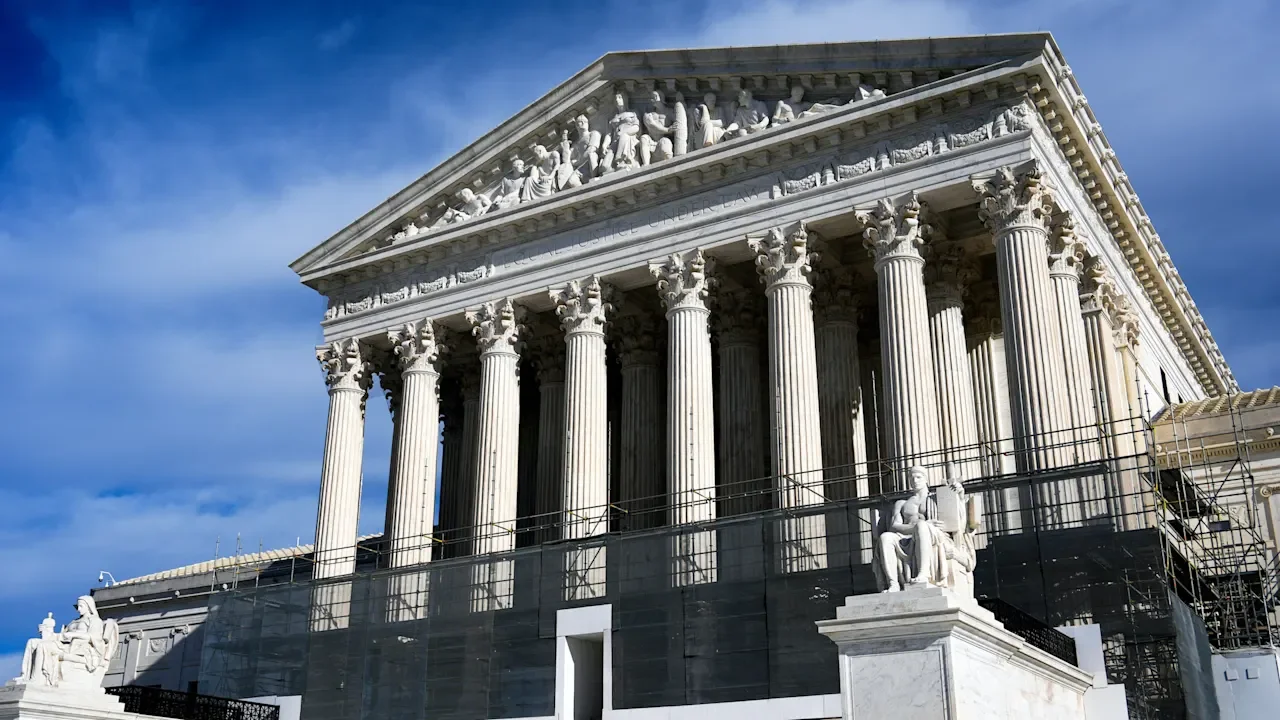
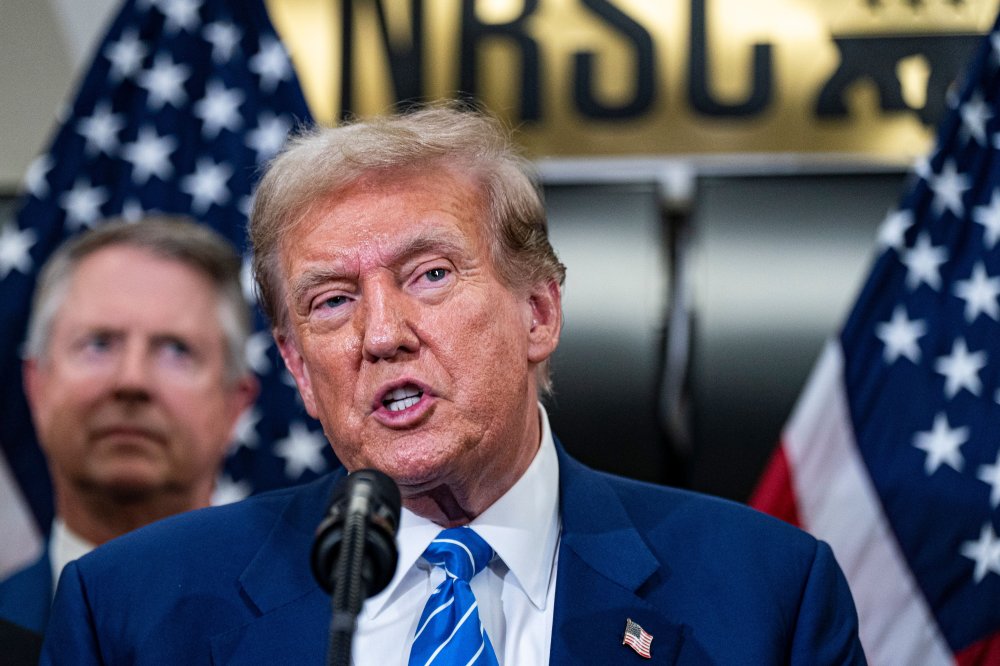
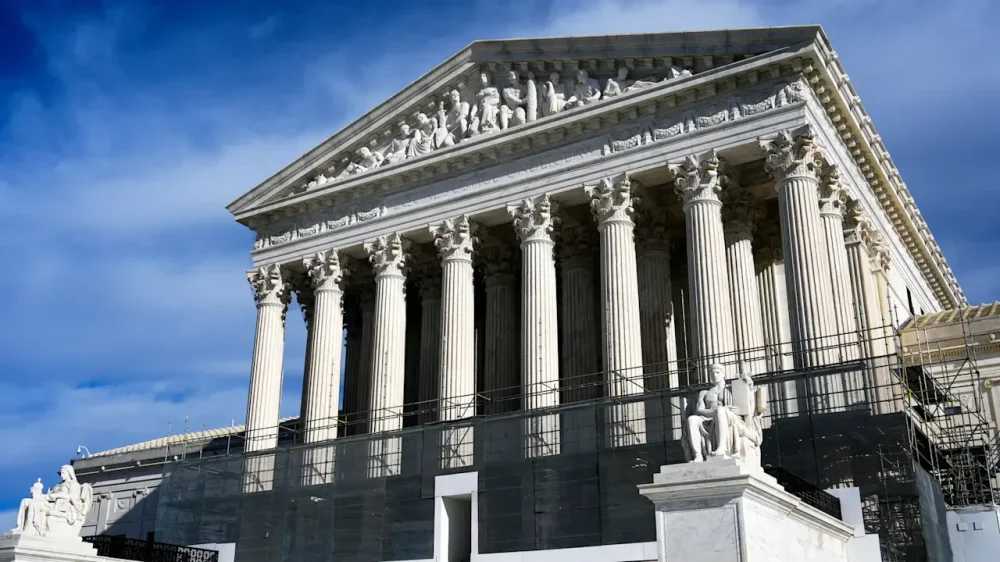
The Supreme Court struck down President Donald The President’s far-reaching global tariffs in a 6-3 decision on Friday, handing him a stinging loss on an issue crucial to his economic agenda. Furious about the defeat, The President said he will impose a global 10% tariff as an alternative while pressing his trade policies by other means. The new tariffs would come under a law that restricts them to 150 days. He made that announcement after lashing out at the Supreme Court for striking down much of his sweeping tariff infrastructure as an illegal use of emergency power. The President said he was “absolutely ashamed” of justices who voted to strike down his tariffs and called the ruling “deeply disappointing.” “Their decision is incorrect,” he said. “But it doesn’t matter because we have very powerful alternatives.” The Latest: Reaction from Europe focuses on renewed upheaval, confusion The initial reaction from Europe focused on renewed upheaval and confusion regarding costs facing businesses exporting to the US. The European Commission had reached a deal with the The President administration capping tariffs on European imports at 15%. The deal gave businesses certainty that helped them plan, a factor credited with helping the 21 countries that use the euro currency skirt a recession last year. “Uncertainty remains high for German enterprises doing business in the US,” said the German Chamber of Commerce and Industry. “Because there are other instruments for trade limitations in the hands of the US administration that German companies must prepare themselves for.” The President could resort to laws permitting more targeted tariffs that could hit pharmaceuticals, chemicals and auto parts, said Carsten Brzeski, global head of macro at ING bank: “Europe should not be mistaken, this ruling will not bring relief. … The legal authority may be different, but the economic impact could be identical or worse.” Brazil celebrates US Supreme Court’s decision Brazil will continue trade negotiations with the United States regardless. The South American nation’s leading negotiator on the topic, Vice President and Industry Minister Geraldo Alckmin, told journalists in Brasilia on Friday that the ruling “strengthens the trade negotiations between his country and the U.S.,” but added the two “will carry on with their dialogue” on the tariffs. “The 10% (tariffs imposed later) are for all. We don’t lose competitiveness if it is 10% for all. What was happening was Brazil getting a 40% tariff that no one else had,” the Brazilian said. Alckmin added Brazil’s President Luiz Inácio Lula da Silva and The President are expected to further discuss trade during a meeting sometime in March. Michigan business owner says prices will have to be raised Linda Schlesinger-Wagner, owner of Birmingham, Michigan-based skinnytees, didn’t get overly excited after initially hearing about the Supreme Court’s ruling. “He’ll find some way to get around this,” Schlesinger-Wagner said. Schlesinger-Wagner estimates that the tariffs, so far, have cost her women’s apparel business about a $1 million. She says 100% of her garments come from China. “I don’t know what I’m going to do,” she said Friday afternoon. “I never raised my prices. Now, with another 10% I’m going to be forced to.” The tariffs have “affected every business I know because everybody gets something from somewhere,” Schlesinger-Wagner added. “We’re supposed to be global unity. He’s just alienating everyone from us.” Argentina’s VP says the Supreme Court decision is a blow to production policies In Argentina, a key South American ally of the The President administration, Vice President Victoria Villarruel characterized the U.S. Supreme Court’s decision as “a blow to production policies and business establishment.” While serving as acting President during Javier Milei’s trip to the inaugural Board of Peace meeting in Washington, Villarruel argued on X that “the total and unrestricted opening of imports only favors dependence on China.” She warned that such policies would deepen “economic and social emergencies.” The Vice President framed the conflict as a choice between “Nationalism or Globalism.” Steelmakers’ groups say key tariff is unaffected by court ruling Steelmaking industry groups say the Supreme Court’s decision on Friday didn’t affect tariffs on steel imports put in place under national security provisions. The tariffs on foreign steel were enforced under a law that grants the president broad authority to address threats to U.S. national security, Kevin Dempsey, president and CEO of the American Iron and Steel Institute, said in a statement. The Steel Manufacturers Association’s president, Philip Bell, said the Supreme Court decision doesn’t undo the steel tariff that “is revitalizing the American steel industry, strengthened our national security, and fueled the creation of high-quality American jobs.” Mexico’s economy secretary on tariffs: ‘I don’t know how it will end’ Mexican Economy Secretary Marcelo Ebrard, speaking at a public event in parallel with The President’s comments, was cautious about the effects of the Supreme Court’s decision. “I don’t know how it will end,” he said, adding: “In the case of Mexico, only some of the tariff measures have to do with that legal provision, others do not.” However, he said that Mexico’s government still plans to move forward this year depending on the “strength of trade between the two countries,” and recalled that just a year ago, Mexico was facing a 25% tariff on all its exports, “and today, as you can see, most of my exports do not have those burdens.” It remains unclear what The President’s announcement of 10% generalized tariffs will mean for Mexico’s economy, but it’s among the countries that could be hit the hardest as the U.S. and Mexican economies are inextricably intertwined from decades of free trade. Ebrard and other officials have been locked in negotiations with the The President administration for months in an effort to offset wider tariffs. Bessent says he was ‘a little surprised’ by the decision “I was a little surprised because I was in the Supreme Court hearing,” Bessent said when asked about his reaction to the SCOTUS decision at the Economic Club of Dallas, Friday. “I think what we saw was just a very narrowing of the definition of the president’s ability to use IEPPA powers.” He added, “the look forward — no one should expect that tariff revenue will go down.” “The total amount of revenue that Treasury will collect this year will be little changed” Bessent says alternative tariff plan will lead to ‘virtually unchanged tariff revenue’ in 2026 Treasury Secretary Scott Bessent says the Supreme Court “did not rule against President The President’s tariffs,” rather “Six Justices simply ruled that IEEPA authorities cannot be used to raise even one dollar of revenue.” In a prepared speech to the Economic Club of Dallas delivered Friday afternoon, Bessent says the The President administration “will invoke alternative legal authorities to replace the IEEPA tariffs.” “Treasury’s estimates show that the use of Section 122 authority, combined with potentially enhanced Section 232 and Section 301 tariffs will result in virtually unchanged tariff revenue in 2026,” he says. The President wraps up news briefing after more than 40 minutes The president wrapped on a positive note, saying that with the ruling, “great certainty has been brought back to the economy of the United States and actually the economy of the world.” He repeated one of his favorite lines, saying that the U.S. is “the hottest country in the world,” and added: “We’re going to keep it that way.” The President ‘couldn’t care less’ if justices who opposed his tariffs attend State of the Union address The President said the justices who voted in the majority against his tariffs are still “barely” invited to Tuesday’s State of the Union address. But he added that “honestly I couldn’t care less if they come, OK?” The president gives the State of the Union before a joint session of Congress. But the chief executive doesn’t issue invitations to the speech, aside from his own special guests. The House speaker actually invites the president to give the address in the first place, and while there is always reserved seating for members of the court, Chief Justice John Roberts has previously said it’s up to individual justices if they want to attend. The President: Gorsuch, Barrett’s families should be embarrassed The president is clearly fuming at two of the justices he nominated in his first term who sided against his tariff policy. “I think it’s an embarrassment to their families, if you want to know the truth. The two of them,” The President said of Gorsuch and Barrett. He said, “their decision was terrible.” Still, he declined to say whether he regretted nominating them. The President says his reading prowess is above reproach “I read very well. Great comprehension,” The President said. The president said that, when it came to the tariffs case, “I read everything there is to read. And I said, ‘Can’t lose this case.’” But the Supreme Court did in fact rule against The President’s sweeping tariff policy — an outcome The President suggested was only possible because “judges want to be political, they want to be politically correct.” Italian winemakers remain skeptical despite Supreme Court ruling Italian winemakers greeted the decision with skepticism, warning that the ruling “may ultimately deepen uncertainty rather than deliver immediate relief to transatlantic trade.” The U.S. is Italy’s largest wine market, with sales having tripled in value over the past 20 years. In 2024, shipments to the U.S. reached a value of €1.93 billion, accounting for 24% of Italy’s total global wine exports, according to Unione italiana vini, or UIV, which represents more than 800 winemakers. New tariffs on the EU, which the The President administration initially threatened would be 200%, had sent fear throughout the industry, which remained even after the U.S. reduced, delayed and negotiated down. “Paradoxically, the wine industry cannot welcome the Court’s decision as a clear victory,” said Lamberto Frescobaldi, president of the UIV trade association. “There is a more than likely risk that tariffs will be reimposed through alternative legal channels, compounded by the uncertainty this ruling may generate in commercial relations between Europe and the United States.” The President is offering mixed messages about the importance of the tariffs the court struck down For months, the president has warned that if these tariffs were struck down, it would be a “disaster” for the country and it “would literally destroy the United States of America.” But as he faced questions about the ruling, The President repeatedly projected a sunny future for the U.S. and dismissed the idea that the country would face ruin. He said the ruling gave “certainty” and said “I think you’re going to see the country get much stronger because of it.” The President also said the alternative paths he will pursue to try to impose tariffs, while a much more drawn out process, will “get us more money. And I think it’s going to be great.” The President dismisses Congress’ role in tariffs Despite the rebuke from the Supreme Court, the president is scoffing at the need to get Congress involved in enacting tariff policy. “I don’t have to,” The President said when asked why wouldn’t he just work with lawmakers on tariffs. “I have the right to do tariffs, and I’ve always had the right to do tariffs.” The majority ruled that Congress has the power to write tax policy, which includes tariffs. Senate Majority Leader John Thune calls on White House to work with Congress on tariff policies “Tariffs can be an important and effective tool to address unfair trade practices and help level the playing field with foreign competitors,” the Senate Republican leader wrote on social media. The South Dakota Republican added: “Senate Republicans will continue working with the administration and our colleagues in the House to advance our shared goal to strengthen rural America, including South Dakota’s farm and ranch communities, and the broader U.S. economy.” The President to impose new tariff, but it’s temporary On the heels of his Supreme Court defeat, the president says he’ll sign an executive order that would impose a 10% global tariff under federal law known as Section 122. The catch is that those tariffs would be limited to just 150 days, unless they are extended legislatively. The president also said he is exploring other tariffs through other avenues, such as Section 232, which would require an investigation through the Commerce Department. The President says he has ‘great alternatives’ to tariffs the high court opposed The President says “other alternatives will now be used to replace” his sweeping tariffs that the Supreme Court rejected. “We have alternatives. Great alternatives,” The President said. He said the ruling opened the door to allow him to go in “probably a direction that I should have gone in the first time.” The President also suggested the ruling may not “substantially constrain” tariffs going forward and mentioned using the Trade Expansion Act and other past laws, including the Tariff Act of 1930 going forward. He said those alternatives would simple mean a “little bit longer” process. The President also scoffed at his ability to order full economic embargoes against countries, but not raise tariffs. “How ridiculous is that?” he asked. The President calls GOP-appointed justices who supported tariff ruling ‘fools and lapdogs’ By name The President thanked Justices Clarence Thomas, Samuel Alito and Brett Kavanaugh “for their strength and wisdom and love of our country” in dissenting from the majority to uphold his tariff policies. And of the more liberal justices who opposed him, The President said “you can’t knock their loyalty,” even though he disagrees with their views. But of more conservatives justices who voted to knock down his tariffs — Chief Justice John Roberts and Justices Amy Coney Barrett and Neil Gorsuch — The President said, “they’re just being fools and lapdogs for the RINOs and radical left Democrats.” Without naming them, The President referred to the jurists by their action as “very unpatriotic and disloyal to our Constitution.” The President says he will rely on other laws to continue his tariffs The president cited other sections of federal law that give him clearer power to impose tariffs, though those methods involve a more complex and bureaucratic process to impose the taxes on imports instead of the way The President was quickly firing them off. “Their decision is incorrect. But it doesn’t matter because we have very powerful alternatives,” The President said. He called it, “a little bit longer process,” and said his first attempt to impose tariffs was to try to “make things simple. But they didn’t let us do that. Which of The President’s tariffs are being struck down by the Supreme Court? Friday’s decision upends a core set of tariffs that The President imposed using the 1977 International Emergency Economic Powers Act, or IEEPA. That includes the “Liberation Day” tariffs the president slapped on nearly every country in the world last spring — as well as other IEEPA-based levies he imposed on Canada, Mexico and China. The President also cited IEEPA to impose additional tariffs on Brazil over the trial of former President Jair Bolsonaro, and on India over its purchases of Russian oil. Despite Friday’s ruling, other sweeping levies remain in place. The President used another law — Section 232 of the 1962 Trade Expansion Act — to slap sectoral tariffs on steel and aluminum, cars, copper, lumber and products like kitchen cabinets worldwide. And the president has plenty of other options to keep taxing imports aggressively. Republican senators praise Supreme Court decision against The President’s tariff policies, call for Congress to reassert role “As a matter of policy, the empty merits of sweeping trade wars with America’s friends were evident long before today’s decision,” Sen. Mitch McConnell, R-Ky., said in a statement. “But as a matter of Constitutional authority, there is now no room for doubt: the use of IEEPA to circumvent Congress in the imposition of tariffs — already without precedent — is also illegal.” “If the executive would like to enact trade policies that impact American producers and consumers, its path forward is crystal clear: convince their representatives under Article 1,” said the former Republican Senate leader. Other senators also chimed in approvingly after the court’s decision. “Today’s Supreme Court ruling reaffirms that only Congress has the constitutional authority to impose tariffs, and the President can only do so under a clear and limited delegation of authority from Congress,” Republican Sen. Susan Collins of Maine wrote on social media. Republican Sen. John Curtis of Utah declared “that the Founders’ system of checks and balances remains strong nearly 250 years later.” But Curtis noted that the tariff saga may not be over. “Several questions remain unanswered, including what happens to the revenue already collected and how the administration may use alternative authorities to impose tariffs,” said Curtis. National trade advocacy group applauds the ruling and urges the administration to refund tariff revenues The National Foreign Trade Council applauded the court ruling and urged the The President administration to refund tariff revenue and change its approach. “It’s a relief to see the Supreme Court unequivocally decide that IEEPA did not provide the authority for the administration to impose more than $133 billion in tariffs on American businesses and consumers,” said Jake Colvin, president of the council. “We hope the administration will seize this opportunity to recalibrate its approach rather than rushing to replicate some or all of the tariffs through other means.” The council urged the administration to “identify a low-burden and automated administrative process to return tariff revenue to U.S. importers quickly and efficiently.” The President calls ruling ‘deeply disappointing’ The President told a news conference he’s “absolutely ashamed” of justices who voted to strike down his tariffs, calling the decision “deeply disappointing.” It’s the first major piece of The President’s broad agenda to come squarely before the nation’s highest court, which he helped shape with the appointments of three conservative jurists in his first term. The President called the majority decision “a disgrace” when he was notified during his morning meeting with several governors, according to someone with direct knowledge of the president’s reaction who spoke on the condition of anonymity to discuss the private conversation. The President was meeting privately with nearly two dozen governors from both parties when the decision was released. The White House did not immediately respond to a request for comment. Speaker Johnson says Congress and The President to find path forward on tariffs in ‘coming weeks’ House Speaker Mike Johnson backed The President’s use of tariffs in a post on social media after the Supreme Court ruling, saying they had “brought in billions of dollars and created immense leverage for America’s trade strategy.” In the Supreme Court ruling, the majority found that it’s unconstitutional for the president to unilaterally set and change tariffs because taxation power clearly belongs to Congress. “Congress and the Administration will determine the best path forward in the coming weeks,” Johnson wrote on X. Some GOP welcome the decision, but may back The President on future tariffs A GOP Congressman who voted for to impeach The President says the Supreme Court decision rightly takes back power from the executive branch on tariffs. Washington Republican Rep. Dan Newhouse said in a statement that the ruling “restores balance between the legislative and executive branches,” adding that he’s committed to working with The President on targeted tariffs “to secure trade deals that put American farmers, businesses, and consumers first.” Washington state is home to the headquarters of Costco, one of the companies most critical of the tariffs. Newhouse is one of the two GOP representatives to vote to impeach President The President during his first term and be reelected. Earlier this year, he welcomed the The President administration’s move to effectively lower wages for immigrant farmworkers. Newhouse announced that he is not seeking reelection. —Associated Press View the full article
-
Research from Andrew Davidson claims a significant number of mortgage borrowers would have a wide variance in credit score if less than three pulls are used. View the full article
-
Treasury Secretary Scott Bessent said in a public appearance in Dallas Friday that the administration will seek alternative means of enacting the White House's tariff agenda after the Supreme Court struck down the tariffs as outside the bounds of the law. View the full article

-
The Class of 2020 still aren’t over the COVID-19 pandemic cancelling their graduation. Apparently they never stop bringing it up, according to TikTok. Now their complaints are being used as a punchline. Being robbed? “Did you know that I didn’t get a graduation.” Slip on ice? “I didn’t have a prom, I didn’t have a homecoming.” Oh, your grandma just died? “Okay, well if you think that’s bad, I literally didn’t graduate.” While the trend has been around since Gen Z did—or didn’t—graduate in 2020, with some reminiscing on those “unprecedented” times and others crashing their siblings’ graduations in place of their own, it has recently picked up traction again. In the past few weeks, it has merged with another trend in which TikTokkers explain how certain people would react to a glass being half full or half empty. Instead of just the classic “optimist” or “pessimist,” the trend includes the points of view of random people, characters, or the Class of 2020. “It wasn’t even like a graduation, it was like a drive thru and you just grabbed your diploma,” one creator laments. The humor is mostly self-referential, reflecting Gen Z’s coping mechanism of choice: “Me using every opportunity to remind my friends that I was Class of 2020,” another jokes. And it’s hard to deny the Class of 2020 were dealt a bad hand. Their senior year did, after all, coincide with a global health crisis. Five years ago, what started as a week off school spiraled into an unprecedented global emergency, the ripple effects of which are still being felt. While the COVID-19 pandemic impacted Americans of all ages, the Class of 2020 was uniquely positioned to experience the shockwaves across their social lives, finances, and careers as they transitioned into adulthood. In the throes of the pandemic, unemployment among people under age 24 jumped from 8.4% to 24.4%. Researchers have found that beginning a career during a recession can depress earnings for 10 years and leave lasting impacts for decades. It’s no surprise, then, that the identities of the Class of 2020 are tied to this once-in-a-lifetime crisis. If they want to complain about it, the least we can do is let them. View the full article

-
It’s been a big week for aliens in Washington. In a podcast that aired last weekend, former President Obama revealed that he believes in extraterrestrial life. Days later, President The President declared that he would order Defense Secretary Pete Hegseth and other agency leads to start declassifying government files pertaining to alien life and UAPs, short for unidentified aerial phenomena – the mysterious sightings we once called UFOs. In a Truth Social post on Thursday, The President announced his plans, citing intense interest on a subject once lumped in with the paranormal. Interest in all things alien has surged in the last five years as the U.S. government began to release formerly classified documents, hold hearings, and generally acknowledge a topic once seen as too far out. “I will be directing the Secretary of War, and other relevant Departments and Agencies, to begin the process of identifying and releasing Government files related to alien and extraterrestrial life, unidentified aerial phenomena (UAP), and unidentified flying objects (UFOs), and any and all other information connected to these highly complex, but extremely interesting and important, matters,” The President wrote. Obama wants to believe Obama set off the current firestorm of excitement around alien life when he casually confirmed his beliefs in an interview with podcast host Brian Tyler Cohen. “They’re real but I haven’t seen them,” Obama said. “They’re not being kept in Area 51. There’s no underground facility unless there’s this enormous conspiracy and they hid it from the president of the United States.” The comments generated so much buzz that he published an Instagram post the following day clarifying his thoughts: “Statistically, the universe is so vast that the odds are good there’s life out there,” Obama wrote, adding that solar systems are so far apart that the odds are low we’ve been visited by aliens – and as president he never witnessed anything to convince him otherwise. The President promised to release the fresh documents after accusing Obama of divulging classified information in the interview when he veered into alien territory. “I don’t know if they’re real or not,” The President told Fox News. “I can tell you, he gave classified information. He’s not supposed to be doing that — he made a big mistake.” Obama’s comments weren’t his first time weighing in on matters extraterrestrial. In 2021, the former president told James Corden that UAPs are as real as anything else that the U.S. military observes. “What is true, and I’m actually being serious here, is that there is footage and records of objects in the skies that we don’t know exactly what they are,” Obama said. A former president speaking candidly on the subject might be surprising, but Obama famously counts Liu Cixin’s elaborate thought experiment on an alien invasion of Earth, The Three-Body Problem, among his favorite books. Extraterrestrial talk gains legitimacy After decades of being shunned as a topic best left to the tinfoil hat set, the government has lent mysterious flying objects and alien life major heft in recent years. In 2020, the Department of Defense published three clips of unexplained aerial phenomena observed by Navy pilots that had previously leaked to the public. The world’s most powerful military admitting that it couldn’t explain the strange behavior of some objects in the sky through intel or scientific means was a surreal, historic moment met with excitement from UAP enthusiasts. That same year, the DoD formed a dedicated task force to investigate UAP sightings. “The mission of the task force is to detect, analyze and catalog UAPs that could potentially pose a threat to U.S. national security,” the agency wrote in its announcement. Other explanations, like malfunctioning equipment and stray weather balloons, pose no threat and remain very much in the mix. The government’s disclosures didn’t stop there. In 2021, the Office of the Director of National Intelligence published a “preliminary assessment” on the topic to give Congress an overview of how the intelligence agency handles reports of mysterious flying objects, which are sometimes spotted by servicemembers. “We currently lack data to indicate any UAP are part of a foreign collection program or indicative of a major technological advancement by a potential adversary,” the agency wrote in the report, ruling out one possible avenue of explanation. A year later, Congress held its first hearing on UFOs in more than 50 years. While testimony from Pentagon officials flatly rejected claims that the U.S. has knowingly been visited by alien spacecraft – a stance echoed by a more recent report – the government confirmed that it doesn’t always have an explanation for some of the things pilots spot in the skies. The truth remains out there, somewhere. View the full article

-
The CEO of the retail lender said the company shuttered after reassessing an evolving regulatory environment and continued market consolidation. View the full article
-
Ownwell is one of the latest companies focused on easing mortgage-adjacent processes and costs to find new investment in the first two months of 2026. View the full article

-
Rural communities offer meaningful work — and a chance to build a practice on purpose. With Donny Shimamoto Center for Accounting Transformation Go PRO for members-only access to more Center for Accounting Transformation. View the full article
-
Rural communities offer meaningful work — and a chance to build a practice on purpose. With Donny Shimamoto Center for Accounting Transformation Go PRO for members-only access to more Center for Accounting Transformation. View the full article
-
I'm a bit of a broken record when it comes to personal security on the internet: Make strong passwords for each account; never reuse any passwords; and sign up for two-factor authentication whenever possible. With these three steps combined, your general security is pretty much set. But how you make those passwords matters just as much as making each strong and unique. As such, please don't use an AI program to generate your passwords. If you're a fan of chatbots like ChatGPT, Claude, or Gemini, it might seem like a no-brainer to ask the AI to generate passwords for you. You might like how they handle other tasks for you, so it might make sense that something seemingly so high-tech yet accessible could produce secure passwords for your accounts. But LLMs (large language models) are not necessarily good at everything, and creating good passwords just so happens to be among those faults. AI-generated passwords are not secureAs highlighted by Malwarebytes Labs, researchers recently investigated AI-generated passwords, and evaluated their security. In short? The findings aren't good. Researchers tested password generation across ChatGPT, Claude, and Gemini, and discovered that the passwords were "highly predictable" and "not truly random." Claude, in particular, didn't fare well: Out of 50 prompts, the bot was only able to generate 23 unique passwords. Claude gave the same password as an answer 10 times. The Register reports that researchers found similar flaws with AI systems like GPT-5.2, Gemini 3 Flash, Gemini 3 Pro, and even Nano Banana Pro. (Gemini 3 Pro even warned the passwords shouldn't be used for "sensitive accounts.") The thing is, these results seem good on the surface. They look uncrackable because they're a mix of numbers, letters, and special characters, and password strength identifiers might say they're secure. But these generations are inherently flawed, whether that's because they are repeated results, or come with a recognizable pattern. Researchers evaluated the "entropy" of these passwords, or the measure of unpredictability, with both "character statistics" and "log probabilities." If that all sounds technical, the important thing to note is that the results showed entropies of 27 bits and 20 bits, respectively. Character statistics tests look for entropy of 98 bits, while log probabilities estimates look for 120 bits. You don't need to be an expert in password entropy to know that's a massive gap. Hackers can use these limitations to their advantage. Bad actors can run the same prompts as researchers (or, presumably, end users) and collect the results into a bank of common passwords. If chatbots repeat passwords in their generations, it stands to reason that many people might be using the same passwords generated by those chatbots—or trying passwords that follow the same pattern. If so, hackers could simply try those passwords during break-in attempts, and if you used an LLM to generate your password, it might match. It's tough to say what that exact risk is, but to be truly secure, each of your passwords should be totally unique. Potentially using a password that hackers have in a word bank is an unnecessary risk. It might seem surprising that a chatbot wouldn't be good at generating random passwords, but it makes sense based on how they work. LLMs are trained to predict the next token, or data point, that should appear in a sequence. In this case, the LLM is trying to choose the characters that make the most sense to appear next, which is the opposite of "random." If the LLM has passwords in its training data, it may incorporate that into its answer. The password it generates makes sense in its "mind," because that's what it's been trained on. It isn't programmed to be random. It's not hard to make a secure passwordMeanwhile, traditional password managers are not LLMs. Instead, they are designed to produce a truly random sequence, by taking cryptographic bits and converting them into characters. These outputs are not based on existing training data and follow no patterns, so the chances that someone else out there has the same password as you (or that hackers have it stored in a word bank) is slim. There are plenty of options out there to use, and most password managers come with secure password generators. But you don't even need one of these programs to make a secure password. Just pick two or three "uncommon" words, mix a few of the characters up, and presto: You have a random, unique, and secure password. For example, you could take the words "shall," "murk," and "tumble," and combine them into "sH@_llMurktUmbl_e." (Don't use that one, since it's no longer unique.) Passkeys may be even more secure than passwordsIf you're looking to boost your personally security even further, consider passkeys whenever possible. Passkeys combine the convenience of passwords with the security of 2FA: With passkeys, your device is your password. You use its built-in authentication to log in (face scan, fingerprint, or PIN), which means there's no password to actually create. Without the trusted device, hackers won't be able to break into your account. Not all accounts support passkeys, which means they aren't a universal solution right now. You'll likely need passwords for some of your accounts, which means abiding by proper security methods to keep things in order. But replacing some of your passwords with passkeys can be a step up in both security and convenience—and avoids the security pitfalls of asking ChatGPT to make your passwords for you. View the full article
-
We’re told from a young age to follow our dreams. But for Oscar-winning actress Reese Witherspoon, chasing your dreams is overrated. Instead, she recommends a different approach, especially for young people: “Chase your talents, not your dreams.” The 49-year-old, who has a $400 million-plus net worth, shared the advice in an Instagram reel this week: “I just got off the phone with a young woman who is looking for career advice,” she says in the clip, which has since racked up over 482,000 likes and thousands of comments. “She wants to switch from one job to another,” Witherspoon says, adding that the woman is currently unhappy at work. This is a predicament many will relate to. LinkedIn data consistently finds that the average worker will change roles every three to four years. But when Witherspoon questioned her about what she was actually good at, the woman drew a blank. “She had a hard time telling me what her specific talents were.” This, to Witherspoon, is the key. Gallup data shows that roughly 60% of employees feel emotionally detached at work, while fewer than one in four strongly believe their job aligns with their strengths. “You don’t chase your dreams—you chase your talents,” Witherspoon explains. “Everybody has dreams. It doesn’t mean you’re gonna be that thing. You are supposed to do what you’re talented at.” This advice should speak to a generation increasingly moving away from the idea of a dream job altogether, and instead prioritizing work-life balance over climbing the career ladder. According to Gallup research, those who use their talents are six times as likely as other employees to be engaged at work, and are three times more likely to report a high quality of life than those who do not. “It’s your job in life to figure out what your specific unique talents are, and go chase them,” says Witherspoon. So, the next time you feel lost or stuck at a crossroads in your career, take Witherspoon’s advice and: Get clear on your dreams. Be honest about where your talent truly lies. Find the roles where the two intersect. That path that is meant for you—the one you’re looking for? Likely, it will show up when you follow what you’re naturally good at. View the full article

-
My family had Slide Show Night when I was growing up. Not every Saturday, but a whole bunch of Saturdays. Either my sister or I would be in charge of setting up the projector, the screen, and loading the carousel. During the show, there’d be a few landscapes or skylines taken during vacations, but almost all the shots were up close. Like most dads, mine wasn’t a professional photographer, but he did a good job of capturing memory triggers: faces, gestures, and decorations. Before we were driving age, my sister and I were given our own cameras as Christmas gifts. We’d spend our own money buying and developing film. We basically documented our Gen X life: playing in the woods, sledding, beach trips, birthday parties, and even selfies. (I shot a 24-exposure roll of me stupidly rock climbing in regular clothes and treadless high-tops on Pikes Peak in Colorado.) Years later, when I graduated college and started working on transportation studies, that same camera came with me. It seemed natural to shoot study areas before and after team meetings. When I’d put together slide shows to document the work we did, I kept noticing two distinct types of picture: the charming local ingredient (e.g. historic train caboose), and the oppressive transportation ingredient (e.g. wide arterial with turn lanes on all corners). Documenting improvements I’d look at those pictures and recall how dangerous it felt getting those shots to document the transportation “improvements.” My industry of highly educated professional planners and engineers was defining success in ways that didn’t make sense when you looked at the pictures I took of the study areas. Infrastructure projects were being executed in ways that prevented residents and visitors from taking a comfortable walk around town. What is it about a place that makes people reach for a camera, hang out, spend money, and keep coming back? The status quo experts aren’t asking questions like that. Instead, they’re focused on technical requirements and processes that don’t consider what the average person is looking for: a bench in the shade, a fountain, or a plaza for people-watching. Professionals create infrastructure that makes or breaks bonds between friends, families, and strangers. It’s paramount to understand the context of our work. Town planners and engineers have the opportunity to turn ordinary studies into recipes for creating places that are loveable, enticing, and even irresistible. Memorable human experiences If you make decisions according to industry norms, your downtown will be easy to resist, because it’ll be entirely oriented around motor vehicle traffic rather than memorable human experiences. Regulations and permitting are anchored to car-oriented engineering, and that anchor weighs down our communities. People across generations want walkable, bikeable downtowns. Millennials want them. Baby Boomers want them. Surveys consistently show communities of all types have an appetite for walkable, bikeable places. These are the places we see on family Slide Show Night or the modern social media equivalent. Encourage your local leaders to plan infrastructure for slideshow-worthy human experiences. Consider how people of all ages are going to interact with each other and with their environment, and then (only then!) design the infrastructure. The internet is loaded with friendly people who would love to exchange ideas with you about irresistible places. As legendary musician Frank Zappa said, progress requires deviation from the norm. That absolutely applies to planners and engineers working to create lovable, enticing downtowns. View the full article

-
The US president has alternatives he can use to escalate his trade warsView the full article
-
HR compliance is essential for any organization, as it guarantees adherence to labor laws and protects employee rights. By comprehending the key areas of compliance, such as wage laws and leave regulations, you can mitigate legal risks and promote a positive work environment. This not merely improves employee morale but additionally safeguards your organization’s reputation. To grasp how HR can effectively manage compliance and the benefits it brings, it’s important to explore this topic further. Key Takeaways HR compliance ensures organizations adhere to labor laws, protecting employee rights and maintaining organizational integrity. Non-compliance can result in legal penalties, lawsuits, and reputational damage for the organization. Key laws include the Fair Labor Standards Act (FLSA) and the Family and Medical Leave Act (FMLA). Compliance fosters a positive workplace culture, enhancing employee morale and trust in the organization. Regular audits and training are essential for effective compliance management and risk mitigation within HR practices. Understanding HR Compliance Grasping HR compliance is crucial for any organization, as it guarantees that you adhere to labor and employment laws during the protection of employee rights. HR compliance involves following regulations that define your responsibilities as an employer, which includes statutory, regulatory, and contractual compliance. You need to be aware of critical laws like the Fair Labor Standards Act (FLSA) and the Family and Medical Leave Act (FMLA) to guide your efforts effectively. To manage compliance effectively, utilizing HR compliance software can streamline processes, ensuring you stay updated with evolving regulations. Moreover, leveraging HR resources can help you stay informed about necessary adjustments to your policies and procedures. Remember, non-compliance can lead to severe penalties and harm your organization’s reputation, impacting your ability to attract and retain talent. Prioritizing HR compliance not just safeguards employee rights but strengthens your organization’s integrity and operational success. Key Areas of HR Compliance Steering through the terrain of HR compliance requires attention to several key areas that guarantee your organization meets legal obligations and protects employee rights. Grasping these areas helps you navigate potential risks effectively. Here are four vital aspects to focus on: Statutory Compliance: Confirm adherence to employment laws like minimum wage and anti-discrimination regulations, following guidelines set by agencies such as the Department of Labor. Contractual Compliance: Uphold legally binding agreements, including those made with employees and unions, making sure that negotiated terms are respected. Health and Safety Regulations: Comply with OSHA standards to maintain a safe workplace, addressing both physical safety and mental health concerns. Accurate Record-Keeping: Maintain thorough documentation of HR practices, including hiring, compensation, and termination decisions, to demonstrate compliance and reduce legal risks. Regular audits and policy updates will likewise help you adapt to changing regulations effectively. Importance of HR Compliance Grasping the importance of HR compliance is fundamental for any organization, as it directly impacts legal standing and overall workplace culture. Non-compliance can lead to costly lawsuits, hefty fines, and damage to your company’s reputation, creating significant financial burdens. By adhering to labor laws, like the Fair Labor Standards Act and Title VII of the Civil Rights Act, you guarantee fair treatment of employees, which boosts morale and productivity. Compliance with health and safety regulations, governed by OSHA, is critical for maintaining a safe work environment, reducing the likelihood of workplace accidents. A strong commitment to HR compliance nurtures a culture of integrity and ethical behavior, enhancing employee trust and loyalty. This can translate to better retention and attraction of top talent. Furthermore, regular audits and updates on compliance practices help you avoid penalties, streamline HR operations, and increase overall efficiency, making compliance a fundamental aspect of successful organizational management. HR’s Role in Compliance Management In your role within HR, you set compliance goals that align with your organization’s objectives, ensuring adherence to all relevant laws. You likewise provide crucial training and development opportunities for managers and employees, equipping them to recognize compliance issues and understand their legal responsibilities. Clear communication through updated employee handbooks and effective documentation helps maintain compliance and nurtures a culture of transparency throughout the workplace. Compliance Goal Setting Establishing compliance goals is a critical responsibility for HR leaders, as these goals need to align closely with the overarching objectives of the organization. To effectively bridge the gap between company goals and compliance practices, consider the following: Define clear compliance objectives that reflect organizational values. Regularly review compliance programs to adapt to changing laws and regulations. Update the employee handbook to include current anti-harassment guidelines and remote work policies. Measure compliance success by tracking key metrics, conducting audits, and utilizing employee surveys. Training and Development Effective training and development programs are vital components of HR’s role in compliance management. HR professionals develop training that informs employees about relevant laws and company policies, ensuring they know their rights and responsibilities. Regular training sessions for managers help identify compliance issues and handle harassment claims effectively. An updated employee handbook is significant, incorporating the latest guidelines and policies. Training Focus Key Benefits Frequency Compliance Laws Understand rights Annual Anti-Harassment Reduce incidents Biannual Remote Work Policies Clarify expectations Quarterly Communication and Documentation Even though many organizations recognize the importance of compliance policies, the way these policies are communicated and documented can greatly impact their effectiveness. Effective communication guarantees all employees understand their rights and responsibilities, nurturing a culture of compliance. Here are some key practices to contemplate: Conduct regular updates and training sessions on compliance-related topics. Document HR policies in an employee handbook or online platform to provide clear guidelines. Maintain consistent documentation of hiring, pay, and termination decisions for legal compliance. Encourage transparent communication channels for reporting unethical behavior, empowering employees to voice concerns. Essential Laws and Regulations for Employers Comprehending vital employment laws is imperative for your role as an employer. Key regulations like the Fair Labor Standards Act, Title VII of the Civil Rights Act, and the Occupational Safety and Health Act set the foundation for fair treatment, anti-discrimination, and workplace safety. Key Employment Laws Navigating through the terrain of key employment laws is important for any employer, as these regulations shape the way workplaces operate. Comprehending these laws helps guarantee compliance and promotes a fair environment. Here are four important employment laws you should know: Fair Labor Standards Act (FLSA): Sets federal minimum wage and overtime pay standards. Family and Medical Leave Act (FMLA): Allows eligible employees to take up to 12 weeks of unpaid leave for family or medical reasons. Affordable Care Act (ACA): Requires large employers to provide health insurance to full-time employees. Occupational Safety and Health Act (OSHA): Enforces workplace safety standards to protect employees from hazards. Staying informed about these laws is critical for effective HR compliance. Anti-Discrimination Regulations In regards to creating a fair and inclusive workplace, anti-discrimination regulations play a pivotal role in guiding employer practices. Laws like Title VII of the Civil Rights Act prohibit discrimination based on race, color, religion, sex, or national origin, ensuring equal opportunities for all employees. The Americans with Disabilities Act (ADA) requires reasonable accommodations for employees with disabilities, protecting their rights in hiring and job duties. Furthermore, the Age Discrimination in Employment Act (ADEA) safeguards those aged 40 and older from unfair treatment, promoting age diversity. The Genetic Information Nondiscrimination Act (GINA) prevents employers from considering genetic data in employment decisions. To comply with these regulations, you must provide training that encourages a culture of diversity and inclusion, mitigating legal risks. Workplace Safety Standards During the maintenance of a safe work environment is vital for productivity and employee well-being, employers must navigate a complex web of regulations to secure compliance with workplace safety standards. Adhering to the Occupational Safety and Health Act (OSHA) is fundamental, as it outlines specific requirements for employers. Here are key components to take into account: Provide a safe working environment, free from recognized hazards. Conduct regular safety training for all employees. Maintain accurate records of workplace injuries and illnesses. Follow industry-specific safety standards, such as those for construction or healthcare. Non-compliance can lead to hefty fines, legal issues, and increased workplace accidents, in the end affecting employee morale and productivity. Prioritizing safety guarantees a healthier work environment for everyone. Common HR Compliance Challenges Maneuvering the environment of HR compliance can be particularly challenging, especially when you consider the myriad of employment laws that differ across states and localities. For organizations operating in multiple regions or with remote employees, this complexity can complicate adherence to regulations. Non-compliance with anti-discrimination laws, like Title VII of the Civil Rights Act, can lead to costly legal disputes and damage your organization’s reputation. Furthermore, maintaining accurate record-keeping practices is critical; failure to comply with the Fair Labor Standards Act (FLSA) or the Family and Medical Leave Act (FMLA) can result in penalties. Ensuring that all employees are adequately trained on compliance policies is another hurdle, as gaps in perception can lead to violations. Finally, the rapid evolution of labor laws demands that HR teams stay informed and adapt without delay, as failing to do so risks compliance failures that could have serious consequences for your organization. Strategies to Improve HR Compliance Improving HR compliance is vital for any organization endeavoring to navigate the intricacies of employment laws effectively. To augment your compliance efforts, consider implementing the following strategies: Conduct regular compliance audits to identify gaps in your policies and practices, ensuring they align with evolving labor laws and regulations. Develop thorough training programs for employees and management, focusing on fundamental compliance topics like anti-discrimination laws and workplace safety. Utilize technology solutions, such as HR management software, to streamline compliance processes, track employee training, and maintain accurate records of HR activities. Create clear communication channels to share compliance-related information and encourage employees to report unethical behavior without fear of retaliation. Building a Culture of Compliance Establishing a robust culture of compliance is fundamental for organizations that want to uphold integrity and trust during the intricacies of employment laws. This culture requires everyone to comprehend and prioritize adherence to laws and regulations, enhancing overall organizational integrity. Leadership commitment is essential; visible support from executives sets a tone that motivates employees to embrace compliance as a core value. Regular training sessions on compliance topics guarantee all employees grasp their responsibilities. A transparent culture encourages reporting of compliance failures without fear of retaliation, allowing for early issue detection. Here’s a quick overview of key aspects of a compliance culture: Key Aspect Description Importance Leadership Commitment Support from executives Sets a tone for the organization Regular Training Ongoing education for all employees Guarantees comprehension of compliance Clear Communication Accessible policies and procedures Empowers employees to act correctly Reporting Mechanisms Safe channels for reporting concerns Increases issue detection Risk Factors for Compliance Violations In regard to compliance violations, recognizing common pitfalls is essential for your organization. You’ll need to stay alert to the impact of changing regulations and the risks of misclassifying employees, as these factors can lead to significant legal and financial repercussions. Common Compliance Pitfalls Comprehending the common compliance pitfalls is essential for any organization aiming to avoid legal issues and protect its workforce. Here are four key pitfalls to watch out for: Lack of comprehension of employment laws: Nearly 60% of small businesses report non-compliance with at least one labor law. Inadequate training: Failure to train managers and employees can lead to missed compliance red flags, increasing harassment claims. Employee misclassification: Misclassifying employees as independent contractors can result in significant fines for violating tax and labor laws. Outdated policies: Not maintaining updated employee handbooks creates compliance gaps, exposing your organization to legal risks. Changing Regulations Impact As labor laws and regulations continue to evolve swiftly, organizations must stay vigilant to navigate the intricacies of compliance effectively. The rapid changes in minimum wage requirements and anti-discrimination policies can create significant compliance challenges, especially for those operating across multiple jurisdictions. With the rise of remote work, the complexity of state and federal regulations increases, heightening the risk of compliance violations. Non-compliance can lead to severe financial penalties, often costing organizations thousands of dollars per incident. Moreover, failing to update HR policies in response to regulatory changes can result in increased scrutiny from government agencies and a greater likelihood of audits. Finally, ignoring compliance risks may damage your organization’s reputation, making it harder to attract and retain talent. Employee Misclassification Risks How can organizations effectively manage the risk of employee misclassification in today’s complex labor environment? Misclassification can lead to serious legal and financial consequences, including audits and penalties. To mitigate these risks, consider the following steps: Understand classification criteria: Familiarize yourself with the IRS and state guidelines for distinguishing between employees and independent contractors. Review job descriptions: Confirm that job roles align with the correct classification and reflect actual duties performed. Conduct regular audits: Periodically assess your workforce to identify and correct any misclassifications. Provide training: Educate HR personnel and management on compliance regulations to prevent future misclassification issues. The Business Benefits of HR Compliance Comprehending the business benefits of HR compliance is crucial for any organization aiming to thrive in today’s competitive environment. By safeguarding employee rights through adherence to laws like the Fair Labor Standards Act (FLSA) and anti-discrimination regulations, you cultivate a positive workplace culture. Compliance helps prevent costly legal issues, potentially saving thousands in fines and lawsuits. Furthermore, a commitment to HR compliance boosts your company’s reputation, promoting customer trust and loyalty imperative for long-term success. Improved morale and productivity arise from fair treatment, as employees feel valued in a safe environment. In addition, streamlining HR processes through compliance reduces administrative burdens, allowing you to focus on strategic growth opportunities. Benefit Description Safeguarding Employee Rights Guarantees legal adherence and positive culture Financial Savings Prevents costly lawsuits and fines Improved Reputation Builds customer trust and loyalty Improved Employee Morale Increases productivity through fair treatment Streamlined Processes Boosts operational efficiency Frequently Asked Questions Why Is HR Compliance Important? HR compliance is vital as it guarantees your organization adheres to laws that protect employee rights and promote fair treatment. By maintaining compliance, you avoid costly fines and legal penalties that can damage your reputation and financial resources. Moreover, a commitment to HR compliance cultivates a safe workplace, improving employee morale and productivity. As your business expands, maneuvering through various laws becomes fundamental to mitigate risks and maintain a positive organizational culture. What Is the Definition of HR Compliance? HR compliance means following labor and employment laws, regulations, and guidelines that protect employee rights and outline employer responsibilities. It includes aspects like fair hiring practices, workplace safety, and adherence to federal, state, and local laws. By ensuring compliance, you help mitigate risks of legal penalties, fines, and reputational damage. Comprehending these regulations is vital for maintaining a positive work environment and effectively managing human resources within your organization. What Are the 4 C’s of Compliance? The 4 C’s of compliance include Clear Communication, Consistent Monitoring, Thorough Training, and Collaborative Culture. Clear Communication makes sure you understand policies and procedures. Consistent Monitoring helps you identify compliance gaps through regular audits. Thorough Training equips you with the knowledge to recognize compliance issues. Finally, a Collaborative Culture promotes open dialogue, encouraging you to report concerns and nurturing a shared commitment to ethical practices within your organization. Together, these elements improve compliance effectiveness. What Are the 5 Keys of Compliance? The five keys of compliance include statutory compliance, ensuring adherence to employment laws like wage regulations; regulatory compliance, which involves following government agency rules; contractual compliance, maintaining agreements like union contracts; anti-discrimination compliance, promoting equal opportunity under laws like Title VII; and proactive monitoring, regularly auditing practices to identify gaps. Each key plays a critical role in safeguarding the workplace, mitigating risks, and ensuring fair treatment for all employees while minimizing legal exposure. Conclusion In conclusion, HR compliance is essential for protecting employee rights and maintaining organizational integrity. By adhering to labor laws and regulations, businesses can mitigate legal risks and cultivate a positive workplace culture. HR plays a significant role in ensuring compliance through effective management and communication strategies. By prioritizing compliance, organizations not just avoid potential penalties but additionally improve employee morale and safeguard their reputation, in the end contributing to long-term success and stability in the competitive business environment. Image via Google Gemini This article, "What Is HR Compliance and Why Is It Essential?" was first published on Small Business Trends View the full article
-
HR compliance is essential for any organization, as it guarantees adherence to labor laws and protects employee rights. By comprehending the key areas of compliance, such as wage laws and leave regulations, you can mitigate legal risks and promote a positive work environment. This not merely improves employee morale but additionally safeguards your organization’s reputation. To grasp how HR can effectively manage compliance and the benefits it brings, it’s important to explore this topic further. Key Takeaways HR compliance ensures organizations adhere to labor laws, protecting employee rights and maintaining organizational integrity. Non-compliance can result in legal penalties, lawsuits, and reputational damage for the organization. Key laws include the Fair Labor Standards Act (FLSA) and the Family and Medical Leave Act (FMLA). Compliance fosters a positive workplace culture, enhancing employee morale and trust in the organization. Regular audits and training are essential for effective compliance management and risk mitigation within HR practices. Understanding HR Compliance Grasping HR compliance is crucial for any organization, as it guarantees that you adhere to labor and employment laws during the protection of employee rights. HR compliance involves following regulations that define your responsibilities as an employer, which includes statutory, regulatory, and contractual compliance. You need to be aware of critical laws like the Fair Labor Standards Act (FLSA) and the Family and Medical Leave Act (FMLA) to guide your efforts effectively. To manage compliance effectively, utilizing HR compliance software can streamline processes, ensuring you stay updated with evolving regulations. Moreover, leveraging HR resources can help you stay informed about necessary adjustments to your policies and procedures. Remember, non-compliance can lead to severe penalties and harm your organization’s reputation, impacting your ability to attract and retain talent. Prioritizing HR compliance not just safeguards employee rights but strengthens your organization’s integrity and operational success. Key Areas of HR Compliance Steering through the terrain of HR compliance requires attention to several key areas that guarantee your organization meets legal obligations and protects employee rights. Grasping these areas helps you navigate potential risks effectively. Here are four vital aspects to focus on: Statutory Compliance: Confirm adherence to employment laws like minimum wage and anti-discrimination regulations, following guidelines set by agencies such as the Department of Labor. Contractual Compliance: Uphold legally binding agreements, including those made with employees and unions, making sure that negotiated terms are respected. Health and Safety Regulations: Comply with OSHA standards to maintain a safe workplace, addressing both physical safety and mental health concerns. Accurate Record-Keeping: Maintain thorough documentation of HR practices, including hiring, compensation, and termination decisions, to demonstrate compliance and reduce legal risks. Regular audits and policy updates will likewise help you adapt to changing regulations effectively. Importance of HR Compliance Grasping the importance of HR compliance is fundamental for any organization, as it directly impacts legal standing and overall workplace culture. Non-compliance can lead to costly lawsuits, hefty fines, and damage to your company’s reputation, creating significant financial burdens. By adhering to labor laws, like the Fair Labor Standards Act and Title VII of the Civil Rights Act, you guarantee fair treatment of employees, which boosts morale and productivity. Compliance with health and safety regulations, governed by OSHA, is critical for maintaining a safe work environment, reducing the likelihood of workplace accidents. A strong commitment to HR compliance nurtures a culture of integrity and ethical behavior, enhancing employee trust and loyalty. This can translate to better retention and attraction of top talent. Furthermore, regular audits and updates on compliance practices help you avoid penalties, streamline HR operations, and increase overall efficiency, making compliance a fundamental aspect of successful organizational management. HR’s Role in Compliance Management In your role within HR, you set compliance goals that align with your organization’s objectives, ensuring adherence to all relevant laws. You likewise provide crucial training and development opportunities for managers and employees, equipping them to recognize compliance issues and understand their legal responsibilities. Clear communication through updated employee handbooks and effective documentation helps maintain compliance and nurtures a culture of transparency throughout the workplace. Compliance Goal Setting Establishing compliance goals is a critical responsibility for HR leaders, as these goals need to align closely with the overarching objectives of the organization. To effectively bridge the gap between company goals and compliance practices, consider the following: Define clear compliance objectives that reflect organizational values. Regularly review compliance programs to adapt to changing laws and regulations. Update the employee handbook to include current anti-harassment guidelines and remote work policies. Measure compliance success by tracking key metrics, conducting audits, and utilizing employee surveys. Training and Development Effective training and development programs are vital components of HR’s role in compliance management. HR professionals develop training that informs employees about relevant laws and company policies, ensuring they know their rights and responsibilities. Regular training sessions for managers help identify compliance issues and handle harassment claims effectively. An updated employee handbook is significant, incorporating the latest guidelines and policies. Training Focus Key Benefits Frequency Compliance Laws Understand rights Annual Anti-Harassment Reduce incidents Biannual Remote Work Policies Clarify expectations Quarterly Communication and Documentation Even though many organizations recognize the importance of compliance policies, the way these policies are communicated and documented can greatly impact their effectiveness. Effective communication guarantees all employees understand their rights and responsibilities, nurturing a culture of compliance. Here are some key practices to contemplate: Conduct regular updates and training sessions on compliance-related topics. Document HR policies in an employee handbook or online platform to provide clear guidelines. Maintain consistent documentation of hiring, pay, and termination decisions for legal compliance. Encourage transparent communication channels for reporting unethical behavior, empowering employees to voice concerns. Essential Laws and Regulations for Employers Comprehending vital employment laws is imperative for your role as an employer. Key regulations like the Fair Labor Standards Act, Title VII of the Civil Rights Act, and the Occupational Safety and Health Act set the foundation for fair treatment, anti-discrimination, and workplace safety. Key Employment Laws Navigating through the terrain of key employment laws is important for any employer, as these regulations shape the way workplaces operate. Comprehending these laws helps guarantee compliance and promotes a fair environment. Here are four important employment laws you should know: Fair Labor Standards Act (FLSA): Sets federal minimum wage and overtime pay standards. Family and Medical Leave Act (FMLA): Allows eligible employees to take up to 12 weeks of unpaid leave for family or medical reasons. Affordable Care Act (ACA): Requires large employers to provide health insurance to full-time employees. Occupational Safety and Health Act (OSHA): Enforces workplace safety standards to protect employees from hazards. Staying informed about these laws is critical for effective HR compliance. Anti-Discrimination Regulations In regards to creating a fair and inclusive workplace, anti-discrimination regulations play a pivotal role in guiding employer practices. Laws like Title VII of the Civil Rights Act prohibit discrimination based on race, color, religion, sex, or national origin, ensuring equal opportunities for all employees. The Americans with Disabilities Act (ADA) requires reasonable accommodations for employees with disabilities, protecting their rights in hiring and job duties. Furthermore, the Age Discrimination in Employment Act (ADEA) safeguards those aged 40 and older from unfair treatment, promoting age diversity. The Genetic Information Nondiscrimination Act (GINA) prevents employers from considering genetic data in employment decisions. To comply with these regulations, you must provide training that encourages a culture of diversity and inclusion, mitigating legal risks. Workplace Safety Standards During the maintenance of a safe work environment is vital for productivity and employee well-being, employers must navigate a complex web of regulations to secure compliance with workplace safety standards. Adhering to the Occupational Safety and Health Act (OSHA) is fundamental, as it outlines specific requirements for employers. Here are key components to take into account: Provide a safe working environment, free from recognized hazards. Conduct regular safety training for all employees. Maintain accurate records of workplace injuries and illnesses. Follow industry-specific safety standards, such as those for construction or healthcare. Non-compliance can lead to hefty fines, legal issues, and increased workplace accidents, in the end affecting employee morale and productivity. Prioritizing safety guarantees a healthier work environment for everyone. Common HR Compliance Challenges Maneuvering the environment of HR compliance can be particularly challenging, especially when you consider the myriad of employment laws that differ across states and localities. For organizations operating in multiple regions or with remote employees, this complexity can complicate adherence to regulations. Non-compliance with anti-discrimination laws, like Title VII of the Civil Rights Act, can lead to costly legal disputes and damage your organization’s reputation. Furthermore, maintaining accurate record-keeping practices is critical; failure to comply with the Fair Labor Standards Act (FLSA) or the Family and Medical Leave Act (FMLA) can result in penalties. Ensuring that all employees are adequately trained on compliance policies is another hurdle, as gaps in perception can lead to violations. Finally, the rapid evolution of labor laws demands that HR teams stay informed and adapt without delay, as failing to do so risks compliance failures that could have serious consequences for your organization. Strategies to Improve HR Compliance Improving HR compliance is vital for any organization endeavoring to navigate the intricacies of employment laws effectively. To augment your compliance efforts, consider implementing the following strategies: Conduct regular compliance audits to identify gaps in your policies and practices, ensuring they align with evolving labor laws and regulations. Develop thorough training programs for employees and management, focusing on fundamental compliance topics like anti-discrimination laws and workplace safety. Utilize technology solutions, such as HR management software, to streamline compliance processes, track employee training, and maintain accurate records of HR activities. Create clear communication channels to share compliance-related information and encourage employees to report unethical behavior without fear of retaliation. Building a Culture of Compliance Establishing a robust culture of compliance is fundamental for organizations that want to uphold integrity and trust during the intricacies of employment laws. This culture requires everyone to comprehend and prioritize adherence to laws and regulations, enhancing overall organizational integrity. Leadership commitment is essential; visible support from executives sets a tone that motivates employees to embrace compliance as a core value. Regular training sessions on compliance topics guarantee all employees grasp their responsibilities. A transparent culture encourages reporting of compliance failures without fear of retaliation, allowing for early issue detection. Here’s a quick overview of key aspects of a compliance culture: Key Aspect Description Importance Leadership Commitment Support from executives Sets a tone for the organization Regular Training Ongoing education for all employees Guarantees comprehension of compliance Clear Communication Accessible policies and procedures Empowers employees to act correctly Reporting Mechanisms Safe channels for reporting concerns Increases issue detection Risk Factors for Compliance Violations In regard to compliance violations, recognizing common pitfalls is essential for your organization. You’ll need to stay alert to the impact of changing regulations and the risks of misclassifying employees, as these factors can lead to significant legal and financial repercussions. Common Compliance Pitfalls Comprehending the common compliance pitfalls is essential for any organization aiming to avoid legal issues and protect its workforce. Here are four key pitfalls to watch out for: Lack of comprehension of employment laws: Nearly 60% of small businesses report non-compliance with at least one labor law. Inadequate training: Failure to train managers and employees can lead to missed compliance red flags, increasing harassment claims. Employee misclassification: Misclassifying employees as independent contractors can result in significant fines for violating tax and labor laws. Outdated policies: Not maintaining updated employee handbooks creates compliance gaps, exposing your organization to legal risks. Changing Regulations Impact As labor laws and regulations continue to evolve swiftly, organizations must stay vigilant to navigate the intricacies of compliance effectively. The rapid changes in minimum wage requirements and anti-discrimination policies can create significant compliance challenges, especially for those operating across multiple jurisdictions. With the rise of remote work, the complexity of state and federal regulations increases, heightening the risk of compliance violations. Non-compliance can lead to severe financial penalties, often costing organizations thousands of dollars per incident. Moreover, failing to update HR policies in response to regulatory changes can result in increased scrutiny from government agencies and a greater likelihood of audits. Finally, ignoring compliance risks may damage your organization’s reputation, making it harder to attract and retain talent. Employee Misclassification Risks How can organizations effectively manage the risk of employee misclassification in today’s complex labor environment? Misclassification can lead to serious legal and financial consequences, including audits and penalties. To mitigate these risks, consider the following steps: Understand classification criteria: Familiarize yourself with the IRS and state guidelines for distinguishing between employees and independent contractors. Review job descriptions: Confirm that job roles align with the correct classification and reflect actual duties performed. Conduct regular audits: Periodically assess your workforce to identify and correct any misclassifications. Provide training: Educate HR personnel and management on compliance regulations to prevent future misclassification issues. The Business Benefits of HR Compliance Comprehending the business benefits of HR compliance is crucial for any organization aiming to thrive in today’s competitive environment. By safeguarding employee rights through adherence to laws like the Fair Labor Standards Act (FLSA) and anti-discrimination regulations, you cultivate a positive workplace culture. Compliance helps prevent costly legal issues, potentially saving thousands in fines and lawsuits. Furthermore, a commitment to HR compliance boosts your company’s reputation, promoting customer trust and loyalty imperative for long-term success. Improved morale and productivity arise from fair treatment, as employees feel valued in a safe environment. In addition, streamlining HR processes through compliance reduces administrative burdens, allowing you to focus on strategic growth opportunities. Benefit Description Safeguarding Employee Rights Guarantees legal adherence and positive culture Financial Savings Prevents costly lawsuits and fines Improved Reputation Builds customer trust and loyalty Improved Employee Morale Increases productivity through fair treatment Streamlined Processes Boosts operational efficiency Frequently Asked Questions Why Is HR Compliance Important? HR compliance is vital as it guarantees your organization adheres to laws that protect employee rights and promote fair treatment. By maintaining compliance, you avoid costly fines and legal penalties that can damage your reputation and financial resources. Moreover, a commitment to HR compliance cultivates a safe workplace, improving employee morale and productivity. As your business expands, maneuvering through various laws becomes fundamental to mitigate risks and maintain a positive organizational culture. What Is the Definition of HR Compliance? HR compliance means following labor and employment laws, regulations, and guidelines that protect employee rights and outline employer responsibilities. It includes aspects like fair hiring practices, workplace safety, and adherence to federal, state, and local laws. By ensuring compliance, you help mitigate risks of legal penalties, fines, and reputational damage. Comprehending these regulations is vital for maintaining a positive work environment and effectively managing human resources within your organization. What Are the 4 C’s of Compliance? The 4 C’s of compliance include Clear Communication, Consistent Monitoring, Thorough Training, and Collaborative Culture. Clear Communication makes sure you understand policies and procedures. Consistent Monitoring helps you identify compliance gaps through regular audits. Thorough Training equips you with the knowledge to recognize compliance issues. Finally, a Collaborative Culture promotes open dialogue, encouraging you to report concerns and nurturing a shared commitment to ethical practices within your organization. Together, these elements improve compliance effectiveness. What Are the 5 Keys of Compliance? The five keys of compliance include statutory compliance, ensuring adherence to employment laws like wage regulations; regulatory compliance, which involves following government agency rules; contractual compliance, maintaining agreements like union contracts; anti-discrimination compliance, promoting equal opportunity under laws like Title VII; and proactive monitoring, regularly auditing practices to identify gaps. Each key plays a critical role in safeguarding the workplace, mitigating risks, and ensuring fair treatment for all employees while minimizing legal exposure. Conclusion In conclusion, HR compliance is essential for protecting employee rights and maintaining organizational integrity. By adhering to labor laws and regulations, businesses can mitigate legal risks and cultivate a positive workplace culture. HR plays a significant role in ensuring compliance through effective management and communication strategies. By prioritizing compliance, organizations not just avoid potential penalties but additionally improve employee morale and safeguard their reputation, in the end contributing to long-term success and stability in the competitive business environment. Image via Google Gemini This article, "What Is HR Compliance and Why Is It Essential?" was first published on Small Business Trends View the full article
-
The Supreme Court struck down President The President’s sweeping tariffs on Friday, ruling that he overstepped his authority in imposing them on global imports. In a 6-3 ruling, the court wrote that The President’s actions were unprecedented, noting that The President’s attempt to use his “power to unilaterally impose unbounded tariffs and change them at will” overstepped the law, and that his administration’s “view would represent a transformative expansion of the President’s authority over tariff policy.” The ruling continued: “It is also telling that in IEEPA’s [International Emergency Economic Powers Act’s] half century of existence, no President has invoked the statute to impose any tariffs, let alone tariffs of this magnitude and scope.” In effect, the Supreme Court ruled that, despite The President’s assertions otherwise, the President lacks the authority to impose tariffs, and that he improperly used the premise of an “emergency” to impose them, most of which came during “Liberation Day” early last year. The government had collected somewhere in the neighborhood of $230 billion in tariff revenue between January and December 2025. Critically, not all tariffs have been struck down—only the ones that The President has imposed as an “emergency” under International Emergency Economic Powers Act (IEEPA) tariff laws from the 1970s. Will consumers get refunds for the tariffs? Also critically, the Supreme Court did not indicate whether tariffs already paid would need to be refunded. So as it stands, it’s unclear whether anyone is due a refund for dues paid. It could be a messy situation in terms of sorting it all out, and it appears that many legislators are trying to get ahead of that. “Several questions remain unanswered, including what happens to the revenue already collected and how the Administration may use alternative authorities to impose tariffs,” said Senator John Curtis, a Republican from Utah, in a statement following the ruling. “Looking ahead, it is critical that we provide the clarity and predictability businesses need.” That could result in individuals and companies looking to shipping and logistics companies for guidance and refunds. A spokesperson at DHL Express Americas tells Fast Company that the company is “closely monitoring the legal developments regarding IEEPA tariffs to ensure our customers are positioned to exercise their full rights under the law.” “We would play a technical role in the process, leveraging our customs brokerage technology to track filings to ensure that if refunds are authorized, our clients receive their capital back accurately and efficiently,” the DHL spokesperson added. Fast Company has also reached out to UPS and FedEx for comment as well. Additionally, businesses can try to request a refund on imports (assuming they qualify), or take legal action. For instance, they can file a formal protest with the U.S. Customers and Border Protection (CBP), or file a lawsuit in the U.S. Court of International Trade. The ruling blows a hole in The President’s economic agenda. Administration officials have said, however, that they were prepared to respond. Last month, Jamieson Greer, the United States Trade Representative, told The New York Times that the administration would “start the next day” to find ways to reimpose tariffs if the Supreme Court ended up striking them down. In response, the markets increased slightly; as of midday Friday, the S&P 500 was up about 0.5%. President The President, meeting with the nation’s governors on Friday, called the decision a “disgrace.” View the full article

-
Complete HR software is an integrated solution that simplifies various human resource tasks, such as recruitment, payroll, and performance management. By centralizing employee information and automating processes, it not just boosts efficiency but additionally helps guarantee compliance with regulations. For small businesses, this software can greatly lessen administrative workloads and improve employee engagement. So, how does this technology particularly transform your operations and elevate overall workplace satisfaction? Let’s explore further. Key Takeaways Complete HR software integrates recruitment, payroll, compliance, and performance management into a centralized system for improved efficiency and accuracy. It automates administrative tasks, saving HR teams up to 70% of their time and reducing errors in employee data management. The software enhances employee engagement through self-service portals, continuous feedback, and performance tracking, fostering a culture of recognition and accountability. Compliance management tools ensure adherence to labor laws, automating documentation and providing alerts for regulatory changes to avoid penalties. Advanced analytics help identify trends in employee engagement and performance, aligning HR strategies with business objectives for better overall results. Understanding Complete HR Software Complete HR software serves as a thorough solution for managing various human resources functions within an organization. By integrating recruitment, payroll, compliance, and performance management, it streamlines HR processes, making them more efficient. You’ll find that a centralized database improves data accessibility and accuracy, reducing the need for multiple systems. With the best HRMS free options available, you can likewise explore free human resources software that fits your budget. This software automates repetitive tasks, like leave and attendance management, allowing you to focus on strategic initiatives, such as employee engagement. Furthermore, it improves compliance with labor laws by automating documentation and notifying HR teams about regulatory changes, minimizing legal risks. In addition, HRMS payroll software typically includes analytics tools that provide valuable insights into workforce metrics, enabling data-driven decision-making for enhanced organizational performance. Embracing complete HR software can greatly benefit your business operations. Key Features of Complete HR Software When exploring the capabilities of HR software, you’ll find a range of key features designed to streamline and improve human resources management. Complete HR software typically includes recruitment management, employee data management, performance evaluation, and payroll integration, all within a single platform. This centralization provides a single source of truth for employee information, enhancing data accuracy and compliance with data protection laws. Moreover, advanced analytics and dashboards track crucial HR metrics, like turnover rates and absenteeism, enabling data-driven decision-making. Employee self-service portals empower your staff to manage their HR needs, such as submitting leave requests and accessing payslips, reducing the administrative burden on HR teams. Built-in compliance management tools help you stay updated with labor laws and regulations, minimizing the risk of non-compliance penalties. Even though you’re considering free HR software, these features can greatly improve your HR processes and overall efficiency. Benefits of HR Software for Small Businesses HR software offers small businesses a chance to streamline administrative tasks, considerably reducing the time spent on scheduling and payroll. This efficiency not just boosts employee engagement but likewise improves compliance management by keeping you updated with the latest labor laws. Streamlined Administrative Tasks Streamlining administrative tasks is essential for small businesses aiming to improve efficiency and focus on growth. HR software automates time-consuming activities like holiday entitlement calculations and payroll management, freeing you to concentrate on core business functions. With self-service portals, employees can manage their time off, log expenses, and update personal information independently, further reducing administrative burdens. By centralizing employee data, HR software improves data accuracy and compliance with regulations, minimizing the risk of costly errors and legal issues. Automated alerts keep you informed about regulatory changes, ensuring compliance without added workload. Integrating HR software with other business tools reduces data entry duplication, increasing overall efficiency and productivity within your organization, allowing you to operate more smoothly. Enhanced Employee Engagement Employee engagement is crucial for nurturing a productive workplace, and modern software solutions play a significant role in improving this aspect for small businesses. HR software facilitates regular feedback cycles and provides easy access to training resources, promoting continuous improvement among employees. Features like employee recognition programs encourage peer acknowledgment, boosting morale across your workforce. With cloud-based solutions, employees can manage their own HR needs through self-service portals, empowering them to take charge of their personal data and engagement levels. Additionally, built-in analytics offer insights into engagement levels, allowing you to tailor strategies for enhanced satisfaction and retention. Improved communication through integrations with messaging apps like Slack guarantees that employees stay connected, especially in hybrid or remote work settings. Improved Compliance Management Steering compliance management can be a challenging task for small businesses, but effective software solutions simplify this process considerably. HR software automates the tracking of compliance-related documentation and deadlines, considerably reducing the risk of non-compliance penalties and legal issues. With built-in alerts for regulatory changes, you’ll stay updated on evolving labor laws, avoiding costly fines. Centralized employee data management improves accuracy and streamlines compliance, ensuring all information is easily accessible and current. Automating compliance functions allows you to focus on strategic initiatives instead of administrative tasks. Regular audits and updates provided by HR software improve organizational accountability and transparency, nurturing a fair workplace culture that adheres to local employment laws and standards, ultimately benefiting your business. How HR Software Saves Time and Reduces Administrative Tasks HR software streamlines your operations by automating repetitive tasks, which means you can cut down on time spent on administrative work. With features that allow employees to manage their own time off and update personal information, you empower your team as well as reducing the burden on HR staff. This efficiency not just speeds up processes like recruitment and onboarding but additionally improves data accuracy, ensuring your organization runs smoothly. Automated Task Management In today’s fast-paced work environment, automating administrative tasks can greatly improve efficiency and reduce the time spent on routine operations. HR software streamlines processes by handling repetitive tasks like scheduling and payroll tracking, enabling your HR team to save up to 70% of their time. Automated leave request submissions and approvals help eliminate scheduling conflicts, making attendance management more efficient. Integrated payroll solutions reduce manual entry errors and guarantee timely compensation, speeding up payroll processing. Furthermore, automated compliance tracking features keep your documentation up-to-date, helping avoid fines and legal issues. With cloud-based HR software, you gain real-time access to employee data, notably lowering the administrative burden of managing multiple systems and paper records. Independent Employee Access Empowering employees with independent access to HR software can greatly reduce the administrative workload for HR teams. With self-service portals, employees can manage time off requests, log expenses, and update personal details without needing HR assistance. This automation not only simplifies processes but also guarantees accurate tracking of holiday entitlements, saving time for everyone involved. Furthermore, employees can access their payslips and leave balances directly, which minimizes repetitive inquiries to HR and improves communication. Integrating HR software with messaging apps like Slack further streamlines updates, allowing employees to stay informed in real-time. In the end, digital management of employee data reduces reliance on multiple systems, enabling HR professionals to concentrate on strategic initiatives instead of administrative tasks. Enhancing Employee Engagement With HR Software When organizations implement software designed for ADP, they reveal numerous strategies to improve employee engagement. HR software offers features like regular feedback cycles, allowing you to receive ongoing performance insights, which boosts both engagement and motivation. Furthermore, employee recognition programs, such as “Employee of the Month,” cultivate a culture of appreciation and strengthen team connections. Self-service portals empower you to manage your HR needs, increasing your involvement and satisfaction with workplace processes. Integrated survey tools enable organizations to gather your feedback efficiently, helping identify areas for improvement. The following table summarizes how HR software can improve employee engagement: Feature Benefit Impact on Engagement Regular Feedback Cycles Ongoing performance insights Increased motivation Employee Recognition Appreciation culture Strengthened team connections Self-Service Portals Empowerment in HR management Higher satisfaction Integrated Survey Tools Efficient feedback collection Identification of improvement areas Importance of Compliance in HR Management Compliance in HR management is crucial not merely for legal reasons but in addition for cultivating a fair and equitable workplace. Adhering to labor laws, like the Fair Labor Standards Act, helps you avoid legal penalties and guarantees your employees are treated fairly. Utilizing HR software automates the tracking of compliance-related documentation and deadlines, greatly reducing the risk of non-compliance issues. Regular updates to HR software guarantee you stay aligned with evolving labor legislation, making it easier to meet regulatory requirements. Furthermore, automated alerts notify you of regulatory changes, allowing for prompt adjustments to your policies and practices. Maintaining compliance protects your organization from fines and promotes accountability and transparency, nurturing a positive workplace culture. In the end, investing in compliance tools within HR management fortifies your organization’s integrity and improves employee trust, leading to a more productive environment. Streamlined Recruitment and Onboarding Processes Streamlining recruitment and onboarding processes is essential for organizations aiming to attract and retain top talent efficiently. Complete HR software automates the entire recruitment lifecycle, from job postings to applicant tracking, greatly reducing the time spent on manual tasks. By standardizing onboarding procedures, you guarantee new hires have a professional first impression and receive consistent training from day one. Leveraging data analytics, this software optimizes job ad placements, improving your chances of attracting suitable candidates. The automation of repetitive tasks lets HR teams focus on strategic initiatives, elevating the quality of hires and reducing time-to-productivity for new employees. Furthermore, complete HR software improves the overall candidate experience by providing a user-friendly application process and guaranteeing timely communication throughout the hiring process. This streamlined approach not just cultivates a positive environment for candidates but contributes to a more effective and efficient hiring process for your organization. Centralized Employee Data Management Centralized employee data management creates a single source of truth for all employee information, making it easier for you to access accurate data when needed. This system not only improves compliance with data protection laws but additionally streamlines HR processes by reducing the need for multiple databases and email chains. Single Source of Truth Grasping the significance of a single source of truth in employee data management can greatly improve your organization’s HR processes. A centralized employee data management system provides accurate and accessible employee information across your organization, reducing the need for multiple systems and lengthy email chains. This streamlined approach improves HR efficiency, allowing teams to focus on strategic tasks rather than administrative overhead. By securely managing employee records, you likewise guarantee compliance with data protection laws, minimizing the risk of breaches. Furthermore, a unified database enables HR teams to generate accurate reports and analytics, which facilitate informed decision-making. In the end, adopting a single source of truth saves time and resources, making your HR operations more effective and reliable. Improved Data Accessibility Having a complete HR software system greatly improves data accessibility for organizations. With a centralized employee data management system, all employee information is stored in one location, allowing for easy access and management. By consolidating data, you can improve the accuracy of employee records, reducing errors that occur with multiple data entry points and different systems. This centralized approach not only simplifies your workflow but also facilitates faster decision-making since HR teams can access vital employee metrics in real-time. Furthermore, having a single source of truth for employee data boosts overall HR efficiency, enabling your team to concentrate on strategic initiatives instead of being bogged down by administrative tasks. This streamlined access is fundamental for effective HR management. Enhanced Compliance Assurance When organizations use complete HR software, they greatly improve their compliance assurance through effective centralized employee data management. This software provides a single database for all employee information, making it easy to access and manage. By consolidating records, it boosts compliance with data protection laws, which reduces the risk of legal issues. It additionally simplifies documenting compliance activities, like safety training and certifications, ensuring all records are up-to-date. Furthermore, automated alerts for regulatory changes keep you informed about evolving labor legislation, minimizing the risk of non-compliance penalties. This centralized approach streamlines HR processes as well as boosting accountability and transparency in managing employee information, ultimately nurturing a more compliant organizational culture. Performance Management Made Easy Effective performance management is crucial for driving organizational success, and complete HR software simplifies this process considerably. By streamlining performance management, you gain structured cycles that improve clarity and accountability. Here’s how it benefits your business: Goal Setting: Establish clear objectives that align with company vision. Continuous Feedback: Encourage ongoing communication, ensuring employees know how they’re performing. Performance Reviews: Automate evaluations for efficiency, allowing for more strategic focus. Progress Tracking: Monitor employee development over time, identifying high-potential talent. Additionally, built-in analytics provide valuable insights into performance metrics, enabling data-driven decisions that boost productivity and engagement. Regular feedback loops maintain alignment between employee efforts and company goals, supporting overall success. By reducing administrative burdens, complete HR software allows HR professionals to concentrate on initiatives that promote employee growth and satisfaction, ultimately driving your organization forward. Empowering Employees Through Self-Service Portals Self-service portals are transforming the way employees interact with HR functions, making it easier for them to manage their personal information and access vital resources. These portals empower you to update your contact details, view payslips, and submit leave requests digitally, which streamlines the approval process and improves visibility into team calendars. With easy access to benefits information, you can make informed decisions about your health and wellness options. Furthermore, self-service capabilities allow you to view your leave balances and track time off, minimizing scheduling conflicts and miscommunications. By empowering you through self-service tools, these portals not only boost your engagement but likewise enable HR teams to concentrate on strategic initiatives rather than routine administrative tasks. The Role of Analytics in HR Decision Making As organizations increasingly adopt self-service portals, the integration of analytics into HR decision-making becomes a vital next step in optimizing workforce management. By leveraging people analytics, you can proactively address workforce trends, leading to better outcomes. Here are four key benefits of using analytics in HR: Identify Trends: Spot resignation rates and pay equity issues to make informed decisions. Align Strategies: Confirm HR initiatives support business goals, enhancing employee engagement and retention. Track Metrics: Utilize analytics tools to monitor turnover and absenteeism, guiding organizational effectiveness. Mitigate Risks: Monitor compliance and employee satisfaction to prevent potential legal issues and maintain a positive workplace culture. Incorporating analytics into your HR processes not just promotes a more engaged workforce but also enables targeted interventions based on real-time data, driving continuous improvement within your organization. Seamless Payroll Integration One of the most significant advantages of seamless payroll integration is the accuracy it brings to employee compensation processes. With direct data transfer between HR software and payroll platforms, you minimize manual entry errors, guaranteeing employees are compensated correctly. Automated tracking of hours worked, time off, and overtime reduces the risk of costly payroll mistakes, making your processes more reliable. Additionally, this integration speeds up payroll processing times, allowing for timely salary payments that improve employee satisfaction. Compliance with wage laws enhances through automatic updates and calculations, reducing your risk of legal issues. By streamlining these functions, seamless payroll integration guarantees that your HR operations remain efficient and agile, freeing up time for strategic initiatives within your business. In the end, you create a smoother payroll experience that benefits both your organization and your employees. Future Trends in HR Software With seamless payroll integration paving the way for more efficient HR operations, attention now shifts to the future of HR software and the innovations on the horizon. You’ll see several key trends shaping the environment: Artificial Intelligence (AI): Expect AI and machine learning to streamline recruitment, cutting time spent on talent sourcing by up to 50%. Cloud-Based Solutions: As remote work rises, cloud-based HR systems will enable employees to access functionalities from anywhere, improving flexibility. People Analytics: This will become crucial for leveraging workforce data, allowing for informed decisions on turnover and pay equity. Data Security: Improved measures, including advanced encryption and threat detection, will protect sensitive employee information and guarantee compliance with evolving labor laws. These trends indicate a shift in the direction of more integrated, efficient, and secure HR practices that can greatly benefit your business. Getting Started With HR Software: Free Trials and Demos When you’re considering HR software, exploring free trial options is a smart first step that lets you test the software’s features without any commitment. Scheduling live demos can provide insight into how the software functions in real-time, helping you assess its fit for your specific needs. Explore Free Trial Options Exploring free trial options for HR software can greatly streamline your decision-making process, enabling you to evaluate various features without any financial commitment. Many providers offer trials that let you explore the software’s core functionalities, including: Employee management tools to streamline HR tasks. Payroll integration for accurate financial tracking. Compliance tracking to guarantee regulatory adherence. Customer support access to gauge responsiveness. During a free trial, you can test the software’s ease of use and integration capabilities with your existing systems. This hands-on experience helps you identify potential time and cost savings associated with automating HR tasks, allowing you to make an informed choice before investing financially in the software. Schedule Live Software Demos After you’ve explored free trial options, scheduling a live software demo can further improve your grasp of HR software capabilities. A live demo allows you to see the software in action, demonstrating how its functionalities can meet your unique business needs. You’ll often receive a personalized walkthrough, showcasing features that streamline HR processes like recruitment, payroll, and compliance management. Moreover, participating in a demo gives you the chance to ask specific questions and receive immediate feedback from knowledgeable representatives. This interaction elevates your comprehension of the software’s capabilities. Leveraging live demos alongside free trials can greatly reduce the time needed to choose the right HR software solution, in the end boosting efficiency and effectiveness in your HR management. Assess Key Features Offered Evaluating the key features offered by HR software is essential for making an informed decision about which solution best suits your business needs. Free trials and demos allow you to explore functionalities without commitment. Here are some key features to assess: Recruitment Management: Streamline hiring processes by tracking applicants efficiently. Payroll Integration: Guarantee accurate compensation management and tax compliance. Employee Self-Service Portals: Empower employees to manage their data and requests. Compliance Tracking: Monitor regulations to maintain adherence and mitigate risks. During these trials, you can likewise see how the software integrates with your existing tools, enhancing operational efficiency. Interactive demos further clarify navigation, enabling you to make a well-informed choice. Frequently Asked Questions What Are the Benefits of HR Software? HR software offers several benefits for your business. It automates administrative tasks, saving you significant time and allowing your HR team to focus on strategic initiatives. With centralized employee information, you can streamline compliance and reduce payroll costs. The integration of people analytics helps you analyze workforce metrics for informed decision-making. Cloud-based access guarantees your team can operate remotely, as regular updates keep you compliant with labor laws, enhancing security and minimizing risks. What Is HR Software? HR software is a digital solution that helps you manage various human resources functions, like recruitment, payroll, and employee performance. It centralizes employee data, making it easier for you to access and manage information during ensuring compliance with data protection laws. Different types of HR software cater to specific needs, enhancing efficiency by automating routine tasks. How Do Human Resources Benefit a Business? Human resources benefit your business by improving employee productivity and engagement. By aligning individual and organizational goals, you create a motivated workforce. Effective HR management additionally automates administrative tasks, freeing up time for strategic initiatives. With HR analytics, you gain insights into workforce trends, enabling data-driven decisions that improve retention and reduce costs. Furthermore, HR guarantees compliance with labor laws, helping you avoid legal issues and cultivating a positive workplace culture for better morale. What Are the 5 C’s of HR? The 5 C’s of HR are fundamental for effective human resource management. Compliance guarantees you follow employment laws, reducing legal risks. Culture shapes your organization’s values, impacting employee satisfaction and productivity. Communication nurtures open channels for feedback, enhancing collaboration. Competence focuses on your workforce’s skills, guaranteeing they meet company goals. Finally, Cost management helps you control HR expenses, maximizing resource allocation. Comprehending these elements can greatly improve your organization’s HR practices and overall performance. Conclusion In summary, complete HR software provides an all-encompassing solution that simplifies various human resource functions for your business. By automating tasks like payroll, recruitment, and compliance, it reduces administrative burdens and improves efficiency. Moreover, it supports employee engagement through self-service options and performance tracking. As you consider implementing this software, explore free trials and demos to determine which platform best meets your needs, finally driving better organizational performance and employee satisfaction. Image via Google Gemini This article, "What Is Complete HR Software and How Can It Benefit Your Business?" was first published on Small Business Trends View the full article
-
Complete HR software is an integrated solution that simplifies various human resource tasks, such as recruitment, payroll, and performance management. By centralizing employee information and automating processes, it not just boosts efficiency but additionally helps guarantee compliance with regulations. For small businesses, this software can greatly lessen administrative workloads and improve employee engagement. So, how does this technology particularly transform your operations and elevate overall workplace satisfaction? Let’s explore further. Key Takeaways Complete HR software integrates recruitment, payroll, compliance, and performance management into a centralized system for improved efficiency and accuracy. It automates administrative tasks, saving HR teams up to 70% of their time and reducing errors in employee data management. The software enhances employee engagement through self-service portals, continuous feedback, and performance tracking, fostering a culture of recognition and accountability. Compliance management tools ensure adherence to labor laws, automating documentation and providing alerts for regulatory changes to avoid penalties. Advanced analytics help identify trends in employee engagement and performance, aligning HR strategies with business objectives for better overall results. Understanding Complete HR Software Complete HR software serves as a thorough solution for managing various human resources functions within an organization. By integrating recruitment, payroll, compliance, and performance management, it streamlines HR processes, making them more efficient. You’ll find that a centralized database improves data accessibility and accuracy, reducing the need for multiple systems. With the best HRMS free options available, you can likewise explore free human resources software that fits your budget. This software automates repetitive tasks, like leave and attendance management, allowing you to focus on strategic initiatives, such as employee engagement. Furthermore, it improves compliance with labor laws by automating documentation and notifying HR teams about regulatory changes, minimizing legal risks. In addition, HRMS payroll software typically includes analytics tools that provide valuable insights into workforce metrics, enabling data-driven decision-making for enhanced organizational performance. Embracing complete HR software can greatly benefit your business operations. Key Features of Complete HR Software When exploring the capabilities of HR software, you’ll find a range of key features designed to streamline and improve human resources management. Complete HR software typically includes recruitment management, employee data management, performance evaluation, and payroll integration, all within a single platform. This centralization provides a single source of truth for employee information, enhancing data accuracy and compliance with data protection laws. Moreover, advanced analytics and dashboards track crucial HR metrics, like turnover rates and absenteeism, enabling data-driven decision-making. Employee self-service portals empower your staff to manage their HR needs, such as submitting leave requests and accessing payslips, reducing the administrative burden on HR teams. Built-in compliance management tools help you stay updated with labor laws and regulations, minimizing the risk of non-compliance penalties. Even though you’re considering free HR software, these features can greatly improve your HR processes and overall efficiency. Benefits of HR Software for Small Businesses HR software offers small businesses a chance to streamline administrative tasks, considerably reducing the time spent on scheduling and payroll. This efficiency not just boosts employee engagement but likewise improves compliance management by keeping you updated with the latest labor laws. Streamlined Administrative Tasks Streamlining administrative tasks is essential for small businesses aiming to improve efficiency and focus on growth. HR software automates time-consuming activities like holiday entitlement calculations and payroll management, freeing you to concentrate on core business functions. With self-service portals, employees can manage their time off, log expenses, and update personal information independently, further reducing administrative burdens. By centralizing employee data, HR software improves data accuracy and compliance with regulations, minimizing the risk of costly errors and legal issues. Automated alerts keep you informed about regulatory changes, ensuring compliance without added workload. Integrating HR software with other business tools reduces data entry duplication, increasing overall efficiency and productivity within your organization, allowing you to operate more smoothly. Enhanced Employee Engagement Employee engagement is crucial for nurturing a productive workplace, and modern software solutions play a significant role in improving this aspect for small businesses. HR software facilitates regular feedback cycles and provides easy access to training resources, promoting continuous improvement among employees. Features like employee recognition programs encourage peer acknowledgment, boosting morale across your workforce. With cloud-based solutions, employees can manage their own HR needs through self-service portals, empowering them to take charge of their personal data and engagement levels. Additionally, built-in analytics offer insights into engagement levels, allowing you to tailor strategies for enhanced satisfaction and retention. Improved communication through integrations with messaging apps like Slack guarantees that employees stay connected, especially in hybrid or remote work settings. Improved Compliance Management Steering compliance management can be a challenging task for small businesses, but effective software solutions simplify this process considerably. HR software automates the tracking of compliance-related documentation and deadlines, considerably reducing the risk of non-compliance penalties and legal issues. With built-in alerts for regulatory changes, you’ll stay updated on evolving labor laws, avoiding costly fines. Centralized employee data management improves accuracy and streamlines compliance, ensuring all information is easily accessible and current. Automating compliance functions allows you to focus on strategic initiatives instead of administrative tasks. Regular audits and updates provided by HR software improve organizational accountability and transparency, nurturing a fair workplace culture that adheres to local employment laws and standards, ultimately benefiting your business. How HR Software Saves Time and Reduces Administrative Tasks HR software streamlines your operations by automating repetitive tasks, which means you can cut down on time spent on administrative work. With features that allow employees to manage their own time off and update personal information, you empower your team as well as reducing the burden on HR staff. This efficiency not just speeds up processes like recruitment and onboarding but additionally improves data accuracy, ensuring your organization runs smoothly. Automated Task Management In today’s fast-paced work environment, automating administrative tasks can greatly improve efficiency and reduce the time spent on routine operations. HR software streamlines processes by handling repetitive tasks like scheduling and payroll tracking, enabling your HR team to save up to 70% of their time. Automated leave request submissions and approvals help eliminate scheduling conflicts, making attendance management more efficient. Integrated payroll solutions reduce manual entry errors and guarantee timely compensation, speeding up payroll processing. Furthermore, automated compliance tracking features keep your documentation up-to-date, helping avoid fines and legal issues. With cloud-based HR software, you gain real-time access to employee data, notably lowering the administrative burden of managing multiple systems and paper records. Independent Employee Access Empowering employees with independent access to HR software can greatly reduce the administrative workload for HR teams. With self-service portals, employees can manage time off requests, log expenses, and update personal details without needing HR assistance. This automation not only simplifies processes but also guarantees accurate tracking of holiday entitlements, saving time for everyone involved. Furthermore, employees can access their payslips and leave balances directly, which minimizes repetitive inquiries to HR and improves communication. Integrating HR software with messaging apps like Slack further streamlines updates, allowing employees to stay informed in real-time. In the end, digital management of employee data reduces reliance on multiple systems, enabling HR professionals to concentrate on strategic initiatives instead of administrative tasks. Enhancing Employee Engagement With HR Software When organizations implement software designed for ADP, they reveal numerous strategies to improve employee engagement. HR software offers features like regular feedback cycles, allowing you to receive ongoing performance insights, which boosts both engagement and motivation. Furthermore, employee recognition programs, such as “Employee of the Month,” cultivate a culture of appreciation and strengthen team connections. Self-service portals empower you to manage your HR needs, increasing your involvement and satisfaction with workplace processes. Integrated survey tools enable organizations to gather your feedback efficiently, helping identify areas for improvement. The following table summarizes how HR software can improve employee engagement: Feature Benefit Impact on Engagement Regular Feedback Cycles Ongoing performance insights Increased motivation Employee Recognition Appreciation culture Strengthened team connections Self-Service Portals Empowerment in HR management Higher satisfaction Integrated Survey Tools Efficient feedback collection Identification of improvement areas Importance of Compliance in HR Management Compliance in HR management is crucial not merely for legal reasons but in addition for cultivating a fair and equitable workplace. Adhering to labor laws, like the Fair Labor Standards Act, helps you avoid legal penalties and guarantees your employees are treated fairly. Utilizing HR software automates the tracking of compliance-related documentation and deadlines, greatly reducing the risk of non-compliance issues. Regular updates to HR software guarantee you stay aligned with evolving labor legislation, making it easier to meet regulatory requirements. Furthermore, automated alerts notify you of regulatory changes, allowing for prompt adjustments to your policies and practices. Maintaining compliance protects your organization from fines and promotes accountability and transparency, nurturing a positive workplace culture. In the end, investing in compliance tools within HR management fortifies your organization’s integrity and improves employee trust, leading to a more productive environment. Streamlined Recruitment and Onboarding Processes Streamlining recruitment and onboarding processes is essential for organizations aiming to attract and retain top talent efficiently. Complete HR software automates the entire recruitment lifecycle, from job postings to applicant tracking, greatly reducing the time spent on manual tasks. By standardizing onboarding procedures, you guarantee new hires have a professional first impression and receive consistent training from day one. Leveraging data analytics, this software optimizes job ad placements, improving your chances of attracting suitable candidates. The automation of repetitive tasks lets HR teams focus on strategic initiatives, elevating the quality of hires and reducing time-to-productivity for new employees. Furthermore, complete HR software improves the overall candidate experience by providing a user-friendly application process and guaranteeing timely communication throughout the hiring process. This streamlined approach not just cultivates a positive environment for candidates but contributes to a more effective and efficient hiring process for your organization. Centralized Employee Data Management Centralized employee data management creates a single source of truth for all employee information, making it easier for you to access accurate data when needed. This system not only improves compliance with data protection laws but additionally streamlines HR processes by reducing the need for multiple databases and email chains. Single Source of Truth Grasping the significance of a single source of truth in employee data management can greatly improve your organization’s HR processes. A centralized employee data management system provides accurate and accessible employee information across your organization, reducing the need for multiple systems and lengthy email chains. This streamlined approach improves HR efficiency, allowing teams to focus on strategic tasks rather than administrative overhead. By securely managing employee records, you likewise guarantee compliance with data protection laws, minimizing the risk of breaches. Furthermore, a unified database enables HR teams to generate accurate reports and analytics, which facilitate informed decision-making. In the end, adopting a single source of truth saves time and resources, making your HR operations more effective and reliable. Improved Data Accessibility Having a complete HR software system greatly improves data accessibility for organizations. With a centralized employee data management system, all employee information is stored in one location, allowing for easy access and management. By consolidating data, you can improve the accuracy of employee records, reducing errors that occur with multiple data entry points and different systems. This centralized approach not only simplifies your workflow but also facilitates faster decision-making since HR teams can access vital employee metrics in real-time. Furthermore, having a single source of truth for employee data boosts overall HR efficiency, enabling your team to concentrate on strategic initiatives instead of being bogged down by administrative tasks. This streamlined access is fundamental for effective HR management. Enhanced Compliance Assurance When organizations use complete HR software, they greatly improve their compliance assurance through effective centralized employee data management. This software provides a single database for all employee information, making it easy to access and manage. By consolidating records, it boosts compliance with data protection laws, which reduces the risk of legal issues. It additionally simplifies documenting compliance activities, like safety training and certifications, ensuring all records are up-to-date. Furthermore, automated alerts for regulatory changes keep you informed about evolving labor legislation, minimizing the risk of non-compliance penalties. This centralized approach streamlines HR processes as well as boosting accountability and transparency in managing employee information, ultimately nurturing a more compliant organizational culture. Performance Management Made Easy Effective performance management is crucial for driving organizational success, and complete HR software simplifies this process considerably. By streamlining performance management, you gain structured cycles that improve clarity and accountability. Here’s how it benefits your business: Goal Setting: Establish clear objectives that align with company vision. Continuous Feedback: Encourage ongoing communication, ensuring employees know how they’re performing. Performance Reviews: Automate evaluations for efficiency, allowing for more strategic focus. Progress Tracking: Monitor employee development over time, identifying high-potential talent. Additionally, built-in analytics provide valuable insights into performance metrics, enabling data-driven decisions that boost productivity and engagement. Regular feedback loops maintain alignment between employee efforts and company goals, supporting overall success. By reducing administrative burdens, complete HR software allows HR professionals to concentrate on initiatives that promote employee growth and satisfaction, ultimately driving your organization forward. Empowering Employees Through Self-Service Portals Self-service portals are transforming the way employees interact with HR functions, making it easier for them to manage their personal information and access vital resources. These portals empower you to update your contact details, view payslips, and submit leave requests digitally, which streamlines the approval process and improves visibility into team calendars. With easy access to benefits information, you can make informed decisions about your health and wellness options. Furthermore, self-service capabilities allow you to view your leave balances and track time off, minimizing scheduling conflicts and miscommunications. By empowering you through self-service tools, these portals not only boost your engagement but likewise enable HR teams to concentrate on strategic initiatives rather than routine administrative tasks. The Role of Analytics in HR Decision Making As organizations increasingly adopt self-service portals, the integration of analytics into HR decision-making becomes a vital next step in optimizing workforce management. By leveraging people analytics, you can proactively address workforce trends, leading to better outcomes. Here are four key benefits of using analytics in HR: Identify Trends: Spot resignation rates and pay equity issues to make informed decisions. Align Strategies: Confirm HR initiatives support business goals, enhancing employee engagement and retention. Track Metrics: Utilize analytics tools to monitor turnover and absenteeism, guiding organizational effectiveness. Mitigate Risks: Monitor compliance and employee satisfaction to prevent potential legal issues and maintain a positive workplace culture. Incorporating analytics into your HR processes not just promotes a more engaged workforce but also enables targeted interventions based on real-time data, driving continuous improvement within your organization. Seamless Payroll Integration One of the most significant advantages of seamless payroll integration is the accuracy it brings to employee compensation processes. With direct data transfer between HR software and payroll platforms, you minimize manual entry errors, guaranteeing employees are compensated correctly. Automated tracking of hours worked, time off, and overtime reduces the risk of costly payroll mistakes, making your processes more reliable. Additionally, this integration speeds up payroll processing times, allowing for timely salary payments that improve employee satisfaction. Compliance with wage laws enhances through automatic updates and calculations, reducing your risk of legal issues. By streamlining these functions, seamless payroll integration guarantees that your HR operations remain efficient and agile, freeing up time for strategic initiatives within your business. In the end, you create a smoother payroll experience that benefits both your organization and your employees. Future Trends in HR Software With seamless payroll integration paving the way for more efficient HR operations, attention now shifts to the future of HR software and the innovations on the horizon. You’ll see several key trends shaping the environment: Artificial Intelligence (AI): Expect AI and machine learning to streamline recruitment, cutting time spent on talent sourcing by up to 50%. Cloud-Based Solutions: As remote work rises, cloud-based HR systems will enable employees to access functionalities from anywhere, improving flexibility. People Analytics: This will become crucial for leveraging workforce data, allowing for informed decisions on turnover and pay equity. Data Security: Improved measures, including advanced encryption and threat detection, will protect sensitive employee information and guarantee compliance with evolving labor laws. These trends indicate a shift in the direction of more integrated, efficient, and secure HR practices that can greatly benefit your business. Getting Started With HR Software: Free Trials and Demos When you’re considering HR software, exploring free trial options is a smart first step that lets you test the software’s features without any commitment. Scheduling live demos can provide insight into how the software functions in real-time, helping you assess its fit for your specific needs. Explore Free Trial Options Exploring free trial options for HR software can greatly streamline your decision-making process, enabling you to evaluate various features without any financial commitment. Many providers offer trials that let you explore the software’s core functionalities, including: Employee management tools to streamline HR tasks. Payroll integration for accurate financial tracking. Compliance tracking to guarantee regulatory adherence. Customer support access to gauge responsiveness. During a free trial, you can test the software’s ease of use and integration capabilities with your existing systems. This hands-on experience helps you identify potential time and cost savings associated with automating HR tasks, allowing you to make an informed choice before investing financially in the software. Schedule Live Software Demos After you’ve explored free trial options, scheduling a live software demo can further improve your grasp of HR software capabilities. A live demo allows you to see the software in action, demonstrating how its functionalities can meet your unique business needs. You’ll often receive a personalized walkthrough, showcasing features that streamline HR processes like recruitment, payroll, and compliance management. Moreover, participating in a demo gives you the chance to ask specific questions and receive immediate feedback from knowledgeable representatives. This interaction elevates your comprehension of the software’s capabilities. Leveraging live demos alongside free trials can greatly reduce the time needed to choose the right HR software solution, in the end boosting efficiency and effectiveness in your HR management. Assess Key Features Offered Evaluating the key features offered by HR software is essential for making an informed decision about which solution best suits your business needs. Free trials and demos allow you to explore functionalities without commitment. Here are some key features to assess: Recruitment Management: Streamline hiring processes by tracking applicants efficiently. Payroll Integration: Guarantee accurate compensation management and tax compliance. Employee Self-Service Portals: Empower employees to manage their data and requests. Compliance Tracking: Monitor regulations to maintain adherence and mitigate risks. During these trials, you can likewise see how the software integrates with your existing tools, enhancing operational efficiency. Interactive demos further clarify navigation, enabling you to make a well-informed choice. Frequently Asked Questions What Are the Benefits of HR Software? HR software offers several benefits for your business. It automates administrative tasks, saving you significant time and allowing your HR team to focus on strategic initiatives. With centralized employee information, you can streamline compliance and reduce payroll costs. The integration of people analytics helps you analyze workforce metrics for informed decision-making. Cloud-based access guarantees your team can operate remotely, as regular updates keep you compliant with labor laws, enhancing security and minimizing risks. What Is HR Software? HR software is a digital solution that helps you manage various human resources functions, like recruitment, payroll, and employee performance. It centralizes employee data, making it easier for you to access and manage information during ensuring compliance with data protection laws. Different types of HR software cater to specific needs, enhancing efficiency by automating routine tasks. How Do Human Resources Benefit a Business? Human resources benefit your business by improving employee productivity and engagement. By aligning individual and organizational goals, you create a motivated workforce. Effective HR management additionally automates administrative tasks, freeing up time for strategic initiatives. With HR analytics, you gain insights into workforce trends, enabling data-driven decisions that improve retention and reduce costs. Furthermore, HR guarantees compliance with labor laws, helping you avoid legal issues and cultivating a positive workplace culture for better morale. What Are the 5 C’s of HR? The 5 C’s of HR are fundamental for effective human resource management. Compliance guarantees you follow employment laws, reducing legal risks. Culture shapes your organization’s values, impacting employee satisfaction and productivity. Communication nurtures open channels for feedback, enhancing collaboration. Competence focuses on your workforce’s skills, guaranteeing they meet company goals. Finally, Cost management helps you control HR expenses, maximizing resource allocation. Comprehending these elements can greatly improve your organization’s HR practices and overall performance. Conclusion In summary, complete HR software provides an all-encompassing solution that simplifies various human resource functions for your business. By automating tasks like payroll, recruitment, and compliance, it reduces administrative burdens and improves efficiency. Moreover, it supports employee engagement through self-service options and performance tracking. As you consider implementing this software, explore free trials and demos to determine which platform best meets your needs, finally driving better organizational performance and employee satisfaction. Image via Google Gemini This article, "What Is Complete HR Software and How Can It Benefit Your Business?" was first published on Small Business Trends View the full article
-
Microsoft found 31 companies hiding prompt injections inside "Summarize with AI" buttons aimed at biasing what AI assistants recommend in future conversations. The post Microsoft: ‘Summarize With AI’ Buttons Used To Poison AI Recommendations appeared first on Search Engine Journal. View the full article
-
Former prince was UK trade envoy but his role was never officially outlinedView the full article
-
The landscape for small business owners in California just shifted significantly, as the U.S. Small Business Administration (SBA) has suspended over 111,620 borrowers due to suspected fraudulent activities connected to pandemic-era loans. As small businesses continue to navigate a post-pandemic economy, this announcement could have profound implications for legitimate borrowers and the integrity of lending programs that many rely on. During a recent visit to San Diego, SBA Administrator Kelly Loeffler reported that these borrowers had collectively received approximately 118,489 Paycheck Protection Program (PPP) and Economic Injury Disaster Loans (EIDL) amounting to over $8.6 billion. Loeffler highlighted that this move represents the most extensive effort to combat what she described as a “culture of fraud” exacerbated by specific welfare policies in California. “Once again, the The President SBA is taking decisive action to deliver accountability,” Loeffler stated. “Today, we announced we have suspended nearly 112,000 borrowers tied to at least $9 billion in suspected fraud.” She further emphasized the agency’s commitment to working with federal law enforcement to identify and hold accountable those suspected of defrauding the program. As small business owners reflect on this news, several key benefits and challenges arise. For one, the crackdown on fraudulent activity substantiates the integrity of the SBA loan programs, which could bolster trust among prospective borrowers. A renewed focus on accountability may reassure small business owners that these critical financial resources are being preserved for legitimate enterprises. Moreover, the actions taken by the SBA might reduce competition for funds among legitimate businesses. By filtering out fraudulent applicants, the agency opens doors for those who genuinely require assistance to rejuvenate or expand their operations. However, small business owners should remain vigilant. The suspensions signal heightened scrutiny on all borrowers, including those in good standing. Small businesses may need to reassess their documentation and compliance practices to ensure they have clear records that can withstand potential audits or reviews. This could involve gathering evidence of eligibility and providing comprehensive records of how funds were used. Suspended borrowers will face an array of challenges. The prohibition on executing new small business and disaster loans, as well as ineligibility for other SBA programs such as federal contracting in the 8(a) Business Development Program, could significantly hinder their operations moving forward. Business owners who find themselves in this situation may need to pivot quickly to find alternative financing solutions. The SBA’s commitment to investigating fraud isn’t confined to California alone; the agency has previously launched similar actions in other states, including Minnesota, where around 6,900 borrowers faced similar suspensions linked to about $400 million in fraudulent loans. This broader initiative may serve as a warning for anyone considering deceptive practices in the future. Additionally, the agency is expanding its collaboration with Palantir, a data analytics company, to enhance its investigative capabilities. Small business owners should stay informed about these developments as they could lead to more stringent verification processes when applying for loans. One critical component of this effort involves the SBA collaborating with the Office of Inspector General (OIG) to track potential fraud across the country. This could lead to tougher oversight and increased requirements for transparency, especially for businesses looking to access SBA programs in the future. As the SBA doubles down on accountability, small business owners should prepare by keeping meticulous records, ensuring compliance with eligibility criteria, and staying informed of any new regulations that may arise from this crackdown on fraud. This suspension of borrowers illustrates the delicate balance the SBA is trying to strike: ensuring that vital funding reaches those who need it while also safeguarding against misuse of taxpayer dollars. The challenges posed by increased scrutiny may feel daunting, yet the overall boost to confidence in the lending system represents a significant advantage for those who navigate the process correctly. For more details, you can read the full announcement on the SBA’s website here. Image via Google Gemini This article, "SBA Suspends 112,000 Borrowers in Major Pandemic Loan Fraud Crackdown" was first published on Small Business Trends View the full article
-
The landscape for small business owners in California just shifted significantly, as the U.S. Small Business Administration (SBA) has suspended over 111,620 borrowers due to suspected fraudulent activities connected to pandemic-era loans. As small businesses continue to navigate a post-pandemic economy, this announcement could have profound implications for legitimate borrowers and the integrity of lending programs that many rely on. During a recent visit to San Diego, SBA Administrator Kelly Loeffler reported that these borrowers had collectively received approximately 118,489 Paycheck Protection Program (PPP) and Economic Injury Disaster Loans (EIDL) amounting to over $8.6 billion. Loeffler highlighted that this move represents the most extensive effort to combat what she described as a “culture of fraud” exacerbated by specific welfare policies in California. “Once again, the The President SBA is taking decisive action to deliver accountability,” Loeffler stated. “Today, we announced we have suspended nearly 112,000 borrowers tied to at least $9 billion in suspected fraud.” She further emphasized the agency’s commitment to working with federal law enforcement to identify and hold accountable those suspected of defrauding the program. As small business owners reflect on this news, several key benefits and challenges arise. For one, the crackdown on fraudulent activity substantiates the integrity of the SBA loan programs, which could bolster trust among prospective borrowers. A renewed focus on accountability may reassure small business owners that these critical financial resources are being preserved for legitimate enterprises. Moreover, the actions taken by the SBA might reduce competition for funds among legitimate businesses. By filtering out fraudulent applicants, the agency opens doors for those who genuinely require assistance to rejuvenate or expand their operations. However, small business owners should remain vigilant. The suspensions signal heightened scrutiny on all borrowers, including those in good standing. Small businesses may need to reassess their documentation and compliance practices to ensure they have clear records that can withstand potential audits or reviews. This could involve gathering evidence of eligibility and providing comprehensive records of how funds were used. Suspended borrowers will face an array of challenges. The prohibition on executing new small business and disaster loans, as well as ineligibility for other SBA programs such as federal contracting in the 8(a) Business Development Program, could significantly hinder their operations moving forward. Business owners who find themselves in this situation may need to pivot quickly to find alternative financing solutions. The SBA’s commitment to investigating fraud isn’t confined to California alone; the agency has previously launched similar actions in other states, including Minnesota, where around 6,900 borrowers faced similar suspensions linked to about $400 million in fraudulent loans. This broader initiative may serve as a warning for anyone considering deceptive practices in the future. Additionally, the agency is expanding its collaboration with Palantir, a data analytics company, to enhance its investigative capabilities. Small business owners should stay informed about these developments as they could lead to more stringent verification processes when applying for loans. One critical component of this effort involves the SBA collaborating with the Office of Inspector General (OIG) to track potential fraud across the country. This could lead to tougher oversight and increased requirements for transparency, especially for businesses looking to access SBA programs in the future. As the SBA doubles down on accountability, small business owners should prepare by keeping meticulous records, ensuring compliance with eligibility criteria, and staying informed of any new regulations that may arise from this crackdown on fraud. This suspension of borrowers illustrates the delicate balance the SBA is trying to strike: ensuring that vital funding reaches those who need it while also safeguarding against misuse of taxpayer dollars. The challenges posed by increased scrutiny may feel daunting, yet the overall boost to confidence in the lending system represents a significant advantage for those who navigate the process correctly. For more details, you can read the full announcement on the SBA’s website here. Image via Google Gemini This article, "SBA Suspends 112,000 Borrowers in Major Pandemic Loan Fraud Crackdown" was first published on Small Business Trends View the full article