All Activity
- Today
-
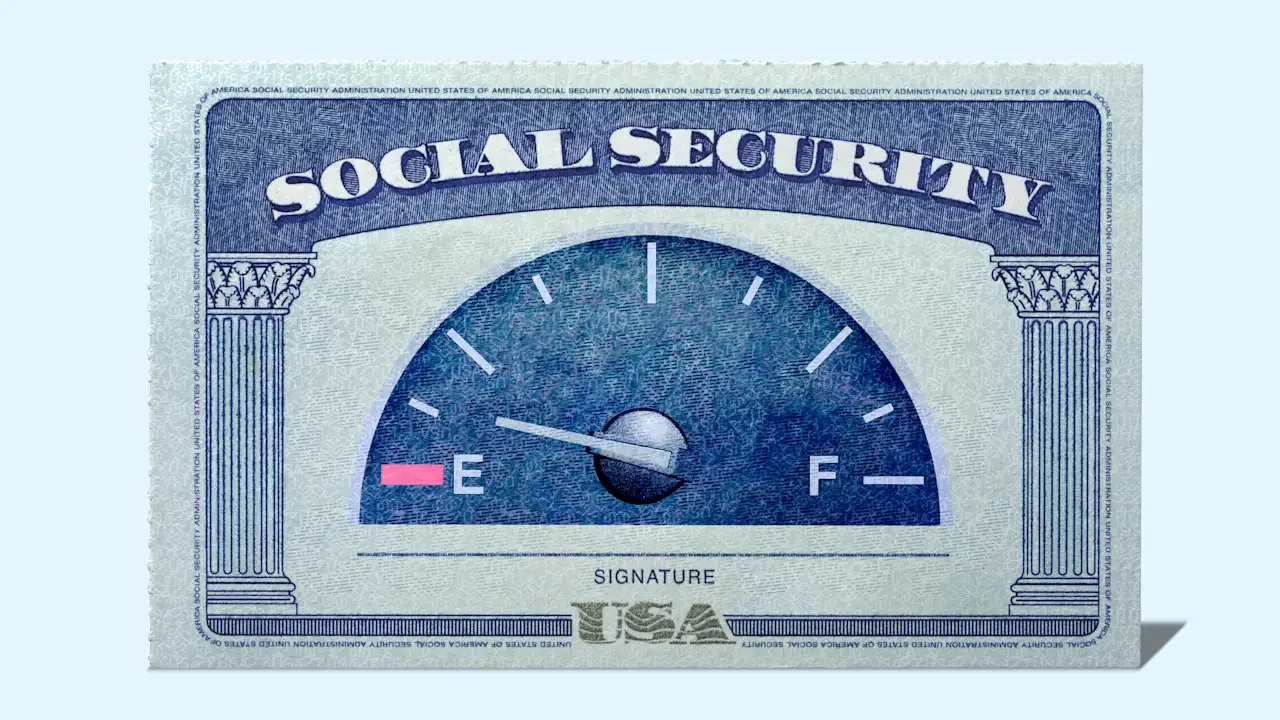
With Social Security on track to go broke in less than seven years, a new report from the Committee for a Responsible Federal Budget (CRFB) is proposing a solution: Cap Social Security payouts to $100,000 a year for couples, as part of an overall plan to save it from insolvency. (That’s $50,000 for a single retiree.) The renewed spotlight on Social Security follows a recent report from the Congressional Budget Office (CBO) that the main trust funds responsible for paying benefits, the Old-Age and Survivors Insurance Trust Fund, could be insolvent by as early as 2033. By law, that would automatically trigger a massive 24% cut in benefits. On top of the higher cost of living, including higher grocery and gas prices, this would mean a big financial hit for seniors. One reason the CBO is forecasting Social Security could go broke sooner than expected is that the Social Security Administration has had to increase COLA (cost-of-living adjustment) payments to keep up with inflation. SSA made a 2.8% COLA increase for 2026, and is projecting, on the high end, a 3.1% adjustment for 2027. The “Six-Figure Limit” The CRFB’s proposed “six-figure limit” (SFL) would take effect this year and establish a new maximum benefit for a couple retiring at the normal retirement age (NRA), adjusted based on marital status and collection age. (Retirees can start collecting benefits between ages 62 and 70, though the full retirement age is 67.) Currently, only the highest-income couples can collect $100,000 a year in Social Security benefits, which represents a small fraction of retirees. How would the Six-Figure Limit improve Social Security solvency? In short, the SFL would create small savings that could grow over time. Looking at a few different models, some changes could save $100 billion over 10 years, while others could close “20% of Social Security’s solvency gap and three-fifths of the 75th-year deficit . . . indexed to inflation,” according to the CRFB. View the full article
-
The answer to America’s submarine bottleneck, the U.S. Navy has decided, lies as much in software as it does in steel. A new multibillion-dollar facility in Cherokee, Alabama, aims to harness AI and robotics to build submarine components faster and more reliably. The automated “factory of the future” will produce parts for the Navy’s Virginia-class attack submarines and Columbia-class ballistic missile submarines, both central to the U.S. fleet. It will cost $2.4 billion to develop. “This factory is the first of three facilities designed to address the most critical bottlenecks in the maritime industrial base,” said John C. Phelan, secretary of the Navy, in a statement. The bottleneck is significant: a shortage of labor. The project is a major public-private push to revive U.S. submarine manufacturing capacity through heavy automation, says Chris Power, founder and CEO of Hadrian, the company behind the Alabama facility. “In the U.S., just the submarine program alone is 70 million man hours in deficit,” Power says, noting that the gap traces back in part to the offshoring of manufacturing jobs in the 1980s and 1990s. “There aren’t that many skilled workers to hire.” The company’s answer is to layer in automation and AI. “We have to give the American workforce superpowers of AI and robotics to allow them to be more productive,” Power explains. He says the site will begin producing components and large subassemblies later this year, then ramp up over the following 18 to 24 months. The goal is to automate “80% to 90% of the key efforts that are really complicated.” That productivity push comes as the U.S. faces mounting geopolitical pressure, with demand for military hardware unlikely to ease. Automation may help close the production gap. It does less to solve what happens after deployment, when equipment breaks and needs to be fixed. That talent shortage extends beyond wartime scenarios. Cynthia Cook, senior fellow in the defense and security department at the Center for Strategic and International Studies, says the Alabama plant is part of a broader effort to rebuild a hollowed-out shipbuilding base. The U.S., she argues, can no longer rely solely on coastal shipyards. Inland factories can produce modules and components in regions where labor is more available. There will “still be a huge need for repair and sustainment,” Power says, adding that this work will remain “manual for a while, because it’s so nuanced.” Factory automation, in his view, should handle repeatable, high-volume production, while skilled workers focus on complex, higher-value repair. This tension is not theoretical. The USS Gerald R. Ford is currently undergoing repairs in Crete after a fire in its laundry area caused significant damage, with fixes expected to take a year or more. Cook agrees that maintaining repair expertise will remain critical. “When a ship comes in for maintenance, you really need a lot of folks who have tacit knowledge about ships, what can go wrong and how to fix things,” she says. “A repair skill is different from a new-build skill.” She believes the system will retain enough capacity to preserve that knowledge. Others are less certain. Automation can deepen labor challenges if it demands skills the current workforce lacks, especially without a coherent strategy for recruiting, retaining, and training workers, says Christophe Combemale, assistant research professor of engineering and public policy at Carnegie Mellon University. He is also concerned about how little visibility Washington has into the capacity and quality of U.S. manufacturing training pipelines. At the same time, Combemale does see some upside. “Some aspects of automation actually improve the longevity of this knowledge by making tacit knowledge explicit,” he says—warning, however, that without careful planning expertise could erode. “Are you making the labor shortage worse by demanding new skills that your incumbent workforce doesn’t have?” It’s a question that may only be answered when the system is tested—at which point it will become clear whether AI and automation have strengthened the industrial base or quietly reshaped its limits. View the full article

-
There are more than 3,100 events scheduled in all 50 states for tomorrow’s third “No Kings” nationwide protest. Musicians Bruce Springsteen and Joan Baez, actress Jane Fonda, and Senator Bernie Sanders of Vermont are among those slated to speak and/or perform at one of the events on March 28, in Minnesota’s capital city, St. Paul. Protests will also take place around the globe on every continent except Antarctica, organizers tell Fast Company. Springsteen will be singing his new political hit, “Streets of Minneapolis,” about President Donald The President’s deployment of Immigration and Customs Enforcement agents to that city. He and the E Street band will kick off their next tour, dubbed “No Kings,” in the city on Tuesday, March 31. Minneapolis has become the epicenter for protests against the The President administration’s immigration crackdown, which has led to chaos and violence there, including the shooting deaths of residents Renee Good and Alex Pretti by federal officers in January. Organizers say the third No Kings protest is on track to be one of the largest single-day nonviolent nationwide protests in American history, with millions of people saying, “No Illegal Wars, No ICE, and No Kings” to The President and his administration. A previous No Kings protest in June 2025 drew 5 million people to more than 2,100 events, and another in October drew 7 million to more than 2,700 events. Tomorrow’s mobilization is the next step in the growing grassroots coalition movement of teachers, unions, students, immigrants’ rights groups, and others, which is gaining traction in red and purple states. No Kings spreads to red states and districts “Our suburban events are up 40% from the first protests, and we are seeing double-digit growth in Idaho, Wyoming, Montana, and Republican Congressional districts including Senate Majority Leader John Thune’s district in South Dakota, and House Speaker Mike Johnson’s district in Louisiana,” Leah Greenberg, cofounder of Indivisible, one of the key organizers of the protest, tells Fast Company. Both districts are conservative strongholds in red states. Indivisible is also seeing more No Kings events planned in traditionally red areas, like Atlanta’s East Cobb, and Scottsdale and Chandler in Arizona, Greenberg adds. What makes this protest different from previous ones, according to organizers, is that now Americans are experiencing armed and masked ICE agents at airports; a war in Iran; and attempts by the The President administration, along with Republicans in Congress, to pass the Safeguard American Voter Eligibility Act, known as the SAVE Act, which could make it harder for people to vote. Boston, Los Angeles, Seattle, Albuquerque, and Washington, D.C., events Here are some of the speakers and performers expected to attend No Kings protests in a number of U.S. cities. Boston: Dropkick Murphys (performing) Massachusetts Governor Maura Healey Senator Ed Markey of Massachusetts Representative Ayanna Pressley of Massachusetts Los Angeles: Actor Jodie Sweetin R&B singer-songwriter Iman Jordan Kelley Robinson, president, Human Rights Campaign Seattle: Washington Attorney General Nicholas W. Brown Albuquerque: Stacey Abrams, former minority leader of the Georgia House of Representatives; head of the 10 Steps Campaign Representative Melanie Stansbury of New Mexico Alex Uballez, former U.S. Attorney for the District of New Mexico New Mexico Attorney General Raúl Torrez Washington, D.C.: Alexis McGill Johnson, president and CEO of Planned Parenthood Lee Saunders, president of the American Federation of State, County and Municipal Employees View the full article

-
In a greenfield industrial park in rural Aiken County, South Carolina, Meta is building a new $800 million data center that’s much like any of the other hyperscale data centers giant tech companies are scrambling to construct. Set on 300 acres with two massive data halls making up most of its 715,000 square feet of buildings, it’s the kind of gargantuan facility that has become the de facto built form of the race to harness the lucrative power of artificial intelligence. But past the sprawling data hall buildings, a comparably modest administration building has a unique design feature. Instead of the concrete and steel used in the data halls and countless other data centers around the world, the facility’s administration building is being made primarily of wood. A grid of honey-toned glulam mass timber beams and columns rise out of the dirt on site, and more wood tops the structure that’s currently under construction. When the data center becomes operational in Spring 2027, this wood-framed building houses the offices of the humans who will keep the data center operational. And though the majority of the facility will be built using the conventional concrete and steel approach most designers and contractors are used to, this wood-framed building offers a glimpse of a slightly more sustainable future for data centers. Mass timber is a material choice that has some clear upsides, especially when it comes to the negative optics of electricity-hungry, water-thirsty data centers. “Sustainably-sourced mass timber is a great fit for us because it has much lower embodied carbon than traditional materials like steel or concrete,” says Blair Swedeen, Meta’s global head of net zero and sustainability. (Meta has a goal of net zero emissions by 2030.) “Using mass timber helps us build in a way that’s better for the environment.” It also helps build in a way that can be much faster than building with conventional concrete and steel. Swedeen says using mass timber, which is typically prefabricated to the specifications of a project, can speed up construction timelines, saving several weeks. And with less overall weight than a conventional structure, the foundation for a mass timber building needs only about half as much concrete for its foundation. “The use of mass timber brought several positive changes to the project,” Swedeen says. The mass timber elements for Meta’s data center project were provided by Smartlam North America, a leading mass timber manufacturer in the still nascent U.S. market. Nick Waryasz, a senior mass timber specialist at the company, says mass timber has been mostly used in residential construction, but there’s been growing demand for more industrial uses. “The biggest draw for using timber in those instances has been the sustainability metrics of building with wood when it’s replacing steel and concrete, and having a team that has an interest in doing that, like some of these bigger tech companies,” he says. Amazon, for example, recently opened a mass timber delivery station in Elkhart, Indiana, which the company hopes to use as a proving ground for using wood in future industrial projects. A data center being built by Microsoft is also using mass timber for part of its structure. Other data centers, currently in a building boom, are likely to follow. And not just for environmental reasons. “I’ve had some early discussions on big industrial projects like data centers recently, primarily driven by the fact of how long lead times are for steel construction,” Waryasz says. “It’ll be over a year out to get any kind of steel structures on projects, when our lead times for similar projects might be six months.” For the highly competitive AI industry, speed to market for data centers is increasingly important. That’s why Meta founder Mark Zuckerberg announced back in July that one way it was accelerating data center rollouts was by using easily-built large-scale fabric tents. Mass timber could be a slightly slower but more permanent alternative. Mass timber could also help soften the harsh image of some of these hyperscale facilities. “It brings warmth to things that sometimes are inherently cold,” says Caroline Dauzat, fourth-generation owner of Rex Lumber, which provided the raw timber that Smartlam used to manufacture into structural elements for Meta’s project. She says mass timber represents only a tiny percentage of what her company’s wood is used for, but industrial projects could lead to growth. “It’s a marketplace to create more demand for lumber.” Smartlam’s Waryasz says the mass timber industry is maturing to the point where industrial projects like data centers may opt for mass timber products automatically. “If they continue at their trajectory or anything close to it, it might even just become a supply question, with timber for construction being relatively abundantly available,” he says. Meta’s use of mass timber on the data center project in South Carolina is just a small portion of the facility’s massive footprint, but future projects may embrace the material in a bigger way. “We’re continuing to actively explore mass timber not only in our administrative buildings but also in warehouses and critical data halls, the spaces that house servers,” says Meta’s Swedeen. “Mass timber’s strength, durability, and fire resistance makes it a promising candidate for broader applications within data center infrastructure and we continue to evaluate these opportunities.” View the full article

-
Visual truth is going down in flames, thanks to new generative AI models that produce synthetic media that looks indistinguishable from reality. But a team of university researchers has figured out a hardware fix that just might save us. Engineers at ETH Zurich have designed a working prototype of a camera that physically stamps a cryptographic seal of authenticity onto every photo or video right at the image sensor (electronic chip) that captures each photon from the actual world. “Trust in digital content is eroding. We wanted to create a technology that gives people a way to verify whether something is genuine,” co-developer Felix Franke explained in a press release. This new hardware architecture fundamentally changes how we authenticate media. Right now, the tech industry relies on a standard called C2PA—Coalition for Content Provenance and Authenticity—which is already available on some devices, such as high-end cameras from Leica, Nikon, Fuji, and Sony’s Alpha line. It also recently hit the mobile market natively with the Google Pixel 10. This standard relies on the device’s main processor to stamp videos and pictures with a cryptographic seal that verifies their authenticity. When you see the picture or video in a C2PA-enabled player or on TV, the software can tell you it’s real. For example, if Meta enabled Instagram to read these C2PA labels, then a video in your feed could show that it’s trustable, just like your browser shows a little lock icon to indicate that there is a verified, secure connection with your bank. Here’s how the current solution works: The camera lens captures a scene, translates the light into digital information, and shoots it down an internal wire to reach the main computer chip. It is only after the data finishes that commute that the processor slaps a cryptographic signature on the file. But that tiny trip down the wire is a security liability. A sophisticated bad actor can intercept that internal cord, hijack the raw feed, and inject a completely synthesized video stream, producing a video that can be circulated as real. The phone’s main processor has no idea it is being lied to, so it blindly signs the fake footage, officially certifying any algorithmic hallucination as a verified fact. Would it be hard to do? Yes. But it is possible. ETH Zurich’s solution moves the security checkpoint directly to where the light enters, disabling the possibility of faking authenticity (unless you get Stanley Kubrick to direct your moon landing in a soundstage). AI With ETH Zurich’s chip, the researchers baked cryptographic circuits right next to the pixels that catch the light. The moment a photo is taken, the device instantly calculates a unique mathematical fingerprint of the captured reality. If you alter even a single pixel of the picture after this stamping happens, that fingerprint completely breaks. “If data is signed the moment it is captured, any later manipulation leaves traces,” research associate Fernando Cardes notes in the paper published in Nature Electronics. Once that fingerprint is calculated, a second circuit locks it using a private key—a secret cryptographic password permanently burned into the silicon. Because this private key is physically trapped inside the sensor’s architecture, it can never be extracted, copied, or intercepted by a hacker. The file is born secure before it ever moves a millimeter from where the light originally landed. To let the world know the footage is real, camera manufacturers would publish the sensor’s corresponding “public key” on an immutable public ledger, like a blockchain. Anyone can use that public record to mathematically verify that the video came from that exact physical chip and hasn’t been tampered with, enabling any device or player that understands this key to show this to any consumer. To forge a video, an attacker couldn’t just write clever malware; they would have to physically rip open the hardware and manipulate the microscopic circuitry of the sensor itself. Cardes notes that this requires such a massive technological effort that “the mass generation of manipulated content for social media platforms would be practically impossible.” The main roadblocks for the new ETH Zurich chip, compared with current C2PA solutions, come down to manufacturing scale and money. Unlike current C2PA implementation—which are deployable via software and firmware updates—the Swiss solution demands an entirely new hardware pipeline. The industry would have to redesign, retool, and manufacture new camera sensors with these crypto-circuits. The financial barrier for manufacturers to adopt it is the primary hurdle. “We are currently exploring how to reduce costs for camera and sensor manufacturers, should they wish to incorporate the new technology into their chips,” Cardes notes. Fighting insanity My thought about this: So what if it costs some pennies? This seems like the kind of hardware update that should be mandatory worldwide. Fabricated content is a danger to society—from the schoolyard to worldwide conflicts. Escaping from our current schizophrenic house of mirrors will require drastic action. And yes, some news organizations—like France Television and some CBC/Radio-Canada and BBC News content—are publishing C2PA visual content, but news organizations are not the problem here. Journalists already have strong fact-checking standards, and it’s extremely rare to see a reliable outlet publish false information. For them, this is a shield against those who will now use the generative AI card to claim that any visual evidence they don’t like is a conspiracy. The real problem is in the trillions of videos and pics that circulate through social media, allegedly captured in war zones, streets, college dorms, offices, and homes. And since we know C2PA can be hacked by bad actors, we probably need to go straight to a drastic, incontestable solution like ETH’s cryptographic sensors. I vote to put them into every single camera we own. Dismissing everything as fake and accepting something that we can positively identify as 100% real is our only path back to certainty. And sanity. View the full article

-
In 2012, Google conducted research to identify the factors that determine effective teams. This research, now famously known as Project Aristotle, analyzed hundreds of teams and individual members to crack the code on what enables some to operate at high levels while others flounder. What their study revealed is something Harvard Business School professor Amy Edmondson had discovered almost two decades prior: the most important factor for high performing teams is psychological safety. That is to say, teams perform better when their members feel safe taking risks and being vulnerable with each other, without fear of punishment. Google’s watershed study brought light to Edmondson’s groundbreaking research and thrust psychological safety into the zeitgeist—and onto the tips of tongues of scholars, executive coaches, and business leaders alike across a wide array of categories. However, despite the adoption of this critical contribution to business practice, far too often, safety is erroneously mistaken for comfort—and the two couldn’t be more different. Safety is a matter of protection from harm, as in “I feel safe to jump off this rock” because the likelihood of harm is mitigated. Comfort, on the other hand, is a state of ease, where I feel comfortable jumping off the rock because it’s easy. You see the difference? One embraces risk because the consequences are low, while the other sees no risk at all. One leads to breakthroughs and the other leads to routine. Comfort, as the radio broadcaster Stan Dale once declared, is a “plush-lined coffin” that prevents individuals from stretching themselves, which subsequently mitigates the possibilities of their collective collaboration. With all the best intentions, I’m certain, many leaders attempt to foster a psychologically safe environment by ensuring their employees feel comfortable in the office. As such, they prioritize niceness and harmony over candor and conflict, unknowingly eroding the necessary conditions that help us do hard things and, ultimately, lead to innovations within an organization. Difficult things aren’t always comfortable, but that’s where growth and advancement happen. Therefore, our aim should not be to promote comfort from hard things, but rather, to create a space where people feel safe enough to try. I see this in the classroom every day. Some of the brightest minds across the globe enroll in the MBA program at the Ross School of Business, University of Michigan, to increase their business acumen and venture out into the world as the “leaders and best.” When these students enter the classroom, they expect to be challenged with new ideas and provocations because they know, intuitively, that this is where the learning happens. If they’re presented with something they already know, something easy, they don’t learn much at all. Therefore, in an effort to foster an environment where learning is optimized, the classroom can’t be comfortable (i.e. easy); it must be challenging enough to stretch them but safe enough for them to stretch. The psychologist Lev Vygostky, best known for his pioneering work on cognitive development, refers to this sweet spot of difficulty as the Zone of Proximal Development. This zone represents tasks that sit just outside of a student’s skill level and challenges them to stretch further with the assistance of a teacher who possesses greater knowledge or ability. It’s not easy, but it’s not impossible. It’s achievable but you have to jump to do it. If people don’t feel safe, they typically won’t jump. Therefore, it is the job of the instructional leader to facilitate a classroom environment where students feel protected enough to fail. Why? Because in these safe spaces, growth happens and the classroom improves. So, students ask “dumb questions” without fear of embarrassment. They say what could potentially be the wrong answer because they know if they miss the mark, they won’t be punished for it. They do it not because it’s easy, but because it’s not dangerous. The same thing goes in our organizations. If we want people to take big swings, to jump off the rock of comfort into the lake of big ideas, then we must reduce the risk, not the challenge. The differences lead to wildly different outcomes. We invited Sherlen Archibald, co-founder of idea agency We The Roses, onto the FROM THE CULTURE podcast to explore how his organization uses natural settings to foster safe environments that stretch teams to uncover new ideas and creative explorations. Check out the full episode here. View the full article

-
Competition regulator claims retailer and Benefit Cosmetics encourage purchases through ‘covert’ social media marketingView the full article
-
Wikipedia's new AI guidelines prohibit editors from using LLMs for writing or rewriting content, with two exceptions. The post Wikipedia Bans Use Of AI-Generated Content appeared first on Search Engine Journal. View the full article
-
The March 2026 SEO Update by Yoast is part of our monthly webinar series covering the latest developments in search and AI. Hosted by Carolyn Shelby and Alex Moss, this month’s session explored how AI is reshaping search, Google’s latest moves, and what brands should prioritize now. Watch the full recap on YouTube to dive deeper into these topics, hear audience questions, and see real-world examples. SEO and AI news from March 2026 AI tools become more personal and mobile AI is moving beyond standalone apps, integrating into messaging platforms (like Claude’s Telegram/Discord support) and desktop environments (e.g., Meta’s My Computer). This shift makes AI more accessible but also blurs the lines between search and daily tools. Why it matters: Brands must ensure their content is discoverable across multiple surfaces, not just traditional search engines. Actionable takeaway: Optimize for conversational queries and structured data to improve visibility in AI-driven tools. Google’s patent for AI-generated landing pages Google filed a patent describing a system that replaces traditional SERPs with AI-generated landing pages. This could signal the end of the “10 blue links” era, forcing brands to rethink how they measure visibility. Why it matters: If Google shifts to AI-generated pages, traditional ranking metrics may become less relevant. Brands will need to control their narrative across multiple sources to ensure accuracy in AI responses. Actionable takeaway: Audit your content for clarity and structure (e.g., avoid excessive JavaScript, use clear headings). Diversify your presence beyond your website (e.g., social media, YouTube, newsletters) to reinforce authority. Markdown as a preferred format for AI Markdown is gaining traction as a lightweight, AI-friendly format. WordPress.org now offers Markdown versions of pages, and tools like Cloudflare’s crawl endpoint make it easier for AI to parse content efficiently. Why it matters: While Google downplays Markdown’s importance, other AI tools may rely on it for grounding responses. Simplifying your content structure could improve visibility in AI-driven search. Actionable takeaway: Consider offering Markdown versions of key pages (e.g., FAQs, product descriptions) to help AI extract content. Avoid hiding critical information in images or complex JavaScript, as AI may not process it efficiently. Google Search Console adds branded vs. non-branded filter Google Search Console now includes a filter to separate branded and non-branded queries. This helps brands identify confusion in search intent and optimize accordingly. Why it matters: If non-branded queries drive traffic, it may signal an opportunity to refine messaging or target new audiences. Actionable takeaway: Use the filter to identify gaps in your content strategy (e.g., if branded queries dominate, expand into non-branded topics). Monitor for unexpected branded queries, which may indicate confusion or misalignment with user intent. Google Maps integrates AI for search Google Maps is testing an AI-powered chat feature that lets users ask questions (e.g., “Find a Starbucks on my route”). Early feedback suggests it’s not yet as accurate as traditional search, but this could evolve quickly. Why it matters: AI-driven local search could change how users discover businesses, making it critical to optimize for conversational queries. Actionable takeaway: Ensure your Google Business Profile is up to date with accurate hours, locations, and services. Use natural language in your content to align with how users phrase questions. Universal Commerce Protocol (UCP) expands Google’s Universal Commerce Protocol (UCP), an open standard for AI-driven e-commerce, added new features like cart management, catalog search, and identity linking (for loyalty programs). This aims to streamline shopping within AI platforms. Why it matters: UCP could become a standard for AI-powered commerce, making it essential for e-commerce brands to adopt early. Actionable takeaway: Explore UCP integration to improve visibility in AI-driven shopping experiences. Optimize product schema and ensure your Merchant Center data is accurate. Zero-click search doesn’t mean zero influence Rand Fishkin’s keynote at the Industrial Marketing Summit highlighted that while zero-click searches are rising, brands can still influence AI responses by maintaining a strong, consistent presence across multiple platforms. Why it matters: AI relies on corroborating signals (e.g., repeated mentions of your brand across trusted sources) to validate information. A single website isn’t enough, so you need a multi-channel strategy. Actionable takeaway: Repurpose content across platforms (e.g., LinkedIn, Substack, YouTube) to reinforce your brand’s authority. Ensure your messaging is consistent across all channels to improve AI’s confidence in your content. What to focus on in 2026 The March 2026 update highlighted several priorities for search strategy: Optimize for AI-driven search: Use structured data, clear headings, and consistent messaging to improve visibility in AI responses. Build brand authority across channels: Diversify your presence beyond your website to reinforce your narrative in AI-generated content. Prepare for agentic commerce: Adopt protocols like UCP and optimize product schema for AI-powered shopping. Avoid low-quality AI-generated content: Focus on high-value, human-centric content that aligns with user intent. Sign up for the next SEO Update by Yoast The next SEO Update by Yoast is on April 28, 2026, at 4:00 PM CET (10:00 AM EST). Sign up here to join the live discussion or get the recording. The post The March 2026 SEO Update by Yoast recap appeared first on Yoast. View the full article
-
AI visibility is how often your brand appears in AI-generated answers. Learn to measure and improve it. View the full article
-
“If you can keep your head when all about you are losing theirs and blaming it on you, yours is the world, and everything that’s in it.” —Rudyard Kipling Right now, CEOs are confronting a grim reality. The global trade system that has underpinned business planning is unravelling. Ships pile up in harbor, supply chains that have taken years to build are being undermined, and the diplomatic relations that hold world trade together are fraying. The most destabilizing feature of our current situation is the uncertainty it breeds about the future. If leaders could reliably predict the next catastrophe, at least they could plan and prepare for it. But right now, the ground rules of global commerce (and global politics, but that is a separate story) are being rewritten in real time, and nobody can say where the next chapter will lead us. The natural human response to this kind of uncertainty is twofold. We try to reduce it and we try to control it. This kind of response is very understandable. There may even be an evolutionary element that makes it natural. However, it is also precisely the wrong mindset for businesses that want to thrive in the midst of this chaos. The Certainty Trap When the world becomes volatile and mysterious, we search desperately for information, for someone who can tell us what is coming. And while we’re doing that, we plan and plan and plan, as though by planning the future we can master it. This behavior might look like diligent and responsible leadership. Yet the mindset that accompanies it is often anything but. The desire to do something . . . anything . . . to feel a sense of control over the situation comes from an absence of composure. It also often reflects an unrealistic view about the world. Sometimes, there is nothing we can do to turn disorder into order. A refusal to accept these very real limits can lead businesses into a variety of forms of self-harm. The leader who can’t sit with not knowing will do almost anything to make the discomfort of uncertainty go away. They will commit to a plan not because it is the best option, but because having a plan feels better than having a question. And this then locks the organization prematurely into a position that will be hard to change. Options that were open are now closed off. Resources that could have been spread across multiple bets are concentrated in one place. The leaders who navigate chaos effectively do something rather different. Instead of seeking certainty where there is none, they tolerate the discomfort. They stay in the space of not knowing without rushing to fill it. This is not a form of passivity and it is not indifference—it is the type of composure that is a precondition for surviving a world that is turned upside down anew each and every day. Calm is a Competitive Advantage In a crisis, your workforce is afraid. They’re reading the same headlines you are. They’re wondering whether their roles will exist next quarter, whether the company will pivot in a direction that leaves them behind, and whether anyone at the top actually knows what’s going on. They are looking to leadership for a signal. A leader who is visibly emotional and reactive—lurching between strategies, radiating anxiety in every town hall—doesn’t just make bad decisions. They make it impossible for anyone else to make good ones. Anxiety spirals. People stop raising problems because the boss can’t handle more bad news. They stop proposing ideas because the strategic direction changes weekly. And then they disengage and start updating their resumes. The composed leader has a different effect. They do not pretend everything is fine—composure does not mean lying about reality. Instead, they acknowledge that things aren’t fine and that the future is uncertain—and then they show that uncertainty can be faced without panic. This allows them to see clearly and act effectively, and their steadiness also helps their people stay focused and think clearly. Rather than serving as the catalyst for an organizational anxiety spiral, the composed leader helps generate a competence spiral instead. The advantage that composure delivers isn’t just about providing a model for your team. It is also strategic. The reactive leader overreacts to noise and is unable to stay the course. The result is resources wasted on half-executed pivots and initiatives launched and abandoned before they can deliver. The composed leader, by contrast, can absorb bad news without treating it as an emergency and can hold a strategic position long enough to know whether it is working. In volatile environments, the ability to not react is just as, if not more, important than the ability to act quickly. This is counter-intuitive for a business world that has a striking bias towards action, but it is essential for leaders to learn this truth, as the future of their business may depend on it. Composure in Practice Here are three ways to bring composure into your leadership. 1. Start with yourself Knowing that composure matters is one thing. Actually cultivating it is another — and like any meaningful capability, it requires deliberate practice. Composure isn’t only a skill directed outward; it is, first and fundamentally, an inward discipline. A mindful organization requires a mindful leader: someone who manages stress, reframes risk, and fosters the creativity and clarity that crises demand. The good news is that cultivating inner composure doesn’t require a meditation retreat. Here is a simple technique you can practice at any point in the working day: S — Stop what you’re doing, if only for a moment. T — Take a breath, slowly and completely. O — Observe how you feel. What are you thinking about right now, at this very moment in time? P — Proceed. Return to what you were doing—but take notice. Do you feel refreshed? Can you see what you were doing from a different perspective? There is nothing complex about this technique, but that is precisely the point. It brings your conscious attention back to the present, giving you the chance to choose your response rather than simply react—and interrupting the fight-or-flight shortcuts that evolved for physical danger, not the pressures of leadership. 2. Don’t plan—create options instead In stable environments, leaders build plans—and in volatile environments, fixed plans can become liabilities. The alternative is to create options—to spread risk across multiple initiatives and to keep several paths open rather than committing prematurely to one. In practice, this means building and maintaining a diversified portfolio of initiatives—quick wins that generate immediate returns and fund the longer plays, medium-risk bets that deliver value over 12 to 18 months, and moonshots that could transform the business. Crucially, when one bet fails or the world shifts, the portfolio absorbs the shock. The organization survives because it wasn’t dependent on a single outcome. But running a portfolio is emotionally demanding. You’re funding things that might fail. You’re watching a competitor go all-in on one bet and wondering if they’re right. Anxious leaders can’t tolerate that ambiguity. They collapse the portfolio into a single bet at the first moment of pressure, because committing feels like control, even when it’s reckless. Composure is what allows a leader to resist that impulse—to hold the portfolio together long enough to see which bets will actually be rewarded by an uncertain world. 3. Bring your people into the process One of the most common failures of leadership in crisis is the retreat into isolation. Under pressure, leaders narrow their circle, make decisions behind closed doors, and then announce the outcome to an organization that had no part in shaping it. Collaboration is slow and messy, full of competing perspectives that make the path forward less clear, not more. It takes composure to tolerate that mess. But the mess is where the value is. People who helped shape the response are already prepared to execute it. Diverse perspectives surface risks that no single leader can see. And the cultural readiness that organizations need to navigate rapid change doesn’t happen after the strategy is set—it happens during the process of setting it. Keeping people close also means keeping them informed. In uncertain environments, silence is toxic—when people don’t hear from leadership, they fill the vacuum with worst-case assumptions. The composed leader resists the twin temptations of going quiet or manufacturing false certainty. Instead, they share what they know, acknowledge what they don’t, and describe the process by which decisions will be made. Simply saying “I don’t know, but here is how we will find out” is not a weakness. In a storm, it is exactly what people need to hear. The Leadership the Moment Demands Composure is not the absence of urgency. It is the foundation on which effective urgency is built. And this moment demands leaders who are composed—leaders who can hold steady when nobody knows what’s coming, who can keep their head when everyone around them is losing theirs. It’s quite simple, really. The most powerful thing a leader can do in a storm is to stay calm—and then get to work. View the full article

-
Below, Matt Kaplan shares five key insights from his new book, I Told You So!: Scientists Who Were Ridiculed, Exiled, and Imprisoned for Being Right. Matt is a science correspondent at The Economist, where he has written about everything from paleontology and parasites to virology and viticulture over the course of two decades. His writing has also appeared in National Geographic, New Scientist, Nature, and the New York Times. What’s the big idea? Science often suppresses bold, unconventional, or threatening ideas due to ego, hierarchy, competition, sexism, and fraud. This culture harms progress. To truly serve society, science needs structural and cultural reform that protects integrity and encourages intellectual risk-taking. Listen to the audio version of this Book Bite—read by Matt himself—in the Next Big Idea App, or buy the book. 1. Stupidly silenced In the middle of the pandemic, I was interviewing researchers who were trying to defeat COVID-19 or help patients in hospitals. Something that blew me away during this period was how often I would hear really impressive ideas that I thought were worth reporting on, but then the scientist would say, “Oh no, no, no. You can’t say that.” And when I asked why, these are some of the responses I got: “Well, other scientists wouldn’t take me seriously anymore if you shared that.” “I’m a PhD student and the idea I just shared with you would be a threat to the work done by my PhD supervisor. I might be fired.” “Well, I really need to test my idea out extensively first and I’m never going to get funding for this, so it’s not even worth talking about or reporting on.” “This is immunology, Matt, and let’s face it, I’m a woman.” I thought this was nuts. We were in the middle of a pandemic with thousands of people dying, and I’ve got researchers who are saying, “Yeah, don’t share my ideas with anybody else because either my PhD supervisor won’t accept it, or other people might laugh at me, or because I’m a woman.” These are not good reasons to hide important ideas during a time when many people are losing their lives. Has science always been like this? Have we always had behaviors like this cropping up in the field? The answer is yes. 2. Punished for thinking outside the box Hungarian obstetrician Ignaz Semmelweis was based in Austria at the Vienna Hospital. Most of his work entailed delivering babies all day long. He was very, very good at it, but he was also deeply troubled by the fact that numerous women died shortly after delivery. And when they died, their baby almost always died too. Semmelweis was heartbroken by this reality and wanted to understand why. The disease was called childbed fever, and Semmelweis ran experiments trying to figure out the cause. It was killing one in 10 women after delivery. He ultimately worked out that it was the common practice of doctors visiting the morgue in the morning. Doctors were going there to dissect patients who had died the previous day because they wanted to understand why they hadn’t survived. This was important for academic learning, but it was a disaster for health. Yes, doctors washed their hands after handling dead patients, but the soap and water mechanism did not get rid of all the deadly bacteria growing on those corpses. As a result, doctors would then go up to deliver babies, and as they went up to mothers who were in labor, they would put their fingers inside to feel for the baby’s head, sometimes move the umbilical cord from around the baby’s neck, or just generally assist in delivery. Women who were treated by doctors who had only used soap and water to wash their hands were infected with bacteria from under the doctors’ fingernails. This caused childbed fever and was almost always lethal. “Semmelweis was ultimately fired, exiled back to Hungary, and forced into an insane asylum by his own peers.” Semmelweis developed a technique for washing hands with a chlorine solution that removed the bacteria and effectively eliminated childbed fever. It was a huge advancement. However, when he told other doctors to follow suit, he was vigorously criticized. The other doctors said, “Sir, we are gentlemen. How dare you tell us that our hands are dirty?” Nobody had any idea about bacteria at the time, so they couldn’t look at the microscope and demonstrate that these people all had dirty hands. Semmelweis was ultimately fired, exiled back to Hungary, and forced into an insane asylum by his own peers. Semmelweis’ story is effectively reflected by the modern Hungarian biochemist Katalin Karikó. Karikó had come to the United States as an expert in messenger RNA. She had demonstrated that messenger RNA could produce almost any protein within the body, and it could be used to develop drugs or treat diseases. Nobody believed that messenger RNA had any kind of future because whenever it entered the body, it broke apart. Karikó worked with an immunologist to demonstrate that, by using certain immune proteins on the messenger RNA, she could prevent it from falling apart inside the body and use it to help treat diseases. Ultimately, she and immunologist Drew Weissman created the COVID vaccine when she was based at BioNTech and Pfizer, two biotechnology companies. However, before she got there, she had been demoted by the University of Pennsylvania, fired and threatened with deportation by the US Department of State. More importantly, she couldn’t get funding. Nobody believed in her research. Without her resilience, we wouldn’t have the COVID vaccine. 3. Damned lies and journal articles There were two rural veterinarians in France, one named Henry Toussaint and another named Pierre Galtier. They’re unknown to most people, but they shouldn’t be. Toussaint effectively invented the anthrax vaccine in 1880. Galtier paved the way for the rabies vaccine to ultimately be invented in 1881. We don’t know their names because of a certain scientist who everyone knows: Louis Pasteur. Pasteur had worked hard to develop vaccines against both anthrax and rabies. He wanted the glory and reward for defeating both diseases. When he found out that two country-bumpkin veterinarians had effectively invented the vaccines he had been working on, he could not tolerate the notion that they would beat him to the punch. As such, he copied their techniques, lied about it, and then used his political clout with the French government to discredit and destroy both veterinarians. What’s particularly staggering about Louis Pasteur is how history has treated him. One scholar wrote, “His skillful exploitation of the political advantages that he enjoyed show that he was, in fact, the better scientist.” Another scholar wrote, “When considering his behaviors, you have to keep in mind the highly competitive context of mid-19th century French academic life.” Are you kidding me? Does the presence of a highly competitive environment make unethical behavior in some way excusable? And we still have this problem today. In 2023, Retraction Watch noted that almost 19,000 papers in the realm of biomedical research alone were retracted. Some retractions occur because of contamination errors or other mistakes during research, but the majority of papers retracted in 2023 were retracted for plagiarism or fraud. We cannot be operating like this. 4. Peer review or peer re-view Joseph Lister was working in the hospitals of Edinburgh and Glasgow during the Victorian period. During his work as a surgeon, he noted that postoperative infection was the leading cause of death after surgery. He worked out that he could prevent postoperative infection by drenching the wounds in carbolic acid and then disinfecting the surgical site with bandages soaked in the stuff during the healing process. While his findings were initially met with cautious interest, a fellow surgeon named James Simpson whipped the medical community into an aggressive frenzy against him. This forced Lister into silence for years. Simpson led the charge against Lister because he wanted to be the one to defeat postoperative infection first. Simpson had this theory that if you used a technique called acupressure, where you took little needles and stuck them into the wound around the surgical site, you would spread out the inflammation so that a big mass of surrounding tissue was inflamed rather than the one cutting site. He thought this would reduce the risk of postoperative infection. There was absolutely no evidence that his acupressure technique worked. Even so, being informed that carbolic acid could solve the problem he had been laboring to defeat was something he wasn’t willing to accept. “Simpson led the charge against Lister because he wanted to be the one to defeat postoperative infection first.” Attacking Lister was essential for the survival of his acupressure theory, and that’s exactly what he did. We still see this problem today. Scientists attack other scientists, not because their ideas are bad, but because the ideas are a threat to the territory that they’re currently exploring. We can’t have scientists shooting other scientists down just because they solved the problem first. Scientists are supposed to work together for the betterment of humanity. 5. What the heck do we do about it? With regard to fraud, we need to develop a system for tracking down researchers who are committing fraud. If you steal money from a bank, then you go to jail. If you commit fraud with research funding, that’s effectively stealing. There is no going to jail for that right now. At best, you get fired from your job at the university. That needs to change. We need to make sure that the minority of scientists who engage in fraud are punished. Similarly, we need to find ways to not punish scientists who have ideas that are outside the mainstream. Just because someone’s got a weird idea, if they’ve got a good reason for putting it forward and wrote a convincing proposal explaining how that idea can be explored, then we need to make funding available to them, too. We need to do this more often because, as things stand, we only fund research that is expected to work. That’s not helpful for coming up with creative solutions to big problems, like feeding eight billion people or defeating climate change. We also need to protect scientists in vulnerable positions. Researchers who are undergraduates or PhD students are afraid that their PhD supervisors will not like the ideas they come up with. That can’t stand. If a scientist, no matter how young they are, has an idea that is contrary to the ideas found in their lab, the university, or the greater scientific community, the university needs to be prepared to roll up its sleeves and say, “We need to give this interesting idea a fair shake.” Rather than, “Boy, that’s weird. Let’s throw it out just because it’s strange.” We can’t go on like this. A culture shift needs to occur in science to make space for fresh ideas. “We need to make sure that the minority of scientists who engage in fraud are punished.” And finally, we need to talk about the sausage-making. The Economist has long argued against the notion that you never want to see how laws and sausages are made because the process is disgusting. Well, we need to apply that to science, too. Talking about how science functions and malfunctions is important for people to understand. People are voters. They vote to support different kinds of funding and politicians who will support different types of research efforts. The public needs to know that scientists sometimes fail—and, in fact, failure is important. If we don’t fund those scientific efforts that take a gamble, we’re rarely (if ever) going to have the big breakthroughs we need. Enjoy our full library of Book Bites—read by the authors!—in the Next Big Idea app. This article originally appeared in Next Big Idea Club magazine and is reprinted with permission. View the full article

-
Conducting background checks in Florida is vital for employers aiming to make informed hiring decisions. You’ll need to understand the various types of checks and comply with legal requirements, including obtaining consent from applicants. Different roles may require different levels of scrutiny, and following best practices is critical for maintaining compliance. As you navigate this process, you’ll discover important implications and steps that can greatly impact your hiring strategy. What should you know next? Key Takeaways Determine the appropriate level of background check (Level 1 or Level 2) based on the job responsibilities and trust involved. Obtain written consent from candidates before initiating any background checks to comply with FCRA regulations. Conduct thorough searches including statewide criminal records, employment history, and relevant verifications of education and experience. Provide pre-adverse action and adverse action notices if any decisions are made based on the background check results. Regularly review and update background check policies to ensure compliance with legal requirements and best practices. Understanding Florida Background Checks When you’re managing the process of background checks in Florida, it’s essential to grasp the two main levels available. Level 1 checks are name-based and focus on statewide criminal records, offering a basic overview that includes employment history. Nevertheless, they don’t reveal details about specific offenses. For deeper scrutiny, especially in sensitive roles, you’ll need a Level 2 background check. This involves fingerprinting and a thorough search through both state and national databases, including the Florida Department of Law Enforcement and FBI. Employers in regulated industries must adhere to these standards, as required by Florida Statute 435.02. If you’re seeking a cita para el record policial miami dade or a detailed miami dade criminal history search, grasping these levels helps guarantee compliance and protects your interests in the hiring process. Always remember, the Fair Credit Reporting Act limits reporting certain records based on their age, especially for lower-paying positions. Types of Background Checks in Florida In Florida, background checks are primarily categorized into two types: Level 1 and Level 2. A Level 1 check is name-based and includes statewide criminal records, whereas a Level 2 check involves fingerprints and provides a more extensive review, including state and national records. Depending on the nature of the job, you may need to undergo either type of check to guarantee compliance with legal requirements and safety standards. Level 1 Background Check A Level 1 Background Check in Florida serves as a fundamental screening tool, primarily conducting a name-based search that includes statewide criminal records and employment history verification. It additionally checks against the Dru Sjodin National Sex Offender Public Website. Local criminal records may be examined by hiring agencies during this process as well. Although Level 1 checks are often sufficient for positions that don’t involve sensitive responsibilities or access to vulnerable populations, they do have limitations. If a criminal record is found, the details of offenses aren’t provided, limiting the information available to employers. Typically quicker and less costly than other types, Level 1 background checks in Florida aren’t as extensive as Level 2 checks, which require fingerprinting. Level 2 Background Check While many employers may rely on FBI Level 1 background checks for basic screening, the Level 2 background check offers a deeper, more extensive examination necessary for individuals in sensitive positions. This fingerprint-based check accesses both state and national criminal records, ensuring thorough vetting through the Florida Department of Law Enforcement (FDLE) and the FBI. It’s mandatory for roles involving trust, such as those working with children or the elderly, and uncovers criminal records not found in name-based searches. Before conducting this check, employers must obtain written consent from candidates, complying with the Fair Credit Reporting Act (FCRA). Aspect Level 1 Check Level 2 Check Type Name-based Fingerprint-based Scope State records only State and national records Required for General employment Sensitive positions Consent requirement None Written consent required Legal Requirements for Background Checks When you’re conducting background checks in Florida, comprehending the legal requirements is essential. You’ll need to comply with the Fair Credit Reporting Act (FCRA), which mandates getting written consent from applicants and notifying them before you proceed. Moreover, keep in mind that Florida’s Ban-the-Box regulations prevent public employers from disqualifying candidates based solely on minor convictions, ensuring fair treatment throughout the hiring process. FCRA Compliance Necessities To guarantee compliance with the Fair Credit Reporting Act (FCRA), employers in Florida must follow specific legal requirements when conducting background checks. First, you need to obtain written consent from applicants before starting any checks. This promotes transparency and aligns with privacy laws. If you plan to take adverse action based on the background report, provide a Pre-Adverse Action Notice along with a copy of the report and a summary of the applicant’s rights. After making an adverse decision, send an Adverse Action Notice to inform the individual about the action taken. Remember, the FCRA restricts reporting certain negative information, like bankruptcies, to seven years, whereas criminal convictions can be reported indefinitely. Non-compliance can lead to legal issues, so adherence is vital. Ban-the-Box Regulations Ban-the-box regulations play a significant role in shaping how employers approach background checks in Florida. These laws, applicable in certain counties, restrict employers from asking about criminal history until after a conditional job offer is made. To guarantee compliance, keep these points in mind: Know the Counties: Regulations vary by county, including Alachua, Broward, Duval, and Hillsborough. Timing Matters: Background checks can only be conducted after a job offer, not on initial applications. Fair Hiring Practices: The aim is to reduce barriers for individuals with criminal records. Legal Consequences: Non-compliance can lead to discrimination claims against employers. Understanding these regulations is crucial for maintaining fair hiring practices in Florida. Obtaining Consent From Applicants Before you initiate any background check in Florida, it’s vital to secure clear written consent from the applicant. The Consumer Financial Protection Bureau (FCRA) mandates that you provide a written disclosure about your intent to obtain a background report. This step guarantees compliance with both federal and state regulations. You must inform applicants of their rights under the FCRA, including the right to dispute any inaccurate information found in their background report. It’s likewise a best practice to document the consent process; retain records of the signed authorization forms for compliance purposes. While Florida law doesn’t require a separate state consent form beyond what the FCRA stipulates, obtaining written consent remains fundamental for legal compliance. Conducting Criminal Background Checks When you’re ready to conduct a criminal background check in Florida, comprehending the two levels of checks available is vital. You’ll want to decide between a Level 1 check and a Level 2 check, which cater to different needs. Level 1 Check: A name-based search that covers statewide criminal records, typically completed within hours. Level 2 Check: Requires fingerprinting and offers a more thorough search through state and national databases, often taking longer because of law enforcement processing. Mandatory for Certain Positions: Level 2 checks are required for roles involving care for children, the elderly, or disabled individuals. Obtain Consent: Before conducting any check, remember to get written consent from candidates as required by the Fair Credit Reporting Act (FCRA). Understanding these components guarantees you’re prepared to carry out effective and compliant checks. Verifying Employment and Education History Verifying employment and education history is vital for ensuring that candidates meet the qualifications you’re seeking. You can confirm this information by directly contacting previous employers or educational institutions, in addition to considering third-party verification services for efficiency. Nevertheless, challenges may arise, such as discrepancies between the applicant’s claims and the actual records, making it important to approach this process with diligence and care. Importance of Verification Conducting thorough background checks is vital for employers aiming to build a reliable workforce. Verification of employment and education history helps guarantee candidates possess the skills and experience they claim. Here are key reasons why this process is important: Confirms the accuracy of resumes, guaranteeing candidates have relevant experience. Validates the authenticity of degrees and certifications, reducing the risk of hiring frauds. Reveals discrepancies that may indicate a lack of integrity, promoting trustworthiness. Guarantees compliance with legal regulations when conducted through third-party services. According to the Society for Human Resource Management (SHRM), about 85% of employers conduct background checks. This highlights the necessity of thorough verification processes in hiring, ultimately assisting you in building a strong, dependable team. Methods of Verification Thorough methods of verification are vital for employers in Florida to guarantee the accuracy of a candidate’s employment and education history. To verify employment, you’ll typically contact previous employers to confirm job titles, employment dates, and reasons for leaving, often needing the candidate’s written consent. For education verification, reach out to educational institutions to confirm attendance and graduation status. Many employers choose third-party background check providers to streamline this process and secure compliance with the Fair Credit Reporting Act (FCRA). Documenting your verification efforts is important to demonstrate compliance with employment laws. Verification Method Key Details Employment Verification Contact previous employers Education Verification Confirm degrees with institutions Third-Party Services Streamline and secure compliance Documentation Keep records of verification efforts Common Challenges Faced When employers in Florida attempt to verify employment and education history, they often encounter several common challenges that can complicate the process. These obstacles can lead to delays or inaccuracies in candidate evaluations. Here are four key challenges you might face: Discrepancies in Records: Candidates may report different dates, job titles, or responsibilities than what employers have on file. Institutional Issues: Some educational institutions may be unresponsive, have outdated contact information, or no longer exist. Inconsistent Practices: Florida law doesn’t mandate verification, resulting in varied practices among organizations. Turnaround Time: The verification process can take days or even weeks, depending on the responsiveness of previous employers or educational institutions. Navigating these challenges requires diligence and patience. Assessing Credit and Driving Records Evaluating credit and driving records is crucial for employers, especially when the role involves significant financial responsibilities or operating a vehicle. To assess credit records, you’ll need to review an applicant’s credit history, which includes payment patterns, outstanding debts, and any bankruptcies. Remember, obtaining written consent is required under the Fair Credit Reporting Act (FCRA). When it comes to driving records, you can check these if the position requires operating a vehicle. Again, you’ll need the applicant’s consent to access their records, which show any traffic violations and license status. In Florida, driving records are available through the Florida Department of Highway Safety and Motor Vehicles. Keep in mind that credit checks must comply with FCRA regulations, meaning applicants should receive a copy of their report if adverse action is taken. Always consider the relevance of these records to the specific job responsibilities to avoid potential legal issues. Turnaround Times for Background Checks How long does it really take to get background checks completed in Florida? The turnaround times can vary markedly based on the type of check you’re conducting. Here’s a quick overview: Level 1 Checks: Typically, these checks return results within hours to a couple of days. Level 2 Checks: These may take longer because of the need for fingerprinting and processing through law enforcement. County Checks: If records aren’t digitized, delays could extend turnaround times greatly. Civil Court Record Searches: Usually completed in about 7-10 business days, depending on the court’s processing speed. Keep in mind that additional time may be required during peak periods or if there are complications with the applicant’s records. To keep candidates informed, it’s advisable to communicate expected turnaround times during the hiring process. Ban-the-Box Laws and Their Implications As employers navigate the hiring environment in Florida, comprehending ban-the-box laws is vital, especially since these regulations prohibit them from asking about a candidate’s criminal history on job applications. Implemented in specific cities and counties like Gainesville, Fort Lauderdale, and Tampa, these laws require employers to postpone criminal background checks until after a conditional job offer is made. This approach aims to reduce barriers for individuals with past convictions, promoting fair hiring practices. Although these laws improve opportunities for applicants, compliance is significant. Employers must adhere to the regulations to avoid legal repercussions and fines. Ensuring Compliance With the FCRA To guarantee compliance with the Fair Credit Reporting Act (FCRA), employers must understand the specific requirements governing the use of background checks in the hiring process. Adhering to these regulations helps you avoid potential legal issues. Here’s what you need to keep in mind: Obtain Written Consent: Always get candidates’ written permission before conducting any background checks. Pre-Adverse Action Notice: If you plan to take negative action based on a background report, provide a Pre-Adverse Action Notice, which includes a copy of the report and their rights summary. Adverse Action Notice: After making a final decision, send an Adverse Action Notice outlining the decision and rights to dispute the information. Reporting Limitations: Remember, the FCRA restricts reporting negative information to seven years, except for criminal convictions, which can be reported indefinitely. Following these steps guarantees compliance and minimizes your risk of legal liability. Best Practices for Background Check Processes Implementing best practices in background check processes not just guarantees compliance with the Fair Credit Reporting Act (FCRA) but furthermore promotes a transparent and fair hiring environment. Start by establishing a consistent background check policy that aligns with both federal and state regulations, securing fairness. Always obtain written consent from candidates before conducting checks, clearly disclosing the types of checks performed and their rights under the FCRA. Utilize a trusted third-party background screening provider for thorough and compliant screenings, especially for Level 2 checks requiring fingerprinting. It’s essential to maintain documentation of all processes and decisions, including any adverse actions taken, to protect against potential legal claims and confirm adherence to anti-discrimination laws. Finally, regularly review and update your background check policies to reflect changes in laws and best practices, ensuring your processes remain effective and equitable for all candidates. Frequently Asked Questions How to Do a Background Check in Florida? To conduct a background check in Florida, start by obtaining written consent from the applicant, as required by the Fair Credit Reporting Act. You can choose between a Level 1 check, which is name-based and quicker, or a Level 2 check, which involves fingerprints and is more thorough. Access criminal history records through the Florida Department of Law Enforcement. Finally, if you find issues, provide a Pre-Adverse Action Notice for the applicant to review. What Is the 7 Year Rule for Background Checks in Florida? The 7-Year Rule in Florida limits the reporting of certain criminal records and bankruptcies during background checks. For positions paying less than $75,000 annually, arrests without convictions can’t be disclosed after seven years. Similarly, bankruptcies disappear from reports after ten years. Nonetheless, criminal convictions can be reported indefinitely. Employers must adhere to both the Fair Credit Reporting Act and Florida regulations when considering these rules in their hiring processes. What Is a Level 3 Background Check in Florida? A Level 3 background check in Florida typically refers to a thorough screening process that goes beyond standard checks. It often includes both Level 1 and Level 2 checks, along with deeper investigations into criminal history, credit reports, and civil court records. Employers may require this extensive check for roles involving sensitive information or vulnerable populations. Since it’s not officially defined, its specifics can vary based on the employer’s needs and regulatory demands. Can a Client Do a Background Check Without a Consent in Florida? You can’t conduct a background check in Florida without the individual’s consent. The Fair Credit Reporting Act mandates that you must obtain written permission before accessing any consumer report. This requirement helps protect privacy rights and guarantees compliance with both federal and state regulations. If you fail to secure consent, you risk facing legal consequences, including claims of invasion of privacy or violations of consumer protection laws. Always prioritize obtaining consent to avoid potential liabilities. Conclusion Conducting background checks in Florida is a crucial process that requires careful attention to legal requirements and best practices. By comprehending the types of checks, obtaining necessary consent, and complying with the Fair Credit Reporting Act, you can guarantee a thorough hiring process. Furthermore, staying informed about Ban-the-Box laws and turnaround times can further improve your compliance efforts. Implementing these steps will help you build a reliable workforce as you reduce legal risks associated with background checks. Image via Google Gemini and ArtSmart This article, "Conducting Background Checks in Florida: A Step-by-Step Guide" was first published on Small Business Trends View the full article
-
Conducting background checks in Florida is vital for employers aiming to make informed hiring decisions. You’ll need to understand the various types of checks and comply with legal requirements, including obtaining consent from applicants. Different roles may require different levels of scrutiny, and following best practices is critical for maintaining compliance. As you navigate this process, you’ll discover important implications and steps that can greatly impact your hiring strategy. What should you know next? Key Takeaways Determine the appropriate level of background check (Level 1 or Level 2) based on the job responsibilities and trust involved. Obtain written consent from candidates before initiating any background checks to comply with FCRA regulations. Conduct thorough searches including statewide criminal records, employment history, and relevant verifications of education and experience. Provide pre-adverse action and adverse action notices if any decisions are made based on the background check results. Regularly review and update background check policies to ensure compliance with legal requirements and best practices. Understanding Florida Background Checks When you’re managing the process of background checks in Florida, it’s essential to grasp the two main levels available. Level 1 checks are name-based and focus on statewide criminal records, offering a basic overview that includes employment history. Nevertheless, they don’t reveal details about specific offenses. For deeper scrutiny, especially in sensitive roles, you’ll need a Level 2 background check. This involves fingerprinting and a thorough search through both state and national databases, including the Florida Department of Law Enforcement and FBI. Employers in regulated industries must adhere to these standards, as required by Florida Statute 435.02. If you’re seeking a cita para el record policial miami dade or a detailed miami dade criminal history search, grasping these levels helps guarantee compliance and protects your interests in the hiring process. Always remember, the Fair Credit Reporting Act limits reporting certain records based on their age, especially for lower-paying positions. Types of Background Checks in Florida In Florida, background checks are primarily categorized into two types: Level 1 and Level 2. A Level 1 check is name-based and includes statewide criminal records, whereas a Level 2 check involves fingerprints and provides a more extensive review, including state and national records. Depending on the nature of the job, you may need to undergo either type of check to guarantee compliance with legal requirements and safety standards. Level 1 Background Check A Level 1 Background Check in Florida serves as a fundamental screening tool, primarily conducting a name-based search that includes statewide criminal records and employment history verification. It additionally checks against the Dru Sjodin National Sex Offender Public Website. Local criminal records may be examined by hiring agencies during this process as well. Although Level 1 checks are often sufficient for positions that don’t involve sensitive responsibilities or access to vulnerable populations, they do have limitations. If a criminal record is found, the details of offenses aren’t provided, limiting the information available to employers. Typically quicker and less costly than other types, Level 1 background checks in Florida aren’t as extensive as Level 2 checks, which require fingerprinting. Level 2 Background Check While many employers may rely on FBI Level 1 background checks for basic screening, the Level 2 background check offers a deeper, more extensive examination necessary for individuals in sensitive positions. This fingerprint-based check accesses both state and national criminal records, ensuring thorough vetting through the Florida Department of Law Enforcement (FDLE) and the FBI. It’s mandatory for roles involving trust, such as those working with children or the elderly, and uncovers criminal records not found in name-based searches. Before conducting this check, employers must obtain written consent from candidates, complying with the Fair Credit Reporting Act (FCRA). Aspect Level 1 Check Level 2 Check Type Name-based Fingerprint-based Scope State records only State and national records Required for General employment Sensitive positions Consent requirement None Written consent required Legal Requirements for Background Checks When you’re conducting background checks in Florida, comprehending the legal requirements is essential. You’ll need to comply with the Fair Credit Reporting Act (FCRA), which mandates getting written consent from applicants and notifying them before you proceed. Moreover, keep in mind that Florida’s Ban-the-Box regulations prevent public employers from disqualifying candidates based solely on minor convictions, ensuring fair treatment throughout the hiring process. FCRA Compliance Necessities To guarantee compliance with the Fair Credit Reporting Act (FCRA), employers in Florida must follow specific legal requirements when conducting background checks. First, you need to obtain written consent from applicants before starting any checks. This promotes transparency and aligns with privacy laws. If you plan to take adverse action based on the background report, provide a Pre-Adverse Action Notice along with a copy of the report and a summary of the applicant’s rights. After making an adverse decision, send an Adverse Action Notice to inform the individual about the action taken. Remember, the FCRA restricts reporting certain negative information, like bankruptcies, to seven years, whereas criminal convictions can be reported indefinitely. Non-compliance can lead to legal issues, so adherence is vital. Ban-the-Box Regulations Ban-the-box regulations play a significant role in shaping how employers approach background checks in Florida. These laws, applicable in certain counties, restrict employers from asking about criminal history until after a conditional job offer is made. To guarantee compliance, keep these points in mind: Know the Counties: Regulations vary by county, including Alachua, Broward, Duval, and Hillsborough. Timing Matters: Background checks can only be conducted after a job offer, not on initial applications. Fair Hiring Practices: The aim is to reduce barriers for individuals with criminal records. Legal Consequences: Non-compliance can lead to discrimination claims against employers. Understanding these regulations is crucial for maintaining fair hiring practices in Florida. Obtaining Consent From Applicants Before you initiate any background check in Florida, it’s vital to secure clear written consent from the applicant. The Consumer Financial Protection Bureau (FCRA) mandates that you provide a written disclosure about your intent to obtain a background report. This step guarantees compliance with both federal and state regulations. You must inform applicants of their rights under the FCRA, including the right to dispute any inaccurate information found in their background report. It’s likewise a best practice to document the consent process; retain records of the signed authorization forms for compliance purposes. While Florida law doesn’t require a separate state consent form beyond what the FCRA stipulates, obtaining written consent remains fundamental for legal compliance. Conducting Criminal Background Checks When you’re ready to conduct a criminal background check in Florida, comprehending the two levels of checks available is vital. You’ll want to decide between a Level 1 check and a Level 2 check, which cater to different needs. Level 1 Check: A name-based search that covers statewide criminal records, typically completed within hours. Level 2 Check: Requires fingerprinting and offers a more thorough search through state and national databases, often taking longer because of law enforcement processing. Mandatory for Certain Positions: Level 2 checks are required for roles involving care for children, the elderly, or disabled individuals. Obtain Consent: Before conducting any check, remember to get written consent from candidates as required by the Fair Credit Reporting Act (FCRA). Understanding these components guarantees you’re prepared to carry out effective and compliant checks. Verifying Employment and Education History Verifying employment and education history is vital for ensuring that candidates meet the qualifications you’re seeking. You can confirm this information by directly contacting previous employers or educational institutions, in addition to considering third-party verification services for efficiency. Nevertheless, challenges may arise, such as discrepancies between the applicant’s claims and the actual records, making it important to approach this process with diligence and care. Importance of Verification Conducting thorough background checks is vital for employers aiming to build a reliable workforce. Verification of employment and education history helps guarantee candidates possess the skills and experience they claim. Here are key reasons why this process is important: Confirms the accuracy of resumes, guaranteeing candidates have relevant experience. Validates the authenticity of degrees and certifications, reducing the risk of hiring frauds. Reveals discrepancies that may indicate a lack of integrity, promoting trustworthiness. Guarantees compliance with legal regulations when conducted through third-party services. According to the Society for Human Resource Management (SHRM), about 85% of employers conduct background checks. This highlights the necessity of thorough verification processes in hiring, ultimately assisting you in building a strong, dependable team. Methods of Verification Thorough methods of verification are vital for employers in Florida to guarantee the accuracy of a candidate’s employment and education history. To verify employment, you’ll typically contact previous employers to confirm job titles, employment dates, and reasons for leaving, often needing the candidate’s written consent. For education verification, reach out to educational institutions to confirm attendance and graduation status. Many employers choose third-party background check providers to streamline this process and secure compliance with the Fair Credit Reporting Act (FCRA). Documenting your verification efforts is important to demonstrate compliance with employment laws. Verification Method Key Details Employment Verification Contact previous employers Education Verification Confirm degrees with institutions Third-Party Services Streamline and secure compliance Documentation Keep records of verification efforts Common Challenges Faced When employers in Florida attempt to verify employment and education history, they often encounter several common challenges that can complicate the process. These obstacles can lead to delays or inaccuracies in candidate evaluations. Here are four key challenges you might face: Discrepancies in Records: Candidates may report different dates, job titles, or responsibilities than what employers have on file. Institutional Issues: Some educational institutions may be unresponsive, have outdated contact information, or no longer exist. Inconsistent Practices: Florida law doesn’t mandate verification, resulting in varied practices among organizations. Turnaround Time: The verification process can take days or even weeks, depending on the responsiveness of previous employers or educational institutions. Navigating these challenges requires diligence and patience. Assessing Credit and Driving Records Evaluating credit and driving records is crucial for employers, especially when the role involves significant financial responsibilities or operating a vehicle. To assess credit records, you’ll need to review an applicant’s credit history, which includes payment patterns, outstanding debts, and any bankruptcies. Remember, obtaining written consent is required under the Fair Credit Reporting Act (FCRA). When it comes to driving records, you can check these if the position requires operating a vehicle. Again, you’ll need the applicant’s consent to access their records, which show any traffic violations and license status. In Florida, driving records are available through the Florida Department of Highway Safety and Motor Vehicles. Keep in mind that credit checks must comply with FCRA regulations, meaning applicants should receive a copy of their report if adverse action is taken. Always consider the relevance of these records to the specific job responsibilities to avoid potential legal issues. Turnaround Times for Background Checks How long does it really take to get background checks completed in Florida? The turnaround times can vary markedly based on the type of check you’re conducting. Here’s a quick overview: Level 1 Checks: Typically, these checks return results within hours to a couple of days. Level 2 Checks: These may take longer because of the need for fingerprinting and processing through law enforcement. County Checks: If records aren’t digitized, delays could extend turnaround times greatly. Civil Court Record Searches: Usually completed in about 7-10 business days, depending on the court’s processing speed. Keep in mind that additional time may be required during peak periods or if there are complications with the applicant’s records. To keep candidates informed, it’s advisable to communicate expected turnaround times during the hiring process. Ban-the-Box Laws and Their Implications As employers navigate the hiring environment in Florida, comprehending ban-the-box laws is vital, especially since these regulations prohibit them from asking about a candidate’s criminal history on job applications. Implemented in specific cities and counties like Gainesville, Fort Lauderdale, and Tampa, these laws require employers to postpone criminal background checks until after a conditional job offer is made. This approach aims to reduce barriers for individuals with past convictions, promoting fair hiring practices. Although these laws improve opportunities for applicants, compliance is significant. Employers must adhere to the regulations to avoid legal repercussions and fines. Ensuring Compliance With the FCRA To guarantee compliance with the Fair Credit Reporting Act (FCRA), employers must understand the specific requirements governing the use of background checks in the hiring process. Adhering to these regulations helps you avoid potential legal issues. Here’s what you need to keep in mind: Obtain Written Consent: Always get candidates’ written permission before conducting any background checks. Pre-Adverse Action Notice: If you plan to take negative action based on a background report, provide a Pre-Adverse Action Notice, which includes a copy of the report and their rights summary. Adverse Action Notice: After making a final decision, send an Adverse Action Notice outlining the decision and rights to dispute the information. Reporting Limitations: Remember, the FCRA restricts reporting negative information to seven years, except for criminal convictions, which can be reported indefinitely. Following these steps guarantees compliance and minimizes your risk of legal liability. Best Practices for Background Check Processes Implementing best practices in background check processes not just guarantees compliance with the Fair Credit Reporting Act (FCRA) but furthermore promotes a transparent and fair hiring environment. Start by establishing a consistent background check policy that aligns with both federal and state regulations, securing fairness. Always obtain written consent from candidates before conducting checks, clearly disclosing the types of checks performed and their rights under the FCRA. Utilize a trusted third-party background screening provider for thorough and compliant screenings, especially for Level 2 checks requiring fingerprinting. It’s essential to maintain documentation of all processes and decisions, including any adverse actions taken, to protect against potential legal claims and confirm adherence to anti-discrimination laws. Finally, regularly review and update your background check policies to reflect changes in laws and best practices, ensuring your processes remain effective and equitable for all candidates. Frequently Asked Questions How to Do a Background Check in Florida? To conduct a background check in Florida, start by obtaining written consent from the applicant, as required by the Fair Credit Reporting Act. You can choose between a Level 1 check, which is name-based and quicker, or a Level 2 check, which involves fingerprints and is more thorough. Access criminal history records through the Florida Department of Law Enforcement. Finally, if you find issues, provide a Pre-Adverse Action Notice for the applicant to review. What Is the 7 Year Rule for Background Checks in Florida? The 7-Year Rule in Florida limits the reporting of certain criminal records and bankruptcies during background checks. For positions paying less than $75,000 annually, arrests without convictions can’t be disclosed after seven years. Similarly, bankruptcies disappear from reports after ten years. Nonetheless, criminal convictions can be reported indefinitely. Employers must adhere to both the Fair Credit Reporting Act and Florida regulations when considering these rules in their hiring processes. What Is a Level 3 Background Check in Florida? A Level 3 background check in Florida typically refers to a thorough screening process that goes beyond standard checks. It often includes both Level 1 and Level 2 checks, along with deeper investigations into criminal history, credit reports, and civil court records. Employers may require this extensive check for roles involving sensitive information or vulnerable populations. Since it’s not officially defined, its specifics can vary based on the employer’s needs and regulatory demands. Can a Client Do a Background Check Without a Consent in Florida? You can’t conduct a background check in Florida without the individual’s consent. The Fair Credit Reporting Act mandates that you must obtain written permission before accessing any consumer report. This requirement helps protect privacy rights and guarantees compliance with both federal and state regulations. If you fail to secure consent, you risk facing legal consequences, including claims of invasion of privacy or violations of consumer protection laws. Always prioritize obtaining consent to avoid potential liabilities. Conclusion Conducting background checks in Florida is a crucial process that requires careful attention to legal requirements and best practices. By comprehending the types of checks, obtaining necessary consent, and complying with the Fair Credit Reporting Act, you can guarantee a thorough hiring process. Furthermore, staying informed about Ban-the-Box laws and turnaround times can further improve your compliance efforts. Implementing these steps will help you build a reliable workforce as you reduce legal risks associated with background checks. Image via Google Gemini and ArtSmart This article, "Conducting Background Checks in Florida: A Step-by-Step Guide" was first published on Small Business Trends View the full article
-
Josh D’Amaro faces crises across the entertainment giant’s empireView the full article
-
Populist party’s election campaign already hit by scandals around candidate selectionView the full article
-
Draft law was rejected by the House of Lords but government is planning to table a compromise after EasterView the full article
-
Fuel costs for global shipping industry are up nearly $5bn since conflict beganView the full article
-
Move would allow London mayor to take cabinet role, as prime minister tries to shore up position View the full article
-
Capital-intensive industries are taking their revenge on the service sectorView the full article
-
Behavioural scientists see an increasing caseload of children at risk of being radicalised onlineView the full article
-
Tehran suggests system of charging fees and limiting passage to ‘non-hostile’ ships could endure beyond current war View the full article
-
Abu Dhabi is hardening its stance as it suffers from Iran’s retaliation to US-Israeli warView the full article
-
As central bankers tread the line between controlling inflation and avoiding economic stagnation, investors face tough decisionsView the full article
-
French bank decides traders can operate from home if main sites are out of action View the full article