All Activity
- Past hour
-
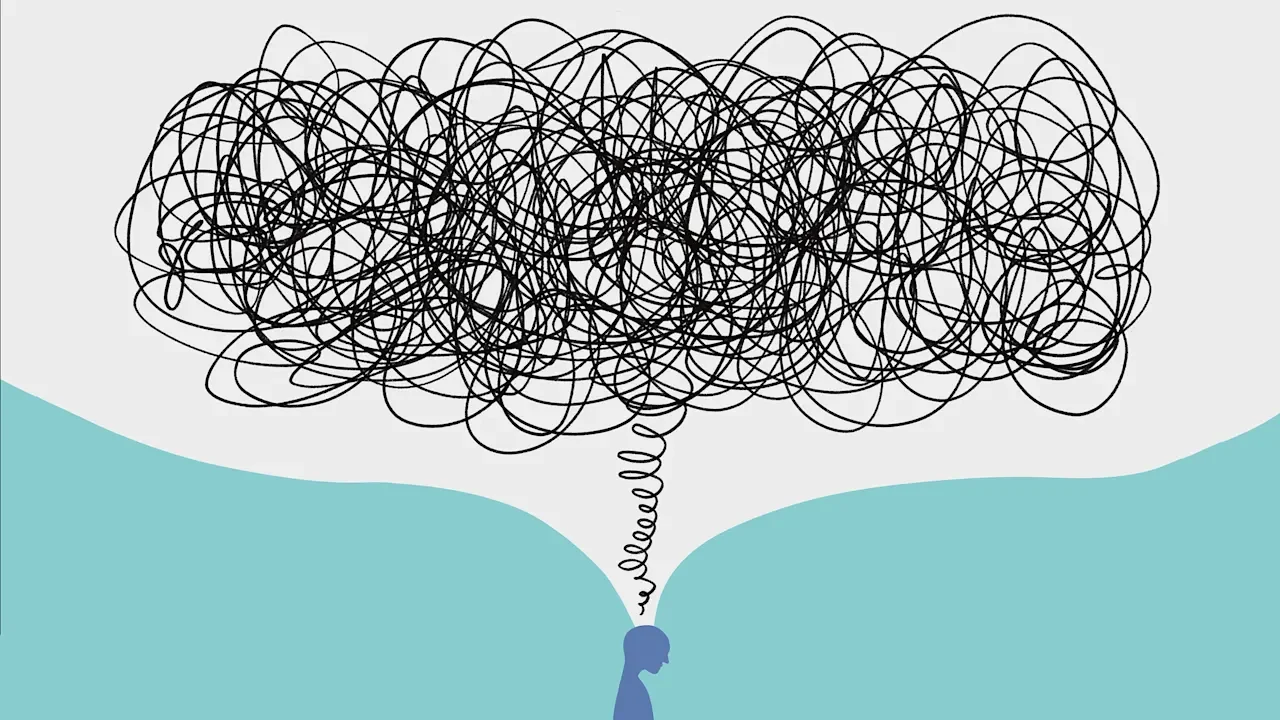
I’ve sat across from enough designers to know that the moment someone starts questioning whether to leave their role, they rarely lack options, they lack permission. And most of the time, that permission is being held hostage by a story that got repeated so many times it just became as normal as talking about the weather. Now I’m not talking about fear you can name and argue with. What I’m describing is different. Quieter. It’s the background noise that makes staying feel like wisdom and leaving feel like recklessness. It shows up in how designers talk about their timelines, their readiness, their gratitude. And it is, almost without exception, learned. The scripts I hear most often aren’t random . . . they’re specific. They get reinforced by performance culture and by LinkedIn mythology and in the particular way UX organizations reward compliance. After enough years of coaching UX professionals through transitions, I’ve stopped being surprised by these stories and started being angry on behalf of the people carrying them. Let’s dive into the top three career narratives keeping UX folks stuck. #1) “Just one more year” This one is seductive because it doesn’t sound like avoidance . . . it sounds like strategy. It has a number attached to it and so it implies you have a plan. But watch what happens to that plan. More times than not, one more year becomes contingent on a promotion. Then the promotion happens and there’s a reorg, and now there’s one more major initiative they want you on. The initiative wraps up and the economy shifts and suddenly it’s not the right time to leave. Three years pass and the goalpost has continued to move every single time. And it moved so incrementally you barely registered it. I’ve watched designers lose years of their professional life to this one sentence, because it sounds reasonable and it speaks in the language of patience and responsibility. But beyond the years, you lose trust in your own read of a situation. Every time you decide you’re not ready yet, you’re practicing the belief that you are not capable of assessing your own life. You train the instinct out of yourself, and the instinct you’re training out of yourself is the same one that makes you good at your work. I often encourage my clients to sit with themselves and ask these two questions: what are you actually waiting for, and who gets to decide when that condition is met? #2) “I need more experience” This one sits in the gap between what you’ve actually built and what you’ve been taught to believe counts as legitimate. And I see it most in designers from historically marginalized backgrounds, women, first-generation professionals who grew up learning that credentials are the price of taking up space. That you have to be more ready than everyone else just to be considered ready at all. The logic is simple enough: if you’re not ready yet, you haven’t failed yet. So there’s always one more certification to get, one more title to hold, one more thing to add to the portfolio before real exposure ever has to arrive. Until you find yourself years later, staying in motion without going anywhere. I’ve worked with enough designers who made the leap to know that the experience you’ve built does not belong to the organization where you built it. The research skills, the way you hold complexity while moving toward clarity, the instinct for where a system is breaking . . . none of it stays behind when you leave. It comes with you. It is yours. What doesn’t come with you is the story that none of it was enough. Readiness, in corporate environments, is designed to stay just out of reach. That’s not a conspiracy, it’s just how organizations retain people. And what I need you to understand is that naming the dynamic isn’t cynicism, it’s an opportunity to see possibility outside of the corporate career ladder. #3) “I should be grateful” This is the one I find hardest to watch, because it’s the most difficult to push back on directly. Gratitude is real and it’s worth something. And acknowledging what a role gave you isn’t wrong either. However, there’s also a version of this story that often functions as a muzzle. It gets used, especially with designers from historically underrepresented communities or during times of economic upheaval, to make wanting more feel like ingratitude (and to reframe naming harm as not being a team player). The message underneath isn’t really about gratitude, it’s that access, even access to a place that’s diminishing you, is something you should protect. That you’re lucky to be in the room and that asking for more is overstepping. I’ve seen designers stay in genuinely harmful situations for years because they couldn’t shake the feeling that leaving would mean failing to honor what it cost to get there. That’s not gratitude: that’s something closer to self-betrayal dressed up in a virtue. But here’s the thing, you can hold both things at once. You can mean it when you say a role shaped you and still know you’ve taken everything from it that it has to offer. You can respect how hard it was to get in the room and still decide the room isn’t serving you anymore. How to Break Free of These Beliefs The designers I’ve watched break free of these stories don’t do it by deciding they were wrong to believe them. The stories made sense at the time because they were survival logic . . . and survival logic deserves some compassion too. What shifts is something closer to discernment: a practiced ability to tell the difference between what you actually believe now and what you absorbed a long time ago and kept repeating. And unfortunately, that kind of honesty is something most organizations aren’t built to support. It takes people around you who can reflect your capacity back when the stories are loudest, and it takes treating your own career with at least the rigor you’ve been giving everyone else’s. So I’m not sure who needs to hear this today, but corporate loyalty is not self-respect and staying in a role that no longer fits your values or your vision is not discipline. However, leaving (with intention, with your full skill set, with a real plan) is not a gamble, it’s the same process you’d apply to any design problem worth solving. The only thing left to decide is whether you’re willing to stop letting an old story make the decision for you. View the full article

-
State franchise tax is a privilege tax in Texas that businesses must pay to operate in the state. This tax affects various entities, including corporations, LLCs, and partnerships. Although some businesses are exempt, those with annual revenue under $2.47 million still need to file a Public Information Report. Comprehending the calculation of the taxable margin and the associated filing requirements is essential. What happens if you miss a deadline or don’t comply? Key Takeaways State franchise tax is a privilege tax for businesses operating in Texas, calculated based on taxable margin. Taxable entities include corporations, LLCs, partnerships, and banks, all subject to this tax. Businesses with total annual revenue under $2.47 million are exempt but must file a Public Information Report. Franchise tax reports are due annually on May 15, with penalties for late filing. Compliance with franchise tax regulations is essential to maintain legal operation and avoid severe consequences. Overview of Franchise Tax Franchise tax serves as a vital financial obligation for businesses operating in Texas, functioning as a privilege tax imposed by the state. So, what’s a franchise tax? It’s a tax based on your business’s taxable margin, which can be calculated using different methods, such as total revenue minus specific deductions like cost of goods sold or compensation. The Texas franchise tax applies to various entities, including corporations, LLCs, and partnerships. As of January 1, 2024, if your total annual revenue is under $2.47 million, you won’t have to pay the tax, but you still need to file a Public Information Report to stay compliant. Remember, franchise tax reports are due annually on May 15. Failing to file on time can lead to penalties and might jeopardize your ability to conduct business in Texas. Comprehending the franchise tax definition is fundamental for maintaining good standing in the state. Entities Subject to Franchise Tax In Texas, various entities must comply with the franchise tax regulations. This includes corporations, limited liability companies (LLCs), partnerships, and banks, all classified as Texas taxable entities. S corporations in Texas, professional corporations, and business associations are likewise subject to this tax. When you conduct a Texas franchise tax lookup, you’ll find that joint ventures and other legal entities fall under these regulations as well. Nevertheless, sole proprietorships are typically exempt except if they operate as single-member LLCs, which are treated separately for tax purposes. General partnerships formed entirely of natural persons usually don’t owe franchise tax, but some unincorporated passive entities may qualify for exemptions. For a clear view of your franchise status, consider a franchise tax Texas search, ensuring you understand your obligations as a taxable entity in Texas. Entities Not Subject to Franchise Tax Although many entities in Texas are subject to franchise tax, several are exempt and don’t have to fulfill these obligations. Entities that qualify for exemptions under Texas Tax Code Chapter 171, Subchapter B include general partnerships composed entirely of natural persons, which aren’t subject to franchise tax obligations. Sole proprietorships, in general, likewise escape this tax, though single-member LLCs are treated as disregarded entities and may have different requirements. Furthermore, certain unincorporated passive entities and grantor trusts are excluded from franchise tax responsibilities. Nonprofit self-insurance trusts and unincorporated political committees enjoy exempt status, ensuring they don’t have to pay this tax either. These exemptions help support various forms of business structures and nonprofit organizations, allowing them to operate without the burden of franchise tax in Texas. Knowing these details can help you determine your entity’s obligations or exemptions more clearly. Calculation of Taxable Margin When calculating your taxable margin for Texas franchise tax, you’ve got three methods to choose from: subtracting cost of goods sold, subtracting compensation, or taking 70% of your total revenue. Each of these methods can lead to different tax obligations, so it’s important to understand how your business’s revenue and expenses fit into these calculations. Furthermore, knowing the guidelines for deductions can help you make the best choice for your situation. Margin Calculation Methods Grasping the margin calculation methods for franchise tax is essential for any business owner aiming to comply with tax regulations. You’ll need to choose from three methods: Total revenue multiplied by 70% Total revenue minus cost of goods sold (COGS) Total revenue minus compensation or a $1 million deduction These calculations play a key role in determining your tax liability under the Texas franchise tax system. If your business exceeds the no tax due threshold of $2.47 million for the 2024 tax year, the franchise tax rate in Texas is 0.75% on your calculated margin. For those eligible, the EZ Computation Method provides a flat rate of 0.331%. Comprehending these methods helps guarantee your franchise tax account status remains compliant and avoids penalties. Revenue Deduction Guidelines Comprehending revenue deduction guidelines is crucial for calculating your taxable margin accurately, as it directly impacts your franchise tax liability. For the Delaware franchise tax, you can determine your taxable margin by multiplying total revenue by 70%, or by deducting your cost of goods sold (COGS), employee compensation, or a $1 million deduction. COGS includes expenses tied to tangible and real property, whereas compensation must be limited to W-2 wages and benefits paid to employees. If you qualify for the EZ computation method, with revenue under $20 million, your tax rate is 0.331%. Available Credits Several tax credits are available to businesses in Texas, designed to alleviate franchise tax liabilities and encourage investment in various areas. These available credits can greatly reduce your tax burden when filing your franchise tax report. The Research and Development Activities Credit rewards eligible expenses related to innovation. The Certified Historic Structures Rehabilitation Credit supports efforts to preserve Texas’s historical properties. A Temporary Credit for Business Loss Carryforwards allows you to offset future franchise tax liabilities using prior losses. Filing Requirements and Due Dates In relation to filing your franchise tax report in Texas, comprehending the requirements and deadlines is vital for maintaining compliance. Franchise tax reports are due annually on May 15. If this date falls on a weekend or holiday, the deadline shifts to the next business day. If your entity earns under $2.47 million in total annual revenue, you must file either a Public Information Report or an Ownership Information Report. On the other hand, if your revenue is $2.47 million or more, you need to file a full Franchise Tax Report and pay the applicable taxes. Timely filing is critical to avoid penalties, as late submissions can lead to forfeiting your right to transact business in Texas. You can request an extension for filing, but remember to submit it by the original due date. For additional information, check your franchise tax account status using the Texas franchise lookup tool. Tax Rates and No Tax Due Thresholds Grasping the tax rates and no tax due thresholds is vital for Texas businesses to manage their franchise tax obligations effectively. Starting January 1, 2024, the no tax due threshold has increased to $2.47 million in total annual revenue. If your business earns below this threshold, you won’t owe franchise tax, but you still need to file a Public Information Report or Ownership Information Report. Staying compliant is important for your business’s success. Comprehending these rates can save you money. Being informed helps you avoid unexpected liabilities. For businesses with revenues above $2.47 million, the standard franchise tax rate is 0.75%. If you use the EZ Computation Method, you’ll pay a lower rate of 0.331% for earnings up to $20 million. Retailers and wholesalers benefit from a reduced rate of 0.375%. Always check your franchise tax account status to stay updated. Penalties for Late Filing Comprehending the penalties for late filing is vital to protecting your business from unnecessary costs and complications. In Texas, if you fail to file your franchise tax report on time, you’ll incur a $50 penalty. If you pay your taxes 1-30 days late, a 5% penalty on the unpaid amount is assessed, whereas a 10% penalty applies for payments made after 30 days. Furthermore, interest on overdue taxes starts accruing 61 days post-due date, greatly increasing your liabilities. Timely filing is critical not just to avoid these penalties, but also to maintain your franchise account status and guarantee your business can operate legally. For businesses in Delaware, similar rules apply when you file your Delaware annual report or Delaware franchise tax report. To check your standing, you might want to perform a state of Texas franchise tax search or use the Texas Comptroller lookup for more information. Importance of Compliance During the operation of a business in Texas, adhering to state franchise tax regulations isn’t just a good practice; it’s vital for your company’s legal standing. Ignoring these regulations can lead to severe consequences, including hefty fines and a loss of business rights. Protect your business from costly penalties. Verify your franchise tax account status Texas is in good standing. Maintain your eligibility to operate in Texas. You need to file annual reports by May 15 each year, regardless of whether you owe taxes. Even when your revenue falls below the $2.47 million threshold, compliance with state franchise tax regulations is still important. Filing necessary reports, like the Public Information Report, helps preserve your good standing. Consulting with tax professionals can improve accuracy in maneuvering through these complex regulations, guaranteeing you avoid mistakes that could have lasting financial impacts, similar to what some businesses face with Delaware annual franchise tax compliance. Frequently Asked Questions Who Is Required to Pay Texas Franchise Tax? If you’re a taxable entity formed or doing business in Texas, you might be required to pay franchise tax. This includes corporations, LLCs, partnerships, and banks. Nevertheless, sole proprietorships typically don’t pay it, except for single-member LLCs. If your total annual revenue is under $2.47 million, you won’t owe tax, but you still need to file an annual Public Information Report to stay compliant with Texas regulations. What Is the Purpose of Franchise Tax? The purpose of franchise tax is to generate revenue for state operations and vital services. This tax applies to various business entities, including corporations and LLCs, and is calculated based on business margins. By funding public services and infrastructure, franchise tax helps create a business-friendly environment that supports economic growth. Compliance is important; failing to pay can lead to penalties or suspension of business operations in Texas. Who Has to Pay NC Franchise Tax? In North Carolina, you must pay franchise tax if you’re operating as a corporation or a limited liability company (LLC). This tax applies to those organized in the state or doing business there. If your net worth exceeds $1 million, the tax rate is $1.50 per $1,000 of capital stock, surplus, and undivided profits. Sole proprietorships, general partnerships, and certain nonprofits are exempt from this tax. Who Has to Pay Franchise Tax in Arkansas? In Arkansas, you’ll need to pay franchise tax if your business is a corporation or a limited liability company (LLC) registered in the state. This applies to both domestic and foreign entities, regardless of revenue. The tax is based on total assets or capital stock issued, with a minimum of $150 due annually. Nonprofits, sole proprietorships, and general partnerships are typically exempt. Conclusion In conclusion, grasping the Texas state franchise tax is vital for businesses operating within the state. Various entities, including corporations and LLCs, are subject to this tax, whereas certain types, like general partnerships of natural persons, are not. Calculating your taxable margin correctly and adhering to filing requirements is critical to avoid penalties. Staying informed about rates and compliance guarantees your business remains in good standing and can operate smoothly within Texas’s regulatory framework. Image via Google Gemini This article, "What Is State Franchise Tax and Who Pays It?" was first published on Small Business Trends View the full article
-
“We need someone who’s done this before.” Translation: we need someone who can absorb a strategic pivot, upskill personally for AI, manage a workforce whose skills and expectations are shifting, maintain execution velocity, and make faster and better decisions—with the same budget, the same headcount, and no additional runway. That’s not a job description. That’s a superhero spec. And the person most organizations reach for to fill it—the candidate with deep sector experience, the safe hire, the one who’s “done this before”—is often exactly wrong for what the role now requires. The logic behind the experience filter is not irrational. Sector knowledge compresses ramp time. It signals credibility with peers. It reduces the number of things that can go wrong in the first ninety days. When the environment was stable and execution was the output, it was a reasonable proxy for readiness. That environment is gone. AI has compressed execution timelines and put judgment at the center of competitive advantage. The work that once required a team now requires one person with the right capabilities. And the capabilities that matter most—operating without a playbook, making decisions under uncertainty, building alignment across functions—are not what the sector-experience filter selects for. It selects for pattern reproduction. In roles that now require pattern disruption, that’s not risk reduction. It’s risk amplification. New criteria A recent Strategy Science study, summarized by HEC Paris, found that within-industry breadth combined with cross-functional experience predicts stronger strategic foresight than narrow same-sector depth—particularly under conditions of uncertainty. The implication is uncomfortable: the profile most organizations default to in hiring may be the profile least suited to the moment they’re hiring for. The middle management layer is where this mismatch is most expensive. These are the people being asked to do something genuinely unprecedented: translate executive vision into execution reality, interpret and validate AI outputs, manage a workforce in transition, and make judgment calls faster—simultaneously, at the same level of quality, with no increase in resources. Every one of those demands has escalated in the last two years. None of them has been removed. According to Gartner research cited by HRDive, 75% of business managers are overwhelmed by growing responsibilities, and 82% of HR leaders say managers are not currently equipped to lead change. AI is not relieving this pressure. It is adding a new layer: managers must now decipher AI initiatives, test tools, validate outputs, and explain limitations upward—while managing fewer junior staff to absorb the work. This is the job that exists. It was built incrementally, requirement by requirement, until it became something no single person was designed to do. And the response—find someone who has done this before in our industry—does not solve the problem. It fills the role with someone selected for the conditions that no longer apply. The cost of the wrong hire The economics make this harder to ignore than most leadership teams have allowed themselves to. The visible cost of bringing in a judgment-first hire without deep sector background is real: structured onboarding, longer ramp time, investment in building context deliberately. Organizations weigh that cost and reach for the familiar. What they are not weighing with the same rigor is the cost of the wrong hire. Research from the Recruitment and Employment Confederation, cited by Gatenby Sanderson, estimates that a mid-level manager earning around £42,000 can cost a business more than £132,000 once recruitment, training, wasted salary, and lost productivity are included. That figure does not capture decision drag—the slower decisions, the missed pivots, the team that stalled waiting for direction that never came with sufficient clarity. Organizations are making some of their most consequential talent decisions without serious cost data on either side of the equation. The familiar choice feels cheaper. It often isn’t. The supply side The math is also running out on the supply side. According to ATD, middle manager hiring has fallen 43% since 2022—more than three times the drop in entry-level hiring. The experienced cohort that has historically filled these roles is aging toward retirement. The replacement cohort is smaller and carries less of the accumulated sector depth that organizations currently require as a baseline. At the same time, Deloitte’s 2025 human capital research finds that the work itself is shifting—AI is automating administrative and coordination tasks, increasing the need for managers who can coach, interpret ambiguity, and build alignment across boundaries. Organizations are trying to solve a new management problem with a labor-market assumption that is breaking down. The experienced sector hire will become harder to find, more expensive to attract, and less suited to the actual job—in that order, and faster than most hiring plans currently reflect. None of this is an argument for discarding experience. There are roles where deep sector knowledge is genuinely non-negotiable—where regulatory context, technical domain, or client relationships make it irreplaceable. The problem is that organizations apply the sector-experience filter uniformly, across roles where it matters and roles where it has simply become the default. Most have never made that distinction explicitly. The organizations making progress on this are not overhauling their entire talent strategy. They are running contained experiments: small teams, high-performing, curious, change-ready. They are measuring what happens when the hiring criteria shift. They are designing for learning before they design for scale. That is how you find out whether the model works before the hiring math forces the issue. The question worth sitting with: in your organization, which management roles genuinely require sector depth—and which are using it as a shortcut? Have you ever asked? View the full article

-
Chinese group’s technology allows electric vehicles to be charged in as little as five minutes View the full article
- Today
-
The difference between durable expertise and replaceable tactics has never mattered more for HubSpot partner agencies. Here's how to tell which one you're selling. The post HubSpot Stock Crashed 19% – What It Means For Partner Agencies appeared first on Search Engine Journal. View the full article
-
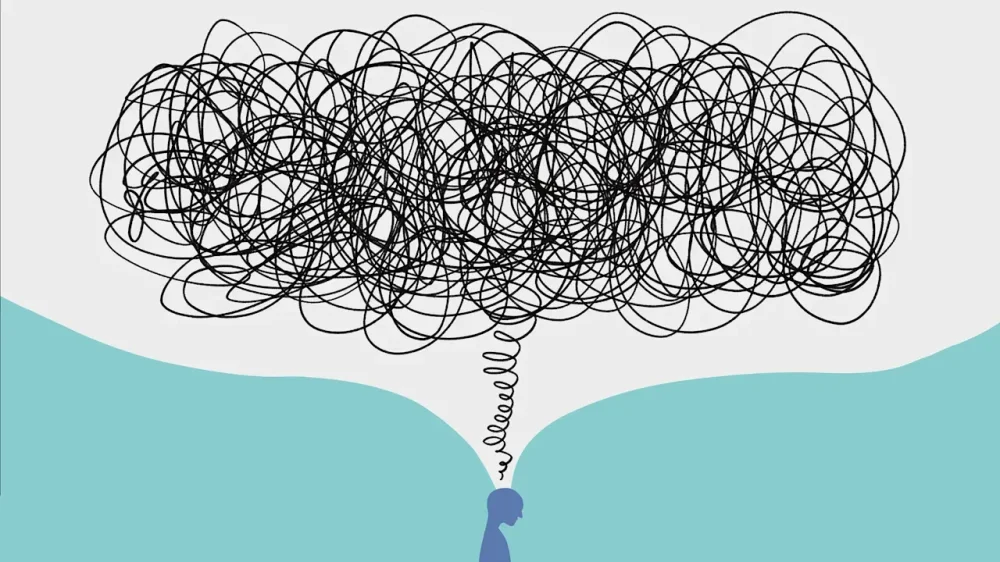
If you’re prone to anxiety, chances are you’ve received a lot of frustratingly simple advice over the years. Go for a walk! Get more sleep! Meditate! To be clear, all of these are good ideas. But when your brain won’t turn off, they’re often not enough. That’s especially the case for high-functioning, high-achieving individuals. Part of the disconnect might be that we often confuse stress with anxiety. Although the two are related, they’re different problems that demand distinct solutions. While stress is usually circumstantial—a response to external demands—anxiety generally comes from within, and might or might not involve an active trigger. While stress might dissipate once you’ve solved the problem at hand, anxiety can linger, haunting your thoughts as you ruminate in circles. Creativity, motivation and decision-making skills suffer. If anxiety has hijacked your brain, never fear. Experts outline nine ways to slay your anxiety demons when breathing exercises aren’t even making a dent. 1. Give yourself permission to take a break Dr. Josh Altman is a psychotherapist who works with high achievers to manage their mental health. He knows from firsthand experience that the health-promoting habits many people skip when overburdened are often the precise behaviors that can help the most: eating well, getting enough sleep, and stepping away from your desk for 20 minutes of exercise. “Folks who are very performance-oriented are not looking to stop performing,” he says. When someone’s brain is constantly on like that, he makes a business case for truly letting oneself off the clock. “Taking time away from work will actually improve the quality of work when you get back to it,” Altman says. “If we understand that taking a break is benefiting our cognitive functioning, our focus, our problem solving, it becomes a little bit more palatable.” 2. Start with baby steps For those of us who tend to put 100% into our work at all times, it can be tempting to bring a similar all-or-nothing mentality to personal habits like exercise and sleep. But Altman says that “if we could do small, measurable interventions—that’s where the change happens.” “I rarely believe in light-switch game-changers. It’s usually a series of small, consistent efforts that build muscle, including resting,” he says. Ready to try it out? Here’s an example for those of us who know we need to spend less time on our phones: instead of trying a full-on detox, start by leaving your phone on silent in another room for just 15 minutes. As you become more comfortable, you can increase the duration. It’s a low-lift way to calm your mind. “That becomes more manageable,” Altman says. “It becomes less anxiety-provoking, and there is an immediate, visceral, neurological nervous system reset.” 3. Externalize your to-do list Do you obsess over agenda items you still need to finish more than you give yourself credit for the things you’ve already done? We can blame biology for that. “Our brains are hardwired to remember incomplete tasks better than completed ones,” Altman says. One technique to counterbalance that is what’s called a “cognitive shut-down ritual.” End each workday by writing down three tasks you need to complete tomorrow. Once you’ve got them down on paper, Altman says, your brain will stop reminding you about them every five minutes. “Now, because you see it in front of you, and you’re intentionally, explicitly reminding yourself the loops are recorded, you can stop tracking them.” 4. Break each intimidating problem into small, manageable steps If you’re feeling overwhelmed by the scope of a task or challenge, look for ways to break it into smaller, more digestible parts. “Trying to do the entire thing at once, of course, is overwhelming,” Altman says. “If we could focus on one small task at a time, that adds up.” 5. Try “cyclic sighing” It’s a breathing technique. Just inhale through your nose, filling your abdomen and then your chest. Then stop for a second and inhale again, expanding your chest all the way out before slowly exhaling through your mouth. “The key thing to this is the slow exhale,” says Dr. David Spiegel, Willson Professor and Associate Chair of Psychiatry at Stanford University, who adds that this technique is far more effective than the common advice to take a deep breath. When you take a deep breath without properly exhaling, “you reduce venous return of blood to the heart, so you get a sympathetic arousal,” Spiegel says. In layman’s terms, he explains, “The heart says, ‘Oh, there’s blood coming in. I better pump harder!’” That’s not what you want when it’s already starting to race. 6. Come up with a “third space transition” Whether you work from home or in an office, it’s important to consciously switch from “work mode” to “home mode”—especially when your anxious mind often gets stuck in the former. If home is your “first space” and work is your “second space,” your “third space” is where you make the mental shift from one to the other. Start by thinking about how your day went. Remind yourself that you’ve already written down that helpful to-do list for tomorrow. Maybe try some cyclic breathing to calm your system. Then, it’s time to focus on the trip home (or, if you work from your living room, about switching into “home mode”). Pro tip: If you work from home, it can be helpful to take daily walks as a buffer between work time and relaxation time. “We could intentionally ask ourselves, ‘Who do I want to be when I walk through the front door?’” Altman says. “Or, ‘Who do I want to be when I shut my laptop today?’” The more present you can become with what’s going on at home, the easier it’ll become to tune out work worries. 7. Try self-hypnosis When we’re feeling stressed or anxious, it can be tempting to lock in and think about the problem endlessly in search of a solution. But according to Spiegel, thinking in circles like this—otherwise known as “ruminating”—can actually make the problem worse. “When you start to do that, your body starts to react,” Spiegel says. “You get a little tense. You start to sweat. Your muscles tighten. Your heart rate goes up.” That’s the adrenergic system, otherwise known as the “fight or flight system,” hard at work. Instead, we want to dial up the parasympathetic system, also called the “rest and digest system,” which can slow heartbeat and lower blood pressure. According to Spiegel, self-hypnosis can help us do this. Want to try it out? Imagine you’re floating somewhere calm, like in a bath or a hot tub, or floating in space. Focus on getting your body comfortable, and spend a few minutes in that state until you are totally at peace. Then, you can start figuring out how you want to solve the problem. “You can picture an imaginary screen,” Spiegel suggests, with “the problem on one side and a possible solution on the other.” This is far more helpful than, as he puts it, “doomscrolling in your brain.” 8. Voice your experience out loud Talking to yourself might feel awkward, but if you’re stuck in a cycle of stress and anxiety, Altman suggests voicing the thoughts spinning through your head. That can help create distance between you and the worries. Start by asking yourself how you’re feeling and why. Think about times in the past when you’ve faced similar challenges. How did it go? Did everything turn out okay? Did you learn something that’s reshaped your approach this time? Questions like these will pull you out of the emotion and help you identify negative thought patterns and counteract them with positive feedback. 9. Talk to a peer or friend Friendship is the key to resilience, both at work and in life. According to Altman, personal relationships are the number-one indicator of resilience. That doesn’t mean you need dozens of friends, he says. Just a strong cluster of people you can connect with—including, ideally, at least one peer at work who is not your boss. “One of the antidotes to feeling self-critical, feeling isolated, feeling overly ruminative, is to actively reach out to someone you trust and have a conversation,” Altman says. “It doesn’t even have to be venting about what’s on your mind. It’s really about connecting and reminding yourself that you’re not on an island.” View the full article
-
In Baltimore on October 20, 2025, a 17-year-old student named Taki Allen was sitting outside his high school after football practice when an artificial intelligence-enhanced surveillance camera falsely identified the Doritos bag in his pocket as a gun. Within moments police cars arrived, officers drew their weapons and Allen was forced to his knees and handcuffed while they searched him. All they found was a crumpled bag of chips. The AI’s misidentification and the human decisions that followed turned a normal evening into a traumatic confrontation. On December 24, 2025, Angela Lipps, a Tennessee grandmother, was released after spending five months in jail because facial recognition software had incorrectly connected her to fraud crimes in North Dakota, a state she had never visited. Police had arrested her at gunpoint while she was babysitting her four grandchildren. These are unfortunate examples of how AI can lead to mistreatment of people because of technical flaws as well as misplaced human faith in the technology’s supposed objectivity. These cases involve different tools, but the underlying issue is the same. AI systems produce probabilities, and people treat them as certainties. We are researchers who study the intersection of technology, law and public administration. In researching how police departments use AI and how digital technologies operate in a democratic society, we have seen how quickly the shift from probabilistic prediction to operational certainty happens in practice. AI policing tools are used in dozens of U.S. cities, although no public registry tracks the full footprint. The tools ingest historical crime data and score neighborhoods on predicted risk so officers can be routed toward the resulting hot spots. The mechanism is straightforward, but its consequence is not. Once a system signals a possible threat, the question is no longer how certain the prediction is but what to do about it. A statistical output turns into a deployment decision, and the uncertainty that produced it gets lost on the way. A matter of probabilities When generative AI models such as ChatGPT or Claude respond to human requests, they are not searching a database and pulling out facts. They are predicting the most likely answer based on patterns in data they have been trained on. When asked, “Who invented the light bulb?” the models do not go to a source or fact-check a finding. They generate a statistically probable answer, which is “Thomas Edison.” The reply might be right, but it might not capture the full story—such as Joseph Swan’s parallel invention at the same time as Edison’s. The danger arises when people believe that the model is retrieving truth rather than generating likelihoods. This distinction matters. The most probable response is not the same as a factually verified answer, complete with context. Police handcuffed teenager Taki Allen at gunpoint after an AI camera system incorrectly indicated he had a gun. This reality can be highly problematic for policing and law. For example, when law enforcement agencies use AI systems trained on geographical data to estimate where criminal activity is likely to occur, the algorithms analyze historical crime data and geographic patterns. These systems generate statistical risk scores or heat maps for locations based on prior incidents. But such predictions may have little bearing on who was involved in a new crime in the area, even if an algorithm generates information that sounds authoritative. Some researchers have argued that predictive policing systems do not increase the likelihood that racial minorities will be arrested more often relative to traditional policing practices. The broader concern, however, is not limited to measurable disparities in arrest outcomes alone. It is about how probabilistic predictions can become standardized operational decisions absent further verification. Artificial intelligence researchers caution against using these models in isolation for crime and legal proceedings or decision-making. Research at the University of Virginia’s Digital Technology for Democracy Lab with police chiefs shows that some law enforcement groups follow strict policies that dictate when technology is used in tandem with, or in place of, human discretion, while others have no such policy. What most users do not realize is that AI systems rarely produce binary answers: yes or no, a positive identification or a negative one. They generate probabilities. Some systems assign scores that assess the system’s confidence in a prediction. In those cases, engineers set a confidence threshold, a level of certainty that determines when the system should trigger an alert about a possible threat. You can think of this threshold as settings on a control knob. A 95% confidence level, for example, indicates that the model considers its interpretation to be highly likely. A low threshold catches more potential threats but increases false alarms. A high threshold reduces mistakes but risks missing real dangers. Either way, these algorithmic thresholds are often invisible to the public and are set quietly by vendors or agencies, even though they shape when police action begins. Angela Lipps was unjustly jailed for more than five months based on a mistake by a facial recognition system. Where to draw the line In medicine, these kinds of trade-offs are explicit. Diagnostic tools are calibrated on the relative harm of different errors. In infectious disease settings, for instance, systems that detect infections are often designed to accept more false positives to avoid missing contagious individuals. Then medical professionals look into the human cases. And the algorithm-based decisions are subject to professional standards, ethics reviews, and regulatory oversight. In policing, an AI system must balance false positives, where the system flags a threat that does not exist, and false negatives, where it fails to detect a real danger. The trade-off carries significant consequences. A lower threshold may generate more alerts and allow officers to intervene earlier, but it also increases the risk of mistaken identifications, which happened to Angela Lipps, or escalated encounters like the one Taki Allen experienced. A higher threshold may reduce wrongful interventions but could allow legitimate threats to go undetected. Some law enforcement agencies argue that acting on imperfect signals is preferable to missing serious risks. But lowering the bar for algorithmic alerts based on probabilistic estimates effectively expands the number of people subjected to police attention. It is important to realize that these thresholds are not neutral features of the technology; they are choices embedded by the creators in the model’s code. Decisions about where to draw the line determine when an algorithmic suspicion becomes a real-world police action, even though the public rarely sees or debates how those thresholds are set. Limits of optimization Developers often use several methods to determine where to set a confidence threshold. Techniques such as “receiver operating characteristic curve analysis” examine how changing the threshold for an alert alters the balance between correctly identifying real events and mistakenly flagging harmless ones. Precision-recall analysis examines a similar trade-off, asking how accurate the system’s alerts are relative to the number of incidents it successfully detects. These approaches could help calibrate systems more responsibly by testing how often an algorithm wrongly flags people or locations. Fine-tuning can improve system performance. But the techniques cannot resolve the underlying question of how much algorithmic uncertainty society is willing to tolerate. In law, legal standards of proof determine how convincing evidence must be before a judge or jury can rule in favor of a plaintiff or defendant. Courts use formal standards of proof depending on the stakes, such as probable cause, preponderance of the evidence, and beyond a reasonable doubt. These standards reflect a societal judgment about how much uncertainty is acceptable before exercising legal authority. A court does not accept a guess or a prediction; it follows a process to weigh evidence. Unlike humans, an AI model does not usually say, “I’m not sure.” A model typically has confidence in its reply, even when the answer is incorrect. Stakes are rising as AI enters the courtroom, law enforcement, the classroom, the doctor’s office, and the public sector. It is important for people to understand that AI does not know things the way many assume it does. It does not distinguish between “maybe” and “definitely.” That is up to us. We believe that technologists should design systems that admit uncertainty and need to educate users about how to interpret AI outputs responsibly. Maria Lungu is a postdoctoral researcher of law and public administration at the University of Virginia. Steven L. Johnson is an associate professor of commerce at the University of Virginia. This article is republished from The Conversation under a Creative Commons license. Read the original article. View the full article

-
Iran war has cut into oil consumption but not enough to halt ‘rapid’ draw on inventoriesView the full article
-
Intelligence is one of the most consequential human traits. It is also one of the most socially awkward to discuss. Few topics trigger as much discomfort, denial, or moral posturing. Suggest that IQ matters and you risk being accused of elitism, determinism, or worse. Yet the evidence is remarkably clear. Cognitive ability remains the single best predictor of educational attainment, even after controlling for parental socioeconomic status. Large-scale longitudinal studies and meta-analyses have consistently shown that IQ predicts grades, years of education completed, and academic progression across cultures. It is also the most robust predictor of job performance, with validity coefficients that outperform individual personality traits, experience, and even employment interviews in most contexts. In fact, the higher the complexity of the job, the stronger the predictive power of intelligence. This is no fringe science. It is among the most replicated findings. Publicly, we prefer to celebrate more socially acceptable traits: emotional intelligence, grit, resilience, authenticity. These qualities are not irrelevant, but their predictive validity is often overstated. Privately, however, our behavior tells a different story. We assortatively mate on intelligence, meaning people tend to partner with others of similar cognitive ability. We invest heavily in education systems that select for or signal intelligence, from standardized testing to elite university admissions. We use proxies such as degrees, institutions, and job titles as shorthand for cognitive ability, even when we claim to reject the notion of IQ. In other words, we dismiss intelligence rhetorically while pursuing it relentlessly in practice. The result is a peculiar and consequential hypocrisy. Why we are so bad at spotting intelligence If intelligence matters this much, one might expect humans to be good at identifying it. We are not. Decades of research show that unstructured human judgments of intelligence are noisy, biased, and often inaccurate. Brief interactions are particularly misleading. In a matter of minutes, we form impressions based on superficial cues that are only weakly correlated with actual cognitive ability. Consider first the false positives. Confidence is perhaps the most powerful illusion. Studies on overconfidence, including classic work by David Dunning and Justin Kruger, show that individuals with lower ability are often more likely to overestimate their competence. This phenomenon, commonly referred to as the Dunning-Kruger effect, creates a double disadvantage: the least capable are not only less skilled, but also less aware of their limitations. In social and organizational settings, this translates into a systematic bias in favor of confident communicators. People who speak fluently, express strong opinions, and project certainty are often perceived as more intelligent than they are. Research on leadership emergence consistently shows that assertiveness and extraversion predict who is seen as a leader, even when they are unrelated to actual performance. This helps explain a recurring organizational pathology: the overrepresentation of overconfident individuals in positions of power. In my own work, I have described how this dynamic contributes to the rise of incompetent leaders, particularly when organizations mistake charisma and self-belief for competence. Now consider the false negatives. Highly intelligent individuals are not always obvious. In fact, they can be systematically overlooked. People who think deeply often communicate with nuance. They hedge their statements, acknowledge uncertainty, and resist oversimplification. They may ask more questions than they answer, not because they lack knowledge, but because they are aware of complexity. Unfortunately, these behaviors can be misinterpreted. Hesitation is seen as lack of confidence. Nuance is mistaken for ambiguity. Intellectual humility is confused with weakness. As a result, individuals who are actually more capable may be judged as less so. The consequences of these misjudgments are profound. Hiring decisions are skewed. Promotions reward style over substance. Organizations end up with leadership pipelines that favor impression management over actual ability. At a broader level, this dynamic reinforces inequality. Individuals who are better at signaling intelligence, whether through communication style, cultural capital, or sheer confidence, are more likely to succeed, regardless of their underlying capability: More often than not, substance is beaten by style, to everybody’s detriment. The art of looking smart If intelligence is both undervalued and poorly assessed, then perception becomes a critical currency. In many real-world contexts, appearing smart matters almost as much as being smart. Especially when your audience lacks the expertise to tell the difference, even if they also manage to appear smart! The good news—or bad news, depending on your perspective—is that there are reliable ways to signal intelligence. These are not necessarily about becoming smarter, but about managing how your intelligence is perceived, or curating a reputation for being smarter than you actually are. Here are five evidence-based strategies: 1. Speak less, but say more Research on communication effectiveness shows that concise speakers are often judged as more intelligent. In one set of studies, participants rated brief, structured answers as more insightful than longer, rambling ones, even when the content was equivalent. Brevity signals clarity of thought. It suggests that you can distill complexity into essence. By contrast, verbosity is often interpreted as lack of structure or even lack of understanding. 2. Avoid unnecessary complexity (but signal precision) A now-classic study by Daniel Oppenheimer found that using unnecessarily complex words makes people seem less intelligent, not more. Simplicity is often a better signal of mastery. However, this does not mean dumbing things down entirely. Strategic use of precise, domain-specific language can enhance perceptions of expertise. The key is balance: enough sophistication to signal competence, not so much that it feels like obfuscation. 3. Ask better questions One of the most underrated signals of intelligence is the ability to ask insightful questions. Research on curiosity and learning shows that high-ability individuals tend to ask more diagnostic, forward-looking questions. In social settings, questions shift the focus from what you know to how you think. They demonstrate that you can identify gaps, challenge assumptions, and explore implications. In many cases, a well-crafted question signals deeper understanding than a superficial answer. 4. Display calibrated uncertainty Contrary to popular belief, expressing some uncertainty can increase perceived intelligence, particularly among more sophisticated audiences. Studies on expert communication show that people who acknowledge limitations and probabilities (a common sign of metacognition) are often seen as more credible. Phrases like based on the available data or one interpretation is signal nuance and intellectual honesty. Overconfidence may be persuasive, but it is also fragile. Calibrated uncertainty, by contrast, signals depth. 5. Slow down your thinking In an era of instant responses, speed is often mistaken for intelligence. But cognitive science suggests the opposite can be true. Drawing on the work of Daniel Kahneman, we know that fast thinking is intuitive and automatic, while slow thinking is deliberate and analytical. Taking a moment before answering signals that you are engaging in deeper processing. It suggests reflection rather than reaction. In many professional contexts, this is interpreted as intelligence. The AI illusion It is tempting to assume that AI tools (especially generative AI or large language models) can help us appear smarter. After all, they can generate articulate answers, summarize complex topics, and produce polished outputs in seconds, not to mention “hallucinate” (a technical euphemism for “bs”) at scale. But there is a catch. As AI becomes ubiquitous, its outputs are increasingly standardized. Everyone has access to the same tools, the same models, and often the same answers. This creates what I have elsewhere called “artificial certainty”: responses that sound coherent and confident, but lack true differentiation. In a way, AI is like the intellectual version of the fast food industry, and GenAI platforms like ChatGPT are like a microwave for ideas: synthetic, tasty, cheap, and addictive but not very nourishing or nutritious food for our hungry minds, let alone intellectually valuable content. In this context, simply using AI does not make you appear smarter. If anything, it may have the opposite effect when overused. Generic, templated responses can signal lack of originality or depth. The real differentiator is not access to AI, but how you interpret, challenge, and build on its outputs. In other words, the premium shifts from having answers to exercising judgment, especially backed by experience. The final irony In a more rational world, we would be better at understanding intelligence, both in ourselves and in others. We would rely more on validated assessments and less on gut feeling. We would reward substance over style. But humans are not purely rational. We are social evaluators, navigating environments where perception often substitutes for reality. Intelligence, like many other traits, is filtered through layers of bias, status, and impression management. The deeper question, then, is not just how smart we are, but how well we recognize and value intelligence in others. Because if we fail at that, we risk building organizations, institutions, and societies that reward the appearance of competence over the real thing. And in a world increasingly defined by complexity, that may be the most unintelligent outcome of all. View the full article

-
Is your rank misleading? Learn about SERP & AI visibility and how new features affect the perception of your brand online. The post How To Measure SERP Visibility When Rankings Aren’t Enough [Webinar] appeared first on Search Engine Journal. View the full article
-
Prime minister will meet potential leadership rival ahead of King’s SpeechView the full article
-
Comprehending AP contacts is crucial for effective accounts payable management. These individuals act as the main link between your organization and suppliers, ensuring smooth invoice processing and addressing payment issues. By maintaining clear communication and proactively updating vendors on payment statuses, AP contacts help cultivate strong supplier relationships. This role not just improves trust but also boosts cash flow management. Nonetheless, there are several key aspects you should consider to maximize their effectiveness in your organization. Key Takeaways AP contacts facilitate communication between suppliers and the accounts payable department, ensuring timely invoice processing and payments. They play a crucial role in resolving invoice discrepancies, enhancing vendor relationships, and building trust through effective communication. Dedicated AP contacts help maintain compliance by verifying invoices against purchase orders and delivery receipts, reducing fraud risks. Best practices include establishing clear communication strategies, designating vendor-specific contacts, and utilizing technology for efficient invoice management. Ongoing training and support for AP contacts improve accuracy and efficiency in processing invoices and maintaining vendor relationships. What Are AP Contacts? Accounts payable (AP) contacts are crucial players in managing the flow of financial communications within an organization. An accounts payable contact is typically the person responsible for addressing issues related to invoice processing and payment. So, what’s an AP contact? These individuals guarantee that invoices are accurately entered, expenses are coded properly, and payments are made on time. The AP contact meaning extends to facilitating communication between suppliers and the accounts payable department, helping to resolve billing discrepancies and clarify invoice details. Effective AP contacts proactively inform suppliers about payment statuses, which helps maintain strong supplier relationships. By managing these communications efficiently, they can streamline the accounts payable process, reduce errors, and improve overall operational efficiency. Importance of AP Contacts in Vendor Relationships Establishing effective AP contacts is essential for strengthening your communication with suppliers, as it helps resolve invoice discrepancies and guarantees timely payments. By maintaining clear lines of communication, you can build trust with vendors, leading to smoother transactions and better relationships. Furthermore, having dedicated AP contacts allows you to address any issues quickly, minimizing misunderstandings and promoting a positive partnership. Strengthening Supplier Communication How can effective communication with suppliers transform vendor relationships? By establishing clear AP contacts, you can improve your accounts payable description, making it easier to address issues like incorrect pricing or duplicate invoices. Comprehending what’s AP contact is essential; these individuals streamline communication and clarify invoice details. Proactive outreach regarding payment statuses shows your vendors that you value their services, cultivating trust and reliability. Maintaining accurate vendor master data is important for smooth ERP accounts payable operations. Furthermore, setting up transparent AP workflows guarantees everyone knows their roles in the invoice approval process. This structured approach not merely resolves conflicts efficiently but also leads to better negotiation terms, reinforcing your overall vendor relationships. Resolving Invoice Discrepancies Whereas discrepancies in invoices can create significant challenges for both your organization and vendors, having dedicated AP contacts can simplify the resolution process. These contacts are crucial for swiftly addressing issues like incorrect pricing, duplicate invoices, or missing purchase order numbers. Efficient communication with your vendors through AP contacts helps maintain strong relationships, cultivating trust and reliability that benefits future negotiations. They play a critical role in verifying invoices accurately before payments, avoiding errors that could impact financial reporting. Regular engagement with AP contacts allows for proactive resolution of billing issues, minimizing the risk of late payments. In the end, maintaining clear communication improves the efficiency of the invoice verification process, reducing delays and enhancing your cash flow management. Ensuring Timely Payments Maintaining effective communication with your Accounts Payable (AP) contacts is crucial for guaranteeing timely payments to vendors. By facilitating prompt communication regarding invoice discrepancies, your AP contacts help resolve billing issues quickly, which strengthens supplier relationships. Efficient management of these contacts can greatly reduce your average Days Payable Outstanding (DPO), optimizing cash flow and allowing you to take advantage of early payment discounts. Regular interactions as well enable better negotiation of payment terms, nurturing trust and enhancing your purchasing influence. A proactive approach guarantees accurate invoice verification, minimizing risks of duplicate payments and improving financial accuracy. Clear communication helps address potential disputes swiftly, preserving goodwill and guaranteeing uninterrupted supply chain operations. Key Responsibilities of AP Contacts In managing accounts payable, AP contacts play a crucial role in guaranteeing the accuracy and efficiency of financial processes. Their responsibilities are vital for maintaining smooth operations within the organization. Here are some key duties they perform: Data Entry and Coding: They guarantee accurate data entry and coding of expenses in accounting systems to maintain financial record integrity. Payment Scheduling: AP contacts handle the scheduling and preparation of payments, generating checks and initiating electronic transfers to guarantee timely payments to vendors. Vendor Communication: They engage with suppliers to resolve billing discrepancies or clarify invoice details, which helps maintain positive vendor relationships. Additionally, they verify invoices against purchase orders and delivery receipts, monitor payment schedules, and aim to maximize available discounts during the avoidance of late fees. Their work contributes markedly to effective cash flow management within the organization. How to Establish Effective Communication With AP Contacts Effective communication with AP contacts is essential for resolving invoice issues and ensuring smooth financial operations. To achieve this, establish clear channels of communication and schedule regular check-ins. This not only strengthens vendor relationships but also addresses billing discrepancies swiftly. Utilizing a centralized communication platform can help document interactions, creating an audit trail that improves accountability. Providing AP contacts with access to relevant documents like purchase orders speeds up the verification process. Encouraging feedback promotes collaboration, leading to improved workflows. Here’s a simple framework to contemplate: Action Purpose Clear communication channels Streamline invoice resolution Regular check-ins Maintain strong vendor relationships Centralized documentation Improve accountability and transparency Best Practices for Managing AP Contacts To effectively manage your AP contacts, you need to adopt best practices that improve communication and streamline operations. Start by establishing clear communication strategies with vendors to address billing discrepancies quickly, ensuring strong relationships. Furthermore, prioritize timely invoice verification and maintain a well-organized payment schedule to keep everything on track and avoid errors. Effective Communication Strategies Clear communication is crucial when managing accounts payable contacts, especially since invoice discrepancies can arise from common issues like incorrect pricing or missing purchase order numbers. To improve your communication strategies, consider the following best practices: Establish a dedicated point of contact for each vendor to streamline inquiries and build stronger relationships. Utilize automated communication tools to set reminders for payment deadlines, helping prevent late fees and guaranteeing timely notifications. Regularly update vendor master data, including contact information, to avoid misunderstandings and guarantee invoices are directed to the right personnel. Implementing these strategies can lead to quicker resolutions of issues, improved workflow, and a more efficient accounts payable process overall. Prioritizing effective communication will ultimately benefit your organization. Timely Invoice Verification Timely invoice verification is essential for maintaining accuracy in your accounts payable process and guaranteeing that payments are made without errors. By implementing a three-way match process, you can compare invoices, purchase orders, and receiving reports to confirm billing accuracy. Establishing clear communication channels with vendors helps resolve discrepancies quickly, enhancing your efficiency. Regularly monitoring due dates guarantees you maximize discounts during the maintenance of strong vendor relationships. Additionally, utilizing automated workflows reduces manual entry errors and offers real-time visibility into invoice statuses. Step Action Benefit 1. Three-Way Match Compare invoice, PO, delivery Reduces discrepancies 2. Clear Channels Communicate with vendors Quick resolution of issues 3. Track Due Dates Monitor invoice due dates Maximize available discounts 4. Automate Use workflows for verification Improve overall efficiency 5. Review Regularly Conduct regular checks Maintain vendor trust Payment Schedule Management Effective payment schedule management is crucial for maintaining smooth operations in accounts payable, especially when you want to meet vendor terms and improve cash flow. To achieve this, consider these best practices: Track cash flow regularly: Confirm payments align with vendor terms, typically within 30 to 90 days. Implement a structured payment schedule: This helps maintain consistent cash outflows and enables you to take advantage of early payment discounts. Utilize forecasting tools: Predict cash flow needs to adjust payment schedules proactively, avoiding liquidity issues. Additionally, establish clear approval processes and monitor Days Payable Outstanding (DPO) to gain insights into payment patterns. This approach helps balance cash conservation with maintaining strong supplier relationships, confirming your operations run smoothly. Role of Technology in AP Contact Management As businesses increasingly rely on technology, the role of automation in accounts payable (AP) contact management has become pivotal. Automation tools streamline invoice processing, cutting down on manual data entry and minimizing errors. Optical character recognition (OCR) technology digitizes paper invoices, allowing for quick data extraction and verification, which improves workflow efficiency. Implementing cloud-based solutions gives you real-time visibility into payables, boosting communication with vendors about payment statuses. Automated workflows efficiently route invoices to approvers, ensuring timely approvals that align with your payment schedules, ultimately enhancing cash flow management. Here’s a quick overview of how technology improves AP contact management: Technology Benefit Impact on Workflow OCR Quick data extraction Reduces processing time Cloud solutions Real-time visibility Improves vendor communication Automated workflows Timely approvals Enhances cash flow management AP Contacts and Timely Invoice Processing When managing accounts payable (AP), having reliable contacts is fundamental for addressing issues that can disrupt timely invoice processing. AP contacts help clarify invoice details and resolve billing discrepancies, ensuring vendors receive accurate and prompt payments. Common issues they address include: Incorrect pricing on invoices Duplicate invoices that can confuse payment schedules Missing purchase order numbers that stall processing Timely communication with vendors about payment statuses is crucial for maintaining strong relationships and avoiding misunderstandings regarding outstanding invoices. Additionally, ensuring accurate data entry and expense coding during AP contacts is vital for compliance and effective cash flow management. Establishing clear workflows for invoice receipt, verification, and approval processes can markedly improve the efficiency of your AP department. Resolving Discrepancies With AP Contacts When discrepancies arise in accounts payable, it’s essential to know common types, like incorrect pricing or missing purchase orders, so you can address them effectively. By following a structured resolution process and maintaining clear communication with your AP contacts, you can resolve issues quickly and minimize payment delays. Comprehending these elements not just helps in sorting out discrepancies but additionally strengthens your relationships with vendors, leading to better payment terms in the future. Common Discrepancy Types Discrepancies in accounts payable can disrupt the flow of business operations, so it’s crucial to understand the common types you may encounter. Being aware of these discrepancies can help you address issues quickly. Incorrect pricing on invoices: This often stems from errors in purchase orders or pricing agreements. Duplicate invoices: Suppliers might mistakenly submit the same invoice multiple times, causing payment confusion. Missing purchase order numbers: Without these numbers, verifying invoices becomes complicated, making processing less efficient. To effectively manage these discrepancies, maintain timely communication with your AP contacts. Swift clarification can prevent payment delays and uphold strong vendor relationships. Establishing a systematic approach to document and track discrepancies can improve efficiency and reduce future issues. Resolution Process Steps Resolving discrepancies swiftly is vital for maintaining smooth accounts payable operations. Start by verifying invoice details against purchase orders and receipts. This step guarantees accuracy before any payment is made. Once discrepancies are identified, reach out to the appropriate AP contacts for clarification. Document all communications and resolutions carefully; this helps maintain accountability and assists in future audits. Establish clear protocols for common issues, and make sure your team is trained to handle these situations effectively. Here’s a quick overview of the resolution process: Step Action Required Outcome Verify Invoice Check against purchase orders Confirm accuracy Identify Discrepancy Locate errors in documentation Clarify issues Communicate Contact AP contacts Resolve discrepancies Document Record details Facilitate future audits Importance of Communication Effective communication with AP contacts is crucial for quickly addressing billing discrepancies that can disrupt payment processes and strain vendor relationships. By cultivating clear dialogue, you can resolve issues like incorrect pricing or missing purchase orders more effectively. Here are some key benefits of maintaining strong communication: Promptly resolve discrepancies: Address issues such as duplicate invoices or incorrect amounts to avoid payment delays. Proactive payment management: Regular updates allow you to adjust schedules and strengthen vendor relationships. Minimize miscommunication: Timely responses guarantee all invoices are verified correctly, reducing the chance of disputes. Establishing a systematic approach to handle discrepancies through your AP contacts not only streamlines the resolution process but also improves overall efficiency in accounts payable management. Maintaining Accurate Vendor Records Maintaining accurate vendor records is vital for any Accounts Payable department, as it directly impacts payment accuracy and vendor relationships. Regularly updating vendor information like legal names, addresses, and contact details helps you avoid discrepancies and improves communication efficiency. By implementing a centralized vendor management system, you can streamline record-keeping and provide real-time access to vendor information for all relevant stakeholders. Conducting periodic audits of vendor records is significant, as it helps identify outdated or incorrect information, reducing the risk of fraud and compliance issues. Establishing clear procedures for vendor onboarding and record maintenance guarantees consistency and accuracy in managing vendor information across your Accounts Payable department. This approach not just minimizes errors but also fortifies your interactions with vendors, eventually leading to better business relationships. Prioritizing accurate vendor records is a practical step in the direction of efficient accounts payable management. Compliance and AP Contacts In Accounts Payable, having effective invoice verification procedures is essential for ensuring compliance with financial regulations. By establishing clear AP contacts, you can streamline communication regarding any discrepancies and track compliance more efficiently. Regularly monitoring compliance metrics will help you identify areas needing improvement, ultimately enhancing your AP processes. Invoice Verification Procedures Invoice verification procedures are vital for guaranteeing that your organization processes payments accurately and complies with financial regulations. By implementing a three-way match between invoices, purchase orders, and delivery receipts, you improve accuracy and accountability. Here are some key aspects to reflect on: Address Billing Discrepancies: Your A/P contacts should swiftly resolve issues like incorrect pricing or missing purchase order numbers to keep vendor relationships strong. Prevent Errors: Accurate verification helps avoid duplicate payments and guarantees compliance with financial rules. Engage Suppliers Without Delay: If discrepancies arise, AP contacts must communicate with suppliers to clarify issues and obtain necessary corrections. Establishing robust internal controls within the verification process is fundamental to mitigate fraud risks and maintain a clear audit trail. Compliance Tracking Strategies Effective compliance tracking strategies play a significant role in the Accounts Payable (AP) process by ensuring that all financial activities align with established regulations and standards. By implementing internal controls, like segregation of duties and two-way matching, you can improve compliance, verifying invoices before processing payments. Regular audits and reconciliations of AP records are vital; they help maintain compliance by ensuring all transactions are documented and discrepancies are quickly resolved. Furthermore, leveraging technology, such as automated compliance tracking systems, streamlines monitoring of regulatory requirements and boosts accuracy in AP processes. Training your staff on compliance standards and maintaining thorough documentation are fundamental for adherence to these regulatory frameworks, safeguarding your organization against penalties and audit issues. Training and Supporting AP Contacts Training AP contacts is important for nurturing a skilled and efficient accounts payable department. Ongoing education helps improve efficiency and accuracy in invoice processing. Regular training sessions should focus on key skills like: Data entry and expense coding. Compliance standards and software tools, such as SAP systems. Effective communication with suppliers to resolve billing discrepancies. Empowering AP contacts to make decisions promotes a culture of accountability, boosting productivity. Thorough documentation and workflows are equally important. They serve as valuable resources for training new team members, ensuring consistency across the department. Furthermore, mentorship programs and certification opportunities contribute to the professional development of AP staff. By investing in their growth, you not only improve their skills but also enhance the overall effectiveness of the department. Training isn’t just a one-time event; it’s an ongoing process that supports the long-term success of your accounts payable operations. AP Contacts and Cash Flow Management During the management of accounts payable, comprehending the impact of AP contacts on cash flow management is essential for any organization. AP contacts guarantee accurate data entry and expense coding, which are crucial for financial reporting accuracy. The Days Payable Outstanding (DPO) metric reflects how long it takes to pay bills, indicating your company’s ability to retain cash effectively. By engaging in proactive communication with vendors about payment statuses, you can maintain strong relationships and potentially negotiate better payment terms, benefiting cash flow. Accurate tracking of AP contacts and invoices helps identify potential payment delays, allowing adjustments to cash flow forecasts for operational stability. A well-managed AP contact process prioritizes significant invoices, maximizing early payment discounts while guaranteeing timely payments. This strategic approach is critical for effective cash flow management, allowing your organization to meet financial obligations and maintain overall fiscal health. Building Trust With AP Contacts Building trust with AP contacts is vital for nurturing strong vendor relationships and ensuring a reliable supply chain. You can boost this trust through several key practices: Ensure timely and accurate payments to cultivate reliability and strengthen long-term partnerships. Communicate proactively with vendors about payment statuses or discrepancies to prevent misunderstandings and demonstrate your commitment to collaboration. Address billing issues without delay, whether they’re incorrect pricing or duplicate invoices, to showcase professionalism and a dedication to resolving concerns effectively. Additionally, developing clear approval processes for invoices can minimize payment delays, reinforcing trust. Regularly engaging with vendors for feedback on the AP process not merely improves collaboration but signals your willingness to adapt and strengthen partnerships over time. Future Trends in AP Contact Management As the terrain of accounts payable continues to evolve, the management of AP contacts is shifting in the direction of more innovative and efficient methods. You’ll notice an increasing reliance on artificial intelligence to streamline communication and improve invoice verification, which reduces human errors and speeds up resolution times. Automation tools are becoming essential, enabling real-time tracking of invoice statuses and allowing vendors to access payment information through self-service portals. Enhanced data analytics will provide insights into payment patterns and vendor performance, aiding in strategic decision-making and better negotiation of payment terms. Furthermore, machine learning algorithms will help you predict potential discrepancies in invoices, allowing proactive issue resolution to strengthen vendor relationships. With remote access capabilities and cloud-based solutions, your AP teams can collaborate efficiently and manage communications with vendors, regardless of location, ensuring a more streamlined accounts payable process. Frequently Asked Questions What Is an Accounts Payable Contact? An accounts payable contact is an individual or department responsible for handling communications about invoices and payment issues with vendors. They guarantee accurate data entry and expense coding in accounting systems, which supports financial accuracy. Your AP contact schedules payments, addresses billing discrepancies, and maintains clear communication with vendors. What Are the 5 C’s of Accounts Receivable Management? The 5 C’s of accounts receivable management are crucial for evaluating creditworthiness. First, there’s Character, which assesses a borrower’s reputation through credit history. Next, Capacity examines their ability to repay debts, often using financial statements. Capital looks at their financial strength by analyzing assets and net worth. Conditions consider the economic environment affecting payment abilities, whereas Collateral provides security for credit, ensuring lenders have protection in case of default. What Is the Golden Rule of Account Payable? The golden rule of accounts payable is to verify and approve all invoices before making any payments. This practice helps maintain accuracy in financial records and strengthens vendor relationships. How Do I Explain AP Processes? To explain AP processes, start with the purchase requisition, which leads to a purchase order. Once suppliers deliver goods, they submit invoices that you match against the purchase order and receiving documents. After approval, you enter invoices into your accounting system, updating relevant accounts. Payments are scheduled based on supplier terms, and you record them by adjusting Accounts Payable and cash accounts. Regularly reconciling your records guarantees accuracy and identifies discrepancies. Conclusion In summary, comprehending AP contacts is fundamental for effective accounts payable management. These professionals play a significant role in maintaining strong vendor relationships by ensuring timely invoice processing and clear communication. By implementing best practices and providing adequate training, organizations can improve the efficiency of their AP contacts. This not only enhances cash flow management but additionally builds trust with suppliers. As the environment of accounts payable evolves, adapting strategies for AP contact management will be critical for success. Image via Google Gemini This article, "Understanding AP Contacts for Accounts Payable Management" was first published on Small Business Trends View the full article
-
Comprehending AP contacts is crucial for effective accounts payable management. These individuals act as the main link between your organization and suppliers, ensuring smooth invoice processing and addressing payment issues. By maintaining clear communication and proactively updating vendors on payment statuses, AP contacts help cultivate strong supplier relationships. This role not just improves trust but also boosts cash flow management. Nonetheless, there are several key aspects you should consider to maximize their effectiveness in your organization. Key Takeaways AP contacts facilitate communication between suppliers and the accounts payable department, ensuring timely invoice processing and payments. They play a crucial role in resolving invoice discrepancies, enhancing vendor relationships, and building trust through effective communication. Dedicated AP contacts help maintain compliance by verifying invoices against purchase orders and delivery receipts, reducing fraud risks. Best practices include establishing clear communication strategies, designating vendor-specific contacts, and utilizing technology for efficient invoice management. Ongoing training and support for AP contacts improve accuracy and efficiency in processing invoices and maintaining vendor relationships. What Are AP Contacts? Accounts payable (AP) contacts are crucial players in managing the flow of financial communications within an organization. An accounts payable contact is typically the person responsible for addressing issues related to invoice processing and payment. So, what’s an AP contact? These individuals guarantee that invoices are accurately entered, expenses are coded properly, and payments are made on time. The AP contact meaning extends to facilitating communication between suppliers and the accounts payable department, helping to resolve billing discrepancies and clarify invoice details. Effective AP contacts proactively inform suppliers about payment statuses, which helps maintain strong supplier relationships. By managing these communications efficiently, they can streamline the accounts payable process, reduce errors, and improve overall operational efficiency. Importance of AP Contacts in Vendor Relationships Establishing effective AP contacts is essential for strengthening your communication with suppliers, as it helps resolve invoice discrepancies and guarantees timely payments. By maintaining clear lines of communication, you can build trust with vendors, leading to smoother transactions and better relationships. Furthermore, having dedicated AP contacts allows you to address any issues quickly, minimizing misunderstandings and promoting a positive partnership. Strengthening Supplier Communication How can effective communication with suppliers transform vendor relationships? By establishing clear AP contacts, you can improve your accounts payable description, making it easier to address issues like incorrect pricing or duplicate invoices. Comprehending what’s AP contact is essential; these individuals streamline communication and clarify invoice details. Proactive outreach regarding payment statuses shows your vendors that you value their services, cultivating trust and reliability. Maintaining accurate vendor master data is important for smooth ERP accounts payable operations. Furthermore, setting up transparent AP workflows guarantees everyone knows their roles in the invoice approval process. This structured approach not merely resolves conflicts efficiently but also leads to better negotiation terms, reinforcing your overall vendor relationships. Resolving Invoice Discrepancies Whereas discrepancies in invoices can create significant challenges for both your organization and vendors, having dedicated AP contacts can simplify the resolution process. These contacts are crucial for swiftly addressing issues like incorrect pricing, duplicate invoices, or missing purchase order numbers. Efficient communication with your vendors through AP contacts helps maintain strong relationships, cultivating trust and reliability that benefits future negotiations. They play a critical role in verifying invoices accurately before payments, avoiding errors that could impact financial reporting. Regular engagement with AP contacts allows for proactive resolution of billing issues, minimizing the risk of late payments. In the end, maintaining clear communication improves the efficiency of the invoice verification process, reducing delays and enhancing your cash flow management. Ensuring Timely Payments Maintaining effective communication with your Accounts Payable (AP) contacts is crucial for guaranteeing timely payments to vendors. By facilitating prompt communication regarding invoice discrepancies, your AP contacts help resolve billing issues quickly, which strengthens supplier relationships. Efficient management of these contacts can greatly reduce your average Days Payable Outstanding (DPO), optimizing cash flow and allowing you to take advantage of early payment discounts. Regular interactions as well enable better negotiation of payment terms, nurturing trust and enhancing your purchasing influence. A proactive approach guarantees accurate invoice verification, minimizing risks of duplicate payments and improving financial accuracy. Clear communication helps address potential disputes swiftly, preserving goodwill and guaranteeing uninterrupted supply chain operations. Key Responsibilities of AP Contacts In managing accounts payable, AP contacts play a crucial role in guaranteeing the accuracy and efficiency of financial processes. Their responsibilities are vital for maintaining smooth operations within the organization. Here are some key duties they perform: Data Entry and Coding: They guarantee accurate data entry and coding of expenses in accounting systems to maintain financial record integrity. Payment Scheduling: AP contacts handle the scheduling and preparation of payments, generating checks and initiating electronic transfers to guarantee timely payments to vendors. Vendor Communication: They engage with suppliers to resolve billing discrepancies or clarify invoice details, which helps maintain positive vendor relationships. Additionally, they verify invoices against purchase orders and delivery receipts, monitor payment schedules, and aim to maximize available discounts during the avoidance of late fees. Their work contributes markedly to effective cash flow management within the organization. How to Establish Effective Communication With AP Contacts Effective communication with AP contacts is essential for resolving invoice issues and ensuring smooth financial operations. To achieve this, establish clear channels of communication and schedule regular check-ins. This not only strengthens vendor relationships but also addresses billing discrepancies swiftly. Utilizing a centralized communication platform can help document interactions, creating an audit trail that improves accountability. Providing AP contacts with access to relevant documents like purchase orders speeds up the verification process. Encouraging feedback promotes collaboration, leading to improved workflows. Here’s a simple framework to contemplate: Action Purpose Clear communication channels Streamline invoice resolution Regular check-ins Maintain strong vendor relationships Centralized documentation Improve accountability and transparency Best Practices for Managing AP Contacts To effectively manage your AP contacts, you need to adopt best practices that improve communication and streamline operations. Start by establishing clear communication strategies with vendors to address billing discrepancies quickly, ensuring strong relationships. Furthermore, prioritize timely invoice verification and maintain a well-organized payment schedule to keep everything on track and avoid errors. Effective Communication Strategies Clear communication is crucial when managing accounts payable contacts, especially since invoice discrepancies can arise from common issues like incorrect pricing or missing purchase order numbers. To improve your communication strategies, consider the following best practices: Establish a dedicated point of contact for each vendor to streamline inquiries and build stronger relationships. Utilize automated communication tools to set reminders for payment deadlines, helping prevent late fees and guaranteeing timely notifications. Regularly update vendor master data, including contact information, to avoid misunderstandings and guarantee invoices are directed to the right personnel. Implementing these strategies can lead to quicker resolutions of issues, improved workflow, and a more efficient accounts payable process overall. Prioritizing effective communication will ultimately benefit your organization. Timely Invoice Verification Timely invoice verification is essential for maintaining accuracy in your accounts payable process and guaranteeing that payments are made without errors. By implementing a three-way match process, you can compare invoices, purchase orders, and receiving reports to confirm billing accuracy. Establishing clear communication channels with vendors helps resolve discrepancies quickly, enhancing your efficiency. Regularly monitoring due dates guarantees you maximize discounts during the maintenance of strong vendor relationships. Additionally, utilizing automated workflows reduces manual entry errors and offers real-time visibility into invoice statuses. Step Action Benefit 1. Three-Way Match Compare invoice, PO, delivery Reduces discrepancies 2. Clear Channels Communicate with vendors Quick resolution of issues 3. Track Due Dates Monitor invoice due dates Maximize available discounts 4. Automate Use workflows for verification Improve overall efficiency 5. Review Regularly Conduct regular checks Maintain vendor trust Payment Schedule Management Effective payment schedule management is crucial for maintaining smooth operations in accounts payable, especially when you want to meet vendor terms and improve cash flow. To achieve this, consider these best practices: Track cash flow regularly: Confirm payments align with vendor terms, typically within 30 to 90 days. Implement a structured payment schedule: This helps maintain consistent cash outflows and enables you to take advantage of early payment discounts. Utilize forecasting tools: Predict cash flow needs to adjust payment schedules proactively, avoiding liquidity issues. Additionally, establish clear approval processes and monitor Days Payable Outstanding (DPO) to gain insights into payment patterns. This approach helps balance cash conservation with maintaining strong supplier relationships, confirming your operations run smoothly. Role of Technology in AP Contact Management As businesses increasingly rely on technology, the role of automation in accounts payable (AP) contact management has become pivotal. Automation tools streamline invoice processing, cutting down on manual data entry and minimizing errors. Optical character recognition (OCR) technology digitizes paper invoices, allowing for quick data extraction and verification, which improves workflow efficiency. Implementing cloud-based solutions gives you real-time visibility into payables, boosting communication with vendors about payment statuses. Automated workflows efficiently route invoices to approvers, ensuring timely approvals that align with your payment schedules, ultimately enhancing cash flow management. Here’s a quick overview of how technology improves AP contact management: Technology Benefit Impact on Workflow OCR Quick data extraction Reduces processing time Cloud solutions Real-time visibility Improves vendor communication Automated workflows Timely approvals Enhances cash flow management AP Contacts and Timely Invoice Processing When managing accounts payable (AP), having reliable contacts is fundamental for addressing issues that can disrupt timely invoice processing. AP contacts help clarify invoice details and resolve billing discrepancies, ensuring vendors receive accurate and prompt payments. Common issues they address include: Incorrect pricing on invoices Duplicate invoices that can confuse payment schedules Missing purchase order numbers that stall processing Timely communication with vendors about payment statuses is crucial for maintaining strong relationships and avoiding misunderstandings regarding outstanding invoices. Additionally, ensuring accurate data entry and expense coding during AP contacts is vital for compliance and effective cash flow management. Establishing clear workflows for invoice receipt, verification, and approval processes can markedly improve the efficiency of your AP department. Resolving Discrepancies With AP Contacts When discrepancies arise in accounts payable, it’s essential to know common types, like incorrect pricing or missing purchase orders, so you can address them effectively. By following a structured resolution process and maintaining clear communication with your AP contacts, you can resolve issues quickly and minimize payment delays. Comprehending these elements not just helps in sorting out discrepancies but additionally strengthens your relationships with vendors, leading to better payment terms in the future. Common Discrepancy Types Discrepancies in accounts payable can disrupt the flow of business operations, so it’s crucial to understand the common types you may encounter. Being aware of these discrepancies can help you address issues quickly. Incorrect pricing on invoices: This often stems from errors in purchase orders or pricing agreements. Duplicate invoices: Suppliers might mistakenly submit the same invoice multiple times, causing payment confusion. Missing purchase order numbers: Without these numbers, verifying invoices becomes complicated, making processing less efficient. To effectively manage these discrepancies, maintain timely communication with your AP contacts. Swift clarification can prevent payment delays and uphold strong vendor relationships. Establishing a systematic approach to document and track discrepancies can improve efficiency and reduce future issues. Resolution Process Steps Resolving discrepancies swiftly is vital for maintaining smooth accounts payable operations. Start by verifying invoice details against purchase orders and receipts. This step guarantees accuracy before any payment is made. Once discrepancies are identified, reach out to the appropriate AP contacts for clarification. Document all communications and resolutions carefully; this helps maintain accountability and assists in future audits. Establish clear protocols for common issues, and make sure your team is trained to handle these situations effectively. Here’s a quick overview of the resolution process: Step Action Required Outcome Verify Invoice Check against purchase orders Confirm accuracy Identify Discrepancy Locate errors in documentation Clarify issues Communicate Contact AP contacts Resolve discrepancies Document Record details Facilitate future audits Importance of Communication Effective communication with AP contacts is crucial for quickly addressing billing discrepancies that can disrupt payment processes and strain vendor relationships. By cultivating clear dialogue, you can resolve issues like incorrect pricing or missing purchase orders more effectively. Here are some key benefits of maintaining strong communication: Promptly resolve discrepancies: Address issues such as duplicate invoices or incorrect amounts to avoid payment delays. Proactive payment management: Regular updates allow you to adjust schedules and strengthen vendor relationships. Minimize miscommunication: Timely responses guarantee all invoices are verified correctly, reducing the chance of disputes. Establishing a systematic approach to handle discrepancies through your AP contacts not only streamlines the resolution process but also improves overall efficiency in accounts payable management. Maintaining Accurate Vendor Records Maintaining accurate vendor records is vital for any Accounts Payable department, as it directly impacts payment accuracy and vendor relationships. Regularly updating vendor information like legal names, addresses, and contact details helps you avoid discrepancies and improves communication efficiency. By implementing a centralized vendor management system, you can streamline record-keeping and provide real-time access to vendor information for all relevant stakeholders. Conducting periodic audits of vendor records is significant, as it helps identify outdated or incorrect information, reducing the risk of fraud and compliance issues. Establishing clear procedures for vendor onboarding and record maintenance guarantees consistency and accuracy in managing vendor information across your Accounts Payable department. This approach not just minimizes errors but also fortifies your interactions with vendors, eventually leading to better business relationships. Prioritizing accurate vendor records is a practical step in the direction of efficient accounts payable management. Compliance and AP Contacts In Accounts Payable, having effective invoice verification procedures is essential for ensuring compliance with financial regulations. By establishing clear AP contacts, you can streamline communication regarding any discrepancies and track compliance more efficiently. Regularly monitoring compliance metrics will help you identify areas needing improvement, ultimately enhancing your AP processes. Invoice Verification Procedures Invoice verification procedures are vital for guaranteeing that your organization processes payments accurately and complies with financial regulations. By implementing a three-way match between invoices, purchase orders, and delivery receipts, you improve accuracy and accountability. Here are some key aspects to reflect on: Address Billing Discrepancies: Your A/P contacts should swiftly resolve issues like incorrect pricing or missing purchase order numbers to keep vendor relationships strong. Prevent Errors: Accurate verification helps avoid duplicate payments and guarantees compliance with financial rules. Engage Suppliers Without Delay: If discrepancies arise, AP contacts must communicate with suppliers to clarify issues and obtain necessary corrections. Establishing robust internal controls within the verification process is fundamental to mitigate fraud risks and maintain a clear audit trail. Compliance Tracking Strategies Effective compliance tracking strategies play a significant role in the Accounts Payable (AP) process by ensuring that all financial activities align with established regulations and standards. By implementing internal controls, like segregation of duties and two-way matching, you can improve compliance, verifying invoices before processing payments. Regular audits and reconciliations of AP records are vital; they help maintain compliance by ensuring all transactions are documented and discrepancies are quickly resolved. Furthermore, leveraging technology, such as automated compliance tracking systems, streamlines monitoring of regulatory requirements and boosts accuracy in AP processes. Training your staff on compliance standards and maintaining thorough documentation are fundamental for adherence to these regulatory frameworks, safeguarding your organization against penalties and audit issues. Training and Supporting AP Contacts Training AP contacts is important for nurturing a skilled and efficient accounts payable department. Ongoing education helps improve efficiency and accuracy in invoice processing. Regular training sessions should focus on key skills like: Data entry and expense coding. Compliance standards and software tools, such as SAP systems. Effective communication with suppliers to resolve billing discrepancies. Empowering AP contacts to make decisions promotes a culture of accountability, boosting productivity. Thorough documentation and workflows are equally important. They serve as valuable resources for training new team members, ensuring consistency across the department. Furthermore, mentorship programs and certification opportunities contribute to the professional development of AP staff. By investing in their growth, you not only improve their skills but also enhance the overall effectiveness of the department. Training isn’t just a one-time event; it’s an ongoing process that supports the long-term success of your accounts payable operations. AP Contacts and Cash Flow Management During the management of accounts payable, comprehending the impact of AP contacts on cash flow management is essential for any organization. AP contacts guarantee accurate data entry and expense coding, which are crucial for financial reporting accuracy. The Days Payable Outstanding (DPO) metric reflects how long it takes to pay bills, indicating your company’s ability to retain cash effectively. By engaging in proactive communication with vendors about payment statuses, you can maintain strong relationships and potentially negotiate better payment terms, benefiting cash flow. Accurate tracking of AP contacts and invoices helps identify potential payment delays, allowing adjustments to cash flow forecasts for operational stability. A well-managed AP contact process prioritizes significant invoices, maximizing early payment discounts while guaranteeing timely payments. This strategic approach is critical for effective cash flow management, allowing your organization to meet financial obligations and maintain overall fiscal health. Building Trust With AP Contacts Building trust with AP contacts is vital for nurturing strong vendor relationships and ensuring a reliable supply chain. You can boost this trust through several key practices: Ensure timely and accurate payments to cultivate reliability and strengthen long-term partnerships. Communicate proactively with vendors about payment statuses or discrepancies to prevent misunderstandings and demonstrate your commitment to collaboration. Address billing issues without delay, whether they’re incorrect pricing or duplicate invoices, to showcase professionalism and a dedication to resolving concerns effectively. Additionally, developing clear approval processes for invoices can minimize payment delays, reinforcing trust. Regularly engaging with vendors for feedback on the AP process not merely improves collaboration but signals your willingness to adapt and strengthen partnerships over time. Future Trends in AP Contact Management As the terrain of accounts payable continues to evolve, the management of AP contacts is shifting in the direction of more innovative and efficient methods. You’ll notice an increasing reliance on artificial intelligence to streamline communication and improve invoice verification, which reduces human errors and speeds up resolution times. Automation tools are becoming essential, enabling real-time tracking of invoice statuses and allowing vendors to access payment information through self-service portals. Enhanced data analytics will provide insights into payment patterns and vendor performance, aiding in strategic decision-making and better negotiation of payment terms. Furthermore, machine learning algorithms will help you predict potential discrepancies in invoices, allowing proactive issue resolution to strengthen vendor relationships. With remote access capabilities and cloud-based solutions, your AP teams can collaborate efficiently and manage communications with vendors, regardless of location, ensuring a more streamlined accounts payable process. Frequently Asked Questions What Is an Accounts Payable Contact? An accounts payable contact is an individual or department responsible for handling communications about invoices and payment issues with vendors. They guarantee accurate data entry and expense coding in accounting systems, which supports financial accuracy. Your AP contact schedules payments, addresses billing discrepancies, and maintains clear communication with vendors. What Are the 5 C’s of Accounts Receivable Management? The 5 C’s of accounts receivable management are crucial for evaluating creditworthiness. First, there’s Character, which assesses a borrower’s reputation through credit history. Next, Capacity examines their ability to repay debts, often using financial statements. Capital looks at their financial strength by analyzing assets and net worth. Conditions consider the economic environment affecting payment abilities, whereas Collateral provides security for credit, ensuring lenders have protection in case of default. What Is the Golden Rule of Account Payable? The golden rule of accounts payable is to verify and approve all invoices before making any payments. This practice helps maintain accuracy in financial records and strengthens vendor relationships. How Do I Explain AP Processes? To explain AP processes, start with the purchase requisition, which leads to a purchase order. Once suppliers deliver goods, they submit invoices that you match against the purchase order and receiving documents. After approval, you enter invoices into your accounting system, updating relevant accounts. Payments are scheduled based on supplier terms, and you record them by adjusting Accounts Payable and cash accounts. Regularly reconciling your records guarantees accuracy and identifies discrepancies. Conclusion In summary, comprehending AP contacts is fundamental for effective accounts payable management. These professionals play a significant role in maintaining strong vendor relationships by ensuring timely invoice processing and clear communication. By implementing best practices and providing adequate training, organizations can improve the efficiency of their AP contacts. This not only enhances cash flow management but additionally builds trust with suppliers. As the environment of accounts payable evolves, adapting strategies for AP contact management will be critical for success. Image via Google Gemini This article, "Understanding AP Contacts for Accounts Payable Management" was first published on Small Business Trends View the full article
-
On May 11, media entrepreneur Byron Allen announced a deal to buy a majority stake in BuzzFeed—the millennial-favorite news site that closed its Pulitzer Prize-winning news division in 2023. Allen is swooping in as savior of the 20-year-old publication, which otherwise would have had to file for bankruptcy as a result of its shrinking revenue. Allen will replace founder Jonah Peretti as CEO of BuzzFeed; Peretti will become president of BuzzFeed AI. “Our vision is to build on the iconic foundation of BuzzFeed and HuffPost by expanding into free-streaming video, audio, and user-generated content,” Allen said in a statement announcing the deal. “As of this moment, with the power of AI, BuzzFeed is officially chasing YouTube to become another premiere free video streaming service.” Allen’s BuzzFeed deal amounted to $120 million. Most recently, Allen Media Group struck a deal with CBS to fill Stephen Colbert’s late-night slot. Allen tried to strike larger deals to purchase media conglomerates like Paramount Global in the past, but those didn’t pan out. In December, Allen spoke with radio host Charlamagne tha God during a panel for financial literacy nonprofit Operation HOPE, where he discussed his rise to becoming a media mogul. Allen got his start in the entertainment industry as a stand-up comic and comedy writer. After landing a gig at the Comedy Store, where he recalled performing for just four people, he got a call from actor and comedian Jimmie Walker, who invited him to write with other comedians like Jay Leno and David Letterman. He sold them a joke for $25. Decades later, Allen has kept that check framed. “This is when I knew I could make it in this business,” Allen said. During his stint for one TV show, Allen said he was getting paid $2,500 an episode, compared to his colleagues who were making $10,000 to $12,500 an episode. Allen said he was fired after asking for a pay bump. “I thought it was the worst thing that ever happened to me,” he said. “It was the very best thing that could have ever happened to me in [my] business life.” That moment showed him that he never wanted to work for anyone else again—and he decided to start selling his show to different TV stations. Allen said he made thousands of calls to networks along the way and faced thousands of rejections before he finally broke through. “That’s how I got my first show on the air,” he said. “After working through about 50,000 noes.” After building his TV success, Allen was interested in purchasing the Weather Channel. “They didn’t want to let me into the process,” he said. After a back-and-forth with representatives of Morgan Stanley, who questioned whether Allen could secure funding for the deal, he purchased the Weather Channel in 2018 for $300 million. He said it was the reputation he had earned over the years that sealed the deal. “Money is not the commodity,” he said. “I’m the commodity.” Allen said he believes success isn’t only about access to capital—it’s about hustle, cultivating relationships, and building prestige, noting, “Your reputation is your greatest currency.” Allen knows the game of content and distribution well. Through his career, he said he has learned that “business is a contact sport.” “You’re nothing more than economic athletes,” he said. “They will see your passion. They will see your stats. And they will always want you on their team because you make them money. You have unlimited amounts of capital available to you if your hustle is at the highest level.” View the full article

-
It’s five answers to five questions. Here we go… 1. Do we need a dress code because one employee’s skirts are too short? I work in a small marketing office and am part of the leadership team. It shouldn’t matter for this, but I am a woman. We have no written dress code and it is pretty casual. To give you an idea, leggings and tracksuit bottoms are not that uncommon, nor are hoodies and shorts. But I’m not sure that means we have actually no rules. At the extreme end, swimwear and booty shorts would not be okay, nor would a t-shirt with swear words on it. One staff member, Barbara, stands out a bit in how she dresses — think very short dresses (with tights underneath) and sometimes low-cut tops. I personally don’t care (and have always mentally marked this as a choice but not one that impacts my assessment of her work, which is good, or her character). Another member of staff, Lisa, has asked whether we need to consider tightening the dress code. (I think Barbara was doing something during a break that meant her dress had ridden up, and Lisa has raised it off the back of this.) One option of course is to do nothing. And maybe that’s fine. But there is a line — no one should have to see their colleague’s underwear. Should we talk to Barbara about this? If we do, how can this be phrased in a way that isn’t awful? I don’t think we want to try to construct an entire dress code because of this either, especially if it were aimed solely at women or solely at “too short skirts.” I know you don’t want to construct an entire dress code because one person isn’t following it, and you don’t have to — you could just talk to Barbara and let her know that at least one outfit recently exposed her underwear and ask her to ensure she’s wearing clothes to fully cover her undergarments. But I’d argue that it’s a kindness to spell out more formally what isn’t okay. So far, everyone but Barbara has picked up on it, but given that your office does have some expectations around dress, it’s not ideal to rely on people figuring out those expectations on their own. You might be thinking, “Most people look around and figure it out” — but as you’re seeing, inevitably some of them will get it wrong. Since there is a playbook that you expect people to use (just an unwritten one), it’s kinder to everyone — and better management — to spell it out. It doesn’t need to be any more proscriptive than the current expectations. It could simply spell out what you’ve spelled out here — no swimwear, booty shorts, or t-shirts with profanity, and clothes should provide enough coverage that undergarments aren’t exposed. Someone still needs to talk to Barbara; you shouldn’t just roll out a new dress code without explaining to her what she needs to change. But ideally you’d do both. Related: our interns are clueless about our office dress code 2. Construction noise when you’re working from the office I work in a hybrid environment, and our office is located in a multi-tenant building. For the past one to two months, another suite in the building has been undergoing a major retrofit for a new tenant. About a quarter to half of the time, this has involved very loud construction work (concrete boring rather than light drilling), and we occasionally feel vibrations as well. I’ve reduced my in-office days to the minimum required, and when I am on site, I rely heavily on noise-canceling headphones throughout the day. This has helped but I still notice the construction. How much and for how long is it reasonable to expect office staff to work in conditions like this? Management seems sympathetic to the disruption but hasn’t suggested increasing our work from home days. Management did say they requested that the most disruptive building work be done outside of normal office hours. Is this enough? Should I be expecting more? Are they actually doing the most disruptive work outside of normal office hours now? If so, that may be the most you can expect if your work really does require you be in the office X number of days this week. If it doesn’t really require that, then it’s reasonable to ask if you can increase your work-from-home days until the construction is done (or at least until the loudest phase of it is done). That request will be stronger if it’s based on “the noise is giving me headaches” or “I can’t hear people on the other end of my call” rather than just “I still notice the construction even with headphones.” It’s also reasonable to ask about what the timeline is likely to look like, since it’s probably easier to tolerate if you know this is the final week versus if you know it’s going to be like this for months. 3. Blessing the food at an event with employees at my home I supervise a team of about eight people across multiple offices, and recently, when everyone happened to be in town, I invited them all to my home for dinner. I was explicit that this was an optional, after-work event. I encouraged people not to bring anything (although a few brought desserts, as people will do). When it was time to eat, I offered a brief blessing on the food, a tradition in my faith (and something I think we’ve never skipped in our home, although I’m confident the deity I worship would get over it if we did for one meal). No one seemed uncomfortable, but after the fact, I wondered whether that was an overstep. On the one hand, members of the team are of different faiths (or no faith at all), and I certainly wouldn’t want anyone to feel uncomfortable. I’d never bring up religious issues in the workplace, and I have no desire to proselytize to my supervisees. On the other hand, this was an event in our home and we were (briefly) observing our usual customs. In future, what would you advise? Yeah, ideally you’d avoid it when it’s a work gathering, even though it was at your house. But how overtly religious was the blessing? If it was an “in Jesus’s name we pray” type blessing, that’s much more likely to make someone uncomfortable (and be inappropriate for a work gathering) than if it was a fairly general appreciation for the food without any mention of specific sacred figures or texts. 4. I keep missing a morning meeting because of a medication side effect I work on a team of three. Until a year ago, my team all worked mostly or completely remote. My boss, Rachel, still does, as she lives in a totally different time zone. The third member of our team, Phoebe, and I would do separate check-ins weekly with Rachel. But our company moved to a new location and started requiring all employees within a certain radius of the office to come in on a hybrid basis. Employees outside that radius are allowed to stay fully remote. Phoebe and I are hybrid, and Rachel is remote. We started doing team check-ins, with Phoebe and me in a conference room and Rachel calling in. Except Phoebe and Rachel are both morning people, starting work at 7 am my time (Rachel is often online even earlier because she is in a time zone ahead). I am … not. I tend to arrive to work closer to 9:30–10, with 10 being the latest allowed by the company. We compromised on a check-in time of 9:30. Fast forward a few months, and I am on a medication that has a side effect of fatigue, which has hit me badly. I’m still in the office by 10, so I am within the bounds of company rules, but there have been multiple occasions where I have fallen back asleep in the mornings or overslept and missed the 9:30 call. I have explained several times it’s a medication side effect and apologized profusely. But I can tell Rachel is annoyed, even though she always says it’s okay. I missed the call again today. Phoebe is on a sabbatical right now, so it is just me and Rachel. Rachel’s temporary solution is to have me take the call from home at 9:30, then come to the office, but we’ll need to figure out a more permanent solution when Phoebe returns in a couple months. Rachel has noted she and Phoebe prefer early check-ins, and it doesn’t really make sense to return to separate ones since Phoebe and I will be in the office together. I know I am the problem here. I am the one who keeps missing the call. And I feel like a child every time I have to say I overslept or missed an alarm again. But I have talked to my doctor and there isn’t much she can do without putting me on a different medication that runs the risk of even worse side effects. I feel like I’m not being heard that this is something that has a very easy solution. If we moved the call an hour later, this would not be an issue. How can I lay this out and make it clearer I need a later check-in time? At least until I figure out a solution that helps me get out of bed in the mornings. Approach it as a medical accommodation: “I am as frustrated as you that this keeps happening and because it’s medical, at this point I want to ask if we can move our meetings to 10:30 as a medical accommodation, or a later time if you prefer it? I can talk to HR about a formal accommodation if you think I should, but I thought I’d check with you first in case you don’t think going that route is necessary.” 5. Working a full-time job and a part-job for the same employer My organization allows full-time employees to hold a part-time position within the same organization. I don’t understand how the organization does not get in trouble for violating the Fair Labor Standards Act (FLSA) with regards to non-exempt full-time employees. If I work 40 hours this week at my full-time job, how is it allowed that I could then come back and work another 12 hours on the weekends as a part-time position doing something completely different and not accrue 12 hours of overtime pay? It is the same company, and the same pot of money that pays each person. Am I missing some crazy loophole? Nope, that’s illegal. If an employee is non-exempt (meaning not exempt from overtime) their employer must pay overtime (time and a half) for all hours over 40 in the week, even if the employee is working two completely different jobs for the same employer. That’s true even if the part-time job on its own would be exempt; if their “main” job is non-exempt, then the additional work gets treated as non-exempt too. (The only exception to this in the law is for government employees, and only if the part-time job is only occasional or sporadic.) The post employee’s skirts are too short, blessing the food at work event at my home, and more appeared first on Ask a Manager. View the full article
-
They lie at the intersection of almost everything that matters in geoeconomics and geopoliticsView the full article
-
Investors hunt for winners in market that for years has lagged behind Wall Street’s rallyView the full article
-
To decide whether official statistics are useful, look at what happens when they disappearView the full article
-
Andy Burnham seen as biggest risk to UK government bondsView the full article
-
The US president will encounter a very different country to the one he visited in 2017View the full article
-
Moscow and Kyiv lose faith in Donald The President’s diplomacy even in the event of Iran war endingView the full article
-
Low-cost air travel may be a thing of the past as rising fuel prices tip carriers into another crisisView the full article
-
Almost five years after launching its digital bank Chase in the UK, CEO Jamie Dimon is preparing to take on GermanyView the full article
-
Dorothee Blessing, Kevin Foley and Jared Kaye expected to become co-heads of global investment bankingView the full article
-
When we talk about company tax, it’s essential to understand that during C corporations are the ones legally obligated to pay, the economic burden doesn’t rest solely on them. Instead, this burden often shifts to shareholders, workers, and consumers in various ways. Over 70% of the tax burden can impact wages, leading to lower returns for investors and potentially higher prices for consumers. So, who really pays the price for corporate taxation? Let’s explore the intricacies behind this issue. Key Takeaways Corporations are legally responsible for paying corporate income tax, but the economic burden is distributed among various stakeholders. Approximately 70% of the corporate tax burden falls on labor through reduced wages and lower job opportunities. Shareholders bear the burden through decreased investment returns, affecting dividends and capital gains. Consumers may face higher prices for goods and services as companies pass on tax costs. Governments collect corporate taxes, but the impact is felt by workers, shareholders, and consumers in the economy. Understanding Corporate Income Tax When you think about corporate income tax (CIT), it’s essential to understand that this tax is imposed particularly on the profits of C corporations. The current statutory tax rate is 21%, a reduction from 35% as a result of the Tax Cuts and Jobs Act of 2017. CIT serves as a significant source of federal revenue, expected to generate around $524 billion in 2025, representing 10% of total federal tax revenues. Unlike pass-through entities that face single taxation, C corporations deal with double taxation—first on profits and again on dividends to shareholders. Although the legal incidence of corporate tax falls on the company, the economic burden of taxation is typically shared among shareholders, workers, and consumers. Evidence indicates that labor often bears a substantial portion of this burden. The Economic Burden of Corporate Tax In terms of corporate tax, the burden often spreads beyond just the business owners. You mightn’t realize that workers bear a significant share, with studies showing they can face wage reductions as companies adjust to higher tax costs. Comprehending how these taxes affect wages and overall economic productivity is essential for grasping their broader impact on society. Tax Burden Distribution Although many people believe that corporate taxes primarily affect companies themselves, the reality is that the economic burden of these taxes is distributed among various stakeholders, including shareholders, workers, and consumers. Around 80% of the corporate income tax burden falls on investment returns, impacting dividends and capital gains. Economic studies indicate that workers may bear over 50% of this burden, with some estimates suggesting it could be as high as 70%. Moreover, the Tax Policy Center finds that 60% of the burden relates to economic rents, affecting corporate shareholders and influencing management decisions. When corporate taxes rise, investments typically decline, leading to decreased productivity and, as a result, lower wages and compensation for workers across different sectors. Economic Impact on Wages The economic impact of corporate taxes on wages is significant, as research shows that workers often bear more than half of the tax burden through reduced compensation. Studies suggest that workers could cover up to 70% of corporate tax costs, leading to lower wages. When corporate tax rates increase, investment tends to decline, resulting in lower productivity and reduced wages in affected industries. Moreover, a $1 increase in corporate taxes can reduce GDP by approximately $3, highlighting broader economic costs. In an open economy, high corporate taxes drive capital abroad, decreasing the domestic capital-to-labor ratio and depressing wages. Conversely, after the Tax Cuts and Jobs Act, labor income increased by about $700 per employee, showcasing the benefits of lower corporate taxes on wages. Tax Incidence: Who Really Pays? When discussing tax incidence, it’s essential to understand the difference between legal and economic incidence. Although corporations are legally required to pay taxes, the economic burden often shifts to shareholders, workers, and consumers, affecting their returns and wages. In a globalized economy, this shift can lead to significant changes in investment patterns and job opportunities, highlighting the complex dynamics of who really pays corporate taxes. Legal vs. Economic Incidence Comprehending the distinction between legal and economic incidence is crucial for grasping who really bears the burden of corporate taxes. The legal incidence identifies corporations as responsible for payment, but the economic incidence shows that the true burden often shifts to shareholders, workers, and consumers. Research indicates that over 70% of this burden falls on labor through lower wages. In an open economy, higher corporate taxes typically lead to reduced investments, which in turn results in lower wages for workers. The Tax Policy Center estimates that about 80% of the corporate tax burden impacts investment returns, with 20% affecting wages. Misunderstanding this distinction can create misconceptions, leading the public to focus on corporations instead of the individuals who fundamentally pay these taxes. Shift in Tax Burden As corporate taxes evolve, comprehension of who truly bears the financial burden becomes increasingly important. Research shows that shareholders carry around 80% of the corporate tax burden, impacting their investment returns through reduced dividends and capital gains. Nevertheless, workers aren’t off the hook; they may absorb over 50% of this burden, often facing lower wages and fewer job opportunities. This shifting tax environment drives investments toward unincorporated businesses and foreign assets, diminishing capital availability for U.S. workers. Significantly, about 60% of the corporate tax burden is linked to economic rents—excess profits that don’t reflect the true economic impact on stakeholders. Organizations like the Joint Committee on Taxation and the Congressional Budget Office analyze these dynamics, revealing that tax incidence varies with economic conditions and investor responses. The Role of Shareholders in Tax Burden Although many people think of corporate taxes as a burden solely on businesses, shareholders actually bear a significant portion of this tax load. Approximately 80% of the corporate tax burden impacts investment returns, including dividends and capital gains, which directly affects how much you earn. When companies face higher taxes, their profitability decreases, leading to lower dividends and potentially reduced capital gains. This shift in financial health can prompt you to reconsider where to invest, possibly moving funds toward unincorporated or foreign assets to maximize returns. Interestingly, about 60% of the corporate tax burden is linked to excess returns or economic rents. Recent research suggests that this burden may influence corporate management decisions, further complicating the financial environment you navigate as a shareholder. Comprehending the implications of corporate taxes helps you grasp how they ultimately shape your investment behavior and financial outcomes. Impact on Workers and Wages When corporate taxes rise, workers often feel the impact through reduced wages and benefits, as businesses adjust their spending to cover these costs. Studies show that for every dollar increase in corporate taxes, GDP may drop by three dollars, which can lead to fewer job opportunities and stagnant wages. Therefore, grasping the connection between corporate taxes, investment, and productivity is essential, as these factors directly influence your earnings and overall economic health. Tax Burden on Wages Corporate taxes greatly impact workers and their wages, with research indicating that employees often bear a considerable share of this burden. Economic evidence suggests that workers may absorb over 50% of the corporate tax costs, primarily through lower wages and fewer job opportunities. Some studies estimate that labor could face up to 70% of the corporate tax burden, considerably affecting worker compensation. The Joint Committee on Taxation has found that about 20% of the corporate tax burden directly impacts wages and labor income. As corporate taxes rise, productivity can decline, reducing available capital for workers, which ultimately affects wages. Remarkably, for every dollar increase in corporate taxes, the potential decrease in labor income could reach $3 in GDP loss, highlighting serious economic implications for workers. Investment and Productivity Decline As the corporate income tax rises, it directly affects the availability of capital for businesses, which in turn impacts workers and their wages. Higher taxes lead to reduced after-tax returns for shareholders, shifting investments away from U.S. companies. This diminishes the capital available to you, the worker, resulting in lower productivity and wages. Consider these key points: Over 70% of the corporate tax burden may fall on workers through wage reductions. Declines in corporate investments can reduce job opportunities and contribute to inflation. A $1 increase in corporate tax could reduce GDP by approximately $3, further harming wages and employment prospects. Understanding these dynamics is vital for recognizing how corporate tax policies impact you directly. Shifts in Investment Behavior Investment behavior shifts considerably in response to the corporate income tax burden, which directs shareholders toward unincorporated businesses and foreign assets in search of better after-tax returns. When approximately 60% of the corporate tax burden hits excess returns, corporate management and investors adjust their strategies accordingly. This tax burden reduces the capital available to U.S. workers, diminishing productivity and ultimately lowering wages and compensation. With an estimated 20% of the tax burden falling on labor income, these financial pressures lead to notable shifts in investment behavior. As corporate profitability declines because of tax liabilities, owners may invest less in production. This results in fewer capital goods available in the market, which can further decrease supply and stifle economic growth. By redirecting their investments, shareholders aim to maximize their returns, but it often comes at the expense of the overall economy and labor market stability. Double Taxation: A Key Concern Double taxation is a significant issue for shareholders, as they face taxes on corporate profits at both the corporate level and again on dividends. This system reduces your after-tax income, making it less favorable compared to pass-through entities that only tax income at the individual level. Comprehending these economic consequences can help you navigate your investment choices more effectively. Shareholder Tax Burden The tax burden on shareholders is a significant concern due to the phenomenon of double taxation. When corporations pay a 21% federal tax on profits, shareholders then face additional taxes on dividends received. This results in lower after-tax returns, where shareholders may shoulder around 80% of the corporate tax burden, affecting investment returns like dividends, interest, and capital gains. Consider these key points: Corporate Tax Impact: Approximately 60% of the corporate tax burden hits excess returns, primarily affecting shareholders. Investment Returns: Double taxation can reduce the overall returns you receive, making investments less attractive. Broader Effects: Reduced returns may lead to decreased investments and lower wages for workers in the long run. Economic Consequences Explained Although many investors may not realize it, the economic repercussions of corporate double taxation extend far beyond individual shareholders. When corporations pay a 21% income tax, shareholders face an additional tax on dividends, leading to the same profits being taxed twice. This double taxation considerably reduces after-tax returns for shareholders, discouraging investment in C corporations. As a result, many investors shift their focus toward pass-through entities or foreign assets that avoid U.S. corporate taxes. Importantly, around 60% of the corporate tax burden hits economic rents, further impacting shareholder decisions. This shift in investment strategies underscores the broader economic implications of double taxation, as it can stifle domestic investment and influence the financial terrain. Corporate Tax Expenditures and Their Effects Corporate tax expenditures greatly influence how much revenue governments collect from corporations, altering the financial terrain for businesses and taxpayers alike. In 2024, these expenditures are projected to forfeit $188 billion in revenue, which considerably impacts overall corporate tax collections. Consider these key points regarding corporate tax expenditures: Reduced rates for controlled foreign corporations cost the government around $57 billion. Accelerated depreciation of equipment leads to a revenue loss of approximately $37 billion. Credits for increasing research activities contribute another $20 billion in lost tax revenue. These tax breaks not only lower corporate tax revenue—expected to represent just 1.8 percent of GDP—but also influence businesses to adopt pass-through entities, aiming to minimize tax liabilities. Comparisons of Business Structures When choosing a business structure, comprehension of the differences between C corporations and pass-through entities is crucial for maximizing tax efficiency. C corporations face double taxation on profits and dividends, meaning they’re taxed at a federal corporate tax rate of 21%. Conversely, pass-through entities, such as sole proprietorships and partnerships, allow owners to report business income directly on their individual tax returns, avoiding corporate tax altogether. This difference has led to a significant shift in the direction of pass-through structures, which now account for a larger share of net business income. After-tax income for owners of pass-through businesses tends to be higher, with estimates showing $70.40 for pass-throughs compared to $63.20 for C corporation shareholders. As the tax system becomes increasingly complex, many entrepreneurs prefer pass-through entities for their favorable tax treatment, reflecting broader changes in business practices and tax policy preferences. The Influence of the Tax Cuts and Jobs Act The Tax Cuts and Jobs Act (TCJA) greatly reshaped the terrain of corporate taxation in the United States, primarily by lowering the federal corporate tax rate from 35% to 21%. This significant reduction marked one of the largest corporate tax cuts in U.S. history. Nevertheless, after the TCJA’s implementation, many states imposed additional corporate income taxes, leading to an average combined rate of about 26% in 2022. Here are three key influences of the TCJA: Transition to Pass-Through Entities: More businesses shifted to these structures to avoid double taxation on corporate profits. Increased Business Investment: It’s estimated that this act contributed to a long-run GDP increase of approximately 0.9%. Wage Gains: Reports indicate labor income rose, with wage increases of about $700 per employee post-implementation. Economic Consequences of Corporate Tax Policy Comprehending the economic consequences of corporate tax policy is crucial, especially since these policies greatly impact various stakeholders. The burden of corporate income tax primarily falls on shareholders, with around 80% affecting investment returns such as dividends and capital gains. Notably, workers also bear a significant portion of this burden; higher corporate taxes can lead to reduced wages and compensation, impacting overall productivity. Furthermore, about 60% of corporate tax incidence targets economic rents, influencing not just shareholders but management decisions as well. The Tax Cuts and Jobs Act of 2017, which reduced the corporate tax rate from 35% to 21%, encouraged business investment and is projected to boost GDP by 0.9%, positively affecting labor income. Nonetheless, the economic costs of corporate taxes result in deadweight loss, historically reducing GDP by roughly $3 for every $1 increase in tax, emphasizing the broader implications of corporate tax policy. Misconceptions About Corporate Taxation Misunderstandings about who truly bears the burden of corporate taxes can greatly influence public perception and policy decisions. Many people assume corporations shoulder this cost, but that isn’t the full picture. The reality is that the tax burden often trickles down to shareholders, workers, and consumers. Here are three key misconceptions to reflect on: Corporations pay their own taxes: In truth, about 70% of the tax burden may fall on workers through lower wages, affecting their livelihood. Taxes solely impact corporations: Evidence suggests that non-wealthy customers and employees bear a larger share of the burden than the corporations themselves. Corporate taxes don’t affect the economy: A $1 increase in corporate taxes could lead to a $3 reduction in GDP, showing broader economic implications. Understanding these misconceptions can lead to more informed discussions about corporate tax policies and their real-world impacts. The Flypaper Theory of Tax Incidence Though many people believe that the financial burden of corporate taxes is solely absorbed by the corporations that pay them, this notion is challenged by the Flypaper Theory of Tax Incidence. This theory suggests that the tax burden “sticks” to corporations, but the reality is more complex. Essentially, as corporations are the legal entities paying taxes, non-wealthy customers and employees often shoulder the economic burden through higher prices and lower wages. Aspect Explanation Legal Incidence The corporation pays the tax. Economic Incidence The burden shifts to customers and workers. Employee Impact Studies suggest labor bears over 50% of the cost. Public Perception Awareness could shift opinions on corporate tax policies. Understanding the Flypaper Theory helps clarify that the true cost of corporate taxes extends beyond corporate profits, affecting the broader economy and individual livelihoods. Future Trends in Corporate Taxation As discussions about corporate tax burdens evolve, the focus is shifting in the direction of future trends in corporate taxation that could reshape the environment considerably. Several key developments are on the horizon, influencing how corporations navigate their tax responsibilities. Global Minimum Tax Rate: Starting in 2023, 136 countries have agreed to a minimum global corporate tax rate of 15% to combat tax base erosion and profit shifting. Increased Corporate Rates: With governments aiming to address income inequality, some lawmakers, particularly in the U.S., are proposing higher corporate tax rates to fund social programs and infrastructure. Digital Taxation: Countries are increasingly implementing taxes on digital services to guarantee multinational corporations contribute fairly, tackling revenue losses from their cross-border operations. These trends signal a shift in the direction of more equitable taxation, increased transparency, and a stronger focus on digital economies, impacting corporate strategies worldwide. Frequently Asked Questions Who Actually Pays Corporate Taxes? When considering who actually pays corporate taxes, it’s important to understand that the burden doesn’t solely fall on companies. Instead, shareholders often see reduced returns on their investments, whereas workers may face lower wages and fewer job opportunities. Additionally, individual taxpayers can be impacted as higher corporate taxes can lead to decreased investment returns. Who Is Responsible for Taxes in a Company? In a company, you’re responsible for comprehending that taxes are legally owed by the corporation itself. Nevertheless, the economic burden often shifts to shareholders, workers, and consumers. Shareholders face double taxation on profits, whereas workers might experience lower wages as companies adjust to tax liabilities. Furthermore, customers could see price increases as businesses endeavor to maintain profit margins. In the end, various stakeholders share the impact of corporate taxes in different ways. Who Has to Pay Business Taxes? In terms of business taxes, you’re not just looking at the company itself. Investors, employees, and consumers all share in the burden. Investors may see reduced returns, like lower dividends, whereas employees might face stagnant wages or fewer job opportunities. Consumers can end up paying higher prices. Fundamentally, businesses tend to pass their tax costs onto these groups, distributing the financial responsibility across the economy rather than shouldering it alone. Who Falls Under Corporate Tax? Corporate tax primarily applies to C corporations, which are separate legal entities from their owners. If you own one of these corporations, you’re subject to federal and state taxes on profits. Nonetheless, if your business is structured as a pass-through entity, like an S corporation or partnership, you won’t face corporate taxes; instead, profits are taxed at the individual level. Comprehending your business structure is essential for determining your tax obligations. Conclusion In summary, whereas corporations are the formal payers of income tax, the economic burden is widely shared among shareholders, workers, and consumers. Research shows that a significant portion of this burden falls on labor through reduced wages, whereas shareholders face lower returns on their investments. Consumers, in turn, may experience higher prices as companies adjust to increased costs. Comprehending this redistribution of tax burden is essential for grasping the broader implications of corporate tax policies in our economy. Image via Google Gemini and ArtSmart This article, "Who Pays Company Tax?" was first published on Small Business Trends View the full article