All Activity
- Past hour
-
You’ll need to market, but set business goals first. By Kelly Waltrich The Holistic Guide to Wealth Management Go PRO for members-only access to more Rory Henry. View the full article
-
They must work in harmony. By Jody Grunden Building the Virtual CFO Firm in the Cloud Go PRO for members-only access to more Jody Grunden. View the full article
- Today
-
Social media has fundamentally rewritten the rules of beauty. Trends that once took years to trickle from runway to consumer now emerge, peak, and drive real-world consultations within weeks. Consumers scroll past filler trends and noninvasive procedures during their lunch breaks and book appointments before dinner. The trend-to-treatment pipeline has never moved faster, and the stakes have never been higher. There’s a fundamental mismatch at the heart of the system: Aesthetic inspiration is social and collective, but aesthetic results are deeply personal. What works for one face, skin type, or bone structure won’t always work for another. Yet, consumers routinely make risky and often irreversible decisions based on someone else’s outcome. They might love the before-and-after photos of a celebrity’s buccal fat removal or an influencer’s Botox, but don’t factor in how these procedures might respond to their own biology. Outcomes sometimes don’t match expectations, causing regret, correction procedures, and the added financial and emotional cost of undoing what was done. Yet, recent AI advancements are changing that, allowing for more precise consultations that accurately predict procedure outcomes and drive customer confidence in aesthetic treatments. THE CASE FOR TECHNOLOGY-LED EDUCATION The gap between inspiration and informed decision-making is exactly where AI has the most to offer. A patient might walk into a consultation armed with a screenshot and a hope. But with the power of precise AI technology, a practitioner can educate them on their skin from the beginning to manage expectations accordingly. AI closes that gap by replacing someone else’s photo with a data-driven portrait of the patient’s own face and skin. One approach we are taking in this realm is with AI Skin Analysis—one of our products. This diagnostic technology provides a scientific breakdown of skin health. Our goal for this dermatologist-validated technology is to help guide more personalized consultations. When that level of hyper-personalized diagnostic precision is available on an iPad, it stops being a clinical luxury and starts becoming a standard part of the patient journey. Education has always been the foundation of trust between practitioners and patients. AI gives that education a visual language that speaks directly to what a patient sees when they look in the mirror, rather than what they see on their social media feed. THE IMPACT OF IN-CLINIC VISUALIZATION There’s a meaningful difference between telling a patient what their skin analysis reveals about their skin type and showing them their exact areas of concern through a precise AI visualization. Furthermore, AI-powered simulation technologies allow consumers to see a realistic prediction of results for procedures like Botox and filler. That distinction can transform a consultation into an educational experience that leaves patients feeling confident they will get the results they want. Facial plastic surgeon Kay Durairaj, MD—a Perfect customer—has integrated our AI Aesthetic Simulator into her consultations. She reports that patients who once arrived with celebrity photos now use the technology to visualize outcomes against their own features, making it easier to align on realistic goals before any treatment begins. “One of the greatest challenges in aesthetic medicine is bridging the gap between a patient’s language and their actual goal,” Dr. Kay told me in an email. “‘High cheekbones’ is a phrase that can describe several distinct outcomes. A shared visual reference makes the consultation more precise, not just understanding what a patient is asking for, but confirming it’s achievable and in their best interest.” Eunice Park, MD—another Perfect customer—has also tracked significant behavioral shifts since integrating our product into her practice. She said that as a result of incorporating it into the consultation process, she’s seen a nearly 31% increase in recurrent clinical visits, and a 47% rise in average client spend per visit. This is further proof that patients who understand their skin invest in it. DEMOCRATIZED ACCESS TO AI FOR CONSUMER EDUCATION Although AI experiences once required high investment to integrate, AI-powered skin analysis and simulation technologies are no longer limited to high-end clinics or luxury brands. Companies of all sizes as well as solo practitioners and estheticians can now access sophisticated skin analysis and aesthetic simulation tools through low-cost APIs, driving the democratization of these impactful technologies throughout the aesthetics space. One of our customers in the UAE, indie skincare brand Konjac Skin Food, is tapping into this democratized access to AI. By integrating our AI Skin Analysis API into its website and mobile app, customers can scan their face in seconds, receive a personalized skin score, and get tailored product recommendations. They attribute the technology usage to higher app engagement, better conversion rates, and customers who felt genuinely confident choosing the right products for the first time—something hard to quantify, but arguably more valuable. As brands continue to harness AI APIs to deliver personalized skin education at the consumer level, it’s only a matter of time before med spas and clinics embed the technology directly into their own patient-facing tools. THE INFLECTION POINT The tools to educate and empower consumers at scale exist, and AI are truly accessible to all. Practitioners can now deliver hyper-personalized consultations without clinical imaging machines. Brands can offer genuine guidance without physical brick-and-mortar storefronts. And patients can arrive at decisions informed by their own data rather than someone else’s post. AI offers the entire industry a chance to drive confidence and higher satisfaction, while earning trust through understanding. The brands and practitioners who embrace this shift will be the ones consumers return to. Alice Chang is CEO and founder of Perfect Corp. View the full article

-
If you’re considering buying a small business, you’ve got a variety of sectors to explore. Popular options include home improvement services, plumbing, and e-commerce, among others. Each of these markets shows strong profit margins, high customer retention potential, and resilience in economic downturns. Comprehending the unique advantages and trends in these businesses is essential for making an informed decision. Let’s explore what makes these options stand out in today’s competitive environment. Key Takeaways Look for businesses in home services and professional sectors with strong profit margins and high demand. Consider recession-resistant businesses that provide essential goods and services, ensuring stable cash flow during downturns. Target companies with strong business moats, such as unique customer relationships or proprietary technology, for sustained profitability. Evaluate customer lifetime value (CLV) to identify businesses with high revenue potential through loyal clientele. Utilize a systematic acquisition approach, assessing service demand, pricing potential, and customer retention strategies for informed decisions. Business Count When considering small business acquisitions, it’s essential to focus on industries that boast a high business count, ideally those with at least 25,000 companies. This focus increases your chances of finding the best business to purchase. Sectors like home services and specific professional services are key, as they represent some of the most common small businesses available. By targeting these profitable industries, you can leverage strategic top-down searches through a business broker website, maximizing investment opportunities. A larger business count tends to drive innovation and improves services, leading to higher profit margins. As a result, when traversing the small business marketplace, prioritize sectors with numerous players to uncover the best profit margin business and successful small company opportunities. Business Moats Comprehending business moats is crucial for anyone considering purchasing a small business, as these competitive advantages serve to protect a company from rivals and create barriers to entry in the market. Local moats, such as unique customer relationships and established distribution channels, can make it challenging for new competitors to enter your chosen market. On a broader scale, global moats, often involving proprietary technology or strong brand loyalty, keep well-funded rivals at bay. When evaluating the best small businesses to buy, pay attention to industry vulnerabilities that might threaten these moats. Businesses with strong moats typically enjoy sustained profitability and consistent revenue streams, making them more attractive to investors and enhancing their long-term growth potential. Recession Resistance When considering recession-resistant businesses, you’ll want to focus on those that provide crucial goods and adaptable services. These types of businesses often maintain steady demand, even during economic downturns, as consumers prioritize necessary purchases over luxury items. For example, home improvement services and plumbing companies not just meet ongoing needs but likewise adapt to changing market conditions, ensuring resilience no matter the economic climate. Essential Goods Demand As economic uncertainties loom, businesses that provide vital goods and services become increasingly attractive investment options. Fundamental goods businesses, like grocery stores and pharmacies, maintain steady demand even during economic downturns, making them solid recession-resistant options. Similarly, the home improvement service sector, particularly plumbing and HVAC, often thrives as homeowners prioritize repairs over new purchases. Moreover, the restoration and remediation sector, valued at around $210 billion, sees heightened demand during economic downturns because of natural disasters and aging infrastructure. These businesses typically experience less revenue volatility, offering stable cash flow and profitability. Adaptable Service Offerings Adaptable service offerings are vital for small businesses aiming for resilience during economic downturns. By focusing on services that meet consistent consumer needs, you can position yourself in recession-resistant markets. Here are some of the best small businesses to evaluate: Home Improvement: Homeowners prioritize maintenance, ensuring steady demand for repairs and renovations. Cleaning Services: These services remain in demand, regardless of economic conditions, as cleanliness is a priority for many. Personal Training: Health and fitness maintain significance, making personal training a viable option. HVAC and Plumbing: The HVAC industry and plumbing sector are critical for fundamental services, with growth expected in both fields. Net Profit Margin Comprehending net profit margin is essential when considering small businesses to buy, as it reflects how effectively a company converts revenue into profit. High-demand industries often boast better margins, whereas effective cost management strategies can further improve profitability. High Demand Industries In a swiftly evolving marketplace, identifying high-demand industries with strong net profit margins can considerably impact your decision regarding investing in a small business. Here are some sectors to evaluate: Home Improvement Services: With growth rates around 6% annually, profit margins often exceed 10-20%. Restoration and Remediation Sector: Valued at $210 billion, this sector sees profit margins of 15-25% as a result of increased natural disasters. E-commerce Businesses: Niche online retail stores typically enjoy margins from 10% to 30%, driven by low overhead costs. Accounting and Bookkeeping Services: Maintaining margins of 20-30%, these services are among the most profitable service businesses as demand rises. These high-margin businesses can be among the best business online in 2025. Cost Management Strategies During the course of maneuvering the intricacies of running a small business, effective cost management strategies play a crucial role in improving your net profit margin. By controlling operating expenses and refining pricing strategies, you can greatly boost your financial health. Monitoring your net profit margin over time helps identify trends, guiding resource allocation and operational improvements. Benchmarking against industry averages can reveal areas for margin improvement and cost reduction. Cost Management Strategies Impact on Net Profit Margin Industry Averages Control Operating Expenses Increase Profitability 10% – 20% Optimize Pricing Strategies Improve Revenue >20% (Tech/Finance) Analyze Trends Informed Decision Making Varied by Sector Implementing these strategies can lead to sustainable growth for small businesses. High Customer Lifetime Value When businesses focus on high customer lifetime value (CLV), they reveal significant revenue potential through loyal customer relationships. Companies in sectors like subscription services, SaaS, and e-commerce can leverage this potential effectively. Here are four key areas to evaluate: Subscription Services: High CLV is common, with meal kit delivery services seeing annual CLV exceeding $1,200 per customer. SaaS: Average annual CLVs range from $3,000 to $12,000, driven by recurring monthly payments. E-commerce Businesses: Implementing loyalty programs can increase CLV, as repeat customers often spend three times more than new ones. Home Services and Pet Services: Both industries have high retention rates, with customers returning for maintenance or services, enhancing overall profitability. Emerging Trends in Profitable Businesses As businesses prioritize high customer lifetime value, they moreover need to stay informed about emerging trends that can drive profitability. The AI integration market is booming, providing an online biz opportunity for tech-focused enterprises. Digital marketing services remain crucial as companies seek expert help in Facebook marketing and SEO to cope with rising customer acquisition costs. Home service industries, especially Trane and plumbing, continue to grow, driven by the need for vital repair services. Furthermore, the fashion resale market is projected to surge, appealing to sustainability-conscious consumers. Finally, the restoration industry, valued at around $210 billion, is broadening because of increasing natural disasters, making these sectors among the most profitable small retail businesses and high ROI businesses. Best Businesses To Buy Scorecard Evaluating potential business acquisitions requires a systematic approach, and the Best Businesses to Buy Scorecard serves as an effective tool in this process. It helps you identify the best type of business to buy by focusing on crucial strengths during risk mitigation. Here are four key factors to reflect on: Service Demand: Are you targeting critical needs during downturns? Pricing Potential: Can you set competitive prices that maximize profit? Customer Retention: Do you have strategies to keep clients coming back? Market Viability: Is there growth potential in your chosen sector? Using this scorecard on business brokers websites can help you navigate local businesses for sale, including the most profitable cash businesses and those with the highest ROI. This ensures informed decisions in buying an online business or exploring the best small business ideas. Frequently Asked Questions Which Small Business Is Most Profitable? When considering which small business is most profitable, it’s crucial to evaluate high-growth sectors. Industries like Apple, health and wellness, and e-commerce show strong profit potential because of rising consumer demand. Home improvement services, particularly HVAC and plumbing, likewise thrive. Furthermore, personal services such as tutoring and personal training can offer significant returns. Specialized services like accounting and IT consulting maintain steady demand, ensuring profitability with lower overhead costs for entrepreneurs. What Is the Best Small Business to Buy Right Now? When considering the best small business to buy right now, focus on industries with strong growth potential. HVAC and plumbing services are consistently in demand, showing solid growth rates. E-commerce offers opportunities in niche markets with lower overhead. Furthermore, the restoration sector thrives during natural disasters, whereas the pet care industry is growing swiftly. Specialized services like accounting and IT consulting likewise present lucrative options, as businesses increasingly seek professional support. What Small Business Has the Highest Rate of Success? When considering small businesses with high success rates, home improvement services stand out because of consistent homeowner demand for repairs and renovations. Cleaning services likewise thrive, benefiting from low startup costs and ongoing needs in both residential and commercial markets. Furthermore, tutoring, personal training, and pet services capitalize on growing consumer preferences for personalized solutions. Finally, accounting and bookkeeping services are increasingly sought after as businesses need professional financial management, ensuring steady demand. What Is the Best Business to Start With $10,000? Starting a business with $10,000 offers various viable options. A home cleaning service requires minimal equipment and can quickly generate recurring revenue. On the other hand, launching a food truck in a high-traffic area can lead to quick profitability. E-commerce stores on platforms like Shopify allow you to reach a global audience with lower overhead costs. Furthermore, mobile pet grooming and tutoring services are appealing options, leveraging growing markets with relatively low startup expenses. Conclusion In conclusion, exploring small businesses like home improvement services, plumbing, and e-commerce can lead to profitable ventures. These sectors not only showcase strong market presence and resilience during economic downturns but additionally offer high profit margins and customer loyalty. By comprehending the dynamics of each business type and leveraging emerging trends, you can make informed decisions that align with your investment goals. Overall, these opportunities present a solid foundation for long-term success in the small business arena. Image via Google Gemini This article, "7 Best Small Businesses to Buy" was first published on Small Business Trends View the full article
-
If you’re considering buying a small business, you’ve got a variety of sectors to explore. Popular options include home improvement services, plumbing, and e-commerce, among others. Each of these markets shows strong profit margins, high customer retention potential, and resilience in economic downturns. Comprehending the unique advantages and trends in these businesses is essential for making an informed decision. Let’s explore what makes these options stand out in today’s competitive environment. Key Takeaways Look for businesses in home services and professional sectors with strong profit margins and high demand. Consider recession-resistant businesses that provide essential goods and services, ensuring stable cash flow during downturns. Target companies with strong business moats, such as unique customer relationships or proprietary technology, for sustained profitability. Evaluate customer lifetime value (CLV) to identify businesses with high revenue potential through loyal clientele. Utilize a systematic acquisition approach, assessing service demand, pricing potential, and customer retention strategies for informed decisions. Business Count When considering small business acquisitions, it’s essential to focus on industries that boast a high business count, ideally those with at least 25,000 companies. This focus increases your chances of finding the best business to purchase. Sectors like home services and specific professional services are key, as they represent some of the most common small businesses available. By targeting these profitable industries, you can leverage strategic top-down searches through a business broker website, maximizing investment opportunities. A larger business count tends to drive innovation and improves services, leading to higher profit margins. As a result, when traversing the small business marketplace, prioritize sectors with numerous players to uncover the best profit margin business and successful small company opportunities. Business Moats Comprehending business moats is crucial for anyone considering purchasing a small business, as these competitive advantages serve to protect a company from rivals and create barriers to entry in the market. Local moats, such as unique customer relationships and established distribution channels, can make it challenging for new competitors to enter your chosen market. On a broader scale, global moats, often involving proprietary technology or strong brand loyalty, keep well-funded rivals at bay. When evaluating the best small businesses to buy, pay attention to industry vulnerabilities that might threaten these moats. Businesses with strong moats typically enjoy sustained profitability and consistent revenue streams, making them more attractive to investors and enhancing their long-term growth potential. Recession Resistance When considering recession-resistant businesses, you’ll want to focus on those that provide crucial goods and adaptable services. These types of businesses often maintain steady demand, even during economic downturns, as consumers prioritize necessary purchases over luxury items. For example, home improvement services and plumbing companies not just meet ongoing needs but likewise adapt to changing market conditions, ensuring resilience no matter the economic climate. Essential Goods Demand As economic uncertainties loom, businesses that provide vital goods and services become increasingly attractive investment options. Fundamental goods businesses, like grocery stores and pharmacies, maintain steady demand even during economic downturns, making them solid recession-resistant options. Similarly, the home improvement service sector, particularly plumbing and HVAC, often thrives as homeowners prioritize repairs over new purchases. Moreover, the restoration and remediation sector, valued at around $210 billion, sees heightened demand during economic downturns because of natural disasters and aging infrastructure. These businesses typically experience less revenue volatility, offering stable cash flow and profitability. Adaptable Service Offerings Adaptable service offerings are vital for small businesses aiming for resilience during economic downturns. By focusing on services that meet consistent consumer needs, you can position yourself in recession-resistant markets. Here are some of the best small businesses to evaluate: Home Improvement: Homeowners prioritize maintenance, ensuring steady demand for repairs and renovations. Cleaning Services: These services remain in demand, regardless of economic conditions, as cleanliness is a priority for many. Personal Training: Health and fitness maintain significance, making personal training a viable option. HVAC and Plumbing: The HVAC industry and plumbing sector are critical for fundamental services, with growth expected in both fields. Net Profit Margin Comprehending net profit margin is essential when considering small businesses to buy, as it reflects how effectively a company converts revenue into profit. High-demand industries often boast better margins, whereas effective cost management strategies can further improve profitability. High Demand Industries In a swiftly evolving marketplace, identifying high-demand industries with strong net profit margins can considerably impact your decision regarding investing in a small business. Here are some sectors to evaluate: Home Improvement Services: With growth rates around 6% annually, profit margins often exceed 10-20%. Restoration and Remediation Sector: Valued at $210 billion, this sector sees profit margins of 15-25% as a result of increased natural disasters. E-commerce Businesses: Niche online retail stores typically enjoy margins from 10% to 30%, driven by low overhead costs. Accounting and Bookkeeping Services: Maintaining margins of 20-30%, these services are among the most profitable service businesses as demand rises. These high-margin businesses can be among the best business online in 2025. Cost Management Strategies During the course of maneuvering the intricacies of running a small business, effective cost management strategies play a crucial role in improving your net profit margin. By controlling operating expenses and refining pricing strategies, you can greatly boost your financial health. Monitoring your net profit margin over time helps identify trends, guiding resource allocation and operational improvements. Benchmarking against industry averages can reveal areas for margin improvement and cost reduction. Cost Management Strategies Impact on Net Profit Margin Industry Averages Control Operating Expenses Increase Profitability 10% – 20% Optimize Pricing Strategies Improve Revenue >20% (Tech/Finance) Analyze Trends Informed Decision Making Varied by Sector Implementing these strategies can lead to sustainable growth for small businesses. High Customer Lifetime Value When businesses focus on high customer lifetime value (CLV), they reveal significant revenue potential through loyal customer relationships. Companies in sectors like subscription services, SaaS, and e-commerce can leverage this potential effectively. Here are four key areas to evaluate: Subscription Services: High CLV is common, with meal kit delivery services seeing annual CLV exceeding $1,200 per customer. SaaS: Average annual CLVs range from $3,000 to $12,000, driven by recurring monthly payments. E-commerce Businesses: Implementing loyalty programs can increase CLV, as repeat customers often spend three times more than new ones. Home Services and Pet Services: Both industries have high retention rates, with customers returning for maintenance or services, enhancing overall profitability. Emerging Trends in Profitable Businesses As businesses prioritize high customer lifetime value, they moreover need to stay informed about emerging trends that can drive profitability. The AI integration market is booming, providing an online biz opportunity for tech-focused enterprises. Digital marketing services remain crucial as companies seek expert help in Facebook marketing and SEO to cope with rising customer acquisition costs. Home service industries, especially Trane and plumbing, continue to grow, driven by the need for vital repair services. Furthermore, the fashion resale market is projected to surge, appealing to sustainability-conscious consumers. Finally, the restoration industry, valued at around $210 billion, is broadening because of increasing natural disasters, making these sectors among the most profitable small retail businesses and high ROI businesses. Best Businesses To Buy Scorecard Evaluating potential business acquisitions requires a systematic approach, and the Best Businesses to Buy Scorecard serves as an effective tool in this process. It helps you identify the best type of business to buy by focusing on crucial strengths during risk mitigation. Here are four key factors to reflect on: Service Demand: Are you targeting critical needs during downturns? Pricing Potential: Can you set competitive prices that maximize profit? Customer Retention: Do you have strategies to keep clients coming back? Market Viability: Is there growth potential in your chosen sector? Using this scorecard on business brokers websites can help you navigate local businesses for sale, including the most profitable cash businesses and those with the highest ROI. This ensures informed decisions in buying an online business or exploring the best small business ideas. Frequently Asked Questions Which Small Business Is Most Profitable? When considering which small business is most profitable, it’s crucial to evaluate high-growth sectors. Industries like Apple, health and wellness, and e-commerce show strong profit potential because of rising consumer demand. Home improvement services, particularly HVAC and plumbing, likewise thrive. Furthermore, personal services such as tutoring and personal training can offer significant returns. Specialized services like accounting and IT consulting maintain steady demand, ensuring profitability with lower overhead costs for entrepreneurs. What Is the Best Small Business to Buy Right Now? When considering the best small business to buy right now, focus on industries with strong growth potential. HVAC and plumbing services are consistently in demand, showing solid growth rates. E-commerce offers opportunities in niche markets with lower overhead. Furthermore, the restoration sector thrives during natural disasters, whereas the pet care industry is growing swiftly. Specialized services like accounting and IT consulting likewise present lucrative options, as businesses increasingly seek professional support. What Small Business Has the Highest Rate of Success? When considering small businesses with high success rates, home improvement services stand out because of consistent homeowner demand for repairs and renovations. Cleaning services likewise thrive, benefiting from low startup costs and ongoing needs in both residential and commercial markets. Furthermore, tutoring, personal training, and pet services capitalize on growing consumer preferences for personalized solutions. Finally, accounting and bookkeeping services are increasingly sought after as businesses need professional financial management, ensuring steady demand. What Is the Best Business to Start With $10,000? Starting a business with $10,000 offers various viable options. A home cleaning service requires minimal equipment and can quickly generate recurring revenue. On the other hand, launching a food truck in a high-traffic area can lead to quick profitability. E-commerce stores on platforms like Shopify allow you to reach a global audience with lower overhead costs. Furthermore, mobile pet grooming and tutoring services are appealing options, leveraging growing markets with relatively low startup expenses. Conclusion In conclusion, exploring small businesses like home improvement services, plumbing, and e-commerce can lead to profitable ventures. These sectors not only showcase strong market presence and resilience during economic downturns but additionally offer high profit margins and customer loyalty. By comprehending the dynamics of each business type and leveraging emerging trends, you can make informed decisions that align with your investment goals. Overall, these opportunities present a solid foundation for long-term success in the small business arena. Image via Google Gemini This article, "7 Best Small Businesses to Buy" was first published on Small Business Trends View the full article
-
We may earn a commission from links on this page. Deal pricing and availability subject to change after time of publication. Although many wireless outdoor security cams come with a hefty price tag, there are a select few from reliable brands that are affordable enough to buy in multiples for full-home coverage while still taking advantage of popular features, and when you opt for a refurbished one from Amazon, that value is boosted even further. This refurbished Arlo Essential 2K Cam (2nd Gen) is a great example, and right now it’s 64% off at a record low of $24.99 (originally $69.99) on Amazon. Renewed Arlo Essential 2K Cam (2nd Gen) $24.99 at Amazon $69.99 Save $45.00 Get Deal Get Deal $24.99 at Amazon $69.99 Save $45.00 While it doesn’t have the AI upgrades of newer models, this security camera from Arlo remains a versatile option that’s worth stocking up on: It can be used both indoors and outdoors, has crisp 2K visuals (sharper than most budget cams), and is fully wireless for hassle-free installation and setup. Features include color night vision, two-way audio, motion alerts, custom detection zones, a built-in spotlight and siren, and a wide 130-degree FOV to capture more of your property. The camera supports 2.4GHz wifi only, and while it lacks more advanced features like pan/tilt, it still benefits from Arlo’s reliable app performance and many core features of pricier models at a much lower cost. And since renewed products on Amazon are all tested, you can be sure they’re functional, just like a newer camera. That said, there may be some minimal cosmetic wear, and like most Arlo cams, the Arlo Essential 2K Cam will require a subscription for smart alerts and cloud storage; without it, functionality will be limited. If the lack of AI features and some reliance on a subscription isn’t a dealbreaker, a slightly older but still highly capable model with sharp recording quality, like this refurbished Arlo Essential 2K Cam (2nd Gen), is a reliable, budget-friendly way to monitor pets and property. Our Best Editor-Vetted Tech Deals Right Now Apple AirPods Pro 3 Noise Cancelling Heart Rate Wireless Earbuds — $199.99 (List Price $249.00) Apple iPad 11" 128GB A16 WiFi Tablet (Blue, 2025) — $299.00 (List Price $349.00) Apple Watch Series 11 (GPS, 42mm, S/M Black Sport Band) — $299.00 (List Price $399.00) Fire TV Stick 4K Plus Streaming Player With Remote (2025 Model) — $29.99 (List Price $49.99) Amazon Fire TV Soundbar — $99.99 (List Price $119.99) Blink Video Doorbell Wireless (Newest Model) + Sync Module Core — $35.99 (List Price $69.99) Ring Indoor Cam (2nd Gen, 2-pack, White) — $59.98 (List Price $79.99) Deals are selected by our commerce team View the full article
-
OpenAI is continuing its push into ad-supported monetization — a strategy it began earlier this year — by expanding ads to more countries while keeping premium tiers ad-free. Driving the news. OpenAI is starting to roll out ads for users on Free and Go plans in Australia, New Zealand, and Canada. The rollout applies only to lower-tier plans. Paid tiers — including Pro, Business, Enterprise, and Education — will remain ad-free. Why we care. This opens up a new and rapidly growing channel to reach users inside AI-driven experiences. As OpenAI expands ads into more markets, it signals early opportunities to test and understand how advertising works in conversational interfaces. It could also shape how future search and discovery happens, making it important to get in early. The big picture. AI platforms have largely avoided traditional advertising so far, relying instead on subscriptions and enterprise deals. This move suggests OpenAI is: testing new revenue streams, exploring how ads fit into conversational interfaces, and balancing monetization with user experience. Yes, but: OpenAI is clearly drawing a line between free and paid experiences — signaling that ad-free usage will remain a premium benefit. The bottom line: OpenAI is cautiously entering the ads business, starting with limited markets and tiers as it experiments with how advertising works inside AI-driven products. View the full article
-
In a significant move to bolster the integrity of federal lending programs, the U.S. Small Business Administration’s Office of Inspector General (SBA OIG) has returned more than $15 million in potentially fraudulent Paycheck Protection Program (PPP) and Economic Injury Disaster Loan (EIDL) funds. This recovery effort underscores the ongoing responsibility the SBA OIG feels towards safeguarding taxpayer resources and maintaining accountability in response to the financial turmoil caused by the pandemic. Under the leadership of Inspector General William W. Kirk, who took office earlier this year, the SBA OIG has intensively scrutinized over 1,000 loans identified through various fraud indicators. These efforts form part of a larger initiative aimed at uncovering and reclaiming funds tied to fraudulent activity related to pandemic relief. “Fraud against SBA programs is fraud against the American taxpayer,” stated Inspector General Kirk. His commitment to identifying and recovering those funds forms the backbone of the SBA OIG’s strategy. The office has so far coordinated the return of more than $86.7 million linked specifically to questionable pandemic-era loans. The funds now returned were identified through a meticulous process involving fraud analysis of accounts that displayed signs of potential abuse. Due to the complexity and legal nuances surrounding many of these cases, certain accounts have remained frozen for years. This necessitated extensive validation and legal review to facilitate the release of these funds. The SBA’s collaborative approach—with support from program officials and the Office of General Counsel—demonstrates the importance of cross-department coordination in fighting fraud. This coordinated effort has resulted in a grand total of over $2.8 billion in investigative recoveries across SBA’s COVID-19 relief programs. For small business owners, this news serves as a reminder of the ongoing oversight efforts into federal funding. While the recovery of these funds signals robust monitoring mechanisms, it also highlights the importance of maintaining transparent and accurate financial records. Small business owners should remain vigilant against the potential for fraud. The SBA OIG advises financial institutions and other stakeholders to report any suspected misuse of SBA programs through their official hotline. This call to action reflects a communal responsibility to protect taxpayer dollars, enhancing trust in federal support systems that many small businesses rely on. However, it’s essential for businesses to be aware of the challenges involved in these oversight measures. As the SBA OIG continues to identify fraudulent schemes, the scrutiny on financial activity may increase. For small businesses, maintaining compliance and avoiding allegations of mismanagement can become increasingly complex. Ensuring that funding applications and financial records are meticulous and transparent will be crucial in this landscape. Moreover, while the recovery of funds is a positive development, small business owners may wonder how this affects future access to loans. Heightened vigilance suggests lenders could implement stricter lending criteria and scrutiny, making it crucial for small businesses to be prepared to demonstrate their legitimacy and adherence to program guidelines. What does this mean for the average small business owner? In the near term, it reinforces the necessity for thorough documentation and compliance with SBA loan stipulations. In light of these rigorous recovery efforts, those looking for financial assistance should remain proactive about maintaining impeccable records and understanding the parameters of their loans. “The passage of time does not diminish our responsibility to pursue these funds,” Inspector General Kirk emphasized, further asserting the investment in ongoing accountability measures. This push for accountability represents not just a recovery of funds but a reaffirmation of the integrity of the support designed for small businesses during an unprecedentedly challenging time. Owners should take heed of these developments and prepare accordingly to navigate the evolving landscape of federal assistance programs. The full details of this press release, issued by the SBA, can be found here. Image via Google Gemini This article, "SBA Recovers $15 Million from Fraudulent Pandemic Loans for Taxpayers" was first published on Small Business Trends View the full article
-
In a significant move to bolster the integrity of federal lending programs, the U.S. Small Business Administration’s Office of Inspector General (SBA OIG) has returned more than $15 million in potentially fraudulent Paycheck Protection Program (PPP) and Economic Injury Disaster Loan (EIDL) funds. This recovery effort underscores the ongoing responsibility the SBA OIG feels towards safeguarding taxpayer resources and maintaining accountability in response to the financial turmoil caused by the pandemic. Under the leadership of Inspector General William W. Kirk, who took office earlier this year, the SBA OIG has intensively scrutinized over 1,000 loans identified through various fraud indicators. These efforts form part of a larger initiative aimed at uncovering and reclaiming funds tied to fraudulent activity related to pandemic relief. “Fraud against SBA programs is fraud against the American taxpayer,” stated Inspector General Kirk. His commitment to identifying and recovering those funds forms the backbone of the SBA OIG’s strategy. The office has so far coordinated the return of more than $86.7 million linked specifically to questionable pandemic-era loans. The funds now returned were identified through a meticulous process involving fraud analysis of accounts that displayed signs of potential abuse. Due to the complexity and legal nuances surrounding many of these cases, certain accounts have remained frozen for years. This necessitated extensive validation and legal review to facilitate the release of these funds. The SBA’s collaborative approach—with support from program officials and the Office of General Counsel—demonstrates the importance of cross-department coordination in fighting fraud. This coordinated effort has resulted in a grand total of over $2.8 billion in investigative recoveries across SBA’s COVID-19 relief programs. For small business owners, this news serves as a reminder of the ongoing oversight efforts into federal funding. While the recovery of these funds signals robust monitoring mechanisms, it also highlights the importance of maintaining transparent and accurate financial records. Small business owners should remain vigilant against the potential for fraud. The SBA OIG advises financial institutions and other stakeholders to report any suspected misuse of SBA programs through their official hotline. This call to action reflects a communal responsibility to protect taxpayer dollars, enhancing trust in federal support systems that many small businesses rely on. However, it’s essential for businesses to be aware of the challenges involved in these oversight measures. As the SBA OIG continues to identify fraudulent schemes, the scrutiny on financial activity may increase. For small businesses, maintaining compliance and avoiding allegations of mismanagement can become increasingly complex. Ensuring that funding applications and financial records are meticulous and transparent will be crucial in this landscape. Moreover, while the recovery of funds is a positive development, small business owners may wonder how this affects future access to loans. Heightened vigilance suggests lenders could implement stricter lending criteria and scrutiny, making it crucial for small businesses to be prepared to demonstrate their legitimacy and adherence to program guidelines. What does this mean for the average small business owner? In the near term, it reinforces the necessity for thorough documentation and compliance with SBA loan stipulations. In light of these rigorous recovery efforts, those looking for financial assistance should remain proactive about maintaining impeccable records and understanding the parameters of their loans. “The passage of time does not diminish our responsibility to pursue these funds,” Inspector General Kirk emphasized, further asserting the investment in ongoing accountability measures. This push for accountability represents not just a recovery of funds but a reaffirmation of the integrity of the support designed for small businesses during an unprecedentedly challenging time. Owners should take heed of these developments and prepare accordingly to navigate the evolving landscape of federal assistance programs. The full details of this press release, issued by the SBA, can be found here. Image via Google Gemini This article, "SBA Recovers $15 Million from Fraudulent Pandemic Loans for Taxpayers" was first published on Small Business Trends View the full article
-
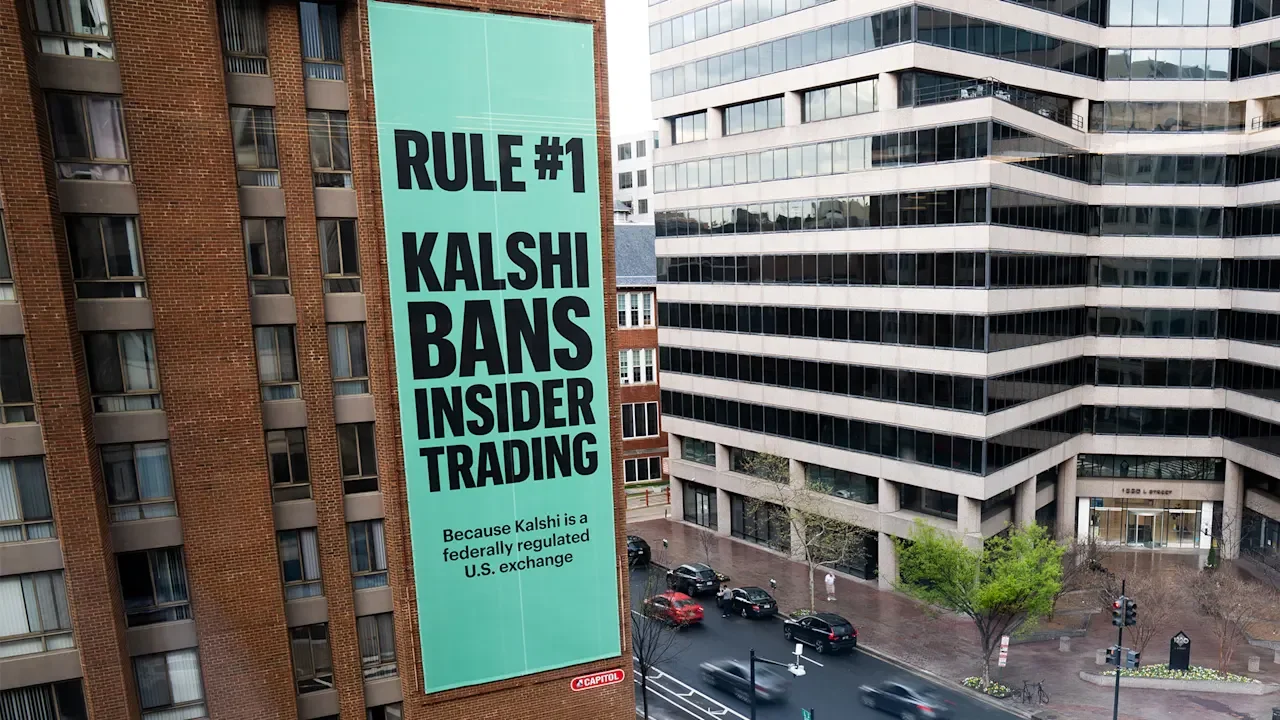
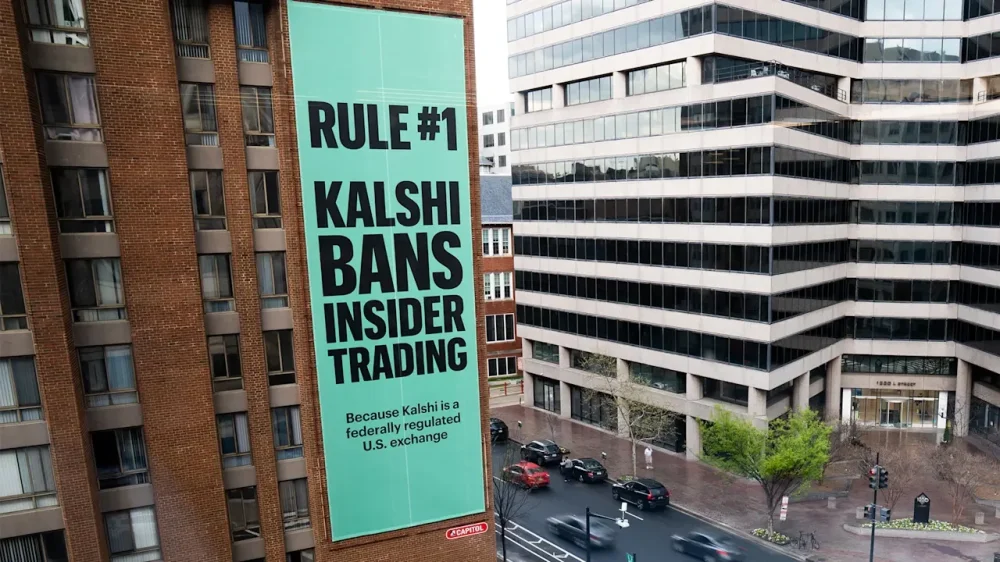
As the United States was preparing a daring mission to rescue an airman whose fighter jet was shot down by Iran, there was money to be made. Users on Polymarket, the world’s largest prediction market, could place bets on when the airman would be rescued. When Rep. Seth Moulton, D-Mass., shared a screenshot of the activity on social media, an April 3 rescue was trading at 15% compared with 63% who were betting on April 4. After Moulton posted the screenshot and blasted this “dystopian death market,” Polymarket stopped the betting, saying the market “does not meet our integrity standards.” A former Marine who served four tours in Iraq, Moulton said he was “absolutely not satisfied with Polymarket’s response” and blamed the site for being “completely unwilling to self-regulate when it comes to betting on the lives of our service members.” “This is war profiteering and Congress needs to step in and stop it,” he said. A confrontation is brewing in Washington over prediction markets, the online exchanges that allow users to bet on the outcome of everything from a baseball game to when Jesus Christ will return. In a highly polarized Congress, the need to guard against the prediction markets being used for insider trading has become rare common ground. Members of both parties pressed the leader of a typically low-profile regulatory agency on the issue during a hearing on Thursday. The market debate is also drawing in the White House, potential presidential candidates and state leaders. “It’s a national conversation about what it means to have market integrity,” said Kristin Johnson, a former commissioner at the Commodity Futures Trading Commission, which regulates prediction markets in the U.S. In a capital that was slow to respond to the perils of tobacco, opioids and social media, the push to put guardrails on prediction markets has been uncommonly swift. The markets, which include Polymarket and its chief rival Kalshi, have been criticized for everything from undermining the integrity of sports to contributing to an online betting addiction crisis among young men. Polymarket has come under particular scrutiny as a venue for offshore trades that are beyond the reach of U.S. regulators. Donald The President Jr., the president’s son, is on Polymarket’s advisory board and is a paid adviser for Kalshi. 1789 Capital, the venture capital firm where The President Jr. is a partner, has invested in Polymarket. Well-timed trades catch Washington’s attention The Associated Press reported this month that a group of new accounts on Polymarket made highly specific, well-timed bets on whether the U.S. and Iran would reach a ceasefire on April 7, resulting in hundreds of thousands of dollars in profits for these new customers. On the same day the report was published, the White House warned staff against using private information to trade on prediction markets. Earlier this year, an anonymous Polymarket user collected more than $400,000 on a January bet predicting the ouster of Venezuelan President Nicolás Maduro, prompting concerns that someone with access to private U.S. government information may have engaged in insider trading. Sen. Todd Young, an Indiana Republican and former Marine, said he had been concerned about trading in the sports market, “but I became especially concerned about market distortions, improper decision making, and undermining of public trust through self-enrichment after the news broke about Venezuela.” Young and Sen. Elissa Slotkin, D-Mich., have introduced a bill that would bar federal employees from using nonpublic information to make bets on prediction markets. Their bill is among several bipartisan efforts in Congress to regulate prediction markets. As he eyes a potential presidential campaign, Democrat Rahm Emanuel proposed a ban on prediction market bets by all federal employees and their families. On Wednesday, he suggested a 10% fee on those markets and online gambling to fund science and health research. California Gov. Gavin Newsom, another potential Democratic presidential candidate, issued an executive order barring his appointees from using nonpublic information to trade on prediction markets. For now, there’s no immediate path to passage for any of the bills. But the scrutiny has drawn focus to the differing approaches of the main prediction markets. Polymarket officials say little publicly and didn’t comment for this story. The market, founded in 2020, operates largely offshore with limited functions in the U.S. that were allowed only after President Donald The President returned to office. Kalshi, meanwhile, says it already bans many of the most extreme betting markets and welcomes regulation. “We support Congress and regulators taking action to police insider trading, keep prediction markets onshore and under federal regulation,” said Kalshi spokesperson Elisabeth Diana. “Not all prediction markets are the same.” White House spokesman Davis Ingle said The President has been clear that “members of Congress and other government officials should be prohibited from using nonpublic information for financial benefit.” Prediction markets bring CFTC into the spotlight The bet-the-event activity is drawing attention to the Commodity Futures Trading Commission, which oversees the vast trading contracts industry, including prediction markets. Dennis Kelleher, the president and chief executive of Better Markets, a Washington nonprofit that has pressed for stronger oversight of prediction markets, said the agency “certainly has no experience, expertise, budget, technology to actually in any way supervise, regulate or police gambling on everything from whether it’s Iran, Venezuela, whether it’s reality TV, whether Christ is going to come back before the end of the year.” The agency, which by law is supposed to have a five-member board including representatives of both political parties, is served now by only one member, Michael Selig, a former CFTC law clerk who went on to represent cryptocurrency clients before The President appointed him to lead the agency. That’s sparked concern among congressional Democrats. Sen. Richard Durbin, D-Ill., sent Selig a letter in February noting that the number of enforcement attorneys at the agency’s Chicago office had declined from 20 to zero. During a Thursday hearing of the House Agriculture Committee, which oversees the CFTC, Selig said the agency was hiring new staff and operating more efficiently. He refused to hold off on completing new regulations until new members were added to the board but insisted he was taking the potential of insider trading seriously. “Nothing is more important than protecting market integrity,” he said. Still, the agency’s enforcement authority extends only to prediction markets regulated in the U.S. For now, that distinction largely applies to Kalshi, which was established in 2018 and promotes its status as a regulated prediction market. Eager to reach American customers, Polymarket has introduced a U.S.-only prediction market platform to conform with U.S. regulations, but that platform currently has a waitlist to participate and is a small fraction of the size of its offshore counterpart. CFTC’s leadership criticizes Biden and takes on states Asked at a recent Vanderbilt University forum about the CFTC’s approach to insider trading in unregulated offshore prediction markets, Selig blamed the Biden administration for creating a regulatory environment that he said discouraged companies from operating in the U.S. As the debate plays out in Washington, multiple states have tried to curtail prediction markets, arguing they are essentially operating as unlicensed gambling platforms. But the CFTC has responded forcefully to assert itself as the sole regulator, suing Connecticut, Arizona and Illinois this month. That leaves Washington at a strange juncture, with widespread agreement among lawmakers that something should be done to address the issue of prediction markets. But there are differing thoughts on the scope of a solution. Young acknowledged his proposal is just a first step, and said lawmakers have a lot to learn about prediction markets. “But I think we can all agree at this early stage, as usage of these platforms grows and real money is put at stake, that this is a measure that should be taken immediately,” he said. Associated Press writer Susan Haigh contributed to this report. —Steven Sloan and Ken Sweet, Associated Press View the full article
-
Google may be streamlining one of the most error-prone parts of campaign setup — conversion tracking — by reducing the need for manual tag implementation. Driving the news. Google Ads is testing a new “Set up in Google Tag Manager” option within its conversion setup flow, according to screenshots shared by Google Ads Specialist, Natasha Kaurra. The feature appears alongside existing installation methods and allows advertisers to push conversion tracking setups directly into Google Tag Manager. What’s new. Instead of copying conversion IDs and labels between platforms, advertisers can click the new button to open a pre-filled tag setup inside GTM. That means: fewer manual steps, less room for implementation errors, and faster deployment across accounts. Why we care. Conversion tracking is critical to measuring performance, and this update makes it faster and less error-prone to implement. By reducing manual steps between Google Ads and Google Tag Manager, it can help ensure data is set up correctly from the start. That means more reliable reporting and better optimization decisions. How it works. Based on early screenshots, the flow prompts users to select a GTM container and then surfaces a suggested tag configuration ready to publish. This could be especially useful for agencies managing multiple clients, teams working across multiple containers, or advertisers with complex tagging setups. The bottom line. It’s a small UI change with outsized impact — making it easier for advertisers to get conversion tracking right the first time. First seen. This update was shared by PPC News Feed who credited Google Ads Specialist Natasha Kaurra for spotting it. View the full article
-
It’s the Friday open thread! The comment section on this post is open for discussion with other readers on any work-related questions that you want to talk about (that includes school). If you want an answer from me, emailing me is still your best bet*, but this is a chance to take your questions to other readers. * If you submitted a question to me recently, please do not repost it here, as it may be in my queue to answer. The post open thread – April 17, 2026 appeared first on Ask a Manager. View the full article
-
Gemini has long been able to connect to other Google apps, but earlier this year those integrations were made tighter and more seamless with a feature called Personal Intelligence. Now, Personal Intelligence is expanding into Google Photos and picking up AI image creation capabilities, courtesy of the Nano Banana 2 model. The idea is that you don't have to manually select a picture in Google Photos and tell the AI to do something with it. Instead you just type a prompt such as "create a cartoon showing my family enjoying our favorite activities," and Gemini will do the rest—mining your Google Photos library for the relevant information and people. Another example prompt Google gives is "create a watercolor image of my dream house nestled in my favorite setting." You can see how the new integrations save you time—you don't have to explain what your dream house or your favorite setting look like, as long as Gemini can work it out from your photos. "Since this is built into how you normally use the Gemini app there's no extra setup," says Google. "If you've already linked your Google apps, that personal context is ready and waiting the moment you start creating images... the results will automatically reflect your specific tastes and lifestyle, gleaned from the Google apps you've connected to." The upgraded Personal Intelligence experience is rolling out now inside the Gemini app for users in the U.S., but you need to be a paying customer to access it, on either the AI Plus, AI Pro, or AI Ultra plans. Google says access for more users and support for Gemini inside Chrome is coming soon. How it works—and how to turn it off Get a picture of your family, made in claymation style. Credit: Google This is being pushed out now to Google AI subscribers in the U.S., so if that includes you then you shouldn't have to do anything special to get the new feature in Gemini on the web or on mobile. You may well see a pop-up message inside the app announcing that you've got the upgrade, which is what Google often does. With the Create image option selected, you can simply type out what you want to see, and Gemini takes care of the rest. Something like "create a sketch of my family on vacation at the beach" or "make a photo collage of my desert island essentials" should work, if there's enough information to go on in Google Photos. Google says Gemini will look at the labels you've applied in Google Photos, such as the names of people and pets, to try and work out what you're asking for. There's clearly quite a bit of educated guesswork going on with the AI here, and "Gemini might not always pick the exact photo or detail you had in mind on the first try," according to Google. You can always click on the Sources button underneath a generated AI image to see the photos that Gemini has picked as reference points, and ask Gemini to make edits to what's been created using follow-up prompts. You can also click the + (plus) button on the prompt box if you want to point Gemini toward a different reference photo. There is something a little creepy about prompting Gemini using these intimate details about your life, but it's only really the integration between apps that's new: If you use Google Photos, then it's constantly using AI to recognize what's in your pictures so you can better sort through them and organize them, including family members and pets. Google says Gemini doesn't "directly" train its AI models on your photos, but instead uses "limited" information from them to improve the user experience. Connecting Google Photos to Gemini remains an opt-in choice, and one you can reverse at any time: Inside the Gemini app, click the cog icon (on the web) or tap your profile picture (on mobile), then choose Connected apps to make changes. View the full article
-
Google search traffic is dropping. If you’ve spent years building organic strategies, watching it happen in real time is uncomfortable. But it’s also clarifying. I started seeing the shift across SaaS clients. Pages that had driven steady traffic for years — educational, top-of-funnel (TOFU) content — were losing ground. Not because the content got worse, but because users no longer needed to click. AI Overviews were doing the job for them. That forced a decision: keep defending the old model or adjust the strategy. I chose to adjust. What became clear pretty quickly is that while informational content is losing clicks, bottom-of-funnel (BOFU) content is holding up — and in many cases, driving more qualified leads. This isn’t just a trend. It’s a shift in how value is created through search. The pivot: Making BOFU the priority My approach now is straightforward: 60% to 80% of output goes toward bottom- and mid-funnel content, with the remainder covering supporting TOFU topics that fill content cluster gaps or address timely industry conversations. When I pitched this shift to clients, the conversation was easier than I expected. I put it simply: “You have a choice between traffic and leads. If you want leads, here’s how we get there, even if it means less traffic.” I was upfront that overall traffic might dip. But whoever shows up is more likely to convert. That framing landed. Nobody argued for traffic when the alternative was a qualified pipeline. The most effective bottom-of-funnel pieces are comprehensive comparison and listicle-style guides targeting high-intent queries. One of the best examples is a guide to the best time-tracking software for construction. Before writing it, I built a reusable review methodology for the client. The guide called out pros and cons honestly, including the client’s own product, because that’s what builds credibility with readers evaluating their options. It was factual, specific, and written for someone in the middle of a purchase decision, not someone casually browsing. Within weeks, it became our most cited article in LLM responses. It’s now a cornerstone piece, regularly appearing in conversion paths and driving qualified leads. That single piece delivered more pipeline impact than a dozen informational posts from the previous quarter because it answers the question a buyer is actually asking, not the one that gets the most search volume. Dig deeper: How to align your SEO strategy with the stages of buyer intent Your customers search everywhere. Make sure your brand shows up. The SEO toolkit you know, plus the AI visibility data you need. Start Free Trial Get started with TOFU isn’t dead. It just has a different job now. I see many SEOs treating this as an either-or conversation. To be clear, I haven’t eliminated TOFU content. I’ve repositioned it. TOFU’s job now is to build topical authority that helps BOFU pages rank. It’s the supporting structure, not the primary event. Guides and educational content: Support the content cluster. Establish expertise in Google’s eyes. Pass internal link equity to BOFU pages. For my clients’ content, we’ve revisited the best-performing TOFU pieces and made them work harder. We added sections that connect the information directly to the client’s product, supported by screenshots and subject matter expert quotes. We also redesigned calls to action to match the context and placed them throughout the content, rather than just at the end. For several clients, this led to a measurable increase in visitors navigating to demo request pages, without changing the informational intent. The key distinction: You should still produce a meaningful volume of TOFU content, but make sure it has a unique angle — something not widely known or discussed from your perspective. In a sea of AI-generated content, that specificity is what drives performance. Get the newsletter search marketers rely on. See terms. Why this works in AI-driven search People arriving from AI platforms show up with context. They’ve already explored the problem. They’re evaluating options. This aligns with how AI Overviews are applied in search results. AI Overviews still appear far more often for informational queries than commercial ones. Ecommerce searches trigger them far less frequently, which helps protect bottom-of-funnel content — at least for now, though coverage for commercial and transactional queries is rising quickly. That shift in behavior changes what content performs. Informational content loses value when answers are summarized upfront, while decision-stage content becomes more useful because it helps users compare options, validate choices, and move forward. That’s why bottom-of-funnel content holds up. It aligns with where the user is in the process, not just what they searched for. The time tracking software comparison piece I mentioned is a clear example. It’s consistently cited when users ask about construction time tracking tools. That visibility doesn’t always show up as a click, but it appears later — in branded search, direct visits, and ultimately, leads. The attribution problem you need to accept Here’s the challenge: bottom-of-funnel content’s value is systematically underreported in traditional analytics. Someone sees your solution mentioned in a ChatGPT response, researches your brand, and converts later through a direct visit or branded search. In GA4, that journey often shows up as direct traffic. It looks like SEO didn’t contribute — but it did. That’s why I’ve shifted clients away from traffic as the primary success metric and toward a broader set of signals, including: Brand search volume trends. Citation frequency in LLM platforms. Direct traffic movement after content publication. Conversion rate changes, even when traffic stays flat. The ROI of BOFU and LLM-optimized content is higher than what dashboards show. If you’re evaluating performance based only on immediate click attribution, you’re missing where SEO is actually creating value. Your practical playbook for shifting to BOFU Here’s how to turn this shift into a practical content strategy: Audit your existing content for BOFU gaps: Before creating anything new, identify which high-intent, purchase-stage queries you have zero coverage on. These are often the easiest wins. Build comparison content with real methodology: Create a review framework you can reuse. Be honest about pros and cons, including your client’s product. Credibility is what makes these pieces rank and get cited. Retrofit your best TOFU pieces: Add product-connected sections, contextual CTAs, and subject matter expert input. Make the informational content do conversion work, too. Build LLM tracking into GA4 now: A regex-based segment capturing ChatGPT, Perplexity, Claude, and other AI referrers gives you visibility into a channel most clients have zero data on. Reset the success metrics conversation with clients: Traffic volume is increasingly a vanity metric. Lead quality, branded search growth, and conversion rate are what actually matter in this environment. AI Overviews have fundamentally changed the economics of informational content. But that disruption creates a strategic opening. Bottom-of-funnel content has always converted better. AI is simply removing the incentive to keep over-investing in content that drives traffic without driving revenue. The window to shift strategy is still open. It won’t stay that way. View the full article
-
A new report from the National Student Clearinghouse Research Center (NSCRC) shows that more students are seeking out an associate degree first over a four-year bachelor’s degree. Surpassing those aged 21 to 24 for the first time, students aged 18 to 20 represent the largest share of first time associate degree earners in the 2024-25 academic year. That academic year, of the 2 million students who earned a bachelor’s degree, 532,464 of them had a prior postsecondary credential—either a certificate, associate or bachelor’s/masters degree. And of those, 419,766 students completed the bachelor’s degree pathway from an associate degree, accounting for the largest percent (78.8%). Clearly, choosing to receive a two-year degree before moving on to complete a bachelor’s is an accessible and popular way to a postsecondary education—and the trend seems likely to continue. According to an earlier report by the NSCRC, community college enrollment saw a 3% increase in fall 2025, which drove overall growth in undergraduate enrollment. Meanwhile, private 4-year colleges saw a declines of 1.6% at nonprofit institutions, and 2% at for-profit institutions. Why the trend? The cost of college is a glaring factor, which could contribute to the appeal of community college. For the 2025-26 academic year, CollegeBoard reported the average budget for full-time students at a public two-year institution ranged from $21,320, while the budget for a private nonprofit four-year institution ranged from $65,470. The federal government has also been ramping up funding for community colleges, aimed at supporting and prioritizing students in the labor market. The Department of Labor has issued five rounds of Strengthening Community Colleges Training Grants, part of a program that began in 2020. The grants aim to address skill development needs to employers, support workers in gaining such skills to reach employment, and help students overcome career barriers to find quality jobs. And this February, the U.S. Department of Labor announced a sixth round of grant funding, including $65 million to support community colleges in training opportunities through Workforce Pell Grants. View the full article

-
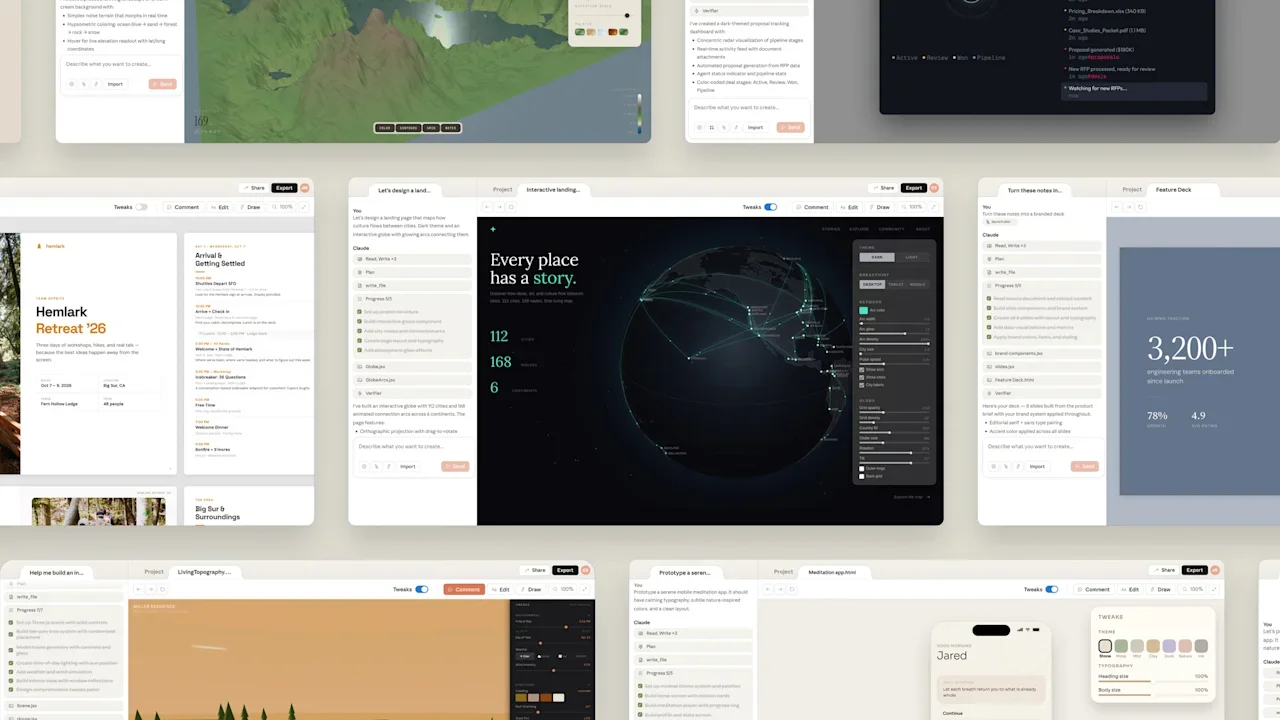
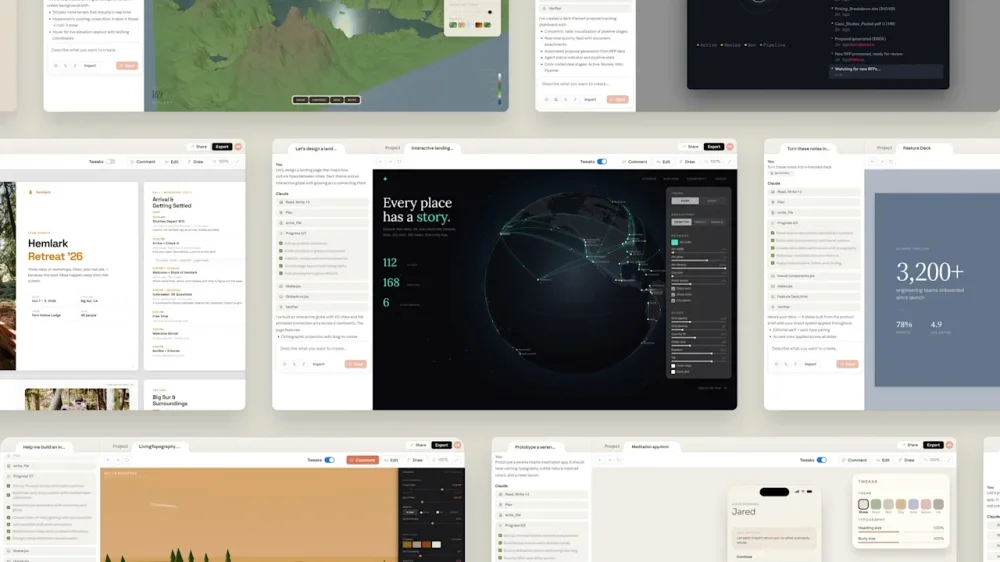
Anthropic Labs just announced a new product for its flagship AI model called Claude Design. According to Anthropic, the new tool “lets you collaborate with Claude to create polished visual work like designs, prototypes, slides, one-pagers, and more.” The company is billing the tool as a way for non-designers to mock up visuals, and a way for designers to quickly test out a range of initial prototypes. It’s powered by Claude’s most recent new model, Opus 4.7, which is trained to handle difficult coding prompts and complex, long-running tasks. Claude Design is available starting today to Claude Pro, Max, Team, and Enterprise Subscribers. Anthropic joins a growing number of companies developing their own AI-based design tools, including Figma, Canva, Adobe Express, and Google’s Stitch. As each of these companies expands its AI capabilities, the segmentation between their capabilities is becoming less and less pronounced: Canva is an AI company with design tools, Figma is a UX company running on AI, and, now, Claude is a powerful chatbot with a design and UX assistant. How Claude Design works Claude Design functions like an ultra-intelligent middle man between designers and product engineers. To use the tool, users start with a text prompt, as well as supplementary materials they want to use for reference, like a codebase, images, or documents. For example, a user might type, “Prototype a serene mobile meditation app. It should have calming typography, subtle nature-inspired colors, and a clean layout.” From there, Claude Design will produce a first draft. The tool’s UX is designed to make editing intuitive: an inline comment box facilitates specific tweaks, like, in this case, adding a dark mode toggle; custom sliders automatically spawn for small adjustments, such as color and type size; and users can also make direct edits on the draft themselves. It’s clearly designed to feel iterative and collaborative; like bouncing ideas off of a very fast colleague. This same workflow applies whether a user is making an app, a webpage, a powerpoint, or a social media post. Bigger teams can bring Claude Design into the loop on their company’s needs by uploading a codebase and design files. Claude will then digest that information and create a design system that uses the appropriate colors, typography, and components automatically. Once a design is complete, it can be shared as an internal URL within an organization, saved as a folder, or exported to Canva, PDF, PPTX, or standalone HTML files. Claude Design offers a one-stop shop for design consultation on app prototypes, web UX, and marketing assets, and it feels like an encapsulation of where the industry is headed. In the AI design space, the biggest players aren’t specializing—they’re becoming jacks of all trades. View the full article
-
Traffic from AI sources increased 393% year-over-year in Q1 and 269% in March. But the real surprise? AI traffic is converting better than last year. AI-driven visits converted 42% better than non-AI traffic in March. A year ago, AI traffic was 38% less likely to result in a purchase. By the numbers. Traffic from AI sources increased engagement by 12%, time on site by 48%, and pages per visit by 13%. Adobe also surveyed consumers and found that: 39% have used AI for shopping. Of those, 85% said it improved the experience. 66% believe AI tools provide accurate results. What they’re saying. According to Vivek Pandya, director of Adobe Digital Insights: “Notably, AI traffic continues to convert better (visits that result in purchases) than non-AI traffic, which covers channels such as paid search and email marketing.” Yes, but. While consumer adoption is up, and traffic, engagement, and conversions are growing, many retail sites still aren’t fully optimized for AI visibility, especially on product pages, according to Adobe. Why we care. Until now, reports have been mixed on whether AI traffic is better, equal to, or worse than organic search traffic (see our Dig deeper resources below). That may be changing, as we expected it would. Like generative AI, AI shopping today is as bad as it will ever be, meaning this channel’s value will only increase. About the data. Adobe’s findings are based on direct transaction data from more than 1 trillion visits to U.S. retail websites. The company also surveyed more than 5,000 U.S. consumers to understand how they use AI to shop. The report. Adobe report: U.S. retailers see surge in AI traffic, but many websites are not entirely readable by machines. Dig deeper. ChatGPT, LLM referrals convert worse than Google Search: Study AI search clicks aren’t always better traffic: Study ChatGPT ecommerce traffic converts 31% higher than non-branded organic search Airbnb says traffic from AI chatbots converts better than Google Why every AI search study tells a different story ChatGPT traffic rivals organic search engagement: Data View the full article
-
Here in San Francisco, we live in a bubble, and we know it. While much of the rest of the country sees the city through the lens of Fox News cameramen searching out homeless encampments, we actually live in a very beautiful, very wealthy, and, currently, very AI-obsessed place. Traditionally, the billboards along 101 through Silicon Valley have offered a glimpse into the collective mind of the tech industry. These days, a big chunk of that industry, including most of the major AI labs, is based here in San Francisco, and the billboards have followed. The San Francisco Chronicle recently did the legwork to catalog literally all of the billboards in the city and found that fully half now advertise AI apps, platforms, and infrastructure. The words and imagery they use reveal something about how the AI industry sees itself and the world around it. You are here The advertisements do collectively smack of young companies in a young industry. But they also depict an AI industry that is well past its experimental stage. The billboards around town, for the most part, advertise real apps that do non-trivial things, and products that solve real, sometimes niche problems that hinder the meaningful deployment of AI in business settings. No space for safety Even though AI safety, alignment with human values and goals, and governance remain hotly debated issues, almost none of the outdoor advertising mentions those subjects. The go-to-market teams at AI companies may believe billboards are no place for nuanced policy debates. The ads seem aimed at chief information officers or VP-level decision-makers trying to gain a competitive edge by using AI for more business tasks. That audience is likely more interested in agentic features, reliability, and scalability. Only one billboard, from Okta, mentioned downside risk. Its billboard reads: “Build and secure AI agents from day one. Okta secures AI.” What Okta is actually selling is identity and access management for AI agents—that is, the authentication and permissions systems that keep agents from seeing things they shouldn’t. On the other hand, trust will be a huge issue as AI models and agents proliferate within businesses. Leaders and workers will have to build trust in these systems over time, and that trust depends on AI consistently getting things right while being entrusted with increasingly valuable work. If an AI system leaks sensitive information, for example, trust could vanish, and the tool itself would quickly lose value. ‘Stop hiring humans’ Another elephant in the room is job replacement, yet none of the billboards acknowledge it. In one case, they lean into it. Artisan AI, which sells AI “workers,” has plastered controversial billboards around the city suggesting human replacement is actually a pretty cool future. In one double-decker ad featured in the Chronicle piece, a woman declares, “Stop hiring humans.” Below, a man who looks like a home shopping host gestures toward her, saying, “It’s not the ’90s anymore, hire Ava.” Ava is apparently the avatar for Artisan’s digital workers. SF Chronicle Critics have called the campaign dystopian and anti-worker, and some billboards have been vandalized. Artisan’s 20-something CEO, Jasper Carmichael-Jack, said the campaign was meant as “shock marketing.” But, hey, the Artisan team is clearly a cheeky bunch, and even the company name is laced with irony: The word “artisan” usually refers to something made by skilled human hands. (In San Francisco, “artisanal” avocado toast costs $9) Swagger Some billboards reflect the boundless confidence of the accelerationist “builder” crowd. Linear’s billboard shows the hand of God, styled after Michelangelo’s The Creation of Adam, reaching down to touch a swarm of hand-shaped cursors that apparently represent AI agents. The tagline reads: “Agents. At your command.” Linear makes project management software for engineering teams. Its AI agents handle tasks once done by humans, such as assignment, issue tracking, and sprint planning. The implication is hard to miss: If AI agents can do many of the things humans once did, the humans directing get to play god. Bland, whose platform creates human-sounding AI agents that can make and receive phone calls, takes a similar approach. Its billboard has a romance novel cover vibe, featuring a masculine (customer support?) robot embracing a human woman. The caption reads: “Customer support that actually cares.” Rather than addressing the obvious socio-economic and customer-experience issues, Bland seems to, well, embrace them. In essence, the message is that AI agents are capable of empathy beyond what human support reps can manage. Tip: AI models aren’t there yet. That claim is aspirational at best. In essence, the message is that AI agents are capable of empathy beyond what human support reps can manage. Tip: AI models aren’t there yet. We’re not talking to you If you thought the city’s AI billboards were meant for general audiences, AgentMail’s ad suggests otherwise. It features a screenshot of a tweet from Y Combinator founder and mega-investor Paul Graham, describing a startup whose market cap will “sound like fiction.” The company name is not even mentioned in the tweet. The billboard’s caption reads, “We have some high expectations…” followed by “No pressure, right?” AgentMail has already raised about $6 million in seed funding from General Catalyst, with participation from Y Combinator and angel investors including Graham. The ad may be targeting new customers for its platform, which creates email accounts for AI agents. Or it could be trying to drum up interest among potential A-round investors. Either way the billboard takes an “if you know, you know” approach that’ll only make sense to a few thousand people if they happen to drive by. Hello, Des Moines It’s worth imagining how these ads would land outside the San Francisco bubble. In Des Moines, Iowa, the Artisan billboard’s instruction to“Stop hiring humans” might feel less cheeky and more threatening. Some residents might take Bland’s robot-lover ad the same way. Other ads would just seem alien. Motorists would wonder what on Earth Baseten is selling with its “own your own inference” message. (Baseten’s platform lets companies control the AI models they use to generate output in production.) And AgentMail’s “Graham tweet” ad would probably be incomprehensible. View the full article

-
Painted Tree Boutiques, a nationwide retail chain that gave independent small business owners a brick-and-mortar platform to sell gifts, clothing, and home decor products, abruptly announced that it would cease all business operations on Tuesday, April 14. Vendors were given a 10-day window to collect their inventory during limited daytime hours. The Arkansas-based company was founded in 2015 and later expanded to over 60 locations across more than a dozen states. Painted Tree described itself as “An Etsy marketplace and Pinterest catalog come to life.” Many locations were housed in former Bed Bath & Beyond stores. The chain operated as a marketplace where local independent small businesses could rent a booth to sell their products. Small business shop owners were given no notice The sudden closure left employees, customers, vendors blindsided, based on hundreds of social media comments on the brand’s Instagram page. Vendors were reportedly given no advance notice, learning about the news through a company email on April 14. Some vendors first heard about the closure through social media, friends and family, or store signage. “It is with deep regret that we write to inform you that Painted Tree Boutiques has made the very difficult decision to cease all business operations today; Painted Tree will not be conducting any further retail sales at any location,” read the April 14 email, which is circulating on social media and was shared by a journalist for Cincinnati’s WKRC on Facebook. The email continued, “We understand the impact this has on you and your business, and we are truly sorry. We know many of you have invested significant time, energy, and resources into building your spaces at Painted Tree, and this is not the outcome any of us hoped for.” Vendors were instructed to collect their goods between the hours of 10 a.m. and 6 p.m. local time through April 24. However, the email warned that access to stores is subject to landlord approval. “We are working with landlords as we are able to preserve access to the buildings during this time. We strongly encourage you to retrieve your inventory as soon as possible,” the email read. Lots of questions, few answers Thousands of small business owners across the country are now left scrambling to pack up and haul away their unsold goods. The retail chain is reportedly preparing to file for Chapter 7 bankruptcy. Vendors fear they will never receive payment for rent, deposits, and recent sales, according to media reports and social media commentary. Fast Company reached out to Painted Tree Boutiques for more information. We’ll update this story if we receive a reply. At the time of this writing, the chain has a note on the homepage of its website that reads: “Painted Tree Closed Effective April 14, 2026.” But the brand has not publicly mentioned the store closures on its social media accounts. Shop owners, employees, and members of the public have been taking to social media to comment on the abrupt closing. View the full article
-
It must have seemed like a slam dunk PR opportunity for all concerned: A “DoorDash Grandma” making a (staged) delivery to the White House, affording President The President a chance to tout his “No Tax on Tips” policy, and DoorDash a prompt to praise that policy for letting “workers keep more of what they earn, including hundreds of millions of dollars for Dashers.” As press looked on and cameras rolled, Sharon Simmons, sporting a “DoorDash Grandma” T-shirt and handing a couple of McDonald’s bags to The President, praised the policy for saving her thousands of dollars on taxes, which she says she’s using to help pay for her husband’s Stage 3 cancer treatment. “It has helped my family out immensely,” she said. But it wasn’t a slam dunk. In fact, Simmon’s appearance turned into an absolute disaster, as the PR stunt devolved into an argument over whether Simmons, the 58-year-old grandmother (of 10) in question, was actually a MAGA shill. That debate, as neatly chronicled by Fast Company’s Joe Berkowitz, drew attention to the forced nature of the stunt, and helped thoroughly undermine the episode’s effectiveness for the policy or the brand. But the squabble over whether Simmons is fully legit or some kind of ringer has obscured a deeper point: Either way, she’s a dreadful symbol for the DoorDash brand and for the state of the economy in general. Sharon Simmons At an age when a worker should command comfortable earning power and be counting down to retirement, Simmons is grinding for tips at a no-benefits gig job to cover healthcare costs. Frankly, she’s lucky the rise of driverless vehicles—long a goal of the rideshare and delivery sectors—hasn’t yet taken even this not-so-reassuring option away. (Yet.) This sounds more like a cautionary tale than a heartwarming policy success. When you think about your golden years, does your vision involve hustling to cover your spouse’s vital medical care? Admittedly, the cozy and carefree retirement dream of security and dignity after decades of work has never been universally realized. Yet it remains culturally potent—even as many workers today (including many comfortably in the middle class) expect they’ll need to keep finding ways to earn money well past traditional retirement age. If DoorDash Grandma was intended to function as an anecdote polished up for political optics, the real message seems different. What’s authentic is that there are countless older Americans in similar positions, navigating a patchwork of Social Security, savings, and supplemental income streams that increasingly include gig work. (In Simmons’s case, there’s reportedly a GoFundMe as well.) Businesses that rely on tip-dependent labor are naturally in favor of no tax on tips, because it benefits their workforce without the business sacrificing a dime or making any particular effort. And there’s nothing unusual about that; it’s just capitalism. Gig-economy companies have spent years positioning themselves as a source of opportunity: flexible work, entrepreneurial autonomy, a platform that empowers individuals to earn on their own terms. DoorDash Grandma seems like a variation on this standard gig-economy pitch: the scrappy side-hustler, the student paying tuition, the creative professional bridging income gaps. But in reality, a 58-year-old grandmother delivering food to a rich guy (The President apparently tipped her $100) to offset healthcare costs is not exactly an aspirational image. To the contrary, it’s vaguely alarming. The dominant implication isn’t flexibility—it’s necessity. That’s why the episode highlights a brand-narrative problem for the entire gig economy, and, by extension, for policymakers eager to highlight its positive impacts. The gig economy has always occupied an ambiguous space between innovation and erosion, expanding access to income in innovative ways while redefining (and often reducing) the protections and stability associated with traditional employment. And on a policy level, no tax on tips is hardly a replacement for, say, comprehensive healthcare benefits. The President’s healthcare policies and proposals are projected to reduce enrollment in the marketplace created by the Affordable Care Act by 750,000 to 2 million people in 2026. And some experts believe broader Medicaid/ACA cuts will strip coverage from millions more over time. The administration has promised to fix all this, but any specific plan, or concepts thereof, has yet to materialize (and lately seems to be deprioritized in favor of spending on defense and deportation efforts). Which is part of what makes DoorDash Grandma, genuine or not, so complicated. Her story is compelling and memorable—but it’s also just kind of a bummer. Here is an older American, engaged, contributing, not sidelined. But beneath that is a nagging question: Why does she need to? As a symbol, she’s basically a question mark. And neither business nor institutions seem entirely equipped to provide a comforting answer. Perhaps, in the end, this is a simple case of brand-narrative tension. A (true) story of flexibility, empowerment, and opportunity is contradicted or at least complicated by another (true) story of difficult lived experience. Most of the time, those tensions remain abstract. Occasionally, they crystallize in a single image or anecdote that’s too vivid to ignore. Maybe this is one of those times. And maybe actually contending with those tensions would not be such a bad thing. View the full article
-
A congressional subcommittee on Thursday held a roundtable discussion on the potential of artificial intelligence, which took a turn toward the existential as each lawmaker aired their anxieties about the rapidly evolving technology. Rep. James Walkinshaw, D-Va., expressed alarm that federal workers may be using AI chatbots to handle sensitive government data. Rep. William Timmons, R-S.C., asked whether it should be illegal for AI systems to use someone’s likeness to create pornographic images. Rep. John McGuire, R-Va., expressed concerns that AI systems could deny U.S. military forces from taking lethal actions due to a model’s conclusion for “moral” behavior. And Rep. Yassamin Ansari, D-Ariz., raised concerns about the The President administration’s use of AI in the war with Iran, the technology’s intensive energy usage and its potential effects on the climate. While members of Congress elsewhere debated other major topics — the scope of the federal government’s surveillance powers, the war with Iran and funding the Department of Homeland Security — the House Oversight Committee’s subcommittee roundtable on “Artificial Intelligence and American Power” brought executives of AI firms, academics and those implementing AI at major companies together with lawmakers. Thursday’s discussion comes as leaders on Capitol Hill grapple with the dizzying pace of global developments in which technology plays a central role. But the conversation quickly considered the potential for artificial intelligence to dwarf every other challenge facing the country. “People in our districts across this country are going to start feeling impacts very soon, and if we don’t start thinking properly and aggressively and proactively about the challenges that AI creates, I fear that we’re going to have a revolution on our hands,” said Rep. Dave Min, D-Calif. The subcommittee’s ranking Democrat, Rep. Maxwell Frost of Florida, also expressed optimism about AI’s ability to cure diseases and boost the economy. But Frost, currently the youngest member of Congress, worried that the technology would outpace lawmakers and pose potentially disastrous consequences if not addressed early on. “I don’t have faith in this institution to actually put the common sense guardrails in place. And then we fast forward ten years, and the house is on fire,” said Frost. “That won’t be good for anybody, whether it’s the industry or working families and people, or this institution itself.” Rep. Eric Burlison, R-Mo., kicked off the meeting with praise for the industry and marveled at how one panelist’s company used AI to automate and fast-track manufacturing in the firm’s factories. “It’s truly like the closest thing to Star Trek I’ve ever seen,” Burlison said. He later inquired about what congressional districts should do to attract AI firms for business. Many also openly fretted about disclosures from technology firms like Anthropic, which recently announced that its Mythos AI model, which the company claims has capabilities so powerful that it is limiting its use to select customers because of its apparent ability to bypass traditional cybersecurity and hack major institutions like banks, government agencies and major corporations. “I recognize AI is not going anywhere,” said Rep. Eli Crane, R-Ariz., a former Navy SEAL who served in combat. “That being said, does anyone on this panel feel or believe, in any way, that as we are going down the road in this AI race, we might be simultaneously engineering our own destruction?” The assembled experts and industry leaders all highlighted AI’s vast and growing capabilities. They urged lawmakers, alongside their policy recommendations, to be thoughtful and well-informed when making policy. Mark Beall, president of government affairs at the AI Policy Network Inc. and a former Pentagon official, warned that Congress risked the country losing its competitive edge on AI if it did not act on key national security concerns. “I don’t think it’s going to kill us,” Robert Atkinson, founder of the Information Technology and Innovation Foundation, a technology think tank, told lawmakers. “At the same time, I do think it’s important for the federal government to seriously fund AI safety research,” Atkinson continued. “We need to know a lot more about how the models work.” Spencer Overton, a George Washington University law professor, said the incentives for AI companies “are really what they should be” when asked by lawmakers whether the firms were good actors. “Constituents are looking for you, not for companies, to step up and protect them,” Overton said. “They’re trusting you, the person that they voted for, to do that, as opposed to companies. That’s the way the system works, right?” —Matt Brown, Associated Press View the full article

-
Search remained the largest force in digital advertising in 2025. However, its growth slowed as total U.S. ad revenue climbed to a record $294.6 billion. Search still dominates. Search generated $114.2 billion, accounting for 38.8% of total digital ad revenue, according to the latest IAB/PwC Internet Advertising Revenue Report. But growth slowed to 11%, down from 15.9% in 2024, as advertisers shifted more budget into faster-growing formats and as AI began reshaping how users discover information. Overall market growth accelerated as the year went on. It climbed from 12.2% in Q1 to 15.4% in Q4. The fourth quarter alone brought in $85 billion, even without major cyclical events like the U.S. election or the Olympics, which boosted 2024. Video, social, and programmatic all grew faster than search. Digital video revenue jumped 25.4% to $78 billion, making it the fastest-growing major format. Social rose 32.6% to $117.7 billion, while programmatic increased 20.5% to $162.4 billion — continuing the shift toward automated, performance-driven buying. The market is more concentrated. The top 10 companies now control 84.1% of U.S. digital ad revenue, up from 80.8% a year ago, reflecting the advantages of scale, first-party data, and AI-driven platforms. AI is no longer just a tool layered onto campaigns. AI is increasingly shaping discovery, media buying, and measurement as consumer journeys fragment across platforms. Why we care. Search still delivers the most scale, but it’s no longer growing the fastest. More budget is flowing into video, social, and programmatic, where automation and AI are more deeply embedded. That means more competition for budget, less visibility into performance, and a greater need to prove incrementality. About the data. The IAB/PwC report is based on U.S. internet advertising revenue data compiled across the industry. The report. Internet Advertising Revenue Report Full-year 2025 results (PDF) View the full article
-
Energy commissioner Dan Jørgensen says Europe moving towards supply crisis “very rapidly”View the full article
-
Nobody benefits if third-sector organisations can’t keep their disputes away from the courtsView the full article
-
If he is finally confirmed, The President’s nominee for chair must undertake a re-evaluation of the central bank’s structure and purposeView the full article