All Activity
- Past hour
-
 SparkToro research finds AI tools produce different brand recommendation lists more than 99% of the time when given the same prompt. The post AI Recommendations Change With Nearly Every Query: Sparktoro appeared first on Search Engine Journal. View the full article
 -
It’s the Friday open thread! The comment section on this post is open for discussion with other readers on any work-related questions that you want to talk about (that includes school). If you want an answer from me, emailing me is still your best bet*, but this is a chance to take your questions to other readers. * If you submitted a question to me recently, please do not repost it here, as it may be in my queue to answer. The post open thread – January 30, 2026 appeared first on Ask a Manager. View the full article
- Today
-
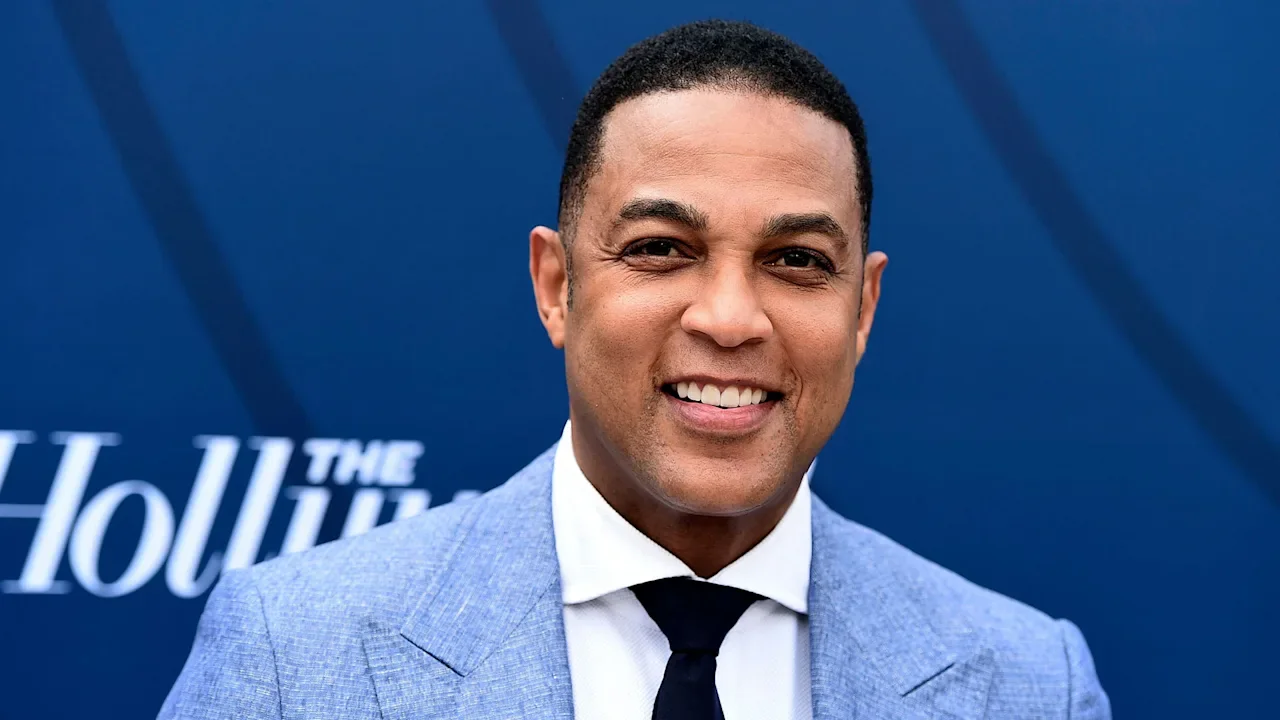
Journalist Don Lemon and three other people were arrested Friday in connection with an anti-immigration protest that disrupted a service at a Minnesota church and increased tensions between residents and the The President administration, officials said. Lemon was arrested by federal agents in Los Angeles, where he had been covering the Grammy Awards, his attorney Abbe Lowell said. It is unclear what charge or charges Lemon and the others are facing in the Jan. 18 protest at the Cities Church in St. Paul. Lemon’s arrest came after a magistrate judge last week rejected prosecutors’ initial bid to charge him. Lemon, who was fired from CNN in 2023, has said he has no affiliation to the organization that went into the church and that he was there as a journalist chronicling protesters. “Don has been a journalist for 30 years, and his constitutionally protected work in Minneapolis was no different than what he has always done,” Lowell said in a statement. “The First Amendment exists to protect journalists whose role it is to shine light on the truth and hold those in power accountable.” Attorney General Pam Bondi posted on social media Friday morning confirming the arrest of Lemon and the others who were present during the protest at the church where a local official with U.S. Immigration and Customs Enforcement serves as a pastor. “At my direction, early this morning federal agents arrested Don Lemon, Trahern Jeen Crews, Georgia Fort, and Jamael Lydell Lundy, in connection with the coordinated attack on Cities Church in St. Paul, Minnesota,” Bondi said. Since he left CNN, Lemon has joined the legion of journalists who have gone into business for himself, posting regularly on YouTube. He hasn’t hidden his disdain for The President. Yet during his online show from the church, he said repeatedly, “I’m not here as an activist. I’m here as a journalist.” He described the scene in front of him, and interviewed churchgoers and demonstrators. Shortly after the first attempt to charge him fell through, he predicted on his show that the administration would try again. “And guess what,” he said, “here I am. Keep trying. That’s not going to stop me from being a journalist. That’s not going to diminish my voice. Go ahead, make me into the new Jimmy Kimmel, if you want. Just do it. Because I’m not going anywhere.” Local independent journalist Georgia Fort livestreamed the moments before her arrest Friday on Facebook Live, saying “agents are at my door right now” and that they had an arrest warrant and a grand jury indictment. “I don’t feel like I have my first amendment right as a member of the press because now the federal agents are at my door arresting me for filming the church protest a few weeks ago,” Fort said, adding that she knew she was on a list of defendants that is under seal. A prominent civil rights attorney and two other people involved in the protest were arrested last week. Prosecutors have accused them of civil rights violations for disrupting the Cities Church service. The Justice Department launched a civil rights investigation after the group interrupted services by chanting “ICE out” and “Justice for Renee Good,” referring to the 37-year-old mother of three who was fatally shot by an ICE officer in Minneapolis. “Listen loud and clear: WE DO NOT TOLERATE ATTACKS ON PLACES OF WORSHIP,” Attorney General Pam Bondi wrote in social media post last week. Cities Church belongs to the Southern Baptist Convention and lists one of its pastors as David Easterwood, who leads an ICE field office. Many Baptist churches have pastors who also work other jobs. The Justice Department’s swift investigation into the church disruption stands in contrast to its decision not to open a civil rights investigation into Good’s killing by an ICE officer. The department has not said whether it will open a civil rights probe into the killing of 37-year-old Alex Pretti by federal officers. “Instead of investigating the federal agents who killed two peaceful Minnesota protesters, the The President Justice Department is devoting its time, attention and resources to this arrest, and that is the real indictment of wrongdoing in this case,” Lowell said. Associated Press reporters Dave Bauder in New York City, Steve Karnowski in Minneapolis and Josh Funk in Omaha, Nebraska, contributed. —Alanna Durkin Richer and Eric Tucker, Associated Press View the full article
-
Google is experimenting with showing third-party endorsement content directly within Search ads. The test places short endorsements from external publishers under the ad description, including the third party’s name, logo, and favicon. What’s showing up. The test was first spotted by Sarah Blocksidge, Marketing Director at Sixth City Marketing, who shared a screenshot on Mastodon. In the example, a Search ad included the line “Best for Frequent Travelers,” attributed to PCMag, complete with the publication’s favicon. The endorsement appears directly beneath the ad copy, visually separating it from standard advertiser-written text. Why we care. If rolled out more broadly, the change could make Search ads feel more like product reviews — and potentially give advertisers with strong third-party validation a new advantage in crowded auctions. What Google says. A Google Ads spokesperson confirmed the test, calling it “a small experiment” – “This is a small experiment we are currently running that explores placing third-party endorsement content on Search ads.” Google did not provide details on eligibility, sourcing, advertiser controls, or how endorsements are selected. What we don’t know yet. It’s unclear whether advertisers can opt into the feature, request specific endorsements, or influence which third-party sources appear. Google also hasn’t said whether the test is tied to existing review extensions, publisher partnerships, or broader trust and safety initiatives. What to watch. If Google expands the experiment, third-party credibility could become a more visible factor in ad performance — shifting emphasis from advertiser claims to external validation at the point of search. For now, the test appears limited, but it offers a glimpse at how Google may continue blending ads, trust signals, and editorial-style context in search results. Dig Deeper. Screenshot shared on Mastadon. View the full article
-
If you’re considering venturing into entrepreneurship, exploring new franchise opportunities can be a strategic move. Several franchises like Minuteman Press International and Wayback Burgers are gaining attention for their innovative services and products. Furthermore, trends in sustainability and technology integration are shaping the market. With options ranging from travel to food, there’s potential for growth across various sectors. Comprehending these trends can help you make informed decisions about your investment options. Key Takeaways Explore Minuteman Press International for a strong digital printing franchise with a low cash requirement and a solid reputation for customer satisfaction. Consider Wayback Burgers for a fast-growing franchise focused on hand-crafted food and extensive support for franchisees in a nostalgic setting. Invest in Expedia Cruises, a full-service leisure travel agency with a proven model and extensive training in the growing travel industry. Look into Glass Doctor for a franchise opportunity in glass repair and replacement, benefiting from a well-established brand and service-oriented approach. Evaluate emerging eco-friendly franchises that cater to increasing consumer demand for sustainable practices and responsible operations. Minuteman Press International If you’re pondering a franchise opportunity that combines experience with a strong business model, Minuteman Press International might be worth your attention. With over 50 years in the industry, this company stands out as one of the innovative franchises in the printing sector. Their customer service-driven model offers digital printing, design, and promotional services to a diverse clientele, which can be particularly appealing for investors seeking dealership franchise opportunities. You can brand a wide range of products with your own name, image, or logo, enhancing marketing solutions. The minimum cash requirement of $50,000 makes it accessible for many. With a solid reputation for customer satisfaction and quality service, Minuteman Press supports franchisee success, making it one of the new franchise opportunities to weigh. Wayback Burgers When exploring franchise opportunities in the food industry, Wayback Burgers stands out as a fast-growing, globally recognized burger franchise that emphasizes hand-crafted food in a modern yet nostalgic setting. Known as one of the best new franchises, Wayback Burgers offers flexible restaurant formats to fit various business needs. This hot franchise opportunity comes with extensive support for franchisees, ensuring you’re not alone in your expedition. With a minimum cash requirement of $250,000, investing in Wayback Burgers can be a lucrative choice among top franchises worldwide. Feature Details Investment Required $250,000 Brand Appeal Strong Support for Franchisees Extensive Commitment to Quality High CEO Life Building on the idea of business development seen with franchises like Wayback Burgers, CEO Life offers a unique community designed particularly for CEOs and entrepreneurs. This franchise emphasizes social and philanthropic initiatives, nurturing meaningful connections and growth. With a minimum cash requirement of $250,000, CEO Life provides exceptional networking and education opportunities, hosting local and global events that improve member experiences. In this supportive environment, you can share challenges and solutions, enhancing your professional path. CEO Life likewise empowers you with access to exclusive resources and insights, which can drive personal and business success. As a member, you’ll discover various financial services franchise opportunities and warehouse franchise opportunities, equipping you with the knowledge needed to thrive in a competitive environment. Expedia Cruises If you’re considering a franchise opportunity, Expedia Cruises offers a proven model in the thriving travel industry. With over 30 years of success, franchisees can enjoy a desirable lifestyle during building equity. The extensive training and support provided can equip you to navigate the competitive market effectively. Proven Franchise Model Expedia Cruises stands out in the franchise arena, offering a proven model that has thrived for over 30 years in North America’s leisure travel market. As a full-service leisure travel agency, it specializes in air, land, and sea vacations, providing franchisees with a thorough suite of travel services. The franchise supports owners with extensive training and marketing resources, ensuring you have the tools for success. With a minimum cash requirement of $100,000, starting your own Expedia Cruises franchise is accessible to aspiring entrepreneurs. This proven model not only allows you to engage in a fulfilling business but also positions you in a growing industry, as consumer interest in travel continues to rise, paving the way for potential equity building. Lifestyle and Equity Building Discovering a franchise opportunity like Expedia Cruises can greatly improve your lifestyle while permitting you to build equity. As North America’s full-service leisure travel agency, Expedia Cruises boasts over 30 years of success. By investing a minimum of $100,000, you gain access to a well-established business model customized for the growing leisure travel market. This franchise offers extensive training and ongoing support, ensuring you’re equipped to thrive in this competitive sector. With an increasing demand for travel experiences, you can capitalize on market trends and consumer preferences. Owning an Expedia Cruises franchise not merely provides a desirable lifestyle centered around travel but additionally allows you to develop a valuable asset as your business grows. Glass Doctor Glass Doctor stands out as a prominent franchise opportunity in the glass repair and replacement industry, offering a solid foundation for aspiring business owners. As part of the Neighborly company portfolio, it emphasizes customer satisfaction and service quality. With a minimum cash requirement of $50,000, you can access this business model, which provides a clear path to ownership. Franchisees benefit from thorough training and ongoing support, ensuring successful operations. Glass Doctor caters to both residential and commercial clients, creating diverse revenue opportunities. The franchise’s commitment to high-quality service and a positive customer experience builds a strong brand reputation, which is crucial for your success as a franchisee in a competitive market. The UPS Store Following the exploration of Glass Doctor, The UPS Store emerges as another compelling franchise opportunity, particularly for those interested in the shipping and business services sector. This franchise offers a variety of services, such as shipping, printing, mailbox rentals, and business solutions, meeting diverse customer needs. With over 5,000 locations across North America, you’ll benefit from a well-established brand that nurtures strong market recognition and customer trust. The UPS Store provides thorough training and ongoing support, equipping you with the crucial tools to thrive. A minimum cash requirement of $60,000 is expected, and revenue growth potential is promising because of rising demand. Furthermore, community engagement is encouraged, enhancing visibility and positively impacting your local area. Emerging Trends in Franchising As you explore emerging trends in franchising, you’ll notice a significant growth in service franchises that cater to evolving consumer needs. Sustainability is becoming a priority for many businesses, with more franchises adopting eco-friendly practices to attract environmentally conscious customers. Moreover, technology integration is reshaping operations, as franchises leverage e-commerce and remote models to adapt to modern consumer behaviors. Growth in Service Franchises Amid the overall franchise industry is on a growth trajectory, service franchises are particularly thriving due to a surge in consumer demand for convenience and efficiency. This sector focuses on personal care and home services, with new concepts emerging to meet changing consumer preferences, especially in the Southeast and Southwest regions of the U.S. Service franchises often require lower initial investments than traditional retail, making them accessible to more entrepreneurs. Furthermore, many offer robust support systems, including training, marketing assistance, and operational guidance, which help increase franchisee success rates. As the overall franchise industry is expected to generate over $936 billion, service franchises play an essential role in this economic growth, reflecting their rising market presence and competitive viability. Emphasis on Sustainability Sustainability has become a pivotal focus in the franchising environment, driven by a growing consumer demand for eco-friendly practices. Many emerging franchises are tapping into this trend, particularly in sectors like organic food, green cleaning, and renewable energy. These brands prioritize environmentally responsible operations and product offerings, reflecting a significant market shift. With over 70% of consumers willing to pay more for eco-friendly brands, opportunities in sustainability-focused franchises are set to grow. Government incentives and increasing regulations aimed at reducing environmental impact further improve their viability. Innovations such as zero-waste practices and sustainable sourcing are becoming key differentiators, helping new franchise concepts attract environmentally conscious consumers and position themselves favorably within the competitive terrain. Technology Integration Trends In today’s swiftly evolving franchising environment, integrating technology is crucial for staying competitive and meeting consumer expectations. The rise of tech-driven franchises is enhancing customer engagement as well as streamlining service delivery. You’ll notice many businesses adopting mobile apps and online platforms for ordering, payment processing, and loyalty programs, reflecting a clear shift in the direction of convenience. Furthermore, e-commerce growth is pushing retail franchises to use sophisticated inventory management systems and data analytics, optimizing stock levels based on consumer trends. Automation and artificial intelligence, like chatbots, are improving customer service and enabling personalized marketing. In addition, sustainability-focused franchises leverage technology to monitor energy consumption, effectively appealing to environmentally conscious consumers. Embracing these trends can truly raise your franchise success. Frequently Asked Questions What Are the Top Emerging Franchises? To identify the top emerging franchises, consider options like WunderPetz, which offers affordable pet care services with startup costs around $65,000. Another choice is Another World VR, providing unique virtual reality experiences for a minimum investment of $80,000. CompEat.Social, a tech-driven solution for the dining sector, requires $175,000. Moreover, City eWaste focuses on electronic waste management for $65,000, whereas Mad Science emphasizes STEM education with a starting cost of $59,000. What Is the 7 Day Rule for Franchise? The 7 Day Rule for franchises requires franchisors to provide you with the Franchise Disclosure Document (FDD) at least seven days before you sign any financial commitment. This rule guarantees you have ample time to review important details, like fees and obligations. It’s designed to promote transparency and informed decision-making, cultivating trust between you and the franchisor. If franchisors violate this rule, they may face legal consequences and damage their reputation. What Is the Fastest Growing Franchise? The fastest-growing franchise sectors include food service, personal care, and logistics. Quick Service Restaurants (QSR), like Shipley Do-Nuts and Erik’s DeliCafe, are broadening swiftly because of strong community connections and unique offerings. Moreover, eco-friendly franchises, such as MilliCare, are gaining popularity in reaction to consumer demand for sustainability. Why Is It Only $10,000 to Open a Chick-Fil-A? Chick-Fil-A‘s franchise fee is only $10,000 since they cover most startup costs, including real estate and construction, which can exceed $1.5 million. This low entry point attracts potential franchisees, allowing them to earn a 50% profit share from net sales. Nevertheless, you need to be a hands-on operator, working full-time in the restaurant, as Chick-Fil-A maintains strict control over operations to guarantee brand consistency and quality. Conclusion Exploring these seven franchise opportunities can provide a solid foundation for your entrepreneurial expedition. From established names like Minuteman Press International and Wayback Burgers to emerging trends in sustainability and technology, each option caters to specific market demands. As you consider your investment, assess your interests and skills as you evaluate the potential for growth in these sectors. With careful research and planning, you can find a franchise that aligns with your goals and meets consumer needs effectively. Image via Google Gemini This article, "7 New Franchise Opportunities to Explore" was first published on Small Business Trends View the full article
-
Google's Eleanor Stribling reveals GA4's roadmap: full-funnel measurement platform within a year, then evolving into an AI-powered business decision platform. The post Google Analytics To Become A Growth Engine For Business appeared first on Search Engine Journal. View the full article
-
The reverse mortgage companies squeezed thousands of dollars out of aging homeowners through various illegal fees, according to a new class action suit. View the full article

-
The judge said Nexa CEO Mike Kortas' testimony lacked credibility, ruling that $350,000 transferred to Platinum One was an investment, not loan. View the full article

-
President Donald The President on Thursday threatened Canada with a 50% tariff on any aircraft sold in the U.S., the latest salvo in his trade war with America’s northern neighbor as his feud with Prime Minister Mark Carney expands. The President’s threat posted on social media came after he threatened over the weekend to impose a 100% tariff on goods imported from Canada if it went forward with a planned trade deal with China. But The President’s threat did not come with any details about when he would impose the import taxes, as Canada had already struck a deal. In The President’s latest threat, the Republican president said he was retaliating against Canada for refusing to certify jets from Savannah, Georgia-based Gulfstream Aerospace. The President said the U.S., in return, would decertify all Canadian aircraft, including planes from its largest aircraft maker, Bombardier. “If, for any reason, this situation is not immediately corrected, I am going to charge Canada a 50% Tariff on any and all Aircraft sold into the United States of America,” The President said in his post. The President said he is “hereby decertifying” the Bombardier Global Express business jets. There are 150 Global Express aircraft in service registered in the U.S., operated by 115 operators, according to Cirium, the aviation analytics company. Bombardier and Gulfstream are head-to-head rivals, with the Global series battling for market share against Gulfstream’s latest models. Bombardier said in a statement that it has taken note of the president’s post and is in contact with the Canadian government. The Montreal-based company said its aircraft are fully certified to Federal Aviation Administration standards and it is expanding U.S operations. “Thousands of private and civilian jets built in Canada fly in the U.S. every day. We hope this is quickly resolved to avoid a significant impact to air traffic and the flying public,” the company said. Spokespeople for the Canadian government didn’t respond to messages seeking comment Thursday evening. John Gradek, who teaches aviation management at McGill University, said certification is about safety and it would be unprecedented to decertify for trade reasons. “Certification is not trivial. It is a very important step in getting planes to operate safely,” Gradek said. “Somebody is not picking on the Gulfstream. Decertification for trade reasons does not happen.” Gradek said many Gulfstreams have been certified for years in Canada. “This is really a smokescreen that’s basically throwing up another red flag in the face of Mr. Carney,” Gradek said. “This is taking it to the extreme. This is a new salvo in the trade war.” The U.S. Commerce Department previously put duties on a Bombardier commercial passenger jet in 2017 during the first The President administration, charging that the Canadian company was selling the planes in America below cost. The U.S. said then that Bombardier used unfair government subsidies to sell jets at artificially low prices. The U.S. International Trade Commission in Washington later ruled that Bombardier did not injure U.S. industry. Bombardier has since concentrated on the business and private jet market in its Global and Challenger families of planes. Both are popular with individual owners and businesses as well as fractional jet companies like NetJets and Flexjet. If The President cuts off the U.S. market it would be a major blow to the Quebec company. Treasury Secretary Scott Bessent warned Carney on Wednesday that his recent public comments against U.S. trade policy could backfire going into the formal review of the U.S.-Mexico-Canada Agreement, the trade deal that protects Canada from the heaviest impacts of The President’s tariffs. Carney rejected Bessent’s contention that he had aggressively walked back his comments at the World Economic Forum during a phone call with The President on Monday. Carney said he told The President that he meant what he said in his speech at Davos, and told him Canada plans to diversify away from the United States with a dozen new trade deals. In Davos at the World Economic Forum last week, Carney condemned economic coercion by great powers on smaller countries without mentioning The President’s name. The prime minister received widespread praise and attention for his remarks, upstaging The President at the gathering. Besides Bombadier, other major aircraft manufacturers in Canada include De Havilland Aircraft of Canada, which makes turboprop planes and aircraft designed for maritime patrols and reconnaissance, and European aerospace giant Airbus. Airbus manufactures its single-aisle A220 commercial planes and helicopters in Canada. Gillies contributed to this report from Toronto. AP writers Lisa Leff and Josh Funk contributed to this report. —Michelle L. Price and Rob Gillies, Associated Press View the full article

-
In a groundbreaking initiative, SAP SE has teamed up with Fresenius to revolutionize digital healthcare delivery. This partnership promises to enhance the efficiency and quality of healthcare services through advanced technology and artificial intelligence (AI), setting a new standard that small business owners in the health sector should pay close attention to. The collaboration aims to create a scalable, interoperable healthcare platform, ensuring all components work seamlessly to elevate patient care. For small healthcare businesses and providers, this presents an opportunity to access cutting-edge solutions that can improve operational processes and patient outcomes. Key Benefits of the Partnership The combination of Fresenius’ extensive healthcare expertise and SAP’s innovative technology intends to cater to the pressing need for data sovereignty and regulatory compliance. This means smaller healthcare providers will have a secure, well-governed system in place, making it easier to manage patient data without compromising safety or privacy. “We aim to create a sovereign, interoperable healthcare platform for Fresenius worldwide,” said Christian Klein, CEO of SAP. “Together, we want to set new standards for data sovereignty, security, and innovation in healthcare.” These advancements can enable small healthcare operations to adopt practices that align with industry best standards, potentially increasing their credibility and client trust. The open and data-driven ecosystem they propose may simplify the integration of Electronic Medical Records (EMRs) and other medical applications. This integration is particularly vital for small providers looking to streamline workflows and enhance care. As Michael Sen, CEO of Fresenius, emphasized, “We are making data and AI everyday companions that are secure, simple, and scalable for doctors and hospital teams.” Real-World Implications For small business owners in the healthcare sector, this partnership signals a shift toward a more technologically adept industry. Imagine a small clinic being able to utilize AI solutions to predict patient needs, enhance scheduling, and optimize resource allocations, ultimately improving patient satisfaction and operational efficiency. Moreover, the commitment to invest several hundred million euros into the digital transformation of the healthcare system indicates significant opportunities for growth and innovation. Small businesses in healthcare can participate in this transformation by exploring partnerships with these tech giants, aligning their services with the latest advancements. Practical Applications Small healthcare providers can leverage the technologies this partnership will roll out, such as SAP Business Suite and SAP Business Technology Platform. These tools promise to offer a strong foundation for healthcare providers aiming to improve service delivery through automation and better data management. Additionally, the focus on open industry standards, such as HL7 FHIR, increases the likelihood that smaller firms can adopt these innovations without needing extensive modifications to existing systems. This factor lowers the barrier to entry and eases the transition into a more tech-driven operational model. Potential Challenges Despite the potential benefits, small business owners should consider the challenges associated with adopting new technology. Integration of advanced systems often comes with a steep learning curve, requiring time and resources that smaller practices may find difficult to allocate. Moreover, while the promise of data sovereignty is appealing, ensuring adherence to stringent data protection regulations requires diligence. Small providers will need to invest in training and possibly new staff to maintain compliance and safeguard patient information. As SAP and Fresenius embark on this partnership, small business owners should stay alert to the developments that arise from this collaboration. Engaging with such innovative solutions can position them advantageously in an increasingly competitive landscape. By being proactive, smaller healthcare operations can harness the power of AI and advanced data management to truly elevate the quality of care they provide. For further information on this strategic partnership between SAP and Fresenius, please visit the original press release at SAP News. Image via Google Gemini This article, "SAP and Fresenius Join Forces to Transform Digital Healthcare Delivery" was first published on Small Business Trends View the full article
-
Here is a recap of what happened in the search forums today...View the full article
-
Concept creep is literally problematic. It’s what happens when words like “problematic” and “literally” expand far beyond their original definitions, eventually becoming so diffuse as to no longer hold any real meaning. The latest victim of concept creep is “doxx”—a word being stripped of its meaning amid debate whether federal agents should be allowed to shield their identities through masks and other means As a refresher, to doxx someone is, definitionally, “to publicly identify or publish private information about [them], especially as a form of punishment or revenge.” The word arose from ‘90s hacker culture, to describe the digital unmasking of someone otherwise known only by a username by sharing their identity or personal information publicly. Although it remained in the fringe realm of 4chan message boards for ages, doxxing went mainstream in the 2010s, with the Gamergate fiasco. During that unfortunate episode, disgruntled video game fans embarked on an online harassment campaign against women and marginalized people, falsely framing their efforts as a push for “ethics in games journalism.” As part of the harassment, trolls surfaced private information—including home addresses and personal emails—of mostly women in gaming culture, whom they perceived as their enemies. In the years since, the word has seemingly come to mean any form of nonconsensual disclosure whatsoever, regardless of what is being disclosed or its relevance to public interest. Perhaps unsurprisingly, the people most aggressively watering down what it means to doxx someone—members of the The President administration and Republican party—are also the ones most apt to do it the good old-fashioned way to intimidate perceived political opponents A loosening definition Earlier this week, Senator Thom Tillis of North Carolina took liberty with the definition of doxxing during an appearance on CNN. Speaking with anchor Jake Tapper, the Senator explained that he opposed ICE agents being barred from wearing masks because, “I’ve seen people take pictures and identify law enforcement officers and then put their families at risk.” Tillis says he opposes ICE being barred from wearing masks: "I've seen people dox me. I've seen people take pictures and identify law enforcement officers and then put their families at risk. So, I think that's a step too far." — Aaron Rupar (@atrupar.com) 2026-01-28T22:15:29.406Z Setting aside whatever Tillis thinks he means by having been doxxed himself, his definition for law enforcement officers is inaccurate. In order to meet the criteria for doxxing, merely identifying someone would only count if the person in question had no reason for their name to be publicly known. Federal agents, on the other hand, are public servants—traditionally identifiable by badges, something ICE agents tend not to wear. Revealing their names in a context related to public enforcement is not doxxing; it’s just normal transparency. (The kind of thing one might think the self-proclaimed most transparent administration in history would believe in.) Under some state laws, including in Minnesota, the identity of undercover agents can be legally withheld to protect their safety and the effectiveness of an investigation. There’s a difference, though, between an undercover agent and one who would just prefer to not be identified. In any case, when any agent is involved in a shooting, no umbrella federal statute exists prohibiting them from being identified. In fact, the public-records laws of many states require disclosing the names of officers involved in shootings upon request, barring any specific legal exemption. Department of Homeland Security secretary Kristi Noem seems to believe otherwise. Under her leadership, the names of the agents who shot Alex Pretti last weekend are being kept secret. That’s in-line with her Jan. 18 appearance on Face the Nation, when she said “we shouldn’t have people continue to dox” Jonathan Ross, the ICE agent who shot Renee Good—by saying his name, which was by then a matter of public record. Brennan: Let me talk to you about the officer, Jonathan Ross.. Noem: Don't say his name. For heaven's sakes, we shouldn't have people continue to dox law enforcement when — Brennan: His name was published Noem: That doesn’t mean it should be said. pic.twitter.com/Q9inxaeTxf — Acyn (@Acyn) January 18, 2026 Shifting the definition of doxxing fits well into the broader effort to shield ICE officers from accountability. Perhaps that’s why Rep. Andy Ogles of Tennessee sponsored the “Protecting Law Enforcement from Doxxing Act” last fall, which would criminalize publicly revealing federal officer names in order to obstruct an ICE investigation. (The bill currently remains in committee.) Interestingly, for as much as Republicans officials are loath to put public servants’ families at risk by having their names amplified online, that concern only seems to flow in one direction. Doxxer in chief? As lawsuits challenge various aspects of president Donald The President’s domestic policy agenda, he has increasingly found himself at odds with federal judges. Always happy to be the proverbial hit dog, whenever lower court judges have ruled against The President in his second term, he has often raged about them by name on social media, to his millions of fired-up supporters. Either as a direct result, or perhaps just in an incredible series of coincidences, several judges reported subsequently experiencing intense harassment. According to an NBC News report, one of these judges had to move houses, another froze her credit cards after a security breach, and others still had to either upgrade their home security systems or change their daily routines. Some forms of harassment have been more sinister than others. Dozens of judges have reportedly had unsolicited pizzas delivered to their homes—with the name on the order attributed to “Daniel Anderl,” the name of district judge Esther Salas’s 20-year old son, who was killed by a disturbed litigant posing as a deliveryman. The harassment campaign was so pronounced in the early months of The President’s second term, Chief Justice John Roberts even criticized the “political attacks” prompting them—naturally without ever mentioning whose prominent Truth Social account was behind them. Does merely mentioning these judges by name count as doxxing? When using a megaphone as singularly massive as the office of the presidency, it sure seems like it meets the definition of “publicly identifying someone as a form of punishment or revenge.” Whether it fits the bill as doxxing or not, though, The President’s targeted rants have repeatedly inspired precisely the kind of dangerous conditions Republican officials claim ICE agents should be shielded from. Despite an abundance of national news items about the harassment of judges who rule against The President, no elected Republicans have rushed to protect these public servants in the same way. In fact, one such representative reportedly kept a “wanted” poster of judges who’d ruled against the president hanging outside his congressional office last year. That representative’s name? Andy Ogles of Tennessee—the same one who introduced the Protecting Law Enforcement from Doxxing Act last fall. Hopefully, he won’t consider pointing out his hypocrisy in public the same thing as doxxing. View the full article

-
We may earn a commission from links on this page. Deal pricing and availability subject to change after time of publication. The JBL Endurance Race 2 is built with a specific user in mind, and it does not pretend otherwise. These are sports earbuds first, and that focus shows in the design and the trade-offs. Right now, they’re $59.95 on Amazon, down from $89.95, which makes them easier to consider if you want something tough without paying premium prices. JBL Endurance Race 2 Earbuds $59.95 at Amazon /images/amazon-prime.svg $89.95 Save $30.00 Get Deal Get Deal $59.95 at Amazon /images/amazon-prime.svg $89.95 Save $30.00 The earbuds themselves are large and stick out more than most, but the silicone wing design works. You twist them into place, and they lock in. During runs, strength training, and high-sweat workouts, they stay put in a way many smaller earbuds do not. If fit security has been your frustration with workout earbuds, this alone may be enough to justify a look. The earbuds carry an IP68 rating, which means they’re dustproof and can handle heavy sweat and rain without concern. They are not designed for swimming, but they are tougher than almost anything else near this price. The charging case is less impressive. It’s light at about 1.4 ounces but bulky, and the IPX2 rating means it’s fine inside a gym bag but not something you want exposed to bad weather. Battery life, however, is a strong point. You get up to 12 hours with noise cancelling off, around 10 hours with it on, and up to 48 hours total with the case. That’s enough for a full week of workouts without needing to think about charging. These aren’t high-end earbuds, and it shows in the lack of crispness in higher frequencies. Bass is solid and punchy enough for workout playlists, but detail takes a backseat. As for its ANC, it works fine indoors, like in a gym or while commuting, but it reportedly doesn’t hold up well outside, where traffic and footfalls still break through. Ambient mode also falls short. It doesn’t let in enough sound for confidence near busy roads, and wind noise can become distracting. Controls are touch-based and can be customized in the app, but they don’t always respond well to sweaty fingers or gloves. These earbuds are not for people chasing refined sound or top-tier noise cancelling. They are for people who want a secure fit, long battery life, and gear that can take a beating. Our Best Editor-Vetted Tech Deals Right Now Apple AirPods Pro 3 Noise Cancelling Heart Rate Wireless Earbuds — $199.00 (List Price $249.00) Apple Watch Series 11 [GPS 46mm] Smartwatch with Jet Black Aluminum Case with Black Sport Band - M/L. Sleep Score, Fitness Tracker, Health Monitoring, Always-On Display, Water Resistant — $399.00 (List Price $429.00) Amazon Fire TV Stick 4K Plus — (List Price $24.99 With Code "FTV4K25") Samsung Galaxy Tab A9+ 64GB Wi-Fi 11" Tablet (Silver) — $159.99 (List Price $219.99) Deals are selected by our commerce team View the full article
-
We analyzed nearly two million LLM sessions across nine industries from January through December 2025. We started with a simple assumption: ChatGPT dominates, usage patterns are uniform, and the volume is small and inconsequential. The data proved us wrong. ChatGPT commands 84.1% of trackable AI discovery traffic, but it functions primarily as the default tool for broad-market discovery. That reality changes the strategy. Brands can no longer rely on a single, discovery-first approach. You need a multi-platform strategy that aligns with how users expect to be productive at different moments. Success now depends on knowing which platforms actively enable user productivity and which simply support early discovery. Different LLMs are winning in different industries, often by wide margins. The takeaway for 2026 is more nuanced than “focus on ChatGPT.” Here’s what the data reveals. The growth rate divergence: ChatGPT vs. everyone else From January to December 2025, the major LLM platforms grew at very different rates: ChatGPT: 3x growth Copilot: 25x growth Claude: 13x growth Perplexity: 1x growth Gemini: 1x growth ChatGPT grew, but Copilot and Claude grew eight to 10 times faster. Perplexity and Gemini effectively flatlined, or, more accurately, reinforced usage within tightly defined knowledge workflows. These aggregate numbers reflect deeper strategic priorities. Satya Nadella publicly highlighted Copilot reaching 100 million monthly users. Dario Amodei announced that Anthropic’s revenue grew from $100 million to $8–10 billion in under two years. Aravind Srinivas posted that he’s “really encouraged by the interest in Perplexity Finance,” even positioning it as an alternative to Bloomberg Terminal. These CEOs are focused on growth because growth signals real user value: Copilot wins by serving Microsoft ecosystem users. Claude wins with developers. Perplexity wins with finance professionals. Different LLMs are winning different industries at dramatically different rates. Pattern 1: Copilot dominates where work happens Copilot’s 25x aggregate growth is striking, but the industry breakdown makes the pattern obvious. Copilot wins in B2B verticals where work already happens inside the Microsoft ecosystem. SaaS ChatGPT: 2x growth Copilot: 21x growth Copilot adoption mirrors how modern SaaS teams operate. Companies embed LLMs directly into workflows to extract insights from proprietary and third-party data, driving efficiency, personalization, and product innovation inside Microsoft tools. Education ChatGPT: 6x growth Copilot: 27x growth Copilot benefits from a culture of knowledge sharing and research synthesis. Institutions and publishers cite, expand, and contextualize existing material, making LLM-assisted discovery a natural extension of how educational content is created and consumed. Finance ChatGPT: 4.2x growth Copilot: 23x growth Finance aligns strongly with Copilot because many tasks are automated and context-dependent. Analysts need models that can source, reconcile, and reason across authoritative reports, filings, and datasets inside trusted environments. The key insight isn’t just Copilot’s growth. It’s where that growth occurs. Copilot accelerates fastest in industries where professionals already depend on Microsoft tools to analyze data, synthesize knowledge, and complete tasks. A finance analyst doesn’t leave Excel to “search.” They ask Copilot to interpret, compare, and contextualize data in place. A content or product strategist doesn’t open a new tab to research competitors. They prompt Copilot inside their working environment. What it means If your audience lives within enterprise workflows — SaaS teams, financial professionals, educators, and B2B decision-makers — AI discovery is moving into LLMs as work happens. Visibility is no longer won during early research. It’s won during execution, when intent is highest and decisions are already forming. Pattern 2: Perplexity only survives in finance Perplexity’s overall growth sits at 1.15x, effectively flat. But when you isolate finance, a different picture emerges. In finance, Perplexity holds a 24% market share. This is the only industry where Perplexity maintains meaningful, sustained traffic. Everywhere else, its share has collapsed: SaaS: down from 14.9% to 7.3% E-commerce: down from 13.9% to 3.4% Education: down from 28.5% to 5.2% Publishers: down from 41.5% to 3.6% Finance behaves differently because financial decisions demand verification. When users compare investment platforms, evaluate loan terms, or research compliance requirements, a single synthesized answer isn’t enough. They need citations they can trace directly back to source documents. Perplexity is built for this use case. Through partnerships with Benzinga, FactSet, Morningstar, and Quartr, it provides direct access to earnings transcripts, SEC filings, analyst ratings, and real-time market data. Its Enterprise Finance product adds scheduled market updates, custom answer engines, and live data visualizations. These features serve professionals who require auditable, institutional-grade information, not just fast answers. Every answer includes visible sources that users can click to verify each claim. In most categories, convenience wins. In finance, trust and verifiability are non-negotiable. What it means Success in AI discovery means choosing the right platform for your users and being present in the sources and citations the models themselves trust. Financial responses rely on networks of licensed data, institutional partners, and authoritative third-party references. If your brand isn’t visible, cited, and validated inside those ecosystems, you won’t surface, no matter how strong your content is. Optimization now means earning relevance across the full web of sources each model draws from, not just ranking in a single interface. Pattern 3: Claude dominates standalone analysis Claude represents just 0.6% of total AI discovery traffic, which makes it easy to dismiss. But where that 0.6% concentrates is revealing. Claude wins with professionals who research, write, and analyze, not consumers who shop. Publishers: 49x growth Education: 25x growth Finance: 38x growth SaaS: 10.3x growth Why does Claude win in these verticals when Copilot already dominates knowledge work? The difference is the type of work. Copilot lives inside operational tools like Excel, Word, and PowerPoint, helping professionals execute tasks within existing workflows. Claude is where professionals go for standalone strategic thinking. A publisher uploads an 80,000-word manuscript and asks, “Is this argument coherent across chapters three through seven?” A finance analyst uploads three years of earnings transcripts and asks, “How has management’s language around capital allocation changed?” A developer pastes an entire legacy codebase and asks, “Map the data flow and identify architectural bottlenecks.” Claude’s 200,000-token context window enables this. The value isn’t efficiency inside a workflow. It’s having a reasoning partner for work that requires synthesis, critique, and strategic judgment. What it means If you target technical audiences or strategic decision-makers, Claude optimization demands analysis-grade content. Publish deep case studies with clear methodology and detailed implementation paths, not 500-word summaries. Structure content for reasoning. Use explicit frameworks and comparative analysis. The audience is smaller, but the influence is higher. A developer who uses Claude to deeply analyze your API documentation becomes an internal champion. Pattern 4: The Gemini measurement crisis Gemini’s tracked traffic tells a confusing story: Education: −67% tracked traffic SaaS: +1.4x growth Finance: +1.3x growth E-commerce: +2.7x growth This likely isn’t a user decline. It’s an attribution collapse. Over the past 13 months, Gemini has increasingly kept users inside its interface. It delivers AI-generated answers without prominent, clickable source links. Users research, absorb the answer, and either convert directly or search brand names later. That journey never shows up as AI discovery. Google still controls the largest search distribution network in the world, and Gemini is deeply embedded in it. It’s unlikely Gemini users are abandoning AI discovery while ChatGPT grows 3x and Copilot grows 25x. What’s more plausible is that Gemini-driven discovery still exists, but it’s becoming invisible. Unlike Perplexity, which surfaces sources, or Copilot, which operates inside traceable workflows, Gemini synthesizes answers and retains users in Google’s ecosystem. A user asks Gemini about project management software, gets a complete answer, then searches “[your brand]” days later. Analytics record branded search, not AI influence. This creates a real strategic risk. The commonly cited “0.13% AI penetration” metric is almost certainly understated. If even 30% to 40% of Gemini-assisted discovery goes untracked, true AI-driven research volume could be two to three times higher than what we can measure. What it means Monitor branded search lift alongside AI optimization efforts. Build measurement models that account for multi-session, cross-platform journeys. Invest in brand strength and recall, not just clicks. Track time-lagged conversions as research and conversion drift further apart. Last-click attribution is breaking. AI-assisted conversions — where users research in one system, synthesize in another, and convert through branded or direct search — are becoming the default. Flat or declining Gemini traffic likely signals measurement failure, not user absence. How to choose your LLM strategy based on your audience AI discovery isn’t consolidating around a single platform. It’s fragmenting by industry, use case, and user intent. If your audience works in enterprise environments: Copilot is where discovery happens. SaaS buyers, financial analysts, educators, and B2B decision-makers research inside Microsoft tools like Excel, Outlook, and Teams. Discovery occurs at the moment decisions form, not during separate “research” sessions. If your audience makes high-stakes decisions: Perplexity matters. Finance is the only industry where a secondary platform holds a 24% share alongside ChatGPT. These users need citations, not synthesis. Optimization means earning visibility inside institutional data networks such as FactSet, Morningstar, and financial news, not just ranking in the interface. If your audience includes technical evaluators: Claude’s 0.6% share understates its influence. Developers, strategists, and researchers use it for deep analysis by uploading full documents and datasets. They are fewer, but they shape buying committees. Content must go deep: detailed case studies, clear methodology, and analysis-grade research. If you’re in an emerging category: Legal, events, and insurance show 15x to 90x growth because AI discovery just arrived. Start with ChatGPT’s broad reach, then watch for platform migration as your audience matures. If measurement is breaking: Gemini’s declining tracked traffic likely reflects attribution collapse, not user loss. Monitor branded search lift. Track time-lagged conversions. Build models that account for multi-session, cross-platform journeys. Across all categories: Expect attribution gaps. Traditional last-click attribution is breaking as AI-assisted conversions become the norm. The future of AI discovery isn’t about ranking on ChatGPT alone. It’s about understanding where your audience discovers and which platforms actually serve their needs. The full study. 2025 State of AI Discovery Report: What 1.96 Million LLM Sessions Tell Us About the Future of Search View the full article
-
Melania The President is capping her first year back as first lady with the global release of a documentary she produced about the 20 days leading up to husband Donald The President’s return to the White House. A private person, Melania The President remains a bit of a mystery to the public in her husband’s second term. “Melania” premiered Thursday at the Kennedy Center before it is released on Friday in more than 1,500 theaters in the U.S. and around the world. “I want to show the audience my life, what it takes to be a first lady again and (the) transition from private citizen back to the White House,” Melania The President told reporters as she and the president moved along a charcoal-colored walkway at the event attended by Cabinet members, members of Congress and conservative commentators. She said viewers will see how she conducts her businesses and philanthropy, cares for her family and builds her White House team. “It’s beautiful, it’s emotional, it’s fashionable, it’s cinematic and I’m very proud of it,” she said. The documentary was produced by AmazonMGM Studios and is said to have cost $40 million. It will stream exclusively on the Amazon Prime Video streaming service after its theatrical run. Director Brett Ratner said his measure of success would not be box-office performance. “It’s a documentary and documentaries historically have not been huge box office smashes,” he told reporters on his way into the premiere. “You can’t expect a documentary to play in theaters.” The Republican president saw the nearly two-hour film for the first time at a private White House screening over the weekend. He said Thursday that he thought it was “really great.” “It really brings back a glamour that you just don’t see anymore,” The President said. “Our country can use a little bit of that, right?” ‘Melania’ more than a year in the making It was unclear how much money Melania The President stands to earn or what her plans are for any film proceeds. Experts said it was unusual for a first lady to pursue a project of this kind from the White House — but not unusual for the The Presidents. “As far as I know, she’s the first first lady to be paid a lot of money to have a documentary made about her and it is unprecedented in terms of the The Presidents because they are always breaking precedent,” said Katherine Jellison, professor emerita of history at Ohio University. Asked about the sum, The President mentioned the book deal for Barack Obama and his wife, Michelle, that the publisher announced in 2017, shortly after he left office. Presidents and first ladies generally refrain from pursuing outside business ventures while in office to avoid potential conflicts of interest or raising ethical concerns. Both The Presidents participate in numerous business ventures, selling everything from watches, fragrances and Bibles for him to jewelry, Christmas ornaments and digital collectibles for her. Marc Beckman, the first lady’s longtime senior adviser, defended the financial arrangement, which Amazon has declined to comment on. He noted that she was a private citizen when Amazon announced the film in January 2025 and that she is unelected and receives no salary as first lady. “So why should we limit her?” he said Thursday. The movie also marks another link between the The Presidents and Amazon founder Jeff Bezos, who has worked to improve a once-tense relationship with the president. Melania The President said Thursday that a bidding process was conducted and that Amazon “was the best because they agreed to do theatrical releases.” The movie is the first project by Ratner since he was accused of sexual misconduct in the early days of the #MeToo reckoning. Ratner’s lawyer has denied the allegations. ‘Here we go again’ In a scene from a teaser for the movie, it is Inauguration Day and Melania The President is inside the Capitol, waiting to be escorted into the Rotunda for the ceremony. She turns her head, looks directly into the camera and says, “Here we go again.” She wrote in her self-titled memoir published in 2024 about how much she values her privacy. She is not seen or heard from as often as some of her recent predecessors, which may be influencing the public’s perceptions of her. But she also likes to do things her way. She said she did the film to show people what goes into becoming first lady. The U.S. public is divided on their views of her, but a significant number — about 4 in 10 adults — had no opinion or had not heard of her, according to a CNN poll from January 2025. About 3 in 10 adults saw her favorably while roughly the same share had an unfavorable opinion. Her standing among Republicans was higher, with about 7 in 10 saying in the poll that they viewed her favorably, but around one-quarter had no opinion. “I think it’s an attempt, in a way, to really augment or tailor or really refine her image for the American public,” said Katherine Sibley, who teaches history at Saint Joseph’s University in Philadelphia. “She’s a mystery to the American people.” First lady cites impactful first year of second The President term Melania The President, 55, said she’s honored to execute the traditional duties of first lady, such as planning state dinners, hosting the annual Easter Egg Roll and decorating for Christmas. But she also has said she wants to leave her mark in other ways, too. She spent chunks of time away from Washington last year working on the documentary and was deeply involved in every aspect of its development, according to Beckman. Her first-year record centers on the well-being and safety of children. She used her influence to lobby Congress to pass the “Take It Down Act,” making it a federal crime to publish intimate images online without consent. The president signed the bill into law and had her sign it, too. Her advocacy for foster children was enshrined in an executive order creating a “Fostering the Future” program. It’s part of the “Be Best” child-focused initiative she launched in the first term. She wrote to Russian President Vladimir Putin for help reuniting children who had been separated from their families because of his war against Ukraine. She had her husband hand-deliver the letter when the leaders met in Alaska, and she later announced that eight children had been reunited with their families. The first lady has a prominent role in the administration’s efforts on artificial intelligence and education and recently launched a global version of the foster child program. She told guests at a White House Christmas reception that she is working on a new legislative effort for 2026, but has not yet shared details. Associated Press writer Linley Sanders contributed to this report. —Darlene Superville, Associated Press View the full article

-
To improve your closing rates, it’s crucial to adopt proven techniques that can elevate your sales strategy. Start by comprehending your customer’s needs through effective questioning and active listening. Building rapport is equally important, as trust can greatly influence buying decisions. Furthermore, communicating the value of your products, managing objections, and personalizing your sales approach are key components. By leveraging technology for efficiency, you can streamline your efforts. Want to learn how to implement these strategies effectively? Key Takeaways Utilize open-ended questions to uncover customer pain points and tailor solutions that resonate with their needs for higher conversion rates. Build rapport through active listening and personalized interactions, fostering trust and loyalty that encourages repeat business. Shift focus from product features to the unique value your offerings provide, emphasizing benefits that solve customer challenges. Anticipate and address common objections with empathy, ensuring customers feel heard and understood throughout the sales process. Leverage technology like CRM systems and automation tools to streamline follow-ups, personalize communications, and enhance overall sales efficiency. Understand Your Customer’s Needs Grasping your customer’s needs is essential for boosting your closing rates. To achieve this, consider utilizing open-ended questions during your sales conversations. This approach helps you gather valuable insights about their specific requirements and pain points. Instead of merely pushing products, focus on problem-solving, which allows customers to see the value in your offerings. Active listening plays a significant role; by fully engaging and accurately interpreting their feedback, you can effectively address concerns and tailor your approach. Research shows that businesses prioritizing customer needs are 60% more likely to achieve higher conversion rates. For further development of these skills, explore various sales techniques books to improve your comprehension of effective salesperson techniques. Build Rapport and Trust To build rapport and trust with your customers, focus on establishing genuine connections through meaningful conversations. Practice active listening to understand their needs and remember personal details that will improve your interactions. Showing empathy consistently can greatly strengthen these relationships, leading to increased customer loyalty and a higher chance of closing deals. Establish Genuine Connections Building genuine connections with potential customers is crucial for successful sales. Research shows that 70% of consumers value relationships with salespeople when making purchasing decisions. By engaging in meaningful conversations and showing genuine interest in their needs, you can cultivate connections that lead to a 20-30% increase in closing rates. Remembering personal details about clients and following up on previous interactions can strengthen these relationships, making 60% of customers more likely to return after a positive experience. Establishing trust early encourages open communication, which helps you better understand objections and needs, greatly increasing your chances of closing deals by up to 50%. Personalized messaging customized to individual preferences also improves the customer experience, driving satisfaction and repeat business. Practice Active Listening Active listening is a crucial skill for any salesperson looking to improve rapport and trust with their clients. It involves fully concentrating on what the customer is saying, which helps you understand their needs and pain points better. By engaging in active listening, you can tailor your responses to fit the customer’s specific requirements, making them feel valued and understood. Remember, about 70% of communication is non-verbal, so pay close attention to body language and tone. Summarizing and reflecting back what customers share shows that you validate their concerns, nurturing a deeper connection. Consistent practice of active listening can lead to higher customer satisfaction rates, as 58% of consumers appreciate personalized engagement and communication. Show Empathy Consistently Empathy plays a crucial role in sales, as it allows you to connect with your customers on a deeper level. By consistently showing empathy, you can cultivate stronger relationships, ultimately leading to higher closing rates. Here are some effective ways to demonstrate empathy: Actively listen to your customers’ concerns and needs. Share relatable experiences to establish common ground. Validate their emotions by acknowledging their pain points. Respond thoughtfully to demonstrate comprehension and care. Personalize your approach based on their unique situations. Communicate Value, Not Just Features When you focus on communicating value instead of just listing features, you create a more compelling narrative that resonates with your customers’ needs. Emphasizing how your product or service saves time, improves efficiency, or provides a competitive edge shifts the conversation from price to value. This approach not only engages customers but also addresses their specific pain points, building trust and reinforcing your offering’s worth. Research shows that 58% of B2B marketers find value-driven content greatly boosts sales, highlighting its effectiveness. By nurturing emotional connections, you encourage prospects to envision the benefits in their daily lives, eventually leading to higher conversion rates. Tailoring your value proposition increases the likelihood of closing deals and meeting customer expectations. Manage Objections Effectively Managing objections effectively is essential for closing sales, and it starts with anticipating common concerns your prospects may have. By actively listening and empathizing with their objections, you can better understand their needs and provide customized solutions that address their specific issues. This proactive approach not just reduces the chances of objections arising but likewise cultivates a collaborative environment that can lead to a successful sale. Anticipate Common Objections Anticipating common objections is fundamental for sales success, as it allows you to address potential concerns before they arise. By comprehending typical hesitations, you can prepare effective responses that build trust and improve your closing rates. Here are key objections to anticipate: Price concerns: Be ready to justify your pricing with value. Timing issues: Discuss flexibility in your offerings. Competitor comparisons: Highlight your unique selling points. Product fit: Offer customized solutions that match their needs. Trust in your company: Share testimonials and success stories. Listen and Empathize Effective listening and empathy are fundamental skills for salespeople aiming to manage objections successfully. By actively listening to customer objections, you can uncover underlying concerns, which nurtures trust and improves your closing rates. A study shows that 70% of customers value when salespeople genuinely listen to their needs. Acknowledging a customer’s feelings and validating their concerns is critical; this approach makes them feel understood. Sales professionals who practice empathy during objection handling are 60% more likely to convert leads into sales. Engaging in a collaborative dialogue not only boosts your credibility but also increases the likelihood of a positive outcome. In fact, 75% of customers prefer working with empathetic sales representatives, making this technique fundamental for effective sales strategies. Provide Tailored Solutions Once you’ve established rapport through listening and empathy, the next step involves providing customized solutions that effectively manage objections. Addressing concerns directly not just builds trust but furthermore improves your chances of closing the deal. Here are some techniques to reflect on: Actively listen to customer concerns for better comprehension. Preemptively address common objections during your pitch. Approach objections as opportunities for discussion. Use the “Feel-Felt-Found” technique to relate to customer feelings. Continuously seek feedback and training on objection handling. Conduct Thorough Follow-Ups Even though many salespeople abandon their efforts after a single follow-up, research indicates that most prospects actually need at least six touchpoints before making a purchase decision. It’s essential to conduct timely follow-ups, as consistent communication keeps your offerings fresh in prospects’ minds. A mix of methods can improve your approach, ensuring varied engagement strategies. Follow-Up Method Purpose Thank-You Emails Show appreciation and maintain rapport Informative Summaries Reinforce product benefits and value Direct Phone Calls Personalize interaction and address concerns Personalize Your Sales Approach Personalizing your sales approach is essential, as it allows you to connect with prospects on a deeper level and address their specific needs. Nearly 60% of consumers appreciate personalized engagement, making it important to tailor your outreach. Here are some effective strategies: Use customer data to craft relevant messages addressing specific pain points. Engage through social media, email, and phone calls for a unique experience. Practice active listening to identify and respond to objections and concerns. Reference past conversations in your follow-ups to improve connections. Cultivate stronger relationships by aligning your pitch with individual preferences. Leverage Technology for Efficiency In today’s fast-paced sales environment, leveraging technology can greatly improve your efficiency and effectiveness. Utilizing CRM systems can boost your sales productivity by 29%, centralizing customer data and tracking interactions seamlessly. By using automation tools for follow-ups, you can achieve a 10% improvement in closing rates, engaging prospects at ideal times without manual effort. AI-powered analytics offer insights into customer behaviors, enhancing personalization and increasing conversions by up to 20%. Moreover, contact management software allows for immediate access to customer information, improving engagement rates by 15%. Integrating these technologies can streamline your workflows and reduce administrative tasks, leading to a 20% increase in overall sales efficiency. Embrace these tools to maximize your sales potential. Frequently Asked Questions What Is One Technique a Salesperson Can Use to Close a Sale? One effective technique you can use to close a sale is the Assumptive Close. This method involves confidently assuming your prospect is ready to buy by asking questions like, “How many would you like to order?” This approach facilitates a smoother shift to the sale, encouraging your prospect to visualize ownership and making it easier for them to commit. How to Increase Close Rate? To increase your close rate, focus on nurturing high-quality leads, as they’re more likely to convert. Don’t hesitate to follow up multiple times—most prospects need at least six interactions before deciding. Personalize your messaging to resonate with potential customers, as customized engagement can greatly improve connection. Furthermore, practice active listening to understand their needs fully. Finally, invest in continuous learning to refine your sales techniques and adapt to market changes effectively. What Is the 1 10 Closing Technique? The 1 10 Closing Technique involves presenting one main benefit of your product or service, followed by ten supporting reasons or features. This approach simplifies the decision-making process for your prospects by highlighting the primary advantage as well as addressing potential objections with relevant details. What Is the Most Effective Sales Technique? The most effective sales technique often depends on your audience and product. Nonetheless, techniques like the Assumptive Close can work well by confidently suggesting the next step after presenting benefits. Creating urgency with limited-time offers likewise motivates quick decisions. Furthermore, addressing objections through the Feel-Felt-Found method helps prospects relate and understand. Regularly tracking your sales metrics allows you to refine your approach based on what yields the best results. Conclusion Incorporating these seven proven techniques can greatly improve your closing rates. By comprehending your customer’s needs, building rapport, and effectively communicating value, you create a strong foundation for successful sales interactions. Managing objections, conducting thorough follow-ups, personalizing your approach, and leveraging technology further streamline your processes. Implementing these strategies not just enhances engagement but additionally cultivates lasting customer relationships. As you refine these skills, you’ll likely see increased conversions and a more effective sales approach. Image via Google Gemini and ArtSmart This article, "7 Proven Salesperson Techniques to Boost Closing Rates" was first published on Small Business Trends View the full article
-
To improve your closing rates, it’s crucial to adopt proven techniques that can elevate your sales strategy. Start by comprehending your customer’s needs through effective questioning and active listening. Building rapport is equally important, as trust can greatly influence buying decisions. Furthermore, communicating the value of your products, managing objections, and personalizing your sales approach are key components. By leveraging technology for efficiency, you can streamline your efforts. Want to learn how to implement these strategies effectively? Key Takeaways Utilize open-ended questions to uncover customer pain points and tailor solutions that resonate with their needs for higher conversion rates. Build rapport through active listening and personalized interactions, fostering trust and loyalty that encourages repeat business. Shift focus from product features to the unique value your offerings provide, emphasizing benefits that solve customer challenges. Anticipate and address common objections with empathy, ensuring customers feel heard and understood throughout the sales process. Leverage technology like CRM systems and automation tools to streamline follow-ups, personalize communications, and enhance overall sales efficiency. Understand Your Customer’s Needs Grasping your customer’s needs is essential for boosting your closing rates. To achieve this, consider utilizing open-ended questions during your sales conversations. This approach helps you gather valuable insights about their specific requirements and pain points. Instead of merely pushing products, focus on problem-solving, which allows customers to see the value in your offerings. Active listening plays a significant role; by fully engaging and accurately interpreting their feedback, you can effectively address concerns and tailor your approach. Research shows that businesses prioritizing customer needs are 60% more likely to achieve higher conversion rates. For further development of these skills, explore various sales techniques books to improve your comprehension of effective salesperson techniques. Build Rapport and Trust To build rapport and trust with your customers, focus on establishing genuine connections through meaningful conversations. Practice active listening to understand their needs and remember personal details that will improve your interactions. Showing empathy consistently can greatly strengthen these relationships, leading to increased customer loyalty and a higher chance of closing deals. Establish Genuine Connections Building genuine connections with potential customers is crucial for successful sales. Research shows that 70% of consumers value relationships with salespeople when making purchasing decisions. By engaging in meaningful conversations and showing genuine interest in their needs, you can cultivate connections that lead to a 20-30% increase in closing rates. Remembering personal details about clients and following up on previous interactions can strengthen these relationships, making 60% of customers more likely to return after a positive experience. Establishing trust early encourages open communication, which helps you better understand objections and needs, greatly increasing your chances of closing deals by up to 50%. Personalized messaging customized to individual preferences also improves the customer experience, driving satisfaction and repeat business. Practice Active Listening Active listening is a crucial skill for any salesperson looking to improve rapport and trust with their clients. It involves fully concentrating on what the customer is saying, which helps you understand their needs and pain points better. By engaging in active listening, you can tailor your responses to fit the customer’s specific requirements, making them feel valued and understood. Remember, about 70% of communication is non-verbal, so pay close attention to body language and tone. Summarizing and reflecting back what customers share shows that you validate their concerns, nurturing a deeper connection. Consistent practice of active listening can lead to higher customer satisfaction rates, as 58% of consumers appreciate personalized engagement and communication. Show Empathy Consistently Empathy plays a crucial role in sales, as it allows you to connect with your customers on a deeper level. By consistently showing empathy, you can cultivate stronger relationships, ultimately leading to higher closing rates. Here are some effective ways to demonstrate empathy: Actively listen to your customers’ concerns and needs. Share relatable experiences to establish common ground. Validate their emotions by acknowledging their pain points. Respond thoughtfully to demonstrate comprehension and care. Personalize your approach based on their unique situations. Communicate Value, Not Just Features When you focus on communicating value instead of just listing features, you create a more compelling narrative that resonates with your customers’ needs. Emphasizing how your product or service saves time, improves efficiency, or provides a competitive edge shifts the conversation from price to value. This approach not only engages customers but also addresses their specific pain points, building trust and reinforcing your offering’s worth. Research shows that 58% of B2B marketers find value-driven content greatly boosts sales, highlighting its effectiveness. By nurturing emotional connections, you encourage prospects to envision the benefits in their daily lives, eventually leading to higher conversion rates. Tailoring your value proposition increases the likelihood of closing deals and meeting customer expectations. Manage Objections Effectively Managing objections effectively is essential for closing sales, and it starts with anticipating common concerns your prospects may have. By actively listening and empathizing with their objections, you can better understand their needs and provide customized solutions that address their specific issues. This proactive approach not just reduces the chances of objections arising but likewise cultivates a collaborative environment that can lead to a successful sale. Anticipate Common Objections Anticipating common objections is fundamental for sales success, as it allows you to address potential concerns before they arise. By comprehending typical hesitations, you can prepare effective responses that build trust and improve your closing rates. Here are key objections to anticipate: Price concerns: Be ready to justify your pricing with value. Timing issues: Discuss flexibility in your offerings. Competitor comparisons: Highlight your unique selling points. Product fit: Offer customized solutions that match their needs. Trust in your company: Share testimonials and success stories. Listen and Empathize Effective listening and empathy are fundamental skills for salespeople aiming to manage objections successfully. By actively listening to customer objections, you can uncover underlying concerns, which nurtures trust and improves your closing rates. A study shows that 70% of customers value when salespeople genuinely listen to their needs. Acknowledging a customer’s feelings and validating their concerns is critical; this approach makes them feel understood. Sales professionals who practice empathy during objection handling are 60% more likely to convert leads into sales. Engaging in a collaborative dialogue not only boosts your credibility but also increases the likelihood of a positive outcome. In fact, 75% of customers prefer working with empathetic sales representatives, making this technique fundamental for effective sales strategies. Provide Tailored Solutions Once you’ve established rapport through listening and empathy, the next step involves providing customized solutions that effectively manage objections. Addressing concerns directly not just builds trust but furthermore improves your chances of closing the deal. Here are some techniques to reflect on: Actively listen to customer concerns for better comprehension. Preemptively address common objections during your pitch. Approach objections as opportunities for discussion. Use the “Feel-Felt-Found” technique to relate to customer feelings. Continuously seek feedback and training on objection handling. Conduct Thorough Follow-Ups Even though many salespeople abandon their efforts after a single follow-up, research indicates that most prospects actually need at least six touchpoints before making a purchase decision. It’s essential to conduct timely follow-ups, as consistent communication keeps your offerings fresh in prospects’ minds. A mix of methods can improve your approach, ensuring varied engagement strategies. Follow-Up Method Purpose Thank-You Emails Show appreciation and maintain rapport Informative Summaries Reinforce product benefits and value Direct Phone Calls Personalize interaction and address concerns Personalize Your Sales Approach Personalizing your sales approach is essential, as it allows you to connect with prospects on a deeper level and address their specific needs. Nearly 60% of consumers appreciate personalized engagement, making it important to tailor your outreach. Here are some effective strategies: Use customer data to craft relevant messages addressing specific pain points. Engage through social media, email, and phone calls for a unique experience. Practice active listening to identify and respond to objections and concerns. Reference past conversations in your follow-ups to improve connections. Cultivate stronger relationships by aligning your pitch with individual preferences. Leverage Technology for Efficiency In today’s fast-paced sales environment, leveraging technology can greatly improve your efficiency and effectiveness. Utilizing CRM systems can boost your sales productivity by 29%, centralizing customer data and tracking interactions seamlessly. By using automation tools for follow-ups, you can achieve a 10% improvement in closing rates, engaging prospects at ideal times without manual effort. AI-powered analytics offer insights into customer behaviors, enhancing personalization and increasing conversions by up to 20%. Moreover, contact management software allows for immediate access to customer information, improving engagement rates by 15%. Integrating these technologies can streamline your workflows and reduce administrative tasks, leading to a 20% increase in overall sales efficiency. Embrace these tools to maximize your sales potential. Frequently Asked Questions What Is One Technique a Salesperson Can Use to Close a Sale? One effective technique you can use to close a sale is the Assumptive Close. This method involves confidently assuming your prospect is ready to buy by asking questions like, “How many would you like to order?” This approach facilitates a smoother shift to the sale, encouraging your prospect to visualize ownership and making it easier for them to commit. How to Increase Close Rate? To increase your close rate, focus on nurturing high-quality leads, as they’re more likely to convert. Don’t hesitate to follow up multiple times—most prospects need at least six interactions before deciding. Personalize your messaging to resonate with potential customers, as customized engagement can greatly improve connection. Furthermore, practice active listening to understand their needs fully. Finally, invest in continuous learning to refine your sales techniques and adapt to market changes effectively. What Is the 1 10 Closing Technique? The 1 10 Closing Technique involves presenting one main benefit of your product or service, followed by ten supporting reasons or features. This approach simplifies the decision-making process for your prospects by highlighting the primary advantage as well as addressing potential objections with relevant details. What Is the Most Effective Sales Technique? The most effective sales technique often depends on your audience and product. Nonetheless, techniques like the Assumptive Close can work well by confidently suggesting the next step after presenting benefits. Creating urgency with limited-time offers likewise motivates quick decisions. Furthermore, addressing objections through the Feel-Felt-Found method helps prospects relate and understand. Regularly tracking your sales metrics allows you to refine your approach based on what yields the best results. Conclusion Incorporating these seven proven techniques can greatly improve your closing rates. By comprehending your customer’s needs, building rapport, and effectively communicating value, you create a strong foundation for successful sales interactions. Managing objections, conducting thorough follow-ups, personalizing your approach, and leveraging technology further streamline your processes. Implementing these strategies not just enhances engagement but additionally cultivates lasting customer relationships. As you refine these skills, you’ll likely see increased conversions and a more effective sales approach. Image via Google Gemini and ArtSmart This article, "7 Proven Salesperson Techniques to Boost Closing Rates" was first published on Small Business Trends View the full article
-
Fed chair nominee ‘believes you can have growth without inflation’, according to his longtime mentorView the full article
-
This week’s SEO Pulse covers potential opt-outs from AI search, deeper AI Overviews integration, and what model tradeoffs mean for content workflows. The post SEO Pulse: Google Explores AI Opt-Outs, Gemini 3 Powers AIOs appeared first on Search Engine Journal. View the full article
-
We may earn a commission from links on this page. Deal pricing and availability subject to change after time of publication. There’s no shortage of outdoor security cameras, but finding one that balances video quality, battery life, and ease of use without pushing past $100 is rare. Right now, the Tapo MagCam 2K+ is on sale for $64.98 on Amazon, down from $89.99, which is its lowest price to date, according to price trackers. TP-Link Tapo C425 2K Wire-Free MagCam Security Camera $64.98 at Amazon $89.99 Save $25.01 Get Deal Get Deal $64.98 at Amazon $89.99 Save $25.01 PCMag named it the best security camera of 2024, pointing out that while battery-powered cameras often trade convenience for frequent recharging, the MagCam 2K+ avoids that issue with a 10,000mAh battery rated to last up to 300 days per charge, depending on how often it records. Charging happens over micro-USB, though there’s an optional Tapo A200 solar panel ($35.99) if you want to avoid manual recharging altogether. Video tops out at 2K resolution, with a wide 150-degree field of view that works well for driveways or side yards. During the day, footage looks sharp and detailed. At night, the camera can switch between infrared black-and-white or color video using its built-in spotlights and starlight sensor. Storage is flexible. You can record locally to a microSD card, up to 512GB (card not included), or you can go with cloud storage through a Tapo Care plan starting at $3.49/month. Alerts can distinguish between people, pets, and vehicles, and those intelligent notifications are free, as highlighted by PCMag in its “outstanding” review of the MagCam 2K+. It also integrates smoothly with Alexa, Google Assistant, and IFTTT, though it doesn’t support Apple’s HomeKit. You also won’t find mechanical pan or tilt, but the fixed lens covers enough ground for most yards or porches. As for managing the camera, its companion app is intuitive, offering settings for motion sensitivity, siren activation, spotlight brightness, firmware updates, and more. Overall, the MagCam 2K+ handles the basics well and throws in a few smart features usually reserved for pricier models. Our Best Editor-Vetted Tech Deals Right Now Apple AirPods Pro 3 Noise Cancelling Heart Rate Wireless Earbuds — $199.00 (List Price $249.00) Apple Watch Series 11 [GPS 46mm] Smartwatch with Jet Black Aluminum Case with Black Sport Band - M/L. Sleep Score, Fitness Tracker, Health Monitoring, Always-On Display, Water Resistant — $399.00 (List Price $429.00) Amazon Fire TV Stick 4K Plus — (List Price $24.99 With Code "FTV4K25") Samsung Galaxy Tab A9+ 64GB Wi-Fi 11" Tablet (Silver) — $159.99 (List Price $219.99) Deals are selected by our commerce team View the full article
-
Custom GPTs can help SEO teams move faster by turning repeatable tasks into structured workflows. If you don’t have access to paid ChatGPT, you can still use these prompts as standalone references by copying them into your notes for future reuse. You will need to tweak them for your team’s specific use cases, because they are intended as a starting point. Working with AI is largely trial and error. To get better at writing prompts, practice with small tasks first, iterate on prompts, and take notes on what gets you good outputs. AI also tends to ramble, so it helps to give strict guidelines for formatting and to specify what not to do. You can upload resources and articles to follow and provide clear context, such as defining the role and audience upfront. The seven prompts below are designed to help you start building custom GPTs for planning, analysis, and ongoing SEO work. 1. Project plan GPT Using past examples of project plans, create a GPT that will help you make a draft for this year’s focus areas. How to set it up Input project plans from previous years. Give it a specific format to follow. Consider how many items or sections to include. Add specific details based on you or your team. (Optional) Copy notes and feedback from your team or retrospective. Example prompt Based on last year’s project plan, make my project plan for this year. Here are the focus areas and problem areas to include. Give me a bulleted list with the three most important items for me (or my team) to focus on for each quarter of this year. At least one item should cover link building. Include a one-sentence summary of why you recommend each item and at least two KPIs to measure success. [Insert last year’s plan.] Now poke holes in your plan. Give me three reasons I should not focus on these items based on the risks. Include sources for your notes. Dig deeper: How to use ChatGPT Tasks for SEO 2. Site performance GPT Hook up your performance dashboards or custom GA reports to ChatGPT and let it do the initial legwork in identifying issues. Then make a list of items to investigate yourself. How to set it up Connect your reporting tools or upload reports directly. Give specific direction for what to look for. Include the cadence you want to look at, like a daily or weekly report. Give examples of types of pages or categories to compare. Example prompt Here is the weekly site report. Give me your analysis of how the site performed compared to last week. Include a three-sentence summary of the sessions, conversions, and engagement. List three wins and three misses in bullet format. Color-code each item based on how good or bad each item is. [Insert report doc.] 3. Competitor analysis GPT Check out what’s working and what’s not on competitor sites and get insights for yours. It’s most helpful to connect to a tool like Semrush or Ahrefs. How to set it up Connect tools like Ahrefs or Semrush, or upload a report. Identify competitors to analyze and top pages and folders. List key metrics to compare. Set up unique prompts for page, keyword/topic, folder, and domain-level comparison. (Optional) Create documentation on identifying which metrics to dig deeper. Example prompt You are an SEO analyst performing competitor analysis to identify areas to improve your website. Check out these URLs and compare them. Give me a table with each URL in the rows and these columns: backlinks, average rank, top keyword, sessions, and estimated value. Below that, give a two-sentence summary of who wins in each category and why. Use the criteria in this link to make your judgments, citing sources for each. URL 1: URL 2: URL 3: Article reference: Dig deeper: How to use advanced SEO competitor analysis to accelerate rankings & boost visibility Get the newsletter search marketers rely on. See terms. 4. SERP analyzer GPT AI has gotten much better over the last few months at analyzing images. Plug in SERP screenshots from your own searches and compare it to a web search from the GPT. Build this into a competitive SERP landscape analysis to see things like who appears in both searches vs. only one. How to set it up Identify search results and keywords to compare. Take screenshots in incognito mode for comparison. Example prompt Do a web search for [your keyword here]. Show me what you are seeing in the search results. Compare it with this screenshot and list the differences. Then include a bulleted list of what the results seen most often have in common. Dig deeper: How to build a custom GPT to redefine keyword research 5. UX GPT Turn your design or UX team’s resources into an easy-to-use helper. This is especially helpful for editorial teams that do not want to search through endless documentation for quick advice. How to set it up Upload your team’s documentation or your favorite UX articles. Find pages with poor bounce or engagement stats. Integrate the tool into standard page updates. Example prompt You are an SEO writer working on improving user engagement. Open this page. Check to make sure it follows all of our design rules. List each violation, along with a source, explaining what is wrong and what to do instead. Then check to see whether there are any relevant page template patterns from the brand book that could apply to this type of page. 6. Tech SEO check GPT Set up a daily or weekly tech SEO check to do the bulk of the analysis for you. How to set it up Connect any tools like Google Search Console, or upload reports. List the top metrics to check, like Core Web Vitals, page speed, and console errors. Identify top pages to run a more comprehensive check. Set up reminders to run it daily or weekly, or connect it to Slack to export results directly. Example prompt Based on the latest CWV report, identify problem pages that need a speed improvement audit. Create the list in a table, with the URLs in rows and columns for speed, issues identified, and suggested fixes. Make a separate list of pages that have improved, along with the actual scores. Dig deeper: A technical SEO blueprint for GEO: Optimize for AI-powered search 7. Presentation GPT While ChatGPT cannot directly create slides yet without an add-on or third-party connector, it can create the content for you to paste into your slides. Combine it with your performance, testing, tech SEO, and competitor GPTs for a well-rounded summary of overall site status with relevant context. How to set it up Gather data from your other GPTs. Choose the ones to present. (Optional) Upload past presentations for reference. Example prompt Pretend you are setting up a slide deck. The audience is other members of the SEO team. Format this summary from my Performance GPT into a slide. Give me a header, subheader, and key bullets and takeaways. The tone should be straightforward but professional. Limit bullets to one line. Round all numbers to zero decimals. Suggest three examples of imagery and graphics to use. [Insert summary.] Dig deeper: How to balance speed and credibility in AI-assisted content creation Where custom GPTs fit into day-to-day SEO work Custom GPTs are most useful when they sit alongside the tools and processes SEO teams already use. Rather than replacing dashboards, audits, or documentation, they can handle first passes, surface patterns, and standardize how work gets reviewed before a human steps in. Used this way, the prompts in this article are less about automation for its own sake and more about reducing friction in common SEO tasks, from planning and reporting to SERP analysis and technical checks. View the full article
-
Gold and silver have had an exceptional year, breaking record high prices on what’s felt like a daily basis. But, as the saying goes, what comes up must come down. On Friday, January 30, gold fell over 6.4%, to $4,962 per ounce in the lead-up to President The President’s announcement that Kevin Warsh is his pick to be the new Federal Reserve chair. Even a week ago, gold reaching over $4,900 would have been a record-breaking feat. The precious metal only topped $5,000 per ounce for the first time this past Monday. But, by Thursday, gold hit more than $5,580 per ounce, meaning it was up 23% for 2026 and more than 80% over the last 12 months. The idea of celebrating gold being worth below $5,000 was already long gone. As of publication, gold was at about $5,132 an ounce, over a 4% one-day drop. Silver, too, took a tumble on Friday. It fell more than 15% to near $95 per ounce after reaching a record high of over $121 per ounce the day before. The latter had meant that silver was up more than 65% this year and over 252% in the last 12 months. At publication, silver was at about $103 an ounce, just over an 11% one-day drop. Once again, this figure would have been remarkable until very recently, with silver reaching over $100 an ounce for the first time last Friday, January 23. Why are gold and silver dropping? The swift increase in gold and silver’s worth has been primarily attributed to their status as safe-haven assets during a time of increasing geopolitical turbulence. Their fall came as The President said on Thursday that he would be announcing his proposed replacement for Federal Reserve chair Jerome Powell, whose term ends in May. The President has continually criticized Powell, particularly for not lowering rates as fast as The President would like. Earlier this week, the Fed voted to maintain interest rates. On Friday morning, The President announced that he had chosen Warsh as Powell’s replacement. Warsh previously served as a Fed governor and has supported lowering interest rates. A stronger dollar is likely another reason for the falling price of gold and silver, as Barron’s points out. As the Financial Times reported, the U.S. dollar strengthened on Friday after The President announced Warsh as his nominee. View the full article

-
President The President's announcement Friday morning that former investment banker and Fed Governor Kevin Warsh would be his selection as the next chairman of the Fed ends months of speculation and gives the president a key ally at the central bank. View the full article

-
Apple’s iPhone sales soared to a new quarterly record during the holiday season, despite artificial intelligence blunders that prompted the technology trendsetter to get a helping hand from Google. The October-December results announced Thursday reflect the allegiance of Apple’s fans, who eagerly snapped up the latest iPhone 17 models even though the company still hasn’t delivered on its 2024 promise to smarten up the device’s Siri assistance with AI. Apple tried to offset its AI miscues with a new “liquid glass” design for the iPhone 17 and older models installed by way of a free software upgrade released last September. That formula helped produce iPhone sales of $85.3 billion, a 23% increase from the same time in the previous year. It marked Apple’s highest iPhone sales for a three-month period since the device’s debut in 2007. “The demand for iPhone was simply staggering,” Apple CEO Tim Cook crowed during a conference call with analyst while predicting the device will become a cutting-edge platform for AI. The iPhone’s robust performance propelled Apple to a profit of $42.1 billion, or $2.84 per share for the quarter, a 16% increase from the previous year. Total revenue also rose 16% from the previous year to $143.8 billion. Both the earnings and sales exceeded the analyst projections that steer investors. Apple’s shares rose by about 1% in extended trading after the numbers came out. But the stock price still remains slightly down so far this year, and isn’t that much higher from where it finished at the end of 2024. Zacks Investment Research analyst Ethan Feller said the worries about Apple’s late start in AI appeared to have been overblown and now appears well positioned to roll out more of the technology “as a feature that scales naturally across its ecosystem,” which also includes iPads, Mac computers and smartwatches in addition to iPhones. Apple said more than 2.5 billion active devices worldwide are now running on its various operating systems. The Cupertino, California, company will try to sustain the momentum by finally releasing a batch of delayed AI features, including an Siri upgrade that is supposed to make the assistant more conversational and versatile. To pull it off, Apple is tapping into Google’s latest AI model, Gemini 3, in a tacit acknowledgment of its own shortcomings in a technology that’s widely considered to be the industry’s biggest breakthrough since the iPhone’s introduction. Despite its AI deficiencies, the iPhone ended last year as the worldwide sales leader with a nearly 20% market share that ranked just ahead of Samsung, according to the research firm International Data Corp. In a show of its confidence, Apple forecast its revenue for the January-March period will climb by at least 13% from last year, above the roughly 10% bump that analysts had been anticipating. The AI boom is confronting Apple with another challenge: a shortage of memory chips that for smartphones and laptops amid the voracious demand for the same processors in the massive data centers that are being built to power AI features. Besides threatening to curtail iPhone production, the memory chip crunch is also driving up their prices — a factor that has already been eroding Apple’s profit margins. That financial pressure could eventually push Apple to raise the prices on iPhones and other products to help offset the rising memory chip costs “We do continue to see market pricing for memory increasing significantly,” Cook told analysts Thursday. “As always, we’ll look at a range of options to, to deal with that.” —Michael Liedtke, AP Technology Writer View the full article

-
The implications of The President’s choice for markets and economiesView the full article