All Activity
- Past hour
-
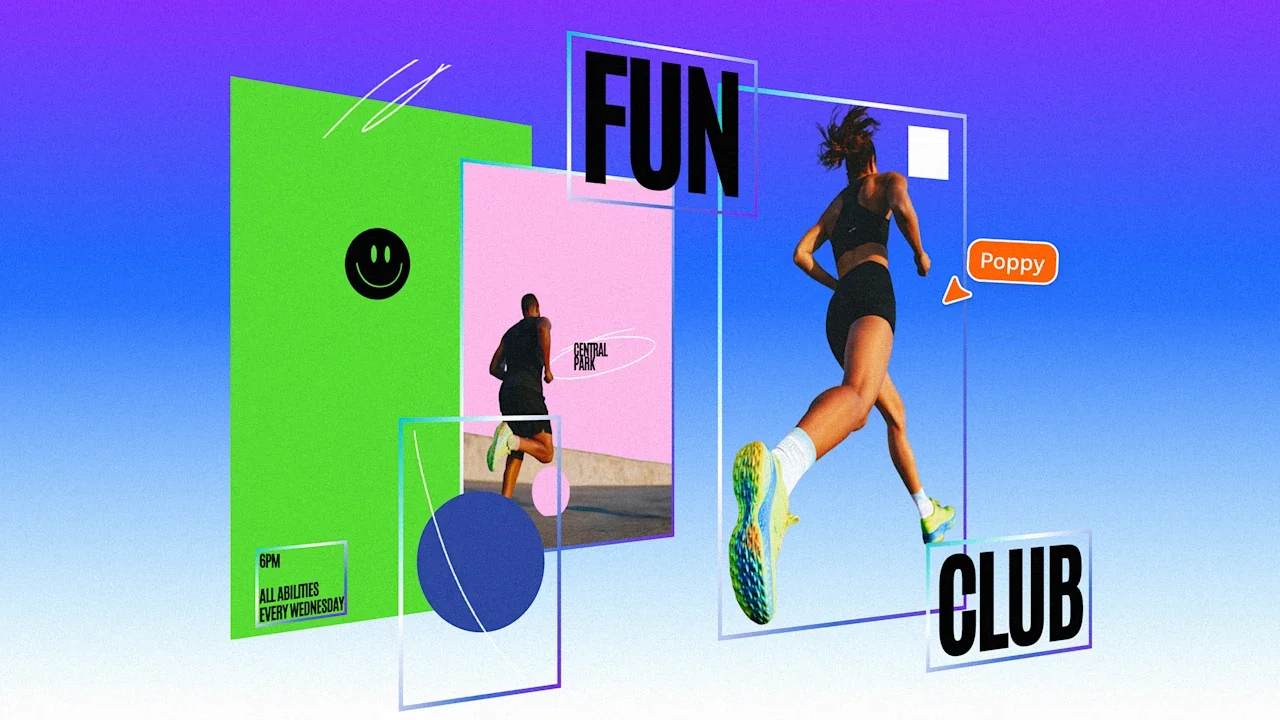
Canva’s new AI tool, launching today, is going to save time, money, and headaches for so many people. Called Magic Layers, it turns any flat bitmap image into a fully editable Canva project, extracting text, objects, and components into individual layers. This tool marks a fundamental shift in how we handle digital assets. Until now, a rendered image was basically a locked vault of pixels. If you wanted to change a typo or swap a background, you had four options: 1) Hunt down the original project file, 2) painstakingly change it in Photoshop, 3) accept a generative AI patch job, or 4) close the laptop and escape to live a real life somewhere by a nice beach. Magic Layers shatters the vault. By reverse-engineering a flat picture into its constituent parts, Canva cofounder and Chief Product Officer Cameron Adams tells me, Magic Layers empowers users to resurrect and tweak any image they have on their hard drive. Canva uses many models from OpenAI, Anthropic, and other developers, but the secret sauce behind this new layering capability is its proprietary AI design model, which the company unveiled last October. Think of it not just as a random design and image generator, but as a model that understands the elements of design. It looks at a picture and sees its skeletal structure—distinguishing the foreground subjects from the background scenery, and recognizing typography as actual text rather than just colored shapes. When you feed it an image, whether it was spat out by an AI prompt or dragged from an old folder, it dissects those elements perfectly. The new Canva multilayer tool is the implementation of those abilities. “Most AI outputs are fixed, really flat things, and they’re not easy to edit. You either have to, like, live with an 80% solution or you have to spend time reprompting, trying to get that little bit of the image that you wanted to get fixed,” Adams says. But now, he adds, “the model identifies everything in the frame and converts it into native Canva objects.” So text isn’t just a cutout anymore. It becomes a live, editable text box. You can correct spelling errors, swap the font, adjust the size, or even translate the copy for international markets. The same goes for visual objects. Once separated, elements like a product bottle or a butterfly become completely independent actors on the canvas. You can move them, resize them, change their color, or banish them from the composition entirely without leaving a gaping hole behind, Adams explains. And since these extracted layers are treated exactly like standard Canva design elements, you can apply all of the platform’s existing tools to them, including upscaling or generative tweaks like Magic Edit. “That’s the beauty of it, that it’s now a proper Canva design. So you can change any of those elements in any way,” Adams says. Because Canva operates in the cloud, this newly resurrected file is immediately ready for multiplayer collaboration. You and your team can jump into the project simultaneously and start moving things around. It’s getting better all the timeThere is an interesting parallel here with Adobe’s recent launch of a new AI assistant for its web and mobile Photoshop apps. Both companies are trying to fix the fundamental flaw of current generative AI models like Google’s Nano Banana. When you ask a standard AI to remove a single item from a picture, the machine recalculates the whole picture from scratch, inevitably introducing random errors or “hallucinations.” Adobe tackles this problem by allowing users to point at or draw around an object. The AI then places these modifications on independent, clear overlays suspended above the base image, preserving the underlying raw pixels flawlessly. While Adobe’s method builds new, highly controlled edits—including text—on top of an existing foundation to guarantee precision, Canva’s Magic Layers takes the opposite route: It dismantles the foundation itself, breaking the flat image apart into discrete, fully interactive components. While these tools from both companies do, indeed, appear to be magical, to me they feel like features that are not going to stick around for too long. They’re more like patches that solve generative AI’s current problems with output uncertainty. Once engines like Nano Banana or Seedream can nail down every pixel, every text and typography, every single human, animal, tree, pair of jeans, or shampoo bottle ever—and it will happen—we will no longer be worrying about things being in layers. Objects, type, and components will simply exist in the reality of the image; the models will understand them just like humans do, allowing users to change anything they want instantly, and with precision. Everything will be “liquid” for you to touch and change. Software will follow your exacting and most complicated whims with perfection. But for now, Magic Layers is going to solve a lot of problems for a lot of people and companies all around the world. View the full article
-
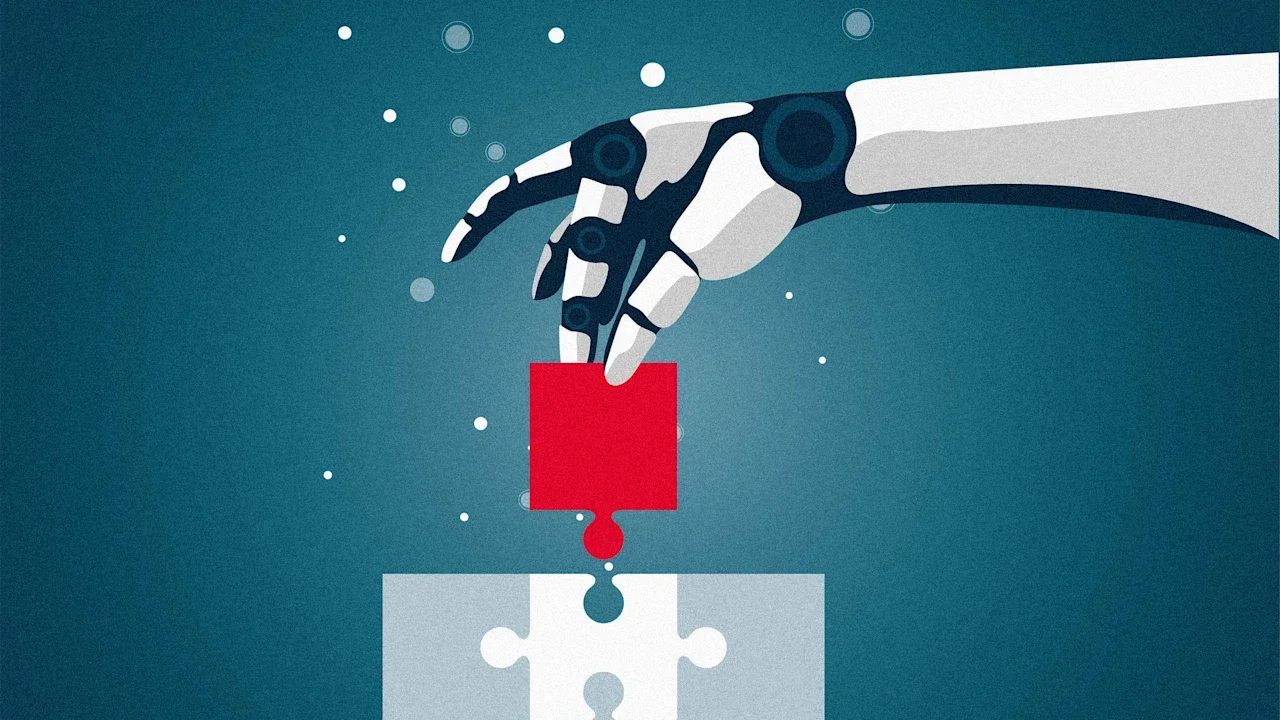
AI coding agents have become one of the fastest-growing categories in enterprise software. In the span of just a few years, these development tools have evolved from simple autocomplete assistants into autonomous systems capable of taking over the complete software development cycle, all via natural language prompts. As vibe-coding takes off, tools from startups like Cursor and Anthropic’s Claude Code have quickly reached multibillion‑dollar revenue run rates. Cursor reportedly crossed $1 billion in annual recurring revenue (ARR) in 2025 and has since approached $2 billion in Q1 of 2026. Anthropic’s Claude Code has scaled even faster, reaching an estimated $2.5 billion annualized run rate within its first year, making it one of the fastest‑growing products in the category that accounts for a large share of Anthropic’s $14 billion ARR. Yet inside large enterprises, writing code is rarely the hardest part of the job. Data scientists, engineers, and analysts spend much of their time maintaining and augmenting pipelines rather than building new ones. The real bottleneck in enterprise AI, therefore, is not software development itself, but operating complex data systems in production. Databricks CEO and co-founder Ali Ghodsi believes that the gap represents the next frontier for AI automation. In his view, the next generation of AI agents won’t just write software, but operate the data systems that modern businesses depend on. That strategic bet is behind Genie Code, a system of autonomous AI agents unveiled today, designed for data engineering, data science, and analytics operations. The system extends the company’s existing Genie platform ecosystem, which allows knowledge workers to ask questions about enterprise data in natural language. (More than 20,000 organizations already used Databricks’s data management and analytics tools; the company’s ARR surpassed $4.8 billion annual revenue in October.) “Instead of functioning merely as a coding assistant or helping generate code faster, these agents actually understand the structure of the data and existing data problems,” Ali Ghodsi says. “It can automatically set up pipelines, analyze why something is failing, and understand issues like when a dataset schema changes or when permissions are modified.” For instance, Genie Code can help determine how a dataset should be prepared for modeling—randomizing the data, separating part of it into a test set, or training a model on the remaining portion. After training, the system can aid in evaluating the results using metrics such as F1 scores or the area under the curve, and then analyzing them to determine whether the model is performing well or requires improvement. “It can suggest trying different approaches—maybe retraining the model or generating plots and graphs to visualize performance, and uncover reasoning about what changes might improve the results,” Ghodsi explains. “It’s not about just generating random code snippets, but understanding the entire structure of the data problem and working through the modeling workflow the same way a data scientist or engineer would.” Databricks and Enterprise Context A major reason many AI coding agents struggle in enterprise data environments is context. Most developer tools train primarily on public code repositories and general programming examples. Enterprise data systems, however, add another layer of complexity. Data carries business semantics, governance rules, and access policies that determine how information can be used. Without that context, an AI agent may generate technically correct code that fails once deployed in production. Genie Code attempts to address that problem by integrating directly with Unity Catalog, Databricks’ governance framework for enterprise data. This integration allows the system to understand data lineage, access permissions, and organizational policies across an enterprise’s entire data estate. “Maintaining pipelines and making sure they are reliable and always running is a big part of a data engineer’s job, and this is where Genie Code can augment them significantly,” Ghodsi says. “It can monitor systems continuously and respond immediately when something breaks, even in the middle of the night, analyzing complex traces and diagnosing what happened so that the pipeline can be fixed and kept running reliably.” The architecture relies on a multi-agent architecture powered by multiple AI models. Ghodsi explains that the system combines LLMs from providers including Anthropic, OpenAI, and Google, alongside smaller open-source models optimized for specific tasks. “There are many things inside a workflow where you don’t need a huge model—you just need something fast that can perform a very specific operation reliably.” The larger models provide the reasoning capabilities necessary for complex problem-solving and planning. Smaller open-source models are trained to handle more routine operations quickly and efficiently. Moreover, the architecture is built around multiple collaborating agents rather than a single monolithic AI system. Each agent specializes in particular functions, such as diagnosing pipeline failures or analyzing data patterns. These agents share context, memory, and skills, allowing them to coordinate their actions and execute complex workflows across the data stack. Databricks describes this approach as “agentic data work.” Rather than prompting an AI assistant for small pieces of code, users can delegate entire objectives to the system. Another challenge with autonomous AI systems is maintaining reliable performance in production environments over time, as agents often encounter unfamiliar scenarios that degrade performance. To address that issue, Databricks has acquired Quotient AI, a startup specializing in evaluation and reinforcement learning for AI agents. The company’s technology helps evaluate agent behavior, continuously measuring output quality and detecting regressions before they cause production failures. Quotient AI’s founders previously worked on improving the quality of GitHub Copilot, giving them deep expertise in evaluating AI coding systems. Vibe-coding for data systems The rise of vibe-coding has created a new battleground for agentic AI-powered coding tools and reshaped the competitive landscape in software infrastructure. Databricks is approaching the market from a different direction. Ghodsi says the AI coding market and the enterprise data automation market are evolving in parallel but distinct directions. While tools like Cursor and Anthropic’s coding agents are reshaping how developers write software, Databricks is focused on transforming how companies manage and operate their data systems. “Even though our product name includes ‘code,’ what it really focuses on is data work,” Ghodsi says. Genie Code targets the workflows that occur after data enters an organization’s platform. By focusing on the data layer, the company aims to address problems that general-purpose coding assistants are not designed to solve. “The other tools in the market help software engineers write application code, which is great,” says Ghodsi, “But for us the end goal is the data: transforming data reliably, and helping organizations work with their data.” Several organizations, including SiriusXM and Repsol, have already begun experimenting with the technology. SiriusXM uses Genie Code to help build and maintain internal data products, generate SQL queries, and debug pipelines. According to Ghodsi, the company has reported around 20% productivity improvements in data engineering tasks. Genie Code assists engineers in creating data products with defined service-level agreements and reliability guarantees. Likewise, multinational energy and petrochemical company Repsol is using the technology to accelerate forecasting and production workflows. Instead of manually connecting notebooks, pipelines, and models across different systems, engineers can rely on Genie Code to orchestrate these processes automatically. Ghodsi added that thousands of other customers are already experimenting with the technology, although many deployments are still in early stages. The Future of Human Engineering Ghodsi does not expect autonomous agents to replace human engineers. Instead, engineers may spend less time writing code and more time designing architectures, supervising automated systems, and ensuring that AI-driven workflows operate reliably. “The cost of automation is going down and the tools are becoming easier to use, so naturally the demand for automation increases. If you look at some of the numbers already, a huge percentage of activity on machines is actually agents operating in the background,” he says. According to the company’s recently released State of AI Agents report, AI agents now create 80% of databases and 97% of test and development environments on the Databricks platform. Just two years ago, agents barely registered in database activity, with human developers handling nearly all of that work. “I wouldn’t be surprised if that number goes from something like 80% to 99% in a short period of time. But that doesn’t mean humans disappear from the process,” Ghodsi explains. “You also have to think about legal responsibility and quality guarantees. Those are areas where you still need a human in the loop.” View the full article

-
Each year, some of America’s greatest artists, thinkers, and business leaders have a chance to come together at SXSW in the spirit of creativity, innovation, and future-building. And with everything currently happening in technology and the workforce, this year’s gathering feels particularly timely. Of course, questions around AI will take center stage and remain our primary cultural fixation: How long until the next incredible breakthrough? Should Americans be fearful about an impending AI apocalypse or hopeful about the prospect of unlimited productivity gains? These topics are all valid, urgent, and deeply worthwhile to explore, but I also believe the most important workforce story unfolding in the U.S. today is less about what AI will do next, and more about what everyday Americans are doing right now in response to and in preparation for AI’s growing impacts. If technological advancement is going to keep accelerating faster than our institutions can or are willing to adapt, the fact that workers have already begun adapting on their own in real time is a story of deep-rooted resilience within our culture and communities. It is also a story that seems to be signaling a pragmatic and optimistic reimagining of the American Dream. WORKFORCE DISRUPTION IS WELL UNDERWAY The speed of AI advancement is likely to continue to be astonishing. Although we can neither predict nor control the pace of innovation, we can acknowledge that AI is no longer a hypothetical but an economic force reshaping job security, hiring, and career planning. We also need to understand that while AI adoption has added pressure, workforce fragility in the U.S. was deepening long before generative models like ChatGPT entered the picture. Education costs have been compounding at an unhealthy rate in America for nearly half a century, with rising tuition costs significantly outpacing inflation since the 1980s. Meanwhile, the country’s student debt crisis also continues deepening, with total student loan debt in the U.S. exceeding $1.7 trillion in 2024, all while broader confidence in traditional education and career pathways has been gradually eroding. AI isn’t causing workforce uncertainty but merely adding weight on top of existing cracks in the system. To focus solely on predicting the pace and extent of AI-driven job loss misses the real story: U.S. workers are already adapting, and it’s a process involving a bold reimagining of American values and stability. AMERICANS ARE CHOOSING DURABILITY Despite so much uncertainty, Americans don’t appear to be giving in to fear as much as they’re leaning into resilience and practical decision-making. There are some strong cultural signals indicating a radical shift in the U.S. workforce’s strategic mindset, particularly in evolving views around traditional education and career pathways in this AI age. More specifically, a new survey of American workers we conducted at the Business For Good Foundation via the Harris Poll revealed a clear and widespread departure from most conventional ways of thinking about professional and economic fulfillment. For example, 75% of Americans shared that their views of a “good job” does not look the same now as five years ago, while 80% agreed more people are choosing trade training over four-year degree programs. Similarly, more than 78% said they believe long-lasting social and cultural stigmas around blue-collar work are beginning to dissipate in the U.S., with 76% saying they believe trade jobs are less likely to be replaced by AI. Rather than fearing widespread job loss and sustained unemployment, Americans are envisioning a future workforce defined by durability, where the workforce’s economic value is concentrated less in white-collar sectors and more by the durable, hands-on skills that have always played an indispensable role. It suggests an overall mood of pragmatic optimism, with Americans appearing to adjust to AI adoption much faster than our political and educational systems. GET AHEAD OF CHANGE While everyday Americans seem eager to get ahead of AI’s inevitable changes, this likely won’t happen at scale without the appropriate support from organizations and U.S. business leaders. Recognizing this heightened need for more hands-on programs to increase access to skilled trade training, we at the Business for Good Foundation committed $100,000 to advancing workforce development in the first half of 2026. Of course, this will also require strategy and coordination, grounded in shared recognition that this shift away from traditional white-collar pathways is not an error but a process of economic regeneration. The growing emphasis on hands-on trades is not nostalgia, but necessary to strengthen the U.S. innovation infrastructure. Skilled work continues to underpin all non-negotiable aspects of American society, including access to housing and healthcare. At the same time, U.S. business owners are grappling with critical, pre-existing skilled labor shortages, meaning they’ll increasingly need to depend on talent pipelines beyond traditional degree models. One recent example of what we’ve done at the Business for Good Foundation is a New York Capital Region pilot. As part of our commitment to workforce development, the foundation awarded a $25,000 grant to the Social Enterprise and Training (SEAT) Center to expand trade skills programming in the region and help bridge the gap between untapped talent and industry demand. I’ve seen firsthand that simple, practical investments like in the SEAT Center—those that better align workforce pathways with employer needs and expand access to education and career opportunities for motivated talent in underserved communities—can go a long way toward creating a real and sustainable path to upward economic mobility. I’m encouraging leaders across the country to take similar action, at any scale. However, such a model will largely remain limited without other like-minded business leaders and philanthropists willing to build on and replicate it at scale, and who are prepared to fully embrace a new American dream defined less by credentials and more by individual capabilities, determination, and human resilience. While this kind of change certainly won’t happen overnight, I hope that those of us who attend SXSW this week might begin aligning our business priorities with the unique spirit of this event, working together to intentionally build a brighter, more prosperous, and innovative future for the U.S. workforce. Ed Mitzen is cofounder of Business for Good Foundation. View the full article

-
After last month's massive security update, Microsoft's Patch Tuesday push for March seems relatively light, withtwo publicly disclosed zero-day flaws among the 83 vulnerabilities fixed in total. The breakdown of security flaws is as follows, according to BleepingComputer: 46 elevation-of-privilege vulnerabilities, two security feature bypass vulnerabilities, 18 remote-code-execution vulnerabilities, 10 information disclosure vulnerabilities, four denial of service vulnerabilities, and four spoofing vulnerabilities. Two of the remote code execution vulnerabilities and one of the information disclosure vulnerabilities are labeled "critical." Patch Tuesday is typically pushed at 10 am PT on the second Tuesday of every month. Two publicly disclosed zero-days for this Patch TuesdayZero-day vulnerabilities are flaws that have been either actively exploited or publicly disclosed before an official fix is made available by the developer. This month, both of the zero days being patched have been publicly disclosed, but Microsoft hasn't indicated that either has been actively exploited by attackers. The first, labeled CVE-2026-21262, is an elevation of privilege vulnerability in the SQL Server that grants SQLAdmin privileges to an authorized attacker over a network. Erland Sommarskog has been credited with discovery. The second zero-day, labeled CVE-2026-26127, is a .NET denial of service vulnerability that has been attributed to an anonymous researcher. The March update also includes two patches for remote code execution vulnerabilities in Microsoft Office and a handful of fixes for flaws in Microsoft Excel, so users should ensure these applications are up to date as well. View the full article
- Today
-
Apple’s iOS 26 for iPhone got off to a rough start when it was finally released to the public in September of last year. Its new Liquid Glass design language remained unpolished in many areas, and the operating system harbored a fair amount of bugs. But since iOS 26.0 debuted, Apple has released three major updates for it, further polishing the interface and adding new features. And soon, Apple will update iOS 26 once again with the release of iOS 26.4. It’s a release that is set to not just eliminate bugs and enhance the details of Liquid Glass, but is also set to add some significant new features to your iPhone. Here’s what’s coming, and when you can get iOS 26.4. What new features are coming to iOS 26.4? Apple has been beta testing iOS 26.4 since last month. Originally, the software update was rumored to include the company’s revamped Siri, powered by Google’s Gemini LLM. However, Siri’s AI revamp has been absent from all iOS 26.4 betas to date, so it looks like a truly useful Apple digital assistant is still a ways away. But that doesn’t mean iOS 26.4 doesn’t have any new features. Quite the contrary. Besides your normal user interface polishes and bug fixes, iOS 26.4 is set to include some major upgrades to its media apps, notes 9to5Mac. Those upgrades include: AI-powered music playlist creation: iOS 26.4 will add a feature to the Music app called “Playlist Playground.” The feature allows you to generate music playlists from natural-language text descriptions. So you could instruct the Playlist Playground feature to make a playlist of “80s rock ballads under five minutes long,” and the Music app will generate a playlist based on your prompt. Podcasts app video overhaul: Apple’s Podcasts app has supported video podcasts for some time. But in iOS 26.4, its video capabilities are getting a major upgrade. Now you can quickly switch between the audio and video versions of a podcast. This feature will be great for those times when you are watching a video podcast, but then suddenly need to be on the move—soon you’ll be able to easily switch to the audio version of the podcast, ensuring you can still enjoy it when your eyes are needed on other things. Redesigned album and playlist interface: Also in the Music app, Apple has redesigned the look of the interface that you see when displaying playlists or albums in full screen. In iOS 26.4, the Music app will now tint the entire screen based on the album art color scheme, giving each playlist and album its own unique look. And that’s not all: iOS 26.4 will add numerous small refinements and additions across the operating system, including new emojis, new Ambient Music widgets for your Home Screen, automatic activation of Stolen Device Protection, and more. iOS 26.4 beta: Download it now While Apple hasn’t released iOS 26.4 to the general public yet, it has released four betas of the software to developers and public beta testers. And if you are in any of those two groups, you can download the latest beta of iOS 26.4 onto your iPhone today. To download the developer beta, you’ll need to be a member of the Apple Developer Program. If you’re not a developer, but still want to try out the new software early, you can join the Apple Beta Software Program for free and get access to public betas—including the iOS 26.4 beta—today. Of course, the usual warning applies: betas are buggy, and in rare cases, they can cause data loss or otherwise harm your phone. So always proceed with caution if you decide to download a beta. iOS 26.4 final release: Download it later this month If a beta isn’t your thing, you’ll have to wait until Apple releases the final version of iOS 26.4 to the public. Thankfully, you probably won’t have to wait too much longer. Apple generally has a 5-6 beta development cycle for iOS “point” upgrades like iOS 26.4. Apple released the first iOS 26.4 beta in mid-February, which means the final public version of the beta is highly likely to be released between mid-March and the end of the month. Once Apple releases the final version of the software, you’ll be able to download iOS 26.4 right to your iPhone using the device’s Software Update feature in the Settings app. View the full article

-
OpenAI confirmed on March 6 that it is delaying the rollout of “adult mode” in ChatGPT, a feature that would give verified adults access to less-restricted content. The company first announced plans to begin age-gating users last year but has now pushed back the launch twice. Segregating adult users from minors could help in some of OpenAI’s legal and revenue challenges, but nailing the technology may not be easy. Adult mode had been expected this quarter and still is, just later than originally planned. OpenAI referred Fast Company to a comment it gave to Alex Heath’s Sources newsletter saying it was pausing the feature to focus on improvements to ChatGPT, including “gains in intelligence, personality improvements, personalization, and making the experience more proactive.” (It also told Axios it needs more time. “We still believe in the principle of treating adults like adults, but getting the experience right will take more time,” the company said.) OpenAI first hinted at the feature last October in an X post from CEO Sam Altman responding to questions about ChatGPT’s safety for underage users. “As we roll out age-gating more fully and as part of our ‘treat adult users like adults’ principle, we will allow even more, like erotica for verified adults,” Altman wrote. Adult mode depends on OpenAI’s new age-prediction and verification system, a homegrown AI model that estimates a user’s age based on prompts and media generated with tools like Sora. OpenAI said in January it had begun rolling out the technology globally within ChatGPT. When the system detects a user may be underage, it restricts things like violent content and romantic role-play. The company also uses a third-party verification platform called Persona, which allows users to confirm their age if the AI system places them in the wrong category. But accurate age prediction and verification isn’t easy, and using it to age-gate chatbot users is a relatively new idea. How, for instance, can an AI model distinguish between a 16-year-old in high school and a 19-year-old in college when the two talk to ChatGPT about similar things? “You can imagine . . . if you input anything that looks like a homework question, ChatGPT flags you as a minor, and then you’re automatically in the minor bucket,” says Alissa Cooper, executive director of the Knight-Georgetown Institute, a tech policy group. “That would pretty seriously constrain the service for college students or people who might just happen to have asked a question that looks like a homework question.” Naturally, some younger users will try to trick the age-prediction model into thinking they’re adults. “There’s not really a way to prevent circumvention regardless of the architecture or the system design,” Cooper says. “So there’s this balance between locking things down to try to prevent circumvention, and allowing a full-featured experience for users who are age appropriate for whatever that experience is meant to be.” One of Cooper’s main concerns is that the world outside OpenAI won’t know how well the system is performing. And, so far at least, OpenAI isn’t sharing much information about its system. “I think it’s correct to be skeptical,” Cooper says, adding that she believes companies should provide enough transparency about how their age-verification systems are tested so that independent experts can evaluate whether they actually work and examine the data used to estimate the ages of potentially hundreds of millions of users. OpenAI was put on notice last year when it was twice sued by people claiming that earlier versions of ChatGPT had led an adolescent loved one toward suicide. This set the stage for the company first applying more guardrails to its models for all users, then attempting to cordon off a safe experience for younger users. With younger users safely segregated, OpenAI could loosen or remove some content restrictions for adult users, the thinking goes. That adult mode could become a real selling point, and right now ChatGPT could use one. ChatGPT, which has 800 million weekly active users, once faced little real competition among AI chatbots. ChatGPT still has the most users, but competition has heated up with Google’s improvement of its Gemini chatbot, and with Anthropic’s Claude gaining more mainstream name recognition. Not only is OpenAI under pressure to fend off those rivals, but it’s also under pressure to increase revenue from the chatbot to help offset the massive expenditures it plans to make in new data centers over the next five years. Signing up millions of new adult users to that experience would not only increase OpenAI’s subscription revenues, but it could mean millions more highly engaged eyeballs to look at advertisements (the company said in January it’ll soon start showing ads to some of its U.S. users). “So I think it’s segmentation of the user base in multiple directions,” says Cooper. “It’s keeping minors away from experiences that nobody wants them to have, but also being able to offer adults experiences that are truly adult-oriented that some adults want to have.” View the full article
-
Here’s how UTMs and GA4 can prove earned media’s revenue impact in an AI-driven, zero-click world. The post How To Prove PR Business Value With UTM Parameters & GA4 appeared first on Search Engine Journal. View the full article
-
LinkedIn made some good moves last year that I’ve seen pay off for our suite of B2B clients. Now that we’re into 2026, with yearly marketing goals in focus, I’ve got some recommendations based on our 2025 learnings for you to test and leverage in the coming months. Those include: Video. Thought Leader Ads. Personalized creative. Qualified Lead Optimization. Ads duplication. Let’s put a magnifying glass on each and explain the benefits you stand to gain. LinkedIn video is a must Even though Meta and TikTok are more natural fits for video, LinkedIn isn’t immune to the video movement — particularly short-form video (between 7-15 seconds). While having video content is an important line item on your marketing strategy plan, the right content is even more important. There are plenty of ways to leverage video, including new-ish placements like First Impression Ads. What I recommend is that you try video ads in the feed first to compare performance and engagement with other types of in-feed ads you’ve been running. The usual caveats apply here: Don’t just repurpose videos from other platforms. Beyond having a unique UI that could affect whether video content does or doesn’t stand out, LinkedIn spurs different behavior from its users. Test videos that speak to a professional challenge your brand can help solve, or highlight testimonials, tutorials, or case studies. Make sure you have a follow-up plan for users who engage, since one video isn’t going to convert anyone into a customer without lots of nurturing. Set a strategy for measuring the value of video engagements, from views to direct responses taking action on prompts like “Comment X for the full guide.” Dig deeper: LinkedIn study reveals how B2B video ads can gain +129% engagement lift Your customers search everywhere. Make sure your brand shows up. The SEO toolkit you know, plus the AI visibility data you need. Start Free Trial Get started with People respond to people, so try Thought Leader Ads One of the toughest parts of B2B advertising is engaging potential customers on behalf of a business or corporate entity. Thought Leader Ads (where companies can essentially boost content from employee accounts) have actually been around for a couple of years, but we got serious about testing them in 2025 and earned much higher engagement than with typical ads from business profiles. TLAs open up some creativity, too. Humor-focused posts, for one, are a lot more natural a fit from a personal account. As with other boosted content, be judicious about where you invest. If a post already has traction organically (and that’s become harder over the last year as LinkedIn has throttled back reach) and makes a good business case for working with your company, that’s a good candidate for a TLA. A couple of caveats here, too: Make sure any employee whose content you boost has your brand as visible as possible on their profile and has creator mode activated so that users can follow them (which creates long-term value for future posts). Per LinkedIn (we’ve also seen this to be true), it’s best to repurpose content originally published fewer than 30 days before you boost the post. Dig deeper: LinkedIn Ads retargeting: How to reach prospects at every funnel stage Get the newsletter search marketers rely on. See terms. Personalize your creative In the latter half of 2025, we ran a significant number of tests with personalized LinkedIn ads across different geos and using different campaign types. In our global campaigns, we saw an average of >20% improvement in cost per lead, with higher CTR and lower CPC. U.S. campaigns were even more successful. CPLs dropped 33%. Per our LinkedIn rep, European users in particular value privacy more than U.S. users, so it makes sense that personalization was more effective stateside. Either way, and even in U.S. campaigns, personalized ads began to show signs of fatigue after about a month. We responded by combining personalized and non-personalized ads into one campaign to lower the frequency of the personalized ads — and also allow for side-by-side comparisons in the same environment. Dig deeper: LinkedIn’s new playbook taps creators as the future of B2B marketing Test Qualified Lead Optimization If you’ve run Conversions API (CAPI) and enhanced conversions in Meta and Google, you’re familiar with the idea of Qualified Lead Optimization. Essentially, this is LinkedIn’s way of letting you integrate your first-party data into the platform’s back end to help its algorithm find higher-quality users. Now, this isn’t quite as effective as its Meta and Google counterparts yet, but we’ve seen an increase in the proportion of qualified leads. To test it: Use LinkedIn’s CAPI to sync your CRM data and provide the platform with your definition of a qualified lead. Set up a CAPI conversion event of qualified leads, and make sure those are being relayed to the Campaign Manager. Use the new ads duplication feature This one is tactical, but it’s saved me a ton of time in our accounts, so it’s worth making sure you’re aware of it. In March 2025, LinkedIn launched a few updates to Campaign Manager, including a new feature that makes it easier to duplicate ads across campaigns and accounts. This has greatly improved our time to launch new campaigns – there’s no downside to getting your hands around it. One more LinkedIn ad format to watch We haven’t yet aggressively tested LinkedIn’s new CTV capability, but we’re keeping an eye on industry perspectives. This can be a great medium to gauge the messaging and positioning that works for your brand with niche targeting options before rolling out big-screen campaigns. In the scheme of things, LinkedIn provided some quality-enough updates last year for us to shift more client budget there. As always, you need to carry the right expectations for the platform and make sure you have a strong methodology for measuring its value in your pipeline. With those in place, and with a rock-solid understanding of your ICP that lets you fully leverage LinkedIn’s targeting levers, I’m betting LinkedIn can be a pleasantly surprising source of growth in the coming months. View the full article
-
On the morning of March 10, a 12-foot-tall golden statue featuring President Donald The President embracing the now-deceased convicted child sex offender Jeffrey Epstein appeared on the lawn of the National Mall. The statue, titled The King of the World, shows The President and Epstein atop a plinth shaped like a tiny boat, clearly riffing on the iconic scene from James Cameron’s Titanic. It follows a similar statue erected back in November, called Best Friends Forever, which depicted The President and Epstein frolicking together on the Mall while holding hands. “The tragic love story between Jack and Rose was built on luxurious travel, raucous parties, and secret nude sketches,” The King of the World’s plaque reads. “This monument honors the bond between Donald The President and Jeffrey Epstein, a friendship seemingly built on luxurious travel, raucous parties, and secret nude sketches.” Both statues are the handiwork of “The Secret Handshake,” an anonymous artist collective that has spent the past several months lampooning The President and his administration with a series of larger-than-life public installations. Recently, the group has directed most of its energy toward calling attention to the 15-year-long friendship between The President and the disgraced financier, who died in a New York prison cell in 2019. The President and his team have been reticent to address the Epstein files, but the president has historically shown that he’s particularly sensitive to unflattering imagery of himself—and the Secret Handshake is making that unavoidable by repeatedly placing scathing portraits of The President in what is essentially his front yard. Art group has history of taking on The President The Secret Handshake has taken credit for a mounting portfolio of public parody artworks. These appear to include Dictator Approved, an image of a thumbs-up crushing the Statue of Liberty; The Resolute Desk, a statue of Nancy Pelosi’s desk covered in a pile of poop as a reference to January 6 rioters; and The Donald J. The President Enduring Flame, a replica of a fist clutching a tiki torch as a reference to The President’s failure to condemn the 2017 white nationalist “Unite the Right” rally in Charlottesville, Virginia. The National Park Service (NPS) confirmed in an interview with NPR that the latter two works listed above were lawfully mounted through permits granted to a group called Civic Crafted LLC under the name Julia Jimenez-Pyzik, though the responsible party remains purposefully elusive. Fast Company has reached out to NPS for comment on whether the most recent statue was mounted under a permit. The Secret Handshake’s satirizing of The President’s relationship with Epstein began back in November. New documents connecting The President to Epstein had just been released, including two featuring the president’s signature: one on a risque line drawing of a female body, and one on a picture of Epstein holding up a novelty check bearing The President’s name. At the time, The President made multiple attempts to discredit these documents. The Secret Handshake retaliated with Best Friends Forever, captioning the statue, “We celebrate the long-lasting bond between President Donald J. The President and his ‘closest friend,’ Jeffrey Epstein,” referring to a comment made by Epstein in a recording released by author Michael Wolff. By the next morning, the statue had been hauled away by U.S. Park Police. But the anonymous group wasn’t discouraged. In late January, it erected a 10-foot-tall statue on the Mall directly parodying that aforementioned risque line drawing, inviting visitors to draw their own messages on the card-shaped artwork. And in early March, it appeared to follow up with Jeffrey Epstein Walk of Shame, an installation inspired by the Hollywood Walk of Fame featuring around 20 people associated with Epstein, though it did not officially claim responsibility for this work. King of the World puts focus back on Epstein ties This latest statue comes just days after an NPR investigation found that the Department of Justice had withheld multiple documents relating to The President from its public release of the Epstein files, leading the DOJ to release new documents in which a woman alleges that she was assaulted by The President as a minor. The president has yet to face any serious questioning or legal consequences for his appearances in the files. Alongside The King of the World statue, the Secret Handshake erected multiple banners of the two men in the style of several real banners that The President has mounted of himself around America’s capital. The Secret Handshake’s banners feature The President and Epstein and the president’s anti-immigration slogan, “Make America Safe Again.” In an interview with Huffpost, a spokesperson for the Secret Handshake explained the banners: “Because 2026 has been a banner year for President The President. Meaning . . . he’s added giant banners of his face to federal buildings all across D.C. We want to help him on his mission by tossing a few of our own in the mix.” Given the anonymity of its members, the Secret Handshake hasn’t shared much about its methods or mission on the record. But the group’s tactic is clear: While The President, and many other powerful figures, continue to dodge accountability for their association with Epstein, these artists are bringing their protests off of social media and into the real world, making them literally impossible to ignore. View the full article

-
AI disruption and geopolitical upheaval are forcing business leaders to make high-stakes decisions—fast. Accenture CEO Julie Sweet shares what she’s hearing from her 9,000 clients, and the hard-won advice she’s giving them. Sweet reveals why AI proficiency is now a requirement for promotion at Accenture, why she’s doubling down on entry-level hiring amid the automation wave, and she unpacks the hidden power of “leader-led learning.” This is an abridged transcript of an interview from Rapid Response, hosted by the former Fast Company editor-in-chief Robert Safian. From the team behind the Masters of Scale podcast, Rapid Response features candid conversations with today’s top business leaders navigating real-time challenges. Subscribe to Rapid Response wherever you get your podcasts to ensure you never miss an episode. Accenture works across 120 countries, 9,000 clients—you’re in every industry. You have this unique visibility into how organizations and leaders are navigating what is really a chaotic, fast-moving environment. Are there questions that you’re hearing particularly often right now? Well, Bob, it’s interesting if I just start with Iran, because I’m getting a lot of questions, particularly in Europe, where if you think about a potential energy crunch, it’s expected to hit harder in Europe than, say, the impact on the U.S. Everyone believes that this environment, where energy is a risk, is just their new norm. And actually, there’s more optimism because if you compare this to 2022, when the war in Ukraine started, Europe is in a much better position from a resilience perspective. And it’s a theme that we’ve been seeing for quite some time. I got the same questions even a couple of months ago when we had this whole issue around tariffs and imposing them, which is that CEOs are really just expecting the unexpected. It’s being built in, and that’s why resilience is such a big theme. There are also big questions continuing on AI, et cetera, but I wanted to address the latest, which is the impact of the Iran war. When I talk to CEOs right now, there’s this sense that some of them seem almost frozen. They’re waiting for clarity. And I know you’ve encouraged the opposite: Don’t take cover; take chances. How do you know when to act and when to wait? The reality is, as a CEO you can’t bake anything into your plan, simply because so much is unknown. And that’s where transparency really matters, being able to say, “Here’s what we know. Here’s what we don’t know.” And then we’re making our action plan with those things in mind. So when you think about when you know to act or not act, in my view you’re always acting. It’s intentional decisions. It’s an action to say, “Because I don’t know this, I can’t alter my plans.” One of the biggest risks right now is even less about the impact on the economy from what’s going on in the Strait of Hormuz and energy. The bigger risk that many companies are talking about is, do we have a cyberattack or an attack on critical infrastructure that spins out of that? And for that, there are actions you can take, because we’re helping clients look at their cyber resilience. This has already been a big growth area for us because AI itself has increased the attack surface. When you think about what the risks are, you can’t really tell what’s going to happen on the energy front. But knowing what you do know, what you don’t know, and whether there are actions that can be taken—and then acting—matters. Alongside all this geopolitical activity, there are also the technological shifts that we’re experiencing. You made a bold move last year where you merged a bunch of divisions into a single unit that you call Reinvention Services around AI. You’re coming off your biggest-ever quarter of revenue growth in new business. We see businesses that are not tech businesses that may not be getting the return on investment from their AI that they had expected or hoped for. Does it work in some places and not others? Are there industries and functions that are more fit for AI than others? Or is it more about culture and commitment? Well, in some ways it’s going to be all of the above. So first of all, we have to remember the technology, while changing fast, is still really early. And there’s a lot of actual value that companies can get before advanced AI. So let me give you an example. We work with a pharma company that takes drugs to market, and there’s a process that, once the drug is approved, involves lots and lots of regulatory work. So what you write to explain it to the physician takes a long time. We’ve said . . . that you could actually shorten that. Instead of it being months, it could be much faster if you changed the process to be standardized, if you kept your data in one place. None of that requires generative AI or advanced AI, but for most companies, they haven’t done that. So when we worked with [this company], advanced AI was the catalyst because it enables you, if you have all the standardized processes, to actually create the content faster. But the first piece always could have been done and hadn’t been done. And so much of the work that we’re doing is actually work where companies are saying, “Okay, wait a minute. Before I spend the money on advanced AI, I should clean up my fragmented processes. I should standardize things. I should not have as many people in middle management—completely apart from agents—because why would I spend money to create an agent to replace a manager that I shouldn’t have in the first place?” Is part of the hope that the motivation for not having done this is, “Oh, the agent or AI will come in and do this for me. I can skip a layer, save money.” And that’s the silver bullet. And if I’m hearing you right, you’re like, “Yeah, maybe not.” Yeah. I think there was this view at the beginning where companies thought, because it’s so easy, are they just going to do it all? Do I just ask this model, and this model is going to tell me how to change my company? One hundred percent, that is not it. The models don’t know how to change a company. And if you spend money on your current structure just replacing parts of it, you’re at best going to get incremental value. The real value is to actually reinvent everything you do. And that reinvention doesn’t start just with advanced AI, but with a lot of really basic lessons where companies haven’t had the will to fix things. I tell CEOs every day: “In three years, you should be able to [answer], ‘What did I use AI to make possible that was impossible before?’” Because if the only thing you’re doing is incrementally improving how you’re operating, you’re not going to get the biggest value. The biggest value is in the core operations of a company—things you’re going to be able to do with asset management in any industrial company, things you’re going to be able to do with the grid in utilities. The tech isn’t completely there yet. It’s still error-prone. That’s why everybody’s tracking things like how long the tech works and the memory piece of it. So where you get value today is anything with customers, because those are short interactions. The tech has to continue to improve, and the strategy has to be, “I’m going to use this tech to do something I couldn’t do before.” There’s this phrase, “AI-first.” You’ve described Accenture as an AI-first company. It’s something a lot of other players aspire to but struggle to implement. Is it hard to be AI-first? What does it mean? First of all, it is hard. And the reason it’s hard is that it requires your leaders to understand what AI does. And this is so different from the digital era. Moving to the cloud and stuff, a lot of it was plumbing. So as a leader, you didn’t have to understand it because it was being handled by the tech folks. To be AI-first, you have to say, “What can AI actually do?” So you have to understand things like, wait a minute, it has to have a certain amount of memory to be able to do something. You have to understand what it’s actually able to be accurate about. And then think about your business to say, “Where can I get a big enough return for using something at this cost?” It starts with leaders having to understand technology in a totally different way. When ChatGPT first emerged in November 2022, the people who received the most training initially were my top 50 leaders, because I knew that if they didn’t understand the power, they would not be able to help us transform how we’re delivering our services and what our clients could use it for. So leader-led learning is a huge unlock. And then AI-first is asking yourself, “Is this something that AI could do?” View the full article
-
If the phrase “lift with your legs” never made any sense to you, you’re not alone. Trying to follow this advice can feel awkward, unnatural, and ineffective—even though it’s not wrong, exactly. One 1993 study showed that even when warehouse workers had been trained to “lift with the legs,” and even when they said they were doing their best to follow the instructions, in most cases it was pretty much impossible to lift in the textbook manner. Why everyone wants you to lift with your legsThe main point of lifting with your legs is to avoid one particular mistake: rounding your lower back so forcefully that you’re putting yourself at risk for a herniated disc. If you lift something by squatting down, with your back vertical, you avoid that mistake. This turns the lift into a squat: Your back doesn't bend, but your legs and hips do. Squatting with a weight makes a lot of sense if you're picking up something heavy from, say, a table. Instead of hunching over with your torso, it's better to bend your knees, hug the object, and then straighten your legs to stand up. But when you're picking something up off the floor, the squat doesn't actually work very well, as those 1993 workers demonstrated. You need to actually get the item off the ground somehow, and most people don't have the mobility to start a squat all the way from the floor. If you're used to doing squats and deadlifts, you'll notice another problem: Weights that are hard to squat (especially from a deep squat) are often a lot easier to deadlift, because your back and hips are stronger than your legs. Realistically, it is not only fine but sometimes necessary to use your back in lifting. That said, you have to pay attention to how you are lifting with your back to be able to do it right. The constant quipping of "lift with your legs" is meant to bypass this problem—you can't lift with your back incorrectly if you never lift with your back at all! But, again, we're back to the problem where the "lift with your legs" advice doesn't always give you all the tools you need for real-life lifting. What you should actually do instead of lifting with your legsIn reality, you can move your body however you need to, as long as you keep your back roughly straight—stabilized by all those handy core muscles. I like how the Duke Environmental and Occupational Safety Office boils down lifting form to two simple rules: Keep the load close to your body throughout the lift. Hug the load to your belly, which may mean kneeling on one knee or squatting asymmetrically, so that you’re almost straddling the thing you need to pick up. Maintain your back’s natural curves, especially the arch in your lower back. Think of keeping your spine in the same neutral position as when you’re standing or walking. That last one can be a little tricky to understand, but all it means is that you shouldn't bend your back or torso in any dramatic direction. Don't hunch over like a rainbow, or arch backward like, I don't know, a banana. If you bend over, it should be by using your hips as a hinge, not by curving your back. If you master those two rules, you’ll protect your back without having to mimic any unnatural, awkward positions. Sometimes you'll see cheesy "lift with your legs" illustrations of lifting technique where a person squats to pick up a box, but then holds the box out in front of them—nobody does that, and it doesn’t even make sense. Your “power zone,” where you can lift the most, is with the object hugged to your belly. If you hug it to your chest or hips instead, that’s almost as good. Once you start holding it higher, lower, or out farther from your body, you can’t handle nearly as much weight safely. (This lifting guide has more illustrations showing how to pick up heavy boxes safely.) Those two rules also explain why deadlifts are possible as a safe gym exercise: People who do those lifts make sure to keep their spine neutral, and the weight close to their body. There’s more than one way to safely lift. View the full article
-
Google's John Mueller revealed an interesting tip on Bluesky the other day for anyone still disavowing links. John explained that site owners can indeed disavow entire TLDs if they want to. Note...View the full article
-
Google has offered this feature that shows you your past searches, including being able to see your related activity searches from the Google Search results. Now, it seems, Google added a chart to show that search activity over time.View the full article
-
Customer loyalty reward programs are crucial marketing tools that businesses use to promote repeat purchases and improve customer engagement. They typically operate by allowing customers to earn points for every dollar spent, which can later be redeemed for discounts or exclusive offers. These programs often include tiered structures that provide better rewards as customers spend more. Comprehending how these systems function can help you recognize their value in driving brand loyalty and increasing overall spending. Key Takeaways Customer loyalty reward programs incentivize repeat business by offering points or rewards for purchases and engagement. Members of loyalty programs typically spend up to 18% more than non-members, enhancing revenue for businesses. Programs often feature tiered systems, providing greater rewards at different spending levels to motivate customer engagement. Technology integration allows for easy tracking of points and rewards, improving customer experience and satisfaction. Successful loyalty programs, like Sephora’s and Starbucks’, illustrate the effectiveness of fostering customer connections and driving sales. Definition and Importance of Customer Loyalty Programs Customer loyalty programs are vital marketing strategies aimed at promoting repeat business by rewarding customers for their continued purchases and engagement. The benefits of loyalty schemes are significant, as participation rates among American consumers can reach 80%. These programs encourage deeper spending; members often spend up to 18% more than non-members, driven by incentives and rewards. Understanding why loyalty programs are important is fundamental for any business. They not only help retain existing customers, which is more cost-effective than acquiring new ones, but they also cultivate trust—95% of customers state that trusting a company improves their loyalty. Moreover, loyalty cards offer advantages for customers, such as personalized offers and recognition for milestones, improving overall satisfaction. By building strong relationships through these programs, businesses can guarantee sustainable growth and create a loyal customer base. How Do Loyalty Programs Work? Loyalty programs operate by rewarding you for your purchases and engagement, allowing you to earn points or rewards that can be redeemed for discounts, free products, or exclusive offers. When you sign up for these programs after making initial purchases, you provide information that helps track your engagement and rewards. So, how do loyalty programs work? They often feature tiered systems, allowing you to access greater rewards as you reach different spending levels. On average, loyalty program members spend up to 18% more than non-members, showcasing the advantages of loyalty cards in driving repeat business. Many successful customer loyalty reward programs incorporate technology, giving you the ability to track your points and rewards easily through apps or online platforms. This streamlining improves your overall experience, making it convenient to enjoy the benefits these programs offer. Benefits of Customer Loyalty Programs When businesses implement customer loyalty programs, they release a range of benefits that can greatly impact their bottom line. These programs not only improve customer engagement but additionally drive sales and retention. Here are three key advantages of loyalty schemes: Increased Spending: Customers in loyalty programs often spend up to 18% more than non-members, directly boosting revenue for companies. Improved Retention: These programs can keep existing customers loyal, which is typically more cost-effective than acquiring new ones, ultimately leading to higher profitability. Brand Preference: Members are 59% more likely to choose your brand over competitors, showcasing the influence of loyalty programs on consumer behavior. The benefits of loyalty cards for customers include exclusive rewards and discounts, whereas companies gain a competitive edge through improved customer loyalty. Comprehending how loyalty programs benefit companies is essential for developing effective marketing strategies. Types of Customer Loyalty Programs Various types of customer loyalty programs exist, each designed to promote engagement and increase spending among customers. One popular option is points-based loyalty programs, where you earn points for purchases and activities like social media engagement, which can then be redeemed for discounts or free products. Another type is tiered rewards programs, motivating you to spend more by offering different levels of membership benefits; as you move up the tiers, you reveal greater rewards. Then, there are paid loyalty programs, like Amazon Prime, that require an upfront fee for immediate access to exclusive benefits and perks, enhancing perceived value. Moreover, value-based loyalty programs connect your purchases to charitable donations, appealing to socially conscious consumers. Finally, referral programs incentivize you to bring in new customers by providing rewards for successful referrals, helping expand the customer base and nurturing a sense of community around the brand. Examples of Successful Customer Loyalty Programs Customer loyalty programs come in various forms, and many brands have successfully implemented these strategies to nurture deeper connections with their customers. Here are a few notable examples: Sephora‘s Beauty Insider Program: Members earn points for every dollar spent, with bonus point events, effectively increasing sales and encouraging engagement. Starbucks Rewards: Customers earn stars that can be redeemed for free items, alongside tiered benefits, improving building customer loyalty examples by offering exclusive rewards. Amazon Prime: This paid loyalty program provides members with free shipping, exclusive deals, and access to streaming services, greatly boosting customer value and loyalty. These successful programs illustrate how well-executed loyalty initiatives can drive customer retention. Brands like these show that implementing effective strategies—like hotel loyalty program examples—can greatly improve customer connections and drive sales. Frequently Asked Questions What Are Customer Loyalty Programs? Customer loyalty programs are marketing strategies that reward you for your repeat business. By participating, you earn points or receive exclusive offers, enhancing your shopping experience. These programs can include tiered rewards, paid memberships, or community initiatives. They’re popular among consumers, with many choosing brands based on loyalty benefits. In the end, these programs aim to increase customer retention and satisfaction, making it more likely you’ll continue to engage with your favorite brands. What Are the 4 C’s of Customer Loyalty? The 4 C’s of customer loyalty are essential for building strong relationships with your customers. First, understand your customers’ needs; this helps tailor your loyalty efforts. Second, consider the cost, ensuring rewards feel valuable without straining your budget. Third, prioritize convenience; make the program easy to join and use, enhancing user experience. Finally, effective communication is key; clearly explain the program’s benefits and structure to nurture trust and keep customers engaged. What Are the 3 R’s of Customer Loyalty? The 3 R’s of customer loyalty are Reward, Relevance, and Recognition. Rewards provide incentives like discounts or points that encourage you to make repeat purchases. Relevance guarantees offers are customized to your preferences, increasing your engagement with the Relevance brand. Recognition celebrates your loyalty milestones, nurturing a deeper emotional connection with the brand. Implementing these principles can improve your satisfaction and lead to increased spending, as loyal customers often spend more. What Is the Best Example of a Loyalty Program? One of the best examples of a loyalty program is Starbucks Rewards. You earn stars with every purchase, which you can redeem for free drinks and food items. This system not just encourages repeat visits but additionally improves your overall customer experience. Similarly, Sephora’s Beauty Insider program offers tiered rewards based on spending, giving you exclusive access to products and events. Both programs effectively nurture customer loyalty and increase engagement with the brand. Conclusion In conclusion, customer loyalty reward programs are effective tools that encourage repeat business by rewarding customers for their purchases and engagement. These programs operate by allowing members to earn points, which can be redeemed for various benefits. With different types available, businesses can tailor their approach to meet customer needs. Overall, implementing a loyalty program can improve customer retention, boost spending, and strengthen brand loyalty, making it a strategic choice for many businesses in today’s competitive market. Image via Google Gemini This article, "What Are Customer Loyalty Reward Programs and How Do They Function?" was first published on Small Business Trends View the full article
-
Customer loyalty reward programs are crucial marketing tools that businesses use to promote repeat purchases and improve customer engagement. They typically operate by allowing customers to earn points for every dollar spent, which can later be redeemed for discounts or exclusive offers. These programs often include tiered structures that provide better rewards as customers spend more. Comprehending how these systems function can help you recognize their value in driving brand loyalty and increasing overall spending. Key Takeaways Customer loyalty reward programs incentivize repeat business by offering points or rewards for purchases and engagement. Members of loyalty programs typically spend up to 18% more than non-members, enhancing revenue for businesses. Programs often feature tiered systems, providing greater rewards at different spending levels to motivate customer engagement. Technology integration allows for easy tracking of points and rewards, improving customer experience and satisfaction. Successful loyalty programs, like Sephora’s and Starbucks’, illustrate the effectiveness of fostering customer connections and driving sales. Definition and Importance of Customer Loyalty Programs Customer loyalty programs are vital marketing strategies aimed at promoting repeat business by rewarding customers for their continued purchases and engagement. The benefits of loyalty schemes are significant, as participation rates among American consumers can reach 80%. These programs encourage deeper spending; members often spend up to 18% more than non-members, driven by incentives and rewards. Understanding why loyalty programs are important is fundamental for any business. They not only help retain existing customers, which is more cost-effective than acquiring new ones, but they also cultivate trust—95% of customers state that trusting a company improves their loyalty. Moreover, loyalty cards offer advantages for customers, such as personalized offers and recognition for milestones, improving overall satisfaction. By building strong relationships through these programs, businesses can guarantee sustainable growth and create a loyal customer base. How Do Loyalty Programs Work? Loyalty programs operate by rewarding you for your purchases and engagement, allowing you to earn points or rewards that can be redeemed for discounts, free products, or exclusive offers. When you sign up for these programs after making initial purchases, you provide information that helps track your engagement and rewards. So, how do loyalty programs work? They often feature tiered systems, allowing you to access greater rewards as you reach different spending levels. On average, loyalty program members spend up to 18% more than non-members, showcasing the advantages of loyalty cards in driving repeat business. Many successful customer loyalty reward programs incorporate technology, giving you the ability to track your points and rewards easily through apps or online platforms. This streamlining improves your overall experience, making it convenient to enjoy the benefits these programs offer. Benefits of Customer Loyalty Programs When businesses implement customer loyalty programs, they release a range of benefits that can greatly impact their bottom line. These programs not only improve customer engagement but additionally drive sales and retention. Here are three key advantages of loyalty schemes: Increased Spending: Customers in loyalty programs often spend up to 18% more than non-members, directly boosting revenue for companies. Improved Retention: These programs can keep existing customers loyal, which is typically more cost-effective than acquiring new ones, ultimately leading to higher profitability. Brand Preference: Members are 59% more likely to choose your brand over competitors, showcasing the influence of loyalty programs on consumer behavior. The benefits of loyalty cards for customers include exclusive rewards and discounts, whereas companies gain a competitive edge through improved customer loyalty. Comprehending how loyalty programs benefit companies is essential for developing effective marketing strategies. Types of Customer Loyalty Programs Various types of customer loyalty programs exist, each designed to promote engagement and increase spending among customers. One popular option is points-based loyalty programs, where you earn points for purchases and activities like social media engagement, which can then be redeemed for discounts or free products. Another type is tiered rewards programs, motivating you to spend more by offering different levels of membership benefits; as you move up the tiers, you reveal greater rewards. Then, there are paid loyalty programs, like Amazon Prime, that require an upfront fee for immediate access to exclusive benefits and perks, enhancing perceived value. Moreover, value-based loyalty programs connect your purchases to charitable donations, appealing to socially conscious consumers. Finally, referral programs incentivize you to bring in new customers by providing rewards for successful referrals, helping expand the customer base and nurturing a sense of community around the brand. Examples of Successful Customer Loyalty Programs Customer loyalty programs come in various forms, and many brands have successfully implemented these strategies to nurture deeper connections with their customers. Here are a few notable examples: Sephora‘s Beauty Insider Program: Members earn points for every dollar spent, with bonus point events, effectively increasing sales and encouraging engagement. Starbucks Rewards: Customers earn stars that can be redeemed for free items, alongside tiered benefits, improving building customer loyalty examples by offering exclusive rewards. Amazon Prime: This paid loyalty program provides members with free shipping, exclusive deals, and access to streaming services, greatly boosting customer value and loyalty. These successful programs illustrate how well-executed loyalty initiatives can drive customer retention. Brands like these show that implementing effective strategies—like hotel loyalty program examples—can greatly improve customer connections and drive sales. Frequently Asked Questions What Are Customer Loyalty Programs? Customer loyalty programs are marketing strategies that reward you for your repeat business. By participating, you earn points or receive exclusive offers, enhancing your shopping experience. These programs can include tiered rewards, paid memberships, or community initiatives. They’re popular among consumers, with many choosing brands based on loyalty benefits. In the end, these programs aim to increase customer retention and satisfaction, making it more likely you’ll continue to engage with your favorite brands. What Are the 4 C’s of Customer Loyalty? The 4 C’s of customer loyalty are essential for building strong relationships with your customers. First, understand your customers’ needs; this helps tailor your loyalty efforts. Second, consider the cost, ensuring rewards feel valuable without straining your budget. Third, prioritize convenience; make the program easy to join and use, enhancing user experience. Finally, effective communication is key; clearly explain the program’s benefits and structure to nurture trust and keep customers engaged. What Are the 3 R’s of Customer Loyalty? The 3 R’s of customer loyalty are Reward, Relevance, and Recognition. Rewards provide incentives like discounts or points that encourage you to make repeat purchases. Relevance guarantees offers are customized to your preferences, increasing your engagement with the Relevance brand. Recognition celebrates your loyalty milestones, nurturing a deeper emotional connection with the brand. Implementing these principles can improve your satisfaction and lead to increased spending, as loyal customers often spend more. What Is the Best Example of a Loyalty Program? One of the best examples of a loyalty program is Starbucks Rewards. You earn stars with every purchase, which you can redeem for free drinks and food items. This system not just encourages repeat visits but additionally improves your overall customer experience. Similarly, Sephora’s Beauty Insider program offers tiered rewards based on spending, giving you exclusive access to products and events. Both programs effectively nurture customer loyalty and increase engagement with the brand. Conclusion In conclusion, customer loyalty reward programs are effective tools that encourage repeat business by rewarding customers for their purchases and engagement. These programs operate by allowing members to earn points, which can be redeemed for various benefits. With different types available, businesses can tailor their approach to meet customer needs. Overall, implementing a loyalty program can improve customer retention, boost spending, and strengthen brand loyalty, making it a strategic choice for many businesses in today’s competitive market. Image via Google Gemini This article, "What Are Customer Loyalty Reward Programs and How Do They Function?" was first published on Small Business Trends View the full article
-
Improve conversions with proven landing page optimization best practices. Plus, see real examples. View the full article
-
Advertisers using feed-only Performance Max can narrow campaign focus to product feed signals, improving efficiency when automation spreads spend too broadly. The post How To Build A ‘Feed-Only’ Performance Max Campaign appeared first on Search Engine Journal. View the full article
-
Firm’s $9bn fund was down 7% last week as market upheaval hurt macro tradersView the full article
-
Disruption risks causing shortages in region which imports 90 per cent of its foodView the full article
-
You’ve probably encountered the term uncanny valley somewhere or other. The concept refers to the feeling of discomfort one has when coming across some android representation—a robot, perhaps, or an AI-generated face—that looks remarkably human, but not quite. A robot can be cute, but if it looks similar to us, and we’re almost hoodwinked, it actually strikes us as off-putting. Consider your eerily sentient discussions with ChatGPT, or Tom Hanks’s CGI avatar in The Polar Express. I would like to offer the world a less important but related phenomenon: the uncomfortable valley. The uncomfortable valley is the effect one experiences when presented with some kind of image, and there’s an uncomfortable gap between normal-looking and absolutely insane. Normal-looking is fine, like the classic typed emoji face (i.e., :), for the elderly and otherwise uninitiated). Insane-looking, like the Pixar Minions, is also fine, because the face is so weird you’ve accepted there’s something purposely ironic, strange, or otherworldly being presented to you. What’s not fine is something that is super close to, but hasn’t passed the threshold of, being totally wacky, leaving you stuck wondering whether what you’ve sent is actually weird or if you’re just overthinking it. I now humbly nominate the emoji reactions available on Microsoft Teams as the nadir of this uncomfortable valley. Let me explain with a case study: the tongue-out emoji. The tongue-out emoji is used to convey playfulness. When I type a sarcastic message to my boss, I am okay with :P. There are no extra frills; it merely suggests a trite “haha” or “joking” tenor to whatever message I’m sending (as an example: “I am definitely going to submit this assignment on time :P”). I am fine with what Slack, a competitor to Microsoft Teams, produces when I type this. But Teams produces animation that transitions among the following expressions, grinning stupidly and then appearing to maybe lick its lips, before completing its sequence with a final tongue out: Now, I ask, why in the world would I ever want to send something like this to my boss? More than once, I’ve typed :P, watched this animated face render and lick its lips, and then deleted the message entirely, suddenly unsure whether this is really the tone I want to send. Which raises a larger question: What is an emoji for, anyway? With friends, it can mean anything. Irony! Earnestness! Jokes! On dating apps, emoji are for stating (obvious) subtext. At the workplace, however, the status of emoji is fraught. Faces, of course, are meant to express emotion, but it’s well-established that you should not be bringing your full self—or the full range of your emotions—to work. In the professional context, it seems like emoji reactions should exist to add at least a little texture to the flatness of late capitalist keyboard communication. A smiley face makes a request for help sound a little less blunt, a tongue-out emoji reminds your manager that you’re emotionally well-adjusted, if perhaps a little quirky. It’s a critical component of the 21st-century social contract: Yes, we’re all here, stuck typing away at our desks, completing labor somewhere deep in some corner of the cloud, but we are still human. The problem with Microsoft Teams emoji is that they do not accomplish this at all. The Teams “smiling” face is childlike, innocent, and too smug about it. Also, it’s blinking, which is an unnecessary action overloading my already too-busy Teams chat interface. The “angry” face, which actually shakes in fury, cannot be taken seriously, but it has no irony, either. The sad face actually tears, which is a lot. The “thinking” face seems overly skeptical, and the “upside down” face seems to be having fun, when the whole point of this face is to express irony. The “relieved” face is sweating so much it—he?—actually appears nervous. The “rolling on the floor” laughing face evokes maniacal. The “surprised” face seems too overwhelmed, and, in its brief animation, shudders in startlement. (Traditional punctuation for expressing surprise is better here. Just use a long line of exclamation and question marks: “!!!!??????!!??!!!?”). Another way of looking at the problem is that these cherubic visages are not simple enough to be an emoticon, which correlates to one emotion—like how 🙁 equals “sad,” and 🙂 equals “happy.” They are also not like Minions, which are fully developed characters, or Memoji, which represent the most important protagonists of all (ourselves). Rather, Microsoft Teams emoji are partially animated, half-alive things. Ids without egos. In Severance terminology, innies with no outies. In mine, a discarded draft of metaverse avatars. I should say here that this is an opinion piece, and that my editor, who approved this story and agreed to publish it, actually likes the Teams emoji a lot. “I’d argue their zaniness brings a perfect amount of chaos to an otherwise staid corporate communication platform,” he tells Fast Company (in other words, me). I concede I am taking this way too seriously, but consider, for a moment, that there have been actual court cases, and at least one murder conviction, that have partially hinged on what an emoji might actually connote. The stakes are high: Millions of people who use Teams could be misinterpreting messages because Microsoft did not consider affect theory. View the full article

-
President Donald The President’s latest branded foreign policy initiative takes its name quite literally. When The President announced on March 5 that he was firing Homeland Security Secretary Kristi Noem, he said she would be named special envoy for “the Shield of the Americas,” which sounds like it could be an eighty-sixed Marvel movie but is, in fact, the unofficial name of a new multilateral initiative targeting drug trafficking and cartels. On March 7, it was brought to life in the form of a summit held in Doral, Florida. The summit included representatives from some Latin American and Caribbean countries, and was held at The President’s golf resort just days after he ordered U.S. troops into Ecuador as part of a joint narco-terrorism operation. It was also held about two months after the capture of then-Venezuelan President Nicolás Maduro. At the summit, The President called the group a “military coalition to eradicate the criminal cartels plaguing our region”; 17 nations signed on, paving the way for the U.S. to do elsewhere what it did in Ecuador. In a presidential proclamation about the initiative, The President said the U.S. will “train and mobilize partner nation militaries to achieve the most effective fighting force necessary to dismantle cartels and their ability to export violence and pursue influence through organized intimidation.” It seems The President felt this new war on drugs, which is expanding throughout the Western hemisphere, needed a brand to match. The logo is a red shield that frames a golden map of North and most of South America (its most Southern region is cut off by the initiative’s name, “Shield of the Americas,” in all caps). “Doral 2026” appears in metallic silver directly underneath the main wordmark, and angled red, white, and blue stripes sit directly below that. All the typography is set on a curved baseline, which is a common treatment for sports team logos. Gradients abound, although none share the same focal point. While The President’s domestic policy is getting a unified treatment under the National Design Studio, his foreign policy so far doesn’t have the same slick and standardized aesthetic. It does, however, follow a familiar theme of The President’s personal brand: Make it gold. A second example comes from The President’s so-called Board of Peace, which he rolled out in January with a logo inspired by the United Nations emblem. Its visual identity borrows from the U.N. to give itself a look that aims to convey credibility, even though the group’s membership lacks longtime democratic allies and includes authoritarian regimes. But compared to the U.N.’s version, this map again has a gold, metallic wash that’s more visually indicative of The Presidentian myopia than of long-standing democratic norms like governance through coalition. The Shield of the Americas logo gives The President’s hemispheric drug war its own visual brand, though the group’s name as it appears in the summit logo doesn’t actually show up anywhere in the president’s proclamation, which instead calls it “the Americas Counter Cartel Coalition.” Technically, “Shield of the Americas” was the name of the summit, but helpfully for The President, that name lends itself to more literal and evocative graphic design than the mouthful that is “Americas Counter Cartel Coalition.” While self-obvious, a graphic shield makes the idea of protection impossible to miss. All together, it’s exactly the sort of staging you’d expect from a reality-TV-producer-turned-president: flashy and direct. With Shield of the Americas, The President makes what’s actually an expansion of U.S. military force seem defensive—and gives his flagging foreign policy a newly gilded sheen. View the full article

-
It’s a new year, and that means a new opportunity for Apple to debut an emoji that perfectly encapsulates the current state of online culture. Last year, the company unveiled “Face With Bags Under Eyes,” a beleaguered little guy with the weight of the world on his shoulders who felt like the visual equivalent of the first year of another The President administration. And in 2026, it appears that Apple has done it again. The company is currently beta-testing iOS 26.4, a software update that’s expected to debut sometime in late March. The update will include new features in Apple Music, video upgrades in Apple Podcasts, and a few new widgets. It will also come with Apple’s much-anticipated annual drop of new emoji—one of which has already solidified its spot as the defining emoji of 2026 before it’s even officially available. We’re all a little bulge-eyed right now Apple’s eight new emoji are a predictably mixed bag that range from a dust cloud and an orca to a landslide and an artistic interpretation of Bigfoot. But the true standout from this fresh crop of group chat fodder is undoubtedly “Distorted Face.” “Distorted Face” has a blushing, bug-eyed expression that looks like he’s been inflated like a helium balloon. Aesthetically, he feels like a relative of the variety of deep-fried emoji memes that Gen Z netizens have turned into popular reaction images. These images take a classic smiley emoji and edit it to convey a more niche emotion, like existential dread or incredulity (one popular example, which doesn’t have an official name, seems likely to be the design inspiration for “Distorted Face”). But, on a deeper level, “Distorted Face” is all of us in 2026. The unique blend of exasperation, shock, silliness, and resignation has endless applications: It’s all of us watching the most heinous AI slop videos dupe our relatives on the internet; seeing GLP-1 brands taking over our pharmacy shelves and grocery store aisles; and witnessing the president wear self-promotional branded merch during the dignified transfer of the remains of six U.S. service members. Already, the internet is predicting that “Distorted Face” is going to have a big year. “About to be most-used emoji in history,” reads one tweet with more than 50,000 likes. A commenter under the post added: “This is literally the ‘I have no words’ emoji.” If “Face With Bags Under Eyes” captured the “resigned expression of someone who’s well past their limit but is still soldiering on,” as Fast Company put it last year, then “Distorted Face” is the embodiment of someone who cannot really be surprised anymore—yet still manages it somehow. View the full article

-
In late February, 32 of the world’s best snowboarders gathered at Buttermilk Ski Resort—a so-called “mountain playground” in Aspen, Colorado—to go head-to-head in a high-stakes halfpipe competition. While most spectators were focused on their physical skills, eagle-eyed viewers might have noticed that three of the athletes were wearing identical stickers on their helmets. These stickers weren’t just ornamental: contained inside the small patches is a prospective technology that could have ripple effects across the broader sports world. The snowboarders (most of which arrived fresh off the Olympics) were competing in an event hosted by The Snow League, the first professional winter sports league dedicated to snowboarding and freeskiing. Founded by five-time Olympian Shaun White in 2024, this new league gives athletes access to a year-round, global competition where they can display their skills. On February 27 and 28, it also served as a testing ground for a new technology called the Crash Patch. Developed by the health company Klick Health in collaboration with The Snow League, the Crash Patch is a first-of-its-kind helmet sticker that’s designed to alert athletes if they’ve taken a major blow to the head. Previously, this kind of shock-detection capability has mainly been incorporated directly into high-tech helmet designs for football teams, making them expensive and difficult to access for most athletes. This sticker concept—which is not yet commercially available—could eventually make head impact detection accessible and intuitive for athletes in any helmet-based sport, at any level. A design for an ‘urgent need’ The concept for the Crash Patch started with Kate Maldjian, an associate creative director at Klick Health who skateboards in her free time. “When I’m skateboarding, I fall all the time,” Maldjian says. “I’m wearing a helmet, but sometimes I don’t know how heavy the impact is.” That’s a common issue for many athletes: Neurologists say that an impact to the head at 75 times the force of gravity, or 75G, is a high-risk threshold that may result in a concussion. Many athletes can sustain such a blow without realizing its severity, or experience delayed symptoms that don’t emerge until hours later. Maldjian and her colleague, fellow Klick Health associate creative director Dan Macena, came up with a design-focused solution to this problem. Devices that measure sports-based blunt force trauma to the head aren’t new. Scientists have been working on similar projects for more than a decade, including multiple companies that have created shock-detecting helmets for football players. Unfortunately, broad adoption of these kinds of tools has faltered. In 2016, the NFL suspended a program that would’ve required athletes to wear helmets with sensors measuring head hits after a wave of player privacy concerns. Many of the current options on the market require a Bluetooth connection or a coach monitoring outputs from the sidelines. One start-up, called NoMo Diagnostics, was working on a helmet that could track brainwave activity to detect concussions before it ultimately shut down around 2024. Before the company shuttered, it told CBS News that it expected one helmet to cost $400. “There are pretty expensive tools out there, like those helmets,” Macena says. “But in the case of action sports, we just felt like the urgent need was there. There’s a lot of kids that are out there playing these sports on their own. They’re unsupervised. They don’t have the benefit of either that money or that equipment or those teams to watch them and figure out whether that impact was more serious than the last one. We wanted to create a low cost, lower barrier to entry tool that a student or an athlete could use without any excuse not to.” How the crash patch works The Crash Patch is decidedly more lo-fi than other impact detection tools on the market, utilizing an analog system to detect shock rather than a digital one. The concept of infusing shock-detection tech into a helmet sticker came from an observation from Maldjian and Macena: Athletes, like snowboarders, skiers, and skateboarders, are already accessorizing their helmets with stickers. By incorporating the tech into this format, they realized they could make it easy to use and even desirable to younger athletes. Once they’d landed on a sticker format, next came the unique challenge of finding a way to measure impact using such a small device. The tech would need to be tiny, but also cheap to manufacture in order to maintain a low cost, eliminating anything that might require sensors or a Bluetooth connection. Maldjian and Macena’s solution was to rely on something called an impact indicator, which is typically used in industrial or shipping settings to protect fragile packages. The indicator is composed of two vials, one of which is sandwiched into the other like a Russian doll. When the indicator is hit with a certain amount of force—in this case, about 75G or more—the interior vial breaks, releasing a pigment that changes the visual reading from clear to red. Because it relies on a physical reaction, the Crash Patch doesn’t need to be charged or connected to another system. In order to react reliably, the Crash Patch needs to be placed on top of the helmet to detect impacts from all sides. According to Rich Levy, Klick Health’s chief creative officer, the patch has worked consistently under these conditions in testing. Each patch can only be used until it turns red, at which point the athlete needs to replace it with a new patch. Given that it can’t actually measure concussions or other injuries, Maldjian and Macena say the Crash Patch isn’t considered a medical device, but rather a method of alerting athletes when they should pay attention. “We’re just saying, ‘That hit was really heavy, you should pay attention to it—you should not overlook it,’” Macena says. “A lot of response from people on the mountain was, ‘I don’t know how bad that was,’ and that’s the answer we’re trying to figure out.” What’s next Right now, the Crash Patch is still in the early development phase, though Klick Health is actively working toward future commercialization for all types of helmet-based sports. The team says it’s uncertain how much each Crash Patch might cost—though, given the low manufacturing investment for the actual components, they expect it to be significantly cheaper than any of the alternatives on the market. Levy says the stickers saw major demand at the February Snow League event, where his team was passing out prototypes to spectators. “We could’ve had 10 times the number that we brought, because everyone wanted them, and they wanted multiples,” he says. The concept was popular among both parents and kids (some of whom even came back for a replacement after their sticker turned red), as well as athletes from other disciplines like mountain biking. We had a couple people come back and kind of give us that really positive feedback of, ‘I’m so glad I had this on my helmet,’” Macena says. “And there was lots of interest from all age groups. We got the kids, they just wanted a sticker. We got the parents, they were like, ‘What’s that on the sticker?’ We got people who had been on the mountain for decades and were really interested because they’ve seen it all.” Ultimately, he adds, he hopes the Crash Patch will help athletes realize that even small head impacts “can add up”—and equip them with the tools to stop, take notice, and slow down. View the full article

-
On an adjusted basis, reverse mortgage company Finance of America reported $14 million in net income, down from $33 million in the third quarter. View the full article
-
For the past decade, “Bring your whole self to work” has been heralded as a marker of organizational progress. A shorthand for inclusion, psychological safety and modern leadership, the message is seductive: you no longer need to edit yourself to succeed. But for many, that promise doesn’t match reality. In practice, “whole self” culture often asks people to take personal risks within systems that haven’t changed to accommodate them, with no established boundaries or expectations regarding what “whole self” actually means. The language may have evolved, but the meaning remains ambiguous, open to individual interpretation and subject to systemic power dynamics. The result is a contradiction that runs through many modern workplaces; authenticity is celebrated rhetorically, but conformity is still rewarded behaviorally. Authenticity isn’t neutral Work has never been a neutral space. Ideas about professionalism, credibility, and leadership are shaped by long-standing norms and expectations, many of which are masculine, white and middle-class. Often unconscious, these norms influence who is listened to, trusted and promoted. McKinsey and LeanIn’s Women in the Workplace 2025 report shows how women continue to face structural disadvantages that significantly limit career progression. Now, only 50% of companies say women’s advancement is a high priority, and women continue to receive less career support and fewer opportunities to progress than men at key stages. Representation declines at every step of the corporate pipeline—from roughly half of entry-level roles to less than a third of C-suite positions—driven in part by the persistent “broken rung,” where fewer women, and significantly fewer women of color, are promoted into their first management roles. In this context, women are navigating heightened scrutiny and a reduced margin for error long before senior leadership positions are even on the table. Calls to “bring your whole self to work” ring hollow in environments that remain structurally unequal. For those already close to the dominant norm, authenticity is relatively low risk. For others, it can mean increased scrutiny, social penalties, or stalled progression in systems already weighted against them. The cost of visibility In my work as a voice and visibility consultant and while researching my book Beyond Palatable, I repeatedly observed this pattern. Women who spoke directly were labelled abrasive. Women who showed emotion were seen as unprofessional. Women who challenged cultural norms were marked as “difficult,” “not quite leadership material,” or “not the right fit.” Many of the most painful stories involved other women making the call that actively suppressed career progression, either because they believed there was only a certain amount of space for “people like me” at the table or because they had been conditioned to behave in a more cutthroat way to get ahead. This is the reality behind much “whole self” rhetoric. What it often requires is not authenticity in its truest sense, but selective disclosure; sharing only the parts of yourself that feel acceptable, familiar and non-threatening. Or changing yourself entirely to fit the expectations of those in charge of your progression. That is career safety, and for many, the alternative is a luxury they cannot afford. Psychological safety can’t be performative The problem isn’t authenticity itself. It’s the assumption that individuals should take the risk of being fully visible before organizations have done the structural work to make it safe to do so. The U.K. Government’s 2024 Inclusion at Work panel report clearly highlights this gap. It emphasises that inclusion cannot rely solely on individual confidence or resilience alone. Without consistent leadership accountability, fair progression systems and protection from bias, inclusion efforts risk becoming symbolic rather than substantive. In other words, telling people to “be themselves” without changing how performance is assessed, how promotion decisions are made, or how dissent is handled simply shifts responsibility downward. The risk sits with the employee, not the institution. Unfiltered self-expression can also impact leadership effectiveness, with several researchers arguing that “bringing your whole self to work” can lead to oversharing and unstable dynamics—thus damaging leadership effectiveness, eroding trust, and sabotaging judgement when it veers into unprofessionalism or, conversely, into too much emotional transparency. That evolution reflects a growing recognition that authenticity is not inherently virtuous, and that unfiltered self-expression is not the same thing as ethical or effective leadership. The double bind for women For women and people from the global majority, the stakes are higher because the expectations are narrower and more contradictory. McKinsey and LeanIn’s 2025 update shows that women are still expected to demonstrate warmth and likability alongside competence, while men are more often evaluated primarily on results. Deviating from expectations by being overly direct, overly ambitious, or overly visible can elicit backlash. Especially when the boundaries are unclear. For many women, “whole self” culture becomes another layer of emotional labor. They are asked to be open, values-driven, and human, while simultaneously managing how that openness will be perceived. How to navigate authenticity at work, without burning out or crossing boundaries For employers Stop asking for “whole selves” and start designing safer systems. Psychological safety is not created by slogans but by consistent behaviour. Audit how performance is evaluated, who receives support and championship, and whose mistakes are accepted. Make expectations around professionalism, feedback and emotional expression explicit rather than assumed. Train leaders to handle disagreement, emotion and difference without penalizing those who don’t fit a narrow norm. Most importantly, model boundaries. When leaders overshare or blur boundaries, it creates unclear expectations for others. For employees Authenticity should be intentional, not compulsory. You are allowed to choose what you share, when, and with whom. Professional boundaries are not a failure of integrity; they are a form of self-protection. Pay attention to what is rewarded in your organization, not just what is said. Build alliances before visibility, and seek feedback from individuals with both institutional power and trust. Your safety and energetic sustainability matter more than performing openness. For organizations The goal is not radical transparency. It’s fair systems, clear boundaries, and cultures in which difference doesn’t carry disproportionate risk. Workplaces are not therapeutic spaces, and expecting them to function that way places unreasonable demands on colleagues and leaders alike. Authenticity, without structure, creates further inequities. Without boundaries, it creates risk. View the full article