All Activity
- Today
-
US president has transformed from an isolationist to a fierce exponent of American power abroadView the full article
-
Hardline cleric who led Islamic Republic since 1989 projected power across the region and suppressed protests at homeView the full article
-
Here is a selection of Posts from February 2026 that you will want to check out: Why Being Small Could Be The Best Thing Ever by @PhilCooke The Power of Simplicity: 3 Lessons on Why Overthinking is Sabotaging Your Leadership by @BrianDoddLeader Effort is necessary. Results count. by @artpetty Presidents' Day Doesn't Cut It by @jamesstrock 3 Signs It’s Time for Your Next Chapter via @KelloggSchool Common Truths in Leadership and Business by @KatColeATL Five big mistakes to avoid when changing careers by @artpetty Leading with Inquiry (How to Have a Better Dialogue) by @edbatista How to Be Great and Be Present More Often by @TomBrady 5 Leadership Mistakes That Cost Your Team Championships and Causes You To Miss Your Goals by @BrianKDodd 21 Things All Great Leaders Do by @cnieuwhof When the 80/20 Rule Fails: The Downside of Being Effective by @JamesClear Rethink How You Think Creatively. Creativity isn’t just about talent or taste; it’s about how you think. Beyond Slop: Human Participation Is the New Currency of Trust via @LBBOnline Norway's Dominance at the Winter Olympics Has a Lot to Do With Youth Sports—And It's the Opposite of America by @BStulberg The Mind-Deadening Gravitational Pull of a Leadership Singularity by @artpetty There’s a force at work in too many organizations imposed by senior leaders that gives the appearance of action but reflects cognitive and productive paralysis. How Mental Toughness Can Help Leaders Make A Greater Impact by @LaRaeQuy How to Facilitate a Conflict on Your Team by @edbatista Can You Make Me Better? via @TheDaily_Coach Lou Holtz’s career is proof that all players will listen to leadership under one condition: Can you make me better in all areas of my life? What Doesn’t Change via @collabfund Why Capable People Underperform by @AwesomelySimple John Spence https://buff.ly/0nsYdr2 Most organizational performance issues aren’t caused by weak execution or lack of talent. They’re caused by unclear expectations. Epstein Files Expose Our Oligarchy by @jamestrock And then? by Alan Jacobs "You rush through the writing, the researching, the watching, the listening, you’re done with it, you get it behind you — and what is in front of you? Well, death, for one thing." See more on Twitter. * * * Follow us on Instagram and X for additional leadership and personal development ideas. View the full article
-
A background check is a crucial process that employers use to verify a candidate’s history, including criminal records and employment credentials. By conducting these checks, companies can guarantee that applicants possess the qualifications they claim, whereas additionally evaluating any potential risks to workplace safety. With around 95% of employers engaging in this practice, comprehending its components and significance is fundamental. So, what exactly does a thorough background check entail, and how can it impact hiring decisions? Key Takeaways A background check verifies an individual’s history, including criminal records, employment, education, and credit history. Approximately 95% of employers conduct background checks to ensure candidate information accuracy and safety. Background checks help reduce risks of employee theft and workplace violence while ensuring compliance with immigration laws. They identify potential red flags, such as discrepancies in employment history and criminal records, influencing hiring decisions. Compliance with legal regulations, like the Fair Credit Reporting Act, is essential to protect candidates’ privacy rights during the screening process. Understanding Background Checks Grasping background checks is fundamental for both employers and job seekers in today’s competitive job market. A background check is a process that verifies an individual’s history, including criminal records, credit history, employment, and education. About 95% of employers utilize these checks to guarantee the accuracy and reliability of candidate information before making hiring decisions. Background checks can uncover vital information, such as felony and misdemeanor convictions, pending legal cases, and discrepancies in employment history that mightn’t be revealed during interviews. Typically, the duration of these checks ranges from 2 days to over a week, depending on their complexity and possible delays because of court backlogs. Moreover, compliance with regulations like the Fair Credit Reporting Act (FCRA) is important for employers, ensuring they respect candidates’ privacy rights and adhere to legal standards throughout the background check process. Grasping these elements can greatly impact hiring practices and job applications. The Significance of Background Checks Though many job seekers may view background checks as a mere formality, their importance in the hiring process can’t be overstated. These checks serve critical functions that protect both employers and employees. Here are four key reasons why background checks matter: Verify Credentials: They confirm candidates’ qualifications, guaranteeing you hire competent individuals. Reduce Risks: Background checks help prevent employee theft and workplace violence, nurturing a safer environment. Legal Compliance: They assure adherence to immigration laws and shield organizations from negligent hiring lawsuits. Ongoing Safety: Regular reviews of existing employees keep you informed about any changes that might pose risks. With approximately 95% of employers utilizing some form of screening, it’s clear that thorough background checks, including options for a background search free of charge, are crucial for maintaining a secure and efficient workplace. Components of a Background Check Understanding the components of a background check is fundamental for both employers and candidates. A standard background check typically includes verification of identity, employment history, education credentials, and criminal records. Each part plays a key role in the hiring process. Employment history verification confirms the accuracy of the information provided by candidates, helping to uncover discrepancies that might indicate dishonesty. The criminal background check reveals past misdemeanor or felony convictions, pending cases, and incarceration history, which are critical for evaluating potential risks, especially in sensitive roles. Educational verification guarantees that claimed degrees are legitimate and meet job requirements, whereas reference checks provide insights into a candidate’s professional strengths and weaknesses. Together, these components create an all-encompassing overview of a candidate’s background, helping employers make informed decisions and safeguarding the integrity of the hiring process. Types of Background Checks When considering the various types of background checks, it’s essential to recognize that each serves a specific purpose customized to the requirements of the position. Here are some common types: Criminal History Checks: These examine records from the criminal justice information system, evaluating felony and misdemeanor convictions to gauge risk. Employment Verification: This confirms the accuracy of an applicant’s claimed work history, including job titles and durations. Education Verification: It validates the authenticity of educational credentials, confirming degrees and institutions are legitimate. Credit History Checks: Often required for financially responsible roles, these checks provide insights into an individual’s financial behavior. Additionally, for driving positions, motor vehicle records (MVR) are reviewed to verify safe driving history. Each type of background check plays a significant role in making informed hiring decisions, safeguarding your organization and its interests. The Background Check Process The background check process begins with a conditional job offer, where you, as the employer, must obtain the candidate’s consent in accordance with the Fair Credit Reporting Act (FCRA). Once consent is secured, you can initiate a thorough background check, which may include verifying identity, employment history, educational credentials, criminal history, and credit reports, depending on the role and industry. The duration of the background check can vary, typically ranging from 2 days to over a week, influenced by the intricacies of the check and any potential court delays. It’s essential to guarantee compliance with various regulations, including EEOC and FTC guidelines, to avoid discrimination claims and legal repercussions. Throughout the process, you can check the status of the background check to stay informed. Engaging a third-party background screening service is often advisable, as they can help navigate legal intricacies and provide timely, accurate reports customized to your needs. Choosing a Background Screening Service Selecting a background screening service is a crucial step in the hiring process, especially since it can greatly impact your organization’s compliance and risk management. To guarantee you make the right choice, consider the following factors: Regulatory Compliance: Verify the service complies with the Fair Credit Reporting Act (FCRA) and Equal Employment Opportunity Commission (EEOC) guidelines to avoid legal pitfalls. Integration Capabilities: Look for services that integrate seamlessly with your applicant tracking systems (ATS) to streamline your hiring process. Data Privacy and Security: Choose a provider that demonstrates strong protocols for protecting sensitive candidate information. Customization Options: Different industries have unique screening needs, so select a service that tailors its background check to reflect those specific requirements. Common Red Flags in Background Checks When conducting background checks, you’ll want to watch for common red flags that could indicate potential issues. Criminal history concerns can reveal risks related to the nature of past offenses, whereas inconsistencies in employment history might suggest dishonesty or attempts to obscure important information. Identifying these warning signs early can help you make more informed hiring decisions. Criminal History Concerns Grasping criminal history concerns is vital for employers conducting background checks, as various red flags can greatly influence hiring decisions. Here are some key issues to take into account: Felony convictions may indicate serious offenses, risking workplace safety. Pending criminal cases can suggest ongoing legal troubles that might impact an employee’s reliability. Misdemeanor convictions, especially for dishonesty or violence, raise questions about trustworthiness. A history of multiple arrests, regardless of convictions, can point to a pattern of risky behavior. While a criminal background check mightn’t reveal expunged convictions, it’s important to understand that past behaviors could still carry weight regarding job safety and compliance. Employers should carefully evaluate these factors before making hiring decisions. Employment Inconsistencies Detected Employment inconsistencies can markedly impact a candidate’s credibility during background checks, as discrepancies often raise concerns about honesty and reliability. For instance, gaps in employment history may suggest issues with commitment, whereas differences in self-reported salaries compared to verified figures can indicate exaggeration. Inconsistent references that don’t support your claims about responsibilities can further undermine your trustworthiness. Moreover, failing to disclose previous employment, especially in sensitive industries, is a serious red flag. A thorough fingerprint background check will typically uncover these inconsistencies, prompting employers to question your integrity. It’s crucial to present accurate information on your application to avoid these pitfalls and guarantee a smoother hiring process. Being honest from the start can save you from potential complications later. Legal Considerations in Background Screening When you’re conducting background screenings, it’s essential to understand the legal environment surrounding these processes. Compliance with the Fair Credit Reporting Act (FCRA) is mandatory, requiring you to get written consent from candidates and provide them with a report if any adverse actions are taken. Furthermore, you need to be aware of state-specific regulations that may impose restrictions on how far back you can review someone’s criminal history to avoid legal complications. FCRA Compliance Requirements Grasping FCRA compliance requirements is crucial for any employer conducting background screenings, as these regulations are designed to protect candidates’ privacy rights and guarantee transparency in the hiring process. To verify compliance, you must: Obtain written consent from candidates before conducting a police background check. Provide a clear disclosure about the background check process and how the information will be used. Follow specific procedures if you take an adverse action based on the results, including providing a copy of the report and a notice of rights. Choose reputable screening companies to ensure that background check reports are accurate and up-to-date. Non-compliance can lead to significant legal penalties, making adherence to FCRA crucial in your hiring practices. State-Specific Regulations Grasping FCRA compliance is merely part of the equation for employers conducting background checks; state-specific regulations likewise play a significant role in shaping hiring practices. Each state has unique laws that dictate what information can be disclosed and how far back a government background check can look. For example, California imposes a 7-year lookback period for most offenses. Some states require employers to obtain explicit written consent from candidates, whereas others have “ban the box” laws, limiting inquiries about criminal history on applications. Moreover, laws vary regarding the treatment of expunged records. Non-compliance with these regulations can lead to legal penalties and fines, making it essential for employers to stay informed about their state’s specific laws. The Role of Background Checks in Risk Management Background checks are essential tools in risk management, as they help guarantee that the individuals you hire align with your organization’s standards for safety and integrity. By verifying credentials and histories, you can avoid potential risks that may threaten your workplace. Consider these key benefits: Reduced Employee Theft: Thorough checks deter dishonest behavior, protecting your company’s assets. Enhanced Workplace Safety: Background screenings can identify individuals with a history of violence, ensuring a safer environment. Legal Protection: Regular screenings help mitigate negligent hiring lawsuits, providing documentation for your hiring decisions. Timely Decisions: With checks often completed within five days, you can make informed hiring choices without unnecessary delays. If you’re wondering where can I get a background check near me, many local services can assist you. Implementing these checks is essential for maintaining integrity and safety in your organization. Frequently Asked Questions What Is the Purpose of a Background Check? The purpose of a background check is to verify a person’s identity and credentials, guaranteeing the information they’ve provided is accurate. It helps identify any criminal history, which is essential for roles involving vulnerable populations or sensitive data. What Would Cause a Red Flag on a Background Check? Several factors can raise red flags on a background check. Criminal convictions, especially felonies, might indicate risks to workplace safety. Failed drug tests suggest potential substance abuse issues, impacting reliability. Inconsistent employment histories, like unexplained gaps, can hint at dishonesty. Poor credit scores may raise concerns for financial roles, reflecting financial mismanagement. Moreover, serious traffic violations, particularly DUIs, pose risks for positions requiring driving or operating machinery, affecting overall safety in the workplace. What Is Usually Checked in a Background Check? In a background check, employers usually verify your identity, focusing on your name and address. They’ll check your employment history to confirm past job roles and durations. Criminal records are reviewed for any misdemeanors or felonies that could pose hiring risks. Educational credentials are validated to guarantee you meet job qualifications, and if the position involves financial responsibilities, your credit history might be assessed for stability. Each of these checks helps employers make informed decisions. When Would You Fail a Background Check? You might fail a background check if you have a criminal record, particularly for serious offenses like theft or violence, which can raise safety concerns. Inconsistencies in your employment history, such as discrepancies between your resume and verification results, may likewise result in failure. Furthermore, a failed drug test or poor credit history can disqualify you, especially for positions requiring financial responsibility or safety-sensitive roles that involve driving. Conclusion In summary, background checks are crucial tools for employers to verify a candidate’s history and qualifications. By examining criminal records, employment history, and education credentials, these checks help mitigate risks associated with hiring. Comprehending the components and processes involved in background screening allows organizations to make informed decisions. As you navigate the hiring environment, prioritizing thorough background checks can lead to a safer, more trustworthy workplace, eventually benefiting both employers and employees alike. Image via Google Gemini This article, "What Is a Background Check and Why Is It Important?" was first published on Small Business Trends View the full article
-
A background check is a crucial process that employers use to verify a candidate’s history, including criminal records and employment credentials. By conducting these checks, companies can guarantee that applicants possess the qualifications they claim, whereas additionally evaluating any potential risks to workplace safety. With around 95% of employers engaging in this practice, comprehending its components and significance is fundamental. So, what exactly does a thorough background check entail, and how can it impact hiring decisions? Key Takeaways A background check verifies an individual’s history, including criminal records, employment, education, and credit history. Approximately 95% of employers conduct background checks to ensure candidate information accuracy and safety. Background checks help reduce risks of employee theft and workplace violence while ensuring compliance with immigration laws. They identify potential red flags, such as discrepancies in employment history and criminal records, influencing hiring decisions. Compliance with legal regulations, like the Fair Credit Reporting Act, is essential to protect candidates’ privacy rights during the screening process. Understanding Background Checks Grasping background checks is fundamental for both employers and job seekers in today’s competitive job market. A background check is a process that verifies an individual’s history, including criminal records, credit history, employment, and education. About 95% of employers utilize these checks to guarantee the accuracy and reliability of candidate information before making hiring decisions. Background checks can uncover vital information, such as felony and misdemeanor convictions, pending legal cases, and discrepancies in employment history that mightn’t be revealed during interviews. Typically, the duration of these checks ranges from 2 days to over a week, depending on their complexity and possible delays because of court backlogs. Moreover, compliance with regulations like the Fair Credit Reporting Act (FCRA) is important for employers, ensuring they respect candidates’ privacy rights and adhere to legal standards throughout the background check process. Grasping these elements can greatly impact hiring practices and job applications. The Significance of Background Checks Though many job seekers may view background checks as a mere formality, their importance in the hiring process can’t be overstated. These checks serve critical functions that protect both employers and employees. Here are four key reasons why background checks matter: Verify Credentials: They confirm candidates’ qualifications, guaranteeing you hire competent individuals. Reduce Risks: Background checks help prevent employee theft and workplace violence, nurturing a safer environment. Legal Compliance: They assure adherence to immigration laws and shield organizations from negligent hiring lawsuits. Ongoing Safety: Regular reviews of existing employees keep you informed about any changes that might pose risks. With approximately 95% of employers utilizing some form of screening, it’s clear that thorough background checks, including options for a background search free of charge, are crucial for maintaining a secure and efficient workplace. Components of a Background Check Understanding the components of a background check is fundamental for both employers and candidates. A standard background check typically includes verification of identity, employment history, education credentials, and criminal records. Each part plays a key role in the hiring process. Employment history verification confirms the accuracy of the information provided by candidates, helping to uncover discrepancies that might indicate dishonesty. The criminal background check reveals past misdemeanor or felony convictions, pending cases, and incarceration history, which are critical for evaluating potential risks, especially in sensitive roles. Educational verification guarantees that claimed degrees are legitimate and meet job requirements, whereas reference checks provide insights into a candidate’s professional strengths and weaknesses. Together, these components create an all-encompassing overview of a candidate’s background, helping employers make informed decisions and safeguarding the integrity of the hiring process. Types of Background Checks When considering the various types of background checks, it’s essential to recognize that each serves a specific purpose customized to the requirements of the position. Here are some common types: Criminal History Checks: These examine records from the criminal justice information system, evaluating felony and misdemeanor convictions to gauge risk. Employment Verification: This confirms the accuracy of an applicant’s claimed work history, including job titles and durations. Education Verification: It validates the authenticity of educational credentials, confirming degrees and institutions are legitimate. Credit History Checks: Often required for financially responsible roles, these checks provide insights into an individual’s financial behavior. Additionally, for driving positions, motor vehicle records (MVR) are reviewed to verify safe driving history. Each type of background check plays a significant role in making informed hiring decisions, safeguarding your organization and its interests. The Background Check Process The background check process begins with a conditional job offer, where you, as the employer, must obtain the candidate’s consent in accordance with the Fair Credit Reporting Act (FCRA). Once consent is secured, you can initiate a thorough background check, which may include verifying identity, employment history, educational credentials, criminal history, and credit reports, depending on the role and industry. The duration of the background check can vary, typically ranging from 2 days to over a week, influenced by the intricacies of the check and any potential court delays. It’s essential to guarantee compliance with various regulations, including EEOC and FTC guidelines, to avoid discrimination claims and legal repercussions. Throughout the process, you can check the status of the background check to stay informed. Engaging a third-party background screening service is often advisable, as they can help navigate legal intricacies and provide timely, accurate reports customized to your needs. Choosing a Background Screening Service Selecting a background screening service is a crucial step in the hiring process, especially since it can greatly impact your organization’s compliance and risk management. To guarantee you make the right choice, consider the following factors: Regulatory Compliance: Verify the service complies with the Fair Credit Reporting Act (FCRA) and Equal Employment Opportunity Commission (EEOC) guidelines to avoid legal pitfalls. Integration Capabilities: Look for services that integrate seamlessly with your applicant tracking systems (ATS) to streamline your hiring process. Data Privacy and Security: Choose a provider that demonstrates strong protocols for protecting sensitive candidate information. Customization Options: Different industries have unique screening needs, so select a service that tailors its background check to reflect those specific requirements. Common Red Flags in Background Checks When conducting background checks, you’ll want to watch for common red flags that could indicate potential issues. Criminal history concerns can reveal risks related to the nature of past offenses, whereas inconsistencies in employment history might suggest dishonesty or attempts to obscure important information. Identifying these warning signs early can help you make more informed hiring decisions. Criminal History Concerns Grasping criminal history concerns is vital for employers conducting background checks, as various red flags can greatly influence hiring decisions. Here are some key issues to take into account: Felony convictions may indicate serious offenses, risking workplace safety. Pending criminal cases can suggest ongoing legal troubles that might impact an employee’s reliability. Misdemeanor convictions, especially for dishonesty or violence, raise questions about trustworthiness. A history of multiple arrests, regardless of convictions, can point to a pattern of risky behavior. While a criminal background check mightn’t reveal expunged convictions, it’s important to understand that past behaviors could still carry weight regarding job safety and compliance. Employers should carefully evaluate these factors before making hiring decisions. Employment Inconsistencies Detected Employment inconsistencies can markedly impact a candidate’s credibility during background checks, as discrepancies often raise concerns about honesty and reliability. For instance, gaps in employment history may suggest issues with commitment, whereas differences in self-reported salaries compared to verified figures can indicate exaggeration. Inconsistent references that don’t support your claims about responsibilities can further undermine your trustworthiness. Moreover, failing to disclose previous employment, especially in sensitive industries, is a serious red flag. A thorough fingerprint background check will typically uncover these inconsistencies, prompting employers to question your integrity. It’s crucial to present accurate information on your application to avoid these pitfalls and guarantee a smoother hiring process. Being honest from the start can save you from potential complications later. Legal Considerations in Background Screening When you’re conducting background screenings, it’s essential to understand the legal environment surrounding these processes. Compliance with the Fair Credit Reporting Act (FCRA) is mandatory, requiring you to get written consent from candidates and provide them with a report if any adverse actions are taken. Furthermore, you need to be aware of state-specific regulations that may impose restrictions on how far back you can review someone’s criminal history to avoid legal complications. FCRA Compliance Requirements Grasping FCRA compliance requirements is crucial for any employer conducting background screenings, as these regulations are designed to protect candidates’ privacy rights and guarantee transparency in the hiring process. To verify compliance, you must: Obtain written consent from candidates before conducting a police background check. Provide a clear disclosure about the background check process and how the information will be used. Follow specific procedures if you take an adverse action based on the results, including providing a copy of the report and a notice of rights. Choose reputable screening companies to ensure that background check reports are accurate and up-to-date. Non-compliance can lead to significant legal penalties, making adherence to FCRA crucial in your hiring practices. State-Specific Regulations Grasping FCRA compliance is merely part of the equation for employers conducting background checks; state-specific regulations likewise play a significant role in shaping hiring practices. Each state has unique laws that dictate what information can be disclosed and how far back a government background check can look. For example, California imposes a 7-year lookback period for most offenses. Some states require employers to obtain explicit written consent from candidates, whereas others have “ban the box” laws, limiting inquiries about criminal history on applications. Moreover, laws vary regarding the treatment of expunged records. Non-compliance with these regulations can lead to legal penalties and fines, making it essential for employers to stay informed about their state’s specific laws. The Role of Background Checks in Risk Management Background checks are essential tools in risk management, as they help guarantee that the individuals you hire align with your organization’s standards for safety and integrity. By verifying credentials and histories, you can avoid potential risks that may threaten your workplace. Consider these key benefits: Reduced Employee Theft: Thorough checks deter dishonest behavior, protecting your company’s assets. Enhanced Workplace Safety: Background screenings can identify individuals with a history of violence, ensuring a safer environment. Legal Protection: Regular screenings help mitigate negligent hiring lawsuits, providing documentation for your hiring decisions. Timely Decisions: With checks often completed within five days, you can make informed hiring choices without unnecessary delays. If you’re wondering where can I get a background check near me, many local services can assist you. Implementing these checks is essential for maintaining integrity and safety in your organization. Frequently Asked Questions What Is the Purpose of a Background Check? The purpose of a background check is to verify a person’s identity and credentials, guaranteeing the information they’ve provided is accurate. It helps identify any criminal history, which is essential for roles involving vulnerable populations or sensitive data. What Would Cause a Red Flag on a Background Check? Several factors can raise red flags on a background check. Criminal convictions, especially felonies, might indicate risks to workplace safety. Failed drug tests suggest potential substance abuse issues, impacting reliability. Inconsistent employment histories, like unexplained gaps, can hint at dishonesty. Poor credit scores may raise concerns for financial roles, reflecting financial mismanagement. Moreover, serious traffic violations, particularly DUIs, pose risks for positions requiring driving or operating machinery, affecting overall safety in the workplace. What Is Usually Checked in a Background Check? In a background check, employers usually verify your identity, focusing on your name and address. They’ll check your employment history to confirm past job roles and durations. Criminal records are reviewed for any misdemeanors or felonies that could pose hiring risks. Educational credentials are validated to guarantee you meet job qualifications, and if the position involves financial responsibilities, your credit history might be assessed for stability. Each of these checks helps employers make informed decisions. When Would You Fail a Background Check? You might fail a background check if you have a criminal record, particularly for serious offenses like theft or violence, which can raise safety concerns. Inconsistencies in your employment history, such as discrepancies between your resume and verification results, may likewise result in failure. Furthermore, a failed drug test or poor credit history can disqualify you, especially for positions requiring financial responsibility or safety-sensitive roles that involve driving. Conclusion In summary, background checks are crucial tools for employers to verify a candidate’s history and qualifications. By examining criminal records, employment history, and education credentials, these checks help mitigate risks associated with hiring. Comprehending the components and processes involved in background screening allows organizations to make informed decisions. As you navigate the hiring environment, prioritizing thorough background checks can lead to a safer, more trustworthy workplace, eventually benefiting both employers and employees alike. Image via Google Gemini This article, "What Is a Background Check and Why Is It Important?" was first published on Small Business Trends View the full article
-
Donald The President says supreme leader Ayatollah Ali Khamenei killed in joint US-Israeli operationView the full article
-
US and Israeli forces pounded Islamic Republic with ‘massive’ strikes, drawing retaliatory attacks on Israel, UAE and Saudi ArabiaView the full article
- Yesterday
-
The President administration holding ‘no discussions’ about using stockpiles to soothe energy marketsView the full article
-
Managing remote teams effectively involves a series of strategic steps that can improve productivity and cohesion. You need to establish clear expectations and choose appropriate communication tools that fit your team’s specific dynamics. Regular check-ins and documentation of workflows can promote transparency and accountability. Furthermore, prioritizing mental health and cultivating social connections are vital for team morale. Comprehending these fundamentals will set a strong foundation for your remote team’s success. What comes next in this process? Key Takeaways Establish clear expectations for work hours, communication channels, and goals to enhance team clarity and productivity. Schedule regular check-ins to foster accountability and encourage team members to share their plans and challenges. Invest in mental health resources and promote work-life balance to support employee well-being and reduce burnout. Build trust and rapport through transparent communication and regular one-on-one check-ins to strengthen team connections. Utilize shared documentation platforms for real-time collaboration, ensuring that all team members have access to essential information and guidelines. Establish Clear Expectations To effectively manage remote teams, it’s vital to establish clear expectations from the outset. Start by outlining work hours and communication channels so all team members know how and when to connect. This clarity is one of the top managing remote teams best practices. Provide detailed access to resources and clarify the work environment, which helps employees navigate their responsibilities effectively. Set specific, measurable goals and key performance indicators (KPIs) to evaluate success, ensuring alignment with organizational objectives. Regularly review and adjust these expectations based on team feedback and performance indicators to maintain clarity and accountability. It’s important to reinforce the significance of adhering to established expectations for remote work, as this improves productivity and reduces confusion. Incorporating these strategies will improve your team’s effectiveness and is a vital aspect of leading remote teams training, allowing you to manage remote teams more successfully. Implement the Right Communication Channels To manage your remote team effectively, it’s essential to select the right communication tools customized to your team’s specific needs. Limit the number of platforms you use to avoid overwhelming team members, at the same time ensuring everyone can access and utilize these tools efficiently. Select Appropriate Tools Choosing the right communication tools can make or break the effectiveness of remote teams. To improve collaboration and reduce misunderstandings, you should select tools that suit your team’s needs. For instance, using an integrated platform like Blink streamlines interactions and helps avoid the chaos of multiple apps. Instant messaging, virtual meetings, and cloud sharing are crucial, but each must be customized to maximize engagement. Regular documentation of communication protocols guarantees everyone knows how and when to use each tool, encouraging consistency. Implementing asynchronous tools, such as Loom for video messaging, allows team members to convey tone and context without live meetings, accommodating diverse work hours. This approach is fundamental during managing remote teams training, promoting clarity and efficiency in your communications. Limit Communication Channels Though having multiple communication channels might seem convenient, it often leads to confusion and decreased productivity within remote teams. Limiting your communication to a single, well-integrated platform improves efficiency and helps prevent overwhelming your team. By using a structured approach, you guarantee everyone understands task priorities and responsibilities, promoting accountability. Documenting the appropriate use of tools will further clarify expectations and minimize misunderstandings. Choose the right tools based on your team’s needs; for quick questions, instant messaging works well, whereas video conferencing is ideal for deeper discussions. Set Regular Check-In Times Establishing regular check-in times is vital for maintaining effective communication within remote teams. Scheduling daily 15-20 minute meetings encourages connection and accountability, creating a sense of community among team members. During the initial adaptation to remote work, increasing the frequency of these check-ins can provide critical support as employees adjust to new workflows. Each team member should have the opportunity to share daily plans and any challenges, ensuring alignment and transparency. Regular check-ins replace informal conversations that typically occur in physical offices, helping to bridge communication gaps inherent in remote settings. It’s important to monitor the frequency of check-ins to prevent productivity loss; as the team becomes more comfortable and self-sufficient, you can consider scaling back. This approach keeps everyone informed and engaged during the necessary flexibility as your team adapts to remote work dynamics. Invest in Mental Health and Well-Being Investing in your team’s mental health is essential, as it can lead to increased productivity and reduced costs related to absenteeism. By prioritizing mental well-being, you create an environment where open communication is encouraged, allowing team members to share their challenges without fear. Regularly checking in on mental health not just supports individual employees but also nurtures a stronger, more connected team overall. Prioritize Employee Mental Health Prioritizing employee mental health is essential for maintaining productivity in remote teams, especially considering that the World Health Organization estimates anxiety and depression could result in a $1 trillion loss in global productivity. Investing in mental health initiatives is a financially sound strategy; for every $1 spent, you can expect a return of $4 in productivity. Providing resources like counseling services and wellness programs can greatly reduce employee burnout and improve job satisfaction. Furthermore, organizations that promote mental health awareness often see a 25% increase in employee engagement. Benefit Statistic Impact Increased Engagement 25% increase Higher retention rates Reduced Burnout Notable improvement Better job satisfaction Financial Return on Investment $1 investment = $4 return Improved productivity Encourage Open Communication Practices Open communication practices are crucial for promoting a healthy remote work environment, as they build trust and transparency among team members. Regular check-ins can help you identify your team’s mental health needs, reducing anxiety and depression that hinder productivity. Establish multiple feedback channels, including anonymous options, to encourage employees to express their concerns or suggestions freely. This approach leads to quicker resolutions and improves overall well-being. Furthermore, organizations that invest in mental health resources report a significant return on productivity. Open discussions about mental health can cultivate a supportive culture, alleviating feelings of isolation that many remote workers experience. By prioritizing open communication, you can improve team dynamics and morale, ultimately benefiting your organization’s success. Build Trust and Rapport Building trust and rapport in remote teams is essential for maintaining collaboration and productivity, especially since many remote workers report feeling disconnected. To cultivate this environment, consider scheduling regular one-on-one check-ins with your team members. These meetings can improve emotional connections and guarantee everyone feels valued and supported. Transparency in communication is equally important; about 34% of remote workers state that clear communication from leadership strengthens their sense of belonging. Actively addressing team members’ concerns and suggestions won’t just build trust but also promote a culture of open dialogue, leading to improved team dynamics. Encourage your team to voice their thoughts, as this can boost morale and collaboration. By prioritizing these strategies, you create a more cohesive and engaged remote team, eventually driving better performance and job satisfaction among your employees. Celebrate Both Small and Big Wins Recognizing both small and big wins is vital for nurturing a positive team culture in remote environments. Celebrations promote morale; 37% of employees value recognition, which can markedly boost motivation. You can improve team cohesion by hosting virtual happy hours or sending surprise gift cards, helping to combat feelings of isolation. Regularly acknowledging achievements during meetings or through company-wide announcements reinforces appreciation and encourages high performance. Implementing recognition practices, like shout-outs in team channels or personalized video messages via platforms like Loom, makes employees feel valued. It’s important to celebrate milestones swiftly, as delaying recognition can diminish motivation. Document Everything To manage remote teams effectively, it’s essential to track workflows clearly and use shared documentation platforms. By maintaining detailed records of processes and roles, you reduce the chances of miscommunication and guarantee everyone has access to the same information. Utilizing tools for shared documents not just promotes transparency but likewise improves collaboration, allowing your team to work efficiently from anywhere. Track Workflows Clearly Effective management of remote teams hinges on clear documentation of workflows, roles, and processes. This practice prevents misunderstandings and improves productivity by providing a centralized knowledge repository. You should create detailed documents that include step-by-step breakdowns and checklists to guide your team, minimizing confusion. Regularly update these documents to reflect any changes, guaranteeing everyone has access to the latest information. Using visual aids like flow charts can additionally streamline comprehension. Workflow Element Description Purpose Roles Define specific team roles Clarifies responsibilities Processes Outline workflows Standardizes tasks Checklists Provide task checklists Guarantees completeness Updates Regularly revise documents Maintains relevance Visual Aids Use flowcharts Improves comprehension Use Shared Documentation Platforms Clear documentation is only the beginning of effective remote team management. By utilizing shared documentation platforms like Google Docs or Notion, you enable real-time collaboration among team members, allowing simultaneous contributions and edits. This dramatically improves productivity as well as reducing miscommunication. Documenting workflows, roles, and processes creates a centralized knowledge repository, crucial for maintaining clarity and preventing duplicated efforts. Implementing checklists, templates, and playbooks within these platforms provides clear guidelines, streamlining processes and enhancing efficiency. Regular updates promote accountability, letting team members track progress and refer back to decisions made in meetings. Furthermore, storing documentation with appropriate access permissions boosts security, ensuring everyone has the necessary resources to perform their tasks effectively. Promote Work-Life Balance Even though remote work offers flexibility, it often blurs the lines between personal and professional life, making it essential to promote work-life balance. Many remote workers struggle to disconnect from work, leading to burnout. Establishing clear boundaries for work hours and communication can help prevent overwork. Here are some strategies to encourage work-life balance: Set defined work hours and communicate them clearly to your team. Encourage regular breaks throughout the workday to improve focus and mental well-being. Provide resources for mental health, such as access to counseling or wellness programs. Flexibility in schedules allows employees to manage personal responsibilities alongside work, greatly contributing to job satisfaction. Research shows that 82% of remote workers value the ability to customize their work hours. Foster Social Connections How can remote teams combat feelings of isolation and disconnection? To tackle these issues, it’s crucial to intentionally nurture social connections. Start by organizing virtual coffee breaks or informal online gatherings, which can greatly improve engagement and camaraderie among team members. Implement team-building games or challenges during scheduled meetings to encourage collaboration and strengthen interpersonal relationships. Recognizing employee achievements and milestones in virtual meetings boosts morale and reinforces a sense of community. Moreover, creating opportunities for social interactions, like online group lunches or themed events, can help mitigate feelings of isolation. These activities not only promote a supportive team culture but also guarantee that remote workers feel valued and connected. By prioritizing these social interactions, you can cultivate a more cohesive team environment, reducing the loneliness that many remote workers experience as they improve overall team dynamics. Encourage Continuous Feedback and Improvement To cultivate a culture of continuous feedback and improvement in remote teams, it’s essential to create an environment where team members feel comfortable sharing their thoughts and suggestions. Regular input encourages engagement and accountability, leading to better team dynamics. Here are some strategies to implement: Encourage regular feedback: Ask team members to share their ideas consistently, as this can boost employee engagement by 14.9%. Utilize anonymous channels: Implementing anonymous feedback options can help employees voice concerns freely, uncovering potential roadblocks. Schedule feedback sessions: Hold bi-weekly or monthly meetings to discuss performance and expectations, enhancing motivation among remote workers. Additionally, focus on performance metrics that emphasize outcomes rather than hours worked. Actively seek and implement employee suggestions to demonstrate that their input is valued, which can lead to a 20% increase in overall job satisfaction. Frequently Asked Questions How Do I Handle Time Zone Differences in Remote Teams? To handle time zone differences in remote teams, you should establish a clear schedule that accounts for everyone’s availability. Utilize tools like shared calendars to mark overlapping work hours, ensuring everyone knows the best times to communicate. Encourage team members to be flexible and considerate when scheduling meetings, and consider rotating meeting times to accommodate different time zones fairly. Finally, leverage asynchronous communication methods to keep all team members informed and engaged. What Tools Can Enhance Team Collaboration in Remote Settings? To improve team collaboration in remote settings, consider using tools like Slack for instant messaging, Zoom for video conferencing, and Trello for project management. These platforms facilitate communication, align tasks, and keep everyone informed. Furthermore, Google Workspace allows for real-time document collaboration, whereas Asana helps track progress on assignments. Integrating these tools into your daily workflow can streamline operations and promote a more cohesive team environment, regardless of geographical distances. How Can I Assess Productivity Without Micromanaging? To assess productivity without micromanaging, set clear goals and expectations for your team. Use performance metrics and regular check-ins to gauge progress. Encourage self-reporting, allowing team members to share their accomplishments and challenges. Implement project management tools that track work without constant supervision. Nurture a culture of trust, where employees feel empowered to take ownership of their tasks. Finally, provide constructive feedback to help them grow and improve continuously. What Strategies Help New Hires Integrate Into Remote Teams? To help new hires integrate into remote teams, start by assigning a mentor for guidance. Cultivate regular check-ins to discuss their progress and address concerns. Encourage participation in team meetings to improve collaboration and build relationships. Provide access to crucial resources and training materials early on, ensuring they feel supported. Furthermore, utilize team-building activities, both virtual and informal, to promote engagement and a sense of belonging within the remote environment. How Do I Address Conflicts Among Remote Team Members? To address conflicts among remote team members, start by facilitating open communication. Encourage individuals to express their concerns in a private setting, which helps prevent escalation. Actively listen to each party’s perspective, guaranteeing they feel heard. After gathering information, mediate a discussion to find common ground and propose solutions. Finally, follow up to verify the resolution is effective and prevent future conflicts, nurturing a more collaborative and cohesive team environment. Conclusion Effectively managing remote teams involves a strategic approach that emphasizes communication, accountability, and well-being. By establishing clear expectations, utilizing appropriate communication tools, and prioritizing mental health, you create an environment conducive to productivity. Regular check-ins and documentation promote transparency, as social connections and work-life balance improve team morale. Continuous feedback encourages improvement, ensuring your team remains engaged and motivated. Implementing these ten crucial tips can lead to a more cohesive and successful remote team. Image via Google Gemini This article, "10 Essential Tips to Manage Remote Teams Effectively" was first published on Small Business Trends View the full article
-
Managing remote teams effectively involves a series of strategic steps that can improve productivity and cohesion. You need to establish clear expectations and choose appropriate communication tools that fit your team’s specific dynamics. Regular check-ins and documentation of workflows can promote transparency and accountability. Furthermore, prioritizing mental health and cultivating social connections are vital for team morale. Comprehending these fundamentals will set a strong foundation for your remote team’s success. What comes next in this process? Key Takeaways Establish clear expectations for work hours, communication channels, and goals to enhance team clarity and productivity. Schedule regular check-ins to foster accountability and encourage team members to share their plans and challenges. Invest in mental health resources and promote work-life balance to support employee well-being and reduce burnout. Build trust and rapport through transparent communication and regular one-on-one check-ins to strengthen team connections. Utilize shared documentation platforms for real-time collaboration, ensuring that all team members have access to essential information and guidelines. Establish Clear Expectations To effectively manage remote teams, it’s vital to establish clear expectations from the outset. Start by outlining work hours and communication channels so all team members know how and when to connect. This clarity is one of the top managing remote teams best practices. Provide detailed access to resources and clarify the work environment, which helps employees navigate their responsibilities effectively. Set specific, measurable goals and key performance indicators (KPIs) to evaluate success, ensuring alignment with organizational objectives. Regularly review and adjust these expectations based on team feedback and performance indicators to maintain clarity and accountability. It’s important to reinforce the significance of adhering to established expectations for remote work, as this improves productivity and reduces confusion. Incorporating these strategies will improve your team’s effectiveness and is a vital aspect of leading remote teams training, allowing you to manage remote teams more successfully. Implement the Right Communication Channels To manage your remote team effectively, it’s essential to select the right communication tools customized to your team’s specific needs. Limit the number of platforms you use to avoid overwhelming team members, at the same time ensuring everyone can access and utilize these tools efficiently. Select Appropriate Tools Choosing the right communication tools can make or break the effectiveness of remote teams. To improve collaboration and reduce misunderstandings, you should select tools that suit your team’s needs. For instance, using an integrated platform like Blink streamlines interactions and helps avoid the chaos of multiple apps. Instant messaging, virtual meetings, and cloud sharing are crucial, but each must be customized to maximize engagement. Regular documentation of communication protocols guarantees everyone knows how and when to use each tool, encouraging consistency. Implementing asynchronous tools, such as Loom for video messaging, allows team members to convey tone and context without live meetings, accommodating diverse work hours. This approach is fundamental during managing remote teams training, promoting clarity and efficiency in your communications. Limit Communication Channels Though having multiple communication channels might seem convenient, it often leads to confusion and decreased productivity within remote teams. Limiting your communication to a single, well-integrated platform improves efficiency and helps prevent overwhelming your team. By using a structured approach, you guarantee everyone understands task priorities and responsibilities, promoting accountability. Documenting the appropriate use of tools will further clarify expectations and minimize misunderstandings. Choose the right tools based on your team’s needs; for quick questions, instant messaging works well, whereas video conferencing is ideal for deeper discussions. Set Regular Check-In Times Establishing regular check-in times is vital for maintaining effective communication within remote teams. Scheduling daily 15-20 minute meetings encourages connection and accountability, creating a sense of community among team members. During the initial adaptation to remote work, increasing the frequency of these check-ins can provide critical support as employees adjust to new workflows. Each team member should have the opportunity to share daily plans and any challenges, ensuring alignment and transparency. Regular check-ins replace informal conversations that typically occur in physical offices, helping to bridge communication gaps inherent in remote settings. It’s important to monitor the frequency of check-ins to prevent productivity loss; as the team becomes more comfortable and self-sufficient, you can consider scaling back. This approach keeps everyone informed and engaged during the necessary flexibility as your team adapts to remote work dynamics. Invest in Mental Health and Well-Being Investing in your team’s mental health is essential, as it can lead to increased productivity and reduced costs related to absenteeism. By prioritizing mental well-being, you create an environment where open communication is encouraged, allowing team members to share their challenges without fear. Regularly checking in on mental health not just supports individual employees but also nurtures a stronger, more connected team overall. Prioritize Employee Mental Health Prioritizing employee mental health is essential for maintaining productivity in remote teams, especially considering that the World Health Organization estimates anxiety and depression could result in a $1 trillion loss in global productivity. Investing in mental health initiatives is a financially sound strategy; for every $1 spent, you can expect a return of $4 in productivity. Providing resources like counseling services and wellness programs can greatly reduce employee burnout and improve job satisfaction. Furthermore, organizations that promote mental health awareness often see a 25% increase in employee engagement. Benefit Statistic Impact Increased Engagement 25% increase Higher retention rates Reduced Burnout Notable improvement Better job satisfaction Financial Return on Investment $1 investment = $4 return Improved productivity Encourage Open Communication Practices Open communication practices are crucial for promoting a healthy remote work environment, as they build trust and transparency among team members. Regular check-ins can help you identify your team’s mental health needs, reducing anxiety and depression that hinder productivity. Establish multiple feedback channels, including anonymous options, to encourage employees to express their concerns or suggestions freely. This approach leads to quicker resolutions and improves overall well-being. Furthermore, organizations that invest in mental health resources report a significant return on productivity. Open discussions about mental health can cultivate a supportive culture, alleviating feelings of isolation that many remote workers experience. By prioritizing open communication, you can improve team dynamics and morale, ultimately benefiting your organization’s success. Build Trust and Rapport Building trust and rapport in remote teams is essential for maintaining collaboration and productivity, especially since many remote workers report feeling disconnected. To cultivate this environment, consider scheduling regular one-on-one check-ins with your team members. These meetings can improve emotional connections and guarantee everyone feels valued and supported. Transparency in communication is equally important; about 34% of remote workers state that clear communication from leadership strengthens their sense of belonging. Actively addressing team members’ concerns and suggestions won’t just build trust but also promote a culture of open dialogue, leading to improved team dynamics. Encourage your team to voice their thoughts, as this can boost morale and collaboration. By prioritizing these strategies, you create a more cohesive and engaged remote team, eventually driving better performance and job satisfaction among your employees. Celebrate Both Small and Big Wins Recognizing both small and big wins is vital for nurturing a positive team culture in remote environments. Celebrations promote morale; 37% of employees value recognition, which can markedly boost motivation. You can improve team cohesion by hosting virtual happy hours or sending surprise gift cards, helping to combat feelings of isolation. Regularly acknowledging achievements during meetings or through company-wide announcements reinforces appreciation and encourages high performance. Implementing recognition practices, like shout-outs in team channels or personalized video messages via platforms like Loom, makes employees feel valued. It’s important to celebrate milestones swiftly, as delaying recognition can diminish motivation. Document Everything To manage remote teams effectively, it’s essential to track workflows clearly and use shared documentation platforms. By maintaining detailed records of processes and roles, you reduce the chances of miscommunication and guarantee everyone has access to the same information. Utilizing tools for shared documents not just promotes transparency but likewise improves collaboration, allowing your team to work efficiently from anywhere. Track Workflows Clearly Effective management of remote teams hinges on clear documentation of workflows, roles, and processes. This practice prevents misunderstandings and improves productivity by providing a centralized knowledge repository. You should create detailed documents that include step-by-step breakdowns and checklists to guide your team, minimizing confusion. Regularly update these documents to reflect any changes, guaranteeing everyone has access to the latest information. Using visual aids like flow charts can additionally streamline comprehension. Workflow Element Description Purpose Roles Define specific team roles Clarifies responsibilities Processes Outline workflows Standardizes tasks Checklists Provide task checklists Guarantees completeness Updates Regularly revise documents Maintains relevance Visual Aids Use flowcharts Improves comprehension Use Shared Documentation Platforms Clear documentation is only the beginning of effective remote team management. By utilizing shared documentation platforms like Google Docs or Notion, you enable real-time collaboration among team members, allowing simultaneous contributions and edits. This dramatically improves productivity as well as reducing miscommunication. Documenting workflows, roles, and processes creates a centralized knowledge repository, crucial for maintaining clarity and preventing duplicated efforts. Implementing checklists, templates, and playbooks within these platforms provides clear guidelines, streamlining processes and enhancing efficiency. Regular updates promote accountability, letting team members track progress and refer back to decisions made in meetings. Furthermore, storing documentation with appropriate access permissions boosts security, ensuring everyone has the necessary resources to perform their tasks effectively. Promote Work-Life Balance Even though remote work offers flexibility, it often blurs the lines between personal and professional life, making it essential to promote work-life balance. Many remote workers struggle to disconnect from work, leading to burnout. Establishing clear boundaries for work hours and communication can help prevent overwork. Here are some strategies to encourage work-life balance: Set defined work hours and communicate them clearly to your team. Encourage regular breaks throughout the workday to improve focus and mental well-being. Provide resources for mental health, such as access to counseling or wellness programs. Flexibility in schedules allows employees to manage personal responsibilities alongside work, greatly contributing to job satisfaction. Research shows that 82% of remote workers value the ability to customize their work hours. Foster Social Connections How can remote teams combat feelings of isolation and disconnection? To tackle these issues, it’s crucial to intentionally nurture social connections. Start by organizing virtual coffee breaks or informal online gatherings, which can greatly improve engagement and camaraderie among team members. Implement team-building games or challenges during scheduled meetings to encourage collaboration and strengthen interpersonal relationships. Recognizing employee achievements and milestones in virtual meetings boosts morale and reinforces a sense of community. Moreover, creating opportunities for social interactions, like online group lunches or themed events, can help mitigate feelings of isolation. These activities not only promote a supportive team culture but also guarantee that remote workers feel valued and connected. By prioritizing these social interactions, you can cultivate a more cohesive team environment, reducing the loneliness that many remote workers experience as they improve overall team dynamics. Encourage Continuous Feedback and Improvement To cultivate a culture of continuous feedback and improvement in remote teams, it’s essential to create an environment where team members feel comfortable sharing their thoughts and suggestions. Regular input encourages engagement and accountability, leading to better team dynamics. Here are some strategies to implement: Encourage regular feedback: Ask team members to share their ideas consistently, as this can boost employee engagement by 14.9%. Utilize anonymous channels: Implementing anonymous feedback options can help employees voice concerns freely, uncovering potential roadblocks. Schedule feedback sessions: Hold bi-weekly or monthly meetings to discuss performance and expectations, enhancing motivation among remote workers. Additionally, focus on performance metrics that emphasize outcomes rather than hours worked. Actively seek and implement employee suggestions to demonstrate that their input is valued, which can lead to a 20% increase in overall job satisfaction. Frequently Asked Questions How Do I Handle Time Zone Differences in Remote Teams? To handle time zone differences in remote teams, you should establish a clear schedule that accounts for everyone’s availability. Utilize tools like shared calendars to mark overlapping work hours, ensuring everyone knows the best times to communicate. Encourage team members to be flexible and considerate when scheduling meetings, and consider rotating meeting times to accommodate different time zones fairly. Finally, leverage asynchronous communication methods to keep all team members informed and engaged. What Tools Can Enhance Team Collaboration in Remote Settings? To improve team collaboration in remote settings, consider using tools like Slack for instant messaging, Zoom for video conferencing, and Trello for project management. These platforms facilitate communication, align tasks, and keep everyone informed. Furthermore, Google Workspace allows for real-time document collaboration, whereas Asana helps track progress on assignments. Integrating these tools into your daily workflow can streamline operations and promote a more cohesive team environment, regardless of geographical distances. How Can I Assess Productivity Without Micromanaging? To assess productivity without micromanaging, set clear goals and expectations for your team. Use performance metrics and regular check-ins to gauge progress. Encourage self-reporting, allowing team members to share their accomplishments and challenges. Implement project management tools that track work without constant supervision. Nurture a culture of trust, where employees feel empowered to take ownership of their tasks. Finally, provide constructive feedback to help them grow and improve continuously. What Strategies Help New Hires Integrate Into Remote Teams? To help new hires integrate into remote teams, start by assigning a mentor for guidance. Cultivate regular check-ins to discuss their progress and address concerns. Encourage participation in team meetings to improve collaboration and build relationships. Provide access to crucial resources and training materials early on, ensuring they feel supported. Furthermore, utilize team-building activities, both virtual and informal, to promote engagement and a sense of belonging within the remote environment. How Do I Address Conflicts Among Remote Team Members? To address conflicts among remote team members, start by facilitating open communication. Encourage individuals to express their concerns in a private setting, which helps prevent escalation. Actively listen to each party’s perspective, guaranteeing they feel heard. After gathering information, mediate a discussion to find common ground and propose solutions. Finally, follow up to verify the resolution is effective and prevent future conflicts, nurturing a more collaborative and cohesive team environment. Conclusion Effectively managing remote teams involves a strategic approach that emphasizes communication, accountability, and well-being. By establishing clear expectations, utilizing appropriate communication tools, and prioritizing mental health, you create an environment conducive to productivity. Regular check-ins and documentation promote transparency, as social connections and work-life balance improve team morale. Continuous feedback encourages improvement, ensuring your team remains engaged and motivated. Implementing these ten crucial tips can lead to a more cohesive and successful remote team. Image via Google Gemini This article, "10 Essential Tips to Manage Remote Teams Effectively" was first published on Small Business Trends View the full article
-
Tehran targets regional countries housing American bases despite their refusal to allow attacks from their territory View the full article
-
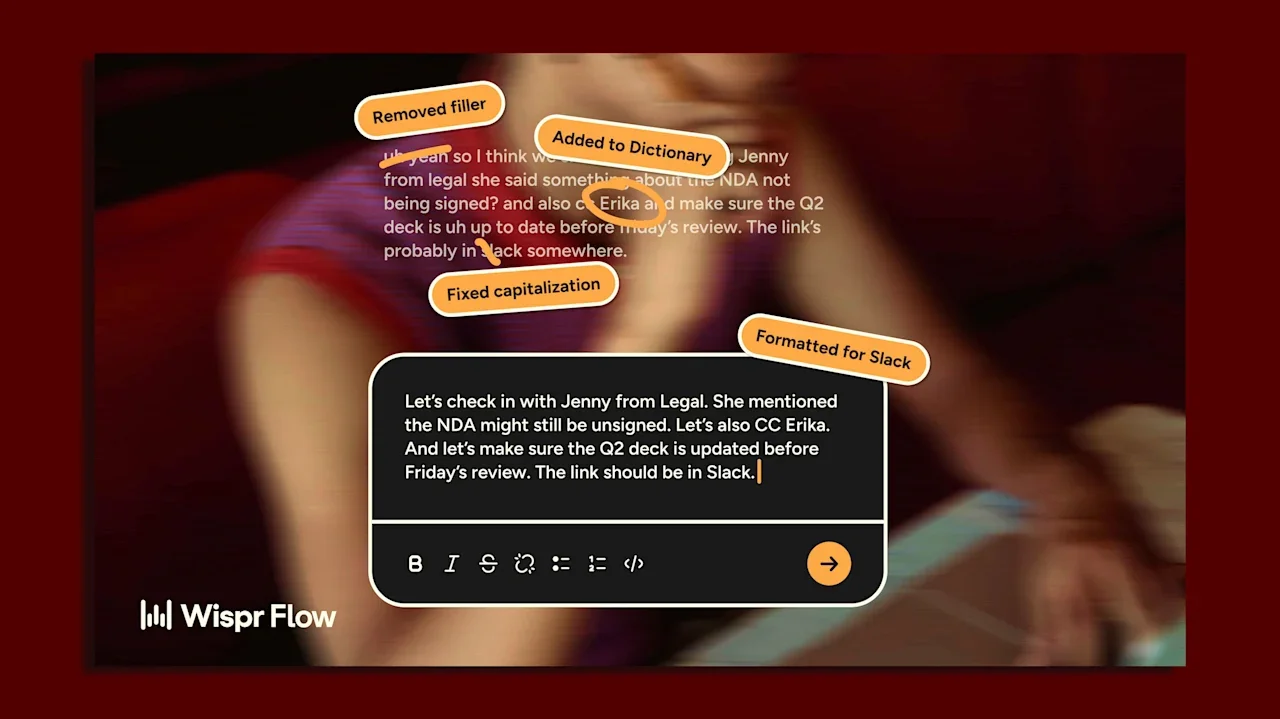
Gee whiz, Gboard: You’re really falling behind. For all the many ways Google’s Gboard keyboard makes tapping out text a breeze on Android, its ability to transcribe your speech and turn it into words isn’t exactly awe-inspiring. Android’s voice-to-text setup has always been pretty good, relatively speaking—but now, newer and more effective options are popping up, and it’s suddenly seeming like a system from the past. Last month, I introduced readers of my Android Intelligence newsletter to a new Android voice typing tool called Typeless that blows Gboard out of the water with its ability to actually understand what you’re saying and transform it into accurate, neatly formatted, and impressively cleaned-up text. This week, another new contender has come along that’s a step better yet. Lemme show ya how. Psst: If you love these types of tools as much as I do, check out my free Cool Tools newsletter from The Intelligence. One useful, new discovery in your inbox every Wednesday! Android dictation, reinvented—again Our new Android voice typing champion is an app that has been available on other platforms for a while now and that just became available on Android this week. ➜ It’s called Wispr Flow, and no exaggeration: It is the Android dictation upgrade you never knew you needed (even if its own name is annoyingly difficult to type!). Its Android presence is especially inspiring, too—thanks to the way it works seamlessly right alongside whatever regular keyboard you’re using, in a way that only Android allows. ⌚ And it’ll take you all of two minutes to get up and running with it. First, the basics: Like Typeless before it, Wispr Flow lets you simply speak aloud and say whatever you want—without worrying about getting everything exactly right. You can stop and start, correct yourself as you go, and even include as many “ums,” “erms,” and “y’knows” as needed, and it’ll figure out what you’re trying to say and put it into proper form for you. It is light-years ahead of what Gboard or any other traditional Android keyboard app can accomplish. And compared to Typeless (as well as any voice typing experience on, ahem, other mobile operating systems), the reason it’s superior is because of the way it works as a supplement to any standard Android keyboard—Gboard or otherwise—you like to use for manual text entry. Typeless, y’see, requires you to select it as your active Android keyboard in order for it to work. That means you have to switch away from Gboard (or whatever else you’re using) over to it when you want to dictate, then switch back when you’re done. It isn’t unmanageable, but it’s absolutely awkward and an unfortunate bit of extra friction. Wispr Flow, in contrast, works by adding a floating bubble above your regular Android keyboard whenever the keyboard is visible. If you want to type by tapping or swiping, you just ignore it. But if you want to dictate text, instead of tapping the microphone icon on your actual keyboard, you tap the Wispr Flow button and start talking. And, again, Wispr Flow just gets it right. It is consistently so much better than the standard Gboard/Android voice input, it’ll blow your mind. just works In addition to tapping the Wispr Flow icon, you’ve got the option to press and hold the button. That way, you can talk and then just let go when you’re finished instead of having to make a second tap to tell it you’re done. Either way, though, you never end up having the system stop listening and cut you off before you’re finished, while you’re just pausing to think for a moment—as Gboard and the standard Android voice input methods often do. The finer points of (Wispr) Flowing My only two gripes with Wispr Flow on Android are: The floating bubble icon occasionally sticks around a little longer than it should. In theory, it’s supposed to disappear as soon as your keyboard goes away—but every now and then, it doesn’t quite take the hint and ends up staying on-screen even after the keyboard is no longer visible. (When that happens, you can always press and hold it and drag it down to the bottom of the screen to dismiss it, though.) The bubble can also sometimes be slightly annoying, even when the keyboard is present and it’s supposed to be there—as it ends up appearing over text or other elements on the screen that you actually want to see. In such scenarios, you can either press and hold it to drag it to another spot, or press and hold it to dismiss it temporarily, so it really isn’t a major issue and is more of just a minor once-in-a-while pest. Wispr Flow also doesn’t format things quite as dramatically as Typeless—with automatically created bulleted or numbered lists, when appropriate—nor does it change and rewrite your words quite as aggressively. Whether that’s an upside or a downside is relative to your own personal preferences. But by and large, its interface is so much smarter and easier to use that it’s a no-brainer as the preferable all-around option and the best Android voice typing supertool available at this moment. As far as cost goes, Wispr Flow is completely free on Android—for now. That almost certainly will change eventually. The service’s standard pricing model is pretty similar to Typeless’s, with a limited free path (up to 1,000 dictated words a week) and the option to upgrade to a $144/year Pro plan that gives you unlimited use on all platforms, including in the desktop domain (with its equivalent native app on a Windows or Mac computer). And last but not least, for the ever-important asterisk of privacy: When you first set it up, Wispr Flow gives you the option to either allow your audio to be used for future model training or to keep it completely private. Provided you pick the privacy path, the company says your data will never be stored, shared, or used for any purpose. If you spend any amount of time talking into your phone, this is an app well worth your while to try. And even if you don’t, you might just be surprised by how much it changes your perspective on on-the-go dictation as a result of how easy and effective it makes it—and how much that in turn encourages you to talk instead of tapping to take advantage of its top-notch transcribing talents. It’s absolutely had that effect on me already. And that’s quite a feat for a guy who’s long been determined to avoid talking to technology. Wispr Flow’s new Android app is available in the Google Play Store. It’s completely free to use for now, with a freemium model likely coming into effect at some point in the future. Its creator promises not to store your data or use it for any manner of training as long as you opt out of that during the initial setup. Want even more efficiency-enhancing goodness? Check out my free Cool Tools newsletter for an instant introduction to an incredible audio app—and another off-the-beaten-path gem every Wednesday! View the full article

-
Premier was critical in convincing Donald The President to look beyond ending Tehran’s nuclear programmeView the full article
-
The U.S. and Israel’s attack on Iran led to commercial flights disruption on Saturday across the Middle East and beyond as regional airspaces began closing and tens of thousands of travelers around the globe were stranded. Israel, Qatar, Syria, Iran, Iraq, Kuwait and Bahrain closed their airspace, while Oman’s Muscat International Airport shut down and all flights were restricted over the United Arab Emirates, according to flight tracking website FlightRadar24. Major airlines based in the Middle East with worldwide networks canceled hundreds of flights while many other travelers were unexpectedly diverted to airports across Europe or flown back to departure airports. “For travelers, there’s no way to sugarcoat this,” said Henry Harteveldt, an airline industry analyst and president of Atmosphere Research Group. “You should prepare for delays or cancellations for the next few days as these attacks evolve and hopefully end.” It is unclear how long the disruption to flight operations could last. Israeli and U.S. attack on Iran in June 2025 lasted 12 days. Cirium, the aviation analytics firm, said it is hard to calculate the number of travelers affected worldwide. However, it estimated that at least 90,000 people alone change flights daily in airports in Dubai, Doha or Abu Dhabi on just three airlines, Emirates, Qatar Airways and Etihad Airways. ‘No one knows’ The situation was changing quickly and airlines urged passengers to check their flight status online before heading to the airport. Some airlines were issuing waivers to affected travelers, meaning fliers can rebook their flight plans without paying extra fees or higher fares. Jonathan Escott and his fiance had arrived at the airport in Newcastle, England, on Saturday only to find out that his direct flight to Dubai on Emirates airline was canceled, leaving everyone on the flight stuck there. Escott left to go back to where he was staying with family, about an hour from the airport, but has no idea when he may be able to travel. “No one knows,” Escott said. “No one really knows what’s going on with the conflict, really. Not Emirates, Emirates don’t have a clue. No one has a clue.” The airspace closures were likely to have significant ripple effects for Dubai-based Emirates and many other airlines that fly in and out of the Middle East. At least 850 flights were canceled Saturday by Middle Eastern airlines, including Emirates, Flydubai, Gulf Air, Qatar Airways and Kuwait Airways, Cirium said. Planes that were en route to cities like Tel Aviv and Dubai early Saturday were diverted to airports in cities like Athens, Istanbul or Rome, or returned to where they took off from. Dubai International Airport — the world’s busiest airport for international flights — and Zayed International Airport in Abu Dhabi together reported more than 1,000 inbound and outbound flights canceled, according to flight tracking site FlightAware. Numerous airlines canceled international flights to Dubai through the weekend, as India’s civil aviation agency designated much of the Middle East — including skies above Jordan, Saudi Arabia and Lebanon — as a high-security risk zone at all altitudes. Air India canceled all flights to Mideast destinations. Turkish Airlines said flights to Lebanon, Syria, Iraq, Iran and Jordan were suspended until Monday and flights to Qatar, Kuwait, Bahrain, the United Arab Emirates and Oman were suspended. The airline said additional cancellations may be announced, and many other airlines were suspending flights into the region through the weekend. Travelers advised to be ‘very creative’ U.S.-based Delta Air Lines and United Airlines suspended flights to Tel Aviv at least through the weekend. Dutch airline KLM had already announced earlier in the week that it was suspending flights to and from Tel Aviv. Airlines including Lufthansa, Air France, Transavia and Pegasus canceled all flights to Lebanon, while American Airlines suspended flights from Philadelphia to Doha. Virgin Atlantic said it would avoid flying over Iraq, meaning flights to and from India, the Maldives and Riyadh could take slightly longer. The airline already was not flying over Iran and said all flights would carry appropriate fuel in case they need to reroute on short notice. British Airways said flights to Tel Aviv and Bahrain will be suspended until next week, and flights to Amman, Jordan, were canceled Saturday. “Travelers should anticipate that there will be a lot of disruptions,” Harteveldt said. “To be honest, if you haven’t left home, chances are you won’t be leaving home if you’re supposed to travel to or through these destinations for at least several days, if not longer. And if you are returning home, you will have to be very creative about how you get home.” By CARA RUBINSKY and MARC LEVY Associated Press Writer ___ Levy reported from Harrisburg, Pennsylvania. Associated Press writer Adam Schreck in Bangkok and Josh Funk, in Omaha, Nebraska, contributed to this report. View the full article

-
In today’s world, the villain in our story isn’t a person; it’s our desire for instant gratification. Explosive sales growth? We want it now. An dream angel investor? We want it now. A raise, a promotion, a spot at the top? We want it now. Can you blame us? If we can binge-watch an entire season of a new show on Netflix in a weekend and order restaurant-ready food to our door in less than thirty minutes, that can set us up for unrealistic expectations about getting other things quickly, including in the workplace. The need for speed leaves us rushing and impatient—and it shows in the way we speak, too. Our conversations become transactional, our questions become shallow, and our communication prevents us from building trusted relationships with those around us. If you’re nodding your head, I invite you to consider three conversation-killers to avoid. 1. Conversation domination Two words: talk time. If the amount of time you’re talking is more than the person you’re communicating with, you’re dominating—and it can be detrimental. If you’re using the precious commodity of time to push your agenda, solution, or unsolicited viewpoint on somebody without solicitation, you’re talking at them, not with them. Often, we don’t even know we’re doing it. Plus, when we’re housing nervous energy, we can unknowingly engage in conversation domination as a way to soothe our internal discomfort. The solution? Create a personal practice to ground yourself before every high-stakes conversation so you can experience more clarity, calm and presence. For example, if you’re in a season of feeling time-poor, try the “physiological sigh.” A technique that was discovered in the 1930s to help us rapidly regain control from feelings of stress or anxiety, simply take two deep inhales through your nose and one long exhale through your mouth with pursed lips. Almost instantly, you’ll experience less tension and a sense of presence. Repeat it a few times if needed. This will help you catch yourself in the act or prevent conversation domination altogether. 2. Trying to be interesting instead of interested Dale Carnegie once said something along the lines of, “To be interesting, be interested.” Here’s how I see it: in any given conversation, your job isn’t to make yourself look significant; it’s to make the person opposite you feel significant. But how do you do it without feeling contrived? Consider conscious questions, which as I define it, are questions that are grounded in positive intentionality. For example, you could walk past your colleague and say, “Hey Mark, how are you?” Or you could say, “Hey Mark, you mentioned the other day that you were stressed because you had to take care of your sick son while preparing for that big keynote. How’s he doing? How was the speech?” Do you see the difference? The former lacks depth. The latter is a meaningful question that exhibits intention. Do this right, and you’ll show others how you’re interested in what they’re emotionally invested in. 3. Being attached to an outcome Whether you’re in a job interview, a sales call, or a meeting with leadership, the stakes can be high. But if you enter any of these conversations attached to a specific result, you’re likely to act inauthentically. Your body language, tone, rate of speech, energy, and more will unconsciously map to your need for an outcome (and often rushing to a specific timeline). That can undermine your communication. Say you’ve set a professional goal of landing a promotion within the next twelve months. Fast-forward eleven months, and there you are, sitting in a meeting with leadership, discussing a potential promotion. Instead of asking intentional questions, deeply listening, and being truly present, the timeline in your mind has you feeling pressured, impatient and or reactive—and others can tell. You sabotage your own success. Here’s an alternate approach: Ask yourself, “If I were overflowing with abundance in every area of my life, how would I behave in this moment?” Once you remove your attachment to an outcome, you create an openness to receiving what is truly meant for you, even if it’s not in the time or path you desire. What this means for leaders If an organization wants to build a high-trust culture, increase employee engagement, and create a sense of belonging for their people, it begins with leadership learning how to have conscious conversations. The key lies in embodying the behavior you want others to exhibit. Psychologist Albert Bandura’s social learning theory (SLT) suggests that people learn new behaviors by observing and imitating others. Simply put: when we observe the consequences of other people’s behavior, we’re more likely to imitate the actions that are positively rewarded and avoid those that are punished. In turn, this leads to an acquisition of knowledge, attitudes, and beliefs. If leadership embodies conscious, non-transactional communication, and rewards others for following suit, this will create change at scale, and a high-trust culture will diffuse as if through osmosis. The byproduct? Long-term success that’s built on the right foundation. In a remote-first world, we can solve problems, build teams, and maintain relationships from behind a screen. But thanks to those very screens, human connection and communication matter more than ever. The leaders who will stand out are those who prioritize them. Adapted from Relationship Currency by Ravi Rajani. All rights reserved. View the full article

-
In today’s competitive market, enhancing customer retention is vital for business success. Traditional loyalty programs often fail to engage consumers effectively, leading to diminished interest. By exploring innovative solutions, such as tiered rewards and gamification techniques, you can create more compelling experiences. Moreover, personalizing offers and streamlining membership management can address modern consumers’ evolving expectations. Comprehending these strategies is fundamental, as they could considerably impact your customer loyalty initiatives moving forward. Key Takeaways Implement tiered rewards systems that encourage customer engagement through structured levels and exclusive perks for higher tiers. Utilize gamification techniques by incorporating challenges, points, and leaderboards to make shopping experiences more interactive and enjoyable. Personalize loyalty offers using data-driven insights to tailor rewards based on individual customer preferences and behaviors. Create unique experiences within loyalty programs that differentiate your brand and foster emotional connections with consumers. Regularly refresh and innovate loyalty offerings to keep programs relevant and engaging, reducing the likelihood of membership cancellations. Understanding the Shift in Customer Loyalty How do you define customer loyalty in today’s competitive marketplace? It’s evolved considerably, shifting from habitual behavior to emotional connections. With consumers juggling over 15 loyalty programs on average, many feel overwhelmed, leading to declining engagement. Younger consumers, especially those aged 18 to 34, are particularly inclined to switch brands and loyalty programs, often seeking personalized rewards and unique experiences. This trend indicates that traditional loyalty program solutions may not suffice anymore. To thrive, businesses need effective loyalty solutions that prioritize customized offerings rather than just points or cash-back incentives. Implementing a robust loyalty management platform can help you gather insights on consumer preferences, enabling you to create bespoke experiences that resonate. As over 35% of consumers plan to cancel some memberships, investing in innovative loyalty program solutions is crucial for retaining customers in this dynamic environment. The Limitations of Traditional Loyalty Programs Even though traditional loyalty programs have long been a staple in customer retention strategies, their effectiveness is waning as consumers increasingly seek unique and personalized experiences. The saturation of loyalty programs has led to a decline in engagement, particularly among younger consumers. Here are some key limitations: Diminished Interest: Over 35% of consumers aged 18 to 34 plan to cancel loyalty memberships because of lack of differentiation. Passive Rewards: Traditional programs often offer delayed rewards, leading to disengagement and a perception of unappealing benefits. Easily Replicable: Many offerings lack competitive differentiation, making it easy for consumers to switch brands. Decreased Loyalty: Over 20% of U.S. consumers report reduced engagement in grocery and retail sectors, signaling a need for evolution beyond conventional frameworks. To remain competitive, businesses must adapt and innovate their loyalty strategies to meet evolving consumer expectations. Embracing Tiered Rewards for Enhanced Engagement Embracing tiered rewards can greatly improve customer engagement by creating a structured experience that motivates individuals to participate more actively in a loyalty program. These programs gamify the customer experience, allowing members to advance through levels based on their spending or engagement. Entry-level tiers offer foundational benefits that engage customers early, whereas higher tiers reveal exclusive perks, nurturing emotional connections to the brand. Programs like Starbucks Rewards and Adidas adiClub effectively utilize tier progression, tapping into the psychology of achievement. Research shows that tiered programs can considerably boost customer spending, as members aim to attain the benefits associated with higher tiers. Leveraging Gamification to Drive Participation Incorporating gamification into loyalty programs can considerably boost customer participation by transforming mundane shopping experiences into engaging and interactive challenges. By adding competitive elements, such as points, badges, and leaderboards, you can motivate customers to engage actively beyond simple purchases. Here’s how you can leverage gamification effectively: Create Challenges: Design tasks that encourage customers to explore your products and services. Offer Rewards: Provide points or exclusive badges for completing challenges, social media interactions, or writing reviews. Implement Leaderboards: Display top performers to instill a sense of competition, driving engagement and repeat visits. Track Progress: Allow customers to monitor their achievements, cultivating a personal investment in the loyalty program. Successful examples, like Xbox Rewards, show that gamified experiences can boost engagement and loyalty, reinforcing habitual buying behaviors and increasing the likelihood of repeat purchases. Personalizing Offers to Meet Customer Expectations As customers increasingly seek personalized experiences, personalizing offers to meet their expectations has become vital for effective loyalty programs. Customizing rewards based on individual preferences can greatly boost engagement, as data-driven insights allow you to address specific needs. Research shows that loyalty programs focusing on personalization lead to higher customer satisfaction, with many consumers preferring personalized rewards over generic ones. In the U.S., 71% of Gen Z and 72% of Millennials are more likely to join loyalty programs offering customized incentives. Companies that leverage customer data for personalization often report improved engagement metrics, as personalized communication strengthens the customer-brand relationship. Dynamic segmentation based on loyalty engagement data enables brands to provide targeted incentives, increasing redemption rates and reducing churn, especially among high-value or at-risk customers. Frequently Asked Questions How Do Loyalty Programs Increase Customer Retention? Loyalty programs increase customer retention by offering incentives that engage customers, making them less likely to switch brands. They recognize key lifecycle moments, like birthdays, cultivating emotional connections. Gamification elements encourage active participation, leading to longer visits and repeat engagement. Personalized offers based on loyalty data can boost redemption rates, especially for valuable or at-risk customers. Moreover, rewarding non-transactional actions, such as referrals, helps deepen relationships and expand the customer base, further enhancing retention. What Are the 4 C’s of Customer Loyalty? The 4 C’s of customer loyalty are Customer Connection, Customer Convenience, Customer Communication, and Customer Community. Customer Connection focuses on creating emotional bonds with consumers, nurturing repeat purchases. Customer Convenience emphasizes simplifying interactions, allowing easy engagement with the brand. Customer Communication involves sending personalized messages based on individual preferences, enhancing engagement. Finally, Customer Community encourages a sense of belonging among customers, facilitating interactions that strengthen brand loyalty and advocacy, ultimately benefiting the business. What Are the 3 R’s of Customer Loyalty? The three R’s of customer loyalty are Recognition, Rewards, and Relationship. Recognition means acknowledging your customers’ value through personalized interactions, like celebrating milestones. Rewards involve offering customized incentives that resonate with individual preferences, emphasizing experiences over mere discounts. Finally, building Relationships focuses on consistent communication and community engagement, nurturing emotional connections. Together, these elements aim to improve customer satisfaction, leading to stronger loyalty and increased retention over time. What Factors Could Make a Loyalty Program Innovative? To make a loyalty program innovative, consider incorporating personalized rewards customized to individual preferences, which can boost engagement. You should furthermore integrate gamification elements like points and leaderboards, making the experience interactive. Implementing tiered membership levels encourages customers to spend more by accessing exclusive benefits. Moreover, aligning your program with social or environmental causes can resonate with consumers, particularly younger ones. Finally, guarantee a seamless omnichannel experience for increased retention rates. Conclusion Incorporating innovative loyalty program solutions is crucial for enhancing customer retention. By implementing tiered rewards, gamification, personalized offers, streamlined management, and data-driven insights, businesses can better meet modern consumer expectations. These strategies not only nurture deeper connections with customers but likewise drive engagement and brand loyalty. As you consider your loyalty initiatives, keep these approaches in mind to create a more effective and appealing program that resonates with your audience and encourages ongoing patronage. Image via Google Gemini This article, "5 Innovative Loyalty Program Solutions to Enhance Customer Retention" was first published on Small Business Trends View the full article
-
In today’s competitive market, enhancing customer retention is vital for business success. Traditional loyalty programs often fail to engage consumers effectively, leading to diminished interest. By exploring innovative solutions, such as tiered rewards and gamification techniques, you can create more compelling experiences. Moreover, personalizing offers and streamlining membership management can address modern consumers’ evolving expectations. Comprehending these strategies is fundamental, as they could considerably impact your customer loyalty initiatives moving forward. Key Takeaways Implement tiered rewards systems that encourage customer engagement through structured levels and exclusive perks for higher tiers. Utilize gamification techniques by incorporating challenges, points, and leaderboards to make shopping experiences more interactive and enjoyable. Personalize loyalty offers using data-driven insights to tailor rewards based on individual customer preferences and behaviors. Create unique experiences within loyalty programs that differentiate your brand and foster emotional connections with consumers. Regularly refresh and innovate loyalty offerings to keep programs relevant and engaging, reducing the likelihood of membership cancellations. Understanding the Shift in Customer Loyalty How do you define customer loyalty in today’s competitive marketplace? It’s evolved considerably, shifting from habitual behavior to emotional connections. With consumers juggling over 15 loyalty programs on average, many feel overwhelmed, leading to declining engagement. Younger consumers, especially those aged 18 to 34, are particularly inclined to switch brands and loyalty programs, often seeking personalized rewards and unique experiences. This trend indicates that traditional loyalty program solutions may not suffice anymore. To thrive, businesses need effective loyalty solutions that prioritize customized offerings rather than just points or cash-back incentives. Implementing a robust loyalty management platform can help you gather insights on consumer preferences, enabling you to create bespoke experiences that resonate. As over 35% of consumers plan to cancel some memberships, investing in innovative loyalty program solutions is crucial for retaining customers in this dynamic environment. The Limitations of Traditional Loyalty Programs Even though traditional loyalty programs have long been a staple in customer retention strategies, their effectiveness is waning as consumers increasingly seek unique and personalized experiences. The saturation of loyalty programs has led to a decline in engagement, particularly among younger consumers. Here are some key limitations: Diminished Interest: Over 35% of consumers aged 18 to 34 plan to cancel loyalty memberships because of lack of differentiation. Passive Rewards: Traditional programs often offer delayed rewards, leading to disengagement and a perception of unappealing benefits. Easily Replicable: Many offerings lack competitive differentiation, making it easy for consumers to switch brands. Decreased Loyalty: Over 20% of U.S. consumers report reduced engagement in grocery and retail sectors, signaling a need for evolution beyond conventional frameworks. To remain competitive, businesses must adapt and innovate their loyalty strategies to meet evolving consumer expectations. Embracing Tiered Rewards for Enhanced Engagement Embracing tiered rewards can greatly improve customer engagement by creating a structured experience that motivates individuals to participate more actively in a loyalty program. These programs gamify the customer experience, allowing members to advance through levels based on their spending or engagement. Entry-level tiers offer foundational benefits that engage customers early, whereas higher tiers reveal exclusive perks, nurturing emotional connections to the brand. Programs like Starbucks Rewards and Adidas adiClub effectively utilize tier progression, tapping into the psychology of achievement. Research shows that tiered programs can considerably boost customer spending, as members aim to attain the benefits associated with higher tiers. Leveraging Gamification to Drive Participation Incorporating gamification into loyalty programs can considerably boost customer participation by transforming mundane shopping experiences into engaging and interactive challenges. By adding competitive elements, such as points, badges, and leaderboards, you can motivate customers to engage actively beyond simple purchases. Here’s how you can leverage gamification effectively: Create Challenges: Design tasks that encourage customers to explore your products and services. Offer Rewards: Provide points or exclusive badges for completing challenges, social media interactions, or writing reviews. Implement Leaderboards: Display top performers to instill a sense of competition, driving engagement and repeat visits. Track Progress: Allow customers to monitor their achievements, cultivating a personal investment in the loyalty program. Successful examples, like Xbox Rewards, show that gamified experiences can boost engagement and loyalty, reinforcing habitual buying behaviors and increasing the likelihood of repeat purchases. Personalizing Offers to Meet Customer Expectations As customers increasingly seek personalized experiences, personalizing offers to meet their expectations has become vital for effective loyalty programs. Customizing rewards based on individual preferences can greatly boost engagement, as data-driven insights allow you to address specific needs. Research shows that loyalty programs focusing on personalization lead to higher customer satisfaction, with many consumers preferring personalized rewards over generic ones. In the U.S., 71% of Gen Z and 72% of Millennials are more likely to join loyalty programs offering customized incentives. Companies that leverage customer data for personalization often report improved engagement metrics, as personalized communication strengthens the customer-brand relationship. Dynamic segmentation based on loyalty engagement data enables brands to provide targeted incentives, increasing redemption rates and reducing churn, especially among high-value or at-risk customers. Frequently Asked Questions How Do Loyalty Programs Increase Customer Retention? Loyalty programs increase customer retention by offering incentives that engage customers, making them less likely to switch brands. They recognize key lifecycle moments, like birthdays, cultivating emotional connections. Gamification elements encourage active participation, leading to longer visits and repeat engagement. Personalized offers based on loyalty data can boost redemption rates, especially for valuable or at-risk customers. Moreover, rewarding non-transactional actions, such as referrals, helps deepen relationships and expand the customer base, further enhancing retention. What Are the 4 C’s of Customer Loyalty? The 4 C’s of customer loyalty are Customer Connection, Customer Convenience, Customer Communication, and Customer Community. Customer Connection focuses on creating emotional bonds with consumers, nurturing repeat purchases. Customer Convenience emphasizes simplifying interactions, allowing easy engagement with the brand. Customer Communication involves sending personalized messages based on individual preferences, enhancing engagement. Finally, Customer Community encourages a sense of belonging among customers, facilitating interactions that strengthen brand loyalty and advocacy, ultimately benefiting the business. What Are the 3 R’s of Customer Loyalty? The three R’s of customer loyalty are Recognition, Rewards, and Relationship. Recognition means acknowledging your customers’ value through personalized interactions, like celebrating milestones. Rewards involve offering customized incentives that resonate with individual preferences, emphasizing experiences over mere discounts. Finally, building Relationships focuses on consistent communication and community engagement, nurturing emotional connections. Together, these elements aim to improve customer satisfaction, leading to stronger loyalty and increased retention over time. What Factors Could Make a Loyalty Program Innovative? To make a loyalty program innovative, consider incorporating personalized rewards customized to individual preferences, which can boost engagement. You should furthermore integrate gamification elements like points and leaderboards, making the experience interactive. Implementing tiered membership levels encourages customers to spend more by accessing exclusive benefits. Moreover, aligning your program with social or environmental causes can resonate with consumers, particularly younger ones. Finally, guarantee a seamless omnichannel experience for increased retention rates. Conclusion Incorporating innovative loyalty program solutions is crucial for enhancing customer retention. By implementing tiered rewards, gamification, personalized offers, streamlined management, and data-driven insights, businesses can better meet modern consumer expectations. These strategies not only nurture deeper connections with customers but likewise drive engagement and brand loyalty. As you consider your loyalty initiatives, keep these approaches in mind to create a more effective and appealing program that resonates with your audience and encourages ongoing patronage. Image via Google Gemini This article, "5 Innovative Loyalty Program Solutions to Enhance Customer Retention" was first published on Small Business Trends View the full article
-
Girls’ education facility hit as US and Israel launch joint military operationView the full article
-
Choosing the right loyalty program software can greatly influence your business’s customer engagement and retention. With options like Clavaa‘s easy setup and cashback rewards, FiveStars‘ automated marketing, and TapMango‘s customizable app, each solution offers unique features. Square seamlessly integrates with POS systems, whereas Smile.io caters particularly to e-commerce. Kangaroo Rewards provides tools for small businesses, and Loyalzoo digitizes traditional methods. Comprehending these options is essential for selecting the best fit for your needs. Key Takeaways Clavaa Loyalty Program: Offers a quick setup and digital wallet with cashback rewards tailored for local retailers. FiveStars Loyalty Platform: Combines loyalty programs with marketing automation, providing automated customer engagement and behavior insights. TapMango: Features a custom-branded app experience with flexible points systems and robust marketing automation capabilities. Square Loyalty: Integrates seamlessly with Point of Sale systems, offering automatic reward tracking and real-time analytics for program effectiveness. Smile.io: Ideal for e-commerce, it allows quick setup of customized rewards programs and integrates well with platforms like Shopify. Clavaa Loyalty Program The Clavaa Loyalty Program offers a streamlined solution for businesses looking to improve customer engagement and retention. This best loyalty software features a digital wallet that rewards customers with a standard cashback of 3%, increasing to 5% for VIP members, all without payment-processing fees. Its seamless integration with existing Point of Sale (PoS) systems means you won’t need extensive staff training, making it easy to implement. Clavaa also tracks customer visit frequency and spending patterns, giving you valuable insights into customer behavior, which is vital for crafting effective marketing strategies. Plus, the setup process takes only five minutes and requires no credit card for initial access, allowing you to start without upfront costs. Designed to support local retailers, Clavaa improves customer loyalty across multiple outlets, making it one of the best customer loyalty software options available today. FiveStars Loyalty Platform Even though many businesses seek effective ways to retain customers, FiveStars Loyalty Platform stands out as an all-encompassing cloud-based solution that combines loyalty programs with marketing automation. This platform lets you automate customer engagement through its AutoPilot feature, making it easier to drive repeat business. With multi-channel rewards tracking via phone number, app, or payment, you can guarantee seamless interactions across various touchpoints. FiveStars likewise provides detailed insights into customer behavior and campaign performance, allowing you to optimize your loyalty strategies. Automated messaging capabilities improve customer engagement, promoting offers through text, email, and push notifications. Here’s a quick overview of FiveStars features: Feature Description Benefit AutoPilot Automates customer engagement Saves time and effort Multi-channel tracking Rewards via phone, app, or payment Seamless customer experience Insights Analyzes customer behavior Optimizes loyalty strategies Automated messaging Offers via text, email, push notifications Increased customer engagement Customer retention focus Converts occasional customers into loyal ones Boosts lifetime value Consider FiveStars when looking for open source loyalty software. TapMango Loyalty Features TapMango offers a custom-branded app experience that makes it easy for you to track rewards and place orders seamlessly on both iOS and Android devices. With its marketing automation capabilities, you can engage customers through SMS, email, and push notifications, enhancing their loyalty and keeping them informed about promotions. This combination of features not just streamlines the rewards process but additionally maximizes your ability to connect with customers at various touchpoints. Custom-Branded App Experience Creating a custom-branded app experience is essential for businesses looking to improve customer loyalty and engagement. TapMango offers a customized loyalty app for both iOS and Android, ensuring your brand shines through. Here are some key features that improve the customer experience: Flexible points system: Different earning methods cater to varied customer preferences. Online ordering capabilities: Streamlined ordering simplifies the process as it tracks rewards automatically. Seamless rewards integration: Customers easily earn and redeem rewards within a branded environment. Improved engagement: The marketing suite supports SMS, email, and push notifications to keep customers connected. With TapMango, you can create a personalized experience that nurtures lasting relationships with your customers, ultimately driving loyalty and retention. Marketing Automation Capabilities When you implement effective marketing automation capabilities, you can greatly improve your customer engagement and retention efforts. TapMango provides a thorough marketing suite featuring SMS, email, and push notification campaigns, allowing you to automate your marketing initiatives. This guarantees timely promotions and personalized communications based on customer behavior, enhancing your outreach. With built-in online ordering, TapMango simplifies the customer experience by automatically tracking rewards during the delivery of valuable insights for targeted marketing. Moreover, its flexible points system encourages customer participation through multiple earning methods. The custom-branded loyalty app further boosts your brand visibility, making it easier for customers to interact with your loyalty program and receive crucial marketing communications. Square Loyalty Square Loyalty seamlessly integrates with your existing Point of Sale system, making it easy to track customer rewards without extra effort. With automatic reward tracking, customers can effortlessly redeem their points through SMS updates, enhancing their shopping experience. Plus, real-time analytics provide valuable insights into how your loyalty program influences customer behavior, helping you make informed decisions for your business. Seamless Integration Benefits Integrating loyalty programs with existing systems is essential for businesses looking to improve customer engagement without complicating their operations. Square Loyalty offers seamless integration with its POS system, making it easy for you to enroll customers and track rewards. Here are some key benefits: Simplified Enrollment: Customers solely need to provide their phone number, eliminating physical cards or apps. Effortless Management: Automatic tracking lets you manage and update customer accounts without manual input. One-Tap Redemption: Customers can easily claim their rewards at checkout, enhancing their shopping experience. Real-Time Analytics: Monitor the impact of loyalty programs on customer behavior and adjust your strategies as needed. This integration not only streamlines processes but furthermore promotes customer satisfaction and loyalty. Automatic Reward Tracking Automatic reward tracking simplifies the loyalty program experience by using customers’ phone numbers for enrollment and reward management. With Square Loyalty, there’s no need for physical cards or apps, making it easier for you and your customers. They receive real-time updates via SMS about their loyalty status and rewards, which improves engagement and convenience. Customers can redeem their rewards with just one tap at checkout, streamlining the entire process. This system additionally integrates seamlessly with Square‘s POS, helping you turn occasional customers into loyal patrons effortlessly. Real-Time Analytics Insights With automatic reward tracking streamlining customer engagement, the next step in enhancing your loyalty program is leveraging real-time analytics insights. Square Loyalty offers robust analytics that help you monitor customer behavior and program performance effectively. You can gain valuable insights into how your initiatives impact customer engagement. Track customer retention rates and identify trends. Analyze average spend per visit to optimize offerings. Measure the effectiveness of various rewards. Adjust loyalty strategies based on customer preferences. Smile.io Smile.io stands out as a robust solution for e-commerce brands looking to improve customer loyalty through customized rewards programs. Designed particularly for platforms like Shopify and BigCommerce, it enables you to set up loyalty programs quickly and efficiently. With Smile.io, you can reward customers for various actions such as making purchases, creating accounts, and sharing on social media, which greatly enhances customer engagement. The platform uses a freemium subscription model, offering a basic plan at no cost, whereas advanced features are available in paid tiers categorized as Starter, Growth, and Unlimited. Users appreciate the user-friendly dashboard, which simplifies loyalty program management and integrates seamlessly with major e-commerce platforms. With a Capterra rating of 4.7/5, Smile.io has received positive feedback, even though some users have noted limitations in API integration for scaling. Kangaroo Rewards Kangaroo Rewards serves as a versatile loyalty platform designed for small and medium businesses aiming to improve customer engagement through custom-branded mobile apps. This all-in-one solution not only improves customer experience but also provides extensive tools for effective loyalty management. Key features include: Automated Marketing Tools: Drive targeted campaigns and promotions to boost customer interaction. Broad Analytics: Measure your program’s effectiveness and gain valuable insights into customer behavior. Enterprise-Grade Capabilities: Compete with larger brands in retention and loyalty initiatives. User-Friendly Interface: Simplifies the management of your loyalty program, requiring minimal technical expertise. With Kangaroo Rewards, you can create a customized loyalty program that meets your unique business needs as well as nurturing stronger customer relationships and loyalty. This platform empowers you to engage customers effectively, ensuring they keep coming back for more. Loyalzoo Loyalzoo transforms the traditional loyalty program environment by modernizing punch card systems into a digital format that tracks customer visits and purchases through phone number identification. This innovative approach allows customers to automatically earn points or stamps, which lead to customizable rewards based on their transactions or visits, enhancing customer engagement. The platform likewise incorporates basic marketing capabilities, enabling businesses to run monthly promotions particularly for loyalty program members. With user-friendly mobile apps branded for your business, customers find it easy to access and engage with the loyalty program. Here’s a quick overview of Loyalzoo’s features: Feature Description Pricing Digital Card Solutions Tracks visits and purchases $0.15 per customer/month Customizable Rewards Points and stamps based on transactions Capped at $99/month Marketing Capabilities Monthly promotions for loyalty members Frequently Asked Questions What Is the Most Popular Loyalty Program? The most popular loyalty program is Starbucks Rewards, with over 30 million active members. Participants earn stars for purchases, which can be redeemed for free drinks and food. This program greatly influences shopping decisions, as 75% of consumers report that loyalty programs affect their choices. Furthermore, Amazon Prime boasts over 200 million subscribers, providing benefits like free shipping and exclusive deals, reinforcing the effectiveness of loyalty programs in retaining customers. What Are the 4 C’s of Customer Loyalty? The 4 C’s of customer loyalty are Customer, Cost, Convenience, and Communication. You need to focus on tailoring experiences to meet individual preferences, ensuring perceived value in rewards outweighs costs, and making loyalty programs easy to join and use. Furthermore, maintaining clear communication about benefits and personalized offers keeps customers informed and engaged. What Is the Largest Loyalty Program? The largest loyalty program in the world is Starbucks Rewards, with over 26 million active members as of 2021. This program allows you to earn stars for each purchase, which can be redeemed for free food and drinks. Members typically spend about 2.5 times more than non-members. The program additionally features gamification elements, encouraging you to complete challenges for bonus stars, whereas the app improves your experience with mobile ordering and personalized offers. What Are the 3 R’s of Loyalty? The 3 R’s of loyalty are Retain, Reward, and Refer. You focus on retaining existing customers, which is more cost-effective than acquiring new ones. By rewarding loyal customers through customized incentives, you can improve their lifetime value considerably. Finally, encouraging referrals helps attract new customers, as referred individuals are often more likely to buy. Implementing these strategies can lead to increased profits and improved customer relationships, in the end benefiting your business. Conclusion In conclusion, choosing the right loyalty program software can greatly improve customer engagement and boost your business’s performance. Clavaa, FiveStars, TapMango, Square, Smile.io, Kangaroo Rewards, and Loyalzoo each offer unique features customized to different business needs, from easy setup and automated marketing to seamless integration and app customization. By evaluating these options based on your specific requirements, you can implement a loyalty program that not just retains customers but additionally drives growth and actionable insights for your business. Image via Google Gemini This article, "Top 7 Best Loyalty Program Software Solutions" was first published on Small Business Trends View the full article
-
Choosing the right loyalty program software can greatly influence your business’s customer engagement and retention. With options like Clavaa‘s easy setup and cashback rewards, FiveStars‘ automated marketing, and TapMango‘s customizable app, each solution offers unique features. Square seamlessly integrates with POS systems, whereas Smile.io caters particularly to e-commerce. Kangaroo Rewards provides tools for small businesses, and Loyalzoo digitizes traditional methods. Comprehending these options is essential for selecting the best fit for your needs. Key Takeaways Clavaa Loyalty Program: Offers a quick setup and digital wallet with cashback rewards tailored for local retailers. FiveStars Loyalty Platform: Combines loyalty programs with marketing automation, providing automated customer engagement and behavior insights. TapMango: Features a custom-branded app experience with flexible points systems and robust marketing automation capabilities. Square Loyalty: Integrates seamlessly with Point of Sale systems, offering automatic reward tracking and real-time analytics for program effectiveness. Smile.io: Ideal for e-commerce, it allows quick setup of customized rewards programs and integrates well with platforms like Shopify. Clavaa Loyalty Program The Clavaa Loyalty Program offers a streamlined solution for businesses looking to improve customer engagement and retention. This best loyalty software features a digital wallet that rewards customers with a standard cashback of 3%, increasing to 5% for VIP members, all without payment-processing fees. Its seamless integration with existing Point of Sale (PoS) systems means you won’t need extensive staff training, making it easy to implement. Clavaa also tracks customer visit frequency and spending patterns, giving you valuable insights into customer behavior, which is vital for crafting effective marketing strategies. Plus, the setup process takes only five minutes and requires no credit card for initial access, allowing you to start without upfront costs. Designed to support local retailers, Clavaa improves customer loyalty across multiple outlets, making it one of the best customer loyalty software options available today. FiveStars Loyalty Platform Even though many businesses seek effective ways to retain customers, FiveStars Loyalty Platform stands out as an all-encompassing cloud-based solution that combines loyalty programs with marketing automation. This platform lets you automate customer engagement through its AutoPilot feature, making it easier to drive repeat business. With multi-channel rewards tracking via phone number, app, or payment, you can guarantee seamless interactions across various touchpoints. FiveStars likewise provides detailed insights into customer behavior and campaign performance, allowing you to optimize your loyalty strategies. Automated messaging capabilities improve customer engagement, promoting offers through text, email, and push notifications. Here’s a quick overview of FiveStars features: Feature Description Benefit AutoPilot Automates customer engagement Saves time and effort Multi-channel tracking Rewards via phone, app, or payment Seamless customer experience Insights Analyzes customer behavior Optimizes loyalty strategies Automated messaging Offers via text, email, push notifications Increased customer engagement Customer retention focus Converts occasional customers into loyal ones Boosts lifetime value Consider FiveStars when looking for open source loyalty software. TapMango Loyalty Features TapMango offers a custom-branded app experience that makes it easy for you to track rewards and place orders seamlessly on both iOS and Android devices. With its marketing automation capabilities, you can engage customers through SMS, email, and push notifications, enhancing their loyalty and keeping them informed about promotions. This combination of features not just streamlines the rewards process but additionally maximizes your ability to connect with customers at various touchpoints. Custom-Branded App Experience Creating a custom-branded app experience is essential for businesses looking to improve customer loyalty and engagement. TapMango offers a customized loyalty app for both iOS and Android, ensuring your brand shines through. Here are some key features that improve the customer experience: Flexible points system: Different earning methods cater to varied customer preferences. Online ordering capabilities: Streamlined ordering simplifies the process as it tracks rewards automatically. Seamless rewards integration: Customers easily earn and redeem rewards within a branded environment. Improved engagement: The marketing suite supports SMS, email, and push notifications to keep customers connected. With TapMango, you can create a personalized experience that nurtures lasting relationships with your customers, ultimately driving loyalty and retention. Marketing Automation Capabilities When you implement effective marketing automation capabilities, you can greatly improve your customer engagement and retention efforts. TapMango provides a thorough marketing suite featuring SMS, email, and push notification campaigns, allowing you to automate your marketing initiatives. This guarantees timely promotions and personalized communications based on customer behavior, enhancing your outreach. With built-in online ordering, TapMango simplifies the customer experience by automatically tracking rewards during the delivery of valuable insights for targeted marketing. Moreover, its flexible points system encourages customer participation through multiple earning methods. The custom-branded loyalty app further boosts your brand visibility, making it easier for customers to interact with your loyalty program and receive crucial marketing communications. Square Loyalty Square Loyalty seamlessly integrates with your existing Point of Sale system, making it easy to track customer rewards without extra effort. With automatic reward tracking, customers can effortlessly redeem their points through SMS updates, enhancing their shopping experience. Plus, real-time analytics provide valuable insights into how your loyalty program influences customer behavior, helping you make informed decisions for your business. Seamless Integration Benefits Integrating loyalty programs with existing systems is essential for businesses looking to improve customer engagement without complicating their operations. Square Loyalty offers seamless integration with its POS system, making it easy for you to enroll customers and track rewards. Here are some key benefits: Simplified Enrollment: Customers solely need to provide their phone number, eliminating physical cards or apps. Effortless Management: Automatic tracking lets you manage and update customer accounts without manual input. One-Tap Redemption: Customers can easily claim their rewards at checkout, enhancing their shopping experience. Real-Time Analytics: Monitor the impact of loyalty programs on customer behavior and adjust your strategies as needed. This integration not only streamlines processes but furthermore promotes customer satisfaction and loyalty. Automatic Reward Tracking Automatic reward tracking simplifies the loyalty program experience by using customers’ phone numbers for enrollment and reward management. With Square Loyalty, there’s no need for physical cards or apps, making it easier for you and your customers. They receive real-time updates via SMS about their loyalty status and rewards, which improves engagement and convenience. Customers can redeem their rewards with just one tap at checkout, streamlining the entire process. This system additionally integrates seamlessly with Square‘s POS, helping you turn occasional customers into loyal patrons effortlessly. Real-Time Analytics Insights With automatic reward tracking streamlining customer engagement, the next step in enhancing your loyalty program is leveraging real-time analytics insights. Square Loyalty offers robust analytics that help you monitor customer behavior and program performance effectively. You can gain valuable insights into how your initiatives impact customer engagement. Track customer retention rates and identify trends. Analyze average spend per visit to optimize offerings. Measure the effectiveness of various rewards. Adjust loyalty strategies based on customer preferences. Smile.io Smile.io stands out as a robust solution for e-commerce brands looking to improve customer loyalty through customized rewards programs. Designed particularly for platforms like Shopify and BigCommerce, it enables you to set up loyalty programs quickly and efficiently. With Smile.io, you can reward customers for various actions such as making purchases, creating accounts, and sharing on social media, which greatly enhances customer engagement. The platform uses a freemium subscription model, offering a basic plan at no cost, whereas advanced features are available in paid tiers categorized as Starter, Growth, and Unlimited. Users appreciate the user-friendly dashboard, which simplifies loyalty program management and integrates seamlessly with major e-commerce platforms. With a Capterra rating of 4.7/5, Smile.io has received positive feedback, even though some users have noted limitations in API integration for scaling. Kangaroo Rewards Kangaroo Rewards serves as a versatile loyalty platform designed for small and medium businesses aiming to improve customer engagement through custom-branded mobile apps. This all-in-one solution not only improves customer experience but also provides extensive tools for effective loyalty management. Key features include: Automated Marketing Tools: Drive targeted campaigns and promotions to boost customer interaction. Broad Analytics: Measure your program’s effectiveness and gain valuable insights into customer behavior. Enterprise-Grade Capabilities: Compete with larger brands in retention and loyalty initiatives. User-Friendly Interface: Simplifies the management of your loyalty program, requiring minimal technical expertise. With Kangaroo Rewards, you can create a customized loyalty program that meets your unique business needs as well as nurturing stronger customer relationships and loyalty. This platform empowers you to engage customers effectively, ensuring they keep coming back for more. Loyalzoo Loyalzoo transforms the traditional loyalty program environment by modernizing punch card systems into a digital format that tracks customer visits and purchases through phone number identification. This innovative approach allows customers to automatically earn points or stamps, which lead to customizable rewards based on their transactions or visits, enhancing customer engagement. The platform likewise incorporates basic marketing capabilities, enabling businesses to run monthly promotions particularly for loyalty program members. With user-friendly mobile apps branded for your business, customers find it easy to access and engage with the loyalty program. Here’s a quick overview of Loyalzoo’s features: Feature Description Pricing Digital Card Solutions Tracks visits and purchases $0.15 per customer/month Customizable Rewards Points and stamps based on transactions Capped at $99/month Marketing Capabilities Monthly promotions for loyalty members Frequently Asked Questions What Is the Most Popular Loyalty Program? The most popular loyalty program is Starbucks Rewards, with over 30 million active members. Participants earn stars for purchases, which can be redeemed for free drinks and food. This program greatly influences shopping decisions, as 75% of consumers report that loyalty programs affect their choices. Furthermore, Amazon Prime boasts over 200 million subscribers, providing benefits like free shipping and exclusive deals, reinforcing the effectiveness of loyalty programs in retaining customers. What Are the 4 C’s of Customer Loyalty? The 4 C’s of customer loyalty are Customer, Cost, Convenience, and Communication. You need to focus on tailoring experiences to meet individual preferences, ensuring perceived value in rewards outweighs costs, and making loyalty programs easy to join and use. Furthermore, maintaining clear communication about benefits and personalized offers keeps customers informed and engaged. What Is the Largest Loyalty Program? The largest loyalty program in the world is Starbucks Rewards, with over 26 million active members as of 2021. This program allows you to earn stars for each purchase, which can be redeemed for free food and drinks. Members typically spend about 2.5 times more than non-members. The program additionally features gamification elements, encouraging you to complete challenges for bonus stars, whereas the app improves your experience with mobile ordering and personalized offers. What Are the 3 R’s of Loyalty? The 3 R’s of loyalty are Retain, Reward, and Refer. You focus on retaining existing customers, which is more cost-effective than acquiring new ones. By rewarding loyal customers through customized incentives, you can improve their lifetime value considerably. Finally, encouraging referrals helps attract new customers, as referred individuals are often more likely to buy. Implementing these strategies can lead to increased profits and improved customer relationships, in the end benefiting your business. Conclusion In conclusion, choosing the right loyalty program software can greatly improve customer engagement and boost your business’s performance. Clavaa, FiveStars, TapMango, Square, Smile.io, Kangaroo Rewards, and Loyalzoo each offer unique features customized to different business needs, from easy setup and automated marketing to seamless integration and app customization. By evaluating these options based on your specific requirements, you can implement a loyalty program that not just retains customers but additionally drives growth and actionable insights for your business. Image via Google Gemini This article, "Top 7 Best Loyalty Program Software Solutions" was first published on Small Business Trends View the full article
-
Human resources compliance in employment is vital for any organization. It involves adhering to various labor laws, such as wage regulations, anti-discrimination laws, and employee classification standards. Maintaining a safe workplace under OSHA guidelines and protecting employee data in line with GDPR and HIPAA are key aspects as well. Comprehending these elements not just mitigates legal risks but promotes a fair environment. As we explore these topics, it’s important to recognize the best practices that can improve your compliance efforts. Key Takeaways Adherence to wage and hour regulations, including minimum wage and overtime pay, is vital for compliance and avoiding penalties. Anti-discrimination laws must be enforced to protect employees from unfair treatment based on various factors, promoting an equitable workplace. Proper employee classification is essential for compliance, impacting overtime eligibility and necessitating regular payroll audits. Implementing robust data security measures is crucial for compliance with GDPR and HIPAA, safeguarding sensitive employee information. Regular compliance audits help identify gaps, ensure policy alignment with legal standards, and foster a culture of accountability within the organization. Understanding HR Compliance When you’re maneuvering through the complex world of human resources, comprehending HR compliance is vital for maintaining a lawful and efficient workplace. HR compliance involves adhering to labor laws and regulations at every stage of the employment lifecycle, from recruitment to termination. Key types include statutory compliance, which relates to government legislation, and regulatory compliance, which stems from rules established by bodies like the FTC. Failing to comply can result in serious consequences, such as financial penalties, audits, and potential legal actions that harm your organization’s reputation and erode employee trust. Furthermore, effective HR compliance cultivates a transparent and equitable workplace culture, which improves overall employee satisfaction. To guarantee ongoing compliance in HR jobs, it’s important to monitor legal changes regularly and provide training on compliance issues. Importance of HR Compliance Grasping the significance of HR compliance is crucial for any organization, as failing to meet legal standards can lead to serious consequences, including fines and lawsuits. When you prioritize compliance, you’re not just protecting your organization from these risks, but likewise building trust with your employees, which can improve retention and morale. Consequences of Noncompliance Noncompliance with human resources regulations can have severe consequences that greatly impact an organization’s financial and operational stability. You could face hefty financial penalties, such as fines up to $1,000 per violation under the Family and Medical Leave Act (FMLA). If you neglect wage and hour laws, employees might sue for unpaid wages under the Fair Labor Standards Act (FLSA), leading to costly back pay claims. Failing to comply with anti-discrimination laws can result in legal action from the Equal Employment Opportunity Commission (EEOC), which saw over 61,000 discrimination charges in 2022. Moreover, noncompliance with OSHA safety standards can incur fines reaching $15,625 per violation, and data privacy failures may lead to fines up to 4% of your annual global turnover. Building Employee Trust Human resources compliance plays a pivotal role in building employee trust within an organization. When you guarantee transparency and fairness, you improve morale, leading to higher job satisfaction and retention rates. Compliance programs help you avoid legal penalties, protecting your organization’s reputation and maintaining employee confidence. By adhering to anti-discrimination laws and guaranteeing equitable treatment, you promote a diverse and inclusive work environment where everyone feels valued. Regular training and clear communication about compliance policies empower your team to understand their rights, cultivating accountability and trust between management and staff. Furthermore, commitment to workplace safety regulations not only safeguards employees from hazards but also shows your genuine concern for their well-being, further strengthening trust in leadership. Key HR Compliance Issues In relation to HR compliance, comprehending key issues like wage and hour regulations, anti-discrimination laws, and employee classification is essential for any organization. You need to guarantee that your practices align with the Fair Labor Standards Act to avoid costly penalties, as well as adhering to laws that protect employees from discrimination. Properly classifying workers and maintaining a safe, inclusive environment can greatly impact your legal standing and workplace culture. Wage and Hour Regulations Comprehending wage and hour regulations is vital for employers to maintain compliance and avoid costly penalties. The Fair Labor Standards Act (FLSA) sets a federal minimum wage of $7.25 per hour, but many states have higher rates. Employers must pay non-exempt employees overtime at 1.5 times their regular pay for hours worked over 40 in a week. Misclassifying employees as exempt can result in severe penalties. Furthermore, the FLSA prohibits child labor and limits minors’ working hours, necessitating age verification. Regular payroll audits are important to identify and correct potential violations. Key Regulations Details Federal Minimum Wage $7.25, with higher rates in some states Overtime Pay 1.5 times for hours over 40 Employee Misclassification Can lead to penalties and back pay Child Labor Restrictions Limits on hours and age verification Anti-Discrimination Laws Comprehending anti-discrimination laws is vital for employers aiming to create a fair and inclusive workplace. These laws, enforced by the Equal Employment Opportunity Commission (EEOC), prohibit discrimination based on race, color, religion, sex, national origin, age (40 or older), disability, and genetic information. Under the Americans with Disabilities Act (ADA), you must provide reasonable accommodations for employees with disabilities unless it causes undue hardship. The Pregnancy Discrimination Act (PDA) requires equal treatment for pregnancy-related conditions. Furthermore, workplace harassment, including sexual harassment, is a form of discrimination that you must actively prevent and address. Non-compliance can lead to legal actions, fines, and reputational damage, making adherence to these laws vital for a compliant and equitable work environment. Employee Classification Issues Grasping employee classification issues is vital for maintaining compliance with labor laws, especially under the Fair Labor Standards Act (FLSA). Proper classification as exempt or non-exempt directly impacts overtime pay eligibility, and misclassification can lead to hefty legal penalties and back pay claims. To classify employees correctly, consider job duties, salary thresholds, and their level of discretion in decision-making. Non-exempt employees must receive overtime pay for hours worked over 40 in a week, whereas exempt employees do not. Misclassification can additionally affect benefits eligibility, raising compliance concerns with laws like the Employee Retirement Income Security Act (ERISA). Regular audits of employee classifications are important to identify discrepancies and guarantee adherence to both federal and state regulations, reducing non-compliance risks. Wage and Hour Laws Wage and hour laws play a vital role in protecting employees’ rights and guaranteeing fair compensation in the workplace. The Fair Labor Standards Act (FLSA) establishes the federal minimum wage at $7.25 per hour, but many states, like Oregon at $14.70 and D.C. at $17.50, set higher rates. For non-exempt employees, the FLSA mandates overtime pay at 1.5 times their regular hourly rate for hours worked beyond 40 in a week. Moreover, the FLSA prohibits child labor and limits minors’ working hours to safeguard their well-being. It’s imperative for employers to correctly classify employees as exempt or non-exempt based on their job duties and salary; misclassification can lead to significant penalties. Since states and local jurisdictions often have their own wage and hour laws, you must stay informed about varying regulations to maintain compliance and protect employee rights effectively. Family and Medical Leave Act (FMLA) During the process of traversing the intricacies of employee rights, comprehending the Family and Medical Leave Act (FMLA) is vital for both employers and employees. The FMLA allows eligible employees to take up to 12 weeks of unpaid leave each year for specific family and medical reasons, such as the birth of a child, adoption, or serious health conditions. It applies to employers with 50 or more employees within a 75-mile radius, impacting around 56% of the U.S. workforce. To qualify for this leave, employees must have worked for their employer for at least 12 months and completed a minimum of 1,250 hours during the previous year. Significantly, employees are entitled to return to their same or equivalent position after their leave, and employers are required to maintain health benefits throughout this period. Non-compliance with FMLA regulations can lead to significant legal repercussions for employers. Workplace Safety Compliance Workplace safety compliance is essential for maintaining a secure environment, and it’s governed by OSHA standards that you need to understand. Training is important, as it equips you and your colleagues with the knowledge to recognize hazards and use protective equipment effectively. Staying compliant not just protects employees but additionally helps avoid costly penalties and promotes a culture of safety in your organization. OSHA Standards Overview Comprehending OSHA standards is crucial for maintaining a safe and healthy environment in any industry. The Occupational Safety and Health Administration (OSHA) sets and enforces regulations to guarantee safe working conditions. As an employer, you must comply with these standards, which include providing necessary personal protective equipment (PPE) and maintaining safe work environments. Regular safety training is likewise required. OSHA mandates that employers report work-related fatalities, serious injuries, and illnesses, maintaining records for compliance. Keep in mind that specific OSHA standards differ by industry; for instance, construction and healthcare have unique requirements customized to their hazards. Non-compliance can lead to severe penalties, with fines potentially reaching tens of thousands of dollars for serious violations. Importance of Training Guaranteeing compliance with safety regulations isn’t just about following rules; it’s moreover about nurturing a culture of safety within your organization. Regular training is crucial, as the Occupational Safety and Health Administration (OSHA) mandates employers to educate staff on relevant safety procedures. Thorough training can reduce workplace accidents by up to 70%, enhancing employee well-being and lowering insurance costs. To guarantee effective safety training, consider the following: Conduct training at least annually, or more often with changes. Use interactive methods, like simulations and hands-on practice. Document all training sessions for compliance audits. Tailor training to specific job environments and hazards. Encourage employee feedback to improve safety measures. Investing in safety training is vital for a compliant and secure workplace. Anti-discrimination Laws Comprehending anti-discrimination laws is vital for nurturing an inclusive and equitable environment in employment. These laws, such as Title VII of the Civil Rights Act, prohibit discrimination based on race, color, religion, sex, or national origin. The Americans with Disabilities Act (ADA) guarantees reasonable accommodations for those with disabilities, and the Age Discrimination in Employment Act (ADEA) protects employees over 40 from age-related discrimination. To help you understand the scope of these laws, here’s a quick overview: Law Protection Offered Title VII of the Civil Rights Act Protects against discrimination in various categories Americans with Disabilities Act (ADA) Requires reasonable accommodations for disabilities Age Discrimination in Employment Act (ADEA) Protects employees aged 40 and older Equal Employment Opportunity Commission (EEOC) Enforces anti-discrimination laws State Laws May offer broader protections than federal laws Maintaining compliance is vital for all employers. Employee Classification Grasping employee classification is critical for compliance with labor laws and can greatly impact your organization’s financial health. Properly classifying employees as exempt or non-exempt under the Fair Labor Standards Act (FLSA) is vital, as this determines eligibility for minimum wage and overtime pay. Misclassification can lead to severe legal issues, including fines for unpaid wages. To guarantee accurate classification, consider the following criteria: Job duties and responsibilities Salary level and payment method Federal and state regulations Employee work hours Regular audits of classifications Non-exempt employees are entitled to overtime pay for hours worked over 40 in a week, whereas exempt employees are not. Conducting regular audits helps you identify and rectify any misclassification issues proactively, safeguarding your organization from potential penalties and maintaining compliance with labor laws. Data Security and Privacy As organizations increasingly rely on digital systems, understanding data security and privacy regulations becomes vital for safeguarding sensitive information. Compliance with regulations like the General Data Protection Regulation (GDPR) and the Health Insurance Portability and Accountability Act (HIPAA) is fundamental to protect employee and consumer data from unauthorized access and breaches. HR departments must implement robust data protection measures, including encryption and secure storage solutions, to prevent significant fines and reputational damage. Regular audits of data practices are essential to guarantee adherence to privacy laws and identify vulnerabilities in data management systems. Training employees on data security protocols and privacy rights helps cultivate a culture of compliance, reducing the risk of inadvertent data exposure. Furthermore, organizations are legally required to notify affected individuals and regulatory bodies within specific timeframes in the event of a data breach, highlighting the importance of having a thorough incident response plan in place. Best Practices for HR Compliance With the increasing focus on data security and privacy, organizations must likewise prioritize best practices for HR compliance to maintain a well-functioning workplace. To guarantee compliance and mitigate risks, consider the following best practices: Develop and regularly update clear documentation of company policies, including anti-discrimination and employee benefits. Conduct regular training sessions for employees and managers on compliance issues to promote awareness of their rights and responsibilities. Implement thorough recordkeeping practices, such as maintaining accurate employee hours and payroll records, to support legal requirements. Utilize compliance tools and checklists to systematically manage responsibilities and identify potential risks. Stay informed about changes in local, state, and federal employment laws to avoid penalties and legal action. Staying Updated With Legal Changes Staying updated with legal changes is crucial for HR professionals, as employment laws can shift frequently and greatly impact organizational policies. To guarantee compliance, you should regularly monitor changes in local, state, and federal laws. Subscribing to compliance newsletters and using resources like Corporate Compliance Insights can help you stay informed about relevant updates and best practices. Attending workshops and seminars focused on employment law provides valuable insights into new regulations and compliance strategies. Utilizing compliance management software can likewise aid in tracking legal changes, making sure your HR policies are updated accordingly. Furthermore, conducting periodic compliance audits allows your organization to identify any potential gaps in adherence to legal standards, enabling necessary adjustments. Frequently Asked Questions What Are the 5 Keys of Compliance? The five keys of compliance are comprehension of employment laws, documenting policies and procedures, accurately classifying employees, ensuring workplace safety, and providing ongoing training. You need to be familiar with laws like Title VII and ADA to protect employee rights. Clear documentation helps prevent legal issues, whereas correct employee classification avoids penalties. Adhering to safety regulations is vital for a safe work environment, and continuous training keeps everyone aware of their rights and responsibilities. What Does HR Compliance Consist Of? HR compliance consists of adhering to various federal, state, and local employment laws. It involves following regulations like wage and hour laws, ensuring proper employee classification, and preventing discrimination based on protected characteristics. You likewise need to maintain documented policies and procedures, conduct regular training, and perform audits to identify compliance gaps. By implementing these measures, you can protect your organization from legal penalties and create a fair workplace for all employees. What Are Some of the Key Regulations That Human Resources Must Manage Compliance With? You should be aware of several key regulations that govern human resources compliance. The Fair Labor Standards Act (FLSA) sets minimum wage and overtime requirements. The Family and Medical Leave Act (FMLA) provides job protection for eligible employees taking unpaid leave. The Occupational Safety and Health Act (OSHA) mandates workplace safety standards. Moreover, the Equal Employment Opportunity Commission (EEOC) enforces anti-discrimination laws, whereas the Employee Retirement Income Security Act (ERISA) regulates employee benefit plans. What Are the 7 Key Functions of HR? The seven key functions of HR are recruitment and selection, employee onboarding and training, performance management, compensation and benefits administration, employee relations, compliance management, and workforce planning. In recruitment, you identify and attract candidates, whereas onboarding guarantees they adapt to the company culture. Performance management involves setting standards and providing feedback. Compensation focuses on salary structures, and employee relations address workplace issues, assuring compliance with laws for a positive work environment. Conclusion In summary, comprehension and implementing HR compliance is essential for any organization. By addressing key issues like wage and hour laws, employee classification, and data security, you can create a fair workplace as well as minimizing legal risks. Regular audits, employee training, and staying informed about legal changes will help maintain compliance and encourage accountability. Ultimately, a proactive approach to HR compliance not only safeguards your organization but additionally promotes a positive and equitable work environment for all employees. Image via Google Gemini This article, "Key Elements of Human Resources Compliance in Employment" was first published on Small Business Trends View the full article
-
Human resources compliance in employment is vital for any organization. It involves adhering to various labor laws, such as wage regulations, anti-discrimination laws, and employee classification standards. Maintaining a safe workplace under OSHA guidelines and protecting employee data in line with GDPR and HIPAA are key aspects as well. Comprehending these elements not just mitigates legal risks but promotes a fair environment. As we explore these topics, it’s important to recognize the best practices that can improve your compliance efforts. Key Takeaways Adherence to wage and hour regulations, including minimum wage and overtime pay, is vital for compliance and avoiding penalties. Anti-discrimination laws must be enforced to protect employees from unfair treatment based on various factors, promoting an equitable workplace. Proper employee classification is essential for compliance, impacting overtime eligibility and necessitating regular payroll audits. Implementing robust data security measures is crucial for compliance with GDPR and HIPAA, safeguarding sensitive employee information. Regular compliance audits help identify gaps, ensure policy alignment with legal standards, and foster a culture of accountability within the organization. Understanding HR Compliance When you’re maneuvering through the complex world of human resources, comprehending HR compliance is vital for maintaining a lawful and efficient workplace. HR compliance involves adhering to labor laws and regulations at every stage of the employment lifecycle, from recruitment to termination. Key types include statutory compliance, which relates to government legislation, and regulatory compliance, which stems from rules established by bodies like the FTC. Failing to comply can result in serious consequences, such as financial penalties, audits, and potential legal actions that harm your organization’s reputation and erode employee trust. Furthermore, effective HR compliance cultivates a transparent and equitable workplace culture, which improves overall employee satisfaction. To guarantee ongoing compliance in HR jobs, it’s important to monitor legal changes regularly and provide training on compliance issues. Importance of HR Compliance Grasping the significance of HR compliance is crucial for any organization, as failing to meet legal standards can lead to serious consequences, including fines and lawsuits. When you prioritize compliance, you’re not just protecting your organization from these risks, but likewise building trust with your employees, which can improve retention and morale. Consequences of Noncompliance Noncompliance with human resources regulations can have severe consequences that greatly impact an organization’s financial and operational stability. You could face hefty financial penalties, such as fines up to $1,000 per violation under the Family and Medical Leave Act (FMLA). If you neglect wage and hour laws, employees might sue for unpaid wages under the Fair Labor Standards Act (FLSA), leading to costly back pay claims. Failing to comply with anti-discrimination laws can result in legal action from the Equal Employment Opportunity Commission (EEOC), which saw over 61,000 discrimination charges in 2022. Moreover, noncompliance with OSHA safety standards can incur fines reaching $15,625 per violation, and data privacy failures may lead to fines up to 4% of your annual global turnover. Building Employee Trust Human resources compliance plays a pivotal role in building employee trust within an organization. When you guarantee transparency and fairness, you improve morale, leading to higher job satisfaction and retention rates. Compliance programs help you avoid legal penalties, protecting your organization’s reputation and maintaining employee confidence. By adhering to anti-discrimination laws and guaranteeing equitable treatment, you promote a diverse and inclusive work environment where everyone feels valued. Regular training and clear communication about compliance policies empower your team to understand their rights, cultivating accountability and trust between management and staff. Furthermore, commitment to workplace safety regulations not only safeguards employees from hazards but also shows your genuine concern for their well-being, further strengthening trust in leadership. Key HR Compliance Issues In relation to HR compliance, comprehending key issues like wage and hour regulations, anti-discrimination laws, and employee classification is essential for any organization. You need to guarantee that your practices align with the Fair Labor Standards Act to avoid costly penalties, as well as adhering to laws that protect employees from discrimination. Properly classifying workers and maintaining a safe, inclusive environment can greatly impact your legal standing and workplace culture. Wage and Hour Regulations Comprehending wage and hour regulations is vital for employers to maintain compliance and avoid costly penalties. The Fair Labor Standards Act (FLSA) sets a federal minimum wage of $7.25 per hour, but many states have higher rates. Employers must pay non-exempt employees overtime at 1.5 times their regular pay for hours worked over 40 in a week. Misclassifying employees as exempt can result in severe penalties. Furthermore, the FLSA prohibits child labor and limits minors’ working hours, necessitating age verification. Regular payroll audits are important to identify and correct potential violations. Key Regulations Details Federal Minimum Wage $7.25, with higher rates in some states Overtime Pay 1.5 times for hours over 40 Employee Misclassification Can lead to penalties and back pay Child Labor Restrictions Limits on hours and age verification Anti-Discrimination Laws Comprehending anti-discrimination laws is vital for employers aiming to create a fair and inclusive workplace. These laws, enforced by the Equal Employment Opportunity Commission (EEOC), prohibit discrimination based on race, color, religion, sex, national origin, age (40 or older), disability, and genetic information. Under the Americans with Disabilities Act (ADA), you must provide reasonable accommodations for employees with disabilities unless it causes undue hardship. The Pregnancy Discrimination Act (PDA) requires equal treatment for pregnancy-related conditions. Furthermore, workplace harassment, including sexual harassment, is a form of discrimination that you must actively prevent and address. Non-compliance can lead to legal actions, fines, and reputational damage, making adherence to these laws vital for a compliant and equitable work environment. Employee Classification Issues Grasping employee classification issues is vital for maintaining compliance with labor laws, especially under the Fair Labor Standards Act (FLSA). Proper classification as exempt or non-exempt directly impacts overtime pay eligibility, and misclassification can lead to hefty legal penalties and back pay claims. To classify employees correctly, consider job duties, salary thresholds, and their level of discretion in decision-making. Non-exempt employees must receive overtime pay for hours worked over 40 in a week, whereas exempt employees do not. Misclassification can additionally affect benefits eligibility, raising compliance concerns with laws like the Employee Retirement Income Security Act (ERISA). Regular audits of employee classifications are important to identify discrepancies and guarantee adherence to both federal and state regulations, reducing non-compliance risks. Wage and Hour Laws Wage and hour laws play a vital role in protecting employees’ rights and guaranteeing fair compensation in the workplace. The Fair Labor Standards Act (FLSA) establishes the federal minimum wage at $7.25 per hour, but many states, like Oregon at $14.70 and D.C. at $17.50, set higher rates. For non-exempt employees, the FLSA mandates overtime pay at 1.5 times their regular hourly rate for hours worked beyond 40 in a week. Moreover, the FLSA prohibits child labor and limits minors’ working hours to safeguard their well-being. It’s imperative for employers to correctly classify employees as exempt or non-exempt based on their job duties and salary; misclassification can lead to significant penalties. Since states and local jurisdictions often have their own wage and hour laws, you must stay informed about varying regulations to maintain compliance and protect employee rights effectively. Family and Medical Leave Act (FMLA) During the process of traversing the intricacies of employee rights, comprehending the Family and Medical Leave Act (FMLA) is vital for both employers and employees. The FMLA allows eligible employees to take up to 12 weeks of unpaid leave each year for specific family and medical reasons, such as the birth of a child, adoption, or serious health conditions. It applies to employers with 50 or more employees within a 75-mile radius, impacting around 56% of the U.S. workforce. To qualify for this leave, employees must have worked for their employer for at least 12 months and completed a minimum of 1,250 hours during the previous year. Significantly, employees are entitled to return to their same or equivalent position after their leave, and employers are required to maintain health benefits throughout this period. Non-compliance with FMLA regulations can lead to significant legal repercussions for employers. Workplace Safety Compliance Workplace safety compliance is essential for maintaining a secure environment, and it’s governed by OSHA standards that you need to understand. Training is important, as it equips you and your colleagues with the knowledge to recognize hazards and use protective equipment effectively. Staying compliant not just protects employees but additionally helps avoid costly penalties and promotes a culture of safety in your organization. OSHA Standards Overview Comprehending OSHA standards is crucial for maintaining a safe and healthy environment in any industry. The Occupational Safety and Health Administration (OSHA) sets and enforces regulations to guarantee safe working conditions. As an employer, you must comply with these standards, which include providing necessary personal protective equipment (PPE) and maintaining safe work environments. Regular safety training is likewise required. OSHA mandates that employers report work-related fatalities, serious injuries, and illnesses, maintaining records for compliance. Keep in mind that specific OSHA standards differ by industry; for instance, construction and healthcare have unique requirements customized to their hazards. Non-compliance can lead to severe penalties, with fines potentially reaching tens of thousands of dollars for serious violations. Importance of Training Guaranteeing compliance with safety regulations isn’t just about following rules; it’s moreover about nurturing a culture of safety within your organization. Regular training is crucial, as the Occupational Safety and Health Administration (OSHA) mandates employers to educate staff on relevant safety procedures. Thorough training can reduce workplace accidents by up to 70%, enhancing employee well-being and lowering insurance costs. To guarantee effective safety training, consider the following: Conduct training at least annually, or more often with changes. Use interactive methods, like simulations and hands-on practice. Document all training sessions for compliance audits. Tailor training to specific job environments and hazards. Encourage employee feedback to improve safety measures. Investing in safety training is vital for a compliant and secure workplace. Anti-discrimination Laws Comprehending anti-discrimination laws is vital for nurturing an inclusive and equitable environment in employment. These laws, such as Title VII of the Civil Rights Act, prohibit discrimination based on race, color, religion, sex, or national origin. The Americans with Disabilities Act (ADA) guarantees reasonable accommodations for those with disabilities, and the Age Discrimination in Employment Act (ADEA) protects employees over 40 from age-related discrimination. To help you understand the scope of these laws, here’s a quick overview: Law Protection Offered Title VII of the Civil Rights Act Protects against discrimination in various categories Americans with Disabilities Act (ADA) Requires reasonable accommodations for disabilities Age Discrimination in Employment Act (ADEA) Protects employees aged 40 and older Equal Employment Opportunity Commission (EEOC) Enforces anti-discrimination laws State Laws May offer broader protections than federal laws Maintaining compliance is vital for all employers. Employee Classification Grasping employee classification is critical for compliance with labor laws and can greatly impact your organization’s financial health. Properly classifying employees as exempt or non-exempt under the Fair Labor Standards Act (FLSA) is vital, as this determines eligibility for minimum wage and overtime pay. Misclassification can lead to severe legal issues, including fines for unpaid wages. To guarantee accurate classification, consider the following criteria: Job duties and responsibilities Salary level and payment method Federal and state regulations Employee work hours Regular audits of classifications Non-exempt employees are entitled to overtime pay for hours worked over 40 in a week, whereas exempt employees are not. Conducting regular audits helps you identify and rectify any misclassification issues proactively, safeguarding your organization from potential penalties and maintaining compliance with labor laws. Data Security and Privacy As organizations increasingly rely on digital systems, understanding data security and privacy regulations becomes vital for safeguarding sensitive information. Compliance with regulations like the General Data Protection Regulation (GDPR) and the Health Insurance Portability and Accountability Act (HIPAA) is fundamental to protect employee and consumer data from unauthorized access and breaches. HR departments must implement robust data protection measures, including encryption and secure storage solutions, to prevent significant fines and reputational damage. Regular audits of data practices are essential to guarantee adherence to privacy laws and identify vulnerabilities in data management systems. Training employees on data security protocols and privacy rights helps cultivate a culture of compliance, reducing the risk of inadvertent data exposure. Furthermore, organizations are legally required to notify affected individuals and regulatory bodies within specific timeframes in the event of a data breach, highlighting the importance of having a thorough incident response plan in place. Best Practices for HR Compliance With the increasing focus on data security and privacy, organizations must likewise prioritize best practices for HR compliance to maintain a well-functioning workplace. To guarantee compliance and mitigate risks, consider the following best practices: Develop and regularly update clear documentation of company policies, including anti-discrimination and employee benefits. Conduct regular training sessions for employees and managers on compliance issues to promote awareness of their rights and responsibilities. Implement thorough recordkeeping practices, such as maintaining accurate employee hours and payroll records, to support legal requirements. Utilize compliance tools and checklists to systematically manage responsibilities and identify potential risks. Stay informed about changes in local, state, and federal employment laws to avoid penalties and legal action. Staying Updated With Legal Changes Staying updated with legal changes is crucial for HR professionals, as employment laws can shift frequently and greatly impact organizational policies. To guarantee compliance, you should regularly monitor changes in local, state, and federal laws. Subscribing to compliance newsletters and using resources like Corporate Compliance Insights can help you stay informed about relevant updates and best practices. Attending workshops and seminars focused on employment law provides valuable insights into new regulations and compliance strategies. Utilizing compliance management software can likewise aid in tracking legal changes, making sure your HR policies are updated accordingly. Furthermore, conducting periodic compliance audits allows your organization to identify any potential gaps in adherence to legal standards, enabling necessary adjustments. Frequently Asked Questions What Are the 5 Keys of Compliance? The five keys of compliance are comprehension of employment laws, documenting policies and procedures, accurately classifying employees, ensuring workplace safety, and providing ongoing training. You need to be familiar with laws like Title VII and ADA to protect employee rights. Clear documentation helps prevent legal issues, whereas correct employee classification avoids penalties. Adhering to safety regulations is vital for a safe work environment, and continuous training keeps everyone aware of their rights and responsibilities. What Does HR Compliance Consist Of? HR compliance consists of adhering to various federal, state, and local employment laws. It involves following regulations like wage and hour laws, ensuring proper employee classification, and preventing discrimination based on protected characteristics. You likewise need to maintain documented policies and procedures, conduct regular training, and perform audits to identify compliance gaps. By implementing these measures, you can protect your organization from legal penalties and create a fair workplace for all employees. What Are Some of the Key Regulations That Human Resources Must Manage Compliance With? You should be aware of several key regulations that govern human resources compliance. The Fair Labor Standards Act (FLSA) sets minimum wage and overtime requirements. The Family and Medical Leave Act (FMLA) provides job protection for eligible employees taking unpaid leave. The Occupational Safety and Health Act (OSHA) mandates workplace safety standards. Moreover, the Equal Employment Opportunity Commission (EEOC) enforces anti-discrimination laws, whereas the Employee Retirement Income Security Act (ERISA) regulates employee benefit plans. What Are the 7 Key Functions of HR? The seven key functions of HR are recruitment and selection, employee onboarding and training, performance management, compensation and benefits administration, employee relations, compliance management, and workforce planning. In recruitment, you identify and attract candidates, whereas onboarding guarantees they adapt to the company culture. Performance management involves setting standards and providing feedback. Compensation focuses on salary structures, and employee relations address workplace issues, assuring compliance with laws for a positive work environment. Conclusion In summary, comprehension and implementing HR compliance is essential for any organization. By addressing key issues like wage and hour laws, employee classification, and data security, you can create a fair workplace as well as minimizing legal risks. Regular audits, employee training, and staying informed about legal changes will help maintain compliance and encourage accountability. Ultimately, a proactive approach to HR compliance not only safeguards your organization but additionally promotes a positive and equitable work environment for all employees. Image via Google Gemini This article, "Key Elements of Human Resources Compliance in Employment" was first published on Small Business Trends View the full article
-
Square, a leader in payment solutions, has unveiled its second-generation Square Register, a significant upgrade to its countertop point-of-sale system. With a focus on performance, reliability, and user experience, the new model is designed to help small businesses streamline operations, enhance customer interactions, and manage high-volume sales more effectively. Initially launched in 2017, the original Square Register set itself apart as a professional-grade device tailored for larger sellers with an integrated dual-screen design. This setup not only allows for seamless transactions but also empowers buyers with transparency during the checkout process. Last year, a noteworthy 62% of food and beverage sellers who generated $500,000 or more in annual gross payment volume turned to Square Register, further highlighting its effectiveness in bustling commercial environments. The revamped Square Register takes everything that worked in its predecessor and elevates it. Featuring a more powerful processor, expanded memory, and an upgraded Wi-Fi antenna, the second generation performs up to 40% faster. This upgrade means quicker load times, snappier navigation, and a smoother user experience—critical advantages during peak business hours. Small business owners can particularly benefit from the enhanced durability of the new model. With an IP54 rating, the device is designed to withstand common threats found in busy retail environments, such as spills and dust. The redesigned card dip slot is also engineered to handle everyday wear and tear, ensuring that businesses can rely on their POS system even in the most demanding conditions. The functionality of the Square Register extends beyond just speed and strength. It operates on Square’s unified Point of Sale app, which is tailored for modern commerce. Whether it’s coffee shops dealing with complex drink orders during morning rushes or breweries managing a whirlwind of happy hour tabs, the Square Register is built to adapt to the varying needs of high-volume businesses. Testimonials from users underscore the substantial impact of these upgrades. Tae Kim, founder of Kona Coffee Roasters in New York City, comments, “The enhanced speed and responsiveness of the new Square Register empowers our team to provide better, faster service and a smoother checkout process, particularly during the morning rush. This means customers spend less time at the point of sale and more time enjoying their coffee, their community, and a small slice of Aloha.” While the advantages are clear, small business owners might also consider potential challenges associated with transitioning to the new system. As with any upgrade, there may be a learning curve for staff who need to familiarize themselves with new features. Additionally, businesses must evaluate whether the investment aligns with their current operational needs and sales volumes. The upfront cost of acquiring new hardware also necessitates consideration, especially for smaller entities with tighter budgets. However, the anticipated benefits of enhanced speed, reliability, and customer satisfaction may outweigh these drawbacks. Moreover, the integration with existing Square tools allows for a smoother transition, helping businesses maintain their service quality even during upgrades. In summary, the new Square Register stands to significantly enhance the efficiency and effectiveness of small businesses across various sectors. As Square continues to innovate, small enterprise owners have the opportunity to leverage these advancements to meet growing consumer expectations while staying competitive in an increasingly fast-paced retail environment. For more information, visit Square’s official announcement. Image via Google Gemini This article, "Square Unveils Lightning-Fast Register 2.0 for Streamlined Checkout Experiences" was first published on Small Business Trends View the full article
-
Square, a leader in payment solutions, has unveiled its second-generation Square Register, a significant upgrade to its countertop point-of-sale system. With a focus on performance, reliability, and user experience, the new model is designed to help small businesses streamline operations, enhance customer interactions, and manage high-volume sales more effectively. Initially launched in 2017, the original Square Register set itself apart as a professional-grade device tailored for larger sellers with an integrated dual-screen design. This setup not only allows for seamless transactions but also empowers buyers with transparency during the checkout process. Last year, a noteworthy 62% of food and beverage sellers who generated $500,000 or more in annual gross payment volume turned to Square Register, further highlighting its effectiveness in bustling commercial environments. The revamped Square Register takes everything that worked in its predecessor and elevates it. Featuring a more powerful processor, expanded memory, and an upgraded Wi-Fi antenna, the second generation performs up to 40% faster. This upgrade means quicker load times, snappier navigation, and a smoother user experience—critical advantages during peak business hours. Small business owners can particularly benefit from the enhanced durability of the new model. With an IP54 rating, the device is designed to withstand common threats found in busy retail environments, such as spills and dust. The redesigned card dip slot is also engineered to handle everyday wear and tear, ensuring that businesses can rely on their POS system even in the most demanding conditions. The functionality of the Square Register extends beyond just speed and strength. It operates on Square’s unified Point of Sale app, which is tailored for modern commerce. Whether it’s coffee shops dealing with complex drink orders during morning rushes or breweries managing a whirlwind of happy hour tabs, the Square Register is built to adapt to the varying needs of high-volume businesses. Testimonials from users underscore the substantial impact of these upgrades. Tae Kim, founder of Kona Coffee Roasters in New York City, comments, “The enhanced speed and responsiveness of the new Square Register empowers our team to provide better, faster service and a smoother checkout process, particularly during the morning rush. This means customers spend less time at the point of sale and more time enjoying their coffee, their community, and a small slice of Aloha.” While the advantages are clear, small business owners might also consider potential challenges associated with transitioning to the new system. As with any upgrade, there may be a learning curve for staff who need to familiarize themselves with new features. Additionally, businesses must evaluate whether the investment aligns with their current operational needs and sales volumes. The upfront cost of acquiring new hardware also necessitates consideration, especially for smaller entities with tighter budgets. However, the anticipated benefits of enhanced speed, reliability, and customer satisfaction may outweigh these drawbacks. Moreover, the integration with existing Square tools allows for a smoother transition, helping businesses maintain their service quality even during upgrades. In summary, the new Square Register stands to significantly enhance the efficiency and effectiveness of small businesses across various sectors. As Square continues to innovate, small enterprise owners have the opportunity to leverage these advancements to meet growing consumer expectations while staying competitive in an increasingly fast-paced retail environment. For more information, visit Square’s official announcement. Image via Google Gemini This article, "Square Unveils Lightning-Fast Register 2.0 for Streamlined Checkout Experiences" was first published on Small Business Trends View the full article
-
Managing conflict between employees is essential for maintaining a productive workplace. You can implement several effective strategies to address disputes and improve collaboration. Start by encouraging open communication and providing conflict resolution training. It’s likewise important to assess the severity of conflicts, encouraging self-resolution when possible. By promoting active listening and recognizing achievements, you create a positive environment. These tips can profoundly impact team dynamics, but how do you begin implementing them successfully? Key Takeaways Foster open communication by creating a transparent environment where employees feel safe to voice concerns without fear of retaliation. Implement conflict resolution training that includes effective communication techniques and negotiation skills to promote collaboration. Actively listen to all parties involved in the conflict, ensuring their concerns are validated and understood. Encourage self-resolution among employees, empowering them to address issues directly and enhancing their problem-solving skills. Recognize and celebrate achievements regularly to build a supportive culture that minimizes misunderstandings and improves team morale. Create an Open Door Policy Creating an open door policy is vital for nurturing a transparent work environment where employees feel comfortable voicing their concerns. This approach encourages open communication, allowing you to manage conflict between employees more effectively. When you cultivate a culture of trust, employees are less likely to fear retaliation when discussing issues, which can lead to quicker resolutions and improved morale. Active listening plays a key role in this policy, ensuring that employees feel heard and valued. By implementing this strategy, you’ll not only improve collaboration but additionally prevent conflicts from escalating into larger issues. Research shows that 53% of employees avoid toxic work environments, highlighting the importance of addressing conflicts early. Furthermore, resolving workplace disputes can save businesses significant costs, which amount to $359 billion annually in the U.S. Consequently, adopting an open door policy is a fundamental step in how to handle conflict between two employees as a manager. Determine the Severity of the Situation To effectively manage conflicts, you need to first identify the root causes of the situation. Assess whether the disagreement arises from miscommunication, personality differences, or more serious issues like harassment. Identify Root Causes Identifying the root causes of conflict is essential for effective resolution, especially since conflicts can arise from various sources like miscommunication, personality clashes, or competition for limited resources. Comprehending these underlying issues can help you tailor your approach to resolving conflicts. Here are three key areas to contemplate: Miscommunication: Guarantee that messages are clear and understood by all parties involved. Personality Clashes: Recognize differing work styles and attitudes that may contribute to tension. Resource Competition: Assess if limited resources are promoting competition, leading to conflict. Evaluate Conflict Nature Grasping the nature of a conflict is fundamental for effective resolution, especially after identifying its root causes. To evaluate the conflict, assess whether it stems from miscommunication, personality clashes, or competition, as these factors greatly influence how you should approach resolution. Observe the behaviors of those involved, since escalating tensions may signal a need for prompt intervention. Recognize that serious issues like harassment or discrimination require immediate attention and may necessitate formal procedures to guarantee safety and compliance. Furthermore, gather feedback from employees to gauge the severity of conflicts, as open communication can reveal perceptions that mightn’t be immediately apparent. Prioritizing comprehension of the conflict’s nature is vital for effective resolution and preventing future disputes. Assess Seriousness of Issues When evaluating the seriousness of workplace issues, it’s essential to analyze the underlying causes and the potential impact on employees and team dynamics. Identifying the severity of conflicts helps you tailor your response effectively. Consider these factors: Root Cause: Determine if the issue arises from miscommunication, personality clashes, or violations of workplace standards. Type of Conflict: Recognize if the conflict involves minor disputes or serious matters like bullying or harassment. Impact Assessment: Evaluate how the conflict affects team morale, productivity, and overall workplace atmosphere. Encourage Employees to Work Out Issues On Their Own Encouraging employees to resolve issues on their own not just cultivates a sense of ownership but furthermore improves their problem-solving skills and teamwork. When you allow your team to handle minor conflicts independently, they learn to engage in constructive conversations, which strengthens their conflict resolution abilities in a safe environment. This practice also provides you with valuable insights into team dynamics and individual triggers, enabling you to offer better support when necessary. It’s vital to intervene only when conflicts escalate beyond manageable levels, as excessive micromanagement can undermine their confidence. By promoting a culture that encourages self-resolution, you contribute to a positive work atmosphere where employees feel respected and valued. This approach can markedly reduce workplace stress and improve overall productivity, as employees become more adept at maneuvering disagreements and collaborating effectively. Encouraging self-management of conflicts ultimately leads to a more harmonious and efficient workplace. Take Action When Necessary During nurturing an environment where employees can manage conflicts independently is beneficial, there are times when intervention becomes necessary. Recognizing these moments is vital to maintaining a healthy workplace. Here are some key actions to take: Identify escalating conflicts: If friendly banter turns into bullying or involves threats, it’s time to step in immediately. Address serious allegations: Issues like harassment or discrimination demand swift action according to company policies to guarantee safety and compliance. Evaluate the situation: Before intervening, analyze the dynamics of the conflict, making sure your actions align with established procedures and promote resolution. Mediate the Conflict When you mediate a conflict, your role is to create a space for open communication where both parties feel heard. By guiding them to identify common goals, you help shift the focus from their differences to shared interests, which can lead to productive outcomes. This structured approach not only encourages collaboration but additionally lays the groundwork for resolving future conflicts effectively. Facilitate Open Communication Facilitating open communication is essential for effectively mediating conflicts between employees, as it allows both parties to express their viewpoints in a structured environment. To achieve this, follow these steps: Create a Neutral Space: Bring the conflicting parties together in a neutral setting to encourage dialogue and comprehension. Encourage Equal Participation: Guarantee everyone has an opportunity to share their thoughts and feelings without interruption, nurturing respect. Use Active Listening: Validate each person’s concerns by demonstrating empathy, which helps diffuse tension and build rapport. Identify Common Goals Identifying common goals is crucial for mediating conflict between employees, as it helps redirect their focus from personal disputes to shared objectives. Encourage your team members to articulate their mutual interests; this promotes comprehension and compromise, which are fundamental for effective mediation. By highlighting the organization’s mission and values, you can align their efforts toward a common purpose, promoting unity. Engaging in collaborative discussions that emphasize these shared goals often leads to innovative solutions, enhancing team cohesion and overall productivity. Moreover, holding regular team meetings reinforces these common objectives and provides ongoing opportunities for employees to express concerns, finally helping to prevent future conflicts. Focusing on shared priorities can transform conflicts into opportunities for growth. Provide Training on Conflict Resolution Providing training on conflict resolution is essential for creating a harmonious workplace, as it equips employees with the skills necessary to manage disputes effectively. By implementing structured training programs, you can cultivate a culture of respect and collaboration. Here are three key components to include in your training: Effective Communication Techniques: Teach employees how to express their thoughts clearly and listen actively to others. Negotiation Skills: Help them learn how to find common ground and reach mutually beneficial solutions. Role-Playing Scenarios: Use simulations to allow practice in resolving conflicts in a safe environment, where they can apply what they’ve learned. Regular conflict resolution training can greatly decrease workplace tension and improve employee satisfaction. Foster a Positive Workplace Culture A positive workplace culture is vital for nurturing an environment where employees feel valued and respected, in the end contributing to reduced conflict. To achieve this, encourage open communication by allowing employees to voice concerns without fear of retribution. An open-door policy promotes transparency and trust, enabling employees to approach management with issues before they escalate. Furthermore, providing regular feedback and recognizing achievements cultivates a supportive environment, minimizing misunderstandings and resentment among team members. Encouraging social interactions and team-building activities helps strengthen relationships, reducing the likelihood of conflicts stemming from personality clashes. It’s also important to establish clear expectations for professional conduct and teamwork, as this encourages a culture of respect and collaboration. Frequently Asked Questions What Are the 5 C’s of Conflict Management? The 5 C’s of conflict management are Communication, Collaboration, Compromise, Creativity, and Commitment. You start with Communication to clarify misunderstandings. Next, Next encourages teamwork for mutually beneficial solutions. Compromise requires both parties to make concessions to achieve a satisfactory outcome. Creativity involves developing innovative solutions that address core issues. Finally, Commitment guarantees all involved are dedicated to the resolution process, promoting follow-through to prevent similar conflicts in the future. What Are the Five 5 Strategies to Resolve Workplace Conflict? To resolve workplace conflict, you can use five strategies: Avoiding, where you sidestep issues; Competing, which prioritizes your goals; Accommodating, where you yield to others; Compromising, where both parties make concessions; and Collaborating, which seeks a win-win outcome. Each strategy varies in assertiveness and cooperativeness, allowing you to choose based on the situation. Comprehending these options can help you effectively navigate conflicts during maintaining relationships and achieving goals in the workplace. What Are the 4 R’s of Conflict Resolution? The 4 R’s of conflict resolution are Recognize, Respond, Resolve, and Reflect. First, you recognize the conflict by identifying the issue and its effects. Next, you respond through timely, empathetic communication to understand each perspective. Then, you resolve the conflict by collaboratively finding a solution that satisfies everyone involved. Finally, you reflect on the process, which helps you learn from the experience and improves future interactions, reducing the chances of similar disputes. How Do You Manage Conflict Between Employees? To manage conflict between employees, start by nurturing open communication. Encourage them to share concerns freely. Next, arrange face-to-face meetings to discuss the issues, ensuring clarity. Identify the root causes of the conflict, like miscommunication or personality differences. Offer structured conflict resolution training to equip employees with necessary skills. Finally, follow up after resolutions to confirm issues are addressed and reinforce positive behaviors, creating a more harmonious workplace. Conclusion In summary, effectively managing employee conflict involves implementing these seven vital strategies. By encouraging open communication, evaluating conflict severity, and promoting self-resolution, you can empower your team. Mediation and conflict resolution training are fundamental for developing important skills, whereas recognizing achievements helps to improve morale. Ultimately, cultivating a positive workplace culture that prioritizes respect and collaboration will lead to a more harmonious environment, benefiting both employees and the organization as a whole. Image via Google Gemini This article, "7 Essential Tips to Manage Conflict Between Employees" was first published on Small Business Trends View the full article