All Activity
- Today
-
Smartphone maker increased revenue nearly 17% as iPhone sales rise by a fifthView the full article
-
Emma Grede is the powerhouse entrepreneur behind size-inclusive fashion brand Good American and shapewear line Skims—some of the Kardashian family’s most successful business ventures. (Grede co-founded the brands with Khloé and Kim, respectively.) In a recent Bloomberg podcast, Grede shared her staunch take on the pitfalls of remote work. “Working from home is career suicide,” Grede said. “We only talk about the upside of working from home.” Not only does she believe the workplace perk is “career suicide,” but she sees the damage of remote work having wider, lasting societal implications. “Think about what’s happening in the world,” Grede said. “Declining birthrates, declining marriage rates and loneliness epidemic. We think that none of that is linked to the number of people that, like, don’t see people because they are doing Zoom calls from the living room. It’s so crazy to not make that correlation.” “The key to a long and happy life is your close relationships,” she said. It’s a hot take, considering that in the last year or so, return-to-office mandates have caused tension between employees and employers. While companies argue that working from the office boosts collaboration and productivity, some experts say that RTO has to be mandated with purpose and empathy to not drain engagement or break employee trust. Over the last decade, Grede has been at the helm of some of the biggest names in the apparel industry. Good American, launched in 2016, was Grede’s first apparel business venture, she said. The company launched with $1 million in sales on its first day. In 2019, Grede became the founding partner of Kim Kardashian’s apparel and shapewear brand, Skims. Last November, Skims was valued at $5 billion. Her secret weapon to success, especially with Good American, was never doubting her capabilities, and surrounding herself with a team “who knew better and could help me open doors.” Before becoming a multimillionaire founder, though, Grede shared that she’s had plenty of business ventures that didn’t pan out. “There’s a ton of failures,” Grede said. “There’s a ton of things that I’ve done that didn’t work. When I think about my early businesses, I opened offices that didn’t quite work out. I have grown companies and then had to downsize them. And those things are really painful. We only show the glossy side, the amazing things, the great headlines, the stuff we want to put on our Instagram. And the reality is, anyone who is an entrepreneur that’s done multiple things will have failed.” “So much of being an entrepreneur is about figuring it out,” Grede added. “You never have the answers, and I think if you have the answers, you’re probably not moving fast enough.” When it comes to running a team, Grede said her first principle is to be radically honest. She recognizes a challenge in how female leaders are often judged on how empathetic they are—but she doesn’t let that dictate her belief that honesty is the best policy. “I don’t think anybody in my organizations ever wondered what I’m thinking,” she said. It’s safe to assume that no one is unclear about Grede’s office policy, either. View the full article

-
The partnership was designed to support the growth of Redwood's Sequoia platform and give Castlelake purchasing power for fully documented loans. View the full article
-
Deployment of equipment is one of the first examples of major defence co-operation between the two states View the full article
-
It’s no secret that artificial intelligence has penetrated every aspect of the hiring process—even the elements that should necessitate a human touch, like conducting interviews. The vast majority of companies already rely on AI to sift through applications and resumes, but many of them are now also using it for screening calls and initial interviews. The AI interview has grown so ubiquitous, in fact, that a new report from the hiring platform Greenhouse found that nearly two-thirds of job seekers have been interviewed by AI during the hiring process—an increase of 13 percentage points from just six months ago. But that doesn’t mean they are happy about it. In a Greenhouse survey of almost 1,200 job seekers across the U.S., 38% said they had dropped out of a hiring process that involved being interviewed by AI, while another 12% said they would do so if presented with an AI interview. That’s quite notable when workers are faced with a low-hire, low-fire job market, which has kept unemployment low while also making it difficult to find new jobs—especially as companies continue cutting jobs over AI. It’s not that workers are surprised that they might encounter AI during the hiring process. After all, job seekers now regularly use AI to spruce up their resumes and apply to jobs en masse, forcing employers to wade through a glut of applications—some of which hiring managers argue can misrepresent or overstate workers’ qualifications. But workers do expect transparency when AI is part of the hiring process: As the Greenhouse survey reveals, many employers are not transparent about the extent to which AI might be used. Most of the workers surveyed—about 70%—said they were not informed that the hiring process would entail being interviewed and assessed by AI, and about a fifth of them only discovered that was the case when they started the interview. Job seekers were most troubled by companies not disclosing that AI would evaluate them based on pre-recorded video interviews, which led a third of respondents to take themselves out of the running for a job; over a quarter of them dropped out of the hiring process because they took issue with AI monitoring or found that employers were not upfront about the role AI would play. Perhaps most telling is that about 20% of people surveyed walked away from a job because they weren’t sure if they were interacting with a human or AI. As for whether AI might improve on the traditional interview or reduce bias, like some experts have argued: Most people surveyed found that there was little difference. Over a third of respondents said they experienced ageism during interviews with both humans and AI, while more than a quarter felt they encountered bias on the basis of race or ethnicity. When job seekers did AI interviews, only 28% moved on to the next stage of the hiring process; over half of them did not hear back and just 13% were explicitly rejected. Despite their grievances, most workers don’t expect employers to entirely remove AI from the hiring process. While 19% of respondents said they wanted less AI, the vast majority of them simply demanded more transparency—namely, clarity on how AI was being used and the option to conduct an interview with a human. They also wanted more human oversight to ensure that AI was not solely responsible for making decisions about an applicant. In fact, there were some workers, 38% of them, who actually felt more positively about the company after an AI interview. Some research suggests that certain workers might actually prefer AI interviews, in part because they are more consistent and easier to schedule. On the other hand, 34% of people surveyed by Greenhouse said an AI interview left them with a negative impression of the employer, and over half believed that human interviewers would be more fair. In other words: Employers can’t just turn to AI to simplify their hiring process—not without laying the groundwork for prospective hires to trust that process. View the full article

-
Amazon Prime Day 2026 is sure to be the biggest online sale of the year, and it's coming a bit sooner than you may have expected. In a press release yesterday, quickly issued after the sale's timeframe was revealed in Amazon's own first-quarter earnings statement, the company confirmed this year's event will be held in June. This is the first time Amazon has moved its biggest sale of the year earlier since the height of the pandemic in 2021. Amazon doesn't usually announce its sales months beforehand, typically waiting until at most a month out to give shoppers a heads-up on when a shopping event will take place. But after this early news drop, it's likely the other major retailers like Walmart, Target, and Best Buy will also adjust to earlier dates and follow suit, with plenty of time to prepare their own sales. Amazon has yet to announce the exact dates of the sale, but if the 2021 sale is any indication, it will likely be sometime in the week of June 22. In 2025, Prime Day doubled from two days to four for the first time, and it will likely be four days long this year as well. What to expect from Prime Day 2026Amazon says shoppers will be able to find deals on electronics, kitchen, beauty, and apparel, as well as fresh groceries and everyday pantry and household essentials. The company will undoubtedly release more information about the sale "soon," and I'll be sure to update you when we know more. View the full article
-
An opportunity for more Americans to save for their retirement may be on the way. President Donald The President signed an executive order on Thursday aimed at expanding access to retirement plans for workers whose employers don’t provide one. The order, first reported by Semafor, will direct the Treasury Department to launch The PresidentIRA.gov, an online marketplace where workers without employer-provided retirement plans can select a private-sector one. Here’s what to know: How will the plan work? The new site will launch in January 2027, timed to align with the start of Saver’s Match, a federal program enacted in 2022 under President Joe Biden to match retirement contributions, with a maximum match up to $1,000 per individual. To qualify for Saver’s Match, a single filer must earn less than $35,500. Saver’s Match will replace the current Saver’s Credit, a nonrefundable tax credit that reduces tax owed. Workers will be able to filter retirement plans by factors like “cost, minimum contribution, and minimum balance,” Semafor reported. What else happens under the executive order? The Treasury Department and the National Economic Council will draft legislative recommendations to expand The President’s plan, such as automatically enrolling workers and making them eligible for the match. Notably, while the Treasury will vet the plans on The PresidentIRA.gov, it will not partner with any financial institutions. Roughly 60% of Americans report having access to a retirement plan such as a 401(k), a 2025 Gallup survey revealed. However, the percentage drops to just 28% for households earning less than $50,000. The President first addressed a plan to increase retirement savings during his 2026 State of the Union address, noting that half of all working Americans “do not have access to a retirement plan with matching contributions from an employer.” “To remedy this gross disparity, I’m announcing that next year, my administration will give these often-forgotten American workers—great people; the people that built our country—access to the same type of retirement plan offered to every federal worker.” View the full article

-
Donald Jr and Eric have sought to capitalise on sectors backed by father’s presidential administrationView the full article
-
Payroll is more than just paying employees; it’s a critical aspect of your business operations that affects employee morale and legal compliance. It involves calculating gross pay, managing deductions, and ensuring accurate net pay, all during adherence to tax regulations. An effective payroll system streamlines processes and maintains fundamental records for audits. Comprehending its intricacies can greatly impact your business’s success, but what are the specific methods and strategies you can implement to optimize this important function? Key Takeaways Payroll is the process of calculating and distributing employee wages, impacting overall employee satisfaction and retention. Accurate payroll management ensures compliance with tax laws, minimizing legal risks and penalties for your business. Efficient payroll processing involves tracking employee hours, calculating gross pay, and applying necessary deductions for taxes and benefits. Proper recordkeeping is essential for audits and legal requirements, with documentation needed for at least three years. Outsourcing payroll to professional services can streamline operations, reduce errors, and allow businesses to focus on core activities. Understanding Payroll and Its Significance Payroll is a fundamental aspect of running any business, as it involves the systematic process of calculating and distributing employee wages. Comprehending payroll‘s definition is vital; it encompasses gross pay, deductions, and net pay, guaranteeing compliance with tax laws. The payroll process includes employer-paid taxes for Social Security and Medicare, which are essential for legal employment standards and employee benefits. Accurate payroll processing directly impacts employee satisfaction and retention. When employees receive timely payments, it reduces turnover and improves workplace morale. Small businesses often struggle with payroll because of complex compliance requirements. Hence, utilizing payroll solutions or services is crucial to minimize errors and administrative burdens. Furthermore, payroll impacts financial management and involves record-keeping for audits and tax filings, which are significant for maintaining transparency and regulatory adherence. By grasping the significance of payroll, you can guarantee smooth operations in your business. The Payroll Process: Key Steps Explained Comprehending how payroll operates is fundamental for maintaining a smooth business workflow. The payroll process involves several key steps that guarantee your employees are paid accurately and on time. Here’s a breakdown: Gather Employee Information: Collect necessary forms like W-4 and I-9 to guarantee correct tax withholding and compliance with labor laws. Calculate Gross Pay: Determine total earnings based on hourly rates or salaries, including any reimbursements for out-of-pocket expenses. Apply Deductions: Subtract federal and state taxes, Social Security, Medicare, retirement contributions, and any garnishments from gross pay to find net pay. After calculating net pay, distribute payments swiftly via checks or direct deposits to maintain employee satisfaction. Finally, careful recordkeeping of all payroll transactions, including tax filings and compensation details, is vital for compliance and future audits. Types of Payroll Processing Methods In terms of payroll processing methods, you have several options to evaluate. Manual payroll systems might seem straightforward, but they can be time-consuming and prone to errors. On the other hand, automated solutions offer speed and accuracy through software. Furthermore, outsourcing your payroll to third-party services can ease administrative burdens and help you navigate compliance issues more effectively. Manual Payroll Systems Overview For many small businesses, a manual payroll system can seem like a viable option in spite of its drawbacks. This method involves using spreadsheets or physical records to track employee hours and calculate wages. Nevertheless, it requires a significant time investment and a comprehensive grasp of complex calculations. Here are three key considerations: Time Consumption: Processing payroll can take over an hour bi-weekly, which adds to your administrative burden. Risk of Errors: Human error is a constant threat, especially with changing tax laws and reporting requirements. Record-Keeping: Regular updates and careful record-keeping are crucial for compliance and accurate payments. While the upfront costs may be lower, the potential for compliance issues makes manual systems a risky choice. Automated Solutions Benefits Automated payroll solutions offer numerous benefits that can greatly streamline your business’s payroll processing. They considerably cut down processing time, allowing you to complete payroll tasks in minutes instead of hours. These systems reduce the risk of errors in calculations and compliance by automating tax filings and ensuring accurate deductions. Many integrate seamlessly with time management and HR software, improving efficiency. Furthermore, payroll software helps save costs related to errors and compliance issues, contributing to better financial health. Features like employee self-service portals improve transparency and satisfaction. Benefit Description Impact Time Savings Complete payroll in minutes Increased productivity Error Reduction Automate calculations and compliance Improved accuracy Integration Work with HR and time management systems Streamlined processes Cost Efficiency Minimize penalties and errors Better financial health Employee Access Self-service portals for pay stubs and tax docs Improved satisfaction Third-party Service Considerations Choosing the right payroll processing method is essential for any business looking to improve efficiency and reduce administrative burdens. Third-party payroll services can streamline your payroll by managing calculations, payments, and tax filings. Here are three key types of payroll processing methods to reflect on: Automated Payroll Solutions: These software-driven systems minimize errors and save time, allowing for quicker processing than manual systems. Outsourced Payroll Providers: These services offer compliance support, helping guarantee you adhere to federal and state regulations, consequently reducing the risk of penalties. User-friendly Platforms: Many third-party services allow employees to access their payroll information independently, enhancing overall satisfaction and reducing inquiries. Utilizing these services can free up valuable time, letting you focus on core business operations. Compliance and Recordkeeping in Payroll Management Effective compliance and recordkeeping in payroll management are crucial for every business, as they help avoid costly penalties and secure legal standing. You must file payroll taxes on time, covering federal, state, and local obligations, to maintain compliance. Accurate payroll records are essential for audits, with federal law requiring you to keep documentation for at least three years, and potentially longer in some states. Furthermore, you’re obligated to provide employees access to their payroll history, which includes gross pay, deductions, and net pay, guaranteeing transparency and adherence to labor regulations. The IRS also mandates issuing W-2 forms by January 31 each year, detailing wages earned and taxes withheld. Good recordkeeping not only guarantees compliance but also improves payroll efficiency, enabling quick access to necessary information during audits or financial reviews. Benefits of Using Professional Payroll Services Utilizing professional payroll services can greatly boost your time efficiency, allowing you to process payroll in just a few minutes instead of hours. These services furthermore guarantee compliance with tax laws, helping you avoid costly mistakes and penalties. In addition, with improved accuracy in payroll management, you can trust that your employees are compensated correctly and on time, allowing you to focus on growing your business. Time Efficiency Improvement When you decide to outsource payroll to a professional service, you can drastically improve time efficiency for your business. You’ll save valuable hours that can be redirected to more important tasks. Here’s how: Reduce Processing Time: Payroll processing can shrink from over an hour to just three minutes bi-weekly, enhancing overall productivity. Automate Tasks: Automation minimizes manual calculations and paperwork, freeing you from administrative burdens. Integrated Tools: Many services offer features like tax handling and employee self-service, simplifying the payroll process during boosting employee satisfaction. Compliance Assurance Benefits Outsourcing payroll not just saves time but also improves compliance assurance, a key benefit for any business. Professional payroll services guarantee timely and accurate filing of payroll taxes, which reduces the risk of penalties and errors linked to non-compliance with federal and state regulations. By automating complex processes, like filing IRS Form 941, these services help you meet tax obligations as you allow yourself to focus on core operations. Utilizing a payroll service minimizes errors related to employee classification, tax withholding, and deductions, protecting you from costly audits and fines. In addition, payroll providers take responsibility for resolving tax notices and compliance issues, giving you peace of mind as you concentrate on growing your business and reducing administrative burdens. Payroll Accuracy Enhancement Many businesses find that payroll accuracy is crucial to their success, as even small errors can lead to considerable complications. Utilizing professional payroll services can greatly improve your payroll accuracy in several ways: Error Reduction: Automated systems considerably decrease the risk of mistakes, with businesses experiencing up to 80% fewer payroll-related errors. Employee Satisfaction: Timely and accurate payments improve trust and morale among your staff, nurturing a positive work environment. Compliance Assurance: Many providers offer built-in compliance checks, helping you stay updated with the latest tax laws and labor regulations, reducing legal risks. Common Payroll Challenges for Small Businesses Guiding payroll can pose significant challenges for small businesses, particularly as they endeavor to maintain accuracy and compliance. One major hurdle is accurately tracking employee hours; mistakes here can lead to payroll errors and dissatisfaction. Furthermore, keeping up with federal and state payroll tax regulations is essential since non-compliance may result in costly penalties. Many small businesses often lack the resources to maintain detailed payroll records, complicating audits and responses to employee inquiries about pay. Manual calculations of gross pay and deductions can be time-consuming and prone to error, introducing inefficiencies and potential legal issues. As your business grows, you may face increasing intricacies with varying employee classifications, benefits, and tax obligations, making sophisticated payroll solutions necessary. Comprehending these challenges is key to steering payroll effectively and ensuring smooth operations. Frequently Asked Questions What Does Payroll Actually Do? Payroll primarily guarantees that you accurately compensate your employees for their work. It calculates gross pay based on hours or salaries, then deducts necessary taxes and benefits, including retirement and health insurance. You must comply with labor laws and tax regulations, requiring timely filings and accurate records to avoid penalties. Furthermore, payroll systems can automate these tasks, saving time and reducing errors, as well as offering insights into your labor costs for budgeting purposes. How Does Payroll Work for a Small Business? Payroll for a small business involves several key steps. First, you must track employee hours accurately, then calculate their gross pay based on those hours. Next, you’ll withhold necessary taxes and deductions, ensuring compliance with regulations. Obtaining an Employer Identification Number (EIN) is vital, along with preparing forms for direct deposit or checks. Finally, maintain accurate records to support compliance during audits and to manage payroll efficiently, making it a significant business function. Is It Worth Doing Your Own Payroll? Deciding whether to manage your own payroll involves weighing costs against time and compliance risks. Whereas doing it in-house may seem budget-friendly, it often consumes over an hour every two weeks, cutting into your core business activities. Furthermore, intricacies in tax laws can lead to costly errors. Utilizing payroll software can streamline this process, reducing time spent to mere minutes and ensuring compliance, making it a worthwhile investment for efficiency and accuracy. How Much Should Payroll Be for a Business? Payroll should ideally account for 30% to 50% of your business’s total expenses, depending on your industry. For small businesses, average annual costs per employee range from $45,000 to $65,000, including wages, taxes, and benefits. Don’t forget to factor in employer-paid taxes and potential overtime, which can greatly increase costs. Regularly assess your payroll against revenue to maintain a sustainable wage-to-revenue ratio and guarantee profitability in your operations. Conclusion In conclusion, comprehending payroll is vital for your business’s success. It involves calculating wages, managing deductions, and ensuring compliance with tax regulations. By implementing effective payroll processes and considering professional services, you can streamline operations and improve record-keeping. Addressing common payroll challenges is important, especially for small businesses, as it directly affects employee satisfaction and retention. A well-managed payroll system not just supports your workforce but additionally contributes to the overall efficiency of your organization. Image via Google Gemini This article, "What Does “Payroll” Really Mean for Your Business?" was first published on Small Business Trends View the full article
-
Payroll is more than just paying employees; it’s a critical aspect of your business operations that affects employee morale and legal compliance. It involves calculating gross pay, managing deductions, and ensuring accurate net pay, all during adherence to tax regulations. An effective payroll system streamlines processes and maintains fundamental records for audits. Comprehending its intricacies can greatly impact your business’s success, but what are the specific methods and strategies you can implement to optimize this important function? Key Takeaways Payroll is the process of calculating and distributing employee wages, impacting overall employee satisfaction and retention. Accurate payroll management ensures compliance with tax laws, minimizing legal risks and penalties for your business. Efficient payroll processing involves tracking employee hours, calculating gross pay, and applying necessary deductions for taxes and benefits. Proper recordkeeping is essential for audits and legal requirements, with documentation needed for at least three years. Outsourcing payroll to professional services can streamline operations, reduce errors, and allow businesses to focus on core activities. Understanding Payroll and Its Significance Payroll is a fundamental aspect of running any business, as it involves the systematic process of calculating and distributing employee wages. Comprehending payroll‘s definition is vital; it encompasses gross pay, deductions, and net pay, guaranteeing compliance with tax laws. The payroll process includes employer-paid taxes for Social Security and Medicare, which are essential for legal employment standards and employee benefits. Accurate payroll processing directly impacts employee satisfaction and retention. When employees receive timely payments, it reduces turnover and improves workplace morale. Small businesses often struggle with payroll because of complex compliance requirements. Hence, utilizing payroll solutions or services is crucial to minimize errors and administrative burdens. Furthermore, payroll impacts financial management and involves record-keeping for audits and tax filings, which are significant for maintaining transparency and regulatory adherence. By grasping the significance of payroll, you can guarantee smooth operations in your business. The Payroll Process: Key Steps Explained Comprehending how payroll operates is fundamental for maintaining a smooth business workflow. The payroll process involves several key steps that guarantee your employees are paid accurately and on time. Here’s a breakdown: Gather Employee Information: Collect necessary forms like W-4 and I-9 to guarantee correct tax withholding and compliance with labor laws. Calculate Gross Pay: Determine total earnings based on hourly rates or salaries, including any reimbursements for out-of-pocket expenses. Apply Deductions: Subtract federal and state taxes, Social Security, Medicare, retirement contributions, and any garnishments from gross pay to find net pay. After calculating net pay, distribute payments swiftly via checks or direct deposits to maintain employee satisfaction. Finally, careful recordkeeping of all payroll transactions, including tax filings and compensation details, is vital for compliance and future audits. Types of Payroll Processing Methods In terms of payroll processing methods, you have several options to evaluate. Manual payroll systems might seem straightforward, but they can be time-consuming and prone to errors. On the other hand, automated solutions offer speed and accuracy through software. Furthermore, outsourcing your payroll to third-party services can ease administrative burdens and help you navigate compliance issues more effectively. Manual Payroll Systems Overview For many small businesses, a manual payroll system can seem like a viable option in spite of its drawbacks. This method involves using spreadsheets or physical records to track employee hours and calculate wages. Nevertheless, it requires a significant time investment and a comprehensive grasp of complex calculations. Here are three key considerations: Time Consumption: Processing payroll can take over an hour bi-weekly, which adds to your administrative burden. Risk of Errors: Human error is a constant threat, especially with changing tax laws and reporting requirements. Record-Keeping: Regular updates and careful record-keeping are crucial for compliance and accurate payments. While the upfront costs may be lower, the potential for compliance issues makes manual systems a risky choice. Automated Solutions Benefits Automated payroll solutions offer numerous benefits that can greatly streamline your business’s payroll processing. They considerably cut down processing time, allowing you to complete payroll tasks in minutes instead of hours. These systems reduce the risk of errors in calculations and compliance by automating tax filings and ensuring accurate deductions. Many integrate seamlessly with time management and HR software, improving efficiency. Furthermore, payroll software helps save costs related to errors and compliance issues, contributing to better financial health. Features like employee self-service portals improve transparency and satisfaction. Benefit Description Impact Time Savings Complete payroll in minutes Increased productivity Error Reduction Automate calculations and compliance Improved accuracy Integration Work with HR and time management systems Streamlined processes Cost Efficiency Minimize penalties and errors Better financial health Employee Access Self-service portals for pay stubs and tax docs Improved satisfaction Third-party Service Considerations Choosing the right payroll processing method is essential for any business looking to improve efficiency and reduce administrative burdens. Third-party payroll services can streamline your payroll by managing calculations, payments, and tax filings. Here are three key types of payroll processing methods to reflect on: Automated Payroll Solutions: These software-driven systems minimize errors and save time, allowing for quicker processing than manual systems. Outsourced Payroll Providers: These services offer compliance support, helping guarantee you adhere to federal and state regulations, consequently reducing the risk of penalties. User-friendly Platforms: Many third-party services allow employees to access their payroll information independently, enhancing overall satisfaction and reducing inquiries. Utilizing these services can free up valuable time, letting you focus on core business operations. Compliance and Recordkeeping in Payroll Management Effective compliance and recordkeeping in payroll management are crucial for every business, as they help avoid costly penalties and secure legal standing. You must file payroll taxes on time, covering federal, state, and local obligations, to maintain compliance. Accurate payroll records are essential for audits, with federal law requiring you to keep documentation for at least three years, and potentially longer in some states. Furthermore, you’re obligated to provide employees access to their payroll history, which includes gross pay, deductions, and net pay, guaranteeing transparency and adherence to labor regulations. The IRS also mandates issuing W-2 forms by January 31 each year, detailing wages earned and taxes withheld. Good recordkeeping not only guarantees compliance but also improves payroll efficiency, enabling quick access to necessary information during audits or financial reviews. Benefits of Using Professional Payroll Services Utilizing professional payroll services can greatly boost your time efficiency, allowing you to process payroll in just a few minutes instead of hours. These services furthermore guarantee compliance with tax laws, helping you avoid costly mistakes and penalties. In addition, with improved accuracy in payroll management, you can trust that your employees are compensated correctly and on time, allowing you to focus on growing your business. Time Efficiency Improvement When you decide to outsource payroll to a professional service, you can drastically improve time efficiency for your business. You’ll save valuable hours that can be redirected to more important tasks. Here’s how: Reduce Processing Time: Payroll processing can shrink from over an hour to just three minutes bi-weekly, enhancing overall productivity. Automate Tasks: Automation minimizes manual calculations and paperwork, freeing you from administrative burdens. Integrated Tools: Many services offer features like tax handling and employee self-service, simplifying the payroll process during boosting employee satisfaction. Compliance Assurance Benefits Outsourcing payroll not just saves time but also improves compliance assurance, a key benefit for any business. Professional payroll services guarantee timely and accurate filing of payroll taxes, which reduces the risk of penalties and errors linked to non-compliance with federal and state regulations. By automating complex processes, like filing IRS Form 941, these services help you meet tax obligations as you allow yourself to focus on core operations. Utilizing a payroll service minimizes errors related to employee classification, tax withholding, and deductions, protecting you from costly audits and fines. In addition, payroll providers take responsibility for resolving tax notices and compliance issues, giving you peace of mind as you concentrate on growing your business and reducing administrative burdens. Payroll Accuracy Enhancement Many businesses find that payroll accuracy is crucial to their success, as even small errors can lead to considerable complications. Utilizing professional payroll services can greatly improve your payroll accuracy in several ways: Error Reduction: Automated systems considerably decrease the risk of mistakes, with businesses experiencing up to 80% fewer payroll-related errors. Employee Satisfaction: Timely and accurate payments improve trust and morale among your staff, nurturing a positive work environment. Compliance Assurance: Many providers offer built-in compliance checks, helping you stay updated with the latest tax laws and labor regulations, reducing legal risks. Common Payroll Challenges for Small Businesses Guiding payroll can pose significant challenges for small businesses, particularly as they endeavor to maintain accuracy and compliance. One major hurdle is accurately tracking employee hours; mistakes here can lead to payroll errors and dissatisfaction. Furthermore, keeping up with federal and state payroll tax regulations is essential since non-compliance may result in costly penalties. Many small businesses often lack the resources to maintain detailed payroll records, complicating audits and responses to employee inquiries about pay. Manual calculations of gross pay and deductions can be time-consuming and prone to error, introducing inefficiencies and potential legal issues. As your business grows, you may face increasing intricacies with varying employee classifications, benefits, and tax obligations, making sophisticated payroll solutions necessary. Comprehending these challenges is key to steering payroll effectively and ensuring smooth operations. Frequently Asked Questions What Does Payroll Actually Do? Payroll primarily guarantees that you accurately compensate your employees for their work. It calculates gross pay based on hours or salaries, then deducts necessary taxes and benefits, including retirement and health insurance. You must comply with labor laws and tax regulations, requiring timely filings and accurate records to avoid penalties. Furthermore, payroll systems can automate these tasks, saving time and reducing errors, as well as offering insights into your labor costs for budgeting purposes. How Does Payroll Work for a Small Business? Payroll for a small business involves several key steps. First, you must track employee hours accurately, then calculate their gross pay based on those hours. Next, you’ll withhold necessary taxes and deductions, ensuring compliance with regulations. Obtaining an Employer Identification Number (EIN) is vital, along with preparing forms for direct deposit or checks. Finally, maintain accurate records to support compliance during audits and to manage payroll efficiently, making it a significant business function. Is It Worth Doing Your Own Payroll? Deciding whether to manage your own payroll involves weighing costs against time and compliance risks. Whereas doing it in-house may seem budget-friendly, it often consumes over an hour every two weeks, cutting into your core business activities. Furthermore, intricacies in tax laws can lead to costly errors. Utilizing payroll software can streamline this process, reducing time spent to mere minutes and ensuring compliance, making it a worthwhile investment for efficiency and accuracy. How Much Should Payroll Be for a Business? Payroll should ideally account for 30% to 50% of your business’s total expenses, depending on your industry. For small businesses, average annual costs per employee range from $45,000 to $65,000, including wages, taxes, and benefits. Don’t forget to factor in employer-paid taxes and potential overtime, which can greatly increase costs. Regularly assess your payroll against revenue to maintain a sustainable wage-to-revenue ratio and guarantee profitability in your operations. Conclusion In conclusion, comprehending payroll is vital for your business’s success. It involves calculating wages, managing deductions, and ensuring compliance with tax regulations. By implementing effective payroll processes and considering professional services, you can streamline operations and improve record-keeping. Addressing common payroll challenges is important, especially for small businesses, as it directly affects employee satisfaction and retention. A well-managed payroll system not just supports your workforce but additionally contributes to the overall efficiency of your organization. Image via Google Gemini This article, "What Does “Payroll” Really Mean for Your Business?" was first published on Small Business Trends View the full article
-
Chipotle has been tweaking its recipe to lure diners back, and in the first quarter of the year it appears to be working. The build-your-own burrito chain posted higher sales in its new quarterly earnings report, showing some signs of life after a record rough year. Chipotle reported that sales across established stores perked up by .5%, besting a predicted 1% decline. In the first three months of the year, the chain reported $302.8 million in net income, down from $386.6 million in the first quarter of 2025 – a period prior to its recent struggles. Cost of living stress tied to high prices – and now the war in Iran – continues to steer price-conscious consumers away from restaurant dining. With little relief in sight, Chipotle and its peers are scrambling to develop a secret sauce so enticing that sales bounce back. For Chipotle, that’s meant reintroducing hit menu options like chicken al pastor, getting creative about boosting protein offerings (yes, that means chicken in a cup), and mixing things up with a limited time cilantro lime sauce. Last year, Chipotle found its core customers staying away. The company repeatedly cut its sales forecasts in 2025, leaving investors with a bad taste in their mouth when it came to the once-hot restaurant stock. In the second half of 2025, Chipotle shares plunged to their lowest price since 2023, erasing huge gains from 2024 and the first half of the year. Chipotle builds loyalty with burrito lovers Chipotle CEO Scott Boatwright pointed to economic concerns like “unemployment, increased student loan repayment, and slower real wage growth” that hit its core young diner demographic particularly hard in 2025. “We believe that this trend is not unique to Chipotle,” Boatwright said, noting that the phenomenon is taking a toll on restaurants more broadly. “We tend to skew younger and slightly over-indexed to this group relative to the broader restaurant industry,” Boatwright said. Chipotle is still rebuilding some goodwill with customers suspicious that the burrito hub started skimping on its once-generous portions. The shrinkflation scandal took root on TikTok in 2024, which was particularly a problem given the chain’s young, plugged-in target demographic. To right the ship, the company forged ahead with a plan to expand its brick and mortar footprint in 2026. Chipotle hopes to offset some of the costs associated with new store openings with perkier sales in new markets that don’t yet have an instance of the burrito chain. The company expects to break ground on as many as 370 new locations this year, including new restaurants in Singapore, South Korea, and even Mexico – a risky move for a purveyor of Americanized cuisine with Mexican roots. The chain is also revamping its rewards, redesigning the loyalty program to feel more like a game. Chipotle’s rewards program is key to its success, boasting 21 million active members who drive almost a third of the restaurant’s sales. Most of that happens in the company’s app, which features brand activations like “Freepotle,” which rewards dedicated burrito connoisseurs with perks like free guac. Chipotle’s refreshed loyalty program will offer more personalized rewards and achievements that take individual customer behavior into account, the company explained to Fast Company earlier this month. Chipotle’s Chief Strategy and Technology Officer Curt Garner noted that the company looked beyond restaurants to brand loyalty success stories like Peloton in shaping the new rewards scheme. “We saw what some other brands were doing in places that lead culture and thought, ‘Let’s experiment with things that are similar.’” View the full article

-
Hedge fund Black Diamond claims at least $70mn in damages against audit firmView the full article
-
Accounts payable accounts represent a company’s short-term financial obligations for goods and services acquired on credit, usually due within 30 to 90 days. They appear as current liabilities on the balance sheet, indicating future cash outflows rather than immediate expenses. When you purchase on credit, you debit the relevant asset account and credit accounts payable, showing your obligation to the vendor. Comprehending how these accounts function is crucial for effective financial management and maintaining cash flow. What are the specific benefits of managing accounts payable efficiently? Key Takeaways Accounts payable (AP) represents a company’s financial obligations for goods and services acquired on credit, typically due within 30 to 90 days. AP is classified as a current liability on the balance sheet, indicating future cash outflows rather than immediate expenses. The recording of accounts payable involves double-entry bookkeeping, debiting relevant asset accounts and crediting accounts payable. Efficient management of AP affects cash flow and vendor relationships, emphasizing the importance of timely payments. Key metrics like AP Turnover Ratio and Days Payable Outstanding (DPO) help assess the efficiency of settling liabilities. Definition and Characteristics of Accounts Payable Accounts Payable (AP) represents a vital component of a company’s financial obligations, particularly the amounts owed for goods and services acquired on credit. Typically due within 30 to 90 days, these obligations are classified as current liabilities on the balance sheet, reflecting short-term debts owed to creditors or suppliers. Comprehending accounts payable categories is significant, as they help you manage these credits effectively. It’s noteworthy that although AP is related to expenses, is accounts payable an expense? The answer is no; accounts payable isn’t classified as an expense on the income statement. Instead, it indicates future cash outflows. Furthermore, knowing that payables aren’t considered expenses means you can track cash flow better. Accurate recording and management of AP require a solid grasp of double-entry bookkeeping, ensuring precise financial reporting and enhancing your company’s cash flow stability. Examples of Accounts Payable When managing a business’s finances, recognizing various examples of accounts payable is essential for effective cash flow management. Accounts payable accounts encompass obligations to suppliers for goods and services received on credit. For instance, invoices for raw materials and utility bills reflect these liabilities. You might encounter payments for contractor services, such as repairs or renovations, which fall under accounts payable. In addition, expenses like electricity and water bills, due monthly, are likewise included. Professional service fees for legal or consulting work typically appear as accounts payable accounts and are paid periodically. Moreover, transportation and logistics costs incurred for goods delivery remain as accounts payable until settled. Finally, equipment purchases made on credit, such as office furniture or machinery, contribute to your accounts payable, indicating liabilities on your balance sheet. Comprehending these examples can help you manage your business’s financial obligations more efficiently. Financial Statement Role of Accounts Payable The role of accounts payable in financial statements is crucial for comprehending a company’s short-term financial health. Accounts payable (AP) appears under current liabilities on the balance sheet, reflecting obligations to suppliers for goods and services received on credit. Properly managed AP is critical, as a growing balance could signal cash flow issues. Here are key aspects to reflect upon: AP Turnover Ratio: This ratio measures how efficiently you settle your liabilities by dividing total net credit purchases by the average accounts payable balance. Days Payable Outstanding (DPO): DPO measures the average number of days it takes to pay your accounts payable, offering insights into financial stability. Impact on Liquidity Ratios: Inaccuracies in recording AP can misrepresent financial statements and affect liquidity. Monitoring Metrics: Regularly tracking AP metrics helps maintain effective financial management and operational effectiveness. Recording Accounts Payable Recording accounts payable accurately is essential for maintaining a clear view of a company’s financial obligations. This process involves double-entry bookkeeping, where an increase in liabilities is matched with an equal increase in assets or expenses. When you purchase goods or services on credit, you’ll typically debit the relevant asset account, like inventory, and credit accounts payable to reflect your obligation to the vendor. When you pay the liability, you debit accounts payable to decrease the liability and credit the cash account to show the cash outflow. Regularly reconciling your accounts payable records with vendor statements helps you detect discrepancies and guarantees effective financial management. Here’s a simple table to illustrate these transactions: Transaction Type Debit Account Credit Account Purchase Inventory Accounts Payable Payment Accounts Payable Cash Accounts Payable Management and Comparison With Accounts Receivable Managing accounts payable (AP) effectively is crucial for maintaining a business’s financial health, as it directly impacts cash flow and vendor relationships. During AP represents short-term liabilities to suppliers, accounts receivable (AR) indicates amounts owed to your business by customers. Here are some key differences and management strategies: Timely Payments: Efficient AP management involves processing invoices quickly to maintain good vendor relationships. Cash Flow Impact: AP directly influences cash flow, whereas AR focuses on collecting payments, affecting liquidity differently. Performance Metrics: The AP turnover ratio measures how quickly you settle liabilities, contrasting with AR’s Days Sales Outstanding (DSO). Operational Efficiency: Good AP practices improve cash flow and operational efficiency, whereas poor AR management can lead to cash shortages. Frequently Asked Questions What Is Accounts Payable and How Does It Work? Accounts payable refers to the short-term liabilities your business has to suppliers for goods and services received on credit. When you receive an invoice, you verify it against purchase orders before authorizing payment. Typically due within 30 to 90 days, these obligations appear as current liabilities on your balance sheet. Efficient management of accounts payable can improve your cash flow and strengthen vendor relationships, potentially leading to favorable credit terms and discounts. What Are the Main Functions of Accounts Payable? The main functions of accounts payable include tracking outstanding invoices, ensuring timely vendor payments, and maintaining accurate financial records. You verify vendor invoices against purchase orders to prevent errors before payment processing. Managing cash flow is essential, so you strategically time payments to benefit from discounts or avoid penalties. Regularly reconciling the accounts payable ledger with the general ledger helps identify discrepancies, ensuring an accurate reflection of your liabilities and improving financial health. What Is the Golden Rule of Account Payable? The Golden Rule of Accounts Payable emphasizes paying your suppliers on time. By doing this, you maintain strong relationships with vendors, which can lead to better credit terms and discounts. Timely payments improve your credit rating, vital for future financial support. Managing your cash flow effectively means scheduling payments strategically to avoid late fees and service disruptions, ensuring your operations remain smooth and your reputation as a reliable partner stays intact. How to Explain Accounts Payable in an Interview? When you explain accounts payable in an interview, focus on its role as a current liability representing amounts owed to suppliers. Highlight the importance of timely invoice processing and accurate record-keeping, which guarantees financial health. Mention the need to maintain strong vendor relationships and how effective AP management impacts cash flow. Furthermore, discuss familiarity with accounts payable software, as automation can improve efficiency and reduce errors in financial reporting. Conclusion In conclusion, accounts payable are fundamental for managing a company’s short-term liabilities, reflecting obligations for goods and services purchased on credit. They play a vital role in financial statements and require careful recording and management to guarantee healthy cash flow. By efficiently handling accounts payable, businesses can maintain strong vendor relationships and support overall financial stability. Comprehending this aspect of finance is important for anyone involved in business operations, as it directly impacts a company’s liquidity and operational efficiency. Image via Google Gemini This article, "What Are Accounts Payable Accounts and How Do They Function?" was first published on Small Business Trends View the full article
-
Accounts payable accounts represent a company’s short-term financial obligations for goods and services acquired on credit, usually due within 30 to 90 days. They appear as current liabilities on the balance sheet, indicating future cash outflows rather than immediate expenses. When you purchase on credit, you debit the relevant asset account and credit accounts payable, showing your obligation to the vendor. Comprehending how these accounts function is crucial for effective financial management and maintaining cash flow. What are the specific benefits of managing accounts payable efficiently? Key Takeaways Accounts payable (AP) represents a company’s financial obligations for goods and services acquired on credit, typically due within 30 to 90 days. AP is classified as a current liability on the balance sheet, indicating future cash outflows rather than immediate expenses. The recording of accounts payable involves double-entry bookkeeping, debiting relevant asset accounts and crediting accounts payable. Efficient management of AP affects cash flow and vendor relationships, emphasizing the importance of timely payments. Key metrics like AP Turnover Ratio and Days Payable Outstanding (DPO) help assess the efficiency of settling liabilities. Definition and Characteristics of Accounts Payable Accounts Payable (AP) represents a vital component of a company’s financial obligations, particularly the amounts owed for goods and services acquired on credit. Typically due within 30 to 90 days, these obligations are classified as current liabilities on the balance sheet, reflecting short-term debts owed to creditors or suppliers. Comprehending accounts payable categories is significant, as they help you manage these credits effectively. It’s noteworthy that although AP is related to expenses, is accounts payable an expense? The answer is no; accounts payable isn’t classified as an expense on the income statement. Instead, it indicates future cash outflows. Furthermore, knowing that payables aren’t considered expenses means you can track cash flow better. Accurate recording and management of AP require a solid grasp of double-entry bookkeeping, ensuring precise financial reporting and enhancing your company’s cash flow stability. Examples of Accounts Payable When managing a business’s finances, recognizing various examples of accounts payable is essential for effective cash flow management. Accounts payable accounts encompass obligations to suppliers for goods and services received on credit. For instance, invoices for raw materials and utility bills reflect these liabilities. You might encounter payments for contractor services, such as repairs or renovations, which fall under accounts payable. In addition, expenses like electricity and water bills, due monthly, are likewise included. Professional service fees for legal or consulting work typically appear as accounts payable accounts and are paid periodically. Moreover, transportation and logistics costs incurred for goods delivery remain as accounts payable until settled. Finally, equipment purchases made on credit, such as office furniture or machinery, contribute to your accounts payable, indicating liabilities on your balance sheet. Comprehending these examples can help you manage your business’s financial obligations more efficiently. Financial Statement Role of Accounts Payable The role of accounts payable in financial statements is crucial for comprehending a company’s short-term financial health. Accounts payable (AP) appears under current liabilities on the balance sheet, reflecting obligations to suppliers for goods and services received on credit. Properly managed AP is critical, as a growing balance could signal cash flow issues. Here are key aspects to reflect upon: AP Turnover Ratio: This ratio measures how efficiently you settle your liabilities by dividing total net credit purchases by the average accounts payable balance. Days Payable Outstanding (DPO): DPO measures the average number of days it takes to pay your accounts payable, offering insights into financial stability. Impact on Liquidity Ratios: Inaccuracies in recording AP can misrepresent financial statements and affect liquidity. Monitoring Metrics: Regularly tracking AP metrics helps maintain effective financial management and operational effectiveness. Recording Accounts Payable Recording accounts payable accurately is essential for maintaining a clear view of a company’s financial obligations. This process involves double-entry bookkeeping, where an increase in liabilities is matched with an equal increase in assets or expenses. When you purchase goods or services on credit, you’ll typically debit the relevant asset account, like inventory, and credit accounts payable to reflect your obligation to the vendor. When you pay the liability, you debit accounts payable to decrease the liability and credit the cash account to show the cash outflow. Regularly reconciling your accounts payable records with vendor statements helps you detect discrepancies and guarantees effective financial management. Here’s a simple table to illustrate these transactions: Transaction Type Debit Account Credit Account Purchase Inventory Accounts Payable Payment Accounts Payable Cash Accounts Payable Management and Comparison With Accounts Receivable Managing accounts payable (AP) effectively is crucial for maintaining a business’s financial health, as it directly impacts cash flow and vendor relationships. During AP represents short-term liabilities to suppliers, accounts receivable (AR) indicates amounts owed to your business by customers. Here are some key differences and management strategies: Timely Payments: Efficient AP management involves processing invoices quickly to maintain good vendor relationships. Cash Flow Impact: AP directly influences cash flow, whereas AR focuses on collecting payments, affecting liquidity differently. Performance Metrics: The AP turnover ratio measures how quickly you settle liabilities, contrasting with AR’s Days Sales Outstanding (DSO). Operational Efficiency: Good AP practices improve cash flow and operational efficiency, whereas poor AR management can lead to cash shortages. Frequently Asked Questions What Is Accounts Payable and How Does It Work? Accounts payable refers to the short-term liabilities your business has to suppliers for goods and services received on credit. When you receive an invoice, you verify it against purchase orders before authorizing payment. Typically due within 30 to 90 days, these obligations appear as current liabilities on your balance sheet. Efficient management of accounts payable can improve your cash flow and strengthen vendor relationships, potentially leading to favorable credit terms and discounts. What Are the Main Functions of Accounts Payable? The main functions of accounts payable include tracking outstanding invoices, ensuring timely vendor payments, and maintaining accurate financial records. You verify vendor invoices against purchase orders to prevent errors before payment processing. Managing cash flow is essential, so you strategically time payments to benefit from discounts or avoid penalties. Regularly reconciling the accounts payable ledger with the general ledger helps identify discrepancies, ensuring an accurate reflection of your liabilities and improving financial health. What Is the Golden Rule of Account Payable? The Golden Rule of Accounts Payable emphasizes paying your suppliers on time. By doing this, you maintain strong relationships with vendors, which can lead to better credit terms and discounts. Timely payments improve your credit rating, vital for future financial support. Managing your cash flow effectively means scheduling payments strategically to avoid late fees and service disruptions, ensuring your operations remain smooth and your reputation as a reliable partner stays intact. How to Explain Accounts Payable in an Interview? When you explain accounts payable in an interview, focus on its role as a current liability representing amounts owed to suppliers. Highlight the importance of timely invoice processing and accurate record-keeping, which guarantees financial health. Mention the need to maintain strong vendor relationships and how effective AP management impacts cash flow. Furthermore, discuss familiarity with accounts payable software, as automation can improve efficiency and reduce errors in financial reporting. Conclusion In conclusion, accounts payable are fundamental for managing a company’s short-term liabilities, reflecting obligations for goods and services purchased on credit. They play a vital role in financial statements and require careful recording and management to guarantee healthy cash flow. By efficiently handling accounts payable, businesses can maintain strong vendor relationships and support overall financial stability. Comprehending this aspect of finance is important for anyone involved in business operations, as it directly impacts a company’s liquidity and operational efficiency. Image via Google Gemini This article, "What Are Accounts Payable Accounts and How Do They Function?" was first published on Small Business Trends View the full article
-
Intel has launched its new Intel Core Series 3 mobile processors, which promise significant improvements in performance and efficiency for small businesses and everyday computing tasks. With advancements in battery life and AI capabilities, these processors aim to meet the rising demands of modern users without breaking the bank. Josh Newman, General Manager and Vice President of Consumer PC at Intel, stated, “At a time when prices are rising and expectations are shifting, Intel Core Series 3 elevates value-oriented computing with exceptional battery life, boosted AI-ready performance, and broad ecosystem choice.” Small business owners looking to upgrade their technology will find the Intel Core Series 3 an appealing option during typically five-year upgrade cycles. Compared to older PCs, these processors deliver notable enhancements: up to 47% better single-thread performance, a 41% increase in multi-thread performance, and up to 2.8 times improved AI performance. Such gains can lead to smoother multitasking and enhanced productivity for teams engaged in everything from administrative tasks to creative projects. The Intel Core Series 3 processors stand out for several reasons: They are Intel’s first hybrid AI-ready processors, enabling support for AI workloads with a robust platform performance of up to 40 TOPS. They feature modern connectivity options, including two integrated Thunderbolt 4 ports and support for Intel® Wi-Fi 7 (R2) and Bluetooth® 6. Designed for all-day battery life, these processors deliver up to 2.1 times faster productivity rates and require up to 64% less power compared to previous generation Intel Core 7 150U processors. Beyond simple computing tasks, the new processors extend their capabilities to various edge computing applications. For small businesses involved in retail or smart technology, the processors can optimize operations across robotics, smart buildings, point-of-sale terminals, and smart metering. This integration offers a cost-effective way to enhance customer experiences and streamline processes without the need for large-scale infrastructure enhancements. However, as with any new technology, small business owners should weigh the practical implications of upgrading to these processors. The benefits are clear, but transitioning to new systems can sometimes involve upfront costs and a learning curve for employees. Particularly for those businesses reliant on specific legacy software or hardware, ensuring compatibility is crucial before making a change. The Intel Core Series 3 processors are set to hit the market via numerous OEM partners, including Dell Technologies, HP, Lenovo, and Samsung, starting from April 16, 2026. This affordable option for companies looking to elevate their computing capabilities comes at a time when efficient, powerful technology is increasingly necessary for maintaining competitiveness. The processors also boast impressive performance metrics against competitors like Nvidia Jetson Orin Nano. They offer up to 1.5 times higher object detection capabilities, nearly double the speed in image classification, and significantly better results for video analytics. This makes them a suitable option for businesses looking to delve deeper into AI-driven applications. As the landscape of everyday computing continues to evolve, small business owners now have access to powerful, cost-effective solutions. With Intel’s latest offerings, the potential for enhanced productivity and innovative applications is vast. Keeping an eye on the rollout of these systems will allow entrepreneurs to determine the best timing for upgrades, ultimately positioning their businesses for future success. For more information on the Intel Core Series 3 processors, see the original press release at Intel Newsroom. Image via Intel This article, "Intel Launches Core Series 3 Processors, Boosting Performance and Value" was first published on Small Business Trends View the full article
-
Intel has launched its new Intel Core Series 3 mobile processors, which promise significant improvements in performance and efficiency for small businesses and everyday computing tasks. With advancements in battery life and AI capabilities, these processors aim to meet the rising demands of modern users without breaking the bank. Josh Newman, General Manager and Vice President of Consumer PC at Intel, stated, “At a time when prices are rising and expectations are shifting, Intel Core Series 3 elevates value-oriented computing with exceptional battery life, boosted AI-ready performance, and broad ecosystem choice.” Small business owners looking to upgrade their technology will find the Intel Core Series 3 an appealing option during typically five-year upgrade cycles. Compared to older PCs, these processors deliver notable enhancements: up to 47% better single-thread performance, a 41% increase in multi-thread performance, and up to 2.8 times improved AI performance. Such gains can lead to smoother multitasking and enhanced productivity for teams engaged in everything from administrative tasks to creative projects. The Intel Core Series 3 processors stand out for several reasons: They are Intel’s first hybrid AI-ready processors, enabling support for AI workloads with a robust platform performance of up to 40 TOPS. They feature modern connectivity options, including two integrated Thunderbolt 4 ports and support for Intel® Wi-Fi 7 (R2) and Bluetooth® 6. Designed for all-day battery life, these processors deliver up to 2.1 times faster productivity rates and require up to 64% less power compared to previous generation Intel Core 7 150U processors. Beyond simple computing tasks, the new processors extend their capabilities to various edge computing applications. For small businesses involved in retail or smart technology, the processors can optimize operations across robotics, smart buildings, point-of-sale terminals, and smart metering. This integration offers a cost-effective way to enhance customer experiences and streamline processes without the need for large-scale infrastructure enhancements. However, as with any new technology, small business owners should weigh the practical implications of upgrading to these processors. The benefits are clear, but transitioning to new systems can sometimes involve upfront costs and a learning curve for employees. Particularly for those businesses reliant on specific legacy software or hardware, ensuring compatibility is crucial before making a change. The Intel Core Series 3 processors are set to hit the market via numerous OEM partners, including Dell Technologies, HP, Lenovo, and Samsung, starting from April 16, 2026. This affordable option for companies looking to elevate their computing capabilities comes at a time when efficient, powerful technology is increasingly necessary for maintaining competitiveness. The processors also boast impressive performance metrics against competitors like Nvidia Jetson Orin Nano. They offer up to 1.5 times higher object detection capabilities, nearly double the speed in image classification, and significantly better results for video analytics. This makes them a suitable option for businesses looking to delve deeper into AI-driven applications. As the landscape of everyday computing continues to evolve, small business owners now have access to powerful, cost-effective solutions. With Intel’s latest offerings, the potential for enhanced productivity and innovative applications is vast. Keeping an eye on the rollout of these systems will allow entrepreneurs to determine the best timing for upgrades, ultimately positioning their businesses for future success. For more information on the Intel Core Series 3 processors, see the original press release at Intel Newsroom. Image via Intel This article, "Intel Launches Core Series 3 Processors, Boosting Performance and Value" was first published on Small Business Trends View the full article
-
Home affordability declined on a monthly basis across loan types and racial demographics, but improved from a year ago, the Mortgage Bankers Association said. View the full article
-
IDEAS shared have the power to expand perspectives, change thinking, and move lives. Here are two ideas for the curious mind to engage with: I. Paul Ingram on values: “When you know your values-really know them-you unlock something vital. You get clarity when things are uncertain. You gain confidence when decisions get hard. You find resilience when life throws something unexpected your way. And you create deeper connections with others because you’re leading from a place that’s honest and grounded.” Source: What Do You Really Stand For? The One Question That Will Transform Your Work and Life II. Stanley McCrystal on the ends justify the means: “It is the ‘end justifies the means’ conundrum. We often can’t be all we want to be without departing from the character we aspire to cultivate. The choice is rarely binary, although we often wish it were. But, if we choose an inflexible adherence to certain values, this can prove difficult to pull off within the complexities of the real world. On the other hand, once we depart from our core character, we join the legions of those who have abandoned what matters most.” Source: On Character: Choices That Define a Life * * * Look for these ideas every Thursday on the Leading Blog. Find more ideas on the LeadingThoughts index. * * * Follow us on Instagram and X for additional leadership and personal development ideas. View the full article
-
A federal judge harshly criticized the settlement of a civil suit between the Department of Justice and a Texas land developer. View the full article
-
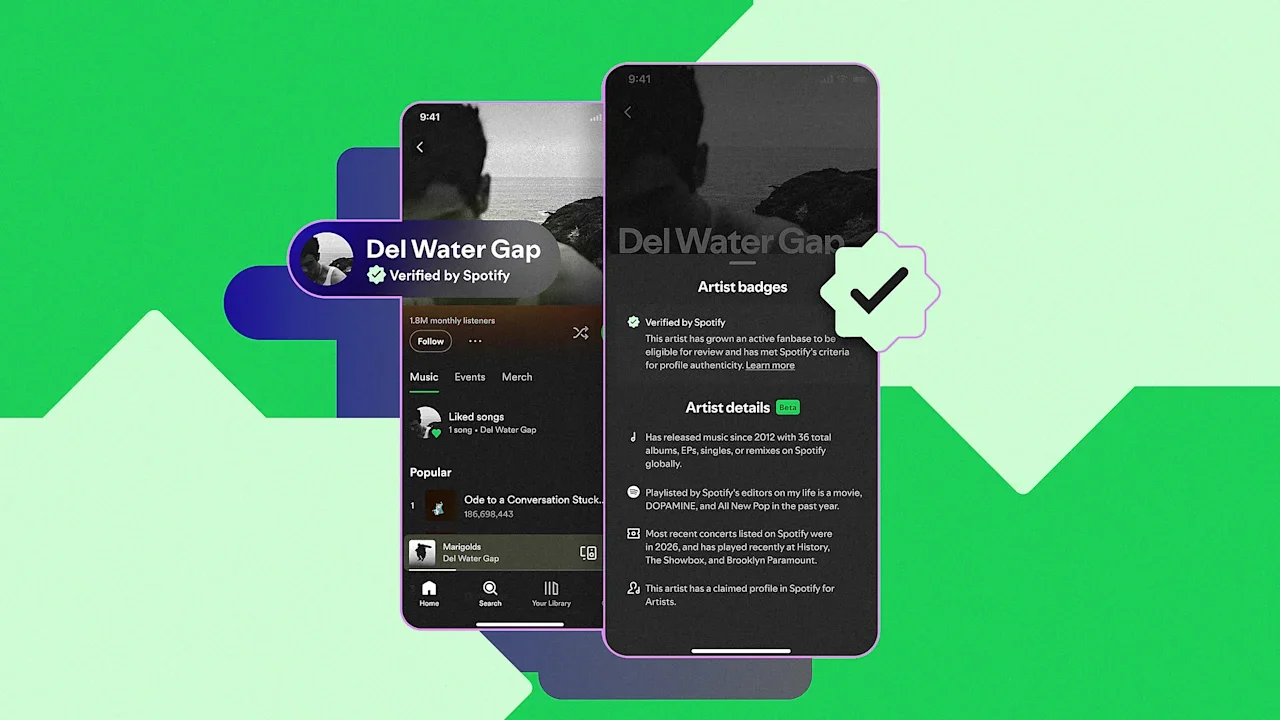
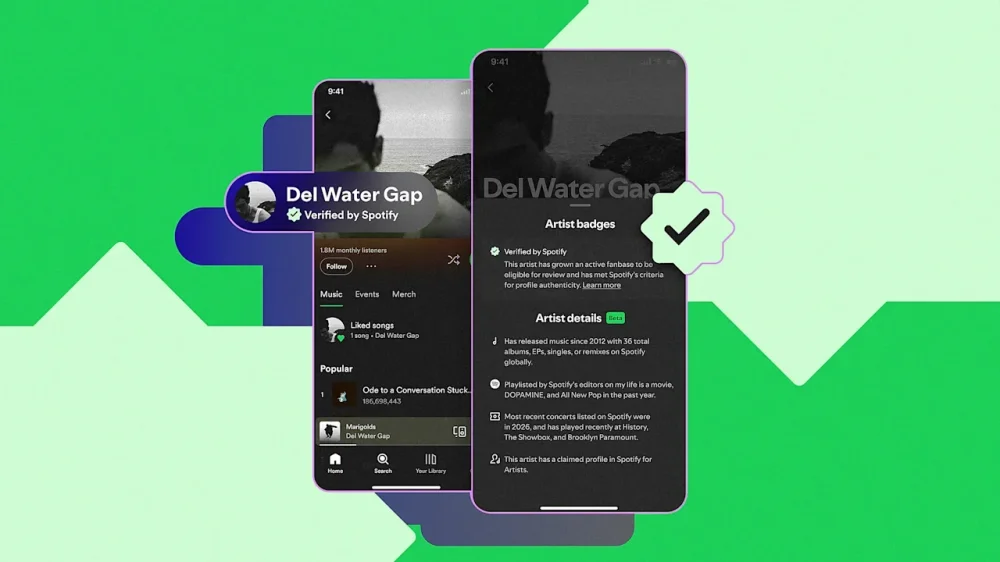
When browsing social media it is sometimes hard to discern reality from AI. Is a video of bunnies jumping on a trampoline at night real-life? Probably not. But while some of us are stuck trying to figure out the authenticity of visual content, Spotify is jumping ahead to help users know if who they are listening to is actually human. The streaming giant’s newest feature, Verified by Spotify, gives artists who have been reviewed by Spotify a mint-green check beside their profile. The company evaluates robust criteria to determine a profile’s authenticity and trust, including data related to listener activity, engagement over time, and an identifiable artist presence in and outside of Spotify. “We’ll pair these standards with human review and judgment to identify real artists behaving in good-faith, not just filtering out bad actors, giving you a more reliable signal of the authentic artistry behind the music,” Spotify said of the announcement. They added, “In today’s music landscape, the concept of artist authenticity is complex and quickly evolving, and we’ll continue to develop our approach over time.” Users will be able to see the badges in the coming weeks, with the company claiming they ensured that “more than 99% of the artists Spotify listeners actively search for will be verified,” at its launch on April 30. The new feature follows a series of added safeguards for listeners as AI scams proliferate in the music industry. Take a recently published song by country singer Blaze Foley on Spotify which turns out was not by the singer—he’s been dead for over two decades—and was instead generated and published using AI. This practice has become increasingly common for scammers who seek to claim royalties from streaming services. In response, Spotify has rolled out a number of safety features for both artists and listeners alike. Artist Profile Protection, for instance, is an opt-in service that enables an extra review step for artists by requiring them to manually authorize a new song populating on their profile. Additional AI protections have also been implemented since last year, with strengthened rules on impersonations, a music spam filter, and efforts towards AI disclosures with industry-wide credits. In addition to the verification badge, Spotify is also introducing a new beta section for artist profiles, similar to nutritional facts on a food package. Regardless of verification status, the artist details section allows listeners to learn more about the artist’s career milestones, release history, and touring activity. Still, while new feature mean to offsett growing concerns around AI and the trust between artists and listeners, safeguards will continue to evolve alongside the emerging technology. “Our goal is to make it easier for you to trust and understand the human artistry behind the music you listen to on Spotify, and develop long-term, meaningful connections with the artists and music you love,” the company said. View the full article
-
If you’re starting out in video editing, choosing the right app can greatly influence your learning experience. Several options cater particularly to beginners, offering user-friendly interfaces and crucial features. Free apps like DaVinci Resolve and Shotcut provide robust tools without the cost, whereas iMovie simplifies the process for Mac users. On the mobile front, CapCut and KineMaster stand out for their trendy effects. Comprehending your needs will help narrow down the best choice for you, but there’s more to reflect on. Key Takeaways Free apps like DaVinci Resolve and iMovie provide powerful features without cost, making them ideal for beginners. User-friendly options such as CapCut and Filmora offer intuitive interfaces and trendy effects for social media content creation. Multi-layer support in apps like KineMaster allows for more complex editing while maintaining accessibility for new users. Consider device compatibility; iMovie is great for iOS, while CapCut works well on both Android and iOS platforms. Evaluate your editing goals to choose the best app, whether for social media, YouTube, or personal projects. Best Free Video Editing Apps for Beginners When you’re starting your expedition in video editing, choosing the right app can greatly impact your learning experience. Among the best video editing apps for beginners, DaVinci Resolve stands out for its professional-grade features and free access. If you prefer something simpler, Shotcut offers a user-friendly, open-source platform that supports various formats without watermarks. For those interested in visual effects, HitFilm Express provides a robust free version, though it may require more time to master. CapCut is excellent for mobile users, with trendy effects and easy-to-use tools designed for social media content. Finally, iMovie is perfect for Mac users, offering crucial features in a straightforward interface. Each of these options can help you develop your video editing skills effectively. Best Paid Video Editing Apps for Beginners For beginners looking to invest in video editing, several paid apps provide a balance of user-friendly interfaces and strong features. Adobe Premiere Elements is a standout choice, offering guided edits and AI tools along with a one-time payment structure that covers three years of use, making it a cost-effective option as you advance your skills. CyberLink PowerDirector features a sleek interface and is available via subscription at $19.99 monthly or $54.99 annually, including motion tracking and screen recording. Filmora offers budget-friendly subscription options and perpetual licenses, catering to novice editors with professional-level features. Finally, ACDSee Luxea provides a free version with an extensive toolset, whereas Final Cut Pro is ideal for Mac users but may be complex for absolute beginners. Best Video Editing Apps for Ios Users If you’re an iOS user seeking to explore video editing, several apps cater to varying skill levels and needs. iMovie stands out as a free option that’s pre-installed on all iOS devices, offering essential tools like video stabilization and chroma keying, which can help you create polished videos effortlessly. CapCut is another popular free app designed for social media content, featuring trendy effects and auto-captioning for a user-friendly experience. For more advanced editing, KineMaster provides multi-layer support, though its free version includes a watermark. Adobe Premiere Rush allows quick edits with a drag-and-drop interface, whereas LumaFusion offers professional-grade features like multi-track editing and 4K support, available for a one-time purchase. Best Video Editing Apps for Android Users Video editing on Android devices has become increasingly accessible, thanks to a variety of robust apps customized for users at different skill levels. CapCut is a standout choice, offering a free and intuitive interface that includes trendy effects, auto-captioning, and multi-layer editing, making it ideal for quick social media content creation. KineMaster takes things a step further with its professional-level capabilities, enabling multi-layer video editing, real-time previews, and a range of effects, which cater to creators seeking more advanced tools. FilmoraGo provides user-friendly templates, music options, and easy sharing features. InShot allows quick edits with trimming, merging, and music integration, whereas VivaVideo boasts creative tools with drag-and-drop functionality, ensuring engaging videos are just a few taps away. Best Video Editing Apps for Social Media Content In relation to creating engaging social media content, selecting the right video editing app can make all the difference. You’ll want to think about apps like CapCut, which offers trendy effects and auto-captioning, or Clipchamp, known for its customizable templates designed for social media marketing. Grasping the crucial features of these editors will help you produce videos that capture attention and improve your online presence. Top Social Media Editors Creating engaging social media content has never been easier, thanks to a variety of potent video editing apps designed particularly for beginners. CapCut stands out as a free option, offering trendy effects and auto-captioning, making it perfect for quick edits on platforms like TikTok and Instagram. Clipchamp provides an intuitive, browser-based experience with templates customized for social media, enabling you to create appealing content effortlessly. For those who want to mix video and photo editing, InShot allows you to add music, text, and stickers easily. If you’re seeking simplicity, Adobe Premiere Rush offers single-track editing for quick uploads. Finally, KineMaster delivers professional-level tools, suitable for more complex video projects, with multiple layers and effects. Essential Features for Engagement To effectively engage your audience on social media, it’s fundamental to choose video editing apps that offer significant features customized for this purpose. Look for user-friendly interfaces and a variety of templates, as seen in apps like CapCut and Clipchamp, designed particularly for platforms like TikTok and Instagram. Built-in social media integrations allow for seamless sharing, enabling quick uploads. Key tools like auto-captioning and trendy effects make your videos more accessible and visually appealing. Utilizing music libraries and sound effects is imperative, as studies reveal that sound boosts attention. Finally, efficient rendering speeds are significant; apps like CyberLink PowerDirector offer quick exports to meet the fast-paced demands of digital content sharing. Best Video Editing Apps for Quick Edits Here’s a quick comparison of some top apps for quick edits: App Key Features Clipchamp Templates, free, browser-based CapCut Built-in effects, auto-captioning Filmora One-click editing, professional effects iMovie Clean interface, fundamental tools Best Video Editing Apps With Advanced Features If you’re looking to take your video editing skills to the next level, several apps offer advanced features that can improve your projects. Filmora and KineMaster provide strong multi-layer support, letting you add various video and audio tracks for more complex edits. Furthermore, apps like DaVinci Resolve and CyberLink PowerDirector include advanced editing tools such as motion tracking and AI-driven effects, making them suitable for users ready to explore deeper editing techniques. Advanced Editing Tools As you plunge into the domain of video editing, selecting an app with advanced features can greatly boost your projects. Tools like Adobe Premiere Pro and Final Cut Pro offer extensive options, including multi-track editing and advanced color grading, perfect for thorough editing. CyberLink PowerDirector improves your workflow with AI-driven features such as motion tracking and automatic scene detection. DaVinci Resolve is renowned for its robust color correction and visual effects, appealing to both professionals and beginners alike. Filmora allows you to add advanced effects like motion tracking and audio ducking without overwhelming complexity. Furthermore, Kdenlive offers advanced functions like GPU rendering and a customizable interface, making it an excellent choice for experienced users seeking open-source solutions. Multi-layer Support Multi-layer support in video editing apps greatly boosts your ability to create intricate projects, allowing you to work with multiple video and audio tracks simultaneously. This feature is crucial for adding overlays, picture-in-picture effects, and more complex compositions. Apps like KineMaster and Adobe Premiere Rush enable you to combine various media types seamlessly. Here’s a quick comparison of some beginner-friendly apps with multi-layer support: App Name Key Features User Interface KineMaster Multi-track audio, video overlays Intuitive Adobe Premiere Rush Advanced effects, easy sharing User-friendly Filmora Text layers, shifts Simple CapCut Effects library, stickers Accessible With these tools, you can elevate your creative expression as you maintain workflow efficiency. Best Video Editing Apps With Screen Recording Capabilities Regarding video editing apps that also feature screen recording capabilities, several standout options cater to beginners. ACDSee Luxea integrates screen recording with user-friendly editing tools, perfect for tutorials or gameplay videos. CyberLink PowerDirector allows you to capture your desktop or gameplay, making it easy to produce professional-looking videos with voiceovers. Filmora simplifies desktop activity capture, ideal for instructional content or presentations, boasting an intuitive interface. Movavi Video Editor provides a straightforward screen recording option, enabling you to record and edit footage as well as offering various effects and transitions. Finally, OBS Studio is a free, open-source software that delivers high-quality screen recording, making it an excellent choice for those aiming to create tutorials or stream content. Best User-Friendly Video Editing Apps When you’re starting out in video editing, finding user-friendly apps can make a significant difference in your experience and results. CapCut features an intuitive interface and trendy effects, perfect for creating engaging social media content. If you’re an Apple user, iMovie is pre-installed and offers a clean layout with crucial tools, making it easy to learn the basics. KineMaster provides a professional-level experience on mobile, supporting multi-layer editing for high-quality videos. For web-based editing, Clipchamp has numerous templates and straightforward tools that cater to various skill levels. Finally, Adobe Premiere Rush combines user-friendliness with potent features, enabling quick edits and direct uploads to platforms like YouTube, making it ideal for beginners. How to Choose the Right Video Editing App for You How can you determine which video editing app is the best fit for your needs? Start by evaluating your budget; free options like CapCut or iMovie provide excellent features without cost. Next, check device compatibility to guarantee the app runs smoothly on your operating system, whether it’s Windows, Mac, or mobile. Identify your primary editing purpose, like creating social media content or producing complex YouTube videos, to select an app that aligns with those goals. Analyze the app’s learning curve; user-friendly interfaces and accessible tutorials are especially useful for beginners. Finally, consider export capabilities, including resolution limits or watermarks in free versions, to ensure your final output meets your quality standards. Frequently Asked Questions Which Video Editing App Is Best for Beginners? When choosing a video editing app as a beginner, consider user-friendly options that simplify the editing process. Apps like CapCut offer trendy effects and auto-captioning, whereas iMovie provides core tools for Mac users. You might as well explore Adobe Premiere Rush for quick uploads or KineMaster for more editing control. Filmora is another solid option, featuring helpful tutorials to guide you. Assess your needs to determine which app aligns best with your editing goals. What Do Most Youtubers Use to Edit Their Videos? Most YouTubers use various video editing software depending on their needs. Adobe Premiere Pro is favored for its advanced features and compatibility with other Adobe tools. CyberLink PowerDirector is popular for its user-friendly interface and quick rendering. Mac users often choose iMovie for its accessibility and simplicity. DaVinci Resolve gains traction for its potent free version, whereas CapCut is utilized for its trendy effects and mobile editing capabilities, catering to social media content. What Is the Easiest Free Video Editing App? The easiest free video editing app is CapCut. It features a user-friendly interface, making it simple for you to navigate and edit your videos. You’ll find various trendy effects and templates that can improve your content without overwhelming you. Another option is iMovie, which is pre-installed on Macs and offers vital tools. If you prefer browser-based editing, Clipchamp provides intuitive multi-track editing and free templates, ensuring a seamless experience for new users. Which Course Is Best for Video Editing for Beginners? When choosing a video editing course for beginners, consider platforms like Udemy or Coursera. They offer structured lessons on crucial software, including Adobe Premiere Pro and DaVinci Resolve. Look for courses that provide hands-on projects to practice your skills and build a portfolio. Moreover, guarantee the course offers lifetime access to materials and community support for ongoing feedback. Prices vary, so explore options ranging from free to several hundred dollars to find what suits you best. Conclusion In conclusion, choosing the right video editing app involves considering your specific needs, device compatibility, and budget. Free options like DaVinci Resolve and Shotcut provide strong features, whereas iMovie simplifies editing for Mac users. For mobile users, CapCut and KineMaster offer trendy effects. If you’re ready to invest, Adobe Premiere Elements and Filmora are excellent choices. Assess your goals and preferences carefully to find the app that best suits your video editing expedition. Image via Google Gemini This article, "Best Video Editing Apps for Beginners" was first published on Small Business Trends View the full article
-
If you’re starting out in video editing, choosing the right app can greatly influence your learning experience. Several options cater particularly to beginners, offering user-friendly interfaces and crucial features. Free apps like DaVinci Resolve and Shotcut provide robust tools without the cost, whereas iMovie simplifies the process for Mac users. On the mobile front, CapCut and KineMaster stand out for their trendy effects. Comprehending your needs will help narrow down the best choice for you, but there’s more to reflect on. Key Takeaways Free apps like DaVinci Resolve and iMovie provide powerful features without cost, making them ideal for beginners. User-friendly options such as CapCut and Filmora offer intuitive interfaces and trendy effects for social media content creation. Multi-layer support in apps like KineMaster allows for more complex editing while maintaining accessibility for new users. Consider device compatibility; iMovie is great for iOS, while CapCut works well on both Android and iOS platforms. Evaluate your editing goals to choose the best app, whether for social media, YouTube, or personal projects. Best Free Video Editing Apps for Beginners When you’re starting your expedition in video editing, choosing the right app can greatly impact your learning experience. Among the best video editing apps for beginners, DaVinci Resolve stands out for its professional-grade features and free access. If you prefer something simpler, Shotcut offers a user-friendly, open-source platform that supports various formats without watermarks. For those interested in visual effects, HitFilm Express provides a robust free version, though it may require more time to master. CapCut is excellent for mobile users, with trendy effects and easy-to-use tools designed for social media content. Finally, iMovie is perfect for Mac users, offering crucial features in a straightforward interface. Each of these options can help you develop your video editing skills effectively. Best Paid Video Editing Apps for Beginners For beginners looking to invest in video editing, several paid apps provide a balance of user-friendly interfaces and strong features. Adobe Premiere Elements is a standout choice, offering guided edits and AI tools along with a one-time payment structure that covers three years of use, making it a cost-effective option as you advance your skills. CyberLink PowerDirector features a sleek interface and is available via subscription at $19.99 monthly or $54.99 annually, including motion tracking and screen recording. Filmora offers budget-friendly subscription options and perpetual licenses, catering to novice editors with professional-level features. Finally, ACDSee Luxea provides a free version with an extensive toolset, whereas Final Cut Pro is ideal for Mac users but may be complex for absolute beginners. Best Video Editing Apps for Ios Users If you’re an iOS user seeking to explore video editing, several apps cater to varying skill levels and needs. iMovie stands out as a free option that’s pre-installed on all iOS devices, offering essential tools like video stabilization and chroma keying, which can help you create polished videos effortlessly. CapCut is another popular free app designed for social media content, featuring trendy effects and auto-captioning for a user-friendly experience. For more advanced editing, KineMaster provides multi-layer support, though its free version includes a watermark. Adobe Premiere Rush allows quick edits with a drag-and-drop interface, whereas LumaFusion offers professional-grade features like multi-track editing and 4K support, available for a one-time purchase. Best Video Editing Apps for Android Users Video editing on Android devices has become increasingly accessible, thanks to a variety of robust apps customized for users at different skill levels. CapCut is a standout choice, offering a free and intuitive interface that includes trendy effects, auto-captioning, and multi-layer editing, making it ideal for quick social media content creation. KineMaster takes things a step further with its professional-level capabilities, enabling multi-layer video editing, real-time previews, and a range of effects, which cater to creators seeking more advanced tools. FilmoraGo provides user-friendly templates, music options, and easy sharing features. InShot allows quick edits with trimming, merging, and music integration, whereas VivaVideo boasts creative tools with drag-and-drop functionality, ensuring engaging videos are just a few taps away. Best Video Editing Apps for Social Media Content In relation to creating engaging social media content, selecting the right video editing app can make all the difference. You’ll want to think about apps like CapCut, which offers trendy effects and auto-captioning, or Clipchamp, known for its customizable templates designed for social media marketing. Grasping the crucial features of these editors will help you produce videos that capture attention and improve your online presence. Top Social Media Editors Creating engaging social media content has never been easier, thanks to a variety of potent video editing apps designed particularly for beginners. CapCut stands out as a free option, offering trendy effects and auto-captioning, making it perfect for quick edits on platforms like TikTok and Instagram. Clipchamp provides an intuitive, browser-based experience with templates customized for social media, enabling you to create appealing content effortlessly. For those who want to mix video and photo editing, InShot allows you to add music, text, and stickers easily. If you’re seeking simplicity, Adobe Premiere Rush offers single-track editing for quick uploads. Finally, KineMaster delivers professional-level tools, suitable for more complex video projects, with multiple layers and effects. Essential Features for Engagement To effectively engage your audience on social media, it’s fundamental to choose video editing apps that offer significant features customized for this purpose. Look for user-friendly interfaces and a variety of templates, as seen in apps like CapCut and Clipchamp, designed particularly for platforms like TikTok and Instagram. Built-in social media integrations allow for seamless sharing, enabling quick uploads. Key tools like auto-captioning and trendy effects make your videos more accessible and visually appealing. Utilizing music libraries and sound effects is imperative, as studies reveal that sound boosts attention. Finally, efficient rendering speeds are significant; apps like CyberLink PowerDirector offer quick exports to meet the fast-paced demands of digital content sharing. Best Video Editing Apps for Quick Edits Here’s a quick comparison of some top apps for quick edits: App Key Features Clipchamp Templates, free, browser-based CapCut Built-in effects, auto-captioning Filmora One-click editing, professional effects iMovie Clean interface, fundamental tools Best Video Editing Apps With Advanced Features If you’re looking to take your video editing skills to the next level, several apps offer advanced features that can improve your projects. Filmora and KineMaster provide strong multi-layer support, letting you add various video and audio tracks for more complex edits. Furthermore, apps like DaVinci Resolve and CyberLink PowerDirector include advanced editing tools such as motion tracking and AI-driven effects, making them suitable for users ready to explore deeper editing techniques. Advanced Editing Tools As you plunge into the domain of video editing, selecting an app with advanced features can greatly boost your projects. Tools like Adobe Premiere Pro and Final Cut Pro offer extensive options, including multi-track editing and advanced color grading, perfect for thorough editing. CyberLink PowerDirector improves your workflow with AI-driven features such as motion tracking and automatic scene detection. DaVinci Resolve is renowned for its robust color correction and visual effects, appealing to both professionals and beginners alike. Filmora allows you to add advanced effects like motion tracking and audio ducking without overwhelming complexity. Furthermore, Kdenlive offers advanced functions like GPU rendering and a customizable interface, making it an excellent choice for experienced users seeking open-source solutions. Multi-layer Support Multi-layer support in video editing apps greatly boosts your ability to create intricate projects, allowing you to work with multiple video and audio tracks simultaneously. This feature is crucial for adding overlays, picture-in-picture effects, and more complex compositions. Apps like KineMaster and Adobe Premiere Rush enable you to combine various media types seamlessly. Here’s a quick comparison of some beginner-friendly apps with multi-layer support: App Name Key Features User Interface KineMaster Multi-track audio, video overlays Intuitive Adobe Premiere Rush Advanced effects, easy sharing User-friendly Filmora Text layers, shifts Simple CapCut Effects library, stickers Accessible With these tools, you can elevate your creative expression as you maintain workflow efficiency. Best Video Editing Apps With Screen Recording Capabilities Regarding video editing apps that also feature screen recording capabilities, several standout options cater to beginners. ACDSee Luxea integrates screen recording with user-friendly editing tools, perfect for tutorials or gameplay videos. CyberLink PowerDirector allows you to capture your desktop or gameplay, making it easy to produce professional-looking videos with voiceovers. Filmora simplifies desktop activity capture, ideal for instructional content or presentations, boasting an intuitive interface. Movavi Video Editor provides a straightforward screen recording option, enabling you to record and edit footage as well as offering various effects and transitions. Finally, OBS Studio is a free, open-source software that delivers high-quality screen recording, making it an excellent choice for those aiming to create tutorials or stream content. Best User-Friendly Video Editing Apps When you’re starting out in video editing, finding user-friendly apps can make a significant difference in your experience and results. CapCut features an intuitive interface and trendy effects, perfect for creating engaging social media content. If you’re an Apple user, iMovie is pre-installed and offers a clean layout with crucial tools, making it easy to learn the basics. KineMaster provides a professional-level experience on mobile, supporting multi-layer editing for high-quality videos. For web-based editing, Clipchamp has numerous templates and straightforward tools that cater to various skill levels. Finally, Adobe Premiere Rush combines user-friendliness with potent features, enabling quick edits and direct uploads to platforms like YouTube, making it ideal for beginners. How to Choose the Right Video Editing App for You How can you determine which video editing app is the best fit for your needs? Start by evaluating your budget; free options like CapCut or iMovie provide excellent features without cost. Next, check device compatibility to guarantee the app runs smoothly on your operating system, whether it’s Windows, Mac, or mobile. Identify your primary editing purpose, like creating social media content or producing complex YouTube videos, to select an app that aligns with those goals. Analyze the app’s learning curve; user-friendly interfaces and accessible tutorials are especially useful for beginners. Finally, consider export capabilities, including resolution limits or watermarks in free versions, to ensure your final output meets your quality standards. Frequently Asked Questions Which Video Editing App Is Best for Beginners? When choosing a video editing app as a beginner, consider user-friendly options that simplify the editing process. Apps like CapCut offer trendy effects and auto-captioning, whereas iMovie provides core tools for Mac users. You might as well explore Adobe Premiere Rush for quick uploads or KineMaster for more editing control. Filmora is another solid option, featuring helpful tutorials to guide you. Assess your needs to determine which app aligns best with your editing goals. What Do Most Youtubers Use to Edit Their Videos? Most YouTubers use various video editing software depending on their needs. Adobe Premiere Pro is favored for its advanced features and compatibility with other Adobe tools. CyberLink PowerDirector is popular for its user-friendly interface and quick rendering. Mac users often choose iMovie for its accessibility and simplicity. DaVinci Resolve gains traction for its potent free version, whereas CapCut is utilized for its trendy effects and mobile editing capabilities, catering to social media content. What Is the Easiest Free Video Editing App? The easiest free video editing app is CapCut. It features a user-friendly interface, making it simple for you to navigate and edit your videos. You’ll find various trendy effects and templates that can improve your content without overwhelming you. Another option is iMovie, which is pre-installed on Macs and offers vital tools. If you prefer browser-based editing, Clipchamp provides intuitive multi-track editing and free templates, ensuring a seamless experience for new users. Which Course Is Best for Video Editing for Beginners? When choosing a video editing course for beginners, consider platforms like Udemy or Coursera. They offer structured lessons on crucial software, including Adobe Premiere Pro and DaVinci Resolve. Look for courses that provide hands-on projects to practice your skills and build a portfolio. Moreover, guarantee the course offers lifetime access to materials and community support for ongoing feedback. Prices vary, so explore options ranging from free to several hundred dollars to find what suits you best. Conclusion In conclusion, choosing the right video editing app involves considering your specific needs, device compatibility, and budget. Free options like DaVinci Resolve and Shotcut provide strong features, whereas iMovie simplifies editing for Mac users. For mobile users, CapCut and KineMaster offer trendy effects. If you’re ready to invest, Adobe Premiere Elements and Filmora are excellent choices. Assess your goals and preferences carefully to find the app that best suits your video editing expedition. Image via Google Gemini This article, "Best Video Editing Apps for Beginners" was first published on Small Business Trends View the full article
-
The latest study from LodeStar found the ratio of average closing cost to home sales price in several states, led by Delaware, well above the national average. View the full article
-
Ask any C-suite leader if AI is a priority in their organization. The answer is yes. The numbers back it up. Menlo Ventures reports that companies spent $37 billion in 2025 on AI. But spending does not guarantee success, and many companies are now coming out of major rollouts with little to show for it. Adoption is low, productivity hasn’t increased, and ROI is still an idea on a slide because organizations handed AI to their IT team like it was new software to install and called it a rollout. Deploying AI is a workforce strategy that demands behavior change and a new operating model. It’s not a technology rollout. It’s a workforce and culture transformation. STOP AUTOMATING BROKEN WAYS OF WORKING The most common mistake we see companies make is simple: they automate the old way of doing business instead of redesigning it. Organizations need to ask different questions. Rather than “How can we do this job faster with AI,” it’s “If we were building this from scratch today, what would humans do, what would AI do, and what should we not do at all?” Start by picking three to five high-impact workflows—not job titles or departments—and rebuild them from scratch. For example, take M&A due diligence. Document review and analysis that used to take weeks can now be done in days. That’s because the workflow itself was redesigned around what AI does best: synthesizing and surfacing insights at scale. ADOPTION NEEDS MORE THAN TRAINING Organizations have a responsibility to upskill their workforce, but upskilling from a central learning department can move slowly, and slow isn’t an option today. While centralized training is important, you also need to find and leverage your champions. Most organizations already have people leaning in—proactively learning, experimenting, and applying AI to their work. The fastest way to accelerate AI adoption isn’t training alone. The best thing you can do is activate your champion network. Connect them and give them agency, time, and tools so they can inspire others to do the same. At West Monroe, we brought together our evangelists, empowered them to test and learn, and charged them with bringing others along. Grassroots energy will get you farther, faster, than any corporate-wide training program. At the same time, leadership must be all in. If leadership isn’t using AI, no one else will believe it matters. Leaders should model the behavior and hold people accountable. A little fun, healthy, and friendly competition plays a role too. We have a corporate-wide leaderboard. We hold AI challenges, award prizes, and give out innovation bonuses to those who are actively learning, participating, and most importantly, innovating for outcomes. Making work fun helps. BUILD A CULTURE OF CONTINUOUS LEARNING It’s our responsibility not only to employ people, but also to keep their skills current so they remain employable whether at our company or elsewhere. There are three clear ways for organizations to do this: 1. Do the hard thing. Be honest about which roles will change and empower those people to learn new skills. Avoiding conversation creates more fear. 2. Real investment and development. For many people, AI proficiency will soon to be a prerequisite for employment. The best thing employers can do is to build a culture of curiosity, learning, innovation, and experimentation. The best thing employees can do is embrace continuous learning and adaptability. Invest in your people. 3. Make it safe to experiment—and fail. Highlight successes, as well as things that didn’t work and what you learned from it. Continual learning is key. CULTURE IS THE REAL AI STRATEGY The organizations that close the gap between AI investment and impact won’t be known for having the best tools; they’ll be known for having the strongest learning and innovation culture. AI is not a technology rollout. It’s a business and workforce transformation, and culture is the competitive advantage. Tanya Moore is the chief people officer at West Monroe. View the full article

-
Managing project managers is harder than it looks — and most leaders are getting it wrong in the same predictable ways. Here's what experts say it actually takes to lead a team of PMs effectively. The post The One Thing Everyone Gets Wrong About Managing Project Managers appeared first on The Digital Project Manager. View the full article