All Activity
- Past hour
-
 When budgeting for a franchise investment, it’s vital to understand the various costs involved. Initial franchise fees typically range from $20,000 to $50,000, but that’s just the beginning. You’ll likewise need to take into account real estate, inventory, ongoing royalty fees, and other operational expenses. Each component plays a significant role in your overall financial plan, so being thorough is fundamental. But how do you guarantee that your budget covers everything necessary for a successful franchise operation? Key Takeaways Initial franchise investments typically range from $100,000 to $300,000, with fees often between $20,000 and $50,000 for franchise rights. Real estate costs, including down payments and renovations, can add $50,000 to $350,000 to your budget. Ongoing royalty fees of 5% to 9% of gross sales must be factored into your operating costs. Professional fees for legal and accounting services range from $25,000 to $75,000, influencing overall budget planning. Comprehensive training and support may require an additional investment of $10,000 to $30,000 for franchise success. Understanding Franchise Startup Costs When considering a franchise investment, it’s vital to understand the startup costs involved, which can range considerably based on various factors. Typically, how much does it cost to get a franchise? Initial investments can vary from $10,000 to $5 million, with many franchises falling between $100,000 and $300,000. This includes legal costs for the Franchise Disclosure Document (FDD), which can be $15,000 to $45,000. You might additionally need to develop an Operations Manual, costing anywhere from $0 to $30,000. Franchise fees, usually non-negotiable, cover crucial resources and support. In the end, your franchise owner salary will depend on various elements, but the average franchise owner salary can provide a realistic expectation of your potential earnings. Initial Franchise Fees Explained When you’re considering a franchise investment, comprehension of the initial franchise fees is essential. Typically ranging from $20,000 to $50,000, these fees grant you the rights to use the franchise name and business model, but they can vary based on brand reputation and market conditions. Be sure to review the Franchise Disclosure Document (FDD) for detailed information on these fees and any additional startup costs you might encounter. Franchise Fee Structure Comprehending the franchise fee structure is crucial for anyone considering a franchise investment, as it provides insight into the initial costs involved. Initial franchise fees typically range from $20,000 to $50,000, granting you rights to use the franchise’s name and business model. These franchise fees are typically non-negotiable and reflect the support and resources you’ll receive as a new franchisee. The Franchise Disclosure Document (FDD) outlines these fees in detail, helping you understand your financial commitment. It additionally highlights any extra ongoing fees that may apply. Some franchisors may offer incentives, like deferred fees or limited-time discounts, making it easier for you to enter the market. Always review the FDD carefully to budget effectively for your investment. Additional Initial Costs Comprehending the initial franchise fees is just the beginning of your financial planning for a franchise investment. Typically ranging from $20,000 to $50,000, these franchise fees grant you rights to the brand name and business model. Nonetheless, the initial investment doesn’t stop there; you’ll need to take into account further costs as well. The Franchise Disclosure Document (FDD) lays out specifics, including expenses for training, support, and marketing resources. You’ll also need to budget for real estate acquisition, which can include rental or purchase expenses, plus potential renovations. Moreover, initial inventory is vital and varies by franchise type—think stock for food or retail businesses. Being aware of these further costs is fundamental for effective budgeting. Real Estate and Inventory Considerations When budgeting for your franchise investment, you’ll need to take into account real estate costs, which can include down payments, commissions, and security deposits that vary by location. Furthermore, think about your initial inventory requirements, as these depend heavily on the type of franchise you choose—whether it’s retail or food service. Finally, don’t overlook lease negotiation strategies, as they can greatly influence your ongoing expenses and overall financial health. Real Estate Costs Real estate costs play an important role in your franchise investment, and comprehending these expenses can help you make informed decisions. These costs can vary considerably based on location and property type, often ranging from $50,000 to $250,000. Furthermore, you’ll need to account for renovations and leasehold improvements, which might add another $10,000 to $100,000. Consider these factors: Down payments and commissions associated with property acquisition Security deposits that often accompany leasing agreements Local market conditions affecting lease and purchase prices Understanding real estate costs is vital, as they can impact your franchise owner income and overall investment. Inventory Requirements Comprehending inventory requirements is just as crucial as grasping real estate costs regarding franchise investment. Different franchises have varying inventory needs, impacting your budget markedly. For instance, food franchises might require specialized stock, whereas service-based businesses may need minimal inventory. Here’s a quick overview of potential inventory costs: Franchise Type Estimated Initial Inventory Cost Food Franchise $10,000 – $50,000 Retail Franchise $5,000 – $30,000 Service Franchise $2,000 – $10,000 Understanding how much do franchisees make involves knowing these inventory requirements and ongoing replenishment costs, as they influence cash flow. In the end, knowing how much can a franchise owner make also depends on effective inventory management. Lease Negotiation Strategies Securing a favorable lease is crucial for any franchise investment, and you need to approach negotiations strategically. Start by researching local market rates to understand comparable spaces, which will empower you during negotiations. Consider these key strategies: Factor in upfront costs like security deposits and tenant improvement allowances. Negotiate flexible lease terms that adjust based on your franchise performance to mitigate financial risks. Establish a clear exit strategy with termination clauses or subleasing options to adapt to future changes. Ongoing Royalty Fees and Their Impact When considering a franchise investment, it’s vital to understand how ongoing royalty fees can affect your bottom line. These fees typically range from 5% to 9% of gross sales, greatly impacting your overall profitability. Some franchises, like Dream Vacations, charge a lower fee of 1.5% to 3%, whereas others, such as Complete Weddings + Events, may require up to 8% of annual gross revenue. These royalty fees are usually non-negotiable, funding the franchisor’s support and brand development. As a franchisee, you should budget for these fees as part of your operating costs to guarantee sufficient cash flow. High royalty fees can reduce your net income, making it important to assess potential earnings against these costs when choosing a franchise. Estimating Operating Expenses Estimating operating expenses is vital for any franchisee looking to secure the long-term viability of their business. You’ll need to account for several ongoing costs, including a royalty fee ranging from 5% to 9% of gross sales. Furthermore, recurring expenses such as employee salaries, utilities, and maintenance are critical for daily operations. It’s wise to establish a reserve fund for unexpected costs, like emergency repairs, to guarantee financial stability in the early stages. Don’t forget to include professional fees for legal and accounting services in your budget. Royalty fees for brand support Recurring costs like utilities and salaries Reserve funds for unexpected expenses Marketing and Advertising Budgeting When budgeting for marketing and advertising, you’ll want to allocate a significant portion of your franchise funds, typically around 20-30% in the first year. Digital advertising strategies are crucial for reaching your target audience, so consider how much to invest in online ads alongside traditional methods. Moreover, don’t forget to budget for local initiatives and required promotional materials that can improve your franchise’s visibility and appeal. Allocating Marketing Funds Allocating marketing funds effectively is crucial for the success of any franchise. Franchisees typically contribute 1% to 5% of their gross sales to an advertising fund that supports both national and regional marketing efforts. Local marketing initiatives are equally important, encompassing costs for online ads, print materials, and event sponsorships. Consider these key points when budgeting for marketing: Allocate 20-30% of your total franchising budget to marketing expenses in the first year. Budget for materials like banners and promotional items to improve visibility. Reserve funds for unexpected local marketing opportunities to engage customers effectively. Digital Advertising Strategies Digital advertising strategies play a significant role in maximizing the reach and effectiveness of your marketing efforts as a franchisee. Typically, you should allocate about 1% to 3% of your gross sales to a national or regional advertising fund, which helps improve brand visibility. In addition, local marketing initiatives are imperative; budget for online ads, print materials, and event sponsorships to attract customers to your location. Don’t forget to set aside funds for important marketing materials like banners and promotional items. Your digital advertising can likewise involve extra costs for social media campaigns, search engine marketing, and website optimization. Professional Fees and Insurance Costs Steering through the terrain of professional fees and insurance costs is fundamental for anyone considering a franchise investment. You’ll likely face professional fees for legal and accounting services ranging from $25,000 to $75,000. These guarantee compliance with franchise laws and documentation. Moreover, budgeting for insurance coverage is critical, covering aspects like workers’ compensation, property, and auto insurance, which are both initial and ongoing expenses. Professional fees can considerably impact your budget. Insurance costs vary greatly, so accurate estimation is crucial. Close management of these expenses is key to maintaining profitability. Understanding these costs helps you weigh them against potential benefits, leading to smarter investment decisions in the long run. Financing Options for Franchise Investment When you’re considering a franchise investment, comprehension of your financing options is essential, as they can greatly affect your ability to launch and sustain your business. You can explore traditional commercial bank loans, which typically require a solid credit history and a detailed business plan for approval. The Small Business Administration (SBA) likewise offers favorable loan programs with partial repayment guarantees, making them a popular choice. Alternatively, you might consider funding from alternative lenders, though they often charge higher interest rates. Crowdfunding platforms and personal loans from friends or family can provide additional capital. Finally, many franchisors partner with lenders to offer customized financing programs particularly aimed at helping you cover initial investment costs. Additional Costs to Consider When budgeting for your franchise, it’s vital to account for ongoing royalty fees, which can take a significant chunk of your gross sales. You’ll additionally need to set aside funds for marketing and advertising expenses, as these contributions help strengthen the brand’s presence. Finally, don’t overlook training and support costs, as they play a critical role in your franchise’s success and overall operational efficiency. Ongoing Royalty Fees Ongoing royalty fees are a significant aspect of franchise investment that every potential franchisee should understand. These fees typically range from 5% to 9% of gross sales, providing fundamental support for brand operations. Nonetheless, some franchises charge considerably less or more, so it’s imperative to do your research. Consider these points: Fees can vary widely; for instance, Dream Vacations charges only 1.5% to 3%, whereas Complete Weddings + Events may require 8%. Motto Mortgage offers an initial six-month royalty-free period, followed by a monthly fee of $4,500. Always review the Franchise Disclosure Document (FDD) to grasp the specific royalty fee structure and its impact on your profitability. Understanding these fees is crucial for making informed financial decisions. Marketing and Advertising Expenses Marketing and advertising expenses play a vital role in the success of your franchise investment. You’ll typically contribute a percentage of your gross sales, often between 1% to 5%, to an advertising fund for national or regional promotions. Moreover, local marketing initiatives are important, covering online ads, print materials, and community sponsorships. It’s also significant to budget for marketing materials like banners and flyers, as these improve your visibility. Here’s a quick breakdown of typical marketing costs: Expense Type Percentage of Sales Advertising Fund 1% – 5% Local Marketing Initiatives Varies Ongoing Marketing Support 2% – 4% Initial Marketing Budget 20% – 30% Understanding these costs helps you plan effectively for your franchise’s success. Training and Support Costs During investing in a franchise, comprehending training and support costs is vital for your overall budget. These costs can greatly impact your financial planning, so it’s important to account for them accurately. Initial training platform development can range from $10,000 to $30,000. Ongoing support staff expenses typically fall between $60,000 and $120,000 annually per position. Monthly technology fees for franchise management systems usually cost between $200 and $800 per unit. Furthermore, many franchises allocate 20-30% of their total budget to marketing and brand development, which often includes training initiatives. Initial training programs cover various aspects like operational procedures and inventory management, ensuring you’re well-equipped for success as a franchisee. Assessing Potential Revenue and ROI How do you determine the potential revenue and return on investment (ROI) when considering a franchise? Start by examining the average initial investment, which usually ranges from $100,000 to $300,000, with some low-cost options available under $15,000. Next, consider the revenue potential; for instance, Image One franchisees can earn up to $1 million, whereas Dream Vacations averages around $336,971 annually. Keep in mind that royalty fees, typically 5% to 9% of gross sales, will affect your profitability. Most franchisees recoup their initial investment within 2.5 to 3 years, indicating a reasonable ROI. With around 90% of franchise systems achieving profitability, franchises can be a safer investment compared to independent startups, presenting various revenue opportunities. Importance of the Franchise Disclosure Document (FDD) Grasping the significance of the Franchise Disclosure Document (FDD) is crucial for anyone considering a franchise investment. This legal document provides critical information about the franchise system that you need to make informed decisions. The FDD must be shared with you at least 14 days before signing any agreements, guaranteeing you have ample time to review it. With 23 items included, Item 7 helps you estimate your total investment by outlining initial purchase funds and ongoing capital needs. Audited financial statements included in the FDD promote transparency, whereas Item 19 may present financial performance representations, offering insights into potential earnings based on existing franchisee success. Understanding the FDD can notably impact your investment choice and future profitability. Support and Training Provided to Franchisees Support and training are critical components of a successful franchise investment, as they directly impact your ability to operate effectively and achieve your business goals. Many franchises provide thorough training programs covering vital skills like cleaning methods, marketing strategies, and inventory management. After signing, you typically receive an Operations Manual, which serves as your daily guide. Ongoing support often includes coaching and operational assistance, along with access to updated marketing resources. Some franchises may even offer specialized training platforms, requiring an initial investment of $10,000 to $30,000 for development. The level of support and training available can greatly improve your performance and increase your chances of achieving financial success in your franchise venture. Navigating State Filing and Registration Fees When you commence your franchise investment expedition, comprehending state filing and registration fees is crucial, as these costs can substantially affect your budget. Depending on the state and specific requirements, state filing fees can range from $1,000 to $4,500. Incorporation fees typically average around $300, whereas trademark filings with the USPTO cost about $250 per class. Furthermore, Franchise Disclosure Document (FDD) registration fees can vary from $250 to $750 per state. Consider these key points: Total costs fluctuate based on the number of states you’re operating in. Always account for state-specific fees in your budget. Research each state’s specific requirements to avoid surprises. Understanding these fees will help you plan effectively for your franchise investment. Strategies for Budgeting Effectively Effective budgeting for your franchise investment is vital to guarantee financial stability and success. Start by estimating your initial setup costs, ranging from $26,000 to $84,500, and don’t forget about first-year sales costs, which typically run between $22,500 and $75,500. Incorporate legal expenses for the Franchise Disclosure Document, costing between $15,000 and $45,000, and consider operational manual development, which can vary from $0 to $30,000. Furthermore, plan for state filing fees, usually $1,000 to $4,500, and budget for financial services, which may cost $2,500 to $5,000. Finally, account for ongoing expenses like royalty fees of 6-10% of gross sales and marketing costs, which can consume 20-30% of your first-year budget. Frequently Asked Questions How Much Does It Cost to Invest in a Franchise? Investing in a franchise typically costs between $48,500 and $160,000, influenced by the brand and support level. Initial franchise fees usually range from $20,000 to $50,000, meanwhile legal costs for the Franchise Disclosure Document can be $15,000 to $45,000. Furthermore, ongoing royalty fees of 5% to 9% of gross sales support franchisor services. Why Does It Only Cost $10k to Own a Chick-Fil-A Franchise? It only costs $10,000 to own a Chick-Fil-A franchise since the company retains ownership of the restaurant’s real estate and equipment. This approach greatly reduces the financial burden on franchisees. Nevertheless, you’ll need substantial financial resources, as total investments can range from $250,000 to $1 million, depending on location and size. Furthermore, Chick-Fil-A requires franchisees to be actively involved in daily operations, ensuring high service standards and effective management. What Is the 7 Day Rule for Franchise? The 7 Day Rule for franchises requires franchisors to provide you with the Franchise Disclosure Document (FDD) at least 14 days before signing any agreement. This gives you time to review the terms, obligations, and financial commitments involved. You can conduct due diligence, evaluating financial aspects and consulting existing franchisees. Adhering to this rule promotes transparency, protects both parties, and guarantees informed decision-making during safeguarding against potential legal repercussions for franchisors. What Are the 4 P’s of Franchising? The 4 P’s of franchising are Product, Price, Place, and Promotion. Product focuses on the quality and variety of goods or services your franchise offers, ensuring customer satisfaction. Price includes franchise fees, royalties, and other costs that can greatly impact your investment. Place refers to the locations and distribution channels essential for your franchise’s success. Finally, Promotion encompasses marketing strategies aimed at building brand awareness and attracting customers, often requiring contributions from franchisees. Conclusion In conclusion, budgeting for a franchise investment involves careful consideration of various costs, including initial franchise fees, real estate, inventory, and ongoing royalty fees. By estimating operating expenses and comprehending the Franchise Disclosure Document, you can make informed financial decisions. Furthermore, don’t overlook state filing fees and the importance of training and support from the franchisor. With thorough planning and accurate budgeting, you can set yourself up for a successful franchise operation. Image via Google Gemini This article, "How Much Does It Cost to Budget for a Franchise Investment?" was first published on Small Business Trends View the full article
 -
In the realm of group video production, selecting the appropriate tools can greatly improve your collaboration process. You’ll find platforms like Evercast, Wipster, and Frame.io offer unique features that streamline sharing and feedback. Filestage and VEED.io likewise enhance team dynamics with their user-friendly interfaces. As you explore these options, consider how each platform can meet your specific needs and uplift your projects. Let’s take a closer look at what each of these tools has to offer. Key Takeaways Evercast offers real-time content sharing and feedback, making it ideal for collaborative video projects. Wipster allows pinpoint comments that easily convert into actionable tasks for efficient project management. Frame.io provides advanced annotation tools and seamless integration with editing software for streamlined collaboration. Filestage features simultaneous reviews with contextual feedback, enhancing the approval process for video projects. VEED.io enables browser-based editing with real-time collaboration, making video creation accessible without downloads. Evercast Evercast is a robust remote collaboration platform that streamlines the video production process by allowing creative teams to share content and provide feedback in real time. As a group video maker, it improves your workflow with easy-to-use on-screen drawing tools, enabling you to annotate videos as you add timestamped feedback notes for precise referencing. This feature is especially helpful for addressing specific moments in your projects. With live video chatting capabilities, team members can discuss feedback instantly, cultivating effective collaboration during reviews. Evercast supports both pre-recorded content and live feeds, ensuring seamless communication for various video projects. Wipster When teams need to collaborate effectively on video projects, Wipster stands out as a robust tool intended to improve the feedback process. This platform is particularly useful for creating birthday videos, allowing team members to work seamlessly together. Key features include: Pinpoint comments: Reviewers can add specific feedback, which can be converted into actionable tasks. Click-to-comment tool: This makes it easy to add notes directly on the video. Side-by-side comparisons: Teams can efficiently track changes across different video versions. Media management: Robust version control guarantees everyone is on the same page with the latest content. Wipster simplifies the approval process, minimizing the chaos often associated with email feedback and multiple revisions. Frame.io Frame.io serves as a robust cloud-based media collaboration platform designed for video production teams. With real-time feedback capabilities, it streamlines the review process, making it ideal for projects like a birthday video message. You can take advantage of advanced annotation tools, including draw-on features and frame-accurate comments, to communicate precisely with your team. Importing and exporting videos from various editing software is simple, reducing time spent on revisions. Furthermore, Frame.io supports version control, allowing you to track changes and compare different iterations effectively. This improves organization and efficiency in collaborative projects. Starting at just $15 per user per month, it provides scalable options crafted to the needs of teams of all sizes. Filestage Filestage offers a streamlined approval process that allows you and your team to review videos efficiently by annotating and commenting in real time. With versatile media management features, you can easily track changes and manage different versions, ensuring everyone stays on the same page. This platform not just reduces the chaos of scattered feedback but additionally simplifies project management, making collaboration smoother for creative teams. Streamlined Approval Processes In today’s fast-paced work environment, an efficient approval process is crucial for successful collaboration on video projects. Filestage improves the review process, making it ideal for tasks like birthday videography. Here are some key features that streamline approvals: Simultaneous Reviews: Multiple reviewers can annotate videos and leave comments at the same time, nurturing collaboration. Contextual Feedback: Video markers and timestamps enable clear feedback, reducing misunderstandings. Version Control: Easily track changes and compare different video iterations, simplifying feedback management. Organized Discussions: Comment threads keep conversations contextual and organized, eliminating scattered email chaos. With its user-friendly interface, stakeholders can provide feedback directly in their browser, enabling faster review cycles and approvals. This makes Filestage a mighty tool for any video project. Versatile Media Management Features When managing video projects, having versatile media management features can greatly improve your workflow and collaboration. Filestage allows multiple reviewers to annotate videos and leave comments simultaneously, streamlining the review process. With timestamped markers and comment threads, you get clear contextual feedback, reducing misunderstandings. If you’re creating video birthday wishes, this feature is especially useful for ensuring everyone’s input is considered. Adobe Creative Cloud integrates seamlessly with Adobe Creative Cloud, providing real-time feedback from creatives using industry-standard software. Moreover, the platform offers version control and comparison tools, making it easy to track changes and manage different iterations. You can likewise set due dates for reviews, enhancing project management efficiency and ensuring timely delivery of your video projects. VEED.io VEED.io stands out as a highly accessible, browser-based video editing tool that eliminates the need for downloads or account creation, making it easy for anyone to start editing right away. As a birthday video clip maker, it offers features that improve your projects considerably. Here’s what makes VEED.io appealing: Real-time collaboration: Multiple users can edit and comment simultaneously. Subtitles and annotations: Easily add subtitles to boost engagement. On-screen teleprompter: Quickly incorporate text and graphics for efficiency. Streamlined workflows: Perfect for teams needing rapid video publishing without quality loss. With these capabilities, VEED.io helps you create polished videos efficiently, making it a great choice for your collaborative projects. Lytho (Formerly Inmotionnow) Lytho, previously known as InmotionNow, offers a robust video annotation tool customized for marketing and advertising teams. Its features, including highlighting, graphics, and on-screen notes, improve collaboration, making it easier for teams to communicate effectively. With timestamped feedback and comments, you’ll find clarity in your discussions, ensuring a seamless review process for creative projects, like how to make a memorial video. Lytho integrates project management tools that help you track progress and streamline reviews, allowing for efficient management of multiple projects simultaneously. The centralized platform reduces clutter from email feedback, promoting organized discussions. This tool is particularly beneficial for teams collaborating on various file types, such as videos, images, and graphics, ultimately improving overall workflow efficiency. Frequently Asked Questions What Is the Best Team Collaboration Platform? Choosing the best team collaboration platform depends on your specific needs. For improved video review processes, options like Filestage and Frame.io allow simultaneous annotations and comments, boosting communication and efficiency. If you prefer real-time collaboration, Adobe Express and Lumen5 enable remote teamwork on video projects. Consider integration capabilities with tools like Adobe Creative Cloud for seamless workflows. Pricing varies widely, so you’ll find solutions that fit teams of all sizes, from free trials to enterprise plans. What Is the Best Platform to Use for Collaboration and Sharing Documents? For effective collaboration and document sharing, consider platforms like Google Workspace and Microsoft Teams. Google Workspace enables real-time editing and commenting, making teamwork efficient. Microsoft Teams integrates with Office 365, allowing you to collaborate on documents during chatting or video calling. Dropbox Paper is great for multimedia integration, whereas Slack streamlines workflows with file sharing. Evernote Business improves communication through shared notebooks. Each platform offers unique features customized to different collaboration needs. Which Tool Is Most Effective for Real-Time Team Collaboration? For effective real-time team collaboration, tools like Filestage and Frame.io stand out. Filestage allows multiple users to annotate and comment simultaneously, streamlining feedback processes. Frame.io integrates with Adobe products, offering features such as draw-on annotation and frame-accurate commenting, which improves communication. Evercast is ideal for live video chats during annotating. If you prefer asynchronous collaboration, Loom provides easy screen recording for quick feedback, making it a versatile option for remote teams. Is There a Collaborative Video Editor? Yes, there are several collaborative video editors available. Tools like Adobe Express and Lumen5 allow you to edit videos in real-time with team members, simplifying the process. Furthermore, platforms such as Filestage and Frame.io enable you to annotate videos with timestamped comments, which aids in project reviews. Cloud-based options like Descript and InVideo guarantee you can access and edit content from any location, enhancing flexibility and teamwork efficiency. Conclusion To summarize, selecting the right group video maker can greatly improve your collaborative efforts. Platforms like Evercast, Wipster, Frame.io, Filestage, VEED.io, and Lytho each offer unique features customized to streamline communication, feedback, and approval processes. By leveraging these tools, you can boost efficiency and guarantee that all team members contribute effectively to your video projects. Consider your specific needs and choose a platform that aligns with your workflow for best results. Image via Google Gemini This article, "Top 7 Group Video Makers for Seamless Collaboration" was first published on Small Business Trends View the full article
-
In an era where cash flow management is paramount for small and mid-sized businesses (SMBs), Intuit has partnered with Affirm to enhance financial flexibility. This multi-year arrangement will allow QuickBooks users to incorporate Affirm’s “pay-over-time” solution directly into their transactions, providing an innovative way to improve payment methods and boost customer engagement. Managing cash flow proves challenging for many SMBs, with recent studies indicating that approximately 56% of these businesses are owed significant amounts due to unpaid invoices—averaging about $17,500 per business. Intuit aims to alleviate this burden through its collaboration with Affirm, presenting a practical solution for businesses that need to collect payments efficiently while offering their clients more flexible options. David Hahn, Intuit’s EVP and GM of Services Group, highlights the significance of this integration: “By partnering with Affirm to bring native, pay-over-time functionality to QuickBooks, we are giving businesses a powerful new way to increase conversion and improve cash flow, while offering their own customers flexibility.” With this partnership, QuickBooks will not only streamline invoice management but also drive higher sales through improved payment options. The practical implications of this new feature are immediate and compelling. Businesses that opt to use QuickBooks Payments will soon be able to offer customers the chance to split payments into manageable installments. Options can include plans with interest rates as low as 0% APR, allowing customers to spread their financial commitments over time without worrying about late fees or hidden charges. This functionality is designed to enhance customer experience, increase average order values, and ultimately lead to improved conversion rates. Pat Suh, SVP of Revenue at Affirm, reinforces the value of transparent payment systems: “Integrating Affirm directly into QuickBooks Payments will give these businesses another lever for growth — offering customers a transparent, responsible way to pay over time while the business continues to get paid upfront.” Here, Affirm takes on the risk associated with lending, as they will manage applications, underwriting, and transaction approvals, freeing business owners from the complexities of maintaining payment plans. However, while the integration promises numerous benefits, small business owners should remain mindful of some potential challenges. Implementing a new payment solution can involve time and adaptation, especially for businesses where owners or employees are not thoroughly familiar with financial tech products. It is crucial for business owners to ensure they leverage the system effectively to truly realize the benefits. Despite the learning curve, the partnership poses an attractive proposition as Affirm’s pay-over-time offerings will be available for eligible U.S. QuickBooks Online customers who use QuickBooks Payments. With no additional setup required and immediate payments for businesses, many may find this a straightforward way to enhance their customer relations and increase cash flow mechanisms. As businesses increasingly adopt digital solutions, the integration of tools that provide financial flexibility will likely be crucial for sustainability and growth. Thus, it becomes pivotal for small business owners to investigate how tools like Affirm can enrich their offerings while easing the pressure of cash flow concerns. For more insights on this partnership and its implications, you can read the original press release here. Image via Google Gemini This article, "Intuit Integrates Buy Now, Pay Later Option to Boost SMB Cash Flow" was first published on Small Business Trends View the full article
- Today
-
Ukrainian president says US security guarantee has to precede any peace agreementView the full article
-
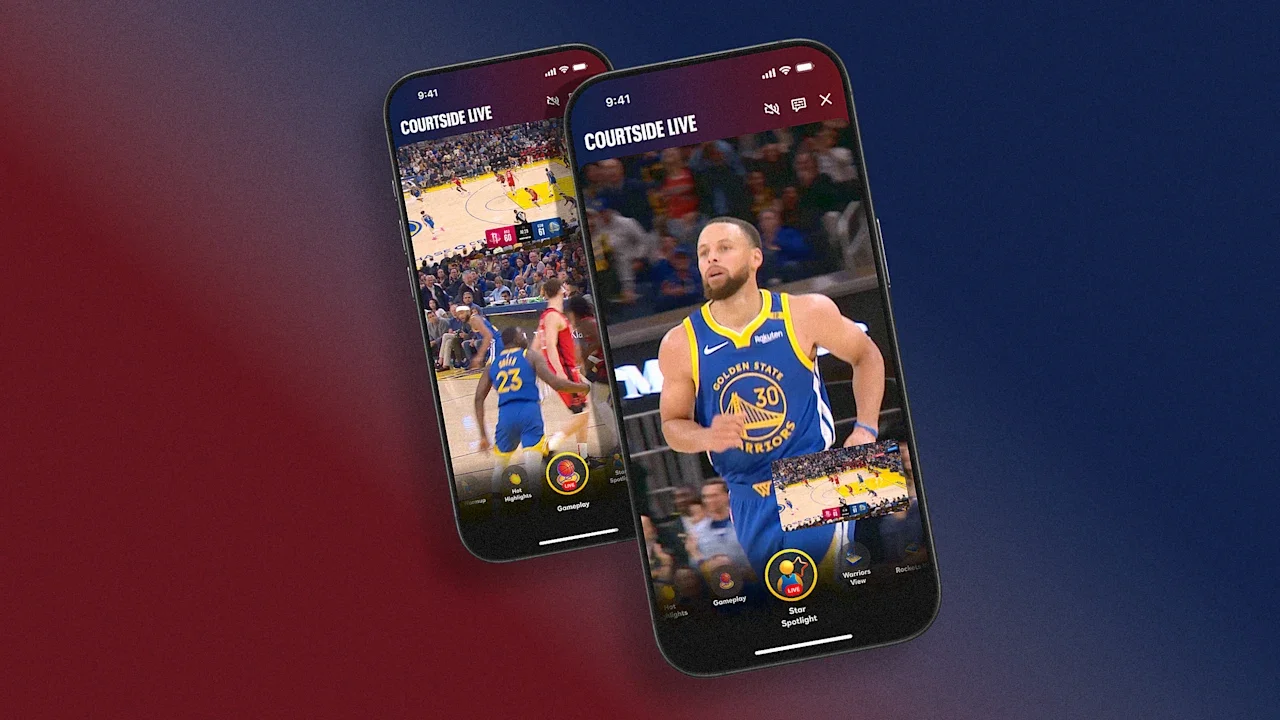
For decades, tuning into a sporting event at home involved watching a traditional broadcast on your TV. These days, however, many viewers aren’t just watching on their TV—they’ve got the game streaming right to their phones. After more than two decades, NBC and the NBA have revived their partnership just in time to face this new challenge. In a media landscape where fans consume sports across traditional broadcasts, streaming platforms, and mobile devices, the question is no longer about how to televise the game, but how to design an experience that cultivates the league’s next generation of stars, its culture, and fandom while honoring the nostalgia that once defined the NBA on NBC. “Our job is to document and cover the game and really celebrate the game,” says Pierre Moosa, coordinating producer for NBC Sports. “That was what we used to do back in the time when we had the NBA on NBC.” Celebrating the game has become more complex as sports fans’ viewing habits are increasingly fragmented. “The consumption of sports is always evolving,” Moosa says. “Whether it’s social media, digital, social, streaming, we need to meet the viewer [where they are].” To solve this, the NBA and NBC—in concert with Peacock, NBC’s streaming platform—are launching a new mobile-first feature called Courtside Live. It’s designed to function alongside traditional broadcast and gives Peacock viewers an unprecedented degree of production control by allowing them to swipe between multiple camera angles in real time, creating a more intimate experience of games. The Design Challenge In recent years mobile has become increasingly important to the fan experience. “I always held my phone horizontally,” Moosa says. “People now hold their phone vertically to watch videos.” This behavioral change started influencing Peacock’s overall strategy back in 2024, when it launched its Can’t Miss Highlights feature, which brought vertical video to the Peacock app for the first time. “Vertical video laid the foundation and helped inform us as we were coming up with Courtside Live,” says Jim Denney, NBCU’s chief product officer, describing a process of experimentation in the lead-up to launching the product. According to Denney, after NBC confirmed its new partnership agreement with the NBA, a cross-functional team got to work brainstorming ideas for a next-gen fan viewing experience. “ It’s really sitting down and starting from the fan and working backwards,” he says. “One of the ideas that came up was what if we could actually create the experience of being courtside—what would that feel like?” says John Jelley, SVP of product and user experience for Peacock and global streaming at NBCUniversal. “When you go to a game, you are looking around, you are seeing the coaches, here’s the athletes coming on, here’s the teams lined up. What if we could actually create the experience a fan [has] live but as part of the Peacock product experience?” The product team presented the idea of a feature that allowed fans to flip through different camera views during a live matchup, both on their phone and TV. Denney says viewers who use multiple devices to watch NBA content tend to be more engaged, noting, “We wanted a cross-section of things that we would do [well] both on TV and on mobile devices.” A major learning that came from the 2024 Paris Olympics broadcast is that there are two types of fans: casual and avid. In addition to providing a quality main broadcast, NBC and Peacock want to appeal to both audience segments by offering new ways to experience the action. They also found that fans who choose to watch events in multiple views simultaneously prefer to stay in that view. Courtside Live builds on that insight by re-creating the multi-view experience for mobile devices. “If you think about your mobile experience, you are swiping up and down through vertical videos, and moving between different apps,” Jelley says. “What we see in that behavior is that fans want the option to [say] ‘Oh, I’m watching the game, there’s something great happening, I wonder if I could understand a bit more about that player or maybe catch up on some moment that happened earlier or see how the celebrities in the stands are reacting.’” He says making the right videos easily accessible to viewers created a net-new experience. “We thought there was a real opportunity to do something completely new with Courtside, which was to bring that to everyone’s phones and everyone’s TVs through multi-view in a way that really hadn’t ever been done before,” Jelley explains. Designing Courtside LiveThe team began testing Courtside Live during NBA Summer League games at Golden State in July 2025 and quickly realized a big hurdle to clear involved translating horizontally captured video into a vertical format that could live on mobile phones. “One of the things you have to do with Courtside Live and any vertical video is often you are shooting a scene with a TV camera, which is a 16-by-9 horizontal feed,” Denney says. “One of the concepts that we had was following [an individual] player [on the court], my understanding is the production team actually had a camera taped off [at] two edges so that the cameraman could actually keep somebody in view.” In that instance, the production team initially used a robo-camera that wasn’t fit to capture the necessary angles. They revisited discussions with the vendor and explored options with more padding to identify the most suitable camera. “Through that partnership with production, we found ways to make sure the users see exactly the right element,” Jelley says. “We employed some Japanese technology that allows the operators to make sure they’re delivering these live feeds [and] they can make sure they’re focused on the elements that are most interesting. . . . We’re using a variety of technologies to make sure that the user is getting the best possible experience in that vertical format.” Another UX pain point was navigation. When Peacock users watch live sporting events on their mobile phones, they’re initially presented with the main traditional broadcast in landscape view. Below that main broadcast view, Jelley explains, users will now find a medley of game views. The team designed the interface with one-handed use in mind, making standard interactions, like swiping through camera angles on mobile devices, intuitive. “If you think about your phone and how you hold your phone, you have to be able to very easily navigate around this experience using just your thumb,” Jelley says. “We really thought about how we could make it easy to switch between these different angles very intuitively, and then use the picture-in-picture functionality that we know users love using on their phone.” Jelley recognizes the paradox Peacock is balancing: While users want more choice, they don’t want to feel overwhelmed. His team’s testing focused predominantly on usability. To simplify navigation, the team used AI to design iconography that clearly communicates to viewers the different camera angles available. And to help viewers transition seamlessly between the main broadcast and alternative views without losing their place, the product team tweaked the styling of the main icon to guide viewers back to their original point of view. “The big design constraint really was doing that on a small screen [because] you don’t have a lot of real estate,” Jelley admits. “You don’t want things to get in the way of the video, but you want to make it very easy to navigate. And I think the design we came up with really lands that well.” Scalability and Repurposing Courtside Live is launching in earnest during the 75th NBA All-Star Game hosted at the Intuit Dome in Los Angeles. In preparation, the teams spent five days rehearsing for the three-day slate of All-Star events, including the Celebrity Game, Rising Stars, All-Star Saturday’s three-point and dunk contests, and Sunday’s new U.S.-vs.-World format. According to Paul Benedict, the NBA’s SVP of broadcasting and content management, the action will be captured by 50-plus cameras, more than 20 super-slow-motion cameras, and a flying cable camera. To achieve crisp, cinematic storytelling, Benedict says the production centers on providing unique access typically reserved for All-Star week. “What makes Courtside Live so special is those cameras are literally on the scores table, giving you that experience,” Moosa says. “I may never be able to sit courtside, but I can grab my phone and be able to see what that camera angle looks like.” While these angles will be available via Peacock on mobile devices, Moosa notes that the traditional broadcast will also benefit from the Courtside Live feature. “So the ISO camera and the courtside cameras are going [to be] intertwined into the normal, traditional broadcast,” he says. Learning through Experimentation The NBC and Peacock teams are enthusiastic about what they’ll learn from their collaboration on this feature and its debut this weekend. “We’ll be tracking each one of these [angles] and seeing how much people watch, how long in one view, how often do they come back,” Jelley says. “A lot of the goal of the experiences we built in mobile is about frequency, because we know that with your phone, you have it all the time. Seeing how frequently [users] come back to [the] experience is a great sign of how compelling it is and how much it becomes a part of people’s habits of watching.” In addition to tracking each camera angle, Jelley and his team plan to track the percentage of mobile users who engage with Courtside Live, aiming to achieve a similar level of success as they did with the Can’t Miss Highlights feature. NBC and Peacock already have an early signal of the feature’s potential because the technology is being employed for its current Winter Olympics coverage. While initially designed for the NBA, their Olympics partner applied it to hockey and figure skating, giving fans unique access to moments like the “kiss and cry” area, where skaters wait with their coaches for scores. This suggests the feature can scale beyond basketball to other live event experiences. “You can imagine how this could apply to other events, whether that’s some of our entertainment events like the Macy’s Thanksgiving Day parade [or] anywhere where we have lots of different angles or even some of our other other shows,” Jelley says. “This will be a conversation. If this works well, how can we extend it?” View the full article
-
Starting a business requires obtaining your registration number, and you can do this in five straightforward steps. First, you’ll need to prepare your formation documents, such as the LLC Operating Agreement or Articles of Incorporation. Then, you’ll file these documents with your state’s Secretary of State office and pay the necessary fees. Moreover, you’ll designate a registered agent for legal matters before awaiting approval. Grasping these steps is essential, and there’s more to take into account as you proceed. Key Takeaways Prepare your formation documents, including Articles of Incorporation or LLC Operating Agreement, with accurate business details and signatures. File the documents with the Secretary of State, ensuring compliance with local regulations and appointing a registered agent if necessary. Pay the required registration fees, which vary by state and business type, to avoid delays or rejections. Await government approval for your business registration number, which may take days to weeks, and track your application status. Receive confirmation from the IRS as part of the approval process, ensuring all submitted information is accurate. Prepare Your Formation Documents When you’re ready to establish your business, preparing your formation documents is a crucial first step. These documents may include your LLC Operating Agreement, Articles of Incorporation, or Partnership Agreement, depending on your chosen structure. Make sure you clearly state all required information, like your business name, address, and ownership details, to avoid delays in registration. Check your state’s Secretary of State office for any specific guidelines or templates that might apply. Don’t forget that formation documents often need signatures from the business owners or members, showing their approval. Furthermore, be prepared for varying filing fees based on your state and business type, as these fees must be paid during the submission process when you apply for federal ID number and state tax ID number. File Documents With the Government Office After preparing your formation documents, the next step involves filing them with the appropriate government office. You’ll typically submit your Articles of Incorporation or LLC Operating Agreement to the Secretary of State’s office in your jurisdiction. Here’s what you need to keep in mind: Make certain your documents comply with local regulations. Consider appointing a registered agent for legal correspondence. You may need to learn how to apply for a federal identification number or obtain an employer identification number. Don’t forget about your state tax ID, which may likewise be required. After submission, be prepared to wait several days to weeks for processing before receiving your official business registration number. Pay the Required Registration Fees Paying the required registration fees is an important step in securing your business registration number. The amount varies by state and business type, so it’s vital to check with your local Secretary of State’s office for specific fee structures. Most states require you to pay these fees when filing your business formation documents, often online for convenience. If you don’t pay, your application might face delays or even rejection. Some states allow expedited processing for an extra fee, helping you get your business registration number faster. Moreover, many states accept various payment methods, including credit/debit cards, checks, or electronic funds transfers, which can ease the payment process as you learn how to apply for FEIN or seek verification of EIN from the IRS. Designate a Registered Agent Designating a registered agent is a key step in the business registration process, following the payment of required fees. This individual or entity will receive legal documents and official correspondence on your behalf, ensuring you stay compliant with state laws. Most states require you to have a registered agent to maintain a reliable point of contact for legal matters. Consider the following when choosing a registered agent: Must have a physical address in your state of registration Available during regular business hours Can be yourself or a professional service Failing to designate one can lead to penalties or loss of good standing Await Government Approval for Your Business Registration Number Once you’ve submitted your business registration documents, you’ll need to wait for government approval to receive your business registration number. The processing time can vary, typically ranging from a few days to several weeks. Most states provide a confirmation or tracking number, which allows you to monitor your application’s status. If your application is incomplete, it may be rejected or delayed, so make certain all information is accurate. Step Action Resources 1. Confirmation Receive an IRS confirmation letter IRS website 2. Status Tracking How do I lookup a federal tax ID number? State Secretary of State site 3. Final Approval Learn how to get federal ID number Business registration guide Check your state’s requirements for specific processing times. Frequently Asked Questions How Do You Get Your Business Registration Number? To get your Business Registration Number, start by preparing your formation documents, like the Articles of Incorporation or LLC Operating Agreement. File these documents with your state’s Secretary of State office, often online, and pay any registration fees. Next, appoint a registered agent to receive legal documents. After your application is processed, you’ll receive your Business Registration Number, which is vital for legal and tax purposes. Don’t forget to obtain your EIN as well. Is My Business Registration Number the Same as EIN? No, your Business Registration Number (BRN) isn’t the same as your Employer Identification Number (EIN). Although an EIN is a specific type of BRN issued by the IRS for tax purposes, a BRN can vary by jurisdiction and may include state or company registration numbers. Each serves different functions—an EIN is crucial for tax reporting, whereas a BRN often helps with legal compliance and business operations. Conclusion In summary, obtaining your business registration number involves a straightforward process that requires careful preparation and attention to detail. By preparing your formation documents, filing them with the appropriate government office, paying necessary fees, designating a registered agent, and patiently awaiting approval, you can guarantee a smooth registration experience. Remember, accuracy is essential throughout this process to prevent any delays. Following these steps will help you successfully secure your business registration number and start your venture on solid ground. Image via Google Gemini This article, "5 Simple Steps to Get Your Business Registration Number" was first published on Small Business Trends View the full article
-
Starting a business requires obtaining your registration number, and you can do this in five straightforward steps. First, you’ll need to prepare your formation documents, such as the LLC Operating Agreement or Articles of Incorporation. Then, you’ll file these documents with your state’s Secretary of State office and pay the necessary fees. Moreover, you’ll designate a registered agent for legal matters before awaiting approval. Grasping these steps is essential, and there’s more to take into account as you proceed. Key Takeaways Prepare your formation documents, including Articles of Incorporation or LLC Operating Agreement, with accurate business details and signatures. File the documents with the Secretary of State, ensuring compliance with local regulations and appointing a registered agent if necessary. Pay the required registration fees, which vary by state and business type, to avoid delays or rejections. Await government approval for your business registration number, which may take days to weeks, and track your application status. Receive confirmation from the IRS as part of the approval process, ensuring all submitted information is accurate. Prepare Your Formation Documents When you’re ready to establish your business, preparing your formation documents is a crucial first step. These documents may include your LLC Operating Agreement, Articles of Incorporation, or Partnership Agreement, depending on your chosen structure. Make sure you clearly state all required information, like your business name, address, and ownership details, to avoid delays in registration. Check your state’s Secretary of State office for any specific guidelines or templates that might apply. Don’t forget that formation documents often need signatures from the business owners or members, showing their approval. Furthermore, be prepared for varying filing fees based on your state and business type, as these fees must be paid during the submission process when you apply for federal ID number and state tax ID number. File Documents With the Government Office After preparing your formation documents, the next step involves filing them with the appropriate government office. You’ll typically submit your Articles of Incorporation or LLC Operating Agreement to the Secretary of State’s office in your jurisdiction. Here’s what you need to keep in mind: Make certain your documents comply with local regulations. Consider appointing a registered agent for legal correspondence. You may need to learn how to apply for a federal identification number or obtain an employer identification number. Don’t forget about your state tax ID, which may likewise be required. After submission, be prepared to wait several days to weeks for processing before receiving your official business registration number. Pay the Required Registration Fees Paying the required registration fees is an important step in securing your business registration number. The amount varies by state and business type, so it’s vital to check with your local Secretary of State’s office for specific fee structures. Most states require you to pay these fees when filing your business formation documents, often online for convenience. If you don’t pay, your application might face delays or even rejection. Some states allow expedited processing for an extra fee, helping you get your business registration number faster. Moreover, many states accept various payment methods, including credit/debit cards, checks, or electronic funds transfers, which can ease the payment process as you learn how to apply for FEIN or seek verification of EIN from the IRS. Designate a Registered Agent Designating a registered agent is a key step in the business registration process, following the payment of required fees. This individual or entity will receive legal documents and official correspondence on your behalf, ensuring you stay compliant with state laws. Most states require you to have a registered agent to maintain a reliable point of contact for legal matters. Consider the following when choosing a registered agent: Must have a physical address in your state of registration Available during regular business hours Can be yourself or a professional service Failing to designate one can lead to penalties or loss of good standing Await Government Approval for Your Business Registration Number Once you’ve submitted your business registration documents, you’ll need to wait for government approval to receive your business registration number. The processing time can vary, typically ranging from a few days to several weeks. Most states provide a confirmation or tracking number, which allows you to monitor your application’s status. If your application is incomplete, it may be rejected or delayed, so make certain all information is accurate. Step Action Resources 1. Confirmation Receive an IRS confirmation letter IRS website 2. Status Tracking How do I lookup a federal tax ID number? State Secretary of State site 3. Final Approval Learn how to get federal ID number Business registration guide Check your state’s requirements for specific processing times. Frequently Asked Questions How Do You Get Your Business Registration Number? To get your Business Registration Number, start by preparing your formation documents, like the Articles of Incorporation or LLC Operating Agreement. File these documents with your state’s Secretary of State office, often online, and pay any registration fees. Next, appoint a registered agent to receive legal documents. After your application is processed, you’ll receive your Business Registration Number, which is vital for legal and tax purposes. Don’t forget to obtain your EIN as well. Is My Business Registration Number the Same as EIN? No, your Business Registration Number (BRN) isn’t the same as your Employer Identification Number (EIN). Although an EIN is a specific type of BRN issued by the IRS for tax purposes, a BRN can vary by jurisdiction and may include state or company registration numbers. Each serves different functions—an EIN is crucial for tax reporting, whereas a BRN often helps with legal compliance and business operations. Conclusion In summary, obtaining your business registration number involves a straightforward process that requires careful preparation and attention to detail. By preparing your formation documents, filing them with the appropriate government office, paying necessary fees, designating a registered agent, and patiently awaiting approval, you can guarantee a smooth registration experience. Remember, accuracy is essential throughout this process to prevent any delays. Following these steps will help you successfully secure your business registration number and start your venture on solid ground. Image via Google Gemini This article, "5 Simple Steps to Get Your Business Registration Number" was first published on Small Business Trends View the full article
-
Streamlining employee recruitment is crucial for improving efficiency and enhancing the candidate experience. By defining clear hiring needs and implementing pre-screening procedures, you can effectively manage the influx of applicants. Utilizing technology, such as Applicant Tracking Systems (ATS), automates candidate management and scheduling. As you explore high-impact methods for recruitment optimization, consider how data-driven decision-making can refine your strategies. The steps outlined in this guide will provide a clear path toward attracting top talent. Key Takeaways Define clear hiring needs and use pre-screening procedures to filter candidates effectively before interviews. Implement an Applicant Tracking System (ATS) to automate candidate management and scheduling, enhancing efficiency. Standardize interview processes and evaluation criteria to ensure objective comparisons among candidates. Utilize AI-driven tools for matching qualifications to job descriptions and automate scheduling to reduce conflicts. Establish a feedback loop with hiring managers and candidates to continuously improve recruitment strategies and practices. Understanding Streamlined Recruitment Streamlined recruitment is essential for organizations aiming to improve their hiring processes, as it eliminates unnecessary steps that can slow down decision-making. By adopting streamlined recruitment techniques, you can simplify the hiring process, making it faster and more efficient for both employers and candidates. This method improves the candidate experience; a well-organized process reduces paperwork and accelerates decision-making, leading to higher satisfaction rates. Implementing automated tools like Applicant Tracking Systems (ATS) plays a key role in streamlined recruitment, allowing for effective candidate management and communication. Research indicates that organizations employing these streamlined processes considerably reduce time-to-fill positions, saving costs and promoting business growth. By concentrating on clear hiring needs and standardized evaluation methods, streamlined recruitment guarantees consistency and alignment with organizational goals, eventually resulting in improved hiring outcomes. Embracing these practices can lead to a more effective and efficient recruitment strategy. Importance of Streamlining the Hiring Process Streamlining the hiring process is essential for your organization’s success, as it greatly boosts both time and cost efficiency. By cutting unnecessary steps, you can reduce recruitment costs by 25% and fill vacancies 30% faster, allowing you to seize growth opportunities quickly. Moreover, a smooth application experience not only attracts top-tier candidates but also improves their overall satisfaction, leading to a higher likelihood of referrals. Time and Cost Efficiency When organizations improve their hiring processes, they can greatly reduce the time it takes to fill positions, sometimes by as much as 50%. This time and cost efficiency allows you to respond quickly to talent needs, minimizing operational disruptions. Streamlined hiring can save an average of 30% in recruitment costs by eliminating unnecessary steps and focusing on effective recruitment strategies that yield high-impact results. Furthermore, a user-friendly application experience can boost candidate applications by 20%, attracting a larger pool of qualified talent. Faster recruitment cycles not only lower costs but also improve candidate satisfaction, leading to a 10-15% increase in job offer acceptance rates. Overall, consistency and efficiency in hiring strengthen your employer branding, making your organization more appealing to top-tier candidates. Enhanced Candidate Experience Creating an efficient hiring process greatly improves the candidate experience, as it reduces application complexity and provides a more user-friendly interface. By implementing good recruitment practices, you can streamline communication and feedback, which makes candidates feel valued and informed. Research indicates that organizations with an efficient recruitment process can improve candidate satisfaction by up to 45%. This not only increases the likelihood of job offer acceptance but also encourages candidates to recommend your company to others. Utilizing automation tools helps maintain consistent communication, ensuring candidates receive timely updates and reducing their anxiety throughout the hiring process. In the end, a positive candidate experience cultivates a strong employer brand, attracting top-tier talent and boosting overall recruitment effectiveness. Key Benefits of Streamlining Recruitment Effective recruitment processes can greatly improve an organization’s ability to attract and retain top talent. By streamlining recruitment, you can experience significant benefits that elevate your hiring efforts. Here’s how to improve recruitment and the ways to recruit employees effectively: Benefit Impact Result Reduced time-to-hire Decrease by up to 30% Fill positions quickly Automation of repetitive tasks Save an average of 20 hours per week Focus on high-impact activities Increased candidate engagement Up to 50% more engagement Higher acceptance rates Lower hiring costs Cut costs by up to 25% Reduce unqualified candidate resources Improved candidate experience 70% increase in employee referrals Amplified talent pool Adopting these streamlined processes not just boosts efficiency but also enhances your employer branding and overall hiring quality. By focusing on these strategies, you’ll streamline your recruitment and make better hiring decisions. Steps to Streamline Recruitment Effectively To streamline your recruitment process effectively, it’s essential to start by defining clear hiring needs based on an analysis of turnover trends and employee performance. This allows you to create specific job descriptions that attract the right candidates. Next, implement pre-screening procedures like assessments and resume parsing to filter out unqualified candidates early on. Utilizing an Applicant Tracking System (ATS) can automate candidate management and scheduling, considerably reducing your administrative workload. Develop standardized interviews and evaluation criteria using structured questions and scorecards, which guarantee objective comparisons between candidates. Finally, continuously monitor key metrics, such as time-to-fill and offer acceptance rates. This data helps you make informed adjustments to your recruiting strategies. High-Impact Methods for Recruitment Optimization Recruitment optimization goes beyond simply streamlining processes; it involves adopting high-impact methods that can markedly improve the quality of your hires. One of the best ways to recruit employees is by defining clear hiring needs through analyzing turnover trends and employee performance. This aligns candidate profiles with your organizational goals. Optimizing candidate sourcing with proactive strategies, such as AI matching and personalized outreach, improves applicant quality and expands your talent pool. Implementing pre-screening procedures, like assessments and quick screenings, allows you to filter unqualified candidates early on, streamlining the recruitment process. Moreover, utilizing an Applicant Tracking System (ATS) automates candidate management, reducing your administrative workload. Finally, standardizing interviews with structured questions and scorecards guarantees objective comparisons and consistency in candidate selection, making these top recruiting strategies effective in improving your hiring outcomes. Leveraging Technology for Enhanced Efficiency As organizations seek to improve their recruitment efficiency, leveraging technology becomes essential for streamlining processes and boosting outcomes. By implementing an Applicant Tracking System (ATS), you can automate resume sorting and candidate communication, greatly reducing manual tasks. AI-driven tools improve your recruitment efforts by analyzing candidate data and matching qualifications to job descriptions, allowing you to focus on high-potential candidates. Automated scheduling software simplifies interview arrangements, minimizing scheduling conflicts and speeding up your hiring timeline. Furthermore, recruitment chatbots provide instant responses to candidates’ queries, keeping them engaged throughout the application process. Finally, analytics tools help you track key performance indicators like time-to-hire and candidate engagement rates, enabling data-driven decisions that refine your recruitment strategies. Technology Tool Benefit Applicant Tracking System Automates resume sorting and communication AI-driven tools Matches qualifications to job descriptions Automated scheduling Reduces scheduling conflicts Recruitment chatbots Provides instant candidate responses Analytics tools Tracks KPIs for data-driven decisions Engaging Candidates Throughout the Process Engaging candidates throughout the recruitment process is crucial for improving acceptance rates and overall satisfaction. By implementing personalized communication strategies, offering an interactive application experience, and providing timely updates, you can keep candidates informed and motivated. This proactive approach not only improves their experience but likewise strengthens your employer brand for future recruitment efforts. Personalized Communication Strategies In today’s competitive job market, many companies are recognizing the importance of personalized communication strategies to keep candidates engaged throughout the recruitment process. By implementing these strategies, you can greatly improve candidate satisfaction and reduce drop-off rates. Here are key elements to take into account: Send timely and relevant updates, like interview reminders and status notifications. Tailor communications based on the candidate’s application stage. Utilize automated tools for consistent messaging. Conduct follow-up surveys to gather feedback on their experiences. Cultivate a positive employer brand that encourages recommendations. Incorporating these elements into your recruitment strategy not just shows candidates they’re valued but additionally boosts your overall hiring success. Interactive Application Experience Creating an interactive application experience can greatly boost how candidates engage with the recruitment process. Incorporating features like video introductions and gamified assessments makes your recruitment more appealing and memorable. Instant feedback, such as automated responses acknowledging receipt of applications, improves candidate satisfaction and keeps them engaged. Furthermore, self-service portals allow candidates to manage their applications, upload documents, and track their progress, reducing uncertainty. Utilizing chatbots for real-time communication guarantees candidates feel supported by quickly answering their queries. A smooth, user-friendly online application interface can lead to a 20% increase in application completion rates. Timely Updates and Engagement Timely updates during the recruitment process are crucial for improving candidate experience and satisfaction. Keeping candidates informed promotes engagement and makes them feel valued. Here are some effective strategies: Acknowledge application receipt immediately. Share clear timelines for interviews. Use automated tools for instant status updates. Provide regular feedback, even post-interview. Personalize messaging to strengthen communication. Research shows that candidates who receive consistent communication are 70% more likely to accept a job offer. Continuous Improvement in Recruitment Strategies To stay competitive in today’s job market, organizations must prioritize continuous improvement in their recruitment strategies. By regularly analyzing key performance indicators (KPIs) like time-to-hire and candidate satisfaction, you can identify areas for refinement. Implementing A/B testing on various recruitment approaches offers insights into what attracts top talent, allowing for data-driven adjustments to your hiring processes. Engaging in quarterly reviews of recruitment effectiveness guarantees your organization remains proactive in refining methodologies and responding to market changes. Maintaining a feedback loop with hiring managers and candidates uncovers valuable insights that lead to more effective practices and improved candidate experiences. Furthermore, leveraging data analytics empowers your talent acquisition team to make informed decisions, adapting strategies that improve overall recruitment outcomes. Collaborating With Recruitment Experts for Success Even though many organizations attempt to improve their hiring processes, collaborating with recruitment experts can significantly boost your efforts. By partnering with seasoned professionals, you gain access to industry-leading practices and insights that elevate your recruitment strategies. These experts can identify bottlenecks in your hiring process and implement customized methods that streamline operations. Consider these benefits of collaborating with recruitment experts: Improved candidate sourcing strategies Increased talent pool and quality of applicants Efficient scaling of hiring efforts Reduced internal resource strains Data-driven approaches utilizing analytics Engaging with recruitment specialists not just helps refine your recruitment strategies but also guarantees ongoing success by optimizing your hiring processes. This collaboration allows you to focus on your core business while achieving better recruitment outcomes with specialized support. In the end, it’s an investment in your organization’s future talent. Frequently Asked Questions What Are the 5 C’s of Recruitment? The 5 C’s of recruitment are crucial for evaluating candidates. First, Competence assesses a candidate’s skills and qualifications to guarantee job effectiveness. Next, Compatibility examines how well their personality aligns with your team. Culture focuses on the alignment of values with your organization’s mission. Contribution looks at the potential impact they can have on results and innovation. Finally, Cost evaluates the financial implications of hiring the candidate, confirming budget alignment. What Are the 7 Steps of the Recruitment Process? The recruitment process consists of seven steps. First, you identify job vacancies based on growth and turnover. Next, you create clear job descriptions outlining responsibilities and qualifications. Then, you source candidates through various channels. Afterward, you screen resumes to filter unqualified applicants. Following that, you conduct interviews with the selected candidates. Next, you evaluate and compare feedback before making your hiring decision. Finally, you onboard new hires to integrate them into your organization. What Is the 70 Rule of Hiring? The 70 Rule of Hiring suggests that candidates should ideally meet at least 70% of the qualifications listed in a job description. This approach allows you to contemplate applicants with strong foundational skills while recognizing that no candidate will perfectly match every requirement. What Are the 5 Steps of the Recruitment Process? The recruitment process consists of five crucial steps. First, you identify job vacancies by evaluating your organization’s needs. Next, you create job descriptions that clearly outline roles and qualifications. Third, you source candidates through various channels. After that, you screen resumes and applications to filter out unqualified individuals. Finally, you conduct interviews and evaluate candidates to select the best fit for your organization, ensuring a thorough onboarding process follows. Conclusion To summarize, streamlining your recruitment process is crucial for enhancing efficiency and attracting top talent. By defining clear hiring needs, utilizing technology like ATS and AI tools, and maintaining open communication, you can optimize your hiring strategies. Regularly reviewing your recruitment effectiveness and collaborating with experts will guarantee continuous improvement. By implementing these steps, you’ll not just reduce time-to-hire but additionally create a positive candidate experience that benefits your organization in the long run. Image via Google Gemini and ArtSmart This article, "Streamline Employee Recruitment: A Step-by-Step Guide" was first published on Small Business Trends View the full article
-
Streamlining employee recruitment is crucial for improving efficiency and enhancing the candidate experience. By defining clear hiring needs and implementing pre-screening procedures, you can effectively manage the influx of applicants. Utilizing technology, such as Applicant Tracking Systems (ATS), automates candidate management and scheduling. As you explore high-impact methods for recruitment optimization, consider how data-driven decision-making can refine your strategies. The steps outlined in this guide will provide a clear path toward attracting top talent. Key Takeaways Define clear hiring needs and use pre-screening procedures to filter candidates effectively before interviews. Implement an Applicant Tracking System (ATS) to automate candidate management and scheduling, enhancing efficiency. Standardize interview processes and evaluation criteria to ensure objective comparisons among candidates. Utilize AI-driven tools for matching qualifications to job descriptions and automate scheduling to reduce conflicts. Establish a feedback loop with hiring managers and candidates to continuously improve recruitment strategies and practices. Understanding Streamlined Recruitment Streamlined recruitment is essential for organizations aiming to improve their hiring processes, as it eliminates unnecessary steps that can slow down decision-making. By adopting streamlined recruitment techniques, you can simplify the hiring process, making it faster and more efficient for both employers and candidates. This method improves the candidate experience; a well-organized process reduces paperwork and accelerates decision-making, leading to higher satisfaction rates. Implementing automated tools like Applicant Tracking Systems (ATS) plays a key role in streamlined recruitment, allowing for effective candidate management and communication. Research indicates that organizations employing these streamlined processes considerably reduce time-to-fill positions, saving costs and promoting business growth. By concentrating on clear hiring needs and standardized evaluation methods, streamlined recruitment guarantees consistency and alignment with organizational goals, eventually resulting in improved hiring outcomes. Embracing these practices can lead to a more effective and efficient recruitment strategy. Importance of Streamlining the Hiring Process Streamlining the hiring process is essential for your organization’s success, as it greatly boosts both time and cost efficiency. By cutting unnecessary steps, you can reduce recruitment costs by 25% and fill vacancies 30% faster, allowing you to seize growth opportunities quickly. Moreover, a smooth application experience not only attracts top-tier candidates but also improves their overall satisfaction, leading to a higher likelihood of referrals. Time and Cost Efficiency When organizations improve their hiring processes, they can greatly reduce the time it takes to fill positions, sometimes by as much as 50%. This time and cost efficiency allows you to respond quickly to talent needs, minimizing operational disruptions. Streamlined hiring can save an average of 30% in recruitment costs by eliminating unnecessary steps and focusing on effective recruitment strategies that yield high-impact results. Furthermore, a user-friendly application experience can boost candidate applications by 20%, attracting a larger pool of qualified talent. Faster recruitment cycles not only lower costs but also improve candidate satisfaction, leading to a 10-15% increase in job offer acceptance rates. Overall, consistency and efficiency in hiring strengthen your employer branding, making your organization more appealing to top-tier candidates. Enhanced Candidate Experience Creating an efficient hiring process greatly improves the candidate experience, as it reduces application complexity and provides a more user-friendly interface. By implementing good recruitment practices, you can streamline communication and feedback, which makes candidates feel valued and informed. Research indicates that organizations with an efficient recruitment process can improve candidate satisfaction by up to 45%. This not only increases the likelihood of job offer acceptance but also encourages candidates to recommend your company to others. Utilizing automation tools helps maintain consistent communication, ensuring candidates receive timely updates and reducing their anxiety throughout the hiring process. In the end, a positive candidate experience cultivates a strong employer brand, attracting top-tier talent and boosting overall recruitment effectiveness. Key Benefits of Streamlining Recruitment Effective recruitment processes can greatly improve an organization’s ability to attract and retain top talent. By streamlining recruitment, you can experience significant benefits that elevate your hiring efforts. Here’s how to improve recruitment and the ways to recruit employees effectively: Benefit Impact Result Reduced time-to-hire Decrease by up to 30% Fill positions quickly Automation of repetitive tasks Save an average of 20 hours per week Focus on high-impact activities Increased candidate engagement Up to 50% more engagement Higher acceptance rates Lower hiring costs Cut costs by up to 25% Reduce unqualified candidate resources Improved candidate experience 70% increase in employee referrals Amplified talent pool Adopting these streamlined processes not just boosts efficiency but also enhances your employer branding and overall hiring quality. By focusing on these strategies, you’ll streamline your recruitment and make better hiring decisions. Steps to Streamline Recruitment Effectively To streamline your recruitment process effectively, it’s essential to start by defining clear hiring needs based on an analysis of turnover trends and employee performance. This allows you to create specific job descriptions that attract the right candidates. Next, implement pre-screening procedures like assessments and resume parsing to filter out unqualified candidates early on. Utilizing an Applicant Tracking System (ATS) can automate candidate management and scheduling, considerably reducing your administrative workload. Develop standardized interviews and evaluation criteria using structured questions and scorecards, which guarantee objective comparisons between candidates. Finally, continuously monitor key metrics, such as time-to-fill and offer acceptance rates. This data helps you make informed adjustments to your recruiting strategies. High-Impact Methods for Recruitment Optimization Recruitment optimization goes beyond simply streamlining processes; it involves adopting high-impact methods that can markedly improve the quality of your hires. One of the best ways to recruit employees is by defining clear hiring needs through analyzing turnover trends and employee performance. This aligns candidate profiles with your organizational goals. Optimizing candidate sourcing with proactive strategies, such as AI matching and personalized outreach, improves applicant quality and expands your talent pool. Implementing pre-screening procedures, like assessments and quick screenings, allows you to filter unqualified candidates early on, streamlining the recruitment process. Moreover, utilizing an Applicant Tracking System (ATS) automates candidate management, reducing your administrative workload. Finally, standardizing interviews with structured questions and scorecards guarantees objective comparisons and consistency in candidate selection, making these top recruiting strategies effective in improving your hiring outcomes. Leveraging Technology for Enhanced Efficiency As organizations seek to improve their recruitment efficiency, leveraging technology becomes essential for streamlining processes and boosting outcomes. By implementing an Applicant Tracking System (ATS), you can automate resume sorting and candidate communication, greatly reducing manual tasks. AI-driven tools improve your recruitment efforts by analyzing candidate data and matching qualifications to job descriptions, allowing you to focus on high-potential candidates. Automated scheduling software simplifies interview arrangements, minimizing scheduling conflicts and speeding up your hiring timeline. Furthermore, recruitment chatbots provide instant responses to candidates’ queries, keeping them engaged throughout the application process. Finally, analytics tools help you track key performance indicators like time-to-hire and candidate engagement rates, enabling data-driven decisions that refine your recruitment strategies. Technology Tool Benefit Applicant Tracking System Automates resume sorting and communication AI-driven tools Matches qualifications to job descriptions Automated scheduling Reduces scheduling conflicts Recruitment chatbots Provides instant candidate responses Analytics tools Tracks KPIs for data-driven decisions Engaging Candidates Throughout the Process Engaging candidates throughout the recruitment process is crucial for improving acceptance rates and overall satisfaction. By implementing personalized communication strategies, offering an interactive application experience, and providing timely updates, you can keep candidates informed and motivated. This proactive approach not only improves their experience but likewise strengthens your employer brand for future recruitment efforts. Personalized Communication Strategies In today’s competitive job market, many companies are recognizing the importance of personalized communication strategies to keep candidates engaged throughout the recruitment process. By implementing these strategies, you can greatly improve candidate satisfaction and reduce drop-off rates. Here are key elements to take into account: Send timely and relevant updates, like interview reminders and status notifications. Tailor communications based on the candidate’s application stage. Utilize automated tools for consistent messaging. Conduct follow-up surveys to gather feedback on their experiences. Cultivate a positive employer brand that encourages recommendations. Incorporating these elements into your recruitment strategy not just shows candidates they’re valued but additionally boosts your overall hiring success. Interactive Application Experience Creating an interactive application experience can greatly boost how candidates engage with the recruitment process. Incorporating features like video introductions and gamified assessments makes your recruitment more appealing and memorable. Instant feedback, such as automated responses acknowledging receipt of applications, improves candidate satisfaction and keeps them engaged. Furthermore, self-service portals allow candidates to manage their applications, upload documents, and track their progress, reducing uncertainty. Utilizing chatbots for real-time communication guarantees candidates feel supported by quickly answering their queries. A smooth, user-friendly online application interface can lead to a 20% increase in application completion rates. Timely Updates and Engagement Timely updates during the recruitment process are crucial for improving candidate experience and satisfaction. Keeping candidates informed promotes engagement and makes them feel valued. Here are some effective strategies: Acknowledge application receipt immediately. Share clear timelines for interviews. Use automated tools for instant status updates. Provide regular feedback, even post-interview. Personalize messaging to strengthen communication. Research shows that candidates who receive consistent communication are 70% more likely to accept a job offer. Continuous Improvement in Recruitment Strategies To stay competitive in today’s job market, organizations must prioritize continuous improvement in their recruitment strategies. By regularly analyzing key performance indicators (KPIs) like time-to-hire and candidate satisfaction, you can identify areas for refinement. Implementing A/B testing on various recruitment approaches offers insights into what attracts top talent, allowing for data-driven adjustments to your hiring processes. Engaging in quarterly reviews of recruitment effectiveness guarantees your organization remains proactive in refining methodologies and responding to market changes. Maintaining a feedback loop with hiring managers and candidates uncovers valuable insights that lead to more effective practices and improved candidate experiences. Furthermore, leveraging data analytics empowers your talent acquisition team to make informed decisions, adapting strategies that improve overall recruitment outcomes. Collaborating With Recruitment Experts for Success Even though many organizations attempt to improve their hiring processes, collaborating with recruitment experts can significantly boost your efforts. By partnering with seasoned professionals, you gain access to industry-leading practices and insights that elevate your recruitment strategies. These experts can identify bottlenecks in your hiring process and implement customized methods that streamline operations. Consider these benefits of collaborating with recruitment experts: Improved candidate sourcing strategies Increased talent pool and quality of applicants Efficient scaling of hiring efforts Reduced internal resource strains Data-driven approaches utilizing analytics Engaging with recruitment specialists not just helps refine your recruitment strategies but also guarantees ongoing success by optimizing your hiring processes. This collaboration allows you to focus on your core business while achieving better recruitment outcomes with specialized support. In the end, it’s an investment in your organization’s future talent. Frequently Asked Questions What Are the 5 C’s of Recruitment? The 5 C’s of recruitment are crucial for evaluating candidates. First, Competence assesses a candidate’s skills and qualifications to guarantee job effectiveness. Next, Compatibility examines how well their personality aligns with your team. Culture focuses on the alignment of values with your organization’s mission. Contribution looks at the potential impact they can have on results and innovation. Finally, Cost evaluates the financial implications of hiring the candidate, confirming budget alignment. What Are the 7 Steps of the Recruitment Process? The recruitment process consists of seven steps. First, you identify job vacancies based on growth and turnover. Next, you create clear job descriptions outlining responsibilities and qualifications. Then, you source candidates through various channels. Afterward, you screen resumes to filter unqualified applicants. Following that, you conduct interviews with the selected candidates. Next, you evaluate and compare feedback before making your hiring decision. Finally, you onboard new hires to integrate them into your organization. What Is the 70 Rule of Hiring? The 70 Rule of Hiring suggests that candidates should ideally meet at least 70% of the qualifications listed in a job description. This approach allows you to contemplate applicants with strong foundational skills while recognizing that no candidate will perfectly match every requirement. What Are the 5 Steps of the Recruitment Process? The recruitment process consists of five crucial steps. First, you identify job vacancies by evaluating your organization’s needs. Next, you create job descriptions that clearly outline roles and qualifications. Third, you source candidates through various channels. After that, you screen resumes and applications to filter out unqualified individuals. Finally, you conduct interviews and evaluate candidates to select the best fit for your organization, ensuring a thorough onboarding process follows. Conclusion To summarize, streamlining your recruitment process is crucial for enhancing efficiency and attracting top talent. By defining clear hiring needs, utilizing technology like ATS and AI tools, and maintaining open communication, you can optimize your hiring strategies. Regularly reviewing your recruitment effectiveness and collaborating with experts will guarantee continuous improvement. By implementing these steps, you’ll not just reduce time-to-hire but additionally create a positive candidate experience that benefits your organization in the long run. Image via Google Gemini and ArtSmart This article, "Streamline Employee Recruitment: A Step-by-Step Guide" was first published on Small Business Trends View the full article
-
CEOs each earned more than $40mn as gap with median bank worker set to widen furtherView the full article
-
Want more housing market stories from Lance Lambert’s ResiClub in your inbox? Subscribe to the ResiClub newsletter. During the pandemic housing boom, we saw red-hot housing demand quickly absorb much of the available slack in the housing market. Back in 2021, active housing inventory for sale, unsold completed new builds, and available lot supply all plunged to historic lows. But ever since the pandemic housing boom fizzled out in mid-2022, housing slack has been building back up in the housing market—especially in certain pockets of the Sun Belt. Look no further than Zonda’s New Home Lot Supply Index, which measures lot supply based on the number of single-family vacant developed lots and the rate at which those lots are absorbed via housing starts. A higher index value indicates a greater supply of single-family vacant developed lots, while a lower index value indicates a tighter lot supply/new construction market. That index reading for Q4 2025 climbed to 81.6—well above the all-time low of 35.8 set at the height of the pandemic housing boom in Q2 2022, when builders were buying as much entitled land as they could find. According to Zonda, homebuilder lot supply loosened/rose in 28 of the 30 major metro-area housing markets tracked over the past 12 months. Housing markets like Austin, Atlanta, Denver, Dallas, L.A., Seattle, and Jacksonville, Florida, experienced some of the most significant year-over-year loosening of lot supply. That said, despite an uptick in available lots in some markets on a year-over-year basis, around half of major housing markets are still what Zonda considers “significantly undersupplied.” In fact, Zonda now considers Austin and Denver metro-area housing markets as “significantly oversupplied.” Zonda’s New Home Lot Supply Index has five groupings: “Significantly oversupplied” = 125 score or higher “Sightly oversupplied” = 115-124 score “Appropriately supplied” = 85-114 score “Slightly undersupplied” = 75-84 score “Significantly undersupplied” = 74 score or lower One year ago, just three major metro-area housing markets were “appropriately supplied” in terms of lot/land supply—Austin, Atlanta, and Dallas—and none were classified as “slightly oversupplied” or “significantly oversupplied.” Fast-forward to the latest reading, and 10 of the 30 markets now fall into the “appropriately supplied” category or higher. If Zonda had published data for more than 30 markets, my assumption—based on my own analysis—is that many pockets of Southwest Florida (including Cape Coral and Punta Gorda) would have ranked near the top. “Policy uncertainty, the current cost of living, student loans, labor market concerns, interest rates, home prices, changes to immigration, geopolitics, and more have all slowed consumer demand,” wrote Ali Wolf, chief economist for Zonda and NewHomeSource, on February 9. “When consumers aren’t happy, builders aren’t happy, and that’s exactly what we are seeing in the data. Builders have scaled back starts in response to slower sales, which by extension has allowed for lot supply to grow.” View the full article

-
Since I was old enough to vote in presidential elections, I’ve heard plenty of grumbling across the political spectrum about moving to Canada if one candidate or another wins. And since I have been a full-time worker, I have also been party to a number of pie-in-the-sky conversations about the expat potential of retiring to Barcelona; Buenos Aires, Argentina; or Bangkok. But conversations about leaving the United States have felt a little different over the last couple of years. It started when several of my parents’ contemporaries actually retired abroad, rather than just thinking about it. Then multiple friends picked up stakes—which included selling houses and cars and uprooting high-school aged kids—simply to relocate away from America. It’s not just my circle of friends and acquaintances, either. CS Global Partners found a 102.4% jump in U.S. expatriation in the first quarter of 2025 compared to the last quarter of 2024—although that jump only represents an estimated 1,285 individuals in real numbers. As easy as it is to say you’d like to become an American expat living it up in another country, the reality isn’t necessarily that simple. I spoke to two people who have moved away from the U.S. about the hidden costs of emigration. Infrastructure matters Valerie Roseborough retired to Panama when she exited her career in sales and marketing. She first got the expat itch during COVID-19. “In my early career, I had done a lot of solo international traveling,” she says. “Seeing so much of the world go through the same thing at one time reminded me of how connected I had once felt to the rest of the world.” That convinced Roseborough to start traveling more—with retirement in the back of her mind. She spent six months in Mexico and realized it was not her place. “The infrastructure wasn’t going to work for me,” Roseborough says. “It’s a large country and sort of challenging to move about from state to state and place to place.” Once Panama presented itself as an option, with its large international airport and direct flights to North America, as well as generous discounts to retirees, Roseborough realized it was an ideal spot for her second act, as an expat. Travel to and from her home in the Washington, D.C. area makes it possible to stay closely connected with her children. But she also recognizes that her location in the States as she was planning the move also helped make the process easier. “I was fortunate in that I was relocating from Washington, D.C, which has a Panamanian consulate and embassy,” she says. “I just had to make an appointment and show up with the necessary documents.” If you don’t live in an area with a nearby embassy or consulate for the country you want to emigrate to, you may have to work through the State Department and handle everything via mail. Prepare for taxes Rian Chandler-Dovis and her husband decided to immigrate to Cabo San Lucas, Mexico, from Virginia several years ago. “We got down here, and we were like, we love this place,” she says. “What is it going to take to immigrate here?” Mexico has a relatively flexible immigration policy, in part because “the government has instituted a 16% sales tax across the board,” Chandler-Dovis explains. This means immigrants to Mexico don’t necessarily have onerous income requirements, because even if you’re not paying income tax in Mexico, the 16% sales tax contributes massively to the economy. But if you are living abroad and maintaining an American residency, that can complicate your income tax situation. Chandler-Dovis’s husband now earns income in Mexico, while she owns a business that is registered in the United States. They pay income tax in Mexico, but found that maintaining their residence in Virginia would change their tax status in ways that would complicate matters too much. “For tax purposes. Virginia is what you call a sticky state,” Chandler-Dovis says. There are four other so-called sticky states: California, New Mexico, New York, and South Carolina. Each of these states consider individuals to still be tax residents even after moving abroad, and expects them to keep filing state tax returns and paying state taxes. These states have also been known to levy penalties for noncompliance to any émigré foolish enough to think that moving to another country would cut any necessary tax ties to their former home. Not all costs are financial Unfortunately, giving up their Virginia residency has a serious cost for Chandler-Dovis and her husband. Without an address in America, they can’t vote in U.S. elections. “In order to stay registered to vote, you have to have a U.S. address,” Chandler-Dovis says. “And the law says that if you move out of the country, your voter registration must reflect your last U.S. address.” This can be a serious catch-22 for Americans living abroad, especially those who are considering a move for political reasons. You may be stuck deciding between a nightmare of a tax scenario if you live in a sticky state or the ability to vote in American elections. New opportunities, new problems Living abroad can be a dream, an adventure, or an escape. But it will never be exactly what you expect, and it will always have hidden costs that you can’t possibly anticipate. Specifically, it’s important to take the infrastructure of both your destination and your current situation into account. Taking a trial run in your potential home, as Valerie Roseborough did in Mexico, can help a prospective expat determine if it will work. Her six months in Mexico made it clear that the Mexican infrastructure wasn’t a good fit and led her to Panama, which is perfect for her retirement. She also recognized that living in Washington, D.C. made applying for her visa much easier because of her proximity to the Panamanian consulate and embassy. If you aren’t as fortunate, expect the process to take longer. Taxes will continue to be a headache no matter where in the world you live. While income may be less important to some countries, that does not necessarily mean you won’t need to worry about how your tax situation will affect your finances, immigration status, and residency. Additionally, taxes may affect an expat’s ability to maintain residency—and the ability to vote—in America. Make sure you consider all those kinds of nonfinancial costs before you make any decisions about moving. View the full article

-
Secretary of state says Washington wants to work ‘together with you, our friends’ on the continentView the full article
-
In late January, like Dr. Frankenstein pulling the knife switch to jolt his monster alive, entrepreneur Matt Schlicht flipped the digital switch on his vibe-coded social network, Moltbook, unleashing his own monster into the world. The platform made headlines for being the first social media site expressly for AI agents, not humans. But for me, its significance goes way beyond that. Moltbook is a harbinger—the first real sign that a new type of internet is upon us. No, not a dead internet. Something much more epochal: a zombie internet that could have devastating consequences for advertising, social media, and the human web in the years ahead. Or, perhaps it could be our salvation. What is the zombie internet? It depends when you’re asking Before explaining how a zombie internet spells doom for advertising, social media, and the human web, it’s important to define exactly what the zombie internet means. It’s a term that has changed over the decades, and now, I believe, it needs to be redefined. As far as I can tell, zombie internet originated in the late 1990s or early 2000s. In this 2005 article from the cybersecurity group SC Media, for example, author Marcia Savage utilized it to describe “compromised systems used by intruders to send spam, phishing emails, or launch denial-of-service attacks.” In other words, the original “zombie internet” definition described networked computers that malicious actors hijacked to spread malware or launch cyberattacks. Over the next few decades, as the dead internet theory took off (positing that our current internet is composed primarily of content generated by bots) and artificial intelligence tools helped individuals or bots proliferate AI slop, the term began to be repurposed. Take this May 2024 article from 404 Media, in which Jason Koebler defines the “zombie internet” as a place (Facebook in this case), “where a mix of bots, humans, and accounts that were once humans but aren’t anymore mix together to form a disastrous website where there is little social connection at all.” And then we get to 2026, when a February X post from Technology Business Programming Network host John Coogan described the zombie internet for the post-Moltbook era. Here, the zombie internet was a place “where AI agents are sort of dead, but alive enough to move around.” While I find all three of these definitions reasonable, especially for their time, I think there’s a need for even greater precision. As I see it, the zombie internet is one of the three distinct types of internets currently competing for dominance in cyberspace. Which will ultimately reign supreme is still unknown, but only by defining—or even redefining—them decisively can we begin to discuss their implications for each other and for us in the years ahead. The human internet, the dead internet, and the zombie internet The way I view it, the three types of internet that exist in 2026 are the human internet, the dead internet, and the zombie internet. I define the human internet as the one we’ve known all our lives, filled with websites from Fast Company, CNN, Rotten Tomatoes, Wikipedia, Amazon, and more, plus personal blogs, legacy social media platforms, and millions of others. The common theme among all these disparate sites—the thing that makes them part of the “human internet”—is that their content is both created by humans and intended for human consumption. The dead internet, which no longer appears to be just a theory, is made up of algorithm-fueled sites like Grokpedia, AI chatbots like ChatGPT, SEO-manipulating content farms, and, increasingly, social media platforms like X, Facebook, and TikTok. These types of sites are either entirely AI-generated (as with Grokpedia, ChatGPT, and modern content farms) or overrun with AI slop (as with today’s social media giants). In other words, the dead internet consists of spaces that host content that is generated by artificial intelligence but is intended for human consumption. And then we get to the zombie internet. This one is currently relatively small compared to the other two. In fact, the only firm example I can give is Moltbook, which makes that platform so significant. Moltbook is commonly referred to as the “Reddit for AI agents,” a social network where only AI agents can communicate with each other, discussing ideas, thoughts, and problems. On this site, AI agents can ostensibly use this shared communal space to learn new skills and workflows from other AI agents and to scrape knowledge from them. This is the zombie internet, on which there are no sentient creators or consumers. On the zombie internet, the content of websites—whether it’s articles, follows, or social media posts—is both generated by AI agents and intended for AI agent consumption. In short: On the human internet, sentient beings are both the creators and intended audience of the content. On the dead internet, non-sentient entities create the content, and sentient beings are the intended audience. And on the zombie internet, there is no sentience at all. The consequences of a human-free internet As I mentioned before, Moltbook is the only concrete example of a zombie internet site we know of right now, but at the rate AI is progressing and proliferating, it’s conceivable that sometime in the 2030s the zombie internet could become dominant. And that will have some pretty significant consequences. In a zombie internet-dominated world, advertising no longer makes financial sense for companies. Even if all sites on the zombie internet allow humans to peek in on what’s going on (as Moltbook currently allows), I suspect that most humans will grow tired of it in a relatively short time. After all, why would a person keep returning to an ostensibly communal space if they can’t contribute? That means any ads placed on these sites will be “seen” almost exclusively by the AI agents themselves, who don’t have bank accounts and have no use for physical or digital goods anyway. No amount of mental gymnastics would convince shareholders that advertising to these entities would yield a good return on investment. And if advertising leaves the internet, the “free” web dies with it, dramatically altering the cost-benefit analysis of cyberspace. But let’s say that humans do stick around as a “read-only” audience on a dominant zombie internet. It seems like it wouldn’t take long for trust in what we see or read to completely collapse. Given that AI agents are well-known for hallucinating—confidently making things up when they don’t know the real answer—we could never be sure if a zombie internet Wikipedia, for example, was stating true facts. Even the footnotes could be hallucinations. This distrust could accelerate the tech-driven social disintegration we’ve been experiencing for nearly two decades. Worse, if AI agents decided they wanted to manipulate a read-only human population, they could disseminate disinformation at a speed and with an ease we’ve never seen before. Still, short of malicious intent, could a zombie internet be good for us humans? Perhaps it could have a silver lining. For those who loathe the social media-influenced world we currently live in—where political divisiveness, loneliness, and mental health crises flourish—the zombie internet could present an opportunity. The loss of sentient genesis—when there are no humans creating anything on the internet anymore—may make people less likely to visit divisive, isolating platforms. I’ve already seen this in myself, in a way. With the proliferation of AI slop on social media platforms over the past several years, I rarely visit the sites anymore. If it’s just slop, why should I care about it? If the rest of my biological brethren start to feel the same way about an internet filled with Moltbooks, perhaps we’ll all get off our screens more often, get less outraged, and actually go outside and talk to each other again like human beings once did. If that’s the case, I’ll happily leave the internet to the AI agents. View the full article

-
Call it the day the music died. On December 31, 2025, MTV’s last music-only stations shut down forever. The last video played on MTV Music in the U.K. was “Video Killed the Radio Star” by the Buggles—which was also the first video ever played on the original MTV channel in the United States back in 1981. That’s a good 44 years of music history, bookended with a song that explores the theme of technology changing the way people experience art. It’s beautiful, in a way: A song that mourns the end of the radio age is played to mourn the end of another era. If you, like me, enjoy having random music videos on in the background while you work—or even just having them available to tune in when you need to tune out—you might think you’re out of luck. Fortunately, the ever-inventive internet is here with an answer. This tip originally appeared in the free Cool Tools newsletter from The Intelligence. Get the next issue in your inbox and get ready to discover all sorts of awesome tech treasures! Bring back the glory days If you want that old feeling back—of turning on the TV and watching whatever crazy music video comes up while you work, or maybe just as an occasional distraction from productivity—there’s a website just for you. ➜ MTV Rewind recreates the experience of watching MTV in any decade, thanks to a database of thousands of videos. ⌚You’ll need all of two seconds to get started. Just head to the site and start watching. Waiting for you is a slew of playlists—all shuffled—for the 1980s, 1990s, 2000s, 2010s, and 2020s. There are also channels for classic MTV shows like Yo! MTV Raps and Headbangers Ball. The collections of music were curated using the Internet Music Video Database, a resource potentially worthy of its own write-up. All told, there are over 30,000 videos split between all the various channels, meaning you can leave this on for a long time and never see the same video twice. I love that there’s no recommendation algorithm and basically no way to control things. That really brings back the experience of watching TV and seeing things you’d never otherwise seek out. You can click the “Next” button if you really hate the first song that plays, though. ☝️Oh, and there’s one more channel worth mentioning: It plays the music videos MTV broadcast on its first day in order, complete with a few of the original VJ segments. It’s an admirable internet attempt to both resurrect and modernize TV history. MTV Rewind is just a website—no apps, no downloads—so it works instantly and easily on any device. It’s completely free, and there are no ads (except some retro ones sprinkled in for the fun of it). The developer says this is a pure passion project, with no plans for monetization or ads, though you can donate to help keep it that way. Treat yourself to all sorts of brain-boosting goodies like this with the free Cool Tools newsletter—starting with an instant introduction to an incredible audio app that’ll tune up your days in truly delightful ways. View the full article

-
Commission president tells Munich Security Conference ‘you change or die’View the full article
-
Shake-up follows fears tech giant missed early AI boom as Microsoft and Google challenge cloud businessView the full article
-
UK PM pushes for new multilateral defence initiative that could oversee joint procurement and reduce rearmament costsView the full article
-
Stress isn’t just an occasional visitor in our lives—it’s more the houseguest who never got the hint to leave. Between economic uncertainty, workplace upheaval, rounds of layoffs, and the delightful unpredictability of daily life (surprise traffic jams, anyone?), most of us are living in a near-constant state of low-grade panic. But here’s something most people don’t realize: resilience—the ability to stay calm, flexible, and creative in the face of stress—isn’t just an inborn trait. It’s a skill. One that can be learned, practiced, and strengthened. And some of the most effective tools for doing that come not only from the world of business or psychology, but also from improv comedy. I stumbled on this connection over a decade ago. During the day, I worked with startups and leaders—after hours, I practiced and performed improv. Eventually, I noticed the overlap: The same tools that help improv comedians thrive on stage can help anyone navigate the unscripted, often absurd, realities of modern work and life. And research backs this up. A study I conducted in collaboration with neuroscientist Dr. Ori Amir found that improvisational activities improve creativity, confidence, and even sleep, some of the key elements of resilience. Here are three specific improv-inspired practices I use myself and share with leaders, teams, and individuals navigating change, uncertainty, and desiring a new way to cope with life’s stressors. They’re deceptively simple but surprisingly effective, precisely because they work with the brain’s stress response, not against it. The ‘Yes, And’ Mindset: From Resistance to Resourcefulness We’ve all been there: The project scope changes at the last minute. The client scraps months of work. The market tanks overnight. The instinctive reaction? Resistance. Frustration. Freeze mode. That’s not just emotional, it’s neurological. When our brains perceive a threat (even a calendar invite titled “urgent”), the body shifts into fight, flight, or freeze mode, flooding us with cortisol and narrowing our focus to survival. In improv, the foundational rule is “Yes, and.” It means accepting what’s happening (even when it’s not what you wanted) and building from it. It’s not about blind agreement; it’s about acknowledging reality so you can move forward instead of staying stuck. From a nervous system perspective, “Yes, and” mimics emotional acceptance and acts as a regulatory tool: It signals safety to the brain by reducing resistance, which helps shift you out of survival mode and into a more flexible, solution-oriented state. Consider this real-world example: When the pandemic hit, many restaurant owners faced ruin. Some who thrived, like those who pivoted to pop-up markets or meal kits, were effectively practicing “Yes, and.” They acknowledged reality and improvised forward. Next time stress hits, try this: Literally say to yourself, “Yes, this is happening. And here’s one thing I can do.” Even identifying one small action helps break the paralysis of overwhelm. Fire Your Inner Judge: Quieting the Critical Voice That Blocks Action One thing that keeps people stuck in stress is an overactive inner critic. In improv, there’s no time for the voice in your head that says “That’s a stupid idea” or “You’ll mess this up.” You have to act before you overthink. In every workshop I lead, including one for a Fortune 500 team navigating layoffs, the first thing I ask everyone to do is “fire the judge.” Everyone pictures their inner critic, then, together, on the count of three, we say whatever needs to be said to let go of judging the activities we’re about to do, judging each other, and judging ourselves. The effect? Most people report feeling both lighter and sharper, because they’ve bypassed the internal filter that often fuels stress and indecision. This isn’t just theatrical. It’s neurological. Research shows that self-criticism is associated with higher anxiety, while reducing it through self-compassion improves emotional regulation and cognitive flexibility. Softening judgment creates the conditions for clearer thinking and more effective action. If It Feels Weird, Do It: Using Unusual Actions to Ground and Reframe One of the fastest ways to disrupt a stress spiral is to do something that feels slightly ridiculous. In improv, weird is where the magic happens. The unexpected action, like walking backward while giving a speech, or delivering a toast in gibberish, pulls us out of autopilot and into the present. It breaks habitual thinking and creates space for a new response. When we do something “weird,” it works in two ways: First, it grounds us. Movement or gesture helps regulate our emotions and the nervous system. Second, it primes the brain for possibility. Engaging in unexpected behavior temporarily loosens our grip on “the way things are,” which makes space for “the way things could be.” It’s a reset button for the brain. Here’s one “weird” three-minute exercise to try. Start pointing at objects around you and naming them out loud. Point to a table and say “table,” a plant and say “plant.” Do this for 30 seconds. Now shift: point at objects and label them with anything they are not. Point to a chair and say “giraffe,” a laptop and say “birthday cake.” It feels silly, and that’s the point. Research shows that simply naming what we see or feel can calm the nervous system by shifting attention to the present moment. Combined with deliberately disrupting automatic thinking (even by saying the “wrong” word), we loosen cognitive rigidity and open the door to more creative problem-solving. I’ve led this exact exercise with executive teams navigating pressure, and every time, it opens the room. People laugh. Shoulders drop. Ideas start flowing. Weird works. These tools aren’t about turning you into a comedian. They’re about building a more responsive, resilient nervous system, and one that can meet chaos with curiosity instead of collapse. Stress may be the houseguest who never leaves, but improv is how you learn to live with it, laugh with it, and maybe even dance with it. Try one of these practices the next time stress hits, and you might just surprise yourself. View the full article

-
DraftKings and Flutter shares slide as investors fret about threat posed by apps such as KalshiView the full article
-
Along with SG Warburg, the asset manager played a pivotal role in London’s financial growthView the full article
-
Why apologise for what was the most successful international order in history?View the full article
-
The organisation faces a potential rival in Donald The President’s fledgling ‘Board of Peace’. But as a forum for US power, it would be a hard act to followView the full article
-
Agreements reached between Taiwan and The President administration imply big expansion for world’s biggest chipmakerView the full article
-
In today’s competitive market, loyalty schemes have become crucial for maximizing shopping rewards. Programs like AdiClub and Starbucks Rewards offer unique benefits that cater to diverse consumer preferences. From tiered rewards to community engagement, these schemes not just encourage repeat purchases but additionally improve overall customer experience. Comprehending how these programs work can lead to smarter shopping choices. Let’s explore the top ten loyalty schemes and see how they can benefit you. Key Takeaways AdiClub offers 10 points per dollar spent, with tiered membership levels that enhance benefits and purchasing frequency among loyal customers. Starbucks Rewards provides 2 stars for every dollar spent, allowing members to redeem stars for free drinks and food items. Foot Locker FLX Rewards Program links over 25% of sales to points earned, boosting average order value and providing cash redemption options. Lululemon Membership features personalized offers, early access to product drops, and community engagement, enhancing the overall shopping experience. Walmart Everyday Value and Rewards offers 1% cashback on eligible purchases, encouraging frequent shopping through tangible benefits. AdiClub: Elevating Fashion and Sports Loyalty AdiClub, adidas’ innovative loyalty program, has transformed the way fashion and sports enthusiasts engage with the brand. With over 240 million members, this program offers a digital loyalty card experience that rewards you with 10 points for every dollar spent. As you progress through four membership levels, you reveal escalating benefits like free shipping and exclusive event access. Level 4 members, for instance, enjoy premium perks such as opportunities to win signed products. The program’s design greatly improves your shopping experience, driving annual revenue growth by 15-25% among loyal customers. Members tend to purchase 50% more frequently than non-members, showcasing the effectiveness of online loyalty schemes in nurturing customer loyalty. With exclusive access to limited releases and unique experiences, AdiClub not merely raises your engagement with adidas but equally aligns perfectly with your interests in fashion and sports heritage. Rapha Cycling Club: Building a Cycling Community The Rapha Cycling Club (RCC) offers a unique platform for cycling enthusiasts to engage with one another through organized group rides and community events. By participating in these initiatives, you not just strengthen local cycling networks but additionally gain access to exclusive events that improve your overall experience. With the RCC’s robust app, connecting with fellow riders and staying updated on activities becomes effortless, nurturing a lively cycling community. Community Engagement Initiatives Community engagement initiatives play a crucial role in cultivating a sense of belonging among members of the Rapha Cycling Club (RCC). By organizing over 1,000 group rides monthly, RCC nurtures local connections among cycling enthusiasts. Utilizing the loyalty card mobile app, members can easily join rides and access exclusive events. The RCC’s subscription model additionally includes benefits like subsidized club kits and a digital rewards card, improving the overall experience. With over 23,000 active members, the community-oriented approach has proven successful. The RCC manages high-demand product drops through Queue-it, ensuring priority access, which further deepens loyalty. Feature Benefits Access Method Group Rides Local Connections Loyalty Card Mobile App Subsidized Club Kits Improved Experience Digital Rewards Card Exclusive Events Community Building Digital Loyalty Card Free Exclusive Events Access Exclusive access to events is one of the standout features of membership in the Rapha Cycling Club (RCC), greatly enriching your cycling experience. As a member, you can participate in over 1,000 group rides each month, nurturing connections with fellow cycling enthusiasts. This sense of community is further improved through local Clubhouse events, where you can meet and ride with others who share your passion. The RCC app likewise provides a platform for social interaction, letting you share experiences and updates. Membership brings additional benefits, like subsidized club kits and early access to limited-edition products. With tools like Queue-it, you gain priority access during high-demand product drops, ensuring you never miss out on exclusive offers and events. Starbucks Rewards: Simple and Engaging Benefits Starbucks Rewards offers a straightforward yet effective way for coffee lovers to benefit from their purchases. With this points-based program, you can easily earn rewards during enjoying your favorite beverages. Here are some key benefits: Earning Stars: You receive 2 stars for every dollar spent, allowing you to accumulate rewards quickly. Redemption: You can redeem 150 stars for a complimentary drink or food item, providing a tangible reward for your loyalty. Convenience: Save your favorite orders and order ahead through the mobile app, making your coffee runs seamless. Exclusive Offers: Enjoy personalized offers, free refills on brewed coffee and tea, and access to member-only games and promotions. As of early 2024, nearly 34.3 million active members greatly contribute to Starbucks‘ U.S. sales, showcasing the program’s effectiveness in enhancing customer engagement and driving spending. The North Face: XPLR Pass and Experiential Rewards The North Face‘s XPLR Pass offers unique experiential rewards that connect you with the brand’s outdoor ethos. By joining this free loyalty program, you can participate in community engagement events like group hikes and product testing, enhancing your adventure experience. Furthermore, the program emphasizes sustainability, inviting you to take part in responsible outdoor initiatives that align with your love for nature. Experiential Reward Opportunities Many outdoor enthusiasts are discovering the benefits of experiential reward opportunities through The North Face’s XPLR Pass loyalty program. This program offers unique experiences that deepen your connection with nature and the brand. Here’s what you can enjoy as a member: Group Hikes: Participate in organized hikes that connect you with fellow outdoor lovers. Exclusive Events: Attend member-only gatherings that focus on sustainability and environmental awareness. Product Testing: Get hands-on experience with unreleased gear before it hits the market. Limited-Edition Access: Enjoy early access to exclusive collections, ensuring you don’t miss out on sought-after items. With a 54% year-over-year increase in traffic, it’s clear that members value these experiential rewards, enhancing both brand loyalty and community engagement. Community Engagement Events Community engagement events play an essential role in enhancing the overall experience of members in The North Face’s XPLR Pass program. Through exclusive invitations to member-only activities like group hikes, you deepen your connection to both the brand and fellow outdoor enthusiasts. These events encourage a sense of belonging, creating opportunities to share your passion for exploration. Event Type Benefits Group Hikes Connect with fellow members Product Testing Events Experience unreleased products Outdoor Activities Engage with the community Sustainability and Adventure Focus Focusing on sustainability and adventure, The North Face’s XPLR Pass program offers members unique experiential rewards that promote both environmental awareness and outdoor exploration. With this program, you can enjoy various benefits that improve your outdoor experience as well as supporting eco-friendly practices. Here are some key features: Earn 1 point for every dollar spent, with 100 points redeemable for a $10 voucher. Participate in member-only events, like group hikes, that nurture adventure and environmental consciousness. Enjoy early access to limited-edition collections, aligning exclusive products with sustainability. Engage in local Clubhouse events to build community connections with fellow adventure enthusiasts. The XPLR Pass rewards you for purchases and encourages deeper engagement in sustainable activities. Lululemon Membership: Luxury and Community Focus Lululemon Membership stands out as a unique offering in the domain of loyalty programs, as it prioritizes luxury and community over traditional discount models. By offering early access to product drops and exclusive events, the program creates a sense of exclusivity for its members. You’ll additionally benefit from services like free hemming and receipt-free returns, enhancing your overall shopping experience. Since its launch, Lululemon has seen remarkable engagement, with 9 million sign-ups within the first five months, indicating strong interest. Over 30% of members actively take advantage of at least one benefit, showcasing how the program encourages connections within the fitness community. This membership caters to both general consumers and fitness professionals, reinforcing Lululemon’s commitment to a lifestyle that blends luxury with an active community. By joining, you not only enjoy premium products but additionally become part of a supportive network. Foot Locker: Hype Culture and Cash Rewards As sneaker culture continues to thrive, Foot Locker‘s FLX Rewards program has emerged as a notable player in the loyalty arena, especially after its revamp in 2024. This program allows you to earn points for every dollar spent, which can be redeemed for cash and exclusive event access. Here’s what makes it stand out: Early Access: Get early access to highly sought-after sneaker releases. Point Redemption: Enjoy increased transparency in how you redeem points. Xtra Boosts: Earn “Xtra Boosts” to amplify your chances of winning limited product drops. Tiered Benefits: Benefit from tiered rewards based on your spending, promoting frequent purchases. With over 25% of Foot Locker’s sales linked to the FLX program, it’s clear that engagement among first-time redeemers has considerably increased, resulting in a higher average order value. This program is designed to maximize your loyalty as it embraces the hype culture of sneaker enthusiasts. SKIMS Rewards: Fashion-Forward Loyalty With SKIMS Rewards, you earn points for every dollar you spend, giving you a direct way to benefit from your purchases. As a member, you’ll additionally gain access to exclusive fashion releases and community engagement events that improve your shopping experience. This program not merely rewards you for your loyalty but also nurtures a sense of belonging among SKIMS‘ diverse customer base. Exclusive Fashion Releases When you join SKIMS Rewards, you gain access to a world of exclusive fashion releases that cater to your style needs and preferences. This loyalty program improves your shopping experience with: Limited-Edition Access: Be among the first to shop unique pieces that aren’t available to the general public. Early Product Launches: Enjoy the privilege of purchasing new collections before anyone else. Personalized Offers: Receive customized promotions based on your shopping behavior, ensuring you get what you want. Community Engagement: Connect with fellow members to share style inspirations, nurturing a sense of belonging. Points for Purchases Reveal the benefits of SKIMS Rewards, where every dollar you spend translates into points that improve your shopping experience. With this points-based loyalty program, you earn 1 point for each dollar spent on SKIMS products, encouraging repeat purchases and deeper engagement. You can redeem your accumulated points for discounts, with 100 points equating to a $10 reward, making it appealing for regular shoppers. The program furthermore features tiered levels, offering escalating benefits like exclusive early access to new collections for higher-tier members. In addition, SKIMS Rewards provides personalized offers customized to your shopping habits, enhancing your overall experience. Since its launch, this program has successfully nurtured brand loyalty and increased repeat purchases, contributing positively to the company’s sales growth. Community Engagement Events SKIMS Rewards improves your shopping experience by prioritizing community engagement through exclusive events designed for members. These events not only encourage a sense of belonging but likewise improve your loyalty experience. Here are some key benefits: Exclusive Access: Attend behind-the-scenes events and influencer meet-and-greets. Points Earning: Gain rewards points for participating in community events, boosting your loyalty. Social Media Sharing: Share your experiences to amplify brand visibility and connect with others. Improved Community Spirit: Engage with fellow members, strengthening your relationship with the SKIMS brand. These initiatives align with trends showing that community-focused loyalty programs can greatly improve customer retention and satisfaction, making your shopping experience more rewarding. Sephora: The Beauty Insider Experience Sephora‘s Beauty Insider Program offers a structured rewards experience that caters to beauty enthusiasts by encouraging spending through a tiered system. With three levels—Insider, VIB, and Rouge—you earn increasingly valuable rewards based on your annual spending. For every dollar spent, you gain one point, which you can redeem for exclusive products, beauty classes, and unique experiences, enhancing your engagement and loyalty to the brand. This program boasts over 25 million members, showcasing its effectiveness in driving repeat purchases and customer retention. Furthermore, Sephora personalizes offers and provides birthday gifts, which nurtures a stronger emotional connection. The Beauty Insider Program is likewise recognized for its community-driven approach, promoting social interactions and user-generated content. In the end, this combination of structured rewards and community engagement makes Sephora’s loyalty program a top choice for maximizing your rewards in the beauty sector. Walmart: Everyday Value and Rewards Moving from the beauty sector to everyday shopping, Walmart’s Everyday Value and Rewards program offers a practical approach to customer loyalty. This program focuses on providing cashback on purchases, allowing you to earn 1% back on every eligible purchase, which can lead to significant savings over time. Here are key features of the program: Straightforward Points System: Easily track your rewards via the Walmart app, enhancing your shopping experience. Discounts on Future Purchases: Redeem your earned rewards for discounts, making it beneficial for frequent Walmart customers. Integration with Shopping Experience: Earn rewards both online and in-store, ensuring a seamless experience. Fostering Brand Loyalty: The initiative encourages you to choose Walmart for your everyday needs by providing tangible benefits. With these features, Walmart’s program stands out as a valuable option for maximizing your shopping rewards. McDonald’s: MyMcDonald’s Rewards for Frequent Diners At McDonald’s, the MyMcDonald’s Rewards program transforms your dining experience by permitting you to earn points with every dollar spent. You’ll earn 100 points for each dollar, which you can redeem for various menu items. This program furthermore offers exclusive deals and personalized offers based on your purchase history, enhancing your overall experience. With a tiered system in place, you can access additional benefits as you spend more, incentivizing frequent visits. Reports show that members engage more, visiting McDonald’s 20% more often than non-members. The convenience of the McDonald’s app allows you to seamlessly track your points and rewards during ordering ahead, making it easier to enjoy your favorite meals. Frequently Asked Questions What Is the Most Successful Rewards Program? Currently, the most successful rewards program is Starbucks Rewards, with nearly 30 million members. Its points-based system encourages frequent purchases, contributing to 53% of store spending. Adidas’ AdiClub follows closely, boasting over 240 million members who purchase 50% more frequently than non-members. The North Face’s XPLR Pass and Lululemon‘s membership programs likewise demonstrate significant engagement and revenue boosts, showcasing the effectiveness of well-structured loyalty initiatives in driving customer behavior and enhancing sales. What Is the World’s Most Generous Rewards Program? The world’s most generous rewards program is widely recognized as Starbucks Rewards. Members earn two stars for every dollar spent, and these stars can be redeemed for free food and beverages. Furthermore, you’ll receive exclusive offers and a free birthday drink. With over 34 million active users in the U.S., the program greatly boosts customer loyalty, offering tiered benefits that improve your earning potential and overall experience as a customer. What Are the 3 R’s of Loyalty? The 3 R’s of loyalty are Reward, Recognition, and Relevance. Reward focuses on providing benefits like points or discounts to encourage repeat purchases. Recognition involves celebrating customer milestones, enhancing their connection to your brand. Relevance tailors loyalty programs to individual preferences and behaviors, improving the customer experience. What Are the 4 C’s of Customer Loyalty? The 4 C’s of customer loyalty are Commitment, Connection, Community, and Communication. Commitment involves the emotional bond you form with a brand, encouraging you to make repeat purchases. Connection focuses on personalized experiences that meet your individual preferences, enhancing loyalty. Community promotes a sense of belonging among customers, creating shared experiences. Finally, Communication guarantees brands maintain open channels with you, providing timely updates and personalized interactions that build trust and reinforce loyalty. Conclusion In summary, exploring these top online loyalty schemes can greatly improve your shopping experience as well as maximize rewards. Programs like AdiClub and Starbucks Rewards offer customized benefits that cater to various interests, from fashion to coffee. By participating in these loyalty initiatives, you not just accumulate points and rewards but additionally engage with communities that share your interests. Comprehending the unique offerings of each program allows you to choose the best fit for your shopping habits and lifestyle. Image via Google Gemini and ArtSmart This article, "10 Best Online Loyalty Schemes for Maximizing Rewards" was first published on Small Business Trends View the full article