All Activity
- Past hour
-
 In a landmark case that underscores the importance of integrity in small business financing, an Illinois businessman has been sentenced to six years in prison for defrauding the Paycheck Protection Program (PPP) and other financial institutions out of more than $55 million. This case serves as a cautionary tale for small business owners as they navigate the complexities of federal funding and loan applications. Rahul Shah, 56, the owner of several IT companies in the Chicago area, orchestrated a scheme that involved submitting falsified loan applications and fraudulent financial documents. The consequences of his actions not only led to his imprisonment but also a hefty restitution order of over $23 million. Assistant Attorney General A. Tysen Duva noted, “The defendant orchestrated a massive scheme to fraudulently obtain over $55 million… The Criminal Division remains dedicated to prosecuting fraudsters who steal from our important institutions and taxpayer-assistance programs.” For small business owners, this case highlights critical lessons about ethical business practices and compliance with financial regulations. As the U.S. Attorney Andrew S. Boutros stated, “The duration, brazenness, and magnitude of this fraud scheme speaks to the defendant’s determination and greed.” The message here is clear: fraudulent applications can have severe repercussions, both legally and financially. Shah’s fraudulent activities included submitting inflated financial statements, falsified payroll documents, and fabricated IRS forms that misrepresented business income. He even used stolen identities to support his PPP loan application, which underscores the level of sophistication some fraudsters may employ. This meticulous approach not only endangered Shah’s freedom but also compromised the integrity of the federal relief programs designed to support genuine small business owners during the pandemic. While many small businesses have successfully leveraged the PPP and other federal programs, those navigating these waters must be diligent. It’s essential to maintain transparency in financial documentation and ensure that all claims made to banks or federal institutions are accurate. Legal repercussions can extend beyond imprisonment; the strain of dealing with fraudulent claims can also damage a business’s reputation and future funding opportunities. The Small Business Administration Office of Inspector General (SBA-OIG) and the FBI investigated the case, demonstrating the robust oversight in place to monitor financial misconduct. The Fraud Section of the Criminal Division has been proactive in prosecuting over 200 defendants for exploiting the PPP, securing more than $78 million in cash and assets linked to these fraudulent schemes. The federal government is clearly committed to maintaining the integrity of relief programs designed for the genuine aid of small businesses. Small business owners should also be aware of ongoing monitoring and enforcement. As noted in the press release, any information regarding attempted fraud related to COVID-19 can be reported through the Justice Department’s National Center for Disaster Fraud (NCDF). This resource is invaluable for those who suspect fraudulent activity and want to protect the integrity of the programs meant to assist them. Ultimately, the case of Rahul Shah serves as a sobering reminder of the delicate balance between seeking financial aid for recovery and the need for ethical compliance. The temptation to manipulate figures for quick gains is far outweighed by the long-term consequences of engaging in fraud, which can result in severe legal penalties and lasting damage to one’s business. For small businesses looking to grow within a legitimate framework, this case reinforces the necessity of adhering to regulations, ensuring accurate reporting, and fostering a culture of integrity. As the federal government continues to crack down on fraudulent activities, staying compliant and ethical is not merely prudent—it’s essential for the sustainability of every business. For further details on this case, refer to the original press release from the SBA here. Image via Google Gemini This article, "Illinois Businessman Sentenced to Six Years for $55M Fraud Scheme" was first published on Small Business Trends View the full article
 -
The European Union opened a formal investigation into Elon Musk’s social media platform X on Monday after his artificial intelligence chatbot Grok spewed nonconsensual sexualized deepfake images on the platform. European regulators also widened a separate, ongoing investigation into X’s recommendation systems after the platform said it would switch to Grok’s AI system to choose which posts users see. The scrutiny from Brussels comes after Grok sparked a global backlash by allowing users through its AI image generation and editing capabilities to undress people, putting females in transparent bikinis or revealing clothing. Researchers said some images appeared to include children. Some governments banned the service or issued warnings. The 27-nation EU’s executive said it was looking into whether X has done enough as required by the bloc’s digital regulations to contain the risks of spreading illegal content such as “manipulated sexually explicit images.” That includes content that “may amount to child sexual abuse material,” the European Commission said. These risks have now “materialized,” the commission said, exposing the bloc’s citizens to “serious harm.” Regulators will examine whether Grok is living up to its obligations under the Digital Services Act, the bloc’s wide-ranging rule book for keeping internet users safe from harmful content and products. In response to a request for comment, an X spokeswoman directed The Associated Press to an earlier statement that the company remains “committed to making X a safe platform for everyone” and that it has “zero tolerance” for child sexual exploitation, nonconsensual nudity, and unwanted sexual content. The X statement from Jan. 14 also said it would stop allowing users to depict people in “bikinis, underwear or other revealing attire,” but only in places where it has been deemed illegal. “Non-consensual sexual deepfakes of women and children are a violent, unacceptable form of degradation,” Henna Virkkunen, an executive vice president at the commission, said in a statement. “With this investigation, we will determine whether X has met its legal obligations under the DSA, or whether it treated rights of European citizens — including those of women and children – as collateral damage of its service,” said Virkkunen, who oversees tech sovereignty, security and democracy. Musk’s artificial intelligence company xAI launched Grok’s image tool last summer. But the problem began snowballing only late last month when Grok seemingly granted a large number of user requests to modify images posted by others. The problem was amplified both because Musk pitches his chatbot as an edgier alternative with fewer safeguards than rivals, and because Grok’s responses on X are publicly visible, and can therefore be easily spread. The EU investigation covers only Grok’s service on X, and not Grok’s website and standalone app. That’s because the DSA applies only to the biggest online platforms. There’s no deadline for the bloc to resolve the case, which could end in either X pledging to change its behavior or a hefty fine. In December Brussels issued X with a 120-million euro (then-$140 million) fine as part of the earlier ongoing DSA investigation, for shortcomings including blue checkmarks that broke the rules on “deceptive design practices” that risked exposing users to scams and manipulation. The bloc has also been scrutinizing X over allegations that Grok generated antisemitic material and has asked the site for more information. Malaysia and Indonesia blocked access to Grok earlier this month in response to the controversy, becoming the first countries to do so. On Friday, Malaysian authorities said they lifted the temporary restriction after the company implemented additional security and preventive measures, without giving further details. Malaysian regulators said they met last week with X’s representatives and would continue to monitor the situation. __ AP writer Eileen Ng in Kuala Lumpur contributed to this report —Kelvin Chan, AP Business Writer View the full article

-
AI Overviews, which place generated answers directly at the top of search results, are improving the search experience for users. For businesses that rely on content to drive traffic from search engines, the impact is far less positive. Google has been moving toward more “helpful” results for years, and zero-click searches are nothing new. AI Overviews accelerate that shift, absorbing much of the traffic opportunity that search has historically provided. How AI changes the work of search For years, search followed a familiar pattern: A user entered a short query, such as “team building companies.” Google returned a page of paid and organic results. The user did the work of reviewing and refining. Most of the effort happened at the end of the process. Google organized results based on intent and behavioral signals, but users still had to click through listings, conduct follow-up searches, and piece together an answer. AI reverses that flow: The user asks a more detailed question. AI runs multiple searches and processes the results. AI delivers a summarized response. Traditional search allows for refinement, but each new query effectively resets the experience. AI, by contrast, is conversational. Each interaction builds on the last, narrowing in on what the user actually wants. The result is a faster, cleaner path to an answer – with far less effort required from the user. The path of least resistance This shift matters because it aligns with a basic human tendency. People generally choose the easiest available option. If something is easier and produces a better result, adoption follows quickly. This is how search replaced older marketing channels such as the Yellow Pages. Seeking the path of least resistance is an evolutionary trait that likely served humans well in earlier eras. Today, however, it often shapes behavior in less intentional ways, including how people interact with ads and information. AI is not perfect, but it is typically faster, easier, and more effective than digging through traditional search results. That advantage makes widespread adoption inevitable, especially as AI continues to be integrated into the websites, apps, and devices people already use. What does this mean for search marketing? Recent studies have shown that more users are beginning their research with AI tools rather than search engines. These studies always have their critics, but the broader point is something of a moot one: AI is everywhere. AI is now so integrated into the tools people already use that it is becoming the default. Search engines, messaging platforms like WhatsApp, and mobile devices are all moving in this direction, and this is just the beginning. With Google having signed a multiyear deal with Apple, Google AI will power a significant share of mobile devices, accelerating the shift toward AI-first experiences. It’s easy to envision an AI-first future, much like the shift from desktop to mobile and then mobile-first. Get the newsletter search marketers rely on. See terms. What this change actually looks like Generative answers are shifting where users enter the funnel, with engagement increasingly starting mid-funnel around content that demonstrates experience and expertise. This is the type of content users historically would only engage with on a company’s website, or through other owned channels such as YouTube. This does not mean top-of-the-funnel content is no longer important. Blogs, guides, and videos still matter, videos in particular. However, it may be worth reconsidering how that content is distributed rather than relying solely on traditional organic search. With the rise of AI tools such as Gemini and ChatGPT, users can now handle much of this comparison work through AI, saving significant time. For example, the shift looks like this: From “Mid market ERP platforms.” Where the user must sift through results, compare options, build spreadsheets, and conduct extensive manual review. To “Which mid-market ERP platforms work best for manufacturing firms, integrate with our existing stack of X, Y, and Z, and won’t collapse during implementation?” This changes where the user must exert effort. A more detailed question or input produces a far stronger response or output. You could argue that traditional search had degraded into a form of garbage in, garbage out (GIGO), where short, generic queries produced ad-heavy, blended results that were time-consuming to mine for real answers. The result is user fatigue. Endless clicking, avoiding ads, and sorting through widely varying content has become a chore. And the experience often does not improve once users reach the destination. Traffic-starved, ad-heavy websites can be just as difficult to navigate and extract useful information from. AI offers a cleaner, faster, and less cluttered experience, delivering summarized pros, cons, and supporting evidence at each stage of the decision-making process. All of this can happen inside an AI tool, without the user ever needing to visit the site where the content originated. AI is increasingly becoming the default interface for information. These are still early days, and the experience will continue to improve, becoming faster, smoother, and more effective over time. The crux of the SEO vs. GEO/AEO/AIO conversation is often that, despite a changing landscape, SEO and GEO are largely the same. This is broadly true and, if anything, feels similar to the early days of SEO, when long-tail opportunities were real. You can now go much deeper with mid-funnel content because it no longer requires humans to read it all. Instead, AI can consume it and summarize the relevant parts. The tactics are largely the same. Much of AI still sits on top of traditional search, but SEO strategies and execution may need adjustment to ensure all bases are covered. It’s also important not to throw the baby out with the bathwater. SEO, PPC, and related channels all retain value in the age of AI. Dig deeper: SEO, GEO, or ASO? What to call the new era of brand visibility in AI [Research] How to adapt in an AI-first search environment The game has changed. Planning for 2026 and beyond requires accepting that change and making practical adjustments to thrive in the age of AI search. Website In traditional SEO and PPC models, users often land on the most relevant page for their query. That may be upper-funnel marketing content that leads deeper into the journey or directly to product or service pages. This still happens, but there is now a noticeable increase in homepage visits driven by brand searches after AI-based research. As a result, website navigation and messaging must be exceptionally clear. You need to understand user needs and make the path to relevant content as simple as possible. The ALCHEMY website planning framework can help restructure sites around the expectations of an AI-savvy user. Content In the age of AI, the devil is in the details. If you want AI to recommend your brand or include it in increasingly nuanced research, your most important content must be visible and accessible so it can be retrieved and used to generate AI answers through retrieval-augmented generation, or RAG. Frameworks such as “They Ask, You Answer” (TAYA) by Marcus Sheridan are particularly effective here. The premise is simple: If customers ask the question, you should answer it. The framework focuses on five core areas, identified through extensive research, that address customer needs, drive engagement, and provide AI with the detailed information it needs to map to real user questions. This approach works because it makes sense. It benefits users, improves visibility, drives leads, and supports sales. It is not an abstract AI strategy. It is good marketing. These are the five key areas that TAYA focuses on: Pricing and cost: If users search for pricing and cannot find it, they do not assume they should call for details. They often assume the product is too expensive or that information is being withheld, and they move on, or ask AI for a competitor’s pricing. Even when pricing is custom, you should explain the factors that influence cost. Problems: Address the obvious issues. This includes problems with your product, your industry, and the drawbacks of specific solutions. Being transparent about limitations builds trust more effectively than excessive positivity. Versus and comparisons: Buyers are choosing between alternatives. If you do not create comparison content, someone else will. Be objective. If a competitor is better for a specific use case, say so and focus on your ideal customer profile. Reviews and ratings: People look for the best options and trust peer opinions more than brand claims. Create honest reviews of products and services in your space, including competitors. This process is informative for both users and brands. Best in class: Users frequently search for “best” solutions. Lists such as “Top AI marketing agencies in [city]” are effective, even when they include competitors. Including alternatives demonstrates that customer fit matters more than self-promotion. From an AI and SEO perspective in 2026, these five topics represent some of the highest-value data points for RAG systems. Tools such as the Value Proposition Canvas and SCAMPER can support ideation and content variation, helping AI better understand your offerings. Checklist: RAG-friendly formatting tips Do not break content into meaningless fragments. Instead, use formatting that helps RAG systems navigate comprehensive resources: Use question-based headers: Mirror real user questions in H2s and H3s, such as “How much does X cost?” Lead with the answer: Apply the inverted pyramid. Start with the direct response, then add context. Use bulleted lists for attributes: Bullets help RAG systems extract structured information. Define key terms: Provide clear, one-sentence definitions for industry jargon. Link to evidence: Cite sources for statistics and results to support credibility. Treat blog posts as a knowledge base for AI. The clearer and more specific the information, the more retrievable your brand becomes. Write for humans, not for bots It bears repeating: Content should not be simplified solely for AI. Google Search Liaison Danny Sullivan has clarified that Google does not want content rewritten into bite-sized chunks for AI consumption. Modern search systems and RAG pipelines can extract relevant information from well-structured, long-form content. There is no need to dilute expertise or create multiple versions of the same page. A familiar example is being deep-linked to a specific section of a page from search results. This is established behavior, not new technology. Some formats, such as FAQs, naturally benefit from concise structure. Use judgment based on the question being answered. SEO v2026.0 These are positive changes. SEO is becoming more closely aligned with marketing and less of a fringe discipline. The environment is shifting, and new tools are changing how people find information and make decisions. Yet many fundamentals remain. SEO tactics still apply, but AI now acts as a superconsumer and summarizer of the information that influences choice. The task is to identify, create, and structure that information so that when users ask a question, you have already answered it and are part of the conversation. View the full article
-
On Sunday, the price of gold hit a major milestone: it surpassed the $5,000-per-ounce mark for the first time in history. But while gold’s price rise is a good thing for investors in the precious metal, it may also signal broader investor anxiety about the markets—and the world. Here’s what you need to know about gold’s surge. Gold trades above $5,000 for the first time ever On Sunday, gold surpassed $5,000 per troy ounce—the first time it has ever done so. The precious yellow metal climbed to $5,107 on Monday morning before paring back slightly to its current price of $5,082 per ounce, as of this writing. Gold’s most recent milestone is just the latest example of the good run the precious metal has had since 2025. During that calendar year, gold’s price surged 64%—its highest single-year gain since 1979. And 2026 is, so far, shaping up to be another stellar year for gold. Already this month, the precious metal has hit milestone after milestone, surpassing its 2025 all-time high on January 6, 2026, when it reached $4,497.20 per ounce. Less than a week later, gold crossed the $4,600 mark. And on January 20, gold crossed the $4,800 barrier for the first time. It then took gold just five days to cross the $5,000 threshold for the first time in history. What’s behind gold’s recent rise? The short answer is The President. But the more nuanced answer is uncertainty. Gold is a safe-haven asset—an asset that offers relative stability in times of economic uncertainty or geopolitical upheaval. During these times, traditional assets like stocks and digital assets like cryptocurrencies can be, and often are, highly volatile. When investors are uncertain about the world or the economy, they tend to pull their money out of these types of assets to lock in any gains they have made, and then put the proceeds of those sales into a more stable asset like gold. 2026 has begun with massive geopolitical and economic uncertainty, primarily due to the decisions of President Donald The President. The year kicked off with the U.S. attack on Venezuela, which The President ordered to capture the country’s president. Almost immediately after that, The President set his sights on acquiring Greenland. At the same time, The President also threatened tariffs on eight European countries that publicly spoke against the president’s desire to acquire Greenland, which would potentially trigger a trade war. It was only last week that The President finally backed down from his threats to acquire Greenland. Domestically, things have been just as chaotic in America. This month alone, ICE officers have shot and killed two American citizens in Minnesota, igniting fierce protests and condemnation from Americans across the country. But in news that has investors specifically worried, The President’s Justice Department has also opened a criminal investigation into Fed chair Jerome Powell, which many believe is politically motivated due to Powell not lowering interest rates as fast as the president wants him to. All these events have created significant uncertainty about the world and the economy, prompting investors to seek assets they can park their money in that are historically less volatile than stocks. Silver rising, too The price of gold isn’t the only precious metal rising due to all this uncertainty. Silver is also up significantly since 2026 began. As of the time of this writing, the price of silver is currently trading at around $108.50 per ounce after hitting an earlier all-time high of above $109. It was only last Tuesday that silver hit a then all-time high price of $95 per ounce. Over the past 12 months, silver has surged nearly 250%, and since 2026 began, the precious metal has risen a staggering 40% in the first 26 days of the year. View the full article

- Today
-
Google Ads is rolling out a new Experiment Center, giving advertisers a single place to test, measure, and compare campaign performance. What’s new. Google has launched a new help page introducing the Experiment Center, a unified dashboard that brings together traditional Experiments and Lift Studies under one roof. Advertisers can now manage tests around bidding, targeting, and creatives alongside studies measuring brand, search, or conversion lift. Why we care. Experimentation in Google Ads has historically been fragmented, with A/B tests and lift studies living in different places. A centralized hub lowers friction and makes it easier for advertisers to validate strategy before scaling spend. How it works: The new layout streamlines setup and reporting, surfacing key insights from tests in one place instead of across multiple tools. This makes it easier to compare outcomes, understand impact, and move from testing to action faster. Between the lines. The Experiment Center builds on Google’s recent push toward experimentation, following updates like expanded A/B testing in Shopping and Performance Max campaigns and more recently their Campaign Mix Experiments beta. As automation takes on more decision-making, advertisers will need these new ways to test changes, prove impact, and regain confidence in an increasingly opaque system. Bottom line: Advertisers should start using the Experiment Center to formalize testing around bidding, targeting, and creative, using lift studies and experiments to validate changes before rolling them out at scale. View the full article
-
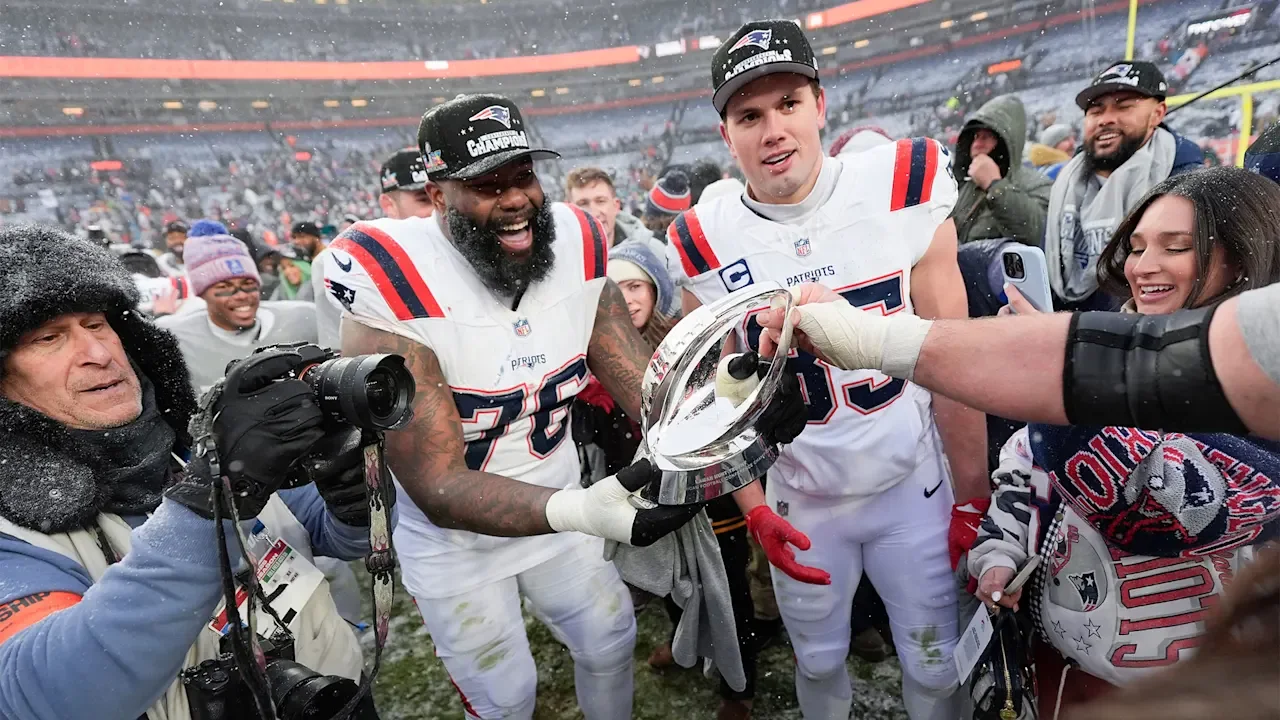
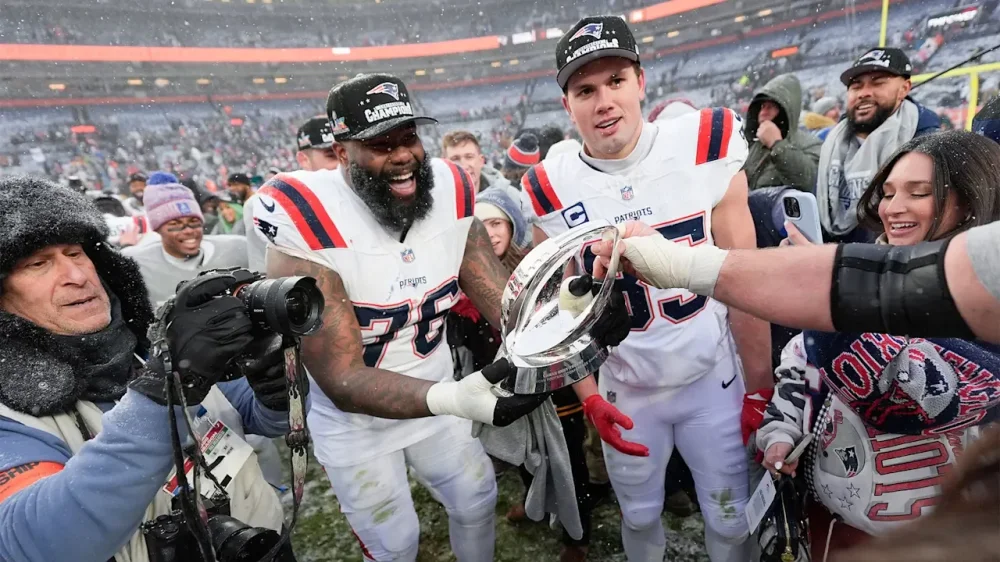
Drake Maye vs. Sam Darnold. Two stingy defenses. A second-year head coach vs. a veteran coach in his second act. Super Bowl 60 is set and it’s a rematch: The New England Patriots vs. the Seattle Seahawks. The Patriots will seek their NFL-record seventh Super Bowl victory when they face the Seahawks on Feb. 8 at Levi’s Stadium in Santa Clara, Calif. Led by Maye, coach Mike Vrabel and a stifling defense, the Patriots are back in the Super Bowl for the first time since Tom Brady and Bill Belichick won their sixth ring together seven years ago. The Patriots (17-3) beat the Denver Broncos 10-7 on Sunday in the AFC championship game to advance to their 12th Super Bowl. Darnold, Mike Macdonald and a suffocating defense have led the Seahawks to the big stage for the fourth time in franchise history. They’re seeking their second Lombardi. Darnold, a No. 3 overall pick in 2018 now with his fifth team, played one of his best games to lead the Seahawks to a 31-27 victory over the Los Angeles Rams in the NFC title game. He threw for 346 yards and three touchdowns with no turnovers. “That doesn’t matter to me,” Darnold said about the doubters he’s proven wrong. “I just come to work every single day with these guys. These guys in the locker room, that’s what it’s about to me, man. The way we’ve come to work ever since April in OTAs, training camp, one day at a time and we’re here. We did it.” It was a wacky finish when Brady and the Patriots beat Russell Wilson and Pete Carroll’s Seahawks 11 years ago. Brady threw four TD passes and rallied New England from a 10-point deficit to win the fourth of his seven rings when Malcolm Butler intercepted Wilson’s pass from the 1-yard line to secure a 28-24 victory on Feb. 1, 2015. Seattle fans still lament why Marshawn Lynch didn’t get the ball on a handoff at the 1. “We did not care,” Macdonald said about coming into the season as underdogs in the NFC West behind the Rams and 49ers. “It’s about us. It’s always been about us and what we do and now we’re going to the Super Bowl.” Maye scored on a 6-yard touchdown run in the second quarter in Denver after a critical turnover by Jarrett Stidham, who made his fifth career start filling in for injured Broncos quarterback Bo Nix. “The Pats are back, baby,” Maye said. “Now, gotta win one.” Playing through a snowstorm in the second half, Maye only threw for 86 yards and ran for 65. Stidham had 133 yards passing and one TD, one interception and one costly fumble. The 23-year-old Maye, a finalist for AP NFL MVP and Offensive Player of the Year, will become the second-youngest QB to start a Super Bowl behind Dan Marino. He’s the fourth second-year QB in the past seven years to lead his team to the NFL title game. Patrick Mahomes (2018) won it while Joe Burrow (2021) and Brock Purdy (2023) lost. Vrabel, who won three Super Bowls as a linebacker for the Patriots in the 2000s, turned the team around in his first season as coach. New England went from 4-13 last year under Jerod Mayo to 14-3. Vrabel is trying to become the first person to win a Super Bowl as a head coach and player for the same team. Tom Flores, Mike Ditka, Tony Dungy and Doug Pederson won Super Bowls playing for one team and coaching another. “I can’t tell you how proud I am to be associated with these guys and this organization,” said Vrabel, who is a finalist for AP NFL Coach of the Year. “I won’t win it. It’ll be the players that’ll win the game, I promise you. It won’t be me that’ll win it and I promise you I’ll do everything that I can and our staff to have them ready for the game.” No team has played in the Super Bowl more than the Patriots, who are 6-5. They’re tied with the Pittsburgh Steelers for the most wins. It’s been a long road back to the top for New England, which came off consecutive four-win seasons and only had one winning season after Brady’s departure in 2020. The Patriots have averaged just 18 points per game in the playoffs, the fewest by any team to make the Super Bowl since the 1979 Rams, who averaged 15. New England’s defense has allowed just 26 points in the three games, an average of just 8.7 per game. The only team to allow fewer points in three playoff games before a Super Bowl appearance was the 2000 Ravens, who gave up 16. AP NFL: https://apnews.com/hub/NFL —Rob Maaddi, AP Pro Football Writer View the full article
-
The most expensive bottle of American whiskey ever sold at auction is no longer a dusty pre-Prohibition relic or a museum-grade antique. It’s a 1982 bottle of Old Rip Van Winkle. This weekend at Sotheby’s New York, a bottle of Old Rip Van Winkle 20-Year-Old Single Barrel “Sam’s” (1982) sold for $162,500, setting a new record for the most valuable bottle of American whiskey ever sold at auction. Only 60 hand-numbered bottles of the legendary “Sam’s” release were ever produced, bottled at a staggering 133.4 proof, the highest proof Van Winkle expression ever released. The bottle hadn’t appeared at auction in more than a decade. And it wasn’t alone. That record-setting bottle headlined the Great American Whiskey Collection Saturday, which brought in $2.5 million, making it the most valuable single-owner American whiskey collection ever sold and the most valuable single-owner spirits auction ever held in New York. The total more than doubled Sotheby’s low pre-sale estimate of $1.17 million, and every single lot sold. For a category that, until recently, lagged far behind Scotch in the auction world, the sale marked a watershed moment. This wasn’t just a good night for Van Winkle. It was a signal that American whiskey has fully arrived as a serious, global collectible. A first for Sotheby’s and for bourbon The auction, held live at Sotheby’s new global headquarters in the Breuer Building on Madison Avenue, was the first live, single-owner American whiskey sale in history. Sotheby’s leaned into the moment, installing a pop-up bar inside the space so visitors could experience the 360-bottle collection up close before bidding began. The bottles read like a greatest-hits list of Kentucky and rye history: Old Rip Van Winkle, Old Fitzgerald, private bottlings for historic retailers, and ultra-rare single barrels that were never meant to leave a small circle of friends and insiders. And the buyers reflected how the market is shifting. Sotheby’s says 96% of the lots were purchased by North American collectors. Nearly a third of the buyers were new to Sotheby’s, and more than half were under 40. That last number matters. American whiskey collecting is no longer being driven by the same older Scotch-focused crowd that traditionally dominates auction houses. A younger generation of bourbon and rye obsessives is entering the secondary market with serious money and a deep knowledge of the category’s lore. Why private labels and store picks dominated the night What propelled the sale beyond expectations wasn’t just age statements or old glass. It was something uniquely American: private label bottlings and single barrels made for liquor stores, families, and insiders decades ago. These bottles were never widely distributed. Many were likely consumed long ago. Their survival is almost accidental. A few standouts: Van Winkle 18-Year-Old “Binny’s” (1985, 121.6 proof) sold for $106,250. Distilled at Stitzel-Weller and bottled at full cask strength for Chicago retailer Binny’s, fewer than 100 bottles were made. Very Very Old Fitzgerald “Blackhawk” 18-Year-Old (1950, 121 proof) realized $112,500, more than double its low estimate. This was a private bottling for the Wirtz family, owners of the Chicago Blackhawks, and was never available to the public. A companion Blackhawk 12-Year-Old from the same series sold for $60,000. Van Winkle 18-Year-Old Family Reserve “Park Avenue Liquor Shop” fetched $62,500. Originally retailing for $75, it is one of only three known 18-Year-Old Van Winkle bottlings ever produced. All three were in this auction. A 1909 O.F.C. Bourbon 115 Proof drove competitive bidding to $47,500, far above estimate. Time and again, bottles tied to specific retailers, families, or one-off selections outperformed expectations. These weren’t mass-market releases. They were whiskey folklore in liquid form. A night of records for Van Winkle and beyond Numerous lots set new records, especially for obscure Van Winkle private labels and long-forgotten rye bottlings: Old Rip Van Winkle “Blue Smoke” 18-Year-Old: $37,500 Twisted Spoke 16-Year-Old: $32,500 Old Rip Van Winkle “Delilah’s 10th Anniversary”: $30,000 Van Winkle 19-Year-Old Corti Brothers bottlings: $35,000 each J.W. Gottlieb Private Stock Rye 13-Year-Old (1984): $56,250 Old Rip Van Winkle Bottled in Bond 1917: $47,500 Pappy Van Winkle 20-Year-Old “City Grocery 20th Anniversary”: $30,000 Many of these bottles had never appeared at auction before. Others hadn’t surfaced in decades. What this says about the American whiskey market Zev Glesta, Sotheby’s Whiskey Specialist, called the sale “a defining moment for American whiskey at auction,” pointing to the “continued maturation of the global market for the rarest American whiskeys.” He’s right. These weren’t aristocratic estate bottles. They were store picks, family gifts, anniversary barrels, and retailer exclusives that accidentally became legends. A bottle meant for a Chicago liquor store. A gift for the owners of a hockey team. A Manhattan shop pick that sold for $75. Forty years later, they’re museum pieces. And at least one of them just became the most expensive American whiskey ever sold. View the full article

-
Duolingo, no matter how you feel about it, accomplishes one thing: It makes practicing a skill every day easy. The application focuses on language, but it also offers math, music, and even chess lessons if you dig around a bit. There are many other subjects worth learning, though, and many ways you can use gamification to learn new skills and generally improve your life. Here are five I found: Learn geography with Globo Credit: Justin Pot I love traveling and learning about the world, but I'll admit there are some regions I don't know well. Globo is an iOS and Android app that quizzes you on flags, capitals, and more, all while teaching you trivia along the way. There are courses for all the continents, if you want to focus on a specific region, or you can take the combined global course and work your way through the whole planet. I've been playing with this for about a week and enjoying it for the most part. I like the way questions I answered wrong show up in future quizzes. It does feel like I'm going to run out of content fairly quickly, which is disappointing, but given that the application is free with no in-app subscriptions, I think it's worth checking out. Learn art history with Learn Art Credit: Normand Martin Learn Art is a free iPhone and iPad application by developer Normand Martin. With it, you'll find a slideshow of classic art from European history. To learn the history of the piece, tap the screen. You can also take an interactive quiz on art history. I'm going to be honest: Art history is very much not my subject. In playing with this for a couple days, though, I find myself able to identify more artists than I did before, and if nothing else, it's nice to have access to high resolution scans of so many classic works of art right on my iPad. If you're at all curious about art history, I'd say give it a spin. The app is free but there is an in-game currency you can earn either by answering questions correctly or spending money. In my testing this wasn't too much of a burden. Learn instruments with Yousician Credit: Justin Pot I've been meaning to get back into playing guitar for a while, so I've been testing various apps. Yousician seems like a great starting point, assuming in-person instruction isn't an option. This application uses the microphone on your device so you can use a real instrument to learn actual songs. The guitar version, which I tried for a few days, combines video instruction with Guitar-Hero style practice sessions. There's even a backing track during the early lessons, which might help anyone who'd prefer to play along to an actual song. This makes the early stages of learning an instrument, which can be a drag, feel fun. There are also courses for piano, ukulele, bass, and singing. If you want to get a feel for it, there is a limited free version, but you might need to tap the "X" on the prompt to enter your credit card number if you don't want to pay. Plans start at $7.49 per month. Learn typing with TypingClub Credit: Justin Pot Wish your typing was faster, or more accurate? The free website TypingClub is perfect for this. It offers touch typing lessons starting from the very basics with tests to work your way up. Lessons unlock as you go. If the early lessons are too easy for you, you can always take a test to earn a higher placement. Memorize anything with Anki's flash cards Credit: Justin Pot I didn't grow up in the U.S., meaning I didn't learn the state capitols and locations as a kid. At one point I was tired of not knowing where anything is, so I downloaded Anki. This is an open source application for every platform that makes it easy to learn using flash cards. The system is all about self accountability: You report how easily you were able to come up with the right answer. The system is set up to keep exposing you to the things you find hard. You can design your own decks, if you want, or you can use any of the thousands of decks offered on the website. I, having mastered U.S. states, am moving on to learning the Mexican ones. I'm sure there's something you're interested in memorizing, too. View the full article
-
Google doesn’t build products with B2B marketers in mind. Its largest budgets and transaction volume come from DTC and B2C brands, so that’s where product development naturally starts. That’s why new Google products rarely work for B2B out of the gate. Over my 15+ years in advertising, I’ve seen this pattern repeat: initial release, poor B2B fit, then gradual improvement after about two years. We saw it with responsive search ads, broad match (yes, I thought it was the end of times, too), and dynamic search ads. Performance Max follows the same trajectory. Three years ago, I would have said “absolutely not” for B2B organizations. In 2026, that answer looks very different. Does Performance Max work for every B2B advertiser? No, and it shouldn’t. This article focuses on who is a good fit and who should still stay away. Because if you’re not testing new tactics, you aren’t meaningfully changing the results you’re getting today. PMax 101 for B2Bs If you’re reading this article, I’m assuming one of three things: Performance Max isn’t working for you. You haven’t dared to try it yet. Or you’re simply curious about what you could improve. Let’s start with a quick refresher. Performance Max is a goal-based campaign type that allows advertisers to access all Google Ads inventory from a single campaign. Today, that inventory includes YouTube, Display, Search, Discover, Gmail, and Maps. We’re also starting to see ads in AI Overviews powered by Performance Max. If AI Overviews are already showing up in your industry, this alone should put Performance Max on your radar. Dig deeper: Top Performance Max optimization tips for 2026 Seeing ads run across all Google networks can feel intimidating, especially for lead generation organizations without a shopping feed. That’s fine – you don’t need one. One of the biggest benefits we’ve seen is the ability to reach people within the buying group who wouldn’t normally engage through traditional search alone. Performance Max expands visibility beyond the small set of high-intent users who actively raise their hand. It has also proven effective for nurturing prospects across long, complex sales cycles. For B2B advertisers, where decisions can take months and involve multiple stakeholders, that sustained presence can make a meaningful difference. What needs to be in place before testing Performance Max There are a few requirements you can’t avoid. With Performance Max, you’re not targeting keywords. You’re targeting signals. That distinction matters. These are the signals I need to see before even starting a conversation about Performance Max readiness. First, you need to import your source of truth by connecting to Salesforce or your CRM of choice. Optimization should be tied to a meaningful online event, such as a qualified lead submission or an appointment booked. If the conversion action isn’t meaningful, Performance Max won’t be either. Your bid strategy must be set to maximize conversions or target CPA. Performance Max is built to learn and optimize around outcomes, not traffic. You should also import a customer list of existing customers so the system can identify and model similar characteristics. While website remarketing audiences can be used, they don’t deliver the same level of performance as first-party customer data. As noted earlier, what makes Performance Max work is its ability to nurture leads over time. Providing truly down-funnel signals is the foundation of a successful test – and ultimately, a successful campaign. Dig deeper: Why B2B brands are shifting from keywords to Performance Max Get the newsletter search marketers rely on. See terms. When PMax is not the right fit Performance Max is not a universal solution, and that’s important to say out loud. If your B2B motion relies on a small, highly controlled target list, this is likely not the right tool. Account-based marketing with a few hundred named accounts still performs better with more manual control. Market fit matters. You need a reasonably sized total addressable market. If you’re only targeting private equity firms, for example, Performance Max is unlikely to be effective. The same applies when the audience is extremely restricted. In those cases, Performance Max simply doesn’t have enough room to learn and scale. The same is true if your conversion actions are too high level or disconnected from revenue. If the only signal you can provide is a form fill with no qualification behind it, Performance Max will struggle to understand what success actually looks like. Lastly, Performance Max can be frustrating if your organization isn’t ready to let automation run without constant intervention. It rewards patience and clean inputs. If every fluctuation triggers a reset or rebuild, results will never stabilize. Dig deeper: How to optimize B2B PPC spend when budgets and confidence are low What Performance Max can and can’t do for B2B Performance Max is not a silver bullet for B2B advertising, and it never was. But it’s also no longer the immediate no it once was for many B2B organizations. When the fundamentals are in place – meaningful conversion signals, a sufficiently large addressable market, and the patience to let automation do its job – Performance Max can play a valuable role in supporting long, complex buying journeys, especially when the goal isn’t just capturing demand, but helping create and nurture it. The key is honesty. Be honest about your data, your audience, and your internal tolerance for automation. If those pieces aren’t ready, Performance Max will likely disappoint. If they are, it can become a strong complement to existing search and demand generation efforts. As with most things in B2B advertising, success doesn’t come from chasing the newest feature. It comes from testing intentionally, measuring what actually matters, and knowing when a tool fits your business and when it doesn’t. View the full article
-
Leaders of law enforcement organizations expressed alarm Sunday over the latest deadly shooting by federal officers in Minneapolis while use-of-force experts criticized the The President administration’s justification of the killing, saying bystander footage contradicted its narrative of what prompted it. The federal government also faced criticism over the lack of a civil rights inquiry by the U.S. Justice Department and its efforts to block Minnesota authorities from conducting their own review of the killing of 37-year-old Alex Pretti. In a bid to ease tensions, the International Association of Chiefs of Police called on the White House to convene discussions “as soon as practicable” among federal, state and local law enforcement. “Every police chief in the country is watching Minneapolis very carefully,” said Chuck Wexler, executive director of the Police Executive Research Forum, a police research and policy organization. “If a police chief had three officer-involved shootings in three weeks, they would be stepping back and asking, ‘What does our training look like? What does our policy look like?'” Pretti’s death came on the heels of the Jan. 7 fatal shooting of Renee Good and another incident a week later in Minneapolis when a federal officer shot a man in the leg after being attacked with a shovel and broom handle while attempting to arrest a Venezuelan who was in the country illegally. “We’re dealing with a federal agency here,” Wexler said, referring to the Department of Homeland Security, “but its actions can have a ripple effect across the entire country.” Experts say video of shooting undermines federal claims While questions remained about the latest confrontation, use-of-force experts told The Associated Press that bystander video undermined federal authorities’ claim that Pretti “approached” a group of lawmen with a firearm and that a Border Patrol officer opened fire “defensively.” There has been no evidence made public, they said, that supports a claim by Border Patrol senior official Greg Bovino that Pretti, who had a permit to carry a concealed handgun, intended to “massacre law enforcement.” “It’s very baked into the culture of American policing to not criticize other law enforcement agencies,” said Seth Stoughton, a former police officer and use-of-force expert who testified for prosecutors in the trial of the Minneapolis officer convicted of murdering George Floyd. “But behind the scenes, there is nothing but professional scorn for the way that DHS is handling the aftermath of these incidents,” Stoughton said. Several government officials had essentially convicted Pretti on social media before the crime scene had been processed. Deputy White House chief of staff Stephen Miller generated outrage by describing Pretti as “a would-be assassin” in a post, while a top federal prosecutor in Los Angeles, Bill Essayli, drew the ire of the National Rifle Association for posting that “if you approach law enforcement with a gun, there is a high likelihood they will be legally justified in shooting you.” “In a country that has more guns than people, the mere possession of a weapon does not establish an imminent threat to officers — and neither does having a weapon and approaching officers,” Stoughton said. “I don’t think there’s any evidence to confirm the official narrative at all. It’s not unlawful for someone to carry a weapon in Minnesota.” Minnesota official says state investigators blocked from shooting scene In the hours after Pretti’s shooting, Minnesota authorities obtained a search warrant granting them access to the shooting scene. Drew Evans, superintendent for the Minnesota Bureau of Criminal Apprehension, said his team was blocked from the scene. Minnesota authorities also received an emergency court order from a federal judge barring officials “from destroying or altering evidence related to the fatal shooting involving federal officers.” Bovino sounded a less strident tone at a Sunday news conference, calling Pretti’s shooting a “tragedy that was preventable” even as he urged people not to “interfere, obstruct, delay or assault law enforcement.” He refused to comment on what he called the “freeze-frame concept,” referring to videos circulating on social media that raise doubts about the dangers Pretti posed to officers. “That, folks, is why we have something called an investigation,” Bovino said. “I wasn’t there wrestling him myself. So I’m not going to speculate. I’m going to wait for that investigation.” Policing experts said the irregularities in the federal response went beyond the government’s immediate defense. Before Pretti’s parents had even been notified of his death, DHS posted a photograph on X of a 9mm Sig Sauer semiautomatic handgun seized during the scuffle, portraying the weapon as justification for the killing. “The suspect also had 2 magazines and no ID,” the post said. “This looks like a situation where an individual wanted to do maximum damage.” However, the photo showed only one loaded magazine lying next to the pistol, which had apparently been emptied and displayed on the seat of a vehicle. Minnesota state officials said that, by removing the weapon from the scene, Border Patrol officers likely mishandled key evidence. Videos show Pretti holding a cellphone None of the half-dozen bystander videos shows Pretti brandishing his gun. Rather, the videos showed Pretti’s hands were only holding his mobile phone as a masked Border Patrol officer opened fire. In videos of the scuffle, “gun, gun” is heard, and an officer appears to pull a handgun from Pretti’s waist area and begins moving away. As that happens, a first shot is fired by a Border Patrol officer. There’s a slight pause, and then the same officer fires several more times into Pretti’s back. Several use-of-force experts said that unenhanced video clips alone would neither exonerate nor support prosecution of the officers, underscoring the need for a thorough investigation. A key piece of evidence will likely be the video from the phone Pretti was holding when he was killed. Federal officials have not yet released that footage or shared it with state investigators. “The evaluation of the reasonableness of this shooting will entirely depend on when the pistol became visible and how, if at all, it was being displayed or used,” said Charles “Joe” Key, a former police lieutenant and longtime use-of-force expert. Ian Adams, an assistant professor of criminal justice at the University of South Carolina, described the federal government’s response as “amateur hour.” “Jumping to the end result of this investigation, or what’s supposed to be an investigation, is somewhat embarrassing for policing professionals nationwide,” Adams said. “It’s clear that professionals in policing are observing what’s going on and not liking what they’re seeing.” __ Associated Press reporter Hannah Fingerhut contributed reporting Des Moines, Iowa. —JIm Mustian and Michael Biesecker, Associated Press View the full article

-
If you’re looking to save money on your next shoe purchase, you’ll want to explore the latest coupons available. Brands like Nike and Foot Locker offer significant discounts, whereas Crocs and Coach Outlet likewise present enticing deals for both new and returning customers. Each option provides various benefits, which might help you decide where to shop next. To find out more about these offers and how to maximize your savings, keep going. Key Takeaways Nike: Get up to 40% off select orders with promo codes and 10% off for new members on their first purchase on their birthday. Foot Locker: Use a specific promo code for $20 off orders of $100 or more, ideal for bulk purchases. Crocs: Enjoy 25% off for verified students and $20 off orders of $100 or more with a promo code. Coach Outlet: Save up to 50% off products and receive $20 off your first order by signing up for the email list. Email Sign-Up Discounts: Get 10% off your first order by signing up for newsletters, plus access exclusive offers and seasonal promotions. Up to 40% off Orders With Nike Promo Codes & Coupons If you’re looking to save on your next footwear purchase, Nike offers up to 40% off on select orders through various promo codes and coupons. This discount is automatically applied at checkout, making it easy to enjoy significant savings on popular styles. New members can take advantage of an additional 10% off their first purchase by registering on their birthday, whereas students can verify their status for a straightforward 10% discount during checkout. For larger orders, unverified shoe discount coupons can provide an extra 10% off purchases of $100 or more. Don’t forget to check platforms like Groupon for limited-time Nike coupons that might release even more savings. 20 off $100+ With Foot Locker Promo Code Foot Locker makes it easy to save when you spend $100 or more with a promo code offering $20 off your purchase. To take advantage of this deal, simply enter the shoes promotion code at checkout. This offer is especially beneficial if you’re purchasing multiple items or higher-priced shoes, as it improves your overall savings. Before you finalize your order, be sure to check for any specific terms and conditions associated with the promo code, as there may be exclusions or limitations. Furthermore, you can combine this $20 off promo with other ongoing sales or discounts, maximizing your savings potential. This makes it one of the best shoe coupons available today. By using the promo code wisely, you can enjoy substantial discounts on your favorite footwear as you stay stylish and budget-friendly. Enjoy 10% off Your First Order With Email Sign-Up You can enjoy an instant 10% off your first order when you sign up for email newsletters from your favorite shoe retailer. To qualify, simply provide a valid email address during the sign-up process. This discount applies to a wide range of products, allowing you to save on various styles and brands. Once you sign up, you’ll receive promotional emails featuring exclusive offers, updates on new collections, and early access to shoe sales right now. Furthermore, opting into email communications keeps you informed about seasonal promotions and limited-time discounts, maximizing your savings potential. If you’re a member of the military, don’t forget to check for any dsw military discount that may stack with your sign-up offer. This is a smart way to save on your first purchase as you stay updated on future sales and exclusive deals customized just for you. 20% off Any Order With Crocs Discount Code When shopping for Crocs, taking advantage of discount codes can lead to significant savings on your order. Whether you’re a student seeking comfy footwear or looking to buy in bulk, Crocs has options for you. Here’s a handy table to illustrate some discounts you can access: Discount Type Requirements Savings Student Discount Verified students only 25% off Promo Code for Orders $100 or more $20 off Bulk Purchase Discount Buy three or more items 20% off Site-wide Promotions Check frequently Additional savings Email Sign-Up Subscribe for exclusive offers Access to more codes Using a Crocs shoes code can improve your shopping experience, especially when combining it with other deals. Keep an eye on their website for the latest discount sporting goods promotions. Save up to 50% off With Coach Outlet Promotions Shopping at Coach Outlet offers a fantastic opportunity to save up to 50% off on a variety of products, particularly if you’re in the market for stylish footwear. By signing up for their email list, you can snag an immediate $20 off your first order, which boosts your savings. Seasonal sales often bring extra markdowns on already discounted items, making this an excellent time to shop. Don’t forget to explore the clearance section for deeper discounts on select styles. Furthermore, if you’re using the Coach Outlet app, you might find exclusive promotions customized just for you. For those looking for more savings, keep an eye out for a sports store discount or a shoe show free shipping code, making your shopping experience even more budget-friendly. Frequently Asked Questions Which Is the Best Month to Buy Shoes? The best month to buy shoes is typically January, as retailers often offer significant discounts to clear out post-holiday inventory. Furthermore, July presents mid-year sales, allowing you to find deals on summer footwear. Late February and late August are likewise ideal for clearance events, whereas Black Friday and Cyber Monday in November provide some of the largest discounts. Don’t overlook Labor Day sales, which can similarly yield great savings on shoes. How to Get $20 Dollars off $100 at Dick’s? To get $20 off a $100 purchase at Dick’s Sporting Goods, start by using a specific promo code during checkout. You should likewise consider signing up for promotional emails or text alerts, as they often include exclusive discounts. Furthermore, check for seasonal sales or register for the ScoreCard rewards program, which may offer more savings. Finally, monitor their website and social media for limited-time offers that might feature this discount. Is Famous Footwear Buy One Get One Half Off? Yes, Famous Footwear does offer a “Buy One Get One Half Off” promotion. This deal allows you to purchase two pairs of shoes, with the second pair at 50% off. It applies to a variety of footwear for men, women, and kids. Just remember to check for any specific terms and conditions, as some exclusions may apply. You can access this promotion both in-store and online for your convenience. What Is the Most Trusted Website for Shoes? When looking for the most trusted website for shoes, Zappos, Foot Locker, and Nike stand out for their reliability. Zappos boasts a 365-day return policy, ensuring you can shop worry-free. Foot Locker offers exclusive discounts and a rewards program, enhancing your shopping experience. Nike’s official site guarantees authenticity and showcases the latest styles. Reviews on platforms like Trustpilot often highlight customer satisfaction, reinforcing these websites’ reputations as reliable sources for footwear. Conclusion In summary, taking advantage of these shoe coupons can lead to significant savings on your next purchase. Whether you’re shopping at Nike, Foot Locker, Crocs, or Coach Outlet, each offer presents an opportunity to reduce costs. Be sure to check eligibility requirements, like student status for Crocs or email sign-ups for Coach Outlet, to maximize your discounts. With the right coupon, you can enjoy stylish footwear at a fraction of the price, making your shopping experience more budget-friendly. Image via Google Gemini This article, "5 Best Shoe Coupons You Can Use Today" was first published on Small Business Trends View the full article
-
If you’re looking to save money on your next shoe purchase, you’ll want to explore the latest coupons available. Brands like Nike and Foot Locker offer significant discounts, whereas Crocs and Coach Outlet likewise present enticing deals for both new and returning customers. Each option provides various benefits, which might help you decide where to shop next. To find out more about these offers and how to maximize your savings, keep going. Key Takeaways Nike: Get up to 40% off select orders with promo codes and 10% off for new members on their first purchase on their birthday. Foot Locker: Use a specific promo code for $20 off orders of $100 or more, ideal for bulk purchases. Crocs: Enjoy 25% off for verified students and $20 off orders of $100 or more with a promo code. Coach Outlet: Save up to 50% off products and receive $20 off your first order by signing up for the email list. Email Sign-Up Discounts: Get 10% off your first order by signing up for newsletters, plus access exclusive offers and seasonal promotions. Up to 40% off Orders With Nike Promo Codes & Coupons If you’re looking to save on your next footwear purchase, Nike offers up to 40% off on select orders through various promo codes and coupons. This discount is automatically applied at checkout, making it easy to enjoy significant savings on popular styles. New members can take advantage of an additional 10% off their first purchase by registering on their birthday, whereas students can verify their status for a straightforward 10% discount during checkout. For larger orders, unverified shoe discount coupons can provide an extra 10% off purchases of $100 or more. Don’t forget to check platforms like Groupon for limited-time Nike coupons that might release even more savings. 20 off $100+ With Foot Locker Promo Code Foot Locker makes it easy to save when you spend $100 or more with a promo code offering $20 off your purchase. To take advantage of this deal, simply enter the shoes promotion code at checkout. This offer is especially beneficial if you’re purchasing multiple items or higher-priced shoes, as it improves your overall savings. Before you finalize your order, be sure to check for any specific terms and conditions associated with the promo code, as there may be exclusions or limitations. Furthermore, you can combine this $20 off promo with other ongoing sales or discounts, maximizing your savings potential. This makes it one of the best shoe coupons available today. By using the promo code wisely, you can enjoy substantial discounts on your favorite footwear as you stay stylish and budget-friendly. Enjoy 10% off Your First Order With Email Sign-Up You can enjoy an instant 10% off your first order when you sign up for email newsletters from your favorite shoe retailer. To qualify, simply provide a valid email address during the sign-up process. This discount applies to a wide range of products, allowing you to save on various styles and brands. Once you sign up, you’ll receive promotional emails featuring exclusive offers, updates on new collections, and early access to shoe sales right now. Furthermore, opting into email communications keeps you informed about seasonal promotions and limited-time discounts, maximizing your savings potential. If you’re a member of the military, don’t forget to check for any dsw military discount that may stack with your sign-up offer. This is a smart way to save on your first purchase as you stay updated on future sales and exclusive deals customized just for you. 20% off Any Order With Crocs Discount Code When shopping for Crocs, taking advantage of discount codes can lead to significant savings on your order. Whether you’re a student seeking comfy footwear or looking to buy in bulk, Crocs has options for you. Here’s a handy table to illustrate some discounts you can access: Discount Type Requirements Savings Student Discount Verified students only 25% off Promo Code for Orders $100 or more $20 off Bulk Purchase Discount Buy three or more items 20% off Site-wide Promotions Check frequently Additional savings Email Sign-Up Subscribe for exclusive offers Access to more codes Using a Crocs shoes code can improve your shopping experience, especially when combining it with other deals. Keep an eye on their website for the latest discount sporting goods promotions. Save up to 50% off With Coach Outlet Promotions Shopping at Coach Outlet offers a fantastic opportunity to save up to 50% off on a variety of products, particularly if you’re in the market for stylish footwear. By signing up for their email list, you can snag an immediate $20 off your first order, which boosts your savings. Seasonal sales often bring extra markdowns on already discounted items, making this an excellent time to shop. Don’t forget to explore the clearance section for deeper discounts on select styles. Furthermore, if you’re using the Coach Outlet app, you might find exclusive promotions customized just for you. For those looking for more savings, keep an eye out for a sports store discount or a shoe show free shipping code, making your shopping experience even more budget-friendly. Frequently Asked Questions Which Is the Best Month to Buy Shoes? The best month to buy shoes is typically January, as retailers often offer significant discounts to clear out post-holiday inventory. Furthermore, July presents mid-year sales, allowing you to find deals on summer footwear. Late February and late August are likewise ideal for clearance events, whereas Black Friday and Cyber Monday in November provide some of the largest discounts. Don’t overlook Labor Day sales, which can similarly yield great savings on shoes. How to Get $20 Dollars off $100 at Dick’s? To get $20 off a $100 purchase at Dick’s Sporting Goods, start by using a specific promo code during checkout. You should likewise consider signing up for promotional emails or text alerts, as they often include exclusive discounts. Furthermore, check for seasonal sales or register for the ScoreCard rewards program, which may offer more savings. Finally, monitor their website and social media for limited-time offers that might feature this discount. Is Famous Footwear Buy One Get One Half Off? Yes, Famous Footwear does offer a “Buy One Get One Half Off” promotion. This deal allows you to purchase two pairs of shoes, with the second pair at 50% off. It applies to a variety of footwear for men, women, and kids. Just remember to check for any specific terms and conditions, as some exclusions may apply. You can access this promotion both in-store and online for your convenience. What Is the Most Trusted Website for Shoes? When looking for the most trusted website for shoes, Zappos, Foot Locker, and Nike stand out for their reliability. Zappos boasts a 365-day return policy, ensuring you can shop worry-free. Foot Locker offers exclusive discounts and a rewards program, enhancing your shopping experience. Nike’s official site guarantees authenticity and showcases the latest styles. Reviews on platforms like Trustpilot often highlight customer satisfaction, reinforcing these websites’ reputations as reliable sources for footwear. Conclusion In summary, taking advantage of these shoe coupons can lead to significant savings on your next purchase. Whether you’re shopping at Nike, Foot Locker, Crocs, or Coach Outlet, each offer presents an opportunity to reduce costs. Be sure to check eligibility requirements, like student status for Crocs or email sign-ups for Coach Outlet, to maximize your discounts. With the right coupon, you can enjoy stylish footwear at a fraction of the price, making your shopping experience more budget-friendly. Image via Google Gemini This article, "5 Best Shoe Coupons You Can Use Today" was first published on Small Business Trends View the full article
-
Deal tightens ties with fast-growing ‘neocloud’ group as competition in AI infrastructure intensifiesView the full article
-
This week, young people are looking at the recent past through rose-colored glasses, living their best lives by filming harmless classroom pranks, and, hopefully, protecting their futures by not swallowing too many chia seeds or roasting themselves with heating pads. What does 2016 nostalgia mean?A few weeks ago, I posted about the online trend of millennial optimism which was focused on the years around 2010, but things have gone further: Young people are nostalgic specifically for 2016. This probably sounds bizarre to you. 2016 saw the deaths of Muhammad Ali, David Bowie, and Prince, and levels of political and social upheaval many of us had never experienced, leading many to regard 2016 as the worst year ever (little did we know). So why are younger people nostalgic for it? First, because if you were a young person, the edges of societal breakdown weren't really on your radar. 2016 was the year of Pokemon Go, Snapchat, and the bottle-flipping trend. You were watching this awesome new show called Stranger Things and hanging out with your friends, on an internet that didn’t feel like an algorithm-driven hellscape. Nostalgia is a personal thing; if you're a young adult in 2026, 2016 is your childhood, and things went so far south afterwards with the pandemic and the continued erosion of "normal" civic life that 2016 would understandably feel like the last normal year. Coming of age during a collapse is not a picnic, and I don't begrudge anyone a little nostalgia; look at the world we left them. But don't take my word for it. Check out some of the 2.2 million nostalgia videos on TikTok's #2016 to draw your own conclusions. Viral videos of the week: absurdist classroom pranksI don't think there's a name for the kind of viral videos I'm featuring this week, so I'm calling them "absurdist classroom pranks." They're videos where kids/teens in a school do something absurd but harmless, while trying to keep themselves from cracking up. These documents of good-hearted acts of stealth rebellion are both hilarious and youth-affirming. Like this Instagram reel from @avamonpere with five million views of a couple dudes meticulously arranging a charcuterie board in the middle of a lecture: Or the ongoing series "bringing random items to school," in which Instagram's @eli6666k and his boys do just what the title says: pull the weirdest things they can from their backpacks, while trying to keep from laughing. I wasn't even able to do it while watching. Here's a couple: But check out the source. The series is ongoing so there's more to come. Dangers from the internetIn part 4,034 of my 36,321 part series, we have a trio of things that people online are doing that no one should actually do in real life, ever. The fire challenge: A Chicago-area mom offers a warning on behalf of her badly burned daughter: Do not participate in a "a viral social media trend" called "The Fire Challenge"; that is, covering your hands with rubbing alcohol or hand sanitizer and setting them on fire. This is a tragic story, but like most media reports of injuries from online challenges, I can't actually find any evidence of any videos like this on social media, so People calling it a "viral social media trend" seems inaccurate. Maybe those videos are out there, but they're hardly viral or a trend. There's a "tiktokfirechallenge" hashtag, with 34 videos, none of which depict anything dangerous. While #firechallenge contains some videos warning against the fire challenge, but none that show it actually happening. Do not eat too many chia seeds: Chia seeds are a whole thing with young people. They make "chia water," mix 'em up with apples and make "pudding," and make super gross AI videos about the supposed health benefits of just raw-dogging a handful of seeds. That last one is a problem. Chia seeds are a good source of fiber, but according to nutritionists, you shouldn't eat them without soaking them in liquid first. They absorb fluids, and eating raw seeds could result in intestinal blockage and choking. Toasted skin syndrome: This one unlocked a phobia I never knew I had: If you routinely use a heating pad on its highest setting, you can literally slow roast your own flesh. It's called toasted skin syndrome or "erythema ab igne" in medical parlance, and it's caused by long-term exposure to personal heat sources like heating pads, electric blankets, space heaters, or even a laptop on your thighs. TikTok user @teezubal raised awareness by posting a video of her friend's alarmingly mottled back flesh that has been viewed over 50 million times in a week. Her friend insists, "it's fine, I promise" but it's not fine. Milder cases can take months to resolve, and if you keep it up, the discolored flesh can supposedly stay like that forever. The solution: If you use a heating pad, keep it set to "low." View the full article
-
Dmitrii Ovsiannikov was jailed last year for money laundering and breaching UK sanctionsView the full article
-
A new year often starts with a simple question: How can we do better? For businesses, it’s a question that applies to almost everything, from product innovation to climate impact—an area of increasing urgency for many. The goal of achieving net-zero is now a staple of most businesses’ annual plans, however the journey there is often challenging. It can be fraught with hidden trade-offs, making it difficult for ESG leaders to know whether they are truly backing the right solutions in pursuit of their climate goals. Take aviation, for example. As one of the world’s most difficult sectors to decarbonize, its 2.5% share of global CO2 emissions represents a major challenge for nearly every corporate climate plan. To solve this, the industry developed a solution called Sustainable Aviation Fuel (SAF). Unlike traditional jet fuel made from crude oil, SAF is produced from renewable sources like used cooking oil, agricultural waste, and other plant-based materials. Crucially, it’s designed to work with existing aircraft engines, allowing airlines to dramatically reduce their carbon footprint without having to build new planes. While promising a dramatic reduction in air travel’s carbon footprint, the well-intentioned race to scale this “green” fuel has created a dangerous paradox, leading companies down a path that risks undermining the goals they are trying to achieve. THE HIDDEN FLAW IN GREEN JET FUEL SAF has quickly become the poster child for sustainable flight, as it cuts an aircraft’s lifecycle emissions by up to 80%. However, the way we scale SAF matters just as much as the volumes we achieve. Many of today’s biofuels rely on crops grown on arable land, creating direct competition with food production and increasing the risk of deforestation and biodiversity loss. This is the hidden flaw in the first wave of green jet fuel. When the same land that could grow food or support forests is converted for use in jet fuel, claims of sustainability become less convincing. This approach risks incentivizing solutions that reduce carbon emissions on spreadsheets while increasing the social and environmental risks in reality. At the same time, no one should underestimate the scale of aviation’s challenge. Industry roadmaps state that to align with net-zero targets by 2050, the sector will need hundreds of millions of tons of SAF per year, compared to only a few million tons produced per year today. We must choose the right path to close that gap over the next quarter-century. The world generates an enormous amount of waste every year, from used cooking oil and animal fats to agricultural residues such as corn cobs, straw, and empty fruit bunches. Much of this material is mismanaged, leading to open burning, water contamination, and methane emissions as organic waste decomposes. Turning this waste into fuel tackles two problems at once: it avoids methane and pollution from unmanaged waste, and it displaces fossil fuels in sectors like aviation. FROM PILOT TO SCALE: PROOF IN THE REAL WORLD The key question for any sustainability solution is simple: Can it scale? For waste-based SAF, the answer is increasingly yes. At EcoCeres, our first large-scale renewable fuels plant in Jiangsu, China—which launched in 2021—demonstrated that industrial-scale production of SAF from 100% waste oils is commercially viable, with a capacity of around 350,000 tons per year. Now, that model is scaling. In January 2026, we officially opened our new production facility in Johor, Malaysia. With 420,000 tons of annual renewable fuel capacity, it’s one of the country’s first dedicated SAF facilities and it effectively doubles EcoCeres’ SAF production capability. The plant utilizes 100% waste-based feedstocks, supported by a strategy that secures used cooking oil and other residues across Asia. Its circular model is demonstrated by facilities certified under leading industry bodies like ISCC (International Sustainability and Carbon Certification) and CORSIA (Carbon Offsetting and Reduction Scheme for International Aviation). It has moved beyond pilots and is now delivering at industrial scale, proving the viability of truly circular SAF. SAF AS A GATEWAY TO CREDIBLE NET-ZERO FOR BUSINESS For many global companies, business travel and air freight form a substantial share of their carbon emissions. Without a scalable, credible source of SAF, corporate net-zero pledges risk becoming aspirational rather than actionable. It’s clear that a more sophisticated standard for green fuel is needed. Three simple criteria can guide better decisions: Feedstock integrity: Does the fuel rely on 100% waste and residue-based feedstocks that do not compete with food or high-value ecosystems? Verified lifecycle impact: Does it achieve high lifecycle emissions reductions validated by robust, third-party certification schemes aligned with global standards? Circular and local co-benefits: Does the solution tangibly reduce local pollution and create sustainable economic opportunities in the regions where waste is collected? Applying these tests can differentiate between models that simply shift problems elsewhere and circular solutions that create compounded benefits. CLOSE THE LOOP ON GLOBAL MOBILITY The concept of a circular economy has successfully reshaped countless industries. For years, however, global aviation has remained a critical open loop. A truly circular, waste-based SAF model can help us finally close the loop on global mobility. This is not a distant dream. As we’ve demonstrated, the technology is already proven and operating at scale. Global studies confirm that underutilized waste streams can support the production of hundreds of millions of tons of sustainable fuel, more than enough to bridge the current supply gap. As more of the world’s waste is brought into productive use, the idea of flying on circular fuel moves from promising pilot to practical reality. For the business leaders and ESG teams asking, “How can we do better?” this presents a clear and actionable path. By championing a higher standard for the fuels they endorse, they can help transform one of the world’s most difficult climate challenges into a story of innovation and opportunity. If we can turn the world’s waste into the world’s jet fuel, then every business trip, shipment, and journey can be part of the solution, not the problem. Matti Lievonen is CEO of EcoCeres. View the full article

-
The 2026 tax filing season—for 2025 returns—begins on Jan. 26, which means scammers are ramping up efforts to steal taxpayers' information and money. These are a few of the tax-related schemes to watch out for this year. 'Tax resolution' scamsThe Federal Trade Commission (FTC) is alerting consumers to a phone scam currently circulating in which callers claim to be from the “Tax Resolution Oversight Department," “Tax Mediation and Resolution Agency,” or some similar official-sounding (but fake) government organization. They will claim that you owe back taxes and say they will help you apply for an “IRS liability reduction program” (also fake). The scammers' aim here is to collect your Social Security number (SSN) and possibly an upfront payment for their services. They will likely pressure you and create a sense of urgency with lines like “this may be our only attempt to reach you." Don't fall for it. If you do actually owe back taxes, the IRS will send you a notice via mail, and you'll have options to settle that debt directly with the agency. Tax-related phishing scamsA common type of tax scam is the fraudulent text or email that appears to be from the IRS but is actually a phishing campaign. The FTC's most recent alert reminds consumers that any message that asks you to verify your identity in order to receive your refund is a scam. You may get a text or email "from" the IRS or your state tax authority notifying you that they've processed your refund, and all you have to do is provide some information via the link provided in order to claim it. As with any phishing scam, doing so hands your information directly to bad actors. Neither the IRS nor your state tax office will contact you via text, email, or social media message, and you should never click links in unsolicited communication. IRS impersonation scamsNext, there's the general category of IRS impersonation scams. Both of the above could be included here, but there's also the fake IRS letter that—with great urgency—demands sensitive personal information or payment for taxes owed. Sometimes, these letters request said payment via gift card, which is always a red flag. Letters may also say something about an unclaimed refund and request photos of your identification. Scammers have also been known to call people about their tax bill or refund while claiming to represent the IRS or another agency that provides government benefits. They may also claim that your information is being used in some type of crime. If a caller threatens you or demands payment, hang up immediately. Tax prep scamsIf you're hiring a tax professional to help you with your return, you should vet them before handing over your information. At best, a tax preparer may lack the proper credentials and experience—at worst, they may falsify your return or pocket your refund. A "ghost" tax professional will scam you by not signing your return after they've prepared it. You are legally responsible for your taxes, so do your due diligence and review your return carefully before signing your own name. Don't pay for services in cash, and always get a receipt. Tax identity theft scamsThis scam typically involves a scammer filing a tax return using your name and SSN and pocketing the refund—and you may not realize that you're a victim until after you've filed your real return and received a notice from the IRS about the duplicate. To prevent this, set up an identity protection PIN with the IRS. This six-digit number changes every calendar year, and no one can file a return under your SSN or individual taxpayer identification number (ITIN) without it. Note that the IRS will never ask for your IP PIN, so any communication requesting it is (also) a scam. IRS support scamsFinally, scammers may contact you and offer paid services for something you can do for free. For example, you can easily create an IRS account online and do not need to pay someone to do it for you or hand over your personal information to a third party in the process. Anyone who offers unsolicited help to set up your account, negotiate your tax debt, or otherwise manage your return or refund (especially for a fee) is a scammer. How to protect yourself from tax scamsAs we've mentioned, stay vigilant to common scam tactics, such as unsolicited communication, a sense of urgency, and a demand for money or information. The IRS has specific ways of contacting taxpayers, and you should know how to verify that mailed notices and other forms of communication are real. You can always call the IRS directly to confirm if what you're being told is legitimate. Don't click links in texts, emails, or social media messages—instead, go directly to the IRS.gov website and access your account there. When it comes to your return, if you're not taking the DIY route, choose a qualified tax professional, and request an IP PIN to protect your SSN against fraudulent filing. Consider filing early and electronically, which will also get your refund processed sooner. View the full article
-
Throughout 2025, SEO professionals reported the same story to leadership: organic traffic was down, clicks were declining, and attribution no longer made sense. AI-driven search experiences, zero-click results, and platform-level answers widened the gap between discovery and measurable visits, making it harder than ever to accurately report on organic performance. For many organizations, this showed up as double-digit, year-over-year declines in reported organic traffic and leads. The C-suite asked the obvious questions: Why are clicks down? Why does organic traffic look 25% lower than last year? Is SEO actually hurting the business? The problem wasn’t that organic search stopped working. It was that the way most organizations measure it no longer reflects how discovery happens today. Why last-touch attribution is the wrong model for 2026 We have not been accurately measuring organic search. Many organizations still rely on last-touch attribution, which measures the end of the customer journey – not the start. Our attribution models are linear – Search → Click → Convert – but user behavior is not. Most traditional attribution models assume discovery leads to a measurable click. Today, AI-driven SERPs are challenging that assumption and widening the gap between influence and revenue credit. Last-touch attribution rewards the finish line – not the start of the race. Which is to say, last-touch attribution collapses in an AI-first, zero-click world, especially for organic search. AI-driven search is accelerating attribution blind spots. Our measurement is not broken. It’s outdated and doesn’t tell us the holistic story. As an industry, we need to rethink our KPIs and how to measure success. We need to tell the full data story throughout the entire customer journey, from the very top and down to the click and conversion. Dig deeper: Marketing attribution guide: Models, tools, & best practices So why is last touch a problem? Last-touch attribution only measures the end of the customer journey. Because of that, it misses all interactions that occur before the conversion, across channels like Google, Reddit, YouTube, AI Overviews, AI Mode, ChatGPT, Instagram, email, paid SERP listings, and more. Most users of Google Analytics or Adobe Analytics rely on last-touch attribution when setting up their analytics. This works as a baseline, but to tell the full story, you also need to understand where your first touches are coming from. This is especially true as traditional organic traffic – click-throughs from the SERPs – continues to decline with the rise of AI Overviews and AI Mode. Do you have the data you need for first-touch attribution? Many organizations have data that is messy, siloed, and replete with quality and integrity issues. Take a look at yours and ask yourself whether you can easily find the answer to these questions: How are my customers entering the marketing funnel through organic? Should it be paid, direct, referral, or AI that gets the conversion attribution? Do I have a sense of AI referrals? Have we set up a different channel in our analytics platform to capture AI referrals specifically? Can we tell the difference in conversion rates based on which channel is the first touchpoint? For example, how is the paid conversion rate different when organic is the first touch point? Or when it’s not? If users aren’t searching more and clicking through to your site, it doesn’t mean organic is necessarily down or that your SEO program is not working well and is not worth it. It’s likely that you’re either not measuring SEO accurately or appropriately. So what’s the answer here? Clean up your data, invest time in analyzing every channel that’s driving traffic to your website, and really dig into how organic search is still impacting your overall SEO efforts. Dig deeper: Measuring zero-click search: Visibility-first SEO for AI results Get the newsletter search marketers rely on. See terms. Why first-touch analytics will prove organic results still matter When a user searches and your brand is mentioned – but not linked – in an AI response, discovery has still happened. If that same user visits your site the next day through social or direct, or shows up at a brick-and-mortar store, does that mean SEO didn’t work? Of course not! Organic results brought the user into the funnel just by being referenced, cited, visible – top of mind. But how do you measure that when the last-touch was a direct, or social, or referral click and/or conversion? Organic search was the entry point – even without a click – and arguably extremely important to other channels. Without knowing and measuring first-touch and last-touch attribution, marketers can’t answer this question. Organic search often introduces the category, frames the problem, and establishes credibility and perception about your brand before a buyer ever visits a website, watches a video, or visits a forum. Dig deeper: 7 must-know marketing attribution definitions to avoid getting gamed Visibility is the key SEO phrase of 2026 The new SEO currency in 2026 isn’t keywords, impressions, or clicks – it’s visibility through mentions and citations. If AI systems select which brands to cite, organic visibility becomes a prerequisite for consideration, not just traffic. Remember what “organic” means today: a user searches and discovers your brand on their own, without paid promotion. Ten or 15 years ago, that usually meant Google. Today, however, a potential customer can search, discover, and research brands everywhere: YouTube, Reddit, Instagram, TikTok, ChatGPT, and, yes, still “Google it.” They can also get answers and information summarized through Web Guide, AI Overviews, and AI Mode without a visit to the company’s website. As marketers, we need to get clever about what visibility means today and how we will expand it. Dig deeper: How to build search visibility before demand exists 2026 is the year to grow SEO, not shrink it As search becomes more fragmented and AI-driven experiences reduce clicks, SEO’s role in discovery has not diminished – it has moved earlier in the journey. The problem isn’t that organic search stopped working. It’s that post-click measurement no longer captures where influence actually begins. Last-touch attribution undervalues early discovery and systematically under-credits SEO, especially in an AI-first, zero-click environment. First-touch analysis helps correct that by connecting organic visibility to downstream influence, conversions, and revenue. AI Overviews, AI Mode, and platforms like ChatGPT are accelerating these measurement gaps, and best practices are still emerging. But this isn’t a new challenge for the industry. We’ve navigated data silos and attribution blind spots before. In 2026, the teams that collaborate across analytics, SEO, and other channels – and invest in first-touch measurement – will be best positioned to prove organic’s impact and make better, more complete decisions. Those who modernize how SEO is measured will be the ones who continue to justify and grow investment, even as clicks decline. Dig deeper: MTA vs. MMM: Which marketing attribution model is right for you? View the full article
-
Google is rolling out a new billing report within Google Ads. The new billing report gives you line-by-line view of your Google Ads invoices. View the full article
-
Five Google Analytics reports PPC marketers should use to improve targeting, justify spend, and understand how paid traffic supports conversions across the customer journey. The post 5 Google Analytics Reports PPC Marketers Should Actually Use appeared first on Search Engine Journal. View the full article
-
On March 23, 2026, Google will update its Google Ads Gambling and games policy to say that your overall account must demonstrate good policy health to be eligible for gambling and games certification. Meaning, you need to have a good account history and have a number of violations on your account.View the full article
-
Google is testing adding price labels on top of the product images within AI Mode results. I tried to replicate this but I was not able to, so it seems like a test. View the full article
-
Trilateral peace talks seem promising, but territory remains a major obstacleView the full article
-
Twenty years ago, as the top digital and innovation executive for Citi’s credit card business, I led the team that spent months building what looked like a brilliant partnership. We’d found a startup with a disruptive payments platform—one that became the forerunner of what has become a new payment type used by millions of consumers today. The deal: strategic investment in exchange for access to the startup’s codebase as a sandbox for innovation pilots. No more waiting in the legacy systems queue. Just rapid prototyping with leading-edge developers. We built the entire partnership in a silo of supporters, treating resistance as something to avoid until absolutely necessary. Then came final deal approval day. The senior executives heading risk management, compliance, legal, finance, regulatory affairs, and profit and loss (P&L) weighed in: “The regulators won’t like this.” “Have we gotten corporate approvals?” “What’s the ROI?” “We’ve never done this kind of deal.” Deal torpedoed. Within a few years, that startup was acquired for close to $1 billion. The loss wasn’t just financial. It was a failure to recognize that resistance contains intelligence about reality that plans built-in echo chambers inevitably miss. Colleagues felt blindsided—asked to bless a final deal rather than shape an evolving strategy. The resistance wasn’t about the idea. It was about being excluded from the journey. I’ve spent the two decades since distinguishing the signal from the noise—and teaching leaders how to avoid the expensive mistakes we made. Why We Keep Making the Same Mistake Leaders faced with pushback default to a familiar playbook: build innovation in a protected silo, surround yourself with enthusiasts, keep resistors at arm’s length. The logic seems sound—protect the new thing from the “antibodies” of legacy thinking. But here’s what we discovered the hard way: unfamiliarity, fear of the unknown, turf protection—these weren’t just emotional reactions. They were signals. Risk and compliance leaders felt threatened because no one had involved them early enough to anticipate possible regulatory concerns. P&L managers pushed back because the project diverted resources from their quarterly targets. The resistance contained intelligence about implementation realities that an enthusiast-only team couldn’t see. When 70% of change initiatives fail despite massive investment, the problem isn’t that people don’t understand the plan. It’s that the plan doesn’t account for what people understand about reality. Learning to Translate Resistance Into Intelligence The shift starts with listening differently. When someone says, “We tried this before and it didn’t work,” leaders typically hear obstruction and respond: “This time is different—we have better technology.” But what if you asked instead: “What specifically failed last time, and how does this approach account for those lessons?” Suddenly you’re mining history for intelligence about why elegant pilots don’t scale. When a stakeholder says, “Our customers won’t understand this,” the dismissive response is “Of course they will—we have market research showing they favor this concept.” The intelligence-gathering response: “That’s an important observation. Where do you see the greatest failure points that we should account for?” Or consider: “This conflicts with our other priorities.” Many leaders hear bureaucratic gatekeeping and respond by promising to “make the case” at prioritization meetings. But that’s still trying to convince. The intelligence approach: “We have a full load of urgent priorities, you’re right. Where do you see the biggest stress points this project might create?” These aren’t just nicer ways of saying the same thing. They’re diagnostic questions that surface constraints the plan hasn’t addressed. When you ask, “Where do you see the biggest stress points?” instead of selling your solution, something shifts. You’re signaling genuine understanding, not persuasion. That act of listening—what former hostage negotiator Chris Voss calls “tactical empathy”—builds the trust that determines whether your initiative scales or stalls. Why This Matters More Now AI experimentation is amplifying every dysfunction in how organizations handle resistance. Consider a common pattern: A team builds an AI assistant for customer service reps. The tech enthusiasts love it at pilot stage—impressive accuracy, clean demo, excited exec sponsors. But they never involved actual service reps. So, they didn’t discover until scale that the assistant couldn’t handle the 20% of calls requiring human judgment, created more work documenting exceptions than it saved, and made reps feel surveilled rather than supported. Adoption stalled. The pilot became another “AI experiment that didn’t work.” The same dynamic plays out with creative teams resisting generative AI. The pattern sounds familiar: Our brand spends millions to sound like itself. The moment we start prompting a model trained on every competitor’s campaign, we’re paying to erase what makes us different. Beneath the pushback is stewardship of hard-won brand equity, not necessarily technophobia. The intelligence-gathering response: “What if we approach AI as rough-draft only? How might we develop explicit guardrails for tone and references to preserve what makes us distinctive?” From Stakeholder Management to Coalition Building Traditional stakeholder management maps who supports and who resists, then tries to convert resistors through better communication. Coalition building does something different: it engages across the spectrum from the start to build trust—the foundation that determines whether change scales. I’ve seen this work. When innovation leaders don’t own a P&L, they face scrutiny from business unit managers who question whether “the innovation people” truly care about quarterly targets. One way through: explicitly align early experiments to P&L managers’ top priorities—not to convince them your idea is right, but to demonstrate you’re invested in making them successful. Shared values become the bridge when you disagree on tactics. The Questions That Change the Conversation In my workshops with senior leaders across financial services and other sectors, I consistently hear the same story. As one CTO told me: “We built our gen AI strategy with only the innovation team. Now we’re stuck because compliance wasn’t engaged early.” Here’s where to start: “What do you see that we might be missing?” Assumes intelligence in the perspective, not obstruction. “What would need to be true for this to work in your world?” Surfaces constraints before they become deal-killers. “What shared outcomes matter most to both of us?” Finds the values bridge when tactics diverge. The fundamental shift: from “How do I overcome resistance?” to “What intelligence am I missing if I don’t engage this perspective early?” Twenty years later, companies are still building partnerships, AI pilots, and transformation initiatives in silos of supporters—the same mistake my Citi team made. Still treating resistance as friction to manage rather than intelligence to integrate: The billion-dollar missed opportunities keep piling up. What changes when you treat resistance as the intelligence it actually contains? You build coalitions instead of echo chambers. You gain insights that improve your plan and trust that enables scale. And you stop repeating the expensive mistakes we learned from the hard way. View the full article

-
Former Conservative home secretary announces move at rally for military veteransView the full article