All Activity
- Past hour
-
It’s hard enough to publish a book, but getting people to buy it is an entirely different battle. As new platforms reshape how readers gather and interact online, authors are finding that sometimes platforms built to showcase writing can also double as powerful engines for discovery. The most high-profile example so far might be Girls creator Lena Dunham, who bolstered the traditional press tour for her new memoir Famesick with interviews and features on the newsletter platform Substack. In an interview with Arielle Swedback for her On Substack newsletter (which is published, of course, on Substack), Dunham made the case in blunt terms: “Someone I trust told me that, in book sales at least, every single Substack follower is the equivalent of many more Instagram or X followers … While I don’t have the actual numbers, that feels anecdotally true to me. There’s an appreciation of the written word that suffuses this whole place.” While promoting her memoir, Dunham did interviews with a range of the platform’s newsletters, from Emilia Petrarca’s Shop Rat, which has 32,000 subscribers, to Emily Sundberg’s Feed Me, with more than 150,000 readers. To Dunham’s point, many of these newsletters are built around tightly defined audiences that tend to be more engaged than those on broader social platforms. “It’s been really interesting to see how committed certain audiences are. I love that a newsletter with more followers but a less engaged audience doesn’t have the same value as someone with a tiny but rabid fan base,” Dunham added. And while Dunham may be the latest high-profile convert, she’s hardly alone. “Ten years ago the publishing industry’s center of gravity was the bookstore and the New York Times list,” Andrea Barzvi, an agent and president of Empire Literary, tells Fast Company. “Today, discovery has been outsourced to algorithms. And the publisher relies more heavily than ever on social media—whether it’s the author’s own platform, or the mere power of social media.” Social media’s influence on book sales takes many forms, including the wildly popular TikTok community BookTok, which has driven major sales for titles like The Song of Achilles, It Ends With Us, and The Seven Husbands of Evelyn Hugo. But while those platforms often depend on algorithmic luck, Substack offers something more direct: a line of communication between author and reader. Jenn Lueke, author of Don’t Think About Dinner, says Substack offers a rare level of reliability. “I know my subscribers will actually see my posts,” she says, noting that the consistency makes readers more likely to try her recipes and follow her guides. For Lueke, Substack became a tool for building her own community, one that followed her work before the book even reached the market. “I think someone who enjoys reading a newsletter might be more likely to enjoy reading a book,” she says. “My strategy was to utilize all social platforms I had to promote the book in different ways, with my Substack home being the center of it all.” Some experts say Substack’s rise fits into a longer arc in publishing, one shaped by the early wave of self-publishing tools like Amazon Kindle Direct Publishing and Smashwords in the late aughts. Those platforms opened the door for self-published authors, but didn’t solve the marketing problem. “That lack of support required self-published authors to be resourceful,” says Kris Austin, CEO of the self-publishing platform Draft2Digital. “Major publishing houses have taken note of indie authors’ business savvy and their ability to create fervent fanbases who are eager to purchase. This has led to traditional publishers moving away from status quo marketing spend, like print advertising, and leaning into newer opportunities.” Those opportunities now extend well beyond Substack, giving authors multiple ways to cultivate an audience before a book even hits shelves. “Press tours are decentralized now,” says Bookshop.org CEO Andy Hunter. “Individual creators can have a much bigger impact than old-school media.” Dunham’s approach reflects that shift, and judging by early sales figures, it’s already paying off in a big way. View the full article

-
Here are the 50 women who did the most dollar volume for the previous 12 months in this year's Top Producers survey. View the full article
-
The The President administration just elected designer Peter Arnell “chief brand architect” of the National Design Studio. It’s a role that could have massive ripple effects for how the American government presents itself. Arnell has worked with a multitude of well-known companies, including PepsiCo, McDonald’s, Apple, Reebok, and Disney. His work spans disciplines from photography to digital interfaces and physical products, often embracing a creative direction that is simultaneously simple, clean, and bold. In his new position with the U.S. government, Arnell will serve under Joe Gebbia, cofounder of Airbnb and President The President’s pick for chief design officer of the National Design Studio, which was created in January 2025 with the mission of improving the “usability and aesthetics” of federal digital services. So far, that’s included creating new websites like The PresidentRx, a federal pharmaceutical provider; redesigning the food pyramid to prioritize protein; and turning the official White House website into a fan reel for the president. Arnell’s role will entail leading “strategic and creative development of a unified design and brand system for the U.S.” and ensuring “every interaction that people have with the government is clear and consistent,” starting with rethinking the Social Security system and the passport acquisition process, Gebbia explained in an interview with Dezeen. An overhaul of the federal government’s digital presence has actually been in the works for years: The Biden administration began working on it in 2024, after data collected in 2023 showed that of more than 10,000 federal websites, 45% weren’t mobile- friendly and 60% had possible accessibility issues. At the time, experts estimated that the redesign effort would take around 10 years. (It’s unclear exactly how many federal websites are operational today, though Arnell has put the figure closer to a whopping 27,000.) What is clear is that Arnell’s new role has a huge scope that’s likely to touch thousands of digital experiences. He’ll bring 30-plus years of design experience to the job, including dozens of projects for iconic American brands, one epically bad rebrand, and a penchant for ruffling feathers. (Arnell did not respond to a request for comment by the time of this writing.) Three decades of brand work In 1993, Arnell founded his own design firm, Arnell Studio, where he worked as chief creative officer until 2011. In 2012, he founded a multidisciplinary firm called Intellectual Capital Investments, where he currently serves as a designer and CEO. Over the course of his career, Arnell has worked with a vast portfolio, developing dozens of products for Home Depot, putting the dog on the Mug root beer can, creating exhibitions for Jeep, designing glasses for Disney, and making ads for Apple, among many other projects. One line from a 2009 i-D magazine profile that’s now posted on Arnell’s website still holds true almost 20 years later: “He’s known for working across multiple disciplines (design, branding, marketing, architecture, and photography are among the skills in what he calls his “large, powerful toolbox”); for probing how these disciplines can entwine to create new forms, strategies, and products; and for occasionally rubbing people the wrong way.” A rebrand fail for the marketing textbooks Given Arnell’s portfolio of products and marketing campaigns, it’s likely that almost every American has come across his work at one point or another. For better or worse, though, arguably his most iconic project is also his biggest misstep. Arnell famously led a 2009 rebrand of Tropicana orange juice, taking away the distinctive image of an orange pierced by a straw, then simplifying the logo and flipping it vertically. Customers hated the effort so much that Tropicana pulled the new packaging from shelves altogether. In the wake of the backlash, Arnell attempted to defend his choices at a PepsiCo conference: “We thought it would be very, very important to take this brand and evolve it into a more modern state,” he said at the time. “Emotionally, it was very, very difficult—and it remains difficult—for people to grasp the importance of that change, because it’s so dramatic.” Unfortunately, that commentary didn’t stop the Tropicana rebrand from being widely panned and becoming so notorious for missing the mark with consumers that it’s now a cautionary tale in marketing textbooks. Arnell ultimately acknowledged the rebrand was a miss. “Regarding what would I have done different, I probably would’ve just said, ‘This thing isn’t for me,’” he said on the Design Matters podcast in 2023. “Because at the end, if you really look at what we did with Tropicana, it wasn’t a great design. There was nothing magical or innovative about any of it.” Yes, that Mike Tyson ad Prior to his appointment as chief brand architect, Arnell had already worked with the National Design Studio on one of its most high-profile campaigns. As part of the The President administration’s Make America Healthy Again (MAHA) movement, Arnell partnered with the NDS on a 2026 Super Bowl ad featuring heavyweight boxing champion Mike Tyson. In the ad, Tyson is shown in an extreme close-up black-and-white shot, recounting his own experience with obesity and encouraging viewers to “Eat real food” (a MAHA slogan). The ad immediately stoked controversy among viewers and commenters, some of whom found its language caustic and fatphobic. “I was so fat and nasty, I would eat anything,” Tyson says in the ad over a dark piano track. “I was like 345 pounds. I ate a quart of ice cream every hour. I had so much self-hate when I was like that, I just wanted to kill myself.” Immediately after that statement, the ad cuts to two quick shots of Tyson biting into a carrot and an apple. In a LinkedIn post, Arnell described the ad as “just Mike, raw and real, sharing what he’s been through and what’s at stake,” adding, “This isn’t advertising. It’s truth-telling.” Based on Arnell’s roller coaster of a career, in his new role as America’s chief brand architect he won’t be afraid to make big decisions and take a risk or two—whether the public likes it or not. View the full article

-
No matter who you are, searching for work while unemployed is a difficult, sometimes soul-crushing endeavor. Across the country, job seekers are desperately looking for ways to stand out in an increasingly competitive job market as AI complicates the search process and career boards fill up with nonexistent “ghost jobs.” Still, some job seekers apparently enjoy an advantage that others don’t: they have wives who’ve stepped in, leveraging their own resources and networks to try and find them a job. Journalist and writer Anne Helen Petersen first noticed this phenomenon on her own Substack Culture Study. There, she saw multiple requests from women looking for job opportunities . . . for their husbands. “I found it super interesting,” Petersen tells Fast Company, “because the demographic of my readership is very feminist and liberal, and very focused on thinking about things like division of labor in the home.” When Petersen asked her Instagram followers to sound off on whether or not this is a “thing,” commenters came back with an overwhelming “yes”—sending countless anecdotes and screenshots from Facebook groups where women had made similar requests. She decided to dig deeper into the trend for her newsletter, where she asked: “Why Are Women Doing Their Husband’s Job-Searching?” Petersen’s article attributes this phenomenon to a few interrelated social forces: in many cases, she argues, women maintain stronger social networks than men do; men, especially those who are white, can be more resistant to asking others for help; and some women even might step in to help their husbands for their own self-protection. When asked to identify a thematic link between all of these motivators, Petersen referenced the widely covered “male loneliness epidemic.” From her perspective, “This is absolutely the same story.” Socialized Gender Differences “The fact that [men] don’t have a larger network where [they] can find jobs or try to make connections? That is part and parcel of this,” Petersen says. She also posits that society generally conditions women to see themselves as problem-fixers, so they might feel obligated to step in when their husbands’ unemployment creates broader challenges for their families. Jessica A. Kennedy, Associate Professor of Management at Vanderbilt University, had a similar suspicion after reading Petersen’s piece. “I thought there was a dynamic here of over-functioning women and under-functioning men, and I was trying to think through what gender theories would help explain that.” Ultimately, Kennedy says women could find themselves trying to compensate—especially if they are feeling the stress of an unemployed partner, are aware of the psychological damage the job loss is causing, and have been socialized to be helpful and giving. “But [that’s] also how women end up exhausted.” Kennedy also cites a construct called “relational self-construal,” where one defines themselves more in terms of relationships than independently. “There’s a gender difference,” she says, explaining that women are “higher” in relational self-construal. “They’re really experiencing a threat to their relationship—and a threat to people that they’re in relationship with—in a different way than a man would.” That, combined with the male loneliness piece, could result in a lopsided dynamic. When “Mankeeping” Becomes a Full-Time Job Last summer, the New York Times published a widely read feature that unpacked an expectation called “mankeeping”—that is, the idea that many men rely on their female partners as their sole source of emotional and social support. Months later, The Cut published a feature in which three women described the experience of supporting their husbands while they searched for work. In this economy, married women in heterosexual relationships face an increasingly impossible Catch-22: research has shown that even as women’s earnings have increased over time, they have also continued to do more work at home. At the same time, women who earn more than their husbands experience more strain in their relationships. In other words: damned if you earn, damned if you don’t. Some women have apparently reached out to their parenting groups on Facebook—social ties borne out of a pre-existing disparity in the common division of household labor—looking for leads on their husbands’ behalf. Others even seem to be seeking work for their husbands within spaces created to address gender disparities in male-dominated industries. This is especially ironic given that to this day, women still face discrimination at every stage of the hiring process. “I am sometimes surprised that that topic is controversial,” Kennedy says. “There are a lot of data showing it.” A Double Standard The job market is undeniably tough for everyone right now. Total unemployment amongmen is slightly lower than among women, but nevertheless, as Petersen points out, husbands do not seem to be showing the same Herculean levels of support for their wives—a disparity that’s led to some resentment in her comments section. “There were a couple comments specifically that were like, ‘My husband didn’t do this when I was out of work,’” Petersen says. At the end of the day, this dynamic reflects what we expect from men versus women. When a man is out of work, Petersen says, there seems to be an idea that his only task is finding work. But when women are out of work, they might not find similar relief from domestic duties. More than anything, Petersen says, couples who want to navigate these difficult situations as a team need to talk to one another. And for those who can afford it, counseling and therapy can be invaluable tools. “Having someone out of work who wants work is hard—always, always,” she says. Still, when gender disparities seep into relationships when one partner might be spending extra time and energy helping the other look for a job: “I do think it builds resentment.” View the full article

-
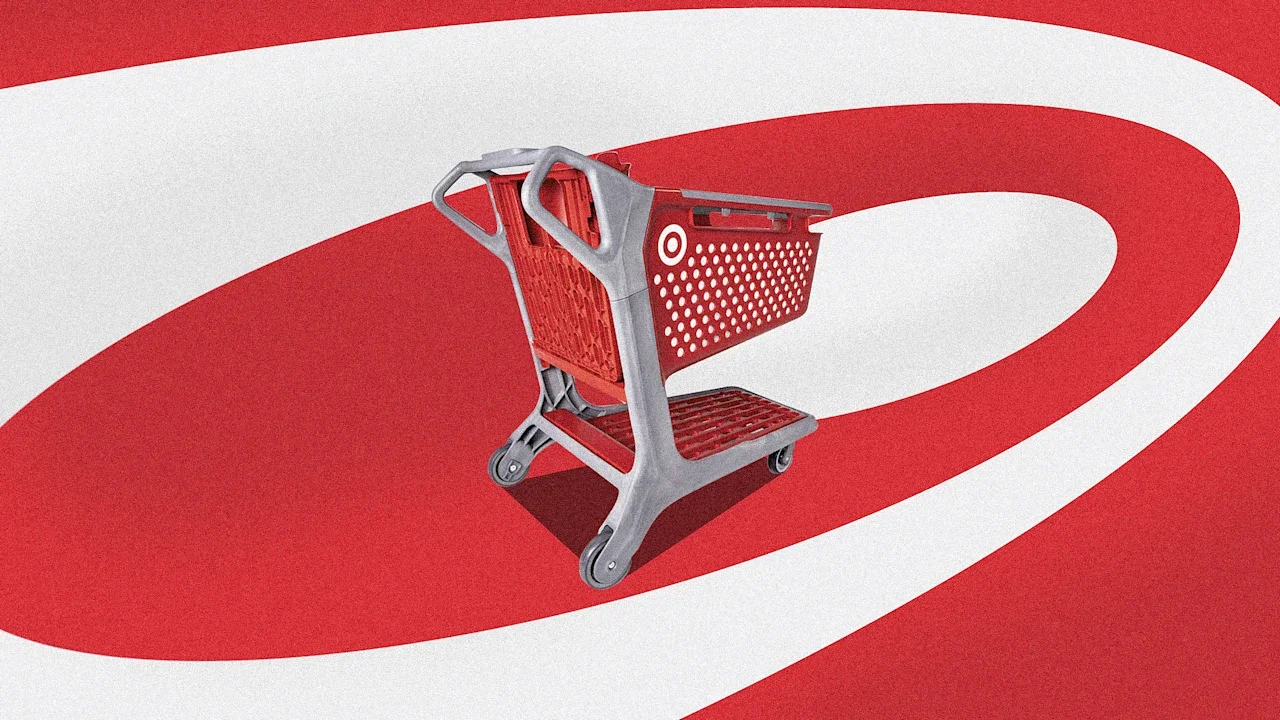
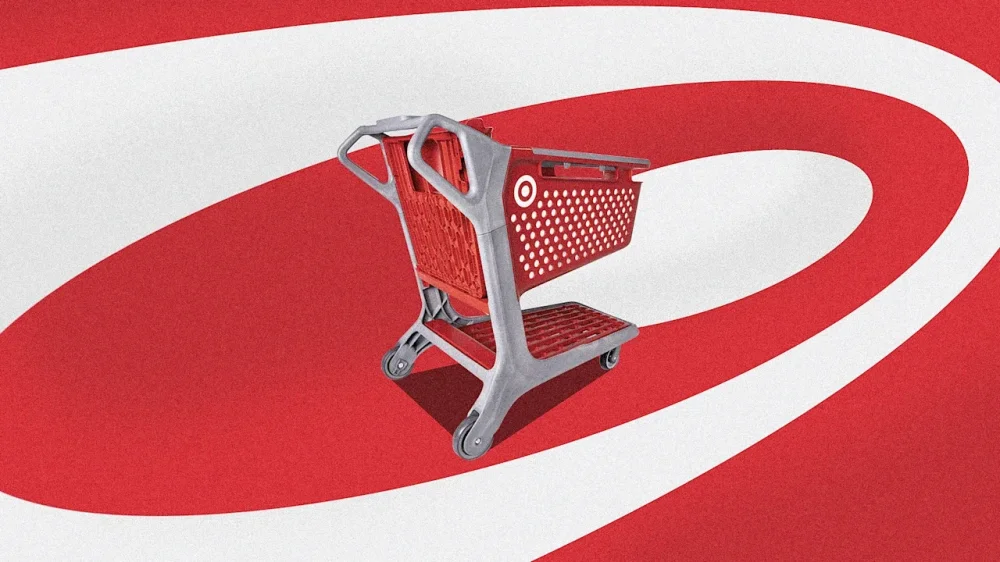
It’s the three-row SUV of big-box retail. Target’s bold red shopping cart has always anchored customers inside a Target store, promising a middle-class fancy experience. For the next few years, Target will be replacing its fleet of half a million shopping carts with an even beefier model that promises to hold more stuff while making it easier to maneuver around the store. It’s the first all-plastic design Target will launch nationwide, while paradoxically being more sustainable than Target carts of yore. And yes, it’ll even hold your big dumb cup. “The cart for us is the first touchpoint that the guest meets right when they walk in the store,” says Sarah Deuth, VP of store design at Target. “It’s the most used item in our store, and then also it’s that item that carries you throughout the store.” In recent years, Target has seen its share of troubles. It has faced boycotts after reversing course on DEI, and watched its stock price tank as consumers swapped Target’s ever-so-more premium retail brand for Amazon’s ease of ordering and Walmart’s clean UX and commitment to affordability. Target’s new CEO, Michael Fiddelke, plans to turn things around by going back to the company’s roots in an affordably chic retail experience. That alone might not work. But customer experience will always be an important differentiator in retail, and since introducing its iconic red cart in the 1970s, Target has been refining that cart’s design. Now the company is rolling out its latest version, the Series 3, informed by its last 20 years of consumer research and a few more modern trends. It’s an investment in the most literal touchpoint of shopping possible. What’s new in Target’s shopping cart? As Target considered the latest iteration, which it designed in-house, it focused on the one thing it had heard and observed to be the most important part of any shopping cart: how it drives. “You’ll see guests, they’ll have their phone in one hand, beverage [in the other], and they’re pushing it with their elbows. Or they’re pushing it with one hand,” Deuth says. “We are doing a million things while we’re shopping, so maneuverability and what they called ‘ease,’ ‘smooth ride,’ and ‘a cart going straight’ was more important than anything.” A decade ago, Target had already addressed part of this issue by swapping out its polyurethane wheels for rubber, which grips floors better. But a lot of controlling the cart has nothing to do with the wheels, casters, or bearings. If the frame bends, it stops steering predictably. This insight led Target to reconsider its “hybrid” cart design that had been in use since 2014, which, like most shopping carts, used a metal frame—but wrapped that frame in plastic components. This seemed like a good idea: Metal is durable and plastic is durable. But metal is more prone to bending. And when fused together in Target’s shopping cart design, it was common for plastic and metal components to get misaligned at their junctions. So Target built the Series 3 completely out of plastic (save for a few components in the wheels)—which stays rigid so the cart should always drive straight. It also has modular components that can be swapped in and out if one breaks. Truth be told, Target dreamed of an all-plastic cart 20 years ago, with a model it crafted in 2006, but it wasn’t considered good enough to scale. Its latest cart iteration has optimized the plastic build, with geometries and ergonomics Target insists make it easier to steer. Its handles look something like Theragun grips. Notably, the plastic used in Target’s carts is recyclable for a cart’s end of life. Also, overall, it’s more durable than the older metal designs, according to the company, which has seen cart lifespan increase two- to threefold in early testing. No doubt about it, the cart’s thick plastic frame gives it borderline maximalist proportions, but the overall sensation that this is a bigger cart is more than a visual trick. Target increased the cart’s payload by a “slight” amount because “guest behaviors have changed,” according to Deuth. “In some instances, they are looking to buy more bulk,” she notes, hinting at the budget-minded nature of shoppers today. “And so that was important for us to look at that average basket of the guests and design into that.” Other creature comforts Beyond durability and payload, the new cart is full of improved ergonomics. Anyone who has taken a child to Target knows that the child seat in front is a standout feature. Customers complained, though, that the seat’s incline was too shallow, making it hard for a child to sit up straight—while possible for them to climb out. The new version features a steeper backrest and a deeper bowl. Around the seat, the cart now features two prominent cupholders. Before, the cupholders were nothing but round holes, designed to catch a Starbucks drink. These holes have been replaced with fully molded cupholders (complete with edges and bottoms). Their capacity is also supersized for snacks and beverages that no longer fit in a rapidly shifting drink vessel culture. And a squared-off design ensures they can accommodate cups of different shapes and sizes. “Yes [it’s for] the Stanley Cups and the Starbucks,” says Deuth with a laugh. “Those are important, and sometimes both of those at the same time.” Call it an SNL punch line, or call it knowing your base. In any case, Target’s new cart does seem to demonstrate the company’s ongoing obsession with its customer experience. But for Target, it’s also time to lock in on every other aspect of its retail business, too. View the full article
- Today
-
Generative AI has done something strange to the economics of knowledge work: it has dramatically lowered the cost of generating ideas. Any reasonably capable professional with a chatbot can now produce a dozen plausible strategies, memos, product concepts, or marketing plans before lunch. In some cases, AI lowers the cost of execution too—but not nearly as far or as fast. Shipping even one of those ideas still takes weeks, months, or years. The result is already showing up across workplaces: more initiatives than teams can carry, more tools than anyone can learn, and more priorities than any reasonable person can hold in their head. Leaders keep layering on new work because the cost of imagining new work has fallen close to zero. But the cost of actually doing it hasn’t. This creates a new management challenge: in an AI-saturated workplace, the bottleneck is no longer ideas. It’s execution. A cutting-edge genomics lab solved this problem about a decade ago—twice. The Broad Institute’s lesson in doing less to get more done The Broad Institute, an MIT-Harvard biomedical research center, experienced one of the fastest cost collapses in modern technological history. When the first human genome was sequenced in 2003, it took more than a decade and cost roughly $3 billion. Today, sequencing a human genome can take hours and cost under $200. That collapse created obvious opportunities, but also two separate crises at Broad. The first was operational. As sequencing became faster, samples moved through the pipeline more quickly than downstream teams could process them. Work piled up at bottlenecks. The lab became so overloaded that technicians started losing samples. The fix was to move from a “push” system—where each stage sends work downstream as fast as possible—to a “pull” system, where each stage only takes on new work when it has capacity. Then came a second crisis, one that looks a lot like the AI workplace problem. Once sequencing itself became cheap and routine, the Broad’s innovation team faced an explosion of ideas. New projects were started constantly. Few were ever finished. As an MIT case study put it, the group was “losing the technology leadership position it had worked so hard to gain.” The solution was the same discipline applied to ideas. The team created a visual map—literally Post-it notes on a wall—of every active project and tracked where each sat in the development funnel. The exercise made two things obvious: some projects were redundant, and there were at least twice as many underway as the team could realistically handle. They created a project funnel on the wall, and added a “hopper” before it—a holding area where ideas waited until capacity opened up in the funnel. In two years, the team cut active projects by more than half and increased the number of projects that actually got done. Why leaders keep adding work The Broad’s fix seems obvious in hindsight. It rarely happens in practice because humans are biased toward addition. A 2021 Nature study led by researchers at the University of Virginia found that when people are asked to improve a design, document, or process, they systematically default to adding rather than subtracting. In the workplace, that bias compounds. A new tool gets rolled out, but the old ones stay. A new priority is announced, but old priorities aren’t retired. More meetings. More dashboards. Longer strategy decks. Most organizational complexity is the sediment of individually reasonable additions made without subtraction. AI accelerates this dramatically. It’s now trivial to generate a seventeenth strategic priority, a fourth product line, or a third dashboard. The bottleneck is no longer imagination. It’s the humans being asked to execute. What high-performing teams do differently The companies adapting best to this shift are applying some version of the Broad’s discipline. Make active work visible You can’t manage what you can’t see. Put every in-process initiative on one shared surface—a wall, a dashboard, or a single document. Visibility forces triage. Stop starting and start finishing In operations research, limiting work in progress is one of the simplest ways to improve throughput. New work waits until something else is finished. Define “done” before you begin Before a project starts, define success clearly. Tony Fadell, who led the design of the iPod and co-founded Nest, told me his most important advice to startup founders is to write the press release before starting the project. It forces teams to clarify priorities and define the goal line upfront. None of this is about accomplishing less. It’s about actually finishing the work that matters. In an AI-saturated economy, ideas are becoming a commodity. The advantage will go to organizations that can decide which ideas are worth doing, and which are worth ignoring. Adapted from INSIDE THE BOX: How Constraints Make Us Better, by David Epstein. Copyright © 2026 by David Epstein. Published by Riverhead Books, an imprint of Penguin Publishing Group, a division of Penguin Random House LLC. View the full article

-
Revised constitution scrubs references to original doctrine while defining country’s bordersView the full article
-
Tony Soprano was a master of coercion. Through violence, extortion, and bribery, he rose to the top of his industry, crushing competitors and delivering strong margins, despite some unfortunate employee turnover along the way. But even Soprano began to suspect there might be another way. His psychiatrist, Dr. Jennifer Melfi, encouraged him to try a more collaborative approach, to become a better listener, and to engage with subordinates more thoughtfully. Soprano paused, thought about it, and, after considering the implications, asked, “Then how do I get people to do what I want?” That’s the Tony Soprano Problem. And today, every leader feels it. We want to be thoughtful managers, to motivate our teams, and to be effective collaborators. But we also want—and need—people to do what we want. We want customers to buy our products, stakeholders to buy into our vision, and our team to execute our plans. Good leaders learn to square that circle. How Strong Leaders Lead Years ago, one of my best managers left to take a job at another company. At our company, she was responsible for a single brand and could always check in with me on any decision. But in her new role, she was leading the entire digital effort and, despite her talent and experience, she found herself struggling. She called me one day and asked me how I was so confident in all the decisions I made. I was a bit taken aback because I was rarely confident in my decisions. Managing an organization of more than 800 people, every decision I had to make was one that 799 others couldn’t. I didn’t get to make easy calls, only uncertain ones. Being in a position of responsibility means you have to make decisions without all the facts, in a rapidly changing context. You do so in the full knowledge that if you’re wrong, you will bear the blame and no one else will. You can never be certain of your decision, only that it’s you who has to make one. That’s what made Soprano a formidable leader. It’s why so many successful managers are able to thrive, even though they lack the softer qualities that management books say we’re supposed to have. The primary role of a leader is to make decisions, make sure they’re executed, and take accountability for them. That’s what my former protégé was struggling with. She was smart, energetic, and capable, but wasn’t able to cross that Rubicon. It’s not hard to see why so many leaders make the mistake of surrounding themselves with people who agree with them. The Loyalty Trap In his book On the Grand Trunk Road, Pulitzer Prize-winning reporter Steve Coll chronicled his two decades of reporting from Central Asia. One of the things he noted is that powerful leaders in autocratic regimes, like Rajiv Gandhi in India or Benazir Bhutto in Pakistan, built a “culture of insularity” that blinded them to dangers to their regime. Every leader needs loyal people around them, those who will faithfully carry out their will. But if you only have loyalists, you cut yourself off from important sources of information. When you blind yourself to alternative views and perspectives, you slant your decision-making to the data sources that are most accessible—those that already reflect your own views—creating a circular reasoning environment. Cognitive scientists call this availability bias and, when combined with confirmation bias, it can create the illusion of alignment. Leaders make their views known and their cadre of loyalists reflect those same views. Dissenting perspectives, to the extent they are given any space at all, are quickly rejected in favor of the perceived majority consensus. Yet that consensus exists only in the leader’s domain, which is why autocrats often don’t see trouble coming. It was relatively easy for Gandhi and Bhutto to dismiss domestic unrest as some isolated opposition; after all, everyone in their immediate environment showed nothing but adoration. Both failed to see the danger until it was too late. Gandhi was assassinated in 1991, Bhutto in 2007. Learning to Listen Much like Soprano, Kevin Sharer was a strong-minded leader, rising through the ranks to become CEO of biotech firm Amgen. He would later write: “My approach was: ‘I’m the smartest guy in the room. Just let me prove that here, in the first five minutes.’ I would even interrupt people and tell them what they were going to tell me, to save us time so that we could get to the really important stuff, which was me telling them what to do. And I got away with it. It worked.” But then a near-disaster moment hit. The Food and Drug Administration noticed problems with Epogen, which accounted for a third of Amgen’s profits, leading to restrictions on its use and a significant blow to the company. For the first time in its history, the Amgen announced layoffs; 2,600 employees, or 14% of its workforce, would have to go. Sharer realized that his leadership style was a big part of the problem and vowed to do better. Every semester in my class at Wharton, we play a video of him explaining how he changed. He said he learned to listen for comprehension, not to critique, object, or convince, but to understand the information being put in front of him. That not only increased his access to information, it also showed respect for the people who worked for him. They, in turn, felt empowered to go out and find new perspectives and new insights, compounding the positive effects of those conversations. It also allowed him to relax. Without having to control and dominate every exchange, he had more energy to devote to more productive endeavors. Empowering the Edges In thinking about social justice, philosopher John Rawls proposed a thought experiment known as the veil of ignorance. What kind of society would you design if you didn’t know what position you’d occupy in the social order—rich or poor, powerful or powerless, advantaged or marginalized? Rawls was focused on justice, not management, but the veil of ignorance offers a useful way to think about how access and influence are structured within organizations. When coaching business leaders, I often pose a similar question: If a junior employee had a game-changing idea, how would they get it implemented and scaled throughout the organization? How would a transformational idea make its way to the top? For most, the exercise is an eye-opening experience. In other words, how do you know you’re not being disrupted this very minute? The answer is that you don’t know. As Tony Soprano would tell you, it’s the dangers you don’t see that get you in the end. That’s why strong leaders learn to listen and empower people across their enterprise. That’s how you get access to the information you need to spot trouble ahead, identify viable strategies to overcome them, and make good decisions. You don’t learn to listen and empower others just to be “nice.” You do it because it’s a survival skill. Or, as Andy Grove famously put it, only the paranoid survive. View the full article

-
Generative AI has made it possible for individuals to perform tasks that once required entire teams. Today, a single marketer can produce campaign assets, analyze data, and generate content at scale. A product manager can prototype, test, and iterate without relying on engineering; and developers can ship reams of high-quality code written by machines. The result is the rise of the “superpowered individual” who can do the work of many. It’s tempting to extrapolate from this that human collaboration is becoming obsolete. If AI can replicate or augment the cognitive contributions of multiple individuals, why bother with the friction of teamwork at all? In our work with top companies—Tomas as an organizational psychologist and author of I, Human: AI, Automation, and the Quest to Reclaim What Makes Us Unique, and Dorie as a keynote speaker and consultant for companies reinventing themselves in the face of AI—we’ve encountered a wide range of experimentation, with companies using agents to stress-test strategy, deliver key functions such as finance and operations, and serve as quasi-autonomous development teams. Still, we believe that teamwork is here to stay—though AI will almost certainly reshape it. Specifically, we believe teamwork will shift in three key ways: 1. Team composition will change. Teams are likely to become smaller (and perhaps more nimble) because individuals can do more on their own, and teams may include both human and nonhuman contributors. As a result, it won’t be sufficient for a few people to be “good with AI.” AI literacy has to become a core team capability, not an individual skill. Teams need shared norms around emerging topics like: When to rely on AI (and when not to); Understanding the difference and trade-offs between speed and quality, efficiency and accuracy, low-value and high-value work; and How to interrogate AI’s outputs and combine them with human judgment. Effective teams will need to develop a mechanism for rewarding people not just for using AI efficiently, but for spotting when it’s wrong. In practice, that may mean making “AI skepticism” a formal part of performance evaluation. 2. The focus of teams will change. Today, many teams focus on logistical issues—a hodgepodge of analysis, reporting, and coordination across divisions and departments. (Status update, anyone?) That kind of task-based teamwork may soon be obsolete, because AI can handle it faster and more efficiently. But teamwork was never just about task execution—and in the AI era, teamwork will evolve into a higher-value activity that unlocks new possibilities for organizations. Indeed, as transactional collaboration declines, relational collaboration becomes more important. Leaders should invest in trust-building deliberately: fewer but higher-quality interactions, more in-person time when possible, and structured opportunities for disagreement. Psychological safety matters, but so does intellectual friction. The goal is not harmony, but productive conflict. As a result of this change, teamwork is likely to feel increasingly meaningful—like a core component of both your job and your professional identity. When you can connect deeply with other people through shared goals and activities, it becomes a highly meaningful experience that increases loyalty to your team and your company. 3. The role of leaders will also shift. Leaders in the AI era will need to make three major changes in how they guide their team members. Specifically, that means: Becoming more intentional about focusing the team on high-value work. With AI handling more of the analytical and operational workload, leaders will need to redesign teams around judgment, not tasks. Teams should be explicitly chartered around higher-order goals: framing problems, making trade-offs, and aligning on priorities. In other words, the “soft” skills of leadership may become the hardest to replace. A simple rule is that if a meeting could be replaced by an AI-generated summary, it probably should be. Reconceptualizing your role as an orchestrator, not the source of answers. Leaders should begin to think of themselves as the architects of how humans and machines work together. That means clarifying roles between AI and people, setting decision rights, and ensuring accountability. It also requires resisting the temptation to defer to AI when stakes are high. Judgment, not output, remains the leader’s ultimate responsibility. Measuring what actually matters. In many organizations, performance is still evaluated based on visible activity rather than quality of thinking. In an AI-enabled world, this becomes dangerous. Leaders should shift metrics toward decision quality, learning speed, and long-term outcomes, rather than short-term productivity gains. In short, the old teamwork of processing and coordination is on its way out. But the new teamwork—integrated with AI and suffused with human talent and judgment—will be more essential than ever, and organizations will need to figure out how to evolve. The risk is not that AI will destroy teamwork, but that it will expose how much of what we have previously called teamwork was never that valuable to begin with. The opportunity is to rebuild it around what humans do best: thinking critically, connecting meaningfully, and deciding wisely so that the sum of a team is greater than its parts. View the full article

-
This content is password-protected. To view it, please enter the password below. Password: The post Protected: Madrid 5-Day Itinerary: A Guide to Culture, Gastronomy, and Local Life appeared first on Nomadic Matt's Travel Site. View the full article
-
Maximize your local search visibility by optimizing your Google Business Profile and staying consistent on every platform. The post Is Your Small Business Showing Up in Local Search? Here’s How To Find Out [Webinar] appeared first on Search Engine Journal. View the full article
-
Strong quarterly trading in Latin America helps FTSE 100 group beat forecasts despite US spirits slumpView the full article
-
Shares in Danish drugmaker surge on positive signal from resultsView the full article
-
Xi Jinping could seek to use relationship with Tehran as leverage in talks with US president, analysts sayView the full article
-
After a long day in the office, you catch a sight of yourself in the bathroom mirror: Hair, frizzy. Skin, dry. Eyes, puffy. “Office air” has claimed yet another victim. The term, which has recently gone viral on TikTok, puts its finger on a complaint office workers have suffered in silence for years. Coined by content creator Noa Donlan, her videos documenting the phenomenon have recently amassed millions of views across TikTok and Instagram. “I first noticed it as a student, but it became unmistakable once I started working full-time four years ago,” Donlan told People in a recent interview. “I’d leave the house feeling put together, then catch myself in the office bathroom mirror at noon and look… different.” Something is in the air. Donlan is also not alone in noticing this slow undoing that occurs over the course of a full day in the office. And according to experts, it’s not all in their head. “I don’t think this is anything necessarily new — we’ve been talking about interior air quality since the ’70s,” workplace designer Ellen Barker, at TPG Architecture, told Fast Company. “What’s interesting is that this conversation is now being rebranded by Gen Z as ‘office air’.” The difference this time is rather than a focus on health (or “sick building syndrome” as it was previously coined), the “office air” conversation is far more concerned about how the office impacts our appearance. So what exactly is going on? Irritants, allergens, malaise Mostly, it’s to do with humidity levels, Barker and her fellow designer Chasen Bloch told Fast Company. “Especially in winter, when systems are running constantly, it really dries your skin out,” said Barker. “Low humidity damages the skin barrier, which is why people notice their skin feeling tight, dry, or more reactive after long days at the office,” added Dr. Joel Spitz, Co-founder & Chief Medical Officer, Board Certified Dermatologist at skincare provider platform Honeydew. This leads to dehydrated, flaky skin that becomes especially noticeable after a long day at your desk. “It dries out the scalp too, and counterintuitively, that can lead to oilier hair, because your body overproduces sebum to compensate for the dryness,” he continued. “Nails get more brittle over time for the same reason. None of this requires an exotic explanation. It’s just the air.” The other culprit is recycled air. Working from home, you may regularly crack a window to circulate some fresh air. “In an office, that’s not necessarily the case,” said Bloch. If filters aren’t being changed regularly, a buildup of allergens and pollutants can cause irritation and allergic reactions. “That might explain why some people experience puffy eyes,” added Barker. Because the air is often recycled, there can also be a build up of carbon dioxide. “There’s been more research coming out about how that can affect decision-making,” said Bloch. “It makes it harder to think and can impair cognitive function.” Indeed, other symptoms of poor office air quality may not be as clearly visible, with studies showing it may also affect cognitive function and productivity levels. “Companies do have a financial incentive to design with HVAC and air quality in mind,” said Barker. “If it leads to more productivity and fewer employees going home sick, that matters.” Designing a better office to create better air Most healthy workers won’t develop health issues from office air alone. But sick building syndrome is a real phenomenon. “With sick building syndrome specifically, it presented as symptoms like a sore throat, itchy eyes, or a mild cough that you noticed went away when you left the building and spent time outside,” said Bloch. “Those are important symptoms to look out for.” What those on TikTok and elsewhere are noticing, however, are the surface-level effects of spending too much time indoors chained to a desk: Lighting quality is another factor to consider. Harsh overhead lighting is not only unflattering, but Barker says there are studies that suggest possible negative effects fluorescent lighting has on the skin’s aging process, potentially accelerating it. “One of our main suggestions to clients has been switching to LED, which is more sustainable, and uses a warmer tone instead of the blue light tone that often comes with fluorescents,” Barker says. Another aspect to be mindful of when designing office spaces is using low-VOC (volatile organic compounds) finishes and furniture to reduce the amount of chemicals being circulated in the air. “For example, if we’re using vinyl flooring, we make sure to specify a low-VOC product,” said Barker. Low-VOC means less chemicals are released into the air as invisible fumes or vapors (think the smell of new carpet or freshly painted walls) at normal room temperatures, which can have adverse health impacts when breathed in. There are also a number of ways to build up defense against office air if replacing the entire office HVAC system and lighting isn’t a viable option. “Getting the moisture balance right addresses the skin, scalp, and nail issues all at once, and it costs a lot less than overhauling the lighting or the ventilation system,” said Dr. Spitz. “If they have their own office, they could purchase an air purifier,” suggested Barker. “Going for walks outside, taking breaks from screens—these are things we all know, but it’s about being more conscious and getting ahead of the problem.” Too much time indoors limits exposure to sunlight, increasing the risk of vitamin D deficiency and potentially causing dry skin, increased acne, and premature aging. Other options include “blue light glasses, protecting yourself with sunscreen, or using an application on your computer to filter out blue light,” says Bloch. Other easy fixes to reduce the impact of office air include “making sure you’re well hydrated, both with water and beauty products,” said Bloch. “A lot of what people attribute to the building itself is really the cumulative wear of a long workday,” added Dr. Spitz. “Makeup and hair don’t hold up after eight or ten hours. Eyes get puffy and dark circles deepen when you’re not sleeping enough or staring at a screen.” “The office gets the blame, but the lifestyle around the office is doing a lot of the work.” View the full article

-
Value soars in ongoing fundraising discussions as investors including Tencent seek slice of AI labView the full article
-
In relation to small business tax preparation, selecting the right software is essential for efficiency and accuracy. With various options available, each caters to different needs, such as user-friendliness, integration with existing financial tools, and pricing structures. You’ll find choices like H&R Block for extensive features, TurboTax for QuickBooks users, and more budget-friendly alternatives like FreeTaxUSA. Grasping the unique strengths of each software can greatly ease your tax filing process. Which one suits your business best? Key Takeaways H&R Block is the best overall choice for small businesses, offering extensive features and strong customer support for various business entities. Intuit TurboTax excels for QuickBooks users, providing seamless integration and access to live CPA support for complex tax situations. TaxAct is an affordable online filing solution with a maximum refund guarantee, supporting multiple business structures with user-friendly guidance. TaxSlayer is ideal for self-employed filers, featuring low pricing and personalized one-on-one support from tax experts. FreeTaxUSA and Cash App Taxes provide budget-friendly options, with free federal filing and competitive pricing for state filings, appealing to cost-conscious users. H&R Block: Best Overall for Small Businesses In regard to tax preparation for small businesses, H&R Block stands out as the best overall option due to its extensive features and user-friendly design. This professional tax preparation software caters particularly to various business entities, including sole proprietorships, partnerships, and S Corporations, making it versatile for different tax situations. With pricing between $125 and $220, including state filing fees, H&R Block offers value for small business tax preparation software. Furthermore, the software provides a maximum refund guarantee and audit support, which boosts your confidence during the filing process. You can likewise access one-on-one support from tax experts, ensuring you get professional income tax services for any complex inquiries. Rated 4.8 out of 5 stars by Investopedia, H&R Block is recognized for its effective tax preparation tools, making it the best tax software for small business owners looking for reliability and thorough support. Intuit TurboTax: Best for QuickBooks Users If you’re a QuickBooks user, Intuit TurboTax is a strong option for your tax preparation needs because of its seamless integration with the accounting software. Its user-friendly interface and extensive support for various business structures, like sole proprietorships and corporations, make it accessible for many small businesses. With a range of pricing tiers and expert assistance available, TurboTax guarantees you can navigate your tax filing efficiently and accurately. Seamless Integration With Quickbooks When you’re looking for tax preparation software that pairs well with QuickBooks, Intuit TurboTax stands out due to its seamless integration capabilities. This feature simplifies your tax filing process by allowing you to import financial data directly from QuickBooks, which reduces manual entry errors. Here are some key benefits of this integration: Supports various business structures, including partnerships, S Corps, and sole proprietorships. Maximizes deductions and credits based on your QuickBooks data. Offers live CPA support for expert guidance on complex tax situations. Positioned as the best tax software for self-employed individuals needing professional tax preparation software. TurboTax’s compatibility justifies its higher pricing, making it a solid choice for small business owners seeking reliable tax pro software. User-Friendly Interface Design Intuit TurboTax is designed with a user-friendly interface, making it an ideal choice for QuickBooks users who may not have extensive tax preparation experience. This tax preparation software for tax preparers simplifies the filing process, allowing you to import financial data directly from QuickBooks without manual entry. With step-by-step guidance, you can easily navigate through tax forms and maximize deductions, which is crucial for effective professional tax solutions. The intuitive layout and navigation tools reduce the risk of errors, enhancing your overall experience. Furthermore, TurboTax offers access to live support from tax experts, providing assistance during preparation. For those seeking the best tax software for tax preparers, TurboTax consistently receives positive tax software for tax professionals reviews, affirming its reliability as professional tax preparation software. Comprehensive Business Entity Support For small business owners maneuvering the intricacies of tax preparation, thorough business entity support is essential, especially when using TurboTax alongside QuickBooks. This professional tax software stands out as the best tax software for S Corporations and offers robust C Corporation tax software options. TurboTax supports various business structures, ensuring you can file accurately regardless of your entity type. Here are some key features: Seamless integration with QuickBooks for easy data transfer. Extensive coverage for partnerships, sole proprietorships, and corporations. Accuracy guarantees that maximize refunds and minimize errors. Access to expert assistance for complex tax situations. Choosing TurboTax means you’re investing in reliable professional tax preparation software customized for small CPA firms and diverse business needs. TaxAct: Best Online Business Tax Filing Software TaxAct stands out as an excellent choice for small business owners seeking an efficient online tax filing solution. This professional tax preparation software offers a maximum refund guarantee and a 100% accuracy guarantee, boosting your confidence during the filing process. With pricing ranging from $129.99 to $284.99, it remains an affordable option among competitors like TurboTax, especially for those looking for the best online tax filing for self-employed individuals. TaxAct supports various business entities, including Partnerships, S Corps, C Corps, Sole Proprietors, and Self-Employed individuals. Its user-friendly, step-by-step guidance interface makes it suitable for all levels of experience with tax programs for tax preparers. Moreover, state filing fees are competitively priced at $64.99, enhancing its cost-effectiveness. For those in search of reliable tax software for small business, TaxAct is a solid choice, ensuring both ease of use and thorough support. TaxSlayer: Best for Self-Employed Filers If you’re self-employed, TaxSlayer offers an affordable solution starting at $42.95, plus state filing fees. Its user-friendly interface makes tax preparation straightforward, whether you’re a novice or experienced filer. With extensive support features, including access to tax experts, you can navigate your unique tax situation with confidence. Affordable Pricing Options When considering affordable pricing options for self-employed tax filers, TaxSlayer stands out as a cost-effective solution. With plans starting at just $42.95, it’s budget-friendly and customized for your needs. Here are some key features that make it a good choice: 100% accuracy guarantee, ensuring you can file confidently. One-on-one support from tax experts for efficient navigation. Support for various business structures, including sole proprietors. Low state filing fees, enhancing overall affordability. Whether you’re looking for business tax software for Mac or the best professional tax preparation software, TaxSlayer provides vital features and tax software with bank products, making it a practical option for self-employed individuals. Comprehensive Support Features Beyond affordability, TaxSlayer thrives in providing extensive support features that cater particularly to self-employed filers. The software offers one-on-one assistance from tax experts, ensuring you receive personalized guidance throughout the tax preparation process. With a guarantee of 100% accuracy, you can file confidently, knowing that you’ll be reimbursed for any penalties resulting from errors. TaxSlayer includes all necessary IRS forms for self-employment, streamlining your experience with this professional tax preparation software with bank products. Its competitive pricing starts at just $42.95, making it an excellent choice among top-rated tax programs. As a user, you’ll benefit from tax filing software for tax preparers that simplifies your tasks and improves your efficiency in managing your finances. User-Friendly Interface TaxSlayer stands out for its user-friendly interface, which makes the tax filing process accessible even for those without extensive tax knowledge. This software is especially effective for self-employed individuals, offering an intuitive experience that simplifies complex tax situations. Here are some key features: Clean Design: The layout is straightforward, allowing you to navigate easily. Affordable Pricing: Plans start at $42.95 for federal filing, making it budget-friendly. TaxSlayer: TaxSlayer guarantees 100% accuracy, providing peace of mind. Expert Support: Access to one-on-one help from tax professionals improves your experience. FreeTaxUSA: Best for Free Federal Filing If you’re looking for a cost-effective solution for federal tax filing, FreeTaxUSA stands out as a top choice for small business owners and individual filers alike. This free tax software offers complimentary federal filing for most tax situations, ensuring you can file without breaking the bank. The platform guarantees maximum refund and accuracy, giving you confidence in your tax submissions. Although state filing costs $14.99, the overall pricing remains competitive compared to other professional tax programs. However, it’s essential to recognize that FreeTaxUSA has limited access to tax pro support unless you opt for the top-tier plan, which might be a drawback for those requiring extensive assistance. Furthermore, the software doesn’t support 1099 import, meaning you’ll need to manually enter your income information, potentially increasing the time spent on tax preparation. In spite of these limitations, FreeTaxUSA is a solid choice for budget-conscious users. Cash App Taxes: Best for Freelancers For freelancers seeking a budget-friendly tax filing solution, Cash App Taxes proves to be an excellent choice, as it offers completely free federal and state tax filing. This tax prep software for professionals is customized particularly for sole proprietors and self-employed individuals, addressing their unique needs effectively. Here are four key features that make Cash App Taxes ideal for freelancers: Support for Various Income Types: It accommodates self-employment income, crucial for freelancers juggling multiple revenue streams. User-Friendly Interface: You can navigate your tax return with ease, even without extensive tax knowledge. Faster Refunds: Cash App Taxes delivers refunds directly to your Cash App account, streamlining the payment process. Cost-Efficiency: With no fees involved, it minimizes your professional income tax expenses. Customer Support Comparison of Tax Software Options How do you choose the right tax software when customer support varies considerably among options? TaxSlayer stands out with personalized one-on-one support from tax experts, ensuring you receive customized assistance. TurboTax offers live support for an extra fee, which can be invaluable for complex returns, especially when maneuvering through their tax pro website. FreeTaxUSA, on the other hand, limits pro support unless you select their top-tier plan, which could hinder those needing extra help. H&R Block likewise provides one-on-one support, but their limited customer service hours may affect you during peak times. TaxAct features Xpert Assist, granting direct access to professionals at a flat fee, balancing affordability and support. When evaluating options, reviewing Intuit tax software comparisons can guide your decision based on the level of support you require for a professional tax refund. Choose wisely, as your needs will dictate which tax preparer website works best for you. Frequently Asked Questions Which Tax Software Is Best for Small Businesses? When choosing tax software for your small business, consider factors like pricing, features, and ease of use. H&R Block is user-friendly and covers multiple business entities, whereas TurboTax offers seamless QuickBooks integration but at a higher cost. For budget-conscious options, TaxAct and FreeTaxUSA provide affordable plans with strong support. If you’re self-employed, TaxSlayer may be your best bet because of its low starting price and accuracy guarantee. Assess your needs carefully before deciding. What Is the Best Financial Software for a Small Business? When you’re looking for the best financial software for your small business, consider options like TurboTax, which offers detailed tax preparation features. H&R Block provides user-friendly tools, whereas TaxAct is a budget-friendly choice. TaxSlayer stands out for its affordability and expert support. FreeTaxUSA allows for free federal filing, making it ideal for cost-conscious owners. Evaluate these tools based on your specific needs, budget, and the complexity of your business structure. What Is the Best 1099 Software for Small Business? When you’re looking for the best 1099 software for your small business, consider options like TurboTax, which integrates well with QuickBooks, or TaxSlayer, known for its affordability and accuracy guarantee. FreeTaxUSA offers free federal filing, making it budget-friendly. H&R Block provides personalized support, whereas TaxAct focuses on maximizing refunds. Each option has unique features, so evaluate your specific needs, such as cost, support, and integration capabilities, to find the right fit for you. What Is the Best Professional Tax Preparation Software? When considering the best professional tax preparation software, you should evaluate options based on features, pricing, and support. TurboTax is popular for its user-friendly interface and extensive resources. H&R Block offers both software and in-person help, making it versatile. TaxAct is a cost-effective choice for small businesses, whereas FreeTaxUSA provides free federal filing, appealing to budget-conscious users. Furthermore, integrating accounting software like QuickBooks can streamline your tax preparation process greatly. Conclusion In conclusion, choosing the right small business tax preparation software can greatly ease your filing process. Each option, from H&R Block’s thorough tools to FreeTaxUSA’s free federal filing, offers distinct advantages customized to different needs. By evaluating your business type, budget, and specific requirements, you can select the software that best fits your situation. This consideration not just streamlines your tax preparation but furthermore guarantees compliance and maximizes potential deductions for your business. Image via Google Gemini and ArtSmart This article, "Top 7 Small Business Tax Preparation Software Options" was first published on Small Business Trends View the full article
-
In relation to small business tax preparation, selecting the right software is essential for efficiency and accuracy. With various options available, each caters to different needs, such as user-friendliness, integration with existing financial tools, and pricing structures. You’ll find choices like H&R Block for extensive features, TurboTax for QuickBooks users, and more budget-friendly alternatives like FreeTaxUSA. Grasping the unique strengths of each software can greatly ease your tax filing process. Which one suits your business best? Key Takeaways H&R Block is the best overall choice for small businesses, offering extensive features and strong customer support for various business entities. Intuit TurboTax excels for QuickBooks users, providing seamless integration and access to live CPA support for complex tax situations. TaxAct is an affordable online filing solution with a maximum refund guarantee, supporting multiple business structures with user-friendly guidance. TaxSlayer is ideal for self-employed filers, featuring low pricing and personalized one-on-one support from tax experts. FreeTaxUSA and Cash App Taxes provide budget-friendly options, with free federal filing and competitive pricing for state filings, appealing to cost-conscious users. H&R Block: Best Overall for Small Businesses In regard to tax preparation for small businesses, H&R Block stands out as the best overall option due to its extensive features and user-friendly design. This professional tax preparation software caters particularly to various business entities, including sole proprietorships, partnerships, and S Corporations, making it versatile for different tax situations. With pricing between $125 and $220, including state filing fees, H&R Block offers value for small business tax preparation software. Furthermore, the software provides a maximum refund guarantee and audit support, which boosts your confidence during the filing process. You can likewise access one-on-one support from tax experts, ensuring you get professional income tax services for any complex inquiries. Rated 4.8 out of 5 stars by Investopedia, H&R Block is recognized for its effective tax preparation tools, making it the best tax software for small business owners looking for reliability and thorough support. Intuit TurboTax: Best for QuickBooks Users If you’re a QuickBooks user, Intuit TurboTax is a strong option for your tax preparation needs because of its seamless integration with the accounting software. Its user-friendly interface and extensive support for various business structures, like sole proprietorships and corporations, make it accessible for many small businesses. With a range of pricing tiers and expert assistance available, TurboTax guarantees you can navigate your tax filing efficiently and accurately. Seamless Integration With Quickbooks When you’re looking for tax preparation software that pairs well with QuickBooks, Intuit TurboTax stands out due to its seamless integration capabilities. This feature simplifies your tax filing process by allowing you to import financial data directly from QuickBooks, which reduces manual entry errors. Here are some key benefits of this integration: Supports various business structures, including partnerships, S Corps, and sole proprietorships. Maximizes deductions and credits based on your QuickBooks data. Offers live CPA support for expert guidance on complex tax situations. Positioned as the best tax software for self-employed individuals needing professional tax preparation software. TurboTax’s compatibility justifies its higher pricing, making it a solid choice for small business owners seeking reliable tax pro software. User-Friendly Interface Design Intuit TurboTax is designed with a user-friendly interface, making it an ideal choice for QuickBooks users who may not have extensive tax preparation experience. This tax preparation software for tax preparers simplifies the filing process, allowing you to import financial data directly from QuickBooks without manual entry. With step-by-step guidance, you can easily navigate through tax forms and maximize deductions, which is crucial for effective professional tax solutions. The intuitive layout and navigation tools reduce the risk of errors, enhancing your overall experience. Furthermore, TurboTax offers access to live support from tax experts, providing assistance during preparation. For those seeking the best tax software for tax preparers, TurboTax consistently receives positive tax software for tax professionals reviews, affirming its reliability as professional tax preparation software. Comprehensive Business Entity Support For small business owners maneuvering the intricacies of tax preparation, thorough business entity support is essential, especially when using TurboTax alongside QuickBooks. This professional tax software stands out as the best tax software for S Corporations and offers robust C Corporation tax software options. TurboTax supports various business structures, ensuring you can file accurately regardless of your entity type. Here are some key features: Seamless integration with QuickBooks for easy data transfer. Extensive coverage for partnerships, sole proprietorships, and corporations. Accuracy guarantees that maximize refunds and minimize errors. Access to expert assistance for complex tax situations. Choosing TurboTax means you’re investing in reliable professional tax preparation software customized for small CPA firms and diverse business needs. TaxAct: Best Online Business Tax Filing Software TaxAct stands out as an excellent choice for small business owners seeking an efficient online tax filing solution. This professional tax preparation software offers a maximum refund guarantee and a 100% accuracy guarantee, boosting your confidence during the filing process. With pricing ranging from $129.99 to $284.99, it remains an affordable option among competitors like TurboTax, especially for those looking for the best online tax filing for self-employed individuals. TaxAct supports various business entities, including Partnerships, S Corps, C Corps, Sole Proprietors, and Self-Employed individuals. Its user-friendly, step-by-step guidance interface makes it suitable for all levels of experience with tax programs for tax preparers. Moreover, state filing fees are competitively priced at $64.99, enhancing its cost-effectiveness. For those in search of reliable tax software for small business, TaxAct is a solid choice, ensuring both ease of use and thorough support. TaxSlayer: Best for Self-Employed Filers If you’re self-employed, TaxSlayer offers an affordable solution starting at $42.95, plus state filing fees. Its user-friendly interface makes tax preparation straightforward, whether you’re a novice or experienced filer. With extensive support features, including access to tax experts, you can navigate your unique tax situation with confidence. Affordable Pricing Options When considering affordable pricing options for self-employed tax filers, TaxSlayer stands out as a cost-effective solution. With plans starting at just $42.95, it’s budget-friendly and customized for your needs. Here are some key features that make it a good choice: 100% accuracy guarantee, ensuring you can file confidently. One-on-one support from tax experts for efficient navigation. Support for various business structures, including sole proprietors. Low state filing fees, enhancing overall affordability. Whether you’re looking for business tax software for Mac or the best professional tax preparation software, TaxSlayer provides vital features and tax software with bank products, making it a practical option for self-employed individuals. Comprehensive Support Features Beyond affordability, TaxSlayer thrives in providing extensive support features that cater particularly to self-employed filers. The software offers one-on-one assistance from tax experts, ensuring you receive personalized guidance throughout the tax preparation process. With a guarantee of 100% accuracy, you can file confidently, knowing that you’ll be reimbursed for any penalties resulting from errors. TaxSlayer includes all necessary IRS forms for self-employment, streamlining your experience with this professional tax preparation software with bank products. Its competitive pricing starts at just $42.95, making it an excellent choice among top-rated tax programs. As a user, you’ll benefit from tax filing software for tax preparers that simplifies your tasks and improves your efficiency in managing your finances. User-Friendly Interface TaxSlayer stands out for its user-friendly interface, which makes the tax filing process accessible even for those without extensive tax knowledge. This software is especially effective for self-employed individuals, offering an intuitive experience that simplifies complex tax situations. Here are some key features: Clean Design: The layout is straightforward, allowing you to navigate easily. Affordable Pricing: Plans start at $42.95 for federal filing, making it budget-friendly. TaxSlayer: TaxSlayer guarantees 100% accuracy, providing peace of mind. Expert Support: Access to one-on-one help from tax professionals improves your experience. FreeTaxUSA: Best for Free Federal Filing If you’re looking for a cost-effective solution for federal tax filing, FreeTaxUSA stands out as a top choice for small business owners and individual filers alike. This free tax software offers complimentary federal filing for most tax situations, ensuring you can file without breaking the bank. The platform guarantees maximum refund and accuracy, giving you confidence in your tax submissions. Although state filing costs $14.99, the overall pricing remains competitive compared to other professional tax programs. However, it’s essential to recognize that FreeTaxUSA has limited access to tax pro support unless you opt for the top-tier plan, which might be a drawback for those requiring extensive assistance. Furthermore, the software doesn’t support 1099 import, meaning you’ll need to manually enter your income information, potentially increasing the time spent on tax preparation. In spite of these limitations, FreeTaxUSA is a solid choice for budget-conscious users. Cash App Taxes: Best for Freelancers For freelancers seeking a budget-friendly tax filing solution, Cash App Taxes proves to be an excellent choice, as it offers completely free federal and state tax filing. This tax prep software for professionals is customized particularly for sole proprietors and self-employed individuals, addressing their unique needs effectively. Here are four key features that make Cash App Taxes ideal for freelancers: Support for Various Income Types: It accommodates self-employment income, crucial for freelancers juggling multiple revenue streams. User-Friendly Interface: You can navigate your tax return with ease, even without extensive tax knowledge. Faster Refunds: Cash App Taxes delivers refunds directly to your Cash App account, streamlining the payment process. Cost-Efficiency: With no fees involved, it minimizes your professional income tax expenses. Customer Support Comparison of Tax Software Options How do you choose the right tax software when customer support varies considerably among options? TaxSlayer stands out with personalized one-on-one support from tax experts, ensuring you receive customized assistance. TurboTax offers live support for an extra fee, which can be invaluable for complex returns, especially when maneuvering through their tax pro website. FreeTaxUSA, on the other hand, limits pro support unless you select their top-tier plan, which could hinder those needing extra help. H&R Block likewise provides one-on-one support, but their limited customer service hours may affect you during peak times. TaxAct features Xpert Assist, granting direct access to professionals at a flat fee, balancing affordability and support. When evaluating options, reviewing Intuit tax software comparisons can guide your decision based on the level of support you require for a professional tax refund. Choose wisely, as your needs will dictate which tax preparer website works best for you. Frequently Asked Questions Which Tax Software Is Best for Small Businesses? When choosing tax software for your small business, consider factors like pricing, features, and ease of use. H&R Block is user-friendly and covers multiple business entities, whereas TurboTax offers seamless QuickBooks integration but at a higher cost. For budget-conscious options, TaxAct and FreeTaxUSA provide affordable plans with strong support. If you’re self-employed, TaxSlayer may be your best bet because of its low starting price and accuracy guarantee. Assess your needs carefully before deciding. What Is the Best Financial Software for a Small Business? When you’re looking for the best financial software for your small business, consider options like TurboTax, which offers detailed tax preparation features. H&R Block provides user-friendly tools, whereas TaxAct is a budget-friendly choice. TaxSlayer stands out for its affordability and expert support. FreeTaxUSA allows for free federal filing, making it ideal for cost-conscious owners. Evaluate these tools based on your specific needs, budget, and the complexity of your business structure. What Is the Best 1099 Software for Small Business? When you’re looking for the best 1099 software for your small business, consider options like TurboTax, which integrates well with QuickBooks, or TaxSlayer, known for its affordability and accuracy guarantee. FreeTaxUSA offers free federal filing, making it budget-friendly. H&R Block provides personalized support, whereas TaxAct focuses on maximizing refunds. Each option has unique features, so evaluate your specific needs, such as cost, support, and integration capabilities, to find the right fit for you. What Is the Best Professional Tax Preparation Software? When considering the best professional tax preparation software, you should evaluate options based on features, pricing, and support. TurboTax is popular for its user-friendly interface and extensive resources. H&R Block offers both software and in-person help, making it versatile. TaxAct is a cost-effective choice for small businesses, whereas FreeTaxUSA provides free federal filing, appealing to budget-conscious users. Furthermore, integrating accounting software like QuickBooks can streamline your tax preparation process greatly. Conclusion In conclusion, choosing the right small business tax preparation software can greatly ease your filing process. Each option, from H&R Block’s thorough tools to FreeTaxUSA’s free federal filing, offers distinct advantages customized to different needs. By evaluating your business type, budget, and specific requirements, you can select the software that best fits your situation. This consideration not just streamlines your tax preparation but furthermore guarantees compliance and maximizes potential deductions for your business. Image via Google Gemini and ArtSmart This article, "Top 7 Small Business Tax Preparation Software Options" was first published on Small Business Trends View the full article
-
Sara Blakely founded the $1.2 billion shapewear and apparel company Spanx with just $5,000 in savings, relying on offbeat marketing methods and a good bit of her own grit. The entrepreneur recently revealed that while working toward her success, she had help: a motivational cassette tape that shaped the way she thought about her future. Blakely spoke about the tape while addressing the graduates at Florida State University’s spring 2026 commencement ceremony. She told the crowd that when she was 16, her father gave her a tape called How to Be a No-Limit Person, by Wayne Dyer, a self-help author, motivational speaker, and licensed therapist with an EdD in counseling who penned more than 40 books, most of which focused on the power of intention. “I heard a man’s voice talking about the power of your own thoughts and visualizing the future you want—manifesting, not fearing failure, and not caring what other people think about you,” Blakely told the audience. She explained that she would play the tape over and over, and that “while everybody else was listening to Bon Jovi and Madonna” during high school, it was “all Dr. Dyer all the time” when they were passengers in her car. In time, Dyer’s words became a part of her mindset, which taught her crucial concepts that would lead to her later success. On Instagram, Blakely has thanked Dyer (who died in 2015) for teaching her how to become a “no limit” person—an important part of his insights that she clung to. Dyer’s focus was on shifting your mindset to one of deeply internal guidance, abandoning limits you may otherwise set for yourself, and living with a sense of purpose. Overall, the message is that external factors—like roadblocks or other people’s opinions—can’t keep you down as long as you continue to believe in yourself and your mission. For Blakely, the “no limit” approach became more than the voice inside her head. It manifested into how she conducted herself when she was just starting out, attempting to get Spanx in front of the right people. For example, she fought hard to land a 10-minute meeting with a Neiman Marcus executive. When the meeting started to go flat, Blakely asked the exec to join her in the bathroom so she could demonstrate how Spanx worked. After seeing what Blakely’s white pants looked like with and without Spanx underneath, the exec was sold. Blakely told the FSU audience that she did something deeply important from the jump. “The most critical thing that I did—the thing that everyone here can do—is I made one big investment early on. I invested in me.” That’s why she calls having a positive mindset “the single greatest asset any entrepreneur has.” Because at the end of the day, if you don’t believe deeply in your own work, why should anyone else? View the full article

-
Today’s work environment is more challenging than ever. With layoffs, the uncertainty that comes from the intrusion of AI, and changing codes of conduct, tempers are bound to flare up. Insults may follow. If you are a recipient of one of the six following insults, here’s how you can best respond. 1. SHOUTING AT YOU Suppose you are in a meeting and your boss shouts at you, for example: “You didn’t hear me. I said we’d save that discussion for next time.” Don’t answer that rudeness with your own anger. That would only make things worse. Instead, respond to the substance of his words. You might say “Fine, we’ll postpone the discussion.” The point is to detach yourself from the anger and not escalate a heated exchange. 2. CALLING YOU NAMES It’s hard not to feel insulted when a boss calls you names or diminishes your work. My first job in the business world was a humbling experience. My boss was a terror who spewed rudeness. When I submitted an assignment, he’d find what he considered a mistake and call me “stupid.” Only once do I remember him complimenting me with “You’ve made it as a speechwriter!” To compound those problems, one of my colleagues mimicked my boss’s style by also hurling insults at me. That workplace was a nightmare. That same colleague remarked to members of our team in front of me, “She won’t last.” I had just given birth six weeks earlier and was working hard to be both mother and assistant to the SVP. How did I respond to these insults? I fled to the washroom and cried. That was many decades ago. Today I would advise employees to respond to such insults with more courage and say, “I don’t think that is an appropriate comment,” or, “You hired me and I am doing my best.” Or you could go off, think about it and come back to the offending manager the next day with “I’d like to talk to you about something you said yesterday.” Stand up for yourself without getting angry or defensive. Incidentally, I did survive that job and acquired an important set of skills. But it was a difficult trial-by-fire. 3. IGNORING YOU Another kind of insult you might experience is the one where your boss or a speaker ignores you. A speaker may go around the room and ask for input from everyone except you. Don’t jump to conclusions and assume the speaker is targeting you as a person who has nothing worthwhile to say. Look at the situation positively. Perhaps the others at the meeting have a closer relationship to the project being discussed. Or possibly the speaker already knows where you stand on the project. Or the speaker may have passed over you because they are short of time. Don’t assume the worst. If you have something to add, do so. Put up your hand and say “I have something to add to this discussion.” Even better, get to your point right away with “I have reviewed this proposal and am concerned about our timeframe.” If you don’t have something to contribute, let it go. 4. INTERRUPTING YOU From time to time a co-worker or a boss may interrupt you mid-sentence. That’s rude behavior, even if in some cases it may reflect the behavior of a person who is keen to share their thoughts or build on yours. Realize you have the right to finish your thought and proceed to do so. One approach is to keep talking over the other voice. Another response is to say, “I’d like to finish please.” Keep your cool but show that you refuse to succumb to the interruption. Your audience will respect you and give more weight to your words if you don’t allow yourself to be interrupted. 5. HITTING YOU WITH AN EMAIL SLIGHT There may be times when an email carries an insult, and you won’t want to ignore it. For example, a colleague might write, “As I said in my last email” or “I don’t think you understood my point,” implying that you didn’t pick up on something they wrote. If you don’t respond to it, you will be tacitly accepting the insult. So, acknowledge that you are aware of what was written and then share your response while keeping your cool. You might say “I understand what you were suggesting in your last email and my response is that you make a good point.” 6. GHOSTING YOU Everyone has been ghosted at some time or another, whether by someone who has interviewed you for a job or a colleague who has failed to get back to you as promised. Don’t reply in anger. Instead, wait an appropriate length of time and follow up with a positive message. Say, “I enjoyed our interview and am looking forward to next steps. When can I expect to hear from you?” If it is a colleague who has failed to respond after what you thought was a friendly lunch, write, “It was great getting to know you over lunch, let’s do it again.“ The important thing is to emphasize the positive and suggest a follow-up. View the full article

-
When I first launched my business, I believed growth meant saying yes to everything. Every client who reached out, every opportunity that landed in my inbox, every late-night email that felt urgent. It all felt like momentum. I had spent years in the finance industry learning how to be reliable, responsive, and endlessly available. So when I went out on my own, I brought those habits with me. I believed boundaries were something you earned later, once you’d proven yourself. To make matters worse, there’s an unspoken belief in founder culture that “serious” entrepreneurs are always available, always hustling, always willing to sacrifice their lives for their businesses. I had absorbed that belief without questioning it. It looked like success, until burnout made it clear I wasn’t scaling impact I was scaling exhaustion. I was recreating the same constant availability I had promised myself I’d leave behind when I stepped away from my job in finance, just from a different location. So I started making changes. At first, it felt risky. My biggest fear was that clients would leave—that setting limits would signal I wasn’t serious, that I didn’t want it badly enough. Instead, the opposite happened. Clients felt more supported. Projects ran more smoothly because I had the margin to think. The business grew faster once I stopped trying to do everything. Here’s what I changed, and how any founder can start adding more boundaries to their business today. Protecting my time I knew the first thing that needed to change was my availability. I’d left corporate life so I could be more present for my kids, not less. Instead, I was trying to be everywhere at once: fully available to clients while also being fully present with my kids while also showing up for my community. I just ended up half present everywhere. So I set office hours and communicated them clearly: I respond to non-urgent messages within 24 hours during business days and I very rarely communicate with clients through text. Ultimately, these thoughtful limits led to my clients feeling even more supported. Recently I told a client I needed to push our call by two days to protect a deadline for another project. She said, “I appreciate you being honest instead of just showing up scattered and unprepared.” That conversation taught me something: most clients don’t want you available 24/7. They want you present when it matters. For other founders wrestling with this, I’ve found boundaries work best when they’re specific and communicated early. Vague limits invite pushback; clear ones create trust. Instead of hoping clients will respect my time, I tell them upfront what to expect: how quickly I’ll respond, what the project timeline looks like, how we’ll communicate. When expectations are set from the beginning, there’s nothing to negotiate later. Supporting my energy As a first-generation Latina and mother of three boys, I grew up in a culture where saying yes was how you showed commitment, respect, and love. That instinct to overgive (even at my own expense) showed up in my work, too. Instead of going into discovery calls with a clear sense of my own value, I went in with a problem-solving mindset, trying to squeeze in as much as possible into my scope of work to prove my worth. This led to silent scope creep, custom proposals for every client, and a business that was completely dependent on my ability to constantly over-deliver. Clients sensed it too. When you are always stretching your scope to prove your worth, the work starts to feel reactive instead of strategic, and clients feel that difference even if they cannot name it. So I stopped. Instead of creating custom proposals for every prospect, I created set packages and offers. I systematized my process, clearly outlining what was included in my proposals and contracts, with the option for add-ons at a future point. This made the process more sustainable and clear, and it allowed me to work within boundaries I had previously had a hard time setting or felt uncomfortable sharing. The impact was immediate. My proposal-to-close rate improved and the time I spent on pre-sale work dropped significantly. More importantly, I started attracting clients who were a better fit for my process and my values from the start. This doesn’t require a complete overhaul. Start by identifying what consistently drains your energy and asking whether it actually contributes to your long-term goals. Small shifts compounded into real change. Aligning with my values For years, I tried to separate the personal from the professional. I code-switched, downplayed my background, and tried to fit into a mold that was never designed for me. It was exhausting, and it was holding my business back. Vita Nova, which means new life, was born out of one of the hardest seasons of my life: postpartum depression. Creating this business became part of my healing, a way to reconnect with myself, reclaim my voice, and build something rooted in purpose, creativity, and community. One of my first clients after this shift told me she hired me specifically because I talked openly about being a Latina founder. She said she had interviewed three other strategists and none of them made her feel seen. That conversation confirmed everything. It was a powerful reminder that our stories are not just a part of our brand; they are the heart of it. Today, my business is a direct reflection of my values. I work with women of color and first-generation entrepreneurs, helping them build brands that are as authentic as they are profitable. I share my story openly, not as a marketing tactic, but as an act of service. For other founders struggling with this: stop trying to be everything to everyone. Your values are your competitive advantage. They are what make you unique, what build true connection with your audience, and what will ultimately make your business more successful and more fulfilling. Don’t be afraid to build a business that is a direct reflection of who you are. Boundaries aren’t the opposite of ambition—they’re the structure that makes ambition sustainable. As a founder, a mother, and a first-generation woman building something new, I’ve learned that freedom doesn’t come from doing everything. It comes from deciding what’s truly worth doing. Saying no gave me back the space to say yes to the work, the people, and the life I actually want. View the full article

-
We tend to treat our digital lives like a basement that never runs out of square footage. Thousands of unorganized files in your downloads folder, the monthly subscription for a project management tool you haven’t opened in a year, and a professional bio that still claims you’re passionate about trends that aren’t even trends anymore. In nerdy circles, we talk a lot about technical debt, which is the cost of choosing an easy solution now instead of a better one that takes longer. We rarely talk about digital rot: the accumulation of digital debris that slowly drains your focus, your storage, and your bank account. Clearing out the clutter is a tactical necessity. Take 20 minutes or so to tidy up. Subscription audit The first step requires looking at your actual credit card statement rather than just the summary page. You’re looking for zombie subscriptions that have been quietly billing you for months. If you haven’t used a tool to complete a billable task in the last 30 days, you should consider ending the subscription. If you haven’t watched a show on one of the 47 streaming services you pay for, sever those ties. Once that’s taken care of, a helpful approach moving forward is a one-in, one-out policy: If you want to try a new service, an old one must go first. You’ll be surprised how much mental bandwidth you regain when you aren’t paying for stuff you never use. Search, don’t sort Many of us have been conditioned to build elaborate folder structures that we never actually navigate. Most of this is just digital hoarding disguised as organization. A more efficient tactic is to create one single archive folder for the current year and move everything from your desktop and downloads directly into it. It’s the digital equivalent of stuffing all your clutter in a closet. Seriously, try it: make a folder called “2026” and put as much as you can into it. Over the coming days and weeks, you’ll pretty quickly find the difference between what you actually need and what’s not all that important. Why? Because modern search indexing is significantly better than any manual filing system you could create. If you haven’t searched for a file in six months, you likely never will. Clearing your visual workspace reduces the cognitive load every time you open your laptop. Brush up your bio Your digital presence is often the first thing people see, yet it’s usually the most outdated part of your professional life. Open your public profiles and delete any buzzwords that no longer reflect the current state of the industry. Focus on results rather than roles. Instead of listing yourself as an expert in a specific type of software, describe how you helped your team reclaim time by streamlining a specific workflow. You should also ensure your photo actually looks like you. If your headshot is several years old, it creates a subtle trust barrier that’s hard to ignore. View the full article

-
It’s five answers to five questions. Here we go… 1. My boss punished me for an HR investigation on her way out the door A little over a year ago, I started in a new workplace. Things seemed great at first — much less stress and a more regular schedule than my previous job, great coworkers, and when I had a significant health scare requiring multiple surgeries (I’m fine now) shortly after starting, my manager was really supportive. As the honeymoon period waned, however, it became clear that there were a lot of serious boundary issues with our manager — lots of “we’re a family” style issues. Inappropriate, boundary-crossing things were being said, things that made a lot of jaws hit the floor when recounted. Long story short is that I ended up reaching out to HR, with the support and knowledge of most of my peer-level coworkers. The hope from me had been she would get coaching around professionalism (like not asking invasive personal/medical/sexual questions of employees during staff meetings). There was an investigation, and my manager sort of spiraled. She revoked several privileges (like flexible work) suddenly (for most people, but notably not for everyone). And she would lash out emotionally about perceived slights, and made at least one person cry. Based on the way she channeled her aggression, it seemed like she was working through the people she suspected of reporting her. Fast forward a few months, and she announced that she was leaving. I was already scheduled to take an approved vacation during her last week in the office. When I returned, she was gone and she had submitted my annual review in my absence, which included rating me as “approaching expectations” (as opposed to meeting) across multiple categories, saying that my “interpersonal conflicts are a distraction to [me] and the team” and that I don’t take constructive criticism well. This was about a week ago. I think she received some kind of confirmation that I reported her, and I am pissed. I feel like I have no recourse because she is gone. If she was still here I would ask, in good faith, for examples, because I try to be open to the possibility that there is room for improvement. But I have never had an “interpersonal conflict” with anyone at work except for my decision to report to HR, and I cannot think of a single instance of criticism she provided, constructive or otherwise! Do you think there’s anywhere to go with this? I feel like this was retaliatory, but she doesn’t work here anymore. And I worry that bringing it up with upper management will just be held against me. Do I just need to breathe deeply, move on, and try to start fresh with a new manager when/if they ever hire someone? Go back to HR and say this: “I’m concerned that Linda’s annual review of me was intentionally retaliatory because of my report about her to you. She had seemed very upset ever since the investigation, began revoking various privileges for people, and lashed out at multiple team members. The review is so out of sync with the feedback she’s given me previously that — with some of it objectively incorrect — that I’m concerned it was retaliation for my report and the subsequent investigation. I’m not sure how to handle this since she’s now gone, but I’m concerned about having this in my personnel file when it’s false.” Related: my boss retaliated against me in my performance evaluation after I talked to H.R. 2. My manager keeps firing people without any warning My job employs a lot of part-timers, mostly younger people with little to no previous work experience. I’m one of several supervisors. Our main job is to support the part-timers, but our manager regularly asks for our input on things like hiring, policy changes, training, etc. My manager is normally very good, and I’ve described her as the best boss I’ve ever had many times. She’s great at keeping multiple plates spinning, training new people effectively, project management, and giving good feedback. Unfortunately, the late-2024 federal funding cuts have hit us hard and compounded with other problems to result in my department running on a skeleton crew for months now. My manager has gotten noticeably more snappish, impatient, and overworked as a result. I’m full-time and grateful to be employed at all, especially since I’ve been looking for new jobs with no interviews for about a year, so I’ve been grinning, bearing it, and repeating, “That’s what the money’s for” to myself when she occasionally treats me somewhat unfairly out of stress. However, she’s fired multiple part-timers over email with no warning since January. I think it’s unfair, arbitrary, and unnecessary. All of the people who were fired had attendance issues that are fireable offenses, but there are other workers with worse attendance who haven’t been fired because they’ve been here longer and/or my manager feels bad for them. I do too, but my manager has had months of in-person and email conversations with one employee warning her that she needs to hit a minimum amount of shifts with no improvement. The people who were fired got, at most, a vague hint over email that we needed them to shore up their attendance. There was never a face-to-face conversation with our manager making it clear that their jobs were on the line if they kept skipping shifts. Do you have any ideas for ways I could pump the brakes on this fire-by-email trend, keeping in mind I have no hard power here? And should I start trying to warn employees with shaky attendance that our manager might fire them with little to no warning? On one hand, I want to keep out of the line of fire and just get my work done without making my boss think I’m trying to undermine her. On the other hand, I think our casual office culture has lulled some part-timers into a false sense of security, and these are undergrads without much work experience who might not realize that skipping shifts or even entire weeks of work is a lot more serious than skipping class. On a third hand, I’m busy enough as it is and about to get busier, so I don’t really want to throw yet another responsibility into the mix. Talk to your manager! It shouldn’t take a huge amount of capital if you approach it as wanting what’s best for the organization, rather than taking issue with her judgment. Frame it as, “I know we’ve had to fire a bunch of people for attendance issues lately, and I think part of the problem is that we have so many people without much work experience who don’t yet understand what a big deal it is. Could we more explicitly warn people when their attendance is an issue? It might let us solve the issues without ultimately having to fire them, which would help lower the strain from the turnover.” But also, yes — as a supervisor you should definitely be talking to employees about attendance expectations, even if your manager isn’t. You know she has specific attendance expectations (as most jobs would!), whether or not she’s going to talk to them about it — so if you see people running afoul of those, you should name it and let them know it’s a problem. You don’t need to say, “Jane might fire you with little to no warning”; you can say, “Reliably showing up when you’re scheduled is a requirement for keeping your job, and it’s something we do fire people over.” As a supervisor, you have the standing — and, I’d argue, the obligation — to have those conversations. Related: should you warn an employee before firing her? 3. I’m continually passed over for the higher-level responsibilities we discussed when I was hired I have been in my role as office manager and EA to the CEO for six years. Prior to taking this role, I was second-in-charge at my workplace, and functionally in a COO role. I took a step down when accepting my current role as it’s a more interesting industry and allowed better flexibility. When taking the role, the CEO and COO talked about training me into the COO role, particularly as she was planning on taking long service leave. However, every time I have asked to learn parts of her role, it’s been pushed back or ignored (e.g., “oh yes, maybe,” then nothing). This week I asked if I would be covering her role while she is on long service leave and was told that another team member would be doing it. The CEO seemed suprised that I was interested in doing it. I have definitely made it clear in all my reviews that I’m interested in getting back into a more executive role. I consistently receive positive feedback on my work from the CEO and COO. I regularly ask if there is anything I need to improve, and am always told they are very happy. I’m not sure what to do now. I like where I work, but it seems like I will not be given the chance to improve my career. You need to ask her about it directly: “When I was hired, you and Jane talked about training me into the COO role since I was doing that role in my previous job. Is that still something you’re open to and, if so, what kind of timeline do you envision for that happening?” Since it’s been six years with no movement on it, it’s possible that she doesn’t even remember those conversations. If that’s the case, just saying in your review that you’re interested in moving back in that direction won’t necessarily solve it; it will be more effective to very clearly lay out what the original discussion was and ask if it’s still on the table. It’s possible that it’s not, for all sorts of reasons (anything from they’ve pigeonholed you into the job you’re now in to their thinking on who they’d want in that role having changed in the years since the original discussion). But if that’s the case, you need to find out so you can decide if you want to stay under those circumstances or if you’d be better off looking outside the organization. 4. Glassdoor is making you link your account with Indeed Remember how we were so annoyed a while back when Glassdoor started making you add your real contact information to keep your account? Apparently now they have been bought by Indeed, and they are forcing you to connect your accounts. I didn’t even have an Indeed account, and it wouldn’t allow me to log into Glassdoor until I made one. You then have to search through settings to opt out of letting company “job posters” on Indeed have access to your Glassdoor account information! It’s opt OUT! Clearly some boneheaded exec either has it in for Glassdoor as a concept or really does not understand the point of it. I’m going to have to delete my account and make a new one under a fake name now. Why do they have to make everything terrible?? What the actual F. Anonymity is essential for Glassdoor to work so what a terrible and nonsensical policy that drains Glassdoor of most of its utility. 5. Can I ask for a start date two months away? I work in an industry where giving a month’s notice is expected from managers. After years of working in a very intense job, I’m considering a move to greener pastures. But wondering how to negotiate the latest date possible. If possible, I’d love to have a month off between jobs to truly rest, recharge, and see my extended family. Doing so would give employers two months wait for my start date. Is that possible and how do I ask without sounding as burnt out as I feel? In a lot of jobs, you can ask for a start date two months out. Some will have the flexility to agree to that and some won’t, but it’s a thing people ask for, particular with more senior-level jobs. You’d simply say, “I’m expected to give my employer a month’s notice, and I’m hoping to take some time off to recharge before starting with you. I can be flexible if needed, but would a start date of X work on your end?” Related: how do I negotiate my start date at a new job? The post my boss punished me for an HR investigation, manager keeps firing people without any warning, and more appeared first on Ask a Manager. View the full article
-
Memory chip giant’s surge pushes South Korea’s Kospi to new recordView the full article
-
Brussels has warned that allowing Moscow to participate would breach ban on providing services to KremlinView the full article