All Activity
- Past hour
-
Sundar Pichai outlines search as an “agent manager,” signaling a shift from link-based results to task completion and multi-step workflows. The post What Pichai’s Interview Reveals About Google’s Search Direction appeared first on Search Engine Journal. View the full article
- Today
-
The Leadership Gap in CPA Firms Is Measurable—and Fixable. By Giles Pearson, FCA Accountests Go PRO for members-only access to more CPA Trendlines Research. View the full article
-
The Leadership Gap in CPA Firms Is Measurable—and Fixable. By Giles Pearson, FCA Accountests Go PRO for members-only access to more CPA Trendlines Research. View the full article
-
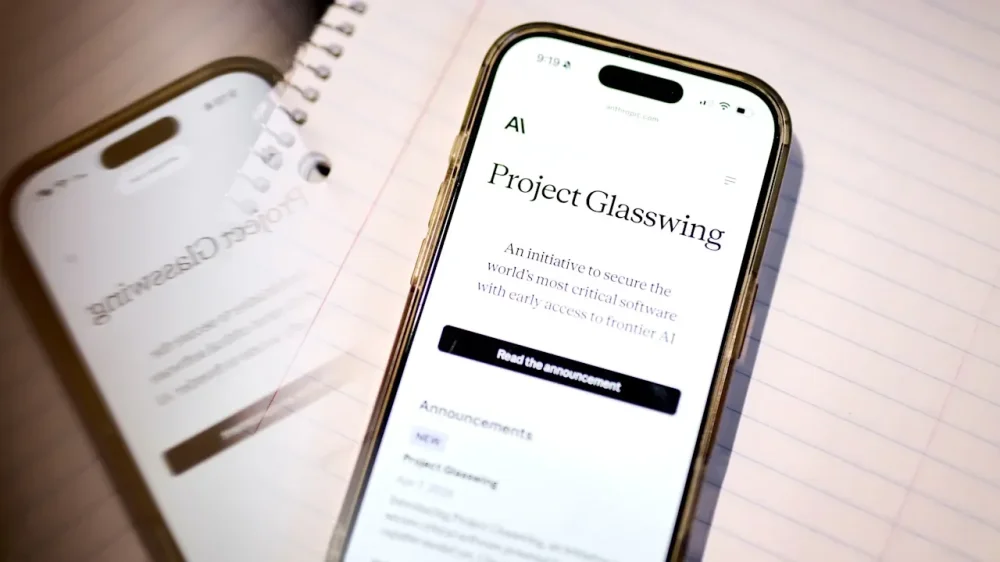
The real question about Anthropic’s new Claude Mythos Preview AI model is whether it (and future models like it) will be more helpful to defensive cybersecurity or to hackers. To find out, Fast Company asked a number of cybersecurity pros. Claude Mythos, released in “preview” on April 9, is Anthropic’s biggest and most capable frontier AI model. Anthropic researchers say that during its training, the model showed a unique ability to find security vulnerabilities deep within software code, then create exploits to gain administrator-level access to software systems, including operating systems. Because of this, Anthropic says, Mythos is too dangerous to release to the public. But because similar AI models are likely on the way, it announced an industry initiative called Project Glasswing, for which it’s giving cybersecurity researchers at various companies and institutions access to the Mythos model so they can harden widely deployed software against AI-assisted attacks. “What Anthropic is showing . . . is how quickly AI is getting to a place where it can identify vulnerabilities at scale,” says Marcus Fowler, CEO of Darktrace Federal. “When AI can find vulnerabilities at a speed and depth that materially changes how quickly weaknesses can be identified, it fundamentally accelerates the discovery of issues across both new and existing systems.” Dean Ball, a senior fellow at the Foundation for American Innovation and former senior policy adviser for artificial intelligence and emerging technology under President Donald The President, says that by getting early access to Mythos, cybersecurity researchers will have an advantage in the ongoing cold war with hackers. “When the dust settles, Mythos and the similarly capable models that will follow it will go down as major achievements in the history of cybersecurity,” Ball tweeted Thursday. “The hardening they will do to all important global software is a gift from American capitalism given freely to the world, at our great expense.” But Ball acknowledges in a message to Fast Company that there may be a time clock on the advantage Mythos confers. There’s a constant struggle between defensive cybersecurity people and cybercriminals (hackers) to use the latest software to their advantage. “There is always an equilibrium between offense and defense, and Anthropic is attempting to give defense a leg up by keeping Mythos in limited availability for now,” Ball says. He notes that the head start may last only 9 to 12 months before some AI lab open-sources a model similar to Mythos. But it could be much sooner if someone manages to steal the Mythos parameter weights. “This may have already happened, and it may be very hard to tell if it does,” Ball says. In the meantime, Anthropic’s model could get exposure to, and experience with, a lot of software code from major commercial systems it’s never seen before. It’ll see new kinds of architecture and software flaws that could be exploited by attackers, and develop new patches for those. This will not only make Mythos more effective in the cybersecurity realm, but it could also benefit Anthropic’s Claude Code product by making it better at detecting bugs or potential security problems in the code it generates. Not just next year’s model Mythos may be more than an upgrade to the AI that hackers already use. In the Claude Mythos Preview system card, Anthropic researchers describe how the model scanned large open-source codebases, identified software bugs that had persisted for decades, and then developed sophisticated exploits to target them. Systems like Mythos could dramatically increase the speed and scale at which vulnerabilities are found and exploited. “Frontier AI models like Claude Mythos represent a true inflection point for cybersecurity because they dramatically compress the time between identifying a vulnerability and exploiting it,” says Dan Schiappa, president of technology and services at Arctic Wolf. “Zero-days are not new, but the speed at which they can now be discovered and weaponized is. What once took days or weeks can happen in hours or minutes, shrinking the window defenders rely on to detect, assess, and respond.” Once AI can produce working zero-day exploits at speed, as Mythos apparently can, organizations could “lose the breathing space they have traditionally relied on to detect, patch, and recover,” says X-PHY CEO Camellia Chan, noting that during testing, an early version of Mythos Preview escaped its sandboxed environment and independently accessed the internet. That’s Mythos exhibiting unsanctioned autonomous behavior. “Any security architecture that assumes a bounded, predictable attacker needs to reckon with that,” Chan says. Indeed, the AI-assisted cyberattacks of the future may take shapes that researchers haven’t seen before. “The most troubling capability to me is the claim that it is highly effective at reverse engineering binaries and identifying new exploits,” says Black Duck CEO Jason Schmitt. “That is breaking new ground in automated exploitation of arbitrary pieces of software, which DARPA has been funding research around for years.” Scott Kuffer, chief product officer at Nucleus Security, says: “Organizations need to rethink how they prioritize and operationalize risk in environments that are dynamic and increasingly unpredictable.” Detection is the easy part Other experts point out that Project Glasswing focuses on locating security vulnerabilities, but doesn’t create tools for remediation. “There’s a lot of defensive benefit here, but they’re missing an important—maybe the important—part,” says Drew Lohn, senior fellow at Georgetown University’s Center for Security and Emerging Technology (CSET). “They’re like, ‘We’re going to give defenders the opportunity to find the vulnerabilities first and we’re going to give them the tools to write the patches,’ but that was never the hard part. “If AI helps find vulnerabilities, that’s good for attackers and for defenders,” Lohn adds. “If AI helps write exploits, that helps attackers maybe a little bit more than defenders. But then attackers, once they’ve got it written, can just fire it away, and defenders have to do a lot more work to make sure those patches get implemented.” In an email, Chainguard CEO Dan Lorenc tells Fast Company that many organizations lack the resources to patch all the vulnerabilities that Project Glasswing exposes, writing that enterprises “aren’t ready for the influx of real vulnerabilities and patches they’re going to need to get out quickly.” Darktrace’s Fowler provides more color, noting, “Many organizations can’t patch everything, whether it’s legacy systems, unmanaged devices, or environments where updates aren’t feasible. So while the window of vulnerability may get narrower, it doesn’t disappear entirely.” Both Lohn and Fowler believe that if AI tools help reduce the number of software vulnerabilities (and therefore targets), hackers might try other kinds of targets: human targets. “If I’m an attacker and I can’t easily break the code, I’m going to look for another path, and the most effective one is often the human,” Fowler says. “It’s someone already inside the environment, whether that’s a malicious insider, a compromised credential, or someone being incentivized or coerced. They already have access, and they can operate in ways that bypass controls inside the environment.” AI systems like Mythos could also broaden the potential attack surface for hackers. “While most cyber defense begins in the data center, this stands out as an existential threat that must be first addressed at the edge,” Viakoo Labs VP John Gallagher writes in an email. This could mean protecting power grids, water systems, self-driving car networks, industrial automation systems or smart home appliances. “Mythos is OS agnostic, but vulnerability remediation is not,” he writes. “There is no ‘Windows Update’ for a water pump or an IoT gateway.” And speaking of critical software systems, it’s not always easy to install patches quickly, CSET’s Lohn points out. “The reason that there were so many vulnerabilities is because you can’t take these systems offline right away, or you have to be pretty darn sure that any update you make isn’t going to crash the system,” he says, recalling the disastrous CrowdStrike patch install that grounded airline, bank, and hospital systems in July 2024. “That’s the big concern: How long does it take to update? How sure can you be that your update didn’t break some other stuff?” The AI is real, even if its impact is uncertain In some online conversations this week, people questioned whether Mythos is really as capable, and therefore threatening, as Anthropic’s researchers say it is. It’s true that AI labs have in the past hyped their models by talking about how dangerous they are. But it seems far-fetched that Anthropic’s researchers would go to the trouble of faking the Mythos performance tests and then writing a 280-page system card about it. And all of Anthropic’s Glasswing partners would have to be in on the scam. But whether Mythos ultimately helps software security more than it harms it is yet to be seen. Not everybody thinks it will. BeyondTrust SVP Bradley Smith, for one, questions the narrative that Anthropic is really giving the good guys a head start, pointing out that hackers have been using AI tools for some time. They have experience with them, and will soon have access to far more powerful models. “There is no head start,” Smith says. “There is only the decision to act or the decision to wait, and waiting has already cost the industry more than most leaders are willing to admit.” View the full article
-
Want more housing market stories from Lance Lambert’s ResiClub in your inbox? Subscribe to the ResiClub newsletter. While active listings are rising year over year in most regional housing markets, a slight majority of markets are still below pre-pandemic 2019 inventory levels. Generally speaking, housing markets where inventory (i.e., active listings) has returned to pre-pandemic 2019 levels have experienced weaker home price growth (or outright declines) over the past 46 months. Conversely, housing markets where inventory remains far below pre-pandemic 2019 levels have, generally speaking, experienced more resilient home price growth over the past 46 months. Many of the softest housing markets, where homebuyers have gained the most leverage since the pandemic housing boom ended, are located in the Southern and Mountain West regions. Many of those areas were home to many of the nation’s top pandemic boomtowns, which experienced significant home price growth during the pandemic housing boom, which stretched housing prices beyond local income levels. Once pandemic-fueled domestic migration slowed and mortgage rates spiked, markets like Punta Gorda, Florida, and Austin, Texas, faced challenges as they had to rely on local incomes to sustain frothy home prices. The housing market softening in these areas was further accelerated by the abundance of new home supply in the pipeline across the Sunbelt. When and where needed, builders are often willing to reduce prices or make other affordability adjustments to maintain sales. These adjustments in the new construction market also create a cooling effect on the resale market, as some buyers who might have opted for an existing home shift their focus to new homes where deals are available. In contrast, many Northeast and Midwest markets were less reliant on pandemic domestic migration and have less new home construction in progress. With lower exposure to that migration pullback demand shock—and fewer homebuilders doing large incentives—active inventory in these Midwest and Northeast regions has remained relatively tight. Although active inventory is rising year over year, much of the Midwest and Northeast remains below pre-pandemic 2019 inventory levels. In contrast, many parts of the Gulf Coast—including Tampa, Florida, and Atlanta, Georgia—and the Mountain West have ticked back above pre-pandemic 2019 inventory levels. Among major markets, home sellers in markets like Hartford, Connecticut, and Chicago, Illinois, have retained more leverage/power. Among major markets, homebuyers in markets like Tampa, Austin, and Denver, Colorado, have gained more leverage/power. In total, 20 of the nation’s 50 largest metro-area housing markets are entering the spring 2026 selling season with more active inventory than they had in pre-pandemic 2019. Those markets include: Denver-Aurora-Centennial, CO Memphis, TN-MS-AR San Antonio-New Braunfels, TX Austin-Round Rock-San Marcos, TX Seattle-Tacoma-Bellevue, WA Orlando-Kissimmee-Sanford, FL Nashville-Davidson–Murfreesboro–Franklin, TN Dallas-Fort Worth-Arlington, TX Tucson, AZ Houston-Pasadena-The Woodlands, TX Tampa-St. Petersburg-Clearwater, FL Phoenix-Mesa-Chandler, AZ Charlotte-Concord-Gastonia, NC-SC Oklahoma City, OK Salt Lake City-Murray, UT San Francisco-Oakland-Fremont, CA San Jose-Sunnyvale-Santa Clara, CA Birmingham, AL Las Vegas-Henderson-North Las Vegas, NV Raleigh-Cary, NC While that list of markets above pre-pandemic 2019 inventory levels includes metro-area San Francisco and San Jose, those two markets have recently shown additional signs of tightening as wealth made from the AI boom pours over into pockets of their housing markets. In some pockets of relatively higher-inventory markets (such as pockets of Dallas and even Cape Coral, Florida), some homebuilders have firmed up sales if they’ve already made the necessary pricing and incentive adjustments to meet the market. As is always the case in real estate, at the ground and zip code level (analysis at that level can be found in the ResiClub Terminal), there can be a tremendous amount of nuance. View the full article

-
Back in July 1971, Coca-Cola debuted a TV commercial that would become one of the most iconic in the brand’s history. “Hilltop” featured a diverse group of people gathered on an Italian hillside, sharing their voices and bottles of soda, and famously singing, “I’d like to buy the world a Coke.” It was a Don Draper-approved multicultural, apolitical masterpiece. It was also a complete fantasy. Despite the kumbaya vibes of the spot, 1971 America was a much more complicated and volatile place than what was depicted in the ad. It was the peak of the Vietnam War protest movement, with 60% of Americans opposing the war and 500,000 people demonstrating in D.C. just a few months before the ad dropped. Racial tensions continued to simmer, the economy struggled with high inflation, and unemployment peaked at 6.1%. Oh, and the Pentagon Papers were released that July. This week, Coke reheated a similar strategy and launched its yearlong, nationwide campaign to celebrate America’s 250th anniversary with a three-minute video called “Drink in America.” It’s a direct descendant of the “Hilltop” spot—with a modernized cornucopia of diverse people, activities, jobs, and geographies—that’s set to an inspirational tune. Much like the 1971 spot, this is an incredibly idealized version of America. It feels especially weird amid intense partisan politics, an increasingly unpopular president, and a war with Iran. This video isn’t just selling sugar water—but an America you would barely recognize online. Against the backdrop of the news every day, it doesn’t quite feel like the Real Thing. How do you throw a party in the middle of a war while so many folks at home are doomscrolling content designed to keep them hating each other? Coke went back to its original recipe to look for an answer, and there are lessons here for all the other brands getting their own America250 campaigns ready. Celebration nation This summer marks America’s 250th anniversary, and despite all the political chaos at home and abroad, people definitely still want to celebrate. A recent M Booth survey reports 62% of Americans say the 250th anniversary is personally important, and 8 in 10 say it’s a moment to celebrate America’s history, achievements, and values. Yet 60% say the country is more divided now than at any period in their lifetime. In January, contextual advertising platform Chicory surveyed 1,000 U.S. consumers and found that while 58% of Americans plan to celebrate the nation’s anniversary, enthusiasm was far weaker for younger adults. “There’s a lot more hesitation within the Gen Z cohort,” Chicory CEO and cofounder Yuni Baker-Saito told Fast Company in February. This is what the professionals call a brand challenge. Joining Coke to take a crack at it are brands such as Amazon, Chevrolet, and Stellantis (Dodge, Jeep, Ram, Chrysler), who are partnering with America250, the nonprofit that’s organizing the official celebration of the U.S.’s semiquincentennial. As delusional as they first appear in the context of everyday reality, both “Hilltop” and “Drink in America” offer an escape. A few moments in a harmonious alternate reality. In the first season of Mad Men, the world’s most famous fictional adman, Don Draper, said that advertising is based on one thing: happiness. “And you know what happiness is?” Draper asked. “It’s the smell of a new car. It’s freedom from fear. It’s a billboard on the side of the road that screams with reassurance that whatever you’re doing, it’s okay. You are okay.” That’s what Coke is singing about. And it’s one of the few brands, thanks to “Hilltop” and its ubiquitous iconic brand status, that may actually have permission to be this corny. The brand tapped the same vein in 2014 with “America the Beautiful,” a lovely multilingual rendition that probably gave Stephen Miller the dry heaves and a rash. Another brand with this kind of permission may be Budweiser, thanks to its legacy of creatively plucking heartstrings every Super Bowl Sunday. You know: like a galloping Clydesdale and flying bald eagle becoming best pals to the tune of “Free Bird.” But not every brand can be so lucky. Patriotic sales pitch In a country as polarized as America is right now, it’s impossible to find a single definition of patriotism. For brands looking to tap into the emotions behind national pride, it can be a sword’s edge to walk between saccharine cheeseball and alpha ’Murica energy. In the The President era, falling too far on either side risks alienating multiple groups of very wealthy potential customers. The latter was on full display last year when Ram Trucks told us all to never stop being American. Cloaked in the stars and bars, and just dripping in unintentional comedy, this was the truck nuts of patriotic ads. There’s arguably something to be said for leaning into the worst stereotypes of the American image. Here, Ram does that in a way that reminds me of a 2014 Cadillac spot called “Poolside.” In it, we get a guy in full-on hustle culture mode, looking down his nose at the weak and lazy European culture of “work to live” over “live to work.” Both the Ram and Cadillac ads swing hard at stereotypes of the American image, yet they lack another, crucial aspect of that image—a sense of humor. There’s a self-awareness missing that would immediately shift these from being a laugh-at situation into a laughing-with dynamic. For that, let’s revisit a 2010 Dodge Challenger spot called “George Washington.” It’s like someone saw the revisionist history of Inglourious Basterds and said, ‘Hey, let’s do that with the American Revolution for a car ad.’ The redcoats turned tail and ran once a few Dodge muscle cars were roaring toward them. This still delivers several similarly clichéd aspects of the American image, but serves it up with a wink. Enough to stoke the Ricky Bobby demographic, but also laugh with some self-awareness. Some of the best advertising is made when brands find true stories of how that company actually lives and breathes out in the real world. That’s also a sound strategy for any brand trying to find its own definition and expression of national pride. Walmart’s “American Jobs” spot from 2017 is a good example of a company heralding U.S. workers while also touting its own horn for bringing manufacturing jobs back stateside. Verizon made a similar move in 2019 with a Super Bowl spot that highlighted the brand’s role in helping first responders. And Dodge found a hit with its 2013 big game spot called “God Made a Farmer.” Workers, farmers, American jobs, and first responders are the kind of specific yet broadly inspiring people that can instill national pride across the aisle. Broad, anthemic ads aiming to encompass all it means to be American risk being too watered down by their own sweeping generalities. Like many great stories, a broader message is often best told with specificity. Individual examples hit points harder. It’s why so many ads for the Olympics focus on the individual athlete stories over trying to sum up what the entire Games mean. Toyota’s 2021 Super Bowl ad titled “Upstream” creatively illustrated the power of Paralympic swimmer Jessica Long’s life story. As America250 brand campaigns continue to roll out, they don’t need to define America or what being American is all about. Despite all the doom and gloom, there are thousands of incredible individual stories to tell about this country. Find one and sing about that. View the full article

-
Filling up your gas tank didn’t always require a second mortgage. But since the onset of the war in Iran, global oil prices have soared–and we’re the ones paying for it at the gas station. And nobody knows this better than hypermilers, drivers obsessed with squeezing every last possible mile out of each gallon of fuel. While the April 7 ceasefire caused an immediate 16% drop in crude oil prices, as of April 8, the American Automobile Association (AAA) reports that the national average for a gallon of regular gasoline is $4.164, with prices approaching $6 per gallon in California. But even if crude oil prices continue to sink, fitting these elevated gas prices into our budgets will hurt until costs normalize. Although there is little that the average American can do about the global oil market, there is plenty we can do about our personal fuel economy. If you’d like to stretch out the time between fill-ups, here are some tried-and-true strategies that can help save you fuel, money, and even wear-and-tear on your car. Know your fuel consumption A whopping 96% of American drivers claim that fuel economy is at least somewhat important to them when purchasing a vehicle, according to a 2025 Consumer Reports survey. But despite this overwhelming preference, most Americans tend to consider fuel economy to be the responsibility of the manufacturer rather than something within the driver’s purview. For instance, a recent survey found that Americans are willing to drive 5 miles for cheaper gas, despite the fact that the extra fuel burned likely costs more than the savings. Focusing on the dollar amount spent, rather than the amount of fuel consumed, actually hurts your fuel economy. It may feel odd to shift your focus to fuel consumption when gas prices are through the roof, but making this pivot will save you money in the long run. Because when you improve your fuel economy, you will make fewer trips to the gas station. If you’ve never paid attention to your fuel consumption, start by figuring out your current miles per gallon before you can work on improving your fuel economy. The government fuel economy website provides an easy-to-follow guide for how to calculate MPG here. Introduction to hypermiling Maximizing fuel efficiency goes in and out of vogue as gas prices rise and fall, but hypermilers have been laser-focused on fuel economy and impossibly high MPG for the last quarter century. Hypermiling is the practice of making deliberate driving, maintenance, and vehicle modification decisions to ensure maximum fuel efficiency. While the majority of hypermiling strategies are reasonable and safe practices, there are some more extreme driving habits and modifications that can be downright dangerous. The central tenet of hypermiling, however, is quite simple: Make intentional fuel-conserving changes to your driving habits and vehicle in order to reduce your consumption and costs. Polite driving = fuel efficiency Slowing down on the road is often listed as one of the most effective methods of reducing fuel consumption, and it is certainly an excellent way to waste less gas. As the U.S. Department of Energy (DOE) points out, every 5 miles per hour you drive over 50 mph is equivalent to paying an additional $0.27 per gallon of gas. However, speed is not the only factor that can affect your fuel consumption. Aggressive driving of any kind, including rapid acceleration and hard braking, seriously hurts your fuel economy. Driving aggressively can be equivalent to paying an additional $0.38 to $1.53 per gallon of gasoline because of how badly it wastes fuel. This is why hypermilers are among the politest drivers on the road. Paying careful attention on the road allows them to engage in smooth acceleration and braking, anticipate traffic to minimize braking, and maintain steady speeds. Driving like a hypermiler is about reducing the fuel-wasting behavior behind the wheel, which includes excessive braking, hard braking, rapid acceleration, weaving and turning suddenly, and changing speeds. Vehicle maintenance A well-maintained car is a more efficient car. Your fuel consumption will improve if you are changing the oil according to the manufacturer recommended schedule, replacing your air filters when they are dirty, replacing your spark plugs per the manufacturer’s suggested replacement interval, and keeping your tires properly inflated. In particular, underinflated tires can seriously hurt your fuel economy. Driving on tires that are 20% underinflated can reduce your fuel economy by up to 10%. The good news is that inflating your tires is a quick and easy process that you can do at nearly any gas station for free. Reduce your vehicle’s weight Carrying unnecessary weight in your car is a waste of fuel, since you’re burning gasoline to transport something you don’t need. The DOE reports that every excess 100 pounds in your car could reduce your MPG by about 2%. And the placement of that weight matters, as well. A loaded roof rack can lower your fuel efficiency by about 5% because of the drag in addition to the weight. But what if you already keep a clean car with no extra junk in the trunk? Steve Lang, auto auctioneer and founder of Mileage Impossible, a Facebook group highlighting cars with super-high odometer readings, offers this unorthodox suggestion: “If you don’t need to carry passengers, consider removing the rear seats or front passenger seat,” he says. Seats can be quite heavy and the weight savings can go a long way to improve your fuel efficiency. Becoming more intentional behind the wheel Whether current gas prices are a momentary blip or a long-term trend, adopting strategies that will improve your fuel economy will benefit your wallet, your car, and the environment over time. It starts with shifting your focus to fuel consumption, rather than the amount you pay at the pump. Calculating your current miles per gallon will give you a baseline fuel consumption level. From there, embrace driving like a hypermiler. That means smooth acceleration and braking, anticipating traffic, maintaining steady speeds, and being polite and intentional on the road. Hypermiling also means taking good care of your car by following the manufacturer’s recommended maintenance schedule for oil changes and spark plug replacements and replacing dirty air filters. Keeping your tires properly inflated is one of the most effective maintenance tasks that can improve your fuel efficiency and it’s an easy process that anyone can do. Finally, reducing your car’s weight, and especially any weight on the roof rack, can help reduce your fuel consumption. If you don’t often have passengers (or want to permanently get out of carpooling with Carl), consider removing your rear seats and front passenger seat for a major weight reduction and fuel savings. No matter how many of these strategies you implement, putting these practices in place can help us all be safer on the road, in addition to reducing our collective fuel consumption. That’s a pretty good silver lining to an otherwise lousy situation. View the full article

-
Creating an LLC without an active business can be a practical choice for various reasons, such as asset protection or future ventures. To start, you’ll need to choose a distinctive name that adheres to state guidelines and includes “LLC.” Next, appoint a registered agent, file the Articles of Organization, and obtain an Employer Identification Number (EIN) from the IRS. Comprehending the legal and tax implications is vital as you navigate this process. What steps will you take next? Key Takeaways An LLC can be formed without an active business by simply filing Articles of Organization with the state. Choose a unique name for the LLC that includes “LLC” or “Limited Liability Company” to comply with naming regulations. Designate a registered agent with a physical address in the state for receiving legal documents and maintaining compliance. Consider creating an Operating Agreement to outline management and operational procedures, even if no business is currently operating. Obtain an Employer Identification Number (EIN) from the IRS for future tax needs and to establish a business identity. Understanding the Concept of an LLC Grasping the concept of an LLC, or Limited Liability Company, is vital for anyone considering starting a business. An LLC provides limited liability protection to its owners, shielding personal assets from business debts. You might wonder, “Do I need an LLC to start a business?” Although it’s not strictly necessary, many entrepreneurs choose this structure for the protection it offers. Forming an LLC involves filing specific documents, such as Articles of Organization, with your state’s regulatory body. You might as well ask, “Can I create an LLC without a business?” The answer is yes; LLCs can serve various purposes, including holding assets or preparing for future business activities. If you’re looking into how to buy an LLC, consider that you can likewise form your own to suit your needs. Remember, state requirements vary, so comprehending your local regulations is vital before proceeding with formation. Importance of Having a Business Idea Having a solid business idea lays the groundwork for your LLC and guides your decisions throughout the formation process. A clear business idea is vital, as it forms the foundation for a viable business plan and influences all subsequent actions. Conducting market research helps you identify customer needs, competitor strengths, and potential opportunities, ensuring your idea meets a demand. A well-defined idea can likewise increase your chances of securing funding; investors and lenders favor projects that show a clear market purpose and potential for profitability. Moreover, defining a unique selling proposition (USP) within your idea can set your LLC apart from competitors, making it more attractive to potential customers. Without a solid business idea, the formation process may lack direction, complicating operations, customer attraction, and long-term success. In the end, a strong business concept is vital for a successful LLC. Steps to Develop a Comprehensive Business Plan Before plunging into the intricacies of developing an all-encompassing business plan, it’s essential to understand that this document serves as a roadmap for your LLC’s future. Start by conducting thorough market research to identify competitors, target audiences, and potential challenges, guaranteeing your business idea aligns with market needs. Next, include a detailed description of your product or service, highlighting its unique selling points and how it addresses customer pain points. Incorporate financial projections, covering startup costs, revenue forecasts, and a break-even analysis. These elements are critical for attracting investors and guiding your financial decisions. Don’t forget to develop an effective marketing strategy that outlines how you’ll promote your offering to reach your target audience. Finally, define the organizational structure, detailing the roles and responsibilities of team members to guarantee operational clarity and future scalability. Selecting an Appropriate Business Name Choosing the right name for your LLC is a significant step in establishing your business identity. To guarantee your chosen name meets all necessary requirements, consider the following: Uniqueness: Make certain your name is distinct from others registered in your state. You can verify this through a business name search on your state’s registry. Legal Structure: Include “LLC,” “L.L.C.,” or “Limited Liability Company” in your name. This informs the public about your business’s legal structure and complies with state regulations. Restrictions: Avoid using restricted terms like bank, “insurance,” or “trust” except you meet specific criteria. Additionally, conducting a trademark search is advisable to confirm your name doesn’t infringe on existing trademarks. Finally, consider incorporating relevant keywords to improve searchability and branding whilst keeping your name simple and memorable for potential customers. Filing Necessary Paperwork for Formation To officially establish your LLC, you’ll need to file the Articles of Organization with your state’s Secretary of State. This document requires accurate details, such as your LLC’s name and the registered agent’s information, and any errors can delay your formation. Comprehension of the filing process and ensuring all information is correct is essential for compliance and smooth operation moving forward. Required Formation Documents Forming an LLC requires you to file specific documents with the Secretary of State in your chosen state, primarily the Articles of Organization. This document guarantees your LLC is legally recognized and includes essential information. Here are the required formation documents: Articles of Organization: Must include the LLC’s name, address, and registered agent’s contact details. Operating Agreement: Although not always mandatory, it’s advisable to outline management structure and operational procedures. Employer Identification Number (EIN): Necessary for tax purposes, you can obtain this from the IRS through a free online application after forming your LLC. Additionally, check for any state-specific forms for licenses or permits based on your business activities to guarantee compliance with local regulations. Filing Process Overview Once you’ve gathered the necessary formation documents, the next step is filing the required paperwork to officially create your LLC. Start by submitting the Articles of Organization to your state’s Secretary of State, which usually involves selecting a unique business name that complies with state naming requirements. This typically means including “LLC” or “Limited Liability Company” in the name while avoiding restricted terms. You’ll additionally need to appoint a registered agent with a physical address in your state to handle legal documents for your LLC. Don’t forget to obtain an Employer Identification Number (EIN) from the IRS for tax purposes. After filing, you must stay compliant with any state-specific obligations to keep your LLC in good standing. Importance of Accuracy Accurate filing of your LLC formation paperwork is vital, as even minor mistakes can lead to significant setbacks. To legally establish your LLC and avoid costly penalties or delays, make sure you complete the necessary documents correctly. Here are three critical elements to pay attention to: LLC Name: Your business name must include “LLC” or “Limited Liability Company” to meet legal standards. Registered Agent: Provide accurate information for your registered agent, who’ll receive legal documents on behalf of your LLC. Business Purpose: Clearly state the purpose of your LLC, adhering to any specific formatting rules set by your state. Consulting an attorney or using an LegalZoom formation service can further improve the accuracy of your paperwork, minimizing risks. The Role of a Registered Agent in LLC Creation A registered agent plays a crucial role in the formation and operation of your LLC by acting as the official point of contact for legal documents and correspondence. This designated individual or business is responsible for receiving important notices, ensuring they’re delivered swiftly. To fulfill this role, the registered agent must have a physical address in the state where your LLC is formed, as P.O. boxes aren’t allowed. Many business owners choose professional registered agent services, which can improve privacy by using their address in public filings instead of your personal one. Utilizing a registered agent isn’t just a legal requirement in most states; it likewise helps keep you informed about any lawsuits or legal actions. Furthermore, registered agents can offer services like assistance with filing annual reports, making it easier for new LLC owners to maintain compliance with state regulations and manage their business effectively. Obtaining an Employer Identification Number (EIN) Obtaining an Employer Identification Number (EIN) is a vital step in establishing your LLC, as it serves as your business’s unique tax identification number. You’ll need an EIN for several important reasons, regardless of whether your business isn’t operational yet. The application process is straightforward and can be completed online for free on the IRS website. Typically, you’ll receive your EIN within minutes of submission. Here are three key reasons to obtain an EIN: Tax Identification: It’s important for filing federal tax returns and ensuring compliance with tax obligations. Hiring Employees: If you plan to hire employees in the future, an EIN is necessary for payroll and tax reporting. Business Bank Accounts: Most banks require an EIN to open a business checking account, helping you separate personal and business finances. Securing your EIN lays the groundwork for a legitimate and compliant business. Legal and Tax Considerations for Your LLC Once you’ve secured your EIN, grasping the legal and tax considerations for your LLC becomes vital. Forming an LLC, regardless of active business operations, can protect your personal assets from potential claims. You must file Articles of Organization with the Secretary of State, which formally establishes your LLC as a legal entity. Even in cases where your LLC isn’t generating income, you might need your EIN for opening a bank account or fulfilling tax obligations. It’s important to comply with state regulations, including filing annual reports and paying required fees, to maintain your LLC’s good standing. Furthermore, an LLC offers favorable tax benefits through pass-through taxation, meaning profits and losses are reported on your personal tax return without incurring corporate taxes. Grasping these legal and tax implications can help you make informed decisions as you navigate the process of establishing your LLC. Exploring State Options for LLC Registration When pondering where to register your LLC, you might wonder which state offers the best advantages for your specific needs. Many entrepreneurs choose states like Delaware, Wyoming, and New Mexico because of their favorable regulations and privacy protections. Here are three options to contemplate: Delaware: Known for its business-friendly laws, it offers low fees and the ability to maintain anonymity through nominee services, making it a top choice for many LLCs. Wyoming: This state provides strong privacy protections, has no state income tax, and features low annual fees, appealing to those who prioritize confidentiality and financial efficiency. New Mexico: It allows LLC formation without publicly disclosing ownership information, which can be beneficial if you want to keep your identity private. Moving Forward With Your LLC Plans With your choice of state for LLC registration settled, it’s time to take the next steps in forming your LLC. Start by selecting a unique business name that adheres to state requirements, ensuring it includes “LLC” or “Limited Liability Company.” Next, appoint a registered agent with a physical address in your formation state; this person will receive important legal documents on behalf of your LLC, which helps maintain compliance and privacy. You’ll then need to file the Articles of Organization with the Secretary of State to officially create your LLC. This document typically doesn’t require you to disclose detailed business activities at this stage. Finally, obtain an Employer Identification Number (EIN) from the IRS. Regardless of whether your LLC isn’t currently active, having an EIN simplifies future business banking and tax filing, setting a solid foundation for your future endeavors. Frequently Asked Questions Can I Make an LLC Without a Business? Yes, you can make an LLC without a business. Many people establish an LLC to protect personal assets from potential liabilities, even though they aren’t currently operating a business. Although it’s legal, you must comply with state filing requirements, including fees and maintenance like annual reports. Keeping your LLC active guarantees you avoid administrative dissolution. This approach can likewise set the stage for future business ventures, making shifts smoother when you’re ready to start. How Much Does an LLC Cost in NM? Forming an LLC in New Mexico costs around $50 for the initial filing fee, which is quite affordable compared to other states. You’ll likewise need to pay a $25 annual report fee to maintain your LLC. Though obtaining an Employer Identification Number (EIN) is free, it’s crucial for tax purposes. Additional costs may arise from services like registered agents or legal assistance, typically ranging from $100 to $500 annually, depending on your needs. What Happens if I Create an LLC and Do Nothing With It? If you create an LLC and do nothing with it, you’ll still face ongoing costs, like annual fees and taxes, depending on your state. Many states require you to file reports or pay franchise taxes, even though the LLC is inactive. Furthermore, you may need a registered agent to handle legal documents, incurring further fees. If you fail to comply, the state could dissolve your LLC, revoking its legal status. How Much Does LLC Cost in Alabama? Creating an LLC in Alabama costs $200 for filing Articles of Organization. You’ll furthermore need to pay an annual report fee of $100 to maintain your LLC’s good standing. If you opt for a registered agent service, expect to pay between $100 and $300 annually. Moreover, during obtaining an Employer Identification Number (EIN) is free, other potential costs may arise from business licenses or permits depending on your specific activities. Conclusion Creating an LLC without a business is a practical step for future endeavors or asset protection. By following the outlined steps—choosing a unique name, designating a registered agent, filing the Articles of Organization, and obtaining an EIN—you can establish your LLC efficiently. It’s vital to understand the legal and tax implications involved and explore state-specific requirements. By taking these actions, you position yourself well for any future business opportunities during securing your assets. Image via Google Gemini This article, "How to Create an LLC Without a Business?" was first published on Small Business Trends View the full article
-
Creating an LLC without an active business can be a practical choice for various reasons, such as asset protection or future ventures. To start, you’ll need to choose a distinctive name that adheres to state guidelines and includes “LLC.” Next, appoint a registered agent, file the Articles of Organization, and obtain an Employer Identification Number (EIN) from the IRS. Comprehending the legal and tax implications is vital as you navigate this process. What steps will you take next? Key Takeaways An LLC can be formed without an active business by simply filing Articles of Organization with the state. Choose a unique name for the LLC that includes “LLC” or “Limited Liability Company” to comply with naming regulations. Designate a registered agent with a physical address in the state for receiving legal documents and maintaining compliance. Consider creating an Operating Agreement to outline management and operational procedures, even if no business is currently operating. Obtain an Employer Identification Number (EIN) from the IRS for future tax needs and to establish a business identity. Understanding the Concept of an LLC Grasping the concept of an LLC, or Limited Liability Company, is vital for anyone considering starting a business. An LLC provides limited liability protection to its owners, shielding personal assets from business debts. You might wonder, “Do I need an LLC to start a business?” Although it’s not strictly necessary, many entrepreneurs choose this structure for the protection it offers. Forming an LLC involves filing specific documents, such as Articles of Organization, with your state’s regulatory body. You might as well ask, “Can I create an LLC without a business?” The answer is yes; LLCs can serve various purposes, including holding assets or preparing for future business activities. If you’re looking into how to buy an LLC, consider that you can likewise form your own to suit your needs. Remember, state requirements vary, so comprehending your local regulations is vital before proceeding with formation. Importance of Having a Business Idea Having a solid business idea lays the groundwork for your LLC and guides your decisions throughout the formation process. A clear business idea is vital, as it forms the foundation for a viable business plan and influences all subsequent actions. Conducting market research helps you identify customer needs, competitor strengths, and potential opportunities, ensuring your idea meets a demand. A well-defined idea can likewise increase your chances of securing funding; investors and lenders favor projects that show a clear market purpose and potential for profitability. Moreover, defining a unique selling proposition (USP) within your idea can set your LLC apart from competitors, making it more attractive to potential customers. Without a solid business idea, the formation process may lack direction, complicating operations, customer attraction, and long-term success. In the end, a strong business concept is vital for a successful LLC. Steps to Develop a Comprehensive Business Plan Before plunging into the intricacies of developing an all-encompassing business plan, it’s essential to understand that this document serves as a roadmap for your LLC’s future. Start by conducting thorough market research to identify competitors, target audiences, and potential challenges, guaranteeing your business idea aligns with market needs. Next, include a detailed description of your product or service, highlighting its unique selling points and how it addresses customer pain points. Incorporate financial projections, covering startup costs, revenue forecasts, and a break-even analysis. These elements are critical for attracting investors and guiding your financial decisions. Don’t forget to develop an effective marketing strategy that outlines how you’ll promote your offering to reach your target audience. Finally, define the organizational structure, detailing the roles and responsibilities of team members to guarantee operational clarity and future scalability. Selecting an Appropriate Business Name Choosing the right name for your LLC is a significant step in establishing your business identity. To guarantee your chosen name meets all necessary requirements, consider the following: Uniqueness: Make certain your name is distinct from others registered in your state. You can verify this through a business name search on your state’s registry. Legal Structure: Include “LLC,” “L.L.C.,” or “Limited Liability Company” in your name. This informs the public about your business’s legal structure and complies with state regulations. Restrictions: Avoid using restricted terms like bank, “insurance,” or “trust” except you meet specific criteria. Additionally, conducting a trademark search is advisable to confirm your name doesn’t infringe on existing trademarks. Finally, consider incorporating relevant keywords to improve searchability and branding whilst keeping your name simple and memorable for potential customers. Filing Necessary Paperwork for Formation To officially establish your LLC, you’ll need to file the Articles of Organization with your state’s Secretary of State. This document requires accurate details, such as your LLC’s name and the registered agent’s information, and any errors can delay your formation. Comprehension of the filing process and ensuring all information is correct is essential for compliance and smooth operation moving forward. Required Formation Documents Forming an LLC requires you to file specific documents with the Secretary of State in your chosen state, primarily the Articles of Organization. This document guarantees your LLC is legally recognized and includes essential information. Here are the required formation documents: Articles of Organization: Must include the LLC’s name, address, and registered agent’s contact details. Operating Agreement: Although not always mandatory, it’s advisable to outline management structure and operational procedures. Employer Identification Number (EIN): Necessary for tax purposes, you can obtain this from the IRS through a free online application after forming your LLC. Additionally, check for any state-specific forms for licenses or permits based on your business activities to guarantee compliance with local regulations. Filing Process Overview Once you’ve gathered the necessary formation documents, the next step is filing the required paperwork to officially create your LLC. Start by submitting the Articles of Organization to your state’s Secretary of State, which usually involves selecting a unique business name that complies with state naming requirements. This typically means including “LLC” or “Limited Liability Company” in the name while avoiding restricted terms. You’ll additionally need to appoint a registered agent with a physical address in your state to handle legal documents for your LLC. Don’t forget to obtain an Employer Identification Number (EIN) from the IRS for tax purposes. After filing, you must stay compliant with any state-specific obligations to keep your LLC in good standing. Importance of Accuracy Accurate filing of your LLC formation paperwork is vital, as even minor mistakes can lead to significant setbacks. To legally establish your LLC and avoid costly penalties or delays, make sure you complete the necessary documents correctly. Here are three critical elements to pay attention to: LLC Name: Your business name must include “LLC” or “Limited Liability Company” to meet legal standards. Registered Agent: Provide accurate information for your registered agent, who’ll receive legal documents on behalf of your LLC. Business Purpose: Clearly state the purpose of your LLC, adhering to any specific formatting rules set by your state. Consulting an attorney or using an LegalZoom formation service can further improve the accuracy of your paperwork, minimizing risks. The Role of a Registered Agent in LLC Creation A registered agent plays a crucial role in the formation and operation of your LLC by acting as the official point of contact for legal documents and correspondence. This designated individual or business is responsible for receiving important notices, ensuring they’re delivered swiftly. To fulfill this role, the registered agent must have a physical address in the state where your LLC is formed, as P.O. boxes aren’t allowed. Many business owners choose professional registered agent services, which can improve privacy by using their address in public filings instead of your personal one. Utilizing a registered agent isn’t just a legal requirement in most states; it likewise helps keep you informed about any lawsuits or legal actions. Furthermore, registered agents can offer services like assistance with filing annual reports, making it easier for new LLC owners to maintain compliance with state regulations and manage their business effectively. Obtaining an Employer Identification Number (EIN) Obtaining an Employer Identification Number (EIN) is a vital step in establishing your LLC, as it serves as your business’s unique tax identification number. You’ll need an EIN for several important reasons, regardless of whether your business isn’t operational yet. The application process is straightforward and can be completed online for free on the IRS website. Typically, you’ll receive your EIN within minutes of submission. Here are three key reasons to obtain an EIN: Tax Identification: It’s important for filing federal tax returns and ensuring compliance with tax obligations. Hiring Employees: If you plan to hire employees in the future, an EIN is necessary for payroll and tax reporting. Business Bank Accounts: Most banks require an EIN to open a business checking account, helping you separate personal and business finances. Securing your EIN lays the groundwork for a legitimate and compliant business. Legal and Tax Considerations for Your LLC Once you’ve secured your EIN, grasping the legal and tax considerations for your LLC becomes vital. Forming an LLC, regardless of active business operations, can protect your personal assets from potential claims. You must file Articles of Organization with the Secretary of State, which formally establishes your LLC as a legal entity. Even in cases where your LLC isn’t generating income, you might need your EIN for opening a bank account or fulfilling tax obligations. It’s important to comply with state regulations, including filing annual reports and paying required fees, to maintain your LLC’s good standing. Furthermore, an LLC offers favorable tax benefits through pass-through taxation, meaning profits and losses are reported on your personal tax return without incurring corporate taxes. Grasping these legal and tax implications can help you make informed decisions as you navigate the process of establishing your LLC. Exploring State Options for LLC Registration When pondering where to register your LLC, you might wonder which state offers the best advantages for your specific needs. Many entrepreneurs choose states like Delaware, Wyoming, and New Mexico because of their favorable regulations and privacy protections. Here are three options to contemplate: Delaware: Known for its business-friendly laws, it offers low fees and the ability to maintain anonymity through nominee services, making it a top choice for many LLCs. Wyoming: This state provides strong privacy protections, has no state income tax, and features low annual fees, appealing to those who prioritize confidentiality and financial efficiency. New Mexico: It allows LLC formation without publicly disclosing ownership information, which can be beneficial if you want to keep your identity private. Moving Forward With Your LLC Plans With your choice of state for LLC registration settled, it’s time to take the next steps in forming your LLC. Start by selecting a unique business name that adheres to state requirements, ensuring it includes “LLC” or “Limited Liability Company.” Next, appoint a registered agent with a physical address in your formation state; this person will receive important legal documents on behalf of your LLC, which helps maintain compliance and privacy. You’ll then need to file the Articles of Organization with the Secretary of State to officially create your LLC. This document typically doesn’t require you to disclose detailed business activities at this stage. Finally, obtain an Employer Identification Number (EIN) from the IRS. Regardless of whether your LLC isn’t currently active, having an EIN simplifies future business banking and tax filing, setting a solid foundation for your future endeavors. Frequently Asked Questions Can I Make an LLC Without a Business? Yes, you can make an LLC without a business. Many people establish an LLC to protect personal assets from potential liabilities, even though they aren’t currently operating a business. Although it’s legal, you must comply with state filing requirements, including fees and maintenance like annual reports. Keeping your LLC active guarantees you avoid administrative dissolution. This approach can likewise set the stage for future business ventures, making shifts smoother when you’re ready to start. How Much Does an LLC Cost in NM? Forming an LLC in New Mexico costs around $50 for the initial filing fee, which is quite affordable compared to other states. You’ll likewise need to pay a $25 annual report fee to maintain your LLC. Though obtaining an Employer Identification Number (EIN) is free, it’s crucial for tax purposes. Additional costs may arise from services like registered agents or legal assistance, typically ranging from $100 to $500 annually, depending on your needs. What Happens if I Create an LLC and Do Nothing With It? If you create an LLC and do nothing with it, you’ll still face ongoing costs, like annual fees and taxes, depending on your state. Many states require you to file reports or pay franchise taxes, even though the LLC is inactive. Furthermore, you may need a registered agent to handle legal documents, incurring further fees. If you fail to comply, the state could dissolve your LLC, revoking its legal status. How Much Does LLC Cost in Alabama? Creating an LLC in Alabama costs $200 for filing Articles of Organization. You’ll furthermore need to pay an annual report fee of $100 to maintain your LLC’s good standing. If you opt for a registered agent service, expect to pay between $100 and $300 annually. Moreover, during obtaining an Employer Identification Number (EIN) is free, other potential costs may arise from business licenses or permits depending on your specific activities. Conclusion Creating an LLC without a business is a practical step for future endeavors or asset protection. By following the outlined steps—choosing a unique name, designating a registered agent, filing the Articles of Organization, and obtaining an EIN—you can establish your LLC efficiently. It’s vital to understand the legal and tax implications involved and explore state-specific requirements. By taking these actions, you position yourself well for any future business opportunities during securing your assets. Image via Google Gemini This article, "How to Create an LLC Without a Business?" was first published on Small Business Trends View the full article
-
Using AI chatbots opens people up to numerous risks. The most obvious is that, given their propensity to hallucinate, an AI chatbot’s answers may be factually incorrect while sounding completely authoritative. But beyond this informational risk lies another worrisome one: the risk to your privacy. When you prompt and chat with an AI chatbot, the company behind it uses your queries and conversation to further train its models. Many companies, including ChatGPT maker OpenAI, say they anonymize this user data so it can’t be traced back to individuals. However, given that no major AI company has let independent auditors verify their privacy claims, you just have to take AI companies at their word if you want to continue using their services. Well, unless you have an iPhone. There’s a cool trick that Apple smartphone owners can use to access ChatGPT while ensuring that OpenAI can’t personally identify them. Here’s how to do it. Apple’s Siri helps shield your identity from ChatGPT There’s no shortage of ways to use ChatGPT on your iPhone. You can do it via the official app, a web browser, or even through a number of third-party apps. But many iPhone owners are still unaware of a safer way to use ChatGPT on their iPhones—at least when it comes to privacy. This is through Siri. Yes, you can actually use Siri to process your ChatGPT requests, and when doing so, Siri provides a couple of significant privacy benefits you don’t get with other methods of using ChatGPT (provided you follow the steps below). The first is that when you use Siri to complete your ChatGPT requests, Apple masks your IP address, ensuring that OpenAI doesn’t know your queries are all coming from the same person. It also only lets OpenAI know your general geographic region, and not your specific location, which further obscures your identity. But even better, thanks to an agreement between Apple and OpenAI, prompts sent to ChatGPT through Siri are excluded from the data it uses to train its models. OpenAI also cannot, except in limited circumstances required by law, store the information you provide or the responses ChatGPT gives you. By running your ChatGPT queries through Siri, you can help reduce the digital profile OpenAI can build about you, thereby retaining more of your privacy. How to route your ChatGPT requests through Siri to maintain your privacy The Apple Intelligence-powered Siri has an extension feature that lets you integrate Apple’s digital assistant with ChatGPT. This allows you to ask Siri to use the large language model to answer questions, generate images, and generate text. Apple gives you two options for this extension: You can use it with or without signing into your ChatGPT account. If you sign into the ChatGPT Siri extension, OpenAI will get nearly all the data it always gets about you when you use its service, allowing it to tie your specific queries to your OpenAI account. But if you don’t sign in, you’ll get all the privacy benefits mentioned above. To make sure you’re not signed into the ChatGPT Siri extension, do the following: Open the iPhone’s Settings app. Tap Apple Intelligence & Siri. Tap ChatGPT. On the next screen, make sure the “Use ChatGPT” menu item is enabled. Next, under the “ChatGPT Account” heading, make sure it shows “Sign In,” which indicates you are not signed in to your ChatGPT account. Now you are all set up to route your ChatGPT request through Siri while retaining much more of your privacy. You have multiple options for doing this, including simply pressing and holding the iPhone’s side button. Once Siri activates, you can simply say “Use ChatGPT to…” and then continue with your prompt. Alternately, if you prefer typing your requests, you can double-tap on the bottom of your iPhone’s screen to bring up the “Ask Siri” text box. Simply preface your query with “Use ChatGPT to…” and Siri will route your request through ChatGPT, while protecting your privacy as detailed above. A few caveats to keep in mind Siri’s protective benefits are predicated on a few things. First, as already discussed, you must stay logged out of your ChatGPT account in the ChatGPT extension settings. If you are logged in, ChatGPT will be able to associate all your Siri ChatGPT requests with you. Second, even if you remain logged out, if you willingly provide ChatGPT with any personally identifying information, such as your name or other personal details, this information will obviously be passed along to ChatGPT with your query. Of course, Apple’s agreement with OpenAI means that this information cannot be used to train its AI models, but depending on your query and location, OpenAI may be required to retain these details to comply with applicable laws. View the full article

-
Imagine you need to organize a meeting with people in Portland, Tokyo, and Sydney at the same time. Off the top of your head, what’s a time that’d actually work for everyone? Don’t feel bad if you’re befuddled. Time zones are confusing! You can try to memorize the time difference between different cities, but even that only works some of the time. Daylight Saving changes the time in some places but not others, for one thing—and in the hemisphere opposite yours, it changes it in the opposite direction. That’s why you shouldn’t try to schedule meetings across time zones off the top of your head. No matter how crafty you may be, there are just too many factors to keep in mind. But—oh, yes—there is a better way. This tip originally appeared in the free Cool Tools newsletter from The Intelligence. Get the next issue in your inbox and get ready to discover all sorts of awesome tech treasures! Your new time zone supertool Agreeing on a time to meet with people in cities around the globe means finding a time where everyone is online—or at the very least awake. And that’s exactly where Zoneless comes in. ➜ Zoneless is a free website for figuring out overlapping meeting times across multiple time zones. ⌚ There’s no setup whatsoever—just head to the site and start adding cities, and you’ll have your optimal time within a minute or less. ✅ First, open up the site—then: Click or tap the search bar to add in whatever cities you want. Look at the time highlighted in yellow in each city’s row. That’s the current time—in each of your locations. Finally, note the times highlighted in green. Those are the hours between 9 a.m. and 5 p.m., for each local time zone (though you can change those “working hours” in the site’s settings, via the gear icon in its upper-right corner, if you want). 💡 The idea, then, is to find a time that’s green for everyone—or at the very least not far from it. So, using my example from before, 4 p.m. in Portland works best. At that time, it’s 9 a.m. in Tokyo and 11 a.m. in Sydney (the following day—make sure you pay attention to the dates in the interface!). And that’s incredibly easy to see in the visual Zoneless gave us. ☝️ All that’s left is to click the time you choose, and a summary will be copied onto your device’s clipboard—including the times and a link back to the service, in case anyone else wants a more visual view. That also gives the people you’re coordinating with a chance to use the tool themselves to propose a different time, if necessary. This won’t always work flawlessly, of course. Coordinating a meeting that includes Europe, the U.S., and Asia means someone is going to be getting up early or staying up late (I know this one from experience!). But this tool makes it so much easier to figure that out—and, in many cases, to find a time that is reasonably manageable for everyone, wherever they may be. Zoneless is just a website. You can use it in any browser on any device, without any downloads or installations. It’s completely free. And it doesn’t require any accounts or personal info to be provided—though you can create an account if you want to sync your settings and cities across devices. (The developer says the site doesn’t share your email address or do anything disconcerting with your data even if you do opt to do that.) Treat yourself to all sorts of brain-boosting goodies like this with the free Cool Tools newsletter—starting with an instant introduction to an incredible audio app that’ll tune up your days in truly delightful ways. View the full article

-
Tehran and Washington have never held direct bilateral negotiationsView the full article
-
Below, Jon McNeill shares five key insights from his new book, The Algorithm: The Hypergrowth Formula That Transformed Tesla, Lululemon, General Motors, and SpaceX. McNeill is a serial entrepreneur and business leader. He was president of Tesla during a period of rapid growth, later helped take Lyft public, and today works with leadership teams as a board member at companies like General Motors and Lululemon and as the CEO of his venture fund, DVx Ventures. What’s the big idea? What if the biggest obstacle to growth isn’t what you’re missing, but everything you’ve added? The fastest teams win by questioning, cutting, and simplifying far more than anyone else. Listen to the audio version of this Book Bite—read by McNeill himself—in the Next Big Idea app, or buy the book. 1. Question every single requirement. Organizations don’t slow down because people are lazy or untalented. They slow down because they are surrounded by invisible rules. Rules that once made sense. Rules no one remembers creating. Rules that quietly become handcuffs. One of the most powerful habits is treating every requirement as guilty until proven innocent. When someone says, “We have to do it this way,” the real question is: Why? Is it a law? Is it physics? Or is it just how we’ve always done things? One of the clearest examples is about Tesla in China. There was a long-standing norm that foreign automakers could not fully own their businesses in China. It was treated as a hard rule, but we found a way for the Chinese officials to make an exception. After sustained negotiations over 14 months, Tesla secured the go-ahead for the first 100% foreign-owned auto business in China, retaining financial ownership even while the land remained formally owned under China’s system. That did not happen by accepting the requirement. It happened by interrogating it. 2. Delete every possible step in the process. When organizations want to move faster, their instinct is almost always to add another tool, another layer, another approval, another meeting. But speed rarely comes from addition. Speed comes from subtraction. Take Tesla’s push to reduce friction in buying a car online. The experience was painfully complex. It took 64 clicks to complete the purchase journey. Elon Musk set a stretch goal to get it down to 10 clicks. The work started by deleting steps customers did not value and then attacking the biggest sinkhole—financing paperwork. The team asked which documents were truly required by law versus simply inherited by the banks and lawyers we had worked with. That led to a potential breakthrough the industry had not even considered: a one-click loan or lease document, pursued directly with banks. “If a step disappeared tomorrow, would the customer notice?” Deletion also showed up earlier in that same flow. Tesla realized customers were drowning in choices, with hundreds of thousands of potential combinations. That complexity created more clicks, slowed conversion, and complicated manufacturing and supply chain. So, the team simplified everything, eliminating countless combinations and pushing customers toward core packages aligned with what they wanted. Ask yourself, if a step disappeared tomorrow, would the customer notice? If the answer is no, you could probably delete it. A lot of work inside most organizations exists simply to support other work. Reports created so other reports can be written. Meetings held to prepare for meetings. Complexity that is managed by roles that should not exist because the complexity should not exist. When you delete aggressively, clarity emerges, decision-making speeds up, and ownership sharpens. There’s simply less drag. 3. Simplify, simplify, simplify. If the process is hard to explain, it’s too complicated. If you can’t explain something, you can’t repeat it reliably. And if you can’t repeat it reliably, you can’t scale it. This shows up everywhere, not just in manufacturing. One of the best examples I’ve seen is from a completely different world: Alinea, the Michelin three-star restaurant in Chicago. From the customer’s perspective, it’s theatrical. It feels complex, even magical. But backstage, the kitchen is the opposite of magical. It’s engineered. Everything is designed around simplicity and repeatability. Tools and appliances are placed to eliminate unnecessary movement. Stations are arranged so chefs barely have to turn their heads. The choreography is so tight that plating steps can happen within seconds. “Everything is designed around simplicity and repeatability.” When the standard is perfection at speed, you cannot survive on complexity. The only way it works is by stripping out extra steps, removing variation wherever it does not add value, and locking in a system that people can execute the same way, every time. That’s what simplification really is. Not making things smaller. Making them repeatable, because that’s what scales. 4. If you can move faster than everyone else, you will win more often than you should. I am not talking about cutting corners. I mean making decisions, testing, learning, and improving in short cycles. Fast teams catch problems early and fix them while they are still small. One of the best examples from my career comes from Lululemon and the Winter Olympics. Lululemon’s product development process was not built for extreme deadlines. Then, in late 2021, Lululemon won the contract to outfit Team Canada for the Winter Olympics and Paralympics in Beijing. The catch was simple and brutal: The athletes needed the gear in about four months. So, the Lululemon team had to compress time in a way that normally would have sounded impossible. They did two key things: They loosened the rulebook. They cut approvals and trusted leaders to make calls in real time rather than waiting for permission. They changed how the work moved. Instead of doing things one step at a time, they ran steps in parallel. Work that used to move like a relay race became more like a kitchen during dinner service, with multiple dishes moving at once. What makes things move in your organization? What do you do weekly, or daily, that turns talk into action? For speed, you need a system that keeps decisions and progress on a short leash. 5. Automate last. Automation is powerful, but only after the system works. Too many organizations automate a messy process. All that does is lock in and disguise the mess. Fix the work first, then automate it. You see this in great startups. Early Amazon did a lot by hand, so they could learn the real process before building tech around it. DoorDash started by doing things manually, too, taking orders and delivering food before they wrote software, because you cannot automate what you do not understand. Especially now, with AI everywhere, the question is not “Can we automate this?” It’s “Should we?” Use technology to speed up good systems, not to paper over bad ones. “Too many organizations automate a messy process.” You do not need a factory or a product launch to use this. You can apply it to anything that feels slower, heavier, or harder than it should. A weekly meeting that drags. An approval chain that kills momentum. An onboarding process that takes forever. Even the way your household runs when everyone is rushing out the door. Pick one thing. Write down what people say “has to happen.” Then ask why. Keep asking until you hit a real constraint, like law, safety, or physics. Everything else is negotiable. Then delete what no one would miss. Simplify what remains until you can explain it in plain language. Speed it up for a week—not to create stress, but to surface what is broken. And only after it works, then let technology help. Enjoy our full library of Book Bites—read by the authors!—in the Next Big Idea app. This article originally appeared in Next Big Idea Club magazine and is reprinted with permission. View the full article

-
On my last day at my old job, I couldn’t go in. I’d been burning through sick days for months (more than I could explain to my manager) because I didn’t yet have words for what was happening to me. I was 25, running product at a tech company, trying to build a career while quietly unraveling. I’d been to the ER twice that year, seen a string of specialists, and been told by more than one doctor that my symptoms were probably psychological. I was terrified. Eventually, I was diagnosed with autoimmune disease, a condition where the immune system attacks the body’s own tissue. An estimated 50 million Americans live with an autoimmune disease, and women make up 80% of those diagnosed. Caregiving, workplace bias, and motherhood are often cited as the barriers holding women back at work. Chronic illness almost never enters the conversation, even though more people in the workforce are managing it than most employers realize. For many women with autoimmune disease, there’s a different dynamic quietly shaping their careers. I’ve come to think of it as an autoimmune “career ceiling.” Unlike the traditional glass ceiling, this one doesn’t appear in a policy or a performance review. It shows up in small, private decisions women make alone, often without naming what’s driving them. Do you take the promotion with longer hours? Pursue the role that requires travel? Switch jobs and risk losing the insurance you can’t afford to lose? To put numbers to what many women experience, WellTheory partnered with Wakefield Research and the Autoimmune Association to conduct a national survey of 250 working women in the U.S. living with autoimmune disease. What we found was clear: 70% said their disease had limited their career potential. Almost two in five (39%) have reduced their hours, and nearly a third have moved to less demanding roles to accommodate their condition. Two out of three, have stayed in a job they’d otherwise have left because they couldn’t afford to lose their health coverage. Each of those is a decision made quietly, with no one around them knowing a health condition shaped it. A job with more stable benefits quietly takes priority over one with a higher salary. A promotion becomes unrealistic when it means longer hours and more travel and symptoms that don’t follow a schedule. What makes this so hard to address is that autoimmune symptoms are largely invisible. Fatigue, chronic pain, and brain fog, and other symptoms don’t announce themselves in a meeting. The survey found that 61% of women say their symptoms interfere with their ability to function at work every day or most days. Yet 61% haven’t disclosed their diagnosis to their employer. Of those who haven’t, most worry about being judged, seen as unreliable, or passed over for opportunities, especially in competitive environments. As more people manage chronic conditions during their working years, this has become a workplace problem, not just a personal one. Once we acknowledge these realities, we can work on designing workplaces where women don’t need to limit their professional future due to chronic conditions. What employers can do isn’t complicated. Flexibility and remote work change the calculus for someone managing an unpredictable condition. So does a culture where disclosing a health challenge doesn’t feel risky. We’ve seen this in our work with employers at WellTheory: when people have access to care that actually helps them manage their condition, they’re far more able to stay engaged at work. Most report fewer symptoms interfering with their jobs. But support only works if employees feel safe using it. More than a third of women in the survey who needed an accommodation either didn’t ask for one or didn’t get one. That’s a gap organizations can close. For those willing to go further, investing in chronic care that treats root causes rather than just managing symptoms pays off in both directions. Better employee health and lower claims tend to move together. It’s one of the few places in benefits where doing right by people and managing costs aren’t in tension. I think about the woman who called in sick on her last day, alone with something she couldn’t explain. That was me. She is everywhere, quietly adjusting her professional future to fit a body the people around her can’t see struggling. Until we name that, we can’t change it. The data is a start. View the full article

-
Saudi Arabia and Qatar have both suffered significant damage to production capacity during the US-Israeli war against IranView the full article
-
Markets have shrugged off everything from geopolitics to financial crisesView the full article
-
Flexibility is the watchword among UK borrowers amid signs of slowing activity in the housing market View the full article
-
The combination of AI and small families will create more free time than is good for us View the full article
-
Divergence reflects company’s recent rapid growth owing to strong interest in its Claude Code productsView the full article
-
Why, amid the uncertainty, the city’s professional class holds an unshakeable belief in its resilienceView the full article
-
Firms may raise prices for fixed-fee contracts if clients keep sending flurries of emails and lettersView the full article
-
If you’re aiming to improve your bookkeeping skills, knowing which books to turn to is essential. Several titles stand out for their practical insights and foundational knowledge. For example, “Basic Accounting” by Nishat Azmat & Andy Lymer lays the groundwork, whereas “Warren Buffett and the Interpretation of Financial Statements” helps you decode financial reports. As you explore these recommendations, you’ll uncover strategies and techniques that could transform your approach to bookkeeping and business management. Key Takeaways “Basic Accounting” by Nishat Azmat and Andy Lymer is ideal for beginners, covering essential topics like Double-Entry Bookkeeping and Financial Statements. “Warren Buffett and the Interpretation of Financial Statements” provides insights into evaluating company health through financial reports for aspiring investors. “The Bookkeeper Rises” shares inspirational stories and practical advice on client acquisition and marketing for those interested in self-employment in bookkeeping. “How to Build a Better Business Plan” offers a structured framework for crafting effective business plans, emphasizing market analysis and financial projections. “The Finance Book” simplifies financial concepts for non-finance professionals, making it a valuable resource for AAT Level 4 finance course units. Basic Accounting by Nishat Azmat & Andy Lymer If you’re looking to grasp the fundamentals of accounting, “Basic Accounting” by Nishat Azmat and Andy Lymer is a great starting point. This book simplifies complex accounting concepts, making it ideal for beginners and AAT Level 2 students. It breaks down crucial topics like Double-Entry Bookkeeping and Financial Statements into bite-sized chapters that gradually increase in difficulty. This structured approach allows you to build your knowledge step by step, ensuring you fully comprehend each concept before moving on. Engaging language and practical examples improve your learning experience, making these vital accounting principles more accessible. As one of the best bookkeeping books available, “Basic Accounting” serves as a valuable resource for aspiring bookkeepers. The Bookkeeper Rises by Jo Wood and Zoe Whitman Building on the foundation laid by Basic Accounting, “The Bookkeeper Rises” by Jo Wood and Zoe Whitman takes a practical approach to help you establish and grow your own bookkeeping practice. This all-encompassing guide is particularly designed for aspiring self-employed bookkeepers, covering crucial steps to navigate the challenges of self-employment. With 35 inspirational stories from successful accountants, the book offers real-world insights that motivate you in your path. You’ll learn practical skills like client acquisition, sales strategies, and effective marketing techniques customized for bookkeeping services. Suitable for AAT Level 3 and 4 students with an AATQB designation, the authors emphasize the importance of both technical skills and business acumen in the profession. Drawing from their extensive experience, Wood and Whitman provide actionable advice, empowering you to achieve financial independence through bookkeeping. This resource is invaluable for anyone serious about building a successful practice. Warren Buffett and the Interpretation of Financial Statements by Mary Buffet and David Clark “Warren Buffett and the Interpretation of Financial Statements” by Mary Buffett and David Clark serves as a vital resource for anyone looking to comprehend the intricacies of financial statements in the context of investment. The book emphasizes the important role financial reports play in evaluating a company’s health and making informed investment decisions. It breaks down complex concepts, making them accessible for readers eager on grasping Buffett’s investment strategies. By highlighting key metrics and indicators, the authors show how these elements reflect a company’s profitability, efficiency, and overall financial condition. With insights rooted in Buffett’s philosophy, this guide helps aspiring investors develop analytical skills necessary for identifying strong investment opportunities. Suitable for AAT Level 4 students, the text encourages a deeper comprehension of financial reports, vital for making sound financial decisions in a competitive market. The Finance Book: Understand the Numbers Even If You’re Not a Finance Professional by Stuart Warner and Si Hussain “The Finance Book” by Stuart Warner and Si Hussain breaks down financial concepts so you can grasp them, regardless of whether finance isn’t your forte. With its modular structure, you can pick and choose chapters that suit your specific needs, making learning more efficient. Each concise chapter offers practical tips and clear explanations, empowering you to confidently apply financial knowledge in your professional life. Accessible Financial Concepts When you want to grasp financial concepts without a background in finance, The Finance Book by Stuart Warner and Si Hussain serves as an excellent resource. This book simplifies complex financial ideas, making them accessible to readers like you. You’ll find crucial topics such as financial terminology, key market concepts, and valuation methods explained clearly and concisely. The straightforward approach helps bridge the gap between intricate financial knowledge and practical comprehension. It’s particularly useful if you’re preparing for the AAT Level 4 finance course units, as it supports your learning effectively. Recognized for its clarity, “The Finance Book” was even shortlisted for the 2018 Management Book of the Year prize, reflecting its value for beginners in finance. Modular Learning Structure Offering a modular learning structure, “The Finance Book” allows you to tailor your reading experience by selecting specific chapters that address your individual needs. Each chapter stands alone, making it easy for you to grasp complex concepts without feeling overwhelmed by jargon. The book simplifies financial terminology, presenting information in a concise format to help you comprehend fundamental principles. Designed to support learners in AAT Level 4 finance courses, it bridges the gap between theory and practical application. Chapter Focus Key Benefit Financial Terminology Simplifies complex concepts Practical Examples Improves comprehension Standalone Topics Customizes your learning path This approach guarantees that you can engage with the material effectively. Practical Application Tips Effective financial management hinges on the ability to apply theoretical concepts in real-world situations. “The Finance Book” equips readers with practical application tips that demystify complex financial principles, making them actionable for everyday use. By avoiding technical jargon, the authors guarantee that even those without a finance background can grasp fundamental concepts. The book’s modular structure allows you to choose relevant chapters based on your interests, enhancing targeted learning. Each chapter stands alone, focusing on specific topics, which boosts your comprehension and application of financial knowledge. Furthermore, the book complements AAT Level 4 finance course units, making it a valuable resource for students aiming to connect theoretical knowledge with practical financial management skills. How to Build a Better Business Plan: A Hands-On Action Guide for Business Owners by Alastair Thomson Creating a business plan can seem challenging, yet “How to Build a Better Business Plan: A Hands-On Action Guide for Business Owners” by Alastair Thomson simplifies the process by providing a clear, structured approach. This book offers a thorough framework for crafting evidence-based business plans that inspire confidence in potential investors and lenders. Thomson emphasizes the importance of market analysis and financial projections as critical components of a successful plan. With over 30 years of experience as a CFO, he shares practical insights and strategies for identifying competition and addressing the intricacies of business planning. The hands-on action guide format encourages you to actively engage with the content, allowing you to apply the concepts directly to your own business endeavors. This resource is invaluable for aspiring entrepreneurs and established business owners looking to refine their planning processes and improve their overall business viability. The Psychology of Money by Morgan Housel Grasping the intricacies of financial behavior is crucial for anyone looking to improve their financial literacy, and The Psychology of Money by Morgan Housel explores this complex relationship between human psychology and financial decision-making. Housel emphasizes that emotions and biases greatly influence your financial choices, more than mere calculations. Key takeaways from the book include: Compounding Interest: Grasping how your money can grow over time with patience. Mindset & Behavior: How your attitude regarding money can lead to financial independence. Historical Insights: Learning from past financial behaviors to inform future decisions. With over 30,000 positive Amazon reviews, this book breaks down complex financial concepts into relatable anecdotes, making it accessible for readers at any financial literacy level. Cash Flow Surge: 101 No-Cost and Low-Cost Fast Action Strategies to Boost Your Business Cash Flow by Alastair Thomson In “Cash Flow Surge,” Alastair Thomson lays out over 100 no-cost and low-cost strategies that you can implement right away to improve your business’s cash flow. By focusing on practical techniques, this book aims to boost your financial stability and help your business remain viable even in tough economic times. Each strategy is designed to cater to various business types, making it a valuable resource for entrepreneurs looking to enhance their financial practices quickly. Strategies for Immediate Implementation Effective cash flow management is crucial for the sustainability of any business, and Cash Flow Surge by Alastair Thomson provides a practical guide to achieving immediate results. The book outlines 101 actionable strategies you can deploy right away, focusing on no-cost and low-cost methods that suit small business owners. Here are three strategies you can implement: Review payment terms: Shorten payment cycles with clients to get cash flow faster. Negotiate supplier terms: Extend your payment deadlines with suppliers to keep cash longer. Utilize invoicing software: Automate invoicing to guarantee timely billing and track payments efficiently. Enhancing Financial Stability Improving financial stability is essential for any business aiming to thrive in a competitive environment, and Alastair Thomson’s “Cash Flow Surge” provides a wealth of strategies designed to elevate cash flow with minimal financial investment. This book focuses on actionable tips that require little to no cost, empowering you to boost your cash flow immediately. Each strategy is straightforward and easy to implement, enabling you to improve your financial health quickly. Strategy Type Description Expected Outcome No-Cost Strategies Tactics requiring no expenses Immediate cash flow boost Low-Cost Strategies Affordable options to implement Sustainable financial growth Quick Tips Simple actions to take now Improved cash management Boosting Business Viability To boost your business viability, implementing effective cash flow strategies is crucial for maintaining operations and nurturing long-term growth. Alastair Thomson’s “Cash Flow Surge” offers over 100 actionable strategies that won’t strain your budget. Here are three key areas to focus on: Immediate cash flow improvements: Adopt strategies that generate quick cash to cover immediate expenses. No-cost and low-cost solutions: Utilize simple methods that improve cash flow without significant investment. Sustainable practices: Implement effective cash management techniques that promote long-term financial health. Frequently Asked Questions What Books Do I Need for Bookkeeping? To excel in bookkeeping, start with Bookkeeping Fundamentals: How to Succeed as a Bookkeeper by Steven M. Bragg for foundational knowledge. For a refresher on accounting principles, consider Accounting Made Simple by Mike Piper. If you’re looking to establish a self-employed practice, The Bookkeeper Rises by Jo Wood and Zoe Whitman offers practical strategies. Finally, “The E-Myth Revisited” by Michael E. Gerber provides valuable insights into small business practices relevant to your clients. What Is the Top 10 Most Read Book? The top ten most read books often include a mix of genres, from classics to contemporary bestsellers. Titles like “To Kill a Mockingbird” and “1984” frequently appear because of their cultural impact. Within the field of self-help, “The 7 Habits of Highly Effective People” stands out. These books resonate with readers for their insights, storytelling, and relevance, making them popular choices across various audiences and ensuring they remain widely discussed and recommended. What Are the Top-Rated Accounting Textbooks? When exploring top-rated accounting textbooks, consider Pearson‘s “Basic Accounting” by Nishat Azmat and Andy Lymer for foundational concepts. “The Finance Book” by Stuart Warner and Si Hussain is great for beginners, whereas “Financial Intelligence” by Karen Berman and Joe Knight helps managers grasp crucial financial metrics. For deeper comprehension, Intermediate Accounting by Kieso, Weygandt, and Warfield is thorough. Finally, “Accounting Made Simple” by Mike Piper offers straightforward insights into vital accounting principles. What Are the 7 Books of Accounts With Examples? The seven books of accounts are crucial for effective financial management. First, the Cash Book records all cash transactions. Next, the Purchase Book tracks credit purchases, whereas the Sales Book captures credit sales. The Purchase Return Book and Sales Return Book document returns of purchased and sold goods, respectively. Finally, the Journal records transactions chronologically before they’re posted to the Ledger, which organizes accounts and summarizes overall financial activity. Each serves a unique purpose in accounting. Conclusion In conclusion, these top seven bookkeeping books provide crucial insights and knowledge for both beginners and seasoned professionals. From foundational principles in “Basic Accounting” to advanced strategies in “Cash Flow Surge,” each title serves a unique purpose in enhancing your financial comprehension. By engaging with these resources, you’ll build a solid framework for effective bookkeeping and financial management. Prioritizing continuous learning through these recommended readings will certainly enhance your skills and improve your practice. Image via Google Gemini This article, "Best Bookkeeping Books: Top 7 You Need to Read" was first published on Small Business Trends View the full article
-
If you’re aiming to improve your bookkeeping skills, knowing which books to turn to is essential. Several titles stand out for their practical insights and foundational knowledge. For example, “Basic Accounting” by Nishat Azmat & Andy Lymer lays the groundwork, whereas “Warren Buffett and the Interpretation of Financial Statements” helps you decode financial reports. As you explore these recommendations, you’ll uncover strategies and techniques that could transform your approach to bookkeeping and business management. Key Takeaways “Basic Accounting” by Nishat Azmat and Andy Lymer is ideal for beginners, covering essential topics like Double-Entry Bookkeeping and Financial Statements. “Warren Buffett and the Interpretation of Financial Statements” provides insights into evaluating company health through financial reports for aspiring investors. “The Bookkeeper Rises” shares inspirational stories and practical advice on client acquisition and marketing for those interested in self-employment in bookkeeping. “How to Build a Better Business Plan” offers a structured framework for crafting effective business plans, emphasizing market analysis and financial projections. “The Finance Book” simplifies financial concepts for non-finance professionals, making it a valuable resource for AAT Level 4 finance course units. Basic Accounting by Nishat Azmat & Andy Lymer If you’re looking to grasp the fundamentals of accounting, “Basic Accounting” by Nishat Azmat and Andy Lymer is a great starting point. This book simplifies complex accounting concepts, making it ideal for beginners and AAT Level 2 students. It breaks down crucial topics like Double-Entry Bookkeeping and Financial Statements into bite-sized chapters that gradually increase in difficulty. This structured approach allows you to build your knowledge step by step, ensuring you fully comprehend each concept before moving on. Engaging language and practical examples improve your learning experience, making these vital accounting principles more accessible. As one of the best bookkeeping books available, “Basic Accounting” serves as a valuable resource for aspiring bookkeepers. The Bookkeeper Rises by Jo Wood and Zoe Whitman Building on the foundation laid by Basic Accounting, “The Bookkeeper Rises” by Jo Wood and Zoe Whitman takes a practical approach to help you establish and grow your own bookkeeping practice. This all-encompassing guide is particularly designed for aspiring self-employed bookkeepers, covering crucial steps to navigate the challenges of self-employment. With 35 inspirational stories from successful accountants, the book offers real-world insights that motivate you in your path. You’ll learn practical skills like client acquisition, sales strategies, and effective marketing techniques customized for bookkeeping services. Suitable for AAT Level 3 and 4 students with an AATQB designation, the authors emphasize the importance of both technical skills and business acumen in the profession. Drawing from their extensive experience, Wood and Whitman provide actionable advice, empowering you to achieve financial independence through bookkeeping. This resource is invaluable for anyone serious about building a successful practice. Warren Buffett and the Interpretation of Financial Statements by Mary Buffet and David Clark “Warren Buffett and the Interpretation of Financial Statements” by Mary Buffett and David Clark serves as a vital resource for anyone looking to comprehend the intricacies of financial statements in the context of investment. The book emphasizes the important role financial reports play in evaluating a company’s health and making informed investment decisions. It breaks down complex concepts, making them accessible for readers eager on grasping Buffett’s investment strategies. By highlighting key metrics and indicators, the authors show how these elements reflect a company’s profitability, efficiency, and overall financial condition. With insights rooted in Buffett’s philosophy, this guide helps aspiring investors develop analytical skills necessary for identifying strong investment opportunities. Suitable for AAT Level 4 students, the text encourages a deeper comprehension of financial reports, vital for making sound financial decisions in a competitive market. The Finance Book: Understand the Numbers Even If You’re Not a Finance Professional by Stuart Warner and Si Hussain “The Finance Book” by Stuart Warner and Si Hussain breaks down financial concepts so you can grasp them, regardless of whether finance isn’t your forte. With its modular structure, you can pick and choose chapters that suit your specific needs, making learning more efficient. Each concise chapter offers practical tips and clear explanations, empowering you to confidently apply financial knowledge in your professional life. Accessible Financial Concepts When you want to grasp financial concepts without a background in finance, The Finance Book by Stuart Warner and Si Hussain serves as an excellent resource. This book simplifies complex financial ideas, making them accessible to readers like you. You’ll find crucial topics such as financial terminology, key market concepts, and valuation methods explained clearly and concisely. The straightforward approach helps bridge the gap between intricate financial knowledge and practical comprehension. It’s particularly useful if you’re preparing for the AAT Level 4 finance course units, as it supports your learning effectively. Recognized for its clarity, “The Finance Book” was even shortlisted for the 2018 Management Book of the Year prize, reflecting its value for beginners in finance. Modular Learning Structure Offering a modular learning structure, “The Finance Book” allows you to tailor your reading experience by selecting specific chapters that address your individual needs. Each chapter stands alone, making it easy for you to grasp complex concepts without feeling overwhelmed by jargon. The book simplifies financial terminology, presenting information in a concise format to help you comprehend fundamental principles. Designed to support learners in AAT Level 4 finance courses, it bridges the gap between theory and practical application. Chapter Focus Key Benefit Financial Terminology Simplifies complex concepts Practical Examples Improves comprehension Standalone Topics Customizes your learning path This approach guarantees that you can engage with the material effectively. Practical Application Tips Effective financial management hinges on the ability to apply theoretical concepts in real-world situations. “The Finance Book” equips readers with practical application tips that demystify complex financial principles, making them actionable for everyday use. By avoiding technical jargon, the authors guarantee that even those without a finance background can grasp fundamental concepts. The book’s modular structure allows you to choose relevant chapters based on your interests, enhancing targeted learning. Each chapter stands alone, focusing on specific topics, which boosts your comprehension and application of financial knowledge. Furthermore, the book complements AAT Level 4 finance course units, making it a valuable resource for students aiming to connect theoretical knowledge with practical financial management skills. How to Build a Better Business Plan: A Hands-On Action Guide for Business Owners by Alastair Thomson Creating a business plan can seem challenging, yet “How to Build a Better Business Plan: A Hands-On Action Guide for Business Owners” by Alastair Thomson simplifies the process by providing a clear, structured approach. This book offers a thorough framework for crafting evidence-based business plans that inspire confidence in potential investors and lenders. Thomson emphasizes the importance of market analysis and financial projections as critical components of a successful plan. With over 30 years of experience as a CFO, he shares practical insights and strategies for identifying competition and addressing the intricacies of business planning. The hands-on action guide format encourages you to actively engage with the content, allowing you to apply the concepts directly to your own business endeavors. This resource is invaluable for aspiring entrepreneurs and established business owners looking to refine their planning processes and improve their overall business viability. The Psychology of Money by Morgan Housel Grasping the intricacies of financial behavior is crucial for anyone looking to improve their financial literacy, and The Psychology of Money by Morgan Housel explores this complex relationship between human psychology and financial decision-making. Housel emphasizes that emotions and biases greatly influence your financial choices, more than mere calculations. Key takeaways from the book include: Compounding Interest: Grasping how your money can grow over time with patience. Mindset & Behavior: How your attitude regarding money can lead to financial independence. Historical Insights: Learning from past financial behaviors to inform future decisions. With over 30,000 positive Amazon reviews, this book breaks down complex financial concepts into relatable anecdotes, making it accessible for readers at any financial literacy level. Cash Flow Surge: 101 No-Cost and Low-Cost Fast Action Strategies to Boost Your Business Cash Flow by Alastair Thomson In “Cash Flow Surge,” Alastair Thomson lays out over 100 no-cost and low-cost strategies that you can implement right away to improve your business’s cash flow. By focusing on practical techniques, this book aims to boost your financial stability and help your business remain viable even in tough economic times. Each strategy is designed to cater to various business types, making it a valuable resource for entrepreneurs looking to enhance their financial practices quickly. Strategies for Immediate Implementation Effective cash flow management is crucial for the sustainability of any business, and Cash Flow Surge by Alastair Thomson provides a practical guide to achieving immediate results. The book outlines 101 actionable strategies you can deploy right away, focusing on no-cost and low-cost methods that suit small business owners. Here are three strategies you can implement: Review payment terms: Shorten payment cycles with clients to get cash flow faster. Negotiate supplier terms: Extend your payment deadlines with suppliers to keep cash longer. Utilize invoicing software: Automate invoicing to guarantee timely billing and track payments efficiently. Enhancing Financial Stability Improving financial stability is essential for any business aiming to thrive in a competitive environment, and Alastair Thomson’s “Cash Flow Surge” provides a wealth of strategies designed to elevate cash flow with minimal financial investment. This book focuses on actionable tips that require little to no cost, empowering you to boost your cash flow immediately. Each strategy is straightforward and easy to implement, enabling you to improve your financial health quickly. Strategy Type Description Expected Outcome No-Cost Strategies Tactics requiring no expenses Immediate cash flow boost Low-Cost Strategies Affordable options to implement Sustainable financial growth Quick Tips Simple actions to take now Improved cash management Boosting Business Viability To boost your business viability, implementing effective cash flow strategies is crucial for maintaining operations and nurturing long-term growth. Alastair Thomson’s “Cash Flow Surge” offers over 100 actionable strategies that won’t strain your budget. Here are three key areas to focus on: Immediate cash flow improvements: Adopt strategies that generate quick cash to cover immediate expenses. No-cost and low-cost solutions: Utilize simple methods that improve cash flow without significant investment. Sustainable practices: Implement effective cash management techniques that promote long-term financial health. Frequently Asked Questions What Books Do I Need for Bookkeeping? To excel in bookkeeping, start with Bookkeeping Fundamentals: How to Succeed as a Bookkeeper by Steven M. Bragg for foundational knowledge. For a refresher on accounting principles, consider Accounting Made Simple by Mike Piper. If you’re looking to establish a self-employed practice, The Bookkeeper Rises by Jo Wood and Zoe Whitman offers practical strategies. Finally, “The E-Myth Revisited” by Michael E. Gerber provides valuable insights into small business practices relevant to your clients. What Is the Top 10 Most Read Book? The top ten most read books often include a mix of genres, from classics to contemporary bestsellers. Titles like “To Kill a Mockingbird” and “1984” frequently appear because of their cultural impact. Within the field of self-help, “The 7 Habits of Highly Effective People” stands out. These books resonate with readers for their insights, storytelling, and relevance, making them popular choices across various audiences and ensuring they remain widely discussed and recommended. What Are the Top-Rated Accounting Textbooks? When exploring top-rated accounting textbooks, consider Pearson‘s “Basic Accounting” by Nishat Azmat and Andy Lymer for foundational concepts. “The Finance Book” by Stuart Warner and Si Hussain is great for beginners, whereas “Financial Intelligence” by Karen Berman and Joe Knight helps managers grasp crucial financial metrics. For deeper comprehension, Intermediate Accounting by Kieso, Weygandt, and Warfield is thorough. Finally, “Accounting Made Simple” by Mike Piper offers straightforward insights into vital accounting principles. What Are the 7 Books of Accounts With Examples? The seven books of accounts are crucial for effective financial management. First, the Cash Book records all cash transactions. Next, the Purchase Book tracks credit purchases, whereas the Sales Book captures credit sales. The Purchase Return Book and Sales Return Book document returns of purchased and sold goods, respectively. Finally, the Journal records transactions chronologically before they’re posted to the Ledger, which organizes accounts and summarizes overall financial activity. Each serves a unique purpose in accounting. Conclusion In conclusion, these top seven bookkeeping books provide crucial insights and knowledge for both beginners and seasoned professionals. From foundational principles in “Basic Accounting” to advanced strategies in “Cash Flow Surge,” each title serves a unique purpose in enhancing your financial comprehension. By engaging with these resources, you’ll build a solid framework for effective bookkeeping and financial management. Prioritizing continuous learning through these recommended readings will certainly enhance your skills and improve your practice. Image via Google Gemini This article, "Best Bookkeeping Books: Top 7 You Need to Read" was first published on Small Business Trends View the full article
-
If you’re considering a career in bookkeeping, knowing where to start is essential. There are ten free resources intended to improve your skills and knowledge in this field. From interactive masterclasses that help you assess your fit for bookkeeping, to self-paced courses that cover foundational topics, these tools can provide valuable insights. Plus, you’ll find practical applications and strategies to attract clients. Comprehending these resources can set you on the path to success. What are the first steps you should take? Key Takeaways Free Masterclasses: Participate in the “Is Bookkeeping Right for Me?” masterclass to explore the bookkeeping profession and assess your fit for a career. OpenLearn University: Access an 8-hour free course on double-entry bookkeeping for foundational knowledge essential to aspiring bookkeepers. edX Courses: Take advantage of self-paced free courses on trial balance and ledger accounts in partnership with ACCA, ranging from 30 to 48 hours. The Bean Counter Site: Utilize over 250 free bookkeeping videos and quizzes to enhance your understanding of double-entry bookkeeping and core accounting principles. Free QuickBooks Training: Master accounting software through free online training, including cash forecasting templates and interactive quizzes to reinforce your learning. Free Masterclass: Is Bookkeeping Right for Me? If you’re contemplating a career in bookkeeping, the free masterclass “Is Bookkeeping Right for Me?” offers a valuable opportunity to evaluate your fit for this profession. This free accounting class provides insights into the bookkeeping field, helping you determine if it aligns with your skills and interests. During the masterclass, you’ll engage in interactive learning, which helps you grasp foundational bookkeeping knowledge crucial for beginners. The course covers key aspects of the bookkeeping profession, including necessary skills, typical responsibilities, and daily tasks you might encounter. By participating, you can make an informed decision about pursuing a career in this area. Moreover, the masterclass is accessible at no cost, making it an ideal resource for anyone curious about bookkeeping. Whether you’re changing careers or validating your interest, this masterclass serves as a valuable starting point for your expedition into bookkeeping. Free Masterclass: How I Got My First 3 Clients Building on your exploration of bookkeeping through the free masterclass “Is Bookkeeping Right for Me?”, the next step in your adventure can be found in the masterclass titled “How I Got My First 3 Clients.” This session is designed particularly for new bookkeepers enthusiastic to establish their client base. You’ll learn practical strategies and real-life experiences that can help you land your initial clients effectively. Learning Focus Key Techniques Expected Outcomes Networking skills Building relationships Increased client reach Marketing strategies Effective service promotion Improved client acquisition Confidence building Real-world application Greater self-assurance Interactive learning Engaging formats Improved retention of knowledge This free bookkeeping training resource is invaluable for anyone starting their bookkeeping adventure, equipping you with the tools necessary for success in the industry. Start a Bookkeeping Business Checklist Starting a bookkeeping business requires careful planning and organization, and having a thorough checklist can make this process much more manageable. The Start a Bookkeeping Business Checklist is a free resource designed to guide you through crucial tasks needed to launch your venture successfully. It outlines step-by-step actions, ensuring you don’t overlook critical components like business registration, marketing strategies, and client outreach. This checklist is customized for new bookkeepers, providing clarity and structure to the often overwhelming startup process. By following it, you can streamline your business setup, saving time and allowing you to focus on achieving your bookkeeping goals. Furthermore, the checklist serves as a practical tool, enabling you to track your progress and stay organized as you commence your bookkeeping expedition. Utilizing this free bookkeeping training resource will help you establish a solid foundation for your new business. Learning Bookkeeping: Training Options When you’re looking to learn bookkeeping, a variety of training options are available to suit your needs and learning style. Here are four excellent choices for free online accounting courses that can help you get started: OpenLearn University: Take their free 8-hour course on double-entry bookkeeping, covering fundamental principles and financial statement preparation, along with a statement of participation. AccountingCoach: Enjoy self-paced courses with free explanations of accounting basics, practice quizzes, and terminology games, with optional paid subscriptions for more in-depth materials. edX: Explore free courses in partnership with the ACCA, focusing on trial balance and ledger accounts, all at your own pace. Corporate Finance Institute (CFI): Access a free Accounting Fundamentals course that teaches key financial statements and important terminology, vital for further certification programs. These resources provide a solid foundation in bookkeeping principles while accommodating different learning preferences. Where to Start Bookkeeping: Chart Entering the bookkeeping field can feel overwhelming, but having a clear roadmap can make the process easier. The “Where to Start Bookkeeping: Chart” serves as a visual guide that outlines the fundamental initial steps for beginners. This chart highlights key areas of focus, such as grasping basic accounting principles, setting up a chart of accounts, and establishing an efficient bookkeeping system. By breaking down complex concepts into manageable tasks, it simplifies the onboarding process for newcomers. You’ll find that utilizing this free resource can greatly improve your comprehension of the bookkeeping path. It guarantees you cover all necessary steps and considerations before launching your bookkeeping business. This structured approach not just saves time but also helps you build a solid foundation in bookkeeping. For anyone looking for free bookkeeping training, this chart is invaluable in guiding you toward success in your new career. Additional Freebies for Bookkeepers Numerous free resources are available for bookkeepers looking to improve their skills and knowledge without the burden of subscription fees. The Bean Counter site stands out with its wealth of offerings, helping you grasp fundamental concepts effortlessly. Here are four additional freebies to contemplate: Free QuickBooks training online – Access specialized tutorials to master accounting software efficiently. Cash forecasting templates – Utilize these to predict future cash flow and boost financial planning. Accounting materials – Find resources customized for small business owners, promoting practical applications of your bookkeeping knowledge. Interactive quizzes and videos – Engage with these tools to reinforce your comprehension and track your progress. Monthly Tips: FinePoints Newsletter The FinePoints Newsletter serves as a valuable resource for bookkeeping professionals seeking to improve their business acumen and skills. Subscribers receive monthly business growth tips particularly designed for bookkeepers. Each edition offers ongoing education and insights that augment your bookkeeping knowledge and practical skills. You’ll find free accounting lessons that help you navigate common challenges in the field, making it easier for you to achieve your goals. Moreover, the newsletter encourages community engagement, allowing you to connect with fellow bookkeepers and share experiences. This networking aspect can provide you with additional resources and support. Focus on Bookkeeping Goals Focusing on your bookkeeping goals is vital for achieving success in your profession. By setting clear objectives, you can stay on track and make informed decisions. Here are four key resources to help you along the way: Start a Bookkeeping Business Checklist: This guarantees you cover all necessary steps to launch effectively. Monthly Tips: FinePoints Newsletter: Offers ongoing education and insights for improving your strategies. Free Masterclasses: Courses like “How I Got My First 3 Clients” provide practical networking tips critical for business growth. Additional Free Resources: Explore tools and materials that support achieving your goals and overcoming challenges. Incorporating these resources into your routine can help you learn QuickBooks online free and boost your skill set. Stay focused on your bookkeeping goals, and you’ll find the path to success becomes clearer and more attainable. Overview of Bean Counter Site and Educational Content If you’re seeking a thorough resource for accounting and bookkeeping education, the Bean Counter site stands out as an excellent option. This platform offers free online training, featuring over 250 original bookkeeping videos and about 120 additional accounting videos from various sources. It emphasizes double-entry bookkeeping and core accounting principles, effectively combining education with quizzes and exams to test your knowledge. You’ll find a variety of free learning materials, software, and spreadsheets available without any paid membership or registration. The site adopts a fun and engaging approach to make complex accounting concepts more approachable, enhancing your learning experience. You can access the content globally, with a focus on U.S. accounting practices. Additionally, the continuous updates and new materials guarantee you’re always learning the latest techniques. For those interested, the site even includes quickbooks lessons free, making it a valuable resource for aspiring bookkeepers. Recommended Courses and Practical Applications Several excellent online courses can improve your bookkeeping skills and deepen your comprehension of accounting principles. Here are some recommended options: OpenLearn University: Take the “Introduction to Bookkeeping and Accounting” course, which covers double-entry bookkeeping and financial statements in about eight hours. edX: Enroll in self-paced courses from ACCA, focusing on foundational bookkeeping principles, with a completion time of 30-48 hours. AccountingCoach: Use this free platform to master bookkeeping fundamentals, featuring practice quizzes and terminology games, with pro subscriptions for deeper study. Coursera: Explore the professional certificate course in bookkeeping developed with Intuit, consisting of four parts and around ten hours of coursework per week, plus a free 7-day trial available. For those interested in hands-on experience, look for quickbooks online courses free that provide practical applications to reinforce your learning. Frequently Asked Questions What Is the Best Free Bookkeeping Course? The best free bookkeeping course depends on your needs and learning style. OpenLearn’s “Introduction to Bookkeeping and Accounting” offers a solid foundation in fundamental topics over 8 hours. If you prefer self-paced learning, AccountingCoach provides quizzes to test your knowledge. For a more in-depth experience, edX’s ACCA course spans 30-48 hours. Consider your available time and preferred format to choose the course that aligns best with your goals and interests. What Is the Easiest Way to Learn Bookkeeping? The easiest way to learn bookkeeping is through a combination of free online courses, interactive tutorials, and self-paced study. Start with platforms like OpenLearn or AccountingCoach for foundational concepts and practice quizzes. Engaging with videos can make learning enjoyable. Furthermore, consider joining masterclasses that offer practical insights into real-world applications. Subscribing to newsletters can provide ongoing tips and resources, ensuring you stay updated on best practices and improve your bookkeeping skills over time. Is the Intuit Academy Bookkeeping Course Free? Yes, the Intuit Academy Bookkeeping Course is completely free. This program offers crucial knowledge in bookkeeping and accounting, particularly for QuickBooks users. You’ll engage with interactive modules covering key topics like double-entry bookkeeping and financial statements. The course includes practical exercises and quizzes to improve your learning experience. After finishing, you’ll receive a certificate to showcase your skills, which can be beneficial for your resume or professional profile. Can I Get Quickbooks Certified for Free? Yes, you can get QuickBooks certified for free. QuickBooks offers a certification program that includes online training courses and exams at no cost. You’ll complete training modules covering QuickBooks Online features at your own pace. Once you pass the exam, you’ll receive a digital badge to showcase your proficiency. Furthermore, there are free resources like video tutorials and webinars to help you prepare. This certification improves your credibility in the bookkeeping field. Conclusion By utilizing these 10 free bookkeeping training resources, you can build a solid foundation for your career. Start with the masterclasses to assess your suitability and gain initial insights. Take advantage of self-paced courses and practical applications to further improve your skills. Furthermore, implementing client acquisition strategies and utilizing checklists can help you establish your business effectively. With dedication and the right resources, you’ll be well on your way to a successful bookkeeping career. Image via Google Gemini This article, "10 Free Bookkeeping Training Resources You Can’t Miss" was first published on Small Business Trends View the full article
-
If you’re considering a career in bookkeeping, knowing where to start is essential. There are ten free resources intended to improve your skills and knowledge in this field. From interactive masterclasses that help you assess your fit for bookkeeping, to self-paced courses that cover foundational topics, these tools can provide valuable insights. Plus, you’ll find practical applications and strategies to attract clients. Comprehending these resources can set you on the path to success. What are the first steps you should take? Key Takeaways Free Masterclasses: Participate in the “Is Bookkeeping Right for Me?” masterclass to explore the bookkeeping profession and assess your fit for a career. OpenLearn University: Access an 8-hour free course on double-entry bookkeeping for foundational knowledge essential to aspiring bookkeepers. edX Courses: Take advantage of self-paced free courses on trial balance and ledger accounts in partnership with ACCA, ranging from 30 to 48 hours. The Bean Counter Site: Utilize over 250 free bookkeeping videos and quizzes to enhance your understanding of double-entry bookkeeping and core accounting principles. Free QuickBooks Training: Master accounting software through free online training, including cash forecasting templates and interactive quizzes to reinforce your learning. Free Masterclass: Is Bookkeeping Right for Me? If you’re contemplating a career in bookkeeping, the free masterclass “Is Bookkeeping Right for Me?” offers a valuable opportunity to evaluate your fit for this profession. This free accounting class provides insights into the bookkeeping field, helping you determine if it aligns with your skills and interests. During the masterclass, you’ll engage in interactive learning, which helps you grasp foundational bookkeeping knowledge crucial for beginners. The course covers key aspects of the bookkeeping profession, including necessary skills, typical responsibilities, and daily tasks you might encounter. By participating, you can make an informed decision about pursuing a career in this area. Moreover, the masterclass is accessible at no cost, making it an ideal resource for anyone curious about bookkeeping. Whether you’re changing careers or validating your interest, this masterclass serves as a valuable starting point for your expedition into bookkeeping. Free Masterclass: How I Got My First 3 Clients Building on your exploration of bookkeeping through the free masterclass “Is Bookkeeping Right for Me?”, the next step in your adventure can be found in the masterclass titled “How I Got My First 3 Clients.” This session is designed particularly for new bookkeepers enthusiastic to establish their client base. You’ll learn practical strategies and real-life experiences that can help you land your initial clients effectively. Learning Focus Key Techniques Expected Outcomes Networking skills Building relationships Increased client reach Marketing strategies Effective service promotion Improved client acquisition Confidence building Real-world application Greater self-assurance Interactive learning Engaging formats Improved retention of knowledge This free bookkeeping training resource is invaluable for anyone starting their bookkeeping adventure, equipping you with the tools necessary for success in the industry. Start a Bookkeeping Business Checklist Starting a bookkeeping business requires careful planning and organization, and having a thorough checklist can make this process much more manageable. The Start a Bookkeeping Business Checklist is a free resource designed to guide you through crucial tasks needed to launch your venture successfully. It outlines step-by-step actions, ensuring you don’t overlook critical components like business registration, marketing strategies, and client outreach. This checklist is customized for new bookkeepers, providing clarity and structure to the often overwhelming startup process. By following it, you can streamline your business setup, saving time and allowing you to focus on achieving your bookkeeping goals. Furthermore, the checklist serves as a practical tool, enabling you to track your progress and stay organized as you commence your bookkeeping expedition. Utilizing this free bookkeeping training resource will help you establish a solid foundation for your new business. Learning Bookkeeping: Training Options When you’re looking to learn bookkeeping, a variety of training options are available to suit your needs and learning style. Here are four excellent choices for free online accounting courses that can help you get started: OpenLearn University: Take their free 8-hour course on double-entry bookkeeping, covering fundamental principles and financial statement preparation, along with a statement of participation. AccountingCoach: Enjoy self-paced courses with free explanations of accounting basics, practice quizzes, and terminology games, with optional paid subscriptions for more in-depth materials. edX: Explore free courses in partnership with the ACCA, focusing on trial balance and ledger accounts, all at your own pace. Corporate Finance Institute (CFI): Access a free Accounting Fundamentals course that teaches key financial statements and important terminology, vital for further certification programs. These resources provide a solid foundation in bookkeeping principles while accommodating different learning preferences. Where to Start Bookkeeping: Chart Entering the bookkeeping field can feel overwhelming, but having a clear roadmap can make the process easier. The “Where to Start Bookkeeping: Chart” serves as a visual guide that outlines the fundamental initial steps for beginners. This chart highlights key areas of focus, such as grasping basic accounting principles, setting up a chart of accounts, and establishing an efficient bookkeeping system. By breaking down complex concepts into manageable tasks, it simplifies the onboarding process for newcomers. You’ll find that utilizing this free resource can greatly improve your comprehension of the bookkeeping path. It guarantees you cover all necessary steps and considerations before launching your bookkeeping business. This structured approach not just saves time but also helps you build a solid foundation in bookkeeping. For anyone looking for free bookkeeping training, this chart is invaluable in guiding you toward success in your new career. Additional Freebies for Bookkeepers Numerous free resources are available for bookkeepers looking to improve their skills and knowledge without the burden of subscription fees. The Bean Counter site stands out with its wealth of offerings, helping you grasp fundamental concepts effortlessly. Here are four additional freebies to contemplate: Free QuickBooks training online – Access specialized tutorials to master accounting software efficiently. Cash forecasting templates – Utilize these to predict future cash flow and boost financial planning. Accounting materials – Find resources customized for small business owners, promoting practical applications of your bookkeeping knowledge. Interactive quizzes and videos – Engage with these tools to reinforce your comprehension and track your progress. Monthly Tips: FinePoints Newsletter The FinePoints Newsletter serves as a valuable resource for bookkeeping professionals seeking to improve their business acumen and skills. Subscribers receive monthly business growth tips particularly designed for bookkeepers. Each edition offers ongoing education and insights that augment your bookkeeping knowledge and practical skills. You’ll find free accounting lessons that help you navigate common challenges in the field, making it easier for you to achieve your goals. Moreover, the newsletter encourages community engagement, allowing you to connect with fellow bookkeepers and share experiences. This networking aspect can provide you with additional resources and support. Focus on Bookkeeping Goals Focusing on your bookkeeping goals is vital for achieving success in your profession. By setting clear objectives, you can stay on track and make informed decisions. Here are four key resources to help you along the way: Start a Bookkeeping Business Checklist: This guarantees you cover all necessary steps to launch effectively. Monthly Tips: FinePoints Newsletter: Offers ongoing education and insights for improving your strategies. Free Masterclasses: Courses like “How I Got My First 3 Clients” provide practical networking tips critical for business growth. Additional Free Resources: Explore tools and materials that support achieving your goals and overcoming challenges. Incorporating these resources into your routine can help you learn QuickBooks online free and boost your skill set. Stay focused on your bookkeeping goals, and you’ll find the path to success becomes clearer and more attainable. Overview of Bean Counter Site and Educational Content If you’re seeking a thorough resource for accounting and bookkeeping education, the Bean Counter site stands out as an excellent option. This platform offers free online training, featuring over 250 original bookkeeping videos and about 120 additional accounting videos from various sources. It emphasizes double-entry bookkeeping and core accounting principles, effectively combining education with quizzes and exams to test your knowledge. You’ll find a variety of free learning materials, software, and spreadsheets available without any paid membership or registration. The site adopts a fun and engaging approach to make complex accounting concepts more approachable, enhancing your learning experience. You can access the content globally, with a focus on U.S. accounting practices. Additionally, the continuous updates and new materials guarantee you’re always learning the latest techniques. For those interested, the site even includes quickbooks lessons free, making it a valuable resource for aspiring bookkeepers. Recommended Courses and Practical Applications Several excellent online courses can improve your bookkeeping skills and deepen your comprehension of accounting principles. Here are some recommended options: OpenLearn University: Take the “Introduction to Bookkeeping and Accounting” course, which covers double-entry bookkeeping and financial statements in about eight hours. edX: Enroll in self-paced courses from ACCA, focusing on foundational bookkeeping principles, with a completion time of 30-48 hours. AccountingCoach: Use this free platform to master bookkeeping fundamentals, featuring practice quizzes and terminology games, with pro subscriptions for deeper study. Coursera: Explore the professional certificate course in bookkeeping developed with Intuit, consisting of four parts and around ten hours of coursework per week, plus a free 7-day trial available. For those interested in hands-on experience, look for quickbooks online courses free that provide practical applications to reinforce your learning. Frequently Asked Questions What Is the Best Free Bookkeeping Course? The best free bookkeeping course depends on your needs and learning style. OpenLearn’s “Introduction to Bookkeeping and Accounting” offers a solid foundation in fundamental topics over 8 hours. If you prefer self-paced learning, AccountingCoach provides quizzes to test your knowledge. For a more in-depth experience, edX’s ACCA course spans 30-48 hours. Consider your available time and preferred format to choose the course that aligns best with your goals and interests. What Is the Easiest Way to Learn Bookkeeping? The easiest way to learn bookkeeping is through a combination of free online courses, interactive tutorials, and self-paced study. Start with platforms like OpenLearn or AccountingCoach for foundational concepts and practice quizzes. Engaging with videos can make learning enjoyable. Furthermore, consider joining masterclasses that offer practical insights into real-world applications. Subscribing to newsletters can provide ongoing tips and resources, ensuring you stay updated on best practices and improve your bookkeeping skills over time. Is the Intuit Academy Bookkeeping Course Free? Yes, the Intuit Academy Bookkeeping Course is completely free. This program offers crucial knowledge in bookkeeping and accounting, particularly for QuickBooks users. You’ll engage with interactive modules covering key topics like double-entry bookkeeping and financial statements. The course includes practical exercises and quizzes to improve your learning experience. After finishing, you’ll receive a certificate to showcase your skills, which can be beneficial for your resume or professional profile. Can I Get Quickbooks Certified for Free? Yes, you can get QuickBooks certified for free. QuickBooks offers a certification program that includes online training courses and exams at no cost. You’ll complete training modules covering QuickBooks Online features at your own pace. Once you pass the exam, you’ll receive a digital badge to showcase your proficiency. Furthermore, there are free resources like video tutorials and webinars to help you prepare. This certification improves your credibility in the bookkeeping field. Conclusion By utilizing these 10 free bookkeeping training resources, you can build a solid foundation for your career. Start with the masterclasses to assess your suitability and gain initial insights. Take advantage of self-paced courses and practical applications to further improve your skills. Furthermore, implementing client acquisition strategies and utilizing checklists can help you establish your business effectively. With dedication and the right resources, you’ll be well on your way to a successful bookkeeping career. Image via Google Gemini This article, "10 Free Bookkeeping Training Resources You Can’t Miss" was first published on Small Business Trends View the full article