All Activity
- Past hour
-
 Below, Kate Murphy shares five key insights from her new book, Why We Click: The Emerging Science of Interpersonal Synchrony. Murphy is a journalist whose work has appeared in The New York Times, The Wall Street Journal, The Economist, and Texas Monthly, among other publications. What’s the big idea? Humans are instinctively wired to sync with one another, and this invisible alignment of bodies, brains, and emotions shapes attraction, trust, and belonging. It can deepen connection and fuel cooperation, but it also makes feelings and behaviors contagious, giving each of us more influence over others than we realize. Listen to the audio version of this Book Bite—read by Murphy herself—below, or in the Next Big Idea app. 1. Human beings have an instinct to sync. Bring two or more people together and they will immediately begin to synchronize or fall into rhythm with one another. Not only do we tend to subconsciously mimic one another’s movements, postures, facial expressions, and gestures, but recent breakthroughs in technology have revealed we also sync up our heart rates, blood pressure, brain waves, pupil dilation, and hormonal activity. This phenomenon is known as interpersonal synchrony, and it is possibly the most consequential social dynamic most people have never heard of. Interpersonal synchrony is significant because, by subconsciously mimicking even the subtlest twitches of expression and biological rhythms of other people, we can channel their thoughts and feelings. When we reflexively smile upon observing someone else’s joy, we feel their happiness. When we flinch at the sight of someone being hit, we intuit their pain. Syncing with their racing heart gives us a read on their anxiety. Moreover, the synchronization of brain waves during conversations or during shared experiences aligns beliefs and attitudes. You and the other person, at that moment, are of like minds. The result is that emotions, moods, attitudes, and subsequent behaviors can be as contagious as any disease and can have just as profound an influence on our health and well-being. 2. Sustained synchrony signals attraction and attachment. Scientists have conducted numerous speed-dating and speed-networking experiments since the early 2000s to find out why some people immediately click while others rub each other the wrong way. Researchers discovered that couples who reported a feeling of connection and wanted to see each other again were literally on the same wavelength. Their bodily movements and internal rhythms were coordinated, and the wavelike neural firing patterns in their brains coupled, or coincided—often in less than 30 seconds. Moreover, the synchrony occurred even when the other person violated previously expressed parameters of what an ideal partner should be or look like, such as must share the same faith, have a good income, be college-educated, or tall, or blonde, or whatever. This might explain the growing dissatisfaction and widespread deletions of dating apps. Someone can check all the boxes of what you or a dating app’s algorithm thinks is a perfect match, and yet, when you meet that person face-to-face, all you can think about is what you’d rather be binge-watching on Netflix. Conversely, you can be instantly drawn to someone you meet in person whose online dating profile might have made you immediately swipe left. Syncing is a multisensory phenomenon and, as a result, you can’t experience it online in its truest, most exquisite form. 3. Synchronized activity promotes bonding. Not only do you sync with people you like, but you also tend to like people with whom you are in sync. When people do the same thing at the same time, such as marching, dancing, singing, rowing, and even finger tapping, it tends to build feelings of rapport and trust. They disclose more personal information and are more cooperative, kind, and helpful. Even infants strapped into face-forward carriers and bounced in time to music were significantly more likely to favor experimenters who were likewise bouncing in time, compared to experimenters who bounced out of sync or did not move at all. People engaged in synchronized activities also report feeling a sense of transcendence or oneness with those around them. Think of soldiers marching, religious congregants singing and reciting prayers, protesters chanting, and any kind of dancing. Aristotle was probably onto something when he lectured his students, the Peripatetics, while walking the grounds of the Lyceum. Apple cofounder Steve Jobs was likewise known for inviting people he wished to influence to take long walks with him. 4. The downside of interpersonal synchrony. Our instinct to sync can make us susceptible to getting mired in other people’s psychosocial muck. There is something called the “bad apple effect,” where one person’s negative or erratic energy can infect an entire group. This is especially true in work situations where you can’t necessarily choose the people with whom you interact. It’s not like speed dating, where you can do a quick sample sync and move on if you don’t like what you feel. An emergency room nurse told me that the difficulty of her job has less to do with the number of patients who arrive or the severity of their injuries than with who else is on her shift. “There are definitely people who, when you walk in, you see them and you’re like, ‘This will be a good day no matter what gets thrown down,’” she told me. “And there are other days when you walk in and you’re like, ‘Okay, this is going to be a struggle.’” We’ve probably all had the experience where one person coming into or leaving a group totally transformed the vibe for better or worse. At scale, interpersonal synchrony can tip into social contagion, which is responsible for the best and worst aspects of humanity—from functioning governments, coordinated market economies, cohesive cultures, and scientific advancement to wars, riots, persecutions, and mass hysteria. This is not to say humans are indistinct from schools of fish or murmurations of starlings. On the contrary, individuals potentially have as much power to influence as be influenced. Various techniques can help you recognize and encourage interpersonal synchrony when it’s beneficial, and disengage and reclaim yourself when it is not. A big part is noticing your feelings and questioning where they come from. Are you feeling anxious about something happening to you directly or are you upset because of something someone else is feeling or doing on- or offline? Awareness is key to breaking free of synchronies that are not working for you. 5. Be what you want replicated. Synchronized phenomena occur throughout the natural and life sciences, but research has only recently revealed the extent to which human beings synchronize and its significance. Synchrony between humans is nothing short of a superpower. Compared to other species, we are not particularly imposing, and our senses are pretty feeble. While capable of astounding feats of cognition and imagination, our brains are nevertheless limited and subject to all kinds of processing errors. But thanks to interpersonal synchrony, we can marshal and coordinate our bodies and brains to communicate, innovate, create, and succeed in ways far exceeding what we could accomplish alone. We are all tuning forks roaming the planet, picking up vibes, and finding resonance with those we encounter. It’s a truth known on some level since antiquity. Plato wrote that we are all born seeking to reunite with our missing other half, but what we are really seeking are those whose internal rhythms harmonize with our own—the people with whom we effortlessly click. And certainly, turns of phrase like being in sync, ;in tune, in step, and on the same wavelength have been part of our vernacular long before recent advances in technology revealed that they were true. Interpersonal synchrony, above all, reminds us that we are not unto ourselves in this world. We internalize one another, even those we may not know well or know at all. We can literally warm people’s hearts and get on their nerves. And we carry others’ vibes and rhythms around with us like catchy tunes that, once heard, continue to play in our heads. The instinct to sync confers a responsibility to try to be what you want replicated. Your thoughts, feelings, demeanor, and behavior do not begin, nor end, with you. Enjoy our full library of Book Bites—read by the authors!—in the Next Big Idea app. This article originally appeared in Next Big Idea Club magazine and is reprinted with permission. View the full article
- Today
-
Billionaire media tycoon and pro-democracy campaigner faced up to life imprisonment on national security chargesView the full article
-
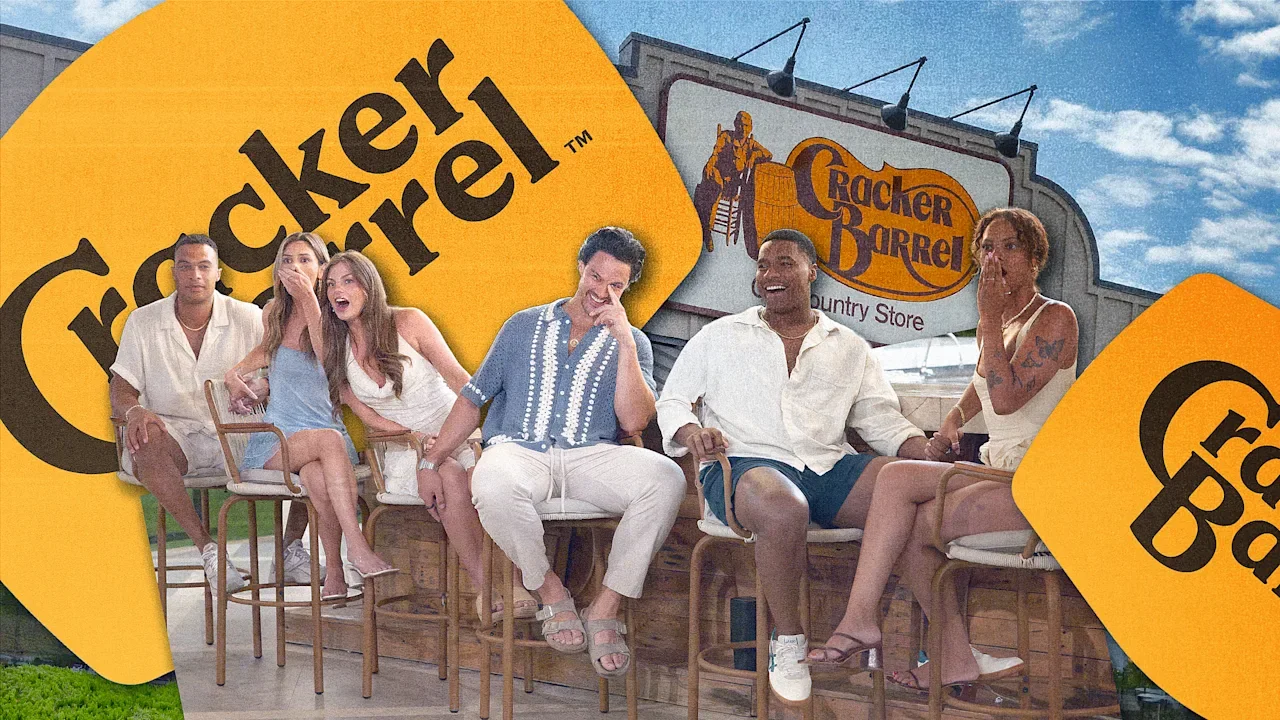
There is a type of business story that has become nearly cliché: A legacy brand is facing stagnating growth. Loyal customers are aging out, and new customers aren’t taking their place. So the brand reinvents itself to pull in a younger segment of the market, often by borrowing ideas from cooler competitors to seem more “on-trend.” But instead of younger and cooler, the rebrand comes off as insincere, stilted, or cringey. Worse, the brand’s older, core customers, who liked the brand as it was, are irritated by the changes. Instead of spurring new growth, the effort drives off some of the existing customers, leaving the brand worse off than when it started. This is the recent story of The Bachelor television franchise. After a two-year hiatus, ABC’s dating show returned this summer, having made changes that were designed to appeal to a younger audience. The updated Bachelor in Paradise cribbed from Love Island, its primary rival in the competitive-dating-in-bathing-suits genre, and a show beloved by the younger audiences The Bachelor wanted to attract. The changes included an aggressive, quick-cut editing style and the introduction of a cash prize for the winners. Younger consumers weren’t drawn to the new format, but previously loyal fans panned the changes in online forums, suggesting the show should have included a seizure warning. Both the ratings and viewership numbers for this season hit historic lows. Cracker Barrel’s recent woes also fit this pattern. Its “traditionalist” segment of 65-plus diners was dwindling, leading the brand to try attracting new, younger customers by updating the interiors and changing the logo. It is not clear that the changes brought in those younger diners in significant numbers. But the changes did produce an exhaustively dissected backlash from its loyal customer base, for whom, it turned out, nostalgia was a significant part of the Cracker Barrel appeal. Meanwhile, JCP’s major reinvention more than a decade ago was also driven, in part, by trying to attract younger customers with its elimination of deep discounts in favor of everyday low pricing. But the move was far more successful in driving away its older loyalists, who loved hunting for those deals. Lands’ End tried to lure in younger customers when it introduced a high-fashion line and edgier branding. Instead, they went from profits of $9M to losses of nearly $8M within a year. The desire to attract younger customers made sense for all these brands. But they each fell into the same trap: They assumed they could make changes to their offerings and branding to attract new customers without having to worry about how their current customers might react to those changes. The stewards of these brands forgot that different people want different things from the brands that serve them. While there are times when young and old consumers both want the same things from their brands, the fact is, younger customers and older customers also frequently want different things. Changing a brand to make it more appealing to younger customers may (or may not) draw in those younger customers—but it may also accidentally displease the older customers who like the brand just the way it is. In our book, The Growth Dilemma, Managing Your Brand When Different Customers Want Different Things (Harvard Business Review Press, 2025), we identify a few key strategies brands can use to manage the risk of conflict between customer segments as they grow. Here are three: 1. Create different spaces for different audiences One strategy involves carving out separate spaces within a brand—either conceptual or physical—for different customer segments. For example, many brands use multiple social media handles to communicate to different segments. Timberland has different Instagram channels for its blue-collar worker segment and its fashion segment. Starbucks has different store formats catering to those who value Starbucks as a place to get a quick and convenient coffee on-the-go (kiosk and drive-through locations), and those who value Starbucks as a place to work and socialize (its “third place” lounge locations). Some brands diffuse potential conflict between customers by creating separate “gated communities” within the brand that cater to different customer segments. Historically, Nike was great at creating sport-specific communities that were each distinct within the Nike brand. Nike basketball customers had different products, apps, advertising, and experiences than Nike runners, tennis players, or sneakerheads. Some brands create a hierarchy among their customer base, allowing a status separation among customers. This is a common path for many fashion brands that serve segments with different price sensitivities and design demands. For example, Armani serves different segments under the Giorgio Armani, Emporio Armani, and Armani Exchange sub-brands. Credit card and financial services brands often create a hierarchy of customers based on net worth and spend to tailor products and services. Escalating levels of service and benefits allow a company like American Express to simultaneously serve mass markets and elite customers without causing tension between groups with very different expectations. 2. Focus on one audience Sometimes two segments are so divergent in their preferences or identities that they simply cannot be served well under the same brand. In these cases, brands may opt to “fire” a customer segment—as Burberry did in the early 2000s after it inadvertently became popular among soccer hooligans, by discontinuing products popular among “chavs” and reducing the prominence of its iconic check pattern. In other cases, they may develop a new brand to serve a new segment. Toyota is able to successfully serve a diverse set of customers under a single brand. But management wisely realized that there were limits to how far they could stretch the Toyota brand and so introduced Lexus to serve a set of customers with a fundamentally different set of preferences. Especially in the cases of ideological conflict between customer segments (e.g., Bud Light’s attempts to be an apparent ally of the transgender community), the gulfs between customer groups may simply be too vast to span with a single brand. Some segments are best served by different brands. 3. Find common ground Perhaps the best strategy for brands looking to grow into younger segments is in looking for convergence in values and preferences across segments before the brand starts making changes. Instead of reorienting the brand to appeal to the new, hoped-for customers, brands should first look for the Venn diagram intersection among 1) preferences of existing customers, 2) preferences of the new customers, and 3) the brand’s image and history. Growth strategies that don’t satisfy all three criteria tend to fail. Consider the remarkable recent resurgence of another legacy TV franchise. Despite being around for 20 years, Dancing with the Stars has been growing in recent seasons, and attracting younger viewers in the process. DWTS didn’t pull this off by fundamentally changing what its longtime fans love about the show, but instead by innovating in areas around its successful formula. These tangential improvements have increased the draw for new, younger fans without stepping on the toes of loyalists. For its “stars,” DWTS has been increasingly turning to celebrities relevant to younger audiences, including recent Olympians, TikTok influencers, and reality TV stars. It has also created additional, meme-worthy social media content, including footage of the dancers training or goofing around backstage. This content serves as a supplemental draw to younger segments, without messing with the on-stage magic that loyal watchers love. Just like the relationships in Bachelor in Paradise, the relationships among customer segments can be nuanced and difficult to manage. Unlike the relationships in Bachelor in Paradise, the goal is not maximum drama. Knowing the rules of customer relationship management can allow brands to attract customers across generations without experiencing the backlash. View the full article

-
Across the country, solopreneurship is taking off. People are starting their own, one-person businesses in droves. But when it comes to who is doing all of this solopreneuring (yes, it’s a word), one-woman businesses are gaining more traction. More women are starting their own businesses than ever—whether solo or with employees. According to May 2025 data from small business platform Gusto, in the last five years, there’s been a huge leap in just how many women left their jobs to start their own business. In 2019, just 29% of new businesses were started by women. By 2024, that number was 49%. Moreover, over half (52%) of solopreneurs in the U.S. are now women. So, why are women so interested in steering their own ships? According to the May 2025 Gusto report, women crave a sense of autonomy. Almost three-quarters of women who started businesses in 2024 said they did so to have control over their own schedules. Likewise, 71% said they wanted to be their own boss. Meanwhile, men were more likely to cite earning more money as an incentive than women, with 35% pointing to increasing their income as a driving force compared to 29% of women. Female solopreneurs aren’t uninterested in money, but they do seem to deeply value making their own decisions at work. That’s true for Ana Beig, a mix-media artist and retreat host based in Austin, Texas. She tells Fast Company that autonomy isn’t just important. It’s “a condition for doing meaningful work.” For starters, she says that’s because her environment is deeply impactful when it comes to how she’s able to show up to create every day. She adds that while financial incentives do matter, they are far from what drives her to stay committed to her solo work. “I was drawn to solopreneurship because it lets me integrate work with life rather than constantly negotiating between the two. I can choose how I structure my time, how I engage emotionally, and what kinds of relationships I build through my work,” she explains. For Gigi Robison, a solopreneur with a chronic illness, who helps creators and thought leaders build brands, and was recently named one of Gen Z’s leading voices in the creator economy, becoming a solopreneur was all about having autonomy. She says having control over her work schedule enables to put her energy exactly where she needs to and to structure her day in a way that works for her life. It also enables her to redefine “success beyond someone else’s version of productivity.” Before she started her own ventures, she says she didn’t feel as if her time was nearly as well-spent. “In a traditional job, I often felt like I was spending more time proving my value than actually creating value,” she explains. “In solopreneurship, I get to focus on outcomes, impact, and building something that lasts.” There are plenty of good reasons why so many people are starting their own businesses—and doing it solo. But for women, who may be more heavily impacted by power dynamics at work, running your own operation may be a reprieve from office dynamics. According to one recent study from the University of Georgia, even women who were leaders felt constrained by gender dynamics at work. That means that women—even those who successfully climbed the corporate ladder—may still not feel a sense of autonomy. For women—who earn less on the dollar than men, are promoted less often than men, and, according to new research, less interested in promotions—solopreneurship may offer a way to build a future without having to deal with the thorny gender dynamics of corporate life. For women solopreneurs, freedom is the real draw. And it’s one that’s catching on. View the full article

-
Look, we all know the drill by now: You type a question into the magic AI box, and the magic AI box spits out an answer that is usually pretty good, occasionally mind-blowing, and every once in a blue moon mind-blowingly bizarre. But if you’re just treating Google Gemini like a glorified search bar, you’re leaving a lot of utility on the table. It’s sort of like buying a Swiss Army knife and only ever using the toothpick. If you want to move past the beginner phase and actually make Gemini work for you, here are four tricks that might not be immediately obvious but are surprisingly handy. Stop copy-pasting your own emails If you’re trying to summarize a long email thread or find a specific document to pull data from, your first instinct is probably to open a new tab, find the email, copy the text, go back to Gemini, paste it in, and then ask your question. No need: Gemini has “Extensions” built right in. If you want to know when your flight is or summarize a Doc, just type @ in the prompt box. You’ll see a menu pop up for Google Docs, Gmail, Drive, Maps, and other Google services. Select one, and say something like, “@Gmail find the email from Bob about the Q3 budget and summarize the main points.” It goes and finds the info, saving you from tab fatigue. If you need to turn on these extensions, here’s how. The “trust but verify” button Use AI long enough and you’ll eventually come across “hallucinations,” which is a polite way of saying the AI just made something up because it sounded good. If you’re using Gemini for important research, make sure to use the “Double-check response” feature, which can be found by clicking the three-dot icon at the bottom of a response. When you click it, Google runs a search to see if there’s content on the web to substantiate what the AI just told you. A green highlight means Google found a search result that supports the statement, while an orange highlight means Google either found content that might contradict it, or it couldn’t find a match. It’s not foolproof, but it’s a helpful extra step to take in order to make sure Google’s info isn’t too far off base. Tables and spreadsheets We’re used to chatbots just . . . chatting. But if you’re trying to make a decision, like comparing three different project management tools or deciding among five hotels for that Nashville trip, paragraphs of text are actually pretty annoying to parse. You can force Gemini to make information more digestible by telling it, for example: “Output this as a table comparing [Option A] and [Option B] based on price, reviews, and features.” It’ll organize the messy data into a clean grid. And if you’re feeling especially ambitious, you’ll notice an “Export to Sheets” icon underneath the table. One click creates a brand-new Google Sheet with all that data populated, formatted, and saved to your Google Drive. It turns cumbersome manual data entry into a single button press. Audio uploads Most people know Gemini can read text and look at pictures. But it also has ears. If you have a recording of a chaotic 45-minute meeting, a rambling lecture, or an interview you recorded on your phone, don’t waste your time listening to it at 2x speed. You can upload audio files directly into the prompt bar. Just click the plus (+) icon, select Upload files, and drop in your audio clip. Then ask for what you need: “Summarize this meeting and extract the three action items assigned to me” or “Find the timestamp where they discuss the Q3 budget,” for example. It doesn’t just transcribe; Gemini “listens” to the context and turns an hour of audio into a 30-second read. View the full article

-
It’s five answers to five questions. Here we go… 1. My boss assigns work by pulling names out of a hat I work on a team of about 10 people. At our weekly meetings, my manager tries to assign out any new tasks. Team members usually volunteer for tasks related to their ongoing work. But when no one volunteers to take on a task, he pulls names out of a hat to see who gets assigned. These tasks aren’t always quick things; they can take a lot of time. This frustrates me so much. To me, it’s dismissive of the other work we have and just bad management. The team doesn’t really push back on it, but I’m wondering if I should. When no one volunteers to take on an assignment, I try to explain my concerns and why I can’t take it on. But then no one else chimes in, and he just goes on to draw a name at random. What do you think? And if this isn’t going to change, how do I not let this bother me? Yeah, managing by hat — as opposed to managing by, you know, looking at people’s workloads and strengths and weaknesses — is absurd. Not only does it mean that your boss is completely forfeiting the opportunity to assign projects where they make the most sense, but he’s also signaling to your team that he sees you as interchangeable, doesn’t care about distributing work equitably, and doesn’t care enough about any of it to put actual thought into it. As for how to stop it from bothering you … look at the actual impact. If it’s not resulting in significant workload inequities, then just write this off to a crappy manager and roll your eyes at it internally. But if the hat distributes work in a way that doesn’t make sense, you should feel free to speak up — as in, “My plate is really full with X and Y this week; do you want me to push those back to make room for Z or should it be assigned to someone else?” 2. Has everyone stopped responding to emails? Have people just … stopped responding to emails? Okay, maybe not everyone, and maybe not literally. But I feel like over the last year to 18 months, it’s extremely frequent that I have to send second or even third follow-up notes to get a response, mostly to external contacts (as in, not my coworkers.). And when people do reply, it seems to be increasingly common for them to wait a week or more. This has been my experience in communications with both junior-level and senior-level staff. My role, and my workplace, are corporate in nature. It’s not a sales role, so my emails are not sales-related. For the record, I’m a VP-level employee myself, so I wouldn’t chalk this up to more senior people ignoring me. Is this something you’ve noticed? Something your readers have noticed? And if so, what gives? I haven’t noticed much of it, but it could certainly be happening. If it is, my hunch is that it’s field-specific — and in particular, if you frequently deal with people in fields affected by layoffs, you might be emailing overworked people who can’t be as responsive as they used to be. I don’t think there’s a culture-wide shift happening where people in general no longer feel the need to be responsive to work emails, but I do think there are lots of things happening in the world that could be making it harder to respond as quickly. 3. Can I file for workers’ comp for an injury I got walking my dog while working from home? I’m a remote employee, and my job requires four in-office visits per year to HQ. They cover travel and expenses while I’m there. Following my Q3 visit, I got home from the airport, ready to get back to work. (We’re supposed to work on travel days if we can.) However, my dog, who had been home alone while my husband was at work, needed to go out. While walking her, I tripped and broke my wrist. I ended up spending the afternoon in the ER rather than working. My husband suggested I file a workers’ comp claim because I had traveled for work and was supposed to be “on duty.” To be fair, my travel exhaustion did play a role in the fall, but it didn’t seem to be workers’ comp worthy. How does workers’ comp work for remote workers? What would qualify as an “on the job injury” when “the job” is at your house? Good try, husband. But no. Remote work is covered under workers’ comp if the injury occurs while your’e completing a work task during work hours. In most cases, the remote employee has the burden of proof and needs to demonstrate that they were acting in the interest of their employer at the time of the injury. Walking your dog is not going to qualify. 4. Does my boss want a written record of a mistake to justify firing me? I have been in my current role for about 18 months and have nearly eight years of experience in the industry and 15 years in my field. My role is fairly specialized and requires project management, QA/QC, and hard and fast deadlines. My company provides services to other companies, and when they need a service, they issue a request for information or bids. Recently, a client asked us to provide a statement as a supplementary response to something we bid on. This statement was to cover a requirement that was requested in the initial ask, but had been overlooked by not only myself, but a large group of people. After discussing this with my manager and ensuring them I will be more vigilant and adopt a better system for compliance, my grandboss wants a written explanation as to why the mistake happened. This is not the first time my grandboss has requested a written statement, and this is the first time I made a mistake like this. Is this normal or is my grandboss compiling information to justify letting me go? I feel it’s not normal to have to provide a written statement when mistakes happen as we are all human and I already discussed the issue in detail with my direct manager. I really like this company but I’m getting toxic vibes. I don’t see any reason to assume your grandboss is complying information to justify letting you go. It’s possible, but I wouldn’t jump to that without way more signs of it. Rather, it sounds like she just wants something in writing about how the mistake happened. Maybe that’s because she needs to cover her ass with her own boss, or maybe she thinks putting it in writing will make you and your boss take it more seriously, or maybe she functions better when she has stuff written down so she can consult it if it ever comes up in the future, or who knows what. I don’t think it’s particularly toxic on its own. 5. One accepted(ish) offer, two more interview processes After being laid off three months ago, I received an offer from Company A, which I accepted via email last Sunday. The offer is a strong one, albeit in an industry I’m not particularly passionate about and for a role I can do well but I’m not super excited about. My tentative start date is in about a week. On Monday, Company B reached out to schedule an interview. On Wednesday, Company C reached out for an interview. Both Companies B and C are in industries I’m much more interested in, for roles I’m excited about, and I have personal connections to both, which I think may give me a strong chance of being a finalist in both interview processes — though I’m aware nothing is guaranteed! The interviews with B and C are the results of networking I did early on in my job search, but results have just come about in the past week. On Friday, the hiring manager at Company A sent an email that indicated he somehow did not receive the signed offer letter I sent on Sunday. I double checked: I did send the signed offer letter, but because there were two email chains going with the hiring manager on both of them, I think he somehow missed it. I’d like to see the interview processes through with Companies B and C, but without compromising the offer from Company A. Do I: 1) Start working with Company A in about a week, and then resign if I receive a better offer. 2) Ask A if I can postpone my start date. (I anticipate the processes with B and C will take at least another month, and that seems like an unreasonable amount of time to ask for.) 3) Decline the offer from A. If I don’t receive offers from B and C, I could reach out to A and let them know circumstances have changed, and find out if there is still opportunity for me to join their company. 4) Some other option(s) I’m not seeing? In the current job market, it seems risky not to accept Company A’s offer. I have some temporary work in the meantime, but the sooner I have full-time work, the better it will be for my financial situation. The salaries at A and B are comparable; C’s is higher. All three offer strong benefits packages. If you don’t get B or C, would you regret having turned down A? If so, accept A with the existing start date. If you get offered one of the others and accept it, you can explain it fell in your lap and you can’t pass it up. It will burn the bridge with A, but it’s worth doing if you strongly prefer B or C. The post boss assigns work by pulling names out of a hat, has everyone stopped emailing, and more appeared first on Ask a Manager. View the full article
-
Regulator seeks to tackle ‘drastic under-reporting’ of market liquidityView the full article
-
Immigration lawyers say top-level corporate figures and tech leaders among those barred from visiting AmericaView the full article
-
Strategic initiatives by Santander, Intesa Sanpaolo and Société Générale show how things are changingView the full article
-
Why foreigners keep pouring money into AmericaView the full article
-
The unravelling of transatlantic ties has shocked a country that had an emotional attachment to the relationshipView the full article
-
In relation to loyalty and rewards programs, several stand out for their innovative approaches and customer engagement strategies. Programs like AdiClub and Starbucks Rewards offer scalable benefits customized to individual preferences, whereas others, like Rapha Cycling Club, emphasize community building. Brands such as The North Face and Lululemon provide exclusive experiences that deepen customer loyalty. Comprehending these diverse strategies can highlight what makes a program effective and beneficial for both businesses and consumers. What’s the key to their success? Key Takeaways Adidas’ AdiClub enhances customer engagement, offering members 10 points per dollar spent and exclusive benefits at various membership levels. Rapha Cycling Club focuses on community building, providing members with organized rides and a platform for social interaction. Starbucks Rewards emphasizes simplicity, with a points system that drives sales, personalized offers, and convenient transactions for nearly 30 million members. The North Face’s XPLR Pass rewards members with experiential benefits, including exclusive events and early access to limited-edition products while promoting sustainability. Lululemon’s membership program fosters community and luxury, offering early access to new products and exclusive events while streamlining returns and providing free services. AdiClub: A Leader in Apparel Loyalty AdiClub stands out as a leading loyalty program in the apparel industry, particularly recognized for its effectiveness and member engagement. A loyalty program definition encompasses initiatives that reward customers for their repeat business, and AdiClub exemplifies this by offering loyalty rewards through a point-based system. Members earn 10 points for every dollar spent, with four membership levels that provide escalating benefits, such as free shipping and exclusive product access. This program, which boasts over 240 million members, greatly boosts Adidas’ direct-to-consumer strategy. AdiClub members purchase 50% more frequently than non-members, showcasing their loyalty and engagement, while simultaneously delivering double the lifetime value. Furthermore, members enjoy perks like chances to win signed products and exclusive experiences, further enhancing their connection to the brand. These features not only attract new customers but equally contribute to a 15-25% annual revenue increase among participating members, solidifying AdiClub’s leadership in the industry. Rapha Cycling Club: Building a Community For cycling enthusiasts, the Rapha Cycling Club (RCC) offers a distinctive loyalty program that prioritizes community engagement and local interaction. With over 23,000 members, the RCC cultivates a sense of belonging through Clubhouses and organized group rides, which occur more than 1,000 times monthly. This approach aligns with loyalty program best practices by focusing on community building rather than merely transactional relationships. The RCC app improves social interaction, allowing you to share experiences and connect with like-minded cyclists. Exclusive benefits, such as access to special events, riding trips, and discounted club kits, further boost the advantages of customer loyalty. To manage high-demand product drops, the RCC successfully utilizes Queue-it, ensuring members receive priority access during sales. Starbucks Rewards: Simplicity and Convenience Starbucks Rewards stands out as a straightforward loyalty program that attracts nearly 30 million members, highlighting its effectiveness in driving customer engagement. This points-based system allows you to earn stars based on the total purchase value, with every 150 stars redeemable for a free drink or food item. Significantly, 53% of store sales come from Starbucks Rewards participants, which underscores its influence on customer spending. Feature Description Benefits Loyalty Points Earn stars for every purchase Redeem for free items Personalized Offers Access to customized promotions Increased savings Pre-load Funds Load money onto the app for easier payment Quicker transactions Free Refills Enjoy free brewed coffee and tea Added value for members Membership Growth 16% year-over-year increase Indicates program appeal The program’s simplicity and ease of use improve your overall experience at Starbucks. The North Face: Experiential Rewards If you’re looking for a loyalty program that goes beyond traditional rewards, The North Face‘s XPLR Pass offers a unique approach focused on experiential rewards. This loyalty program allows you to earn 1 point for every dollar spent, with 100 points redeemable for a $10 voucher. Nevertheless, the real value lies in exclusive member-only events, such as group hikes and outdoor adventures, which greatly improve your engagement with the brand. The XPLR Pass emphasizes environmental sustainability and community involvement, aligning with the brand’s values and appealing to outdoor enthusiasts. Furthermore, members benefit from early access to limited-edition collections and opportunities to test unreleased products, nurturing a strong connection to The North Face. With a remarkable 54% increase in traffic to its landing page year-over-year, the effectiveness of this reward system marketing strategy highlights the growing interest in experiential rewards among consumers. Lululemon Membership: Luxury and Community Focus Lululemon’s membership program stands out as a prime example of how luxury brands can integrate community and experiential benefits into their loyalty initiatives. Rather than focusing solely on discounts, this program seeks to augment your experience, aligning with Lululemon’s high-quality activewear image. Here’s a brief overview of the program’s key features: Benefit Description Impact Early Access Get first dibs on new product drops Increases exclusivity Exclusive Events Attend member-only gatherings Cultivates community Free Hemming Enjoy complimentary alterations Improves product usability Receipt-Free Returns Simplifies the return process Enhances customer satisfaction With over 9 million sign-ups in just five months, Lululemon effectively employs a loyalty marketing strategy that emphasizes community. This innovative approach helps define their rewards program, inviting active participation from more than 30% of members. Frequently Asked Questions What Is the Most Successful Rewards Program? Determining the most successful rewards program involves examining various metrics, such as membership size, engagement rates, and revenue impact. Programs like Starbucks Rewards engage millions of members, greatly influencing spending habits. Adidas’ AdiClub showcases a strong membership growth, resulting in remarkable revenue increases. Similarly, The North Face’s XPLR Pass improves customer engagement through exclusive experiences. Each program’s effectiveness can vary based on consumer preferences and brand alignment, so it’s crucial to analyze their unique features. Which Store Has the Best Rewards Program? Determining which store has the best rewards program depends on various factors like engagement and benefits. Starbucks Rewards, for instance, boasts nearly 30 million members, driving significant store sales. Adidas’ AdiClub has over 240 million members, who purchase more frequently. Lululemon’s Membership gained 9 million sign-ups quickly, highlighting active participation. Programs like Rapha Cycling Club and The North Face’s XPLR Pass likewise promote community and exclusive access, enhancing customer loyalty through unique experiences. What Is the World’s Most Generous Rewards Program? Determining the world’s most generous rewards program often depends on individual preferences and usage patterns. Programs like American Express Membership Rewards offer extensive flexibility, allowing you to earn points on every dollar spent, redeemable for travel, shopping, or statement credits. Meanwhile, hotel loyalty programs, such as Hilton Honors and Marriott Bonvoy, provide generous point accumulation for stays, which can lead to free nights and exclusive perks, appealing to frequent travelers seeking value. What Brand Has the Best Customer Loyalty? When considering which brand has the best customer loyalty, Adidas stands out with its AdiClub program, boasting over 240 million members. These members purchase 50% more frequently and contribute greatly to annual revenue. Starbucks Rewards is likewise exceptional, accounting for 53% of store spend and achieving impressive growth through its points-based system. Other notable mentions include The North Face, Lululemon, and Rapha, each demonstrating unique strategies that effectively promote customer loyalty and engagement. Conclusion In summary, effective loyalty and rewards programs, such as AdiClub, Rapha Cycling Club, Starbucks Rewards, The North Face, and Lululemon, emphasize customer engagement through customized benefits and community-building initiatives. These programs not just improve brand loyalty by nurturing a sense of belonging but additionally increase purchase frequency and overall customer satisfaction. By prioritizing personalized experiences and exclusive rewards, brands can effectively drive sales and create long-lasting relationships with their customers, ultimately benefiting both parties involved. Image via Google Gemini and ArtSmart This article, "Best Loyalty and Rewards Programs" was first published on Small Business Trends View the full article
-
In relation to loyalty and rewards programs, several stand out for their innovative approaches and customer engagement strategies. Programs like AdiClub and Starbucks Rewards offer scalable benefits customized to individual preferences, whereas others, like Rapha Cycling Club, emphasize community building. Brands such as The North Face and Lululemon provide exclusive experiences that deepen customer loyalty. Comprehending these diverse strategies can highlight what makes a program effective and beneficial for both businesses and consumers. What’s the key to their success? Key Takeaways Adidas’ AdiClub enhances customer engagement, offering members 10 points per dollar spent and exclusive benefits at various membership levels. Rapha Cycling Club focuses on community building, providing members with organized rides and a platform for social interaction. Starbucks Rewards emphasizes simplicity, with a points system that drives sales, personalized offers, and convenient transactions for nearly 30 million members. The North Face’s XPLR Pass rewards members with experiential benefits, including exclusive events and early access to limited-edition products while promoting sustainability. Lululemon’s membership program fosters community and luxury, offering early access to new products and exclusive events while streamlining returns and providing free services. AdiClub: A Leader in Apparel Loyalty AdiClub stands out as a leading loyalty program in the apparel industry, particularly recognized for its effectiveness and member engagement. A loyalty program definition encompasses initiatives that reward customers for their repeat business, and AdiClub exemplifies this by offering loyalty rewards through a point-based system. Members earn 10 points for every dollar spent, with four membership levels that provide escalating benefits, such as free shipping and exclusive product access. This program, which boasts over 240 million members, greatly boosts Adidas’ direct-to-consumer strategy. AdiClub members purchase 50% more frequently than non-members, showcasing their loyalty and engagement, while simultaneously delivering double the lifetime value. Furthermore, members enjoy perks like chances to win signed products and exclusive experiences, further enhancing their connection to the brand. These features not only attract new customers but equally contribute to a 15-25% annual revenue increase among participating members, solidifying AdiClub’s leadership in the industry. Rapha Cycling Club: Building a Community For cycling enthusiasts, the Rapha Cycling Club (RCC) offers a distinctive loyalty program that prioritizes community engagement and local interaction. With over 23,000 members, the RCC cultivates a sense of belonging through Clubhouses and organized group rides, which occur more than 1,000 times monthly. This approach aligns with loyalty program best practices by focusing on community building rather than merely transactional relationships. The RCC app improves social interaction, allowing you to share experiences and connect with like-minded cyclists. Exclusive benefits, such as access to special events, riding trips, and discounted club kits, further boost the advantages of customer loyalty. To manage high-demand product drops, the RCC successfully utilizes Queue-it, ensuring members receive priority access during sales. Starbucks Rewards: Simplicity and Convenience Starbucks Rewards stands out as a straightforward loyalty program that attracts nearly 30 million members, highlighting its effectiveness in driving customer engagement. This points-based system allows you to earn stars based on the total purchase value, with every 150 stars redeemable for a free drink or food item. Significantly, 53% of store sales come from Starbucks Rewards participants, which underscores its influence on customer spending. Feature Description Benefits Loyalty Points Earn stars for every purchase Redeem for free items Personalized Offers Access to customized promotions Increased savings Pre-load Funds Load money onto the app for easier payment Quicker transactions Free Refills Enjoy free brewed coffee and tea Added value for members Membership Growth 16% year-over-year increase Indicates program appeal The program’s simplicity and ease of use improve your overall experience at Starbucks. The North Face: Experiential Rewards If you’re looking for a loyalty program that goes beyond traditional rewards, The North Face‘s XPLR Pass offers a unique approach focused on experiential rewards. This loyalty program allows you to earn 1 point for every dollar spent, with 100 points redeemable for a $10 voucher. Nevertheless, the real value lies in exclusive member-only events, such as group hikes and outdoor adventures, which greatly improve your engagement with the brand. The XPLR Pass emphasizes environmental sustainability and community involvement, aligning with the brand’s values and appealing to outdoor enthusiasts. Furthermore, members benefit from early access to limited-edition collections and opportunities to test unreleased products, nurturing a strong connection to The North Face. With a remarkable 54% increase in traffic to its landing page year-over-year, the effectiveness of this reward system marketing strategy highlights the growing interest in experiential rewards among consumers. Lululemon Membership: Luxury and Community Focus Lululemon’s membership program stands out as a prime example of how luxury brands can integrate community and experiential benefits into their loyalty initiatives. Rather than focusing solely on discounts, this program seeks to augment your experience, aligning with Lululemon’s high-quality activewear image. Here’s a brief overview of the program’s key features: Benefit Description Impact Early Access Get first dibs on new product drops Increases exclusivity Exclusive Events Attend member-only gatherings Cultivates community Free Hemming Enjoy complimentary alterations Improves product usability Receipt-Free Returns Simplifies the return process Enhances customer satisfaction With over 9 million sign-ups in just five months, Lululemon effectively employs a loyalty marketing strategy that emphasizes community. This innovative approach helps define their rewards program, inviting active participation from more than 30% of members. Frequently Asked Questions What Is the Most Successful Rewards Program? Determining the most successful rewards program involves examining various metrics, such as membership size, engagement rates, and revenue impact. Programs like Starbucks Rewards engage millions of members, greatly influencing spending habits. Adidas’ AdiClub showcases a strong membership growth, resulting in remarkable revenue increases. Similarly, The North Face’s XPLR Pass improves customer engagement through exclusive experiences. Each program’s effectiveness can vary based on consumer preferences and brand alignment, so it’s crucial to analyze their unique features. Which Store Has the Best Rewards Program? Determining which store has the best rewards program depends on various factors like engagement and benefits. Starbucks Rewards, for instance, boasts nearly 30 million members, driving significant store sales. Adidas’ AdiClub has over 240 million members, who purchase more frequently. Lululemon’s Membership gained 9 million sign-ups quickly, highlighting active participation. Programs like Rapha Cycling Club and The North Face’s XPLR Pass likewise promote community and exclusive access, enhancing customer loyalty through unique experiences. What Is the World’s Most Generous Rewards Program? Determining the world’s most generous rewards program often depends on individual preferences and usage patterns. Programs like American Express Membership Rewards offer extensive flexibility, allowing you to earn points on every dollar spent, redeemable for travel, shopping, or statement credits. Meanwhile, hotel loyalty programs, such as Hilton Honors and Marriott Bonvoy, provide generous point accumulation for stays, which can lead to free nights and exclusive perks, appealing to frequent travelers seeking value. What Brand Has the Best Customer Loyalty? When considering which brand has the best customer loyalty, Adidas stands out with its AdiClub program, boasting over 240 million members. These members purchase 50% more frequently and contribute greatly to annual revenue. Starbucks Rewards is likewise exceptional, accounting for 53% of store spend and achieving impressive growth through its points-based system. Other notable mentions include The North Face, Lululemon, and Rapha, each demonstrating unique strategies that effectively promote customer loyalty and engagement. Conclusion In summary, effective loyalty and rewards programs, such as AdiClub, Rapha Cycling Club, Starbucks Rewards, The North Face, and Lululemon, emphasize customer engagement through customized benefits and community-building initiatives. These programs not just improve brand loyalty by nurturing a sense of belonging but additionally increase purchase frequency and overall customer satisfaction. By prioritizing personalized experiences and exclusive rewards, brands can effectively drive sales and create long-lasting relationships with their customers, ultimately benefiting both parties involved. Image via Google Gemini and ArtSmart This article, "Best Loyalty and Rewards Programs" was first published on Small Business Trends View the full article
-
Stop guessing when clicks fall and use a structured process to get Google Ads performance back on track. The post 4 Reasons Your Google Ads Clicks Are Down & What You Can Do appeared first on Search Engine Journal. View the full article
-
It’s been called the AI Super Bowl, thanks to Anthropic and OpenAI launching what (hopefully) might become AI’s very own Cola Wars. It’s been called the MAHA Bowl, thanks to brands like Novo Nordisk promoting Wegovy pills, while Ro and hims & hers are pitching telehealth services, Novartis got NFL tight ends to relax for prostate cancer checks, and pharma company Boehringer Ingelheim hypes kidney health. But we know it was the Super Bowl because mixed in amongst the trends were Sabrina Carpenter’s FrankenPringles man, both T-Mobile and Coinbase hit play on the Backstreet Boys, Oakley Meta made connected glasses look pretty good, and Manscaped somehow turned shaved body hair into emotionally-resonant characters. Another distinct sign this was as Super Bowl-y an ad game as any other Super Bowl? Celebrity directors. Taika Waititi took on Pepsi, Spike Jonze went full Italian variety show with Ben Stiller for Instacart, and Joseph Kosinski took all the innovation from his experiences at the helm of last year’s blockbuster F1 to get Kurt Russell to teach a guy how to ski. Oh, and somehow the award-winning director with the least commercial films had two spots in the game—Yorgos Lathimos directed both Squarespace and Grubhub. Apple continued its complete reinvention of the halftime show, turning Bad Bunny’s electric performance into a global event. We also saw a respectable number of hit songs get classically commercial reinterpretations. The aforementioned Backstreet Boys were joined by Andy Samberg becoming Meal Diamond for Hellmann’s, Danny McBride and Keegan-Michael Key butchering Bon Jovi for State Farm, and both the NFL and Rocket crafting emotional gut punch moments by reinterpreting two songs from the Mr. Rogers catalog. Advertising! It was a feast for the senses—a cornucopia of commercial extravaganza. All with enough choices that everyone watching the game has their own favorites Including me! Here are my picks for the best ads from the 2026 Super Bowl. But first, the worst! Svedka Vodka “Shake Your Bots Off” It’s apparently the first Super Bowl ad known to be produced primarily with AI. I never would’ve guessed… This ad so bad I’m not sure it’s fair to make fun of it, even if it’s somehow purposely awful. This is the kind of bad that should be taught in schools. It looks like it was made by Advertising 101 students in a rush. The AI angle is a gimmick for gimmick’s sake, obviously, and doesn’t add anything to the ad at all except the robots’ nightmare fuel faces. What is so disappointing is that vodka has historically been a pretty great place for advertising. For anyone curious about the kind of creativity is possible in the vodka category, just watch Belvedere Vodka’s 2022 spot “Daniel Craig,” directed by Waititi. Or Absolut’s “Vodka Movie” from 2008, made by Tim Heidecker, Eric Wareheim, and Zach Galifianakis. Glorious. Svedka, conversely, serves up the advertising equivalent to the most vapid, superficial people you’ve ever seen in a club. A robot apocalypse as imagined by the Butabi brothers. OK, now let’s get to the good stuff. Here are my Top 5 ads from this year… Budweiser “American Icons” As I said in my pregame brand power rankings, Bud was here for the crown. Created by BBDO New York, this takes Budweiser’s penchant for animal buddies to a new, non-partisan patriotic level. What could possibly be cuter than a horse and a yellow lab becoming best friends? Well, when it’s Bud’s 150th anniversary and America’s 250th, the answer, of course, is EAGLET. These are divisive times, with many states feeling less and less united with every news cycle. But here, just for a moment, Bud has served up something that we can all agree on. When that bald eagle spread its big grown wings for the first time from behind that leaping horse, red states, blue states, MAGA, Democratic Socialists, coastal elites, flyover rednecks, and everyone in between were able to say, “Oh HELLS yeah.” And in 2026, that’s something to raise a glass to. Jeep “Billy Bass Goes to the River” What initially appears to be a pretty run-of-the-mill car ad takes a decidedly epic turn that transforms this spot into a classic. If you listen to the Super Bowl episode of Fast Company’s “Brand New World” podcast (do it!), you’ll know I spoke to the folks who made it, Mark Gross and Chad Broude, who are co-founders and co-chief creative officers of Chicago-based independent ad agency Highdive. They have hundreds of Super Bowl ads between them, and this latest piece of work shows the benefit of that experience. Highdive has become synonymous with great Super Bowl work since the 2020 Super Bowl and their fantastic Jeep commercial starring Bill Murray, reliving the classic 1993 comedy “Groundhog Day.” The level of difficulty here is high—no nostalgic soundtrack, no celebrity, no gimmick. Just a straight shot of good ol’ fashioned copywriting, perfect casting and comedic timing straight into the veins. Rocket x Redfin “America Needs Neighbors Like You” With the amount of money required just for Super Bowl air time—a reported $8 million, plus a required additional matching ad buy across other NBC sports— brands need to ensure they get your attention. This year, Rocket and Redfin did that by combining three things that would create a large Venn diagram of interest: Lady Gaga singing Mr. Rogers’s “Won’t You Be My Neighbor?”; a heartwarming commercial airing during the game; and, most crucially, giving viewers the chance to win a million-dollar house. But everything revolves around the spot, which was a well-crafted, heartwarming vibe shift from all the comedy and celebrities. I spoke to CMO Jonathan Mildenhall about this triple threat approach. “The only way to win at the Super Bowl is to win a disproportionate share of conversation pregame, as well as during game, and, increasingly, the progressive brands are talking about postgame conversation,” Mildenhall says. “For us the pregame was Lady Gaga behind the scenes, then during the game there is the spot, and we’re announcing the Great American home search for people to participate in over the days after the game.” Hellmann’s “Meal Diamond” The Boston Red Sox, and every karaoke bar on the planet, utilize Neil Diamond’s “Sweet Caroline” effectively to bring a crowd together, put an arm around one another… and scream “SO GOOD! SO GOOD! SO GOOD!” in unison. Here we get that 1969 hit remixed for mayo thanks to Andy Samberg as Meal Diamond. Of course this looks and sounds ridiculous. But it actually continues a strategy Hellmann’s started in 2024. “Mayo Cat” starred Kate McKinnon and was able to put one word into the mouth of every cat: “Mayyo.” Its ambition to embed itself in our brains in such an insidious way that we hear it every time a cat meows was commendable. Clearly, that ambition remains. Now when you’re making lunch, you may find yourself humming a familiar tune and whisper-crooning to yourself, “Haaaam, touching ham…..” until it hits a crescendo, “Sweet Sandwich Time!” Bah-bah-baaaaah. Bud Light “Keg” Bud Light was in a dark place not that long ago. It was unfairly punished for its one-off partnership with Dylan Mulvaney, which turned into an unlikely lightning rod for anti-trans weirdos and “fans” of Kid Rock. Thankfully, with Shane Gillis, the brand has been building back its beer advertising pedigree by making commercials that are funny as hell. His impressive run includes “Confessions,” “Wrong Commercial,” and last year’s big game ad “BMOC.” Now Gillis, Post Malone, and Peyton Manning return, this time at a wedding. When the keg gets knocked over and rolls down a hill, the entire wedding party does its best Princess Bride “As you wish” impression. Dumb, fun, and exactly what you want from a Bud Light ad. View the full article

-
In Southwest Airlines’ new Super Bowl ad, boarding looks more like the Hunger Games than an orderly process. Set in an airport that’s been reimagined as a dense jungle, passengers rush to secure their preferred seats before it’s too late: a woman swings on a giant vine to cut her fellow travelers; a grandma shoulder-checks a passerby; and a man creates a dummy seatmate out of twigs to convince other fliers that his aisle seat has already been snagged. The ad is a parody of Southwest’s former open boarding policy, which, since the airline’s official founding in 1971, allowed passengers to choose their own seats in a system that aimed to reduce the hierarchy of tiered seating. In January 2024, Southwest announced that it would be nixing open seating in favor of a more standard assigned seating system, citing the time pressure involved in the open seating process and a new focus on premium seating options as the main reasons for the change. Assigned seating officially rolled out across the airline’s operations on January 27. Southwest describes its new spot, “Boarding Royale,” as a “self-aware clap-back” at its former boarding policy. And, at surface value, the ad is funny, well-executed, and accurate for anyone who’s ever traveled with a nervous flier (or is one). But, taken alongside Southwest’s brand moves over the past two years, the ad feels less like a light-hearted self-own, and more like the hypocritical creative output of a brand that’s seriously lost the plot. “Boarding Royale” pokes fun at open seating “Boarding Royale” was directed by the creative agency GSD&M, Southwest’s longtime agency of record. According to Julia Melle, director of brand and content at Southwest, the ad is designed to “introduce assigned seating in a way that recognizes we understand it’s a category norm” and “feels authentic to our brand.” “Within the spot, there are nods to the various traveler behaviors associated with Southwest’s open seating, such as the traveler who checked in too late, the one who creatively saves seats, and the young families with children who will do anything to ensure they sit together,” Melle says. “Our most loyal customers have probably witnessed these behaviors more than anyone, so we believe the exaggeration will give them a chuckle.” Indeed, the ad does a good job at poking lighthearted fun at the kinds of exasperating, head-scratching behaviors one tends to encounter at the airport. This strategy might’ve worked perfectly well if it was, say, making a silly joke at the expense of a rival airline. But it falls flat when it’s directly making fun of a feature that was a pillar of Southwest’s brand for decades—and was, until recently, a system that the company touted again and again in its own marketing materials. Southwest’s boarding about-face From its inception, Southwest cultivated a reputation as a quirky, low-cost airline for the everyman. Three key features sat at the heart of that brand positioning: open seating, a staunch stance against hidden fees, and an iconic “Bags Fly Free” policy. Over the past several years, the company has shaved away all of those commitments. Some of Southwest’s earliest ads tout the airline’s unique boarding process, which it promised at the time would take less than 10 minutes total. In the ‘80s, a series of print advertisements promised, “Unlike assigned seating, you’re free to sit next to someone just like you.” For years, the brand’s unofficial slogan, oft repeated by flight attendants, was “You can sit anywhere you want—just like at church.” In 2007, backlash to the concept of Southwest eliminating open seating was so strong that the company published a blog titled, “You Spoke and We Listened—Southwest Says Open Seating is Here to Stay!” Southwest’s marketing often used its open seating model—which meant no ticketed class divisions in the cabin—to tout its lack of hidden fees compared to competitors. In the early 2000s, many of the brand’s ads parodied other airlines by showing passengers getting charged additional fees for small luxuries like using the overheard compartments, reclining their seats, or enjoying a snack. In one 2015 campaign titled “Transfarency,” the company promised, “Transfarency means we don’t dream up ways we can trick you into paying more.” A brand that’s lost the plot To say that these spots have aged poorly would be an understatement. When it announced its new assigned seating policy in 2024, Southwest also introduced a category of “premium” seats which come with extra legroom, faster Wi-Fi, and larger overhead bins—for an added cost. It’s currently in the process of renovating its cabins to make room for these seats, which will take up one third of each aircraft’s total seating. In August 2025, it also announced a new policy that requires travelers who don’t fit within the armrests of their seat to pay for an extra one in advance. The brand’s most egregious move by far, though, came in March 2025, when it announced that it would kill its “Bags Fly Free” policy, which allowed travelers to check two bags without added costs. “Bags Fly Free” was a mantra that Southwest repeated in its marketing for decades, including spots in 2009, 2011, and one in 2023 that has since been made private by the company on YouTube. As recently as September 2025, the company said on an earnings call that ending the signature program would be a “destructive” step too far. Southwest has also removed a 2024 study from its website which found that eliminating “Bags Fly Free” would “destroy value.” This isn’t to say that brands aren’t allowed to change their minds or their business strategies. But Southwest hasn’t just evolved with the times; it’s sacrificed some of its most closely held brand attributes values in pursuit of profit. With just a bit of context on Southwest’s repeated capitulations to market pressure, “Boarding Royale” starts to feel less like a silly ad, and more like a betrayal of the company’s purpose. View the full article

-
Team building activities for teenagers play an essential role in enhancing social skills and communication. Engaging in these activities can improve collaboration, trust, and creativity among peers. From steering through a “Blind Maze” to participating in a “Great Egg Drop,” each activity offers distinct benefits. Comprehending how to implement these fun exercises effectively can make a significant difference in their development. Let’s explore some engaging options that can promote teamwork and create memorable experiences. Key Takeaways Mystery Box Challenge: Teams collaborate to create a project using random items, fostering creativity and teamwork. Scavenger Hunt: Participants work together to solve clues, promoting strategic planning and cooperation. Trust Fall: This classic exercise builds trust and strengthens peer relationships through reliance on teammates. Human Bingo: Encourages interaction by having teens find peers with specific traits or experiences, enhancing social skills. Emoji Storytelling: Participants craft stories using emojis, promoting creativity and collaboration in a fun format. The Importance of Team Building Activities for Teens Team building activities for teens play a crucial role in their social development, especially as they navigate the challenges of adolescence. These activities improve social skills by promoting communication, collaboration, and trust among peers. Engaging in fun team bonding activities for teens helps combat isolation often caused by excessive screen time, nurturing real human connections through face-to-face interactions. Moreover, participation in these activities encourages the development of leadership qualities and decision-making skills, which are critical for personal growth and future success. By challenging you to step out of your comfort zone, team building activities for teens promote resilience and adaptability, preparing you for various life situations. Furthermore, improved group dynamics lead to increased participation and better academic performance, showcasing the significance of these activities in educational settings. Overall, team building activities set the foundation for crucial life skills that will benefit teens throughout their lives. Benefits of Fun Team Building Activities Fun team-building activities offer several key benefits that can greatly improve your experience as a teenager. By participating in these activities, you’ll improve your communication skills, nurturing stronger peer relationships that are crucial for effective collaboration. Furthermore, engaging in teamwork not just builds trust among your peers but also develops your ability to work together for common goals, which is fundamental for both academic and social success. Enhanced Communication Skills Effective communication is an essential skill that can be greatly improved through engaging in team-building activities. Team building activities for teens, like “Blind Maze” and “Reverse Charades,” promote face-to-face interactions, helping you articulate thoughts clearly during listening actively to peers. These team bonding games for teenagers encourage dynamic exchanges of ideas, enhancing both verbal and non-verbal communication techniques. When you participate in strategic tasks, such as the “Puzzle Race” or “Scavenger Hunt,” you practice articulating strategies and negotiating roles, further refining your communication abilities. Furthermore, games focusing on non-verbal cues, like “Silent Charades,” deepen your comprehension of body language, vital for effective interpersonal communication. Regular involvement in these activities improves group dynamics, leading to better collaboration and fewer misunderstandings. Stronger Peer Relationships Participating in team-building activities not just improves communication skills but also cultivates stronger peer relationships among teenagers. Engaging in fun team building activities for teens helps you develop vital social skills, promoting trust and collaboration within your group. When you participate in these activities, you’re more likely to connect with peers, improving your sense of belonging and community. Shared experiences during challenges and successes allow you to bond with others, strengthening your interpersonal connections. Furthermore, collaborative problem-solving improves empathy and comprehension, which are significant for healthier relationships. By focusing on enjoyable interactions, these team building activities for teenagers create an environment where friendships thrive, eventually leading to a supportive network among peers that can last well beyond the activities themselves. Teamwork and Collaboration Teamwork and collaboration are fundamental skills that can greatly benefit teenagers, especially when developed through enjoyable team-building activities. Engaging in these activities helps teens improve their communication skills, leading to better interactions. Here are three key benefits of team-building activities for teens: Trust Building: Fun teamwork activities for high school students create a supportive environment that encourages risk-taking and open dialogue among peers. Problem-Solving: As they navigate challenges together, teens enhance their critical thinking and collective decision-making abilities. Social Skills Development: These activities promote face-to-face connections, allowing teens to develop important social skills that are crucial for future collaboration. Tips for Working With Teenagers When working with teenagers, it’s crucial to understand their need for social connections, as they often feel isolated in a digital world. Honoring their choices and encouraging open communication can cultivate a sense of autonomy, making them more engaged in team-building activities. Understand Social Connections Comprehending social connections among teenagers is vital for cultivating an environment where they can thrive both personally and socially. To support their development, consider these strategies when planning team building activities for teens: Encourage Face-to-Face Interactions: Limit screen time and promote environments that facilitate personal connections through engaging, fun group activities for teens. Promote Autonomy: Design programs that resonate with their interests, allowing them to take ownership of their experiences and actively participate. Create an Inclusive Space: Establish a safe atmosphere where teens can freely express themselves, facilitating meaningful interactions that improve trust and collaboration. Honor Their Choices Honoring the choices of teenagers is vital for nurturing their engagement and sense of ownership in team-building activities. When you provide teens with the opportunity to choose from various group activities for teens, you promote a sense of agency that boosts their motivation. Incorporating their input during program design guarantees that the activities resonate with their interests, making participation more appealing. Respecting individual preferences cultivates a safe space where teens feel valued, encouraging them to express themselves openly. This acknowledgment of their desire for autonomy leads to more meaningful interactions and strengthens connections within the group. In the end, honoring their choices not just improves enthusiasm but also creates a dynamic environment that benefits all participants in team building for teens. Encourage Open Communication Creating an environment that promotes open communication is vital for effective team-building activities with teenagers. When you cultivate a safe space, teens feel comfortable expressing their thoughts without fear of judgment. Here are some tips to improve communication during team building activities for high school students: Practice Active Listening: Show that you value their opinions by genuinely listening and validating their experiences. Incorporate Icebreakers: Use team bonding games for teens to break down barriers and encourage honest dialogue among participants. Encourage Feedback: Regularly ask for input during activities to guarantee teens feel heard, reinforcing a culture of open communication. Engaging Team Building Activities Engaging team-building activities are essential for teenagers, as they not just encourage collaboration and communication but furthermore help develop important social skills. Activities like “Human Knot” and “Blind Maze” improve problem-solving skills as they create a fun environment that promotes teamwork. Movement-based challenges, such as “Balloon Tower” and “Egg Drop,” keep energy levels high, ensuring participants stay actively engaged. For those looking for creative outlets, activities like “Mystery Box Challenge” and “Emoji Storytelling” promote collaboration and allow teens to express their imagination collectively. Trust-building exercises, including “Trust Fall” and “Electric Fence,” further strengthen relationships among peers, promoting a sense of belonging within the group. These engaging team-building activities for teens not only facilitate social interaction but create memorable experiences that high school students can carry with them beyond the classroom, improving their interpersonal skills for future endeavors. Creative Icebreaker Games How can creative icebreaker games transform the initial moments of a group gathering? These activities are designed to promote immediate engagement and connection among participants, setting a positive tone for the event. Utilizing creative icebreaker games as part of your team building activities for teens can break down barriers and encourage participation. Here are three effective options: Two Truths and a Lie: Participants share interesting facts about themselves, prompting conversation and rapport-building. Human Bingo: This game encourages interaction as teens seek common interests, enhancing social skills in a fun atmosphere. Emoji Storytelling: Using visual prompts, teams express their creativity, facilitating collaboration and laughter during the development of narrative skills. Incorporating humor and play into these icebreaker games can greatly reduce anxiety, making it easier for teens to connect with one another and engage in meaningful interactions. Active and Outdoor Team Building Challenges Active and outdoor team-building challenges play a crucial role in nurturing teamwork and collaboration among teenagers, particularly as they provide an antidote to the increasingly sedentary lifestyles often associated with technology use. Engaging in activities like scavenger hunts and geocaching not just encourages physical activity but also promotes cooperation and strategic planning. Outdoor challenges, such as the Great Egg Drop or Balloon Tower Construction, stimulate creativity and problem-solving skills, allowing teams to innovate with limited resources. Moreover, trust-building exercises like the Trust Fall and Electric Fence require participants to rely on one another, enhancing communication skills and strengthening interpersonal relationships. Incorporating movement into these team-building activities for teens keeps energy levels high and engages them in healthy physical challenges. Overall, these active and outdoor team-building challenges reinforce the importance of teamwork in achieving common goals as they combat the lure of screen time. Reflecting on Team Building Experiences Reflecting on team-building experiences is fundamental for teenagers, as it provides them with the opportunity to evaluate their communication skills and pinpoint areas where they can improve collaboration with their peers. Engaging in reflection after team building activities for teens improves comprehension of group dynamics and helps recognize the importance of trust and support in successful teamwork. Here are three key benefits of reflection: Improved Communication: Teens can assess how effectively they expressed ideas and listened to others, identifying areas for growth. Heightened Emotional Intelligence: Articulating feelings cultivates empathy and comprehension, vital for teamwork teens. Resource Creation: Documenting reflections through journaling or discussions creates a valuable resource for future activities, highlighting successful strategies and lessons learned. Frequently Asked Questions What Are Some Team Building Activities for Teens? To promote teamwork among teens, consider activities like Scavenger Hunts, where they strategize and solve clues together. Engage them in the Human Knot to improve communication and trust, or organize puzzle races that require collaboration under pressure. Creative challenges, such as the Great Egg Drop, encourage innovative problem-solving. Incorporating games like Reverse Charades can boost non-verbal communication, whereas Emoji Storytelling encourages creativity and connection through shared experiences. Each activity builds crucial skills for effective collaboration. What Are Some Fun Creative Activities for Teens? You can engage in various fun creative activities as a teenager. Try the Mystery Box Challenge, where you create a skit using random items. Emoji Storytelling encourages you to craft narratives with emojis, enhancing your imaginative skills. For a puzzle challenge, compete in a Puzzle Race, completing sections of a jigsaw. The Great Egg Drop lets you design protective contraptions for an egg, whereas Balloon Tower Construction involves building the tallest tower using only balloons and tape. What Are the Fun Activities for Team Building? In terms of fun activities for team building, consider engaging games like “Human Knot” and “Reverse Charades,” which promote collaboration. Activities such as “Balloon Tower Construction” and “The Great Egg Drop” stimulate creativity and problem-solving. For enhancing communication, try Spyfall or “Silent Charades.” Outdoor options like Geocaching merge technology with teamwork. Incorporating challenges like “Mystery Box” can create memorable experiences, encouraging active participation and strengthening team dynamics effectively. What Is the 30 Second Game for Team Building? The 30 Second Game is a team-building activity where you describe a word or phrase to your teammates in just 30 seconds, without using the actual term. This game sharpens your communication skills, as you’ll need to think creatively and use synonyms. It encourages teamwork by requiring active listening and collaboration to guess the word before time’s up. Versatile and adaptable, it suits various group interests and can fit into busy schedules easily. Conclusion Incorporating team-building activities for teenagers is vital for their development. These activities nurture fundamental skills like communication, trust, and collaboration, providing a platform for social interaction. By engaging in a variety of games, from icebreakers to outdoor challenges, teens can improve their problem-solving abilities and creativity. As you implement these activities, reflect on the experiences to understand their impact. In the end, effective team building can lead to stronger relationships and improved social dynamics among teenagers. Image via Google Gemini This article, "7 Fun Team Building Activities for Teenagers" was first published on Small Business Trends View the full article
-
Team building activities for teenagers play an essential role in enhancing social skills and communication. Engaging in these activities can improve collaboration, trust, and creativity among peers. From steering through a “Blind Maze” to participating in a “Great Egg Drop,” each activity offers distinct benefits. Comprehending how to implement these fun exercises effectively can make a significant difference in their development. Let’s explore some engaging options that can promote teamwork and create memorable experiences. Key Takeaways Mystery Box Challenge: Teams collaborate to create a project using random items, fostering creativity and teamwork. Scavenger Hunt: Participants work together to solve clues, promoting strategic planning and cooperation. Trust Fall: This classic exercise builds trust and strengthens peer relationships through reliance on teammates. Human Bingo: Encourages interaction by having teens find peers with specific traits or experiences, enhancing social skills. Emoji Storytelling: Participants craft stories using emojis, promoting creativity and collaboration in a fun format. The Importance of Team Building Activities for Teens Team building activities for teens play a crucial role in their social development, especially as they navigate the challenges of adolescence. These activities improve social skills by promoting communication, collaboration, and trust among peers. Engaging in fun team bonding activities for teens helps combat isolation often caused by excessive screen time, nurturing real human connections through face-to-face interactions. Moreover, participation in these activities encourages the development of leadership qualities and decision-making skills, which are critical for personal growth and future success. By challenging you to step out of your comfort zone, team building activities for teens promote resilience and adaptability, preparing you for various life situations. Furthermore, improved group dynamics lead to increased participation and better academic performance, showcasing the significance of these activities in educational settings. Overall, team building activities set the foundation for crucial life skills that will benefit teens throughout their lives. Benefits of Fun Team Building Activities Fun team-building activities offer several key benefits that can greatly improve your experience as a teenager. By participating in these activities, you’ll improve your communication skills, nurturing stronger peer relationships that are crucial for effective collaboration. Furthermore, engaging in teamwork not just builds trust among your peers but also develops your ability to work together for common goals, which is fundamental for both academic and social success. Enhanced Communication Skills Effective communication is an essential skill that can be greatly improved through engaging in team-building activities. Team building activities for teens, like “Blind Maze” and “Reverse Charades,” promote face-to-face interactions, helping you articulate thoughts clearly during listening actively to peers. These team bonding games for teenagers encourage dynamic exchanges of ideas, enhancing both verbal and non-verbal communication techniques. When you participate in strategic tasks, such as the “Puzzle Race” or “Scavenger Hunt,” you practice articulating strategies and negotiating roles, further refining your communication abilities. Furthermore, games focusing on non-verbal cues, like “Silent Charades,” deepen your comprehension of body language, vital for effective interpersonal communication. Regular involvement in these activities improves group dynamics, leading to better collaboration and fewer misunderstandings. Stronger Peer Relationships Participating in team-building activities not just improves communication skills but also cultivates stronger peer relationships among teenagers. Engaging in fun team building activities for teens helps you develop vital social skills, promoting trust and collaboration within your group. When you participate in these activities, you’re more likely to connect with peers, improving your sense of belonging and community. Shared experiences during challenges and successes allow you to bond with others, strengthening your interpersonal connections. Furthermore, collaborative problem-solving improves empathy and comprehension, which are significant for healthier relationships. By focusing on enjoyable interactions, these team building activities for teenagers create an environment where friendships thrive, eventually leading to a supportive network among peers that can last well beyond the activities themselves. Teamwork and Collaboration Teamwork and collaboration are fundamental skills that can greatly benefit teenagers, especially when developed through enjoyable team-building activities. Engaging in these activities helps teens improve their communication skills, leading to better interactions. Here are three key benefits of team-building activities for teens: Trust Building: Fun teamwork activities for high school students create a supportive environment that encourages risk-taking and open dialogue among peers. Problem-Solving: As they navigate challenges together, teens enhance their critical thinking and collective decision-making abilities. Social Skills Development: These activities promote face-to-face connections, allowing teens to develop important social skills that are crucial for future collaboration. Tips for Working With Teenagers When working with teenagers, it’s crucial to understand their need for social connections, as they often feel isolated in a digital world. Honoring their choices and encouraging open communication can cultivate a sense of autonomy, making them more engaged in team-building activities. Understand Social Connections Comprehending social connections among teenagers is vital for cultivating an environment where they can thrive both personally and socially. To support their development, consider these strategies when planning team building activities for teens: Encourage Face-to-Face Interactions: Limit screen time and promote environments that facilitate personal connections through engaging, fun group activities for teens. Promote Autonomy: Design programs that resonate with their interests, allowing them to take ownership of their experiences and actively participate. Create an Inclusive Space: Establish a safe atmosphere where teens can freely express themselves, facilitating meaningful interactions that improve trust and collaboration. Honor Their Choices Honoring the choices of teenagers is vital for nurturing their engagement and sense of ownership in team-building activities. When you provide teens with the opportunity to choose from various group activities for teens, you promote a sense of agency that boosts their motivation. Incorporating their input during program design guarantees that the activities resonate with their interests, making participation more appealing. Respecting individual preferences cultivates a safe space where teens feel valued, encouraging them to express themselves openly. This acknowledgment of their desire for autonomy leads to more meaningful interactions and strengthens connections within the group. In the end, honoring their choices not just improves enthusiasm but also creates a dynamic environment that benefits all participants in team building for teens. Encourage Open Communication Creating an environment that promotes open communication is vital for effective team-building activities with teenagers. When you cultivate a safe space, teens feel comfortable expressing their thoughts without fear of judgment. Here are some tips to improve communication during team building activities for high school students: Practice Active Listening: Show that you value their opinions by genuinely listening and validating their experiences. Incorporate Icebreakers: Use team bonding games for teens to break down barriers and encourage honest dialogue among participants. Encourage Feedback: Regularly ask for input during activities to guarantee teens feel heard, reinforcing a culture of open communication. Engaging Team Building Activities Engaging team-building activities are essential for teenagers, as they not just encourage collaboration and communication but furthermore help develop important social skills. Activities like “Human Knot” and “Blind Maze” improve problem-solving skills as they create a fun environment that promotes teamwork. Movement-based challenges, such as “Balloon Tower” and “Egg Drop,” keep energy levels high, ensuring participants stay actively engaged. For those looking for creative outlets, activities like “Mystery Box Challenge” and “Emoji Storytelling” promote collaboration and allow teens to express their imagination collectively. Trust-building exercises, including “Trust Fall” and “Electric Fence,” further strengthen relationships among peers, promoting a sense of belonging within the group. These engaging team-building activities for teens not only facilitate social interaction but create memorable experiences that high school students can carry with them beyond the classroom, improving their interpersonal skills for future endeavors. Creative Icebreaker Games How can creative icebreaker games transform the initial moments of a group gathering? These activities are designed to promote immediate engagement and connection among participants, setting a positive tone for the event. Utilizing creative icebreaker games as part of your team building activities for teens can break down barriers and encourage participation. Here are three effective options: Two Truths and a Lie: Participants share interesting facts about themselves, prompting conversation and rapport-building. Human Bingo: This game encourages interaction as teens seek common interests, enhancing social skills in a fun atmosphere. Emoji Storytelling: Using visual prompts, teams express their creativity, facilitating collaboration and laughter during the development of narrative skills. Incorporating humor and play into these icebreaker games can greatly reduce anxiety, making it easier for teens to connect with one another and engage in meaningful interactions. Active and Outdoor Team Building Challenges Active and outdoor team-building challenges play a crucial role in nurturing teamwork and collaboration among teenagers, particularly as they provide an antidote to the increasingly sedentary lifestyles often associated with technology use. Engaging in activities like scavenger hunts and geocaching not just encourages physical activity but also promotes cooperation and strategic planning. Outdoor challenges, such as the Great Egg Drop or Balloon Tower Construction, stimulate creativity and problem-solving skills, allowing teams to innovate with limited resources. Moreover, trust-building exercises like the Trust Fall and Electric Fence require participants to rely on one another, enhancing communication skills and strengthening interpersonal relationships. Incorporating movement into these team-building activities for teens keeps energy levels high and engages them in healthy physical challenges. Overall, these active and outdoor team-building challenges reinforce the importance of teamwork in achieving common goals as they combat the lure of screen time. Reflecting on Team Building Experiences Reflecting on team-building experiences is fundamental for teenagers, as it provides them with the opportunity to evaluate their communication skills and pinpoint areas where they can improve collaboration with their peers. Engaging in reflection after team building activities for teens improves comprehension of group dynamics and helps recognize the importance of trust and support in successful teamwork. Here are three key benefits of reflection: Improved Communication: Teens can assess how effectively they expressed ideas and listened to others, identifying areas for growth. Heightened Emotional Intelligence: Articulating feelings cultivates empathy and comprehension, vital for teamwork teens. Resource Creation: Documenting reflections through journaling or discussions creates a valuable resource for future activities, highlighting successful strategies and lessons learned. Frequently Asked Questions What Are Some Team Building Activities for Teens? To promote teamwork among teens, consider activities like Scavenger Hunts, where they strategize and solve clues together. Engage them in the Human Knot to improve communication and trust, or organize puzzle races that require collaboration under pressure. Creative challenges, such as the Great Egg Drop, encourage innovative problem-solving. Incorporating games like Reverse Charades can boost non-verbal communication, whereas Emoji Storytelling encourages creativity and connection through shared experiences. Each activity builds crucial skills for effective collaboration. What Are Some Fun Creative Activities for Teens? You can engage in various fun creative activities as a teenager. Try the Mystery Box Challenge, where you create a skit using random items. Emoji Storytelling encourages you to craft narratives with emojis, enhancing your imaginative skills. For a puzzle challenge, compete in a Puzzle Race, completing sections of a jigsaw. The Great Egg Drop lets you design protective contraptions for an egg, whereas Balloon Tower Construction involves building the tallest tower using only balloons and tape. What Are the Fun Activities for Team Building? In terms of fun activities for team building, consider engaging games like “Human Knot” and “Reverse Charades,” which promote collaboration. Activities such as “Balloon Tower Construction” and “The Great Egg Drop” stimulate creativity and problem-solving. For enhancing communication, try Spyfall or “Silent Charades.” Outdoor options like Geocaching merge technology with teamwork. Incorporating challenges like “Mystery Box” can create memorable experiences, encouraging active participation and strengthening team dynamics effectively. What Is the 30 Second Game for Team Building? The 30 Second Game is a team-building activity where you describe a word or phrase to your teammates in just 30 seconds, without using the actual term. This game sharpens your communication skills, as you’ll need to think creatively and use synonyms. It encourages teamwork by requiring active listening and collaboration to guess the word before time’s up. Versatile and adaptable, it suits various group interests and can fit into busy schedules easily. Conclusion Incorporating team-building activities for teenagers is vital for their development. These activities nurture fundamental skills like communication, trust, and collaboration, providing a platform for social interaction. By engaging in a variety of games, from icebreakers to outdoor challenges, teens can improve their problem-solving abilities and creativity. As you implement these activities, reflect on the experiences to understand their impact. In the end, effective team building can lead to stronger relationships and improved social dynamics among teenagers. Image via Google Gemini This article, "7 Fun Team Building Activities for Teenagers" was first published on Small Business Trends View the full article
-
When you’re starting out in video editing, choosing the right software can make a significant difference in your experience. Filmora 14 is often cited as one of the easiest options because of its intuitive interface and range of features. With its drag-and-drop functionality and extensive tutorial support, you can quickly learn the basics of editing. As you explore various software options, consider what specific features will best suit your needs and goals. Key Takeaways Look for software with a user-friendly interface, making navigation intuitive for beginners, like Filmora or iMovie. Choose programs that offer tutorial support to help learn basic editing techniques effectively, such as Adobe Premiere Elements. Consider software with versatile functionality, allowing you to grow your editing skills without needing to switch platforms, like CyberLink PowerDirector. Ensure compatibility with common video formats and essential functions like trimming and adding effects, which is standard in tools like Movavi Video Editor. Opt for editing software that includes additional features, such as screen recording and direct social media sharing, to enhance usability for beginners. Best Overall Video Editing Software for Beginners When you’re starting your expedition in video editing, choosing the right software can greatly impact your experience and learning curve. Filmora 14 is often hailed as one of the easiest editing software options for beginners, thanks to its user-friendly interface and sturdy features. CyberLink PowerDirector likewise stands out, offering a sleek design with extensive effects and AI tools, making it suitable for novices and experienced editors alike. If you’re looking for something budget-friendly, Adobe Premiere Elements provides a solid foundation with a one-time payment model. For Mac users, Apple iMovie is free and integrates well with iOS devices, making it a convenient choice. Finally, Movavi Video Editor combines intuitive design with advanced features, allowing for creativity as you learn. Best Video Editing Software for Social Media In the fast-paced world of social media, having the right video editing software can make all the difference in creating content that stands out. Clipchamp is fantastic for quick edits, offering a free tier with templates and direct uploads to social platforms. If you’re looking for user-friendly options, CapCut provides robust tools like text overlays and music integration, with no hidden fees. For those wanting efficiency, Adobe Premiere Rush allows fast edits and direct uploads to sites like YouTube and Instagram. Filmora simplifies the editing process with its intuitive interface and diverse effects. Finally, CyberLink PowerDirector boasts AI tools and cross-device editing, making it one of the best video editing software for gaming enthusiasts too. Best Video Editing Software for Mac Users For Mac users seeking reliable video editing software, several excellent options cater to various skill levels and needs. iMovie, which comes pre-installed on all Mac devices, offers a straightforward interface and essential tools like trimming, changes, and effects, making it ideal for beginners. If you’re looking for more advanced features, Final Cut Pro provides professional-grade tools and a magnetic timeline, perfect for those moving from iMovie. Adobe Premiere Elements offers a one-time purchase option that’s user-friendly and compatible across platforms. Filmora features a drag-and-drop interface for simplicity, whereas Movavi Video Editor provides a clean layout and varied features, both suitable for beginners. These tools are often recommended by the best video editor YouTubers for their effectiveness. Budget-Friendly Video Editing Options Even though many professional video editing tools come with hefty price tags, several budget-friendly options are available that provide impressive features without breaking the bank. Filmora 14 stands out with its subscription plans and a perpetual license, making it accessible for beginners who want strong editing capabilities without the steep learning curve. ACDSee Luxea offers a free version with a fully featured toolset, even if exports are limited to 1080p unless you upgrade. Clipchamp is a browser-based editor ideal for social media content, providing a free tier with numerous templates. CyberLink PowerDirector and Movavi Video Editor deliver extensive features at affordable prices, ensuring that you can find inexpensive editing software that fits your needs as you grow your skills. Key Features to Look for in Beginner Video Editing Software Finding the right video editing software can greatly impact your editing experience, especially as a beginner. Look for user-friendly interfaces that simplify navigation and provide easy access to crucial tools. Choose software with tutorial support or guided wizards to learn the basics effectively. Moreover, select programs offering both simple and advanced editing modes, allowing your skills to grow without needing to switch software. Verify compatibility with common video formats and vital functions like trimming, shifts, and effects. Consider options that include screen recording and direct social media sharing features for added versatility. Key Feature Importance User-Friendly Interface Simplifies navigation Tutorial Support Helps learn fundamental techniques Versatile Functionality Supports growth in editing skills Frequently Asked Questions What’s the Best Editing App That Is Easy to Use? When you’re looking for an easy-to-use editing app, consider options like Filmora, which offers a simple interface and helpful guides. Adobe Premiere Elements provides a one-time payment option with a user-friendly layout and includes Photoshop Elements. If you’re on a Mac, iMovie is free and designed for simplicity. CyberLink PowerDirector and Clipchamp likewise cater to beginners, offering intuitive tools and templates to streamline your editing process effectively. How Do Beginners Start Editing? To start editing, you should choose user-friendly software that suits your needs. Begin by exploring free trials or versions to find the right fit. Focus on simple tasks like cutting clips, adding changes, and incorporating music to build your skills. Utilize built-in tutorials and guided workflows to learn basic techniques. Engaging with online communities or forums can additionally provide valuable tips and support as you navigate your editing path. What Is the Easiest Photo Editing Software to Learn? The easiest photo editing software to learn often includes options like Canva and Adobe Photoshop Elements. Canva’s drag-and-drop interface makes design simple, allowing you to create appealing visuals without prior experience. Conversely, Adobe Photoshop Elements offers guided edits, helping you learn step-by-step techniques. For a free alternative, GIMP provides extensive features, but its complex interface may pose a challenge for beginners. Mobile apps like Snapseed likewise cater to quick edits efficiently. What Do Most Youtubers Use to Edit? Most YouTubers use a variety of editing software customized to their needs. Popular choices include Filmora and Adobe Premiere Rush for their user-friendly interfaces. Mac users often prefer iMovie for its seamless integration. Mobile creators might opt for CapCut, whereas those seeking advanced features without complexity may choose CyberLink PowerDirector. Furthermore, many YouTubers utilize free options like Clipchamp and Kdenlive, which provide adequate functionality for basic editing tasks without financial investment. Conclusion In summary, selecting the right video editing software is essential for beginners. Filmora 14 emerges as a top choice because of its user-friendly interface, diverse effects, and strong tutorial support. Whether you’re focusing on social media content, working on a Mac, or seeking budget-friendly options, there’s software customized to your needs. By comprehending key features, you can improve your editing skills effectively, making your video projects both enjoyable and professional. Image via Google Gemini This article, "Easiest Editing Software for Beginners" was first published on Small Business Trends View the full article
-
When you’re starting out in video editing, choosing the right software can make a significant difference in your experience. Filmora 14 is often cited as one of the easiest options because of its intuitive interface and range of features. With its drag-and-drop functionality and extensive tutorial support, you can quickly learn the basics of editing. As you explore various software options, consider what specific features will best suit your needs and goals. Key Takeaways Look for software with a user-friendly interface, making navigation intuitive for beginners, like Filmora or iMovie. Choose programs that offer tutorial support to help learn basic editing techniques effectively, such as Adobe Premiere Elements. Consider software with versatile functionality, allowing you to grow your editing skills without needing to switch platforms, like CyberLink PowerDirector. Ensure compatibility with common video formats and essential functions like trimming and adding effects, which is standard in tools like Movavi Video Editor. Opt for editing software that includes additional features, such as screen recording and direct social media sharing, to enhance usability for beginners. Best Overall Video Editing Software for Beginners When you’re starting your expedition in video editing, choosing the right software can greatly impact your experience and learning curve. Filmora 14 is often hailed as one of the easiest editing software options for beginners, thanks to its user-friendly interface and sturdy features. CyberLink PowerDirector likewise stands out, offering a sleek design with extensive effects and AI tools, making it suitable for novices and experienced editors alike. If you’re looking for something budget-friendly, Adobe Premiere Elements provides a solid foundation with a one-time payment model. For Mac users, Apple iMovie is free and integrates well with iOS devices, making it a convenient choice. Finally, Movavi Video Editor combines intuitive design with advanced features, allowing for creativity as you learn. Best Video Editing Software for Social Media In the fast-paced world of social media, having the right video editing software can make all the difference in creating content that stands out. Clipchamp is fantastic for quick edits, offering a free tier with templates and direct uploads to social platforms. If you’re looking for user-friendly options, CapCut provides robust tools like text overlays and music integration, with no hidden fees. For those wanting efficiency, Adobe Premiere Rush allows fast edits and direct uploads to sites like YouTube and Instagram. Filmora simplifies the editing process with its intuitive interface and diverse effects. Finally, CyberLink PowerDirector boasts AI tools and cross-device editing, making it one of the best video editing software for gaming enthusiasts too. Best Video Editing Software for Mac Users For Mac users seeking reliable video editing software, several excellent options cater to various skill levels and needs. iMovie, which comes pre-installed on all Mac devices, offers a straightforward interface and essential tools like trimming, changes, and effects, making it ideal for beginners. If you’re looking for more advanced features, Final Cut Pro provides professional-grade tools and a magnetic timeline, perfect for those moving from iMovie. Adobe Premiere Elements offers a one-time purchase option that’s user-friendly and compatible across platforms. Filmora features a drag-and-drop interface for simplicity, whereas Movavi Video Editor provides a clean layout and varied features, both suitable for beginners. These tools are often recommended by the best video editor YouTubers for their effectiveness. Budget-Friendly Video Editing Options Even though many professional video editing tools come with hefty price tags, several budget-friendly options are available that provide impressive features without breaking the bank. Filmora 14 stands out with its subscription plans and a perpetual license, making it accessible for beginners who want strong editing capabilities without the steep learning curve. ACDSee Luxea offers a free version with a fully featured toolset, even if exports are limited to 1080p unless you upgrade. Clipchamp is a browser-based editor ideal for social media content, providing a free tier with numerous templates. CyberLink PowerDirector and Movavi Video Editor deliver extensive features at affordable prices, ensuring that you can find inexpensive editing software that fits your needs as you grow your skills. Key Features to Look for in Beginner Video Editing Software Finding the right video editing software can greatly impact your editing experience, especially as a beginner. Look for user-friendly interfaces that simplify navigation and provide easy access to crucial tools. Choose software with tutorial support or guided wizards to learn the basics effectively. Moreover, select programs offering both simple and advanced editing modes, allowing your skills to grow without needing to switch software. Verify compatibility with common video formats and vital functions like trimming, shifts, and effects. Consider options that include screen recording and direct social media sharing features for added versatility. Key Feature Importance User-Friendly Interface Simplifies navigation Tutorial Support Helps learn fundamental techniques Versatile Functionality Supports growth in editing skills Frequently Asked Questions What’s the Best Editing App That Is Easy to Use? When you’re looking for an easy-to-use editing app, consider options like Filmora, which offers a simple interface and helpful guides. Adobe Premiere Elements provides a one-time payment option with a user-friendly layout and includes Photoshop Elements. If you’re on a Mac, iMovie is free and designed for simplicity. CyberLink PowerDirector and Clipchamp likewise cater to beginners, offering intuitive tools and templates to streamline your editing process effectively. How Do Beginners Start Editing? To start editing, you should choose user-friendly software that suits your needs. Begin by exploring free trials or versions to find the right fit. Focus on simple tasks like cutting clips, adding changes, and incorporating music to build your skills. Utilize built-in tutorials and guided workflows to learn basic techniques. Engaging with online communities or forums can additionally provide valuable tips and support as you navigate your editing path. What Is the Easiest Photo Editing Software to Learn? The easiest photo editing software to learn often includes options like Canva and Adobe Photoshop Elements. Canva’s drag-and-drop interface makes design simple, allowing you to create appealing visuals without prior experience. Conversely, Adobe Photoshop Elements offers guided edits, helping you learn step-by-step techniques. For a free alternative, GIMP provides extensive features, but its complex interface may pose a challenge for beginners. Mobile apps like Snapseed likewise cater to quick edits efficiently. What Do Most Youtubers Use to Edit? Most YouTubers use a variety of editing software customized to their needs. Popular choices include Filmora and Adobe Premiere Rush for their user-friendly interfaces. Mac users often prefer iMovie for its seamless integration. Mobile creators might opt for CapCut, whereas those seeking advanced features without complexity may choose CyberLink PowerDirector. Furthermore, many YouTubers utilize free options like Clipchamp and Kdenlive, which provide adequate functionality for basic editing tasks without financial investment. Conclusion In summary, selecting the right video editing software is essential for beginners. Filmora 14 emerges as a top choice because of its user-friendly interface, diverse effects, and strong tutorial support. Whether you’re focusing on social media content, working on a Mac, or seeking budget-friendly options, there’s software customized to your needs. By comprehending key features, you can improve your editing skills effectively, making your video projects both enjoyable and professional. Image via Google Gemini This article, "Easiest Editing Software for Beginners" was first published on Small Business Trends View the full article
-
Prime minister will command government with biggest majority in decadesView the full article
-
Security services to launch advisory scheme for threatened academics in wake of Sheffield Hallam row View the full article
- Yesterday
-
A customer journey mapping workshop is a structured session where teams collaborate to visualize the customer experience during the purchasing process. Participants work together to create detailed profiles of customer personas, identify key stages in the process, and document various touchpoints. This approach not only emphasizes customer emotions and pain points but likewise promotes communication across departments. Comprehending these elements is vital, as they can greatly influence your overall business strategy and customer satisfaction. Would you like to explore the key components involved? Key Takeaways A customer journey mapping workshop visualizes customer interactions throughout the purchasing process, enhancing understanding of user experiences. Participants create customer personas to focus on specific needs and behaviors, leading to targeted insights. The workshop identifies key stages and touchpoints, documenting every interaction from awareness to post-purchase support. Collaborative activities promote cross-functional teamwork, ensuring diverse insights from marketing, sales, product, and support teams. Documented findings serve as a central repository for actionable insights, improving customer experiences and satisfaction. Understanding Customer Journey Mapping Customer experience mapping serves as a vital tool for grasping how customers interact with your brand throughout their purchasing process. In a path mapping workshop, you’ll create a visual representation of customer interactions, which helps identify key stages and touchpoints from awareness to post-purchase support. This process includes defining customer personas, capturing emotions, and pinpointing pain points, providing a thorough overview of the customer experience. A customer path mapping workshop focuses on comprehending these elements to optimize digital strategies and improve customer experiences. By aligning your marketing, sales, product, and support teams with real customer insights, you can make informed decisions that enhance engagement. This collaborative approach encourages communication among departments, ensuring everyone is on the same page. Engaging in a customer path workshop is vital for highlighting strengths and weaknesses, ultimately leading to better customer satisfaction and loyalty. Key Components of a Customer Journey Mapping Workshop A successful expedition mapping workshop typically includes several key components that collaboratively visualize the customer experience. First, defining customer personas helps focus the workshop on specific user needs and behaviors. Next, identifying journey stages is vital, as it allows you to document every touchpoint throughout the buying process, from awareness to post-purchase support. Emotional elements, such as sentiments and pain points, must be integrated into the journey map to provide a deeper insight into customer experiences. Gathering customer insights, both solicited and unsolicited, enriches the data used in mapping. Furthermore, utilizing collaboration tools like sticky notes and templates improves discussion and organization during the session. This structured approach guarantees that all participants engage thoroughly with the customer journey, nurturing a clear representation that can drive future improvements. Benefits of Conducting a Customer Journey Mapping Workshop Benefits of conducting a customer experience mapping workshop extend beyond mere documentation of touchpoints; they provide a strategic framework for grasping customer experiences in depth. By visualizing the entire customer path—from awareness to post-purchase support—you gain insights into customer perspectives at each stage. This comprehension helps identify pain points and bottlenecks, enabling your organization to improve customer experiences and boost satisfaction and retention rates. The collaborative environment nurtures cross-functional teamwork, breaking down silos and promoting shared insights across departments, which can lead to innovative solutions. Furthermore, a data-driven approach guarantees that decisions align with genuine customer needs by leveraging actual customer interactions. Engaging in such workshops cultivates a customer-centric culture, in the end resulting in long-term benefits like increased brand loyalty and customer lifetime value. Steps to Facilitate a Customer Journey Mapping Workshop Facilitating a customer experience mapping workshop requires careful planning and execution to guarantee that participants effectively identify and visualize customer interactions. Start by defining the workshop goals to assure clarity among participants. Assemble a cross-functional team that draws on diverse insights from various departments. Prepare by gathering existing research and insights, sharing relevant materials with participants beforehand to improve comprehension. During the workshop, facilitate structured activities such as current-state mapping, pain point identification, and future-state visioning. These activities guide participants through the mapping process and keep them engaged. Document all findings and insights throughout the session. Ascertain that outputs are captured in a central repository for future reference and action. This systematic approach nurtures collaboration and leads to more robust and actionable customer experience maps, finally driving improvements in customer interactions. Best Practices for Effective Customer Journey Mapping Effective customer experience mapping hinges on several best practices that assure clarity and actionable insights. First, prioritize mapping a single persona and scenario to maintain focus. This guarantees the insights are directly applicable to specific customer experiences. Next, encourage cross-functional collaboration by assembling a diverse team, enriching discussions with varied perspectives. Utilize customer feedback through interviews and open-ended questions to validate assumptions, reflecting real experiences accurately. Incorporate visual tools like sticky notes and collaborative sketching to engage participants, cultivating creativity and shared comprehension. Document findings and insights regularly to create a repository of artifacts for post-workshop follow-ups. Best Practice Description Focus on a Single Persona Assures targeted insights and clarity during mapping. Cross-Functional Collaboration Enriches discussions and improves buy-in. Customer Feedback Validates assumptions and highlights pain points. Visual Tools Engages participants and promotes creativity. Frequently Asked Questions What Is a Journey Mapping Workshop? A voyage mapping workshop helps teams analyze and visualize the customer experience from start to finish. You’ll gather cross-functional participants to identify touchpoints, emotions, and pain points customers face during their interactions. By engaging in collaborative activities, you’ll generate insights and brainstorm solutions to improve experiences. The outcomes include a visual representation of the customer voyage, prioritized issues, and actionable plans for enhancing customer satisfaction and driving innovation. What Is Customer Journey Mapping? Customer experience mapping is a technique that visualizes the interactions a customer has with a brand, from awareness to post-purchase support. It identifies touchpoints and explores customer emotions, motivations, and pain points throughout their experience. By detailing these aspects, you can uncover strengths and weaknesses in customer engagement. This process aids in aligning business strategies with real customer insights, eventually enhancing decision-making and promoting collaboration across departments for improved customer experiences. What Are the 7 Steps to Map the Customer Journey? To map the customer experience, start by defining customer personas based on demographics and insights. Next, select a specific path to focus on, then identify key stages and touchpoints, considering customer emotions. After mapping the current state, brainstorm innovative ideas for improvement. Finally, implement changes, measuring progress with defined metrics to track effectiveness. These steps guarantee a thorough comprehension of customer experiences, facilitating targeted improvements to the path. What Are the 5 Stages of the Customer Journey Map? The customer experience map consists of five key stages: Awareness, Consideration, Purchase, Retention, and Advocacy. In the Awareness stage, customers first learn about your brand. Then, during Consideration, they evaluate options and gather information. The Purchase stage marks their decision to buy. Afterward, Retention focuses on maintaining relationships, encouraging repeat purchases. Finally, in the Advocacy stage, satisfied customers promote your brand to others, helping drive new business through recommendations. Conclusion In conclusion, a customer journey mapping workshop is crucial for comprehending and improving the customer experience. By collaborating across teams, you can identify key personas, stages, and touchpoints, in addition to highlighting pain points and emotions. This structured approach not just improves customer satisfaction but furthermore aligns business strategies effectively. By implementing the steps and best practices outlined, you can facilitate an impactful workshop that drives meaningful improvements in your organization’s customer engagement efforts. Image via Google Gemini This article, "What Is a Customer Journey Mapping Workshop?" was first published on Small Business Trends View the full article
-
A customer journey mapping workshop is a structured session where teams collaborate to visualize the customer experience during the purchasing process. Participants work together to create detailed profiles of customer personas, identify key stages in the process, and document various touchpoints. This approach not only emphasizes customer emotions and pain points but likewise promotes communication across departments. Comprehending these elements is vital, as they can greatly influence your overall business strategy and customer satisfaction. Would you like to explore the key components involved? Key Takeaways A customer journey mapping workshop visualizes customer interactions throughout the purchasing process, enhancing understanding of user experiences. Participants create customer personas to focus on specific needs and behaviors, leading to targeted insights. The workshop identifies key stages and touchpoints, documenting every interaction from awareness to post-purchase support. Collaborative activities promote cross-functional teamwork, ensuring diverse insights from marketing, sales, product, and support teams. Documented findings serve as a central repository for actionable insights, improving customer experiences and satisfaction. Understanding Customer Journey Mapping Customer experience mapping serves as a vital tool for grasping how customers interact with your brand throughout their purchasing process. In a path mapping workshop, you’ll create a visual representation of customer interactions, which helps identify key stages and touchpoints from awareness to post-purchase support. This process includes defining customer personas, capturing emotions, and pinpointing pain points, providing a thorough overview of the customer experience. A customer path mapping workshop focuses on comprehending these elements to optimize digital strategies and improve customer experiences. By aligning your marketing, sales, product, and support teams with real customer insights, you can make informed decisions that enhance engagement. This collaborative approach encourages communication among departments, ensuring everyone is on the same page. Engaging in a customer path workshop is vital for highlighting strengths and weaknesses, ultimately leading to better customer satisfaction and loyalty. Key Components of a Customer Journey Mapping Workshop A successful expedition mapping workshop typically includes several key components that collaboratively visualize the customer experience. First, defining customer personas helps focus the workshop on specific user needs and behaviors. Next, identifying journey stages is vital, as it allows you to document every touchpoint throughout the buying process, from awareness to post-purchase support. Emotional elements, such as sentiments and pain points, must be integrated into the journey map to provide a deeper insight into customer experiences. Gathering customer insights, both solicited and unsolicited, enriches the data used in mapping. Furthermore, utilizing collaboration tools like sticky notes and templates improves discussion and organization during the session. This structured approach guarantees that all participants engage thoroughly with the customer journey, nurturing a clear representation that can drive future improvements. Benefits of Conducting a Customer Journey Mapping Workshop Benefits of conducting a customer experience mapping workshop extend beyond mere documentation of touchpoints; they provide a strategic framework for grasping customer experiences in depth. By visualizing the entire customer path—from awareness to post-purchase support—you gain insights into customer perspectives at each stage. This comprehension helps identify pain points and bottlenecks, enabling your organization to improve customer experiences and boost satisfaction and retention rates. The collaborative environment nurtures cross-functional teamwork, breaking down silos and promoting shared insights across departments, which can lead to innovative solutions. Furthermore, a data-driven approach guarantees that decisions align with genuine customer needs by leveraging actual customer interactions. Engaging in such workshops cultivates a customer-centric culture, in the end resulting in long-term benefits like increased brand loyalty and customer lifetime value. Steps to Facilitate a Customer Journey Mapping Workshop Facilitating a customer experience mapping workshop requires careful planning and execution to guarantee that participants effectively identify and visualize customer interactions. Start by defining the workshop goals to assure clarity among participants. Assemble a cross-functional team that draws on diverse insights from various departments. Prepare by gathering existing research and insights, sharing relevant materials with participants beforehand to improve comprehension. During the workshop, facilitate structured activities such as current-state mapping, pain point identification, and future-state visioning. These activities guide participants through the mapping process and keep them engaged. Document all findings and insights throughout the session. Ascertain that outputs are captured in a central repository for future reference and action. This systematic approach nurtures collaboration and leads to more robust and actionable customer experience maps, finally driving improvements in customer interactions. Best Practices for Effective Customer Journey Mapping Effective customer experience mapping hinges on several best practices that assure clarity and actionable insights. First, prioritize mapping a single persona and scenario to maintain focus. This guarantees the insights are directly applicable to specific customer experiences. Next, encourage cross-functional collaboration by assembling a diverse team, enriching discussions with varied perspectives. Utilize customer feedback through interviews and open-ended questions to validate assumptions, reflecting real experiences accurately. Incorporate visual tools like sticky notes and collaborative sketching to engage participants, cultivating creativity and shared comprehension. Document findings and insights regularly to create a repository of artifacts for post-workshop follow-ups. Best Practice Description Focus on a Single Persona Assures targeted insights and clarity during mapping. Cross-Functional Collaboration Enriches discussions and improves buy-in. Customer Feedback Validates assumptions and highlights pain points. Visual Tools Engages participants and promotes creativity. Frequently Asked Questions What Is a Journey Mapping Workshop? A voyage mapping workshop helps teams analyze and visualize the customer experience from start to finish. You’ll gather cross-functional participants to identify touchpoints, emotions, and pain points customers face during their interactions. By engaging in collaborative activities, you’ll generate insights and brainstorm solutions to improve experiences. The outcomes include a visual representation of the customer voyage, prioritized issues, and actionable plans for enhancing customer satisfaction and driving innovation. What Is Customer Journey Mapping? Customer experience mapping is a technique that visualizes the interactions a customer has with a brand, from awareness to post-purchase support. It identifies touchpoints and explores customer emotions, motivations, and pain points throughout their experience. By detailing these aspects, you can uncover strengths and weaknesses in customer engagement. This process aids in aligning business strategies with real customer insights, eventually enhancing decision-making and promoting collaboration across departments for improved customer experiences. What Are the 7 Steps to Map the Customer Journey? To map the customer experience, start by defining customer personas based on demographics and insights. Next, select a specific path to focus on, then identify key stages and touchpoints, considering customer emotions. After mapping the current state, brainstorm innovative ideas for improvement. Finally, implement changes, measuring progress with defined metrics to track effectiveness. These steps guarantee a thorough comprehension of customer experiences, facilitating targeted improvements to the path. What Are the 5 Stages of the Customer Journey Map? The customer experience map consists of five key stages: Awareness, Consideration, Purchase, Retention, and Advocacy. In the Awareness stage, customers first learn about your brand. Then, during Consideration, they evaluate options and gather information. The Purchase stage marks their decision to buy. Afterward, Retention focuses on maintaining relationships, encouraging repeat purchases. Finally, in the Advocacy stage, satisfied customers promote your brand to others, helping drive new business through recommendations. Conclusion In conclusion, a customer journey mapping workshop is crucial for comprehending and improving the customer experience. By collaborating across teams, you can identify key personas, stages, and touchpoints, in addition to highlighting pain points and emotions. This structured approach not just improves customer satisfaction but furthermore aligns business strategies effectively. By implementing the steps and best practices outlined, you can facilitate an impactful workshop that drives meaningful improvements in your organization’s customer engagement efforts. Image via Google Gemini This article, "What Is a Customer Journey Mapping Workshop?" was first published on Small Business Trends View the full article
-
Labour MPs and officials warn that the Peter Mandelson scandal could yet claim prime minister’s jobView the full article