All Activity
- Today
-
Why traditional frameworks fall short, and how the DIRHAM framework helps marketers build trust, relevance, and measurable impact in today’s content ecosystem. The post Localized Distribution In The AI Era: The DIRHAM Framework appeared first on Search Engine Journal. View the full article
-
Google updated their spam reporting tool to warn they won't process reports that contain personal information. The post Google Won’t Act On Spam Reports If They Contain Personal Information appeared first on Search Engine Journal. View the full article
-
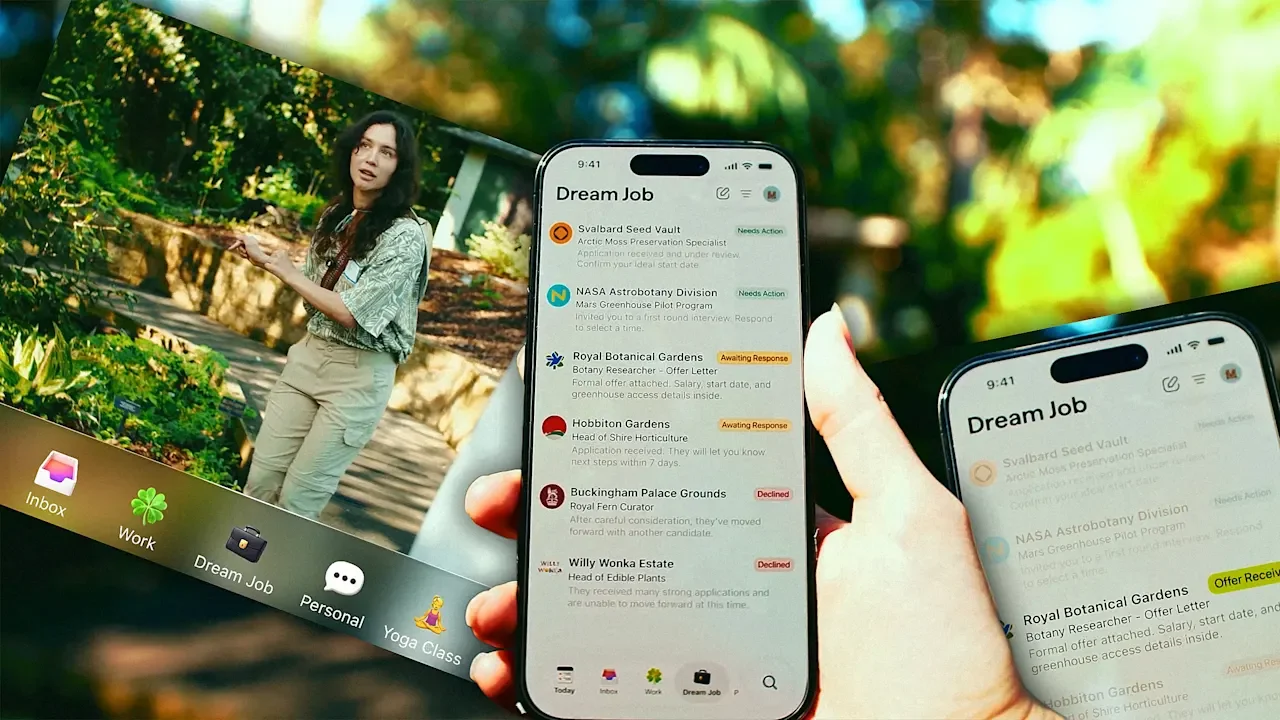
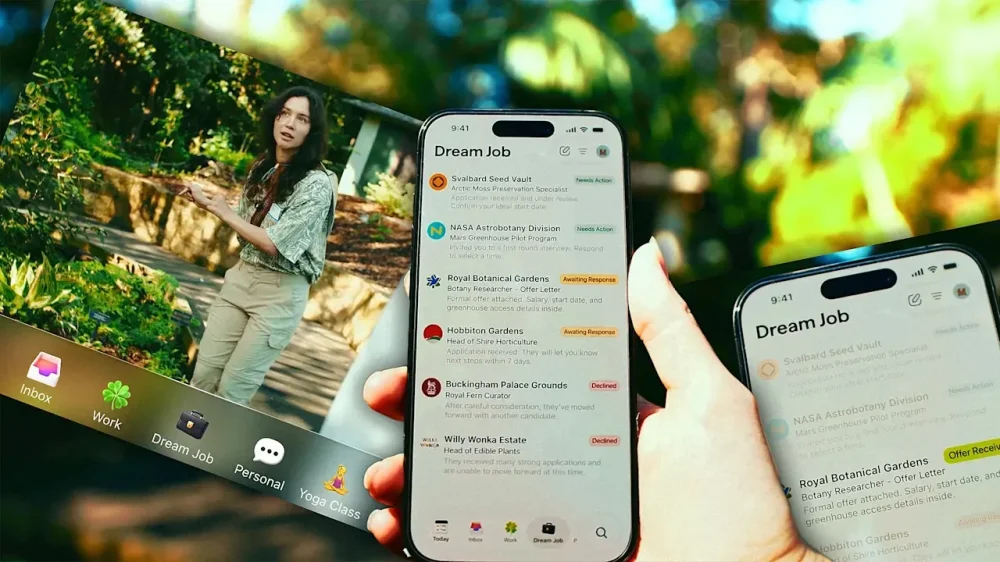
The modern email inbox can be disorganized and unwieldy. Important emails get lost under spam and receipts, and the search function doesn’t always work like you hoped it would. Many of us gave up on inbox zero long ago. If that sounds like you, this new smart email client might be exactly what you’re looking for. Extra is an email inbox app designed by Build Forever, a software company founded by a trio of former Pinterest employees. The app intriguingly reimagines the entire user experience of the inbox from one of stacked, accumulating, text-only subject lines to an image-rich interface that surfaces the most important emails for you using AI. Build Forever promotes their email client like a personal assistant (“Your entire inbox. Handled for you.”), and it works by analyzing emails before they’re opened and organizing them in order of urgency. There’s a Today Tab that shows your most important emails at a glance, and they’re classified by terms like “Needs action” and “Happening today” to get to now, or “Good to know” and “More to browse” for emails you can get to later. Demo screenshots of the app, which is available now only through a waitlist, shows an interface that’s much more visual, digestible, and welcoming than text-only subject lines. Instead, Extra gives the inbox the look of an AI chatbot and digital magazine. Extra’s Today Tab spits out a summary that tells you things like upcoming events, people who emailed you and why, and when a package you ordered is expected to arrive. Its output is formatted like a ChatGPT response, with bullet points, bold text, and emoji, and users can write back and ask it questions. The app’s smart categories feature auto-organizes your inbox into sections like news, shopping, and travels, and email is illustrated with full images, turning the interface into something more like a personalized newspaper. Emails live or die by their subject lines in an all-text inbox, but with Extra, editorial illustrations, photojournalism, and product photography can drive clicks now too. Extra has a voice composer and the app can also assist in writing emails in your tone, while the sender feature auto-cleans your inbox by noticing which emails you never open and unsubscribing from them for you. The inbox is ripe for a redesign as it’s gotten tougher to manage, and email platforms like Gmail and Proton Mail have experimented with AI features to try and improve and personalize it. There’s a functional incentive to improve the inbox, but Extra shows there’s also a chance to redesign the interface for reading emails entirely. As social media has homogenized into short-form video feeds, it’s left an opening for a better text-based alternative that email could evolve to fulfill. Email fatigue is real, but redesigning the inbox could change the experience for good, making it both more actionable and more fun to look at. View the full article
-
Earlier in my life, I worked for a global company. I passed my manager in the hallway, and wanted to ask her a question. She was stressed and answered before I had even completed the question. I tried again. She did it again. On the third attempt, I looked at her and said, “Can you please be quiet until I have finished my question?” She stopped. I finished. She answered and then rushed away. Five minutes later, I did the exact same thing to one of my own people. That moment has stayed with me for decades. It wasn’t the most dramatic experience of my life, but it was one that made me embarrassed. I’d like to think that I’ve learned something since then. But it’s easy to slip back into habits that I wanted to leave behind. Most leadership communication failures are unconscious. And you can’t train unconscious habits away through values workshops, culture decks, or offsite strategy days. This is the problem with how organizations try to fix culture. The thing is, you can’t upskill culture. It is too abstract. Culture accumulates from thousands of conversations within an organization, and shapes how people behave, day after day, in meetings and corridors and one-on-ones. Communication shapes behavior, but behavior drives results. This is the sequence. Every instruction, presentation, piece of feedback, and every stressed or friendly hallway exchange moves people toward a desired behavior or away from it. If you want to understand the true state of an organization—its culture, its energy, and its direction, you need to listen to the everyday conversations. Strategy documents tell you what leadership intends. Conversations tell you what is actually happening. And every conversation will either build or break engagement. This is important because engagement is the bridge between communication and behavior. When people feel genuinely engaged, they do things because they want to, not because they have to. That’s the big difference. They show more creativity, collaboration, and higher commitment. But when they feel disconnected, they comply at best, which we now call Quiet Quitting. Global employee engagement fell from 23% to 20% in 2024. This is the second decline in twelve years, and it matched the drop that we saw during the COVID-19 lockdowns. Manager engagement dropped from 30% to 22% over the same period. Here is another disturbing fact: The people most responsible for driving team engagement are themselves disengaging. The ripple effect is predictable. Gallup’s data shows that you can attribute 70% of the variance in team engagement to the manager. The largest lever for organizational performance is the person leading the team, and specifically, how that person communicates. Highly engaged teams show a 23% increase in productivity and a 51% reduction in turnover compared to disengaged ones. The three communication superpowers After 20 years of working with leaders across industries and continents, I have identified three capabilities that set apart leaders who build high-performing cultures from those who erode them. I call them the ‘Three Communication Superpowers.’ The first is empathy. This is genuine presence, real connection, the ability to make the person in front of you feel that they matter. The team member I interrupted with a stressed response needed a leader who was actually listening. The second is clarity. You need to communicate so that people understand what the company expects from them, and remember what matters. As Martin Gutmann and I argued in a previous piece for Fast Company, transparency and clarity are distinct muscles. Clarity is about direction, and direction is what people need to perform. People can’t act on what they don’t remember, so the content needs to stick. The third is energy. This is your passion that manifests in how you look and how you sound, like your non-verbal communication. It’s the oldest form of communication, and people read body language and tone before they process words. A leader who delivers important messages in a flat, distracted way signals that the message itself is low priority. Energy is about letting genuine commitment show. The good thing is that these three superpowers are trainable. These are all examples of skills, which you can develop. When leaders take the time to develop them, engagement rises, behavior shifts, and results follow. Culture changes because leaders start having different conversations—with more presence, more direction, and more genuine care for the people they lead. That’s where it starts, and that’s where you can change it. View the full article

-
A few years ago, employees at the Chinese tech giant ByteDance, the company behind TikTok, received an unusual internal reminder: colleagues should avoid using “您” (nín), the formal and respectful version of the Chinese word “you.” Instead, employees were encouraged to address everyone using “你” (nǐ), the informal form, regardless of rank. For many younger staff members, the change felt natural. ByteDance had deliberately built a fast-moving start-up culture that emphasized equality, speed, and open communication. But for others, particularly those accustomed to more traditional professional environments, the change felt almost radical. After all, in Chinese culture the choice between 你 and 您 is not merely linguistic—it signals respect, hierarchy, and social distance. This small linguistic shift reveals something important: China’s business culture is evolving, but the cultural signals of respect and power still matter deeply. For international executives navigating China’s complex business landscape, understanding these signals can make the difference between smooth collaboration and subtle misunderstanding. Respect is relational, not individual In many Western workplaces, respect is often associated with equality, informality, and open debate. Leaders encourage employees to challenge ideas, address colleagues by their first names, and voice disagreement directly. In China, respect is often expressed differently. It is closely tied to relationships and to the roles individuals occupy within a broader social structure. This perspective has roots in Confucian philosophy, which emphasises social harmony and ordered relationships. One enduring idea is 尊卑有序– the belief that relationships should reflect an appropriate order between senior and junior. In business settings, this principle often appears in subtle ways: seating arrangements in meetings, the order of speaking, and how people are introduced. To outsiders, these details may seem minor. But in China, they often communicate respect before a single substantive discussion even begins. Ignoring them can unintentionally undermine trust. When “Vice” titles matter—and when they don’t One subtle but revealing example concerns how professional titles are used. In many Western organizations, titles are frequently shortened or ignored in conversation. A Vice President may simply be introduced by first name or described casually as part of a team. In China, however, titles often carry symbolic meaning because they reflect hierarchy and organizational standing. International executives often ask whether they should include the prefix “副” (vice or deputy) when introducing someone with a title such as 副总裁 (Vice President) or 副主任 (Deputy Director). The answer depends on context. If the person is the most senior representative present from their organisation, it can be appropriate to introduce them simply using the senior title. A visiting Vice President, for example, may be introduced as “总裁” (President) or “负责人” (Head) in an external meeting. The intention is not to exaggerate the title, but to convey respect toward the organisation’s representative in that moment. However, if the actual senior leader is present, omitting the prefix 副 would be inappropriate. Doing so could blur the hierarchy and create confusion about authority. This illustrates how titles in Chinese professional culture function not merely as administrative labels, but as signals of relational balance. For international managers unfamiliar with this system, small details like these can easily become moments of confusion, or opportunities to demonstrate cultural awareness. Power is closely linked to responsibility Another common misconception is that hierarchical cultures necessarily produce authoritarian leadership. In reality, the Chinese understanding of power often places strong emphasis on responsibility. Authority is expected to carry obligations toward the collective. Leaders are responsible not only for achieving results but also for maintaining organisational stability, protecting group cohesion, and ensuring long-term success. As a result, decision-making may involve more consultation and careful relationship management than some Western executives expect. What may appear as hesitation is often a deliberate effort to balance multiple relational considerations. Understanding this logic can prevent frustration in cross-cultural collaboration. China’s workplace culture is evolving China’s business culture today is not static. Rapid economic development, global exposure, and generational change are reshaping workplace norms. Younger professionals, particularly those who have studied or worked abroad, often combine elements of Chinese and Western communication styles. The ByteDance example illustrates this shift. By discouraging the use of “您”, the company attempted to reduce hierarchical distance and encourage open communication. Yet such changes coexist with deeply embedded traditions. In many state-owned enterprises, government institutions, and established corporations, hierarchical etiquette remains important. Rather than viewing Chinese business culture as rigid, it is more accurate to see it as adaptive—a blend of historical values and modern organizational practices. Different sectors, companies, and generations may operate according to slightly different expectations. For international leaders, context matters. Why this matters for global leadership As China continues to play a central role in the global economy, intercultural competence is becoming a core leadership skill. Misunderstandings about respect and power can quietly undermine partnerships, negotiations, and team management. Small signals, how meetings are structured, how feedback is delivered, or how colleagues are addressed, can shape perceptions of credibility and trust. Leaders who succeed across cultures tend to approach unfamiliar systems with curiosity rather than certainty. They observe carefully. They ask questions. And they recognise that behaviours which feel natural in one culture may carry very different meanings in another. The future of intercultural leadership In a world where organisations increasingly span continents, cultures, and languages, the ability to interpret cultural signals is becoming essential. China’s evolving approach to respect and power illustrates a broader reality of global business: cultural traditions rarely disappear. Instead, they adapt. For international leaders, success will not depend solely on strategy or market knowledge. It will also depend on understanding the subtle ways people communicate respect, authority, and trust—and responding to those signals with cultural intelligence. Because in global business, relationships still matter. And respect remains one of the most powerful signals of all. View the full article

-
I’m addicted to the curtain. That moment when you walk through a dark hall, push through two layers of dark drapes, and whatever you see next—no matter what it is—is a bit of a thrill. It’s one of my favorite motifs of Milan Design Week, when half a million people from around the globe for a citywide celebration of all things design. The hook is Salone de Mobile, the world’s largest furniture trade show. Its 3/4-mile-long fairgrounds feature 1,900 exhibitors from 32 countries. (The fairgrounds are so expansive they actually sit outside Milan in a city called Rho.) But many visitors never make it there, instead exploring Milan’s design districts that are full of open houses and sponsored installations for the week, where you might find yourself queuing up in a 400-year-old palazzo to see some grand sculpture that’s probably best described in pictures because all it really does is fill you with wonder. I’d love to tell you I experienced everything at Milan Design Week. That’s about impossible for one human. But gosh did I try. Here are some of my favorite things I saw. Edible Reveries Who doesn’t love a good gimmick, especially when you can chew it? Edible Reveries is a small installation for the giant noodle brand Barilla. To promote their Artisia pasta—in which noodles are 3D-printed into formerly impossible, intricate shapes with semolina and water—the company teamed with Studio Yellowdot, which created a joyful lounge to eat a custom noodle that was also created by the design studio. It was one of a few food-focused installations in a year where the design world seemed to be stress eating. The furniture pieces were 3D-printed, wooden noodle loungers (those weren’t edible), while the noodle they created was a finger food that popped in your mouth like a tiny dumpling. I was left wanting more, but there’s a catch: Barilla’s team told me that they can only print 36 pieces of pasta at a time on its single printer created for the job. So Artisia will remain in limited quantities for the foreseeable future, but you can still buy it online for prices around $18. Salone Raritas Not to get too insider-y, but there’s definitely a politics inside Milan Design Week, a tension between Salone’s focus on mass produced trade show furniture and everything else around the city. Salone Raritas, in its first year, proved to be a promising modernization of Salone’s premise. The new exhibit featured one-off collectible pieces ranging from antique marble columns to rare, vintage furniture. Pieces started at a few thousands dollars, and reached into the nosebleed section of trust funds. Raritas was quite simply the best part of Salone—and not just because it featured a new work by one of my favorite artists-designers, Sabine Marcelis, called Plume. With all the delight of a giant children’s toy, the large, pink acrylic sculpture features bubbles floating through oil. I could stare at this thing for hours. Lexus SPACE Vehicles were all over Milan this year, and by and large, they had a good showing. Hyundai enlisted visitors to make their own designs in bent metal, and launch paper airplanes. Kia showed off exciting new EV concepts that more or less speak for themselves. Fiat put people close to archive models in a ’70s-flavored party room, and Lotus showed off a collab none of us will ever buy alongside their 1990s Sega Genesis game hooked up to a CRT. But in terms of real experiential design, Lexus SPACE won my heart. Its centerpiece was a six-wheeled sci-fi tank of a minivan called the Lexus LS Concept, which explores how a large vehicle can change in the self-driving age. Lexus didn’t stop with the concept car, and it invited several design studios to mock up small vehicle interiors that you could climb into yourself. They ranged from a seat that wrapped you in a shimmering fiber optic coat—almost merging you with the vehicle—to an intricate, wooden interior designed by Japanese craftsmen. The auto industry is evolving a little slower than we expected, but it was refreshing to imagine how redesigning vehicle interiors with fewer limits could vastly impact the experience of travel. The Paper Log: Shell and Core The Japanese fashion house Issey Miyake is known for its intricately pleated garments. Few people realize, these fabrics are actually pleated on paper—which is typically recycled during the production process. But the paper naturally absorbs fabric dyes, meaning it is a beautiful, even structural object if used properly. At its Milan store, Issey Miyake featured a collection of pieces developed entirely from this haute waste paper. They included compressed paper stools, which looked similar to an unpolished marble. Other times, they were woven together like a bundle of wood, and shaped into a chair and table. Look from the top, and the colors swirl, almost like a softly psychedelic tree ring. Dior’s bamboo and glass There’s a reason that caviar is served on potato chips: It’s delicious. And Dior managed to make magic with the same balance of luxury and commodity with its celebration of craft at Milan Design Week. Dior used the stage to launch the Corolle lamp, designed by French designer Noé Duchaufour-Lawrance. A handblown piece of glass shaped like a bell, its etched cannage patterning Dior is known for ripples shadow across surfaces. But the installation promoting it was an intimate ode to craft across materiality. It features not one, but several studies of lamp, all in different sizes and patternings. You could lift the delicate pieces, twirl them in your hands, and watch light dance around with incredible expression and tactility. But all of these artisanal lamps were ensconced in rooms that were absolutely covered in countless yards of humble, woven bamboo. It was like walking inside some magical floral basket, as bamboo flowers blossomed from every direction. In a year where everyone is buzzing about a return to craft in the age of AI, Dior managed to articulate its inherent value—regardless of one’s budget. Nike Air Lab Confession: I did not stop by the Nike Air Lab set up in Milan this week. But I put it on the list anyway. As a journalist who has visited Nike on several occasions, I’ve gotten to see wild amounts of Nike’s Air production process, developmental experiments, and future prototypes. The Air Lab shared this insider access with the world, which is why I’ve heard it was on the shortlist of many who visited this week. Nike shared new products like its Air Milano inflatable jacket that premiered at the Winter Olympics, along with experiments in how Air bubbles could serve as cushioning for chairs. Considering Nike’s Air furniture arrived at the same time Ikea debuted a metal-framed inflatable chair of its own, it seems we just can’t break our fascination with blow-up design. The Eames Houses Ray and Charles Eames realized many dreams through experimentation and sheer stick-to-it-ness. One they didn’t was a factory-built house, or what we colloquially call a “prefab.” That dream has finally come to life, half a century later, with the Eames Pavillion System, developed by the Eames Office in conjunction with Kettal. (And you can read all about it in our piece on the product here.) It launched at Milan Design Week within the city’s Triennale museum, which features two fully built houses that you can explore alongside a greater exhibit showcasing their work. That greater exhibit, which runs through May 10, is worth checking out: particularly the intricate, small-scale models of other Eames house designs that have still gone unrealized. Okay, confession two: I didn’t make this one either. So maybe I should have featured other items here, like the delightful Swatch “AI DADA” retrospective that featured a museum’s worth of historic designs from artists like Keith Haring. Or maybe Full Metal Banquet, a wild woven meal framed in the gilded interiors of the Palazzo Litta.) But I am trying to head over now while my editor reads this piece. View the full article

-
Last August, as the internet piled on Cracker Barrel over its new “modern” logo, something even stranger was unfolding at Steak ’n Shake. For one week, the chain’s X account didn’t try to sell a single burger. Instead, it attacked Cracker Barrel’s “destruction of shareholder value,” alongside other financial grievances. It sold $20 red MAGA-style hats bearing the words “Fire Cracker Barrel CEO,” and drew attention to a billboard near Cracker Barrel’s Nashville headquarters that Steak ’n Shake had secured, repeating the line. Days later, Cracker Barrel admitted defeat. The logo reverted. The internet moved on. Steak ’n Shake did not. The account remained fixated for months—into 2026—hammering Cracker Barrel’s shrinking portion sizes, falling foot traffic, use of microwaves, alleged day-old biscuits, and 85% stock drop. Meanwhile, those responding to the posts were often . . . crypto bros? Who were cheering Bitcoin? What on earth was going on? And why was Maxim magazine, out of nowhere, getting involved? The answer to these questions, and a bunch you didn’t think of yet, was Steak ’n Shake’s CEO, Sardar Biglari. The 48-year-old rabble-rouser, arguably the most notorious activist investor in the restaurant world, was trying a new tactic. In the past, Biglari fought for control of businesses via his holding company or investment funds. In 2025, he conscripted his biggest consumer brand, Steak ’n Shake, to be the public face of his battle to send Cracker Barrel’s CEO packing. It was just one of several campaigns Biglari mounted across the industry over the past year. Others forced the boards of Jack in the Box and El Pollo Loco to trigger their so-called poison pill, a takeover-deterrent plan that makes a company too bitter for a hostile buyer to swallow. (Jack in the Box, which has been plagued by nearly 11 C-suite and board member departures since 2020, has so far kept Biglari at bay. El Pollo Loco is said to be exploring private equity buyout offers rather than sell to him.) Cracker Barrel first deployed a “poison pill” in 2011 to stop Biglari from buying more shares and has done it again three times since; waging defense against his campaigns has cost shareholders $31 million, according to the company. Some chain restaurants, such as Chick-fil-A, In-N-Out, and Starbucks, have high-profile founders and burnished legacies that they uphold. Others, run by private equity, bear no sign of their corporate leaders or founding missions. (“Roark Capital”? One in every 20 dollars spent dining out goes to one of its two dozen restaurant brands, including Subway, Dunkin’, Buffalo Wild Wings, and Sonic.) But Biglari is neither: He uses his burger chain’s cash to buy stakes in rival restaurant companies, then demands they answer to him, as a competitor seated at their table. Not everyone is a fan. “He’s considered to be very strange by most professionals in the restaurant world,” says analyst John Gordon, founder of Pacific Management Consulting Group. Industry veteran John Hamburger, president of the Franchise Times Corp., adds, “Restaurant people dismiss him because he’s, you know, upsetting the apple cart.” As a financial analyst told The New York Times’s Kevin Roose in 2012, Wall Street is likewise “very skeptical of [Biglari]. . . . Even if he’s absolutely right, it’s somewhat annoying.” Compounding the enigma surrounding Biglari is the fact that he speaks publicly just once a year, through the Biglari Holdings annual shareholder letter. (He declined to respond to an interview request for this article.) Pulling from interviews over the past month with people in finance, the restaurant industry, and even D.C. politics, we’ve pieced together how this polarizing figure became a force—with the power to oust CEOs and reshape what chains serve, how they’re run, and what they stand for—and where he may turn his withering attention next. Buying into the burger business Biglari has a knack for, as he sees it, taking a chisel to troubled companies. “We Michelangelo’ed Steak ’n Shake,” he wrote in one year’s shareholder letter, explaining: “The sculpture is already complete within the marble block, before I start my work.” Biglari does know a thing or two about fresh starts. In 1984, when he was 7, his family fled Iran, where they were persecuted after the 1979 revolution. They landed in San Antonio, where his father had military contacts he’d made years earlier as a brigadier general in the Shah’s Imperial Armed Forces. His parents started a rug importing business. Biglari later cofounded an internet service provider, which was headquartered on the floor above the store. Internet America acquired it in 1999, just before the dot-com bubble burst. He started a hedge fund from the payout, requiring a minimum of $250,000 to join—asking high-net-worth San Antonians to trust that a man in his twenties with one successful exit could make them “large sums of money.” The first Steak ’n Shake had opened off Route 66 in Illinois during the Great Depression. Founder Gus Belt sold premium “Steakburgers” for 12 cents from a converted Shell service station—back when the average burger cost about a nickel, and the average patty often contained oatmeal or sawdust. Belt’s signature move was grinding high-grade cuts of sirloin and T-bone in front of customers, under the banner “In sight, it must be right.” The chain became beloved across the Midwest for quality ingredients and a theatrical dining experience: Customers could watch the meat get prepared from their tables, or have carhops deliver burgers to their cars outside. Restaurateur Danny Meyer, raised in St. Louis, says he spent many weekends there as a teenager, and his own Shake Shack was partly an attempt to replicate those “awesome” parking lot experiences. The chain retained these characteristics, more or less, until 2008, when Biglari maneuvered himself into the CEO role during a five-month-long coup—acquiring shares, winning board seats, and forcing sitting members to resign. At the time, Steak ’n Shake had posted 14 straight quarters of sales declines. To make it into a David-level opus, Biglari (who frequently compares himself to an artiste) instituted a value-pricing strategy that shrank the eight-page menu to a bifold, reversing the trend almost instantly and sparking seven years of same-store sales growth, an industry record at the time. In 2012, The New York Times declared Steak ’n Shake “back on solid ground,” and Forbes put Biglari alongside Larry Page and Elon Musk on its list of most powerful CEOs under 40. Store count climbed 25%, reaching 626 units by 2018. Losing the Doughboys By now, Biglari was looking for other marble blocks to chisel. Through some financial acrobatics in 2010, his hedge fund sold itself to Steak ’n Shake, which changed its name to Biglari Holdings. Overnight, a Midwestern burger chain became a diversified holding company with an in-house investment arm. He merged it with Western Sizzlin in the same move and accumulated stakes in Red Robin and Sonic. Then, in 2011 and 2012, he deployed $241 million from the growing coffers of Biglari Holdings to acquire a 20% stake in Cracker Barrel. The Denver Post By the mid-2010s, the market cap of Biglari Holdings had soared past $500 million. It acquired the once-influential lad mag Maxim, installed Biglari as editor-in-chief, and made the “Maxim women” available for Steak ’n Shake grand openings. To this meat-greased, underdressed empire, he added two insurance companies, a pair of oil ventures, and a luxury hedge: Ferrari shares, today a $200 million stake—the company’s largest holding. The structure echoes the portfolio built by Biglari’s idol, Warren Buffett, which counts Dairy Queen and Geico among its earliest acquisitions (though it’s doubtful Buffett would describe his own collection as the “equivalents of Renoirs, Cézannes, and Rembrandts” in his “economic museum”). Today, Biglari’s shareholders include the two world’s largest asset managers, BlackRock and Vanguard, and Gamco Investors, the investment firm run by billionaire “Super Mario” Gabelli. But his antics were making new enemies. From 2011 to 2014, Cracker Barrel shareholders rejected four proxy bids by Biglari in a row—first to acquire board seats, then for outright control of the chain. A prominent governance advisory firm put the entire board of directors of Biglari Holdings in its “Hall of Shame” over Biglari’s unusual compensation structure, which it called “as egregious as we have ever seen” and “the type of stuff that activists rail against” at other publicly traded companies. (Most public CEOs take a salary, Warren Buffett included; Biglari was simply awarding himself a massive cut of the company’s annual increase in value.) A small hedge fund, Groveland Capital, swooped in to try to administer a dose of his own medicine. “Steak ’n Shake-up? Effort to Oust CEO Biglari in the Mix,” The Indianapolis Star reported. It failed, and in 2016 Biglari paid himself more than $33 million in compensation. “That’s more than the CEOs of McDonald’s Corp. and Chipotle Mexican Grill Inc. earned last year. Combined,” journalist Jonathan Maze observed in Nation’s Restaurant News. Biglari created a Monaco office to work from, flying there in his new Gulfstream G550 jet, the same type Elon Musk uses. It soon became clear, however, that value pricing was a recession-era fix, and by 2020, with Americans spending freely again, it had stopped working. COVID-19 gave Biglari the cover he needed for another “radical” rebrand. He invested $50 million to update Steak ’n Shake interiors, killed table service, and replaced cashiers with kiosks. Nick Wiger and Mike Mitchell, hosts of the chain-restaurant-focused podcast Doughboys, look back on both the reduced menu and the kiosks as a “Pyrrhic victory.” Yes, costs were cut, but so were “the hooks that loyal customers counted on since 1934.” When they first visited a Southern California location in 2015 for the show, the experience so horrified them that dunking on Steak ’n Shake became a decade-long running gag. I asked them whether, in their expert Steak ’n Shake opinion, they felt that things had bottomed out—or whether worse was still possible. They responded in writing: Wiger: It pisses me off that this strip mine capitalist has enshittified a beloved Midwest brand and vampire-squid sucked out its magic in search of profit. Mitchell: Steak ’n Shake is definitely getting worse, as is everything else in the world. We have talked about this on Doughboys. But we used to root for local restaurants, then we had to start rooting for smaller regional chains. And now we have to root for giant chain restaurants to just not be as shitty and evil as they normally are. Also, the last decade should have taught you that things can always get worse. There’s no maxing out on awful. Wiger: As a society, we’re shitmaxxing. Mitchell: I believe Steak ’n Shake can defy the odds and get even worse. Now, has Steak ’n Shake’s food declined as much as other chain restaurants? Probably not (looking at you, Wendy’s), but I used to also get excited by the idea of going to Steak ’n Shake, and that does not happen anymore. By early 2021, reports surfaced that the chain was considering bankruptcy to manage its climbing debt. From 2019 to 2025, it shuttered more stores than Biglari had opened during the hottest years, dropping its count by more than 35% to 404 units. As Biglari was forced to admit, the economics of 20th-century Steak ’n Shake simply “did not work in the modern era.” Beef tallow, Bitcoin, and RFK Jr. “We will never market ourselves away from our past in a cheap effort to gain the approval of trend seekers,” read the post on Steak ’n Shake’s X account last August, its first attacking Cracker Barrel for its newly slick, sanitized logo. “This is what happens when you have a board that does not respect their historical customers or their brand,” it said in another. “At Steak ’n Shake, we have gone back to basics,” it added before concluding: “Our beef tallow fries are waiting for you. Oh yeah, you can also now pay with Bitcoin.” The weird final line rather undercut the argument, but Biglari seemed willing to pay that price. This was a new comeback attempt and his third rebrand of Steak ’n Shake, this time chiseling it into a The President-era chain that serves MAHA-friendly beef tallow fries and takes Bitcoin. “The Presidentism,” says the analyst Gordon, appealed “to customers in Republican states where most of his restaurants are located and guaranteed publicity.” The rebrand had a satirical quality. In the Mike Judge movie Idiocracy, certain government agencies are “brought to you by Carl’s Jr.” Last spring, the The President administration’s Department of Health and Human Services greeted workers with signs advertising “Steakburgers and Beef Tallow Fries” available in the building’s main cafeteria. Steak ’n Shake had announced its kitchens would switch to beef tallow at the perfect time: after Robert F. Kennedy Jr. publicly declared that beef tallow was now the “MAHA way” in late 2024, but before The President picked him as HHS secretary in early 2025. As soon as Kennedy’s nomination was confirmed, Steak ’n Shake began serving “RFK’d” fries. The stunt led to Sean Hannity interviewing Kennedy inside a Florida Steak ’n Shake, followed by a parade of The President-adjacent characters—Musk, Laura Loomer, Kari Lake, Vivek Ramaswamy—also declaring the greatness of the beef-tallow-slinging chain. Steak ’n Shake’s website soon introduced a new line of red hats with less-subtle MAGA-like phrases (“Make Americana Great Again,” “Make Frying Oil Tallow Again”). The company installed Tesla Supercharger stations in the parking lots, announced that stores would start flying “the tallest and biggest American flag” allowed by local law, and served beef tallow fries at an El Salvador Bitcoin event that received President Nayib Bukele’s nod of approval. It also posted a video made by Grok showing The President, Abraham Lincoln, and what might be two George Washingtons flinging French fries from sleeves that, in AI’s illegible scribbles, appear to say “Berf Tilliw.” This week, it announced Steak ’n Shake’s first-ever chief MAHA officer. For the role, it hired one of Kennedy’s HHS advisers. Yet some aren’t buying the political turn. “His first political donation was in August of 2023,” one veteran Washington strategist told me—$216 to The President, followed by a second donation the next year: $241. “This is a newcomer to Republican politics.” Cracker Barrel, over a barrel Biglari attracts his share of detractors, says Hamburger, who has covered the restaurant industry for 30 years and was a publicly held restaurant chain’s CFO before that. At first, Hamburger says, he was among that crew. “But then I looked at him after the first Cracker Barrel go-round, and I thought, That’s pretty smart,” he says. “That company was managed poorly over the years. Really, he is pointing out stuff that’s true—Jack in the Box and Cracker Barrel have been mismanaged.” Cracker Barrel didn’t make any executives available for interviews for this story, but materials it shared with Fast Company show that Biglari learned about the logo overhaul in 2024 during a meeting he’d requested with its new CEO, Julie Felss Masino. Cracker Barrel says that at this meeting, Biglari “did not express concerns” or offer ideas for how to improve the business. Steak ’n Shake COO Dan Edwards previously said that his boss advised Cracker Barrel to “focus on the quality of the food and service,” not “waste time changing the brand or its decor” because that could upset customers. The negative public reaction to the logo change seems like an “I told you so.” But after the blowback last August, two research firms examined X posts that mentioned Cracker Barrel in the hours after the new logo debuted. One study by PeakMetrics attributed 44% of posts made within 24 hours to a swarm of hired bots it believes were part of a coordinated disinformation campaign. About 70% of the messages contained identical wording, it said. The other firm, Cyabra, estimated that as many as 21% of the accounts themselves were bots. Neither firm could identify who paid for them. But Biglari didn’t need bots to get the better of Cracker Barrel. During the 2020 proxy contest—the fifth of seven Biglari had waged against then-CEO Sandra Cochran over nine long years—he lambasted her team for losing more than $100 million in less than a year on an untested “eatertainment” concept Cracker Barrel called Punch Bowl Social. He dubbed it “the investment equivalent of Waterloo.” Cochran responded that over the previous decade Biglari Holdings stock had returned a negative 61% to investors while Cracker Barrel’s was up 520% under her leadership. “We consider the deterioration of Steak ’n Shake, a brand that once held a storied place in American restaurant history, to be a cautionary tale,” she told shareholders. Unsaid was that Cracker Barrel had also made Biglari Holdings an absolute fortune—more than $800 million over 15 years. In shareholder letters, Biglari has called it the all-time-best investment Biglari Holdings has ever made, double what it has captured by actively running Steak ’n Shake. And while the logo controversy sent Cracker Barrel shares tumbling to around $30—the company’s lowest level in two decades—Biglari had sold most of his stake before it started. “I have a clean canvas on which to paint and a nearly unlimited palette of colors from which to choose” is another of his art metaphors. His method, though, is to use “the paintbrush only sparingly.” View the full article

-
For publishers, one of the observations that’s often cited about AI search is that the people who click through are more intentional than those who come from traditional search. In other words, sure, AI might be nuking your referral traffic, but at least the people coming from there are more likely to engage, and potentially become loyal readers. And that’s true—the stats show it. But it’s an oversimplification of a more interesting reality. It turns out that the audience in AI search isn’t just a blob of traffic that you need to work extra hard to get the attention of. People who ask AI portals for information about something can have wildly different intentions, and those intentions can change as they do more research, often in the same AI conversation. Yes, clicking through and engaging is still the prize, but how to get there requires understanding the journey before that happens. What the funnel looks like now One of the better attempts I’ve seen at mapping the different parts of the “blob” is this study from Scrunch, an AI search analytics company. While its report is oriented toward brands selling products rather than to publishers (it focuses on AI search behavior around GLP-1 medications like Ozempic), I believe the insights about how different types of information seekers use AI search translate very well. The study classifies AI users into different buckets based on intent. There are knowledge seekers, who are curious but not yet committed; evaluators, who are comparing options; access seekers, who are ready to buy; and then a couple of other categories (side effect navigators and regimen planners—remember this is about medications), which I think can be combined into “post-decision” users. Importantly, each category has a different likelihood to convert and a different tendency to move into other categories. As you might expect, those deliberately seeking to buy or transact are very valuable for conversion, but it’s a relatively small group (just 9% of the overall “conversation”). Because evaluators are a much larger group (20%), they may offer more aggregate opportunity than the smaller, higher-intent access seekers. The audience inside the audience It’s one category and one snapshot, so the exact buckets are not universal. However, I think the taxonomy translates well into publisher audiences. Orientation readers: These are readers who may be new to a topic or are just seeing the latest information. They want to understand the basics about a story or topic, or simply get caught up on the latest news about it. Evaluation readers: These readers want to go beyond the surface. They’re deliberately asking for more analysis and different perspectives on a particular topic. Remember, they’re still doing all this in an AI service. Action readers: These readers have a clear picture of something they want to do and are seeking guidance on taking that action, or a place to do so. Support readers: This group has already taken action and wants some kind of ongoing support with their area of interest. In the case of publishers, conversion isn’t necessarily just readers buying third-party products (which would be relevant only to sites that do affiliate marketing) but engaging in a deeper, deliberate way: subscribing to premium content, signing up for a newsletter, downloading an app, buying an event ticket, and more. Each of these groups is seeking a different kind of information, and publishers need to respond with different kinds of content to reach them. This isn’t entirely new—it’s similar to a content model the BBC and others adopted more than a decade ago—but in an AI world, it matters whether large language models (LLMs) can cite the content with confidence. For example, an orientation reader may be wondering whether the electric-car market is shrinking or growing, whereas an evaluator may be comparing the coverage in The Wall Street Journal with competitors or publications deep in the niche, like Electrek. An action reader might go straight to “Which EV newsletter should I subscribe to?” or “What’s the best site to follow for EV policy and pricing?” This helps explain why niche and B2B publications often punch above their weight in AI search. Why the citation still matters But the key point is this: Concentrating only on the people who click through from AI search is too narrow a focus. Readers go from one state to another within AI search. So even if you don’t capture readers in every search where you’re cited, the fact that it’s your narrative guiding them, with attribution, can begin their orientation toward your publication. The publishers that understand this will need to offer content across different types of readers to stay present across their journey. Being present in more answers will of course increase the chance of scoring a visitor, but it will also keep your brand visible as the reader continues exploring, even if that journey is largely taking place in an AI platform. If the Scrunch report helps map the journey inside AI, another example helps explain what publishers should think about once a reader does arrive. On3 is a college sports outlet and network of more than 70 team fan sites. Like many publishers, it’s faced declines in traffic from search and social, so it chose to focus on revenue per session as a key metric. It uses AI recommendations and first-party data to keep readers moving among articles, forums, video, email, and commerce. Most publishers may not have the resources to offer all of that, but the underlying point still applies: In an AI world, the click matters less as a finish line than as the start of a carefully managed next step. This of course assumes the content is AI-friendly in the first place. Writing informational passages in a straightforward way, repeating common questions about the topic and answering them directly (there’s a reason you’re seeing FAQ sections everywhere), and practicing good technical maintenance are all important to get right. Where visibility becomes value So, yes, while AI kills traffic, it also functions as an audience qualifier, with the people who click through being the most likely to engage with your publication. What isn’t obvious is that as a publisher you also have an active role in that qualification. You can influence what audiences see in those summaries, but it depends on being present, understanding the different types of readers, and offering them the right mix of valuable content around your core topics, structured so the bots can parse it easily. In AI search, the publishers that win will be the ones shaping reader intent before they ever win the click. View the full article

-
Balancing travel and remote work will always be one of the biggest challenges on the road. When you’re a digital nomad, it’s always a struggle to balance sightseeing and also get your work done in a nice, quiet environment. No one wants to spend hours searching for a coffee shop or be in one that is uncomfortable. It is something I’ve struggled with a lot in the past. Working from the road used to mean hunching over a tiny hostel common room table or arguing with an Airbnb host who swore their internet was “super fast” (only to find out it couldn’t even load a basic email). But, as remote work has expanded post-pandemic, a ton of coliving spaces have popped up that combine the benefits of a coworking space with the social atmosphere of a hostel (but without the dorm-style basic amenities). They are meant for those digital nomads who want a nice place to stay where they can not only get work done but also meet other travelers (as remote work can be isolating since you’re doing it alone)! The biggest and most popular platform for remote workers doing this is Outsite, which has a lot of beautiful locations around the world. And, in this post, I’ll go over everything you need to know about them and my experience staying with them on a recent trip to Bordeaux. What is Outsite? Founded in 2015, Outsite is a global network of coliving and coworking spaces designed specifically for remote workers, location-independent entrepreneurs, and digital nomads. They started with a single house in Santa Cruz, California, aimed at people who wanted to surf and work. Today, they have over 5,000 members and 50 locations you can choose from. Currently, anyone can book a stay at Outsite but if you’re a member, you get access to more perks and better rates. You can pay a yearly membership of $199 or pay once for a lifetime membership at $499. Perks include access to members-only locations, 1 week free in new destinations, 50% off in flash sales, 40% off extended stays, new member mixers, a job & sublets board, and some lifestyle perks. It’s easy to use, too. You just browse their website, filter by destination or the type of vibe you want (beach, city, mountains), and book your private room. How Does Outsite Work? Outsite operates like a boutique hotel meets a coworking space. When you book an Outsite, you are booking a private bedroom. Most rooms have their own private en-suite bathrooms, though some budget-friendly rooms share a bathroom with one other person. Every location features massive, beautifully furnished communal areas. You get to enjoy fully-equipped chef’s kitchens that you could never afford in a solo Airbnb. Plus, you get spacious living rooms, outdoor patios, and often roof decks or pools (location depending). Every single location has a dedicated coworking space built right into the house. I’m talking ergonomic chairs, plenty of outlets, monitors you can plug into, and blazing-fast, enterprise-grade Wi-Fi. You can wake up, make your coffee, and be at a proper desk in a state of deep focus within five minutes. Plus, there’s a social aspect to all Outside locations. Every location has a dedicated Community Manager. Before you even arrive, you are added to a local WhatsApp group and locations organize weekly events like family-style dinners, group weekend trips, Friday night tapas crawls, and morning yoga sessions. You really get a lot of chances to meet people. And the community manager is a great resource. During my stay at their Bordeaux location, they were available to share tips, suggest places to eat, and just be there to answer any questions I had. It was really helpful. What I Like About Outsite First, the properties are really nice. Their place in Bordeaux had modern furniture, comfy chairs to work from, laundry facilities, and even a small gym. The rooms were really nice too. I had a private desk, a comfy bed, and a really lovely bathroom (the water had GREAT shower pressure!). The shared kitchen was super clean (cleaners come daily) and the counter space was huge. It was the kind of kitchen I wish my house had. You could cook some really good meals here. (Coffee and tea are always provided for free!) Plus, I love the design. The spaces are designed with natural light, plants, and local art. It feels incredibly far removed from the sterile environment of a corporate hotel. It feels like you are staying at your very wealthy, very cool friend’s house. However, for me, the main draw for using Outsite is the community aspect. Being a remote worker means you’re often working alone. Whether in a hotel or a coffee shop, it’s just you and your community. It’s hard to meet people. At Outsite, you are surrounded by your fellow digital nomads who can relate to your life experience. They aren’t backpackers on a trip wondering why you are sitting on your computer all day when you should be exploring. Because everyone is there to work and live, there’s a shared bond. You’re there to work and have fun. Most people at the Bordeaux location were there for at least two weeks. Our community manager organized a bunch of weekend events to help people get to know each other, too. Things to Think About First, Outsite is not a budget backpacker option. If you are used to spending $15 a night in a dorm room in Southeast Asia, Outsite is not for you. You are paying a premium for the private room, the guaranteed workspace, and the community curation. That said, when you factor in the cost of renting an Airbnb plus buying a monthly pass to a local coworking space, Outsite likely comes out cheaper. Second, the popular locations book up fast. If you want to spend July in their Lisbon house or January in their Costa Rica location, you need to book months in advance. You can’t always be spontaneous with their most sought-after properties. Frequently Asked Questions About Outsite Do I have to be a member to book a stay? No! Anyone can book a stay at Outsite. However, if you plan on staying for more than a few days, the $199 annual Membership pays for itself almost immediately through the discounted nightly rates. Is there an age limit? There is no official age limit, but you must be at least 18 (and in some locations, 21) to book. The vast majority of guests are working professionals in their late 20s, 30s, and 40s. It definitely skews a bit older and more professional than your average backpacker hostel. Is there a minimum number of nights required? For most locations, the minimum stay is just 2 nights, making it easy to pop in for a weekend. However, some specific locations (especially in major cities with strict local housing laws like New York) may require a 30-day minimum stay. Can I bring my pet? Generally, no. Because it is a shared living environment with communal kitchens and living spaces, most Outsite locations do not allow pets to ensure the comfort of all guests (and to prevent allergy issues). ***** Living the digital nomad life shouldn’t mean sacrificing your career progression, your comfort, or your social life. You shouldn’t have to choose between traveling the world and having a comfortable desk chair, or seeing new cities and having a consistent group of friends. I met some cool people while I stayed with them in Bordeaux. Outsite is a great platform for people who want the perks and comforts of a private home, the productivity of an office, and the social life of a hostel. I think sharing a home creates a sense of intimacy, and you will absolutely make some friends out of it. Be sure to check them out on your next trip and go find your tribe! How to Travel the World on $75 a DayMy New York Times best-selling book to travel will teach you how to master the art of travel so that you’ll get off save money, always find deals, and have a deeper travel experience. It’s your A to Z planning guide that the BBC called the “bible for budget travelers.” Click here to learn more and start reading it today! Book Your Trip: Logistical Tips and Tricks Book Your Flight Find a cheap flight by using Skyscanner. It’s my favorite search engine because it searches websites and airlines around the globe so you always know no stone is being left unturned. Book Your Accommodation You can book your hostel with Hostelworld. If you want to stay somewhere other than a hostel, use Booking.com as it consistently returns the cheapest rates for guesthouses and hotels. Don’t Forget Travel Insurance Travel insurance will protect you against illness, injury, theft, and cancellations. It’s comprehensive protection in case anything goes wrong. I never go on a trip without it as I’ve had to use it many times in the past. My favorite companies that offer the best service and value are: SafetyWing (best for budget travelers) World Nomads (best for mid-range travelers) InsureMyTrip (for those 70 and over) Medjet (for additional evacuation coverage) Want to Travel for Free? Travel credit cards allow you to earn points that can be redeemed for free flights and accommodation — all without any extra spending. Check out my guide to picking the right card and my current favorites to get started and see the latest best deals. Need a Rental Car? Discover Cars is a budget-friendly international car rental website. No matter where you’re headed, they’ll be able to find the best — and cheapest — rental for your trip! Need Help Finding Activities for Your Trip? Get Your Guide is a huge online marketplace where you can find cool walking tours, fun excursions, skip-the-line tickets, private guides, and more. Ready to Book Your Trip? Check out my resource page for the best companies to use when you travel. I list all the ones I use when I travel. They are the best in class and you can’t go wrong using them on your trip. The post Outsite: The Best Place to Stay for Digital Nomads appeared first on Nomadic Matt's Travel Site. View the full article
-
Over the past year, a quiet shift has been unfolding across the internet. A growing wave of AI-generated news and content sites has flooded search results. Many of them are technically accurate, cleanly written, and structurally sound, yet they feel strangely interchangeable. A recent analysis by NewsGuard identified more than 1,000 AI-driven content farms producing articles at scale, often without original reporting, perspective, or voice. The information is there. But something essential is missing. It is not accuracy or clarity; it is a point of view. That absence points to a deeper question: If everyone is using the same models, trained on the same data, to generate ideas, what happens to originality? We’re not losing information; we are losing distinction. The Rise of the “Average Answer” AI systems are exceptional at recognizing patterns. That’s precisely what makes them useful and also what limits them because they don’t originate from lived experience. They generate from aggregated experience, drawing on what has already been said, written, and validated. In doing so, they naturally gravitate toward the statistically probable, the structurally familiar, and as a result, the “safe middle.” Research from Stanford University has shown that large language models tend to produce responses that cluster around normative patterns, even when prompted for novelty. Similarly, studies published in Science suggest that while AI can improve productivity, it can also lead to idea convergence within groups, reducing variance in thinking. So, this is the paradox: AI expands access to ideas, but it also narrows their range. It doesn’t just scale intelligence; it scales the average. Culture Is Built on Friction, Not Efficiency Culture has never been built on averages. It evolves through tension—through contradiction, collision, and the friction between different ways of seeing the world. Sociologist Richard Florida has long argued that innovation thrives in environments where diverse perspectives intersect. Likewise, research on “creative abrasion” by Linda Hill shows that breakthrough ideas emerge when differences are not smoothed out but actively engaged with. The most meaningful breakthroughs don’t come from optimizing what already works. They emerge when seemingly unrelated ideas meet, like design and technology, storytelling and data, and art and strategy. What makes those moments powerful is not efficiency. Its integration and integration is inherently human. The Subtle Drift Toward Sameness The real risk with AI is not that it replaces creativity. It’s that it compresses it into predictable forms. You can already see it happening. Writing across platforms is beginning to sound more uniform—technically polished, structurally clean, and increasingly interchangeable. Brand voices are converging. Strategic thinking is starting to mirror the same frameworks and language patterns. An analysis in Science Advances found that AI-assisted outputs often improve clarity and correctness, but reduce linguistic diversity and stylistic variation. The output improves, but the texture fades, and texture is where meaning lives. Over time, this creates a deeper consequence: cultural atrophy. When leaders begin outsourcing not just execution, but thinking itself, something subtle begins to erode. The internal struggle that sharpens ideas—the wrestling with ambiguity, the discomfort of not knowing, the slow formation of insight—starts to disappear. Cognitive science suggests that effortful thinking is essential for original insight. Psychologist Daniel Kahneman described this as the difference between fast and slow thinking. When we default too quickly to automated answers, we bypass the deeper processing required for novel ideas. Without friction, originality weakens, and without originality, leadership becomes derivative. This is not just a creative concern, it’s a critically strategic one. The future will not be shaped by those who generate the most ideas, but by those who can make meaning from them—who can connect across domains, hold contradictions without rushing to resolve them, and see patterns others miss. The Counterbalance: Multidimensional Thinking In my work as a workplace strategist and leadership advisor, I have seen that the most impactful leaders don’t rely on a single mode of thinking. They move fluidly between perspectives. I describe this as multidimensional thinking—the ability to integrate across differences rather than default to a single lens. This idea is supported by research from David Epstein, who found that individuals with broader experiences and the ability to connect across domains consistently outperform narrow specialists in complex environments. Multidimensional thinkers reframe problems before they rush to solve them, and that’s becoming a critical counterbalance to AI because while AI expands access to information, it does not expand perspective. It reflects what exists, but it does not originate from within, and that distinction is where human advantage now lives. That remains our role in the partnership. Designing for Originality in an AI World If originality is going to survive—and more importantly, matter—we need to become more intentional about how we think. That begins by interrupting the default patterns AI reinforces. The most obvious answer is often the most widely available. Moving beyond it requires deliberate awareness and choice. It also requires reintroducing friction. Original ideas rarely emerge from ease. They come from sitting with what doesn’t resolve quickly, from staying in questions longer than is comfortable, from resisting the urge to outsource the messy middle of thinking. Research on creativity from Harvard Business School shows that incubation time—periods of unresolved thinking—significantly improves the originality of solutions. And perhaps most importantly, it requires integration—pulling from unexpected places: different disciplines, lived experiences, creative practices, and human insight. AI can support this process. It can expand possibilities, surface options, and accelerate execution, but it should not replace the part of us that decides what matters. The real opportunity is not to use AI more, it’s to use it differently. Not as a substitute for thinking, but as a partner in it. Not as the source of ideas, but as a tool to pressure-test, refine, and extend them, because in a world where outputs are increasingly similar, the advantage shifts. From intelligence to perspective, from speed to discernment, and from generation to integration. If AI gives everyone access to the same starting point, then what differentiates us is no longer what we know. It’s how we see, and that is something no model can standardize. View the full article

-
It’s four answers to four questions. Here we go… 1. How do I fire someone humanely when management ignored years of underperformance? I’m a manager at a small product company and I’m facing a role elimination that’s keeping me up at night. I joined this org a bit less than a year ago and inherited a team, including one person who has been here for eight years — the only job he’s ever had since college. The role has always required strategic thinking, synthesis, and independent problem framing. He has never fully met that bar, but when I arrived, the work happened to be more execution-focused and predefined, so the gap was less visible. Now that the work requires what the role always demanded, the gap is undeniable. Some of what he does can also now be handled by AI, which makes the role increasingly hard to justify. He has no professional network and has never job searched as an adult. When I try to picture him navigating interviews or knowing where to even start, I genuinely can’t. I think he’d struggle a lot with the social performance aspects of interviewing. Beyond that, this type of role, which is the only one he’s had his whole career, is dwindling across the industry, and he doesn’t have the fundamental skills to do the job elsewhere. On top of that, I know enough about his personal situation to know that losing this job would be devastating. The people who hired him and let this go on for years are still at the org. They all agree something needs to change, but the work of handling it has fallen to me, the newest person in the room. My boss told me that this employee has been underperforming for years, and when I asked if the employee knew that, my boss said, “Probably not.” I’m angry at my predecessors for not addressing this when the job market was stronger. Now he’s facing this in a brutal market, and I feel like he’s going to pay the price for their inaction. What’s the right path forward for someone in his situation — how much notice, what kind of severance, and what support? And is it appropriate that I’m the one doing this when the people who created the situation are still here — and should I be pushing back on that? Yeah, that’s horrible. Your organization’s management let this go on for years and is now poised to let him go in a particularly awful market. That doesn’t mean you should keep him on (there are other people who need work, perhaps just as desperately, and could do the work you need done) but it does mean that the organization has a very strong obligation to act with care. That means talking to him as soon as possible about the deficiencies in his work so that he’s not blindsided, offering him any training and support that might be reasonable (if any exists; realistically, it may not), and being prepared to offer sizable severance to help give him a softer landing. Exactly how long that process should take depends on specifics I don’t have, but if he’s never heard before now that he hasn’t been performing at the level needed, I’d say at least a few months from when you first talk to him about the issues or a severance package large enough that it makes up for less notice. It would be a kindness to make it a layoff rather than a firing, framing it as “the needs of the job have changed” (which is arguably true — if nothing else, he’s being held to a different bar now, even if it’s the bar he always should have been held to). It’s unfair that you’re the one getting stuck with it, but it also sounds like he’s better off with you handling it, because you can be direct when other people there apparently won’t be. 2. Coworkers ignore my availability and then get angry when I’m not around I’m the shipper/receiver for my university campus, and I’m regularly the only one who works the dock on any given day. There is the occasional part-time help that comes in two or three times a week in the afternoons to help prevent me from drowning in the volume of stuff I receive for my campus every day. My day generally consists of receiving in the morning and distributing everything I receive in the afternoon. Due to some limitations from the health and safety department, I’m not allowed to distribute some of the items (think liquid nitrogen, compressed gasses, new large appliances, etc.). For those items, I have to email or call the person to come pick them up from me. And some items that I usually deliver have to be picked up as their recipients are located in secure areas I don’t have access to. When I send those emails, I specifically say to come by the dock during my morning operating hours before lunch, as I need them to sign out their stuff from me for tracking purposes. And the deliveries I do in the afternoon keep me away from the dock all afternoon. I only return for a few minutes at a time to get a new cart of deliveries, so I spend maybe 15 minutes of my four hours in the afternoon at the dock. There’s been a large uptick in people who are just straight-up ignoring my availability. Lately, all the pickup requests I do are met with a decisive response of some variation of “I’ll be there at X time in the afternoon” and nothing else. I reiterate that I’m not available to sign out their items to them in the afternoon and to come by in the morning. But lately they just show up in the afternoon regardless, then get extremely annoyed, and sometimes bananapants mad, that I’m not there to sign their stuff out to them when I very clearly said that I will not be around to do so. I’ve even had complaints to my boss that were essentially, “Receiver wasn’t at dock to sign stuff out to me, do something to correct it.” My boss has dismissed them as pointless. But when those complaints go nowhere, they get escalated if these people are feeling vindictive enough. Thankfully nothing has ever come of it, at least not yet. So while my bosses know of the issue, I think I need to ask them to help me deal with it in a formal request. How would I even go about that? First, if you don’t already have it, ask for some type of official and very visible signage at the dock that clearly states what the pick-up hours are, so that people who come by in the afternoon see that rather than assuming you’re just AWOL (and so it looks like the dock’s official policy rather than your own). And similarly, you might revisit how you’re relaying those hours in your email; it clearly needs to be big, bold, and set off from the other text so it’s harder to miss. But behind that, just lay it out for your boss: “As you know, there’s been a large uptick in people ignoring my availability and, even though I clearly tell people that they need to pick up their shipments before noon or I’ll be away on deliveries, they show up anyway and then some of them complain that I’m not here. Sometimes those complaints have been escalated and, while nothing has come of it so far, I’m concerned about having complaints filed against me. Can you help me figure out how to fix this?” 3. My coworker keeps falling asleep while I’m waiting on work from him I have a coworker who is going through it. Like, just one hit after another. I feel bad, and our team has really stepped up to support him. However, I notice that he’s been falling asleep a lot during the day. If I message him at 2 pm, he will respond at 6 saying “Sorry, I fell asleep.” I am assuming there is not much I should do here, my manager is well aware of what’s going on in his life. However, he also took last week off to deal with some personal matters and left a bunch of time sensitive work unfinished. And when he falls asleep, I’m also usually waiting for a response for something I need to close the loop. Do I just chalk this up to “Dang, this guy is going through it” and work around that? Do we need to have a larger conversation with the team about what to do when this happens? I want to be sensitive to what’s going on in his life, but I also don’t want work to fall through the cracks if it doesn’t have to. Can you talk to him about it directly? For example: “I know you’re having a rough time right now. What’s the best thing for me to do when I’m waiting on a response from you in order to move forward with something and can’t reach you for a good chunk of the day, or when something looks like it might have gotten overlooked?” Even just asking that might nudge him into realizing he’s got to do something differently (which obviously wouldn’t be making his life magically fall into place but might be setting alarms during the day so he’s not sleeping for four hours while people are waiting on him or talking to his boss about managing his workload differently during this time). If that doesn’t work and it’s causing problems in your work, at that point there’s not much more you can do besides talking to your boss about managing the team’s workload differently while your coworker is (presumably temporarily) less available. 4. Should I ask for a promotion? I’ve been with my company since 2013. In 2021, I made a deliberate shift out of an area where I was a well-established subject matter expert to join a different division. I started as an entry-level associate in Tech Ops and, within about 18 months, moved into Business Operations Analytics. Since then, I’ve consistently rebuilt my reputation as a go-to expert. I’ve created processes, documentation, and training materials that were originally designed for a team of about 20, but are still in use today as the organization has scaled to 200 employees. After several reorganizations, I was placed into a smaller, specialized team of eight. For about a year, I operated in what was essentially a “Lead” capacity without the official title. Eventually, I was formally given the Lead title, but I’m compensated at the Business Operations Analyst II level, higher than the traditional lead role. Over the past three years, I’ve received “exceeds expectations” on every performance review, which is extremely rare at my company. While that has come with merit increases, I’m still positioned around the mid-range of the pay band for my role. From a results standpoint, I’ve driven measurable impact. The work I’ve led has contributed to an approximately 84% increase in resolution success across my department (my team plus two others). During my last review, my previous director stated in front of my current manager that my performance is “bar none” and that I’m more than ready for the next step in my career. Given all of this, do I have a strong case to formally push for a promotion? Is it better to wait and see if my manager advocates for me organically, or should I take a more direct route and clearly communicate that I’m seeking advancement (and may need to explore other opportunities if that’s not possible)? I want to handle this professionally and strategically, not emotionally or impulsively. At the same time, I don’t want to continue operating at a higher level without corresponding title and compensation if there’s no path forward. It sure sounds like you have a strong case for promotion. You should talk to your manager about it proactively rather than waiting to see if she advocates for it on her own. She might, but not every manager is good at doing that, and some don’t even think about it until an employee explicitly raises it. So yes, talk to her! Say that you have a track record of excellent results in your current role and you’d like to talk about what a path to promotion would look like. You don’t need to spell out that you’d consider job searching if you’re not promoted; that’s always the subtext to conversations like this, without needing to be explicitly stated. The post firing someone after years of underperformance, coworker keeps falling asleep, and more appeared first on Ask a Manager. View the full article
-
Disparate pricing raises prospect of investors earning unequal returns in the same deal on the basis of who their banker isView the full article
-
The US provided Argentina with a $20bn swap line, but similar offerings to Gulf and Asian allies would face constraintsView the full article
-
Donald Tusk says EU should bolster its own Article 42.7 mutual defence clauseView the full article
-
Former Labour chief of staff pitched venture to tech group about the crossover between artificial intelligence and democratic politicsView the full article
-
The US needs to block Chinese access to the most advanced technologyView the full article
-
The Treasury secretary wants to use swap lines to lock in dollar supremacyView the full article
-
Move is a departure from the practice of simply asking underperforming senior partners to retireView the full article
-
The president once railed against the ‘fake news’ from the outside. Today, the system itself bears his imprintView the full article
-
When it pertains to managing a small business, bookkeeping services can be a major turning point. They save you time and money by automating data entry and reducing overhead costs, allowing you to concentrate on your core operations. Accurate financial records help prevent costly mistakes and provide valuable insights into your cash flow and profitability. As you explore the various benefits, consider how organized bookkeeping can greatly improve your business’s overall health and efficiency. Key Takeaways Professional bookkeeping saves time, allowing business owners to focus on core activities and strategic growth initiatives. Outsourcing reduces overhead costs by eliminating the need for in-house staff and associated benefits. Accurate bookkeeping minimizes costly errors, enhancing financial analysis for better decision-making. Organized financial records streamline tax preparation, ensuring compliance and reducing the risk of penalties. Engaging bookkeeping services provides peace of mind, easing financial management and preparing businesses for audits. Understanding Bookkeeping Services When you think about managing a small business, grasping bookkeeping services is important for maintaining financial health. These services involve systematically recording, organizing, and managing your financial transactions, which is fundamental for decision-making and tax compliance. Professional bookkeepers track your income and expenses, reconcile bank statements, and manage payroll, ensuring adherence to tax regulations. You can choose bookkeeping services for small businesses provided on-site or remotely by specialized firms or professional bookkeepers, offering the flexibility you need. Accurate bookkeeping generates significant financial reports like balance sheets and profit & loss statements, which help assess your business performance and financial health. By using advanced bookkeeping software, you can streamline data entry and processing, reducing the risk of human error. Whether you partner with accounting firms for small businesses or outsourced bookkeeping firms, comprehending these services will improve your financial management and support your business’s long-term success. Time-Saving Benefits of Bookkeeping As you navigate the challenges of running a small business, embracing bookkeeping services can considerably save you time. By outsourcing accounting for small businesses, you reclaim hours that can be redirected toward growth and strategic initiatives. Automated data entry and processing through advanced software streamline repetitive tasks, ensuring swift transaction handling and account reconciliations. Here’s a quick overview of how bookkeeping services save you time: Time-Saving Aspect Description Reclaiming Valuable Hours Focus on growth instead of financial tasks. Automation of Data Entry Reduces time spent on repetitive administrative work. Organized Financial Information Enables quicker decision-making. Prepared for Tax Season Organized records eliminate stress. No In-House Training Required Saves time and resources on onboarding staff. With professionals managing your finances, you avoid the time-consuming stress of bookkeeping, allowing you to concentrate on what matters most. Cost-Effectiveness of Outsourced Bookkeeping Outsourced bookkeeping can greatly reduce your overhead expenses, allowing you to allocate funds more effectively. With scalable pricing models, you only pay for the services you need, which helps maintain better cash flow. Plus, by accessing expert financial professionals, you can improve the accuracy of your financial records and avoid costly mistakes. Lower Overhead Expenses Many small businesses face the challenge of managing costs as they guarantee efficient financial operations. By outsourcing bookkeeping services, you can greatly lower your overhead expenses. Instead of hiring an in-house bookkeeper, which can cost around $47,973 annually in California alone, outsourcing allows you to avoid salaries and benefits altogether. You furthermore eliminate additional costs related to maintaining a full accounting department, such as office space, equipment, and employee training. In the end, utilizing specialized bookkeeping firms not just provides access to financial expertise but additionally helps you save money in the long run. With improved accuracy and efficiency, you reduce the risk of costly errors, further protecting your business’s financial health. Scalable Pricing Models Choosing the right bookkeeping services can greatly impact your business’s financial management strategy. Scalable pricing models for outsourced bookkeeping allow you to select options that meet your financial needs. This flexibility helps you avoid the overhead costs of maintaining an in-house team, like salaries and benefits. Many firms offer tiered service packages, which means you only pay for the services you actually need. This can result in significant savings over time. Service Tier Monthly Cost Range Key Features Basic $200 – $400 Basic bookkeeping tasks Intermediate $400 – $600 Monthly reporting, tax prep Advanced $600 – $800 Extensive financial analysis Custom Varies Customized services to fit you Premium $800+ Full-service accounting Outsourcing bookkeeping can be a smart financial move for small businesses. Access to Expertise Accessing expert bookkeeping services can greatly improve your small business’s financial management without the burden of hiring full-time staff. By outsourcing, you gain access to a team of skilled professionals who specialize in accounting best practices, enhancing both accuracy and compliance. This approach often proves more cost-effective than hiring in-house employees, as you save on salaries, benefits, and overhead costs. Plus, you only pay for the services you need, allowing for better budget control. Outsourced firms typically employ certified professionals, like QuickBooks ProAdvisors, ensuring you benefit from the latest financial management strategies. With expert insights at your fingertips, you can make informed decisions that contribute to your business’s growth and long-term success, minimizing the risk of errors. Prevention of Costly Errors Ensuring accurate bookkeeping is vital for small businesses, as even minor mistakes can lead to significant financial repercussions. Professional bookkeepers follow best practices in financial management, which greatly reduces the risk of costly errors in financial reporting and tax compliance. By utilizing advanced bookkeeping software, you minimize human error, ensuring that data entry and processing of financial transactions are accurate. Accurate bookkeeping allows you to identify and correct discrepancies without delay, helping you avoid potential financial penalties and compliance issues. Regular financial analysis from your bookkeeper offers insights into trends and risks, enabling you to make informed decisions that prevent costly mistakes. In addition, streamlined bookkeeping processes improve your operational efficiency, lowering the likelihood of errors that could result in financial mismanagement or unexpected liabilities. Enhanced Financial Analysis and Insights Building on the importance of accurate bookkeeping, improved financial analysis and insights become a key benefit for small businesses. When you utilize professional bookkeeping services, you gain access to advanced software and best practices that guarantee your financial records are precise. This accuracy improves the reliability of your financial analysis and reporting. Regularly updated records allow you to identify trends and opportunities in your data, enabling more informed strategic decision-making. Furthermore, accurate bookkeeping minimizes the risk of costly errors and compliance issues, allowing for detailed financial analysis without the fear of penalties. Your bookkeeper can provide valuable insights by analyzing cash flow, profitability, and expense patterns, helping you optimize operations for greater efficiency. With organized financial data, you can establish realistic growth goals and effectively measure performance against these targets, which eventually supports your business’s long-term success. Automated Data Entry and Processing Automated data entry and processing can greatly boost your business’s efficiency by minimizing time spent on repetitive tasks. With advanced bookkeeping software, you’ll notice a reduction in human error, leading to more accurate financial records and reports. Efficiency Through Automation As small businesses endeavor for greater efficiency, incorporating automated bookkeeping services can transform how you handle data entry and processing tasks. By utilizing advanced software, you can greatly reduce the time spent on repetitive administrative work. Automation streamlines your bookkeeping operations, allowing for quicker access to organized financial information, which improves overall efficiency and decision-making. With automated systems, you benefit from timely reporting, giving you the ability to make informed strategic decisions based on real-time financial data. Additionally, efficient data processing supports your tax preparation efforts, ensuring that your financial records are well-organized and categorized, making compliance with tax regulations much easier. Embracing automation eventually leads to a more effective bookkeeping process, setting your business up for success. Reducing Human Error Incorporating automated bookkeeping services not just improves efficiency but furthermore plays a crucial role in reducing human error. By minimizing manual input, automated data entry and processing greatly decrease inaccuracies in your financial records. Advanced bookkeeping software guarantees swift and precise handling of transactions and account reconciliations, lowering the chance of mistakes. Automation allows your bookkeepers to focus on higher-level financial analysis and decision-making, which improves accuracy in reporting. Regular updates and automated processes help maintain organized records, reducing the risk of errors during audits and compliance checks. By integrating these solutions, you can achieve greater efficiency in your bookkeeping practices, eventually leading to more reliable financial data for strategic planning and informed business decisions. Streamlined Tax Preparation Effective tax preparation is crucial for small businesses, and streamlined bookkeeping plays an important role in achieving that. Accurate bookkeeping helps guarantee your financial records are organized and categorized, making it easier to gather necessary documents for tax preparation. By regularly updating your financial records, you minimize the risk of last-minute scrambles for information, providing peace of mind during tax season. Professional bookkeepers can identify potential deductions and credits, helping you maximize tax savings. Furthermore, streamlined bookkeeping processes reduce the likelihood of errors in financial reporting, which can lead to costly penalties during audits. Utilizing automated bookkeeping software improves efficiency in tracking transactions, making sure you comply with tax regulations and deadlines. In this way, effective bookkeeping not just simplifies the tax preparation process but protects your business against financial missteps, allowing you to focus on growth and success. Organized Record-Keeping Maintaining organized record-keeping is crucial for small businesses, as it allows you to access financial information quickly and efficiently. Systematic records help you avoid missed deadlines and compliance issues, reducing the risk of penalties from regulatory authorities. When your records are accurate, you can effectively monitor cash flow, gaining insights into income sources and expenditures that inform your strategic decision-making. Furthermore, streamlined documentation minimizes chances for errors in financial reporting, enhancing the overall accuracy of your financial statements. This accuracy supports informed operations and helps you make better business choices. Organized records likewise serve as a critical resource in resolving internal and external disputes, providing clear evidence of money flow and obligations. Quick Access to Financial Information Organized record-keeping sets the stage for quick access to financial information, which is crucial for small business owners. Bookkeeping services streamline the organization of your financial data, enabling you to quickly retrieve income and expense reports. This immediacy aids in timely decision-making, allowing you to respond effectively to changing circumstances. By maintaining accurate and up-to-date records, you can instantly access information needed for audits, tax filings, and financial analysis, greatly reducing the time you spend searching for documentation. Automated bookkeeping processes likewise minimize manual data entry errors, ensuring that the financial information is both accurate and readily available for review. With regular reporting, professional bookkeeping provides real-time insights into your business’s financial health, empowering you to monitor cash flow effectively. Quick access to organized financial information supports faster responses to inquiries from stakeholders, enhancing your business’s credibility and trustworthiness. Minimized Administrative Burden When you outsource your bookkeeping, you considerably streamline financial processes, allowing for a more efficient workflow. This shift not just reduces your administrative burden but additionally frees up valuable time that you can redirect for growth-oriented activities. Streamlined Financial Processes Outsourcing your bookkeeping services can greatly streamline your financial processes, allowing you to focus on what truly matters—growing your business. By delegating financial tasks, you can free up approximately 20% of your time, making room for strategic planning. Utilizing automated bookkeeping software cuts down repetitive data entry and processing time by up to 50%. Professional bookkeepers maintain accurate financial records, minimizing costly errors that could save you an average of $10,000 annually in penalties. Regular financial reporting and reconciliations improve your efficiency, providing quick access to organized financial information. Additionally, outsourcing reduces the administrative burden of managing in-house staff, eliminating employee benefits and training costs, leading to a more flexible and scalable financial management solution for your business. Enhanced Focus on Growth By minimizing the administrative burden associated with financial management, you can greatly improve your focus on growth initiatives. Outsourcing bookkeeping services allows you to redirect time and energy from tedious tasks to strategic planning, considerably enhancing productivity. With fewer hours spent on financial management, you can concentrate on broadening your client base and developing new products or services. Professional bookkeeping streamlines financial processes, enhancing operational efficiency and enabling your team to focus on core functions. Organized financial records and timely reporting empower you to make informed decisions quickly, driving growth opportunities. Access to expert financial management optimizes your operations, eventually contributing to increased profitability and sustainable growth for your small business. Improved Budgeting Accuracy Accurate bookkeeping is essential for improving budgeting accuracy, as it provides organized records of income and expenses that simplify the budgeting process. By maintaining precise financial records, you can create realistic financial plans that reflect your business’s current status. Here are some key benefits of accurate bookkeeping for budgeting: Regular Updates: Keeping your financial records current guarantees your budget aligns with your actual financial situation. Reduced Guesswork: With detailed records, you can make informed, strategic decisions instead of relying on estimates. Spending Patterns: Accessible financial data allows you to track spending patterns, aiding in setting achievable growth targets. Minimized Errors: Streamlined bookkeeping practices reduce errors in budget forecasts, enhancing overall financial management. Compliance With Government Regulations When you manage a small business, staying compliant with government regulations is essential to avoid penalties and guarantee accurate tax submissions. By adopting streamlined bookkeeping practices, you can simplify tax submission processes and keep up with evolving requirements. This not just helps you stay organized but also greatly reduces the risk of non-compliance, allowing you to focus on growing your business. Streamlined Tax Submission Processes Streamlining tax submission processes is crucial for small businesses aiming to comply with government regulations. By using bookkeeping services, you can improve your tax preparation efficiency and minimize compliance risks. Here are some key benefits: Accurate and timely submissions: Professional bookkeepers guarantee your taxes are filed on time and correctly, adhering to initiatives like Making Tax Digital (MTD). Organized records: Regular updates create well-maintained financial records, making it easier to find necessary documentation during tax season. Automated processes: Automation helps categorize transactions, simplifying your tax filing. Expert knowledge: Skilled bookkeepers stay updated on current tax laws, notably reducing the chances of errors that could lead to audits. Avoiding Non-Compliance Penalties Maintaining compliance with government regulations is a fundamental responsibility for small businesses, especially in light of initiatives like Making Tax Digital (MTD). Accurate bookkeeping is essential for keeping your financial records up-to-date, which helps you avoid penalties and maintain good standing with tax authorities. By using digital bookkeeping solutions, you simplify your tax submission process, reducing the chances of missing deadlines or making errors in your filings. Engaging professional bookkeeping services can likewise guide you through complex tax laws, minimizing the risk of audits and financial penalties. With organized records, you’re better prepared for government inspections, ensuring that your business can withstand scrutiny and remains compliant with all regulatory requirements. Peace of Mind for Business Owners Having organized bookkeeping can considerably ease the concerns you may have about managing your business’s finances. When your records are in order, you gain confidence in your financial management, which reduces anxiety about potential errors and compliance issues. Here are some key benefits of organized bookkeeping: Preparedness for Audits: Regularly updated financial records mean you’re ready for scrutiny from government agencies, easing stress during audits or tax assessments. Informed Decision-Making: Clear financial information allows you to make informed decisions, focusing on growth rather than uncertainties. Reduced Stress: Engaging professional bookkeeping services alleviates the burden of managing finances, enabling you to concentrate on core operations. Effortless Tax Season: Thorough bookkeeping guarantees your financial documentation is organized and ready, eliminating last-minute scrambles for information. With organized bookkeeping, you can truly enjoy peace of mind during the operation of your business. Continuous Learning and Improvement Even though it may seem intimidating at first, engaging in continuous learning through organized bookkeeping can greatly boost your financial management skills. Digital bookkeeping offers hands-on experience that augments your financial literacy, allowing you to better understand your business’s financial health. Many bookkeeping services provide access to workshops and tools, catering to various skill levels, which nurtures ongoing learning opportunities. Frequently Asked Questions Why Is Bookkeeping Important for Small Businesses? Bookkeeping’s essential for small businesses as it helps you track income and expenses methodically. By maintaining accurate financial records, you guarantee compliance with tax regulations, which minimizes risks during audits. It likewise aids in cash flow management, allowing you to make informed decisions about investments. Organized records simplify tax preparation, reducing penalties. Additionally, accurate bookkeeping enables you to set realistic growth targets and evaluate your business performance, guaranteeing strategic planning and operational efficiency. How Does Having a Bookkeeper Benefit a Small Business Owner? Having a bookkeeper benefits you by ensuring accurate financial records, which minimizes costly errors and compliance issues. You’ll save time, allowing you to focus on your core business activities as you maintain organized records. This preparation makes tax season less stressful, as you won’t scramble for documentation. Furthermore, a bookkeeper provides valuable insights for better decision-making, helping you identify trends that can drive growth and improve overall operational efficiency. What Is the Golden Rule of Bookkeeping? The golden rule of bookkeeping emphasizes recording every financial transaction accurately and swiftly. This principle relies on double-entry accounting, ensuring each transaction impacts at least two accounts, which keeps your ledger balanced. Is a Bookkeeper Necessary for a Small Business? Yes, a bookkeeper is necessary for a small business. They help you maintain organized financial records, which are essential for tracking cash flow and making informed decisions. Without accurate bookkeeping, you could face challenges in budgeting and financial planning. A professional bookkeeper guarantees compliance with tax regulations, reducing the risk of penalties. Conclusion In summary, utilizing bookkeeping services can considerably benefit your small business by saving time, reducing costs, and preventing errors. These services improve your financial analysis, enhance budgeting accuracy, and guarantee compliance with regulations. With organized records, you can focus on growing your business, knowing that your financial management is in capable hands. Ultimately, bookkeeping not merely provides peace of mind but additionally supports ongoing improvement in your business’s financial health, making it a crucial investment. Image via Google Gemini This article, "Benefits of Bookkeeping Services for Small Businesses" was first published on Small Business Trends View the full article
-
When it pertains to managing a small business, bookkeeping services can be a major turning point. They save you time and money by automating data entry and reducing overhead costs, allowing you to concentrate on your core operations. Accurate financial records help prevent costly mistakes and provide valuable insights into your cash flow and profitability. As you explore the various benefits, consider how organized bookkeeping can greatly improve your business’s overall health and efficiency. Key Takeaways Professional bookkeeping saves time, allowing business owners to focus on core activities and strategic growth initiatives. Outsourcing reduces overhead costs by eliminating the need for in-house staff and associated benefits. Accurate bookkeeping minimizes costly errors, enhancing financial analysis for better decision-making. Organized financial records streamline tax preparation, ensuring compliance and reducing the risk of penalties. Engaging bookkeeping services provides peace of mind, easing financial management and preparing businesses for audits. Understanding Bookkeeping Services When you think about managing a small business, grasping bookkeeping services is important for maintaining financial health. These services involve systematically recording, organizing, and managing your financial transactions, which is fundamental for decision-making and tax compliance. Professional bookkeepers track your income and expenses, reconcile bank statements, and manage payroll, ensuring adherence to tax regulations. You can choose bookkeeping services for small businesses provided on-site or remotely by specialized firms or professional bookkeepers, offering the flexibility you need. Accurate bookkeeping generates significant financial reports like balance sheets and profit & loss statements, which help assess your business performance and financial health. By using advanced bookkeeping software, you can streamline data entry and processing, reducing the risk of human error. Whether you partner with accounting firms for small businesses or outsourced bookkeeping firms, comprehending these services will improve your financial management and support your business’s long-term success. Time-Saving Benefits of Bookkeeping As you navigate the challenges of running a small business, embracing bookkeeping services can considerably save you time. By outsourcing accounting for small businesses, you reclaim hours that can be redirected toward growth and strategic initiatives. Automated data entry and processing through advanced software streamline repetitive tasks, ensuring swift transaction handling and account reconciliations. Here’s a quick overview of how bookkeeping services save you time: Time-Saving Aspect Description Reclaiming Valuable Hours Focus on growth instead of financial tasks. Automation of Data Entry Reduces time spent on repetitive administrative work. Organized Financial Information Enables quicker decision-making. Prepared for Tax Season Organized records eliminate stress. No In-House Training Required Saves time and resources on onboarding staff. With professionals managing your finances, you avoid the time-consuming stress of bookkeeping, allowing you to concentrate on what matters most. Cost-Effectiveness of Outsourced Bookkeeping Outsourced bookkeeping can greatly reduce your overhead expenses, allowing you to allocate funds more effectively. With scalable pricing models, you only pay for the services you need, which helps maintain better cash flow. Plus, by accessing expert financial professionals, you can improve the accuracy of your financial records and avoid costly mistakes. Lower Overhead Expenses Many small businesses face the challenge of managing costs as they guarantee efficient financial operations. By outsourcing bookkeeping services, you can greatly lower your overhead expenses. Instead of hiring an in-house bookkeeper, which can cost around $47,973 annually in California alone, outsourcing allows you to avoid salaries and benefits altogether. You furthermore eliminate additional costs related to maintaining a full accounting department, such as office space, equipment, and employee training. In the end, utilizing specialized bookkeeping firms not just provides access to financial expertise but additionally helps you save money in the long run. With improved accuracy and efficiency, you reduce the risk of costly errors, further protecting your business’s financial health. Scalable Pricing Models Choosing the right bookkeeping services can greatly impact your business’s financial management strategy. Scalable pricing models for outsourced bookkeeping allow you to select options that meet your financial needs. This flexibility helps you avoid the overhead costs of maintaining an in-house team, like salaries and benefits. Many firms offer tiered service packages, which means you only pay for the services you actually need. This can result in significant savings over time. Service Tier Monthly Cost Range Key Features Basic $200 – $400 Basic bookkeeping tasks Intermediate $400 – $600 Monthly reporting, tax prep Advanced $600 – $800 Extensive financial analysis Custom Varies Customized services to fit you Premium $800+ Full-service accounting Outsourcing bookkeeping can be a smart financial move for small businesses. Access to Expertise Accessing expert bookkeeping services can greatly improve your small business’s financial management without the burden of hiring full-time staff. By outsourcing, you gain access to a team of skilled professionals who specialize in accounting best practices, enhancing both accuracy and compliance. This approach often proves more cost-effective than hiring in-house employees, as you save on salaries, benefits, and overhead costs. Plus, you only pay for the services you need, allowing for better budget control. Outsourced firms typically employ certified professionals, like QuickBooks ProAdvisors, ensuring you benefit from the latest financial management strategies. With expert insights at your fingertips, you can make informed decisions that contribute to your business’s growth and long-term success, minimizing the risk of errors. Prevention of Costly Errors Ensuring accurate bookkeeping is vital for small businesses, as even minor mistakes can lead to significant financial repercussions. Professional bookkeepers follow best practices in financial management, which greatly reduces the risk of costly errors in financial reporting and tax compliance. By utilizing advanced bookkeeping software, you minimize human error, ensuring that data entry and processing of financial transactions are accurate. Accurate bookkeeping allows you to identify and correct discrepancies without delay, helping you avoid potential financial penalties and compliance issues. Regular financial analysis from your bookkeeper offers insights into trends and risks, enabling you to make informed decisions that prevent costly mistakes. In addition, streamlined bookkeeping processes improve your operational efficiency, lowering the likelihood of errors that could result in financial mismanagement or unexpected liabilities. Enhanced Financial Analysis and Insights Building on the importance of accurate bookkeeping, improved financial analysis and insights become a key benefit for small businesses. When you utilize professional bookkeeping services, you gain access to advanced software and best practices that guarantee your financial records are precise. This accuracy improves the reliability of your financial analysis and reporting. Regularly updated records allow you to identify trends and opportunities in your data, enabling more informed strategic decision-making. Furthermore, accurate bookkeeping minimizes the risk of costly errors and compliance issues, allowing for detailed financial analysis without the fear of penalties. Your bookkeeper can provide valuable insights by analyzing cash flow, profitability, and expense patterns, helping you optimize operations for greater efficiency. With organized financial data, you can establish realistic growth goals and effectively measure performance against these targets, which eventually supports your business’s long-term success. Automated Data Entry and Processing Automated data entry and processing can greatly boost your business’s efficiency by minimizing time spent on repetitive tasks. With advanced bookkeeping software, you’ll notice a reduction in human error, leading to more accurate financial records and reports. Efficiency Through Automation As small businesses endeavor for greater efficiency, incorporating automated bookkeeping services can transform how you handle data entry and processing tasks. By utilizing advanced software, you can greatly reduce the time spent on repetitive administrative work. Automation streamlines your bookkeeping operations, allowing for quicker access to organized financial information, which improves overall efficiency and decision-making. With automated systems, you benefit from timely reporting, giving you the ability to make informed strategic decisions based on real-time financial data. Additionally, efficient data processing supports your tax preparation efforts, ensuring that your financial records are well-organized and categorized, making compliance with tax regulations much easier. Embracing automation eventually leads to a more effective bookkeeping process, setting your business up for success. Reducing Human Error Incorporating automated bookkeeping services not just improves efficiency but furthermore plays a crucial role in reducing human error. By minimizing manual input, automated data entry and processing greatly decrease inaccuracies in your financial records. Advanced bookkeeping software guarantees swift and precise handling of transactions and account reconciliations, lowering the chance of mistakes. Automation allows your bookkeepers to focus on higher-level financial analysis and decision-making, which improves accuracy in reporting. Regular updates and automated processes help maintain organized records, reducing the risk of errors during audits and compliance checks. By integrating these solutions, you can achieve greater efficiency in your bookkeeping practices, eventually leading to more reliable financial data for strategic planning and informed business decisions. Streamlined Tax Preparation Effective tax preparation is crucial for small businesses, and streamlined bookkeeping plays an important role in achieving that. Accurate bookkeeping helps guarantee your financial records are organized and categorized, making it easier to gather necessary documents for tax preparation. By regularly updating your financial records, you minimize the risk of last-minute scrambles for information, providing peace of mind during tax season. Professional bookkeepers can identify potential deductions and credits, helping you maximize tax savings. Furthermore, streamlined bookkeeping processes reduce the likelihood of errors in financial reporting, which can lead to costly penalties during audits. Utilizing automated bookkeeping software improves efficiency in tracking transactions, making sure you comply with tax regulations and deadlines. In this way, effective bookkeeping not just simplifies the tax preparation process but protects your business against financial missteps, allowing you to focus on growth and success. Organized Record-Keeping Maintaining organized record-keeping is crucial for small businesses, as it allows you to access financial information quickly and efficiently. Systematic records help you avoid missed deadlines and compliance issues, reducing the risk of penalties from regulatory authorities. When your records are accurate, you can effectively monitor cash flow, gaining insights into income sources and expenditures that inform your strategic decision-making. Furthermore, streamlined documentation minimizes chances for errors in financial reporting, enhancing the overall accuracy of your financial statements. This accuracy supports informed operations and helps you make better business choices. Organized records likewise serve as a critical resource in resolving internal and external disputes, providing clear evidence of money flow and obligations. Quick Access to Financial Information Organized record-keeping sets the stage for quick access to financial information, which is crucial for small business owners. Bookkeeping services streamline the organization of your financial data, enabling you to quickly retrieve income and expense reports. This immediacy aids in timely decision-making, allowing you to respond effectively to changing circumstances. By maintaining accurate and up-to-date records, you can instantly access information needed for audits, tax filings, and financial analysis, greatly reducing the time you spend searching for documentation. Automated bookkeeping processes likewise minimize manual data entry errors, ensuring that the financial information is both accurate and readily available for review. With regular reporting, professional bookkeeping provides real-time insights into your business’s financial health, empowering you to monitor cash flow effectively. Quick access to organized financial information supports faster responses to inquiries from stakeholders, enhancing your business’s credibility and trustworthiness. Minimized Administrative Burden When you outsource your bookkeeping, you considerably streamline financial processes, allowing for a more efficient workflow. This shift not just reduces your administrative burden but additionally frees up valuable time that you can redirect for growth-oriented activities. Streamlined Financial Processes Outsourcing your bookkeeping services can greatly streamline your financial processes, allowing you to focus on what truly matters—growing your business. By delegating financial tasks, you can free up approximately 20% of your time, making room for strategic planning. Utilizing automated bookkeeping software cuts down repetitive data entry and processing time by up to 50%. Professional bookkeepers maintain accurate financial records, minimizing costly errors that could save you an average of $10,000 annually in penalties. Regular financial reporting and reconciliations improve your efficiency, providing quick access to organized financial information. Additionally, outsourcing reduces the administrative burden of managing in-house staff, eliminating employee benefits and training costs, leading to a more flexible and scalable financial management solution for your business. Enhanced Focus on Growth By minimizing the administrative burden associated with financial management, you can greatly improve your focus on growth initiatives. Outsourcing bookkeeping services allows you to redirect time and energy from tedious tasks to strategic planning, considerably enhancing productivity. With fewer hours spent on financial management, you can concentrate on broadening your client base and developing new products or services. Professional bookkeeping streamlines financial processes, enhancing operational efficiency and enabling your team to focus on core functions. Organized financial records and timely reporting empower you to make informed decisions quickly, driving growth opportunities. Access to expert financial management optimizes your operations, eventually contributing to increased profitability and sustainable growth for your small business. Improved Budgeting Accuracy Accurate bookkeeping is essential for improving budgeting accuracy, as it provides organized records of income and expenses that simplify the budgeting process. By maintaining precise financial records, you can create realistic financial plans that reflect your business’s current status. Here are some key benefits of accurate bookkeeping for budgeting: Regular Updates: Keeping your financial records current guarantees your budget aligns with your actual financial situation. Reduced Guesswork: With detailed records, you can make informed, strategic decisions instead of relying on estimates. Spending Patterns: Accessible financial data allows you to track spending patterns, aiding in setting achievable growth targets. Minimized Errors: Streamlined bookkeeping practices reduce errors in budget forecasts, enhancing overall financial management. Compliance With Government Regulations When you manage a small business, staying compliant with government regulations is essential to avoid penalties and guarantee accurate tax submissions. By adopting streamlined bookkeeping practices, you can simplify tax submission processes and keep up with evolving requirements. This not just helps you stay organized but also greatly reduces the risk of non-compliance, allowing you to focus on growing your business. Streamlined Tax Submission Processes Streamlining tax submission processes is crucial for small businesses aiming to comply with government regulations. By using bookkeeping services, you can improve your tax preparation efficiency and minimize compliance risks. Here are some key benefits: Accurate and timely submissions: Professional bookkeepers guarantee your taxes are filed on time and correctly, adhering to initiatives like Making Tax Digital (MTD). Organized records: Regular updates create well-maintained financial records, making it easier to find necessary documentation during tax season. Automated processes: Automation helps categorize transactions, simplifying your tax filing. Expert knowledge: Skilled bookkeepers stay updated on current tax laws, notably reducing the chances of errors that could lead to audits. Avoiding Non-Compliance Penalties Maintaining compliance with government regulations is a fundamental responsibility for small businesses, especially in light of initiatives like Making Tax Digital (MTD). Accurate bookkeeping is essential for keeping your financial records up-to-date, which helps you avoid penalties and maintain good standing with tax authorities. By using digital bookkeeping solutions, you simplify your tax submission process, reducing the chances of missing deadlines or making errors in your filings. Engaging professional bookkeeping services can likewise guide you through complex tax laws, minimizing the risk of audits and financial penalties. With organized records, you’re better prepared for government inspections, ensuring that your business can withstand scrutiny and remains compliant with all regulatory requirements. Peace of Mind for Business Owners Having organized bookkeeping can considerably ease the concerns you may have about managing your business’s finances. When your records are in order, you gain confidence in your financial management, which reduces anxiety about potential errors and compliance issues. Here are some key benefits of organized bookkeeping: Preparedness for Audits: Regularly updated financial records mean you’re ready for scrutiny from government agencies, easing stress during audits or tax assessments. Informed Decision-Making: Clear financial information allows you to make informed decisions, focusing on growth rather than uncertainties. Reduced Stress: Engaging professional bookkeeping services alleviates the burden of managing finances, enabling you to concentrate on core operations. Effortless Tax Season: Thorough bookkeeping guarantees your financial documentation is organized and ready, eliminating last-minute scrambles for information. With organized bookkeeping, you can truly enjoy peace of mind during the operation of your business. Continuous Learning and Improvement Even though it may seem intimidating at first, engaging in continuous learning through organized bookkeeping can greatly boost your financial management skills. Digital bookkeeping offers hands-on experience that augments your financial literacy, allowing you to better understand your business’s financial health. Many bookkeeping services provide access to workshops and tools, catering to various skill levels, which nurtures ongoing learning opportunities. Frequently Asked Questions Why Is Bookkeeping Important for Small Businesses? Bookkeeping’s essential for small businesses as it helps you track income and expenses methodically. By maintaining accurate financial records, you guarantee compliance with tax regulations, which minimizes risks during audits. It likewise aids in cash flow management, allowing you to make informed decisions about investments. Organized records simplify tax preparation, reducing penalties. Additionally, accurate bookkeeping enables you to set realistic growth targets and evaluate your business performance, guaranteeing strategic planning and operational efficiency. How Does Having a Bookkeeper Benefit a Small Business Owner? Having a bookkeeper benefits you by ensuring accurate financial records, which minimizes costly errors and compliance issues. You’ll save time, allowing you to focus on your core business activities as you maintain organized records. This preparation makes tax season less stressful, as you won’t scramble for documentation. Furthermore, a bookkeeper provides valuable insights for better decision-making, helping you identify trends that can drive growth and improve overall operational efficiency. What Is the Golden Rule of Bookkeeping? The golden rule of bookkeeping emphasizes recording every financial transaction accurately and swiftly. This principle relies on double-entry accounting, ensuring each transaction impacts at least two accounts, which keeps your ledger balanced. Is a Bookkeeper Necessary for a Small Business? Yes, a bookkeeper is necessary for a small business. They help you maintain organized financial records, which are essential for tracking cash flow and making informed decisions. Without accurate bookkeeping, you could face challenges in budgeting and financial planning. A professional bookkeeper guarantees compliance with tax regulations, reducing the risk of penalties. Conclusion In summary, utilizing bookkeeping services can considerably benefit your small business by saving time, reducing costs, and preventing errors. These services improve your financial analysis, enhance budgeting accuracy, and guarantee compliance with regulations. With organized records, you can focus on growing your business, knowing that your financial management is in capable hands. Ultimately, bookkeeping not merely provides peace of mind but additionally supports ongoing improvement in your business’s financial health, making it a crucial investment. Image via Google Gemini This article, "Benefits of Bookkeeping Services for Small Businesses" was first published on Small Business Trends View the full article
-
When deciding between an S Corporation and an LLC, it’s essential to grasp their fundamental differences. S Corporations require strict formalities, such as annual meetings and careful record-keeping, whereas LLCs provide a more relaxed management structure. Taxation methods likewise vary considerably, affecting how profits and losses are reported. Each option has unique advantages and restrictions. Comprehending these distinctions will help you determine which structure aligns with your business goals. What factors will influence your choice? Key Takeaways LLCs offer flexible management structures, while S Corporations require a formal framework with a board of directors and corporate officers. Ownership in LLCs is unlimited and can include foreign entities, whereas S Corporations are limited to 100 U.S. citizens or residents. S Corporations face stricter compliance requirements, including mandatory annual meetings and detailed record-keeping, unlike LLCs. Taxation for both entities is pass-through, but S Corporations only incur payroll taxes on salaries, not distributions. LLCs allow flexible profit distribution, while S Corporations must distribute profits according to ownership percentages. Overview of LLCs and S Corporations When considering business structures, it’s essential to grasp the key differences between Limited Liability Companies (LLCs) and S Corporations. An S Corporation is a tax classification that allows corporations to pass income and deductions to shareholders, but it requires a formal incorporation process and adherence to specific IRS regulations. Ownership in an LLC is unrestricted, whereas S Corporations limit their shareholders to a maximum of 100 U.S. citizens or permanent residents. Moreover, S Corporations must uphold stricter corporate formalities, including holding annual meetings. If you’re considering the best tax treatment for your S Corporation, you might explore the LLC election to be taxed as an LLC. This option can provide the tax benefits of an S Corporation while still retaining the advantages of an LLC’s structure. Liability Protection In terms of liability protection, both LLCs and S Corporations offer valuable shields for your personal assets against business debts. In an LLC, your liability is typically limited to your investment in the company, meaning creditors can’t pursue your personal belongings. Conversely, although S Corporations also protect shareholders, their more formal structure and operational requirements can complicate this protection. Personal Asset Protection Personal asset protection, often regarded as a fundamental advantage of forming a business entity, is an essential consideration for anyone looking to limit their personal liability. Both LLCs and S Corporations provide this significant protection, ensuring you aren’t personally liable for business debts and obligations. In an S Corporation vs LLC comparison, you’ll find that LLCs extend this protection to all members, whereas S Corporations limit it to shareholders. This means creditors can only pursue the business’s assets, not your personal belongings. To maintain this protection, you must comply with state regulations and keep your personal and business finances separate. Failing to adhere to these formalities could expose you to personal liability, undermining the very purpose of forming these entities. Business Debt Responsibility Comprehending business debt responsibility is vital for anyone considering forming an S Corporation or LLC. Both entities provide liability protection, meaning you’re typically not personally responsible for debts incurred by the business. Here are key points to remember when comparing S Corp vs LLC taxed as S Corp: Shareholders in an S Corp have personal asset protection from corporate liabilities. LLC members enjoy similar protection, shielding their assets from LLC debts. Liability protection can be lost if owners engage in fraudulent activities. Maintaining proper separation between personal and business finances is critical. Adhering to corporate formalities and legal requirements guarantees you keep your liability protection status intact, allowing you to focus on running your business without personal risk. Taxation and Financial Aspects In relation to taxation and financial aspects, comprehending the differences between LLCs and S Corporations is essential. Both entities benefit from pass-through taxation, but they’ve distinct rules regarding self-employment taxes and profit distribution. As you consider these factors, it’s important to weigh how each structure aligns with your financial goals and operational preferences. Pass-Through Taxation Benefits Pass-through taxation offers significant benefits for both S Corporations and LLCs, allowing owners to report business income directly on their personal tax returns and thereby avoid the double taxation that can occur in traditional corporations. Here’s how they compare regarding pass-through taxation benefits: S Corporations: Only salaries paid to shareholder-employees face payroll taxes; distributions are exempt, leading to potential tax savings. LLCs: Can allocate profits and losses based on criteria beyond ownership percentages, offering greater flexibility. Profit Distribution: S Corporations must distribute profits according to ownership percentages, limiting flexibility. Tax Classification: LLCs have more options for tax classification, with the ability to choose between being taxed as sole proprietorships, partnerships, or corporations. Understanding these differences can help you make informed decisions about s corp vs llc taxation. Self-Employment Tax Differences Comprehension of the self-employment tax differences between LLCs and S Corporations is crucial for business owners looking to optimize their tax strategies. LLC owners are subject to self-employment taxes on all net earnings, paying up to 15.3% on profit shares. On the other hand, S Corporation owners only pay self-employment taxes on their salaries, which must be deemed “reasonable.” Any dividends distributed to shareholders aren’t subject to these taxes, allowing for significant savings, especially for those with high profits. Nevertheless, S Corporations must follow IRS guidelines to avoid underpaying shareholder-employees. Grasping these self-employment tax implications is important when evaluating S Corporation vs LLC taxes, helping you choose the structure that maximizes your financial efficiency. Profit Distribution Rules Grasping the profit distribution rules for S Corporations and LLCs is essential for any business owner aiming to navigate their financial environment effectively. Here’s a breakdown of the key differences: S Corporations must distribute profits based on ownership percentage, following strict IRS guidelines. LLCs offer flexibility, allowing members to distribute profits according to agreements or contributions, not just ownership stakes. S Corporations require reasonable salaries for shareholder-employees, with remaining profits not subject to self-employment taxes. LLCs benefit from pass-through taxation, meaning profits appear on members’ personal tax returns, avoiding double taxation. Understanding these profit distribution rules can help you make informed decisions, especially if you’re considering LLC filing as an S corp for potential tax advantages. Management Structure When considering the management structure of business entities, it’s essential to understand the fundamental differences between LLCs and S Corporations. LLCs offer a flexible management structure, allowing members to manage the business directly or appoint managers without the need for formal meetings or detailed minutes. This simplicity makes it easier for you to adapt your management style as needed. Alternatively, an S Corp requires a more rigid framework with a board of directors and corporate officers, mandating specific operational protocols and formalities. You must hold annual meetings and maintain corporate records, which can be more cumbersome. Additionally, whereas LLCs can distribute profits based on various factors, S Corporations must allocate profits strictly according to ownership percentages. In the s corp vs llc debate, the management structure plays a significant role in determining which entity suits your business goals better. Advantages and Disadvantages Grasping the advantages and disadvantages of LLCs and S Corporations can greatly influence your decision on which entity to choose for your business. Advantages of S Corporations over LLCs: Tax Benefits: S Corporations allow earnings distribution based on capital contributions, offering potential tax advantages by enabling salary payments rather than self-employment income. Attracting Investment: Their corporate structure and ability to issue stock make S Corporations appealing to investors, which can improve growth opportunities. Defined Governance: Although stricter, the governance requirements of S Corporations can instill investor confidence, providing a clear management framework. Potential for Profit Sharing: S Corporations can distribute profits in ways that might benefit owners more than traditional LLC structures. On the other hand, LLCs offer management flexibility, lower costs, and fewer restrictions, making them easier to operate for many entrepreneurs. Recognizing these differences is crucial for informed decision-making. Ownership Restrictions and Requirements Grasping the ownership restrictions and requirements of S Corporations and LLCs is essential for making informed business decisions. S Corporations are limited to 100 shareholders, and all must be U.S. citizens or permanent residents. Conversely, LLCs can have an unlimited number of members, including individuals and entities from anywhere in the world. Moreover, S Corporations can only issue one class of stock, which restricts ownership types and financial rights, whereas LLCs offer flexibility in profit distribution and ownership structure. Here’s a quick comparison: Feature S Corporation LLC Maximum Members 100 Unlimited Member Residency Requirement U.S. citizens/residents only No restrictions Class of Stock One class only Flexible ownership structures Formality Requirements Annual meetings, board of directors Fewer formalities, member-managed or manager-managed Corporate Formalities Comprehending corporate formalities is vital for maintaining the legal protections and operational structure of your business entity. When deciding between an S Corporation and an LLC, it’s important to grasp the specific requirements. Here are some key points to take into account: Annual Meetings: S Corporations must hold annual meetings for shareholders and directors, whereas LLCs don’t have this requirement. Record Keeping: S Corporations need to maintain detailed records and minutes of meetings, while LLCs only require an operating agreement. Corporate Officers: S Corporations must have at least one designated corporate officer, while LLCs have no such requirement. Liability Protection: Failing to comply with corporate formalities in an S Corporation can jeopardize limited liability protection, which is less of a concern for LLCs. Understanding these corporation pros and cons can help you make informed decisions about the structure of your business. Choosing the Right Structure for Your Business Selecting the right structure for your business is a significant decision that can impact various aspects of your operations, taxation, and growth potential. When deciding between an S Corporation and an LLC, consider ownership restrictions; S Corps are limited to 100 shareholders who must be U.S. citizens or residents, whereas LLCs have no such limitations. S Corps require a formal structure, including annual meetings and designated officers, whereas LLCs allow for greater management flexibility. Tax implications are also vital; S Corporations enable salary payments to shareholder-employees, potentially saving on self-employment taxes, whereas LLC members pay self-employment taxes on all profits. If you find that an S Corp aligns better with your business goals, you can convert LLC to S Corp. In the end, your choice should reflect your business size, funding needs, and long-term vision, ensuring that you make an informed decision that suits your unique situation. Frequently Asked Questions Can I Convert My LLC to an S Corp Later? Yes, you can convert your LLC to an S Corporation later. To do this, you’ll need to file Form 2553 with the IRS, ensuring you meet the eligibility requirements for S Corp status. This process typically involves consulting a tax professional, as there are specific regulations and deadlines you must adhere to. Keep in mind that although the conversion can offer tax advantages, it additionally entails additional compliance responsibilities and record-keeping. How Do I Dissolve an S Corp or LLC? To dissolve an S Corp or LLC, start by holding a meeting with members or shareholders to agree on the dissolution. Next, file the necessary dissolution paperwork with your state’s business division, ensuring you settle any debts and obligations first. After that, cancel any business licenses and permits. Finally, distribute any remaining assets as per your operating agreement or corporate bylaws. Keep records of all steps taken during the dissolution process for future reference. What Are the Filing Fees for S Corps and LLCS? When you’re considering filing fees for S Corps and LLCs, it’s important to know they vary by state. Typically, LLCs have lower initial filing fees, often ranging from $50 to $500, whereas S Corps can cost between $100 and $800. In addition to these fees, both entities might’ve annual report fees and taxes. Always check your state’s specific requirements to make certain you’re aware of all potential costs associated with maintaining your business entity. Do S Corps and LLCS Require Annual Meetings? Yes, S Corps and LLCs may require annual meetings, but the requirements differ. S Corps typically must hold formal meetings with minutes documented, as they’re governed by stricter regulations. LLCs, conversely, aren’t legally required to hold annual meetings except as stated in their operating agreement. Nevertheless, it’s good practice for both entities to maintain proper records and documentation to guarantee compliance and effective management of the business. Can Foreign Nationals Own Shares in an S Corp? Yes, foreign nationals can own shares in an S corporation, but there are restrictions. S corps are limited to 100 shareholders, and all must be U.S. citizens or resident aliens. If a foreign national owns shares, the S corp may lose its S status, which can lead to unfavorable tax implications. Consequently, if you’re considering foreign ownership, it’s essential to consult a tax professional to navigate these intricacies effectively and guarantee compliance. Conclusion In summary, choosing between an S Corporation and an LLC depends on your business needs and goals. S Corporations offer specific tax benefits and a structured framework, but come with stricter formalities and ownership limitations. Conversely, LLCs provide greater flexibility and fewer requirements, making them easier to manage. By weighing the differences in liability protection, taxation, and management structure, you can select the best option to support your business’s success and growth. Image via Google Gemini This article, "Key Differences Between S Corp and LLC You Need to Know" was first published on Small Business Trends View the full article
-
When deciding between an S Corporation and an LLC, it’s essential to grasp their fundamental differences. S Corporations require strict formalities, such as annual meetings and careful record-keeping, whereas LLCs provide a more relaxed management structure. Taxation methods likewise vary considerably, affecting how profits and losses are reported. Each option has unique advantages and restrictions. Comprehending these distinctions will help you determine which structure aligns with your business goals. What factors will influence your choice? Key Takeaways LLCs offer flexible management structures, while S Corporations require a formal framework with a board of directors and corporate officers. Ownership in LLCs is unlimited and can include foreign entities, whereas S Corporations are limited to 100 U.S. citizens or residents. S Corporations face stricter compliance requirements, including mandatory annual meetings and detailed record-keeping, unlike LLCs. Taxation for both entities is pass-through, but S Corporations only incur payroll taxes on salaries, not distributions. LLCs allow flexible profit distribution, while S Corporations must distribute profits according to ownership percentages. Overview of LLCs and S Corporations When considering business structures, it’s essential to grasp the key differences between Limited Liability Companies (LLCs) and S Corporations. An S Corporation is a tax classification that allows corporations to pass income and deductions to shareholders, but it requires a formal incorporation process and adherence to specific IRS regulations. Ownership in an LLC is unrestricted, whereas S Corporations limit their shareholders to a maximum of 100 U.S. citizens or permanent residents. Moreover, S Corporations must uphold stricter corporate formalities, including holding annual meetings. If you’re considering the best tax treatment for your S Corporation, you might explore the LLC election to be taxed as an LLC. This option can provide the tax benefits of an S Corporation while still retaining the advantages of an LLC’s structure. Liability Protection In terms of liability protection, both LLCs and S Corporations offer valuable shields for your personal assets against business debts. In an LLC, your liability is typically limited to your investment in the company, meaning creditors can’t pursue your personal belongings. Conversely, although S Corporations also protect shareholders, their more formal structure and operational requirements can complicate this protection. Personal Asset Protection Personal asset protection, often regarded as a fundamental advantage of forming a business entity, is an essential consideration for anyone looking to limit their personal liability. Both LLCs and S Corporations provide this significant protection, ensuring you aren’t personally liable for business debts and obligations. In an S Corporation vs LLC comparison, you’ll find that LLCs extend this protection to all members, whereas S Corporations limit it to shareholders. This means creditors can only pursue the business’s assets, not your personal belongings. To maintain this protection, you must comply with state regulations and keep your personal and business finances separate. Failing to adhere to these formalities could expose you to personal liability, undermining the very purpose of forming these entities. Business Debt Responsibility Comprehending business debt responsibility is vital for anyone considering forming an S Corporation or LLC. Both entities provide liability protection, meaning you’re typically not personally responsible for debts incurred by the business. Here are key points to remember when comparing S Corp vs LLC taxed as S Corp: Shareholders in an S Corp have personal asset protection from corporate liabilities. LLC members enjoy similar protection, shielding their assets from LLC debts. Liability protection can be lost if owners engage in fraudulent activities. Maintaining proper separation between personal and business finances is critical. Adhering to corporate formalities and legal requirements guarantees you keep your liability protection status intact, allowing you to focus on running your business without personal risk. Taxation and Financial Aspects In relation to taxation and financial aspects, comprehending the differences between LLCs and S Corporations is essential. Both entities benefit from pass-through taxation, but they’ve distinct rules regarding self-employment taxes and profit distribution. As you consider these factors, it’s important to weigh how each structure aligns with your financial goals and operational preferences. Pass-Through Taxation Benefits Pass-through taxation offers significant benefits for both S Corporations and LLCs, allowing owners to report business income directly on their personal tax returns and thereby avoid the double taxation that can occur in traditional corporations. Here’s how they compare regarding pass-through taxation benefits: S Corporations: Only salaries paid to shareholder-employees face payroll taxes; distributions are exempt, leading to potential tax savings. LLCs: Can allocate profits and losses based on criteria beyond ownership percentages, offering greater flexibility. Profit Distribution: S Corporations must distribute profits according to ownership percentages, limiting flexibility. Tax Classification: LLCs have more options for tax classification, with the ability to choose between being taxed as sole proprietorships, partnerships, or corporations. Understanding these differences can help you make informed decisions about s corp vs llc taxation. Self-Employment Tax Differences Comprehension of the self-employment tax differences between LLCs and S Corporations is crucial for business owners looking to optimize their tax strategies. LLC owners are subject to self-employment taxes on all net earnings, paying up to 15.3% on profit shares. On the other hand, S Corporation owners only pay self-employment taxes on their salaries, which must be deemed “reasonable.” Any dividends distributed to shareholders aren’t subject to these taxes, allowing for significant savings, especially for those with high profits. Nevertheless, S Corporations must follow IRS guidelines to avoid underpaying shareholder-employees. Grasping these self-employment tax implications is important when evaluating S Corporation vs LLC taxes, helping you choose the structure that maximizes your financial efficiency. Profit Distribution Rules Grasping the profit distribution rules for S Corporations and LLCs is essential for any business owner aiming to navigate their financial environment effectively. Here’s a breakdown of the key differences: S Corporations must distribute profits based on ownership percentage, following strict IRS guidelines. LLCs offer flexibility, allowing members to distribute profits according to agreements or contributions, not just ownership stakes. S Corporations require reasonable salaries for shareholder-employees, with remaining profits not subject to self-employment taxes. LLCs benefit from pass-through taxation, meaning profits appear on members’ personal tax returns, avoiding double taxation. Understanding these profit distribution rules can help you make informed decisions, especially if you’re considering LLC filing as an S corp for potential tax advantages. Management Structure When considering the management structure of business entities, it’s essential to understand the fundamental differences between LLCs and S Corporations. LLCs offer a flexible management structure, allowing members to manage the business directly or appoint managers without the need for formal meetings or detailed minutes. This simplicity makes it easier for you to adapt your management style as needed. Alternatively, an S Corp requires a more rigid framework with a board of directors and corporate officers, mandating specific operational protocols and formalities. You must hold annual meetings and maintain corporate records, which can be more cumbersome. Additionally, whereas LLCs can distribute profits based on various factors, S Corporations must allocate profits strictly according to ownership percentages. In the s corp vs llc debate, the management structure plays a significant role in determining which entity suits your business goals better. Advantages and Disadvantages Grasping the advantages and disadvantages of LLCs and S Corporations can greatly influence your decision on which entity to choose for your business. Advantages of S Corporations over LLCs: Tax Benefits: S Corporations allow earnings distribution based on capital contributions, offering potential tax advantages by enabling salary payments rather than self-employment income. Attracting Investment: Their corporate structure and ability to issue stock make S Corporations appealing to investors, which can improve growth opportunities. Defined Governance: Although stricter, the governance requirements of S Corporations can instill investor confidence, providing a clear management framework. Potential for Profit Sharing: S Corporations can distribute profits in ways that might benefit owners more than traditional LLC structures. On the other hand, LLCs offer management flexibility, lower costs, and fewer restrictions, making them easier to operate for many entrepreneurs. Recognizing these differences is crucial for informed decision-making. Ownership Restrictions and Requirements Grasping the ownership restrictions and requirements of S Corporations and LLCs is essential for making informed business decisions. S Corporations are limited to 100 shareholders, and all must be U.S. citizens or permanent residents. Conversely, LLCs can have an unlimited number of members, including individuals and entities from anywhere in the world. Moreover, S Corporations can only issue one class of stock, which restricts ownership types and financial rights, whereas LLCs offer flexibility in profit distribution and ownership structure. Here’s a quick comparison: Feature S Corporation LLC Maximum Members 100 Unlimited Member Residency Requirement U.S. citizens/residents only No restrictions Class of Stock One class only Flexible ownership structures Formality Requirements Annual meetings, board of directors Fewer formalities, member-managed or manager-managed Corporate Formalities Comprehending corporate formalities is vital for maintaining the legal protections and operational structure of your business entity. When deciding between an S Corporation and an LLC, it’s important to grasp the specific requirements. Here are some key points to take into account: Annual Meetings: S Corporations must hold annual meetings for shareholders and directors, whereas LLCs don’t have this requirement. Record Keeping: S Corporations need to maintain detailed records and minutes of meetings, while LLCs only require an operating agreement. Corporate Officers: S Corporations must have at least one designated corporate officer, while LLCs have no such requirement. Liability Protection: Failing to comply with corporate formalities in an S Corporation can jeopardize limited liability protection, which is less of a concern for LLCs. Understanding these corporation pros and cons can help you make informed decisions about the structure of your business. Choosing the Right Structure for Your Business Selecting the right structure for your business is a significant decision that can impact various aspects of your operations, taxation, and growth potential. When deciding between an S Corporation and an LLC, consider ownership restrictions; S Corps are limited to 100 shareholders who must be U.S. citizens or residents, whereas LLCs have no such limitations. S Corps require a formal structure, including annual meetings and designated officers, whereas LLCs allow for greater management flexibility. Tax implications are also vital; S Corporations enable salary payments to shareholder-employees, potentially saving on self-employment taxes, whereas LLC members pay self-employment taxes on all profits. If you find that an S Corp aligns better with your business goals, you can convert LLC to S Corp. In the end, your choice should reflect your business size, funding needs, and long-term vision, ensuring that you make an informed decision that suits your unique situation. Frequently Asked Questions Can I Convert My LLC to an S Corp Later? Yes, you can convert your LLC to an S Corporation later. To do this, you’ll need to file Form 2553 with the IRS, ensuring you meet the eligibility requirements for S Corp status. This process typically involves consulting a tax professional, as there are specific regulations and deadlines you must adhere to. Keep in mind that although the conversion can offer tax advantages, it additionally entails additional compliance responsibilities and record-keeping. How Do I Dissolve an S Corp or LLC? To dissolve an S Corp or LLC, start by holding a meeting with members or shareholders to agree on the dissolution. Next, file the necessary dissolution paperwork with your state’s business division, ensuring you settle any debts and obligations first. After that, cancel any business licenses and permits. Finally, distribute any remaining assets as per your operating agreement or corporate bylaws. Keep records of all steps taken during the dissolution process for future reference. What Are the Filing Fees for S Corps and LLCS? When you’re considering filing fees for S Corps and LLCs, it’s important to know they vary by state. Typically, LLCs have lower initial filing fees, often ranging from $50 to $500, whereas S Corps can cost between $100 and $800. In addition to these fees, both entities might’ve annual report fees and taxes. Always check your state’s specific requirements to make certain you’re aware of all potential costs associated with maintaining your business entity. Do S Corps and LLCS Require Annual Meetings? Yes, S Corps and LLCs may require annual meetings, but the requirements differ. S Corps typically must hold formal meetings with minutes documented, as they’re governed by stricter regulations. LLCs, conversely, aren’t legally required to hold annual meetings except as stated in their operating agreement. Nevertheless, it’s good practice for both entities to maintain proper records and documentation to guarantee compliance and effective management of the business. Can Foreign Nationals Own Shares in an S Corp? Yes, foreign nationals can own shares in an S corporation, but there are restrictions. S corps are limited to 100 shareholders, and all must be U.S. citizens or resident aliens. If a foreign national owns shares, the S corp may lose its S status, which can lead to unfavorable tax implications. Consequently, if you’re considering foreign ownership, it’s essential to consult a tax professional to navigate these intricacies effectively and guarantee compliance. Conclusion In summary, choosing between an S Corporation and an LLC depends on your business needs and goals. S Corporations offer specific tax benefits and a structured framework, but come with stricter formalities and ownership limitations. Conversely, LLCs provide greater flexibility and fewer requirements, making them easier to manage. By weighing the differences in liability protection, taxation, and management structure, you can select the best option to support your business’s success and growth. Image via Google Gemini This article, "Key Differences Between S Corp and LLC You Need to Know" was first published on Small Business Trends View the full article
-
President says US Navy will ‘shoot and kill’ any boat laying mines in Strait of HormuzView the full article
- Yesterday
-
Army member was involved in planning Venezuela operation and allegedly made $400,000 on trades about mission View the full article