All Activity
- Past hour
-
Republican Sen. Josh Hawley repeated his long-standing criticism of Fair Isaac Corp. in a letter noting the detrimental impact of its prices on home buyers. View the full article
-
Tehran tells IMO member nations that vessels must co-ordinate with it to pass through vital waterway View the full article
-
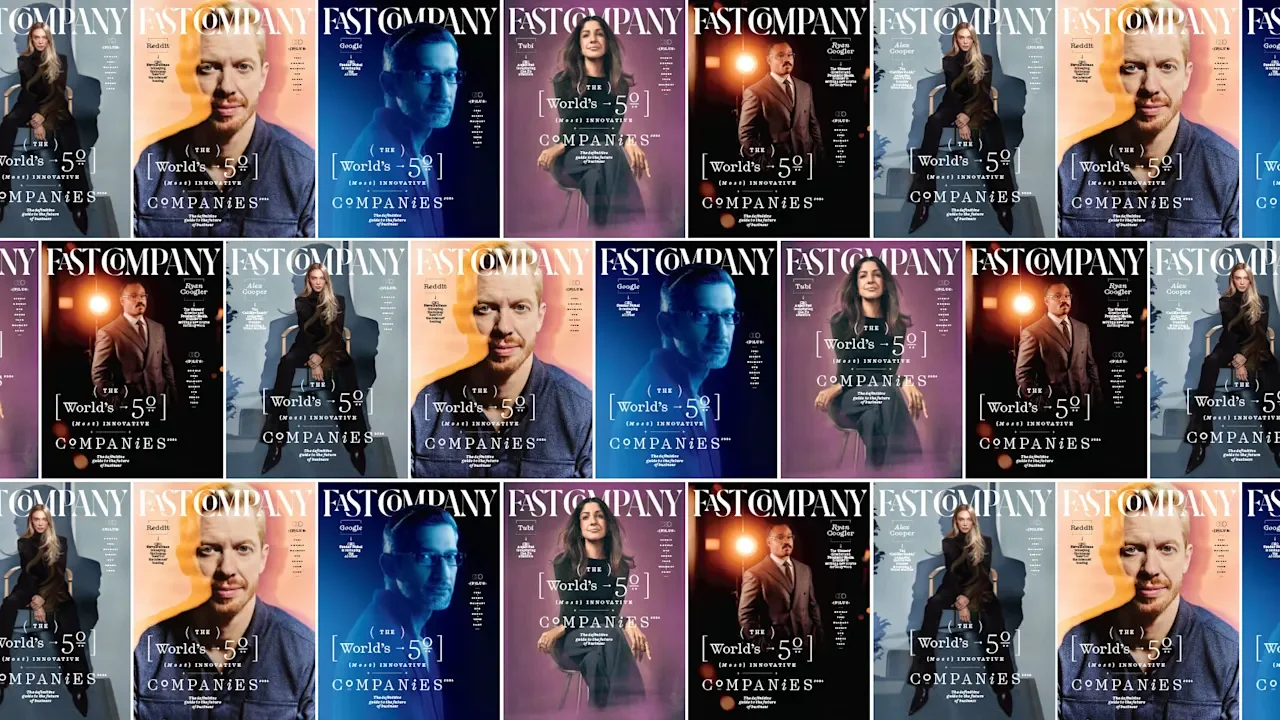
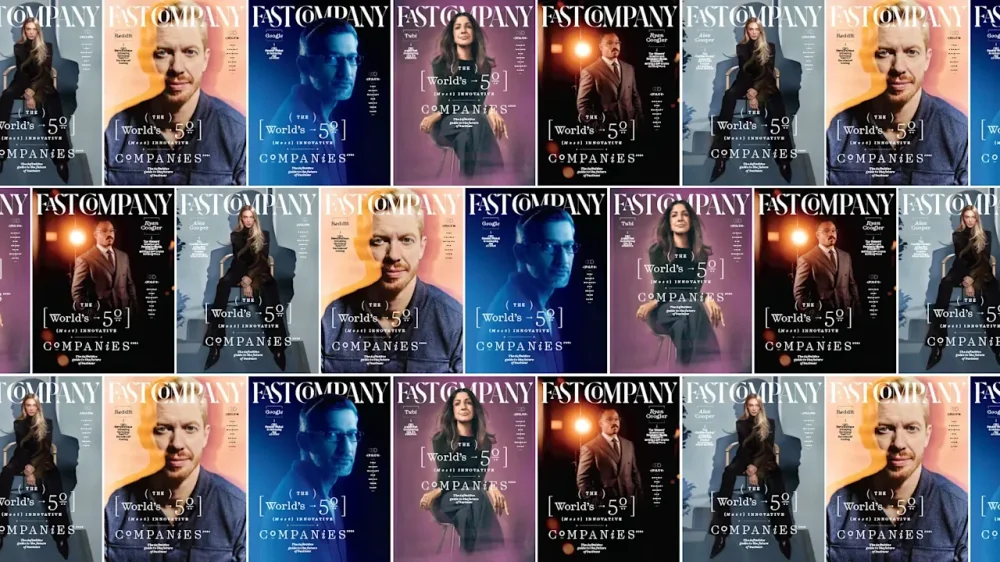
We at Fast Company spend all year, every year, researching and assessing companies. When it comes time to identify the Most Innovative Companies in the World, there are four key factors we consider: •Innovation. Did the company create something truly original? •Impact. Did this innovation have a measurable impact on the company and its industry? •Timeliness. Did the innovation happen in the past 12 months? Or, if it’s older, did it bear fruit during this time frame? •Relevance. Does the innovation we’re highlighting connect to larger issues facing industry or society? No company clears the bar unless it meets those criteria. From there, there are patterns that emerge, and discovering them is always my favorite part of the process. Sometimes they’re obvious, like when ESG or crypto or the metaverse were on the rise, and companies began experimenting with them. Other times, the threads are subtle. They cross industries in interesting ways and tend to emerge later in the process, after we’ve read the applications, done our research, whittled the field down to our category lists (59 this year), and selected the 50 companies we showcase in this issue. Here are a few themes I noticed in the 2026 edition, expertly overseen by executive editor Amy Farley: •Infrastructure. See: Google, Nvidia, AMD, Anthropic, Databricks, Cloudflare, World Labs, Cyera, Chainguard, Horizon3.ai. These are distinct companies with unique products, but they’ve all laid tracks that others can build upon. •Frontier health and biotech. See: Gilead Sciences, Abridge, eGenesis, Cadence OTC, Cresilon. These companies are creating faster and deeper access to lifesaving treatments and information. •Culture, taste, and storytelling. See: Proximity Media, Reddit, Unwell, Nintendo, Rimas Entertainment, Day Job, TBPN, Untitled, The Onion, Diplo’s Run Club. In a world increasingly flooded with AI slop, these companies testify to the power of human ingenuity when it comes to bringing people together and inspiring them. There’s one more pattern I noticed, and I want to end on it because it contains a cautionary element. There’s a difference between the kind of innovation we celebrate at Fast Company—wholly new products and services that create value for businesses, consumers, and the world—and what economists call “exploitative innovation,” which means squeezing every last drop of value out of existing products in ways that benefit the bottom line but often have negative consequences, especially for consumers and workers. AI magnifies the threat of exploitative innovation in exponential ways. I can say with confidence that every company on this list demonstrates real innovation. But the truth is, many engage in the exploitative kind too, especially the public companies under intense market pressure to show growth at all costs. Any company that aspires to make Fast Company’s Most Innovative Companies list in the future should keep a close eye on this delicate balance. View the full article
-
Boosting team spirit during work meetings can be achieved through engaging activities that promote collaboration and connection among colleagues. Games like “Two Truths and One Lie” and “Charades” not only encourage participation but additionally improve communication skills. Other activities, such as “Mood Pictures” and “Back-to-Back Drawing,” promote empathy and clarity. Comprehending how these games work can transform your meetings, making them more enjoyable and productive. Explore how each game can benefit your team dynamics further. Key Takeaways Two Truths and One Lie: Engage participants with fun facts while enhancing listening skills and team bonding in both in-person and virtual meetings. Charades: Foster teamwork and creativity through non-verbal communication by acting out words or phrases, tailored to office-related themes. Mood Pictures: Allow team members to share photos reflecting their mood, promoting emotional expression and deeper connections among participants. Back-to-Back Drawing: Improve communication skills as one person describes an image for another to draw, fostering teamwork and trust. Birthday Line Up: Encourage non-verbal communication and collaboration by having participants line up according to their birthdays without speaking. Two Truths and One Lie “Two Truths and One Lie” is a popular icebreaker game that typically involves three statements shared by each participant: two of these statements are true, whereas one is a fabricated claim. This engaging activity serves as an effective ice breaker for meetings, helping you and your colleagues bond as it reveals fun and unexpected facts about each other. Players take turns sharing their statements, and the rest of the group guesses which one is the lie, promoting active listening and engagement. It’s a versatile choice for various group sizes and time constraints, making it suitable for ice breakers for remote meetings and icebreakers for large groups. As a corporate ice breaker game, it not only improves communication skills but also breaks down barriers within teams. Consequently, “Two Truths and One Lie” stands out among get to know you games for work, making team spirit soar in fun games for work meetings. Charades Charades is a well-known game that promotes teamwork and creativity by challenging players to act out words or phrases without using any spoken language, as their teammates attempt to guess what they’re conveying. This classic game serves as one of the best ice breakers for employee meetings, improving engagement and nurturing camaraderie among employees. You can easily tailor charades to include office-related themes, making it relevant and fun for your team. Whether during in-person gatherings or virtual meeting games, charades encourages participation and boosts team spirit through non-verbal communication skills. It accommodates various group sizes, allowing everyone to join in the fun. As a meeting icebreaker, charades energizes the atmosphere, leading to a more positive and collaborative environment. Incorporating this game into your agenda can greatly improve team dynamics, making meetings not just productive but likewise enjoyable. Mood Pictures After engaging in a lively round of charades, another effective way to cultivate team spirit is through the activity known as Mood Pictures. This engaging game encourages team members to share a photo that reflects their current mood, promoting emotional expression and connection. As participants explain their chosen pictures, open communication flourishes, facilitating deeper comprehension and empathy. Here are some benefits of incorporating Mood Pictures into your meetings: Boosts team spirit Serves as a quick ice breaker for meetings Supports emotional expression among team members Adapts easily for virtual meetings Lightens the atmosphere, making meetings more enjoyable Mood Pictures are one of those fun staff meeting games that can energize your discussions and set a positive tone. Whether in-person or virtual, these activities encourage participation and improve communication, making them ideal for team-building in any setting. Back-to-Back Drawing Back-to-Back Drawing is an engaging team-building activity that promotes communication and collaboration among participants. In this game, two team members sit back-to-back; one describes an image while the other draws it based solely on verbal instructions. This setup improves communication skills, as it requires clear and precise language to convey visual information effectively. Participants must work together, cultivating teamwork and trust, since they can’t see each other’s actions. To make it more relevant, you can customize the images to include office-related objects or company logos. Typically lasting around 15-20 minutes, Back-to-Back Drawing serves as a quick yet impactful icebreaker or energizer during work meetings. Birthday Line Up When you want to improve team dynamics without the need for verbal communication, the Birthday Line Up game offers a unique and engaging solution. This activity requires participants to line up according to their birthdays without speaking, enhancing non-verbal communication skills. In just 10-15 minutes, you can nurture teamwork and collaboration as employees strategize together. Key benefits of the Birthday Line Up include: Encouraging ice breakers for communication Highlighting diversity within the team Strengthening connections and camaraderie in the workplace Providing a quick and engaging activity for work meetings Boosting morale and creating a sense of belonging This simple yet effective game serves as one of the fun games to play at work meetings, ensuring everyone feels included during the process of improving team dynamics. Frequently Asked Questions What Are Some Games That Encourage Teamwork? To encourage teamwork, consider games like “Human Knot,” where participants must untangle themselves without breaking handholds, promoting cooperation and communication. “Two Truths and a Lie” helps team members learn about each other, improving engagement and relationships. An “Office Scavenger Hunt” requires collaboration to find specific items, nurturing creativity. Games like “Pictionary” or “Charades” improve non-verbal communication skills, whereas “Office Trivia” boosts morale through friendly competition, increasing overall team engagement. What Are Team Bonding Activities in Office Fun? Team bonding activities in the office can include various engaging options that promote collaboration and trust among employees. You might participate in icebreakers, problem-solving challenges, or creative brainstorming sessions. These activities not merely improve interpersonal relationships but additionally uncover individual strengths and weaknesses. Which Game Needs Team Spirit? The “Human Knot” game requires strong team spirit as it involves participants physically entangling themselves and then working together to untangle without breaking the chain of hands. This activity emphasizes collaboration and communication, crucial components of successful teamwork. When you engage in this game, you’re not just having fun; you’re additionally enhancing your problem-solving skills and nurturing a deeper connection with your colleagues, which ultimately contributes to a more cohesive team environment. What Can You Do to Promote Team Spirit? To promote team spirit, you can encourage open communication by organizing regular team-building activities. Create opportunities for team members to share personal stories, which nurtures deeper connections. Implement problem-solving challenges that require collaboration, enhancing teamwork. Consider integrating brief energizing sessions to refresh focus and maintain engagement during meetings. Furthermore, recognize individual contributions regularly, as this appreciation helps build morale and encourages a supportive work environment, eventually strengthening overall team dynamics. Conclusion Incorporating games like “Two Truths and One Lie,” “Charades,” “Mood Pictures,” “Back-to-Back Drawing,” and “Birthday Line Up” into work meetings can greatly improve team spirit. These activities not just promote engagement but additionally nurture communication and collaboration among team members. By encouraging creativity, empathy, and active listening, you create a more connected and productive work environment. Utilizing these games regularly can lead to improved relationships and a stronger sense of community within your team. Image via Google Gemini and ArtSmart This article, "5 Fun Games to Boost Team Spirit in Work Meetings" was first published on Small Business Trends View the full article
-
Boosting team spirit during work meetings can be achieved through engaging activities that promote collaboration and connection among colleagues. Games like “Two Truths and One Lie” and “Charades” not only encourage participation but additionally improve communication skills. Other activities, such as “Mood Pictures” and “Back-to-Back Drawing,” promote empathy and clarity. Comprehending how these games work can transform your meetings, making them more enjoyable and productive. Explore how each game can benefit your team dynamics further. Key Takeaways Two Truths and One Lie: Engage participants with fun facts while enhancing listening skills and team bonding in both in-person and virtual meetings. Charades: Foster teamwork and creativity through non-verbal communication by acting out words or phrases, tailored to office-related themes. Mood Pictures: Allow team members to share photos reflecting their mood, promoting emotional expression and deeper connections among participants. Back-to-Back Drawing: Improve communication skills as one person describes an image for another to draw, fostering teamwork and trust. Birthday Line Up: Encourage non-verbal communication and collaboration by having participants line up according to their birthdays without speaking. Two Truths and One Lie “Two Truths and One Lie” is a popular icebreaker game that typically involves three statements shared by each participant: two of these statements are true, whereas one is a fabricated claim. This engaging activity serves as an effective ice breaker for meetings, helping you and your colleagues bond as it reveals fun and unexpected facts about each other. Players take turns sharing their statements, and the rest of the group guesses which one is the lie, promoting active listening and engagement. It’s a versatile choice for various group sizes and time constraints, making it suitable for ice breakers for remote meetings and icebreakers for large groups. As a corporate ice breaker game, it not only improves communication skills but also breaks down barriers within teams. Consequently, “Two Truths and One Lie” stands out among get to know you games for work, making team spirit soar in fun games for work meetings. Charades Charades is a well-known game that promotes teamwork and creativity by challenging players to act out words or phrases without using any spoken language, as their teammates attempt to guess what they’re conveying. This classic game serves as one of the best ice breakers for employee meetings, improving engagement and nurturing camaraderie among employees. You can easily tailor charades to include office-related themes, making it relevant and fun for your team. Whether during in-person gatherings or virtual meeting games, charades encourages participation and boosts team spirit through non-verbal communication skills. It accommodates various group sizes, allowing everyone to join in the fun. As a meeting icebreaker, charades energizes the atmosphere, leading to a more positive and collaborative environment. Incorporating this game into your agenda can greatly improve team dynamics, making meetings not just productive but likewise enjoyable. Mood Pictures After engaging in a lively round of charades, another effective way to cultivate team spirit is through the activity known as Mood Pictures. This engaging game encourages team members to share a photo that reflects their current mood, promoting emotional expression and connection. As participants explain their chosen pictures, open communication flourishes, facilitating deeper comprehension and empathy. Here are some benefits of incorporating Mood Pictures into your meetings: Boosts team spirit Serves as a quick ice breaker for meetings Supports emotional expression among team members Adapts easily for virtual meetings Lightens the atmosphere, making meetings more enjoyable Mood Pictures are one of those fun staff meeting games that can energize your discussions and set a positive tone. Whether in-person or virtual, these activities encourage participation and improve communication, making them ideal for team-building in any setting. Back-to-Back Drawing Back-to-Back Drawing is an engaging team-building activity that promotes communication and collaboration among participants. In this game, two team members sit back-to-back; one describes an image while the other draws it based solely on verbal instructions. This setup improves communication skills, as it requires clear and precise language to convey visual information effectively. Participants must work together, cultivating teamwork and trust, since they can’t see each other’s actions. To make it more relevant, you can customize the images to include office-related objects or company logos. Typically lasting around 15-20 minutes, Back-to-Back Drawing serves as a quick yet impactful icebreaker or energizer during work meetings. Birthday Line Up When you want to improve team dynamics without the need for verbal communication, the Birthday Line Up game offers a unique and engaging solution. This activity requires participants to line up according to their birthdays without speaking, enhancing non-verbal communication skills. In just 10-15 minutes, you can nurture teamwork and collaboration as employees strategize together. Key benefits of the Birthday Line Up include: Encouraging ice breakers for communication Highlighting diversity within the team Strengthening connections and camaraderie in the workplace Providing a quick and engaging activity for work meetings Boosting morale and creating a sense of belonging This simple yet effective game serves as one of the fun games to play at work meetings, ensuring everyone feels included during the process of improving team dynamics. Frequently Asked Questions What Are Some Games That Encourage Teamwork? To encourage teamwork, consider games like “Human Knot,” where participants must untangle themselves without breaking handholds, promoting cooperation and communication. “Two Truths and a Lie” helps team members learn about each other, improving engagement and relationships. An “Office Scavenger Hunt” requires collaboration to find specific items, nurturing creativity. Games like “Pictionary” or “Charades” improve non-verbal communication skills, whereas “Office Trivia” boosts morale through friendly competition, increasing overall team engagement. What Are Team Bonding Activities in Office Fun? Team bonding activities in the office can include various engaging options that promote collaboration and trust among employees. You might participate in icebreakers, problem-solving challenges, or creative brainstorming sessions. These activities not merely improve interpersonal relationships but additionally uncover individual strengths and weaknesses. Which Game Needs Team Spirit? The “Human Knot” game requires strong team spirit as it involves participants physically entangling themselves and then working together to untangle without breaking the chain of hands. This activity emphasizes collaboration and communication, crucial components of successful teamwork. When you engage in this game, you’re not just having fun; you’re additionally enhancing your problem-solving skills and nurturing a deeper connection with your colleagues, which ultimately contributes to a more cohesive team environment. What Can You Do to Promote Team Spirit? To promote team spirit, you can encourage open communication by organizing regular team-building activities. Create opportunities for team members to share personal stories, which nurtures deeper connections. Implement problem-solving challenges that require collaboration, enhancing teamwork. Consider integrating brief energizing sessions to refresh focus and maintain engagement during meetings. Furthermore, recognize individual contributions regularly, as this appreciation helps build morale and encourages a supportive work environment, eventually strengthening overall team dynamics. Conclusion Incorporating games like “Two Truths and One Lie,” “Charades,” “Mood Pictures,” “Back-to-Back Drawing,” and “Birthday Line Up” into work meetings can greatly improve team spirit. These activities not just promote engagement but additionally nurture communication and collaboration among team members. By encouraging creativity, empathy, and active listening, you create a more connected and productive work environment. Utilizing these games regularly can lead to improved relationships and a stronger sense of community within your team. Image via Google Gemini and ArtSmart This article, "5 Fun Games to Boost Team Spirit in Work Meetings" was first published on Small Business Trends View the full article
-
The K-shaped economy strikes again. A new report from the Fair Isaac Corp. (FICO), creator of the credit score most lenders use, shows that the average American’s FICO score is now down to 714 – a two point decline over the course of the last year. The current slide in U.S. credit scores began in 2023, when the government ended the temporary pandemic-era freeze on student loan collection. Missed mortgage payments have also ticked up some, contributing to the slide in credit scores. Prior to the latest report, the average American’s credit score had already dropped to 715 between 2024 and 2025, which at the time was the most dramatic decline in scores since the Great Recession took its toll on American borrowers in 2009. There is one bright spot in FICO’s latest report, but like all things in the U.S. economy right now, it’s a mixed bag. The share of Americans with credit scores of 750 and up now sits at 48% – up from just 43% in 2019. The bad news is that the middle has dropped out, as both the high score and low score segments of the credit spectrum are growing. Haunted by the K-shaped economy That story is familiar across the American economy right now. People on the lower income rungs are fighting to keep their heads above water, even as high earners enjoy growing wealth powered by stock market gains. That bifurcation of the American economic experience is known as the K-shaped economy, a term that reflects the wealth gap between the rich and poor – and the growing wealth gap between them. The most obvious engine powering that discrepancy is inflation: Everyone pays more for everything, but while the rich can absorb the cost, rising prices take a disproportionate bite out of a lower earner’s monthly budget. Higher earners can also lean on their investments, which may dip here and there but have continued on a booming upward trajectory since 2020. All of these trends are sure to have a lasting impact on the earning potential of Gen Z. The new FICO report shows that over a quarter of Gen Z consumers with a credit history opened at least one credit card over the last year, the highest rate of any age group, though borrowers between the ages of 30 and 59 weren’t far behind. Members of Gen Z also saw the biggest credit score decrease on FICO’s last big report, dropping three points in 2025 – the largest drop for any age group since 2020. That decline was spurred by resumed student loan delinquency reporting: While only 17% of the broader U.S. population is still paying down a student loan, more than twice as many members of Gen Z carry student loans. “While the average FICO Score remains near historical highs at 714, lower scoring consumers have shown they are more likely to be impacted by higher interest rates, higher prices caused by inflation, and affordability challenges,” the FICO report states, noting the rise in borrowers with high credit scores. “While uncertainty persists for some segments, the economy could benefit others.” View the full article

- Today
-
Reddit is doubling down on commerce, rolling out a suite of new shopping features designed to help retailers capitalise on the platform’s growing role in the purchase journey. Why now. Reddit’s shopping momentum is hard to ignore — the platform has seen a 40% year-over-year increase in shopping conversations, and, according to Reddit, 84% of shoppers say they feel more confident in purchases after researching products on Reddit. Despite this, Fospha’s State of Retail Commerce 2026 study identifies Reddit as the most undervalued channel in the media mix. What’s new. Collection Ads — a new Dynamic Product Ad format that pairs a lifestyle hero image with shoppable product tiles in a single carousel, bridging discovery and purchase. Early adopters following best practices are seeing an 8% ROAS lift. Community and Deal overlays — Reddit-native labels like “Redditors’ Top Pick” and automatic discount callouts that surface social proof and pricing signals without extra work from advertisers. Shopify integration — now in alpha, the integration simplifies catalog and pixel setup for new DPA advertisers, automatically matching products to the right users and context. The numbers. Reddit DPA delivered an average 91% higher ROAS year-over-year in Q4 2025. Liquid I.V. reported that DPA already accounts for 33% of its total platform revenue and outperforms its other conversion campaigns by 40%. Why we care. The new tools, particularly the Shopify integration, significantly lower the barrier to getting started with Dynamic Product Ads on the platform. And with Reddit still identified as an undervalued channel in the media mix, there’s a real opportunity to get in before competition and costs rise. The bottom line. Reddit is becoming more and more a serious performance channel for ecommerce, and these new tools make it significantly easier to get started. For retailers not yet running DPA on Reddit, the combination of undervalued inventory and improving ad formats makes this a good time to test. View the full article
-
Project management is vast. Few professions involve so many tools, terms and different skills. There’s a lot to understand — like planning, scheduling, budgeting and leadership for starters — and it can often feel overwhelming. Project management is also a discipline that’s important across industries, and, therefore, there have been many influential figures throughout history who have coined famous project management quotes. Project Management Quotes We’ve collected the 35 best project management quotes to inspire project management teams. They cover the wide gamut of duties and responsibilities that fall under a project manager’s purview. Read them, share them and keep them close at hand for when you need them. Related: The Ultimate Guide to Project Management 1. “A goal without a timeline is just a dream.” – Robert Herjavec Robert Herjavec is a Croatian-Canadian businessman, investor and TV personality. He sold his internet security software company to AT&T Canada in 2000 for $30.2 million. It’s clear that he had a goal, but without a schedule by which to meet that goal it was just an empty word, which led him to come up with this famous project management quote. Creating a project timeline means having a start date and, more importantly, a deadline, which is a great motivator. For Herjavec, a multi-million dollar one. /wp-content/uploads/2018/05/Robert-Herjavec-PM-quote.png 2. “Project management is like juggling time, cost and quality.” – Gregory D. Githens This is one of the most well-known project management quotes about balancing constraints. Successful delivery depends on managing time, budget and scope effectively. It’s a foundational project quote for prioritization and decision-making. 3. “Every project is an opportunity to learn, to figure out problems and challenges, to invent and reinvent.” – David Rockwell American architect and designer has a 250-person cross-disciplinary architecture and design practice based in New York City. It’s a safe bet that hundreds of projects have gone through its doors. Delivering successful projects means not looking at the work as a chore. There is a reason one chooses project management and that’s because they love to learn, resolve issues and relish in the creative process that takes a project plan through execution to completion. /wp-content/uploads/2018/05/David-Rockwell-PM-quote.png 4. “Done is better than perfect” – Sheryl Sandberg Sheryl Sandberg rose to fame as chief operating officer of Meta Platforms (including Facebook and Instagram) and as the author of the inspirational tome for businesswomen “Lean In.” As any project manager knows, perfection is a killer. It will lead to extra project costs and delays in scheduling. Nothing is perfect and striving for perfection is a lost leader. But projects must be completed, and if requirements are met then consider it done. /wp-content/uploads/2018/05/Sheryl-Sandberg-PM-quote.png 5. “A goal without a plan is just a wish.” — Antoine de Saint-Exupéry A timeless project quote that highlights the importance of structured planning. Without a clear roadmap, goals remain ideas instead of actionable outcomes. It’s one of the most essential successful project quotes. 6. “The P in PM is as much about ‘people management’ as it is about ‘project management.’” – Cornelius Fichtner Author, course creator and podcaster Cornelius Fichtner is also a project manager by way of software developer. He knows a few things about leading successful projects. One of those things is that the team is one’s most valuable resource. Not only are they skilled and experienced, but they’re also personalities that have to be managed properly to get the most out of them. These soft skills are just as critical to delivering a successful project as the hard ones. /wp-content/uploads/2018/05/Cornelius-Fichtner-PM-quote.png 7. “Operations keep the lights on, strategy provides a light at the end of the tunnel, but project management is the train engine that moves the organization forward.” –Joy Gumz Joy Gumz is the director of Project Auditors, a project management, training and quality assurance auditing firm. He makes it clear how operations, strategy and project management work together. While each is important in its own way, the work that achieves the goals of the other two is project management. It’s the workhorse, or engine as Gumz puts it, which carries the idea to actuality. /wp-content/uploads/2018/05/Joy-Gumz-PM-quote.png 8. “Plans are nothing; planning is everything.” — Dwight D. Eisenhower This powerful project management quote emphasizes adaptability and preparation. The planning process helps teams anticipate risks and stay flexible. It’s a key project manager quote for strategic thinking. 9. “Good fortune happens when opportunity meets planning.” — Thomas Edison A strong project quote that connects preparation with success. Teams that plan effectively are better positioned to take advantage of opportunities. It’s a great addition to successful project quotes. 10. “Management is, above all, a practice where art, science, and craft meet.” –Henry Mintzberg A business and management academic and author, Henry Mintzberg, has studied management and has found that there is not one magic bullet that shoots through all the skills needed to run a successful project. It’s a practice made up of many disciplines. You can be an expert at the textbook definition of a dozen methodologies, or an intuitive leader who manages from the gut, but if you lean too heavily on one or the other, you’re never going to fully realize your potential. Management is not a science, nor is it an art or craft, and yet it features aspects of all three. Think of management as a Venn diagram, and management is where the circles for art, science and craft meet. You need to be methodical, always scheduling and budgeting according to a planned structure. But that plan isn’t going to take place in some abstract realm. There are outside influences that will impact it, not to mention the project is executed by people, and people are notoriously difficult to place in a box. There’s a bit of artistry involved in maneuvering through a project, that is to say: be flexible and use everything at your disposal. /wp-content/uploads/2024/08/Henry-Mintzberg-PM-quote.png 11. “The key to successful leadership today is influence not authority.” – Kenneth Blanchard Leadership and management author, Kenneth Blanchard understands that leadership isn’t a one-way street. The successful project leader doesn’t bark orders and then sit back and expect them to be followed blindly. That’s not leadership; it’s totalitarianism. Even if such top-down authority is adhered to, it will crush any creative thinking and innovation. Real leaders are not separate from their teams. They might be tasked with making plans and responding to issues as they arise, but they’re not motivated out of fear or strength. They build a relationship of mutual trust. This creates buy-in for the project, and it also influences the team to work harder towards their common goal. It’s that influence that is mightier than authority because influence addresses the entire person. The project becomes their project, and its success is their success. /wp-content/uploads/2024/08/Kenneth-Blanchard-PM-quote.png Related: How to Manage with Servant Leadership 12. “If you fail to plan, you are planning to fail.” — Benjamin Franklin One of the most recognized project management quotes, reinforcing the importance of planning. Clear direction helps teams avoid risks and stay aligned. It’s a must-have project quote for success. 13. “Time is the scarcest resource…” — Peter Drucker This insightful project manager quote highlights the importance of time management. Projects depend on making the most of limited resources. It’s a critical project quote for prioritization and efficiency. 14. “Those who plan do better than those who do not plan, even though they rarely stick to their plan.” – Winston Churchill Winston Churchill lead Britain during WWII. The stakes were high. He didn’t have an option to fail and start again. In that case, project failure would be catastrophic. You can believe that he didn’t take that responsibility lightly and just go forth haphazardly, figuring out how to act on a whim. He planned. There was a goal and, therefore, there had to be a strategic action plan to achieve it. The stakes won’t be as high for your project, but the ideas behind what Churchill wisely said are unchanged. He understood, like any smart project manager, that a plan was necessary to structure a course of action within the restrictions of space, time and funding. But he also knew that being rigidly stuck to that plan would lead to disaster. A plan, after all, is only one potential pathway to success. There will always be external and internal factors that influence that plan. Issues will arise, and you can only plan against so much risk. Therefore, the plan is as critical as the need to adjust it. /wp-content/uploads/2024/08/Winston-Churchill-PM-quote.png Related: 25 of the Best Planning Quotes 15. “Risk comes from not knowing what you’re doing.” — Warren Buffett A sharp project quote that emphasizes clarity and preparation. Understanding risks allows teams to make better decisions and avoid costly mistakes. It’s one of the more practical project management quotes. 16. “The most important thing in communication is hearing what isn’t said.” – Peter Drucker Are you hearing what management consultant Peter Drucker is saying about communications? It’s important. There’s probably no single more important skill than being a good communicator. It impacts every phase of the project and is the vehicle by which you deliver information to both your team and stakeholders. Communication is about listening as much as it is about speaking. You can talk until you’re blue in the face, but what somebody hears can often be far afield from what you’ve said. That’s why it’s critical to dialogue. Have the person repeat back what you’ve said, and give them the same courtesy, to make sure the takeaway is accurate. Also, remember that good communication hinges on listening. It’s not just comprehending what is being said but hearing feedback and acknowledging the opinions and perspectives of all involved. /wp-content/uploads/2024/08/Peter-Drucker-PM-quote.png 17. “The way to get started is to quit talking…” — Walt Disney This motivational project management quote encourages action over delay. Progress comes from execution, not endless discussion. It’s a strong project quote for maintaining momentum. 18. “Efficiency is doing things right…” — Peter Drucker One of the best project manager quotes for prioritization and focus. Teams must balance efficiency with effectiveness to deliver results. It’s a valuable project quote for decision-making. 19. “Failure is simply the opportunity to begin again, this time more intelligently.” – Henry Ford It’s easy to forget that Henry Ford was a great innovator. He developed the factory line for assembling cars and made it possible for these machines to become affordable for most people. But he didn’t get there overnight. There were failures, tons of them, but on top of those failures sits success. That’s because failure is a part of the creative process. You can learn from your mistakes, of course, but a failure might lead you in a direction you never imagined, opening greater opportunities than you envisioned. To think that your project is going to run without a hitch is wrongheaded. Worse, your project can fail. But failure is not the end. Projects are a process. Processes never end, luckily, they just keep going. Yes, you’ll have a deliverable at the end of one project. That project might fail to deliver your goal. Yes, it’s a failure, but only if you give up. The failures you encounter will instruct future projects. They are more than learning experiences; they are fundamental to the process of creation and innovation. /wp-content/uploads/2024/08/Henry-Ford-PM-quote.png 20. “As you navigate through the rest of your life, be open to collaboration. Other people and other people’s ideas are often better than your own.” – Amy Poehler Amy Poehler might be better known as a comedian and actress, but what she has to say about teamwork applies to project management. She knows what she’s talking about, too. Acting is a collaborative art. When we believe an actor or laugh at a comedian, it’s not just a good script and fine direction that elicits a response. It’s that the people who bring the words to life are doing so as a team. There are no stars. There is only the whole experience made successful through ego-less teamwork. Related: Collaboration Software for Ambitious Teams If that sounds like a Hollywood self-help book, well, it is just as true in business. Being open to collaboration means that the lens is widening to see potential possibilities that one view is too narrow to discern. When faced with a problem, and there are always issues in a project, you want to have a wide lens. Remember, the project is not executed for your glory, but for the successful delivery of a project or service. Everyone needs to work together towards that goal. /wp-content/uploads/2024/08/Amy-Poehler-PM-quote.png 21. “Project management is the art of creating the illusion…” — Unknown A humorous but insightful project quote about the complexity behind smooth execution. Successful delivery often requires careful coordination behind the scenes. It’s a relatable project management quote for teams. 22. “Good business leaders create a vision, articulate the vision, passionately own the vision, and relentlessly drive it to completion.” – Jack Welch As the former CEO of General Electric, Jack Welch knows a thing or two about creating a vision. It might seem as if it’s a bit esoteric, but having a goal motivates people to strive ahead and seek excellence. It gives them a target, however lofty, to aspire to. A vision is that X-factor: it’s intangible but essential for driving project success. Related: The 25 Most Inspiring Leadership Quotes No matter how big or small the project or organization, without a vision it’s stumbling about blindly. That is not the way to get anywhere. However, if you can provide a vision to focus people’s attention towards a common goal, they’ll work harder and more cooperatively towards achieving it. /wp-content/uploads/2024/08/Jack-Welch-PM-quote.png 23. “Mix a little foolishness with serious plans.” — Horace A unique project management quote that highlights creativity and balance. Teams perform better when they stay engaged and open to new ideas. It’s a refreshing project quote. 24. “You may delay, but time will not.” – Benjamin Franklin Founding Father Benjamin Franklin knows about deadlines. He was instrumental in creating the Declaration of Independence, which was a team effort under the strictest of timelines. The British, after all, were coming. He understood that time, though a man-made construct, was nevertheless not going to wait for our fledgling country to become sovereign on its own schedule. The same is true when managing a project. Time is your most precious resource. You can act as if you have more of it than you do, or that it can be allocated anew when needed, but the clock is a harsh mistress and will not suffer your foolishness without punishment. Respect time, and don’t squander it. /wp-content/uploads/2024/08/Benjamin-Franklin-PM-quote.png 25. “Good leaders do not take on all the work themselves; neither do they take all the credit.” – Woody Williams Retired United States Marine Corps warrant officer Woody Williams received the Medal of Honor, the highest decoration for heroism our country can give to its servicemen. That’s what you call recognizing service above and beyond the call of duty. While it’s doubtful Williams was motivated by the possibility of being given a medal for his service, it’s more than likely he appreciated that he and his fellow soldiers were recognized for their great sacrifice. A project isn’t a war, though it can sometimes feel like one, and you’re not going to hand out medals to your team. However, that doesn’t mean that they’re undeserving of reward. Rewards and recognition are not merely motivating factors, but more powerfully the right thing to do. They show your team that they are a team, working together, not for the glory of the project manager but for the project. By acknowledging work done well, you’re validating their labors and building trust and a more loyal team going forward. /wp-content/uploads/2024/08/Woody-Williams-PM-quote.png 26. “Technology should serve you, not control you.” — Stephen Covey A modern project manager quote about using tools effectively. Technology should support workflows, not create unnecessary complexity. It’s a highly relevant project management quote today. 27. “Resource allocation is about prioritization.” — Unknown This practical project management quote highlights the importance of decision-making. Teams must allocate time, people and budget effectively. It’s a useful project quote for leaders. 28. “Good leaders don’t take all the credit.” — Woody Williams A meaningful project manager quote about leadership and recognition. Strong teams thrive when contributions are acknowledged and shared. It’s a valuable project quote for building team culture. 29. “Alignment is what turns plans into results.” — Unknown This strategic successful project quote highlights the importance of team coordination. Without alignment, even the best plans fall short. It’s a key project management quote for execution. 30. “Mix a little foolishness with your serious plans: it’s lovely to be silly at the right moment.” – Horace What can the Roman lyric poet, who died over 2,000 years ago, teach us about project management? Plenty. Horace might not be your go-to when you’re tackling a sticky issue, but his attitude can help you work through those problems without making yourself and those around you miserable. Work is serious business, but you don’t have to be dour doing it. This doesn’t mean fooling around and ignoring your responsibility. However, a little levity can defuse a tense situation. Laughter isn’t only the best medicine; humor also gives you perspective. It puts the problem in context. Even if you’re not dealing with an issue, having a light approach to managing is going to create a less tense environment, which is a more productive one. /wp-content/uploads/2024/08/Horace-PM-quote.png 31. “A successful project is built on clarity, collaboration and consistency.” — Unknown A well-rounded project management quote that summarizes the foundations of success. Teams need structure, teamwork and discipline to deliver results. It’s a strong closing project quote. 32. “Technology and tools are useful and powerful when they are your servant and not your master.” – Stephen Covey Famous educator, businessman and author of 7 Habits of Highly Effective People, Stephen Covey understands that tools must serve the project, not dictate it. ProjectManager is award-winning project management software designed precisely for that reason. It gives managers and teams flexible tools to manage projects how they want to. /wp-content/uploads/2024/08/Stephen-Covey-PM-quote.png 33. “Great projects start with clear communication.” — Unknown A practical project quote emphasizing alignment and clarity. Strong communication helps teams stay focused and avoid misunderstandings. It’s one of the most actionable project management quotes. 34. “Flexibility is key when plans change.” — Unknown A simple but powerful successful project quote about adaptability. Projects rarely go exactly as planned, so teams must adjust quickly. It’s a relevant project management quote for modern work environments. 35. “Simplicity is the ultimate sophistication.” — Leonardo da Vinci This timeless project management quote highlights the importance of clarity and simplicity in execution. Complex projects benefit from streamlined processes and clear communication, making this a valuable project quote for improving efficiency and outcomes. If you’re in need of a tool to help you achieve project management greatness, try ProjectManager. There are multiple project views, for one, so managers can plan on a Gantt chart and teams can manage their assigned tasks via kanban boards or task lists. Progress can be monitored on a high level with a real-time dashboard, or you can dive deep into the data with one-click reports, which can be filtered for stakeholders to see what they want. Plus our software is entirely online, so data is always up to date and available. Don’t bother with software that tells you what to do: ProjectManager asks, “What can I do for you?” /wp-content/uploads/2022/03/Gantt_Construction_Wide_Zoom-175-CTA.jpg Now that you’re motivated and pumped up after reading those project management quotes, you should get the right tools to help you do your job better than ever. ProjectManager is online software that gives you real-time data to accurately and timely respond to a project. Tools like Gantt charts, dashboards and task lists enable predictable project success. Try it today by taking this free 30-day trial. The post 35 Best Project Management Quotes appeared first on ProjectManager. View the full article
-
We may earn a commission from links on this page. In its 15th season, unlikely phenomenon Call the Midwife hasn't slowed down: Season 16 is already confirmed, as are a feature film and a WWII-era prequel series. Plenty of babies still need to be born, it would seem. Initially set in 1957, with the current plots entering the 1970s, the show takes place in and around Poplar, London, one of the city's most desperately poor districts. As the National Health Service is born, secular trained midwives team up with the nuns of Nonnatus House, a nursing convent that had been in the business of providing medical care to the area's poor for decades. Though occasionally veering into schmaltz, the show's melodrama is generally well-earned, often dealing frankly with issues of women's health that other shows are still too timid to broach. If you've already plowed through all the available episodes, here are 10 more series with similar themes. The Bletchley Circle (2012 – 2014) Starting, like Call the Midwife, in the, mid-1950s, this series follows the women (mostly) who worked at the Bletchley Park estate during World War II. The workforce was charged operating cryptographic machinery and translating documents—essential code-breaking work that was largely forgotten by history, buried under heavy classification. This show isn't exactly about those events, though, instead focusing on a group of four women who reunite several years later to use their skills to hunt a serial killer. It's a juicy way to connect with the real story of women who served the war effort with a juicy plot, and the verisimilitude is legit—the show draws contrasts between the women's lives during wartime and their more domestic expectations once it was all over. Stream The Bletchley Circle on Peacock and Prime Video. The Bletchley Circle (2012 – 2014) at Peacock Learn More Learn More at Peacock All Creatures Great and Small (2020 – ) An update of a venerable British franchise based on a series of autobiographical novels from writer James Herriot, All Creatures takes us back to the rural Yorkshire Dales of the 1930s and '40s (as the series progresses into World War II and beyond), with a Scottish vet (Nicholas Ralph) moving to the small farming town of Darrowby to take up a job as a veterinary assistant. Animals are in jeopardy on a weekly basis, but the big-hearted show only rarely goes for the gut punch—favoring instead lots of baby cows and cameos from local pampered Pekinese Tricki Woo. Anna Madeley's housekeeper Audrey Hall and Rachel Shenton's farmer Helen keep the often-struggling practice together. It's not quite the human drama of Call the Midwife, though it does deal with some real challenges of the era. Stream All Creatures Great and Small on Prime Video and PBS. All Creatures Great and Small (2020 – ) at Prime Video Learn More Learn More at Prime Video Land Girls (2009 – 2011) Stepping back a few years into World War II proper, the subject here is another less-well-remembered bit of history: The Women's Land Army, and the "Land Girls" who signed up to learn about farming and agriculture in order to replace male farmworkers who'd gone off to fight. Here, four very different women, with very different reasons for signing up, arrive at the farm on the Hoxley estate in order to serve their country, but also to figure out what they want out of life. Like the best shows of its kind, Land Girls also deals with issues contemporary to women of the era, as in the very first episode when the women are confronted by segregation among the American soldiers with whom they come into contact. Stream Land Girls on PBS or buy it from Prime Video. Land Girls (2009 – 2011) at Prime Video Learn More Learn More at Prime Video Grantchester (2014 – ) In 1950s and '60s Cambridgeshire, Robson Green plays overworked, cynical WWII-veteran police detective Geordie Keating, while James Norton, Tom Brittney, and Rishi Nair (in succession) play well-meaning but occasionally straying local priests who help solve the inevitable string of murders. While generally adhering to the cozy mystery-of-the-week format, the show occasionally dives into heavy relationship drama as well as some real-world drama, often involving Al Weaver's curate Leonard Finch, who struggles with the clerical and legal ramifications of being gay. Stream Grantchester on Netflix and PBS. Grantchester (2014 – ) Learn More Learn More Virgin River (2019 – ) It's not late 20th century London, but rather contemporary Northern California, but we still get some of Call the Midwife's life-affirming charm alongside modern midwifery. Virgin River stars Alexandra Breckenridge as Mel, a nurse practitioner and midwife who finds unexpected complications when she moves to the title Northern California town on a one-year contract. That was seven romantic seasons ago, s you have years' worth of high-end comfort viewing to enjoy. Stream Virgin River on Netflix. Virgin River (2019 – ) at Netflix Learn More Learn More at Netflix Cable Girls (2017 – 2020) Whatever the genre, there's a recurring theme across many of these shows, and it as to do with women leaving familiar settings and taking on roles and responsibilities in field that are either altogether new, or new to women. Set in 1928, this Spanish import finds four women from different backgrounds seeking employment at a telecommunications company in Madrid. Ángeles is an experienced switchboard operator with kids to feed, Carlota is a society gal looking to get out from under her controlling family, Marga's looking for an adventure, and Lidia has been forced into a criminal enterprise. The show blends empowering history with enough telenovela-style twists to propel it through five seasons. Stream Cable Girls on Netflix. Cable Girls (2017 – 2020) at Netflix Learn More Learn More at Netflix The Marvelous Mrs. Maisel (2017 – 2023) One of Prime’s first and buzziest original series, this comedy-drama from Amy Sherman-Palladino (Gilmore Girls) follows Midge Maisel (Rachel Brosnahan), a New York housewife of the late 1950s who discovers a talent for stand-up comedy. Inspired by the real-life careers of comedians like Totie Fields and Joan Rivers, the show is both warm and funny, with great performances and dialogue; it also achieves something rare in being a show about comedy that’s actually funny. A New York housewife striking out to become a stand up might not pair up exactly with London midwifery, but Maisel and Midwife share the exhilarating feeling of women broadening their own horizons in the middle of the last century. Stream The Marvelous Mrs. Maisel on Prime Video. The Marvelous Mrs. Maisel at Prime Video Learn More Learn More at Prime Video The Crimson Field (2014) Perhaps inspired by Call the Midwife itself, The Crimson Field goes back a bit further into the 20th century: specifically, a fictional World War I field hospital on the French coast. Oona Chaplin star as Kitty Trevelyan, a somewhat surly (sassy, even) new nurse, joined by several other mostly-upper-class women who are entirely new to both the realities of war, and to being told what to do. It's a particularly glossy period drama, for better and for worse (a WWI medical drama could have done with a bit more grit), but it's a very watchable window into history, with some fabulous performances. Stream The Crimson Field on Prime Video and Tubi. The Crimson Field (2014) at Prime Video Learn More Learn More at Prime Video The Hour (2011 – 2012) With a rather brilliant cast and impeccable period style, The Hour charts the rise of a (fictional) BBC current affairs program, led by women and premiering in the middle of the 1956 Suez Crisis—a challenge in itself, as the government isn't particularly keen to have its missteps reported on (luckily, such censorship could never happen today). Producer Bel Rowley (Romola Garai) chooses war correspondent Lix Storm (the great Anna Chancellor) as foreign correspondent alongside less-accomplished anchor, Hector Madden (Dominic West), while scrappy reporter Freddie Lyon (Ben Whislaw) is desperate to get onboard. There are spies, murder, and plenty of then-current affairs spread across the show's two seasons. Stream The Hour on Tubi. The Hour (2011 – 2012) at Tubi Learn More Learn More at Tubi London Hospital (2006 – 2009) Particularly in its early seasons, Call the Midwife highlighted the challenges of practicing medicine in the poorest areas of London in a time before medical standards were what they are today. London Hospital could almost serve as prequel, set among the nurses and in the Receiving Room of the real-life Royal London Hospital during the early years of the 20th century. Each episode is based, however loosely, on real-life cases taken from nurses' logs and diaries, and the episodes present each incident with the pacing of a modern medical drama, eschewing period-show gloss. Broken up into three groups of episodes set in 1906, 1907, and 1909, we're faced with the challenges of early anesthesia, a world before antibiotics, and innovations in X-ray technology without a full understanding of the dangers of radiation. Rent London Hospital from Apple TV+. London Hospital (2006 – 2009) at Apple TV+ Learn More Learn More at Apple TV+ View the full article
-
A reader writes: I am conducting interviews next week, and normally my workplace sends interview questions to interviewees 30 minutes prior to the interview. This is in an attempt to provide a more accessible and equitable experience for our interviewees who may need additional time or feel more comfortable when they know the questions ahead of time. This also aligns with how the employee would normally work — having ample time to review and respond to questions. All our interviews are remote. I am working with a new panel member who suggested we stop this practice because they were finding candidates were using the extra time to have AI generate answers to the questions and then answering using the AI-generated answers and they weren’t getting an accurate representation of the candidate. Ugh. I haven’t been on an interview panel in about two years, so I haven’t had much recent experience and because of that haven’t experienced it firsthand. But I have really appreciated the general movement toward giving out questions ahead of time and would really hate to give this up. Candidates seem much more comfortable when they are more familiar with what they are being asked and are able to focus on giving a good answer. But I also want to ensure that we are only getting answers that really come from the candidate. Should we stop giving out the questions early? Is there something else we can do? Can you compromise and rather than sending all your interview questions early, can you just send the ones that most benefit from some time to think them over? Generally, the questions that candidates will benefit the most from getting in advance are “tell me about a time when…” questions (like “tell me about a time when you had to deal with a difficult client” or “tell me about a project you managed start to finish that you are proud of” or so forth) because that way the candidate has time to think of examples from their past that fit the prompt. Those are also harder for someone to BS their way through using AI because the answers need to be specific to their own experiences. Plus, as an interviewer, you should be asking a lot of follow-up questions about those anyway. Rather than asking the question and moving on, you should be probing for more details, like “what were the biggest challenges,” “how did you approach that,” “what types of systems did you use to stay on track,” “why did you decide to do it that way,” “how did you handle X,” and on and on. Those follow-ups should be an essential component of how you interview, and that was always the case, long before AI, because you’ll learn a ton about how people operate when you probe like that rather than just getting an initial answer and moving on. It’s far harder for people to use AI to bullshit their way through those sorts of follow-ups. It doesn’t mean they won’t try — some people still will — but it’s going to be noticeable, and you should feel free to reject those people! In fact, you should feel free to call it out in the moment if you want to. But while you continue sending those ahead of time, you could hold back the others. Or for the others, you could consider sending over a list of the broad topics you plan to cover, without offering up the specific questions you’ll be asking. The other thing, though, is to remember that everything you learn about a candidate during the interview process is useful data — so if you learn that someone is willing to present canned AI answers as their own thoughts, that’s the interview process delivering useful info that you can use to assess them. So your goal doesn’t need to be to stamp it out entirely, just to take reasonable steps to minimize it — and then if you still see it happening, figure it’s valuable info about the person. The post should we stop sending interview questions in advance since candidates are running them through AI? appeared first on Ask a Manager. View the full article
-
Crafting an effective business description is vital for clearly communicating your company’s identity and mission. It should highlight what makes your business unique, who your target audience is, and what value you offer. A well-written description not just informs potential customers but likewise sets the stage for your brand’s narrative. Comprehending the key elements of a strong business description can greatly impact how you engage your audience and differentiate your company in a competitive market. Discover the fundamental components that will enhance your business narrative. Key Takeaways Begin with a clear business name and overview of products or services to establish context and identity. Identify your target customers by detailing demographics and motivations to tailor your messaging effectively. Highlight your unique selling proposition (USP) to differentiate your business from competitors and attract interest. Use concise language and relevant keywords to improve search visibility while ensuring the description is engaging and relatable. Regularly update your business description to reflect changes in offerings, goals, or market conditions for continued relevance. Importance of a Business Description A well-crafted business description acts as a crucial tool for any company, providing a clear overview of its operations and offerings. It helps attract potential investors and customers by outlining what your business does and its unique value proposition. For instance, a business profile example can effectively differentiate your company from competitors, emphasizing your core offerings. A business description example highlights the unique selling points that resonate with your target audience. Furthermore, a business description sample can improve visibility in search engines, boosting search rankings through strategic keyword usage. Regularly updating your business description guarantees it reflects current offerings and market positioning, maintaining relevance and accuracy in communication with customers and stakeholders. Ultimately, this impacts funding opportunities and strategic partnerships. Key Components of a Business Description When crafting your business description, it’s essential to include several key components. Start by clearly stating your business name and outlining the core products or services you offer, at the same time identifying your target market. Don’t forget to highlight what makes your business unique and provide operational details to give customers a complete picture of your market presence. Essential Elements Overview Crafting a thorough business description involves several critical elements that provide a clear overview of the organization. First, you’ll need to include your business name and identify key management team members. Next, define your target customers by detailing their demographics and motivations. This helps contextualize your offerings. In addition, highlighting your competitive advantages will showcase what makes your business unique and appealing. It’s also significant to outline your business goals, both short and long-term, as this conveys your vision and mission. Finally, don’t forget to mention your business location and operational start date for vital logistical context. Business name and management team Target customer demographics Competitive advantages Business goals Location and start date Differentiation Strategies Explained Differentiation strategies are essential for defining how your business stands out in a crowded marketplace. To effectively communicate this, your business description should highlight your unique selling proposition (USP), showcasing what sets you apart from competitors. A detailed target market analysis helps pinpoint specific customer demographics and behaviors, allowing you to tailor your marketing efforts. Incorporating competitive advantages, like proprietary technology or exclusive partnerships, demonstrates why customers should choose you. Furthermore, mentioning your company’s mission and values connects with customers emotionally, nurturing loyalty. Finally, describing community involvement or corporate social responsibility initiatives can improve your differentiation, illustrating your commitment to social values and the positive impact you have on the local community. Steps to Write a Business Description To effectively write a business description, start by clearly stating your business name, location, and a brief overview of the products or services you offer. This foundational context sets the stage for potential customers. Identify your target market by defining customer demographics and behaviors. Highlight your unique selling proposition (USP) to differentiate your business from competitors. Use concise and engaging language, keeping it clear and straightforward. Limit your description to a few paragraphs to maintain reader interest. Regularly update the description to reflect any changes in services, location, or focus. Industry-Specific Business Description Examples When crafting a business description, it’s crucial to tailor your approach to your specific industry. For instance, tech startups might highlight innovative solutions, whereas retail businesses should focus on product uniqueness and customer experience. Tech Startup Examples In the competitive environment of technology startups, crafting a clear and concise business description is crucial for attracting both investors and clients. A strong description highlights your unique technology and its applications, directly addressing customer pain points. Consider these key elements when developing your business description: Core technology and its innovative aspects Specific applications that demonstrate value Unique selling propositions, such as scalability and cost-effectiveness Target market demographics, from small businesses to large enterprises Industry-specific jargon for SEO and visibility improvement Retail Sector Highlights Crafting an effective business description for a retail venture requires a clear comprehension of what sets your store apart from competitors. Start by defining your unique selling proposition (USP), whether it’s exclusive product lines or exceptional customer service. Highlight your store’s location and atmosphere, as these elements greatly affect customer experience. Be sure to outline the types of products you offer, like sustainable clothing or artisanal goods, to attract your target market. Incorporate customer demographics, such as age and shopping habits, to tailor your description effectively. Finally, boost online visibility by including relevant keywords related to your products and local area, which will improve search engine optimization (SEO) and help potential customers find your store more easily. Professional Services Overview Professional services play a crucial role in various industries, including legal, accounting, consulting, and marketing, by providing specialized expertise to clients. When crafting your business description, it’s important to focus on key elements that build trust and distinguish your firm: Highlight your team’s credentials and experience. Emphasize unique selling propositions, like personalized service. Clearly outline specific services, such as contract negotiation or tax planning. Tailor your messaging to your target market, whether small businesses or startups. Use straightforward language to convey the value you offer. Small Business Description Example A well-crafted small business description serves as a crucial tool for attracting customers and conveying fundamental information about your enterprise. Here’s an example: Element Description Business Name Fresh Bites Cafe Location 123 Main St, Hometown, USA Overview A cozy cafe offering organic, locally-sourced meals and artisan coffee. Target Market Health-conscious individuals and local families. Unique Selling Proposition (USP) Committed to sustainability and community support through partnerships with local farmers. This description provides important details that engage potential customers. By clearly stating your business name, location, and unique offerings, you create a memorable impression. Remember to update your description regularly to stay relevant in a changing market. Writing a Compelling Business Description When you write a compelling business description, you not only introduce your enterprise but likewise set the stage for potential customers to understand what makes you unique. To effectively capture your audience’s attention, focus on key elements, including: Business name and industry Core offerings and services Target market and audience Unique selling proposition (USP) Concise messaging customized for various platforms Keep your description brief, ideally within 125 characters, to guarantee quick engagement. Use active voice and avoid jargon to improve clarity. Regularly update your description to reflect any changes in your services or market focus, making sure it stays relevant. By doing this, you’ll communicate your business’s value and stand out from competitors effectively. Best Practices for Crafting Your Description Crafting a business description that resonates with your target audience requires thoughtful consideration of several best practices. Start with a clear and engaging elevator pitch that summarizes your core business aspects in a few sentences. This captures readers’ attention immediately. Focus on highlighting your unique selling proposition (USP); let potential customers know what sets you apart from competitors. Keep your description concise, ideally limited to a few paragraphs, ensuring clarity without overwhelming details. Regularly update your business description to reflect changes in services, location, or focus, maintaining accuracy and relevance. Even though keyword optimization will be discussed later, incorporate relevant keywords to improve your description’s visibility in online searches. These practices will help create an effective and engaging business description. Tips for Keyword Optimization To improve your business description’s search engine visibility, you need to incorporate relevant keywords that align with your core services and target audience. Start by researching keyword volume using tools like Google Keyword Planner to identify popular search terms. Remember, avoid keyword stuffing; use keywords naturally to maintain readability. Here are some tips for effective keyword optimization: Focus on local SEO by including location-specific keywords. Regularly update your description with new keywords to adapt to trends. Analyze your competitors to find keywords they’re using effectively. Test different keywords to see which ones drive more traffic. Track your performance using analytics tools to refine your approach. Customization for Different Platforms Optimizing your business description for different platforms is key to effectively reaching your audience and making a strong impression. Each platform has unique character limits, so tailor your descriptions accordingly. For example, Facebook allows 255 characters, whereas Instagram limits you to 150. Use a thorough main business description for longer formats like websites and LinkedIn, where you can elaborate up to 2,000 characters. Extract crucial points from this main description for concise social media posts, ensuring quick engagement. Keep in mind audience expectations; Twitter emphasizes brevity with a 160-character limit, whereas Yelp permits 1,500 characters for specialties. Regularly update your descriptions across all platforms to reflect any changes in your services, location, or business focus for consistency and relevance. Engaging Your Target Audience Engaging your target audience starts with a deep comprehension of their demographics, preferences, and pain points. To create a business description that resonates, focus on the following strategies: Use clear, relatable language that matches your audience’s interests. Highlight specific benefits that address their needs and encourage action. Incorporate storytelling elements relevant to their experiences to build an emotional connection. Regularly seek feedback from your audience to refine your description. Continuously improve your content to align with their expectations. Sample Business Description When crafting a sample business description, it’s essential to include key elements like your business name, industry, core offerings, and target market. Tailoring this description to resonate with your audience not merely helps convey your unique selling proposition but serves as a practical guide for articulating your mission and values. Real-world examples can further illustrate how effective descriptions improve clarity, attract the right customers, and elevate local SEO performance. Key Elements Included A well-crafted business description effectively lays the groundwork for comprehension of what your business is all about. To achieve this, include the following key elements: Business name, industry, and location: Establish immediate context for your reader. Products or services offered: Clearly outline what you provide, emphasizing your unique selling proposition. Target market: Identify who you aim to serve and why they’d be interested in your offerings. Competitive advantages: Highlight aspects like innovative practices or exceptional customer service that set you apart. Relevant keywords: Incorporate these for search engine optimization, enhancing your visibility online. Tailoring to Audience How can you guarantee your business description resonates with your audience? Start by comprehending their demographics, preferences, and pain points. Use language and tone that reflect their interests, making them feel valued and recognized. Incorporating industry-specific terminology can improve your credibility and create a stronger connection. Highlight your unique selling propositions that align with your audience’s values or lifestyle; this differentiation can draw attention amid competitors. Furthermore, regularly solicit feedback to refine your description, ensuring it stays relevant as customer preferences change. Real-World Examples Crafting a compelling business description involves showcasing your company’s identity as you clearly outline your offerings. For example, consider the following description for Eco-Friendly Solutions: Company Name: Eco-Friendly Solutions Industry: Sustainable home cleaning products Core Offerings: Products made from 100% biodegradable ingredients Unique Selling Proposition: Our eco-friendly products set us apart from conventional brands Target Market: Eco-conscious households and small businesses Incorporating relevant keywords can improve your visibility in search engine results, boosting local search rankings. Aim for concise and engaging descriptions, ideally under 750 characters, especially for platforms like Google Business Profile. This approach not only attracts potential customers but additionally clearly communicates your brand’s mission and values. Common Mistakes to Avoid When creating a business description, it’s vital to avoid several common pitfalls that can undermine your efforts. First, failing to define your target market can make your description vague and ineffective, leaving potential customers uninterested. Second, overloading your text with jargon or complex language can alienate readers; aim for simplicity and clarity to engage your audience. Furthermore, neglecting to highlight your unique selling proposition (USP) may cause your business to blend in with competitors. Omitting important details like location or core offerings can confuse customers and hurt your credibility. Finally, not updating your business description regularly can lead to outdated information, misleading customers and negatively impacting your search engine rankings. Avoid these mistakes to craft a compelling business description. Final Thoughts on Business Descriptions Creating a business description is a crucial step in establishing your brand identity and attracting potential customers. To craft an effective description, keep these key points in mind: Summarize your company’s purpose and offerings clearly. Regularly update your description to reflect changes in services or market trends. Optimize for search engines to improve visibility and improve local SEO. Understand your target audience to increase engagement and conversion rates. Aim for a length of 750 characters for Google Business Profiles. Frequently Asked Questions How to Make a Description of the Business Sample? To create a business description sample, start by clearly stating your business name and industry. Next, outline your core products or services, emphasizing unique aspects that differentiate you from competitors. Identify your target market by specifying demographics and needs, which helps tailor your message. Finally, include a unique selling proposition that highlights what makes your business special. Keep it concise, ideally under 750 characters, ensuring clarity and engagement throughout. What Is an Example of a Good Business Description? A good business description clearly outlines your business’s name, industry, and core offerings. For instance, Tech Innovations specializes in state-of-the-art software solutions for small businesses, focusing on efficiency and user-friendly design. This example highlights your target market as it showcases what sets you apart. Keep it concise, ideally between 125-750 characters, and incorporate relevant keywords to improve search engine visibility. A well-crafted description can greatly influence customer engagement and drive inquiries. How to Introduce Your Business Example Sample? To introduce your business effectively, start with your business name and industry to establish context. Clearly outline the products or services you offer, emphasizing key features that distinguish them. Define your target market by specifying demographics and behaviors that align with your offerings. Finally, highlight your unique selling proposition (USP) to differentiate yourself from competitors. Keep it concise, aiming for an engaging introduction that captures attention and encourages further exploration. How Do You Describe a Business Idea Example? To describe a business idea, start by identifying your target market, outlining key demographics like age, gender, and income. Clearly state your unique selling proposition (USP) to highlight how your offering stands out. Assess scalability to guarantee growth potential in changing markets. Conduct thorough research on relevant trends and validate your idea with data. Finally, define a specific problem your business addresses, establishing its importance and potential impact among customers. Conclusion To summarize, a well-crafted business description is crucial for effectively communicating your company’s unique offerings and values. By incorporating key components, such as your mission, target market, and unique selling proposition, you can engage potential customers more effectively. Following structured steps and avoiding common mistakes will improve your description’s impact. In the end, a concise and informative business description not just clarifies your identity in the marketplace but additionally cultivates stronger connections with your audience, driving growth for your business. Image via Google Gemini and ArtSmart This article, "Crafting an Effective Business Description With a Sample" was first published on Small Business Trends View the full article
-
Crafting an effective business description is vital for clearly communicating your company’s identity and mission. It should highlight what makes your business unique, who your target audience is, and what value you offer. A well-written description not just informs potential customers but likewise sets the stage for your brand’s narrative. Comprehending the key elements of a strong business description can greatly impact how you engage your audience and differentiate your company in a competitive market. Discover the fundamental components that will enhance your business narrative. Key Takeaways Begin with a clear business name and overview of products or services to establish context and identity. Identify your target customers by detailing demographics and motivations to tailor your messaging effectively. Highlight your unique selling proposition (USP) to differentiate your business from competitors and attract interest. Use concise language and relevant keywords to improve search visibility while ensuring the description is engaging and relatable. Regularly update your business description to reflect changes in offerings, goals, or market conditions for continued relevance. Importance of a Business Description A well-crafted business description acts as a crucial tool for any company, providing a clear overview of its operations and offerings. It helps attract potential investors and customers by outlining what your business does and its unique value proposition. For instance, a business profile example can effectively differentiate your company from competitors, emphasizing your core offerings. A business description example highlights the unique selling points that resonate with your target audience. Furthermore, a business description sample can improve visibility in search engines, boosting search rankings through strategic keyword usage. Regularly updating your business description guarantees it reflects current offerings and market positioning, maintaining relevance and accuracy in communication with customers and stakeholders. Ultimately, this impacts funding opportunities and strategic partnerships. Key Components of a Business Description When crafting your business description, it’s essential to include several key components. Start by clearly stating your business name and outlining the core products or services you offer, at the same time identifying your target market. Don’t forget to highlight what makes your business unique and provide operational details to give customers a complete picture of your market presence. Essential Elements Overview Crafting a thorough business description involves several critical elements that provide a clear overview of the organization. First, you’ll need to include your business name and identify key management team members. Next, define your target customers by detailing their demographics and motivations. This helps contextualize your offerings. In addition, highlighting your competitive advantages will showcase what makes your business unique and appealing. It’s also significant to outline your business goals, both short and long-term, as this conveys your vision and mission. Finally, don’t forget to mention your business location and operational start date for vital logistical context. Business name and management team Target customer demographics Competitive advantages Business goals Location and start date Differentiation Strategies Explained Differentiation strategies are essential for defining how your business stands out in a crowded marketplace. To effectively communicate this, your business description should highlight your unique selling proposition (USP), showcasing what sets you apart from competitors. A detailed target market analysis helps pinpoint specific customer demographics and behaviors, allowing you to tailor your marketing efforts. Incorporating competitive advantages, like proprietary technology or exclusive partnerships, demonstrates why customers should choose you. Furthermore, mentioning your company’s mission and values connects with customers emotionally, nurturing loyalty. Finally, describing community involvement or corporate social responsibility initiatives can improve your differentiation, illustrating your commitment to social values and the positive impact you have on the local community. Steps to Write a Business Description To effectively write a business description, start by clearly stating your business name, location, and a brief overview of the products or services you offer. This foundational context sets the stage for potential customers. Identify your target market by defining customer demographics and behaviors. Highlight your unique selling proposition (USP) to differentiate your business from competitors. Use concise and engaging language, keeping it clear and straightforward. Limit your description to a few paragraphs to maintain reader interest. Regularly update the description to reflect any changes in services, location, or focus. Industry-Specific Business Description Examples When crafting a business description, it’s crucial to tailor your approach to your specific industry. For instance, tech startups might highlight innovative solutions, whereas retail businesses should focus on product uniqueness and customer experience. Tech Startup Examples In the competitive environment of technology startups, crafting a clear and concise business description is crucial for attracting both investors and clients. A strong description highlights your unique technology and its applications, directly addressing customer pain points. Consider these key elements when developing your business description: Core technology and its innovative aspects Specific applications that demonstrate value Unique selling propositions, such as scalability and cost-effectiveness Target market demographics, from small businesses to large enterprises Industry-specific jargon for SEO and visibility improvement Retail Sector Highlights Crafting an effective business description for a retail venture requires a clear comprehension of what sets your store apart from competitors. Start by defining your unique selling proposition (USP), whether it’s exclusive product lines or exceptional customer service. Highlight your store’s location and atmosphere, as these elements greatly affect customer experience. Be sure to outline the types of products you offer, like sustainable clothing or artisanal goods, to attract your target market. Incorporate customer demographics, such as age and shopping habits, to tailor your description effectively. Finally, boost online visibility by including relevant keywords related to your products and local area, which will improve search engine optimization (SEO) and help potential customers find your store more easily. Professional Services Overview Professional services play a crucial role in various industries, including legal, accounting, consulting, and marketing, by providing specialized expertise to clients. When crafting your business description, it’s important to focus on key elements that build trust and distinguish your firm: Highlight your team’s credentials and experience. Emphasize unique selling propositions, like personalized service. Clearly outline specific services, such as contract negotiation or tax planning. Tailor your messaging to your target market, whether small businesses or startups. Use straightforward language to convey the value you offer. Small Business Description Example A well-crafted small business description serves as a crucial tool for attracting customers and conveying fundamental information about your enterprise. Here’s an example: Element Description Business Name Fresh Bites Cafe Location 123 Main St, Hometown, USA Overview A cozy cafe offering organic, locally-sourced meals and artisan coffee. Target Market Health-conscious individuals and local families. Unique Selling Proposition (USP) Committed to sustainability and community support through partnerships with local farmers. This description provides important details that engage potential customers. By clearly stating your business name, location, and unique offerings, you create a memorable impression. Remember to update your description regularly to stay relevant in a changing market. Writing a Compelling Business Description When you write a compelling business description, you not only introduce your enterprise but likewise set the stage for potential customers to understand what makes you unique. To effectively capture your audience’s attention, focus on key elements, including: Business name and industry Core offerings and services Target market and audience Unique selling proposition (USP) Concise messaging customized for various platforms Keep your description brief, ideally within 125 characters, to guarantee quick engagement. Use active voice and avoid jargon to improve clarity. Regularly update your description to reflect any changes in your services or market focus, making sure it stays relevant. By doing this, you’ll communicate your business’s value and stand out from competitors effectively. Best Practices for Crafting Your Description Crafting a business description that resonates with your target audience requires thoughtful consideration of several best practices. Start with a clear and engaging elevator pitch that summarizes your core business aspects in a few sentences. This captures readers’ attention immediately. Focus on highlighting your unique selling proposition (USP); let potential customers know what sets you apart from competitors. Keep your description concise, ideally limited to a few paragraphs, ensuring clarity without overwhelming details. Regularly update your business description to reflect changes in services, location, or focus, maintaining accuracy and relevance. Even though keyword optimization will be discussed later, incorporate relevant keywords to improve your description’s visibility in online searches. These practices will help create an effective and engaging business description. Tips for Keyword Optimization To improve your business description’s search engine visibility, you need to incorporate relevant keywords that align with your core services and target audience. Start by researching keyword volume using tools like Google Keyword Planner to identify popular search terms. Remember, avoid keyword stuffing; use keywords naturally to maintain readability. Here are some tips for effective keyword optimization: Focus on local SEO by including location-specific keywords. Regularly update your description with new keywords to adapt to trends. Analyze your competitors to find keywords they’re using effectively. Test different keywords to see which ones drive more traffic. Track your performance using analytics tools to refine your approach. Customization for Different Platforms Optimizing your business description for different platforms is key to effectively reaching your audience and making a strong impression. Each platform has unique character limits, so tailor your descriptions accordingly. For example, Facebook allows 255 characters, whereas Instagram limits you to 150. Use a thorough main business description for longer formats like websites and LinkedIn, where you can elaborate up to 2,000 characters. Extract crucial points from this main description for concise social media posts, ensuring quick engagement. Keep in mind audience expectations; Twitter emphasizes brevity with a 160-character limit, whereas Yelp permits 1,500 characters for specialties. Regularly update your descriptions across all platforms to reflect any changes in your services, location, or business focus for consistency and relevance. Engaging Your Target Audience Engaging your target audience starts with a deep comprehension of their demographics, preferences, and pain points. To create a business description that resonates, focus on the following strategies: Use clear, relatable language that matches your audience’s interests. Highlight specific benefits that address their needs and encourage action. Incorporate storytelling elements relevant to their experiences to build an emotional connection. Regularly seek feedback from your audience to refine your description. Continuously improve your content to align with their expectations. Sample Business Description When crafting a sample business description, it’s essential to include key elements like your business name, industry, core offerings, and target market. Tailoring this description to resonate with your audience not merely helps convey your unique selling proposition but serves as a practical guide for articulating your mission and values. Real-world examples can further illustrate how effective descriptions improve clarity, attract the right customers, and elevate local SEO performance. Key Elements Included A well-crafted business description effectively lays the groundwork for comprehension of what your business is all about. To achieve this, include the following key elements: Business name, industry, and location: Establish immediate context for your reader. Products or services offered: Clearly outline what you provide, emphasizing your unique selling proposition. Target market: Identify who you aim to serve and why they’d be interested in your offerings. Competitive advantages: Highlight aspects like innovative practices or exceptional customer service that set you apart. Relevant keywords: Incorporate these for search engine optimization, enhancing your visibility online. Tailoring to Audience How can you guarantee your business description resonates with your audience? Start by comprehending their demographics, preferences, and pain points. Use language and tone that reflect their interests, making them feel valued and recognized. Incorporating industry-specific terminology can improve your credibility and create a stronger connection. Highlight your unique selling propositions that align with your audience’s values or lifestyle; this differentiation can draw attention amid competitors. Furthermore, regularly solicit feedback to refine your description, ensuring it stays relevant as customer preferences change. Real-World Examples Crafting a compelling business description involves showcasing your company’s identity as you clearly outline your offerings. For example, consider the following description for Eco-Friendly Solutions: Company Name: Eco-Friendly Solutions Industry: Sustainable home cleaning products Core Offerings: Products made from 100% biodegradable ingredients Unique Selling Proposition: Our eco-friendly products set us apart from conventional brands Target Market: Eco-conscious households and small businesses Incorporating relevant keywords can improve your visibility in search engine results, boosting local search rankings. Aim for concise and engaging descriptions, ideally under 750 characters, especially for platforms like Google Business Profile. This approach not only attracts potential customers but additionally clearly communicates your brand’s mission and values. Common Mistakes to Avoid When creating a business description, it’s vital to avoid several common pitfalls that can undermine your efforts. First, failing to define your target market can make your description vague and ineffective, leaving potential customers uninterested. Second, overloading your text with jargon or complex language can alienate readers; aim for simplicity and clarity to engage your audience. Furthermore, neglecting to highlight your unique selling proposition (USP) may cause your business to blend in with competitors. Omitting important details like location or core offerings can confuse customers and hurt your credibility. Finally, not updating your business description regularly can lead to outdated information, misleading customers and negatively impacting your search engine rankings. Avoid these mistakes to craft a compelling business description. Final Thoughts on Business Descriptions Creating a business description is a crucial step in establishing your brand identity and attracting potential customers. To craft an effective description, keep these key points in mind: Summarize your company’s purpose and offerings clearly. Regularly update your description to reflect changes in services or market trends. Optimize for search engines to improve visibility and improve local SEO. Understand your target audience to increase engagement and conversion rates. Aim for a length of 750 characters for Google Business Profiles. Frequently Asked Questions How to Make a Description of the Business Sample? To create a business description sample, start by clearly stating your business name and industry. Next, outline your core products or services, emphasizing unique aspects that differentiate you from competitors. Identify your target market by specifying demographics and needs, which helps tailor your message. Finally, include a unique selling proposition that highlights what makes your business special. Keep it concise, ideally under 750 characters, ensuring clarity and engagement throughout. What Is an Example of a Good Business Description? A good business description clearly outlines your business’s name, industry, and core offerings. For instance, Tech Innovations specializes in state-of-the-art software solutions for small businesses, focusing on efficiency and user-friendly design. This example highlights your target market as it showcases what sets you apart. Keep it concise, ideally between 125-750 characters, and incorporate relevant keywords to improve search engine visibility. A well-crafted description can greatly influence customer engagement and drive inquiries. How to Introduce Your Business Example Sample? To introduce your business effectively, start with your business name and industry to establish context. Clearly outline the products or services you offer, emphasizing key features that distinguish them. Define your target market by specifying demographics and behaviors that align with your offerings. Finally, highlight your unique selling proposition (USP) to differentiate yourself from competitors. Keep it concise, aiming for an engaging introduction that captures attention and encourages further exploration. How Do You Describe a Business Idea Example? To describe a business idea, start by identifying your target market, outlining key demographics like age, gender, and income. Clearly state your unique selling proposition (USP) to highlight how your offering stands out. Assess scalability to guarantee growth potential in changing markets. Conduct thorough research on relevant trends and validate your idea with data. Finally, define a specific problem your business addresses, establishing its importance and potential impact among customers. Conclusion To summarize, a well-crafted business description is crucial for effectively communicating your company’s unique offerings and values. By incorporating key components, such as your mission, target market, and unique selling proposition, you can engage potential customers more effectively. Following structured steps and avoiding common mistakes will improve your description’s impact. In the end, a concise and informative business description not just clarifies your identity in the marketplace but additionally cultivates stronger connections with your audience, driving growth for your business. Image via Google Gemini and ArtSmart This article, "Crafting an Effective Business Description With a Sample" was first published on Small Business Trends View the full article
-
Treasury yields jump in March as investors fret Middle East crisis will ignite fresh burst of inflationView the full article
-
Salesforce is stepping into a transformative era of sales with the launch of Agentforce Sales, a new model that empowers sales teams by leveraging artificial intelligence to streamline processes. For small business owners, this development could significantly change the way they approach sales, freeing up time to focus on building relationships and closing deals instead of getting bogged down in operational tasks. For years, sales teams have relied solely on human effort to manage everything from lead qualification to meeting preparation. This traditional approach comes with its own set of challenges, often leading to inefficiencies and lost opportunities. Salesforce aims to address these challenges with Agentforce Sales, which introduces a digital workforce designed to work alongside human sellers. The AI agents within this model manage the “operational grind” of selling—tasks like prospecting and lead nurturing—allowing sales teams to center their efforts on what they do best: engaging with customers. This reshaping of roles in the sales process could be a game-changer for small businesses that often have limited resources. Salesforce reports that sales teams utilizing Agentforce Sales can save up to 25 hours per week. This time can then be reinvested into deepening customer relationships and accelerating deal closure. According to Eswar Veluri, CTO of Equinox, “Agentforce can now engage with our prospects 24/7 and respond immediately— with all of the context needed to answer questions clearly, thereby improving our customer experience.” This capability could help small business owners enhance their customer service and improve satisfaction, which are critical drivers of repeat business. Agentforce Sales integrates directly into existing tools like Sales Cloud, Slack, and ChatGPT, putting everything in one accessible platform. The AI agents assist sellers at every step of the sales cycle. For example, the prospecting agent automates research and outreach, saving time by providing a prioritized list of potential leads based on clearly defined criteria. This feature can be particularly valuable for small businesses that struggle with lead generation due to limited manpower. Moreover, the engagement agent can book meetings and nurture leads effectively, allowing sellers to focus solely on the conversations that matter. The automation of meeting preparation further enhances productivity, giving small business owners the research and context they need at their fingertips before they even step into a meeting. Real-world applications of this technology are already yielding positive results. Equipter, for instance, reported a significant decrease in the time its sales reps spent following up with leads. David Beiler, VP of Sales, noted, “Agentforce helped us shorten that window and focus our team on higher-value conversations.” Such feedback highlights Agentforce’s potential to not just make sales processes more efficient but also more impactful. However, small business owners should consider potential challenges with this shift. Implementing an AI-driven model may require an initial investment in training, as sales teams will need to adapt to new workflows. Additionally, there may be concerns about how much control sellers retain when AI agents suggest actions. Having systems in place to ensure that sellers have final approval on AI-generated actions will be essential to maintain their confidence and engagement. Salesforce believes that the future of sales is in leveraging existing enterprise data and transforming it into actionable strategies with the help of AI. Having already worked with many organizations, including Salesforce itself, the results appear promising. “In four months, agents contacted 130,000 leads and created 3,200 opportunities,” said Adam Alfano, President of Sales. “Next year we believe these numbers will be 10x higher.” As small businesses look towards growth, adopting tools like Agentforce Sales could be an effective strategy not only for improving efficiency but also for fostering better customer relationships. The seamless integration into popular platforms like Slack makes it easier for teams to embrace the change without complicating their workflow. For small business owners interested in exploring this new frontier in sales, a virtual event hosted by Salesforce on March 18 will provide live demonstrations and hands-on workshops. Accessing this resource could offer valuable insights into how Agentforce Sales can fit into their operational strategies. With the right implementation strategy and a willingness to adapt, small business owners can harness the power of AI to transform their sales processes, setting the stage for increased productivity and growth. To learn more, visit the original Salesforce announcement here. Image via Google Gemini This article, "Salesforce Unveils Agentforce Sales: AI-Powered Team Reshapes Selling" was first published on Small Business Trends View the full article
-
Salesforce is stepping into a transformative era of sales with the launch of Agentforce Sales, a new model that empowers sales teams by leveraging artificial intelligence to streamline processes. For small business owners, this development could significantly change the way they approach sales, freeing up time to focus on building relationships and closing deals instead of getting bogged down in operational tasks. For years, sales teams have relied solely on human effort to manage everything from lead qualification to meeting preparation. This traditional approach comes with its own set of challenges, often leading to inefficiencies and lost opportunities. Salesforce aims to address these challenges with Agentforce Sales, which introduces a digital workforce designed to work alongside human sellers. The AI agents within this model manage the “operational grind” of selling—tasks like prospecting and lead nurturing—allowing sales teams to center their efforts on what they do best: engaging with customers. This reshaping of roles in the sales process could be a game-changer for small businesses that often have limited resources. Salesforce reports that sales teams utilizing Agentforce Sales can save up to 25 hours per week. This time can then be reinvested into deepening customer relationships and accelerating deal closure. According to Eswar Veluri, CTO of Equinox, “Agentforce can now engage with our prospects 24/7 and respond immediately— with all of the context needed to answer questions clearly, thereby improving our customer experience.” This capability could help small business owners enhance their customer service and improve satisfaction, which are critical drivers of repeat business. Agentforce Sales integrates directly into existing tools like Sales Cloud, Slack, and ChatGPT, putting everything in one accessible platform. The AI agents assist sellers at every step of the sales cycle. For example, the prospecting agent automates research and outreach, saving time by providing a prioritized list of potential leads based on clearly defined criteria. This feature can be particularly valuable for small businesses that struggle with lead generation due to limited manpower. Moreover, the engagement agent can book meetings and nurture leads effectively, allowing sellers to focus solely on the conversations that matter. The automation of meeting preparation further enhances productivity, giving small business owners the research and context they need at their fingertips before they even step into a meeting. Real-world applications of this technology are already yielding positive results. Equipter, for instance, reported a significant decrease in the time its sales reps spent following up with leads. David Beiler, VP of Sales, noted, “Agentforce helped us shorten that window and focus our team on higher-value conversations.” Such feedback highlights Agentforce’s potential to not just make sales processes more efficient but also more impactful. However, small business owners should consider potential challenges with this shift. Implementing an AI-driven model may require an initial investment in training, as sales teams will need to adapt to new workflows. Additionally, there may be concerns about how much control sellers retain when AI agents suggest actions. Having systems in place to ensure that sellers have final approval on AI-generated actions will be essential to maintain their confidence and engagement. Salesforce believes that the future of sales is in leveraging existing enterprise data and transforming it into actionable strategies with the help of AI. Having already worked with many organizations, including Salesforce itself, the results appear promising. “In four months, agents contacted 130,000 leads and created 3,200 opportunities,” said Adam Alfano, President of Sales. “Next year we believe these numbers will be 10x higher.” As small businesses look towards growth, adopting tools like Agentforce Sales could be an effective strategy not only for improving efficiency but also for fostering better customer relationships. The seamless integration into popular platforms like Slack makes it easier for teams to embrace the change without complicating their workflow. For small business owners interested in exploring this new frontier in sales, a virtual event hosted by Salesforce on March 18 will provide live demonstrations and hands-on workshops. Accessing this resource could offer valuable insights into how Agentforce Sales can fit into their operational strategies. With the right implementation strategy and a willingness to adapt, small business owners can harness the power of AI to transform their sales processes, setting the stage for increased productivity and growth. To learn more, visit the original Salesforce announcement here. Image via Google Gemini This article, "Salesforce Unveils Agentforce Sales: AI-Powered Team Reshapes Selling" was first published on Small Business Trends View the full article
-
Venture between carmaker’s Osnabrück plant and Rafael Advanced Defence Systems part of plan to save 2,300 jobsView the full article
-
Ultrahuman finally has a smart ring back on the U.S. market, and it’s the Ring Pro, the new model with the feature-packed charging case. Pre-orders are now open, with early bird prices starting at $349. The regular price will be $479 for the ring plus case. The ring will begin shipping May 15. The company is using a tiered model for early bird pricing, where the price bumps up after a certain number of rings are sold. Here’s the schedule: $349 — first 1,000 orders ($130 off) $389 — next 2,000 orders ($90 off) $429 — next 3,000 orders ($50 off) $449 — until pre-orders close. Ultrahuman’s smart rings have been off the U.S. market since October 2025, due to legal action by Oura. As I detailed here, Oura sued several other smart ring makers over patent infringement and won a judgment by the U.S. International Trade Commission. As a result, most other smart ring companies had to leave the U.S. market or reach a deal with Oura. Ultrahuman found a third option—continuing to develop a ring they already had in the works, betting that the ITC would rule its design is different enough that it does not infringe Oura’s patent. That bet seems to have paid off. U.S. Customs and Border Protection has officially signed off on the new design, allowing it to be sold here. Ultrahuman’s older designs, like the Ring Air I reviewed last year, are still banned. What’s new with the Ultrahuman Ring ProI wrote more about the Ring Pro here. It’s got a faster processor with “on-chip machine learning,” a 15-day battery life, and the ability to hold 250 days of data if you’re unable to sync your ring for extended periods. The physical shape is similar to the Ring Air (no sensor bumps, but there is a flattened area at the bottom of the interior), and it has break points for easier removal of the ring in an emergency. The cleverest feature of the Ring Pro is its charging case, which can store data, flash the firmware, and deliver haptic alerts. It also has a speaker for alarms and for sounding when you use the “find my case” feature. The charger can charge wirelessly. Ultrahuman has since announced that you’ll have the option to buy the ring packaged with the charging case for $479, or with just a “mini charger” (presumably similar to the Ring Air’s charger) for $399. The case will be available separately for $100. View the full article
-
SoftBank-owned tech group secures Meta and OpenAI as first customers of its long-awaited new AI processorView the full article
-
Primavera P6 scheduling helps teams plan complex projects with precision, while a well-built P6 schedule organizes tasks, timelines, resources and dependencies to ensure accurate forecasting and control. What Is Primavera P6? Primavera P6 is project management software developed by Oracle that’s designed for planning, scheduling and controlling large, complex projects. It’s widely used in construction, engineering, oil and gas and infrastructure industries to manage timelines, resources and costs across multiple teams, ensuring projects stay on track and aligned with strategic goals. What Is a P6 Schedule? A P6 schedule is a detailed project timeline created using Primavera P6 that defines activities, durations, dependencies and resource assignments. It’s used to sequence work, calculate the critical path and forecast project completion dates. This type of schedule helps project managers monitor progress, control delays and maintain alignment with project scope, time and cost objectives. ProjectManager is an award-winning project scheduling software that delivers the same powerful project scheduling features as Primavera P6, including critical path analysis, task dependencies and detailed timelines, but at a much lower cost. With its modern interface and real-time collaboration tools, teams can plan, track and optimize schedules more efficiently without the complexity or high price of enterprise solutions. /wp-content/uploads/2022/07/Construction-Gantt-light-mode-task-info-general-CTA-BUTTON-1.jpgLearn more Why Make a Primavera P6 Schedule A Primavera P6 schedule can be created for a variety of purposes, from planning complex projects to tracking execution and forecasting outcomes. It’s widely used across industries to improve visibility, coordination and control over timelines, resources and deliverables. Plan large-scale construction projects: Organize thousands of activities, subcontractors and milestones to create a structured, logic-driven timeline for complex construction builds. Manage engineering and infrastructure programs: Coordinate interdependent tasks across disciplines such as civil, mechanical and electrical engineering within large infrastructure initiatives. Control project timelines during execution: Track real-time progress, update activity statuses and identify delays early to keep projects aligned with planned schedules. Perform critical path and delay analysis: Identify the sequence of activities driving project completion and analyze how delays impact overall timelines. Support oil and gas project scheduling: Plan and monitor drilling, maintenance and shutdown operations where timing, safety and resource coordination are critical. Allocate and optimize resource usage: Assign labor, equipment and materials efficiently while avoiding overallocation across multiple projects. Forecast completion dates and project outcomes: Use updated schedule data to predict finish dates, evaluate risks and support better decision-making. Primavera P6 Scheduling Features Primavera P6 provides advanced scheduling capabilities built around the critical path method, allowing users to define activities, relationships and constraints while automatically calculating project timelines. It supports dynamic schedule recalculation, multi-project scheduling and detailed control over data dates, enabling teams to analyze progress, forecast outcomes and maintain accurate, logic-driven schedules across complex project environments. Critical path method scheduling: Uses CPM logic to calculate project schedules based on activity durations and relationships. Dynamic schedule recalculation: Automatically recalculates schedule dates when changes affect activity durations or relationships. Manual schedule execution command: Allows users to run schedule calculations on demand using the scheduling tool. Scheduling options configuration: Provides configurable scheduling parameters through the Schedule Options dialog for customized calculations. Data date control: Enables setting and modifying the data date to reflect project status during scheduling. Forecast-based scheduling: Supports scheduling using forecast start dates instead of current data dates when configured. Multi-project scheduling capability: Allows scheduling multiple projects simultaneously using individual or shared data dates. Activity relationship scheduling logic: Uses defined dependencies between activities to determine sequencing and schedule calculations. Float path calculation: Calculates multiple float paths to analyze alternative critical or near-critical activity sequences. Critical path visualization: Identifies and displays critical activities that directly impact overall project completion dates. Resource-constrained scheduling support: Optimizes schedules by considering shared and limited resource availability across projects. How to Make a Primavera P6 Schedule Creating a Primavera P6 schedule involves defining project structure, adding activities, establishing logic and running schedule calculations. While the process can handle complex projects, it follows a structured sequence of steps that ensures accurate, logic-driven timelines. 1. Create a New Project and Define Basic Settings Start by creating a new project in Primavera P6 and configuring key settings such as project ID, name, start date and default calendars. These foundational inputs establish how the schedule will behave and ensure all activities are aligned with the correct timeframe, working conditions and organizational structure. 2. Build the Work Breakdown Structure (WBS) Define a hierarchical work breakdown structure to organize the project into manageable sections. The WBS helps group related activities, improve visibility and ensure all scope elements are accounted for. This structure becomes the backbone of your schedule and supports reporting, tracking and control throughout execution. 3. Add Activities and Define Durations Enter all project activities within the WBS and assign durations based on realistic estimates. Each activity should represent a specific task required to complete the project. Accurate durations are critical because they directly impact schedule calculations, sequencing and the overall reliability of the project timeline. 4. Define Activity Relationships and Logic Link activities using logical relationships such as finish-to-start, start-to-start or finish-to-finish. These dependencies determine the order in which tasks are executed. Establishing correct logic ensures the schedule reflects real project workflows and allows Primavera P6 to calculate accurate start and finish dates. 5. Assign Resources and Calendars Allocate labor, equipment and material resources to activities and assign appropriate calendars. This step ensures the schedule reflects actual working conditions, availability and constraints. Proper resource assignment improves planning accuracy and helps identify potential conflicts or overallocations before execution begins. 6. Run the Schedule and Analyze Results Use the scheduling function to calculate the project timeline based on defined logic, durations and constraints. Review the critical path, float values and overall project duration. This analysis helps validate the schedule, identify risks and ensure the plan is realistic before moving forward. 7. Update and Maintain the Schedule Once execution begins, regularly update activity progress, adjust durations and revise logic as needed. Maintaining the schedule ensures it reflects current project conditions. Continuous updates allow teams to track performance, manage delays and keep the project aligned with its original objectives. Pros of P6 Scheduling Primavera P6 is highly effective for managing complex projects that require detailed planning and control. Its advanced scheduling engine, resource management capabilities and analytical tools allow teams to build accurate timelines, monitor performance and make informed decisions, making it a preferred solution for industries that handle large-scale, high-risk projects. Handles highly complex projects: Capable of managing thousands of activities, relationships and constraints without losing scheduling accuracy. Advanced critical path analysis: Provides precise identification of critical activities that directly impact project completion timelines. Strong multi-project management: Allows users to manage multiple projects simultaneously while coordinating shared resources efficiently. Robust scheduling logic control: Supports detailed activity relationships and constraints to accurately model real-world project workflows. Reliable forecasting capabilities: Helps predict completion dates and identify potential delays using updated schedule data. Cons of P6 Scheduling Primavera P6 can be difficult to use for teams unfamiliar with its interface and concepts. Its complexity, steep learning curve and high implementation effort make it less suitable for smaller projects or organizations that don’t require advanced scheduling capabilities, especially when simpler tools can achieve similar results with less overhead. Steep learning curve for new users: Requires significant training to understand scheduling logic, configurations and advanced features. Overkill for small projects: Provides more functionality than needed for simple projects, adding unnecessary complexity. Time-consuming setup process: Building a fully detailed schedule requires extensive upfront planning and data entry effort. Less intuitive user interface: Interface can feel outdated and harder to navigate compared to more modern project management tools. Higher cost compared to alternatives: Licensing and implementation costs can be significant for smaller teams or organizations. ProjectManager Is Better than P6 for Scheduling Projects While Primavera P6 is a powerful scheduling tool for large-scale projects, it’s expensive and complicated, often requiring extensive training. ProjectManager on the other hand, is an award-winning project scheduling software that’s easier to implement for organizations and offers an equally robust set of features in a more modern, user-friendly and cost-effective solution. Like P6, ProjectManager supports scheduling tools and features such as Gantt charts, critical path analysis, work breakdown structures, resource scheduling, cost tracking and milestone and task dependency mapping, which are essential for building logic-driven schedules in industries like construction, manufacturing, IT and more. It also provides live data tracking, automated reporting and seamless collaboration features, allowing teams to update schedules and make decisions faster. For organizations that want strong scheduling functionality without the complexity and overhead of Oracle’s enterprise systems, ProjectManager delivers comparable capabilities with greater efficiency and usability. Watch the video below to learn more! Related Primavera P6 Content What Is Oracle Primavera P6? Uses, Features & Pricing What Is Oracle Primavera Cloud? Uses, Features & Pricing Primavera P6 vs. Microsoft Project: In-Depth Software Comparison 6 Top Oracle PPM Software, Apps & Tools 20 Best Construction Scheduling Software for 2026 (Free & Paid) 7 Best Project Scheduling Tools: Pros, Cons & Real User Reviews (2025) 20 Best Project Scheduling Templates for Excel ProjectManager is online project and portfolio management software that allows to create detailed project schedules and connect teams, whether they’re in the office or out in the field. They can share files, comment at the task level and stay updated with email and in-app notifications. Get started with ProjectManager today for free. The post Primavera P6 Scheduling: How to Create a P6 Schedule appeared first on ProjectManager. View the full article
-
If you’re a minority entrepreneur, accessing the right business loans is vital for your success. Various options cater particularly to your needs, including SBA loans and alternative financing sources. These loans can help you overcome challenges unique to your demographic and empower your business to grow. Comprehending the types available and their particular benefits can make a significant difference. Let’s explore the fundamental loans that can support your entrepreneurial expedition. Key Takeaways SBA 7(A) Loans provide financing up to $5 million, ideal for minority-owned businesses seeking long repayment terms and lower interest rates. SBA Community Advantage Loans target underserved markets with amounts from $50,000 to $250,000, offering flexible repayment options and lower interest rates. The SBA Microloan Program offers microloans up to $50,000, focusing on entrepreneurial training for small business owners in underserved communities. Alternative financing options like Kiva and CDFIs provide accessible loans and crowdfunding opportunities for minority entrepreneurs with flexible requirements. Online lenders ensure fast funding and streamlined applications, making capital accessible to minority businesses with credit challenges or limited documentation. What Is a Minority-Owned Business? A minority-owned business is one that’s at least 51% owned, operated, and controlled by individuals from specific ethnic backgrounds, such as Black, Hispanic, Asian-Pacific, Asian-Indian, Native American, and Alaskan Native groups. In the U.S., these businesses represent over 12 million enterprises, accounting for more than 35% of all businesses. To access certain funding opportunities, minority business owners may need certification, which can improve their eligibility for specific minority business loans. Nevertheless, eligibility for this classification can vary by state, affecting access to various financial programs and resources. It’s essential to recognize that minority business owners often face unique challenges in securing financing. Research indicates they encounter higher loan rejection rates than their white counterparts, which underscores the need for targeted support. Comprehending these aspects can help you navigate the environment of business loans for minority entrepreneurs more effectively. The Importance of Business Loans for Minority Entrepreneurs Securing business loans is vital for minority entrepreneurs, especially given the financial barriers they often face in the marketplace. These funds not only help overcome higher loan rejection rates but also support the growth and sustainability of over 12 million minority-owned businesses in the U.S. Accessing business loans improves financial stability, allowing you to invest in expansion, inventory, and operational needs. Type of Funding Benefits Examples Business Loans Capital for growth SBA 7(a) loans Minority Trucking Grants Targeted support for trucking Funding for equipment Minority Grant Money Non-repayable funds Grants for operational costs Tailored business loans, including minority trucking grants and minority grant money for business, are fundamental for leveling the playing field, enabling you to thrive and compete effectively in the marketplace. SBA 7(A) Loans for Minority-Owned Businesses For minority entrepreneurs seeking financial support, SBA 7(a) loans represent a significant opportunity to secure the necessary capital for business growth. This program offers financing up to $5 million, with long repayment terms ranging from 10 to 25 years. Interest rates are typically lower than those of traditional loans, making it an attractive option. Approximately 32% of SBA 7(a) loans go to minority-owned businesses, underscoring the program’s role in promoting diversity. To qualify, your business must be for-profit, operate in the U.S., and be at least 51% owned by individuals from recognized minority groups, such as Black, Hispanic, or Native American. The application process requires a solid business plan, proof of financial stability, and a credit score of 680 or higher for better approval chances. Furthermore, the SBA 7(a) program provides access to valuable resources and mentorship, further supporting your business development. SBA Community Advantage Loans SBA Community Advantage Loans are a great option for small businesses in underserved markets, offering loan amounts between $50,000 and $250,000. With up to 85% of the loan guaranteed by the SBA, these loans help reduce risk for lenders and improve access to capital for minority entrepreneurs. You’ll find favorable terms, such as lower interest rates and flexible repayment options, making this program a valuable resource for your business needs. Loan Details and Benefits Accessing funding can be a pivotal step for minority entrepreneurs aiming to grow their businesses, and the Community Advantage Loan program offers a viable solution. This SBA-backed initiative provides loans of up to $250,000 particularly for small businesses in underserved markets, addressing the capital gap faced by many minority entrepreneurs. With up to 85% of the loan amount guaranteed by the SBA, lenders experience reduced risk, making financing more accessible for those who might struggle to secure traditional loans. The program focuses on supporting women, minorities, veterans, and other underserved business owners, as repayment terms typically range from 10 to 25 years, allowing for manageable cash flow. Since its inception, thousands of minority-owned businesses have benefited from this financial support. Eligibility and Application Process To qualify for Community Advantage Loans, businesses must meet specific requirements that cater to the needs of minority, women, and veteran entrepreneurs. Your business should be for-profit and located in the U.S. To be eligible, you’ll need a viable business plan and financial projections. You may additionally have to provide documentation proving your minority status. The application process starts with finding an SBA-approved lender participating in the Community Advantage program. After that, you’ll submit your loan application along with the necessary financial documentation. Unlike traditional loans, these loans feature more flexible qualification criteria, making it easier for you to access capital and support the growth of your business in underserved markets. SBA Microloan Program If you’re a minority entrepreneur looking for financial support, the SBA Microloan Program could be an excellent resource for you. This program provides loans up to $50,000, particularly targeting small business owners in underserved communities. These microloans are offered through nonprofit organizations and community-based lenders, making them accessible to those with limited credit history or financial resources. The average loan amount is around $13,000, which can be utilized for startup costs, inventory, or working capital. Repayment terms typically range from six months to six years, offering manageable options as your business grows. Moreover, the SBA Microloan Program goes beyond just financing; it includes entrepreneurial training and technical assistance, helping you develop the skills needed to succeed. Online Business Loans for Minorities As you explore financing options for your business, online business loans can be a valuable resource, especially for minority entrepreneurs. These loans often come with more flexible eligibility requirements than traditional financing, making them accessible to a wider range of applicants. Lenders like OnDeck and Fundation offer loans up to $500,000, with credit score requirements starting as low as 600. Moreover, BlueVine targets minority-owned businesses by providing short-term loans and lines of credit up to $250,000, particularly for those with around $100,000 in annual revenue. The application process is typically streamlined, allowing you to obtain funding quickly—an vital factor for timely business operations. Nonetheless, high demand can lead to limited capital availability. Consequently, it’s important for you to research and compare multiple lenders to find the best fit for your needs, ensuring you secure the necessary funds to support your business growth. Nonprofit Lending Options for Minority Entrepreneurs Even though many minority entrepreneurs face challenges in accessing traditional financing, nonprofit lending options provide a viable alternative that can help bridge the funding gap. Nonprofit lenders focus on supporting low- to moderate-income business owners, offering flexible solutions that traditional Bank of America might not. Here are some options to take into account: Accion: Loans from $300 to $1 million customized for minority entrepreneurs. Kiva: Up to $10,000 in no-interest financing through crowdfunding, leveraging your network. Union Bank’s Business Diversity Lending Program: Loans and lines of credit up to $2.5 million with 25-year repayment terms. Community Development Financial Institutions (CDFIs): Focused on underserved communities, providing flexible lending. Less stringent requirements: Nonprofit loans often have easier qualification criteria compared to traditional banks. These options can empower you to secure the funding necessary to grow your business. Alternative Financing Sources for Minority Businesses When exploring alternative financing sources for minority businesses, you’ll find a range of options customized to your needs. Nonprofit lenders provide flexible loans, whereas LendingClub streamline the application process, making it easier to access funds quickly. Furthermore, angel investors can offer capital in exchange for equity, giving you another avenue to contemplate as you grow your business. Nonprofit Lending Options Nonprofit lending options present a viable pathway for minority entrepreneurs seeking financial support. These organizations understand the unique challenges you face and offer customized solutions to bridge the capital access gap. Here are some key options available to you: Accion: Provides loans from $300 to $1 million for low- to moderate-income minority business owners. Kiva: Offers a crowdfunding model, allowing you to secure up to $10,000 in no-interest financing from your community. Union Bank Business Diversity Lending Program: Targets minority-owned businesses, with loans up to $2.5 million and terms of 25 years. Community Development Financial Institutions (CDFIs): Focus on underserved communities, offering flexible loans and support. Flexible qualifications: Nonprofit loans often have more lenient requirements than traditional banks, enhancing access to funding. Online Lender Advantages As you explore funding options, online lenders offer numerous advantages that make them an attractive choice for minority entrepreneurs. They often have more flexible eligibility requirements compared to traditional banks, making access easier for those with credit challenges or limited documentation. Many online lenders provide fast funding, allowing you to receive capital quickly, often within 24 to 48 hours after approval. Some lenders, like OnDeck and Fundation, particularly focus on minority businesses, offering customized loan products to meet diverse financial needs. Moreover, online platforms feature streamlined applications that require less paperwork, reducing barriers to funding. With competitive interest rates and quicker approvals, online lenders serve as a viable alternative for minority-owned businesses seeking immediate financial support to encourage growth. Angel Investment Opportunities Angel investment presents a unique opportunity for minority entrepreneurs seeking alternative financing sources. These investors provide funding in exchange for equity, allowing you to secure capital without the burden of repayment. Curiously, about 16.1% of minority entrepreneurs successfully obtain angel investment, with lower decline rates compared to traditional loans. To improve your chances of securing this funding, consider the following: Research active minority-focused angel investment groups. Prepare compelling pitches that showcase your business’s growth potential. Engage with networks of angel investors for mentorship opportunities. Understand that these investors value strong business viability. Leverage the financial and strategic support that comes with angel investment. Grants for Minority Business Owners Grants for minority business owners offer a valuable funding source that doesn’t require repayment, which can greatly ease financial pressures. These non-repayable funds are provided by various organizations, including government agencies and nonprofits, particularly designed to support eligible minority-owned businesses. Nonetheless, keep in mind that competition for these grants can be fierce, and availability may be limited. Notable opportunities include the FedEx Small Business Grant Contest, which awards cash annually, and the NASE Growth Grants, offering up to $4,000 for business growth initiatives. The First Nations Development Institute likewise provides targeted grants for Native-owned businesses, concentrating on economic development in indigenous communities. You can explore government grants through Grants.gov, where various funding opportunities await. How to Apply for Minority Business Loans Applying for minority business loans can be a crucial step in securing the funding you need to grow your enterprise. To get started, make sure your business is at least 51% owned by individuals from recognized minority groups. Next, gather important documents: A solid business plan outlining your vision Recent tax returns showcasing your financial history Accurate financial statements detailing your current status Proof of minority status to validate your eligibility Any additional documentation requested by lenders Identify lenders that specialize in minority business loans, like Community Development Financial Institutions (CDFIs) or those offering SBA-backed loans. Prequalifying with lenders helps gauge your eligibility without affecting your credit score. Finally, submit your application early and follow up to provide any extra information requested. This proactive approach can help guarantee a smooth processing experience and increase your chances of securing the loan you need. Frequently Asked Questions Are There Small Business Loans for Minorities? Yes, there are small business loans available particularly for minorities. Options include the SBA 7(a) Loan Program, which offers up to $5 million with favorable terms. Furthermore, Community Development Financial Institutions (CDFIs) and nonprofit lenders provide flexible loan criteria customized for minority entrepreneurs. You can likewise explore SBA Microloans, which give up to $50,000 for startups. Certification as a minority-owned business can further improve your access to funding opportunities and increase your market visibility. What Is the $2750 Small Business Grant? The $2750 small business grant is a financial resource designed to support small businesses with operational costs and growth initiatives. It’s typically offered by state or local government programs and nonprofit organizations. To qualify, you must operate a for-profit business, demonstrate financial need, and outline a clear plan for fund usage. Unlike loans, this grant requires no repayment, making it an attractive option for entrepreneurs seeking to reduce their debt burden. What Is the $10,000 Grant in Washington State? The $10,000 grant in Washington State is designed to support small businesses affected by the COVID-19 pandemic. To qualify, your business must have been operational since February 2020, employ 20 or fewer people, and show a revenue loss of at least 25% owing to the pandemic. You’ll need to complete an online application detailing your financial situation and intended use of funds, as grants are awarded on a first-come, first-served basis. What Is the Easiest Business Loan to Get Approved For? The easiest business loans to get approved for usually come from online lenders, who offer flexible eligibility criteria. If your credit score is around 570, you might still qualify. SBA Microloans are another option, providing up to $50,000 with lenient qualifications. Community Development Financial Institutions (CDFIs) focus on underserved areas, increasing your chances of approval. Finally, alternative lenders like OnDeck or BlueVine offer quick funding with streamlined applications, often approving loans within 24 hours. Conclusion In conclusion, minority entrepreneurs have access to various business loans customized to meet their specific needs. From SBA 7(A) loans to microloans and alternative financing options, these resources can greatly bolster your business’s growth potential. Furthermore, nonprofit lenders and grants provide further financial support. By comprehending and utilizing these options, you can improve your chances of success and navigate the challenges of entrepreneurship effectively. Explore these avenues to empower your business path and achieve your goals. Image via Google Gemini This article, "10 Essential Business Loans for Minority Entrepreneurs" was first published on Small Business Trends View the full article
-
If you’re a minority entrepreneur, accessing the right business loans is vital for your success. Various options cater particularly to your needs, including SBA loans and alternative financing sources. These loans can help you overcome challenges unique to your demographic and empower your business to grow. Comprehending the types available and their particular benefits can make a significant difference. Let’s explore the fundamental loans that can support your entrepreneurial expedition. Key Takeaways SBA 7(A) Loans provide financing up to $5 million, ideal for minority-owned businesses seeking long repayment terms and lower interest rates. SBA Community Advantage Loans target underserved markets with amounts from $50,000 to $250,000, offering flexible repayment options and lower interest rates. The SBA Microloan Program offers microloans up to $50,000, focusing on entrepreneurial training for small business owners in underserved communities. Alternative financing options like Kiva and CDFIs provide accessible loans and crowdfunding opportunities for minority entrepreneurs with flexible requirements. Online lenders ensure fast funding and streamlined applications, making capital accessible to minority businesses with credit challenges or limited documentation. What Is a Minority-Owned Business? A minority-owned business is one that’s at least 51% owned, operated, and controlled by individuals from specific ethnic backgrounds, such as Black, Hispanic, Asian-Pacific, Asian-Indian, Native American, and Alaskan Native groups. In the U.S., these businesses represent over 12 million enterprises, accounting for more than 35% of all businesses. To access certain funding opportunities, minority business owners may need certification, which can improve their eligibility for specific minority business loans. Nevertheless, eligibility for this classification can vary by state, affecting access to various financial programs and resources. It’s essential to recognize that minority business owners often face unique challenges in securing financing. Research indicates they encounter higher loan rejection rates than their white counterparts, which underscores the need for targeted support. Comprehending these aspects can help you navigate the environment of business loans for minority entrepreneurs more effectively. The Importance of Business Loans for Minority Entrepreneurs Securing business loans is vital for minority entrepreneurs, especially given the financial barriers they often face in the marketplace. These funds not only help overcome higher loan rejection rates but also support the growth and sustainability of over 12 million minority-owned businesses in the U.S. Accessing business loans improves financial stability, allowing you to invest in expansion, inventory, and operational needs. Type of Funding Benefits Examples Business Loans Capital for growth SBA 7(a) loans Minority Trucking Grants Targeted support for trucking Funding for equipment Minority Grant Money Non-repayable funds Grants for operational costs Tailored business loans, including minority trucking grants and minority grant money for business, are fundamental for leveling the playing field, enabling you to thrive and compete effectively in the marketplace. SBA 7(A) Loans for Minority-Owned Businesses For minority entrepreneurs seeking financial support, SBA 7(a) loans represent a significant opportunity to secure the necessary capital for business growth. This program offers financing up to $5 million, with long repayment terms ranging from 10 to 25 years. Interest rates are typically lower than those of traditional loans, making it an attractive option. Approximately 32% of SBA 7(a) loans go to minority-owned businesses, underscoring the program’s role in promoting diversity. To qualify, your business must be for-profit, operate in the U.S., and be at least 51% owned by individuals from recognized minority groups, such as Black, Hispanic, or Native American. The application process requires a solid business plan, proof of financial stability, and a credit score of 680 or higher for better approval chances. Furthermore, the SBA 7(a) program provides access to valuable resources and mentorship, further supporting your business development. SBA Community Advantage Loans SBA Community Advantage Loans are a great option for small businesses in underserved markets, offering loan amounts between $50,000 and $250,000. With up to 85% of the loan guaranteed by the SBA, these loans help reduce risk for lenders and improve access to capital for minority entrepreneurs. You’ll find favorable terms, such as lower interest rates and flexible repayment options, making this program a valuable resource for your business needs. Loan Details and Benefits Accessing funding can be a pivotal step for minority entrepreneurs aiming to grow their businesses, and the Community Advantage Loan program offers a viable solution. This SBA-backed initiative provides loans of up to $250,000 particularly for small businesses in underserved markets, addressing the capital gap faced by many minority entrepreneurs. With up to 85% of the loan amount guaranteed by the SBA, lenders experience reduced risk, making financing more accessible for those who might struggle to secure traditional loans. The program focuses on supporting women, minorities, veterans, and other underserved business owners, as repayment terms typically range from 10 to 25 years, allowing for manageable cash flow. Since its inception, thousands of minority-owned businesses have benefited from this financial support. Eligibility and Application Process To qualify for Community Advantage Loans, businesses must meet specific requirements that cater to the needs of minority, women, and veteran entrepreneurs. Your business should be for-profit and located in the U.S. To be eligible, you’ll need a viable business plan and financial projections. You may additionally have to provide documentation proving your minority status. The application process starts with finding an SBA-approved lender participating in the Community Advantage program. After that, you’ll submit your loan application along with the necessary financial documentation. Unlike traditional loans, these loans feature more flexible qualification criteria, making it easier for you to access capital and support the growth of your business in underserved markets. SBA Microloan Program If you’re a minority entrepreneur looking for financial support, the SBA Microloan Program could be an excellent resource for you. This program provides loans up to $50,000, particularly targeting small business owners in underserved communities. These microloans are offered through nonprofit organizations and community-based lenders, making them accessible to those with limited credit history or financial resources. The average loan amount is around $13,000, which can be utilized for startup costs, inventory, or working capital. Repayment terms typically range from six months to six years, offering manageable options as your business grows. Moreover, the SBA Microloan Program goes beyond just financing; it includes entrepreneurial training and technical assistance, helping you develop the skills needed to succeed. Online Business Loans for Minorities As you explore financing options for your business, online business loans can be a valuable resource, especially for minority entrepreneurs. These loans often come with more flexible eligibility requirements than traditional financing, making them accessible to a wider range of applicants. Lenders like OnDeck and Fundation offer loans up to $500,000, with credit score requirements starting as low as 600. Moreover, BlueVine targets minority-owned businesses by providing short-term loans and lines of credit up to $250,000, particularly for those with around $100,000 in annual revenue. The application process is typically streamlined, allowing you to obtain funding quickly—an vital factor for timely business operations. Nonetheless, high demand can lead to limited capital availability. Consequently, it’s important for you to research and compare multiple lenders to find the best fit for your needs, ensuring you secure the necessary funds to support your business growth. Nonprofit Lending Options for Minority Entrepreneurs Even though many minority entrepreneurs face challenges in accessing traditional financing, nonprofit lending options provide a viable alternative that can help bridge the funding gap. Nonprofit lenders focus on supporting low- to moderate-income business owners, offering flexible solutions that traditional Bank of America might not. Here are some options to take into account: Accion: Loans from $300 to $1 million customized for minority entrepreneurs. Kiva: Up to $10,000 in no-interest financing through crowdfunding, leveraging your network. Union Bank’s Business Diversity Lending Program: Loans and lines of credit up to $2.5 million with 25-year repayment terms. Community Development Financial Institutions (CDFIs): Focused on underserved communities, providing flexible lending. Less stringent requirements: Nonprofit loans often have easier qualification criteria compared to traditional banks. These options can empower you to secure the funding necessary to grow your business. Alternative Financing Sources for Minority Businesses When exploring alternative financing sources for minority businesses, you’ll find a range of options customized to your needs. Nonprofit lenders provide flexible loans, whereas LendingClub streamline the application process, making it easier to access funds quickly. Furthermore, angel investors can offer capital in exchange for equity, giving you another avenue to contemplate as you grow your business. Nonprofit Lending Options Nonprofit lending options present a viable pathway for minority entrepreneurs seeking financial support. These organizations understand the unique challenges you face and offer customized solutions to bridge the capital access gap. Here are some key options available to you: Accion: Provides loans from $300 to $1 million for low- to moderate-income minority business owners. Kiva: Offers a crowdfunding model, allowing you to secure up to $10,000 in no-interest financing from your community. Union Bank Business Diversity Lending Program: Targets minority-owned businesses, with loans up to $2.5 million and terms of 25 years. Community Development Financial Institutions (CDFIs): Focus on underserved communities, offering flexible loans and support. Flexible qualifications: Nonprofit loans often have more lenient requirements than traditional banks, enhancing access to funding. Online Lender Advantages As you explore funding options, online lenders offer numerous advantages that make them an attractive choice for minority entrepreneurs. They often have more flexible eligibility requirements compared to traditional banks, making access easier for those with credit challenges or limited documentation. Many online lenders provide fast funding, allowing you to receive capital quickly, often within 24 to 48 hours after approval. Some lenders, like OnDeck and Fundation, particularly focus on minority businesses, offering customized loan products to meet diverse financial needs. Moreover, online platforms feature streamlined applications that require less paperwork, reducing barriers to funding. With competitive interest rates and quicker approvals, online lenders serve as a viable alternative for minority-owned businesses seeking immediate financial support to encourage growth. Angel Investment Opportunities Angel investment presents a unique opportunity for minority entrepreneurs seeking alternative financing sources. These investors provide funding in exchange for equity, allowing you to secure capital without the burden of repayment. Curiously, about 16.1% of minority entrepreneurs successfully obtain angel investment, with lower decline rates compared to traditional loans. To improve your chances of securing this funding, consider the following: Research active minority-focused angel investment groups. Prepare compelling pitches that showcase your business’s growth potential. Engage with networks of angel investors for mentorship opportunities. Understand that these investors value strong business viability. Leverage the financial and strategic support that comes with angel investment. Grants for Minority Business Owners Grants for minority business owners offer a valuable funding source that doesn’t require repayment, which can greatly ease financial pressures. These non-repayable funds are provided by various organizations, including government agencies and nonprofits, particularly designed to support eligible minority-owned businesses. Nonetheless, keep in mind that competition for these grants can be fierce, and availability may be limited. Notable opportunities include the FedEx Small Business Grant Contest, which awards cash annually, and the NASE Growth Grants, offering up to $4,000 for business growth initiatives. The First Nations Development Institute likewise provides targeted grants for Native-owned businesses, concentrating on economic development in indigenous communities. You can explore government grants through Grants.gov, where various funding opportunities await. How to Apply for Minority Business Loans Applying for minority business loans can be a crucial step in securing the funding you need to grow your enterprise. To get started, make sure your business is at least 51% owned by individuals from recognized minority groups. Next, gather important documents: A solid business plan outlining your vision Recent tax returns showcasing your financial history Accurate financial statements detailing your current status Proof of minority status to validate your eligibility Any additional documentation requested by lenders Identify lenders that specialize in minority business loans, like Community Development Financial Institutions (CDFIs) or those offering SBA-backed loans. Prequalifying with lenders helps gauge your eligibility without affecting your credit score. Finally, submit your application early and follow up to provide any extra information requested. This proactive approach can help guarantee a smooth processing experience and increase your chances of securing the loan you need. Frequently Asked Questions Are There Small Business Loans for Minorities? Yes, there are small business loans available particularly for minorities. Options include the SBA 7(a) Loan Program, which offers up to $5 million with favorable terms. Furthermore, Community Development Financial Institutions (CDFIs) and nonprofit lenders provide flexible loan criteria customized for minority entrepreneurs. You can likewise explore SBA Microloans, which give up to $50,000 for startups. Certification as a minority-owned business can further improve your access to funding opportunities and increase your market visibility. What Is the $2750 Small Business Grant? The $2750 small business grant is a financial resource designed to support small businesses with operational costs and growth initiatives. It’s typically offered by state or local government programs and nonprofit organizations. To qualify, you must operate a for-profit business, demonstrate financial need, and outline a clear plan for fund usage. Unlike loans, this grant requires no repayment, making it an attractive option for entrepreneurs seeking to reduce their debt burden. What Is the $10,000 Grant in Washington State? The $10,000 grant in Washington State is designed to support small businesses affected by the COVID-19 pandemic. To qualify, your business must have been operational since February 2020, employ 20 or fewer people, and show a revenue loss of at least 25% owing to the pandemic. You’ll need to complete an online application detailing your financial situation and intended use of funds, as grants are awarded on a first-come, first-served basis. What Is the Easiest Business Loan to Get Approved For? The easiest business loans to get approved for usually come from online lenders, who offer flexible eligibility criteria. If your credit score is around 570, you might still qualify. SBA Microloans are another option, providing up to $50,000 with lenient qualifications. Community Development Financial Institutions (CDFIs) focus on underserved areas, increasing your chances of approval. Finally, alternative lenders like OnDeck or BlueVine offer quick funding with streamlined applications, often approving loans within 24 hours. Conclusion In conclusion, minority entrepreneurs have access to various business loans customized to meet their specific needs. From SBA 7(A) loans to microloans and alternative financing options, these resources can greatly bolster your business’s growth potential. Furthermore, nonprofit lenders and grants provide further financial support. By comprehending and utilizing these options, you can improve your chances of success and navigate the challenges of entrepreneurship effectively. Explore these avenues to empower your business path and achieve your goals. Image via Google Gemini This article, "10 Essential Business Loans for Minority Entrepreneurs" was first published on Small Business Trends View the full article
-
In 2015, Disney discovered a new way to cash in on nostalgia: live-action remakes of its classic animated films. That started with Cinderella, brought back to the big screen 65 years after the original movie premiered. In the decade since, Disney has released 12 more of those remakes, with the gap between the original films’ release dates and the remakes growing shorter and shorter. The next entry is a remake of 2016’s Moana coming to theaters this July, a few months shy of the original’s 10-year anniversary. Disney remakes are designed to recapture the magic of the source material, replicating iconic shots and rehashing beloved lines, scenes, and songs. But that creative philosophy has always raised a simple question: Why watch the remake, when the original animated film still exists? On Monday, March 23, Disney released the first trailer for its new take on Moana, putting that question center-stage like never before—and viewers across social media are dragging the remake to the Realm of Monsters and back. The trailer immediately stands out from the original for its lack of color, falling into the same desaturated camp as the Wicked films and modern Marvel movies. Users on social media placed stills from the trailer side by side with images from the original Moana, making the contrast unmistakable. As one user put it, the remake “literally just sucked up all the color” from Moana’s signature vibrant, tropical setting. literally just sucked up all the color this is awful https://t.co/5T62X8rdH7 pic.twitter.com/PAMcFhPK7p — 💋 Roxxi 💋 (@spicyroxxi) March 23, 2026 why is everything so bland and colorless? why is the lighting so ugly? nobody asked for this, the original moana was perfect. https://t.co/ECQlUYwv21 — ♡ (@glindaupland) March 23, 2026 pic.twitter.com/vl4rhmy5Dj — kevin l. lee (@Klee_FilmReview) March 23, 2026 Moana also stands out from Disney’s other live-action remakes for its casting. Where some of those films have used a buzzy star to provide a new take (at least nominally) on old material, like Emma Watson as Belle in Beauty and the Beast or Halle Bailey as Ariel in The Little Mermaid, the new Moana retreads the exact same casting strategy as the original movie: an unknown actress making her film debut as Disney Princess Moana—then Auli’i Cravalho, now Catherine Laga’aia—and Dwane “the Rock” Johnson as her companion Maui, whose live-action version sports a less-than-stellar wig that’s drawn its own wave of ridicule. Im sorry, these live action Disney remakes need to die. Absolutely embarrassing on all levels. https://t.co/uwT2kOx2s8 pic.twitter.com/KT20XlynSo — The Moonlight Warrior 🌙 (@BlackMajikMan90) March 23, 2026 this looks like some snl sketch im crying https://t.co/rHnUYYPTAS pic.twitter.com/O2heWCHM8B — chia (@julianmiflaco) March 23, 2026 Johnson’s casting marks the first time an actor from an original Disney film is reprising their role in its remake. He may be a big name, but social media users see his rehashed casting as another strike against the film: “Hundreds of millions of dollars wasted so Dwayne Johnson can don a terrible wig and deliver the same lines but with worse timing,” one poster lamented. Recasting the same actor in a principal role only adds to the question at the center of the discourse: What sets this Moana apart from the original, let alone makes it the better viewing option less than 10 years later? Hundreds of millions of dollars wasted so Dwayne Johnson can don a terrible wig and deliver the same lines but with worse timing. New low for the corporate slopmongers. Can't even make it past the two min mark of this trailer, I don't need to see anything from the last 19 seconds https://t.co/81kEzT6Zlc — Schaffrillas (@Schaffrillas) March 23, 2026 At risk of hyperbolizing it’s hard to think of any films as cynically conceived, poorly made, and artistically barren from top to bottom as these godawful Disney “live action” remakes. — youth code orange (@thamosdeaf) March 23, 2026 By far the most insulting one so far. – barely a decade old – there’s no “new story to tell” – can’t use the “remastered” excuse just a flagrant insult to animation, and a cheap money grab https://t.co/B0lUQqNysm — Aidan Pocock (@Dunaidan3019) March 23, 2026 Though that answer may be unclear to critics online, Disney’s box office success speaks for itself. In 2019, the Lion King remake made Disney $1.6 billion worldwide, now sitting as its third-highest-grossing film of all time. 2017’s Beauty and the Beast, 2019’s Aladdin, and 2025’s Lilo & Stitch also crossed that billion-dollar threshold, proving that despite any online outrage, Disney’s remakes are still among its best-selling ventures. That doesn’t mean those movies are necessarily superior to their originals (and any diehard Disney fans would no doubt balk at that very idea), but as long as they’re putting butts in seats, they’re not likely to stop being made any time soon. The new Moana trailer ends with a gag that exemplifies why some stories are best told through animation. Maui, a shapeshifter, gets stuck mid-transformation, with the body of a human and the head of a shark. In the original Moana, the moment was a charming joke that resulted in a cutesy hybrid worthy of being turned into a Funko Pop. In the remake, it’s an off-putting abomination that’s somehow meant to strike the same tone—a descriptor that might just fit the movie itself. They didn’t even use the same type of shark 😭 https://t.co/NJSUvMcFYr — Michael (@TheMG3D) March 23, 2026 View the full article

-
A reader writes: As a manager, new parent, and generally busy person, I work some strange hours. For example, yesterday I was online at 2 am (as my daughter woke me up during the night and I decided to use some time to clear my work inbox ahead of a busy Monday) and 10 pm (as I finished early to play with my daughter but needed to meet a deadline). I don’t expect these kinds of hours from my team or want to encourage people to work outside of hours if it doesn’t suit them, but sometimes these are the hours that suit me! What can and should I do to make it clear that what I do isn’t what I expect from the team and that following my example won’t have any impact on my opinion of them or their performance? Working hours is part of my “welcome to the team” conversation and I do talk to each person about it periodically using phrasing like, “You may see some emails from me at strange times. This is because I don’t have a set working pattern and sometimes work early or late to allow me flexibility. I absolutely don’t expect anyone to reply to me or be checking their emails outside of their normal working hours so please work whatever hours suit you.” I feel like that’s clear but I just keep having “actions speak louder than words” going round my head. I answer this question — and two others — over at Inc. today, where I’m revisiting letters that have been buried in the archives here from years ago (and sometimes updating/expanding my answers to them). You can read it here. Other questions I’m answering there today include: I’ve been over-sharing at work — how do I reset? How to tell a computer-illiterate coworker I can’t keep helping her The post is it OK to send work emails late at night? appeared first on Ask a Manager. View the full article
-
AI search citations favor a small set of formats. Listicles, articles, and product pages drive over half of all mentions across major LLMs, according to new Wix Studio AI Search Lab research analyzing 75,000 AI answers and more than 1 million citations across ChatGPT, Google AI Mode, and Perplexity. The findings. Listicles led at 21.9% of citations, followed by articles (16.7%) and product pages (13.7%). Together, these three formats made up 52% of all AI citations. Articles dominated informational queries, cited 2.7x more than other formats. Listicles captured 40% of commercial-intent citations, nearly double any other type. Why intent wins. Query intent — not industry or model — most strongly predicts which content gets cited. This pattern held across industries, from SaaS to health. Informational queries skewed heavily toward articles (45.5%) and listicles (21.7%). Commercial queries were led by listicles (40.9%). Transactional and navigational queries favored product and category pages (around 40% combined). Why we care. This research indicates that you want to map content types to user goals rather than just creating more content. Articles educate, listicles drive comparison, and product pages convert. Aligning content format with user intent could help you capture more AI citations and increase visibility. Not all listicles perform equally. Third-party listicles accounted for 80.9% of citations in professional services, compared to 19.1% for self-promotional lists. That seems to indicate LLMs prefer neutral, editorial comparisons over brand-led rankings. Model differences. All models favored listicles, but diverged after that. ChatGPT leaned heavily into articles and informational content. Google AI Mode showed the most balanced distribution. Perplexity stood out, with 17% of citations coming from discussions like Reddit and forums. Industry patterns. Content preferences shifted slightly by vertical: SaaS and professional services over-indexed on listicles. Health favored authoritative articles. Ecommerce spread citations across listicles, articles, and category pages. Home repair showed the most even distribution across formats. The research. The content types most cited by LLMs View the full article
-
A quiet but important policy update is coming to Google Shopping ads next month, requiring some merchants to verify their accounts before running ads featuring political content. What’s changing. From April 16, merchants running Shopping ads with certain political content in nine countries will need to verify their Google Ads account as an election advertiser. Google will also outright prohibit some political Shopping ads in India. The countries affected. Argentina, Australia, Chile, Israel, Mexico, New Zealand, South Africa, the United Kingdom, and the United States. Why we care. Shopping ads aren’t typically associated with political advertising — this update signals that Google is broadening its election integrity efforts beyond search and display into commerce formats. Merchants selling politically themed merchandise, campaign materials, or other related products in the affected countries need to act before the April 16 deadline. What to do now. Review the updated policy language to determine if your Shopping ads feature content that falls under the new restrictions If affected, apply for election advertiser verification through Google Ads before April 16 to avoid disruption to your campaigns The bottom line. This affects a narrow but specific set of merchants — but the consequences of missing the deadline could mean ads being disapproved or accounts being flagged. If you sell anything with a political angle in the listed countries, check your eligibility now. View the full article