All Activity
- Past hour
-
Soon you’ll have fewer opportunities to buy Glossier products from a physical storefront. The beauty brand is closing nine of its 12 stores over the next two and a half years as part of a new strategic overhaul. Only three stores will remain—the flagship locations in New York, Los Angeles, and London. This downsizing is being implemented by Colin Walsh, Glossier’s new chief executive, who joined the beauty company in October 2025. The announcement of this plan occurs after he has already laid off around one-third of Glossier’s total workforce and canceled previously planned product launches. Walsh is looking to restore the brand to its glory days, starting with a clean slate. He told The Business of Fashion that the closures are necessary in order to focus on a “true expression of where this brand has been and where it needs to go.” More spotlight will be shined on the brand’s hero products as seen with Glossier You and its “You Smell Good” campaign launched last month, a Glossier spokesperson told Fast Company. Founded by Emily Weiss in 2014, Glossier began online with a direct-to-consumer (DTC) model before opening its first physical showroom in 2016. The brand became a big hit with millennial consumers at a time when online retail was exploding. Weiss stepped down as CEO in 2022 after a period of turbulence at the company during the COVID era. DTC native brands are retreating from physical stores Glossier’s planned store closures follow a trend of DTC natives retreating from physical retail. Footwear maker Allbirds closed almost all of its U.S. stores in February, and bedding brand Parachute closed 19 of its 26 retail locations last year. Glossier’s New York flagship store plays a crucial role in defining the brand. In the store, decorated all pink with employees donning pink jumpsuits, customers can shop and test any of the products laid out. When an item is bought, it arrives in a Glossier-branded pink bag. “You can expect more surprising programming and innovative experiential moments in our flagship stores that are always rooted in our community driven storytelling, which is at the core of our brand,” a Glossier spokesperson told Fast Company. Glossier also revealed on Thursday that Nicole Solorzano will join the brand as the new chief marketing officer on April 6. Walsh worked alongside Solorzano for five years at haircare company Ouai, where he previously served as CEO. Her appointment is Walsh’s first C-suite hire since he joined Glossier. View the full article

-
A former rancher turned finance leader explains why the “costume of conformity” is costing you clients, credibility, and the career you actually want. EARLY in my finance career, a client and I hit it off over the phone. We had a natural personality match — easy conversation, good rapport, real trust building in real time. When he came to my office for a face-to-face consultation, he saw me from across the room before we’d been formally introduced. He walked out. Didn’t say a word. He wasn’t going to trust the largest transaction of his life to what he saw as an immature individual who didn’t look the part. At the time, I was doing everything I’d been told to do. I’d come into finance from cattle ranching, welding, heavy equipment, truck driving, and underground mining — environments where you dressed for utility, not appearances. When I entered the corporate world, I was subjected to constant scrutiny: how I talked, how I groomed, how I dressed, how I stood. All of it presented as a necessity of success. So I conformed. I put on the costume. And I lost a client anyway — not because I was being myself, but because I wasn’t. That experience, and several like it, taught me something that changed the trajectory of my career: authenticity isn’t just a feel-good buzzword. It’s a business strategy. Here’s why. The People Who Told Me to Conform Didn’t Stick Around Not long after I started dressing and grooming the way I was told to, every single one of the people who insisted their way was the path to success had disappeared. They left the business. They weren’t successful. And there I was, sitting alone in an office, “dressed for success” according to the standards of people who had failed. That forced a hard question: if the people prescribing the formula couldn’t make it work for themselves, why was I following their playbook? The advice we accept about how to present ourselves often comes from people who haven’t achieved what we’re trying to achieve. Before you take someone’s word on what success looks like, check whether they’ve actually built any. The Costume of Conformity Creates a Mismatch — and People Can Feel It Here’s what I figured out from losing that client: the problem wasn’t that I didn’t look like a finance professional. The problem was that I looked like one on the outside and sounded like something completely different on the inside. My words and personality created one impression. My appearance created another. The mismatch made people uneasy, even if they couldn’t articulate why. I was essentially lying with my appearance. When your outside doesn’t match your inside, people sense it — and any trust you built through conversation gets undermined the moment they see the disconnect. Conformity doesn’t build trust. Consistency does. Authenticity Is the Fastest Way to Sort Through People When I finally made the decision to let my outward appearance match the person inside, something unexpected happened: I started saving an enormous amount of time and resources. If someone took issue with the honest representation of who I am before we ever discussed business, neither of us invested time that would result in a loss. No deep personal analysis across multiple meetings just to discover we weren’t a fit. No weeks of small talk built on a false first impression. Showing up as yourself is the most efficient filter in business. The people who can’t get past how you look were never going to be the right clients, partners, or colleagues anyway. Better to find that out in the first thirty seconds than the first three months. Walls Come Down When the Costume Comes Off The flipside was just as powerful. When I stopped conforming, the people who were a fit connected with me faster and deeper than they ever had before. Walls came down. Conversations were more open and relaxed. There was no scripted small talk, no rehearsed objection-handling techniques taught by industry trainers. Just two people having a real conversation. I’ve found that the greatest way to overcome objections is to develop an actual relationship with a person — to truly care about them. And the best way to evidence that care is by being authentically yourself. Any sort of fakeness, no matter how polished, brings everything into question. If someone suspects you’re performing, they’ll wonder what else you’re hiding. Being Yourself Is a Risk — Take It Anyway I won’t pretend this is easy. When you stop conforming, you will lose people. Some clients will walk. Some colleagues will judge. Some opportunities will close before they open. That’s the cost, and you have to be willing to pay it. But here’s what I’ve learned over decades in this business: the opportunities you lose by being yourself are always smaller than the ones you gain. The clients who stay are better clients. The relationships are deeper. The referrals are stronger. And you get to wake up every morning without dreading the performance you have to put on. If you’re going to be judged for your appearance either way, you might as well make sure what people are judging is actually you. Drop the Costume The choice is simple, even if it’s not easy: you can keep hiding behind the costume of conformity, hoping it earns you approval from people who may not even be around next year. Or you can show up as the best, most honest version of yourself and let the sorting happen naturally. Be authentic. Be kind. Be excellent at what you do. And if someone can’t get past the packaging to see the substance, that’s not a client you lost — it’s time you saved. * * * Aaron Chapman is a mortgage finance leader, entrepreneur, and sought-after speaker who went from working oil fields and driving long-haul trucks to becoming one of the most respected figures in investment property lending in the United States. A huge percentage of all investor real estate mortgages in the country are underwritten by him and his team. He has shared the stage with industry greats across the country, helping audiences rethink what it takes to build a business and a life through grit, authenticity, and relentless action. His new book is Redneckonomics: Unconventional Success by Takin’ the Beatin’ Path. Learn more at quitjerkinoff.com and aaronchapman.com. * * * Follow us on Instagram and X for additional leadership and personal development ideas. * * * View the full article
-
In early deployments with Freedom Mortgage, the platform from Palantir Technologies and Moder is live with multiple key processes. View the full article
-
A daunting stream of testimony and evidence has been presented in a New Mexico case that explores what the social media conglomerate Meta knew about the effects of its platforms on children. State prosecutors allege Meta failed to disclose the risks that its platforms pose for children, including mental health problems and sexual exploitation. Meta’s attorneys have said the company has built-in protections for teenagers and weeds out harmful content but the company acknowledges some dangerous content gets past its safety nets. Attorneys prepared for closing arguments to jurors next week after Meta on Friday closed out its showing of testimony and evidence and the trial completed its sixth week. If jurors later find that Meta — which owns Instagram, Facebook and WhatsApp — violated New Mexico’s consumer protection laws, prosecutors say sanctions could add up to billions of dollars. Meta, however, says it would seek a different calculation. The trial that started Feb. 9. is one of the first in a torrent of lawsuits against Meta and comes as school districts and legislators want more restrictions on the use of smartphones in classrooms. A slated second phase of the trial, possibly in May before a judge with no jury, would determine whether Meta created a public nuisance with its social media platforms and should pay for public programs to fix matters. Here’s what to know about the possible outcomes of the trial: A reckoning in courts for social media platforms Meta is confronting three counts of violating the New Mexico Unfair Trade Practices Act that protects consumers from deceptive or predatory business practices. After closing arguments, jurors will weigh whether Meta knowingly misrepresented the risks on its platforms — by omission or active concealment at the least. The case could sidestep or challenge immunity provisions that protect tech companies from liability for material posted on their social media platforms under Section 230, a 30-year-old provision of the U.S. Communications Decency Act, as well as a First Amendment shield. In California, a jury already is sequestered in deliberations on whether social media companies should be liable for harms caused to children using their platforms, in one of three bellwether court cases that could set the course for thousands of similar lawsuits. New Mexico’s case is built on a different foundation — including a state undercover investigation where agents created social media accounts posing as children to document sexual solicitations and the response from Meta. The lawsuit, filed in 2023 by New Mexico Attorney General Raúl Torrez, also says the dangers of addiction to social media haven’t been fully disclosed or addressed by Meta. Meta hasn’t agreed that social media addiction exists, but executives acknowledge “problematic use” and say they want people to feel good about the time they spend on Meta’s platforms. Among thousands of pages of documents, the New Mexico trial examines a raft of internal Meta correspondence and reports related to child safety. Jurors also heard testimony from Meta executives, platform engineers, whistleblowers who left the company, psychiatric experts and tech-safety consultants. The jury also may be influenced by testimony from local public school educators who have struggled with disruptions linked to social media, including the exchange of violent and sexually explicit images, along with sextortion schemes targeting children in New Mexico. Questions of unconscionable and willful conduct The two additional counts of consumer protection violations allege that Meta engaged in “unconscionable” trade practices that were grossly unfair. In opening statements, prosecution attorney Donald Migliori emphasized accusations that Meta targeted social media engagement with children in an unconscionable way as a source of long-term profit while knowing children were at risk of sexual exploitation on social media. Meta disputes that argument by highlighting platform safety features and content filters for teenagers, who are seen by Meta as trendsetters with limited initial purchasing power to satisfy advertisers. The jury would decide whether the conduct was “willful” and merits civil penalties of up to $5,000 per violation, and may help calculate the number of violations. Torrez says those penalties could add up, given the number of people in New Mexico using Meta’s platforms. Meta, however, has asked to cap those sanctions at one penalty per misleading statement or fair-trade violation — and not the number of social media views or users. Nuisance allegations to be decided by judge State District Judge Bryan Biedscheid is overseeing both phases of the trial. He would decide nuisance allegations as the case advances — and whether the company is on the hook financially to repair damage. Prosecutors have accused Meta of carelessly creating a marketplace and “breeding ground” for predators who target children for sexual exploitation. They allege Meta’s platforms also undermine the mental health of teenagers in a variety of ways — from sleep deprivation and depression to self-harm. Attorneys for Meta accuse prosecutors of cherry-picking evidence as well as shoddy investigative work that may have made matters worse. At trial, Meta executives described robust systems for detecting child sexual abuse material on its platforms and notifying law enforcement — but said the company also cautions users that its enforcement isn’t flawless. “We believe it’s important to disclose the risks, but to do so in a consistent and rigorous way,” Instagram head Adam Mosseri said, describing a philosophy that extends to blog posts, service agreements and more. In a video deposition played at trial, Meta CEO Mark Zuckerberg said that “safety is extremely important for the service and having it be something that people trust and want to use over time.” He said Meta in 2017 stopped linking business performance goals directly to the extended amount of time users spend on its platforms. Torrez says he will request court-ordered relief to make Meta change the way it does business and remedy the harm to children from social media. “We’re going to have meaningful investments in targeted strategic programming around how you use the internet and how you use social media in ways that are responsible and healthy,” he said on the opening day of the trial. —Morgan Lee, Associated Press View the full article

-
You can spend hours reading business books and browsing blogs about teamwork, but sometimes, teamwork quotes from history seem to say more than an entire book ever could. And since every team can use a little extra motivation once in a while, we set out to find the best teamwork quotes for you to share with your employees to get your team working at their best. In this blog, you’ll find: Inspirational teamwork quotes Motivational teamwork quotes Funny teamwork quotes Uplifting teamwork quotes Appreciation teamwork quotes Leadership teamwork quotes Don’t forget that, while employee motivation is key to success in the workplace, it’s not all you and your team need to succeed. You’ll also need project management software like ProjectManager. Our award-winning software offers teams the tools they need to plan, schedule and keep track of all their projects and strategies in real time. Get started with ProjectManager today for free. /wp-content/uploads/2022/08/Project-list-light-mode-CTA.pngLearn more Tips to Manage Teams & Promote Teamwork Before we look at the best teamwork quotes from history, let’s start with some key team management tips. In the video below, Jennifer Bridges, Professional Project Manager (PMP) explains how leaders can motivate their team members and help them better collaborate with each other. Best 70 Teamwork Quotes In the list below, we’ve included the best teamwork quotes along with a visual version of each quote so that you can easily drop your favorite teamwork quote into an email or Slack channel when your team needs that extra motivation. So, without further ado, here are 70 of the best inspirational quotes about teamwork. Inspirational Teamwork Quotes Inspirational teamwork quotes can help teams stay aligned, focused and committed to a shared goal. Whether you’re leading a project or building a collaborative culture, these quotes about teamwork and collaboration can spark fresh perspectives and reinforce the importance of working together. 1. “Coming together is a beginning. Keeping together is progress. Working together is success.” – Henry Ford Henry Ford built cars, but his most famous innovation was the factory assembly line, which took teamwork to a whole new level and revolutionized the automotive industry. Besides that, he’s got great team success quotes. 2. “Alone we can do so little; together we can do so much.” – Helen Keller Don’t tell Helen Keller that she had disabilities. She knew that a person is more than the sum of their parts. /wp-content/uploads/2018/03/quotes-04-600x600.png 3. “It is literally true that you can succeed best and quickest by helping others to succeed.” – Napoleon Hill Self-help author Napoleon Hill wrote a book called Think and Grow Rich. Those are two things we can all get behind. /wp-content/uploads/2018/03/quotes-22-600x600.png 4. “None of us is as smart as all of us.” – Ken Blanchard Ken Blanchard is a management guru, best known for his 13-million-copy-selling tome The One Minute Manager. It takes even less time than that to read his insightful quote. /wp-content/uploads/2018/03/quotes-12-600x600.png 5.“A group becomes a team when each member is sure enough of themselves and their contribution to praise the skills of others.” – Norman Shidle This is one of the best teamwork quotes, showing how trust and recognition strengthen teams. It’s perfect for inspiring collaboration and highlights the value of uplifting teamwork quotes. 6. “The best teamwork comes from people who are working independently toward one goal in unison.” – James Cash Penney A strong addition to motivational quotes for teamwork, this quote reminds teams that alignment and shared focus drive success. 7. “No team works out teamwork.” – Dwyane Wade This concise teamwork motivational quote emphasizes the effort required to build effective collaboration, making it ideal for team meetings. 8. “You are either supporting the vision or supporting division.” – Saji Ijiyemi A powerful, uplifting team building teamwork quote, perfect for encouraging unity and shared goals. 9. “A successful team is a group of many hands and one mind.” – Bill Bethel This quote reinforces collaboration and can be used as a best teamwork quote to inspire aligned efforts across teams. 10. “Great things in business are never done by one person. They’re done by a team of people.” – Steve Jobs If anyone deserved to run a company named after the most famous symbol for knowledge, it was Steve Jobs. At Apple, he rallied teams to successes that continue to resonate today through excellent team management. There are many famous teamwork quotes that came from his motivational speeches at Apple. 11. “Talent wins games, but teamwork and intelligence wins championships.” – Michael Jordan What can’t Michael Jordan do? The basketball star has parlayed his post-sports career into a powerful empire, and his sneakers are pretty great, too. He’s also right about teamwork. 12. “Teamwork makes the dream work.” – John C. Maxwell John C. Maxwell was a leadership visionary, but even from his perch on top, he could see the importance of teamwork. /wp-content/uploads/2018/03/quotes-25-600x600.png 13. “The strength of the team is each individual member. The strength of each member is the team.” – Phil Jackson Phil Jackson is a man who has experienced teamwork in the athletic world. Like other sports legends, he’s remembered for his teamwork quotes. This phrase captures the importance of collaboration in any team, project or organization. /wp-content/uploads/2018/03/quotes_3-600x600.png 14. “Success is best when it’s shared.” – Howard Schultz This is one of the most impactful motivational quotes for teamwork, highlighting how shared success motivates teams and encourages collaboration. 15. “None of us can do it alone.” — Ray Kroc A simple and effective teamwork motivational quote that emphasizes collective effort over individual work. 16. “Many ideas grow better when transplanted into another mind than the one where they sprang up.” — Oliver Wendell Holmes A thoughtful addition to uplifting team building teamwork quotes, showing how collaboration enhances creativity and innovation. 17. “When you start out in a team, you have to get the teamwork going and then you get something back.” — Michael Schumacher This motivational quote for teamwork emphasizes the importance of building early collaboration for long-term results. 18. “Collaboration allows us to know more than we are capable of knowing by ourselves.” — Paul Solarz A strong uplifting team building teamwork quote that highlights how teamwork expands knowledge and drives collective success. 19. “You don’t get any medal for trying something, you get medals for results.” — Bill Parcells This teamwork motivational quote encourages accountability and outcome-focused collaboration. Motivational Teamwork Quotes Motivational teamwork quotes for work energize teams and encourage shared effort. They’re ideal for project leaders and employees looking for inspiration to achieve collective goals. 20. “The nicest thing about teamwork is that you always have others on your side.” – Margaret Carty You might have come across this quote by Margaret Carty. It’s a good one. Oddly, there’s little-to-no biographical information on her. It’s a mystery, and who doesn’t love a mystery? /wp-content/uploads/2018/03/quotes-14-600x600.png 21. “Many hands make light work.” – John Heywood This classic is one of the best teamwork quotes for highlighting how collaboration eases workloads. It’s a perfect example of motivational team building, teamwork quotes that remind teams why shared effort matters. 22. “The nicest thing about teamwork is that you always have others on your side.” – Margaret Carty A heartening appreciation teamwork quote, this emphasizes the support and trust that make teams successful. It’s ideal for reinforcing positive collaboration and boosting morale. 23. “No one can whistle a symphony. It takes a whole orchestra to play it.” – H.E. Luccock This inspiring quote is a standout among motivational quotes for teamwork, showing that collective effort creates results no individual could achieve alone. It also works as an uplifting team building teamwork quote for encouraging unity and shared purpose. 24. “A single leaf working alone provides no shade.” – Chuck Page This uplifting team building teamwork quote visually demonstrates the power of collaboration. It encourages teams to rely on one another for maximum impact. 25. “Together, ordinary people can achieve extraordinary results.” – Becka Schoettle A standout among best teamwork quotes, highlighting how cooperation leads to exceptional outcomes and inspires team confidence. 26. “It takes two flints to make a fire.” — Louisa May Alcott This poetic teamwork motivational quote illustrates how collaboration creates momentum and sparks success. 27. “When we work together, we can accomplish far more than we ever could alone.” – Unknown A classic motivational quote for teamwork, perfect for inspiring collective effort and reinforcing the value of unity. 28. “Unity is strength… when there is teamwork and collaboration, wonderful things can be achieved.” – Mattie Stepanek This uplifting teamwork quote emphasizes the power of collaboration and shared purpose. Uplifting Teamwork Quotes Uplifting teamwork quotes can boost morale and encourage a positive team culture. These quotes remind teams that support, trust and cooperation are central to long-term success. 29. “To me, teamwork is a lot like being part of a family. It comes with obligations, entanglements, headaches, and quarrels. But the rewards are worth the cost.” – Pat Summit While no family has the perfect relationship, the rewards often outweigh the hardships. Pat Summit sums it up beautifully in this teamwork quote. /wp-content/uploads/2024/10/Pat-Summit-teamwork-quote-600x600.png 30. “Unity is strength… when there is teamwork and collaboration, wonderful things can be achieved.” – Mattie Stepanek American poet Mattie Stepanek understands the importance of teamwork. While you certainly have your own goals you want to achieve, doing so in a group setting requires leaning on others to find success, which is also true when executing projects. /wp-content/uploads/2024/10/Mattie-Stepanek-teamwork-quote-600x600.png 31. “If you want to go fast, go alone. If you want to go far, go together.” – African proverb There’s something to be said about relying on other people to get you to the finish line. Think of your teammates like your biggest cheerleaders and you’re all working toward a common goal. /wp-content/uploads/2024/10/African-proverb-teamwork-quote-600x600.png 32. “Growth is never mere chance; it is the result of forces working together.” – James Cash Penney James Cash Penny, also known as J.C. Penny, understood that achieving goals was a process never left up to chance. It’s important to lean on those around you to help accomplish things that you couldn’t do alone. /wp-content/uploads/2024/10/James-Cash-Penney-teamwork-quote-600x600.png 33. “People who work together will win, whether it be against complex football defenses, or the problems of modern society.” – Vince Lombardi American football coach Vince Lombardi didn’t stumble into his success. He knew that teamwork was one of the most effective ways to overcome any obstacles or bring any plan to fruition. /wp-content/uploads/2024/10/Vince-Lombardi-teamwork-quote-2-600x600.png Leadership Teamwork Quotes Leadership teamwork quotes highlight how strong leaders inspire collaboration, guide their teams and achieve shared goals. These quotes showcase the value of effective communication, trust and vision, making them perfect for motivating employees, managers and project teams to work together toward success. 34.“The best way to serve the individuals on the team is to see that the whole team wins.” – John C. Maxwell Renowned American author, speaker and leadership expert has a good reminder for all of us. When working toward a goal, know that you will only be as successful as your team. /wp-content/uploads/2024/10/John-C-Maxwell-teamwork-quote-600x600.png 35. “I’ve never scored a goal in my life without getting a pass from someone else.” – Abby Wambach American soccer legend Abby Wambach knows that her success on the field can always be attributed to a teammate. The same can be said for off-field scenarios as well. /wp-content/uploads/2024/10/Abby-Wambach-teamwork-quote-600x600.png /wp-content/uploads/2025/02/PM-101-eBook-banner-ad.jpg 36. “We may all have come on different ships, but we’re in the same boat now.” -Martin Luther King Jr Civil rights leader and advocate Martin Luther King Jr. had a way with words. His teamwork quote is a good reminder that despite any previous differences, we can all come together as one. /wp-content/uploads/2024/10/MLK-Jr-teamwork-quote-600x600.png 37. “To build a strong team, you must see someone else’s strength as a complement to your weakness and not a threat to your position or authority.” -Christine Caine American author and activist Christine Caine reminds us that skills, strengths and weaknesses can benefit one another in a team setting. /wp-content/uploads/2024/10/Christine-Caine-teamwork-quote-600x600.png 38. “If I have seen further, it is by standing on the shoulders of giants.” – Isaac Newton Isaac Newton is one of the most notorious intellectuals that the world has seen. Even a brilliant man like him knew the importance of teamwork. In this quote, Isaac Newton explains he didn’t achieve all his accomplishments by himself, but rather through teamwork and the work of those who came before him. /wp-content/uploads/2018/03/quotes_1-600x600.png 39. “Great things in business are never done by one person. They’re done by a team of people.” – Steve Jobs If anyone deserved to run a company named after the most famous symbol for knowledge, it was Steve Jobs. At Apple, he rallied teams to successes that continue to resonate today through excellent team management. There are many famous teamwork quotes that came from his motivational speeches at Apple. /wp-content/uploads/2018/03/quotes-02-600x600.png 40. “It is the long history of humankind (and animal kind, too) that those who learned to collaborate and improvise most effectively have prevailed.” – Charles Darwin Charles Darwin spent many years analyzing a wide variety of animal species to develop his famous evolution theory. During those years, he realized that teamwork and collaboration are not only inherent to humankind but are also important in the animal kingdom. /wp-content/uploads/2018/03/quotes_2-600x600.png Related: 10 Strategies to Motivate Your Team /wp-content/uploads/2018/03/quotes-07-600x600.png 41. “[Teamwork] is the fuel that allows common people to attain uncommon results.” – Andrew Carnegie Industrialist philanthropist Andrew Carnegie knew that if each team member gave their all, the collective effort would lead to success. /wp-content/uploads/2018/03/quotes-03-600x600.png 42. “Keep away from people who try to belittle your ambitions. Small people always do that, but the really great make you feel that you, too, can become great.” – Mark Twain Constructive criticism should be always welcome in any team. We must strive to help our teammates flourish, in any way we can. Because when one member of the team becomes great, then the team becomes great, as Mark Twain says. /wp-content/uploads/2018/03/quotes_4-600x600.png 43. “It is amazing what you can accomplish if you do not care who gets the credit.” – Harry Truman Harry Truman, the 33rd president of the United States, surely knew a thing or two about leadership. This is a great teamwork quote from history because it shows the importance of selflessness when being part of any team. /wp-content/uploads/2018/03/quotes_5-600x600.png Achieving better results alongside your team often requires reflecting on what went well within your project. This helps you establish what went well and what can improve the next time. Take advantage of our free lessons learned template for guidance. /wp-content/uploads/2020/05/Lessons-Learned-Template.png Get your free Lessons Learned Template Use this free Lessons Learned Template for Excel to manage your projects better. Download Excel File 44. “There is no such thing as a self-made man. You will reach your goals only with the help of others.” – George Shinn George Shinn, an American entrepreneur and owner of sports teams, knows that teamwork is key to achieving goals, whether those are personal goals, business objectives or the completion of a project. /wp-content/uploads/2018/03/quotes_6-600x600.png Funny Teamwork Quotes Funny teamwork quotes for work help relieve stress while reminding teams of the importance of collaboration. Humor can boost engagement and strengthen relationships. 45. “Many ideas grow better when transplanted into another mind than the one where they sprang up.” – Oliver Wendell Holmes This teamwork quote helps us understand the importance of letting others contribute with their talent. It’s important to let our teammates do their job and provide them with a collaborative environment where they feel welcome, as this teamwork helps us grow and makes our own ideas better. /wp-content/uploads/2018/03/quotes_7-600x600.png 46. “Individual commitment to a group effort — that is what makes a team work, a company work, a society work, a civilization work.” – Vince Lombardi Vince Lombardi is another sports legend who’s known for his famous teamwork quotes. He truly experienced the power of teamwork, as he expressed in this quote. /wp-content/uploads/2018/03/quotes_8-600x600.png 47. “No matter how brilliant your mind or strategy, if you’re playing a solo game, you’ll always lose out to a team.” – Reid Hoffman Reid Hoffman, the co-founder of LinkedIn, is an experienced entrepreneur who understands how teamwork helps organizations grow. This short teamwork quote sums up the power of working as a team. /wp-content/uploads/2018/03/quotes_9-600x600.png 48. “If you want to build a ship, don’t drum up people together to collect wood and don’t assign them tasks and work, but rather teach them to long for the endless immensity of the sea.” – Antoine de Saint-Exupéry Antoine de Saint-Exupéry is best known as the author of the children’s classic The Little Prince. He was also an enthusiastic aviator and knew that it was better to fly as a flock than to fly alone. /wp-content/uploads/2018/03/quotes-01-600x600.png 49. “Give us the tools and we’ll finish the job.” – Winston Churchill Winston Churchill was a great leader for a number of reasons, and one that’s famous for his teamwork quotes. One of them is that he understood that teamwork wins the fight, and quotes like the one below show how good he was at motivating not only the troops but everyone into supporting the war effort. /wp-content/uploads/2018/03/quotes-05-600x600.png Our online tool helps teams collaborate on projects in real time with comments, status updates and file sharing—with immediate notifications in-app and through email when tasks are updated. We’re not saying that WWII could have ended sooner with our software, but we have squeezed greater efficiencies out of projects both big and small. Get started with ProjectManager for free today. 50. “It takes two flints to make a fire.” – Louisa May Alcott Author Louisa May Alcott wrote the novel Little Women, which is as influential now as it was when first published in 1868 and knows that characters, like people, work best together. /wp-content/uploads/2018/03/quotes-06-600x600.png 51. “If anything goes bad, I did it. If anything goes semi-good, we did it. If anything goes really good, then you did it.” – Bear Bryant Paul W. Bryant, commonly known as Bear Bryant, was the head coach of the University of Alabama football team for 25 years. During that time, they won six national championships and 13 conference championships. Now that’s teamwork! /wp-content/uploads/2018/03/quotes-08-600x600.png 52. “In union there is strength.” Aesop You’ve read Aesop’s fables in school. Maybe you should go back and read the Greek storyteller again. There’s a lot of wisdom in those stories. /wp-content/uploads/2018/03/quotes-09-600x600.png 53. “When he took time to help the man up the mountain, lo, he scaled it himself.” – Tibetan Proverb A proverb is a simple saying that gains popularity over time. This Tibetan proverb is deceptively simple and offers a great lesson on teamwork. /wp-content/uploads/2018/03/quotes-10-600x600.png 54. “Never doubt that a small group of thoughtful, committed people can change the world. Indeed. It is the only thing that ever has.” – Margaret Mead Margaret Mead was a cultural anthropologist who spent her life studying the holistic view of human nature. So, who better to comment on the nature of teamwork than the icon herself? /wp-content/uploads/2018/03/quotes-11-600x600.png 55. “When your team is winning, be ready to be tough, because winning can make you soft. On the other hand, when your team is losing, stick by them. Keep believing.” – Bo Schembechler Bo Schembechler was one of the most victorious college football coaches in history. So, it’s wise to listen when he’s offering advice on teamwork. /wp-content/uploads/2018/03/quotes-13-1-600x600.png 56. “In teamwork, silence isn’t golden, it’s deadly.” – Mark Sanborn Entrepreneur Mark Sanborn is a wealth of wisdom, and thankfully he likes to share the wealth. /wp-content/uploads/2018/03/quotes-15-600x600.png 57. “Trust is knowing that when a team member does push you, they’re doing it because they care about the team.” – Patrick Lencioni Management and teamwork expert Patrick Lencioni is best known for his bestselling book The Five Dysfunctions of a Team, so he’s someone all teams should listen to. /wp-content/uploads/2018/03/quotes-16-600x600.png 58. “I’m not the smartest fellow in the world, but I sure can pick smart colleagues.” – Franklin D. Roosevelt President Franklin D. Roosevelt got the United States through the Great Depression and the Second World War. He knew it wasn’t just what you can do, but what you and your team can accomplish. /wp-content/uploads/2018/03/quotes-17-600x600.png 59. “You are either supporting the vision or supporting division.” – Saji Ijiyemi Leadership pro and author Saji Ijiyemi knows that a leader is only as good as the team supporting them. /wp-content/uploads/2018/03/quotes-18-600x600.png 60. “Obstacles are those frightful things you see when you take your eyes off your goal.” – Henry Ford We’ve already mentioned Henry Ford on this list, and it turns out that he was full of knowledge about teamwork. This quote is a good reminder to keep your eyes on the prize. /wp-content/uploads/2024/10/Henry-Ford-teamwork-quote-2-600x600.png 61. “The ratio of We’s to I’s is the best indicator of the development of a team.” –Lewis B. Ergen Fake news? Maybe. Lewis B. Ergen is another attributed quote whose author is elusive to the research department here at ProjectManager. But if this is a fake quote, the sentiment behind it isn’t. /wp-content/uploads/2018/03/quotes-20-600x600.png 62. “Sticks in a bundle are unbreakable.” – Kenyan Proverb If Africa is the cradle of civilization, then there’s a lot we can learn as this Kenyan proverb proves. /wp-content/uploads/2018/03/quotes-21-600x600.png Appreciation Teamwork Quotes Teamwork appreciation quotes are a meaningful way to recognize contributions and celebrate team success. Recognizing each role motivates employees and strengthens culture. 63. “The way a team plays as a whole determines its success. You may have the greatest bunch of individual stars in the world, but if they don’t play together, the club won’t be worth a dime.” – Babe Ruth Baseball legend Babe Ruth is so famous they named a candy bar after him. But his real worth is that he was but one part of one of the winningest teams ever, the New York Yankees. /wp-content/uploads/2018/03/quotes-23-600x600.png 64. “The higher a monkey climbs, the more you see of its behind.” — Joseph Stilwell Army general Joseph Stilwell led troops during the Second World War. For him, teamwork was the difference between life and death. /wp-content/uploads/2018/03/quotes-26-600x600.png 65. “Individually, we are one drop. Together, we are an ocean.” – Ryūnosuke Satoro Japanese short story writer Ryūnosuke Satoro is best known as the author of “In a Grove.” It was famously adapted by director Akira Kurosawa as the movie Rashōmon, which retold a story from several different participants’ perspectives. /wp-content/uploads/2018/03/quotes-19-600x600.png 66. “Alone we can do so little; together we can recognize so much.” – Adapted/Unknown An appreciation teamwork quote that combines recognition and collaboration, reminding teams that every contribution matters. 67. “Appreciation can make a day—even change a life.” – Margaret Cousins A highly effective appreciation teamwork quote, showing how recognition can boost morale and build a positive team culture. 68. “Everyone on the team matters. Every role counts.” – Unknown An uplifting team building teamwork quote emphasizing inclusivity and shared responsibility across the team. 69. “Recognition is the greatest motivator.” – Gerard C. Eakedale A strong best teamwork quote, reinforcing how appreciation and recognition fuel engagement and performance. 70. “A successful team beats with one heart.” – Unknown This teamwork motivational quote highlights unity and alignment, perfect for reinforcing collective purpose. If you’re looking for project management tools like Gantt charts, Kanban boards and project calendars to kickstart your teamwork efforts, then try ProjectManager, online project management software. It has the tools your team needs to communicate and collaborate in real time. Get started for free. The post 70 Best Teamwork Quotes: Motivational, Inspirational & Funny appeared first on ProjectManager. View the full article
-
The average homebuyer would save $150 per month by using an adjustable-rate mortgage instead of a 30-year fixed-rate mortgage, according to Redfin. View the full article
-
By now you may have heard about the so-called “Gen Z pout,” a selfie face pose that comes as a response to the now “cringe” millennial duck face made popular by the Olsen twins in the 2000s, who would purse their lips to look pouty and suck in their cheeks when posing. Here’s what to know about the newest Gen Z slang. What exactly is the Gen Z pout? This week, a bunch of articles came out about this new trend and the nuances surrounding it that the untrained eye might miss. The pose has been seen on the faces of celebs such as Love Island’s Iris Kendall, or actresses Rachel Sennott, Lily-Rose Depp and Ariana Greenblatt. “If millennials pursed and pointed our smackers in a way that resembled the bill of a duck, Gen Z-ers are adopting a pout position that looks more like the mouth of a platypus,” explains PureWow. “It’s all about emphasizing the upper lip.” In an age dominated by plastic surgery and cosmetic procedures, the Gen Z pout is a product of new beauty standards and a nod to how young women are pressured to look a certain way—and they know it. Now, Gen Z ladies are not merely acquiescing to the male gaze, whether on the runway or social media, but making a statement that shows they are fully aware of exactly what they are doing and owning it. Not to be confused with the Gen Z stare, that blank-faced, slightly annoyed expression Gen Z gives when asked a question, the Platypus pout also gives attitude. According to The Washington Post, that accentuated lip, which often comes from injectables, is more brat than bratty, and defiantly states, “Fine. Take your picture.” View the full article

- Today
-
Good urbanism should transcend politics. Socialists and capitalists can walk the same neighborhood and agree it’s a pleasant place to live. They can each appreciate the tree canopy, the corner café with people spilling onto the sidewalk, the mix of ages on bikes and on foot, the architectural details of older buildings, and so on. Whether they arrive by bus, bike, car, or on foot, people across the political spectrum want the same thing: places that work for everyday life. Places that feel safe, accessible, and appealing for young and old alike. Unlikely alliances are forming around this shared vision. People who call themselves conservatives, liberals, capitalists, and socialists are standing at the same town hall podiums, calling for changes that a decade ago would have been dismissed as fringe. The YIMBY (Yes In My Backyard) movement is one of the easiest to put your finger on. But there’s one topic that these groups will continue fighting over: economics. Not who has more money, but fundamentally different views on how an economy thrives or dies. There’s broad consensus on the ends (safe transportation, abundant housing, etc.) but the means will be hotly contested. And the stakes are high enough that it’s worth being honest about which approaches actually work. Prices are signals, not villains Without outside interference, a price tells builders, buyers, and investors where scarcity exists and what people are willing to trade for something they value. If everyone in a town has an apple tree, apples are cheap. If only one person does, apples are expensive. As Nobel prize winner Friedrich Hayek put it, prices are “a system of telecommunications.” Prices aren’t good or bad, they’re indicators. Prices tell us something. When the price of small and medium-sized homes rises, it means there aren’t enough of them to meet demand. When a government intervenes to put a limit on housing rent or freezes prices, they’re turning off the feedback loop that tells housing suppliers where housing opportunities exist. Rent control sounds compassionate, but the outcomes undermine the goal. It discourages new construction, incentivizes disinvestment by property owners, and traps existing tenants in place, all while locking out potential new renters. You can’t balance supply with demand when the pricing mechanism is disabled. You can’t build your way out of a crisis if builders can’t read the signals. What history shows us In the Soviet Union, state ownership of housing led to chronic shortages. Millions of people waited years for a place to live, crowded into communal apartments while black markets emerged for basic dwellings. In Cuba, government control left housing stock decaying, with families crammed into crumbling buildings amid perpetual repair backlogs. Even in more moderate cases like Sweden’s post-war rent controls, people sat on waiting lists because suppressed prices discouraged new construction and maintenance. These weren’t failures of effort or intention. They were failures of feedback. Without profit motive and pricing discipline, resources drift, costs balloon, and production slows, because there’s no mechanism to punish bad decisions or reward good ones. Socialist housing schemes tend to treat the problem as one of allocation rather than production. But you can’t allocate what hasn’t been built. And you can’t build at scale without market signals showing what to build, where, and for whom. You can’t central-plan your way into abundance. You can’t price-freeze your way into affordability. If pricing is allowed to function naturally, housing providers will think carefully about what kinds of homes people actually want. Investors weigh risk. Builders decide whether it’s worth constructing a new duplex or renovating an old triplex. These distributed decisions made by people with real skin in the game respond to reality in real time in a way no central planner can replicate. The path forward If you care about housing abundance, the good news is that the policy prescription is fairly clear: loosen the local land use rules that restrict what can be built and where. Zoning reform, by-right permitting, eliminating parking minimums, and legalizing a mixture of land uses in one neighborhood are levers that increase the supply of homes. They work because they allow market signals to function rather than suppressing them. It doesn’t matter how pro-housing a land use policy sounds on paper if the underlying economics ignores supply and demand. Good intentions paired with bad incentives produce waiting lists, not homes. The urbanist coalition is broad, and that’s a strength. But if human flourishing is the goal, and we genuinely want a world where everyone has a decent place to live, then we can’t afford to ignore the economic fundamentals that determine whether housing gets built in the first place. Let the market work. That’s how you get housing abundance. View the full article

-
Creating an effective sample survey starts with a clear purpose that guides your questions. You need to craft questions that are concise and easy to comprehend, whilst incorporating various types to keep respondents engaged. Organizing these questions logically is essential, as it helps respondents flow smoothly through the survey. Remember to take into account anonymity and confidentiality to build trust. Grasping these key aspects will lead to valuable insights. But how do you guarantee your survey avoids common pitfalls? Key Takeaways Define the survey’s purpose clearly, focusing on specific goals like measuring satisfaction or engagement to guide question development. Craft clear, concise questions that target specific aspects, using a mix of question types to maintain respondent engagement. Organize questions logically, starting with easy ones and placing demographic questions at the end to enhance flow and completion rates. Conduct pre-tests with diverse groups to identify clarity issues and ensure questions align with the survey’s objectives. Ensure respondent anonymity and confidentiality to build trust, explaining data usage to encourage honest and constructive feedback. Define the Purpose of the Survey Defining the purpose of your survey is crucial, as it sets the foundation for everything that follows. A clear survey purpose establishes specific goals, like measuring customer satisfaction or comprehending employee engagement levels. When you know your objective, you can tailor your questions accordingly, which helps gather relevant data that’s easier to analyze. Respondents are more likely to engage when they grasp the significance of their participation, making your sample survey definition impactful. Additionally, a specific and measurable goal allows you to compare results against previous data or benchmarks. This improves the effectiveness of future surveys by providing valuable insights. By establishing a purpose before crafting questions, you guarantee that every item contributes directly to your research objective, avoiding unnecessary or irrelevant queries. In short, a well-defined purpose drives the entire survey process, leading to more actionable insights and better outcomes. Craft Clear and Concise Questions Crafting clear and concise questions is crucial for effective surveys. You should aim for specificity in your language, ensuring each question targets a particular aspect to avoid confusion. Furthermore, using straightforward language and balanced answer choices helps keep your data collection accurate and reliable. Use Simple Language Creating clear and concise survey questions is essential for gathering accurate data. Use straightforward language and avoid jargon to guarantee respondents easily understand your questions. For your examples student questionnaire survey introduction, limit each question to one main idea. This approach prevents confusion and improves clarity, making it easier for respondents to provide accurate answers. Employ simple sentence structures and avoid complex phrasing to facilitate quick comprehension. Aim to keep questions under 20 words to maintain engagement and reduce survey fatigue. Before finalizing your survey, test your questions with a small group to identify any unclear wording. Revise based on their feedback to enhance clarity and ensure your survey effectively collects the necessary data. Focus on Specificity When designing survey questions, specificity is key to guaranteeing respondents understand exactly what you’re asking. Craft direct and specific questions, like “How often do you use our product?” instead of vague ones such as “What do you think about our product usage?” Use simple language and avoid jargon to improve clarity and engagement. Limit each question to a single focus; for instance, separate inquiries about satisfaction and likelihood to recommend into distinct questions. Employ closed-ended questions with specific options, like rating satisfaction from “Very Satisfied” to “Very Dissatisfied.” Confirm all questions are relevant to your survey’s objectives and the respondents’ experiences, as this relevance maintains interest and boosts data accuracy in your sample questionnaire for research project. Avoid Leading Questions Neutral language plays a vital role in survey design, particularly regarding avoiding leading questions. Leading questions can skew responses by suggesting a desired answer, so it’s important to phrase them neutrally. For instance, instead of asking, “How much do you love our product?” you should ask, “What are your thoughts on our product?” This approach encourages unbiased feedback. When creating survey questions examples for students, focus on objective language that doesn’t imply judgment. Avoid emotionally charged terms that may sway respondents. Testing variations of your questions can help identify biases and refine clarity. Clear, concise questions focusing on a single idea prevent confusion, ensuring respondents understand what’s being asked and leading to more accurate data collection. Incorporate a Mix of Question Types Incorporating a mix of question types in your survey not only improves the data collected but further caters to the diverse preferences of respondents. For effective survey examples for students, consider using multiple-choice questions for structured, quantifiable responses. They’re easy to analyze and can quickly highlight trends. Open-ended questions, conversely, allow students to express detailed thoughts, revealing insights you mightn’t have anticipated. Rating scale questions, like Likert scales, help you gauge the intensity of students’ opinions, offering a deeper comprehension of their attitudes on various topics. Dichotomous questions (yes/no) can efficiently capture straightforward responses on key issues, streamlining your data collection. A well-rounded survey with varied question types keeps respondents engaged, reduces fatigue, and boosts completion rates, in the end leading to richer data that provides a more thorough view of student perspectives. Organize Questions Logically To create an effective survey, you should organize your questions logically. Start by grouping related questions together, which helps respondents focus on one topic at a time. Moreover, use clear linking statements between sections to guide them smoothly through the survey, ensuring they understand its structure and purpose. Group Related Questions Grouping related questions together is vital for creating a logical flow in your survey, as it helps respondents navigate through the content more easily. When designing a student survey questionnaire sample, organize questions by topic to minimize cognitive load. This allows respondents to concentrate on one theme at a time, which can lead to more accurate responses. Start with easy and engaging questions, gradually moving to more complex topics to maintain interest and encourage completion. Furthermore, place demographic questions at the end of the survey to preserve initial engagement, allowing respondents to focus on the main content first. Use Clear Transitions Creating a logical flow in your survey is crucial for ensuring that respondents can navigate the questions with ease. In a student questionnaire, clear shifts between sections help maintain this flow, guiding participants smoothly from one topic to another. By grouping related questions, you reduce cognitive load, allowing respondents to grasp the context of each question more readily. Transition statements can prepare them for upcoming changes, minimizing confusion and potential bias from previous answers. A well-structured survey with logical organization not only boosts engagement but additionally improves the quality of the data collected. As a result, using clear transitions can lead to higher completion rates and more accurate responses, as participants are less likely to feel overwhelmed or lost throughout the process. Use Neutral Language to Avoid Bias When designing a survey, using neutral language is essential to prevent bias in respondents’ answers. Neutral phrasing helps guarantee that feedback accurately reflects true opinions and experiences. For instance, instead of asking, “How great is our service?” you might say, “What are your thoughts on our service?” This subtle shift can notably reduce response bias. Research shows that biased wording can lead to skewed results; asking about “support for legalizing assisted suicide” can yield different responses than “support for allowing doctors to help terminally ill patients end their lives.” Consistently employing neutral language promotes trust, making respondents feel their opinions are valued and respected. This approach can lead to higher response rates and more honest feedback. To refine your sample survey example, consider testing variations of questions to see how different wordings impact interpretations and answers. This practice helps you create a more effective survey overall. Keep the Survey Length Manageable To guarantee your survey is effective, it’s crucial to keep its length manageable so respondents remain engaged and focused. Research shows that completion rates notably drop after 10 questions, so aim for 15-20 crucial queries. Ideally, you want your survey to take no longer than 10-15 minutes to complete. This timeframe aligns with average attention spans and improves completion rates. Here’s a simple breakdown of survey length considerations: Survey Length Ideal Questions Estimated Time Short 5-10 3-5 minutes Moderate 10-15 6-10 minutes Long 15-20 11-15 minutes Pre-Test the Survey for Clarity Before finalizing your survey, it’s essential to pre-test it for clarity. By gathering a small, diverse group of respondents, you can pinpoint any confusing or ambiguous questions that might affect comprehension. This feedback will help you refine your questions, ensuring they align with your survey’s objectives and are easily comprehensible. Identify Clarity Issues Identifying clarity issues in your survey is crucial for guaranteeing that respondents understand the questions as intended. To achieve this, conduct a pre-test with a small group of target respondents using a questionnaire sample for students. This step helps you identify unclear or ambiguous questions that might lead to misinterpretation. Collecting feedback during this phase allows you to make necessary adjustments based on real user experiences. A pilot test can uncover issues like confusing wording or overly complex language that could hinder accurate responses. Furthermore, timing the completion of the pre-test helps you gauge if the survey length is manageable. Iterating on questions based on feedback guarantees your final survey is clear, focused, and effective in capturing the intended data. Gather Diverse Responses Gathering diverse responses during the pre-test phase is essential for enhancing the clarity and effectiveness of your survey. By testing your sample survey with a varied group of respondents, you can identify ambiguous or biased questions. This helps guarantee that your questions are clear and universally understood. Feedback from different demographics can reveal how each group interprets survey items, leading to improved question quality. Furthermore, a pilot test can highlight issues related to question order and flow, concurrently addressing potential survey fatigue. Analyzing pre-test data lays the groundwork for refining your questions, aligning them with your survey’s objectives, and making sure they accurately capture the insights you intend to gather. Strategically Include Demographic Questions To effectively gather insights from your survey, it’s vital to strategically include demographic questions that help segment your data. Placing these questions at the end of the survey maintains respondent engagement, allowing them to focus on the main topics first. Limit demographic questions to important categories such as age, gender, and geographic location to avoid overwhelming respondents. Clearly explain the purpose of collecting demographic information to reinforce its relevance to your survey’s objectives, encouraging honest answers. By analyzing demographic data alongside responses to other questions, you’ll uncover valuable insights that can inform targeted strategies and improvements. This approach not only improves your data analysis but also guarantees that you understand trends across different groups, allowing for more effective decision-making based on the unique characteristics of your respondents. In short, demographic questions are a vital part of your survey design. Ensure Anonymity and Confidentiality Guaranteeing anonymity and confidentiality in your survey is crucial for cultivating trust and encouraging honest responses. Assure respondents that their answers will be kept confidential and aggregated to protect individual identities. You should clearly communicate the measures taken to guarantee anonymity, such as using anonymous survey tools that don’t collect identifying information. Explain how the data will be used, emphasizing its purpose for improvement rather than individual evaluation, which reassures participants of its constructive intent. Additionally, inform respondents about data retention policies, specifying how long their responses will be stored and when they’ll be deleted. This improves transparency and builds trust. Highlight any ethical considerations taken during the survey process, including compliance with data protection regulations. By prioritizing these aspects, you can promote a sense of safety among participants, eventually leading to a more reliable sample of survey research and richer insights for your analysis. Analyze and Report Findings Effectively Analyzing and reporting survey findings effectively is vital for turning raw data into actionable insights. Start by organizing your sample survey data into clear categories, helping you interpret and report findings with ease. This organization guarantees that key insights stand out and are easily identifiable. Utilize visual aids like graphs and charts to present results, making complex data accessible for stakeholders. Highlight significant findings and actionable recommendations in your reports, guiding decision-making and strategy development based on the insights gathered. Don’t forget to share the results with respondents; this improves transparency and builds trust, nurturing a positive relationship for future surveys. Finally, implement a systematic approach to analyze both quantitative and qualitative data, assuring that numerical insights are complemented by detailed feedback for an all-encompassing comprehension of the findings. This thorough analysis will empower you to make informed decisions based on your survey results. Frequently Asked Questions How to Make a Sample Survey? To make a sample survey, start by defining its purpose and objectives. This guarantees your questions are relevant. Use a variety of question types, like multiple-choice and open-ended, to keep respondents engaged. Limit your survey to 10-15 questions to avoid fatigue. After drafting, pilot test it with a small group to identify any confusing elements. Finally, place demographic questions at the end to gather necessary background without disrupting engagement. What Are 5 Good Survey Questions? To create effective survey questions, consider using a mix of question types. Start with a multiple-choice question like, “What’s your preferred product feature?” Follow with a rating scale question, such as, “How satisfied are you with our service?” Include an open-ended question for detailed feedback, like, “What improvements would you suggest?” Furthermore, demographic questions can help analyze trends, for instance, “What’s your age group?” These questions guarantee thorough insights into respondents’ views. What Is a Sample Survey Example? A sample survey example is a structured tool designed to collect data from a specific group within a larger population. It typically features various question types, such as multiple-choice and open-ended questions, to capture diverse insights. For instance, a customer satisfaction survey might ask about service quality, product usability, and overall experience. What Are the 7 Steps to Creating a Good Survey? To create a good survey, follow these seven steps: first, define your survey’s purpose with clear goals. Next, design concise questions focused on single topics. Third, select appropriate question types, like multiple-choice or Likert scales. Then, pilot test your survey to identify any issues. After that, distribute the survey widely. Finally, analyze the data thoroughly and report findings clearly, using visuals to improve comprehension and facilitate decision-making. Conclusion In conclusion, creating an effective sample survey requires careful planning and execution. By defining your purpose, crafting clear questions, and organizing them logically, you improve the quality of responses. Including a variety of question types and pre-testing your survey guarantees clarity and engagement. Remember to incorporate demographic questions, maintain anonymity, and confidentiality to build trust. Finally, analyzing and reporting your findings accurately will lead to valuable insights, making your survey a strong tool for data collection and analysis. Image via Google Gemini This article, "How to Create an Effective Sample Survey Example" was first published on Small Business Trends View the full article
-
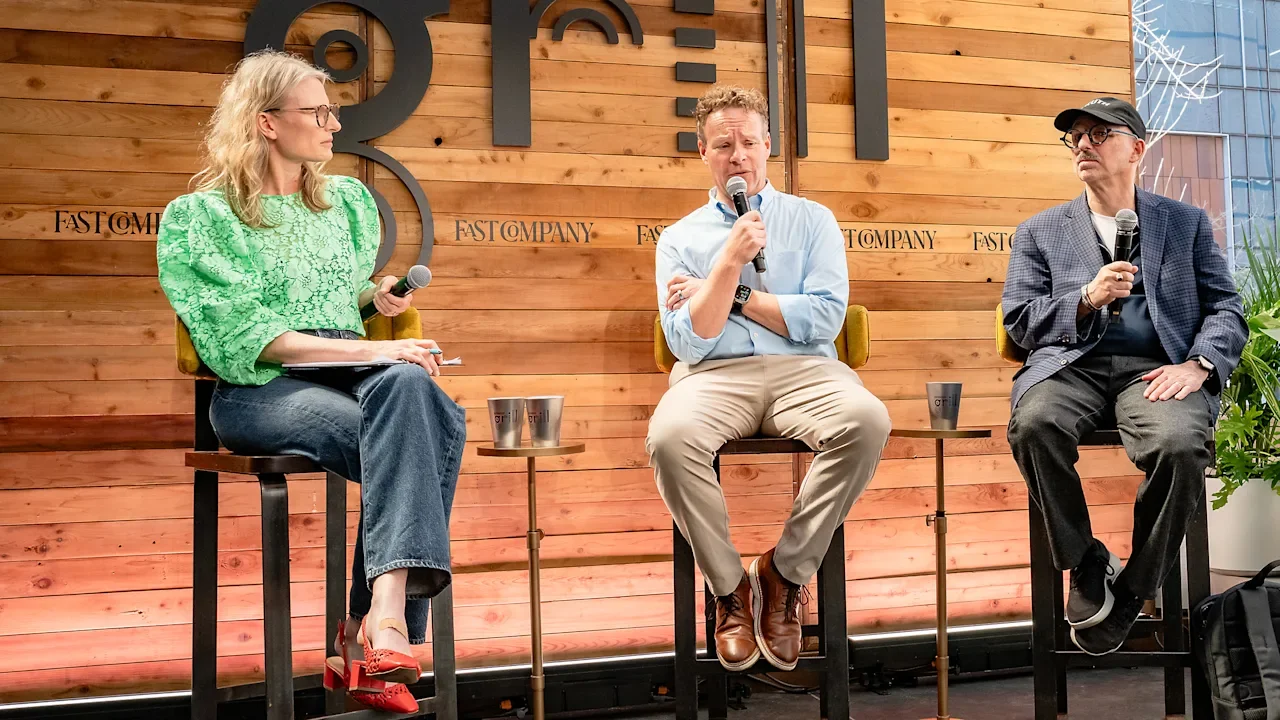
When Rare Beauty, Bogg, and Goodles arrived in stores, they had to vie for shelf space with well-established brands making beauty products or beach bags or boxes of macaroni and cheese. But these brands quickly amassed cult-like followings by being very intentional with their missions to foster a sense of loyalty with customers. Although her legions of fans might have lined up to try the beauty products in Selena Gomez’s line, Rare Beauty, the company was founded with a bigger mission baked in: To support youth mental health by donating 1% sales to the Rare Impact Fund. While the company has found that customers will come for the products, they stay for the mission, Elyse Cohen, the brand’s chief impact officer, said during a panel discussion at the Fast Company Grill at SXSW. “Instead of starting with a product that we didn’t feel like existed in the marketplace, we started with a mission that we felt like didn’t exist, particularly in the beauty space,” Cohen said. “We love that young people are turning to brands for not just products, but for the issues that they care about—and also that’s what holds us accountable.” HOW TO STAY ALIGNED AMID CHANGE Founders must also hold themselves accountable. About six months ago, Goodles was weighing how to expand beyond its original offering—boxes of macaroni and cheese that are packed with protein, fiber and nutrients—and respond to customer demand for on-the-go microwaveable cups, recalled Jen Zeszut, cofounder and CEO. Though opting for plastic cups would be most cost-effective, doing so goes against what the company stands for, she added. “We want to make, be, and do gooder, so when you put that out there, it’s a high standard that you have to live up to,” Zeszut said. “If you’re all aligned on the mission and you’re saying that you’re gooder, then you have to launch paper based cups no matter how long it takes and even if it costs more, you just got to do it.” Finally, it’s important to understand who your core customers are and what they want as new competitors emerge with copycat products, as has been the case with Bogg. “It’s been a tough go for us with all of the people trying to nip at our heels, but we have to stay above that—we have to innovate at a lightning-fast level,” said Kim Vaccarella, founder and CEO. Bogg’s line of beach bags are intended primarily for moms whose needs help dictate the company’s business decisions, Vaccarella said. “We just have to keep doing everything and listening to her and coming out with things that are going to help make her life easier,” she said. “If we fail at that, then we’re failing as a brand, but everything we do is to expand on that original mission.” View the full article

-
In terms of boosting engagement on social media, implementing creative content strategies is crucial. You can leverage user-generated content to build authenticity and trust with your audience. Incorporating interactive polls invites participation and feedback, as behind-the-scenes glimpses humanize your brand. Short-form videos increase shareability, and contests or giveaways encourage community involvement. Each of these approaches offers unique benefits, and exploring them can greatly improve your online presence. What other strategies could complement these ideas? Key Takeaways Leverage user-generated content to enhance authenticity and trust, influencing purchasing decisions and boosting engagement rates significantly. Create interactive polls to encourage audience participation and gather valuable feedback on products or topics. Share behind-the-scenes content to provide authentic insights into your brand, improving relatability and transparency. Utilize short-form videos to connect with audiences through storytelling and trending audio, maximizing shareability and retention. Organize contests and giveaways that require user-generated content, fostering community involvement and increasing brand visibility. User-Generated Content That Showcases Authentic Experiences User-generated content (UGC) is becoming increasingly important for brands looking to establish authenticity and trust with their audience. By showcasing real customer experiences, UGC not only builds credibility but also greatly impacts purchasing decisions, with 79% of consumers affirming its influence. You can save up to 50% on content creation costs as you improve community engagement by leveraging UGC in your marketing strategy. Utilizing unique branded hashtags encourages customers to share their experiences, amplifying brand exposure and nurturing a sense of community. Brands that feature UGC often see a 28% increase in engagement rates, as followers are drawn to relatable content. Furthermore, customer testimonials can boost trust, with 72% of consumers stating that positive reviews increase their confidence in a brand. Interactive Polls That Invite Audience Participation Engaging your audience doesn’t have to stop with user-generated content; interactive polls offer a dynamic way to encourage participation and gather insights. By using polls, you can tap into valuable audience preferences, which is essential for crafting the best social media campaigns. Here are some effective ways to implement interactive polls: Ask simple yes/no questions to gauge opinions. Create multiple-choice polls about product features. Use this type of content to gather feedback on recent launches. Conduct quick surveys about interests or preferences. Invite followers to vote on upcoming topics. These polls not only boost engagement rates but in addition help strengthen community ties, making your audience feel valued in your brand’s decision-making process. Behind-The-Scenes Glimpses That Humanize a Brand When brands share behind-the-scenes glimpses, they offer followers an authentic look into their operations, which encourages transparency and builds trust. Posts that highlight team members or showcase daily processes can humanize your brand, making it more relatable. Engaging content like production processes or brainstorming sessions can cultivate audience loyalty, as followers feel part of your expedition. By incorporating behind-the-scenes elements into your social media strategy, you can improve engagement rates; these posts often generate higher shares and comments than standard promotions. Here’s a simple table to evaluate: Type of Content Engagement Benefit Example Team Highlights Builds relatability Employee of the Month post Daily Operations Increases transparency Day-in-the-life stories Production Processes Improves storytelling Behind-the-scenes videos This approach is fundamental when learning how to create content for Instagram or the best social media ad campaigns. Short-Form Videos That Enhance Shareability Short-form videos have emerged as a dynamic way for brands to connect with audiences and boost shareability across social media platforms. These engaging clips are a hallmark of the best social campaigns, driving interaction and visibility. To create cool social media campaigns, consider the following strategies: Use viral audio clips to tap into trending interests. Participate in popular challenges to increase reach. Keep videos under 60 seconds for maximum retention. Focus on storytelling to build emotional connections. Aim for high-quality visuals to improve viewer experience. Contests and Giveaways That Encourage Community Involvement Contests and giveaways can play an important role in nurturing community involvement and enhancing brand visibility on social media. By incentivizing followers with prizes, you can see participation rates jump by up to 34%. To maximize engagement, require participants to share user-generated content, promoting authentic connections as you increase your brand’s reach. It’s essential to establish clear terms and conditions to build trust and guarantee legal compliance. Using unique hashtags will help you track entries and encourage organic sharing. Furthermore, offering prizes that resonate with your audience can greatly boost interest; about 70% of consumers engage more with contests that align with their preferences. These strategies are critical components of the best digital marketing campaigns and effective online marketing campaigns. Frequently Asked Questions What Is the 5 5 5 Rule on Social Media? The 5 5 5 Rule on social media suggests you post five promotional messages, followed by five informative or entertaining posts, and then five engaging or interactive posts. This strategy helps you maintain a balanced content mix, keeping your audience interested without overwhelming them. What Content Gets the Most Engagement on Social Media? To maximize engagement on social media, focus on interactive content like polls and quizzes, as they greatly boost likes and comments. User-generated content builds trust and influences purchasing decisions. Visuals, including videos and infographics, attract more views and shares. Seasonal promotions create urgency, prompting users to act quickly. Finally, educational posts that offer tips or how-tos position you as an authority, encouraging further engagement from your audience. What Is the 50/30/20 Rule for Social Media? The 50/30/20 rule for social media content is a strategic framework for balancing your posts. You should allocate 50% of your content to engaging or entertaining material, like interactive posts or behind-the-scenes looks. Next, 30% should focus on valuable or educational content, providing insights or tips. Finally, 20% can be promotional, highlighting products or services. This structure helps improve audience engagement while maintaining brand visibility and loyalty across your social platforms. How to Boost Engagement on Social Media? To boost engagement on social media, incorporate interactive content like polls and quizzes to encourage audience participation. Share user-generated content to improve trust and authenticity. Use behind-the-scenes posts to humanize your brand, cultivating connections. Create educational content to position yourself as an authority, which can increase shares. Finally, leverage trending topics to keep your content relevant and engaging, aligning with current interests and conversations in your audience’s digital environment. Conclusion Incorporating these five creative strategies can greatly improve your social media engagement. By utilizing user-generated content, interactive polls, behind-the-scenes glimpses, short-form videos, and contests, you can nurture a deeper connection with your audience. Each approach not only encourages participation but likewise builds authenticity and trust in your brand. By implementing these techniques consistently, you can create a lively online community that actively interacts with your content and supports your brand’s growth. Image via Google Gemini and ArtSmart This article, "5 Creative Examples of Social Content to Boost Engagement" was first published on Small Business Trends View the full article
-
The small business landscape is facing renewed uncertainty as the The President administration announces a sweeping 15% tariff on all imports entering the United States, an action that has drawn criticism and concerns from small business owners across the country. In response, Senate Democrats, led by Ranking Member Edward J. Markey (D-Mass.), have launched the Small Business Liberation 2.0 Act to protect small businesses from the adverse effects of these tariffs. Following a Supreme Court ruling that deemed previous tariffs imposed under the International Emergency Economic Powers Act illegal, the new legislation aims to shield small enterprises from unnecessary financial strain. The Small Business Liberation 2.0 Act proposes key benefits for small business owners, including exemptions from section 122 tariffs—tariffs that are now being challenged in the courts for their constitutional validity. Additionally, it calls for refunds on any tariffs already paid, a move that could potentially inject vital cash back into the hands of small operators. Senator Markey emphasized the urgency of the situation, stating, “America’s small businesses cannot bear another bruising round of uncertainty… it’s time to end The President’s latest round of tariff tax madness and deliver real relief to the American people.” His sentiments echo the distress felt among small business owners who find themselves grappling with increased costs due to these tariffs. The potential consequences of the tariffs are significant. According to recent estimates, American households have already absorbed over $1,700 in additional costs due to previous tariffs, with projections suggesting another $570 in added costs from the new measures. This financial burden could stymie growth initiatives, compel price hikes, or even force some small businesses to close their doors. Senate Democratic Leader Chuck Schumer (D-N.Y.) supported the initiative by emphasizing the bill’s role in creating a buffer against what he described as “The President’s erratic decision-making.” He stressed that small businesses should not be the collateral damage of larger geopolitical trade struggles, emphasizing the need for legislative action to safeguard them from price hikes. Data from stakeholder organizations underscores the urgency of addressing tariff impacts. For instance, the Small Business Majority highlighted that about half of small business owners have raised prices on materials or products, with a notable percentage delaying the importation of goods. John Arensmeyer, the organization’s Founder and CEO, shared how businesses reliant on U.S. suppliers that import materials are disproportionately affected, as they lack the negotiating power that larger companies possess. There are, however, challenges that small business owners will need to navigate. While the Small Business Liberation 2.0 Act aims to offer immediate relief, the legislative process can be unpredictable, and the timing for implementation is uncertain. Furthermore, small business owners may face difficulty advocating for their interests in a political climate where tariffs have been deeply intertwined with broader trade policy discussions. Richard Trent, Executive Director of Main Street Alliance, articulated the pressing nature of the legislation: “When tariffs are imposed overnight, it’s Main Street, not multinational corporations, that gets squeezed first.” This insight reflects the reality that small businesses often bear the economic brunt of federal policies, making swift legislative action critical. Moreover, even if the bill passes, the potential for further tariff increases or new trade policies remains a concern among small business owners, leaving them in a state of continuous caution. Todd McCracken, President and CEO of the National Small Business Association (NSBA), revealed that almost half of small businesses have reported negative impacts from prior tariffs, revealing the persistent and unpredictable nature of U.S. trade policy. Given this backdrop, it is vital for small business owners to stay informed about new developments in trade legislation while also considering contingency plans. As challenges persist, small enterprises must assess their supply chains and pricing strategies to mitigate potential impacts arising from any new tariffs or trade regulations. Amidst turbulent trade waters, the Small Business Liberation 2.0 Act represents a concerted effort to safeguard the interests of small businesses nationwide. Business owners are encouraged to monitor this legislative development closely and prepare to engage with policymakers advocating for their needs. For further details, you can access the original press release here. Image via Google Gemini This article, "Senate Democrats Unveil Bill to Shield Small Businesses from New Tariffs" was first published on Small Business Trends View the full article
-
The small business landscape is facing renewed uncertainty as the The President administration announces a sweeping 15% tariff on all imports entering the United States, an action that has drawn criticism and concerns from small business owners across the country. In response, Senate Democrats, led by Ranking Member Edward J. Markey (D-Mass.), have launched the Small Business Liberation 2.0 Act to protect small businesses from the adverse effects of these tariffs. Following a Supreme Court ruling that deemed previous tariffs imposed under the International Emergency Economic Powers Act illegal, the new legislation aims to shield small enterprises from unnecessary financial strain. The Small Business Liberation 2.0 Act proposes key benefits for small business owners, including exemptions from section 122 tariffs—tariffs that are now being challenged in the courts for their constitutional validity. Additionally, it calls for refunds on any tariffs already paid, a move that could potentially inject vital cash back into the hands of small operators. Senator Markey emphasized the urgency of the situation, stating, “America’s small businesses cannot bear another bruising round of uncertainty… it’s time to end The President’s latest round of tariff tax madness and deliver real relief to the American people.” His sentiments echo the distress felt among small business owners who find themselves grappling with increased costs due to these tariffs. The potential consequences of the tariffs are significant. According to recent estimates, American households have already absorbed over $1,700 in additional costs due to previous tariffs, with projections suggesting another $570 in added costs from the new measures. This financial burden could stymie growth initiatives, compel price hikes, or even force some small businesses to close their doors. Senate Democratic Leader Chuck Schumer (D-N.Y.) supported the initiative by emphasizing the bill’s role in creating a buffer against what he described as “The President’s erratic decision-making.” He stressed that small businesses should not be the collateral damage of larger geopolitical trade struggles, emphasizing the need for legislative action to safeguard them from price hikes. Data from stakeholder organizations underscores the urgency of addressing tariff impacts. For instance, the Small Business Majority highlighted that about half of small business owners have raised prices on materials or products, with a notable percentage delaying the importation of goods. John Arensmeyer, the organization’s Founder and CEO, shared how businesses reliant on U.S. suppliers that import materials are disproportionately affected, as they lack the negotiating power that larger companies possess. There are, however, challenges that small business owners will need to navigate. While the Small Business Liberation 2.0 Act aims to offer immediate relief, the legislative process can be unpredictable, and the timing for implementation is uncertain. Furthermore, small business owners may face difficulty advocating for their interests in a political climate where tariffs have been deeply intertwined with broader trade policy discussions. Richard Trent, Executive Director of Main Street Alliance, articulated the pressing nature of the legislation: “When tariffs are imposed overnight, it’s Main Street, not multinational corporations, that gets squeezed first.” This insight reflects the reality that small businesses often bear the economic brunt of federal policies, making swift legislative action critical. Moreover, even if the bill passes, the potential for further tariff increases or new trade policies remains a concern among small business owners, leaving them in a state of continuous caution. Todd McCracken, President and CEO of the National Small Business Association (NSBA), revealed that almost half of small businesses have reported negative impacts from prior tariffs, revealing the persistent and unpredictable nature of U.S. trade policy. Given this backdrop, it is vital for small business owners to stay informed about new developments in trade legislation while also considering contingency plans. As challenges persist, small enterprises must assess their supply chains and pricing strategies to mitigate potential impacts arising from any new tariffs or trade regulations. Amidst turbulent trade waters, the Small Business Liberation 2.0 Act represents a concerted effort to safeguard the interests of small businesses nationwide. Business owners are encouraged to monitor this legislative development closely and prepare to engage with policymakers advocating for their needs. For further details, you can access the original press release here. Image via Google Gemini This article, "Senate Democrats Unveil Bill to Shield Small Businesses from New Tariffs" was first published on Small Business Trends View the full article
-
If you've watched videos on the internet any time over the past year or two, you've encountered AI-generated content (even if you didn't realize it). While some of it is convincing, a lot of it is obvious. Like, I'm guessing no one thought those dramatic narrative videos of people made of fruit were painstakingly animated by hand. This type of artificially generated content has been lovingly (or not so lovingly) labeled "AI slop," which sums it up quite well: It's meaningless drivel, made with little effort or investment by some AI generator, that's raking up real money by going viral on social media. While all platforms that showcase short-form videos are inevitably already filled with AI slop, YouTube has been hit particularly hard. YouTube Shorts can be borderline unwatchable, depending on your algorithm. (Try watching in an incognito window to see what the platform serves up to a blank slate; it's wild out there.) What's worse, YouTube's algorithm shows these videos to kids. Short-form videos are already bad enough for kids in so many ways, but AI slop takes it to another level. "Did this feel like AI slop?"There's some good news on this front, at least: As reported by Dexerto, Starting this month, it appears YouTube is now asking users for their help identifying this AI-generated content. In fact, the company isn't mincing words or beating around the bush. If you're called to action, you'll receive a pop-up that literally reads: "Did this feel like AI slop?" According to a screenshot from this Redditor, you'll have the options of responding with any of the following: "Not at all," "Slightly," "Moderately," "Very much," or "Extremely." Why is YouTube asking for your help identifying AI slop?That might sound like a good thing, and I certainly hope it is. In an ideal world, YouTube would take the results from these findings and remove the videos that are egregious. It tracks with some of the company's past actions: YouTube has even taken down popular AI channels in the name of "reducing the spread of low quality, repetitive content." But Dexerto highlights a different theory, one that is less hopeful. Perhaps the reason YouTube is giving you so many choices in its popup is to understand more precisely how viewers interpret these AI videos. YouTube will then be able to tell which videos are obviously AI slop, versus videos that exist in the uncanny valley. Using that data, they'll be able to train their own AI video models to generate content that doesn't come across as slop to most viewers. If you're scrolling on Shorts and the videos you see feel real, how likely are you to question whether or not they're legit? I hope that's not the case. While my faith in tech companies remains low, I was impressed by YouTube's recent stance against AI slop, and these flagging pop-ups seem to be another step in the right direction. With any luck, YouTube will continue to push higher-quality, human-made content, and crush low-quality AI slop. View the full article
-
Marines and sailors to arrive in the region in three to four weeks, signalling possible new phase in conflictView the full article
-
If you’re looking to improve your content planning, grasping the significance of editorial calendar templates is key. These templates can streamline your workflow, ensuring all your content types are organized and delivered on time. From a thorough content calendar to dedicated blog and social media calendars, each serves a specific purpose in your strategy. By implementing these tools effectively, you’ll boost collaboration and optimize visibility for your content. Let’s explore the vital templates you should consider. Key Takeaways A primary content calendar visualizes all upcoming content types, ensuring comprehensive planning and scheduling across various formats. A blog calendar focuses specifically on blog post scheduling, helping prioritize topics and maintain consistency in publishing. A video production calendar tracks video content from concept to completion, managing production timelines and collaboration among team members. A social media content calendar organizes and schedules posts across platforms, optimizing engagement and brand presence on social channels. An email marketing calendar streamlines workflows for marketing emails, ensuring timely delivery and alignment with overall content strategy. Overview of Editorial Calendar Templates When you think about managing your content effectively, editorial calendar templates can be incredibly helpful tools. These templates provide structured frameworks that simplify the organization, planning, scheduling, and publishing of various content types, including blogs and social media posts. To create an editorial calendar, you’ll typically include crucial details like publication dates, content status, primary channels, and team responsibilities. This guarantees streamlined collaboration and accountability among your team members. By using the best editorial calendar, you can maintain a consistent publishing schedule that aligns with your marketing objectives. Many editorial calendar templates are customizable, allowing you to adapt them to fit your specific content strategies and workflows. Popular options can be found in project management tools like Asana and Trello. Benefits of Using Editorial Calendar Templates Using editorial calendar templates offers numerous advantages that improve your content management strategy. These templates centralize content planning, allowing you to manage various types and formats efficiently, which boosts overall productivity. By providing a clear overview of publication dates and responsible team members, they streamline the scheduling process, reducing confusion and ensuring timely delivery. You’ll find that better collaboration across departments is achievable, as these templates serve as a single source of truth for content status, promoting alignment among your marketing, social media, and PR teams. The flexibility of editorial calendar templates likewise supports swift adaptation to industry trends and spontaneous opportunities. Plus, incorporating SEO elements into a free editorial calendar template helps optimize your content strategy for improved visibility and audience reach. Types of Editorial Calendar Templates Editorial calendar templates come in various types, each designed to meet specific content management needs. You’ll find primary content calendars that visualize all upcoming content types, alongside blog calendars focused solely on blog posts. Video production calendars track video content from brainstorming to completion. Furthermore, social media content calendars help you manage posts across different platforms, as well as email marketing calendars organize workflows for your marketing emails. Each template typically includes crucial information like publication dates, content types, and distribution channels, enhancing organization and collaboration. With customizable tags and fields, you can easily sort and filter content, effectively tracking status and managing deadlines. Utilizing diverse editorial calendar templates supports various content creation strategies, boosting productivity and aligning with marketing objectives. How to Create Your Own Editorial Calendar Template Creating your own editorial calendar template can streamline your content planning and boost overall productivity. Begin by defining your content goals and types to align with audience interests and business objectives. Include these key components: Publication dates Content types Channels for distribution Responsible team members SEO strategies, including relevant keywords Customize your template to fit your brand’s needs by adding or removing columns as necessary. Incorporate SEO techniques by mapping keywords and conducting content gap analysis to improve visibility. Finally, regularly review and update your editorial calendar to guarantee it stays aligned with marketing strategies and adapts to new trends or feedback from your team. This structured approach will help maintain focus and drive successful content initiatives. Best Practices for Using Editorial Calendar Templates To maximize the effectiveness of your editorial calendar template, it’s vital to adopt best practices that improve organization and collaboration within your team. Regularly review and update your calendar to reflect changes in your content strategy, ensuring it aligns with your business goals and audience needs. Utilize collaborative platforms like Asana or Trello to boost communication among team members and track content progress in real-time. Make sure to include important details such as publication dates, content types, responsible team members, and status updates for clear organization and accountability. Don’t forget to incorporate SEO considerations by mapping keywords and scheduling deadlines for optimization tasks. Finally, cultivate a culture of feedback, encouraging team members to share insights based on performance metrics and audience engagement data. Frequently Asked Questions What Should a Basic Editorial Content Calendar Include? A basic editorial content calendar should include key elements to guarantee effective content management. Start by listing publication dates to maintain a consistent schedule. Identify content types like blogs or videos for diverse audience engagement. Specify publication channels for cohesive scheduling across platforms. Assign team members responsible for each piece, enhancing accountability. Finally, include a status tracking feature to monitor progress, so you can adjust the timeline as necessary and keep everything on track. How to Create a Content Planning Calendar? To create a content planning calendar, start by defining your content goals and types. Align these with your marketing strategy and audience needs. Identify key milestones, such as product launches or industry events, to incorporate into your calendar. Use a template that includes fields for publication dates, content types, and responsible team members. Regularly update and share the calendar with your team to guarantee effective collaboration and maintain a consistent publishing schedule. What Is the Difference Between an Editorial Calendar and a Content Calendar? An editorial calendar focuses on broader themes, strategies, and goals over a longer period, helping you plan campaigns and target audiences. Conversely, a content calendar zooms in on the specifics, detailing the production schedule, content types, and deadlines. In contrast, editorial calendars offer flexibility and strategic oversight, while content calendars manage day-to-day tasks and logistics. Comprehending this distinction helps you effectively organize content creation and guarantee alignment with your overall objectives. How to Set up an Editorial Calendar? To set up an editorial calendar, start by defining your content goals and identifying your target audience. Next, select a tool that suits your needs, from simple spreadsheets to project management software. Populate the calendar with key details like publication dates, topics, and responsible authors. Incorporate a list of story ideas and track performance metrics. Finally, review and update the calendar regularly to align with changing goals and seize timely content opportunities. Conclusion Incorporating editorial calendar templates into your content strategy can greatly improve your planning efficiency. By utilizing specific templates for blogs, videos, social media, and emails, you can streamline your workflow and guarantee timely content delivery. Creating your own templates customized to your needs further optimizes this process. By following best practices, you can enhance collaboration within your team and maximize the visibility of your content across various platforms. In the end, effective planning leads to greater content success. Image via Google Gemini This article, "5 Essential Editorial Calendar Templates for Streamlined Content Planning" was first published on Small Business Trends View the full article
-
If you’re looking to improve your content planning, grasping the significance of editorial calendar templates is key. These templates can streamline your workflow, ensuring all your content types are organized and delivered on time. From a thorough content calendar to dedicated blog and social media calendars, each serves a specific purpose in your strategy. By implementing these tools effectively, you’ll boost collaboration and optimize visibility for your content. Let’s explore the vital templates you should consider. Key Takeaways A primary content calendar visualizes all upcoming content types, ensuring comprehensive planning and scheduling across various formats. A blog calendar focuses specifically on blog post scheduling, helping prioritize topics and maintain consistency in publishing. A video production calendar tracks video content from concept to completion, managing production timelines and collaboration among team members. A social media content calendar organizes and schedules posts across platforms, optimizing engagement and brand presence on social channels. An email marketing calendar streamlines workflows for marketing emails, ensuring timely delivery and alignment with overall content strategy. Overview of Editorial Calendar Templates When you think about managing your content effectively, editorial calendar templates can be incredibly helpful tools. These templates provide structured frameworks that simplify the organization, planning, scheduling, and publishing of various content types, including blogs and social media posts. To create an editorial calendar, you’ll typically include crucial details like publication dates, content status, primary channels, and team responsibilities. This guarantees streamlined collaboration and accountability among your team members. By using the best editorial calendar, you can maintain a consistent publishing schedule that aligns with your marketing objectives. Many editorial calendar templates are customizable, allowing you to adapt them to fit your specific content strategies and workflows. Popular options can be found in project management tools like Asana and Trello. Benefits of Using Editorial Calendar Templates Using editorial calendar templates offers numerous advantages that improve your content management strategy. These templates centralize content planning, allowing you to manage various types and formats efficiently, which boosts overall productivity. By providing a clear overview of publication dates and responsible team members, they streamline the scheduling process, reducing confusion and ensuring timely delivery. You’ll find that better collaboration across departments is achievable, as these templates serve as a single source of truth for content status, promoting alignment among your marketing, social media, and PR teams. The flexibility of editorial calendar templates likewise supports swift adaptation to industry trends and spontaneous opportunities. Plus, incorporating SEO elements into a free editorial calendar template helps optimize your content strategy for improved visibility and audience reach. Types of Editorial Calendar Templates Editorial calendar templates come in various types, each designed to meet specific content management needs. You’ll find primary content calendars that visualize all upcoming content types, alongside blog calendars focused solely on blog posts. Video production calendars track video content from brainstorming to completion. Furthermore, social media content calendars help you manage posts across different platforms, as well as email marketing calendars organize workflows for your marketing emails. Each template typically includes crucial information like publication dates, content types, and distribution channels, enhancing organization and collaboration. With customizable tags and fields, you can easily sort and filter content, effectively tracking status and managing deadlines. Utilizing diverse editorial calendar templates supports various content creation strategies, boosting productivity and aligning with marketing objectives. How to Create Your Own Editorial Calendar Template Creating your own editorial calendar template can streamline your content planning and boost overall productivity. Begin by defining your content goals and types to align with audience interests and business objectives. Include these key components: Publication dates Content types Channels for distribution Responsible team members SEO strategies, including relevant keywords Customize your template to fit your brand’s needs by adding or removing columns as necessary. Incorporate SEO techniques by mapping keywords and conducting content gap analysis to improve visibility. Finally, regularly review and update your editorial calendar to guarantee it stays aligned with marketing strategies and adapts to new trends or feedback from your team. This structured approach will help maintain focus and drive successful content initiatives. Best Practices for Using Editorial Calendar Templates To maximize the effectiveness of your editorial calendar template, it’s vital to adopt best practices that improve organization and collaboration within your team. Regularly review and update your calendar to reflect changes in your content strategy, ensuring it aligns with your business goals and audience needs. Utilize collaborative platforms like Asana or Trello to boost communication among team members and track content progress in real-time. Make sure to include important details such as publication dates, content types, responsible team members, and status updates for clear organization and accountability. Don’t forget to incorporate SEO considerations by mapping keywords and scheduling deadlines for optimization tasks. Finally, cultivate a culture of feedback, encouraging team members to share insights based on performance metrics and audience engagement data. Frequently Asked Questions What Should a Basic Editorial Content Calendar Include? A basic editorial content calendar should include key elements to guarantee effective content management. Start by listing publication dates to maintain a consistent schedule. Identify content types like blogs or videos for diverse audience engagement. Specify publication channels for cohesive scheduling across platforms. Assign team members responsible for each piece, enhancing accountability. Finally, include a status tracking feature to monitor progress, so you can adjust the timeline as necessary and keep everything on track. How to Create a Content Planning Calendar? To create a content planning calendar, start by defining your content goals and types. Align these with your marketing strategy and audience needs. Identify key milestones, such as product launches or industry events, to incorporate into your calendar. Use a template that includes fields for publication dates, content types, and responsible team members. Regularly update and share the calendar with your team to guarantee effective collaboration and maintain a consistent publishing schedule. What Is the Difference Between an Editorial Calendar and a Content Calendar? An editorial calendar focuses on broader themes, strategies, and goals over a longer period, helping you plan campaigns and target audiences. Conversely, a content calendar zooms in on the specifics, detailing the production schedule, content types, and deadlines. In contrast, editorial calendars offer flexibility and strategic oversight, while content calendars manage day-to-day tasks and logistics. Comprehending this distinction helps you effectively organize content creation and guarantee alignment with your overall objectives. How to Set up an Editorial Calendar? To set up an editorial calendar, start by defining your content goals and identifying your target audience. Next, select a tool that suits your needs, from simple spreadsheets to project management software. Populate the calendar with key details like publication dates, topics, and responsible authors. Incorporate a list of story ideas and track performance metrics. Finally, review and update the calendar regularly to align with changing goals and seize timely content opportunities. Conclusion Incorporating editorial calendar templates into your content strategy can greatly improve your planning efficiency. By utilizing specific templates for blogs, videos, social media, and emails, you can streamline your workflow and guarantee timely content delivery. Creating your own templates customized to your needs further optimizes this process. By following best practices, you can enhance collaboration within your team and maximize the visibility of your content across various platforms. In the end, effective planning leads to greater content success. Image via Google Gemini This article, "5 Essential Editorial Calendar Templates for Streamlined Content Planning" was first published on Small Business Trends View the full article
-
Another massive data breach has compromised millions of Americans' healthcare data and sensitive information. Navia Benefit Solutions, a benefits administrator for more than 10,000 U.S. employers, has disclosed a hack that affects nearly 2.7 million individuals, according to a March 18 filing with the Maine Attorney General. Navia's services include software and customer support for the administration of everything from Flexible Spending Accounts (FSAs) and Health Savings Accounts (HSAs) to commuter and education benefits. What happened with the Navia Benefit Solutions data breach?On Jan. 23, Navia identified "suspicious activity" on its systems, leading to the discovery that hackers had access to some of the organization's data between Dec. 22, 2025, and Jan. 15, 2026. During this time, threat actors were able to exfiltrate a significant amount of personally identifiable information (PII), which may include the following: Full name Date of birth Social Security Number (SSN) Phone number Email address Health plan information The compromised health plan data may include Health Reimbursement Arrangement (HRA) participation, Consolidated Omnibus Budget Reconciliation Act (COBRA) enrollment information, and information about users' FSAs Navia has said that no claims or financial data were included in the breach, though the information stolen is commonly used for social engineering attacks and identity theft. What to do if you were affected by the Navia Benefit Solutions security breachNavia began notifying affected individuals on March 18, so keep an eye out for a letter from Navia Benefit Solutions. If your data was included in the breach, you are eligible for one year of identity monitoring services through Kroll. Your letter will include information about how to enroll, including the deadline to sign up for services and your unique activation code. You'll need to activate your account online at enroll.krollmonitoring.com/redeem. As always, a major data breach is a good reminder to lock down your identity. Freeze your credit (this should be your default unless you are actively applying for a new credit line) and set up a one-year fraud alert, which adds extra friction if someone tries to apply for credit in your name. Check your credit report and financial accounts regularly for suspicious activity, and report fraud immediately to your financial institution. You can also file an identity theft report with the Federal Trade Commission and your local police department. View the full article
-
As AI agents reshape how advertising platforms are used, Google is bringing focus toward the developers behind the systems and create content specifically for them. What’s happening. Google’s Advertising and Measurement Developer Relations team has launched Ads DevCast, a bi-weekly vodcast and podcast hosted by Cory Liseno. The show focuses on technical deep dives across Google Ads, Google Analytics, Display & Video 360 and related tools. Zoom out. This is a companion to Ads Decoded, hosted by Google Ads Liaison Ginny Marvin, which focuses on campaign strategy. Ads DevCast is explicitly built for developers and technical practitioners. Driving the news. Episode 1 — “MCPs, Agents, and Ads. Oh My!” — centers on what Google calls the “agentic shift,” where AI agents are becoming primary users of advertising APIs. Why we care. Ads DevCast gives developers a direct line to the engineers building Google’s ad tools, which should help stay ahead of technical changes, discover new capabilities faster, and build more efficient integrations in an increasingly AI-driven ecosystem. The big picture. AI is expanding who can work with ad tech systems. Google is seeing a shift from a narrow “Ads Developer Community” to a broader “Ads Technical Community,” where marketers can execute technical tasks without full development cycles. What’s next. Ads DevCast is a pilot, and Google is collecting feedback to shape future episodes. Bottom line. Google is positioning Ads DevCast as a tool to give developers a front-row seat to Google’s latest ads innovations, with practical insights to build, test, and adapt faster in an AI-first landscape. View the full article
-
Rising insurance premiums and total ownership costs are driving borrower hesitation in high-cost regions. See how lenders can adapt strategically. View the full article
-
Middle East war has unleashed severe disruption for the aviation sectorView the full article
-
US rejected deal on intelligence-sharing proposed by Vladimir Putin’s envoy last weekView the full article
-
Overlooked controls and fragmented oversight leave mortgage lenders exposed to enforcement, litigation, and reputational damage. Learn how to close the gaps. View the full article
-
Is all hope lost for the future of the news media in the U.S.? There’s reason to be optimistic, two experts say, though new models for disseminating factual information are sorely needed and it’s worth paying attention to how younger Americans consume news. “We have to do something radically different,” said Chris Licht, founding partner and CEO of CLC Partners and a former executive at CNN and other TV networks, speaking at the Fast Company Grill at SXSW. “Millions of people get their news and information from people that are actually giving opinion.” “[We’ve] got to focus on, in this modern media world, separating those two things again,” he added. While untangling news and opinion could help to regain trust, Licht also envisions something like “Uber for the news business,” such that reporters are paid for newsgathering and the information of facts is available to consumers as something like a utility. “I think technology is going to play a massive role in restoring trust in what’s happening,” he says. THE TRUTH MUST MATTER TO CONSUMERS What’s more, Gen Z is likely to play a big role in guiding what’s next for the industry, as their consumption patterns differ from their older counterparts. That’s according to Steven Rosenbaum, executive director of the nonprofit Sustainable Media Center and author of the forthcoming book The Future of Truth. “They consume a lot of news, they read a lot of things, they listen to a lot of voices, they query them,” he said. “I think what you’re seeing here today is the beginning of a rising tide that says, ‘You know what? This thing truth matters to me,’” Rosenbaum added. “I think we are on our way into a really good chapter, with a lot of pain and suffering along the way.” View the full article
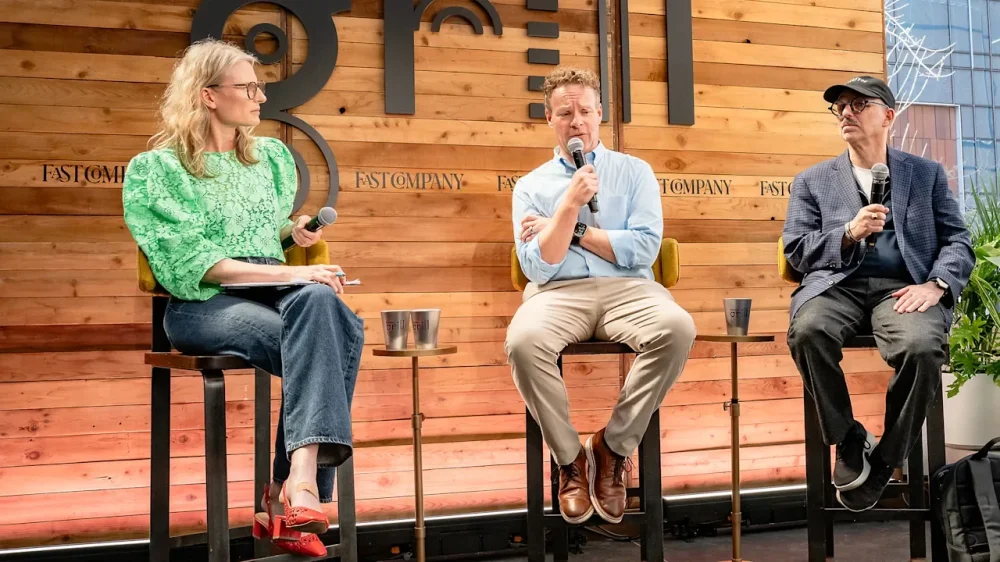
-
Google just announced some notable upgrades to the Google Play gaming experience on Windows PCs, with improvements that cover game discovery and purchases, and the news that a broader number of paid titles are now becoming available for the desktop. While an official Windows client for Google Play apps and games has been available for several years, these latest updates mean the experience is more polished than ever before. There are four main changes for gamers wanting to play Android games on Windows. First, Google is "actively expanding" the number of paid, premium games that are fully optimized for PCs. Android games don't get this optimization by default, and need to be specifically tweaked to support PC gaming (keyboard controls and all), so more titles that meet this criteria will be very welcome. Second, there's a new PC section in the Play Store Games tab on mobile devices, so you can actually see which titles are going to be cross-platform compatible before you install them. Third, you only need to buy a game once to use it on both mobile and desktop (something that wasn't always the case in the past). The last upgrade is Game Trials. On selected titles, you'll be able to dive in and start playing for free—once you reach a certain limit in terms of time or progress, you'll then be asked if you want to buy the game (and your progress will be carried over, if you do decide to make the purchase). Credit: Lifehacker It's not clear from the announcements how long this will all take to roll out, but Google says games such as Moonlight Peaks, Sledding Game, and Low-Budget Repairs will be available on PC in the "coming months." None of those games are live in the Play Store app on Android yet. There's a lot to like about running Android games on the desktop—not least a much bigger screen, and keyboard and mouse input options—so if you're keen to dive in, here's how you can give it a try. How to Android games on your PCGet started by visiting the Google Play Games web portal on your Windows PC. Follow the download prompts, and you get taken through the process of installing the software and entering your Google account details (for syncing purposes). Assuming you have actually played a game on your Android device at some point, your profile and stats are carried over to the desktop. At the end of the installation process, you'll be shown a list of games you've already played that are available on Windows. You can also find this list later by clicking From your library on the home page of the Google Play Games app. The majority of the titles I've played on Android seem to be present and correct. Credit: Lifehacker The playing experience is, on the whole, intuitive and straightforward. Most of the games I tried I had no problems with, although sometimes the desktop controls can take some working out: Click the keyboard icon to the left of the game window to remap these (you might also find some control settings within the games themselves). You can also click the visual settings button (the sliders icon) to change how the game is displayed on screen, and there's a volume control button on the left too. Games tend to stick to their default orientation from mobile, whether that's landscape or portrait, but you can adjust the size of the gaming window. The games I tried from my own library were rather hit and miss when it came to syncing up—some carried my progress over from my phone and some didn't, so it seems likely that the onus is largely on developers to implement this right now (and it's something Google clearly wants to improve). #DRIVE on the PC. Credit: Lifehacker From the home page, click the magnifying glass icon to explore games from the desktop: You can filter out titles that haven't been optimized for PC, and from what I can see, there's already plenty to choose from. I didn't find any Game Trials available at the time of writing, so it seems those are still in the pipeline. Android games on PC can be a lot of fun—especially those that work properly with keyboards or gamepads—and I can see this being something a lot of gamers should set up, especially given the latest improvements. And when you're not sitting at your Windows PC, you can carry on gaming as normal on your phone or tablet. View the full article