All Activity
- Past hour
-
Strengthen ecommerce visibility by optimizing product feeds for search intent, structured data, and AI-driven discovery. The post Why Product Feeds Shouldn’t Be The Most Ignored SEO System In Ecommerce appeared first on Search Engine Journal. View the full article
-
In the world of convenience stores, 7-Eleven is undoubtedly the cool kid. Phoebe Bridgers named-dropped the c-store in a song, Lana del Rey has posed in front of its parking lot, and, in Asia, the stores have become a must-visit spot. But is the brand cool enough to wear? People seem to think so. “Nothing could have prepared me for how hard the 7-eleven merch website goes,” Axios congress reporter Andrew Solender said on X this week, sparking a discussion about the brand’s merchandise website. Some of the offerings are straightforward—a white t-shirt with 7-Eleven’s logo—while others look less like corporate swag and more look more like they belong to a hype beast brand. Consider a cream-colored, ’70s-inspired knit sweater featuring a twirly serif typeface reading, “Oh Thank Heaven for 7-Eleven.” And some offerings are just silly, like a series of sold-out inflatable Slurpee costumes. For many, discovering the collection has ignited a sense of irreverent excitement. “I’m going to be flooded out in 7-Eleven merch on St. Marks this summer,” a user added on X, referencing the famous street in Manhattan’s East Village’s that’s popular among young people for outdoor drinking. But many point out that the apparel line is not new. “Omg they’ve been killin it for some time now. Welcome to the club,” A user responded on an X thread. Give me convenience The items belong to 7-Eleven’s 7Collection, an online-exclusive apparel store launched in 2022. The collection initially offered exclusive apparel and accessories inspired by the brand’s famous products like the Big Gulp or the Slurpee, but it has since broadened its scope, tapping into its own cultural currency. “Today, 7Collection is a creative platform for collaboration and cultural connection,” a 7-Eleven spokesperson told Fast Company. “It allows 7-Eleven to participate in the broader lifestyle of its customers, showing up across streetwear, sports, gaming, music, and other passion points in a way that feels authentic to the brand.” With over 83,485 stores across the world, 7-Eleven has a globally recognizable logo, but it’s also become a cultural hotspot—and the brand is leaning into it. “7-Eleven uniquely sits at the intersection of so many lifestyle touchpoints – food, sports, gaming, car culture – and we intentionally design drops that reflect the different ways fans connect with the brand in their own daily lives,” 7-Eleven added. Take a recent collection that dropped last summer as an homage to the chain’s most profitable store in the U.S., the Montauk location, a summer staple for Hamptons regulars during the warm season. “More than a store, it’s a scene and a summer ritual,” Alex Crawford, creative director and head of 7Collection, said on LinkedIn. “People weren’t just shopping at Montauk 7-Eleven. They were documenting it, tagging it, and turning it into cultural currency.” Named “Château Montauk 7-Eleven,” the summer 7Collection was a collaboration with local artist Sean Kinney, featuring the artist’s handwriting and cheeky quotes across caps, t-shirts, keychains, and more. The collection could be spotted during DJ sets at the beach town’s popular club Surf Lodge, and even designer Cynthia Rowley stopped by the store, where the merch was available for a weekend. Drops and designs are a collaborative effort, the company says, with an internal team identifying key cultural opportunities. Then, the team works with Craftwork Design Co, 7Collection’s agency partner, to develop design, production, and content creation. But 7-Eleven isn’t only c-store dabbling in the apparel and accessories game. Circle K sells polos and quarter zips featuring its logo, while Wawa fans have been able to snag tumblers, hoodies, and hats for years. And still, users online can’t hide their exitement. A user said on X, “I just know wearing that 7-Eleven cardigan would give me all the confidence I need.” View the full article

- Today
-
Oil exporters’ union says fees to be paid in cryptocurrency and vessels monitored for weaponsView the full article
-
In January Google announced a change to how AI Overviews worked where clicking the "Show more" button at the end of an AIO would directly take you into AI Mode. But that was only on mobile. Now it seems Google is testing that functionality, but on desktop...View the full article
-
An idea that didn’t work for Richard Nixon probably won’t for Donald The PresidentView the full article
-
Google's Sundar Pichai was on the Cheeky Pint podcast and was asked about the future of Search. He basically laid out a future where Search is Jarvis-like where users will be completing tasks and have "many threads running"...View the full article
-
Facebook is a new frontier for me. I've been having loads of fun over the past few months experimenting with the shiny new features Facebook has launched to woo creators. Facebook itself may not be all that shiny, but there’s no denying that it's enormous. And for a lot of creators, small business owners, and marketers, it's a great place to find new audiences. I'll be honest, though: even Facebook has over three billion monthly active users, and I'm... not reaching even a teeny tiny fraction of them. My content performance has been hit and miss. So when Buffer's senior data scientist, Julian Winternheimer, dug into over a million Facebook posts as part of his cross-platform comment engagement study, I was really curious to see what he'd find. Could being super on top of replying to comments help me boost my reach? Short answer: Yes! Long answer: Yes, potentially... Let’s unpack that. Posts where creators replied to comments received about 9.5% more reactions than posts where they didn't. That might not sound like a jaw-dropping number — especially compared to the 42% lift Julian found on Threads or the 30% on LinkedIn — but on a platform as mature and broad as Facebook, a consistent single-digit lift across a million posts is nothing to wave away. What I find most interesting about this data is what it reveals beneath the surface. The raw numbers actually suggest the opposite at first glance — and it took some smart statistical analysis to uncover what's really going on. 📊There's more engagement data where this came from! Check out our full State of Social Media Engagement Report 2026. Jump to a section: How we analyzed the data How replying to comments impacts Facebook engagement Why this matters for Facebook How to stay on top of your Facebook comments Putting the 'social' back in social media How we analyzed the dataLet’s get nerdy. Julian pulled around one million Facebook posts that received at least one comment, spanning accounts of all sizes and niches. Rather than comparing big Facebook Pages to small ones (which would tell us very little), he compared each account to its own performance over time. The method — called a fixed-effects regression model — holds constant all the things that make each account different: audience size, niche, location, posting frequency. All of that gets baked into the baseline. So instead of asking "Do Facebook Pages that reply get more engagement than pages that don't?" we're asking: "Does this specific Facebook Page perform better when it replies versus when it doesn't?" He also ran a Z-score analysis as a second check — measuring how far above or below "normal" each post performed for that specific account. Both methods pointed in the same direction, which gives us a lot more confidence in the finding. (If you're interested in the full methodology — and want more charts — you can check Julian's full analysis on his blog.) A few things worth keeping in mind before we get into the numbers: we can't say with absolute certainty that replying causes higher reactions. It's possible that posts that naturally perform well attract more activity, and creators are simply more motivated to reply when there's a buzzing comment section. Julian's dataset also measures reactions specifically (likes, loves, hahas, etc.) rather than total engagement — a deliberate choice to avoid the circularity of including comments in an engagement metric that's testing the effect of comments. That said, the pattern shows up across all six platforms Julian analyzed, with lifts ranging from 5% to 42%. That kind of cross-analysis consistency is something data scientists love to see. It makes the findings that much more convincing. How replying to comments impacts Facebook engagementJulian’s fixed-effects model — covering over 1 million posts across 97,427 Facebook profiles — found that posts with replied-to comments receive approximately 9.5% more reactions on average. The effect is statistically significant (p < 0.001, for the stats-inclined among us). The Z-score analysis backed this up. About 53.8% of Facebook Pages performed better when they replied. In other words, posts with replied-to comments sat slightly above each account's usual performance level, while posts without replied comments hovered right at baseline. That "53.8%" number is worth pausing on. It's a slimmer majority than what Julian found on Instagram (63%) or LinkedIn (83%). Facebook's effect is statistically significant, but it's more modest — which tracks with the platform's broader, more mature engagement patterns. Some fun behind-the-scenes stuff: If we just looked at the raw median numbers, posts without replied-to comments actually have slightly higher median reactions (22) than those with replies (16). On the surface, that seems to contradict everything I just said. But that comparison is misleading — it's mixing together Facebook Pages of wildly different sizes and activity levels. Once Julian controlled for those differences and compared each account to itself, things looked very different (and gave us the numbers I shared above). Why this matters for FacebookFacebook is a different beast compared to newer, more conversation-forward platforms like Threads or LinkedIn. The Facebook algorithm prioritizes what it calls "meaningful interactions" — and comments, particularly back-and-forth exchanges, are one of the strongest signals of that. When you reply to a comment, you're creating a conversation thread that signals to the algorithm that your post is sparking real discussion, not just passive scrolling. There are a few reasons why this likely translates into higher reactions: Extended visibility. Comment threads keep posts active in the feed longer. Every reply is another signal fire to the algorithm that might resurface the post for the commenter's connections — and for anyone else who's previously interacted with your page. Relationship signals. Facebook tracks interaction history between accounts. When you consistently reply to someone's comments, the platform registers that connection and is more likely to show your future posts to them. Over time, these micro-interactions compound. Social proof. An active comment section with replies from the creator or brand signals that there's a real person behind the Page. People are more likely to stop scrolling and react when they see that the creator is actually present in the conversation. The 9.5% lift might feel modest next to Threads' 42%, but context matters. Facebook's sheer scale means that even a small percentage increase in reactions can translate to meaningfully more people seeing and engaging with your content. And unlike some platform-specific tactics, replying to comments is something you can start doing right now with zero additional tools, budget, or strategy overhaul. How to stay on top of your Facebook commentsIf you're managing a Facebook Page alongside other platforms (who isn’t?), keeping up with comments can feel like another full-time job. Here are a few approaches that have helped me keep on top of my comments across Instagram, LinkedIn, Threads, YouTube, TikTok, and Facebook: Time block your replies Rather than trying to respond to every single comment (which can quickly become unsustainable as you grow), dedicate two 10-to-15-minute windows each day for comment engagement. Mid-morning and early evening tend to work well — you'll catch comments from both the morning scrollers and the after-work crowd. Prioritize conversations A "thanks!" reply is fine, but it's not what drives the engagement flywheel. Try asking a follow-up question or adding a detail that keeps the thread going. "Great question — have you tried..." or "That's a good point, we actually found that..." are the kinds of replies that tend to generate more activity. Reply while the post is fresh (if you can) Like most platforms, Facebook's algorithm gives early engagement heavy weight. If you can get into the comments within the first couple of hours after posting, you're more likely to spark additional reactions while the post is still being distributed. (This is where posting at times when you're actually available to engage becomes a real strategic advantage.) Use a tool that keeps everything in one place If you're active on Facebook and a couple of other platforms, bouncing between apps to manage comments gets old fast. Buffer's Community tab pulls all your comments across platforms into a single dashboard — and you can reply directly from there without opening Facebook and getting pulled into the feed. It's free for up to three social accounts. There's also a Comment Score feature that tracks your reply consistency over time — think of it like a streak tracker for engagement. It helps turn commenting from something you remember to do sporadically into an actual habit. Putting the 'social' back in social mediaJulian's cross-platform analysis covered millions of posts, and Facebook's 9.5% reaction lift sits at the lower end of the spectrum. But "lower end" doesn't mean it’s not helpful — it’s fitting for a platform where engagement patterns are broader and more varied than on conversation-first networks like Threads. What I keep coming back to with this data — across Facebook and every other platform Julian analyzed — is how refreshingly simple the takeaway is. You don't need to crack some secret code or find a loophole in the algorithm. You're just showing up for the people who showed up for you. The 9.5% lift isn't guaranteed for every Facebook Page (remember, around 54% of profiles in Julian's study saw positive effects), but the odds tilt in your favor if you're willing to put in the time. And on a platform with Facebook's reach, even a modest, consistent boost in reactions can make a real difference over time. For the full breakdown of Julian's findings across all six platforms, check out our cross-platform engagement study. More Facebook resourcesHow the Facebook Algorithm WorksHow to Get More Followers on FacebookHow to Increase Facebook Page EngagementBest Time to Post on FacebookFacebook Marketing for Small BusinessView the full article
-
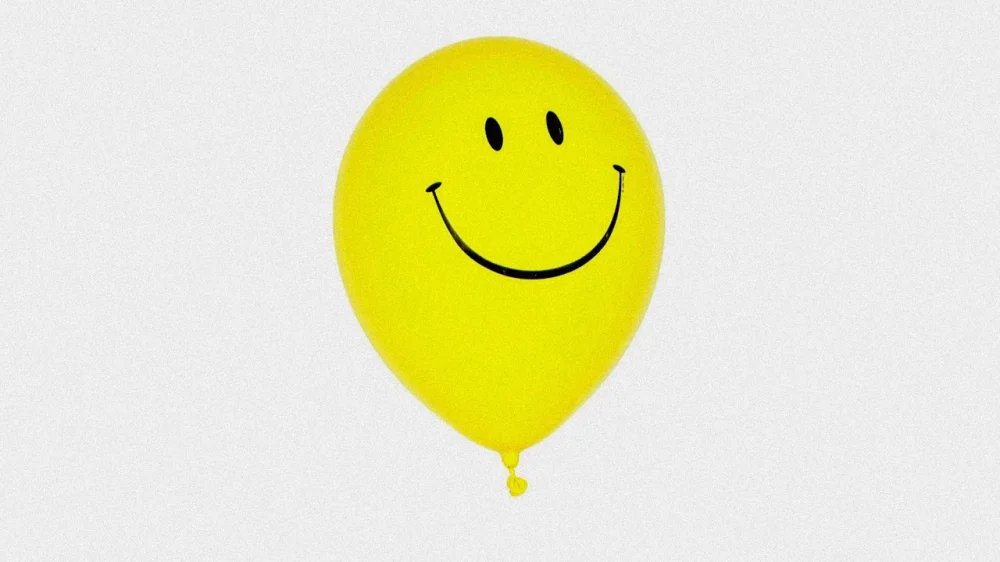
The airport is chaos. Lines snake beyond the designated barriers and out the doors as frazzled travelers tug their luggage and scowl at their phones, their grimaced faces even more dramatic in the harsh lighting. I stand in the security queue, sensing the stress emanating from everyone around me like swarms of buzzing flies. A man behind me huffs with dramatic indignation, a couple ahead bickers in hissed whispers “we should have left earlier!”, and someone’s roller bag keeps thwacking my heels. My fists clench as irritation winds me tighter. The security checkpoint seems miles away and my flight is in an hour. I feel myself being sucked into the collective vortex of misery. Then, as we make our first zig in the queue, I catch my partner’s eye and make a split-second decision. I raise my hand for a high five. “Yes!” I exclaim with exaggerated enthusiasm. “One turn closer!” My partner looks momentarily confused, then a half grin lights up his face as he slaps my raised palm. A few people nearby glance over, some with bemused smiles. When we reach the next turn, we were ready. “Turn number TWO!” We announce together, high-fiving with gusto. A woman behind us lets out a chuckle that seems to surprise even herself. By the third turn, a family with a toddler holds up their hands for high fives before we can even offer ours. “We’re on a roll now!” the dad says, grinning. With each zigzag, our celebration grows a little as others join our absurd celebration of incremental progress. Soon, a pocket of genuine laughter has formed in our section of the line, rippling outward like a skipped rock as others catch on to our game. Pressured vs. playful In that moment of travel chaos, we made a choice: instead of facing the frustrating situation with tense resentment (what I now call “The Pressured Way”) we decide to transform it through levity and connection (“The Playful Way”). This simple shift doesn’t change our situation. We are still in the same painfully slow airport security queue. We are still at risk of missing our flight. But it changes what the situation feels like—from stress to humor, from isolation to community, storm cloud to sun break. This choice between The Pressured Way and The Playful Way appears constantly in our lives: during technology crashes, tricky conversations, power struggles, or canceled plans. When challenges arise, we can clench our jaws and white-knuckle our way through—or we can bring imagination, inquiry, and openness to the situation. This choice isn’t just about boosting fun (thought that’s a welcome bonus), it’s about accessing new solutions, deeper camaraderie, and a richer experience of everyday life. Playfulness isn’t one size fits all. While our airport moment involved a social game, you might express your playful side by finding beauty in the terminal architecture, creating backstories for fellow travelers, or scoring the scene with a film soundtrack—turning a mundane wait into the opening of your personal heist movie or Broadway musical. The Pressured Way tightens our vision like horse blinders, while The Playful Way opens our peripheral sight to possibilities we’d otherwise miss entirely. A transformative mindset When I talk about playfulness in adulthood, I’m often met with puzzled looks. “You mean sports?” people ask. Or “Board games with friends?”. “Oh, like, work hard/play hard… partying?” But playfulness runs deeper than scheduled recreation (though that is important). It’s not a leisure activity reserved for weekends or vacations—it’s a mindset that transforms how we experience everything. Playfulness is: — Finding humor and lightness even in tense moments — Navigating situations with genuine questions instead of assumptions — Staying open to possibilities rather than fixating on one “right” way — Experimenting rather than seeking perfection — Bringing an ethos of adventure to difficulties — Reimagining the mundane through reframes and games — Being willing to collaborate rather than control When we move through the world playfully, we remain pliable, ready to adapt, change, and work with whatever comes our way: to navigate obstacles nimbly and alchemize even the most mundane tasks into micro adventures. Playfulness is often dismissed as frivolous — a charming but dispensable quality best left in childhood alongside stuffies and imaginary friends. But watch any child transform a cardboard box into a spaceship or a pile of sticks into a fairy house and — beyond the cute façade — you are witnessing them exercising some of humanity’s most valuable capacities: imagination, adaptation, and ingenuity. The good news? Playfulness is part of us all — it’s standard issue for the human species. Even if you’ve left it in the drawer gathering dust, you can pick up your playfulness again and relearn to use it. I haven’t always been able to find the high-five moments in life’s security lines. There was a time when I was deeply lost in what I now recognize as “The Pressured Way.” Beyond burnout During a particularly intense period building my first company, I found myself alone late one night, pen in hand, making a list titled “Ways I’m Failing RN.” It contained eleven meticulously detailed items—work projects falling behind, leadership shortcomings, fertility struggles, neglected friendships and family relationships—each one a knife twist of self-criticism. At the bottom, almost as an afterthought, I’d written: “Stressing myself out with my stress and inability to emotionally regulate.” I was beyond burnout — overworked and under-played. Night after night, I’d come home, collapse on my apartment floor, and sob until I was empty, unable to see any of the success around me. The brilliantly colored, creative world I’d built felt like it was happening to someone else entirely. The weight of my perfectionism had become so crushing that I couldn’t imagine a way forward. What moved me through this period wasn’t working harder or being more disciplined. It was remembering The Playful Way of life I’d learned as a child, sitting around our kitchen table in Maine with my family, brainstorming wild ideas over dinner. Our kitchen was the beating heart of my childhood home, with its cheerful painted tiles, bright green countertops, and wall jam-packed with family photos. After my brother and I helped our parents serve dinner, the fun began. My words would tumble out in excitement: “Hey, what if we started a kids’ karaoke club?” My parents would exchange a conspiratorial glance. “Now there’s an idea!” Mom would reply, leaning forward. “What would that look like? Where would we host it?” Between bites of penne, my brother would chime in: “We could have themed nights — Disney songs one week, pop hits the next!” My dad would smile, his laughter-creased eyes twinkling. “I love it! Now what would we name it?” Before anyone could answer, his fork was in the air, face lit up with enthusiasm. “Ooh! Ooh! Ooh! I know! Kiddieoke!” These kitchen table sessions were boisterously loud, as we built upon each other’s ideas. No idea was too outrageous to explore. We were elementary schoolers doing business brainstorms—and our parents took us seriously and egged us on. Eventually, we’d have to clear the table, do our homework, and return to our daily responsibilities. But in these moments, I learned that any endeavor could be handled with an inquisitive attitude and a spirit of adventure. I was fortunate to have parents who showed me that wonder and whimsy could be woven into all aspects of life. My mom—a social worker, artist, gardener—and my dad—an entrepreneur, engineer, inventor—modeled what it looks like for adults to be playful while simultaneously building businesses, dealing with illness and loss, and nurturing families and communities. My voyage of questioning took a new turn at age 15 when I found my heart fluttering like butterfly wings whenever I was around my best girl friend and realized I wasn’t just attracted to one gender. Growing up Catholic, I learned that boundaries were fixed—lines drawn between right and wrong, holy and profane, approved and forbidden forms of love. But my bisexual heart didn’t fit into hard pews or rigid boxes, it spilled out like vivid stained glass light. Luckily my mom told me that some rules were for bending so I turned to playfulness, curiously exploring and embracing the expansiveness of being queer, rather than fearing it. Carving out play space This current of exploration carried me to New York City, where I co-founded and built Refinery29 from a small style website into one of the most influential digital media brands for women, reaching millions with its distinctive mix of fashion, culture, and boundary-pushing storytelling. Even in boardrooms, I carved out spaces for play—like my apricot-colored office dubbed “The Peach Pit” with its round table that became our magic circle for brainstorms. All the players around the table now were adults, so I had to take some extra measures to get the ideas flowing including doing physical shake breaks and having a lovingly bedazzled Taboo! game buzzer on hand for when anyone got into excessively “serious mode.” Our playful approach led us to create innovative experiences like 29Rooms—a funhouse of culture that reimagined vacant warehouses into kaleidoscopic, artist-made wonderlands where 100,000 adults came through to frolic and fall down imagination rabbit holes in cities across the US. A new chapter In 2021, I found myself ready to begin a new chapter. But leaving the company I’d built over fifteen years was like moving out of a home you’ve loved — even when you’re ready to go, there’s still a bittersweet ache. Add to that the wild adventure of new motherhood and a global pandemic, and I was navigating multiple identity shifts at once. Daunting questions loomed: Who was I beyond the role I was most known for? What kind of parent would I become? What did I want to create next? As I faced these huge transitions, my spirit whispered an answer: experiment! Instead of rushing to figure it all out, I turned my life into a play laboratory. I led cathartic dance parties on Zoom, created public art experiences connecting strangers in parks, took classes in improv and storytelling, and said “yes” to pretty much any foray that sparked curiosity. I dove deep into researching the power of play for our health and happiness, and piles of books stacked up on my desk. My calendar filled up with what I lovingly called “play dates with possibility,” and something magical happened: as I led thousands of people in unlocking their vibrant spirits, I discovered my next chapter — creating spaces for playful, creative practice and shared joy. Playfulness is my power tool and my life preserver across all aspects of my life from parenting to self care to career. It’s how I’ve come up with innovative solutions at work, built meaningful relationships, found purpose during transitions, and made memories in mundane moments. My relationship with playfulness isn’t just about joy—it’s been essential medicine for navigating life with depression, anxiety, and ADHD. I’ve developed my own methods and seen the power of this approach transform not just my own life, but countless others I’ve worked with. And now, I’m on a mission to unlock that magic for you too—to help you dive into that giddy river that flows when we approach life with playfulness. Adapted excerpt from The Playful Way, by Piera Gelardi, and reprinted with permission from HarperOne, an imprint of HarperCollins Publishers. Copyright 2026. View the full article
-
Over the past few days, new billboards have slowly been popping up along a 130-mile stretch of desert into Indio, California. One features a giant image of a crying face emoji; another is a picture of an unexplained blob; a third shows an edit of the Mona Lisa sipping out of a delicate tea cup. Each of these eye-catching visuals is an advertisement for a performance at this year’s Coachella Valley Music and Arts Festival. Coachella 2026 takes place over two weekends: April 10 through 12 and April 17 through 19. And while billboard advertising has been a hallmark of the lead-up to the festival almost since its inception, it’s become increasingly intense in recent years. In a 2025 interview with The New York Times, one executive responsible for renting out the billboard space said, “This year was an absolute explosion.” So far, 2026 is looking similarly promising: Advertisements for Justin Bieber, Sabrina Carpenter, Addison Rae, Katseye, and Karol G have already appeared along the coveted strip of highway. For fans, these physical expressions of artists’ sets serve not just as advertising but also as a preview of where music branding is headed in the year to come. This year’s billboards are all about distinctive fonts, cryptic messaging, and niche aesthetics—and they show that though Coachella may be overrun with influencers, at least its creative direction is alive and well. Attention-grabbing visual choices On this year’s Coachella billboards, font choice is front and center. In years past, artists’ teams have clearly chosen fonts that pair well with their overall message—like, for example, Lil Yachty’s 2024 billboard, which featured the phrase “It took Coachella 8 years to book me” in his own handwriting, or Omar Apollo’s 2022 billboard in the style of a call to action with the bolded phrase, “Heterosexuality can be cured.” In 2026, though, the font choice is the message. Take, for example, one billboard for Katesye: The entire composition is the phrase “Sahara’s Gnarly” on a black background. The image pops because those words are rendered in a gooey, dripping, neon green font that’s a reference to Katseye’s hit song “Gnarly,” which embraces a kind of glitzy, sterilized grossness in its music video (which has been viewed almost 172 million times). One glimpse at this design, and Katseye fans are sure to have an intuitive understanding of what it’s trying to convey—and maybe even an outfit to match. Billboards for KATSEYE’s Coachella debut have been spotted. pic.twitter.com/cNjHfsAHjD — Pop Base (@PopBase) April 1, 2026 Other artists are similarly relying on ultra-specific fonts to capture their aesthetics. Karol G opted for a close-cropped shot of a blinged-out necklace with the word Bichota (a slang term the Colombian singer invented as an equivalent to “boss babe”) in a swirling, feminine script, styled after the cover art of her single of the same name. The French artist Oklou chose an image made entirely out of emoticons to reflect her cyberpunk style. And one of this year’s headliners, Justin Bieber, commissioned a billboard with his album name, SWAG, displayed in a simple serif font on top of a trippy, swirling background, calling to mind the record’s bubbly refrains. Billboard spotted for Oklou ahead of Coachella performance. pic.twitter.com/0OvfPmUwib — Pop Crave (@PopCrave) April 3, 2026 Some of these billboards include small mentions of the artist’s names, like Katseye and Oklou. Others, like those for Justin Bieber and Karol G, rely solely on viewers to make an instant connection between the imagery and their work. These decisions feel like a reflection of how artists today are cultivating their images online: In a post-Brat digital world, where microtrends on TikTok are constantly shifting, every letterform, color choice, and aesthetic throwback helps artists carve out their own recognizable niche. Music has always been about personal identity, and these strong graphic choices emphasize that. In place of universal appeal, the billboards create if-you-know-you-know brand signals for stans, teasers for fans, and, one hopes, online conversation for everyone. When Coachella 2026 attendess can recognize Katseye’s branding based on two gooey green words, all of those creative efforts have done their job. View the full article

-
In other news, Better Mortgage completed warehouse renewals and Wolters Kluwer provided a new form of access to its digital vault platform for secured parties. View the full article
-
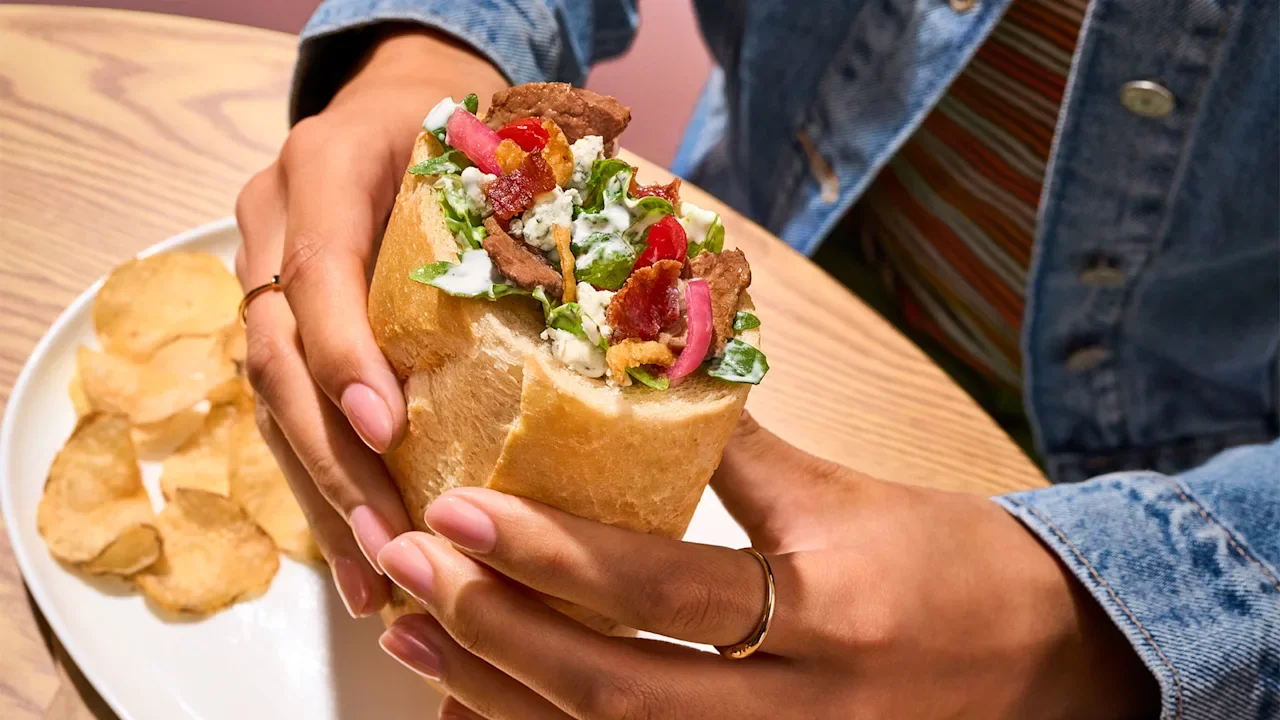
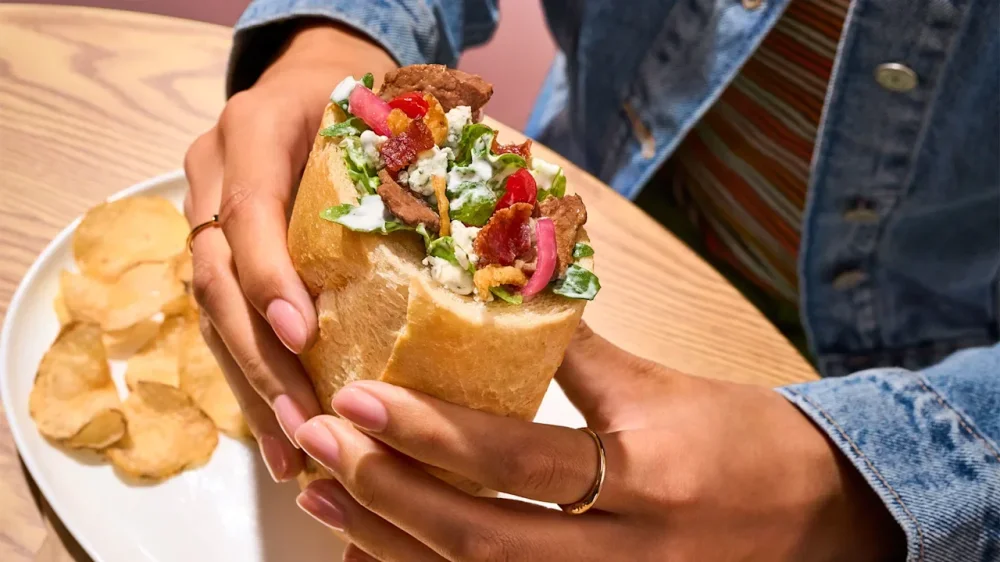
Facing stagnant sales, Panera Bread is aiming to become one of the restaurant industry’s rare comeback stories. The fast-casual chain’s latest move is the introduction of new “Salad Stuffers,” a fresh spin on one of Panera Bread’s most iconic menu items: the bread bowl. Instead of filling a sourdough bread bowl with soup, however, it’s stuffing a handheld Italian-style roll with salad. The idea sounds simple enough, and yet CEO Paul Carbone says Panera thoroughly tested the innovation before adding it to the menu. A team of chefs and bakers experimented with 20 different breads to find one with the desired “fluffy and soft” texture. Any salad on Panera’s menu, ranging from the chicken caesar to the steakhouse salad, can become a “stuffer.” The new menu item coincides with a broader plan at the fast-casual chain to use around nine ingredients for each salad creation. That’s closer to what competitors like Sweetgreen offer, and also more than the average of five ingredients previously featured in Panera’s salads. The Salad Stuffers were methodically tested in two regional markets over the course of three months, according to Carbone, who was elevated to his chief executive post in March 2025 after serving as interim CEO for three months and chief financial officer prior to that since 2023. “Maybe that’s the CFO in me,” Carbone tells Fast Company. “We test, we learn, we iterate.” A turnaround after cutting too much Panera Bread is in the very early stages of a turnaround effort in the wake of operation errors that Carbone says included making portions smaller and swapping in less-desirable ingredients. Carbone says Panera will invest $100 million more in its company-operated cafés in 2026 compared to last year’s spending levels, funding that will add five hours of extra labor per day to each café, support menu innovation, and boost the quality of the food on the chain’s menu. Franchisees, who account for around 50% of Panera’s system of 2,249 locations, are expected to match that corporate investment. This big spending commitment runs counter to Carbone’s instincts as a CFO, a title he held at Dunkin’ Brands, SharkNinja, and Yeti. When he was CFO at Panera and was presented with the idea of swapping in iceberg lettuce and using less romaine to save some money, Carbone says the decision sounded appealing. But it came at a cost: displeased diners. “As a former CFO, it’s the best investment we’ll make,” Carbone says of the renewed focus on quality. “What we’ve done in the past—degrading quality, smaller portion sizes, labor cuts—it wasn’t working.” A crowded, difficult comeback An attempted turnaround comes amid a choppy climate for restaurant chains, with demand for “slop” lunch bowls sold by competitors including Chipotle, Sweetgreen, and Cava having softened. From January 2024 through September 2025, restaurant and takeout cost increases more than doubled the pace at grocery stores, according to research from consulting giant McKinsey, due to rising labor, rent, and ingredient costs. There are also quite a few restaurant rivals currently attempting turnarounds of their own, including Starbucks and Red Lobster. But they’ve made little progress, and that’s because turning around a large, national chain is incredibly difficult, according to Fred LeFranc, founder and CEO at restaurant consulting firm Results Thru Strategy. “The number of layers from the top down to the store-level employees is pretty large,” LeFranc tells Fast Company, making operational changes tough to implement. Panera, he says, “really broke trust with their loyal customers. It was self-inflicted harm.” In November, Panera announced a new financial target, aiming for systemwide sales to exceed $7 billion by 2028, a tall order given systemwide sales were $6.1 billion and trending downward as of 2024, according to food-service research firm Technomic. Carbone says some early investments are moving the needle in a positive direction. Guest satisfaction scores on service and café cleanliness have improved, as has the likelihood of customers to recommend Panera since the restaurant added extra labor hours, according to Carbone. He also notes that new Frescas and Energy Refresher beverages that debuted in March have outperformed Panera’s internal goals and led to more beverage orders overall, while the chain’s Dubai-style chocolate pistachio cookie, launched alongside the new drinks, has led to an increase in bakery transactions. As for his industry turnaround inspiration, Carbone says the “best one in the industry today is Chili’s,” admitting, “If you had said to me, in five years Chili’s is going to be the hottest brand out there, I would have said, ‘Come on, no way.’” More changes are coming Panera is also testing a new point-based loyalty program in Chicago, Dallas, Denver, Seattle, and in Cheyenne, Wyoming. Based on results, it could roll out nationally as soon as this summer. It’s also trying out larger kiosks to make digital ordering easier and investing in AI for labor scheduling, demand planning, and other solutions that can be adopted at scale internationally. “It’s less about being able to strip out labor and replace it with AI and [more about] how it makes us better and smarter,” Carbone says. This thinking points Carbone back to what he learned when Panera’s business wilted, in part due to a bad bet on lettuce. “Going to 50% iceberg was not in service of the guest,” he says. “[Now] we put everything through the lens of: Is this in service of the guest? And does it make that guest experience better?” “Salad Stuffers” are priced from $8 to $13, depending on the salad choice and the region where they’re purchased. View the full article
-
The American job market is now filled with so-called ghost jobs —listings for positions that don’t actually exist, from companies that have no intent to hire—wasting not only hours of your time, but also your money, too. According to a comprehensive study by Enhancv, a global AI resume builder, 37% of people looking for jobs are now paying a “ghost tax”—reporting direct out-of-pocket expenses, including travel, childcare, and paid certifications, as a result of chasing phantom listings. The March 2026 study surveyed 1,000 U.S. professionals across all career levels. “When job seekers are losing actual money to engage with a company’s brand, we aren’t just looking at an HR problem, we’re looking at a systemic breakdown of the professional social contract,” Enhancv co-founder Volen Vulkov says. “We are moving toward a low-trust economy where the friction of finding talent will eventually cost more than the ‘free’ data companies are currently trying to extract.” Why are companies posting for a job they don’t intend to fill, at least not in the near future? It turns out corporations are using the posting as a way to both gather competitive intelligence about the application pool, and signal the appearance of growth, the study finds. Other findings include that nearly half, or 47% of candidates have applied for roles they later discovered were non-existent, indicating the tactic is a common strategy now among mainstream corporations. Technology and marketing have highest number of these deceptive listings, with 85.7% of tech workers and 87.5% of marketing professionals reporting ghost jobs. Meanwhile, over 50% of senior professionals, or applicants with over eight years’ experience, report applying and interviewing for ghost jobs. One red flag: seeing a “brand new” job reposted after receiving an automatic rejection, according to 16.1% of those surveyed. Not surprisingly, 12.1% of respondents have completely abandoned major jobs boards, and report a “soul-crushing” cycle of high-effort applications met with crickets. View the full article
-
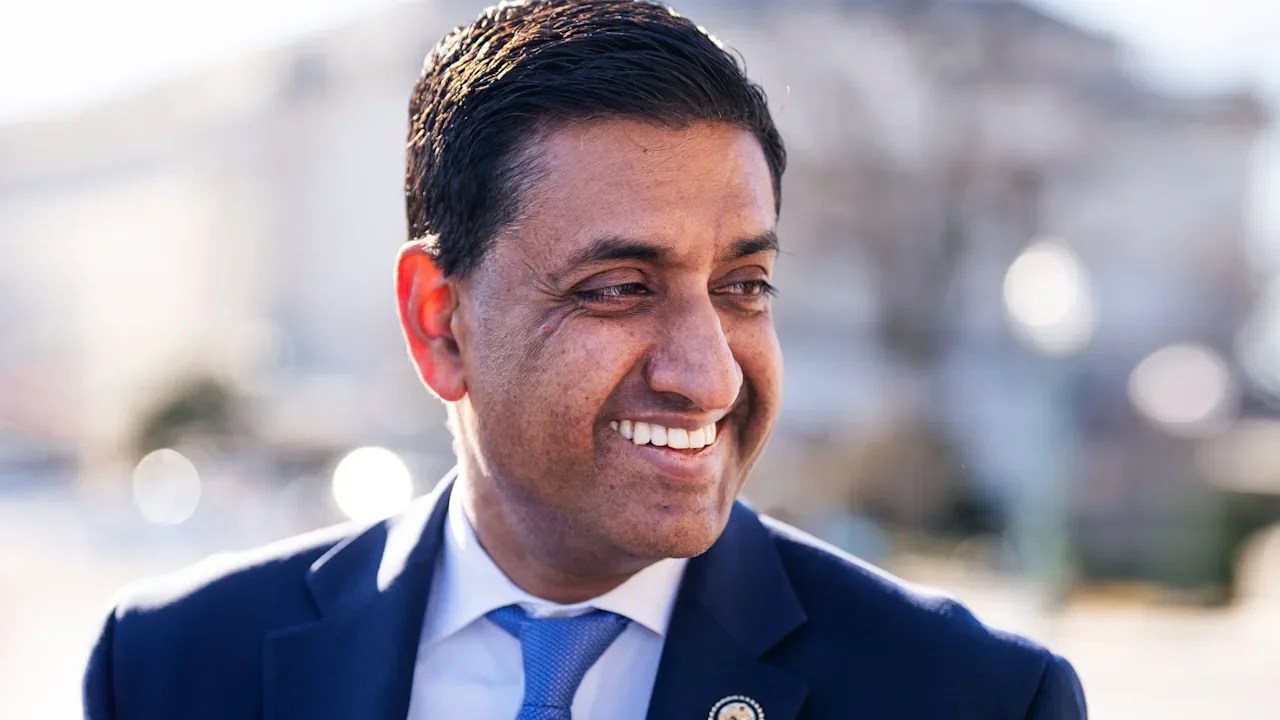
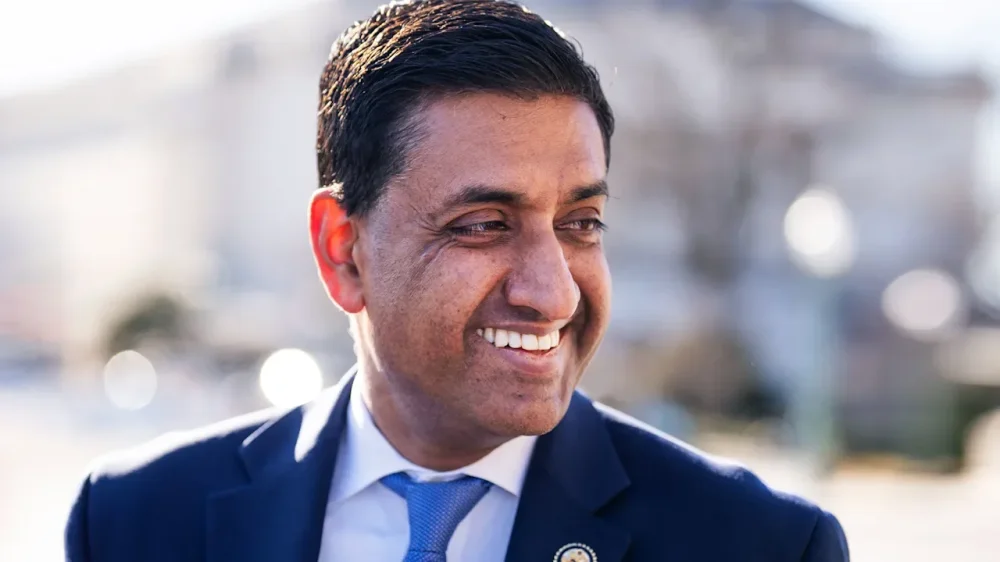
David Gamage was out to dinner with his wife and was already a few drinks deep late last year when his phone buzzed. According to the name on the screen, the call was coming from California congressman Ro Khanna. Gamage, a tax law professor at The University of Missouri, was initially skeptical; he’d never spoken with Khanna before. But the outreach also made some sense. The Democratic lawmaker had recently voiced support for a California ballot initiative that Gamage and several other tax scholars coauthored—an initiative that would levy a one-time, 5% tax on California billionaires to help cover public education and cuts to federal healthcare funding in the state. The proposal, which is sponsored by the California health workers union SEIU, had provoked furious backlash, prompting billionaires like Peter Thiel to begin cutting ties in California. Khanna, whose district is in Silicon Valley, had responded to their threats with a decidedly heavy dose of snark on X: “I echo what FDR said with sarcasm of economic royalists when they threatened to leave, ‘I will miss them very much.’” Now, Khanna wanted to dig into the details with Gamage about how the proposal would work in practice. “It was a somewhat surreal experience from my side,” says Gamage, who spent the evening attempting to elucidate the intricacies of complex tax policy over text. The two men followed up with a phone call where Khanna probed even further, expressing his concerns about how the proposal might impact “paper billionaires,” whose wealth is tied up in illiquid stock. The depth of the discussion surprised Gamage. “He has expressed real interest in understanding the mechanics and economics in a way that most politicians don’t,” Gamage says. But that has hardly won Khanna any brownie points with California billionaires, many of whom were once some of his most devoted supporters. Former Google chair Eric Schmidt is among the billionaires backing a new super PAC to oppose the proposal, including by pushing a rival ballot measure to block the wealth tax. Y Combinator CEO Garry Tan and venture capitalist Ron Conway, both Khanna donors in the past, have thrown their weight behind Ethan Agarwal, a tech founder who recently abandoned his longshot race for governor to go after Khanna’s House seat in the California primary. “Khanna has turned his back on the people of CA17,” Tan wrote on X, announcing his support for Agarwal, who previously founded the fitness app Aaptiv, and cofounded the Coterie, a software firm focused on tools for investors. Conway, who once praised Khanna as an advocate “who will be really, really outspoken for tech,” echoed that sentiment in his own post, writing that it’s time for a Silicon Valley congressman “who prioritizes the advancement of technology.” For Khanna, the uproar over the tax proposal is just the latest sign that tech billionaires have lost touch with the average worker in the industry they’ve come to represent. As evidence, he points to the $1.8 million that poured into his reelection campaign from some 30,000 donations last quarter, after he came out in favor of the wealth tax—a significant uptick from the last two quarters of 2025. “The backlash is exaggerated by people who read X,” Khanna tells Fast Company, adding that the billionaires leading the charge against the proposal are “not the future.” “I have the privilege of having support from more innovators, business and technology leaders than almost anyone,” he says. “There are very few billionaires. There are a lot more people in tech.” But in poking some of Silicon Valley’s most powerful people in the eye, Khanna is taking a significant political risk. In some ways, the wealth tax debacle is the predictable outcome of the high-wire act that he has been attempting to pull off since he first came to Congress in 2017. Early on, he established himself as an emissary of the industry hoping to spread what was working in Silicon Valley to other parts of the country. But that message has grown messier as public opinion on Big Tech has soured, and tech billionaires have shifted sharply to the right. Now, as Khanna’s national profile has grown and his name gets tossed around as a possible 2028 presidential contender, it’s become untenable for him to straddle the gap between progressives at the national level and the wealthiest constituents in his own backyard. As Democratic voters—and the politicians courting them—increasingly blame the ultrawealthy for making society less fair, the ultrawealthy are, in turn, testing old loyalties and searching for new champions. With his support for the billionaire tax—and subsequent introduction of a national billionaire tax proposal with Vermont Senator Bernie Sanders—Khanna appears to be planting both feet firmly on one side. “My tagline is: If America has been good for you, you need to do good for America,” he says. “America has been good to a lot of these tech billionaires.” The “tech groupie” on the Hill Khanna grew up a long way from Silicon Valley, just outside of Philadelphia in Bucks County, Pennsylvania. At the University of Chicago, where he studied economics, Khanna had a chance encounter with a young Barack Obama, who was running for the Illinois Senate. “My recollection is that he was an exceedingly decent, gracious person, and that there was a lot of buzz around him as the future mayor,” he once told Businessweek, noting that meeting Obama was what got him interested in politics. Years later, after graduating from Yale Law School, Khanna would go on to work briefly for the Commerce Department under President Obama in 2009. Khanna’s first congressional run came in 2014 during a simpler time for tech, when Silicon Valley startups were still broadly viewed as the darlings of the new economy and not the algorithmic engines of a wide range of societal ills. When his opponent’s supporters attempted to paint Khanna—by then a patent lawyer with backing from Peter Thiel and other tech leaders—as a corporate shill, Khanna told The New York Times that he wore the name “tech groupie” as “a badge of honor.” Looking back, Khanna admits to looking at the industry through rose-colored classes. “During the Obama years, many of us had a hope that technology would be democratizing, that technology would help bring about democratic change around the world,” he says. Losing that race, he’s since said, taught him an important lesson about aligning himself too closely with tech. “There are a lot more PTA leaders than tech leaders,” he recently told economist Paul Krugman, referring to advice he got from his then-opponent, former Congressman Mike Honda. Still, when Khanna did take office in 2017—the same year Donald The President took over the White House—it was with a decidedly optimistic message about the need to bring Silicon Valley-style prosperity to The President country. He traveled to Kentucky to meet with displaced coal miners who were learning tech skills and joined JD Vance (then an author and investor) on a bus tour to promote tech investment throughout the Midwest. He later wrote in a Wall Street Journal op-ed that he and Vance “shared a deep concern that our country was being ripped apart,” in part due to rising wealth inequality between Silicon Valley and other parts of the U.S. Even as the techlash got underway, Khanna’s positions remained relatively moderate toward tech. He opposed repealing Section 230, the liability shield that internet platforms rely on, and spoke out against “reflexive call[s] to break up companies.” His position on these hot-button issues—and continued financial ties to the industry—kept him one step removed from the anti-tech streak beginning to permeate Congress. Today Khanna argues that he has always been supportive of a billionaire tax, pointing to his endorsement of Bernie Sanders’s 2016 campaign for president, which hinged on taxing “the 1%.” But he acknowledges that, to the extent he supported these ideas, it was often “theoretical and academic,” not tied to any specific bill or proposal. (Khanna’s spokesperson directed Fast Company to two social media posts to indicate his past support for wealth taxes.) More often, he has advocated for policies that would put more money in low-income people’s pockets—but not explicitly by taking it out of the pockets of billionaires. His 2022 book, Progressive Capitalism, makes fleeting mention of increasing “taxes on corporations and the wealthy” to pay for things like Medicare for All. But the policies he proposes center on going after “tax cheaters” and closing corporate tax loopholes, rather than leveling a new tax on the fewer than 1,000 billionaires in the U.S. At times he seemed to argue for just the opposite, writing in his book that the country shouldn’t “simply favor the redistribution of wealth,” but should focus on expanding opportunity. The key to more widespread prosperity, in other words, was to spur innovation beyond the coasts. To that end, he was a champion of the bipartisan CHIPS and Science Act in 2022, which was based in part on a separate bill he cosponsored. The CHIPS Act promised to reinvigorate the U.S. semiconductor industry and received widespread support from the tech sector. (Recent research from the Brookings Institution suggests it has, indeed, begun to deliver on that promise, creating jobs and higher wages in areas with new semiconductor facilities.) “He’s always been focused on taking the strengths of Silicon Valley nationwide,” a Silicon Valley supporter of Khanna’s tells Fast Company. “It caught all of us off guard” None of this made Khanna the likeliest person to support a policy that would so thoroughly infuriate California billionaires, and according to Gamage, Khanna wasn’t involved in drafting the proposal. Gamage and his colleagues initially drew up a version of the wealth tax years ago, but the hurdles of getting such a measure through in Sacramento proved too high. It wasn’t until last year that the SEIU, a prolific sponsor of California propositions, reached out about taking the proposal directly to voters as a ballot measure. The President had already signed H.R. 1, better known as the One Big, Beautiful Bill, into law, which included $30 billion per year in cuts to California Medicaid funding. “We had to find revenue somewhere to deal with these looming cuts,” says SEIU’s chief of staff Suzanne Jimenez. The final text of the proposal was already public when a Democratic member of California’s Assembly, Alex Lee, suggested that SEIU reach out to Khanna for his support, Jimenez says. From that first conversation, it was clear to her that Khanna would be backing the initiative. Still, even she wasn’t expecting him to come out in support quite the way he did. While Jimenez says she was excited to read Khanna’s Christmastime clapback at billionaires threatening to leave the state, that feeling was hardly universal. Even some of those who remain in Khanna’s corner viewed his dismissive attitude as misguided. “It caught all of us off guard,” says the Silicon Valley supporter. The rollout of Khanna’s positioning was “awkward” and “messy” the supporter says, noting his own concerns with the proposal. That includes the fact that the tax applies even to people—like many startup founders—whose net worth on paper may bear little resemblance to their actual wealth. Tan and others, meanwhile, have argued that the proposal would cost people like Google founders Larry Page and Sergey Brin 50% of their shares in Alphabet because of a provision related to pricing the value of voting shares. Gamage and his colleagues have refuted those claims in detail and told Fast Company they amount to “misinformation.” Still, the looming tax bill has reportedly spooked Page and Brin enough that, in December, the two men collectively terminated or moved dozens of companies out of state. Khanna has since acknowledged that perhaps mixing it up on X was a misstep. But he’s been unapologetic about supporting the proposal because, as he seemed to imply to The San Francisco Chronicle recently, it’s been politically fruitful—or at least, not damaging. “I’ve never been at a more popular place in the district,” he said. Perhaps for that reason, Khanna appears unconcerned about the billionaire-backed primary challenge against him. In interviews, Agarwal has attempted to paint Khanna as a tech turncoat. “He put up this whole thing about being pro-tech and pro-business and pro-growth,” Agarwal told Fast Company. “I don’t know what happened to him.” Sarah Drory, a Khanna spokesperson, has, in turn, charged Agarwal with having a “checkered financial and personal past.” Her comments come amid new reporting on past legal disputes involving Agarwal’s companies and one instance in which Agarwal, by his own admission, was accused of IP infringement after he “downloaded some porn” in a case that was later settled. “I’ve often had a primary challenger,” Khanna says, adding jokingly, “it’s unclear to me who’s going to come in second or third.” Taking on the “Epstein class” The fact is, in 2025 67% of Americans viewed billionaires as making society less fair, an 8% uptick from 2024, according to the Harris poll. Among Democrats, that figure stands at 79%. It should come as no surprise that an ambitious politician with eyes on a 2028 White House run would lean into that messaging. “The message that this is the guy who’s against the billionaires and wants to fund healthcare, I think that’s a good message,” says one California Democratic strategist who is not supportive of the proposal. “I think this is probably a good thing for him, even if it’s not good for the state.” But Khanna has cited other reasons for his hardening stance on wealth, namely the who’s who of billionaires—many of them tech billionaires—whose (at best) chummy relationships with Jeffrey Epstein were documented in the Epstein files. Khanna, along with his Republican colleague Thomas Massie, coauthored the legislation that forced the release of the files, turning them into the faces of the fight. Khanna has since come to refer to the people named in the files as the “Epstein class” and spoken with optimism about carving out a new political lane focused on ending “elite impunity.” Khanna attributes some of the growing animosity from billionaires to his outspokenness on this issue. At the same time, the revelations contained in the files have stirred up his own feelings of fury. “The experience of seeing how those elites operated gave me more of an emotional connection with the frustrations of Americans who felt dispensable as second-class citizens—as some of these women did,” he says. “I have an emotional capacity now to identify with that anger, as opposed to just a philosophical understanding.” Yet Khanna has not turned his back on tech entirely. On April 9, in a well-timed flex of his continued status in certain Silicon Valley circles, he’s scheduled to appear onstage at Stanford University with Nvidia founder Jensen Huang. He has also been working behind the scenes to alleviate concerns about the tax proposal in the Valley. “He’s the only one talking to both the tech billionaires and to the labor leaders,” his Silicon Valley supporter says. Gamage says he’s personally been looped in on a number of emails with California billionaires seeking answers, though he declined to name which ones. Khanna has previously said he would meet with Netflix chair Reed Hastings and LinkedIn cofounder Reid Hoffman—both prominent Democratic donors. According to a post Hoffman later shared on LinkedIn, the discussion didn’t change his mind about opposing the proposal, but his support for Khanna at least appeared on solid ground. “[H]e believes (1) that Silicon Valley is a massively important creation of the future, and (2) that he wants to preserve and evolve capitalism through creating a contribution loop from the massively wealthy to helping the rest of the people in the state,” Hoffman wrote of Khanna. Khanna, meanwhile, takes credit for kick-starting a conversation about wealth inequality that has forced even opponents of the California wealth tax to step up with their own alternatives. Investor Vinod Khosla, who has criticized the proposal, recently suggested a federal doubling of capital gains taxes in an interview with Fortune. David Friedberg, an investor and cohost of the All-In podcast, similarly endorsed taxing loans that wealthy people take out against their assets. “Where were these proposals before I spoke out?” Khanna says. For now, Khanna is doubling down. The national bill he cosponsored with Sanders would go even further than California’s, instituting an annual tax on billionaires, rather than a one-time fee. And he’s begun to take a harsher stance on the tech industry writ large, recently endorsing the need “to repeal some of the section 230 immunity.” These moves seem poised to burnish Khanna’s progressive bona fides at a national level. But in distancing himself from the Silicon Valley elite, Khanna finds himself in yet another balancing act—attempting to draw a firm distinction between the ultrawealthy few who have come to define his district and the average voter he hopes will deliver him another term in office come November. View the full article
-
A United Wholesale Mortgage executive stepped in to defend a claim against the company, as consumers pelt the industry with more spam call complaints. View the full article
-
Google's John Mueller answers question about how Google handles multiple URLs and duplicate content. The post Google Says It Can Handle Multiple URLs To The Same Content appeared first on Search Engine Journal. View the full article
-
Fragile truce does not bring permanent end to war between foes burdened by decades of distrustView the full article
-
Both the US and Iran can claim victory of a sort but many questions remain unresolvedView the full article
-
We’ve been writing versions of this article for years, but this is the first time the hiring market has shifted this dramatically. If you’re struggling to get past even the earliest stage of the hiring process, keep reading — this is for you. What Changed? 2023 was about navigating layoffs. 2024 was about staying deliberate in a crowded market. 2025 was about refining your application to stand out. 👉 But 2026 marks a more dramatic turn: this is the year remote hiring stopped being only a competition problem and became a credibility problem. That changes the rules significantly. Increased Application Volume Is Burying Real TalentAccording to LinkedIn article, U.S. applications per open role have doubled since spring 2022, while 66% of recruiters say finding qualified talent has become harder. There are several factors leading to this: More applications per roleMass applying made easier by AI toolsSpam and junk applications flooding recruitersAI-polished resumes that look increasingly similarHarder to tell who is genuinely qualifiedMore candidate deception and misrepresentationFake identities, impersonation, and deepfake interviewsMore pressure on recruiters to hire faster despite lower trustOver-automation reducing human review and signal quality👉 While some factors are beyond your control, like mass applying and growing pressure on recruiters, you can still focus on what makes you stand out in a sea of applicants. ❗️We’re here to help you find that edge and navigate it with confidence.❗️ Apply EarlyWhenever possible, apply early. Submitting your application within the first couple of days can significantly improve your chances of being seen while recruiters are still reviewing with fresh eyes, rather than later, when they may already be overwhelmed by hundreds or thousands of applications. Alan Price, Global Head of Talent at Deel, makes the case that including AI in the process is fairer than relying entirely on recruiters👉 That matters more than ever. In the excerpt shown above, Alan Price reveals what it means to apply for a high-interest job today. When the numbers are lower, timing alone can make a real difference.❗️But his point also highlights something even more important: getting noticed is no longer just about passing a human check.❗ Keep AI in MindWhat makes landing a job in 2026, especially a remote one, different from previous years is how deeply AI is now woven into hiring. Recruiters are facing huge volumes of applicants, many of them made possible by AI-assisted mass applying. At the same time, candidates are increasingly being screened, ranked, or filtered by AI tools before a human ever reviews their application. ❗️That means you should not build your entire strategy around pleasing AI, but you cannot ignore it either. ❗️ Use relevant keywordsKeep your CV clear and easy to scanInclude career gaps on your timeline, with explanationsUse recognizable job titles and concrete examples👉 Then add what AI cannot substitute: specificity, clarity, and a human voice. Prove Your Value This takes more time, but in the long run it can help you land a remote role faster. Take time to understand the companies you are applying to and the main requirements of each role. Whenever possible, do small things that show you understand the problem the company is trying to solve and that you are capable of helping solve it. An article from Next Play’s Ben Lang gives practical examples of how to do exactly this. 👇 👉 Do not just list your skills. Show what you have done, how you have done it, and what results came from it. In remote hiring, clarity and demonstrated value often matter more than a long list of claims. ❗️Make sure to highlight the remote work-related tools and workflows you already know how to use. This helps show that you understand how remote work actually happens. More importantly, show that you can communicate clearly, stay organized, and work independently across teams and time zones. ❗️ Make Yourself Easy to VerifyAre you who you say you are? In a job market increasingly shaped by scams and fake profiles, this matters more and more. If you do not already have some kind of professional online presence, start building one. Strengthen your LinkedIn profileConnect with former coworkers, classmates, friends with professional networks, and previous employersAsk for testimonials or recommendations when appropriate ❗️Never neglect the importance of networking, no matter how small your network feels. You do not need to ask everyone for a referral. Sometimes a conversation, a tip, or a signal that a company is hiring can already give you an advantage. ❗️ 👉 These details may seem small, but they matter. Recruiters are becoming more cautious, and many of them will check, so make it as easy as possible for them to verify you. At the Same Time, Keep Yourself Safe Scams are growing on both sides of the hiring process, and job seekers need to stay alert. 👉 A good general rule is simple: if something sounds too good to be true, it probably is. If a company asks you for money, walk away immediately. If anything feels off, slow down and verify before moving forward. ❗️We have also written more about this in our scam prevention blog post.❗️ If You Land an Interview, Show Up Ready👉 Be on time. Make sure your internet connection is stable. Learn about the company, the role, and the people you are speaking with. Also be ready for the fact that your first interview may be AI-assisted or more standardized than you expect. ❗️And do not forget that if things go well, salary negotiation may be part of the process too, so it helps to be ready for that conversation in advance.❗️ Salman Ahmad/UnsplashBe Persistent and Patient Remote job searching requires time, patience and consistency. If you are currently unemployed, use some of the extra time you have to improve your skills through free courses and practical learning. Pay attention to how your role may be evolving as AI changes different industries, and think about how you can adapt ahead of that shift instead of reacting too late. ❗️The reality is that there is work to do even before you land the job. ❗️ 👉 In 2026, the goal is not to sound more polished than everyone else. It is to be easier to trust, easier to understand, and easier to imagine working with remotely. That is what stands out now. Clarice Ortega, LinkedInIn a market where timing matters, access matters too. Remotive helps you discover freshly published remote jobs sooner, so you can focus on applying early, while the opportunity is still fresh. Join Remotive today and give yourself a better chance of landing your next remote job! View the full article
-
Government debt in UK and Eurozone on course for strongest day since 2023View the full article
-
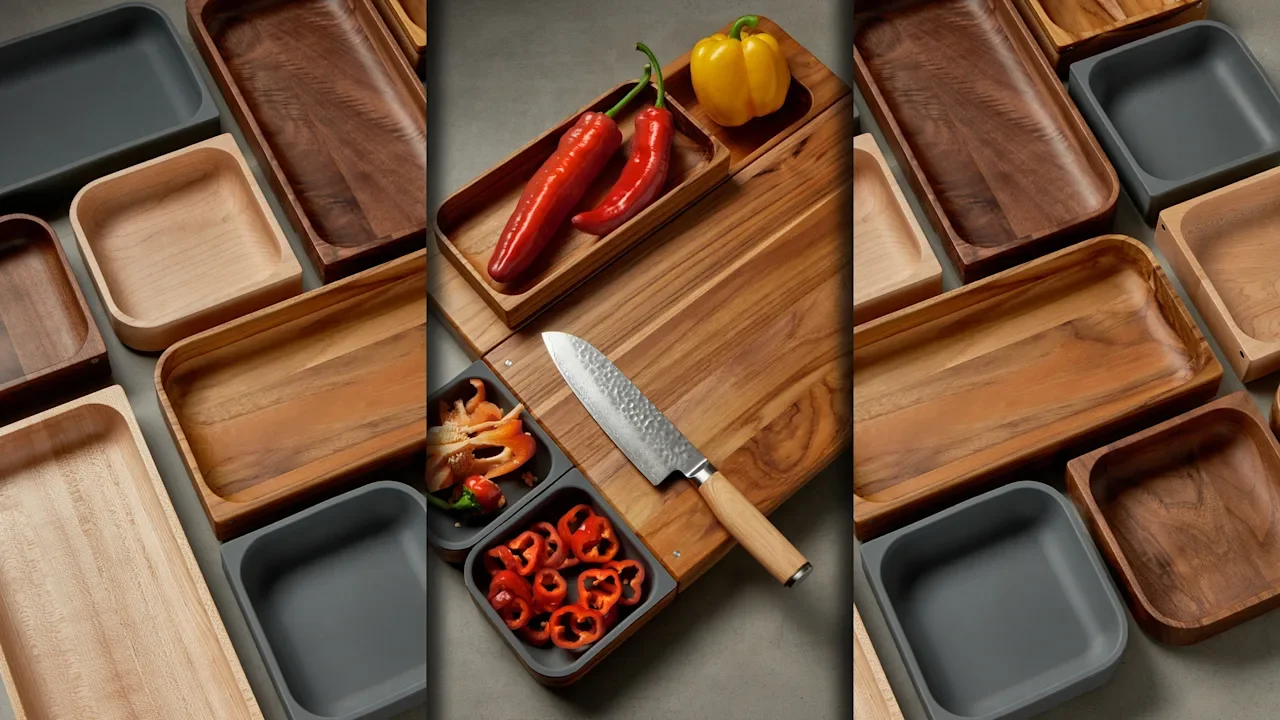
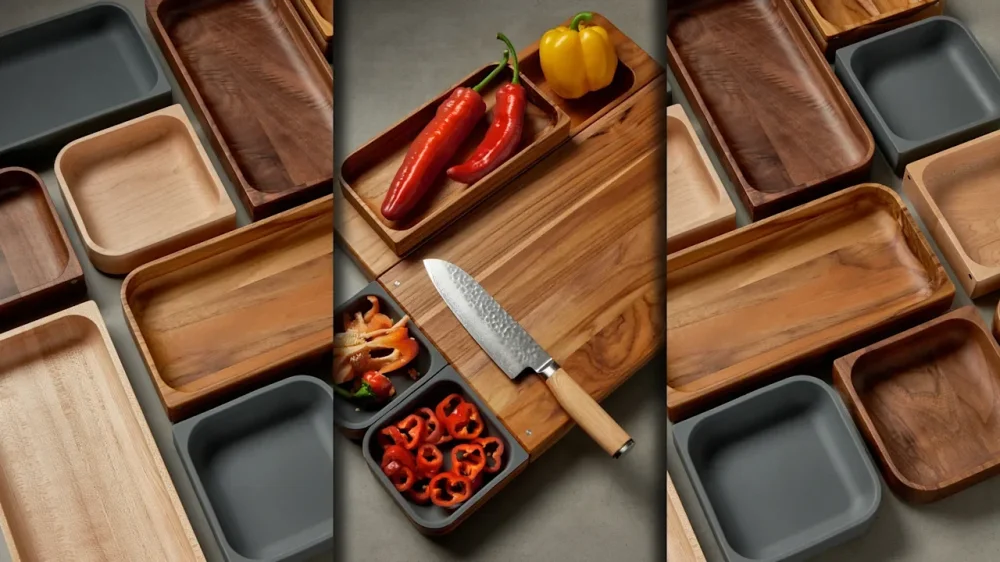
The cutting board may be the most used object in your kitchen, but its design hasn’t changed considerably since 3,000 BCE, when the ancient Egyptians began using slabs of wood for food preparation. The cutting board has to do a lot of work: It needs to absorb knife marks, soak up onion juice, and be big enough to hold vegetables and scraps. On a daily basis, home cooks are forced to confront the logistical problem of where to put the parsley they just chopped when they move on to the carrots. By the end of meal prep, the kitchen counter is littered with food waste and crowded with mismatched bowls of ingredients. It seems like a minor inconvenience, one that most of us manage every day. But Tom Palmer believed the humble cutting board could be improved. Palmer had spent eight years as an automotive engineer at GM who led a team of 54 employees working on the Cadillac Escalade. But on the side, he was an obsessive woodworker. “As soon as I bought my house I wanted to make furniture for it,” he says. “And one of the first things you start making are cutting boards.” He made one for his parents and added a little waste tray to the top that connected through magnets. They kept telling him how useful it was. So Palmer continued to tinker with the design, adding bowls on the side and rethinking the materials. Two years of development later, he’s launching Prepwell. It’s a modular cutting board system called the Chef Station that has four different trays that can be attached to three sides of the solid wood board with magnets to hold ingredients and scraps. The set comes with silicone liners for the trays that can be thrown in the dishwasher, as well as stainless steel liners that are oven-safe for cooking. You can also buy a supplemental board that clips to the top to separate vegetables and meat. “If we could create a system that was good for cooking, serving, and storing, we could have something that people would want,” Palmer says of his thinking for the design. There’s a catch, though. The full Prepwell system costs $545, and if you want the supplemental board or lids, that’ll cost you another $75 and $35, respectively. This makes Palmer’s product roughly 10 times more expensive than the average cutting board on the market—and significantly more than even high-end cutting boards like Boos Blocks, whose most expensive boards cost roughly $300. When I tested the Prepwell Chef Station, I was impressed by how thoughtfully it’s designed for everyday use. The board and the trays all snap together perfectly, which allowed me to create a neat workstation. As I cut asparagus, tofu, and green onions, I slid them into separate trays. When I started cooking, I was able to throw them into the pan at the right time. The supplemental board was a game-changer for me. I’m used to doing a shuffle between meat and vegetable boards. But this system made the process seamless. Palmer admits that his product is expensive, but he says he’s found a market for it. To fund the initial inventory, he turned to Kickstarter, launching a campaign that ran last fall. The campaign garnered 1,380 preorders, which he’s just shipped out, and the brand’s website is now up and running and ready for new customers. Perhaps it’s not surprising that an ultra-high-end cutting board is seeing success. Americans are spending more on their kitchens than ever. The U.S. kitchenware market is forecast to grow from $20.37 billion in 2024 to $37.19 billion in 2033. Our pandemic-era obsession with upgrading domestic life never entirely subsided, and many people have kept up the cooking habits they cultivated during lockdown. Add to that the fact that younger generations care a lot about how the products in their kitchen look, and the growth of aesthetically pleasing cookware brands like Caraway and Our Place makes sense. These trends shaped Palmer’s approach to Prepwell’s design. “If you were going to have friends over for dinner, would you leave this out, or would you want to hide it away?” he asks. Palmer says his target customer is anyone who has ever tucked a cutting board in the pantry before guests arrived. As he’s studied the customers who have purchased his Chef Station so far, he’s found that they include design obsessives, serious home cooks willing to pay for a better system, and newly married couples investing in outfitting their first home. A year ago, Palmer decided to focus on Prepwell in earnest. He went to his manager at GM and asked for a 12-month leave of absence to see whether he could make this business work. His manager agreed. And his training has turned out to be a big asset throughout the R&D process. Palmer has spent his career managing factory relationships, holding suppliers to time and quality requirements, and designing for manufacturing at scale. All of this came in handy as he worked with overseas partners to go from his original handcrafted prototypes to mass production. “When you’ve gone through production,” he says, “you learn about the failure points in the system. Whatever I’m designing needs to be foolproof.” For instance, when designing for cars, Palmer knows it makes more sense to choose specialist factories for each component, even though it’s easier and more streamlined to find a single factory that can make all of them. For Prepwell, he’s found separate factories for steel and wood. To learn about their quality-control processes he visited the factories in person. In the past, many direct-to-consumer brands would raise venture capital to launch a product like this. But Palmer has chosen not to go that route. For anyone who observed the DTC boom of the early 2010s—the mattress, luggage, and towel startups that burned through VC cash on Facebook ads without ever turning a profit—Palmer’s approach seems like a deliberate correction. Prepwell is running paid ads on Meta, but the math is simple: Sell more than you spend, and scale from there. A few weeks after launching Prepwell’s website, Palmer says the company is already profitable. “We’re trying to postpone a fundraise as long as possible,” he says. “Just bootstrap it as long as we can.” View the full article
-
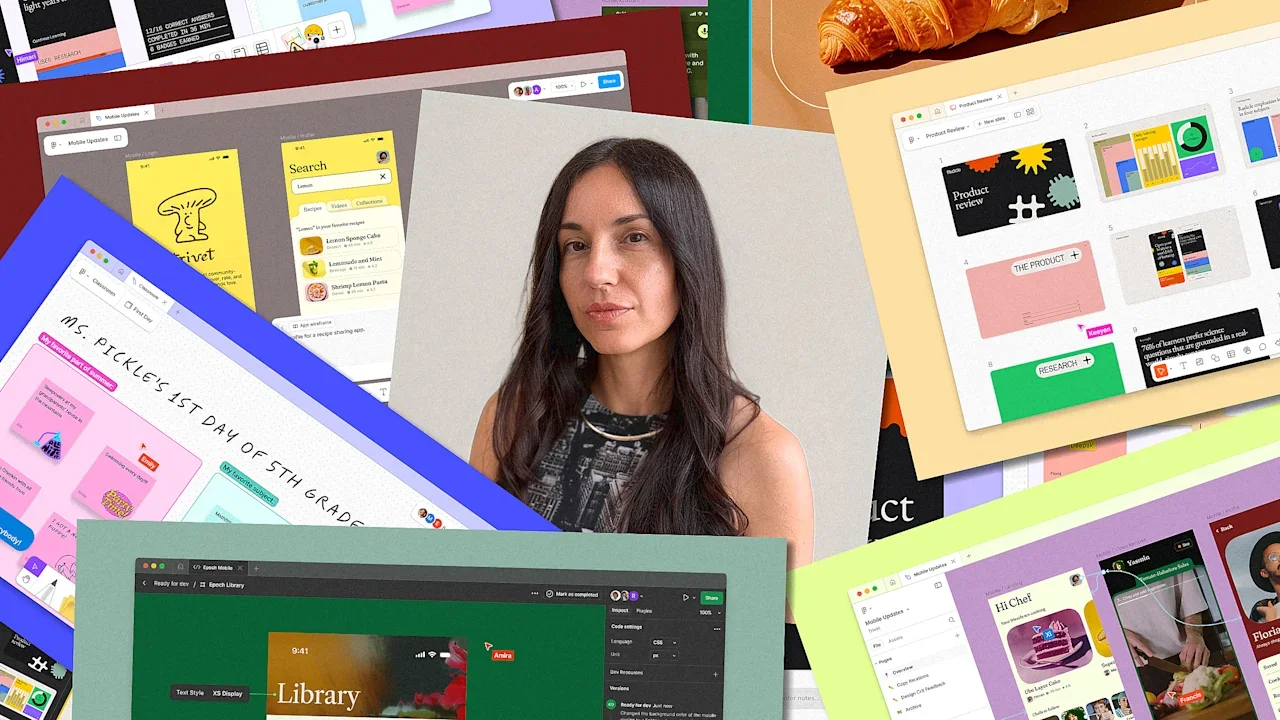
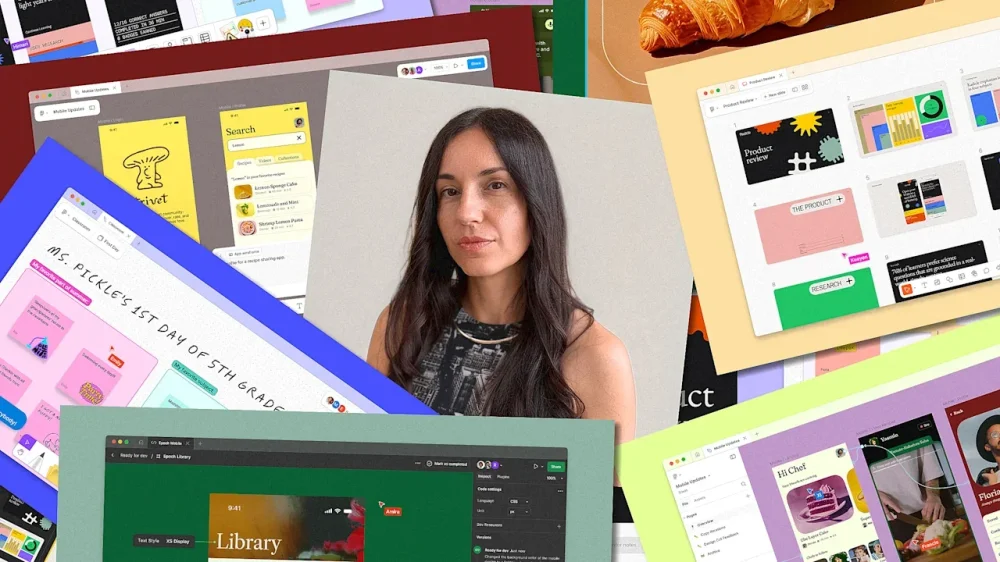
Loredana Crisan says her relationship with creativity started when she was 7 years old, sitting with her mother in her family’s kitchen in Bucharest, Romania. “The question she posed was, ‘Do you want to learn piano,’ and as a kid I was like, ‘Yes!’ –– probably because I was singing in the house.” From then on, says Crisan, she never stopped playing. In fact, she ended up as a student studying classical music in a conservatory. “I was very dedicated to music for a very long period of my life,” says Crisan. Now, as Chief Design Officer at Figma, Crisan says her musical training has informed her relationship with her work in ways she never expected. “If we are successful, we make people feel something as a result of our work,” she says. Here, she shares how her relationship with creativity has been informed by growing up with the iPhone, her love of cross-disciplinary work and the fight against burnout. This interview has been edited and condensed. I studied classical piano. As a teenager, I actually rebelled against classical music and picked up techno and other types of music production. This is Romania, like, transitioning from communism to actually being open to Western music and other types of things coming into the country. That was my first exploration phase. That career in music production actually brought me to the United States, where I worked in recording studios as a sound engineer and as a producer. And I did this in San Francisco, coming from Romania to the United States. When I realized that San Francisco was not the recording industry, I realized I had two options in front of me: move to L.A. or join a startup. Again, my exploratory bent was like, “Let’s join a startup, and figure out what this thing is about.” So I joined a startup called Lexy as a sound engineer to prototype audio interfaces for an assistant-like experience. I was not a visual designer, but what I knew was what it feels to be comfortable creating in a medium. That created this really deep desire for me to learn pixels and be as comfortable with pixels as I was with sound. The only way that I know how to do this is through apprenticeship. You dive in and you learn how to see, just like with piano, you dive in and you learn how to hear. I’m big into neuroscience. I think about how my brain reacts to different environments that I create for it. If you just go for a walk without any stimulation at all, this thing in your brain that’s kind of like always active, just comes through the surface. Ideas come from there. Burnout is real. Oftentimes what I focus on is like making sure that people have the time to breathe. I actually have a framework for how I lead teams that I come back to often: purpose, progress, and community. All of these have to be in great balance for work to be meaningful and for people not to burn out. I am very fortunate that at Figma, my seat is across disciplines: the product design team, the research team, the branding team. It allows me to think across all of all parts of the product development because research obviously helps us understand what we want to build next and what the market wants from us. Design looks at what shape that might take. And of course, we collaborate with PMs and engineers. And then on the brand side, we talk about our purpose, how we communicate and what the narrative is about the products that we build. I really thrive in the ability to look across things. Being a musician and being a designer, you are focused on your audience. When you’re playing music, of course it’s for you, too. It’s something that you want to feel, but you’re transmitting something. And great design also transmits something. If we are successful, we make people feel something as a result of our work. And so that translation always felt very, very smooth to me. I work out daily, and that’s one of my foundations. The first thing that I do when I wake up is a strength training session. This kind of helps set the day and during that, I’m often listening to podcasts, so there’s a lot of inspiration coming in. I’m very deep into neuroscience, so some of the podcasts that I listen to are about how our brains process the world. As a leader, that’s quite helpful. I try to start the day with somewhat of an agenda. I get into the office and start working with people. This might mean anything from bringing designers together to talk through some problems, or looking at work that they’re proposing. It could be spending time with the leadership team exploring strategies. Collaboration is so important. The more people end up finishing each other’s sentences, the more they have rituals in place where they don’t have to overthink each other and the process by which they work together. I always think about the teams and the environment around them and the longevity of their relationships. That’s really important. Bringing different points of view into the mix always makes the product better. Building rituals can be as simple as the times that the teams come together. On Mondays, do they come together to decide what the week is gonna look like? Do they wrap it up on Friday with a reflection? Getting the team together, putting them in front of users to ask questions to really build shared language has been really successful. View the full article
-
Halifax reports market slowdown as mortgage rates rise View the full article
-
Entrepreneurs displaying narcissistic behavior are better able to convince investors to give them money when their grandiosity comes across as confidence as opposed to defensiveness or arrogance. That’s what we learned from watching 12 seasons of the popular reality TV show Shark Tank to better understand how an entrepreneur’s psychological profile affects their ability to secure funding. My research focuses on how entrepreneurs respond to challenges, including how personality affects their work. My colleagues and I based our study off the concept that there are two distinct “flavors” of narcissism: narcissistic admiration and narcissistic rivalry. Narcissistic admiration means wanting others to like you and think highly of you, while its more contentious counterpart, narcissistic rivalry, refers to putting others down to feel better about yourself. Our research, published in Organization Science last year, analyzed 789 pitches featured on Shark Tank. For each pitch in our sample, professional psychologists used a validated psychometric scale to score the founder-CEO’s admiration and rivalry behaviors. We then measured investors’ immediate reactions by analyzing the emotional tone of their response—how positive or negative their language was—and linked that sentiment to funding outcomes. Narcissism was then measured for each CEO using our coding approach, producing continuous scores that range from lower to higher levels of narcissistic admiration and rivalry. Our analyses leverage this variation, particularly higher levels, but the sample itself was not constructed based on narcissism. We concluded that founders who displayed narcissistic admiration were more likely to secure funding. For example, in a pitch, it’s the charming founder weaving a compelling story about the company (“Let me impress you”) and the future (“I can lead us there”). Meanwhile, founders displaying narcissistic rivalry were less likely to nail down a deal, even if their business plan was solid. Their defensive style can look like arrogance or hostility. In pitches we reviewed, this was the founder who bristled at questions (“Don’t challenge me”) or talked down to the investor. In other words: Not all “confidence” plays the same in the pitch room. Why it matters Narcissism is common among leaders in executive roles, and it’s often treated as either a secret advantage or a dangerous flaw. Our findings suggest the more useful question is: Which version shows up when the pressure is on? Shark Tank offers a rare window into the inner workings of early-stage investing. Entrepreneurs make short pitches to experienced investors, who weigh market trends and financial projections that may be only educated guesses. The products are sometimes still in the prototype stage. The investors, or “sharks,” must rely on quick interpersonal cues about the founder, and the pitch itself captures the interaction they are reacting to in the moment. Then there is an observable outcome: deal or no deal, and the amount invested. For entrepreneurs, confidence and bold vision can be assets, but only when paired with openness and composure. Investors seem to respond well to founders who can sell a big idea without turning challenging questions into showdowns. And this isn’t just about reality television. Venture capital meetings, accelerator demo days, and even corporate board presentations often hinge on short, high-stakes interactions where impressions of the leader quickly become impressions of the venture. What’s next Going forward, we want to test whether the same dynamics hold in less-public settings, such as private venture capital meetings where the camera isn’t running. We also want to understand whether rivalry-based behavior is ever rewarded (for example, in highly adversarial negotiations), and whether different investors interpret the same behavior differently. The Research Brief is a short take on interesting academic work. Paul Sanchez Ruiz is a professor of management and entrepreneurship at Iowa State University. This article is republished from The Conversation under a Creative Commons license. Read the original article. View the full article

-
The National Capital Planning Commission has voted to approve President Donald The President’s controversial White House ballroom plans, greenlighting the demolition of the historic East Wing to make way for a new neoclassical structure. But the ballroom is just one piece of a much bigger picture. Last year, the president signed an executive order mandating that new federal buildings return to a “traditional and classical” style, sparking a fierce debate among architects about who gets to decide what American democracy looks like. On this episode of FC Explains, staff writer Nate Berg breaks down the design agenda behind MAGA architecture, who is driving it, and what is at stake for the buildings that shape public life in America. View the full article

-
Below, Leanne ten Brinke shares five key insights from her new book, Poisonous People: How to Resist Them and Improve Your Life. Leanne is Associate Professor of Psychology at the University of British Columbia, where she directs the Truth and Trust Lab. She has been studying deception, distrust, and dark personalities for the past 20 years. What’s the big idea? Most people are far kinder—and more trustworthy—than we assume. The real danger comes from a small group of manipulative personalities who exploit our good nature. Once you understand how they operate, you can spot them early and take back control. Listen to the audio version of this Book Bite—read by Leanne herself—in the Next Big Idea App, or buy the book. 1. Most people are better than you think Imagine that I gave you $10 and asked you to make a decision: keep that tenner and go on with your day, or hand it over to a stranger you’ll never see again. If you take the latter option, that $10 will automatically quadruple. That stranger now has $40 and a decision of their own to make. They can keep it all for themselves or split it with you. Do you trust a stranger to double your money? When researchers asked participants in a study this same question, only 45 percent said that they expected people to split the money. Researchers played out the scenario and found that nearly 80 percent of people actually shared their earnings. That’s right, the vast majority of people weren’t selfish or mean. They were kind and considerate enough to do the fair thing. Another field study had research assistants drop off more than 17,000 “lost wallets” at hotel front desks and train station lost-and-founds around the world. Some of these wallets had no money in them. Others had about $15, and still others had nearly $100. Researchers waited to see how many people would try to return the wallets to their rightful owners. You might expect that the fattest wallets would be least likely to find their way home, but the opposite was true. The more money people found, the more likely they were to return it. People went out of their way not to feel like they were stealing. These and many other similar findings reveal that most people aren’t often selfish or mean. They aren’t consistently violent or abusive either. They’re kind, honest, and concerned about others. 2. A few people do most of the damage Most people aren’t the problem. A few people are. People with psychopathy have callous, manipulative, impulsive, and antisocial personality traits. They don’t experience emotions as others do. You know that guilt you feel when you drop the ball at work? Or when you say something cruel in a moment of stress or anger? They don’t experience those pangs. People with psychopathy can commit horrific acts of violence without any remorse for the people they hurt or kill. “They make up just one percent of the general population, but account for about 20 percent of incarcerated people.” They also have inflated egos and might come across as having a holier-than-thou vibe, even though they’re anything but. People with psychopathy manipulate others using superficial charm and lies to get what they want. They live for momentary pleasures, seeking sex, money, and dominance. Long-term planning isn’t in their playbook—they act on impulse and care little about following the rules. It is no wonder then that people with extreme, clinical levels of these traits tend to find themselves at odds with the law. They make up just one percent of the general population, but account for about 20 percent of incarcerated people. The more psychopathic traits that people possess, the less likely they are to share the spoils of that economic game I mentioned earlier. The less trustworthy they are, in general: people higher in psychopathic traits tell more lies, cheat more often on their romantic partners, and spend more time trolling in online forums. They rain more abuse on their subordinates at work and their families at home, and they’re more likely to favor an authoritarian approach in politics. Being on the receiving end of these behaviors costs us. Let’s turn it into dollars. Researchers estimated the total cost of crime in the U.S., including money spent on prisons and legal fees, as well as the cost of security systems, medical care for victims, and the time we spend avoiding or recovering from crimes. That number topped $5 trillion annually. If people with psychopathy make up 20 percent of all incarcerated individuals, you might pin 20 percent of the cost on them. But it turns out that people with psychopathy commit 50 percent of all serious crimes. The total annual cost to society: $2.5 trillion U.S. dollars. Most of us experience the costs of dark personalities not in dollars and cents, but in stress, fear, and cynicism. Maybe a supervisor at work, an ex-partner, a friend, or even a family member sprang to mind as I described the constellation of personality traits that make up psychopathy. While these people in your life may not meet clinical cut-offs for a disorder, higher-than-average levels of these traits can bring out-sized pain to those in their orbit. Research shows that up to about 20 percent of the population score higher on dark traits. These are the people who tend to backstab us at work, troll us online, treat us abusively in our romantic relationships, and more. 3. Dark personalities thrive on our (false) assumptions Research suggests that people rarely tell lies. When you ask people, “How many times have you lied today?” the most common answer is zero. So, it makes a certain kind of sense that people also tend to assume that others are telling the truth most of the time. People have such a strong truth bias that it rarely even occurs to them that someone might be lying. But dark personalities? They lie a lot, and because of our truth bias, they get away with it a lot, too. We often use our own experience as a starting point for understanding how others might feel, think, or act in a given situation. That works well for people similar to us, but it really backfires with dark personalities. When someone with psychopathic traits does something wrong, our first impulse might be to guilt or shame them. While that might have worked to curb your bad behavior, they don’t experience guilt or shame. Alternatively, you might try to punish them, but again, that will likely prove ineffective. The brains of people with psychopathy don’t react to punishment like others do, and so it doesn’t shape future behavior like it does for most people. “That works well for people similar to us, but it really backfires with dark personalities.” Other false assumptions seem to benefit dark personalities, too. We tend to mistake confidence for competence, giving people with narcissistic personality traits a leg up when it comes to choosing leaders. Similarly, we might assume that people in positions of power need to have a bit of callousness, fearlessness, or the ability to manipulate to get the job done. But research tells a different story. There is strong evidence that narcissistic leaders tank team performance, and psychopathic traits don’t help investors maximize profits. In fact, they make less money than their less psychopathic peers. 4. Understanding poisonous people provides an antidote Researchers have amassed a ton of data about dark personalities, and you can use that information to detect dark personalities early, make clear-eyed decisions about whether you want to stay or go in a relationship with one, and actively contain the damage if you decide to stick around. Some of the strategies are surprisingly simple. In a 1961 CIA report, then-President JFK was presented with insights into the personality of Soviet leader Nikita Khrushchev. Khrushchev had some dark traits. The report describes him as impetuous, ruthless, and prone to taking risks. He was at least somewhat narcissistic and was a wily manipulator. Khrushchev was also described as having the capacity to charm and smooth-talk others to his advantage. He did well in unscripted, face-to-face interactions. The CIA’s analysis notes that he was something of a chameleon, capable of playing different roles depending on the situation: “His personality has more impact than his words.” It’s not just Khrushchev that seemed to have an in-person advantage. Research on parole board decisions finds that inmates with clinical levels of psychopathy are more likely to be released than their less psychopathic peers, despite a higher likelihood of reoffending. In a more benign scenario, dark personalities were able to negotiate a sweeter deal for themselves when selling a pair of concert tickets in person than when the same negotiation occurred over text. Shifting to text can help neutralize poisonous people, providing a simple, research-backed strategy for managing interactions with everyday dark personalities. “Shifting to text can help neutralize poisonous people.” There are other critical things we’ve learned, too. You know how punishment doesn’t work so well? That’s due to a failure of attention. Drawing someone’s attention to the punishment when it’s doled out can help make it more effective. And you know what might work even better than that? Rewards. So, when a generally callous and manipulative person does something kind or honest for once, reward them. Give them a reason to do it again. 5. The problem is smaller than you think If a relatively few people are causing most of the harm, that means we can make huge headway by focusing on containing just a small group of individuals—a much easier challenge than changing all of humanity. Fortunately, science has provided us with powerful tools. You can already detect poisonous people, and you can learn how to do that better and faster. There are a series of red flags and patterns that become evident if you spend enough time around a dark personality. Even first impressions based on a few seconds of observation contain a kernel of truth. Detection is a critical skill to gain, but it’s not the only tool you need. I often hear people say that if you see these traits, run. Run far and fast in the opposite direction, and honestly, that’s a strategy you should keep on the table. But you won’t always be able to leave a relationship with a dark personality that is poisoning your life—perhaps you won’t even want to. To stay or go is your choice, but electing to stay doesn’t mean you have resigned yourself to becoming a victim. You can learn to manage the poisonous person in your midst. Enjoy our full library of Book Bites—read by the authors!—in the Next Big Idea app. This article originally appeared in Next Big Idea Club magazine and is reprinted with permission. View the full article