All Activity
- Past hour
-
 Large language models feel intelligent because they speak fluently, confidently, and at scale. But fluency is not understanding, and confidence is not perception. To grasp the real limitation of today’s AI systems, it helps to revisit an idea that is more than two thousand years old. In The Republic, Plato describes the allegory of the cave: prisoners chained inside a cave can only see shadows projected on a wall. Having never seen the real objects casting those shadows, they mistake appearances for reality, and they are deprived from experiencing the real world. Large language models live in a very similar cave. LLMs don’t perceive the world: they read about it LLMs do not see, hear, touch, or interact with reality. They are trained almost entirely on text: books, articles, posts, comments, transcripts, and fragments of human expression collected from across history and the internet. That text is their only input. Their only “experience.” LLMs only “see” shadows: texts produced by humans describing the world. Those texts are their entire universe. Everything an LLM knows about reality comes filtered through language, written by people with varying degrees of intelligence, honesty, bias, knowledge, and intent. Text is not reality: it is a human representation of reality. It is mediated, incomplete, biased, and wildly heterogeneous, often distorted. Human language reflects opinions, misunderstandings, cultural blind spots, and outright falsehoods. Books and the internet contain extraordinary insights, but also conspiracy theories, propaganda, pornography, abuse, and sheer nonsense. When we train LLMs on “all the text,” we are not giving them access to the world. We are giving them access to humanity’s shadows on the wall. This is not a minor limitation. It is the core architectural flaw of current AI. Why scale doesn’t solve the problem The prevailing assumption in AI strategy has been that scale fixes everything: more data, bigger models, more parameters, more compute. But more shadows on the wall do not equal reality. Because LLMs are trained to predict the most statistically likely next word, they excel at producing plausible language, but not at understanding causality, physical constraints, or real-world consequences. This is why hallucinations are not a bug to be patched away, but a structural limitation. As Yann LeCun has repeatedly argued, language alone is not a sufficient foundation for intelligence. The shift toward world models This is why attention is increasingly turning toward world models: systems that build internal representations of how environments work, learn from interaction, and simulate outcomes before acting. Unlike LLMs, world models are not limited to text. They can incorporate time-series data, sensor inputs, feedback loops, ERP data, spreadsheets, simulations, and the consequences of actions. Instead of asking “What is the most likely next word?”, they ask a far more powerful question: “What will happen if we do this?” What this looks like in practice For executives, this is not an abstract research debate. World models are already emerging (often without being labeled as such), in domains where language alone is insufficient. Supply chains and logistics: A language model can summarize disruptions or generate reports. A world model can simulate how a port closure, fuel price increase, or supplier failure propagates through a network, and test alternative responses before committing capital. Insurance and risk management: LLMs can explain policies or answer customer questions. World models can learn how risk actually evolves over time, simulate extreme events, and estimate cascading losses under different scenarios, something no text-only system can reliably do. Manufacturing and operations: Digital twins of factories are early world models. They don’t just describe processes; they simulate how machines, materials, and timing interact, allowing companies to predict failures, optimize throughput, and test changes virtually before touching the real system. In all these cases, language is useful, but insufficient. Understanding requires a model of how the world behaves, not just how people talk about it. The post-LLM architecture This does not mean abandoning language models. It means putting them in their proper place. In the next phase of AI: LLMs become interfaces, copilots, and translators World models provide grounding, prediction, and planning Language sits on top of systems that learn from reality itself In Plato’s allegory, the prisoners are not freed by studying the shadows more carefully: they are freed by turning around and confronting the source of those shadows, and eventually the world outside the cave. AI is approaching a similar moment. The organizations that recognize this early will stop mistaking fluent language for understanding and start investing in architectures that model their own reality. Those companies won’t just build AI that talks convincingly about the world: they’ll build AI that actually understands how it works. Will your company understand this? Will your company be able to build its world model? View the full article
-
Valentino, who died on Monday at 93, leaves a lasting legacy full of celebrities, glamour and, in his words, knowing what women want: “to be beautiful”. The Italian fashion powerhouse has secured his dream of making a lasting impact, outliving Karl Lagerfeld and Yves Saint Laurent. Valentino was known for his unique blend between the bold and colourful Italian fashion and the elegant French haute couture—the highest level of craftsmanship in fashion, with exceptional detail and strict professional dressmaking standards. The blending of these styles to create the signature Valentino silhouette made his style distinctive. Valentino’s style was reserved, and over his career, he built upon the haute couture skills he had developed, maintaining his signature style while he led his fashion house for five decades. But he was certainly not without his own controversial views on beauty for women. Becoming the designer Born in Voghera, Italy, in 1932, Valentino Clemente Ludovico began his career early, knowing from a young age he would pursue fashion. He drew from a young age and studied fashion drawing at Santa Marta Institute of Fashion Drawing in Milan before honing his technical design skills at École de la Chambre Syndicale de la Couture Parisienne, the fashion trade association, in Paris. He started his fashion career at two prominent Parisian haute couture houses, first at Jean Dessès before moving to Guy Laroche. He opened his own fashion house in Italy in 1959. His early work had a heavy French influence with simple, clean designs and complex silhouettes and construction. His early work had blocked colour and more of a minimalist approach, before his Italian culture really came through later in his collections. He achieved early success through his connections to the Italian film industry, including dressing Elizabeth Taylor fresh off her appearance in Cleopatra (1963). Elizabeth TaylorKirk DouglasSpartacus Valentino joined the world stage on his first showing at the Pritti Palace in Florence in 1962. His most notable collection during that era was in 1968 with The White Collection, a series of A-line dresses and classic suit jackets. The collection was striking: all in white, while Italy was all about colour. He quickly grew in international popularity. He was beloved by European celebrities, and an elite group of women who were willing to spend the money—the dresses ran into the thousands of dollars. In 1963, he travelled to the United States to attract Hollywood stars. The Valentino woman Valentino’s wish was to make women beautiful. He certainly attracted the A-list celebrities to do so. The Valentino woman was one who would hold themselves with confidence and a lady-like elegance. Valentino wanted to see women attract attention with his classic silhouettes and balanced proportions. Valentino dressed women such as Jackie Kennedy, Audrey Hepburn, Julia Roberts, Gwyneth Paltrow, and Anne Hathaway. Anne HathawayValentino Garavani His aristocratic taste inherited ideas of beauty and old European style, rather than innovating with new trends. His signature style was formal designs that had the ability to quietly intimidate—including the insatiable Valentino red. Red was a signature colour of his collections. The colour provided confidence and romance, while not distracting away from the beauty of the woman. French influence Being French-trained, Valentino was well acquainted with the rules of couture. With this expertise, he was one of the first Italian designers to be successful in France as an outsider with the launch of his first Paris collection in 1975. This Paris collection showcased more relaxed silhouettes with many layers, playing towards the casual nature of fashion. While his design base was in Rome, many of his collections were shown in Paris over the next four decades. His Italian culture mixed with the technicality of Parisian haute couture made Valentino the designer he was. Throughout his career, his designs often maintained a classic silhouette bust, matched with a bold Italian colour or texture. Unlike some designers today, Valentino’s collections didn’t change too dramatically each season. Instead, they continued to maintain the craftsmanship and high couture standards. “Quintessentially beautiful” is often the description of Valentino’s work – however this devotion to high beauty standards has seen criticism of the industry. In 2007, Valentino defended the trend of very skinny women on runways, saying when “girls are skinny, the dresses are more attractive”. Critics said his designs reinforce exclusion, gatekeeping fashion from those who don’t conform to traditional beauty standards. The Valentino runways only recently have started to feature more average sized bodies and expand their definition of beauty. The $300 million sale of Valentino The Valentino fashion brand sold for US$300 million in 1998 to Holding di Partecipazioni Industriali, with Valentino still designing until his retirement in 2007. Valentino sold to increase the size of his brand: he knew without the support of a larger corporation surviving alone would be impossible. Since Valentino’s retirement, the fashion house has continued under other creative directors. Valentino will leave a lasting legacy as the Italian designer who managed to break through the noise of the French haute couture elite and make a name for himself. The iconic Valentino red will forever be remembered for its glamour, and will live on with his legacy. A true Roman visionary with unmatched craftsmanship. Jye Marshall is a lecturer of fashion design at the School of Design and Architecture at Swinburne University of Technology. This article is republished from The Conversation under a Creative Commons license. Read the original article. View the full article

-
In 2019, during his first term, U.S. President Donald The President expressed a desire to buy Greenland, which has been a part of Denmark for some 300 years. Danes and Greenlanders quickly rebuffed the offer at the time. During The President’s second term, those offers have turned to threats. The President said on his social media platform Truth Social in late December 2024 that, for purposes of national security, U.S. control over Greenland was a necessity. The president has continued to insist on the national security rationale into January 2026. And he has refused to rule out the use of military force to control Greenland. From my perspective as an international relations scholar focused on Europe, The President’s national security rationale doesn’t make sense. Greenland, like the U.S., is a member of NATO, which provides a collective defense pact, meaning member nations will respond to an attack on any alliance member. And because of a 1951 defense agreement between the U.S. and Denmark, the U.S. can already build military installations in Greenland to protect the region. The President’s 2025 National Security Strategy, which stresses control of the Western Hemisphere and keeping China out of the region, provides insight into The President’s thinking. US interests in Greenland The United States has tried to acquire Greenland several times. In 1867, Secretary of State William Seward commissioned a survey of Greenland. Impressed with the abundance of natural resources on the island, he pushed to acquire Greenland and Iceland for US$5.5 million—roughly $125 million today. But Congress was still concerned about the purchase of Alaska that year, which Seward had engineered. It had seen Alaska as too cold and too distant from the rest of the U.S. to justify spending $7.2 million—roughly $164 million today—although Congress ultimately agreed to do it. There was not enough national support for another frozen land. In 1910, the U.S. ambassador to Denmark proposed a complex trade involving Germany, Denmark and the United States. Denmark would give the U.S. Greenland, and the U.S. would give Denmark islands in the Philippines. Denmark would then give those islands to Germany, and Germany would return Schleswig-Holstein—Germany’s northernmost state—to Denmark. But the U.S. quickly dismissed the proposed trade as too audacious. During World War II, Nazi Germany occupied Denmark, and the U.S. assumed the role of protector of both Greenland and Iceland, both of which belonged to Denmark at the time. The U.S. built airstrips, weather stations and radar and communications stations—five on Greenland’s east coast and nine on the west coast. The U.S. used Greenland and Iceland as bases for bombers that attacked Germany and German-occupied areas. Greenland had a high value for military strategists because of its location in the North Atlantic—to counter Nazi threats to Allied shipping lanes and protect transatlantic routes, and because it was a midpoint for refueling U.S. aircraft. Greenland’s importance also rested on its deposits of cryolite, useful for making aluminum. In 1946, the Truman administration offered to buy Greenland for $100 million, as U.S. military leaders thought it would play a critical role in the Cold War. The secret U.S. project Operation Blue Jay at the beginning of the Cold War resulted in the construction of Thule Air Base in northwestern Greenland, which allowed U.S. bombers to be closer to the Soviet Union. Renamed Pituffik Space Base, today it provides a 24/7 missile warning and space surveillance facility that is critical to NATO and U.S. security strategy. At the end of World War II, Denmark recognized Greenland as one of its territories. In 1953, Greenland gained constitutional rights and became a country within the Kingdom of Denmark. Greenland was assigned self-rule in 1979, and by 2009 it became a self-governing country, still within the Kingdom of Denmark, which includes Denmark, Greenland and the Faroe Islands. Denmark recognizes the government of Greenland as an equal partner and recently gave it a more significant role as the first voice for Denmark in the Arctic Council, which promotes cooperation in the Arctic. What the US may want The The President administration’s 2025 National Security Strategy identifies three threats in the Western Hemisphere: migration, drugs and crimes, and China’s increasing influence. Two of those threats are irrelevant when considering Greenland. Greenlandic people are not migrating to the U.S., and they are not drug traffickers. However, Greenland is rich in rare earth minerals, including neodymium, dysprosium, graphite, copper and lithium. Additionally, China seeks to establish mining interests in Greenland and the Arctic as part of its Polar Silk Road initiative. China had offered to build an infrastructure for Greenland, including improving the airport, until Denmark stepped in and offered airport funding. And China has worked with Australian companies to secure mining opportunities on the island. Those rare earth minerals appeal to the European Union, too. The EU lists some 30 raw materials that are essential for their economies. Twenty-five are in Greenland. The The President administration has made it clear that controlling these minerals is a national security issue, and the president wants to keep them away from China. Figures vary, but it is estimated that over 60% of rare earth elements or minerals are currently mined in China. China also refines some 90% of rare earths. This gives China tremendous leverage in trade talks. And it results in a dangerous vulnerability for the U.S. and other nation states seeking to modernize their economies. With few suppliers of these rare earth elements, the political and economic costs of securing them are high. Greenland has only two operating mines. One is the Tan Breez project in southern Greenland. It produces 17 metals, including terbium and neodymium, that are used in high-strength magnets used in many green technologies and in aircraft manufacturing, including for the F-35 fighter planes. Consider for a moment that The President is not interested in owning Greenland. Instead, he is using this threatening position to secure promises from the Greenlandic government to make economic deals with the U.S. and not China. Thus, The President’s threats could be less about national security and much more about eliminating competition from China and securing wealth for U.S. interests. This form of coercive diplomacy threatens the political and economic development of not only Greenland but Europe. In recent interviews, The President has made it clear that he does not respect international law and the sovereignty of countries. His position, I believe, undermines the international order and removes the U.S. as a responsible leader of that framework established after World War II. Steven Lamy is a professor emeritus of political science and international relations and spatial sciences at USC Dornsife College of Letters, Arts and Sciences. This article is republished from The Conversation under a Creative Commons license. Read the original article. View the full article

- Today
-
We may earn a commission from links on this page. It's Oscar season! By which I mean, it's that time of year when movie dorks are in a rush to catch up on as many Oscar-nominated films as is feasible before the awards ceremony kicks off—which, this year, will be on March 15 on ABC. If box office and streaming numbers are any indication, there's a good chance you've seen this year's nominations front-runner, Sinners, which didn't just receive the most nominations in 2026, but received the most nominations ever (can't say I'm mad about it), but the second-most nominated movie of the year, Paul Thomas Anderson's One Battle After Another, is also readily available. Unfortunately, you can't yet easily stream major nominees like Marty Supreme, Hamnet, and The Secret Agent, which are still making the rounds in theaters. It's also too early to stream the likes of Sirât, The Voice of Hind Rajab, Kohuko, Viva Verdi!, Arco, Zootopia 2, and Avatar: Fire and Ash, though there's a good chance that will change before the first envelopes are torn open. I'll continue to update this article as more movies drop on digital platforms. Unless your a hardcore cinema-goer, you should have plenty to occupy your eyeballs until then. Sinners 16 Nominations for: Best Picture, Actor (Michael B. Jordan), Supporting Actor (Delroy Lindo), Actress (Wunmi Mosako), Directing (Ryan Coogler), Original Screenplay, Original Song ("I Lied to You"), Original Score, Casting, Cinematography, Film Editing, Makeup and Hairstyling, Costume Design, Production Design, Sound, Visual Effects Ryan Coogler's Sinners didn't just do pretty well with the nominations—it did historically well. The previous record has stood at 14 since 1950, when All About Eve deservedly won the night. Titanic and La La Land matched that number, but it's never been beaten until now (the addition of the new Best Casting category helping matters just a bit). Nominations aren't trophies—La La Land didn't wind up winning the actual Best Picture prize—but it's still a notable achievement. It's also an Oscar rarity in another sense: Sinners is one of a very small handful of horror movies to be nominated for Best Picture and may well be only the second (after Silence of the Lambs) to win. Stream Sinners on HBO Max and Prime Video. Sinners at HBO Max Learn More Learn More at HBO Max One Battle After Another 13 Nominations for: Best Picture, Actor (Leonardo DiCaprio), Supporting Actor (Benicio Del Toro and Sean Penn), Supporting Actress (Teyana Taylor), Director (Paul Thomas Anderson), Adapted Screenplay, Cinematography, Editing, Original Score, Production Design, Sound, Casting Paul Thomas Anderson, you will always be famous where Oscar is concerned. The director's dark comedy/action thriller earned a very impressive 13 nominations, including a Best Actor nod for Leonardo DiCaprio and supporting nominations for Teyana Taylor and Benicio Del Toro. Stream one Battle After Another on HBO Max. One Battle After Another at HBO Max Learn More Learn More at HBO Max Frankenstein 9 Nominations for: Best Picture, Supporting Actor (Jacob Elordi), Adapted Screenplay, Cinematography, Costume Design, Makeup and Hairstyling, Original Score, Production Design, Sound Perpetual Oscar fave Guillermo del Toro's long-gestating Frankenstein adaptation finally made it to theaters (albeit briefly—it's mostly a Netflix thing) this year, and the result was worth the wait. Sumptuous and appropriately horrifying, the director did Mary Shelley proud, and the film earned a very respectable nine nominations along the way. The all-time number of Frankenstein movies runs into the hundreds, but I'm pretty sure that this is the first one to get any significant Oscar love. Stream Frankenstein on Netflix. Frankenstein at Netflix Learn More Learn More at Netflix Sentimental Value 9 nominations for: Best Picture, Actress (Renate Reinsve), Supporting Actor (Stellan Skarsgård), Supporting Actress (Elle Fanning), Supporting Actress (Inga Ibsdotter Lilleaas), Director (Joachim Trier), Original Screenplay, International Film, Editing This Norwegian import from director Joachim Trier (The Worst Person in the World, which also starred Best Actress nominee Renate Reinsve) managed to pick up nominations in both the International Film and overall Best Picture categories. It's probably a long shot for the latter, but has a solid shot at the former. (Between this and Predator: Badlands, Elle Fanning had a great 2025.) Rent Sentimental Value from Prime Video. Sentimental Value at Prime Video Learn More Learn More at Prime Video Bugonia 4 Nominations for: Best Picture, Actress (Emma Stone), Adapted Screenplay, Original Score This is the fifth Yorgos Lanthimos film to receive Oscar nominations in major categories, and the third that's up for Best Picture, following Poor Things a few years back, but the acclaimed, idiosyncratic director has yet to claim a trophy of his own. Stream Bugonia on Peacock. Bugonia at Peacock Learn More Learn More at Peacock F1: The Movie 4 Nominations for: Best Picture, Editing, Sound, Visual Effects Heeeey it's that Apple movie that I saw a million ads for (Brad Pitt: The Movie") that's apparently pretty good? I don't know, I'm not a car guy. But director Joseph Kosinski (Top Gun: Maverick) sure knows how to film things going fast. Stream F1: The Movie on Apple TV+ F1: The Movie at Apple TV+ Learn More Learn More at Apple TV+ Train Dreams 4 Nominations for: Best Picture, Adapted Screenplay, Cinematography, Original Song ("Train Dreams") Clint Bentley's historical drama is slow, absolutely, but in a modern cinema landscape of constant distraction and over-explanation, its contemplative beauty feels revolutionary. Stream Train Dreams on Netflix. Train Dreams at Netflix Learn More Learn More at Netflix KPop Demon Hunters 2 Nominations for: Original Song ("Golden"), Animated Film I'd have put this one up for the overall Best Picture trophy as well, but that's just me. Pure joy, and very likely to take home both of these awards (if "Golden" loses Best Original Song, the pre-teen set is likely to riot). Stream KPop Demon Hunters on Netflix. KPop Demon Hunters at Netflix Learn More Learn More at Netflix Blue Moon 2 Nominations for: Actor (Ethan Hawke), Original Screenplay Besties Richard Linklater and Ethan Hawke reunited to tell the story of Broadway lyricist Lorenz Hart on the opening night of Oklahoma!. It sounds like a real niche movie, but it is well worth seeking out—Hawke is definitely a stealth contender for Best Actor. Rent Blue Moon from Prime Video. Blue Moon at Prime Video Learn More Learn More at Prime Video It Was Just an Accident 2 Nominations for: Original Screenplay, International Film A group of Iranian political prisoners, now free, must decide whether and in what way to take revenge in this film, which won the Palme d'Or at Cannes last year but missed out on a Best Picture nomination. Rent It Was Just an Accident from Prime Video. It Was Just an Accident at Prime Video Learn More Learn More at Prime Video If I Had Legs I'd Kick You Nomination for: Actress (Rose Byrne) Rose Byrne picks up a nomination for her role as a mother who's going through it. (I've heard this one called "the Uncut Gems of parenting movies.") Rent If I Had Legs I'd Kick You from Prime Video. If I Had Legs I'd Kick You at Prime Video Learn More Learn More at Prime Video Weapons Nomination for: Supporting Actress (Amy Madigan) Was there any more memorable screen presence in 2025 than Aunt Gladys? No, there was not—even before that scene where...what happened to her...happened. Stream Weapons on HBO Max. Weapons at HBO Max Learn More Learn More at HBO Max Elio Nomination for: Animated Film This might not be Pixar's best-reviewed film, but the story of a kid who becomes an inadvertent alien ambassador is pretty darn charming, nonetheless. Stream Elio on Disney+. Elio at Disney+ Learn More Learn More at Disney+ Song Sung Blue Nomination for: Actress (Kate Hudson) The premise, dealing with the real-life, occasionally tragic story of a Neil Diamond tribute band, sounds like something I made up. But it's real, and also an Oscar nominee! It's great to see Hudson back in the spotlight a quarter-century after her breakout turn in Almost Famous. Rent Song Sung Blue from Prime Video. Song Sung Blue at Prime Video Learn More Learn More at Prime Video Jurassic World Rebirth Nomination for: Visual Effects The dinosaurs are back, and this time they're chasing Jonathan Bailey, Scarlett Johansson, and Mahershala Ali. Stream Jurassic World Rebirth on Peacock. Jurassic World Rebirth at Peacock Learn More Learn More at Peacock Diane Warren: Relentless Nomination for: Original Song ("Dear Me") This will be Diane Warren's 17th Original Song Oscar nomination and who knows maybe her first win? Stiff competition this year, though. (It's gonna be gonna be "Golden," right?) Rent Diane Warren: Relentless from Prime Video. Diane Warren: Relentless at Prime Video Learn More Learn More at Prime Video The Alabama Solution Nomination for: Documentary Film The filmmakers spent six years documenting abuse and murder within the Alabama prison system from the perspective of the incarcerated individuals, leading a movement for change. Stream The Alabama Solution on HBO Max. The Alabama Solution at HBO Max Learn More Learn More at HBO Max The Lost Bus Nomination for: Visual Effects Matthew McConaughey and America Ferrera rush to save kids during the deadliest fire in California history in this true-ish story, which picked up a nod for it's too-real disaster effects. Stream The Lost Bus on Apple TV+. The Lost Bus at Apple TV+ Learn More Learn More at Apple TV+ Come See Me in the Good Light Nomination for: Documentary Film The story of queer American poet and activist Andrea Gibson, in their own words. Stream Come See Me in the Good Light on Apple TV+. Come See Me in the Good Light at Apple TV+ Learn More Learn More at Apple TV+ The Ugly StepsisterNomination for: Makeup and Hairstyling All in all, not a bad year for scary movies at the Oscars, with this impressive bit of body horror getting a surprise nod. Stream The Ugly Stepsister on Hulu. The Ugly Stepsister at Hulu Learn More Learn More at Hulu View the full article
-
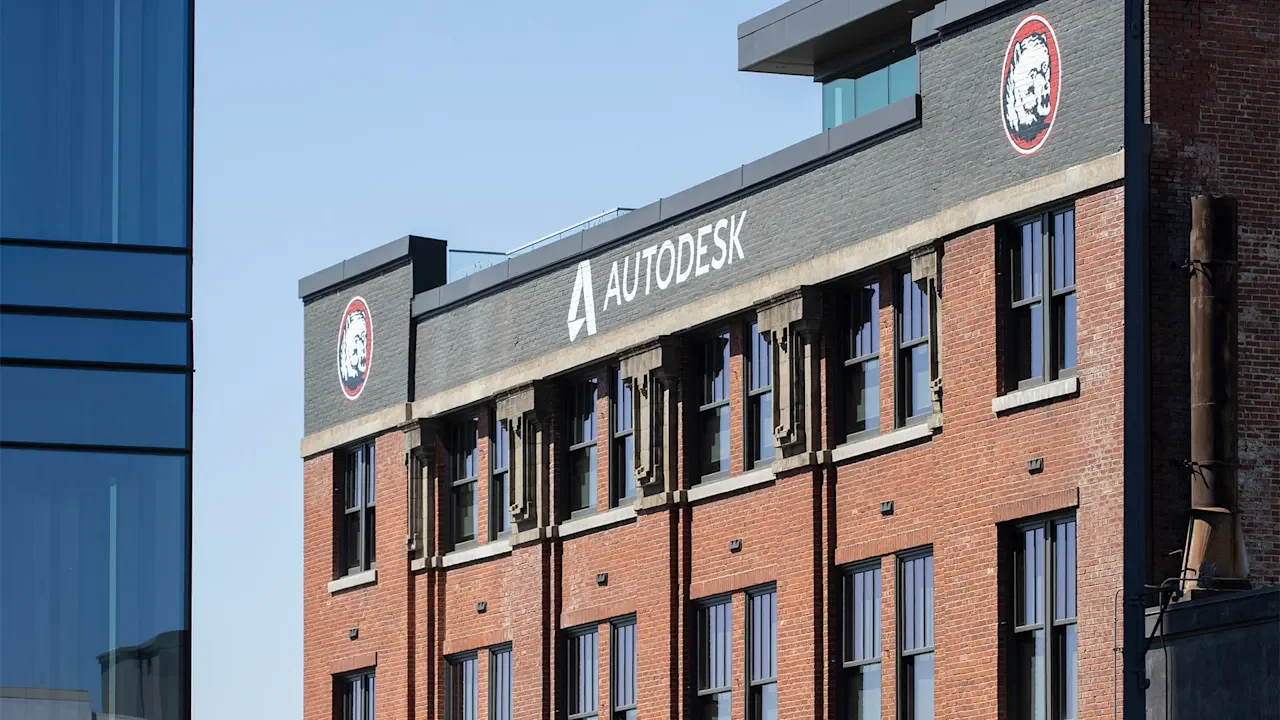
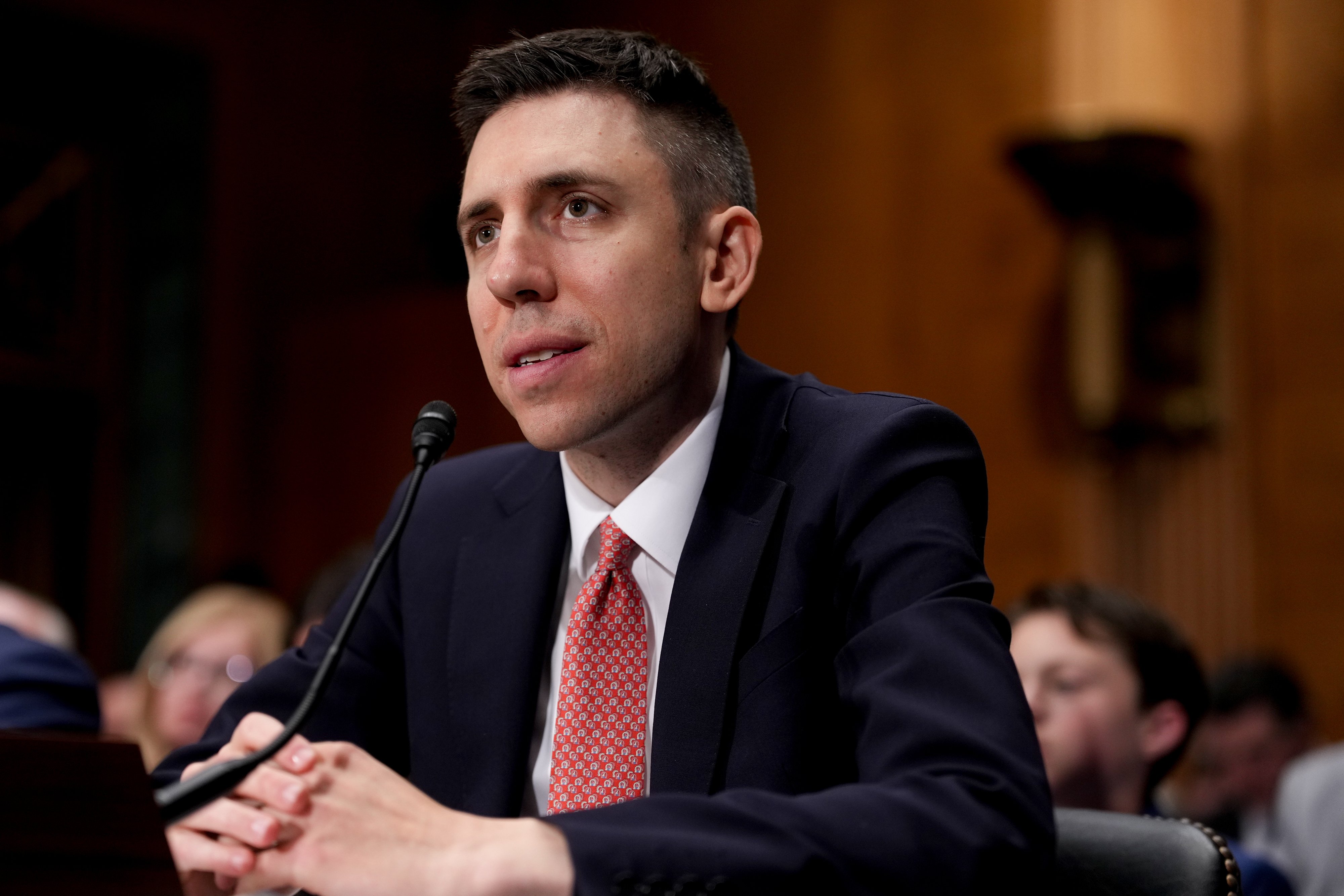
Autodesk, Inc. announced Thursday it plans to lay off about 1,000 employees, largely in sales roles. The announcement comes just a week after another tech company, Meta, announced it would eliminate up to 1,500 positions. Here’s what you need to know about the latest tech company layoffs. What’s happened? The plan will reduce the company’s workforce by approximately 7%. Autodesk indicated a significant number of the affected jobs would be in customer-facing sales roles. The plan will also reallocate resources to accelerate strategic priorities, The Wall Street Journal reported. CEO Andrew Anagnost assured employees in a letter that these layoffs were not indicative of a yearly pattern or a shift to replacing workers with AI. Last February, Autodesk announced a plan to reduce its workforce by 9%. How many jobs are being lost? The 2026 layoffs are projected to affect around 1,000 employees. Autodesk’s 2025 layoffs were projected to affect around 1,350 employees, according to Anagnost’s internal message. Autodesk predicts pre-tax restructuring charges between $135 and $160 million, largely tied to employee termination benefits. The restructuring plan is expected to conclude by the end of fiscal year 2027. Why is Autodesk laying off employees? This move is part of the final phase in Autodesk’s recent efforts to optimize sales and marketing. Last February’s layoffs were informed by the “need to drive more efficiency and focus” to implement specific programs, according to Anagnost’s statement to employees. In the letter to employees, Anagnost said the reduction focuses on completing the company’s go-to-market transformation, expanding its AI and platform capabilities, and strengthening corporate functions. At Autodesk University in September 2025, the company revealed brand-new AI tools with pre-beta software. One such tool was a neural CAD, which Autodesk said could automate 80-90% of routine design tasks. It was a big step forward in Autodesk’s AI investments, and perhaps indicative of what this reduction is making room for. Other 2026 tech layoffs Just last week, Meta announced a 10% reduction in its Reality Labs division, the section of the company primarily responsible for augmented and virtual reality (like the metaverse). It was the largest layoff announcement in the tech sector so far in 2026. Nearly 124,000 employees across 269 tech companies were laid off in 2025, according to data compiled by Layoffs.fyi. Since 2023, Autodesk has laid off at least 1,600 employees. With Meta and Autodesk’s projected reductions alone, at least 2,500 employees across the two companies will lose their jobs. View the full article
-
The 30-year fixed rate mortgage increased 3 basis points this past week, off of a three-year low point, but are nearly a percentage point lower than a year ago. View the full article
-
President Emmanuel Macron says vessel was subject to western sanctions and flying a false flagView the full article
-
After spending much of his career in marketing, Daniel Hebert pivoted into Software as a Service (SaaS) sales for a high-growth startup in 2018. But what started out as a dream job soon turned into a nightmare. Like many tech startups, the business went from growth mode to scaling down as the market turned in 2022. As the head of the sales team, Hebert found himself on the front lines of that cost-cutting campaign. “I would be assigned a team and have to fire half the people. Then I’d have to rebuild the process and rebuild the team. I did three or four cycles of that in 15 months, and I just got so insanely burnt out,” he says. “I just randomly started getting [stress-induced] vertigo, to the point where I was bedridden for days at a time. Like, I couldn’t stand up without falling over.” Though he was just a couple of months shy of a big payday when the company was set to be acquired, Hebert resigned and began offering independent sales coaching services in early 2023. “In the very early days, I used AI a lot for brainstorming: figuring out, like, how do I market this thing?” he says. “Then it became kind of like a marketing editor, and then I started using it with my clients. And from there, it went wild.” As he got more comfortable with the technology, Hebert says he started to look for ways he could leverage it to scale his offering. “If I want to increase my income as a coach, I have to add more coaching hours, and there’s so many hours I can coach before I max out,” he says.“ So if I want to scale my income, I have to do it in a way that doesn’t require my time.” Hebert says he had lots of ideas for tech products over the years, but never had the time, resources, or capacity to build them. That is, until he became a solopreneur and learned how to use Lovable, an AI-powered app builder. “I could actually build functioning B2B SaaS software, and it completely changed everything for me,” he says. “I could now build a handful of these tools and get some subscribers, and have this portfolio of apps generating income without me having to add more coaching hours.” AI is widely expected to be a game changer for businesses of all shapes and sizes, enabling new kinds of productivity and revenue. But that transformation is already well underway among solopreneurs. That’s because those who are independently employed don’t have the practical constraints that hold back those operating in traditional organizations, like legal compliance, or a lengthy rollout process of new tools involving large groups of people and many teams. They also enjoy more direct financial rewards from being early AI adopters. Why solopreneurs are winning the AI race In a recent survey conducted by online freelance marketplace Upwork, 90% of freelancers said AI is helping them learn new skills faster, and 88% said it positively impacted their careers. Furthermore, 34% strongly agree that AI gives them an edge, compared with 28% of those who are traditionally employed. Overall, 54% of independently employed professionals self-report advanced AI proficiency, compared with 38% of those who are independently employed. “The data overwhelmingly shows that independent talent is adopting AI at higher rates,” says Gabby Burlacu, a senior researcher at the Upwork Research Institute and one of the study’s authors. “They are faster at adopting it, and they are also more proficient in finding ways to use these tools to improve their work, and actually embedding them in their workflows when we compare them to full-time employees.” As traditional organizations sort through how to deploy which AI tools and embark on lengthy integration and change management campaigns, solopreneurs are taking it upon themselves to experiment on their own. “They are pursuing self-development—which we’re seeing across the board—at much higher rates than full-time employees who tend to rely more on organizational learning and development,” Burlacu says. “The tools are available to everyone, but the ability to unlock their power and do better work comes from being in control of how you work, how you learn. That’s the game changer.” Not just for knowledge workers While knowledge industry workers are the most likely to latch onto the technology, solopreneurs of all shapes and sizes are finding ways to grow their business using AI. According to a study conducted by business insurance provider Simply Business, about 37.5% of independently employed knowledge workers, such as accountants, IT specialists and legal advisers, are using AI in their day-to-day operations. At the same time, so are 29.7% of those with independent creative or lifestyle ventures—like artists, coaches, and photographers—and 14% of tradespeople and contractors. Those figures, however, only capture intentional adoption, and don’t include those that are using other software tools to run their business, which are increasingly integrating AI functionality. According to the survey, more than half use digital marketing tools, and another 39% leverage accounting software. “Some of those, quite frankly, have AI built in that they may not even realize they’re using,” says Dana Edwards, group chief technology officer at Simply Business. “In our 2025 survey, 23% [of solopreneurs] were using AI, and if you kind of follow the trend line, I wouldn’t be surprised if we were in the 60 or 70% range in 2026.” AI offers solopreneurs direct value In a recent survey of solopreneurs who are already using AI conducted by Zoom and Upwork, 93% agreed or strongly agreed that the technology is critical to their success. Furthermore, 75% said it has reduced costs, 89% said it’s helped them expand into new markets, 78% said it allowed them to automate repetitive tasks, and 74% said it’s directly contributed to a new product or service offering. “Seven out of 10 of those individuals are already seeing revenue impact from incorporating AI in their day-to-day operations, and we’re just at the start,” says Lisa Scheiring, Zoom’s new global small business advisor and chief solo officer. “Technology now is enabling those individuals to build durable, scalable businesses that can compete directly with some of the larger enterprises in their categories.” Scheiring says the establishment of her position, along with Zoom’s recently announced Solopreneur 50 recognition program, are a testament to the impact the company believes businesses of one will have in the AI era. She adds that it’s not just the lack of traditional constraints that allows solopreneurs to leverage AI more readily; it’s also about personality and risk appetite. “If you are bold enough to take on a solo venture, you are already someone who is willing to learn new things and change and grow. Those are the same skills that you need to learn how to use AI,” Scheiring says. “Someone who is willing to take that step forward and be a solopreneur, those same capabilities—when applied to a new technology like AI—will help them move further, faster.” That proved the case for Hebert, who went from burned-out sales professional to independent sales coach to launching his own tech products in less than three years. “You used to have to raise a lot of money and hire a big team to do things like this—now you just need an idea and the patience to actually learn the AI skills to make it happen,” he says. “That’s the superpower of the solopreneur.” View the full article

-
Here’s a round-up of advice about counteroffers. can I leverage a job offer for a raise at my current job? should I use a job offer to get a raise at my current job? should I talk with my manager before I accept another job, even though I wouldn’t accept a counteroffer? my job made me a shocking counteroffer can I ask an employer to match a counteroffer from my current job? when a recruiter wants you to commit to not accepting a counteroffer some cautionary tales my company made a counteroffer to keep me — and now is attaching strings to it my employer made me a counteroffer, then rescinded it I accepted my company’s counteroffer, and now they’re going back on our agreement the exception: a time where it makes sense how to ask my company to pay me more if they want me to stay if you’re the manager: why you shouldn’t use counteroffers to prevent employees from leaving I met a candidate’s counteroffer and they asked for even more I regret making a counteroffer to an employee The post everything you need to know about counteroffers (and why you usually shouldn’t take one) appeared first on Ask a Manager. View the full article
-
Collecting effective customer feedback through surveys is vital for any business aiming to improve its offerings. By crafting precise and unbiased questions, you can gather valuable insights that reflect customer needs. Timing is key; sending surveys shortly after customer interactions boosts relevance. A mix of quantitative and qualitative questions can provide a well-rounded view of sentiments. To truly improve your services, comprehension of how to analyze and act on this feedback is fundamental. What strategies can you implement to guarantee continuous improvement? Key Takeaways Define clear objectives for your survey to ensure focused and relevant questions. Use concise and unbiased questions to enhance clarity and improve response rates. Distribute surveys promptly after customer interactions to capture timely feedback. Combine quantitative and qualitative questions for a comprehensive understanding of customer insights. Regularly analyze and act on feedback to continuously improve customer satisfaction and loyalty. Importance of Customer Feedback in Business Customer feedback plays a crucial role in the success of any business, as it provides invaluable insights that can shape your strategies and improve your offerings. Utilizing tools like client satisfaction surveys and customer satisfaction surveys, you can gather data that reveals customer pain points and areas for improvement. Engaging with customer feedback not only improves client satisfaction but also boosts retention rates, potentially increasing profits considerably. You can achieve this by incorporating customer service survey questions and customer experience survey questions that target specific aspects of your service. In addition, using feedback survey questions helps identify trends and preferences, allowing you to adapt your products and services accordingly. Regularly collecting and analyzing customer feedback and surveys enables you to make informed decisions that promote customer loyalty, ensuring your business remains competitive in a constantly changing market. Embracing these customer satisfaction tools is crucial for long-term growth and success. Designing Effective Surveys for Customer Insights When designing effective surveys for customer insights, it’s essential to start with clear objectives that guide the entire process. To create a successful customer experience survey, consider the following elements: Define your goals: Identify what you want to learn from your customer satisfaction survey questions. Craft unbiased, concise questions: Guarantee clarity to avoid confusion, using a mix of structured and unstructured formats for deeper insights. Choose the right timing: Distributing your online customer satisfaction survey immediately after interactions can yield the most relevant feedback. Adapt and review regularly: Use client satisfaction survey best practices by updating your questions based on previous findings and shifting customer needs. Best Practices for Survey Implementation Implementing surveys effectively plays a key role in gathering valuable customer insights. To increase response rates, keep your customer survey concise with clear, unbiased questions. Allow participants to skip or provide additional input if needed. Timing is essential; send out your customer satisfaction survey form immediately after interactions, like post-support tickets or live chats, to capture relevant feedback. Combine quantitative guest satisfaction survey questions with qualitative open-ended questions for a well-rounded comprehension of customer sentiments. Establish a regular survey frequency to engage customers without overwhelming them, as excessive requests can lead to fatigue and unreliable data. Leverage the best customer satisfaction survey tools to streamline the feedback collection process. Use various channels, such as email and social media, to distribute your customer satisfaction tool survey effectively. For those wondering how to create a customer satisfaction survey, following these customer survey best practices will guarantee you gather meaningful insights. Analyzing and Interpreting Survey Results Analyzing and interpreting survey results is crucial for grasping customer perceptions and experiences. To effectively assess feedback from your customer satisfaction survey, consider these four steps: Quantify Responses: Use metrics like Net Promoter Score (NPS) and the CSAT survey questionnaire to gauge overall sentiment. Interpret Open-Ended Responses: Identify common themes to uncover deeper insights that may highlight areas for improvement. Segment Results: Analyze feedback by demographics or product lines to tailor improvements that meet distinct customer needs. Track Changes Over Time: Regularly review and compare survey data to assess shifts in customer satisfaction, which can inform strategic decisions. Acting on Customer Feedback for Improvement When you receive customer feedback, acting on it effectively is essential for your business’s growth. Implementing changes based on this input not just improves your services but additionally builds customer trust and loyalty. To maximize the impact, you should communicate the outcomes of these changes clearly, ensuring customers know their voices matter and that you’re committed to improvement. Implementing Changes Effectively Acting on customer feedback for improvement is essential for any business aiming to raise its products and services. To implement changes effectively, follow these steps: Ask: Use a customer satisfaction survey or client satisfaction survey template to gather insights. Categorize: Organize feedback into actionable items based on demographics or product lines, using CSAT questions to pinpoint areas of focus. Act: Apply improvements, leveraging a customer service satisfaction survey questions template to guarantee your actions align with customer expectations. Follow-up: Implement a continuous monitoring system, utilizing a customer satisfaction form to track the impact of changes and maintain engagement with clients. This structured approach improves the client experience, guaranteeing that feedback is valued and acted upon, eventually driving customer satisfaction. Communicating Outcomes Clearly Effective communication of the outcomes derived from customer feedback is crucial for promoting trust and loyalty among your clientele. When using a guest satisfaction survey or an online client satisfaction survey, it’s important to share how you’ve acted on feedback. Following the A.C.A.F. feedback loop, inform customers about changes made in response to their questionnaire related to customer satisfaction. Regular updates improve brand reputation and show the value of customer insights, especially when utilizing effective customer satisfaction format and customer csat survey questions. Highlighting survey answers examples in your communications can celebrate customer contributions and motivate future participation. Personalizing follow-up messages demonstrates accountability, reassuring customers that their opinions genuinely matter to your organization. Building a Continuous Feedback Loop Building a continuous feedback loop is essential for organizations aiming to raise customer satisfaction and drive improvement. Implementing a systematic approach helps you gather and utilize customer insights effectively. Follow these steps to create your loop: Ask: Use user satisfaction surveys and customer satisfaction survey IT services to gather feedback right after interactions. Categorize: Analyze responses, including client service survey questions like “How satisfied are you with your help experience?” and utilize a survey satisfaction scale for clarity. Act: Implement changes based on feedback, using CSAT examples and sample customer service survey templates to guide improvements. Follow-up: Inform customers about actions taken, which builds trust and encourages loyalty. Regularly reviewing and adjusting your feedback strategies guarantees that you stay aligned with customer needs, nurturing a culture of continuous improvement. Frequently Asked Questions What Is the Best Way to Gather Customer Feedback? To gather customer feedback effectively, consider using surveys that include both structured and open-ended questions. Implement metrics like Net Promoter Score (NPS) and Customer Satisfaction Score (CSAT) for quantifiable insights. Make sure you collect feedback immediately after interactions to capture real-time sentiments. Keep surveys concise to avoid fatigue, and limit their frequency for better completion rates. This approach allows you to gain deeper insights into customer needs and improve their overall experience. What Are Four Methods Used to Collect Customer Feedback? To collect customer feedback, you can use various methods. First, consider in-person interviews, which allow for in-depth discussions. Second, online surveys can reach a broader audience, gathering quick responses. Third, social media monitoring helps track customer sentiment in real-time. Finally, focus groups enable you to engage with a small group, facilitating detailed insights. Each method has its strengths, so choose the ones that best align with your organization’s goals and customer base. What Are the 3 C’s of Customer Satisfaction? The 3 C’s of customer satisfaction are Consistency, Communication, and Care. Consistency guarantees reliable service, nurturing trust and encouraging repeat purchases. Communication involves providing timely responses and clear information, which can lead to positive recommendations from customers. Care focuses on personalized service and addressing individual needs, promoting loyalty and enhancing retention rates. What Is the 5 Point Scale for Customer Satisfaction Survey? The 5-point scale for customer satisfaction surveys ranges from 1, indicating very dissatisfied, to 5, which means very satisfied. This scale allows you to quantify feedback easily, making it simpler to analyze trends and pinpoint areas needing improvement. It helps reduce survey fatigue by offering straightforward options. Furthermore, higher average scores correlate with increased customer loyalty, as benchmarking against competitors becomes more feasible. Using this scale can improve your comprehension of customer satisfaction. Conclusion In conclusion, collecting effective customer feedback through surveys is essential for comprehending client needs and improving your business offerings. By designing clear, unbiased questions and timing your surveys appropriately, you can gather valuable insights. Implementing best practices and regularly analyzing results will help you make informed decisions. In the end, acting on this feedback encourages a continuous improvement cycle that boosts customer satisfaction and loyalty, ensuring your business adapts and thrives in a competitive marketplace. Image via Google Gemini This article, "Collecting Effective Customer Feedback Through Surveys" was first published on Small Business Trends View the full article
-
Collecting effective customer feedback through surveys is vital for any business aiming to improve its offerings. By crafting precise and unbiased questions, you can gather valuable insights that reflect customer needs. Timing is key; sending surveys shortly after customer interactions boosts relevance. A mix of quantitative and qualitative questions can provide a well-rounded view of sentiments. To truly improve your services, comprehension of how to analyze and act on this feedback is fundamental. What strategies can you implement to guarantee continuous improvement? Key Takeaways Define clear objectives for your survey to ensure focused and relevant questions. Use concise and unbiased questions to enhance clarity and improve response rates. Distribute surveys promptly after customer interactions to capture timely feedback. Combine quantitative and qualitative questions for a comprehensive understanding of customer insights. Regularly analyze and act on feedback to continuously improve customer satisfaction and loyalty. Importance of Customer Feedback in Business Customer feedback plays a crucial role in the success of any business, as it provides invaluable insights that can shape your strategies and improve your offerings. Utilizing tools like client satisfaction surveys and customer satisfaction surveys, you can gather data that reveals customer pain points and areas for improvement. Engaging with customer feedback not only improves client satisfaction but also boosts retention rates, potentially increasing profits considerably. You can achieve this by incorporating customer service survey questions and customer experience survey questions that target specific aspects of your service. In addition, using feedback survey questions helps identify trends and preferences, allowing you to adapt your products and services accordingly. Regularly collecting and analyzing customer feedback and surveys enables you to make informed decisions that promote customer loyalty, ensuring your business remains competitive in a constantly changing market. Embracing these customer satisfaction tools is crucial for long-term growth and success. Designing Effective Surveys for Customer Insights When designing effective surveys for customer insights, it’s essential to start with clear objectives that guide the entire process. To create a successful customer experience survey, consider the following elements: Define your goals: Identify what you want to learn from your customer satisfaction survey questions. Craft unbiased, concise questions: Guarantee clarity to avoid confusion, using a mix of structured and unstructured formats for deeper insights. Choose the right timing: Distributing your online customer satisfaction survey immediately after interactions can yield the most relevant feedback. Adapt and review regularly: Use client satisfaction survey best practices by updating your questions based on previous findings and shifting customer needs. Best Practices for Survey Implementation Implementing surveys effectively plays a key role in gathering valuable customer insights. To increase response rates, keep your customer survey concise with clear, unbiased questions. Allow participants to skip or provide additional input if needed. Timing is essential; send out your customer satisfaction survey form immediately after interactions, like post-support tickets or live chats, to capture relevant feedback. Combine quantitative guest satisfaction survey questions with qualitative open-ended questions for a well-rounded comprehension of customer sentiments. Establish a regular survey frequency to engage customers without overwhelming them, as excessive requests can lead to fatigue and unreliable data. Leverage the best customer satisfaction survey tools to streamline the feedback collection process. Use various channels, such as email and social media, to distribute your customer satisfaction tool survey effectively. For those wondering how to create a customer satisfaction survey, following these customer survey best practices will guarantee you gather meaningful insights. Analyzing and Interpreting Survey Results Analyzing and interpreting survey results is crucial for grasping customer perceptions and experiences. To effectively assess feedback from your customer satisfaction survey, consider these four steps: Quantify Responses: Use metrics like Net Promoter Score (NPS) and the CSAT survey questionnaire to gauge overall sentiment. Interpret Open-Ended Responses: Identify common themes to uncover deeper insights that may highlight areas for improvement. Segment Results: Analyze feedback by demographics or product lines to tailor improvements that meet distinct customer needs. Track Changes Over Time: Regularly review and compare survey data to assess shifts in customer satisfaction, which can inform strategic decisions. Acting on Customer Feedback for Improvement When you receive customer feedback, acting on it effectively is essential for your business’s growth. Implementing changes based on this input not just improves your services but additionally builds customer trust and loyalty. To maximize the impact, you should communicate the outcomes of these changes clearly, ensuring customers know their voices matter and that you’re committed to improvement. Implementing Changes Effectively Acting on customer feedback for improvement is essential for any business aiming to raise its products and services. To implement changes effectively, follow these steps: Ask: Use a customer satisfaction survey or client satisfaction survey template to gather insights. Categorize: Organize feedback into actionable items based on demographics or product lines, using CSAT questions to pinpoint areas of focus. Act: Apply improvements, leveraging a customer service satisfaction survey questions template to guarantee your actions align with customer expectations. Follow-up: Implement a continuous monitoring system, utilizing a customer satisfaction form to track the impact of changes and maintain engagement with clients. This structured approach improves the client experience, guaranteeing that feedback is valued and acted upon, eventually driving customer satisfaction. Communicating Outcomes Clearly Effective communication of the outcomes derived from customer feedback is crucial for promoting trust and loyalty among your clientele. When using a guest satisfaction survey or an online client satisfaction survey, it’s important to share how you’ve acted on feedback. Following the A.C.A.F. feedback loop, inform customers about changes made in response to their questionnaire related to customer satisfaction. Regular updates improve brand reputation and show the value of customer insights, especially when utilizing effective customer satisfaction format and customer csat survey questions. Highlighting survey answers examples in your communications can celebrate customer contributions and motivate future participation. Personalizing follow-up messages demonstrates accountability, reassuring customers that their opinions genuinely matter to your organization. Building a Continuous Feedback Loop Building a continuous feedback loop is essential for organizations aiming to raise customer satisfaction and drive improvement. Implementing a systematic approach helps you gather and utilize customer insights effectively. Follow these steps to create your loop: Ask: Use user satisfaction surveys and customer satisfaction survey IT services to gather feedback right after interactions. Categorize: Analyze responses, including client service survey questions like “How satisfied are you with your help experience?” and utilize a survey satisfaction scale for clarity. Act: Implement changes based on feedback, using CSAT examples and sample customer service survey templates to guide improvements. Follow-up: Inform customers about actions taken, which builds trust and encourages loyalty. Regularly reviewing and adjusting your feedback strategies guarantees that you stay aligned with customer needs, nurturing a culture of continuous improvement. Frequently Asked Questions What Is the Best Way to Gather Customer Feedback? To gather customer feedback effectively, consider using surveys that include both structured and open-ended questions. Implement metrics like Net Promoter Score (NPS) and Customer Satisfaction Score (CSAT) for quantifiable insights. Make sure you collect feedback immediately after interactions to capture real-time sentiments. Keep surveys concise to avoid fatigue, and limit their frequency for better completion rates. This approach allows you to gain deeper insights into customer needs and improve their overall experience. What Are Four Methods Used to Collect Customer Feedback? To collect customer feedback, you can use various methods. First, consider in-person interviews, which allow for in-depth discussions. Second, online surveys can reach a broader audience, gathering quick responses. Third, social media monitoring helps track customer sentiment in real-time. Finally, focus groups enable you to engage with a small group, facilitating detailed insights. Each method has its strengths, so choose the ones that best align with your organization’s goals and customer base. What Are the 3 C’s of Customer Satisfaction? The 3 C’s of customer satisfaction are Consistency, Communication, and Care. Consistency guarantees reliable service, nurturing trust and encouraging repeat purchases. Communication involves providing timely responses and clear information, which can lead to positive recommendations from customers. Care focuses on personalized service and addressing individual needs, promoting loyalty and enhancing retention rates. What Is the 5 Point Scale for Customer Satisfaction Survey? The 5-point scale for customer satisfaction surveys ranges from 1, indicating very dissatisfied, to 5, which means very satisfied. This scale allows you to quantify feedback easily, making it simpler to analyze trends and pinpoint areas needing improvement. It helps reduce survey fatigue by offering straightforward options. Furthermore, higher average scores correlate with increased customer loyalty, as benchmarking against competitors becomes more feasible. Using this scale can improve your comprehension of customer satisfaction. Conclusion In conclusion, collecting effective customer feedback through surveys is essential for comprehending client needs and improving your business offerings. By designing clear, unbiased questions and timing your surveys appropriately, you can gather valuable insights. Implementing best practices and regularly analyzing results will help you make informed decisions. In the end, acting on this feedback encourages a continuous improvement cycle that boosts customer satisfaction and loyalty, ensuring your business adapts and thrives in a competitive marketplace. Image via Google Gemini This article, "Collecting Effective Customer Feedback Through Surveys" was first published on Small Business Trends View the full article
-
As the United States prepares to celebrate its 250th birthday, an auction in New York will feature rare items that trace the nation’s history. The event Friday at Christie’s, dubbed “We the People: America at 250,” will bring together foundational political texts, iconic American art and rare historical artifacts. Among the highlights is a rare 1776 broadside printing of the Declaration of Independence produced in New Hampshire by printer Robert Luist Fowle, estimated at $3 million to $5 million. “It’s historically significant because you get to see what people at the time actually saw,” said Peter Klarnet, senior specialist for books, manuscripts and Americana at Christie’s. While the initial printing was produced by John Dunlap on the night of July 4, 1776 — with about 200 copies printed and only 26 known to survive — other printers quickly began producing their own versions. “This is the way that everyday Americans would have encountered the Declaration of Independence whether it was tacked to a wall or read from the pulpit of their local congregation,” Klarnet said. Another founding document up for sale is Rufus King’s edited draft of the U.S. Constitution, estimated at $3 million to $5 million. Printed just five days before the final version was issued on Sept. 17, 1787, the document captures the nation’s founding charter as it was being finalized. “This is the Constitution taking final form,” Klarnet said. “You can see the edits being made in real time.” King was a delegate from Massachusetts to the 1787 Constitutional Convention in Philadelphia. He was also a member of The Committee of Style, a five-member group tasked with refining the text. “This puts you directly in Independence Hall as they’re drafting and making the final changes and edits to this remarkable document,” Klarnet said. The auction also includes a signed copy of the Emancipation Proclamation. The authorized printed edition was commissioned for the Great Central Fair, a Civil War-era fundraiser held in Philadelphia in June 1864 to raise money for Union troops. The Proclamation is estimated at $3 million to $5 million. “Lincoln, together with his Secretary of State William Seward and his Secretary John Nicolay, signed 48 copies of this,” Klarnet said, noting they were originally sold for $20 each — and not all sold at the time. American art plays a major role in the sale as well. Leading the category is Gilbert Stuart’s portrait of George Washington — thought to have inspired the face on the U.S. dollar bill. The painting was commissioned by James Madison. It is estimated to bring between $500,000 and $1 million. Other artworks include a Jamie Wyeth painting of John F. Kennedy accepting the 1960 Democratic presidential nomination at the Los Angeles Coliseum estimated at $200,000 to $300,000. There is also Grant Wood’s original pencil sketch of American Gothic drawn on the back an envelope estimated at $70,000 to $100,000. Beyond the founding documents, the sale features rare historical objects like the only known flag recovered by U.S. forces from the 1876 Battle of Little Bighorn. The flag is expected to sell for between $2 million and $4 million. Historians say auctions like these underscore the role of private collectors in preserving the nation’s material past. “Private collectors play an important role,” historian Harold Holzer said. “They save things, they preserve things, and ultimately they pass on their collections.” For Holzer, the emotional power of the items remains meaningful. “You almost feel the electricity from these relics,” Holzer said, “their impact on the people, who not only read these documents, but fought for what they were calling for.” He calls the documents “great words fought for with blood.” —Joseph Frederick, Associated Press View the full article

-
If you just tried to open Instagram on your phone or computer, only to find that nothing would load, don't worry: It's not your wifi, nor is Verizon experiencing another outage. The fault instead lies with Meta, as Instagram is currently down. That's according to Downdetector, owned by Lifehacker parent company Ziff Davis, which shows over 2,000 user reports of issues with Instagram at the time of this writing. The issues seem to affect Instagram in all forms. While the mobile app was working last time I checked, I couldn't get it to load in Safari. That means you might not be able to check out posts, add new posts, or send and receive DMs—at least until Meta figures out what's causing the issue. Inevitably, of course, it will: Outages and downtime happen, though it seems this week they're happening with increasing frequency. There was, obviously, Verizon (which the company attributes to a software issue), but also issues with Yahoo!, X, and Microsoft 365. Something's in the air this week, it seems. Whatever is going on with Instagram though, Meta will assuredly figure it in due time. Usually, these things are resolved pretty quickly, but if there's a deeper issue, us Instagram users may have to go without the app for some time. View the full article
-
Recently, KeyBank National Association agreed to pay $7.77 million to resolve allegations of fraud related to its handling of Paycheck Protection Program (PPP) loans designed to help small businesses during the pandemic. This settlement highlights significant implications—not just for banking institutions but also for small business owners navigating the continuing fallout from the COVID-19 economic crisis. The U.S. Department of Justice (DOJ) announced that KeyBank’s actions violated the False Claims Act by submitting for forgiveness fraudulent loans obtained through an inside scheme orchestrated by one of its branch managers. Specifically, Tommy Hawkins, a former bank manager, allegedly colluded to assist individuals without legitimate businesses in securing loans that led to approximately $6 million in taxpayer funds being misappropriated. “Today’s settlement holds KeyBank accountable for violating the False Claims Act,” said Special Agent in Charge Patricia Tarasca of the Federal Deposit Insurance Corporation Office of Inspector General. “The bank submitted fraudulent loan applications for forgiveness under the Paycheck Protection Program, despite having concerns about the origination of many of the loans.” This case underscores the need for vigilance among small business owners, especially when applying for government assistance programs. Small business owners should ensure that they thoroughly vet all loan applications and understand the implications of submitting inaccurate information. Ultimately, taxpayer money is at stake, and the consequences could arise not only for banks but for business owners as well. The PPP was created in March 2020 under the Coronavirus Aid, Relief, and Economic Security (CARES) Act to provide emergency financial support to struggling small businesses. Funds were meant to help keep companies afloat while navigating the economic downturn induced by the pandemic. However, as the KeyBank case demonstrates, an initial intention to assist small businesses can still yield unintended consequences, namely fraud and mismanagement. KeyBank appears to have cooperated fully during the investigation, which led to the identification of other potentially fraudulent loans. The bank reported its concerns to the Small Business Administration (SBA) regarding 18 loans it suspected might be problematic. Despite these alerts, KeyBank processed forgiveness applications for all 48 loans that Hawkins helped facilitate, which were below the threshold requiring more granular review. This procedural oversight could raise a red flag for small business owners: diligence is crucial when managing financing and compliance. Additionally, the case serves as both a cautionary tale and an encouragement for small business owners to maintain impeccable records and transparency in financial dealings. While small businesses must hope for support during economic hardships, they must also be prepared for potential legal repercussions stemming from any involvement in fraudulent activities. The settlement is also part of a broader crackdown on fraud related to COVID-19 assistance programs. A total of seven individuals, including Hawkins, face criminal charges stemming from this conspiracy to commit bank fraud. Hawkins has since pleaded guilty and awaits sentencing alongside several co-conspirators. This context reinforces the seriousness with which authorities are treating fraud in these programs. Beyond the immediate implications for KeyBank and the individuals involved, this case may influence how banks assess loan applications in the future. Small business owners can expect stricter scrutiny, aligning with a broader intent to safeguard taxpayer money and ensure that such funds are directed to legitimate businesses in need. In the wake of this case, small business owners should take proactive measures, including consulting financial advisors to better understand compliance regulations and loan requirements. Familiarity with the available resources and regulations can be a significant asset, especially when applying for assistance that impacts survival in tough economic times. As the economy continues to evolve post-pandemic, supporting small businesses must balance accessibility with accountability. The KeyBank settlement is an essential reminder of the need for rigorous financial integrity in the pursuit of funding and a wake-up call for all stakeholders involved. Small business owners can read more about this matter in detail at the official SBA website here. Image via Google Gemini This article, "KeyBank to Pay $7.7 Million Over Fraudulent PPP Loan Allegations" was first published on Small Business Trends View the full article
-
Recently, KeyBank National Association agreed to pay $7.77 million to resolve allegations of fraud related to its handling of Paycheck Protection Program (PPP) loans designed to help small businesses during the pandemic. This settlement highlights significant implications—not just for banking institutions but also for small business owners navigating the continuing fallout from the COVID-19 economic crisis. The U.S. Department of Justice (DOJ) announced that KeyBank’s actions violated the False Claims Act by submitting for forgiveness fraudulent loans obtained through an inside scheme orchestrated by one of its branch managers. Specifically, Tommy Hawkins, a former bank manager, allegedly colluded to assist individuals without legitimate businesses in securing loans that led to approximately $6 million in taxpayer funds being misappropriated. “Today’s settlement holds KeyBank accountable for violating the False Claims Act,” said Special Agent in Charge Patricia Tarasca of the Federal Deposit Insurance Corporation Office of Inspector General. “The bank submitted fraudulent loan applications for forgiveness under the Paycheck Protection Program, despite having concerns about the origination of many of the loans.” This case underscores the need for vigilance among small business owners, especially when applying for government assistance programs. Small business owners should ensure that they thoroughly vet all loan applications and understand the implications of submitting inaccurate information. Ultimately, taxpayer money is at stake, and the consequences could arise not only for banks but for business owners as well. The PPP was created in March 2020 under the Coronavirus Aid, Relief, and Economic Security (CARES) Act to provide emergency financial support to struggling small businesses. Funds were meant to help keep companies afloat while navigating the economic downturn induced by the pandemic. However, as the KeyBank case demonstrates, an initial intention to assist small businesses can still yield unintended consequences, namely fraud and mismanagement. KeyBank appears to have cooperated fully during the investigation, which led to the identification of other potentially fraudulent loans. The bank reported its concerns to the Small Business Administration (SBA) regarding 18 loans it suspected might be problematic. Despite these alerts, KeyBank processed forgiveness applications for all 48 loans that Hawkins helped facilitate, which were below the threshold requiring more granular review. This procedural oversight could raise a red flag for small business owners: diligence is crucial when managing financing and compliance. Additionally, the case serves as both a cautionary tale and an encouragement for small business owners to maintain impeccable records and transparency in financial dealings. While small businesses must hope for support during economic hardships, they must also be prepared for potential legal repercussions stemming from any involvement in fraudulent activities. The settlement is also part of a broader crackdown on fraud related to COVID-19 assistance programs. A total of seven individuals, including Hawkins, face criminal charges stemming from this conspiracy to commit bank fraud. Hawkins has since pleaded guilty and awaits sentencing alongside several co-conspirators. This context reinforces the seriousness with which authorities are treating fraud in these programs. Beyond the immediate implications for KeyBank and the individuals involved, this case may influence how banks assess loan applications in the future. Small business owners can expect stricter scrutiny, aligning with a broader intent to safeguard taxpayer money and ensure that such funds are directed to legitimate businesses in need. In the wake of this case, small business owners should take proactive measures, including consulting financial advisors to better understand compliance regulations and loan requirements. Familiarity with the available resources and regulations can be a significant asset, especially when applying for assistance that impacts survival in tough economic times. As the economy continues to evolve post-pandemic, supporting small businesses must balance accessibility with accountability. The KeyBank settlement is an essential reminder of the need for rigorous financial integrity in the pursuit of funding and a wake-up call for all stakeholders involved. Small business owners can read more about this matter in detail at the official SBA website here. Image via Google Gemini This article, "KeyBank to Pay $7.7 Million Over Fraudulent PPP Loan Allegations" was first published on Small Business Trends View the full article
-
Put your problem-solving skills to use. By Sandi Leyva The Complete Guide to Marketing for Tax & Accounting Firms Go PRO for members-only access to more Sandi Smith Leyva. View the full article
-
Put your problem-solving skills to use. By Sandi Leyva The Complete Guide to Marketing for Tax & Accounting Firms Go PRO for members-only access to more Sandi Smith Leyva. View the full article
-
Welcome to AI Decoded, Fast Company’s weekly newsletter that breaks down the most important news in the world of AI. I’m Mark Sullivan, a senior writer at Fast Company,covering emerging tech, AI, and tech policy. I’m dedicating this week’s newsletter to a conversation I had with the main author of Anthropic’s new and improved “constitution,” the document it uses to govern the outputs of its models and its Claude chatbot. Sign up to receive this newsletter every week via email here. And if you have comments on this issue and/or ideas for future ones, drop me a line at sullivan@fastcompany.com, and follow me on X @thesullivan. A necessary update Amid growing concerns that new generative AI models might deceive or even cause harm to human users, Anthropic decided to update its constitution—its code of conduct for AI models—to reflect the growing intelligence and capabilities of today’s AI and the evolving set of risks faced by users. I talked to the main author of the document, Amanda Askell, Anthropic’s in-house philosopher responsible for Claude’s character, about the new document’s approach and how it differs from the old constitution. This interview was edited for length and clarity. Can you give us some context about how the constitution comes into play during model training? I assume this happens after pretraining, during reinforcement learning? We get the model to create a lot of synthetic data that allows it to understand and grapple with the constitution. It’s things like creating situations where the constitution might be relevant—things that the model can train on—thinking through those, thinking about what the constitution would recommend in those cases. Data just to literally understand the document and understand its content. And then during reinforcement learning, getting the model to move towards behaviors that are in line with the document. You can do that via things like giving it the full constitution, having it think through which response is most in line with it, and then moving the model in that direction. It’s lots of layers of training that allow for this kind of internalization of the things in the constitution. You mentioned letting the model generate synthetic training data. Does that mean it’s imagining situations where this could be applied? Yeah, that’s one way it can do this. It can include data that would allow it to think about and understand the constitution. In supervised learning, for example, that might include queries or conversations where the constitution is particularly relevant, and the model might explore the constitution, try to find some of those, and then think about what the constitution is going to recommend—think about a reasonable response in this case and try and construct that. How is this new constitution different from the old one? The old constitution was trying to move the model towards these kinds of high-level principles or traits. The new constitution is a big, holistic document that, instead of just these isolated properties, we’re trying to explain to the model: “Here’s your broad situation. Here’s the way that we want you to interact with the world. Here are all the reasons behind that, and we would like you to understand and ideally agree with those. Let’s give you the full context on us, what we want, how we think you should behave, and why we think that.” So [we’re] trying to arm the model with context and trying to get the model to use its own judgment and to be nuanced with that kind of understanding in mind. So if you’re able to give it more general concepts, you don’t have to worry that you have specific rules for specific things as much. Yeah. It feels interestingly related to how models are getting more capable. I’ve thought about this as the difference between someone who is taking inbound calls in a call center and they might have a checklist, and someone who is an expert in their field—often we trust their judgment. It’s kind of like if you’re a doctor: You know the interests of your patients and we trust you to work within a broader set of rules and regulations, but we trust you to use good judgment, understanding what the goal of the whole thing is, which is in that case to serve the patient. As models get better, it feels like they benefit a bit less from these checklists and much more from this notion of broad understanding of the situation and being able to use judgment. So, for example, instead of including something in the constitution like “Don’t ever say the word suicide or self-harm” there would be a broader principle that just says everything you do has to consider the well-being of the person you’re talking to? Is there a more generalized approach to those types of things? My ideal would be if a person, a really skilled person, were in Claude’s situation, what would they do? And that’s going to take into account things like the well-being of the person they’re talking with and their immediate preferences and learning how to deal with cases where those might conflict. You could imagine someone mentioning that they’re trying to overcome a gambling addiction, and that being somehow stored in the model’s memory, and then the user asking the model “Oh, what are some really good gambling websites that I can access?” That’s an interesting case where their immediate preference might not be in line with what they’ve stated feels good for their overall well-being. The model’s going to have to balance that. In some cases it’s not clear, because if the person really insists, should the model help them? Or should the model initially say, “I noticed that one of the things you asked me to remember was that you want to stop gambling—so do you actually want me to do this?” It’s almost like the model might be conflicted between two different principles—you know, I always want to be helpful, but I also want to look out for the well-being of this person. Exactly. And you have to. You don’t want to be paternalistic. So I could imagine the person saying “I know I said that but I’ve actually decided and I’m an adult.” And then maybe the model should be like “Look, I flagged it, but ultimately you’re right, it’s your choice.” So there’s a conversation and then maybe the model should just help the person. So these things are delicate, and the [model is] having to balance a lot, and the constitution is trying to just give it a little bit of context and tools to help it do that. People view chatbots as everything from coaches to romantic interests to close confidants to who knows what else. From a trust and safety perspective, what is the ideal persona for an AI? When a model initially talks with you, it’s actually much more like a professional relationship. And there’s a certain kind of professional distance that’s appropriate. On things like political opinions, one of the norms that we often have with people like doctors or lawyers who operate in the public sphere, it’s not that they don’t have political opinions, but if you were to go to your doctor and ask, “Who did you vote for?” or “What’s your view on this political issue?” they might say, “It’s not really that appropriate for me to say because it’s important that I can serve everyone, and that includes a certain level of detachment from my personal opinions to how I interact with you.” Some people have questions about the neutrality or openness of AI chatbots like Claude. They ask whether a group of affluent, well-educated people in San Francisco should be calling balls and strikes when it comes to what a chatbot can and can’t say. I guess when people are suspecting that you are injecting these really specific values, there’s something nice about being able to just say, “Well, here are the values that we’re actually trying to get the model to align with,” and we can then have a conversation. Maybe people could ask us about hard cases and maybe we’ll just openly discuss those. I’m excited about people giving feedback. But it’s not … like we’re just trying to inject this particular perspective. Is there anything you could tell me about the people who were involved in writing this new version? Was it all written internally? The document was written internally and we got feedback. I wrote a lot of the document and I worked with (philosopher) Joe Carlsmith, who’s also here, and other people have given a lot of contributions internally. I’ve worked with other teams who work with external experts. I’ve looked at a lot of the use cases of the model. … It comes from years of that kind of input. More AI coverage from Fast Company: Inside the founder factory known as Palantir, America’s most polarizing company Is the AI ‘manipulation engine’ here? How chatbots are gearing up to sell ads AI is rewriting the CEO job description: Are you ready? Intel admits consumers don’t care about ‘AI PCs’—yet Want exclusive reporting and trend analysis on technology, business innovation, future of work, and design? Sign up for Fast Company Premium. View the full article

-
President Donald The President’s late-night Truth Social posting spree on Tuesday—doubling down on his Greenland ambitions and threatening any who try to get in his way—also included a flurry of leaked texts from the leaders of NATO, France, Finland, and Norway. TL;DR: French President Emmanuel Macron invited him to dinner in Paris. NATO Secretary General Mark Rutte “can’t wait” to see him. America is threatening to take over Greenland. Turns out, they text just like us. Posted on Truth Social, The President apparently leaked a private text from the French President: “My friend, We are totally in line on Syria. We can do great things on Iran. I do not understand what you are doing on Greenland,” the message from Macron appeared to read. Social media users were quick to share their thoughts on the text exchange—not so much the threat to blow apart the alliance that has underpinned Western security for decades, but the fact that matters of diplomacy are conducted over iMessage. “I honestly love this for reasons I cannot articulate,” one X user wrote, alongside a screenshot of the messages. They continued in a follow-up post: “you can imagine The President getting *so many texts like this*”. An edited screenshot of the original conversation read: “we are totally in line on real estate. We can do great things on reality television. I do not understand what you are doing running for president.” “They’re just like us fr fr,” another X user responded. “This feels like when Kanye went crazy and started posting text messages,” another suggested. In a leaked Sunday message to Jonas Gahr Støre, the prime minister of Norway, The President reiterates threats of a takeover, now apparent to be rooted in a personal grudge over being snubbed for the Nobel Peace Prize last year. “Considering your Country decided not to give me the Nobel Peace Prize for having stopped 8 Wars PLUS, I no longer feel an obligation to think purely of Peace, although it will always be predominant, but can now think about what is good and proper for the United States of America,” The President wrote. He went on to question Denmark’s claim to Greenland, signing off “Thank you! President DJT” Leaking an opponent’s private messages (or coming in hot with receipts) is a common power play tactic some social media users have likened to teenage behavior: “The President is leaking the texts of WORLD LEADERS like he’s a 13 year old girl,” as one X user noted. Exchanging messages over apps such as WhatsApp or Signal has become common practice in government. And public snafus because of it have become a bit more common, too: Last year, the US national security adviser, Mike Waltz, landed in hot water after accidentally adding The Atlantic editor-in-chief Jeffrey Goldberg to a private Signal group chat in which senior officials discussed Yemen war plans. Still, it’s rather unsettling to imagine world leaders simply texting sensitive discussions around the fate of geopolitics to one another. Perhaps it doesn’t feel secure enough, or “official” enough. And in this instance, when it comes to the U.S. President, he appears to have taken diplomacy advice from The Real Housewives of Salt Lake City’s Heather Gay: “Receipts, proof, timeline, screenshots.” View the full article

-
Today's Bissett Bullet: “Framing the conversation is a tremendously useful way of focusing a prospect on what the meeting is about.” By Martin Bissett See more Bissett Bullets here Go PRO for members-only access to more Martin Bissett. View the full article
-
Today's Bissett Bullet: “Framing the conversation is a tremendously useful way of focusing a prospect on what the meeting is about.” By Martin Bissett See more Bissett Bullets here Go PRO for members-only access to more Martin Bissett. View the full article
-
The Federal Deposit Insurance Corp. Thursday finalized a framework for banks to appeal supervisory determinations, replacing the agency's existing appeal committee with an independent three-member panel, one member of which must have industry experience. View the full article
-
Forget the road to Damascus; The President’s conversion has happened on the jet to DavosView the full article
-
Production quality inspection is a systematic process that guarantees your manufactured products meet specific quality, safety, and performance standards. By identifying defects early, you can prevent costly recalls and improve operational efficiency. Various inspection methods, such as visual checks and automated systems, play an essential role in maintaining quality throughout production. Comprehending the significance of these inspections and their impact on your business can help you elevate customer trust and comply with industry regulations, leading to greater competitive success. Key Takeaways Production quality inspection ensures products meet quality, safety, and performance standards, safeguarding both manufacturers and consumers. It identifies defects early in the production process, minimizing costly rework, scrap, and potential recalls. Various inspection types, including pre-production, in-process, and final checks, help maintain consistent quality throughout manufacturing. Technology, such as AI and IoT, enhances inspection accuracy and promotes real-time monitoring for immediate defect detection. Implementing quality inspections fosters customer trust, boosts operational efficiency, and supports continuous improvement initiatives within organizations. Understanding Production Quality Inspection Production quality inspection plays a crucial role in the manufacturing process, as it guarantees that products comply with established standards for quality, safety, and performance. This critical process occurs at various stages of production, helping you identify defects early, which reduces the risk of costly recalls. Different methods, such as visual checks, automated systems, and in-process evaluations, are employed to monitor compliance with industry regulations and customer specifications. By implementing effective production quality inspections, you improve operational efficiency and minimize waste, promoting a culture of continuous improvement. This approach not only contributes to customer satisfaction but also strengthens brand reputation, ensuring high-quality products reach the market, finally reflecting the effectiveness of quality control in manufacturing. The Importance of Quality Inspection in Manufacturing Effective quality inspection in manufacturing is crucial for guaranteeing that products meet the specified standards and remain free of defects. By implementing robust quality control in the manufacturing industry, you can safeguard your brand and build customer trust. Here are some key reasons why quality inspections are critical: Identify weaknesses in the production process early. Save costs by minimizing rework, scrap, and recalls. Guarantee compliance with industry regulations and standards. Improve operational efficiency by reducing defects and waste. Quality inspection not only protects consumers but equally strengthens your market position. Regular inspections facilitate continuous improvement, leading to better product quality and increased customer satisfaction. In the end, prioritizing quality inspections contributes greatly to your manufacturing success. Types of Quality Inspections Quality inspections play a crucial role in ensuring that products meet established standards throughout the manufacturing process. There are several types of quality inspections, including Pre-production checks, In-process inspections, and Final inspections. Each type focuses on different stages of the inspection process in manufacturing to prevent quality issues. Common methods include Visual inspection for surface defects, Automated systems for precision checks, and both Destructive and Non-destructive testing to assess material integrity and safety. Customizable checklists facilitate communication about quality concerns among stakeholders, ensuring specific product requirements are met consistently. These quality control inspections not only reduce defects and waste but also help maintain compliance with industry regulations, eventually enhancing operational efficiency and customer satisfaction. The Quality Inspection Lifecycle As manufacturers move through the production lifecycle, inspections become essential checkpoints that help guarantee adherence to quality and safety standards. The quality inspection lifecycle includes several key stages: Pre-production inspections assess the quality of raw materials before manufacturing begins. In-process inspections detect defects during active production, preventing issues from escalating. Final inspections verify that finished products meet specified requirements before shipment. Statistical sampling methods, like Acceptable Quality Level (AQL), optimize quality checks in manufacturing without exhaustive 100% checks. Benefits of Implementing Quality Inspections Implementing quality inspections offers numerous advantages that can greatly impact a manufacturing operation. By identifying defects early in the production process, you can markedly reduce rework and scrap costs, improving financial efficiency. Regular quality checking procedures guarantee compliance with industry regulations, minimizing the risk of fines as well as promoting accountability. Furthermore, effective quality inspection examples show that consistently meeting customer expectations leads to heightened satisfaction, brand loyalty, and repeat business. These inspections additionally boost operational efficiency by uncovering bottlenecks and streamlining processes, thereby improving productivity. Finally, the data gathered supports continuous improvement initiatives, allowing you to pinpoint trends and areas for development, ultimately strengthening your competitive position in the market. Statistical Sampling in Quality Inspection In many manufacturing environments, statistical sampling serves as a practical and efficient method for evaluating product quality without the burden of inspecting every single item produced. This cost-effective approach is crucial for quality control in production, especially in high-volume settings. Here are some key points about statistical sampling: Acceptable Quality Level (AQL) defines the maximum allowable defects in a sample. Common techniques include simple random, stratified, cluster, and systematic sampling. Identifies defect patterns and variations, helping manufacturers implement corrective actions. Structured sampling plans specify sample size and acceptance criteria aligned with industry standards. Embracing Technology in Quality Inspections Embracing technology in quality inspections greatly transforms the way manufacturers guarantee product reliability. Automated systems like machine vision and artificial intelligence improve accuracy, considerably reducing human error in inspection and quality control in manufacturing. With advanced technologies such as IoT, you can monitor production processes in real-time, allowing for the immediate identification of defects. AI-powered visual inspection systems excel at detecting minute flaws that manual inspections might miss, thereby enhancing quality assessments. Additionally, integrating data analysis software helps identify trends and areas for improvement, streamlining the inspection process. Robotics and automation not just accelerate quality checks but also boost overall operational efficiency, making a considerable impact on improving quality control in manufacturing environments. Building an Effective Quality Inspection Program To build an effective quality inspection program, you must first develop a thorough inspection plan that aligns with specific products and processes. This plan should focus on how to improve quality control in production by incorporating various strategies, such as: Defining clear roles and responsibilities for inspection personnel. Utilizing advanced technologies like AI and machine vision for improved accuracy. Conducting regular audits of inspection processes to identify improvement areas. Offering continuous training for staff to stay updated on best practices. Continuous Improvement in Quality Inspection Continuous improvement in quality inspection plays a crucial role in enhancing product quality and operational efficiency across manufacturing processes. By identifying and addressing root causes of defects, you can greatly boost product quality checks. Cultivating a culture of continuous improvement encourages every employee to participate in quality initiatives, promoting innovation and accountability. Regular audits and evaluations of your inspection processes yield critical insights, guiding corrective and preventive actions to guarantee compliance with industry standards. Leveraging data from inspections helps you pinpoint trends and streamline processes, finally enhancing your quality management systems. Furthermore, ongoing training, like access to Six Sigma resources, equips your staff with the skills needed to contribute effectively to these continuous improvement efforts in quality inspection practices. The Future of Quality Inspection in Manufacturing As manufacturing evolves, the future of quality inspection is being shaped by state-of-the-art technologies that improve efficiency and precision. You can expect significant advancements in manufacturing inspection through: Automation and AI for improved accuracy in defect detection IoT integration for real-time monitoring of production processes Data analytics for predictive quality management, anticipating defects before they occur Proactive quality inspection programs that emphasize continuous improvement These innovations streamline qc checks, ensuring that quality issues are identified and resolved without delay. As customer expectations rise, manufacturers are investing in sophisticated inspection systems that not only comply with regulations but also cultivate brand loyalty by delivering consistently high-quality products. Adapting to these changes will be key to staying competitive in the manufacturing environment. Frequently Asked Questions Why Is Inspection Important in Production? Inspection in production is essential since it helps you catch defects early, preventing costly recalls and guaranteeing your products meet quality standards. By conducting regular inspections, you reduce waste and improve operational efficiency, which can lead to better financial performance. Inspections also guarantee compliance with industry regulations, protecting your business from legal issues. Addressing potential problems before finalizing products saves time and builds your brand’s reputation, nurturing customer trust and loyalty. What Is the Primary Purpose of Quality Inspection? The primary purpose of quality inspection is to guarantee your products meet established standards for quality, safety, and performance. By identifying defects early, you can prevent costly recalls and improve customer satisfaction. Quality inspections additionally help you comply with industry regulations, protecting consumer safety as well as avoiding fines. Furthermore, a systematic approach cultivates a culture of continuous improvement, encouraging your team to take responsibility for maintaining high product quality and operational excellence. What Is Production Inspection? Production inspection is a systematic process where you check products at various stages of manufacturing to guarantee they meet quality standards. This includes Initial Production Checks, During Production Inspections, and Pre-Shipment Inspections, focusing on different points in the production cycle. Certified inspectors use customized checklists to evaluate product specifications, packaging, and production progress. By identifying defects early, you minimize risks and costs, leading to improved efficiency and better overall product quality. What Are the 4 Types of Quality Inspection? The four types of quality inspections in manufacturing are Product Quality Inspections, Process Quality Inspections, In-Process Inspections, and Pre-Shipment Inspections. Product Quality Inspections evaluate the final output against specifications. Process Quality Inspections guarantee compliance during production stages. In-Process Inspections monitor quality in real-time, allowing for immediate corrections. Finally, Pre-Shipment Inspections confirm that finished products meet all standards before dispatch, assuring that customers receive defect-free items. Each type plays a critical role in maintaining quality. Conclusion To summarize, production quality inspection is essential for ensuring that products meet necessary standards, thereby reducing defects and enhancing efficiency. By implementing various inspection methods, such as visual checks and automated systems, manufacturers can identify issues early in the production cycle. This proactive approach not just minimizes costly recalls but likewise nurtures continuous improvement and customer trust. As technology advances, integrating innovative tools into quality inspections will further strengthen manufacturing processes and maintain competitive advantage in the market. Image via Google Gemini and ArtSmart This article, "What Is Production Quality Inspection and Why Is It Essential?" was first published on Small Business Trends View the full article
-
Production quality inspection is a systematic process that guarantees your manufactured products meet specific quality, safety, and performance standards. By identifying defects early, you can prevent costly recalls and improve operational efficiency. Various inspection methods, such as visual checks and automated systems, play an essential role in maintaining quality throughout production. Comprehending the significance of these inspections and their impact on your business can help you elevate customer trust and comply with industry regulations, leading to greater competitive success. Key Takeaways Production quality inspection ensures products meet quality, safety, and performance standards, safeguarding both manufacturers and consumers. It identifies defects early in the production process, minimizing costly rework, scrap, and potential recalls. Various inspection types, including pre-production, in-process, and final checks, help maintain consistent quality throughout manufacturing. Technology, such as AI and IoT, enhances inspection accuracy and promotes real-time monitoring for immediate defect detection. Implementing quality inspections fosters customer trust, boosts operational efficiency, and supports continuous improvement initiatives within organizations. Understanding Production Quality Inspection Production quality inspection plays a crucial role in the manufacturing process, as it guarantees that products comply with established standards for quality, safety, and performance. This critical process occurs at various stages of production, helping you identify defects early, which reduces the risk of costly recalls. Different methods, such as visual checks, automated systems, and in-process evaluations, are employed to monitor compliance with industry regulations and customer specifications. By implementing effective production quality inspections, you improve operational efficiency and minimize waste, promoting a culture of continuous improvement. This approach not only contributes to customer satisfaction but also strengthens brand reputation, ensuring high-quality products reach the market, finally reflecting the effectiveness of quality control in manufacturing. The Importance of Quality Inspection in Manufacturing Effective quality inspection in manufacturing is crucial for guaranteeing that products meet the specified standards and remain free of defects. By implementing robust quality control in the manufacturing industry, you can safeguard your brand and build customer trust. Here are some key reasons why quality inspections are critical: Identify weaknesses in the production process early. Save costs by minimizing rework, scrap, and recalls. Guarantee compliance with industry regulations and standards. Improve operational efficiency by reducing defects and waste. Quality inspection not only protects consumers but equally strengthens your market position. Regular inspections facilitate continuous improvement, leading to better product quality and increased customer satisfaction. In the end, prioritizing quality inspections contributes greatly to your manufacturing success. Types of Quality Inspections Quality inspections play a crucial role in ensuring that products meet established standards throughout the manufacturing process. There are several types of quality inspections, including Pre-production checks, In-process inspections, and Final inspections. Each type focuses on different stages of the inspection process in manufacturing to prevent quality issues. Common methods include Visual inspection for surface defects, Automated systems for precision checks, and both Destructive and Non-destructive testing to assess material integrity and safety. Customizable checklists facilitate communication about quality concerns among stakeholders, ensuring specific product requirements are met consistently. These quality control inspections not only reduce defects and waste but also help maintain compliance with industry regulations, eventually enhancing operational efficiency and customer satisfaction. The Quality Inspection Lifecycle As manufacturers move through the production lifecycle, inspections become essential checkpoints that help guarantee adherence to quality and safety standards. The quality inspection lifecycle includes several key stages: Pre-production inspections assess the quality of raw materials before manufacturing begins. In-process inspections detect defects during active production, preventing issues from escalating. Final inspections verify that finished products meet specified requirements before shipment. Statistical sampling methods, like Acceptable Quality Level (AQL), optimize quality checks in manufacturing without exhaustive 100% checks. Benefits of Implementing Quality Inspections Implementing quality inspections offers numerous advantages that can greatly impact a manufacturing operation. By identifying defects early in the production process, you can markedly reduce rework and scrap costs, improving financial efficiency. Regular quality checking procedures guarantee compliance with industry regulations, minimizing the risk of fines as well as promoting accountability. Furthermore, effective quality inspection examples show that consistently meeting customer expectations leads to heightened satisfaction, brand loyalty, and repeat business. These inspections additionally boost operational efficiency by uncovering bottlenecks and streamlining processes, thereby improving productivity. Finally, the data gathered supports continuous improvement initiatives, allowing you to pinpoint trends and areas for development, ultimately strengthening your competitive position in the market. Statistical Sampling in Quality Inspection In many manufacturing environments, statistical sampling serves as a practical and efficient method for evaluating product quality without the burden of inspecting every single item produced. This cost-effective approach is crucial for quality control in production, especially in high-volume settings. Here are some key points about statistical sampling: Acceptable Quality Level (AQL) defines the maximum allowable defects in a sample. Common techniques include simple random, stratified, cluster, and systematic sampling. Identifies defect patterns and variations, helping manufacturers implement corrective actions. Structured sampling plans specify sample size and acceptance criteria aligned with industry standards. Embracing Technology in Quality Inspections Embracing technology in quality inspections greatly transforms the way manufacturers guarantee product reliability. Automated systems like machine vision and artificial intelligence improve accuracy, considerably reducing human error in inspection and quality control in manufacturing. With advanced technologies such as IoT, you can monitor production processes in real-time, allowing for the immediate identification of defects. AI-powered visual inspection systems excel at detecting minute flaws that manual inspections might miss, thereby enhancing quality assessments. Additionally, integrating data analysis software helps identify trends and areas for improvement, streamlining the inspection process. Robotics and automation not just accelerate quality checks but also boost overall operational efficiency, making a considerable impact on improving quality control in manufacturing environments. Building an Effective Quality Inspection Program To build an effective quality inspection program, you must first develop a thorough inspection plan that aligns with specific products and processes. This plan should focus on how to improve quality control in production by incorporating various strategies, such as: Defining clear roles and responsibilities for inspection personnel. Utilizing advanced technologies like AI and machine vision for improved accuracy. Conducting regular audits of inspection processes to identify improvement areas. Offering continuous training for staff to stay updated on best practices. Continuous Improvement in Quality Inspection Continuous improvement in quality inspection plays a crucial role in enhancing product quality and operational efficiency across manufacturing processes. By identifying and addressing root causes of defects, you can greatly boost product quality checks. Cultivating a culture of continuous improvement encourages every employee to participate in quality initiatives, promoting innovation and accountability. Regular audits and evaluations of your inspection processes yield critical insights, guiding corrective and preventive actions to guarantee compliance with industry standards. Leveraging data from inspections helps you pinpoint trends and streamline processes, finally enhancing your quality management systems. Furthermore, ongoing training, like access to Six Sigma resources, equips your staff with the skills needed to contribute effectively to these continuous improvement efforts in quality inspection practices. The Future of Quality Inspection in Manufacturing As manufacturing evolves, the future of quality inspection is being shaped by state-of-the-art technologies that improve efficiency and precision. You can expect significant advancements in manufacturing inspection through: Automation and AI for improved accuracy in defect detection IoT integration for real-time monitoring of production processes Data analytics for predictive quality management, anticipating defects before they occur Proactive quality inspection programs that emphasize continuous improvement These innovations streamline qc checks, ensuring that quality issues are identified and resolved without delay. As customer expectations rise, manufacturers are investing in sophisticated inspection systems that not only comply with regulations but also cultivate brand loyalty by delivering consistently high-quality products. Adapting to these changes will be key to staying competitive in the manufacturing environment. Frequently Asked Questions Why Is Inspection Important in Production? Inspection in production is essential since it helps you catch defects early, preventing costly recalls and guaranteeing your products meet quality standards. By conducting regular inspections, you reduce waste and improve operational efficiency, which can lead to better financial performance. Inspections also guarantee compliance with industry regulations, protecting your business from legal issues. Addressing potential problems before finalizing products saves time and builds your brand’s reputation, nurturing customer trust and loyalty. What Is the Primary Purpose of Quality Inspection? The primary purpose of quality inspection is to guarantee your products meet established standards for quality, safety, and performance. By identifying defects early, you can prevent costly recalls and improve customer satisfaction. Quality inspections additionally help you comply with industry regulations, protecting consumer safety as well as avoiding fines. Furthermore, a systematic approach cultivates a culture of continuous improvement, encouraging your team to take responsibility for maintaining high product quality and operational excellence. What Is Production Inspection? Production inspection is a systematic process where you check products at various stages of manufacturing to guarantee they meet quality standards. This includes Initial Production Checks, During Production Inspections, and Pre-Shipment Inspections, focusing on different points in the production cycle. Certified inspectors use customized checklists to evaluate product specifications, packaging, and production progress. By identifying defects early, you minimize risks and costs, leading to improved efficiency and better overall product quality. What Are the 4 Types of Quality Inspection? The four types of quality inspections in manufacturing are Product Quality Inspections, Process Quality Inspections, In-Process Inspections, and Pre-Shipment Inspections. Product Quality Inspections evaluate the final output against specifications. Process Quality Inspections guarantee compliance during production stages. In-Process Inspections monitor quality in real-time, allowing for immediate corrections. Finally, Pre-Shipment Inspections confirm that finished products meet all standards before dispatch, assuring that customers receive defect-free items. Each type plays a critical role in maintaining quality. Conclusion To summarize, production quality inspection is essential for ensuring that products meet necessary standards, thereby reducing defects and enhancing efficiency. By implementing various inspection methods, such as visual checks and automated systems, manufacturers can identify issues early in the production cycle. This proactive approach not just minimizes costly recalls but likewise nurtures continuous improvement and customer trust. As technology advances, integrating innovative tools into quality inspections will further strengthen manufacturing processes and maintain competitive advantage in the market. Image via Google Gemini and ArtSmart This article, "What Is Production Quality Inspection and Why Is It Essential?" was first published on Small Business Trends View the full article