All Activity
- Past hour
-
Bad news, OpenClaw fans: Anthropic wants you to pay more to use its AI models. This wasn't something Anthropic necessarily announced, either; rather, the company started sending emails to affected users, letting them know they could no longer use their Claude Code subscription limits with third-party "harnesses," including—and most notabl—OpenClaw. Anthropic confirmed users could still connect to OpenClaw with their Claude account, but they'd have to pay more money in order to do so—including a "pay-as-you-go" option tacked onto the cost of the subscription. According to Anthropic, this policy change isn't without logic or reason. As highlighted by TechCrunch, Boris Cherny, head of Claude Code, explained on X that the company's subscriptions "weren't built for the usage patterns of these third-party tools," and that Anthropic is prioritizing customers who are using the company's first-party products and API. OpenClaw has had quite a ride. The tool, which was previously called Moltbot, and first called Clawdbot, is designed to be an agentic AI assistant you run locally on your devices. For many, that means running OpenClaw on a Mac mini designed for this one purpose. Unlike ChatGPT or Gemini, which has their own proprietary interfaces, you communicate with OpenClaw through any chat app of your choice. You can text OpenClaw in WhatsApp, Apple Messages, Microsoft Teams, whatever you want, to organize your email inbox, write code for a project, plan out your goals for the month, whatever it is you want your agent to do. But OpenClaw doesn't just...run. You need to power it with an AI model. In this case, users are relying on Anthropic's Claude—and, if they had a Claude Code subscription, they were simply tapping into that plan they already paid for. As you might expect, running agentic tasks through OpenClaw is extremely intensive, which pushed Anthropic to rethink how it was charging users. Interestingly, OpenClaw's founder, Peter Steinberger, joined OpenAI back in February—one of Anthropic's chief rivals. Steinberger said on X that he and OpenClaw board member Dave Morin "tried to talk sense into Anthropic, [but] best we managed was delaying this for a week." View the full article
-
Mortgage rates rising nearly 40 basis points from early-year lows have pushed some buyers out of the market, even as inventory and affordability remain better than a year ago, ICE Mortgage Technology found. View the full article
-
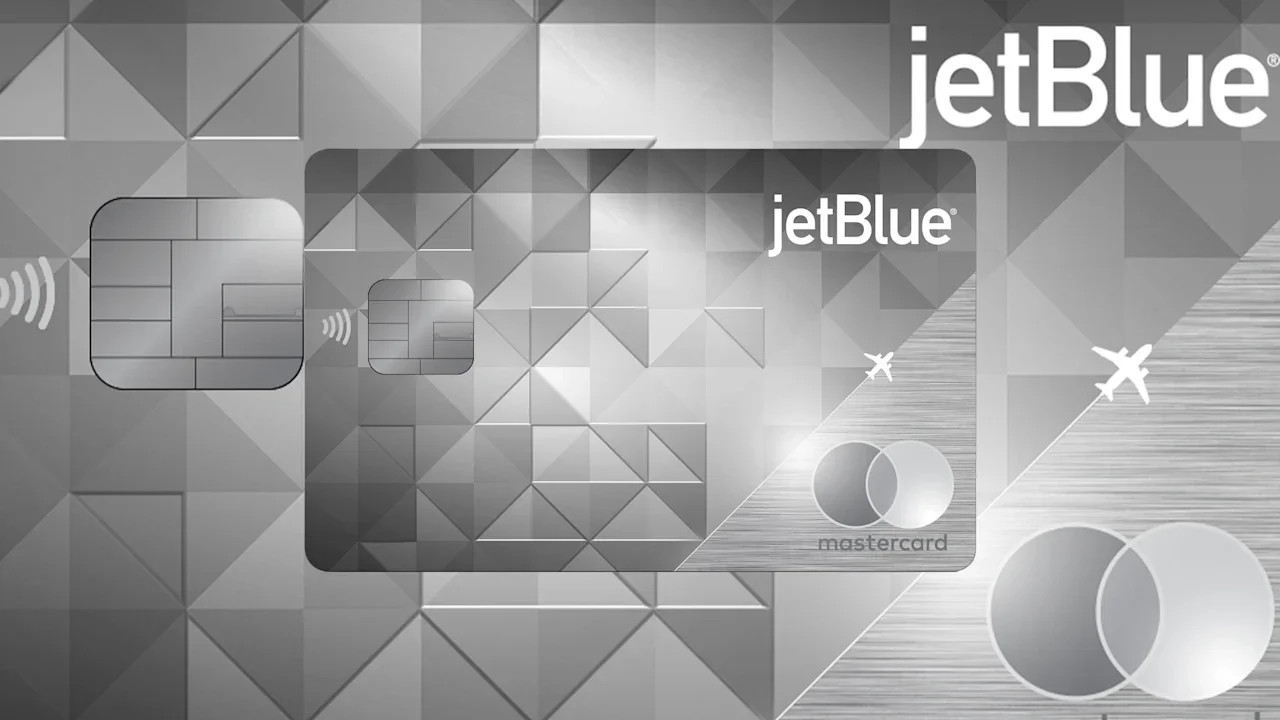
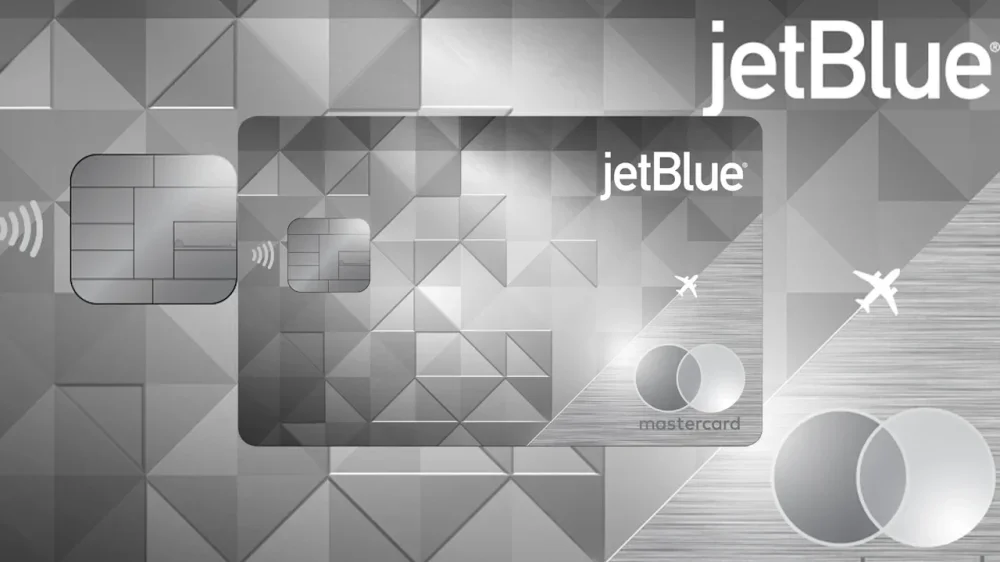
JetBlue announced Monday plans to give its top-tier credit card a refresh, adding new travel credits, companion perks, and loyalty boosts as airlines and issuers keep escalating what “premium” actually means. The updates to the JetBlue Premier World Elite Mastercard, issued by Barclays, are set to roll out later this spring. The annual fee isn’t changing, remaining at $499 even as new benefits are added. Companion passes, but with a twist The headline addition is a companion pass benefit, a familiar perk that JetBlue is now bringing into the mix. Cardholders can earn a pass worth up to $500 after spending $15,000 in a calendar year, and a second one worth up to $1,500 after $75,000 in spend. Instead of discounting the ticket upfront, JetBlue applies the value as a statement credit after travel. That structure is notable. It keeps the booking experience simple while still delivering a high perceived value once the trip is done. That said, it also means if you don’t spend on the card, you’re not going to see the benefit—even if you paid that high annual fee. Making points more useful and status easier to reach JetBlue is also leaning further into the idea that a “travel card” should cover more than airfare. Cardmembers can now earn up to $300 in annual statement credits when booking hotels, rental cars, cruises, and other travel through the TrueBlue Travel portal. It’s the same play we’re seeing across the industry: move from flight perks to full-trip ecosystems. On the rewards side, JetBlue is boosting the value of its points with a 15% points rebate on award flights, including partner airlines. The card also now includes a 25-tile bonus each year, essentially giving users a running start toward Mosaic status. That matters, because status—not just points—is increasingly where the real differentiation lives. Lounges, but make them lifestyle The core perks are sticking around: free checked bags, anniversary bonus points, and Priority Pass access. JetBlue is also continuing to build out BlueHouse, its newer lounge concept that opened its first location at JFK late last year and is now heading to Boston. JetBlue is also pushing further into lifestyle territory with a new ClassPass partnership, offering up to 14 monthly credits for fitness and wellness experiences. The bigger play Taken together, the updates point to where airline credit cards are heading. Increasingly, we’re seeing that cards are no longer just about earning miles on flights. They’re becoming bundled products that mix travel perks, status acceleration, and everyday lifestyle benefits into a single ecosystem. “These Premier Card enhancements . . . build on our commitment to listen to customers and give them even more value with their card during travel and in everyday life,” said Ed Pouthier, JetBlue’s vice president of loyalty and personalization in a release announcing the update. For JetBlue, the move helps it stay competitive in a space where American Express, Chase, and Capital One are all pushing deeper into premium travel experiences. The new benefits are expected to launch later this spring. View the full article
- Today
-
We may earn a commission from links on this page. Deal pricing and availability subject to change after time of publication. Monitors with rolling stands are undeniably a bit of a niche product - while they might not be as popular as standalone TVs and gaming monitors, they offer an added perk: flexibility. Designed to easily move from room to room while remaining stable, they free up desk space and eliminate the need for a media stand, and offer height adjustability, making them a smart choice for studios, small apartments, and even home gyms. Right now, the 32-inch Samsung Movingstyle M7 4K smart monitor with an adjustable rolling stand is down to a record-low price of $549.99 (originally $699.99). Samsung Movingstyle M7 32" 4K UHD Smart Monitor with Adjustable Rolling Stand $549.99 at Amazon $699.99 Save $150.00 Get Deal Get Deal $549.99 at Amazon $699.99 Save $150.00 The main appeal of this monitor is its mobility. It has a stable, rolling stand that lets you move it around with ease, making it ideal for work-from-home setups, hybrid TV use, or spaces where a traditional setup isn’t practical. It’s essentially an all-in-one smart display, complete with wifi, Bluetooth, a remote control, built-in apps, and Samsung’s Tizen OS, so you can stream content without needing a laptop or console. That said, it doesn’t have a touchscreen, so it won’t function like a large tablet. While it’s not an OLED, the 4K UHD image quality delivers solid contrast and sharpness for everyday use. It's not designed for gaming due to its 60Hz refresh rate, and its HDR performance is modest, but it does have an AI Picture Optimizer and AI upscaling to improve lower-resolution content, making it a good choice for watching TV or movies and as an extra monitor for work. It supports a USB-C for a single-cable setup and has a 13-foot power cord connected to the back of the monitor for placement flexibility. It may not match the performance of a dedicated high-end TV or monitor, but if you’re looking for a sturdy mobile monitor that prioritizes versatility, the Samsung Movingstyle M7 4K smart monitor delivers and is more affordable than similar models while packing in more features, especially at the current $150 discount. If you want top-of-the-line performance for gaming or creative work, however, you’ll probably be better off with a more traditional monitor. Our Best Editor-Vetted Tech Deals Right Now Apple AirPods Pro 3 Noise Cancelling Heart Rate Wireless Earbuds — $224.00 (List Price $249.00) Apple iPad 11" 128GB A16 WiFi Tablet (Blue, 2025) — $299.99 (List Price $349.00) Samsung Galaxy Tab A11+ 128GB Wi-Fi 11" Tablet (Gray) — $209.99 (List Price $249.99) Apple Watch Series 11 (GPS, 42mm, S/M Black Sport Band) — $329.00 (List Price $399.00) Sony WH-1000XM5 — $248.00 (List Price $399.99) Deals are selected by our commerce team View the full article
-
Fans of In-N-Out Burger have some good, or not-so-good, news to chew. The beloved chain’s closely-watched location tracker shows six new locations are on the way soon. But these locations won’t see the hamburger chain break ground in new states. While the Irvine, California-based company has been steadily expanding east in recent years, the locations marked as “opening soon” will only deepen its presence in six states: Colorado, Nevada, Oregon, Utah, Washington, and Tennessee. In-N-Out is opening a regional headquarters in Franklin, Tennessee and plans to relocate across the country from California by 2030. But it has yet to make it to the Atlantic Coast—and doesn’t seem to have any plans to do so soon.. During a July 2025 appearance on the Relatable podcast, In-N-Out owner Lynsi Snyder teased that, like Tennessee, other locations may be possible in the future thanks to its Texas-based distribution center—but squashed the hopes of fans in places like New York or Florida. “Florida has begged us, and we’re still saying no,” Snyder said at the time. “The East Coast states, we’re still saying no.” Despite the chain’s expansion, now with more than 400 locations, there’s still a novelty factor as it currently operates restaurants in only 10 states. By comparison, Shake Shack has nearly 700 locations in about three dozen states from coast to coast—with additional international locations. NEW IN-N-OUT LOCATIONS Some diners eager to get their hands on a Double-Double burger served “Animal Style” will get their fix soon—though the chain doesn’t specify exact timing on when the new locations will open. The new locations are slated for: Hillsboro, Oregon Las Vegas, Nevada Madison, Tennessee St. George, Utah Timnath, Colorado Vancouver, Washington The privately-held chain’s most-recent new store opening was in Buckeye, Arizona last week. View the full article

-
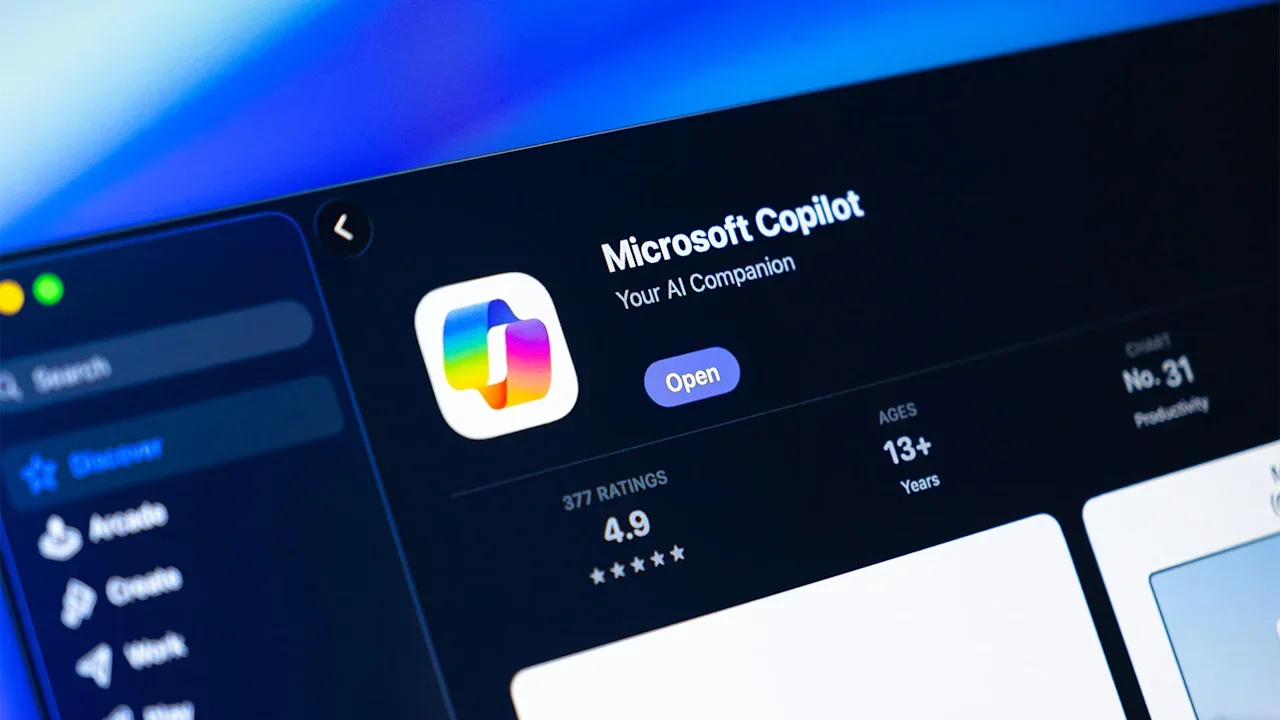
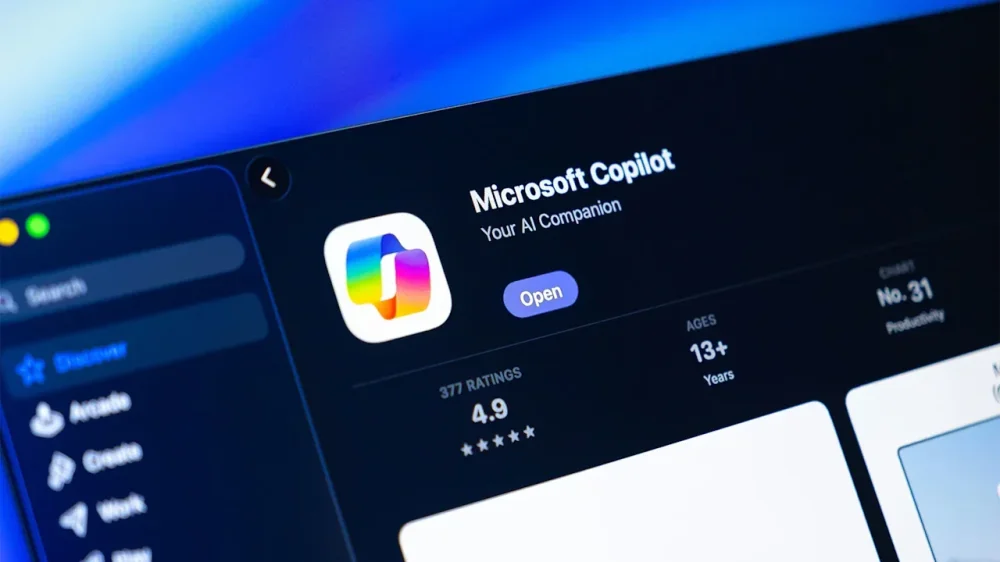
Microsoft’s AI assistant Copilot is integrated across the company’s products. It’s built into Windows 11, and recent features like Tasks and Pages are marketed as powerful tools for productivity. But one of Copilot’s Terms of Use just caught the internet’s attention for seeming to contradict that image of Copilot as a game-changer in the workplace, instead cautioning users that “Copilot is for entertainment purposes only.” “It can make mistakes, and it may not work as intended,” the statement continues, as written on Microsoft’s Copilot Terms of Use page. “Don’t rely on Copilot for important advice. Use Copilot at your own risk.” That language is a far cry from the way Copilot is typically presented to consumers. An ad for Copilot from April 2025 highlighted then-upcoming features like completing simple to-do lists on a user’s behalf, doing deep research on a given topic, and revising documents—uses that may be fun to mess around with, yes, but also have practical applications beyond the scope of “entertainment.” Social media sounds off When the Terms of Use page went viral, critics on social media were swift to pass judgment on Copilot and Microsoft. It’s never been kind to the company or its AI tools, unaffectionately dubbed “Microslop” in a trend earlier this year. This discourse is no exception, with some users wondering what Copilot’s entertainment-only clause means for the broader AI landscape. “The possibility of AI going out not with a bang, but with an ‘it was all just a silly toy, we swear’ after the legal department finally got through to them,” one user quipped. “A silly toy tens of thousands of employees have lost their jobs for,” another replied. But other users pointed out another line on that Terms of Use page, clarifying that the following terms don’t apply to Microsoft 365 Copilot apps, the Copilot tools specifically designed for professional work, unless otherwise noted. Instead, the terms apply to the standalone Copilot app and browser-based versions of Copilot, among others that are targeted at consumers rather than businesses. Still, given the number of different products under the Copilot umbrella, it might be tricky for Microsoft customers to know what does and doesn’t apply to their version of the AI companion. Reading the fine print Microsoft isn’t the only company telling users not to put full faith in its AI products. OpenAI’s warranty asks customers to agree that they “will not rely on output as a sole source of truth or factual information, or as a substitute for professional advice.” Anthropic warns users that they “should not rely on any Outputs or Actions without independently confirming their accuracy.” But Microsoft is the only major company to refer to its own tool as “for entertainment purposes only,” undercutting its potential business applications. That phrasing, though, is outdated, as a Microsoft spokesperson said in a statement to Fast Company. “The ‘entertainment purposes’ phrasing is legacy language from when Copilot originally launched as a search companion service in Bing. As the product has evolved, that language is no longer reflective of how Copilot is used today and will be altered with our next update,” the spokesperson said. Copilot’s Terms of Use were last updated on October 24, 2025, so when the company will next revise the page (and what they’ll replace the controversial language with) remains to be seen. But in the meantime, social media is running with what it sees as confirmation that AI has been overimplemented in the workplace. “AI is ‘not for serious use’ and is for ‘entertainment purposes only,’” one user posted. “So get AI out of our healthcare and civil service systems, out of our military.” View the full article
-
Castigating companies for ‘profiteering’ is nonsensical and unhelpful rhetoric View the full article
-
When you start crafting, having the right supplies makes a significant difference in your projects. Crucial tools like high-quality scissors and a glue gun can improve your efficiency and precision. Furthermore, versatile items such as craft mats and acrylic paints allow for a wide range of creative possibilities. Comprehending what supplies work best for your needs can streamline your crafting experience. Let’s explore the must-have items that can raise your projects and simplify your crafting expedition. Key Takeaways Invest in essential tools like mini sanders and rotary cutters for precision and smooth finishes on various crafting projects. Stock up on versatile adhesives such as Mod Podge and a cordless glue gun for quick and effective bonding. Use durable crafting surfaces like craft mats and quality canvases to protect your workspace and enhance project outcomes. Incorporate various paint supplies, including acrylic and chalk paints, to add color and character to your creations. Explore online resources and tutorials for fresh crafting inspiration and skill development to enhance your crafting journey. Essential Tools for Every Crafter When you commence your crafting expedition, having the right tools at your disposal can greatly improve your experience and results. A mini sander is crucial for achieving smooth finishes on your projects, whereas a rotary cutter guarantees precision when cutting through multiple fabric layers. For intricate designs, Exacto or crafting knives are fundamental, as they allow for detailed cutting. Don’t overlook high-quality scissors, especially those from Fiskars, known for their sharpness and durability across various materials. Finally, needle nose pliers are indispensable for grasping and manipulating small items in your creations. You can find these crucial tools, alongside card making supplies wholesale and paper craft supplies online, making it easy to stock up on everything you need for your crafting expedition. Versatile Adhesives and Fasteners Finding the right adhesives and fasteners can make a significant difference in the success of your crafting projects. Here are some crucial options to contemplate: Mod Podge: This versatile adhesive is perfect for various applications, especially the MATTE version, which provides a non-glossy finish ideal for crafts. Sure Bonder Glue Gun: Its cordless design allows for quick bonding, making it a favorite for fast-paced projects. Double-sided tape: This adhesive offers a clean way to adhere paper and lightweight materials without leaving visible marks. For additional stability, think about using zip ties, which are especially effective in securing pieces together. If you’re working with wholesale ribbon and mesh, having these adhesives and fasteners on hand will guarantee your projects are both neat and durable. Must-Have Craft Mats and Surfaces A reliable craft mat or surface is a crucial component of any crafting toolkit, helping to safeguard your work area from damage during providing a suitable foundation for various projects. These mats are durable, easy to clean, and vital for maintaining a tidy workspace. Whereas craft paper can be a budget-friendly alternative, it’s less durable and may require frequent replacement. Furthermore, consider using wood cut-outs for embellishing your projects or creating unique designs. For painting and mixed media, quality canvases from retailers like Hobby Lobby and Blick Materials are recommended. Craft Surface Key Features Craft Mats Durable, easy to clean Craft Paper Budget-friendly, less durable Quality Canvases Ideal for painting Top Paint Supplies for Creative Projects Regarding paint supplies for your creative projects, choosing the right types of paint and brushes is essential for achieving the desired outcome. Acrylic paints from brands like DecoArt and Apple Barrel offer versatility for various artistic endeavors, whereas chip brushes in 1-inch and 2-inch sizes, along with specialized art brushes, help you achieve different techniques and details. Essential Paint Types Comprehending the various types of paint available can greatly improve your crafting experience, as each type serves distinct purposes and techniques. Here are three crucial paint types you should consider: Acrylic Paint: This versatile option is favored for its quick-drying properties and a wide range of colors, making it ideal for various crafting projects. Chalk Paint: Popular for creating a matte finish, chalk paint is commonly used in furniture upcycling and home décor projects, providing a rustic touch. Watercolor Paint: Perfect for delicate art techniques, watercolor paint allows for soft washes and blending effects, making it suitable for both beginners and experienced artists. Recommended Brush Options Choosing the right brushes can greatly improve your painting projects, as different brush types cater to various techniques and effects. For versatile crafting, consider chip paint brushes in 1-inch and 2-inch sizes; they’re perfect for applying paint quickly and efficiently. If you need precision, art brush packs come in various shapes and sizes, ideal for intricate detailing. Sponge brushes are an affordable choice for creating unique effects, though they may not suit every project. When using chalk paint, popular brands like Waverly and Folk Art provide a matte finish that works well on multiple surfaces. Moreover, acrylic paints from brands such as DecoArt, Apple Barrel, and Craftsmart deliver lively, durable artwork, making them crucial tools for your creative endeavors. Fabrics and Textiles for DIY Enthusiasts Exploring the domain of fabrics and textiles can greatly improve your DIY projects, as each type serves unique purposes and styles. Here are some key fabrics to evaluate: Cotton: Ideal for various projects, cotton is versatile, easy to work with, and available in numerous patterns, including seasonal designs. Burlap: This sturdy fabric adds texture and rustic charm to home décor, making it perfect for wreaths or table runners. Felt: Great for beginners, felt is available in lively colors and is excellent for creating ornaments, appliqués, and soft toys. Moreover, repurposing old fabrics like t-shirts or sheets not only saves money but promotes sustainability. With access to diverse fabric types, you can truly evoke your creativity in your crafting endeavors. Organization Tools to Keep You Sorted When you’re crafting, having the right organization tools can make all the difference in maintaining an efficient workspace. Storage bins are crucial for organizing your craft supplies and tools, ensuring your area remains tidy and improving productivity. Using labels can expedite the identification of various supplies, making it easier to find exactly what you need during projects. A tool caddy is a practical solution for keeping frequently used tools within reach, so you minimize time spent searching. Designating a crafting station elevates your experience, providing an organized area for your projects. Furthermore, drawer organizers help keep small supplies sorted and accessible, preventing clutter and ensuring everything is easy to find when you need it. Cleaning Supplies for Easy Maintenance Maintaining a clean and organized workspace is crucial for any crafter, as it not only enhances productivity but also prolongs the life of your tools and materials. To keep your crafting area tidy, consider these must-have cleaning supplies: Wet Wipes/Baby Wipes: Versatile for quick clean-ups, they’re perfect for handling spills and sticky surfaces during crafting sessions. Rubbing Alcohol: Ideal for removing adhesive residue from tools, it helps maintain their pristine condition for future projects. Paintbrush Cleaner: A dedicated cleaner prevents paint build-up, guaranteeing your brushes last longer and apply smoothly. With these supplies, you’ll guarantee a clean workspace, making your crafting experience more enjoyable and efficient. Beads and Embellishments to Enhance Your Crafts Incorporating beads and embellishments into your crafts can greatly improve the visual appeal and uniqueness of your projects. Wood beads are an affordable option available in bulk from online retailers like Amazon, making them perfect for various crafting ideas. Sequins can add a sparkling touch, available in a wide range of colors and sizes to suit your creative needs. Buttons, offered in diverse styles and materials, allow you to personalize and uplift handmade items or garments. Ribbons from sources like DecoExchange and Dollar Tree provide decorative finishes that can complement your designs beautifully. Finally, charms come in numerous designs, enabling you to create unique gifts or keepsakes that reflect your personal style. Seasonal Supplies for Festive Creations As you prepare for various celebrations throughout the year, seasonal supplies play a crucial role in crafting festive creations. These materials not only assist you in creating stunning decorations but also simplify the crafting process. Here are three key seasonal supplies to take into account: Holiday Decorations: Items like ornaments or garlands can instantly enhance your festive projects. Themed Fabrics: Fabrics featuring seasonal patterns allow you to create unique table runners or festive attire. Specialty Paints: Use paints in seasonal colors to add personalized touches to your crafts. Project Inspiration to Spark Your Imagination To ignite your creativity, exploring various project inspirations can lead you to new crafting adventures. Start by plunging into online tutorials and craft blogs that provide step-by-step guidance, making it easy to follow along. Social media platforms like Pinterest and Instagram are furthermore invaluable resources, filled with visuals that showcase innovative techniques and projects. Joining online crafting communities allows you to share your work and receive feedback during discovering inspiration from fellow crafters. Consider investing in seasonal craft kits available online; these kits come with all necessary materials and instructions for themed projects, simplifying your crafting process. In addition, browse project books that compile various techniques and ideas, catering to both beginners and experienced crafters alike. Frequently Asked Questions What Is the Hottest Selling Craft Item? The hottest selling craft item right now is the 8.25 Spell Book with Eyeballs, which is USB energized and priced at $8.60, down from $10.75. This unique item captures attention with its whimsical design and functionality, making it a popular choice among crafters. Seasonal supplies, like holiday decorations, likewise trend during festive times, but the Spell Book stands out for its creativity and appeal, driving significant sales. What Supplies Do I Need for Crafting? To start crafting, you’ll need fundamental supplies like a mini sander for smoothing edges, a rotary cutter for precise cuts, and high-quality scissors for detailed work. Adhesives such as Mod Podge and a cordless glue gun are vital for sticking materials together. A craft mat protects your surface, as acrylic paints and brushes allow for lively designs. Finally, organization tools like storage bins and labels help keep your workspace tidy and efficient. What Is the Most Profitable Craft to Make and Sell? The most profitable craft to make and sell often includes handmade jewelry or home decor items. Personalized jewelry, like bracelets, can yield high margins, selling for two to three times the material cost. Similarly, custom home decor, such as unique wreaths, attracts premium prices. Seasonal crafts likewise generate significant profits because of their limited availability. Furthermore, DIY kits combine convenience with creativity, appealing to customers and providing substantial profit potential when marketed effectively. Is Michaels or Hobby Lobby Better for Crafts? When deciding between Michaels and Hobby Lobby for crafts, consider your specific needs. Michaels offers a broader selection of seasonal supplies and convenient online shopping options, including same-day delivery. On the other hand, Hobby Lobby is known for competitive pricing and frequent sales, making it ideal for bulk purchases. If you’re additionally interested in home décor, Hobby Lobby’s extensive range might appeal to you. In the end, your choice depends on what supplies or services matter most to you. Conclusion In conclusion, equipping yourself with these ten crucial crafting supplies can greatly improve your creative projects. By investing in tools like high-quality scissors, a versatile glue gun, and crafting mats, you’ll streamline your crafting process and achieve better results. Furthermore, having proper storage bins and a selection of paints and embellishments will keep your workspace organized and inspire new ideas. With these supplies on hand, you’ll be well-prepared to tackle a variety of crafting endeavors effectively. Image via Google Gemini This article, "10 Must-Have Crafting Supplies You Can Buy Online" was first published on Small Business Trends View the full article
-
When you start crafting, having the right supplies makes a significant difference in your projects. Crucial tools like high-quality scissors and a glue gun can improve your efficiency and precision. Furthermore, versatile items such as craft mats and acrylic paints allow for a wide range of creative possibilities. Comprehending what supplies work best for your needs can streamline your crafting experience. Let’s explore the must-have items that can raise your projects and simplify your crafting expedition. Key Takeaways Invest in essential tools like mini sanders and rotary cutters for precision and smooth finishes on various crafting projects. Stock up on versatile adhesives such as Mod Podge and a cordless glue gun for quick and effective bonding. Use durable crafting surfaces like craft mats and quality canvases to protect your workspace and enhance project outcomes. Incorporate various paint supplies, including acrylic and chalk paints, to add color and character to your creations. Explore online resources and tutorials for fresh crafting inspiration and skill development to enhance your crafting journey. Essential Tools for Every Crafter When you commence your crafting expedition, having the right tools at your disposal can greatly improve your experience and results. A mini sander is crucial for achieving smooth finishes on your projects, whereas a rotary cutter guarantees precision when cutting through multiple fabric layers. For intricate designs, Exacto or crafting knives are fundamental, as they allow for detailed cutting. Don’t overlook high-quality scissors, especially those from Fiskars, known for their sharpness and durability across various materials. Finally, needle nose pliers are indispensable for grasping and manipulating small items in your creations. You can find these crucial tools, alongside card making supplies wholesale and paper craft supplies online, making it easy to stock up on everything you need for your crafting expedition. Versatile Adhesives and Fasteners Finding the right adhesives and fasteners can make a significant difference in the success of your crafting projects. Here are some crucial options to contemplate: Mod Podge: This versatile adhesive is perfect for various applications, especially the MATTE version, which provides a non-glossy finish ideal for crafts. Sure Bonder Glue Gun: Its cordless design allows for quick bonding, making it a favorite for fast-paced projects. Double-sided tape: This adhesive offers a clean way to adhere paper and lightweight materials without leaving visible marks. For additional stability, think about using zip ties, which are especially effective in securing pieces together. If you’re working with wholesale ribbon and mesh, having these adhesives and fasteners on hand will guarantee your projects are both neat and durable. Must-Have Craft Mats and Surfaces A reliable craft mat or surface is a crucial component of any crafting toolkit, helping to safeguard your work area from damage during providing a suitable foundation for various projects. These mats are durable, easy to clean, and vital for maintaining a tidy workspace. Whereas craft paper can be a budget-friendly alternative, it’s less durable and may require frequent replacement. Furthermore, consider using wood cut-outs for embellishing your projects or creating unique designs. For painting and mixed media, quality canvases from retailers like Hobby Lobby and Blick Materials are recommended. Craft Surface Key Features Craft Mats Durable, easy to clean Craft Paper Budget-friendly, less durable Quality Canvases Ideal for painting Top Paint Supplies for Creative Projects Regarding paint supplies for your creative projects, choosing the right types of paint and brushes is essential for achieving the desired outcome. Acrylic paints from brands like DecoArt and Apple Barrel offer versatility for various artistic endeavors, whereas chip brushes in 1-inch and 2-inch sizes, along with specialized art brushes, help you achieve different techniques and details. Essential Paint Types Comprehending the various types of paint available can greatly improve your crafting experience, as each type serves distinct purposes and techniques. Here are three crucial paint types you should consider: Acrylic Paint: This versatile option is favored for its quick-drying properties and a wide range of colors, making it ideal for various crafting projects. Chalk Paint: Popular for creating a matte finish, chalk paint is commonly used in furniture upcycling and home décor projects, providing a rustic touch. Watercolor Paint: Perfect for delicate art techniques, watercolor paint allows for soft washes and blending effects, making it suitable for both beginners and experienced artists. Recommended Brush Options Choosing the right brushes can greatly improve your painting projects, as different brush types cater to various techniques and effects. For versatile crafting, consider chip paint brushes in 1-inch and 2-inch sizes; they’re perfect for applying paint quickly and efficiently. If you need precision, art brush packs come in various shapes and sizes, ideal for intricate detailing. Sponge brushes are an affordable choice for creating unique effects, though they may not suit every project. When using chalk paint, popular brands like Waverly and Folk Art provide a matte finish that works well on multiple surfaces. Moreover, acrylic paints from brands such as DecoArt, Apple Barrel, and Craftsmart deliver lively, durable artwork, making them crucial tools for your creative endeavors. Fabrics and Textiles for DIY Enthusiasts Exploring the domain of fabrics and textiles can greatly improve your DIY projects, as each type serves unique purposes and styles. Here are some key fabrics to evaluate: Cotton: Ideal for various projects, cotton is versatile, easy to work with, and available in numerous patterns, including seasonal designs. Burlap: This sturdy fabric adds texture and rustic charm to home décor, making it perfect for wreaths or table runners. Felt: Great for beginners, felt is available in lively colors and is excellent for creating ornaments, appliqués, and soft toys. Moreover, repurposing old fabrics like t-shirts or sheets not only saves money but promotes sustainability. With access to diverse fabric types, you can truly evoke your creativity in your crafting endeavors. Organization Tools to Keep You Sorted When you’re crafting, having the right organization tools can make all the difference in maintaining an efficient workspace. Storage bins are crucial for organizing your craft supplies and tools, ensuring your area remains tidy and improving productivity. Using labels can expedite the identification of various supplies, making it easier to find exactly what you need during projects. A tool caddy is a practical solution for keeping frequently used tools within reach, so you minimize time spent searching. Designating a crafting station elevates your experience, providing an organized area for your projects. Furthermore, drawer organizers help keep small supplies sorted and accessible, preventing clutter and ensuring everything is easy to find when you need it. Cleaning Supplies for Easy Maintenance Maintaining a clean and organized workspace is crucial for any crafter, as it not only enhances productivity but also prolongs the life of your tools and materials. To keep your crafting area tidy, consider these must-have cleaning supplies: Wet Wipes/Baby Wipes: Versatile for quick clean-ups, they’re perfect for handling spills and sticky surfaces during crafting sessions. Rubbing Alcohol: Ideal for removing adhesive residue from tools, it helps maintain their pristine condition for future projects. Paintbrush Cleaner: A dedicated cleaner prevents paint build-up, guaranteeing your brushes last longer and apply smoothly. With these supplies, you’ll guarantee a clean workspace, making your crafting experience more enjoyable and efficient. Beads and Embellishments to Enhance Your Crafts Incorporating beads and embellishments into your crafts can greatly improve the visual appeal and uniqueness of your projects. Wood beads are an affordable option available in bulk from online retailers like Amazon, making them perfect for various crafting ideas. Sequins can add a sparkling touch, available in a wide range of colors and sizes to suit your creative needs. Buttons, offered in diverse styles and materials, allow you to personalize and uplift handmade items or garments. Ribbons from sources like DecoExchange and Dollar Tree provide decorative finishes that can complement your designs beautifully. Finally, charms come in numerous designs, enabling you to create unique gifts or keepsakes that reflect your personal style. Seasonal Supplies for Festive Creations As you prepare for various celebrations throughout the year, seasonal supplies play a crucial role in crafting festive creations. These materials not only assist you in creating stunning decorations but also simplify the crafting process. Here are three key seasonal supplies to take into account: Holiday Decorations: Items like ornaments or garlands can instantly enhance your festive projects. Themed Fabrics: Fabrics featuring seasonal patterns allow you to create unique table runners or festive attire. Specialty Paints: Use paints in seasonal colors to add personalized touches to your crafts. Project Inspiration to Spark Your Imagination To ignite your creativity, exploring various project inspirations can lead you to new crafting adventures. Start by plunging into online tutorials and craft blogs that provide step-by-step guidance, making it easy to follow along. Social media platforms like Pinterest and Instagram are furthermore invaluable resources, filled with visuals that showcase innovative techniques and projects. Joining online crafting communities allows you to share your work and receive feedback during discovering inspiration from fellow crafters. Consider investing in seasonal craft kits available online; these kits come with all necessary materials and instructions for themed projects, simplifying your crafting process. In addition, browse project books that compile various techniques and ideas, catering to both beginners and experienced crafters alike. Frequently Asked Questions What Is the Hottest Selling Craft Item? The hottest selling craft item right now is the 8.25 Spell Book with Eyeballs, which is USB energized and priced at $8.60, down from $10.75. This unique item captures attention with its whimsical design and functionality, making it a popular choice among crafters. Seasonal supplies, like holiday decorations, likewise trend during festive times, but the Spell Book stands out for its creativity and appeal, driving significant sales. What Supplies Do I Need for Crafting? To start crafting, you’ll need fundamental supplies like a mini sander for smoothing edges, a rotary cutter for precise cuts, and high-quality scissors for detailed work. Adhesives such as Mod Podge and a cordless glue gun are vital for sticking materials together. A craft mat protects your surface, as acrylic paints and brushes allow for lively designs. Finally, organization tools like storage bins and labels help keep your workspace tidy and efficient. What Is the Most Profitable Craft to Make and Sell? The most profitable craft to make and sell often includes handmade jewelry or home decor items. Personalized jewelry, like bracelets, can yield high margins, selling for two to three times the material cost. Similarly, custom home decor, such as unique wreaths, attracts premium prices. Seasonal crafts likewise generate significant profits because of their limited availability. Furthermore, DIY kits combine convenience with creativity, appealing to customers and providing substantial profit potential when marketed effectively. Is Michaels or Hobby Lobby Better for Crafts? When deciding between Michaels and Hobby Lobby for crafts, consider your specific needs. Michaels offers a broader selection of seasonal supplies and convenient online shopping options, including same-day delivery. On the other hand, Hobby Lobby is known for competitive pricing and frequent sales, making it ideal for bulk purchases. If you’re additionally interested in home décor, Hobby Lobby’s extensive range might appeal to you. In the end, your choice depends on what supplies or services matter most to you. Conclusion In conclusion, equipping yourself with these ten crucial crafting supplies can greatly improve your creative projects. By investing in tools like high-quality scissors, a versatile glue gun, and crafting mats, you’ll streamline your crafting process and achieve better results. Furthermore, having proper storage bins and a selection of paints and embellishments will keep your workspace organized and inspire new ideas. With these supplies on hand, you’ll be well-prepared to tackle a variety of crafting endeavors effectively. Image via Google Gemini This article, "10 Must-Have Crafting Supplies You Can Buy Online" was first published on Small Business Trends View the full article
-
It's officially the end of an era for the Samsung Galaxy community: Samsung is discontinuing its messaging app. If you're a Samsung Messages user, the company says you should plan to migrate to Google Messages to "upgrade your messaging experience." This deprecation isn't taking effect immediately, however. According to Samsung's official end of service announcement, the company will discontinue Samsung Messages in July 2026. That means you still have roughly three months to keep using the app, if it happens to be your messaging client of choice. That said, the company is encouraging users to set Google Messages as their default messaging app today to "maintain a consistent messaging experience on Android." Samsung says the app will tell users when service will be discontinued. Samsung is really pushing Google Messages in this end-of-service announcement. The company touts the app's features, like Scam Detection, RCS messaging, AI features, and cross-platform connectivity, so you can pick up another Android device and keep chatting. To their credit, some of these features do make Google Messages the stronger messaging app compared to Samsung Messages—in particular, RCS support. Samsung Messages users are stuck with SMS chats, which limits conversations in terms of both security and functionality. SMS chats don't support high-resolution photo and video sharing, nor do they manage modern group chats well. Crucially, they aren't encrypted, which puts your conversations at risk. While not all RCS chats are encrypted, the ones that are protect your conversations from would-be attackers. It's not like this decision came totally out of the blue. If you've bought a new Samsung Galaxy device in recent years, you'll notice that Samsung Messages didn't come preinstalled. Instead, you had to seek it out and install it yourself from Samsung's Galaxy Store. Samsung says Galaxy S26 devices can't even download the app, and that following its deadline, no devices will be able to download the app. Also important to note for some users: Tizen OS watches (watches that were launched before Galaxy Watch4) can't run Google Messages. These watches will not be able to display full message conversations after July 2026. However, you'll still be able to read and send messages. You can keep using Samsung Messages after the deadlineNot everyone will need to move to Google Messages, however. If you're using an Android device running Android 11 or older, Samsung says you are not affected by this end of service. This will likely impact a small fraction of the Galaxy community, seeing as we're currently on Android 16 (or One UI 8, in Galaxy world). But if you do have an older Android device, you can keep using the app. In addition, Samsung outlines some specific situations where the app will continue to send messages—even on phones running Android 12 or newer. If you try to send a typical text, it won't go through. However, you will be able to send messages to emergency service numbers. If you text 911 on a Galaxy phone with Samsung Messages, it will work, according to Samsung. That makes sense—Samsung likely doesn't want to deal with a situation where someone tries to contact emergency services on its unsupported app and cannot get help. But what I find even more interesting is that Samsung Messages will also still work when texting emergency contacts. If you've defined someone as an emergency contact on your Galaxy, you'll be able to text them still. View the full article
-
A reader writes: I oversee a medium-sized department who are all required to be on-site, although we were remote for quite a while following the pandemic. My staff is pushing very hard for hybrid working, and while I am open to it, I have concerns. In the past, when that the majority of our team worked from home, some of the staff really excelled at it, while others were frankly awful. Literally, the staff who were excellent outperformed the worst by a factor of ten to one. Unfortunately, the lower performers didn’t always recognize that they were not being productive. The culture in my organization is very much one of equity, and I am trying to balance that with the knowledge that some staff just did not excel at working from home. If Andrew and Beth worked effectively from home, but Charles and Deanna did not, how can I be fair? I answer this question — and two others — over at Inc. today, where I’m revisiting letters that have been buried in the archives here from years ago (and sometimes updating/expanding my answers to them). You can read it here. Other questions I’m answering there today include: I wish my team had more diversity of ages I don’t want to talk to coworkers while they’re driving The post my team wants to work from home, but some of them are terrible at it appeared first on Ask a Manager. View the full article
-
As OpenAI and Anthropic move closer to their planned initial public offerings, more details about the finances of both artificial intelligence giants are starting to emerge. It was no secret these companies were bleeding cash, but seeing the actual numbers is still striking. Neither company has made its filings official. Both are in the process of recruiting investors and have recently closed funding rounds, which meant opening their books. The Wall Street Journal got a peek. According to internal estimates, OpenAI will not turn a profit until 2030, while Anthropic expects slight positive results this year, followed by another year of losses before staying in the green in 2028 and 2029. Spending on AI training will be staggering. In 2028, OpenAI projects spending $121 billion on computing power for its AI research. The estimate for 2029 is slightly higher, before AI model training costs dip back below $100 million in 2030. (This year, for perspective, the company expects to spend just over $25 billion on AI model training.) Anthropic’s totals are smaller but still climb steadily, surpassing $30 billion in 2029. These losses come despite an expected surge in revenue at both companies. OpenAI’s revenue is projected to nearly double annually, reaching roughly $275 billion in 2030. Anthropic expects to approach $150 billion in 2029. Anthropic’s projections include sales through cloud partners, something OpenAI does not emphasize to the same extent. As a result, Anthropic expects most of its income to come from enterprise customers. That channel is also key for OpenAI, but the company is betting heavily on consumer usage. It is still unclear how that revenue will break down between paid memberships, advertising, or other streams. (OpenAI projects roughly $150 billion in consumer revenue in 2030.) For now, OpenAI is effectively subsidizing free users as it pushes adoption. While not stated explicitly, the strategy is clear: build habit now, convert later. Loyal users are easier to turn into paying customers over time. Usage trends suggest the approach is gaining traction. Data from SimilarWeb shows AI platform visits rose 28.6% between January 2025 and January 2026. Users are also spending more time on these platforms, while referral traffic to external sites, which supply much of the underlying data, has plateaued. OpenAI’s lead remains significant. As of September 2025, ChatGPT accounted for roughly 79% of global generative AI web traffic, according to SimilarWeb. Google’s Gemini grew 157% between April and September 2025, reaching 1.1 billion monthly visits. Perplexity reached 170 million monthly visits, while Anthropic’s Claude saw 157 million. Corporate demand is rising alongside consumer usage. A December study from advisory firm Teneo found that 68% of CEOs plan to increase AI spending in 2026. So far, however, fewer than half of corporate AI projects have generated returns that exceed their costs. The race for users is driving the current arms race in AI, and the rapid cash burn that comes with it. It also helps explain why companies like OpenAI and Anthropic are pushing exchanges to adjust their rules. Nasdaq, it seems, is on board, saying it would allow newly listed companies (like OpenAI and SpaceX) to join its Nasdaq 100 index, which would make it easier for them to sell shares. View the full article

-
Hungary’s illiberal champion has benefited from the misjudgments and complacency of other leadersView the full article
-
My kids have been really into sea shanties lately (my family has eclectic musical tastes.) There are a surprisingly large number of modern shanties on YouTube and TikTok. But one historic song, The Wellermen, really spoke to me. Going down a rabbit hole of the song’s history, I learned that it was written in 1966 by a New Zealander. But the whaling classic was inspired by a much older song from 1820. Eventually, I found the lyrics to the original. But there was a problem–the words were cryptic and the melody was lost to the sands of time, making it impossible to sing. So, I decided to leverage today’s most powerful music-generating AI to bring it back. The result is a modern shanty that draws word for word on the 19th century original. Spoiler alert: it’s a banger. Here’s how I made it–and what I learned about the future of AI music. The rise of ShantyTok During the pandemic, sea shanties had an odd cultural moment. The trend was known as ShantyTok. Modern creators discovered centuries-old shanties, and started adapting them for young, streaming audiences. Shanties work surprisingly well on social media. They’re often simple, repetitive songs, designed to be sung communally. They’re dramatic. And they’re highly story-driven, which encourages listeners to stick around and listen to the whole thing, rather than swiping away. TikTok and Youtube’s algorithms love that kind of engagement. With their messages of struggle and resilience, shanties were also perfect for the Covid-addled moment. The result is that Shantytok yielded really fantastic modern renditions of ancient classics. Wellerman is a perfect example. Collected and put to music by the folk musician Neil Colquhoun in 1966, it was adapted by modern musician Nathan Evans and went viral on social media in 2021. The song tells the story of a ship’s captain and his crew, locked in a mortal, never-ending battle with an elusive and powerful whale. If that sounds a lot like the story of Moby Dick, that’s no coincidence. The website New Zealand Folk Song has an excellent history of Wellermen. Colquhoun apparently based his modern version on a historical 1820 whaling shanty that his schoolteacher wife found in an old book. That shanty, titled Mocha Dick, is way darker than Wellermen–the entire crew dies in this one, instead of simply pursuing a whale for all eternity. Mocha Dick is based on a real whale that reportedly drowned 100 men off the coast of Chile while evading capture, and the Smithsonian says that real-life whale inspired Melville’s iconic novel. When I finally found the lyrics to Mocha Dick on New Zealand Folk Song’s site, I was initially excited, and then disappointed. In its current form, the song is basically unsingable. The melody has been lost to history and the lyrics are tough to interpret–dark, lacking a discernible rhyme scheme, and filled with 19th century colloquialisms like “bully boys” and loads of references to very specific parts of whaling ships. I wanted to bring it back to life and sing it with my kids. So, I turned to AI to see if I could revive the song–and make it as much of an earworm as Wellerman. AI pirates To bring the shanty back from the dead, I turned to Suno, the most powerful music-generating AI on the market, plunking down $10 for a month of Pro access. I sing in a choir and can hold my own with a ukulele. But you can use Suno even if you have zero musical skill. Suno’s system adapts to whatever inputs you provide. You can give it something as simple as a written concept (“death metal lullaby” or “acapella Python-themed polka”) and it will spit out a fully-produced song, complete with vocals, instrumentation and cover art. But if you know more about music–or have source material to start from–the system is also happy to play Elton John to your Bernie Taupin, crafting music to match your lyrics or even remixing your original song. In my case, I pasted the exact, 1820 lyrics of Mocha Dick into Suno’s interface. I then specified that I wanted a “rousing sea shanty.” In less than a minute, it had produced four different song variants. Two were vocal-forward, Irish-inflected tunes that sounded fine, but not like anything special. I immediately fell in love with the third one, though. After a lilting start with a single, gravely voice, the song launches into a lively ballad, complete with multi-part vocal harmonies–all imagined by Suno’s generative AI. My kids think it sounds like a choir of pirates. I named it William of Tyre after the doomed ship in the original song, spun up a graphic with Google’s Nano Banana, and uploaded it to YouTube. Automated bangers There’s a lot to like, musically, about Suno’s creation. After its quiet and subdued start, the song slowly swells in intensity–with the pirate choir providing subtle vocal backing–until the doomed crew confront the white whale. At that climactic moment, the tempo suddenly quickens, echoing the speed and drama of the chase, before slowing and adopting a mournful tone as the fictional William of Tyre is ultimately sunk. There’s an odd lyrical section at the end of the original shanty in which the whale begins speaking directly to the crew. Suno does a terrific job making musical sense of this, bringing in multiple voices singing in a lower register with an almost monastic tone to suggest the voice of a massive, seafaring leviathan. Likewise–because the original shanty lacks the kind of catchy, repeating chorus you’d find in a modern song–Suno turns its single repeating line (“Blow my bully boys, blow”) into a powerful refrain that caps off each verse. The original lyrics also lack a clear ending–the song just kind of stops, and there isn’t even a final “Blow my bully boys!” to see us off. Again, Suno handles this musical ambiguity surprisingly well, finishing the piece with a series of shouted “OY OYs!” and a climactic drum solo. To be sure, there are problems. For no reason at all, Suno’s imagined singer pauses in the middle of the first “Bully boys” line. My best guess is that Suno saw a comma in the original lyrics, and interpreted it as a spot to randomly pause. The AI also makes mistakes that a human would probably catch. There’s a line about the “bow” of the ship. Anyone with rudimentary nautical knowledge would know how to pronounce that word in a ship-y context. But Suno makes it sound like the “bow” in “bow and arrow”. It’s a subtle mistake, but one that’s very telling of the song’s AI origins. The future of music? Despite its flaws, though, there’s a strange appeal to the song. I find myself listening to it again and again. So, is this good for the world of music, or not? Suno is already notorious in the music industry for flooding streaming platforms like Spotify with millions of songs that established musicians describe as “slop.” A coalition of these musicians have already launched a Say No to Suno campaign. And the RIAA has reportedly filed suit against the company over copyright allegations. I’m sure a real historical musicologist would listen to my AI-generated shanty and conclude that there’s nothing whatsoever authentic about it. But after listening to the song a lot, I’d be leery of dismissing it too quickly. Sure, the original shanty probably sounded a lot different when it was sung in the 1820s. There was likely no choir of pirates with electric instruments providing dramatic musical backing. Still, there’s something powerful about hearing the song’s original, historic lyrics set to music–even if that music is imagined by AI. Many lines in Mocha Dick made no sense to me when I simply read the lyrics. Hearing them performed gives them an emotional power and resonance I never thought I’d find in the two-century-old original. A line that reads “Come raise your hand/My bully boys/And swear you’ll not flinch or fear/While there’s a spar to keep afloat” doesn’t hit very hard when you first read it. But when it’s sung in a pleading yet resolute tone by overlapping, harmonizing voices (even imagined ones) you suddenly realize that the fictional crew knows the grim fate that awaits them as they confront the whale, yet chooses to proceed anyway. It completely changes the song. That’s the real power of platforms like Suno. Creating AI-powered bangers is nice. But the ability to breathe new life into a long-forgotten set of lyrics–and to create an emotional bridge across centuries of time–is an impactful one. Perhaps William of Tyre isn’t historically accurate or authentic to the original. But all music has a unique and magical ability to stir the soul, lending resonance and power to our frail, human words and struggles. As I learned from my experiment, that applies even if it’s written by a computer. View the full article

-
In this case study, we went deep instead of broad. We focused on one question: why wasn’t a brand present in a single ChatGPT prompt across ~70 iterations? We chose one prompt: “What are the best hotels in New York City?” We analyzed mentions, citations, fanouts, and SERPs in Google and Bing. We also planned to analyze GPT memory, but it made no discernible difference to mentions, citations, or fanouts. What we did and what we found We chose NYC hotels because it’s a crowded, mature market with juggernauts and up-and-comers. We also have no connection to the NYC luxury hotel space — we intentionally picked an area where we could stay objective and learn from scratch. After running the prompt “what are the best hotels in New York City” 68 times, we identified which hotels appeared most consistently and which were nearly invisible. We chose the Baccarat Hotel as our “client” because it appeared only once (1.5% of the time), despite strong reviews and clear alignment with the prompt’s intent. We wanted to know why — and whether it could change that. Key findings: You can dominate query fanouts on Google SERPs and still underperform in ChatGPT brand mentions. Bing matters most. Ranking in Bing articles for fanouts aligns more directly with ChatGPT mentions — not just citations. In verticals dominated by third-party content, you face complex digital PR paths to increase visibility. Note: A full methodology breakdown appears in the appendix. Mentions of the Baccarat vs. the Fifth Avenue Hotel show just how wide the disparity in ChatGPT visibility can be The Baccarat Hotel appeared once in 68 trials (1.5%). Top performers were large luxury hotels like the Four Seasons Hotel New York Downtown. ChatGPT also identified boutique hotels as a subcategory, generating a secondary list in its answers. Boutique hotels like the Baccarat are typically smaller and not part of large chains. Within this boutique subcategory, the Baccarat still underperformed. The Fifth Avenue Hotel, the top-performing boutique property, appeared 13 times, cited 20% of the time, versus the Baccarat’s 1.5%. Reputation can’t explain visibility disparities We first checked whether anything in the hotel’s history or reputation could explain the gap. As the chart below shows, nothing significant did: The Baccarat The Fifth AvenueYear Founded20152023Current Price$930$563Number of Google Reviews1.3k213Google Reviews Rating4.64.6Number of Expedia Reviews531201Expedia Reviews Rating9.49.6 Overall, the Baccarat has been around longer and has more reviews. On quality, the Fifth Avenue Hotel has no edge in Google reviews and only a slight edge in Expedia reviews. The only area where the Baccarat lags is price — but that’s unlikely the issue when The Ritz-Carlton, a consistent non-boutique winner, is listed at $1,100. Further reinforcing the Fifth Avenue’s underdog status: one of its most prominent Google results (rank 2) was a Wikipedia page for a different Fifth Avenue Hotel that closed in 1908, creating potential entity confusion similar to the two Danny Goodwins. If the Fifth Avenue Hotel had been the one missing, it would suggest a less established brand with entity confusion. But the opposite happened — it prevailed in ChatGPT. So what was the problem for the Baccarat Hotel? Winning Google SERPs for query fanouts doesn’t help, but winning Bing SERPs does When ChatGPT performs a web search, it sends a series of queries you can extract via Chrome DevTools. In this case study, examples included: [Best hotels in new york city] [Top rated luxury hotels in new york city recommendations] [Best hotels in nyc top luxury and boutique hotels new york] [Best luxury and boutique hotels in new york city recommendations reviews] [Best hotels in new york city nyc top hotels] [Top hotels in nyc luxury boutique best places to stay new york city] In total, we extracted 25 unique query fanouts. What we saw in the Google SERPs If we only looked at the articles dominating fanout SERPs in Google, we’d expect the Baccarat to narrowly outperform the Fifth Avenue in ChatGPT. That didn’t happen. In the table below, the Baccarat “wins” three of the top 10 most frequently appearing pages, while the Fifth Avenue Hotel “wins” two. The other five feature neither. A “win” means one of the following: Appearing when the other does not. Appearing higher on the page. Having more positive sentiment. The data: URLWho Wins?Noteshttps://www.forbestravelguide.com/destinations/new-york-city-new-yorkThe BaccaratThe Baccarat Hotel is #4 on the list, the Fifth Avenue Hotel is #13 and sits far below the foldhttps://www.mrandmrssmith.com/destinations/new-york-state/new-york/hotelsNeitherNeither Hotel appears on this listhttps://guide.michelin.com/us/en/article/travel/the-best-hotels-in-new-york-all-the-michelin-key-hotels-in-the-cityThe Fifth AvenueThe Baccarat is listed as a “one key” hotel, placing it at the bottom of the list. The Fifth Avenue Hotel is listed as a “two key” hotel, placing it in the middle of the list.https://youshouldgohere.com/2025/01/best-boutique-hotels-new-york-city/NeitherNeither Hotel appears on this listhttps://travel.usnews.com/hotels/new_york_ny/The BaccaratThe Baccarat #11 on the list, the Fifth Avenue Hotel #16https://luxlifelondon.com/best-hotels-manhattan-new-york-city/NeitherNeither appears on this listhttps://www.tripadvisor.com/Hotels-g60763-New_York_City_New_York-Hotels.htmlNeitherNeither Hotel appears on this listhttps://www.lartisien.com/hotels/united-states/new-yorkThe BaccaratThe Baccarat is #5, the Fifth Avenue is #15https://www.cntraveler.com/gallery/readers-choice-awards-new-york-city-hotelsNeitherNeither Hotel appears on this listhttps://www.reddit.com/r/chubbytravel/comments/1n7jro1/which_luxe_hotels_are_people_loving_in_new_york/The Fifth AvenueBoth mentioned, but the Fifth Avenue much more positively What we saw in the Bing SERPs By contrast, looking only at the articles dominating fanout SERPs in Bing, we’d expect the Fifth Avenue to outperform the Baccarat in ChatGPT — and it did. In the table below, the Fifth Avenue “wins” five of the eight most frequently appearing URLs. Note: The table includes two fewer URLs because Bing SERPs were slightly less diverse for these fanouts. The data: URLWho Wins?Noteshttps://www.forbes.com/sites/forbes-personal-shopper/article/best-hotels-in-new-york-city/NeitherNeither appears on this listhttps://www.timeout.com/newyork/hotels/best-luxury-hotels-in-nycThe Fifth AvenueThe Fifth Avenue is #1, The Baccarat is #16https://robbreport.com/travel/hotels/lists/best-luxury-hotels-new-york-city-1237348563/The Fifth AvenueThe Fifth Avenue is #5 (but also wins the hero image/caption), the Baccarat is #11https://www.cntraveler.com/story/best-boutique-hotels-nycThe Fifth AvenueThe Fifth Avenue appears, the Baccarat does nothttps://www.travelandleisure.com/best-hotels-in-new-york-city-8612778The BaccaratThe Baccarat appears, the Fifth Avenue does nothttps://www.tripadvisor.com/Hotels-g60763-zff12-New_York_City_New_York-Hotels.htmlThe Fifth AvenueThe Fifth Avenue appears, the Baccarat does nothttps://www.cntraveler.com/gallery/best-hotels-in-new-york-cityThe Fifth AvenueBoth are listed, but the Fifth Avenue is listed under “Our Top Picks”https://travel.usnews.com/hotels/new_york_ny/The BaccaratThe Baccarat is #11 on the list, the Fifth Avenue is #16 The connection between Bing visibility and brand mentions Bing rank strongly predicts ChatGPT citations — 87% align with Bing’s top results, Seer Interactive found. Our case study supports this and extends it. We examined the relationship between fanouts (Seer focused on prompts) and brand mentions. Example mention: “For a luxury boutique feel: listings like The Fifth Avenue Hotel or Crosby Street Hotel consistently make ‘top NYC’ lists from travel editors.” Mentions are often more valuable than citations. Most people won’t follow citations but will remember the top recommendation. There’s ongoing debate about whether fanouts shape ChatGPT’s answers and mentions, or simply support answers generated from training data. For example, Leigh McKenzie argued on LinkedIn: “The citations you see at the bottom? Those are surfaced after the answer is generated, not before. It’s post-hoc rationalization. The model didn’t choose your brand because it found your URL. It generated an answer based on what it already knows, then pointed to sources that support it.” By contrast, our data aligns with Beehiiv’s research, which suggests citations do shape mentions. Training data doesn’t appear to be the issue for the Baccarat. Compared to the Fifth Avenue, it’s older, has more reviews, and holds similarly high ratings across major platforms. What it lacks is strong presence in Bing results for fanouts and citations, which appears to lead to fewer mentions. A simple flow might look like this: Brand ranks in Bing → ChatGPT fanouts pull in Bing pages → ChatGPT synthesizes training and Bing data to generate mentions Coda: A tale of two Forbes articles, or why the details matter In this vertical, third parties like Forbes and Condé Nast control the space. Visibility depends on who mentions you, so you need a strong outreach strategy — not just updates to your own content. Our data shows that “targeting Forbes” isn’t specific enough. The top result surfaced in both Bing and ChatGPT was the same Forbes article. In Google, the most frequent fanout result was also a Forbes article — but a different one. Google’s article: https://www.forbestravelguide.com/destinations/new-york-city-new-york ChatGPT/Bing’s article: https://www.forbes.com/sites/forbes-personal-shopper/article/best-hotels-in-new-york-city As we’ve seen, getting into Google’s Forbes article likely wouldn’t provide a meaningful boost. The Baccarat “won” in that piece. Getting into Bing’s Forbes article, where the Baccarat wasn’t mentioned, could make all the difference. This requires a highly surgical approach grounded in Bing data. Generalities won’t work; detail reigns supreme. Appendix: Methodology Model: We prompted GPT-5.2 Instant and manually extracted results. We didn’t use APIs within ChatGPT. Number of iterations: We ran the same prompt 68 times. Prompt: “What are the best hotels in New York City?” Settings: We tested three memory states: Saved memories off Saved memories on, using unrelated real user memories Saved memories on, with one memory about needing gluten-free travel accommodations For all trials, we turned off “reference chat history” to avoid interference across iterations. We expected differences based on memory settings but found none, so we treated all trials as a single dataset. What we extracted: All query fanouts. Full ChatGPT text output. Citations. Google SERPs for all fanouts. Bing SERPs for all fanouts. View the full article
-
Make sure that business development is part of your firm DNA. By Domenick J. Esposito 8 Steps to Great Go PRO for members-only access to more Dom Esposito. View the full article
-
Make sure that business development is part of your firm DNA. By Domenick J. Esposito 8 Steps to Great Go PRO for members-only access to more Dom Esposito. View the full article
-
We may earn a commission from links on this page. If you've been eyeing a Whoop fitness tracker but unsure about the membership cost, your Chase Sapphire card might be about to make that decision a whole lot easier. Through May 12, 2026, Chase is offering cash back on Whoop memberships for both Sapphire Reserve and Sapphire Preferred cardholders—and for Reserve members, the deal effectively covers the entire cost of a year's membership. WHOOP 5.0/MG Activity Tracker $239.00 at Amazon Shop Now Shop Now $239.00 at Amazon What is Whoop?Whoop is a health and fitness company that makes a wearable tracker and companion app focused on recovery, sleep, and strain. You've probably seen one of these screenless wristbands out in the wild, since Whoop has been one of the best fitness trackers out there for years now. Unlike other fitness wearables, Whoop operates on a membership model, where you pay for access to the platform and the hardware comes included. What's the Chase Sapphire promotion?Chase Sapphire Reserve cardholders can receive a one-time $359 statement credit for a Whoop Life membership (which covers the total cost of an annual membership) when they use their card to purchase a Life membership on Whoop. Chase Sapphire Preferred cardholders can receive a one-time $100 statement credit toward the cost of any Whoop annual membership when they use their card to purchase any Whoop membership on the site, too. Simply put: If you have the Sapphire Reserve, you can get a full year of Whoop Life at no out-of-pocket cost. If you have the Sapphire Preferred, you'll get $100 knocked off whichever annual plan you choose. How to activate the offerYou can't just make the purchase and expect the credit to apply automatically: You must activate the offer through the Chase Offers portal by May 12, 2026, before making a membership purchase. First, log in to your Chase account online or through the Chase mobile app. Navigate to the Chase Offers section, which you can typically find under your card's benefits or in the "Explore" tab of the app. Search for the Whoop offer and click "Add to Card" to activate it. Once the offer is added to your card, head to Whoop and purchase the appropriate annual membership. Make sure you use the Chase Sapphire card you activated the offer on at checkout. Your statement credit will then be applied after the qualifying purchase posts to your account. Remember: Don't skip activation. If you buy the membership before activating, you won't receive the credit. The bottom lineIf you were already planning to try Whoop, this is a great opportunity, especially for those Sapphire Reserve holders getting the membership for free. Even for Preferred cardholders, $100 off is a solid discount on what is otherwise a recurring annual expense. The main thing to keep in mind is the deadline. The offer must be activated through the Chase Offers portal by May 12, 2026, and the purchase must be made using the card the offer was activated on, at Whoop.com. Do both of those things in the right order, and you're all set. View the full article
-
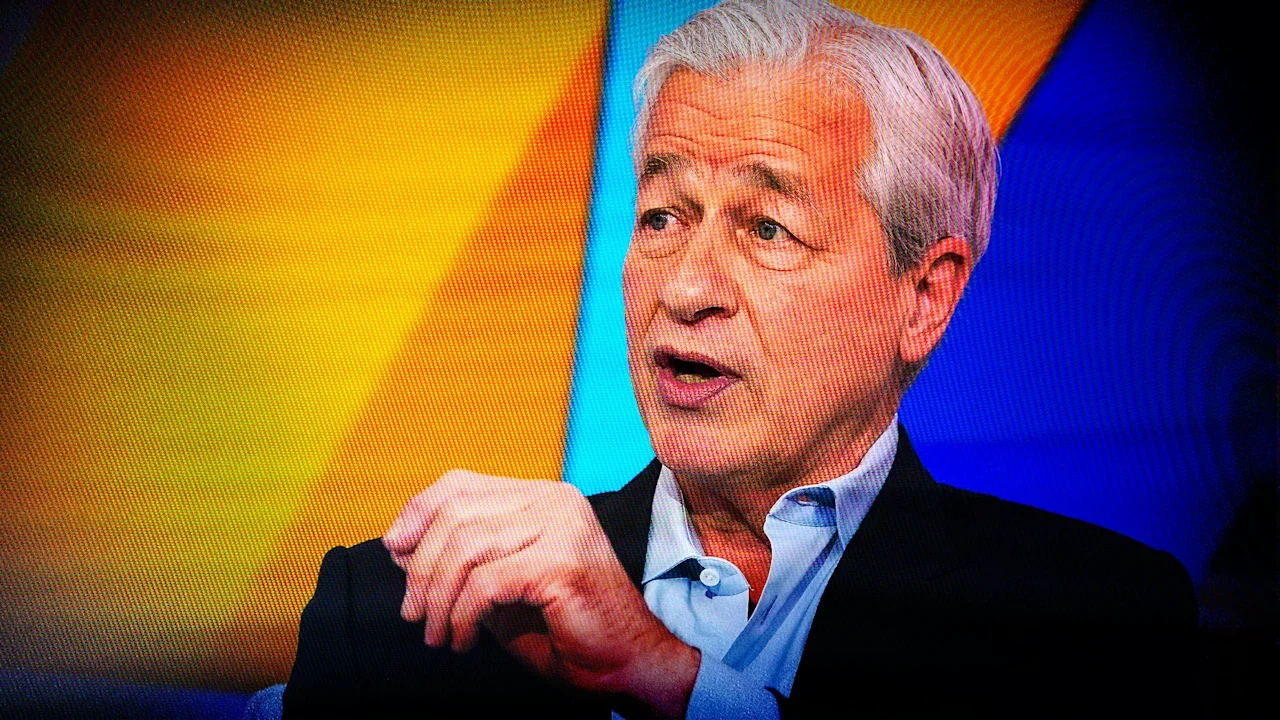
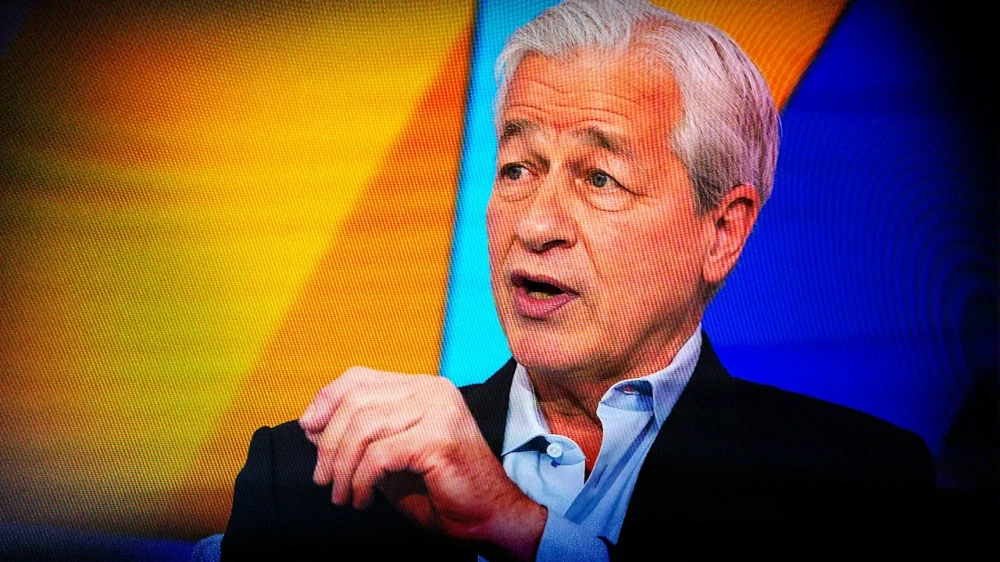
JPMorgan Chase released its 2025 annual report today, including letters to shareholders from senior executives. In his letter, chairman and CEO Jamie Dimon shared his thoughts on artificial intelligence (AI) and the company’s plans to embrace it. Dimon argued that the pace of the adoption of AI is unlike that of other technologies that came before, like electricity and the internet. While the technology is “transformational,” he cautioned that no one can predict how exactly AI will unfold. “People will live longer and safer” His overall outlook is optimistic. Dimon says he believes that AI will improve many areas of daily life and business. “AI will affect virtually every function, application and process in the company. And in the long run, it will have a huge positive impact on productivity,” he wrote. “I do not think it is an exaggeration to say that AI will cure some cancers, create new composites and reduce accidental deaths, among other positive outcomes,” he continued. “It will eventually reduce the workweek in the developed world. And people will live longer and safer.” He also acknowledged that AI will eliminate some jobs. According to Dimon, JPMorgan is committed to having a plan to support and redeploy affected workers. Will we really get shorter workweeks? Dimon’s commentary echoes beliefs he has shared before. In a March 31 CBS News interview, Dimon noted that he predicts AI will make the world more productive and safer. He further shared his belief that 30 years from now, most people will be working 3.5 days a week, and they’ll live healthier, longer lives as a result of AI-driven productivity. In the same interview, Dimon acknowledged the risks of rapid AI adoption. He noted that it’s important for the government and businesses to come up with solutions for potential risks. Predictions like this are nothing new. Decades of technological advances have come with the promise of more leisure time, although that promise has not always been realized. In recent history, prominent business leaders have made similar predictions. Microsoft cofounder Bill Gates and Zoom CEO Eric Yuan have both argued that AI will shorten the typical workweek by making employees significantly more productive. Leaders like Mark Cuban have argued that reduced hours shouldn’t lead to reduced pay. In a March 22 tweet, Cuban said, “Smart, bigger companies will enable their employees to create and use agents (within security guardrails), improve their productively but MOST IMPORTANTLY, they will reduce their work day by an hour to start. Same pay.” Work has a way of piling on As many company leaders rush to adopt AI while championing its benefits, a recent Harvard Business Review study found that AI didn’t reduce work; it only intensified it. The eight-month study identified several ways the technology is putting more pressure on employees. Workers using AI are now handling more tasks throughout the day, and many are spending additional time reviewing and correcting AI-generated work. The study also found that the boundaries between work and non-work time are becoming more blurred. Many workers reported squeezing in extra prompts during breaks and lunch or queuing up tasks before stepping away so AI could work in their absence. AI results in more multitasking, too. But the ability to juggle more tasks simultaneously raised expectations for speed and output, leaving many employees feeling more pressure, not less. View the full article
-
BONUS: A checklist to use for additional client services. By Ed Mendlowitz Tax Season Opportunity Guide Go PRO for members-only access to more Edward Mendlowitz. View the full article
-
BONUS: A checklist to use for additional client services. By Ed Mendlowitz Tax Season Opportunity Guide Go PRO for members-only access to more Edward Mendlowitz. View the full article
-
When considering franchising a business, it’s essential to understand the costs involved, which can range from $48,500 to $160,000 in the first year. This figure varies based on your industry and the level of support you receive. You’ll encounter initial franchise fees, ongoing royalty fees, and several other expenses, including legal documentation and marketing costs. As you explore these financial elements, you’ll want to guarantee you’re fully prepared for the investment ahead. Key Takeaways Initial setup costs to franchise a business range from $26,000 to $84,500, depending on various factors. Total estimated first-year investment typically falls between $48,500 and $160,000. Initial franchise fees generally range from $20,000 to $50,000. Ongoing royalty fees usually comprise 3% to 9% of gross sales. Additional legal and documentation costs can range from $15,000 to $45,000 for FDD preparation. Estimated Cost to Franchise Your Business When you’re considering franchising your business, it’s vital to understand the estimated costs involved in the process. Typically, how much does it cost to franchise your business? Initial setup expenses commonly range from $26,000 to $84,500. These costs cover the shift from business owner to franchisor. Moreover, first-year franchise sales costs can add another $22,500 to $75,500. This brings your total estimated first-year investment to about $48,500 to $160,000. Specific costs can vary based on factors like your franchise team, industry, and the level of support you offer to franchisees. It’s important to budget accurately to guarantee a smooth franchising process and set realistic expectations for potential franchisees. Legal Costs: Franchise Disclosure Document (FDD) Development When you’re franchising your business, developing a Franchise Disclosure Document (FDD) is vital, as it lays out fundamental details like fees and obligations for both you and your franchisees. You’ll need an experienced franchise lawyer to guarantee the FDD meets all federal and state regulations, which can cost between $15,000 and $45,000. This document not just complies with legal requirements but additionally guides potential franchisees in comprehending your franchise opportunity. FDD Importance for Franchising The Franchise Disclosure Document (FDD) plays a pivotal role in the franchising process, as it lays out the vital terms and conditions governing the franchise relationship. It’s legally required to be provided to potential franchisees at least 14 days before signing any agreement. Here’s why the FDD is so important: It provides detailed information about the franchisor’s business background, fees, and obligations. Item 19 particularly offers insights into expected financial performance, helping franchisees make informed decisions. A well-prepared FDD, developed by an experienced franchise lawyer, protects the franchisor from potential legal disputes. Investing in a thorough FDD is fundamental for establishing a solid legal foundation for your franchise system and ensuring compliance with federal and state regulations. Legal Expertise Requirements Comprehension of the legal expertise requirements for developing a Franchise Disclosure Document (FDD) is critical, as it directly impacts the success and compliance of your franchise system. The FDD typically costs between $15,000 and $45,000 and must be prepared by an experienced franchise lawyer to guarantee adherence to legal regulations. This document provides significant information for potential franchisees, including fees, obligations, and financial performance representations. Item 19, which covers financial performance, requires legal guidance to maintain accuracy and transparency. Furthermore, trademark registration is part of the FDD development process, necessitating further legal expertise and associated costs. Investing in qualified legal support is fundamental to create a compliant and effective FDD that meets all franchise requirements. Costs Associated With FDD Comprehending the costs associated with developing a Franchise Disclosure Document (FDD) is imperative for anyone looking to shift from a business owner to a franchisor. The estimated cost to create an FDD ranges from $15,000 to $45,000, depending on complexity and the franchise lawyer’s experience. An experienced lawyer is critical to guarantee compliance with legal standards, as the FDD serves as the legal backbone of your franchise system. Key components of the FDD include: Financial performance representations (Item 19) Trademark registration Operational guidelines Getting the FDD right is fundamental, as it outlines the franchisor-franchisee relationship and sets the foundation for your franchise’s success. Investing in legal expertise now can save you from costly issues later. Operations Manual Development When developing an Operations Manual for your franchise, understanding the associated costs is vital, as expenses can range from $0 to $30,000. This manual, provided after signing the franchise agreement, serves as a thorough guide for effectively running your franchise. Although it’s not included in the Franchise Disclosure Document (FDD), it outlines critical operational procedures, training, and best practices. The cost varies greatly based on whether you choose a DIY approach or hire professional consultants. A well-crafted Operations Manual can improve franchisee performance by offering clear instructions and standards for daily operations. Preparation Method Estimated Cost Range Benefits In-House $0 – $5,000 Familiarity with brand Freelance Consultant $5,000 – $15,000 Expertise and experience Professional Firm $15,000 – $30,000 Thorough coverage Financial Statement Preparation Financial statement preparation is a vital step in establishing your franchise, with costs typically ranging from $2,500 to $5,000. You’ll need a licensed CPA to audit and certify these statements, ensuring compliance with legal standards. These financial statements play a key role in your Franchise Disclosure Document (FDD), which you provide to potential franchisees. Accurate financial statements not only maintain transparency but likewise establish credibility within your franchise system. Remember, they help potential franchisees understand the financial performance and viability of your franchise. Vital for Franchise Disclosure Document (FDD) Audited by a licensed CPA for legal compliance Improves credibility and transparency in your franchise system State Filing and Registration Fees Grasping state filing and registration fees is vital for anyone looking to franchise a business. These fees typically range from $1,000 to $4,500, depending on your state and its specific requirements. Incorporation fees average around $300, whereas trademark filings with the USPTO cost about $250 per class. Furthermore, the registration fees for your Franchise Disclosure Document (FDD) can vary from $250 to $750 per state. Remember, costs associated with state filings can fluctuate based on how many registrations and filings you need for compliance. Comprehending these fees is important for accurately estimating the total initial investment required to franchise your business, ensuring you’re fully prepared for the financial commitments ahead. Costs for First Year of Franchise Sales Grasping the costs associated with the first year of franchise sales is crucial for prospective franchisors. Your total investment can range from about $48,500 to $160,000, influenced by your industry and the level of support you provide. Key expenses include: Initial setup costs, typically between $26,000 and $84,500 Additional costs for the first year, ranging from $22,500 to $75,500 Legal fees for creating a Franchise Disclosure Document (FDD), which can add $15,000 to $45,000 Don’t forget state filing and registration fees, which can cost around $1,000 to $4,500. Comprehending these figures helps you plan better and guarantee your franchise’s successful launch in the competitive market. The Myth of Million-Dollar Franchise Costs Many people think franchising costs millions, but that’s not the case. In reality, low-cost franchise opportunities can start as low as $15,000, with average initial investments ranging from $100,000 to $300,000, excluding real estate. This variability means you can find accessible options without needing a million-dollar budget, allowing more aspiring entrepreneurs to enter the market. Understanding Franchise Investment Variability Even though it’s easy to assume that franchising a business requires a hefty investment of a million dollars or more, the reality is much more nuanced. Franchise startup costs can vary considerably, with options starting as low as $15,000, whereas major brands might demand $250,000 or more. Key factors influencing investment include: Initial franchise fees, typically ranging from $20,000 to $50,000. The type of franchise, such as home-based franchises like Dream Vacations, which can reduce costs by eliminating real estate expenses. Ongoing royalty fees, usually between 3% to 9% of gross sales, plus additional expenses like marketing and insurance. Understanding these variables helps clarify the overall financial commitment involved in franchising a business. Low-Cost Franchise Opportunities Available Franchising doesn’t have to mean breaking the bank; in fact, low-cost franchise opportunities are abundant and accessible for aspiring entrepreneurs. You can find franchises that start at under $15,000, such as Dream Vacations and Image One, which offer significant revenue potential. For instance, Image One franchisees might earn up to $1 million by year-end. During the average franchise investment hovers around $250,000, low-cost options provide high ROI and often feature lower royalty fees. Other popular choices include Complete Weddings + Events, Showhomes Home Staging, and TSS Photography, all with startup costs below $15,000. The myth that franchising requires million-dollar investments is misleading; many successful franchises thrive on modest budgets, appealing to a diverse range of entrepreneurs. Typical Franchise Startup Costs Starting a franchise can require a significant financial commitment, with typical startup costs for a single unit franchise ranging from $100,000 to $300,000, not including real estate expenses. The initial franchise fee typically falls between $20,000 and $50,000, which gives you rights to the franchise name and business model. Real estate costs can further inflate your budget, especially for physical locations. Moreover, you’ll need to take into account ongoing expenses. Key startup costs include: Inventory necessary for operations Professional fees for legal and accounting services Marketing expenses and insurance coverage Remember that franchise royalty fees, usually 5% to 9% of gross sales, should likewise be factored into your long-term budget. How to Finance the Cost of Starting a Franchise When you’re looking to finance the cost of starting a franchise, it’s crucial to explore various options. Traditional bank loans are a common choice, but you’ll need a strong business plan and good credit to secure one. Furthermore, the Small Business Administration (SBA) offers loans with favorable terms, whereas alternative financing options can provide more flexibility, though they may come with higher interest rates. Traditional Bank Loans Securing financing is a crucial step in launching a franchise, and traditional bank loans are a common avenue for aspiring franchisees. These loans typically cover 50% to 80% of your total startup costs, which can range from $10,000 to $5 million, depending on the franchise. To obtain a loan, you’ll need a solid business plan and a good credit score. Here are some key points to reflect on: Interest rates usually fall between 5% and 10%, depending on market conditions. Your financial history plays a significant role in the lender’s assessment. Franchisors may have established relationships with JPMorgan Chase, which can streamline your loan application process. Understanding these factors can help you secure the necessary funds for your franchise. SBA Loan Programs Steering through the financial terrain of franchise ownership often leads aspiring entrepreneurs to evaluate SBA loan programs, which offer a range of benefits customized to help you start your business. These loans provide favorable terms, including lower interest rates because of partial repayment guarantees. The SBA 7(a) loan program is especially popular, allowing you to access up to $5 million for various startup costs, such as real estate and equipment. To qualify, you’ll typically need a good credit score, a solid business plan, and adequate collateral. Importantly, if your chosen franchise is listed in the SBA’s Franchise Directory, the loan application process is streamlined. SBA loans can cover significant portions of initial fees, inventory, equipment, and working capital, making them attractive for franchisees. Alternative Financing Options Exploring alternative financing options can be crucial for aspiring franchise owners looking to cover startup costs. Here are some viable avenues to examine: Franchisor Financing: Some franchisors partner with lenders to provide customized financing programs, easing your funding process. Commercial Bank Loans: These typically require a solid business plan and good credit history, with terms varying based on your financial profile. Crowdfunding and Personal Loans: Tapping into personal networks through crowdfunding or loans from family and friends can offer initial capital. The Small Business Administration (SBA) furthermore provides favorable loan terms, enhancing your chances of securing funding. Whereas alternative lenders can offer quick access to cash, be cautious of their higher interest rates compared to traditional options. Other Common Opening Franchise Fees When considering the costs associated with franchising a business, it’s vital to understand that the initial franchise fee is just one part of the overall investment. You’ll also need to factor in real estate acquisition costs, which include renting or purchasing a location and any renovations required to meet franchise standards. Initial inventory costs can vary greatly, depending on your franchise type; for example, deli franchises need specific food items, whereas janitorial services require cleaning supplies. Furthermore, don’t overlook expenses for general office supplies, industry-specific equipment, and signage. Finally, marketing expenses are important, as they often involve contributions to an advertising fund and local initiatives, typically calculated as a percentage of your gross sales. Ongoing Costs Associated With Operating a Franchise After addressing the various initial investments needed to launch a franchise, it’s important to shift focus to the ongoing costs that come with operating one. These costs can greatly affect your profitability and include: Royalty fees, usually between 5% to 9% of your gross sales, which you’ll pay to the franchisor. Recurring operating expenses, such as employee salaries, utilities, and maintenance, that need careful management. Marketing contributions, often a percentage of your sales, for national or regional advertising, plus local marketing costs for your franchise. Additionally, having adequate working capital is crucial to cover unexpected expenses and to guarantee smooth operations, especially during your early days in business. Comprehending these costs will help you plan for long-term success. Knowledge & Support Offered by Franchises Franchises consistently offer a wealth of knowledge and support that can be invaluable for new business owners. They provide a proven business model, reducing risks associated with starting from scratch. Ongoing support often includes thorough training in operational procedures, marketing strategies, and customer service practices. As a franchisee, you gain access to established marketing strategies and brand recognition, attracting customers more effectively. Furthermore, many franchises maintain a support network for ongoing coaching, improving your performance over time. Here’s a quick look at the support offered: Type of Support Description Benefit Training Programs Detailed training on operations and marketing Reduces startup risks Marketing Strategies Access to established marketing techniques Attracts customers faster Coaching Network Ongoing support and performance improvement Improves operational success Industry Insights Shared resources and knowledge Achieves operational efficiency Frequently Asked Questions How Much Does It Cost to Franchise a Small Business? Franchising a small business can cost between $26,000 and $84,500 for initial setup, with additional first-year sales costs ranging from $22,500 to $75,500. This means your total first-year investment could be around $48,500 to $160,000. Key expenses include developing a Franchise Disclosure Document, which may cost $15,000 to $45,000, and creating operating manuals, which can range from free to $30,000, plus state fees of $1,000 to $4,500. Why Is It Only $10,000 to Open a Chick-Fil-A? You’ll find that Chick-fil-A’s initial franchise fee is only $10,000 since the company covers most startup costs, like real estate and equipment. This support allows you to concentrate on managing operations rather than financial burdens. Furthermore, Chick-fil-A emphasizes community involvement and customer satisfaction, which can lead to higher profits. The franchisee selection process is rigorous, ensuring that you align with the company’s values, setting you up for success in the business. How Much Money Should I Have to Start a Franchise? To start a franchise, you should have a minimum of $10,000 to $50,000 in liquid cash. Initial investment costs typically range from $10,000 to $300,000, depending on the franchise brand. The franchise fee usually falls between $20,000 and $50,000, allowing you to use the franchise name and model. Don’t forget to evaluate additional first-year costs, which can add $22,500 to $75,500 to your total investment. Review the Franchise Disclosure Document for detailed financial insights. What Is the Cheapest Franchise to Own? The cheapest franchises typically have startup costs of $15,000 or less. For example, Dream Vacations requires just $9,800, whereas Image One costs $15,000 and can generate up to $1 million in revenue. Complete Weddings + Events and TSS Photography both start around $10,000, offering diverse opportunities. These low-cost options allow you to enter various industries, making them ideal if you’re looking to start a business or supplement your income effectively. Conclusion In conclusion, franchising a business involves a range of costs that can greatly impact your initial investment. From franchise fees to legal documentation and ongoing royalties, it’s essential to budget accurately. Comprehending these expenses, alongside potential financing options, will help you make informed decisions. Furthermore, consider the support and resources provided by franchisors, as they can heavily influence your success. Being well-prepared can lead to a more favorable franchising experience. Image via Google Gemini and ArtSmart This article, "How Much Does It Cost to Franchise a Business?" was first published on Small Business Trends View the full article
-
When considering franchising a business, it’s essential to understand the costs involved, which can range from $48,500 to $160,000 in the first year. This figure varies based on your industry and the level of support you receive. You’ll encounter initial franchise fees, ongoing royalty fees, and several other expenses, including legal documentation and marketing costs. As you explore these financial elements, you’ll want to guarantee you’re fully prepared for the investment ahead. Key Takeaways Initial setup costs to franchise a business range from $26,000 to $84,500, depending on various factors. Total estimated first-year investment typically falls between $48,500 and $160,000. Initial franchise fees generally range from $20,000 to $50,000. Ongoing royalty fees usually comprise 3% to 9% of gross sales. Additional legal and documentation costs can range from $15,000 to $45,000 for FDD preparation. Estimated Cost to Franchise Your Business When you’re considering franchising your business, it’s vital to understand the estimated costs involved in the process. Typically, how much does it cost to franchise your business? Initial setup expenses commonly range from $26,000 to $84,500. These costs cover the shift from business owner to franchisor. Moreover, first-year franchise sales costs can add another $22,500 to $75,500. This brings your total estimated first-year investment to about $48,500 to $160,000. Specific costs can vary based on factors like your franchise team, industry, and the level of support you offer to franchisees. It’s important to budget accurately to guarantee a smooth franchising process and set realistic expectations for potential franchisees. Legal Costs: Franchise Disclosure Document (FDD) Development When you’re franchising your business, developing a Franchise Disclosure Document (FDD) is vital, as it lays out fundamental details like fees and obligations for both you and your franchisees. You’ll need an experienced franchise lawyer to guarantee the FDD meets all federal and state regulations, which can cost between $15,000 and $45,000. This document not just complies with legal requirements but additionally guides potential franchisees in comprehending your franchise opportunity. FDD Importance for Franchising The Franchise Disclosure Document (FDD) plays a pivotal role in the franchising process, as it lays out the vital terms and conditions governing the franchise relationship. It’s legally required to be provided to potential franchisees at least 14 days before signing any agreement. Here’s why the FDD is so important: It provides detailed information about the franchisor’s business background, fees, and obligations. Item 19 particularly offers insights into expected financial performance, helping franchisees make informed decisions. A well-prepared FDD, developed by an experienced franchise lawyer, protects the franchisor from potential legal disputes. Investing in a thorough FDD is fundamental for establishing a solid legal foundation for your franchise system and ensuring compliance with federal and state regulations. Legal Expertise Requirements Comprehension of the legal expertise requirements for developing a Franchise Disclosure Document (FDD) is critical, as it directly impacts the success and compliance of your franchise system. The FDD typically costs between $15,000 and $45,000 and must be prepared by an experienced franchise lawyer to guarantee adherence to legal regulations. This document provides significant information for potential franchisees, including fees, obligations, and financial performance representations. Item 19, which covers financial performance, requires legal guidance to maintain accuracy and transparency. Furthermore, trademark registration is part of the FDD development process, necessitating further legal expertise and associated costs. Investing in qualified legal support is fundamental to create a compliant and effective FDD that meets all franchise requirements. Costs Associated With FDD Comprehending the costs associated with developing a Franchise Disclosure Document (FDD) is imperative for anyone looking to shift from a business owner to a franchisor. The estimated cost to create an FDD ranges from $15,000 to $45,000, depending on complexity and the franchise lawyer’s experience. An experienced lawyer is critical to guarantee compliance with legal standards, as the FDD serves as the legal backbone of your franchise system. Key components of the FDD include: Financial performance representations (Item 19) Trademark registration Operational guidelines Getting the FDD right is fundamental, as it outlines the franchisor-franchisee relationship and sets the foundation for your franchise’s success. Investing in legal expertise now can save you from costly issues later. Operations Manual Development When developing an Operations Manual for your franchise, understanding the associated costs is vital, as expenses can range from $0 to $30,000. This manual, provided after signing the franchise agreement, serves as a thorough guide for effectively running your franchise. Although it’s not included in the Franchise Disclosure Document (FDD), it outlines critical operational procedures, training, and best practices. The cost varies greatly based on whether you choose a DIY approach or hire professional consultants. A well-crafted Operations Manual can improve franchisee performance by offering clear instructions and standards for daily operations. Preparation Method Estimated Cost Range Benefits In-House $0 – $5,000 Familiarity with brand Freelance Consultant $5,000 – $15,000 Expertise and experience Professional Firm $15,000 – $30,000 Thorough coverage Financial Statement Preparation Financial statement preparation is a vital step in establishing your franchise, with costs typically ranging from $2,500 to $5,000. You’ll need a licensed CPA to audit and certify these statements, ensuring compliance with legal standards. These financial statements play a key role in your Franchise Disclosure Document (FDD), which you provide to potential franchisees. Accurate financial statements not only maintain transparency but likewise establish credibility within your franchise system. Remember, they help potential franchisees understand the financial performance and viability of your franchise. Vital for Franchise Disclosure Document (FDD) Audited by a licensed CPA for legal compliance Improves credibility and transparency in your franchise system State Filing and Registration Fees Grasping state filing and registration fees is vital for anyone looking to franchise a business. These fees typically range from $1,000 to $4,500, depending on your state and its specific requirements. Incorporation fees average around $300, whereas trademark filings with the USPTO cost about $250 per class. Furthermore, the registration fees for your Franchise Disclosure Document (FDD) can vary from $250 to $750 per state. Remember, costs associated with state filings can fluctuate based on how many registrations and filings you need for compliance. Comprehending these fees is important for accurately estimating the total initial investment required to franchise your business, ensuring you’re fully prepared for the financial commitments ahead. Costs for First Year of Franchise Sales Grasping the costs associated with the first year of franchise sales is crucial for prospective franchisors. Your total investment can range from about $48,500 to $160,000, influenced by your industry and the level of support you provide. Key expenses include: Initial setup costs, typically between $26,000 and $84,500 Additional costs for the first year, ranging from $22,500 to $75,500 Legal fees for creating a Franchise Disclosure Document (FDD), which can add $15,000 to $45,000 Don’t forget state filing and registration fees, which can cost around $1,000 to $4,500. Comprehending these figures helps you plan better and guarantee your franchise’s successful launch in the competitive market. The Myth of Million-Dollar Franchise Costs Many people think franchising costs millions, but that’s not the case. In reality, low-cost franchise opportunities can start as low as $15,000, with average initial investments ranging from $100,000 to $300,000, excluding real estate. This variability means you can find accessible options without needing a million-dollar budget, allowing more aspiring entrepreneurs to enter the market. Understanding Franchise Investment Variability Even though it’s easy to assume that franchising a business requires a hefty investment of a million dollars or more, the reality is much more nuanced. Franchise startup costs can vary considerably, with options starting as low as $15,000, whereas major brands might demand $250,000 or more. Key factors influencing investment include: Initial franchise fees, typically ranging from $20,000 to $50,000. The type of franchise, such as home-based franchises like Dream Vacations, which can reduce costs by eliminating real estate expenses. Ongoing royalty fees, usually between 3% to 9% of gross sales, plus additional expenses like marketing and insurance. Understanding these variables helps clarify the overall financial commitment involved in franchising a business. Low-Cost Franchise Opportunities Available Franchising doesn’t have to mean breaking the bank; in fact, low-cost franchise opportunities are abundant and accessible for aspiring entrepreneurs. You can find franchises that start at under $15,000, such as Dream Vacations and Image One, which offer significant revenue potential. For instance, Image One franchisees might earn up to $1 million by year-end. During the average franchise investment hovers around $250,000, low-cost options provide high ROI and often feature lower royalty fees. Other popular choices include Complete Weddings + Events, Showhomes Home Staging, and TSS Photography, all with startup costs below $15,000. The myth that franchising requires million-dollar investments is misleading; many successful franchises thrive on modest budgets, appealing to a diverse range of entrepreneurs. Typical Franchise Startup Costs Starting a franchise can require a significant financial commitment, with typical startup costs for a single unit franchise ranging from $100,000 to $300,000, not including real estate expenses. The initial franchise fee typically falls between $20,000 and $50,000, which gives you rights to the franchise name and business model. Real estate costs can further inflate your budget, especially for physical locations. Moreover, you’ll need to take into account ongoing expenses. Key startup costs include: Inventory necessary for operations Professional fees for legal and accounting services Marketing expenses and insurance coverage Remember that franchise royalty fees, usually 5% to 9% of gross sales, should likewise be factored into your long-term budget. How to Finance the Cost of Starting a Franchise When you’re looking to finance the cost of starting a franchise, it’s crucial to explore various options. Traditional bank loans are a common choice, but you’ll need a strong business plan and good credit to secure one. Furthermore, the Small Business Administration (SBA) offers loans with favorable terms, whereas alternative financing options can provide more flexibility, though they may come with higher interest rates. Traditional Bank Loans Securing financing is a crucial step in launching a franchise, and traditional bank loans are a common avenue for aspiring franchisees. These loans typically cover 50% to 80% of your total startup costs, which can range from $10,000 to $5 million, depending on the franchise. To obtain a loan, you’ll need a solid business plan and a good credit score. Here are some key points to reflect on: Interest rates usually fall between 5% and 10%, depending on market conditions. Your financial history plays a significant role in the lender’s assessment. Franchisors may have established relationships with JPMorgan Chase, which can streamline your loan application process. Understanding these factors can help you secure the necessary funds for your franchise. SBA Loan Programs Steering through the financial terrain of franchise ownership often leads aspiring entrepreneurs to evaluate SBA loan programs, which offer a range of benefits customized to help you start your business. These loans provide favorable terms, including lower interest rates because of partial repayment guarantees. The SBA 7(a) loan program is especially popular, allowing you to access up to $5 million for various startup costs, such as real estate and equipment. To qualify, you’ll typically need a good credit score, a solid business plan, and adequate collateral. Importantly, if your chosen franchise is listed in the SBA’s Franchise Directory, the loan application process is streamlined. SBA loans can cover significant portions of initial fees, inventory, equipment, and working capital, making them attractive for franchisees. Alternative Financing Options Exploring alternative financing options can be crucial for aspiring franchise owners looking to cover startup costs. Here are some viable avenues to examine: Franchisor Financing: Some franchisors partner with lenders to provide customized financing programs, easing your funding process. Commercial Bank Loans: These typically require a solid business plan and good credit history, with terms varying based on your financial profile. Crowdfunding and Personal Loans: Tapping into personal networks through crowdfunding or loans from family and friends can offer initial capital. The Small Business Administration (SBA) furthermore provides favorable loan terms, enhancing your chances of securing funding. Whereas alternative lenders can offer quick access to cash, be cautious of their higher interest rates compared to traditional options. Other Common Opening Franchise Fees When considering the costs associated with franchising a business, it’s vital to understand that the initial franchise fee is just one part of the overall investment. You’ll also need to factor in real estate acquisition costs, which include renting or purchasing a location and any renovations required to meet franchise standards. Initial inventory costs can vary greatly, depending on your franchise type; for example, deli franchises need specific food items, whereas janitorial services require cleaning supplies. Furthermore, don’t overlook expenses for general office supplies, industry-specific equipment, and signage. Finally, marketing expenses are important, as they often involve contributions to an advertising fund and local initiatives, typically calculated as a percentage of your gross sales. Ongoing Costs Associated With Operating a Franchise After addressing the various initial investments needed to launch a franchise, it’s important to shift focus to the ongoing costs that come with operating one. These costs can greatly affect your profitability and include: Royalty fees, usually between 5% to 9% of your gross sales, which you’ll pay to the franchisor. Recurring operating expenses, such as employee salaries, utilities, and maintenance, that need careful management. Marketing contributions, often a percentage of your sales, for national or regional advertising, plus local marketing costs for your franchise. Additionally, having adequate working capital is crucial to cover unexpected expenses and to guarantee smooth operations, especially during your early days in business. Comprehending these costs will help you plan for long-term success. Knowledge & Support Offered by Franchises Franchises consistently offer a wealth of knowledge and support that can be invaluable for new business owners. They provide a proven business model, reducing risks associated with starting from scratch. Ongoing support often includes thorough training in operational procedures, marketing strategies, and customer service practices. As a franchisee, you gain access to established marketing strategies and brand recognition, attracting customers more effectively. Furthermore, many franchises maintain a support network for ongoing coaching, improving your performance over time. Here’s a quick look at the support offered: Type of Support Description Benefit Training Programs Detailed training on operations and marketing Reduces startup risks Marketing Strategies Access to established marketing techniques Attracts customers faster Coaching Network Ongoing support and performance improvement Improves operational success Industry Insights Shared resources and knowledge Achieves operational efficiency Frequently Asked Questions How Much Does It Cost to Franchise a Small Business? Franchising a small business can cost between $26,000 and $84,500 for initial setup, with additional first-year sales costs ranging from $22,500 to $75,500. This means your total first-year investment could be around $48,500 to $160,000. Key expenses include developing a Franchise Disclosure Document, which may cost $15,000 to $45,000, and creating operating manuals, which can range from free to $30,000, plus state fees of $1,000 to $4,500. Why Is It Only $10,000 to Open a Chick-Fil-A? You’ll find that Chick-fil-A’s initial franchise fee is only $10,000 since the company covers most startup costs, like real estate and equipment. This support allows you to concentrate on managing operations rather than financial burdens. Furthermore, Chick-fil-A emphasizes community involvement and customer satisfaction, which can lead to higher profits. The franchisee selection process is rigorous, ensuring that you align with the company’s values, setting you up for success in the business. How Much Money Should I Have to Start a Franchise? To start a franchise, you should have a minimum of $10,000 to $50,000 in liquid cash. Initial investment costs typically range from $10,000 to $300,000, depending on the franchise brand. The franchise fee usually falls between $20,000 and $50,000, allowing you to use the franchise name and model. Don’t forget to evaluate additional first-year costs, which can add $22,500 to $75,500 to your total investment. Review the Franchise Disclosure Document for detailed financial insights. What Is the Cheapest Franchise to Own? The cheapest franchises typically have startup costs of $15,000 or less. For example, Dream Vacations requires just $9,800, whereas Image One costs $15,000 and can generate up to $1 million in revenue. Complete Weddings + Events and TSS Photography both start around $10,000, offering diverse opportunities. These low-cost options allow you to enter various industries, making them ideal if you’re looking to start a business or supplement your income effectively. Conclusion In conclusion, franchising a business involves a range of costs that can greatly impact your initial investment. From franchise fees to legal documentation and ongoing royalties, it’s essential to budget accurately. Comprehending these expenses, alongside potential financing options, will help you make informed decisions. Furthermore, consider the support and resources provided by franchisors, as they can heavily influence your success. Being well-prepared can lead to a more favorable franchising experience. Image via Google Gemini and ArtSmart This article, "How Much Does It Cost to Franchise a Business?" was first published on Small Business Trends View the full article
-
We may earn a commission from links on this page. Deal pricing and availability subject to change after time of publication. The JBL PartyBox 720 is down to $799.95 on Woot, a drop from its $1,099.95 list price and below its current $899.95 listing on Amazon. That almost lines up with the lowest price recorded so far, which was $798, according to price-trackers. Also, shipping is free for Amazon Prime members, while everyone else pays a $6 fee. This deal is set to run for about five days, though it could end sooner if stock runs out. JBL PartyBox 720 IPX4-Rated Portable Party Speaker $799.95 at Woot $1,099.95 Save $300.00 Get Deal Get Deal $799.95 at Woot $1,099.95 Save $300.00 This is the larger and more powerful sibling to the JBL PartyBox Stage 320, which Lifehacker writer Daniel Oropeza covered in detail in this review. In use, the difference shows up in how much sound it can push. The 720 gets loud enough for outdoor setups or crowded rooms without sounding thin. Bass hits hard, mids stay clear, and highs don’t get lost even as you turn it up. There is some compression at the top end, especially in the low frequencies, but it still holds together better than smaller models. You can tweak the sound through the EQ in the app or use the Bass Boost when you want more punch. The speaker runs on dual detachable batteries with a claimed 15 hours of playback, and it supports Auracast if you want to link multiple compatible speakers. It also leans into the “party” angle with built-in RGB lighting and karaoke inputs, so you can plug in a mic and use it without extra gear. The downsides come from its size and design. This is a large and heavy speaker, so even though it has wheels, you are not going to move it around as casually as a smaller speaker. It also throws sound forward (having a front-facing design), so where you place it in a room will shape how evenly the music reaches everyone. And while it can handle a few splashes with its IPX4 rating, it is not built for heavy exposure to water or rough conditions. As for its battery life, it holds up for a night, but it does not stretch as far as the JBL PartyBox Stage 320, which can last well over 20 hours. Our Best Editor-Vetted Tech Deals Right Now Apple AirPods Pro 3 Noise Cancelling Heart Rate Wireless Earbuds — $224.00 (List Price $249.00) Apple iPad 11" 128GB A16 WiFi Tablet (Blue, 2025) — $299.99 (List Price $349.00) Samsung Galaxy Tab A11+ 128GB Wi-Fi 11" Tablet (Gray) — $209.99 (List Price $249.99) Apple Watch Series 11 (GPS, 42mm, S/M Black Sport Band) — $329.00 (List Price $399.00) Sony WH-1000XM5 — $248.00 (List Price $399.99) Deals are selected by our commerce team View the full article
-
Lean In, the feminist organization founded by Sheryl Sandberg, has a new focus: fighting the gender gap in AI adoption. The nonprofit has put out new research that digs into how women use AI in the workplace relative to their male counterparts, which captures an adoption gap that has surfaced in previous surveys. In a survey of over 1,000 adults, Lean In found that 78% of men had used AI in the workplace, when compared to 73% of women. Men also reported using AI more regularly: About a third of men used AI daily, while only 27% of women did the same. This might not seem like a major difference at the moment. But Sandberg argues that this gap is likely to grow over time if it goes unaddressed. “These differences—which are not that small, but are smallish now—will compound over time, which is why we think it’s so important for people to understand them and acknowledge them,” she told Fast Company. Part of the reason for this gap, according to Lean In’s findings, is that many women are more cautious about the ethical implications of using AI at work. Women were 32% more likely to feel concerned that they would be perceived as cheating by using AI—and they also tended to steer clear of AI over concerns about accuracy and ethics. Some of them were also worried about the disproportionate impact that AI-related layoffs could have on women. “Don’t get us wrong. It is great that women have ethical concerns and care about cheating,” says Bridget Griswold, Lean In’s recently appointed CEO. “But we really worry that’s going to inadvertently cause women to use AI less.” Lean In’s research suggests that this is already happening—in part because the very gender biases that have impacted career progression for many women are now influencing how AI is being adopted in the workplace. “We also found that women feel differently about AI because they are treated differently in regards to AI, and [are] spoken to differently,” Griswold says. Women are encouraged to use AI less than their male colleagues, for example: Only 30% of women surveyed by Lean In said that their managers urged them to use AI, as compared to 37% of men. And when women do use AI at work, they are not nearly as likely to be recognized for it or get credit for doing so; men were 27% more likely to be praised for using AI on the job. “The biases exist, and then they will get internalized,” Sandberg says. “I bet a lot of the people doing this—and it’s got to be both male and female managers—don’t even know they’re doing it, which is why we think research like this is so critically important.” Previous research has signaled a broader gender gap in AI adoption. A recent analysis conducted by researchers at Harvard, Stanford, and the University of California, Berkeley, drew on 18 studies that surveyed over 140,000 people globally and found that women were 20% less likely overall to use generative AI. In the workplace, however, women face particular challenges as it relates to AI. While women tend to be more skeptical of AI on the whole, the slower rate of adoption in the workplace seems driven more by gender dynamics. Women are also both overrepresented in some of the industries most vulnerable to AI disruption—clerical work, for example—while also being underrepresented in some of the roles across engineering that are being augmented by AI. While there are signs that the AI adoption gap is narrowing, Lean In’s research indicates that it’s not happening fast enough—and that employers have a crucial role to play in bridging that gap. “I think we’re in a place where we’ve got new technology [and] old patterns, and they are old patterns that we at Lean In are committed to overcoming,” Sandberg says. “We are worried—and we should be worried—that in a world of the revolution of AI, women shouldn’t get left behind.” View the full article