All Activity
- Past hour
-
 This week's Ask a PPC reframes the AI conversation around responsibility, showing why strategy, data integrity, and human judgment now define PPC success. The post Ask A PPC: What Is The PPC Manager’s Role In The AI Era? appeared first on Search Engine Journal. View the full article
 -
When Google launched Demand Gen campaigns in 2023, they were positioned as a way to build deeper engagement across YouTube, Discover, and Gmail. At the time, they felt experimental, sitting between awareness and performance. Since then, Demand Gen has improved significantly. The creative flexibility and audience control now make it a campaign type I use regularly for ecommerce clients. It has helped us scale revenue in a controlled way, maintaining brand consistency and enabling creative testing while still driving conversions. In practice, Demand Gen converts best when it is set up strategically alongside Performance Max and Search. Choosing control over automation Demand Gen campaigns are best suited to advertisers who need more control. One of the main challenges and criticisms of Performance Max is its lack of transparency and manual input. When control over targeting, placements, or creative is a necessity, Demand Gen is the better option. In Performance Max, ads are automatically built from the assets you upload, with Google’s AI testing and combining them to find what performs best. This makes supplying strong creative assets nonnegotiable. For instance, a fitness brand could set up multiple asset groups divided by product category – one for leggings, another for shorts, and another for vests. This structure helps direct content toward relevant audiences, although true control remains limited. By contrast, Demand Gen provides far greater flexibility. You can upload, preview, and edit ad combinations before launch, tailoring each creative for its placement. For example, separate YouTube ads can be uploaded for in-feed, in-stream, and Shorts. This level of control is ideal for ecommerce brands that value creative precision, message testing, and maintaining a strong visual identity. Dig deeper: The Google Ads Demand Gen playbook How Demand Gen and Performance Max work together Running Demand Gen alongside PMax can be extremely effective when you understand how each fits within the customer journey. They complement each other rather than compete. Demand Gen builds awareness and interest by engaging audiences higher in the funnel, often before they start actively searching for products. Whereas, PMax focuses on converting lower-funnel users who are ready to buy. For example, a fitness retailer might use Demand Gen to reach potential customers with lifestyle videos and discovery ads that showcase their latest activewear ranges. Once that user begins researching or showing purchase intent, PMax steps in with tailored Shopping and Search placements to drive the sale. You can also set up feed-only PMax campaigns, where you supply only a product feed within the asset group. This restricts PMax activity to Shopping placements, keeping it focused on direct conversion opportunities. Meanwhile, Demand Gen runs across YouTube, Gmail, Discover, and Shorts, covering the upper and mid-funnel with more visual, awareness-based creative. This setup helps minimise overlap between campaign types while ensuring you reach users throughout the funnel, from brand discovery to final purchase. For larger accounts with budget flexibility, this dual structure drives full-funnel performance and clearer attribution. For smaller accounts, where efficiency is key, it’s usually best to master high-intent campaigns first and layer in Demand Gen once core conversions are stable. This mix of campaign types means advertisers now have more flexibility than ever, but it also requires understanding how Google is reshaping its video and discovery products. Dig deeper: Why Demand Gen is the most underrated campaign type in Google Ads How Google reshaped visual campaigns Since July 2025, Video Action Campaigns (VACs) have been replaced by Demand Gen. The update brings Google’s visual placements together in one campaign type, including YouTube in-stream, Shorts, in-feed, Gmail, and Discover. It’s a big shift. VAC performed well for ecommerce, particularly for conversion-focused video, so removing it clearly nudges advertisers toward Demand Gen. The upside is that Demand Gen offers stronger creative control and more testing options across YouTube placements. If you were running VAC, those campaigns now sit under Demand Gen. Check that your top-performing assets and audiences migrated correctly, then use the new controls to refine performance. Get the newsletter search marketers rely on. See terms. Where advertisers gain control with Demand Gen Audience targeting Audience control is one of the biggest advantages of Demand Gen and a key reason I use it for ecommerce. With Demand Gen, you can build and manage audiences directly, choosing exactly who sees your ads. You can select placements, combine audience types, and decide where your budget goes. It’s also the only Google Ads campaign type that supports lookalike audiences, helping you reach new customers similar to your best converters. For brands focused on acquisition quality, that is a major win. Performance Max uses audience signals rather than fixed targeting, which is fine for scale but limits precision. If you value control, testing, and segmentation, Demand Gen is the clear winner for audience strategy. Channel control In June 2025, Google launched an open beta allowing advertisers to manually opt out of specific Demand Gen channels. This means you can choose where your ads appear, for example, excluding Discover or YouTube Shorts if they do not align with your goals or creative format. It is a small but meaningful update that gives advertisers more control, something that has been missing from many of Google’s automated campaign types. Dig deeper: Google Ads rolls out channel control for Demand Gen campaigns Product feeds In early 2025, Google introduced product feed integration for Demand Gen campaigns, allowing advertisers to link their Google Merchant Center feed and pull live product data directly into visual ads. For ecommerce, this bridges the gap between performance and branding. You can tell your story through lifestyle-focused creative while still showcasing real products. For example, a fashion retailer might promote a new collection in a video ad while displaying shoppable product cards underneath. This update makes Demand Gen feel like a true hybrid between Shopping and Display, something ecommerce advertisers have been waiting for. Budgeting for Demand Gen Demand Gen typically requires more investment than other campaign types. Google recommends starting at around £100 per day per campaign, or 20 times your target CPA/tROAS, whichever is higher. In practice, the £100-per-day baseline is a sensible starting point for meaningful learning. Anything lower often limits data flow and slows optimization. Demand Gen should be treated as part of your broader Google Ads mix, not a replacement for Search or PMax. It is a more premium, visually led campaign type best for driving awareness that converts, especially when you already have reliable measurement, a clean product feed, and defined audiences. Comparing Demand Gen and Performance Max The table below compares Demand Gen and Performance Max across the areas advertisers care about most. CategoryWinnerDetailsAudiencesDemand GenManual audience building and placement control.PlacementsDrawPMax includes Search and Shopping (conversion-driven), while Demand Gen covers visual placements.ReportingDemand GenGreater transparency and creative-level insight.Creative ControlDemand GenFull previewing and editing of ads before launch.ControlDemand GenIdeal for advertisers who want to test and optimise manually.GoalsDrawEach has a distinct role in the funnel; both are valuable when aligned. Dig deeper: Google pushes Demand Gen deeper into performance marketing Using Demand Gen to create demand and PMax to capture it PMax does the heavy lifting for scale, but it can feel like a black box. Demand Gen gives advertisers the control we have been asking for, genuine creative testing, audience precision, and placement visibility. If you want to grow ecommerce sales in a more measured, brand-led way, start running both. PMax captures demand. Demand Gen creates it. Used together, they form a complete framework for scalable, sustainable growth. View the full article
-
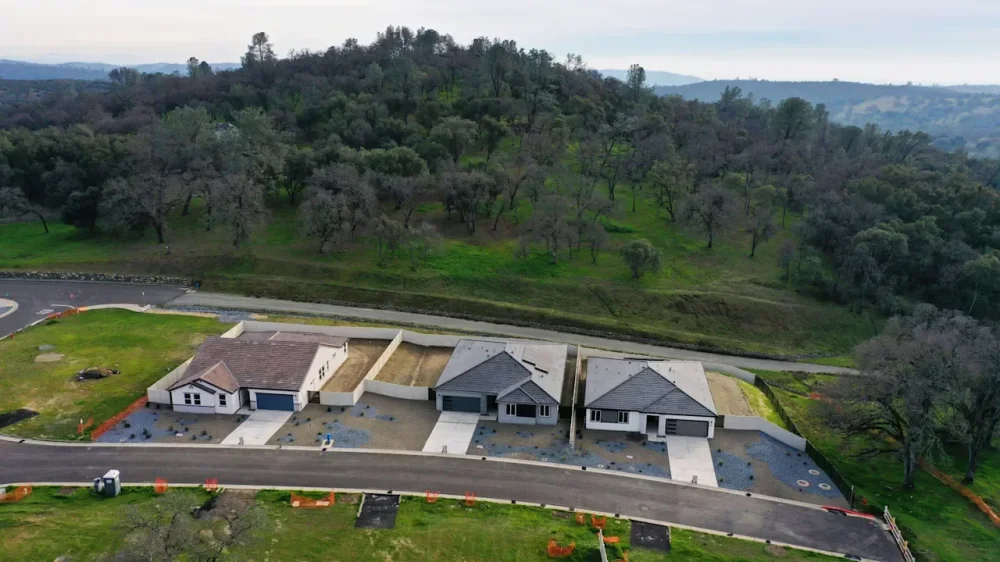
A new neighborhood under construction near Sacramento, California, in the rolling foothills of the Sierra Nevada mountains, looks like a typical subdivision. But it’s one of the first developments designed at a neighborhood scale to withstand wildfires. Each house goes farther than California’s latest building requirements for high-fire-risk zones, from enclosed, ember-resistant eaves to dual-paned, tempered glass windows that can better withstand extreme heat in a fire. The design considers not just each house, but how homes interact, spacing buildings at least 10 feet apart and removing combustible features to prevent fire from spreading between them. Called Stone Canyon, it’s one of the state’s first “Wildfire Prepared Neighborhoods,” a standard developed by the Insurance Institute for Business & Home Safety (IBHS), a research nonprofit funded by the insurance industry. Designing homes that withstand wildfires At a unique facility in North Carolina, the nonprofit recreates wildfires—from embers to wind speed—and then uses controlled tests to see how houses perform. We build full-size structures and we can control the wind speed and direction,” says Roy Wright, president and CEO at IBHS. “We can control the ember flow and the cast that is coming in that direction. We put out and publish really interesting, wonky things about wildfire. But [with the new standards] we said, let’s just take the most important pieces of the science and make them really plain and usable for developers and homeowners.” KB Home, the national developer behind the project, decided to tackle a new level of fire safety after learning about IBHS’s research. At a building conference in 2024, the team watched one of the nonprofit’s demonstrations, which featured a house built to the standard building code next to one built to IBHS’s standards. “They simulated a wildfire event where embers were blowing against the two structures,” says Steve Ruffner, president and regional general manager for KB Homes in Southern California. “The home that was built to the old standards burned fairly quickly, within about half an hour. And the other home didn’t burn at all.” At the time, KB Home had another development underway in a fire risk zone in Escondido, near San Diego. “On the fly, we changed the design guidelines of our homes to accommodate the IBHS standards,” says Ruffner. (The homes, which start at around $1,000,000 and around 2,000 square feet, are aimed at “step-up” buyers looking for an upgrade; in the development near Sacramento, they start in the high $700,000s.) IBHS had already put out a new building standard for “wildfire prepared” homes in 2022. In 2024, after meeting with KB Homes, it sped up the development of a related standard at the scale of a neighborhood. To get the designation, homes need to include features like noncombustible gutters, a Class A fire-rated concrete tile roof, ember-resistant vents, six inches of vertical clearance at the base of exterior walls, noncombustible fence and gate materials, and a five to 30-foot “defensible zone” around the home where any vegetation is carefully spaced to avoid the spread of fire. Plants have to be drought-resistant California natives. The standard overlaps with California’s newest building code, but requires better, more resilient building materials for certain components. California’s code also doesn’t require at least 10 feet of space between buildings or the elimination of “connective fuel pathways” between buildings. “Structure separation is the biggest indicator of wildfire progress that will take place—that density,” says Wright. “That’s why when you’re building new developments, you can incorporate this in. Because you want to make sure that within the adjacent home, if it is fully engulfed, that you’re giving the next structure a chance to survive.” Fires often spread through embers that can be blown long distances on windy days. In both the development near Sacramento and the one in Escondido, the homes are near open wild land that could easily burn; embers wouldn’t have to travel far. “We want to make sure that those homes can withstand those embers showers,” Wright says. “If embers are going to land on the property, it may ignite some bush or something that is away from the home on the parcel. But what’s closest to the structure is going to be able to withstand those embers showers. And if one of the structures has a really bad day and ignites, we slow the spread so that we’re not going to lose the whole neighborhood. We’re going to actually give the firefighters a chance to get in there and actually beat it down.” It also protects older homes nearby. “There are adjacent subdivisions or neighborhoods that were built 40 years ago,” he says. “And the kind of actions that these neighborhoods have put in place are actually going to have a protective effect for their neighbors, because when they can withstand the impact of wildfire, that means the fire doesn’t spread.” From lab tests to proof of concept In the first project in Escondido, KB Home worked with the city to change some design guidelines (instead of Craftsman-style homes made from wood, they pivoted to ranch homes with cement-based siding or stucco). The city also required timber fencing that was treated for fire, but when IBHS explained that the coating quickly wears off in the sun—making this type of fence flammable—they were able to switch to a metal fence that looks like wood. The switch actually helped save costs, Ruffner says. In total, all of the changes didn’t add significantly change the development’s bottom line, and there were some unexpected benefits. “We found out that tempered windows are much tougher, so we didn’t break as many windows during [construction], and we ended up saving a lot of money that way,” says Ruffner. The first neighborhood in Escondido includes 64 homes, and an HOA agreement that requires homeowners to maintain gardens over time so fire can’t spread between plants or trees. The first homeowners have been carefully adhering to the plan. “They want to make sure they don’t break the rules because honestly, insurability in California is a big, big deal,” says Ruffner. “If you’re not insurable, you have to go into the public programs that are very, very expensive. And so at least they have a good chance here to negotiate with insurance companies.” The newest neighborhood near Sacramento will follow the same path. So far, only model homes are in place; KB Home builds each house to order as each home is sold. Each house will be evaluated by IBHS before the neighborhood gets the “Wildfire Prepared” designation, though it’s getting a provisional designation now. Now that KB Home has shown that meeting the standard is financially viable, other developers also have projects underway. Around a dozen other projects are being designed to the standard now, Wright says, some with several hundred homes in a single development. Of course, the work can’t completely eliminate risk. It’s not possible to make a house completely fireproof, Wright says. But in a worst-case scenario, even if 20% of losses in a neighborhood could be avoided in a fire, that’s “absolutely phenomenal,” he says. “Every time one more structure doesn’t burn, that means that structure is not sending off its flame. It’s not sending off its embers,” he adds. “Every time we save a structure and it survives, we really narrow the path of how that fire will propagate into a neighborhood.” View the full article
-
Most sales pitches fail for one simple reason: they try to say too much. It’s natural to be passionate about your product or service. Of course you want to showcase the features and benefits. But if you want your audience leaning in and listening, less is always more. We live in what I call an AHA world. AI-focused, hyper-connected, and always-on. Distractions abound. If you can’t capture your prospect and customers’ imagination immediately, you’ll lose them to their emails, Slack messages, and TikTok feeds. The good news is there’s a 90-second fix that will help you craft a pitch or presentation that keeps your audience on the edge of their seats. The structure is so simple, it’s almost too good to be true. It’s the same framework the world’s best journalists use to keep their readers coming back for more and the same approach I teach leaders, sales teams, and founders who want their message to cut through. Let’s dive in. Find Your Headline Most people start creating a pitch or presentation by opening a slide deck and dumping content into it. Or worse, opening an existing slide deck and trying to rearrange it. Don’t. Before you write a single word or think about your visuals, you need to strip your pitch down to a single sentence. Imagine it appearing on the front of a newspaper or at the top of a social feed. What words would you choose? Keep them short, punchy, and memorable. Ten words or fewer is a good rule of thumb. This single line of text becomes the anchor for your entire pitch. It forces you to stay disciplined. If something doesn’t support your headline it doesn’t make the cut. When you look at the newspaper industry, the best headlines have an emotional element too. They don’t just present information, they engage the target audience. A weak pitch headline is forgettable: “SaaS Product Seed Round” is accurate but bland. “$10 million Opportunity To Revolutionize Fintech” is much more compelling. A strong headline creates energy. It signals to your audience why they should care. But its most important function is as a yardstick for your content. Test every slide, story, and statistic against it. If it’s aligned with the headline, it stays. If it doesn’t, it goes. Distill It Into Three Key Messages When you look at the text of a newspaper article on the page, you’ll see the headline and a number of subheadings. If all you do is skim those, you’ll have the gist of what is being said. You don’t need to read the whole thing. That structure is a great shorthand for pitches and presentations. Your audience can’t absorb unlimited information. Most people walk into meetings already holding a handful of important thoughts in their heads: deadlines, dinner plans, unfinished tasks. If you give people 17 reasons why your product or service is a good fit, there’s no hope they’ll remember all of them. I’d like to suggest that three is the magic number. Not seven. Not five. Three. Three ideas feel complete and satisfying. Three creates a sense of structure. Three gives your audience a map they can follow without working too hard. When Steve Jobs launched the iPhone back in 2007 his headline was “Apple reinvents the phone.” His three key messages were as follows: “An iPod. A phone. An internet communicator.” Eight words, three ideas, total clarity. His whole presentation was built around those unifying messages. He covered a lot of ground in his 1 hour, 42 minute presentation but those were the things he kept coming back to. Your three key messages are the organizing ideas that sit beneath your headline. They are what your audience will remember long after the details fade. Ask yourself: If they only kept three things from this pitch, what must they be? This is where you need to be ruthless. Speakers often flood their audience with data points, product features, or historical context. But doing so only creates overwhelm. It is not your audience’s job to decide what matters. It’s yours. Decide How You Want Them To Feel With a headline and three key messages, you now have a pitch structure that is simple, repeatable, and memorable. The final step is to think about how you want people to feel. This is the part most people skip entirely. But it’s the one that separates forgettable communicators from compelling ones. Decisions are rarely made on logic alone. Even the most analytical audiences are influenced by the emotional resonance of the message. Before I became a communication coach, I trained and worked as a professional actor. One of the first things actors learn is the power of emotional intention. Before stepping on stage, or in front of the camera, you decide the feeling you’re trying to generate in the audience or the other character. That choice influences your breath, your voice, your posture, and your energy. It changes how your words land. The same principle applies in a sales conversation. Ask yourself: What emotion do I want to leave them feeling? Should they feel excited? Reassured? Educated? There are thousands of options. Choose one. That emotion becomes the current that runs through your delivery. A pitch with emotional intention not only sounds and feels different but is far more memorable too. Here’s the whole technique condensed: • 20 seconds – write your headline • 60 seconds – choose your three key messages • 10 seconds – set your emotional intention That’s it. In 90 seconds, you’ve clarified your message, sharpened your structure, and supercharged your delivery. It’s focused, clear, and engaging. And if you’d like to see this technique in action, just look at the structure of this article. It’s built exactly the way I encourage people to build their pitches: one headline, three key messages and a single emotional intention guiding the tone. In an AHA world, simplicity isn’t a compromise. It’s a superpower. View the full article

-
Google Ads has posted new call and messaging ads terms that advertisers need to agree to in order to use those ad products. Anthony Higman posted about it on X and said, "There are some important new updates here."View the full article
-
Shopify's Harvey Finkelstein said agentic shopping surfaces products because they fit the user, not because brands can buy visibility. The post Shopify Shares More Details On Universal Commerce Protocol (UCP) appeared first on Search Engine Journal. View the full article
- Today
-
Apple will reportedly release two new Siri versions, one this year with iOS 26.4 and one next year with iOS 27. Plus, Apple may release an AI pin wearable device in 2027.View the full article
-
As you know, OpenAI will soon show ads on ChatGPT, but now we are hearing that those ads will be charged on a pay-per-view, impression-based model, not a click-based, cost-per-click model.View the full article
-
The metallic fringe hanging down from the edge of Anishnawbe Health Toronto’s community health center near downtown Toronto is the biggest indication that something different is happening here. Created to provide centralized health care and traditional healing to the 90,000-strong Indigenous population of Toronto, the clinic is the centerpiece of a unique city block of development that was intentionally led by the Indigenous community and designed to reflect its culture. The wraparound fringe of more than 12,000 strands of stainless steel chain—the kind of aesthetic flourish easily targeted for elimination by the value engineers of a typical development—is just one of many elements of the project that put its Indigenous roots on full display on this block. From its services and its building forms to the orientation of its landscaping, the development embodies Indigenous traditions, practices, and principles in a way that’s wholly uncommon in most urban environments. Named the Indigenous Hub, this city block of development includes the aforementioned health center, along with an Indigenous job training center, two mid-rise residential towers, and public and private plazas. Indigenous iconography and material references can be seen across the site, from building facades that reference sacred blanket designs and healing rituals to wall treatments that evoke the bark of trees that once stood as forests on this site. It’s a project that goes to unusual lengths to put these elements on display. And it also required everyone involved in the project, from the developer to the architects and the landscape designers, to rethink their approach to urban development. ‘A place of indigeneity’ Located in a part of the city that was once the floodplain of the Don River, and before that the ancestral lands and hunting grounds for Indigenous people for thousands of years, the site holds deep resonance for the community. The designers of the project, including an Indigenous architecture firm headquartered in a nearby First Nation, put great effort into drawing those connections in the look and feel of the project. “The intent was all about how do we ensure that when people are in this block, they understand that it is a place of indigeneity, and also understand where they are within the city,” says Matthew Hickey, a partner at Two Row Architect, an Indigenous architecture firm that advised on the design of every part of the project. Working closely with Stantec Architecture, Two Row helped create the plan for the block, and then worked alongside Stantec and the architecture firm BDP Quadrangle to guide the design of the buildings and outdoor spaces within the block, including building facades inspired by traditional dress, traditional healing spaces that connect directly to the earth, and a central Indigenous Peoples Garden plaza where medicinal plants are grown. This ambitious, Indigenous-led development has been decades in the making. The charity health care organization Anishnawbe Health Toronto (AHT) had been searching for a place to consolidate and improve services it had been providing to Toronto’s Indigenous population since the 1980s. Then in the late 2000s, when officials in Toronto put in a bid to host the 2015 Pan Am Games, this former floodplain was targeted as a potential site for redevelopment. As part of the plan, and in line with Canada’s Truth and Reconciliation Commission Calls to Action, a two-and-a-half acre section of the redevelopment area was set aside for Indigenous uses. AHT was chosen to use this land as a centralized location for its services, with funding from the Ministry of Health. After some complex negotiations at the provincial level, the project was expanded to build an entire city block of development. The project soon took on the name Indigenous Hub. Joe Hester, the longtime executive director at AHT who died in early 2025, stressed to the design teams that the land wasn’t being granted to the Indigenous community but returned to them. Rather than designing a development that would simply blend into the urban surroundings, the project represented an opportunity to make a mark. “It’s the first time a health center has been built across Canada specifically to house and to care for Indigenous people, which is shocking on one hand, but also amazing on the other,” says Hickey. At the prodding of Hester and AHT, the project’s designers were called on to design a piece of the city that called attention to its Indigenous character, and prodded people to think about Indigenous people and practices. “We were all very conscious that we were working in a different place with different terms of reference and we needed to be sensitive to those things at all times,” says Les Klein, BDP Quadrangle cofounder. The designers considered the project as a landscape first, the oriented the buildings around what became the Indigenous Peoples Garden. “It forms a central amenity and organizing element for the whole block,” says Michael Moxam, project design principal and design culture practice leader for Stantec. The buildings make visual connections to this central space from the street and from within the health center. “In our work in healthcare, we’re always so focused on the health impact of a connection to landscape and the health impact of a connection to natural light and views. That gets right back to the idea of thinking about the whole block as a landscape first,” says Moxam. “There’s indigenous cultural value to that, but there’s also just a health and wellness value to that.” People over parking Some compromises had to be made. The placement of the health center within the block meant that its entrance was in an undesirable location, according to Indigenous principles. “The building entry is on the west side, which we never enter buildings on. It’s the side of death, basically, with the east side being the side of birth,” Hickey says. As a workaround the design team added a three-story atrium to the east side of the health center, facing the central garden. “Orienting the atrium to the rising sun was one of the teachings that’s embedded in there,” Hickey says. The designers even tweaked the building facades surrounding the central garden to reflect more light into that east-facing atrium. “We would not have done that if we hadn’t been talking about it and understanding how important those elements are,” Klein says. This level of intention helped make the health center building so striking. In addition to its metal fringe, the facade is clad in perforated aluminum that’s patterned after a star blanket, which symbolizes connections with ancestors and the cosmos. Inside, conventional clinical spaces are situated alongside traditional healing spaces on each of the clinic’s four floors, with curving rusted steel appearing at the street level to indicate where these spaces are located. In line with an Indigenous principle that healing spaces be in direct contact with the earth, the block’s plan was altered to move all underground parking and basement space outside the footprint of the health center to sit beneath the two housing towers on the block’s edge. “We went to [Hester] and said, you know, it’s going to lose a few parking spaces. And he said, ‘this is what we’re going to do,'” Klein says. “Things that I would normally at least be nervous about going to a developer to talk about just became part of the natural conversation.” Building materials make other references across the development, including multi-colored bricks that mimic the form of a woven basket, and precast concrete panels patterned after the bark of native birch trees. The fringe around the health center is perhaps the most meaningful design choice, and most representative of what makes this development so unique. It’s inspired by the shawls used by fancy dancers at Indigenous powwows, and also by the sound made by the jingle dresses traditionally used during healing rituals. “For a jingle dress dancer, it’s about healing. They dance for people to heal, and that sound is a part of it,” says Hickey. “For us, dancing is not just for dancing or showing off. Like architecture is not about showing off. It’s about what it’s doing.” View the full article

-
A few weeks ago, we covered how damaging the Google Search results were for recipe publishers and bloggers. It was nicknamed Frankenstein recipes because it would take pieces of these recipes from bloggers, mash them together and ruin them, all while also mentioning the brand name - hurting the brand. View the full article
-
Google added a new crawler, robot, to its list of user-triggered fetchers in the Google crawlers documentation. This specific bot is named Google Messages and it is a fetcher "used to generate link previews for URLs sent in chat messages," Google wrote.View the full article
-
Hello and welcome to Modern CEO! I’m Stephanie Mehta, CEO and chief content officer of Mansueto Ventures. This bonus newsletter from Davos explores the strategic relationship between CEOs and chief technology officers. If you received this newsletter from a friend, you can sign up to get it yourself every Monday morning. In my previous life as a technology journalist, I wrote and edited countless stories about corporate chief technology officers (CTOs) emerging as key partners to their counterparts in the C-suite. When marketing functions became more data-driven, chief marketing officers clamored for attention from product and engineering. Today, chief financial officers (CFOs) push tech leaders to drive companies’ productivity gains from software and automation even as they scrutinize tech buying decisions. Now, as artificial intelligence (AI) and agents become pervasive at companies, CTOs have another executive to collaborate with: their bosses. In an interview with Fast Company editor-in-chief Brendan Vaughan during the World Economic Forum annual meeting in Davos, Switzerland, Cloudflare cofounder and CEO Matthew Prince and CTO Dane Knecht made the case for technology chiefs as strategic partners to CEOs. The C-suite syncs up Prince says Knecht has been instrumental in pushing him to adopt AI beyond fun use cases, such as creating amusing images for company slide presentations or invitations for his kid’s birthday party. “The best CTOs in the world are going to be the ones that are saying to even the 51-year-old or 61-year-old or 71-year-old CEOs, ‘You can do this too,’” says Prince, whose company provides customers with tools to protect and improve the performance of their websites. “And if you can do that, it’s going to actually help you build better companies.” It’s a sentiment echoed by Nacho De Marco, CEO of global software development company BairesDev. (BairesDev partnered with Fast Company on the event featuring Prince and Knecht.) He says his clients, who turn to the company to help scale their engineering teams, see AI as essential to their future. “When the CEO and CTO are aligned, that transition usually goes really well,” he says. Knecht, who started out as Cloudflare’s first product manager, eventually took a role building and leading the company’s emerging technologies and innovation (ETI) unit. Prince carved out 10% of the product and engineering budget for innovations that aren’t on any customer’s road map—and might even challenge Cloudflare’s existing business model. Prince credits the division with propelling the company’s growth, saying: “If Dane and the ETI team hadn’t existed, Cloudflare would be yet another CDN [content delivery network].” Knecht, in turn, says Prince always nudges him to be more ambitious. “You really don’t ever bring Matthew an idea where he says, ‘That’s a good idea,’” Knecht says. “He’ll say, ‘Eh, think bigger.’ It’s always, ‘Think bigger.’” Two roles, one strategy Prince says he was somewhat reluctant to promote Knecht to CTO because Knecht was doing such a good job running the innovation skunkworks. However, Prince was impressed with how well he interacted with customers. Knecht has, for now, retained the ETI team as part of his responsibilities. Indeed, the ability to build relationships with customers is essential for CTOs intent on proving their strategic value to their CEOs. Tal Cohen, president of Nasdaq, says CTOs need to be able to understand how clients use the products their tech teams are building. He also encourages CTOs to become tech translators for their CEOs, helping their bosses understand major technology shifts, whether it’s the latest announcement from Nvidia or a breakthrough in their own industry. “You need to demonstrate that you’re three-dimensional,” adds Cohen, who leads Nasdaq’s Market Services and Financial Technology divisions. Working with your tech leads CEOs, how do you engage your CTO on strategy? And CTOs, how do you make sure that you are included in strategic conversations with your CEO? Send your examples and anecdotes to me at stephaniemehta@mansueto.com. We’ll share helpful examples in a future edition of the newsletter. Read more: the evolving C-suite What’s behind the surge in CFOs becoming CEOs Why so few human resources leaders become CEOs I’m a CMO who’s friends with my CFO View the full article

-
Reform leader cites ‘debanking’ episode in comments at DavosView the full article
-
People know when a brand genuinely cares about well-being—for employees, customers, and humanity at large. In many cases, it’s an intangible truth they can simply feel—in how they’re treated, how decisions get made, and whether a company’s stated values actually show up in practice. Plenty of brands talk about purpose and people. Fewer live it. And the difference is increasingly obvious. That gap is why “brand well-being” is emerging as a meaningful framework for companies that want to build durable growth—not just short-term performance. At its core, brand well-being recognizes that a brand isn’t a logo or a campaign. It’s a living ecosystem made up of people, culture, purpose, and consumer relationships. When one part breaks down, the entire system weakens. When all three are healthy, the brand becomes more resilient, trusted, and relevant over time. Importantly, this isn’t abstract. It’s a leadership choice—and one companies can control. What Is Brand Well-Being? Brand well-being is a holistic concept that encourages companies to prioritize wellness across three critical dimensions. Employee well-being asks a basic question: is work designed in a way that supports people’s physical, mental, and emotional health, or does it quietly drain them? Culture well-being examines whether a company operates with meaning and humanity—and whether employees feel genuinely connected to each other and the work itself. Consumer well-being focuses on how brands show up in people’s lives: are they improving them in tangible ways, or simply competing for attention? If well-being is the equivalent of organizational health, the logic is straightforward. Healthier employees perform better. Purpose-driven cultures retain talent. Trust-based consumer relationships last longer. No business would argue against those outcomes. What company wouldn’t want its workforce to be healthier, its culture more purposeful, and its consumer relationships more authentic? Yet many still treat well-being as a side initiative rather than a core strategy. The Business Case: Wellness Drives Work For years, wellness initiatives were framed as “perks”—a nice box to check and a headline to score PR points. Too often, a company’s wellness strategy is a daily app reminder that feels more like an annoying interruption or chore. The data tells a different story when well-being is approached consistently and strategically. A Cigna-commissioned study found that employer well-being programs delivered an average ROI of 47%, returning $1.47 for every dollar invested. According to Wellhub, 99% of HR leaders say wellness programs improve employee productivity. Meta-analyses show reductions in absenteeism and healthcare costs with ROI approaching 148%, saving hundreds of dollars per employee annually. Companies investing in well-being also see meaningful drops in turnover—sometimes by as much as 25%. Well-being is no longer a bonus. It’s a business strategy—one that drives loyalty, retention, and performance at scale. One of the strongest validations comes from Indeed’s Work Wellbeing 100, a data-driven ranking developed with Oxford University that evaluates publicly traded companies based on extensive employee survey data. Many of the companies that score highest on employee well-being also outperform the market and regularly appear on the Fortune 500. The correlation is hard to ignore: organizations that invest in well-being tend to outperform those that don’t. Well-being isn’t a cost—it’s a competitive advantage. Bringing Brand Well-Being to Life The challenge, of course, is moving from intent to impact. Brand well-being doesn’t come from a single program or campaign. It requires expertise, lived experiences, and real feedback loops—inside and outside the organization. Done correctly, it can play a transformative role not only in deepening consumer relationships, but also in boosting cultural energy within the company itself—and yes, ultimately, productivity. Forward-thinking companies are starting to treat well-being as an integrated ecosystem. They bring credible experts into leadership and employee learning, focusing on sustainable performance, stress management, communication, and burnout prevention. They engage consumers through real-world experiences that foster connection rather than spectacle. And they create safe, personal environments—events, retreats, and small-group forums—where people not only learn about mental and physical health, stress management, personal sustainability and nutrition, they feel comfortable sharing honest insights about their lives, needs, and expectations. Those insights, when fed back into product design, workplace culture, and brand strategy, become far more valuable than traditional surveys or focus groups. They allow brands to understand not just what people say, but how they actually feel. Importantly, the most effective brands integrate well-being naturally. Products and services show up as part of the experience, not as forced marketing moments. The goal isn’t to sell wellness. It’s to support it authentically. I’ve seen brands like L’Oréal, the NBA, BlackRock, Bayer, Morgan Stanley, Volvo, Hackensack Meridian Health, and Wells Fargo experiment with this model through internal offsites, community experiences, and retreats hosted in well-being-focused environments. The result isn’t just better morale—it’s stronger relationships, higher trust, and clearer insight into both employees and consumers. Over time, the impact drives increased happiness long after the event ends. The Leadership Question Every company says it wants to evolve. But evolution requires trade-offs. It means leading with care, connection, and long-term thinking in a system still optimized for speed and short-term returns. Some leaders already understand that investing in well-being is inseparable from investing in brand performance. Others still treat it as an optional expense—something to revisit when margins allow. The market is increasingly clear about which group is winning. Brand well-being isn’t about being nice. It’s about building organizations that people want to work for, buy from, and believe in—again and again. The question facing today’s leaders isn’t whether well-being matters. It’s whether they’re willing to lead knowing it does. View the full article

-
A century ago, work was unsafe and openly adversarial. Strikes were common. Turnover was extreme. Productivity suffered. HR—then called personnel—was created to manage this instability. Its job wasn’t to make work fulfilling. It was to reduce friction between employees and the company, keep people on the job, and protect output. As companies matured, so did HR. The function expanded to include hiring, pay, benefits, training, grievance handling, and legal compliance. On paper, this evolution gave HR a broad view of how people experienced work—and the potential authority to shape it. But that authority was never fully claimed. Instead, HR generally settled into administering systems and policies designed by others—especially the C-Suite. In a recent Wall Street Journal interview, University of Virginia business school professor Allison Elias explains how this history is experienced today. Employees don’t see HR as a driver of better leadership or a healthier workplace. They see a function that listens but rarely acts, collects feedback but seldom follows through, and lacks the authority—or the courage—to intervene when leadership behavior is the root of the problem. Employees today doubt whether HR has the power and standing to influence how individual leaders actually lead—especially when leadership behavior openly undermines trust, clarity, dignity, or psychological/emotional safety. Over time, that gap between listening and acting has become the narrative. The good news: HR now has the opportunity to reinvent its role in organizations—but it must step fully into it. Well-being drives performance Over the past year, remarkable research has shown that employee well-being has a direct and profoundly positive impact on organizational performance. The newest study comes from Irrational Capital: drawing on more than a decade of public and private data, they found companies ranking highest in employee well-being significantly outperform their peers in long-term stock appreciation. Over an 11-year period, firms in the top tier of employee well-being outperformed those in the bottom tier by nearly six percentage points. By contrast, companies that excelled primarily on pay and benefits outperformed by just over two points. What’s now empirically clear is that how people feel about their day-to-day work experience—and their direct managers—matters far more than what they are paid to tolerate it. And, if well-being drives performance, then feedback must be continuous, actionable, and tied directly to leadership accountability. A real voice What employees are craving is a real voice. They want to be routinely asked for honest feedback—not once a year or even semi-annually via traditional engagement surveys proven to have little if any impact—but through focused pulse surveys that capture how they are experiencing work week-to-week. They want to know that their input is heard, considered, and has real influence. That feedback should flow not just to individual managers and senior leadership, but also to HR itself—so the function can monitor patterns, hold leaders accountable, and ensure employee well-being is protected at every level of the organization. When survey results show managers are consistently uncaring, unsupportive, or otherwise undermining employee well-being, HR must willingly intervene—coaching leaders to improve or, when necessary, removing them. This is where HR can finally claim the role it has long been empowered to play: shaping how leaders lead, embedding well-being into daily work, and ensuring organizations operate for people, not just for goal achievement. The ‘How’ The tools for this already exist. Pulse surveys can be deployed one day and summarized the next, delivering real-time insights to managers, senior leaders, and HR. This immediacy creates a rare opportunity: HR doesn’t need to wait months for engagement reports to act. Every piece of feedback becomes a lever to correct course, reinforce positive leadership, and make tangible improvements in how people experience work. What’s critical is that HR can—and must—be the true guardian of this ecosystem. That means more than administering surveys or running reports. It means owning the operation—owning well-being. It means creating a culture where employees know their voice carries weight—and consequences. It means ensuring that workplace leaders understand the practices that contribute to well-being and that there are real teeth—accountability—in its oversight. It must celebrate managers who excel, coach managers who fall short, weed out those who don’t improve, and embed well-being metrics into how leaders are evaluated and rewarded. It must be clearly understood that this is not merely a moral imperative; it’s a business imperative. When people have their needs consistently met for belonging, safety, growth, appreciation, and respect (the key drivers of well-being), organizations see measurable gains in retention, commitment, collaboration, creativity, and profitability. Claiming power The truth is workplace leadership practices are in dire need of transformation. Evidence abounds that traditional methods deplete people rather than energize them—and HR has both the access and authority to lead the needed change throughout their organizations. For HR leaders, the question is simple: will you fully claim the power your role affords? Will you leverage real-time feedback, hold leaders accountable, and transform the employee experience? Doing so will not only improve performance and profitability—it will permanently elevate HR from a back-office function to the strategic force every modern organization needs. The moment is now. Employees are speaking. The data is clear. The tools exist. HR, step into your power! Shape how leaders lead. Protect well-being. Drive performance. Make your mark: ensure work is safe, meaningful, humane—and create organizations that truly flourish. View the full article
-
Andrew Gwynne’s decision to stand down will mean by-election opening for rival to Keir StarmerView the full article
-
Customer experience touchpoints are the key interactions between your brand and customers throughout their experience, influencing how they perceive and engage with your business. These touchpoints occur at various stages, such as awareness, purchase, and retention, and can greatly impact customer satisfaction and loyalty. Comprehending these interactions is essential for optimizing the customer experience. As you explore this topic further, you’ll discover the various types of touchpoints and how to effectively manage them for better outcomes. Key Takeaways Customer journey touchpoints are critical interactions throughout a customer’s lifecycle, influencing perceptions, satisfaction, and brand loyalty. Touchpoints include various stages such as awareness, consideration, purchase, onboarding, and retention, each shaping the overall customer experience. Effective management of touchpoints can significantly reduce customer abandonment rates, as negative experiences lead to a loss of brand trust. Optimizing touchpoints through personalized interactions and proactive support fosters emotional connections, enhancing customer satisfaction and loyalty. Continuous feedback collection and performance evaluation of touchpoints are essential for identifying improvement areas and ensuring a seamless customer experience. Understanding Customer Journey Touchpoints Comprehending customer experience pathways is crucial for any brand aiming to improve its customer experience. Customer experience pathways represent specific interactions throughout a customer’s lifecycle, from initial awareness to post-purchase retention. These pathways can be categorized into various stages, including awareness, consideration, purchase, onboarding, and retention. Each stage presents unique opportunities to engage with customers and influence their perceptions. For instance, direct interactions like customer support calls and website visits directly impact customer satisfaction, whereas indirect influences such as social media posts and online reviews can shape brand image. Statistics reveal that 59% of customers abandon brands after multiple negative experiences, emphasizing the importance of optimizing each customer touchpoint. The Importance of Customer Journey Touchpoints As you navigate your customer pathway, grasping the importance of touchpoints becomes vital, since these critical interactions greatly influence your overall experience with a brand. Customer experience touchpoints represent pivotal moments throughout your buying process. Each interaction shapes perceptions and satisfaction levels, making it fundamental to optimize these touchpoints. Statistics reveal that 59% of customers will leave a brand after multiple poor experiences, highlighting the need for intentional design and management of touchpoints. By focusing on customer experience mapping, you can identify areas for improvement, ensuring each touchpoint exceeds expectations. Positive interactions cultivate trust and emotional connections, directly impacting brand loyalty. Companies often lose customers because of poor experiences rather than product quality, which underscores the significance of enhancing each customer interaction. In the end, improving customer experience touchpoints can lead to greater satisfaction, increased loyalty, and business growth. Different Types of Customer Journey Touchpoints Comprehension of the different types of customer pathway touchpoints is essential for businesses aiming to improve their customer experience. Customer touch points can be categorized into several stages: awareness, deliberation, purchase, onboarding, and retention. During the awareness stage, marketing touchpoints like Google ads and blog content introduce potential customers to your brand. As they move to deliberation, product comparison pages and customer reviews play a significant role in shaping their perceptions. The purchase stage involves direct interactions through checkout forms. Once the purchase is made, onboarding touchpoints, such as in-app product tours, help customers acclimate to your offerings. Finally, retention is supported by ongoing customer support interactions. Each of these touchpoints can be direct, like in-person meetings, or indirect, such as third-party reviews. Grasping these diverse interactions helps businesses identify areas for improvement and tailor experiences that meet customer needs effectively. How Touchpoints Influence Customer Experience Touchpoints play a vital role in shaping how you perceive a brand throughout your experience. Each interaction, whether positive or negative, can build or hinder your loyalty, influencing your willingness to engage further. Impact on Perception Customer experience touchpoints play a pivotal role in shaping how you perceive a brand and its offerings. Each interaction is a significant part of the customer experience, acting as an emotional breadcrumb that can either build or erode trust. With 59% of people likely to leave after multiple poor experiences, it’s vital to focus on optimizing touch points. Customer touchpoint mapping helps identify pain points and highlights areas for improvement. Positive interactions, like effective onboarding and responsive support, improve customer satisfaction and retention rates. By comprehending and refining these touchpoints, businesses can create stronger connections with you, ultimately influencing brand perception and loyalty. Consistent, personalized engagement across these interactions nurtures deeper relationships and a more favorable view of the brand. Building Brand Loyalty During the process of exploring their path with a brand, consumers encounter various touchpoints that greatly influence their overall experience and loyalty. In customer experience marketing, these client touch points are critical; they shape perceptions and can determine whether a customer remains loyal or walks away. Research indicates that 59% of consumers will abandon a brand after multiple poor experiences, emphasizing the importance of optimizing each interaction. Positive touchpoints, like seamless onboarding and effective support, cultivate emotional connections, whereas negative experiences can lead to churn. By intentionally designing and enhancing touchpoints, brands can exceed customer expectations, transforming satisfied buyers into loyal advocates who’ll promote the brand through word-of-mouth referrals, eventually driving sustained loyalty. Enhancing Engagement Opportunities How can Brandwatch effectively improve engagement opportunities throughout the customer experience? By focusing on customer experience map touchpoints, you can identify critical moments that greatly influence perceptions and emotions. Each marketing touch point, whether it’s direct like customer support or indirect like social media, plays a role in shaping how customers feel about your brand. Mapping these touchpoints helps reveal friction points where customers may struggle or feel unsatisfied, allowing for targeted improvements. Optimizing each interaction not just meets customer needs but can as well exceed their expectations, nurturing deeper connections. Continuous engagement, through follow-up emails and feedback requests, keeps customers involved and valued, boosting their likelihood to return and recommend your brand to others. Identifying and Mapping Customer Journey Touchpoints Mapping customer experience touchpoints is essential for comprehending how customers interact with your brand at various stages, such as awareness, consideration, purchase, onboarding, and support. A touchpoint map visualizes these interactions, allowing you to identify each point of contact with your customers. By carefully mapping these touchpoints, you can evaluate their performance and pinpoint potential areas for improvement. Consider key questions during the creation of your touchpoint map. Is the experience helpful? Does the channel align with customer needs? Are there moments where customers lose interest or get confused? Research shows that 59% of consumers abandon a brand after multiple negative experiences, emphasizing the need for effective identification and optimization of touchpoints. Continuous iteration based on customer feedback is fundamental for increasing satisfaction, retention, and loyalty. In the domain of customer experience digital marketing, a well-structured touchpoint map can vastly improve your overall customer experience. Best Practices for Optimizing Customer Journey Touchpoints To optimize customer experience touchpoints effectively, organizations should first understand the entire customer experience, identifying critical interaction points that directly impact conversion, retention, and satisfaction rates. Start by mapping the customer path to identify customer touch points, focusing on high-impact moments like onboarding and post-purchase support. Regularly collecting and acting on customer feedback at each touchpoint allows you to pinpoint pain points and improve the overall experience. Implementing an omnichannel strategy guarantees a seamless experience across all touch points examples, increasing customer engagement and loyalty. Utilize tools like Customer Experience Mission Statements and path mapping to align your touchpoints with customer needs and expectations. Prioritizing these strategies not only helps you improve customer satisfaction but likewise promotes long-term brand loyalty, making it crucial to continuously assess and refine your approach at each stage of the customer path. The Impact of Touchpoints on Brand Loyalty and Retention Customer touchpoints play a vital role in building trust and nurturing emotional connections with your brand. By ensuring consistent and positive interactions, you can improve customer satisfaction, which leads to increased loyalty and repeat engagement. Recognizing the impact of these touchpoints on your customers’ experiences is fundamental for improving retention and encouraging long-term relationships. Building Trust Through Interactions Building trust through interactions is vital for nurturing brand loyalty and retention, as each touchpoint serves as an opportunity to strengthen the relationship between a business and its customers. Positive consumer touchpoints, such as personalized emails and proactive support, greatly impact customer experiences. With 59% of consumers leaving a brand after multiple poor experiences, optimizing touchpoints is fundamental. Touchpoint Type Impact on Trust Personalized Emails Improve engagement Proactive Support Build reliability Customer Feedback Encourage improvement Consistent Messaging Strengthen loyalty Enhancing Emotional Connections Emotional connections between consumers and brands are greatly shaped by customer experience touchpoints, as each interaction can evoke feelings that influence loyalty and retention. Comprehending touch point meaning is crucial; they represent every moment a consumer interacts with your brand. For instance, examples of touchpoints include personalized emails, responsive customer service, and engaging social media interactions. When these touchpoints are optimized, brands can see up to a 20% increase in customer satisfaction, which improves loyalty considerably. Positive interactions at these touchpoints cultivate trust, making consumers 77% more likely to recommend your brand. Fostering Repeat Engagement Every interaction you have with a brand can shape your loyalty and influence your decision to return. Contact point marketing emphasizes the importance of optimizing each touchpoint to improve customer retention. Research shows that 59% of consumers abandon brands after multiple poor experiences, highlighting the need for positive interactions. By utilizing CRM touchpoints examples, such as personalized emails or responsive customer service, you can create meaningful connections that promote loyalty. Each touchpoint is an opportunity to exceed expectations, and consistent engagement can transform customers into advocates. Remember, even a single negative experience can lead to disengagement, so it’s vital to strategically manage these interactions to enhance satisfaction and encourage repeat business. Frequently Asked Questions Why Do Customer Journey Touchpoints Matter? Customer experience touchpoints matter as they define critical interactions between you and a brand. Each touchpoint shapes your experience and influences your perception. If you encounter multiple negative interactions, you’re likely to abandon the brand. Well-managed touchpoints can improve satisfaction, cultivate loyalty, and lead to repeat business. What Is a Customer Journey and Why Is It Important? A customer experience is the complete series of interactions a customer has with your brand, from the moment they first hear about it to post-purchase experiences. Comprehending this experience is essential as it helps you identify key touchpoints that shape customer perceptions. Each interaction influences satisfaction and loyalty, so knowing how customers move through these phases allows you to tailor experiences effectively, address pain points, and in the end improve retention and engagement. What Are Customer Touch Points? Customer touchpoints are specific interactions between you and a brand throughout your expedition. These moments can occur during various stages, such as awareness through ads or social media, consideration via reviews, and purchase at checkout. Each touchpoint considerably impacts your overall experience and perception of the brand. What Is the Rule of 7 Touchpoints? The Rule of 7 Touchpoints states that customers typically need to engage with a brand at least seven times before making a purchasing decision. This repeated exposure builds familiarity and trust, crucial for converting leads into customers. Each touchpoint—whether through ads, social media, or direct interactions—reinforces brand recognition. To effectively implement this rule, guarantee your marketing strategies deliver consistent messaging across these touchpoints, enhancing overall customer engagement and experience. Conclusion In summary, comprehension and managing customer journey touchpoints is essential for enhancing brand loyalty and customer satisfaction. By identifying and optimizing these interactions, you can create positive experiences that influence customer perceptions at every stage of their voyage. From initial awareness to post-purchase engagement, each touchpoint plays a significant role in shaping relationships with your brand. Prioritizing these elements not just nurtures trust but additionally drives retention, ensuring long-term success for your business. Image via Google Gemini This article, "What Are Customer Journey Touchpoints and Why Do They Matter?" was first published on Small Business Trends View the full article
-
Customer experience touchpoints are the key interactions between your brand and customers throughout their experience, influencing how they perceive and engage with your business. These touchpoints occur at various stages, such as awareness, purchase, and retention, and can greatly impact customer satisfaction and loyalty. Comprehending these interactions is essential for optimizing the customer experience. As you explore this topic further, you’ll discover the various types of touchpoints and how to effectively manage them for better outcomes. Key Takeaways Customer journey touchpoints are critical interactions throughout a customer’s lifecycle, influencing perceptions, satisfaction, and brand loyalty. Touchpoints include various stages such as awareness, consideration, purchase, onboarding, and retention, each shaping the overall customer experience. Effective management of touchpoints can significantly reduce customer abandonment rates, as negative experiences lead to a loss of brand trust. Optimizing touchpoints through personalized interactions and proactive support fosters emotional connections, enhancing customer satisfaction and loyalty. Continuous feedback collection and performance evaluation of touchpoints are essential for identifying improvement areas and ensuring a seamless customer experience. Understanding Customer Journey Touchpoints Comprehending customer experience pathways is crucial for any brand aiming to improve its customer experience. Customer experience pathways represent specific interactions throughout a customer’s lifecycle, from initial awareness to post-purchase retention. These pathways can be categorized into various stages, including awareness, consideration, purchase, onboarding, and retention. Each stage presents unique opportunities to engage with customers and influence their perceptions. For instance, direct interactions like customer support calls and website visits directly impact customer satisfaction, whereas indirect influences such as social media posts and online reviews can shape brand image. Statistics reveal that 59% of customers abandon brands after multiple negative experiences, emphasizing the importance of optimizing each customer touchpoint. The Importance of Customer Journey Touchpoints As you navigate your customer pathway, grasping the importance of touchpoints becomes vital, since these critical interactions greatly influence your overall experience with a brand. Customer experience touchpoints represent pivotal moments throughout your buying process. Each interaction shapes perceptions and satisfaction levels, making it fundamental to optimize these touchpoints. Statistics reveal that 59% of customers will leave a brand after multiple poor experiences, highlighting the need for intentional design and management of touchpoints. By focusing on customer experience mapping, you can identify areas for improvement, ensuring each touchpoint exceeds expectations. Positive interactions cultivate trust and emotional connections, directly impacting brand loyalty. Companies often lose customers because of poor experiences rather than product quality, which underscores the significance of enhancing each customer interaction. In the end, improving customer experience touchpoints can lead to greater satisfaction, increased loyalty, and business growth. Different Types of Customer Journey Touchpoints Comprehension of the different types of customer pathway touchpoints is essential for businesses aiming to improve their customer experience. Customer touch points can be categorized into several stages: awareness, deliberation, purchase, onboarding, and retention. During the awareness stage, marketing touchpoints like Google ads and blog content introduce potential customers to your brand. As they move to deliberation, product comparison pages and customer reviews play a significant role in shaping their perceptions. The purchase stage involves direct interactions through checkout forms. Once the purchase is made, onboarding touchpoints, such as in-app product tours, help customers acclimate to your offerings. Finally, retention is supported by ongoing customer support interactions. Each of these touchpoints can be direct, like in-person meetings, or indirect, such as third-party reviews. Grasping these diverse interactions helps businesses identify areas for improvement and tailor experiences that meet customer needs effectively. How Touchpoints Influence Customer Experience Touchpoints play a vital role in shaping how you perceive a brand throughout your experience. Each interaction, whether positive or negative, can build or hinder your loyalty, influencing your willingness to engage further. Impact on Perception Customer experience touchpoints play a pivotal role in shaping how you perceive a brand and its offerings. Each interaction is a significant part of the customer experience, acting as an emotional breadcrumb that can either build or erode trust. With 59% of people likely to leave after multiple poor experiences, it’s vital to focus on optimizing touch points. Customer touchpoint mapping helps identify pain points and highlights areas for improvement. Positive interactions, like effective onboarding and responsive support, improve customer satisfaction and retention rates. By comprehending and refining these touchpoints, businesses can create stronger connections with you, ultimately influencing brand perception and loyalty. Consistent, personalized engagement across these interactions nurtures deeper relationships and a more favorable view of the brand. Building Brand Loyalty During the process of exploring their path with a brand, consumers encounter various touchpoints that greatly influence their overall experience and loyalty. In customer experience marketing, these client touch points are critical; they shape perceptions and can determine whether a customer remains loyal or walks away. Research indicates that 59% of consumers will abandon a brand after multiple poor experiences, emphasizing the importance of optimizing each interaction. Positive touchpoints, like seamless onboarding and effective support, cultivate emotional connections, whereas negative experiences can lead to churn. By intentionally designing and enhancing touchpoints, brands can exceed customer expectations, transforming satisfied buyers into loyal advocates who’ll promote the brand through word-of-mouth referrals, eventually driving sustained loyalty. Enhancing Engagement Opportunities How can Brandwatch effectively improve engagement opportunities throughout the customer experience? By focusing on customer experience map touchpoints, you can identify critical moments that greatly influence perceptions and emotions. Each marketing touch point, whether it’s direct like customer support or indirect like social media, plays a role in shaping how customers feel about your brand. Mapping these touchpoints helps reveal friction points where customers may struggle or feel unsatisfied, allowing for targeted improvements. Optimizing each interaction not just meets customer needs but can as well exceed their expectations, nurturing deeper connections. Continuous engagement, through follow-up emails and feedback requests, keeps customers involved and valued, boosting their likelihood to return and recommend your brand to others. Identifying and Mapping Customer Journey Touchpoints Mapping customer experience touchpoints is essential for comprehending how customers interact with your brand at various stages, such as awareness, consideration, purchase, onboarding, and support. A touchpoint map visualizes these interactions, allowing you to identify each point of contact with your customers. By carefully mapping these touchpoints, you can evaluate their performance and pinpoint potential areas for improvement. Consider key questions during the creation of your touchpoint map. Is the experience helpful? Does the channel align with customer needs? Are there moments where customers lose interest or get confused? Research shows that 59% of consumers abandon a brand after multiple negative experiences, emphasizing the need for effective identification and optimization of touchpoints. Continuous iteration based on customer feedback is fundamental for increasing satisfaction, retention, and loyalty. In the domain of customer experience digital marketing, a well-structured touchpoint map can vastly improve your overall customer experience. Best Practices for Optimizing Customer Journey Touchpoints To optimize customer experience touchpoints effectively, organizations should first understand the entire customer experience, identifying critical interaction points that directly impact conversion, retention, and satisfaction rates. Start by mapping the customer path to identify customer touch points, focusing on high-impact moments like onboarding and post-purchase support. Regularly collecting and acting on customer feedback at each touchpoint allows you to pinpoint pain points and improve the overall experience. Implementing an omnichannel strategy guarantees a seamless experience across all touch points examples, increasing customer engagement and loyalty. Utilize tools like Customer Experience Mission Statements and path mapping to align your touchpoints with customer needs and expectations. Prioritizing these strategies not only helps you improve customer satisfaction but likewise promotes long-term brand loyalty, making it crucial to continuously assess and refine your approach at each stage of the customer path. The Impact of Touchpoints on Brand Loyalty and Retention Customer touchpoints play a vital role in building trust and nurturing emotional connections with your brand. By ensuring consistent and positive interactions, you can improve customer satisfaction, which leads to increased loyalty and repeat engagement. Recognizing the impact of these touchpoints on your customers’ experiences is fundamental for improving retention and encouraging long-term relationships. Building Trust Through Interactions Building trust through interactions is vital for nurturing brand loyalty and retention, as each touchpoint serves as an opportunity to strengthen the relationship between a business and its customers. Positive consumer touchpoints, such as personalized emails and proactive support, greatly impact customer experiences. With 59% of consumers leaving a brand after multiple poor experiences, optimizing touchpoints is fundamental. Touchpoint Type Impact on Trust Personalized Emails Improve engagement Proactive Support Build reliability Customer Feedback Encourage improvement Consistent Messaging Strengthen loyalty Enhancing Emotional Connections Emotional connections between consumers and brands are greatly shaped by customer experience touchpoints, as each interaction can evoke feelings that influence loyalty and retention. Comprehending touch point meaning is crucial; they represent every moment a consumer interacts with your brand. For instance, examples of touchpoints include personalized emails, responsive customer service, and engaging social media interactions. When these touchpoints are optimized, brands can see up to a 20% increase in customer satisfaction, which improves loyalty considerably. Positive interactions at these touchpoints cultivate trust, making consumers 77% more likely to recommend your brand. Fostering Repeat Engagement Every interaction you have with a brand can shape your loyalty and influence your decision to return. Contact point marketing emphasizes the importance of optimizing each touchpoint to improve customer retention. Research shows that 59% of consumers abandon brands after multiple poor experiences, highlighting the need for positive interactions. By utilizing CRM touchpoints examples, such as personalized emails or responsive customer service, you can create meaningful connections that promote loyalty. Each touchpoint is an opportunity to exceed expectations, and consistent engagement can transform customers into advocates. Remember, even a single negative experience can lead to disengagement, so it’s vital to strategically manage these interactions to enhance satisfaction and encourage repeat business. Frequently Asked Questions Why Do Customer Journey Touchpoints Matter? Customer experience touchpoints matter as they define critical interactions between you and a brand. Each touchpoint shapes your experience and influences your perception. If you encounter multiple negative interactions, you’re likely to abandon the brand. Well-managed touchpoints can improve satisfaction, cultivate loyalty, and lead to repeat business. What Is a Customer Journey and Why Is It Important? A customer experience is the complete series of interactions a customer has with your brand, from the moment they first hear about it to post-purchase experiences. Comprehending this experience is essential as it helps you identify key touchpoints that shape customer perceptions. Each interaction influences satisfaction and loyalty, so knowing how customers move through these phases allows you to tailor experiences effectively, address pain points, and in the end improve retention and engagement. What Are Customer Touch Points? Customer touchpoints are specific interactions between you and a brand throughout your expedition. These moments can occur during various stages, such as awareness through ads or social media, consideration via reviews, and purchase at checkout. Each touchpoint considerably impacts your overall experience and perception of the brand. What Is the Rule of 7 Touchpoints? The Rule of 7 Touchpoints states that customers typically need to engage with a brand at least seven times before making a purchasing decision. This repeated exposure builds familiarity and trust, crucial for converting leads into customers. Each touchpoint—whether through ads, social media, or direct interactions—reinforces brand recognition. To effectively implement this rule, guarantee your marketing strategies deliver consistent messaging across these touchpoints, enhancing overall customer engagement and experience. Conclusion In summary, comprehension and managing customer journey touchpoints is essential for enhancing brand loyalty and customer satisfaction. By identifying and optimizing these interactions, you can create positive experiences that influence customer perceptions at every stage of their voyage. From initial awareness to post-purchase engagement, each touchpoint plays a significant role in shaping relationships with your brand. Prioritizing these elements not just nurtures trust but additionally drives retention, ensuring long-term success for your business. Image via Google Gemini This article, "What Are Customer Journey Touchpoints and Why Do They Matter?" was first published on Small Business Trends View the full article
-
Learn how law firm SEO can help your legal practice improve its online visibility and get more clients. View the full article
-
The President’s Greenland experience shows the problem with difficult marketsView the full article
-
To submit your sitemap to Google, add its URL to Google Search Console‘s “Sitemaps“ report. View the full article
-
Economists increasingly describe today’s economy as “K-shaped”: Households with higher incomes and assets are pulling ahead, while many middle- and lower-income families struggle to keep up. Prices for housing, healthcare, and everyday necessities have risen faster than paychecks, leaving millions of Americans feeling squeezed, exposed, and uncertain about the future. For many families, affordability is not an abstract concern, it is the daily challenge of covering essentials while trying to stay afloat. You would expect that reality to shape what Congress prioritizes in response to economic anxiety. Instead, “affordability” is being invoked to justify making crypto market structure—the rules governing how digital assets are regulated and integrated into the broader financial system—a legislative priority, rather than addressing the more pressing sources of financial strain facing most families. Crypto offers a story about upside and progress, but it does not answer the underlying problems of unstable incomes, fragile savings, and rising exposure to risk. Affordability is not about access to new financial products. It is about whether households can reliably pay for basics, absorb shocks, and plan for the future without taking on more volatility. Supporters argue that regulation can turn risky markets into engines of opportunity, especially for communities long excluded from traditional finance. But while regulation may promise harm reduction, it cannot turn speculation into a vehicle for broad-based wealth-building. Congress’s focus on conferring legitimacy on crypto reflects a troubling substitution of financial speculation for the harder work of rebuilding the real economy. Wealth that lasts The reason becomes clearer when you start with what wealth-building actually requires. Wealth that lasts is built on stability, not volatility. It looks like a paycheck that covers the mortgage, a retirement account that compounds quietly over decades, and savings that remain after a medical bill or a layoff. For most households, it’s accumulated gradually through retirement savings, pensions, and home equity. These systems are deeply imperfect, and trust in them has eroded for good reason. While wages rose after the pandemic, the cost of housing, healthcare, and other necessities rose faster, leaving many households feeling less secure. But the failure of existing systems does not make volatility a solution. It makes stability more, not less, important. Falling short Measured against those standards, crypto falls short. Crypto markets are organized around speculation rather than value creation. Tokens do not generate cash flows like businesses or bonds; their prices move on hype and momentum rather than economic fundamentals. An economy that already feels precarious does not need more ways for households to absorb financial risk. That speculative structure tends to reward those who can enter early and exit first. When crypto prices surge, new investors rush in—often drawn by recent gains—while larger, better-positioned holders are more likely to sell into the rally. Many ordinary households arrive later, buying at elevated prices amid extreme volatility. Research shows that lower-income investors in particular tend to enter later and at worse price points. Over time, this dynamic functions less as a wealth-building system and more as a wealth transfer from late-arriving households to earlier and more sophisticated participants—reinforcing the same uneven gains that already define today’s K-shaped economy. The limits of regulation Regulation is often presented as the solution, but not all regulation reduces risk. Strong guardrails can in principle reduce fraud, limit spillovers, and protect the broader financial system. The problem is not regulation itself, but how it’s being pursued. Much of the current market structure debate is defined less by nonnegotiable safeguards than by pressure to reach a deal quickly, even if key protections are weakened, deferred, or left unresolved. Even strong regulation has limits. It does not change what crypto is or transform speculative assets into a reliable vehicle for long-term wealth-building. Even a well-regulated casino is still a casino. Rules can make gambling safer; they do not make it a retirement strategy. That distinction matters beyond individual investors. When volatile assets are granted legitimacy without firm safeguards, risk migrates into retirement systems, financial institutions, and local economies. And when those risks spread, they do not fall evenly. Communities of color are especially exposed to systemic shocks because they have far less generational wealth to fall back on when credit tightens or savings are hit. Losses are harder to absorb and recovery takes longer, even for households that never touch crypto. At the same time, these communities are often targeted directly by financial marketers and intermediaries promoting high-risk products. We have seen this pattern of predatory inclusion before. In the years leading up to the financial crisis, risky mortgage products were sold to Black and Latino households as pathways to opportunity, only to shift disproportionate risk onto families least able to absorb losses. Today, similar language surrounds crypto. “Access” is framed as empowerment, but access to volatility is not affordability, and exposure to risk is not safe wealth-building. Stablecoins are the point where these risks become policy. Congress’s recent handling of stablecoins offers a case study in prioritizing crypto expansion over the real economy. Less than two weeks after passing sweeping legislation that cut healthcare, food assistance, and student aid, lawmakers moved quickly to advance stablecoin legislation framed as a consumer protection measure. In practice, it prioritized industry growth and speed over downstream consequences for credit, banking, and communities, leaving key safeguards weakened or unresolved. Real consequences Those legislative choices have real economic consequences. If deposits migrate out of banks and into stablecoins, some economists estimate the shift could translate into roughly $250 billion less lending across the economy. If stablecoins function as yield-bearing substitutes for bank deposits, potential credit losses could rise sharply, possibly into the trillions of dollars. Those losses would hit community banks first, along with the small businesses, rural areas, and communities of color that rely on relationship-based lending. Congress should not confuse legislative movement with economic progress. In an economy already split between those who are gaining ground and those struggling to stay afloat, lawmakers should be clear-eyed about what this legislation actually does. It does not make wealth more accessible or everyday life more affordable. It does not make families safer. It normalizes dangerous financial risk while leaving the real economy’s wealth-building failures unaddressed—at a moment when ordinary Americans can least afford to lose. View the full article

-
The wholesale giant, fully entangled in the legal fight over a six-figure bonus, emphasized it's only the title sponsor of the broker trade group. View the full article

-
New data shows an increase in AI assistant crawling alongside declining AI model training access. The post More Sites Blocking LLM Crawling – Could That Backfire On GEO? appeared first on Search Engine Journal. View the full article
-
A week is a long time in politics. But in Donald The President’s world, even a day can feel like an eon. On Tuesday last week, the United States approved the export of Nvidia’s H200 GPUs—the second-most advanced computer chips powering the generative AI revolution—to markets that include China. The decision was granted with caveats. Supplies could be forestalled if the U.S. began running short, for one thing. But it was an approval. Then, 24 hours later, the White House levied a 25% tariff against the same chips at the point they’re imported into the United States. That matters because, under the rules The President instigated on Tuesday, all those H200 chips that could be exported to mainland China after being fabricated in Taiwan must first make their way to the United States to be tested before being re-exported to customers. That adds up to a bigger bill for Chinese tech companies wanting to import cutting edge chips into their country. (To avoid this, China is building up its domestic AI chip development and manufacturing capacity, and recently issued its own counter‑ban on the import and use of H200 chips.) But it also causes chaos for the chipmakers themselves. Because AI hardware is now the backbone of national competitiveness, even small shifts in U.S. trade policy ripple across trillion‑dollar markets and global supply chains. The latest chopping and changing is a total overhaul of the normal way of doing business, says Willy Shih, professor of management practice at Harvard Business School. “Business, like sports, is conducted on a playing field, where there are rules and regulations, and also norms,” he says. “These days, with the tariff situation changing almost every day, I tell people to imagine being a coach of a football team, and the rules change every minute,” Shih jokes. “That’s what it feels like.” The impact on markets from such uncertainty can be significant, he adds. “When you see people hold up investments waiting for some stability, that’s why. It’s hard to make long-term investment commitments when the rules could change tomorrow.” Because companies don’t know the price they’re going to have to pay to bring tariffs into their factories, they’re often reluctant to splash the cash on new purchases. A series of chip-adjacent companies has previously complained about lower-than-expected orders because of unpredictable tariff policy. European lithography firm ASML missed expectations in the first quarter of 2025 by more than $1 billion thanks to tariff uncertainty, their CEO said at the time. And markets reflected the chaos of The President’s tariff about-turn this year immediately: Nvidia dropped more than 3% after the 25% levy was introduced, suggesting investors were jittery about the repeated policy pivots. The issue is that it isn’t just buyers who are making those long-term commitments on spending. Chip manufacturers rely on trying to understand future demand in order to build out their production capacity—something that can be imperilled with quick-moving changes to tariffs implemented by The President. “My general belief is that most, or frankly all, semiconductor management and actual visibility of what is going on with demand is precisely zero,” says Stacy Rasgon, managing director and senior analyst at Bernstein. “They have absolutely no idea. All they see are the orders in front of their face.” Being able to rampup or rampdown production capacity in such a geopolitical environment makes things even more challenging. And Nvidia’s H200 chips are particularly tricky to make, meaning that the company—alongside other manufacturers of major chips affected by the The President tariff changes—has to think carefully about how it plans buildout of factories and capacities. Less than a month ago, Nvidia was asking its suppliers if they could step up demand to account for H200 demand totalling 185% of the firm’s current stock levels. The situation puts more pressure on the people running chip companies, says Srividya Jandhyala, professor of management at ESSEC Business School, and changes the skills they need to navigate the constant changes. “As companies find themselves and their products squarely in the midst of geopolitical tensions, the job description of their top managers has changed,” he says, pointing to the way that Nvidia CEO Jensen Huang has had to mutate how he works. “His job today is about being an effective corporate diplomat, crisscrossing the world to convince policymakers that his company’s products have a place in the vision policymakers have for their countries,” Jandhyala says. But that vision may have to contend with rapidly shifting realities in a world where Donald The President’s whims dictate international trade. View the full article