All Activity
- Past hour
-
 Some years we talked about people who get weirdly competitive at work, and I’ve been sitting on this great collections of stories ever since, so here it is! 1. The game of tag It was a company team-building event, they made us play tag. Some senior directors got so into it they ran FACE FIRST into a wall. And cringily after that, ANOTHER senior director actually went and tagged the poor man while he was nearly unconscious on the floor. I remember nothing about my very temporary work there, but would probably never forget that game of tag. 2. The raffle disappointment At Christmas, we used to draw names out of a hat for small prizes. Soaps, $5 gift cards, small crafts, etc. One year an employee was very angry she did not get anything, to the point where she made a formal complaint to HR (?) that the game was rigged to give away prizes to a clique of people on the party-planning committee (?!!). Fast forward a year: as we draw the last name out, she stands up and yells, “Bull#$%@! How did I not win?” She stormed out of the event location and left in her car. Later someone said they had seen her messing with the hat before the drawing. We looked through the names and she had put her name in 10 times. 3. The Slack leaderboard Slack has this thing where it shows the people who send the most messages for the past 30 days. Someone thought it was funny and showed the Slack leaderboard on a slide during a meeting and we all had a good laugh about how everyone’s favorite Project Manager, Barney, sent the most messages BY FAR the past 30 days, because of course! Everyone pings him constantly and he’s super on top of responding. Yay Barney! In second place for number of messages sent was Robin, who works in marketing. And this slide lit the fire of competition under Robin, who desperately wanted to be #1 in a competition NOBODY ELSE thought was a competition. She said, “I’ll take the #1 spot,” everyone had a good laugh thinking she was joking. She was not joking. However, Robin doesn’t naturally send as many messages as Barney (her job simply doesn’t call for as much internal communication via Slack). So, for the next couple months, we were all treated to Robin sharing the Slack leaderboard in a shared channel as her message count crept up. And, because Slack counts number of messages sent, rather than word count, those of us who communicated with Robin regularly would get Slack correspondence like this (each line is its own message): Hi Question for you for TPS report can you send me your stuff early? for review? and then I’ll add on. want to make sure we are aligned. and not doing double work. thanks :) I’d return to my desk and see 40 missed Slacks, think there was an emergency, and see it was only Robin trying to pad her Slack count. After a couple months, she gave it up on her own because nobody engaged her. 4. The cornhole trophy My old boss flipped his lid when his team lost in my company’s March Madness cornhole tourney finals. Like flipped the boards and everything. He even tried to ban the winning team from displaying the trophy (a red solo cup glued to a trophy base) on top of the cube wall even though they were in our division but not on his team. He’s now second in command of the division. The winners were forced out. 5. The shove There was a game of musical chairs at someone’s goodbye party. The guest of honor (who’d already received some generous gifts) was determined to win the cheap, silly prize. They shoved one of their colleagues out of the way so hard that she bruised her hip bones from the fall! 6. The darts A few years ago we had a official but voluntary work gathering at a local bar; this bar had a few dart boards and people were playing casual games of darts mostly as a thing to do while talking. Nobody was trying very hard, there were no stakes at all, and we were barely even keeping score since people kept drifting in and out of the games anyway. It turns out one of the guys on a team that “lost” at darts was a hyper-competitive former college athlete who spent the whole evening seething with rage at his disgraceful failure to be #1 in everything always. He stormed away from the darts area and spent the rest of the event telling anybody who would listen that he only lost because the bar’s darts were in bad condition and his teammates weren’t using proper throwing form. If he had just shrugged after the game and gone on with his life I don’t think anybody would have even really noticed that he “lost.” Certainly, nobody would have cared or remembered it five minutes later. Instead he drew so much attention to it that everybody knew that he was the guy who lost at darts. 7. The scavenger hunt We had a scavenger hunt style competition at my office one summer. We took the whole afternoon, split into teams, and had to complete tasks. It was great fun! One of my coworkers on a different team than mine got SUPER competitive. His team came in last, and he spent the next week trying to prove that the order his team had needed to complete the tasks in had put them at a time disadvantage. He wrote a program to show that they’d had to walk farther. The funniest part was that the differences wound up being minuscule so even his “proof” fell through. The prize was a free lunch. 8. Paul I worked as HR for a startup that had a yearly softball game against another local startup. The owners of both companies had gone to university together and were pretty friendly. It was generally pretty fun and low stakes: the company that lost had to foot the bill for post-game drinks for everyone, but that was it. However, the CTO of our company was insanely competitive and would stack our team every year (to the point of bribing some of our more athletic employees to participate with his own money). We had one employee who reported to the CTO and was an insanely good pitcher and acted as a bit of a ringer. This guy, we’ll call him Paul, was also a bit of a hot head. Two weeks before one of these games, Paul gets fed up with someone on another team, aggressively shouts them out in front of everyone in the entire company and rage quits while we’re in the middle of trying to fire him. Well, game day rolls around and who is waiting on the field for us, but Paul. The owner and I immediately go over to tell him he has to leave (also to question what the actual fuck he thought he was doing there) and he tells us that the CTO had called him right after he quit and told him he still needed to come and play. After we finally got Paul to leave, the owner and I had to have a long talk with the CTO about appropriate workplace relationships. I left the company pretty soon after, but I think the CTO was banned from participating after that. 9. The decorating contest I was a government contractor at a government agency. One year, the social committee decided to have a decorating contest for Halloween. The rules said “cubes, office areas, common spaces, and conference rooms” were allowed, and the prizes were $5 gift cards for the top 5 people. My friend and I got the okay from the head of our department to decorate our department’s conference room with other people as a team bonding activity. Our department heads gave us some money for decorations, people brought stuff from home, it was great! We went all out and it was a lot of fun. Everyone LOVED the conference room and my team won the prize. Then the fall-out for the Christmas (well, winter holiday) decorations. Apparently, people that had decorated their cubes thought it was unfair that we won with a conference room. So the social committee made a team category and a single participant category. People had also complained about our team being too big and re-wrote the team rules. For winter, my team also got SUPER competitive. Other teams formed to decorate competing conference rooms apparently not for fun but so we wouldn’t win again. My team even started talking about sabotaging another team. Someone from our team bought in baked goods and set up his laptop in the conference room to make people vote for us for a treat. I kept saying over and over, “The prize is a $5 gift card.” I just kept getting told, “It’s not about the prize, it’s about the win” and “Why would you enter a contest you don’t want to win?” I almost got kicked off my own team but they decided against it since I bought the decorations with our director money and did most of the decorating. We ended up winning the $5 gift cards and there were a few decorated conference rooms, so I guess it turned out well in the end. 10. The hot sauce eating competition For our Oktoberfest party one year, someone decided we would have a hot-sauce eating competition. Completely optional (thank goodness, I can’t eat spice). So we start with a big group and mild hot sauce and it goes from there, not milk or water allowed, tap out at any time. There was a single gift card ($50?) as the prize. So people tapping out left and right, red faced but laughing. Everyone’s having a good time. Until it’s down to two people and the final hot sauce, some pure capsaicin thing that has an honest-to-god warning label on it. The last two people (a guy and a gal, but mid-career) take their toothpick drop of this stuff. And neither quits. Uh, now what? Two drops. Neither quits. The guy running the competition is looking worried because the bottle says not to eat more than three drops in a day. Normal people would say “yay, a tie!” But there’s only one gift card. So one of the bosses keeps urging them on. About half the audience is expressing concern for the competitor’s health (though they both look cool as cucumbers). Finally someone starts literally passing a hat to get enough money to count up to a second gift card. A more senior person strolls through, looks at the whole tableaux and says, “I’ll get you another gift card tomorrow” to stop the carnage. One competitor threw up in the bushes on his way to the bus. The other was up all night with GI distress. And that was the last hot sauce eating competition. 11. The doily A few years ago, our department banded together with a few others in the building to host a silent auction to benefit the local food bank. Each item had a sheet next to it starting with a 10 cent bid, and people could keep upping the bid on the sheet if they wanted that item. Note: most were going for somewhere between $1-15, so we’re not talking huge sums of money. One coworker, who has very serious anger issues anyways, had made it ridiculously clear she wanted this (rather hideous) doily. She literally stood over the doily and glared at anyone who dared to look at it. As a joke, when angry coworker left for a few minutes, someone went over and put her name down for the doily and upped the bid to a whopping $1. When said angry coworker came back and saw someone had added a new bid, she completely lost it. LOST IT. She started screaming at the top of her lungs about how “this is HERS!! and HOW DARE someone put in another bid.” She then escalated to physically pummeling the coworker on her shoulder and back. Repeatedly. In front of multiple departments (30 people?). Angry coworker was physically escorted out. We have not had anything remotely competitive here ever since. And I’ve often wondered what happened to the doily, but am too chicken to ask. 12. The canned food drive I used to teach at a high school that did a canned food drive around Christmas every year. The homeroom class with the most canned goods donated would get donuts one morning from the principal. One very competitive colleague taught AP Calculus first period, so his homeroom was much smaller than required classes like, say, PE or English. He complained to anyone who would listen about how unfair it was, he tried to get the drive changed to another class period (what kids want to carry canned goods in their backpack until third period?), and he even offered extra points to his students to bring in canned goods until the principal shut that down because it’s considered grade inflation in my state to give points for non-academic activities. We thought he’d let it go after it was over, but the next year he asked for his AP Cal class to be moved to another period so it wouldn’t happen again. 13. The fake money I had to attend a “leadership retreat” for work that included some competitive “survival games.” We were split into teams, and our teams would be able to win “money” (fake leadership dollars) for different events. I think the goal was to have a certain amount of “money” by the end of the retreat in order to win. Our CEO was on my team, and was very competitive, as were a few other team members. One of the ways we could save our “money” was by skipping breakfast (because in this world, food and coffee cost money). I watched in dismay as the CEO and other coworkers got on board with this idea, which meant no breakfast for us (after a night of sleeping on the ground, by the way, because camping was a part of this thing), and another full day of physically demanding “leadership building activities.” My coworker and I were pretty pissed but we didn’t say anything. Later that day my coworker and I bribed the retreat staff with some of the “money” to get us a box of triscuits so we could at least eat something. I just wanted to shout “you know this ISN’T REAL, right??? It’s FAKE MONEY!” 14. The bakeoff Our department hosted a dessert bakeoff to coincide with our winter holiday luncheon. My BFF coworker and I had been doing this about ten 10 when Lonnie (auxiliary) started working in our department. He is “that guy.” You know the one. He thinks he knows everything and will tell you all about how he does know everything even though you didn’t ask because well … he knows everything. Bragged about how he would be staff within a year (which never happens) and wouldn’t you know? He’s still an auxiliary. But back to the bakeoff. BFF and I prepare the tables, appoint the impartial judges from other facilities, print the score sheets, and get ready to go. Prizes include bakeware, baking mixes, utensils, etc. No cash or gift cards because my BFF and I pay for this with our own money. (I’m a couponer and we work for the state. There are no funds for prizes.) We have about 30 entries, including Lonnie. I cannot remember what he made, but regardless of the entries or who we get to judge, it seems like a cheesecake always wins. He did not make cheesecake. My duty after the judging began was to gather score cards and tabulate them in an Excel spreadsheet –— let the computer do all the work. Once the winners were announced, he cornered me, a heavily pregnant, slow-to-escape woman, and asked why he didn’t win. I told him that I didn’t know why, but I could tell him what place he received – 9th. After the luncheon, he came by my office, threw his empty bowl at me — a non-judge who had nothing to do with the actual scoring of the desserts — and screamed, “Does that look like 9th place to you?!?” I was so shocked that I just sat there. He grabbed the bowl and left. I can neither confirm nor deny that his dessert has never and will never win a bakeoff. 15. The escape room Several years ago, my friend planned a team builder for her group (one director, four managers, ~20 individual contributors). She and her planning team decided on an escape room. They had several rooms and mixed ICs across teams and put all the managers and director together. All the IC rooms finished early and huddled around the manager room to listen to them struggle and all try to lead each other. It is still one of her favorite memories at work. The post the cornhole trophy, the Slack leaderboard, and other times people got way too competitive at work appeared first on Ask a Manager. View the full article
 -
Accountants show renewed pricing power as rates gain 5.7%. By CPA Trendlines Go PRO for members-only access to more CPA Trendlines Research. View the full article
-
Accountants show renewed pricing power as rates gain 5.7%. By CPA Trendlines Go PRO for members-only access to more CPA Trendlines Research. View the full article
-
If you’re looking to improve your social media engagement, it’s crucial to implement effective strategies. Start by setting clear goals and identifying metrics to measure success. Knowing your audience’s demographics allows you to create customized content that resonates. Consistent posting and active engagement with your followers can greatly boost interactions. Additionally, utilizing hashtags and analyzing performance will help refine your approach. Now, let’s explore each of these strategies in detail to maximize your impact. Key Takeaways Set SMART goals and track key metrics to measure engagement improvements effectively. Understand your audience’s demographics and preferences to create tailored content. Focus on high-quality visuals and storytelling to enhance emotional connections with followers. Post consistently at optimal times to maximize visibility and engagement rates. Actively engage with your audience by responding promptly and encouraging discussions. Set Clear Goals and Define Metrics To effectively improve your social media engagement, it’s essential to set clear goals and define measurable metrics. Establishing SMART goals—Specific, Measurable, Achievable, Relevant, and Time-bound—creates a roadmap for success. For instance, aim for a 15% increase in Instagram engagement within three months. Define key metrics like engagement rate, reach versus impressions, and follower growth rate to evaluate your performance effectively. Utilizing tools such as Hootsuite or Sprout Social can streamline measurement, offering insights across platforms. Regularly revisiting these goals allows you to adjust strategies based on performance data. Analyzing campaign results against your established metrics helps identify strengths and weaknesses, guiding your future social media engagement strategy and showing you how to boost social media engagement efficiently. Know Your Audience Knowing your audience is essential for creating effective social media content that resonates. Comprehending demographics like age, location, and interests helps you tailor your content. With 90% of Facebook users and 82% of Instagram users engaging regularly, it’s imperative to utilize analytics tools such as Google Analytics to gather insights about audience behavior. This data can inform your content strategies. Crafting messages that align with audience interests is key; 80% of consumers prefer Gen Z brands that recognize their needs. Incorporating contemporary language and trends, especially for demographics like Gen Z, improves relatability. Finally, engage in social listening to monitor conversations, as 70% of consumers expect personalized experiences from brands that know their preferences. Create Engaging and High-Quality Content To create engaging and high-quality content, you need to focus on visual appeal and storytelling. Posts that are visually striking can greatly increase interaction rates, whereas compelling narratives cultivate emotional connections with your audience. Visual Appeal Matters Visual appeal plays a crucial role in social media engagement, making high-quality content a necessity for any effective online strategy. High-quality visuals can lead to an 85% interaction rate on Facebook, emphasizing the need for compelling images and graphics. Posts that include visuals are 94% more likely to be shared, showcasing the strength of visual content in enhancing engagement. Furthermore, platforms like Instagram prioritize visually appealing content, with 80% of users stating that visual content influences their purchasing decisions. Consistent branding in your visuals, such as color schemes and logos, not only boosts recognition but also cultivates trust with your audience. Investing in high-quality visuals will greatly improve your social media presence and user interaction. Storytelling Connects Emotionally During crafting compelling content, incorporating storytelling techniques can greatly augment your social media engagement. By sharing relatable narratives, you can cultivate emotional connections, with 55% of consumers more likely to engage with brands that do so. Posts with storytelling can increase user engagement by up to 30%, capturing attention and encouraging shares. Personal stories or customer testimonials elevate authenticity, boosting trust by 22%. Emotional storytelling evokes feelings that drive action; 70% of people remember brand messages better when conveyed through stories. Brands effectively using storytelling witness a 63% increase in engagement metrics. Metric Impact Percentage Increase User Engagement Attention Capture Up to 30% Trust and Loyalty Authenticity Boost 22% Brand Message Recall Memory Elevation 70% Overall Engagement Metrics Increased Interaction 63% Consumer Engagement Relatable Narratives 55% Post Consistently and at Optimal Times To boost your social media engagement, it’s crucial to maintain a regular posting schedule. By analyzing your audience’s activity, you can identify the best times to post, leading to increased visibility and interaction. Consistency not just helps in building anticipation among your followers, but it additionally improves overall loyalty to your brand. Regular Posting Schedule Establishing a regular posting schedule is crucial for enhancing audience engagement, as it keeps your brand consistently in the minds of your followers. Brands that post consistently can see a significant increase in follower interactions, with studies showing up to a 67% boost. To achieve ideal engagement, aim to post at least 3-5 times a week, as this frequency can lead to a 21% increase in audience engagement. Utilizing social media management tools like Buffer or Hootsuite can streamline your posting process, allowing for effective scheduling without overwhelming your audience. Consistency not just builds anticipation but also nurtures a recognizable brand presence, in the end enhancing trust and loyalty among your followers. Analyze Audience Activity Comprehending your audience’s activity is key to maximizing your social media engagement. By identifying peak times when your followers are most active, you can schedule posts for ideal visibility. For instance, studies show that Instagram posts perform best between 11 AM and 1 PM on weekdays, aligning with many users’ lunch breaks. On Facebook, engagement typically peaks on Thursdays and Fridays, whereas weekends often see increased interactions on Twitter and Instagram. To improve your strategy, consider using social media management tools like Buffer or Hootsuite, which automate posting during these ideal times. Consistently posting 3-5 times per week likewise helps maintain audience engagement, ensuring your brand remains visible in followers’ feeds. Engage Actively With Your Audience Engaging actively with your audience is essential for building a strong online presence and nurturing brand loyalty. Responding quickly to comments and messages improves customer loyalty, with studies showing a 42% higher satisfaction rate for brands with swift responses. You can spark discussions by asking open-ended questions, which may lead to a 25% increase in comment interactions. Acknowledge your audience’s contributions by sharing user-generated content; this can increase engagement rates by up to 28%. Moreover, create opportunities for interaction through contests and giveaways, as these can boost engagement levels considerably, with some brands reporting a 60% increase. Regularly engaging with your followers’ content cultivates community, potentially leading to a 50% rise in brand loyalty among your audience. Utilize Hashtags and Trends After you’ve successfully engaged with your audience, the next step is to amplify your reach by utilizing hashtags and trends effectively. Researching relevant hashtags can considerably increase the discoverability of your posts; tweets with 1-2 hashtags see 21% more engagement than those with three or more. Participating in trending topics lets you connect with broader audiences, enhancing your engagement potential. Creating branded hashtags encourages user participation and nurtures community, which boosts content visibility. Nevertheless, it’s vital to monitor hashtag performance and refine your strategies based on what resonates most with your audience. Analyze and Adjust Your Strategies To effectively improve your social media presence, it is crucial to regularly analyze and adjust your strategies based on performance data. Start by tracking social media metrics to identify trends in audience engagement. Use tools like Hootsuite or Sprout Social to consolidate analytics across platforms, making it easier to evaluate engagement rates. Experiment with various content types and posting times, refining your approach based on previous insights. Generate monthly or quarterly reports to assess performance, spotlighting successful campaigns and areas needing improvement. Stay adaptable to changes in algorithms and audience preferences by monitoring industry trends. Strategy Type Adjustment Recommendation Content Variety Experiment with formats Posting Schedule Test different times Engagement Metrics Focus on high-performing posts Trends Monitoring Stay updated on changes Frequently Asked Questions What Is the 5 5 5 Rule on Social Media? The 5 5 5 Rule on social media suggests you share a balanced mix of content. For every five posts you create, five should be curated from others, and five should encourage interaction, like polls or questions. This strategy helps you avoid being overly promotional, nurturing a more engaging and authentic presence. How to Boost Engagement on Social Media? To boost engagement on social media, focus on comprehending your audience’s interests and demographics. Use high-quality visuals and storytelling to capture attention, as compelling images can greatly improve interaction. Incorporate interactive elements like polls and contests to encourage participation. Maintain a consistent posting schedule and analyze activity for best times. Furthermore, encourage user-generated content through branded hashtags, building a community and strengthening your brand’s credibility and connection with followers. What Is the 50/30/20 Rule for Social Media? The 50/30/20 rule for social media divides your content into three categories: 50% should be informative and valuable, 30% promotional, and 20% personal or entertaining. This balance helps maintain audience interest and prevents fatigue from excessive promotions. By focusing on what your audience needs and enjoys, you can improve engagement and loyalty. Implementing this rule aids in effective content planning, allowing you to allocate resources wisely for a diverse range of posts. What Is the 70/20/10 Rule in Social Media? The 70/20/10 rule in social media marketing emphasizes a balanced content strategy. You should create 70% original and relevant content that provides value to your audience. Then, curate 20% from other sources, sharing insights that promote community engagement. Finally, reserve 10% for promotional posts that directly advertise your products or services. Conclusion By implementing these strategies, you can effectively boost your social media engagement. Setting clear goals helps track progress, whereas knowing your audience allows for customized content. Consistent posting and active engagement nurture community, and utilizing hashtags can expand your reach. Regularly analyzing your performance guarantees you adapt strategies based on what works. By following these tips, you’ll create a more dynamic and engaging social media presence, finally achieving your desired engagement targets. Image via Google Gemini This article, "7 Tips to Boost Social Media Engagement" was first published on Small Business Trends View the full article
-
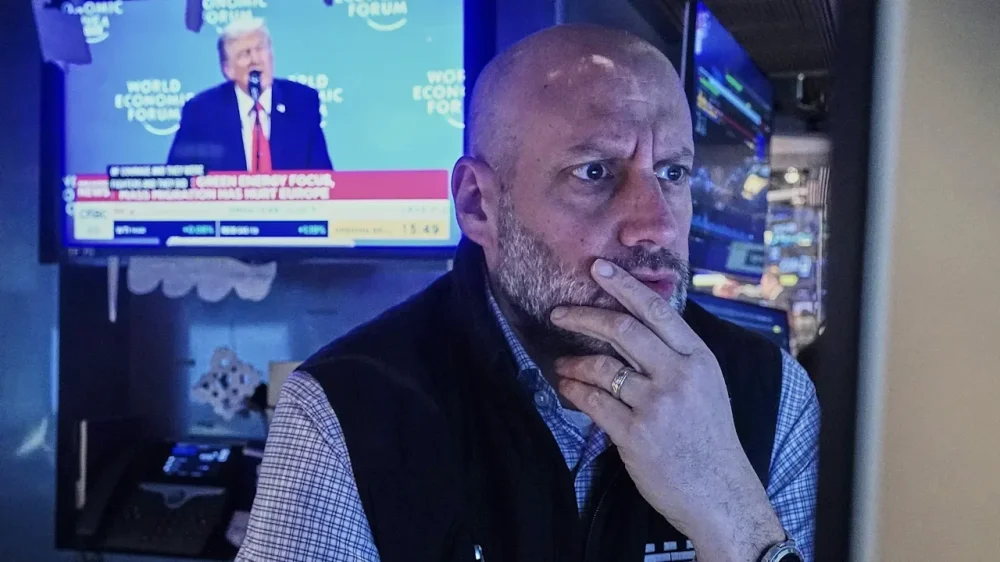
The U.S. stock market is steadying following its worst day since October, though some signs of fear remain on Wall Street Wednesday about President Donald The President’s desire to take Greenland. The S&P 500 rose 0.6% after The President said in a speech before business and government leaders in Europe that he would not use force to take “the piece of ice.” The potential de-escalation in rhetoric, which had ramped up earlier with talk of tariffs crossing the Atlantic, helped the index recover some of its 2.1% drop from the day before and pull closer to its all-time high set earlier this month. The Dow Jones Industrial Average was up 336 points, or 0.7%, as of 11:45 a.m. Eastern time, and the Nasdaq composite was 0.5% higher. Treasury yields also eased in the bond market, a day after jumping in a potential signal of worries about higher inflation in the long term. They got help from a calming of bond yields in Japan, which surged earlier on concerns about the size of its government’s debt. The value of the U.S. dollar also held steadier against the euro, Swiss franc and other currencies after sliding the day before. But some nerves seemed to remain in the market, and the price of gold rose another 1.7% and topped $4,800 per ounce for the first time. The President himself acknowledged how his desire for Greenland led to Tuesday’s drop in the U.S. stock market, but he called it “peanuts compared to what it’s gone up” in the first year of his second term and said it would go up further in the future. While saying he would not use force to take Greenland, he called for “immediate negotiations” for the United States to acquire it from Denmark. The President has a history of making big threats that send financial markets sliding, only to pull back later and reach deals that are seen as less bad for the economy or for inflation than his initial suggestion. On one hand, the pattern has given rise to the “TACO” acronym suggesting “The President Always Chickens Out” if financial markets react strongly enough. On the other, has ultimately struck deals that outsiders may have earlier considered unlikely, ones that he’s crowed about later. The most obvious example is The President’s announcement of high tariffs on “Liberation Day,” which eventually led to trade deals with many of the world’s major economies. Helping to lead the U.S. stock market Wednesday was Halliburton, which rose 4.9% after the oilfield services company reported a stronger profit for the latest quarter than analysts expected. United Airlines climbed 2.9% after likewise reporting a better profit for the end of 2025 than expected. CEO Scott Kirby said that the airline’s strong momentum in revenue is continuing into 2026. They helped offset a 4.8% drop for Netflix. The streamer sank even though it reported a stronger profit than expected as investors focused instead on its slowing subscriber growth and its lower-than-expected forecast for profit in the current quarter. Kraft Heinz sank 5.4% after Berkshire Hathaway warned investors Tuesday that it may be interested in selling its 325 million shares in the food giant that former CEO Warren Buffett helped create in 2015. Berkshire took a $3.76 billion write-down on its Kraft-Heinz stake last summer. Buffett said last fall that he was disappointed in Kraft Heinz’ plan to split the company in two, and Berkshire’s two representatives resigned from the Kraft board last spring. In the bond market, the yield on the 10-year Treasury eased to 4.27% from 4.30% late Tuesday. But it’s still above the 4.24% level where it was at on Friday. That’s before The President threatened to impose 10% tariffs on Denmark, Norway, Sweden, Germany, France, the United Kingdom, the Netherlands and Finland beginning in February for opposing U.S. control of Greenland. That would be on top of a 15% tariff specified by a trade agreement with the European Union that has yet to be ratified. In stock markets abroad, indexes were mixed in mostly modest movements across Europe and Asia. Japan’s Nikkei 225 slipped 0.4%. The country’s prime minister, Sanae Takaichi, has called a snap election for Feb. 8, which had sent yields of long-term government bonds to record levels. The expectation is that Takaichi, who is capitalizing on strong public support ratings, will cut taxes and boost spending and increase the government’s already heavy load of debt. The yield on the 40-year Japanese government bond pulled back to 4.05% Wednesday, down from the 4.22% level that it had surged to on Tuesday. —Stan Choe, AP business writer AP Business Writers Chan Ho-him and Matt Ott contributed. View the full article
-
Nick LeRoy, a longtime SEO consultant, is turning his platform into a fundraising engine. He’s offering consulting in exchange for donations to Minnesota-based immigrant support efforts amid escalating ICE activity in the state. LeRoy said recent events in Minnesota crossed “every ethical line” he had drawn professionally, prompting him to act rather than comment from the sidelines. He announced the initiative yesterday on LinkedIn and in a blog post. What’s happening. LeRoy is trading his services for donations to GiveMN, a Minnesota-based fundraising platform that distributes funds to individuals and families impacted by recent ICE raids and related unrest. Within seven hours of launching, LeRoy reported $1,850 raised, later updating the total to $1,950. Support came from well-known SEO agencies, SaaS companies, and individual practitioners. Why we care. This effort highlights another side of the search marketing industry: we are a tightly knit community capable of mobilizing skills, attention, and resources for causes beyond search. LeRoy is willing to use his professional skills in the service of something larger. This is also another reminder of how quickly our community can mobilize for collective action. Catch up quick. The fundraiser is tied to outrage over Operation “Metro Surge,” a federal immigration enforcement action launched in December. The operation sent roughly 3,000 ICE and Border Patrol agents into the Twin Cities. LeRoy said the action has led to racial profiling, warrantless home entries, workplace detentions, and the fatal shooting of 37-year-old Renee Nicole Good in downtown Minneapolis. These events have triggered widespread protests. What he’s saying. As LeRoy put it: “This is NOT about politics. This is about treating all people as humans.” View the full article
-
An index of contract signings decreased 9.3% to 71.8 last month, according to data released Wednesday by the National Association of Realtors.

- Today
-
Labor unions, faith organizations, and local businesses in Minnesota are calling for a statewide “collective pause” this Friday—in which they urge residents not to go to work, school, or do any shopping—in protest of the The President administration’s aggressive deployment of Immigration and Customs Enforcement (ICE) agents in the Twin Cities and beyond. The action, called the “Day of Truth and Freedom,” is planned for January 23, and includes plans for a march in downtown Minneapolis at 2 p.m. Here’s what to know. What’s the situation with ICE in Minnesota? On January 6, the Department of Homeland Security announced it was deploying 2,000 officers to the Minneapolis area to conduct what it called the “largest immigration operation ever.” The next day, an ICE agent shot and killed Minneapolis resident Renee Nicole Good. Residents and officials, including Minneapolis Mayor Jacob Frey, called for ICE to leave the state immediately. Since then, the crackdown has only continued. ICE agents are reportedly conducting door-to-door raids. They have shown up at local schools, prompting districts to switch to remote learning, and have dragged workers out of a Target store and broke into a home to force a man who was wearing just shorts and Crocs outside into the freezing temperatures. What’s happening on the ‘Day of Truth and Freedom’? Minnesotans have been protesting this aggressive presence of ICE. Now, a collection of unions, faith groups, community organizations, and local businesses are calling on them to take collective action on Friday, January 23. “Working people, our schools and our communities are under attack,” Chelsie Glaubitz Gabiou, president of the Minneapolis Regional Labor Federation, AFL-CIO, said in a statement about her group’s support of the Day of Truth and Freedom. “Union members are being detained commuting to and from work, tearing apart families. Parents are being forced to stay home, students held out of school, fearing for their lives, all while the employer class remains silent,” she continued. “Our labor federations are encouraging everyone to participate on January 23rd. It’s time for every single Minnesotan who loves this state and the notion of truth and freedom to raise their voices and deepen their solidarity for our neighbors and coworkers living under this federal occupation.” Along with the Minneapolis Regional Labor Federation, AFL-CIO, and a slew of local businesses, labor groups including the Saint Paul Regional Labor Federation, the West Area Labor Council, the North East Area Labor Council, and the East Central Labor Council are in support of the statewide action. A group of faith leaders and clergy members have also come out in support of the action, announcing that places of worship across the state will participate, and demanding ICE leave Minnesota. “Silence in the face of oppression is not neutrality. It is permission,” one faith leader with the nonprofit Isaiah said in a recent press conference. “That is why on January 23 we are standing with more than 100 organizations across Minnesota.” What are the demands of the Minnesota anti-ICE economic blackout? Organizers of the economic blackout have created a list of demands from their action. They are calling for ICE to leave Minnesota; for the officer who killed Renee Good to be held legally accountable; for the upcoming Congressional budget to give no additional federal funding to ICE and for ICE to be investigated for human and Constitutional violations; and for Minnesota and national companies to cease their economic relations with ICE and refuse entry to ICE agents. A group of Minnesota businesses have announced that they will be closed January 23 for that anti-ICE action. That list includes local restaurants, bars, book stores, and more. Minneapolis is also home to a number of Fortune 500 companies who have been silent about the ICE raids in the state. When Fast Company reached out multiple times in the wake of Good’s killing to General Mills, Target, Best Buy, Cargill, UnitedHealth Group, 3M, and Land O’Lakes for comment, none of them responded. Those companies that have Minnesota retail locations do not appear on lists of businesses that plan to close for the one-day strike. The The President administration has not indicated so far that it will stop its immigration raids in Minnesota. After Minnesota leaders filed a lawsuit saying the crackdown was unconstitutional in an attempt to end it, the Department of Justice (DOJ) has asked a federal judge to reject that bid. The DOJ is also investigating a protest at a St. Paul church in which residents confronted a pastor who they say is the acting field director of the St. Paul ICE field office. And it has subpoenaed at least five Minnesota officials, including Governor Tim Walz and Mayor Frey, as part of an investigation into whether they have obstructed ICE efforts. View the full article

-
Headlines have been challenging in 2025. Companies are under attack publicly and privately for policies viewed as “too progressive” or “woke.” The reality, however, is that most companies have strongly reaffirmed their sustainability commitments but less so their DEI commitments. Corporate social responsibility (CSR) works in the grey area between the two. Many affirming companies have opted for “greenhushing,” staying quiet about their strategies and leadership. There are pros and cons to that, but why are companies staying true to their goals and strategies? A simple but powerful answer: long-term value creation. Those staying the course have built strategies that incorporate and harvest business value from their commitments. Innovation in integrating CSR and sustainability has not been strong over the last 10 years. That is a missed value creation opportunity. Sustainability and CSR trends have not gone away for the long haul; they have just gone quiet. Competition across companies and sectors will continue to seek support from customers, shareholders, and stakeholders whether companies are communicating it or not. TRADITIONAL CORPORATE PHILANTHROPY There are two primary models today: traditional corporate philanthropy and strategic corporate social responsibility. Both are important to maintain, but given the climate companies are working in today—with both shareholder pressure and government discontinuity in the policy environment—a value-creation model built on innovative win-win solutions could accelerate social progress aligned with business success. A great example of traditional corporate philanthropy is ExxonMobil. In public health, ExxonMobil made a long-term commitment to help eradicate malaria, making an impact through their collaborations and large philanthropic investments (exceeding $170 million over 25 years). This philanthropic, public health focus has largely been outward in its emphasis. While there are mentions of it starting from a concern that its African workforce had significant absences due to malaria, the efforts are not central to the oil and gas products company’s overall business strategy. We applaud their long-term commitment and hope it continues for the benefit of millions of people. STRATEGIC CORPORATE SOCIAL RESPONSIBILITY A timely example of strategic corporate social responsibility is Takeda Pharmaceuticals, a global R&D-driven biopharmaceutical company, headquartered in Japan. It has taken a different approach, innovating its commitments and implementation to drive company business success. Takeda has not approached CSR and sustainability as a “program,” but rather as a core strategy integrated strongly into all parts of the company: businesses, functions, and geographies. Takeda has a 240+-year company history, which is remarkable. Deeply embedded values at the heart of their longevity is “PTRB,” which stands for “patient, trust, reputation, and business.” In that order, if they meet patients’ needs, they gain trust and reputation. Then the business will follow. This principled, values-based approach goes back to Takeda’s founder and is kept alive today, integrated in ongoing corporate and business strategy, including CSR. The key difference between a philanthropic contribution and the strategic CSR approach is how Takeda brought PTRB to life in its CSR and sustainability strategy: innovating the intersection between climate and health. For example, Takeda developed vaccines to prevent Dengue fever, a mosquito-borne health risk and unmet medical need that is becoming more challenging with climate change. They focus on public health challenges stemming from climate change as a core part of their CSR strategy. Takeda innovated the “how” of its CSR implementation through a unique grant-making program. The public RFP is developed annually to create win-win opportunities that align with Takeda’s corporate purpose, focusing on transforming health outcomes by investing in climate–resilient health systems worldwide. Potential grantees make applications, which are first reviewed internally by Takeda employees. They look for proposals that are innovative, sustainable, and impactful for the grantee, the identified public health population, and Takeda. This is collaboration, not just check-writing. Then ALL Takeda employees can vote on which proposals to fund, typically for multiyear grants which extend the grantees’ impact across four to 10 years. This voting step has been critical in creating strong awareness within the company about Takeda’s sustainability and CSR focus, driving alignment and creating opportunities for each employee to align their personal purpose with where they want to make an impact. That is very rare. Awareness and employee alignment are critical to long-term company success. This is one area where Takeda has demonstrated innovation to drive results for the company and society. Takeda is not apologetic that their programs will create long-term business value. In fact, its leadership, from the board and executive team down to individual employees, makes this highly integrated approach work. This strategic CSR model is drawing attention. Side events at the 2025 United Nations General Assembly have been oversubscribed, garnering event replays and the attention of millions on social media. And recently Takeda received a distinguished award from the United Nations Association of Greater Boston (UNAGB). “Takeda’s commitment to global health, advocacy for inclusive and sustainable innovation, and leadership in shaping the future of biopharmaceuticals make the organization a deeply deserving recipient of our Global Citizenship Award,” wrote Caitlin Moore, UNAGB’s executive director. VALUE CREATION IN A CSR STRATEGY It is truly amazing what can be achieved when the focus is large scale and long term (ExxonMobil), but also when it is innovative with full strategic integration into business and corporate value creation strategies (Takeda). In these times, we believe that the strategic approach should be replicated and practiced to benefit companies, society, and the planet. A company’s value-creating CSR strategy will likely have the best chance to last and deliver value to shareholders and stakeholders. Barie Carmichael is senior counselor, Member International Advisory Council, at APCO Worldwide. Neil Hawkins is research advisor/graduate faculty at Harvard University Sustainability Masters Program. View the full article

-
We may earn a commission from links on this page. We're going back to Westeros, baby! Not that we ever really left, given that we're merely between seasons of that other Game of Thrones spin-off, and with several more allegedly in development. It seems the only place the Game of Thrones universe is completely stalled is on the page—but I digress. Where the original series saw a kingdom in decline and House of the Dragon takes us back to the Targaryen Dynasty at its height, A Knight of the Seven Kingdoms occurs roughly in-between, shifting the focus from the realm's power players to more tangential (at least for now) smallfolk: Ser Duncan the Tall (Peter Claffey), a lowborn hedge knight, and his faithful squire Egg (Dexter Sol Ansell), who may have a greater destiny. It's that relationship to power that sets the show apart from the rest of the wider franchise, and that's also what ties together these 10 "streamalikes," whether they're solidly in the fantasy genre or works of historical fiction. Alchemy of Souls (2022 – 2023) This popular two-season South Korean import can go toe-to-toe with Knight when it comes to juicy drama and medieval-style action. It's set in the fictional Daeho, a country reminiscent of Korea during the Joseon era. Lee Jae-wook stars as Jang Uk, a noble of questionable parentage who had his natural mage powers taken at birth. Nak-su (Jung So-min), meanwhile, is an assassin who is killed by a rival family. Fortunately, she's able to survive (via alchemy) by transferring her soul into the body of a weak, blind woman. When Uk and Nak-su (in her new body) meet up and he discovers her real identity, they strike a deal: She'll publicly act as his squire while also teaching him everything she knows about fighting and magic, provided he helps her get revenge. Stream Alchemy of Souls on Netflix. Alchemy of Souls at Netflix Learn More Learn More at Netflix House of the Dragon (2022 – ) An obvious choice, given that it's a Game of Thrones spin-off, since (vague spoiler for the new show!) House of the Dragon also focuses in on the Targaryen family—members of which are always up to something. Where Thrones caught up with the dragon riders in their downward spiral and Knight is set a bit before that, House of the Dragon goes back further to show us the royal dynasty at its height, before all that incest and indolence sent them completely 'round the bend. Stream House of the Dragon on HBO Max. House of the Dragon at HBO Max Learn More Learn More at HBO Max Merlin (2008 – 2012) This one's on the lighter side, at least compared to anything going on in Westeros, but we still get a couple of ill-matched buddies, one with a larger destiny, adventuring through a medieval type landscape. Colin Morgan plays the title warlock, who arrives in Camelot to find that magic has been outlawed—which doesn't stop a dragon with the voice of John Hurt from explaining to him that he needs to protect the king's only son (Bradley James), a boy who will grow up to unite the land. (The kid's name is Arthur, in case that weren't obvious.) Stream Merlin on Prime Video and Tubi. Merlin (2008 – 2012) at Prime Video Learn More Learn More at Prime Video Shōgun (2024 – ) Set at the tail-end of Japan's Warring States period, this adaptation of the James Clavell novel finds ambitious English maritime pilot John Blackthorne (Cosmo Jarvis) shipwrecked on the island and in the power of leading warlord Lord Yoshii Toranaga (Hiroyuki Sanada)—each of them with something to offer the other. Blackthorne is made Toranaga's Hatamoto, a flag-bearer and most trusted retainer. Reluctantly serving as translator between the two is Toda Mariko (Anna Sawai), highly loyal to Toranaga, but with a complicated past. The main characters all have real-life analogues, and much of the plot mirrors world history, so there's a verisimilitude to everything in this (mostly) Japanese-language drama that stands up to anything in George R.R. Martin ever dreamed up. Stream Shōgun on Hulu. Shōgun (2024 – ) at Hulu Learn More Learn More at Hulu The Wheel of Time (2021 – 2025) An effective bit of fantasy storytelling, The Wheel of Time follows a group of young people taken from a secluded village by Moiraine Damodred (Rosamund Pike), a powerful magic user who believes that one of them is the reborn Dragon—a being who will either heal the world, or destroy it The show's sweep is more epic than A Knight of the Seven Kingdoms, but it smartly places its focuses on the unworldly villagers, who are experiencing the wider world's dangers at the same time as the audience. The show was cancelled following a third season that just found it getting into its groove, taking us through roughly the first four books of Robert Jordan's lengthy fantasy series, so I suppose could always jump into it with plans to finish the story on the page—rather the reverse of Game of Thrones, which gave us the ending George R.R. Martin has yet to get down on paper. Stream The Wheel of Time. on Prime Video. The Wheel of Time at Prime Video Learn More Learn More at Prime Video Vinland Saga (2019 – 2023) In this handsome anime series, it's England in 1013 CE, and conqueror Sweyn Forkbeard lies near death, his status setting off battles of succession between his sons Harald and Canute (true story!). Amidst this turmoil, the show follows Thorfinn Karlsefni, a dramatized version of the real-life Icelandic explorer who ultimately travelled to Greenland and then on to Vinland (roughly modern-day Newfoundland and Labrador). Initially a vengeful mercenary in the service of a Viking warlord, Thorfinn maneuvers the complex politics of his world before coming to understand the horrors of the bloodshed that he's seen and been responsible for. It's one of the most impressively realized anime series' of the past decade. Stream Vinland Saga on Prime Video, Hulu, and Netflix. Vinland Saga at Prime Video Learn More Learn More at Prime Video The Witcher (2019 – ) Kicking off with a slightly overcomplicated timey-wimey narrative structure in which we follow multiple threads at various points in time, The Witcher ultimately settles into a groove as a show about a big guy who fights creatures in a Tolkien-esque kingdom. Played first by Henry Cavill and more recently, by Liam Hemsworth, the title Witcher is Geralt of Rivia, a genetically engineered (sort of) magical monster hunter who refuses to kill a young woman accused of monstrosity by a jerk of a mage—a decision that puts him on a path that involves protecting and mentoring Ciri (Freya Allan), a crown princess who lots of people want to kill. Stream The Witcher on Netflix. The Witcher (2019 – ) at Netflix Learn More Learn More at Netflix The Pillars of the Earth (2010) There are relatively few knights and no fantasy elements in this historical drama (adapted from the Ken Follett novel), but Pillars shares with A Knight of the Seven Kingdoms a roughly medieval setting (literally medieval in this case) and a story involving individuals with tangential relationships with power navigating extremely fraught times. Set amid England's Anarchy, during which designated heir Matilda battled Stephen of Blois over the throne, the series involves appropriately named mason Tom Builder (Rufus Sewell), tasked with constructing a cathedral in the town of Knightsbridge after he and his family have lost nearly everything. Ian McShane, Matthew Macfadyen, Eddie Redmayne, and Hayley Atwell lead the stacked cast. Rent The Pillars of the Earth from Prime Video. The Pillars of the Earth (2010) at Prime Video Learn More Learn More at Prime Video Those About to Die (2024) Once again we're talking about people on the fringes of power during dodgy times (or maybe they're all dodgy). Roland Emmerich is one of the primary names behind this short-lived series, which gives you a sense of the vibe: It's big, loud, and frequently obvious—but also an awful lot of fun. Think of it as a soap opera set during the opening days of the Roman Colosseum under Emperor Vespasian (Anthony Hopkins): While the emperor's sons struggle for dominance, Tenax (Iwan Rheon), the proprietor of Rome's largest betting tavern, forms an unlikely alliance with Cala (Sara Martins), a black Numidian who came to Rome in pursuit of her children, who were taken into slavery by Roman soldiers. There's nothing (nothing) she won't do to secure their safety. Stream Those About to Die on Peacock. Those About to Die (2024) at Peacock Learn More Learn More at Peacock The Lord of the Rings: The Rings of Power (2022 – ) You want prequels? Here's a prequel. While quite different in tone and execution, both Martin's Westeros and J.R.R. Tolkien's Middle Earth represent efforts to shape unique fantasy worlds form the raw clay of Western European history and mythology. There are a lot of threads to follow in this story set a few thousand years before The Lord of the Rings, but our main character is almost certainly the young(-er) Galadriel (Morfydd Clark). When the helpful but mysterious Annatar offers to aid the elves in forging the title's rings of power, Galadriel is the only one who clocks that something isn't quite right. As with The Hobbit and LOTR, it's the less overtly powerful folk who are the most impacted by the machinations of Middle Earth's elite. Stream The Lord of the Rings: The Rings of Power on Prime Video. The Rings of Power at Prime Video Learn More Learn More at Prime Video View the full article
-
Meta is rolling out ads on its Threads app to all users worldwide, starting next week, with a gradual rollout expected to take months. Threads, Meta’s X rival, has grown rapidly since its July 2023 debut, now surpassing 400 million monthly active users. CEO Mark Zuckerberg has repeatedly praised the app as a potential “next big hit,” projecting it could reach 1 billion users in a few years. Advertiser access. Advertisers have been able to test Threads ads in the U.S. and Japan over the past year, and last April the platform opened ad access to global advertisers. Meta is making it easy to expand campaigns to Threads via its Advantage+ program or manual campaigns, supporting image, video, carousel, and 4:5 aspect ratio formats. Ads can be managed alongside Facebook, Instagram, and WhatsApp campaigns in Business Settings. Third party verification. Meta also expanded third-party verification from Facebook and Instagram to Threads, allowing independent brand safety and suitability checks. The company said ad delivery will initially remain “low” as the feature scales globally. Why we care. Threads now gives you access to a fast-growing social platform with 400M+ users, integrated directly into Meta’s ad ecosystem for easy cross-posting. The expansion includes advanced ad formats like video, carousel, and 4:5 images, plus third-party verification for brand safety—helping advertisers avoid risks like deepfakes. Even with initially low delivery, early adoption could give brands a competitive advantage as the platform scales globally. Bottom line. Meta is opening Threads ads to all users worldwide, giving advertisers a new, integrated channel on a rapidly growing platform with advanced formats and brand-safety verification, making early adoption key as the rollout scales. View the full article
-
The President’s rambling Davos speech was vaguely menacing rather than explicitly threateningView the full article
-
We would need to rethink sustainable growth rates and fiscal targetsView the full article
-
For as much as we heard about AI in the past year, the top two best places to work in the U.S. are decidedly AI-free. Crew Carwash, an Indianapolis-based chain of car washes with 55 locations in the Midwest, claimed the top spot on Glassdoor’s list of the best places to work in 2026. In-N-Out Burger, the beloved chain with 400-plus locations, also moved up one spot this year to rank as the second-best place to work in the U.S. From there, however, tech and AI companies dominated nearly one-quarter of Glassdoor’s ranking of the top 100 companies with Nvidia claiming the third spot. But this industry’s representation on the list has actually come down somewhat in recent years, a reflection of shifting dynamics at some of these companies. “This is part of an ongoing trend where many tech employers are trimming some of the things that made the job so appealing over the last year,” Glassdoor chief economist Daniel Zhao told CBS News. “They are pushing harder and harder on efficiency and productivity.” In addition to Nvidia, ServiceNow and EPAM Systems rounded out the top three companies on an inaugural list of the best tech and AI companies. These companies are redefining what “tech-first” means and they’ve scaled rapidly without losing a human element to the workplace, according to a blog post. UNCERTAINTY IN THE JOB MARKET The past year has seen some new career trends emerge that reflect the uncertainty many workers are feeling lately—including so-called “job hugging,” or employees who sit tight in their roles, and “Shrekking,” when some workers opt to take jobs that are “beneath” their qualifications. In 2025, U.S. employers added only 584,000 new jobs, down from two million in 2024, making it the worst year for job growth since 2020 when the COVID pandemic rocked the economy. Glassdoor’s annual ranking, now in its 18th year, honors those companies that its employees love working for based on feedback provided on the platform. It comes at a time when many employees are fed up with work, and overall U.S. employee engagement is at a decade low. “Even amid the uncertainty of 2025, these standout employers have shown resilience, sustaining high levels of employee satisfaction and trust as they navigate change,” Owen Humphries, president at Glassdoor, said in a statement. Bragging rights for those companies with 1,000 employees or more is based entirely on the anonymous reviews that employees posted on the site between October 2024 and October 2025, as there’s no nomination process nor survey of employees. FOCUS ON WORKPLACE CULTURE While identifying those employers that are “getting workplace culture right” is inherent to the ranking, this year’s winners are maintaining high levels of trust and satisfaction among employees, even amid a shifting economic landscape, according to a blog post. Even though they span vastly different industries, the top three employers—Crew, In-N-Out, and Nvidia—share a common theme: They’ve operationalized cultural values, according to Glassdoor. “The best workplaces in 2026 aren’t doing anything revolutionary. They’re doing the fundamentals exceptionally well—and doing them consistently, even when it’s hard.” SHAKEUPS ON LIST Each year, some employers fall off the list to make room for new companies to make their debut—a cohort that included Alaska Airlines and Dutch Bros. this year. There were some other notable shakeups in this year’s ranking. Bain, the top-ranked employer in 2025, fell to the No. 8 spot this year, marking the lowest-ever ranking for the perennial top-5-rated company. Other shakeups saw representation decline among San Francisco-area companies, with only 13 companies making this year’s list, down from 23 in 2025. Meanwhile, New York-area employers have been rising in employee satisfaction, gaining ground with 10 companies represented on the list, up from six last year. HIRING ACTIVITY In addition to charting such shifts in the industries and locations of the best employers, the annual list is intended to help job seekers navigate a competitive job market, according to Humphries. The number of weeks someone is unemployed has been creeping higher to more than 24 weeks, on average, as of December. Combined, this year’s top 10 employers—Crew Carwash, In-N-Out, Nvidia, Ryan, Keller Williams, Mars, ServiceNow, Bain, Houston Methodist, and EPAM Systems—currently have more than 11,000 job postings active on Glassdoor. These awards are intended to be a “trusted guide” for job seekers, Humphries said, by “helping candidates connect with workplaces that reflect their values and career ambitions.” View the full article

-
President The President in Davos, Switzerland, talked about his call for lower credit card interest rates and more affordable housing in a lengthy speech that mostly focused on his plan to take over Greenland. View the full article

-
We may earn a commission from links on this page. Deal pricing and availability subject to change after time of publication. 2026 kicked off with great deals on gaming monitors from Samsung, like the Odyssey OLED G8 and the more budget-friendly Odyssey G50D. But if you were looking for a bigger, curved monitor, Samsung just added the 49-inch Samsung Odyssey OLED G93SC to the mix, which is currently $899.99 (originally $1,599.99 at its release). Samsung 49" Odyssey OLED (G93SC) QD-OLED, 240Hz, 0.03ms, DQHD, G-Sync Compatible, AMD FreeSync Premium Pro,Height Adjustable Stand $899.99 at Amazon $1,289.00 Save $389.01 Get Deal Get Deal $899.99 at Amazon $1,289.00 Save $389.01 A nearly $400 discount on a Samsung OLED gaming monitor is worth paying attention to. (OLEDs are inherently expensive, so the best time to get one is on sale.) This monitor happens to be one of the best gaming monitors of 2026, according to IGN (provided you have the proper desk space for it), so if you've been waiting to splurge on the best Ultrawide gaming monitor, this is it. The specs are impressive: 5,120x1,440 resolution, insanely fast 240Hz refresh rate, VRR, and HDR10 compatibility. The 32:9 aspect ratio makes it a super ultra-wide display, the equivalent of putting two regular 16:9 monitors side by side. (You can actually plug two display cables to use it like two 27-inch 1440p monitors if you feel like being productive.) The 0.03ms input lag is minuscule, making competitive gaming with quick response times more than possible. Because this is an OLED, you'll get the best contrast with colors that pop. It offers the signature visuals of an OLED TV, with the specs and responsiveness to handle heavy gaming. Samsung's Quantum Dot technology also lowers the chances of suffering burn-in. In short, for the price, this is the best gaming monitor you can get right now. If you don't believe me, you can read IGN's glowing review of this monitor. Our Best Editor-Vetted Tech Deals Right Now Apple AirPods 4 Active Noise Cancelling Wireless Earbuds — $148.99 (List Price $179.00) Apple Watch Series 11 [GPS 46mm] Smartwatch with Jet Black Aluminum Case with Black Sport Band - M/L. Sleep Score, Fitness Tracker, Health Monitoring, Always-On Display, Water Resistant — $399.00 (List Price $429.00) Amazon Fire TV Stick 4K Plus — (List Price $24.99 With Code "FTV4K25") Samsung Galaxy Tab A9+ 10.9" 64GB Wi-Fi Tablet (Graphite) — $149.99 (List Price $219.99) Deals are selected by our commerce team View the full article
-
Below, Charles Knowles shares five key insights from his new book, Why We Drink Too Much: The Impact of Alcohol on Our Bodies and Culture. Charles is a Professor of Surgery at Queen Mary University of London and Chief Academic Officer at the Cleveland Clinic London. Qualifying as a doctor from the University of Cambridge, he continues to practice as a consultant colorectal surgeon. He has authored more than 300 peer-reviewed publications and contributed to several major international surgical textbooks. What’s the big idea? Problematic drinking is not a problem of weak will or low moral integrity. Why drinking shifts from choice to compulsion for some and not others depends on many complex factors. Listen to the audio version of this Book Bite—read by Charles himself—below, or in the Next Big Idea App. 1. Why do humans consume alcohol? A necessary starting point to understanding why some humans drink too much is understanding why humans consume alcohol at all. Our hominid ancestors evolved to metabolize alcohol over 10 million years ago, pushed by the need to safely consume rotting fruit from the forest floor. We have been deliberately manufacturing alcohol for over 15,000 years, and today it remains our most popular drug, despite many well-acknowledged downsides. Why do we continue to drink it? We can’t still claim this as a nutritional necessity. The vervet monkey on the island of Saint Kitts in the Caribbean is one example of many animal species that consume alcohol, with individuals showing variable enthusiasm for doing so. This attests to a fundamental biological driver. It cannot simply come down to clever advertising, peer pressure, or the price being right at the liquor store. The brain lies at the heart of this. If we ask most people, they will tell us that drinking alcohol makes them feel good and that they have fun drinking it. This is because alcohol is a primary reward; it can chemically alter the levels of certain neurotransmitters in our brains. The combined effects of alcohol on dopamine, but also on endorphins and GABA, lead to psychostimulatory and relaxant effects, in fact, mimicking the effects chemically of cocaine, opioids, and Valium. It is these positive effects of alcohol on the brain that are the fundamental basis of why we and other animals consume alcohol. 2. The drinking scales. Although some people may find it hard to resist, ultimately, we consciously choose to drink. This is a cognitive process that takes information from our senses—the time of day, where we are, who we are with—and processes this information against what we know, using our ability to think intelligently before acting. The positive effects we get from drinking are based on alcohol’s psychostimulatory and relaxant effects. We then come to balance these pros against the common negative effects (hangover, cost, embarrassment, etc.). This balance of the pros and cons is what I call the drinking scales. Everyone has a slightly different balance depending on their positive and negative experiences of alcohol. And this balance changes throughout life with societal norms and values. “Everyone has a slightly different balance depending on their positive and negative experiences of alcohol.” If the drinking scales worked perfectly to provide a logic-based decision all the time, I wouldn’t be writing this book. The problem is that all around us are people for whom the evident harm of drinking should have been sufficient years ago to outweigh any positives, but still they drink. In such people, we can think of the scales as being broken or bypassed. This happens because the brain is wired to allow it to happen. Survival programs deep in the ‘old’ parts of our brain, based around the reward pathway and memory, promote behavior that once aided our survival in the jungle but which now leads to serious consequences rather than any useful purpose. This is the basis of addiction. The question then becomes: why does this happen to some people and not to others? 3. Problematic drinking is not defined by how much we consume. “Why can’t he drink like a normal person?” We hear this said. Many people see problematic drinking as a black-and-white issue. There are normal drinkers, and then those who have a problem. But there is quite a lot of gray. The term gray area drinking has now become popular in community groups. But what do we mean by this compared to medical terms like alcohol dependence or alcohol use disorder? I would recommend that anyone reviewing their relationship with alcohol should look at what I call the three Cs: consumption, consequences, and control. While long-term consumption level may have some important ramifications for health or finances, consequences and control are much more important angles for looking at the problem. Consequences from alcohol range from common downsides (like a hangover) through to serious harms (car accidents, criminality) and chronic health problems affecting the body and brain. Control, however, is perhaps the most important. After all, if we could control our consumption, we could just stop when consequences started occurring. And this brings us back to considering a spectrum where white might be neutrality, a “take it or leave it” approach to drinking, and black is dependence. But what then is gray? I define gray area drinking as someone who relies on alcohol in a way that is making them concerned about the amount they consume and their ability to control it. And it brings in a new concept called alcohol reliance, a state of mind where consumption of alcohol has become a regular habit that is hard to give up, but has not yet led to the behaviors that define alcohol dependence. 4. Bad genes. It seems unfair. Why was I, of all my hard-drinking college buddies, singled out to develop alcohol dependence? This is what I call the “why me” question. Loss of control has very little to do with consumption. Although alcohol is clearly required, we don’t actually drink our way to having a problem. It therefore poses the question of whether there is something biologically different between individuals, and this has been debated since alcoholism became studied as a disease in the 1930s. Twin and adoption studies show that alcoholism has a heritability of about 50 percent, meaning that about half of the risk of developing dependence falls at the door of genetics. Studies of mice breeds show that tolerance to, stimulatory response from, and therefore preference for alcohol can be genetically conferred. In fact, you can genetically engineer mice that mimic several behaviors of dependence. We also know that people with intolerance for alcohol (such as Asian flushing, caused by specific gene variants in liver enzymes) very rarely develop alcohol problems because the experience of drinking is deeply unpleasant. “Twin and adoption studies show that alcoholism has a heritability of about 50 percent.” The sort of experiments performed in mice based on stimulation from alcohol can also be performed in humans. An example is the San Diego cohort study. Measured doses of alcohol were given to young adults who were alcohol naïve, and the amount of stimulation they got from it was measured. Those who were more stimulated went on to have a higher risk of problems later in life. We can define humans who biologically find it fun to drink versus those that rapidly slump in the corner. The latter are relatively protected while the former are at greater risk of alcohol dependence. But this doesn’t mean there is a single bad gene variant. Alcohol related disorders are what we call complex diseases or traits. They’re a mixture of nature and nurture, and the nature is a consequence of hundreds or thousands of subtle variations in our DNA spread across the two billion base pairs of our genome, and not just in the genes themselves. This means we’re looking for a needle in a haystack. In fact, one could say we’re looking for thousands of needles in a haystack, some of which look very much like hay. The results of this exercise are disappointing at the current time. Most genes found overlap with major mental health disorders and ADHD. Some newer discoveries are in taste and in the way our brains rewire throughout life. We do find some genes associated in mice with increased stimulation related to GABA. However, overall, we are a long way off having predictive genetic testing. 5. Bad luck. Despite the scientific fashion for all things genomic, how we turn out in life—our success, happiness, hopes, and dreams—generally has very much to do with the environment we grow up in and the effects of human interactions on our psyche. What we are exposed to during childhood, especially during the critical period of attachment, plays into the sort of later diagnoses that come from a psychiatrist, such as anxiety and depression, but also important personality traits like self-esteem and our social fitness. Many psychological traits create a double weighting on the pros side of the drinking scales. Alcohol doesn’t just seem fun, it also provides relief by its relaxant and, if we drink enough, sedative effects. These dissociative properties can suppress negative feelings, thoughts, and memories; this is particularly true when suppressing the barrage of thoughts that comes with problems like ADHD and neurotic personality. “We may come to falsely associate these rewards with a survival advantage.” But there is another twist here which returns us to thinking about how the drinking scales can be bypassed or broken by the fundamental survival-biased wiring led from our reward pathway. Survival for our ancestors had a great deal to do with social fitness: how we relate to other humans for protection, reciprocal behavior such as hunting, and romantic desirability. If, when we are young, we find a profound solution to fear and social difficulties by using alcohol, we may come to falsely associate these rewards with a survival advantage. Despite the illusion, our brain is still working from the ancestral jungle script. This is perhaps why disorders characterized by problems both of social interaction as well as negative thoughts are so strongly associated with alcohol dependence. Also, it may be no coincidence that the 15,000 years of deliberate alcohol manufacture quickly followed when humans started to live and cooperate in groups. Enjoy our full library of Book Bites—read by the authors!—in the Next Big Idea App. This article originally appeared in Next Big Idea Club magazine and is reprinted with permission. View the full article

-
A reader writes: I manage a small team of customer service/account managers. I have a long-term client who is quite particular and has dealt with one of my employees for a few years now. Recently, I’ve brought a new employee on board and we decided to transition this account over to her. The client sent me a polite, but very stern email after about one week, requesting to be put back in the original employee’s hands immediately. Nothing really happened to prompt this, the new employee hasn’t done anything wrong, and our strategic goal for this year is to split up clients in a way that means she should be handled by the new employee. I personally think it’s quite rude to demand someone be returned to your account, but I can’t see how I could refuse her either, which may be taken badly by my new employee! What are your thoughts? I answer this question — and two others — over at Inc. today, where I’m revisiting letters that have been buried in the archives here from years ago (and sometimes updating/expanding my answers to them). You can read it here. Other questions I’m answering there today include: Can I ask why someone took a mental health day? I’m bombarded with requests for my time The post a difficult client will only deal with one of my employees appeared first on Ask a Manager. View the full article
-
Heads up, workers of the world: Microsoft 365 is currently down. Microsoft's flagship work suite, which includes tools like Microsoft Teams and Microsoft Outlook, is currently experiencing issues impacting users. It's not yet clear exactly why these problems are occurring, but according to Downdetector (owned by Lifehacker parent company Ziff Davis) thousands of users are reporting issues. There are any number of causes that could trigger a widespread outage like this, and in all likelihood, Microsoft will have the issue isolated and fixed soon—especially considering how many companies and users rely on Microsoft 365 to function. But it does follow a number of high-profile outages this week. Just this morning, Yahoo! and AOL were both down. Last week, X experienced an outage, as did Verizon—quite famously, I might add. While we wait for a fix, there's not much you can do on your end. If your Microsoft apps are acting up, you can try to work with any of the offline tools you have access to. If you have other means of communication other than Teams, run with that. There's nothing short of Microsoft issuing a patch on their end that will bring back online functionality here. View the full article
-
Outcome of case will have sweeping implications for US central bank independence View the full article
-
LinkedIn has released a comprehensive analysis that highlights significant trends in hiring and job creation, particularly relevant for small business owners navigating today’s competitive landscape. As the job market continues to evolve, understanding these dynamics is crucial for small businesses looking to attract and retain talent. One of the standout findings is the overall increase in LinkedIn’s hiring rates across key global markets. The percentage of LinkedIn members adding new employers to their profiles has seen a noticeable uptick, suggesting that job opportunities are on the rise. This is particularly salient for small businesses, which often compete with larger corporations for skilled workers. Being aware of these trends can help small business owners strategize their recruitment processes effectively. Moreover, the analysis indicates a specific growth in AI-related jobs. The surge in positions such as AI Engineer and Data Annotator highlights an increasing demand for tech-savvy talent. For small business owners, offering opportunities in these emerging fields can be a pivotal way to enhance their workforce’s skill sets, making their companies more competitive. Small businesses that leverage new technology can not only increase efficiency but also attract a younger workforce eager to work in innovative environments. The LinkedIn report also emphasizes founder activity, noting an increase in the number of unique companies formed. This uptick signals a buoyant entrepreneurial climate, which is promising for small business owners who might be looking for potential collaborations or partnerships. Networking with other growing businesses can yield fresh ideas and opportunities beneficial to all parties involved. LinkedIn’s data on job openings—notably, the ratio of unique applicants per job—reveals that while opportunities are expanding, competition for qualified candidates remains fierce. This might challenge small businesses that typically lack extensive recruitment budgets. Adapting to this reality may require small business owners to refine their hiring practices, enhancing their employer brand to attract talent by emphasizing unique workplace culture and growth opportunities. However, with the growth in AI and tech-related roles comes a potential skills gap that small business owners may face. The report suggests that while new jobs in these sectors are burgeoning, the availability of qualified applicants may not meet demand. Small business leaders may need to invest in training programs or partner with educational institutions to develop a pipeline of talent equipped with the necessary skills. Additionally, the latest data shows an increasing number of workers acquiring skills in AI. This marks an essential pivot in workforce development, providing small businesses an opportunity to benefit from a talent pool that is increasingly aware of and capable in the digital landscape. Engaging in continuous learning and professional development tailored to evolving tech trends will not only enhance employee skill sets but also position small businesses as desirable employers. As the LinkedIn Workforce Confidence Index indicates, sentiment towards job security and career prospects is largely positive among jobholders. Encouragingly, this means that small business owners can capitalize on a workforce looking for stable employment while enhancing company loyalty. Offering competitive salaries and benefits, coupled with a vibrant company culture, can significantly impact retention rates. However, small business owners should also remain mindful of the challenges posed by rising expectations for remote and flexible work arrangements. As workers become increasingly discerning about their employment options, businesses need to stay aligned with current trends to meet candidate demands. Flexibility in work arrangements, plus a focus on employee well-being, can be central to attracting and retaining top talent. The implications of this LinkedIn analysis serve as a vital reminder for small business owners to remain flexible and adapt to shifting job market trends. By embracing technology and fostering a culture of continuous learning, they can not only meet current hiring challenges but actively position themselves for future success. For complete insights on these findings, check the original press release here. Image via Google Gemini This article, "LinkedIn Reports Surge in AI and Data Center Job Postings Amid Hiring Boom" was first published on Small Business Trends View the full article
-
LinkedIn has released a comprehensive analysis that highlights significant trends in hiring and job creation, particularly relevant for small business owners navigating today’s competitive landscape. As the job market continues to evolve, understanding these dynamics is crucial for small businesses looking to attract and retain talent. One of the standout findings is the overall increase in LinkedIn’s hiring rates across key global markets. The percentage of LinkedIn members adding new employers to their profiles has seen a noticeable uptick, suggesting that job opportunities are on the rise. This is particularly salient for small businesses, which often compete with larger corporations for skilled workers. Being aware of these trends can help small business owners strategize their recruitment processes effectively. Moreover, the analysis indicates a specific growth in AI-related jobs. The surge in positions such as AI Engineer and Data Annotator highlights an increasing demand for tech-savvy talent. For small business owners, offering opportunities in these emerging fields can be a pivotal way to enhance their workforce’s skill sets, making their companies more competitive. Small businesses that leverage new technology can not only increase efficiency but also attract a younger workforce eager to work in innovative environments. The LinkedIn report also emphasizes founder activity, noting an increase in the number of unique companies formed. This uptick signals a buoyant entrepreneurial climate, which is promising for small business owners who might be looking for potential collaborations or partnerships. Networking with other growing businesses can yield fresh ideas and opportunities beneficial to all parties involved. LinkedIn’s data on job openings—notably, the ratio of unique applicants per job—reveals that while opportunities are expanding, competition for qualified candidates remains fierce. This might challenge small businesses that typically lack extensive recruitment budgets. Adapting to this reality may require small business owners to refine their hiring practices, enhancing their employer brand to attract talent by emphasizing unique workplace culture and growth opportunities. However, with the growth in AI and tech-related roles comes a potential skills gap that small business owners may face. The report suggests that while new jobs in these sectors are burgeoning, the availability of qualified applicants may not meet demand. Small business leaders may need to invest in training programs or partner with educational institutions to develop a pipeline of talent equipped with the necessary skills. Additionally, the latest data shows an increasing number of workers acquiring skills in AI. This marks an essential pivot in workforce development, providing small businesses an opportunity to benefit from a talent pool that is increasingly aware of and capable in the digital landscape. Engaging in continuous learning and professional development tailored to evolving tech trends will not only enhance employee skill sets but also position small businesses as desirable employers. As the LinkedIn Workforce Confidence Index indicates, sentiment towards job security and career prospects is largely positive among jobholders. Encouragingly, this means that small business owners can capitalize on a workforce looking for stable employment while enhancing company loyalty. Offering competitive salaries and benefits, coupled with a vibrant company culture, can significantly impact retention rates. However, small business owners should also remain mindful of the challenges posed by rising expectations for remote and flexible work arrangements. As workers become increasingly discerning about their employment options, businesses need to stay aligned with current trends to meet candidate demands. Flexibility in work arrangements, plus a focus on employee well-being, can be central to attracting and retaining top talent. The implications of this LinkedIn analysis serve as a vital reminder for small business owners to remain flexible and adapt to shifting job market trends. By embracing technology and fostering a culture of continuous learning, they can not only meet current hiring challenges but actively position themselves for future success. For complete insights on these findings, check the original press release here. Image via Google Gemini This article, "LinkedIn Reports Surge in AI and Data Center Job Postings Amid Hiring Boom" was first published on Small Business Trends View the full article
-
Netflix's February slate is heavy on returning original series, not least of which is the second half of Bridgerton season four. The last four episodes of the period romance drop on Feb. 26. In the third installment of thriller The Night Agent (Feb. 19), FBI agent Peter Sutherland, played by Gabriel Basso, investigates a dark money network alongside a journalist while trying not to get killed by assassins. The Lincoln Lawyer (Feb. 5) and Love Is Blind (Feb. 11) are back as well. For Olympics fans, there's docuseries Glitter & Gold: Ice Dancing (Feb. 1), which goes behind the scenes with the couples competing in ice dancing in the 2026 Winter Games. Also on the sports lineup is season 8 of Formula 1: Drive to Survive (date TBD). Other documentary releases include Queen of Chess (Feb. 6), which tells the story of chess legend Judit Polgár, and Being Gordon Ramsay (Feb. 18). Taylor Tomlinson has a new comedy special—Prodigal Daughter (Feb. 24)—as do Sommore (Chandelier Fly, Feb. 17) and Mo Gilligan (In The Moment, Feb. 3). Finally, catch the new adult animated series Strip Law (Feb. 20), featuring performances from Adam Scott, Janelle James, and Stephen Root. The 10-episode show sees a Vegas lawyer team up with a local magician to "bring some flash and pizzazz to the stupidest cases the city can throw at them." Here's everything else coming to Netflix in February, and everything that's leaving. What's coming to Netflix in February 2026Coming soonBAKI-DOU: The Invincible Samurai—Netflix Series Formula 1: Drive to Survive: Season 8—Netflix Documentary In the Mud: Season 2—Netflix Series New episodesStar Search—Netflix Live Event Available February 1Glitter & Gold: Ice Dancing—Netflix Documentary The American President The Bucket List Crazy, Stupid, Love. Ex Machina Flipped Focus The Glass House Heartland: Season 18 Hell or High Water Homefront How to Train Your Dragon How to Train Your Dragon 2 Independence Day Lee Daniels' The Butler Letters to Juliet Mike and Dave Need Wedding Dates The Mirror Has Two Faces Mississippi Grind Mrs. Doubtfire Night at the Museum Night at the Museum: Battle of the Smithsonian Night at the Museum: Secret of the Tomb Rumor Has It… Vertical Limit The Way Home: Season 3 You've Got Mail Zero Dark Thirty Available February 3Mo Gilligan: In The Moment—Netflix Comedy Special Night Court: Seasons 1-3 Available February 4Is It Cake? Valentines—Netflix Series Available February 5Cash Queens—Netflix Series The Lincoln Lawyer: Season 4—Netflix Series Samuel: Season 1 Search Party: Seasons 1-5 Unfamiliar—Netflix Series Available February 6Overboard (2018) Queen of Chess—Netflix Documentary Salvador—Netflix Series Yoh! Bestie—Netflix Film Available February 9Matter of Time—Netflix Documentary The Creature Cases: Chapter 7—Netflix Family Available February 10Free Fire How to Train Your Dragon (2025) Motorvalley—Netflix Series This is I—Netflix Film Available February 11Kohrra: Season 2—Netflix Series Lead Children—Netflix Series Love Is Blind: Season 10—Netflix Series State of Fear—Netflix Film What I Like About You: Seasons 1-4 Available February 12The Black Phone How To Get To Heaven From Belfast—Netflix Series Million-Follower Detective—Netflix Series Available February 13A Father's Miracle—Netflix Film The Art of Sarah—Netflix Series Bunny Museum of Innocence—Netflix Series Suburgatory: Seasons 1-3 Tyler Perry's Joe’s College Road Trip—Netflix Film Available February 15The Hunting Party: Season 1 Stargate SG-1: Seasons 1-10 Available February 17Sommore: Chandelier Fly—Netflix Comedy Special Star Search—Netflix Live Event Available February 18Being Gordon Ramsay—Netflix Documentary Available February 19Life After Beth The Iron Claw The Night Agent: Season 3—Netflix Series The Swedish Connection—Netflix Film Wakefield Available February 20The Addams Family The Addams Family 2 The Expendables The Expendables 2 The Expendables 3 The Expendables 4 Firebreak—Netflix Film Laggies Mike & Molly: Seasons 1-6 The Orphans—Netflix Film Pavane—Netflix Film Strip Law—Netflix Series Available February 24Taylor Tomlinson: Prodigal Daughter—Netflix Comedy Special Available February 26Bridgerton: Season 4 Part 2—Netflix Series Brooklyn Nine-Nine: Seasons 7-8 Crap Happens—Netflix Series Available February 27Trap House What's leaving Netflix in February 2026Leaving February 128 Days Later Charlie's Angels Cloudy with a Chance of Meatballs Did You Hear About the Morgans? Dr. Dolittle Dr. Dolittle 2 Forever My Girl Groundhog Day I Still Know What You Did Last Summer Kath and Kim: Seasons 1-4 Licorice Pizza Memoirs of a Geisha Parasite Radio RV The Patriot The Terminator What Lies Beneath Leaving February 5Election Mean Girls Leaving February 6Bride Wars Leaving February 8Spencer Leaving February 15Everybody's Fine Leaving February 16Warrior: Seasons 1-3 Leaving February 17Zodiac Leaving February 18Don't Say a Word The Texas Chainsaw Massacre Leaving February 20Operation Finale Shakespeare in Love Leaving February 21Cocaine Cowboys 2 Leaving February 22Red Leaving February 24The Island Leaving February 26Brooklyn Nine-Nine: Seasons 3-4 Leaving February 27Bones & All Bottoms View the full article
-
If the same URL appears in both a Google AI Overview and the classic 10 blue links, Google Search Console counts it as a single impression, not two. That clarification comes directly from Google’s John Mueller. The background. Mark Williams-Cook, director at SEO agency Candour and founder of AlsoAsked, shared it publicly on LinkedIn after a discussion sparked by Jamie Indigo. The question emerged as SEOs try to understand how AI Overviews affect visibility metrics when a page appears multiple times on the same results page. Williams-Cook initially assumed the URL might generate two impressions. That assumption was based on how older SERP features, such as tweet boxes, were historically counted. Testing the scenario would be difficult, but Mueller ultimately confirmed that Search Console consolidates those appearances. What’s happening. Google treats an AI Overview as a single position in the search results. All links within that Overview share the same position, and standard impression rules apply. When a URL appears more than once in the same search experience — whether inside an AI Overview or in traditional organic listings — Search Console doesn’t count those appearances as separate impressions for the same query. Why this happens. Google defines an impression as a user seeing, or potentially seeing, a link in the current set of results. Multiple appearances of the same URL on one results page are aggregated rather than counted individually. This approach is consistent with how Google handles impressions for other SERP features, such as knowledge panels. Scrolling away and back, or encountering the same URL in multiple elements on the page, does not generate additional impressions. Why we care. Many SEOs are struggling to interpret performance in this AI-driven era of search. It helps to know that appearing in both AI Overviews and traditional listings will not increase impression counts. Even so, showing up in an AI Overview and as a blue link on the same SERP still matters. It boosts brand visibility and reinforces authority and credibility with Google users. View the full article
-
Strategies for building your dream team. By Jackie Meyer The Balanced Millionaire: Advisor Edition Go PRO for members-only access to more Jackie Meyer. View the full article