All Activity
- Past hour
-
Today marks a big day here on earth and in space. Not only is April 1 the first day of the month, and April Fools’ Day, it’s also the day Apple was founded 50 years ago, and the same evening Artemis II launches its NASA’s mission to the moon while April’s full pink moon rises in the night sky. Here’s what to know about when, where, and how to see it. What time does the ‘pink moon’ peak? Spring’s first full “pink moon” peaks tonight, Wednesday April 1, at 10:12 p.m. ET., just hours after the launch window opens for the Artemis II mission to the moon, according to Space.com. Where does the ‘pink moon’ get its name? This so-called “pink moon” gets its name from the wildflower phlox subulata, or “moss pink,” which blooms around this time each spring in North America, according to The Old Farmer’s Almanac. The Cherokee, Hopi, and Assiniboine indigenous communities have a number of other names for it including: “kawohni,” or flower moon; “kwiyamuyaw,” or windbreak moon; and “tabehatawi,” or frog moon, per CNN. However, its color is less bright pink then grey, or even may appear red or orange some places, the BBC reported. How to view this ‘pink moon’ To view the “pink moon,” look to the eastern horizon tonight at dusk, right after sunset. It will also be visible at that time on Thursday, April 2. Here is a tool to determine moonrise and moonset times for your location, from Timeanddate.com. Stay tuned: the next full moon of the year, the “flower moon,” will peak on May 1. View the full article

- Today
-
In a move set to transform workplace dynamics, HP Inc. has unveiled HP IQ, a cutting-edge workplace intelligence layer designed to streamline operations across its devices. Announced at HP Imagine 2026, this innovative platform aims to enhance productivity and collaboration by reducing digital friction for employees. As small business owners seek solutions to optimize team workflows, HP IQ provides several compelling features worth exploring. Tuan Tran, President of HP’s Technology & Innovation Organization, emphasized the platform’s relevance in modern workspaces: “HP’s vision for the future of work is a connected, intelligent ecosystem that helps work flow across devices, spaces, and the moments in between.” This vision focuses on creating seamless experiences that empower employees to work smarter. A key benefit of HP IQ lies in its robust on-device intelligence. According to the HP 2025 Work Relationship Index, providing employees with effective tools enhances their overall work experience. HP IQ transforms devices into context-aware partners, assisting users in navigating routine tasks, generating insights, and facilitating quicker decision-making. For instance, features such as Ask IQ enable users to obtain intelligent responses to voice and text inquiries, while the Analyze tool offers summaries and actionable insights from personal files. Another significant advancement is HP NearSense, which enhances collaboration capabilities by allowing nearby devices to connect and share information effortlessly. This spatial intelligence simplifies tasks such as file sharing, enabling users to drag and drop documents quickly to colleagues. Additionally, the one-click join feature enhances meeting experiences, promoting seamless transitions between tasks. Access to HP IQ features occurs through the Visor interface, which offers intuitive controls without triggering constant app switching. This adaptive design responds to users’ context and enhances workflow efficiency, reflecting a crucial consideration for small business owners looking to maximize employee productivity. While the capabilities of HP IQ may sound beneficial, small business owners should also consider potential challenges. The initial rollout will feature HP IQ on the new HP EliteBook X G2 PCs, with additional HP devices to follow. Owners may face transitional hurdles as they adopt this new technology, particularly regarding training staff to utilize its full capabilities effectively. Ensuring that employees are comfortable with the new interface and features will be essential for maximizing the benefits of HP IQ. Security is another vital consideration for small businesses. HP IQ is built on a local-first architecture, meaning it processes most tasks on-device. This structure prioritizes data security and reduces exposure risks—critical factors for businesses managing sensitive information. Additionally, HP IQ can be integrated into existing security frameworks like Microsoft Intune, offering further flexibility for IT management. For enterprise environments, HP IQ integrates seamlessly with the HP Workforce Experience Platform (WXP), allowing IT leaders to manage policies, updates, and compliance. Manoj Leelanivas, President of HP Solutions, stated, “As HP IQ introduces a new intelligence layer across devices and workspaces, WXP operates above it as a trusted control plane for IT.” This capability can help small business owners gain better visibility over their operations, ensuring a high-quality workforce experience. With HP IQ slated for early access on select HP devices in Spring 2026, small business owners should start considering how this functionality might fit into their operational strategies. The integration of AI capabilities into daily workflows could substantially enhance efficiency, but businesses must remain aware of the changes required to leverage this technology fully. As small business owners navigate the evolving landscape of remote and hybrid work, embracing innovations such as HP IQ could offer a strong competitive edge. The promise of improved productivity and seamless collaboration may well outweigh the adjustments required in the adoption process. For more information, visit the original post at HP’s news page. Image via Google Gemini This article, "HP Unveils AI-Powered HP IQ to Streamline Workplace Collaboration" was first published on Small Business Trends View the full article
-
In a move set to transform workplace dynamics, HP Inc. has unveiled HP IQ, a cutting-edge workplace intelligence layer designed to streamline operations across its devices. Announced at HP Imagine 2026, this innovative platform aims to enhance productivity and collaboration by reducing digital friction for employees. As small business owners seek solutions to optimize team workflows, HP IQ provides several compelling features worth exploring. Tuan Tran, President of HP’s Technology & Innovation Organization, emphasized the platform’s relevance in modern workspaces: “HP’s vision for the future of work is a connected, intelligent ecosystem that helps work flow across devices, spaces, and the moments in between.” This vision focuses on creating seamless experiences that empower employees to work smarter. A key benefit of HP IQ lies in its robust on-device intelligence. According to the HP 2025 Work Relationship Index, providing employees with effective tools enhances their overall work experience. HP IQ transforms devices into context-aware partners, assisting users in navigating routine tasks, generating insights, and facilitating quicker decision-making. For instance, features such as Ask IQ enable users to obtain intelligent responses to voice and text inquiries, while the Analyze tool offers summaries and actionable insights from personal files. Another significant advancement is HP NearSense, which enhances collaboration capabilities by allowing nearby devices to connect and share information effortlessly. This spatial intelligence simplifies tasks such as file sharing, enabling users to drag and drop documents quickly to colleagues. Additionally, the one-click join feature enhances meeting experiences, promoting seamless transitions between tasks. Access to HP IQ features occurs through the Visor interface, which offers intuitive controls without triggering constant app switching. This adaptive design responds to users’ context and enhances workflow efficiency, reflecting a crucial consideration for small business owners looking to maximize employee productivity. While the capabilities of HP IQ may sound beneficial, small business owners should also consider potential challenges. The initial rollout will feature HP IQ on the new HP EliteBook X G2 PCs, with additional HP devices to follow. Owners may face transitional hurdles as they adopt this new technology, particularly regarding training staff to utilize its full capabilities effectively. Ensuring that employees are comfortable with the new interface and features will be essential for maximizing the benefits of HP IQ. Security is another vital consideration for small businesses. HP IQ is built on a local-first architecture, meaning it processes most tasks on-device. This structure prioritizes data security and reduces exposure risks—critical factors for businesses managing sensitive information. Additionally, HP IQ can be integrated into existing security frameworks like Microsoft Intune, offering further flexibility for IT management. For enterprise environments, HP IQ integrates seamlessly with the HP Workforce Experience Platform (WXP), allowing IT leaders to manage policies, updates, and compliance. Manoj Leelanivas, President of HP Solutions, stated, “As HP IQ introduces a new intelligence layer across devices and workspaces, WXP operates above it as a trusted control plane for IT.” This capability can help small business owners gain better visibility over their operations, ensuring a high-quality workforce experience. With HP IQ slated for early access on select HP devices in Spring 2026, small business owners should start considering how this functionality might fit into their operational strategies. The integration of AI capabilities into daily workflows could substantially enhance efficiency, but businesses must remain aware of the changes required to leverage this technology fully. As small business owners navigate the evolving landscape of remote and hybrid work, embracing innovations such as HP IQ could offer a strong competitive edge. The promise of improved productivity and seamless collaboration may well outweigh the adjustments required in the adoption process. For more information, visit the original post at HP’s news page. Image via Google Gemini This article, "HP Unveils AI-Powered HP IQ to Streamline Workplace Collaboration" was first published on Small Business Trends View the full article
-
Taylor Swift is facing a lawsuit over her last album, The Life of a Showgirl—from a fellow showgirl. In the complaint, filed on Monday, Las Vegas-based performer Maren Wade claims that Swift’s hit album bears striking similarities to her own creative work. For years, Wade has written a column in the Las Vegas Weekly newspaper called “Confessions of a Showgirl,” which she expanded into a touring live show with the same name. On her website, Wade’s show is described as a “one-woman comedic cabaret [featuring] the quirky and hilarious world of a modern-day Vegas showgirl.” Wade also performed on NBC’s America’s Got Talent in 2014, the same year her column began running in the alternative weekly newspaper. Wade registered her “Confessions of a Showgirl” brand with the U.S. Patent and Trademark Office in 2015. “Over the course of a decade, CONFESSIONS OF A SHOWGIRL grew into a brand encompassing performances, writing, and digital media—built by one person, city by city, and show by show,” Wade says in the complaint, which points to the thematic and aesthetic similarities between Swift’s album title and her own show. “Both share the same structure, the same dominant phrase, and the same overall commercial impression,” the complaint states. Wade argues that after years of toiling to build her own showgirl-themed band, Swift’s album launch immediately overwhelmed her long-established trademark, drowning it out and giving consumers the impression that “the original is the imitation.” “What Plaintiff had built over twelve years, Defendants threatened to swallow in weeks,” the complaint states. Fast Company reached out to Swift’s publicity team for comment on the new lawsuit but has not yet received a response. The Life of 2 Showgirls In the complaint, Wade claims that the United States Patent and Trademark Office rejected Swift’s attempt to register The Life of a Showgirl based on the risk of confusing it with Wade’s already-registered Confessions of a Showgirl trademark. Wade asserts that Swift’s vast legal and brand teams have an intimate knowledge of trademark law, given Swift’s long history of registering trademarks for her own brand. “Indeed, they are not merely familiar with trademark law—they are among its most vigorous enforcers, having filed multiple federal actions to seize goods from vendors selling trademarked merchandise near concert venues,” the complaint states. “They possess direct knowledge of the harm that trademark infringement inflicts on a brand, having leveraged that very harm in federal court when it served their interests to do so.” Quickly after the lawsuit went public, Swifties defended the artist in the popular r/TaylorSwift subreddit, pointing to Wade’s past social media posts playfully referencing Swift’s last album. In some of the posts, Wade included #TheLifeOfAShowgirl and #TS12, hashtags referencing Swift’s music. Wade asked the court to block Swift’s use of the “Showgirl” branding and force Swift to give up all profits earned from “The Life of a Showgirl,” which brought in an estimated $135 million during its first week alone. Swift, who hit billionaire status in 2023, commands a famously vast collection of trademarks for her business empire. In February, Swift asked the U.S. government to block a home goods company’s branding for a line of bedding called “Swift Home.” In the filing, Swift’s legal team accuses the Swift Home brand of intentionally imitating one of Swift’s trademark logos, a signature with a swoopy “S.” View the full article

-
After keeping things low key with iOS 26.3, Apple rolled out a sizable update for iOS 26.4—especially for Apple Music users. That app's UI now matches the art of the album you're checking out; you can use AI to generate new playlists, and find upcoming concerts by the artists you're listening to directly in the app. Combined with other new changes, like eight new emojis and the new "Urgent" section in Reminders, iOS 26.4 was actually quite a feature-filled update. iOS 26.5, on the other hand, appears to be another quiet one—at least based on what we can tell from its first beta, which Apple released Monday. Don't expect any massive new features or changes here (despite some rumors to the contrary, Apple really does appear to be saving its AI Siri for the launch of iOS 27) but there are some interesting updates to call out—and not necessarily in a good way. Just note: As Apple is currently testing iOS 26.5, this is a rolling list of features, and it may change as Apple releases new beta updates. You can try iOS 26.5 right now if you enroll your iPhone in Apple's beta program, but be sure you understand the risks of installing unfinished software on your devices. Make full backups of important data to a computer before installing any beta, in case you need to restore your iPhone. Apple Maps gets adsThis is perhaps the headlining feature of iOS 26.5: Apple Maps is getting ads. It's part of Apple's push to introduce ads into more of its apps and services in order to boost its revenue. (What's a $3.7 trillion company to do?) These ads will appear when you search in Apple Maps, based on relevance, as well as at the top of a "Suggested Places" screen that is also new to iOS 26.5. You should easily be able to distinguish between ads and suggested locations: Apple says it's placing a blue "Ad" icon on any paid location that appears in search or Suggested Places. It's possible these ads could even be useful, if they really are relevant: If you're looking for a specific type of food in a particular city, perhaps the top ad really is the way to go. On the other hand, the fact that it was paid to be up there could be a red flag. The addition of ads isn't a shock: We first heard rumblings of this news last year, and Apple confirmed it last week. Because this is Apple, the company is assuring users that its ad placements take privacy into account, as the app "doesn’t know which stores, neighborhoods, or clinics you visit." When you interact with an ad, that data is tied to a "random identifier" that changes multiple times an hour, so theoretically, no one should be able to tie your ad interactions to you personally. RCS end-to-end encryption testingWith iOS 26.5, Apple is back to testing end-to-end encryption for RCS support—one of the last big limitations the protocol has on iOS. The company started to test encryption support with iOS 26.4, but said it wouldn't roll out with that release. If it does indeed ship with the final build of iOS 26.5, iPhone users should be able to text their Android friends directly without leaving their messages out in the open in plain text. You can quickly pair Magic Accessories to your iPhone If you have one of Apple's "Magic" accessories, like a Magic Keyboard, you can quickly pair it to your iPhone in iOS 26.5. You'll just plug your iPhone into the accessory via USB-C to pair, as you do on macOS, rather than fiddling with Bluetooth settings. Messages attachment settings for iPhone to Android transfers This year, Apple and Google announced a joint effort to make it easier to transfer data between iPhone and Android, which simplifies switching devices and ecosystems. With iOS 26.5, Apple appears to be testing a new setting that lets you choose a time range for transferring messages attachments, including "All," "1 year," or "30 days." iOS now supports the Inuktitut keyboard layoutApple is testing a new keyboard layout for Inuktitut, a language spoken in the Canadian arctic. EU-only testing in iOS 26.5Apple is testing also some EU-only features in this latest update. The EU has cracked down on Apple for locking other companies out of its ecosystem, and as a result, it is forcing the company to open up more of its platforms and services. With iOS 26.5, Apple is testing Live Activities support for third-party devices, which would allow those devices to display Live Activities on their displays—though there's no indication at this time about what those devices may be. Apple is also testing "proximity pairing" for third-party devices, like earbuds, which could get the same easy pairing system Apple reserves for its own AirPods and Beats. Finally, the company is also continuing to test notification forwarding to third-party devices, like smartwatches. View the full article
-
In his very public standoff with the Pentagon recently, Anthropic CEO Dario Amodei warned that AI should never be used to kill without humans involved. The technology is capable, he said. What it isn’t capable of is handling the unexpected, the messy reality that no algorithm can plan for. That lesson is true in war and in almost every corner of work and life. A few weeks ago, AI seemed unstoppable. Now, nearly every organization I speak with is struggling with reliability, usability, and measurable impact. The reason is simple. These models excel in controlled conditions, but they falter in the real world. That gap, what we call the “execution frontier,” is where humans still matter most. My own engineers put it plainly. AI is strong at both ideation and well-scoped execution. The middle, where ideas and well-scoped execution are plugged into existing systems to reliably deliver, still requires human work. It requires context, judgment, domain expertise, and constant recalibration. Anthropic’s recent labor report shows the same thing. The jobs least exposed to AI are the ones that demand physical presence and unpredictable judgment. Think cooks and lifeguards—people who have to show up when no system could anticipate what will happen. WHERE HUMANS SHOULD BE IN THE LOOP This is exactly where most companies quietly struggle. Outside of coding or content creation, very few tasks can run without a human in the loop. The runway for reliable AI in the messy, real world is long. But the problem is not that AI isn’t improving. The problem is how companies are designing the infrastructure around it. Over the past 12 months, our models have expanded automation coverage by more than 60%. Humans are still required on nearly every task. AI is not replacing humans. It is compressing what each human does per task, making every intervention smaller, more precise, and more impactful. This dynamic alone moved our business from deeply negative gross margins to positive ones, all while improving results and satisfaction for customers and workers alike. Each handoff has become a learning opportunity. Each task teaches the system where the next handoff should be. The loop evolves. Here is the critical insight most people miss: The frontier is not a fixed line that AI is marching toward. As it improves, the work that requires human judgment does not disappear. It migrates. The shape of human work changes, and the infrastructure must change with it. If you build your system for today’s handoff point, it will be obsolete six months from now. THE HUMAN/AI BALANCE So the real question isn’t how do we get AI to do this without humans. The question is how do you build a loop between AI and humans that gets better every single time the frontier shifts. That’s what we’ve spent years building at Duckbill—the infrastructure layer that hands the baton between AI and the real world. It took engineers and operators and millions of data points to get reliable outcomes on real phone calls, real transactions, real physical-world tasks. AI orchestrates, humans execute when the work leaves the screen. And then the interesting part happens: Every rep teaches the system where the next handoff point should be. The baton changes hands, and then it changes hands differently the next time, and differently again after that. That creates reliability that compounds over time. The reliability isn’t in the models; it’s in the loop. The race everyone thinks they are running is about building more capable models. The race that actually matters is building the loop that evolves. We’re early. The gap is real. And it won’t be closed by better models. It will be closed by the humans who can build the loop around them. Meghan Joyce is CEO and founder of Duckbill. View the full article

-
In terms of boosting engagement on social media, implementing creative content strategies is crucial. You can utilize polls and surveys to understand your audience’s interests better, whereas behind-the-scenes content adds authenticity to your brand. Encouraging user-generated content nurtures community ties, and interactive quizzes keep followers engaged. Live Q&A sessions provide real-time interaction, and seasonal themes can improve visibility. Exploring these strategies can lead to substantial improvements in engagement metrics. What might you try first? Key Takeaways Create interactive polls and surveys to encourage audience participation and gather valuable insights on preferences and trends. Share behind-the-scenes content to foster transparency and humanize your brand, enhancing audience trust and connection. Leverage user-generated content by hosting contests that encourage followers to share personal experiences, boosting engagement and community involvement. Conduct interactive quizzes and live Q&A sessions to engage audiences, gather insights, and address customer questions in real-time. Develop seasonal content that resonates with followers and highlights promotions, increasing visibility and fostering community connections. Polls and Surveys How can polls and surveys improve your social media strategy? By integrating polls and surveys into your social media content examples, you can greatly improve audience engagement. With 75% of users keen to share their opinions through these interactive formats, polls can boost your engagement rates, garnering 1.5 times more interactions than standard posts. Surveys provide invaluable feedback, helping you understand customer preferences, which influence 78% of purchasing decisions. Furthermore, you’ll quickly gauge audience sentiment on trending topics, encouraging discussions that 87% of consumers appreciate. Regularly using polls and surveys not only drives engagement but likewise offers insights to inform future marketing campaigns, potentially increasing customer spending by 20-40%. This strategy is crucial for how to build a social media following effectively. Behind-the-Scenes Content Even though many brands focus on polished marketing materials, incorporating behind-the-scenes content into your social media strategy can greatly improve audience connection and trust. This content category offers followers a glimpse into your brand’s operations, encouraging transparency and authenticity. Here are three effective examples of social media behind-the-scenes content: Team Highlights: Showcase your team members and their contributions, humanizing your brand. Production Processes: Share insights into how your products are made, building credibility and interest. Day-to-Day Operations: Offer a sneak peek into your daily activities, creating a relatable brand image. User-Generated Content (UGC) User-generated content (UGC) is an influential tool for brands looking to encourage creative contributions from their audience. By showcasing community involvement, you not merely promote a sense of belonging but additionally increase engagement and trust among your followers. Integrating UGC into your marketing strategy can greatly improve customer relationships and drive conversion rates. Encourage Creative Contributions Encouraging creative contributions from your audience can greatly improve your brand’s online presence and cultivate a loyal community. User-generated content (UGC) not only boosts engagement but likewise promotes authenticity. Here are three effective ways to encourage UGC: Contests and Challenges: Launch interactive contests that invite your audience to share their experiences with your brand, driving participation and creativity. Feature Customer Stories: Highlight and celebrate real stories from your customers, making them feel valued and enhancing your brand’s relatability. Incentivize Contributions: Offer rewards or recognition for the best submissions, motivating your audience to engage and contribute more actively. Utilizing UGC can lead to a 20% increase in engagement rates, making it an essential strategy for building brand loyalty. Showcase Community Involvement When brands actively showcase community involvement through user-generated content, they tap into a valuable resource that improves authenticity and cultivates a deeper connection with their audience. By encouraging followers to share their experiences, you can increase engagement rates by up to 28% compared to brand-generated content. Highlighting customer photos, videos, or testimonials builds trust and makes 79% of consumers more likely to engage. Running UGC contests or challenges motivates your audience to create and share content, boosting visibility and engagement—50% of consumers would share if incentivized. Posts featuring customer content receive 4.5 times more likes, and actively engaging with UGC by commenting or sharing encourages ongoing participation, with 64% of consumers feeling more connected to brands that acknowledge their contributions. Interactive Quizzes Interactive quizzes offer engaging formats that can captivate your audience and encourage participation. By analyzing quiz results, you can gain insights into user preferences and behaviors, allowing for more targeted content in the future. Incorporating these elements into your social media strategy can considerably improve engagement and expand your brand’s reach. Engaging Quiz Formats How can you effectively engage your audience and gather valuable insights? Engaging quiz formats can captivate users and provide feedback on their preferences. Consider using these popular quiz types: Personality Tests: Help users discover traits, which encourages sharing and conversation. Knowledge Assessments: Challenge your audience’s knowledge on relevant topics, boosting participation rates. Product Recommendations: Tailor quizzes to suggest products based on user responses, improving the connection with your brand. Incorporating visually appealing designs and interactive elements can further improve user engagement. Remember, promoting quiz results on social media not only increases visibility but likewise encourages sharing, creating a sense of community. Analyzing Quiz Results Analyzing quiz results is an essential step in grasping your audience’s preferences and behaviors. When you evaluate these results, you gain valuable insights that can shape your content strategy. With 60% of marketers using quiz data to improve their comprehension of target audiences, it’s evident that this information is significant. Incorporating personalized feedback based on quiz outcomes can boost user satisfaction by 38%, which encourages sharing on social media. This sharing increases your brand’s visibility and engagement rates by up to 40%. Furthermore, engaging quizzes can drive traffic, as 30% of participants are likely to revisit your page. By integrating quizzes into your social media strategy, you not only cultivate a sense of community but also strengthen brand loyalty and potential sales. Live Q&A Sessions Live Q&A sessions provide a unique opportunity for brands to connect with their audience in real time, addressing questions and concerns that may arise. These interactive events not only boost engagement but also build trust between consumers and brands. Here are three key benefits of hosting a live Q&A: Increased Spending: Engaging in live sessions can lead to a 20-40% increase in customer spending by nurturing a sense of community. Valuable Insights: You gain feedback on customer preferences, allowing for refined offerings and better content strategies. Higher Participation: Promoting the event in advance through teaser posts maximizes turnout and boosts interaction. Incorporating interactive features like polls can further improve the experience, making it dynamic and engaging for everyone involved. Contests and Giveaways When considering ways to boost your brand’s visibility, contests and giveaways stand out as effective strategies. About 34% of consumers participate in these promotions to win items they desire, greatly increasing brand awareness. Hosting giveaways can lead to an impressive 70% increase in engagement rates, as followers are enthusiastic to interact for a chance to win. To maintain genuine interest, make sure that prizes are relevant to your brand and resonate with your target audience. Utilizing specific hashtags can help track entries and improve visibility, further increasing reach and engagement. Moreover, encouraging user-generated content as entries not only engages participants but also provides authentic marketing material that you can share across your platforms. Seasonal Themes Contests and giveaways are just one way to engage your audience, but incorporating seasonal themes into your social media strategy can further improve your brand’s visibility and interaction rates. By leveraging seasonal trends and events, you can create content that resonates with your followers, leading to increased engagement. Here are three effective ways to utilize seasonal themes: Themed Posts: Create content around current holidays or events to grab attention and encourage shares. Interactive Polls: Ask your audience about their favorite seasonal activities, inviting them to participate and express their preferences. Celebrate Milestones: Recognize seasonal milestones, like New Year’s or summer’s arrival, nurturing community and encouraging followers to share personal experiences. These strategies can greatly boost your social media engagement. Frequently Asked Questions What Content Gets the Most Engagement on Social Media? Content that gets the most engagement on social media often includes visual elements like images and videos, which can increase interaction rates considerably. Posts that ask questions or utilize polls encourage user participation, whereas user-generated content builds trust and influences buying decisions. Furthermore, content related to trending topics sees higher shares, and engaging headlines with concise captions improve click-through rates. These strategies collectively drive engagement by attracting attention and inviting interaction. What Is the 5 5 5 Rule on Social Media? The 5 5 5 Rule on social media suggests you share a balanced mix of content. For every five posts, you should curate five pieces from other sources and create five original posts. This method helps you avoid overwhelming your audience with self-promotion, whereas providing them with valuable information, entertainment, and engaging content. How to Boost Engagement on Social Media? To boost engagement on social media, focus on interactive content like polls and quizzes, which encourage participation. Post strategically, aiming for 2-3 times weekly on longer shelf-life platforms, during posting daily on faster ones. Encourage user-generated content by inviting followers to share their experiences. Use engaging visuals and attention-grabbing headlines to increase clicks. Finally, monitor engagement metrics to refine your strategies based on audience preferences and behaviors for better interaction. What Is the 50/30/20 Rule for Social Media? The 50/30/20 rule for social media content suggests you allocate your posts as follows: 50% should be engaging and entertaining, 30% should provide valuable information or education, and 20% should promote your products or services. This balanced approach helps maintain audience interest while ensuring they receive useful content alongside promotional messaging. Conclusion Incorporating these seven creative content strategies can greatly improve your social media engagement. By utilizing polls and surveys, sharing behind-the-scenes moments, and encouraging user-generated content, you create a more interactive experience for your audience. Furthermore, interactive quizzes, live Q&A sessions, contests, and seasonal themes can further attract attention and promote community involvement. Implementing these approaches not just strengthens your brand’s presence but also helps you better understand and connect with your audience. Image via Google Gemini and ArtSmart This article, "7 Creative Examples of Social Media Content to Boost Engagement" was first published on Small Business Trends View the full article
-
In terms of boosting engagement on social media, implementing creative content strategies is crucial. You can utilize polls and surveys to understand your audience’s interests better, whereas behind-the-scenes content adds authenticity to your brand. Encouraging user-generated content nurtures community ties, and interactive quizzes keep followers engaged. Live Q&A sessions provide real-time interaction, and seasonal themes can improve visibility. Exploring these strategies can lead to substantial improvements in engagement metrics. What might you try first? Key Takeaways Create interactive polls and surveys to encourage audience participation and gather valuable insights on preferences and trends. Share behind-the-scenes content to foster transparency and humanize your brand, enhancing audience trust and connection. Leverage user-generated content by hosting contests that encourage followers to share personal experiences, boosting engagement and community involvement. Conduct interactive quizzes and live Q&A sessions to engage audiences, gather insights, and address customer questions in real-time. Develop seasonal content that resonates with followers and highlights promotions, increasing visibility and fostering community connections. Polls and Surveys How can polls and surveys improve your social media strategy? By integrating polls and surveys into your social media content examples, you can greatly improve audience engagement. With 75% of users keen to share their opinions through these interactive formats, polls can boost your engagement rates, garnering 1.5 times more interactions than standard posts. Surveys provide invaluable feedback, helping you understand customer preferences, which influence 78% of purchasing decisions. Furthermore, you’ll quickly gauge audience sentiment on trending topics, encouraging discussions that 87% of consumers appreciate. Regularly using polls and surveys not only drives engagement but likewise offers insights to inform future marketing campaigns, potentially increasing customer spending by 20-40%. This strategy is crucial for how to build a social media following effectively. Behind-the-Scenes Content Even though many brands focus on polished marketing materials, incorporating behind-the-scenes content into your social media strategy can greatly improve audience connection and trust. This content category offers followers a glimpse into your brand’s operations, encouraging transparency and authenticity. Here are three effective examples of social media behind-the-scenes content: Team Highlights: Showcase your team members and their contributions, humanizing your brand. Production Processes: Share insights into how your products are made, building credibility and interest. Day-to-Day Operations: Offer a sneak peek into your daily activities, creating a relatable brand image. User-Generated Content (UGC) User-generated content (UGC) is an influential tool for brands looking to encourage creative contributions from their audience. By showcasing community involvement, you not merely promote a sense of belonging but additionally increase engagement and trust among your followers. Integrating UGC into your marketing strategy can greatly improve customer relationships and drive conversion rates. Encourage Creative Contributions Encouraging creative contributions from your audience can greatly improve your brand’s online presence and cultivate a loyal community. User-generated content (UGC) not only boosts engagement but likewise promotes authenticity. Here are three effective ways to encourage UGC: Contests and Challenges: Launch interactive contests that invite your audience to share their experiences with your brand, driving participation and creativity. Feature Customer Stories: Highlight and celebrate real stories from your customers, making them feel valued and enhancing your brand’s relatability. Incentivize Contributions: Offer rewards or recognition for the best submissions, motivating your audience to engage and contribute more actively. Utilizing UGC can lead to a 20% increase in engagement rates, making it an essential strategy for building brand loyalty. Showcase Community Involvement When brands actively showcase community involvement through user-generated content, they tap into a valuable resource that improves authenticity and cultivates a deeper connection with their audience. By encouraging followers to share their experiences, you can increase engagement rates by up to 28% compared to brand-generated content. Highlighting customer photos, videos, or testimonials builds trust and makes 79% of consumers more likely to engage. Running UGC contests or challenges motivates your audience to create and share content, boosting visibility and engagement—50% of consumers would share if incentivized. Posts featuring customer content receive 4.5 times more likes, and actively engaging with UGC by commenting or sharing encourages ongoing participation, with 64% of consumers feeling more connected to brands that acknowledge their contributions. Interactive Quizzes Interactive quizzes offer engaging formats that can captivate your audience and encourage participation. By analyzing quiz results, you can gain insights into user preferences and behaviors, allowing for more targeted content in the future. Incorporating these elements into your social media strategy can considerably improve engagement and expand your brand’s reach. Engaging Quiz Formats How can you effectively engage your audience and gather valuable insights? Engaging quiz formats can captivate users and provide feedback on their preferences. Consider using these popular quiz types: Personality Tests: Help users discover traits, which encourages sharing and conversation. Knowledge Assessments: Challenge your audience’s knowledge on relevant topics, boosting participation rates. Product Recommendations: Tailor quizzes to suggest products based on user responses, improving the connection with your brand. Incorporating visually appealing designs and interactive elements can further improve user engagement. Remember, promoting quiz results on social media not only increases visibility but likewise encourages sharing, creating a sense of community. Analyzing Quiz Results Analyzing quiz results is an essential step in grasping your audience’s preferences and behaviors. When you evaluate these results, you gain valuable insights that can shape your content strategy. With 60% of marketers using quiz data to improve their comprehension of target audiences, it’s evident that this information is significant. Incorporating personalized feedback based on quiz outcomes can boost user satisfaction by 38%, which encourages sharing on social media. This sharing increases your brand’s visibility and engagement rates by up to 40%. Furthermore, engaging quizzes can drive traffic, as 30% of participants are likely to revisit your page. By integrating quizzes into your social media strategy, you not only cultivate a sense of community but also strengthen brand loyalty and potential sales. Live Q&A Sessions Live Q&A sessions provide a unique opportunity for brands to connect with their audience in real time, addressing questions and concerns that may arise. These interactive events not only boost engagement but also build trust between consumers and brands. Here are three key benefits of hosting a live Q&A: Increased Spending: Engaging in live sessions can lead to a 20-40% increase in customer spending by nurturing a sense of community. Valuable Insights: You gain feedback on customer preferences, allowing for refined offerings and better content strategies. Higher Participation: Promoting the event in advance through teaser posts maximizes turnout and boosts interaction. Incorporating interactive features like polls can further improve the experience, making it dynamic and engaging for everyone involved. Contests and Giveaways When considering ways to boost your brand’s visibility, contests and giveaways stand out as effective strategies. About 34% of consumers participate in these promotions to win items they desire, greatly increasing brand awareness. Hosting giveaways can lead to an impressive 70% increase in engagement rates, as followers are enthusiastic to interact for a chance to win. To maintain genuine interest, make sure that prizes are relevant to your brand and resonate with your target audience. Utilizing specific hashtags can help track entries and improve visibility, further increasing reach and engagement. Moreover, encouraging user-generated content as entries not only engages participants but also provides authentic marketing material that you can share across your platforms. Seasonal Themes Contests and giveaways are just one way to engage your audience, but incorporating seasonal themes into your social media strategy can further improve your brand’s visibility and interaction rates. By leveraging seasonal trends and events, you can create content that resonates with your followers, leading to increased engagement. Here are three effective ways to utilize seasonal themes: Themed Posts: Create content around current holidays or events to grab attention and encourage shares. Interactive Polls: Ask your audience about their favorite seasonal activities, inviting them to participate and express their preferences. Celebrate Milestones: Recognize seasonal milestones, like New Year’s or summer’s arrival, nurturing community and encouraging followers to share personal experiences. These strategies can greatly boost your social media engagement. Frequently Asked Questions What Content Gets the Most Engagement on Social Media? Content that gets the most engagement on social media often includes visual elements like images and videos, which can increase interaction rates considerably. Posts that ask questions or utilize polls encourage user participation, whereas user-generated content builds trust and influences buying decisions. Furthermore, content related to trending topics sees higher shares, and engaging headlines with concise captions improve click-through rates. These strategies collectively drive engagement by attracting attention and inviting interaction. What Is the 5 5 5 Rule on Social Media? The 5 5 5 Rule on social media suggests you share a balanced mix of content. For every five posts, you should curate five pieces from other sources and create five original posts. This method helps you avoid overwhelming your audience with self-promotion, whereas providing them with valuable information, entertainment, and engaging content. How to Boost Engagement on Social Media? To boost engagement on social media, focus on interactive content like polls and quizzes, which encourage participation. Post strategically, aiming for 2-3 times weekly on longer shelf-life platforms, during posting daily on faster ones. Encourage user-generated content by inviting followers to share their experiences. Use engaging visuals and attention-grabbing headlines to increase clicks. Finally, monitor engagement metrics to refine your strategies based on audience preferences and behaviors for better interaction. What Is the 50/30/20 Rule for Social Media? The 50/30/20 rule for social media content suggests you allocate your posts as follows: 50% should be engaging and entertaining, 30% should provide valuable information or education, and 20% should promote your products or services. This balanced approach helps maintain audience interest while ensuring they receive useful content alongside promotional messaging. Conclusion Incorporating these seven creative content strategies can greatly improve your social media engagement. By utilizing polls and surveys, sharing behind-the-scenes moments, and encouraging user-generated content, you create a more interactive experience for your audience. Furthermore, interactive quizzes, live Q&A sessions, contests, and seasonal themes can further attract attention and promote community involvement. Implementing these approaches not just strengthens your brand’s presence but also helps you better understand and connect with your audience. Image via Google Gemini and ArtSmart This article, "7 Creative Examples of Social Media Content to Boost Engagement" was first published on Small Business Trends View the full article
-
In Q3 of 2025, Bot Auto achieved its first “driver-out” run on public roads: a trip in which the truck drove itself with no human behind the wheel, and in our case, no humans in the cab at all. This is a milestone reached by only a tiny handful of AV trucking programs. From the founding of the company to that milestone, we spent just $212,552 on one category of work that is usually very expensive in AI: paying people to manually label training data—for example, drawing boxes around cars and pedestrians—so a neural network can learn from them. To many people that number does not sound like a breakthrough. It sounds like something is missing: a cost not counted, a line item not disclosed, or some clever maneuver hidden just outside the frame. Such skepticism makes sense, because in AI, annotation is usually not a rounding error; it is a major line item. To see why this matters, consider nuScenes, a well-known dataset in autonomous driving. In total, it contains only about 5.5 hours of driving data. Keyframe by keyframe, human annotators had to identify and precisely label every vehicle, every pedestrian, every object in the scene. That work reportedly took 7,937 hours and cost about $100,000. The missing piece is not in the accounting. It is in the assumptions. What many people have missed is not a hidden expense, but a new era—a shift in how intelligence is produced. We are moving from a data-driven regime, where progress depends on the human annotated labels, into a compute-driven regime, where compute itself does that work at scale. When an industry encounters such a fundamental paradigm shift, the old lens does not merely become incomplete. It becomes misleading. FROM WORKSHOP TO FACTORY For most of the last decade, applied AI, especially autonomy, has operated like a workshop. A workshop runs on human effort. If you want your system to learn, you hire people to label data, tag edge cases, and build an entire pipeline around human labor. The scarce resource is not raw data since raw data is everywhere. The scarce resource is labeled signal. Human labor is what keeps the machine learning. A factory model changes the energy source. In the Industrial Revolution, steam replaced muscle, then electricity replaced steam. In the same way, a factory-era AI company replaces human labeling energy with compute. Instead of paying people to label everything by hand, it uses models to generate supervision at scale. Humans still matter, but their roles move upward, from manually drawing boxes to system verification and quality control. That is the real shift: Labeled signal stops being scarce, and the ceiling on intelligence starts to rise. This is not something that happens just because a company buys more GPUs. It is a new industrial capability, and it is still rare. Only in the last few years did it become plausible that computers could begin taking over part of the manual work of annotation, not just helping with it. High-profile models such as Meta’s Segment Anything were the first to demonstrate, at scale, that this shift was real. Even now, only a small number of frontier companies can actually do it—and do it well enough to matter. THE REVOLUTION IN PLAIN SIGHT We’ve already lived through this factory shift once, but most people didn’t notice the real reason it worked. The world talks about ChatGPT as an application miracle: It writes, it codes, it controls your home thermostat. But the deeper breakthrough was hiding in plain sight. ChatGPT did not get smart because humans labeled everything it read. It taught itself by reading text at internet scale and learning to predict what word comes next. Once that bottleneck loosened, scale exploded. Models could grow until they hit a new ceiling: compute. And with that shift came a step-change in capability. We saw the same pattern in another domain. AlphaGo was data-driven: It learned from human games. AlphaZero broke the ceiling by removing that dependency, starting only from the rules, generating its own experience through self-play. Once learning was no longer constrained by a finite archive of human examples, the ceiling moved. As a result, the new system didn’t just improve on the old regime. It rendered it obsolete. THE ONLY QUESTION THAT MATTERS Richard Feynman wrote, “For a successful technology, reality must take precedence over public relations, for nature cannot be fooled.” That is the right test for this era of AI. Every marketing team is trying to present its company as AI-native, futuristic, and built for the new era. But none of that tells you what is actually behind the curtain. The question worth asking of any AI company today is simple: Where does its labeled signal come from? If the answer is still a massive labeling vendor invoice, the workshop is still running, regardless of what the press release says. If compute is manufacturing supervision at scale, the factory has begun. The gap between those two answers is not a detail. It is the whole game. Xiaodi Hou is founder and CEO of Bot Auto. View the full article

-
A typical map of temperatures across the planet shows just a snapshot in time, listing the day’s various highs and lows. But temperature isn’t static; it rises and falls, and it’s influenced by all sorts of systems, from ocean currents to solar radiation. An animated map from Maps.com shows those variations, revealing the patterns that swirl around our planet—and even depicting the gradual way Earth heats up from east to west as the sun rises and sets. Maps.com The animated map is part of a new feature called Earth in Action, through which Maps.com (a platform by spatial analytics company Esri) produces daily, near real-time animated maps about Earth’s systems. “We created Earth in Action to provide a lens into what’s happening on our planet, as it happens,” Maps.com cartographic editor and Earth in Action creator Joshua Stevens says over email. “Whether it’s something typical, like the current air temperature, or an extreme event like a major dust storm, we wanted to provide an opportunity for people to see them,” he adds. By turning static data into moving animations, the maps reveal how interconnected Earth is, and how what happens on one part of the planet can influence another. “It’s one thing to tell someone that dust from the Sahara helps fertilize the soils of the Amazon rainforest,” Stevens says. “It’s another thing to show that actually happening, as dust is lofted from Africa and carried across the Atlantic Ocean . . . What happens here today influences other locations later.” Maps.com That dust is depicted on the aerosols map, seen in swirls of purple that whirl above Africa and then float across the planet’s surface. The aerosols map also shows the movement of black carbon, a dangerous pollution released by the combustion of fossil fuels, trees, and other organic materials; as well as sea salt, which enters the atmosphere via crashing waves and ocean winds, and which can affect the formation of clouds and rain. The movement of these aerosol particles “can reveal everything from wildfires to hurricanes,” Stevens says. The moving data can reveal how Earth’s climate systems transport that smoke, and how hurricanes move over oceans. The animated maps, which show such activity over seven days, adds context to these events, revealing how they emerge, evolve, and affect other locations. Currently, Earth in Action only produces maps about temperature and aerosols; the platform plans to add additional maps about rain and snowfall, active wildfires, sea ice and sea surface temperatures, the ozone hole, and more. Through this feature, Stevens hopes these scientific observations of Earth become more accessible to people, no matter their scientific background or level of expertise. He encourages people to check back in throughout the year and see how these systems change across seasons. “Earth in Action is more than animated maps,” he says. “It’s a view into scientific data sets that few people know how to access, let alone process or communicate with others.” View the full article

-
There is a budget line in your business that no one is managing. According to research by Leadership IQ, confirmed across multiple subsequent studies, the average 18-month failure rate across industries is 46%—meaning nearly one in two hires either underperforms significantly or leaves within 18 months. The cost of each of those failures runs between 50% and 200% of that employee’s annual salary, accounting for recruiting costs, onboarding investment, lost productivity, team disruption, and replacement. Run the math. A company making 50 hires a year at average fully-loaded salaries of $95,000—not a large organization, just a growing one—is sitting on a financial exposure somewhere between $1.1 million and $4.4 million annually. Not from a failed product launch or a bad acquisition. But from screening decisions made with confidently unreliable information. Most executive teams have no visibility into this number. It doesn’t show up cleanly on a P&L. It bleeds out across departments—in manager time absorbed by struggling new hires, in team productivity lost during extended onboarding, in recruiting costs paid twice when a role has to be refilled. The bill arrives in installments, which makes it easy to miss. But it is very much being paid. YOU’RE MEASURING THE WRONG THINGS Here is what makes this particularly frustrating: Most organizations have more hiring data than they’ve ever had. They track time-to-fill, cost-per-hire, offer acceptance rates, applicant volume by source. Dashboards are full. Reports go to leadership quarterly. And somehow, the same expensive mistakes keep happening—the impressive resume that doesn’t survive 90 days, the candidate who checked every credential box and delivered none of the results. The data isn’t failing because there isn’t enough of it. It’s failing because it’s measuring the wrong things. Time-to-fill tells you how quickly you processed candidates. It tells you nothing about whether you hired the right person. Those are fundamentally different questions, and most recruiting metrics are only equipped to answer the first one. The consequences of this measurement failure extend beyond individual bad hires. Joint research from Harvard Business School and the Burning Glass Institute found that fewer than 1 in 700 hires at companies that announced skills-based hiring initiatives were actually affected bythe change. For every 700 people hired at a company that publicly committed to evaluating candidates on skills rather than credentials, 699 of them still got the job the old way. That is a significant finding, not because skills-based hiring is a flawed idea, but because it reveals precisely why the financial exposure isn’t shrinking. The problem has been named, but the measurement systems that would actually fix it haven’t been built. The academic evidence on why this matters financially is stark. A landmark 2022 meta-analysis in the Journal of Applied Psychology—one of the most rigorous re-examinations of personnel selection research in decades—found that resume screening produces validity coefficients in the range of 0.2 to 0.3. In practical terms, using a resume to predict whether someone will be a high performer is about as reliable as using their commute time—a piece of information that’s easy to measure but tells you almost nothing about how someone will actually perform. Every year that an organization screens primarily on resumes and credentials, it is making its most consequential people decisions with a tool that research has shown to be barely better than chance. And it is paying, repeatedly, for the outcomes that tool produces. A BETTER WAY The evidence points to a better path. Workday’s 2025 workforce research 2025 workforce research found that hiring for demonstrated skills is five times more predictive of job performance than hiring for education—and more than twice as predictive as hiring for work experience. That predictive gap translates directly into financial terms: fewer failed hires, lower replacement costs, faster time to productivity, and reduced drag on managers and teams. There is also a revenue side to this equation that gets less attention. McKinsey research has identified an 800% productivity gap between high and low performers on complex work. Eight times the output. Same title. Same role. Same salary. When hiring systems are designed around credential screening rather than capability assessment, they consistently underperform at identifying the candidates responsible for that upside, because the competencies that drive exceptional performance rarely announce themselves on a resume. The organizations winning on talent aren’t just avoiding bad hires. They’re accessing a fundamentally different tier of performance. That’s not a talent strategy argument. That’s a revenue argument. Medical schools confronted an identical version of this problem two decades ago. Traditional admissions metrics—grades, test scores, institutional pedigree—predicted who could pass exams. They were far less reliable at predicting who would become an exceptional physician. Leading schools began evaluating candidates on demonstrated capability and trajectory rather than credential accumulation. The candidates admitted under those frameworks didn’t just keep pace with higher-credentialed peers. They frequently outperformed them. Corporate hiring is at the same inflection point. The methodology exists. The evidence base is established. What’s missing, in most organizations, is the decision to connect hiring metrics to financial outcomes, and to hold the function accountable for both. The question for CEOs and CFOs isn’t whether your recruiting function needs better tools. It’s whether you can account for what your current approach is costing you. Most organizations can’t, because they’ve never built the measurement systems that would make that cost visible. Until they do, the budget line keeps bleeding, hire by hire, quarter by quarter, invisibly enough that no one is required to explain it. That’s not a talent problem. That’s a measurement problem. And measurement problems are entirely within leadership’s control to fix. Natasha Nuytten is the CEO of CLARA. View the full article

-
Anyone who has spent time in a workplace knows the “go-to” person. They are the colleague who can figure things out when others cannot, and who steps in when something complicated needs to get done. Early in your career, becoming that person feels like success. In many ways, it is. Being capable accelerates opportunity. Leaders notice you, people trust you, and your reputation grows. But over time, something subtle happens. The more capable you prove yourself to be, the more people rely on you. I call this the capability curse. The capability curse occurs when someone’s proven ability to solve problems leads others to depend on them for nearly every challenge. With each success, expectations rise. What once impressed becomes the standard, and when something falls short, the disappointment is sharper because the bar became so high. Ironically, the people who can do the most often end up carrying the heaviest burden. WHEN COMPETENCE BECOMES A LIABILITY Early in my career, I was asked to build a database for people analytics. I was a recruiter, not a programmer. My manager handed me a book, recommended a consultant, and said, “Figure it out.” So I did. I spent nights learning the system and building something that worked. But because I was not a trained developer, it was not perfect. Eventually errors surfaced, and the same people who praised the initiative began to question the system when it did not perform like enterprise software. It was my first real encounter with the capability trap. If I had refused the assignment, it might have been viewed as a lack of initiative. But once I said yes, the expectation became perfection. This pattern appears everywhere in organizations. The more capable you are, the more complex problems land on your desk. THE EXPECTATION GAP There is another dynamic at play that capable people eventually notice. I think of it as the expectation gap. When someone not known for solving complex problems manages to fix something, the reaction is often admiration. People say, “Wow, look what they pulled off.” When a highly capable person solves the same problem, the reaction is very different. It is simply expected. And if the outcome is not perfect, the criticism can be sharper. I once stepped in to handle a complicated operational issue that belonged to another department. No one else volunteered, so I took it on. Despite raising risks and asking for support, things did not unfold as planned. When it was over, I was criticized for the outcome. The reason was simple: The expectation for me was higher. Capability raises the bar and pressure. WHY CAPABLE PEOPLE STRUGGLE TO SAY NO So why do capable people keep saying yes? Part of the answer is practical. They know they can figure things out. When you have a track record of solving problems, it becomes almost instinctive to step in. But another part is cultural. Many high-performing professionals, especially women, are often expected to be helpers and problem solvers. At work, that can mean filling gaps others avoid. At home, it can mean becoming the unofficial chief logistics officer for everything. THE LETTUCE VERSUS SALAD LESSON Later in my career, a founder shared a story that reframed the way I think about capability. He told me his girlfriend once asked him to bring home a salad. Instead, he came back with a head of lettuce. She asked, “What’s this?” “Lettuce,” he said. “It’s salad.” She paused, then said, “If I wanted lettuce, I would have asked for lettuce. Never mind. I’ll just buy the salad myself.” And that was the end of it. She never asked him again. What struck me wasn’t the misunderstanding. It was the expectation that was set. By bringing the lettuce, he defined what he would own and what he wouldn’t. And everything adjusted around that. We often think expectations are assigned. But more often, they’re set by what we consistently deliver. Sometimes the most important move is to just bring the lettuce and create space for others to make the salad. THE WHEELBARROW PROBLEM Another mentor once explained it to me differently. “Imagine you have one wheelbarrow,” he said. “Every task you accept goes into it. Eventually it becomes so full that it tips over.” It is a simple image, but an accurate one. Your capacity is finite. If you keep adding without limits, it will eventually topple. Capability often encourages people to keep adding more to the wheelbarrow. The solution is not to stop being capable. Instead, become more intentional about what you choose to carry. HOW TO AVOID THE CAPABILITY CURSE Highly capable professionals do not need to shrink their ambition. They do need to manage it strategically. Start by deciding where your capability matters most. Before saying yes, ask: Is this something only I can do? Is this something I could advise on rather than execute? Is this something someone else should own? Not every problem requires your full involvement. Another shift is moving from doing to advising. Instead of saying, “I will take care of it,” try, “I can help advise the person who owns this.” You still contribute, but you are no longer carrying the full weight. And if you do step in, clarity matters. One of the most powerful things you can say is: “I’m happy to help, but this is outside my core role and the solution will not be perfect. If it fails, I expect shared responsibility or you will take the responsibility and give me air cover.” That kind of clarity prevents resentment later. CAPABILITY IS STILL A STRENGTH None of this means capable people should stop being capable. Capability is what makes someone a versatile leader. It reflects resilience, judgment, and the ability to navigate ambiguity. But without boundaries, that same strength can quietly become a liability. Being capable should expand your opportunities and not exhaust your capacity. It can also get in the way of doing fewer things better. Leadership is often about focus. As Morten T. Hansen writes in Great at Work, the highest performers do less and obsess. They do not simply take on more. The real leadership skill is learning when to build the full salad and when to bring the lettuce. Tami Rosen is chief development officer at Pagaya. View the full article

-
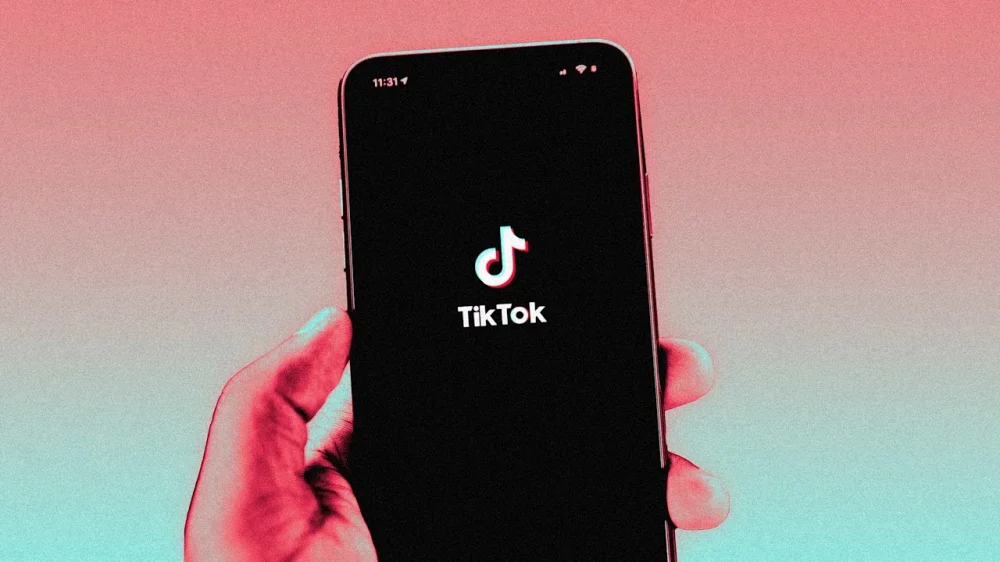
If you don’t pay attention, you could miss it. There is a secret alligator emoji game hidden in your TikTok DMs. And while this news is coming on April Fools’ Day, it’s no joke—this easter egg (on the first day of Passover) is real! Here’s what to know. How to find TikTok’s hidden emoji game in your DMs Here’s how to find it: Go into your TikTok messages as if you were sending a DM, and send an emoji, then look for a tiny link that reads “tap emoji to play emoji game.” Click the link and you’ll see a green screen with alligators and floating emojis. Use your finger to swipe up on the profile picture of whomever you are messaging at the time, and viola, start bouncing on the alligators as you swipe up! However, beware of the skeleton alligators—users need to avoid them to keep a streak going. TikTok will show your high score (mine was 369 miles high, after a few tries) and your opponents’ if they join in the competition. Fast Company has reached out to TikTok for more context on the new feature. The social media giant told TechCrunch the game is available via messaging one-on-one and via group chats. While we don’t endorse all trends found on TikTok (we are looking at you, hot water trend—which, while detoxifying, has burnt a few mouths!), the emoji game is pure, clean fun we can get behind. That’s not to say we don’t see through TikTok’s marketing as just another way to hook us on more doomscrolling—but, this is the kind of time-waster that can actually bring a bit of joy to our day. And don’t forget to wish your friends a Happy April Fools’ Day! View the full article
-
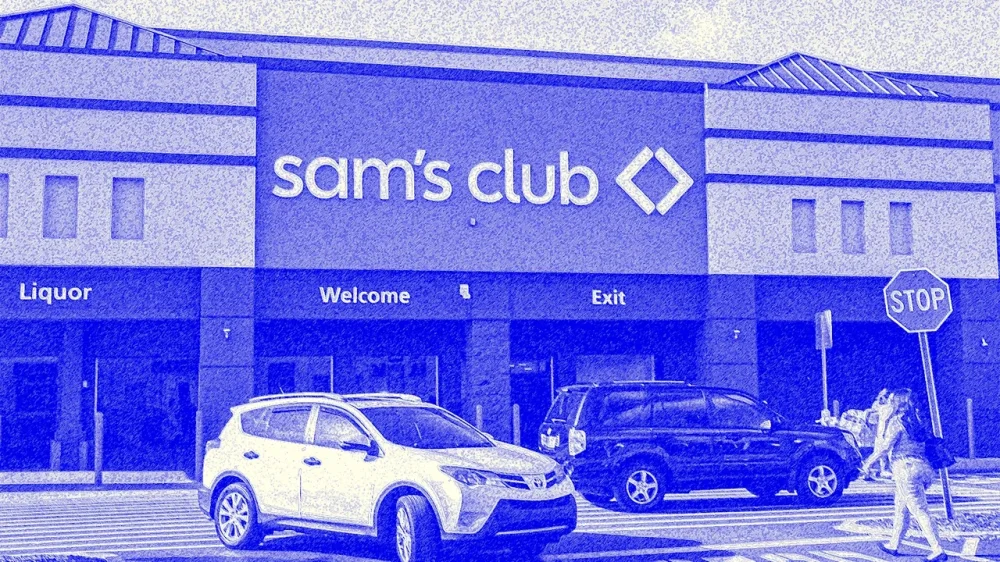
If you’ve been thinking about joining Sam’s Club, you may want to act fast: The annual membership fee will go up $10 starting next month. The Walmart-owned chain of warehouse stores has been emailing existing members this week to alert them of the price increases. Effective May 1, a standard Sam’s Club membership will cost $60, up from $50, while the cost of a Plus membership will increase to $120 from $110. The company is clearly trying to push more people to its higher-cost Plus membership, as it’s also upped the cap on its 2% cash back rewards these members can earn—from $500 annually to $750. The company confirmed the price increases to Fast Company and indicated that current members will renew at the updated rate during their next billing cycle. However, a few people on Reddit have noted that they were able to renew their memberships early at the current prices. WHAT’S BEHIND THE PRICE INCREASE The forthcoming price change marks the second time in five years that Sam’s Club has increased annual membership costs, with the previous increase occurring in late 2022. “We have adjusted our membership pricing to support the things our members love,” a spokesperson for the Bentonville, Arkansas-based company said in a statement to Fast Company. Such benefits include expanded in-club hours, curbside pickup, and enhanced delivery options, the spokesperson said. The company plans to open six new Sam’s Club stores this year in Tennessee, California, and Texas, as USA Today has reported. It also named a new CEO, Latriece Watkins, earlier this year and has made a more concerted effort to woo higher-income customers away from rival Costco. Indeed, there’s no longer much of a discount, if any, to an annual Sam’s Club membership compared with its two main competitors. BJ’s Wholesale Club is likewise on an expansion tear this year and charges $60 and $120 for its two membership tiers, while it costs either $65 or $130 annually to be a member of Costco. MEMBERS SOUND OFF While some people on social media offered potential workarounds to the price increase, such as using a different phone number when signing up to take advantage of new member discounts, others have threatened to cancel their membership as a result of the price increase. And there’s something else that’s been rattling some Sam’s Club members: In late 2024, the company increased the minimum purchase threshold required for Plus members to nab free shipping on online orders, which is now $50. As one Redditor commented on a post about the price increases: ”Got the same email and I honestly wouldn’t care if they still had free shipping for Plus members. That change really bugged me when it happened.” View the full article
-
We may earn a commission from links on this page. Deal pricing and availability subject to change after time of publication. The price of gas isn't the only thing going up. Starting tomorrow, April 2, the prices of all PlayStation 5 consoles and the PlayStation Portal are going up by as much as $150. It's no surprise, since we've been hearing about the cost of chips and storage going up over the years; throw in tariffs and a ongoing strong demand for the consoles, you start to get the whole picture. Luckily, it's not too late: You can still save up to $150 by buying refurbished consoles directly from the Direct PlayStation store, which come with a one-year warranty and have been tested to perform like new, provided you act quickly. Here are all the consoles you can still get today before the price hike goes into effect: Storage: 1 TB Certified Refurbished PlayStation®5 Digital Edition Console (model group - slim) $399.00 at Sony Get Deal Get Deal $399.00 at Sony Storage: 1 TB Certified Refurbished PlayStation®5 Console (model group - slim) $449.00 at Sony Get Deal Get Deal $449.00 at Sony Storage: 825 GB Certified Refurbished PlayStation®5 Console $399.00 at Sony Get Deal Get Deal $399.00 at Sony PlayStation Portal™ Remote Player $199.00 at Sony Get Deal Get Deal $199.00 at Sony SEE 1 MORE Going forward,the base Slim Model PS5 will be $649.99, but you can get a refurbished one today for $449. If you don't mind downloading your games and playing them from the cloud, the Slim Digital Edition PS5 will be $599.99 tomorrow, but you can get a refurbished one today for $399. An original, non-slim disc refurbished version PS5 with 825GB is $399 today. The PS5 Pro is getting the biggest price hike. It is $749 today, but it will be $899.99 tomorrow. The PlayStation Portal remote player is not escaping the price hikes either—you can get one today for $199, but starting tomorrow, it will spike to $249. If you're interested in bundles, the PS5 Fornite Bundle is $449 and will likely increase starting tomorrow. The PS5 Digital Fornite Bundle is $399 today and will likely increase tomorrow as well. Our Best Editor-Vetted Tech Deals Right Now Apple AirPods Pro 3 Noise Cancelling Heart Rate Wireless Earbuds — $199.00 (List Price $249.00) Apple iPad 11" 128GB A16 WiFi Tablet (Blue, 2025) — $299.00 (List Price $349.00) Samsung Galaxy Tab A11+ 128GB Wi-Fi 11" Tablet (Gray) — $202.00 (List Price $249.99) Apple Watch Series 11 (GPS, 42mm, S/M Black Sport Band) — $329.00 (List Price $399.00) Sony WH-1000XM5 — $298.00 (List Price $399.99) Deals are selected by our commerce team View the full article
-
Recently we heard from people who work at events — their horror stories and wins — and here are 10 of my favorite stories they shared. 1. The applause I was part of a round of lightning talks. The event organizers told us we had five minutes apiece, and for enforcement they told the audience to applaud violators off the stage. I was done in 90-odd seconds because I’m cool like that. “Blowhard Bob” the CISO, however, adored the sound of his own voice and did not believe time limits applied to him. He was barely halfway through his slides when the applause started. He tried to talk over it, being Blowhard Bob, but the audience only raised the volume of clapping until he had no choice but to leave the stage. I saw his thunderous face as he left the event venue. I never liked Blowhard Bob, so it was a petty treat to see him so uselessly offended. 2. The secret access I’m a vegetarian in a company that frequently hosts customers or suppliers (on the order of 100+ per week) for all-day meetings, where they are very much trapped and unable to get their own food. A large number of our visitors are also vegetarian/vegan. I have the fortunate ability to bring my own food, but the visitors cannot. There is almost never a veg option for our catered lunches. The options exist at every location we cater from, but the hosts never select one. I attempted for a year to get the hosts to start adding vegetarian options, but for unknown reasons this ask is impossible. Finally, I appealed to my network admin friend to give me backdoor access to the catering request website. Each Monday, my Good Deed of the Week is to log in and edit every single new catering form to include a veg option. The hosts often make surprised noises at finding themselves with a tray of veg food (and take the credit when it comes in handy), but no one ever tries to figure out how it keeps happening. Going on 2 years now executing my petty act of good will. 3. The nature soundtrack Each year, Big Corporation honored retiring 25-year employees with a fancy dinner and dancing at an expensive venue. The location chosen that year was an exclusive brand new hotel, and the company was excited to be able to show it and themselves off. As the guests arrive to the lounge for drinks, oohing and ahhing about the luxurious appointments suddenly stops as the piped-in music becomes audible. Tradition held that the music chosen for the cocktail hour be top 40 hits from the year these folks started at the company, but the intern charged with assembling the playlist decided that because the big new hotel displaced a wetland, recorded sounds of a swamp including croaking frogs and chirping crickets filled the cocktail lounge. People were confused as they held crystal champagne flutes. 4. The medical simulation One year, we invited a medical simulation team (similar to an emergency simulation, but for medical events) to present at the nursing conference I used to run. They did not tell us the simulation they would be running would involve copious fake blood – which got squirted in lots of different places, including the people sitting in the front row. I think the venue ended up charging us for carpet cleaning too. 5. The grape Kool Aid and the geese At a corporate headquarters campus preparing for the July 4th outdoor concert and fireworks, that summer had been extremely dry, and special permission and pre-show requirements were needed for the fireworks display to happen to prevent grass fires. Coincidentally, the campus ponds and fountains were attracting huge flocks of Canada geese because of the drought. Did you know that goose droppings are the size of small dog droppings? Before the hundreds of families came ready to spread their blankets to picnic on the lawns before the concert, vast quantities of goose doodoo had to be removed and said geese needed to be convinced not to return until July 5th . A two-pronged approach was to bring in border collies to scare off the fowl and then sprinkle huge quantities of grape flavored Kool Aid powder, because of course that would send the geese back to Canada (they hate one of the ingredients). Luckily, the problem with this plan was realized before the day of the concert when the landscape crew were doing the required lawn watering in compliance with the fire marshal. 6. The mini figurines Several years ago, I worked at a nonprofit where we spent all day, every day doing hard (rewarding) work with kids. Once a year, we had a fundraiser that revolved around Legos. We had 1000+ people (kids and adults) come in and pay to do Lego activities with us. That year, the fundraiser had an add on where you do a minifig (mini figurines) scavenger hunt type thing — join a session, help find minfigs and pick one to take home with you. For budget reasons, they were knockoff minifigs. They were things like Spiderman’s head on a construction worker body on purple and pink legs. Randomly put together pieces that had come in a giant grab bag. In the second session of scavenger hunt, someone pointed out that some of them were apparently historical figure minifigs? And someone handed me one and I looked carefully … huh, it had a red armband and double lightning bolts. Crap. Off brand Lego knockoffs provide minifigs for historical dioramas and apparently if you get the “grab bag,” they have Nazis mixed in with the superheros. We shut things down for a few minutes for us to panic and find all the hidden minifigs. They were replaced with “safe” figs, and we had one poor staff person spend the rest of the day sorting through the offensive and non-offensive minifigs, keeping us one session ahead of the scheduled sessions of scavenger hunt. As far as we know, no Nazis were sent home with children. Apparently the organization now only uses official minifigs for the Lego event. 7. The cast wrap party The catering company I used to work for was hired to cater the series wrap party for Game of Thrones. All the stars were there and most of us caterers were fans of the show, so we were psyched to be there. On the night itself, we wondered why the energy in the room seemed so off and oddly subdued. Then of course, the final season came out a few months later and we understood. 8. The invitation I worked in higher education development at an institution where the fellows had strongly resisted appointing a professional fundraiser and instead appointed a senior fellow in History as development director – a charming chap but not a fundraiser at all. This manifested in many ways, but perhaps the best one was the event we held to thank a major donor who had contributed a significant sum. We booked a nice location, sorted out some catering, briefed team members ahead of the event, arrived on the day and waited. And waited. And waited some more. DD had one job, which was to invite the donor; he had not done it. I left soon after this. 9. The chickens I run a small performing arts venue that hosts over 200 performances/events per year. Here is a recent favorite story that, while low-stakes and neither full disaster nor victory, exemplifies the weirdness of running a public event space. We had an event that was a collaboration between two very large, community-focused performance groups. Our venue has a strict no pets except licensed service animals and pre-approved on-stage animals policy. One of the performers had a service dog who came to the venue. This was fine. But it wasn’t clearly stated to the myriad other performers that this was a service dog. All of a sudden, the next day, several other cast members brought their dogs and then got deeply offended when we made them take them home. The next day was the public performance and, as audience started arriving, a man walked in with a hard-sided cat carrier. Imagine my surprise when I approached and discovered that it contained two chickens! Turns out his wife was in the show and wanted a picture in costume with her pet chickens. She had told her husband to wait outside for her, but he ignored that fact and was quite rude when we asked him to do so. So here I am, running all over the building, trying to figure out whose chickens these were and having to explain over and over again that no, I wasn’t joking. Yes, chickens. And then my staff kept pulling me aside and going, “Um … there’s a dude with chickens in the lobby?” It all worked out – they went outside and got their chicken picture and then the husband and the chickens went home and they were never free range in our venue … but its become an ongoing joke whenever things go sideways: Look out for the chickens! 10. The teenager I used to work fundraising walk events and we’d usually have a grab bag of random volunteers to help us run the event. One year, this older teenage boy who’d been signed up by his mum as part of his community service requirement (I think he was working off a traffic ticket) was assigned to my area. This kid was only supposed to be there for a short shift of a few hours and since I’m sure it wasn’t his first choice of how to spend his Saturday, I wasn’t expecting too much. He wound up being one of the last people to leave the site, having worked for something like eight or nine hours hauling a lot of stuff around and doing a really good job at whatever we told him to do, all on a really warm day. He said that he had a great time and he really enjoyed himself. I always wondered if that day was the start of his events career. The post the aggressive applause, the secret meal access, and other stories from event workers appeared first on Ask a Manager. View the full article
-
JetBlue Airways just increased checked bag fees for the first time since March 2024, bringing the minimum cost to check a bag from $35 to $39. Fees now cost $4 to $9 more, depending on travel dates. This news comes amid rising jet fuel prices and may raise concerns among travelers about whether other major U.S. airlines will follow suit. Here’s what you need to know. How much more will travelers pay? Effective March 30, JetBlue raised checked bag fees by $4 to $9, depending on travel dates. The new prices apply to all bookings made on or after that date. The New York-based airline introduced peak-season surcharges in March 2024, meaning travelers pay more to check a bag during high-demand periods, like summer and national holidays. Here’s what travelers can expect when adding bags to a reservation more than 24 hours before departure on non-transatlantic flights. Off-peak travel dates: Most travelers will pay $39 for a first checked bag and $59 for a second, an increase of $4 each. Peak travel dates: Most travelers will pay $49 for their first checked bag and $69 for a second, an increase of $9 each. Travelers who add bags within 24 hours of departing, including at the airport, will pay an additional $10 surcharge on top of those prices. The prices above apply to most fare types. JetBlue Mosaic status members and select co-branded credit cardholders can check a bag for free. The rising cost of checked bags JetBlue’s new peak travel rate of $49 for a first checked bag is now the highest among major U.S. carriers. This is the airline’s first bag fee hike since March 2024, when it raised fees twice within months of each other. The move is part of a broader industry trend. American Airlines raised its second checked bag fee by $5 in February 2026, its second bag fee hike since early 2024. Both United Airlines and Delta Air Lines last raised fees in early 2024. Southwest Airlines famously offered two free checked bags to all fliers for over 50 years. However, the Texas-based airline began charging for checked bags in May 2025. Will other airlines follow JetBlue’s lead? Jet fuel costs have continued to climb as the Iran war drags on. Air travel is expected to get more expensive. Increased costs, whether fees or fare hikes, could push consumers away, leading to decreased travel demand. Many consumers are already stretched thin by rising prices across everyday life. Fast Company reached out to American, Delta, and United to ask whether they expect to increase checked bag fees. A representative for Delta declined to comment on bag fees but noted the airline is set to report Q1 2026 earnings next week. United pointed to a March 20 message that CEO Scott Kirby sent to employees. In it, Kirby outlined some steps that the airline was taking to manage rising jet fuel prices. One example Kirby gave was reducing flights for less in-demand routes, such as red-eye flights and Tuesday, Wednesday, and Saturday flights. He noted that the airline had suspended service to Tel Aviv and Dubai. We’ll update this story if we receive a reply from American Airlines. View the full article

-
Nato’s top official urged key alliance members to offer help to US to reopen key waterwayView the full article
-
At the Kelly Portal, you can access a variety of benefits customized to meet your health, legal, financial, and professional needs. From thorough health coverage options, including dental and vision plans, to legal services for personal matters, there’s much to explore. Furthermore, financial wellness coaching and student debt management resources are available. As you navigate through these offerings, you may find even more valuable tools aimed to improve your overall well-being and support your career. Key Takeaways Comprehensive health coverage options include preventative services and telehealth consultations through Teladoc for 24/7 healthcare access. Dental and vision insurance plans are available without health questions, covering preventative and major services. Free legal services provide assistance for personal legal matters, enhancing peace of mind. Financial wellness coaching helps with budgeting, student debt management, and financial planning. Access to employee discounts and perks through Kelly PerkSpot for savings on various products and services. Comprehensive Health Coverage Options Regarding your health, having access to extensive coverage options is vital. Kelly Services provides Minimum Essential Coverage, ensuring you receive 100% coverage for preventative and wellness services, which helps you maintain your health effectively. You’ll likewise benefit from Teladoc, offering 24/7 healthcare consultations through phone, video, or app, making medical support easily accessible whenever you need it. In addition, you can choose from various insurance types, including Term Life Insurance, which guarantees coverage without health questions for added accessibility. Supplemental Health Insurance is available to cover specific medical expenses, providing financial relief without requiring health inquiries. Moreover, Personal Accident Insurance offers lump-sum benefits for injuries from accidents, helping you manage unexpected financial impacts. For details about these options, refer to your Kelly Services paystub, where you can see your benefits and make informed decisions about your health insurance. Dental and Vision Insurance Plans In regard to dental and vision insurance plans, you have a variety of coverage options to evaluate that cater to your specific needs. You can easily access a network of providers through the linked resources on the Kelly portal, making it simple to find the right care. Moreover, comprehending the enrollment process will guarantee you take full advantage of these crucial health services. Coverage Options Explained Comprehending your coverage options for dental and vision insurance is essential, as these plans play a significant role in maintaining your overall health. Delta Dental insurance covers preventative, diagnostic, and major dental services for you, your spouse, and children. You can choose from both preventative and high plan options to meet different needs. Moreover, vision insurance provides routine eye exams and discounts on eyewear, ensuring you maintain your eye health. Through the linked resources at the Kelly portal, you can conveniently access a network of dental and eye care providers. To explore these options and manage your benefits effectively, simply use your Kelly Services login paystub to access all the necessary information and resources. Provider Network Access Accessing a provider network for your dental and vision insurance plans is straightforward through the Kelly portal. By logging in with your kelly services login, you can easily find participating dental providers. Delta Dental insurance covers a range of services, including preventative, diagnostic, and major treatments for you and your family. The portal also provides resources to help you locate these providers efficiently. For vision insurance, you’ll benefit from routine eye exams and discounts on eyewear, ensuring crucial eye care is within reach. Furthermore, both plans offer options for preventative and high coverage, catering to your specific needs. This streamlined process improves your experience when seeking dental and vision care, making it convenient and user-friendly. Enrollment Process Steps To enroll in dental and vision insurance plans through the Kelly Portal, you’ll need to log in using your ALT ID and date of birth. After accessing your account via the Kelly services employee login, you can select your desired coverage options. Delta Dental offers a range of services, including preventative, diagnostic, and major procedures for you and your family. Vision insurance provides routine eye exams and discounts on eyewear, with both preventative and high plan options available. Importantly, enrollment doesn’t require health questions, ensuring guaranteed acceptance within plan parameters. Furthermore, you can access a list of dental and eye care providers through the linked resources in the Kelly Portal, making it easier for you to find the care you need. Life and Supplemental Health Insurance When considering Life and Supplemental Health Insurance, you’ll find several options customized to meet your needs. From Term Life Insurance with guaranteed issue to Supplemental Health Insurance covering specific medical expenses, these plans offer crucial financial protection. Comprehending the enrollment process for these benefits will help you make informed decisions about your coverage. Coverage Options Overview Comprehending the various coverage options available can markedly improve your financial security and peace of mind. At the Kelly Portal, you can explore several types of insurance that cater to your needs: Term Life Insurance: Offers guaranteed issue with no health questions, ensuring financial support for your beneficiaries. Supplemental Health Insurance: Covers specific medical expenses without health inquiries, easing the burden of unexpected costs. Critical Illness Insurance: Provides crucial financial support after a serious health diagnosis, helping with treatment and recovery expenses. Additionally, Whole Life Insurance includes a living benefit feature, and Personal Accident Insurance offers lump-sum benefits for injuries. To learn more, make sure to access your Kelly Services education login and review your options thoroughly. Enrollment Process Details Comprehending the enrollment process for Life and Supplemental Health Insurance at Kelly is essential for ensuring you secure the coverage you need. To begin, you’ll need to log in using your ALT ID and date of birth. This unique number can be found on your paystubs or ePaystub enrollment emails. Once logged in, you can review and accept or waive your coverage options, which include Term Life Insurance and Supplemental Health Insurance, both with guaranteed acceptance and no health questions. Step Action Required Notes 1 kelly educational staffing login Use ALT ID and date of birth 2 Review coverage options Includes Term Life and Supplemental Health 3 Accept or waive coverage Make choice based on your needs 4 Download Benefit Guide Access detailed enrollment information Legal Services and Support Accessing legal services through the Kelly Portal can greatly ease your concerns about various personal legal matters. Kelly offers both free and discounted legal assistance, ensuring you have support for a range of issues. Here are three key benefits you can access: Diverse Legal Coverage: The services encompass family law, real estate, and consumer issues, providing you guidance on vital matters. Easy Accessibility: The program is designed to be straightforward, equipping you with the tools and resources needed to navigate legal challenges effectively. Holistic Support: By offering these legal services, Kelly demonstrates its commitment to your overall well-being, addressing not just work-related aspects but personal challenges as well. Utilizing these resources can improve your peace of mind, making it easier to manage legal matters alongside your professional responsibilities. For more details, refer to your Kelly Services W2 documentation, which outlines these benefits. Financial Wellness Coaching If you’re looking to improve your financial health, the Financial Wellness Coaching program is a valuable resource available to you at no cost. This program offers free counseling services that can help you manage student debt effectively, along with guidance on budgeting and financial planning customized to your needs. Student Debt Management Managing student debt can be challenging, especially as it often weighs heavily on your financial wellness. Fortunately, Kelly Services offers the Peanut Butter partnership, providing valuable assistance at no cost for you. Here are three key benefits: Loan Restructuring Tips: Get expert advice on restructuring your loans for better management. Access to Refinancing Markets: Explore refinancing options that can lower your monthly payments. Financial Wellness Coaching: Receive guidance to improve your overall financial health. To get started, you’ll need an email invitation to create your Peanut Butter account. This program empowers you to make informed decisions regarding your student debt, allowing you to manage it effectively alongside your Kelly Services paycheck. Free Counseling Services Free counseling services through the Peanut Butter partnership provide Kelly employees with essential support for financial wellness. This program offers free financial wellness coaching, focusing on student debt management, loan restructuring tips, and access to refinancing markets. By utilizing these services, you can better manage your financial challenges and gain insights that promote overall well-being. To participate, you’ll need an email invitation to create a Peanut Butter account, which will give you access to valuable resources. Furthermore, both free and paid counseling services are available, catering to various needs. Critical Illness Coverage Critical Illness Coverage is a vital benefit that provides financial support to employees facing serious health challenges. This insurance serves as a safety net, offering financial assistance for out-of-pocket expenses that health insurance mightn’t fully cover. When diagnosed with specified critical illnesses like heart attack, stroke, or cancer, you’ll receive a lump-sum payment to help manage costs. Here are three key features of Critical Illness Coverage: Personalized Coverage Amount: Choose your coverage based on your needs, typically ranging from $5,000 to $50,000. Guaranteed Issue: You don’t need to answer health questions to qualify, making it accessible. Additional Benefits: Some policies may offer extra support for certain conditions, easing financial stress during tough times. For employees utilizing the Kelly education W2, this benefit can provide significant peace of mind in challenging health situations. Employee Discounts and Perks While maneuvering through health challenges can be intimidating, it’s important to furthermore consider the financial benefits available to you as a Kelly employee. Through PerkSpot, you can access various discounts that span categories like electronics, home improvement, travel, and hotels. By signing up with your personal email, you’ll reveal exclusive savings on event tickets for concerts and other entertainment options. This discount program is intended to improve employee engagement and boost your overall well-being. Participation is open to all Kelly employees, ensuring that everyone can take advantage of these perks. Moreover, there are more online discount opportunities that allow you to explore further savings. To keep track of your benefits, you can use your Kelly epaystub as a reference point for any financial deductions related to these perks. Engaging with these discounts can greatly ease your financial burdens. Skill Development and Training Opportunities As you navigate your career with Kelly, taking advantage of skill development and training opportunities can greatly advance your professional path. The Kelly Talent Learning Center (KTLC) offers a wealth of resources to help you improve your skills at your convenience. Here are three key offerings: Diverse Course Selection: Access online courses in customer service, communication, leadership, and project management, customized to various professional needs. 24/7 Accessibility: Enjoy round-the-clock access to training programs, allowing you to learn at a time that suits your schedule. Vital Software Training: Gain proficiency in Microsoft Office and other applications, ensuring you’re equipped with essential technological skills. When you log in to the Kelly services educational staffing portal, you’ll receive an automatic welcome email, granting you immediate access to these valuable resources. Although these programs don’t guarantee job placement, they’re designed to improve your employability and skill sets considerably. Employee Leave and Holiday Pay Building on your professional growth with Kelly, comprehending employee leave and holiday pay is crucial for planning time off and managing your work-life balance. Vacation leave accrues at a minimum of 1/2 day per month, increasing to 1 1/4 days after 15 years of service. Sick leave accumulates at a rate of one day per month for every 130 hours worked, with a maximum of 15 days of unused leave. To qualify for holiday pay, you need to work at least 960 hours in the 26 weeks leading up to the holiday and 30 hours during the week before. Eligible holidays include New Year’s Day, Independence Day, Thanksgiving Day, and Christmas Day, with pay issued the week after. In addition, special leave for serious illnesses is available after 12 months of service, allowing paid time off once other leave is exhausted. For more information, log in to the Kelly login portal. Payroll and Tax Information Access Accessing your payroll and tax information is straightforward with the resources provided by Kelly. You can easily navigate through the Kelly portal, particularly by using the kelly ed login. Here’s how you can access your information efficiently: eW-2 Access: You can view your W-2 forms electronically through the secure Kelly eW-2 site, ensuring you have your tax information handy when needed. Paystub Availability: Your last three pay stubs and year-to-date summaries are available online, allowing you to track your earnings conveniently. Support Services: For any payroll-related inquiries, you can reach the 24-hour support line at 866-535-5948 or contact the Employee Service Center for dedicated assistance. Bilingual representatives are likewise available to help, ensuring support is accessible for everyone. With these resources, you have everything you need at your fingertips for managing your payroll and tax information. Mid-Year Benefit Changes Made Easy Making mid-year benefit changes is now easier than ever, thanks to the streamlined processes in place for employees. You can submit supporting enrollment documents for qualifying changes right from your mobile device using a photo snap-and-upload feature. With the My Benefits and ID Card Information menu, managing your benefits at the Kelly Portal becomes a hassle-free experience. Here’s a snapshot of the key features available to you: Feature Description Benefits Mobile Upload Snap and upload documents easily Convenient for mid-year changes Online Enrollment Tools Change or terminate benefits seamlessly Increased engagement Enrollment Reminders Notifications for deadlines Avoid missing opportunities Easy Access Manage benefits anytime Flexibility and control Minimal Paperwork Simplified process for changes Saves time and effort Utilize these tools to make your mid-year benefit changes smooth and efficient. Customer Support and Full Portal Access When you need help managing your benefits, the Kelly Benefits Customer Service is designed to provide you with user-friendly support options. You can access the Kelly education log in for a thorough web portal, guaranteeing you have all necessary resources at your fingertips. Here’s how you can get assistance: Use the “Ask a Question” feature to email specialists directly for detailed inquiries. Opt for the “Contact Us” option for immediate assistance through direct calls. Reach out to the 24-hour payroll support line at 866-535-5948 for payroll-related matters. Additionally, bilingual customer service representatives are available to guarantee accessibility for everyone. The Full Site offers improved tools and features to help you manage your benefits effectively, making your experience with Kelly seamless and straightforward. With these resources, you’re well-equipped to navigate your benefits with confidence. Frequently Asked Questions What Are the Benefits Given to the Employees? Employees enjoy a variety of benefits designed to support their health and financial well-being. You have access to health coverage options, including Minimum Essential Coverage and supplemental insurance. Dental and vision plans cover crucial services for you and your family. Furthermore, financial assistance programs help with student debt management, whereas legal services offer free and discounted support. You can likewise improve your skills through professional development courses available at the Kelly Talent Learning Center. How Much Does Kellyconnect Pay per Hour? Kellyconnect’s hourly pay varies based on your job role, location, and experience. They offer competitive rates to attract quality talent and guarantee fair wages align with industry standards. You can access your pay information through their portal for transparency. Furthermore, flexible work options might influence your hourly rate, as you can choose schedules that suit your needs. Regular assessments help maintain competitive compensation based on market conditions and individual performance. What Are the Benefits of Using KTBSONLINE? Using KTBSONLINE offers several advantages for managing your employee benefits and payroll. You can access your last three pay stubs, year-to-date summaries, and W-2 forms easily. The platform allows you to enroll in, change, or terminate benefits with helpful reminders for deadlines. You can update personal information, including medical providers and dependents. Its mobile-friendly design means you can manage everything anytime, improving your engagement and satisfaction with your benefits. What Are the Voluntary Benefits of Kelly Services? Kelly Services offers several voluntary benefits to improve your financial security. You can choose Term Life Insurance with guaranteed issue, Supplemental Health Insurance for specific medical expenses, and Personal Accident Insurance that provides lump-sum payouts for injuries. Furthermore, Critical Illness Insurance supports you financially after a serious health diagnosis, whereas Whole Life Insurance includes a living benefit feature for terminal illness. These options are designed to help you manage unforeseen medical and personal expenses effectively. Conclusion In summary, the Kelly Portal provides a thorough suite of benefits aimed at supporting your health, legal, financial, and professional needs. From extensive health coverage, including dental and vision plans, to valuable resources for financial wellness and skill development, you have access to tools that improve your overall well-being. With easy access to payroll information and customer support, managing your benefits is straightforward, ensuring you can focus on your personal and professional growth effectively. Image via Google Gemini and ArtSmart This article, "Benefits Available at the Kelly Portal?" was first published on Small Business Trends View the full article
-
At the Kelly Portal, you can access a variety of benefits customized to meet your health, legal, financial, and professional needs. From thorough health coverage options, including dental and vision plans, to legal services for personal matters, there’s much to explore. Furthermore, financial wellness coaching and student debt management resources are available. As you navigate through these offerings, you may find even more valuable tools aimed to improve your overall well-being and support your career. Key Takeaways Comprehensive health coverage options include preventative services and telehealth consultations through Teladoc for 24/7 healthcare access. Dental and vision insurance plans are available without health questions, covering preventative and major services. Free legal services provide assistance for personal legal matters, enhancing peace of mind. Financial wellness coaching helps with budgeting, student debt management, and financial planning. Access to employee discounts and perks through Kelly PerkSpot for savings on various products and services. Comprehensive Health Coverage Options Regarding your health, having access to extensive coverage options is vital. Kelly Services provides Minimum Essential Coverage, ensuring you receive 100% coverage for preventative and wellness services, which helps you maintain your health effectively. You’ll likewise benefit from Teladoc, offering 24/7 healthcare consultations through phone, video, or app, making medical support easily accessible whenever you need it. In addition, you can choose from various insurance types, including Term Life Insurance, which guarantees coverage without health questions for added accessibility. Supplemental Health Insurance is available to cover specific medical expenses, providing financial relief without requiring health inquiries. Moreover, Personal Accident Insurance offers lump-sum benefits for injuries from accidents, helping you manage unexpected financial impacts. For details about these options, refer to your Kelly Services paystub, where you can see your benefits and make informed decisions about your health insurance. Dental and Vision Insurance Plans In regard to dental and vision insurance plans, you have a variety of coverage options to evaluate that cater to your specific needs. You can easily access a network of providers through the linked resources on the Kelly portal, making it simple to find the right care. Moreover, comprehending the enrollment process will guarantee you take full advantage of these crucial health services. Coverage Options Explained Comprehending your coverage options for dental and vision insurance is essential, as these plans play a significant role in maintaining your overall health. Delta Dental insurance covers preventative, diagnostic, and major dental services for you, your spouse, and children. You can choose from both preventative and high plan options to meet different needs. Moreover, vision insurance provides routine eye exams and discounts on eyewear, ensuring you maintain your eye health. Through the linked resources at the Kelly portal, you can conveniently access a network of dental and eye care providers. To explore these options and manage your benefits effectively, simply use your Kelly Services login paystub to access all the necessary information and resources. Provider Network Access Accessing a provider network for your dental and vision insurance plans is straightforward through the Kelly portal. By logging in with your kelly services login, you can easily find participating dental providers. Delta Dental insurance covers a range of services, including preventative, diagnostic, and major treatments for you and your family. The portal also provides resources to help you locate these providers efficiently. For vision insurance, you’ll benefit from routine eye exams and discounts on eyewear, ensuring crucial eye care is within reach. Furthermore, both plans offer options for preventative and high coverage, catering to your specific needs. This streamlined process improves your experience when seeking dental and vision care, making it convenient and user-friendly. Enrollment Process Steps To enroll in dental and vision insurance plans through the Kelly Portal, you’ll need to log in using your ALT ID and date of birth. After accessing your account via the Kelly services employee login, you can select your desired coverage options. Delta Dental offers a range of services, including preventative, diagnostic, and major procedures for you and your family. Vision insurance provides routine eye exams and discounts on eyewear, with both preventative and high plan options available. Importantly, enrollment doesn’t require health questions, ensuring guaranteed acceptance within plan parameters. Furthermore, you can access a list of dental and eye care providers through the linked resources in the Kelly Portal, making it easier for you to find the care you need. Life and Supplemental Health Insurance When considering Life and Supplemental Health Insurance, you’ll find several options customized to meet your needs. From Term Life Insurance with guaranteed issue to Supplemental Health Insurance covering specific medical expenses, these plans offer crucial financial protection. Comprehending the enrollment process for these benefits will help you make informed decisions about your coverage. Coverage Options Overview Comprehending the various coverage options available can markedly improve your financial security and peace of mind. At the Kelly Portal, you can explore several types of insurance that cater to your needs: Term Life Insurance: Offers guaranteed issue with no health questions, ensuring financial support for your beneficiaries. Supplemental Health Insurance: Covers specific medical expenses without health inquiries, easing the burden of unexpected costs. Critical Illness Insurance: Provides crucial financial support after a serious health diagnosis, helping with treatment and recovery expenses. Additionally, Whole Life Insurance includes a living benefit feature, and Personal Accident Insurance offers lump-sum benefits for injuries. To learn more, make sure to access your Kelly Services education login and review your options thoroughly. Enrollment Process Details Comprehending the enrollment process for Life and Supplemental Health Insurance at Kelly is essential for ensuring you secure the coverage you need. To begin, you’ll need to log in using your ALT ID and date of birth. This unique number can be found on your paystubs or ePaystub enrollment emails. Once logged in, you can review and accept or waive your coverage options, which include Term Life Insurance and Supplemental Health Insurance, both with guaranteed acceptance and no health questions. Step Action Required Notes 1 kelly educational staffing login Use ALT ID and date of birth 2 Review coverage options Includes Term Life and Supplemental Health 3 Accept or waive coverage Make choice based on your needs 4 Download Benefit Guide Access detailed enrollment information Legal Services and Support Accessing legal services through the Kelly Portal can greatly ease your concerns about various personal legal matters. Kelly offers both free and discounted legal assistance, ensuring you have support for a range of issues. Here are three key benefits you can access: Diverse Legal Coverage: The services encompass family law, real estate, and consumer issues, providing you guidance on vital matters. Easy Accessibility: The program is designed to be straightforward, equipping you with the tools and resources needed to navigate legal challenges effectively. Holistic Support: By offering these legal services, Kelly demonstrates its commitment to your overall well-being, addressing not just work-related aspects but personal challenges as well. Utilizing these resources can improve your peace of mind, making it easier to manage legal matters alongside your professional responsibilities. For more details, refer to your Kelly Services W2 documentation, which outlines these benefits. Financial Wellness Coaching If you’re looking to improve your financial health, the Financial Wellness Coaching program is a valuable resource available to you at no cost. This program offers free counseling services that can help you manage student debt effectively, along with guidance on budgeting and financial planning customized to your needs. Student Debt Management Managing student debt can be challenging, especially as it often weighs heavily on your financial wellness. Fortunately, Kelly Services offers the Peanut Butter partnership, providing valuable assistance at no cost for you. Here are three key benefits: Loan Restructuring Tips: Get expert advice on restructuring your loans for better management. Access to Refinancing Markets: Explore refinancing options that can lower your monthly payments. Financial Wellness Coaching: Receive guidance to improve your overall financial health. To get started, you’ll need an email invitation to create your Peanut Butter account. This program empowers you to make informed decisions regarding your student debt, allowing you to manage it effectively alongside your Kelly Services paycheck. Free Counseling Services Free counseling services through the Peanut Butter partnership provide Kelly employees with essential support for financial wellness. This program offers free financial wellness coaching, focusing on student debt management, loan restructuring tips, and access to refinancing markets. By utilizing these services, you can better manage your financial challenges and gain insights that promote overall well-being. To participate, you’ll need an email invitation to create a Peanut Butter account, which will give you access to valuable resources. Furthermore, both free and paid counseling services are available, catering to various needs. Critical Illness Coverage Critical Illness Coverage is a vital benefit that provides financial support to employees facing serious health challenges. This insurance serves as a safety net, offering financial assistance for out-of-pocket expenses that health insurance mightn’t fully cover. When diagnosed with specified critical illnesses like heart attack, stroke, or cancer, you’ll receive a lump-sum payment to help manage costs. Here are three key features of Critical Illness Coverage: Personalized Coverage Amount: Choose your coverage based on your needs, typically ranging from $5,000 to $50,000. Guaranteed Issue: You don’t need to answer health questions to qualify, making it accessible. Additional Benefits: Some policies may offer extra support for certain conditions, easing financial stress during tough times. For employees utilizing the Kelly education W2, this benefit can provide significant peace of mind in challenging health situations. Employee Discounts and Perks While maneuvering through health challenges can be intimidating, it’s important to furthermore consider the financial benefits available to you as a Kelly employee. Through PerkSpot, you can access various discounts that span categories like electronics, home improvement, travel, and hotels. By signing up with your personal email, you’ll reveal exclusive savings on event tickets for concerts and other entertainment options. This discount program is intended to improve employee engagement and boost your overall well-being. Participation is open to all Kelly employees, ensuring that everyone can take advantage of these perks. Moreover, there are more online discount opportunities that allow you to explore further savings. To keep track of your benefits, you can use your Kelly epaystub as a reference point for any financial deductions related to these perks. Engaging with these discounts can greatly ease your financial burdens. Skill Development and Training Opportunities As you navigate your career with Kelly, taking advantage of skill development and training opportunities can greatly advance your professional path. The Kelly Talent Learning Center (KTLC) offers a wealth of resources to help you improve your skills at your convenience. Here are three key offerings: Diverse Course Selection: Access online courses in customer service, communication, leadership, and project management, customized to various professional needs. 24/7 Accessibility: Enjoy round-the-clock access to training programs, allowing you to learn at a time that suits your schedule. Vital Software Training: Gain proficiency in Microsoft Office and other applications, ensuring you’re equipped with essential technological skills. When you log in to the Kelly services educational staffing portal, you’ll receive an automatic welcome email, granting you immediate access to these valuable resources. Although these programs don’t guarantee job placement, they’re designed to improve your employability and skill sets considerably. Employee Leave and Holiday Pay Building on your professional growth with Kelly, comprehending employee leave and holiday pay is crucial for planning time off and managing your work-life balance. Vacation leave accrues at a minimum of 1/2 day per month, increasing to 1 1/4 days after 15 years of service. Sick leave accumulates at a rate of one day per month for every 130 hours worked, with a maximum of 15 days of unused leave. To qualify for holiday pay, you need to work at least 960 hours in the 26 weeks leading up to the holiday and 30 hours during the week before. Eligible holidays include New Year’s Day, Independence Day, Thanksgiving Day, and Christmas Day, with pay issued the week after. In addition, special leave for serious illnesses is available after 12 months of service, allowing paid time off once other leave is exhausted. For more information, log in to the Kelly login portal. Payroll and Tax Information Access Accessing your payroll and tax information is straightforward with the resources provided by Kelly. You can easily navigate through the Kelly portal, particularly by using the kelly ed login. Here’s how you can access your information efficiently: eW-2 Access: You can view your W-2 forms electronically through the secure Kelly eW-2 site, ensuring you have your tax information handy when needed. Paystub Availability: Your last three pay stubs and year-to-date summaries are available online, allowing you to track your earnings conveniently. Support Services: For any payroll-related inquiries, you can reach the 24-hour support line at 866-535-5948 or contact the Employee Service Center for dedicated assistance. Bilingual representatives are likewise available to help, ensuring support is accessible for everyone. With these resources, you have everything you need at your fingertips for managing your payroll and tax information. Mid-Year Benefit Changes Made Easy Making mid-year benefit changes is now easier than ever, thanks to the streamlined processes in place for employees. You can submit supporting enrollment documents for qualifying changes right from your mobile device using a photo snap-and-upload feature. With the My Benefits and ID Card Information menu, managing your benefits at the Kelly Portal becomes a hassle-free experience. Here’s a snapshot of the key features available to you: Feature Description Benefits Mobile Upload Snap and upload documents easily Convenient for mid-year changes Online Enrollment Tools Change or terminate benefits seamlessly Increased engagement Enrollment Reminders Notifications for deadlines Avoid missing opportunities Easy Access Manage benefits anytime Flexibility and control Minimal Paperwork Simplified process for changes Saves time and effort Utilize these tools to make your mid-year benefit changes smooth and efficient. Customer Support and Full Portal Access When you need help managing your benefits, the Kelly Benefits Customer Service is designed to provide you with user-friendly support options. You can access the Kelly education log in for a thorough web portal, guaranteeing you have all necessary resources at your fingertips. Here’s how you can get assistance: Use the “Ask a Question” feature to email specialists directly for detailed inquiries. Opt for the “Contact Us” option for immediate assistance through direct calls. Reach out to the 24-hour payroll support line at 866-535-5948 for payroll-related matters. Additionally, bilingual customer service representatives are available to guarantee accessibility for everyone. The Full Site offers improved tools and features to help you manage your benefits effectively, making your experience with Kelly seamless and straightforward. With these resources, you’re well-equipped to navigate your benefits with confidence. Frequently Asked Questions What Are the Benefits Given to the Employees? Employees enjoy a variety of benefits designed to support their health and financial well-being. You have access to health coverage options, including Minimum Essential Coverage and supplemental insurance. Dental and vision plans cover crucial services for you and your family. Furthermore, financial assistance programs help with student debt management, whereas legal services offer free and discounted support. You can likewise improve your skills through professional development courses available at the Kelly Talent Learning Center. How Much Does Kellyconnect Pay per Hour? Kellyconnect’s hourly pay varies based on your job role, location, and experience. They offer competitive rates to attract quality talent and guarantee fair wages align with industry standards. You can access your pay information through their portal for transparency. Furthermore, flexible work options might influence your hourly rate, as you can choose schedules that suit your needs. Regular assessments help maintain competitive compensation based on market conditions and individual performance. What Are the Benefits of Using KTBSONLINE? Using KTBSONLINE offers several advantages for managing your employee benefits and payroll. You can access your last three pay stubs, year-to-date summaries, and W-2 forms easily. The platform allows you to enroll in, change, or terminate benefits with helpful reminders for deadlines. You can update personal information, including medical providers and dependents. Its mobile-friendly design means you can manage everything anytime, improving your engagement and satisfaction with your benefits. What Are the Voluntary Benefits of Kelly Services? Kelly Services offers several voluntary benefits to improve your financial security. You can choose Term Life Insurance with guaranteed issue, Supplemental Health Insurance for specific medical expenses, and Personal Accident Insurance that provides lump-sum payouts for injuries. Furthermore, Critical Illness Insurance supports you financially after a serious health diagnosis, whereas Whole Life Insurance includes a living benefit feature for terminal illness. These options are designed to help you manage unforeseen medical and personal expenses effectively. Conclusion In summary, the Kelly Portal provides a thorough suite of benefits aimed at supporting your health, legal, financial, and professional needs. From extensive health coverage, including dental and vision plans, to valuable resources for financial wellness and skill development, you have access to tools that improve your overall well-being. With easy access to payroll information and customer support, managing your benefits is straightforward, ensuring you can focus on your personal and professional growth effectively. Image via Google Gemini and ArtSmart This article, "Benefits Available at the Kelly Portal?" was first published on Small Business Trends View the full article
-
The Supreme Court is casting doubt on President Donald The President’s restrictions on birthright citizenship in a consequential case that was magnified by The President’s unparalleled presence in the courtroom. Conservative and liberal justices on Wednesday questioned whether The President’s order declaring that children born to parents who are in the United States illegally or temporarily are not American citizens comports with either the Constitution or federal law. The President, the first sitting president to attend arguments at the nation’s highest court, spent just over an hour inside the courtroom for arguments made by the Republican administration’s top Supreme Court lawyer, Solicitor General D. John Sauer. The president departed shortly after lawyer Cecillia Wang began her presentation in defense of broad birthright citizenship. The President heard Sauer face one skeptical question after another. Justices asked about the legal basis for the order and voiced more practical concerns. “Is this happening in the delivery room?” Justice Ketanji Brown Jackson asked, drilling down into the logistics of how the government would actually figure out who’s entitled to citizenship and who’s not. Justice Clarence Thomas sounded the most likely among the nine justices to side with The President. “How much of the debates around the 14th Amendment had anything to do with immigration?” Thomas asked, pointing out that the purpose of the amendment was to grant citizenship to Black people, including freed slaves. The justices are hearing The President’s appeal of a lower-court ruling from New Hampshire that struck down the citizenship restrictions, one of several courts that have blocked them. They have not taken effect anywhere in the country. The case frames another test of The President’s assertions of executive power that defy long-standing precedent for a court that has largely ruled in the president’s favor — but with some notable exceptions that The President has responded to with starkly personal criticisms of the justices. A definitive ruling is expected by early summer. The birthright citizenship order, which The President signed the first day of his second term, is part of his Republican administration’s broad immigration crackdown. Birthright citizenship is the first The President immigration-related policy to reach the court for a final ruling. The justices previously struck down global tariffs The President had imposed under an emergency powers law that had never been used that way. The President reacted furiously to the late February tariffs decision, saying he was ashamed of the justices who ruled against him and calling them unpatriotic. He issued a preemptive broadside against the court on Sunday on his Truth Social platform. “Birthright Citizenship is not about rich people from China, and the rest of the World, who want their children, and hundreds of thousands more, FOR PAY, to ridiculously become citizens of the United States of America. It is about the BABIES OF SLAVES!,” the president wrote. “Dumb Judges and Justices will not a great Country make!” The President’s order would upend the long-standing view that the Constitution’s 14th Amendment, ratified in 1868, and federal law since 1940 confer citizenship on everyone born on American soil, with narrow exceptions for the children of foreign diplomats and those born to a foreign occupying force. The 14th Amendment was intended to ensure that Black people, including former slaves, had citizenship, though the Citizenship Clause is written more broadly. “All persons born or naturalized in the United States, and subject to the jurisdiction thereof, are citizens of the United States and of the State wherein they reside,” it reads. In a series of decisions, lower courts have struck down the executive order as illegal, or likely so, under the Constitution and federal law. The decisions have invoked the high court’s 1898 ruling in Wong Kim Ark, which held that the U.S.-born child of Chinese nationals was a citizen. The The President administration argues that the common view of citizenship is wrong, asserting that children of noncitizens are not “subject to the jurisdiction” of the United States and therefore are not entitled to citizenship. The court should use the case to set straight “long-enduring misconceptions about the Constitution’s meaning,” wrote Sauer, the solicitor general. No court has accepted that argument, and lawyers for pregnant women whose children would be affected by the order said the Supreme Court should not be the first to do so. “We have the president of the United States trying to radically reinterpret the definition of American citizenship,” said Wang, the American Civil Liberties Union legal director who is facing off against Sauer at the Supreme Court. More than one-quarter of a million babies born in the U.S. each year would be affected by the executive order, according to research by the Migration Policy Institute and Pennsylvania State University’s Population Research Institute. While The President has largely focused on illegal immigration in his rhetoric and actions, the birthright restrictions also would apply to people who are legally in the United States, including students and applicants for green cards, or permanent resident status. —By Mark Sherman, Associated Press Associated Press writer Darlene Superville contributed to this report. View the full article

-
The artificial intelligence-based technology automates manual processes associated with the financing, including draws, for homes under construction. View the full article
-
TikTok has gone through a lot of changes as of late, especially since U.S. companies took a majority stake in the company. But while users have had to decipher new terms of service, some of which raise alarm bells, they've also had some innocuous adjustments to contend with as well. Case in point: TikTok now has a game, built right into your DMs. You just need to know where to find it. TikTok told TechCrunch about the game on Tuesday. While you might assume the gameplay has something to do with TikTok itself—short-form videos, influencers, etc.—the game itself is a very basic platformer. In fact, it strongly resembles "Doodle Jump," if you ever played that on your iPhone or Android. The goal is simple: Your "character" bounces automatically, and you drag it left or right across the screen to try to bounce on ascending alligator platforms. If you fall, you lose. If you land on a skeleton instead of a crocodile, you lose. Otherwise, you keep going up and up, racking up more and more points until you do stumble. You can also hit speed boosts to soar through the game for a few seconds (more on that in a moment). The game is meant to be played solo or against other players. As this game is hidden in DMs, you can play against your friends one-on-one or in group chats. When you start up a game, your "character's" icon is actually the profile picture of your friend, which is a fun touch. How to play TikTok's hidden DM gameIf you head to a DM with a friend, you won't really have an indication that you can play the game. In order to play it, you'll need to send a single emoji—any emoji. When you do, you'll see small text at the bottom of the thread that reads: "Tap emoji to play emoji game." Do so, and the game launches. The quirk is, the emoji you sent turns into the speed boost that occasionally appears throughout your game. TikTok isn't the only social media app to offer a hidden DM game. Instagram rolled out its own version two years ago. It, too, can be found by sending a single emoji, which in turn dictates the emoji-theme of the game. View the full article
-
Confidential SEC submission sets up summer listingView the full article
-
HERE'S A LOOK at some of the best leadership books to be released in April 2026 curated just for you. Be sure to check out the other great titles being offered this month. Design Love In: How to Unleash the Most Powerful Force in Business by Marcus Buckingham Think about the last time you said, "I love that." Maybe it was about a product that exceeded expectations, a service experience that built instant loyalty, or a moment when your work brought out the best in you. That reaction isn't just emotional—it's electric. In the organization, it fuels engagement, strengthens performance, and drives lasting success. Yet most leaders don't even acknowledge it, let alone measure or make use of it. In Design Love In, leading researcher on human performance and bestselling author Marcus Buckingham reveals how love—the deep connection that makes people feel seen, valued, and inspired—isn't just a soft feeling. It's a measurable driver of performance and growth. He shows how leaders, as experience-makers, can intentionally "design love in" to everything we do: our interactions with team members, our company policies and practices, the products and services and experiences we create for those we lead and serve. Leading in Chaos: A Clarion Call To A New Future From Two Pioneers In Leadership Development And Transformational Change by Nicholas Janni and Amy Elizabeth Fox Increasingly today we find ourselves surrounded by chaos, turbulence and existential threats. We are at a destiny-shaped moment for humanity that calls for a next level of consciousness, courage and compassion from business leaders, who have a chance to contribute to the common good. In this context, and building on the main themes of Janni’s first book, he has come together with another pioneering leadership expert, Amy Elizabeth Fox to create Leading in Chaos, based on their mutual recognition of the unique demands the world faces today. Together, they encourage leaders to take one step further on the journey of self-discovery and self-mastery. Today’s fast-changing, uncertain times call for leaders to develop new capacities of consciousness and to view leadership as a sacred vocation – to become a blessing in the world through presence, coherence and deep human connection. Making Organizational Culture Great: Moving Beyond Popular Beliefs by Jennifer Chatman and Glenn R. Carroll Can a manager really influence an organization’s culture, or do executives just try to impose a culture on their employees? Is the concept of culture too vague to measure objectively and improve? What happens to valuable employees who feel left out by the prevailing culture? Even if a “good” culture makes team members happy, does it actually affect the bottom line? This essential book answers the biggest questions about organizational culture, offering research-backed insights for leaders on shaping and managing an environment that spurs achievement. The authors draw on social-scientific findings to evaluate and debunk common misconceptions. They show how research on culture empowers managers to identify what really matters and deploy it productively. Chatman and Carroll also provide actionable levers to build and maintain organizational culture, from crafting a culture that supports strategic objectives to ensuring that it can adapt as conditions change. Fearless Persistence by Adam Leipzig Fearless Persistence is about the systems that quietly shape creative success and why so many talented people struggle without ever understanding why. Drawing on decades inside film studios, creative institutions, and leadership classrooms, Adam Leipzig reveals the hidden systems that support and constrain success-how power, pressure, time, belief, and structure shape whose work travels and whose work stalls, regardless of talent. Rather than offering inspiration or hustle culture, Fearless Persistence reframes persistence as design. It shows how creators and leaders build structures that allow their work to continue when conditions change, as they always do. Clear-eyed, deeply practical, and grounded in real experience, this book helps readers see the system beneath the story and redesign their creative lives for endurance, integrity, and impact. Creative success is shaped by systems. This book shows how to design a life that thrives inside them. The Core: 8 Principles for Building Strong, Authentic Leadership by Matt Paden with Dr. L. Ken Jones Every leader reaches a moment when skill isn’t enough.When the challenge cuts deeper and tests conviction, humility, and heart. The Core takes readers into that defining space, introducing us to Clint Smith and his mentor, Dr. Bill Jackson, and revealing that the foundation of lasting influence doesn’t come from power or position—it comes from the strength of one’s core. Through the journey of a young man whose plans are upended by tragedy, The Core blends a compelling story of mentorship with timeless principles of leadership. Under Dr. Jackson’s guidance—a hospital CEO who leads with quiet strength and deep conviction—Clint discovers that great leadership grows from the inside out. Uncommon Sense: Rethinking Ordinary Problems in Extraordinary Ways by William R. Brody with Mike Field Why do some of the most successful people in the world―from Bill Gates to Steve Jobs, Oprah Winfrey to Ralph Lauren―never finish college, while others with every academic advantage still struggle to find their way? For William R. Brody, a renowned physician-scientist and the former president of Johns Hopkins University, the answer lies in a truth higher education all too often overlooks: life, unlike textbooks, has no answer key. Most of the truly important questions we face rarely have a ready rubric and a simple solution. In Uncommon Sense, Brody distills lessons from decades in medicine, engineering, entrepreneurship, and academic leadership into a thoughtful, surprising, and often humorous exploration of how to think―and live―beyond the syllabus. Born from his popular Johns Hopkins seminar aimed at graduating seniors, the book exposes the gap between classroom achievement and real-world wisdom, offering readers a practical framework for navigating the unpredictable opportunities and sometimes contrarian decisions that define success and fulfillment. For bulk orders call 1-626-441-2024 * * * “Books are the quietest and most constant of friends; they are the most accessible and wisest of counselors, and the most patient of teachers.” — Charles W. Eliot * * * Follow us on Instagram and X for additional leadership and personal development ideas. View the full article