All Activity
- Past hour
-
Traditional workflow methods are outdated. AI offers speed, accuracy, and a competitive edge in automation. This guide delivers insights and strategies executives need to adopt AI and stay ahead. The post AI in Workflow Automation: Best Use Cases, Benefits, & Real Case Studies appeared first on The Digital Project Manager. View the full article
-
We may earn a commission from links on this page. Today, Whoop furthered its quest to become a comprehensive, one-stop health platform. Since last fall, Whoop members have had access to the Advanced Labs blood testing service—now, the performance wearable company is rolling out "Specialized Panels," a new line of targeted blood tests that let users drill down into even more insights about their body. Whoop Peak 12-Month Membership, 5.0 Fitness Wearable $239.00 at Amazon Shop Now Shop Now $239.00 at Amazon How Whoop's "Specialized Panels" workTo understand the significance of today's Specialized Panels announcement, a little backstory helps. Last September, Whoop launched Advanced Labs, an add-on service that combined in-person blood draws—powered by Quest Diagnostics—with the company's existing 24/7 wearable data. The original Advanced Labs panel tests 65 biomarkers, delivers a clinician-reviewed report, and generates an action plan integrated directly into the app. Whoop isn't the first wearable company to head in this direction. For instance, Ultrahuman, the maker of the Ring AIR smart ring, launched its Blood Vision feature last year. Still, expanding into blood tests is pretty notable for a wearable that built its reputation on heart rate variability and sleep tracking. Today, Specialized Panels are the next evolution. For a one-time fee of $299, users can get a blood draw through Quest Diagnostics covering between 75 and 89 biomarkers, spread across one of five panels: heart health, performance, metabolic function, women's health, and men's health. Unlike the subscription-based Comprehensive Panel that came before, these are standalone offerings that members can purchase individually, whether or not they subscribe to Advanced Labs. Whoop describes this as a move "from broad, comprehensive testing toward more focused, goal-based insights." In theory, you can zero in on what actually concerns you—say, your cardiovascular risk markers if you're a runner, or hormonal health if you're a woman navigating perimenopause. The mechanics look straightforward enough. Whoop members select a panel through the Whoop app, schedule a blood draw at a Quest Diagnostics location, and wait for results to sync back into the app automatically. From there, Whoop's AI takes over, "delivering clinician-reviewed insights" that explain where you stand and how you can actively improve each metric over time, integrating the results with the continuous data on sleep, recovery, training, and whatever else you were already tracking with Whoop. The biggest part of Whoop's pitch here is the word "specialized." For instance, the women's health panel, which Whoop previewed in March, shows how targeted these tests can get. It includes 11 blood biomarkers covering cycle regulation and hormonal transitions, among them Anti-Müllerian Hormone, Progesterone, Prolactin, thyroid markers, and several nutrient indicators. Whoop says measuring these will help users understand perimenopause, thyroid function, nutrient sufficiency, and bone metabolic resilience when paired with data on activity, sleep, and recovery. That's a lot of ground for a single panel—and, frankly, a lot to unpack without a doctor in the room. What to keep in mindAt $299 a pop—on top of Whoop's membership fee, which can run up to $359 per year—these panels are a real expense. And while Whoop positions these tests as empowering, a review like this is not the same as a conversation with your doctor, and "actionable insights" delivered by an AI do not come with the contextual nuance of an actual doctor visit. And of course, we all have to ask: What happens to your blood data? Whoop says that the company uses end-to-end encryption, strict access controls, and does not train its AI on personally identifiable data. That's potentially reassuring, but Whoop isn't processing your blood itself. Quest Diagnostics handles the actual draws, and Quest's own privacy policy notes that personal health information—including health data and genetic information—can be shared with third parties for operational, analytics, marketing, and promotional purposes. As always, consider the risks before handing over your sensitive health data. The line between a fitness tracker and a quasi-medical device keeps moving, and Whoop is just one of many companies that keeps pushing it. View the full article
- Today
-
DuckDuckGo's whole shtick is privacy, so it isn't surprising that the company makes its own VPN—so long as you pay for it. Now, there are a lot of VPNs out there, and the best ones do typically require a fee, but it would seen on the surface that DuckDuckGo's offerings were as solid a choice as any other similar service. Of course, there's always the question of privacy and security anytime you use a service like this: How well is this VPN really working? Is the company behind it secretly accessing my browsing data as I use the app? DuckDuckGo seems to be confident in this area: The company hired independent cybersecurity firm Securitum to conduct an audit of its "no-logs" policy, which means that no user data, incluiding activity, timestamps, or metadata, is logged or stored on the company's egress servers—on the infrastructure used when moving data outside of the company's severs to the user. Securitum ran its audit from October 2025 to January of this year, sending two of its senior security consultants to study the engineering team at DuckDuckGo. Secutirum's report finds DuckDuckGo complies with its no-logs policyFollowing its investigation, Securitum determined that DuckDuckGo's VPN seems to be a secure choice—at least based on the areas it was looking into. Securitum confirmed DuckDuckGo does not track or log user activity on its egress servers, after reviewing random live egress servers and finding no evidence of activity tracking. It found that DuckDuckGo does not log user-attributable connection metadata, like DNS traffic, and while it uses a caching system for better performance, the data is always purged after a "standard" 24 hours. Plus, this cache is not designed in a way that could be accessible after the data is destroyed. The audit found that DuckDuckGo's VPN does not inspect or log user network traffic on its VPN servers, and that the "Scam Blocker" feature is designed to run locally on the user's device—not on DuckDuckGo's servers. The VPN doesn't monitor what sites or servers you're accessing, either, which is a critical component of any VPN. Securitum did have some constructive criticism for DuckDuckGo here, recommending the company use "enhanced file integrity," something DuckDuckGo has already implemented following the recommendation. The VPN doesn't use servers that are shared with other businesses or service providers, and this no-logs policy applies to all servers and regions—so no matter where in the world you're using DuckDuckGo's VPN, you should have the same rules apply. Auditors also found that, by design, it should be difficult for log-related configurations to be changed. In fact, they found that "no single engineer can unilaterally alter logging configurations or push unapproved code." Finally, Securitum found that both DuckDuckGo's VPN and Subscription APIs use separate authentication tokens, which ensures that authorization accounts does not connect ot individual users or VPN connections. This report doesn't mean DuckDuckGo's VPN is perfectSecuritum's audit sounds rosy, but this should all be taken with a grain of salt. The conclusion specifically says that DuckDuckGo "fully complies with the privacy commitments outlined in its No-Logs policy," which is great, but doesn't mean that the VPN is perfect. There could still be weaknesses here when compared to other VPNs—all we know is that the audit found that DuckDuckGo's VPNs complies with its No-Logs policy. Still, that's helpful context for anyone using this VPN. You can browse with DuckDuckGo's VPN rest assured that the company isn't storing your browsing data on its servers, even when you're traveling. View the full article
-
Google is updating AI Mode in Chrome with side-by-side page viewing and a plus menu for adding tabs, images, and files as context. The post Google AI Mode in Chrome Gets Side-by-Side Browsing appeared first on Search Engine Journal. View the full article
-
In 2025—not long after The President fired off executive orders that targeted diversity, equity, and inclusion (DEI) programs in the workplace—the Justice Department announced the Civil Rights Fraud Initiative. Its purpose was to investigate companies and academic institutions that accepted money from the government, by invoking a federal law called the False Claims Act. This past week, IBM agreed to pay $17 million over claims that its DEI programs allegedly violated the law—the first instance of an employer settling a case that the government brought under this initiative. In the settlement agreement, the federal government argued that as a federal contractor, IBM was required to comply with anti-discrimination protections under civil rights law. The government identified DEI programs that allegedly took demographic background into consideration when making employment decisions, including a “diversity modifier that tied bonus compensation to achieving diversity targets” and the use of “diverse interview slates” as part of the hiring and promotion process. The agreement also noted that it was “neither an admission of liability by IBM nor a concession by the United States that its claims are not well founded”—despite the fact that IBM had altered or ended some of the programs that were under fire. “Racial discrimination is illegal, and government contractors cannot evade the law by repackaging it as DEI,” acting U.S. Attorney General Todd Blanche said in a statement. “The Department launched the Civil Rights Fraud Initiative to root out this misconduct, hold offenders accountable, and end this practice for good.” When reached for comment, an IBM spokesperson told Fast Company, “IBM is pleased to have resolved this matter. Our workforce strategy is driven by a single principle: having the right people with the right skills that our clients depend on.” For decades, IBM had been a leader on these issues, investing in diversity programs in the ’90s, promoting gender equity, and showing clear support for LGBTQ+ workers. But in recent years, the company has made a number of changes to its DEI efforts, much like some of its peers in the corporate world. According to a Bloomberg report last year, IBM stopped tying executive compensation to diversity goals and revised its supplier diversity program to no longer focus on race and gender. The company eliminated its diversity council as well, which had given employee resource groups a voice. IBM also came under pressure from conservative activist Robby Starbuck, who has earned a reputation for mounting social media campaigns and publicly targeting companies over their DEI practices; several major employers, from Walmart to Ford, have seemingly caved to Starbucks’s demands and made changes to their DEI programs. The The President administration has taken a multipronged approach to rooting out DEI programs in the workplace, taking aim at both private employers and government agencies. Immediately after taking office, The President issued executive orders for federal agencies to entirely eliminate their DEI teams and initiatives. The president also sought to exert control over private sector employers by revoking a 1965-era executive action that had sought to promote racial equity across federal contractors, along with explicitly directing federal agencies to investigate corporate DEI programs. Over the last year, the administration has targeted higher education institutions over claims of antisemitism and frozen federal funding—leading to sizable settlements with universities like Columbia and Northwestern that also involved altering DEI policies. The settlement with IBM comes as private employers face increased scrutiny over corporate DEI programs. The Equal Employment Opportunity Commission has made alleged discrimination against white workers a major priority, investigating companies like Nike over their DEI efforts and putting out calls to white men who have faced discrimination in the workplace. The Justice Department had already started issuing demand letters to federal contractors last fall to gather information on their DEI practices—and with the IBM settlement under its belt, the department will likely ramp up pressure on other companies that do business with the government. View the full article

-
In 2002, 45% of the world’s top 250 companies reported on sustainability. Today, 96% do. Sustainability metrics that once differentiated companies have become the new baseline. This doesn’t mean sustainability has stalled. Rather, it has matured. As geopolitical and regulatory risks continue progressing, what it means to be a sustainable business is evolving. For leaders guiding their companies into the future, sustainability must be more than an aspiration or a value. It’s a practical tool for operating stronger, more resilient businesses. The leaders best positioned for success are the ones integrating sustainability as a core business function, operating at the intersection of regulation, risk, and performance. As a global leader of paper-based packaging solutions, my company has seen firsthand how embedding sustainability at the center of business decision-making can return powerful results, directly influencing operational continuity, pricing patterns, cost structures, and reliability, along with environmental benefits. For today’s leaders, the opportunity lies in turning sustainability into a strategic driver of long-term value. THE NEW DIRECTION OF DIFFERENTIATION For businesses today, the impacts of a warming climate, resource availability, and supply chain volatility have moved from future risks to everyday operating realities. In this shifting landscape, leaders who consider environmental and climate-related factors when making investment decisions can better prepare their companies for changes or economic shocks when they arise. Proactive environmental choices like sustainable sourcing practices and circular systems help businesses manage disruption, rather than react to it. Infrastructure is a great example of how sustainability can serve as a strategic lens through which key decisions are made. If we’re evaluating a potential plant upgrade at Smurfit Westrock, factors like energy efficiency, water usage, and climate resilience are as important to consider as logistics and labor costs. These criteria now influence projections and long-term competitive positioning. During a recent upgrade at our Tres Barras paper mill in Brazil, this approach resulted in a 20% increase in production, while reducing Scope 1 and 2 emissions per tonne by 12%—demonstrating the far-reaching impact of sustainability-led investment. Evolving sustainability regulations are also a critical factor reshaping expectations around how companies should structure and manage their operations. Businesses are navigating a complex patchwork of regulatory environments across regions, including the Corporate Sustainability Reporting Directive (a European Union regulation that requires companies to publicly report their environmental and social impact), the Extended Producer Responsibility (a policy that makes companies responsible for their products’ full lifecycle), and other emerging initiatives. This reality calls for a nimble, forward-looking approach—reimagining operations to stay ahead of uncertainty and capitalizing on emerging opportunities. TURN CUSTOMER PRIORITIES INTO A SUSTAINABLE ADVANTAGE A powerful sustainability strategy is turning the lens toward the customer. When companies focus on solving real customer challenges—whether minimizing complexity, improving efficiency, or reducing their footprint—sustainability moves beyond an internal initiative and becomes a source of tangible value. One example is Liberty Coca-Cola, which bottles and distributes Coke products in New York, Philadelphia, and New Jersey. The bottler has long pushed boundaries by investing in technology and innovative packaging alternatives that minimize plastic waste. As part of its ambitious goal to reduce plastic in its operations, the company became the first bottler worldwide to collaborate with us to replace plastic beverage rings with paperboard carriers. Liberty Coca-Cola estimated that the change is eliminating around 200,000 pounds of plastic annually while helping the company meet its large consumer base’s expectations. This kind of progress requires the right tools and insights. The ability to evaluate materials, measure environmental impact, and test alternatives can help customers meet both operational and sustainability goals. By investing in customer-focused capabilities like our data-driven Design2Market program and experience centers, where customers can explore packaging solutions and design tools first-hand, we’ve seen how advanced tools help companies develop solutions that deliver impact across the value chain. SUSTAINABILITY AS AN INNOVATION ENGINE Circularity can be a powerful catalyst for smarter design, inspiring innovation that reduces waste and lowers emissions, while positioning companies as industry leaders equipped for long-term performance. When regulatory changes in Mexico required Costco to replace the plastic “dog bone” handles on its bottle multipacks, we partnered with the company to develop a circular alternative. The new regulations pushed us to reimagine what we could achieve with paper. The resulting fiber-based handles not only enhanced sustainability, but also improved functionality and aesthetics. Since the solution’s launch, Costco has eliminated approximately 1 million pounds of plastic and counting, while improving customer experience. At the same time, the business impact has been powerful for us, growing our partnership as Costco locations across Asia and North America adopt the new packaging solutions. What began as a sustainability challenge became an opportunity to create new avenues of growth. As the sustainability landscape continues evolving, success is no longer about signaling intent. It’s about how leaders integrate sustainability into operations to strengthen resilience, growth, and trust with customers and partners. The leaders who align their strategies with sustainability’s evolution will shape the future of their industries, driving meaningful change for all. Ken Bowles is CFO of Smurfit Westrock. View the full article

-
The bank's marketing, which hid the nature of its solicitations, led some borrowers to apply for cash-out refis that increased monthly payments, the OCC said. View the full article
-
While last year was the best for origination income since 2022, annual net servicing revenue for mortgage bankers was approximately 70% below 2024's level. View the full article
-
Election after election, Democratic strategist James Carville’s maxim, “It’s the economy, stupid!” has held true. But in coming political campaigns, candidates will encounter an especially virulent strain of economic anxiety—driven by artificial intelligence—that is proliferating among lower-wage, working Americans. AI’s advances are directly intersecting with Americans’ economic security. Candidates across parties, states, and offices will have to adapt to this new reality, quickly. New data show why. As AI reshapes the labor market and impacts individual economic prospects, these voters view it in increasingly dire terms. Merit America, the workforce development nonprofit that we co-lead, recently commissioned a national survey of more than 3,000 low-income Americans. The goal was to gauge their feelings about economic mobility, affordability, and AI. AI IS CREATING JOB CONCERNS The upshot? Lower-wage Americans—those earning under $50,000 per year—hold a dim view of the rapid technological and economic change reshaping society. These voters not only feel unprepared, they feel that preparation is beyond their reach. And they do not believe that government or tech leaders are looking out for their interests. Seventy percent say they are not on track to achieve the American Dream, and 84% report delaying major milestones like buying a home or starting a family. A majority, 56%, believe they will have to change careers because of AI. But two-thirds also believe that higher education—the traditional path to a more stable career—fails to offer a good return on investment. If they had the power to do so, 70% say they would prefer to halt the development of any AI tools with the potential to eliminate jobs. HERE WE ARE Yet AI is here, regardless of many voters’ desire to stop it. So, what are the solutions? They lie in flexible, affordable, results-driven training that lower-wage earners can complete while they continue to work. The vast majority of lower-wage workers (76%) say that this type of training would make them more confident and better prepared in an AI-driven world. Workers are open to the career paths that training might prepare them for. While entry-level, white-collar jobs have been critical stepping stones to the middle class, AI is set to eliminate many of them. As a result, interest in traditionally blue-collar jobs, including skilled trades and technical roles, is growing, with the majority expressing interest in those career paths. Lower-wage Americans view these careers as desirable for two reasons: They believe that society respects skilled trades and technical jobs, and they are interested in the steady salaries these careers typically command. OPEN TO RESKILLING This openness to reskilling for different or emerging roles underscores the political importance of good jobs that pay a decent wage. Policy approaches like universal basic income and an expanded social safety net don’t speak to that desire. Indeed, 81% of our sample would still prefer to work even if a guaranteed government income would allow them to live comfortably. So why aren’t working Americans racing to develop new skills? The largest barrier is affordability. In our poll, while 86% say they would participate in free training, the majority cite cost of living as the largest factor preventing them from obtaining it. In other words, today’s affordability crisis—the rising cost of housing, groceries, and more—isn’t just hurting lower-wage Americans’ pocketbooks. It’s precluding urgently needed investments in their own preparedness. Artificial intelligence will wipe out some existing jobs. It will also create some new ones. As a country, we need to ensure that affordability does not prevent Americans from reskilling for the jobs that will exist—jobs in healthcare, cybersecurity, advanced manufacturing, and more. If we fail, the result will not be just frustration, but a fundamental breach of a social contract that offers a middle-class life in exchange for hard work. WHAT CAMPAIGNS CAN DO Political campaigns are about building trust and credibility among voters, about finding the nexus between a candidate’s priorities and the electorate’s. In the coming campaigns, it will not be enough for candidates to talk about slowing price hikes or strengthening the safety net. To win the votes of working Americans, candidates will have to acknowledge that the economy has fundamentally changed, and that more change is coming. They will have to offer serious ideas for providing what these voters want: affordable and preferably free training with a path to a higher-paying job. And they will have to convince millions of increasingly skeptical voters that the American Dream can be more than an illusion in an AI-driven economy. Connor Diemand-Yauman and Rebecca Taber Staehelin are the cofounders and co-CEOs of Merit America. View the full article

-
Chair to depart as streamer reports profit boost from $2.8bn termination fee after Warner Bros bidding warView the full article
-
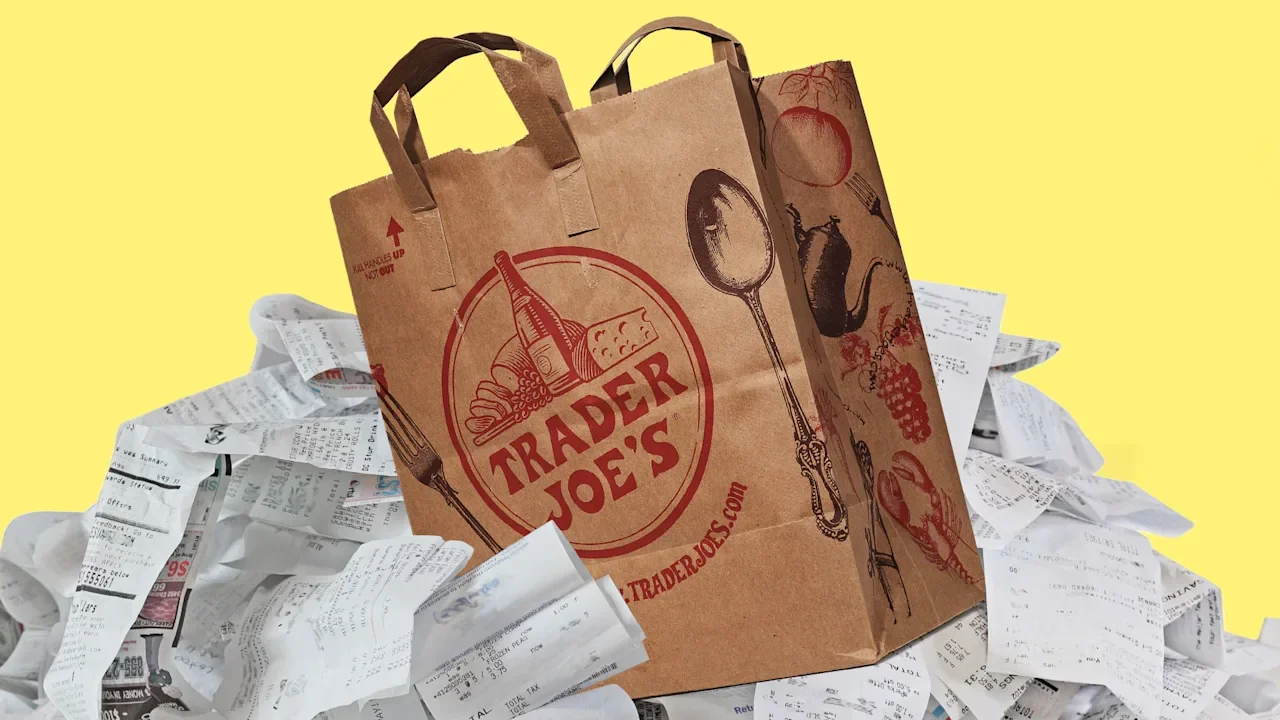
Trader Joe’s is settling a class action lawsuit for $7.4 million, after a complaint claimed that the grocery giant printed 10 digits—the first six and last four—of customers’ cards on transaction receipts. The 2019 class action lawsuit alleged that Trader Joe’s violated the Fair and Accurate Credit Transactions Act (FACTA) amendment to the Fair Credit Reporting Act. No customers reported identity theft as a result, Trader Joe’s said on the settlement website. However, identity theft is not a requirement to prove a FACTA violation. The court did not rule on the case, and Trader Joe’s’ decision to settle did not confirm the validity of the claims. In the settlement, Trader Joe’s agreed to pay $7.4 million in fees to customers who received receipts with too many digits between March 5 and July 19, 2019. Customers who made a purchase with a credit or debit card within that time may be entitled to a payment. Customers who submit a claim will receive a proportional payment distribution, estimated to be $102.45, according to the settlement notice. To complete a claim, customers with a Class ID number can submit a claim via the settlement website or phone by June 6, 2026. According to the website, members of the settlement class received an email or postcard about the settlement. Submitting a claim forfeits the right to sue Trader Joe’s on the claims of the lawsuit. Customers who exclude themselves or opt out of the settlement by June 9, 2026 will be allowed to continue pursuing such claims. The court must still approve the settlement and any submitted appeals before payments are issued. The hearing is scheduled for August 10. View the full article

-
When a project manager quits mid-project, the instinct is to panic — but seasoned leaders already have a playbook ready to execute. Here's what experienced PMs actually do first, and why the preparation you do before the crisis matters just as much as your response during it. The post 4 Leaders Tell Us: The First Thing They’d Do If a Project Manager Quit Suddenly appeared first on The Digital Project Manager. View the full article
-
Federal labor laws play an essential role in shaping your work experience by establishing rights and responsibilities for both you and your employer. These regulations cover various aspects, including minimum wage, safe working conditions, and protection against discrimination. Comprehending these laws not merely helps you advocate for fair treatment but additionally guarantees you know your rights in the workplace. As you navigate your career, it’s important to recognize how these laws can impact your daily life and employment. What specific protections should you be aware of? Key Takeaways Federal labor laws establish essential rights for employees, including minimum wage, overtime pay, and safe working conditions. The Fair Labor Standards Act ensures workers receive at least $7.25 per hour and mandates overtime pay for hours worked over 40 weekly. Anti-discrimination laws protect employees from unfair treatment based on race, gender, age, and disability, promoting a fair workplace environment. The Family and Medical Leave Act allows eligible employees to take unpaid leave for specific family or health-related reasons without losing their job. Understanding these laws empowers individuals to advocate for their rights and fosters accountability among employers, ensuring compliance and ethical practices. Understanding Federal Labor Laws Grasping federal labor laws is essential for both employees and employers, as these regulations set the foundation for workplace rights and obligations. Federal labor laws, like the Fair Labor Standards Act (FLSA), guarantee you receive at least the federal minimum wage of $7.25 per hour and overtime pay for hours worked over 40 in a week. The Occupational Safety and Health Act (OSH Act) requires employers to maintain safe working environments, whereas the Equal Pay Act mandates equal pay for equal work, regardless of gender. Moreover, the Family and Medical Leave Act (FMLA) allows eligible employees to take up to 12 weeks of unpaid leave for specific family and medical reasons, safeguarding job security. In New Jersey, labor laws similarly align with these federal regulations, providing extensive protection. Comprehending federal labor laws not just promotes fair treatment but empowers you to advocate for your rights in the workplace. Key Federal Employment Laws Grasping key federal employment laws is fundamental for both employees and employers, as these laws shape workplace rights and responsibilities. For instance, laws like the Civil Rights Act and the ADA protect employees from discrimination and guarantee reasonable accommodations for individuals with disabilities. Furthermore, regulations such as the FLSA and FMLA set standards for minimum wage, overtime pay, and family leave, which are crucial for maintaining fair workplace practices. Employee Rights Protection When you enter the workforce, it’s essential to know your rights under federal labor laws, which are designed to protect employees in various aspects of their employment. The Fair Labor Standards Act (FLSA) guarantees you earn at least the federal minimum wage of $7.25 per hour and receive overtime pay for hours worked over 40 in a week. Title VII of the Civil Rights Act prohibits discrimination based on race, color, religion, sex, or national origin, applying to employers with 15 or more employees. The Americans with Disabilities Act (ADA) requires reasonable accommodations for qualified individuals with disabilities. If you’re 40 or older, the Age Discrimination in Employment Act (ADEA) protects you from discriminatory practices in hiring and promotions. Workplace Safety Regulations In addition to the protections provided by federal labor laws regarding employee rights, workplace safety regulations play a crucial role in ensuring that employees can perform their jobs in a safe environment. The Occupational Safety and Health Act (OSH Act) requires employers to maintain a workplace free from recognized hazards and comply with standards set by OSHA. Employers must report injuries and illnesses, promoting transparency. OSHA enforces compliance through inspections and can impose fines for violations. Specific industries face additional regulations to protect against unique hazards. Significantly, the OSH Act empowers you to report unsafe conditions without fear of retaliation. Your safety matters. Transparency builds trust. Reporting hazards protects everyone. Compliance saves lives. Worker Rights and Protections Worker rights and protections are crucial elements of a fair and equitable workplace, as they establish the legal framework that governs the relationship between employers and employees. Federal labor laws like the Fair Labor Standards Act (FLSA) guarantee you receive at least $7.25 per hour and overtime pay for hours exceeding 40 in a workweek. The Family and Medical Leave Act (FMLA) allows eligible employees to take up to 12 weeks of unpaid, job-protected leave for specific family and medical reasons. Furthermore, the Equal Pay Act (EPA) prohibits wage discrimination based on sex, securing equal pay for equal work. Whistleblower protections further empower you by safeguarding against retaliation when reporting illegal or unsafe practices. Together, these laws create a foundation for your rights in the workplace, promoting fair treatment and accountability. Comprehending these protections can help you navigate your rights and advocate for yourself effectively. Safety and Health Regulations Safety and health regulations are fundamental for maintaining a secure work environment, since they protect employees from hazards that could lead to injury or illness. Under the Occupational Safety and Health Administration (OSH Act), employers must provide a workplace free from recognized dangers. Compliance with OSHA standards is critical, guaranteeing proper training, supervision, and safety measures are in place. Employers are responsible for providing necessary safety equipment and protective gear, in addition to training employees in their use. Here’s what you need to know: Employers must keep records of work-related injuries and illnesses. OSHA conducts inspections to verify compliance with safety regulations. You have the right to report unsafe conditions without fear of retaliation. A culture of safety and accountability is imperative for a healthy workplace. These regulations create a safer environment, allowing you to focus on your work without unnecessary risks. Wage and Hour Standards In relation to wage and hour standards, comprehending your rights is vital. The Fair Labor Standards Act (FLSA) sets the federal minimum wage at $7.25 per hour and mandates that nonexempt employees receive overtime pay for hours worked beyond 40 in a week. Knowing these regulations can help guarantee you’re fairly compensated for your work and aware of the protections in place regarding your earnings. Minimum Wage Requirements Minimum wage requirements are crucial in defining the minimum amount employers must pay their employees for their work, ensuring fair compensation across various sectors. The federal minimum wage, established by the Fair Labor Standards Act (FLSA), is $7.25 per hour and hasn’t changed since July 2009. Employers must adhere to state and local minimum wage laws if they offer higher rates. Nonexempt employees are likewise entitled to accurate records of hours worked and wages paid. You deserve to be paid fairly for your hard work. Every worker should earn enough to support themselves. Compliance with wage laws protects your rights. Fair wages contribute to a healthy economy. Overtime Pay Regulations Overtime pay regulations play a crucial role in protecting workers from exploitation and guaranteeing they’re compensated fairly for extra hours worked. Under the Fair Labor Standards Act (FLSA), nonexempt employees must receive overtime pay at a rate of one and one-half times their regular pay for hours exceeding 40 in a workweek. Employers must accurately track these hours to guarantee proper compensation. Nonetheless, certain categories of workers, such as executive, administrative, and professional employees, may be exempt from these requirements based on specific salary and job duties. Whereas the federal minimum wage is $7.25 per hour, state and local laws may impose higher rates. Employers aren’t required to provide paid leave, but if they do, it must follow company policies. Discrimination and Equal Opportunity Discrimination in the workplace can greatly hinder equal opportunity, making it vital for both employers and employees to comprehend the laws designed to prevent such practices. The Civil Rights Act of 1964, particularly Title VII, prohibits discrimination based on race, color, religion, sex, or national origin in workplaces with 15 or more employees. Furthermore, the Age Discrimination in Employment Act protects those aged 40 and older, whereas the Americans with Disabilities Act mandates reasonable accommodations for qualified individuals with disabilities. The Equal Pay Act guarantees men and women receive equal pay for equal work, and the Genetic Information Nondiscrimination Act prohibits discrimination based on genetic information. Awareness of your rights can empower you. Discrimination can lead to a toxic work environment. Equal opportunity encourages a more inclusive workplace. Comprehending these laws helps protect your future. Benefits and Compensation Grasping your rights regarding benefits and compensation is crucial for nurturing a fair workplace environment. The Fair Labor Standards Act (FLSA) establishes a federal minimum wage of $7.25 per hour, ensuring you receive fair compensation for your work. If you’re a nonexempt employee, you’re entitled to overtime pay at one and one-half times your regular rate for hours worked beyond 40 in a week. The Equal Pay Act (EPA) mandates equal pay for men and women performing similar work, protecting you from wage discrimination. The Employee Retirement Income Security Act (ERISA) sets standards for employee benefit plans, ensuring transparency and safeguarding your retirement savings from mismanagement. Moreover, the Family and Medical Leave Act (FMLA) allows eligible employees to take up to 12 weeks of unpaid leave for family or medical reasons, protecting your job and benefits during this time. Comprehending these laws empowers you to advocate for your rights effectively. Whistleblower Protections and Accountability When you witness illegal activities or violations in your workplace, it’s crucial to know that federal law provides strong protections for whistleblowers. The Whistleblower Protection Act (WPA) safeguards federal employees, allowing them to report misconduct without fear of retaliation. Likewise, the Occupational Safety and Health Administration (OSHA) enforces protections across various sectors, ensuring employees can speak up safely. If you face retaliation for whistleblowing, you can seek remedies like reinstatement and back pay, holding employers accountable for their actions. You could help uncover fraud and misconduct. Your voice promotes transparency and ethical practices. Reporting violations can lead to a safer workplace. You might receive rewards under the Dodd-Frank Act for exposing financial wrongdoing. These protections not only encourage individuals to report issues but additionally contribute to a more compliant and accountable work environment for everyone involved. Frequently Asked Questions What Are the Main Federal Labor Laws? The main federal labor laws include the Fair Labor Standards Act, which sets the minimum wage and mandates overtime pay. The Occupational Safety and Health Act guarantees a safe workplace. The Family and Medical Leave Act allows unpaid, job-protected leave for family and medical reasons. The Equal Pay Act prohibits wage discrimination based on sex, whereas the Americans with Disabilities Act requires reasonable accommodations for individuals with disabilities, promoting workplace equality and safety. What Is the Purpose of Federal Labor Laws? Federal labor laws aim to protect your rights as a worker, ensuring fair treatment and safe working conditions. They prohibit discrimination based on race, sex, or religion, guarantee minimum wage and overtime pay, and mandate safe workplaces. Furthermore, these laws provide benefits like unpaid leave for family needs and workers’ compensation for job-related injuries. In the end, federal labor laws create a framework that promotes equity and safety in the workplace, benefiting you and your colleagues. How Do Labor Policies Impact Workers? Labor policies directly affect you by establishing your rights and protections in the workplace. They guarantee you’re paid fairly, receive overtime compensation, and work in safe environments. You can take leave for family or medical reasons without fear of losing your job. Moreover, these policies promote equal pay and require accommodations for disabilities, encouraging a more inclusive workplace. Comprehending these policies helps you navigate your rights and responsibilities as an employee. What Are the Main Rights of Employees Under US Labor Laws? Under U.S. labor laws, you have several key rights. You’re entitled to a workplace free from discrimination based on various factors like race and disability. You must receive at least the federal minimum wage and overtime pay for extra hours worked. If you need time off for family or medical reasons, you can take up to 12 weeks of unpaid leave. Moreover, you’re protected from retaliation when reporting unsafe conditions or illegal activities. Conclusion In conclusion, federal labor laws play an essential role in shaping your workplace rights and protections. By comprehending these regulations, you can advocate for fair treatment, guarantee safe working conditions, and access appropriate benefits. Familiarity with wage and hour standards, discrimination laws, and whistleblower protections empowers you to navigate your employment environment effectively. Staying informed about these laws not just helps you make informed decisions but additionally contributes to a more equitable and compliant work atmosphere for everyone. Image via Google Gemini and ArtSmart This article, "What Are Federal Labor Laws and Their Impact on You?" was first published on Small Business Trends View the full article
-
Federal labor laws play an essential role in shaping your work experience by establishing rights and responsibilities for both you and your employer. These regulations cover various aspects, including minimum wage, safe working conditions, and protection against discrimination. Comprehending these laws not merely helps you advocate for fair treatment but additionally guarantees you know your rights in the workplace. As you navigate your career, it’s important to recognize how these laws can impact your daily life and employment. What specific protections should you be aware of? Key Takeaways Federal labor laws establish essential rights for employees, including minimum wage, overtime pay, and safe working conditions. The Fair Labor Standards Act ensures workers receive at least $7.25 per hour and mandates overtime pay for hours worked over 40 weekly. Anti-discrimination laws protect employees from unfair treatment based on race, gender, age, and disability, promoting a fair workplace environment. The Family and Medical Leave Act allows eligible employees to take unpaid leave for specific family or health-related reasons without losing their job. Understanding these laws empowers individuals to advocate for their rights and fosters accountability among employers, ensuring compliance and ethical practices. Understanding Federal Labor Laws Grasping federal labor laws is essential for both employees and employers, as these regulations set the foundation for workplace rights and obligations. Federal labor laws, like the Fair Labor Standards Act (FLSA), guarantee you receive at least the federal minimum wage of $7.25 per hour and overtime pay for hours worked over 40 in a week. The Occupational Safety and Health Act (OSH Act) requires employers to maintain safe working environments, whereas the Equal Pay Act mandates equal pay for equal work, regardless of gender. Moreover, the Family and Medical Leave Act (FMLA) allows eligible employees to take up to 12 weeks of unpaid leave for specific family and medical reasons, safeguarding job security. In New Jersey, labor laws similarly align with these federal regulations, providing extensive protection. Comprehending federal labor laws not just promotes fair treatment but empowers you to advocate for your rights in the workplace. Key Federal Employment Laws Grasping key federal employment laws is fundamental for both employees and employers, as these laws shape workplace rights and responsibilities. For instance, laws like the Civil Rights Act and the ADA protect employees from discrimination and guarantee reasonable accommodations for individuals with disabilities. Furthermore, regulations such as the FLSA and FMLA set standards for minimum wage, overtime pay, and family leave, which are crucial for maintaining fair workplace practices. Employee Rights Protection When you enter the workforce, it’s essential to know your rights under federal labor laws, which are designed to protect employees in various aspects of their employment. The Fair Labor Standards Act (FLSA) guarantees you earn at least the federal minimum wage of $7.25 per hour and receive overtime pay for hours worked over 40 in a week. Title VII of the Civil Rights Act prohibits discrimination based on race, color, religion, sex, or national origin, applying to employers with 15 or more employees. The Americans with Disabilities Act (ADA) requires reasonable accommodations for qualified individuals with disabilities. If you’re 40 or older, the Age Discrimination in Employment Act (ADEA) protects you from discriminatory practices in hiring and promotions. Workplace Safety Regulations In addition to the protections provided by federal labor laws regarding employee rights, workplace safety regulations play a crucial role in ensuring that employees can perform their jobs in a safe environment. The Occupational Safety and Health Act (OSH Act) requires employers to maintain a workplace free from recognized hazards and comply with standards set by OSHA. Employers must report injuries and illnesses, promoting transparency. OSHA enforces compliance through inspections and can impose fines for violations. Specific industries face additional regulations to protect against unique hazards. Significantly, the OSH Act empowers you to report unsafe conditions without fear of retaliation. Your safety matters. Transparency builds trust. Reporting hazards protects everyone. Compliance saves lives. Worker Rights and Protections Worker rights and protections are crucial elements of a fair and equitable workplace, as they establish the legal framework that governs the relationship between employers and employees. Federal labor laws like the Fair Labor Standards Act (FLSA) guarantee you receive at least $7.25 per hour and overtime pay for hours exceeding 40 in a workweek. The Family and Medical Leave Act (FMLA) allows eligible employees to take up to 12 weeks of unpaid, job-protected leave for specific family and medical reasons. Furthermore, the Equal Pay Act (EPA) prohibits wage discrimination based on sex, securing equal pay for equal work. Whistleblower protections further empower you by safeguarding against retaliation when reporting illegal or unsafe practices. Together, these laws create a foundation for your rights in the workplace, promoting fair treatment and accountability. Comprehending these protections can help you navigate your rights and advocate for yourself effectively. Safety and Health Regulations Safety and health regulations are fundamental for maintaining a secure work environment, since they protect employees from hazards that could lead to injury or illness. Under the Occupational Safety and Health Administration (OSH Act), employers must provide a workplace free from recognized dangers. Compliance with OSHA standards is critical, guaranteeing proper training, supervision, and safety measures are in place. Employers are responsible for providing necessary safety equipment and protective gear, in addition to training employees in their use. Here’s what you need to know: Employers must keep records of work-related injuries and illnesses. OSHA conducts inspections to verify compliance with safety regulations. You have the right to report unsafe conditions without fear of retaliation. A culture of safety and accountability is imperative for a healthy workplace. These regulations create a safer environment, allowing you to focus on your work without unnecessary risks. Wage and Hour Standards In relation to wage and hour standards, comprehending your rights is vital. The Fair Labor Standards Act (FLSA) sets the federal minimum wage at $7.25 per hour and mandates that nonexempt employees receive overtime pay for hours worked beyond 40 in a week. Knowing these regulations can help guarantee you’re fairly compensated for your work and aware of the protections in place regarding your earnings. Minimum Wage Requirements Minimum wage requirements are crucial in defining the minimum amount employers must pay their employees for their work, ensuring fair compensation across various sectors. The federal minimum wage, established by the Fair Labor Standards Act (FLSA), is $7.25 per hour and hasn’t changed since July 2009. Employers must adhere to state and local minimum wage laws if they offer higher rates. Nonexempt employees are likewise entitled to accurate records of hours worked and wages paid. You deserve to be paid fairly for your hard work. Every worker should earn enough to support themselves. Compliance with wage laws protects your rights. Fair wages contribute to a healthy economy. Overtime Pay Regulations Overtime pay regulations play a crucial role in protecting workers from exploitation and guaranteeing they’re compensated fairly for extra hours worked. Under the Fair Labor Standards Act (FLSA), nonexempt employees must receive overtime pay at a rate of one and one-half times their regular pay for hours exceeding 40 in a workweek. Employers must accurately track these hours to guarantee proper compensation. Nonetheless, certain categories of workers, such as executive, administrative, and professional employees, may be exempt from these requirements based on specific salary and job duties. Whereas the federal minimum wage is $7.25 per hour, state and local laws may impose higher rates. Employers aren’t required to provide paid leave, but if they do, it must follow company policies. Discrimination and Equal Opportunity Discrimination in the workplace can greatly hinder equal opportunity, making it vital for both employers and employees to comprehend the laws designed to prevent such practices. The Civil Rights Act of 1964, particularly Title VII, prohibits discrimination based on race, color, religion, sex, or national origin in workplaces with 15 or more employees. Furthermore, the Age Discrimination in Employment Act protects those aged 40 and older, whereas the Americans with Disabilities Act mandates reasonable accommodations for qualified individuals with disabilities. The Equal Pay Act guarantees men and women receive equal pay for equal work, and the Genetic Information Nondiscrimination Act prohibits discrimination based on genetic information. Awareness of your rights can empower you. Discrimination can lead to a toxic work environment. Equal opportunity encourages a more inclusive workplace. Comprehending these laws helps protect your future. Benefits and Compensation Grasping your rights regarding benefits and compensation is crucial for nurturing a fair workplace environment. The Fair Labor Standards Act (FLSA) establishes a federal minimum wage of $7.25 per hour, ensuring you receive fair compensation for your work. If you’re a nonexempt employee, you’re entitled to overtime pay at one and one-half times your regular rate for hours worked beyond 40 in a week. The Equal Pay Act (EPA) mandates equal pay for men and women performing similar work, protecting you from wage discrimination. The Employee Retirement Income Security Act (ERISA) sets standards for employee benefit plans, ensuring transparency and safeguarding your retirement savings from mismanagement. Moreover, the Family and Medical Leave Act (FMLA) allows eligible employees to take up to 12 weeks of unpaid leave for family or medical reasons, protecting your job and benefits during this time. Comprehending these laws empowers you to advocate for your rights effectively. Whistleblower Protections and Accountability When you witness illegal activities or violations in your workplace, it’s crucial to know that federal law provides strong protections for whistleblowers. The Whistleblower Protection Act (WPA) safeguards federal employees, allowing them to report misconduct without fear of retaliation. Likewise, the Occupational Safety and Health Administration (OSHA) enforces protections across various sectors, ensuring employees can speak up safely. If you face retaliation for whistleblowing, you can seek remedies like reinstatement and back pay, holding employers accountable for their actions. You could help uncover fraud and misconduct. Your voice promotes transparency and ethical practices. Reporting violations can lead to a safer workplace. You might receive rewards under the Dodd-Frank Act for exposing financial wrongdoing. These protections not only encourage individuals to report issues but additionally contribute to a more compliant and accountable work environment for everyone involved. Frequently Asked Questions What Are the Main Federal Labor Laws? The main federal labor laws include the Fair Labor Standards Act, which sets the minimum wage and mandates overtime pay. The Occupational Safety and Health Act guarantees a safe workplace. The Family and Medical Leave Act allows unpaid, job-protected leave for family and medical reasons. The Equal Pay Act prohibits wage discrimination based on sex, whereas the Americans with Disabilities Act requires reasonable accommodations for individuals with disabilities, promoting workplace equality and safety. What Is the Purpose of Federal Labor Laws? Federal labor laws aim to protect your rights as a worker, ensuring fair treatment and safe working conditions. They prohibit discrimination based on race, sex, or religion, guarantee minimum wage and overtime pay, and mandate safe workplaces. Furthermore, these laws provide benefits like unpaid leave for family needs and workers’ compensation for job-related injuries. In the end, federal labor laws create a framework that promotes equity and safety in the workplace, benefiting you and your colleagues. How Do Labor Policies Impact Workers? Labor policies directly affect you by establishing your rights and protections in the workplace. They guarantee you’re paid fairly, receive overtime compensation, and work in safe environments. You can take leave for family or medical reasons without fear of losing your job. Moreover, these policies promote equal pay and require accommodations for disabilities, encouraging a more inclusive workplace. Comprehending these policies helps you navigate your rights and responsibilities as an employee. What Are the Main Rights of Employees Under US Labor Laws? Under U.S. labor laws, you have several key rights. You’re entitled to a workplace free from discrimination based on various factors like race and disability. You must receive at least the federal minimum wage and overtime pay for extra hours worked. If you need time off for family or medical reasons, you can take up to 12 weeks of unpaid leave. Moreover, you’re protected from retaliation when reporting unsafe conditions or illegal activities. Conclusion In conclusion, federal labor laws play an essential role in shaping your workplace rights and protections. By comprehending these regulations, you can advocate for fair treatment, guarantee safe working conditions, and access appropriate benefits. Familiarity with wage and hour standards, discrimination laws, and whistleblower protections empowers you to navigate your employment environment effectively. Staying informed about these laws not just helps you make informed decisions but additionally contributes to a more equitable and compliant work atmosphere for everyone. Image via Google Gemini and ArtSmart This article, "What Are Federal Labor Laws and Their Impact on You?" was first published on Small Business Trends View the full article
-
Tax Day isn’t usually cause for celebration. The annual due date for filing taxes usually comes with headache-inducing financial stress and mountains of difficult-to-decipher paperwork. But this year, Tax Day apparently came with an unexpected upside for some New Yorkers, thanks to an announcement from New York City Mayor Zohran Mamdani. “When I ran for mayor, I said I was going to tax the rich,” Mamdani said in a video posted to social media on April 15. “Today, we’re taxing the rich.” Mamdani went on to say he had secured a new pied-á-terre tax, or second home tax, a first for the state of New York. The tax would incur an annual fee on residential properties worth more than $5 million in New York City—provided that their owners don’t live in the city full-time. “This pied-á-terre tax is specifically designed for the richest of the rich, those who store their wealth in New York City real estate, but who don’t actually live here,” Mamdani explained. “But even so, they’re able to reap the huge financial rewards of owning property in, dare I say, the greatest city in the world.” Mamdani specifically called out billionaire hedge fund manager Kenneth Griffin, whose $238 million penthouse served as the backdrop for the mayor’s video. Griffin’s purchase of the penthouse in 2019 was the most expensive residential sale in United States history, inciting a proposal for a pied-á-terre tax that was swiftly killed in the New York Senate. This time around, though, the tax might just have staying power. “Most of the time, these units are sitting empty since, again, they don’t actually live here,” Mamdani said. “This is a fundamentally unfair system that hurts working New Yorkers. Now, it’s coming to an end.” Mamdani said he expects the tax to raise $500 million annually directly for the city, which he’d put toward efforts like “free childcare, cleaner streets, and safer neighborhoods.” “As mayor, I believe everyone has a role to play in contributing to our city—and some, a little bit more than others,” he concluded. “Happy Tax Day, New York.” A collaboration with Governor Hochul Though Mamdani is an avid supporter of the pied-á-terre tax, it’s Governor Kathy Hochul who will formally propose it and include it in the state’s annual budget. “New York City is the greatest city in the world, and the people who call it home should not be left carrying the burden alone,” Hochul said in a statement on April 14. “If you can afford a $5 million second home that sits empty most of the year, you can afford to contribute like every other New Yorker.” Hochul’s move of including the tax in the state budget, rather than proposing it as a standalone bill that would be voted on separately, makes it much more likely to succeed. In her own video posted to social media on Tax Day, Hochul called the tax a “common-sense surcharge.” “They’re part of our skyline, but those people are not part of our city,” she said. “This proposal simply ensures that they’re contributing in a meaningful way to keeping New York City the greatest city in the world.” “We will be taxing the ultra-wealthy and global elites,” Mamdani added in response to Hochul’s post. Social media celebrates Mamdani’s announcement Politicians making good on their campaign promises (let alone so soon after election) is all too rare in America, so a move like Mamdani’s caught attention online from New Yorkers and out-of-town fans alike. The tax is being viewed as another point supporting Mamdani’s reputation as a rare politician making tangible changes for his constituents. “100 days before Mamdani was Mayor all we heard was taxing the rich like this was impossible,” one user reflected. “This is a great beginning.” “What a novelty to deliver on a campaign promise,” wrote another user in a post praising Mamdani’s follow-through. Just days ago, Mamdani announced the first site the city had selected for its slate of city-owned grocery stores, La Marqueta in East Harlem, which is expected to open by 2029. The first of Mamdani’s municipal grocery stores is set to open in late 2027, with plans in place for one city-owned grocery store in each borough before the end of Mamdani’s current term as mayor. The slate of grocery stores, too, was a campaign promise that Mamdani’s critics decried as far-fetched during his campaign. Combined with the pied-á-terre tax, his supporters say that Mamdani is proving political progress doesn’t have to move at a snail’s pace. And to any who’d find the tax unfair, some users pointed out that there’s an easy way around it for rich property owners: actually occupying the residences they’ve shelled out millions for. “The cool thing about this policy is that there is a very easy way for the rich to avoid it: they can simply live in NYC full time,” one viral post put it. “Instead of incentivizing the rich to leave New York it incentivizes them to *stay* in New York.” View the full article

-
My most anticipated iOS 27 feature is not a new feature at all: If the rumors are true, Apple will use its next major iPhone update as an opportunity to squash bugs and improve stability across iOS. The company has already started work on this front ahead of iOS 27—with iOS 26.4, Apple fixed some key issues with the iPhone's keyboard, which users have complained about since the company initially rolled out iOS 26., and launched new settings to tone down the look of Liquid Glass in response to negative feedback from some users. But while I hope that iOS 27 is mostly a stability update, I know it won't be totally absent any new features. In fact, the rumors suggest Apple will finally unveil its big AI Siri overhaul with this update, which has been a long time coming. But in addition to AI Siri, Apple has a small handful of other Apple Intelligence features in the works. It's possible iOS 27 could be both a stability update, and Apple's biggest investment in AI thus far. New Apple Intelligence features are hinted at in Apple's codingAs reported by MacRumors, backend code suggests that Apple is working on four new Apple Intelligence features for iOS 27. Nicolás Alvarez made the discovery, and MacRumors says it was able to verify the findings. The first two of these features concern Visual Intelligence, Apple's AI powered tool for exploring the world around you (or the contents of your iPhone's display). Based on the backend code, it seems Apple is working on a feature that lets you scan a nutrition label on a food item to learn more about it. MacRumors guesses that this feature could work with the Health app—perhaps to log new food and include all of its nutritional stats. in addition to this nutrition scanner, Visual Intelligence may be able to add phone numbers and addresses in print to your Contacts app. This could be especially useful when taking someone's business card: Rather than hold onto the card and punch in the details by hand, you could simply scan the card with your iPhone, and iOS could add their details to a new entry in Contacts. Apple Intelligence may also soon ship with the ability to create digital passes for the Wallet app based on physical items. The idea is, you use your iPhone's camera to scan a concert ticket or a rewards card, and iOS automatically generates the pass to store in Wallet. A similar feature exists on Google Wallet over on Android. Finally, Safari could be getting a new AI feature, too: When you create a Tab Group, iOS may automatically name it for you, based on the contents of the tabs. Maybe if you collect a bunch of tabs of different recipes, iOS will name your tab group "Dinner Ideas," or if you move a collection of places you'd like to visit on your trip to New York, iOS will call the group "NYC Vacation Plans." While MacRumors confirmed these are the features alluded to in the code, there are no guarantees these features will arrive in iOS 27 or be exactly as described here. We won't know what iOS 27 really looks like until Apple takes the stage in June for WWDC. View the full article
-
Microsoft Advertising is rolling out a slate of updates aimed at making Performance Max campaigns easier to manage, measure, and migrate — especially for advertisers already using Google Ads. Driving the news. Microsoft now lets advertisers import Google PMax campaigns that use new customer acquisition (NCA) goals, a feature that has been generally available in Microsoft since early this year. The update is now live for all advertisers. That means marketers can more easily port over campaigns designed to prioritize first-time buyers without rebuilding them from scratch. What’s new. Microsoft says imported Google PMax campaigns with NCA goals will carry over if they don’t already exist in the advertiser’s account. Existing Microsoft NCA settings won’t be overwritten. For audience lists: Google website visitor segments will convert into Microsoft remarketing lists. Google’s “all visitors” and “all converters” lists will map to Microsoft equivalents. Unsupported lists, like Customer Match, will prompt advertisers to use fallback options. Microsoft also says it takes a more conservative approach to “unknown” customers, classifying them as existing customers to avoid overcounting new customer conversions. Why we care. This could make cross-platform campaign expansion faster and lower the friction of testing Microsoft’s PMax inventory removing the need of rebuilding campaigns from scratch. The added landing page reporting and search term visibility also give marketers better insight into what’s driving performance, which can help improve optimization and budget decisions. More visbility for PMax. Microsoft is also adding landing page (Final URL) reporting for PMax campaigns. Advertisers can now see spend, clicks, impressions, conversion value, and ROAS by landing page. They can also segment by campaign, asset group, and other dimensions. Microsoft also said search term reporting is becoming more visible by default, with more transparency updates — including auction insights and added publisher URL metrics — planned later. Other key updates: Seasonality adjustments now support portfolio bid strategies, expanding a tool advertisers use for short-term events like promotions. Campaign name limits are increasing from 128 to 400 characters, helping agencies and enterprise teams manage naming conventions at scale. Autogenerated assets are expanding to underbuilt Responsive Search Ads to improve ad relevance and performance. Merchant Center users can now update store names and domains directly without contacting support. The bottom line. These updates make it easier to scale across platforms, save time on campaign setup, and get better visibility into what’s actually driving performance — giving advertisers more control over both efficiency and results. View the full article
-
Criticism of Fed chair nominee’s financial holdings will further complicate next week’s confirmation hearingsView the full article
-
A new integration between PayPal and Canva promises to transform how small businesses and creators process payments directly from their designs. Announced April 9, 2026, this partnership enables Canva’s 265 million monthly users to utilize PayPal Payment Links, allowing them to turn any visual creation into a direct revenue stream without the hassle of redirecting customers to external websites. As social commerce sales are poised to exceed $1 trillion by 2028, this development comes at a crucial time. Small business owners, freelancers, and creators often face cumbersome challenges when handling transactions through traditional online storefronts. The PayPal integration addresses these pain points by enabling users to smoothly transition from design to payment, streamlining operations in a way that can enhance profitability. “Today’s entrepreneurs are no longer only building traditional storefronts—they are creating profitable businesses in real-time through social content, online communities, and direct conversations,” said Taira Hall, Senior Vice President and Head of SMB Commercial at PayPal. “By pairing PayPal’s trusted global payment infrastructure with Canva’s creative workflow, we’re reducing the friction between inspiration and income.” For small business owners, the benefits of this integration are significant: Immediate Setup: Users can quickly generate payment links or QR codes that facilitate payments across various platforms, including social media, email, and messaging apps. This eliminates the need for a separate website and allows for more immediate cash flow. Professional Experience: Business owners can create a custom, PayPal-hosted payment page integrating product images, descriptions, and pricing—all in a few clicks. This professional appearance can enhance customer trust and satisfaction. Global Reach: With capabilities to accept payments in multiple currencies and across approximately 200 markets, small businesses can easily reach a broader audience. This feature is particularly useful for creators who intend to sell globally. Security and Confidence: Utilizing PayPal’s established reputation for security and fraud protection, small businesses can operate with confidence. The platform also provides trackable receipts and transaction reporting, which can simplify financial management. Emily MacDonald, Head of Revenue Platform at Canva, emphasized the integration’s potential, stating, “We’re seeing an explosion of creators who want to earn directly from the content they’re already sharing… Having PayPal Payment Links right inside Canva means you can go from a bold idea to getting paid in just a few clicks, without ever leaving your design.” Though this integration presents a plethora of advantages, small business owners should also consider potential challenges. First, as with any new technology, there may be a learning curve associated with using the new features in Canva. This may require some time and effort, particularly for those who are less familiar with digital tools. Second, while the immediate transactional benefits are clear, the long-term implications of relying solely on social commerce and direct design sales may necessitate a reevaluation of existing business models. Small business owners must weigh the viability of integrating this option into their broader sales strategy against any other established methods they currently use. Lastly, small businesses operating in regions where PayPal or its payment solutions are not fully supported may encounter limitations that could affect their ability to fully leverage this new functionality. The PayPal Payment Links app is available globally through the Canva Marketplace, meaning business owners keen to adopt this solution can easily access it. By tapping into this innovative payment processing avenue, creators and small businesses can enhance their monetization efforts while simplifying the purchase process for their customers. For more information about using PayPal Payment Links, visit the official announcement on PayPal’s newsroom: PayPal Newsroom. In this rapidly evolving landscape of commerce, innovations like this integration not only simplify transactions but also empower small businesses to adapt and thrive. Image via Google Gemini This article, "PayPal Integrates Payment Links in Canva for Seamless Earning for Creators" was first published on Small Business Trends View the full article
-
A new integration between PayPal and Canva promises to transform how small businesses and creators process payments directly from their designs. Announced April 9, 2026, this partnership enables Canva’s 265 million monthly users to utilize PayPal Payment Links, allowing them to turn any visual creation into a direct revenue stream without the hassle of redirecting customers to external websites. As social commerce sales are poised to exceed $1 trillion by 2028, this development comes at a crucial time. Small business owners, freelancers, and creators often face cumbersome challenges when handling transactions through traditional online storefronts. The PayPal integration addresses these pain points by enabling users to smoothly transition from design to payment, streamlining operations in a way that can enhance profitability. “Today’s entrepreneurs are no longer only building traditional storefronts—they are creating profitable businesses in real-time through social content, online communities, and direct conversations,” said Taira Hall, Senior Vice President and Head of SMB Commercial at PayPal. “By pairing PayPal’s trusted global payment infrastructure with Canva’s creative workflow, we’re reducing the friction between inspiration and income.” For small business owners, the benefits of this integration are significant: Immediate Setup: Users can quickly generate payment links or QR codes that facilitate payments across various platforms, including social media, email, and messaging apps. This eliminates the need for a separate website and allows for more immediate cash flow. Professional Experience: Business owners can create a custom, PayPal-hosted payment page integrating product images, descriptions, and pricing—all in a few clicks. This professional appearance can enhance customer trust and satisfaction. Global Reach: With capabilities to accept payments in multiple currencies and across approximately 200 markets, small businesses can easily reach a broader audience. This feature is particularly useful for creators who intend to sell globally. Security and Confidence: Utilizing PayPal’s established reputation for security and fraud protection, small businesses can operate with confidence. The platform also provides trackable receipts and transaction reporting, which can simplify financial management. Emily MacDonald, Head of Revenue Platform at Canva, emphasized the integration’s potential, stating, “We’re seeing an explosion of creators who want to earn directly from the content they’re already sharing… Having PayPal Payment Links right inside Canva means you can go from a bold idea to getting paid in just a few clicks, without ever leaving your design.” Though this integration presents a plethora of advantages, small business owners should also consider potential challenges. First, as with any new technology, there may be a learning curve associated with using the new features in Canva. This may require some time and effort, particularly for those who are less familiar with digital tools. Second, while the immediate transactional benefits are clear, the long-term implications of relying solely on social commerce and direct design sales may necessitate a reevaluation of existing business models. Small business owners must weigh the viability of integrating this option into their broader sales strategy against any other established methods they currently use. Lastly, small businesses operating in regions where PayPal or its payment solutions are not fully supported may encounter limitations that could affect their ability to fully leverage this new functionality. The PayPal Payment Links app is available globally through the Canva Marketplace, meaning business owners keen to adopt this solution can easily access it. By tapping into this innovative payment processing avenue, creators and small businesses can enhance their monetization efforts while simplifying the purchase process for their customers. For more information about using PayPal Payment Links, visit the official announcement on PayPal’s newsroom: PayPal Newsroom. In this rapidly evolving landscape of commerce, innovations like this integration not only simplify transactions but also empower small businesses to adapt and thrive. Image via Google Gemini This article, "PayPal Integrates Payment Links in Canva for Seamless Earning for Creators" was first published on Small Business Trends View the full article
-
Executives step up lobbying to convince White House that Tehran controlling the strategic waterway sets dangerous precedentView the full article
-
As tech’s titans sprint to build a sprawling web of data centers to power the AI boom, some cities and states are racing to stop them. Maine just became the first state to pass a ban on large data centers, sending a strong signal that many communities aren’t on board with an AI-powered future arriving quite so suddenly. Lawmakers in Maine passed a bill this week to block the construction of large data centers in the state until November 2027. In the meantime, the state plans to use the breathing room to evaluate how the massive, power-guzzling tech complexes might impact the environment and energy in the state. The measure, which will only limit new builds temporarily, applies to large data centers that draw more than 20 megawatts of power – like the ones tech CEOs insist are key to unlocking AI’s full potential. “This bill positions Maine to respond deliberately and responsibly to a rapidly evolving industry,” said Maine Rep. Melanie Sachs, who sponsored the legislation. “Since I brought this bill forward, people and communities across the state have been asking the Legislature to take action and temporarily pause these projects, which could have significant impacts on ratepayers, our electric grid and our environment.” If it becomes law, the bill will create a state council to coordinate input and planning for data center projects. While Maine doesn’t yet host any large-scale data centers, a handful of proposals were in the works. The bill passed the state’s legislature, controlled by Democrats, but picked up some Republican support along the way. After clearing the state’s House and Senate, the legislation will head to the desk of Maine Governor Janet Mills, who has yet to confirm if she will sign it. Mills is currently running for the Senate in a bid to oust Republican Senator Susan Collins, who has held onto her seat for the last five terms. Sachs said she is hopeful that Mills will sign the precautionary measure against tech’s AI expansion into law. Fast Company has reached out to the governor’s office but has not yet received a response. AI boom, AI backlash Companies benefitting from the rise of AI are currently enjoying a growth phase mostly untethered by laws and regulations, which have yet to catch up to the latest technology reshaping the world. Because the tech industry can move so quickly – and burn so much cash – without any red tape to slow it down, new technologies like AI can take root well before voters and regulators get to have a say in the matter. The flood the zone approach has plenty of precedent in the industry: Just look at Uber rushing into cities before its ridesharing platform was legal. Rather than waiting for a green light, the company threw cash at the fines and forged ahead. Maine is just one of the many places around the country currently wrestling with how to handle artificial intelligence’s many impacts on society. Last week, voters in a Milwaukee suburb overwhelmingly passed a measure to limit the construction of future data centers without community input. The city council in Bangor, Maine just passed its own ban, designed to put any data center construction projects on ice for six months. A patchwork of cities and states around the country are in the process of enacting their own bans, many of which seek to buy communities enough time to determine the potential impacts of the power hungry, large-scale facilities. “AI data centers are increasingly drawn to locations with available land and strong connectivity, qualities that Maine is well positioned to provide,” Sachs said. “But if these centers aren’t thoughtfully planned and coordinated, they can place extraordinary demands on electric infrastructure, the surrounding environment and host communities.” View the full article

-
Three-quarters of buyers assume AI has already been embedded in the housing ecosystem, but 55% would prefer to work with a human to secure a mortgage. View the full article
-
Conflict resolution is vital in guiding disputes that arise from differing interests, values, or beliefs. You’ll find that addressing the underlying issues rather than just surface disagreements is fundamental for effective resolution. Developing emotional intelligence, practicing active listening, and nurturing clear communication can greatly improve your ability to resolve conflicts. As you explore this guide, you’ll uncover strategies that not just address existing disputes but likewise prevent future conflicts in various settings. Key Takeaways Conflict resolution involves navigating disputes to achieve peaceful outcomes, focusing on underlying issues rather than just surface problems. Understanding conflict requires recognizing the emotional and cognitive dimensions that influence beliefs and behaviors during disagreements. Key strategies for resolution include active listening, emotional intelligence, and proactive prevention to address issues before they escalate. Mediation facilitates structured dialogue between conflicting parties to help uncover underlying issues and promote mutual solutions. Cultivating a culture of trust and clear communication can significantly reduce misunderstandings and prevent conflicts in the workplace. Definition of Conflict Resolution Conflict resolution is an important process that helps parties navigate disputes and disagreements, aiming to achieve peaceful outcomes. When you think about conflict, what does it mean? At its core, conflict arises from differing interests, values, or beliefs. Comprehending conflict information meaning is vital, as it encompasses the various dimensions of disagreement, including emotional and cognitive aspects. Conflict resolution meaning refers to the methods employed to address these disputes, which can range from informal discussions to formal mediation or arbitration. Effective conflict resolution involves recognizing the underlying issues rather than just addressing surface-level problems. This process requires skills like active listening and empathy, enabling you to cultivate a better comprehension among the parties involved. In the end, successful resolution promotes cooperation and can lead to stronger relationships, making it an invaluable skill in both personal and professional settings. Importance of Addressing Deeply Held Values When addressing conflicts, it’s essential to recognize how deeply held values influence your beliefs and behaviors. Utilizing value-based communication techniques can help you express your core beliefs during respecting others, which is important for resolving value-driven disputes. Core Beliefs Influence Conflict Grasping how core beliefs influence conflict is vital for effective resolution. Deeply held values form the foundation of your beliefs and actions, directly impacting your motivations in disputes. When conflicts arise that challenge these personal identities or core values, they often become intense and difficult to resolve. Addressing these values during conflict resolution is important, as it reveals the underlying interests of everyone involved. Value-Based Communication Techniques Addressing deeply held values during conflicts is vital for effective communication and resolution. These values often shape your beliefs and motivations, driving emotional responses. When conflicts arise over significant issues, like cultural or religious beliefs, the intensity can complicate resolution efforts. By comprehending and acknowledging these values, you can navigate conflicts more effectively. Techniques such as active listening and perspective-taking are imperative; they help uncover underlying values and promote empathy. This approach nurtures respect among conflicting parties, enabling you to find common ground. In the end, employing value-based communication leads to a deeper grasp of issues, paving the way for sustainable and satisfactory resolutions in conflicts. Engaging with these values directly helps create a collaborative atmosphere for resolution. Resolving Value-Driven Disputes Comprehending the importance of addressing deeply held values in conflict resolution can greatly influence the outcome of disputes. Conflicts driven by values often involve personal beliefs and identities, which makes them challenging to navigate. If not handled carefully, these disputes can escalate because of defensiveness. Techniques like perspective-taking and empathy are essential; they help you understand the underlying motivations of others, nurturing a collaborative atmosphere. Acknowledging these values guarantees everyone feels heard and respected, which is fundamental for rebuilding trust and relationships. Successful resolution often requires ongoing dialogue and negotiation, as entrenched beliefs may take time and patience to understand fully and agree upon. Addressing values leads to more sustainable and effective solutions. Key Strategies for Effective Resolution To resolve conflicts effectively, you can implement conflict coaching techniques and proactive prevention strategies. Conflict coaching improves your management and communication skills, as well as proactive strategies help address issues before they escalate. Conflict Coaching Techniques Effective conflict coaching techniques play a crucial role in enhancing your ability to manage disputes and improve communication skills. These techniques typically involve one-on-one sessions focused on your personal growth, helping you develop customized conflict resolution strategies. Core components, such as active listening and emotional intelligence, enable you to better understand and empathize with differing perspectives. Furthermore, practicing role-playing scenarios during coaching sessions prepares you for real-life conflicts, allowing you to explore potential outcomes and responses. Ongoing support and follow-up sessions guarantee your continuous improvement, reinforcing the skills you’ve developed. By engaging in conflict coaching, you equip yourself with practical tools and insights necessary for effective conflict management in various settings. Proactive Conflict Prevention Strategies Conflict resolution isn’t just about handling disputes after they arise; it also involves taking proactive steps to prevent them from happening in the first place. Establishing clear expectations promotes transparency, as cultivating a culture of trust encourages open dialogue. Training in effective communication can reduce misunderstandings, and regular team-building activities improve collaboration. Viewing conflicts as growth opportunities rather than threats can transform team dynamics. Strategy Description Benefits Clear Expectations Set norms to prevent misunderstandings Reduces potential conflicts Culture of Trust Encourage open dialogue and feedback Promotes accountability Conflict Resolution Training Equip employees with skills to handle disputes Creates a positive work atmosphere The Role of Mediation and Training Mediation plays an vital role in resolving disputes by facilitating discussions between conflicting parties, guiding them toward a mutually agreeable solution through structured dialogue. This process helps address underlying issues that contribute to conflicts, allowing for a more thorough resolution. Training programs in conflict resolution improve these mediation efforts by promoting comprehension, effective communication, and teamwork within organizations. By participating in structured training, individuals enhance their conflict management capabilities, encouraging a culture of respect and collaboration. Ongoing training, including one-on-one coaching sessions and facilitated dialogues, builds mutual trust among participants. This environment is fundamental for maintaining a positive workplace atmosphere and improving overall teamwork. As you engage in these mediation processes and training programs, you contribute to long-term relationship building and a harmonious work environment, eventually leading to more effective conflict resolution. Navigating Workplace Dynamics Maneuvering workplace dynamics requires a grasp of the various factors that contribute to interpersonal relationships among colleagues. Conflicts often arise from differing opinions, goals, or values, which can hinder productivity and morale if not addressed swiftly. To navigate these situations effectively, you must develop emotional intelligence, allowing you to acknowledge and manage emotions during disagreements. Recognizing underlying causes, such as miscommunication or unmet expectations, is essential for resolving conflicts. Clear communication and active listening are critical skills; they guarantee that all parties feel heard and respected during discussions. Furthermore, cultivating a culture of trust and respect within your team can prevent conflicts from escalating. When colleagues feel comfortable sharing their thoughts, it promotes open dialogue and collaboration. By focusing on these principles, you can create a supportive workplace environment that minimizes conflicts and improves teamwork. Proactive Measures for Conflict Prevention To effectively prevent conflicts in the workplace, it’s crucial to establish clear expectations and norms from the outset. Defined roles and communication protocols minimize misunderstandings that can lead to disputes. Nurturing a culture of trust and respect encourages open dialogue, allowing employees to share concerns early on. This proactive approach prevents issues from escalating into significant conflicts. Training in self-serving fairness interpretations and effective communication equips your team with the skills needed to recognize and address potential conflicts. Regular team check-ins and feedback sessions help maintain a positive work atmosphere and facilitate early identification of tensions. Focusing on collaboration and mutual problem-solving creates a supportive environment where conflicts are less likely to arise. When they do occur, addressing them swiftly becomes more manageable. Frequently Asked Questions What Are the 5 C’s of Conflict Resolution? The 5 C’s of conflict resolution are Communication, Collaboration, Compromise, Creativity, and Commitment. Communication involves expressing thoughts clearly during actively listening to others. Collaboration promotes teamwork to find solutions that benefit everyone. Compromise requires parties to make concessions to reach a satisfactory agreement. Creativity nurtures innovative problem-solving beyond traditional methods, and Commitment guarantees that all parties remain dedicated to the resolution process, working together toward a successful outcome. What Is the Understanding of Conflict Resolution? Conflict resolution refers to the process of resolving disputes by promoting collaboration and comprehension between parties. You’ll often encounter methods like mediation, negotiation, and arbitration, each varying in formality. Key elements include active listening, emotional intelligence, and clear communication, which help address underlying issues. Successful conflict resolution isn’t just a one-time effort; it requires ongoing commitment and adjustment to guarantee lasting solutions that respect deeply held values and interests of all involved. What Are the 4 C’s of Conflict Resolution? The 4 C’s of conflict resolution are Communication, Cooperation, Compromise, and Consensus. First, you need effective Communication to guarantee everyone feels heard. Next, Cooperation helps you work together in the direction of a shared goal, nurturing teamwork. Compromise involves making concessions, allowing all parties to find a middle ground. Finally, the aim is Consensus, where all parties agree on a solution that everyone can support, even though it’s not their first choice. What Are the 5 Steps of Conflict Resolution? The five steps of conflict resolution are crucial for addressing disputes effectively. First, you need to acknowledge the conflict exists. Next, create a safe space for discussion, allowing for a resolution-focused conversation. Then, let each party express their perspective fully to promote comprehension. After that, brainstorm potential solutions together. Finally, agree on the best solution, outlining clear responsibilities for implementation. Following these steps can lead to a constructive resolution for everyone involved. Conclusion In conclusion, conflict resolution is crucial for maintaining healthy relationships and effective communication. By recognizing the underlying values that fuel disputes and employing key strategies such as active listening and emotional intelligence, you can address conflicts more effectively. Mediation and training can further improve your skills, making it easier to navigate workplace dynamics. Taking proactive measures to prevent conflicts guarantees a collaborative environment, eventually leading to better problem-solving and stronger connections among individuals. Image via Google Gemini and ArtSmart This article, "Understanding Conflict Resolution: a How-To Guide †’ Understanding the Meaning of Conflict Resolution" was first published on Small Business Trends View the full article
-
Conflict resolution is vital in guiding disputes that arise from differing interests, values, or beliefs. You’ll find that addressing the underlying issues rather than just surface disagreements is fundamental for effective resolution. Developing emotional intelligence, practicing active listening, and nurturing clear communication can greatly improve your ability to resolve conflicts. As you explore this guide, you’ll uncover strategies that not just address existing disputes but likewise prevent future conflicts in various settings. Key Takeaways Conflict resolution involves navigating disputes to achieve peaceful outcomes, focusing on underlying issues rather than just surface problems. Understanding conflict requires recognizing the emotional and cognitive dimensions that influence beliefs and behaviors during disagreements. Key strategies for resolution include active listening, emotional intelligence, and proactive prevention to address issues before they escalate. Mediation facilitates structured dialogue between conflicting parties to help uncover underlying issues and promote mutual solutions. Cultivating a culture of trust and clear communication can significantly reduce misunderstandings and prevent conflicts in the workplace. Definition of Conflict Resolution Conflict resolution is an important process that helps parties navigate disputes and disagreements, aiming to achieve peaceful outcomes. When you think about conflict, what does it mean? At its core, conflict arises from differing interests, values, or beliefs. Comprehending conflict information meaning is vital, as it encompasses the various dimensions of disagreement, including emotional and cognitive aspects. Conflict resolution meaning refers to the methods employed to address these disputes, which can range from informal discussions to formal mediation or arbitration. Effective conflict resolution involves recognizing the underlying issues rather than just addressing surface-level problems. This process requires skills like active listening and empathy, enabling you to cultivate a better comprehension among the parties involved. In the end, successful resolution promotes cooperation and can lead to stronger relationships, making it an invaluable skill in both personal and professional settings. Importance of Addressing Deeply Held Values When addressing conflicts, it’s essential to recognize how deeply held values influence your beliefs and behaviors. Utilizing value-based communication techniques can help you express your core beliefs during respecting others, which is important for resolving value-driven disputes. Core Beliefs Influence Conflict Grasping how core beliefs influence conflict is vital for effective resolution. Deeply held values form the foundation of your beliefs and actions, directly impacting your motivations in disputes. When conflicts arise that challenge these personal identities or core values, they often become intense and difficult to resolve. Addressing these values during conflict resolution is important, as it reveals the underlying interests of everyone involved. Value-Based Communication Techniques Addressing deeply held values during conflicts is vital for effective communication and resolution. These values often shape your beliefs and motivations, driving emotional responses. When conflicts arise over significant issues, like cultural or religious beliefs, the intensity can complicate resolution efforts. By comprehending and acknowledging these values, you can navigate conflicts more effectively. Techniques such as active listening and perspective-taking are imperative; they help uncover underlying values and promote empathy. This approach nurtures respect among conflicting parties, enabling you to find common ground. In the end, employing value-based communication leads to a deeper grasp of issues, paving the way for sustainable and satisfactory resolutions in conflicts. Engaging with these values directly helps create a collaborative atmosphere for resolution. Resolving Value-Driven Disputes Comprehending the importance of addressing deeply held values in conflict resolution can greatly influence the outcome of disputes. Conflicts driven by values often involve personal beliefs and identities, which makes them challenging to navigate. If not handled carefully, these disputes can escalate because of defensiveness. Techniques like perspective-taking and empathy are essential; they help you understand the underlying motivations of others, nurturing a collaborative atmosphere. Acknowledging these values guarantees everyone feels heard and respected, which is fundamental for rebuilding trust and relationships. Successful resolution often requires ongoing dialogue and negotiation, as entrenched beliefs may take time and patience to understand fully and agree upon. Addressing values leads to more sustainable and effective solutions. Key Strategies for Effective Resolution To resolve conflicts effectively, you can implement conflict coaching techniques and proactive prevention strategies. Conflict coaching improves your management and communication skills, as well as proactive strategies help address issues before they escalate. Conflict Coaching Techniques Effective conflict coaching techniques play a crucial role in enhancing your ability to manage disputes and improve communication skills. These techniques typically involve one-on-one sessions focused on your personal growth, helping you develop customized conflict resolution strategies. Core components, such as active listening and emotional intelligence, enable you to better understand and empathize with differing perspectives. Furthermore, practicing role-playing scenarios during coaching sessions prepares you for real-life conflicts, allowing you to explore potential outcomes and responses. Ongoing support and follow-up sessions guarantee your continuous improvement, reinforcing the skills you’ve developed. By engaging in conflict coaching, you equip yourself with practical tools and insights necessary for effective conflict management in various settings. Proactive Conflict Prevention Strategies Conflict resolution isn’t just about handling disputes after they arise; it also involves taking proactive steps to prevent them from happening in the first place. Establishing clear expectations promotes transparency, as cultivating a culture of trust encourages open dialogue. Training in effective communication can reduce misunderstandings, and regular team-building activities improve collaboration. Viewing conflicts as growth opportunities rather than threats can transform team dynamics. Strategy Description Benefits Clear Expectations Set norms to prevent misunderstandings Reduces potential conflicts Culture of Trust Encourage open dialogue and feedback Promotes accountability Conflict Resolution Training Equip employees with skills to handle disputes Creates a positive work atmosphere The Role of Mediation and Training Mediation plays an vital role in resolving disputes by facilitating discussions between conflicting parties, guiding them toward a mutually agreeable solution through structured dialogue. This process helps address underlying issues that contribute to conflicts, allowing for a more thorough resolution. Training programs in conflict resolution improve these mediation efforts by promoting comprehension, effective communication, and teamwork within organizations. By participating in structured training, individuals enhance their conflict management capabilities, encouraging a culture of respect and collaboration. Ongoing training, including one-on-one coaching sessions and facilitated dialogues, builds mutual trust among participants. This environment is fundamental for maintaining a positive workplace atmosphere and improving overall teamwork. As you engage in these mediation processes and training programs, you contribute to long-term relationship building and a harmonious work environment, eventually leading to more effective conflict resolution. Navigating Workplace Dynamics Maneuvering workplace dynamics requires a grasp of the various factors that contribute to interpersonal relationships among colleagues. Conflicts often arise from differing opinions, goals, or values, which can hinder productivity and morale if not addressed swiftly. To navigate these situations effectively, you must develop emotional intelligence, allowing you to acknowledge and manage emotions during disagreements. Recognizing underlying causes, such as miscommunication or unmet expectations, is essential for resolving conflicts. Clear communication and active listening are critical skills; they guarantee that all parties feel heard and respected during discussions. Furthermore, cultivating a culture of trust and respect within your team can prevent conflicts from escalating. When colleagues feel comfortable sharing their thoughts, it promotes open dialogue and collaboration. By focusing on these principles, you can create a supportive workplace environment that minimizes conflicts and improves teamwork. Proactive Measures for Conflict Prevention To effectively prevent conflicts in the workplace, it’s crucial to establish clear expectations and norms from the outset. Defined roles and communication protocols minimize misunderstandings that can lead to disputes. Nurturing a culture of trust and respect encourages open dialogue, allowing employees to share concerns early on. This proactive approach prevents issues from escalating into significant conflicts. Training in self-serving fairness interpretations and effective communication equips your team with the skills needed to recognize and address potential conflicts. Regular team check-ins and feedback sessions help maintain a positive work atmosphere and facilitate early identification of tensions. Focusing on collaboration and mutual problem-solving creates a supportive environment where conflicts are less likely to arise. When they do occur, addressing them swiftly becomes more manageable. Frequently Asked Questions What Are the 5 C’s of Conflict Resolution? The 5 C’s of conflict resolution are Communication, Collaboration, Compromise, Creativity, and Commitment. Communication involves expressing thoughts clearly during actively listening to others. Collaboration promotes teamwork to find solutions that benefit everyone. Compromise requires parties to make concessions to reach a satisfactory agreement. Creativity nurtures innovative problem-solving beyond traditional methods, and Commitment guarantees that all parties remain dedicated to the resolution process, working together toward a successful outcome. What Is the Understanding of Conflict Resolution? Conflict resolution refers to the process of resolving disputes by promoting collaboration and comprehension between parties. You’ll often encounter methods like mediation, negotiation, and arbitration, each varying in formality. Key elements include active listening, emotional intelligence, and clear communication, which help address underlying issues. Successful conflict resolution isn’t just a one-time effort; it requires ongoing commitment and adjustment to guarantee lasting solutions that respect deeply held values and interests of all involved. What Are the 4 C’s of Conflict Resolution? The 4 C’s of conflict resolution are Communication, Cooperation, Compromise, and Consensus. First, you need effective Communication to guarantee everyone feels heard. Next, Cooperation helps you work together in the direction of a shared goal, nurturing teamwork. Compromise involves making concessions, allowing all parties to find a middle ground. Finally, the aim is Consensus, where all parties agree on a solution that everyone can support, even though it’s not their first choice. What Are the 5 Steps of Conflict Resolution? The five steps of conflict resolution are crucial for addressing disputes effectively. First, you need to acknowledge the conflict exists. Next, create a safe space for discussion, allowing for a resolution-focused conversation. Then, let each party express their perspective fully to promote comprehension. After that, brainstorm potential solutions together. Finally, agree on the best solution, outlining clear responsibilities for implementation. Following these steps can lead to a constructive resolution for everyone involved. Conclusion In conclusion, conflict resolution is crucial for maintaining healthy relationships and effective communication. By recognizing the underlying values that fuel disputes and employing key strategies such as active listening and emotional intelligence, you can address conflicts more effectively. Mediation and training can further improve your skills, making it easier to navigate workplace dynamics. Taking proactive measures to prevent conflicts guarantees a collaborative environment, eventually leading to better problem-solving and stronger connections among individuals. Image via Google Gemini and ArtSmart This article, "Understanding Conflict Resolution: a How-To Guide †’ Understanding the Meaning of Conflict Resolution" was first published on Small Business Trends View the full article