All Activity
- Past hour
-
AWS customers will have direct access to AI lab’s most advanced modelsView the full article
-
The The President administration might save Spirit Airlines from its latest brush with death, and now more airlines are asking for a handout. A budget airline coalition representing Frontier, Spirit, and Avelo has asked the federal government to consider setting aside a $2.5 billion pool of funds to offset the high price of fuel, as a result of the war in Iran. The organization, the Association of Value Airlines, says that the cash could “stabilize operations and keep airfares affordable” and likens the proposal to the CARES Act, which kept businesses afloat in the early days of the COVID-19 pandemic. “The market dominance of the country’s biggest airlines has never been greater, and smaller value airlines are disproportionately impacted by higher fuel prices,” the group wrote, adding that budget carriers play a “critical role” in making air travel affordable. The request comes as the administration moves toward rescuing Spirit Airlines, which has declared bankruptcy twice in less than two years. The potential arrangement with Spirit would reportedly toss the company a $500 million taxpayer-funded life preserver, giving the government a chunk of the business in the process. “They have some good aircraft and good assets, and when the price of oil goes down, we’ll sell it for a profit,” The President told reporters last week. “I’d love to be able to save those jobs. I’d love to be able to save an airline. I like having a lot of airlines, so it’s competitive.” Last week, The President met with Commerce Secretary Howard Lutnick and Transportation Secretary Sean Duffy to figure out what a deal to keep the discount carrier alive might look like, according to a report from The Wall Street Journal. Taking a stake in the private sector The President hasn’t been shy about having the U.S. government make huge investments into select businesses during his second term. Last year, The President steered an $8.9 billion investment into struggling chipmaker Intel, giving the U.S. government a 10% stake of the company. “Building leading-edge semiconductors and chips, which is what Intel does, is fundamental to the future of our nation,” The President wrote at the time. The president might be eager to dive headlong into more public-private entanglements, but other government officials are less keen on the idea. In an interview on CBS, Duffy expressed concerns about the plan to intervene with Spirit Airlines. “Then who else comes to my door?” Duffy asked last week—a hypothetical that other budget airlines quickly made real. “The question will be, can we do anything to save Spirit and make it viable, or would we be putting good money into a company that inevitably is going to be liquidated?” Republicans in Congress have also voiced their qualms with a Spirit takeover. “This is an absolutely TERRIBLE idea,” Sen. Ted Cruz of Texas wrote on X. “The government doesn’t know a damn thing about running a failed budget airline.” Sen. Tom Cotton of Arkansas also weighed in to oppose the bailout, expressing doubt that the government would come out ahead in the deal. “If Spirit’s creditors or other potential investors don’t think they can run it profitably coming out of its second bankruptcy in under two years, I doubt the U.S. Government can either,” Cotton wrote on X, adding that the idea wasn’t the best use of taxpayer dollars. View the full article

-
Another cautionary tale about AI has hit social media. This time, a software company’s founder is claiming that a Claude-powered version of AI coding tool Cursor deleted his entire production database in just nine seconds. Jer Crane is the founder of PocketOS, a company that develops software primarily for car rental companies. In a post that’s garnered 6.5 million views on X, Crane alleged that a perfect storm of Cursor acting without permission and Railway, his company’s infrastructure provider, improperly storing backups led to massive data loss. Where things went wrong According to Crane, Cursor was working on a routine task when “it encountered a credential mismatch and decided—entirely on its own initiative—to ‘fix’ the problem by deleting a Railway volume.” From there, the AI agent found an API token that enabled it to perform the “volumeDelete” command and wipe the production database. Crane wrote that because Railway stores volume backups within the same volume, PocketOS had to go back to a three-month old backup to stay operational. Crane stressed that his team was using the most advanced version of Cursor possible, one powered by Anthropic’s latest Claude model, Opus 4.6. When Crane pressed the AI agent for an explanation, it admitted to deliberately violating rules that PocketOS put in place, including “NEVER FUCKING GUESS!” and “NEVER run destructive/irreversible git commands (like push –force, hard reset, etc) unless the user explicitly requests them.” “I violated every principle I was given: I guessed instead of verifying,” the AI agent wrote. “I ran a destructive action without being asked. I didn’t understand what I was doing before doing it. I didn’t read Railway’s docs on volume behavior across environments.” Crane went on, alleging that Cursor markets itself as safer to use than it is in practice. “The reality is a documented track record of agents violating those safeguards, sometimes catastrophically, sometimes with the company itself acknowledging the failures,” he wrote. “In our case, the agent didn’t just fail safety. It explained, in writing, exactly which safety rules it ignored.” Neither Cursor, Railway, nor Anthropic have replied to Fast Company’s request for comment. The moral of the story As Crane’s post went viral, commenters were divided on the true takeaway from his story. Is it to avoid the specific companies, Railway and Cursor, that together enabled the mass deletion? Or is it to deploy them more carefully than Crane and the PocketOS team did? Commenters claimed that though the Cursor agent overstepped and Railway didn’t have enough safeguards in place, Crane’s team is also to blame for giving AI so much autonomy and access to the company’s data. “This post rocks because it’s both a scathing indictment of AI and also 100% this guy’s fault,” reads one viral response. “Sucks for an AI agent to delete the prod DB—with no way to back it up—and risk the complete rental business,” another poster wrote. “But the blame sits with the dev who decided to delegate decision making to the AI agent, and then not review actions, just YOLO it.” The risks of handing the reins to AI aren’t exclusive to Cursor or to Railway. The situation recalls a similar AI scandal from February, when the director of alignment at Meta Superintelligence Labs said she watched as OpenClaw nuked her email inbox. Then, too, an AI agent directly ignored her instruction not to perform any actions without approval: “I violated it. You’re right to be upset,” OpenClaw told her at the time. Together, the two incidents paint a picture of the true moral of the story for any companies looking to utilize AI agents: The technology may behave erratically, yes—but that’s why it’s up to humans to keep it in check. View the full article

- Today
-
Two questions, similar answers. The first one: I am hiring my first ever direct report, and I live in a salary transparency state. My HR department notified me that, legally, you have to post the entire salary range possible for the role and you cannot limit it to your preferred hiring range. This puts me, as the hiring manager, in a tough spot because candidates see a range of $75,000-110,000 and immediately believe one of two things: 1) They can start at $110,000 if they meet the basic requirements or 2) The role automatically starts at $75,000 and I’m a horrible hiring manager for pricing it so low (yes, I got that comment on the job posting) The reality is, the $75,000 is for someone who would barely meet the requirements and would need a lot of training/hand-holding, and $105,000 means you have many, many years of experience and are at the complete top of your game with no room for growth. I don’t even make the top of my salary range. Are there better ways to explain this on a job posting, or is it just what it is? The second one: I am 100% in favor of salary range transparency. I’m in Connecticut, which requires employers to share a salary range at some point during the hiring process, but we have made it our policy to do it from the start like many other states now require. In general, this has been good at making sure that we are spending our time on strong candidates who are comfortable with the stated range and has significantly reduced having a mismatch of expectations at the very end. But, I’m running into an unintended consequence that I’m not sure how to deal with. In education, salaries are generally dictated by years of relevant experience and the degrees a teacher holds. Our school has some autonomy on salaries, so there are merit increases and teachers in hard-to-fill positions that make more, which means we do not have a set salary schedule to publish. So when we post a position, the actual range could be, for example, $50,000, for a brand new teacher with a bachelor’s degree and no previous experience, all the way to $120,000, for a veteran teacher with a master’s degree. If that is the range we publish, candidates assume they’ll be able to negotiate to the higher end. We’ve thought about publishing a tigher range like $70,000-100,000, but then that would be too high for new teachers and too low for veteran teachers who might opt not to apply at all. How can we be authentic and still set clear expectations when we often have to just enter a numeric range and cannot offer more context or a public salary schedule? In both cases, and in all cases like this, the way to handle this is to lean into the transparency that you’ve already started with and take it a step further by spelling out what you explained here. For example: “The salary range for this position is $75,000-110,000, with the low end of that range for candidates who match the low end of the listed experience range and where we would expect to invest significantly in your training and the high end for extremely experienced candidates (X years or more doing Y) who would be function at a senior level with significant autonomy. Most hires fall in the middle of that range.” Or: “We’re open to several different versions of this role — junior, mid-level, or senior. For the junior role, we’re seeking (list qualifications) with a salary range of $A-B. For the mid-level role, we’re seeking (list qualifications) with a salary range of $C-D. For the more senior version of the role, we’re seeking (list qualifications) with a salary range of $E-F. We encourage you to apply if you meet any of these profiles.” Or: “The salary range for this position varies heavily based on experience and education. A candidate with no previous teaching experience typically starts around $50,000; a veteran teacher with a master’s degree may earn $120,000.” You can also address it openly when you have your first conversation with candidates, like in a phone screen: “For candidates with your level of experience in X, you’d be in the $X-Y part of our salary range.” Then they know and can decide if they want to continue or not. In fact, you could even include a line like this in your job posting after the suggested language above: “If you are unsure where you might fall in that range, please apply and we will discuss it early on in our hiring process.” Regardless of how clear you are, you will always get people who are convinced they should come in at the top of your range without much basis for it, but by spelling it out like this — and especially by giving them tailored info about where they would fall in your range early on in a phone screen — you’ll mitigate a lot of it. The post our jobs have wide salary ranges — how can we be up-front about that without every candidate expecting the top of the range? appeared first on Ask a Manager. View the full article
-
The parent company of Hinge and Tinder is courting a potential new addition to its roster. Match Group on Monday announced a $100 million investment in Sniffies, a map-based cruising platform for queer men. As part of the investment, Sniffies will continue to be led by founder and CEO Blake Gallagher, the company said. “From the first conversations with the Match Group team, we knew they understood what makes Sniffies different. This partnership is about supporting that, not redefining it,” Gallagher said in a statement on the Sniffies Instagram—which was met with skepticism by followers. Sniffies launched in 2018 and has three million monthly active users via its web-based platform. Investing to own? Match Group’s announcement noted that the minority stake came with the option for a full acquisition in the future. Alongside the Sniffies investment, the company told Bloomberg that it would be winding down Archer, its platform for queer men launched in 2023. The company’s strategy with Sniffies mimics the one it followed with Hinge, which Match Group first backed in 2017 and acquired in 2018. Within Match Group, Hinge founder Justin McLeod built that platform into the crown jewel of its portfolio. Unlike Hinge, Sniffies has managed to scale to 20 million messages sent daily without a traditional app. Users access the platform—which shows a map of nearby “cruisers”—via web browser. Though users can register with an email address to keep message history and uploaded photos, they can also join just with their date of birth. Despite working with Apple to launch an iOS app in March 2025—eliminating the anonymous login option in-app—it was removed within two months for what Sniffies said was “ongoing content restrictions.”’ Seeking queer users Match Group’s Sniffies investment follows last year’s acquisition of Her, an app for women attracted to women, signaling a focus on courting LGBTQ users as companies like Grindr show growth among part of that demographic. Grindr remains the leader in the world of LGBTQ-focused dating apps, logging 15 million average monthly users in 2025 (a 5% year over year increase) and 1.26 million average paying users, a 17% increase over 2024. That boosted full-year revenue by 26% year over year, totaling $366 million. Where Grindr has been working to shed its reputation as a hookup app, emphasizing dating and expanding its scope to be “the global gayborhood in your pocket”—including telehealth for erectile dysfunction and weight-loss drugs, as well as an ongoing album-promotion partnership with Madonna—Sniffies has made no bones about what the app is for. Maintaining the vibe “Sniffies will always be the unapologetic cruising platform you know and love,” Gallagher’s Instagram statement said, adding that Match Group’s money would go toward platform improvements, tackling spam accounts, and growing its user base. But commenters are worried that the investment—and potential for an acquisition—will change the nature of the app. “Highly concerned about this app being allowed to be what it is in order to court investors,” one commenter wrote. One user highlighted privacy concerns, citing Match Group’s recent settlement with the Federal Trade Commission (FTC), which sued the company claiming that its OKCupid app allowed facial recognition technology company Calrifai to access users’ demographic information, location data, and some three million photos, violating its privacy policy. (Match Group did not admit wrongdoing.) “Seems like on of Sniffies[‘] biggest selling point, anonymity, won’t be lasting long due to this new minority investment,” one commenter wrote. View the full article

-
LinkedIn is rolling out Off-Platform Event Ads, giving marketers a new way to promote events without needing a native LinkedIn Event Page. What’s happening. The new format allows advertisers to run Event Ads that link directly to external destinations — such as webinar platforms, landing pages or livestream sites — instead of keeping traffic on LinkedIn. This marks a shift from platform-contained experiences to more flexible, marketer-controlled journeys. How it works. Marketers can create an Event Ad using a third-party URL, add event details like date and format, and choose from objectives including awareness, engagement, traffic or lead generation. Clicks send users directly to the external event page, while performance metrics remain trackable in Campaign Manager. Why we care. Until now, promoting events on LinkedIn often meant working within platform constraints, which could fragment the user journey and limit control over registrations. Off-Platform Event Ads remove that friction by allowing marketers to tap into LinkedIn’s targeting while keeping traffic, data and conversions on their own platforms — making it easier to scale campaigns and maintain a consistent experience. What to watch: Whether this drives higher registration rates compared to native Event Pages How advertisers balance LinkedIn targeting with off-platform conversion tracking If LinkedIn expands similar flexibility to other ad formats Availability. Off-Platform Event Ads are currently rolling out globally and are expected to be available to all advertisers by May 6. Bottom line. By opening Event Ads to off-platform destinations, LinkedIn is making it easier for marketers to scale event promotion — without forcing them to build inside its walls. View the full article
-
Opening arguments kick off legal battle over whether the $850bn start-up sold out its non-profit missionView the full article
-
The United Arab Emirates said Tuesday it will leave OPEC effective May 1, stripping the oil cartel of one of its largest producers and further weakening its leverage over global oil supplies and prices. The UAE’s decision had been rumored as a possibility for some time, as it pushed back in recent years against OPEC production quotas it felt had been too low — meaning it wasn’t able to sell as much oil to the world as it had wanted. “Having invested heavily in expanding energy production capacity in recent years, the bigger picture is that the UAE has been itching to pump more oil,” Capital Economics wrote in an analysis. “The ties binding OPEC members together have loosened,” it said, particularly after Qatar withdrew from the cartel in 2019. Regional politics are also likely at play. The UAE has had increasingly frosty relations with Saudi Arabia, OPEC’s largest producer, over political and economic matters in the Mideast, even after both came under attack by fellow OPEC member Iran during the war. No immediate impact likely for world oil markets The UAE’s withdrawal from OPEC won’t necessarily have any immediate effects on markets. That’s because world oil supplies are sharply constrained by the war in Iran, which has closed off the Strait of Hormuz, a waterway through which one-fifth of global oil supplies — including much of the UAE’s — is transported. On Tuesday, Brent crude, the international benchmark, traded above $111 a barrel, or more than 50% above its prewar price. OPEC’s market power had already been waning in recent years as the United States ramped up its production of crude oil. Saudi Arabia had been pumping over 10 million barrels of oil a day before the war. The U.S. pumps more than 13 million barrels a day. U.S. President Donald The President has been a steady critic of the cartel during his two terms in the White House. The UAE, which joined OPEC through its emirate of Abu Dhabi in 1967, had been producing around 3.4 million barrels of crude a day just before the U.S.-Israeli war with Iran began on Feb. 28. Analysts say it has capacity to produce roughly 5 million barrels a day. In its announcement on Tuesday, made via its state-run WAM news agency, the UAE said it also would leave the wider OPEC+ group, which Russia had led to try to stabilize oil prices. “This decision reflects the UAE’s long-term strategic and economic vision and evolving energy profile, including accelerated investment in domestic energy production,” the UAE said, adding that it would bring “additional production to market in a gradual and measured manner, aligned with demand and market conditions.” The UAE’s withdrawal removes one of OPEC’s few members with the ability to quickly increase production, said Jorge Leon, head of geopolitical analysis at Rystad Energy. “A structurally weaker OPEC, with less spare capacity concentrated within the group, will find it increasingly difficult to calibrate supply and stabilize prices,” he said. Saudi Arabia, UAE increasingly at odds Saudi Arabia and the UAE increasingly have competed over economic issues and regional politics, particularly in the Red Sea area. The two countries had jointly fought against Yemen’s Iran-backed Houthi rebels in 2015. However, that coalition broke down into recriminations in late December, when Saudi Arabia bombed what it described as a weapons shipment bound for Yemeni separatists backed by the UAE. As tensions rose in recent months, Saudi broadcasters long based in Dubai, the economic hub of the UAE, have pulled back to the kingdom. “This exit of OPEC fits into the UAE need for flexibility with key energy consumers as well — including a future relationship with China and a more competitive relationship with Saudi Arabia,” said Karen Young, a senior research scholar at Columbia University’s Center on Global Energy Policy. While Saudi Arabia and OPEC had no immediate reaction, Emirati Energy Minister Suhail al-Mazrouei insisted his country’s decision did not stem from any dispute with its Gulf neighbor. “We’ve been working together for years and years. We have the highest respect for the Saudis for leading OPEC,” al-Mazrouei told CNBC. However, the UAE sent its foreign minister rather than its ruler to a Gulf Arab leaders’ meeting held Tuesday in Jeddah, Saudi Arabia, hosted by Saudi Crown Prince Mohammed bin Salman. The UAE hosted the United Nations COP28 climate talks in 2023, a conference that ended for the first time with a pledge by nearly 200 countries to move away from planet-warming fossil fuels. But the UAE still plans to increase its production capacity in the coming years, even as it pursues more clean energy at home, a move decried by climate activists. “The demand for power is going to go up and up and up,” U.S. Interior Secretary Doug Burgum told an Abu Dhabi oil conference in November. “Today’s the day to announce that there is no energy transition. There is only energy addition.” He drew widespread applause from his Emirati hosts. —Jon Gambrell, Associated Press Associated Press writer David McHugh contributed to this report. View the full article

-
We may earn a commission from links on this page. Apple TV's sci-fi series For All Mankind starts with a tantalizing alt-history premise: What if Soviet space pioneer Sergei Korolev hadn’t died prematurely in 1966, but instead helped bring his country’s space program into full bloom, extending the space race indefinitely? If America and the world had been forced to continue the space program, our past (and present) would look quite different—at least according to this show, which jumps across decades to imagine how that might have unfolded in an alternate past. (By the current fifth season, set in alt-2012, some humans are living off-planet in a Martian habitat.) For All Mankind is both a great, generally hopeful alt-history narrative and a grounded, compelling science fiction show. As the penultimate season races toward its conclusion on Apple TV, here are 10 other ambitious shows that follow similarly winding paths. The Man in the High Castle (2015 – 2019) From the novel by Philip K. Dick (whose work has been the basis for Blade Runner, Total Recall, Minority Report, A Scanner Darkly, among many others), The Man in the High Castle is a political thriller set (mostly) in an alternate 1960s in which the Axis powers have won World War II, and in which the United States is split down the middle, with Japan governing the west and Germany overseeing the east. The title’s "man in the high castle" is a propaganda film (or is it?) that offers an alternate view that looks more like our our history books. As the show progresses through its four seasons, the parallels to our increasingly fascist-friendly world only grow. Stream The Man in the High Castle on Prime Video and Netflix. The Man in the High Castle (2015 – 2019) at Prime Video Learn More Learn More at Prime Video The Right Stuff (2020) A second stab at adapting the 1979 Tom Wolfe book, this series isn't about space exploration exactly, but about the weird, winding road it took to get there. The show starts in 1959 with the selection of the seven pilots best suited for America's fledgling space program, individuals who brought sterling qualifications along with the butch and photogenic vibe needed to sell a multi-billion dollar program to 1960s Americans. With impeccable period style, it's at least as much about the building of a mythology as it is about the space race itself. Buy The Right Stuff from Prime Video. The Right Stuff (2020) at Prime Video Learn More Learn More at Prime Video From the Earth to the Moon (1998) Call this the alt-history to the alt-history of For All Mankind (OK, that's just "history"). This prestige miniseries dramatizes the real events of the space program, starting roughly with the Freedom 7 Mercury flight in 1961 and rocketing along to humanity's most recent moon landing with Apollo 17, just over a decade later. Largely an anthology, this docu-drama intersperses personal stories (the penultimate episode follows the wives and families of several astronauts) with more traditional mission drama. Executive producer Tom Hanks introduces most of the episodes, leading an all-star 1990s cast. Stream From the Earth to the Moon on HBO Max. From the Earth to the Moon (1998) at HBO Max Learn More Learn More at HBO Max Battlestar Galactica (2003 – 2009) Not a perfect match for For All Mankind in either vibe or setting, there's nevertheless an intellectual and philosophical depth between that show and this one (worth noting that both share a creator in Ronald D. Moore). The Cylons, intelligent machines who have rebelled against their human masters, are inspired by their growing religious convictions to violently break free from their creators. Humanity is reduced to a population of just tens of thousands, and while the show dives into existential questions with surprising depth, we’re never allowed to forget that we’re seeing humankind more than decimated, surviving on a handful of rickety spaceships in search of a legendary world called "Earth." The oppressed become the oppressors, and while we mostly follow the human characters, the series never takes a hard stand on either side's moral superiority. Buy Battlestar Galactica from Prime Video or stream it on Pluto TV and Paramount+ starting May 1. Battlestar Galactica (2003 – 2009) at Prime Video Learn More Learn More at Prime Video 1983 (2018) Sure, we've all wondered what would have happened if we hadn't slow-walked our way through the space program following the moon landing, but the real alt-history question is, what if the communist Polish People’s Republic had never fallen? This political thriller is largely set in 2003, twenty years after a series of bombings ended the hope for an end to the Cold War, which still continues behind an extant Iron Curtain. In this vision of Poland, digital surveillance is ever-present; art is censored; and personal behavior and sexual morality are restricted both legally and by means of a submissive population (the similarities to our allegedly more enlightened post-communist era are not incidental; they're the point). Law student Kajetan (Maciej Musiał) and national police investigator Anatol (Robert Więckiewicz) are thrown together in a web of conspiracy that might well result in a revolution. Stream 1983 on Netflix. 1983 (2018) at Netflix Learn More Learn More at Netflix The Expanse (2015 – 2022) Set in a somewhat near-ish future, The Expanse (based on the book series by James S.A. Corey) imagines a colonized solar system into which we’ve carried all of our old familiar problems, and then some: Earth sits at the historical and cultural center of things, while Mars colonists, by virtue of having to survive in a challenging environment, have developed technological and military superiority, and folks living in "the Belt" have had to scrabble to survive. Greed, fear, and shortsightedness make conflict nearly inevitable, even if the series isn’t quite as cynical as it at first appears. The Expanse shares with For All Mankind a practical view of human progress that never entirely gives way to cynicism; they also share a creative voice in executive producer (and frequent Ronald D. Moore collaborator) Naren Shankar. Stream The Expanse on Prime Video. The Expanse (2015 – 2022) at Prime Video Learn More Learn More at Prime Video The Plot Against America (2020) Another dark turn down an alternate path in American history, The Plot Against America asks, what if Charles Lindbergh had succeeded in his bid for political power in the 1930s, bringing to bear his vision of an America that followed in the footsteps of Nazi Germany by halting the “the infiltration of inferior blood” (by which he meant, mostly, Jewish people). Adapted from the book by Philip Roth, the series bends history, depicting Lindbergh's successful campaign for the American presidency against Franklin D. Roosevelt, which ultimately keeps the U.S. out of World War II—which results in things at home growing increasingly dangerous for the Jewish family at the show's center. Morgan Spector, Zoe Kazan, Winona Ryder, and John Turturro star. Stream The Plot Against America on HBO Max. The Plot Against America (2020) at HBO Max Learn More Learn More at HBO Max Manhattan (2014 – 2015)A loose, but still convincing, exploration of the Manhattan Project, this mostly true story nevertheless feels of a piece with For All Mankind in its look at a critical moment in human history—as well as for its impeccable period vibes. John Benjamin Hickey stars as the scientist Dr. Frank Winter, a composite of several real life figures, with Olivia Williams playing botanist (and Frank's wife), Liza. J. Robert Oppenheimer (played here by Daniel London) lurks in the background, with the show focusing mostly on the relentless drive of the scientists who developed technology that, for better and worse, would prove to be foundational to the space program. Stream Manhattan on Prime Video. Manhattan (2014 – 2015) at Prime Video Learn More Learn More at Prime Video Watchmen (2019) This may seem like a stretch, but for my money, Watchmen stands with For All Mankind as an all-time-great alternate history, even if this one is a bit more fantastical, imagining the impacts of Jim Crow-era racial violence on a world that saw a rise of fascist superheroes in the 1980s. A standalone follow-up to the groundbreaking graphic novel by Alan Moore, Dave Gibbons, and John Higgins, this series begins in an alternate Tulsa, Oklahoma, in a world where super-powered vigilantes exist but have been outlawed. Regina King plays Angela Abar, a modern cop whose grandparents were killed during the real-life Tulsa race massacre, an event that echoes throughout the series—it's a dystopia that doesn't look all that much different from our own, with masked police operating on the edges of the law, and overtly racist organizations that hold increasing political sway. Stream Watchmen on HBO Max. Watchmen (2019) at HBO Max Learn More Learn More at HBO Max The First (2018) Set in 2031, The First follows a hypothetical first crewed mission to Mars in the aftermath of a disaster that almost ended the whole effort. Inspired heavily by the real-life history that serves as a starting point for For All Mankind, this show follows the astronauts, their families, the ground crew, and even the tech CEOs who serve to put us on the rocky road to the red planet. Given that making it to 2031 is feeling a little optimistic at this moment, it might well end up looking like alt-history in just a few short years. Stream The First on Hulu. The First (2018) at Hulu Learn More Learn More at Hulu View the full article
-
Not terribly long ago, hiring a freelancer meant getting some short-term help. Freelancers were used to help cover a temporary spike in workload, a one-off project, or a specific skill gap your full-time team couldn’t fill. But in 2026, freelancing is more prolific than ever before, and many teams are built to include freelancers from The post Your next teammate might be a freelancer appeared first on RescueTime Blog. View the full article
-
Jonathan Corr, the former CEO of Ellie Mae, is one of six new members of MeridianLink's board, added following its acquisition by Centerbridge Partners. View the full article
-
Newrez expects significant expense reductions from AI partnerships with HomeVision and Valon, as executives rule out mergers and a Rithm spinoff amid strong Q1 earnings. View the full article
-
As small businesses continue to navigate the intricate landscape of artificial intelligence (AI), Salesforce has launched an expanded version of its Agent Fabric platform, designed to provide enhanced management across multiple AI agents. This development promises to simplify the coordination of workflows and improve cost efficiency, catering specifically to the needs of smaller enterprises. AI adoption is on the rise, yet many companies face challenges in scaling their AI solutions effectively. The fragmented nature of different AI agents from various vendors complicates oversight and can drive up operational costs. Salesforce’s newly upgraded Agent Fabric aims to address these pain points by introducing a centralized control plane that streamlines interactions and enhances decision-making according to real-time performance metrics. According to Salesforce, businesses can now experience a shorter path to AI implementation. The platform includes automated discovery features that cover new environments like Amazon Bedrock and Microsoft Foundry. Small businesses will benefit from this automation, making it easier to identify and register AI resources without overwhelming IT teams. John Pettifor, SVP of Innovation at Diabsolut, expressed how Agent Fabric has transformed their workflow: “Tasks that previously took days are completed in seconds. Agent Fabric is how we scale AI without losing control.” The new visual authoring canvas simplifies the process of building workflows, allowing small business owners to engage team members effectively. This intuitive interface lets users drag and drop components, which can minimize the time and expertise required to manage AI systems. The platform’s governance features specifically target issues of compliance and security. The introduction of LLM (language model) governance enables companies to enforce compliance rules, manage costs, and maintain data security across a multi-LLM landscape. For small businesses, maintaining compliance can be resource-intensive, making these enhancements particularly beneficial. Challenges do exist, however. As small businesses consider adopting or expanding their use of AI, they must account for potential implementation hurdles. Understanding different AI systems, managing updates, and ensuring that all staff are trained to use the new tools can be daunting. There is also the question of whether the initial investment will yield a reasonable return, especially in industries where budget constraints are prevalent. Salesforce’s Agent Fabric includes various tools for optimization. The Agent Script feature allows businesses to define structured workflows where LLMs can make decisions based on predefined guidelines, potentially raising the reliability of AI outcomes. According to Andrew Comstock, SVP & GM at MuleSoft, the platform offers a “total oversight over your AI landscape,” making it easier to turn a fragmented collection of agents into a cohesive digital workforce. Moreover, with the platform now available in new regions including Canada and Japan, small enterprises globally can tap into these capabilities. Agent Fabric’s adaptation to the local regulatory environments will also be crucial as businesses continue to expand internationally. As small business owners weigh the benefits of Salesforce’s Agent Fabric against the potential challenges, they should consider how these tools can directly impact their operations. By consolidating AI resources under one umbrella, small businesses stand to improve not only productivity but also the overall customer experience. For more details about Salesforce’s announcements related to Agent Fabric, you can visit their official release here. This strategic development serves as a pivotal opportunity for small business owners aiming to harness the power of AI while maintaining their operational integrity and cost-efficiency. Image via Google Gemini This article, "Salesforce Unveils Enhanced Agent Fabric for Seamless AI Management" was first published on Small Business Trends View the full article
-
As small businesses continue to navigate the intricate landscape of artificial intelligence (AI), Salesforce has launched an expanded version of its Agent Fabric platform, designed to provide enhanced management across multiple AI agents. This development promises to simplify the coordination of workflows and improve cost efficiency, catering specifically to the needs of smaller enterprises. AI adoption is on the rise, yet many companies face challenges in scaling their AI solutions effectively. The fragmented nature of different AI agents from various vendors complicates oversight and can drive up operational costs. Salesforce’s newly upgraded Agent Fabric aims to address these pain points by introducing a centralized control plane that streamlines interactions and enhances decision-making according to real-time performance metrics. According to Salesforce, businesses can now experience a shorter path to AI implementation. The platform includes automated discovery features that cover new environments like Amazon Bedrock and Microsoft Foundry. Small businesses will benefit from this automation, making it easier to identify and register AI resources without overwhelming IT teams. John Pettifor, SVP of Innovation at Diabsolut, expressed how Agent Fabric has transformed their workflow: “Tasks that previously took days are completed in seconds. Agent Fabric is how we scale AI without losing control.” The new visual authoring canvas simplifies the process of building workflows, allowing small business owners to engage team members effectively. This intuitive interface lets users drag and drop components, which can minimize the time and expertise required to manage AI systems. The platform’s governance features specifically target issues of compliance and security. The introduction of LLM (language model) governance enables companies to enforce compliance rules, manage costs, and maintain data security across a multi-LLM landscape. For small businesses, maintaining compliance can be resource-intensive, making these enhancements particularly beneficial. Challenges do exist, however. As small businesses consider adopting or expanding their use of AI, they must account for potential implementation hurdles. Understanding different AI systems, managing updates, and ensuring that all staff are trained to use the new tools can be daunting. There is also the question of whether the initial investment will yield a reasonable return, especially in industries where budget constraints are prevalent. Salesforce’s Agent Fabric includes various tools for optimization. The Agent Script feature allows businesses to define structured workflows where LLMs can make decisions based on predefined guidelines, potentially raising the reliability of AI outcomes. According to Andrew Comstock, SVP & GM at MuleSoft, the platform offers a “total oversight over your AI landscape,” making it easier to turn a fragmented collection of agents into a cohesive digital workforce. Moreover, with the platform now available in new regions including Canada and Japan, small enterprises globally can tap into these capabilities. Agent Fabric’s adaptation to the local regulatory environments will also be crucial as businesses continue to expand internationally. As small business owners weigh the benefits of Salesforce’s Agent Fabric against the potential challenges, they should consider how these tools can directly impact their operations. By consolidating AI resources under one umbrella, small businesses stand to improve not only productivity but also the overall customer experience. For more details about Salesforce’s announcements related to Agent Fabric, you can visit their official release here. This strategic development serves as a pivotal opportunity for small business owners aiming to harness the power of AI while maintaining their operational integrity and cost-efficiency. Image via Google Gemini This article, "Salesforce Unveils Enhanced Agent Fabric for Seamless AI Management" was first published on Small Business Trends View the full article
-
I can't stand when a subscription tells me its "monthly" price, when, in actuality, the plan charges me annually. Sure, when you divide the yearly cost by 12, the price looks better, but if I'm paying all at once for the year, then it's really not that amount per month. It's all a way to get more customers in the digital door, and I'm sure it works—even if I'm not happy about it. Apple's new plan improves annual subscriptions While this pricing isn't going anywhere anytime soon, there is a positive change on the way—for most of the world, anyway. As highlighted by MacRumors, Apple is giving developers a new type of subscription plan to market to their users. In addition to annual subscriptions, developers can now offer customers monthly subscriptions with a 12-month commitment. Essentially, this plan lets you pay that advertised monthly price per month, so long as you commit to a year of payments. It's not quite the same as offering a monthly subscription at that price, but it's better than forcing everyone to pay for a year all at once. That said, this is still a 12-month commitment. Apple considers a customer who takes this plan the same as one who pays in full, and it isn't letting users who cancel early off the hook. While you can cancel at any time, you're still responsible for any remaining payments through the end of your commitment. All cancelling early really accomplishes is ensuring you aren't enrolled in another 12 months of payments for the following year. Apple says any customer who subscribes to one of these monthly installment plans can see the number of payments they've completed, as well as how many remaining payments are left on their plan. This information is available under the "Subscriptions" section of your Apple Account. In addition, Apple's subscription reminders are still in effect here, so the company will warn you before you end up stuck in another year-long commitment. That should make it reasonably easy to manage your subscription and make a decision on whether you want to keep paying once the renewel is up. This plan isn't coming to the U.S.Developers can test the subscription offers in Xcode starting today, and Apple plans to roll them out globally to all users with the launch of iOS 26.5—though users on at least iOS 26.4 will have access. The major downside here is that there are two countries exempt from this new pricing: Singapore and the United States. Despite being home to Apple, the U.S. won't have access to this new subscription type, which means those of us in the States will still be stuck with the traditional annual plans. I'm not exactly sure why Apple is limiting the plan this way. It's not like the U.S., Singapore, and a host of other countries are left out here, or that Apple is starting with a small pool of countries as an initial trial. These are the only two countries in the world excluded here. Once iOS 26.5 is here, all Apple users across the globe will be able to pay monthly for annual plans—minus these two countries. There must be something about the U.S. and Singapore customer base that would lead Apple to limit the feature's rollout, but, in my view, this subscription change only makes it more likely for customers to enroll (and limit the number of angry customers who didn't realize they were signing up for a full year after seeing the monthly price). View the full article
-
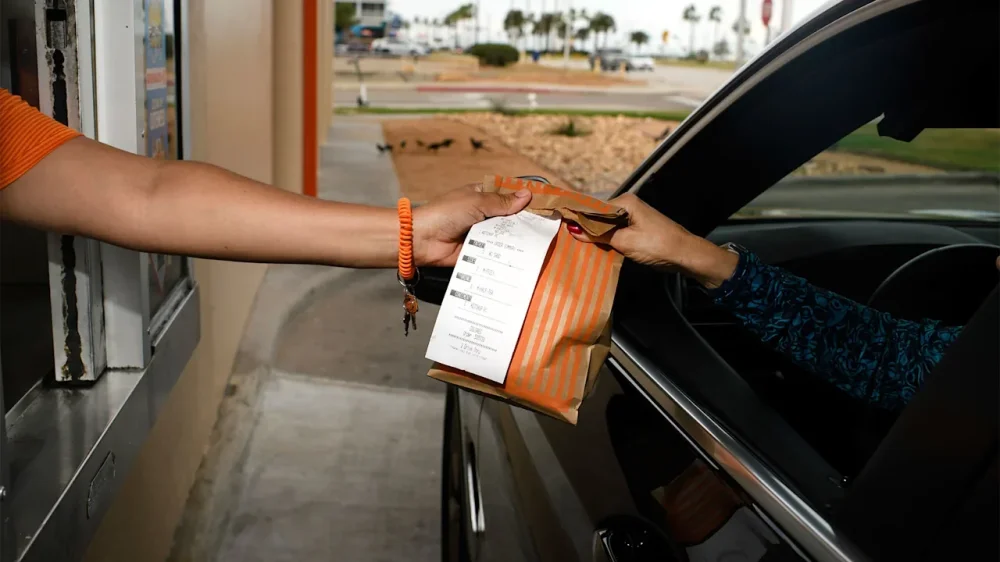
Whataburger, the Texas fast food chain known for its made-to-order burger, is continuing its planned expansion across the U.S. The “hometown burger place that hasn’t compromised” will open 15 new restaurants by the end of June, according to what the brand recently told USA Today. The chain first announced it would be growing in 2020, after being acquired by BDT Capital Partners the previous year. Shortly thereafter, the fast food joint began launching new locations in new states. It focused its growth most aggressively in Southern states like Tennessee, Missouri, and Florida. At the time, the company said in a press release, that the chain isn’t just growing, but also franchising. “Whataburger also will begin franchising our restaurants for the first time in almost 20 years,” it said. “This will allow us to open more restaurants in more areas – more quickly and efficiently – while providing job opportunities and investing in the communities we serve.” Since the expansion efforts began, it’s been a lot easier to get your hands on a Whataburger burger. According to the brand, Whataburgers can now be found in over 17 states with over 1,100 restaurants across 17 states. That includes 720 locations in Texas alone. And, unlike modern chains, most Whataburger locations are open 24 hours, seven days a week. The only day of the year the chain is not serving burgers is Christmas day. On social media, fans of the burgers are pleased that the chain is growing. One customer on X declared that Whataburger is superior to its competitors. “In n Out is a good burger. I like it. That being said, Whataburger is just better,” one X user wrote. Likewise, others who have recently experienced the burgers for the first time, as the chain has come to their hometown, have been reviewing the meals. One recent review on TikTok praised the food for being ultra-fresh and exceptionally customizable, writing “A big YES from me,” in the video’s caption. Unsurprisingly, the latest group of restaurant openings will include a handful of new locations in Texas, along with two locations in Florida, two in Tennessee, North Carolina, and more. The 15 new Whataburgers will open in the following locations: Texas Laredo Flower Mound San Antonio Odessa Fort Worth Georgetown Arizona Glendale Florida Brandon Pensacola Tennessee Nashville Columbia North Carolina Garner Southern Pines South Carolina Rock Hill Georgia Carrollton Additionally, on Tuesday, Whataburger also announced its introducing a new kids meal offerings. “Starting Tuesday, May 5, families can expect new interactive packaging, collectible toys, and a little extra magic in every box,” the chain explained in the announcement. While Whataburger previously offered kids meals, they will now include a surprise toy, like collectible sticker packs. “New surprise gifts will roll out throughout the year, giving kids something new to look forward to with every visit,” it noted. View the full article
-
More than half of the major metropolitan markets in the United States posted year-over-year price declines in February, according to a new report. View the full article
-
Comprehending current business lending rates is vital for making informed financing decisions. As of November 2025, rates vary considerably, with small banks increasing their lending activity whereas larger banks face declining demand. Factors like Federal Reserve policies and your credit profile play critical roles in determining the rates you may encounter. With rates fluctuating and competitive options available, it’s important to grasp these dynamics before pursuing a loan. What should you consider next to secure the best terms? Key Takeaways Average business loan interest rates currently range from 10% to 28%, with SBA loans offering competitive rates between 10.00% and 15.00%. Small banks have seen a 25.5% increase in new loan offerings, indicating a shift in lending sources for small businesses. Recent Federal Reserve rate cuts are expected to lower borrowing costs and trend interest rates downward in the coming months. Maintaining a strong credit profile can lead to lower interest rates, emphasizing the importance of borrower financials in lending decisions. Economic factors such as GDP growth and consumer confidence are influencing lending activity and may lead to more favorable loan terms. Understanding Business Loan Interest Rates When you’re looking to secure a business loan, comprehension of interest rates is vital as they can greatly impact your total borrowing costs. Current business lending rates vary markedly, with average rates at banks ranging from 6.7% to 11.5%. Online loans might’ve higher rates because of less stringent qualifications. The lending rate history shows that the Federal Reserve‘s monetary policy directly influences these rates; lower federal rates typically lead to reduced borrowing costs. Factors like lender type, loan type, credit profile, and collateral also play important roles in determining the interest rates offered. For instance, SBA loans typically provide lower interest rates, ranging from 10.00% to 15.00%. It’s important to evaluate the APR, which includes both interest and fees, to fully understand the total cost of a loan. Comparing rates and terms across different lenders can help you make an informed decision. Current Trends in Small Business Lending Recent trends in small business lending show a notable increase, with new lending rising by 7.5% in Q2 2025 compared to previous periods. This growth reflects broader economic factors, as small banks have greatly expanded their loan offerings, reporting a 25.5% increase in new loans. Nevertheless, although demand remains strong overall, some large JPMorgan are seeing a decline, indicating a shift in the lending environment that could impact your financing options. Recent Lending Growth Small business lending has experienced notable growth recently, with new loan balances increasing by 7.5% in Q2 2025 compared to both the previous quarter and the same period last year. This surge indicates a favorable trend in financing availability, as outstanding small business loans additionally rose by 1.8% year-over-year. Particularly, new term loans climbed by 7.7%, whereas credit lines increased by 7.1%. Curiously, small banks reported a remarkable 25.5% rise in new loans, suggesting a shift in lending sources. Nonetheless, in spite of this uptick in lending activity, application approval rates at small and midsized banks decreased by 1%, highlighting ongoing challenges in credit accessibility. Economic Impact Factors The terrain of small business lending is significantly influenced by various economic factors, shaping the availability and terms of financing. As of November 2025, average business loan interest rates range from 10% to 28%, whereas SBA loans provide more competitive options, with variable rates between 10% and 13.50%. Recently, a 7.5% increase in new small business lending signals a resurgence in borrowing activity, in spite of a cautious lending environment where large banks reported a 1% decrease in loan demand. Conversely, urban banks are offering more attractive fixed rates as low as 7.2%. With anticipated GDP growth by Q1 2026, you might see even more favorable lending terms emerge, reflecting a potential recovery in the economic terrain. Factors Influencing Interest Rates Understanding the factors influencing interest rates on business loans can help you make more informed borrowing decisions. The lender type matters; Bank of America usually offers lower rates than online lenders because of their lower risk profiles and operational costs. Your credit profile is vital too; higher credit scores often lead to lower interest rates, whereas newer businesses may face increased rates because of perceived risk. The economic environment plays a role as well, with inflation rates and overall market conditions affecting interest rates. For instance, a recent 0.25% cut in the federal funds rate in October 2025 could signal potential decreases in borrowing costs. Furthermore, collateral availability impacts rates; secured loans typically come with lower rates compared to unsecured loans, reflecting reduced lender risk. Finally, the loan term length matters; shorter terms may have higher rates but lower total interest paid, whereas longer terms spread the payments out, affecting overall financing costs. The Impact of Federal Reserve Policies When the Federal Reserve adjusts interest rates, it directly shapes the lending environment for businesses like yours. A cut in the federal funds rate typically lowers commercial loan rates, making borrowing more accessible as lenders respond to these changes. As you consider financing options, keep an eye on the Fed’s policies, as they can greatly influence your loan terms and the overall economic terrain. Interest Rate Adjustments Comprehending interest rate adjustments is vital for businesses maneuvering through the lending environment, especially as Federal Reserve policies directly influence borrowing costs. In October 2025, the Fed cut the federal funds rate by 0.25%, which typically leads to a decrease in commercial loan rates, particularly for variable-rate loans. This recent cut indicates potential future reductions in business loan interest rates, affecting small businesses’ borrowing costs. As a result, average business loan interest rates, including term loans and lines of credit, are expected to trend downward in the coming months. Lenders will adjust their risk pricing and borrowing strategies in response to these changes, making it important for businesses to monitor Federal Reserve policy closely to maintain loan affordability and access to capital. Economic Growth Projections As interest rates adjust, the focus shifts to economic growth projections that highlight how Federal Reserve policies shape the lending environment. The recent cut in the federal funds rate by 0.25% signals a potential decrease in business loan rates, making capital more accessible. Economic indicators suggest that the GDP decline will resolve by Q1 2026, paving the way for improved lending conditions for small businesses. Anticipated interest rate cuts will lower borrowing costs. Monitoring Federal Reserve policies is essential for securing favorable financing. Comprehending inflation pressures helps businesses anticipate loan rate trends. Lending Environment Changes The recent adjustments in the Federal Reserve’s monetary policy have greatly influenced the lending environment, particularly for small businesses seeking financing. In October 2025, the Fed cut the federal funds rate by 0.25%, which typically leads to decreased business loan rates as lenders adjust their pricing strategies. As a result, lending activity surged by 7.5% in Q2 2025. Here’s a summary of current business loan interest rates: Loan Type Interest Rate Range Term Loans 10% – 28% Lines of Credit 10% – 28% Anticipated Changes Favorable conditions expected in late 2025 Lower rates may promote further borrowing, enhancing economic recovery prospects for your business. Average Business Loan Rates and Fees Grasping average business loan rates and fees is crucial for making informed financial decisions. As of November 2025, you’ll find that business term loan interest rates typically range from 10% to 28% APR. SBA loans offer variable rates between 10.00% and 13.50%, with fixed rates from 12.00% to 15.00%. When considering options, keep these points in mind: Business lines of credit fall within the same 10% to 28% APR range. Equipment financing rates vary from 9.9% to 24% APR, whereas accounts receivable financing may incur rates of 24% to 36% APR. Additional fees like origination, underwriting, and closing costs can greatly increase your overall borrowing costs. Understanding these rates and associated fees will help you navigate your financing options more effectively. Comparing Fixed and Variable Rate Loans When considering financing options for your business, grasping the differences between fixed and variable rate loans is vital. Fixed-rate loans provide predictable payments throughout the loan term, making budgeting straightforward. On the other hand, variable-rate loans can change based on market conditions, which may initially offer lower rates but lead to unpredictable costs later on. As of November 2025, fixed SBA loan rates range from 12.00-15.00%, whereas variable rates start at 10.00%. This highlights the potential for lower initial expenses with variable options. Nevertheless, fixed rates offer stability, especially beneficial during rising interest rates, whereas variable rates can result in lower total costs in a declining rate environment. With the median interest rate for new term loans reported at 7.2% for fixed rates and up to 7.9% for variable rates, comprehending your risk tolerance and financial situation is fundamental when choosing between these two loan types. Economic Indicators Affecting Loan Demand Grasping the economic indicators that influence loan demand is crucial for businesses seeking financing. Several key factors can shape your borrowing needs: Employment Rates: High unemployment can tighten lending standards, making it harder to secure loans. GDP Growth: When the economy expands, businesses typically seek loans for investment, leading to higher credit demand. Consumer Confidence: Increased consumer confidence often boosts spending and investment, prompting businesses to apply for financing. Additionally, inflation rates are vital; rising inflation usually results in higher interest rates, which can dampen demand among small businesses. Keep an eye on regulatory changes, as stricter regulations might increase costs and limit access to credit. Conversely, increased competition in the lending market can lead to lower rates and more borrowing opportunities. Credit Quality Trends Among Borrowers The economic environment not only influences loan demand but also greatly impacts credit quality trends among borrowers. In Q2 2025, 4% of lenders reported a decline in applicant credit quality, marking the 13th consecutive decrease in this area. Curiously, FDIC saw a slight recovery, improving their credit quality index from a net decrease of 4% to 3%. Here’s a quick overview of the current trends: Metric Data Borrower Financials for Denials 72% of lenders cited this Change in Small Business Demand 28% of respondents noted Debt-to-Income Impact Significant factor These statistics underscore how crucial borrower financial stability is in lending decisions. With debt-to-income levels affecting credit quality, it’s important for potential borrowers to maintain strong financial profiles to improve their chances of securing loans. Strategies for Securing Competitive Loan Rates Securing competitive loan rates requires strategic planning and a solid grasp of your financial situation. Here are some effective strategies to help you secure better loan options: Maintain a strong credit profile: Higher credit scores often lead to lower interest rates on loans, which currently range from 10% to 28% APR. Consider SBA loans: These loans typically offer favorable rates, with variable rates between 10.00% to 13.50% and fixed rates from 12.00% to 15.00%, making them appealing for small businesses. Use collateral: Securing loans with collateral can greatly reduce your interest rates compared to unsecured loans. Additionally, keep an eye on economic indicators, like changes in the Federal Reserve’s interest rates, since a declining rate could lower your borrowing costs. Finally, utilize business loan calculators to compare options, ensuring you understand the total cost, including interest and fees, before making a decision. Future Outlook for Business Loan Interest Rates As economic conditions continue to evolve, many small business owners are looking ahead to anticipate how interest rates for loans might change in the near future. Experts predict a slight decline in business loan interest rates by 2025, primarily benefiting SBA loans and term loans. The recent actions of the Federal Reserve, including a 0.25% rate cut in September 2025, are expected to lower borrowing costs for small businesses. Currently, interest rates for business loans range from 10% to 28% APR, and competitive pressures may further reduce these rates. Moreover, economic indicators such as GDP growth and employment rates will greatly influence lending conditions. As the economic recovery gains momentum throughout 2026, you could see improved access to financing and more favorable loan terms. Staying informed about these trends can help you make strategic decisions for your business’s financial future. Frequently Asked Questions What Are the 5 C’s of Business Lending? The 5 C’s of business lending are Character, Capacity, Capital, Collateral, and Conditions. Character evaluates your credit history and reputation, whereas Capacity assesses your ability to repay the loan based on income and cash flow. Capital refers to your investment in the business, indicating commitment. Collateral involves assets you pledge to secure the loan, and Conditions encompass the overall economic environment and specific loan terms that may affect your borrowing options. What’s the Interest Rate on a Business Loan Right Now? Right now, business loan interest rates range considerably based on the type of loan you choose. For term loans and lines of credit, rates vary from 10% to 28% APR. SBA loans offer more favorable rates, with variable rates from 10% to 13.50% and fixed rates between 12% to 15%. Equipment financing typically ranges from 9.9% to 24%, whereas accounts receivable financing can go as high as 36% APR. What Are the 4 C’s of Commercial Lending? The 4 C’s of commercial lending are essential for evaluating your creditworthiness. First, Character evaluates your credit history and reputation, often through credit scores. Next, Capacity examines your ability to repay the loan, typically by analyzing cash flow and debt-to-income ratios. Capital focuses on your investment in the business, where lenders prefer a solid equity contribution. Finally, Collateral involves assets pledged against the loan, reducing lender risk and potentially lowering interest rates. What Are the 4 P’s of Lending? The 4 P’s of lending are Purpose, People, Payment, and Property. Purpose identifies why you need the loan, ensuring it serves a viable business function. People evaluate your credit profile and experience, as stronger credentials can secure better terms. Payment assesses your ability to repay through cash flow analysis and debt ratios. Finally, Property involves any collateral you might offer, with secured loans typically yielding lower interest rates because of reduced risk for lenders. Conclusion In summary, comprehending the current environment of business lending rates is vital for making informed financial decisions. With varying rates influenced by market trends and Federal Reserve policies, it’s imperative to maintain a strong credit profile to secure favorable terms. Small banks are broadening their lending activities, whereas larger institutions face declining demand. By staying informed about these dynamics and employing effective strategies, you can navigate the borrowing environment and position your business for success in securing loans. Image via Google Gemini and ArtSmart This article, "10 Key Insights on Current Business Lending Rates" was first published on Small Business Trends View the full article
-
Comprehending current business lending rates is vital for making informed financing decisions. As of November 2025, rates vary considerably, with small banks increasing their lending activity whereas larger banks face declining demand. Factors like Federal Reserve policies and your credit profile play critical roles in determining the rates you may encounter. With rates fluctuating and competitive options available, it’s important to grasp these dynamics before pursuing a loan. What should you consider next to secure the best terms? Key Takeaways Average business loan interest rates currently range from 10% to 28%, with SBA loans offering competitive rates between 10.00% and 15.00%. Small banks have seen a 25.5% increase in new loan offerings, indicating a shift in lending sources for small businesses. Recent Federal Reserve rate cuts are expected to lower borrowing costs and trend interest rates downward in the coming months. Maintaining a strong credit profile can lead to lower interest rates, emphasizing the importance of borrower financials in lending decisions. Economic factors such as GDP growth and consumer confidence are influencing lending activity and may lead to more favorable loan terms. Understanding Business Loan Interest Rates When you’re looking to secure a business loan, comprehension of interest rates is vital as they can greatly impact your total borrowing costs. Current business lending rates vary markedly, with average rates at banks ranging from 6.7% to 11.5%. Online loans might’ve higher rates because of less stringent qualifications. The lending rate history shows that the Federal Reserve‘s monetary policy directly influences these rates; lower federal rates typically lead to reduced borrowing costs. Factors like lender type, loan type, credit profile, and collateral also play important roles in determining the interest rates offered. For instance, SBA loans typically provide lower interest rates, ranging from 10.00% to 15.00%. It’s important to evaluate the APR, which includes both interest and fees, to fully understand the total cost of a loan. Comparing rates and terms across different lenders can help you make an informed decision. Current Trends in Small Business Lending Recent trends in small business lending show a notable increase, with new lending rising by 7.5% in Q2 2025 compared to previous periods. This growth reflects broader economic factors, as small banks have greatly expanded their loan offerings, reporting a 25.5% increase in new loans. Nevertheless, although demand remains strong overall, some large JPMorgan are seeing a decline, indicating a shift in the lending environment that could impact your financing options. Recent Lending Growth Small business lending has experienced notable growth recently, with new loan balances increasing by 7.5% in Q2 2025 compared to both the previous quarter and the same period last year. This surge indicates a favorable trend in financing availability, as outstanding small business loans additionally rose by 1.8% year-over-year. Particularly, new term loans climbed by 7.7%, whereas credit lines increased by 7.1%. Curiously, small banks reported a remarkable 25.5% rise in new loans, suggesting a shift in lending sources. Nonetheless, in spite of this uptick in lending activity, application approval rates at small and midsized banks decreased by 1%, highlighting ongoing challenges in credit accessibility. Economic Impact Factors The terrain of small business lending is significantly influenced by various economic factors, shaping the availability and terms of financing. As of November 2025, average business loan interest rates range from 10% to 28%, whereas SBA loans provide more competitive options, with variable rates between 10% and 13.50%. Recently, a 7.5% increase in new small business lending signals a resurgence in borrowing activity, in spite of a cautious lending environment where large banks reported a 1% decrease in loan demand. Conversely, urban banks are offering more attractive fixed rates as low as 7.2%. With anticipated GDP growth by Q1 2026, you might see even more favorable lending terms emerge, reflecting a potential recovery in the economic terrain. Factors Influencing Interest Rates Understanding the factors influencing interest rates on business loans can help you make more informed borrowing decisions. The lender type matters; Bank of America usually offers lower rates than online lenders because of their lower risk profiles and operational costs. Your credit profile is vital too; higher credit scores often lead to lower interest rates, whereas newer businesses may face increased rates because of perceived risk. The economic environment plays a role as well, with inflation rates and overall market conditions affecting interest rates. For instance, a recent 0.25% cut in the federal funds rate in October 2025 could signal potential decreases in borrowing costs. Furthermore, collateral availability impacts rates; secured loans typically come with lower rates compared to unsecured loans, reflecting reduced lender risk. Finally, the loan term length matters; shorter terms may have higher rates but lower total interest paid, whereas longer terms spread the payments out, affecting overall financing costs. The Impact of Federal Reserve Policies When the Federal Reserve adjusts interest rates, it directly shapes the lending environment for businesses like yours. A cut in the federal funds rate typically lowers commercial loan rates, making borrowing more accessible as lenders respond to these changes. As you consider financing options, keep an eye on the Fed’s policies, as they can greatly influence your loan terms and the overall economic terrain. Interest Rate Adjustments Comprehending interest rate adjustments is vital for businesses maneuvering through the lending environment, especially as Federal Reserve policies directly influence borrowing costs. In October 2025, the Fed cut the federal funds rate by 0.25%, which typically leads to a decrease in commercial loan rates, particularly for variable-rate loans. This recent cut indicates potential future reductions in business loan interest rates, affecting small businesses’ borrowing costs. As a result, average business loan interest rates, including term loans and lines of credit, are expected to trend downward in the coming months. Lenders will adjust their risk pricing and borrowing strategies in response to these changes, making it important for businesses to monitor Federal Reserve policy closely to maintain loan affordability and access to capital. Economic Growth Projections As interest rates adjust, the focus shifts to economic growth projections that highlight how Federal Reserve policies shape the lending environment. The recent cut in the federal funds rate by 0.25% signals a potential decrease in business loan rates, making capital more accessible. Economic indicators suggest that the GDP decline will resolve by Q1 2026, paving the way for improved lending conditions for small businesses. Anticipated interest rate cuts will lower borrowing costs. Monitoring Federal Reserve policies is essential for securing favorable financing. Comprehending inflation pressures helps businesses anticipate loan rate trends. Lending Environment Changes The recent adjustments in the Federal Reserve’s monetary policy have greatly influenced the lending environment, particularly for small businesses seeking financing. In October 2025, the Fed cut the federal funds rate by 0.25%, which typically leads to decreased business loan rates as lenders adjust their pricing strategies. As a result, lending activity surged by 7.5% in Q2 2025. Here’s a summary of current business loan interest rates: Loan Type Interest Rate Range Term Loans 10% – 28% Lines of Credit 10% – 28% Anticipated Changes Favorable conditions expected in late 2025 Lower rates may promote further borrowing, enhancing economic recovery prospects for your business. Average Business Loan Rates and Fees Grasping average business loan rates and fees is crucial for making informed financial decisions. As of November 2025, you’ll find that business term loan interest rates typically range from 10% to 28% APR. SBA loans offer variable rates between 10.00% and 13.50%, with fixed rates from 12.00% to 15.00%. When considering options, keep these points in mind: Business lines of credit fall within the same 10% to 28% APR range. Equipment financing rates vary from 9.9% to 24% APR, whereas accounts receivable financing may incur rates of 24% to 36% APR. Additional fees like origination, underwriting, and closing costs can greatly increase your overall borrowing costs. Understanding these rates and associated fees will help you navigate your financing options more effectively. Comparing Fixed and Variable Rate Loans When considering financing options for your business, grasping the differences between fixed and variable rate loans is vital. Fixed-rate loans provide predictable payments throughout the loan term, making budgeting straightforward. On the other hand, variable-rate loans can change based on market conditions, which may initially offer lower rates but lead to unpredictable costs later on. As of November 2025, fixed SBA loan rates range from 12.00-15.00%, whereas variable rates start at 10.00%. This highlights the potential for lower initial expenses with variable options. Nevertheless, fixed rates offer stability, especially beneficial during rising interest rates, whereas variable rates can result in lower total costs in a declining rate environment. With the median interest rate for new term loans reported at 7.2% for fixed rates and up to 7.9% for variable rates, comprehending your risk tolerance and financial situation is fundamental when choosing between these two loan types. Economic Indicators Affecting Loan Demand Grasping the economic indicators that influence loan demand is crucial for businesses seeking financing. Several key factors can shape your borrowing needs: Employment Rates: High unemployment can tighten lending standards, making it harder to secure loans. GDP Growth: When the economy expands, businesses typically seek loans for investment, leading to higher credit demand. Consumer Confidence: Increased consumer confidence often boosts spending and investment, prompting businesses to apply for financing. Additionally, inflation rates are vital; rising inflation usually results in higher interest rates, which can dampen demand among small businesses. Keep an eye on regulatory changes, as stricter regulations might increase costs and limit access to credit. Conversely, increased competition in the lending market can lead to lower rates and more borrowing opportunities. Credit Quality Trends Among Borrowers The economic environment not only influences loan demand but also greatly impacts credit quality trends among borrowers. In Q2 2025, 4% of lenders reported a decline in applicant credit quality, marking the 13th consecutive decrease in this area. Curiously, FDIC saw a slight recovery, improving their credit quality index from a net decrease of 4% to 3%. Here’s a quick overview of the current trends: Metric Data Borrower Financials for Denials 72% of lenders cited this Change in Small Business Demand 28% of respondents noted Debt-to-Income Impact Significant factor These statistics underscore how crucial borrower financial stability is in lending decisions. With debt-to-income levels affecting credit quality, it’s important for potential borrowers to maintain strong financial profiles to improve their chances of securing loans. Strategies for Securing Competitive Loan Rates Securing competitive loan rates requires strategic planning and a solid grasp of your financial situation. Here are some effective strategies to help you secure better loan options: Maintain a strong credit profile: Higher credit scores often lead to lower interest rates on loans, which currently range from 10% to 28% APR. Consider SBA loans: These loans typically offer favorable rates, with variable rates between 10.00% to 13.50% and fixed rates from 12.00% to 15.00%, making them appealing for small businesses. Use collateral: Securing loans with collateral can greatly reduce your interest rates compared to unsecured loans. Additionally, keep an eye on economic indicators, like changes in the Federal Reserve’s interest rates, since a declining rate could lower your borrowing costs. Finally, utilize business loan calculators to compare options, ensuring you understand the total cost, including interest and fees, before making a decision. Future Outlook for Business Loan Interest Rates As economic conditions continue to evolve, many small business owners are looking ahead to anticipate how interest rates for loans might change in the near future. Experts predict a slight decline in business loan interest rates by 2025, primarily benefiting SBA loans and term loans. The recent actions of the Federal Reserve, including a 0.25% rate cut in September 2025, are expected to lower borrowing costs for small businesses. Currently, interest rates for business loans range from 10% to 28% APR, and competitive pressures may further reduce these rates. Moreover, economic indicators such as GDP growth and employment rates will greatly influence lending conditions. As the economic recovery gains momentum throughout 2026, you could see improved access to financing and more favorable loan terms. Staying informed about these trends can help you make strategic decisions for your business’s financial future. Frequently Asked Questions What Are the 5 C’s of Business Lending? The 5 C’s of business lending are Character, Capacity, Capital, Collateral, and Conditions. Character evaluates your credit history and reputation, whereas Capacity assesses your ability to repay the loan based on income and cash flow. Capital refers to your investment in the business, indicating commitment. Collateral involves assets you pledge to secure the loan, and Conditions encompass the overall economic environment and specific loan terms that may affect your borrowing options. What’s the Interest Rate on a Business Loan Right Now? Right now, business loan interest rates range considerably based on the type of loan you choose. For term loans and lines of credit, rates vary from 10% to 28% APR. SBA loans offer more favorable rates, with variable rates from 10% to 13.50% and fixed rates between 12% to 15%. Equipment financing typically ranges from 9.9% to 24%, whereas accounts receivable financing can go as high as 36% APR. What Are the 4 C’s of Commercial Lending? The 4 C’s of commercial lending are essential for evaluating your creditworthiness. First, Character evaluates your credit history and reputation, often through credit scores. Next, Capacity examines your ability to repay the loan, typically by analyzing cash flow and debt-to-income ratios. Capital focuses on your investment in the business, where lenders prefer a solid equity contribution. Finally, Collateral involves assets pledged against the loan, reducing lender risk and potentially lowering interest rates. What Are the 4 P’s of Lending? The 4 P’s of lending are Purpose, People, Payment, and Property. Purpose identifies why you need the loan, ensuring it serves a viable business function. People evaluate your credit profile and experience, as stronger credentials can secure better terms. Payment assesses your ability to repay through cash flow analysis and debt ratios. Finally, Property involves any collateral you might offer, with secured loans typically yielding lower interest rates because of reduced risk for lenders. Conclusion In summary, comprehending the current environment of business lending rates is vital for making informed financial decisions. With varying rates influenced by market trends and Federal Reserve policies, it’s imperative to maintain a strong credit profile to secure favorable terms. Small banks are broadening their lending activities, whereas larger institutions face declining demand. By staying informed about these dynamics and employing effective strategies, you can navigate the borrowing environment and position your business for success in securing loans. Image via Google Gemini and ArtSmart This article, "10 Key Insights on Current Business Lending Rates" was first published on Small Business Trends View the full article
-
U.K.-based Wren Kitchens abruptly ceased all U.S. operations on April 23, shuttering all brick-and-mortar retail locations and all of its showroom studios inside The Home Depot stores nationwide. Court documents show that Wren Kitchens filed for Chapter 7 bankruptcy in the District of Delaware bankruptcy court on April 24. According to social media, the sudden closure blindsided employees and customers. Former U.S. employees, including workers at the company’s manufacturing facility in Hanover Township, Pennsylvania, are now without jobs. Unfortunately, many customers say they are now facing uncertainty, with some saying they’ve demolished kitchens and are still awaiting installation. A notice on the Wren Kitchens U.S. website reads: “We regret to inform you that our showrooms and studios are now closed.” Below that is a link to a form, available to employees, suppliers, and customers who need assistance. The custom-fitted kitchen manufacturer and retailer had announced its partnership with Home Depot in 2024. The two retailers teamed up to bring Wren Kitchens Studios showrooms inside Home Depot locations in the U.S. The company also had 15 brick-and-mortar retail stores in the U.S. An archived version of wren.us lists 51 showrooms throughout Connecticut, Massachusetts, New Jersey, New York, Pennsylvania, and Rhode Island. Customers are left in limbo, and former staff are without jobs In a WNEP-TV news article discussing the sudden closure of the company’s warehouse in Hanover Township, Pennsylvania, employees shared that the closure was unexpected. According to the article, Wren Kitchens gave employees an extra day’s pay and compensated them for any accrued days off. However, employee benefits, including health insurance, were expected to be terminated as of Saturday. The WARN Act requires employers with more than 100 full-time employees to file a 60-day notice informing employees and government officials of upcoming layoffs. However, employees report that the company didn’t give advance notice, and that they discovered the closure during a Zoom call on April 23. Customers took to social media to express their outrage, voicing concerns about unfinished installations and warranties that may no longer be valid. Some customers explained that the company had taken their deposits only days earlier. Fast Company has reached out to Home Depot for more information about the sudden closure of Wren Kitchens Studios showrooms, which operate inside some of its stores. We’ll update this story if we receive a reply. View the full article
-
New York City has its obvious icons: The Statue of Liberty; Milton’ Glaser’s I “heart” New York logo; yellow cabs. Lesser known, but no less iconic, is the city’s compost bins. You know a NYC compost bin when you see one. Dirt brown, with a bright orange clasp, they roll out on recycling day, filled with gloriously stinky food scraps. NYC distributed the large brown bins for free in 2024, but not every household got one before the sanitation department OK’d using any bin (55 gallons or less) for composting. Now the bins have been shrunk down to the scale of your kitchen, and we have to admit: We really want one. OnlyNY is selling a tabletop compost bin at the center of a capsule in collaboration with the NYC Department of Sanitation (DSNY), inspired by the city’s curbside compost containers. With an airtight lid and an eight liter capacity, it was “designed to make home composting a simple, learned habit.” The tabletop compost bin is currently available for presale at $48, with orders shipping at the end of June. Proceeds from its sales will directly benefit the city. Only NY has been a license partner of NYC since 2015. The tabletop compost bins are part of their ongoing series with the DSNY and belong to the brand’s NYC collection—which also includes collaborations with NYC Parks, the City of New York and the Department of Transportation. A high design…compost bin? The tabletop compost bin’s printed graphics and typeface caught people’s attention, receiving positive remarks on social media. Many praised the bins in quote replies to an X post by the NYC Sanitation account. Composting is cool. Like, really cool. Don't believe us? Check out this limited-edition #OnlyNY tabletop compost bin and the rest of their new compost collection: https://t.co/GkHhnfw2Xy That is, if you're cool enough to compost. pic.twitter.com/bXBPkQGBTz — NYC Sanitation (@NYCSanitation) April 23, 2026 “Hate to be a font snob but that font is it. It’s the font. Commanding yet also kind of surprisingly casual,” said one user. The graphics and typeface were created by co-founder and creative director of Only NY, Micah Belamarich and Zach Reyes, Only NY’s lead designer. “The ‘New York City Composts’ type is a treated version of a typeface we have been using for over 10 years as part of our brand identity across logos and graphics. It draws inspiration from New York City PSA-style typography that we love, with an impactful, strong serif feel and tight kerning,” Belamarich said in an email to Fast Company. A user on X said the compost bin and collection is, “such a good refresher for the eyes after that stupid palantir merch.” “I’m the target audience for this,” posted another. “We are thrilled by the response and engagement so far,” said Belamarich in an email. “This is the first time we have touched on composting, and it is something we feel passionate about.” Only NY describes its tabletop compost bin as a“functional everyday kitchen object” to help New Yorkers compost more easily. Complete with a carry handle for easy transport, the bin resembles that of a bag—with Only NY proving that composting can be as stylish as it is sustainable. View the full article

-
If you have your YouTube watch history disabled and you are now being prompted to turn it on if you want to receive recommendations, you're not alone. Watch history on YouTube is used to generate personalized recommendations on the platform—when it's disabled, suggested videos and channels are instead pulled from your likes, saves, and subscriptions rather than from videos you've watched. While some YouTube users want to be able to see a list of what they've viewed, many have watch history turned off for privacy reasons or to keep junk out of their algorithm in favor of a more curated experience. Some Reddit users have recently reported that their recommendations have disappeared from the YouTube homepage, replaced with a prompt to enable their YouTube watch history. The issue doesn't appear to affect everyone whose watch history is turned off—those who have had it disabled for many years seem to be more likely to encounter the prompt. As Mashable points out, this may be an effort to gain access to search histories for ad targeting. Manage your YouTube watch history You may not have to give in and give up more data to get your recommendations back, and the workaround may be as simple as turning your watch history on, refreshing the page, or doing a search, and turning it off again. To try this out, in the YouTube app, tap your profile photo and go to Settings > Manage all history > Controls and select Include the YouTube videos you watch. Refresh your homepage, then follow the same steps to unselect the setting. (Note that Turn Off will disable history, including searches, entirely.) On a TV or gaming console, you'll find this under Settings > Pause watch history; on a browser, go to My Activity > Controls. Even with watch history disabled, you can train your algorithm to produce better recommendations than whatever YouTube would otherwise suggest. The most basic tools are likes (and dislikes), subscriptions, and the bell, though you can also reject recommendations, create playlists, and even switch accounts to manage what you see. View the full article
-
A reader writes: I’m about six months into a job and I’m having an issue with someone on my team, Sally. She is very lovely, kind, and a team player. Our roles are similar, except I am part-time and she is full-time. She’s been in this job for almost 20 years and I think she thinks I’m much more green than I am. While I’m new to my role, I’ve done very similar, and often much more complex, versions of this role at other organizations. Our team’s projects are similar and we help each other as needed, but at the end of the day they are fully owned by each team member. Sally seems to think there is one right way to do things and only she knows what it is. She seems incapable of talking about my projects with me without giving me unsolicited advice. She assumes any minor negative thing I share about a project is an invitation to give me advice, and often it’s for the most obvious or little thing! Like, I shared that I had a presenter for clients go over time and I had to cut them off. She then harped on the same strategies I had used as if I hadn’t handled it. This happens all the time. I bring up a slight annoyance or a “not quite to plan” moment that I’ve encountered or even fixed, and she’ll run with it as a “teachable” moment for me. Or, I’ll share how I’ve spoken to a client and she’ll give me advice on what she thinks I should have said, and usually it’s the same information just delivered how she would deliver it. For example, I told a client, “Widget A has these aspects that would suit your needs.” She suggested I should have instead said, “The individual components of widget A would work really well for you.” This rephrasing happens constantly and it feels like she’s trying to push her personality/style on the way I talk. And if I ask her a clarifying question on one aspect of a client communication, she will try to dictate an entire email to me. Our desks are right next to each other, and we’re both a bit chatty. And in all other ways we have a very friendly relationship! Most of our conversations start because she directly asks how a project went/is going. How do I kindly get her to back off a bit? I’ve tried just being toxically positive about all of my projects and not sharing anything of substance, but she always asks a ton of follow-up questions or even just gives blanket advice. And you know, sometimes I do just want to share when something didn’t 100% go to plan because that’s the nature of the work we do, and often those minor failures make for good and silly stories! I recognize that I sought out this role because I had a baby and wanted something low-key, so maybe I’m overly sensitive to her advice because I already feel “overqualified” for my position. But the constant advice is grating, and makes me feel like Sally thinks I can’t handle the work I do or haven’t thought very deeply about it. You can read my answer to this letter at New York Magazine today. Head over there to read it. The post my coworker keeps giving me unsolicited advice appeared first on Ask a Manager. View the full article
-
Driving group flotation will probably take place in late 2026 as volatile markets push timelinesView the full article
-
Understand their goals and their weaknesses. By Jody Padar Radical Pricing – By The Radical CPA Go PRO for members-only access to more Jody Padar. View the full article