All Activity
- Past hour
-
Digg’s collapse, Reddit’s lawsuit, and a bot-filled ecosystem expose the fragile economics behind “authentic human conversation” in the AI era. The post Authentic Human Conversation™ appeared first on Search Engine Journal. View the full article
- Today
-
Businessman barred from spending more than £5,000 a week without administrators’ consentView the full article
-
Future-ready organizations shift SEO upstream, defining discoverability requirements before content, templates, and platforms go live. The post How To Build An SEO Commissioning Workflow: From Tickets To Requirements appeared first on Search Engine Journal. View the full article
-
Israeli prime minister has spent decades trying to anchor the US in a confrontation with TehranView the full article
-
We may earn a commission from links on this page. Deal pricing and availability subject to change after time of publication. Samsung’s 32-inch Smart Monitor M9 (M90SF) is down to $1,299.99 on Amazon, a drop from $1,599.99 and its lowest price so far, according to price trackers. It is still expensive for a 32-inch display, but this is not a typical monitor. Samsung is positioning it somewhere between a premium display, a smart TV, and a casual gaming setup. PCMag rated it “excellent,” noting how well it balances work and play. Samsung 32'' Smart Monitor M9 (M90SF) $1,299.99 at Amazon $1,599.99 Save $300.00 Get Deal Get Deal $1,299.99 at Amazon $1,599.99 Save $300.00 The 32-inch 4K QD-OLED panel is the main draw here. Colors look rich without oversaturation, and contrast is strong enough that darker scenes don’t wash out. And with a pixel density of about 138 ppi, text looks crisp for spreadsheets or design work. It’s also flexible physically. You can raise, tilt, and rotate it into portrait mode, though you’ll need to extend it fully to pivot. That said, it is not the brightest screen on paper at 250 nits, but in a typical indoor setup, it still looks vivid, and the matte coating helps keep reflections under control. If you play games, the 165Hz refresh rate and near-instant response time keep motion smooth, and support for FreeSync Premium Pro and G-Sync means fewer visual hiccups. You can also stream games directly through Samsung’s Gaming Hub or Xbox Game Pass with just a controller, which is useful if you do not own a console. This monitor runs Samsung’s Tizen operating system, so it works as a standalone TV. You get Samsung TV Plus, Netflix, YouTube, Prime Video, and more, all controlled by a slim remote that charges via a built-in solar panel. There is also SmartThings support for controlling compatible smart-home devices, and access to Microsoft 365 apps. A 4K webcam adds convenience for video calls, and the built-in speakers are usable for casual watching, though there is no headphone jack (wireless headphones recommended). On the downside, port selection is limited for a monitor at this price. You get one HDMI, one DisplayPort, one USB-C with 90W charging, and two USB-A ports, which can feel restrictive if you run multiple devices. For someone who wants a single screen that can handle work during the day and replace a TV or console setup at night, the OLED M9 makes a strong case, especially now that it’s discounted to its best price yet. Our Best Editor-Vetted Tech Deals Right Now Apple AirPods 4 Active Noise Cancelling Wireless Earbuds — $148.99 (List Price $179.00) Apple iPad 11" 128GB A16 WiFi Tablet (Blue, 2025) — $299.00 (List Price $349.00) Sony WH1000XM6- Best Wireless Noise Canceling Headphones — $398.00 (List Price $459.99) Apple Watch Series 11 (GPS, 42mm, S/M Black Sport Band) — $299.00 (List Price $399.00) Blink Video Doorbell Wireless (Newest Model) + Sync Module Core — $35.99 (List Price $69.99) Ring Indoor Cam Plus (2025) — $39.99 (List Price $59.99) Fire TV Stick 4K Max Streaming Player With Remote — $34.99 (List Price $59.99) Deals are selected by our commerce team View the full article
-
For many advertisers, a 30-day click attribution is the default conversion window setting in Google Ads. Once that’s set, it’s rarely revisited. But what if your customers convert within a week, or even two days? One of my clients, a DTC retailer in an intensely competitive industry, has an average conversion window of 2.2 days. Yet we were optimizing campaigns using a 30-day click window, which meant conversions were credited weeks after the initial interaction. This muddied the waters when assessing the true incremental impact of different advertising efforts, especially when trying to capture that impulse-buying behavior. With that in mind, we transitioned the account from a 30-day click window to a 7-day click window in January. Here’s what changed and what we learned. Inside the 7-day attribution test This client allocates the majority of its marketing budget to Meta Ads. So, when looking at platform reporting, Meta Ads (unshockingly) accounted for the majority of sales. Since Google Ads operated on a 30-day click window at the time, that platform also accounted for a large percentage of sales. When your average conversion lag is about two days, allowing 30 days of click credit can inflate perceived contribution in-platform. Because of this, neither platform’s incremental impact was clear, making it difficult for our client to know where to invest the majority of their advertising dollars. Before making any changes, we analyzed conversion path data to understand how long customers were actually taking to purchase. Over the last three months, users converted in an average of 2.2 days, with the majority of conversions happening in less than a day: We didn’t just flip the switch. We hypothesized that since the average conversion window was 2.2 days, we shouldn’t see too much volatility. To be safe, we first set up this new conversion action as a secondary conversion. So it looked like this: Step 1: Duplicate the primary purchase conversion with a 7-day click window and set it as a secondary conversion action. Step 2: Monitor performance for two weeks. Step 3: Transition it to primary optimization on January 12, 2026. When you change a primary conversion action, smart bidding recalibrates, and learning phases reset. This phased approach allowed us to compare reporting side by side and prepare for any volatility. Dig deeper: How to tell if Google Ads automation helps or hurts your campaigns Your customers search everywhere. Make sure your brand shows up. The SEO toolkit you know, plus the AI visibility data you need. Start Free Trial Get started with What happened after the switch We compared the 30 days post-conversion action change to the previous period, which included peak holiday shopping season. Results (in-platform) Cost: Down 6.3% Conversions: Up 42.9% Conversion value: Up 52.1% ROAS: Up 62.3% Initial results looked great, but we wanted to see if there was any measurable impact on the business. Using Shopify sales data, we saw that total sales increased 20%, and net profit increased 30%. More importantly, marketing mix modeling (MMM) data showed a shift in incremental contribution: Google’s incremental ROAS increased 10% to 1.82 Meta incremental ROAS dropped 25% to 0.59. This was the strongest indication that shortening the attribution window helped clarify channel contribution. Now, in full transparency, we were also restructuring campaigns, adjusting budgets, and refining bidding during this time. So, we can’t give all the credit to the shorter attribution window. But we can say performance wasn’t negatively affected, and the contribution percentage improved. Get the newsletter search marketers rely on. See terms. How a 7-day window improved signal quality With overlapping attribution between Meta and Google, both channels looked over-credited in-platform. By shortening Google’s click window, we limited its ability to claim delayed conversions that were likely influenced by other touchpoints. Tightening this window reduced cross-platform duplication and gave us a clearer view of incremental impact. Additionally, instead of waiting weeks to understand campaigns’ actual ROAS, we could evaluate performance within days and make adjustments more confidently. By reducing to a 7-day click window, we: Decreased delayed attribution. Tightened optimization feedback loops. Improved performance diagnostics. This change also significantly affected Smart Bidding behavior. Automated bidding strategies, such as target return on ad spend, optimize based on conversion signals. With a 30-day window, those signals are extended, meaning the algorithm reacts more slowly to performance shifts, such as bid adjustments, seasonality shifts, and budget reallocations. Moving to a 7-day window continuously feeds fresher signals to Smart Bidding strategies. This created tighter alignment between spend and actual buying behavior. Combined with Marketing Mix Modeling data, the picture became even clearer. \The cleaner attribution structure gave us stronger confidence in making account optimizations and, even better, helped our client make more informed business decisions about where to invest ad dollars. In short, tightening the conversion window didn’t just change reporting. It improved the quality of the signal driving optimization decisions. Dig deeper: In Google Ads automation, everything is a signal in 2026 The downside (and why this isn’t a universal fix) Shortening an attribution window could work for you, but you should consider the trade-offs. Reported conversion volume will likely drop, at least initially. Removing delayed conversion credit can make performance appear weaker overnight, even if actual sales haven’t changed. That can create internal concern if your client or other stakeholders aren’t prepared. Smart Bidding will need to recalibrate. Changing a primary conversion action is a significant change to an account. This will trigger a learning phase and short-term volatility, especially in accounts using automated bid strategies such as target ROAS and Max Conversion Value. Most importantly, this approach only works if it aligns with your sales cycle. For high-consideration or longer purchase journeys, a 7-day window may undercount legitimate conversions, suppress ROAS, and limit optimization data. A shorter attribution window is only better if it reflects how your customers are actually buying. Adjusting attribution wasn’t the silver bullet here. In this case, other account improvements were happening simultaneously, and this was just one lever. See the complete picture of your search visibility. Track, optimize, and win in Google and AI search from one platform. Start Free Trial Get started with When attribution reflects reality Ultimately, this change wasn’t about improving platform metrics. It was about improving business insights. For this client, aligning the attribution window with a 2.2-day conversion cycle improved conversion signal quality, enhanced Smart Bidding, clarified cross-channel impact, and gave leadership stronger confidence in where to invest. Whether a 7-day click model makes sense depends on how closely your attribution settings reflect your account’s buying cycle. View the full article
-
Iran and Russia both allege a projectile struck the grounds of the Bushehr nuclear power plant in the Islamic Republic, raising the specter of a radiological incident as Tehran’s war with Israel and the United States rages. Neither Iran nor Russia say there was any release of nuclear material in the incident on Tuesday evening, but it again underlines a longtime worry of Iran’s neighbors — that the power plant on the shores of the Persian Gulf could be hit by either an attack or an earthquake. Here’s what to know about the incident, the plant itself and Iran’s wider nuclear program, which remains a reason U.S. President Donald The President points to for starting the war alongside Israel against Iran on Feb. 28. Reports of a projectile striking there Russia’s state-run Tass news agency quoted Rosatom CEO Alexey Likhachev late Tuesday as claiming “a strike hit the area adjacent to the metrology service building located at the Bushehr Nuclear Power Plant site, in close proximity to the operating power unit.” Russian technicians from Rosatom operate the plant, using Russian-made, low-enriched uranium. “There were no casualties among Rosatom State Corporation personnel,” Likhachev said. “The radiation situation at the site is normal.” About 480 Russian nationals remain at the plant, Likhachev said, and authorities are preparing for another round of evacuations from there. The Atomic Energy Organization of Iran later issued a statement saying “no financial, technical, or human damage occurred and no part of the plant was harmed.” Iran blamed the incident on the United States and Israel, Tass later reported. The International Atomic Energy Agency, which has had its inspections of Iran restricted over years of tensions over Tehran’s program after The President unilaterally withdrew America from the 2015 nuclear deal with world powers, issued a carefully worded statement early Wednesday. “The IAEA has been informed by Iran that a projectile hit the premises of the Bushehr NPP on Tuesday evening,” the United Nations agency said, using an acronym for nuclear power plant. “No damage to the plant or injuries to staff reported.” No other independent expert has seen the damage. Neither Iran nor Russia published images of the damage. Moscow has made claims about nuclear sites during its war on Ukraine that turned out not to be true, while Iran has been trying to use both force and coercive diplomacy to pressure its neighbors to in turn push the U.S. to halt the war. It remains unclear what the “projectile” that hit the complex was. The U.S. military’s Central Command, which is in charge of forces launching airstrikes across southern Iran, did not immediately respond to a request for comment. Shrapnel from missile interceptions and other air defense fire also have caused damage in the region since the war started. Bushehr, some 750 kilometers (465 miles) south of Iran’s capital, Tehran, is home to an Iranian navy base and a dual-use, civilian-military airport with air defense systems protecting the area. Bushehr a long sought project by Iran Iran’s Shah Mohammad Reza Pahlavi announced plans in the 1970s to build 23 nuclear reactors while also having full control of the nuclear fuel cycle — opening the door to being able to build atomic weapons. That rattled U.S. officials, who imposed limits on American companies from selling to Iran. German firm Kraftwerk Union began construction of the Bushehr plant in 1975 as part of $4.8 billion deal for four reactors. But the 1979 Islamic Revolution halted the project. Iraq repeatedly bombed the site during its eight-year war with Iran in the 1980s, seeking to stop Tehran’s program. Russia ultimately signed onto the project, which saw the power plant connected to the Iranian grid in 2011, running a pressurized-water reactor that generates up to 1,000 megawatts of electricity, which can power hundreds of thousands of homes and other businesses and industries. But it contributes only 1% to 2% of Iran’s power. Iran has been trying to expand Bushehr to multiple reactors. In 2019, it began a project that ultimately plans to add two additional reactors to the site, each adding another 1,000 megawatts apiece. A satellite image from December from Planet Labs PBC showed the construction still ongoing at the site, with cranes over both sites. The reactor currently running at Bushehr uses uranium from Russia enriched to 4.5%, a low level needed for power generation in such plants. Bushehr was untouched in 12-day war in June Bushehr, as a running, civilian nuclear power plant, was left untouched during the 12-day war in June between Israel and Iran. During that war, the U.S. bombed three Iranian nuclear enrichment sites, destroying centrifuges and likely trapping Tehran’s stockpile of highly enriched, 60% uranium underground. In the time since, Iran has blocked IAEA inspectors from visit those sites. A possible strike on a nuclear power plant could see a leak of radiation into the environment. That’s been a major concern in the years after Russia launched its full-scale invasion of Ukraine in 2022. Nuclear plants in Ukraine, built when the country was part of the Soviet Union, have come under attack and found themselves on the front lines of that war. Such a leak into the Persian Gulf would be an existential crisis for the Gulf Arab states, which rely on desalination plants on the gulf for their water supplies. The Associated Press receives support for nuclear security coverage from the Carnegie Corporation of New York and Outrider Foundation. The AP is solely responsible for all content. —Jon Gambrell, Associated Press View the full article

-
We may earn a commission from links on this page. Deal pricing and availability subject to change after time of publication. The unlocked Motorola Razr+ (2025, 256GB) is currently down to $399.99 on Woot, a notable drop from its usual $699.99 price on Amazon and below its previous low of $599.99, according to price trackers. This is a limited-time offer running for three days or until stock runs out. Prime members get free shipping, while others pay $6. At this price, what you’re getting here is a mid-tier foldable from Motorola’s 2025 lineup, slotting between the base Razr and the pricier Ultra. Motorola Razr+ 2025 (256GB, unlocked) A mid-tier foldable from Motorola’s 2025 lineup $399.99 at Woot $699.99 Save $300.00 Get Deal Get Deal $399.99 at Woot $699.99 Save $300.00 The outer display is the main reason to consider this phone. It’s a four-inch pOLED panel with a fast refresh rate and enough brightness to stay usable outdoors. More importantly, it runs full apps. You can reply to messages, scroll through social media, or even play games like Genshin Impact without flipping the phone open, notes this PCMag review. Inside, performance is steady thanks to the Snapdragon 8s Gen 3 and 12GB of RAM. Apps open quickly, multitasking is smooth, and Android 15 feels clean without much bloat. Battery life comes in under 13 hours, which is fine for a day but not much beyond that. Charging helps fill the gap with 45W wired and 15W wireless support. The build feels solid as well, with an aluminum frame, a titanium hinge rated for 200,000 folds, and an IP48 rating that adds some peace of mind around dust and water. Rounding it out is the connectivity with Wi-Fi 7, Bluetooth 5.4, NFC, and support for sub-6GHz 5G. Motorola also adds a handful of AI tools like transcription and notification summaries, though you’ll need a Moto account to use them. Cameras are where things level out. The 50MP main sensor captures decent shots in good light with natural colors, but details soften when you zoom in, even with the 50MP telephoto lens. Low-light performance is average. This is a phone for casual photos, not for someone who cares about consistent image quality. Software support is also shorter than some competitors, with three years of Android updates and four years of security patches. Still, for $399.99, the Razr+ (2025) is less about having the best specs and more about whether you want a foldable without paying flagship prices. Our Best Editor-Vetted Tech Deals Right Now Apple AirPods 4 Active Noise Cancelling Wireless Earbuds — $148.99 (List Price $179.00) Apple iPad 11" 128GB A16 WiFi Tablet (Blue, 2025) — $299.00 (List Price $349.00) Sony WH1000XM6- Best Wireless Noise Canceling Headphones — $398.00 (List Price $459.99) Apple Watch Series 11 (GPS, 42mm, S/M Black Sport Band) — $299.00 (List Price $399.00) Blink Video Doorbell Wireless (Newest Model) + Sync Module Core — $35.99 (List Price $69.99) Ring Indoor Cam Plus (2025) — $39.99 (List Price $59.99) Fire TV Stick 4K Max Streaming Player With Remote — $34.99 (List Price $59.99) Deals are selected by our commerce team View the full article
-
Chicago-founded law firm becomes first to break $10bn barrier for annual revenuesView the full article
-
Nuclear proliferation could be the way of the futureView the full article
-
How SEO teams can reclaim time and budget by streamlining labor-intensive tasks with human-guided automation. The post How To Use AI To Streamline Time-Consuming SEO Tasks appeared first on Search Engine Journal. View the full article
-
We may earn a commission from links on this page. Peloton bikes are best known for their video classes, which feature a social leaderboard, chatty instructors, and handpicked music. But from a fitness perspective, my favorite feature is “power zone” training, which works with specific classes or you can enable the power zone bar for any workout. Let me tell you why I love it, and how you can get started with it, too. What is power zone training? Cyclists measure their effort in terms of power: how much energy you transmit through the pedals in a given length of time. It’s often measured in watts. On an outdoor bike, you need a power meter to measure this; on Peloton, this measurement is built in. On Peloton, you're probably familiar with your "output," the number in the center of the display that goes up when you increase your resistance, your cadence, or both. This is the same as power. Just as heart rate can be divided into zones for training, so can power. There are seven zones in Peloton's system, with higher output numbers falling into higher zones. To know what zone you're in, you'll have to turn on your Power Zone bar in Settings, and tell the system what your "FTP" is, the number that the zones are based on. Peloton can estimate an FTP for you, but you should really take an FTP test to know for sure—more on that below. A power zone workout (or “ride,” as Peloton calls them) will tell you when to go into each zone. Unlike other Peloton classes, instructors leading power zone rides won’t tell you what resistance to use, and they may recommend a cadence, but you’re never required to hit it. So if you’re in zone 1 and the instructor tells you it's time to pedal in zone 3, you can choose to increase your resistance, your cadence, or both—whatever gets you there. To be totally clear, power zones are nothing to do with heart rate zones. We’ll talk about the difference a little bit later. Why are power zone rides special? Since power zones are calibrated to your personal abilities, you always have a scale that tells you how hard you’re working, relative to what you are capable of. I like power zone rides because I know what kind of training effect to expect from them. While the non-power zone workouts could be almost anything—a “classic rock ride” could be hard, easy, or anywhere in between—I know that a “power zone endurance” ride is going to keep me in zones 2 and 3 for most of the workout, training my stamina without making me too fatigued. On the other hand, a “power zone max” ride will have me working hard, like a HIIT workout. The difference is that I know from the power zone bar on my screen exactly when I’m hitting the ideal output for the workout that I’m doing—not too hard and not too easy. In short, other rides are great for having fun or for letting yourself be surprised. Power zone rides are for training. If you want to get faster and better on the bike, these are structured workouts that will make that happen, and give you ways to measure your improvement. What is a power zone ride like? When you want to do a power zone ride, your first job is to decide which kind. You can filter classes by “power zone” as a type, but within that you’ll see three types of classes: Power zone (PZ): With these you’ll spend most of your working time in zones 3, 4, and 5, with recoveries in zone 1 or 2 in between efforts. These tend to be pretty hard workouts, but they’re usually not too intense. Power zone max (PZM): These rides will take you into the higher zones (6 and 7) with easy recoveries, usually in zone 1. Power zone endurance (PZE): These rides almost always keep you in zones 2 and 3 the whole time. Your effort will be moderate but steady. The shortest power zone rides are usually 30 minutes (there may be a few 20-minute rides in the catalog). The 45-minute rides are probably the most popular, but there are plenty of 60-minute rides and a few 75- and 90-minute PZE rides. Credit: Peloton All power zone rides start with a warmup that is usually between 10 and 13 minutes. A typical one goes like this: A few minutes (usually one song’s worth) of pedaling in zone 1 to let your legs start to warm up. Spin-ups, where you move your legs as fast as you comfortably can, for maybe 30 seconds at a time. Your exact zone doesn’t matter here. In between the spin-ups, you’ll pedal in zone 1 to recover. After three to five spin-ups, with maybe 30 seconds or a minute in between, it will be time for the next phase. A “build” with 30 to 90 seconds in each of the zones you’ll be using in the workout. For a PZE that might be 90 seconds in zone 2 and 90 seconds in zone 3. For a PZM, you might get 30 seconds each in zones 3, 4, 5, and 6. A short recovery (usually 1 minute) of zone 1 pedaling before the main workout begins. Instructors will get creative with the details, but will always keep the structure of a zone 1 segment, a few spin-ups, and a build. During the warmup, they will usually explain the structure of the workout to come. To see the structure of the workout before you start the class, you can tap Class plan in the ride description, then View details, and you’ll be able to see the full breakdown. (Some older classes may not have this information, but anything from the past few years will always have it.) The plan will show you what zone each interval is in, and how many minutes you’ll spend there. In the example here, you’ll spend 3, 5, 7, and then 5 minutes in zone 3, with shorter recoveries in zone 2. This is pretty typical for a PZE class. Why you’ll love the power zone bar Credit: Beth Skwarecki/Peloton Anybody can take a power zone class at any time, but if you haven’t set up your power zone bar, you won’t know exactly when you’re in the right zone. (Go ahead and take the class anyway, though. During the build, the instructor will explain what each zone should feel like. You can do your first ride or two by feel.) The power zone bar is a color-coded line at the bottom of your screen underneath your output. The zones will fill in with color according to your output, so that when you’re in zone 1, you’ll just see the leftmost blue chunk lit up, and when you’re in zone 7, you’ll see the whole rainbow, with zone 7 in red to let you know that’s where you are. Power zone classes released after November of 2022 have an indicator outline around the zone you’re supposed to be in, so even if you missed the instructor calling out the zone, you’ll see on your screen what zone you should be in. When you set up your power zone bar—more on that in a sec—you’ll get the option to show it all the time, instead of just in power zone classes. I highly recommend doing this. With the power zone bar, you can use the idea of power zone training when you’re doing a scenic ride, and you can see how traditional style classes compare to your own zones. If I want to take a music ride for fun, but stick to easy training, I’ll just make sure my output stays in zone 2 or 3. With the power zone bar enabled, it’s easy to do that. How to set up your power zones on Peloton Credit: Beth Skwarecki/Peloton If you know what the term “FTP” means (hello, cyclists), you can go into your settings right now and turn on the power zone bar. It’s in your profile, under Preferences. At the bottom of the screen, find the FTP section, and tap “calculate custom value.” You can enter your FTP number there. For the rest of us, though, you’ll want to take an FTP test. Well, you might not want to, but you kind of need to, to calibrate everything properly. How to take an FTP test Credit: Beth Skwarecki/Peloton FTP stands for Functional Threshold Power, and it’s a measure of how high an output you can sustain over time. There are specific Peloton rides that are designed to measure your FTP. After you do one, you’ll get a prompt asking if you’d like to update your FTP in settings. (Say yes.) The FTP test takes 20 minutes, but I like to budget an hour. That gives you 10 to 20 minutes for a warmup, 20 minutes for the test, 5 to 15 minutes for a cooldown, and then plenty of time to lie on the floor afterward. (Pro tip: Have someone bring you a fresh, cold bottle of water when you finish.) People get nervous about the FTP, but it’s really just a benchmark of where your fitness stands at the moment. If you do it right, you’ll be exhausted at the end, but then you’ll know your FTP—which means you can take easy rides and know they will be easy, because they’ll be calibrated to you. I’ve taken a few FTP tests. Here are my tips: Schedule a time, and when the time comes, hop on the bike and do it. If you are the type of person to get nervous when a test is on your calendar for a future date, just do it now. I’m serious, turn on your bike right this second and get it over with. You can read the rest of this article when you’re done. Do an FTP warmup ride. Some are 10 minutes, some are 15. I find that longer is better; sometimes I’ll do a 10 minute warmup twice. Pick your favorite, most encouraging instructor for the warmup. After the warmup, take a quick minute for a water break if you need it, and then go right into the FTP test. It does not matter who the instructor is; you’ll barely notice them. Mute the screen and play your own music if the music matters to you. Start at a strong, steady pace, something you’re confident you could keep up for 20+ minutes. Every five minutes, ask yourself if you could kick up the intensity a notch and still be able to hang on. If you have a 20-minute PR already in the system (whether a previous FTP test or another ride), filter the leaderboard to “just me” and try to beat yourself. Anytime you feel like you can’t possibly continue, slow down a little but do not stop. Use this as your new steady pace, and get back to asking yourself every few minutes whether you could increase your output or if you need to stay where you are. Better to go out too fast, slow down, and then continue to the finish, than to quit halfway through and…then what? Do it all over again? No way. No matter your fitness level, there is some amount of power that you can log in a 20-minute test. If you don’t like the number you get, you can retest in a couple weeks. But you won’t know what number that is until the end. So don’t quit. Keep pedaling. You can absolutely do this. Whatever minute you’re in, don’t focus on how many minutes there are left. Just focus on making it through this minute. Before you know it, you’ll be in your final sprint to the finish. The ride will end, and at this point I usually snap a photo with my phone of my output on the leaderboard. When you leave the ride to do a cooldown (please do a cooldown, your body will thank you), Peloton will ask if you’d like to update your FTP. Say yes. By the way: It’s recommended to take a new FTP test every 4 to 6 weeks. Heart rate zones vs. power zonesI need to make something very clear: When you’re training with power zones, those are to be used instead of heart rate zones. Not in addition. Now, you can still wear a heart rate monitor. That’s fine. You’re just not using it to guide your workout. You’ll see the power zone bar at the bottom of your screen, and a heart rate zone indicator at the top left. Either ignore or hide the heart rate zone indicator. You can tap the little sideways arrow and it will disappear, but your heart rate data will still be logged so you can look at it later. Note the heart rate zones in the top left, and power zones at the bottom. At the moment, both are in zone 1. Credit: Beth Skwarecki/Peloton People often wonder how heart rate zones match up with power zones, but there is no consistent way to convert them. In general, heart rate zone 2 matches power zones 2-3. But your heart rate drifts upward the longer you work out, and your heart rate also takes longer to change when you shift gears. If you’re moving into power zone 5, your bike will be at zone 5 immediately. Your heart might take 30 seconds to catch up. Don’t ever worry if your heart rate zones and power zones aren’t matched, OK? You can only train with one at a time, and we’re here to train with power zones. What kind of power zone workouts should I do? When you first start, the easiest way to learn your way around power zone workouts is to do the Discover Your Power Zones program (available from the “Programs” section on your bike's screen). It will guide you through doing an FTP test at the beginning and at the end of the four-week program, and in between you’ll get a sampler of all the different power zone workout types. The instructors know they’re talking to power zone beginners, so they’ll spend plenty of time explaining how everything works and giving you tips on making the most of it. When you’re done with that program, you may want to take Build Your Power Zones to continue working in that same vein, but it’s also fine to just start taking whichever power zone classes you think you’ll enjoy. Eventually you may want to take Peak Your Power Zones, a more advanced program that is geared toward improving your FTP. (Your FTP will improve no matter which program you take, but the “Peaking” program is laser-focused on making that number go up rather than delivering a well-rounded fitness program.) Besides those three built-in programs, you can also find program suggestions online. Some popular options include a free #RedditPZ group that runs nine-week programs and a paid Power Zone Pack that runs challenges for subscribers. But if you’re on your own, you can build your own routine just by knowing what to expect from each type of power zone workout. For most people, it would work to do: 0 or 1 Power Zone Max ride(s) per week 1 or 2 Power Zone ride(s) per week Power Zone Endurance rides for the rest of your available time (or do other rides while staying in zone 2-3 on the power zone bar) So if you ride three times each week, you might do one PZ and two PZE. If you’re a monster who rides every day, you might do one PZM, two PZ’s, and four PZEs, with one or two of those PZE rides being all zone 2 (instead of following the callouts to switch between zones 2 and 3). Adjust as needed to your own fitness level, and choose the lengths of workouts that work for your schedule. When choosing your own workouts, the Power Zone Tool from homefitnessbuddy.com is incredibly useful. You can filter and sort by instructor, length of workout, and a cool metric called TSS (training stress score). The higher the TSS, the harder the workout will be to recover from. (For example, you can search for “Christine PZE” and sort by TSS, lowest first. You’ll immediately see that she has several rides that are 30 minutes long and that are entirely in zone 2—great for a recovery ride.) You can also get a preview of the zones as a visual chart, which I find easier to read than the way Peloton presents them in the class plan. Be aware that the very newest rides won’t be on this tool yet, but also that some older rides will be on there as well that may not have the power zone indicator. But fortunately all the statistics are right there in each entry, so you can choose exactly which rides you’d like to take. View the full article
-
Buyers ask a question. You answer it clearly. That’s the premise behind the “They Ask, You Answer” (TAYA) framework, and it holds up in AI-driven discovery. In theory, it’s simple. In practice, teams struggle to anchor their approach and get started. The result is predictable: generic questions that produce generic content. That’s a problem, especially as AI shifts search behavior from short queries to more detailed, contextual questions. The difference comes down to the questions you choose to answer. And that’s where a simple concept makes a big difference: buyer personas. The problem with generic questions Odds are, you and many of your competitors have already answered these questions somewhere, or could easily. The generic question trap happens because when marketing teams brainstorm content ideas, they often start with topics like: What is CRM software? What is marketing automation? What is warehouse management? These are reasonable questions. But they’re also questions no real buyer actually asks. Real buyers ask questions that reflect their situation and their problem. Something more like this: “What CRM should a 10-person sales team use?” “Why are leads slipping through the cracks in our marketing?” “Why is our warehouse picking speed so slow?” The difference is subtle but important. The second set of questions includes a person and a problem. That context completely changes the quality of the content. Your customers search everywhere. Make sure your brand shows up. The SEO toolkit you know, plus the AI visibility data you need. Start Free Trial Get started with Why this matters more in AI-driven discovery Instead of typing short keywords, buyers ask detailed, contextual questions: “I run a 15-person marketing team, and we’re struggling to track leads properly. What should we do?” The AI explains the problem, outlines solutions, and suggests vendors. In other words, the buyer is having a consultation with an AI. If your content explains why a specific persona experiences a specific problem, you have a much better chance of shaping how that problem is understood in the first place. This puts you into the conversation and consideration set earlier, making it more likely you’ll stay in as the user refines their thinking. Consider this scenario. I’ll use myself as an example. Marcus. 50 years old. Meeting some old friends in Birmingham, UK. Looking for ideas of things to do for the day. I start by asking a somewhat broad opening question: “I’m looking for some ideas of things to do with friends in Birmingham on the weekend. I’m 50, and I have several male friends coming down to get together for a day. There will be some beers, no doubt, but we need some activities as well.” Answers then include a bunch of top-level suggestions — bars, food, and activity-type bars. One of these suggestions is for an F1 gaming arcade. I like games, but not so much cars, so this leads my follow-up to dig in a bit more: “Ah, we all like games. What about gaming arcades? What gaming arcades could you recommend?” I get a bunch of recommendations, one of which is for a pinball arcade in Digbeth (a sub-area of Birmingham). “Pinball Factory in Digbeth sounds fun. What else is there to do around there, food- and drinks-wise?” I then get a set of responses that helps me narrow the list and formulate a perfect day and evening out for a group of old friends. Being in the early part of the conversation lets you shape the dialogue and increases your chances of being part of the eventual solution. Get the newsletter search marketers rely on. See terms. Personas make TAYA far more precise Personas are the tools that let you think like your customers and figure out the kinds of questions they ask long before they get to what you have to offer. When you can identify a customer segment, you can dig into that persona, understand their problems and goals, and think like your target customer to generate content ideas that help them decide earlier. Now, instead of writing content for a generic avatar, write for specific people. For example, instead of “Things to do in Birmingham?” you might write, “The best day out in Birmingham for a group of 50-year-old gamers.” You’re still addressing the same underlying topic. But now the content speaks directly to a real person experiencing a real problem. That shift usually leads to much more useful content. This helps you work your way into those conversations, rather than relying on the brutal battleground of commercial queries. A simple way to uncover better questions You don’t need a complicated persona framework to make this work. In most cases, a simple three-question exercise will uncover the kinds of problems your buyers are actually trying to solve. For each persona you serve, ask: What are they responsible for? For example: Hitting sales targets. Generating marketing leads. Running warehouse operations. What problems make that responsibility difficult? Examples might include: Missed sales targets. Inefficient warehouse processes. Poor lead tracking. Slow picking speeds. What would they ask Google or an AI assistant when that problem occurs? Now the questions start to look very different. Instead of broad category topics like: “What is CRM software?” You start to see questions like: “Why are leads slipping through the cracks in our CRM?” “What CRM should a small sales team use?” “Why is our warehouse picking speed so slow?” Those questions reflect real situations experienced by real people — exactly where the best content opportunities exist. ‘They Ask, You Answer’ works better with personas Now we revisit the big five topic areas from TAYA: cost, problems, comparisons, reviews, and best-of. These topics already give us a powerful structure for content. But when they’re approached generically, they often lead to content that looks exactly like everyone else’s. So you can go from the typical, generic kinds of questions: “How much does CRM software cost?” “What problems do warehouse systems have?” “HubSpot vs. Salesforce” “Best CRM systems” “Salesforce review” To questions that are more connected to the needs of our target audience: “What does CRM cost for a 10-person sales team?” “Why do my warehouse managers struggle with picking accuracy?” “HubSpot vs. Salesforce for a small B2B marketing team” “Best CRM for growing sales teams” “Is Salesforce worth it for a mid-size sales organization?” The topic hasn’t changed, but the question now reflects the buyer’s reality. This shift produces more useful content and aligns with how people interact with AI assistants. Those questions include their role, company size, or situation: “We’re a small marketing team struggling to track leads properly. What CRM should we use?” If your content already answers these persona-driven questions, you increase the chances that your explanation becomes part of that conversation. In other words, personas don’t replace They Ask, You Answer. They make it more precise, moving you from answering generic topics to answering the exact questions buyers ask when solving a real problem. Persona-driven questions improve TAYA content for three simple reasons. They mirror how buyers actually think: People rarely search for textbook definitions. They search for solutions to problems. Personas keep the content anchored in those problems. They produce more useful content: When you know who the content is for, it naturally includes better examples, more practical advice, and clearer explanations. In other words, content that genuinely helps someone move forward. They align with how AI explains problems: AI assistants increasingly start by explaining the problem before recommending a solution. Content that clearly describes why a specific persona experiences a specific challenge fits neatly into this pattern. This increases the chances that your explanation influences the AI’s response. See the complete picture of your search visibility. Track, optimize, and win in Google and AI search from one platform. Start Free Trial Get started with Start with the problem, not the product One of the most common mistakes companies make with content marketing is starting with their product. But buyers rarely start their journey there. They start with a problem. Personas help keep your content anchored in the buyer’s world rather than your own product — remember, it’s about the customer, not you. And that simple shift often makes the difference between content that merely exists and content that actually influences decisions. Where you enter the conversation matters “They Ask, You Answer” remains one of the most powerful frameworks available to marketers. But the effectiveness of the framework depends entirely on the quality of the questions you answer. Personas help you turn vague topics into real problems and ask better questions. When your content speaks directly to those problems, buyers and AI systems are far more likely to trust your answers. View the full article
-
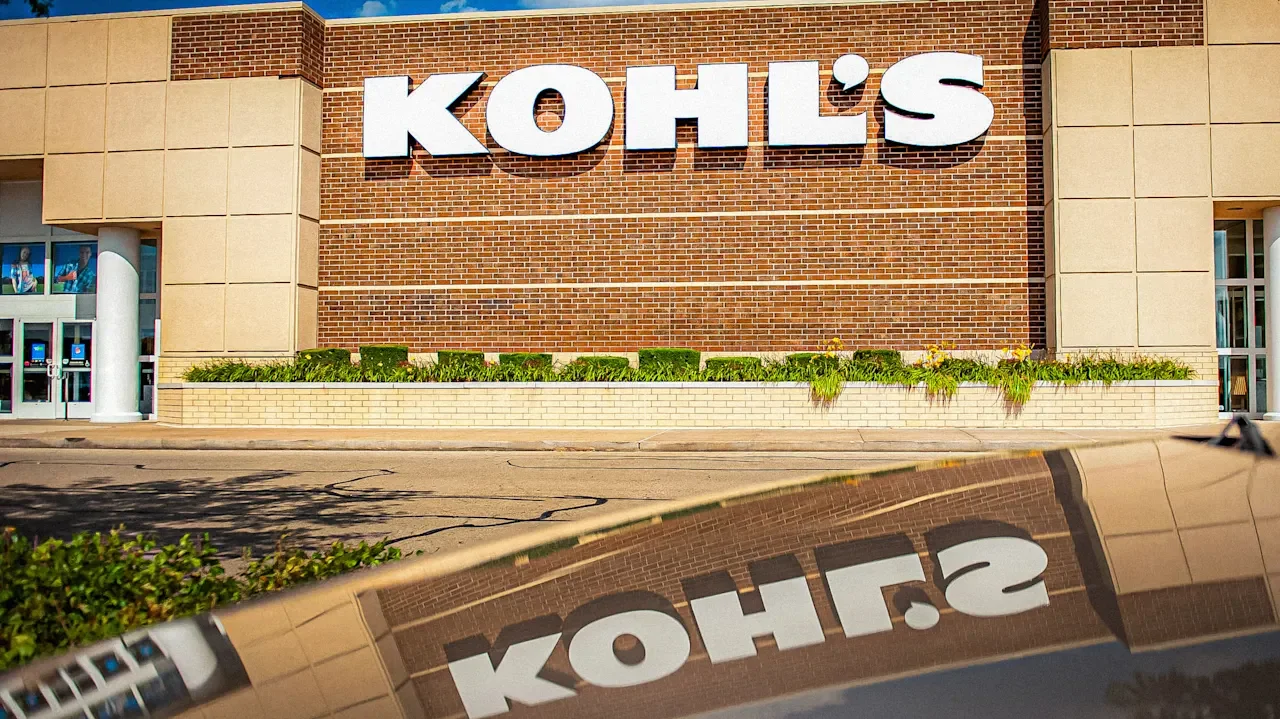
Last year, the CEO of the department store chain Kohl’s (NYSE: KSS) announced the closure of 27 locations in order to help shore up the company’s struggling finances. But in November, a new CEO took the helm, prompting many to wonder whether he would implement additional store closures. Now that CEO has made his plans clear. Here’s what you need to know. Kohl’s shut 27 stores in 2025 In January 2025, Kohl’s announced it was closing 27 underperforming locations in 15 states, as well as its San Bernardino E-commerce Fulfillment Center (EFC) in California. At the time, the company’s then CEO, Tom Kingsbury, said the closures were a “necessary” step “to support the health and future of our business for our customers and our teams.” The closures followed slumping comparable store sales in 2024, and by April 2025, all of the previously announced doomed locations had shut for good. But in November, Kohl’s got a new CEO, Michael Bender, the chain’s third chief executive in nearly three years. Bender’s top priority was to turn around sinking store sales and increase the company’s bottom line. That left many wondering whether even more underperforming stores would be on the chopping block this year. Now, thanks to recent comments from Bender, we know for sure. Will there be more Kohl’s store closures in 2026? On March 10, Kohl’s reported its fourth-quarter 2025 results, and on the following conference call, Bender was asked specifically whether additional store closures were planned. The good news for Kohl’s customers and employees is that the answer, for now at least, is no. In response to an analyst’s question about potential additional closures, Bender noted that the company has around 1,150 locations and that the “vast majority”—over 90% of them—are still profitable, according to a PitchBook transcript of Bender’s comments. Bender stated that the company would be looking at the “hygiene” of each store to make sure they are “positioned in the right spot,” adding that he “would not anticipate any sort of grand plan of saying we’re taking stores out or adding stores at this point.” “The focus for us is actually on optimizing what we already have, and we’ll be focused on making sure that we continue to push the store’s productivity as far as we can going forward,” he continued. He added that the company tends to assess its store footprint on an annual basis. Kohl’s stock price has struggled It was little surprise that Kohl’s decided to shutter underperforming locations in 2025. Like many big-box retailers, the chain had been struggling for years with declining sales and shifting consumer habits, as well as ever-increasing competition from online retail giants like Amazon, Temu, and Shein. Most recently, the company reported its Q4 and full-year fiscal 2025 results, and as has been the case lately, things could have been better for Kohl’s. For its most recent quarter, net sales decreased 3.9% and comparable sales decreased 2.8%. When looking back over the full fiscal 2025 period, net sales decreased 4.0% and comparable sales decreased 3.1%. If there was one bright spot, it’s that for the fourth quarter, Kohl’s posted a diluted earnings per share (EPS) of $1.07. As noted by CNBC, that was well above the EPS of 86 cents that analysts polled by FactSet were expecting. Still, it wasn’t enough to reverse the downward slope of Kohl’s stock price. As of yesterday’s closing bell, shares of Kohls Corp have declined more than 37% year-to-date. The company’s stock price closed at $12.69 yesterday. However, over the past 12 months, KSS shares are actually up over 48%, largely thanks to a November surge, a surprise earnings beat in the company’s Q3 2025, and the appointment of Bender as CEO. And yet, looking back even further reveals how dire things have become for the company’s share price. Over the past five years, Kohl’s stock has lost nearly 80% of its value. View the full article
-
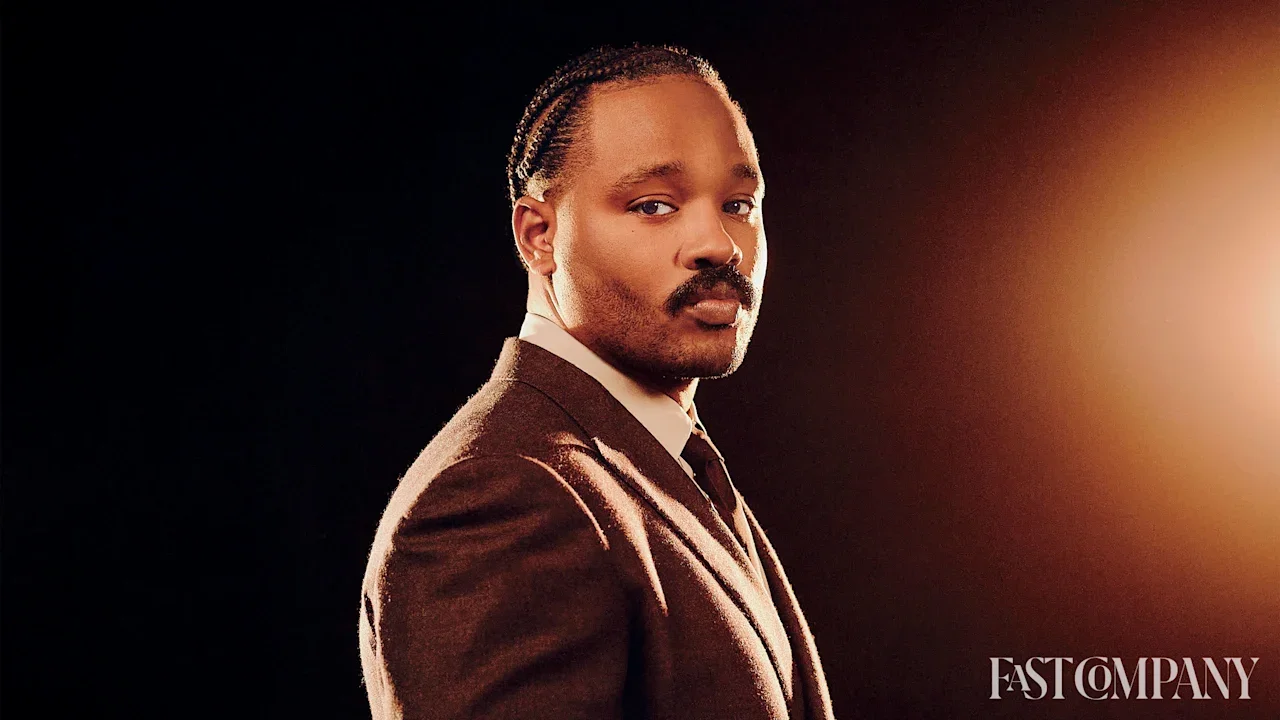
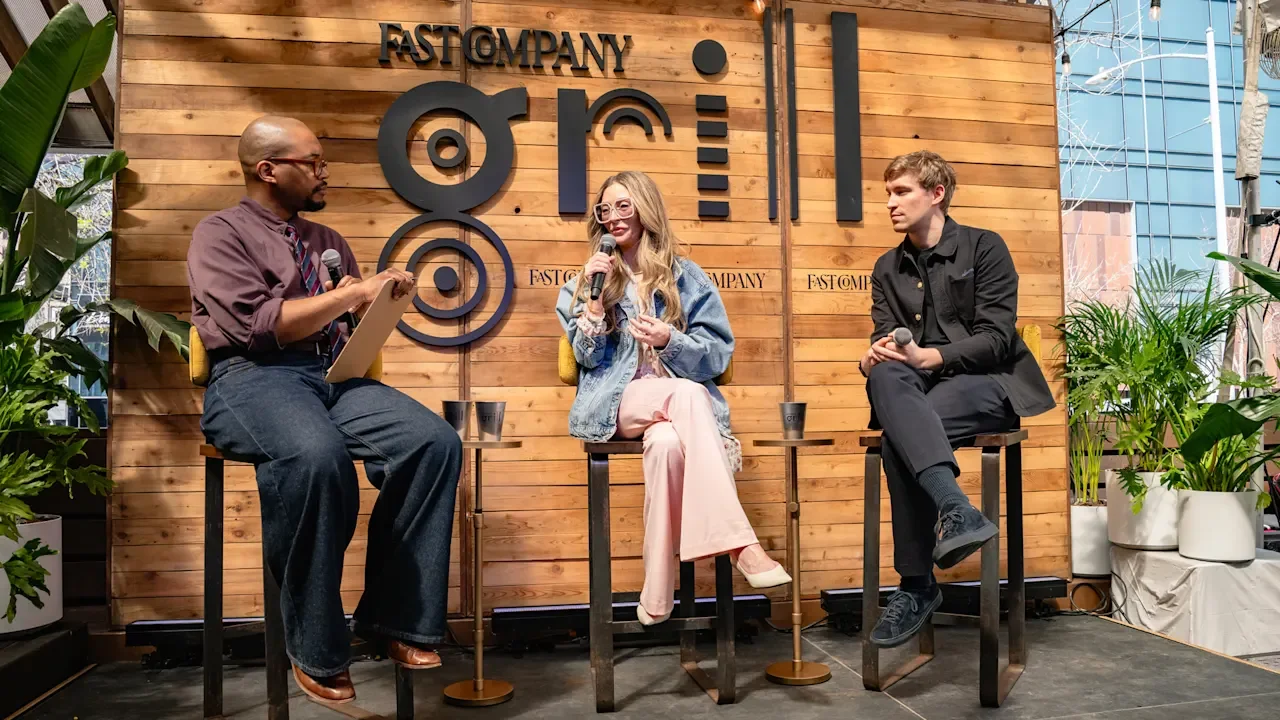
Despite what Timothée Chalamet may think, the Metropolitan Opera’s production of Richard Wagner’s epic Tristan und Isolde is generating a lot of buzz this season. That’s thanks in no small part to director Yuval Sharon’s bold choices, which include cutting-edge video projections and an immersive set design by Es Devlin. Sharon believes it is necessary to be forward-thinking, especially since the arts are facing a hard economic reality. He also believes it’s what helped drive the production’s impressive ticket sales. “People all saw that there is something new is being attempted here that you’ve just got to see,” he tells Fast Company. “I think that is its own reward.” In an era where New York’s storied Met Opera has faced layoffs, pay cuts, postponed productions, and a controversial financial agreement with Saudi Arabia, Chalamet’s comments, while dismissive and disrespectful, may have a kernel of hard truth in them. According to reporting by the New York Times, declining ticket sales are part of the problem, down $20 million in 10 years. And live performances are not the only ticket revenue dwindling—live broadcasts of opera in movie theaters are down as well. Because of high production costs, opera cannot survive on ticket revenue alone. Companies such as the Met also rely on investment endowments. Unfortunately, the Met has also depleted its endowment by one third, dropping from $340 million in 2022 to $212 million today, the Times reports. Sharon is aware of this budget crisis but also views it as an opportunity. “The business of opera is ludicrous, and we’ll never make money . . . That’s kind of part of the deal,” he says. “But part of that also means it’s about the experimentation. And for me, that is so liberating.” “The storytelling needs to demand it” It seems only natural to push the boundaries of technology to further innovate opera. To its diehard fans, the over-400-year-old art form is not dying but progressing forward, no matter what outsider Hollywood movie stars say. Because of opera’s long history, integrating elements such as prerecorded and live video into the mix opens up a larger discussion about the role of technology in live performance. Both Sharon and Devlin believe if Wagner were alive today, he would have approved, and perhaps would have even worked in VR or cinema himself. “I think he would absolutely have wanted us to work with the most advanced means of creating magic, of transporting an audience to another time and place,” Devlin says. Sharon considers opera a “constantly evolving language, not something that is stuck in the past” but “something that’s always ever present.” He views his job as the director to help articulate its universal message to a modern audience. “I’m not changing a word, but something new has emerged from it based on who we are as 21st-century artists making it,” he says. “I just love that. It’s part of what makes me believe in the art form so much.” His interpretation of Tristan und Isolde utilizes a split-world concept. Actors dressed in contemporary clothing at a table act as a bridge or tunnel into the mythical world of the story. “The mythic still is always churning in our everyday contemporary lives in ways that maybe we are not always conscious of,” Sharon says. “Sometimes in everyday rituals of sitting at a table, we are unconsciously enacting memories from the mythic past . . . they’re with us in these ways that we don’t necessarily anticipate.” He views the opera as a kind of solemn rite, with technology being just another tool on this larger mission. “I don’t come into a project saying, ‘Well, of course I’m going to use video because I like using video.’ The storytelling needs to demand it,” he says. In the story, the overwhelming and sudden love between Tristan and Isolde causes the characters to question their reality, making video the perfect medium. Devlin’s set, designed as an end-to-end immersive system, gives Sharon’s vision an ideal playground. Not only does it act as a platform for projections, but this is the first time that a set will fill the full square of the proscenium on the Met’s main stage at Lincoln Center for the entire production. “Often when you work at the Met Opera, you will work in the bottom two-thirds of the picture in a rectangular orientation,” Devlin says. “But we are working with the full square throughout—right up to the edge of the proscenium.” Utilizing the whole space was a goal of hers since working on Verdi’s Otello in the same space in 2015. The existing architecture of the building acted as one of her inspirations. “The Met is this extraordinary selection of shapes . . . the stage sculpture feels very continuous with the sculptural architecture of the design of the interior of the building, which is incredibly beautiful,” she explains. Beyond its expansive size, the set supports the cast, who are singing a beautiful but notoriously difficult score. “We’ve designed the set in such a way that it’s a musical instrument,” Devlin says. “We’ve designed literally a series of megaphones around them.” Striking the right balance for humans Both Sharon and Devlin believe technology is a tool that needs a human element, while Devlin says she hopes the innovative use of video projections draws in fresh spectators. “If including some contemporary means of storytelling brings a new audience to the work, then that’s fantastic,” she says. However, Sharon wasn’t afraid to cut technological elements when they overwhelmed the human performers. “Before the singers come in, it’s like an art installation,” he says. “And then the singers come in and then you realize that, well, actually we need to tone it down to such a degree that the singers are still at the center.” While the opera is larger-than-life, Sharon wants to showcase intimate human moments. He couldn’t say enough good things about the cast, featuring Michael Spyres and Lise Davidsen in the title roles, which he called “the greatest cast I think that’s ever been assembled for this opera.” “A big part of my job is also supporting and being there to make sure that singers can give the very best performance they can,” he adds. “And if there’s a stumbling block in their way, I have to remove it.” In the end, Sharon firmly believes that opera is still for everyone. In fact, he literally wrote a book on it. Audiences outside of New York City can catch a filmed live performance of Tristan und Isolde on March 21 through the Met’s “Live in HD” program. After the experience, you can decide for yourself if opera is alive and well in 2026. View the full article

-
Sponsored Post If you asked a small business owner five years ago what kept them up at night, they might have said cash flow, finding staff, or maybe a competitor opening up across the street. Fast forward to 2026. While those worries haven’t vanished, a new set of invisible, digital, and economic threats have joined them. It’s not just about a customer slipping on a wet floor or a storm damaging the roof. Today, the risks are often buried in lines of code, hidden in employment contracts, or eroded silently by economic shifts. For many small business owners, the challenge isn’t just managing these risks, it’s knowing they exist in the first place. Here’s a look at the emerging threats shaping the small business world in 2026, and practical ways you can protect what you’ve built. 4 Emerging Risks Owners Aren’t Talking About (But Should Be) Here are four specific areas where exposure gaps are widening for small businesses. 1. The AI Gap: Liability for Algorithmic Errors and Copyright Whether you’re using generative AI tools to write marketing emails, draft code for a client’s website, or automate customer service responses, you’re relying on an algorithm to represent your business. But what happens when the AI gets it wrong? We’re seeing a rise in “AI hallucinations,” where tools state false information as fact. If your business acts on or publishes this information without first checking it, and it leads to a financial loss for a client or damages their reputation, you could be liable for negligence. Copyright issues are also a growing minefield of risk. If your AI tool inadvertently generates a logo or text that infringes on existing intellectual property, your business is typically on the hook, not the AI provider. Standard general liability policies were not built with algorithmic errors in mind, leaving many business owners exposed to what is essentially a new form of digital malpractice. 2. Inflation-Driven Underinsurance: The Real Cost of Material Increases This is perhaps the most silent threat on the list. Many business owners set their insurance coverage limits years ago and simply renew them automatically. However, the cost of nearly everything has skyrocketed. Construction materials, specialized equipment, and inventory all cost significantly more to replace in 2026 than they did in 2023. If your workshop burns down, or your inventory is stolen, your insurance payout is capped at the limit you chose. If that limit reflects 2023 prices, you might find yourself with a payout that covers only 70% or 80% of the replacement cost. This gap can be the difference between reopening your doors and closing them for good. A good way to monitor a potential coverage gap is with an annual insurance audit. Increased revenues, additional hires, or new equipment can be signs that you may need to increase or add coverage. At Simply Business, a few minutes with our online quote tool can help you see what coverage you may need. We also have licensed agents who can help you review your options on the phone. 3. The Rise of Small-Scale Cyber Extortion and Phishing There’s a dangerous misconception that cybercriminals target only massive corporations with deep pockets. In reality, hackers view small businesses as “low-hanging fruit.” They know that while a Fortune 500 company has a dedicated security operations center, a local consultant or agency might just have a standard firewall and a reused password. In 2026, the threat has evolved from simple data theft to direct extortion. Ransomware attacks are becoming more targeted and less expensive to launch. Criminals lock critical business files such as client lists, financial records, and project data and demand a ransom to release them. Additionally, social engineering and phishing techniques have become more sophisticated. Scammers are now using deepfake audio technology to impersonate vendors or executives, tricking employees into transferring funds to fraudulent accounts. These attacks are personal, fast, and often devastating to cash-strapped small operations. 4. Contractor Misclassification and the 2026 Legal Landscape Regulators are cracking down on the distinction between an “independent contractor” and an “employee.” If you’re a small business owner who sometimes uses outside help, you should be aware that governmental agencies, particularly on the state level, are increasingly scrutinizing businesses that rely heavily on freelancers to ensure they aren’t avoiding payroll taxes and benefits. If you control when, where, and how a contractor works, the federal Department of Labor or the local state equivalent may classify them as an employee, regardless of what your contract states. The risk here is retroactive. If an audit finds you have misclassified workers, you could be liable for years of back taxes, unpaid overtime, workers’ compensation premiums, and hefty penalties. How to Conduct a 2026 Risk Audit for Your Business You don’t need to hire an expensive consultant to get a handle on these risks. You can start by conducting a simple internal audit. Review Your Tech Stack: List every AI tool and software platform you use. Find out if it’s an open system that pulls data from outside sources or shares your input with other programs. Check the terms of service: Do they indemnify you against copyright claims? If not, proceed with caution. Audit Your Workforce: Look at your independent contractors. Do they have other clients? Do they set their own hours? If they look and act like employees, it might be time to formalize that relationship or restructure the engagement. You should also consider consulting with an employment attorney if you have questions. Check Your Limits: Pull up your current insurance policy. Look at your property and equipment limits. Go online and check the current market price for your essential gear. If there is a discrepancy, call your broker. Educate Your Team: Cybersecurity is a human issue, not just a tech issue. Train your staff to spot phishing attempts and verify unusual payment requests, especially those that seem to come from leadership. For more strategies on managing these shifts, resources like the U.S. Chamber of Commerce’s guide on risk management can provide a helpful baseline for strategy. Staying Ahead: How Simply Business Monitors Emerging Threats Navigating these risks can feel overwhelming, especially when you’re trying to run a business. The good news is that you don’t have to be an expert in cyber law or economic forecasting to stay protected. At Simply Business, we understand that a graphic designer in Austin faces different risks than a carpenter in Ohio. That’s why we use data and industry insights to understand the specific pressures that small businesses will face in 2026. We partner with leading insurers who specialize in covering small businesses. They can offer insurance products to address cyber extortion, update property values, and respond to professional liabilities in the digital age. The world changes fast. Your protection should keep up. By acknowledging these new risks and taking small, proactive steps to address them, you can ensure that your business is ready, no matter what 2026 throws your way. This article, "Small Business Risks Are Changing: What Matters Now in 2026" was first published on Small Business Trends View the full article
-
Sponsored Post If you asked a small business owner five years ago what kept them up at night, they might have said cash flow, finding staff, or maybe a competitor opening up across the street. Fast forward to 2026. While those worries haven’t vanished, a new set of invisible, digital, and economic threats have joined them. It’s not just about a customer slipping on a wet floor or a storm damaging the roof. Today, the risks are often buried in lines of code, hidden in employment contracts, or eroded silently by economic shifts. For many small business owners, the challenge isn’t just managing these risks, it’s knowing they exist in the first place. Here’s a look at the emerging threats shaping the small business world in 2026, and practical ways you can protect what you’ve built. 4 Emerging Risks Owners Aren’t Talking About (But Should Be) Here are four specific areas where exposure gaps are widening for small businesses. 1. The AI Gap: Liability for Algorithmic Errors and Copyright Whether you’re using generative AI tools to write marketing emails, draft code for a client’s website, or automate customer service responses, you’re relying on an algorithm to represent your business. But what happens when the AI gets it wrong? We’re seeing a rise in “AI hallucinations,” where tools state false information as fact. If your business acts on or publishes this information without first checking it, and it leads to a financial loss for a client or damages their reputation, you could be liable for negligence. Copyright issues are also a growing minefield of risk. If your AI tool inadvertently generates a logo or text that infringes on existing intellectual property, your business is typically on the hook, not the AI provider. Standard general liability policies were not built with algorithmic errors in mind, leaving many business owners exposed to what is essentially a new form of digital malpractice. 2. Inflation-Driven Underinsurance: The Real Cost of Material Increases This is perhaps the most silent threat on the list. Many business owners set their insurance coverage limits years ago and simply renew them automatically. However, the cost of nearly everything has skyrocketed. Construction materials, specialized equipment, and inventory all cost significantly more to replace in 2026 than they did in 2023. If your workshop burns down, or your inventory is stolen, your insurance payout is capped at the limit you chose. If that limit reflects 2023 prices, you might find yourself with a payout that covers only 70% or 80% of the replacement cost. This gap can be the difference between reopening your doors and closing them for good. A good way to monitor a potential coverage gap is with an annual insurance audit. Increased revenues, additional hires, or new equipment can be signs that you may need to increase or add coverage. At Simply Business, a few minutes with our online quote tool can help you see what coverage you may need. We also have licensed agents who can help you review your options on the phone. 3. The Rise of Small-Scale Cyber Extortion and Phishing There’s a dangerous misconception that cybercriminals target only massive corporations with deep pockets. In reality, hackers view small businesses as “low-hanging fruit.” They know that while a Fortune 500 company has a dedicated security operations center, a local consultant or agency might just have a standard firewall and a reused password. In 2026, the threat has evolved from simple data theft to direct extortion. Ransomware attacks are becoming more targeted and less expensive to launch. Criminals lock critical business files such as client lists, financial records, and project data and demand a ransom to release them. Additionally, social engineering and phishing techniques have become more sophisticated. Scammers are now using deepfake audio technology to impersonate vendors or executives, tricking employees into transferring funds to fraudulent accounts. These attacks are personal, fast, and often devastating to cash-strapped small operations. 4. Contractor Misclassification and the 2026 Legal Landscape Regulators are cracking down on the distinction between an “independent contractor” and an “employee.” If you’re a small business owner who sometimes uses outside help, you should be aware that governmental agencies, particularly on the state level, are increasingly scrutinizing businesses that rely heavily on freelancers to ensure they aren’t avoiding payroll taxes and benefits. If you control when, where, and how a contractor works, the federal Department of Labor or the local state equivalent may classify them as an employee, regardless of what your contract states. The risk here is retroactive. If an audit finds you have misclassified workers, you could be liable for years of back taxes, unpaid overtime, workers’ compensation premiums, and hefty penalties. How to Conduct a 2026 Risk Audit for Your Business You don’t need to hire an expensive consultant to get a handle on these risks. You can start by conducting a simple internal audit. Review Your Tech Stack: List every AI tool and software platform you use. Find out if it’s an open system that pulls data from outside sources or shares your input with other programs. Check the terms of service: Do they indemnify you against copyright claims? If not, proceed with caution. Audit Your Workforce: Look at your independent contractors. Do they have other clients? Do they set their own hours? If they look and act like employees, it might be time to formalize that relationship or restructure the engagement. You should also consider consulting with an employment attorney if you have questions. Check Your Limits: Pull up your current insurance policy. Look at your property and equipment limits. Go online and check the current market price for your essential gear. If there is a discrepancy, call your broker. Educate Your Team: Cybersecurity is a human issue, not just a tech issue. Train your staff to spot phishing attempts and verify unusual payment requests, especially those that seem to come from leadership. For more strategies on managing these shifts, resources like the U.S. Chamber of Commerce’s guide on risk management can provide a helpful baseline for strategy. Staying Ahead: How Simply Business Monitors Emerging Threats Navigating these risks can feel overwhelming, especially when you’re trying to run a business. The good news is that you don’t have to be an expert in cyber law or economic forecasting to stay protected. At Simply Business, we understand that a graphic designer in Austin faces different risks than a carpenter in Ohio. That’s why we use data and industry insights to understand the specific pressures that small businesses will face in 2026. We partner with leading insurers who specialize in covering small businesses. They can offer insurance products to address cyber extortion, update property values, and respond to professional liabilities in the digital age. The world changes fast. Your protection should keep up. By acknowledging these new risks and taking small, proactive steps to address them, you can ensure that your business is ready, no matter what 2026 throws your way. This article, "Small Business Risks Are Changing: What Matters Now in 2026" was first published on Small Business Trends View the full article
-
Entrepreneurship has been synonymous with sleep deprivation for decades. Treating sleep as a weakness, CEOs and founders have worn the “founder’s grind” on their faces—showing off dark circles as badges of honor, and drawing a parallel between exhaustion and commitment. Sleep became optional in the name of business success. I’ve worn that badge and know that grind all too well. In my roles as a founder and entrepreneur, I treated sleep as a luxury, and it wasn’t until I lost the ability to get a good night’s rest that I realized just how critical it was to my performance. For a long stretch of my career, I woke up every morning at exactly 2:57 a.m. My eyes would open. My mind would start running. And I wouldn’t fall back asleep until well after 4:00 a.m., if at all. At the time, I was leading a company, making high-stakes decisions, managing teams, raising capital, and parenting a young child. I told myself it was just stress. What I didn’t understand then was that the most expensive mistakes I was making as a leader weren’t strategic. They were physiological. And I realized that pushing through with little sleep isn’t a sign of grit. It’s a sign of poor resource management. Record burnout Now it’s 2026, and burnout is at a record high. Sleep is bubbling as a leadership advantage, not necessarily because it feels good, but because it makes us smarter, calmer, and more effective. The most forward-thinking founders and executives are reframing sleep, not just as “self-care” but as infrastructure for critical decision-making, creativity, emotional regulation, and long-term resilience. In the next decade, the companies that outperform won’t be led by the most exhausted leaders, but by the ones who are truly well-rested. Fatigue is more of a risk factor than a flex when running a business, and the “Hustle Culture” that founders and leaders cling to is costing companies more than it’s delivering. Chronic sleep deprivation impairs judgment, slows reaction time, and erodes emotional intelligence: three core capabilities that modern leaders cannot afford to sacrifice for the sake of productivity. A founder’s perspective is their biggest asset. In high-stakes environments—whether it’s fundraising, managing teams, or planning for the future of the business — clear judgment and sharp reaction times aren’t trade-offs; they’re everything. Today’s leaders are expected to be sharper, not necessarily tougher. And as AI absorbs more of the operational and repetitive cognitive load, it’s more important than ever to set yourself apart by processing information faster, managing multiple teams and tasks seamlessly, and navigating uncertain or crowded markets with finesse. A competitive edge Quality sleep is the best competitive edge we can have as business leaders. Now more than ever, uniquely human skills: creativity, strategic thinking, empathy, are at a premium, all of which are directly tied to sleep quality and quantity. Those qualities don’t come from staying up late to finish work; they start the night before, during a good night’s sleep. Leaders who protect their sleep are protecting their brains and their judgment. It starts at the top. Prioritizing sleep is a leadership signal to the rest of your company. When leaders model boundaries, recovery, and sustainable performance, it sets the tone for a healthier, more productive team. Sleep-positive leadership can help reduce burnout and turnover—two of the biggest concerns for employers today. Organizations are competing for top talent, and as younger generations prioritize well-being and work-life balance, sustainability is a critical leadership signal. The late-night email sends a louder message than just the words inside it. It sets an expectation of blurred boundaries between work and life. Leaders set the standard for those boundaries, protect employees’ recovery time, and treat sleep as non-negotiable. Forward-thinking companies are beginning to integrate sleep education, flexible scheduling, and performance recovery into broader talent and productivity strategies. Not because it’s trendy, but because the link between sleep, mental health, and decision-making is undeniable. Sleep isn’t just a personal habit; it’s a business strategy. In an era defined by complexity, the ability to think clearly, respond calmly, and create strategically is the ultimate advantage. And that advantage starts with a good night’s rest. As organizations navigate economic uncertainty, AI disruption, and workforce burnout, the leaders who stand out will be the ones who prioritize sleep. View the full article

-
Back in 2020, advertisements from Big Oil companies were focused on climate actions, like touting renewable energy investments or emphasizing sustainability pledges. But now, those companies seem to have shifted away from the climate and back toward normalizing fossil fuel dependence, a new report notes. Clean Creatives, an advocacy group that works to get PR and ad professionals to give up their fossil fuel clients, outlined the trajectory of this shift in a report that analyzed nearly 1,900 ads from BP, Shell, ExxonMobil, and Chevron. Those ads span from 2020 to 2024, and show what Clean Creatives calls a transition away from greenwashing and toward “climate gaslighting.” Big Oil ads now push the narrative that oil and gas are economic necessities, the report says—crucial to address our growing energy demands. And, instead of discussing renewables like solar and wind, they now highlight technologies like carbon capture, which experts say is often used to justify more fossil fuel extraction. Big Oil says fossil fuels are “indispensable” This messaging playbook coincides with geopolitical instabilities, from the ongoing war in Ukraine to America’s escalation in Iran, that highlight how vulnerable our global fossil fuel markets actually are. Those disruptions have led to rising oil prices—prompting climate experts to note that renewable energy would have buffered our country from such volatility. Sunlight and wind, many have pointed out, don’t need to go through the Strait of Hormuz. But even as the world is noticing how detrimental it is to rely on fossil fuels, Big Oil is doubling down on framing their products as a permanent fixture of life, and “indispensable to national security,” Clean Creatives says. To that advocacy group, this messaging amounts to gaslighting. It ignores the fact that renewable energy is cheap to build and would insulate countries from such geopolitical instability. “Greenwashing has taken on a new form,” Nayantara Dutta, head of research at Clean Creatives and lead author of the report, says in a statement. “Instead of making false claims, oil majors are promoting false solutions like [carbon capture and storage] and natural gas, even though they are derived from and create long-term dependence on fossil fuels.” “While the world is phasing out fossil fuels,” she adds, “oil companies are crafting a narrative that keeps them profitable and in power.” Chevron, BP, and ExxonMobil did not respond to a request for comment about the report. Shell declined to comment. How messaging on fossil fuels has evolved Fossil fuel companies have a long history of misleading messaging. Big Oil knew about fossil fuels’ impact on global warming as far back as 1959, but denied that fact for decades. They spent years—and billions of dollars—on advertising and PR campaigns that downplayed climate risks and even shifted the blame to individuals, like by introducing the idea of a “carbon footprint.” Eventually, that changed. Companies began to acknowledge climate change and even positioned themselves as part of the solution. In February 2020, BP made headlines as the first such company to announce a net zero pledge. (It has since diluted its targets, even outright abandoning plans to cut its oil outputs.) Chevron, Shell, and ExxonMobil soon followed. Ads across these companies began to include images of solar farms, phrases such as “lower-carbon,” and claims that Big Oil was “advancing climate solutions” and “aligning” their businesses with the Paris climate agreement. “The latest rhetorical twist” from Big Oil This era of advertising is defined as one of “climate leadership” in the Clean Creatives report. But it didn’t last. By analyzing everything from paid advertisements (across Facebook, YouTube, LinkedIn, TikTok, Instagram, and television) to ad library archives, press releases, investor communications, and executive speeches, Clean Creatives outlines how fossil fuel messaging has changed in the years since. From 2020 to 2021, Big Oil companies positioned themselves as leaders on climate. But in 2022, they began focusing on “energy security.” In 2023, they adopted a “both, and” narrative, the report says, which said fossil fuels were essential to meet today’s energy needs, and that these companies were working on a “lower carbon” future. From 2024 to today, though, the messaging has centered around fossil fuel dependence, or what Clean Creatives calls “‘you can’t live without us’ messaging.” “The transition from greenwashing to advocacy of fossil fuel energy dominance is the latest rhetorical twist in the manipulation of the public to accept greenhouse gas emissions as just part of doing business,” Robert Brulle, an environmental sociologist at Brown University, says in a statement. “Meanwhile,” he adds, “the war in the Middle East shows the folly of the idea that fossil fuels provide ‘energy security.’ The case for renewable energy is only growing stronger.” View the full article

-
There’s a brand new hook to Nespresso’s upcoming global advertising campaign: Dua Lipa. The coffee brand, created by Nestlé in 1986, is teasing that the pop star will be featured in a new ad push called “Vertuo World,” which will debut on April 14 and promises to shepherd a new creative direction. Millennial Dua Lipa will star alongside Oscar-winning actor (and baby boomer) George Clooney, who has been an ambassador for Nespresso since 2006. A new face for a new generation Adding Dua Lipa to the mix builds on Nespresso’s efforts to lure a coveted demographic, Gen Z. There are around 70 million of them in the U.S. today, a generation that’s still aging into adulthood but already strongly indicating they like the flavor that coffee offers. An estimated 47% of Gen Z consumers report drinking coffee daily, according to food and beverage data insights provider Tastewise. “Gen Z is a generation that is not only going to be the future of the category, but it’s also a generation that is highly influential in coffee purchases,” Leonardo Aizpuru, chief marketing officer at Nespresso, tells Fast Company. He says “Vertuo World” will be “by far the biggest campaign that we’ve ever done in our 40-year history” by dollars spent. Nespresso is planning to run the multimillion-dollar Dua Lipa campaign in all global markets the brand operates in, across linear TV, online video, and social channels. From European luxury to TikTok culture Dua Lipa’s appointment to serve as a global brand ambassador comes two decades after Nespresso launched its long-running campaign work with Clooney. The coffee scene has changed dramatically, as younger millennials and Gen Z have grown up. The latter has been credited with driving broader trends such as favoring cold coffee, unique creamers, and highly customizable coffee drinks that can be showcased on TikTok. Gen Z’s desire to personalize coffee is also fueling retail demand for coffee machines, with global sales of those devices projected to increase from 89 million in 2024 to 94 million annually by 2029, according to research firm Euromonitor. Ellie Bamford, North America chief strategy officer for creative agency VML, tells Fast Company that pulling in a celebrity like Dua Lipa can help Nespresso as it extends beyond its sophisticated marketing with Clooney, who tended to evoke “European luxury.” “But I think the simple fact is that the audience ages out,” says Bamford. Dua Lipa, she adds, “has a lot of positive sentiment around her. She’s edgy without being controversial. She’s interesting.” Over the past couple of years, Nespresso has made more overt efforts to reach out to Gen Z through trendy flavors like the Pistachio Vanilla coffee pod and an Instagrammable, Mediterranean-esque Pantone collaboration. Why Gen Z matters so much Nearly two-thirds of adult consumers say that teen and college-age Gen Zers influence where and how they shop, according to Aizpuru, citing data published by communications firm Edelman. With that important cultural currency and rising purchasing power that is expected to increase to $12 trillion by 2030, it has become a strategic priority for Nespresso to make a more conscious effort to lure younger coffee drinkers with a fresher approach. Aizpuru also vows that Nespresso isn’t replacing Clooney with Dua Lipa. Both will work as brand ambassadors for future marketing endeavors. The company made a similar promise last year when Nespresso created a U.S.-focused marketing campaign around pop singer The Weeknd. Iced coffee is the real play While Nespresso is being tight-lipped about all the details of next month’s big campaign, Aizpuru shares that it will include Dua Lipa exploring new recipes for iced coffee, an espresso martini, and a French lavender latte, all nods to the evolving ways consumers are drinking coffee today. Promoting the machine’s ability to make iced coffees at home is a particularly important priority, as 50% of Nespresso’s coffee machines are used to make iced coffee in U.S. homes. Aizpuru acknowledges, “We just haven’t really leaned too hard into expanding that message.” The influence gap between Clooney and Dua Lipa Over the past several years, Dua Lipa has become a prolific spokesperson for luxury and beverage brands, appearing in advertisements for YSL Beauty, Chanel, Porsche, Evian, and Truly Hard Seltzer. Working with Nespresso for her latest endorsement blends the two prominent themes of her past commercial work. “I feel like I have grown up with Nespresso,” the singer said in a prepared statement. “There’s always been a Nespresso machine nearby—at home with my family, on set, or in a hotel room—so teaming up with them was really an easy decision.” Bamford says fashion-focused brands like Nike and Gucci have done a particularly good job of transitioning to new faces in a similar vein to what Nespresso is trying to achieve. She notes as an example how French fashion brand Christian Dior has maintained a multiyear relationship with Oscar-winning actress Charlize Theron while also featuring younger talent like Natalie Portman, Jennifer Lawrence, and Rihanna. Still, there are some elements of risk in Nespresso’s decision to give Dua Lipa a starring role in future campaigns. “They want to keep the core of who they are and not lose that completely, but obviously attract this newer, more dynamic audience,” Bamford says. A younger, more socially engaged consumer base is where Dua Lipa has a clear edge over Clooney. “When we launched this campaign in 2006, Facebook wasn’t even a platform that you used to communicate, much less TikTok,” says Aizpuru. The actor, like many A-list Hollywood stars of his generation, has no public social media pages. He became famous in an era when that wasn’t a requirement to become successful. Dua Lipa, meanwhile, is very much of her generation. The British-born singer has 11.2 million followers on TikTok and nearly 89 million on Instagram. “Influence is not happening on the Today show or in a print ad,” Bamford says. “It’s happening on TikTok.” View the full article

-
The most frequent mistake companies make when applying? They fail to focus on a single, representative example of internally grown innovation. Here’s some advice on how to produce a more compelling application for Fast Company’s Best Workplaces for Innovators in 2026. Get real Jargon won’t win you any awards. Applications that read as if they were written to appeal primarily to an internal audience are not likely to earn high marks from our judges. Use clear language to describe your innovation programs. We’re looking for companies that do more than just talk the talk. Be current Focus on a recent or ongoing example. We’re looking for current hotbeds of innovation—organizations that are working to sustain a creative culture and aren’t resting on the laurels of a handful of breakthroughs from a decade ago. Be specific We’re looking to honor companies that are accomplishing real innovation, not merely laying the groundwork for future breakthroughs. In other words, focus on real projects delivering measurable results. Be precise To recognize companies for Best Workplaces for Innovators, we need details. Who did what when, and how? How’d the idea come about? What initial hurdles needed to be overcome? How big was the team? How long did it take? How much investment was required? Emphasize outcomes Tell us exactly what was accomplished and what it means. What are the impacts or implications for the company, the industry, the broader community? Be democratic Your big idea may have originated in the C-suite, but (full disclosure) we’re a bit biased toward ideas that come from the bottom up, from unexpected sources (think interns) because a) they’re more surprising and make for better stories, and b) they are more indicative of the kind of pervasive culture of innovation that we’re looking to recognize in Best Workplaces for Innovators. That said, wherever the idea originated, the emphasis should be on the quality of the innovation, the rigor with which it was pursued, and the inclusivity of the effort to bring the idea to fruition. Tell a story Exhaustive lists of initiatives are boring. Pick a project that seems most emblematic of your own particular culture of innovation and tell the story. (See Be precise and Be democratic above.) You can always include at the end of your example a quick list of other significant recent efforts that have benefited from the same culture. Don’t procrastinate This year’s deadline for Best Workplaces for Innovators applications is now just a few days away, March 27. View the full article

-
Usually, all-nighters are for college students and people worried about losing their jobs if they don’t deliver. And if there’s one thing that Ryan Coogler—writer, director, and producer of Sinners—has demonstrated over his career, it’s that he delivers. Yet on this February afternoon—a day before his blood-soaked Southern Gothic blockbuster would become the most Oscar-nominated project in cinema history—he’s sitting across from me in a knit monochrome tracksuit and thick-rimmed glasses, looking rather sleepy. “My bad, bro,” he tells me after briefly losing his train of thought in the middle of a sentence. “I just pulled an all-nighter trying to get a draft in.” The script is for an upcoming TV reboot of the hit 1990s series The X Files, which Ryan is coproducing for Disney+ through Proximity Media, the company he founded with his wife, producer Zinzi Coogler, and producer and screenwriter Sev Ohanian (no relation to Reddit cofounder Alexis Ohanian). I’m meeting with the three of them at a hotel suite in the Bay Area, where Ryan and Zinzi live, amid a punishing awards-season schedule. Ryan could be forgiven by his partners if a draft were a few days late, but Proximity runs on this kind of commitment. As Zinzi says as she sips her decaf coffee, the founders are basically family, and “you treat your family a little bit differently because you’re invested in a different way.” Though the three have been working together since Ryan and Ohanian’s student days at the University of Southern California’s School for Cinematic Arts, they didn’t officially found Proximity until 2018, following Ryan’s catalytic success as the writer and director of Fruitvale Station, Creed, and Black Panther. Since then, the company has grown to some 20 people who work across its film, television, audio, music, and unscripted divisions. Proximity has produced a handful of feature films (Judas and the Black Messiah, Creed III), documentaries, and television shows. Sinners, which ended up taking home four Oscars, including for best screenplay and best actor (Michael B. Jordan), is its first feature film written and directed by Ryan himself. Inspired by the imagery and iconography of the Delta blues, the movie is a meditation on Southern Black culture and the exploitative foundations of the plantation system. It’s culturally specific enough to inspire think pieces and podcast interviews. But it’s also a good old-fashioned vampire horror flick, filmed on IMAX and Panavision to maximum effect. The movie surpassed $350 million in global box office on a $90 million budget, establishing Proximity as a heavyweight. What’s more, the production company secured a head-turning deal with Warner Bros., which financed and distributed the film, reportedly giving Proximity full creative control, first-dollar gross, and rights to the intellectual property after 25 years. (The Proximity team declined to discuss the deal, saying it was never meant to be public knowledge.) The rights-reversion part of the deal became a flashpoint for other studio executives, though, some of whom speculated that such deals could mean the end of the studio system. Those fears may be overblown: Quentin Tarantino struck a similar rights-reversion deal for his 2019 film Once Upon a Time in Hollywood; studios have yet to collapse. And Ryan remains one of the surest bets in town. Measured by both critical reception and box office, the 39-year-old is the most successful director across his first five films since Steven Spielberg. Ryan’s films have grossed an estimated $2.7 billion globally and hold an aggregated Metacritic score of 81.2, surpassing the first five movies of Tarantino, Christopher Nolan, and James Cameron. Proximity’s achievements come at a time when theatrical releases are under increasing threat. Summer 2025 saw the lowest box-office numbers since 1981 (adjusted for inflation and excluding the pandemic years). In the age of streaming and short-form video, getting audiences into movie theaters for something other than a franchise is no small feat. But with Sinners, Proximity found a way to create not just a film but a genuine event. The movie weaves Black history, musical history, and cinematic history into something that feels very close to an epic—one that’s entirely original, not tied to a comic book, superhero, toy line, or another film. Just as notably, Proximity engineered a release strategy that treated originality itself as the product, building anticipation across mediums. The company, which controls the content around its releases to an unusual degree, added even more energy to the film by producing a series of behind-the-scenes podcast episodes around it. Meanwhile, its in-house music division, a rarity among independent studios, came out with a hit soundtrack, cementing the film as a musical phenomenon. “It earned its success the hard way,” Pamela Abdy and Michael De Luca, co-chairs and CEOs of Warner Bros. Motion Picture Group, said in an emailed statement. “The film serves as a reminder that originality is rarely the safest path, but it can be the most rewarding.” In a moment when Hollywood is questioning what brings people out of their homes, Proximity offers a clear, quietly radical answer. Like many teenagers, Ryan and Zinzi Coogler spent their first date at a movie theater: the Regal Cinema in Oakland’s Jack London Square, where they saw Bring It On. They were 14 and dreaming of athletic superstardom—Ryan in football, Zinzi in middle-distance track. In some sense, their working relationship began almost as soon as they met. They trained together through high school to keep each other motivated. But it was movies that became the centerpiece of many future dates—and defined their lives. Zinzi attended Fresno State; Ryan went to St. Mary’s College of California, then to Sacramento State. A creative writing professor at St. Mary’s had told Ryan that he should consider screenwriting. He learned that USC was the place to be and entered the MFA program in 2008. By then, Zinzi was working as an ASL interpreter, but would visit him on campus, sitting in on film classes and serving as script supervisor, producer, and even cinematographer and camera operator on his student projects. The result was so good that one of Ryan’s professors arranged for him to meet with Forest Whitaker’s production company, citing the expert camera work. That led to Whitaker helping to produce Ryan’s first feature, 2013’s Fruitvale Station. At USC, Ryan and Zinzi got to know Ohanian, an astute and mild-mannered former Boy Scout from Glendale, California. Ohanian was already a self-taught filmmaker. In the early days of YouTube, he had written and directed a scripted series that mined his Armenian family for humor. When the videos went viral across the diaspora, he raised money from the Armenian community to shoot a feature-length film with the same characters. He screened it at community centers, churches, and schools, realizing that people show up when you give them something to care about. After USC, he gravitated toward producing, a job he sums up as “making the impossible possible.” Zinzi CooglerErik Carter The seed for Proximity came from a conversation the three had over dinner during the San Francisco Film Festival in 2018. Ryan and Zinzi were basking in the success of Black Panther, and Ohanian was in town to support the thriller Searching, which he coproduced. They floated the idea of forming a company, Ryan as creative lead, Zinzi and Ohanian as producers. In their time in Hollywood, they’d noticed there was a pattern to the nonfranchise films that performed well at the box office. “What we were finding was that every quarter, there was a movie that would beat tracking,” Ryan says, referring to the test-screening scores studios use to gauge wider interest in a film. “People would say, ‘Man, we never saw this coming.’ Get Out is a great example. Crazy Rich Asians is another.” Even Hustlers, Ryan points out, exceeded financial expectations. But Proximity’s founders believe that the success of these films should have been predictable, largely because they have multiple “hooks,” something they talk about frequently. In the case of Hustlers, there’s Jennifer Lopez, con artists and criminals, and Cardi B in a strip club. “These movies made popcorn money,” Ryan says, “but there was still something sticky there, something that challenges you or brings you closer. So we started to wonder if maybe this could be our lane.” Proximity aims to build a business on films that deliver, as Ryan says, “real, potent artistic points of view,” while also giving audiences reasons to leave their homes. For Sinners, those hooks are vampires, IMAX, and Michael B. Jordan playing twins. There’s a word heard often among Proximity’s founders, who named their company for its mission to bring audiences closer to often-overlooked subjects: eventizing. Ohanian is so committed to this idea that he once tried to create a formula for turning a movie into an event. “Disclaimer,” he warns, “I don’t even know if it’s possible to reverse engineer, but I came up with this ridiculous acronym called PUGS: propulsive, unique, genre-bending, and surprising.” Ohanian may be a better film producer than a creator of acronyms, but Sinners is evidence that he’s onto something. For Proximity’s founders, who learned to love movies alongside family, friends, and community, generating mass appeal is a matter of responsibility. “Sixteen-year-old Zinzi, Sev, and Ryan didn’t know what an art house theater was,” Zinzi recalls, “but we did know what the multiplex was. There are so many people whose entry point to this medium is through the multiplex. That’s inspired us to be broader in scope, but very specific with intention.” In the hotel room, Ryan, Zinzi, and Ohanian are reminiscing about the heyday of the movie soundtrack, listing the ones that impacted them the most: Titanic, Space Jam, Above the Rim, Waiting to Exhale, The Bodyguard. “Did I already say The Bodyguard?” Ryan says with a laugh. “Well, screw it, I’m going to say it again!” Now all around 40 years old, they remember a time when the soundtrack was a bridge between the theater experience and your life. You’d listen to your favorite TLC or Tupac track in your bedroom while you looked at the CD cover and replayed scenes from the movie in your mind. To bring that experience to modern audiences, Proximity has an in-house record label, which creates and releases soundtracks for its projects. The Sinners soundtrack, which includes songs from nearly two dozen contemporary blues, folk, and country artists, hit No. 1 on Billboard’s Blues Albums list and took home a pair of Grammys. Proximity’s Wakanda Forever soundtrack, released in 2022, peaked at a respectable No. 12 on the Billboard 200 list. (Though Ryan directed the Black Panther follow-up for Marvel Studios and Disney, Proximity handled the music.) Perhaps more impressively, it provided listeners with Rihanna’s first hit since 2017: the power ballad “Lift Me Up,” which reached No. 2 on the Billboard Hot 100 chart. Both projects were overseen by Ludwig Göransson, a soft-spoken Swede who runs Proximity’s music division and who has also known Coogler since USC. A graduate of the school’s Screen Scoring program, he remains a soundtrack composer of the traditional variety. He takes his orchestral arranging and composing work seriously enough that he traveled to Mexico City and Lagos, Nigeria, to find musicians for the Wakanda Forever soundtrack. For Sinners, he and Ryan road-tripped through the Mississippi Delta to Memphis to immerse themselves in the blues and, during filming, in New Orleans, he rented a church turned studio to record the score while on set. The resulting soundtrack won two Grammys and the Oscar for best original score. But unlike a traditional composer, Göransson is also a bona fide hitmaker who has worked with the likes of Adele and Haim. He met Donald Glover (aka Childish Gambino) while writing music for the TV show Community and produced three albums with the artist, as well as the viral (and seemingly forever-relevant) song “This Is America,” which netted Göransson Grammys for Record of the Year and Song of the Year. “He exists in the film-scoring space,” says Coogler, “but at any given time, he’s also trying to make a hit record with somebody.” That Proximity has a music division is notable. (Perhaps even influential: Indie hitmaker A24 launched a music division in 2025.) But for Göransson, it’s a no-brainer. “Music is at the core of our communication,” he says. “We want to make sure we have control.” With that control, Proximity can create an ecosystem of content around its IP, well beyond music. The company’s unscripted division released a limited series in 2023 about Göransson’s development of the Wakanda Forever score. And the company teases out spin-offs from nonmusical projects as well. For the Shaka King–directed Judas and the Black Messiah, which nabbed Oscars for Best Supporting Actor and Best Original Song, the company’s podcasting arm produced a show discussing the film’s dramatized version of the death of Black Panther leader Fred Hampton and what really happened that winter of 1969. Sev OhanianErik Carter Paola Mardo, a veteran of Sony Entertainment, has run Proximity’s audio division since 2022. In that capacity, she oversees a weekly podcast, In Proximity, that focuses on stories behind the camera, especially the artistry of everyday people. Indeed, one of the most popular episodes features a 40-minute interview with Steve Gehrke, the Hawaiian-shirt-clad script supervisor for Sinners, who talked about why he still takes notes with a pencil and pad. For a Sinners-related series, the podcast team also recorded conversations with Göransson, cultural consultant Dolly Li (who helped the filmmakers understand the role of Chinese immigrants in 1930s Mississippi), and cinematographer Autumn Durald Arkapaw, who discussed shooting for IMAX for the first time. At this year’s Academy Awards, Durald Arkapaw became the first woman to take home the prize for cinematography, for her work on Sinners. These interviews highlight one of the keys to Proximity’s ability to make such quality work. Ryan has “these longitudinal relationships,” says Franklin Leonard, film producer and founder of the industry platform the Black List. “He finds his people, and they continue to build together.” Durald Arkapaw had also worked on Black Panther: Wakanda Forever. As had Sinners’ costume designer, Ruth Carter, and production designer, Hannah Beachler. Leonard notes, almost as an aside, that many of these collaborators are people of color, something he believes isn’t diversity for diversity’s sake. “Much of [Ryan’s] work is talked about in terms of diversity, but I think that’s a disrespect to him. Yes, he works with a Black production designer, but there’s a real meritocracy there,” he says. “They’re the best people at what they do.” In addition to the Oscar nods for Ryan’s script and direction, Sinners received nominations for casting, editing, production design, costume, cinematography, makeup and hair, sound, VFX, Original Score, and Original Song. Indeed, almost every department head on set was nominated. A year after Sinners’ release, the industry is watching to see what Proximity does with its success. “Are you going to become a major [studio] looking for financing to launch a production outfit?” wonders Sean McNulty, industry analyst and author of the newsletter The Wakeup. “Or are you going to be just the home for Ryan Coogler and some associated stuff?” Proximity, which is self-funded, seems committed to its independent approach: Sell the movie to a big distributor, make the money, sell another movie. It’s a viable plan, McNulty says. “Theatrical is still a vibrant business.” And studios are still deeply invested in it—60 million views on Netflix is worth a great deal less to a studio than 60 million tickets sold. Plus, says McNulty, there’s another reason to feel bullish on Proximity: “I have a hard time betting against Ryan Coogler.” In the next few months, Ryan will direct the pilot for Proximity’s much-anticipated X-Files reboot. Later, he’ll head into production for Disney’s Black Panther III. Other Proximity projects on deck include Southern Bastards, a Hulu series based on the graphic novel of the same name, helmed by showrunner Matt Olmstead; a spy thriller film from Searching director Aneesh Chaganty; and “a series built on a singular comedic voice,” Ohanian says cryptically. Not every Proximity film with another director has been a clear box-office success. While the Michael B. Jordan–directed Creed III earned more than $276 million worldwide, Judas and the Black Messiah took in less than $8 million. To be fair, its real box-office power remains unknown: Judas’s release was postponed by the onset of COVID, and Warner Bros. took the unusual step of streaming it on HBO Max for about a month before its exclusive theatrical window. Proximity, however, is confident that films and shows featuring populations Hollywood has historically treated as “niche” can perform well with broader audiences, even overseas. The Ohanian-produced Searching, the first mainstream American thriller with an Asian American lead, cleared $75 million at the box office on a reported $880,000 production budget. Sinners, a film in which the only white characters are vampires or Klansmen, performed surprisingly well with white audiences and garnered a respectable $88 million in international ticket sales. McNulty believes that number could have been higher: “I think Warner Bros. undermarketed it [internationally].” If there’s one thing that ties all of Proximity’s projects together, it’s a profound respect for audiences. It goes back all the way to Coogler’s 2009 student film, Locks, for which Zinzi served as assistant director and script supervisor and Göransson composed the score. The six-minute short, set in Oakland, tracks the decision of a young man to cut his hair. That’s it. That’s the story. But in it, you can see a Proximity ethos being born while Coogler perfects the patient, observational, almost reverent eye that he used to stunning effect in Fruitvale Station, which similarly depicts a day in the life of a young Oakland man—in this case, 22-year-old Oscar Grant, who was killed by a BART police officer on New Year’s Eve 2009. Both films portray Black characters having an experience that is very much a function of race, but in a way that is instantly recognizable and emotionally relatable to nearly everyone. In a world fatigued by conflict and isolation, this simple, principled approach might be the movie industry’s best way forward—even if it requires a few sleepless nights. Explore the full 2026 list of Fast Company’s Most Innovative Companies, 720 honorees that are reshaping industries and culture. We’ve selected the companies making the biggest impact across 59 categories, including advertising, applied AI, biotech, retail, sustainability, and more. View the full article

-
During the final weeks of his battle with ALS, the late actor Eric Dane teamed up with ElevenLabs to restore his voice with the use of artificial intelligence technology—creating an emotional moment for his family, friends, and nurses when they heard how authentic it was. “The final version of Eric’s voice sounded exactly like him,” Rebecca Gayheart Dane, his widow, said during a recent discussion at the Fast Company Grill at SXSW. “If you are familiar with him at all, you know he had a very distinct voice and he had a distinct way of telling his stories—he was witty, acerbic, he just had a lot of personality—and this voice captured that so perfectly. It sounded so real.” ElevenLabs, the New York-based AI voice technology company that made all of that possible, now has its sights set on providing one million people with free access to voice-restoration technology. But that wasn’t part of its original mission; rather, the company launched in 2022 with a voice model that turned text into audio, making it “sound human” with emotions and intonations, explained Mati Staniszewski, the company’s cofounder and CEO. “Very organically, a lot of people started reaching out to be able to use that technology when they lost their voice,” Staniszewski explained. As those stories continued to pour in, the company opened up an impact program to provide the technology for free—such that now someone can send a voice sample on a Monday and have a sample by the end of the week. ‘HOW AI CAN BE USED FOR GOOD’ ElevenLabs has now helped restore the voices of about 7,000 people worldwide, of which 11 of their stories are documented in “11 Voices,” a documentary series it premiered at SXSW in Austin, Texas. Some of those stories capture “deeply emotional” moments, which makes the company’s work very motivating, Staniszewski said. “It just reaffirms the commitment to the mission of transforming the interactions with each other with technology, through technology, around the world.” Having seen how much happiness it brought to Dane to have his voice restored before the Grey Anatomy star’s death last month, Gayheart Dane is continuing his advocacy work by supporting the “1 Million Voices” initiative—and she’s inspired by how many people this technology could help. “It’s AI being used ethically for a great reason,” she said. “A lot of people are cautious around AI, but I think this is the best example of how AI can be used for good.” View the full article
-
Nearly every major policy paper, and the wannabe thought leaders that quote them, says that university enrollment and programming skills are the winning combination for the next Industrial Revolution. My analysis of 11 million professional programmers at Gild completely disagreed. This is not the Industrial Revolution. Don’t believe me? Try this thought experiment . . . and be honest. You are the CEO of a multinational company with 100,000 employees. Rate all of their jobs on a scale from ‘lowest’ to ‘highest’ skill. Now consider a near future in which AI and automation have disrupted the bottom 80% of those jobs by skill-level. Those 80,000 jobs are not needed anymore, and those lower-skilled employees are staring at pink slips. But just as with the Industrial Revolution, automation, in this case in the form of artificial intelligence, has created an equal number of high-skilled jobs. So you have 100,000 employees and 100,000 great jobs—or maybe even more. This is wonderful! Problem solved, right? But wait, now your company needs five times as many high-skill employees. AI hasn’t created any new lower-skill jobs because if they fall below the skills threshold then those jobs are in turn automated as well. So ask yourself these questions: will many, if any, of those lower-skilled employees be qualified to fill these new top-20% roles in your company, even with reskilling? Take a step back. Today, how easy is it to recruit for and fill those top 20% positions that already exist in your company? How would that change if you have five, ten, twenty times as many “top jobs” to fill? And what if we’re not talking about the top-20% but the top-1%? Will productivity boosts from AI lift your entire labor force into these elite roles? Do you truly believe you can retrain even a minority of your workforce to fill those new jobs? I believe that we can, but it isn’t going to be through reskilling or the gig economy. It won’t be because we’ve given everyone a university degree or taught them all to program. And in order to secure a robot-proof future for our children and our economy, we must stop pretending that it will be. Lessons from history The post-World War II economic transformation in Germany is often cited as the ultimate proof of concept for large-scale reskilling. The successful transition of naval shipyard workers into the booming automotive industry is presented as a template for our own AI-driven disruptions. A closer, more critical look at this historical case study, however, reveals a far more complex and cautionary tale. The success of this grand retooling was highly conditional and exposed a deep, underlying truth about the nature of skills. The retraining programs were overwhelmingly successful for low- to medium-skilled workers whose jobs were defined by relatively routine tasks. For them, it was a lateral transfer; the repetitive work of the factory line was analogous to the repetitive work of the shipyard. They were swapping one set of well-posed problems for another. The true story lies in the program’s surprising failure. The highly-skilled workers and, most notably, the experienced managers proved profoundly resistant to retraining. This was not a failure of intelligence or work ethic; it was a failure of adaptability. These were individuals with deep expertise in the unique, project-based constraints of building massive vessels. When placed in the high-volume, process-driven world of the automobile factory, their hardwon expertise became a form of cognitive rigidity. They lacked the metalearning skills—the fluid adaptability and comfort with uncertainty—required to navigate a fundamental shift in their professional context. The very brevity of so many six-week retraining programs reveals a systemic misunderstanding of what it truly takes to build these deeper capacities. The leaders of this transformation, often the scions of the company founders, navigated the chaotic, post-war world with relative ease. They were not just trained in a specific skill; they were raised in an environment that cultivated the very adaptability and strategic thinking the displaced managers lacked, inheriting a form of human capital that prepared them for change. But this post-war boom did not create a universally creative economy. It created a robust, high-skill service economy. This professional middle class was a vital engine of prosperity, but it was distinct from the creative class. This history shows that reskilling for even sophisticated routine work does little to address the persistent, unmet demand for the truly creative talent needed to explore the unknown. A case study I saw this exact dynamic play out in a recent collaboration with a major global financial services company. They projected 200,000 layoffs over the next 10 years due to ‘technological obsolescence’ and launched a well-funded corporate initiative to ‘upskill’ their team. The program was a catastrophic failure. Within two years, nearly all of the original one thousand employees had left the company. These elite employees saw the move for what it was: a lateral transition that required an immense amount of effort just to maintain their same professional status. They called it “treading water.” The problem wasn’t a lack of skills. The problem was a fundamental lack of adaptability. “Reskilling” may be shouted self-servingly as the future of work, but it becomes evident over time that simply reskilling people into different jobs will not improve their long-term prospects because their intellectual experiences have not fundamentally changed. Reskilling, even for the most elite and credentialed workers, is a doomed strategy if their entire career has not prepared them to explore the unknown. Adaptability and other meta-learning skills are not a “soft” layer you can bolt onto an existing skill set in a six-week course. They are foundational capacities that must be cultivated over a lifetime. But won’t automation free people to be more creative and innovative? Isn’t that what happened in the Industrial Revolution? It’s always struck me that the lazy myth of the Industrial Revolution involves a bit of a bait-and-switch in which new jobs were created and society advanced, and therefore the lives of individual people must have improved at the same pace. Only . . . those weren’t the same people, and at times it took a generation or more for those improvements to take hold. Whenever I hear the AI bait-and-switch it brings to mind a cartoon from, strangely enough, the science journal Nature. Two horses are looking down from a hilltop at a Model-T driving up the road. One horse turns to another and says, “I’m not worried—the wheel, the plow—new innovation always means more jobs for horses.” Unfortunately for our four-legged protagonist, Derek Thompson noted in The Atlantic, “After tractors rolled onto American farms in the early 20th century, the population of horses and mules began to decline steeply, falling nearly 50% by the 1930s and 90% by the 1950s.” The Gilded Age analogy The Gilded Age of the late 19th century presents a stark case study in the divergent paths of human capital. The mass migration from farm to factory is often portrayed as a simple story of industrial progress, but it was, for most, a lateral transition into a more brutal form of routine labor. The exhausting, repetitive, and soul-crushing work on the factory line offered regular pay but stripped away the autonomy and seasonal variation of agricultural life, leaving workers with little time or energy for anything beyond sleep and simple diversions. While this new industrial system was insatiable in its hunger for this kind of routine labor, it also created a new landscape of ill-posed engineering and logistical problems, opening a second, very different path for a select few. The divergence between these two paths was not a matter of luck or circumstance but of endogenous motivation. The individuals who thrived and became the era’s great innovators were not made creative by their new environment; they were spontaneous creatives who brought a pre-existing, fanatical drive to their work. They were the ones already tinkering in the barn after supper, who saw a broken wagon as an opportunity, not a chore. For them, industrialization was a necessary but not sufficient condition for success; it lowered the threshold for their creativity to flourish by freeing them from the necessities of farm labor and exposing them to more complex problems. Their defining characteristic was a willingness to make immense personal sacrifices, forgoing leisure to working endless unpaid hours, not for a specific reward but because they were intrinsically compelled to solve the problem in front of them. So can we train endogenous motivation and creativity? I’ve been proud of nearly every product that my companies have released, and my work in education most of all. We published scientific papers, gave invited talks, and presented demos around the country with the belief that we would transform teaching. But every teacher that played with our tools said the same thing: “That’s cool . . . and a little terrifying. And what the hell am I supposed to do with it?” We imagined that we were handing teachers a tool to influence the life outcomes of their students. Each of these innovative products had huge potential to help and could have genuinely been a foundation for a more creative learning experience for both teachers and students. But in every case, they (and I) simply assumed that the presence of the technology would inevitably lead to better outcomes. For all its AI sophistication, cognitive analytics never made teachers or students more creative, even when they were given the freedom to explore without negative consequences. All of these technologies, including my own, were responding to the same basic impulse: because we can imagine a world in which these technologies do good, that world is inevitable. The myth of technological empowerment Sadly, it doesn’t work that way. The idea that any technology will make people more creative simply by existing is ludicrous. The vast majority of people, educators included, are heavily entrenched in a pattern of routine labor and systems that discourage creativity. Shoving technology into their hands and saying “go” will not transform work from non-creative into creative overnight. My research has found intriguing evidence that evoking and developing creativity really is possible, but experiences at Gild and across numerous EdTech projects demonstrated a brutal truth: the idea that technology will magically empower remains pure myth. Of course people can change, but that change comes from intentional effort. It is not the inevitable result of some Econ101 supply and demand curve. In 2014 at Gild, I had this amazing dataset—122 million working professionals—and my entire mission was to use the data to predict who did the highest quality work. But I’ve never had to interview for a job my whole life. What the hell did I know about what makes a great employee? So when I was hired, I figured I would do what any scientist would do in a job like this—read the existing research. In fact, I read over 100 years worth of research about what makes a great employee. I looked for more than correlations but what actually causes people to do great work. At the same time, I was also the CEO and chief scientist at Socos Learning, where we were looking at the predictors of positive long-term life outcomes in young children. It turns out, the factors we found in children’s life outcomes were nearly identical to the predictors we found in professionals who did the best work. Perhaps It is not shocking that the qualities that make for an exceptional life also make us good at our jobs. Across the Socos data on children’s long-term life outcomes and Gild’s data on 122 million working professionals, we discovered a rich set of nearly 50 factors that might collectively be described as your ability to learn how to learn. More so than all the data we cram on a resume—your skills, your name, your zip code, even your university—it is these meta-learning factors, things like emotional intelligence, social skills and creativity, that say who you are and who you can become. Most of these factors involve experiential learning: they develop slowly over time through direct experiences. I know many leaders and venture capitalists in the Tech industry tend to believe that you’ve either got it or you don’t, but research disagrees. Take resilience, defined as an individual’s likelihood of pushing through failure to achieve success. While some of resilience’s qualities are almost certainly rooted in genetic differences between individuals, it is absolutely possible to intervene and increase (or decrease!) resilience over time. But clearly a lecture on the value of resilience won’t change anyone. Instead, a resilience intervention involves direct experience with failure. And this is where our educational system and labor market get it wrong. Is it important to know when the Treaty of Westphalia was signed or to understand how AI works? Yes, but these are only the tools. We have built our entire education system and labor market not just myopically focused on these tools, but on treating humans as though they were just tools themselves. We educate little kids and employees like they are a tool belt instead of an artist. We hire people this way. This has always been the wrong thing to do. Now we live in a world where AI is a tool that can wield itself. If we continue to build people to be tools in a world where AI is the ultimate tool, we reach a dead end. Our existing institutions do not utilize the strengths of humanity. We need to rebuild education and the future of work to focus on the artist and what they do with the tools. The future of humanity is about the artists. Excerpted with permission of the publisher John Wiley & Sons, Inc., from Robot-Proof: When Machines Have All the Answers, Build Better People. Copyright © 2026 by Vivienne Ming. This book is available at all bookstores, online booksellers, and from the Wiley web site at www.wiley.com. View the full article

-
The housing market is about to step out of its prolonged slump. And, according to a new report from Realtor.com, selling conditions are about to become favorable. According to the real estate destination’s 2026 Best TIme to Sell report released today, the market is set for a major spring turn around. That’s because, in addition to warmer spring weather, mortgage rates have also been on the downslide, dropping to their lowest rate in at least three and a half years. That, coupled with the typical springtime surge, is likely to inspire more home shoppers to begin their spring time search. The best week for listing, the report says, will be the week of April 12 through the 18th. While springtime listing is usually smart, receiving an average of 16.7% more views in mid-April and selling approximately 17% faster, the report explains that this spring could be one for the books. Last year, homes that were listed during the same time spent 50 days on the market, selling 10 days faster than 2025’s average and three days faster than the 2019 (pre-pandemic) average. Listing during that window can also lead to listing prices of around 1.3% higher than the average week. According to the report, putting your house on the market in mid-April can mean listing at $5,300 more than the annual average, or $26,000 more than listing in January. Plus, home prices are more stable with roughly 18.9% fewer homes seeing price reductions. “After years of being squeezed by limited inventory and high rates, the 2026 housing market is starting to feel more approachable for those who have been sidelined,” Danielle Hale, chief economist at Realtor.com, said in a press release. “This shift doesn’t just mean more options; lower rates and tempered price growth should give buyers’ some budget breathing room. For sellers, the mid-April window represents an opportunity to enter a market that feels more within reach for buyers while benefiting from a seasonal advantage in terms of pricing and competition.” The report explains that it’s important that home-sellers aren’t late to the listing game, given that by late June, competition is especially fierce. While prices are reaching peak levels in early summer, the number of listings surges by around 38.4%, meaning your home could more easily get passed over. When you list always matters, but if you live in certain parts of the country, it’s even more important this year. “The housing market remains undersupplied, especially in the Northeast and Midwest, meaning sellers of well-priced, move-in ready homes are likely to find success,” Hannah Jones, senior economic research analyst at Realtor.com, explains in the release. “However, in the South and West where inventory is more abundant, sellers face softer conditions.” Jones adds, “In those metros, optimizing timing to this early spring window is even more critical to differentiate a property from the growing competition.” View the full article