All Activity
- Past hour
-
Eligible Yoast customers can now run a free Yoast AI Brand Insights scan and get a personalized report showing how ChatGPT, Perplexity, and Gemini see your brand. Your brand is part of the AI conversation whether you’re monitoring it or not. Yoast AI Brand Insights, part of the Yoast SEO AI+ plan gives you visibility into what AI tools say about you, how often you appear, and whether the picture they paint matches reality. To help you see that for yourself, we’re offering eligible customers a free, one-time scan. What you’ll see Your AI Visibility Index: a clear score showing how present your brand is across ChatGPT, Perplexity, and Gemini Sentiment analysis: whether AI describes you positively, neutrally, or in a way that needs attention Competitor benchmarking: how often your competitors appear alongside you, so you know where you stand Citation tracking: which sources AI is drawing on when it talks about your brand How it works Add your brand details, set your location, and generate your queries. Your personalized report is ready in minutes. Who is eligible Existing customers on one of the following plans can log in and try a brand scan for free today. Yoast SEO Premium Yoast WooCommerce SEO Yoast SEO Google Docs add-on Look out for your invitation inside the product the next time you log in. Claim your free scan for the Yoast AI Brand Insights tool from your MyYoast. The post See how your brand appears in AI-generated answers, for free appeared first on Yoast. View the full article
-
Given its $24 billion price tag and two decades in development, one would think that the Artemis II mission’s Orion spaceship would be flawless. Alas, that’s not how things work in the space program. These machines’ designs are so complex and so many things can go wrong that there is always going to be a breaking point somewhere. Sometimes this involves comical but potentially dangerous consequences—like Artemis II’s toilet malfunction or its Microsoft Outlook glitches—while other times there are tragic endings, like the losses of the space shuttles Challenger and Columbia and their crews. Still, I wasn’t expecting a “use a T-shirt or something to block the sunlight rather than the spaceship’s built-in window shades” in my 2026 NASA bingo card. That’s exactly what happened on Day 4 of the ongoing lunar flyby. I was listening to the highlights when this exchange—which I’ll explain below—between Mission Control and the Artemis II crew happened: Houston: We have a small request for you guys. Um, with this attitude that we’re using for the bakeout, we’re getting the sun on the window shades and we’re a little worried about them heating up too much. We would like to request that you please remove the window shades. We understand that will make it awfully bright for you guys, and we want to encourage you to use a T-shirt in the cabin or something similar, if needed, to block out that sunlight. But the shades will help us with the temperature constraint on the windows. Maybe in space, nobody can hear you scream. But after that, I swear I heard four astronauts rolling their eyes all the way from 240,000 miles up. Orion: Okay. Uh, so we have our makeshift T-shirt on Window 1. Is that one okay to stay up then, based on what you said? And we’ll take off the Window 2 shade. The other ones are already off. You may be wondering why in the name of Lyndon B. Johnson the crew of Artemis II was forced to use some old Taylor Swift concert T-shirts to block the sunlight. And yes, “What the rocket nozzle?!” is exactly the exclamation that came to my mind, too. Flying to the moon is not like going from Houston to Dallas in a Greyhound bus in the middle of August. Why couldn’t they use the built-in shades, which probably cost several million dollars to develop along with the Orion windows? After all, aren’t those windows supposed to sustain the heat of the reentry? How can they get damaged by a shade? The explanation Let’s go through what we know: On April 4, Orion was turned into a “bakeout” position. In spacecraft operations, this specific orientation intentionally exposes parts of the spacecraft to prolonged, direct solar radiation, often to outgas materials or manage ice buildup. In this case, that sunlight was shining directly on the windows and hit the inside window shades. Sunlight in deep space, unfiltered by Earth’s atmosphere, is blindingly bright, so astronauts use the shades to block it in order to manage their sleep cycle and to avoid excessive sunlight in the cabin. Since the opaque shades absorb solar energy, they also absorb heat. So Mission Control became concerned that the shades were getting too hot. But the problem was not the temperature of the shades. It was the windows. Orion has four windows on its cone, plus windows on the docking and side hatches. Each cone window utilizes a three-pane hybrid structure. The outer part is a fused silica thermal pane, which can handle 5,000 degrees Fahrenheit. That would never be affected by the interior temperature buildup. The inner layers are made of acrylic, however. This was one of the many innovations for Orion in comparison to the Apollo command modules. Transitioning from traditional all-glass panes to an acrylic interior “reduced the windowing subsystem’s weight by more than 200 pounds,” according to US Glass magazine. Now, acrylic doesn’t have the same heat resistance as glass. That means that, if the shades stayed in place during the bakeout operation, they could trap heat against the window and push the acrylic closer to its temperature limit. Because the acrylic pane is the primary structural barrier holding the cabin’s atmospheric pressure against the vacuum of space, perhaps allowing trapped heat to push the acrylic toward its 212 degrees Fahrenheit softening point is not a wise decision. Reaching anywhere near that point would be hazardous, since softening the acrylic would compromise its load-bearing capacity, risking a catastrophic depressurization event. Logically, that’s something that NASA wants to avoid at all costs. So it all came down to a “better T-shirt than sorry,” and Mission Control asked the crew to take the shades down, even though that made the cabin much brighter. The astronauts followed the new makeshift procedure and put T-shirts as temporary sun blockers because it let more air circulate and reduced the heat buildup. It all makes sense. What doesn’t make sense is that, after years of expensive development and testing, NASA and Lockheed Martin didn’t think about something that obviously was going to happen. That bakeout operation was not an unforeseen, sudden decision, but part of regular spacecraft operations. And if they included shades in the spaceship, I guess they intended them to be used when the sun is hitting the windows, right? It’s a logic that doesn’t seem to require a rocket scientist to figure out. The fix actually reminds me of Apollo 13, when astronauts Jim Lovell, Jack Swigert, and Fred Haise had to use plastic storage bags, cardboard torn from the covers of their flight manuals, lunar space suit hoses, and duct tape to make square CO2 filters from the command module to fit into the circular holes of the lunar module. In a deep space DIY world where Buck Rogers meets MacGyver … someone has some explaining to do. I asked NASA and Lockheed Martin about why this is happening and how they were planning to solve this for Artemis III, but I haven’t heard back from them yet. (We’ll update this story if and when I do). I just hope the answer is not to put a “T-shirt system ready” checkpoint on their flight checklists. If that’s the case, perhaps I can talk to my grandma and ask her if she can send NASA some of her crocheted curtains. View the full article

-
Instagram influencers asking their followers to shop by going to their link in bio could soon go the way of the MySpace top eight and the old Twitter as Meta will soon give some creators the ability to link products directly in their Reels. Product tagging would finally reduce the friction that comes from asking followers to click into a profile before tapping another link to find what they’re looking for. The feature will roll out this spring first for select creators in five markets before expanding to 22 countries, and it will allow up to 30 product links per post, Meta announced at the retail and e-commerce conference Shoptalk Spring, according to the trade publication Retail Dive. Meta did not respond to a request for comment. “For creators, when it comes to highlighting products, this means that the era of link in bio is finally over,” Nicola Mendelsohn, head of the global business group at Meta, said at the conference. The link in bio call to action started a work-around on an app that was long designed to keep users inside of it. Instagram used to offer users only one spot to add a link—on their profiles—so “link in bio” or DM automation became standard operating procedure for influencers and marketers looking to move their followers along a sales funnel. As Instagram has grown into a social commerce hub, it’s slowly added more optionality for links. Meta added links for Stories in 2016, and in 2023 it gave users the ability to add up to five links to their profiles. Linkable product tags in Reels will let creators include links in content for the first time directly in the newsfeed, and it also will give them increased discoverability as Instagram’s algorithm pushes suggested content. This and other design tweaks to the app come amid growing scrutiny of how social platforms are designed after a $3 million judgment against Meta and Google in a social media addiction trial last month, as well as amid a boom in creator advertising spend that reached $37 billion in 2025. Meta sees product tagging in Reels as a way to let creators more easily monetize, but it also could be the beginning of the end of an era. The company is testing links in captions for Meta Verified subscribers, showing that old walls meant to discourage links to outside websites could soon be coming down. View the full article

-
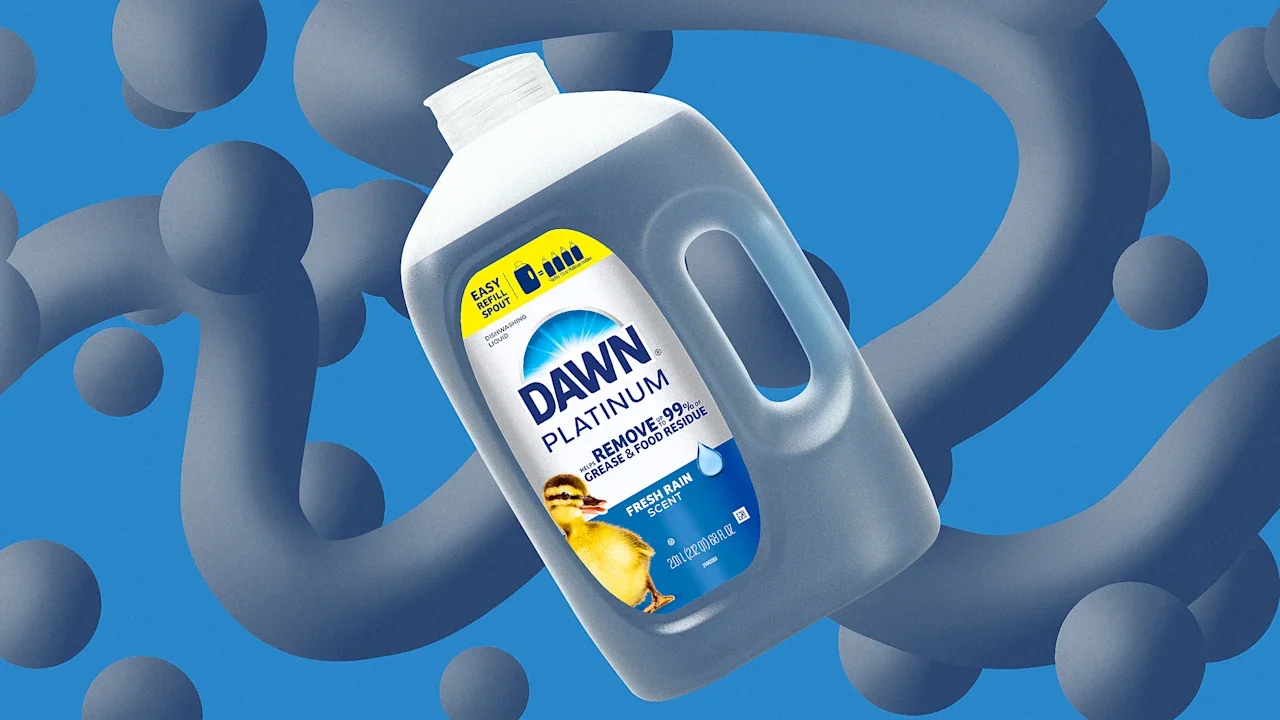
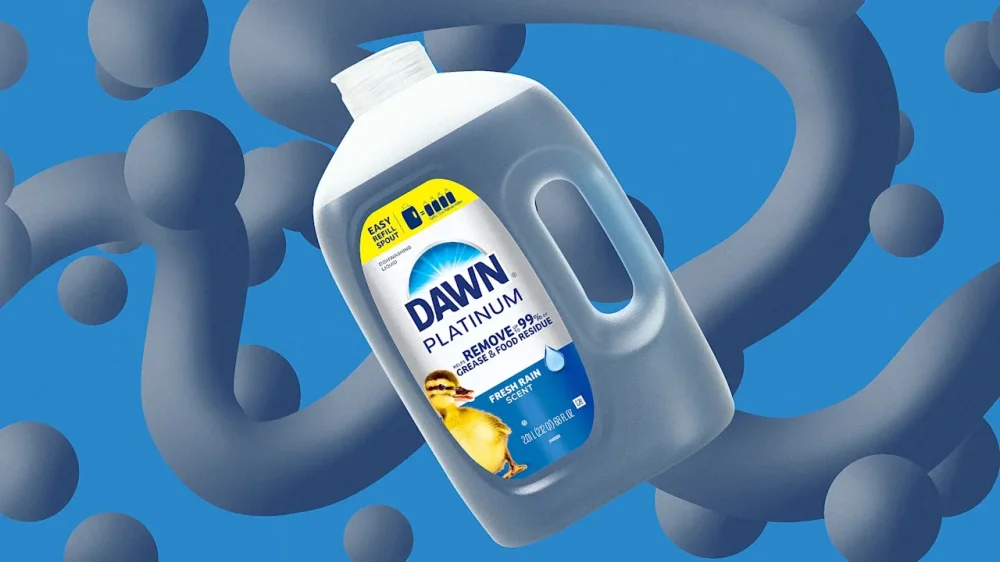
To boost adoption of its dish soap refill jugs, Dawn redesigned them so they would be less messy, pour faster, and be easier to hold. Call it an ergonomic makeover. The top-selling dish soap brand in the U.S., Dawn, owned by consumer goods giant Procter & Gamble, is known for its use in wildlife cleanup after oil spills, something it reminds consumers of with the duckling on its packaging. And though the company’s refill jugs save money (P&G’s suggested retail price for the 90-ounce jug is $11.88—cheaper than three 24-ounce bottles for more dish soap), they’re also messy. After finding that just 12% of households use refill jugs, P&G put a redesign in motion. The old Dawn refill jug had a standard circular mouth that glugs when it pours out unevenly. One wrong move and that dish soap could end up all over the kitchen counter. Pouring is now a smooth process, thanks to an EZ-Pour spout that P&G says was specifically engineered to be compatible with Dawn EZ-Squeeze bottles, and the liquid now pours 37% faster. “We redesigned the new Dawn Platinum refill jug to make the process much quicker and cleaner,” Angelica Matthews, P&G brand VP, said in a statement. The new jugs also have a bigger, more ergonomic handle and a new formula, and the corresponding EZ-Squeeze bottles have a “time to refill” line on the packaging to visually prompt consumers to opt into the brand’s refill system. The jug redesign is part of a wider play by P&G to increase household penetration as the company faces slow growth and weak consumer spending. P&G announced quarterly net sales of $22.21 billion in January, which was below estimates, and last year it announced it would cut 7,000 jobs over two years. U.S. consumers have responded to years of high inflation by trading down to private-label brands, putting big-name national brands like P&G’s Bounty paper towels, Crest toothpaste, and Gillette razors at a disadvantage among cash-strapped shoppers. P&G CFO Andre Schulten said on the company’s last earnings call that its opportunity was in improving the value proposition of its products for consumers without raising prices. For Dawn, that value proposition means not only saving consumers money on dish soap, but saving on time. “Time is valuable,” Matthews said, “and the last thing anyone needs is a slow, messy refill process standing between them and a clean kitchen.” View the full article
-
Google's John Mueller says that those who self-identify as SEO gurus are clueless imposters. The post Google’s Mueller On SEO Gurus Who Are “Clueless Imposters” appeared first on Search Engine Journal. View the full article
- Today
-
For years, companies have assumed that their digital relationship with customers would happen in a place they controlled: their website, their app, their checkout flow, their interface, their carefully optimized funnel. That assumption shaped an enormous amount of corporate behavior. Brands invested fortunes in design systems, SEO, conversion optimization, customer journeys, and digital experiences because the screen was where persuasion happened and where transactions were completed. That assumption is starting to break. The next wave of AI is not just about answering questions better. It is about acting. OpenAI’s Operator is designed to go to the web and perform tasks using its own browser, clicking, typing, and scrolling on a user’s behalf. Anthropic’s Model Context Protocol was created to connect AI assistants directly to the systems where data and tools live. Google is now pushing an “agentic commerce” future with a new open standard, the Universal Commerce Protocol, while Shopify is integrating that same protocol so merchants can sell directly inside Google AI Mode, Gemini, and Microsoft Copilot. Read those developments carefully and the implication becomes obvious: In the age of AI agents, your customer may still buy from you, but they may no longer visit you. The interface is losing its monopoly For decades, the interface was power. If users had to come to your site, open your app, and move through your flow, you controlled the sequence. You chose what they saw first, which products were highlighted, what bundles were recommended, what copy framed the decision, and where the conversion friction appeared. A great deal of modern digital strategy has been based on that assumption. Agentic AI starts to change it. Once an AI agent can navigate the web or connect directly into business systems, the customer’s primary interface is no longer necessarily your interface. It may be the agent’s. And if the agent becomes the main decision environment, then many of the things companies thought of as competitive advantage begin to shift. OpenAI has already shown the browser-based version of this with Operator. Google and Shopify are building the structured commerce version of it, where buying can happen directly inside conversational interfaces rather than only on the merchant’s own properties. That is a profound change. It means that your beautifully designed website may increasingly matter less than your structured product data. Your persuasive landing page may matter less than whether an agent can query your inventory, understand your policies, verify your delivery times, and complete a transaction without friction. Your brand will not disappear, but it will increasingly need to be legible not just to humans, but to machines. In other words, your brand is becoming an API. From search engine optimization to agent compatibility This is not entirely unprecedented. Companies have gone through similar shifts before. Search forced brands to become indexable. Social platforms forced them to become shareable. Mobile forced them to become app-native. Now agentic AI is forcing them to become machine-actionable. That is why Google is not merely talking about AI shopping as a feature. It’s introducing a protocol, UCP, explicitly designed to let agents and systems work across discovery, purchase, and post-purchase support. Shopify isn’t treating this as a side experiment either: It’s telling merchants that they will be able to sell directly inside AI Mode, Gemini, and Copilot, with embedded checkout inside the conversation. That’s not a cosmetic tweak to e-commerce. It’s a shift in where the commercial interaction lives. And once that happens, the strategic question changes. It’s no longer only “How do I get users to my site?” It becomes “How do I make my company understandable, trustworthy, and transactable to the agents that increasingly stand between me and the user?” That question is much bigger than SEO, and much more disruptive. The real power shift is not about smarter models This is where many companies will misunderstand what is happening. They will focus on the models—which one is smartest, fastest, cheapest, or most multimodal. Those questions matter, but they aren’t the deepest one. The deepest question is who controls the rails. Anthropic’s MCP is important not because it makes headlines, but because it creates a standardized way for AI systems to connect to tools and data. Google’s UCP matters for the same reason in commerce. Mastercard’s current push into agentic checkout matters because the payment layer, identity layer, and authorization layer become more valuable when machines are the ones helping users decide and transact. Mastercard’s own framing is telling: The issue is not just smarter models, but who controls trust, identity, and payments when machines start spending people’s money. That is where the next platform battle is likely to be fought: not just in the chatbot window, but in the standards, protocols, payment rails, and verification layers that determine how agents interact with the world. Which means the companies that still think of AI as mainly a content-generation tool are missing the plot. Why this is a threat to weak brands — and an opportunity for strong ones If your business depends heavily on manipulating the customer inside your own interface, agentic AI is a problem. If your success relies on dark patterns, hidden fees, confusing bundles, or making comparisons difficult, agents are likely to be bad news. A good agent will reduce friction for the customer, not for the merchant trying to trap them in a funnel. But if your company has real strengths — transparent pricing, reliable delivery, strong policies, structured data, real product differentiation, authentic trust — this shift could be beneficial. Because agents compress a lot of the noise and surface the things that actually matter. In that sense, the move to agentic commerce is similar to the broader argument I recently made about “magic GEO hacks”: Authenticity, clarity, and openness become more important when the system intermediating discovery becomes more machine-driven. The same logic will increasingly apply to transactions. If the agent is making sense of your company for the user, then clarity stops being a branding virtue and becomes a machine-readable commercial asset. The legal fine print is already changing One of the clearest signals that this is moving from theory to reality is that the legal language is already starting to adapt. Target updated its terms as it prepared for Gemini integration, explicitly stating that purchases made by an AI shopping agent authorized by the customer would still be considered transactions authorized by that customer. The company also warned that third-party AI tools may not act exactly as intended in all circumstances. That is not futuristic speculation. That is a large retailer rewriting the rules in anticipation of agents participating in the buying process. When companies start changing their terms and conditions, you know the category is becoming real. And once terms, protocols, embedded checkout, and AI-mediated discovery all begin moving in the same direction, the strategic conclusion is hard to avoid. The next digital strategy won’t start with your homepage For 25 years, digital strategy began with the same assumptions: Make the site better, reduce friction, improve search visibility, optimize conversion, capture data, own the customer journey. Those assumptions are becoming less reliable. In an agentic world, the key strategic questions look different. Can your systems expose the right information cleanly? Can your catalog, policies, and workflows be interpreted correctly by an agent? Can transactions happen securely without forcing the user back into a clumsy, human-designed maze? Can your company be trusted when another machine is doing the reading, comparing, and filtering first? The companies that answer yes will not disappear behind agents. They will become easier to choose through them. The companies that answer no will gradually discover that it is possible to still have a website, still have an app, still have a brand team, still have a performance marketing budget . . . and yet be strategically absent from the place where decisions are actually being made. That is the real disruption coming with agentic AI. Not that the machines will think for your customers, but that they will increasingly shop, compare, interpret, and transact before your customer ever reaches the digital territory you once assumed was yours. The next battle for the internet will not be over who owns the interface. It will be over who gets understood by the agent. View the full article

-
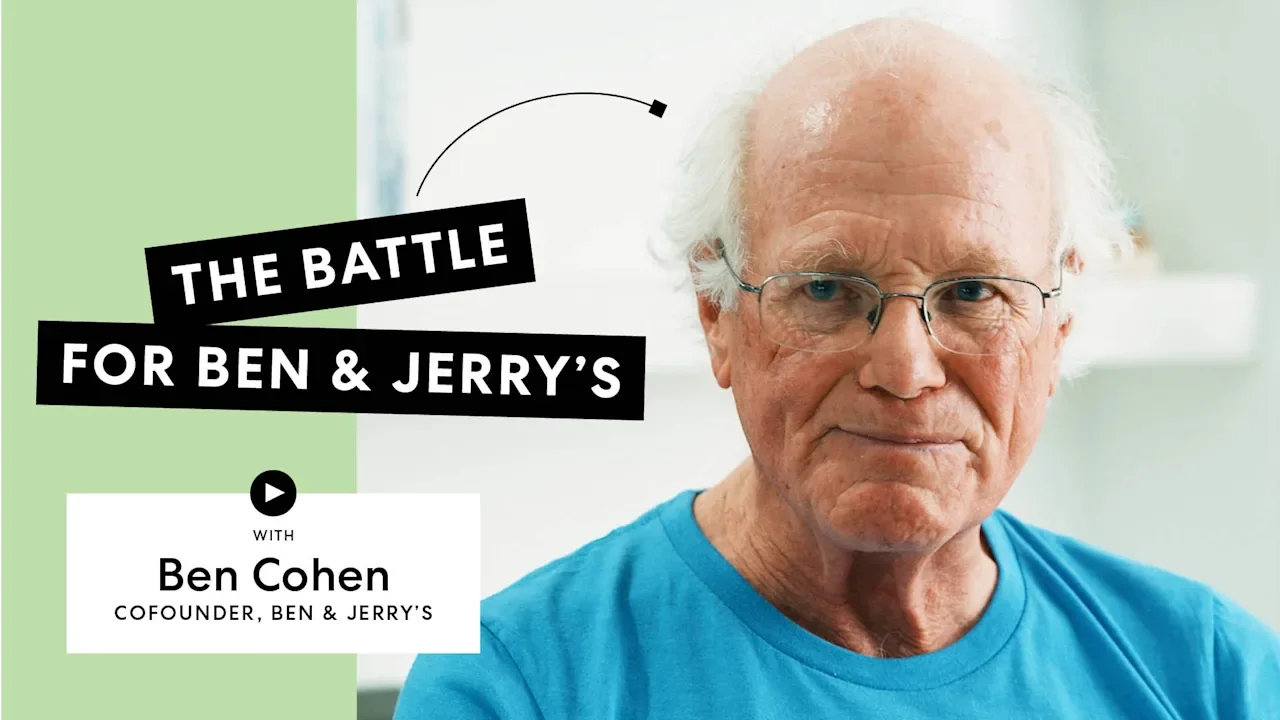
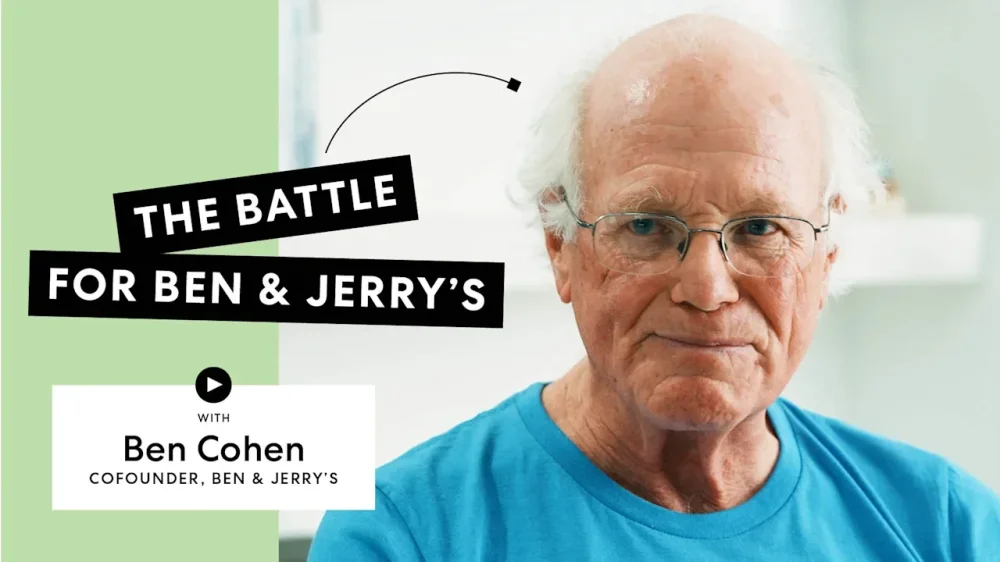
Ben & Jerry’s cofounder Ben Cohen has been publicly fighting with the Magnum Ice Cream Company, which took ownership of the Vermont ice cream maker last year. Cohen says Magnum has silenced the brand on social issues, including the war in Gaza, racial justice, and student protests. He spoke to Fast Company about why his business partner, Jerry Greenfield, stepped away from the business, how he’s fighting to protect his values, and how companies can be both socially active and profitable. View the full article
-
In a workplace increasingly defined by hybrid schedules, crowded digital channels, and shifting norms around visibility, being “good at your job” is no longer enough to ensure your work is recognized. Many professionals—particularly those who are thoughtful, collaborative, or less inclined toward self-promotion—find themselves doing high-quality work that goes largely unseen. To better understand what it takes to build meaningful visibility and influence in this environment, I spoke with Lorraine K. Lee, an award-winning keynote speaker and the best-selling author of Unforgettable Presence: Get Seen, Gain Influence, and Catapult Your Career. Lee also teaches popular courses at LinkedIn Learning and Stanford University, and her insights have been featured in numerous national outlets. Executive presence used to be about how you showed up in the room. In today’s hybrid world, what most clearly signals credibility—and where do you still see high performers getting it wrong? In this day and age, credibility comes down to trust. Workplaces are essentially webs of relationships built on trust, and that trust can now be formed across many different channels. While executive presence is one piece of your professional presence, the reason I define presence more broadly as both how and where you are seen is because presence shows up in the day-to-day moments and the smaller touchpoints that you don’t think matter but do. Executive presence used to be about being in person, showing up in the boardroom in a high-stakes situation. But presence can really be about how credible you appear in a Slack channel, in an email, even answering a question from a senior leader in passing when they ask, “What have you been up to lately?” There’s endless advice about personal branding, but many serious professionals recoil from the term. For someone who hates the whole premise, what is the lowest-friction way to become more visible? The first thing you need to do is to change your mindset. Yes, personal branding can feel very slimy, and there might be negative connotations to it as someone who is self-promoting all the time. In my book, I call it a career brand for this very reason. It better describes what your brand is in service of. Your brand is in service of your career. If we boil it down one more level, brand equals reputation. If that is what a personal brand or a career brand is, we all already have one; we all have a reputation. It can be good; it can be bad. Our reputation can be that no one even knows that we exist, so it’s about whether we want to take ownership of that narrative or leave it to chance. One of the lowest-friction ways to become more visible is to talk about your work in your one-on-ones with your manager. It’s very easy to assume that your manager knows what you’re working on, but they are dealing with a lot of different moving pieces, different teammates, and their own career. It never hurts to reiterate and make it crystal clear what you’re doing and the impact it has. I remember one of my managers asking me to write down every single thing I did for the week, no matter how small. It was surprising to see how many little things I was doing to help other people or that took up my time that I didn’t think were worthwhile to share. Creating some structure and visibility around those items can be really valuable. Many capable professionals do strong work but feel less confident when they have to present it out loud. When it comes to executive presence, what actually matters most in high-stakes presentations—and what do people tend to overfocus on? The first thing to remember is that public speaking is a learnable skill, and because it’s a skill, we do have to practice. Ideally, you’re not practicing in a silo, but you are getting feedback from your manager, from your peers, and any friendly stakeholders who will be in the room when you present. The other thing I would say is that you really have to know your content. A lot of presentation nerves come from not being confident about the content you’re about to share. If you knew that the structure was amazing, that the content included was perfect for the audience, and that your design was on point, you would go in feeling a lot more confident. My mentor Spencer Waldron told me once that in an ideal world, I would practice one hour for every one minute of presentation. A 20-minute presentation would require 20 hours of practice to really, really understand the material and be able to present it in such a way where you’re not worried about focusing on the content, but you can actually practice the public speaking and delivery part of it. Where a lot of people get it wrong in high-stakes presentations is not preparing for Q&A and not preparing to be interrupted. Oftentimes, we also share what we think is important, but we don’t put ourselves in the shoes of the executive to understand what they value and the way that they like to consume information. We tend to deliver presentations like we would in a team meeting. But for executives, you have to be operating at a different altitude. Leaders often say they value thoughtful contributors, yet the loudest voices still dominate many meetings. How can managers avoid mistaking airtime for actual influence? The first thing is awareness. I am always so happy when I get questions from managers asking me, “How can I be more inclusive of the introverts and the quieter voices?” There’s an awareness that needs to be there that not all your teammates are the same and not all of them are going to feel comfortable muting and unmuting or speaking up whenever an idea comes to mind. There has to be more structure around the way that we lead meetings. For example, instead of just evaluating ideas based on what is shared in the meeting, you might: Provide a document ahead of time that people can comment on. Provide it afterward. Ask people to share additional ideas through email before you make a final decision. Ask people to contribute in the chat. This [last] one is so important because I often find that the best ideas come through in chat because people have had more time to think about what they want to say and they’re more organized and structured about it. You need to provide that psychological safety for your teammates for them to feel comfortable eventually speaking up in that meeting. In your work, what most reliably separates people whose ideas gain traction from those whose equally strong ideas quietly stall? Sometimes when this happens, it’s not an issue with the idea; it’s an issue with visibility and how the idea is conveyed. First and foremost, I mentioned earlier how important relationships are, especially now in the age of AI. The people who have built strong relationships—up and down, side to side, who are taking time to understand the goals of their colleagues, to get to know them on a human level to cheer them on—are naturally going to be someone who people are more excited to listen to because they know you and they like you. The ideas that make it through are also ones that get shared not just once, but many times in many different formats. I think about that marketing adage: You have to see a message seven times in seven different ways for it to finally land. That is similar to our workplaces, where communication is disjointed over Slack, email, phone calls, texts, and in person. We have to meet people where they are. That’s why I often say that presence is about being seen by the right people at the right times in the right places. It requires strategy and intentionality when we share things that we want other people to see and internalize. If a reader made just one behavior shift in the next 90 days to change how they’re perceived at work, what would you tell them to do first? Pick someone whose perception of you matters, like a skip-level leader, a cross-functional peer, or someone in a room you’re never in. Invite them to a casual 30-minute coffee chat where your goal is to understand what matters to them and what their goals are. See if there are ways you can help or provide insight from the perspective of your team. Also use it as a time to get to know them better. And be prepared to show your impact if they ask you what you’ve been working on. Do that once a month for 90 days and you’ve built three relationships that didn’t exist before who may be able to help you or advocate for you in the future. View the full article

-
Proposed deal would combine world’s largest music group with a blank-cheque companyView the full article
-
When running a business, you need to be aware of the various types of taxes that apply to you. Income tax affects your profits directly, whereas estimated tax comes into play for income not subject to withholding. If you’re self-employed, you’ll likewise face self-employment tax on your earnings. Furthermore, employment taxes cover Social Security and Medicare contributions, and excise taxes target specific goods. Comprehending these taxes is essential for effective financial management and compliance, but there’s more to take into account. Key Takeaways Income tax is mandatory for businesses, with rates ranging from 10% to 37% based on business structure and revenue. Self-employment tax applies to net earnings over $400, with a rate of 15.3% for Social Security and Medicare. Estimated tax payments are required quarterly for income not subject to withholding, using IRS Form 1040-ES. Employment taxes include taxes withheld from employees’ wages, as well as the Federal Unemployment Tax Act (FUTA) tax. Excise taxes are imposed on specific goods, reported using Form 720, and discourage certain behaviors associated with those products. Income Tax Income tax is an important aspect of running a business, and grasping your obligations can help you navigate the intricacies of the tax system. All businesses, except partnerships, need to file an annual income tax return. Sole proprietorships use IRS Form 1040, reporting business income on Schedule C. Comprehending the federal income tax system is significant, as it operates on a progressive scale with rates ranging from 10% to 37%, depending on your income levels. Accurate reporting of income and expenses is critical to avoid penalties and guarantee compliance with your tax obligations. Different types of business taxation apply to various structures; for instance, C corporations face double taxation on profits at both the entity and shareholder levels. Meanwhile, partnerships must file an information return instead of an income tax return. Familiarizing yourself with these elements can help streamline your business tax strategy effectively. Estimated Tax When managing your business finances, comprehension of estimated tax payments is essential to avoid penalties and guarantee compliance. These payments are typically required quarterly to cover income not subject to withholding, especially if you’re self-employed and have net earnings exceeding $400. To report and pay these taxes, you’ll usually use IRS Form 1040-ES. Depending on your business structure, different requirements may apply. It’s important to accurately calculate your estimated tax payments to confirm you meet your tax obligations. Insufficient payments can lead to penalties for underpayment, which can add unnecessary costs to your finances. Furthermore, as income can fluctuate throughout the year, you should adjust your estimated tax payments accordingly to maintain compliance and avoid any penalties. By staying informed and proactive, you can manage your tax responsibilities effectively and keep your business finances on track. Self-Employment Tax Grasping self-employment tax is fundamental for anyone whose net earnings from self-employment exceed $400, as it encompasses both Social Security and Medicare taxes. The self-employment tax rate is currently 15.3%, which includes 12.4% for Social Security and 2.9% for Medicare. If your income surpasses certain thresholds, an additional 0.9% Medicare tax applies. As a self-employed individual, you must file Schedule SE (Form 1040 or 1040-SR) to calculate and report your self-employment tax obligation. By paying this tax, you contribute to benefits like Social Security and Medicare coverage. It’s imperative to make estimated tax payments quarterly to avoid underpayment penalties throughout the tax year. Staying on top of these payments helps guarantee that you meet your tax obligation and maintain access to these important benefits. Comprehending self-employment tax is critical for managing your finances effectively as a self-employed individual. Employment Taxes Employment taxes play a significant role in the financial responsibilities of employers and employees alike. These taxes include Social Security and Medicare taxes, known as FICA taxes, which you share at a combined rate of 15.3%. As an employer, you must withhold federal income tax from your employees’ wages, reporting these withholdings to guarantee IRS compliance. Moreover, the Federal Unemployment Tax Act (FUTA) requires you to pay a separate tax, typically 6.0% on the first $7,000 of each employee’s earnings, to fund unemployment benefits. You must also comply with state employment tax regulations, which may involve state income tax withholding, state unemployment insurance, and worker’s compensation insurance. To avoid penalties, accurate record-keeping and timely deposits of employment taxes are vital. By staying organized and informed, you can manage these obligations effectively and make sure your business remains compliant with all tax laws. Excise Tax Excise taxes are specific taxes levied on the manufacture, sale, or use of certain goods, such as gasoline, tobacco, and alcohol, designed not merely to generate revenue but likewise to regulate consumption. These taxes can impact your business, especially if you deal in specific goods. Businesses must report excise taxes using Form 720, which includes various federal excise tax categories. Here’s a quick overview of some common excise taxes: Type of Excise Tax Reporting Form Heavy Vehicles Tax Form 2290 Wagering Excise Taxes Forms 730, 11-C Alcohol Tax Form 720 Tobacco Tax Form 720 Gasoline Tax Form 720 Excise taxes contribute to total tax collections and are often termed “sin taxes” as they discourage harmful behaviors associated with certain products. Comprehending how to report excise taxes is crucial for compliance. Frequently Asked Questions What Are the Four Basic Types of Business Taxes? The four basic types of business taxes include income tax, self-employment tax, employment tax, and excise tax. Income tax is based on your business profits and varies by structure. If you’re self-employed and earn over $400, you’ll pay self-employment tax for Social Security and Medicare. Employment taxes cover Social Security, Medicare, and federal income withholding. Finally, excise taxes are applied to specific goods and activities, requiring separate reporting. Is My LLC an S or C Corp? To determine if your LLC is an S-Corp or C-Corp, check how it’s elected for tax purposes. If you filed Form 2553, you’re likely an S-Corp, allowing income and losses to pass through to your personal tax returns. If you filed Form 8832, then you’re a C-Corp, which means your LLC is taxed separately, leading to potential double taxation on profits and dividends. Review your filings to confirm your status. What Kind of Taxes Do Small Businesses Pay? Small businesses pay several types of taxes. You’ll likely face income taxes based on your business structure, such as sole proprietorship or corporation. If your net earnings exceed $400, you’ll likewise owe self-employment taxes. If you hire employees, you need to withhold employment taxes, including Social Security and Medicare. Furthermore, you might’ve to collect sales taxes on retail transactions and make estimated tax payments quarterly to avoid penalties for underpayment. What Are the 4 Business Categories? The four primary business categories are sole proprietorships, partnerships, limited liability companies (LLCs), and corporations. Sole proprietorships are owned by one person and report income on their personal tax returns. Partnerships involve two or more individuals sharing profits and losses, reporting through Schedule K-1. LLCs offer flexibility in taxation as they protect owners from personal liability. Corporations, including C-Corporations and S-Corporations, are separate entities, with distinct tax implications for profits and distributions. Conclusion In conclusion, grasping the different types of business taxes is essential for effective financial management and compliance. Income tax, estimated tax, self-employment tax, employment taxes, and excise tax each play a significant role in your overall tax responsibilities. By familiarizing yourself with these tax categories, you can better prepare for your obligations and avoid potential penalties. Staying informed will help you make informed decisions and maintain a healthy financial standing for your business. Image via Google Gemini This article, "Different Types of Business Taxes" was first published on Small Business Trends View the full article
-
When running a business, you need to be aware of the various types of taxes that apply to you. Income tax affects your profits directly, whereas estimated tax comes into play for income not subject to withholding. If you’re self-employed, you’ll likewise face self-employment tax on your earnings. Furthermore, employment taxes cover Social Security and Medicare contributions, and excise taxes target specific goods. Comprehending these taxes is essential for effective financial management and compliance, but there’s more to take into account. Key Takeaways Income tax is mandatory for businesses, with rates ranging from 10% to 37% based on business structure and revenue. Self-employment tax applies to net earnings over $400, with a rate of 15.3% for Social Security and Medicare. Estimated tax payments are required quarterly for income not subject to withholding, using IRS Form 1040-ES. Employment taxes include taxes withheld from employees’ wages, as well as the Federal Unemployment Tax Act (FUTA) tax. Excise taxes are imposed on specific goods, reported using Form 720, and discourage certain behaviors associated with those products. Income Tax Income tax is an important aspect of running a business, and grasping your obligations can help you navigate the intricacies of the tax system. All businesses, except partnerships, need to file an annual income tax return. Sole proprietorships use IRS Form 1040, reporting business income on Schedule C. Comprehending the federal income tax system is significant, as it operates on a progressive scale with rates ranging from 10% to 37%, depending on your income levels. Accurate reporting of income and expenses is critical to avoid penalties and guarantee compliance with your tax obligations. Different types of business taxation apply to various structures; for instance, C corporations face double taxation on profits at both the entity and shareholder levels. Meanwhile, partnerships must file an information return instead of an income tax return. Familiarizing yourself with these elements can help streamline your business tax strategy effectively. Estimated Tax When managing your business finances, comprehension of estimated tax payments is essential to avoid penalties and guarantee compliance. These payments are typically required quarterly to cover income not subject to withholding, especially if you’re self-employed and have net earnings exceeding $400. To report and pay these taxes, you’ll usually use IRS Form 1040-ES. Depending on your business structure, different requirements may apply. It’s important to accurately calculate your estimated tax payments to confirm you meet your tax obligations. Insufficient payments can lead to penalties for underpayment, which can add unnecessary costs to your finances. Furthermore, as income can fluctuate throughout the year, you should adjust your estimated tax payments accordingly to maintain compliance and avoid any penalties. By staying informed and proactive, you can manage your tax responsibilities effectively and keep your business finances on track. Self-Employment Tax Grasping self-employment tax is fundamental for anyone whose net earnings from self-employment exceed $400, as it encompasses both Social Security and Medicare taxes. The self-employment tax rate is currently 15.3%, which includes 12.4% for Social Security and 2.9% for Medicare. If your income surpasses certain thresholds, an additional 0.9% Medicare tax applies. As a self-employed individual, you must file Schedule SE (Form 1040 or 1040-SR) to calculate and report your self-employment tax obligation. By paying this tax, you contribute to benefits like Social Security and Medicare coverage. It’s imperative to make estimated tax payments quarterly to avoid underpayment penalties throughout the tax year. Staying on top of these payments helps guarantee that you meet your tax obligation and maintain access to these important benefits. Comprehending self-employment tax is critical for managing your finances effectively as a self-employed individual. Employment Taxes Employment taxes play a significant role in the financial responsibilities of employers and employees alike. These taxes include Social Security and Medicare taxes, known as FICA taxes, which you share at a combined rate of 15.3%. As an employer, you must withhold federal income tax from your employees’ wages, reporting these withholdings to guarantee IRS compliance. Moreover, the Federal Unemployment Tax Act (FUTA) requires you to pay a separate tax, typically 6.0% on the first $7,000 of each employee’s earnings, to fund unemployment benefits. You must also comply with state employment tax regulations, which may involve state income tax withholding, state unemployment insurance, and worker’s compensation insurance. To avoid penalties, accurate record-keeping and timely deposits of employment taxes are vital. By staying organized and informed, you can manage these obligations effectively and make sure your business remains compliant with all tax laws. Excise Tax Excise taxes are specific taxes levied on the manufacture, sale, or use of certain goods, such as gasoline, tobacco, and alcohol, designed not merely to generate revenue but likewise to regulate consumption. These taxes can impact your business, especially if you deal in specific goods. Businesses must report excise taxes using Form 720, which includes various federal excise tax categories. Here’s a quick overview of some common excise taxes: Type of Excise Tax Reporting Form Heavy Vehicles Tax Form 2290 Wagering Excise Taxes Forms 730, 11-C Alcohol Tax Form 720 Tobacco Tax Form 720 Gasoline Tax Form 720 Excise taxes contribute to total tax collections and are often termed “sin taxes” as they discourage harmful behaviors associated with certain products. Comprehending how to report excise taxes is crucial for compliance. Frequently Asked Questions What Are the Four Basic Types of Business Taxes? The four basic types of business taxes include income tax, self-employment tax, employment tax, and excise tax. Income tax is based on your business profits and varies by structure. If you’re self-employed and earn over $400, you’ll pay self-employment tax for Social Security and Medicare. Employment taxes cover Social Security, Medicare, and federal income withholding. Finally, excise taxes are applied to specific goods and activities, requiring separate reporting. Is My LLC an S or C Corp? To determine if your LLC is an S-Corp or C-Corp, check how it’s elected for tax purposes. If you filed Form 2553, you’re likely an S-Corp, allowing income and losses to pass through to your personal tax returns. If you filed Form 8832, then you’re a C-Corp, which means your LLC is taxed separately, leading to potential double taxation on profits and dividends. Review your filings to confirm your status. What Kind of Taxes Do Small Businesses Pay? Small businesses pay several types of taxes. You’ll likely face income taxes based on your business structure, such as sole proprietorship or corporation. If your net earnings exceed $400, you’ll likewise owe self-employment taxes. If you hire employees, you need to withhold employment taxes, including Social Security and Medicare. Furthermore, you might’ve to collect sales taxes on retail transactions and make estimated tax payments quarterly to avoid penalties for underpayment. What Are the 4 Business Categories? The four primary business categories are sole proprietorships, partnerships, limited liability companies (LLCs), and corporations. Sole proprietorships are owned by one person and report income on their personal tax returns. Partnerships involve two or more individuals sharing profits and losses, reporting through Schedule K-1. LLCs offer flexibility in taxation as they protect owners from personal liability. Corporations, including C-Corporations and S-Corporations, are separate entities, with distinct tax implications for profits and distributions. Conclusion In conclusion, grasping the different types of business taxes is essential for effective financial management and compliance. Income tax, estimated tax, self-employment tax, employment taxes, and excise tax each play a significant role in your overall tax responsibilities. By familiarizing yourself with these tax categories, you can better prepare for your obligations and avoid potential penalties. Staying informed will help you make informed decisions and maintain a healthy financial standing for your business. Image via Google Gemini This article, "Different Types of Business Taxes" was first published on Small Business Trends View the full article
-
Find out why Googlebot is no longer the only dominant crawler as OpenAI's ChatGPT-User takes the lead in web requests. The post ChatGPT Now Crawls 3.6x More Than Googlebot: What 24M Requests Reveal appeared first on Search Engine Journal. View the full article
-
In 2025, companies directly attributed 55,000 job cuts to artificial intelligence—more than 12 times the figure from just two years earlier. In 2026, the pace has only accelerated. Block eliminated 4,000 roles in a single announcement. Amazon cut 16,000 corporate positions. Meta, Atlassian, Pinterest . . . the list grows weekly. If you haven’t been affected yet, someone you know has. And whether driven by AI, a merger, a restructuring, or a strategic pivot, layoffs are no longer exceptional events. They’re a recurring feature of working life. Most layoff advice focuses on the mechanics: Update your résumé, optimize your LinkedIn profile, practice your exit story. All necessary. None sufficient. What determines whether a career transition is a three-week pivot or an 18-month grind isn’t your résumé; it’s the quality of the relationships you’ve built, maintained, and invested in long before you needed them. As I wrote in a recent article, busyness systematically downgrades every relationship we have. Layoffs reveal exactly how much that downgrade has cost us. Before: Build relationship capital you don’t need yet The time to invest in relationships is not when you’re in crisis. It’s now, when you have nothing urgent to ask for, and something to give. In my book Cultivate: The Power of Winning Relationships, I describe four relationship dynamics: Ally, Supporter, Rival, and Adversary. In stable times, Supporters and Allies can look and feel similar: Both are friendly. Both are responsive. The difference only becomes visible under pressure. A Supporter says: “Let me know if I can help.” An Ally picks up the phone before you have to ask. Most professionals overestimate how many Allies they have. They have a large network of Supporters—people who will help if it’s convenient, if the timing works, if there’s something in it for them. When a layoff hits, Supporters go quiet. Allies don’t. Building Ally relationships before you need them means investing without expectation. It means checking in on a colleague’s career goals when there’s no project requiring it. It means making an introduction because it’s the right thing to do, not because you’re keeping score. It means being the person who asks “How are you doing?” and actually waits for the answer. And it means looking beyond your current company. Your professional relationships should extend across your industry, your community, and your life, and not just focus on the relationships that exist within your org chart. This entails occasional meetups with former colleagues, attending industry events, and showing up for the people in your network. The peers you invest in today become the relationships that catch you tomorrow. And if you’re reading this thinking, “I haven’t done any of this!” Take heart, you’re not alone, and you’re not too late. Think of the best boss or colleague you’ve had, someone you’d jump at the chance to work with again. Now send them a DM on LinkedIn, an email, or even a handwritten note, and tell them what made them special. Not because you need something. Because they deserve to hear it. That single act of reaching out is how dormant relationships come back to life. The best time to invest was a year ago. The second-best time is today. During: Be direct, then be generous Most career advice tells you not to lead with your need. I’d push back on that. The need is real, so why dance around the elephant in the room? If you’ve been laid off, say so. Make the ask: “I’m in transition, and I’d value your perspective” or “If you hear of anything that might be a fit, I’m looking for [then describe the role]. I’d really appreciate it.” It’s an honest request, without guilt, even if they aren’t able to assist in that moment. Ellie Rich-Poole, an executive career coach who works with senior leaders who are navigating transitions, confirms this. The people who land quickly, she says, are the ones who “proactively got in touch and asked for help—being brave and vulnerable, and specific with their requests.” Not a vague “let me know if you hear of anything,” but a concrete ask: Who is your favorite recruiter? Would you make a personal introduction? That specificity makes it easy for people to actually help. Here’s what happens when you’re direct: You discover who your Allies actually are. The people who make an introduction or pick up the phone—those are your Allies. The people who say “let me know if I can help” and then go quiet—those are your Supporters. Recognizing the difference saves you from pouring energy into relationships that won’t hold your weight right now. The key is what you do next. Make a deposit back into those relationships, not as a quid pro quo, but as the reactivation of your relationship investment muscle. Share an article that’s relevant to their work. Connect them with someone in your network. Ask about their challenges, not just your own. This is how you transform a moment of vulnerability into a relationship that’s stronger than it was before. Rich-Poole makes another important point: Be visible, even when it’s hard. Post on LinkedIn. Share what you’re learning, not just what you need. A layoff carries grief, and the instinct to withdraw is real, but isolation compounds the problem. The professionals who stay visible, combining openness about their situation with genuinely helpful content for their network, are the ones who attract opportunities they didn’t know existed. A technology leader I was coaching landed their new role within weeks of being laid off. Not through a job board. Not through a recruiter. Through a conversation with a mutual connection who knew their work and their character well enough to make an introduction without being asked. And don’t forget the people who were laid off alongside you. They’re navigating the same uncertainty, and your support matters more than you think. Being an Ally to someone in the same storm—sharing leads, making introductions, simply checking in—is how reputations are built. People remember who showed up when things were hard. After: Invest forward, not backward Landing a new role isn’t the end of the relationship work, it’s the beginning of the next cycle. The leaders who thrive long-term are the ones who carry their relationships forward rather than treating each job as a clean slate. Stay connected with former colleagues. Not as a networking strategy, but as a human practice. The people you worked alongside understand your strengths, your values, and your working style in ways a new team doesn’t yet. They’re also navigating their own transitions, and your continued investment in them is what separates an Ally from a Supporter. In your new role, start building relationship capital immediately. Don’t wait until you’ve “proven yourself” to invest in peers—that’s the busyness trap. Use the Relationship Pulse Check I recommend to leaders: three questions that work in any context. What’s working? What’s not? What’s one thing we can do to ensure mutual success? Ask these of your new colleagues early and often. They signal that you’re invested in the relationship, not just the role. And pay it forward. The most powerful thing you can do after navigating a layoff is to become the person who helps others through theirs. Make introductions. Write recommendations. Take the call from the stranger who was referred by a mutual connection. Be the Ally you needed, especially for the people who are still searching. Relationships are career insurance Layoffs will continue. AI will accelerate them. Mergers, restructurings, and strategic pivots will keep reshuffling org charts. You cannot control any of that. What you can control is the quality of the relationships you build—inside your company and outside it—with the people above you and beside you, at work and in your whole life. Those relationships are the infrastructure that holds when everything else shifts. Forget six degrees of separation. In today’s world, you’re two degrees of connection away from your next opportunity, your next collaboration, your next chapter. But only if you’ve invested in making those connections real. The question isn’t whether disruption will find you. The question is whether, when it does, you will have Allies . . . or just contacts. View the full article

-
Donald The President congratulates crew and promises Nasa will establish human lunar presence View the full article
-
It’s five answers to five questions. Here we go… 1. I work with my spouse, and it’s affecting me at work My spouse (“Sam”) and I work in an agency that is a smaller arm of a large national corporation. Sam began working here five years ago, made close friendships with others in the program, and has an extremely good professional reputation. Three years ago, I was hired out of graduate school for the agency site associated with Sam’s program. It is likely I was interviewed because of their success in the field. At the time I was hired, I discussed with my manager that I would not work directly with my spouse for many reasons, including ethics and work-life balance. This wasn’t a concern at the time since Sam was working in a special program and with clients in a different state. That, however, changed last year. I’ve learned a lot from this job. My performance reviews are good, and I get positive feedback. I’ve also learned that this subset of our industry is not healthy for me to remain in. As a result, I’m building a small business of my own on the side with hopes of eventually leaving this company, and have I transitioned to half-time. Additionally, with a lot of therapy and introspection, I know that I’m deeply unhappy in my marriage. I see parts of Sam that our colleagues never see. It’s very difficult to be working from home, living with them, and sharing coworking space. At a minimum, I would like for us to live separately and am working on how to do that financially. Last year, a sociopolitical situation resulted in Sam needing to quickly move from their work in the other state. Big Boss brought Sam on to our site, working on a team adjacent to mine. Then, when my manager took a different position at the end of last year, Sam applied for their role. Big Boss split the management role into two positions to promote Sam and one of Sam’s coworkers from the special project (“Clarissa”) into the position. Initially, I reported to Clarissa while still working in my old team with someone managed by Sam. This quickly leaked into our private lives, and I was put in the uncomfortable position of trying to navigate supporting Sam and supporting coworkers when conflict arose. When this happened, I spoke with managerial parties involved about how this structure was not working and asked to transition directly to an open position on Clarissa’s team. This was facilitated, enthusiastically by Clarissa and oddly reluctantly by Big Boss. The work on this team is more challenging and is impacting my mental health. However, I enjoy working with Clarissa as a manager and a human. I would like to open up to her about some of the ways my relationship, finances, and current living situation are impacting my overall health and ability to show up for clients. However, given her friendship with Sam and the already porous boundaries within our field, I have concerns about how to navigate this conversation. I don’t want it to feel like I am badmouthing her friend and colleague. At the same time, my relationship struggles are relevant to my work performance. Do you have any advice on how to navigate talking to coworkers about struggling in your marriage when your spouse is your coworker? In this situation, you can’t really talk to your coworkers about what’s going on in your marriage, when your spouse is also a coworker. You just … can’t. (It would be different if Sam were being abusive; then you’d have to talk with your employer about safety measures.) I think the question is: if you could talk to Clarissa about this, what would you want her to do with that information? If there’s something specific she could do, like taking over a particular meeting with Sam so you don’t have to do it or some other concrete thing that would help, just ask her for that specifically. If you need some grace because it’s a challenging time in your personal life, you can ask for that (while being vague about what the challenges are). But it should be something specific and actionable, not just background info. Plus, as your boss, she doesn’t really need info about what’s going on with your relationship, finances, and living situation (and may feel uncomfortable having it); she needs info about what you need from her, and that’s what you should focus on, without getting into the personal details. There are situations where you could share more with a boss, but (a) that’s more of a bonus in a boss/employee relationship, not a default, and (b) when you take a job working with a partner, you necessarily give some of that up. I’m sorry because this sounds hard! 2. Losing sick days I was given when hired When I was first hired to my job, I was given vacation and 10 sick days. My hiring letter said 10 sick days, as did all subsequent letters (we get new hiring letters when we get raises). The employee handbook, although not revised in many years, also said 10 sick days. I’ve asked for more vacation in my annual reviews and been told no because everyone has to have the same vacation days or it’s not fair. It has come to light that recently hired employees are only getting five sick days. I asked my supervisor to confirm the days my supervisee gets, and he said she should only have five. I told him full-time employees get 10 days, and I was hired at 10 days and it’s in the employee handbook. He said the handbook is old and now everyone should only get five. And that at the end of this calendar year he’s going to redo everyone’s vacation and sick days to make sure everyone has the same thing. It seems like I’m about to be docked five sick days! My last letter reaffirming my 10 sick days was only last year! (And I’m pretty sure he’s taking more than five sick days himself, although I guess that’s not really relevant.) It’s a small nonprofit and I’m pretty senior. I believe that shorting people on sick days is very short-sighted because it costs the organization nothing, it doesn’t carry over, and not everyone uses them, but when you really need them, you really need them! Lots of staff have kids and elderly parents; five days is not enough. It’s a way to be kind and supportive, and cutting some people’s days will really tank morale. How would you suggest I approach this? Make the case for keeping the 10 sick days and raising the recently hired employees’ allotment to match. You said you’re pretty senior, so you have standing to advocate for this. Point out that it would be a significant cut in benefits to yourself and other employees and is likely to harm morale, and that people will end up coming into work sick and getting others sick, thereby harming everyone’s productivity. You might also point out that five sick days is well below the national average, and that nonprofits typically try to make up for lower-than-average salaries by keeping benefits good, or least competitive. And I don’t know what your manager’s role is, but if he’s not the decision-maker on this, talk to the person who is — and consider getting other senior-level employees to push back with that person too. 3. What can HR offer employees when a manager just isn’t good? How do you navigate situations in HR where an employee’s concerns about their manager are valid from a relational standpoint, but not actionable from a policy perspective? Sometimes the honest reality is … their manager just isn’t great. We currently share resources such as mediation, ways to respond to disciplinary actions, and recommend escalating through their management chain, but employees still feel stuck. What else can HR realistically offer? If your company is set up to support it, you can offer coaching and training for the manager, pinpointing the issues that you see come up as patterns on their team. If your company isn’t set up to support that, you can advocate for it, or at least try to do some less formal coaching of managers. You should also be flagging any pattern of problems with a manager to the person who manages them. Sometimes, too, HR can be well positioned to act as a sort of interpreter — “it sounds like when your manager said X, what she was getting at was Y” and “What if you approached it like X?” and so forth. But ultimately, when managers aren’t good at managing, it’s in the company’s best interests to get them better at it, which means they need coaching and training and sometimes intervention from above. 4. Should I tell my boss about an employee who’s claiming overtime when she’s not working? I usually err on not reporting on coworkers unless it impacts me or is potentially hurting others. However, I am in a weird place. I report to the director, but previously reported to the manager. While I do not manage anyone now, I am considered part of the leadership team, and the manager and I have a good relationship. She reports to the director as well. We have one non-exempt employee who routinely comes in at least an hour early and clocks in for it even though there really isn’t any work for that role to be done at that time. She reports to the manager, who says nobody has challenged the overtime so she isn’t interfering. We have four people in the same position who do not get this overtime and come in at the appropriate time to serve clients. This is awkward because I do metrics, audits, SOPs, training, etc. — nothing client-facing. And I report to the manager’s boss, who I feel would not be happy with this situation. On the other hand, I’ve noted it to the manager and they’ve chosen to do nothing. I am hesitant to bring this to my director, but I am also aware she will know that I knew about this if it comes out later and is a problem. If I talk to the director, she will talk to the manager, who will almost certainly know I was the person. So — stay quiet (eyes on my own paper) or talk to my boss, who is also the manager’s boss, so she can work with the manager on the correct solution? Discreetly share it with your boss. This is actually pretty clear-cut because it does affect you: you said your director will know that you knew about it if it comes out later. That would be my advice to anyone in your shoes, but particularly as someone involved in auditing, there are additional expectations on you not to look away when someone is, pretty literally, stealing from the company and their manager has decided not to intervene. When you talk to your boss, say you’d like to avoid causing tension in your relationship with the manager, if there’s a way for her to “discover” what’s happening on her own. 5. Listing an acquisition on my resume I just got my first job after graduating (thanks for the resume and interview tips on your site!) and three months after I started, my company got acquired by a larger firm. I’m not planning to leave soon and I doubt they’d let me go with our spring and summer busy season coming up, but when I do decided to head out, how I put this on my resume without looking like I skipped out on a job after less than a quarter of a year? It’s going to stay all one job on your resume, not be separated into two different listings. Do it like this: Taco Quality Tester Tacos Inc. (formerly Taco Utopia), October 2025 – November 2027 The post I work with my spouse, losing sick days I was given when hired, and more appeared first on Ask a Manager. View the full article
-
Kyle Kosic joins Project Prometheus, the secretive start-up working on systems that can understand the physical worldView the full article
-
Do digital bananas in Hawaiian shirts chatting up pineapples need to be saved for posterity? Probably notView the full article
-
Concern that efforts to boost European defence spending could also be damagedView the full article
-
Bank wins clearance for 265-metre skyscraper after talks over low-flying aircraftView the full article
-
A new infrastructure is being built rapidly to avoid the strategic chokepoint and ensure global energy and food securityView the full article
-
Lost aircraft and radars contribute to estimated $500mn daily price tag and leave US exposed elsewhereView the full article
-
The fate of the €10bn F126 is a cautionary tale for an agency that buys everything from flip-flops to fighter jetsView the full article
-
In regard to strengthening connections within your community, engaging in creative activities can be highly effective. Initiatives like Values Mapping and Community Circle Discussions promote open dialogue, whereas activities such as Life Timeline Connections reveal personal narratives that nurture empathy. Moreover, projects like Community Impact and Skill Share Festivals encourage teamwork and civic responsibility. Each of these activities serves a unique purpose, and together they can greatly improve community bonds. What specific activities might work best for your group? Key Takeaways Organize a Values Mapping session to visually express and discuss shared priorities among community members, enhancing openness and connection. Host a Community Circle Discussion where participants share personal insights using a talking stick, fostering trust and active listening. Implement a Community Impact Project that addresses local needs while engaging members in hands-on teamwork and civic responsibility. Create a Skill Share Festival, allowing participants to teach and learn diverse skills, promoting creativity and knowledge exchange. Conduct a Team Cooking Challenge to encourage collaboration, explore cultural backgrounds, and celebrate teamwork through shared meals. Values Mapping Values Mapping is a structured activity that allows team members to visually express their priorities and shared values, finally enhancing team dynamics. This engaging method involves placing sticky notes on a designated wall map of value pairs, enabling you to articulate your personal priorities during gaining insights into those of your peers. As you participate, you’ll uncover different personality traits and perspectives, which can strengthen your team’s overall dynamic. Following the mapping process, discussions emerge that explore deeper into individual and collective values, nurturing a culture of openness and appreciation. This makes Values Mapping an ideal choice among community building activities for students, as it encourages connection and collaboration. Community Circle Discussions Building on the insights gained from Values Mapping, Community Circle Discussions offer a structured approach for team members to engage in open dialogue and share their experiences. In this activity, you arrange chairs in a circle and use a talking stick to guarantee everyone gets a chance to speak without interruptions. This format cultivates a sense of community and improves active listening. Participants answer meaningful questions, promoting deep sharing that leads to greater comprehension and empathy among team members. Implementing Community Circle Discussions helps to break down formal barriers, creating a safe space for sharing values and experiences. Research shows that these structured discussions considerably improve team dynamics and trust, paving the way for more effective collaboration. Regularly scheduled Community Circle Discussions can strengthen relationships over time, making them an excellent option among community building activities for high school students, contributing to a cohesive and emotionally connected team environment. Life Timeline Connections Life Timeline Connections is a valuable activity where you create a large paper timeline to mark significant life and work events. As you participate, you’ll identify shared experiences with your team members, nurturing deeper connections through these common milestones. Key Life Events Creating connections through shared experiences can greatly boost team dynamics, and one effective way to achieve this is by utilizing Life Timeline Connections. This activity allows participants to create a visual timeline marking significant life and work events, promoting openness and personal storytelling. As team members engage with large paper, markers, and sticky dots, they physically interact with the timeline, making it memorable. Here’s a snapshot of potential key life events you could include in your timeline: Life Event Description Birth Mark the year you were born Graduation Note the year you completed high school First Job Share your first work experience Major Move Highlight a significant relocation Personal Achievement Mention a proud accomplishment These shared experiences can boost empathy and strengthen relationships, making it a valuable community-building activity for high school. Shared Experiences Identified As participants contribute to their timelines, they uncover shared experiences that can deepen connections among team members. Life Timeline Connections encourage individuals to mark significant personal and professional events on a large paper timeline. Using markers and sticky dots, you visually represent your milestones, showcasing the diverse experiences within your team. This community building activity nurtures storytelling, as you and your colleagues share key life events. By discussing these narratives, you highlight both commonalities and unique paths, which can improve collaboration. Reflecting on shared experiences helps identify overlapping life events, promoting mutual respect in the workplace. In the end, Life Timeline Connections create safe spaces for open dialogue, revealing personal stories that transcend job roles and strengthen community bonds. Community Impact Project Community Impact Projects serve as valuable initiatives that unite individuals in addressing local needs as well as enhancing teamwork. These projects encourage hands-on participation, nurturing a sense of purpose among team members. Engaging in various community building activities allows you to bond with others and making a positive difference. Participate in clean-up drives to improve local environments. Organize food donations to support those in need. Implement mentorship programs to guide youth in your community. Reflect on your project’s outcomes to appreciate your contributions. Through these efforts, you not only create shared experiences but likewise promote civic responsibility and awareness of social issues. Increased employee morale often results from seeing tangible impacts, leading to a stronger sense of belonging within your organization. In the end, Community Impact Projects inspire continued involvement in future initiatives, reinforcing the value of teamwork and community engagement. Skill Share Festival A Skill Share Festival offers you the chance to teach and learn from your peers, showcasing diverse skills that extend past work-related tasks. By engaging in hands-on activities, you’ll build mutual respect for each other’s talents, nurturing a collaborative environment. This event not merely improves your personal growth but additionally strengthens team dynamics as you explore new interests together. Diverse Skill Sharing Opportunities Skill Share Festivals provide an excellent platform for team members to display and teach skills unrelated to their work, which encourages a greater comprehension and appreciation of the diverse talents within the group. These events are particularly beneficial for community builders for students, enhancing interpersonal relationships through shared interests. Participants can engage in hands-on activities, nurturing creativity. Demonstrations encourage knowledge exchange, promoting personal growth. Highlighting hidden talents cultivates a culture of curiosity and lifelong learning. Stronger team dynamics emerge from connections formed outside professional roles. Building Mutual Respect Building mutual respect within a team is essential for nurturing a collaborative and innovative environment, and participating in a Skill Share Festival can greatly contribute to this goal. These festivals allow team members to showcase their non-work-related skills through hands-on activities, promoting appreciation for each other’s talents. Engaging in various demonstrations, from cooking to crafting, improves interpersonal connections and creates shared experiences. Such classroom community building activities encourage knowledge exchange, promoting a culture of learning and curiosity. By valuing diverse skill sets, a Skill Share Festival cultivates a sense of belonging and recognition, strengthening overall community ties. In the end, these experiences lead to increased collaboration and innovation, as you gain insights into your teammates’ strengths and capabilities. Enhancing Team Collaboration When team members share their unique skills in a Skill Share Festival, they create an opportunity for improved collaboration and communication. This event encourages participants to showcase non-work-related talents, nurturing a sense of community among team members. As community builders for the classroom, you’ll see benefits such as: Hands-on workshops that promote skill exchange and personal growth Increased appreciation for diverse talents beyond job roles Strengthened community ties through shared learning experiences Improved morale and workplace satisfaction through creativity Organizing a Skill Share Festival can lead to better teamwork and communication, as individuals engage and learn from each other, ultimately developing a culture of continuous learning. This environment is crucial for long-term team cohesion and innovation. Team Cooking Challenge The Team Cooking Challenge serves as an effective way for small groups to collaborate during meal preparation, which not merely improves teamwork but furthermore promotes communication among participants. This activity encourages creativity, allowing team members to explore various cuisines and cooking techniques as they bond over shared tasks. You’ll likewise learn about each other’s cultural backgrounds through the dishes you choose to prepare, promoting diversity and inclusivity within the team. To enrich the experience, consider using team building activity sheets that outline themes or dietary restrictions, nurturing thoughtful planning and collaboration. By sharing the final meal, you celebrate your collective effort, strengthening relationships and creating lasting memories. Dish Type Cuisine Cooking Technique Appetizer Italian Grilling Main Course Mexican Sautéing Dessert French Baking Community Scavenger Hunt A Community Scavenger Hunt is an engaging activity that promotes teamwork and improves problem-solving skills. In this activity, teams work together to find specific items or complete challenges within a designated area, nurturing collaboration and effective communication. It’s a fun way to bond with your peers as you explore local culture or organizational values. Encourages critical thinking as teams devise unique solutions. Strengthens interpersonal relationships and team cohesion. Can be customized to reflect community or workplace themes. Creates lasting memories through shared experiences. Meaningful Moments Wall Building on the idea of teamwork cultivated during activities like a Community Scavenger Hunt, the Meaningful Moments Wall provides an opportunity for colleagues to acknowledge and celebrate significant experiences within the workplace. This community building activity encourages team members to share achievements by writing on provided cards, enhancing morale and strengthening connections among colleagues. The wall acts as a visual representation of shared experiences, promoting reflection and dialogue about their impact on team dynamics. Date Team Member Meaningful Moment 2023-09-01 Alice Completed a project ahead of schedule 2023-09-05 Bob Received positive client feedback 2023-09-10 Carol Mentored a new employee 2023-09-15 David Improved team communication 2023-09-20 Ella Organized a successful team event Regular updates to the wall stimulate ongoing engagement and encourage a supportive work environment. Vision Drawing Vision Drawing is an effective way to visualize shared goals within your team, allowing everyone to express their aspirations through art. By collaborating on a large mural, you can improve team collaboration and create a meaningful representation of your collective objectives. This activity not just encourages creativity but also promotes a deeper comprehension of each member’s unique perspective, strengthening connections among team members. Visualize Shared Goals Engaging in Vision Drawing allows team members to collaboratively illustrate their shared goals, creating a visual representation that improves comprehension and alignment within the group. This activity is an effective community building idea, promoting creativity and engagement among participants. By visually mapping out goals, you can uncover common themes and values, enhancing your connection to collective objectives. Encourages open dialogue about individual contributions Clarifies roles and responsibilities within the team Cultivates a sense of ownership and accountability Serves as a tangible reference for ongoing reflection Through this process, you deepen your commitment to the team’s vision, eventually boosting the group’s overall success and well-being. Foster Team Collaboration Creating a collaborative environment can greatly improve team dynamics, especially through activities like Vision Drawing. This exercise allows team members to visually represent shared goals, nurturing unity and purpose. By encouraging open communication, participants can creatively express their thoughts, leading to deeper comprehension and connection. Aspect Description Benefits Collaboration Team members work together on a visual canvas Strengthens interpersonal relationships Perspective Incorporates diverse ideas Amplifies creativity and trust Alignment Identifies common goals Improves productivity and focus Motivation Regular updates keep the vision alive Keeps the team connected Engaging in Vision Drawing helps prioritize tasks and align efforts, boosting overall collaboration. Recognition Rituals Even though many organizations recognize the importance of nurturing a positive workplace culture, implementing recognition rituals can greatly improve this effort. These rituals encourage peer-to-peer acknowledgment, creating a supportive environment that boosts team morale. Regularly scheduled activities reinforce positive behaviors and contributions, enhancing employee engagement and job satisfaction. Consider these effective recognition rituals: Appreciation Circles: Encourage team members to share commendations during meetings. Gratitude Boards: Utilize physical or virtual boards for public expressions of thanks. Celebration Events: Recognize both individual and team achievements regularly. Incorporate into Meetings: Make recognition a part of routine gatherings to strengthen trust. Frequently Asked Questions How Can I Organize a Community Building Activity in My Neighborhood? To organize a community-building activity in your neighborhood, start by identifying interests among residents through a survey or informal discussions. Choose a suitable venue, like a local park or community center, and set a date. Plan the activities, ensuring they encourage interaction, such as games or workshops. Promote the event through flyers, social media, and word of mouth. On the day, facilitate engagement by welcoming participants and guiding activities to cultivate connections. What Are the Benefits of Participating in Community Building Activities? Participating in community building activities offers numerous benefits. You’ll improve social connections, nurturing a sense of belonging within your neighborhood. These activities often lead to increased collaboration, as you work together toward common goals. Furthermore, you can develop valuable skills such as communication and teamwork, which can be beneficial in both personal and professional settings. Finally, engaging in these activities can enhance local resources, creating a more lively and supportive community for everyone involved. How Do I Encourage Shy Individuals to Join Community Activities? To encourage shy individuals to join community activities, create a welcoming environment where they feel safe. Start by promoting small, informal gatherings, allowing them to ease into participation. Use one-on-one invitations, as personal outreach can reduce anxiety. Highlight shared interests to connect them with others. Furthermore, provide clear information about activities and their structure, so they know what to expect. Gradually, this approach can help build their confidence and willingness to engage. Can Virtual Events Replace In-Person Community Building Activities? Virtual events can complement but often can’t fully replace in-person community building activities. Although they offer convenience and broader accessibility, they may lack the personal touch and spontaneous interactions that physical gatherings provide. In-person events nurture deeper relationships through shared experiences, allowing for non-verbal communication and stronger emotional connections. Nevertheless, virtual formats can engage individuals who might otherwise feel excluded, making them a valuable addition to community engagement strategies. How Do I Measure the Success of a Community Building Initiative? To measure the success of a community building initiative, you should track specific metrics. Start by gathering participant feedback through surveys or interviews, which can reveal satisfaction levels and areas for improvement. Monitor engagement rates, such as attendance and participation in activities. Furthermore, observe any changes in community dynamics, like increased collaboration or communication among members. Analyzing these data points will provide a clearer picture of the initiative’s effectiveness and overall impact. Conclusion Incorporating these ten creative community-building activities can considerably improve connections among individuals. By engaging in practices like Values Mapping and Community Circle Discussions, you encourage open communication and comprehension. Initiatives such as Community Impact Projects and Skill Share Festivals promote collaboration and civic responsibility. Furthermore, tools like Meaningful Moments Walls and Vision Drawings help celebrate achievements and goals visually. Each activity contributes uniquely to strengthening community ties, eventually leading to a more cohesive and supportive environment. Image via Google Gemini and ArtSmart This article, "10 Creative Community Building Activities to Strengthen Connections" was first published on Small Business Trends View the full article
-
In regard to strengthening connections within your community, engaging in creative activities can be highly effective. Initiatives like Values Mapping and Community Circle Discussions promote open dialogue, whereas activities such as Life Timeline Connections reveal personal narratives that nurture empathy. Moreover, projects like Community Impact and Skill Share Festivals encourage teamwork and civic responsibility. Each of these activities serves a unique purpose, and together they can greatly improve community bonds. What specific activities might work best for your group? Key Takeaways Organize a Values Mapping session to visually express and discuss shared priorities among community members, enhancing openness and connection. Host a Community Circle Discussion where participants share personal insights using a talking stick, fostering trust and active listening. Implement a Community Impact Project that addresses local needs while engaging members in hands-on teamwork and civic responsibility. Create a Skill Share Festival, allowing participants to teach and learn diverse skills, promoting creativity and knowledge exchange. Conduct a Team Cooking Challenge to encourage collaboration, explore cultural backgrounds, and celebrate teamwork through shared meals. Values Mapping Values Mapping is a structured activity that allows team members to visually express their priorities and shared values, finally enhancing team dynamics. This engaging method involves placing sticky notes on a designated wall map of value pairs, enabling you to articulate your personal priorities during gaining insights into those of your peers. As you participate, you’ll uncover different personality traits and perspectives, which can strengthen your team’s overall dynamic. Following the mapping process, discussions emerge that explore deeper into individual and collective values, nurturing a culture of openness and appreciation. This makes Values Mapping an ideal choice among community building activities for students, as it encourages connection and collaboration. Community Circle Discussions Building on the insights gained from Values Mapping, Community Circle Discussions offer a structured approach for team members to engage in open dialogue and share their experiences. In this activity, you arrange chairs in a circle and use a talking stick to guarantee everyone gets a chance to speak without interruptions. This format cultivates a sense of community and improves active listening. Participants answer meaningful questions, promoting deep sharing that leads to greater comprehension and empathy among team members. Implementing Community Circle Discussions helps to break down formal barriers, creating a safe space for sharing values and experiences. Research shows that these structured discussions considerably improve team dynamics and trust, paving the way for more effective collaboration. Regularly scheduled Community Circle Discussions can strengthen relationships over time, making them an excellent option among community building activities for high school students, contributing to a cohesive and emotionally connected team environment. Life Timeline Connections Life Timeline Connections is a valuable activity where you create a large paper timeline to mark significant life and work events. As you participate, you’ll identify shared experiences with your team members, nurturing deeper connections through these common milestones. Key Life Events Creating connections through shared experiences can greatly boost team dynamics, and one effective way to achieve this is by utilizing Life Timeline Connections. This activity allows participants to create a visual timeline marking significant life and work events, promoting openness and personal storytelling. As team members engage with large paper, markers, and sticky dots, they physically interact with the timeline, making it memorable. Here’s a snapshot of potential key life events you could include in your timeline: Life Event Description Birth Mark the year you were born Graduation Note the year you completed high school First Job Share your first work experience Major Move Highlight a significant relocation Personal Achievement Mention a proud accomplishment These shared experiences can boost empathy and strengthen relationships, making it a valuable community-building activity for high school. Shared Experiences Identified As participants contribute to their timelines, they uncover shared experiences that can deepen connections among team members. Life Timeline Connections encourage individuals to mark significant personal and professional events on a large paper timeline. Using markers and sticky dots, you visually represent your milestones, showcasing the diverse experiences within your team. This community building activity nurtures storytelling, as you and your colleagues share key life events. By discussing these narratives, you highlight both commonalities and unique paths, which can improve collaboration. Reflecting on shared experiences helps identify overlapping life events, promoting mutual respect in the workplace. In the end, Life Timeline Connections create safe spaces for open dialogue, revealing personal stories that transcend job roles and strengthen community bonds. Community Impact Project Community Impact Projects serve as valuable initiatives that unite individuals in addressing local needs as well as enhancing teamwork. These projects encourage hands-on participation, nurturing a sense of purpose among team members. Engaging in various community building activities allows you to bond with others and making a positive difference. Participate in clean-up drives to improve local environments. Organize food donations to support those in need. Implement mentorship programs to guide youth in your community. Reflect on your project’s outcomes to appreciate your contributions. Through these efforts, you not only create shared experiences but likewise promote civic responsibility and awareness of social issues. Increased employee morale often results from seeing tangible impacts, leading to a stronger sense of belonging within your organization. In the end, Community Impact Projects inspire continued involvement in future initiatives, reinforcing the value of teamwork and community engagement. Skill Share Festival A Skill Share Festival offers you the chance to teach and learn from your peers, showcasing diverse skills that extend past work-related tasks. By engaging in hands-on activities, you’ll build mutual respect for each other’s talents, nurturing a collaborative environment. This event not merely improves your personal growth but additionally strengthens team dynamics as you explore new interests together. Diverse Skill Sharing Opportunities Skill Share Festivals provide an excellent platform for team members to display and teach skills unrelated to their work, which encourages a greater comprehension and appreciation of the diverse talents within the group. These events are particularly beneficial for community builders for students, enhancing interpersonal relationships through shared interests. Participants can engage in hands-on activities, nurturing creativity. Demonstrations encourage knowledge exchange, promoting personal growth. Highlighting hidden talents cultivates a culture of curiosity and lifelong learning. Stronger team dynamics emerge from connections formed outside professional roles. Building Mutual Respect Building mutual respect within a team is essential for nurturing a collaborative and innovative environment, and participating in a Skill Share Festival can greatly contribute to this goal. These festivals allow team members to showcase their non-work-related skills through hands-on activities, promoting appreciation for each other’s talents. Engaging in various demonstrations, from cooking to crafting, improves interpersonal connections and creates shared experiences. Such classroom community building activities encourage knowledge exchange, promoting a culture of learning and curiosity. By valuing diverse skill sets, a Skill Share Festival cultivates a sense of belonging and recognition, strengthening overall community ties. In the end, these experiences lead to increased collaboration and innovation, as you gain insights into your teammates’ strengths and capabilities. Enhancing Team Collaboration When team members share their unique skills in a Skill Share Festival, they create an opportunity for improved collaboration and communication. This event encourages participants to showcase non-work-related talents, nurturing a sense of community among team members. As community builders for the classroom, you’ll see benefits such as: Hands-on workshops that promote skill exchange and personal growth Increased appreciation for diverse talents beyond job roles Strengthened community ties through shared learning experiences Improved morale and workplace satisfaction through creativity Organizing a Skill Share Festival can lead to better teamwork and communication, as individuals engage and learn from each other, ultimately developing a culture of continuous learning. This environment is crucial for long-term team cohesion and innovation. Team Cooking Challenge The Team Cooking Challenge serves as an effective way for small groups to collaborate during meal preparation, which not merely improves teamwork but furthermore promotes communication among participants. This activity encourages creativity, allowing team members to explore various cuisines and cooking techniques as they bond over shared tasks. You’ll likewise learn about each other’s cultural backgrounds through the dishes you choose to prepare, promoting diversity and inclusivity within the team. To enrich the experience, consider using team building activity sheets that outline themes or dietary restrictions, nurturing thoughtful planning and collaboration. By sharing the final meal, you celebrate your collective effort, strengthening relationships and creating lasting memories. Dish Type Cuisine Cooking Technique Appetizer Italian Grilling Main Course Mexican Sautéing Dessert French Baking Community Scavenger Hunt A Community Scavenger Hunt is an engaging activity that promotes teamwork and improves problem-solving skills. In this activity, teams work together to find specific items or complete challenges within a designated area, nurturing collaboration and effective communication. It’s a fun way to bond with your peers as you explore local culture or organizational values. Encourages critical thinking as teams devise unique solutions. Strengthens interpersonal relationships and team cohesion. Can be customized to reflect community or workplace themes. Creates lasting memories through shared experiences. Meaningful Moments Wall Building on the idea of teamwork cultivated during activities like a Community Scavenger Hunt, the Meaningful Moments Wall provides an opportunity for colleagues to acknowledge and celebrate significant experiences within the workplace. This community building activity encourages team members to share achievements by writing on provided cards, enhancing morale and strengthening connections among colleagues. The wall acts as a visual representation of shared experiences, promoting reflection and dialogue about their impact on team dynamics. Date Team Member Meaningful Moment 2023-09-01 Alice Completed a project ahead of schedule 2023-09-05 Bob Received positive client feedback 2023-09-10 Carol Mentored a new employee 2023-09-15 David Improved team communication 2023-09-20 Ella Organized a successful team event Regular updates to the wall stimulate ongoing engagement and encourage a supportive work environment. Vision Drawing Vision Drawing is an effective way to visualize shared goals within your team, allowing everyone to express their aspirations through art. By collaborating on a large mural, you can improve team collaboration and create a meaningful representation of your collective objectives. This activity not just encourages creativity but also promotes a deeper comprehension of each member’s unique perspective, strengthening connections among team members. Visualize Shared Goals Engaging in Vision Drawing allows team members to collaboratively illustrate their shared goals, creating a visual representation that improves comprehension and alignment within the group. This activity is an effective community building idea, promoting creativity and engagement among participants. By visually mapping out goals, you can uncover common themes and values, enhancing your connection to collective objectives. Encourages open dialogue about individual contributions Clarifies roles and responsibilities within the team Cultivates a sense of ownership and accountability Serves as a tangible reference for ongoing reflection Through this process, you deepen your commitment to the team’s vision, eventually boosting the group’s overall success and well-being. Foster Team Collaboration Creating a collaborative environment can greatly improve team dynamics, especially through activities like Vision Drawing. This exercise allows team members to visually represent shared goals, nurturing unity and purpose. By encouraging open communication, participants can creatively express their thoughts, leading to deeper comprehension and connection. Aspect Description Benefits Collaboration Team members work together on a visual canvas Strengthens interpersonal relationships Perspective Incorporates diverse ideas Amplifies creativity and trust Alignment Identifies common goals Improves productivity and focus Motivation Regular updates keep the vision alive Keeps the team connected Engaging in Vision Drawing helps prioritize tasks and align efforts, boosting overall collaboration. Recognition Rituals Even though many organizations recognize the importance of nurturing a positive workplace culture, implementing recognition rituals can greatly improve this effort. These rituals encourage peer-to-peer acknowledgment, creating a supportive environment that boosts team morale. Regularly scheduled activities reinforce positive behaviors and contributions, enhancing employee engagement and job satisfaction. Consider these effective recognition rituals: Appreciation Circles: Encourage team members to share commendations during meetings. Gratitude Boards: Utilize physical or virtual boards for public expressions of thanks. Celebration Events: Recognize both individual and team achievements regularly. Incorporate into Meetings: Make recognition a part of routine gatherings to strengthen trust. Frequently Asked Questions How Can I Organize a Community Building Activity in My Neighborhood? To organize a community-building activity in your neighborhood, start by identifying interests among residents through a survey or informal discussions. Choose a suitable venue, like a local park or community center, and set a date. Plan the activities, ensuring they encourage interaction, such as games or workshops. Promote the event through flyers, social media, and word of mouth. On the day, facilitate engagement by welcoming participants and guiding activities to cultivate connections. What Are the Benefits of Participating in Community Building Activities? Participating in community building activities offers numerous benefits. You’ll improve social connections, nurturing a sense of belonging within your neighborhood. These activities often lead to increased collaboration, as you work together toward common goals. Furthermore, you can develop valuable skills such as communication and teamwork, which can be beneficial in both personal and professional settings. Finally, engaging in these activities can enhance local resources, creating a more lively and supportive community for everyone involved. How Do I Encourage Shy Individuals to Join Community Activities? To encourage shy individuals to join community activities, create a welcoming environment where they feel safe. Start by promoting small, informal gatherings, allowing them to ease into participation. Use one-on-one invitations, as personal outreach can reduce anxiety. Highlight shared interests to connect them with others. Furthermore, provide clear information about activities and their structure, so they know what to expect. Gradually, this approach can help build their confidence and willingness to engage. Can Virtual Events Replace In-Person Community Building Activities? Virtual events can complement but often can’t fully replace in-person community building activities. Although they offer convenience and broader accessibility, they may lack the personal touch and spontaneous interactions that physical gatherings provide. In-person events nurture deeper relationships through shared experiences, allowing for non-verbal communication and stronger emotional connections. Nevertheless, virtual formats can engage individuals who might otherwise feel excluded, making them a valuable addition to community engagement strategies. How Do I Measure the Success of a Community Building Initiative? To measure the success of a community building initiative, you should track specific metrics. Start by gathering participant feedback through surveys or interviews, which can reveal satisfaction levels and areas for improvement. Monitor engagement rates, such as attendance and participation in activities. Furthermore, observe any changes in community dynamics, like increased collaboration or communication among members. Analyzing these data points will provide a clearer picture of the initiative’s effectiveness and overall impact. Conclusion Incorporating these ten creative community-building activities can considerably improve connections among individuals. By engaging in practices like Values Mapping and Community Circle Discussions, you encourage open communication and comprehension. Initiatives such as Community Impact Projects and Skill Share Festivals promote collaboration and civic responsibility. Furthermore, tools like Meaningful Moments Walls and Vision Drawings help celebrate achievements and goals visually. Each activity contributes uniquely to strengthening community ties, eventually leading to a more cohesive and supportive environment. Image via Google Gemini and ArtSmart This article, "10 Creative Community Building Activities to Strengthen Connections" was first published on Small Business Trends View the full article
-
AI start-up secures more computing capacity as annualised revenues hit $30bnView the full article