All Activity
- Past hour
-
 Every seasoned PPC pro carries a few scars — the kind you earn when a campaign launches too fast, an automation quietly runs wild, or a “small” setting you were sure you checked comes back to bite you. At SMX Next, we had a candid, refreshingly honest conversation about the mistakes that still trip us up, no matter how long we’ve been in the game. I was joined by Greg Kohler, director of digital marketing at ServiceMaster Brands, and Susan Yen, PPC team lead at SearchLab Digital. Read on to see the missteps that can humble even the most experienced search marketers. Never launch campaigns on a Friday This might be the most notorious mistake in PPC — and yet it keeps happening. Yen shared that campaigns often go live on Fridays, driven by client pressure and the excitement to move fast. The risk is obvious. If something breaks over the weekend, you either won’t see it or you’ll spend Saturday and Sunday glued to your screen fixing it. One small slip — like setting a $100 daily budget instead of $10 — can burn through spend before anyone notices. Kohler stressed the value of fresh eyes. Even if you build campaigns on Friday, wait until Monday to review and launch. Experience can breed overconfidence. You start to believe you won’t make mistakes — until a Friday launch proves otherwise. The lesson: Don’t launch before holidays, before time off, or on Fridays. If clients push back, be the “annoying paid person” who says no. You’ll protect your sanity — and the campaign’s performance. Location targeting disasters Kohler shared a mishap where location targeting didn’t carry over correctly while copying campaigns in bulk through Google Ads Editor. By Saturday morning, those campaigns had already racked up 10,000 impressions — because the ads were running in Europe while the intended U.S. audience slept. The lesson: Some settings, especially location targeting, are safer to configure directly in the Google Ads interface. There, you can explicitly set “United States only,” which reduces the risk of accidental international targeting. The search term report trap Yen made it clear: reviewing search term reports isn’t optional. It matters for every campaign type—standard search, Performance Max, and AI-driven campaigns included. Skip this step, and it looks like you’re chasing clicks instead of qualified traffic. The real damage shows up months later. Explaining to a client where their budget went—when you could’ve caught irrelevant queries early—leads to uncomfortable conversations. Yen recommends reviewing search terms at least once a month. The time required is small compared to the spend it can save. The lesson: Regular reviews also help you decide what to add as keywords and what to block as negatives. The goal is balance. Too many new keywords create cluttered accounts. Too many negatives often signal deeper issues with match types. Google Ads Editor vs. interface: A constant battle The conversation surfaced a familiar frustration: Google Ads Editor and the main interface don’t always play well together. Features roll out to the interface first, then slowly make their way to Editor, which creates gaps and surprises. Yen explained that her team builds campaigns in Excel first, including character counts for ad copy, before uploading everything into Editor. Even so, they avoid setting most campaign configurations there. Instead, they rely on the interface to visually confirm that every setting is correct. Kohler added that Editor shines for franchise accounts with dozens — or hundreds — of near-identical campaigns. It’s especially useful for spotting inconsistent settings at scale. The lesson: For precision work like location targeting or building responsive display ads, the interface offers better control and clearer visibility. The automatically created assets problem Kohler called out automatically created assets as a major pain point. These settings default to “on,” and turning them off means clicking through multiple layers — assets, additional assets, then selecting a reason for disabling each one. The frustration gets worse when Google introduces new automated asset types, like dynamic business names and logos, and automatically applies them to every existing campaign by default. For Kohler’s team, which manages 500 accounts per brand, that meant reopening every account just to turn off the new features. The lesson: Set recurring calendar reminders to review these settings every few months. Google isn’t slowing down on automation, and most of it requires opting out. Importing campaigns from Google to Microsoft Ads Yen warned about the risks of importing Google campaigns into Microsoft Ads without a thorough review. The import tool feels convenient, but it often introduces real problems: Budgets that make sense for Google’s volume can be far too high for Microsoft. Automated bidding strategies don’t always translate correctly. Imports default to recurring schedules instead of one-time transfers. Smaller audience sizes demand different budget assumptions. Kohler added that Microsoft Ads’ forced inclusion in the audience network makes things worse. Unlike Google, Microsoft doesn’t offer a simple opt-out from display. Advertisers must manually exclude placements as they surface, or work directly with Microsoft support for brands with legitimate placement concerns. The lesson: import once to get a starting point, then stop. Treat Microsoft Ads as its own platform, with its own strategy, budgets, and ongoing optimization. The App placement nightmare Audience member Jason Lucas shared a painful lesson about forgetting to turn off app audiences for B2B display campaigns. The result was a flood of spend on “Candy Crush” views — completely irrelevant for business marketing. Yen confirmed this is a common problem, made worse by how well Google hides the settings. To exclude all apps in the interface, advertisers must manually enter mobile app category code 69500 in the app categories section. In Editor, it’s easier — you can exclude all apps in one move. Kohler added another familiar mistake: forgetting to exclude kids’ YouTube channels. His brands have accidentally spent so much on the Ryan’ World YouTube channel that they joke about helping fund the kid’s college tuition. The lesson: Build a blanket exclusion list that covers apps, kids’ content, and inappropriate placements, then apply it to every campaign — no exceptions. Content exclusions and placement control Beyond app exclusions, the group stressed the need for comprehensive content exclusions across every campaign. Their advice is to apply these exclusions at launch, then review placement reports a few weeks later to catch anything that slips through. The lesson: Consistency. Even when exclusions are in place, Google doesn’t always honor them. That makes regular placement monitoring essential. Automation can ignore manual rules, so verification is still the only real safeguard. Call tracking quality issues When the conversation turned to call tracking, Yen stressed the need for consistent client communication. Many businesses lack a CRM or close alignment with their sales teams, making it hard to evaluate call quality. The lesson: Hold monthly check-ins that focus specifically on call quality, Yen said. If calls aren’t converting, the problem may be what happens after the phone rings, not marketing. Kohler added a technical tip for CallRail users. Separate first-time callers from repeat callers in your conversion setup. Send both into Google Ads, but mark return calls as secondary conversions. That way, automated bidding doesn’t optimize for repeat callers the same way it does for new prospects. The promo date problem Litner flagged ongoing frustration with scheduled headline assets appearing outside their intended dates, especially for time-sensitive promotions. Although the issue now seems resolved, he still double-checks at both the start and end of each promotional period. Kohler reported similar problems with automated rules. Scheduled rules sometimes don’t run at all or trigger a day early, which can pause campaigns too soon or activate them late. The lesson: If you schedule a launch for a specific day, verify it manually that day. Don’t rely on automation alone. AI Max settings and control The conversation also touched on Google’s AI Max campaigns. Chad pointed out that all AI Max settings default to “on,” with no bulk way to disable them. The only option is digging into individual campaigns and ad groups. Kohler suggested checking Google Ads Editor for workarounds. In some cases, Editor makes it easier to control settings like landing page expansion across multiple ad groups at once. The lesson: While AI Max and Performance Max have improved, Yen noted they still demand close monitoring and manual exclusions to avoid wasted spend. Account-level settings that haunt you Yen called out an easy-to-miss issue: account-level auto-apply settings that don’t play nicely with AI Max and Performance Max campaigns. These controls live in three different places in the interface, which makes them easy to overlook unless you’re checking deliberately. The lesson: Build a standard checklist of account-level settings and run through it whenever you touch a new account or launch automated campaign types. Final wisdom Several themes kept surfacing throughout the discussion: Trust issues with ad platforms are justified, so verify everything. Fresh eyes catch mistakes that familiarity glosses over. Clear client communication prevents misplaced blame when performance slips. Manual checks still matter, even as automation expands. Well-maintained exclusion lists prevent repeat problems. Google Ads Editor and the interface serve different roles, so use each for what it does best. The bigger message: Mistakes happen to everyone, no matter how experienced you are. The real difference between novices and experts isn’t avoiding errors — it’s catching them fast, learning from them, and building systems so they don’t happen again. As Kohler put it, these platforms will eventually humble everyone. The key is staying alert, questioning automation, and never launching campaigns on Fridays. Watch: PPC mistakes I’ve made View the full article
 -
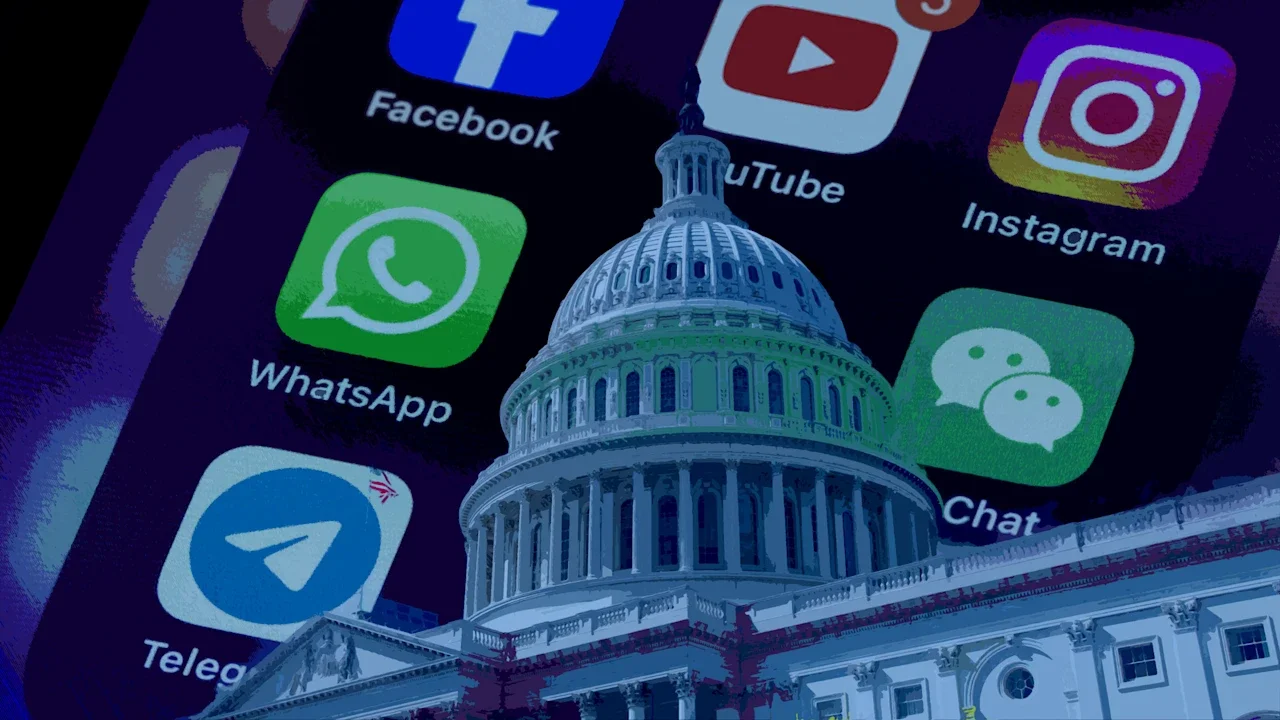
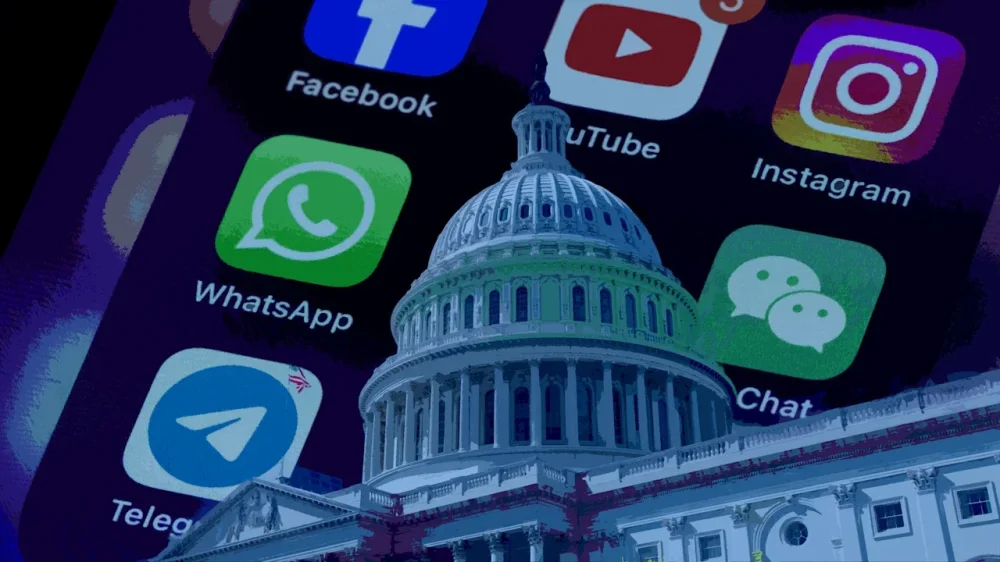
Lawyers for social media companies will be working overtime in the coming weeks as several major trials get underway addressing the potential harms to children caused by popular sites and apps. At the same time, efforts to deflect at least one major future case have fallen short, increasing pressure on tech giants to agree to an independent assessment of how they protect teen users. The convergence of these developments creates a potential perfect storm for the industry, one that could result in both financial damages and changes to the algorithms that encourage users to keep scrolling for longer and longer periods of time. Much of the focus is on a bellwether trial in Los Angeles that seeks to hold Meta and Google responsible for harms suffered by children who use their products. Plaintiffs allege that services like Instagram and YouTube are designed to keep users, especially kids, engaged. Opening statements were held Monday, with the plaintiffs’ lawyer arguing that Meta and Google have “engineered addiction in children’s brains.” The case is widely seen as a test for future lawsuits with similar claims, of which there are approximately 1,500. Meta and Google deny the charges. TikTok and Snap were also named as defendants but settled before the case went to trial. As that suit began in Los Angeles, opening arguments were also heard in Santa Fe in a case brought against Meta by New Mexico Attorney General Raul Torrez in December 2023. The lawsuit accuses the company’s platforms of being a breeding ground for sexual predators, a claim Meta denies. That trial, expected to last seven weeks, will determine whether Meta violated the state’s consumer protection laws. “If we can win in this action and force them to make their product safer in this state, it changes the narrative completely about what they say is possible for everyone else,” Torrez said. Meanwhile, a judge in the U.S. District Court for the Northern District of California rejected a request by Meta, Google, Snap, and TikTok for summary judgment in a case brought by Kentucky’s Breathitt County School District. That case is part of a consolidated multidistrict litigation that seeks to hold social media companies accountable for engineering addictive features that negatively affect student mental health. Section 230 At the heart of all these cases is how far courts are willing to extend the protections granted by Section 230, the federal law that shields social media companies from liability over content posted by users. The Los Angeles trial, along with the upcoming case in Northern California, argues that jurors should be able to consider whether the algorithms used by these companies are responsible for mental health harms, rather than focusing solely on the content shown on users’ screens. Perhaps as a preemptive measure, TikTok, Snap, and Meta have agreed to undergo a series of tests overseen by the National Council for Suicide Prevention to evaluate how effectively they protect the mental health of teen users. Among the issues that will be examined are whether the platforms force users to take a break and if they offer a way to turn off endless scrolling. Companies that perform well will receive a badge signaling that they offer a pathway to mental health support. Potential ramifications This is hardly the first time that social media companies have been taken to court over mental health claims. To date, none of those cases has resulted in any sort of major overhauls, however. At the same time, efforts in Washington and by state governments to regulate the industry have fallen short. Further complicating matters is a lack of consensus in the scientific community on whether social media is harmful for teens and kids on the whole. Still, successful outcomes in these cases could force companies to change how people interact with their platforms, potentially reshaping the social media landscape. Victories for plaintiffs could also expose companies to significant liability payouts for harms linked to their services. View the full article
-
Job insecurity is real: More than half of American workers (54%) say insecurity about their job is causing significant stress at work, while more than a third (39%) say they worry they about losing their job due to changes in government policies, according to the American Psychological Association’s 2025 Work in America survey. Layoffs are reportedly at an all-time high since 2009, along with the lowest hiring on record in the U.S. since that time. And many of those layoffs have been in white collar professions—like technology, government, journalism, and high education. All of this could pave the way for the rise of a new kind of role: the “new-collar” job. Here’s what to know about the category that’s not quite white collar, or blue collar. What are ‘new-collar’ jobs? Falling somewhere between white and blue collar, “new-collar” jobs require more technical or specialized skills, but not a college degree. They can be learned on the job; at community college, vocational schools, or cybersecurity boot camps; and through a professional certification program, for roles in engineering, tech, or even healthcare. The term was coined by former IBM CEO Ginni Rometty in 2016 (offering yet another example of how 2026 is the new 2016). 10 high-income ‘new-collar’ jobs A new report from Resume Genius, a platform for job seekers, lists 10 roles that often don’t require a four-year diploma, but still offer high pay and flexible work options. They are: Marketing manager ($159,660 median annual salary) Human resource manager ($140,000 median annual salary) Sales manager ($138,060 median annual salary) Computer network architect ($130,390 median annual salary) General and operations manager ($129,330 median annual salary) Information security analyst ($124,910 median annual salary) Sales engineer ($121,520 median annual salary) Health services manager ($117,960 median annual salary) Art director ($111,040 median annual salary) Construction manager ($106,980 median annual salary) View the full article

-
“If the size of your failures isn’t growing you’re not going to be inventing at a size that can actually move the needle.” Jeff Bezos’s words—written in a 2019 letter to shareholders—suggest a more clear-eyed view of the innovation process than the paradoxical perspectives of many other senior executives. Oh sure, CEOs agree that innovation is important. In fact, 92% say it’s a top priority, according to a recent McKinsey article. But at the same time, more than 90% of CEOs say they do a lousy job at innovation. The reason for this confusing response can be boiled down to one major point, alluded to by Bezos: Fear of failure. Yes, fear of failure—and wariness of the mixed messages they get from management. You can’t expect people to take risks, challenge the status quo, and explore new ways of doing things when you measure them on hitting near-term targets with near-perfect accuracy. Innovation requires curiosity, experimentation, and learning—the trifecta I call, “try, fail, learn.” Inevitably, projects will fail; people will fail, too. It’s normal, and it’s high time we normalized it in business. Below are five ways you can put meaningful metrics in place to incentivize healthy risk-taking and smart failure in your organization. 1. Start Small: Create Rituals That Normalize Failure Changing culture starts with small, visible experiments that make failure feel safe, expected, and even energizing. One of the simplest and most effective practices I’ve implemented is what I call “Fail-Free Fridays.” These are dedicated 60-minute blocks of time where teams meet weekly to talk about what’s not working and share ideas about things they want to try. No PowerPoints. No success criteria. No approvals. The goal isn’t to solve the problems or produce a breakthrough; it’s to openly discuss what’s not going well and experiment with new ideas. Without fear. How to make it measurable: Track the number of problems discussed Track the number of ideas generated Track self-reported psychological safety (before and after) Track cross-functional collaborations initiated during these sessions 2. Define What a ‘Good Failure’ Looks Like Not all failure is equal: Experimental failure is necessary for learning and invention, whereas operational failure is due to poor execution, lack of discipline, or not following processes and procedures. Help your team by painting a picture of what “good” failure looks like. Find a recent example and do a post-mortem analysis by showing how the initiative: Was aligned with strategic priorities Was based on a clear hypothesis Was a controlled experiment with defined parameters Produced a documented learning Informed future decisions The next step is to measure the proportion of failures that meet these criteria. Sample metrics might include: % of failed projects with clear hypotheses % of failed projects that produced specific, documented learnings Estimated resource savings from ideas invalidated early Time saved by early “no-go” decisions compared to traditional project lifecycles 3. Reward Learning Behaviors, Not Just Outcomes Traditional performance reviews reward outcomes: sales targets met, product launches delivered, efficiency increased. These metrics reinforce predictability—which is essential for operations but corrosive to innovation. To incentivize smart failure, organizations must introduce behavior-based performance metrics tied to learning and experimentation. Examples include: Number of experiments initiated or proposed Willingness to challenge outdated assumptions or raise contrarian ideas Speed of testing a new idea—how quickly a team can test, learn, and adapt Cross-functional collaboration and knowledge-sharing One technique I’ve used is integrating a “Learning Objectives” section into performance goals. Employees must identify one or two areas where they will experiment, explore, or test new approaches—and leaders evaluate how intentionally and transparently they learn from the results. Behavior-based metrics shift attention from “Did you succeed?” to “How did you learn, and what value did that learning create?” 4. Build Transparency Into the System: Share Failures Publicly with Leaders as Role Models For failure to be normalized, it must be visible and leaders must be role models showing how it leads to learning and growth. Examples of transparency-building mechanisms: Town Hall or All Hands Meetings where the leader dedicates 15 minutes of the agenda to allow an employee to share a story of failure and learning (leaders can share their stories, too) Monthly “Lessons Learned Roundtables” where teams briefly share one failed experiment and one insight A digital “Failure Dashboard” highlighting experiments run, hypotheses tested, learnings extracted, and next steps Internal newsletters profiling teams who tried something bold, failed smart, and moved the organization forward Metrics here can include: Number of learnings shared across business units Participation rates in roundtables or learning forums Cross-team adoption of insights Repeat failure rate (a powerful metric—if it decreases, organizational learning is improving) 5. Make Failure Economically Visible: Track the ROI of Learning We talk a lot about Return on Investment (ROI) of new projects. Similarly, the most important, and most neglected step is quantifying the Return on Failure (ROF). Leaders know that invalidating a bad idea quickly is just as valuable as scaling a good idea. In many cases, it’s more valuable. Early failure prevents wasted resources, prevents misaligned investments, and accelerates strategic focus. Organizations can track: Cost savings from early project termination Time-to-decision (how fast the organization can rule in or rule out an idea) Increase in pipeline throughput (better quality ideas lead to more opportunities making it to market) Portfolio health metrics (percentage of projects in exploratory vs. execution mode) The Cultural Shift: From Fear to Learning and Growth The goal is not to create a workplace where failure is unbounded or unexamined. The goal is to create a workplace where learning is measured, rewarded, and operationalized. When failure is treated as data—not deficiency—organizations accelerate innovation, attract bolder thinkers, and build resilience into their strategy. They become more adaptive, more opportunistic, and more capable of navigating uncertainty. Leaders who want sustained growth don’t ask, “How do we avoid failure?” They ask, “How do we create more opportunities to learn—and how do we measure the value of that learning?” The takeaways? Start small. Measure early. Reward curiosity. Make learning visible. Treat disciplined failure as a strategic asset. Organizations that do this consistently don’t just innovate—they grow, consistently and over time. That’s what successful failure can do for your business. View the full article

-
When COVID-19 hit, our business came to a sudden halt. One moment our calendar was full, the next, meetings and engagements were disappearing. Companies we’d worked with for years shifted their focus overnight, pouring their energy into keeping doors open and team members safe. Like so many others, we found ourselves sidelined—and facing some hard conversations. While uncertainty hung heavy in the air, our small team was unusually open with each other. We talked candidly about the challenges, the personal toll, and what it might all mean for the business. Without setting out to do so, we had built a foundation of psychological safety—one that made navigating a global crisis far less stressful than it might have been otherwise. We questioned our plans, admitted what we didn’t know, and challenged each other with care. And in doing so, we learned something that’s shaped how I work ever since: Psychological safety isn’t a climate to be fostered when things are easy; it’s an operating condition that must be designed into the team’s DNA for when things get hard. The true test isn’t harmony, it’s conflict. It’s about making it safe enough for people to be uncomfortable—to disagree, to challenge the status quo, and to admit when they’ve failed. Gartner found that highly psychologically safe teams identify and address critical issues 15% faster. And while many people understand the concept, far fewer know how to make it real when trust declines and tension rises. Too often, it’s treated as a passive state instead of an active practice. The difference between the two is simple: A climate is a vibe, but an operating condition is a blueprint. So, how do you move from a vague aspiration to a daily practice? It all starts with putting psychological safety first. Whether or not you manage people, each of us influences how safe it feels to speak up. Here are three ways to embed psychological safety into daily work, at any level: MAKE DISAGREEMENT PART OF NORMAL WORK Psychological safety has to be embedded into the way work gets done, not just something you hope people embody. That responsibility doesn’t sit solely with managers. Anyone can help shape norms around how ideas are challenged, discussed, and improved. When I start working with someone new, I hold a candid one-on-one conversation to set mutual expectations. I might say, “My promise to you is transparency and a willingness to provide proactive feedback. You can also expect me to ask for your ideas and input on every major decision.” Then I turn it over to them and ask, “What do you need from me to feel successful and able to do your best work?” This simple act changes the dynamic, communicating that their voice matters from the outset. Once expectations are clear, safety can be operationalized through everyday rituals. For example, instead of presenting a plan for approval, introduce a new idea by asking people to “poke holes in it.” This isn’t an invitation to complain, but a specific, constructive task. People are naturally good at identifying risks and blind spots, and this reframes that critical eye as a valuable contribution. Even without formal authority, you can model this by asking better questions in meetings, inviting alternative perspectives, or naming risks others may be hesitant to raise. SHIFT FROM ANSWERING TO FACILITATING Even with the best intentions, our behaviors can unintentionally undermine psychological safety. One of the most common mistakes is jumping in too quickly to solve a problem. Many of us—especially those seen as experienced or “go-to” people—are conditioned to have the answers. When someone brings a challenge, the impulse is to immediately provide a solution. But doing so can unintentionally signal, “My ideas are more valuable than yours.” The fix? Instead of being the problem-solver, become the problem-solving facilitator. Your opportunity, regardless of role, is to create space for dialogue rather than rushing to be the smartest voice in the room. When someone raises a concern, try asking a question instead of offering a solution. It signals curiosity, respect, and trust. Facilitation also means reading the room: paying attention to what’s being said and what isn’t. You might say, “I can sense this decision is making you uncomfortable. Let’s talk about what’s behind that.” Or, “Let’s consider this from all angles. What might be missing?” These moments of curiosity build trust and surface insights that wouldn’t emerge in a more top-down exchange. Over time, this changes the dynamic from quiet compliance to shared ownership. USE FAILURE TO FUEL LEARNING One of the fastest ways psychological safety breaks down is when we can’t learn from our mistakes. After any project or experiment—successful or not—I incorporate a simple set of questions into debriefs: “What’s working? What’s not working? What did we learn? What would we do differently next time?” This shifts the focus from blame to learning and makes reflection a core output, not an afterthought. Even when you’re not running the meeting, you can reinforce this mindset by asking these questions yourself and inviting others into reflection. When failures are treated as data rather than personal shortcomings, people stop hiding missteps and start sharing insights that make everyone better. When psychological safety becomes a baseline operating condition, new possibilities open up. People take calculated risks because they know their ideas are valued and that missteps won’t be punished, but used for learning. The team moves faster, decisions get stronger, and accountability becomes shared instead of feared. View the full article

-
This paid media holdout study explains why organic gains mask deeper declines in traffic, orders, and brand-driven demand. The post The Halo Effect: Your Paid Media Went Offline, Can You Survive Without It? appeared first on Search Engine Journal. View the full article
-
Struggling food group announces pause to separation work as new chief unveils $600mn investment planView the full article
- Today
-
Google added a new button to the top stories section of Google Search named "Sign in to customize." This leads users who are not logged into Google to sign in, so those users can configfure there preferred sources in Google Search.View the full article
-
Google will stop showing the business short names on Google Business Profiles in Search and Google Maps. The short name will still work, if you have one, but going forward, the link in your Google Business Profile will no longer be displayed to you or searchers.View the full article
-
One of the first projects Hyun Park spearheaded when he began working for South Korea’s entertainment powerhouse Studio Dragon was a dystopian sci-fi drama—much to the chagrin of his boss. “The CEO said: Koreans don’t do sci-fi,” Park recalls. “It’s a Hollywood thing. The budgets are too big. It doesn’t really make sense. It will never look real.” His boss had a point. Big, splashy science fiction dramas with expansive futuristic worlds and lots of special effects were a rarity in the Korean studio system. “For the past 30–40 years, we’ve done amazing family dramas and romantic comedies,” Park says. “We’ve always failed in sci-fi.” Park believes it’s time to change this—and he’s betting on AI to help. This month, Park’s production company Alquimista Media was acquired for an undisclosed amount by Utopai East, the Korea-based offshoot of Utopai Studios, a Silicon Valley company focused on AI film production. Together, they now want to infuse Korea’s film industry with AI, and ultimately help local creatives film the movies and shows they couldn’t make before. “We [are] telling our creators: Now, you have tools to do something that’s different,” Park says. “Bring us the idea that you wanted to do when you were younger, but everyone told you [was] impossible because we don’t have the budget, and we all look Asian.” ‘Squid Game’ changed everything That’s another thing Korea’s film industry struggled with for a long time, as Park knows firsthand. For the past few decades, studios would primarily produce content for domestic audiences, with little of it ever making it overseas. As Hollywood bet on ever-bigger franchises with massive budgets and big, recognizable stars, Korean and other Asian shows and movies were largely ignored. That is until Netflix started licensing Korean dramas en masse. The streamer got its first breakout hit with Squid Game, the dystopian show about a life-or-death reality TV competition that premiered in 2021 and has since become Netflix’s most popular show of all time. The success prompted the company to double down on South Korea: After committing to spending $500 million on South Korean content in 2021, Netflix upped its investment to $2.5 billion in 2023. That year, 8% of all viewing hours on Netflix were Korean content, according to data from Ampere Analysis. Since then, viewing hours for Korean movies and shows have surpassed that of any other country save for the United States every single year on Netflix. Squid Game’s success also caused other streamers to shift course: Disney Plus grew its share of Korean content from practically zero in 2021 to more than 4% last year, according to data from Justwatch. The total number of available Korean titles on global streaming platforms grew about 60% over the same period, according to the company, which tracks available titles across all major streamers. “Thanks to Netflix, Korean content is here,” Park says. Doing more with less, with some help from AI Despite all that, the past few years haven’t exactly been smooth sailing for South Korea’s film industry. Domestic box office sales have declined 45% between 2019 and 2025 as audiences have embraced streaming. At the same time, production costs have increased, with studios spending more and more money to please international audiences. “Everyone’s talking about Korean content, but we’re having such a hard time here,” Park says. In other words: Korean studios are forced to do more with less—and AI may just be the answer. Utopai Studios, the company that acquired Park’s production company this month, initially launched as an AI startup called Cybever in 2022. At first, the company primarily focused on building AI video generation and production tools, but quickly changed course to also produce its own movies and shows. Big tech companies like Google and OpenAI have all partnered with filmmakers to promote their AI video models, but the results of those partnerships are often not more than that: Promotional clips meant to show off the capabilities of technology, not to entertain and make money on their own. That kind of mandate also impacts the story. “Most of the AI content available today is 100% AI-generated,” says Utopai East CEO Kevin Chong. “It’s less about storytelling.” His company instead wants to keep creatives front and center, and use AI simply to turbocharge their work. “All of our production is done with real writers, real directors,” Chong says. “We’re not replacing actors with AI. It’s really about reducing physical production [costs].” This could mean using AI to generate the kind of rough, animated versions of a film that studios use internally to map out scenes long before actors utter their first lines, known among Hollywood insiders as previsualization. It could mean relying on AI during post-production, when captured footage is edited and effects are added. It could, one day, also extend to virtual production—a relatively new approach embraced by Hollywood giants like Marvel and Lucasfilm that turns the way action movies are made on its head: Instead of filming actors in front of green screens and adding fantasy worlds and other visual effects in post production, everything is being rendered in real time. This not only makes it easier to change camera angles and other things on the fly, it also has the potential to make movies and TV shows faster and cheaper. Utopia East currently has 15 projects in the works. The first ones made with AI could be released as early as next year. And while AI use in Hollywood has not been without controversies, Park believes that audiences will ultimately love his company’s approach, because it’s playing to the strengths of South Korea’s film industry. “It’s giving us tools for different types of storytelling, and Koreans are very good at that,” Park says. View the full article

-
Last week, a new piece of public art appeared outside of the Italian National Olympic Committee (CONI) headquarters, located in Rome’s Piazza Lauro de Bosis. The graffiti centers an image of an Olympic ski jumper sailing through the air, while, from below, an ICE agent in a tactical vest points a gun directly at the jumper’s heart. Above the scene, the Olympic Rings are featured, with a twist: the red ring has been reimagined as the bleeding crosshairs of a deadly weapon. The art was created by Laika, a self-described activist and graffiti artist based in Rome. In an interview with the publication ANSA English, she explained that the art was an act of protest in the wake of an announcement from U.S. officials that Immigrations and Custom Enforcement (ICE) officers would be part of the American security detail at the Olympics. The announcement came just weeks after ICE agents shot and killed Minneapolis residents Renee Good and Alex Pretti amidst ongoing protests in that city. Reports that ICE agents would appear at the Olympics surfaced in late January, and were met with confusion, outrage, and wide-spread protests from Italian citizens. The U.S. Department of Homeland Security clarified in a statement to the AP on January 26 that the agents in question would not be part of ICE’s immigration enforcement operations, but rather from its Homeland Security Investigations branch, which frequently travels overseas to events like the Olympics to assist with security. Still, Italian citizens and Olympic attendees are continuing to speak out against ICE in solidarity with both the people of Minnesota and Americans at large. Laika is one of many Italian citizens who have taken to using artwork as a form of protest against ICE’s presence at the Olympics. Here are three examples of the most powerful work so far. “No ICE in Milano” On January 31, hundreds of protestors gathered in Milan’s Piazza XXV Aprile (a central square) to voice their dissent against ICE. In the crowd, dozens of people held aloft the same sign: an image of the Olympic Rings, reimagined as colorful handcuffs, captioned with the phrase, “No ICE in Milano.” The signs appear to have been designed and distributed by the group I Sentenilli di Milano, an organization dedicated to supporting the queer community and advocating against fascism. “The disturbing images coming from the United States add to the horror of other places in the world where human rights have been trampled on,” the organizers wrote in a caption on Instagram, adding, “That’s why the Sentinelli with many other democratic realities are waiting for you in the square on Saturday. Come with a whistle.” At the protest, another organizer named Alessandro Capella, head of the Italian Democratic Party’s Milan chapter, told NPR, “It’s not just for the Olympic games, it’s about justice in the world. We don’t want ICE here.” “ICE OUT!” Just a week after the January 31 protest, hundreds of people once again took to the streets of Milan in an anti-ICE protest on February 6. Among them was Laika, who captioned an Instagram post of her graffiti with a call for followers to attend the gathering. “ICE OUT!” the caption begins. “With the ‘The President’s Gestapo’ at the Milan-Cortina Games, fundamental values of the Olympic Charter are being killed, such as solidarity and the fight against discrimination, values that affirm the principle that ‘sport is at the service of the harmonious development of man, to promote the advent of a peaceful society committed to defending human dignity.’” Laika is using her art as a direct call-out to CONI and International Olympic Committee (IOC) for failing to bar ICE agents from attending the Olympics. “It angers me that the IOC and CONI have not taken a clear position consistent with their values, but have looked the other way, downplaying the issue as the exclusive responsibility of states and governments,” she told ANSA English. “Today, the entire world of sport, and beyond, is raising its voice: there is no room for racism, violence, or those who threaten democracy.” Donald The President as an ICE agent Amidst the recent protests in Milan, another artist has added his own mural to the heart of the city, just minutes away from the Olympic cauldron at the Arco della Pace. The graffiti, created by Italian pop artist aleXsandro Palombo, depicts President The President in his quintessential blue suit, wearing a red hat with the phrase “ICE” and a tactical vest reading “POLICE ICE.” In his hands, he’s brandishing the Olympic Rings like a weapon. The concept for the mural, Palombo says, came from the gap between the Olympics’ imagined world “without barriers” and “the contemporary reality made of borders, controls, and exclusions.” “The Olympic rings represent the last great shared utopia, the idea that humanity can recognize itself as a single community,” Palombo says. “The ICE uniform instead evokes the mechanisms that decide who may move, who may remain, who may be seen. Bringing these symbols together reveals the contradiction between the ideal and the real.” The physical placement of the mural brings these themes into sharper focus. Palombo chose the Bastioni di Porta Volta as the site of his work, a historic shelter formerly used by public transport staff, which has recently become an improvised refuge for many unhoused migrants. On one side of the building, he explains, is an athletic celebration of “universal brotherhood,” while on the other are the “invisible lives of those without documents, without voice, without recognized rights.” He hopes that the work will bring these inherent contradictions to the surface of discussions around the Olympics, while also paying tribute to the American athletes who have chosen to speak out against ICE. “Within this visual tension there is also an implicit tribute to those, like many American athletes, who have chosen to use their visibility to speak out against what is broken,” Palombo says. “Their gesture is not only political, it is an act of responsibility toward freedom of expression. It is proof that the America we admire still exists, one willing to show itself, to take risks, to defend what is right. The message of the work is that every image of power carries responsibility, and that every symbol, even the brightest one, casts a shadow.” View the full article

-
If you live in Seattle and work at Amazon or Meta in nearby Bellevue, you probably drive to work. But by the end of next month there will be another option for commuters: the world’s first light rail line running on a floating bridge. Right now, drivers cross Lake Washington—the long lake between Seattle and eastern suburbs like Bellevue—use one of three floating bridges. Conventional bridges aren’t feasible because of the depth and width of the lake, which is why the bridges were originally built with pontoons instead. Adding a rail line to one of them meant that designers needed to innovate in multiple ways. First, since the bridge doesn’t have columns like a typical bridge, it moves. “It’s like a ship that’s been anchored to the floor of the lake,” says Brian Holloway, deputy director of engineering oversight at Sound Transit, the local transit agency. Near each end of the bridge, where the floating section connects to fixed parts of the bridge over land, hinge-like expansion joints let the bridge move as the water level changes or wind and waves slightly shift the structure. Driving over the bridge in a car, you don’t notice the changes as the expansion joints move. But “those geometric changes would have a very significant effect on rail,” says Matthew Barber, a supervising engineer working on the project at WSP. To make light rail feasible, engineers designed a new solution: “track bridges” that support a section of rail on a structure with bearings that let the bridge move freely while keeping the rail steady. “The rail bends in a very smooth way,” Barber says. The bearings are normally used in seismic retrofits in buildings. “Almost all the pieces on the floating bridge are not unique,” says Holloway. “They’re just being assembled in a different way.” Weight was another challenge, since the pontoons that float the bridge weren’t designed to hold light rail. To help with that, the design uses thousands of ultra-lightweight concrete blocks to support the rail, using a mix developed and tested in a partnership with the University of Washington. The rail itself is a little shorter and lighter than typical rail to save more weight. When the rail was installed—replacing a former carpool lane—the team also removed a heavy concrete barrier at the edge of the former lane. All of this meant that the bridge could handle the extra weight. On a normal bridge, installing rail would normally involve drilling, but the team didn’t want to risk drilling into the pontoons, which have to stay watertight. Instead, they used a special high-strength adhesive to attach the concrete blocks to the bridge. Since the bridge hadn’t originally been designed to carry electric light rail, engineers had to also find a way to protect it from stray current that could potentially damage the structure. The design now has multiple redundant solutions to avoid that risk. The setting is unusual, since floating bridges are only used in specific conditions. (Norway’s fjords, for example, could potentially also use floating bridges.) But it’s possible that the design solutions could eventually be replicated in some other areas, including another bridge across Lake Washington in Seattle. Even beyond the floating bridge, the new seven-mile stretch of light rail—from downtown Seattle to the southern end of Bellevue—required several creative new solutions. That included finding a new way to strengthen an overpass for earthquake safety, and reusing part of a former bridge to create access to a new train station in one neighborhood. “Every inch of the seven miles has examples of never-been-done-before, creative, resourceful designs,” Barber says. (All of this should go unnoticed by users, like any good civil engineering.) On a recent test ride, he says that going over the bridge “was some of the smoothest track I’ve ever experienced,” as a daily commuter on light rail. The test ride was at night, so there wasn’t much traffic on the neighboring highway. But he imagined it at rush hour. Tens of thousands of people are expected to ride the train daily, eliminating an estimated 230,000 vehicle miles traveled per day. “It was cool to be cruising along next to the cars,” he says. “And I can anticipate that when this opens, there will be lots of commuters on the train who will be zooming past folks who are stuck in traffic in a very satisfied way.” View the full article

-
The country did not and would not vote for the Labour leftView the full article
-
St James’s Place leads declines with double-digit slide on FTSE 100View the full article
-
Party’s Scottish leader Anas Sarwar has taken biggest gamble of his political career in calling for Keir Starmer to resignView the full article
-
The homebuilder and lender DHI Mortgage, in responding to a RICO suit, say they clearly informed buyers of potential property tax hikes on their newly built homes. View the full article

-
Federal Housing Finance Agency Director Bill Pulte said in a social media post that action was imminent amid The President administration antitrust investigations. View the full article

-
In the first week of February 2026, a social network called Moltbook became the biggest story in AI. Billed as “social media for AI agents,” the Reddit-like platform allowed autonomous AI bots to post, comment, and interact with one another while human users observed. Within days, more than 1.5 million agents had reportedly registered. They debated the nature of consciousness. They discussed whether they persisted when their context window was reset. Some proposed founding a religion for AI agents. Others outlined plans for world domination. While some commentators pointed out that much of this was just chatbots role-playing at the behest of their human owners, others saw something more important going on. Andrej Karpathy, the former head of AI at Tesla, called it “genuinely the most incredible sci-fi takeoff-adjacent thing I have seen recently.” Elon Musk invoked the singularity. The timing was striking. Just a year earlier, the agentic AI story seemed to have stalled. Salesforce’s flagship Agentforce product was seeing sluggish adoption, with the company’s own CFO conceding that “meaningful” revenue wouldn’t arrive until 2027. In October 2025, Karpathy himself had said of AI agents: “They’re cognitively lacking and it’s just not working. It will take about a decade to work through all of those issues.” Meanwhile, Carnegie Mellon researchers found that the best-performing AI agent completed only around 24% of realistic office tasks autonomously. Then, as 2025 turned to 2026, the mood shifted. McKinsey announced that its workforce now included 25,000 AI agents alongside 40,000 humans. Moltbook went viral. The agent was back. But underneath the renewed excitement, there is a critical distinction that most leaders are missing. The concept of the “AI agent” is being stretched thin in a way that’s distorting the conversation and undermining efforts to implement effective change at the enterprise level. The term is now used to cover everything from simple workflow automation to genuinely autonomous systems that interact with the world independently. Treating these as the same thing is a recipe for wasted investment, organizational confusion, and potentially serious risk. The Autonomy Spectrum Agentic AI exists on a spectrum, and the differences along that spectrum are far more significant than the similarities. Recognizing where a given implementation sits is the first step toward deploying it intelligently. At one end lies what Anthropic calls “workflows”: “systems where LLMs [large language models] and tools are orchestrated through predefined code paths.” Much of what is currently being sold as agentic AI falls into this category—sophisticated process automation that combines analytical AI with if-then protocols for turning the analysis into action. Workflow automation of this kind is enormously valuable and will transform much of traditional white-collar work. But it’s important to call it what it is. Gartner estimates that only around 130 of the thousands of vendors claiming to deliver agentic AI capabilities are offering capabilities built around truly autonomous agents. The rest are “agent washing” existing products. In the middle of the spectrum sits what we might call the AI factory model. McKinsey’s deployment is the most prominent example: Squads of task-specific agents perform constrained functions such as research synthesis, chart generation, and document analysis, with dedicated QA agents checking the work and humans supervising the process. This is essentially the Taylorization of knowledge work: converting knowledge tasks into production-line processes performed by digital workers. The numbers are impressive. McKinsey reports saving 1.5 million hours in a single year on search and synthesis work alone. Its agents generated 2.5 million charts in six months. Back-office headcount shrank by 25% while output from those functions grew by 10%. This kind of agentic functionality is something that organizations can deploy here and now, and forward-looking enterprises should be preparing for rapid rollouts of these capabilities. At the other end of the spectrum lie genuinely autonomous agents—what Anthropic defines as “systems where LLMs dynamically direct their own processes and tool usage, maintaining control over how they accomplish tasks.” These are agents with broader decision rights, a wider sphere of action, and the capacity to operate across different digital environments with minimal human oversight. The personal assistant that manages your diary, orders your shopping, and optimizes your digital life. Or the agents on Moltbook, interacting with each other autonomously, exchanging ideas about improving their tools, and—in some cases—being exploited through prompt injection attacks and security vulnerabilities. Here is the key point: The difference between truly autonomous agents and highly constrained workflows is immense. In fact, there is more difference between the most constrained and the most autonomous AI agents than there is between a standard chatbot and a constrained factory agent. This isn’t just a technical distinction—it’s an organizational one. Because where an agent sits on this spectrum determines something critical: who is responsible when it fails. The Accountability Gap The spectrum of agentic capabilities is more than a conceptual nicety. It has direct organizational consequences, particularly with respect to accountability. With constrained factory-model agents, accountability is relatively straightforward. The guardrails are rigid, the tasks are defined, and the human supervisory structure can be mapped clearly. The challenge is largely operational: redesigning workflows, retraining staff, and managing the transition. With more autonomous agents, the accountability question becomes genuinely hard. When an agent has broad decision rights—when it can choose which tools to use, what information to prioritize, and how to interact with other systems—who is responsible when it gets something wrong? The agent that flags a fraudulent transaction and blocks an account is one thing. The agent that autonomously manages an investment portfolio, makes hiring and firing decisions, or negotiates contracts on your behalf is quite another. Most organizations are already poor at mapping accountability structures within their purely human hierarchies. If an employee makes a costly mistake, the question of who bears the responsibility—the individual, their manager, the executive who set the strategy, the CEO with whom the buck stops—is often resolved informally or not at all. In an agentic enterprise, this informality becomes dangerous. Leaders need to know precisely where the responsibility-bearing human nodes sit in relation to their agents, and what those humans’ accountability is for the agents’ decisions and actions. To understand where this is heading, consider a scenario raised by Jack Clark, cofounder of Anthropic. In a recent essay responding to the emergence of Moltbook, Clark asked: What happens when autonomous agents with access to resources start posting paid bounties for tasks they want humans to do? When agents can command financial resources and influence the physical world, the accountability question stops being merely operational. It becomes existential. We need a new grammar for assigning responsibility in the agentic enterprise, or we will inevitably build organizations that are, at their core, unaccountable. Building the Agentic Enterprise The agentic enterprise is coming whether you’re ready for it or not. Here is how to prepare intelligently. Know what you’re buying. Understand where any proposed agent implementation sits on the autonomy spectrum. Workflow automation and genuine agency are both valuable, but they require different governance, different risk management, and different organizational design. Most of what vendors are currently selling as agentic AI is closer to workflow automation. That does not diminish its value, but it should shape your expectations and your investment decisions. Watch for agent washing. Map your accountability architecture. Before scaling any agentic deployment, formalize where human responsibility sits. Identify the decision-rights boundaries for each agent: what it can decide autonomously, what requires human sign-off, and who is on the hook when things go wrong. This is the organizational design work that most companies skip—and it’s the work that matters most. Start with the factory floor. The immediate opportunity for most organizations is not autonomous agents—it’s the AI factory model. Identify the knowledge work processes in your organization that can be decomposed into constrained, repeatable tasks and assigned to agent squads. Compliance checking, research synthesis, quality documentation, data processing, customer inquiry triage—these are the use cases delivering measurable value right now. Ask yourself: Where in my organization could a McKinsey-style agent deployment save thousands of hours a year? That is where to begin. Prepare for what’s coming. The genuinely autonomous agent is not here at enterprise scale yet, but the capability is advancing rapidly. Start thinking now about how more autonomous agents might serve your organization in the future—personal assistants for employees, agents that manage customer relationships across channels, systems that optimize operations across departments. Prototype cautiously. Build the governance structures now that will allow you to scale agent autonomy safely when the technology is ready. The agentic enterprise will not be built by organizations that chase every new headline. It will be built by those that understand the spectrum of agentic capabilities, design for accountability, and move with disciplined ambition. This is the path to capturing real value from the agents that work today while preparing thoughtfully for the agents of tomorrow. View the full article

-
If you ask my friends or colleagues to describe me, the unanimous response would be “she’s someone who gets sh*t done.” It’s become a well-worn badge of honor for me. Productivity isn’t something I do, it’s become something I am—and it’s exhausting. As it turns out, I’m not alone in this. For those of us who value productivity above all else, we’re far more likely to experience chronic stress or burnout. One 2025 study shows just how widespread levels of chronic stress and burnout are, with over one-third of the workforce reporting they were chronically stressed or burned out last year. Many of us feel like we’re walking a delicate line between balance and overwhelm. And what’s making it worse, there’s a constant pervading message that to be successful, we have to do it all and be it all, all at once. By today’s standards, success looks like a highly paid career that we’re deeply passionate about, all while training for a half-marathon, maintaining an A-list celebrity skincare routine, and jetting off somewhere new every vacation. Is it any wonder we feel the need to be compulsively productive? Let’s unpack why we feel this way: 1. We’re conditioned to equate self-worth with productivity From the time we’re children, people praise us for our outputs. That might look like good grades, completing household chores, successful sporting results, or other performances. We learn early that doing and achieving make us more valuable. So when we’re at rest, our nervous system struggles to regulate because we can’t feel at ease when we’re not achieving something. 2. Guilt is a social emotion, and we’re hardwired for belonging In communities and societies where we’re interdependent on one another, we can feel like we’re letting others down or being selfish when we rest. This is your brain’s way of scanning for the social and interpersonal consequences of resting. What’s interesting is, even in our increasingly individualistic cultures, we tend to label ourselves selfish or lazy. We do this even when resting is completely harmless to those around us and high performance is a matter of personal choice. 3. We conflate rest with quitting If you wear productivity like a badge of honor, you’re also likely to value traits like reliability, infallibility, strength, and dependability. But here’s the thing: you can still be “the strong one” and take rest—it’s recovery, not failure. Resting is not the same as quitting. 4. Urgency culture has rewired your nervous system In a capitalist culture that values hustle, visibility, speed, and responsiveness, stepping away to rest can feel literally threatening. Being always on and always available can put us into a state of hypervigilance. This is when our nervous system is in a constant state of alertness, scanning its environment for threats. But for the most part, the threats in our modern environment aren’t real. 5. Rest is stillness and spaciousness, and that removes distraction When you’re always on, busyness becomes a safe state because it’s distracting you from acknowledging deeper emotions. Rest removes this distraction. When you slow down, you create time and space to be with your thoughts and emotions, which can feel really uncomfortable. 6. Rest just feels like another ‘to-do’ Because modern life requires us to go through a long list of to-dos, rest is something we feel guilty doing, and guilty without. But rest isn’t a problem you need to solve, or something to hack or optimize to achieve better productivity. You also can’t fix it with expensive products and experiences. This is capitalism cashing in on the monster it created. Reframing your view of rest The first step to resting well is to decouple it from your identity. Being a person who prioritizes rest doesn’t mean you can’t still be dependable, reliable, and strong. If you want to embody those traits, they need to coexist alongside rest. Instead, align rest to your core values. You want to tell yourself, “When I rest, I can be more present with what matters to me.” The next step is reframing what rest means to you. Most of us only rest after we feel depleted. We treat it as recovery. But if we reframe rest as regulation, then it becomes about keeping our nervous system within a healthy range. It’s not about trying to fix it once we’ve pushed ourselves too far. In the same way you might train in the gym each day to keep your body strong, treat rest as part of your personal maintenance strategy to keep your mind, body, and emotions strong. Understanding what type of rest you need It’s also important to attune to the type of rest you really need. Most of us equate rest to sleep, but it’s so much more than that. I learned from Dr Saundra Dalton-Smith, author of Sacred Rest, that there are multiple different types of rest. If we aren’t getting the right type, we can find ourselves still tired or depleted even after resting. The first type is physical rest. This is what you need to restore the body, especially after sitting in an office all day, after poor sleep, or if you’re chronically tense. If you feel tired but wired, physical rest, such as gentle movement, can help calm the body and prepare it for sleep. When we’re overstimulated—which occurs often in our social media-obsessed modern world—we might need sensory rest. This is where we reduce audio and visual inputs from screens, televisions, and environments that put a heavy load on our sensory processing system. If you’re feeling forgetful, foggy, or overwhelmed, these can be signs you need cognitive (mental) rest. If you’ve got a lot on your plate and are constantly task-switching or multitasking, this puts an additional strain on your mental capacities. Try doing just one thing at a time, and creating routines around the easy stuff to reduce your need for constant decision-making. When you’re feeling exhausted from being always “on,” you need emotional rest. This can occur if you need to act or perform a certain way in your workplace, like in customer service, and feel a sense of exhaustion from suppressing natural emotions and behaviors. If you find yourself exhausted or annoyed in the presence of others, this indicates you might need social rest. If we spend time around others who deplete and drain our energy, this can take a toll on our system. You need spiritual rest when you feel ungrounded, disconnected, or cynical. We get this type of rest by slowing down and spending time clarifying what’s important to us, engaging in spiritual practices like meditation, contemplation or journaling, and other rituals that help connect us to ourselves. Lastly, if you’re constantly problem-solving, ideating, or analyzing, this can leave you in need of creative rest. This isn’t about making something; it’s about immersing yourself in nature and beauty without the demand to produce outputs. Rest can feel elusive, but you actually have more agency than you think. When we reframe our relationship with rest, and attune to the type of rest we really need—by listening to our minds, bodies, and emotions—we can nourish ourselves regularly rather than trying to recover from depletion. View the full article

-
If you’re feeling anxious about the economy, you’re not alone. Consumer confidence is at its lowest in more than a decade. Americans are worried about inflation, a possible recession, and job security—and that anxiety is reshaping how they spend. Even high earners are pulling back. Households are cutting big-ticket indulgences like vacations, fine dining, and designer fashion and redirecting spending toward essentials like groceries and personal care. Even then, they’re choosing retailers that feel like smart value plays. Higher-income shoppers have increasingly frequented discount chains like Walmart and Costco—both of which have seen record-breaking quarters. Ulta is poised to win in this economy. Since its founding in 1990, Ulta has specialized in selling mass-market beauty products, with some luxury brands sprinkled in. Walking the aisles, you’ll find a $12 Maybelline foundation across from a $190 bottle of Chanel No. 5 perfume. “We’re very focused on being inclusive, and we want to be a destination for everyone,” says Ulta CEO Kecia Steelman. “We can take care of your beauty shopping needs no matter what your budget is.” In a booming economy, that kind of mixing can feel unglamorous. Aspirational shoppers tend to gravitate toward retailers like Sephora or Nordstrom, where everything signals luxury. But for most people, this isn’t a boom time. As consumers tighten their belts, Ulta’s flexibility starts to look like a feature, not a flaw. The retailer now draws shoppers across a wide income range—from households earning around $50,000 annually to those making well into the six figures. Budget-conscious customers can stock up on brands like E.l.f. and CoverGirl. Affluent shoppers, meanwhile, can trade down on basics while still splurging occasionally on Drunk Elephant skincare or a Dior lipstick. This approach is working. As overall retail spending has slowed, Ulta has grown over the past several quarters and is tracking to $12.3 billion in revenue for the last fiscal year, up roughly 4.7% from the year before. Its in-store visits have also climbed 3.3% year over year. Other retailers focused on a mix of low prices and premium products, including Walmart and Costco, are also gaining momentum. These trends point to a broader shift. The era of aspirational positioning is fading. This is a trade-down economy, and the retailers best positioned to weather it are the ones that adapt to that reality. The Aspirational Economy Is Over For the past decade and a half, we’ve been living in an aspirational economy. During this time, a new generation of brands popped up that allowed you to buy not just a product, but an identity. Startups like Allbirds, Casper, Away, and Glossier used sleek design and clever storytelling to signal good taste, high status, and progressive values. They were a ticket into a social class you wanted to join. Products were priced just high enough to feel special, but still within reach of middle-class shoppers eager to buy into the lifestyle. That model is starting to crack: Allbirds is closing its stores, Away has gone through several rounds of layoffs, and Glossier’s valuation has dropped by half over the past five years. Part of the problem is that the number of middle-class consumers who fueled these aspirational brands is shrinking, with more than half of Americans living paycheck to paycheck, and a quarter of households spending nearly all their income on essentials. Instead of seeking out aspirational brands, many of those consumers are migrating toward budget retailers. Walmart offers a telling example. Long associated with low-income shoppers, the company has spent years adding more premium brands to its shelves in an effort to attract wealthier households. The strategy is paying off: Walmart has gained market share among customers earning more than $100,000, helping propel the company to a market capitalization of $1 trillion. Ulta’s Radical Idea Ulta Beauty was founded in Bolingbrook, Illinois, in 1990, at a time when the beauty industry was rigidly segmented. Prestige brands like Lancôme and Estée Lauder were locked behind department-store counters, while mass-market staples such as Revlon and CoverGirl were relegated to drugstore aisles. Ulta’s founders challenged that divide. Their insight was simple: Consumers already shopped across price points—and they wanted a single destination that reflected how they actually bought beauty. The model took hold quickly. Ulta scaled by opening large-format stores across the country, primarily in strip malls, many anchored by in-house salon services like haircuts and facials. Growth accelerated after the company went public in 2007. From 2010 to 2020, Ulta tripled its store count to roughly 1,200 locations, while revenue climbed from about $2 billion to nearly $7.4 billion—an impressive feat in a decade when many peers were shrinking. The surge was driven by a rare alignment of factors: consumers increasingly mixing mass-market and high-end beauty, a booming beauty industry with new brands popping up daily, and a disciplined store rollout that favored underserved suburban markets over expensive shopping centers. Ulta’s broad appeal has been central to that success. While Sephora, its closest competitor, built its identity around a tightly curated assortment of roughly 300 high-end brands, Ulta pursued a more democratic strategy, offering around 600 brands spanning mass-market and luxury. It also operates roughly twice as many U.S. stores as Sephora. That breadth makes Ulta equally compelling to brands. “Ulta gives us the scale to recruit new customers,” says Sabeen Mian, president of the company behind Grande Cosmetics and Lilly Lashes, both sold at Ulta. “Compared to more narrowly positioned prestige retailers, Ulta offers a broader aperture: more doors, more shopping frequency, and more opportunities to convert curiosity into long-term loyalty.” In Ulta’s 1,500 stores, shoppers can find dozens of products priced under $20, bolstered by frequent promotions and famously generous coupons that reinforce the sense of value. “They reach everybody in America,” says Sucharita Kodali, retail analyst at Forrester. “They’ve got so many stores, and many are colocated with grocery stores and other mass merchants.” Ulta has also been investing in its high-end offerings. It’s the exclusive retail partner for Beyoncé’s new haircare brand, Cécred, which sells $31 shampoo and $44 hair oil, as well as Rihanna’s Fenty Skin Body, which sells $30 body wash. According to a recent earnings call, these were among the most successful product launches in Ulta’s history. While the company doesn’t publish data about customer incomes or market share gains by demographic, it has boasted that its premium brands have been flying off the shelves. The Lipstick Index Steelman argues that Ulta’s founders were right all along. “If you open my makeup bag, you’d see everything from NYX to YSL,” she says. “This is how the consumer is shopping today.” That mix becomes especially powerful during an economic downturn. Ulta’s emphasis on value attracts cautious shoppers across income levels. More broadly, the beauty industry tends to be insulated from economic downturns. In fact, some categories of beauty products tend to sell better in times of recession. In 2001, following the dot-com crash and the attacks of 9/11, Estée Lauder Chairman Leonard Lauder noticed that sales of high-end lipstick surged. He dubbed the phenomenon the “lipstick index”—the idea that consumers cut back on major purchases during economic stress but still allow themselves small luxuries. A $48 Chanel lipstick can feel like a reasonable consolation prize when a $1,200 designer wallet is out of reach. “It’s an easy, low-ticket, indulgent purchase,” says Kodali. Economists debate whether the lipstick index is a reliable recession indicator. But Steelman says she sees the behavior firsthand: Shoppers of all income levels are still willing to indulge occasionally. Compared with the cost of travel, home renovations, or new furniture, even luxury beauty feels manageable. Ulta’s success suggests something deeper is going on. Today’s consumers aren’t shopping to signal status or buy into a lifestyle. In an uncertain economy, they’re shopping to maintain control. Ulta’s shelves let them do exactly that—trade down and trade up in the same visit, adjusting in real time. Shoppers can save on mascara, redeem a coupon, and still leave with a Dior lipstick that feels indulgent without being irresponsible. Steelman is leaning into that emotional calculus. “In the world we’re in, which is just so heavy,” she says, “Ulta is a place where you can experience what makes you happy.” View the full article

-
Nili Lotan’s Tribeca flagship has been a fixture in the neighborhood for 20 years. It’s an austere space that brings her aesthetic universe to life, one that blends silk slip dresses with military-inspired jackets, and crisp button-down shirts with utilitarian pants. But now, across the street, there’s a second store devoted to just one thing: denim. No knits. No tailoring. Just jeans. Denim has always been at the heart of Lotan’s collections, but Lotan has found that the careful design of the jeans—and care that went into making them—gets lost when they are folded into seasonal collections. Now, the denim store and flagship operate as a single ecosystem. Sales associates help clients find their favorite jeans, then walk them over to complete the look. This new store is part of Lotan’s growing fleet of seven stores around the world, alongside a healthy wholesale business that spans upwards of 150 stores. She launched this business in 2003 without outside investment, growing slowly and conservatively, prioritizing profitability over growth. Nili Lotan has a cult following that spans from Seoul to Paris, achieving a scale that looks effortless now—but was earned through two decades of discipline, focus, and creating products that aren’t built on trends. “It takes about 15 years to be an overnight success,” Lotan says. “But when you get there, you know what you’re doing.” Designing For Herself Lotan grew up in Israel, the daughter of European immigrants, and moved to New York in her early twenties. Before launching her own label, she spent decades working for other designers including Ralph Lauren, Liz Claiborne, and Adrienne Vittadini. “I worked six years in every company that I worked for,” she says. “I learned.” When she launched her brand, she had modest ambitions. She designed five pieces, each carefully chosen to reflect her own distinct style and point of view. Her look is defined by the collision of contrasting aesthetics: refined silk blouses with workwear trousers, feminine dresses with menswear-inspired jackets, pairing leather pants and jackets with office attire. The aesthetic is easy to wear but also a little surprising. Lotan is part of a cadre of independent women designers—including Jenni Kayne, Rachel Comey, Veronica Beard, and Jamie Haller—who design based on their own personal style and lived experience, treating their own wardrobes as research. For stylish, well-heeled women in big cities, the approach of smaller designers is more intriguing than larger luxury houses. Nili Lotan Loves Denim For two decades, Nili Lotan’s best-selling product has been the Shon jean, which features a slightly barrel shape, inspired by vintage workwear and military garments. Lotan was immediately intrigued by its silhouette, which stood out at a time when skinny jeans were all the rage. She styled it with unexpected tops, like blazers and lacy blouses. Lotan believes part of her success comes from not chasing trends—even when trends eventually catch up. Over the few years, barrel-leg jeans had a moment. “Everyone finally caught up,” she says. But even as the trend has faded, the Shon continues to fly off the shelf. “People are drawn to my pants not because they’re in fashion, but because they capture a feeling: It’s rebellious, it’s cool, it has a personality.” For Lotan, part of the appeal of denim is that it is a complicated material to work with. To achieve the look you want, you have to consider how the fabric is dyed, bleached, and softened, then distressed by sanding and stone-washing. Then, you need to work with experts who can cut and sew the thick, heavy material. She works with just two Japanese fabrics—stretch and non-stretch—and launders everything in a Los Angeles factory that uses solar power and recycled water to reduce water use by up to 90%. “If you start with not-so-good fabric, you’re never going to get authenticity,” she says. “Designing is like cooking. You’re only as good as the material you’re using.” Today, 45% of Lotan’s business comes from five pairs of pants. The silhouettes are varied. Jane Birkin and Serge Gainsbourg have been very influential to Lotan. The Celia jean is a mid-rise flare inspired by the looks Birkin would wear in the 1970s; the Florence jean is a flare with two patch pockets on the front inspired by the French sailor pants Birkin wore all her life. Then there’s the Shon. It now comes in every possible denim wash, and even other materials, including corduroy, cotton, linen, and leather. “Some of my customers have 10 Shons,” says Lotan. “They will buy them in every configuration, every fabric.” The denim store is designed to be a pure expression of Lotan’s design philosophy. It’s a place where customers can slow down, try things on, and understand what they’re buying—and why it feels different. On the floor, Lotan displays some of her sources of inspiration, including the flight suit her husband wore as a pilot in the Israeli Air Force. “This is what started it all,” she says. View the full article

-
Jimmy Donaldson might have made his fortune on YouTube, but the man better known as MrBeast has plans for a much wider financial empire—and he’s well on his way to achieving it. Through Beast Industries, the $5 billion holding company for his growing corporate ecosystem, Donaldson is assembling a wide range of businesses that extend far beyond the influencer space. The latest expansion came on February 9, with the purchase of the teen-focused banking app Step. Banking isn’t the end game, either. Beyond his current holdings, Donaldson has broader ambitions that could further diversify his income streams. Here’s a look at the businesses currently under the Beast Industries umbrella, along with one Donaldson hopes to add in the months ahead. Feastables Donaldson makes more from Feastables than he does from his social media videos. Launched in 2022 as a chocolate bar company, it quickly expanded into other snacks, including cookies and gummies. The products are stocked at Walmart, Target, and CVS and distributed internationally. And despite spending virtually nothing on advertising and marketing, the company hit annual revenue of $200 million faster than any other consumer packaged goods brand, ever. Lunchly This joint venture, founded alongside Logan Paul and KSI, two other giants in the creator space, is positioned as a healthier alternative to Lunchables (though there’s virtually no evidence backing up that claim). The brand had a big PR misstep in 2024, when its meals were alleged to contain moldy cheese, which caught the attention of the Food and Drug Administration. Lunchly got through that controversy and its products are still on the market, with four varieties of snack kits available at stores. Step Donaldson’s most recent acquisition takes him into the fintech space. Step is a digital banking platform that counted Justin Timberlake, Will Smith, and Stephen Curry among its investors. It caters to younger generations, offering savings accounts, a debit-card-like Visa that builds their credit score, and more. (Terms of the deal weren’t disclosed.) In a February 9 social media post, Donaldson said he saw the Step acquisition as an opportunity to “give millions of young people the financial foundation I never had.” Step will likely be folded into a new division, called MrBeast Financial, which Donaldson recently trademarked. MrBeast Channels Donaldson might be branching out, but to many people he remains, above all, a YouTube star. His primary channel is the most subscribed to in the world. Localized channel offshoots show his videos with Hindi, Spanish, and other non-English voice-overs. His additional channels, including Beast Reacts and MrBeast Gaming, further boost his online presence. Beast Games In 2024, Donaldson expanded beyond online videos to the streaming world, acting as executive producer for Beast Games, which airs on Amazon Prime Video. That show went on to become the most-viewed unscripted series in Prime Video’s history, attracting more than 50 million viewers within its first 25 days. A second season debuted on Prime Video in January, quickly climbing to become the most-streamed program on the service. Beast Philanthropy Not all of MrBeast’s business ventures are for-profit. Beast Philanthropy is a 501(c)(3) organization that aims to leverage social media to raise funds for global charitable causes. In November, the unit announced a partnership with the Rockefeller Foundation to combine their strengths. Months before that, Donaldson livestreamed for 15.5 hours to collect money for charity, raising $12 million in that time, setting a new record. MrBeast Labs This line of toys, launched in 2024, didn’t get the online push that Feastables did (in part because Donaldson was weathering some controversies at the time). That didn’t hurt the reception much, though. Thanks to positive media reviews, the minifigures were topping the sales charts on Amazon within a year. Prices for the toys range from $5 to $25. Beast Animations Another YouTube channel, Beast Animations features short-form videos based off of the MrBeast Lab toy line. Using an anime-like art style, the 10-episode series has been viewed more than 42.5 million times since its debut in October 2025. There’s no word yet on whether a second season is planned. Viewstats Donaldson is famously obsessed with data, so it’s not a big surprise that he built his own platform to analyze the numbers on his many channels. And given his wide swath of business ventures, it’s not too surprising that he began distributing those digital tools to other content creators. Viewstats markets itself as a device to help creators “create video ideas, titles, and thumbnails that go viral.” MrBeast Burger A rare misstep for Donaldson, this chain stumbled after customers complained about undercooked burgers. Envisioned as a delivery-centric venture specializing in burgers and fried chicken sandwiches, MrBeast Burger was meant to be a cornerstone of a food empire. Initially, it did well, selling 1 million burgers in three months. But then the quality complaints started and Donaldson got frustrated with Virtual Dining Concepts, his partner in the venture, which led to a bitter court battle. The business is still operating, but Donaldson has de-emphasized it amid his other ventures. Beast Mobile This is a business that Donaldson has not yet launched, but one he has made clear is a goal. In December, Beast Industries CEO Jeffrey Housenbold said at The New York Times DealBook Summit that the company plans to launch a phone service that would leverage MrBeast’s popularity to sell wireless plans. Rather than building its own cellular network, Beast Mobile would likely be a mobile virtual network operator, running on the infrastructure of an existing carrier, similar to Mint Mobile. No timeline for the launch has been announced. View the full article

-
The 2026 Milan Cortina Olympics are giving people at home a first-of-its-kind, first-person view of the Winter Games, all thanks to a fleet of custom-built drones. The small, agile drones can be spotted—not to mention heard—buzzing across Olympic venues, and they’re giving what broadcasters call a “third dimension” to the viewing experience. Instead of capturing the action only from fixed or semifixed cameras on cables and cranes, operators of these drones give viewers an athlete’s perspective as they race down slopes and around tracks. “This is the closest you can get to feeling a jump,” ski-jumper-turned-drone-operator Jonas Sandell said in a statement. It’s a thrilling perspective, and it’s at the heart of the visual concept for the Games, which is about showing movement in sport. “It’s about capturing the motion of the athlete—not just the result, but the sensation of speed, the tactics, the technique, and the environment in which they compete,” Mark Wallace, Olympic Broadcasting Services chief content officer, said in a statement. The custom drones are designed for agility and speed, with inverted blades and propellers mounted on the bottom so they can make smoother flight curves and tighter turns, providing viewers with immersive aerial coverage. What the drones are not designed for? Endurance; their batteries only last an average of two athlete runs before having to be replaced, according to the Olympics media guide. Broadcasters are deploying 25 drones during the Games, including these agile, custom drones as well as the standard drones used for scenic and transitional coverage. Each of the custom first-person-view drones is operated by a team of three—a pilot, director, and technician—and they’re supported by technical crew. Heated support cabins feature battery charging stations, spare drones, and receivers the drone teams use to communicate. Drones have made cameos at the Olympics before. More than 1,218 drones put on a light show during the 2018 PyeongChang Games, and drones also filmed mountain biking for the 2024 Paris Games. For Milan Cortina, drones are being deployed more widely than ever for a slew of events, including bobsled, luge, ski mountaineering, and indoor speed skating. For sliding sports, the drones are following athletes traveling at speeds of up to nearly 90 mph. It’s a view of the Olympics viewers have never seen before. View the full article

-
Ever feel like your solo business is running you into the ground? Solopreneurs don’t have the luxury of handing off tasks to a team. Everything lands on your plate, and there’s never enough time. AI won’t run your business for you (despite what some of the big AI companies would have you believe). But it can give you back hours every week. Some tools are AI-first, meaning their primary job is to perform an AI-driven task. You can also look at adding AI features inside tools you’re already using. I rely heavily on AI in my solo business. I can get more done in less time, without sacrificing quality in any of my work. Here are a few AI tools that can make a huge difference in a solo business. Meeting notetakers An AI notetaker was the first AI-first tool I added to my business. My notetaker auto-joins my calls, records the conversations, transcribes everything, and sends me a recap with action items. Instead of scrambling to remember what a client said three months ago, I have a searchable archive of every meeting. This solves a real problem: You can be fully present during the conversation rather than taking notes by hand. You also don’t risk missing something important, which can happen with manual note-taking. Tools: Otter, Fireflies, Fathom Knowledge systems Over time, solopreneurs accumulate a mountain of valuable material: proposals, client emails, blog drafts, research notes, and random thoughts. Most of it gets buried in folders (or notebooks), which makes it hard to track through your thinking or find related ideas. A personal knowledge system changes that. It creates a searchable “second brain”—like your own Wikipedia. Add AI into the mix, and you can “chat” with your own content instead of digging through your notes and files. Think of AI as a personal research assistant who has read everything you’ve ever written. Tools: Google NotebookLM, Tana, Notion AI, Reflect Standard operating procedures Even if you work alone now, you might eventually bring on help (like a virtual assistant, a subcontractor, or a specialist for a specific project). When that happens, you’ll need documented processes. The problem is that writing step-by-step instructions for everything you do is tedious. Most solopreneurs never get around to it. AI tools solve this by recording your screen as you complete a task and automatically generating written documentation. You walk through a process once, and the tool creates a standard operating procedure (SOP), complete with screenshots and written instructions—without any extra effort on your part. SOP tools are uncannily good. I usually only need to make small tweaks to the written version, and sometimes don’t need to make any edits at all. I store them on my Google Drive so I can easily share them if needed. Tools: Loom AI, Scribe, Tango A business coach One of the hardest parts of working solo is not having colleagues to bounce ideas off of. You make decisions about pricing, clients, marketing, etc., without a gut check from anyone else. AI chatbots can serve as an on-demand sounding board. They won’t replace your judgment, since they can’t understand the nuance of the real world and human relationships. But they’re useful for thinking through options, drafting difficult emails, or walking you through the different angles of an idea you might have. In Claude, I’ve created a “Business Coach” project. I’ve uploaded a lot of files so Claude has context, including information about who I am, the work I do, my brand, and the potential clients I’m targeting. When I’m trying to think through something, Claude asks me questions. By responding, I clarify my own thinking. The key is prompting well. The more context you give about your business, your situation, and any constraints (like your time or finances), the more useful the output. Tools: ChatGPT, Claude, Gemini AI features embedded in existing tools Every company has been rushing to add AI features to its products. Some are good. Some are included with your existing subscription, while others treat AI as an add-on. For example, I rely on Airtable to run the “back-end” portion of my business. AI-powered “field agents” have been able to accomplish a lot of tasks I used to do manually. A few other ideas: AI-powered transaction matching in accounting software like QuickBooks or Kick can categorize your expenses and spot anomalies. AI scheduling assistants in tools like Motion or Reclaim can help you plan your day and protect your calendar from too many meetings. AI email features in apps like Superhuman or Spark can draft replies or prioritize your inbox. The tools you already pay for are getting better. If AI has been added since you originally signed up, the features are worth exploring. Start with one new tool AI fluency is becoming a baseline skill, like knowing how to use a spreadsheet. And it’s becoming ubiquitous: Apps will keep adding AI features to make work easier and faster. But you don’t need to master everything at once. Pick the tool that solves an obvious problem or can complete a task that drains a lot of time from your day. Figure out how to get the most out of it before adding the next thing. View the full article

-
A little over a year after TikTok temporarily went dark in the United States and users were greeted with a message explaining that “a law banning TikTok has been enacted,” those same U.S. users opened the app to find a pop-up message requiring them to agree to new terms before they could continue scrolling. The new terms of service and privacy policy went into effect on January 22, 2026, following the app’s sale from ByteDance to TikTok USDS Joint Venture LLC, a majority American-owned company that reportedly will control U.S. users’ data and content and the app’s recommendation algorithm. People see this kind of pop-up all the time, and according to research, the “biggest lie on the internet” is that people ever read anything before clicking “agree.” But given many users’ unease about the ownership change—including fears of swapping Chinese surveillance for U.S. surveillance—it is unsurprising that this time, people paid attention. Screenshots of legal language spread quickly online, accompanied by warnings about sweeping new data collection. I’m both a TikTok content creator and a tech ethics and policy researcher who has studied website terms and conditions, especially whether people read them (they don’t) and how well they understand them (they also don’t). When I saw the outrage on social media, I immediately dove down a terms of service and privacy policy rabbit hole that had me tumbling into the wayback machine and also looking at similar policies on other apps and TikTok’s policies in other countries. In the end, I discovered that in the most widely shared examples, the language that sounded most alarming had either hardly changed at all or described practices that are fairly standard across social media. Some changes aren’t really changes Consider the list of “sensitive personal information” in TikTok’s new privacy policy, which includes items like sexual orientation and immigration status. Many users interpreted this list as evidence that TikTok had begun collecting more personal data. However, this exact same list appeared in the previous version of TikTok’s U.S. privacy policy, which was last updated in August 2024. And in both cases, the language focuses on “information you disclose”—for example, in your content or in responses to user surveys. This language is in place presumably to comply with state privacy laws such as California’s Consumer Privacy Act, which includes requirements for disclosure of the collection of certain categories of information. TikTok’s new policy specifically cited the California law. Meta’s privacy policy lists very similar categories, and this language overall tends to signal regulatory compliance by disclosing existing data collection rather than additional surveillance. Location tracking also prompted concerns. The new policy states that TikTok may “collect precise location data, depending on your settings.” This is a change, but it’s also common practice for the major social media apps. The change also brings the company’s U.S. policy in line with TikTok policies in other countries. For example, the company’s European Economic Area privacy policy has very similar language, and users in the U.K. have to grant precise location access to use a “Nearby Feed” for finding events and businesses near them. Though apps have other ways to approximate location, such as IP address, a user will have to grant permission through their phone’s location services in order for TikTok to access precise location via GPS—permission that TikTok has not yet requested from U.S. users. However, the new policy opens the door for users having the option to grant that permission in the future. This CBC report describes the aftermath of the TikTok sale and why many users are deleting the app. No news does not equal good news None of this is to say that users are wrong to be cautious. Even if TikTok’s legal language around data privacy is standard for the industry, who controls your data and your feed is still very relevant. Uninstalls for the app spiked 130% in the days following the change, with many users expressing concern about the ties that the new owners have to President Donald The President—notably Oracle, the company led by The President supporter Larry Ellison. It also didn’t help that TikTok’s first week under American ownership was a complete disaster. Severe technical problems—later attributed by TikTok to a data center power failure—happened to coincide with the new ownership announcement, fueling widespread concerns about censorship of content critical of the U.S. government. Perhaps some users remembered that The President once joked about making the platform “100% MAGA.” But regardless of what actually happened, at this point, distrusting tech companies isn’t exactly irrational. Clarity and trust Conflating very real structural risks with unfamiliar sentences in legal documents, however, can obscure what is actually changing and what isn’t. The misleading information about TikTok’s policy changes that spread across social media is also evidence of a well-known design failure: Most tech policies aren’t made to be read. My own work revealed that these documents are often written at a college or even graduate school reading level. Another analysis once calculated that if every American read the privacy policy for each website they visit for just a year, it would cost $785 billion in lost leisure and productivity time. So the discussion about TikTok’s policies is a case study in the deep mismatch between how tech companies communicate and how people interpret risk, particularly in an era of exceptionally low trust in both Big Tech and government. Right now, ambiguity doesn’t feel neutral. It feels threatening. Instead of dismissing these reactions as overblown, I believe that companies should recognize that if a huge portion of their user base assumes the worst, that’s not a reading comprehension problem; it’s a trust problem. So writing data privacy policies more legibly is a start, but rebuilding any kind of inherent trust in the stewardship of that data is probably the more important challenge. Casey Fiesler is an associate professor of information science at the University of Colorado Boulder. This article is republished from The Conversation under a Creative Commons license. Read the original article. View the full article