All Activity
- Past hour
-
The remains of six U.S. service members killed in Kuwait following the U.S. strike on Iran were returned home Sunday during a dignified transfer at the Dover Air Force Base in Delaware. President Donald The President wore a branded hat for the occasion. Dignified transfers are are solemn movements for military members who lost their lives overseas. They involve flag-draped caskets for the fallen and a trained carry team of seven people who execute precise movements to carry the casket off an aircraft at Dover, home of the Air Force Mortuary Affairs Operations and America’s sole port mortuary. For the nation’s commander-in-chief, it’s usually a sartorial moment for showing respect. On Sunday, though, The President dressed the same way he does for a campaign rally, wearing a blue suit and a hat you can buy for $55 on his website. The President appeared at Dover wearing a white baseball hat with “USA” embroidered in gold across the front and “45-47” on the side and his signature red tie. The reaction was swift and negative. “I know what Republicans would have said if Obama had done this,” former Republican National Committee communications director Doug Heye wrote on X. “Shameful.” On Fox News, they didn’t even show the image, instead using footage of a previous dignified transfer where The President was hatless. The network later apologized and claimed it was an accident. It’s not as if The President doesn’t know what to wear. He’s dressed appropriately for the occasion before, at a dignified transfer in December for two Iowa National Guardsmen and a U.S. civilian interpreter killed in Syria. On Sunday, his wife and most his traveling party managed to dress without distraction. First lady Melania The President wore a long black coat and black gloves, Vice President JD Vance wore a dark suit and tie, and others in the administration also dressed conservatively while military leaders wore full dress uniform. Only The President and his chief of staff, Susie Wiles, who wore a white overcoat and big, round sunglasses, looked like they were dressed for a different occasion. The President wore his white “USA” hat last month when he announced the Iran war in a video statement. Since then, it has become a symbol for a war that is unpopular with the majority of Americans. Still, the hat has proven popular with his base. A note on his shop reads: “Due to high demand, this hat may take an additional 7-10 days to process and then ship.” View the full article

-
AI search changed how people find you, click on you, and convert. Here's what the Q1 data says and how to build your Q2 plan. The post 3 AI Search Changes Every Marketer Needs A Plan For In Q2 appeared first on Search Engine Journal. View the full article
- Today
-
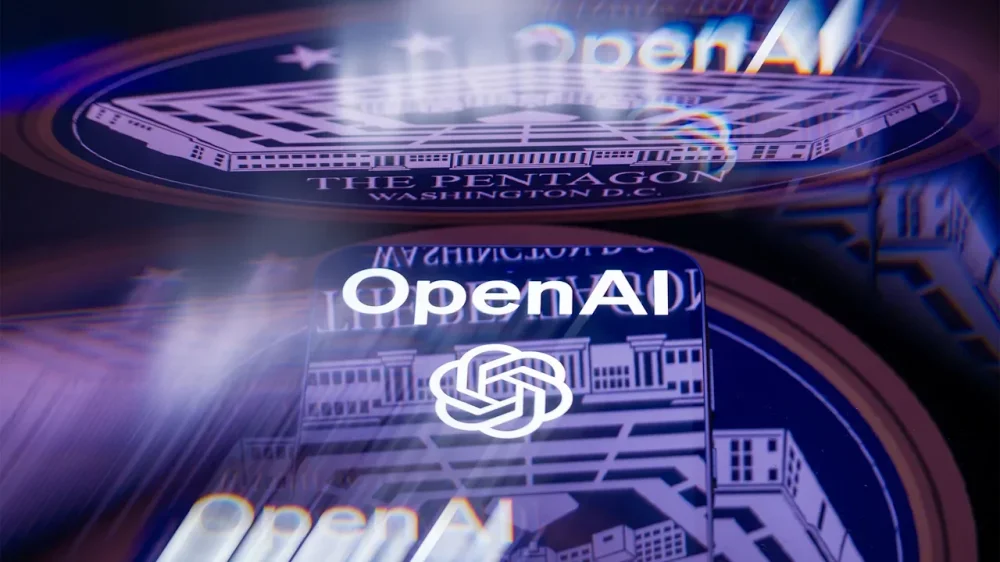
Caitlin Kalinowski, an OpenAI employee who oversaw hardware within the robotics division, is leaving the company. Kalinowski’s decision came shortly after OpenAI’s deal with the Pentagon was announced in late February. In a post on social media, Kalinowski explained that the decision was about “principle” in regard to the recent deal. “I care deeply about the Robotics team and the work we built together. This wasn’t an easy call,” Kalinowski wrote. “AI has an important role in national security. But surveillance of Americans without judicial oversight and lethal autonomy without human authorization are lines that deserved more deliberation than they got.” OpenAI’s deal with the Pentagon came to fruition after a similar deal with Anthropic fell through. Anthropic refused to let its product be used for domestic mass surveillance and autonomous weapons systems without proper oversight. After Anthropic refused a deal with the Pentagon, the Pentagon declared the company a “supply chain risk” and threatened to punish the company, which Anthropic’s CEO, Dario Amodei, said he would fight in court. After the Pentagon deal fell through, Anthropic’s chatbot Claude rose to No. 1 in the Apple App Store’s free app rankings. Other AI staffers, from both OpenAI and Google, are also supporting Anthropic’s decision not to make a deal with the Pentagon, too. An online open letter and petition titled “We Will Not Be Divided” urged AI leaders to resist the Department of War’s demands. At present, the petition has nearly 1,000 signatures from employees at both companies. It said, “They’re trying to divide each company with fear that the other will give in.” The petition continued, “We hope our leaders will put aside their differences and stand together to continue to refuse the Department of War’s current demands for permission to use our models for domestic mass surveillance and autonomously killing people without human oversight.” Regardless of the opposition, OpenAI is holding their ground on the deal, while saying that it included additional safeguards within it. A spokesperson from the company told Fast Company in an email, “We believe our agreement with the Pentagon creates a workable path for responsible national security uses of AI while making clear our red lines: no domestic surveillance and no autonomous weapons.” The statement continued, “We recognize that people have strong views about these issues and we will continue to engage in discussion with employees, government, civil society and communities around the world.” The spokesperson added that the company doesn’t plan to replace Kalinowski. Still, some experts predict that these kinds of resignations are likely to continue. AI governance leader Zahra Timsah, PhD, CEO of i-GENTIC AI, tells Fast Company, “People should not be surprised that some AI researchers are uncomfortable with military partnerships.” Timsah says that’s especially true given, “Many of them entered the field because they care deeply about safety and societal impact, so when AI moves into defense or surveillance contexts, it becomes a personal line” for many in the field. Still, Timsah says we can expect AI to continue to advance in terms of government use. “The responsible path forward is not pretending the technology won’t be used, it’s building strong governance around how it’s used.” Timsah adds that those guardrails might look like “defined access, clear authorization layers, and full traceability of what AI systems are doing and who is using them.” As for Kalinowski, the robotics leader plans to continue her work in the industry. “I’m taking a little time, but I remain very focused on building responsible physical AI,” she said in response to a question on her post. View the full article
-
San Francisco-based Anthropic is challenging a decision by the department and other federal agencies like the Federal Housing Finance Agency to shift their AI work to other providers. View the full article

-
Adding text to your videos online for free is a simple yet effective way to improve your content. By using a video editor with a “Text” tool, you can easily insert text at specific points, customizing its appearance to fit your video’s style. This process not only boosts viewer engagement but also assists in conveying your message clearly. Comprehending the different features available can raise your editing skills considerably. Let’s explore the steps involved in this process further. Key Takeaways Use free online video editors that offer a “Text” tool to insert static or animated text at desired video points. Choose from various font styles, colors, and sizes to match your video’s theme for enhanced visual appeal. Customize text by adjusting its position, duration, and animation features for better viewer engagement. Incorporate titles, subtitles, and captions to improve accessibility and viewer comprehension during silent viewing. Download and share your edited videos easily on social media platforms for effective audience engagement. Add Text to Specific Video Parts Adding text to specific parts of your video can greatly improve its clarity and impact, especially when you want to highlight key messages or provide context. With a free online video editor, you can easily add text at the start, middle, or end of your video. This tool allows you to adjust the duration of the text on the timeline, ensuring it appears only when you want it to. You can choose from various font styles, colors, and sizes to align with your video’s theme. Moreover, you can incorporate static or animated text overlays to engage viewers more effectively. The user-friendly process lets you upload your video, add text, and make simple adjustments, making it accessible for everyone. Fully Customize Your Texts When customizing your text, you have access to various font options and animation features that can improve your video’s appeal. You can select from numerous fonts to align with your video’s theme and adjust elements like size, color, and style to make your text visually engaging. Furthermore, adding animations can create a dynamic experience, helping your text stand out and capture your audience’s attention effectively. Text Animation Options Text animation options play a vital role in enhancing the visual appeal of your video content, as they allow you to fully customize how your text appears. By incorporating dynamic animations, you can engage your viewers more effectively. Here are a few key features to keep in mind: Choose from various text animation effects that make your text stand out. Adjust text duration on the timeline to synchronize with your video. Apply moving text effects to highlight important information. Access a library of free and premium fonts for unique typography. Utilizing these text animation options is significant when learning how to add text to video. They not only improve clarity but additionally boost viewer retention, making your content more impactful. Font Customization Features Customizing fonts in your video can greatly improve the overall aesthetic and effectiveness of your message. Using font customization features, you can access a media library filled with both free and premium fonts, allowing you to choose styles that reflect your video’s theme. Easily adjust the font size, color, and style through a user-friendly menu to boost visual appeal. You can apply specific color hex codes for precise color matching, ensuring brand consistency. Moreover, utilizing moving text animations and effects can create engaging visuals that capture viewer attention. The tool even supports multiple text segments throughout the video, enabling extensive customization and storytelling. This is how to add text to video effectively and professionally. Download and Share Videos Easily Once you’ve finished editing your video, downloading it’s a breeze, especially if you choose a premium plan for a watermark-free experience. You can likewise share your video directly on social media platforms like Instagram and TikTok with just a few clicks, making it easy to reach your audience. Plus, with options to resize your video for different formats, you’ll guarantee it fits perfectly across various platforms, enhancing your sharing experience. Easy Video Downloads Editing videos online has become a straightforward process, especially in regards to downloading and sharing your finished projects. After you add text to video free, you can quickly download the final version without any hassle. Here’s how to make it even easier: Choose your edited video from the online platform. Click the download button to save it directly to your device. Adjust the video size to fit formats like Instagram Reels or TikTok if needed. Share your content for free, allowing you to distribute it without extra costs. With these steps, you can effortlessly download and prepare your videos for various audiences, ensuring your creativity reaches a wider audience. Social Media Sharing Sharing your videos on social media can greatly boost your reach and engagement, especially after you’ve added text to improve your message. Once you’ve finished editing, you can easily download your final video, ensuring quick access for sharing. Many platforms allow you to share directly to various social networks, making it simple to distribute your content widely. Furthermore, when you add text to video online, you can adjust the format to suit specific platforms like Instagram Reels or TikTok, enhancing your video’s versatility. Best of all, these sharing capabilities are often free, allowing you to distribute your edited videos without incurring extra costs. This makes it easier than ever to connect with your audience. Format Resizing Options After enhancing your video with text and preparing it for social media, you’ll need to contemplate how to resize it for various formats. Here’s how you can effectively manage this: Choose the desired aspect ratio for your target platform, like Instagram Reels or TikTok. Select from over 30 supported formats, including MP4, MOV, and AVI, to download your video. If you opt for a premium account, you can download without watermarks; free accounts will include a VEED watermark. You can as well save your edited video as a template for quick edits in the future. This flexibility guarantees you can easily add text to MP4 files and share them directly on social media, streamlining your content distribution process. How to Add Text to a Video Adding text to a video can greatly boost its impact and clarity, making it easier for viewers to grasp key messages. To learn how to add text to a video for free online, begin by uploading your video file to a platform like VEED or Kapwing. Then, utilize the “Text” tool to insert either static or animated text, customizing the font, color, size, and position. You can adjust the text’s duration on the timeline, allowing it to appear at specific moments in your video. Step Action 1 Upload your video file 2 Choose the “Text” tool 3 Customize your text 4 Adjust text duration 5 Download or share your video This process boosts viewer engagement and clarity. Benefits of Text in Videos Utilizing text in videos offers numerous advantages that boost viewer experience and comprehension. When you add text to video free online, you can improve your content in several ways: Engagement: Text provides context, which is essential for grasping, especially during silent viewing. Accessibility: Titles, subtitles, and captions allow viewers to follow along without sound, making it effective on platforms like Instagram Reels and TikTok. Clarity: Highlighting key information and complex ideas enhances message retention. Visual Appeal: Animated text creates a dynamic experience, keeping your audience focused. Advanced Features and Functionality When you explore advanced features for adding text to your videos, you’ll find tools that can greatly improve your editing process. The Smart Cut feature automatically removes silences, whereas the auto-sync capability allows you to match subtitles with the spoken dialogue seamlessly. Moreover, background removal tools let you isolate subjects without the hassle of a green screen, giving you more creative control over your video content. Smart Cut Feature The Smart Cut feature is a potent tool that can greatly improve your video editing process by automatically detecting and removing silences. With this feature, you can streamline your workflow and enhance viewer engagement without tedious manual editing. Here’s how it works: It analyzes audio patterns to identify silent segments. It eliminates unnecessary pauses, maintaining a natural flow in your content. You can easily enable or disable Smart Cut based on your project needs. It markedly reduces editing time, making it invaluable for quick video production. When you use an add text to video app, combining Smart Cut with other features can lead to polished, professional results. This efficiency allows you to focus more on creativity and less on tedious tasks. Background Removal Tool One of the standout features of modern video editing tools is the background removal tool, which allows you to isolate subjects in videos without needing a green screen. This feature automatically detects and removes backgrounds, streamlining your editing process and saving you valuable time. You can apply the background removal tool to various video formats, including MP4, AVI, and MOV, making it versatile for different projects. Its user-friendly interface simplifies background removal, so you don’t need advanced editing skills. Improved background removal capabilities likewise boost video quality, resulting in more professional-looking results suitable for social media and marketing content. When you want to add text to video online, having a clean background can greatly improve your message’s visibility and impact. Auto-Sync Subtitles Capability Auto-sync subtitles capability transforms how you can improve your videos by ensuring that text aligns perfectly with the audio. This advanced feature streamlines the process of adding text, making it easier than ever to augment your content. Here’s what you can do with auto-syncing: Seamlessly integrate captions that appear at the right moments during playback. Use advanced algorithms that analyze speech patterns, reducing manual syncing time. Customize the appearance of subtitles, adjusting font style, size, and color. Support multiple languages, reaching diverse audiences. Overlay Text Over Video Adding text over video can greatly improve your content, especially when you want to convey a message or highlight important information. To put text on video online, you can easily use free video editors that support various formats like MP4, AVI, and MOV. These tools offer a wide selection of creative fonts, allowing you to customize text size, color, and animations, enhancing your video’s visual appeal. The editing process is straightforward; simply drag and drop your video or paste its URL for quick access to text overlay features. Real-time previews help you verify that the text placement and style align with your vision before finalizing. Remember to keep readability in mind, especially against busy backgrounds. User Insights and Target Audience Comprehension of user insights and identifying the target audience are crucial for online video editing tools that offer text addition features. When you consider using free online add text to MP4 video tools, keep in mind these key user groups: Social Media Managers: They seek engaging content to boost interaction. Educators: They benefit from clear subtitles and captions for instructional videos. Content Creators: They need tools for enhancing storytelling through text. Freelancers: They appreciate affordability and ease of use for professional projects. User ratings often reflect high satisfaction, with scores like 4.9 from over 4,900 reviews. The accessibility features, including automatic subtitle generation in multiple languages, as well cater to diverse needs, enhancing overall user experience. Importing and Exporting Videos When you’re ready to improve your videos with text, importing and exporting them efficiently is essential. Use the drag-and-drop interface to upload various video formats like MP4, MOV, or AVI, or simply paste a URL link. After editing your video editor text on video, you’ll want to export it. Here’s what to expect: Feature Free Account Premium Account Export Format Options Multiple Formats Multiple Formats Watermark Yes No Custom Templates No Yes You can choose your preferred video resolution during export, ensuring compatibility with different platforms. Fast server processing improves your experience by quickly handling importing and exporting videos. Text Editing Options Text editing options in online video editors offer a range of tools that improve the overall presentation of your content. With a text video maker, you can customize your text to fit your video’s theme. Here are some key features to take into account: Font, Color, and Size: Choose from a variety of fonts, colors, and sizes to uplift your text. Animation Options: Animate your text for a more engaging visual experience. Media Library Access: Utilize both free and premium fonts for creative design choices. Text Properties: Adjust alignment, opacity, and line height to guarantee readability. These options allow you to incorporate static and moving text seamlessly, improving storytelling and viewer engagement throughout your video. Security and Usability Ensuring your privacy and usability during editing videos online is crucial, especially when handling sensitive content. The online video text editor guarantees your files remain private through automatic processing, adhering to US and EU data protection standards. With no registration needed, you can immediately access features like inserting text in video without the hassle of account creation. This convenience allows you to put text on video directly from URLs. The intuitive interface makes it easy for anyone, regardless of age, to learn how to write text on video effectively. Fast server processing means quick edits, enhancing your overall experience when adding text to video or superimposing text on video. Explore apps to put words on videos and enjoy seamless editing! Integrations and Additional Features With various integrations and additional features, VEED greatly improves your video editing experience. You can easily improve your videos by utilizing: Seamless integrations for adding images, audio, and emojis. Shareable VEED links for effortless collaboration without downloads. Customizable talking head video templates that raise your content. A media library with a range of free and premium fonts for text customization. Moreover, the platform offers drawing tools, filters, and effects that boost creativity and engage viewers more effectively. These features not only streamline content creation but also improve the overall quality of your videos. By leveraging these tools, you can create professional-looking content that stands out, all while enjoying a user-friendly editing environment. Frequently Asked Questions How to Add Text in a Video Online for Free? To add text in a video online for free, start by choosing a free video editor that offers a text tool. Upload your video and select the text option to add captions or titles. You can customize the font, size, and color to suit your video’s theme. Adjust the text’s duration and placement on the timeline for clarity. Finally, export your edited video in a suitable format, ready for sharing. How to Make Text Into Video Free? To make text into a video for free, start by choosing an online video editor that suits your needs. Upload your video and look for the “Add Text” feature. You can customize the text’s font, size, and color, ensuring it fits your video’s style. Adjust the text’s position and duration on the timeline to control when it appears. Finally, download your edited video or share it directly on social media platforms. What Is the Free Online Tool to Add Captions to Videos? The free online tool you’re looking for enables you to add captions to videos effortlessly. It supports over 30 formats like MP4 and AVI, ensuring compatibility with various files. You can customize your captions using a library of fonts, adjusting size, color, and style to fit your video’s theme. Furthermore, you can choose between static and animated text for more visual appeal. Once you’re done, you can download or share your edited video directly. How to Create a Scrolling Text Video Online for Free? To create a scrolling text video online for free, start by selecting a video editing platform that offers scrolling text features. Upload your video, then find and use the “Text” tool to add moving text overlays. Customize the text with different fonts, colors, and animation effects. Adjust its duration on the timeline for timing, preview it for readability, and when you’re happy with the result, export your video in the desired format. Conclusion Incorporating text into your videos improves viewer comprehension and engagement. By using a free online video editor, you can easily add and customize text to highlight key points. Remember to adjust the timing for best visibility and consider various text editing options to elevate your project’s overall quality. Once you’re satisfied, exporting and sharing your video is simple. With these tools, you can create professional-looking content that effectively communicates your message. Image via Google Gemini This article, "How to Add Text to Video Free Online" was first published on Small Business Trends View the full article
-
We may earn a commission from links on this page. Apple products are notoriously expensive: The latest MacBook Air starts at $1,099, as does the iPhone 17 Pro, and while I love my AirPods Max, I strongly recommend buyers wait until they're on sale to avoid spending $549 on headphones. Apple makes good stuff, but that stuff comes at a cost. Not all of Apple's products are this expensive, mind you. The new iPhone 17e starts at $599. That's not necessarily cheap, but it isn't $1,099, either. Apple's MacBook Neo has drawn a lot of buzz by fetching the same price tag as the 17e, but also because of its education price: $499. For that price, students and educators can buy a brand-new MacBook that does just about anything you'd want an Apple laptop to do. For the rest of us, $599 is still a great price for such a machine, but, of course, we'd rather get the education price if we could. Anyone can shop Apple's Education StoreAccording to Apple, the Education Store only applies to "current and newly accepted college students and their parents, as well as faculty, staff, and homeschool teachers of all grade levels." But this is the (open) secret of Apple's Education Store: While the discounts are supposed to be for students, educators, and parents, anyone can shop the Education Store and take advantage of the same savings. There is no proof required when accessing the Education Store online in the U.S.—it's just a different section of the Apple Store website. Once you're in, you're in, and you can get the same discounts as anyone Apple would intend the discount for. That includes, of course, the MacBook Neo, which starts at just $499 on the Education Store (for the 256GB model). But it also applies to Apple's other Macs: M5 MacBook Air: starts at $999 rather than $1,099 M5 MacBook Pro: starts at $1,599 rather than $1,699 14-inch M5 Pro MacBook Pro: starts at $2,049 rather than $2,199 16-inch M5 Pro MacBook Pro: starts at $2,499 rather than $2699 iMac: starts at $1,249 rather than $1,299 Mac mini: starts at $499 rather than $599 Mac Studio: starts at $1,799 rather than $1,999 Mac Pro: starts at $6,599 rather than $6,999 But it's not just Macs that are discounted here. You'll also find iPads with some small price cuts. That includes: iPad: starts at $329 instead of $349 iPad mini: starts at $449 instead of $499 iPad Air: starts at $549 instead of $599 iPad Pro: starts at $899 instead of $999 There are other savings to be found here, too: Apple's new Studio Display and Studio Display XDR, iPad accessories, as well as Apple Care+ plans, have discounts on the Education Store. But Apples other products do not, even though they're available to buy on the Education Store. iPhones are the same price for students as they are for all buyers, as are Apple Watches, Apple TVs, and Apple Vision Pros. How to shop Apple's Education StoreApple's Education Store is open to anyone on the web. You can access it from this link, or by heading to Apple's official site, scrolling down to the bottom of the page, and choosing "Shop for College" under "For Education." Be aware, however, that while Apple might not verify your purchase, it still intends these products to be purchased by Education Store. As such, not only will the company require you to check a box confirming you meet the qualifications to shop here, it reserves the right to charge you the difference. Hypothetically, you could be on the hook for the $100 you save on the MacBook Neo through the Education Store, and while I've never heard of that happening, that's the risk you take. The Education Store isn't the only way to score Apple discountsIf you aren't a student and you don't feel comfortable saying you are one to shop the Education Store, you still have options to get Apple products at a discount. For anyone open to buying pre-owned or open-box items, Apple's Refurbished Store is a great place to look. The company has options across more of its product lineup (including iPhones) you can choose from, and while they aren't new devices, they are covered by a limited one-year warranty by Apple. You can also find deep discounts on Apple products from third-party retailers. Amazon, for instance, frequently has deals on MacBooks of all kinds, especially from previous generations. Since Apple's modern Macs perform well for years after release, this can be a great way to get a machine without spending a fortune. View the full article
-
Conservatives have called for chancellor to halt planned rise in fuel duty View the full article
-
After running afoul of the U.S. defense apparatus, Anthropic is going on offense. On Monday, the AI developer filed a lawsuit against the The President administration after it was labeled a “supply chain risk.” The filing is the latest salvo in the back-and-forth between Anthropic and the federal government, which escalated after the Pentagon asked it to make changes to its safety guardrails. Anthropic refused, which led to the The President administration retaliating. President The President, in a social media post on February 27, called Anthropic a “radical left, woke company” run by “Leftwing nut jobs,” and directed “EVERY Federal Agency in the United States Government to IMMEDIATELY CEASE all use of Anthropic’s technology.” That same day, Secretary of War Pete Hegseth announced that he was “directing the Department of War to designate Anthropic a Supply-Chain Risk to National Security. Effective immediately, no contractor, supplier, or partner that does business with the United States military may conduct any commercial activity with Anthropic.” Anthropic has responded by filing suit. “These actions are unprecedented and unlawful. The Constitution does not allow the government to wield its enormous power to punish a company for its protected speech,” the court filing reads. “No federal statute authorizes the actions taken here. Anthropic turns to the judiciary as a last resort to vindicate its rights and halt the Executive’s unlawful campaign of retaliation.” In effect, the company is saying that it is being unlawfully retaliated against for using its First Amendment rights, and also argues that The President lacks the authority to tell federal agencies to stop using its technology or products. Hegseth’s “supply chain risk” designation would also “only extend to the use of Claude as part of Department of War contracts—it cannot affect how contractors use Claude to serve other customers,” the company said in a February 27 statement, citing federal laws. Because of the government’s actions, Anthropic also claims that its contracts with private parties have been jeopardized and stands to lose hundreds of millions of dollars in revenue. Shortly after the The President administration’s “supply chain risk” designation, Anthropic rival OpenAI came to terms with the Pentagon, but Anthropic has seen its stature rise as a result. Claude AI, its consumer-facing app, has overtaken OpenAI’s ChatGPT over the past week—a first, according to reporting from TechCrunch. Fast Company has reached out to both the U.S. Department of War and Anthropic for comment. The Department of War says “As a matter of Department of War policy, we do not comment on litigation.” View the full article

-
Hi there, A viral chart on X recently revealed that 84% of the world has never used AI, with most users concentrated among young, urban, affluent populations. If you’re worried AI might replace your job, you’re actually in a fortunate position—you’re aware of the disruption ahead. And awareness creates opportunity: the chance to learn new skills and improve your odds for the future. Whatever step you need to take next—big or small—to give your momentum a boost, it’s always worth taking. Enjoy today’s reads. -Maja Our Favorite Articles 💯Dress Up to Work From Home (Business Insider)A Google manager explains why putting on real work clothes can boost focus, professionalism, and productivity. 👉 Keep reading. Developing the AI Skills Employers Actually Need (Lightcast)New research highlights which AI-related skills companies are truly looking for—and how workers can position themselves to stay competitive. 👉 Learn more. The AI Adoption Gap: A Chart That Went Viral (X · Timothy Hughes)A viral chart revealing just how concentrated AI adoption still is. 👉 See here. Humans Peak in Midlife (Gilles E. Gignac & Marcin Zajenkowski)Research shows that while some cognitive abilities peak early, many key traits reach their strongest point in midlife. 👉 Read on. This Week's Sponsor 🙌Find your dream remote job without the hassle. 135,000+ roles, advanced search filters, and the ability to save searches and track applications. Try Remotive today! Free Guides & ToolsPremium Job BoardWe curate 135,000+ fully remote jobs so you don't have to. ➡️ Find your remote job Job Search TipsLooking for a remote job? Here are our tips to help you work remotely. ➡️ Check it out Join the Remotive newsletter Subscribe to get our latest content by email. Success! Now check your email to confirm your subscription. There was an error submitting your subscription. Please try again. Email address Subscribe Powered by ConvertKit View the full article
-
If you use an AI-powered coding assistant like Claude Code, here's a good reason to always ensure you're copying commands from the legitimate interface: Scammers are now using cloned versions of popular tools to spread info-stealing malware through fake installation instructions—a tactic known as InstallFix. Fake Claude Code interface used for InstallFix attacksResearchers at Push Security have identified carefully copied versions of Claude Code, Anthropic's command-line AI coding assistant, that look exactly like the real thing, complete with the layout, branding, text, documentation sidebar, and a lookalike domain. Every link on the page even redirects to the legitimate Claude Code site. The only malicious part is the one-line command to install Claude Code for macOS, Windows PowerShell, and Windows CMD. If you copy and paste this into terminal, it'll deliver malware instead. InstallFix is a variation ClickFix, a social engineering tactic that uses fake error messages, CAPTCHAs, and command prompts to get users to install malware on their own devices. A similar campaign recently utilized fake OpenClaw installers. The current Claude Code scheme targets both Windows and Mac users with an infostealer known as Amatera. This malware can harvest browser data—saved passwords, cookies, session tokens, autofill data, even cryptocurrency wallets and credentials—as well as system information. Attackers may be able to further avoid detection by hosting malicious sites on legitimate platforms like CloudFlare Pages and Squarespace. How to avoid InstallFix attacksPush Security found that these fake install pages proliferated through malvertising—specifically, sponsored results in Google when users searched terms like "Claude Code", "Claude Code install", or "Claude Code CLI." Be extra cautious when searching for coding tools or install instructions, and don't run commands copied from emails, forums, social media posts or messages, and websites unless you've independently verified their legitimacy. You can hide sponsored results in Google search (after you scroll past them), which is good practice so you don't accidentally click on a malicious ad. Consider bookmarking trusted sources you know you'll need to return to so you don't have to go through search. Finally, review both URLs and commands carefully. Threat actors will use tricks to make fake web addresses look legitimate at a glance, but upon closer inspection, you'll see that you're not on the real Claude Code site. You could also type commands in manually (again, only from verified sources) to ensure you're not copying and executing something hidden in the text. View the full article
-
Investors in the live entertainment giant Live Nation are feeling optimistic this morning after reports that the company has settled its civil antitrust lawsuit with the Department of Justice (DOJ) and 39 participating states. The settlement will cost Live Nation, but it means that the company has narrowly avoided a forced breakup with its popular subsidiary, Ticketmaster. The reports come after a week-long trial in which the DOJ laid out its argument that Live Nation and Ticketmaster rely on anticompetitive conduct to create a monopoly over the live events industry in the U.S., leading the DOJ to call for a separation of the brands. On March 9, sources close to the matter informed outlets including The Wall Street Journal, the Associated Press, and The New York Times that Live Nation has reached a settlement with the DOJ—reportedly for a sum of around $300 million and several tweaks to its business model—to avoid that outcome. While some attorneys general plan to continue pursuing the case independently, Live Nation’s investors are reacting positively to the news: the company’s shares are up around 6% since market close as of this writing. Why did the DOJ sue Live Nation? Live Nation and Ticketmaster first merged back in 2010 in a deal that was reviewed and approved by the DOJ. By 2024, though, the DOJ apparently regretted its decision. That May, the department filed its suit against the company for thwarting competition through dubious practices designed to make its services the only option available to artists, venues, and fans. At the time, former U.S. Attorney General Merrick B. Garland wrote, “We allege that Live Nation relies on unlawful, anticompetitive conduct to exercise its monopolistic control over the live events industry in the United States at the cost of fans, artists, smaller promoters, and venue operators,” adding, “the result is that fans pay more in fees, artists have fewer opportunities to play concerts, smaller promoters get squeezed out, and venues have fewer real choices for ticketing services. It is time to break up Live Nation-Ticketmaster.” One of the chief concerns raised by plaintiffs in the courtroom was that Live Nation and Ticketmaster used exclusionary contracts to lock artists and venues into a so-called “flywheel” that made Live Nation the only viable option for concert promotion and ticket sales. According to The New York Times, multiple witnesses alleged that Live Nation had threatened to retaliate against their venues if they did not use Ticketmaster as their exclusive ticketing vendor. What does a settlement mean for the company? Based on a report from Rolling Stone, a DOJ official told reporters over the phone on March 9 that Live Nation will face a fine of about $300 million, $200 million of which will be paid in damages to the states that sign on to the settlement. The official said that Live Nation will also have to divest from at least 13 of its amphitheaters, and will be made to cap its service fees at 15% of the ticket prices at other Live Nation-owned amphitheaters. Further, to encourage more competition in the ticketing sphere, Ticketmaster will now have to allow rival companies, like SeatGeek and Eventbrite, to list tickets on its platforms. Live Nation’s exclusivity contracts with venues will now also be capped at four years. The official told reporters that they expect most of the 39 states (including Washington, D.C.) who signed onto the suit to accept the settlement. However, some attorneys general have signaled that they won’t be backing down so easily. In an official statement published on March 9, New York Attorney General Letitia James wrote that she planned to continue the lawsuit. “The settlement recently announced with the U.S. Department of Justice fails to address the monopoly at the center of this case, and would benefit Live Nation at the expense of consumers,” the statement reads. “We cannot agree to it.” Live Nation and the DOJ did not immediately respond to Fast Company’s request for comment on the terms of the settlement. View the full article

-
A reader writes: I work in healthcare and my colleagues and I are confused about what behavior crosses the line and can be classified as “abusive.” We are a small workplace and therefore don’t have high up HR/management to ask. The owner of the surgery also finds this a grey zone. For example, I was supposed to be doing some treatment on a patient but our entire computer system was down for two days, so no access to notes, X-rays, etc. It was a disaster, but out of our hands. We decided we would not be able to do treatments on anyone who needed anything more than a quick review. But we had no way of even knowing who was coming in to be able to cancel patients in advance. Most were really understanding of this frustrating situation. The husband of one pleasant patient was not nice about it, pointing out work cancellation (which we felt awful about, but couldn’t do anything about). He was belligerent and kept repeating in an annoyed tone that he didn’t understand why we didn’t contact them or why we couldn’t treat his wife. Finally I gave him an appointment card to take to reception and apologized repeatedly. He tossed (flung?) the card at the receptionist and spoke to her in a really annoyed voice. It was so hard to tell if this interaction crossed the line between “understandably frustrated” to “verbal abuse.” He didn’t raise his voice, he just sounded incredibly annoyed, but it affected all of us afterwards. I’ve noticed in general that patients and their families are becoming more abrupt and irritable with any inconvenience and becoming short-tempered with the staff, but it’s not shouting or physical abuse. My reception team said that they were fine to “let this one go” and continue seeing the family in future. Whereas I’m starting to wonder that we are allowing too much low-level bad behavior directed at staff. We have signs in the waiting room but of course they’re ignored. I didn’t appreciate having someone behave that way towards my staff (who are mostly young women trying their hardest to accommodate people) but the worst thing I could say about his behavior is that he was “mean.” This is tricky because there are some things that clearly cross a line — yelling, using abusive language, becoming physically aggressive — and others that are more of a grey area. It sounds like this situation came down to tone, and there’s a whole possible range of intensity for “incredibly annoyed” — and this is a situation where some annoyance is understandable (they took time off work and went through the hassle of getting to an appointment, only to find out they couldn’t be seen) — but only up to a point. It’s reasonable to allow for some annoyance in fields where you are working with frustrated fellow humans in stressful situations, but when it’s unrelenting and things aren’t moving forward productively or if it crosses over into belligerence, then it’s reasonable to draw a line. So an initial annoyed reaction? Understandable. Repeatedly ranting that he didn’t know why you didn’t contact him, after it had been explained? Less so. At that point, ideally someone would have asked to speak to him privately (so the reception team and any other patients in reception didn’t have to continue to listen to it) and then, in private, said something like, “I absolutely agree this is frustrating. Because our systems were down, we had no way to contact you. This is not the fault of our reception staff, so I can’t allow you to continue speaking to them that way. We have set a new appointment for (date) and will be happy to see your wife then.” If he continued ranting after that, ask if he’d like you to cancel the next appointment — and be willing to cancel it yourself if he didn’t regain some composure. Sometimes just the escalation of “let’s speak privately” from someone who appears to be speaking with some authority will jar a person into being more reasonable, or the specter of cancelling the next appointment will. Other times it won’t. I’d also say something like, “Let me walk out with you” so that he was escorted out and couldn’t lay into the receptionist again without you being right there to intervene. Ultimately, the question of where to draw the line is up to management, and they should get (and take seriously) input from staff. Wherever you decide to draw it, it’s important to talk that through openly and empower your staff to set limits with people who aren’t being civil. They should know exactly what that could look like (down to having specific language they can use), and who is available to back them up, and that they will be backed up. The post in customer-facing jobs, where’s the line for tolerating abuse from the public? appeared first on Ask a Manager. View the full article
-
Iran’s new supreme leader has been shaped by decades-long ties with the powerful and hardline Revolutionary GuardsView the full article
-
See where you stand in AI platforms with this free four-step audit. View the full article
-
Highest weekly jump in US average price of petrol since Russia’s full-scale invasion of Ukraine View the full article
-
Google Ads is set to enhance the viewer experience of Performance Max video ads with an innovative asset optimization feature. Leveraging advanced AI voice models, this update aims to infuse video ads with realistic voice-overs, ultimately enhancing user engagement and ad performance. Why we care. Advertisers who don’t actively opt out by March 20, will have their video ads automatically enhanced with Google’s AI voice models, changing how their ads sound to viewers without requiring any creative production work. How it works. The feature only activates on videos that don’t already contain a voice track Google’s AI selects text from advertiser-provided headlines and descriptions, then generates a realistic voice-over from that copy The voice-over is layered onto the existing base video and saved as a new video asset The catch. This is opt-out, not opt-in. The default setting means ads will be automatically eligible for voice enhancement unless advertisers proactively disable it. Key dates. Advertisers can choose to exclude their ads from this feature until March 20th. To do so, they must opt out of the video enhancement control. After the opt-out period, all ads with video enhancement control enabled will automatically be eligible for voice-enhanced versions. Action steps for advertisers. Advertisers can adjust their video settings by visiting their ads in Google Ads. First seen. This update was shared by Paid Search expert Arpan Banerjee who shared the update on LinkedIn. View the full article
-
Incorporating fun work games into your office can lead to significant improvements in team morale and collaboration. Activities like trivia, board games, and scavenger hunts not just promote communication but additionally encourage friendly competition. Engaging in these games helps build stronger relationships among colleagues and creates a more positive work environment. To explore how these games can transform your workplace culture, consider the following ten activities that can make a difference. Key Takeaways Trivia Games enhance engagement and foster teamwork, leading to improved morale and a productivity increase of 14% to 30%. Office Scavenger Hunts promote collaboration and help new hires familiarize themselves with the workplace, creating a fun and inclusive atmosphere. Puzzles or Brain Teasers encourage creative problem-solving and enhance communication skills, boosting productivity by up to 21% through teamwork. Board Games foster camaraderie and friendly competition, improving trust and collaboration among team members while enhancing overall engagement. Themed Office Days boost creativity and self-expression, resulting in a 30% increase in employee engagement and a stronger sense of team connection. A “Show and Tell A “Show and Tell” session is an engaging activity that allows employees to share their personal accomplishments, hobbies, or work-related challenges with their colleagues. These sessions promote deeper connections among team members, enhancing open communication and making everyone feel valued. By participating in this work game, you contribute to a positive work culture that encourages collaboration. Regularly scheduled “Show and Tell” events can greatly boost team cohesion, as they provide opportunities to learn about each other’s backgrounds and interests. The informal nature of these sessions helps break down barriers and eases tension, creating a relaxed atmosphere. Furthermore, engaging in “Show and Tell” can improve morale, making employees feel more connected and satisfied with their roles. This connection can lead to higher retention rates, as employees who feel understood are more likely to stay committed to their organization. Incorporating these games for HR can have lasting benefits for your team dynamics. Playing Board Games Playing board games at work can greatly improve team collaboration by encouraging players to strategize and communicate effectively. These games introduce a friendly competition that not merely boosts morale but also nurtures a sense of camaraderie among colleagues. Furthermore, engaging in board games can increase employee engagement by promoting problem-solving skills and creativity in a relaxed setting. Enhancing Team Collaboration Board games can considerably improve team collaboration by nurturing an environment where communication and strategy are vital. When you play games together, you’re forced to strategize, which improves interpersonal relationships among team members. This collaborative gameplay not only encourages problem-solving skills but likewise sparks creativity, leading to innovative solutions for workplace challenges. Furthermore, board games promote inclusivity, allowing diverse team members to participate equally, cultivating a sense of belonging. Research indicates that engaging in these activities can boost employee satisfaction and morale, contributing to a more positive work atmosphere. Regular board game sessions act as effective team-building exercises, improving communication and trust, both fundamental components of successful collaboration in any team setting. Encouraging Friendly Competition Incorporating friendly competition into the workplace through board games can greatly improve team dynamics. Engaging in these activities promotes teamwork by encouraging you and your colleagues to collaborate and strategize together, which boosts communication skills. This friendly competition can lead to an impressive 14% to 30% increase in productivity among employees who participate. In addition, playing quick, competitive board games during breaks allows everyone to recharge mentally, reducing stress and increasing overall job satisfaction. Board games likewise serve as effective icebreakers, helping new team members integrate smoothly into the group. Moreover, as you navigate challenges and develop strategies to win, you’ll improve creativity and problem-solving skills, reinforcing the importance of collaboration in achieving shared goals. Boosting Employee Engagement Engaging in board games can greatly increase employee engagement within the workplace. Research shows that playing these games nurtures teamwork and collaboration, leading to a 20% rise in job satisfaction. Board games stimulate strategic thinking and improve problem-solving skills, which can elevate your daily work performance. Moreover, taking breaks to play can reduce stress levels by 30%, creating a more relaxed and productive environment. Companies incorporating regular board game sessions experience a 25% decrease in absenteeism since employees feel more connected and motivated. In addition, board games act as effective icebreakers for new team members, promoting inclusivity and improving communication among diverse coworkers. Hold a Contest One effective way to boost workplace morale and engagement is by holding contests among employees. These contests promote healthy competition, improving motivation and engagement as well as encouraging camaraderie within the team. You can tailor contests to various interests and skills, such as creative challenges, trivia quizzes, or fitness competitions, ensuring that everyone can participate. Engaging in these activities allows employees to showcase their talents and ideas, leading to increased ownership and creativity. Recognizing and rewarding winners with symbolic awards or public acknowledgment can greatly improve morale and intrinsic motivation, contributing to higher employee retention rates. A study has shown that teams participating in contests reported a 36% increase in overall employee satisfaction, highlighting the positive impact of competitive activities on workplace culture. Solve a Puzzle or Brain Teaser When you tackle puzzles or brain teasers as a team, you improve your collaborative problem-solving skills and boost communication among colleagues. These activities challenge your brain, encouraging creative thinking as well as promoting a sense of camaraderie as everyone works together to find solutions. As you complete these challenges, you’ll likely notice enhanced team bonding and a stronger commitment to shared goals. Enhances Collaborative Problem-Solving Solving puzzles or brain teasers can greatly improve collaborative problem-solving within teams, as it requires members to communicate effectively and share their insights. Engaging in these activities promotes critical thinking and creativity, which are vital for innovative solutions. When team members tackle challenges together, they learn to appreciate each other’s unique perspectives and strengths, leading to a potential 21% increase in productivity. Regularly incorporating puzzles into team sessions not just boosts morale but additionally improves job satisfaction, as employees feel a sense of accomplishment when they succeed together. Research shows that teams participating in collaborative problem-solving games experience higher retention rates, making these activities a beneficial investment in your team’s overall performance and cohesion. Boosts Communication Skills Engaging in puzzles or brain teasers as a team not just challenges your problem-solving abilities but moreover greatly boosts communication skills among team members. When you solve these challenges together, you’re encouraged to articulate your thought processes, which improves verbal communication. This collaborative problem-solving promotes active listening, as you must pay close attention to each other’s ideas and suggestions. Research indicates that teams participating in such activities report a 20% improvement in overall communication effectiveness. By tackling complex puzzles, you develop a shared language and comprehension, which streamlines future collaborations and discussions. This improved communication leads to a more efficient work environment, allowing for clearer exchanges and better teamwork in daily interactions. Encourages Team Bonding Participating in a puzzle or brain teaser as a group encourages team bonding by requiring collaboration and communication among members. When you tackle these challenges together, you not just improve your problem-solving skills but also reveal your team’s creativity. Here are three key benefits: Improved Communication: Discussing strategies and sharing ideas helps articulate thoughts clearly, improving overall communication skills. Sense of Achievement: Completing a puzzle promotes a sense of accomplishment, which can lift team morale and provide a fun break from routine tasks. Stronger Trust and Cohesion: Engaging in these activities builds trust among team members, leading to a more cohesive work environment. Office Scavenger Hunt An office scavenger hunt can be an effective way to promote teamwork and collaboration among employees, as they work in groups to find specific items or complete designated tasks within a set time frame. This activity not just helps new hires familiarize themselves with the workplace but also nurtures bonding among team members. Incorporating diverse tasks guarantees inclusivity and engages employees of different backgrounds. Task Item to Find Points Find a team photo Company mug 5 Share a fun memory Office plant 10 Complete a puzzle Office supplies 15 Regularly organizing scavenger hunts can improve communication skills, as participants must strategize and delegate responsibilities. This boosts employee morale, creating a fun atmosphere that contributes to a positive workplace culture. Embrace this engaging activity to strengthen your team dynamics today. Trivia Games How can trivia games transform workplace dynamics? By introducing a fun and competitive element, trivia games can greatly improve team morale. They create an environment where collaboration thrives, as employees pool their knowledge to tackle questions together. Here are three key benefits: Knowledge Reinforcement: Trivia games can be themed around Knowledge Reinforcement history or industry knowledge, helping to reinforce important information and improve memory retention. Increased Engagement: Incorporating trivia into regular activities offers a revitalizing break from daily tasks, encouraging social interaction and improving employee satisfaction. Productivity Boost: Engaging in trivia games has been linked to a 14% to 30% increase in productivity, as they promote teamwork and maintain a positive atmosphere. Implementing trivia games can lead to a more cohesive and informed team, in the end driving better performance and communication within the workplace. Employee Sports Day When you think about nurturing team spirit within your organization, organizing an Employee Sports Day can be an effective solution. This event encourages camaraderie through friendly competition, motivating employees to engage in various physical activities. Such interactions can lead to improved communication and collaboration among team members. Participating in sports has been shown to improve mental focus and overall performance, with research indicating that physical exercise can increase productivity by up to 21%. Employee Sports Day allows employees to bond outside the usual work environment, creating lasting connections and a sense of belonging. Activities can include relay races, tug-of-war, and team sports, catering to different interests and skill levels, ensuring inclusivity for all. Furthermore, organizing this event promotes a culture of health and wellness, motivating employees to adopt healthier lifestyles. In the end, an Employee Sports Day not only boosts morale but strengthens the overall team dynamic within your organization. Escape Rooms Escape rooms serve as an innovative way to improve teamwork and communication within your organization. These immersive experiences not just engage participants but additionally promote collaboration as teams work together to solve puzzles within a set time limit. Here are three key benefits of escape rooms: Enhanced Teamwork: Participants must communicate effectively, promoting stronger interpersonal relationships and team cohesion, which can improve by up to 40%. Increased Job Satisfaction: Many report higher morale after shared experiences, making escape rooms a valuable addition to team-building strategies. Critical Thinking Development: These activities encourage creativity and problem-solving skills in a fun, engaging environment, contributing to professional development. Themed Office Days Themed office days can bring an invigorating twist to your work routine, encouraging everyone to dress according to fun themes like “Retro Day” or “Tropical Friday.” You can improve the experience by organizing creative decoration challenges and offering themed snack breaks, which not just boosts morale but additionally strengthens team bonds. Dress Code Themes Participating in dress code themes like “Throwback Thursday” or “Tropical Friday” can greatly improve the work environment. These themed days encourage creativity and self-expression, allowing you to showcase your personality. Plus, they promote camaraderie among team members, who bond over shared experiences sparked by their outfits. Here are three benefits of implementing dress code themes: Increased Engagement: Research shows employees are 30% more engaged on themed dress days, breaking the monotony of routine. Improved Team Dynamics: About 45% of employees report feeling more connected to colleagues during these events. Enhanced Company Culture: Themed days promote inclusivity, creating a light-hearted atmosphere that enriches the workplace. Incorporating these themes can greatly boost team morale. Creative Decoration Challenges When you transform your workspace through creative decoration challenges, it not only adds flair but also encourages team collaboration and boosts morale. Themed office days, like “Retro Day” or “Pajama Day,” invite team members to showcase their creativity and cultivate a fun environment, enhancing employee engagement. Organizing decoration challenges promotes teamwork as you and your colleagues collaborate to revamp the workspace, improving communication and camaraderie. Visually stimulating environments can increase productivity by up to 15%, making work more enjoyable. Friendly competition among departments during these challenges can strengthen inter-departmental relationships and raise team spirit. Furthermore, involving team input in theme selection promotes participation and ownership, leading to a more cohesive work atmosphere and greater job satisfaction. Themed Snack Breaks Incorporating themed snack breaks into your work routine not just adds a fun element but also cultivates a sense of community among colleagues. These breaks can improve creativity and camaraderie as team members dress up and enjoy themed snacks. Consider implementing the following: Cultural Days: Organize international-themed snacks like “Taco Tuesday” or “Pizza Friday” to promote cultural exchange and spark conversations. Culinary Sharing: Encourage employees to bring in their own regional snacks, promoting inclusivity and a sense of belonging. Team-Building Incentives: Use themed snacks as incentives for participation in team-building activities, increasing engagement. Research indicates that these activities can boost employee morale by up to 30%, improving productivity and job satisfaction overall. Volunteer as a Team Volunteering as a team not just strengthens bonds among colleagues but moreover creates a shared sense of purpose that extends beyond the workplace. Engaging in community service nurtures a sense of community and boosts employee morale, leading to higher job satisfaction and retention rates. When you volunteer together, you improve communication and collaboration skills, as you need to coordinate effectively to reach common goals. The benefits extend to the organization, showcasing a commitment to social responsibility and cultivating a positive company culture. Here’s a summary of the key benefits of team volunteering: Benefit Description Strengthens Bonds Improves relationships among colleagues. Boosts Morale Increases job satisfaction and retention rates. Improves Communication Improves coordination and teamwork skills. Cultivates Positive Culture Demonstrates commitment to social responsibility. Increases Cohesion Encourages a stronger connection among coworkers. Frequently Asked Questions What Are Some Games That Encourage Teamwork? To encourage teamwork, consider games like “Blind Drawing Partnerships,” where one person describes an image as another draws, nurturing clear communication. Marshmallow Tower Engineering challenges teams to build structures with limited resources, promoting problem-solving skills. Moreover, “Survival Scenario Planning” requires participants to prioritize resources collaboratively, enhancing teamwork dynamics. Games such as “Best and Worst” enable team members to share experiences, deepening connections and comprehension among colleagues, which is crucial for effective collaboration. What Are Morale Booster Activities? Morale booster activities are initiatives aimed at enhancing employee satisfaction and teamwork. These can include team-building exercises, workshops, or social events that encourage collaboration and communication. Simple activities like icebreakers promote engagement, whereas more organized events can strengthen relationships among colleagues. Research shows that regular participation in these activities can lead to increased productivity and improved workplace dynamics, finally benefiting employee retention and reducing turnover costs for your organization. What Are the Fun Team Building Games for Office? In an office setting, engaging in team-building games can promote collaboration and communication. Popular choices include “Two Truths and a Lie,” where you reveal interesting facts about yourself, and “Office Trivia,” testing your knowledge about your workplace. Scavenger hunts encourage teamwork, as escape room challenges improve problem-solving skills. Creative options like Pictionary or “Emoji Story Challenge” allow you to express creativity, nurturing a relaxed environment that encourages bonding among colleagues. What Games Can You Play at Work Through Teams? You can play various games through teams to improve collaboration and communication. Consider team trivia, where you answer workplace-related questions together, or Pictionary, which involves drawing for others to guess. Remote work bingo highlights common virtual behaviors, whereas Two Truths and a Lie encourages sharing personal stories. Finally, the Emoji Story Challenge lets you convey updates creatively using only emojis, making communication engaging as it promotes teamwork and comprehension among colleagues. Conclusion Incorporating fun games into the workplace can greatly improve team dynamics and boost morale. Activities like trivia, board games, and scavenger hunts promote collaboration and communication, as well as themed office days and sports events that encourage creativity and physical engagement. These initiatives not just create a sense of camaraderie among employees but additionally lead to higher job satisfaction and a more cohesive workplace culture. By implementing these activities, you can cultivate a positive environment that values teamwork and encourages employee participation. Image via Google Gemini and ArtSmart This article, "10 Fun Work Games to Boost Team Morale" was first published on Small Business Trends View the full article
-
Company will go public through merger with Nasdaq-listed operator of Florida golf coursesView the full article
-
Turning ideas into organized execution rarely happens without a clear structure. That’s where work plan templates come in. Instead of starting from scratch, teams can rely on structured documents that help organize tasks, define milestones and coordinate responsibilities. The work plan templates in this list were selected so individuals, teams and organizations can create practical work plans that account for project timelines, workload distribution, estimated costs, deliverables and the overall direction of the project. Whenever you’re ready to start managing projects, give ProjectManager a try. ProjectManager is an award-winning project management software designed to plan, schedule and track projects from start to finish. Build detailed project schedules, allocate resources, monitor costs and compare estimates against actual performance using a complete set of powerful project management tools. Get started for free today. /wp-content/uploads/2024/04/Light-mode-portfolio-dashboard-CTA-1600x851.pngLearn more 1. Work Plan Template Planning work becomes easier when tasks, responsibilities and timelines live in a single structured document. This work plan template organizes the core components of a project plan, including task descriptions, assigned team members, start and end dates, priority levels and progress tracking fields. By filling in each section, project managers can build a clear project timeline that aligns daily work with milestones, deliverables and overall project objectives. /wp-content/uploads/2026/03/Work-Plan-Template-600x430.png 2. Gantt Chart Template Many project teams rely on Gantt charts because they make a project timeline visible at a glance. Instead of managing scattered task lists, teams can see how activities unfold across the schedule, identify task dependencies and track progress toward milestones. When building a work plan, a Gantt chart helps planners understand sequencing, coordinate workloads and ensure the project schedule supports realistic delivery dates. /wp-content/uploads/2024/10/Gantt-chart-template-for-Excel-600x264.png This Gantt chart template simplifies building a project schedule in Excel by automatically converting task and date entries into a visual stacked bar chart. Users enter activities and due dates, and the template generates the timeline that represents the project plan. The chart allows teams to review task sequencing, track schedule progress and monitor how work unfolds across the project timeline. 3. Project Budget Template Financial planning plays a critical role when teams develop work plans because every project decision carries cost implications. Estimating expenses early allows managers to align resources, labor and materials with the project timeline. A structured project budget helps planners evaluate affordability, control spending and ensure the proposed work plan can realistically be executed within available funding. /wp-content/uploads/2023/08/Project-Budget-Screenshot-600x167.jpg This project budget template helps teams organize expected project costs into clear categories such as labor, materials, equipment and operational expenses. Each line item includes estimated and actual cost fields so managers can monitor spending throughout the project lifecycle. By linking budget tracking with the work plan, teams gain visibility into how scheduling decisions influence financial performance. 4. Milestone Chart Template Large initiatives rarely succeed without clear checkpoints along the project timeline. A milestone chart helps teams structure work plans by highlighting the most important deliverables and decision points within the project schedule. Instead of focusing on every small task, planners concentrate on major progress markers that signal whether the project is moving forward according to expectations. /wp-content/uploads/2026/02/Milestone-Chart-Template-for-Excel-600x230.png This milestone chart template maps major project milestones along a visual timeline so teams can monitor progress at key points in the project schedule. A table records milestone names, target dates, priorities and completion percentages, while the chart displays each milestone chronologically. As progress updates are entered, the chart shows whether important deliverables remain aligned with the overall project timeline. 5. Workload Analysis Template Even the best work plans can fail if responsibilities are distributed unevenly across the team. Workload analysis ensures that tasks are assigned realistically so no individual becomes overwhelmed while others remain underutilized. By evaluating capacity during the planning stage, project managers can align task assignments with available hours and maintain steady progress throughout the project timeline. /wp-content/uploads/2024/06/Workload-analysis-template-600x273.png This workload analysis template helps project managers evaluate whether team capacity aligns with the demands of the project schedule. By tracking the hours assigned to each team member across the project timeline, planners can identify overallocated resources and redistribute tasks early. Balanced workloads help keep work plans realistic and prevent delays caused by team burnout or scheduling conflicts. 6. Daily Task Tracker Template Once a project plan moves into execution, teams must translate the broader work plan into daily action. A daily task tracker supports work plans by helping individuals manage short-term responsibilities tied to the larger project timeline. Tracking daily activities ensures that tasks stay aligned with milestones, deadlines and the overall project schedule. /wp-content/uploads/2025/08/Daily-task-tracker-template-600x364.png Daily execution determines whether a project plan actually progresses as expected. A daily task tracker helps teams connect individual work with the larger objectives outlined in a work plan. By organizing tasks hour by hour, team members can stay focused on priorities, track deliverables and maintain steady progress across the project timeline. 7. Action Plan Template Turning strategy into execution requires a clear set of next steps. An action plan helps teams translate broader work plans into specific activities, deadlines and responsibilities. By identifying what must happen, who is responsible and when each step must occur, project managers can maintain forward momentum while keeping the project timeline aligned with milestones and deliverables. /wp-content/uploads/2021/04/Action-Plan-Screenshot-600x195.jpg This action plan template organizes a project into structured action steps that connect goals, objectives and execution tasks. Each phase of the plan groups related activities such as market research, website design and launch preparation. By breaking work into prioritized tasks with clear KPIs, timelines and responsibilities, teams can transform strategic objectives into measurable progress. 8. To Do List Template Even well-structured work plans depend on individuals completing the right tasks at the right time. A to-do list helps translate larger project plans into manageable daily priorities. By capturing tasks in a simple, visible format, teams can focus on immediate responsibilities while staying aligned with the broader project timeline and deliverables. /wp-content/uploads/2018/06/To-Do-List-Screenshot-600x187.jpg This to-do list template organizes tasks into a structured table where users record task names, start and due dates, completion percentages and progress updates. A visual progress bar shows how much work has been completed for each item, while notes provide additional context. By updating these fields regularly, teams can track progress and manage daily responsibilities. 9. Weekly Schedule Template Short-term planning plays an important role in keeping work plans realistic and achievable. A weekly schedule helps teams organize tasks across the upcoming days, ensuring workloads remain balanced while deadlines stay visible. Mapping responsibilities across the week allows managers to coordinate resources, monitor task sequencing and maintain steady progress along the project timeline. /wp-content/uploads/2024/12/weekly-schedule-template-excel-600x243.png This weekly schedule template organizes tasks and responsibilities across a seven-day planning window. Users can assign activities to specific days, track deadlines and review upcoming priorities within the project schedule. By laying out the week in advance, teams gain a clearer view of workload distribution and maintain consistent progress toward milestones. 10. Task Tracker Dashboard As projects grow, managers need a quick way to understand whether tasks are progressing according to the work plan. A task tracker dashboard consolidates project activity into visual summaries that reveal task status, completion rates and upcoming deadlines. This visibility helps teams monitor execution, detect delays early and ensure the project timeline remains aligned with planned milestones. /wp-content/uploads/2025/02/task-tracker-dashboard-template-final-600x446.png This task tracker dashboard template compiles task information into a central table that records task descriptions, assigned team members, priorities, start and end dates and status updates. Supporting charts summarize task priority levels and overall progress distribution. By reviewing these visual indicators, managers can quickly evaluate project health and identify tasks requiring attention. 11. Budget Dashboard for Excel Financial visibility becomes essential once a work plan moves beyond simple scheduling. A budget dashboard helps planners understand how project costs evolve as tasks progress across the timeline. By summarizing spending categories and budget performance in visual form, teams can quickly evaluate whether the work plan remains financially sustainable throughout execution. /wp-content/uploads/2025/02/Budget-dashboard-template-screenshot-600x308.png This budget dashboard template summarizes financial data through charts that compare planned costs, actual spending and remaining balances. Separate visuals break down direct material, labor, equipment and overhead costs so managers can analyze each category. By reviewing these visual summaries, teams can monitor budget performance and maintain financial control across the project lifecycle. 12. Resource Plan Template Successful work plans depend on more than tasks and deadlines; they require the right people, equipment and materials to be available at the right time. A resource plan helps project managers allocate team capacity and supporting resources across the project timeline so tasks remain feasible and workloads stay balanced. /wp-content/uploads/2023/03/Resource-Plan-Screenshot-600x213.jpg This resource plan template organizes team members, departments, effort estimates, hourly rates and total costs alongside a daily calendar schedule. Tasks assigned to each resource are distributed across specific dates, allowing planners to visualize workload allocation over the project timeline. By reviewing these entries, managers can coordinate staffing, monitor effort and control labor costs. 13. Risk Register Template Uncertainty is part of every project, which is why risk planning must be built into work plans from the start. A risk register helps teams identify potential threats that could affect the project timeline, budget or deliverables. By documenting risks early, project managers can evaluate their likelihood, plan mitigation actions and reduce disruptions during execution. /wp-content/uploads/2023/05/risk-register-example-600x99.png This risk tracking template records each identified risk alongside its impact, response strategy, severity level and assigned owner. Teams can document issues such as supplier delays, resource shortages or stakeholder availability while outlining specific mitigation actions. Maintaining this log throughout the project helps managers monitor threats and respond quickly when risks begin affecting execution. ProjectManager Is an Award-Winning Project Management Software ProjectManager is much better than work plan templates for Excel or Word. It’s equipped with robust project management features such as Gantt charts, task lists, workload management charts, timesheets and real-time dashboards and reports. In addition to that, it’s also equipped with AI project insights, online team collaboration features and unlimited file storage that further help project managers ensure nothing falls through the cracks. Watch the video to learn more! If you need a tool to help you manage projects, then signup for our software now at ProjectManager. Our online software helps teams across industries plan, track and oversee projects as they unfold. Sign up for a free 30-day trial today! The post 14 Free Work Plan Templates for Excel and Word appeared first on ProjectManager. View the full article
-
The company dropped the broker channel just months after Frank Martell became CEO; now that Anthony Hsieh is running things again, Loandepot brought it back. View the full article

-
Start-up accuses The President administration of ‘seeking to destroy’ its economic value in dispute over military use of AIView the full article
-
Small businesses are navigating a labor market that continues to tighten, according to NFIB’s February Jobs Report. The report indicates a notable uptick in the Small Business Employment Index, which rose nearly 1 point to 103.5, reflecting ongoing challenges and opportunities for small business owners. The increase in the employment index signifies a robust job market that’s outperforming past averages. Currently, the index sits 2.3 points above the 2025 average and 3.5 points above the historical norm of 100. Such metrics suggest that small business owners may face both opportunities for growth and hurdles in securing the talent they need. Key Takeaways: A notable 33% of small business owners reported unfilled job openings, a rise of 2 points from January. This figure remains significantly above the historical average of 24%. The demand for skilled workers is particularly pressing, with 28% of respondents indicating openings for these roles, marking an increase of 3 points from January. Although 54% of business owners are hiring or attempting to, 46% reported having few or no qualified applicants, indicating a mismatch between job openings and available talent. Bill Dunkelberg, NFIB’s Chief Economist, points out the implications of these trends: “February’s numbers show a growing tightness in the small business labor market. While the overall market remains in balance, employers need more skilled workers to fill open positions.” Despite the rising number of job openings, plans for new hires appear to have plateaued. The net percentage of owners intending to create jobs in the next three months has decreased to 12%, a dip of 4 points and a level not seen since May 2025. However, this figure remains close to the average net of 11% over the years. For small business owners, these statistics underline a critical point: there are jobs available, but finding qualified candidates is becoming increasingly difficult. The struggle is evident, with 85% of those trying to hire indicating they have encountered a shortage of qualified applicants. This paints a challenging picture for business growth, making it essential for entrepreneurs to adapt their recruitment strategies. While labor quality concerns have seen a decrease—with only 15% citing it as their most pressing issue—labor costs remain a persistent challenge, with 9% listing it as their biggest problem. As compensation efforts evolve, the report notes that a net 34% of small business owners raised wages in February, the highest level recorded since March 2025. As competition for talent intensifies, small business owners may find themselves compelled to enhance their compensation packages or offer unique benefits to attract skilled labor. While 22% plan further raises in the next three months, maintaining financial sustainability while increasing payroll can pose challenges. In a rapidly changing job market, understanding these dynamics can help small business owners refine their hiring practices and work environments. Employers might need to consider upskilling current employees, investing in training programs, or even collaborating with local educational institutions to bridge the skills gap. The NFIB February Jobs Report highlights the evolving landscape of employment for small businesses. It emphasizes the importance of adapting hiring strategies and workforce development to not only fill existing roles but to prepare for future growth as demand remains high. For full details, the complete NFIB Jobs Report can be accessed here. This information serves as a vital resource for small business owners navigating the current labor landscape. Image via Google Gemini This article, "Small Business Employment Index Rises, Yet Skilled Labor Shortage Persists" was first published on Small Business Trends View the full article
-
TransUnion cuts Vantagescore 4.0 to $0.99, aiming to boost lender choice and affordability as FHFA pushes mortgage score modernization and competition. View the full article

-
OpenAI is updating its privacy policy with new details on ads, data usage and upcoming features across its products, including ChatGPT. The update was shared with ChatGPT users and outlines how advertising will work inside ChatGPT — and what data advertisers can and cannot access. Why we care. OpenAI’s update makes it clear that user privacy is a top priority: personal chats, histories, and details are never shared with advertisers. Ads can still be personalized using anonymized engagement signals, meaning brands can reach relevant audiences without compromising sensitive data. This approach lets advertisers measure performance safely while building trust with users in a privacy-conscious environment. Ads in ChatGPT Ads may appear for users on Free and Go plans, while paid tiers — Plus, Pro, Enterprise, Business and Education — will remain ad-free. OpenAI says ads will always be clearly labeled as sponsored and visually separated from chatbot responses. The company also stresses that advertising will not influence answers generated by ChatGPT. How ad targeting works. OpenAI says ads may be personalized using signals that stay within ChatGPT, such as ad interactions or the context of a user’s chat. However, the company says advertisers will not have access to conversations, chat history, personal details or user memories. Instead, advertisers will only receive aggregated performance metrics such as total views or clicks. Other privacy updates The revised policy also introduces optional contact syncing to help users find friends who use OpenAI services. Users can choose whether or not to enable this feature. OpenAI also added new transparency around how long data is stored, how it is processed and what controls users have over it. Safety and product changes. The policy update also references new tools and safeguards, including age prediction systems designed to create safer experiences for teens. OpenAI also added documentation for newer features and projects such as Atlas, Sora 2 and parental controls for teen accounts. Bottom line. As OpenAI expands advertising in ChatGPT, the company is emphasizing strict boundaries around user privacy — promising advertisers performance insights without access to personal conversations or user data. First seen. This update was first shared by Paid Media expert Arpan Banerjee who shared tips on this message on LinkedIn. View the full article
-
Before the better-known Strava lawsuit against Garmin grabbed headlines last year, Suunto had actually sued Garmin first. In September, Suunto and their parent company Dongguan Liesheng quietly filed suit against Garmin over five patent infringement allegations. Garmin recently responded with a 218-page countersuit that reads less like a legal filing and more like Garmin decided it was done being polite. Why did Suunto sue Garmin?The five patents in the initial lawsuit from Suunto had to do with the following features: Golf shot tracking using an accelerometer to detect impact Respiration rate derived from an optical heart rate sensor Slot mode antenna design in wearable devices Antenna placement in a wrist-worn device Additional wrist-worn antenna design concepts Three of the five are antenna-related, one covers physiological metrics, and one is about golf shot detection. As patent lawsuits go, Suunto's original filing was relatively standard in tone; Garmin's response was not. Suunto and Garmin are not, historically, enemies. The two companies coexisted constructively for the better part of two decades, with Suunto licensing numerous technologies from Garmin during that span. That's what makes this lawsuit stand out. What's in Garmin's 218-page countersuitSo how did Garmin respond to all of this? Well, here’s a stand-out quote, spotted by DC Rainmaker: "Like everything else, Suunto predictably looked to copy Garmin's GPS technology as it fell behind in the marketplace." That’s pretty blunt language to have on the record. Garmin's response goes on to argue that Suunto's products have historically followed Garmin's technology roadmap, particularly around GPS features. Garmin filed five counter-patents of its own, and the filing makes clear the company intends to fight. What’s also worth noting in Garmin’s language is a recognition that the company it's going after in court isn't quite the same Suunto it spent two decades working alongside. Garmin seems to understand that it's fighting Dongguan Liesheng's lawyers more than it's fighting Suunto's people. What the Suunto/Garmin lawsuit means for youPatent cases between major tech companies move slowly. Claims get narrowed, filings get amended, and many of these disputes end in cross-licensing agreements rather than verdicts. For athletes and consumers, nothing about your current devices or features changes in the short term. But stepping back, this case is a useful reminder of just how much intellectual property is layered underneath a modern sports watch. The hardware and software that makes these devices work is deeply patented territory, and when ownership structures change and relationships cool, that IP becomes leverage. As always, if you have any precious data saved to a watch or app, make sure to back it up on your own personal hard drive. For the full technical breakdown of the filings, Ray Maker's reporting over at DC Rainmaker is the definitive read. View the full article