ResidentialBusiness
Administrators
-
Joined
-
Last visited
Everything posted by ResidentialBusiness
-
 Billionaire’s artificial intelligence company plans to raise $15bn View the full article
 -
A new report compares Google rankings with citations from ChatGPT, Gemini, and Perplexity, showing different overlap patterns. The post New Data Finds Gap Between Google Rankings And LLM Citations appeared first on Search Engine Journal. View the full article
-
Minutes from central bank’s October meeting pointed to schism on direction of monetary policyView the full article
-
This holiday season, Canadian consumers will have a new way to shop—PayPal Pay in 4. This buy now, pay later (BNPL) option offers users the ability to split their purchases into four equal, interest-free payments, all without additional fees. As the latest addition to a growing trend in flexible payment options, this service arrives just in time for busy shopping days like Black Friday, Cyber Monday, and Christmas, allowing small businesses to enhance their customer experience. With millions of online retailers, including prominent names such as The Home Depot Canada and Ticketmaster opting into PayPal Pay in 4, consumers can expect simplified payment options for purchases ranging from $30 to $1,500. Automatic payments ensure that installments remain manageable, and with multiple funding options—debit, credit, or bank account—shoppers will find flexibility at checkout. Providing cost-effective options is crucial for small businesses looking to attract customers this holiday season. According to PayPal’s 2025 Festive Spending Survey, 60% of potential BNPL users said they would consider using the service if it came with no fees. This insight suggests significant demand among budget-conscious consumers. Michelle Gill, General Manager of Small Business and Financial Services at PayPal, stated, “To meet demand for transparent and trusted payment options, PayPal’s Pay in 4 helps Canadians manage cash flow without late fees or hidden costs.” By offering this payment solution, small business owners can increase their conversion rates and sales. Studies indicate that businesses providing BNPL services see an 80% increase in average order values, which can significantly impact revenue during critical shopping periods. Shoppers are increasingly deliberate in their spending—74% of Canadians set a budget for holiday shopping and actively plan their purchases. Moreover, 31% express interest in using BNPL for appliances, and 30% for home décor and furniture. This trend suggests that offering BNPL could broaden the market for small retailers looking to cater to diverse consumer needs. While the benefits of adopting this payment method are compelling, small businesses should also evaluate potential challenges. Implementing a new payment option requires an assessment of whether their existing infrastructure can seamlessly integrate with PayPal Pay in 4. Businesses need to consider transaction fees and any necessary adjustments to their checkout processes. Remember, these fees can vary based on the merchant’s arrangement with PayPal. Moreover, consumer expectations are higher than ever; shoppers expect clarity and ease in payment options. Business owners must communicate the benefits of PayPal Pay in 4 clearly, ensuring customers understand there are no hidden fees involved. Small businesses should also harness marketing strategies to highlight this new offering, particularly during peak shopping seasons. Pattie Lovett-Reid, a financial commentator, emphasizes the importance of financial management during times of economic uncertainty: “Having flexible payment options that give you some breathing room, without fees or interest, is a great way to manage cash flow.” This sentiment underscores why small businesses might find value in adapting to consumer preferences for more flexible shopping solutions, especially as they prepare for the busy holiday season. In addition to enhancing the shopping experience, PayPal is collaborating with Cadillac Fairview to promote its Pay in 4 offering through festive in-person pop-ups in malls across key Canadian cities such as Toronto and Vancouver. Such initiatives can attract more foot traffic and create additional visibility for participating businesses. For small business owners looking to thrive in a competitive retail environment, adopting PayPal Pay in 4 may not just be an advantage—it could become a necessity. By aligning with consumer demands for flexibility and cost transparency, businesses can position themselves more favorably as shopping habits evolve. For more details on PayPal Pay in 4, visit the official page here. Image via Google Gemini This article, "PayPal Launches No-Fee “Pay in 4” Option for Holiday Shoppers in Canada" was first published on Small Business Trends View the full article
-
This holiday season, Canadian consumers will have a new way to shop—PayPal Pay in 4. This buy now, pay later (BNPL) option offers users the ability to split their purchases into four equal, interest-free payments, all without additional fees. As the latest addition to a growing trend in flexible payment options, this service arrives just in time for busy shopping days like Black Friday, Cyber Monday, and Christmas, allowing small businesses to enhance their customer experience. With millions of online retailers, including prominent names such as The Home Depot Canada and Ticketmaster opting into PayPal Pay in 4, consumers can expect simplified payment options for purchases ranging from $30 to $1,500. Automatic payments ensure that installments remain manageable, and with multiple funding options—debit, credit, or bank account—shoppers will find flexibility at checkout. Providing cost-effective options is crucial for small businesses looking to attract customers this holiday season. According to PayPal’s 2025 Festive Spending Survey, 60% of potential BNPL users said they would consider using the service if it came with no fees. This insight suggests significant demand among budget-conscious consumers. Michelle Gill, General Manager of Small Business and Financial Services at PayPal, stated, “To meet demand for transparent and trusted payment options, PayPal’s Pay in 4 helps Canadians manage cash flow without late fees or hidden costs.” By offering this payment solution, small business owners can increase their conversion rates and sales. Studies indicate that businesses providing BNPL services see an 80% increase in average order values, which can significantly impact revenue during critical shopping periods. Shoppers are increasingly deliberate in their spending—74% of Canadians set a budget for holiday shopping and actively plan their purchases. Moreover, 31% express interest in using BNPL for appliances, and 30% for home décor and furniture. This trend suggests that offering BNPL could broaden the market for small retailers looking to cater to diverse consumer needs. While the benefits of adopting this payment method are compelling, small businesses should also evaluate potential challenges. Implementing a new payment option requires an assessment of whether their existing infrastructure can seamlessly integrate with PayPal Pay in 4. Businesses need to consider transaction fees and any necessary adjustments to their checkout processes. Remember, these fees can vary based on the merchant’s arrangement with PayPal. Moreover, consumer expectations are higher than ever; shoppers expect clarity and ease in payment options. Business owners must communicate the benefits of PayPal Pay in 4 clearly, ensuring customers understand there are no hidden fees involved. Small businesses should also harness marketing strategies to highlight this new offering, particularly during peak shopping seasons. Pattie Lovett-Reid, a financial commentator, emphasizes the importance of financial management during times of economic uncertainty: “Having flexible payment options that give you some breathing room, without fees or interest, is a great way to manage cash flow.” This sentiment underscores why small businesses might find value in adapting to consumer preferences for more flexible shopping solutions, especially as they prepare for the busy holiday season. In addition to enhancing the shopping experience, PayPal is collaborating with Cadillac Fairview to promote its Pay in 4 offering through festive in-person pop-ups in malls across key Canadian cities such as Toronto and Vancouver. Such initiatives can attract more foot traffic and create additional visibility for participating businesses. For small business owners looking to thrive in a competitive retail environment, adopting PayPal Pay in 4 may not just be an advantage—it could become a necessity. By aligning with consumer demands for flexibility and cost transparency, businesses can position themselves more favorably as shopping habits evolve. For more details on PayPal Pay in 4, visit the official page here. Image via Google Gemini This article, "PayPal Launches No-Fee “Pay in 4” Option for Holiday Shoppers in Canada" was first published on Small Business Trends View the full article
-
A lot of people are wrong about low testosterone. The "low testosterone" hashtag on TikTok features over 20,000 videos from real doctors, fake doctors, real doctors who seem like fake doctors, bodybuilders, wellness weirdoes, straight-up scammers, and, seemingly, everyone else. Some of the content is accurate, some is wildly inaccurate, some is in the middle, but the overall impression is a confusing miasma where solid medical information is given equal space with people recommending boosting your testosterone by exposing your privates to direct sunlight for 10 minutes a day. So let's clear this up a little. What low testosterone actually isTestosterone is a hormone produced mainly in the testicles (and in smaller amounts in ovaries and adrenal glands) that helps regulate muscle growth, energy, sex drive, mood, and overall reproductive health. So it's important. Low testosterone, also known as clinical hypogonadism, is a medical syndrome defined by persistently low testosterone levels in the blood, coupled with the presence of specific, debilitating symptoms like reduced libido, erectile dysfunction, or unexplained loss of muscle mass. It's a real medical condition, most common in older men, men with obesity, and is associated with poorly managed type 2 diabetes. It's difficult to determine how common low testosterone is because different studies are counting different things in different populations and the definition of "low" varies. Be warned: It's going to get a little technical, but there's a difference between biochemical hypogonadism and clinical hypogonadism. If you're looking at people with both low levels of testosterone in their blood and specific symptoms, estimates range from 2% of men aged 40–79, according to a European cross-sectional study published in the New England Journal of Medicine to 5.6% according to the Massachusetts Male Aging Study (MMAS). If you're strictly looking at testosterone levels in blood in men over 45, with no regard to symptoms, the same MMAS study says that 38.7% have "low testosterone," using MMAS-specific lab cutoffs. These are the kinds of blurry lines that let people claim "nearly 40% of men suffer from low T!" and be telling something like the truth, but not really. Why your doctor doesn't routinely screen your testosterone levelsWhen you get a physical, doctors generally don't check your testosterone level. This has led to an online conspiracy theory around testosterone that doctors are deliberately keeping patients from being diagnosed. The conspiracy theory goes like this: "The medical establishment, influenced by Big Pharma and insurance companies, is keeping a miracle cure from people because: A) It's more profitable to treat other diseases. B) Society is inherently biased against men acting manly. C) Reverse vampires told them to." As with all conspiracy theories, the truth is much more mundane: You're not routinely screened for low testosterone because the prevalence of hypogonadism in the general population, without clear symptoms, is very low; test results are highly unreliable and prone to false positives unless done under strict conditions; and having low testosterone levels isn't even a medical problem unless you have specific, debilitating symptoms. If you do have symptoms like fatigue, low libido, erectile dysfunction, or loss of muscle mass, and you have low testosterone, it could still be because of other health issues like stress, poor sleep, diabetes, obesity, or sleep apnea. What low testosterone is notHypogonadism is not the same thing as "toxic masculinity." It doesn't cause people to "follow random girls on social media." It cannot be diagnosed with "one clue." It doesn't make you more likely to seek validation from others. Low testosterone doesn't make you a "whiny bitch." High testosterone doesn't make you more jealous of your wife, either. Most importantly, low testosterone is not the reason you feel run down, stressed out, or depressed—probably. That "probably" is really the issue, the wedge that makes "low testosterone" the perfect breeding ground for health misinformation. Having less energy and a lower libido are solidly on the "normal human experience" spectrum, but because they could be caused by low testosterone, some people are drawn to that explanation, and the idea of a quick fix for aging and/or general malaise. Others see an opportunity to make some cash. Historical precedent: snake oil and goat ballsThe discourse may be happening on TikTok and instagram, but scammy "low testosterone" sales pitches originate with 19th-century medicine shows and the patent medicine salesmen that followed. If you read between the lines of much online testosterone talk, the promise is to treat lack of strength, lack of energy, lack of virility, or overall lack of "manliness"— concerns that have been monetized for a long time. Back in the 1800s, it was literal snake oil. In 1920s, lack of virility was sometimes treated by surgical introduction of goat glands in the testicles. In the 2020s, we're taking Tongkat Ali, ginger, Jamaican Chaney Root, and literally hundreds of other "supplements" marketed as testosterone boosters instead. Despite testimony from satisfied customers back in the Jazz Age, goat tissue doesn't actually engraft or function when injected into the testicles, so it doesn't make men more goat-like. Herbs probably don't work either, no matter what that bodybuilder on Instagram says. A review of 32 studies of 13 different herbs meant to raise testosterone concluded that only two (Fenugreek and Ashwagandha) showed any promise, but like many studies on herbal supplements, the research is shaky: The sample sizes are too small, and test subjects didn't have a diagnosed clinical condition so the results may not apply to men who are genuinely deficient. So we have extremely scant evidence that herbs could raise your testosterone, and basically no evidence that raising your testosterone would provide a benefit anyway. When should you ask your doctor about your testosterone levels?If you actually suspect you have clinical hypogonadism, do not take herbs or listen to influencers. Talk to your doctor if you have these symptoms: Significant, unexplained decrease in libido Erectile dysfunction Depression Gynecomastia (unexplained swelling or tenderness of the breast tissue) Unexplained loss of body or facial hair Loss of muscle mass and strength (not explained by changes in your exercise routine) Infertility Other symptoms, like not enjoying bitter food, or not "not getting a boner when you're holding hands," likely have other causes. If you want to dig deeper into symptoms of hypogonadism, check out the Mayo Clinic's page. How can you raise testosterone levels? If you're basically healthy, but you still think there's something to the whole "I need more testosterone, now!" there's good news and bad news. The good news is that it's possible to raise testosterone levels without hormone replacement or taking supplements. The bad news: There is solid scientific research to support the idea that you can raise testosterone levels by losing weight, exercise, and getting enough sleep. View the full article
-
President The President nominated Stuart Levenbach as the next director of the Consumer Financial Protection Bureau, choosing a person who has no banking or financial services experience to run a bureau that has been effectively inoperable since The President was sworn into office. Levenbach is currently an associate director inside the Office of Management and Budget, handling issues related to natural resources, energy, science and water issues. Levenbach’s resume shows significant experience dealing with science and natural resources issues, acting as chief of staff of the National Oceanic and Atmospheric Administration during The President’s first term. The CFPB has been nonfunctional much of the year. Many of its employees have been ordered not to work, and the only major work the bureau is doing is unwinding the regulations and rules it put into place during President The President’s first term and during the Biden administration. The bureau’s current acting director is Russell Vought, President The President’s budget director and Levenbach’s boss. Under the Vacancies Act, Vought can only act as acting director for 210 days, but now that President The President has nominated someone to the position, that clock has now been suspended until the Senate approves or denies Levenbach’s confirmation as director. The bureau was created after the 2008 financial crisis as part of the Dodd-Frank Act, a law passed to overhaul the financial system and require banks to hold more capital to avoid another financial crisis. The CFPB was created to be a independent advocate for consumers to help them avoid bad actors in the financial system. —Ken Sweet, AP business writer View the full article

-
Last month, after talking about bad corporate gifts, we also talked about corporate gifts you actually liked, and here are some of my favorites. Of course, even wildly popular gifts won’t be universally popular and this is not an attempt to claim they are. These are just gifts that happened to be enjoyed in these people’s offices that I found interesting to read about! 1. Choose your own desk plants Shortly after I started at one job, we got sent a link to an online garden shop and instructions for us each to pick 15 euros worth of potted plants we’d like to have at our desk. (This one is arguably more of an office perk, but I was allowed to take mine home with me when I quit.) For a few days, the office conversation was mainly about pros and cons of different decorative plant species, and I really loved how green the office was after they arrived. 2. Blanket hoodies I was the gift selector for a previous job and the biggest hit I ever managed was blanket hoodies. People went WILD for them and I got a lot of reports of family members “borrowing” theirs. People love being cozy! 3. Desk toolkit So random but I literally use all the time this little desk toolkit. It has an awl, a fine blade saw that’s like two inches long, both kinds of screw driver a little but heavyweight hammer, pliers, and a measuring tape. Office repainted and I need to rehang pictures? Hammer. Need to pop a keyboad key off so i can clean underneath it? Awl. Want to trim the end of a cable tie so it’s not sticking out? Mini saw. Online shopping during lunch and want to get see visually how big a 17 x 11 tote bag is? Measuring tape. I never would have thought to ask for something like this but it’s been so handy. 4. Local treats When I signed my offer letter for my current job, they sent me a welcome basket full of local treats. It was a very nice surprise and while I couldn’t eat all the treats (allergies), it made me feel very valued. 5. Funko Pop dolls Everyone on my team was gifted a Funko Pop doll of ourselves with customized accessories. It was a truly fun moment when we all opened our boxes. 6. Money for a meal My company is 100% remote. Every holiday season, our gift is a nice chunk of money for a holiday meal. We can spend it at the grocery store or a nice meal out. My husband and I have used it to enjoy a different “fancy” restaurant in town every year that we normally wouldn’t go to. I love it. 7. Yarn voucher My boss gives me $100 yarn vouchers for birthday and Christmas. A month before, I get an email “asking for store recommendations.” 8. Olive oil The last company I worked for was a Greek company and the owner also owned an olive grove in Greece. Every year all the employees would get a bottle of extra virgin olive oil! They would also give them out to big customers and it was always a hit. Before I left, I snuck an extra bottle for myself. 9. A custom mobile I worked at a public library when I had my son. The staff had a lot of crafters, so they made me a custom mobile with felted stars and moons. Each staff member chose their favorite children’s book and a quote. They printed them up as little mini books and added them to the mobile. I got a little teary eyed over that one — it was so thoughtful and sweet. 10. Matching dog hoodie Everyone who knows me knows I’m obsessed with my dog. When I finished grad school, my office gave me a fancy hoodie with the name of my alma mater….with a matching one for my dog! My boss said, “Wow, that’s the happiest I’ve ever seen you–and I was at your wedding!” 11. Books I work in nonprofit publishing. Company gifting is rare. At the beginning of the pandemic, when the office had shut down and we were all working remotely, our director decided to repurpose some of the money that wouldn’t be spent on travel. She told us that we could each spend up to $100 on books at the independent bookstore of our choice. (Ordering online, obviously, as most bookstores were not open to the public.) All we had to do was send in the receipt and we’d get reimbursed. We loved it; it was a wonderfully supportive gesture for us and meaningful to the independent bookstores we cared about. I ordered five books from a bookstore in the town where my grandparents lived when I was a kid. 12. Personalized puzzle I worked at a small global tech company, and we usually had good gifts. My favorite was one year we got a puzzle that our amazing graphic designer had illustrated – it was a map of the world with each of us positioned on it reflecting something about us or our hobbies. I matted and framed it once it was finished. 13. An extra week of vacation They switched from super useless tokens for every five-year milestone to an extra week of vacation every five years. Best move ever. 14. Vanilla extract One of our higher-ups is a bourbon enthusiast and for the holidays gave each of us a glass bottle of homemade vanilla extract, using vanilla beans and his favorite bourbon. What’s great is that as you use it up, you can top off the bottle with extra bourbon, because the vanilla beans are still working their magic in the bottle. 15. A party replacement I’m not entirely sure how they swung this, but during the shelter in place order for Covid, my husband’s company put their holiday party money toward a gift mall. Employees could choose from a variety of gifts — Apple watches, Nintendo Switch, and Le Creuset pans were the ones I remember. I was honestly kind of bummed when they went back to in-person parties. 16. Personalized snack box As a reward for a huge project, we all got a set amount to spend on a site to make our own specialized snack box, which was then mailed to our homes. I really liked it because they had many options so there were no issues with food allergies, restrictions, or even just preferences. 17. Free trips I work for a travel company and have gotten free trips to Europe, Brazil, and New Zealand. 18. The very personalized gifts Picking agency gifts was handed over to department heads during the pandemic. We’re a community-services-based agency, and we couldn’t work remotely, so things were challenging. Other department heads got their staff members company-branded with windbreakers, polos, or other identical items. Our department head — who took the time to get to know us individually through brief chats, sitting with us in the lunchroom and similar interactions — got all 20 of us personal, individual gifts he found from small, local businesses. My coworker loves pens, so he bought him a very fancy fountain pen. Another is an avid reader, and he bought her a gift certificate to our local bookstore for “as many as she can carry out the door.” I love pottery and art. I was gifted pottery classes for whenever it was safe to gather again, and a gorgeous handmade coil vase that I still have today. He sent everything with handwritten personal cards, expressing how valuable we were to the community and the agency, and thanking us for the sacrifices we were making during the pandemic. Great boss, great guy. I still have the vase. I made him a very lopsided fruit bowl at one of my pottery classes. We laughed at it, and he proudly displays it on his desk. 10/10. No notes. The post fancy olive oil, matching dog hoodies, and other corporate gifts that actually worked appeared first on Ask a Manager. View the full article
-
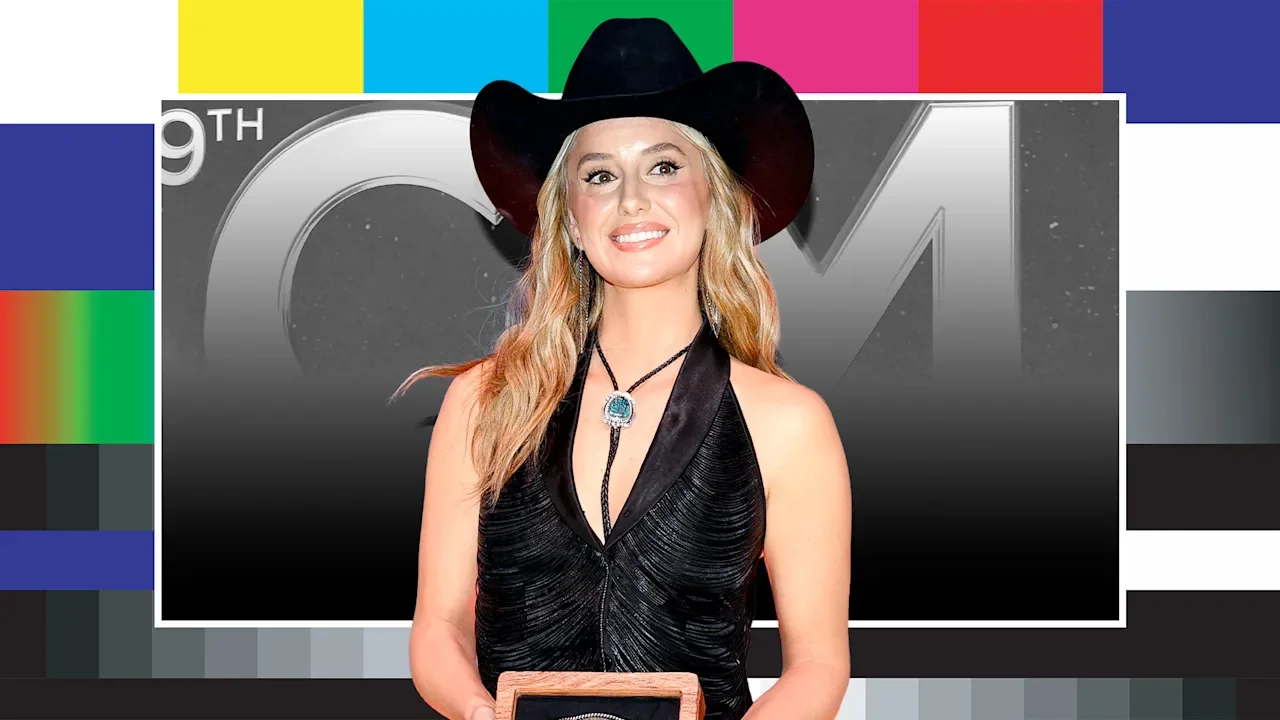
Country music fans have something extra to be thankful for each November beyond turkey. Traditionally, the Country Music Association Awards—aka the CMA Awards—take place during the second-to-last month of the year. Wednesday, November 19, is the big day in 2025 for the 59th annual event. Let’s get you up to speed on everything you need to know about “country music’s biggest night” so you can confidently two-step your way through the evening. What’s the venue for the 2025 CMA Awards? The 59th CMA Awards will be held at the Bridgestone Arena in Nashville. Who’s hosting the 2025 CMA Awards? Lainey Wilson is back to emcee the awards. Last year, she shared the duties with Luke Bryan and Peyton Manning, but this year she is flying solo. Beyond presiding over the event, she is also nominated for multiple awards, including Entertainer of the Year. Who’s nominated for a 2025 CMA Award? Joining Wilson in the Entertainer of the Year category are fellow nominees Luke Combs, Cody Johnson, Chris Stapleton, and Morgan Wallen. Although Wilson is the only female in the top category, three women tied for the most nominations in 2025 with six each. Wilson, Megan Moroney, and Ella Langley all share that honor. Langley, Shaboozey, Zach Top, Tucker Wetmore, and Stephen Wilson Jr. are all nominated for New Artist of the Year. You can find a complete list of nominees on the association’s website. Who’s performing at the 2025 CMA Awards? Since Lainey Wilson is already in the neighborhood and hosting, she’s also going to grace the audience with her vocal talents. She’s not the only one. Kelsea Ballerini will perform her new song “I Sit in Parks” live for the first time. Meanwhile, Chris Stapleton is scheduled to perform twice. He will sing his cinematic song “Bad As I Used to Be” from the soundtrack of F1: The Movie and “A Song to Sing,” a duet with Miranda Lambert. Newly inducted Country Music Hall of Fame member Kenny Chesney will hoot and holler to celebrate the momentous occasion. Old Dominion is performing a medley of their greatest hits. Riley Green, the Red Clay Strays, Brandi Carlile, Patty Loveless, BigXthaPlug, Combs, Langley, Moroney, Shaboozey, Top, Wetmore, and Wilson Jr. are also scheduled to sing their hearts out. Who’s being honored at the 2025 CMA Awards? The 2025 Willie Nelson Lifetime Achievement Award will be presented to the “I Still Believe in You” singer and songwriter Vince Gill. Gill first broke out as the lead singer of the Pure Prairie League. He cemented his legacy in the 1990s as a solo act. He joined the Eagles in 2017 after the passing of Glenn Frey. How can I watch or stream the CMA Awards live? To see Gill and Wilson’s big night on a linear television, tune into the ABC broadcasting network at 8 p.m. ET. Traditional cable subscribers can watch it that way, and those with good reception and an over-the-air antenna can see it for free. The telecast will also be concurrently streamed for those with a subscription to Hulu+ Live TV. If that service is not in your streaming arsenal, consider FuboTV or Sling TV—just double-check that the streamer carries ABC in your region before committing to another monthly fee. Also, now that the ABC parent company has settled its carriage dispute with Google, you can watch the CMAs on YouTube TV. Additionally, if you find yourself busy on Wednesday night, never fear. The show will be available to watch the following day on Hulu. View the full article
-
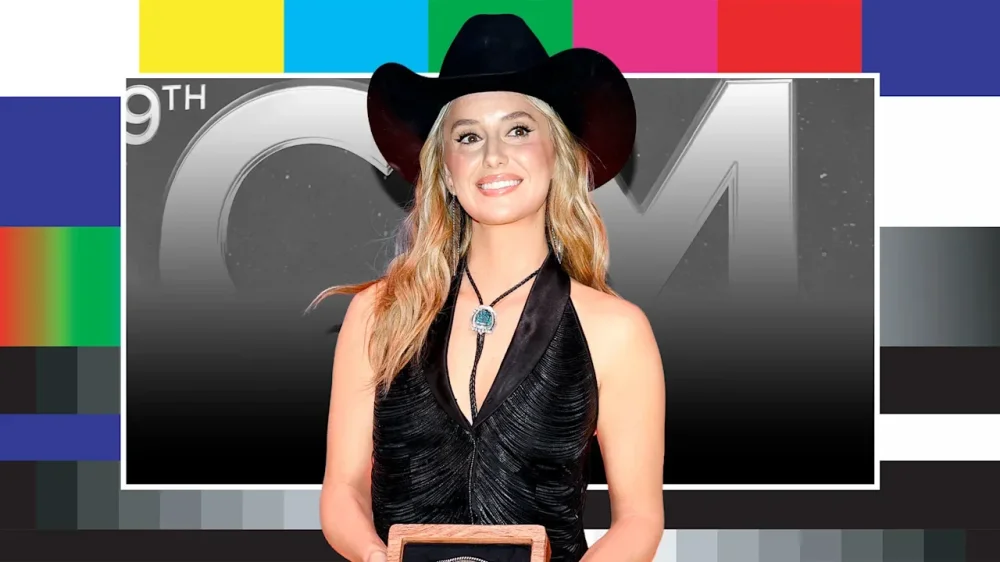
Becoming a video creator involves several key steps that can lead to success in this competitive field. First, you need to identify your niche and comprehend your target audience, as this shapes your content. Next, investing in quality equipment is crucial for producing professional-looking videos. Moreover, you’ll want to develop a clear content strategy and promote your videos effectively to reach a wider audience. Grasping monetization strategies can further improve your path, but there’s more to explore. Key Takeaways Identify your niche by choosing a topic that aligns with your interests and resonates with a specific audience. Invest in essential equipment like a camera, microphone, and lighting to produce quality video content. Develop a content strategy by planning a consistent upload schedule and engaging with trending topics and audience feedback. Utilize SEO techniques to optimize video visibility and promote your content across multiple social media platforms. Foster community engagement through interactions, feedback, and dedicated spaces for viewers to connect and share experiences. What Is a Video Creator? A video creator is someone who produces and shares engaging video content on various platforms, such as YouTube, TikTok, Instagram, and Twitch. These individuals leverage storytelling and visual effects to connect with audiences, often focusing on specific niches that attract targeted viewers. By doing so, they can earn money by making videos through various monetization strategies, including ad revenue, sponsorships, merchandise sales, and fan funding. Successful video creators actively engage with their viewers, responding to comments and nurturing community interactions to build loyalty and increase visibility. Crucial tools for a video creator include a camera or smartphone, reliable audio equipment, and editing software, which help guarantee high-quality content that resonates with audiences and maximizes their earning potential. Understanding Your Niche and Audience How can you effectively understand your niche and audience as a video creator? Start by identifying a specific topic that aligns with your interests and resonates with potential viewers, such as TechRadar reviews or Healthline tips. Next, define your ideal audience by examining their demographics, interests, and preferences, which will help you create customized content that attracts and engages them. Establishing specificity within your niche differentiates you from competitors, allowing you to target a dedicated audience. Research trending topics and keywords to inform your content creation and improve search visibility. Finally, engage with your audience through comments and social media to build community loyalty and gain insights into their preferences, allowing you to refine your content strategy effectively. Essential Equipment for Video Creation Quality equipment is vital for anyone looking to create engaging video content. A basic setup should include key items to guarantee professionalism and clarity. Consider the following necessities: Camera or Smartphone: Choose one with at least 1080p resolution for clear visuals. Microphone: Invest in a reliable microphone to capture crisp audio. Lighting: Use softbox lights or ring lights to improve video quality. Tripod/Stabilizer: This prevents shaky footage, enhancing viewer engagement. As you advance, upgrading to higher-quality gear like Blackmagic Design 4K cameras and better audio systems will help meet audience expectations. Moreover, video editing software like Adobe Premiere Pro or DaVinci Resolve is vital for refining your final product. Developing a Content Strategy To develop a solid content strategy, you need to start by identifying your target audience, which allows you to create videos that truly resonate with their interests. Next, planning a content calendar is crucial; it helps you maintain a consistent upload schedule and explore various content types to keep your viewers engaged. Identifying Target Audience Identifying your target audience is crucial for developing a successful video content strategy. To effectively reach your viewers, consider the following steps: Define their age, interests, and content preferences to guarantee your videos resonate. Analyze existing content creators in your niche to gain insights into their audiences and what captivates viewers. Use social media analytics tools to gather demographic information and engagement metrics from your current followers. Create viewer personas that represent segments of your audience, detailing their motivations and challenges. Additionally, engage directly with your audience through surveys or comment interactions to refine your comprehension of their preferences. Content Calendar Planning Once you’ve identified your target audience, the next step is organizing your video content through effective content calendar planning. A content calendar helps you plan and schedule your uploads, ensuring they align with audience expectations and platform algorithms. Start by identifying 2-3 key themes or content pillars that represent your niche, maintaining cohesive messaging throughout your videos. Don’t forget to incorporate important dates, holidays, or trending events into your calendar to boost viewer engagement. Use analytics from your previous videos to find the best posting times, optimizing visibility and reach. A well-structured calendar likewise facilitates better collaboration with team members, streamlining the production process and ensuring deadlines are met efficiently. Promoting Your Videos Effectively Promoting your videos effectively is crucial for reaching a wider audience and maximizing your content’s impact. Here are some strategies to elevate your video visibility: Utilize SEO techniques by incorporating relevant keywords in video titles, descriptions, and tags for better search visibility on platforms like YouTube. Share your videos across multiple social media platforms, such as Instagram and TikTok, to tap into their diverse audiences and drive traffic back to your primary content. Engage with your viewers by encouraging comments, likes, and shares, as higher engagement rates boost your video’s visibility in platform algorithms. Collaborate with other creators or influencers in your niche to cross-promote content, exposing your videos to new potential subscribers and audiences. Implementing these tactics can greatly improve your video’s reach and effectiveness. Monetization Strategies for Video Creators When it pertains to monetizing your videos, comprehension of the key strategies can greatly enhance your income. You can earn ad revenue through platforms like YouTube once you meet the eligibility criteria, as sponsorships and partnerships become viable as your audience grows. Ad Revenue Generation To successfully generate ad revenue as a video creator, you need to understand the specific requirements and strategies that can maximize your earnings. Start by meeting platform criteria, like YouTube‘s 1,000 subscribers and 4,000 watch hours. Then, focus on the following strategies: Create high-quality content that keeps viewers engaged and increases watch time. Use SEO techniques to improve video rankings, boosting views and ad impressions. Experiment with different ad formats, such as display, overlay, skippable, and non-skippable video ads to see what works best for your audience. Monitor viewer demographics and engagement rates to optimize your content and ad placements. Sponsorship and Partnerships Even though ad revenue can provide a steady income stream for video creators, sponsorships and partnerships often offer even greater financial rewards. Typically, these deals yield higher payouts, especially when you have an audience of 5,000 to 10,000 subscribers. It’s essential to select authenticity brands that align with your niche and audience to maintain authenticity. Sponsorships can take various formats, such as product placements or dedicated videos, allowing you creative flexibility. To nurture long-term relationships, communicate consistently and deliver quality content. Furthermore, developing a media kit showcasing your audience demographics and engagement metrics can attract potential sponsors. Building a Community and Engaging With Viewers Building a community and engaging with viewers is essential for any video creator looking to establish a loyal audience. To effectively connect with your viewers, consider these strategies: Regularly respond to comments to nurture loyalty and encourage return visits. Host live chats or Q&A sessions, allowing real-time interaction and direct engagement. Encourage viewers to like, comment, and share your videos, increasing visibility and building community. Create dedicated spaces, like Discord servers or Facebook groups, for viewers to interact and share thoughts. Additionally, utilize polls and feedback requests to understand your audience’s preferences, ensuring your content remains relevant and engaging. Frequently Asked Questions How to Start Being a Video Creator? To start being a video creator, first, choose a niche that matches your interests and expertise. Invest in good equipment, like a quality camera and reliable audio tools, to improve video quality. Next, develop a content plan that includes key themes and incorporates SEO strategies for better visibility. Focus on creating engaging, valuable content that resonates with your audience. Finally, promote your videos on social media and interact with viewers to build a community. How to Create a Video Step by Step? To create a video step by step, start by selecting a topic that interests you. Next, outline your video’s purpose and main points, or draft a script. Gather necessary equipment like a camera, microphone, and lighting. Record your footage, ensuring good audio and visuals. Then, edit your clips into a cohesive story using software. Finally, add effects and audio improvements before sharing your finished video on your chosen platforms to engage your audience. How Do I Become a Video Editor With No Experience? To become a video editor with no experience, start by learning crucial editing software like Adobe Premiere Pro or DaVinci Resolve, which offer free trials. Build a portfolio by working on personal projects or volunteering for local businesses. Utilize online tutorials on platforms like YouTube to grasp editing techniques. Join online communities to network, seek feedback, and discover opportunities. Finally, consider applying for internships to gain hands-on experience and mentorship from professionals in the field. How to Become a Video Editor Step by Step? To become a video editor step by step, start by choosing a specific area, like freelancing or post-production. Next, acquire skills through formal education or self-study, focusing on software such as Adobe Premiere Pro and DaVinci Resolve. Build a strong portfolio showcasing your work. Network with industry professionals on platforms like LinkedIn, and share your projects on social media. Finally, stay updated on trends and software to maintain your competitive edge. Conclusion In summary, becoming a successful video creator involves comprehending your niche, investing in quality equipment, and developing a structured content strategy. By promoting your videos effectively and engaging with your audience, you can build a loyal community. Exploring monetization strategies will further improve your efforts. Remember, consistency and dedication are key elements in growing your channel and reaching your goals in the competitive environment of video creation. Focus on these steps to establish a strong presence as a video creator. Image via Google Gemini This article, "How to Become a Video Creator – A Step-by-Step Guide" was first published on Small Business Trends View the full article
-
Becoming a video creator involves several key steps that can lead to success in this competitive field. First, you need to identify your niche and comprehend your target audience, as this shapes your content. Next, investing in quality equipment is crucial for producing professional-looking videos. Moreover, you’ll want to develop a clear content strategy and promote your videos effectively to reach a wider audience. Grasping monetization strategies can further improve your path, but there’s more to explore. Key Takeaways Identify your niche by choosing a topic that aligns with your interests and resonates with a specific audience. Invest in essential equipment like a camera, microphone, and lighting to produce quality video content. Develop a content strategy by planning a consistent upload schedule and engaging with trending topics and audience feedback. Utilize SEO techniques to optimize video visibility and promote your content across multiple social media platforms. Foster community engagement through interactions, feedback, and dedicated spaces for viewers to connect and share experiences. What Is a Video Creator? A video creator is someone who produces and shares engaging video content on various platforms, such as YouTube, TikTok, Instagram, and Twitch. These individuals leverage storytelling and visual effects to connect with audiences, often focusing on specific niches that attract targeted viewers. By doing so, they can earn money by making videos through various monetization strategies, including ad revenue, sponsorships, merchandise sales, and fan funding. Successful video creators actively engage with their viewers, responding to comments and nurturing community interactions to build loyalty and increase visibility. Crucial tools for a video creator include a camera or smartphone, reliable audio equipment, and editing software, which help guarantee high-quality content that resonates with audiences and maximizes their earning potential. Understanding Your Niche and Audience How can you effectively understand your niche and audience as a video creator? Start by identifying a specific topic that aligns with your interests and resonates with potential viewers, such as TechRadar reviews or Healthline tips. Next, define your ideal audience by examining their demographics, interests, and preferences, which will help you create customized content that attracts and engages them. Establishing specificity within your niche differentiates you from competitors, allowing you to target a dedicated audience. Research trending topics and keywords to inform your content creation and improve search visibility. Finally, engage with your audience through comments and social media to build community loyalty and gain insights into their preferences, allowing you to refine your content strategy effectively. Essential Equipment for Video Creation Quality equipment is vital for anyone looking to create engaging video content. A basic setup should include key items to guarantee professionalism and clarity. Consider the following necessities: Camera or Smartphone: Choose one with at least 1080p resolution for clear visuals. Microphone: Invest in a reliable microphone to capture crisp audio. Lighting: Use softbox lights or ring lights to improve video quality. Tripod/Stabilizer: This prevents shaky footage, enhancing viewer engagement. As you advance, upgrading to higher-quality gear like Blackmagic Design 4K cameras and better audio systems will help meet audience expectations. Moreover, video editing software like Adobe Premiere Pro or DaVinci Resolve is vital for refining your final product. Developing a Content Strategy To develop a solid content strategy, you need to start by identifying your target audience, which allows you to create videos that truly resonate with their interests. Next, planning a content calendar is crucial; it helps you maintain a consistent upload schedule and explore various content types to keep your viewers engaged. Identifying Target Audience Identifying your target audience is crucial for developing a successful video content strategy. To effectively reach your viewers, consider the following steps: Define their age, interests, and content preferences to guarantee your videos resonate. Analyze existing content creators in your niche to gain insights into their audiences and what captivates viewers. Use social media analytics tools to gather demographic information and engagement metrics from your current followers. Create viewer personas that represent segments of your audience, detailing their motivations and challenges. Additionally, engage directly with your audience through surveys or comment interactions to refine your comprehension of their preferences. Content Calendar Planning Once you’ve identified your target audience, the next step is organizing your video content through effective content calendar planning. A content calendar helps you plan and schedule your uploads, ensuring they align with audience expectations and platform algorithms. Start by identifying 2-3 key themes or content pillars that represent your niche, maintaining cohesive messaging throughout your videos. Don’t forget to incorporate important dates, holidays, or trending events into your calendar to boost viewer engagement. Use analytics from your previous videos to find the best posting times, optimizing visibility and reach. A well-structured calendar likewise facilitates better collaboration with team members, streamlining the production process and ensuring deadlines are met efficiently. Promoting Your Videos Effectively Promoting your videos effectively is crucial for reaching a wider audience and maximizing your content’s impact. Here are some strategies to elevate your video visibility: Utilize SEO techniques by incorporating relevant keywords in video titles, descriptions, and tags for better search visibility on platforms like YouTube. Share your videos across multiple social media platforms, such as Instagram and TikTok, to tap into their diverse audiences and drive traffic back to your primary content. Engage with your viewers by encouraging comments, likes, and shares, as higher engagement rates boost your video’s visibility in platform algorithms. Collaborate with other creators or influencers in your niche to cross-promote content, exposing your videos to new potential subscribers and audiences. Implementing these tactics can greatly improve your video’s reach and effectiveness. Monetization Strategies for Video Creators When it pertains to monetizing your videos, comprehension of the key strategies can greatly enhance your income. You can earn ad revenue through platforms like YouTube once you meet the eligibility criteria, as sponsorships and partnerships become viable as your audience grows. Ad Revenue Generation To successfully generate ad revenue as a video creator, you need to understand the specific requirements and strategies that can maximize your earnings. Start by meeting platform criteria, like YouTube‘s 1,000 subscribers and 4,000 watch hours. Then, focus on the following strategies: Create high-quality content that keeps viewers engaged and increases watch time. Use SEO techniques to improve video rankings, boosting views and ad impressions. Experiment with different ad formats, such as display, overlay, skippable, and non-skippable video ads to see what works best for your audience. Monitor viewer demographics and engagement rates to optimize your content and ad placements. Sponsorship and Partnerships Even though ad revenue can provide a steady income stream for video creators, sponsorships and partnerships often offer even greater financial rewards. Typically, these deals yield higher payouts, especially when you have an audience of 5,000 to 10,000 subscribers. It’s essential to select authenticity brands that align with your niche and audience to maintain authenticity. Sponsorships can take various formats, such as product placements or dedicated videos, allowing you creative flexibility. To nurture long-term relationships, communicate consistently and deliver quality content. Furthermore, developing a media kit showcasing your audience demographics and engagement metrics can attract potential sponsors. Building a Community and Engaging With Viewers Building a community and engaging with viewers is essential for any video creator looking to establish a loyal audience. To effectively connect with your viewers, consider these strategies: Regularly respond to comments to nurture loyalty and encourage return visits. Host live chats or Q&A sessions, allowing real-time interaction and direct engagement. Encourage viewers to like, comment, and share your videos, increasing visibility and building community. Create dedicated spaces, like Discord servers or Facebook groups, for viewers to interact and share thoughts. Additionally, utilize polls and feedback requests to understand your audience’s preferences, ensuring your content remains relevant and engaging. Frequently Asked Questions How to Start Being a Video Creator? To start being a video creator, first, choose a niche that matches your interests and expertise. Invest in good equipment, like a quality camera and reliable audio tools, to improve video quality. Next, develop a content plan that includes key themes and incorporates SEO strategies for better visibility. Focus on creating engaging, valuable content that resonates with your audience. Finally, promote your videos on social media and interact with viewers to build a community. How to Create a Video Step by Step? To create a video step by step, start by selecting a topic that interests you. Next, outline your video’s purpose and main points, or draft a script. Gather necessary equipment like a camera, microphone, and lighting. Record your footage, ensuring good audio and visuals. Then, edit your clips into a cohesive story using software. Finally, add effects and audio improvements before sharing your finished video on your chosen platforms to engage your audience. How Do I Become a Video Editor With No Experience? To become a video editor with no experience, start by learning crucial editing software like Adobe Premiere Pro or DaVinci Resolve, which offer free trials. Build a portfolio by working on personal projects or volunteering for local businesses. Utilize online tutorials on platforms like YouTube to grasp editing techniques. Join online communities to network, seek feedback, and discover opportunities. Finally, consider applying for internships to gain hands-on experience and mentorship from professionals in the field. How to Become a Video Editor Step by Step? To become a video editor step by step, start by choosing a specific area, like freelancing or post-production. Next, acquire skills through formal education or self-study, focusing on software such as Adobe Premiere Pro and DaVinci Resolve. Build a strong portfolio showcasing your work. Network with industry professionals on platforms like LinkedIn, and share your projects on social media. Finally, stay updated on trends and software to maintain your competitive edge. Conclusion In summary, becoming a successful video creator involves comprehending your niche, investing in quality equipment, and developing a structured content strategy. By promoting your videos effectively and engaging with your audience, you can build a loyal community. Exploring monetization strategies will further improve your efforts. Remember, consistency and dedication are key elements in growing your channel and reaching your goals in the competitive environment of video creation. Focus on these steps to establish a strong presence as a video creator. Image via Google Gemini This article, "How to Become a Video Creator – A Step-by-Step Guide" was first published on Small Business Trends View the full article
-
We may earn a commission from links on this page. Giving the gift of tools can be tricky, because the person you’re buying for might have specific preferences and needs. Knowing the type of thing that a handy person likes to do—such as woodworking or car maintenance—can get you started, but you can also take a peep at the tools they already have. Accounting for what cordless battery system they already own and what brand of hand tools they use can help guide your choice when picking out a tool to gift—the key to choosing the right cordless tool for a DIY enthusiast is figuring out what battery system they already have. Once you know that, you can look for tools and batteries that will work with their existing tools and any new ones they add. Here are a few of the best cordless power tools to gift from the most popular battery systems. Best drill and driver combo to giftA drill and driver are the cornerstone of any cordless power tool set. DeWalt makes some of the most reliable tools on the market, and their drivers and drills are well known for being reliable and durable. The DeWalt drill and driver set I use every day in my professional shop is a great gift for a DIYer who wants to replace their drill and driver or to start a cordless tool kit, and you can get it for $149. The DeWalt 20-volt drill and driver set on Amazon comes with a drill, impact driver, two 2-amp-hour batteries, a charger, and a tool bag. DEWALT 20V MAX* 3-Tool Combo Kit (DCK307D1P1) $332.10 at Amazon $449.00 Save $116.90 Shop Now Shop Now $332.10 at Amazon $449.00 Save $116.90 Best finishing tool to giftFor woodworking and DIY home projects, finishing your work is one of the most satisfying parts of the process. A good sander is key to everything from drywall repair to building furniture. The 18-volt Milwaukee orbital sander that I use in my personal tool kit for furniture making is a hard working tool that I use almost every day. Milwaukee tools have had a reputation for being durable since they made the first portable drills for the Ford assembly lines in 1924, so it’s considered a quality brand for DIY maintenance and woodworking, and you can gift it for $99 at Home Depot. Best tool set for the money to giftIf you’re looking for a cordless tool set for a DIYer building their first kit, Ryobi is a good quality option for the money. In addition to being a more affordable option for cordless battery systems, Ryobi 18-volt batteries work with over 300 tools, allowing you to expand your tool set without needing new batteries. The Milwaukee 18-volt 6-tool combo kit includes a drill, impact driver, circular saw, reciprocating saw, a work light, an oscillating multitool, a 2-amp-hour battery, a 4-amp-hour battery, a charger, and a tool bag, and you can get the whole kit for $200. Best cordless automotive tool to giftIf you’ve ever been stranded with a flat tire, or even gotten a puncture from driving over a nail in your own garage after a DIY project, you know that having a portable tire inflator can be a life saver. For a new driver, or for someone who needs a little extra safety built into their life, the 20-volt DeWalt portable tire inflator is a great gift for $169 at Ace Hardware. This tool works with a 20-volt DeWalt battery, so it’s a good addition to an existing kit, or along with a set of DeWalt batteries. Best cordless landscaping tool to giftIf you have someone on your list who loves to trim and snip out in the yard, the Ryobi 18-volt oil-free pole saw is a good idea for a gift. This is a good tool for tree and shrub trimming, and it goes with the Ryobi 18-volt battery system, which includes lots of other cordless landscaping tools. Since this is a tool-only package, you’ll need an 18-volt Ryobi battery and charger to use it, so it’s a good gift for someone who already has Ryobi tools—and it’s a good deal at Home Depot for $99. Best woodworking tool to giftThe best cordless router around is the Milwaukee 18-volt router. For a portable option that doesn’t require dragging a cord around behind you that can get snagged on things, this router is the best. This set comes with a router, two 6-amp-hour batteries, and a charger for $299 at Home Depot, but you’ll need bits for the router to use it. This is a great gift for someone who likes to do woodworking projects, as it allows you to trim and shape edges as well as cutting your own trim profiles. Best metalworking tool to giftThe Milwaukee 18-volt portable band saw is a good gift for someone with a home shop metalworking set because it’s compact and powerful. The saw can accept material up to five inches thick and five inches deep, allowing metal cutting for a wide range of projects from fence poles to decorative cuts for shelving. This is a tool-only package for $399, but you can add a free six-amp-hour battery right now with the free with purchase deal from Home Depot. Our Best Editor-Vetted Early Black Friday Deals Right Now Apple AirPods 4 Wireless Earbuds — $117.00 (List Price $129.00) Apple iPad 11" 128GB A16 WiFi Tablet (Blue, 2025) — $299.00 (List Price $349.00) Shark AV2501AE AI XL Hepa- Safe Self-Emptying Base Robot Vacuum — $294.99 (List Price $649.99) Amazon Fire HD 10 (2023) — $69.99 (List Price $139.99) Sony WH-1000XM5 — $248.00 (List Price $399.99) Blink Outdoor 4 1080p Wireless Security Camera (5-Pack) — $159.99 (List Price $399.99) Ring Floodlight Cam Wired Plus 1080p Security Camera (White) — $99.99 (List Price $179.99) Amazon Fire TV Stick 4K Plus — $24.99 (List Price $49.99) NEW Bose Quiet Comfort Ultra Wireless Noise Cancelling Headphones — $298.00 (List Price $429.00) Deals are selected by our commerce team View the full article
-
Ukraine’s president must act decisively to repair trust lost over corruption scandalView the full article
-
Millions of Americans who buy health insurance through the Affordable Care Act (ACA), also known as “Obamacare,” stand to lose their premium subsidies, with less than three weeks to go until they expire at the end of 2025. And the result of that would be skyrocketing health care costs for 22 million marketplace users. If Congress does not extend the enhanced premium tax credits, it will also trigger a so-called “subsidy cliff,” or strict income maximum that abruptly cuts off subsidies to households with incomes that are over 400% of the federal poverty level. That would raise the costs of those healthcare plans by an estimated 75%, according to KFF, a nonpartisan health policy research group. Currently, 92% of Americans enrolled the ACA marketplace plan receive some type of enhanced subsidies. That’s 22 out of 24 million people. However, not all would be affected by the subsidy cliff. Letting the credits expire could send insurance skyrocketing to such high levels that many Americans wouldn’t be able to afford their current plans, or worse, keep their healthcare at all. One estimate found average family premiums could triple from $1,200 to $3,553 a month if the credits expire. Congress is set to vote on extending the subsidies in mid-December, but it’s unclear if the House will pass it as is, or tack on conditions. The run-up to that deadline has created a crisis as Republicans, backed by President Donald The President, have seemed to play Russian roulette with 22 million American taxpayers’ healthcare. (The credits were not extended in The President’s so-called “Big Beautiful Bill.”) The dispute over the credits was at the heart of the recent federal government shutdown, with the upcoming vote being a condition for Senate Democrats to end the standoff. The president has said he doesn’t want to extend the credits, and would instead give that money “directly to the people” so they can “purchase their own, much better, health care.” However, according to independent fact-checking publication PolitiFact, without a formal proposal, there’s no way to determine if “The President’s social media musings” would actually work. Some Republicans are pushing for Americans to rely more on health savings accounts, or HSAs, but these can’t typically be used to pay for the actual health insurance plans themselves. Other Republicans are floating the idea of temporarily extending the credits through the 2026 midterm elections, when many are up for reelection. If Republicans and Democrats in Congress don’t strike a deal, many Americans can expect to pay a lot more for their current plans on the exchange, or end up paying the same for less coverage. View the full article

-
Ford Motor Co. is recalling more than 200,000 Bronco and Bronco Sport vehicles because an instrument panel can fail, increasing the risk of a crash. Federal auto safety regulators said that the instrument panel may not display at startup, leaving the driver without critical safety information. The recall includes 128,607 Ford Bronco Sports, model years 2025-2026 and 101,002 Ford Broncos, also model years 2025-2026, the National Highway Traffic Safety Administration said. Ford is not aware of any injuries caused by the instrument panel failure. Owners will be notified by mail beginning Dec. 8 and instructed to take their vehicles to a Ford or Lincoln dealership to have the software updated. The NHTSA recall number is 25V540. View the full article

-
Federal Reserve Gov. Stephen Miran argues that banks holding excess reserves are keeping the central bank's balance sheet bigger than it should be, and suggested that regulatory changes could help bring those reserves down. View the full article

-
TikTok's algorithm is infamously addicting. The app picks up on your interests quickly, and before you know it, you're falling down an hours-deep rabbit hole every time you launch it. But the algorithm doesn't always get it right: Sometimes, you end up seeing too much of one type of content, no matter how many times you hit "Not Interested." With the rise of AI-generated content, this problem only gets more frustrating. AI video generators like Sora are empowering people to produce more hyperrealistic AI slop than ever, which means you've likely encountered it on your feeds—whether you know it or not. I've certainly laughed at some AI clips here and there, but for the most part, I can't stand coming across them in the wild. And they aren't just a nuisance, they can be legitimately dangerous—some have even tricked users into installing malware on their smartphones. As this content become more normalized, I worry for our collective ability to spot misinformation across our social media platforms, so whenever you can take a step to reducing or removing this content from your feeds, I encourage you to do so. And as it happens, TikTok is now experimenting with a tool to help you control the AI slop on your For You Page. Per a Wednesday press release, the company says it will roll out the new option in the existing "Manage topics" menu of the app's settings page. Manage topics already lets you finely tune parts of your individual TikTok algorithm to show you more of one subject or less of another—you can manage things like creative arts, current affairs, dance, fashion and beauty, food and drinks, health and fitness, humor, lifestyle, nature, pets, sports, travel. Soon, the section will add a slider for AI-generated content as well, if the option isn't live for you already. How to limit AI slop in TikTokTikTok says this new option is rolling out "in the coming weeks," which is unfortunately vague. I don't have the option, even after installing the latest version of TikTok. However, that also means it could hit your app at any time. When it does, here's how to use it: Open TikTok, then tap "Profile" in the bottom right. Tap the hamburger menu icon in the top right, then choose "Settings and privacy." Under "Content & Display," choose "Content preferences," then choose "Manage topics." When the option is available on your app, adjust the "AI-generated content" slider. Move it left to see less AI-generated content, or move it right to see more of this content. Unfortunately, there isn't a way to completely remove AI content from your TikTok feed. Hopefully with this slider in place, however, you'll greatly reduce the amount of AI content you see, to the point where it's effectively gone entirely. View the full article
-
Sweeping 28-point proposal would include territorial concessions and rollback of American military assistanceView the full article
-
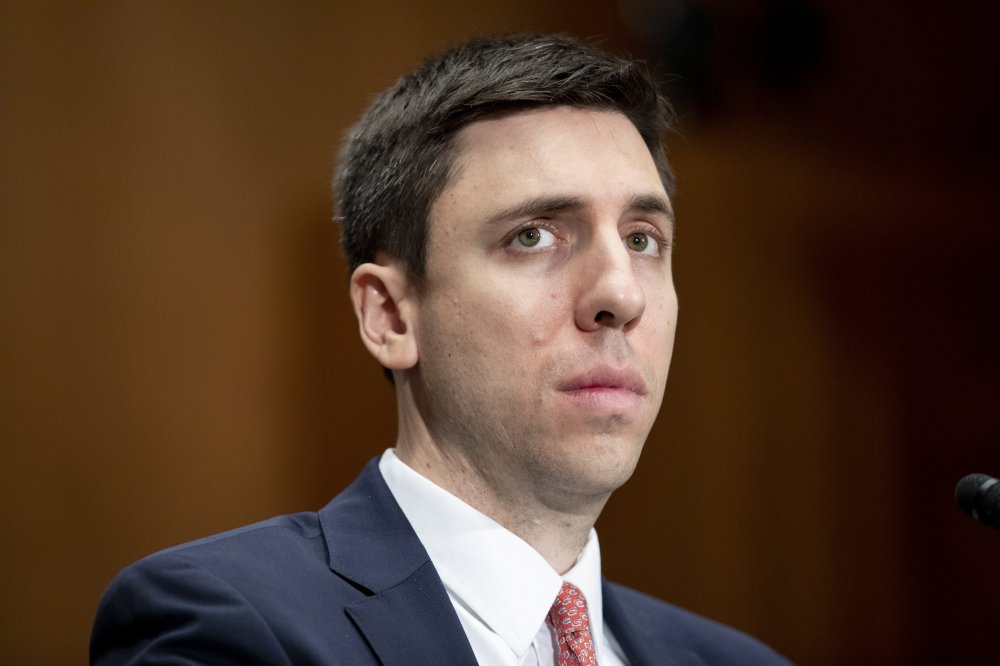
Travis Hill's nomination to lead the Federal Deposit Insurance Corp. was recommended favorably by the Senate Banking Committee to the full Senate Wednesday morning in a 13-11 party-line vote. View the full article
-
Historically, Google Search has driven innovation by rewarding high-quality content with visibility and traffic. In the last article in this series, we talked about the risks of Google AI over-personalizing results and reinforcing filter bubbles. In this article, we’ll look at the opposite risk. If Google’s new AI results skew away from diversity and towards standardized results that favor big brands and consensus views, it could limit creativity and innovation and accelerate the commodification of the web. Some may find this concern naive because the internet is already very commodified, but historically, even small websites and businesses believed that they had a chance to rank and drive traffic. The web has long been seen as a digital marketplace of ideas. Yet because AI language models naturally look for consensus, being surfaced in AI search when you fall outside the mainstream could become much harder. AI systems & consensus You can look at all of the companies that lost all their traffic and/or rankings in the Helpful Content Updates to illustrate this point. Small affiliate websites that worked hard to add value to the internet with product reviews, articles, and comparisons were mostly wiped out in organic rankings. Now, to drive traffic through Google, many of these companies have to buy ads and arbitrage their earnings, or shift focus to platforms like TikTok and Instagram. Most have chosen the latter, abandoning efforts to rank in Google altogether. And while not all sites that lost visibility in the Helpful Content Updates were entirely editorially written, high-value, human-oriented content, some definitely were. The problem is this: if the types of companies go out of business or their sites disappear from the web, the corpus of information indexed by Google—and now used in AI search—will become less diverse. Forcing smaller publishers to pay to migrate entirely to social platforms could further reduce diversity in the web’s knowledge base. If independent creators are consistently excluded from rankings, they’ll have less incentive to share their unique perspectives anywhere but social media. Social media may be an intentional counterbalance in Google’s plan, which is somewhat encouraging. Google recently announced that it will be ranking and showing YouTube Shorts in Discover, and already includes a ‘Short Video’ tab on many results. It has also shown increasing interest in ranking posts from Reddit and LinkedIn. And maybe this is not accidental. Maybe, in Google’s view, unique and new opinions should come from more independent creators, while mainstream or consensus views come from bigger companies with better brand recognition. Only time will tell. The impact of advertising Ads in AI Overviews have already begun to roll out, and when they are fully released next quarter, then we will really get a peek into Google’s plans for monetizing their AI. Until then, we can look at the recent history of how Google has changed ads and ecommerce with and for AI. First off, the shift to Performance Max (PMAX) bidding in Google Ads was very frustrating for many people running paid campaigns—not only because of the black-box nature of the system, but also because of the lack of control and the lack of data. It seems like Google wants to lull advertisers into complacency by handling everything for them, ideally delivering better returns with less effort. It could be great for some, especially if they never want to learn anything about their audience and what works for them. But what if they do? When Google runs PMAX bidding without sharing nuanced details of what’s working and what’s not, it means that Google is using your ads, budgets, and creative to learn about your customers— without telling you what they have learned. That means there is less for you to take away, cross-apply or use to inform decisions and campaigns in other advertising channels. In some industries, Google may learn enough to completely disintermediate you from your customers, like they have done with Google Travel, which now includes Flights, Hotels, Vacation Rentals, and food & activities (in Explore). AI is a double-edged sword. This may also be part of the plan with Google Merchant Center. By aggregating data from all of the online retailers, Google can learn about how users shop for specific products, and use that to fine-tune PMAX campaigns—serving the right ads to the right people at the right time. This improves conversion and engagement for advertisers, using data collected from both paid and organic interactions in Merchant Center. Google is extending this approach with AI-powered tools designed to enhance shopping experiences, such as Circle to Search, Google Lens, Price Alerts, and Virtual Try-on. Google already seems more aggressive in pushing digital marketers to its advertising options. I was served the ad below as part of a full-screen takeover on an organic SERP! This is something that I have never seen for an ad in Google before; the only time they ever use modals and/or full-screen takeovers in a search result that I can recall has been for warnings or opt-ins when their Terms and Conditions have changed. In its recent Terms and Conditions updates, Google has been clear that it shares user data across Alphabet properties and uses that information to enhance advertising. It also combines this with modeled data about user journeys—on both micro and macro levels—to refine its targeting. It’s reasonable to believe that Google will continue on this course until it stops working or until they are somehow stopped. The benefit of having such a huge market share is that searchers, publishers, and advertisers are all locked in, with limited other options and huge switching costs. This allows Google to continue to degrade organic traffic referrals in favor of monetized AI results and/or making searchers work harder to get to a good result through organic search. But even without that, you can see in the screenshots from this RustyBrick tweet that Google is even changing how sponsored results are being labeled and displayed, potentially to make them less distinct from regular organic results. The Terms and Conditions update shown below is one that Google has shown to users in the EU, reminding them about how they are using all of their data across all of their platforms. The inclusion of Google Ad services really does show us how our ad data might be filtering out to impact and benefit all of Google’s platforms. As advertisers, we are paying for them to benefit from that data, even when we are given limited access to it ourselves. So what can we do to protect the health of the internet? AI and all the things it can do are such a new and fascinating topic that most of us have been sucked in and are embracing it with enthusiasm, and sometimes even reckless abandon. While I do openly admit that my personal beliefs lean towards being an “AI doomer,” I don’t think that doom and gloom is the only way things can go; I do, however, think that it is likely, given our lazy human natures and the lack of meaningful oversight or recourse. Once a technology exists, its existence can’t be undone, and especially when it is on the internet, it can’t be forgotten. Humans have fallible understanding and recall, but the internet remembers forever. For better or worse, the AI toothpaste can’t be put back in the tube. So how can we plan now for the future of AI innovation and create frameworks, guidelines, and even rules that will help preserve the health of the internet? How can we leave room for fair and balanced discovery of diverse content, without limiting AI innovation? I believe the digital marketing industry should partner with the publishing industry, which is already beginning to unite around protecting its own copyright interests. Continuing to operate in silos will not create the protections the internet needs—on both the supply and demand sides of the ecosystem. Until meaningful regulation of AI is created and enforced, the best bet for the internet is collective and collaborative standards that protect the ecosystem as a whole, rather than individual interests. Just as workers unionize to protect themselves from unfair exploitation by powerful companies, we also need collective bargaining and protection. Some groups are starting broader digital and AI regulation in the EU, but it might benefit the digital marketing and SEO industries to develop and publish their own standards, which can be community-enforced rather than enforced by Google. Rather than labeling tactics as simply “black hat” or “white hat,” maybe we can adopt a more nuanced approach—especially when it comes to AI. At the very least, it’s a conversation worth having. View the full article
-
The path to scalable computers is paved with high-tech equipment not just high-impact academic papersView the full article
-
We may earn a commission from links on this page. Deal pricing and availability subject to change after time of publication. As someone who's still rocking an M1 MacBook Air, an iPhone 12 Pro Max, the Apple Watch SE (Gen 1), and the AirPods Pro (Gen 1), I can proudly say that using older devices is a great lifestyle decision. It saves me a lot of money and I still get access to premium products with almost all of the features I need. And now that the AirPods Pro 3 are out, it's a great time to start looking for deals on the older AirPods Pro 2 before stocks are cleared. This Walmart deal brings the AirPods Pro 2 to an all-time low price of $139 (which is $100 off the list price), and they're an absolutely fantastic piece technology for that price. AirPods Pro 2 early Black Friday deal AirPods Pro 2 $139.00 at Walmart $239.00 Save $100.00 Get Deal Get Deal $139.00 at Walmart $239.00 Save $100.00 Although the AirPods Pro 2 launched a few years ago, they've received enough software updates to make them far more capable than they were at launch. Now, the AirPods Pro 2 are also approved for use as a hearing aid in the US, and still offer excellent noise isolation with great sound quality. I live in a really noisy city and I cannot roam around without wearing my AirPods for fear of triggering my migraines. My AirPods Pro (Gen 1) do a good job at cutting out the noise, but the AirPods Pro 2 take the cancellation to another level. I've used and compared all three generations of AirPods, and the noise cancellation on the Pro 2 is solid. It's not as good as that on the Pro 3, but it's better than on the Pro 1, and the difference isn't big enough to spend nearly twice the price for the latest product. The AirPods Pro 2 are everything I need to keep migraines away. They block out the worst of the loud noises around me while being light and comfortable enough to wear all day. My city has extremely humid weather, which makes it near impossible to wear over-ear headphones outdoors. However, I feel quite comfortable with my AirPods, and I've been waiting for nearly four years to upgrade mine. While I was saving up for the AirPods Pro 3, this deal is too good to resist, and I may just get the Pro 2 instead and save the rest of my cash to upgrade my Apple Watch. View the full article
-
A reader writes: I recently received an email from an employee wanting to discuss her future with the company and opportunities for advancement. I responded that we will be reorganizing the team soon (which is true) and relying heavily on her input on what responsibilities she wants to take on (also true). My issue is that it’s unlikely there will be any opportunities for advancement on our team. The organization is very hierarchical and positions are determined at an organization-wide level with little flexibility for job duties or pay increases. Her current position is at the bottom of the org chart and any opportunities to advance would probably be in a different geographic area. We have a culture of employees working here for their entire career, and turnover gets even lower the further up the org chart people get. This employee is very valuable and has a lot to offer. I’m just concerned that she’s looking to be promoted on our team, which is unlikely. We’re a small team and I’m unsure if the positions she would advance into will even remain after some impending retirements. How do I let her know that I think she does have a lot to offer, but would have my full support looking for opportunities elsewhere and would serve as a reference if she needed it? I want to be honest but I don’t want to seem like I’m pushing her out. I answer this question — and two others — over at Inc. today, where I’m revisiting letters that have been buried in the archives here from years ago (and sometimes updating/expanding my answers to them). You can read it here. Other questions I’m answering there today include: Giving an award to someone who’s on a performance improvement plan Hiring when we’re open to full-time or part-time The post how can I tell a good employee she’s not likely to advance here? appeared first on Ask a Manager. View the full article
-
Boss sets out in memo need for luxury group to reduce ‘over-dependency’ on Italian brandView the full article
-
This year’s SEO Trends ebook translates SEO expertise into the practical, high-impact strategic guidance marketers need for 2026. The post Google’s Old Search Era Is Over – Here’s What 2026 SEO Will Really Look Like appeared first on Search Engine Journal. View the full article