ResidentialBusiness
Administrators
-
Joined
-
Last visited
Everything posted by ResidentialBusiness
-
 GEO is the practice of optimizing content to appear in AI-powered search engines like ChatGPT and Google. View the full article
 -
Sunbridge appears to be a quintessential example of 21st century sprawl. A 27,000-acre residential mega-development taking shape outside of Orlando, Florida, it’s set to include more than 30,000 new homes in total when complete—a few neighborhoods, miles of trails, and a K–8 school have already been completed. It’s riding a growth boom in Central Florida; this fast-growing section of the Sun Belt has added more than 1,000 people every week in recent years. But within the different subdivisions being constructed at Sunbridge over the next 30 years, a landscape will emerge with each new home and green space that’s much more wild, native, and sustainable than the stereotypical manicured, monoculture green lawns ringed with white picket fences. “My spiel for Sunbridge is that you leave your house and in 10 minutes, you’re immersed in nature,” says Clint Beaty, senior vice president of Operations at Tavistock Development Company, which is developing Sunbridge. “I’m not talking about a single tree next to a retention pond. I mean a deer is going to walk up to you, and you may see bald eagles, all 15 minutes from the Orlando International Airport.” Sunbridge was just named the nation’s first Homegrown National Park Community, a designation highlighting the project’s focus on native plants, nature conservation, and sustainability focused on restoring a measure of biodiversity. Containing an array of different single-family homes, constructed by different developers, mostly ranging in price between $300,000 and $600,000, the larger development will feature a slate of standard suburban homes. According to Tavistock, a majority of the plants will be native, and interspersed with all those homes will be 13,000 acres that will be preserved as an interconnected network of natural habitats, including lakes, wetlands, and oak hammocks, a type of forest habitat native to Florida and the Southeast. Conservation goes private Typical Florida developers often put the most expensive homes on the water and charge a premium; Sunbridge will leave those waterfronts open and wild for all to enjoy. In the long term, Beaty says, this philosophy will drive value; the challenge is, in the short term, getting homebuyers to understand that. The Homegrown National Park concept—a marketing term, not an actual registered and protected public place—was cofounded by scientist and author Doug Tallamy, and aims to regenerate and restore 20 million acres of native habitat across the U.S., mostly on private land, in an effort to stem the biodiversity crisis. The pollution and the loss of habitat have put roughly 40% of animals, plants, and ecosystems in the U.S. at risk. The nation currently has 44 million acres of traditional green turflawn, which Tallamy calls “dead space” in terms of its ability to support diverse species and local ecosystems. Why should we develop property in a way that expels nature? And while Tallamy says there are parks and preserves for preservation of wildlife, if 78% of the U.S. is privately owned—85% of land east of the Mississippi is in private hands—something has to make landowners take biodiversity more seriously. He hopes Sunbridge becomes the first of many such developments, and can help make the case to landowners that this strategy is both cost-effective and consumer friendly. “If we don’t do conservation on private property, we’re going to fail,” he says. “You can’t say we’re not going to do conservation where we develop, because that’s everywhere.” Landscaping the future While the Homegrown National Park focuses on flora and fauna, the team behind Sunbridge came to the idea while looking at water. Like other fast-growing parts of the country, such as Phoenix, Central Florida faces water shortages and hard limits on growth if business-as-usual development continues. The Central Florida Water Initiative predicts the region will face a 96 million gallon-per-day water shortfall starting in 2045. The landscaping philosophy of Homegrown National Park—native plants that require much less water, less maintenance, and less fertilizer—can reduce irrigation and fertilizer runoff. Sunbridge developers estimate that when the entire project is complete and occupied in the coming decades, the planned Florida-native and drought-tolerant landscaping palette will save between 39,000 to 146,300 gallons of water daily, and help cut outdoor water use by 75%. In addition, it will contain what’s called keystone plants, native species, such as live oaks, that support local insects and animals. Tallamy says that traditional American landscaping, which uses a variety of non-native plants for decorative purposes, doesn’t feed local species and can disrupt the existing food web. Developers hope this plan not only allows the development to grow without bumping up against resource limits, but also proves to be a point of differentiation that attracts future buyers and even adds a premium to home prices. They’ve been aggressively marketing the development’s trails, greenspace, lakes, and landscape, dubbing it a “naturehood.” Beaty, who grew up in Florida, remembers playing in backyards in July with brown grass as a kid, since it was so challenging to water. Ever since Disney came to Florida, he says, that’s the (artificial) expectation people have of the Florida front yard. “This is the horticultural challenge of our time,” says Tallamy. “How do we make ecologically accessible landscapes that are also pretty?” Finding the solution in sprawl It may seem counterintuitive to count suburban developments as part of the solution to the biodiversity crisis, since they’re a significant cause of the problem in the U.S. Sprawl development in the 21st century alone has eaten up more than two million acres annually in the U.S., according to the Center for Biological Diversity, leading to significant habitat and species loss: roads, fences and structures break up habitats; fertilizers and pollution harm plants; and light and noise pollution impact animal health. While Sunbridge remains the first large development to sign on, Homegrown National Park has also been busy with other collaborations, partnering with regional and state Native Plant Societies, including the Native Plant Society of Texas, to engage and support developers and HOAs that are interested in integrating the Homegrown National Park model. One of the challenges going forward will be maintaining the initial philosophy of native plantings and more sustainability minded landscaping. Since there aren’t necessarily strong ways to mandate lawn care or plant choice—there won’t be an overarching homeowners association enforcing standards—Beaty hopes the good faith approach they’re taking, which favors carrots instead of sticks, will prove itself over time. This will include a number of resources and support, including publishing a curated list of native plants, and a variety of community programs to help with lawn care and to promote conservation. Residents will also be given digital water dashboards to help monitor their consumption, and messaging about how a healthier, more native lawn means fewer chemicals that aren’t good for your kids and a lower utility bill every month. Advocates say these kinds of development agreements, and efforts at urban rewilding in cities, can, along with the vital preservation of remaining natural habitat, help slow and ideally reverse the biodiversity loss being felt around the globe. Tallamy says that scientists already understand what needs to be done to fix the biodiversity crisis. Projects like Sunbridge, which seek to sell residents on the benefits of a more biodiverse landscape, can help get more momentum behind deploying those solutions. “We know how to increase biodiversity,” he says. “What we’re fighting now are sociological problems.” View the full article

-
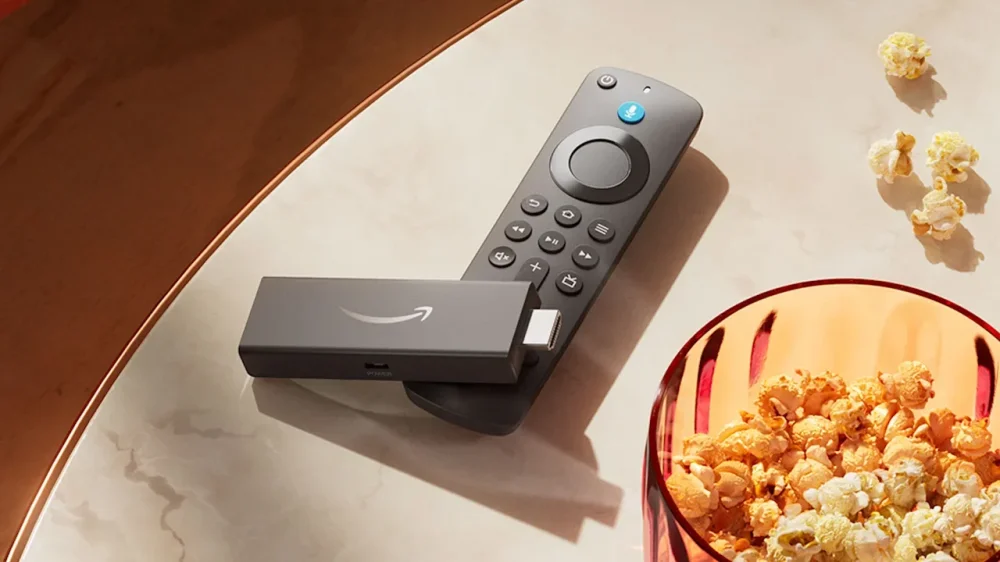
Black, unassuming, about the size of a pack of chewing gum: On the surface, the Fire TV 4K Select stick released in mid-October looks just like any other streaming device made by Amazon. Plug it into your TV, and you’ll be greeted by Amazon’s tried-and-true living room interface, complete with icons for popular streaming apps like Netflix, Disney+ and Prime Video. And yet, the Select streaming stick is unlike any of its predecessors. That’s because the device is running Vega – a new, Linux-based operating system Amazon has quietly been building over the past couple of years as a replacement for its legacy, Android-based Fire OS. The company plans to eventually launch Vega across a wide range of devices, including smart displays, streaming devices, even car dashboards. The adoption of Vega represents one of Amazon’s most ambitious hardware-related initiatives ever since the launch of the first Fire TV device over a decade ago. It also prompted backlash from consumers and lukewarm reception from developers. But for the company, launching Vega may be worth the pain. “Amazon has always wanted to create its own software ecosystem,” says Techsponential analyst Avi Greengart. Betting on Vega allows Amazon not just to optimize the code running on its devices, but also to break free from Google and take control of its own destiny. Android was developed to run on phones When Amazon launched its first Fire TV streaming box in early 2014, it did so by using a version of Google’s Android OS that the company customized to its own needs. For that, Amazon decided not to license Google’s Play Store and other services available on officially Google-sanctioned hardware. Instead, it simply used open source Android code freely available to anyone, and built its own Fire TV app store and services on top of that foundation. “Android [has] been and remains super, super important to our product lines – it is wonderful how Google has built and supported that platform,” wrote the outgoing Amazon devices executive Robert Williams in a recent LinkedIn post, adding: “However, we also felt that we could build something more purpose-built for consumer electronics devices that was faster and used more modern components and design.” There are sound technical reasons for this approach: Android is, at its core, an operating system for mobile phones, and many of its components are either not required or not optimized for other kinds of devices. That’s why Google itself switched from Android to a new, custom OS called Fuchsia for its smart displays in 2021. Similarly, Amazon first launched Vega on a smart display, the Echo Show 5, in 2023, albeit without publicly announcing the switch. “We started where we could have the biggest impact right away,” explains Tapas Roy, Amazon’s vice president of device software & services. “Vega’s integration with our custom-designed silicon accelerates AI query response times, such as for Alexa+, making our Echo lineup ideal for joint development.” An insurance policy against Google Other reasons for an alternative to Android are less technical. While Google has maintained the core Android code as an open source project, it has also long tightly controlled what device makers can and cannot do if they want access to the company’s Play Store, and other commercial Android components. Google in particular frowned upon efforts to build alternative, customized distributions of Android, something that’s known among open source insiders as forking. Fire OS is the most popular forked version of Android in Western markets, leading to significant friction between the two companies. The conflict came to a head when Amazon began approaching third-party consumer electronics companies about making TVs powered by Fire OS a few years after launching its own streaming adapters. At the time, Google told TV makers that they couldn’t use Fire OS if they also were using Google’s Android on other devices, including phones. Google justified this by arguing it was trying to prevent fragmentation, but the move also effectively kneecapped Amazon’s smart TV efforts. The conflict resulted in an antitrust investigation in India that got resolved with a settlement earlier this year. Google and Amazon separately came to an agreement on the issue, paving the way for manufacturers like TCL to build TVs powered by Fire OS. Despite this truce, Vega OS can be seen as a kind of insurance policy against Google. If the search giant were to further restrict the use of Android in the future, Amazon wouldn’t be left empty-handed. At least publicly, Amazon is committed to shipping devices with both operating systems for the foreseeable future. “We’re not moving away from Android,” says Roy. “We’re a multi-OS company, and Fire OS isn’t going anywhere. Creating and managing our own operating system lets us innovate across the whole tech stack within our devices where we need it.” Amazon has no plans to make Vega available to third-party device makers, Roy said. Pushback from developers and consumers Amazon has faced some pushback from consumers after launching the Vega-powered Select stick. While Android-powered Fire TV sticks are rated 4.6 stars and up on Amazon’s shopping website, the Select model currently has a 3.6 star rating, with a whopping 25% of reviewers awarding it just a single star. Part of the backlash has to do with the fact that prior Android models allowed consumers to install their own apps from sources other than Amazon’s official store – a feature frequently used for apps designed to access pirated content. Vega does not offer a similar “sideloading” feature. Amazon has also struggled to gain support from app developers and publishers for the device. Smart TV app developers already deal with a very fragmented landscape, with devices made by Roku, Samsung, Google, and LG, all requiring them to build different versions of their apps. At launch, the Select Stick was missing native apps from a number of major publishers, including CBS, PBS, and BET. To make up for those shortcomings, Amazon adopted a novel approach: For the time being, it is simply running the existing Android apps for services like these in the cloud. In most cases, consumers will notice little to no difference to an app running on the device itself. Some functionality, however, simply isn’t compatible with this approach. As a result, Select stick owners currently don’t have access to a Spotify app on the device. Despite the initial extra investment, publishers could ultimately benefit from porting their apps to Vega. The operating system is based on technology that will, at least in theory, allow developers to consolidate their codebase across multiple operating systems. “Developers can reuse their … code from one project to another, within or outside of Amazon apps, to make the most of their time and efforts,” Roy says. Aside from those practical considerations, developers do have another factor to contend with: With over 200 million Fire TV devices sold to date, Amazon is a giant in the streaming hardware space. If the company keeps shipping new devices running Vega, publishers may just have to fall in line and rebuild their apps for the new operating system. “There are likely to be growing pains,” says Greengart, adding: “I would give Amazon extremely high odds for success with Vega OS.” View the full article
-
Answer engine optimization is the process of optimizing your brand to appear in AI-generated answers. View the full article
-
Up to 56 million websites could be affected by unpatched versions of Imunify360 AV that allow full server takeover. The post Server Security Scanner Vulnerability Affects Up To 56M Sites appeared first on Search Engine Journal. View the full article
-
AIME's CEO takes an additional AI leadership role, ALTA elects new president and Revolution, Tidalwave, Visio welcome chief operating officers. View the full article

-
With over 800 student organizations on campus, the University of Pennsylvania already seems to have a club for every interest, from investment banking to beekeeping—even cheese. Now, add AI to the mix. In September, dozens of Penn students gathered in the engineering school auditorium for the debut of the Claude Builder Club, sponsored by AI company Anthropic. Over the course of this semester, the Builder Club has plans to host a hackathon, demo night, and other opportunities to create projects using artificial intelligence. “I need the Claude premium for a year,” says Crystal Yang, a freshman who attended the first meeting. Claude, she had heard, is “better for coding and sounding more human in writing.” Like Yang, many attendees were interested chiefly in the free Claude Pro and API credits offered. But according to their responses at the first meeting, a number of attendees also wanted to spend the semester working on problems with climate, healthcare, and manufacturing. “Hearing other Penn students stand up and share what problems they were working on solving with the help of AI was genuinely inspiring,” says Alain Welliver, one of the Builder Club ambassadors leading Penn’s chapter. As an ambassador, Welliver is responsible for promoting the club and developing programming. He’ll receive a $1,750 stipend for his work. Welliver, an engineering student, saw the ambassadorship opportunity this summer on LinkedIn and was quickly interested—he had considered creating a similar club before. To land the role, he completed a written application form about projects he’s built and his perspective on AI, and did an interview. The Builder Clubs are part of Anthropic’s broader Claude for Education initiative, which also includes a “Learning mode” in Claude and free campuswide access for partnering universities. Drew Bent, the education lead on Anthropic’s Beneficial Developments team, suggests that economics students who take part in the Builder Clubs could, for example, use their Claude app to create an interactive simulator for a macroeconomics concept in minutes. The first iteration of Builder Clubs debuted this fall semester; there are now over 60 participating universities. They’ve launched at seven of the eight Ivy League schools, SEC schools like the University of Georgia and Vanderbilt University, and international universities like the London School of Economics. According to Greg Feingold, who leads the Builder Club program for Anthropic, over 15,000 students have signed up. More than 25 of the chapters exceed 100 members. By the end of the semester, Feingold hopes to empower students to build projects they’re interested in, especially those who have found AI tools too costly or otherwise inaccessible before. “I really want us to find those students who are not technical students and have them participate,” Feingold says. “I just know that we’re going to get some really amazing stories of people who have never written a line of code but were able to make an app for the first time.” A certain type of agency Victor Lee, a professor at Stanford University’s Graduate School of Education, says tech companies have launched similar programs in the past, pointing to Apple’s Swift Coding Clubs as an example. “A lot of groups are trying to jockey for position and recognition, especially amongst a user base that is likely to be core to them,” he says. Across college campuses, AI companies are everywhere. During the last finals season, OpenAI offered free ChatGPT Plus. At Penn, students recently waited in line for over an hour at a Google Gemini pop-up event—which included free Gemini-branded Owala water bottles. This has created concerns for educators, who worry many students are using AI to cheat. In addition to being a Builder Club ambassador, students can apply to be a Campus ambassador and promote Anthropic products directly to peers. Anuja Uppuluri, one of the first ambassadors, shared on X Anthropic’s $1/month Pro subscription deal for Carnegie Mellon University students this spring. Her post received tens of thousands of views, and in the comments section, multiple students asked for the offer to be available at their schools too. Uppuluri feels thankful that she took her introductory computer science courses before LLMs got popular: The temptation to use an AI tool would have been all too alluring. “There’s some type of agency about Claude Code that makes it different,” Uppuluri notes. “It doesn’t make it a tool. I think it makes it more like a pair programmer.” Welliver finds Anthropic to be one of the few AI companies with an approach that fully aligns with his values. Part of the Builder Club programming that Anthropic has developed is education about AI safety and the societal impacts of AI. “If you ask my friends, they’d probably be like, ‘Alain’s the last person to become a brand ambassador,’” Welliver says. Anthropic, though, is “really intentionally trying to do an ethical approach to advancing AI. I think those values transfer over to the club.” View the full article

-
It’s not often that headlines about customer “brawls” end up morphing into good news for a brand. But that’s arguably what’s happened to Starbucks thanks to the bungled rollout of its limited-run “Bearista” cups becoming the first new craze of this holiday season—even including good-natured copycat tributes from the likes of Aldi and Walmart. At first, the Bearista debut on November 6 seemed like a black eye. The 20-ounce glass tumbler, shaped like a cute bear sporting a Starbucks beanie, sparked immediate viral demand, with customers at some locations lining up at 3 a.m. to score one. This apparently caught the company off guard, and supplies of the $30 object ran out almost instantly. Frustrated customers slammed the brand online (some claiming stores were woefully understocked), and in a few cases physically battled each other for what was available. “‘Bearista’ cups brew up brawls at Starbucks,” Fox News reported. With fistfight accounts and clips circulating online, the fiasco took on a Waffle House vibe—not exactly the community-centric third place experience the coffee giant tries to cultivate. Starbucks apologized “for the disappointment.” But the story didn’t go away. It evolved. Of course the bear tumblers materialized on eBay, on sale for hundreds of dollars. But less predictably, a new round of social media videos—and mainstream press coverage of them—explained how to DIY your own bear-shaped drinking vessel dupe by draining honey packaging and perhaps drawing on the Starbucks logo for fun. Aldi began winkingly promoting a $5 gingerbread-figure cup for those who “missed out on that $30 bear”; Walmart chimed in with its own version, a bear-shaped bottle of its Great Value brand honey filled with coffee. All of this has been lighthearted, and ultimately a tribute. Thus the Bearista mini-craze was pulled back from becoming a borderline squalid tale of corporate fumbling and manic consumerism. Instead, it’s as if the market has decided that thanks to this absurd incident, bear cups are, somehow, out of nowhere, now a Holiday Thing. And that works out rather neatly for Starbucks, which this week, in the direct aftermath of the Bearista freakout, began rolling out this year’s version of its traditional holiday-object lineup. On November 13 it started offering the new iteration of its annual reusable Red Cup promotion—a free, limited-edition cup, in four design choices, for certain orders from its holiday menu. And it has teased new holiday merch additions to its lineup, including a collaboration with fashion brand Roller Rabbit slated for early December. Meanwhile, though Starbucks has declined to comment on whether the Bearista will return (a McRib-style mystery?), demand clearly transcends any ill will about the botched debut. “We want the 🐻cup ‼️‼️‼️‼️‼️,” reads the top response to one Starbucks Instagram post hyping the new Red Cup designs. “Don’t ignore our bear cup requests!” echoes another response. “We want more!” In other words, what looked like a brand blunder is now arguably the happiest story of the early Brian Niccol era—certainly better than news of store closings or lagging earnings or union disputes. The Bearista tale, however chaotic, has ended up making Starbucks feel relevant, in a good way. If there is such a thing as the right kind of brand brawl, this was it. View the full article

-
For years, we’ve treated confidence in the workplace as something that rises with seniority. The longer you’re in the game, the more secure you should feel, at least in theory. But new data is telling a different story. Confidence is quietly increasing among early and mid-career employees, while many senior leaders are facing a growing sense of doubt. The emotional center of the workforce is shifting, and it says a lot about how work, identity, and leadership are changing. The View from the Ground Glassdoor’s latest numbers show something many leaders might not expect: Confidence is rising among those at the beginning and middle of their careers. Entry-level confidence ticked up 1.9 points and mid-level roles rose 2.3. After several years defined by layoffs, volatility, and reorganization, you’d think this group would be the most anxious. But instead, they’re slowly stabilizing—and in many cases, feeling more empowered. One possible explanation is that younger employees, particularly Gen Z, have grown up in uncertainty. They graduated into disrupted schools, unpredictable labor markets, and news cycles dominated by instability. Adaptation became the norm. So rather than viewing change as a threat, many see it as the default environment, something to work within rather than fight against. Hybrid work and flexible career pathways also matter. Many early-career professionals now build identity and stability not from a single employer, but from a mosaic of work, skill-building, networking, and side projects. They have learned to diversify not only their income but their sense of purpose. This gives them a form of psychological safety: When your career has multiple anchors, no single wave capsizes the ship. And importantly, younger workers are redefining what it means to succeed. It’s less about climbing a ladder and more about gaining agency, having influence over how, when, and why they work. Even small signals of autonomy can boost confidence: the ability to negotiate schedules, contribute ideas early, or move laterally to explore new roles. So, while the headlines focus on uncertainty, many early-career employees are quietly reframing it. They’re not waiting for perfect stability to feel secure. They’re building confidence through adaptability, community, and self-direction. The Shifting View from the Top While those in the frontline are earning their sea legs, it seems executives and their peers are losing their footing. Many aspects of workforce management stabilized post pandemic, but confidence in executive leadership teams’ abilities to manage their teams, responses to critical issues, and readiness to address technical disruptions has trended downwards. From board members to C-suite team members themselves, there is an increasing belief that leadership teams are unable to withstand the demands of conflicting constituents and put the interests of the company above their own. These votes of incompetence are taking their toll in the confidence of those at the top. For a long time, it seemed the era of grey-haired expertise was impenetrable. The sentiment was that having seen it before, you would be trusted to resolve any problem and people would trust you. The Boomers and even Gen Xers who would fit that mold, however, are not perceived to be able to keep up. In some instances, it is made explicitly obvious that their value is waning. But regardless of age, leadership is exhausting. In the face of technological advancements and AI, topics that any employee may grapple with, executives are too often seen to be out of touch. It seems that the complexities of leadership are taking their toll. There are endless questions about the pros and cons of remote, hybrid, (or return to office) work modalities; international economic instability and politics are impacting trade and augmenting cost pressures; and retention is still a problem that has not fully recovered from the Big Quit. While leader responsibilities are not new, there do not seem to be right answers or resolutions to strive to achieve. Decision fatigue, and constant uncertainty may be eroding their sense of control. As a result, senior level employees have seen employee confidence fall month over month, a concerning trend as it may impact hiring and investment plans. In addition to task-related burnout, senior leaders are also unsure of how their reactions to colleagues and direct reports are measuring up. Many feel the weight of being both empathetic and decisive—a balance that’s emotionally taxing. This dip may reflect a growing leadership gap: leaders caring deeply, but struggling to sustain optimism. Despite moving in opposite directions, both groups reflect the same reality: The workplace is changing faster than people can adjust. For younger employees, that change still feels full of possibility. For leaders, it feels like exhaustion. Understanding both sides could be key to rebuilding trust and confidence across the organization. View the full article

-
More than two decades of research—from Harvard professor Amy Edmondson’s pioneering studies to Google’s landmark Project Aristotle—have found that the strongest predictor of high-performing teams isn’t talent or strategy, but psychological safety. As Edmondson defines, it’s “a shared belief held by team members that the team is safe for interpersonal risk-taking.” It’s what gives people the confidence to speak up, take creative risks, and learn from failure—and it’s foundational to innovation. But one critical truth is often overlooked: Leaders can’t create psychological safety for others if they haven’t first cultivated it within themselves. I learned this the hard way. While earning my MBA at Stanford, I cofounded Embrace, a social enterprise that created a low-cost, portable incubator for premature babies in underserved communities. Our device has now helped to save over 1 million newborns. As CEO, I was praised for my vision and tenacity. I moved to India—home to over 20% of the world’s premature babies—and routinely worked 80 to 100-hour weeks. Over the years, we saved thousands of lives. We were recognized by President Obama, received funding from Beyoncé, and were featured in media around the world. On the outside, I appeared unstoppable. On the inside, I was running on fumes. One day, in the middle of a team meeting, amid an endless string of fires, I broke down in tears. Mortified, I thought I had failed as a “strong leader.” But the next day, my head of operations pulled me aside and said: “Thank you for being so open yesterday. You seem superhuman to us. You never sleep. You never stop. Seeing you be vulnerable allows us to be, too.” He went on to share how exhausted the team was. By hiding my own fatigue and pretending to have it all together, I had unknowingly created a culture of burnout. My team didn’t feel safe to speak up or admit struggle—because their leader didn’t either. That moment cracked something open in me. Achievement as currency Raised in a first-generation Taiwanese-American household, I had learned early that love was conditional and achievement was the currency that earned it. When I failed to meet expectations, I was punished—sometimes violently. So I became a perfectionist. I learned to work harder, aim higher, and never show weakness. As a leader, I held my team to the same impossible standards I held myself to. I avoided discomfort, rewarded overwork, and unintentionally reinforced burnout and emotional suppression. When Embrace nearly collapsed after a decade of challenges, I was forced to confront the pain that had long driven me. I finally realized that feeling so powerless throughout my childhood had driven me to help the most powerless people in the world. But my drive was also fueled by fear. Fear of not being enough. Fear of letting others down. Fear that if I stopped striving, I would lose my value. Many high-achieving leaders are driven by a deep desire to make an impact—and an equally deep fear that they are not enough. From an early age, we learn that achievement earns approval, so we keep raising the bar. But the very qualities that fuel success can also become liabilities: overwork that burns out teams, perfectionism that stifles innovation, control that suffocates creativity. Over time, these behaviors create cultures where exhaustion and disengagement take root. The antidote is not more strategy. It’s self-awareness. As I began doing my own inner work—through leadership coaching, therapy, and mindfulness—I started to recognize the unconscious patterns that had long gone unquestioned. I learned to honor my emotions, listen to my body, and lead from a place of balance—one that makes impact not only meaningful, but sustainable. When leaders build inner safety—by acknowledging emotions, setting boundaries, and extending compassion to themselves—they make it safe for others to do the same. That’s where empathy and authentic connection begin. It’s how trust takes root—and how cultures of innovation and resilience are built. In a world of accelerating change, where AI is transforming industries, the leaders who will build lasting impact aren’t those who power through at all costs. They’re the ones who pause, reflect, and build safety from the inside out. The Action Plan So what can leaders do? Feel your feelings—and listen to your body. Leaders often suppress uncomfortable emotions to appear strong or composed. But unprocessed feelings don’t disappear—they resurface as tension, anxiety, or burnout. When you pause to fully feel your emotions, you can lead from awareness rather than reactivity. Your body often signals what you’re feeling before your mind catches up. Tight shoulders, shallow breathing, or fatigue are quiet cues that something needs attention. Learning to notice and respond to these signals with care strengthens emotional intelligence—the ability to recognize, understand, and manage emotions in yourself and others. Practice self-compassion. Research shows that self-compassion—not self-criticism—is what fuels resilience and growth. Treating yourself with the same understanding you’d offer a friend allows you to recover faster from setbacks and lead with greater empathy and authentic connection. Cultivate self-awareness. A powerful tool for this is “parts work,” which helps you identify the different inner voices that drive you—the perfectionist, the critic, the people pleaser. When you begin to understand these parts, you can lead from your center instead of your fears. This awareness helps to cultivate inner psychological safety. Download a free parts work exercise here. Model vulnerability. When leaders are open about mistakes, fears, uncertainty, or difficult emotions, it creates permission for others to do the same. This builds trust and encourages psychological safety at every level. True leadership is not about control or perfection. It’s about the courage to face discomfort—in ourselves and others. Let go of outcomes and focus on values. We’re conditioned to define success by results. But outcomes are not always within our control. Leading from your values—like compassion, service, or growth—keeps you grounded and connected to why you do the work. Outcomes may change, but values endure. They’re what sustain both purpose and mental well-being over the long run. View the full article

-
It’s an experience almost everyone is familiar with: that moment after you’ve been mindlessly snacking on a bag of Cheetos, when you realize that your fingers are now coated in a gritty, fluorescent orange dust. The finger dust phenomenon is so ubiquitous that Doritos and Cheetos have each run their own ads centering on the topic. Now, PepsiCo is debuting a version of both iconic snacks that come sans artificial orange. PepsiCo recently announced a product line called “Simply NKD,” a new sub-category of Doritos and Cheetos that come with no artificial flavors or dyes, rendering them “completely colorless.” The collection will include orange-dust-free versions of Doritos Nacho Cheese, Doritos Cool Ranch, Cheetos Puffs, and Cheetos Flamin’ Hot, set to arrive on shelves starting on December 1. PepsiCo already sells a line of Cheetos and Doritos called “Simply” that are made with no artificial colors or flavors, but they come in separate flavor offerings like white cheddar. “Simply NKD,” on the other hand, are supposed to taste exactly like the classic Doritos and Cheetos you know and love, just with a less vibrant appearance. For PepsiCo, the Simply NKD line is part of a larger effort to expand the company’s focus on health and nutrition, as a growing number of customers (especially young people) become more invested in wellness. It also signals a broader trend across the snack and beverage industry, as major corporations rush to replace artificial food dyes amidst new legislation from the The President administration designed to phase out certain artificial dyes. PepsiCo’s next move PepsiCo has recently been on a mission to shift its brand toward a healthier product lineup—including, most recently, by rebranding its corporate identity to resemble stalks of grain and a droplet of water. In a February earnings call, PepsiCo CEO Ramon Laguarta explained that the company has seen “a higher level of awareness in general of American consumers toward health and wellness,” which he said was driving shifts in how consumers approach snacking. PepsiCo has followed that trend by pouring more investment into health-conscious moves, including by acquiring the grain-free, “healthy” tortilla chip brand Siete Foods and the prebiotic soda brand Poppi, as well as prepping to launch its own prebiotic cola brand this fall and introducing Lay’s and Tostitos with no artificial colors or flavors by the end of the year. Meanwhile, PepsiCo is facing another external pressure to change some of its core offerings: Health Secretary Robert F. Kennedy Jr.’s plan to phase out eight petroleum-based artificial colors from the nation’s food supply. Already, many major companies have pledged to remove synthetic dyes from certain snacks and candies, including Kraft Heinz, General Mills, Nestlé, and Campbell’s. PepsiCo announced in April that it would accelerate a planned shift to using natural colors in its foods and beverages. As of now, about 40% of its U.S. products use synthetic dyes, including Doritos and Cheetos, which both rely on a combination of Yellow 6, Yellow 5, and Red 40 to achieve their iconic hues. Right now, PepsiCo is actively working on finding natural alternatives to color its core products like Gatorade and Cheetos—a process that could take several years. In the meantime, the company is betting that some customers will prefer a new version of their favorite snacks without any color additives at all. How PepsiCo designed dust-less chips Simply NKD are Doritos and Cheetos as you’ve never seen them before—both in and out of the packaging. Compared to their electric orange original counterparts, these “naked” versions of the snacks are both a light yellow hue. In an interview with Bloomberg, Rachel Ferdinando, CEO of PepsiCo Foods U.S., said that expert tasters tried the chips under special red lights that prevented them from seeing the chips’ color in order to ensure that the NKD versions are just as tasty as the orange ones. The chips’ packaging has similarly lost its quintessential color. Both the Cheetos and the Doritos bags are mostly white, with pops of orange, red, and blue depending on the specific flavor. “To communicate that the new products are free from artificial flavors and dyes—making them colorless—we intentionally stripped away the classic bright hues that consumers expect, starting with a blank canvas,” a PepsiCo Foods U.S. spokesperson told Fast Company, adding that the design differentiation is enhanced by incorporating elements like a matte finish, metallic accents, and a simplified presentation. And in case anyone is still confused, every bag comes with the phrase, “Naked of dyes” alongside an arrow pointing to an image of the chip. “When you see the Simply NKD bag on the shelf against the sea of colorful bags, it’s hard to miss,” the spokesperson says. The visual identity is obviously walking a fine line between communicating the nakedness of the chips while also steering clear of any visual signals that would consign them to the health food category. In other words, these aren’t “healthy” Cheetos and Doritos; they’re just colorless. View the full article

-
Prime Minister Donald Tusk stops short of linking Moscow to explosionView the full article
-
A few days ago, I wrapped a coaching call with a senior executive navigating a complex restructuring—work that demands steadiness in ambiguity, patience when emotions rise, and the discipline to stay grounded while others are spinning. Minutes later, I walked into my kitchen and found my child in a mismatched Halloween costume, eating shredded cheese out of the bag, and crying because her Lego creation was “too wobbly to be art.” The contrast was sharp, but the underlying lesson was familiar. Parenting and leadership rarely feel similar in form, but they draw on the same internal architecture. Both require influence without force, emotional regulation under pressure, and the ability to create clarity in chaotic, unpredictable environments. Both ask us to decide when to step in, when to step back, and what it means to act with intention instead of urgency. Across my work with senior leaders, and in my own life as a parent, I’ve seen these patterns repeat. The skills we associate with leadership are often forged in everyday family life, and the habits that make parenting sustainable often strengthen our leadership. Here are six lessons that cut across both domains. 1. Emotional steadiness is a leadership skill Composure is often misunderstood as restraint or politeness. In reality, it is the capacity to tolerate emotion—your own and others’—without reacting impulsively. At home, this can look like staying calm through a meltdown or responding thoughtfully to a child’s frustration. At work, it means anchoring your team when uncertainty is high or when interpersonal tensions flare. Across settings, emotional steadiness supports psychological flexibility: the ability to remain centered enough to think clearly, consider options, and choose a productive response. The more leaders practice this, the more they can navigate ambiguity without defaulting to control, reactivity, or avoidance. 2. Clarity beats complexity Parents learn quickly that children thrive with specific expectations and simple instructions. Adults are no different. Leaders often overexplain to project expertise or avoid difficult conversations, but complexity usually obscures rather than illuminates. Clarity requires the discipline to say: Here is what we’re doing. Here is why. Here is what success looks like. Clear communication reduces cognitive load, increases accountability, and strengthens follow-through. When leaders simplify the path, teams can focus on execution instead of interpretation. 3. Boundaries are care, not control In family life, boundaries allow routines to run, needs to be understood, and conflicts to be resolved without constant negotiation. They protect rest, attention, and relationships. At work, boundaries function similarly. They create predictability, prevent burnout, and help teams focus on what matters most. Many leaders struggle more with boundaries at work than with children at home. Over-functioning often comes disguised as praise: “You’re the only one I trust with this.” But taking on too much erodes capacity and models unhealthy norms. Boundaries are not barriers; they are structures that support shared responsibility and mutual respect. 4. Repair matters more than perfection Parents inevitably make mistakes—raising their voices, rushing through routines, reacting too quickly. The critical practice is repair: circling back, naming what happened, and reconnecting. Repair teaches accountability, empathy, and relational safety. Organizations benefit from the same ethic. Leaders sometimes avoid repair because they fear it signals weakness, but unaddressed ruptures undermine trust. A brief acknowledgment—“I want to revisit that; I didn’t handle it as well as I could have”—can diffuse tension, clarify intent, and rebuild confidence. Repair is the foundation of psychological safety, which drives performance far more reliably than perfection. 5. Autonomy develops courage Watching a child wobble on a bike for the first time is uncomfortable, but it builds resilience. The workplace equivalent is resisting the urge to overmanage. Empowering people to make decisions and learn through experience expands their competence and confidence. Micromanagement, by contrast, signals fear—fear of failure, judgment, or loss of control. Autonomy is not abdication. It requires clear expectations, appropriate guardrails, and support when needed. But real leadership involves stepping back enough for others to step forward. Growth happens in the wobble. 6. Purpose lives in the mundane Parenting quickly teaches that meaning is built less through big milestones and more through accumulated micro-moments: answering questions while cooking dinner, revisiting hard conversations, showing up consistently even when enthusiasm is low. Steadiness matters more than spectacle. The same is true in organizational life. Culture is shaped not by strategy decks or keynote speeches but by everyday interactions—how leaders greet people, how they listen, how they give feedback, how they respond on difficult days. Purpose is expressed through small behaviors that signal what the organization values and how people should treat one another. The contexts are different, but the core work is the same. Leadership, in any environment, asks for clarity, steadiness, and intentional action. The setting changes, but the work is the same: stay steady, stay human, and lead with intention wherever you are. View the full article

-
Policy reviews of GSEs and Basel rules could reshape the MSR market, opening opportunities for banks and altering Fannie, Freddie MBS dynamics. View the full article
-
You’ve decided to start a solo business. Congratulations! I’ve been a solopreneur for years and love being my own boss. My decision to become a full-time freelance writer happened overnight. I lost my full-time job at a marketing agency. Looking around, the job market seemed bleak. Working for myself was a way to start earning money immediately to pay bills. However, I’d been thinking about a solo business for months. So while the timing wasn’t my decision, it was a direction I was headed anyway. I had been freelancing alongside my 9-5 job for a few years, so I had the “infrastructure” in place to turn my side hustle into a full-time business. What you need on Day 1 is a lot different than what you need on Day 1,001. Here are some of the minimum things you need to get started. 1. Pricing Before you even start talking to potential clients, you need to know what you’ll charge for your services. Will you charge by the hour? By project? On a retainer? Pricing is one of the hardest things to figure out when you start your own business. You often don’t have a good benchmark to know what you should charge compared to other solopreneurs doing similar work. You can start with your salary if you were working full-time at a company. Break it down into an hourly rate (even if you’re charging on a per-project basis). Keep in mind that you’ll also be paying taxes and covering your own business expenses. In addition to determining pricing, you’ll also need a way to present pricing to a potential client. You might want to consider software that lets you put together polished proposals for clients. Some can even collect e-signatures and payments as an all-in-one tool. But this isn’t necessary. You could also put together a proposal in a tool like Canva. You’ll also want to have clients sign a contract, agreeing to your pricing and terms. You could pay a lawyer to draw up a contract for you, but that’s often cost-prohibitive for new solopreneurs. Instead, you could look for a template that you can modify, or use this free one from the Freelancers Union. 2. A website I’m a big advocate for launching a website for your solo business. It doesn’t have to be fancy. Mine isn’t—it simply provides some information about my background and the services I offer. It includes a link to my portfolio of work and a “Contact Me” form. A website, even if it’s a one-pager, gives your business credibility. It also provides more information than you can showcase on a site like LinkedIn. Ideally, you would connect your website to your own domain. If you’ve never done this before, it sounds scarier than it actually is. Most website builders will provide step-by-step instructions to connect to a domain you buy from a company like GoDaddy or Cloudflare. If you want to take it a step further, you can connect your domain to Google Workspace so that your email address is @yourdomain.com. However, Google Workspace isn’t free. If you’re not ready to pay for it, you can always connect your domain to your email later. 3. An invoicing and payment tool My first invoices were created in Google Sheets. I was lucky that my clients paid me via check, because otherwise, I’m not sure how I would have collected payments. You’ll want to make it easy for clients to pay you, in the method of their choosing. Some may want to send you a bank transfer, while others want to use a credit card. I’ve even worked with companies outside of the U.S. and needed to collect international payments. Payment should never be a point of friction. Some tools provide invoicing, payment, and accounting all in one. Or, you can use a standalone product like Stripe to create invoices and collect payments. Platforms like Stripe will charge you a fee (a percentage of the invoice), but they will handle the payment processing for you. They collect money from the client— using whatever payment method the client chooses—and then send it to your bank account. 4. A plan to find clients Once you have the foundational things in place (pricing, a website, and invoicing/payment), you can start to think about how you’ll find clients—or how they’ll find you. This is not a single-day activity. Everything else I’ve mentioned can be pretty quick to set up. Marketing yourself is a long-term strategy. When I first started freelancing full-time, I was desperate for work (I’d just lost my job!). I spent a lot of time on LinkedIn. I joined several Slack communities and networked with potential clients. I was a guest on podcasts to get my name out into the world. Effective tactics will depend on the services you offer, but you’ll need to do some hustling to find your first few clients. Your approach will likely evolve as your business grows. What worked for me in my first few months looks very different now. Over time, I learned which clients and projects aligned best with my skills and services—and which ones didn’t. Starting a solo business can feel overwhelming at first, especially in the early days. However, you get to design and build something that’s fully your own. Start with the foundation you need on Day 1, and you’ll figure out the rest as you go. View the full article

-
Earlier this year, TikTokers declared the start of the Great Meme Depression of 2025. In the months since, things haven’t picked up much. As 2026 approaches, some internet users have decided to take matters into their own hands rather than risk yet another year of AI slop and brainrot humor. It’s time to take it back to 2016. The Great Meme Reset of 2026 was first proposed by TikTok creator joebro909 in a video from March, according to KnowYourMeme, in the thick of The Great Meme Depression. In the clip, he suggested that all memes be wiped from memory in an effort to rescue TikTok from the drought. In September, TikTok creator golden._vr took up the call, proposing a time and a date for what they dubbed, “The Great Meme Reset”. “The last resort for memes,” the video’s caption read. “The Great Meme Reset. December 31st, 2025, 11:59. Memes are rising from the grave.” Since then, internet users have been reup0ping classic memes, like Nyan Cat and Harambe, made popular before TikTok was even a glint in millennials’ eye, thus wiping clean the last decade of internet culture. With Elon Musk threatening to bring back Vine but in AI form and a new six-second app backed by Twitter co-founder Jack Dorsey reviving more than 100,000 archived Vine clips, now seems as good a time as ever to introduce such classics as “FRE SH VOCADO” and “Damn Daniel” to the youth of today. Everything old is new again. The appeal of a return to an internet undiluted by AI slop is undeniable, but is 2010 humor really so much better than the brainrot trends of today? Awkward Turtle and Annoying Orange just don’t hit the same in the cold light of 2025. With the rapid pace of the meme cycle these days (who even remembers the Conclave memes earlier this year?!), the pull of nostalgia for a time where memes evolved at a slower pace is strong. Yet, the algorithm marches onwards, in some cases eating itself in its insatiable demand for viral content. Trying to force it backwards is futile. Inevitably, The Great Meme Reset Of 2026 will soon meet the same fate as Evil Kermit and Big Chungus before it. It’s the circle of life. View the full article

-
Ex-leader was tried in absentia after fleeing to India in wake of popular uprisingView the full article
-
Stories about AI-generated fabrications in the professional world have become part of the background hum of life since generative AI hit the mainstream three years ago. Invented quotes, fake figures, and citations that lead to non-existent research have shown up in academic publications, legal briefs, government reports, and media articles. We can often understand these events as technical failures: the AI hallucinated, someone forgot to fact-check, and an embarrassing but honest mistake became a national news story. But in some cases, they represent the tip of a much bigger iceberg—the visible portion of a much more insidious phenomenon that predates AI but that will be supercharged by it. Because in some industries, the question of whether a statement is true or false doesn’t matter much at all—what counts is whether it is persuasive. While talking heads have tended to focus on the “post-truth moment” in politics, consultants and other “knowledge producers” have been happily treating the truth as a malleable construct for decades. If it is better for the bottom line for the data to point in one direction rather than another, someone out there will happily conduct research that has the sole goal of finding the “right” answer. Information is commonly packaged in decks and reports with the intention of supporting a client narrative or a firm’s own goals while inconvenient facts are either minimized or ignored entirely. Generative AI provides an incredibly powerful tool for supporting this kind of misdirection: even if it is not pulling data out of thin air and inventing claims from the ground up, it can provide a dozen ways to hide the truth or to make “alternative facts” sound convincing. Wherever the appearance of rigor matters more than rigor itself, AI becomes not a liability but a competitive advantage. Not to put too fine a point on it, many “knowledge workers” spend much of their time producing what the philosopher Harry Frankfurt calls “bullshit.” And what is “bullshit” according to Frankfurt? Its essence, he says, “is not that it is false but it is phony.” The liar, Frankfurt explains, cares about truth, even if only negatively, since he or she wants to conceal it. The bullshitter, however, does not care at all. They may even tell the truth by accident. What matters to bullshitters isn’t accuracy but effect: how their words work on an audience, what impression they create, what their words allow them to get away with. For many individuals and firms in these industries, words in reports and slide decks are not there to describe reality or to conduct honest argumentation; they are there to do the work of the persuasive bullshitter. Knowledge work is one of the leading providers of what the anthropologist David Graeber famously called “bullshit jobs”—jobs that involve work that even those doing it quietly suspect serves no real purpose. For decades, product vendors, analysts, and consultants have been rewarded for producing material that looks rigorous, authoritative, and data-driven—the thirty-page slide deck, the glossy report, snazzy frameworks, and slick 2x2s. The material did not need to be good. It simply needed to look good. And if that is the goal, if words are meant to perform rather than inform, if the aim is to produce effective bullshit rather than tell the truth, then it makes perfect sense to use AI. AI can produce bullshit better and more quickly and in greater volume than any human being. So, when consultants and analysts turn to generative AI to help them with their reports and presentations, they are obeying the underlying logic and fundamental goals of the system in which they operate. The problem here is not that AI produces bullshit—the problem is that many in this business are willing to say whatever needs to be said to pad the bottom line. Bullshit vs. quality The answer here is neither new policies nor training programs. These things have their places, but at best they address symptoms rather than underlying causes. If we want to address causes rather than apply band-aids, we have to understand what we have lost in the move to bullshit, because then we can begin figuring out how to recover it. In Zen and the Art of Motorcycle Maintenance, Robert Pirsig uses the term “quality” to name the property that makes a good thing good. This is an intangible characteristic: it cannot be defined, but everyone knows it when they see it. You know quality when you run your hand along a well-made table and feel the seamless join between two pieces of wood; you know quality when you see that every line and curve is just as it should be. There is a quiet rightness to something that has this character, and when you see it, you glimpse what it means for something to be genuinely good. If the institutions that are responsible for creating knowledge—not just consulting firms but universities, corporations, governments, and media platforms—were animated by a genuine sense of quality, it would be far harder for bullshit to take root. Institutions teach values through what they reward, and we have spent decades rewarding the production of bullshit. Consultants simply do in excelsis what we have all learned to do to some degree: produce something that looks good without caring whether it really is good. First you wear the mask, they say, and then the mask wears you. Initially, perhaps, we can produce bullshit while at least retaining our capacity to see it as bullshit. But over time, the longer we operate in the bullshit-industrial complex, the more bullshit we produce, the more we tend to lose even that capacity. We drink the Kool Aid and start thinking that bullshit is quality. AI does not cause that blindness. It simply reveals it. What leaders can do Make life hard. Bullshit flourishes because it is easy. If we want to produce quality work, we need to take the harder road. AI isn’t going away, and nor should we wish it away. It is an incredible tool for enhancing productivity and allowing us to do more with our time. But it often does so by encouraging us to produce bullshit, because that is the quickest and easiest path in a world that has given up on quality. The challenge is to harness AI without allowing ourselves to be beguiled into shortcuts that ultimately pull us down into the mire. To avoid that trap, leaders must take deliberate steps at both the individual and organizational levels. At the individual level. Never accept anything that AI outputs without making it your own first. For every sentence, every fact, every claim, every reference, ask yourself: Do I stand by that? If you don’t know, you need to check the claims and think through the arguments until they truly become your own. Often, this will mean rewriting, revising, reassessing, and even flat out rejecting. And this is hard when there is an easier path available. But the fact that it is hard is what makes it necessary. At the organizational level: Yes, we must trust our people to use AI responsibly. But—if we choose not to keep company with the bullshitters of the world—we must also commit and recommit our organizations to producing work of real quality. That means instituting real, rigorous quality checks. Leaders need to stand behind everything their team produces. They need to take responsibility and affirm that they are allowing it to pass out of the door not because it sounds good but because it really is good. Again, this is hard. It takes time and effort. It means not accepting a throwaway glance across the text but settling down to read and understand in detail. It means being prepared to challenge ourselves and to challenge our teams, not just periodically, but every day. The path forward is not to resist AI or to romanticize slowness and inefficiency. It is to be ruthlessly honest about what we are producing and why. Every time we are tempted to let AI-generated material slide because it looks good enough, we should ask: Are we creating something of quality, or are we just adding to the pile of bullshit? That question—and our willingness to answer it honestly—will determine whether AI becomes a tool for excellence or just another engine that trades insight for appearance. View the full article

-
Early this year, Mark Zuckerberg made headlines by saying corporate culture needs more “masculine energy.” This sentiment was echoed by Secretary of Defense Pete Hegseth’s call for the military—an employer of 2.1 million Americans—to return to a “warrior ethos”, promoting traditional masculine standards like aggression and athleticism. And yet, according to recent news reports, recruits at ICE (another workplace) are struggling to pass basic fitness tests, and Hegseth allegedly installed a makeup room at the Pentagon. Such contradictions remind me of a former manager who once criticized a potential hire for being “kind of girly,” yet spent most of his free time online researching spa treatments and shopping for floral polos. Masculinity standards can be nebulous and conflicting. GQ’s 2025 State of Masculinity Survey asked 1,929 American men their thoughts and beliefs on masculinity, and men surveyed defined “masculine” as “strong,” “protective,” and “tough”—but when asked how they’d like to be described by a friend, they said “respectful,” “honest,” and “responsible.” It seems even men themselves are confused about what masculinity is. Meanwhile, the GQ survey also found that 68% of men think about how to be masculine every single day. “Men are navigating mixed messages,” says gender equality and masculinity researcher Dr. Sarah DiMuccio, Head of Research and Development at Above & Beyond, a DEI consultancy and leadership academy based in Copenhagen. “‘Be more open and empathetic.’ But also: ‘man up’ and ‘be decisive.’” In today’s world, workplace leaders are doubling down on a narrow, quasi-toxic version of masculinity, determining who gets heard, who gets promoted, what behaviors are rewarded and what the tone of the organization is. This impacts the way men behave, define success, and shapes business, as well as larger culture. The consequences are real: Economically, harmful behaviors associated with masculine stereotypes cost the United States over $15.7 billion each year. Masculine performance—and anxiety As a gay man, I’ve never been naive about how masculinity is used as currency. But because I was raised in what I now realize was a very progressive household, it wasn’t something I worried much about. I started rethinking how I performed it after being passed over for a work promotion. My then manager (the floral-polo-bedecked one) encouraged me to apply for this interview, telling me I was a natural fit. While I’d never mentioned being gay to him before, it somehow came up during an interview he’d sat in on. The unofficial, non-HR-sanctioned feedback I got from him when I didn’t advance? “I think they were just looking for, like, a sports-and-beer guy.” Can I absolutely prove it was being gay? No, but I’d bet money on it. A 2022 study published in Sex Roles: a Journal of Research found that both gay and straight men tend to prefer gay colleagues who are in leadership roles to present as masculine. And while I subjectively feel I present pretty masculine, masculinity and sexuality are routinely conflated. Even at more progressive companies, I now strategically choose when to acknowledge my sexuality. It’s hard to blame me, when work culture (and the wider culture) rewards a very narrow idea of “masculinity,” putting it on a pedestal for others to conform to. Dr. Travis Speice, a sociologist specializing in gender and sexuality studies, says, “Sometimes, it doesn’t actually matter how we perform our gender or our sexuality in the workplace—it’s other people who decide whether it’s acceptable or not.” This can lead to some absurd-seeming contradictions. One might think Pete Hegseth’s installation of a makeup studio in the Pentagon flies in the face of “warrior ethos,” but if others have already deemed him (or any man) the “right” kind of masculine, it might not matter. And yet: “I don’t know that any performance is absurd if the performer feels like there is a social advantage by following through with that performance,” Speice says. On top of the muddied definitions and public displays of masculinity, the pressure for men to perform as masculine at work worryingly has an adverse effect on everyone involved. A 2018 study published in the Journal of Social Issues, entitled “Work as a Masculinity Contest,” found that workplaces prevalent with men attempting masculine performance tend to be ones also filled with toxic leadership and bullying, as well as fewer opportunities, more burnout, and worse wellbeing for the women in the office. “Success comes to focus not on meeting performance goals,” the study says, “but on proving you are more of a man than the next guy. Thus, being a top performer is tantamount to being a man—or for the winners, ‘the man.’” The need to prove masculinity at work can cause men to behave aggressively, embrace risky behaviors, and sexually harass others. Half of men have taken time off from work to cope with mental health struggles, but less than one in ten would disclose said struggles. DiMuccio was a researcher on a 2021 study entitled Masculine Anxiety and Interrupting Sexism at Work, which found that 94% of men at work experience “masculine anxiety”: the stress men feel living up to masculine expectations. She points out how the way this anxiety manifests doesn’t always look like nervousness: “Sometimes it looks like bravado, competition, or withdrawal.” Speice adds that “In some work environments, straight men may feel even more pressure to perform traditional masculinity,” desperate to prove their ‘real man’ status. The tech bro: Our loudest archetype At the moment, few industries capture the celebrated absurdity of masculinity’s narrowest view more than Big Tech. “Silicon Valley is embracing a new era of masculinity,” Zoe Bernard wrote in her 2023 piece for Vox entitled “Silicon Valley’s very masculine year”. (An award that Silicon Valley is about to win for the third year in a row, and maybe then we can retire the trophy.) Tech’s “leaders are powerful, virile, and swole,” Bernard writes. Today’s tech bros—Mark Zuckerberg, Jeff Bezos, Elon Musk—have become the unofficial poster boys for performative masculinity, trading in hoodies and office foosball tables for MMA and bow hunting. Nick Clegg, former Meta Vice President of Global Affairs, recently critiqued the tech bros (though it should be noted he spoke highly of Zuckerberg as a colleague), in an interview with The Guardian, hinting at the fragility of performative manliness. He called the trend “cloyingly conformist,” adding: “I couldn’t, and still can’t, understand this deeply unattractive combination of machismo and self-pity.” Dr. Peter Glick, a Professor of Psychology at Lawrence University (and co-author of the Work as a Masculinity Contest study) told me that traditional masculine roles provided men with a set of privileges that some feel are slipping away due to gender equality and DEI advances. “My own sense is that if anything, we have moved into a phase of highly reactive, defensive, aggrieved masculinity,” he says, especially “among many men who resent loss of status, power, purpose, and clarity with respect to how to fulfill masculine identity.” DiMuccio agrees, citing the influence of the manosphere: a loose, online network of blogs, forums, and social media promoting traditional masculinity and highly critical of anything it deems “feminist.” “Men are promised belonging and purpose, but in a way that is deeply problematic, misogynistic, and reinforces narrow versions of masculinity even more,” she says, noting that these spaces thrive on masculine anxiety. They turn the fear of losing status or identity in a changing world into resentment—and performance. “If you’re accustomed to privilege, equality feels like oppression,” says Clegg. Rethinking masculinity Growing up, being perceived as masculine wasn’t something I worried about. I attribute that to my father, who, on paper, embodies traditional masculinity: He’s tall, not super emotive, and possesses the authoritative air befitting a retired Marine Colonel. But his is actually a more nuanced version of masculinity: While he certainly has protective and imposing traits, he’s neither aggressive nor bombastic, embodying a quiet confidence that seeks neither attention nor approval. He modeled being a decent guy, not arbitrarily proving he was “the man.” Perhaps those qualities—a steadying, grounded presence that doesn’t default to performing toxic traits or demanding others to comply with them—is what “masculinity” in the workplace could look like instead. DiMuccio thinks that deep down, “Most men do know, at some level, that these [toxic] behaviors —silencing others, overcompensating, refusing to ask for help—undermine teamwork and performance.” But she points out that, in many workplaces, the social rewards of being perceived as masculine still justify the performance. “It’s not that men don’t care about the greater goal. They do. But the cultural script of masculinity is so strong that it can override logic. Changing that requires shifting what we reward and recognize as leadership and success at work,” DiMuccio says. For better or worse, the concept of masculinity will continue to shape the ways we live and work. We can point out its hypocrisies and absurdities all we want, but the reality is that the ways men choose to telegraph masculinity shape who gets ahead, who gets heard, and how teams function—reflecting a broader cultural tendency to reward appearances, conformity, and social signaling over substance. Recognizing this dynamic might empower individuals to identify and call out the smoke and mirrors—and allow more men to stop playing pretend. View the full article

-
If you work in an office, your next coworker might not be human at all. Workers are already well-acquainted with artificial intelligence in the office, using AI tools to take notes, automate tasks, and assist with workflow. Now, Microsoft is working on a new kind of AI agent that doesn’t just assist, but acts as an employee. These “Agentic Users” will soon have their own email, Teams account, and company ID, just like a regular coworker. “Each embodied agent has its own identity, dedicated access to organizational systems and applications, and the ability to collaborate with humans and other agents,” states a Microsoft product roadmap document. “These agents can attend meetings, edit documents, communicate via email and chat, and perform tasks autonomously. The rise of AI has already spelled death for middle management, and is having a “significant and disproportionate impact on entry-level workers in the American labor market,” according to economists at Stanford’s Digital Economy Lab. Gartner projects that by 2028, 33% of enterprise software applications will incorporate agentic AI, and at least 15% of daily business decisions will be made autonomously by AI agents. If AI employees can soon take over the grunt work no one wants to do, like scheduling and reporting, leaving people to handle the big picture tasks, that’s a win, right? Yet it also raises questions like: whose job is it to supervise AI employees? How much can AI really be entrusted with? And what happens if, or when, something goes wrong? Last year Deloitte surveyed organizations on the cutting edge of AI, and found just 23% of these organizations reported feeling highly prepared to manage AI-related risks. According to one study, 40% of agentic AI projects could be canceled by the end of 2027 due to inadequate risk controls, unclear business value and escalating costs. As AI rapidly establishes itself as a workplace norm, 2025 will be remembered as the moment when companies pushed past simply experimenting with AI and started building around it, Microsoft said in a blog post accompanying its annual Work Trend Index report. The rollout of “Agentic users” could start later this November, according to internal documents first reported by The Register. With Microsoft Ignite this week, stay tuned. View the full article

-
Bond investors remain on alert after U-turn on plan to raise income taxView the full article
-
Exploring the buzzy but fuzzy new phenomenon in asset allocationView the full article
-
It goes without saying that managing multiple social media platforms — whether for yourself or for a brand — can mean some serious multitasking. On any given day, you are: Creating social media posts, repurposing existing content for socials, staying on top of trends across multiple platforms, reviewing your analytics for social media reporting, and so much more. If you’re a creator or a small business owner managing your social media presence yourself, all of this is in addition to running your business. Luckily, there are plenty of social media management tools to take some of the tasks off your to-do list — and make all that work a little more fun. These are the 11 best ones — and plenty of alternatives to each tool, if you need them. Here's a quick summary: Jump to a section: 1. Buffer — Best social media management tool for creators and small businesses 2. Hootsuite — Best social media management tool for mid-sized businesses practicing social listening 3. Tailwind — Best social media management tool for managing your Pinterest account 4. SocialPilot — Best social media management tool for social media agencies 5. Zoho Social — Best social media management tool for Zoho users 6. Sprout Social — Best social media management tool for using one tool for social media marketing and influencer marketing 7. Oktopost — Best social media management tool for B2B companies 8. Later — Best social media management tool for getting agency support 9. Socialinsider — Best social media management tool for social media analytics 10. Manychat — Best social media management tool for chat automation 11. Sprinklr — Best social media management tool for enterprise organizations What should you look for in social media management apps? Comparison table: The 11 best social media management tools Tool name Free plan/trial Price Best for Top features Buffer Free forever for up to 3 social media channels $6/month/channel Creators and small business owners Store ideas, curated content, and any notes on the go using the Create space The Streaks feature helps you build and maintain a consistent posting habit The Start Page helps you ditch dry, boring, and generic link-in-bio tools and enables you to create a customizable landing page that’s authentically you Hootsuite No free plans. All plans have a 30-day free trial €149/user/month for five social media channels Mid-sized businesses practicing social listening Amazing social listening dashboard Granular control over various access to team members Competitor analysis of your social media reports Tailwind Free plan available for one account and five posts per month $19.99/month for 400 posts on one account Managing your Pinterest account Browser extension to save and create new pins seamlessly Schedule pins at preset intervals SmartGuide to recommend best practices SocialPilot No free plan. 14-day free trial for all paid plans $30/month for one user and seven social media accounts Social media agencies Separate and branded dashboards for various clients Simple approval process requiring no login Reporting features where you can auto-send personalized performance reports regularly Zoho Social No free plans. 15-day free trial for all paid plans $15/month for one user and 11 social media channels Zoho users Integration with Zoho products like CRM and Desk Customized social listening dashboards Automate reposting your top-performing social media posts Sprout Social No free plans. 30-day free trial for all paid plans $199/seat/month for five social media profiles Having one tool for social media marketing and influencer marketing Aesthetic performance reports Built-in influencer marketing software Employee advocacy for curating a special employees-only social media feed Oktopost Pricing isn’t publicly available Pricing isn’t publicly available B2B companies Premade dashboards by B2B social media experts Every post is assigned to a campaign Tracks buyer journeys Later No free plan. All paid plans have 14-day free trial $25/month for nine social media profiles and one user Agency support Social management, influencer marketing, social listening, and agency support all rolled into one Store images, posts, and any content you plan to use in their Media Library Automatic creator attribution for any post you import from Instagram Socialinsider No free plan. All paid plans have 14-day free trial $99/month for up to 20 social media accounts Social media analytics You can compare your performance against competitors on KPIs like engagement rate and follower growth Discover the performance of your various content pillars to monitor which ones resonate the most with your audience Easy-to-use dashboard that allows you to understand your social media performance easily Manychat Available with limited features Starts at $15/month Chat automation Template gallery to create customized DM campaigns Reply to social DMs 24/7 with chat automation AI assistant to help set up chat workflow Sprinklr Not publicly available Not publicly available Enterprise organizations Persona apps to simplify navigation for social media managers — they only see metrics they need to Customize content to fit diverse audiences AI-powered image detection capabilities 1. BufferBest social media management tool for creators and small businessesFree plan/trial available: Yes. Free forever for up to 3 channels. All paid plans also have a 14-day free trial. Price: Paid plans begin at $6/month/channel. Favorite features: Store ideas, curated content, and any notes on the go using the Create spaceCommunity is a single hub for managing and replying to all of your commentsThe Streaks feature helps you build and maintain a consistent posting habit The Start Page helps you ditch dry, boring, and generic link-in-bio tools and enables you to create a customizable landing page that’s authentically youYou knew Buffer was going to be at the top of this list, didn’t you? Sure, I’m biased because this is the Buffer blog, but I was a Buffer customer long before I was a writer on the team. The thing I love most about Buffer is its simplicity. On the surface, Buffer looks like a simple tool. Add your accounts, start social media scheduling, and you’re A for away. But as great as that is, you’ve just scratched the surface of what Buffer can do. You can store the social media post ideas that pop up in the shower or while walking the dog because the mobile app is so smooth, accessible, and easy to useYou can manage and respond to all of your comments in a single, calming spaceYou can create beautiful, branded social media reports for stakeholders and get metrics tailored to you — no more questioning, “At which times do I get the most engagement? Which posts give me the most bang for my buck?”You can build your very own customized landing page in minutes. You’ll be surprised at how easy it is to create, seriouslyBuffer is a pioneer in the industry for adding planning, scheduling, analytics, and more for new social media platforms. With new social channels entering the chat rapidly (here’s looking at you, Threads and Bluesky), you’d want a social media management tool that’s flexible and quick to adapt. It’s one of the only social media scheduling tools that has habit-building features like streaks to help post consistently. And it’s continually coming up with handy features you’ll actually find helpful — like a template library to spark content ideas (especially when you’re short on time!). This feature is still in beta, but it’ll soon be rolled out to call customers. Besides this, Buffer has all the basics checked: You can schedule posts easily, respond to comments, use its AI assistant to help speed up content creation, and collaborate with your team easily. Buffer isn’t the best choice for you if you run a large enterprise company with a complex social media team. Its features are simple, straightforward, and powerful. But they are primarily geared toward creators and scrappy small businesses. 2 alternatives to BufferLoomly is also a good choice, especially if you’re a freelance social media manager. It has decent collaboration features and approval workflows, designed for someone managing multiple content calendars. But it’s not too complicated either (not a good fit for bigger social media agencies). It has a free plan for up to three social media accounts, but allows scheduling only five posts per month. The pricing of its paid plans is not publicly available. Metricool is also a decent alternative to Buffer. It can do all the basics of social media management, from post-scheduling to customized landing pages. Metricool has a free plan allowing you to publish up to 50 monthly posts. Paid plans begin at $22/month to schedule unlimited posts. 2. HootsuiteBest social media management tool for mid-sized businesses practicing social listeningSource: HootsuiteFree plan/trial available: No free plans. Paid plans have a free trial of 30 days. Price: Pricing starts at €149/user/month for five social media channels. Favorite features: An extensive social listening dashboard to help you monitor trending keywords, competitors, and brand mentionsGranular control over the access you can provide to various team members — perfect for complex teamsYou can stack your social media reports against competitors & your industry in general to examine how you’re performing against these benchmarksHootsuite is well-known in the social media management world, and for good reason: I love its social listening feature. Since acquiring Talkwalker, it has become even more powerful. You can choose your location and a topic to analyze, and the platform will give you an in-depth report about what people have been saying about that topic for the past week. Hootsuite also has an excellent team management feature. You can create multiple sub-teams and minutely decide what level of access to give to your team members. An A+ feature if you’re a freelance social media manager or run a social media marketing agency. The AI assistant can also do a lot — there are options to use copywriting formulas to write posts, repurpose existing posts, etc. But on testing, I found most outputs need a lot of refining. I also don’t enjoy how complex the home dashboard is. It’s a bit overwhelming, and while feature-rich, Hootsuite definitely isn’t easy to use. 2 alternatives to HootsuiteKeyhole is a solid Hootsuite alternative, specifically for social media listening. Its fundamental social media management features (like scheduling, storing ideas, creating graphics, and team collaboration) aren’t as strong as Hootsuite's, but the social listening feature is a tad bit better. Better how? The dashboard is more user-friendly, and the audience insights are deeper. For example, you can also analyze whether the overall sentiment on a topic is positive, negative, or neutral. Keyhole doesn’t display its prices publicly. Mention is also a great tool that has the best of both worlds from Keyhole and Hootsuite. Granted, its social listening features and analytics aren’t as good, but it’s decent enough. It also allows you to do all the basic social media management stuff like scheduling posts for X, LinkedIn, Instagram, and Facebook. Prices start at $49/month for up to four social media accounts. There’s no free plan. 3. TailwindBest social media management tool for managing your Pinterest accountSource: TailwindFree plan/trial available: Free plan available for one account and five posts per month. Price: Paid plans begin at $19.99/month for 400 posts per month on one account. Favorite features: Schedule your pins at preset intervalsA browser extension to create new pins from anywhere and save them to relevant boardsSmartGuide monitors your Pinterest activity and alerts you on the recommended best practices to inform your Pinterest strategySure, plenty of social media management software can help you schedule pins on Pinterest and manage your Pinterest account. But Tailwind was one of the first social media management apps specifically for Pinterest. Its sole focus is on Pinterest, and it's an official Pinterest partner. So if you’re someone who’s looking to burrow down on this platform or grow your following on Pinterest exclusively, you’ll want to check out Tailwind. The thing I find most useful? You can transform your photos into fantastic pin designs in one click. It’s like having your own, personalized Canva for Pinterest within your social media management tool. Apart from this, you can schedule pins, add them to preset boards, and even spread them out at various intervals for maximum engagement. On testing, Tailwind was quite easy to use! The browser extension was a bit wonky and slowed me down, but that just might be my browser (Brave). What I don’t like is that the free version of Tailwind is basically non-existent for anyone taking Pinterest marketing seriously. There are only five free posts per month. As veteran pinners will know, that’s just not enough, especially since Pinterest often thrives on quantity. 2 alternatives to Tailwind (for other social media channels)Hypefury is the Tailwind of X. It has an inspiration panel to see other creators’ top tweets and has auto-comments to promote your newsletter, small business, or any other venture. There’s no better tool if you’re looking to grow on X. That said, there's no free plan. Paid plans begin at €29/month. You can connect one X account and schedule posts for up to one month. Shield is the alternative to Tailwind if you’re big on LinkedIn. Its unique selling point is its in-depth LinkedIn analytics — you can identify key themes in your content and which topics get the most likes from your audience. There’s no free plan. Paid plans begin at $15/month for one LinkedIn account. 4. SocialPilotBest social media management tool for social media agenciesSource: Social PilotFree plan/trial available: No free plans. Free trial for all paid plans available for 14 days. Price: Prices start at $30/month for one user and seven social media accounts. Only one user is included in this pricing. You need to upgrade your plan to add your team members. Favorite features: Separate your dashboards for various clients and whitelabel them with customized colors, logos, etc., to give your customers a premium experienceSimple approval process with easy, shareable, personalized links — requiring no sign-ups from your clientsAuto-send various clients personalized and branded social media performance reportsSocialPilot screams agency. Even its pricing plans have “Agency” and “Agency+” options. Take the approval process: you can share direct personalized links (no sign-ups required) that compile everything your client needs to review on a single screen. The whole workflow is designed to be agency-first The dashboard is also user-friendly if you manage multiple clients. You can have different sub-dashboards for various clients to keep their management separated from the rest. You can also whitelabel the platform to provide a customized experience to your clients. Like Hootsuite, SocialPilot offers granular control over which team members can do what tasks, but it’s much more affordable and simpler to use. I didn’t mention the basic features like scheduling, reporting features, and AI assistant, but SocialPilot has all the fundamentals, too. 2 alternatives to SocialPilotSendible is also designed for agencies, like SocialPilot. It has similar features like personalized dashboards, automated reports, and custom permissions. I’d say the user experience of Sendible is a tad bit better, but SocialPilot’s approval workflow is superior to Sendible. Choose Sendible if you’re an agency that’s scaling fast. Its pricing plans are more accommodating toward bigger agencies. Similarly to SocialPilot, paid plans begin at $29/month for one user and six social media profiles. There’s no free plan. Pallyy is a good alternative to SocialPilot if you want something simple. There’s no branded dashboards, but you can have customized colors. There’s a feedback overview that’s very straightforward to use, but can get cluttered if you manage a ton of clients. Pricing is also simple: They have two plans — one is an unlimited plan and the other is a pay-as-you-go option. The latter is suitable for small agencies. Pricing starts at $25/month. Additional users cost $29/month. 5. Zoho SocialBest social media management tool for Zoho usersSource: ZohoFree plan/trial available: No free plan. All paid plans have a 15-day free trial. Price: Pricing starts at $15/month for one user and 11 social media channels. Favorite features: Integration with other Zoho products like CRM and Desk for smooth managementBuild your own customized social media listening dashboard to track brand mentions, stay on top of trends, and moreAutomate your social media posts to repeat at a certain cadence to repost your content without any interventionZoho is a well-known name in the tech industry. It offers CRM solutions, emailing services, payroll processing, customer service software, and a whole lot of other products that knowledge workers use. If you work in a company that already uses Zoho for various purposes, Zoho Social is a great social media management tool you should consider. I’ll be honest: Zoho Social has nothing that sets it apart. Like Buffer’s known for its ease and flexibility, and Hootsuite for its feature-richness, Zoho Social doesn’t have any major unique selling point to make it stand out. But that isn’t to say it can’t get the job done. If you need something simple to schedule your posts, analyze their performance, and create the occasional report, Zoho can do the job just fine. Zoho Social is especially great because it integrates with Zoho Desk (its customer service software). Some businesses just get a lot of queries from customers on social media. If you’re one of those, Zoho Social is great because you can integrate social media for customer service and social media for marketing seamlessly. I’d recommend signing up for Zoho Social only if you’re already in the Zoho ecosystem and your social media marketing strategy is still developing. Once you’ve fleshed out a roadmap, you might move toward a more specialized social media management software that caters to your unique needs. Or if you have the budget, you can add a separate tool in addition to Zoho Social. 2 alternatives to Zoho SocialHubSpot is the enterprise version of Zoho. It has a social media management software that can help you build campaigns, schedule social media posts, and link all your social media activity back to the HubSpot CRM. Like Zoho Social, HubSpot’s social media management tool isn’t the best in the market — but it’s an easy choice if you already use HubSpot products. There are many pricing plans, but the one that includes social media starts at $890/month for three users (and you have to pay annually). You can connect up to 50 social media accounts and schedule 10K posts per month. For republishing top-performing content, you can also use MeetEdgar. Other than that, MeetEdgar also has basic social media management software features like scheduling posts, tracking performance, etc. It costs $29.99/month for up to five social accounts. There’s no free plan. 6. Sprout SocialBest social media management tool for using one tool for social media marketing and influencer marketingSource: Sprout SocialFree plan/trial available: No free plan available. All paid plans have a 30-day free trial. Price: Pricing starts at $199/seat/month for five social media profiles. There are no monthly billing options. Favorite features: Super aesthetic reportsInfluencer marketing software to help you run two strategies with one toolEmployee advocacy feature to help you curate a feed specifically for your employeesSprout Social acquired Tagger Media in 2023. So, now, not only can it help you with social media management tasks like scheduling posts, tracking brand mentions, and monitoring analytics, it can also help you find influencers and collaborate with them. This is a major headache eliminated if you’re a social media manager responsible for running your social media marketing plan and your influencer marketing strategy. That said, Sprout Social isn’t lackluster in the social media management department either. It has an AI assistant, like all popular social media management tools, and its reports are beautiful. You can use various interactive charts and graphs to visualize information — and it’s just a treat to look at. All that said, Sprout Social is definitely not for the creator or small business. It comes with a hefty price tag and the paid plans don’t include the cost of integrating the influencer marketing software. Welp. If you’re a big company with the big bucks, Sprout Social might be worth your money. But if you’re a small business with a shoestring budget, choose two different tools for your social media and influencer marketing strategy not to burn a hole in your pocket. 2 alternatives to Sprout SocialMeltwater is multiple software rolled into one. It has a media relations tool, social listening dashboard, social media management, influencer marketing software, and a whole lot more. If you prefer having one tool for multiple use cases, Meltwater is a fine choice. The pricing isn’t publicly available. Brandwatch is another software that has four tools: social media management software, influencer marketing, consumer intelligence, and media intelligence. It has an influencer database of 30 million creators and the CRM is quite easy to use. Pricing for this tool is also not publicly available. 7. OktopostBest social media management tool for B2B companiesSource: OktopostFree plan/trial available: Pricing not publicly available. Price: Pricing not publicly available. Favorite features: Premade dashboards by B2B social media experts to help you track important metricsEach post is assigned to a campaign for accurate social media reportingTracks buyer journeysOktopost specializes in social media management for B2B companies. Every scheduled post is assigned to a campaign for better reporting, and UTM parameters are added to every link you share on social media. The analytics also look a tad bit different than your usual social media management software: Oktopost tracks the buyer journey to understand how your social media campaigns are impacting revenue. The B2B social media experts at Oktopost also recommend premade dashboards that you should be monitoring to analyze your social performance. A major downside, however, is that you can’t get a feel for the product because there’s no free trial or publicly available pricing. 2 alternatives to OktopostContent Studio is also quite B2B oriented. You can curate existing content from X, YouTube, and the web. There’s also an in-built RSS feed reader so you can control what you see on your social profiles’ news feed. You can even find influencers on X, YouTube, and Instagram. You can also schedule blogs on Medium, WordPress, Webflow, etc. along with social media management. There’s no free plan, though. Paid plans begin at $29/month for five social media accounts and one user. There’s nothing that makes Missinglettr specifically useful for B2B companies, but it has a ‘drip social media campaigns’ feature that’ll be quite useful for any B2B organization. You can connect your company blog, Medium, or YouTube channel, and Missinglettr will automatically extract the most valuable quotes and images to post about it on social media. You can also curate content like on Content Studio. Pricing begins at $15/month three social media profiles. There are no free plans. 8. LaterBest social media management tool for getting agency supportSource: LaterFree plan/trial available: No free plan available. All paid plans have a free trial of 14 days. Price: Pricing starts at $25/month for nine social media profiles and one user. You can schedule up to 30 posts per profile. Favorite features: Social management, influencer marketing, social listening, and agency support all rolled into oneStore images, posts, and any content you plan to use in their Media LibraryAutomatic creator attribution for any post you import from InstagramLater is the complete solution for people who need agency support, along with the features of social media management apps. Its social media features aren’t revolutionary — you can schedule posts, create a custom link-in-bio page, and measure your analytics, but that’s pretty much it. What makes Later stand out is its agency services. Their team handles your organic social media marketing from A-Z — they help you form your strategy and execute it. Later’s approach is to combine your social content with creator partnerships and even social media advertising. They also take over managing relationships with your audience — the agency will respond to comments and DMs on your behalf. If you’re looking to outsource your social marketing efforts, Later might be the perfect choice. You can just oversee everything instead of doing it yourself. But remember agency services aren’t included in their standard price. It will come at an additional cost and it might not be the most affordable option. 1 alternative to LaterSocialBee is also a tool that provides agency services in addition to social management. Their service is called ConciergeBee, and they also provide content marketing services in addition to the usual social media tasks. They don’t have community management features for social platforms other than Instagram and LinkedIn. They don’t have a free plan for their tool. Paid plans begin at $29/month for five social profiles and one user. 9. SocialinsiderBest social media management tool for social media analyticsSource: SocialinsiderFree plan/trial available: No free plans. All paid plans have a free trial of 14 days. Price: Pricing starts at $99/month for up to 20 social media accounts. Favorite features: You can compare your performance against competitors on KPIs like engagement rate and follower growthDiscover the performance of your various content pillars to monitor which ones resonate the most with your audienceEasy-to-use dashboard that allows you to understand your social media performance easilySocialinsider is an analytics tool that provides in-depth reporting on your social posts. In one dashboard, you can monitor engagement, reach, impressions, follower growth, and more across all your social platforms. This tool doesn’t have many traditional features like the ability to schedule posts. It’s a dedicated analytics tool. Socialinsider is the perfect choice for someone who needs more detailed insights for their social channels. You can use it in conjunction with some other tools on this list or use it as a standalone tool if you’re fine with manual posting and social engagement. 2 alternatives to SocialinsiderRival IQ is another great choice if you’re looking for a dedicated analytics tool to help you dissect your social posts. Rival IQ is more suited to agencies because you can add multiple companies to its dashboard. Pricing starts at $239/month for 10 companies. All paid plans have a 14-day free trial. There’s no free plan. Siftsy also deserves a shout if you want to analyze your social media comments. All you have to do is upload a CSV file of the URL of your social media posts, and the tool will analyze the comments on it. The pricing for this tool is not publicly available. 10. ManychatBest social media management tool for chat automationSource: ManychatFree plan/trial available: The free plan has limited features, like a limit on the number of ‘contacts’ you can engage with. Price: Pricing starts at $15/month and increases with the number of contacts. Favorite features: Template gallery to create customized DM campaignsReply to social DMs 24/7 with chat automationAI assistant to help set up chat workflowManychat, like Socialinsider, doesn’t have the classic social management features. But it’s an excellent add-on for social marketing automation. Have you ever seen those “comment for link” posts where the creator automatically sends the link to a product or info about a topic once you comment something? That’s what Manychat helps you automate! You can use this tool to communicate with leads, follow up on time, and ensure you respond to every message you receive on social media. The only con is that Manychat only works with Instagram, Facebook, and WhatsApp. If you have your primary social accounts on other channels — like X or LinkedIn — you can’t integrate it with this tool. That said, Manychat’s chat automation for TikTok is in beta, so it’s possible they might add more platforms in the future. 2 alternatives to ManychatLinkdm is another chat automation tool but it’s exclusively for Instagram. You can do a lot with it if Instagram is your primary channel, but if you plan to expand your presence in the future, Manychat is a better tool. Linkdm’s UI and UX is also a little clunky. There’s a free plan with a 1,000 DMs/month limit. Paid plans begin at $19/month. Spurnow also allows you to build AI customer service using your knowledge base. Its CRM is quite comprehensive, and you have excellent customization options. There are no free plans. Paid plans have 7-day free trials and begin at $79/month. 11. SprinklrBest social media management tool for enterprise organizationsSource: SprinklrFree plan/trial available: Not publicly available. Price: Not publicly available. Favorite features: Persona apps to simplify navigation for social media managers — they only see metrics they need toCustomize content to fit diverse audiencesAI-powered image detection capabilitiesSprinklr is a customer experience management tool with social management features. It’s an enterprise-grade software, meeting all the governance requirements of companies of that size. Apart from social media, Sprinklr also has social listening features, competitive benchmarking, social advertising, and conversational commerce features. If you’re a large company, it’s also important you use a tool like Sprinklr because it integrates with all the tools in your tech stack, providing you a unified view of all your efforts in one dashboard. The learning curve in such tools is long — in addition to the monetary investment — so keep that in mind before you finalize an enterprise tool. 1 alternative to SprinklrKhoros is an excellent alternative to Sprinklr if you need a community tool to merge with your social management. It has all the listening, employee advocacy features like Sprinklr, too. What should you look for in social media management apps?The problem with choosing social media management platforms is: The market is saturated with plenty of social media toolsMost social media management software has pretty much the same core featuresFinding their differentiators among all the features is time-consuming and can take some trial-and-errorIn this scenario, choosing the right social media management software can become a difficult task. How do you know which is the right one for you? Here are five questions you should ask yourself while evaluating social media tools: 1. Does the social media management platform connect with all major social networks?Your social media efforts might be focused on one social media platform right now, but that’s bound to change as you grow. Your target audience is present in multiple social networks and you’ll likely expand into multiple social media channels as you scale. For starters, you can choose specialized social media management apps focusing on just one network, but eventually you might need a platform that connects with all major networks. 💡Pick a tool that integrates with all major social networks and also works to add new channels as they release.2. Does the social management tool have strong reporting features?One of the core aspects of a well-made social media strategy is having comprehensive analytics. A social media presence in a silo is ineffective. You need detailed analytics to prove social media ROI. This is true for everyone — social media managers, agencies, freelancers. In all social media management tools, examine the performance measurement tools thoroughly. They should go beyond measuring the basic analytics. Does it calculate the social media metrics you need? Can you measure audience engagement accurately? Are all customer interactions accounted for? Are the reporting tools providing in-depth analytics for multiple platforms? 💡Choose a tool that has in-depth reporting features. If you can’t afford that right now, you can also find a dedicated analytics tool that integrates with your management tool.3. Does the social media management software have strong collaboration tools?If you’re a creator operating solo, you might not need collaboration features for your marketing efforts. But social media managers and agencies need strong team collaboration tools to work together. Nail down the specifics of what you need to work together seamlessly. Do you need granular level permission control? Or a smooth social media workflow to onboard clients? Almost all social media management tools have plans that allow for team collaboration where you can add multiple team members. But there are differences in a few features (like permission levels). Check for those. 💡Pick a tool that has the collaboration features you need. The more granular it can get, the more you can customize permissions. But remember it’ll also likely get more complex to set up and use.4. Will the price of the social media management tool stay in budget as you scale?Maybe you choose the tool that the world’s biggest companies use. But what’s the point if it goes out of pocket as soon as you grow? Don’t just look at the current price of social media management tools. Calculate the cost when you want to connect multiple accounts. The best social media management tool will be able to scale with you — whether that’s in adding team members or adding multiple social media profiles. 💡Understand the pricing of the tool you pick. Choose one that has plans you can upgrade to as your business grows, not one that becomes out-of-pocket. 5. Does the social media tool have specialized features you need?Despite the competition, most social media management tools have few features especially designed for their target audience. Buffer has a DIY landing page builder for its creators and Sprout Social has an influencer marketing tool, for instance. Many tools also help you generate ideas, choose from an extensive media library, or provide an easy to use visual content calendar. Articles like this one will help you understand the few features that make a social media management platform different from the rest. 💡Find the specialized features of the tool you land on and ensure its USP aligns with your unique requirements.After your initial analysis, you’ll be left with a handful of social media management tools that fit your budget and your needs. Luckily, most tools have long free trials that you can use to get a feel for the software before committing to a monthly or yearly subscription. Yes, testing all shortlisted social media software within free trials is a bit tedious. But it’ll help you make the best long-term choice. Did we miss adding your favorite social management tool to this list? Tell us in the comments which software you love and why! View the full article
-
Our culture equates busyness with importance, overcommitment with achievement, and exhaustion with value. For high-achieving professionals, this belief system isn’t just inconvenient, it’s quietly eroding energy, focus, and fulfillment. Meetings pile up, emails never end, and the pressure to “do it all” becomes a measure of worth. And yet, this version of productivity is deeply misleading. The truth is, sustainable success doesn’t come from cramming more into your day. It comes from aligning what you do with who you are, and giving yourself permission to prioritize energy, clarity, and presence over perpetual motion. Because motion for the sake of it is meaningless. The Cost of Outdated Beliefs Most of our thoughts are inherited patterns: echoes of beliefs we absorbed without realizing or having context. Many high achievers carry invisible scripts around their worth and value that may seem insignificant, yet aren’t harmless. They quietly shape decisions, drain energy, and fuel cycles of overcommitment. Left unchallenged, they keep us trapped in performance over presence, forcing a choice between professional success and personal fulfillment that shouldn’t exist. The data confirms the danger: Nearly 60% of professionals report negative stress impacts, including irritability, fatigue, and decreased motivation. Chronic stress is linked to over 120,000 deaths each year in the U.S. alone. Leaders who push past their limits not only compromise their own well-being, but they also set a tone for teams that normalizes depletion. Rewriting Your Inner Story The first step to changing the way you work and live is identifying the beliefs running the show. Ask yourself: Which internal narratives drive my decisions? Which of them are inherited, unexamined, or outdated? Do they still serve me, or do they keep me misaligned? Once these scripts are visible, you can begin to rewrite them. ● Old belief: “I must prove my worth by doing more.” New truth: “My worth is inherent; I do not need to earn it through busyness.” ● Old belief: “Busyness is a sign of importance.” New truth: “Stillness is a strategy, not a liability. Reflection and focus expand my impact.” ● Old belief: “I can (and should) do it all.” New truth: “Freedom comes from focus, not volume. Saying no is wisdom, not weakness.” Even small shifts in thinking create space for bigger changes in behavior, energy, and presence. Story in Action Consider Laura, a senior leader at a fast-growing tech firm. On paper, she was thriving—leading teams, closing deals, and responding to emails at all hours. Yet she felt perpetually drained, anxious, and disconnected from both her work and her personal life. Every day felt like a treadmill she couldn’t step off. When she began questioning her internal narratives, she realized her default belief: If I’m not constantly available, I’m failing. With that recognition, she experimented with small rituals to reclaim her energy. She started each morning with a 10-to-20-minute walk, phone-free, allowing her to plan her day with clarity. Before meetings, she paused to breathe and set her intention. And in the evenings, she created simple rituals that increased her presence: journaling one win for the day as she stepped away from her laptop, a gratitude circle at dinner with family, and reading for pleasure. These small, deliberate actions transformed her experience of her own life. Laura wasn’t doing less; she was choosing differently. Her focus sharpened, her decisions felt clearer, and she felt more present in conversations with her team and family. By embedding rituals instead of relying on autopilot routines to just get through the day, she reclaimed control over her energy, rewrote the story she was living by, and discovered that sustainable success comes from alignment, not overextension. Rituals, Not Routines: A Practical Tool Changing beliefs is only the beginning. Without intentional action, old habits quietly reassert themselves. This is where rituals—intentional and meaningful rhythms unique to you—become transformative. Unlike routines, which can be automatic and draining over time, rituals are infused with purpose. They create moments of renewal, grounding, and clarity. For example: ● Starting your day with a five-minute reflection instead of jumping straight into email. ● Brewing coffee or tea while you set an intention for the day or the next meeting. ● Closing the workday with a transition ritual, signaling the shift from professional to personal time. ● Winding down with reading, candlelight, journaling, or a hot shower. These intentional pauses are strategic, not indulgent. They preserve energy, enhance focus, and allow you to operate from alignment rather than autopilot. Presence as a Leadership Advantage The most effective professionals aren’t necessarily those who work the longest hours—that’s the old way of working. They’re those who show up whole because they’re in alignment with who they are, inside and out. Presence is a competitive advantage. It fosters better decision-making, inspires teams, and creates ripple effects that extend far beyond individual performance. Leaders who model energy stewardship and intentionality shift culture without a single memo. By choosing rituals that anchor them in alignment, they normalize boundaries, reflection, and focused contribution. And in doing so, they give others permission to do the same. Practical Steps to Begin ● Identify your top stress-beliefs. Notice moments you feel compelled to say yes or overcommit. Ask what underlying belief is driving the behavior. ● Reframe them. Convert old stories of proving and performing into new narratives of presence, permission, and focus. ● Anchor with rituals. Introduce small, meaningful practices that support the beliefs you want to live by. Examples include morning reflection, mid-day resets, or transition rituals between work and personal life. ● Observe the ripple. Notice how these changes affect your energy, decision-making, relationships, and the culture around you. Even small, consistent choices shift patterns over time. They turn pressure into presence, busyness into clarity, and stress into sustainable energy. Redefining Work-Life Success Ultimately, high performance doesn’t require sacrifice, but it does require alignment. When you stop measuring worth by how much you do and start measuring it by how intentionally and fully you show up, everything changes. You don’t have to do it all. You have to do what matters, and do it in a way that preserves your energy, your joy, and your ability to be fully present. The rest will follow. The future of work starts now, and success is being redefined: Lead not from exhaustion, but from alignment. Lead not to impress, but to empower. Your rituals are the blueprint, not only for your own performance but for the culture you create. View the full article

-
It’s five answers to five questions. Here we go… 1. Getting drunk texts from a former coworker I have been remote working at a company for about a year and a half now, and have been enjoying it. About a month ago, I had a coworker reach out and ask if he could use me as a reference for a job he was interviewing for. I gave him my number for the application, I gave my reference to the company, and he left for his new job shortly after. Then things started to get odd. Now that he has my number, I’ve started to get gibberish texts from him late at night, almost like sleeptalking. Like “I’m such an idiot, going to baseball later, tell me why?” When asked about it, he has apologized and said that he’s been drinking a lot to get through work lately, and has been having trouble kicking the habit. Well, after waking up to even more garbled texts from him last night, I’m wondering I should do. Since I am a woman and I don’t want this to escalate, I’m planning on blocking his number, but is there anything else I should do professionally? When we were coworkers, we worked on several projects together, and I never had any issues with him acting strange or unprofessional. I know another one of my coworkers mentioned he’s thinking about returning to our company if things don’t work out, which complicates things further. Yeah, definitely block his number. If you wanted to, you could first say to him, “I’m still getting texts from you in the middle of the night. Please take my number out of your phone so it doesn’t continue to happen.” As for anything beyond that, I’d normally say you don’t need to. But the combination of strange, late-night texts with “drinking a lot to get through work” with possibly returning to your company … ugh. I don’t think you need to do anything else, but it also wouldn’t be overstepping to have a discreet word with whoever the person is who’d be considering bringing him back. 2. My coworkers ignore my emails I work in event sales and coordination for a small restaurant group. This position recently switched over to being remote, and I am loving working from home! But I find that my physical absence from the restaurant is resulting in my coworkers not really paying attention to my correspondence, and not doing tasks I need from them to complete my job. For example, when making menus for an upcoming event, I will email the beverage manager and ask him for a specific list of wines for me to put on the menu. I’ll say something like, “For this event we need two white wines, two red wines, and two rosés. Can I please have this information by EOD Friday?” And then EOD Friday rolls around and he hasn’t responded. So I follow up and am usually met with a “wait, what did you need again?” response from him. This isn’t just a problem with one person. I will send detailed notes for each event to our entire front-of-house team, and then find myself fielding texts and emails the day of the event asking about things that are already in the notes. When this happens, I resist the urge to be snippy but politely point them to the notes. I have addressed this issue head-on by noting the problem to the group and asking if there is anything I can do differently to communicate this information more clearly/efficiently to them, but I’m met with blank stares. I genuinely think they were so used to my physical presence in the building that they don’t feel the need to pay attention to their emails? But all of this back and forth is literally doubling my workload. I’ve spoken with our boss and she made a joke that everyone thinks I’m her assistant now because I cc her on all correspondence. To me that’s not okay! My boss is very much not my assistant, and I am struggling to see why this is funny. Am I being unreasonable here? Is this something I should just resign myself to? You’re not being unreasonable and you probably need to find a different way to communicate with them. Maybe that’s a phone call, maybe it’s a regularly scheduled check-in with the people you’ll need things from most often, or maybe it’s emailing them and then following up with a call or text to say, “I need X from you by Y, details are in your email.” (To be clear, normally a call to announce you just sent an email would be annoying! But when people are routinely missing your emails, it’s reasonable.) It’s not okay that they’re ignoring your emails but that doesn’t change the fact they are, and asking them how to resolve it hasn’t worked, so the most efficient action is to just change what you’re doing on your side. (That’s especially true since this only seems to have started after you started working from home, and you don’t want your boss to eventually conclude that it’s just not working to have the position be remote.) 3. Can I tell someone I referred them when I didn’t? I often get outreach on LinkedIn from people — usually early-career professionals, though sometimes peers — who want to talk about my industry or get career advice. I’m happy to do that; I believe in paying it forward and don’t mind hopping on a short call with almost anyone who reaches out. That said, sometimes these conversations aren’t really about advice — it’s pretty clear that the main goal is to ask me to refer them for roles at my company. I’m generally fine doing that, since our referral process is transparent: I can indicate how well (or how little) I know the person, and it’s ultimately up to the recruiting team to decide. Occasionally I’ll even pass along a résumé to a hiring manager directly if someone seems like a potential fit, even if I can’t personally vouch for their abilities. I make all of this clear in my referral and am comfortable with it. But occasionally I speak with someone who’s clearly not qualified for the kind of role they’re targeting. I don’t want to be rude or discouraging, but I also don’t feel comfortable referring them. Is it ever okay to tell them I passed their name along when I didn’t (since I know they will be rejected), just to avoid hurting their feelings — or is there a better way to handle this? Ideally you’d be up-front about it: “I don’t think I can refer you for this role since I know they’re looking for candidates with a professional background in amphibian couture, but I will let you know if I see anything for frog millinery.” That said, if you’re just not up for getting into it with someone you barely know, I don’t think it’s the worst thing in the world to say something vague about referring them (as long as you’re sure they’ve already applied; you don’t want someone to miss the opportunity to apply because they think you passed along their resume for them). But it’s much kinder to be honest with them so that they’re not working off of inaccurate information (thinking they’ve been referred when they haven’t). On the other hand, if you get the sense they’re the type who’s going to argue with you about it, you’re far less obligated to do that. 4. Why are bonuses taxed so high? This is something I’ve wondered for a long time and never gotten a (clear, understandable) answer. Why is it that, in the U.S., if you get a holiday/year end bonus at work, you lose around 40%+ of it to taxes, regardless of the tax bracket you’re usually in? You don’t! Taxes might be withheld at a different rate from the bonus check, but the overall tax rate you pay at the end of the year is the same as always. And that’s because bonuses generally have taxes withheld at a fixed rate — either 22% or, for bonuses over $1,000,000, 37%. (Or, if your employer lumps your bonus into your regular pay, standard payroll withholding rules can be applied to it — meaning that they’re withholding taxes as if you’re paid that amount every time, which could push you into a higher tax bracket, even though it’s just for this one paycheck.) But at the end of the year, your taxes are still calculated based on your total income for the year, and any overpayment or underpayment is processed when you file. To illustrate this with real numbers: Let’s say you normally earn $2,000 a week, and you pay 20% of your income in taxes at the end of the year. You’ve set up your paycheck withholdings so that all the tax you’ll owe for this year gets withheld from your checks (so you won’t owe more tax, nor be due a refund). But then you get a bonus for $5,000 and, per the rules above, taxes are withheld from it at 22%. But at the end of the year, when you go to file your taxes, they will be based on your total income for the year; your bonus is included along with all the rest of your wages in the income reported on your W2, tax owed is calculated based on that total number, and any withholdings are treated as payment toward that liability while any excess payments get refunded. So if your total income for the year keeps you in the 20% tax bracket, then you’ll have overpaid your taxes and will get a refund. In other words, the difference you’re seeing is in what’s withheld, not in your final tax calculations at the year’s end. 5. Would I be overstepping if I sent this person a resume? I came across a request in a Facebook group that I am a member of from a company director who was looking for participants for a focus group about the company’s product. I applied for the focus group and was accepted. After looking into the company, I’ve found that it would be an interesting place for me to work and looked into applying, but I don’t see anything about job openings on their website. Would it be weird of me to reach out to the director of the focus group after we have finished and ask if they’re hiring and/or send her my resume? To me, it seems like this might be annoying thing to do since the reason I was given the director’s contact information was for a different reason than job inquiries, but on the other hand, wouldn’t this just be a way to network? What do you think? Totally fine to do! There are many situations where you might send a resume to someone whose contact info you have for reasons other than “they gave it to me to apply for a job” — as you note, that’s exactly what networking is! Don’t just ask if they’re hiring, though; include your resume so she can immediately see what your professional background is. The post drunk texts from a former coworker, people ignore my emails, and more appeared first on Ask a Manager. View the full article