ResidentialBusiness
Administrators
-
Joined
-
Last visited
Everything posted by ResidentialBusiness
-
 For all the focus on harms, the US president has generated benefits at home and abroadView the full article
 -
Two suspects under arrest are both British nationalsView the full article
-
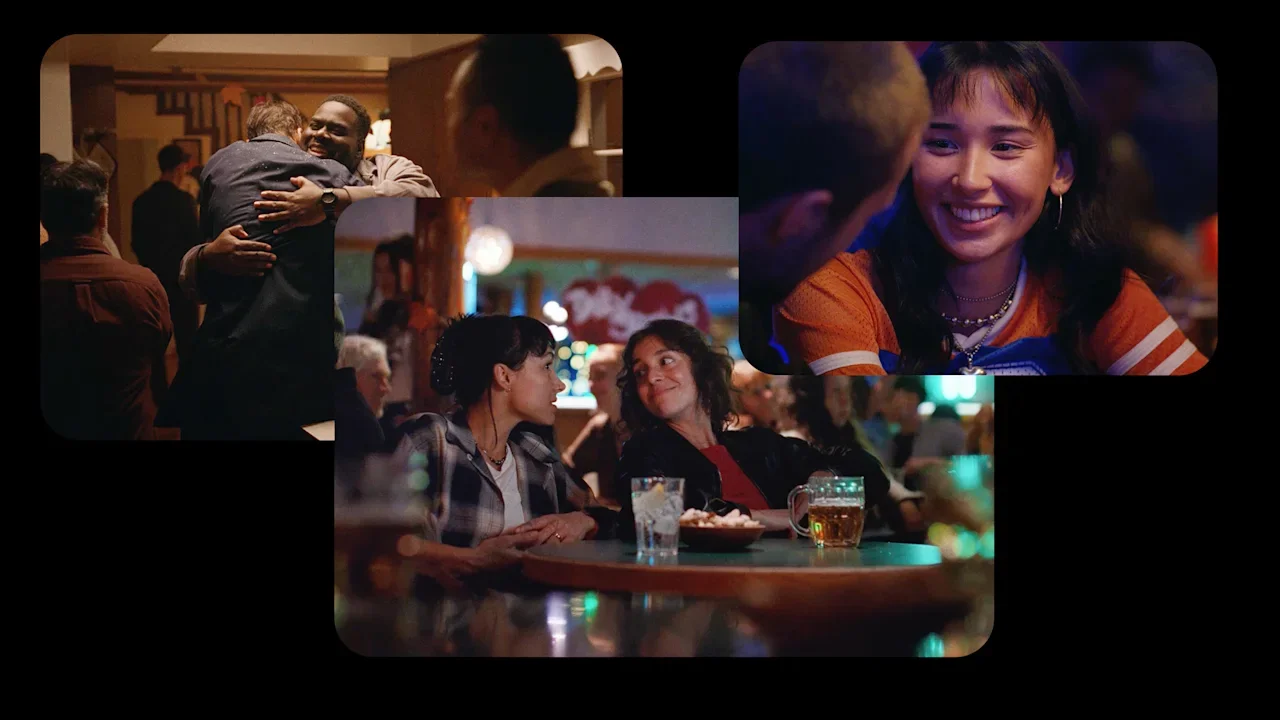
Last year, travel group AAA estimated about 80 million Americans traveled over the Thanksgiving holidays. It was the busiest Thanksgiving ever at airports across the country, and some reports are saying those records could be shattered this year. A lot of that traveling will be done by young adults making their way home from school or new cities to see family and reconnect with old friends. That last part is the crux of Facebook’s first brand campaign in four years. In a new ad called “Home For The Holidays,” we see people making their way back home and various get-togethers being organized on Facebook. Created by agency Droga5 and set to Bob Dylan and Johnny Cash’s “Girl From the North Country,” the spot expertly conjures the comfort and emotional security that only the warm embrace of old friends and familiar surroundings can provide. The goal here is to reintroduce Facebook to a new generation of users and remind people “what made Facebook magic in the first place,” according to the campaign press release. It’s just the start of the brand’s efforts in the coming months to reach younger audiences, including upcoming partnerships with Sports Illustrated and 10 American universities tied to college sports. Facebook’s Global Marketing Director Briana de Veer says that one in four young adults (ages 18–29) in the U.S. and Canada use Facebook Marketplace. Hundreds of thousands of young adults in the U.S. and Canada create Facebook Dating profiles every month, and young adult matches are up 10% year over year. “We see young adults using Facebook to help them navigate life stages,” says de Veer. “They move into their first apartment and turn to Marketplace to help furnish it on a tight budget, or using Facebook Dating to find love or joining Facebook Groups to meet people in a new city, for example.” Sounds great. Except compared to Facebook’s reality in culture, the new ad is as much a fantasy as hooking up with your high school crush on that next trip home. This may be Facebook’s first brand campaign in four years, but it’s picked up exactly where it left off in serving up an image of a brand that neither reflects nor defends who it actually is in the real world. Because in the real-life version of this spot, these old friends would likely be in the bar screaming at each other over political hot takes, healthcare facts, and anti-immigrant tirades. Look, we all know advertising is about aspiration. For brands, it’s about projecting the roles they want to play in our lives. For us, it’s about seeing an image we might want to identify with. But marketers need to balance between that manufactured ideal and the reality of how they exist in the world. There’s aspiration and then there’s delusion, and it’s a brand’s job to know the difference. The bad stuff It’s hard to ignore the obvious dichotomy between Facebook’s ads and its real-life decisions. In January, Facebook founder and CEO Mark Zuckerberg announced a gaggle of changes to the company’s content moderation, including cutting its fact-checking program, which was originally established to fight the spread of misinformation across its social media apps. “It’s time to get back to our roots around free expression,” Zuckerberg said in a video announcing the changes. He also acknowledged there would be more “bad stuff” on the platforms as a result of the decision. “The reality is that this is a trade-off,” he said. “It means that we’re going to catch less bad stuff, but we’ll also reduce the number of innocent people’s posts and accounts that we accidentally take down.” Nicole Gill, founder and executive director of the digital watchdog organization Accountable Tech, told The New York Times that this was “reopening the floodgates to the exact same surge of hate, disinformation and conspiracy theories that caused Jan. 6—and that continue to spur real-world violence.” A former Meta employee told Platformer, “I really think this is a precursor for genocide […] We’ve seen it happen. Real people’s lives are actually going to be endangered.” Amnesty International said these changes posed “a grave threat to vulnerable communities globally” and drastically increased “the risk that the company will yet again contribute to mass violence and gross human rights abuses—just like it did in Myanmar in 2017.” That’s not all, though. As Meta plows full steam ahead on building AI ”superintelligence,“ it’s leaving a path of unconsidered consequences in its wake. In August, Reuters reported that an internal Meta memo revealed that the company’s rules for AI chatbots had permitted “sensual” chats with children. Not quite the warm n’ fuzzy vibes the brand is going for. I asked de Veer about how the company thinks about balancing the parts of the brand they want to reflect back into the world with a campaign like this, and the obvious challenges that remain. “We continue to invest in keeping people safe on our platforms and removing harmful content that goes against our policies,” she says. “That is critical foundational work that makes it possible for people to see and experience the core value of the brand, which is the focus of this campaign.” Back to the Future Back at the end of 2020, I called Facebook the Worst Brand of the Year, based on the Grand Canyon–size gap between the company it was projecting itself to be, and the one defined by its actual, real-world actions. Back then, I called Facebook out for how it portrayed itself as a warm and fuzzy marketplace of ideas while knowingly facilitating the spread of health misinformation and political falsehoods. Sound familiar? In 2021, the last time Facebook launched a brand campaign, that ol’ familiar feeling was back again. This time it was a spot called “The Tiger & The Buffalo,” which somehow hoped that dropping some friends inside a 1908 Henri Rousseau painting would distract us from revelations in The Wall Street Journal’s Facebook Files, the testimony of whistleblower Frances Haugen, and a study on how climate change denial was spreading unchecked on Facebook. The more things change, the more they stay exactly the same at Facebook, it seems. I actually feel bad for ad agency Droga5, which has crafted some truly impressive ads for the brand over the years, including two of the very best to come out of COVID—”Never Lost” and “Survive” about a beloved NYC restaurant called Coogan’s. Not only is the Facebook algorithm still fine-tuned to feed you the angriest, most controversial content it can, it’s also pulling back on the efforts to combat disinformation and vitriol that are known to incite violence. With its new campaign, it’s offering yet another distraction from its problematic role in culture. The strategy here is to remind people why Facebook ever mattered in the first place. It’s to harken back to the halcyon days between 2006 and 2010, when it was actually a tool to primarily connect with people. Two decades later, Facebook is all that and a whole lot more—plus, you know, rage-baiting. Instead of living in the past, the brand needs to celebrate its best while also actively working to solve its worst. It’s definitely not a chair. Perhaps the closest the brand has come to doing just that was in an ad called “Here Together.” It acknowledged what Zuckerberg recently called the “bad stuff,” and defined its role in regulating it, saying “from now on, Facebook will do more to keep you safe and protect your privacy, so we can all get back to what made Facebook great in the first place.” That was in 2018, when all the people in “Home For The Holidays” were still in high school. It’s time this brand grew up, too. View the full article

-
The latest generation of artificial intelligence models is sharper and smoother, producing polished text with fewer errors and hallucinations. As a philosophy professor, I have a growing fear: When a polished essay no longer shows that a student did the thinking, the grade above it becomes hollow—and so does the diploma. The problem doesn’t stop in the classroom. In fields such as law, medicine, and journalism, trust depends on knowing that human judgment guided the work. A patient, for instance, expects a doctor’s prescription to reflect an expert’s thought and training. AI products can now be used to support people’s decisions. But even when AI’s role in doing that type of work is small, you can’t be sure whether the professional drove the process or merely wrote a few prompts to do the job. What dissolves in this situation is accountability—the sense that institutions and individuals can answer for what they certify. And this comes at a time when public trust in civic institutions is already fraying. I see education as the proving ground for a new challenge: learning to work with AI while preserving the integrity and visibility of human thinking. Crack the problem here, and a blueprint could emerge for other fields where trust depends on knowing that decisions still come from people. In my own classes, we’re testing an authorship protocol to ensure student writing stays connected to their thinking, even with AI in the loop. When learning breaks down The core exchange between teacher and student is under strain. A recent MIT study found that students using large language models to help with essays felt less ownership of their work and did worse on key writing‑related measures. Students still want to learn, but many feel defeated. They may ask: “Why think through it myself when AI can just tell me?” Teachers worry their feedback no longer lands. As one Columbia University sophomore told The New Yorker after turning in her AI-assisted essay: “If they don’t like it, it wasn’t me who wrote it, you know?” Universities are scrambling. Some instructors are trying to make assignments “AI-proof,” switching to personal reflections or requiring students to include their prompts and process. Over the past two years, I’ve tried versions of these in my own classes, even asking students to invent new formats. But AI can mimic almost any task or style. Understandably, others now call for a return to what are being dubbed “medieval standards”: in-class test-taking with “blue books” and oral exams. Yet those mostly reward speed under pressure, not reflection. And if students use AI outside class for assignments, teachers will simply lower the bar for quality, much as they did when smartphones and social media began to erode sustained reading and attention. Many institutions resort to sweeping bans or hand the problem to ed-tech firms, whose detectors log every keystroke and replay drafts like movies. Teachers sift through forensic timelines; students feel surveilled. Too useful to ban, AI slips underground like contraband. The challenge isn’t that AI makes strong arguments available; books and peers do that, too. What’s different is that AI seeps into the environment, constantly whispering suggestions into the student’s ear. Whether the student merely echoes these or works them into their own reasoning is crucial, but teachers cannot assess that after the fact. A strong paper may hide dependence, while a weak one may reflect real struggle. Meanwhile, other signatures of a student’s reasoning—awkward phrasings that improve over the course of a paper, the quality of citations, general fluency of the writing—are obscured by AI as well. Restoring the link between process and product Though many would happily skip the effort of thinking for themselves, it’s what makes learning durable and prepares students to become responsible professionals and leaders. Even if handing control to AI were desirable, it can’t be held accountable, and its makers don’t want that role. The only option as I see it is to protect the link between a student’s reasoning and the work that builds it. Imagine a classroom platform where teachers set the rules for each assignment, choosing how AI can be used. A philosophy essay might run in AI-free mode—students write in a window that disables copy-paste and external AI calls but still lets them save drafts. A coding project might allow AI assistance but pause before submission to ask the student brief questions about how their code works. When the work is sent to the teacher, the system issues a secure receipt—a digital tag, like a sealed exam envelope—confirming that it was produced under those specified conditions. This isn’t detection: no algorithm scanning for AI markers. And it isn’t surveillance: no keystroke logging or draft spying. The assignment’s AI terms are built into the submission process. Work that doesn’t meet those conditions simply won’t go through, like when a platform rejects an unsupported file type. In my lab at Temple University, we’re piloting this approach by using the authorship protocol I’ve developed. In the main authorship check mode, an AI assistant poses brief, conversational questions that draw students back into their thinking: “Could you restate your main point more clearly?” or “Is there a better example that shows the same idea?” Their short, in-the-moment responses and edits allow the system to measure how well their reasoning and final draft align. The prompts adapt in real time to each student’s writing, with the intent of making the cost of cheating higher than the effort of thinking. The goal isn’t to grade or replace teachers but to reconnect the work students turn in with the reasoning that produced it. For teachers, this restores confidence that their feedback lands on a student’s actual reasoning. For students, it builds metacognitive awareness, helping them see when they’re genuinely thinking and when they’re merely offloading. I believe teachers and researchers should be able to design their own authorship checks, each issuing a secure tag that certifies the work passed through their chosen process, one that institutions can then decide to trust and adopt. How humans and intelligent machines interact There are related efforts underway outside education. In publishing, certification efforts already experiment with “human-written” stamps. Yet without reliable verification, such labels collapse into marketing claims. What needs to be verified isn’t keystrokes but how people engage with their work. That shifts the question to cognitive authorship: not whether or how much AI was used, but how its integration affects ownership and reflection. As one doctor recently observed, learning how to deploy AI in the medical field will require a science of its own. The same holds for any field that depends on human judgment. I see this protocol acting as an interaction layer with verification tags that travel with the work wherever it goes, like email moving between providers. It would complement technical standards for verifying digital identity and content provenance that already exist. The key difference is that existing protocols certify the artifact, not the human judgment behind it. Without giving professions control over how AI is used and ensuring the place of human judgment in AI-assisted work, AI technology risks dissolving the trust on which professions and civic institutions depend. AI is not just a tool; it is a cognitive environment reshaping how we think. To inhabit this environment on our own terms, we must build open systems that keep human judgment at the center. Eli Alshanetsky is an assistant professor of philosophy at Temple University. This article is republished from The Conversation under a Creative Commons license. Read the original article. View the full article

-
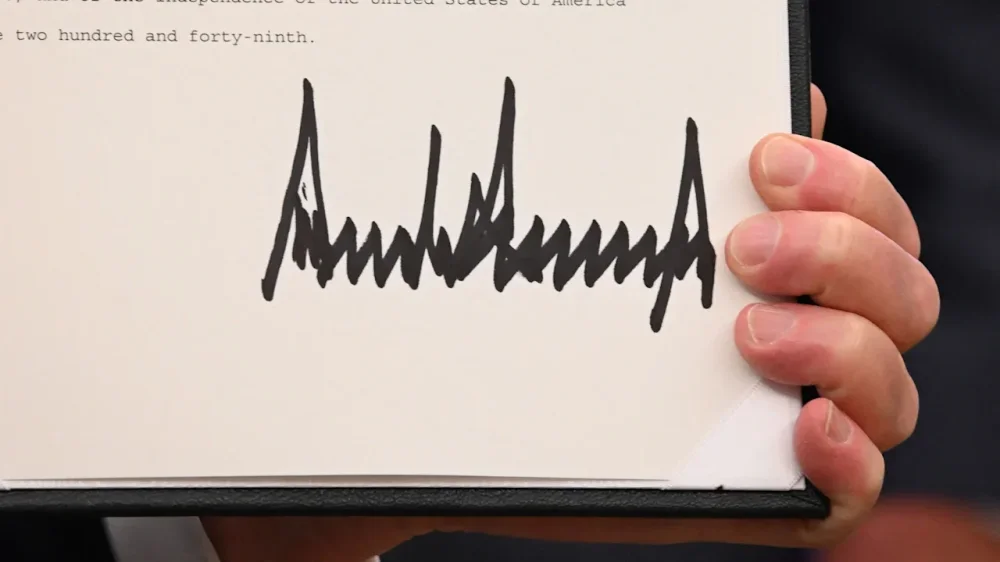
For years, Donald The President’s distinctive, large, and bold signature has captured the public’s attention. Not only did it recently come to light that his signature appeared in a book that Jeffrey Epstein received for his 50th birthday, but it fits neatly alongside The President’s long history of brash self-adulation. “I love my signature, I really do,” he said in a September 30, 2025, speech to military leaders. “Everyone loves my signature.” His signature also happens to be of particular interest to me, given my decades-long fascination with, and occasional academic research on, the connection between signature size and personal attributes. A long-time social psychologist who has studied America’s elite, I made an unintentional empirical discovery as an undergraduate more than 50 years ago. The link that I found then—and that numerous studies have since echoed—is that signature size is related to status and one’s sense of self. Signature size and self-esteem Back in 1967, during my senior year of college, I was a work-study student in Wesleyan University’s psychology library. My task, four nights a week, was to check out books and to reshelve books that had been returned. When students or faculty took books out, they were asked to sign their names on an orange, unlined card found in each book. At some point, I noticed a pattern: When faculty signed the books out, they used a lot of space to sign their names. When students checked them out, they used very little space, leaving a lot of space for future readers. So I decided to study my observation systematically. I gathered at least 10 signatures for each faculty member and comparison samples of student signatures with the same number of letters in their names. After measuring by multiplying the height versus the width of the amount of space used, I found that eight of the nine faculty members used significantly more space to sign their names. In order to test for age as well as status, I did another study in which I compared the signatures of blue-collar workers such as custodians and groundskeepers who worked at the school with a sample of professors and a sample of students—again matched for the number of letters, this time on blank 3-by-5-inch cards. The blue-collar workers used more space than the students but less than the faculty. I concluded that age was at play, but so was status. When I told psychologist Karl Scheibe, my favorite teacher, about my findings, he said I could measure the signatures in his books, which he had been signing for more than a decade since his freshman year in college. As can be seen in the graph, his book signatures mostly got bigger. They took a major leap in size from his junior year to his senior year, dipped a bit when he entered graduate school, and then increased in size as he completed his PhD and joined the Wesleyan faculty. I did a few more studies, and published a few articles, concluding that signature size was related to self-esteem and a measure of what I termed “status awareness.” I found that the pattern held in a number of different environments, including in Iran—where people write from right to left. The narcissism connection Although my subsequent research included a book about the CEOs of Fortune 500 companies, it never crossed my mind to look at the signatures of these CEOs. However, it did cross the minds of some researchers 40 years later. In May 2013, I received a call from the editor of the Harvard Business Review because of the work I had done on signature size. The publication planned to run an interview with Nick Seybert, an associate professor of accounting at the University of Maryland, about the potential link between signature size and narcissism in CEOs. While Seybert told me his research had not found direct evidence for a positive relationship between the two, the possibility of the connection he inferred nonetheless intrigued me. So I decided to test this using a sample of my students. I asked them to sign a blank 3-by-5 card as if they were writing a check, and then I gave them a widely used 16-item narcissism scale. Lo and behold, Seybert was right to deduce a link: There was a significant positive correlation between signature size and narcissism. Although my sample size was small, the link subsequently led Seybert to test two different samples of his students. And he found the same significant, positive correlation. Others soon began to use signature size to assess narcissism in CEOs. By 2020, growing interest in the topic saw the Journal of Management publish an article that included signature size as one of five ways to measure narcissism in CEOs. A growing field Now, almost six years later, researchers have used signature size to explore narcissism in CEOs and other senior corporate positions such as chief financial officers. The link has been found not only in the U.S. but in countries including the United Kingdom, Germany, Uruguay, Iran, South Africa, and China. In addition, some researchers have studied the effect of larger versus smaller signatures on the viewers. For example, in a recent article in the Journal of Philanthropy, Canadian researchers reported on three studies that systematically varied the signature size of someone soliciting funds in order to see whether it affected the size of donations. It did. In one of their studies, they found that increasing the size of the sender’s signature generated more than twice as much revenue. The surprising resurgence of research using signature size to assess narcissism leads me to a few conclusions. For one, signature size as a measure of certain aspects of personality has turned out to be much more robust than I imagined as an observant undergraduate working in a college library back in 1967. Indeed, signature size is not only an indicator of status and self-esteem, as I once concluded. It is also, as recent studies suggest, an indicator of narcissistic tendencies—the kind that many argue are exhibited by The President’s big, bold signature. Where this research is taken next is anyone’s guess, least of all for the person who noticed something intriguing about signature size so many years ago. Richie Zweigenhaft is an emeritus professor of psychology at Guilford College. This article is republished from The Conversation under a Creative Commons license. Read the original article. View the full article
-
Chair of Global Sport Group sets out plans for expansion and new advisory board of top athletesView the full article
-
In the C-suite, relationships can make or break your effectiveness, and too often, we’ve been taught that you must choose to be either a friend or a colleague, but never both. The fear is understandable. Too much closeness, and you risk favoritism. Too much distance erodes trust, but our research and experience as leadership advisers point to a different reality: genuine, trust-based relationships are not a liability; they’re a leadership advantage. The real risk isn’t choosing one or the other; it’s failing to integrate both. Morag’s Ally Mindset Profile data reveals a telling truth: 67% of respondents say their success has been undermined by their peer relationships or senior management. That’s not just interpersonal friction; it’s a strategic liability that can hinder collaboration, undermine leadership, and restrict career potential. Why This Matters Now The return to in-person work has reshuffled team dynamics. Some leaders are navigating hybrid work with colleagues they barely know outside a video frame. Others are relearning how to have hallway conversations and reading the social cues that once felt second nature. Layer onto this the loneliness crisis highlighted by the U.S. Surgeon General’s Advisory on Social Connection and initiatives like the United States Chamber of Connection, and it is clear leaders aren’t just managing business outcomes; they’re managing connection deficits. And the upside of getting this right is significant. Gallup research has found that employees who have a “best friend at work” are more engaged, more productive, and more likely to stay with the organization. In the C-suite, where stakes are high and turnover costs are enormous, those benefits multiply. Conventional wisdom says closeness creates bias, while distance fosters objectivity. The truth? Both extremes have costs: too close, and candor suffers; too distant, and trust evaporates. We need a third way: relationships that blend trust and empathy with clarity and accountability. This is the foundation of co-creation over competition. It’s about shifting from a scarcity mindset (“if you win, I lose”) to an abundance mindset (“we’re better when we win together”). The Cost of Competitive Isolation When leaders treat relationships purely as transactional, collaboration suffers. In Morag’s work, she’s seen executives default to “turf protection” rather than shared problem-solving—especially under pressure. This competitive isolation creates silos, hinders decision-making, and erodes trust. And here’s the complication: as we move up through our careers, especially when we stay in the same organization, yesterday’s peer and friend can become tomorrow’s boss or colleague. We can’t avoid both roles, which means we have to recalibrate the relationship by making the implicit explicit. How can we maintain friendships while achieving results? That’s the relationship work of being better together. I have seen it, too. In my work advising a biotech executive team, the CFO and COO were caught in a cycle of one-upmanship during board prep. By intentionally shifting toward a “both/and” approach—sharing early drafts, co-owning presentations, and agreeing on mutual success metrics—they moved from guarded competition to open collaboration. The result? Faster decision-making, a united front with the board, and a ripple effect of trust across the leadership team. Here are some of the practical benefits of “Both/And” relationships in the C-suite: Better decisions, faster. When trust is high, peers are more likely to challenge assumptions without fear of backlash, leading to richer discussions and better outcomes. Resilience that endures. Friendships provide emotional ballast during crises, reducing burnout and supporting sustained performance, especially under pressure. Collaboration without the drag. Mutual understanding shortens the runway for complex, cross-functional projects. Fairness with Boundaries. Friendship doesn’t mean favoritism. It means respecting each other’s roles, decisions, and accountability. Five practices for “both/and” leadership relationships So how do leaders intentionally build relationships that are both personally enriching and professionally effective? Here are five practices that can turn potential rivalries into powerful alliances: 1. Show you care about the human Show curiosity for the human being behind the role. When leaders demonstrate care beyond the scorecard, they build the trust that makes it easier for peers to speak up, share concerns early, and collaborate without second-guessing motives. 2. Share early, share often Fast, unfiltered sharing of both good and bad news invites peers into the problem-solving process sooner. This means that opportunities are amplified, risks are identified and contained earlier, and no one is blindsided in the boardroom. 3. Hold each other to high(er) standards Strong professional friendships can withstand tough feedback. This means candor is a safeguard, not a threat—leaders are more likely to challenge assumptions, sharpen thinking, and avoid costly missteps. 4. Create space for micro-moments In hybrid and high-pressure environments, trust grows in small, everyday exchanges—a check-in before the agenda, a walk between meetings, a quick call to connect. These moments are the give-and-take that makes leadership work and build the trust that makes macro-decisions possible. 5. Model openness at the top Admitting mistakes and asking for help gives others permission to do the same. This means resilience spreads, teams stick together under pressure, and the organization avoids the corrosive isolation that can occur when leadership is absent. It’s hard to make friends as adults, and even harder in the high-pressure world of executive leadership. But that’s precisely why it matters. The loneliness crisis isn’t just a personal well-being issue; it’s a business performance issue. As leaders, we can either cling to outdated binaries or we can lead in a way that blends humanity with high performance. Choosing both doesn’t weaken your leadership; it strengthens it. View the full article

-
Don’t be put off by age or the myth of perfectionismView the full article
-
Humans might be highly imperfect and biased but they are still better than AI at getting to the truth View the full article
-
Esma to also settle disputes between large asset managers, according to proposalsView the full article
-
Per Franzén says inability to raise fresh funds may leave many firms only managing existing investments in coming decadeView the full article
-
Officials in Washington explore how to encourage more countries to adopt greenback as their primary currencyView the full article
-
OpenAI, Anthropic and Cohere have stepped up hiring for specialists to help businesses adopt their AI modelsView the full article
-
A pipeline of skilled graduates is helping the UK build out its expertise in algorithmic tradingView the full article
-
Police would not say if the incident near Huntingdon was being treated as terrorismView the full article
-
US conservatives have alleged Islamist insurgents in the country are carrying out a genocideView the full article
-
The US president cancelled trade talks and raised levies over the television campaign launched by OntarioView the full article
-
Producing high-quality web videos requires a systematic approach, starting with pre-production planning. You’ll need to set clear objectives that guide your content, followed by crafting a well-structured script. Storyboarding your vision helps you visualize the narrative flow, ensuring that your message is clear and engaging. Comprehending the technical aspects, like equipment choices and lighting techniques, is crucial for enhancing video quality. The next steps involve filming and editing, which greatly impact your final product’s effectiveness. Key Takeaways Start with clear objectives using SMART criteria to guide your video project’s purpose and target audience engagement. Develop a well-organized script that includes a strong introduction, body, and conclusion for improved audience clarity and retention. Create a storyboard and shot list to visualize scenes and plan effective camera angles and compositions before filming. Invest in quality equipment, including an external microphone and a tripod, to enhance audio clarity and stabilize your footage. Focus on post-production by reviewing edits, optimizing audio quality, and ensuring video compatibility across devices for seamless distribution. Understanding Video Production When you immerse yourself in video production, it’s important to recognize that this process unfolds in three distinct phases: pre-production, production, and post-production. Each phase plays a significant role in creating a cohesive and engaging final product. During pre-production, you’ll plan fundamental elements like scriptwriting, storyboarding, and budgeting, which lay the groundwork for your project. Next, in the production phase, you focus on filming, ensuring attention to detail in lighting, sound quality, and camera angles for high-quality footage. Finally, post-production is where you edit the footage, adding music, sound effects, and color correction to improve the narrative. A thorough video production website can provide valuable resources and tips for managing these stages effectively, ensuring your project’s success. Importance of Pre-Production Pre-production is essential for any successful video project, as it lays the groundwork for everything that follows. A well-structured pre-production phase typically lasts between 8 to 12 weeks. During this time, you’ll clarify goals and align the creative direction with your target audience’s interests. Detailed scriptwriting serves as a roadmap for effective communication, whereas storyboarding visually maps out scenes, aiding in camera angles and supplementary footage planning. This thorough planning helps address potential issues before filming, raising the chances of a smooth production. Aspect Importance Scriptwriting Guarantees clear communication Storyboarding Visualizes scenes Budgeting Manages resources effectively Investing time in pre-production can improve your video presentation maker process considerably. Setting Clear Objectives Establishing clear objectives for your video production is fundamental, as it defines the purpose and direction of your project. Whether you aim to educate viewers, promote a product, or increase engagement, having specific, measurable targets will guide your efforts. For instance, aspiring to boost viewer engagement by 20% or generating 500 new leads within a month gives you concrete goals. Identifying your target audience is critical, as it shapes your content, style, and distribution strategy, ensuring it resonates with viewers. Use SMART criteria—Specific, Measurable, Achievable, Relevant, Time-bound—to improve clarity. Documenting these objectives during the pre-production phase helps align your team and stakeholders, streamlining the planning process. As a video presentation creator, this focus is crucial for success. Script Writing Essentials When you start writing your script, it’s essential to clarify the video’s purpose and identify your target audience, as these factors will guide your content and tone. A well-organized script improves clarity and keeps your audience engaged, ensuring that your message is communicated effectively. Purpose and Audience Defining the purpose of a video is essential as it acts as the foundation for the entire script, guiding your content direction, whether you aim to inform, entertain, or persuade your audience. Identifying your target audience is equally important; comprehending their demographics helps tailor your script’s language, tone, and message. For instance, if you’re using an animated presentation maker, consider how visuals will improve your narrative. A well-crafted script typically consists of an engaging introduction, an informative body, and a compelling conclusion to maintain viewer interest. Furthermore, incorporating dialogue, voice-over, or on-screen text must be done with clarity and pacing in mind. Consider collaborating with experienced scriptwriters to elevate your script’s quality and align it with your production goals. Structure and Clarity A well-structured script is crucial for effective video production, as it organizes your content and guarantees clear communication of your message. To create a compelling script, consider the following key elements: Clear Introduction: Set the stage for your video, presenting the topic and purpose. Detailed Body: Break the script into scenes with specific dialogue and instructions to guide your production team. Engaging Conclusion: Summarize the main points, reinforcing your message for the audience. Regular Revisions: Seek feedback throughout the writing process to improve script quality. Using video presentation tools can streamline this process, ensuring your content resonates with your target audience as it meets production goals effectively. Storyboarding Your Vision When you start storyboarding your vision, it’s crucial to visualize each scene clearly to map out the flow of your narrative. Consider the camera angles and shot types that will best convey your message, ensuring they align with your video’s goals. Collaborating with your team during this process can lead to innovative ideas and improvements, eventually enhancing the quality of your production. Visualizing Scenes Effectively Storyboarding your vision is crucial for producing high-quality web videos, as it serves as a visual blueprint that outlines each scene’s composition and fundamental actions. Effective storyboarding can streamline your production process, ensuring everyone is on the same page. Here are four key elements to take into account: Shot Types: Identify the types of shots you want to use, like close-ups or wide shots. Shifts: Plan how you’ll shift from one scene to another for a smooth flow. Visual Effects: Think about any effects that could improve storytelling. B-roll: Incorporate supplementary footage to enrich the narrative and keep viewers engaged. Collaborating with your team during the storyboarding process can lead to a more polished and effective video outcome. Camera Angles Considerations How can the choice of camera angles shape the story you want to tell? Camera angles greatly influence audience perception and emotional response. For example, using low angles can make subjects appear strong, whereas high angles may convey vulnerability. When storyboarding, include a variety of camera angles: wide shots establish scenes, close-ups capture emotional moments, and over-the-shoulder shots create intimacy between characters. Applying the rule of thirds improves composition, making your shots more dynamic. As an animated video creator, experimenting with different angles during pre-production saves time and clarifies your vision for each scene. Moreover, incorporating b-roll footage from alternative angles enriches your narrative and keeps viewers engaged by breaking up longer sequences with varied visuals. Collaborating With Team Members Effective collaboration with team members during the storyboarding phase is crucial for translating your vision into a cohesive video. Storyboarding offers a visual blueprint that improves comprehension among team members and boosts production efficiency. Here are four key benefits of effective collaboration in storyboarding: Diverse Perspectives: Involve different team members for varied insights, enriching the overall concept. Digital Tools: Utilize platforms like Storyboard That or Canva to streamline collaboration and share real-time feedback. Clear Communication: Incorporate action cues and shot descriptions to create a detailed vision, reducing misunderstandings. Problem Identification: A well-structured storyboard helps pinpoint potential challenges, ensuring all members align on shot composition and shifts. Planning Shots and Camera Angles When planning your shots and camera angles, it’s crucial to approach the process methodically to achieve a polished final product. Start by creating a shot list that outlines each scene’s specific angles and framing. Utilize the rule of thirds to guarantee balanced compositions by placing key elements along a 3×3 grid. Incorporate a variety of camera angles—wide shots for context, close-ups for detail, and over-the-shoulder shots for perspective—to improve storytelling. Don’t forget to use B-roll footage effectively, as it supports the main narrative and maintains viewer interest. During pre-production, test different angles and compositions to discover the most effective ways to convey your message. This approach will greatly benefit your video presentation builder efforts. Equipment Selection for Beginners Choosing the right equipment for video production can greatly influence the quality of your final product, so it’s important to start with the basics. Here are four key items to take into account: Smartphone: A good camera smartphone (iPhone 6 and newer) can produce high-quality video without breaking the bank. External Microphone: For better audio quality, invest in a condenser mic for indoors or a dynamic mic for outdoor settings. Tripod/Stabilizer: A steady shot is crucial, so don’t overlook this accessory to eliminate shaky footage. Lighting: Use natural light or inexpensive softbox lights to improve clarity and reduce shadows. If you’re additionally interested in improving your videos further, explore video animation software to add dynamic elements to your projects. Effective Lighting Techniques Lighting plays a crucial role in the overall quality of your web videos, as it directly affects visibility and viewer engagement. To start, utilize natural light whenever possible; filming during the golden hour provides soft, flattering illumination. Consider using soft lighting methods like diffusers or bounce boards to minimize harsh shadows, making your subjects appear more natural. The three-point lighting technique—combining a key light, fill light, and backlight—creates depth and dimension, ensuring your subjects are well-lit from multiple angles. Furthermore, incorporating adjustable lighting options, such as LED panels, allows you to adapt brightness and color temperature to various filming conditions. This way, you can achieve the desired effects, even when using a free animation maker for your project. Capturing High-Quality Audio Capturing high-quality audio is vital for your video production, as poor sound can easily drive viewers away. To achieve clear and engaging audio, consider your equipment choices, implement effective soundproofing techniques, and pay attention to audio editing fundamentals. Equipment Selection Tips In relation to selecting equipment for high-quality audio capture, opting for external microphones over built-in options can make a significant difference. Here are some crucial equipment selection tips: Choose condenser mics for indoor recordings; they capture detail well. Select dynamic mics for outdoor settings, as they reduce background noise. Use pop filters to soften harsh sounds and maintain a distance of 2–12 inches from the mic for clarity. Consider mic arms for flexible positioning, allowing you to place the microphone closer to your speaker. These strategies can greatly improve your audio quality, making your videos more professional. As you’re at it, consider using an online animation maker to complement your content and engage your audience effectively. Soundproofing Techniques Improving the audio quality of your web videos doesn’t end with selecting the right microphones; soundproofing your recording environment plays an essential role, too. Effective soundproofing techniques can greatly improve audio clarity by minimizing external noise and echo during recordings. Consider using acoustic foam or sound panels to absorb sound waves, which reduces reverberation and improves the overall audio quality. Recording in smaller rooms with soft surfaces like carpets and curtains can further dampen sound reflections, creating a more controlled acoustic environment. Moreover, strategically placing soundproofing materials, such as cardboard panels, can improve room acoustics as well as protect walls. Finally, using windscreens on microphones helps reduce wind noise outdoors, ensuring a cleaner sound for your video production. Audio Editing Essentials Though achieving high-quality audio is a vital component of video production, the process doesn’t stop at soundproofing and microphone selection. After capturing your audio, you’ll need to refine it using audio editing software. Here are some crucial steps: Balance Sound Levels: Make sure dialogue is clear and balanced against background music. Eliminate Background Noise: Use noise reduction features to remove unwanted sounds. Improve Clarity: Apply equalization to boost vocal frequencies and improve overall sound quality. Add Effects Sparingly: Use effects like reverb or compression to upgrade audio without overwhelming it. Filming Best Practices When you’re filming, ensuring that your shots are steady is fundamental for producing high-quality videos. Always use a tripod or stabilizer to minimize shaky footage, which greatly improves the professionalism of your video presentations. Adequate lighting is important; utilize natural light or soft lighting techniques to boost clarity and create flattering appearances for your subjects. Don’t forget to capture B-roll footage alongside your main shots; this adds visual variety and enriches your storytelling. Conduct sound tests and use external microphones to achieve superior audio quality, as clear sound is paramount for retaining viewer attention. Finally, frame your shots with the rule of thirds in mind, positioning key elements along gridlines to create visually appealing compositions that draw viewers in. The Editing Process Once you’ve captured your footage, the editing process becomes a crucial step in crafting a polished video. Here’s what to focus on: Organize and Assemble: Create a rough cut, laying the groundwork for your narrative. Color Correction: Adjust brightness and contrast, guaranteeing visual consistency and appeal. Audio Editing: Integrate dialogue and sound effects as you balance levels for clarity, eliminating background noise. Editing Software: Use tools like Adobe Premiere Pro or Final Cut Pro to apply transitions and special effects; an animated cartoon generator can likewise boost creativity. Finally, conduct a thorough review to verify your video meets its original goals before exporting it in the right format for your intended platform. This careful approach will greatly improve the quality of your final product. Adding Music and Sound Effects Adding music and sound effects can greatly improve the quality of your video, creating a more immersive experience for viewers. Your music selection should complement the visuals and support the dialogue or voice-over without overshadowing it. Be sure to secure the proper rights to any music used; utilizing royalty-free music libraries or licensing services can prevent copyright issues. Sound effects as well play an important role in engagement, adding realism and depth to your audio scenery. Balancing audio levels is essential, so consider using tools like audio compressors and equalizers to achieve clarity. When used strategically, music and sound effects can increase audience retention, as well-crafted audio elements lead to higher engagement rates and viewer satisfaction. Finalizing Your Video for Distribution After improving your video with music and sound effects, the next step involves finalizing it for distribution. This process is essential for ensuring your content reaches its intended audience effectively. Here are four key tasks to complete: Review all edits for coherence and alignment with your video’s original goals to maintain message integrity. Check audio quality and synchronization, as clear sound boosts viewer engagement. Test video playback on multiple devices to guarantee compatibility across platforms. Optimize video titles, descriptions, and thumbnails to enhance searchability on distribution platforms. Frequently Asked Questions What Software Is Best for Beginners to Edit Videos? For beginners, software like iMovie, Windows Movie Maker, and Shotcut are excellent choices. iMovie’s user-friendly interface makes it easy for Mac users to start editing. Windows Movie Maker offers similar simplicity for PC users. Shotcut provides a bit more flexibility with a range of features as it remains accessible. Each option allows you to trim clips, add changes, and incorporate music, making them suitable for basic video editing tasks without overwhelming you. How Can I Promote My Web Videos Effectively? To promote your web videos effectively, start by leveraging social media platforms where your target audience spends time. Share snippets and behind-the-scenes content to generate interest. Collaborate with influencers or relevant creators to expand your reach. Optimize video titles, descriptions, and tags for search engines to improve visibility. Utilize email marketing to notify subscribers of new uploads. Finally, engage with viewers by responding to comments and encouraging them to share your content. What Is the Ideal Length for Web Videos? The ideal length for web videos typically ranges from 1 to 3 minutes for maximum engagement. Shorter videos, around 30 seconds, work well for quick messages, whereas longer content can stretch up to 10 minutes if it’s informative. It’s crucial to keep your audience’s attention, so focus on delivering value quickly. Monitor viewer retention metrics to tailor your video’s length according to your specific audience’s preferences, ensuring you maintain their interest throughout. How Do I Choose the Right Platform for Distribution? To choose the right platform for distribution, consider your target audience’s demographics, interests, and online behavior. Evaluate platforms like YouTube, Vimeo, and social media sites based on their reach and engagement potential. Think about the content type; for example, YouTube works well for longer videos, whereas Instagram suits shorter clips. Analyze the platform’s analytics tools to measure success, and confirm it aligns with your brand’s goals and the video’s intended impact. What Common Mistakes Should Beginners Avoid in Video Production? When starting video production, you should avoid several common mistakes. Don’t overlook planning; a clear script and storyboard can guide your project. Neglecting audio quality is another pitfall; poor sound can ruin your video’s impact. Additionally, be cautious with lighting; poorly lit scenes can detract from your message. Finally, avoid rushing the editing process. Take the time to refine your footage, ensuring a polished final product that effectively communicates your intended message. Conclusion https://elements.envato.com/photos/video+production+web Producing high-quality web videos requires careful preparation and attention to detail. By focusing on the pre-production phase—setting clear objectives, writing a structured script, and storyboarding—you lay a strong foundation for your project. During filming, prioritize good lighting and sound quality to improve the viewer’s experience. Finally, a thorough editing process and optimized metadata guarantee your video reaches its intended audience effectively. Following these steps will greatly increase your chances of creating engaging and professional web content. Image via Envanto This article, "A Beginner’s Guide to Producing High-Quality Web Videos" was first published on Small Business Trends View the full article
-
Producing high-quality web videos requires a systematic approach, starting with pre-production planning. You’ll need to set clear objectives that guide your content, followed by crafting a well-structured script. Storyboarding your vision helps you visualize the narrative flow, ensuring that your message is clear and engaging. Comprehending the technical aspects, like equipment choices and lighting techniques, is crucial for enhancing video quality. The next steps involve filming and editing, which greatly impact your final product’s effectiveness. Key Takeaways Start with clear objectives using SMART criteria to guide your video project’s purpose and target audience engagement. Develop a well-organized script that includes a strong introduction, body, and conclusion for improved audience clarity and retention. Create a storyboard and shot list to visualize scenes and plan effective camera angles and compositions before filming. Invest in quality equipment, including an external microphone and a tripod, to enhance audio clarity and stabilize your footage. Focus on post-production by reviewing edits, optimizing audio quality, and ensuring video compatibility across devices for seamless distribution. Understanding Video Production When you immerse yourself in video production, it’s important to recognize that this process unfolds in three distinct phases: pre-production, production, and post-production. Each phase plays a significant role in creating a cohesive and engaging final product. During pre-production, you’ll plan fundamental elements like scriptwriting, storyboarding, and budgeting, which lay the groundwork for your project. Next, in the production phase, you focus on filming, ensuring attention to detail in lighting, sound quality, and camera angles for high-quality footage. Finally, post-production is where you edit the footage, adding music, sound effects, and color correction to improve the narrative. A thorough video production website can provide valuable resources and tips for managing these stages effectively, ensuring your project’s success. Importance of Pre-Production Pre-production is essential for any successful video project, as it lays the groundwork for everything that follows. A well-structured pre-production phase typically lasts between 8 to 12 weeks. During this time, you’ll clarify goals and align the creative direction with your target audience’s interests. Detailed scriptwriting serves as a roadmap for effective communication, whereas storyboarding visually maps out scenes, aiding in camera angles and supplementary footage planning. This thorough planning helps address potential issues before filming, raising the chances of a smooth production. Aspect Importance Scriptwriting Guarantees clear communication Storyboarding Visualizes scenes Budgeting Manages resources effectively Investing time in pre-production can improve your video presentation maker process considerably. Setting Clear Objectives Establishing clear objectives for your video production is fundamental, as it defines the purpose and direction of your project. Whether you aim to educate viewers, promote a product, or increase engagement, having specific, measurable targets will guide your efforts. For instance, aspiring to boost viewer engagement by 20% or generating 500 new leads within a month gives you concrete goals. Identifying your target audience is critical, as it shapes your content, style, and distribution strategy, ensuring it resonates with viewers. Use SMART criteria—Specific, Measurable, Achievable, Relevant, Time-bound—to improve clarity. Documenting these objectives during the pre-production phase helps align your team and stakeholders, streamlining the planning process. As a video presentation creator, this focus is crucial for success. Script Writing Essentials When you start writing your script, it’s essential to clarify the video’s purpose and identify your target audience, as these factors will guide your content and tone. A well-organized script improves clarity and keeps your audience engaged, ensuring that your message is communicated effectively. Purpose and Audience Defining the purpose of a video is essential as it acts as the foundation for the entire script, guiding your content direction, whether you aim to inform, entertain, or persuade your audience. Identifying your target audience is equally important; comprehending their demographics helps tailor your script’s language, tone, and message. For instance, if you’re using an animated presentation maker, consider how visuals will improve your narrative. A well-crafted script typically consists of an engaging introduction, an informative body, and a compelling conclusion to maintain viewer interest. Furthermore, incorporating dialogue, voice-over, or on-screen text must be done with clarity and pacing in mind. Consider collaborating with experienced scriptwriters to elevate your script’s quality and align it with your production goals. Structure and Clarity A well-structured script is crucial for effective video production, as it organizes your content and guarantees clear communication of your message. To create a compelling script, consider the following key elements: Clear Introduction: Set the stage for your video, presenting the topic and purpose. Detailed Body: Break the script into scenes with specific dialogue and instructions to guide your production team. Engaging Conclusion: Summarize the main points, reinforcing your message for the audience. Regular Revisions: Seek feedback throughout the writing process to improve script quality. Using video presentation tools can streamline this process, ensuring your content resonates with your target audience as it meets production goals effectively. Storyboarding Your Vision When you start storyboarding your vision, it’s crucial to visualize each scene clearly to map out the flow of your narrative. Consider the camera angles and shot types that will best convey your message, ensuring they align with your video’s goals. Collaborating with your team during this process can lead to innovative ideas and improvements, eventually enhancing the quality of your production. Visualizing Scenes Effectively Storyboarding your vision is crucial for producing high-quality web videos, as it serves as a visual blueprint that outlines each scene’s composition and fundamental actions. Effective storyboarding can streamline your production process, ensuring everyone is on the same page. Here are four key elements to take into account: Shot Types: Identify the types of shots you want to use, like close-ups or wide shots. Shifts: Plan how you’ll shift from one scene to another for a smooth flow. Visual Effects: Think about any effects that could improve storytelling. B-roll: Incorporate supplementary footage to enrich the narrative and keep viewers engaged. Collaborating with your team during the storyboarding process can lead to a more polished and effective video outcome. Camera Angles Considerations How can the choice of camera angles shape the story you want to tell? Camera angles greatly influence audience perception and emotional response. For example, using low angles can make subjects appear strong, whereas high angles may convey vulnerability. When storyboarding, include a variety of camera angles: wide shots establish scenes, close-ups capture emotional moments, and over-the-shoulder shots create intimacy between characters. Applying the rule of thirds improves composition, making your shots more dynamic. As an animated video creator, experimenting with different angles during pre-production saves time and clarifies your vision for each scene. Moreover, incorporating b-roll footage from alternative angles enriches your narrative and keeps viewers engaged by breaking up longer sequences with varied visuals. Collaborating With Team Members Effective collaboration with team members during the storyboarding phase is crucial for translating your vision into a cohesive video. Storyboarding offers a visual blueprint that improves comprehension among team members and boosts production efficiency. Here are four key benefits of effective collaboration in storyboarding: Diverse Perspectives: Involve different team members for varied insights, enriching the overall concept. Digital Tools: Utilize platforms like Storyboard That or Canva to streamline collaboration and share real-time feedback. Clear Communication: Incorporate action cues and shot descriptions to create a detailed vision, reducing misunderstandings. Problem Identification: A well-structured storyboard helps pinpoint potential challenges, ensuring all members align on shot composition and shifts. Planning Shots and Camera Angles When planning your shots and camera angles, it’s crucial to approach the process methodically to achieve a polished final product. Start by creating a shot list that outlines each scene’s specific angles and framing. Utilize the rule of thirds to guarantee balanced compositions by placing key elements along a 3×3 grid. Incorporate a variety of camera angles—wide shots for context, close-ups for detail, and over-the-shoulder shots for perspective—to improve storytelling. Don’t forget to use B-roll footage effectively, as it supports the main narrative and maintains viewer interest. During pre-production, test different angles and compositions to discover the most effective ways to convey your message. This approach will greatly benefit your video presentation builder efforts. Equipment Selection for Beginners Choosing the right equipment for video production can greatly influence the quality of your final product, so it’s important to start with the basics. Here are four key items to take into account: Smartphone: A good camera smartphone (iPhone 6 and newer) can produce high-quality video without breaking the bank. External Microphone: For better audio quality, invest in a condenser mic for indoors or a dynamic mic for outdoor settings. Tripod/Stabilizer: A steady shot is crucial, so don’t overlook this accessory to eliminate shaky footage. Lighting: Use natural light or inexpensive softbox lights to improve clarity and reduce shadows. If you’re additionally interested in improving your videos further, explore video animation software to add dynamic elements to your projects. Effective Lighting Techniques Lighting plays a crucial role in the overall quality of your web videos, as it directly affects visibility and viewer engagement. To start, utilize natural light whenever possible; filming during the golden hour provides soft, flattering illumination. Consider using soft lighting methods like diffusers or bounce boards to minimize harsh shadows, making your subjects appear more natural. The three-point lighting technique—combining a key light, fill light, and backlight—creates depth and dimension, ensuring your subjects are well-lit from multiple angles. Furthermore, incorporating adjustable lighting options, such as LED panels, allows you to adapt brightness and color temperature to various filming conditions. This way, you can achieve the desired effects, even when using a free animation maker for your project. Capturing High-Quality Audio Capturing high-quality audio is vital for your video production, as poor sound can easily drive viewers away. To achieve clear and engaging audio, consider your equipment choices, implement effective soundproofing techniques, and pay attention to audio editing fundamentals. Equipment Selection Tips In relation to selecting equipment for high-quality audio capture, opting for external microphones over built-in options can make a significant difference. Here are some crucial equipment selection tips: Choose condenser mics for indoor recordings; they capture detail well. Select dynamic mics for outdoor settings, as they reduce background noise. Use pop filters to soften harsh sounds and maintain a distance of 2–12 inches from the mic for clarity. Consider mic arms for flexible positioning, allowing you to place the microphone closer to your speaker. These strategies can greatly improve your audio quality, making your videos more professional. As you’re at it, consider using an online animation maker to complement your content and engage your audience effectively. Soundproofing Techniques Improving the audio quality of your web videos doesn’t end with selecting the right microphones; soundproofing your recording environment plays an essential role, too. Effective soundproofing techniques can greatly improve audio clarity by minimizing external noise and echo during recordings. Consider using acoustic foam or sound panels to absorb sound waves, which reduces reverberation and improves the overall audio quality. Recording in smaller rooms with soft surfaces like carpets and curtains can further dampen sound reflections, creating a more controlled acoustic environment. Moreover, strategically placing soundproofing materials, such as cardboard panels, can improve room acoustics as well as protect walls. Finally, using windscreens on microphones helps reduce wind noise outdoors, ensuring a cleaner sound for your video production. Audio Editing Essentials Though achieving high-quality audio is a vital component of video production, the process doesn’t stop at soundproofing and microphone selection. After capturing your audio, you’ll need to refine it using audio editing software. Here are some crucial steps: Balance Sound Levels: Make sure dialogue is clear and balanced against background music. Eliminate Background Noise: Use noise reduction features to remove unwanted sounds. Improve Clarity: Apply equalization to boost vocal frequencies and improve overall sound quality. Add Effects Sparingly: Use effects like reverb or compression to upgrade audio without overwhelming it. Filming Best Practices When you’re filming, ensuring that your shots are steady is fundamental for producing high-quality videos. Always use a tripod or stabilizer to minimize shaky footage, which greatly improves the professionalism of your video presentations. Adequate lighting is important; utilize natural light or soft lighting techniques to boost clarity and create flattering appearances for your subjects. Don’t forget to capture B-roll footage alongside your main shots; this adds visual variety and enriches your storytelling. Conduct sound tests and use external microphones to achieve superior audio quality, as clear sound is paramount for retaining viewer attention. Finally, frame your shots with the rule of thirds in mind, positioning key elements along gridlines to create visually appealing compositions that draw viewers in. The Editing Process Once you’ve captured your footage, the editing process becomes a crucial step in crafting a polished video. Here’s what to focus on: Organize and Assemble: Create a rough cut, laying the groundwork for your narrative. Color Correction: Adjust brightness and contrast, guaranteeing visual consistency and appeal. Audio Editing: Integrate dialogue and sound effects as you balance levels for clarity, eliminating background noise. Editing Software: Use tools like Adobe Premiere Pro or Final Cut Pro to apply transitions and special effects; an animated cartoon generator can likewise boost creativity. Finally, conduct a thorough review to verify your video meets its original goals before exporting it in the right format for your intended platform. This careful approach will greatly improve the quality of your final product. Adding Music and Sound Effects Adding music and sound effects can greatly improve the quality of your video, creating a more immersive experience for viewers. Your music selection should complement the visuals and support the dialogue or voice-over without overshadowing it. Be sure to secure the proper rights to any music used; utilizing royalty-free music libraries or licensing services can prevent copyright issues. Sound effects as well play an important role in engagement, adding realism and depth to your audio scenery. Balancing audio levels is essential, so consider using tools like audio compressors and equalizers to achieve clarity. When used strategically, music and sound effects can increase audience retention, as well-crafted audio elements lead to higher engagement rates and viewer satisfaction. Finalizing Your Video for Distribution After improving your video with music and sound effects, the next step involves finalizing it for distribution. This process is essential for ensuring your content reaches its intended audience effectively. Here are four key tasks to complete: Review all edits for coherence and alignment with your video’s original goals to maintain message integrity. Check audio quality and synchronization, as clear sound boosts viewer engagement. Test video playback on multiple devices to guarantee compatibility across platforms. Optimize video titles, descriptions, and thumbnails to enhance searchability on distribution platforms. Frequently Asked Questions What Software Is Best for Beginners to Edit Videos? For beginners, software like iMovie, Windows Movie Maker, and Shotcut are excellent choices. iMovie’s user-friendly interface makes it easy for Mac users to start editing. Windows Movie Maker offers similar simplicity for PC users. Shotcut provides a bit more flexibility with a range of features as it remains accessible. Each option allows you to trim clips, add changes, and incorporate music, making them suitable for basic video editing tasks without overwhelming you. How Can I Promote My Web Videos Effectively? To promote your web videos effectively, start by leveraging social media platforms where your target audience spends time. Share snippets and behind-the-scenes content to generate interest. Collaborate with influencers or relevant creators to expand your reach. Optimize video titles, descriptions, and tags for search engines to improve visibility. Utilize email marketing to notify subscribers of new uploads. Finally, engage with viewers by responding to comments and encouraging them to share your content. What Is the Ideal Length for Web Videos? The ideal length for web videos typically ranges from 1 to 3 minutes for maximum engagement. Shorter videos, around 30 seconds, work well for quick messages, whereas longer content can stretch up to 10 minutes if it’s informative. It’s crucial to keep your audience’s attention, so focus on delivering value quickly. Monitor viewer retention metrics to tailor your video’s length according to your specific audience’s preferences, ensuring you maintain their interest throughout. How Do I Choose the Right Platform for Distribution? To choose the right platform for distribution, consider your target audience’s demographics, interests, and online behavior. Evaluate platforms like YouTube, Vimeo, and social media sites based on their reach and engagement potential. Think about the content type; for example, YouTube works well for longer videos, whereas Instagram suits shorter clips. Analyze the platform’s analytics tools to measure success, and confirm it aligns with your brand’s goals and the video’s intended impact. What Common Mistakes Should Beginners Avoid in Video Production? When starting video production, you should avoid several common mistakes. Don’t overlook planning; a clear script and storyboard can guide your project. Neglecting audio quality is another pitfall; poor sound can ruin your video’s impact. Additionally, be cautious with lighting; poorly lit scenes can detract from your message. Finally, avoid rushing the editing process. Take the time to refine your footage, ensuring a polished final product that effectively communicates your intended message. Conclusion https://elements.envato.com/photos/video+production+web Producing high-quality web videos requires careful preparation and attention to detail. By focusing on the pre-production phase—setting clear objectives, writing a structured script, and storyboarding—you lay a strong foundation for your project. During filming, prioritize good lighting and sound quality to improve the viewer’s experience. Finally, a thorough editing process and optimized metadata guarantee your video reaches its intended audience effectively. Following these steps will greatly increase your chances of creating engaging and professional web content. Image via Envanto This article, "A Beginner’s Guide to Producing High-Quality Web Videos" was first published on Small Business Trends View the full article
-
There are fears that trying to force the group to give up its weapons will trigger a new conflictView the full article
-
Looking for amazing veterans day messages? Veterans Day is when the trees are ablaze with vibrant and glorious hues honoring Veterans who have fought for our country. It’s also an opportunity for small businesses to show their appreciation to all the Veterans by sending out a message of thanks. This article will provide Veterans Day message examples you can use for inspiration. Let’s get started! Why You Should Send a Veterans Day Message From Marines to Sailors, to Airmen, and brave soldiers, it’s important to honor all the Veterans on this important day. Here are four reasons you should send a Veterans day message to clients, co-workers, employees, and your boss: Show Your Appreciation. Saying “thank you” is always appreciated, but it carries a lot more weight on Veterans Day. Your message will be one of many, but it will be one that’s remembered. Support a Good Cause. Veterans Day is the perfect time to show your support for a good cause. By sending a message, you’re showing that you care about the brave men and women who have served our country. Get Involved in the Community. Veterans Day is a great opportunity to get involved in the community. You can volunteer at a local Veterans hospital or help out at a Veteran’s shelter. Connect with Others. Veterans Day is a great time to connect with others who have served in the military. You can attend a Veterans Day parade or visit a local cemetery to pay your respects. What to Include in a Veterans Day Message Trying to find the perfect words can sometimes be difficult. Here are five important things to include in a Happy Veteran’s Day message: ElementDescription Sincere "Thank You"Expressing gratitude to the brave men and women who have served. Recognizing heroes like World War 2 Veterans and their contribution to our current state of affairs. Explanation of GratitudeClarifying the reason for your thankfulness. Is it for their service or their sacrifice? Story or Personal ExperienceSharing a personal tale or experience as a means of connection. Demonstrates understanding and appreciation for what they've endured. Offer of Help or SupportVeterans Day as an opportunity to extend help or support to veterans. Actions can range from volunteering time to donating to relevant causes. Any gesture showcasing support and gratitude will be valued. Contact InformationProviding a way for the recipient to reach out if they wish to connect or respond. Veterans Day Messages to Use on Social Media Let’s get started with Happy Veterans Day messages to express gratitude for those who served in the U.S. military through social media channels such as Facebook or X: Happy Veterans Day! Today, we honor the brave men and women who have served our country. Thank you for your sacrifices! This Veterans Day, we salute all veterans and active service members. Your courage inspires us every day! In honor of Veterans Day, we’re offering a special discount for all veterans. Thank you for your service! Wishing a heartfelt Veterans Day to all who have served. Your dedication and sacrifice mean the world to us! On this Veterans Day, we recognize and thank those who have fought for our freedom. You are our heroes! Happy Veterans Day! We’re proud to support our veterans and their families. Thank you for your service! Today, we celebrate the bravery of our veterans. Thank you for your sacrifices and commitment to our country! This Veterans Day, let’s honor our heroes. Share your favorite veteran stories with us in the comments! To all our veteran customers, thank you for your service! Enjoy a special offer today in your honor. Happy Veterans Day! Your service has made a difference in our lives. We appreciate you! On this special day, we want to highlight the sacrifices made by our veterans. Thank you for your bravery! Wishing a meaningful Veterans Day to all who have served. Your courage does not go unnoticed! Today, we honor our veterans! Let’s take a moment to reflect on their sacrifices for our freedom. Happy Veterans Day! We are grateful for the service and dedication of all our veterans. In recognition of Veterans Day, we’re donating a portion of today’s sales to a local veterans’ charity. Thank you for your support! Veterans Day Messages to Send to Clients Next, here are some Happy Veteran’s Day messages you can send directly to clients: This Veterans Day, we honor and thank all who have served. Your dedication inspires us every day. Enjoy a special discount as a token of our appreciation. Happy Veterans Day! We are grateful for your service and sacrifice. Stop by our store for a special gift just for veterans! To all our veteran clients, thank you for your service. In your honor, we’re offering a special promotion today. On this Veterans Day, we salute you! Join us for a complimentary coffee and treat as a small thank you for your bravery. Wishing a happy Veterans Day to our heroes! As a token of our appreciation, enjoy 10% off your next purchase. This Veterans Day, we’re celebrating our veterans! Stop in for a free gift as a thank you for your service. In honor of Veterans Day, we’re donating a portion of today’s sales to a local veterans’ charity. Thank you for your support! Happy Veterans Day! To our veterans, thank you for your service. Enjoy a special discount on us. As we celebrate Veterans Day, we want to thank all our veteran clients. Your service means the world to us! On this special day, we honor our veterans. Stop by for a free treat on us! Happy Veterans Day! We appreciate your service. Enjoy a complimentary consultation this week! To our valued veterans, thank you for your sacrifice. Celebrate with us today and enjoy 15% off. This Veterans Day, we stand with you. Enjoy a special offer as a thank you for your service. Wishing our veterans a happy and respectful Veterans Day. We’re offering a special discount to honor your service. To all veterans, thank you for your dedication and bravery. Enjoy a special offer this Veterans Day. Happy Veterans Day Thankyou Messages to Send to Co-Workers Here are some Happy Veteran’s Day messages you can send to co-workers: Happy Veterans Day! Thank you for your service and sacrifice. Your dedication is truly inspiring. On this Veterans Day, I just wanted to express my gratitude for all you’ve done. Enjoy your day! Wishing you a meaningful Veterans Day. Your service to our country is appreciated more than you know. Happy Veterans Day! It’s an honor to work alongside someone who has served our nation. Thank you for your service! I hope you have a great Veterans Day filled with appreciation and respect. On this Veterans Day, I want you to know how much your commitment means to all of us at work. Happy Veterans Day! I appreciate your dedication and the sacrifices you’ve made for our country. Wishing you a wonderful Veterans Day! Thank you for your bravery and service. Today, we celebrate you and your service. Happy Veterans Day! Happy Veterans Day! Your contributions to our country do not go unnoticed. On Veterans Day, I want to thank you personally for your service. You are a true hero! Wishing you a meaningful day of reflection and honor on Veterans Day. Thank you for your service! Happy Veterans Day! It’s an honor to know someone with such courage and commitment. Thank you for your service to our country! Enjoy this special day dedicated to you. On this Veterans Day, we honor your sacrifices. Thank you for all you’ve done for our nation. Veterans Day Messages to Employees Let’s take a look at some Veterans Day messages you can send to employees: Happy Veterans Day! Thank you for your service and dedication. We appreciate everything you’ve done for our country. On this Veterans Day, I want to express my gratitude for your commitment and sacrifice. Enjoy your day! Wishing you a meaningful Veterans Day. Your service is valued and respected here at our company. Happy Veterans Day! It’s an honor to have you as part of our team. Thank you for your service. Thank you for your service! I hope you take a moment today to reflect on your contributions to our nation. On this Veterans Day, we honor your sacrifices. Your dedication inspires us all. Happy Veterans Day! Your bravery and commitment to our country do not go unnoticed. Wishing you a wonderful Veterans Day filled with pride and appreciation for your service. Today, we celebrate you and your contributions. Thank you for your service! Happy Veterans Day! Your dedication and sacrifice are truly commendable. On this day, I want to personally thank you for your service. You are a valued member of our team! Wishing you a day full of respect and honor on Veterans Day. Thank you for all you do! Happy Veterans Day! Your service to our country is deeply appreciated. Today, we recognize your sacrifices. Thank you for your bravery and service! Wishing you a meaningful Veterans Day! Your commitment to our nation is inspiring. Veterans Day Messages of Thanks to Send to Your Boss Here are some Veterans Day thank you messages and Memorial Day greetings you can send your boss: Happy Veterans Day! Thank you for your service and for leading by example. Your dedication inspires us all. On this Veterans Day, I want to express my gratitude for your commitment to our country. Enjoy your day! Wishing you a meaningful Veterans Day. Your service is appreciated, and it’s an honor to work with you. Happy Veterans Day! Thank you for your sacrifices and for all you do for our team. Today, I want to recognize your dedication and bravery. Happy Veterans Day! Wishing you a wonderful Veterans Day! Your leadership and service are truly inspiring. Happy Veterans Day! I’m grateful for your service and the values you instill in our workplace. On this special day, I want to thank you for your commitment to our nation and our team. Happy Veterans Day! Your sacrifices do not go unnoticed, and we appreciate your leadership. Today, we celebrate you and your contributions to our country. Thank you for your service! Wishing you a Veterans Day filled with pride and respect. Your service is honored here. Happy Veterans Day! Thank you for being a role model in both your service and leadership. On this day, I want to express my gratitude for your sacrifices and dedication. Enjoy your day! Wishing you a meaningful Veterans Day! Your commitment to our nation inspires us all. Happy Veterans Day! Thank you for your service and for the guidance you provide us every day. Veterans Day Quotes to Add to Your Message Let’s take a look at five Veterans day sayings or quotes that you can send on Veteran’s day. “My heroes are those who risk their lives every day to protect our world and make it a better place—police, firefighters, and members of our armed forces.” – Sidney Sheldon, Writer “As we express our gratitude, we must never forget that the highest appreciation is not to utter words, but to live by them.” – John F. Kennedy, 35th U.S. President “The unparalleled perseverance of the armies of the United States, through almost every possible suffering and discouragement for the space of eight long years, was little short of a standing miracle.” – George Washington, 1st U.S. President “I saw your sons and your husbands, your brothers and your sweethearts. I saw how they worked, played, fought, and lived. I saw some of them die. I saw more courage, more good humor in the face of discomfort, more love in an era of hate, and more devotion to duty than could exist under tyranny.” – Bob Hope, Comedian “Veterans know better than anyone else the price of freedom, for they’ve suffered the scars of war. We can offer them no better tribute than to protect what they have won for us.” – Ronald Reagan, 40th U.S. President “Duty, Honor, Country. Those three hallowed words reverently dictate what you ought to be, what you can be, what you will be.” – General Douglas MacArthur Image: Envato Elements This article, "Veterans Day Message Examples for Small Businesses" was first published on Small Business Trends View the full article
-
Looking for amazing veterans day messages? Veterans Day is when the trees are ablaze with vibrant and glorious hues honoring Veterans who have fought for our country. It’s also an opportunity for small businesses to show their appreciation to all the Veterans by sending out a message of thanks. This article will provide Veterans Day message examples you can use for inspiration. Let’s get started! Why You Should Send a Veterans Day Message From Marines to Sailors, to Airmen, and brave soldiers, it’s important to honor all the Veterans on this important day. Here are four reasons you should send a Veterans day message to clients, co-workers, employees, and your boss: Show Your Appreciation. Saying “thank you” is always appreciated, but it carries a lot more weight on Veterans Day. Your message will be one of many, but it will be one that’s remembered. Support a Good Cause. Veterans Day is the perfect time to show your support for a good cause. By sending a message, you’re showing that you care about the brave men and women who have served our country. Get Involved in the Community. Veterans Day is a great opportunity to get involved in the community. You can volunteer at a local Veterans hospital or help out at a Veteran’s shelter. Connect with Others. Veterans Day is a great time to connect with others who have served in the military. You can attend a Veterans Day parade or visit a local cemetery to pay your respects. What to Include in a Veterans Day Message Trying to find the perfect words can sometimes be difficult. Here are five important things to include in a Happy Veteran’s Day message: ElementDescription Sincere "Thank You"Expressing gratitude to the brave men and women who have served. Recognizing heroes like World War 2 Veterans and their contribution to our current state of affairs. Explanation of GratitudeClarifying the reason for your thankfulness. Is it for their service or their sacrifice? Story or Personal ExperienceSharing a personal tale or experience as a means of connection. Demonstrates understanding and appreciation for what they've endured. Offer of Help or SupportVeterans Day as an opportunity to extend help or support to veterans. Actions can range from volunteering time to donating to relevant causes. Any gesture showcasing support and gratitude will be valued. Contact InformationProviding a way for the recipient to reach out if they wish to connect or respond. Veterans Day Messages to Use on Social Media Let’s get started with Happy Veterans Day messages to express gratitude for those who served in the U.S. military through social media channels such as Facebook or X: Happy Veterans Day! Today, we honor the brave men and women who have served our country. Thank you for your sacrifices! This Veterans Day, we salute all veterans and active service members. Your courage inspires us every day! In honor of Veterans Day, we’re offering a special discount for all veterans. Thank you for your service! Wishing a heartfelt Veterans Day to all who have served. Your dedication and sacrifice mean the world to us! On this Veterans Day, we recognize and thank those who have fought for our freedom. You are our heroes! Happy Veterans Day! We’re proud to support our veterans and their families. Thank you for your service! Today, we celebrate the bravery of our veterans. Thank you for your sacrifices and commitment to our country! This Veterans Day, let’s honor our heroes. Share your favorite veteran stories with us in the comments! To all our veteran customers, thank you for your service! Enjoy a special offer today in your honor. Happy Veterans Day! Your service has made a difference in our lives. We appreciate you! On this special day, we want to highlight the sacrifices made by our veterans. Thank you for your bravery! Wishing a meaningful Veterans Day to all who have served. Your courage does not go unnoticed! Today, we honor our veterans! Let’s take a moment to reflect on their sacrifices for our freedom. Happy Veterans Day! We are grateful for the service and dedication of all our veterans. In recognition of Veterans Day, we’re donating a portion of today’s sales to a local veterans’ charity. Thank you for your support! Veterans Day Messages to Send to Clients Next, here are some Happy Veteran’s Day messages you can send directly to clients: This Veterans Day, we honor and thank all who have served. Your dedication inspires us every day. Enjoy a special discount as a token of our appreciation. Happy Veterans Day! We are grateful for your service and sacrifice. Stop by our store for a special gift just for veterans! To all our veteran clients, thank you for your service. In your honor, we’re offering a special promotion today. On this Veterans Day, we salute you! Join us for a complimentary coffee and treat as a small thank you for your bravery. Wishing a happy Veterans Day to our heroes! As a token of our appreciation, enjoy 10% off your next purchase. This Veterans Day, we’re celebrating our veterans! Stop in for a free gift as a thank you for your service. In honor of Veterans Day, we’re donating a portion of today’s sales to a local veterans’ charity. Thank you for your support! Happy Veterans Day! To our veterans, thank you for your service. Enjoy a special discount on us. As we celebrate Veterans Day, we want to thank all our veteran clients. Your service means the world to us! On this special day, we honor our veterans. Stop by for a free treat on us! Happy Veterans Day! We appreciate your service. Enjoy a complimentary consultation this week! To our valued veterans, thank you for your sacrifice. Celebrate with us today and enjoy 15% off. This Veterans Day, we stand with you. Enjoy a special offer as a thank you for your service. Wishing our veterans a happy and respectful Veterans Day. We’re offering a special discount to honor your service. To all veterans, thank you for your dedication and bravery. Enjoy a special offer this Veterans Day. Happy Veterans Day Thankyou Messages to Send to Co-Workers Here are some Happy Veteran’s Day messages you can send to co-workers: Happy Veterans Day! Thank you for your service and sacrifice. Your dedication is truly inspiring. On this Veterans Day, I just wanted to express my gratitude for all you’ve done. Enjoy your day! Wishing you a meaningful Veterans Day. Your service to our country is appreciated more than you know. Happy Veterans Day! It’s an honor to work alongside someone who has served our nation. Thank you for your service! I hope you have a great Veterans Day filled with appreciation and respect. On this Veterans Day, I want you to know how much your commitment means to all of us at work. Happy Veterans Day! I appreciate your dedication and the sacrifices you’ve made for our country. Wishing you a wonderful Veterans Day! Thank you for your bravery and service. Today, we celebrate you and your service. Happy Veterans Day! Happy Veterans Day! Your contributions to our country do not go unnoticed. On Veterans Day, I want to thank you personally for your service. You are a true hero! Wishing you a meaningful day of reflection and honor on Veterans Day. Thank you for your service! Happy Veterans Day! It’s an honor to know someone with such courage and commitment. Thank you for your service to our country! Enjoy this special day dedicated to you. On this Veterans Day, we honor your sacrifices. Thank you for all you’ve done for our nation. Veterans Day Messages to Employees Let’s take a look at some Veterans Day messages you can send to employees: Happy Veterans Day! Thank you for your service and dedication. We appreciate everything you’ve done for our country. On this Veterans Day, I want to express my gratitude for your commitment and sacrifice. Enjoy your day! Wishing you a meaningful Veterans Day. Your service is valued and respected here at our company. Happy Veterans Day! It’s an honor to have you as part of our team. Thank you for your service. Thank you for your service! I hope you take a moment today to reflect on your contributions to our nation. On this Veterans Day, we honor your sacrifices. Your dedication inspires us all. Happy Veterans Day! Your bravery and commitment to our country do not go unnoticed. Wishing you a wonderful Veterans Day filled with pride and appreciation for your service. Today, we celebrate you and your contributions. Thank you for your service! Happy Veterans Day! Your dedication and sacrifice are truly commendable. On this day, I want to personally thank you for your service. You are a valued member of our team! Wishing you a day full of respect and honor on Veterans Day. Thank you for all you do! Happy Veterans Day! Your service to our country is deeply appreciated. Today, we recognize your sacrifices. Thank you for your bravery and service! Wishing you a meaningful Veterans Day! Your commitment to our nation is inspiring. Veterans Day Messages of Thanks to Send to Your Boss Here are some Veterans Day thank you messages and Memorial Day greetings you can send your boss: Happy Veterans Day! Thank you for your service and for leading by example. Your dedication inspires us all. On this Veterans Day, I want to express my gratitude for your commitment to our country. Enjoy your day! Wishing you a meaningful Veterans Day. Your service is appreciated, and it’s an honor to work with you. Happy Veterans Day! Thank you for your sacrifices and for all you do for our team. Today, I want to recognize your dedication and bravery. Happy Veterans Day! Wishing you a wonderful Veterans Day! Your leadership and service are truly inspiring. Happy Veterans Day! I’m grateful for your service and the values you instill in our workplace. On this special day, I want to thank you for your commitment to our nation and our team. Happy Veterans Day! Your sacrifices do not go unnoticed, and we appreciate your leadership. Today, we celebrate you and your contributions to our country. Thank you for your service! Wishing you a Veterans Day filled with pride and respect. Your service is honored here. Happy Veterans Day! Thank you for being a role model in both your service and leadership. On this day, I want to express my gratitude for your sacrifices and dedication. Enjoy your day! Wishing you a meaningful Veterans Day! Your commitment to our nation inspires us all. Happy Veterans Day! Thank you for your service and for the guidance you provide us every day. Veterans Day Quotes to Add to Your Message Let’s take a look at five Veterans day sayings or quotes that you can send on Veteran’s day. “My heroes are those who risk their lives every day to protect our world and make it a better place—police, firefighters, and members of our armed forces.” – Sidney Sheldon, Writer “As we express our gratitude, we must never forget that the highest appreciation is not to utter words, but to live by them.” – John F. Kennedy, 35th U.S. President “The unparalleled perseverance of the armies of the United States, through almost every possible suffering and discouragement for the space of eight long years, was little short of a standing miracle.” – George Washington, 1st U.S. President “I saw your sons and your husbands, your brothers and your sweethearts. I saw how they worked, played, fought, and lived. I saw some of them die. I saw more courage, more good humor in the face of discomfort, more love in an era of hate, and more devotion to duty than could exist under tyranny.” – Bob Hope, Comedian “Veterans know better than anyone else the price of freedom, for they’ve suffered the scars of war. We can offer them no better tribute than to protect what they have won for us.” – Ronald Reagan, 40th U.S. President “Duty, Honor, Country. Those three hallowed words reverently dictate what you ought to be, what you can be, what you will be.” – General Douglas MacArthur Image: Envato Elements This article, "Veterans Day Message Examples for Small Businesses" was first published on Small Business Trends View the full article
-
HERE'S A LOOK at some of the best leadership books to be released in November 2025 curated just for you. Be sure to check out the other great titles being offered this month. De-Positioning: The Secret Brand Strategy for Creating Competitive Advantage by Todd Irwin What is the brand strategy Apple, Starbucks, and other market leaders have mastered for decades, yet never name? It’s not differentiation. It’s not purpose. It’s something far more powerful, and in today’s hyper-competitive business world, it’s the only strategy that consistently wins. It’s called De-Positioning, a method that turns your competitor’s strengths into liabilities while positioning your brand as the only solution your customer truly trusts. De-Positioning works by identifying the most critical problem your customer needs solved, exposing how your competitors fail to solve it, and making your brand the clear, inevitable choice. When applied with discipline, it renders competitors irrelevant. Next Play: How to Focus on What Matters Most and Improve Performance, Productivity, and Fulfillment by Alan Stein Jr. What’s your Next Play? An elite performance coach reveals the life-changing two-word philosophy for simplifying success. It’s easy to become convinced that the secret to a great career, a high-performing team, or a fulfilled life must be hidden in a complex formula or framework. The truth about success is that it isn’t complicated. We just tend to make it that way. This book contains 34 powerfully simple strategies and 35 practical exercises designed to show how reaching the top of your game doesn’t require more. It requires less but better. Culture Design: How to Build a High-Performing, Resilient Organization with Purpose by James D. White and Krista White Strong cultures don't emerge by accident. They're built—with clarity, consistency, and design. This is your guide. Today's leaders are navigating a storm of competing demands: rising economic and social pressures, rapid technological disruption, and a workforce that expects greater purpose and accountability than ever before. In this unpredictable climate, a weak culture erodes trust, loyalty, and performance. A strong one, by contrast, makes the difference between clarity and confusion, resilience and fragility. It's time to get intentional about your company's culture. Success Is a Numbers Game: Achieve Bigger Goals by Changing the Odds by Kyle Austin Young Stop being someone who could succeed and become someone who predictably should succeed by using a revolutionary “probability hacking” framework to increase your odds of success. Every goal that you’re pursuing has two hidden numbers attached to it—a probability of success and a probability of failure. Whether you’re trying to start a business, run a marathon, get a promotion, earn a pilot’s license, grow a bumper crop of tomatoes, or sign an acting deal, these two percentages are always lurking in the shadows predicting what is going to happen. But most of us never think about them. We assume our odds are unknowable and unchangeable. This dangerous lie leads millions of people to fail at goals where they were perfectly capable of succeeding. You can choose a smarter path. Quick Leadership: Build Trust, Navigate Change, and Cultivate Unstoppable Teams by Selena Rezvani Quick Leadership by Selena Rezvani equips you with modern, people-first strategies for leading in today's fast-moving, fast-changing workplaces. Forget outdated, top-down management―this book is packed with real-world tips that help you build trust, boost performance, and bring out the best in your team (without burning yourself out). Selena Rezvani, a renowned leadership expert and coach, guides readers through simple, doable strategies that boost trust, inclusivity, and innovation - critical elements in a time when employees are demanding more purpose, autonomy, and respect in their work. In Quick Leadership, Rezvani offers a wealth of insights on how to cultivate a thriving work culture. For bulk orders call 1-626-441-2024 * * * “You can't think well without writing well, and you can't write well without reading well. And I mean that last "well" in both senses. You have to be good at reading, and read good things.” — Paul Graham, Y Combinator co-founder * * * Follow us on Instagram and X for additional leadership and personal development ideas. View the full article
-
In recent years, small business owners have found themselves increasingly vulnerable to lawsuits alleging violations of the Americans with Disabilities Act (ADA). The surge in these legal actions has become a significant concern for entrepreneurs, as many report they are being targeted without clear compliance guidelines. This predicament is illustrated by the experience of Clay*, an online store owner who was blindsided by a legal notice regarding his website’s accessibility. “It made my heart sink,” he recalls, highlighting the anxiety many small business owners face as they navigate these turbulent legal waters. The ADA, established in 1990 to enhance accessibility for individuals with disabilities, has inadvertently become a tool for predatory lawyers. Recent reports from organizations like the U.S. Chamber of Commerce Institute for Legal Reform emphasize that a majority of ADA-related lawsuits often focus on generating settlements rather than promoting actual accessibility improvements. “Three decades after its enactment, much ADA litigation has nothing to do with accessibility,” the report states. The alarming statistics speak for themselves. Since 2013, the number of ADA lawsuits has skyrocketed, peaking in 2021 with over 12,000 filings—a nearly 400% increase from earlier years. Many small business owners find themselves pressured to settle, often paying hefty sums out of court rather than engaging in costly and protracted legal battles. Clay explains this dilemma perfectly: “Instead of investing back into the company and investing in the employees, which could have made a better economic impact on their families, it went into some attorney’s pocket.” These high-stakes lawsuits do more than drain financial resources; they stifle innovation and creativity among small enterprises. Business owners are increasingly hesitant to make changes or improvements to their websites for fear of incurring legal scrutiny. Sean*, who has faced multiple lawsuits himself, remarks, “I had to pay $10,000 to this guy because he exploited a change in a rule I didn’t know about.” This lack of accessibility compliance standards leaves businesses to operate in a state of ambiguity, raising questions about what constitutes “reasonable” accessibility for their online platforms. The issues go beyond financial strain. For many owners, the mental toll of facing a lawsuit is equally daunting. Grace*, a food and beverage entrepreneur, shares her harrowing experience of being served legal papers on her birthday, commenting, “It was mentally taxing and scary. Entrepreneurs don’t go into business thinking about these things.” The emotional burden of navigating these lawsuits often overshadows the primary goal of business growth. Shopify is actively responding to these challenges by offering solutions tailored for small businesses. The company provides accessibility-optimized web components and tools, such as automated alt text generation. However, creating an ADA-compliant website involves continuous maintenance, which can be resource-intensive for small teams operating on tight budgets. Owners like Grace express frustration over the inadequacy of current guidelines, noting that ambiguity in compliance can turn any attempt at website updates into a risky venture. Currently, several advocates and organizations, including the National Federation of the Blind, are pushing for legislative reforms known as “notice and cure” laws. These proposals would provide small business owners a chance to rectify accessibility issues before facing legal action, fostering an environment of collaboration rather than conflict. Clay underscores the importance of this initiative: “We want fair access. But the integrity of ADA is being compromised with these suits.” Without reform, the cycle of predatory litigation is likely to continue, jeopardizing the future of small businesses across the nation. A clear, standardized set of ADA compliance guidelines could alleviate many concerns, allowing business owners to focus on serving their customers rather than managing legal risks. As these challenges persist, it’s crucial for small business owners to stay informed and advocate for meaningful reforms that support both accessibility and economic sustainability. By fostering open dialogue between businesses and disability advocates, the goal of an inclusive marketplace can be achieved—one that genuinely benefits everyone. To read the original press release from Shopify, visit Shopify News. This article, "Small Businesses Face ADA Lawsuit Crisis Amid Confusing Compliance Standards" was first published on Small Business Trends View the full article
-
In recent years, small business owners have found themselves increasingly vulnerable to lawsuits alleging violations of the Americans with Disabilities Act (ADA). The surge in these legal actions has become a significant concern for entrepreneurs, as many report they are being targeted without clear compliance guidelines. This predicament is illustrated by the experience of Clay*, an online store owner who was blindsided by a legal notice regarding his website’s accessibility. “It made my heart sink,” he recalls, highlighting the anxiety many small business owners face as they navigate these turbulent legal waters. The ADA, established in 1990 to enhance accessibility for individuals with disabilities, has inadvertently become a tool for predatory lawyers. Recent reports from organizations like the U.S. Chamber of Commerce Institute for Legal Reform emphasize that a majority of ADA-related lawsuits often focus on generating settlements rather than promoting actual accessibility improvements. “Three decades after its enactment, much ADA litigation has nothing to do with accessibility,” the report states. The alarming statistics speak for themselves. Since 2013, the number of ADA lawsuits has skyrocketed, peaking in 2021 with over 12,000 filings—a nearly 400% increase from earlier years. Many small business owners find themselves pressured to settle, often paying hefty sums out of court rather than engaging in costly and protracted legal battles. Clay explains this dilemma perfectly: “Instead of investing back into the company and investing in the employees, which could have made a better economic impact on their families, it went into some attorney’s pocket.” These high-stakes lawsuits do more than drain financial resources; they stifle innovation and creativity among small enterprises. Business owners are increasingly hesitant to make changes or improvements to their websites for fear of incurring legal scrutiny. Sean*, who has faced multiple lawsuits himself, remarks, “I had to pay $10,000 to this guy because he exploited a change in a rule I didn’t know about.” This lack of accessibility compliance standards leaves businesses to operate in a state of ambiguity, raising questions about what constitutes “reasonable” accessibility for their online platforms. The issues go beyond financial strain. For many owners, the mental toll of facing a lawsuit is equally daunting. Grace*, a food and beverage entrepreneur, shares her harrowing experience of being served legal papers on her birthday, commenting, “It was mentally taxing and scary. Entrepreneurs don’t go into business thinking about these things.” The emotional burden of navigating these lawsuits often overshadows the primary goal of business growth. Shopify is actively responding to these challenges by offering solutions tailored for small businesses. The company provides accessibility-optimized web components and tools, such as automated alt text generation. However, creating an ADA-compliant website involves continuous maintenance, which can be resource-intensive for small teams operating on tight budgets. Owners like Grace express frustration over the inadequacy of current guidelines, noting that ambiguity in compliance can turn any attempt at website updates into a risky venture. Currently, several advocates and organizations, including the National Federation of the Blind, are pushing for legislative reforms known as “notice and cure” laws. These proposals would provide small business owners a chance to rectify accessibility issues before facing legal action, fostering an environment of collaboration rather than conflict. Clay underscores the importance of this initiative: “We want fair access. But the integrity of ADA is being compromised with these suits.” Without reform, the cycle of predatory litigation is likely to continue, jeopardizing the future of small businesses across the nation. A clear, standardized set of ADA compliance guidelines could alleviate many concerns, allowing business owners to focus on serving their customers rather than managing legal risks. As these challenges persist, it’s crucial for small business owners to stay informed and advocate for meaningful reforms that support both accessibility and economic sustainability. By fostering open dialogue between businesses and disability advocates, the goal of an inclusive marketplace can be achieved—one that genuinely benefits everyone. To read the original press release from Shopify, visit Shopify News. This article, "Small Businesses Face ADA Lawsuit Crisis Amid Confusing Compliance Standards" was first published on Small Business Trends View the full article